Zahra Zafari
- Photo of Victim

- Gender
- Female
- Ethnicity
- Hazara
- District geolocation of incident
- Kabul: 34° 31′ 1″ N, 69° 8′ 60″ E
Nigina
- Photo of Victim

- Gender
- Female
- Ethnicity
- Hazara
- District geolocation of incident
- Kabul: 34° 31′ 1″ N, 69° 8′ 60″ E
Parwin
- Photo of Victim

- Gender
- Female
- Ethnicity
- Hazara
- District geolocation of incident
- Kabul: 34° 31′ 1″ N, 69° 8′ 60″ E
Sara Habib
- Photo of Victim

- Gender
- Female
- Ethnicity
- Tajik
- District geolocation of incident
- Kabul: 34° 31′ 1″ N, 69° 8′ 60″ E
- Description of incident
Eighteen students and an administrative officer of Kabul University were killed in the deadly attack on the university of Kabul on Monday, November 03, 2020.
Maryam Hakimi
- Photo of Victim

- Gender
- Female
- Ethnicity
- Tajik
- District geolocation of incident
- Kabul: 34° 31′ 1″ N, 69° 8′ 60″ E
- Description of incident
Eighteen students and an administrative officer of Kabul University were killed in the deadly attack on the university of Kabul on Monday, November 03, 2020.
Marzia Tahiri
- Photo of Victim

- Gender
- Female
- Ethnicity
- Tajik
- District geolocation of incident
- Kabul: 34° 31′ 1″ N, 69° 8′ 60″ E
- Description of incident
Eighteen students and an administrative officer of Kabul University were killed in the deadly attack on the university of Kabul on Monday, November 03, 2020.
Habiba
- Photo of Victim

- Gender
- Female
- Ethnicity
- Hazara
- District geolocation of incident
- Kabul: 34° 31′ 1″ N, 69° 8′ 60″ E
Hadisa
- Photo of Victim

- Gender
- Female
- Ethnicity
- Hazara
- District geolocation of incident
- Kabul: 34° 31′ 1″ N, 69° 8′ 60″ E
Rahima
- Photo of Victim

- Gender
- Female
- Ethnicity
- Hazara
- District geolocation of incident
- Kabul: 34° 31′ 1″ N, 69° 8′ 60″ E
Basgul
- Photo of Victim

- Gender
- Female
- Ethnicity
- Hazara
- District geolocation of incident
- Kabul: 34° 31′ 1″ N, 69° 8′ 60″ E
Zahra
- Photo of Victim

- Gender
- Female
- Ethnicity
- Hazara
- District geolocation of incident
- Kabul: 34° 31′ 1″ N, 69° 8′ 60″ E
Zahra
- Photo of Victim

- Gender
- Female
- Ethnicity
- Hazara
- District geolocation of incident
- Kabul: 34° 31′ 1″ N, 69° 8′ 60″ E
QamarGul Nasiri
- Photo of Victim

- Gender
- Female
- Ethnicity
- Hazara
- District geolocation of incident
- Kabul: 34° 31′ 1″ N, 69° 8′ 60″ E
Gulsom Rahimi
- Photo of Victim

- Gender
- Female
- Ethnicity
- Hazara
- District geolocation of incident
- Kabul: 34° 31′ 1″ N, 69° 8′ 60″ E
Friba Amiri
- Photo of Victim

- Gender
- Female
- Ethnicity
- Hazara
- District geolocation of incident
- Kabul: 34° 31′ 1″ N, 69° 8′ 60″ E
Belqes Yaqobi
- Photo of Victim

- Gender
- Female
- Ethnicity
- Hazara
- District geolocation of incident
- Kabul: 34° 31′ 1″ N, 69° 8′ 60″ E
Samira Khedri
- Photo of Victim

- Gender
- Female
- Ethnicity
- Hazara
- District geolocation of incident
- Kabul: 34° 31′ 1″ N, 69° 8′ 60″ E
Samira Hemati
- Photo of Victim

- Gender
- Female
- Ethnicity
- Hazara
- District geolocation of incident
- Kabul: 34° 31′ 1″ N, 69° 8′ 60″ E
Shakila Sarwari
- Photo of Victim

- Gender
- Female
- Ethnicity
- Hazara
- District geolocation of incident
- Kabul: 34° 31′ 1″ N, 69° 8′ 60″ E
ShahrBano Ahmadi
- Photo of Victim

- Gender
- Female
- Ethnicity
- Hazara
- District geolocation of incident
- Kabul: 34° 31′ 1″ N, 69° 8′ 60″ E
Sabera Ahmadi
- Photo of Victim

- Gender
- Female
- Ethnicity
- Hazara
- District geolocation of incident
- Kabul: 34° 31′ 1″ N, 69° 8′ 60″ E
Shabnam Bakhteiari
- Photo of Victim

- Gender
- Female
- Ethnicity
- Hazara
- District geolocation of incident
- Kabul: 34° 31′ 1″ N, 69° 8′ 60″ E
Shokria Motmaen
- Photo of Victim

- Gender
- Female
- Ethnicity
- Hazara
- District geolocation of incident
- Kabul: 34° 31′ 1″ N, 69° 8′ 60″ E
Aliza Haidari
- Photo of Victim

- Gender
- Female
- Ethnicity
- Hazara
- District geolocation of incident
- Kabul: 34° 31′ 1″ N, 69° 8′ 60″ E
Freshta Rezaey
- Photo of Victim

- Gender
- Female
- Ethnicity
- Hazara
- District geolocation of incident
- Kabul: 34° 31′ 1″ N, 69° 8′ 60″ E
Latifa Yosofi
- Photo of Victim

- Gender
- Female
- Ethnicity
- Hazara
- District geolocation of incident
- Kabul: 34° 31′ 1″ N, 69° 8′ 60″ E
Madina Gholami
- Photo of Victim

- Gender
- Female
- Ethnicity
- Hazara
- District geolocation of incident
- Kabul: 34° 31′ 1″ N, 69° 8′ 60″ E
Marzia Ataey
- Photo of Victim

- Gender
- Female
- Ethnicity
- Sadat
- District geolocation of incident
- Kabul: 34° 31′ 1″ N, 69° 8′ 60″ E
Marzia Mohammadi
- Photo of Victim

- Gender
- Female
- Ethnicity
- Hazara
- District geolocation of incident
- Kabul: 34° 31′ 1″ N, 69° 8′ 60″ E
Marwa Asghari
- Photo of Victim

- Gender
- Female
- Ethnicity
- Hazara
- District geolocation of incident
- Kabul: 34° 31′ 1″ N, 69° 8′ 60″ E
Shokria Hasani
- Photo of Victim
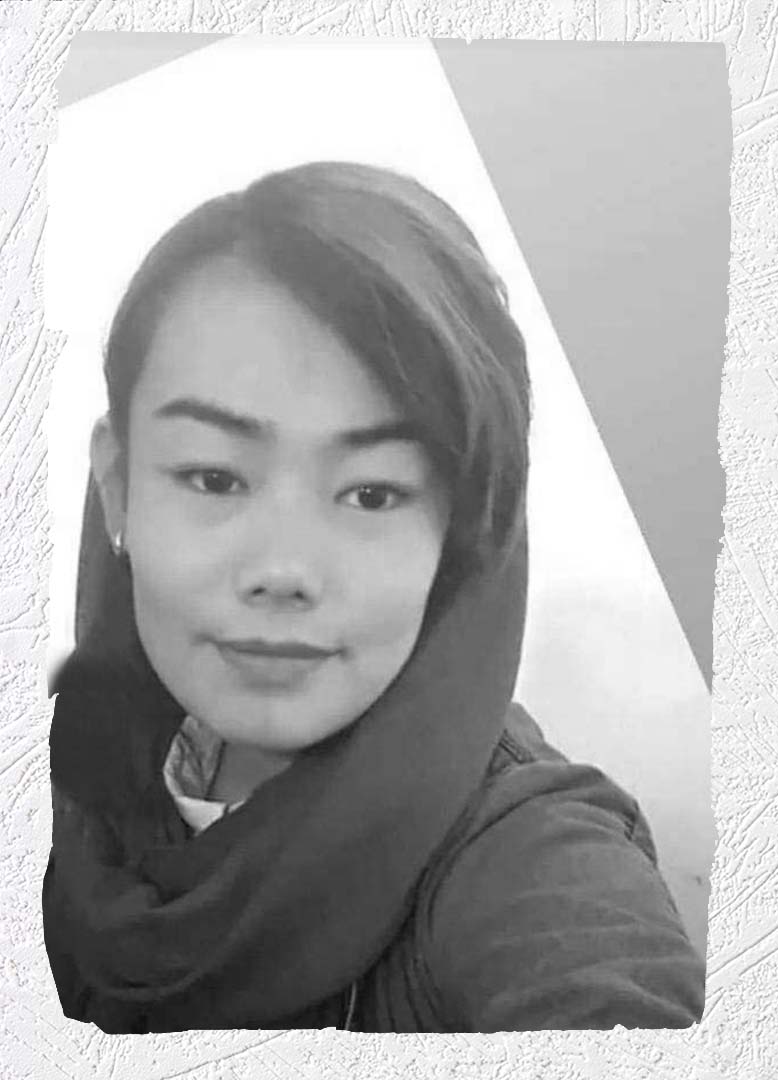
- Gender
- Female
- Ethnicity
- Hazara
- District geolocation of incident
- Kabul: 34° 31′ 1″ N, 69° 8′ 60″ E
Freshta Nawrozi
- Photo of Victim
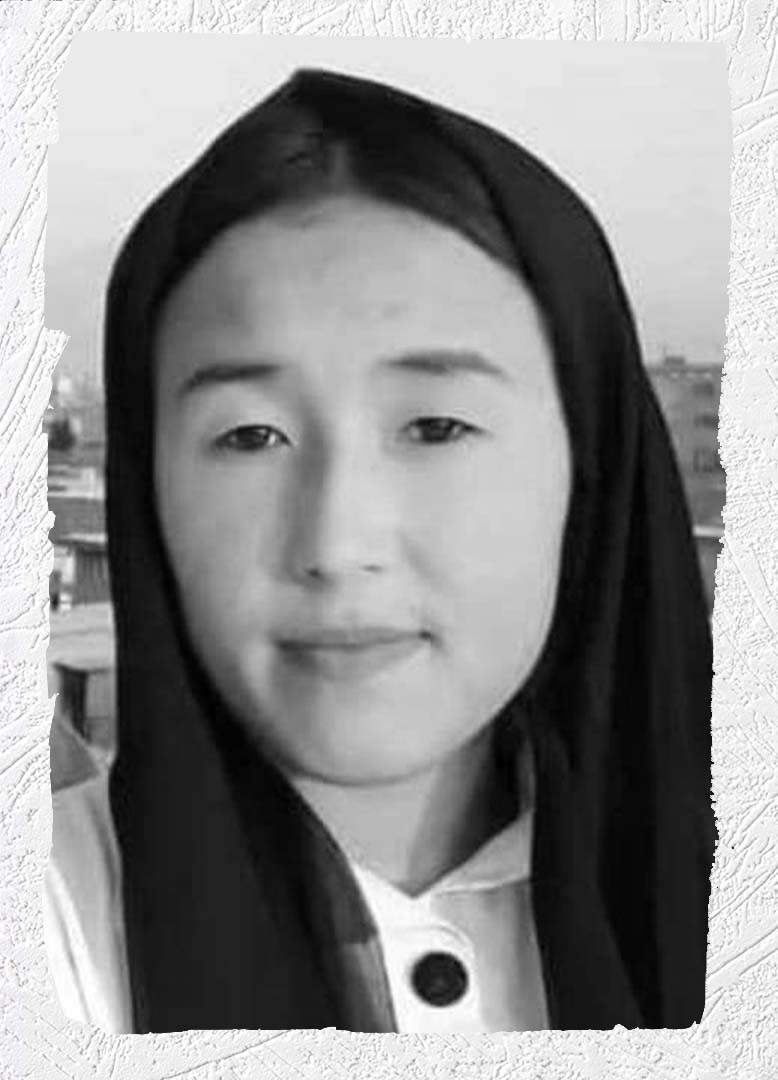
- Gender
- Female
- Ethnicity
- Hazara
- District geolocation of incident
- Kabul: 34° 31′ 1″ N, 69° 8′ 60″ E
Nazanin Hajizada
- Photo of Victim
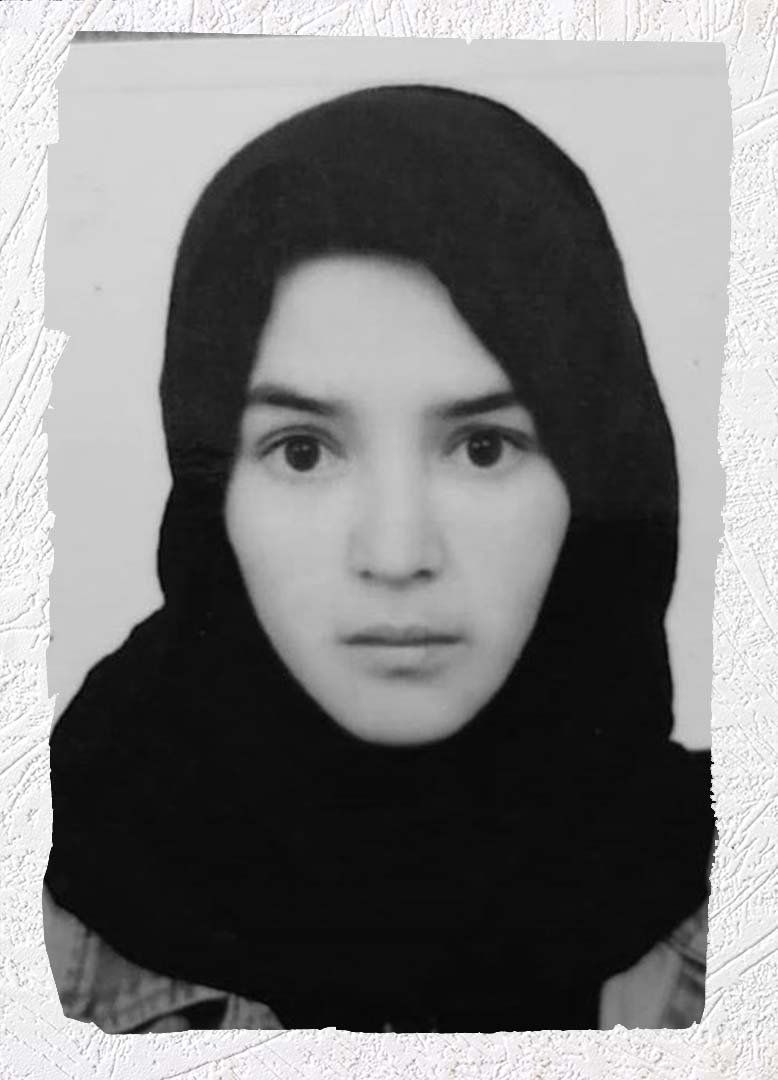
- Gender
- Female
- Ethnicity
- Hazara
- District geolocation of incident
- Kabul: 34° 31′ 1″ N, 69° 8′ 60″ E
Nazanin Kazimi
- Photo of Victim

- Gender
- Female
- Ethnicity
- Hazara
- District geolocation of incident
- Kabul: 34° 31′ 1″ N, 69° 8′ 60″ E
Najiba Safari (AdiB)
- Photo of Victim

- Gender
- Female
- Ethnicity
- Hazara
- District geolocation of incident
- Kabul: 34° 31′ 1″ N, 69° 8′ 60″ E
Nargis Mohammadi
- Photo of Victim

- Gender
- Female
- Ethnicity
- Hazara
- District geolocation of incident
- Kabul: 34° 31′ 1″ N, 69° 8′ 60″ E
Fatima Mohmmadi
- Photo of Victim

- Gender
- Female
- Ethnicity
- Hazara
- District geolocation of incident
- Kabul: 34° 31′ 1″ N, 69° 8′ 60″ E
Mahdia Alizada
- Photo of Victim

- Gender
- Female
- Ethnicity
- Hazara
- District geolocation of incident
- Kabul: 34° 31′ 1″ N, 69° 8′ 60″ E
Nasrin Gholami
- Photo of Victim

- Gender
- Female
- Ethnicity
- Hazara
- District geolocation of incident
- Kabul: 34° 31′ 1″ N, 69° 8′ 60″ E
Wahida Haidari
- Photo of Victim

- Gender
- Female
- Ethnicity
- Hazara
- District geolocation of incident
- Kabul: 34° 31′ 1″ N, 69° 8′ 60″ E
Faeza Amiri copy
- Photo of Victim
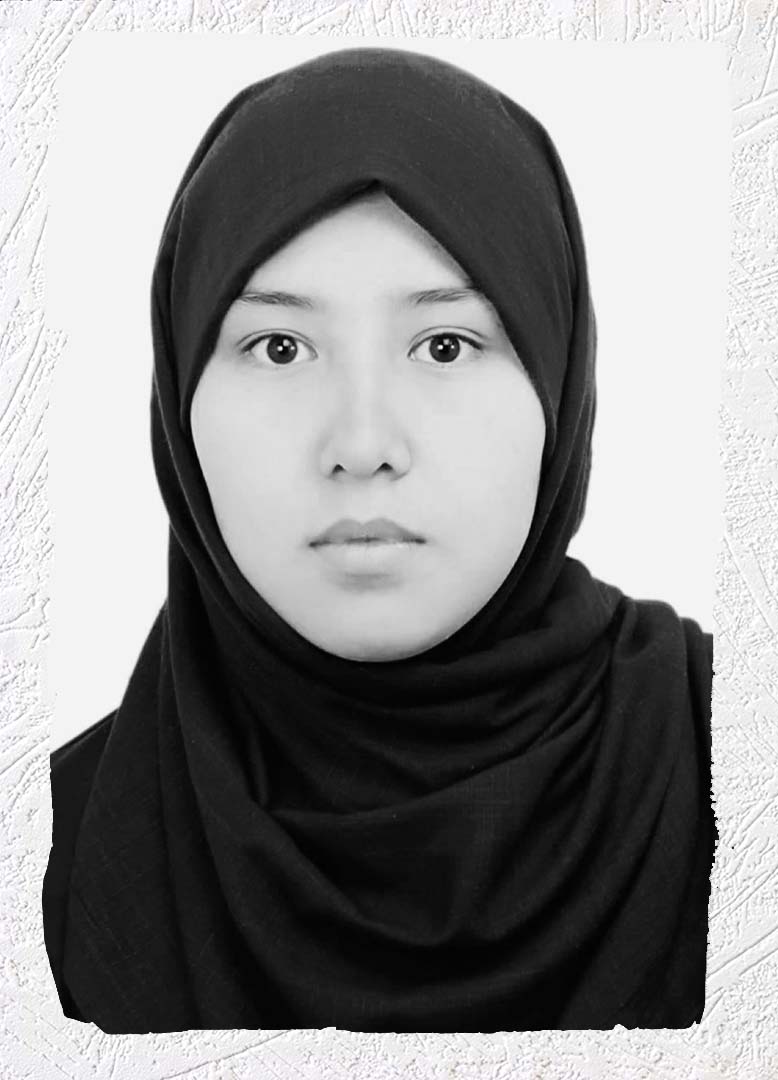
- Gender
- Female
- Ethnicity
- Hazara
- District geolocation of incident
- Kabul: 34° 31′ 1″ N, 69° 8′ 60″ E
Nilofar Moradi
- Photo of Victim

- Gender
- Female
- Ethnicity
- Hazara
- District geolocation of incident
- Kabul: 34° 31′ 1″ N, 69° 8′ 60″ E
Layeqa Gholami
- Photo of Victim

- Gender
- Female
- Ethnicity
- Hazara
- District geolocation of incident
- Kabul: 34° 31′ 1″ N, 69° 8′ 60″ E
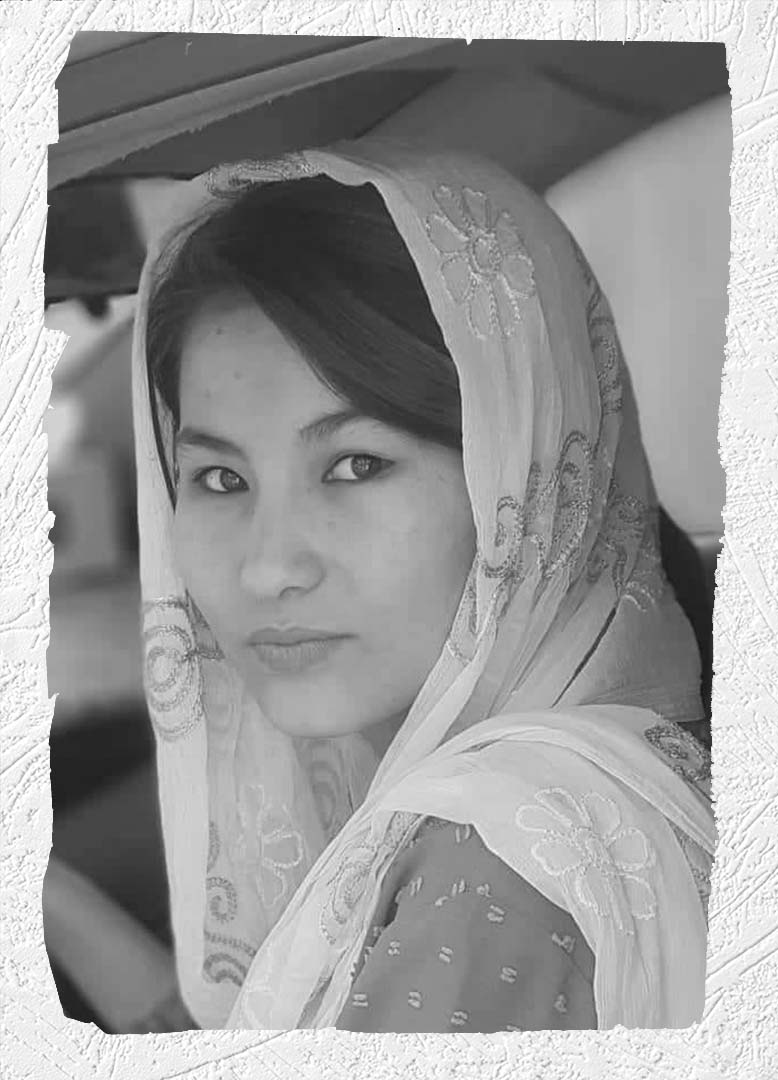
Hajar Mohammadi
- Photo of Victim
- Gender
- Female
- Ethnicity
- Hazara
- District geolocation of incident
- Kabul: 34° 31′ 1″ N, 69° 8′ 60″ E
GulPari
- Photo of Victim

- Gender
- Female
- Ethnicity
- Hazara
- District geolocation of incident
- Arghandab: 31° 39′ 3″ N, 65° 38′ 59″ E
- Description of incident
The hostage taking of seven Hazara passengers and then beheading them on November 9, 2015 by Daesh took place in Zabul province located in the southeast of Afghanistan. Shukria Tabssum, a 9-year-old Hazara child, was also a victim of this massacre.
Sardaro Ali
- Photo of Victim

- Gender
- Female
- Ethnicity
- Hazara
- District geolocation of incident
- Arghandab: 31° 39′ 3″ N, 65° 38′ 59″ E
- Description of incident
The hostage taking of seven Hazara passengers and then beheading them on November 9, 2015 by Daesh took place in Zabul province located in the southeast of Afghanistan. Shukria Tabssum, a 9-year-old Hazara child, was also a victim of this massacre.
Fatima Batul Sultani
- Photo of Victim

- Gender
- Female
- Ethnicity
- Hazara
- District geolocation of incident
- Kabul: 34° 31′ 1″ N, 69° 8′ 60″ E
- Description of incident
This explosion took place on November 11, 2018 when thousands of Kabul residents protested what they called "the government's inaction in preventing the attack of the Taliban group on Malistan and Jaghouri districts in Ghazni province and Khas Uruzgan district in Uruzgan province". They started a march and gathered near the presidential palace. The rally continued until dawn on Monday, when President Ghani accepted some of the protesters' demands through a phone call. After that, people were leaving the gathering place when a suicide attack took place.
Freshta Akbari Hazaristani
- Photo of Victim

- Gender
- Female
- Ethnicity
- Hazara
- District geolocation of incident
- Kabul: 34° 31′ 1″ N, 69° 8′ 60″ E
- Description of incident
This explosion took place on November 11, 2018 when thousands of Kabul residents protested what they called "the government's inaction in preventing the attack of the Taliban group on Malistan and Jaghouri districts in Ghazni province and Khas Uruzgan district in Uruzgan province". They started a march and gathered near the presidential palace. The rally continued until dawn on Monday, when President Ghani accepted some of the protesters' demands through a phone call. After that, people were leaving the gathering place when a suicide attack took place.
Nafisa
- Photo of Victim

- Gender
- Female
- Ethnicity
- Hazara
- District geolocation of incident
- Mazar-e Sharif: 36° 41′ 38″ N, 67° 6′ 48″ E
- Description of incident
A young girl named Nafisa, who was a midwife, was brutally tortured by the Taliban and then killed by 12 bullets. "Nafisa was working at the Ali Choupan clinic and on evening (02 April 2022) she was going home from her place of work with her sister's child and a colleague, when the Taliban asked her at the checkpoint what is her relationship with this man, she said he is my colleague The Taliban said why did you ride in the same car with a non-mahram.
Nigar
- Photo of Victim

- Gender
- Female
- Ethnicity
- Hazara
- District geolocation of incident
- Chaghcharan: 34° 31′ 56″ N, 65° 14′ 49″ E
- Description of incident
People's sources in Ghor Province confirm that a former female police member was shot by Taliban forces in this province. This event took place on Saturday evening, 05 September 2021 in Firuzkoh city, the capital of this province.
Zainab Abdullahi
- Photo of Victim

- Gender
- Female
- Ethnicity
- Hazara
- District geolocation of incident
- Kabul: 34° 31′ 1″ N, 69° 8′ 60″ E
- Description of incident
The forces of the Taliban group shot and killed a young woman in a checkpoint in the "Dasht Barchi" area. This incident happened on Thursday evening, 14th of January 2022 in "Golaei" area, of the 13th district of Kabul city. The victim of this event has been mentioned as Zainab Abdullahi.
Mina Khairi
- Photo of Victim

- Gender
- Female
- Ethnicity
- Hazara
- District geolocation of incident
- Kabul: 34° 31′ 1″ N, 69° 8′ 60″ E
- Description of incident
In the explosion on Thursday, June 03, 2021 in Kabul, the capital of Afghanistan, a journalist of Ariana TV was also killed. Ariana TV announced that the DNA test of the victims of the explosion in the area of the Pol-e sokhta in Kabul confirms that Mina Khairi, the announcer of Ariananews and Ariana radios, died in this event with her mother.
Hasnia Khairi
- Photo of Victim

- Gender
- Female
- Ethnicity
- Hazara
- District geolocation of incident
- Kabul: 34° 31′ 1″ N, 69° 8′ 60″ E
- Description of incident
Hasnia Khairi, the sister of Ariana TV reporter Mina Khairi, died in the hospital due to severe injuries.
Malala Maiwand
- Photo of Victim

- Gender
- Female
- Ethnicity
- Pashtun
- District geolocation of incident
- Jalalabad: 34° 27′ 19″ N, 70° 27′ 7″ E
- Description of incident
Journalist Malala Miwand and her driver Mohammad Taher were targeted by a terrorist attack in Nangarhar province on December 10, 2020. Journalists and human rights activists are usually subjected to targeted attacks and no one or group takes responsibility for the attack. Targeted killing attacks are one of the bloodiest war tactics in the current conflict; In the first six months of 2020, this tactic has killed more Afghan citizens than any other war tactic.
Frishta Mahram Durani
- Photo of Victim

- Gender
- Female
- Ethnicity
- Pashtun
- District geolocation of incident
- Kabul: 34° 31′ 1″ N, 69° 8′ 60″ E
- Description of incident
Two deadly terrorist attacks attributed to the ISIS group in Kabul on April 30, 2018 left 26 dead and 49 injured, marking the deadliest attack on journalists in the past fifteen years in Afghanistan. These attacks took place in the Sheshderak area of the 9th police district of Kabul city.
Gulchehra Sadaf Qasimi
- Photo of Victim

- Gender
- Female
- Ethnicity
- Hazara
- District geolocation of incident
- Kabul: 34° 31′ 1″ N, 69° 8′ 60″ E
- Description of incident
This explosion took place on November 11, 2018 when thousands of Kabul residents protested what they called "the government's inaction in preventing the attack of the Taliban group on Malistan and Jaghouri districts in Ghazni province and Khas Uruzgan district in Uruzgan province". They started a march and gathered near the presidential palace. The rally continued until dawn on Monday, when President Ghani accepted some of the protesters' demands through a phone call. After that, people were leaving the gathering place when a suicide attack took place.
Saima
- Photo of Victim

- Gender
- Female
- Ethnicity
- Hazara
- District geolocation of incident
- Kabul: 34° 31′ 1″ N, 69° 8′ 60″ E
- Description of incident
The explosives attached to the gas canisters killed and injured dozens of people. Saima’s hand and leg were cut off and we couldn’t find her leg. The shrapnel had pierced her younger brother’s abdomen extruding his intestines and kidney.
- Declaratory Statement
The Story of M. Musa (father)
Victims’ Names: Mohammad Sadiq and Saima
Date of Incident: April 21, 2015
Place of Incident: Darulaman Road, Kabul
I was at home when the explosion occurred. Muhammad Sadiq was swinging when his sister asked him to get her children from school. As they were walking on the pavement, Sadiq noticed a truck carrying six big gas containers getting closer. As the truck passed them, a few meters away it turns towards the old parliament building and exploded. The explosives attached to the gas canisters killed and injured dozens of people. Saima’s hand and leg were cut off and we couldn’t find her leg. The shrapnel had pierced her younger brother’s abdomen extruding his intestines and kidney. Mohammad Sadiq had pushed his nephew in the street gutter to save his life and had then managed to walk to a blacksmith and asked to take him out of the gutter. Though Sadiq lost his life due to major burns, he saved his nephew’s life that day.
I took them to Istiqlal Hospital. My son, Sadiq was transferred to the burn injuries section and my grandson was in my arms as I held his kidney and intestines in my hand. First the doctors refused to admit him but when he opened his eyes and started moaning, they realised he was alive so they took him to the emergency section for surgery which took three days to complete. When we took my son and nephew to the hospital, we found Saima missing. Everyone started looking for her until we found her body in the Forensic Medicine Department. It was difficult to identify her because her entire body had been burned and been injured by shrapnel. One of her legs had been cut off which we never found.
My son was alive for five days but had difficulty in breathing because of major burns. When we were at the mosque for Saima’s funeral, Sadiq passed away in the hospital. We buried Sadiq on 5th of Ramadan, just a few days after Saima. He was only 27 years old when he was killed. He was our only breadwinner and was working as a freelance tailor. He used to buy fabrics to sew clothes and distribute in the market. He was married and left behind a daughter and a young wife who are now living with us. I gave his belongings for charity but left a few objects which I have decided to add to the Memory Box to keep his memories alive.
Tayeba Mosavi
- Photo of Victim

- Gender
- Female
- Ethnicity
- Sadat
- District geolocation of incident
- Kabul: 34° 31′ 1″ N, 69° 8′ 60″ E
- Description of incident
On June 12, 2021, two explosions occurred in succession within the Mahatab Qala and Sar-e-Pul regions of Dasht-e-Barchi. These incidents led to seven fatalities and injuries to six individuals. Among the victims were Afghan Film employees Fatima Mohammadi, Tayeba Mosavi, and social activist Murtaza Sadat. The source of the explosions was identified as explosive devices located in commonly used passenger minivans. No group or individual has claimed of responsibility for these attacks so far.
- Declaratory Statement
No
Elnaz
- Photo of Victim

- Gender
- Female
- Ethnicity
- Unknown
- District geolocation of incident
- Kabul: 34° 31′ 1″ N, 69° 8′ 60″ E
- Description of incident
On August 24, 2016, suspected Taliban attackers stormed the American University of Afghanistan in Kabul using a car bomb and automatic weapons. The assault resulted in the deaths of sixteen people, including eight university students, one university policeman, and three security guards. Additionally, fifty to fifty-three individuals were injured, some critically. Afghan Special Forces killed three of the attackers. This incident marked the first direct attack on the university, although two professors had been kidnapped just outside the campus a few weeks earlier. Both Taliban and ISIL-KP were suspected though no group or individual claimed the responsibility for the attack.
- Declaratory Statement
Elnaz, 18, known as Alina by her friends and family was the oldest child of a street-vendor. As a scholarship student she was studying for a BA in Political Science and Public Administration. Alina spent most of her life in Karachi, Pakistan, as a refugee. Her dream had been to study in a prestigious university such as AUAF and then to get a job to help support her family.
Jamila,
- Photo of Victim

- Gender
- Female
- Ethnicity
- Hazara
- District geolocation of incident
- Kabul: 34° 31′ 1″ N, 69° 8′ 60″ E
- Description of incident
On August 24, 2016, suspected Taliban attackers stormed the American University of Afghanistan in Kabul using a car bomb and automatic weapons. The assault resulted in the deaths of sixteen people, including eight university students, one university policeman, and three security guards. Additionally, fifty to fifty-three individuals were injured, some critically. Afghan Special Forces killed three of the attackers. This incident marked the first direct attack on the university, although two professors had been kidnapped just outside the campus a few weeks earlier. Both Taliban and ISIL-KP were suspected though no group or individual claimed the responsibility for the attack.
- Declaratory Statement
Jamila, 26, was a senior majoring in Finance and Business Administration. Originally from Mazar-e Sharif, she moved to Pakistan during the Taliban regime. She completed her primary education in Pakistan and upon returning to Afghanistan attended Rokhshana High School in Kabul from which she graduated in 2009. Having already completed a degree in computer science at Kabul University, she joined to pursue an additional degree in management. Jamila wanted to help women set up small businesses to improve their lives and have a positive effect on the economy of the country. “My sister was very hardworking and extremely intelligent,” said Murtaza Ismailzada, the victim’s brother.
Shukria Tabassum
- Photo of Victim

- Gender
- Female
- Ethnicity
- Hazara
- District geolocation of incident
- Arghandab: 31° 39′ 3″ N, 65° 38′ 59″ E
- Description of incident
The hostage taking and then beheading of 7 Hazara people on November 9, 2015 by Daesh took place in Zabul province located in the southeast of Afghanistan. Shukrieh Tabsem, a 9-year-old Hazara child, was also a victim of this massacre.
Marhaba
- Photo of Victim

- Gender
- Female
- Ethnicity
- Uzbek
- District geolocation of incident
- Sayyad: 35° 52′ 25″ N, 68° 25′ 51″ E
Fatima
- Photo of Victim

- Gender
- Female
- Ethnicity
- Sadat
- District geolocation of incident
- Mazar-e Sharif: 36° 41′ 38″ N, 67° 6′ 48″ E
Najiba Hussaini
- Photo of Victim

- Gender
- Female
- Ethnicity
- Hazara
- District geolocation of incident
- Kabul: 34° 31′ 1″ N, 69° 8′ 60″ E
- Description of incident
ساعت ۷ صبح هنگام رفتن کارمندان دولت به طرف وظیفه بر موتر حامل کارمندان وزارت معدن در ناحیه سوم شهر کابل، سرکاریز انفجار صورت میگیرد که نجیبه حسینی در آن موتر بوده و قربانی شده است.
Sohila
- Photo of Victim

- Gender
- Female
- Ethnicity
- Hazara
- District geolocation of incident
- Kabul: 34° 31′ 1″ N, 69° 8′ 60″ E
Kawsar Qubadian
- Photo of Victim

- Gender
- Female
- Ethnicity
- Tajik
- District geolocation of incident
- Kabul: 34° 31′ 1″ N, 69° 8′ 60″ E
Malika Ebrahimi
- Photo of Victim

- Gender
- Female
- Ethnicity
- Hazara
- District geolocation of incident
- Kabul: 34° 31′ 1″ N, 69° 8′ 60″ E
- Description of incident
On October 24, 2020, a suicide bomber carried out an attack on the Kawsar-e Danish Educational Center in Kabul City. The educational center, which offers tutoring for students preparing for higher education, is located in an area with a large population of Hazara people.
Fahima Amiri
- Photo of Victim

- Gender
- Female
- Ethnicity
- Hazara
- District geolocation of incident
- Kabul: 34° 31′ 1″ N, 69° 8′ 60″ E
- Description of incident
On October 24, 2020, a suicide bomber carried out an attack on the Kawsar-e Danish Educational Center in Kabul City. The educational center, which offers tutoring for students preparing for higher education, is located in an area with a large population of Hazara people.
Amina Razawi
- Photo of Victim

- Gender
- Female
- Ethnicity
- Hazara
- District geolocation of incident
- Kabul: 34° 31′ 1″ N, 69° 8′ 60″ E
Parwin
- Photo of Victim

- Gender
- Female
- Ethnicity
- Hazara
- District geolocation of incident
- Kabul: 34° 31′ 1″ N, 69° 8′ 60″ E
Rahila Rafi
- Photo of Victim

- Gender
- Female
- Ethnicity
- Hazara
- District geolocation of incident
- Kabul: 34° 31′ 1″ N, 69° 8′ 60″ E
Robaba
- Photo of Victim

- Gender
- Female
- Ethnicity
- Hazara
- District geolocation of incident
- Kabul: 34° 31′ 1″ N, 69° 8′ 60″ E
Zahra Nazari
- Photo of Victim

- Gender
- Female
- Ethnicity
- Hazara
- District geolocation of incident
- Kabul: 34° 31′ 1″ N, 69° 8′ 60″ E
Sakina Merzaey
- Photo of Victim

- Gender
- Female
- Ethnicity
- Hazara
- District geolocation of incident
- Kabul: 34° 31′ 1″ N, 69° 8′ 60″ E
Roqia Najafi
- Photo of Victim

- Gender
- Female
- Ethnicity
- Hazara
- District geolocation of incident
- Kabul: 34° 31′ 1″ N, 69° 8′ 60″ E
Zahra Hussaini
- Photo of Victim

- Gender
- Female
- Ethnicity
- Hazara
- District geolocation of incident
- Kabul: 34° 31′ 1″ N, 69° 8′ 60″ E
Shamsia Zafari
- Photo of Victim

- Gender
- Female
- Ethnicity
- Hazara
- District geolocation of incident
- Kabul: 34° 31′ 1″ N, 69° 8′ 60″ E
Atifa copy
- Photo of Victim

- Gender
- Female
- Ethnicity
- Hazara
- District geolocation of incident
- Kabul: 34° 31′ 1″ N, 69° 8′ 60″ E
Parwin
- Photo of Victim

- Gender
- Female
- Ethnicity
- Hazara
- District geolocation of incident
- Kabul: 34° 31′ 1″ N, 69° 8′ 60″ E
Sabira
- Photo of Victim

- Gender
- Female
- Ethnicity
- Hazara
- District geolocation of incident
- Kabul: 34° 31′ 1″ N, 69° 8′ 60″ E
Fatima Ahmadi
- Photo of Victim

- Gender
- Female
- Ethnicity
- Hazara
- District geolocation of incident
- Kabul: 34° 31′ 1″ N, 69° 8′ 60″ E
Fatima
- Photo of Victim

- Gender
- Female
- Ethnicity
- Hazara
- District geolocation of incident
- Kabul: 34° 31′ 1″ N, 69° 8′ 60″ E
Farzana Rahimi
- Photo of Victim

- Gender
- Female
- Ethnicity
- Hazara
- District geolocation of incident
- Kabul: 34° 31′ 1″ N, 69° 8′ 60″ E
Nargis
- Photo of Victim

- Gender
- Female
- Ethnicity
- Hazara
- District geolocation of incident
- Kabul: 34° 31′ 1″ N, 69° 8′ 60″ E
Amina Razawi
- Photo of Victim

- Gender
- Female
- Ethnicity
- Hazara
- District geolocation of incident
- Kabul: 34° 31′ 1″ N, 69° 8′ 60″ E
Amina
- Photo of Victim

- Gender
- Female
- Ethnicity
- Hazara
- District geolocation of incident
- Kabul: 34° 31′ 1″ N, 69° 8′ 60″ E
Arifa
- Photo of Victim

- Gender
- Female
- Ethnicity
- Hazara
- District geolocation of incident
- Kabul: 34° 31′ 1″ N, 69° 8′ 60″ E
GulChaman
- Photo of Victim

- Gender
- Female
- Ethnicity
- Hazara
- District geolocation of incident
- Sayyad: 35° 52′ 25″ N, 68° 25′ 51″ E
- Description of incident
On 3 August 2017, Anti-Government Elements including Taliban and local self-proclaimed Daesh/Islamic State affiliated fighters launched an attack against Mirza Olang village in Sayyad district, Sari Pul province, where fighting continued until 5 August. The village, known as ‘the gate to Sayyad’, lies deep in a long valley. Its southern entrance is near to the border of neighbouring Faryab province and is located 20 km south of the Sayyad district administrative centre. Much of the area surrounding the district administrative centre has been under control of Anti-Government Elements for more than one year.
Hosna Yousufi
- Photo of Victim

- Gender
- Female
- Ethnicity
- Hazara
- District geolocation of incident
- Kabul: 34° 31′ 1″ N, 69° 8′ 60″ E
- Description of incident
Eighteen students and an administrative officer of Kabul University were killed in the deadly attack on the university of Kabul on Monday, November 03, 2020.
Nadima Azizi
- Photo of Victim

- Gender
- Female
- Ethnicity
- Tajik
- District geolocation of incident
- Kabul: 34° 31′ 1″ N, 69° 8′ 60″ E
- Description of incident
Eighteen students and an administrative officer of Kabul University were killed in the deadly attack on the university of Kabul on Monday, November 03, 2020.
Suhaila Yari
- Photo of Victim

- Gender
- Female
- Ethnicity
- Hazara
- District geolocation of incident
- Kabul: 34° 31′ 1″ N, 69° 8′ 60″ E
- Description of incident
Eighteen students and an administrative officer of Kabul University were killed in the deadly attack on the university of Kabul on Monday, November 03, 2020.
Hanifa Afshar
- Photo of Victim

- Gender
- Female
- Ethnicity
- Hazara
- District geolocation of incident
- Kabul: 34° 31′ 1″ N, 69° 8′ 60″ E
- Description of incident
Eighteen students and an administrative officer of Kabul University were killed in the deadly attack on the university of Kabul on Monday, November 03, 2020.
Roqeia Karimi
- Photo of Victim

- Gender
- Female
- Ethnicity
- Hazara
- District geolocation of incident
- Kabul: 34° 31′ 1″ N, 69° 8′ 60″ E
- Description of incident
Eighteen students and an administrative officer of Kabul University were killed in the deadly attack on the university of Kabul on Monday, November 03, 2020.
Zakia
- Photo of Victim

- Gender
- Female
- Ethnicity
- Hazara
- District geolocation of incident
- Kabul: 34° 31′ 1″ N, 69° 8′ 60″ E
Ziba Asghari
- Photo of Victim

- Gender
- Female
- Ethnicity
- Hazara
- District geolocation of incident
- Kabul: 34° 31′ 1″ N, 69° 8′ 60″ E
- Description of incident
Eighteen students and an administrative officer of Kabul University were killed in the deadly attack on the university of Kabul on Monday, November 03, 2020.
Hosniya
- Photo of Victim

- Gender
- Female
- Ethnicity
- Hazara
- District geolocation of incident
- Kabul: 34° 31′ 1″ N, 69° 8′ 60″ E
Razia
- Photo of Victim

- Gender
- Female
- Ethnicity
- Hazara
- District geolocation of incident
- Kabul: 34° 31′ 1″ N, 69° 8′ 60″ E
Husnia Hakimullah
- Photo of Victim

- Gender
- Female
- Ethnicity
- Tajik
- District geolocation of incident
- Kabul: 34° 31′ 1″ N, 69° 8′ 60″ E
- Description of incident
Eighteen students and an administrative officer of Kabul University were killed in the deadly attack on the university of Kabul on Monday, November 03, 2020.
Hanifa
- Photo of Victim

- Gender
- Female
- Ethnicity
- Hazara
- District geolocation of incident
- Kabul: 34° 31′ 1″ N, 69° 8′ 60″ E
Razima
- Photo of Victim

- Gender
- Female
- Ethnicity
- Hazara
- District geolocation of incident
- Kabul: 34° 31′ 1″ N, 69° 8′ 60″ E
Zarghona
- Photo of Victim

- Gender
- Female
- Ethnicity
- Hazara
- District geolocation of incident
- Kabul: 34° 31′ 1″ N, 69° 8′ 60″ E
Rahima
- Photo of Victim

- Gender
- Female
- Ethnicity
- Hazara
- District geolocation of incident
- Kabul: 34° 31′ 1″ N, 69° 8′ 60″ E
Raihana Asghari
- Photo of Victim

- Gender
- Female
- Ethnicity
- Hazara
- District geolocation of incident
- Kabul: 34° 31′ 1″ N, 69° 8′ 60″ E
Zahra
- Photo of Victim

- Gender
- Female
- Ethnicity
- Hazara
- District geolocation of incident
- Kabul: 34° 31′ 1″ N, 69° 8′ 60″ E
Sohila
- Photo of Victim

- Gender
- Female
- Ethnicity
- Hazara
- District geolocation of incident
- Kabul: 34° 31′ 1″ N, 69° 8′ 60″ E
Sharifa
- Photo of Victim

- Gender
- Female
- Ethnicity
- Sadat
- District geolocation of incident
- Kabul: 34° 31′ 1″ N, 69° 8′ 60″ E
Shafiqa
- Photo of Victim

- Gender
- Female
- Ethnicity
- Hazara
- District geolocation of incident
- Kabul: 34° 31′ 1″ N, 69° 8′ 60″ E
Saliha
- Photo of Victim

- Gender
- Female
- Ethnicity
- Hazara
- District geolocation of incident
- Kabul: 34° 31′ 1″ N, 69° 8′ 60″ E
Sidiqa Sharifi
- Photo of Victim

- Gender
- Female
- Ethnicity
- Hazara
- District geolocation of incident
- Kabul: 34° 31′ 1″ N, 69° 8′ 60″ E
Zahra Sultani
- Photo of Victim

- Gender
- Female
- Ethnicity
- Hazara
- District geolocation of incident
- Kabul: 34° 31′ 1″ N, 69° 8′ 60″ E
ShahrBano
- Photo of Victim

- Gender
- Female
- Ethnicity
- Hazara
- District geolocation of incident
- Kabul: 34° 31′ 1″ N, 69° 8′ 60″ E
ShahrBano
- Photo of Victim

- Gender
- Female
- Ethnicity
- Hazara
- District geolocation of incident
- Kabul: 34° 31′ 1″ N, 69° 8′ 60″ E
Saliha Rezaey
- Photo of Victim

- Gender
- Female
- Ethnicity
- Hazara
- District geolocation of incident
- Kabul: 34° 31′ 1″ N, 69° 8′ 60″ E
Shokria
- Photo of Victim

- Gender
- Female
- Ethnicity
- Hazara
- District geolocation of incident
- Kabul: 34° 31′ 1″ N, 69° 8′ 60″ E
Safia
- Photo of Victim

- Gender
- Female
- Ethnicity
- Sadat
- District geolocation of incident
- Kabul: 34° 31′ 1″ N, 69° 8′ 60″ E
Taiba Mohammadi
- Photo of Victim

- Gender
- Female
- Ethnicity
- Hazara
- District geolocation of incident
- Kabul: 34° 31′ 1″ N, 69° 8′ 60″ E
Saliha Hussaini
- Photo of Victim

- Gender
- Female
- Ethnicity
- Hazara
- District geolocation of incident
- Kabul: 34° 31′ 1″ N, 69° 8′ 60″ E
Zarifa
- Photo of Victim

- Gender
- Female
- Ethnicity
- Hazara
- District geolocation of incident
- Kabul: 34° 31′ 1″ N, 69° 8′ 60″ E
Adila
- Photo of Victim

- Gender
- Female
- Ethnicity
- Hazara
- District geolocation of incident
- Kabul: 34° 31′ 1″ N, 69° 8′ 60″ E
Arifa
- Photo of Victim

- Gender
- Female
- Ethnicity
- Hazara
- District geolocation of incident
- Kabul: 34° 31′ 1″ N, 69° 8′ 60″ E
Atifa
- Photo of Victim

- Gender
- Female
- Ethnicity
- Hazara
- District geolocation of incident
- Kabul: 34° 31′ 1″ N, 69° 8′ 60″ E
Aziza
- Photo of Victim

- Gender
- Female
- Ethnicity
- Hazara
- District geolocation of incident
- Kabul: 34° 31′ 1″ N, 69° 8′ 60″ E
Fatima
- Photo of Victim

- Gender
- Female
- Ethnicity
- Hazara
- District geolocation of incident
- Kabul: 34° 31′ 1″ N, 69° 8′ 60″ E
Safia
- Photo of Victim

- Gender
- Female
- Ethnicity
- Sadat
- District geolocation of incident
- Kabul: 34° 31′ 1″ N, 69° 8′ 60″ E
Farzana
- Photo of Victim

- Gender
- Female
- Ethnicity
- Hazara
- District geolocation of incident
- Kabul: 34° 31′ 1″ N, 69° 8′ 60″ E
Frishta
- Photo of Victim
- Gender
- Female
- Ethnicity
- Hazara
- District geolocation of incident
- Kabul: 34° 31′ 1″ N, 69° 8′ 60″ E
Latifa
- Photo of Victim

- Gender
- Female
- Ethnicity
- Hazara
- District geolocation of incident
- Kabul: 34° 31′ 1″ N, 69° 8′ 60″ E
Fatima
- Photo of Victim

- Gender
- Female
- Ethnicity
- Hazara
- District geolocation of incident
- Kabul: 34° 31′ 1″ N, 69° 8′ 60″ E
Frishta
- Photo of Victim

- Gender
- Female
- Ethnicity
- Hazara
- District geolocation of incident
- Kabul: 34° 31′ 1″ N, 69° 8′ 60″ E
Kobra Ahmadi
- Photo of Victim

- Gender
- Female
- Ethnicity
- Hazara
- District geolocation of incident
- Kabul: 34° 31′ 1″ N, 69° 8′ 60″ E
Kamila Sharifi
- Photo of Victim

- Gender
- Female
- Ethnicity
- Hazara
- District geolocation of incident
- Kabul: 34° 31′ 1″ N, 69° 8′ 60″ E
Masoma
- Photo of Victim

- Gender
- Female
- Ethnicity
- Sadat
- District geolocation of incident
- Kabul: 34° 31′ 1″ N, 69° 8′ 60″ E
Masoma
- Photo of Victim

- Gender
- Female
- Ethnicity
- Hazara
- District geolocation of incident
- Kabul: 34° 31′ 1″ N, 69° 8′ 60″ E
Masoma
- Photo of Victim

- Gender
- Female
- Ethnicity
- Hazara
- District geolocation of incident
- Kabul: 34° 31′ 1″ N, 69° 8′ 60″ E
Malika
- Photo of Victim

- Gender
- Female
- Ethnicity
- Hazara
- District geolocation of incident
- Kabul: 34° 31′ 1″ N, 69° 8′ 60″ E
Mahdia Khadimi
- Photo of Victim

- Gender
- Female
- Ethnicity
- Hazara
- District geolocation of incident
- Kabul: 34° 31′ 1″ N, 69° 8′ 60″ E
Nafisa Safdari
- Photo of Victim

- Gender
- Female
- Ethnicity
- Hazara
- District geolocation of incident
- Kabul: 34° 31′ 1″ N, 69° 8′ 60″ E
Noria
- Photo of Victim

- Gender
- Female
- Ethnicity
- Hazara
- District geolocation of incident
- Kabul: 34° 31′ 1″ N, 69° 8′ 60″ E
Sara Yosofi
- Photo of Victim

- Gender
- Female
- Ethnicity
- Hazara
- District geolocation of incident
- Kabul: 34° 31′ 1″ N, 69° 8′ 60″ E
Marina
- Photo of Victim

- Gender
- Female
- Ethnicity
- Hazara
- District geolocation of incident
- Kabul: 34° 31′ 1″ N, 69° 8′ 60″ E
Nazia
- Photo of Victim

- Gender
- Female
- Ethnicity
- Hazara
- District geolocation of incident
- Kabul: 34° 31′ 1″ N, 69° 8′ 60″ E
NikBakht
- Photo of Victim

- Gender
- Female
- Ethnicity
- Hazara
- District geolocation of incident
- Kabul: 34° 31′ 1″ N, 69° 8′ 60″ E
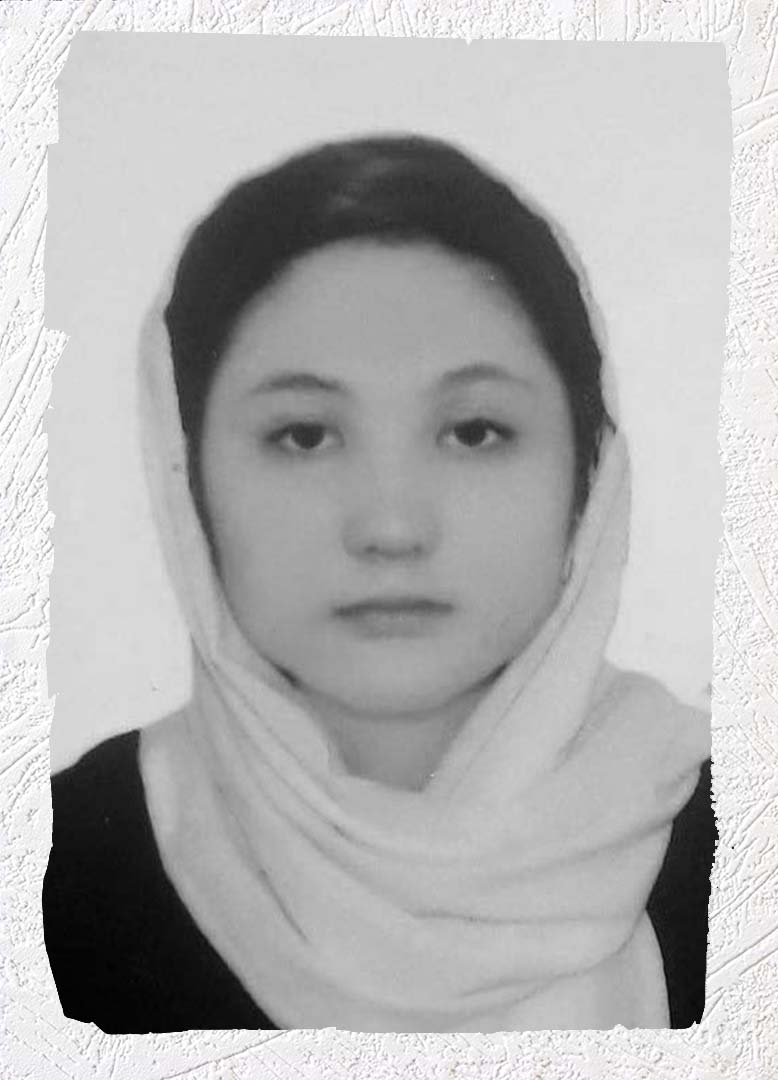
Asma Ahmadi
- Photo of Victim
- Gender
- Female
- Ethnicity
- Hazara
- District geolocation of incident
- Kabul: 34° 31′ 1″ N, 69° 8′ 60″ E
Masoma
- Photo of Victim

- Gender
- Female
- Ethnicity
- Hazara
- District geolocation of incident
- Kabul: 34° 31′ 1″ N, 69° 8′ 60″ E
Anisa Aslampoor
- Photo of Victim

- Gender
- Female
- Ethnicity
- Hazara
- District geolocation of incident
- Kabul: 34° 31′ 1″ N, 69° 8′ 60″ E
Hosneia Azimi
- Photo of Victim

- Gender
- Female
- Ethnicity
- Hazara
- District geolocation of incident
- Kabul: 34° 31′ 1″ N, 69° 8′ 60″ E
Homira Arshadi
- Photo of Victim

- Gender
- Female
- Ethnicity
- Hazara
- District geolocation of incident
- Kabul: 34° 31′ 1″ N, 69° 8′ 60″ E
Rahila Alizada
- Photo of Victim

- Gender
- Female
- Ethnicity
- Hazara
- District geolocation of incident
- Kabul: 34° 31′ 1″ N, 69° 8′ 60″ E
Raihan Mohammadi
- Photo of Victim

- Gender
- Female
- Ethnicity
- Qizilbash
- District geolocation of incident
- Kabul: 34° 31′ 1″ N, 69° 8′ 60″ E
Hangama Ahmadi
- Photo of Victim

- Gender
- Female
- Ethnicity
- Hazara
- District geolocation of incident
- Kabul: 34° 31′ 1″ N, 69° 8′ 60″ EAb Kamari: 35° 15′ 58″ N, 62° 54′ 52″ E
Ummul Banin Asghari
- Photo of Victim

- Gender
- Female
- Ethnicity
- Hazara
- District geolocation of incident
- Kabul: 34° 31′ 1″ N, 69° 8′ 60″ E
Zainab Sherzad
- Photo of Victim

- Gender
- Female
- Ethnicity
- Hazara
- District geolocation of incident
- Kabul: 34° 31′ 1″ N, 69° 8′ 60″ E
Bahara Yaqobi (BasBiBi)
- Photo of Victim

- Gender
- Female
- Ethnicity
- Hazara
- District geolocation of incident
- Kabul: 34° 31′ 1″ N, 69° 8′ 60″ E
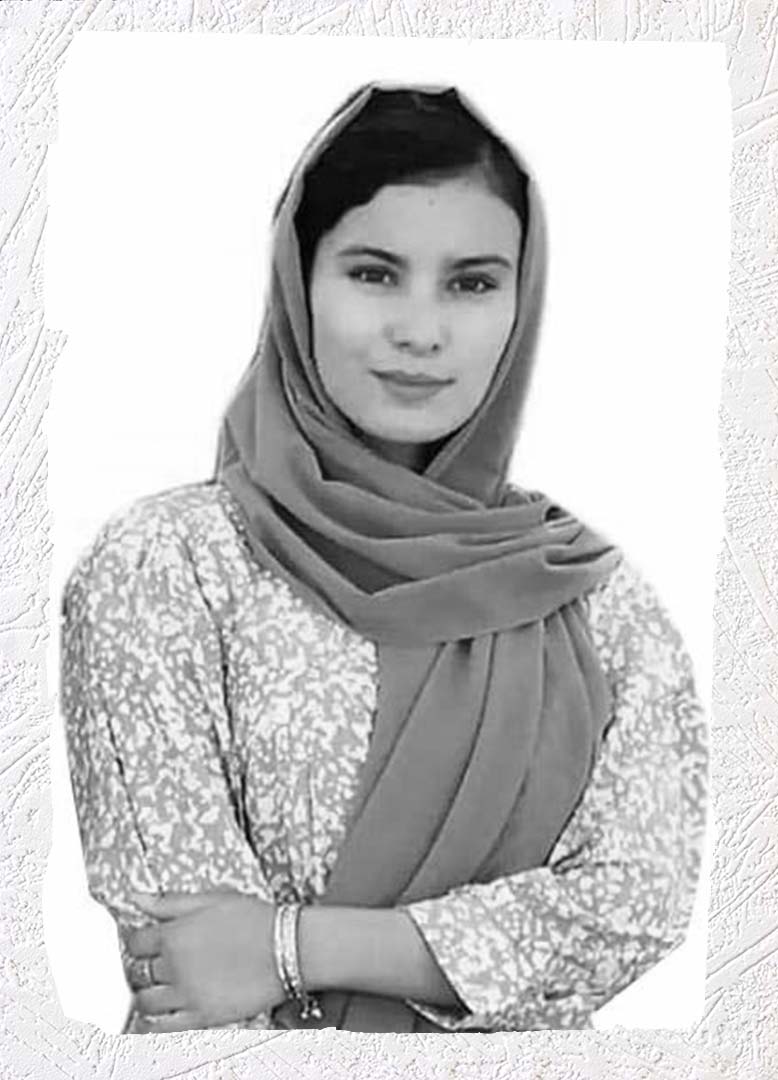
Setara Rezaei
- Photo of Victim
- Gender
- Female
- Ethnicity
- Hazara
- District geolocation of incident
- Kabul: 34° 31′ 1″ N, 69° 8′ 60″ E
Sadeia Nabizada
- Photo of Victim
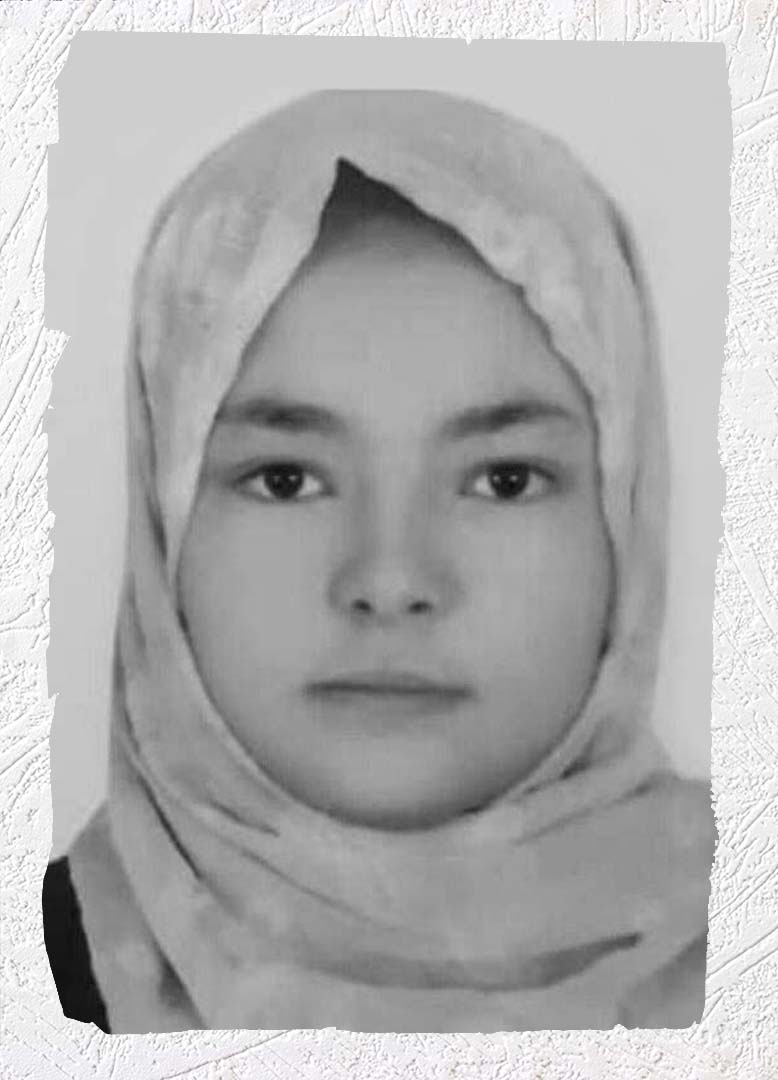
- Gender
- Female
- Ethnicity
- Hazara
- District geolocation of incident
- Kabul: 34° 31′ 1″ N, 69° 8′ 60″ E
Zahra Ahmadi
- Photo of Victim
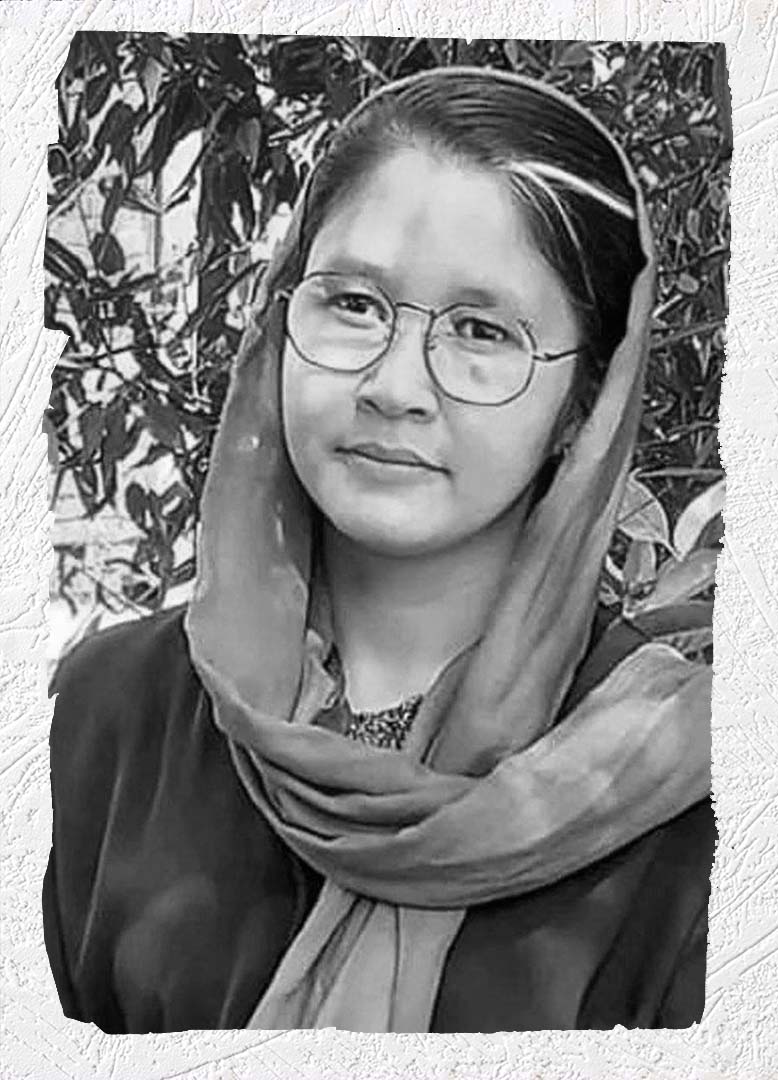
- Gender
- Female
- Ethnicity
- Hazara
- District geolocation of incident
- Kabul: 34° 31′ 1″ N, 69° 8′ 60″ E
Zahra Amiri
- Photo of Victim

- Gender
- Female
- Ethnicity
- Hazara
- District geolocation of incident
- Kabul: 34° 31′ 1″ N, 69° 8′ 60″ E
Shikofa Sadat
- Photo of Victim
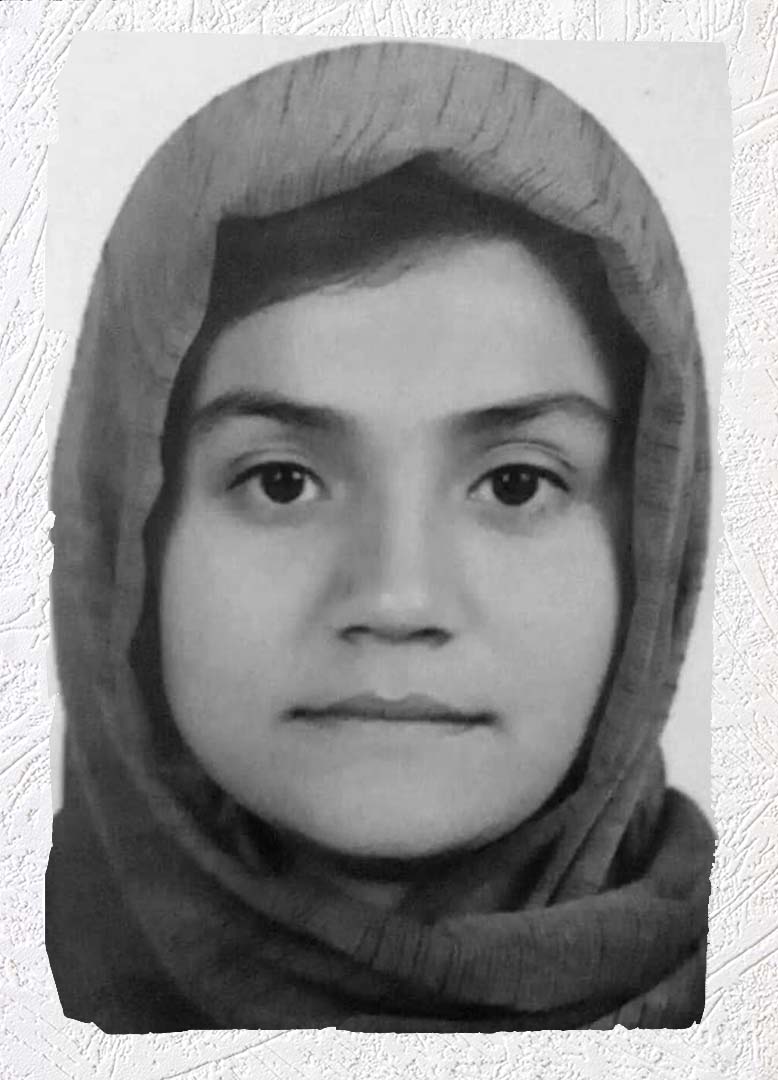
- Gender
- Female
- Ethnicity
- Sadat
- District geolocation of incident
- Kabul: 34° 31′ 1″ N, 69° 8′ 60″ E
Shikeba Mohammadi
- Photo of Victim
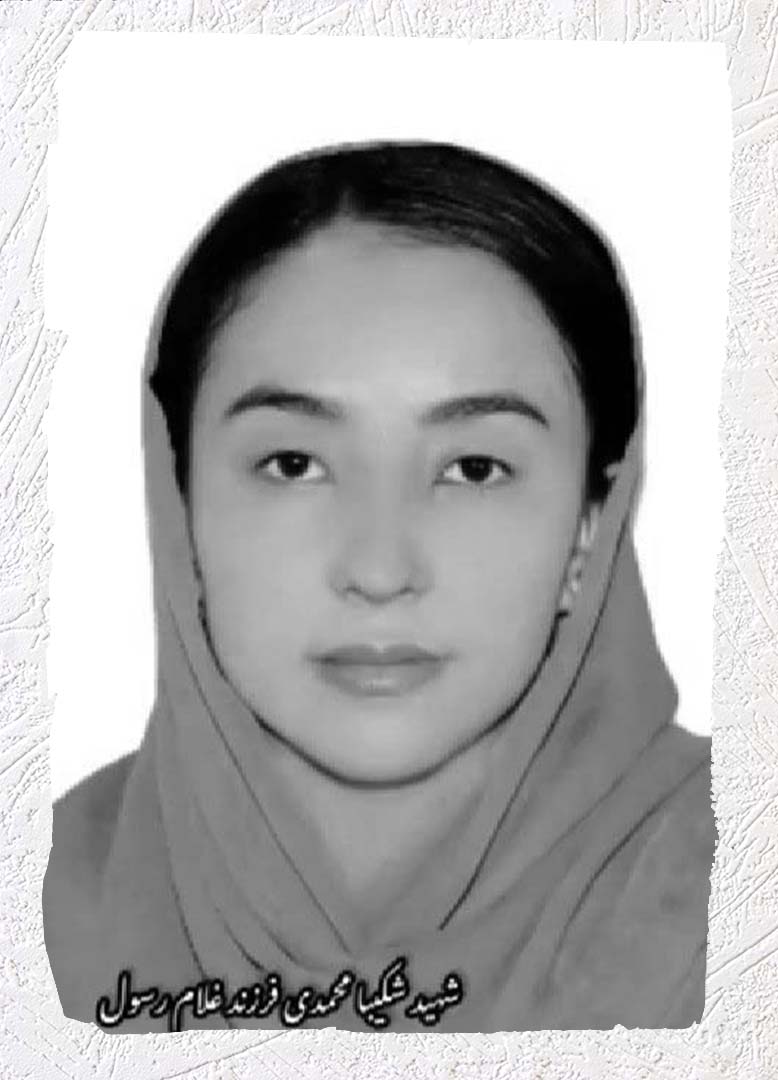
- Gender
- Female
- Ethnicity
- Hazara
- District geolocation of incident
- Kabul: 34° 31′ 1″ N, 69° 8′ 60″ E
Hamida Barmaki
- Photo of Victim

- Gender
- Female
- Ethnicity
- Tajik
- District geolocation of incident
- Kabul: 34° 31′ 1″ N, 69° 8′ 60″ EAjristan: 33° 49′ 11″ N, 67° 12′ 53″ E
- Description of incident
On January 28, 2011, Hamida Barmaki, her husband Masoud Yama (1965), a doctor at Sardar Mohammad Daud Khan Hospital and an employee of the Ministry of Finance, along with their four children, Narun Dunya (1997), Vira Sahar (1998), Marghna Nila (2000) ) and Ahmad Bilal (2007) died in a suicide attack in Finest Supermarket in Kabul.
Fatima Natasha Khalil
- Photo of Victim

- Gender
- Female
- Ethnicity
- Tajik
- District geolocation of incident
- Kabul: 34° 31′ 1″ N, 69° 8′ 60″ E
- Description of incident
On June 27, 2020, an explosion caused by a magnetic mine in Kabul killed 24-year-old Fatima Khalil and her colleague Ahmad Javid Foulad. Mrs. Khalil graduated from the American University of Central Asia and was an employee of the Afghanistan Independent Human Rights Commission.
Farkhonda Malikzad
- Photo of Victim

- Gender
- Female
- Ethnicity
- Tajik
- District geolocation of incident
- Kabul: 34° 31′ 1″ N, 69° 8′ 60″ E
- Description of incident
Farkhunda Malekzadeh, who is usually called Farkhunda in the media, was a 27-year-old woman who was publicly lynched by hundreds of angry men in Kabul, the capital of Afghanistan, on March 19, 2015. A large crowd in the streets around her in Shahe Do Shamshera claimed that she had burned the Quran, and for this reason, her accusers declared that they should immediately "send her to hell".
Madina Lali
- Photo of Victim

- Gender
- Female
- Ethnicity
- Hazara
- District geolocation of incident
- Kabul: 34° 31′ 1″ N, 69° 8′ 60″ E
Firouzkoh's Bride
- Photo of Victim

- Gender
- Female
- Ethnicity
- Hazara
- District geolocation of incident
- Chaghcharan: 34° 31′ 56″ N, 65° 14′ 49″ E
- Description of incident
The Taliban on July 24, 2014 have shot and killed fourteen minibus passengers, including a bride, her sister, mother, and son-in-law. Ghor Governor Anwar Rahmati added that the Taliban stopped three minibuses carrying passengers from the city of Firuzkoh (Chaghcheran), the capital of Ghor province, to Kabul in the "Badgah" area, 25 km from Firozkoh. According to him, the Taliban divided the passengers into two groups based on their identity documents and separated those belonging to the "Hazara" tribe, tied their hands and shot them, and released the rest.
Zahra Ahmadi
- Photo of Victim

- Gender
- Female
- Ethnicity
- Hazara
- District geolocation of incident
- Kabul: 34° 31′ 1″ N, 69° 8′ 60″ E
Mina Tarakhil
- Photo of Victim

- Gender
- Female
- Ethnicity
- Pashtun
- District geolocation of incident
- Kunduz: 36° 47′ 50″ N, 68° 51′ 27″ E
Zakia
- Photo of Victim

- Gender
- Female
- Ethnicity
- Tajik
- District geolocation of incident
- Kabul: 34° 31′ 1″ N, 69° 8′ 60″ E
- Description of incident
No one understood what was happening. A thunderous sound followed by a huge explosion blurred the atmosphere. The blue sky and clear sunshine were suddenly gone. Basira can perfectly recall the tragic event but she cannot precisely explain what happened that day. After the explosion, Basira says, “I got up and saw that all my family members were lying on the ground. I was confused, wandering around not knowing what to do. I heard Zakia screaming and calling for me. She asked for water. When I returned with the water Zakia was no longer speaking. I touched her body but it was already cold. Her eyes were open, staring at me. I put her down and ran towards Matiuallah. I was so happy when I realized he was still alive. I hugged him. Suddenly, he stopped crying and I felt something cold and wet in my hand. I saw his belly ripped open and all his intestines coming out.
- Declaratory Statement
Tears Of Joy, Tears of Pain
Narrator: Basira
Victim: Zakia and Matiuallah
Date of the incident: January 25, 1993
Location of the incident: Kabul City
For Basira, her life began to unravel on one bloody afternoon. The cold February weather brought everyone to the yard of the house. A clear sky and plenty of sunlight provided an opportunity for the children to play. Zakia, 6 years old, brought her little brother Matiuallah to the yard to enjoy the sun. Everyone was ready for a beautiful day. The joy and happiness was evident on the faces of all, especially on Zakia’s face.
She was speaking to her little brother as if she were an adult. In her sweet and innocent accent, she told her brother about the light of the sun, the hardships of winter and the good future that lay ahead of them. She showed her toys to her brother and promised him to buy a good toy for him, too.
She took Matiuallah’s hands, rubbed them together, sang a song and then kissed her little brother. Zakia was wearing a red coat. With the reflection of the sunlight and the snowy background, she looked almost purple. Her brownish hair was dancing on her red coat as she was jumping up and down.
Her face was shining and her eyes were hidden under the thickness of her black eyelashes. The big world outside was also very exciting for Matiuallah. He loved laughing, playing and sometimes shouting at his older sister Zakia. Matiullah had fleshy white skin, thick hair and blue eyes. When he smiled, everyone was enchanted.
Watching such a memorable scene in a city where nothing except the sound of guns, rockets and bullets could he heard, made Basira very happy. While watching her children play, she prayed to God to protect them in these difficult times. What she did not realize is that happiness in times of violence is not sustainable and that even a mother’s prayer cannot halt the brutal power of war. That day, a reception was prepared and they were invited to a feast in their beautiful yard. Everything was ready for Basira and her children to forget the horrors of war for a brief moment. Yet, this moment quickly transformed into unspeakable tragedy.
No one understood what was happening. A thunderous sound followed by a huge explosion blurred the atmosphere. The blue sky and clear sunshine were suddenly gone. Basira can perfectly recall the tragic event but she cannot precisely explain what happened that day. After the explosion, Basira says, “I got up and saw that all my family members were lying on the ground. I was confused, wandering around not knowing what to do. I heard Zakia screaming and calling for me. She asked for water. When I returned with the water Zakia was no longer speaking. I touched her body but it was already cold. Her eyes were open, staring at me. I put her down and ran towards Matiuallah. I was so happy when I realized he was still alive. I hugged him. Suddenly, he stopped crying and I felt something cold and wet in my hand. I saw his belly ripped open and all his intestines coming out.
I understood that he was dead just like Zakia. I cried and cried and cried! I was screaming and running around. After that, I cannot remember what happened.” Until today, Basira cannot talk much about that tragic moment. When she speaks about Zakia and Matiuallah, the color of her face changes. Tears flow uncontrollably from her eyes. Sometimes, she cries so much that her headscarf is soaking wet. She says,“I feel that I have a deep wound in my chest. A wound that continuously spits out blood. I’m sure one day I will drown in my own blood.”
Shirin Gul
- Photo of Victim

- Gender
- Female
- Ethnicity
- Hazara
- District geolocation of incident
- Kabul: 34° 31′ 1″ N, 69° 8′ 60″ E
- Description of incident
During the war, I lost three members of my family: My mother, my cousin and my brotherin-law. My whole family including my son-in-law and my cousins were in our home when a rocket hit our house and killed them. I was not personally present when the incident happened.
- Declaratory Statement
When Homes Turn into Graveyards
Narrator: Safia
Victim: Shirin Gul
Date of the incident: 1993-1996
Location of the incident: Kabul city, Dash-e Barchi
Shirin Gul is not the only woman whose house was destroyed over the past three decades of war in Afghanistan though all houses destroyed in Kabul resemble that of Shirin Gul. The injuries visible to the walls of the houses mirror the injuries inflicted onto the bodies of its residents.
During the various conflicts, in particular the one between the different Mujahidin factions, the houses in Kabul were no longer people’s shelters but rather their graves prepared in advance -albeit on the surface. There was always the possibility of a rocket or artillery shelling destroying people’s homes. None of the houses were beyond the reach of violence and neither were they durable enough to protect their inhabitants against the persistent attacks. These ruined houses became a refuge for death, making his home among the many people buried in the rubble of their own homes. The whole of Kabul was turned into a gigantic graveyard.
Shirin Gul was one of those people whose house was bombed and took her life during the civil war in the 1990s. It happened on an evening where she attempted to defy the terror of war, by holding a small reception to bring back the happiness of former times to what had by then become a city of ghosts. She did not expect that her home would one day become a slaughterhouse and that her reception would end in terrible tragedy. Shirin Gul had invited her son-in-law and brother-in-law to an evening reception. They had just begun their supper when a stray rocket fired by the Taliban hit the exact room where the reception was taking place, immediately killing Shirin Gul and her two guests. The death of Shirin Gul marked the end of happiness for her children. Her husband did not marry again and dedicated himself to take care of his mother-less children.
The Story of Shirin Gul
My name is Safia and I am 42 years old. I am living in Dugh Abad area of Dasht-e- Barchi. During the war, I lost three members of my family: My mother, my cousin and my brotherin-law. My whole family including my son-in-law and my cousins were in our home when a rocket hit our house and killed them. I was not personally present when the incident happened.
According to my family members, their bodies were ripped to pieces and it was almost impossible to identify them. My cousin had a two-month old child who died soon after his father’ untimely death. His wife had no option but to return to her father’s home. My mother left behind six children, 2 sons and four girls. Today, my father is old and my sisters are mentally unstable. One of my sisters left her husband and children because of these mental problems.
Now she does not recognize anyone anymore. I am not mentally stable either. I was desperate after the death of my mother. She loved me a lot.
The worst moment in my life was when I heard about the death of my mother. After she died, no one ever properly welcomed me in my father’s home anymore and this made me so disappointed.
Bibi Zulaikha
- Photo of Victim

- Gender
- Female
- Ethnicity
- Pashtun
- District geolocation of incident
- Kabul: 34° 31′ 1″ N, 69° 8′ 60″ E
- Description of incident
I lost my mother-in-law. She was at home when a rocket hit our house and killed her. My husband went to see what was going on and saw his mother’s head shattered and spread all over.
Hakima
- Photo of Victim

- Gender
- Female
- Ethnicity
- Hazara
- District geolocation of incident
- Hirat: 34° 20′ 58″ N, 62° 11′ 21″ E
- Description of incident
On December 1, 2023, a “Rickshaw” tricycle was attacked by unknown gunmen in the Kora Melli area of western Herat City. The attack claimed the lives of six people, including two religious scholars, women, and children, and injured several others. Local sources reported that the attack was aimed at Hazara civilians and religious figures. No group has acknowledged responsibility for the attack.
- Declaratory Statement
No statement
Najiba
- Photo of Victim

- Gender
- Female
- Ethnicity
- Hazara
- District geolocation of incident
- Hirat: 34° 20′ 58″ N, 62° 11′ 21″ E
- Description of incident
On December 1, 2023, a “Rickshaw” tricycle was attacked by unknown gunmen in the Kora Melli area of western Herat City. The attack claimed the lives of six people, including two religious scholars, women, and children, and injured several others. Local sources reported that the attack was aimed at Hazara civilians and religious figures. No group has acknowledged responsibility for the attack.
- Declaratory Statement
No statement
Nasrin Naderi
- Photo of Victim

- Gender
- Female
- Ethnicity
- Hazara
- District geolocation of incident
- Kabul: 34° 31′ 1″ N, 69° 8′ 60″ E
- Declaratory Statement
Narrator: Nasrin Naderi
Victim: Nasrin Naderi
Date of the incident: 24 October 2020
Location of the incident: District 13, Kabul City, Pul-e Khoshk, Dasht-e Barchi, Kausar Danesh Educational Center
In the name of God I am Nasreen Naderi, the daughter of Mohammad Aman Naderi from Maidan Wardak province, Daymirdad district. I am 18 years old and have graduated from school. However, due to the coronavirus situation, I have not yet been able to take the university entrance exam. At the moment, I am busy with social activities. Our family resides in Maidan Wardak, but I am in Kabul for my education. We have rented a room here. In Daimirdad district, Naqshi village, Due to the lack of facilities and insecurity, we have left our village of Naqshi in the Daimirdad district,. Every year, we are attacked by nomadic tribes; I don't know their motive, whether political, ethnic, or otherwise, but we are attacked by them annually. These attacks cause us both human and financial losses. When they occur, all villagers flee to the mountains or elsewhere. Upon returning to their homes, they find their animal supplies and food materials burned, along with their schools and houses. It has been a few years now since my parents left. Initially, they were here with me, but once quarantine was introduced, they returned to Maidan Wardak and have remained there until now. It's been about two years since they left; my father is farming, and I have been here for approximately five or six years.
Unfortunately, I sustained injuries. The first incident took place at Kawsar Danesh in February 2018. Human rights activists certainly know that the incident - it was the first incident that happened to Afghanistan's education center- had a serious impact on educational programs. In this incident, my hand was wounded by shrapnel. The attacker was carrying a hand grenade, and I was only one or two meters away from him. It was the first time I saw the explosion of a human being with my eyes. No one was killed, but many were wounded, most of them girls because they were sitting in the front row. The second incident happened in 2019. I witnessed an incident at Mauood that impacted heavily on my mental health and I was obliged to take a break from my studies for a year. After Mauood was hit, we lost confidence but we carried on. Once the Kawsar educationa center was thriving again, we went back there and enrolled in the preparation course for the university entrance exam. Once again, there was an explosion at Kawsar Danesh alley last year in the fall. I don't recall the incident accurately; I think it was on the 29th October. We were in the alley, and I was injured in the back by shrapnel. It penetrated deeply and reached close to my spinal cord. Due to the serious risk, the doctors in Kabul did not want to take responsibility for such a complex operation. A neurologist was needed, an expert in such surgery, but there was no such person.
Unfortunately, due to financial constraints and my father's self-employment as a farmer or street vendor, we've been unable to afford the expenses of surgery in private hospitals or seek medical treatment outside Afghanistan. Walking poses significant challenges for me. Every few steps I take, the wound area becomes bruised, leading to subsequent internal bleeding. Although the doctors have extracted the shrapnel, my injuries persist. The damage is situated on my spine, suggesting severe internal trauma. The shrapnel was only removed from my body about fifteen or sixteen days after the incident, by which time it had shifted 15 millimeters. I'm enduring immense suffering as a result of this ordeal. Despite being a victim, I reject such a label; I am averse to the term 'victim.' In my view, no one is a victim if they possess the determination and resolve to fight. I am committed to ensuring that no one else experiences the pain and suffering I have endured.
Perhaps I lack all the details; even if I once knew them, they've slipped from memory. It was around 4:00 pm when our class was dismissed, and we were on our way to a chemistry session when the explosion rocked the alley. Our class at Kausar is large; at least 800 students attend. As we moved to another class, my friend Shukria Hussaini and I were reviewing our lessons when we noticed a young boy carrying a large sport shoulder bag, a rare sight given the center's rules. Another institution, Afghan IT, shared the same alley, so we didn't find his presence suspicious. Despite what we'd been taught about the signs of a suicide bomber, we saw no indication of such in him. My friend nudged me, pointing out the boy's bag size. When I turned, dust and smoke filled the air. Though close, we heard no sound, only saw blood everywhere, and people covered in it calling for aid. It was terrifying. I realized my clothes were drenched in blood, my fresh wound throbbing. Shukria had passed out, and I felt paralyzed, unsure of what action to take. I'm uncertain who transported me or how I reached home, or who relayed the news. When I came to, we were at Dar al-Salam hospital, where I spent days. With no adequate medical facilities, my condition worsened; the shrapnel had caused intense bleeding at the back of my head. Though it wasn't a major blood vessel, the risk was severe.
I hope to survive the adversities faced at such a young age; by international standards, we're still children. Let's transform these hardships into energy for our ambition, refusing to succumb to despair or isolation. We shouldn't see ourselves as just victims of Afghan conflict; instead, let's aspire to compete globally in science and art.
Well, as I mentioned before, not all my classmates were close friends. It is difficult to have close friends in a classroom with 800 students. I loved all of them; we raised our voices together, studied together to understand derivative and integral and electric currents. There was only one friend whose death hit me hard, Miss Maleka Ibrahimi. I was truly hurt by losing her. She was a girl with beautiful political and economic ideas; a lady whose loss you can not ignore. <…pause..> We didn't spend much time together but looking at our strong friendship, it hurts to have lost her. I lost another friend in 2017 in Mauood, Miss Rahela. Miss Rahela and I were in the same English class; we completed our English course together and we attended other courses together. Rahela was determined to take the entrance exam. Since I lost them, I have tried to forget them, but it's difficult. You can’t forget such individuals. Losing such talents is a great loss for society.
Razia Nazari
- Photo of Victim

- Gender
- Female
- Ethnicity
- Hazara
- District geolocation of incident
- Malistan: 33° 20′ 48″ N, 67° 12′ 13″ E
- Description of incident
Hundreds of Taliban fighters stormed Malistan District in Ghazni province at the end of July 2021. Taliban fighters seized control of the district following hours of combat with government forces at the time. They immediately initiated search operations, arbitrary detentions, and summary executions of civilians. At least forty civilians, including children and women, were reportedly murdered, and dozens more were arrested and tortured by Taliban combatants throughout the conflict, according to multiple sources, including locals and eyewitnesses.
- Declaratory Statement
No statement
Fatima
- Photo of Victim

- Gender
- Female
- Ethnicity
- Pashtun
- District geolocation of incident
- Shindand: 33° 18′ 28″ N, 62° 8′ 12″ E
- Description of incident
On August 22, 2008, the United States Air Force conducted an airstrike on Azizabad village in Shindand district, Herat Province. The attack resulted in the deaths of ninety-two civilians, including sixty children and fifteen women. Numerous structures in the village, including homes, were damaged or destroyed. American officials stated that the airstrike was conducted after Afghan soldiers were ambushed while pursuing a Taliban commander named Mullah Siddiq, claiming that Taliban attackers fled to Azizabad.
- Declaratory Statement
No statement
Gawhar
- Photo of Victim

- Gender
- Female
- Ethnicity
- Pashtun
- District geolocation of incident
- Shindand: 33° 18′ 28″ N, 62° 8′ 12″ E
- Description of incident
On August 22, 2008, the United States Air Force conducted an airstrike on Azizabad village in Shindand district, Herat Province. The attack resulted in the deaths of ninety-two civilians, including sixty children and fifteen women. Numerous structures in the village, including homes, were damaged or destroyed. American officials stated that the airstrike was conducted after Afghan soldiers were ambushed while pursuing a Taliban commander named Mullah Siddiq, claiming that Taliban attackers fled to Azizabad.
- Declaratory Statement
No statement
Shima
- Photo of Victim

- Gender
- Female
- Ethnicity
- Pashtun
- District geolocation of incident
- Shindand: 33° 18′ 28″ N, 62° 8′ 12″ E
- Description of incident
On August 22, 2008, the United States Air Force conducted an airstrike on Azizabad village in Shindand district, Herat Province. The attack resulted in the deaths of ninety-two civilians, including sixty children and fifteen women. Numerous structures in the village, including homes, were damaged or destroyed. American officials stated that the airstrike was conducted after Afghan soldiers were ambushed while pursuing a Taliban commander named Mullah Siddiq, claiming that Taliban attackers fled to Azizabad.
- Declaratory Statement
No statement
Samira
- Photo of Victim

- Gender
- Female
- Ethnicity
- Pashtun
- District geolocation of incident
- Shindand: 33° 18′ 28″ N, 62° 8′ 12″ E
- Description of incident
On August 22, 2008, the United States Air Force conducted an airstrike on Azizabad village in Shindand district, Herat Province. The attack resulted in the deaths of ninety-two civilians, including sixty children and fifteen women. Numerous structures in the village, including homes, were damaged or destroyed. American officials stated that the airstrike was conducted after Afghan soldiers were ambushed while pursuing a Taliban commander named Mullah Siddiq, claiming that Taliban attackers fled to Azizabad.
- Declaratory Statement
No statement
Mitra Faqiri
- Photo of Victim

- Gender
- Female
- Ethnicity
- Hazara
- District geolocation of incident
- Kabul: 34° 31′ 1″ N, 69° 8′ 60″ E
- Description of incident
On April 22, 2018, a suicide bomber detonated his explosive device amidst a large gathering of civilians seeking to obtain electronic identification (e-ID) cards in the Mahtab Qala area of Dasht-e-Barchi, located west of Kabul. The explosion resulted in the deaths of at least 69 civilians, with an additional 120 individuals sustaining injuries. According to official reports, among the victims were 22 women, 17 children, and individuals with disabilities. Furthermore, the injured comprised 52 women, 50 men, and 17 children. The Islamic State of Iraq and the Levant–Khorasan Province (ISIL-KP) claimed responsibility for the attack, stating that they targeted the Hazara-Shia community.
- Declaratory Statement
No statement
Bas Bigum
- Photo of Victim

- Gender
- Female
- Ethnicity
- Hazara
- District geolocation of incident
- Kabul: 34° 31′ 1″ N, 69° 8′ 60″ E
- Description of incident
On April 22, 2018, a suicide bomber detonated his explosive device amidst a large gathering of civilians seeking to obtain electronic identification (e-ID) cards in the Mahtab Qala area of Dasht-e-Barchi, located west of Kabul. The explosion resulted in the deaths of at least 69 civilians, with an additional 120 individuals sustaining injuries. According to official reports, among the victims were 22 women, 17 children, and individuals with disabilities. Furthermore, the injured comprised 52 women, 50 men, and 17 children. The Islamic State of Iraq and the Levant–Khorasan Province (ISIL-KP) claimed responsibility for the attack, stating that they targeted the Hazara-Shia community.
- Declaratory Statement
No statement
Hafiza
- Photo of Victim

- Gender
- Female
- Ethnicity
- Hazara
- District geolocation of incident
- Kabul: 34° 31′ 1″ N, 69° 8′ 60″ E
- Description of incident
On April 22, 2018, a suicide bomber detonated his explosive device amidst a large gathering of civilians seeking to obtain electronic identification (e-ID) cards in the Mahtab Qala area of Dasht-e-Barchi, located west of Kabul. The explosion resulted in the deaths of at least 69 civilians, with an additional 120 individuals sustaining injuries. According to official reports, among the victims were 22 women, 17 children, and individuals with disabilities. Furthermore, the injured comprised 52 women, 50 men, and 17 children. The Islamic State of Iraq and the Levant–Khorasan Province (ISIL-KP) claimed responsibility for the attack, stating that they targeted the Hazara-Shia community.
- Declaratory Statement
No statement
Hafiza Haidari
- Photo of Victim

- Gender
- Female
- Ethnicity
- Hazara
- District geolocation of incident
- Kabul: 34° 31′ 1″ N, 69° 8′ 60″ E
- Description of incident
On April 22, 2018, a suicide bomber detonated his explosive device amidst a large gathering of civilians seeking to obtain electronic identification (e-ID) cards in the Mahtab Qala area of Dasht-e-Barchi, located west of Kabul. The explosion resulted in the deaths of at least 69 civilians, with an additional 120 individuals sustaining injuries. According to official reports, among the victims were 22 women, 17 children, and individuals with disabilities. Furthermore, the injured comprised 52 women, 50 men, and 17 children. The Islamic State of Iraq and the Levant–Khorasan Province (ISIL-KP) claimed responsibility for the attack, stating that they targeted the Hazara-Shia community.
- Declaratory Statement
No statement
Kamila Haidari
- Photo of Victim

- Gender
- Female
- Ethnicity
- Hazara
- District geolocation of incident
- Kabul: 34° 31′ 1″ N, 69° 8′ 60″ E
- Description of incident
On April 22, 2018, a suicide bomber detonated his explosive device amidst a large gathering of civilians seeking to obtain electronic identification (e-ID) cards in the Mahtab Qala area of Dasht-e-Barchi, located west of Kabul. The explosion resulted in the deaths of at least 69 civilians, with an additional 120 individuals sustaining injuries. According to official reports, among the victims were 22 women, 17 children, and individuals with disabilities. Furthermore, the injured comprised 52 women, 50 men, and 17 children. The Islamic State of Iraq and the Levant–Khorasan Province (ISIL-KP) claimed responsibility for the attack, stating that they targeted the Hazara-Shia community.
- Declaratory Statement
No statement
Zahra
- Photo of Victim

- Gender
- Female
- Ethnicity
- Hazara
- District geolocation of incident
- Kabul: 34° 31′ 1″ N, 69° 8′ 60″ E
Khanoom Gul
- Photo of Victim

- Gender
- Female
- Ethnicity
- Hazara
- District geolocation of incident
- Kabul: 34° 31′ 1″ N, 69° 8′ 60″ E
Khadija Yosofi
- Photo of Victim

- Gender
- Female
- Ethnicity
- Hazara
- District geolocation of incident
- Kabul: 34° 31′ 1″ N, 69° 8′ 60″ E
Zainab Hussaini
- Photo of Victim

- Gender
- Female
- Ethnicity
- Hazara
- District geolocation of incident
- Kabul: 34° 31′ 1″ N, 69° 8′ 60″ E
- Description of incident
On April 22, 2018, a suicide bomber detonated his explosive device amidst a large gathering of civilians seeking to obtain electronic identification (e-ID) cards in the Mahtab Qala area of Dasht-e-Barchi, located west of Kabul. The explosion resulted in the deaths of at least 69 civilians, with an additional 120 individuals sustaining injuries. According to official reports, among the victims were 22 women, 17 children, and individuals with disabilities. Furthermore, the injured comprised 52 women, 50 men, and 17 children. The Islamic State of Iraq and the Levant–Khorasan Province (ISIL-KP) claimed responsibility for the attack, stating that they targeted the Hazara-Shia community.
- Declaratory Statement
No statement
Rahila Hayati
- Photo of Victim

- Gender
- Female
- Ethnicity
- Hazara
- District geolocation of incident
- Kabul: 34° 31′ 1″ N, 69° 8′ 60″ E
Roqeia Ahamdi
- Photo of Victim

- Gender
- Female
- Ethnicity
- Hazara
- District geolocation of incident
- Kabul: 34° 31′ 1″ N, 69° 8′ 60″ E
- Description of incident
On April 22, 2018, a suicide bomber detonated his explosive device amidst a large gathering of civilians seeking to obtain electronic identification (e-ID) cards in the Mahtab Qala area of Dasht-e-Barchi, located west of Kabul. The explosion resulted in the deaths of at least 69 civilians, with an additional 120 individuals sustaining injuries. According to official reports, among the victims were 22 women, 17 children, and individuals with disabilities. Furthermore, the injured comprised 52 women, 50 men, and 17 children. The Islamic State of Iraq and the Levant–Khorasan Province (ISIL-KP) claimed responsibility for the attack, stating that they targeted the Hazara-Shia community.
- Declaratory Statement
No statement
Shukria
- Photo of Victim

- Gender
- Female
- Ethnicity
- Hazara
- District geolocation of incident
- Kabul: 34° 31′ 1″ N, 69° 8′ 60″ E
- Description of incident
On April 22, 2018, a suicide bomber detonated his explosive device amidst a large gathering of civilians seeking to obtain electronic identification (e-ID) cards in the Mahtab Qala area of Dasht-e-Barchi, located west of Kabul. The explosion resulted in the deaths of at least 69 civilians, with an additional 120 individuals sustaining injuries. According to official reports, among the victims were 22 women, 17 children, and individuals with disabilities. Furthermore, the injured comprised 52 women, 50 men, and 17 children. The Islamic State of Iraq and the Levant–Khorasan Province (ISIL-KP) claimed responsibility for the attack, stating that they targeted the Hazara-Shia community.
- Declaratory Statement
No statement
Masuma Haidari
- Photo of Victim

- Gender
- Female
- Ethnicity
- Hazara
- District geolocation of incident
- Kabul: 34° 31′ 1″ N, 69° 8′ 60″ E
- Description of incident
On April 22, 2018, a suicide bomber detonated his explosive device amidst a large gathering of civilians seeking to obtain electronic identification (e-ID) cards in the Mahtab Qala area of Dasht-e-Barchi, located west of Kabul. The explosion resulted in the deaths of at least 69 civilians, with an additional 120 individuals sustaining injuries. According to official reports, among the victims were 22 women, 17 children, and individuals with disabilities. Furthermore, the injured comprised 52 women, 50 men, and 17 children. The Islamic State of Iraq and the Levant–Khorasan Province (ISIL-KP) claimed responsibility for the attack, stating that they targeted the Hazara-Shia community.
Nigar
- Photo of Victim

- Gender
- Female
- Ethnicity
- Hazara
- District geolocation of incident
- Kabul: 34° 31′ 1″ N, 69° 8′ 60″ E
- Description of incident
On April 22, 2018, a suicide bomber detonated his explosive device amidst a large gathering of civilians seeking to obtain electronic identification (e-ID) cards in the Mahtab Qala area of Dasht-e-Barchi, located west of Kabul. The explosion resulted in the deaths of at least 69 civilians, with an additional 120 individuals sustaining injuries. According to official reports, among the victims were 22 women, 17 children, and individuals with disabilities. Furthermore, the injured comprised 52 women, 50 men, and 17 children. The Islamic State of Iraq and the Levant–Khorasan Province (ISIL-KP) claimed responsibility for the attack, stating that they targeted the Hazara-Shia community.
- Declaratory Statement
No statement
Hajar Yaqobi
- Photo of Victim

- Gender
- Female
- Ethnicity
- Hazara
- District geolocation of incident
- Kabul: 34° 31′ 1″ N, 69° 8′ 60″ E
Roqeiya
- Photo of Victim

- Gender
- Female
- Ethnicity
- Hazara
- District geolocation of incident
- Kabul: 34° 31′ 1″ N, 69° 8′ 60″ E
Soria Ibrahimi
- Photo of Victim

- Gender
- Female
- Ethnicity
- Hazara
- District geolocation of incident
- Kabul: 34° 31′ 1″ N, 69° 8′ 60″ E
- Description of incident
On May 12, 2020, three attackers wearing Afghan national security forces uniforms and armed with AK-47 rifles and hand grenades conducted an assault on the maternity ward of Dasht-e-Barchi hospital. After shooting and killing a security guard at the hospital entrance, the attackers entered the facility and proceeded directly to the maternity ward, where 28 women were present at the time. The attackers moved systematically from room to room, firing on patients and throwing hand grenades. The attack resulted in twenty-four deaths, including nineteen women, three children, and one female healthcare worker. Twenty-three people were injured, including twelve women, two children, and one newborn. Following the attack on June 15, 2020, Médecins Sans Frontières (MSF), which operated the maternity ward at Dasht-e-Barchi maternity hospital, announced its decision to end activities and withdraw from the hospital.
Noria Najafi
- Photo of Victim

- Gender
- Female
- Ethnicity
- Hazara
- District geolocation of incident
- Kabul: 34° 31′ 1″ N, 69° 8′ 60″ E
- Description of incident
On May 12, 2020, three attackers wearing Afghan national security forces uniforms and armed with AK-47 rifles and hand grenades conducted an assault on the maternity ward of Dasht-e-Barchi hospital. After shooting and killing a security guard at the hospital entrance, the attackers entered the facility and proceeded directly to the maternity ward, where 28 women were present at the time. The attackers moved systematically from room to room, firing on patients and throwing hand grenades. The attack resulted in twenty-four deaths, including nineteen women, three children, and one female healthcare worker. Twenty-three people were injured, including twelve women, two children, and one newborn. Following the attack on June 15, 2020, Médecins Sans Frontières (MSF), which operated the maternity ward at Dasht-e-Barchi maternity hospital, announced its decision to end activities and withdraw from the hospital.
Amin Yaqobi
- Photo of Victim

- Gender
- Female
- Ethnicity
- Sadat
- District geolocation of incident
- Kabul: 34° 31′ 1″ N, 69° 8′ 60″ E
- Description of incident
On May 12, 2020, three attackers wearing Afghan national security forces uniforms and armed with AK-47 rifles and hand grenades conducted an assault on the maternity ward of Dasht-e-Barchi hospital. After shooting and killing a security guard at the hospital entrance, the attackers entered the facility and proceeded directly to the maternity ward, where 28 women were present at the time. The attackers moved systematically from room to room, firing on patients and throwing hand grenades. The attack resulted in twenty-four deaths, including nineteen women, three children, and one female healthcare worker. Twenty-three people were injured, including twelve women, two children, and one newborn. Following the attack on June 15, 2020, Médecins Sans Frontières (MSF), which operated the maternity ward at Dasht-e-Barchi maternity hospital, announced its decision to end activities and withdraw from the hospital.
- Declaratory Statement
No statement
Zamira Hussani
- Photo of Victim

- Gender
- Female
- Ethnicity
- Hazara
- District geolocation of incident
- Kabul: 34° 31′ 1″ N, 69° 8′ 60″ E
Soghra Rezaie
- Photo of Victim

- Gender
- Female
- Ethnicity
- Hazara
- District geolocation of incident
- Kabul: 34° 31′ 1″ N, 69° 8′ 60″ E
- Description of incident
On May 12, 2020, three attackers wearing Afghan national security forces uniforms and armed with AK-47 rifles and hand grenades conducted an assault on the maternity ward of Dasht-e-Barchi hospital. After shooting and killing a security guard at the hospital entrance, the attackers entered the facility and proceeded directly to the maternity ward, where 28 women were present at the time. The attackers moved systematically from room to room, firing on patients and throwing hand grenades. The attack resulted in twenty-four deaths, including nineteen women, three children, and one female healthcare worker. Twenty-three people were injured, including twelve women, two children, and one newborn. Following the attack on June 15, 2020, Médecins Sans Frontières (MSF), which operated the maternity ward at Dasht-e-Barchi maternity hospital, announced its decision to end activities and withdraw from the hospital.
- Declaratory Statement
No statement
Halima
- Photo of Victim

- Gender
- Female
- Ethnicity
- Hazara
- District geolocation of incident
- Kabul: 34° 31′ 1″ N, 69° 8′ 60″ E
- Description of incident
On May 12, 2020, three attackers wearing Afghan national security forces uniforms and armed with AK-47 rifles and hand grenades conducted an assault on the maternity ward of Dasht-e-Barchi hospital. After shooting and killing a security guard at the hospital entrance, the attackers entered the facility and proceeded directly to the maternity ward, where 28 women were present at the time. The attackers moved systematically from room to room, firing on patients and throwing hand grenades. The attack resulted in twenty-four deaths, including nineteen women, three children, and one female healthcare worker. Twenty-three people were injured, including twelve women, two children, and one newborn. Following the attack on June 15, 2020, Médecins Sans Frontières (MSF), which operated the maternity ward at Dasht-e-Barchi maternity hospital, announced its decision to end activities and withdraw from the hospital.
- Declaratory Statement
No statement
Sediqa
- Photo of Victim

- Gender
- Female
- Ethnicity
- Hazara
- District geolocation of incident
- Kabul: 34° 31′ 1″ N, 69° 8′ 60″ E
- Description of incident
On May 12, 2020, three attackers wearing Afghan national security forces uniforms and armed with AK-47 rifles and hand grenades conducted an assault on the maternity ward of Dasht-e-Barchi hospital. After shooting and killing a security guard at the hospital entrance, the attackers entered the facility and proceeded directly to the maternity ward, where 28 women were present at the time. The attackers moved systematically from room to room, firing on patients and throwing hand grenades. The attack resulted in twenty-four deaths, including nineteen women, three children, and one female healthcare worker. Twenty-three people were injured, including twelve women, two children, and one newborn. Following the attack on June 15, 2020, Médecins Sans Frontières (MSF), which operated the maternity ward at Dasht-e-Barchi maternity hospital, announced its decision to end activities and withdraw from the hospital.
- Declaratory Statement
No statement
Sakinah Katibzadah
- Photo of Victim

- Gender
- Female
- Ethnicity
- Hazara
- District geolocation of incident
- Kabul: 34° 31′ 1″ N, 69° 8′ 60″ E
Zakira Malikzada
- Photo of Victim

- Gender
- Female
- Ethnicity
- Tajik
- District geolocation of incident
- Kabul: 34° 31′ 1″ N, 69° 8′ 60″ E
- Description of incident
On May 12, 2020, three attackers wearing Afghan national security forces uniforms and armed with AK-47 rifles and hand grenades conducted an assault on the maternity ward of Dasht-e-Barchi hospital. After shooting and killing a security guard at the hospital entrance, the attackers entered the facility and proceeded directly to the maternity ward, where 28 women were present at the time. The attackers moved systematically from room to room, firing on patients and throwing hand grenades. The attack resulted in twenty-four deaths, including nineteen women, three children, and one female healthcare worker. Twenty-three people were injured, including twelve women, two children, and one newborn. Following the attack on June 15, 2020, Médecins Sans Frontières (MSF), which operated the maternity ward at Dasht-e-Barchi maternity hospital, announced its decision to end activities and withdraw from the hospital.
Tahira
- Photo of Victim

- Gender
- Female
- Ethnicity
- Hazara
- District geolocation of incident
- Kabul: 34° 31′ 1″ N, 69° 8′ 60″ E
- Description of incident
On May 12, 2020, three attackers wearing Afghan national security forces uniforms and armed with AK-47 rifles and hand grenades conducted an assault on the maternity ward of Dasht-e-Barchi hospital. After shooting and killing a security guard at the hospital entrance, the attackers entered the facility and proceeded directly to the maternity ward, where 28 women were present at the time. The attackers moved systematically from room to room, firing on patients and throwing hand grenades. The attack resulted in twenty-four deaths, including nineteen women, three children, and one female healthcare worker. Twenty-three people were injured, including twelve women, two children, and one newborn. Following the attack on June 15, 2020, Médecins Sans Frontières (MSF), which operated the maternity ward at Dasht-e-Barchi maternity hospital, announced its decision to end activities and withdraw from the hospital.
- Declaratory Statement
No statement
Alia Rozi
- Photo of Victim

- Gender
- Female
- Ethnicity
- Hazara
- District geolocation of incident
- Kabul: 34° 31′ 1″ N, 69° 8′ 60″ E
Gulmaki Azizi
- Photo of Victim

- Gender
- Female
- Ethnicity
- Pashtun
- District geolocation of incident
- Kabul: 34° 31′ 1″ N, 69° 8′ 60″ E
- Description of incident
On May 12, 2020, three attackers wearing Afghan national security forces uniforms and armed with AK-47 rifles and hand grenades conducted an assault on the maternity ward of Dasht-e-Barchi hospital. After shooting and killing a security guard at the hospital entrance, the attackers entered the facility and proceeded directly to the maternity ward, where 28 women were present at the time. The attackers moved systematically from room to room, firing on patients and throwing hand grenades. The attack resulted in twenty-four deaths, including nineteen women, three children, and one female healthcare worker. Twenty-three people were injured, including twelve women, two children, and one newborn. Following the attack on June 15, 2020, Médecins Sans Frontières (MSF), which operated the maternity ward at Dasht-e-Barchi maternity hospital, announced its decision to end activities and withdraw from the hospital.
Latifa Faqiri
- Photo of Victim

- Gender
- Female
- Ethnicity
- Hazara
- District geolocation of incident
- Kabul: 34° 31′ 1″ N, 69° 8′ 60″ E
- Description of incident
On May 12, 2020, three attackers wearing Afghan national security forces uniforms and armed with AK-47 rifles and hand grenades conducted an assault on the maternity ward of Dasht-e-Barchi hospital. After shooting and killing a security guard at the hospital entrance, the attackers entered the facility and proceeded directly to the maternity ward, where 28 women were present at the time. The attackers moved systematically from room to room, firing on patients and throwing hand grenades. The attack resulted in twenty-four deaths, including nineteen women, three children, and one female healthcare worker. Twenty-three people were injured, including twelve women, two children, and one newborn. Following the attack on June 15, 2020, Médecins Sans Frontières (MSF), which operated the maternity ward at Dasht-e-Barchi maternity hospital, announced its decision to end activities and withdraw from the hospital.
Zahra
- Photo of Victim

- Gender
- Female
- Ethnicity
- Hazara
- District geolocation of incident
- Jalrez: 34° 37′ 46″ N, 68° 39′ 29″ E
- Description of incident
On October 20, 2020, two Flank Kouch minibusses, transporting passengers from Kabul to the Waras district in Bamyan province, were struck by a roadside bomb planted by the Taliban. The explosion occurred in the Kota-e-Ashro area of Jalrez district in Maidan Wardak province, resulting in the tragic loss of 11 lives and injuries to four others. Among the victims were women and children, all part of the same family from the Waras District of Bamyan. They were traveling from Kabul to visit their relatives in Waras.
- Declaratory Statement
No statment
Fatima
- Photo of Victim

- Gender
- Female
- Ethnicity
- Hazara
- District geolocation of incident
- Jalrez: 34° 37′ 46″ N, 68° 39′ 29″ E
- Description of incident
On October 20, 2020, two Flank Kouch minibusses, transporting passengers from Kabul to the Waras district in Bamyan province, were struck by a roadside bomb planted by the Taliban. The explosion occurred in the Kota-e-Ashro area of Jalrez district in Maidan Wardak province, resulting in the tragic loss of 11 lives and injuries to four others. Among the victims were women and children, all part of the same family from the Waras District of Bamyan. They were traveling from Kabul to visit their relatives in Waras.
- Declaratory Statement
No statement
Zahra
- Photo of Victim

- Gender
- Female
- District geolocation of incident
- Jalrez: 34° 37′ 46″ N, 68° 39′ 29″ E
- Description of incident
On October 20, 2020, two Flank Kouch minibusses, transporting passengers from Kabul to the Waras district in Bamyan province, were struck by a roadside bomb planted by the Taliban. The explosion occurred in the Kota-e-Ashro area of Jalrez district in Maidan Wardak province, resulting in the tragic loss of 11 lives and injuries to four others. Among the victims were women and children, all part of the same family from the Waras District of Bamyan. They were traveling from Kabul to visit their relatives in Waras.
- Declaratory Statement
No statement
Shakila Karimi
- Photo of Victim

- Gender
- Female
- Ethnicity
- Hazara
- District geolocation of incident
- Kabul: 34° 31′ 1″ N, 69° 8′ 60″ E
- Description of incident
On December 28, 2017, a suicide bomber detonated an explosive device inside the Tabyan Center, a religious and cultural gathering place in Dasht-e-Barchi, located to the west of Kabul. The blast resulted in the deaths of 41 individuals and injuries to another 84 people. Among those killed were at least two children and four women, while eight women were among the injured. All the victims were civilians, primarily belonging to the Hazara ethnic group. The Islamic State of Iraq and the Levant-Khorasan Province (ISIL-KP) claimed responsibility for the attack.
- Declaratory Statement
No statement
Kamila Karimi
- Photo of Victim

- Gender
- Female
- Ethnicity
- Hazara
- District geolocation of incident
- Kabul: 34° 31′ 1″ N, 69° 8′ 60″ E
- Description of incident
On December 28, 2017, a suicide bomber detonated an explosive device inside the Tabyan Center, a religious and cultural gathering place in Dasht-e-Barchi, located to the west of Kabul. The blast resulted in the deaths of 41 individuals and injuries to another 84 people. Among those killed were at least two children and four women, while eight women were among the injured. All the victims were civilians, primarily belonging to the Hazara ethnic group. The Islamic State of Iraq and the Levant-Khorasan Province (ISIL-KP) claimed responsibility for the attack.
- Declaratory Statement
No statement
Eqbal Seng Wife
- Photo of Victim

- Gender
- Female
- Ethnicity
- Afghan Hindus and Sikhs
- District geolocation of incident
- Kabul: 34° 31′ 1″ N, 69° 8′ 60″ E
- Description of incident
On 25 March 2020, an attack was carried out on worshippers at a Sikh-Hindu temple in Kabul, Kabul Province. The attack killed 26 civilians and injured 11 more.
- Declaratory Statement
No statement
Tania
- Photo of Victim

- Gender
- Female
- Ethnicity
- Afghan Hindus and Sikhs
- District geolocation of incident
- Kabul: 34° 31′ 1″ N, 69° 8′ 60″ E
- Description of incident
On 25 March 2020, an attack was carried out on worshippers at a Sikh-Hindu temple in Kabul, Kabul Province. The attack killed 26 civilians and injured 11 more.
- Declaratory Statement
No statement
Lailoma
- Photo of Victim

- Gender
- Female
- Ethnicity
- Pashtun
- District geolocation of incident
- Bala Buluk: 33° 7′ 27″ N, 62° 39′ 47″ E
Sakina
- Photo of Victim

- Gender
- Female
- Ethnicity
- Pashtun
- District geolocation of incident
- Bala Buluk: 33° 7′ 27″ N, 62° 39′ 47″ E
- Description of incident
On May 4, 2009, a United States Air Force B-1 Bomber conducted an airstrike on Granai village in Bala Buluk district, Farah Province, resulting in significant civilian casualties. The incident, sometimes referred to as the Granai massacre, became one of the deadliest civilian casualty events involving international military forces in Afghanistan. The exact number of civilian deaths remains a matter of dispute among various investigative bodies. The Afghan government reported approximately 140 civilian fatalities, including 22 adult men and 93 children. Afghanistan's principal human rights organization concluded that 97 civilians were killed, with children comprising the majority of victims. Other estimates place the civilian death toll between 86 and 147 individuals. An initial investigation by the US military assessed that 20-30 civilians were killed alongside 60-65 insurgents. However, these figures were contested by Afghan authorities and international observers. A subsequent, partially released American inquiry acknowledged the limitations of the investigation, stating that a conclusive determination of the civilian casualty count would not be possible. The United States military accepted responsibility for the airstrike and admitted that significant errors occurred in its execution. Official statements acknowledged that the failure to identify the presence of civilians and to minimize collateral damage resulted in unintended civilian casualties.
Zeba
- Photo of Victim

- Gender
- Female
- Ethnicity
- Pashtun
- District geolocation of incident
- Bala Buluk: 33° 7′ 27″ N, 62° 39′ 47″ E
- Description of incident
On May 4, 2009, a United States Air Force B-1 Bomber conducted an airstrike on Granai village in Bala Buluk district, Farah Province, resulting in significant civilian casualties. The incident, sometimes referred to as the Granai massacre, became one of the deadliest civilian casualty events involving international military forces in Afghanistan. The exact number of civilian deaths remains a matter of dispute among various investigative bodies. The Afghan government reported approximately 140 civilian fatalities, including 22 adult men and 93 children. Afghanistan's principal human rights organization concluded that 97 civilians were killed, with children comprising the majority of victims. Other estimates place the civilian death toll between 86 and 147 individuals. An initial investigation by the US military assessed that 20-30 civilians were killed alongside 60-65 insurgents. However, these figures were contested by Afghan authorities and international observers. A subsequent, partially released American inquiry acknowledged the limitations of the investigation, stating that a conclusive determination of the civilian casualty count would not be possible. The United States military accepted responsibility for the airstrike and admitted that significant errors occurred in its execution. Official statements acknowledged that the failure to identify the presence of civilians and to minimize collateral damage resulted in unintended civilian casualties.
- Declaratory Statement
No statement
Aqila
- Photo of Victim

- Gender
- Female
- Ethnicity
- Pashtun
- District geolocation of incident
- Bala Buluk: 33° 7′ 27″ N, 62° 39′ 47″ E
- Description of incident
On May 4, 2009, a United States Air Force B-1 Bomber conducted an airstrike on Granai village in Bala Buluk district, Farah Province, resulting in significant civilian casualties. The incident, sometimes referred to as the Granai massacre, became one of the deadliest civilian casualty events involving international military forces in Afghanistan. The exact number of civilian deaths remains a matter of dispute among various investigative bodies. The Afghan government reported approximately 140 civilian fatalities, including 22 adult men and 93 children. Afghanistan's principal human rights organization concluded that 97 civilians were killed, with children comprising the majority of victims. Other estimates place the civilian death toll between 86 and 147 individuals. An initial investigation by the US military assessed that 20-30 civilians were killed alongside 60-65 insurgents. However, these figures were contested by Afghan authorities and international observers. A subsequent, partially released American inquiry acknowledged the limitations of the investigation, stating that a conclusive determination of the civilian casualty count would not be possible. The United States military accepted responsibility for the airstrike and admitted that significant errors occurred in its execution. Official statements acknowledged that the failure to identify the presence of civilians and to minimize collateral damage resulted in unintended civilian casualties.
- Declaratory Statement
No statement
Soraya
- Photo of Victim

- Gender
- Female
- Ethnicity
- Pashtun
- District geolocation of incident
- Bala Buluk: 33° 7′ 27″ N, 62° 39′ 47″ E
Najiba
- Photo of Victim

- Gender
- Female
- Ethnicity
- Pashtun
- District geolocation of incident
- Bala Buluk: 33° 7′ 27″ N, 62° 39′ 47″ E
- Description of incident
On May 4, 2009, a United States Air Force B-1 Bomber conducted an airstrike on Granai village in Bala Buluk district, Farah Province, resulting in significant civilian casualties. The incident, sometimes referred to as the Granai massacre, became one of the deadliest civilian casualty events involving international military forces in Afghanistan. The exact number of civilian deaths remains a matter of dispute among various investigative bodies. The Afghan government reported approximately 140 civilian fatalities, including 22 adult men and 93 children. Afghanistan's principal human rights organization concluded that 97 civilians were killed, with children comprising the majority of victims. Other estimates place the civilian death toll between 86 and 147 individuals. An initial investigation by the US military assessed that 20-30 civilians were killed alongside 60-65 insurgents. However, these figures were contested by Afghan authorities and international observers. A subsequent, partially released American inquiry acknowledged the limitations of the investigation, stating that a conclusive determination of the civilian casualty count would not be possible. The United States military accepted responsibility for the airstrike and admitted that significant errors occurred in its execution. Official statements acknowledged that the failure to identify the presence of civilians and to minimize collateral damage resulted in unintended civilian casualties.
- Declaratory Statement
No statement
Fatima Mohmmadi
- Gender
- Female
- Ethnicity
- Hazara
- District geolocation of incident
- Kabul: 34° 31′ 1″ N, 69° 8′ 60″ E
- Description of incident
On June 12, 2021, two explosions occurred in succession within the Mahatab Qala and Sar-e-Pul regions of Dasht-e-Barchi. These incidents led to seven fatalities and injuries to six individuals. Among the victims were Afghan Film employees Fatima Mohammadi, Tayeba Mosavi, and social activist Murtaza Sadat. The source of the explosions was identified as explosive devices located in commonly used passenger minivans. No group or individual has claimed of responsibility for these attacks so far.
- Declaratory Statement
No
Ayesha
- Photo of Victim

- Gender
- Female
- Ethnicity
- Pashtun
- District geolocation of incident
- Shindand: 33° 18′ 28″ N, 62° 8′ 12″ E
- Description of incident
On August 22, 2008, the United States Air Force conducted an airstrike on Azizabad village in Shindand district, Herat Province. The attack resulted in the deaths of ninety-two civilians, including sixty children and fifteen women. Numerous structures in the village, including homes, were damaged or destroyed. American officials stated that the airstrike was conducted after Afghan soldiers were ambushed while pursuing a Taliban commander named Mullah Siddiq, claiming that Taliban attackers fled to Azizabad.
- Declaratory Statement
No statement
Zahra Nazari
- Photo of Victim

- Gender
- Female
- Ethnicity
- Hazara
- District geolocation of incident
- Kabul: 34° 31′ 1″ N, 69° 8′ 60″ E
Sakina Amiri
- Photo of Victim

- Gender
- Female
- Ethnicity
- Hazara
- District geolocation of incident
- Kabul: 34° 31′ 1″ N, 69° 8′ 60″ E
- Description of incident
On April 22, 2018, a suicide bomber detonated his explosive device amidst a large gathering of civilians seeking to obtain electronic identification (e-ID) cards in the Mahtab Qala area of Dasht-e-Barchi, located west of Kabul. The explosion resulted in the deaths of at least 69 civilians, with an additional 120 individuals sustaining injuries. According to official reports, among the victims were 22 women, 17 children, and individuals with disabilities. Furthermore, the injured comprised 52 women, 50 men, and 17 children. The Islamic State of Iraq and the Levant–Khorasan Province (ISIL-KP) claimed responsibility for the attack, stating that they targeted the Hazara-Shia community.
- Declaratory Statement
No statement
Fatima
- Photo of Victim

- Gender
- Female
- Ethnicity
- Hazara
- District geolocation of incident
- Kabul: 34° 31′ 1″ N, 69° 8′ 60″ E
- Description of incident
On April 22, 2018, a suicide bomber detonated his explosive device amidst a large gathering of civilians seeking to obtain electronic identification (e-ID) cards in the Mahtab Qala area of Dasht-e-Barchi, located west of Kabul. The explosion resulted in the deaths of at least 69 civilians, with an additional 120 individuals sustaining injuries. According to official reports, among the victims were 22 women, 17 children, and individuals with disabilities. Furthermore, the injured comprised 52 women, 50 men, and 17 children. The Islamic State of Iraq and the Levant–Khorasan Province (ISIL-KP) claimed responsibility for the attack, stating that they targeted the Hazara-Shia community.
- Declaratory Statement
No statement
Fatima
- Photo of Victim

- Gender
- Female
- Ethnicity
- Hazara
- District geolocation of incident
- Kabul: 34° 31′ 1″ N, 69° 8′ 60″ E
- Description of incident
On May 12, 2020, three attackers wearing Afghan national security forces uniforms and armed with AK-47 rifles and hand grenades conducted an assault on the maternity ward of Dasht-e-Barchi hospital. After shooting and killing a security guard at the hospital entrance, the attackers entered the facility and proceeded directly to the maternity ward, where 28 women were present at the time. The attackers moved systematically from room to room, firing on patients and throwing hand grenades. The attack resulted in twenty-four deaths, including nineteen women, three children, and one female healthcare worker. Twenty-three people were injured, including twelve women, two children, and one newborn. Following the attack on June 15, 2020, Médecins Sans Frontières (MSF), which operated the maternity ward at Dasht-e-Barchi maternity hospital, announced its decision to end activities and withdraw from the hospital.
- Declaratory Statement
No statement
Chaman
- Photo of Victim

- Gender
- Female
- Ethnicity
- Hazara
- District geolocation of incident
- Kabul: 34° 31′ 1″ N, 69° 8′ 60″ E
Nasimah Qaderi
- Photo of Victim

- Gender
- Female
- Ethnicity
- Hazara
- District geolocation of incident
- Kabul: 34° 31′ 1″ N, 69° 8′ 60″ E
- Description of incident
On May 12, 2020, three attackers wearing Afghan national security forces uniforms and armed with AK-47 rifles and hand grenades conducted an assault on the maternity ward of Dasht-e-Barchi hospital. After shooting and killing a security guard at the hospital entrance, the attackers entered the facility and proceeded directly to the maternity ward, where 28 women were present at the time. The attackers moved systematically from room to room, firing on patients and throwing hand grenades. The attack resulted in twenty-four deaths, including nineteen women, three children, and one female healthcare worker. Twenty-three people were injured, including twelve women, two children, and one newborn. Following the attack on June 15, 2020, Médecins Sans Frontières (MSF), which operated the maternity ward at Dasht-e-Barchi maternity hospital, announced its decision to end activities and withdraw from the hospital.
- Declaratory Statement
No statement
Razia Hussaini
- Photo of Victim

- Gender
- Female
- Ethnicity
- Hazara
- District geolocation of incident
- Kabul: 34° 31′ 1″ N, 69° 8′ 60″ E
- Description of incident
On May 12, 2020, three attackers wearing Afghan national security forces uniforms and armed with AK-47 rifles and hand grenades conducted an assault on the maternity ward of Dasht-e-Barchi hospital. After shooting and killing a security guard at the hospital entrance, the attackers entered the facility and proceeded directly to the maternity ward, where 28 women were present at the time. The attackers moved systematically from room to room, firing on patients and throwing hand grenades. The attack resulted in twenty-four deaths, including nineteen women, three children, and one female healthcare worker. Twenty-three people were injured, including twelve women, two children, and one newborn. Following the attack on June 15, 2020, Médecins Sans Frontières (MSF), which operated the maternity ward at Dasht-e-Barchi maternity hospital, announced its decision to end activities and withdraw from the hospital.
Maryam Noorzad
- Photo of Victim

- Gender
- Female
- Ethnicity
- Hazara
- District geolocation of incident
- Kabul: 34° 31′ 1″ N, 69° 8′ 60″ E
Salima
- Photo of Victim

- Gender
- Female
- Ethnicity
- Hazara
- District geolocation of incident
- Jalrez: 34° 37′ 46″ N, 68° 39′ 29″ E
- Description of incident
On October 20, 2020, two Flank Kouch minibusses, transporting passengers from Kabul to the Waras district in Bamyan province, were struck by a roadside bomb planted by the Taliban. The explosion occurred in the Kota-e-Ashro area of Jalrez district in Maidan Wardak province, resulting in the tragic loss of 11 lives and injuries to four others. Among the victims were women and children, all part of the same family from the Waras District of Bamyan. They were traveling from Kabul to visit their relatives in Waras.
- Declaratory Statement
No statement
Frishta FatimiNia
- Photo of Victim

- Gender
- Female
- Ethnicity
- Sadat
- District geolocation of incident
- Kabul: 34° 31′ 1″ N, 69° 8′ 60″ E
- Description of incident
On December 28, 2017, a suicide bomber detonated an explosive device inside the Tabyan Center, a religious and cultural gathering place in Dasht-e-Barchi, located to the west of Kabul. The blast resulted in the deaths of 41 individuals and injuries to another 84 people. Among those killed were at least two children and four women, while eight women were among the injured. All the victims were civilians, primarily belonging to the Hazara ethnic group. The Islamic State of Iraq and the Levant-Khorasan Province (ISIL-KP) claimed responsibility for the attack.
- Declaratory Statement
No statement
Samira Yaqobi
- Photo of Victim

- Gender
- Female
- Ethnicity
- Hazara
- District geolocation of incident
- Kabul: 34° 31′ 1″ N, 69° 8′ 60″ E
- Description of incident
On December 28, 2017, a suicide bomber detonated an explosive device inside the Tabyan Center, a religious and cultural gathering place in Dasht-e-Barchi, located to the west of Kabul. The blast resulted in the deaths of 41 individuals and injuries to another 84 people. Among those killed were at least two children and four women, while eight women were among the injured. All the victims were civilians, primarily belonging to the Hazara ethnic group. The Islamic State of Iraq and the Levant-Khorasan Province (ISIL-KP) claimed responsibility for the attack.
- Declaratory Statement
No statement
Elaha Hassani
- Photo of Victim

- Gender
- Female
- Ethnicity
- Hazara
- District geolocation of incident
- Kabul: 34° 31′ 1″ N, 69° 8′ 60″ E
- Description of incident
On December 28, 2017, a suicide bomber detonated an explosive device inside the Tabyan Center, a religious and cultural gathering place in Dasht-e-Barchi, located to the west of Kabul. The blast resulted in the deaths of 41 individuals and injuries to another 84 people. Among those killed were at least two children and four women, while eight women were among the injured. All the victims were civilians, primarily belonging to the Hazara ethnic group. The Islamic State of Iraq and the Levant-Khorasan Province (ISIL-KP) claimed responsibility for the attack.
- Declaratory Statement
No statement
Sahira
- Photo of Victim

- Gender
- Female
- Ethnicity
- Pashtun
- District geolocation of incident
- Bala Buluk: 33° 7′ 27″ N, 62° 39′ 47″ E
- Description of incident
On May 4, 2009, a United States Air Force B-1 Bomber conducted an airstrike on Granai village in Bala Buluk district, Farah Province, resulting in significant civilian casualties. The incident, sometimes referred to as the Granai massacre, became one of the deadliest civilian casualty events involving international military forces in Afghanistan. The exact number of civilian deaths remains a matter of dispute among various investigative bodies. The Afghan government reported approximately 140 civilian fatalities, including 22 adult men and 93 children. Afghanistan's principal human rights organization concluded that 97 civilians were killed, with children comprising the majority of victims. Other estimates place the civilian death toll between 86 and 147 individuals. An initial investigation by the US military assessed that 20-30 civilians were killed alongside 60-65 insurgents. However, these figures were contested by Afghan authorities and international observers. A subsequent, partially released American inquiry acknowledged the limitations of the investigation, stating that a conclusive determination of the civilian casualty count would not be possible. The United States military accepted responsibility for the airstrike and admitted that significant errors occurred in its execution. Official statements acknowledged that the failure to identify the presence of civilians and to minimize collateral damage resulted in unintended civilian casualties.
- Declaratory Statement
No statement
Gulsoma
- Photo of Victim

- Gender
- Female
- Ethnicity
- Pashtun
- District geolocation of incident
- Bala Buluk: 33° 7′ 27″ N, 62° 39′ 47″ E
- Description of incident
On May 4, 2009, a United States Air Force B-1 Bomber conducted an airstrike on Granai village in Bala Buluk district, Farah Province, resulting in significant civilian casualties. The incident, sometimes referred to as the Granai massacre, became one of the deadliest civilian casualty events involving international military forces in Afghanistan. The exact number of civilian deaths remains a matter of dispute among various investigative bodies. The Afghan government reported approximately 140 civilian fatalities, including 22 adult men and 93 children. Afghanistan's principal human rights organization concluded that 97 civilians were killed, with children comprising the majority of victims. Other estimates place the civilian death toll between 86 and 147 individuals. An initial investigation by the US military assessed that 20-30 civilians were killed alongside 60-65 insurgents. However, these figures were contested by Afghan authorities and international observers. A subsequent, partially released American inquiry acknowledged the limitations of the investigation, stating that a conclusive determination of the civilian casualty count would not be possible. The United States military accepted responsibility for the airstrike and admitted that significant errors occurred in its execution. Official statements acknowledged that the failure to identify the presence of civilians and to minimize collateral damage resulted in unintended civilian casualties.
- Declaratory Statement
No statement
Mohammad Dawood
- Photo of Victim

- Gender
- Male
- Ethnicity
- Pashtun
- District geolocation of incident
- Kabul: 34° 31′ 1″ N, 69° 8′ 60″ E
Abdullah
- Photo of Victim

- Gender
- Male
- Ethnicity
- Hazara
- District geolocation of incident
- Yakawlang: 34° 44′ 50″ N, 66° 56′ 40″ E
Abdul Ali
- Photo of Victim

- Gender
- Male
- Ethnicity
- Hazara
- District geolocation of incident
- Kabul: 34° 31′ 1″ N, 69° 8′ 60″ E
Rajab Ali
- Photo of Victim

- Gender
- Male
- Ethnicity
- Hazara
- District geolocation of incident
- Kabul: 34° 31′ 1″ N, 69° 8′ 60″ E
Ahmadullah
- Photo of Victim

- Gender
- Male
- Ethnicity
- Pashtun
- District geolocation of incident
- Kabul: 34° 31′ 1″ N, 69° 8′ 60″ E
Alidad
- Photo of Victim

- Gender
- Male
- Ethnicity
- Hazara
- District geolocation of incident
- Dara-I-Sufi Payan: 35° 56′ 48″ N, 67° 16′ 39″ E
Mir Ahmad
- Photo of Victim

- Gender
- Male
- Ethnicity
- Hazara
- District geolocation of incident
- Mazar-e Sharif: 36° 41′ 38″ N, 67° 6′ 48″ E
S.Alam Hussainy
- Photo of Victim

- Gender
- Male
- Ethnicity
- Sadat
- District geolocation of incident
- Yakawlang: 34° 44′ 50″ N, 66° 56′ 40″ E
S.Hassan Hussaini
- Photo of Victim

- Gender
- Male
- Ethnicity
- Sadat
- District geolocation of incident
- Hirat: 34° 20′ 58″ N, 62° 11′ 21″ E
Gul Mohammad
- Photo of Victim

- Gender
- Male
- Ethnicity
- Hazara
- District geolocation of incident
- Mazar-e Sharif: 36° 41′ 38″ N, 67° 6′ 48″ E
Jawad Zohak
- Photo of Victim

- Gender
- Male
- Ethnicity
- Hazara
- District geolocation of incident
- Ghorband: 34° 59′ 12″ N, 68° 42′ 5″ E

Ahmad Jawad Rostami
- Photo of Victim

- Gender
- Male
- Ethnicity
- Qizilbash
- District geolocation of incident
- Kabul: 34° 31′ 1″ N, 69° 8′ 60″ E
Ghulam Reza
- Photo of Victim

- Gender
- Male
- Ethnicity
- Baloch
- District geolocation of incident
- Kajran: 33° 14′ 38″ N, 65° 27′ 49″ E
S.ShaBaBa Hussaini
- Photo of Victim

- Gender
- Male
- Ethnicity
- Sadat
- District geolocation of incident
- Sayyad: 35° 52′ 25″ N, 68° 25′ 51″ E
Qasim Abozar
- Photo of Victim

- Gender
- Male
- Ethnicity
- Hazara
- District geolocation of incident
- Sayyad: 35° 52′ 25″ N, 68° 25′ 51″ E
Hassan Kamali
- Photo of Victim

- Gender
- Male
- Ethnicity
- Hazara
- District geolocation of incident
- Kabul: 34° 31′ 1″ N, 69° 8′ 60″ E
- Description of incident
Junbesh-e Roshnayi-e (The Enlightenment Movement) is a grassroots civil disobedience movement of Hazaras created in 2016 in Afghanistan in response to the Afghan government's change in routing plans for proposed international electricity networking, which was perceived as continuing historical anti-Hazara discrimination. The group organised major protests in Afghanistan and internationally during 2016 and 2017, protesting against discrimination.
Nawroz Ali Hassan Zada
- Photo of Victim

- Gender
- Male
- Ethnicity
- Hazara
- District geolocation of incident
- Kabul: 34° 31′ 1″ N, 69° 8′ 60″ E
- Description of incident
Junbesh-e Roshnayi-e (The Enlightenment Movement) is a grassroots civil disobedience movement of Hazaras created in 2016 in Afghanistan in response to the Afghan government's change in routing plans for proposed international electricity networking, which was perceived as continuing historical anti-Hazara discrimination. The group organised major protests in Afghanistan and internationally during 2016 and 2017, protesting against discrimination.
Shafiqulla Zamani
- Photo of Victim

- Gender
- Male
- Ethnicity
- Hazara
- District geolocation of incident
- Kabul: 34° 31′ 1″ N, 69° 8′ 60″ E
- Description of incident
Junbesh-e Roshnayi-e (The Enlightenment Movement) is a grassroots civil disobedience movement of Hazaras created in 2016 in Afghanistan in response to the Afghan government's change in routing plans for proposed international electricity networking, which was perceived as continuing historical anti-Hazara discrimination. The group organised major protests in Afghanistan and internationally during 2016 and 2017, protesting against discrimination.
Reza Ebrahimi
- Photo of Victim

- Gender
- Male
- Ethnicity
- Hazara
- District geolocation of incident
- Kabul: 34° 31′ 1″ N, 69° 8′ 60″ E
- Description of incident
Junbesh-e Roshnayi-e (The Enlightenment Movement) is a grassroots civil disobedience movement of Hazaras created in 2016 in Afghanistan in response to the Afghan government's change in routing plans for proposed international electricity networking, which was perceived as continuing historical anti-Hazara discrimination. The group organised major protests in Afghanistan and internationally during 2016 and 2017, protesting against discrimination.
Khadim Hussain
- Photo of Victim

- Gender
- Male
- Ethnicity
- Hazara
- District geolocation of incident
- Kabul: 34° 31′ 1″ N, 69° 8′ 60″ E
- Description of incident
Junbesh-e Roshnayi-e (The Enlightenment Movement) is a grassroots civil disobedience movement of Hazaras created in 2016 in Afghanistan in response to the Afghan government's change in routing plans for proposed international electricity networking, which was perceived as continuing historical anti-Hazara discrimination. The group organised major protests in Afghanistan and internationally during 2016 and 2017, protesting against discrimination.
Kazim Hakimi
- Photo of Victim

- Gender
- Male
- Ethnicity
- Hazara
- District geolocation of incident
- Kabul: 34° 31′ 1″ N, 69° 8′ 60″ E
- Description of incident
Junbesh-e Roshnayi-e (The Enlightenment Movement) is a grassroots civil disobedience movement of Hazaras created in 2016 in Afghanistan in response to the Afghan government's change in routing plans for proposed international electricity networking, which was perceived as continuing historical anti-Hazara discrimination. The group organised major protests in Afghanistan and internationally during 2016 and 2017, protesting against discrimination.
Reza Akbari
- Photo of Victim

- Gender
- Male
- Ethnicity
- Hazara
- District geolocation of incident
- Kabul: 34° 31′ 1″ N, 69° 8′ 60″ E
- Description of incident
Junbesh-e Roshnayi-e (The Enlightenment Movement) is a grassroots civil disobedience movement of Hazaras created in 2016 in Afghanistan in response to the Afghan government's change in routing plans for proposed international electricity networking, which was perceived as continuing historical anti-Hazara discrimination. The group organised major protests in Afghanistan and internationally during 2016 and 2017, protesting against discrimination.
Mohammad Jan Kazimi
- Photo of Victim

- Gender
- Male
- Ethnicity
- Hazara
- District geolocation of incident
- Kabul: 34° 31′ 1″ N, 69° 8′ 60″ E
- Description of incident
Junbesh-e Roshnayi-e (The Enlightenment Movement) is a grassroots civil disobedience movement of Hazaras created in 2016 in Afghanistan in response to the Afghan government's change in routing plans for proposed international electricity networking, which was perceived as continuing historical anti-Hazara discrimination. The group organised major protests in Afghanistan and internationally during 2016 and 2017, protesting against discrimination.
Ali Ahmad Hamdard
- Photo of Victim

- Gender
- Male
- Ethnicity
- Hazara
- District geolocation of incident
- Kabul: 34° 31′ 1″ N, 69° 8′ 60″ E
- Description of incident
Junbesh-e Roshnayi-e (The Enlightenment Movement) is a grassroots civil disobedience movement of Hazaras created in 2016 in Afghanistan in response to the Afghan government's change in routing plans for proposed international electricity networking, which was perceived as continuing historical anti-Hazara discrimination. The group organised major protests in Afghanistan and internationally during 2016 and 2017, protesting against discrimination.
Enaeatullah Homan
- Photo of Victim

- Gender
- Male
- Ethnicity
- Hazara
- District geolocation of incident
- Kabul: 34° 31′ 1″ N, 69° 8′ 60″ E
- Description of incident
Junbesh-e Roshnayi-e (The Enlightenment Movement) is a grassroots civil disobedience movement of Hazaras created in 2016 in Afghanistan in response to the Afghan government's change in routing plans for proposed international electricity networking, which was perceived as continuing historical anti-Hazara discrimination. The group organised major protests in Afghanistan and internationally during 2016 and 2017, protesting against discrimination.
Mohammad Zia Jafari
- Photo of Victim

- Gender
- Male
- Ethnicity
- Hazara
- District geolocation of incident
- Kabul: 34° 31′ 1″ N, 69° 8′ 60″ E
- Description of incident
Junbesh-e Roshnayi-e (The Enlightenment Movement) is a grassroots civil disobedience movement of Hazaras created in 2016 in Afghanistan in response to the Afghan government's change in routing plans for proposed international electricity networking, which was perceived as continuing historical anti-Hazara discrimination. The group organised major protests in Afghanistan and internationally during 2016 and 2017, protesting against discrimination.
Baqer Mohammadi
- Photo of Victim

- Gender
- Male
- Ethnicity
- Hazara
- District geolocation of incident
- Kabul: 34° 31′ 1″ N, 69° 8′ 60″ E
- Description of incident
Junbesh-e Roshnayi-e (The Enlightenment Movement) is a grassroots civil disobedience movement of Hazaras created in 2016 in Afghanistan in response to the Afghan government's change in routing plans for proposed international electricity networking, which was perceived as continuing historical anti-Hazara discrimination. The group organised major protests in Afghanistan and internationally during 2016 and 2017, protesting against discrimination.
Jamil Kohistani
- Photo of Victim

- Gender
- Male
- Ethnicity
- Hazara
- District geolocation of incident
- Kabul: 34° 31′ 1″ N, 69° 8′ 60″ E
- Description of incident
Junbesh-e Roshnayi-e (The Enlightenment Movement) is a grassroots civil disobedience movement of Hazaras created in 2016 in Afghanistan in response to the Afghan government's change in routing plans for proposed international electricity networking, which was perceived as continuing historical anti-Hazara discrimination. The group organised major protests in Afghanistan and internationally during 2016 and 2017, protesting against discrimination.
Jamaludin Amiri
- Photo of Victim

- Gender
- Male
- Ethnicity
- Hazara
- District geolocation of incident
- Kabul: 34° 31′ 1″ N, 69° 8′ 60″ E
- Description of incident
Junbesh-e Roshnayi-e (The Enlightenment Movement) is a grassroots civil disobedience movement of Hazaras created in 2016 in Afghanistan in response to the Afghan government's change in routing plans for proposed international electricity networking, which was perceived as continuing historical anti-Hazara discrimination. The group organised major protests in Afghanistan and internationally during 2016 and 2017, protesting against discrimination.
Amir Mohammad Rahimi
- Photo of Victim

- Gender
- Male
- Ethnicity
- Hazara
- District geolocation of incident
- Kabul: 34° 31′ 1″ N, 69° 8′ 60″ E
- Description of incident
Junbesh-e Roshnayi-e (The Enlightenment Movement) is a grassroots civil disobedience movement of Hazaras created in 2016 in Afghanistan in response to the Afghan government's change in routing plans for proposed international electricity networking, which was perceived as continuing historical anti-Hazara discrimination. The group organised major protests in Afghanistan and internationally during 2016 and 2017, protesting against discrimination.
Sayed Baqer Mosawi
- Photo of Victim

- Gender
- Male
- Ethnicity
- Sadat
- District geolocation of incident
- Kabul: 34° 31′ 1″ N, 69° 8′ 60″ E
- Description of incident
Junbesh-e Roshnayi-e (The Enlightenment Movement) is a grassroots civil disobedience movement of Hazaras created in 2016 in Afghanistan in response to the Afghan government's change in routing plans for proposed international electricity networking, which was perceived as continuing historical anti-Hazara discrimination. The group organised major protests in Afghanistan and internationally during 2016 and 2017, protesting against discrimination.
Qurban Ali Barati
- Photo of Victim

- Gender
- Male
- Ethnicity
- Hazara
- District geolocation of incident
- Kabul: 34° 31′ 1″ N, 69° 8′ 60″ E
- Description of incident
Junbesh-e Roshnayi-e (The Enlightenment Movement) is a grassroots civil disobedience movement of Hazaras created in 2016 in Afghanistan in response to the Afghan government's change in routing plans for proposed international electricity networking, which was perceived as continuing historical anti-Hazara discrimination. The group organised major protests in Afghanistan and internationally during 2016 and 2017, protesting against discrimination.
Rohullah Qayoomi
- Photo of Victim

- Gender
- Male
- Ethnicity
- Hazara
- District geolocation of incident
- Kabul: 34° 31′ 1″ N, 69° 8′ 60″ E
- Description of incident
On October 24, 2020, a suicide bomber carried out an attack on the Kawsar-e Danish Educational Center in Kabul City. The educational center, which offers tutoring for students preparing for higher education, is located in an area with a large population of Hazara people.
Mahdi
- Photo of Victim

- Gender
- Male
- Ethnicity
- Hazara
- District geolocation of incident
- Kabul: 34° 31′ 1″ N, 69° 8′ 60″ E
- Description of incident
On October 24, 2020, a suicide bomber carried out an attack on the Kawsar-e Danish Educational Center in Kabul City. The educational center, which offers tutoring for students preparing for higher education, is located in an area with a large population of Hazara people.
Maisam Andisha
- Photo of Victim
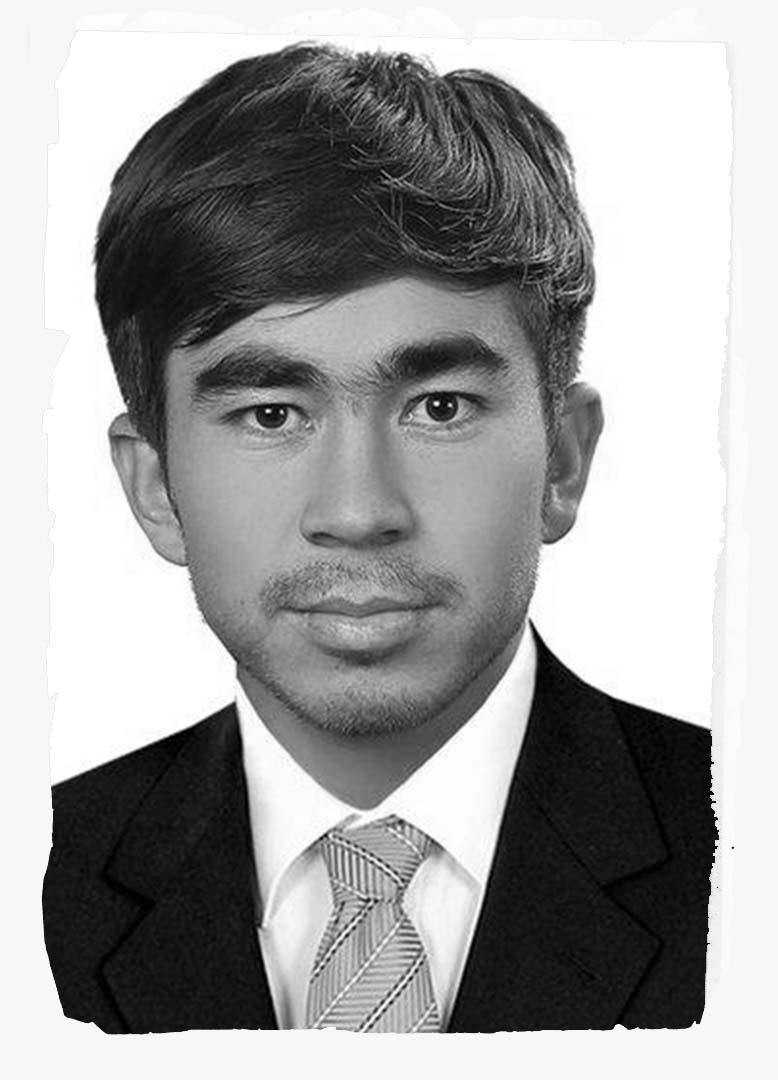
- Gender
- Male
- Ethnicity
- Hazara
- District geolocation of incident
- Kabul: 34° 31′ 1″ N, 69° 8′ 60″ E
- Description of incident
On October 24, 2020, a suicide bomber carried out an attack on the Kawsar-e Danish Educational Center in Kabul City. The educational center, which offers tutoring for students preparing for higher education, is located in an area with a large population of Hazara people.
Mohmmad Musa Ebrahimi
- Photo of Victim

- Gender
- Male
- Ethnicity
- Hazara
- District geolocation of incident
- Kabul: 34° 31′ 1″ N, 69° 8′ 60″ E
- Description of incident
On October 24, 2020, a suicide bomber carried out an attack on the Kawsar-e Danish Educational Center in Kabul City. The educational center, which offers tutoring for students preparing for higher education, is located in an area with a large population of Hazara people.
Milad Alizada
- Photo of Victim

- Gender
- Male
- Ethnicity
- Hazara
- District geolocation of incident
- Kabul: 34° 31′ 1″ N, 69° 8′ 60″ E
Ebrahim Ansari
- Photo of Victim

- Gender
- Male
- Ethnicity
- Hazara
- District geolocation of incident
- Kabul: 34° 31′ 1″ N, 69° 8′ 60″ E
Parwiz Nori
- Photo of Victim

- Gender
- Male
- Ethnicity
- Hazara
- District geolocation of incident
- Kabul: 34° 31′ 1″ N, 69° 8′ 60″ E
Hayatullah Wahidi
- Photo of Victim

- Gender
- Male
- Ethnicity
- Hazara
- District geolocation of incident
- Sayyad: 35° 52′ 25″ N, 68° 25′ 51″ E
- Description of incident
On 3 August 2017, Anti-Government Elements including Taliban and local self-proclaimed Daesh/Islamic State affiliated fighters launched an attack against Mirza Olang village in Sayyad district, Sari Pul province, where fighting continued until 5 August. The village, known as ‘the gate to Sayyad’, lies deep in a long valley. Its southern entrance is near to the border of neighbouring Faryab province and is located 20 km south of the Sayyad district administrative centre. Much of the area surrounding the district administrative centre has been under control of Anti-Government Elements for more than one year.
Karbalaee Ghafor Sadiqi
- Photo of Victim

- Gender
- Male
- Ethnicity
- Hazara
- District geolocation of incident
- Sayyad: 35° 52′ 25″ N, 68° 25′ 51″ E
- Description of incident
On 3 August 2017, Anti-Government Elements including Taliban and local self-proclaimed Daesh/Islamic State affiliated fighters launched an attack against Mirza Olang village in Sayyad district, Sari Pul province, where fighting continued until 5 August. The village, known as ‘the gate to Sayyad’, lies deep in a long valley. Its southern entrance is near to the border of neighbouring Faryab province and is located 20 km south of the Sayyad district administrative centre. Much of the area surrounding the district administrative centre has been under control of Anti-Government Elements for more than one year.
Mohammad Akbari
- Photo of Victim
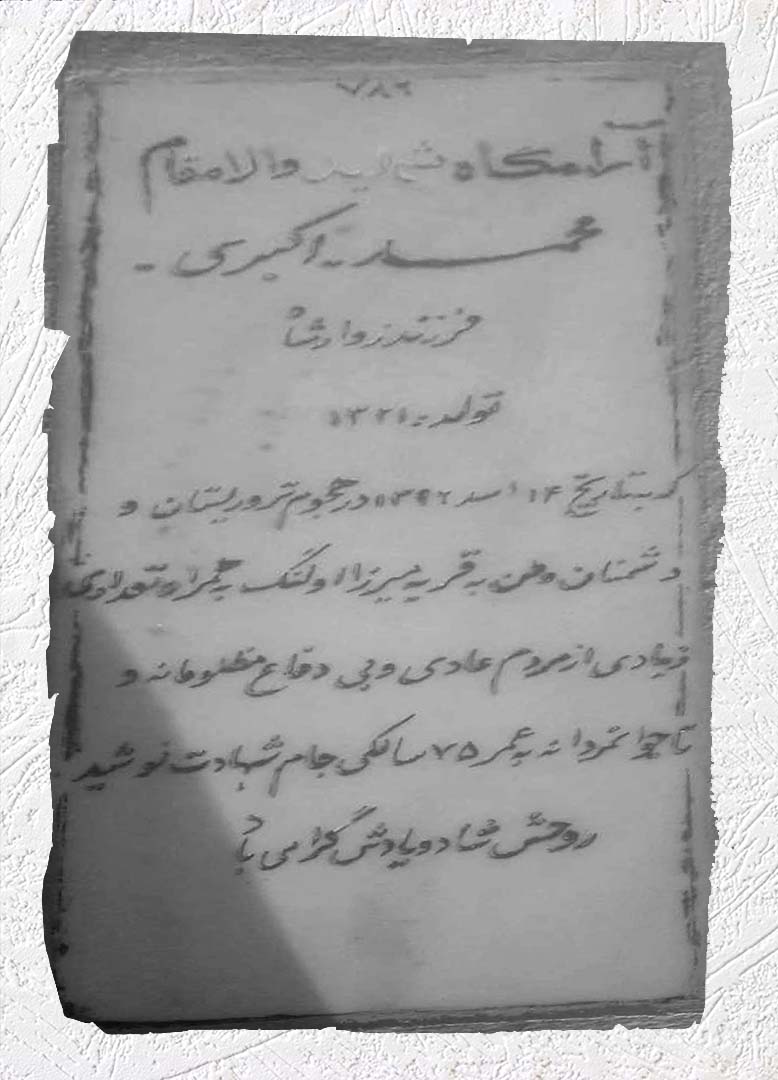
- Gender
- Male
- Ethnicity
- Hazara
- District geolocation of incident
- Sayyad: 35° 52′ 25″ N, 68° 25′ 51″ E
- Description of incident
On 3 August 2017, Anti-Government Elements including Taliban and local self-proclaimed Daesh/Islamic State affiliated fighters launched an attack against Mirza Olang village in Sayyad district, Sari Pul province, where fighting continued until 5 August. The village, known as ‘the gate to Sayyad’, lies deep in a long valley. Its southern entrance is near to the border of neighbouring Faryab province and is located 20 km south of the Sayyad district administrative centre. Much of the area surrounding the district administrative centre has been under control of Anti-Government Elements for more than one year.
Baqer Wahidi
- Photo of Victim
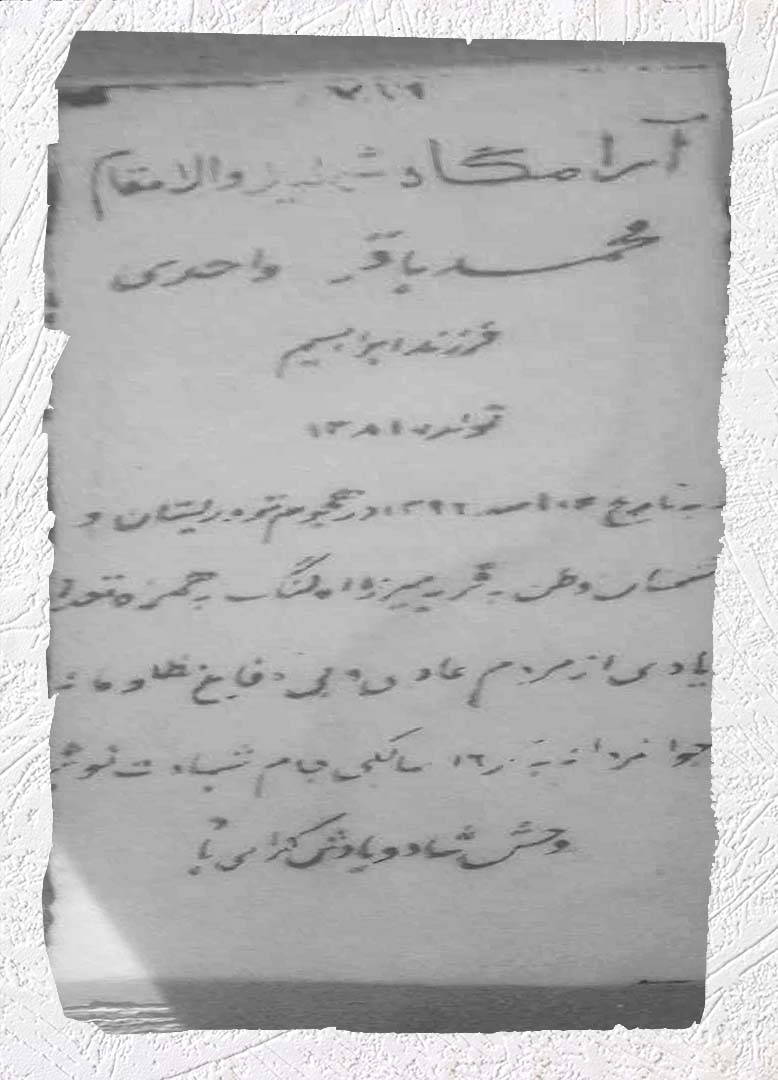
- Gender
- Male
- Ethnicity
- Hazara
- District geolocation of incident
- Sayyad: 35° 52′ 25″ N, 68° 25′ 51″ E
- Description of incident
On 3 August 2017, Anti-Government Elements including Taliban and local self-proclaimed Daesh/Islamic State affiliated fighters launched an attack against Mirza Olang village in Sayyad district, Sari Pul province, where fighting continued until 5 August. The village, known as ‘the gate to Sayyad’, lies deep in a long valley. Its southern entrance is near to the border of neighbouring Faryab province and is located 20 km south of the Sayyad district administrative centre. Much of the area surrounding the district administrative centre has been under control of Anti-Government Elements for more than one year.
Kamal
- Photo of Victim

- Gender
- Male
- Ethnicity
- Hazara
- District geolocation of incident
- Sayyad: 35° 52′ 25″ N, 68° 25′ 51″ E
- Description of incident
On 3 August 2017, Anti-Government Elements including Taliban and local self-proclaimed Daesh/Islamic State affiliated fighters launched an attack against Mirza Olang village in Sayyad district, Sari Pul province, where fighting continued until 5 August. The village, known as ‘the gate to Sayyad’, lies deep in a long valley. Its southern entrance is near to the border of neighbouring Faryab province and is located 20 km south of the Sayyad district administrative centre. Much of the area surrounding the district administrative centre has been under control of Anti-Government Elements for more than one year.
Haji Zarif
- Photo of Victim

- Gender
- Male
- Ethnicity
- Hazara
- District geolocation of incident
- Sayyad: 35° 52′ 25″ N, 68° 25′ 51″ E
- Description of incident
On 3 August 2017, Anti-Government Elements including Taliban and local self-proclaimed Daesh/Islamic State affiliated fighters launched an attack against Mirza Olang village in Sayyad district, Sari Pul province, where fighting continued until 5 August. The village, known as ‘the gate to Sayyad’, lies deep in a long valley. Its southern entrance is near to the border of neighbouring Faryab province and is located 20 km south of the Sayyad district administrative centre. Much of the area surrounding the district administrative centre has been under control of Anti-Government Elements for more than one year.
Nasir Ahmad
- Photo of Victim
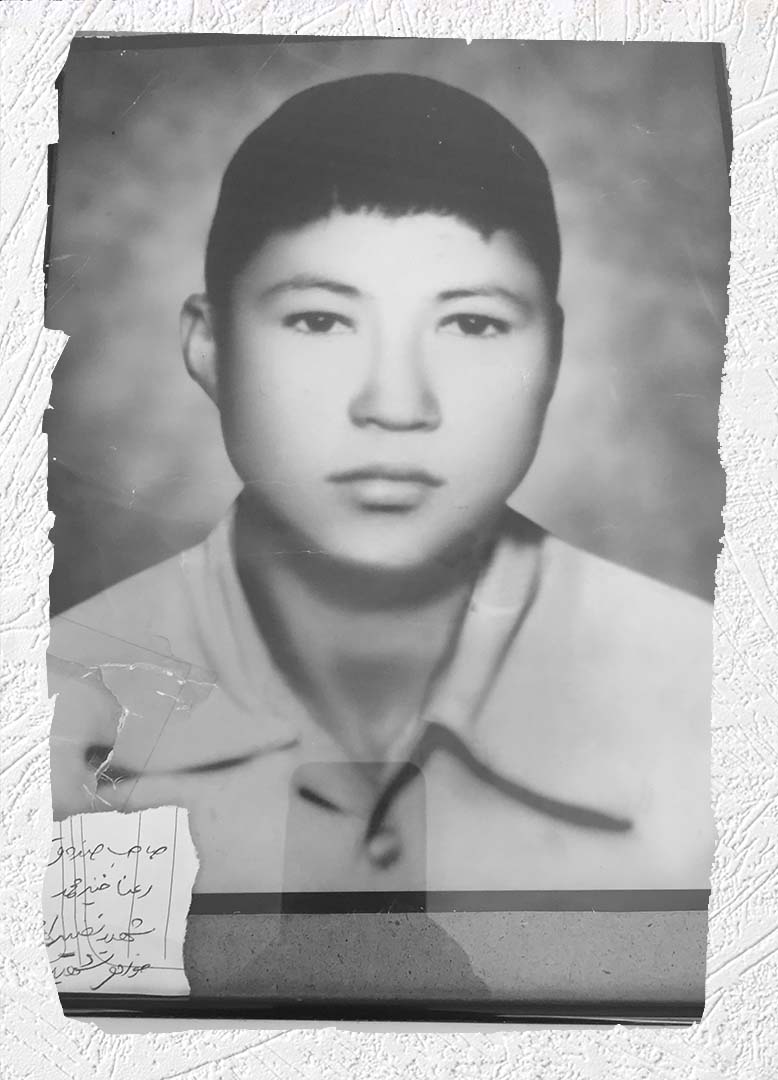
- Gender
- Male
- Ethnicity
- Hazara
- District geolocation of incident
- Mazar-e Sharif: 36° 41′ 38″ N, 67° 6′ 48″ E
Sayyed Musa
- Photo of Victim
- Gender
- Male
- Ethnicity
- Sadat
- District geolocation of incident
- Mazar-e Sharif: 36° 41′ 38″ N, 67° 6′ 48″ E
Sharifullah
- Photo of Victim

- Gender
- Male
- Ethnicity
- Hazara
- District geolocation of incident
- Mazar-e Sharif: 36° 41′ 38″ N, 67° 6′ 48″ E
Sayed Nassim Mohammadi
- Photo of Victim

- Gender
- Male
- Ethnicity
- Sadat
- District geolocation of incident
- Kabul: 34° 31′ 1″ N, 69° 8′ 60″ E
Mohammad Taher Khashiey
- Photo of Victim
- Gender
- Male
- Ethnicity
- Hazara
- District geolocation of incident
- Kabul: 34° 31′ 1″ N, 69° 8′ 60″ E
Mohammad Hassan
- Photo of Victim

- Gender
- Male
- Ethnicity
- Hazara
- District geolocation of incident
- Yakawlang: 34° 44′ 50″ N, 66° 56′ 40″ E
- Description of incident
On January 7, 2001, the Taliban attacked the Yakaolang district of Bamiyan province and massacred hundreds of Hazara civilians. Many of those who managed to escape and take refuge on the mountains froze to death. On the 8th of January, Taliban members began a house-to-house search across the district. The massacre of Hazaras continued through the 9th, 10th, 11th, and 12th of January. At least 300 Hazaras were either summerly executed or deliberately killed by the Taliban.
Ahmad Sha
- Photo of Victim

- Gender
- Male
- Ethnicity
- Sadat
- District geolocation of incident
- Yakawlang: 34° 44′ 50″ N, 66° 56′ 40″ E
- Description of incident
On January 7, 2001, the Taliban attacked the Yakaolang district of Bamiyan province and massacred hundreds of Hazara civilians. Many of those who managed to escape and take refuge on the mountains froze to death. On the 8th of January, Taliban members began a house-to-house search across the district. The massacre of Hazaras continued through the 9th, 10th, 11th, and 12th of January. At least 300 Hazaras were either summerly executed or deliberately killed by the Taliban.
Haji Mohammad
- Photo of Victim
- Gender
- Male
- Ethnicity
- Hazara
- District geolocation of incident
- Yakawlang: 34° 44′ 50″ N, 66° 56′ 40″ E
- Description of incident
On January 7, 2001, the Taliban attacked the Yakaolang district of Bamiyan province and massacred hundreds of Hazara civilians. Many of those who managed to escape and take refuge on the mountains froze to death. On the 8th of January, Taliban members began a house-to-house search across the district. The massacre of Hazaras continued through the 9th, 10th, 11th, and 12th of January. At least 300 Hazaras were either summerly executed or deliberately killed by the Taliban.
Rahmatullah
- Photo of Victim

- Gender
- Male
- Ethnicity
- Hazara
- District geolocation of incident
- Yakawlang: 34° 44′ 50″ N, 66° 56′ 40″ E
- Description of incident
On January 7, 2001, the Taliban attacked the Yakaolang district of Bamiyan province and massacred hundreds of Hazara civilians. Many of those who managed to escape and take refuge on the mountains froze to death. On the 8th of January, Taliban members began a house-to-house search across the district. The massacre of Hazaras continued through the 9th, 10th, 11th, and 12th of January. At least 300 Hazaras were either summerly executed or deliberately killed by the Taliban.
Sayed Ebrahim
- Photo of Victim

- Gender
- Male
- Ethnicity
- Sadat
- District geolocation of incident
- Yakawlang: 34° 44′ 50″ N, 66° 56′ 40″ E
- Description of incident
On January 7, 2001, the Taliban attacked the Yakaolang district of Bamiyan province and massacred hundreds of Hazara civilians. Many of those who managed to escape and take refuge on the mountains froze to death. On the 8th of January, Taliban members began a house-to-house search across the district. The massacre of Hazaras continued through the 9th, 10th, 11th, and 12th of January. At least 300 Hazaras were either summerly executed or deliberately killed by the Taliban.
Sayed Ahmad
- Photo of Victim

- Gender
- Male
- Ethnicity
- Sadat
- District geolocation of incident
- Yakawlang: 34° 44′ 50″ N, 66° 56′ 40″ E
- Description of incident
On January 7, 2001, the Taliban attacked the Yakaolang district of Bamiyan province and massacred hundreds of Hazara civilians. Many of those who managed to escape and take refuge on the mountains froze to death. On the 8th of January, Taliban members began a house-to-house search across the district. The massacre of Hazaras continued through the 9th, 10th, 11th, and 12th of January. At least 300 Hazaras were either summerly executed or deliberately killed by the Taliban.
Sayed Akbar
- Photo of Victim

- Gender
- Male
- Ethnicity
- Sadat
- District geolocation of incident
- Yakawlang: 34° 44′ 50″ N, 66° 56′ 40″ E
- Description of incident
On January 7, 2001, the Taliban attacked the Yakaolang district of Bamiyan province and massacred hundreds of Hazara civilians. Many of those who managed to escape and take refuge on the mountains froze to death. On the 8th of January, Taliban members began a house-to-house search across the district. The massacre of Hazaras continued through the 9th, 10th, 11th, and 12th of January. At least 300 Hazaras were either summerly executed or deliberately killed by the Taliban.
Sayed Qurban Mohaqqiq
- Photo of Victim
- Gender
- Male
- Ethnicity
- Sadat
- District geolocation of incident
- Kabul: 34° 31′ 1″ N, 69° 8′ 60″ E
- Description of incident
A suicide bomber has blown himself up inside a Shia Mosque in the Afghan capital Kabul, killing at least 53 people and wounding dozens of others. The explosion happened at the Baqir-ul-uloom mosque in the Darul Aman area as people gathered to mark the end of an important religious period.
Sayed Mahdi
- Photo of Victim
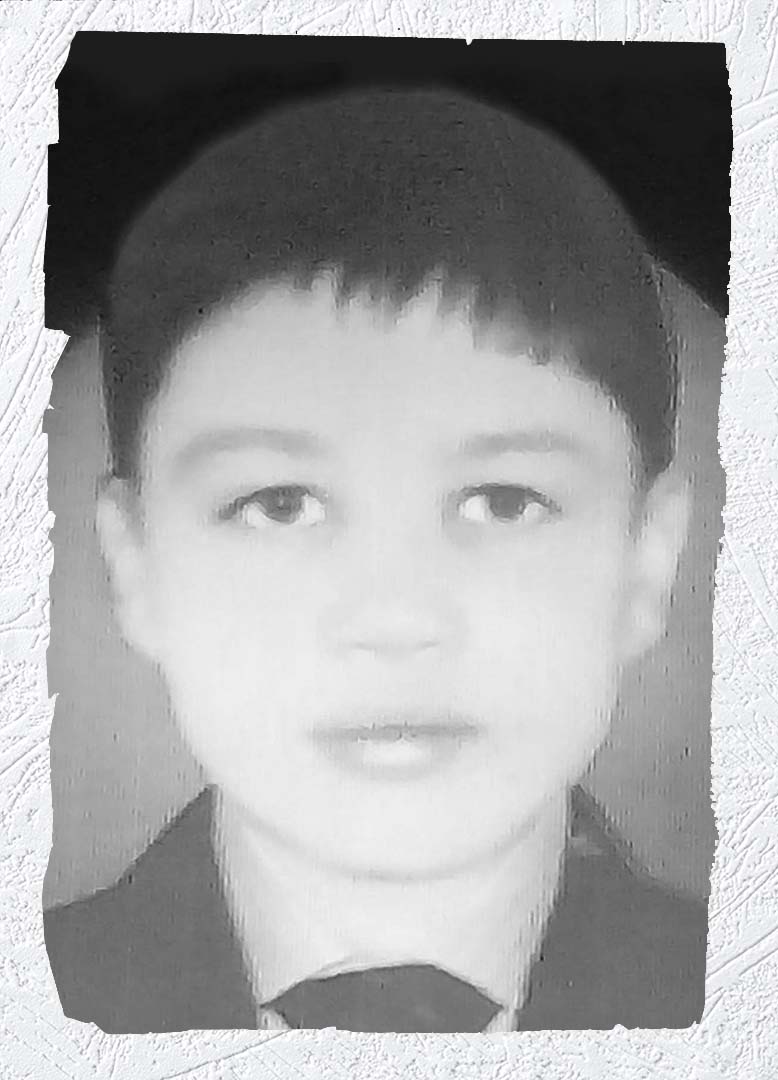
- Gender
- Male
- Ethnicity
- Sadat
- District geolocation of incident
- Kabul: 34° 31′ 1″ N, 69° 8′ 60″ E
- Description of incident
A suicide bomber has blown himself up inside a Shia Mosque in the Afghan capital Kabul, killing at least 53 people and wounding dozens of others. The explosion happened at the Baqir-ul-uloom mosque in the Darul Aman area as people gathered to mark the end of an important religious period.
Sayed Hadi
- Photo of Victim
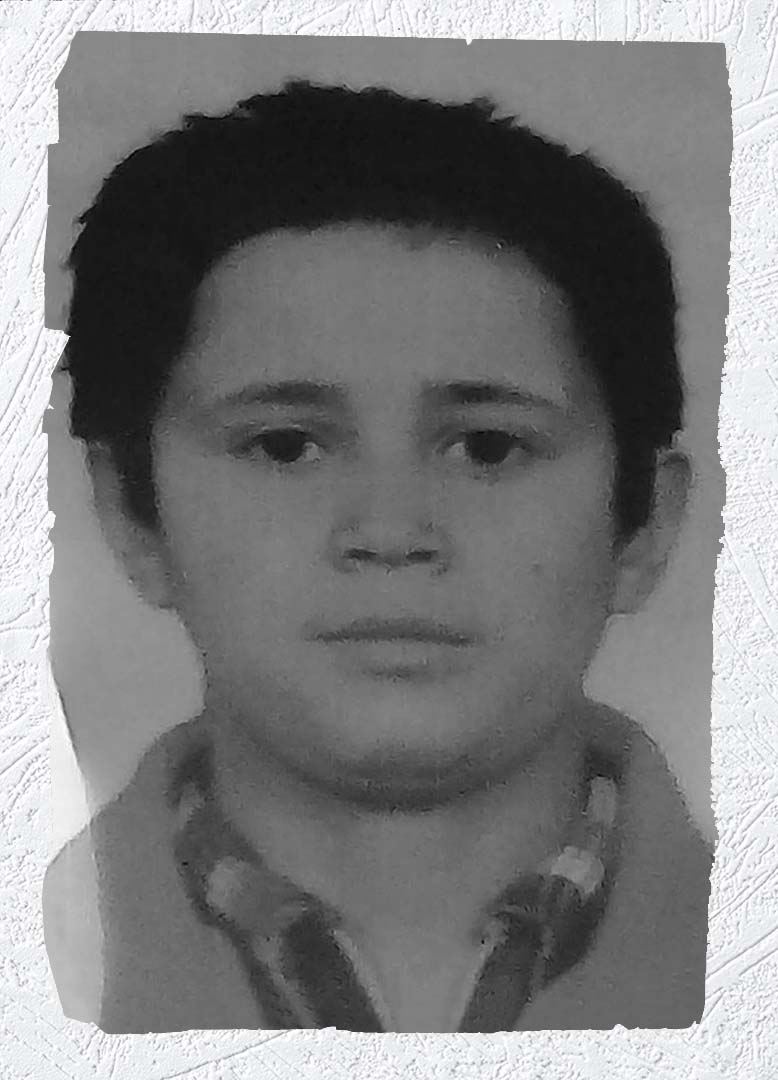
- Gender
- Male
- Ethnicity
- Sadat
- District geolocation of incident
- Kabul: 34° 31′ 1″ N, 69° 8′ 60″ E
- Description of incident
A suicide bomber has blown himself up inside a Shia Mosque in the Afghan capital Kabul, killing at least 53 people and wounding dozens of others. The explosion happened at the Baqir-ul-uloom mosque in the Darul Aman area as people gathered to mark the end of an important religious period.
Shahram
- Photo of Victim

- Gender
- Male
- Ethnicity
- Hazara
- District geolocation of incident
- Kabul: 34° 31′ 1″ N, 69° 8′ 60″ E
- Description of incident
A suicide bomber has blown himself up inside a Shia Mosque in the Afghan capital Kabul, killing at least 53 people and wounding dozens of others. The explosion happened at the Baqir-ul-uloom mosque in the Darul Aman area as people gathered to mark the end of an important religious period.
Mohammad Salim
- Photo of Victim
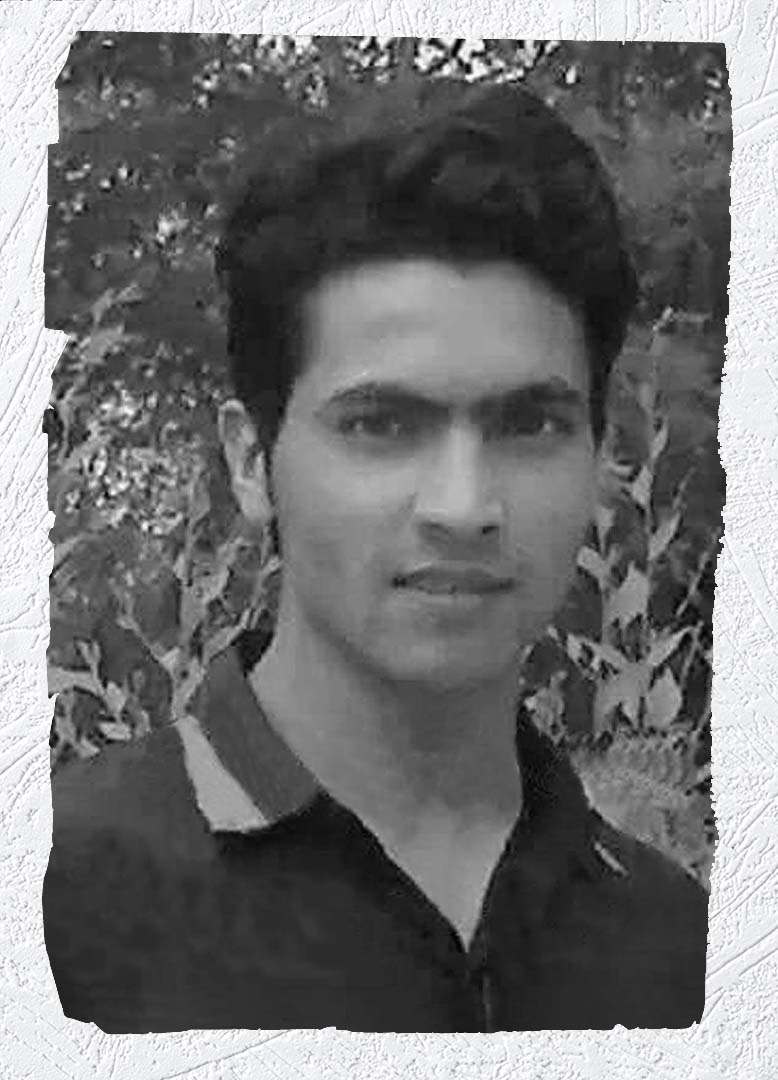
- Gender
- Male
- District geolocation of incident
- Kabul: 34° 31′ 1″ N, 69° 8′ 60″ E
- Description of incident
A suicide bomber has blown himself up inside a Shia Mosque in the Afghan capital Kabul, killing at least 53 people and wounding dozens of others. The explosion happened at the Baqir-ul-uloom mosque in the Darul Aman area as people gathered to mark the end of an important religious period.
Aliakbar Mansori
- Photo of Victim

- Gender
- Male
- Ethnicity
- Hazara
- District geolocation of incident
- Kabul: 34° 31′ 1″ N, 69° 8′ 60″ E
AliMohammad Nazari
- Photo of Victim
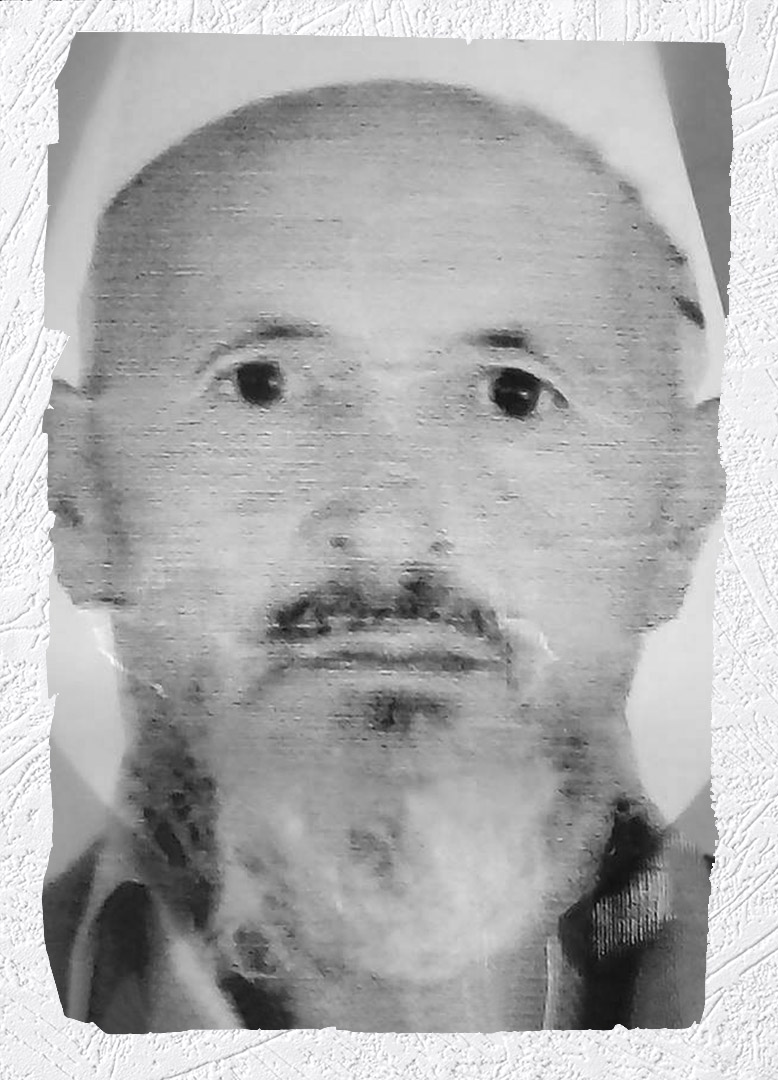
- Gender
- Male
- Ethnicity
- Hazara
- District geolocation of incident
- Kabul: 34° 31′ 1″ N, 69° 8′ 60″ E
- Description of incident
A suicide bomber has blown himself up inside a Shia Mosque in the Afghan capital Kabul, killing at least 53 people and wounding dozens of others. The explosion happened at the Baqir-ul-uloom mosque in the Darul Aman area as people gathered to mark the end of an important religious period.