Mohammad Rasol Jorat
- Photo of Victim

- Province of birth
- Faryab: Andkhoy
- Gender
- Male
- Ethnicity
- Uzbek
- District geolocation of incident
- Kabul: Bagrami: 34° 31′ 10″ N, 69° 16′ 39″ E
- Description of incident
Known as the "Killing of AGSA," it refers to the collective murder of opponents of the People's Democratic Party of Afghanistan in the Pul-e-Charkhi Prison in Kabul between 1978 and 1979. The Afghan Intelligence Office, or AGSA (Afghan Agency for Safeguarding National Interest), led by Asadullah Sarwari, had arrested nearly 150,000 people, out of which an estimated number of 27,000 political prisoners were put to death without a single trial, probe, or even allegation. Many Afghan families had no idea where their loved ones had disappeared in the latter part of 1978 and early 1979. A list of those slain that included 5,000 victims of AGSA mass executions was made public by the Dutch Prosecutor's Office in 2013.
- Declaratory Statement
No statement
Mohammad Ehsan
- Photo of Victim

- Province of birth
- Baghlan بغلان: Baghlani Jadid
- Gender
- Male
- Ethnicity
- Unknown
- District geolocation of incident
- Puli Khumri: 35° 56′ 49″ N, 68° 42′ 16″ E
- Description of incident
On Tuesday, November 6, 2007, Pul-e-Khumri, the capital of Baghlan province, witnessed one of the deadliest suicide attacks in Afghanistan’s history. The assault occurred during the visit of a parliamentary economic delegation led by Sayed Mustafa Kazemi, Chairman of the National Economic Commission, who had arrived to inaugurate the newly reconstructed Baghlan Industrial enterprise.
The attack claimed the lives and wounded approximately 200 Afghan citizens. Among the victims were 57 students from the “Martyrs of Baghlan Industrial High School” and six members of the National Economic Commission. This tragic event stands as a stark reminder of the profound human cost of violence and the vulnerability of those striving to rebuild and serve their nation.
- Declaratory Statement
No statement
Zaidullah
- Photo of Victim

- Province of birth
- Baghlan بغلان: Baghlani Jadid
- Gender
- Male
- Ethnicity
- Unknown
- District geolocation of incident
- Puli Khumri: 35° 56′ 49″ N, 68° 42′ 16″ E
- Description of incident
On the afternoon of November 6, 2007, at approximately 4:15 PM, an explosion occurred in Pul-e Khumri, the provincial capital of Baghlan Province. The incident took place during a visit by Afghanistan's Parliamentary Economic Commission, which had traveled to the area to attend the reopening ceremony of the newly reconstructed Baghlan Sugar Factory. According to eyewitness accounts, an individual detonated explosives among a crowd of people who had assembled to greet the parliamentary delegation. The attack resulted in between 70 and 97 fatalities, with casualty figures varying across different reports, and injured nearly 200 individuals. A substantial portion of the victims were school students who had gathered in formation to welcome the government officials. Six members of the National Economy Commission of Afghanistan's Parliament were killed in the attack, including the commission's chairman, Sayed Mustafa Kazimi. The other deceased parliamentarians represented various provinces across Afghanistan, including Takhar, Kunar, Helmand, Kunduz, and Kabul. While it was widely believed that the attack was carried out by a suicide bomber, no group claimed responsibility for the incident. The precise circumstances and motivation behind the attack were never officially confirmed. The general assessment indicated that members of the Afghan Parliament were the primary intended targets of the assault.
- Declaratory Statement
No statement
Mohammad Hashim
- Photo of Victim

- Province of birth
- Baghlan بغلان: Baghlani Jadid
- Gender
- Male
- Ethnicity
- Unknown
- District geolocation of incident
- Puli Khumri: 35° 56′ 49″ N, 68° 42′ 16″ E
- Description of incident
On the afternoon of November 6, 2007, at approximately 4:15 PM, an explosion occurred in Pul-e Khumri, the provincial capital of Baghlan Province. The incident took place during a visit by Afghanistan's Parliamentary Economic Commission, which had traveled to the area to attend the reopening ceremony of the newly reconstructed Baghlan Sugar Factory. According to eyewitness accounts, an individual detonated explosives among a crowd of people who had assembled to greet the parliamentary delegation. The attack resulted in between 70 and 97 fatalities, with casualty figures varying across different reports, and injured nearly 200 individuals. A substantial portion of the victims were school students who had gathered in formation to welcome the government officials. Six members of the National Economy Commission of Afghanistan's Parliament were killed in the attack, including the commission's chairman, Sayed Mustafa Kazimi. The other deceased parliamentarians represented various provinces across Afghanistan, including Takhar, Kunar, Helmand, Kunduz, and Kabul. While it was widely believed that the attack was carried out by a suicide bomber, no group claimed responsibility for the incident. The precise circumstances and motivation behind the attack were never officially confirmed. The general assessment indicated that members of the Afghan Parliament were the primary intended targets of the assault.
- Declaratory Statement
No statement
Khairullah
- Photo of Victim

- Province of birth
- Baghlan بغلان: Baghlani Jadid
- Gender
- Male
- Ethnicity
- Unknown
- District geolocation of incident
- Puli Khumri: 35° 56′ 49″ N, 68° 42′ 16″ E
- Description of incident
On the afternoon of November 6, 2007, at approximately 4:15 PM, an explosion occurred in Pul-e Khumri, the provincial capital of Baghlan Province. The incident took place during a visit by Afghanistan's Parliamentary Economic Commission, which had traveled to the area to attend the reopening ceremony of the newly reconstructed Baghlan Sugar Factory. According to eyewitness accounts, an individual detonated explosives among a crowd of people who had assembled to greet the parliamentary delegation. The attack resulted in between 70 and 97 fatalities, with casualty figures varying across different reports, and injured nearly 200 individuals. A substantial portion of the victims were school students who had gathered in formation to welcome the government officials. Six members of the National Economy Commission of Afghanistan's Parliament were killed in the attack, including the commission's chairman, Sayed Mustafa Kazimi. The other deceased parliamentarians represented various provinces across Afghanistan, including Takhar, Kunar, Helmand, Kunduz, and Kabul. While it was widely believed that the attack was carried out by a suicide bomber, no group claimed responsibility for the incident. The precise circumstances and motivation behind the attack were never officially confirmed. The general assessment indicated that members of the Afghan Parliament were the primary intended targets of the assault.
- Declaratory Statement
No statement
Mohammad
- Photo of Victim

- Province of birth
- Baghlan بغلان: Baghlani Jadid
- Gender
- Male
- Ethnicity
- Unknown
- District geolocation of incident
- Puli Khumri: 35° 56′ 49″ N, 68° 42′ 16″ E
- Description of incident
At 4:15 AM on Tuesday, Aqrab 15, 1386 in the Solar Hijri calendar (November 6, 2007), one of the deadliest suicide attacks in Afghanistan’s history took place in Pul-e-Khumri, the capital of Baghlan province. The incident occurred as a parliamentary economic delegation, led by Sayed Mustafa Kazemi, Chairman of the National Economic Commission of Afghanistan’s Parliament, had arrived to inaugurate the newly reconstructed Baghlan Industrial enterprise.
This tragic event resulted in the death and injury of approximately 200 Afghan citizens, including 57 students from the “Martyrs of Baghlan Industrial High School” and six members of the National Economic Commission.
Arif Khan
- Photo of Victim

- Province of birth
- Baghlan بغلان: Baghlani Jadid
- Gender
- Male
- Ethnicity
- Unknown
- District geolocation of incident
- Puli Khumri: 35° 56′ 49″ N, 68° 42′ 16″ E
- Description of incident
On Tuesday, November 6, 2007, Pul-e-Khumri, the capital of Baghlan province, witnessed one of the deadliest suicide attacks in Afghanistan’s history. The assault occurred during the visit of a parliamentary economic delegation led by Sayed Mustafa Kazemi, Chairman of the National Economic Commission, who had arrived to inaugurate the newly reconstructed Baghlan Industrial enterprise.
The attack claimed the lives and wounded approximately 200 Afghan citizens. Among the victims were 57 students from the “Martyrs of Baghlan Industrial High School” and six members of the National Economic Commission. This tragic event stands as a stark reminder of the profound human cost of violence and the vulnerability of those striving to rebuild and serve their nation.
- Declaratory Statement
No statement
Nasrullah
- Photo of Victim

- Province of birth
- Baghlan بغلان: Baghlani Jadid
- Gender
- Male
- Ethnicity
- Unknown
- District geolocation of incident
- Puli Khumri: 35° 56′ 49″ N, 68° 42′ 16″ E
- Description of incident
On Tuesday, November 6, 2007, Pul-e-Khumri, the capital of Baghlan province, witnessed one of the deadliest suicide attacks in Afghanistan’s history. The assault occurred during the visit of a parliamentary economic delegation led by Sayed Mustafa Kazemi, Chairman of the National Economic Commission, who had arrived to inaugurate the newly reconstructed Baghlan Industrial enterprise.
The attack claimed the lives and wounded approximately 200 Afghan citizens. Among the victims were 57 students from the “Martyrs of Baghlan Industrial High School” and six members of the National Economic Commission. This tragic event stands as a stark reminder of the profound human cost of violence and the vulnerability of those striving to rebuild and serve their nation.
- Declaratory Statement
No statement
Ewaz Khan
- Photo of Victim

- Province of birth
- Baghlan بغلان: Baghlani Jadid
- Gender
- Male
- Ethnicity
- Unknown
- District geolocation of incident
- Puli Khumri: 35° 56′ 49″ N, 68° 42′ 16″ E
- Description of incident
On Tuesday, November 6, 2007, Pul-e-Khumri, the capital of Baghlan province, witnessed one of the deadliest suicide attacks in Afghanistan’s history. The assault occurred during the visit of a parliamentary economic delegation led by Sayed Mustafa Kazemi, Chairman of the National Economic Commission, who had arrived to inaugurate the newly reconstructed Baghlan Industrial enterprise.
The attack claimed the lives and wounded approximately 200 Afghan citizens. Among the victims were 57 students from the “Martyrs of Baghlan Industrial High School” and six members of the National Economic Commission. This tragic event stands as a stark reminder of the profound human cost of violence and the vulnerability of those striving to rebuild and serve their nation.
- Declaratory Statement
No statement
Mohammad Bashir
- Photo of Victim

- Province of birth
- Baghlan بغلان: Baghlani Jadid
- Gender
- Male
- Ethnicity
- Unknown
- District geolocation of incident
- Puli Khumri: 35° 56′ 49″ N, 68° 42′ 16″ E
- Description of incident
On Tuesday, November 6, 2007, Pul-e-Khumri, the capital of Baghlan province, witnessed one of the deadliest suicide attacks in Afghanistan’s history. The assault occurred during the visit of a parliamentary economic delegation led by Sayed Mustafa Kazemi, Chairman of the National Economic Commission, who had arrived to inaugurate the newly reconstructed Baghlan Industrial enterprise.
The attack claimed the lives and wounded approximately 200 Afghan citizens. Among the victims were 57 students from the “Martyrs of Baghlan Industrial High School” and six members of the National Economic Commission. This tragic event stands as a stark reminder of the profound human cost of violence and the vulnerability of those striving to rebuild and serve their nation.
- Declaratory Statement
No statement
Mohammad Parwiz
- Photo of Victim

- Province of birth
- Baghlan بغلان: Baghlani Jadid
- Gender
- Male
- Ethnicity
- Unknown
- District geolocation of incident
- Puli Khumri: 35° 56′ 49″ N, 68° 42′ 16″ E
- Description of incident
On the afternoon of November 6, 2007, at approximately 4:15 PM, an explosion occurred in Pul-e Khumri, the provincial capital of Baghlan Province. The incident took place during a visit by Afghanistan's Parliamentary Economic Commission, which had traveled to the area to attend the reopening ceremony of the newly reconstructed Baghlan Sugar Factory. According to eyewitness accounts, an individual detonated explosives among a crowd of people who had assembled to greet the parliamentary delegation. The attack resulted in between 70 and 97 fatalities, with casualty figures varying across different reports, and injured nearly 200 individuals. A substantial portion of the victims were school students who had gathered in formation to welcome the government officials. Six members of the National Economy Commission of Afghanistan's Parliament were killed in the attack, including the commission's chairman, Sayed Mustafa Kazimi. The other deceased parliamentarians represented various provinces across Afghanistan, including Takhar, Kunar, Helmand, Kunduz, and Kabul. While it was widely believed that the attack was carried out by a suicide bomber, no group claimed responsibility for the incident. The precise circumstances and motivation behind the attack were never officially confirmed. The general assessment indicated that members of the Afghan Parliament were the primary intended targets of the assault.
- Declaratory Statement
No statement
Mohammad Firoz
- Photo of Victim

- Province of birth
- Baghlan بغلان: Baghlani Jadid
- Gender
- Male
- Ethnicity
- Unknown
- District geolocation of incident
- Puli Khumri: 35° 56′ 49″ N, 68° 42′ 16″ E
- Description of incident
On the afternoon of November 6, 2007, at approximately 4:15 PM, an explosion occurred in Pul-e Khumri, the provincial capital of Baghlan Province. The incident took place during a visit by Afghanistan's Parliamentary Economic Commission, which had traveled to the area to attend the reopening ceremony of the newly reconstructed Baghlan Sugar Factory. According to eyewitness accounts, an individual detonated explosives among a crowd of people who had assembled to greet the parliamentary delegation. The attack resulted in between 70 and 97 fatalities, with casualty figures varying across different reports, and injured nearly 200 individuals. A substantial portion of the victims were school students who had gathered in formation to welcome the government officials. Six members of the National Economy Commission of Afghanistan's Parliament were killed in the attack, including the commission's chairman, Sayed Mustafa Kazimi. The other deceased parliamentarians represented various provinces across Afghanistan, including Takhar, Kunar, Helmand, Kunduz, and Kabul. While it was widely believed that the attack was carried out by a suicide bomber, no group claimed responsibility for the incident. The precise circumstances and motivation behind the attack were never officially confirmed. The general assessment indicated that members of the Afghan Parliament were the primary intended targets of the assault.
- Declaratory Statement
No statement
Zarkai
- Photo of Victim

- Province of birth
- Baghlan بغلان: Baghlani Jadid
- Gender
- Male
- Ethnicity
- Unknown
- District geolocation of incident
- Puli Khumri: 35° 56′ 49″ N, 68° 42′ 16″ E
- Description of incident
On the afternoon of November 6, 2007, at approximately 4:15 PM, an explosion occurred in Pul-e Khumri, the provincial capital of Baghlan Province. The incident took place during a visit by Afghanistan's Parliamentary Economic Commission, which had traveled to the area to attend the reopening ceremony of the newly reconstructed Baghlan Sugar Factory. According to eyewitness accounts, an individual detonated explosives among a crowd of people who had assembled to greet the parliamentary delegation. The attack resulted in between 70 and 97 fatalities, with casualty figures varying across different reports, and injured nearly 200 individuals. A substantial portion of the victims were school students who had gathered in formation to welcome the government officials. Six members of the National Economy Commission of Afghanistan's Parliament were killed in the attack, including the commission's chairman, Sayed Mustafa Kazimi. The other deceased parliamentarians represented various provinces across Afghanistan, including Takhar, Kunar, Helmand, Kunduz, and Kabul. While it was widely believed that the attack was carried out by a suicide bomber, no group claimed responsibility for the incident. The precise circumstances and motivation behind the attack were never officially confirmed. The general assessment indicated that members of the Afghan Parliament were the primary intended targets of the assault.
- Declaratory Statement
No statement
Hamid Ahmad
- Photo of Victim

- Province of birth
- Baghlan بغلان: Baghlani Jadid
- Gender
- Male
- Ethnicity
- Unknown
- District geolocation of incident
- Puli Khumri: 35° 56′ 49″ N, 68° 42′ 16″ E
- Description of incident
On the afternoon of November 6, 2007, at approximately 4:15 PM, an explosion occurred in Pul-e Khumri, the provincial capital of Baghlan Province. The incident took place during a visit by Afghanistan's Parliamentary Economic Commission, which had traveled to the area to attend the reopening ceremony of the newly reconstructed Baghlan Sugar Factory. According to eyewitness accounts, an individual detonated explosives among a crowd of people who had assembled to greet the parliamentary delegation. The attack resulted in between 70 and 97 fatalities, with casualty figures varying across different reports, and injured nearly 200 individuals. A substantial portion of the victims were school students who had gathered in formation to welcome the government officials. Six members of the National Economy Commission of Afghanistan's Parliament were killed in the attack, including the commission's chairman, Sayed Mustafa Kazimi. The other deceased parliamentarians represented various provinces across Afghanistan, including Takhar, Kunar, Helmand, Kunduz, and Kabul. While it was widely believed that the attack was carried out by a suicide bomber, no group claimed responsibility for the incident. The precise circumstances and motivation behind the attack were never officially confirmed. The general assessment indicated that members of the Afghan Parliament were the primary intended targets of the assault.
- Declaratory Statement
No statement
Mohammad Zahir
- Photo of Victim

- Province of birth
- Baghlan بغلان: Baghlani Jadid
- Gender
- Male
- Ethnicity
- Unknown
- District geolocation of incident
- Puli Khumri: 35° 56′ 49″ N, 68° 42′ 16″ E
- Description of incident
On the afternoon of November 6, 2007, at approximately 4:15 PM, an explosion occurred in Pul-e Khumri, the provincial capital of Baghlan Province. The incident took place during a visit by Afghanistan's Parliamentary Economic Commission, which had traveled to the area to attend the reopening ceremony of the newly reconstructed Baghlan Sugar Factory. According to eyewitness accounts, an individual detonated explosives among a crowd of people who had assembled to greet the parliamentary delegation. The attack resulted in between 70 and 97 fatalities, with casualty figures varying across different reports, and injured nearly 200 individuals. A substantial portion of the victims were school students who had gathered in formation to welcome the government officials. Six members of the National Economy Commission of Afghanistan's Parliament were killed in the attack, including the commission's chairman, Sayed Mustafa Kazimi. The other deceased parliamentarians represented various provinces across Afghanistan, including Takhar, Kunar, Helmand, Kunduz, and Kabul. While it was widely believed that the attack was carried out by a suicide bomber, no group claimed responsibility for the incident. The precise circumstances and motivation behind the attack were never officially confirmed. The general assessment indicated that members of the Afghan Parliament were the primary intended targets of the assault.
- Declaratory Statement
No statement
Mohammad Ayob
- Photo of Victim

- Province of birth
- Baghlan بغلان: Baghlani Jadid
- Gender
- Male
- Ethnicity
- Unknown
- District geolocation of incident
- Puli Khumri: 35° 56′ 49″ N, 68° 42′ 16″ E
- Description of incident
On the afternoon of November 6, 2007, at approximately 4:15 PM, an explosion occurred in Pul-e Khumri, the provincial capital of Baghlan Province. The incident took place during a visit by Afghanistan's Parliamentary Economic Commission, which had traveled to the area to attend the reopening ceremony of the newly reconstructed Baghlan Sugar Factory. According to eyewitness accounts, an individual detonated explosives among a crowd of people who had assembled to greet the parliamentary delegation. The attack resulted in between 70 and 97 fatalities, with casualty figures varying across different reports, and injured nearly 200 individuals. A substantial portion of the victims were school students who had gathered in formation to welcome the government officials. Six members of the National Economy Commission of Afghanistan's Parliament were killed in the attack, including the commission's chairman, Sayed Mustafa Kazimi. The other deceased parliamentarians represented various provinces across Afghanistan, including Takhar, Kunar, Helmand, Kunduz, and Kabul. While it was widely believed that the attack was carried out by a suicide bomber, no group claimed responsibility for the incident. The precise circumstances and motivation behind the attack were never officially confirmed. The general assessment indicated that members of the Afghan Parliament were the primary intended targets of the assault.
- Declaratory Statement
No statment
Mohammad Osman
- Photo of Victim

- Province of birth
- Baghlan بغلان: Baghlani Jadid
- Gender
- Male
- Ethnicity
- Unknown
- District geolocation of incident
- Puli Khumri: 35° 56′ 49″ N, 68° 42′ 16″ E
- Description of incident
On the afternoon of November 6, 2007, at approximately 4:15 PM, an explosion occurred in Pul-e Khumri, the provincial capital of Baghlan Province. The incident took place during a visit by Afghanistan's Parliamentary Economic Commission, which had traveled to the area to attend the reopening ceremony of the newly reconstructed Baghlan Sugar Factory. According to eyewitness accounts, an individual detonated explosives among a crowd of people who had assembled to greet the parliamentary delegation. The attack resulted in between 70 and 97 fatalities, with casualty figures varying across different reports, and injured nearly 200 individuals. A substantial portion of the victims were school students who had gathered in formation to welcome the government officials. Six members of the National Economy Commission of Afghanistan's Parliament were killed in the attack, including the commission's chairman, Sayed Mustafa Kazimi. The other deceased parliamentarians represented various provinces across Afghanistan, including Takhar, Kunar, Helmand, Kunduz, and Kabul. While it was widely believed that the attack was carried out by a suicide bomber, no group claimed responsibility for the incident. The precise circumstances and motivation behind the attack were never officially confirmed. The general assessment indicated that members of the Afghan Parliament were the primary intended targets of the assault.
- Declaratory Statement
No statement
Sultan Mohammad
- Photo of Victim

- Province of birth
- Baghlan بغلان: Baghlani Jadid
- Gender
- Male
- Ethnicity
- Unknown
- District geolocation of incident
- Puli Khumri: 35° 56′ 49″ N, 68° 42′ 16″ E
- Description of incident
On the afternoon of November 6, 2007, at approximately 4:15 PM, an explosion occurred in Pul-e Khumri, the provincial capital of Baghlan Province. The incident took place during a visit by Afghanistan's Parliamentary Economic Commission, which had traveled to the area to attend the reopening ceremony of the newly reconstructed Baghlan Sugar Factory. According to eyewitness accounts, an individual detonated explosives among a crowd of people who had assembled to greet the parliamentary delegation. The attack resulted in between 70 and 97 fatalities, with casualty figures varying across different reports, and injured nearly 200 individuals. A substantial portion of the victims were school students who had gathered in formation to welcome the government officials. Six members of the National Economy Commission of Afghanistan's Parliament were killed in the attack, including the commission's chairman, Sayed Mustafa Kazimi. The other deceased parliamentarians represented various provinces across Afghanistan, including Takhar, Kunar, Helmand, Kunduz, and Kabul. While it was widely believed that the attack was carried out by a suicide bomber, no group claimed responsibility for the incident. The precise circumstances and motivation behind the attack were never officially confirmed. The general assessment indicated that members of the Afghan Parliament were the primary intended targets of the assault.
- Declaratory Statement
No statement
Mohammad Tahir
- Photo of Victim

- Province of birth
- Baghlan بغلان: Baghlani Jadid
- Gender
- Male
- Ethnicity
- Unknown
- District geolocation of incident
- Puli Khumri: 35° 56′ 49″ N, 68° 42′ 16″ E
- Description of incident
On the afternoon of November 6, 2007, at approximately 4:15 PM, an explosion occurred in Pul-e Khumri, the provincial capital of Baghlan Province. The incident took place during a visit by Afghanistan's Parliamentary Economic Commission, which had traveled to the area to attend the reopening ceremony of the newly reconstructed Baghlan Sugar Factory. According to eyewitness accounts, an individual detonated explosives among a crowd of people who had assembled to greet the parliamentary delegation. The attack resulted in between 70 and 97 fatalities, with casualty figures varying across different reports, and injured nearly 200 individuals. A substantial portion of the victims were school students who had gathered in formation to welcome the government officials. Six members of the National Economy Commission of Afghanistan's Parliament were killed in the attack, including the commission's chairman, Sayed Mustafa Kazimi. The other deceased parliamentarians represented various provinces across Afghanistan, including Takhar, Kunar, Helmand, Kunduz, and Kabul. While it was widely believed that the attack was carried out by a suicide bomber, no group claimed responsibility for the incident. The precise circumstances and motivation behind the attack were never officially confirmed. The general assessment indicated that members of the Afghan Parliament were the primary intended targets of the assault.
- Declaratory Statement
No statement
Mohammad Wesal
- Photo of Victim

- Province of birth
- Baghlan بغلان: Baghlani Jadid
- Gender
- Male
- Ethnicity
- Unknown
- District geolocation of incident
- Puli Khumri: 35° 56′ 49″ N, 68° 42′ 16″ E
- Description of incident
On the afternoon of November 6, 2007, at approximately 4:15 PM, an explosion occurred in Pul-e Khumri, the provincial capital of Baghlan Province. The incident took place during a visit by Afghanistan's Parliamentary Economic Commission, which had traveled to the area to attend the reopening ceremony of the newly reconstructed Baghlan Sugar Factory. According to eyewitness accounts, an individual detonated explosives among a crowd of people who had assembled to greet the parliamentary delegation. The attack resulted in between 70 and 97 fatalities, with casualty figures varying across different reports, and injured nearly 200 individuals. A substantial portion of the victims were school students who had gathered in formation to welcome the government officials. Six members of the National Economy Commission of Afghanistan's Parliament were killed in the attack, including the commission's chairman, Sayed Mustafa Kazimi. The other deceased parliamentarians represented various provinces across Afghanistan, including Takhar, Kunar, Helmand, Kunduz, and Kabul. While it was widely believed that the attack was carried out by a suicide bomber, no group claimed responsibility for the incident. The precise circumstances and motivation behind the attack were never officially confirmed. The general assessment indicated that members of the Afghan Parliament were the primary intended targets of the assault.
- Declaratory Statement
No statement
Heshmatullah
- Photo of Victim

- Province of birth
- Baghlan بغلان: Baghlani Jadid
- Gender
- Male
- Ethnicity
- Unknown
- District geolocation of incident
- Puli Khumri: 35° 56′ 49″ N, 68° 42′ 16″ E
- Description of incident
On the afternoon of November 6, 2007, at approximately 4:15 PM, an explosion occurred in Pul-e Khumri, the provincial capital of Baghlan Province. The incident took place during a visit by Afghanistan's Parliamentary Economic Commission, which had traveled to the area to attend the reopening ceremony of the newly reconstructed Baghlan Sugar Factory. According to eyewitness accounts, an individual detonated explosives among a crowd of people who had assembled to greet the parliamentary delegation. The attack resulted in between 70 and 97 fatalities, with casualty figures varying across different reports, and injured nearly 200 individuals. A substantial portion of the victims were school students who had gathered in formation to welcome the government officials. Six members of the National Economy Commission of Afghanistan's Parliament were killed in the attack, including the commission's chairman, Sayed Mustafa Kazimi. The other deceased parliamentarians represented various provinces across Afghanistan, including Takhar, Kunar, Helmand, Kunduz, and Kabul. While it was widely believed that the attack was carried out by a suicide bomber, no group claimed responsibility for the incident. The precise circumstances and motivation behind the attack were never officially confirmed. The general assessment indicated that members of the Afghan Parliament were the primary intended targets of the assault.
- Declaratory Statement
No statement
Qudratullah
- Photo of Victim

- Province of birth
- Baghlan بغلان: Baghlani Jadid
- Gender
- Male
- Ethnicity
- Unknown
- District geolocation of incident
- Puli Khumri: 35° 56′ 49″ N, 68° 42′ 16″ E
- Description of incident
On the afternoon of November 6, 2007, at approximately 4:15 PM, an explosion occurred in Pul-e Khumri, the provincial capital of Baghlan Province. The incident took place during a visit by Afghanistan's Parliamentary Economic Commission, which had traveled to the area to attend the reopening ceremony of the newly reconstructed Baghlan Sugar Factory. According to eyewitness accounts, an individual detonated explosives among a crowd of people who had assembled to greet the parliamentary delegation. The attack resulted in between 70 and 97 fatalities, with casualty figures varying across different reports, and injured nearly 200 individuals. A substantial portion of the victims were school students who had gathered in formation to welcome the government officials. Six members of the National Economy Commission of Afghanistan's Parliament were killed in the attack, including the commission's chairman, Sayed Mustafa Kazimi. The other deceased parliamentarians represented various provinces across Afghanistan, including Takhar, Kunar, Helmand, Kunduz, and Kabul. While it was widely believed that the attack was carried out by a suicide bomber, no group claimed responsibility for the incident. The precise circumstances and motivation behind the attack were never officially confirmed. The general assessment indicated that members of the Afghan Parliament were the primary intended targets of the assault.
- Declaratory Statement
No statement
Mohammad Nasir
- Photo of Victim

- Province of birth
- Baghlan بغلان: Baghlani Jadid
- Gender
- Male
- Ethnicity
- Unknown
- District geolocation of incident
- Puli Khumri: 35° 56′ 49″ N, 68° 42′ 16″ E
- Description of incident
On the afternoon of November 6, 2007, at approximately 4:15 PM, an explosion occurred in Pul-e Khumri, the provincial capital of Baghlan Province. The incident took place during a visit by Afghanistan's Parliamentary Economic Commission, which had traveled to the area to attend the reopening ceremony of the newly reconstructed Baghlan Sugar Factory. According to eyewitness accounts, an individual detonated explosives among a crowd of people who had assembled to greet the parliamentary delegation. The attack resulted in between 70 and 97 fatalities, with casualty figures varying across different reports, and injured nearly 200 individuals. A substantial portion of the victims were school students who had gathered in formation to welcome the government officials. Six members of the National Economy Commission of Afghanistan's Parliament were killed in the attack, including the commission's chairman, Sayed Mustafa Kazimi. The other deceased parliamentarians represented various provinces across Afghanistan, including Takhar, Kunar, Helmand, Kunduz, and Kabul. While it was widely believed that the attack was carried out by a suicide bomber, no group claimed responsibility for the incident. The precise circumstances and motivation behind the attack were never officially confirmed. The general assessment indicated that members of the Afghan Parliament were the primary intended targets of the assault.
- Declaratory Statement
No statement
Mohammad Mujeb
- Photo of Victim

- Province of birth
- Baghlan بغلان: Baghlani Jadid
- Gender
- Male
- Ethnicity
- Unknown
- District geolocation of incident
- Puli Khumri: 35° 56′ 49″ N, 68° 42′ 16″ E
- Description of incident
On the afternoon of November 6, 2007, at approximately 4:15 PM, an explosion occurred in Pul-e Khumri, the provincial capital of Baghlan Province. The incident took place during a visit by Afghanistan's Parliamentary Economic Commission, which had traveled to the area to attend the reopening ceremony of the newly reconstructed Baghlan Sugar Factory. According to eyewitness accounts, an individual detonated explosives among a crowd of people who had assembled to greet the parliamentary delegation. The attack resulted in between 70 and 97 fatalities, with casualty figures varying across different reports, and injured nearly 200 individuals. A substantial portion of the victims were school students who had gathered in formation to welcome the government officials. Six members of the National Economy Commission of Afghanistan's Parliament were killed in the attack, including the commission's chairman, Sayed Mustafa Kazimi. The other deceased parliamentarians represented various provinces across Afghanistan, including Takhar, Kunar, Helmand, Kunduz, and Kabul. While it was widely believed that the attack was carried out by a suicide bomber, no group claimed responsibility for the incident. The precise circumstances and motivation behind the attack were never officially confirmed. The general assessment indicated that members of the Afghan Parliament were the primary intended targets of the assault.
- Declaratory Statement
No statement
Sayed Solaiman
- Photo of Victim

- Province of birth
- Baghlan بغلان: Baghlani Jadid
- Gender
- Male
- Ethnicity
- Sadat
- District geolocation of incident
- Puli Khumri: 35° 56′ 49″ N, 68° 42′ 16″ E
- Description of incident
On the afternoon of November 6, 2007, at approximately 4:15 PM, an explosion occurred in Pul-e Khumri, the provincial capital of Baghlan Province. The incident took place during a visit by Afghanistan's Parliamentary Economic Commission, which had traveled to the area to attend the reopening ceremony of the newly reconstructed Baghlan Sugar Factory. According to eyewitness accounts, an individual detonated explosives among a crowd of people who had assembled to greet the parliamentary delegation. The attack resulted in between 70 and 97 fatalities, with casualty figures varying across different reports, and injured nearly 200 individuals. A substantial portion of the victims were school students who had gathered in formation to welcome the government officials. Six members of the National Economy Commission of Afghanistan's Parliament were killed in the attack, including the commission's chairman, Sayed Mustafa Kazimi. The other deceased parliamentarians represented various provinces across Afghanistan, including Takhar, Kunar, Helmand, Kunduz, and Kabul. While it was widely believed that the attack was carried out by a suicide bomber, no group claimed responsibility for the incident. The precise circumstances and motivation behind the attack were never officially confirmed. The general assessment indicated that members of the Afghan Parliament were the primary intended targets of the assault.
- Declaratory Statement
No statement
Mohammad Ajmal
- Photo of Victim

- Province of birth
- Baghlan بغلان: Baghlani Jadid
- Gender
- Male
- Ethnicity
- Unknown
- District geolocation of incident
- Puli Khumri: 35° 56′ 49″ N, 68° 42′ 16″ E
- Description of incident
On the afternoon of November 6, 2007, at approximately 4:15 PM, an explosion occurred in Pul-e Khumri, the provincial capital of Baghlan Province. The incident took place during a visit by Afghanistan's Parliamentary Economic Commission, which had traveled to the area to attend the reopening ceremony of the newly reconstructed Baghlan Sugar Factory. According to eyewitness accounts, an individual detonated explosives among a crowd of people who had assembled to greet the parliamentary delegation. The attack resulted in between 70 and 97 fatalities, with casualty figures varying across different reports, and injured nearly 200 individuals. A substantial portion of the victims were school students who had gathered in formation to welcome the government officials. Six members of the National Economy Commission of Afghanistan's Parliament were killed in the attack, including the commission's chairman, Sayed Mustafa Kazimi. The other deceased parliamentarians represented various provinces across Afghanistan, including Takhar, Kunar, Helmand, Kunduz, and Kabul. While it was widely believed that the attack was carried out by a suicide bomber, no group claimed responsibility for the incident. The precise circumstances and motivation behind the attack were never officially confirmed. The general assessment indicated that members of the Afghan Parliament were the primary intended targets of the assault.
- Declaratory Statement
No statement
Abdul Jamil
- Photo of Victim

- Province of birth
- Baghlan بغلان: Baghlani Jadid
- Gender
- Male
- Ethnicity
- Unknown
- District geolocation of incident
- Puli Khumri: 35° 56′ 49″ N, 68° 42′ 16″ E
- Description of incident
On the afternoon of November 6, 2007, at approximately 4:15 PM, an explosion occurred in Pul-e Khumri, the provincial capital of Baghlan Province. The incident took place during a visit by Afghanistan's Parliamentary Economic Commission, which had traveled to the area to attend the reopening ceremony of the newly reconstructed Baghlan Sugar Factory. According to eyewitness accounts, an individual detonated explosives among a crowd of people who had assembled to greet the parliamentary delegation. The attack resulted in between 70 and 97 fatalities, with casualty figures varying across different reports, and injured nearly 200 individuals. A substantial portion of the victims were school students who had gathered in formation to welcome the government officials. Six members of the National Economy Commission of Afghanistan's Parliament were killed in the attack, including the commission's chairman, Sayed Mustafa Kazimi. The other deceased parliamentarians represented various provinces across Afghanistan, including Takhar, Kunar, Helmand, Kunduz, and Kabul. While it was widely believed that the attack was carried out by a suicide bomber, no group claimed responsibility for the incident. The precise circumstances and motivation behind the attack were never officially confirmed. The general assessment indicated that members of the Afghan Parliament were the primary intended targets of the assault.
- Declaratory Statement
No statement
Omid
- Photo of Victim

- Province of birth
- Baghlan بغلان: Baghlani Jadid
- Gender
- Male
- Ethnicity
- Unknown
- District geolocation of incident
- Puli Khumri: 35° 56′ 49″ N, 68° 42′ 16″ E
- Description of incident
On the afternoon of November 6, 2007, at approximately 4:15 PM, an explosion occurred in Pul-e Khumri, the provincial capital of Baghlan Province. The incident took place during a visit by Afghanistan's Parliamentary Economic Commission, which had traveled to the area to attend the reopening ceremony of the newly reconstructed Baghlan Sugar Factory. According to eyewitness accounts, an individual detonated explosives among a crowd of people who had assembled to greet the parliamentary delegation. The attack resulted in between 70 and 97 fatalities, with casualty figures varying across different reports, and injured nearly 200 individuals. A substantial portion of the victims were school students who had gathered in formation to welcome the government officials. Six members of the National Economy Commission of Afghanistan's Parliament were killed in the attack, including the commission's chairman, Sayed Mustafa Kazimi. The other deceased parliamentarians represented various provinces across Afghanistan, including Takhar, Kunar, Helmand, Kunduz, and Kabul. While it was widely believed that the attack was carried out by a suicide bomber, no group claimed responsibility for the incident. The precise circumstances and motivation behind the attack were never officially confirmed. The general assessment indicated that members of the Afghan Parliament were the primary intended targets of the assault.
- Declaratory Statement
No statement
Shamsuddin
- Photo of Victim

- Province of birth
- Baghlan بغلان: Baghlani Jadid
- Gender
- Male
- Ethnicity
- Unknown
- District geolocation of incident
- Puli Khumri: 35° 56′ 49″ N, 68° 42′ 16″ E
- Description of incident
On the afternoon of November 6, 2007, at approximately 4:15 PM, an explosion occurred in Pul-e Khumri, the provincial capital of Baghlan Province. The incident took place during a visit by Afghanistan's Parliamentary Economic Commission, which had traveled to the area to attend the reopening ceremony of the newly reconstructed Baghlan Sugar Factory. According to eyewitness accounts, an individual detonated explosives among a crowd of people who had assembled to greet the parliamentary delegation. The attack resulted in between 70 and 97 fatalities, with casualty figures varying across different reports, and injured nearly 200 individuals. A substantial portion of the victims were school students who had gathered in formation to welcome the government officials. Six members of the National Economy Commission of Afghanistan's Parliament were killed in the attack, including the commission's chairman, Sayed Mustafa Kazimi. The other deceased parliamentarians represented various provinces across Afghanistan, including Takhar, Kunar, Helmand, Kunduz, and Kabul. While it was widely believed that the attack was carried out by a suicide bomber, no group claimed responsibility for the incident. The precise circumstances and motivation behind the attack were never officially confirmed. The general assessment indicated that members of the Afghan Parliament were the primary intended targets of the assault.
- Declaratory Statement
No statement
Sameullah
- Photo of Victim

- Province of birth
- Baghlan بغلان: Baghlani Jadid
- Gender
- Male
- Ethnicity
- Unknown
- District geolocation of incident
- Puli Khumri: 35° 56′ 49″ N, 68° 42′ 16″ E
- Description of incident
On the afternoon of November 6, 2007, at approximately 4:15 PM, an explosion occurred in Pul-e Khumri, the provincial capital of Baghlan Province. The incident took place during a visit by Afghanistan's Parliamentary Economic Commission, which had traveled to the area to attend the reopening ceremony of the newly reconstructed Baghlan Sugar Factory. According to eyewitness accounts, an individual detonated explosives among a crowd of people who had assembled to greet the parliamentary delegation. The attack resulted in between 70 and 97 fatalities, with casualty figures varying across different reports, and injured nearly 200 individuals. A substantial portion of the victims were school students who had gathered in formation to welcome the government officials. Six members of the National Economy Commission of Afghanistan's Parliament were killed in the attack, including the commission's chairman, Sayed Mustafa Kazimi. The other deceased parliamentarians represented various provinces across Afghanistan, including Takhar, Kunar, Helmand, Kunduz, and Kabul. While it was widely believed that the attack was carried out by a suicide bomber, no group claimed responsibility for the incident. The precise circumstances and motivation behind the attack were never officially confirmed. The general assessment indicated that members of the Afghan Parliament were the primary intended targets of the assault.
- Declaratory Statement
No statement
Mohammad Bilal
- Photo of Victim

- Province of birth
- Baghlan بغلان: Baghlani Jadid
- Gender
- Male
- Ethnicity
- Unknown
- District geolocation of incident
- Puli Khumri: 35° 56′ 49″ N, 68° 42′ 16″ E
- Description of incident
On the afternoon of November 6, 2007, at approximately 4:15 PM, an explosion occurred in Pul-e Khumri, the provincial capital of Baghlan Province. The incident took place during a visit by Afghanistan's Parliamentary Economic Commission, which had traveled to the area to attend the reopening ceremony of the newly reconstructed Baghlan Sugar Factory. According to eyewitness accounts, an individual detonated explosives among a crowd of people who had assembled to greet the parliamentary delegation. The attack resulted in between 70 and 97 fatalities, with casualty figures varying across different reports, and injured nearly 200 individuals. A substantial portion of the victims were school students who had gathered in formation to welcome the government officials. Six members of the National Economy Commission of Afghanistan's Parliament were killed in the attack, including the commission's chairman, Sayed Mustafa Kazimi. The other deceased parliamentarians represented various provinces across Afghanistan, including Takhar, Kunar, Helmand, Kunduz, and Kabul. While it was widely believed that the attack was carried out by a suicide bomber, no group claimed responsibility for the incident. The precise circumstances and motivation behind the attack were never officially confirmed. The general assessment indicated that members of the Afghan Parliament were the primary intended targets of the assault.
- Declaratory Statement
No statement
Mohammad Nasir
- Photo of Victim

- Province of birth
- Baghlan بغلان: Baghlani Jadid
- Gender
- Male
- Ethnicity
- Unknown
- District geolocation of incident
- Puli Khumri: 35° 56′ 49″ N, 68° 42′ 16″ E
- Description of incident
On the afternoon of November 6, 2007, at approximately 4:15 PM, an explosion occurred in Pul-e Khumri, the provincial capital of Baghlan Province. The incident took place during a visit by Afghanistan's Parliamentary Economic Commission, which had traveled to the area to attend the reopening ceremony of the newly reconstructed Baghlan Sugar Factory. According to eyewitness accounts, an individual detonated explosives among a crowd of people who had assembled to greet the parliamentary delegation. The attack resulted in between 70 and 97 fatalities, with casualty figures varying across different reports, and injured nearly 200 individuals. A substantial portion of the victims were school students who had gathered in formation to welcome the government officials. Six members of the National Economy Commission of Afghanistan's Parliament were killed in the attack, including the commission's chairman, Sayed Mustafa Kazimi. The other deceased parliamentarians represented various provinces across Afghanistan, including Takhar, Kunar, Helmand, Kunduz, and Kabul. While it was widely believed that the attack was carried out by a suicide bomber, no group claimed responsibility for the incident. The precise circumstances and motivation behind the attack were never officially confirmed. The general assessment indicated that members of the Afghan Parliament were the primary intended targets of the assault.
- Declaratory Statement
No statement
Mohammad Rahim
- Photo of Victim

- Province of birth
- Baghlan بغلان: Baghlani Jadid
- Gender
- Male
- Ethnicity
- Unknown
- District geolocation of incident
- Puli Khumri: 35° 56′ 49″ N, 68° 42′ 16″ E
- Description of incident
On the afternoon of November 6, 2007, at approximately 4:15 PM, an explosion occurred in Pul-e Khumri, the provincial capital of Baghlan Province. The incident took place during a visit by Afghanistan's Parliamentary Economic Commission, which had traveled to the area to attend the reopening ceremony of the newly reconstructed Baghlan Sugar Factory. According to eyewitness accounts, an individual detonated explosives among a crowd of people who had assembled to greet the parliamentary delegation. The attack resulted in between 70 and 97 fatalities, with casualty figures varying across different reports, and injured nearly 200 individuals. A substantial portion of the victims were school students who had gathered in formation to welcome the government officials. Six members of the National Economy Commission of Afghanistan's Parliament were killed in the attack, including the commission's chairman, Sayed Mustafa Kazimi. The other deceased parliamentarians represented various provinces across Afghanistan, including Takhar, Kunar, Helmand, Kunduz, and Kabul. While it was widely believed that the attack was carried out by a suicide bomber, no group claimed responsibility for the incident. The precise circumstances and motivation behind the attack were never officially confirmed. The general assessment indicated that members of the Afghan Parliament were the primary intended targets of the assault.
- Declaratory Statement
No statement
Norullah
- Photo of Victim

- Province of birth
- Baghlan بغلان: Baghlani Jadid
- Gender
- Male
- Ethnicity
- Unknown
- District geolocation of incident
- Puli Khumri: 35° 56′ 49″ N, 68° 42′ 16″ E
- Description of incident
On the afternoon of November 6, 2007, at approximately 4:15 PM, an explosion occurred in Pul-e Khumri, the provincial capital of Baghlan Province. The incident took place during a visit by Afghanistan's Parliamentary Economic Commission, which had traveled to the area to attend the reopening ceremony of the newly reconstructed Baghlan Sugar Factory. According to eyewitness accounts, an individual detonated explosives among a crowd of people who had assembled to greet the parliamentary delegation. The attack resulted in between 70 and 97 fatalities, with casualty figures varying across different reports, and injured nearly 200 individuals. A substantial portion of the victims were school students who had gathered in formation to welcome the government officials. Six members of the National Economy Commission of Afghanistan's Parliament were killed in the attack, including the commission's chairman, Sayed Mustafa Kazimi. The other deceased parliamentarians represented various provinces across Afghanistan, including Takhar, Kunar, Helmand, Kunduz, and Kabul. While it was widely believed that the attack was carried out by a suicide bomber, no group claimed responsibility for the incident. The precise circumstances and motivation behind the attack were never officially confirmed. The general assessment indicated that members of the Afghan Parliament were the primary intended targets of the assault.
- Declaratory Statement
No statement
Mohammad Naeim
- Photo of Victim

- Province of birth
- Baghlan بغلان: Baghlani Jadid
- Gender
- Male
- Ethnicity
- Unknown
- District geolocation of incident
- Puli Khumri: 35° 56′ 49″ N, 68° 42′ 16″ E
- Description of incident
On the afternoon of November 6, 2007, at approximately 4:15 PM, an explosion occurred in Pul-e Khumri, the provincial capital of Baghlan Province. The incident took place during a visit by Afghanistan's Parliamentary Economic Commission, which had traveled to the area to attend the reopening ceremony of the newly reconstructed Baghlan Sugar Factory. According to eyewitness accounts, an individual detonated explosives among a crowd of people who had assembled to greet the parliamentary delegation. The attack resulted in between 70 and 97 fatalities, with casualty figures varying across different reports, and injured nearly 200 individuals. A substantial portion of the victims were school students who had gathered in formation to welcome the government officials. Six members of the National Economy Commission of Afghanistan's Parliament were killed in the attack, including the commission's chairman, Sayed Mustafa Kazimi. The other deceased parliamentarians represented various provinces across Afghanistan, including Takhar, Kunar, Helmand, Kunduz, and Kabul. While it was widely believed that the attack was carried out by a suicide bomber, no group claimed responsibility for the incident. The precise circumstances and motivation behind the attack were never officially confirmed. The general assessment indicated that members of the Afghan Parliament were the primary intended targets of the assault.
- Declaratory Statement
No statement
Azizullah
- Photo of Victim

- Province of birth
- Baghlan بغلان: Baghlani Jadid
- Gender
- Male
- Ethnicity
- Unknown
- District geolocation of incident
- Puli Khumri: 35° 56′ 49″ N, 68° 42′ 16″ E
- Description of incident
On the afternoon of November 6, 2007, at approximately 4:15 PM, an explosion occurred in Pul-e Khumri, the provincial capital of Baghlan Province. The incident took place during a visit by Afghanistan's Parliamentary Economic Commission, which had traveled to the area to attend the reopening ceremony of the newly reconstructed Baghlan Sugar Factory. According to eyewitness accounts, an individual detonated explosives among a crowd of people who had assembled to greet the parliamentary delegation. The attack resulted in between 70 and 97 fatalities, with casualty figures varying across different reports, and injured nearly 200 individuals. A substantial portion of the victims were school students who had gathered in formation to welcome the government officials. Six members of the National Economy Commission of Afghanistan's Parliament were killed in the attack, including the commission's chairman, Sayed Mustafa Kazimi. The other deceased parliamentarians represented various provinces across Afghanistan, including Takhar, Kunar, Helmand, Kunduz, and Kabul. While it was widely believed that the attack was carried out by a suicide bomber, no group claimed responsibility for the incident. The precise circumstances and motivation behind the attack were never officially confirmed. The general assessment indicated that members of the Afghan Parliament were the primary intended targets of the assault.
- Declaratory Statement
No statement
Merajuddin
- Photo of Victim

- Province of birth
- Baghlan بغلان: Baghlani Jadid
- Gender
- Male
- Ethnicity
- Unknown
- District geolocation of incident
- Puli Khumri: 35° 56′ 49″ N, 68° 42′ 16″ E
- Description of incident
On the afternoon of November 6, 2007, at approximately 4:15 PM, an explosion occurred in Pul-e Khumri, the provincial capital of Baghlan Province. The incident took place during a visit by Afghanistan's Parliamentary Economic Commission, which had traveled to the area to attend the reopening ceremony of the newly reconstructed Baghlan Sugar Factory. According to eyewitness accounts, an individual detonated explosives among a crowd of people who had assembled to greet the parliamentary delegation. The attack resulted in between 70 and 97 fatalities, with casualty figures varying across different reports, and injured nearly 200 individuals. A substantial portion of the victims were school students who had gathered in formation to welcome the government officials. Six members of the National Economy Commission of Afghanistan's Parliament were killed in the attack, including the commission's chairman, Sayed Mustafa Kazimi. The other deceased parliamentarians represented various provinces across Afghanistan, including Takhar, Kunar, Helmand, Kunduz, and Kabul. While it was widely believed that the attack was carried out by a suicide bomber, no group claimed responsibility for the incident. The precise circumstances and motivation behind the attack were never officially confirmed. The general assessment indicated that members of the Afghan Parliament were the primary intended targets of the assault.
- Declaratory Statement
No statement
Abdurrazaq
- Photo of Victim

- Province of birth
- Baghlan بغلان: Baghlani Jadid
- Gender
- Male
- Ethnicity
- Unknown
- District geolocation of incident
- Puli Khumri: 35° 56′ 49″ N, 68° 42′ 16″ E
- Description of incident
On the afternoon of November 6, 2007, at approximately 4:15 PM, an explosion occurred in Pul-e Khumri, the provincial capital of Baghlan Province. The incident took place during a visit by Afghanistan's Parliamentary Economic Commission, which had traveled to the area to attend the reopening ceremony of the newly reconstructed Baghlan Sugar Factory. According to eyewitness accounts, an individual detonated explosives among a crowd of people who had assembled to greet the parliamentary delegation. The attack resulted in between 70 and 97 fatalities, with casualty figures varying across different reports, and injured nearly 200 individuals. A substantial portion of the victims were school students who had gathered in formation to welcome the government officials. Six members of the National Economy Commission of Afghanistan's Parliament were killed in the attack, including the commission's chairman, Sayed Mustafa Kazimi. The other deceased parliamentarians represented various provinces across Afghanistan, including Takhar, Kunar, Helmand, Kunduz, and Kabul. While it was widely believed that the attack was carried out by a suicide bomber, no group claimed responsibility for the incident. The precise circumstances and motivation behind the attack were never officially confirmed. The general assessment indicated that members of the Afghan Parliament were the primary intended targets of the assault.
- Declaratory Statement
No statement
Mohammad Sarwar
- Photo of Victim

- Province of birth
- Baghlan بغلان: Baghlani Jadid
- Gender
- Male
- Ethnicity
- Unknown
- District geolocation of incident
- Puli Khumri: 35° 56′ 49″ N, 68° 42′ 16″ E
- Description of incident
On the afternoon of November 6, 2007, at approximately 4:15 PM, an explosion occurred in Pul-e Khumri, the provincial capital of Baghlan Province. The incident took place during a visit by Afghanistan's Parliamentary Economic Commission, which had traveled to the area to attend the reopening ceremony of the newly reconstructed Baghlan Sugar Factory. According to eyewitness accounts, an individual detonated explosives among a crowd of people who had assembled to greet the parliamentary delegation. The attack resulted in between 70 and 97 fatalities, with casualty figures varying across different reports, and injured nearly 200 individuals. A substantial portion of the victims were school students who had gathered in formation to welcome the government officials. Six members of the National Economy Commission of Afghanistan's Parliament were killed in the attack, including the commission's chairman, Sayed Mustafa Kazimi. The other deceased parliamentarians represented various provinces across Afghanistan, including Takhar, Kunar, Helmand, Kunduz, and Kabul. While it was widely believed that the attack was carried out by a suicide bomber, no group claimed responsibility for the incident. The precise circumstances and motivation behind the attack were never officially confirmed. The general assessment indicated that members of the Afghan Parliament were the primary intended targets of the assault.
- Declaratory Statement
No statement
Jamal Khan
- Photo of Victim

- Province of birth
- Baghlan بغلان: Baghlani Jadid
- Gender
- Male
- Ethnicity
- Unknown
- District geolocation of incident
- Puli Khumri: 35° 56′ 49″ N, 68° 42′ 16″ E
- Description of incident
On the afternoon of November 6, 2007, at approximately 4:15 PM, an explosion occurred in Pul-e Khumri, the provincial capital of Baghlan Province. The incident took place during a visit by Afghanistan's Parliamentary Economic Commission, which had traveled to the area to attend the reopening ceremony of the newly reconstructed Baghlan Sugar Factory. According to eyewitness accounts, an individual detonated explosives among a crowd of people who had assembled to greet the parliamentary delegation. The attack resulted in between 70 and 97 fatalities, with casualty figures varying across different reports, and injured nearly 200 individuals. A substantial portion of the victims were school students who had gathered in formation to welcome the government officials. Six members of the National Economy Commission of Afghanistan's Parliament were killed in the attack, including the commission's chairman, Sayed Mustafa Kazimi. The other deceased parliamentarians represented various provinces across Afghanistan, including Takhar, Kunar, Helmand, Kunduz, and Kabul. While it was widely believed that the attack was carried out by a suicide bomber, no group claimed responsibility for the incident. The precise circumstances and motivation behind the attack were never officially confirmed. The general assessment indicated that members of the Afghan Parliament were the primary intended targets of the assault.
- Declaratory Statement
No statement
Abdullah
- Photo of Victim

- Province of birth
- Baghlan بغلان: Baghlani Jadid
- Gender
- Male
- Ethnicity
- Unknown
- District geolocation of incident
- Puli Khumri: 35° 56′ 49″ N, 68° 42′ 16″ E
- Description of incident
On the afternoon of November 6, 2007, at approximately 4:15 PM, an explosion occurred in Pul-e Khumri, the provincial capital of Baghlan Province. The incident took place during a visit by Afghanistan's Parliamentary Economic Commission, which had traveled to the area to attend the reopening ceremony of the newly reconstructed Baghlan Sugar Factory. According to eyewitness accounts, an individual detonated explosives among a crowd of people who had assembled to greet the parliamentary delegation. The attack resulted in between 70 and 97 fatalities, with casualty figures varying across different reports, and injured nearly 200 individuals. A substantial portion of the victims were school students who had gathered in formation to welcome the government officials. Six members of the National Economy Commission of Afghanistan's Parliament were killed in the attack, including the commission's chairman, Sayed Mustafa Kazimi. The other deceased parliamentarians represented various provinces across Afghanistan, including Takhar, Kunar, Helmand, Kunduz, and Kabul. While it was widely believed that the attack was carried out by a suicide bomber, no group claimed responsibility for the incident. The precise circumstances and motivation behind the attack were never officially confirmed. The general assessment indicated that members of the Afghan Parliament were the primary intended targets of the assault.
- Declaratory Statement
No statement
Mohammad Yaqub
- Photo of Victim

- Province of birth
- Baghlan بغلان: Baghlani Jadid
- Gender
- Male
- Ethnicity
- Unknown
- District geolocation of incident
- Puli Khumri: 35° 56′ 49″ N, 68° 42′ 16″ E
- Description of incident
On the afternoon of November 6, 2007, at approximately 4:15 PM, an explosion occurred in Pul-e Khumri, the provincial capital of Baghlan Province. The incident took place during a visit by Afghanistan's Parliamentary Economic Commission, which had traveled to the area to attend the reopening ceremony of the newly reconstructed Baghlan Sugar Factory. According to eyewitness accounts, an individual detonated explosives among a crowd of people who had assembled to greet the parliamentary delegation. The attack resulted in between 70 and 97 fatalities, with casualty figures varying across different reports, and injured nearly 200 individuals. A substantial portion of the victims were school students who had gathered in formation to welcome the government officials. Six members of the National Economy Commission of Afghanistan's Parliament were killed in the attack, including the commission's chairman, Sayed Mustafa Kazimi. The other deceased parliamentarians represented various provinces across Afghanistan, including Takhar, Kunar, Helmand, Kunduz, and Kabul. While it was widely believed that the attack was carried out by a suicide bomber, no group claimed responsibility for the incident. The precise circumstances and motivation behind the attack were never officially confirmed. The general assessment indicated that members of the Afghan Parliament were the primary intended targets of the assault.
- Declaratory Statement
No statement
Asadullah
- Photo of Victim

- Province of birth
- Baghlan بغلان: Baghlani Jadid
- Gender
- Male
- Ethnicity
- Unknown
- District geolocation of incident
- Puli Khumri: 35° 56′ 49″ N, 68° 42′ 16″ E
- Description of incident
On the afternoon of November 6, 2007, at approximately 4:15 PM, an explosion occurred in Pul-e Khumri, the provincial capital of Baghlan Province. The incident took place during a visit by Afghanistan's Parliamentary Economic Commission, which had traveled to the area to attend the reopening ceremony of the newly reconstructed Baghlan Sugar Factory. According to eyewitness accounts, an individual detonated explosives among a crowd of people who had assembled to greet the parliamentary delegation. The attack resulted in between 70 and 97 fatalities, with casualty figures varying across different reports, and injured nearly 200 individuals. A substantial portion of the victims were school students who had gathered in formation to welcome the government officials. Six members of the National Economy Commission of Afghanistan's Parliament were killed in the attack, including the commission's chairman, Sayed Mustafa Kazimi. The other deceased parliamentarians represented various provinces across Afghanistan, including Takhar, Kunar, Helmand, Kunduz, and Kabul. While it was widely believed that the attack was carried out by a suicide bomber, no group claimed responsibility for the incident. The precise circumstances and motivation behind the attack were never officially confirmed. The general assessment indicated that members of the Afghan Parliament were the primary intended targets of the assault.
- Declaratory Statement
No statement
Qutbuddin
- Photo of Victim

- Province of birth
- Baghlan بغلان: Baghlani Jadid
- Gender
- Male
- Ethnicity
- Unknown
- District geolocation of incident
- Puli Khumri: 35° 56′ 49″ N, 68° 42′ 16″ E
- Description of incident
On the afternoon of November 6, 2007, at approximately 4:15 PM, an explosion occurred in Pul-e Khumri, the provincial capital of Baghlan Province. The incident took place during a visit by Afghanistan's Parliamentary Economic Commission, which had traveled to the area to attend the reopening ceremony of the newly reconstructed Baghlan Sugar Factory. According to eyewitness accounts, an individual detonated explosives among a crowd of people who had assembled to greet the parliamentary delegation. The attack resulted in between 70 and 97 fatalities, with casualty figures varying across different reports, and injured nearly 200 individuals. A substantial portion of the victims were school students who had gathered in formation to welcome the government officials. Six members of the National Economy Commission of Afghanistan's Parliament were killed in the attack, including the commission's chairman, Sayed Mustafa Kazimi. The other deceased parliamentarians represented various provinces across Afghanistan, including Takhar, Kunar, Helmand, Kunduz, and Kabul. While it was widely believed that the attack was carried out by a suicide bomber, no group claimed responsibility for the incident. The precise circumstances and motivation behind the attack were never officially confirmed. The general assessment indicated that members of the Afghan Parliament were the primary intended targets of the assault.
- Declaratory Statement
No statement
Mohammad Nazir
- Photo of Victim

- Province of birth
- Baghlan بغلان: Baghlani Jadid
- Gender
- Male
- Ethnicity
- Unknown
- District geolocation of incident
- Puli Khumri: 35° 56′ 49″ N, 68° 42′ 16″ E
- Description of incident
On the afternoon of November 6, 2007, at approximately 4:15 PM, an explosion occurred in Pul-e Khumri, the provincial capital of Baghlan Province. The incident took place during a visit by Afghanistan's Parliamentary Economic Commission, which had traveled to the area to attend the reopening ceremony of the newly reconstructed Baghlan Sugar Factory. According to eyewitness accounts, an individual detonated explosives among a crowd of people who had assembled to greet the parliamentary delegation. The attack resulted in between 70 and 97 fatalities, with casualty figures varying across different reports, and injured nearly 200 individuals. A substantial portion of the victims were school students who had gathered in formation to welcome the government officials. Six members of the National Economy Commission of Afghanistan's Parliament were killed in the attack, including the commission's chairman, Sayed Mustafa Kazimi. The other deceased parliamentarians represented various provinces across Afghanistan, including Takhar, Kunar, Helmand, Kunduz, and Kabul. While it was widely believed that the attack was carried out by a suicide bomber, no group claimed responsibility for the incident. The precise circumstances and motivation behind the attack were never officially confirmed. The general assessment indicated that members of the Afghan Parliament were the primary intended targets of the assault.
- Declaratory Statement
No statement
Gulmohammad
- Photo of Victim

- Province of birth
- Baghlan بغلان: Baghlani Jadid
- Gender
- Male
- Ethnicity
- Unknown
- District geolocation of incident
- Puli Khumri: 35° 56′ 49″ N, 68° 42′ 16″ E
- Description of incident
On Tuesday, November 6, 2007, Pul-e-Khumri, the capital of Baghlan province, witnessed one of the deadliest suicide attacks in Afghanistan’s history. The assault occurred during the visit of a parliamentary economic delegation led by Sayed Mustafa Kazemi, Chairman of the National Economic Commission, who had arrived to inaugurate the newly reconstructed Baghlan Industrial enterprise.
The attack claimed the lives and wounded approximately 200 Afghan citizens. Among the victims were 57 students from the “Martyrs of Baghlan Industrial High School” and six members of the National Economic Commission. This tragic event stands as a stark reminder of the profound human cost of violence and the vulnerability of those striving to rebuild and serve their nation.
- Declaratory Statement
No statement
Mohammad Sherzai
- Photo of Victim

- Province of birth
- Baghlan بغلان: Baghlani Jadid
- Gender
- Male
- Ethnicity
- Unknown
- District geolocation of incident
- Puli Khumri: 35° 56′ 49″ N, 68° 42′ 16″ E
- Description of incident
On the afternoon of November 6, 2007, at approximately 4:15 PM, an explosion occurred in Pul-e Khumri, the provincial capital of Baghlan Province. The incident took place during a visit by Afghanistan's Parliamentary Economic Commission, which had traveled to the area to attend the reopening ceremony of the newly reconstructed Baghlan Sugar Factory. According to eyewitness accounts, an individual detonated explosives among a crowd of people who had assembled to greet the parliamentary delegation. The attack resulted in between 70 and 97 fatalities, with casualty figures varying across different reports, and injured nearly 200 individuals. A substantial portion of the victims were school students who had gathered in formation to welcome the government officials. Six members of the National Economy Commission of Afghanistan's Parliament were killed in the attack, including the commission's chairman, Sayed Mustafa Kazimi. The other deceased parliamentarians represented various provinces across Afghanistan, including Takhar, Kunar, Helmand, Kunduz, and Kabul. While it was widely believed that the attack was carried out by a suicide bomber, no group claimed responsibility for the incident. The precise circumstances and motivation behind the attack were never officially confirmed. The general assessment indicated that members of the Afghan Parliament were the primary intended targets of the assault.
- Declaratory Statement
No statement
Mohammad Ebrahim
- Photo of Victim

- Province of birth
- Baghlan بغلان: Baghlani Jadid
- Gender
- Male
- Ethnicity
- Unknown
- District geolocation of incident
- Puli Khumri: 35° 56′ 49″ N, 68° 42′ 16″ E
- Description of incident
On the afternoon of November 6, 2007, at approximately 4:15 PM, an explosion occurred in Pul-e Khumri, the provincial capital of Baghlan Province. The incident took place during a visit by Afghanistan's Parliamentary Economic Commission, which had traveled to the area to attend the reopening ceremony of the newly reconstructed Baghlan Sugar Factory. According to eyewitness accounts, an individual detonated explosives among a crowd of people who had assembled to greet the parliamentary delegation. The attack resulted in between 70 and 97 fatalities, with casualty figures varying across different reports, and injured nearly 200 individuals. A substantial portion of the victims were school students who had gathered in formation to welcome the government officials. Six members of the National Economy Commission of Afghanistan's Parliament were killed in the attack, including the commission's chairman, Sayed Mustafa Kazimi. The other deceased parliamentarians represented various provinces across Afghanistan, including Takhar, Kunar, Helmand, Kunduz, and Kabul. While it was widely believed that the attack was carried out by a suicide bomber, no group claimed responsibility for the incident. The precise circumstances and motivation behind the attack were never officially confirmed. The general assessment indicated that members of the Afghan Parliament were the primary intended targets of the assault.
- Declaratory Statement
No statment
Amrullah
- Photo of Victim

- Province of birth
- Baghlan بغلان: Baghlani Jadid
- Gender
- Male
- Ethnicity
- Unknown
- District geolocation of incident
- Puli Khumri: 35° 56′ 49″ N, 68° 42′ 16″ E
- Description of incident
On the afternoon of November 6, 2007, at approximately 4:15 PM, an explosion occurred in Pul-e Khumri, the provincial capital of Baghlan Province. The incident took place during a visit by Afghanistan's Parliamentary Economic Commission, which had traveled to the area to attend the reopening ceremony of the newly reconstructed Baghlan Sugar Factory. According to eyewitness accounts, an individual detonated explosives among a crowd of people who had assembled to greet the parliamentary delegation. The attack resulted in between 70 and 97 fatalities, with casualty figures varying across different reports, and injured nearly 200 individuals. A substantial portion of the victims were school students who had gathered in formation to welcome the government officials. Six members of the National Economy Commission of Afghanistan's Parliament were killed in the attack, including the commission's chairman, Sayed Mustafa Kazimi. The other deceased parliamentarians represented various provinces across Afghanistan, including Takhar, Kunar, Helmand, Kunduz, and Kabul. While it was widely believed that the attack was carried out by a suicide bomber, no group claimed responsibility for the incident. The precise circumstances and motivation behind the attack were never officially confirmed. The general assessment indicated that members of the Afghan Parliament were the primary intended targets of the assault.
- Declaratory Statement
No statement
Ruhollah
- Photo of Victim

- Province of birth
- Baghlan بغلان: Baghlani Jadid
- Gender
- Male
- Ethnicity
- Unknown
- District geolocation of incident
- Puli Khumri: 35° 56′ 49″ N, 68° 42′ 16″ E
- Description of incident
On the afternoon of November 6, 2007, at approximately 4:15 PM, an explosion occurred in Pul-e Khumri, the provincial capital of Baghlan Province. The incident took place during a visit by Afghanistan's Parliamentary Economic Commission, which had traveled to the area to attend the reopening ceremony of the newly reconstructed Baghlan Sugar Factory. According to eyewitness accounts, an individual detonated explosives among a crowd of people who had assembled to greet the parliamentary delegation. The attack resulted in between 70 and 97 fatalities, with casualty figures varying across different reports, and injured nearly 200 individuals. A substantial portion of the victims were school students who had gathered in formation to welcome the government officials. Six members of the National Economy Commission of Afghanistan's Parliament were killed in the attack, including the commission's chairman, Sayed Mustafa Kazimi. The other deceased parliamentarians represented various provinces across Afghanistan, including Takhar, Kunar, Helmand, Kunduz, and Kabul. While it was widely believed that the attack was carried out by a suicide bomber, no group claimed responsibility for the incident. The precise circumstances and motivation behind the attack were never officially confirmed. The general assessment indicated that members of the Afghan Parliament were the primary intended targets of the assault.
- Declaratory Statement
No statement
Mohammad Rateb
- Photo of Victim

- Province of birth
- Baghlan بغلان: Baghlani Jadid
- Gender
- Male
- Ethnicity
- Unknown
- District geolocation of incident
- Puli Khumri: 35° 56′ 49″ N, 68° 42′ 16″ E
- Description of incident
On the afternoon of November 6, 2007, at approximately 4:15 PM, an explosion occurred in Pul-e Khumri, the provincial capital of Baghlan Province. The incident took place during a visit by Afghanistan's Parliamentary Economic Commission, which had traveled to the area to attend the reopening ceremony of the newly reconstructed Baghlan Sugar Factory. According to eyewitness accounts, an individual detonated explosives among a crowd of people who had assembled to greet the parliamentary delegation. The attack resulted in between 70 and 97 fatalities, with casualty figures varying across different reports, and injured nearly 200 individuals. A substantial portion of the victims were school students who had gathered in formation to welcome the government officials. Six members of the National Economy Commission of Afghanistan's Parliament were killed in the attack, including the commission's chairman, Sayed Mustafa Kazimi. The other deceased parliamentarians represented various provinces across Afghanistan, including Takhar, Kunar, Helmand, Kunduz, and Kabul. While it was widely believed that the attack was carried out by a suicide bomber, no group claimed responsibility for the incident. The precise circumstances and motivation behind the attack were never officially confirmed. The general assessment indicated that members of the Afghan Parliament were the primary intended targets of the assault.
- Declaratory Statement
No statement
Ghulam Ali
- Photo of Victim

- Province of birth
- Baghlan بغلان: Baghlani Jadid
- Gender
- Male
- Ethnicity
- Unknown
- District geolocation of incident
- Puli Khumri: 35° 56′ 49″ N, 68° 42′ 16″ E
- Description of incident
On the afternoon of November 6, 2007, at approximately 4:15 PM, an explosion occurred in Pul-e Khumri, the provincial capital of Baghlan Province. The incident took place during a visit by Afghanistan's Parliamentary Economic Commission, which had traveled to the area to attend the reopening ceremony of the newly reconstructed Baghlan Sugar Factory. According to eyewitness accounts, an individual detonated explosives among a crowd of people who had assembled to greet the parliamentary delegation. The attack resulted in between 70 and 97 fatalities, with casualty figures varying across different reports, and injured nearly 200 individuals. A substantial portion of the victims were school students who had gathered in formation to welcome the government officials. Six members of the National Economy Commission of Afghanistan's Parliament were killed in the attack, including the commission's chairman, Sayed Mustafa Kazimi. The other deceased parliamentarians represented various provinces across Afghanistan, including Takhar, Kunar, Helmand, Kunduz, and Kabul. While it was widely believed that the attack was carried out by a suicide bomber, no group claimed responsibility for the incident. The precise circumstances and motivation behind the attack were never officially confirmed. The general assessment indicated that members of the Afghan Parliament were the primary intended targets of the assault.
- Declaratory Statement
No statement
Nuro Rahman
- Photo of Victim

- Province of birth
- Baghlan بغلان: Baghlani Jadid
- Gender
- Male
- Ethnicity
- Unknown
- District geolocation of incident
- Puli Khumri: 35° 56′ 49″ N, 68° 42′ 16″ E
- Description of incident
On the afternoon of November 6, 2007, at approximately 4:15 PM, an explosion occurred in Pul-e Khumri, the provincial capital of Baghlan Province. The incident took place during a visit by Afghanistan's Parliamentary Economic Commission, which had traveled to the area to attend the reopening ceremony of the newly reconstructed Baghlan Sugar Factory. According to eyewitness accounts, an individual detonated explosives among a crowd of people who had assembled to greet the parliamentary delegation. The attack resulted in between 70 and 97 fatalities, with casualty figures varying across different reports, and injured nearly 200 individuals. A substantial portion of the victims were school students who had gathered in formation to welcome the government officials. Six members of the National Economy Commission of Afghanistan's Parliament were killed in the attack, including the commission's chairman, Sayed Mustafa Kazimi. The other deceased parliamentarians represented various provinces across Afghanistan, including Takhar, Kunar, Helmand, Kunduz, and Kabul. While it was widely believed that the attack was carried out by a suicide bomber, no group claimed responsibility for the incident. The precise circumstances and motivation behind the attack were never officially confirmed. The general assessment indicated that members of the Afghan Parliament were the primary intended targets of the assault.
- Declaratory Statement
No statement
Burhanuddin
- Photo of Victim

- Province of birth
- Baghlan بغلان: Baghlani Jadid
- Gender
- Male
- Ethnicity
- Unknown
- District geolocation of incident
- Puli Khumri: 35° 56′ 49″ N, 68° 42′ 16″ E
- Description of incident
On the afternoon of November 6, 2007, at approximately 4:15 PM, an explosion occurred in Pul-e Khumri, the provincial capital of Baghlan Province. The incident took place during a visit by Afghanistan's Parliamentary Economic Commission, which had traveled to the area to attend the reopening ceremony of the newly reconstructed Baghlan Sugar Factory. According to eyewitness accounts, an individual detonated explosives among a crowd of people who had assembled to greet the parliamentary delegation. The attack resulted in between 70 and 97 fatalities, with casualty figures varying across different reports, and injured nearly 200 individuals. A substantial portion of the victims were school students who had gathered in formation to welcome the government officials. Six members of the National Economy Commission of Afghanistan's Parliament were killed in the attack, including the commission's chairman, Sayed Mustafa Kazimi. The other deceased parliamentarians represented various provinces across Afghanistan, including Takhar, Kunar, Helmand, Kunduz, and Kabul. While it was widely believed that the attack was carried out by a suicide bomber, no group claimed responsibility for the incident. The precise circumstances and motivation behind the attack were never officially confirmed. The general assessment indicated that members of the Afghan Parliament were the primary intended targets of the assault.
- Declaratory Statement
No statement
Mohammad Hakim
- Photo of Victim

- Province of birth
- Baghlan بغلان: Baghlani Jadid
- Gender
- Male
- Ethnicity
- Uzbek
- District geolocation of incident
- Puli Khumri: 35° 56′ 49″ N, 68° 42′ 16″ E
- Description of incident
On the afternoon of November 6, 2007, at approximately 4:15 PM, an explosion occurred in Pul-e Khumri, the provincial capital of Baghlan Province. The incident took place during a visit by Afghanistan's Parliamentary Economic Commission, which had traveled to the area to attend the reopening ceremony of the newly reconstructed Baghlan Sugar Factory. According to eyewitness accounts, an individual detonated explosives among a crowd of people who had assembled to greet the parliamentary delegation. The attack resulted in between 70 and 97 fatalities, with casualty figures varying across different reports, and injured nearly 200 individuals. A substantial portion of the victims were school students who had gathered in formation to welcome the government officials. Six members of the National Economy Commission of Afghanistan's Parliament were killed in the attack, including the commission's chairman, Sayed Mustafa Kazimi. The other deceased parliamentarians represented various provinces across Afghanistan, including Takhar, Kunar, Helmand, Kunduz, and Kabul. While it was widely believed that the attack was carried out by a suicide bomber, no group claimed responsibility for the incident. The precise circumstances and motivation behind the attack were never officially confirmed. The general assessment indicated that members of the Afghan Parliament were the primary intended targets of the assault.
- Declaratory Statement
No statement
Sayed Mustafa
- Photo of Victim

- Province of birth
- Baghlan بغلان: Baghlani Jadid
- Gender
- Male
- Ethnicity
- Sadat
- District geolocation of incident
- Puli Khumri: 35° 56′ 49″ N, 68° 42′ 16″ E
- Description of incident
On the afternoon of November 6, 2007, at approximately 4:15 PM, an explosion occurred in Pul-e Khumri, the provincial capital of Baghlan Province. The incident took place during a visit by Afghanistan's Parliamentary Economic Commission, which had traveled to the area to attend the reopening ceremony of the newly reconstructed Baghlan Sugar Factory. According to eyewitness accounts, an individual detonated explosives among a crowd of people who had assembled to greet the parliamentary delegation. The attack resulted in between 70 and 97 fatalities, with casualty figures varying across different reports, and injured nearly 200 individuals. A substantial portion of the victims were school students who had gathered in formation to welcome the government officials. Six members of the National Economy Commission of Afghanistan's Parliament were killed in the attack, including the commission's chairman, Sayed Mustafa Kazimi. The other deceased parliamentarians represented various provinces across Afghanistan, including Takhar, Kunar, Helmand, Kunduz, and Kabul. While it was widely believed that the attack was carried out by a suicide bomber, no group claimed responsibility for the incident. The precise circumstances and motivation behind the attack were never officially confirmed. The general assessment indicated that members of the Afghan Parliament were the primary intended targets of the assault.
- Declaratory Statement
No statement
Mohammad Nazir
- Photo of Victim

- Province of birth
- Baghlan بغلان: Baghlani Jadid
- Gender
- Male
- Ethnicity
- Unknown
- District geolocation of incident
- Puli Khumri: 35° 56′ 49″ N, 68° 42′ 16″ E
- Description of incident
On the afternoon of November 6, 2007, at approximately 4:15 PM, an explosion occurred in Pul-e Khumri, the provincial capital of Baghlan Province. The incident took place during a visit by Afghanistan's Parliamentary Economic Commission, which had traveled to the area to attend the reopening ceremony of the newly reconstructed Baghlan Sugar Factory. According to eyewitness accounts, an individual detonated explosives among a crowd of people who had assembled to greet the parliamentary delegation. The attack resulted in between 70 and 97 fatalities, with casualty figures varying across different reports, and injured nearly 200 individuals. A substantial portion of the victims were school students who had gathered in formation to welcome the government officials. Six members of the National Economy Commission of Afghanistan's Parliament were killed in the attack, including the commission's chairman, Sayed Mustafa Kazimi. The other deceased parliamentarians represented various provinces across Afghanistan, including Takhar, Kunar, Helmand, Kunduz, and Kabul. While it was widely believed that the attack was carried out by a suicide bomber, no group claimed responsibility for the incident. The precise circumstances and motivation behind the attack were never officially confirmed. The general assessment indicated that members of the Afghan Parliament were the primary intended targets of the assault.
- Declaratory Statement
No statement
Abdul Nasir
- Photo of Victim

- Province of birth
- Baghlan بغلان: Baghlani Jadid
- Gender
- Male
- Ethnicity
- Unknown
- District geolocation of incident
- Puli Khumri: 35° 56′ 49″ N, 68° 42′ 16″ E
- Description of incident
On the afternoon of November 6, 2007, at approximately 4:15 PM, an explosion occurred in Pul-e Khumri, the provincial capital of Baghlan Province. The incident took place during a visit by Afghanistan's Parliamentary Economic Commission, which had traveled to the area to attend the reopening ceremony of the newly reconstructed Baghlan Sugar Factory. According to eyewitness accounts, an individual detonated explosives among a crowd of people who had assembled to greet the parliamentary delegation. The attack resulted in between 70 and 97 fatalities, with casualty figures varying across different reports, and injured nearly 200 individuals. A substantial portion of the victims were school students who had gathered in formation to welcome the government officials. Six members of the National Economy Commission of Afghanistan's Parliament were killed in the attack, including the commission's chairman, Sayed Mustafa Kazimi. The other deceased parliamentarians represented various provinces across Afghanistan, including Takhar, Kunar, Helmand, Kunduz, and Kabul. While it was widely believed that the attack was carried out by a suicide bomber, no group claimed responsibility for the incident. The precise circumstances and motivation behind the attack were never officially confirmed. The general assessment indicated that members of the Afghan Parliament were the primary intended targets of the assault.
- Declaratory Statement
No statement
Mohammad Zarif
- Photo of Victim

- Province of birth
- Baghlan بغلان: Baghlani Jadid
- Gender
- Male
- Ethnicity
- Unknown
- District geolocation of incident
- Puli Khumri: 35° 56′ 49″ N, 68° 42′ 16″ E
- Description of incident
On the afternoon of November 6, 2007, at approximately 4:15 PM, an explosion occurred in Pul-e Khumri, the provincial capital of Baghlan Province. The incident took place during a visit by Afghanistan's Parliamentary Economic Commission, which had traveled to the area to attend the reopening ceremony of the newly reconstructed Baghlan Sugar Factory. According to eyewitness accounts, an individual detonated explosives among a crowd of people who had assembled to greet the parliamentary delegation. The attack resulted in between 70 and 97 fatalities, with casualty figures varying across different reports, and injured nearly 200 individuals. A substantial portion of the victims were school students who had gathered in formation to welcome the government officials. Six members of the National Economy Commission of Afghanistan's Parliament were killed in the attack, including the commission's chairman, Sayed Mustafa Kazimi. The other deceased parliamentarians represented various provinces across Afghanistan, including Takhar, Kunar, Helmand, Kunduz, and Kabul. While it was widely believed that the attack was carried out by a suicide bomber, no group claimed responsibility for the incident. The precise circumstances and motivation behind the attack were never officially confirmed. The general assessment indicated that members of the Afghan Parliament were the primary intended targets of the assault.
- Declaratory Statement
No statement
Mohammad Sadiq
- Photo of Victim

- Province of birth
- Baghlan بغلان: Baghlani Jadid
- Gender
- Male
- Ethnicity
- Unknown
- District geolocation of incident
- Puli Khumri: 35° 56′ 49″ N, 68° 42′ 16″ E
- Description of incident
On the afternoon of November 6, 2007, at approximately 4:15 PM, an explosion occurred in Pul-e Khumri, the provincial capital of Baghlan Province. The incident took place during a visit by Afghanistan's Parliamentary Economic Commission, which had traveled to the area to attend the reopening ceremony of the newly reconstructed Baghlan Sugar Factory. According to eyewitness accounts, an individual detonated explosives among a crowd of people who had assembled to greet the parliamentary delegation. The attack resulted in between 70 and 97 fatalities, with casualty figures varying across different reports, and injured nearly 200 individuals. A substantial portion of the victims were school students who had gathered in formation to welcome the government officials. Six members of the National Economy Commission of Afghanistan's Parliament were killed in the attack, including the commission's chairman, Sayed Mustafa Kazimi. The other deceased parliamentarians represented various provinces across Afghanistan, including Takhar, Kunar, Helmand, Kunduz, and Kabul. While it was widely believed that the attack was carried out by a suicide bomber, no group claimed responsibility for the incident. The precise circumstances and motivation behind the attack were never officially confirmed. The general assessment indicated that members of the Afghan Parliament were the primary intended targets of the assault.
- Declaratory Statement
No statement
Mohammad Arif Zarif
- Photo of Victim

- Province of birth
- Kabul: Bagrami
- Gender
- Male
- Ethnicity
- Unknown
- District geolocation of incident
- Puli Khumri: 35° 56′ 49″ N, 68° 42′ 16″ E
- Description of incident
On the afternoon of November 6, 2007, at approximately 4:15 PM, an explosion occurred in Pul-e Khumri, the provincial capital of Baghlan Province. The incident took place during a visit by Afghanistan's Parliamentary Economic Commission, which had traveled to the area to attend the reopening ceremony of the newly reconstructed Baghlan Sugar Factory. According to eyewitness accounts, an individual detonated explosives among a crowd of people who had assembled to greet the parliamentary delegation. The attack resulted in between 70 and 97 fatalities, with casualty figures varying across different reports, and injured nearly 200 individuals. A substantial portion of the victims were school students who had gathered in formation to welcome the government officials. Six members of the National Economy Commission of Afghanistan's Parliament were killed in the attack, including the commission's chairman, Sayed Mustafa Kazimi. The other deceased parliamentarians represented various provinces across Afghanistan, including Takhar, Kunar, Helmand, Kunduz, and Kabul. While it was widely believed that the attack was carried out by a suicide bomber, no group claimed responsibility for the incident. The precise circumstances and motivation behind the attack were never officially confirmed. The general assessment indicated that members of the Afghan Parliament were the primary intended targets of the assault.
- Declaratory Statement
No statement
Mohammad Rahim
- Photo of Victim
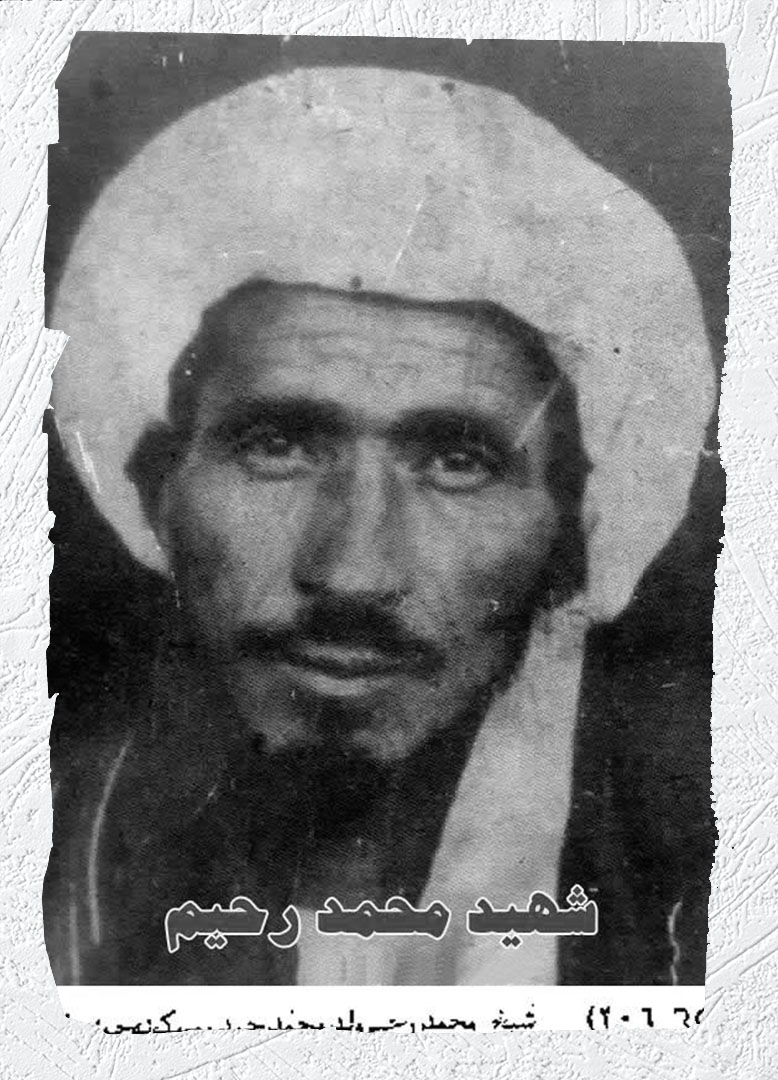
- Province of birth
- Kabul: Bagrami
- Gender
- Male
- Ethnicity
- Uzbek
- District geolocation of incident
- Kabul: Bagrami: 34° 31′ 10″ N, 69° 16′ 39″ E
- Description of incident
Known as the "Killing of AGSA," it refers to the collective murder of opponents of the People's Democratic Party of Afghanistan in the Pul-e-Charkhi Prison in Kabul between 1978 and 1979. The Afghan Intelligence Office, or AGSA (Afghan Agency for Safeguarding National Interest), led by Asadullah Sarwari, had arrested nearly 150,000 people, out of which an estimated number of 27,000 political prisoners were put to death without a single trial, probe, or even allegation. Many Afghan families had no idea where their loved ones had disappeared in the latter part of 1978 and early 1979. A list of those slain that included 5,000 victims of AGSA mass executions was made public by the Dutch Prosecutor's Office in 2013.
- Declaratory Statement
No statement
Rahmuddin
- Photo of Victim

- Province of birth
- Farah: Bala Buluk
- Gender
- Male
- Ethnicity
- Pashtun
- District geolocation of incident
- Bala Buluk: 33° 7′ 27″ N, 62° 39′ 47″ E
- Description of incident
On May 4, 2009, a United States Air Force B-1 Bomber conducted an airstrike on Granai village in Bala Buluk district, Farah Province, resulting in significant civilian casualties. The incident, sometimes referred to as the Granai massacre, became one of the deadliest civilian casualty events involving international military forces in Afghanistan. The exact number of civilian deaths remains a matter of dispute among various investigative bodies. The Afghan government reported approximately 140 civilian fatalities, including 22 adult men and 93 children. Afghanistan's principal human rights organization concluded that 97 civilians were killed, with children comprising the majority of victims. Other estimates place the civilian death toll between 86 and 147 individuals. An initial investigation by the US military assessed that 20-30 civilians were killed alongside 60-65 insurgents. However, these figures were contested by Afghan authorities and international observers. A subsequent, partially released American inquiry acknowledged the limitations of the investigation, stating that a conclusive determination of the civilian casualty count would not be possible. The United States military accepted responsibility for the airstrike and admitted that significant errors occurred in its execution. Official statements acknowledged that the failure to identify the presence of civilians and to minimize collateral damage resulted in unintended civilian casualties.
- Declaratory Statement
No statement
Eynuddin
- Photo of Victim

- Province of birth
- Farah: Bala Buluk
- Gender
- Male
- Ethnicity
- Pashtun
- District geolocation of incident
- Bala Buluk: 33° 7′ 27″ N, 62° 39′ 47″ E
- Description of incident
On May 4, 2009, a United States Air Force B-1 Bomber conducted an airstrike on Granai village in Bala Buluk district, Farah Province, resulting in significant civilian casualties. The incident, sometimes referred to as the Granai massacre, became one of the deadliest civilian casualty events involving international military forces in Afghanistan. The exact number of civilian deaths remains a matter of dispute among various investigative bodies. The Afghan government reported approximately 140 civilian fatalities, including 22 adult men and 93 children. Afghanistan's principal human rights organization concluded that 97 civilians were killed, with children comprising the majority of victims. Other estimates place the civilian death toll between 86 and 147 individuals. An initial investigation by the US military assessed that 20-30 civilians were killed alongside 60-65 insurgents. However, these figures were contested by Afghan authorities and international observers. A subsequent, partially released American inquiry acknowledged the limitations of the investigation, stating that a conclusive determination of the civilian casualty count would not be possible. The United States military accepted responsibility for the airstrike and admitted that significant errors occurred in its execution. Official statements acknowledged that the failure to identify the presence of civilians and to minimize collateral damage resulted in unintended civilian casualties.
- Declaratory Statement
No statement
Merajuddin
- Photo of Victim

- Province of birth
- Farah: Bala Buluk
- Gender
- Male
- Ethnicity
- Pashtun
- District geolocation of incident
- Bala Buluk: 33° 7′ 27″ N, 62° 39′ 47″ E
Lailoma
- Photo of Victim

- Province of birth
- Farah: Bala Buluk
- Gender
- Female
- Ethnicity
- Pashtun
- District geolocation of incident
- Bala Buluk: 33° 7′ 27″ N, 62° 39′ 47″ E
Sakina
- Photo of Victim

- Province of birth
- Farah: Bala Buluk
- Gender
- Female
- Ethnicity
- Pashtun
- District geolocation of incident
- Bala Buluk: 33° 7′ 27″ N, 62° 39′ 47″ E
- Description of incident
On May 4, 2009, a United States Air Force B-1 Bomber conducted an airstrike on Granai village in Bala Buluk district, Farah Province, resulting in significant civilian casualties. The incident, sometimes referred to as the Granai massacre, became one of the deadliest civilian casualty events involving international military forces in Afghanistan. The exact number of civilian deaths remains a matter of dispute among various investigative bodies. The Afghan government reported approximately 140 civilian fatalities, including 22 adult men and 93 children. Afghanistan's principal human rights organization concluded that 97 civilians were killed, with children comprising the majority of victims. Other estimates place the civilian death toll between 86 and 147 individuals. An initial investigation by the US military assessed that 20-30 civilians were killed alongside 60-65 insurgents. However, these figures were contested by Afghan authorities and international observers. A subsequent, partially released American inquiry acknowledged the limitations of the investigation, stating that a conclusive determination of the civilian casualty count would not be possible. The United States military accepted responsibility for the airstrike and admitted that significant errors occurred in its execution. Official statements acknowledged that the failure to identify the presence of civilians and to minimize collateral damage resulted in unintended civilian casualties.
Zeba
- Photo of Victim

- Province of birth
- Farah: Bala Buluk
- Gender
- Female
- Ethnicity
- Pashtun
- District geolocation of incident
- Bala Buluk: 33° 7′ 27″ N, 62° 39′ 47″ E
- Description of incident
On May 4, 2009, a United States Air Force B-1 Bomber conducted an airstrike on Granai village in Bala Buluk district, Farah Province, resulting in significant civilian casualties. The incident, sometimes referred to as the Granai massacre, became one of the deadliest civilian casualty events involving international military forces in Afghanistan. The exact number of civilian deaths remains a matter of dispute among various investigative bodies. The Afghan government reported approximately 140 civilian fatalities, including 22 adult men and 93 children. Afghanistan's principal human rights organization concluded that 97 civilians were killed, with children comprising the majority of victims. Other estimates place the civilian death toll between 86 and 147 individuals. An initial investigation by the US military assessed that 20-30 civilians were killed alongside 60-65 insurgents. However, these figures were contested by Afghan authorities and international observers. A subsequent, partially released American inquiry acknowledged the limitations of the investigation, stating that a conclusive determination of the civilian casualty count would not be possible. The United States military accepted responsibility for the airstrike and admitted that significant errors occurred in its execution. Official statements acknowledged that the failure to identify the presence of civilians and to minimize collateral damage resulted in unintended civilian casualties.
- Declaratory Statement
No statement
Aqila
- Photo of Victim

- Province of birth
- Farah: Bala Buluk
- Gender
- Female
- Ethnicity
- Pashtun
- District geolocation of incident
- Bala Buluk: 33° 7′ 27″ N, 62° 39′ 47″ E
- Description of incident
On May 4, 2009, a United States Air Force B-1 Bomber conducted an airstrike on Granai village in Bala Buluk district, Farah Province, resulting in significant civilian casualties. The incident, sometimes referred to as the Granai massacre, became one of the deadliest civilian casualty events involving international military forces in Afghanistan. The exact number of civilian deaths remains a matter of dispute among various investigative bodies. The Afghan government reported approximately 140 civilian fatalities, including 22 adult men and 93 children. Afghanistan's principal human rights organization concluded that 97 civilians were killed, with children comprising the majority of victims. Other estimates place the civilian death toll between 86 and 147 individuals. An initial investigation by the US military assessed that 20-30 civilians were killed alongside 60-65 insurgents. However, these figures were contested by Afghan authorities and international observers. A subsequent, partially released American inquiry acknowledged the limitations of the investigation, stating that a conclusive determination of the civilian casualty count would not be possible. The United States military accepted responsibility for the airstrike and admitted that significant errors occurred in its execution. Official statements acknowledged that the failure to identify the presence of civilians and to minimize collateral damage resulted in unintended civilian casualties.
- Declaratory Statement
No statement
Soraya
- Photo of Victim

- Province of birth
- Farah: Bala Buluk
- Gender
- Female
- Ethnicity
- Pashtun
- District geolocation of incident
- Bala Buluk: 33° 7′ 27″ N, 62° 39′ 47″ E
Malik
- Photo of Victim

- Province of birth
- Farah: Bala Buluk
- Gender
- Male
- Ethnicity
- Pashtun
- District geolocation of incident
- Bala Buluk: 33° 7′ 27″ N, 62° 39′ 47″ E
- Description of incident
On May 4, 2009, a United States Air Force B-1 Bomber conducted an airstrike on Granai village in Bala Buluk district, Farah Province, resulting in significant civilian casualties. The incident, sometimes referred to as the Granai massacre, became one of the deadliest civilian casualty events involving international military forces in Afghanistan. The exact number of civilian deaths remains a matter of dispute among various investigative bodies. The Afghan government reported approximately 140 civilian fatalities, including 22 adult men and 93 children. Afghanistan's principal human rights organization concluded that 97 civilians were killed, with children comprising the majority of victims. Other estimates place the civilian death toll between 86 and 147 individuals. An initial investigation by the US military assessed that 20-30 civilians were killed alongside 60-65 insurgents. However, these figures were contested by Afghan authorities and international observers. A subsequent, partially released American inquiry acknowledged the limitations of the investigation, stating that a conclusive determination of the civilian casualty count would not be possible. The United States military accepted responsibility for the airstrike and admitted that significant errors occurred in its execution. Official statements acknowledged that the failure to identify the presence of civilians and to minimize collateral damage resulted in unintended civilian casualties.
- Declaratory Statement
No statement
Najiba
- Photo of Victim

- Province of birth
- Farah: Bala Buluk
- Gender
- Female
- Ethnicity
- Pashtun
- District geolocation of incident
- Bala Buluk: 33° 7′ 27″ N, 62° 39′ 47″ E
- Description of incident
On May 4, 2009, a United States Air Force B-1 Bomber conducted an airstrike on Granai village in Bala Buluk district, Farah Province, resulting in significant civilian casualties. The incident, sometimes referred to as the Granai massacre, became one of the deadliest civilian casualty events involving international military forces in Afghanistan. The exact number of civilian deaths remains a matter of dispute among various investigative bodies. The Afghan government reported approximately 140 civilian fatalities, including 22 adult men and 93 children. Afghanistan's principal human rights organization concluded that 97 civilians were killed, with children comprising the majority of victims. Other estimates place the civilian death toll between 86 and 147 individuals. An initial investigation by the US military assessed that 20-30 civilians were killed alongside 60-65 insurgents. However, these figures were contested by Afghan authorities and international observers. A subsequent, partially released American inquiry acknowledged the limitations of the investigation, stating that a conclusive determination of the civilian casualty count would not be possible. The United States military accepted responsibility for the airstrike and admitted that significant errors occurred in its execution. Official statements acknowledged that the failure to identify the presence of civilians and to minimize collateral damage resulted in unintended civilian casualties.
- Declaratory Statement
No statement
Abdul Khaliq
- Photo of Victim

- Province of birth
- Farah: Bala Buluk
- Gender
- Male
- Ethnicity
- Pashtun
- District geolocation of incident
- Bala Buluk: 33° 7′ 27″ N, 62° 39′ 47″ E
Sahira
- Photo of Victim

- Province of birth
- Farah: Bala Buluk
- Gender
- Female
- Ethnicity
- Pashtun
- District geolocation of incident
- Bala Buluk: 33° 7′ 27″ N, 62° 39′ 47″ E
- Description of incident
On May 4, 2009, a United States Air Force B-1 Bomber conducted an airstrike on Granai village in Bala Buluk district, Farah Province, resulting in significant civilian casualties. The incident, sometimes referred to as the Granai massacre, became one of the deadliest civilian casualty events involving international military forces in Afghanistan. The exact number of civilian deaths remains a matter of dispute among various investigative bodies. The Afghan government reported approximately 140 civilian fatalities, including 22 adult men and 93 children. Afghanistan's principal human rights organization concluded that 97 civilians were killed, with children comprising the majority of victims. Other estimates place the civilian death toll between 86 and 147 individuals. An initial investigation by the US military assessed that 20-30 civilians were killed alongside 60-65 insurgents. However, these figures were contested by Afghan authorities and international observers. A subsequent, partially released American inquiry acknowledged the limitations of the investigation, stating that a conclusive determination of the civilian casualty count would not be possible. The United States military accepted responsibility for the airstrike and admitted that significant errors occurred in its execution. Official statements acknowledged that the failure to identify the presence of civilians and to minimize collateral damage resulted in unintended civilian casualties.
- Declaratory Statement
No statement
Mohammad Amin
- Photo of Victim

- Province of birth
- Farah: Bala Buluk
- Gender
- Male
- Ethnicity
- Pashtun
- District geolocation of incident
- Bala Buluk: 33° 7′ 27″ N, 62° 39′ 47″ E
- Description of incident
On May 4, 2009, a United States Air Force B-1 Bomber conducted an airstrike on Granai village in Bala Buluk district, Farah Province, resulting in significant civilian casualties. The incident, sometimes referred to as the Granai massacre, became one of the deadliest civilian casualty events involving international military forces in Afghanistan. The exact number of civilian deaths remains a matter of dispute among various investigative bodies. The Afghan government reported approximately 140 civilian fatalities, including 22 adult men and 93 children. Afghanistan's principal human rights organization concluded that 97 civilians were killed, with children comprising the majority of victims. Other estimates place the civilian death toll between 86 and 147 individuals. An initial investigation by the US military assessed that 20-30 civilians were killed alongside 60-65 insurgents. However, these figures were contested by Afghan authorities and international observers. A subsequent, partially released American inquiry acknowledged the limitations of the investigation, stating that a conclusive determination of the civilian casualty count would not be possible. The United States military accepted responsibility for the airstrike and admitted that significant errors occurred in its execution. Official statements acknowledged that the failure to identify the presence of civilians and to minimize collateral damage resulted in unintended civilian casualties.
- Declaratory Statement
No statement
Razuddin
- Photo of Victim

- Province of birth
- Farah: Bala Buluk
- Gender
- Male
- Ethnicity
- Pashtun
- District geolocation of incident
- Bala Buluk: 33° 7′ 27″ N, 62° 39′ 47″ E
- Description of incident
On May 4, 2009, a United States Air Force B-1 Bomber conducted an airstrike on Granai village in Bala Buluk district, Farah Province, resulting in significant civilian casualties. The incident, sometimes referred to as the Granai massacre, became one of the deadliest civilian casualty events involving international military forces in Afghanistan. The exact number of civilian deaths remains a matter of dispute among various investigative bodies. The Afghan government reported approximately 140 civilian fatalities, including 22 adult men and 93 children. Afghanistan's principal human rights organization concluded that 97 civilians were killed, with children comprising the majority of victims. Other estimates place the civilian death toll between 86 and 147 individuals. An initial investigation by the US military assessed that 20-30 civilians were killed alongside 60-65 insurgents. However, these figures were contested by Afghan authorities and international observers. A subsequent, partially released American inquiry acknowledged the limitations of the investigation, stating that a conclusive determination of the civilian casualty count would not be possible. The United States military accepted responsibility for the airstrike and admitted that significant errors occurred in its execution. Official statements acknowledged that the failure to identify the presence of civilians and to minimize collateral damage resulted in unintended civilian casualties.
- Declaratory Statement
No statement
Gulsoma
- Photo of Victim

- Province of birth
- Farah: Bala Buluk
- Gender
- Female
- Ethnicity
- Pashtun
- District geolocation of incident
- Bala Buluk: 33° 7′ 27″ N, 62° 39′ 47″ E
- Description of incident
On May 4, 2009, a United States Air Force B-1 Bomber conducted an airstrike on Granai village in Bala Buluk district, Farah Province, resulting in significant civilian casualties. The incident, sometimes referred to as the Granai massacre, became one of the deadliest civilian casualty events involving international military forces in Afghanistan. The exact number of civilian deaths remains a matter of dispute among various investigative bodies. The Afghan government reported approximately 140 civilian fatalities, including 22 adult men and 93 children. Afghanistan's principal human rights organization concluded that 97 civilians were killed, with children comprising the majority of victims. Other estimates place the civilian death toll between 86 and 147 individuals. An initial investigation by the US military assessed that 20-30 civilians were killed alongside 60-65 insurgents. However, these figures were contested by Afghan authorities and international observers. A subsequent, partially released American inquiry acknowledged the limitations of the investigation, stating that a conclusive determination of the civilian casualty count would not be possible. The United States military accepted responsibility for the airstrike and admitted that significant errors occurred in its execution. Official statements acknowledged that the failure to identify the presence of civilians and to minimize collateral damage resulted in unintended civilian casualties.
- Declaratory Statement
No statement
Asadullah Khorram
- Photo of Victim

- Province of birth
- Sare Pol: Balkhab
- Gender
- Male
- Ethnicity
- Hazara
- District geolocation of incident
- Kabul: 34° 31′ 1″ N, 69° 8′ 60″ E
Ghulam Reza Zheyan
- Photo of Victim

- Province of birth
- Sare Pol: Balkhab
- Gender
- Male
- Ethnicity
- Hazara
- District geolocation of incident
- Kabul: 34° 31′ 1″ N, 69° 8′ 60″ E
- Description of incident
On December 28, 2017, a suicide bomber detonated an explosive device inside the Tabyan Center, a religious and cultural gathering place in Dasht-e-Barchi, located to the west of Kabul. The blast resulted in the deaths of 41 individuals and injuries to another 84 people. Among those killed were at least two children and four women, while eight women were among the injured. All the victims were civilians, primarily belonging to the Hazara ethnic group. The Islamic State of Iraq and the Levant-Khorasan Province (ISIL-KP) claimed responsibility for the attack.
Alidad
- Photo of Victim

- Province of birth
- Bamyan: Bamyan
- Gender
- Male
- Ethnicity
- Hazara
- District geolocation of incident
- Dara-I-Sufi Payan: 35° 56′ 48″ N, 67° 16′ 39″ E
Sayed Talib
- Photo of Victim

- Province of birth
- Bamyan: Bamyan
- Gender
- Male
- Ethnicity
- Sadat
- District geolocation of incident
- Yakawlang: 34° 44′ 50″ N, 66° 56′ 40″ E
- Description of incident
On January 7, 2001, the Taliban attacked the Yakaolang district of Bamiyan province and massacred hundreds of Hazara civilians. Many of those who managed to escape and take refuge on the mountains froze to death. On the 8th of January, Taliban members began a house-to-house search across the district. The massacre of Hazaras continued through the 9th, 10th, 11th, and 12th of January. At least 300 Hazaras were either summerly executed or deliberately killed by the Taliban.
Saye Sha Zafar
- Photo of Victim

- Province of birth
- Bamyan: Bamyan
- Gender
- Male
- Ethnicity
- Sadat
- District geolocation of incident
- Yakawlang: 34° 44′ 50″ N, 66° 56′ 40″ E
- Description of incident
On January 7, 2001, the Taliban attacked the Yakaolang district of Bamiyan province and massacred hundreds of Hazara civilians. Many of those who managed to escape and take refuge on the mountains froze to death. On the 8th of January, Taliban members began a house-to-house search across the district. The massacre of Hazaras continued through the 9th, 10th, 11th, and 12th of January. At least 300 Hazaras were either summerly executed or deliberately killed by the Taliban.
Sayed Qasim Tabibi
- Photo of Victim

- Province of birth
- Bamyan: Bamyan
- Gender
- Male
- Ethnicity
- Sadat
- District geolocation of incident
- Yakawlang: 34° 44′ 50″ N, 66° 56′ 40″ E
- Description of incident
On January 7, 2001, the Taliban attacked the Yakaolang district of Bamiyan province and massacred hundreds of Hazara civilians. Many of those who managed to escape and take refuge on the mountains froze to death. On the 8th of January, Taliban members began a house-to-house search across the district. The massacre of Hazaras continued through the 9th, 10th, 11th, and 12th of January. At least 300 Hazaras were either summerly executed or deliberately killed by the Taliban.
Sayed Hashim
- Photo of Victim

- Province of birth
- Bamyan: Bamyan
- Gender
- Male
- Ethnicity
- Sadat
- District geolocation of incident
- Yakawlang: 34° 44′ 50″ N, 66° 56′ 40″ E
- Description of incident
On January 7, 2001, the Taliban attacked the Yakaolang district of Bamiyan province and massacred hundreds of Hazara civilians. Many of those who managed to escape and take refuge on the mountains froze to death. On the 8th of January, Taliban members began a house-to-house search across the district. The massacre of Hazaras continued through the 9th, 10th, 11th, and 12th of January. At least 300 Hazaras were either summerly executed or deliberately killed by the Taliban.
Sayed Abdulhamid
- Photo of Victim

- Province of birth
- Bamyan: Bamyan
- Gender
- Male
- Ethnicity
- Sadat
- District geolocation of incident
- Yakawlang: 34° 44′ 50″ N, 66° 56′ 40″ E
- Description of incident
On January 7, 2001, the Taliban attacked the Yakaolang district of Bamiyan province and massacred hundreds of Hazara civilians. Many of those who managed to escape and take refuge on the mountains froze to death. On the 8th of January, Taliban members began a house-to-house search across the district. The massacre of Hazaras continued through the 9th, 10th, 11th, and 12th of January. At least 300 Hazaras were either summerly executed or deliberately killed by the Taliban.
Sakhidad Hedayat
- Photo of Victim

- Province of birth
- Bamyan: Bamyan
- Gender
- Male
- Ethnicity
- Hazara
- District geolocation of incident
- Kabul: 34° 31′ 1″ N, 69° 8′ 60″ E
- Description of incident
Hedayat was imprisoned there for six months. Then we were told that they would release him in exchange for 350,000 Afghani. I did my best to find the money. I sold our house. I borrowed money from my brother and took money from people promising them to pay the money back with interest. I finally gathered the money and paid the authorities. They promised to release him the following Sunday but several Sundays passed without his release. After forty days I went there again and asked two guards, Shah Wali and Mudir Abdurraham, whether Hedayat would be released today. They said that they did know now and asked me to wait. Shortly after, the gate was opened and a body was brought out on a footstool. I thought that someone had fainted but it was Hedayat’s body. I began to scream and curse at everyone and threw away my chadari. I was totally out of my mind.
- Declaratory Statement
A Story of Never Ending Pain Narrator: Nargis Victim’s Name: Sakhidad Hedayat Date of Incident: November 22, 1999 Location of the Incident: Kabul city If there had been no war, Nargis could have been one of the happiest women on earth. She is a strong and good woman full of courage and determination who, in spite of all the difficulties that she has faced, always has a smile on her lips. At the same time, she is dejected and disillusioned by all the things that happened to her over the years: Successive displacements, homelessness and, most of all, the death of her husband, Sakhidad. When the Taliban arrested him, she was forced to sell her house in order to bribe the Taliban to release Sakhidad, but all she received in return was his dead body. She alone had to transport the corpse all the way from the eastern part of Kabul to Dasht-e- Barchi. Since then, her life seems like a never ending journey of suffering, in which Nargis plays the role of both father and mother for her five children for whom she hopes that a better tomorrow will eventually arrive.
The Story of Nargis My name is Nargis and I am 40 years old. I live in Dasht-e- Barchi. I am originally from Bamyan province. When we lived in Bamyan, we had a decent life as my father-in-law had a great deal of land. My husband Sakhidad known as Hedayat was the only son of his family. When the Taliban attacked Bamyan, they looted our properties and we were displaced to Kabul. We had to walk all the way and my youngest child was only 40 days old. Once in Kabul, my husband opened a shop in Sar-e Kariz. However, some people did not like my husband and reported to the Taliban that he was a member of the opposition. The Taliban came and arrested him in May 2000. When we learned that he had been arrested, my cousin searched everywhere but could not find him. After four days, we came to know that he had been detained in Department No. 11 but that no one was allowed to meet him. He was first taken to the Intelligence Department and then to Department No.6 where he was detained for six months. We know that the Taliban tortured him daily without giving him any food. When my cousin tried to deliver food for him he was not allowed to meet my husband. One day I was sitting at home when my cousin came. It was early morning and I was very worried that something might have happened to Hedayat. When I saw him, I was full of fear because he usually did not visit us in the morning. He held a letter in his hand and told me not to worry. He said that Hedayat had sent a letter through the ICRC and that we were now ensured that he was alive and where he was held captive. After a great deal of effort, I found out that Mawlawi Abdul Haq was the director of Department No. 3. I asked him to give me permission to visit Hedayat in prison and after paying him a huge amount of oney, he allowed me to meet my husband. From then on, every two weeks my youngest son and I visited him in prison, even though sometimes the Taliban were making excuses and denied us entry. Every time on the way to the prison, I prayed to be granted permission to see my husband. Every time I went to see him, I had to walk all the way from Cinema Pamir to Department No. 3 with my child on my arms and food and clothes in my hand hoping to meet my husband. Every time I saw him, he gave me little gifts for the children in return. Hedayat was imprisoned there for six months. Then we were told that they would release him in exchange for 350,000 Afghani. I did my best to find the money. I sold our house. I borrowed money from my brother and took money from people promising them to pay the money back with interest. I finally gathered the money and paid the authorities. They promised to release him the following Sunday but several Sundays passed without his release. After forty days I went there again and asked two guards, Shah Wali and Mudir Abdurraham, whether Hedayat would be released today. They said that they did know now and asked me to wait. Shortly after, the gate was opened and a body was brought out on a footstool. I thought that someone had fainted but it was Hedayat’s body. I began to scream and curse at everyone and threw away my chadari. I was totally out of my mind. I was running around like mad until I found a taxi. I told the taxi driver to take us home. He accepted and put my husband’s body inside the car. When my brothers saw me in the car, they thought that Hedayat had been released. They all came to my home. I told them that the Taliban had informed me that Hedayat was dead but I still thought that he might be unconscious. I asked my brothers to fetch a doctor. He eventually came and said that Hedayat had passed away a long time ago. We then buried him in Tap-e Shuhada. When my husband died, he was 33 years old and I was 28. We had nothing left at home as I had sold everything to pay for the release of Hedayat. We had five children and my oldest son was only 10 years old, with the youngest no older than 8 months. After my husband’s death we had a very hard life. No one helped us. We lived in a tent as no one was willing to rent out his home to a widowed woman. I was indebted and the government did nothing to address my suffering. Today, no one listens to our stories of sadness. I voted for Karzai to help the victims’ families but he has done nothing so far. I also voted during the parliamentary elections, hoping that the members of the parliament would do something for us but they have not done anything either. As soon as they reach a position of power, they forget us. They just make vague promises and then do nothing. No official has ever asked us about our problems or listened to us. Earlier, I used to receive 300 Afghani but this year they have removed the names of my sons from the list of beneficiaries. My husband’s most valuable souvenirs are his five children. The most important object that he left for us is his blanket. It is the same blanket with which we covered his coffin. Another object is the letter that he sent us from prison as well as some gifts that he had given us. Most importantly, I have kept the veil that he gave me for our wedding ceremony. Finally, there are some photos and clothes of him that help me to always remember him. I have included these objects in my Memory Box so as to make my husband’s memory live forever. I wanted to share his story with the wider public. I also hope that in the future the government will use these objects to build a museum so that the people become aware of the pain and suffering our county has endured and to finally learn how to live in peace.
Abdul Hakim
- Photo of Victim

- Province of birth
- Bamyan: Bamyan
- Gender
- Male
- Ethnicity
- Hazara
- District geolocation of incident
- Garmsir: 31° 8′ 1″ N, 64° 12′ 48″ E
Sayed Ayob
- Photo of Victim

- Province of birth
- Bamyan: Bamyan
- Gender
- Male
- Ethnicity
- Sadat
- District geolocation of incident
- Yakawlang: 34° 44′ 50″ N, 66° 56′ 40″ E
- Description of incident
On January 7, 2001, the Taliban attacked the Yakaolang district of Bamiyan province and massacred hundreds of Hazara civilians. Many of those who managed to escape and take refuge on the mountains froze to death. On the 8th of January, Taliban members began a house-to-house search across the district. The massacre of Hazaras continued through the 9th, 10th, 11th, and 12th of January. At least 300 Hazaras were either summerly executed or deliberately killed by the Taliban.
Khodabakhsh Zawar
- Photo of Victim

- Province of birth
- Bamyan: Bamyan
- Gender
- Male
- Ethnicity
- Hazara
- District geolocation of incident
- Bamyan: 34° 48′ 44″ N, 67° 49′ 14″ E
Ebad Ali Naji
- Photo of Victim

- Province of birth
- Bamyan: Bamyan
- Gender
- Male
- Ethnicity
- Hazara
- District geolocation of incident
- Jalrez: 34° 37′ 46″ N, 68° 39′ 29″ E
Jawad Haidari
- Photo of Victim

- Province of birth
- Bamyan: Bamyan
- Gender
- Male
- Ethnicity
- Hazara
- District geolocation of incident
- Kabul: 34° 31′ 1″ N, 69° 8′ 60″ E
- Description of incident
Junbesh-e Roshnayi-e (The Enlightenment Movement) is a grassroots civil disobedience movement of Hazaras created in 2016 in Afghanistan in response to the Afghan government's change in routing plans for proposed international electricity networking, which was perceived as continuing historical anti-Hazara discrimination. The group organised major protests in Afghanistan and internationally during 2016 and 2017, protesting against discrimination.
Chaman Hussain
- Photo of Victim

- Province of birth
- Bamyan: Bamyan
- Gender
- Male
- Ethnicity
- Hazara
- District geolocation of incident
- Kabul: 34° 31′ 1″ N, 69° 8′ 60″ E
- Description of incident
A suicide bomber has blown himself up inside a Shia Mosque in the Afghan capital Kabul, killing at least 53 people and wounding dozens of others. The explosion happened at the Baqir-ul-uloom mosque in the Darul Aman area as people gathered to mark the end of an important religious period.
Sayed Jalil Anwari
- Photo of Victim

- Province of birth
- Bamyan: Bamyan
- Gender
- Male
- Ethnicity
- Sadat
- District geolocation of incident
- Kabul: 34° 31′ 1″ N, 69° 8′ 60″ E
- Description of incident
A suicide bomber has blown himself up inside a Shia Mosque in the Afghan capital Kabul, killing at least 53 people and wounding dozens of others. The explosion happened at the Baqir-ul-uloom mosque in the Darul Aman area as people gathered to mark the end of an important religious period.
Sayed Khodadad Hashimi
- Photo of Victim

- Province of birth
- Bamyan: Bamyan
- Gender
- Male
- Ethnicity
- Sadat
- District geolocation of incident
- Kabul: 34° 31′ 1″ N, 69° 8′ 60″ E
- Description of incident
A suicide bomber has blown himself up inside a Shia Mosque in the Afghan capital Kabul, killing at least 53 people and wounding dozens of others. The explosion happened at the Baqir-ul-uloom mosque in the Darul Aman area as people gathered to mark the end of an important religious period.
Sayed DelAgha Anwari
- Photo of Victim

- Province of birth
- Bamyan: Bamyan
- Gender
- Male
- Ethnicity
- Sadat
- District geolocation of incident
- Kabul: 34° 31′ 1″ N, 69° 8′ 60″ E
- Description of incident
A suicide bomber has blown himself up inside a Shia Mosque in the Afghan capital Kabul, killing at least 53 people and wounding dozens of others. The explosion happened at the Baqir-ul-uloom mosque in the Darul Aman area as people gathered to mark the end of an important religious period.
Sayed Reza
- Photo of Victim

- Province of birth
- Bamyan: Bamyan
- Gender
- Male
- Ethnicity
- Sadat
- District geolocation of incident
- Yakawlang: 34° 44′ 50″ N, 66° 56′ 40″ E
- Description of incident
On January 7, 2001, the Taliban attacked the Yakaolang district of Bamiyan province and massacred hundreds of Hazara civilians. Many of those who managed to escape and take refuge on the mountains froze to death. On the 8th of January, Taliban members began a house-to-house search across the district. The massacre of Hazaras continued through the 9th, 10th, 11th, and 12th of January. At least 300 Hazaras were either summerly executed or deliberately killed by the Taliban.
Sayed Sarwar
- Photo of Victim

- Province of birth
- Bamyan: Bamyan
- Gender
- Male
- Ethnicity
- Sadat
- District geolocation of incident
- Yakawlang: 34° 44′ 50″ N, 66° 56′ 40″ E
- Description of incident
On January 7, 2001, the Taliban attacked the Yakaolang district of Bamiyan province and massacred hundreds of Hazara civilians. Many of those who managed to escape and take refuge on the mountains froze to death. On the 8th of January, Taliban members began a house-to-house search across the district. The massacre of Hazaras continued through the 9th, 10th, 11th, and 12th of January. At least 300 Hazaras were either summerly executed or deliberately killed by the Taliban.
Sayed Azim
- Photo of Victim

- Province of birth
- Bamyan: Bamyan
- Gender
- Male
- Ethnicity
- Sadat
- District geolocation of incident
- Yakawlang: 34° 44′ 50″ N, 66° 56′ 40″ E
- Description of incident
On January 7, 2001, the Taliban attacked the Yakaolang district of Bamiyan province and massacred hundreds of Hazara civilians. Many of those who managed to escape and take refuge on the mountains froze to death. On the 8th of January, Taliban members began a house-to-house search across the district. The massacre of Hazaras continued through the 9th, 10th, 11th, and 12th of January. At least 300 Hazaras were either summerly executed or deliberately killed by the Taliban.
- Declaratory Statement
On January 7, 2001, the Taliban attacked the Yakaolang district of Bamiyan province and massacred hundreds of Hazara civilians. Many of those who managed to escape and take refuge on the mountains froze to death. On the 8th of January, Taliban members began a house-to-house search across the district. The massacre of Hazaras continued through the 9th, 10th, 11th, and 12th of January. At least 300 Hazaras were either summerly executed or deliberately killed by the Taliban.
Sayed Nabi.jpg
- Photo of Victim

- Province of birth
- Bamyan: Bamyan
- Gender
- Male
- Ethnicity
- Sadat
- District geolocation of incident
- Yakawlang: 34° 44′ 50″ N, 66° 56′ 40″ E
- Description of incident
On January 7, 2001, the Taliban attacked the Yakaolang district of Bamiyan province and massacred hundreds of Hazara civilians. Many of those who managed to escape and take refuge on the mountains froze to death. On the 8th of January, Taliban members began a house-to-house search across the district. The massacre of Hazaras continued through the 9th, 10th, 11th, and 12th of January. At least 300 Hazaras were either summerly executed or deliberately killed by the Taliban.
- Declaratory Statement
On January 7, 2001, the Taliban attacked the Yakaolang district of Bamiyan province and massacred hundreds of Hazara civilians. Many of those who managed to escape and take refuge on the mountains froze to death. On the 8th of January, Taliban members began a house-to-house search across the district. The massacre of Hazaras continued through the 9th, 10th, 11th, and 12th of January. At least 300 Hazaras were either summerly executed or deliberately killed by the Taliban.
Sayed Mosa
- Photo of Victim

- Province of birth
- Bamyan: Bamyan
- Gender
- Male
- Ethnicity
- Sadat
- District geolocation of incident
- Yakawlang: 34° 44′ 50″ N, 66° 56′ 40″ E
- Description of incident
On January 7, 2001, the Taliban attacked the Yakaolang district of Bamiyan province and massacred hundreds of Hazara civilians. Many of those who managed to escape and take refuge on the mountains froze to death. On the 8th of January, Taliban members began a house-to-house search across the district. The massacre of Hazaras continued through the 9th, 10th, 11th, and 12th of January. At least 300 Hazaras were either summerly executed or deliberately killed by the Taliban.
Sayed Naser
- Photo of Victim

- Province of birth
- Bamyan: Bamyan
- Gender
- Male
- Ethnicity
- Sadat
- District geolocation of incident
- Yakawlang: 34° 44′ 50″ N, 66° 56′ 40″ E
- Description of incident
On January 7, 2001, the Taliban attacked the Yakaolang district of Bamiyan province and massacred hundreds of Hazara civilians. Many of those who managed to escape and take refuge on the mountains froze to death. On the 8th of January, Taliban members began a house-to-house search across the district. The massacre of Hazaras continued through the 9th, 10th, 11th, and 12th of January. At least 300 Hazaras were either summerly executed or deliberately killed by the Taliban.
Mohammad Mohsen
- Photo of Victim

- Province of birth
- Bamyan: Bamyan
- Gender
- Male
- Ethnicity
- Hazara
- District geolocation of incident
- Yakawlang: 34° 44′ 50″ N, 66° 56′ 40″ E
- Description of incident
On January 7, 2001, the Taliban attacked the Yakaolang district of Bamiyan province and massacred hundreds of Hazara civilians. Many of those who managed to escape and take refuge on the mountains froze to death. On the 8th of January, Taliban members began a house-to-house search across the district. The massacre of Hazaras continued through the 9th, 10th, 11th, and 12th of January. At least 300 Hazaras were either summerly executed or deliberately killed by the Taliban.
Sayed Hassan
- Photo of Victim

- Province of birth
- Bamyan: Bamyan
- Gender
- Male
- Ethnicity
- Sadat
- District geolocation of incident
- Yakawlang: 34° 44′ 50″ N, 66° 56′ 40″ E
- Description of incident
On January 7, 2001, the Taliban attacked the Yakaolang district of Bamiyan province and massacred hundreds of Hazara civilians. Many of those who managed to escape and take refuge on the mountains froze to death. On the 8th of January, Taliban members began a house-to-house search across the district. The massacre of Hazaras continued through the 9th, 10th, 11th, and 12th of January. At least 300 Hazaras were either summerly executed or deliberately killed by the Taliban.
Mohammad Ali
- Photo of Victim

- Province of birth
- Bamyan: Bamyan
- Gender
- Male
- Ethnicity
- Hazara
- District geolocation of incident
- Yakawlang: 34° 44′ 50″ N, 66° 56′ 40″ E
- Description of incident
On January 7, 2001, the Taliban attacked the Yakaolang district of Bamiyan province and massacred hundreds of Hazara civilians. Many of those who managed to escape and take refuge on the mountains froze to death. On the 8th of January, Taliban members began a house-to-house search across the district. The massacre of Hazaras continued through the 9th, 10th, 11th, and 12th of January. At least 300 Hazaras were either summerly executed or deliberately killed by the Taliban.
Sayed Dawod
- Photo of Victim

- Province of birth
- Bamyan: Bamyan
- Gender
- Male
- Ethnicity
- Sadat
- District geolocation of incident
- Yakawlang: 34° 44′ 50″ N, 66° 56′ 40″ E
- Description of incident
On January 7, 2001, the Taliban attacked the Yakaolang district of Bamiyan province and massacred hundreds of Hazara civilians. Many of those who managed to escape and take refuge on the mountains froze to death. On the 8th of January, Taliban members began a house-to-house search across the district. The massacre of Hazaras continued through the 9th, 10th, 11th, and 12th of January. At least 300 Hazaras were either summerly executed or deliberately killed by the Taliban.
Sayed AnwarSha Hussaini
- Photo of Victim

- Province of birth
- Bamyan: Bamyan
- Gender
- Male
- Ethnicity
- Sadat
- District geolocation of incident
- Yakawlang: 34° 44′ 50″ N, 66° 56′ 40″ E
- Description of incident
On January 7, 2001, the Taliban attacked the Yakaolang district of Bamiyan province and massacred hundreds of Hazara civilians. Many of those who managed to escape and take refuge on the mountains froze to death. On the 8th of January, Taliban members began a house-to-house search across the district. The massacre of Hazaras continued through the 9th, 10th, 11th, and 12th of January. At least 300 Hazaras were either summerly executed or deliberately killed by the Taliban.
Sayed Azizullah Akhlaqi
- Photo of Victim

- Province of birth
- Bamyan: Bamyan
- Gender
- Male
- Ethnicity
- Sadat
- District geolocation of incident
- Yakawlang: 34° 44′ 50″ N, 66° 56′ 40″ E
- Description of incident
On January 7, 2001, the Taliban attacked the Yakaolang district of Bamiyan province and massacred hundreds of Hazara civilians. Many of those who managed to escape and take refuge on the mountains froze to death. On the 8th of January, Taliban members began a house-to-house search across the district. The massacre of Hazaras continued through the 9th, 10th, 11th, and 12th of January. At least 300 Hazaras were either summerly executed or deliberately killed by the Taliban.
Mohammad Zawar
- Photo of Victim

- Province of birth
- Bamyan: Bamyan
- Gender
- Male
- Ethnicity
- Hazara
- District geolocation of incident
- Yakawlang: 34° 44′ 50″ N, 66° 56′ 40″ E
- Description of incident
On January 7, 2001, the Taliban attacked the Yakaolang district of Bamiyan province and massacred hundreds of Hazara civilians. Many of those who managed to escape and take refuge on the mountains froze to death. On the 8th of January, Taliban members began a house-to-house search across the district. The massacre of Hazaras continued through the 9th, 10th, 11th, and 12th of January. At least 300 Hazaras were either summerly executed or deliberately killed by the Taliban.
Khodadad
- Photo of Victim

- Province of birth
- Bamyan: Bamyan
- Gender
- Male
- Ethnicity
- Hazara
- District geolocation of incident
- Yakawlang: 34° 44′ 50″ N, 66° 56′ 40″ E
- Description of incident
On January 7, 2001, the Taliban attacked the Yakaolang district of Bamiyan province and massacred hundreds of Hazara civilians. Many of those who managed to escape and take refuge on the mountains froze to death. On the 8th of January, Taliban members began a house-to-house search across the district. The massacre of Hazaras continued through the 9th, 10th, 11th, and 12th of January. At least 300 Hazaras were either summerly executed or deliberately killed by the Taliban.
Sayed Ewaz Karimi
- Photo of Victim

- Province of birth
- Bamyan: Bamyan
- Gender
- Male
- Ethnicity
- Sadat
- District geolocation of incident
- Yakawlang: 34° 44′ 50″ N, 66° 56′ 40″ E
- Description of incident
On January 7, 2001, the Taliban attacked the Yakaolang district of Bamiyan province and massacred hundreds of Hazara civilians. Many of those who managed to escape and take refuge on the mountains froze to death. On the 8th of January, Taliban members began a house-to-house search across the district. The massacre of Hazaras continued through the 9th, 10th, 11th, and 12th of January. At least 300 Hazaras were either summerly executed or deliberately killed by the Taliban.
Sayed Mir Ali
- Photo of Victim

- Province of birth
- Bamyan: Bamyan
- Gender
- Male
- Ethnicity
- Sadat
- District geolocation of incident
- Yakawlang: 34° 44′ 50″ N, 66° 56′ 40″ E
- Description of incident
On January 7, 2001, the Taliban attacked the Yakaolang district of Bamiyan province and massacred hundreds of Hazara civilians. Many of those who managed to escape and take refuge on the mountains froze to death. On the 8th of January, Taliban members began a house-to-house search across the district. The massacre of Hazaras continued through the 9th, 10th, 11th, and 12th of January. At least 300 Hazaras were either summerly executed or deliberately killed by the Taliban.
Sayed Sarwar
- Photo of Victim

- Province of birth
- Bamyan: Bamyan
- Gender
- Male
- Ethnicity
- Sadat
- District geolocation of incident
- Yakawlang: 34° 44′ 50″ N, 66° 56′ 40″ E
- Description of incident
On January 7, 2001, the Taliban attacked the Yakaolang district of Bamiyan province and massacred hundreds of Hazara civilians. Many of those who managed to escape and take refuge on the mountains froze to death. On the 8th of January, Taliban members began a house-to-house search across the district. The massacre of Hazaras continued through the 9th, 10th, 11th, and 12th of January. At least 300 Hazaras were either summerly executed or deliberately killed by the Taliban.
Hussainali Qasimi
- Photo of Victim

- Province of birth
- Bamyan: Bamyan
- Gender
- Male
- Ethnicity
- Hazara
- District geolocation of incident
- Yakawlang: 34° 44′ 50″ N, 66° 56′ 40″ E
Zafa Ali
- Photo of Victim

- Province of birth
- Bamyan: Bamyan
- Gender
- Male
- Ethnicity
- Hazara
- District geolocation of incident
- Bamyan: 34° 48′ 44″ N, 67° 49′ 14″ E
- Description of incident
On November 24, 2020, two remote-controlled explosive devices detonated in the main bazaar of Bamyan City, resulting in 20 fatalities and over 60 injuries. In two decades, this incident marked the first such occurrence in the city, known for its safety. Following the event, at least six individuals were detained and subsequently admitted to executing the explosions. Despite these confessions, the former government and Bamyan's governor, Ala Rahmati, attributed the orchestration of the attacks to the Haqqani network.
Mohammad Anwar
- Photo of Victim

- Province of birth
- Bamyan: Bamyan
- Gender
- Male
- Ethnicity
- Hazara
- District geolocation of incident
- Bamyan: 34° 48′ 44″ N, 67° 49′ 14″ E
- Description of incident
On November 24, 2020, two remote-controlled explosive devices detonated in the main bazaar of Bamyan City, resulting in 20 fatalities and over 60 injuries. In two decades, this incident marked the first such occurrence in the city, known for its safety. Following the event, at least six individuals were detained and subsequently admitted to executing the explosions. Despite these confessions, the former government and Bamyan's governor, Ala Rahmati, attributed the orchestration of the attacks to the Haqqani network.
- Declaratory Statement
No statement
Mohammad Rafe
- Photo of Victim

- Province of birth
- Bamyan: Bamyan
- Gender
- Male
- Ethnicity
- Hazara
- District geolocation of incident
- Bamyan: 34° 48′ 44″ N, 67° 49′ 14″ E
- Description of incident
On November 24, 2020, two remote-controlled explosive devices detonated in the main bazaar of Bamyan City, resulting in 20 fatalities and over 60 injuries. In two decades, this incident marked the first such occurrence in the city, known for its safety. Following the event, at least six individuals were detained and subsequently admitted to executing the explosions. Despite these confessions, the former government and Bamyan's governor, Ala Rahmati, attributed the orchestration of the attacks to the Haqqani network.
- Declaratory Statement
No statement
Nawroz Ali Nori
- Photo of Victim

- Province of birth
- Bamyan: Bamyan
- Gender
- Male
- Ethnicity
- Hazara
- District geolocation of incident
- Bamyan: 34° 48′ 44″ N, 67° 49′ 14″ E
- Description of incident
On November 24, 2020, two remote-controlled explosive devices detonated in the main bazaar of Bamyan City, resulting in 20 fatalities and over 60 injuries. In two decades, this incident marked the first such occurrence in the city, known for its safety. Following the event, at least six individuals were detained and subsequently admitted to executing the explosions. Despite these confessions, the former government and Bamyan's governor, Ala Rahmati, attributed the orchestration of the attacks to the Haqqani network.
- Declaratory Statement
No statement
Mohammad Nori
- Photo of Victim

- Province of birth
- Bamyan: Bamyan
- Gender
- Male
- Ethnicity
- Hazara
- District geolocation of incident
- Bamyan: 34° 48′ 44″ N, 67° 49′ 14″ E
Mohammad son of Mohammad Zahir
- Photo of Victim

- Province of birth
- Bamyan: Bamyan
- Gender
- Male
- Ethnicity
- Hazara
- District geolocation of incident
- Bamyan: 34° 48′ 44″ N, 67° 49′ 14″ E
- Description of incident
On November 24, 2020, two remote-controlled explosive devices detonated in the main bazaar of Bamyan City, resulting in 20 fatalities and over 60 injuries. In two decades, this incident marked the first such occurrence in the city, known for its safety. Following the event, at least six individuals were detained and subsequently admitted to executing the explosions. Despite these confessions, the former government and Bamyan's governor, Ala Rahmati, attributed the orchestration of the attacks to the Haqqani network.
- Declaratory Statement
No statement
Mohammad Arif
- Photo of Victim

- Province of birth
- Bamyan: Bamyan
- Gender
- Male
- Ethnicity
- Hazara
- District geolocation of incident
- Bamyan: 34° 48′ 44″ N, 67° 49′ 14″ E
- Description of incident
On November 24, 2020, two remote-controlled explosive devices detonated in the main bazaar of Bamyan City, resulting in 20 fatalities and over 60 injuries. In two decades, this incident marked the first such occurrence in the city, known for its safety. Following the event, at least six individuals were detained and subsequently admitted to executing the explosions. Despite these confessions, the former government and Bamyan's governor, Ala Rahmati, attributed the orchestration of the attacks to the Haqqani network.
- Declaratory Statement
No statement
Naqibullah
- Photo of Victim

- Province of birth
- Bamyan: Bamyan
- Gender
- Male
- Ethnicity
- Hazara
- District geolocation of incident
- Bamyan: 34° 48′ 44″ N, 67° 49′ 14″ E
- Description of incident
On November 24, 2020, two remote-controlled explosive devices detonated in the main bazaar of Bamyan City, resulting in 20 fatalities and over 60 injuries. In two decades, this incident marked the first such occurrence in the city, known for its safety. Following the event, at least six individuals were detained and subsequently admitted to executing the explosions. Despite these confessions, the former government and Bamyan's governor, Ala Rahmati, attributed the orchestration of the attacks to the Haqqani network.
- Declaratory Statement
No statement
Mohammad Sharif
- Photo of Victim

- Province of birth
- Bamyan: Bamyan
- Gender
- Male
- Ethnicity
- Hazara
- District geolocation of incident
- Bamyan: 34° 48′ 44″ N, 67° 49′ 14″ E
- Description of incident
On November 24, 2020, two remote-controlled explosive devices detonated in the main bazaar of Bamyan City, resulting in 20 fatalities and over 60 injuries. In two decades, this incident marked the first such occurrence in the city, known for its safety. Following the event, at least six individuals were detained and subsequently admitted to executing the explosions. Despite these confessions, the former government and Bamyan's governor, Ala Rahmati, attributed the orchestration of the attacks to the Haqqani network.
- Declaratory Statement
No statement
Fazlahmad
- Photo of Victim

- Province of birth
- Bamyan: Bamyan
- Gender
- Male
- Ethnicity
- Hazara
- District geolocation of incident
- Bamyan: 34° 48′ 44″ N, 67° 49′ 14″ E
- Description of incident
On November 24, 2020, two remote-controlled explosive devices detonated in the main bazaar of Bamyan City, resulting in 20 fatalities and over 60 injuries. In two decades, this incident marked the first such occurrence in the city, known for its safety. Following the event, at least six individuals were detained and subsequently admitted to executing the explosions. Despite these confessions, the former government and Bamyan's governor, Ala Rahmati, attributed the orchestration of the attacks to the Haqqani network.
- Declaratory Statement
No statement
Mohammad Ali
- Photo of Victim

- Province of birth
- Bamyan: Bamyan
- Gender
- Male
- Ethnicity
- Hazara
- District geolocation of incident
- Bamyan: 34° 48′ 44″ N, 67° 49′ 14″ E
- Description of incident
On November 24, 2020, two remote-controlled explosive devices detonated in the main bazaar of Bamyan City, resulting in 20 fatalities and over 60 injuries. In two decades, this incident marked the first such occurrence in the city, known for its safety. Following the event, at least six individuals were detained and subsequently admitted to executing the explosions. Despite these confessions, the former government and Bamyan's governor, Ala Rahmati, attributed the orchestration of the attacks to the Haqqani network.
- Declaratory Statement
No statement
Erfanullah
- Photo of Victim

- Province of birth
- Bamyan: Bamyan
- Gender
- Male
- Ethnicity
- Hazara
- District geolocation of incident
- Bamyan: 34° 48′ 44″ N, 67° 49′ 14″ E
- Description of incident
On November 24, 2020, two remote-controlled explosive devices detonated in the main bazaar of Bamyan City, resulting in 20 fatalities and over 60 injuries. In two decades, this incident marked the first such occurrence in the city, known for its safety. Following the event, at least six individuals were detained and subsequently admitted to executing the explosions. Despite these confessions, the former government and Bamyan's governor, Ala Rahmati, attributed the orchestration of the attacks to the Haqqani network.
- Declaratory Statement
No statement
Hassan Ali
- Photo of Victim

- Province of birth
- Bamyan: Bamyan
- Gender
- Male
- Ethnicity
- Hazara
- District geolocation of incident
- Bamyan: 34° 48′ 44″ N, 67° 49′ 14″ E
- Description of incident
On November 24, 2020, two remote-controlled explosive devices detonated in the main bazaar of Bamyan City, resulting in 20 fatalities and over 60 injuries. In two decades, this incident marked the first such occurrence in the city, known for its safety. Following the event, at least six individuals were detained and subsequently admitted to executing the explosions. Despite these confessions, the former government and Bamyan's governor, Ala Rahmati, attributed the orchestration of the attacks to the Haqqani network.
- Declaratory Statement
No statement
Alikhan
- Photo of Victim

- Province of birth
- Bamyan: Bamyan
- Gender
- Male
- Ethnicity
- Hazara
- District geolocation of incident
- Bamyan: 34° 48′ 44″ N, 67° 49′ 14″ E
- Description of incident
On November 24, 2020, two remote-controlled explosive devices detonated in the main bazaar of Bamyan City, resulting in 20 fatalities and over 60 injuries. In two decades, this incident marked the first such occurrence in the city, known for its safety. Following the event, at least six individuals were detained and subsequently admitted to executing the explosions. Despite these confessions, the former government and Bamyan's governor, Ala Rahmati, attributed the orchestration of the attacks to the Haqqani network.
- Declaratory Statement
No statement
Qadir
- Photo of Victim

- Province of birth
- Bamyan: Bamyan
- Gender
- Male
- Ethnicity
- Hazara
- District geolocation of incident
- Bamyan: 34° 48′ 44″ N, 67° 49′ 14″ E
- Description of incident
On November 24, 2020, two remote-controlled explosive devices detonated in the main bazaar of Bamyan City, resulting in 20 fatalities and over 60 injuries. In two decades, this incident marked the first such occurrence in the city, known for its safety. Following the event, at least six individuals were detained and subsequently admitted to executing the explosions. Despite these confessions, the former government and Bamyan's governor, Ala Rahmati, attributed the orchestration of the attacks to the Haqqani network.
- Declaratory Statement
No statement
Sibghatullah Zaki
- Photo of Victim

- Province of birth
- Takhar: Bangi
- Gender
- Male
- Ethnicity
- Uzbek
- District geolocation of incident
- Puli Khumri: 35° 56′ 49″ N, 68° 42′ 16″ E
Abdurrahman Khan Noristani
- Photo of Victim

- Province of birth
- Nuristan: Bargi Matal
- Gender
- Male
- Ethnicity
- Nuristani
- District geolocation of incident
- Kabul: Bagrami: 34° 31′ 10″ N, 69° 16′ 39″ E
- Description of incident
Known as the "Killing of AGSA," it refers to the collective murder of opponents of the People's Democratic Party of Afghanistan in the Pul-e-Charkhi Prison in Kabul between 1978 and 1979. The Afghan Intelligence Office, or AGSA (Afghan Agency for Safeguarding National Interest), led by Asadullah Sarwari, had arrested nearly 150,000 people, out of which an estimated number of 27,000 political prisoners were put to death without a single trial, probe, or even allegation. Many Afghan families had no idea where their loved ones had disappeared in the latter part of 1978 and early 1979. A list of those slain that included 5,000 victims of AGSA mass executions was made public by the Dutch Prosecutor's Office in 2013.
- Declaratory Statement
No statement
Abdul Rashid
- Photo of Victim
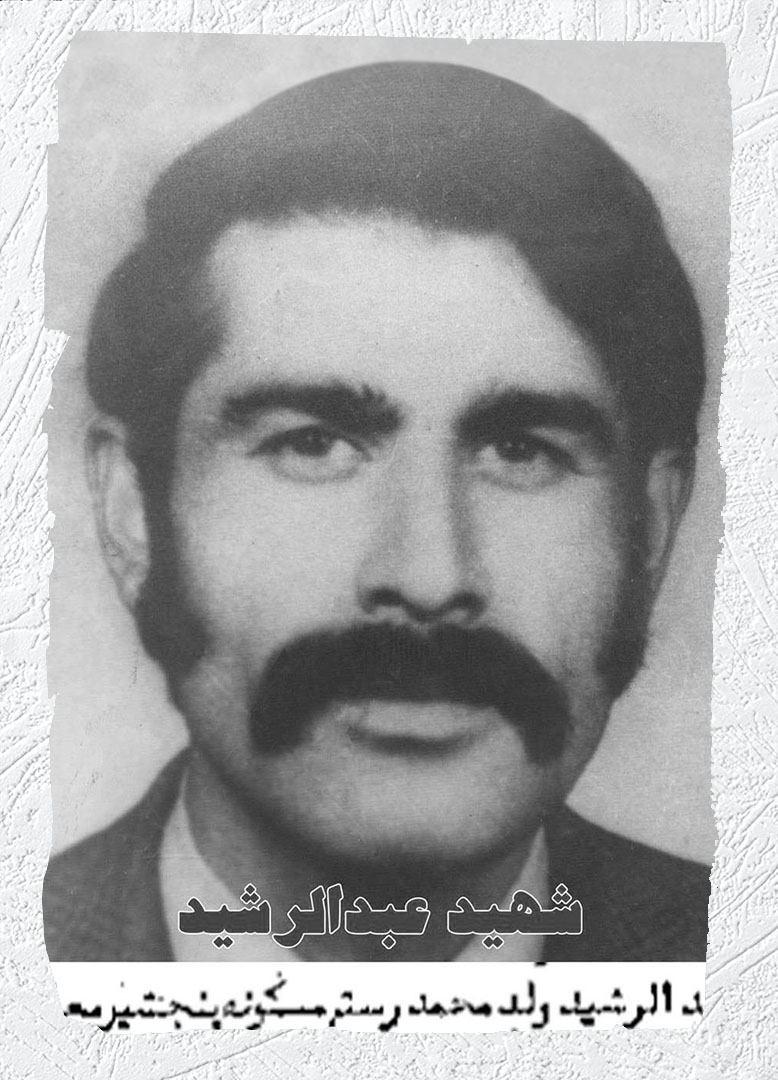
- Province of birth
- Panjshir: Bazarak
- Gender
- Male
- Ethnicity
- Tajik
- District geolocation of incident
- Kabul: Bagrami: 34° 31′ 10″ N, 69° 16′ 39″ E
- Description of incident
Known as the "Killing of AGSA," it refers to the collective murder of opponents of the People's Democratic Party of Afghanistan in the Pul-e-Charkhi Prison in Kabul between 1978 and 1979. The Afghan Intelligence Office, or AGSA (Afghan Agency for Safeguarding National Interest), led by Asadullah Sarwari, had arrested nearly 150,000 people, out of which an estimated number of 27,000 political prisoners were put to death without a single trial, probe, or even allegation. Many Afghan families had no idea where their loved ones had disappeared in the latter part of 1978 and early 1979. A list of those slain that included 5,000 victims of AGSA mass executions was made public by the Dutch Prosecutor's Office in 2013.
- Declaratory Statement
No statement
Nigar
- Photo of Victim

- Province of birth
- Ghor: Chaghcharan
- Gender
- Female
- Ethnicity
- Hazara
- District geolocation of incident
- Chaghcharan: 34° 31′ 56″ N, 65° 14′ 49″ E
- Description of incident
People's sources in Ghor Province confirm that a former female police member was shot by Taliban forces in this province. This event took place on Saturday evening, 05 September 2021 in Firuzkoh city, the capital of this province.
Bismellah Adil Aimaq
- Photo of Victim

- Province of birth
- Ghor: Chaghcharan
- Gender
- Male
- Ethnicity
- Aimaq
- District geolocation of incident
- Chaghcharan: 34° 31′ 56″ N, 65° 14′ 49″ E
- Description of incident
Bismellah Adel Imaq, the manager of Sade Gho Radio, was assassinated on 01 January 2021 by unknown armed men in Barahkhane area in the west of Firuzkoh city, the capital of Ghor province.
Firouzkoh's Bride
- Photo of Victim

- Province of birth
- Ghor: Chaghcharan
- Gender
- Female
- Ethnicity
- Hazara
- District geolocation of incident
- Chaghcharan: 34° 31′ 56″ N, 65° 14′ 49″ E
- Description of incident
The Taliban on July 24, 2014 have shot and killed fourteen minibus passengers, including a bride, her sister, mother, and son-in-law. Ghor Governor Anwar Rahmati added that the Taliban stopped three minibuses carrying passengers from the city of Firuzkoh (Chaghcheran), the capital of Ghor province, to Kabul in the "Badgah" area, 25 km from Firozkoh. According to him, the Taliban divided the passengers into two groups based on their identity documents and separated those belonging to the "Hazara" tribe, tied their hands and shot them, and released the rest.
Haji SherMohammad
- Photo of Victim

- Province of birth
- Nimruz: Chahar Burjak
- Gender
- Male
- Ethnicity
- Baloch
- District geolocation of incident
- Kabul: Bagrami: 34° 31′ 10″ N, 69° 16′ 39″ E
- Description of incident
Known as the "Killing of AGSA," it refers to the collective murder of opponents of the People's Democratic Party of Afghanistan in the Pul-e-Charkhi Prison in Kabul between 1978 and 1979. The Afghan Intelligence Office, or AGSA (Afghan Agency for Safeguarding National Interest), led by Asadullah Sarwari, had arrested nearly 150,000 people, out of which an estimated number of 27,000 political prisoners were put to death without a single trial, probe, or even allegation. Many Afghan families had no idea where their loved ones had disappeared in the latter part of 1978 and early 1979. A list of those slain that included 5,000 victims of AGSA mass executions was made public by the Dutch Prosecutor's Office in 2013.
- Declaratory Statement
No statement
Mohammad Yonos
- Photo of Victim

- Province of birth
- Nimruz: Chahar Burjak
- Gender
- Male
- Ethnicity
- Baloch
- District geolocation of incident
- Kabul: Bagrami: 34° 31′ 10″ N, 69° 16′ 39″ E
- Description of incident
Known as the "Killing of AGSA," it refers to the collective murder of opponents of the People's Democratic Party of Afghanistan in the Pul-e-Charkhi Prison in Kabul between 1978 and 1979. The Afghan Intelligence Office, or AGSA (Afghan Agency for Safeguarding National Interest), led by Asadullah Sarwari, had arrested nearly 150,000 people, out of which an estimated number of 27,000 political prisoners were put to death without a single trial, probe, or even allegation. Many Afghan families had no idea where their loved ones had disappeared in the latter part of 1978 and early 1979. A list of those slain that included 5,000 victims of AGSA mass executions was made public by the Dutch Prosecutor's Office in 2013.
- Declaratory Statement
No statement
Mohammad Qasim Sherzad
- Photo of Victim

- Province of birth
- Nimruz: Chahar Burjak
- Gender
- Male
- Ethnicity
- Baloch
- District geolocation of incident
- Kabul: Bagrami: 34° 31′ 10″ N, 69° 16′ 39″ E
- Description of incident
Known as the "Killing of AGSA," it refers to the collective murder of opponents of the People's Democratic Party of Afghanistan in the Pul-e-Charkhi Prison in Kabul between 1978 and 1979. The Afghan Intelligence Office, or AGSA (Afghan Agency for Safeguarding National Interest), led by Asadullah Sarwari, had arrested nearly 150,000 people, out of which an estimated number of 27,000 political prisoners were put to death without a single trial, probe, or even allegation. Many Afghan families had no idea where their loved ones had disappeared in the latter part of 1978 and early 1979. A list of those slain that included 5,000 victims of AGSA mass executions was made public by the Dutch Prosecutor's Office in 2013.
- Declaratory Statement
No statement
Jamaludin Amiri
- Photo of Victim

- Province of birth
- Balkh: Chahar Kint
- Gender
- Male
- Ethnicity
- Hazara
- District geolocation of incident
- Kabul: 34° 31′ 1″ N, 69° 8′ 60″ E
- Description of incident
Junbesh-e Roshnayi-e (The Enlightenment Movement) is a grassroots civil disobedience movement of Hazaras created in 2016 in Afghanistan in response to the Afghan government's change in routing plans for proposed international electricity networking, which was perceived as continuing historical anti-Hazara discrimination. The group organised major protests in Afghanistan and internationally during 2016 and 2017, protesting against discrimination.
Amanullah Shafaee
- Photo of Victim
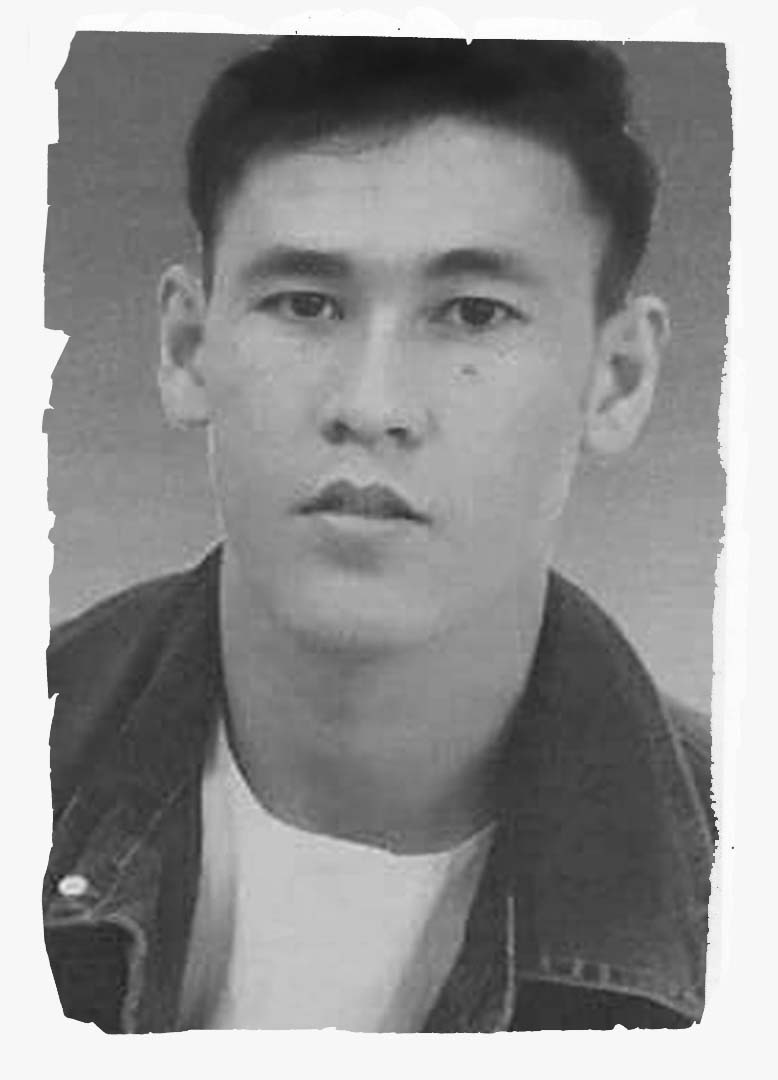
- Province of birth
- Wardak: Chaki Wardak
- Gender
- Male
- Ethnicity
- Hazara
- District geolocation of incident
- Kabul: 34° 31′ 1″ N, 69° 8′ 60″ E
- Description of incident
On October 24, 2020, a suicide bomber carried out an attack on the Kawsar-e Danish Educational Center in Kabul City. The educational center, which offers tutoring for students preparing for higher education, is located in an area with a large population of Hazara people.
Aziz Ahmad Aref
- Photo of Victim

- Province of birth
- Confidential: Confidential
- Gender
- Male
- Ethnicity
- Pashtun
- District geolocation of incident
- Kuz Kunar: 34° 35′ 46″ N, 70° 34′ 30″ E
- Description of incident
When I was freed from jail in 1984, I was persuaded that living in Kabul was impossible for me anymore. I left Kabul for my home village, Khiwa, in Nangarhar province in eastern Afghanistan. Our district in Nangarhar was not yet occupied by the government and Soviet forces. The time of peace did not last long. Pro-government forces attacked our home in a late night in the fall of 1984. In the night that attack happened, I was at home with my brothers, one of whom were killed and the other and I were injured. I was 20 or 21 years old at that time. It was night time and I couldn’t recognize the type of gun I was injured with. But it was obvious that we were killed and injured by Russian guns, because, all pro-government forces used Russian weaponry.
Kabalsha Aghajan
- Photo of Victim

- Province of birth
- Confidential: Confidential
- Gender
- Male
- Ethnicity
- Tajik
- District geolocation of incident
- Nadir Shah Kot: 33° 18′ 58″ N, 69° 41′ 55″ E
Sameer Tarakhil
- Photo of Victim

- Province of birth
- Confidential: Confidential
- Gender
- Male
- Ethnicity
- Pashtun
- District geolocation of incident
- Kunduz: 36° 47′ 50″ N, 68° 51′ 27″ E
Mohammad Hassan
- Photo of Victim

- Province of birth
- Confidential: Confidential
- Gender
- Male
- Ethnicity
- Bayat
- District geolocation of incident
- Kabul: 34° 31′ 1″ N, 69° 8′ 60″ E
Mina Tarakhil
- Photo of Victim

- Province of birth
- Confidential: Confidential
- Gender
- Female
- Ethnicity
- Pashtun
- District geolocation of incident
- Kunduz: 36° 47′ 50″ N, 68° 51′ 27″ E
Abdulkarim
- Photo of Victim

- Province of birth
- Nangarhar: Dara-I-Nur
- Gender
- Male
- Ethnicity
- Pashtun
- District geolocation of incident
- Khas Kunar: 34° 46′ 36″ N, 71° 3′ 7″ E
Sultan Ahmad Sohrab
- Photo of Victim

- Province of birth
- Nangarhar: Dara-I-Nur
- Gender
- Male
- Ethnicity
- Pashtun
Mohammad Hakim
- Photo of Victim
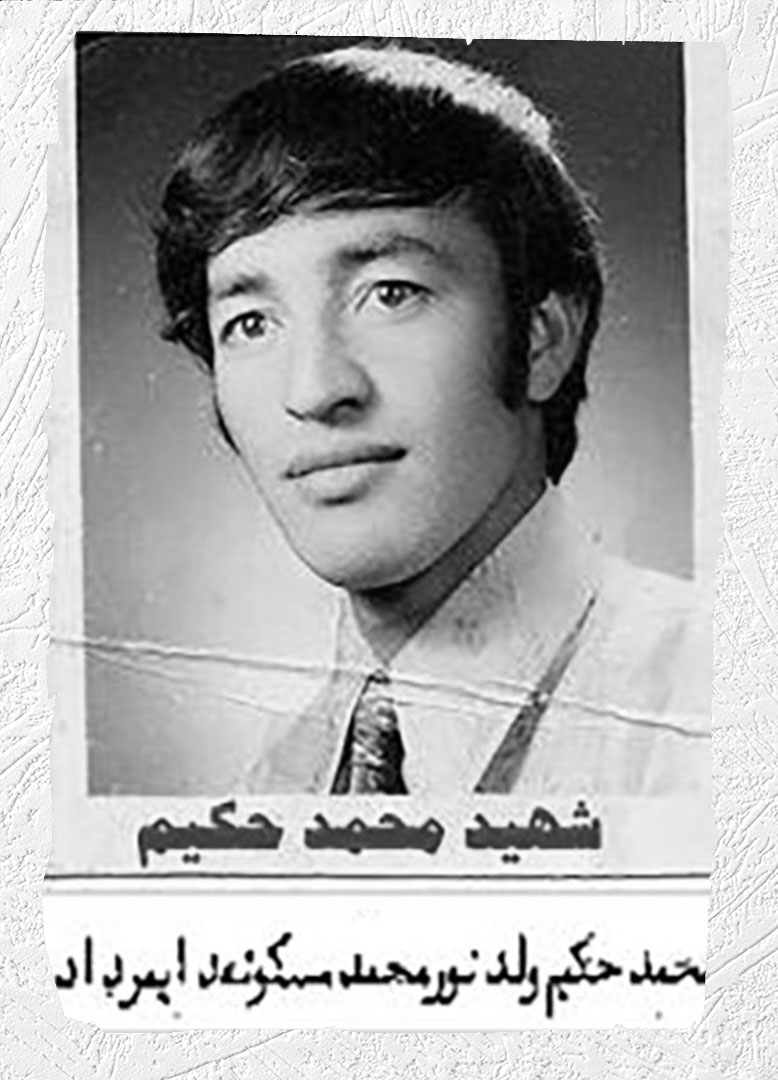
- Province of birth
- Wardak: Day Mirdad
- Gender
- Male
- Ethnicity
- Hazara
- District geolocation of incident
- Kabul: Bagrami: 34° 31′ 10″ N, 69° 16′ 39″ E
- Description of incident
Known as the "Killing of AGSA," it refers to the collective murder of opponents of the People's Democratic Party of Afghanistan in the Pul-e-Charkhi Prison in Kabul between 1978 and 1979. The Afghan Intelligence Office, or AGSA (Afghan Agency for Safeguarding National Interest), led by Asadullah Sarwari, had arrested nearly 150,000 people, out of which an estimated number of 27,000 political prisoners were put to death without a single trial, probe, or even allegation. Many Afghan families had no idea where their loved ones had disappeared in the latter part of 1978 and early 1979. A list of those slain that included 5,000 victims of AGSA mass executions was made public by the Dutch Prosecutor's Office in 2013.
- Declaratory Statement
No statement
Mohammad Hussain
- Photo of Victim

- Province of birth
- Wardak: Day Mirdad
- Gender
- Male
- Ethnicity
- Hazara
- District geolocation of incident
- Kabul: 34° 31′ 1″ N, 69° 8′ 60″ E
- Description of incident
On October 24, 2020, a suicide bomber carried out an attack on the Kawsar-e Danish Educational Center in Kabul City. The educational center, which offers tutoring for students preparing for higher education, is located in an area with a large population of Hazara people.
Mohammad Hussain Mofaker
- Photo of Victim

- Province of birth
- Wardak: Day Mirdad
- Gender
- Male
- Ethnicity
- Hazara
- District geolocation of incident
- Kabul: 34° 31′ 1″ N, 69° 8′ 60″ E
- Description of incident
On October 24, 2020, a suicide bomber carried out an attack on the Kawsar-e Danish Educational Center in Kabul City. The educational center, which offers tutoring for students preparing for higher education, is located in an area with a large population of Hazara people.
Amina
- Photo of Victim

- Province of birth
- Wardak: Day Mirdad
- Gender
- Female
- Ethnicity
- Hazara
- District geolocation of incident
- Kabul: 34° 31′ 1″ N, 69° 8′ 60″ E
Setara Rezaei
- Photo of Victim
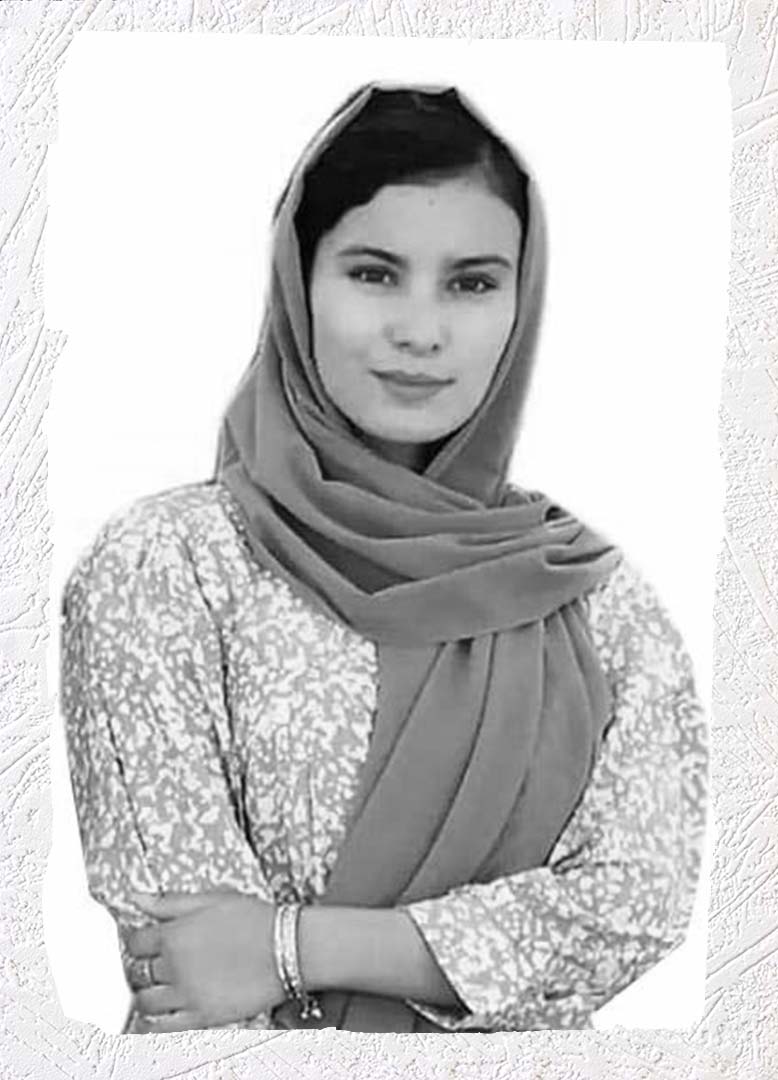
- Province of birth
- Wardak: Day Mirdad
- Gender
- Female
- Ethnicity
- Hazara
- District geolocation of incident
- Kabul: 34° 31′ 1″ N, 69° 8′ 60″ E
Nasrin Naderi
- Photo of Victim

- Province of birth
- Wardak: Day Mirdad
- Gender
- Female
- Ethnicity
- Hazara
- District geolocation of incident
- Kabul: 34° 31′ 1″ N, 69° 8′ 60″ E
- Declaratory Statement
Narrator: Nasrin Naderi
Victim: Nasrin Naderi
Date of the incident: 24 October 2020
Location of the incident: District 13, Kabul City, Pul-e Khoshk, Dasht-e Barchi, Kausar Danesh Educational Center
In the name of God I am Nasreen Naderi, the daughter of Mohammad Aman Naderi from Maidan Wardak province, Daymirdad district. I am 18 years old and have graduated from school. However, due to the coronavirus situation, I have not yet been able to take the university entrance exam. At the moment, I am busy with social activities. Our family resides in Maidan Wardak, but I am in Kabul for my education. We have rented a room here. In Daimirdad district, Naqshi village, Due to the lack of facilities and insecurity, we have left our village of Naqshi in the Daimirdad district,. Every year, we are attacked by nomadic tribes; I don't know their motive, whether political, ethnic, or otherwise, but we are attacked by them annually. These attacks cause us both human and financial losses. When they occur, all villagers flee to the mountains or elsewhere. Upon returning to their homes, they find their animal supplies and food materials burned, along with their schools and houses. It has been a few years now since my parents left. Initially, they were here with me, but once quarantine was introduced, they returned to Maidan Wardak and have remained there until now. It's been about two years since they left; my father is farming, and I have been here for approximately five or six years.
Unfortunately, I sustained injuries. The first incident took place at Kawsar Danesh in February 2018. Human rights activists certainly know that the incident - it was the first incident that happened to Afghanistan's education center- had a serious impact on educational programs. In this incident, my hand was wounded by shrapnel. The attacker was carrying a hand grenade, and I was only one or two meters away from him. It was the first time I saw the explosion of a human being with my eyes. No one was killed, but many were wounded, most of them girls because they were sitting in the front row. The second incident happened in 2019. I witnessed an incident at Mauood that impacted heavily on my mental health and I was obliged to take a break from my studies for a year. After Mauood was hit, we lost confidence but we carried on. Once the Kawsar educationa center was thriving again, we went back there and enrolled in the preparation course for the university entrance exam. Once again, there was an explosion at Kawsar Danesh alley last year in the fall. I don't recall the incident accurately; I think it was on the 29th October. We were in the alley, and I was injured in the back by shrapnel. It penetrated deeply and reached close to my spinal cord. Due to the serious risk, the doctors in Kabul did not want to take responsibility for such a complex operation. A neurologist was needed, an expert in such surgery, but there was no such person.
Unfortunately, due to financial constraints and my father's self-employment as a farmer or street vendor, we've been unable to afford the expenses of surgery in private hospitals or seek medical treatment outside Afghanistan. Walking poses significant challenges for me. Every few steps I take, the wound area becomes bruised, leading to subsequent internal bleeding. Although the doctors have extracted the shrapnel, my injuries persist. The damage is situated on my spine, suggesting severe internal trauma. The shrapnel was only removed from my body about fifteen or sixteen days after the incident, by which time it had shifted 15 millimeters. I'm enduring immense suffering as a result of this ordeal. Despite being a victim, I reject such a label; I am averse to the term 'victim.' In my view, no one is a victim if they possess the determination and resolve to fight. I am committed to ensuring that no one else experiences the pain and suffering I have endured.
Perhaps I lack all the details; even if I once knew them, they've slipped from memory. It was around 4:00 pm when our class was dismissed, and we were on our way to a chemistry session when the explosion rocked the alley. Our class at Kausar is large; at least 800 students attend. As we moved to another class, my friend Shukria Hussaini and I were reviewing our lessons when we noticed a young boy carrying a large sport shoulder bag, a rare sight given the center's rules. Another institution, Afghan IT, shared the same alley, so we didn't find his presence suspicious. Despite what we'd been taught about the signs of a suicide bomber, we saw no indication of such in him. My friend nudged me, pointing out the boy's bag size. When I turned, dust and smoke filled the air. Though close, we heard no sound, only saw blood everywhere, and people covered in it calling for aid. It was terrifying. I realized my clothes were drenched in blood, my fresh wound throbbing. Shukria had passed out, and I felt paralyzed, unsure of what action to take. I'm uncertain who transported me or how I reached home, or who relayed the news. When I came to, we were at Dar al-Salam hospital, where I spent days. With no adequate medical facilities, my condition worsened; the shrapnel had caused intense bleeding at the back of my head. Though it wasn't a major blood vessel, the risk was severe.
I hope to survive the adversities faced at such a young age; by international standards, we're still children. Let's transform these hardships into energy for our ambition, refusing to succumb to despair or isolation. We shouldn't see ourselves as just victims of Afghan conflict; instead, let's aspire to compete globally in science and art.
Well, as I mentioned before, not all my classmates were close friends. It is difficult to have close friends in a classroom with 800 students. I loved all of them; we raised our voices together, studied together to understand derivative and integral and electric currents. There was only one friend whose death hit me hard, Miss Maleka Ibrahimi. I was truly hurt by losing her. She was a girl with beautiful political and economic ideas; a lady whose loss you can not ignore. <…pause..> We didn't spend much time together but looking at our strong friendship, it hurts to have lost her. I lost another friend in 2017 in Mauood, Miss Rahela. Miss Rahela and I were in the same English class; we completed our English course together and we attended other courses together. Rahela was determined to take the entrance exam. Since I lost them, I have tried to forget them, but it's difficult. You can’t forget such individuals. Losing such talents is a great loss for society.
Nowruz
- Photo of Victim

- Province of birth
- Wardak: Day Mirdad
- Gender
- Male
- Ethnicity
- Hazara
- District geolocation of incident
- Day Mirdad: 34° 13′ 56″ N, 68° 17′ 28″ E
- Description of incident
On the morning of Friday, November 14, 2025, Nowruz, an approximately 30-year-old father of two children, was killed in an armed attack in Qoto Sofla village, DaY Mirdad district, Maidan Wardak Province. The victim was shot as he left his home. His brother, Rahmatullah, who had followed him outside, was also shot and critically injured with a head wound. Rahmatullah was transferred to Emergency Hospital in Kabul and placed in a coma under medical care. According to local residents who confirmed the incident, Nowruz was an original resident of Qoto village. He and his family had been displaced to Kabul and other villages in recent years and had only recently returned to their ancestral home. Local sources reported that the four attackers had concealed themselves the night before the assault in the neighboring village of Qoto Ulya, which is uninhabited. On the morning of the attack, they approached Qoto Sofla through a mountain route and opened fire on Nowruz as he exited his home. Taliban intelligence authorities arrested four Kochi (nomadic Pashtuns) men on suspicion of involvement in the attack. The motive for the assault remains unclear; however, local sources indicated that Kochies had conducted repeated attacks on Qoto village residents in the past, forcing them to flee. According to these sources, more than 200 families once lived in both Qoto villages, but the area became largely uninhabited over the past decade due to repeated attacks. Nowruz's family was reportedly the first to return to the village within the past two years, driven by economic difficulties in Kabul. Local residents stated that the killing appeared aimed at preventing villagers from returning to their homes.
Noorullah
- Photo of Victim

- Province of birth
- Wardak: Day Mirdad
- Gender
- Male
- Ethnicity
- Hazara
- District geolocation of incident
- Day Mirdad: 34° 13′ 56″ N, 68° 17′ 28″ E
- Description of incident
On November 20, 2025, Noorullah, a 14-year-old boy from Qoto village in Day Mirdad district, Maidan Wardak Province, died following a severe trauma-related illness. Noorullah was the younger brother of Nowruz, who was killed in an armed attack on November 14, 2025, and Rahmatullah, who was critically injured in the same incident when two armed Kochi men (nomadic Pushtuns) opened fire as they were getting out of their home early morning. According to local residents, Noorullah experienced severe psychological shock immediately following the attack on his brothers. He subsequently developed physical symptoms, including progressive fever and vomiting blood. After six days of crying and deteriorating health, Noorullah died on November 20, 2025. Local residents reported that while the exact medical cause of death remains undetermined, Noorullah's condition deteriorated rapidly following the traumatic events of November 14. His death represents an indirect casualty connected to the armed attack that killed his eldest brother and left his other brother in critical condition.
Masbahullah
- Photo of Victim

- Province of birth
- Kabul: Deh Sabz
- Gender
- Male
- Ethnicity
- Pashtun
- District geolocation of incident
- Kabul: Bagrami: 34° 31′ 10″ N, 69° 16′ 39″ E
- Description of incident
Known as the "Killing of AGSA," it refers to the collective murder of opponents of the People's Democratic Party of Afghanistan in the Pul-e-Charkhi Prison in Kabul between 1978 and 1979. The Afghan Intelligence Office, or AGSA (Afghan Agency for Safeguarding National Interest), led by Asadullah Sarwari, had arrested nearly 150,000 people, out of which an estimated number of 27,000 political prisoners were put to death without a single trial, probe, or even allegation. Many Afghan families had no idea where their loved ones had disappeared in the latter part of 1978 and early 1979. A list of those slain that included 5,000 victims of AGSA mass executions was made public by the Dutch Prosecutor's Office in 2013.
- Declaratory Statement
No statement
Sekandar Saiqal
- Photo of Victim

- Province of birth
- Baghlan بغلان: Dushi
- Gender
- Male
- Ethnicity
- Hazara
- District geolocation of incident
- Tala Wa Barfak: 35° 27′ 44″ N, 68° 31′ 53″ E
- Declaratory Statement
No statement
Awtar Singh Khalsa
- Photo of Victim

- Province of birth
- Paktia: Gardez
- Gender
- Male
- Ethnicity
- Afghan Hindus and Sikhs
- District geolocation of incident
- Jalalabad: 34° 27′ 19″ N, 70° 27′ 7″ E
- Description of incident
On July 1, 2018, Islamic State Khorasan Province (ISKP) attacked a delegation from Afghanistan's minority Hindu and Sikh communities that was meeting with the governor in Jalalabad City. The attack killed 19 people, with 10 of the victims being members of Afghanistan's Sikh community, including the country's sole Sikh parliamentary candidate. This deliberate targeting of religious minorities represents systematic persecution of non-Muslim communities in Afghanistan.
- Declaratory Statement
No statement
Sayed Aiskandar Fatimi
- Photo of Victim

- Province of birth
- Ghazni: Ghazni City
- Gender
- Male
- Ethnicity
- Sadat
- District geolocation of incident
- Kabul: 34° 31′ 1″ N, 69° 8′ 60″ E
- Description of incident
A suicide attack on october 20, 2017, took place in the Imam Zaman Mosque located in Dasht Barchi, which is the Hazara area of Kabul, when people were there for prayers. As a result of this terrorist attack, 56 people were killed and 55 others were injured.
Ziaullah
- Photo of Victim
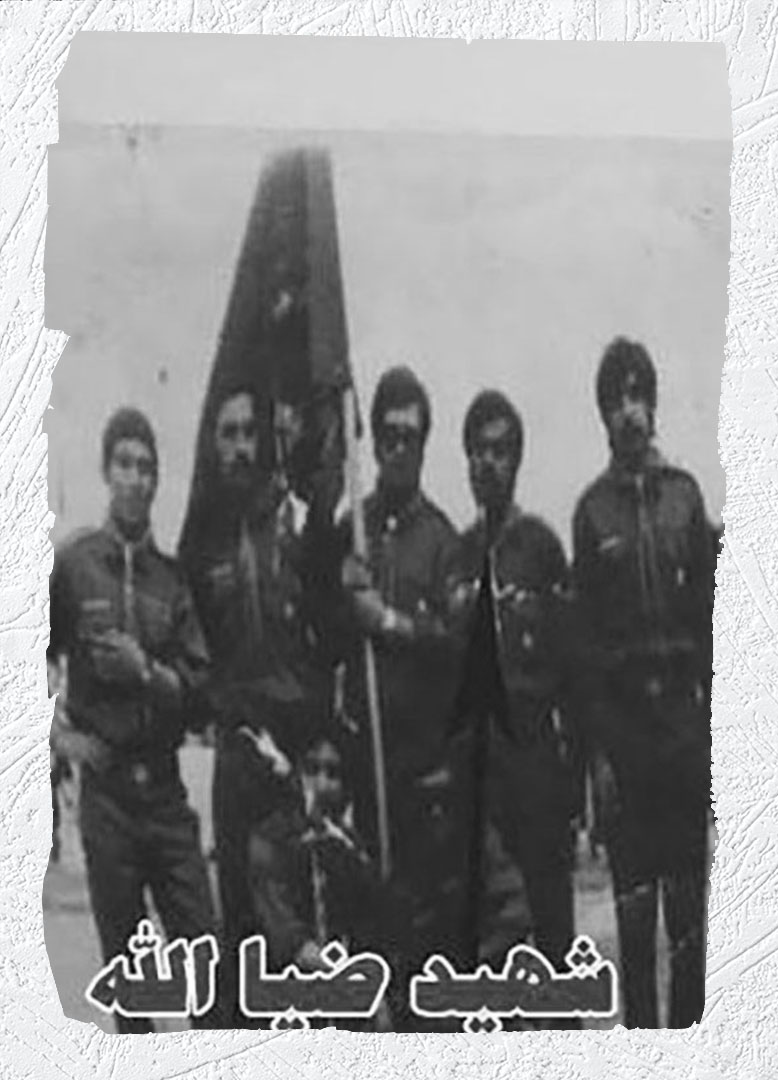
- Province of birth
- Ghazni: Ghazni City
- Gender
- Male
- Ethnicity
- Pashtun
- District geolocation of incident
- Kabul: Bagrami: 34° 31′ 10″ N, 69° 16′ 39″ E
- Description of incident
Known as the "Killing of AGSA," it refers to the collective murder of opponents of the People's Democratic Party of Afghanistan in the Pul-e-Charkhi Prison in Kabul between 1978 and 1979. The Afghan Intelligence Office, or AGSA (Afghan Agency for Safeguarding National Interest), led by Asadullah Sarwari, had arrested nearly 150,000 people, out of which an estimated number of 27,000 political prisoners were put to death without a single trial, probe, or even allegation. Many Afghan families had no idea where their loved ones had disappeared in the latter part of 1978 and early 1979. A list of those slain that included 5,000 victims of AGSA mass executions was made public by the Dutch Prosecutor's Office in 2013.
- Declaratory Statement
No statement
Mohammad Yonos Rezaee
- Photo of Victim

- Province of birth
- Ghazni: Ghazni City
- Gender
- Male
- Ethnicity
- Hazara
- District geolocation of incident
- Kabul: 34° 31′ 1″ N, 69° 8′ 60″ E
- Description of incident
A suicide bomber has blown himself up inside a Shia Mosque in the Afghan capital Kabul, killing at least 53 people and wounding dozens of others. The explosion happened at the Baqir-ul-uloom mosque in the Darul Aman area as people gathered to mark the end of an important religious period.
Milad
- Photo of Victim
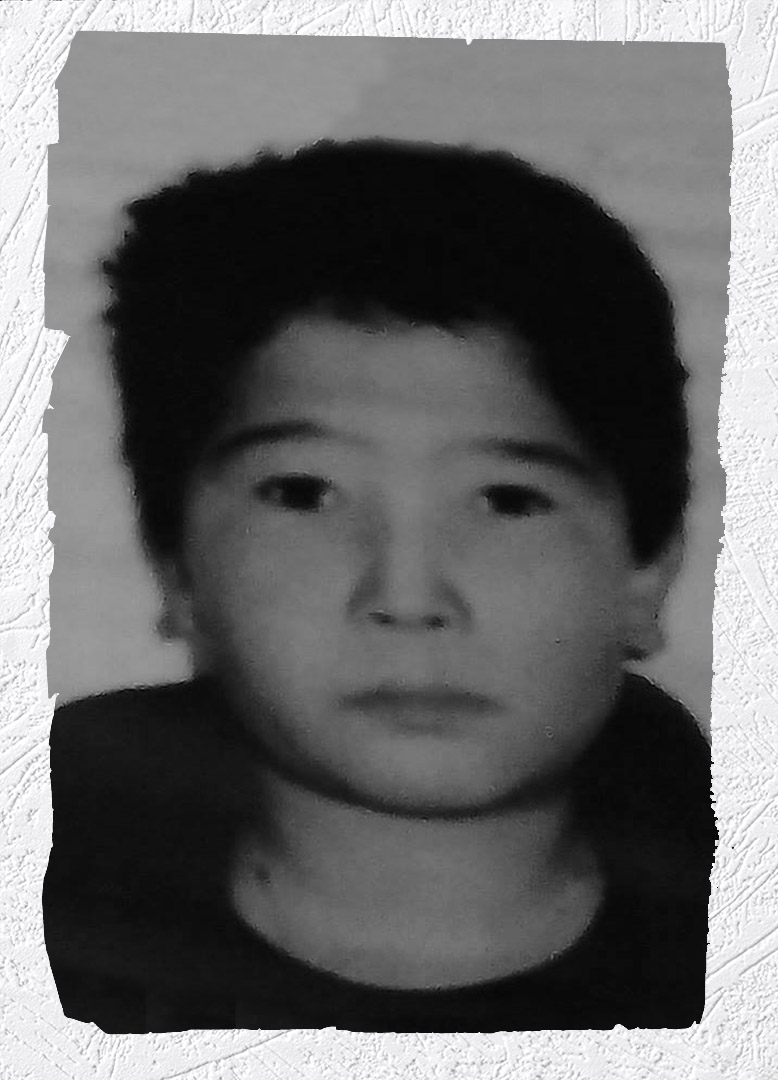
- Province of birth
- Ghazni: Ghazni City
- Gender
- Male
- Ethnicity
- Hazara
- District geolocation of incident
- Kabul: 34° 31′ 1″ N, 69° 8′ 60″ E
- Description of incident
A suicide bomber has blown himself up inside a Shia Mosque in the Afghan capital Kabul, killing at least 53 people and wounding dozens of others. The explosion happened at the Baqir-ul-uloom mosque in the Darul Aman area as people gathered to mark the end of an important religious period.
Rahmatullah Nikzad
- Photo of Victim

- Province of birth
- Ghazni: Ghazni City
- Gender
- Male
- Ethnicity
- Tajik
- District geolocation of incident
- Ghazni City: 33° 33′ 13″ N, 68° 25′ 50″ E
- Description of incident
Rahmatullah Nikzad, a freelance journalist, was killed in Ghazni province in southern Afghanistan, this evening (December 21, 2020) as a result of shooting by unknown gunmen.
Sayed Asadullah Eftikhari
- Photo of Victim

- Province of birth
- Ghazni: Ghazni City
- Gender
- Male
- Ethnicity
- Sadat
- District geolocation of incident
- Kabul: 34° 31′ 1″ N, 69° 8′ 60″ E
- Description of incident
A suicide attack on october 20, 2017, took place in the Imam Zaman Mosque located in Dasht Barchi, which is the Hazara area of Kabul, when people were there for prayers. As a result of this terrorist attack, 56 people were killed and 55 others were injured.
Ghulam Dawod
- Photo of Victim

- Province of birth
- Ghazni: Ghazni City
- Gender
- Male
- Ethnicity
- Pashtun
- District geolocation of incident
- Kabul: Bagrami: 34° 31′ 10″ N, 69° 16′ 39″ E
- Description of incident
Known as the "Killing of AGSA," it refers to the collective murder of opponents of the People's Democratic Party of Afghanistan in the Pul-e-Charkhi Prison in Kabul between 1978 and 1979. The Afghan Intelligence Office, or AGSA (Afghan Agency for Safeguarding National Interest), led by Asadullah Sarwari, had arrested nearly 150,000 people, out of which an estimated number of 27,000 political prisoners were put to death without a single trial, probe, or even allegation. Many Afghan families had no idea where their loved ones had disappeared in the latter part of 1978 and early 1979. A list of those slain that included 5,000 victims of AGSA mass executions was made public by the Dutch Prosecutor's Office in 2013.
- Declaratory Statement
No statement
Rafeullah
- Photo of Victim

- Province of birth
- Ghazni: Ghazni City
- Gender
- Male
- Ethnicity
- Pashtun
- District geolocation of incident
- Kabul: Bagrami: 34° 31′ 10″ N, 69° 16′ 39″ E
- Description of incident
Known as the "Killing of AGSA," it refers to the collective murder of opponents of the People's Democratic Party of Afghanistan in the Pul-e-Charkhi Prison in Kabul between 1978 and 1979. The Afghan Intelligence Office, or AGSA (Afghan Agency for Safeguarding National Interest), led by Asadullah Sarwari, had arrested nearly 150,000 people, out of which an estimated number of 27,000 political prisoners were put to death without a single trial, probe, or even allegation. Many Afghan families had no idea where their loved ones had disappeared in the latter part of 1978 and early 1979. A list of those slain that included 5,000 victims of AGSA mass executions was made public by the Dutch Prosecutor's Office in 2013.
- Declaratory Statement
No statement
Amanullah Hasani
- Photo of Victim

- Province of birth
- Oruzgan: Gizab
- Gender
- Male
- Ethnicity
- Hazara
- District geolocation of incident
- Gizab: 33° 26′ 3″ N, 66° 12′ 53″ E
- Description of incident
On November 13, 2025, the body of Amanullah Hasani, a 65-year-old Hazara farmer, was discovered in the Dahan Yaghak area of Khalaj village in Gizab district, Uruzgan Province. According to local residents, Hasani had disappeared from his home approximately three days prior to the public report on November 14, 2025. Community members described the victim as a farmer who maintained no known conflicts or enmities with any individual or group. A village resident told Etilaatroz newspaper that armed Kochi individuals were responsible for the killing. The source further stated that several other village residents had been killed in similar circumstances in the past. According to the same source, local residents had filed multiple complaints with Taliban authorities regarding these incidents, but local officials allegedly did not respond to their grievances. The circumstances surrounding Hasani's death and the allegations regarding the perpetrators remain unconfirmed by independent sources.
Baz Mohammad son of Murad
- Province of birth
- Sare Pol: Gosfandi
- Gender
- Male
- Ethnicity
- Hazara
- District geolocation of incident
- Gosfandi: 36° 13′ 18″ N, 65° 55′ 40″ ESangcharak: 36° 20′ 14″ N, 66° 26′ 6″ E
- Description of incident
In early 2000, six elders from Ismail village in Gosfandi District of Sar-e-Pol province met with the Taliban after the retreat of the Union Front forces. A patrol of Taliban fighters was encountered in the village. The mullah was shot dead immediately after introducing himself. Five more men were interrogated. The individuals identifying as Hazara were immediately killed. Baz Mohammed, son of Murad, and Gul Bai, son of Qurban, were the two victims. The other three individuals identified as Syeds or Tajiks were spared and released later.
- Declaratory Statement
NO
S.Hassan Hussaini
- Photo of Victim

- Province of birth
- Herat: Herat City
- Gender
- Male
- Ethnicity
- Sadat
- District geolocation of incident
- Hirat: 34° 20′ 58″ N, 62° 11′ 21″ E
Hassan Qanoni
- Photo of Victim

- Province of birth
- Herat: Herat City
- Gender
- Male
- Ethnicity
- Sadat
- District geolocation of incident
- Hirat: 34° 20′ 58″ N, 62° 11′ 21″ E
- Description of incident
Hasan Qanoni, a young Hazara doctor who was a military doctor in the government of Ashraf Ghani Ahmadzai and worked with the National Army, went missing on 28 March 2021 from the city of Herat and his burnt body was found on 30 March 2021 in this city. The terrorist Taliban killed him after a lot of torture and then burned his body.
Omid Mahmodi
- Photo of Victim

- Province of birth
- Herat: Herat City
- Gender
- Male
- Ethnicity
- Tajik
- District geolocation of incident
- Hirat: 34° 20′ 58″ N, 62° 11′ 21″ E
- Description of incident
On August 1, 2017, a Shaia mosque in Herat, Afghanistan, was attacked, killing 33 people and injuring 66 others. Two guys carried out the attack, one carrying a suicide vest and the other armed with a rifle. They entered the "Jawadia" mosque during an evening prayer session where approximately 300 people had gathered to worship. The first attacker flung bombs into the crowd before detonating their vests. The second attacker also discharged his rifle into the crowd before blowing himself up. The Islamic State of Khorasan Province (ISKP) claimed responsibility for the attack.
- Declaratory Statement
No statement
Abulfazl Najafzada
- Photo of Victim

- Province of birth
- Herat: Herat City
- Gender
- Male
- Ethnicity
- Hazara
- District geolocation of incident
- Hirat: 34° 20′ 58″ N, 62° 11′ 21″ E
- Description of incident
On August 1, 2017, a Shaia mosque in Herat, Afghanistan, was attacked, killing 33 people and injuring 66 others. Two guys carried out the attack, one carrying a suicide vest and the other armed with a rifle. They entered the "Jawadia" mosque during an evening prayer session where approximately 300 people had gathered to worship. The first attacker flung bombs into the crowd before detonating their vests. The second attacker also discharged his rifle into the crowd before blowing himself up. The Islamic State of Khorasan Province (ISKP) claimed responsibility for the attack.
- Declaratory Statement
No statement
AhmadAqa Abbaszada
- Photo of Victim

- Province of birth
- Herat: Herat City
- Gender
- Male
- Ethnicity
- Tajik
- District geolocation of incident
- Hirat: 34° 20′ 58″ N, 62° 11′ 21″ E
- Description of incident
On August 1, 2017, a Shaia mosque in Herat, Afghanistan, was attacked, killing 33 people and injuring 66 others. Two guys carried out the attack, one carrying a suicide vest and the other armed with a rifle. They entered the "Jawadia" mosque during an evening prayer session where approximately 300 people had gathered to worship. The first attacker flung bombs into the crowd before detonating their vests. The second attacker also discharged his rifle into the crowd before blowing himself up. The Islamic State of Khorasan Province (ISKP) claimed responsibility for the attack.
- Declaratory Statement
No statement
M.Yaqob Rohparwar
- Photo of Victim

- Province of birth
- Herat: Herat City
- Gender
- Male
- Ethnicity
- Tajik
- District geolocation of incident
- Hirat: 34° 20′ 58″ N, 62° 11′ 21″ E
- Description of incident
On August 1, 2017, a Shaia mosque in Herat, Afghanistan, was attacked, killing 33 people and injuring 66 others. Two guys carried out the attack, one carrying a suicide vest and the other armed with a rifle. They entered the "Jawadia" mosque during an evening prayer session where approximately 300 people had gathered to worship. The first attacker flung bombs into the crowd before detonating their vests. The second attacker also discharged his rifle into the crowd before blowing himself up. The Islamic State of Khorasan Province (ISKP) claimed responsibility for the attack.
- Declaratory Statement
No statement
Amanullah Ebrahimpor
- Photo of Victim

- Province of birth
- Herat: Herat City
- Gender
- Male
- Ethnicity
- Tajik
- District geolocation of incident
- Hirat: 34° 20′ 58″ N, 62° 11′ 21″ E
- Description of incident
On August 1, 2017, a Shaia mosque in Herat, Afghanistan, was attacked, killing 33 people and injuring 66 others. Two guys carried out the attack, one carrying a suicide vest and the other armed with a rifle. They entered the "Jawadia" mosque during an evening prayer session where approximately 300 people had gathered to worship. The first attacker flung bombs into the crowd before detonating their vests. The second attacker also discharged his rifle into the crowd before blowing himself up. The Islamic State of Khorasan Province (ISKP) claimed responsibility for the attack.
- Declaratory Statement
No statement
BaratAli Mohammadi
- Photo of Victim

- Province of birth
- Herat: Herat City
- Gender
- Male
- Ethnicity
- Hazara
- District geolocation of incident
- Hirat: 34° 20′ 58″ N, 62° 11′ 21″ E
- Description of incident
On August 1, 2017, a Shaia mosque in Herat, Afghanistan, was attacked, killing 33 people and injuring 66 others. Two guys carried out the attack, one carrying a suicide vest and the other armed with a rifle. They entered the "Jawadia" mosque during an evening prayer session where approximately 300 people had gathered to worship. The first attacker flung bombs into the crowd before detonating their vests. The second attacker also discharged his rifle into the crowd before blowing himself up. The Islamic State of Khorasan Province (ISKP) claimed responsibility for the attack.
- Declaratory Statement
No statement
Azizullah Hussaini
- Photo of Victim

- Province of birth
- Herat: Herat City
- Gender
- Male
- Ethnicity
- Tajik
- District geolocation of incident
- Hirat: 34° 20′ 58″ N, 62° 11′ 21″ E
- Description of incident
On August 1, 2017, a Shaia mosque in Herat, Afghanistan, was attacked, killing 33 people and injuring 66 others. Two guys carried out the attack, one carrying a suicide vest and the other armed with a rifle. They entered the "Jawadia" mosque during an evening prayer session where approximately 300 people had gathered to worship. The first attacker flung bombs into the crowd before detonating their vests. The second attacker also discharged his rifle into the crowd before blowing himself up. The Islamic State of Khorasan Province (ISKP) claimed responsibility for the attack.
- Declaratory Statement
No statement
M.Asif Qaderyan
- Photo of Victim

- Province of birth
- Herat: Herat City
- Gender
- Male
- Ethnicity
- Tajik
- District geolocation of incident
- Hirat: 34° 20′ 58″ N, 62° 11′ 21″ E
- Description of incident
On August 1, 2017, a Shaia mosque in Herat, Afghanistan, was attacked, killing 33 people and injuring 66 others. Two guys carried out the attack, one carrying a suicide vest and the other armed with a rifle. They entered the "Jawadia" mosque during an evening prayer session where approximately 300 people had gathered to worship. The first attacker flung bombs into the crowd before detonating their vests. The second attacker also discharged his rifle into the crowd before blowing himself up. The Islamic State of Khorasan Province (ISKP) claimed responsibility for the attack.
- Declaratory Statement
No statemetn
MohammadAli Mohammadian
- Photo of Victim

- Province of birth
- Herat: Herat City
- Gender
- Male
- Ethnicity
- Tajik
- District geolocation of incident
- Hirat: 34° 20′ 58″ N, 62° 11′ 21″ E
- Description of incident
On August 1, 2017, a Shaia mosque in Herat, Afghanistan, was attacked, killing 33 people and injuring 66 others. Two guys carried out the attack, one carrying a suicide vest and the other armed with a rifle. They entered the "Jawadia" mosque during an evening prayer session where approximately 300 people had gathered to worship. The first attacker flung bombs into the crowd before detonating their vests. The second attacker also discharged his rifle into the crowd before blowing himself up. The Islamic State of Khorasan Province (ISKP) claimed responsibility for the attack.
- Declaratory Statement
No statement
AmirHussain
- Photo of Victim

- Province of birth
- Herat: Herat City
- Gender
- Male
- Ethnicity
- Hazara
- District geolocation of incident
- Hirat: 34° 20′ 58″ N, 62° 11′ 21″ E
- Description of incident
On August 1, 2017, a Shaia mosque in Herat, Afghanistan, was attacked, killing 33 people and injuring 66 others. Two guys carried out the attack, one carrying a suicide vest and the other armed with a rifle. They entered the "Jawadia" mosque during an evening prayer session where approximately 300 people had gathered to worship. The first attacker flung bombs into the crowd before detonating their vests. The second attacker also discharged his rifle into the crowd before blowing himself up. The Islamic State of Khorasan Province (ISKP) claimed responsibility for the attack.
- Declaratory Statement
No statement
Aliahmad Mohammadi
- Photo of Victim

- Province of birth
- Herat: Herat City
- Gender
- Male
- Ethnicity
- Tajik
- District geolocation of incident
- Hirat: 34° 20′ 58″ N, 62° 11′ 21″ E
- Description of incident
On August 1, 2017, a Shaia mosque in Herat, Afghanistan, was attacked, killing 33 people and injuring 66 others. Two guys carried out the attack, one carrying a suicide vest and the other armed with a rifle. They entered the "Jawadia" mosque during an evening prayer session where approximately 300 people had gathered to worship. The first attacker flung bombs into the crowd before detonating their vests. The second attacker also discharged his rifle into the crowd before blowing himself up. The Islamic State of Khorasan Province (ISKP) claimed responsibility for the attack.
- Declaratory Statement
No statement
Alireza Rahimi
- Photo of Victim

- Province of birth
- Herat: Herat City
- Gender
- Male
- Ethnicity
- Tajik
- District geolocation of incident
- Hirat: 34° 20′ 58″ N, 62° 11′ 21″ E
- Description of incident
On August 1, 2017, a Shaia mosque in Herat, Afghanistan, was attacked, killing 33 people and injuring 66 others. Two guys carried out the attack, one carrying a suicide vest and the other armed with a rifle. They entered the "Jawadia" mosque during an evening prayer session where approximately 300 people had gathered to worship. The first attacker flung bombs into the crowd before detonating their vests. The second attacker also discharged his rifle into the crowd before blowing himself up. The Islamic State of Khorasan Province (ISKP) claimed responsibility for the attack.
- Declaratory Statement
No statement
Alireza Merzadosti
- Photo of Victim

- Province of birth
- Herat: Herat City
- Gender
- Male
- Ethnicity
- Tajik
- District geolocation of incident
- Hirat: 34° 20′ 58″ N, 62° 11′ 21″ E
- Description of incident
On August 1, 2017, a Shaia mosque in Herat, Afghanistan, was attacked, killing 33 people and injuring 66 others. Two guys carried out the attack, one carrying a suicide vest and the other armed with a rifle. They entered the "Jawadia" mosque during an evening prayer session where approximately 300 people had gathered to worship. The first attacker flung bombs into the crowd before detonating their vests. The second attacker also discharged his rifle into the crowd before blowing himself up. The Islamic State of Khorasan Province (ISKP) claimed responsibility for the attack.
- Declaratory Statement
No statement
AmirReza Nawrozi
- Photo of Victim

- Province of birth
- Herat: Herat City
- Gender
- Male
- Ethnicity
- Hazara
- District geolocation of incident
- Hirat: 34° 20′ 58″ N, 62° 11′ 21″ E
- Description of incident
On August 1, 2017, a Shaia mosque in Herat, Afghanistan, was attacked, killing 33 people and injuring 66 others. Two guys carried out the attack, one carrying a suicide vest and the other armed with a rifle. They entered the "Jawadia" mosque during an evening prayer session where approximately 300 people had gathered to worship. The first attacker flung bombs into the crowd before detonating their vests. The second attacker also discharged his rifle into the crowd before blowing himself up. The Islamic State of Khorasan Province (ISKP) claimed responsibility for the attack.
- Declaratory Statement
No statement
Mohsen Rasoli
- Photo of Victim

- Province of birth
- Herat: Herat City
- Gender
- Male
- Ethnicity
- Tajik
- District geolocation of incident
- Hirat: 34° 20′ 58″ N, 62° 11′ 21″ E
- Description of incident
On August 1, 2017, a Shaia mosque in Herat, Afghanistan, was attacked, killing 33 people and injuring 66 others. Two guys carried out the attack, one carrying a suicide vest and the other armed with a rifle. They entered the "Jawadia" mosque during an evening prayer session where approximately 300 people had gathered to worship. The first attacker flung bombs into the crowd before detonating their vests. The second attacker also discharged his rifle into the crowd before blowing himself up. The Islamic State of Khorasan Province (ISKP) claimed responsibility for the attack.
- Declaratory Statement
No statement
Ali Komail Hasanzada
- Photo of Victim

- Province of birth
- Herat: Herat City
- Gender
- Male
- Ethnicity
- Tajik
- District geolocation of incident
- Hirat: 34° 20′ 58″ N, 62° 11′ 21″ E
- Description of incident
On August 1, 2017, a Shaia mosque in Herat, Afghanistan, was attacked, killing 33 people and injuring 66 others. Two guys carried out the attack, one carrying a suicide vest and the other armed with a rifle. They entered the "Jawadia" mosque during an evening prayer session where approximately 300 people had gathered to worship. The first attacker flung bombs into the crowd before detonating their vests. The second attacker also discharged his rifle into the crowd before blowing himself up. The Islamic State of Khorasan Province (ISKP) claimed responsibility for the attack.
- Declaratory Statement
No statement
Mohammad Asif Yaqobi
- Photo of Victim

- Province of birth
- Herat: Herat City
- Gender
- Male
- Ethnicity
- Tajik
- District geolocation of incident
- Hirat: 34° 20′ 58″ N, 62° 11′ 21″ E
- Description of incident
On August 1, 2017, a Shaia mosque in Herat, Afghanistan, was attacked, killing 33 people and injuring 66 others. Two guys carried out the attack, one carrying a suicide vest and the other armed with a rifle. They entered the "Jawadia" mosque during an evening prayer session where approximately 300 people had gathered to worship. The first attacker flung bombs into the crowd before detonating their vests. The second attacker also discharged his rifle into the crowd before blowing himself up. The Islamic State of Khorasan Province (ISKP) claimed responsibility for the attack.
- Declaratory Statement
No statement
Mohammad Karim Sultani
- Photo of Victim

- Province of birth
- Herat: Herat City
- Gender
- Male
- Ethnicity
- Tajik
- District geolocation of incident
- Hirat: 34° 20′ 58″ N, 62° 11′ 21″ E
- Description of incident
On August 1, 2017, a Shaia mosque in Herat, Afghanistan, was attacked, killing 33 people and injuring 66 others. Two guys carried out the attack, one carrying a suicide vest and the other armed with a rifle. They entered the "Jawadia" mosque during an evening prayer session where approximately 300 people had gathered to worship. The first attacker flung bombs into the crowd before detonating their vests. The second attacker also discharged his rifle into the crowd before blowing himself up. The Islamic State of Khorasan Province (ISKP) claimed responsibility for the attack.
- Declaratory Statement
No statement
Mohammad Hashim
- Photo of Victim

- Province of birth
- Herat: Herat City
- Gender
- Male
- Ethnicity
- Tajik
- District geolocation of incident
- Hirat: 34° 20′ 58″ N, 62° 11′ 21″ E
- Description of incident
Known as the "Killing of AGSA," it refers to the collective murder of opponents of the People's Democratic Party of Afghanistan in the Pul-e-Charkhi Prison in Kabul between 1978 and 1979. The Afghan Intelligence Office, or AGSA (Afghan Agency for Safeguarding National Interest), led by Asadullah Sarwari, had arrested nearly 150,000 people, out of which an estimated number of 27,000 political prisoners were put to death without a single trial, probe, or even allegation. Many Afghan families had no idea where their loved ones had disappeared in the latter part of 1978 and early 1979. A list of those slain that included 5,000 victims of AGSA mass executions was made public by the Dutch Prosecutor's Office in 2013.
- Declaratory Statement
No statement
Haji Ghulam Haidar
- Photo of Victim

- Province of birth
- Herat: Herat City
- Gender
- Male
- Ethnicity
- Tajik
- District geolocation of incident
- Kabul: Bagrami: 34° 31′ 10″ N, 69° 16′ 39″ E
- Description of incident
Known as the "Killing of AGSA," it refers to the collective murder of opponents of the People's Democratic Party of Afghanistan in the Pul-e-Charkhi Prison in Kabul between 1978 and 1979. The Afghan Intelligence Office, or AGSA (Afghan Agency for Safeguarding National Interest), led by Asadullah Sarwari, had arrested nearly 150,000 people, out of which an estimated number of 27,000 political prisoners were put to death without a single trial, probe, or even allegation. Many Afghan families had no idea where their loved ones had disappeared in the latter part of 1978 and early 1979. A list of those slain that included 5,000 victims of AGSA mass executions was made public by the Dutch Prosecutor's Office in 2013.
- Declaratory Statement
No statement
Ahmad Hossain SadeqZadah
- Photo of Victim

- Province of birth
- Herat: Herat City
- Gender
- Male
- Ethnicity
- Hazara
- District geolocation of incident
- Guzara: 34° 11′ 55″ N, 62° 13′ 10″ E
Basirahmad Jafarzada
- Photo of Victim

- Province of birth
- Herat: Herat City
- Gender
- Male
- Ethnicity
- Tajik
- District geolocation of incident
- Hirat: 34° 20′ 58″ N, 62° 11′ 21″ E
- Description of incident
On August 1, 2017, a Shaia mosque in Herat, Afghanistan, was attacked, killing 33 people and injuring 66 others. Two guys carried out the attack, one carrying a suicide vest and the other armed with a rifle. They entered the "Jawadia" mosque during an evening prayer session where approximately 300 people had gathered to worship. The first attacker flung bombs into the crowd before detonating their vests. The second attacker also discharged his rifle into the crowd before blowing himself up. The Islamic State of Khorasan Province (ISKP) claimed responsibility for the attack.
- Declaratory Statement
No statement
Omid Mohammadi
- Photo of Victim

- Province of birth
- Herat: Herat City
- Gender
- Male
- Ethnicity
- Tajik
- District geolocation of incident
- Hirat: 34° 20′ 58″ N, 62° 11′ 21″ E
- Description of incident
On August 1, 2017, a Shaia mosque in Herat, Afghanistan, was attacked, killing 33 people and injuring 66 others. Two guys carried out the attack, one carrying a suicide vest and the other armed with a rifle. They entered the "Jawadia" mosque during an evening prayer session where approximately 300 people had gathered to worship. The first attacker flung bombs into the crowd before detonating their vests. The second attacker also discharged his rifle into the crowd before blowing himself up. The Islamic State of Khorasan Province (ISKP) claimed responsibility for the attack.
- Declaratory Statement
No statement
Parwiz Rahimi
- Photo of Victim

- Province of birth
- Herat: Herat City
- Gender
- Male
- Ethnicity
- Tajik
- District geolocation of incident
- Hirat: 34° 20′ 58″ N, 62° 11′ 21″ E
- Description of incident
On August 1, 2017, a Shaia mosque in Herat, Afghanistan, was attacked, killing 33 people and injuring 66 others. Two guys carried out the attack, one carrying a suicide vest and the other armed with a rifle. They entered the "Jawadia" mosque during an evening prayer session where approximately 300 people had gathered to worship. The first attacker flung bombs into the crowd before detonating their vests. The second attacker also discharged his rifle into the crowd before blowing himself up. The Islamic State of Khorasan Province (ISKP) claimed responsibility for the attack.
- Declaratory Statement
No statement
Sayed Ahmad Hashimi
- Photo of Victim

- Province of birth
- Herat: Herat City
- Gender
- Male
- Ethnicity
- Sadat
- District geolocation of incident
- Hirat: 34° 20′ 58″ N, 62° 11′ 21″ E
- Description of incident
On August 1, 2017, a Shaia mosque in Herat, Afghanistan, was attacked, killing 33 people and injuring 66 others. Two guys carried out the attack, one carrying a suicide vest and the other armed with a rifle. They entered the "Jawadia" mosque during an evening prayer session where approximately 300 people had gathered to worship. The first attacker flung bombs into the crowd before detonating their vests. The second attacker also discharged his rifle into the crowd before blowing himself up. The Islamic State of Khorasan Province (ISKP) claimed responsibility for the attack.
- Declaratory Statement
No statement
Abdulghafar Sadeqzada
- Photo of Victim

- Province of birth
- Herat: Herat City
- Gender
- Male
- Ethnicity
- Tajik
- District geolocation of incident
- Hirat: 34° 20′ 58″ N, 62° 11′ 21″ E
- Description of incident
On August 1, 2017, a Shaia mosque in Herat, Afghanistan, was attacked, killing 33 people and injuring 66 others. Two guys carried out the attack, one carrying a suicide vest and the other armed with a rifle. They entered the "Jawadia" mosque during an evening prayer session where approximately 300 people had gathered to worship. The first attacker flung bombs into the crowd before detonating their vests. The second attacker also discharged his rifle into the crowd before blowing himself up. The Islamic State of Khorasan Province (ISKP) claimed responsibility for the attack.
- Declaratory Statement
No statement
Ali Sina Hasanzada
- Photo of Victim

- Province of birth
- Herat: Herat City
- Gender
- Male
- Ethnicity
- Tajik
- District geolocation of incident
- Hirat: 34° 20′ 58″ N, 62° 11′ 21″ E
- Description of incident
On August 1, 2017, a Shaia mosque in Herat, Afghanistan, was attacked, killing 33 people and injuring 66 others. Two guys carried out the attack, one carrying a suicide vest and the other armed with a rifle. They entered the "Jawadia" mosque during an evening prayer session where approximately 300 people had gathered to worship. The first attacker flung bombs into the crowd before detonating their vests. The second attacker also discharged his rifle into the crowd before blowing himself up. The Islamic State of Khorasan Province (ISKP) claimed responsibility for the attack.
- Declaratory Statement
No statement
Mohammad Ebrahim Azimi
- Photo of Victim

- Province of birth
- Herat: Herat City
- Gender
- Male
- Ethnicity
- Tajik
- District geolocation of incident
- Hirat: 34° 20′ 58″ N, 62° 11′ 21″ E
- Description of incident
On August 1, 2017, a Shaia mosque in Herat, Afghanistan, was attacked, killing 33 people and injuring 66 others. Two guys carried out the attack, one carrying a suicide vest and the other armed with a rifle. They entered the "Jawadia" mosque during an evening prayer session where approximately 300 people had gathered to worship. The first attacker flung bombs into the crowd before detonating their vests. The second attacker also discharged his rifle into the crowd before blowing himself up. The Islamic State of Khorasan Province (ISKP) claimed responsibility for the attack.
- Declaratory Statement
No statement
Mohammad Eshaq Rezae
- Photo of Victim

- Province of birth
- Herat: Herat City
- Gender
- Male
- Ethnicity
- Tajik
- District geolocation of incident
- Hirat: 34° 20′ 58″ N, 62° 11′ 21″ E
- Description of incident
On August 1, 2017, a Shaia mosque in Herat, Afghanistan, was attacked, killing 33 people and injuring 66 others. Two guys carried out the attack, one carrying a suicide vest and the other armed with a rifle. They entered the "Jawadia" mosque during an evening prayer session where approximately 300 people had gathered to worship. The first attacker flung bombs into the crowd before detonating their vests. The second attacker also discharged his rifle into the crowd before blowing himself up. The Islamic State of Khorasan Province (ISKP) claimed responsibility for the attack.
- Declaratory Statement
No statement
Mojtaba Amiri
- Photo of Victim

- Province of birth
- Herat: Herat City
- Gender
- Male
- Ethnicity
- Tajik
- District geolocation of incident
- Hirat: 34° 20′ 58″ N, 62° 11′ 21″ E
- Description of incident
On August 1, 2017, a Shaia mosque in Herat, Afghanistan, was attacked, killing 33 people and injuring 66 others. Two guys carried out the attack, one carrying a suicide vest and the other armed with a rifle. They entered the "Jawadia" mosque during an evening prayer session where approximately 300 people had gathered to worship. The first attacker flung bombs into the crowd before detonating their vests. The second attacker also discharged his rifle into the crowd before blowing himself up. The Islamic State of Khorasan Province (ISKP) claimed responsibility for the attack.
- Declaratory Statement
No statement
Mohammad Jawad Ebrahimi
- Photo of Victim

- Province of birth
- Herat: Herat City
- Gender
- Male
- Ethnicity
- Hazara
- District geolocation of incident
- Hirat: 34° 20′ 58″ N, 62° 11′ 21″ E
- Description of incident
On August 1, 2017, a Shaia mosque in Herat, Afghanistan, was attacked, killing 33 people and injuring 66 others. Two guys carried out the attack, one carrying a suicide vest and the other armed with a rifle. They entered the "Jawadia" mosque during an evening prayer session where approximately 300 people had gathered to worship. The first attacker flung bombs into the crowd before detonating their vests. The second attacker also discharged his rifle into the crowd before blowing himself up. The Islamic State of Khorasan Province (ISKP) claimed responsibility for the attack.
- Declaratory Statement
No statement
Mohammad Jawad Abasi
- Photo of Victim

- Province of birth
- Herat: Herat City
- Gender
- Male
- Ethnicity
- Tajik
- District geolocation of incident
- Hirat: 34° 20′ 58″ N, 62° 11′ 21″ E
- Description of incident
On August 1, 2017, a Shaia mosque in Herat, Afghanistan, was attacked, killing 33 people and injuring 66 others. Two guys carried out the attack, one carrying a suicide vest and the other armed with a rifle. They entered the "Jawadia" mosque during an evening prayer session where approximately 300 people had gathered to worship. The first attacker flung bombs into the crowd before detonating their vests. The second attacker also discharged his rifle into the crowd before blowing himself up. The Islamic State of Khorasan Province (ISKP) claimed responsibility for the attack.
- Declaratory Statement
No statement
Mohammad Hossain Karimi
- Photo of Victim

- Province of birth
- Herat: Herat City
- Gender
- Male
- Ethnicity
- Tajik
- District geolocation of incident
- Hirat: 34° 20′ 58″ N, 62° 11′ 21″ E
- Description of incident
On August 1, 2017, a Shaia mosque in Herat, Afghanistan, was attacked, killing 33 people and injuring 66 others. Two guys carried out the attack, one carrying a suicide vest and the other armed with a rifle. They entered the "Jawadia" mosque during an evening prayer session where approximately 300 people had gathered to worship. The first attacker flung bombs into the crowd before detonating their vests. The second attacker also discharged his rifle into the crowd before blowing himself up. The Islamic State of Khorasan Province (ISKP) claimed responsibility for the attack.
- Declaratory Statement
No statement
Mohammad Rahim Akbari
- Photo of Victim

- Province of birth
- Herat: Herat City
- Gender
- Male
- Ethnicity
- Tajik
- District geolocation of incident
- Hirat: 34° 20′ 58″ N, 62° 11′ 21″ E
- Description of incident
On August 1, 2017, a Shaia mosque in Herat, Afghanistan, was attacked, killing 33 people and injuring 66 others. Two guys carried out the attack, one carrying a suicide vest and the other armed with a rifle. They entered the "Jawadia" mosque during an evening prayer session where approximately 300 people had gathered to worship. The first attacker flung bombs into the crowd before detonating their vests. The second attacker also discharged his rifle into the crowd before blowing himself up. The Islamic State of Khorasan Province (ISKP) claimed responsibility for the attack.
- Declaratory Statement
No statement
Mohammad Zaher Jawahiri
- Photo of Victim

- Province of birth
- Herat: Herat City
- Gender
- Male
- Ethnicity
- Tajik
- District geolocation of incident
- Hirat: 34° 20′ 58″ N, 62° 11′ 21″ E
- Description of incident
On August 1, 2017, a Shaia mosque in Herat, Afghanistan, was attacked, killing 33 people and injuring 66 others. Two guys carried out the attack, one carrying a suicide vest and the other armed with a rifle. They entered the "Jawadia" mosque during an evening prayer session where approximately 300 people had gathered to worship. The first attacker flung bombs into the crowd before detonating their vests. The second attacker also discharged his rifle into the crowd before blowing himself up. The Islamic State of Khorasan Province (ISKP) claimed responsibility for the attack.
- Declaratory Statement
No statement
Mohammad Qadir Baradaran
- Photo of Victim

- Province of birth
- Herat: Herat City
- Gender
- Male
- Ethnicity
- Tajik
- District geolocation of incident
- Hirat: 34° 20′ 58″ N, 62° 11′ 21″ E
- Description of incident
On August 1, 2017, a Shaia mosque in Herat, Afghanistan, was attacked, killing 33 people and injuring 66 others. Two guys carried out the attack, one carrying a suicide vest and the other armed with a rifle. They entered the "Jawadia" mosque during an evening prayer session where approximately 300 people had gathered to worship. The first attacker flung bombs into the crowd before detonating their vests. The second attacker also discharged his rifle into the crowd before blowing himself up. The Islamic State of Khorasan Province (ISKP) claimed responsibility for the attack.
- Declaratory Statement
No statement
Mohammad Mirsad Abbasi
- Photo of Victim

- Province of birth
- Herat: Herat City
- Gender
- Male
- Ethnicity
- Tajik
- District geolocation of incident
- Hirat: 34° 20′ 58″ N, 62° 11′ 21″ E
- Description of incident
On August 1, 2017, a Shaia mosque in Herat, Afghanistan, was attacked, killing 33 people and injuring 66 others. Two guys carried out the attack, one carrying a suicide vest and the other armed with a rifle. They entered the "Jawadia" mosque during an evening prayer session where approximately 300 people had gathered to worship. The first attacker flung bombs into the crowd before detonating their vests. The second attacker also discharged his rifle into the crowd before blowing himself up. The Islamic State of Khorasan Province (ISKP) claimed responsibility for the attack.
- Declaratory Statement
No statement
Mahmod Rahimi
- Photo of Victim

- Province of birth
- Herat: Herat City
- Gender
- Male
- Ethnicity
- Tajik
- District geolocation of incident
- Hirat: 34° 20′ 58″ N, 62° 11′ 21″ E
- Description of incident
On August 1, 2017, a Shaia mosque in Herat, Afghanistan, was attacked, killing 33 people and injuring 66 others. Two guys carried out the attack, one carrying a suicide vest and the other armed with a rifle. They entered the "Jawadia" mosque during an evening prayer session where approximately 300 people had gathered to worship. The first attacker flung bombs into the crowd before detonating their vests. The second attacker also discharged his rifle into the crowd before blowing himself up. The Islamic State of Khorasan Province (ISKP) claimed responsibility for the attack.
- Declaratory Statement
No statement
Nasersha Rahimi
- Photo of Victim

- Province of birth
- Herat: Herat City
- Gender
- Male
- Ethnicity
- Tajik
- District geolocation of incident
- Hirat: 34° 20′ 58″ N, 62° 11′ 21″ E
- Description of incident
On August 1, 2017, a Shaia mosque in Herat, Afghanistan, was attacked, killing 33 people and injuring 66 others. Two guys carried out the attack, one carrying a suicide vest and the other armed with a rifle. They entered the "Jawadia" mosque during an evening prayer session where approximately 300 people had gathered to worship. The first attacker flung bombs into the crowd before detonating their vests. The second attacker also discharged his rifle into the crowd before blowing himself up. The Islamic State of Khorasan Province (ISKP) claimed responsibility for the attack.
- Declaratory Statement
No statement
Nurullah Yaqobi
- Photo of Victim

- Province of birth
- Herat: Herat City
- Gender
- Male
- Ethnicity
- Tajik
- District geolocation of incident
- Hirat: 34° 20′ 58″ N, 62° 11′ 21″ EAdraskan: 33° 38′ 39″ N, 62° 16′ 5″ E
- Description of incident
On August 1, 2017, a Shaia mosque in Herat, Afghanistan, was attacked, killing 33 people and injuring 66 others. Two guys carried out the attack, one carrying a suicide vest and the other armed with a rifle. They entered the "Jawadia" mosque during an evening prayer session where approximately 300 people had gathered to worship. The first attacker flung bombs into the crowd before detonating their vests. The second attacker also discharged his rifle into the crowd before blowing himself up. The Islamic State of Khorasan Province (ISKP) claimed responsibility for the attack.
- Declaratory Statement
No statement
Besmillah
- Photo of Victim

- Province of birth
- Herat: Herat City
- Gender
- Male
- Ethnicity
- Tajik
- District geolocation of incident
- Hirat: 34° 20′ 58″ N, 62° 11′ 21″ E
- Description of incident
Known as the "Killing of AGSA," it refers to the collective murder of opponents of the People's Democratic Party of Afghanistan in the Pul-e-Charkhi Prison in Kabul between 1978 and 1979. The Afghan Intelligence Office, or AGSA (Afghan Agency for Safeguarding National Interest), led by Asadullah Sarwari, had arrested nearly 150,000 people, out of which an estimated number of 27,000 political prisoners were put to death without a single trial, probe, or even allegation. Many Afghan families had no idea where their loved ones had disappeared in the latter part of 1978 and early 1979. A list of those slain that included 5,000 victims of AGSA mass executions was made public by the Dutch Prosecutor's Office in 2013.
- Declaratory Statement
No statement
Fazlahmad
- Photo of Victim
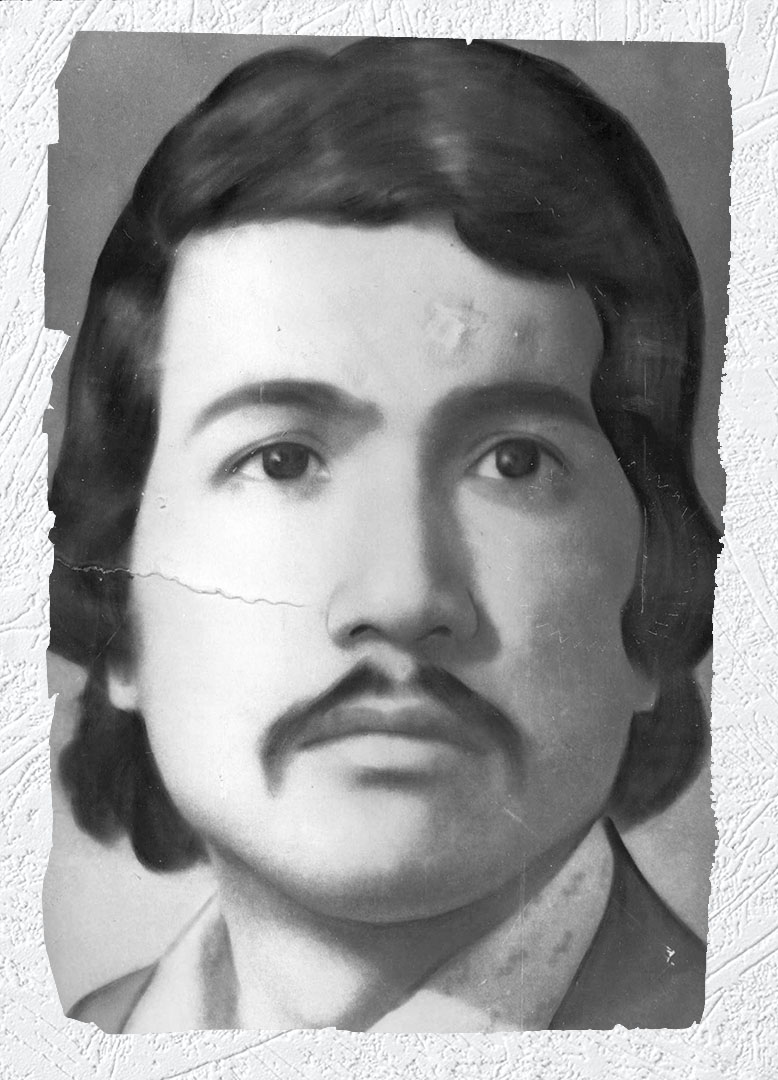
- Province of birth
- Herat: Herat City
- Gender
- Male
- Ethnicity
- Tajik
- District geolocation of incident
- Kabul: Bagrami: 34° 31′ 10″ N, 69° 16′ 39″ E
- Description of incident
Known as the "Killing of AGSA," it refers to the collective murder of opponents of the People's Democratic Party of Afghanistan in the Pul-e-Charkhi Prison in Kabul between 1978 and 1979. The Afghan Intelligence Office, or AGSA (Afghan Agency for Safeguarding National Interest), led by Asadullah Sarwari, had arrested nearly 150,000 people, out of which an estimated number of 27,000 political prisoners were put to death without a single trial, probe, or even allegation. Many Afghan families had no idea where their loved ones had disappeared in the latter part of 1978 and early 1979. A list of those slain that included 5,000 victims of AGSA mass executions was made public by the Dutch Prosecutor's Office in 2013.
- Declaratory Statement
No statement
Ahmad Zia
- Photo of Victim
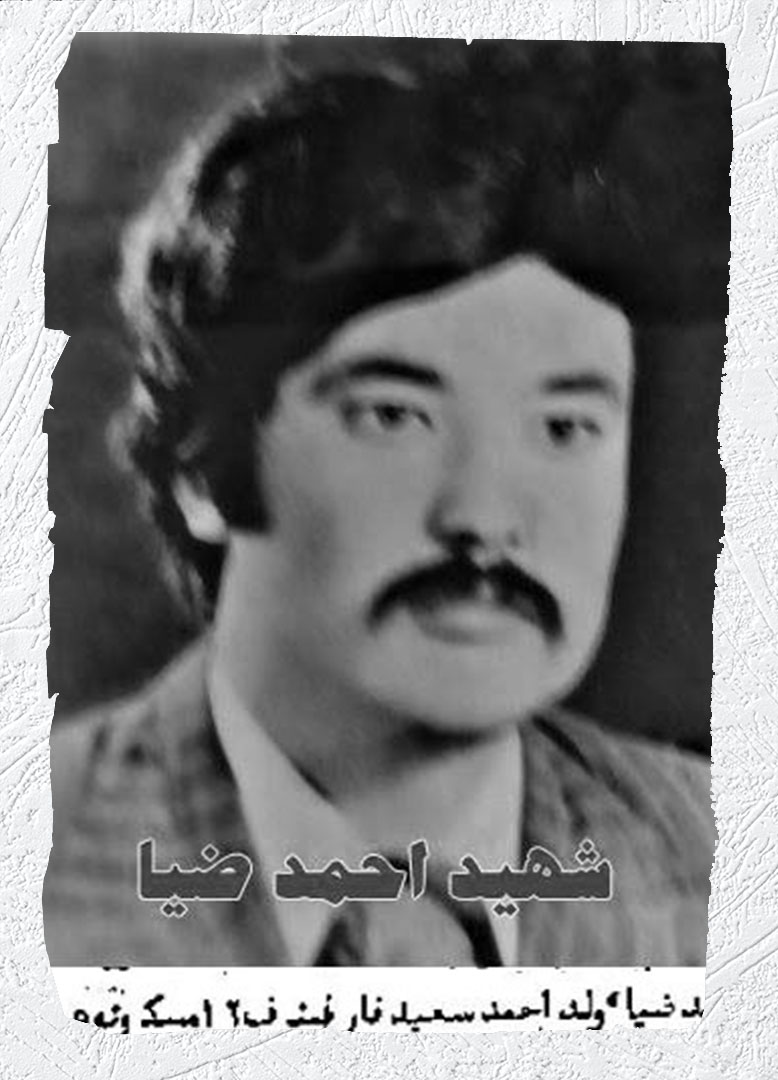
- Province of birth
- Herat: Herat City
- Gender
- Male
- Ethnicity
- Tajik
- District geolocation of incident
- Kabul: Bagrami: 34° 31′ 10″ N, 69° 16′ 39″ E
- Description of incident
Known as the "Killing of AGSA," it refers to the collective murder of opponents of the People's Democratic Party of Afghanistan in the Pul-e-Charkhi Prison in Kabul between 1978 and 1979. The Afghan Intelligence Office, or AGSA (Afghan Agency for Safeguarding National Interest), led by Asadullah Sarwari, had arrested nearly 150,000 people, out of which an estimated number of 27,000 political prisoners were put to death without a single trial, probe, or even allegation. Many Afghan families had no idea where their loved ones had disappeared in the latter part of 1978 and early 1979. A list of those slain that included 5,000 victims of AGSA mass executions was made public by the Dutch Prosecutor's Office in 2013.
- Declaratory Statement
No statement
Bismillah
- Photo of Victim
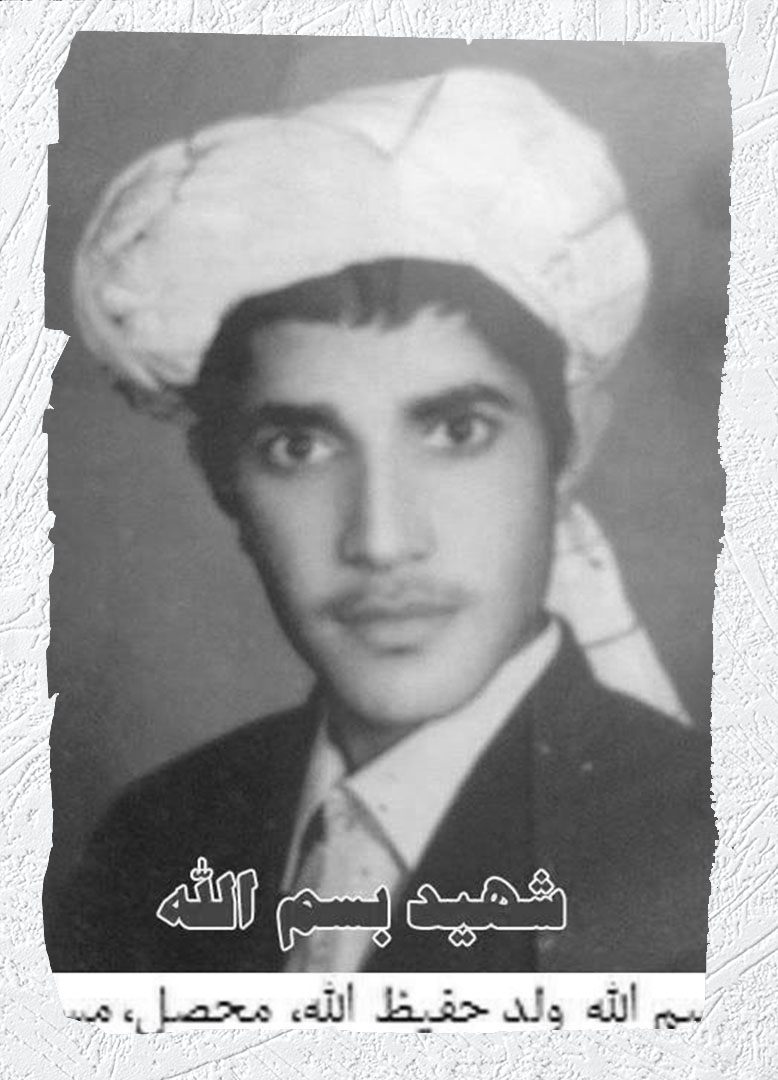
- Province of birth
- Herat: Herat City
- Gender
- Male
- Ethnicity
- Tajik
- District geolocation of incident
- Kabul: Bagrami: 34° 31′ 10″ N, 69° 16′ 39″ E
- Description of incident
Known as the "Killing of AGSA," it refers to the collective murder of opponents of the People's Democratic Party of Afghanistan in the Pul-e-Charkhi Prison in Kabul between 1978 and 1979. The Afghan Intelligence Office, or AGSA (Afghan Agency for Safeguarding National Interest), led by Asadullah Sarwari, had arrested nearly 150,000 people, out of which an estimated number of 27,000 political prisoners were put to death without a single trial, probe, or even allegation. Many Afghan families had no idea where their loved ones had disappeared in the latter part of 1978 and early 1979. A list of those slain that included 5,000 victims of AGSA mass executions was made public by the Dutch Prosecutor's Office in 2013.
- Declaratory Statement
No statement
Aminullah Nawrozi
- Photo of Victim

- Province of birth
- Herat: Herat City
- Gender
- Male
- Ethnicity
- Tajik
- District geolocation of incident
- Hirat: 34° 20′ 58″ N, 62° 11′ 21″ E
- Description of incident
On August 1, 2017, a Shaia mosque in Herat, Afghanistan, was attacked, killing 33 people and injuring 66 others. Two guys carried out the attack, one carrying a suicide vest and the other armed with a rifle. They entered the "Jawadia" mosque during an evening prayer session where approximately 300 people had gathered to worship. The first attacker flung bombs into the crowd before detonating their vests. The second attacker also discharged his rifle into the crowd before blowing himself up. The Islamic State of Khorasan Province (ISKP) claimed responsibility for the attack.
- Declaratory Statement
No statement
Yama Seyawash
- Photo of Victim

- Province of birth
- Kapisa: Hesa Awal Kohistan
- Gender
- Male
- Ethnicity
- Tajik
- District geolocation of incident
- Kabul: 34° 31′ 1″ N, 69° 8′ 60″ E
- Description of incident
On the morning of November 06, 2020 around 7:45 an explosion occurred in Makrorian 4th area of Kabul. Yema Siavash, former presenter of Tolo private TV, was killed in this incident. The explosion happened in the 9th district of Kabul city and the dead were three civilians. According to the police, this incident was caused by the explosion of a magnetic mine.
Abdul Ali
- Photo of Victim

- Province of birth
- Wardak: Hisa-I-Awali Bihsud
- Gender
- Male
- Ethnicity
- Hazara
- District geolocation of incident
- Kabul: 34° 31′ 1″ N, 69° 8′ 60″ E
Rajab Ali
- Photo of Victim

- Province of birth
- Wardak: Hisa-I-Awali Bihsud
- Gender
- Male
- Ethnicity
- Hazara
- District geolocation of incident
- Kabul: 34° 31′ 1″ N, 69° 8′ 60″ E
Mahdi
- Photo of Victim

- Province of birth
- Wardak: Hisa-I-Awali Bihsud
- Gender
- Male
- Ethnicity
- Hazara
- District geolocation of incident
- Kabul: 34° 31′ 1″ N, 69° 8′ 60″ E
- Description of incident
On October 24, 2020, a suicide bomber carried out an attack on the Kawsar-e Danish Educational Center in Kabul City. The educational center, which offers tutoring for students preparing for higher education, is located in an area with a large population of Hazara people.
Latifa Yosofi
- Photo of Victim

- Province of birth
- Wardak: Hisa-I-Awali Bihsud
- Gender
- Female
- Ethnicity
- Hazara
- District geolocation of incident
- Kabul: 34° 31′ 1″ N, 69° 8′ 60″ E
Aliakbar Mansori
- Photo of Victim

- Province of birth
- Wardak: Hisa-I-Awali Bihsud
- Gender
- Male
- Ethnicity
- Hazara
- District geolocation of incident
- Kabul: 34° 31′ 1″ N, 69° 8′ 60″ E
Faraidon
- Photo of Victim

- Province of birth
- Wardak: Hisa-I-Awali Bihsud
- Gender
- Male
- Ethnicity
- Hazara
- District geolocation of incident
- Kabul: 34° 31′ 1″ N, 69° 8′ 60″ E
- Description of incident
A suicide bomber has blown himself up inside a Shia Mosque in the Afghan capital Kabul, killing at least 53 people and wounding dozens of others. The explosion happened at the Baqir-ul-uloom mosque in the Darul Aman area as people gathered to mark the end of an important religious period.
Qurban Ali
- Photo of Victim

- Province of birth
- Wardak: Hisa-I-Awali Bihsud
- Gender
- Male
- Ethnicity
- Hazara
- District geolocation of incident
- Kabul: 34° 31′ 1″ N, 69° 8′ 60″ E
Mohammad Hassan Rahimi
- Photo of Victim

- Province of birth
- Wardak: Hisa-I-Awali Bihsud
- Gender
- Male
- Ethnicity
- Hazara
- District geolocation of incident
- Kabul: 34° 31′ 1″ N, 69° 8′ 60″ E
Mohammad Sadiq Nekzad
- Photo of Victim

- Province of birth
- Wardak: Hisa-I-Awali Bihsud
- Gender
- Male
- Ethnicity
- Hazara
- District geolocation of incident
- Kabul: 34° 31′ 1″ N, 69° 8′ 60″ E
- Description of incident
Junbesh-e Roshnayi-e (The Enlightenment Movement) is a grassroots civil disobedience movement of Hazaras created in 2016 in Afghanistan in response to the Afghan government's change in routing plans for proposed international electricity networking, which was perceived as continuing historical anti-Hazara discrimination. The group organised major protests in Afghanistan and internationally during 2016 and 2017, protesting against discrimination.
Gholam Abbas Safazada
- Photo of Victim

- Province of birth
- Wardak: Hisa-I-Awali Bihsud
- Gender
- Male
- Ethnicity
- Hazara
- District geolocation of incident
- Kabul: 34° 31′ 1″ N, 69° 8′ 60″ E
- Description of incident
Junbesh-e Roshnayi-e (The Enlightenment Movement) is a grassroots civil disobedience movement of Hazaras created in 2016 in Afghanistan in response to the Afghan government's change in routing plans for proposed international electricity networking, which was perceived as continuing historical anti-Hazara discrimination. The group organised major protests in Afghanistan and internationally during 2016 and 2017, protesting against discrimination.
Nassir Ehsani
- Photo of Victim
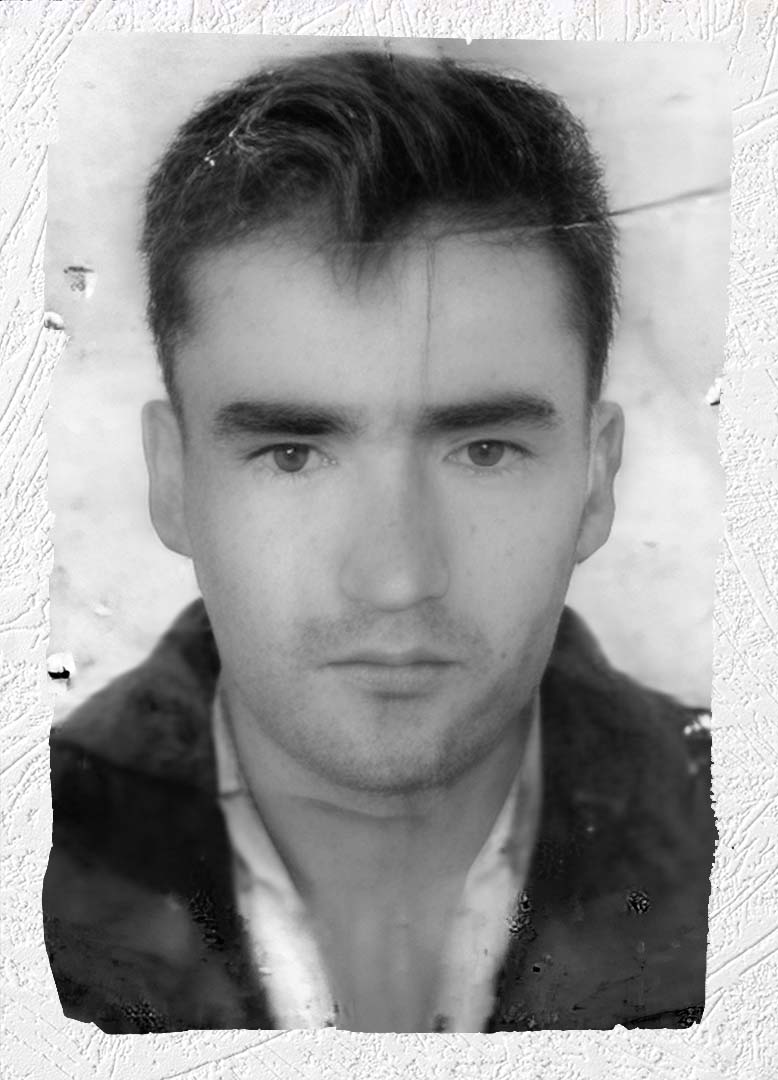
- Province of birth
- Wardak: Hisa-I-Awali Bihsud
- Gender
- Male
- Ethnicity
- Hazara
- District geolocation of incident
- Kabul: 34° 31′ 1″ N, 69° 8′ 60″ E
- Description of incident
Junbesh-e Roshnayi-e (The Enlightenment Movement) is a grassroots civil disobedience movement of Hazaras created in 2016 in Afghanistan in response to the Afghan government's change in routing plans for proposed international electricity networking, which was perceived as continuing historical anti-Hazara discrimination. The group organised major protests in Afghanistan and internationally during 2016 and 2017, protesting against discrimination.
Homira Arshadi
- Photo of Victim

- Province of birth
- Wardak: Hisa-I-Awali Bihsud
- Gender
- Female
- Ethnicity
- Hazara
- District geolocation of incident
- Kabul: 34° 31′ 1″ N, 69° 8′ 60″ E
Zainab Sherzad
- Photo of Victim

- Province of birth
- Wardak: Hisa-I-Awali Bihsud
- Gender
- Female
- Ethnicity
- Hazara
- District geolocation of incident
- Kabul: 34° 31′ 1″ N, 69° 8′ 60″ E
Sadeia Nabizada
- Photo of Victim
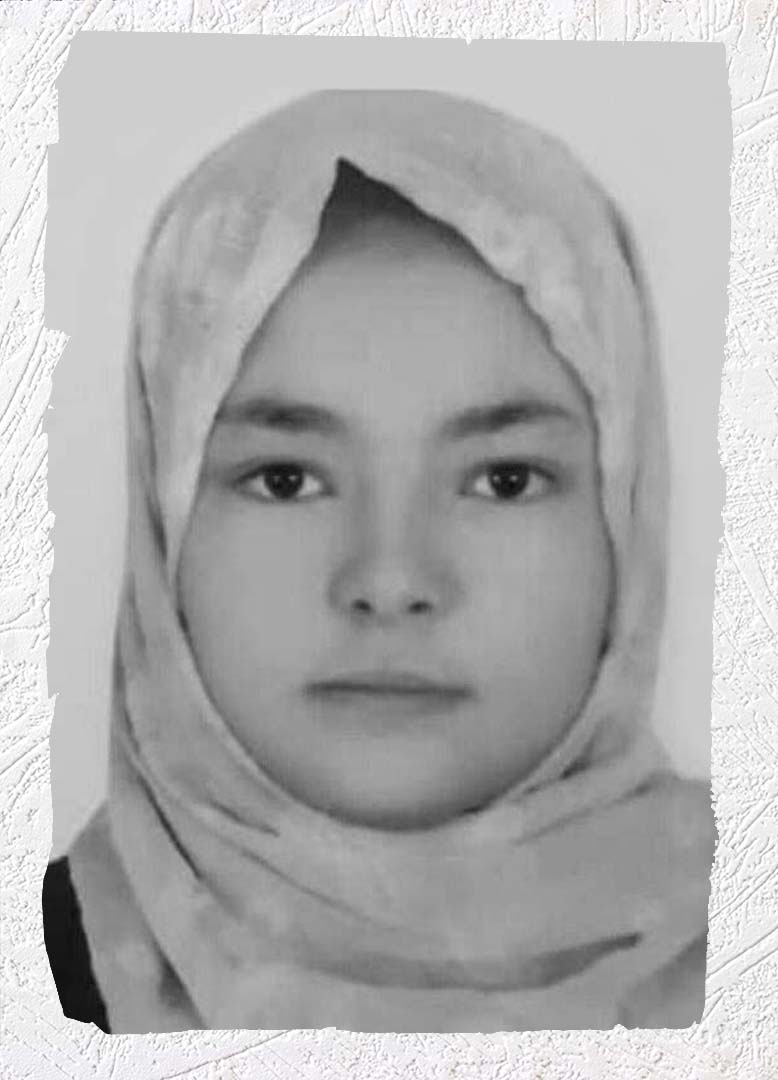
- Province of birth
- Wardak: Hisa-I-Awali Bihsud
- Gender
- Female
- Ethnicity
- Hazara
- District geolocation of incident
- Kabul: 34° 31′ 1″ N, 69° 8′ 60″ E
Ramazan Hussaini
- Photo of Victim

- Province of birth
- Wardak: Hisa-I-Awali Bihsud
- Gender
- Male
- Ethnicity
- Hazara
- District geolocation of incident
- Kabul: 34° 31′ 1″ N, 69° 8′ 60″ E
- Description of incident
A suicide bomber has blown himself up inside a Shia Mosque in the Afghan capital Kabul, killing at least 53 people and wounding dozens of others. The explosion happened at the Baqir-ul-uloom mosque in the Darul Aman area as people gathered to mark the end of an important religious period.
HussianDad Nikzad
- Photo of Victim

- Province of birth
- Wardak: Hisa-I-Awali Bihsud
- Gender
- Male
- Ethnicity
- Hazara
- District geolocation of incident
- Kabul: 34° 31′ 1″ N, 69° 8′ 60″ E
- Description of incident
A suicide bomber has blown himself up inside a Shia Mosque in the Afghan capital Kabul, killing at least 53 people and wounding dozens of others. The explosion happened at the Baqir-ul-uloom mosque in the Darul Aman area as people gathered to mark the end of an important religious period.
Ali Ahmad Parsa
- Photo of Victim

- Province of birth
- Wardak: Hisa-I-Awali Bihsud
- Gender
- Male
- Ethnicity
- Hazara
- District geolocation of incident
- Kabul: 34° 31′ 1″ N, 69° 8′ 60″ E
- Description of incident
A suicide bomber has blown himself up inside a Shia Mosque in the Afghan capital Kabul, killing at least 53 people and wounding dozens of others. The explosion happened at the Baqir-ul-uloom mosque in the Darul Aman area as people gathered to mark the end of an important religious period.
Ali Salimi
- Photo of Victim
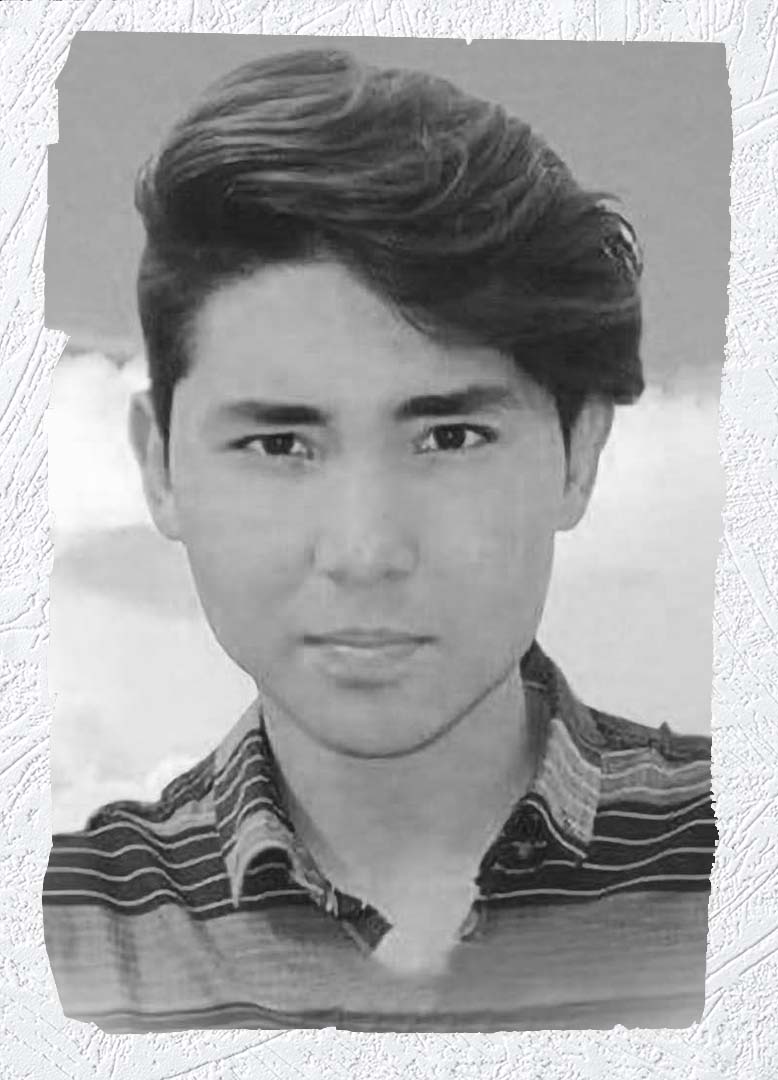
- Province of birth
- Wardak: Hisa-I-Awali Bihsud
- Gender
- Male
- Ethnicity
- Hazara
- District geolocation of incident
- Kabul: 34° 31′ 1″ N, 69° 8′ 60″ E
- Description of incident
Two deadly terrorist attacks attributed to the ISIS group in Kabul on April 30, 2018 left 26 dead and 49 injured, marking the deadliest attack on journalists in the past fifteen years in Afghanistan. These attacks took place in the Sheshderak area of the 9th police district of Kabul city.
Sayed Shah Ibrahim
- Photo of Victim
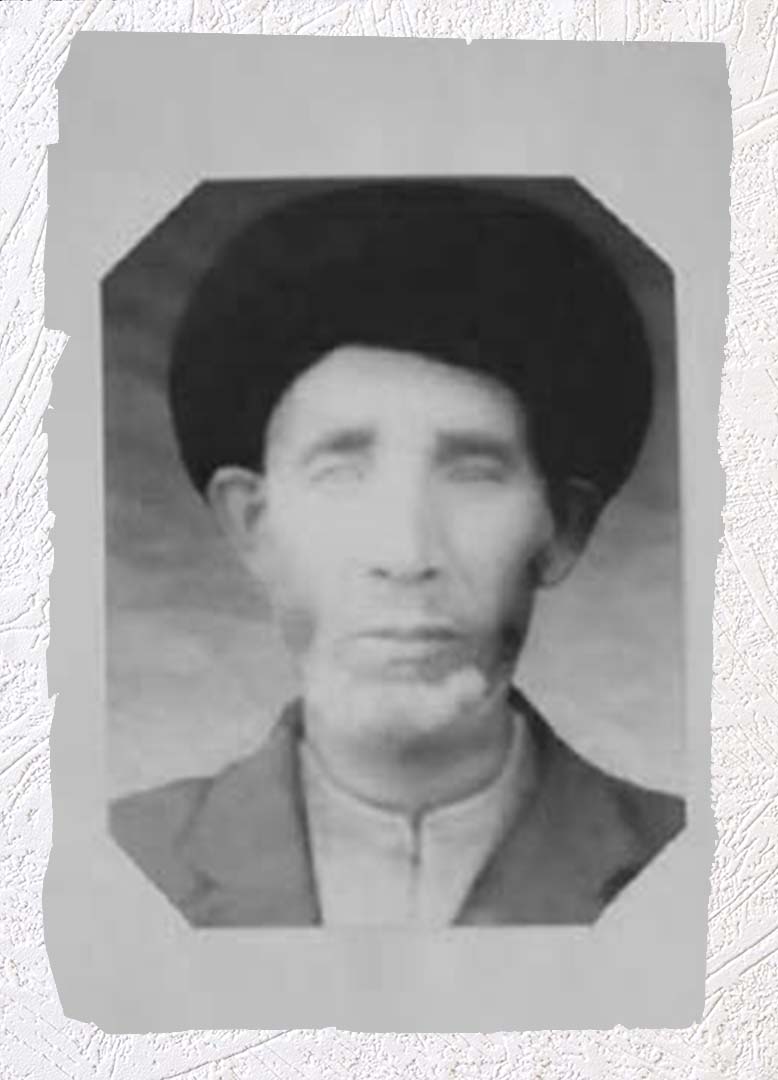
- Province of birth
- Wardak: Hisa-I-Awali Bihsud
- Gender
- Male
- Ethnicity
- Sadat
- District geolocation of incident
- Kabul: 34° 31′ 1″ N, 69° 8′ 60″ E
- Description of incident
Sayed Ibrahim Shah was both my uncle and father-in-law. He was killed during the civil war in Kabul, during which he and my husband remained in the city while the rest of the family was sent to Behsud. One day, he had just left his home when one of the warring factions arrested him and then took him to Company area, where he was locked up in a private jail. He was detained together with his friend and spent three months there. He was then murdered and buried. We never saw his dead body.
- Declaratory Statement
The Well of Death Narrator: Pari Gul Victim: Sayed Shah Ibrahim Date of the incident: 1992 Location of the incident: Kabul City War is the most egotistical and brutal manifestation of humankind. It does not produce anything except horror and destruction. It does not distinguish between old or young, men, women or children. The lashes of war hurt everyone’s body. At the same time, not everyone suffers equally from war. Some suffer more, some less. But it is those who did not actively partake in the creation of war that usually bear the brunt of all the suffering. It is them who are victimized by a fate designed by others. The story of Sayed Ibrahim Shah’s murder uncovers one such catastrophic consequences of war. He was an ordinary citizen with no links to the world of politics. His only crime was that he lived in Dasht-e- Barchi, a neighborhood of Kabul that had become synonymous with suffering. Here, every day there existed a strong likelihood that a rocket or stray bullet could kill someone. It seems that the lives of its population were not regarded as worthy of living. It appears that those who unleashed the violence were doing it for the pleasure of seeing the people of Dasht-e- Barchi suffer. Yet, Sayed Ibrahim Shah had no other place to live. Dasht-e- Barchi was his only and final refuge. Living in an environment of constant terror, Sayed Ibrahim Shah was well aware that he had the responsibility to protect his family. He therefore sent them to far-away Behsud district while he and one of his sons remained to look after his home and belongings. It was the last time his family members would ever see him. One day he was walking the streets when he was apprehended by his own countrymen and taken to the Company area of Kabul. First, his family did not know about his whereabouts but later they found out that the he had been arrested by a local commander, detaining him in his own private jail. Sayed Ibrahim Shah’s family paid a number of bribes to secure his release but all they received in return were a turban, a hat as well as a toothbrush and toothpaste. There are different stories about how he was killed. According to one of them, the militias threw him down a well which is where local residents later found him. Pari Gul is one of his family members. She tells the story of Sayed Ibrahim Shah as follows:
The Story of Pari Gul Sayed Ibrahim Shah was both my uncle and father-in-law. He was killed during the civil war in Kabul, during which he and my husband remained in the city while the rest of the family was sent to Behsud. One day, he had just left his home when one of the warring factions arrested him and then took him to Company area, where he was locked up in a private jail. He was detained together with his friend and spent three months there. He was then murdered and buried. We never saw his dead body. In fact, we only came to know about his murder after we received his turban, hat and toothbrush. The man who brought his possessions told us how the militias had tortured him. With his feet in chains, he supplied water to the militia base every day. Eventually his dead body was found in a well. Later on, the people from the area took him out of the well and gave him a proper burial. All what is left from him are his turban, hat and toothbrush. I now want to show these objects to other people so they understand that the militias killed a 70 years old man!
Haji Ewaz
- Photo of Victim
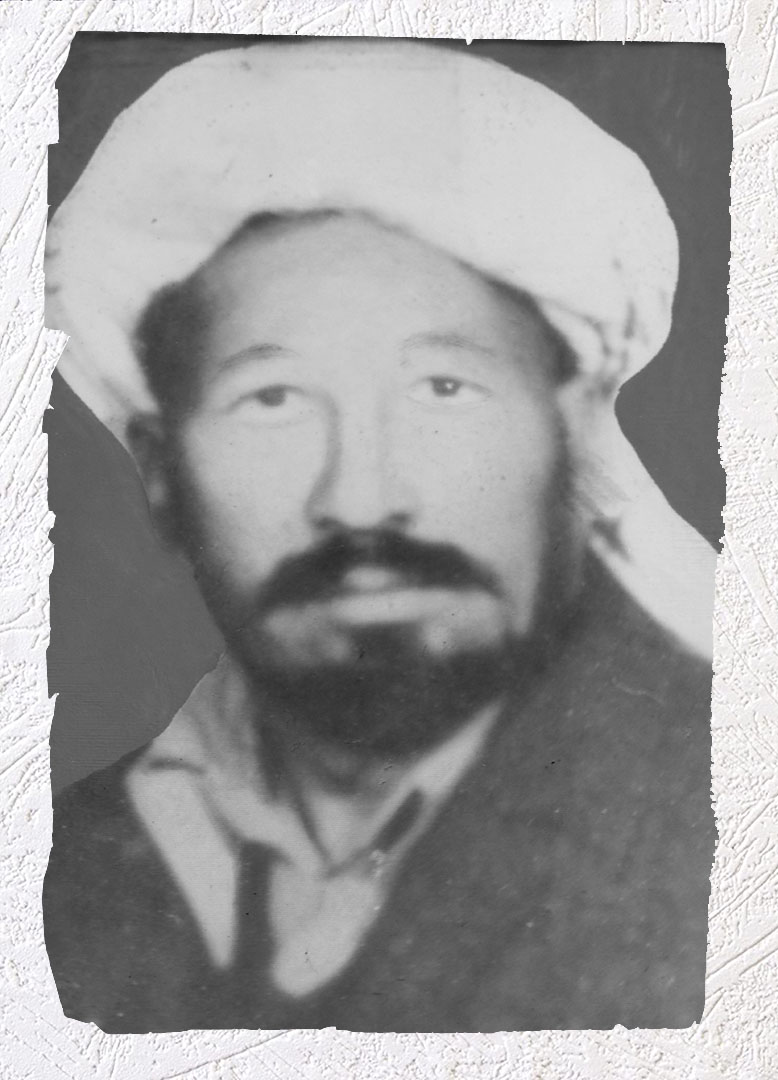
- Province of birth
- Wardak: Hisa-I-Awali Bihsud
- Gender
- Male
- Ethnicity
- Hazara
- District geolocation of incident
- Kabul: 34° 31′ 1″ N, 69° 8′ 60″ E
- Description of incident
My father-in-law Haji Ewaz used to be a Mujahid. One day, unknown people came and inspected our home and took my uncle away. He was imprisoned in Sedarat for six months and then spent another year in Puli Charki prison. Later we were informed that he had been executed and we should come and get his clothes.
- Declaratory Statement
There Is Nothing Holy about War
Narrator: Safura
Victim: Haji Ewaz
Date of the incident: 1985
Location of the incident: Kabul City
Haji Ewaz was excited about Jihad. For him, Jihad was a form of holy struggle that cleans the spirit of the individual and society at large. Haji Ewaz knew that Jihad must first take place inside oneself before it can spread to the outside world. Hence, he was preaching Jihad in order to fight the regime. From his point of view, Jihad was good and those who engaged in it, the Mujahidin, were the best people in the world. The truth is that he was not involved in Jihad for his personal benefit but as a result of his faith and deep convictions.
Haji Ewaz sacrificed his life for Jihad but he did not live long enough to witness its final results: The destruction of Kabul, the pain and suffering it generated, the destruction of thousands of homes and the burial of women and children under the collapsed walls and roofs of their own residencies.
Neither did Haji Ewaz live long enough to witness how the Mujahidin wiped out an entire city and its dwellers. He had an idealized image of Jihad in mind. He felt that Jihad is the source of life and that only through Jihad the country could be saved. But he did not live long enough to see how Jihad produced only destruction and suffering for the people of Afghanistan.
Haji Ewaz engaged in Jihad and sacrificed his life for it but what was holy and emancipatory for him soon turned into an evil for his children as the Mujahidin did not only not follow his model but later killed two of his sons.
The Story of Safura
My name is Safura. I lost my father-in-law during the war. I also lost my brother-in-law. We used to have shops and properties before the war began. When my father-in-law was killed, there was no one in our home to take care of us.
My father-in-law Haji Ewaz used to be a Mujahid. One day, unknown people came and inspected our home and took my uncle away. He was imprisoned in Sedarat for six months and then spent another year in Puli Charki prison. Later we were informed that he had been executed and we should come and get his clothes.
Among the things that they gave me, there was a blanket, a pair of scissors, a mirror and a bed sheet. His bed sheet was full of blood. I asked them why his bed sheet was full of blood but they did not answer. My husband was in Herat at that time. Later two of my brother-in-laws were killed. Nader Ali, 30 years old, and Dawood, 14. My husband was shattered when he learned about the death of his father and two brothers. Since then, our life has been very difficult.
I brought a number of things to contribute to the Memory Box project. These objects were left behind by my father-in-law and brother-in-laws. There are a turban, a blanket, a scissor and a measurement tape. I hope their memories will remain alive forever.
Abdulhamid
- Photo of Victim

- Province of birth
- Wardak: Hisa-I-Awali Bihsud
- Gender
- Male
- Ethnicity
- Sadat
- District geolocation of incident
- Kabul: 34° 31′ 1″ N, 69° 8′ 60″ E
- Description of incident
Known as the "Killing of AGSA," it refers to the collective murder of opponents of the People's Democratic Party of Afghanistan in the Pul-e-Charkhi Prison in Kabul between 1978 and 1979. The Afghan Intelligence Office, or AGSA (Afghan Agency for Safeguarding National Interest), led by Asadullah Sarwari, had arrested nearly 150,000 people, out of which an estimated number of 27,000 political prisoners were put to death without a single trial, probe, or even allegation. Many Afghan families had no idea where their loved ones had disappeared in the latter part of 1978 and early 1979. A list of those slain that included 5,000 victims of AGSA mass executions was made public by the Dutch Prosecutor's Office in 2013.
- Declaratory Statement
No statement
Sultan Ali Nabizada
- Photo of Victim

- Province of birth
- Wardak: Hisa-I-Awali Bihsud
- Gender
- Male
- Ethnicity
- Hazara
- District geolocation of incident
- Kabul: 34° 31′ 1″ N, 69° 8′ 60″ E
- Description of incident
On January 11, 2024, an explosion occurred at the public entrance of this bustling shopping mall, Barchi City Center, in the Hazara neighborhood of Dasht-e-Barchi. According to available sources, the casualty count ranged from 2 to 10 fatalities, with an additional 12 individuals sustaining injuries. The Barchi City Center, frequented by thousands of visitors daily, is a hub of activity in the area. No group or individual has claimed responsibility for the attack.
- Declaratory Statement
No statement
Najibullah Haidari
- Photo of Victim

- Province of birth
- Wardak: Hisa-I-Awali Bihsud
- Gender
- Male
- Ethnicity
- Hazara
- District geolocation of incident
- Kabul: 34° 31′ 1″ N, 69° 8′ 60″ E
Alia Rozi
- Photo of Victim

- Province of birth
- Wardak: Hisa-I-Awali Bihsud
- Gender
- Female
- Ethnicity
- Hazara
- District geolocation of incident
- Kabul: 34° 31′ 1″ N, 69° 8′ 60″ E
Mir Hussain
- Photo of Victim

- Province of birth
- Wardak: Hisa-I-Awali Bihsud
- Gender
- Male
- Ethnicity
- Hazara
- District geolocation of incident
- Kabul: 34° 31′ 1″ N, 69° 8′ 60″ E
- Description of incident
On December 28, 2017, a suicide bomber detonated an explosive device inside the Tabyan Center, a religious and cultural gathering place in Dasht-e-Barchi, located to the west of Kabul. The blast resulted in the deaths of 41 individuals and injuries to another 84 people. Among those killed were at least two children and four women, while eight women were among the injured. All the victims were civilians, primarily belonging to the Hazara ethnic group. The Islamic State of Iraq and the Levant-Khorasan Province (ISIL-KP) claimed responsibility for the attack.
Mohammad Hadi Ebrahimi
- Photo of Victim

- Province of birth
- Wardak: Hisa-I-Awali Bihsud
- Gender
- Male
- Ethnicity
- Hazara
- District geolocation of incident
- Kabul: 34° 31′ 1″ N, 69° 8′ 60″ E
- Description of incident
On December 28, 2017, a suicide bomber detonated an explosive device inside the Tabyan Center, a religious and cultural gathering place in Dasht-e-Barchi, located to the west of Kabul. The blast resulted in the deaths of 41 individuals and injuries to another 84 people. Among those killed were at least two children and four women, while eight women were among the injured. All the victims were civilians, primarily belonging to the Hazara ethnic group. The Islamic State of Iraq and the Levant-Khorasan Province (ISIL-KP) claimed responsibility for the attack.
Sayed Rahmatullah Arifi
- Photo of Victim

- Province of birth
- Wardak: Hisa-I-Awali Bihsud
- Gender
- Male
- Ethnicity
- Sadat
- District geolocation of incident
- Kabul: 34° 31′ 1″ N, 69° 8′ 60″ E
- Description of incident
On December 28, 2017, a suicide bomber detonated an explosive device inside the Tabyan Center, a religious and cultural gathering place in Dasht-e-Barchi, located to the west of Kabul. The blast resulted in the deaths of 41 individuals and injuries to another 84 people. Among those killed were at least two children and four women, while eight women were among the injured. All the victims were civilians, primarily belonging to the Hazara ethnic group. The Islamic State of Iraq and the Levant-Khorasan Province (ISIL-KP) claimed responsibility for the attack.
- Declaratory Statement
No statement
Sayed Hussain Hassani
- Photo of Victim

- Province of birth
- Wardak: Hisa-I-Awali Bihsud
- Gender
- Male
- Ethnicity
- Sadat
- District geolocation of incident
- Kabul: 34° 31′ 1″ N, 69° 8′ 60″ E
- Description of incident
On December 28, 2017, a suicide bomber detonated an explosive device inside the Tabyan Center, a religious and cultural gathering place in Dasht-e-Barchi, located to the west of Kabul. The blast resulted in the deaths of 41 individuals and injuries to another 84 people. Among those killed were at least two children and four women, while eight women were among the injured. All the victims were civilians, primarily belonging to the Hazara ethnic group. The Islamic State of Iraq and the Levant-Khorasan Province (ISIL-KP) claimed responsibility for the attack.
- Declaratory Statement
No statement
Alidad Khani
- Photo of Victim

- Province of birth
- Wardak: Hisa-I-Awali Bihsud
- Gender
- Male
- Ethnicity
- Hazara
- District geolocation of incident
- Kabul: 34° 31′ 1″ N, 69° 8′ 60″ E
- Description of incident
On December 28, 2017, a suicide bomber detonated an explosive device inside the Tabyan Center, a religious and cultural gathering place in Dasht-e-Barchi, located to the west of Kabul. The blast resulted in the deaths of 41 individuals and injuries to another 84 people. Among those killed were at least two children and four women, while eight women were among the injured. All the victims were civilians, primarily belonging to the Hazara ethnic group. The Islamic State of Iraq and the Levant-Khorasan Province (ISIL-KP) claimed responsibility for the attack.
- Declaratory Statement
No statement
Fazlullah Hussaini (Zahidi)
- Photo of Victim

- Province of birth
- Wardak: Hisa-I-Awali Bihsud
- Gender
- Male
- Ethnicity
- Hazara
- District geolocation of incident
- Kabul: 34° 31′ 1″ N, 69° 8′ 60″ E
- Description of incident
On December 28, 2017, a suicide bomber detonated an explosive device inside the Tabyan Center, a religious and cultural gathering place in Dasht-e-Barchi, located to the west of Kabul. The blast resulted in the deaths of 41 individuals and injuries to another 84 people. Among those killed were at least two children and four women, while eight women were among the injured. All the victims were civilians, primarily belonging to the Hazara ethnic group. The Islamic State of Iraq and the Levant-Khorasan Province (ISIL-KP) claimed responsibility for the attack.
- Declaratory Statement
No statement
Sultan Hussain
- Photo of Victim

- Province of birth
- Wardak: Hisa-I-Awali Bihsud
- Gender
- Male
- Ethnicity
- Hazara
- District geolocation of incident
- Kabul: 34° 31′ 1″ N, 69° 8′ 60″ E
Zakria Nazari
- Photo of Victim

- Province of birth
- Wardak: Hisa-I-Awali Bihsud
- Gender
- Male
- Ethnicity
- Hazara
- District geolocation of incident
- Kabul: 34° 31′ 1″ N, 69° 8′ 60″ E
- Description of incident
On September 5, 2015, a devastating twin suicide bombing struck the Maiwand Wrestling Club in Dasht-e-Barchi, a predominantly Hazara neighborhood in western Kabul, Afghanistan. The first explosion occurred inside the wrestling club during the early evening hours. As first responders and civilians gathered to assist the victims, a second blast detonated, causing even greater casualties. The attacks resulted in the deaths of at least 30 civilians, including two journalists, Samim Framarz and Ramiz Ahmadi. More than 103 others were injured in the incident. The Islamic State Khorasan Province (ISIL-KP) claimed responsibility for the bombings, stating they specifically targeted the Shia-Hazara community.
Nasimah Qaderi
- Photo of Victim

- Province of birth
- Wardak: Hisa-I-Awali Bihsud
- Gender
- Female
- Ethnicity
- Hazara
- District geolocation of incident
- Kabul: 34° 31′ 1″ N, 69° 8′ 60″ E
- Description of incident
On May 12, 2020, three attackers wearing Afghan national security forces uniforms and armed with AK-47 rifles and hand grenades conducted an assault on the maternity ward of Dasht-e-Barchi hospital. After shooting and killing a security guard at the hospital entrance, the attackers entered the facility and proceeded directly to the maternity ward, where 28 women were present at the time. The attackers moved systematically from room to room, firing on patients and throwing hand grenades. The attack resulted in twenty-four deaths, including nineteen women, three children, and one female healthcare worker. Twenty-three people were injured, including twelve women, two children, and one newborn. Following the attack on June 15, 2020, Médecins Sans Frontières (MSF), which operated the maternity ward at Dasht-e-Barchi maternity hospital, announced its decision to end activities and withdraw from the hospital.
- Declaratory Statement
No statement
Mohammad Jan Haidari
- Photo of Victim

- Province of birth
- Herat: Injil
- Gender
- Male
- District geolocation of incident
- Injil: 34° 37′ 55″ N, 62° 13′ 51″ E
Abdul Qadir Delawari
- Photo of Victim

- Province of birth
- Herat: Injil
- Gender
- Male
- District geolocation of incident
- Injil: 34° 37′ 55″ N, 62° 13′ 51″ E
Aqa Reza Akbari
- Photo of Victim

- Province of birth
- Herat: Injil
- Gender
- Male
- District geolocation of incident
- Injil: 34° 37′ 55″ N, 62° 13′ 51″ E
Sultan Ahmad Akbari
- Photo of Victim

- Province of birth
- Herat: Injil
- Gender
- Male
- District geolocation of incident
- Injil: 34° 37′ 55″ N, 62° 13′ 51″ E
Ali Akbar Mohammadi
- Photo of Victim

- Province of birth
- Herat: Injil
- Gender
- Male
- District geolocation of incident
- Injil: 34° 37′ 55″ N, 62° 13′ 51″ E
Amir Ali Rasuli
- Photo of Victim

- Province of birth
- Herat: Injil
- Gender
- Male
- District geolocation of incident
- Injil: 34° 37′ 55″ N, 62° 13′ 51″ E
Reza Rasuli
- Photo of Victim

- Province of birth
- Herat: Injil
- Gender
- Male
- District geolocation of incident
- Injil: 34° 37′ 55″ N, 62° 13′ 51″ E
Sarwar Hussaini
- Photo of Victim
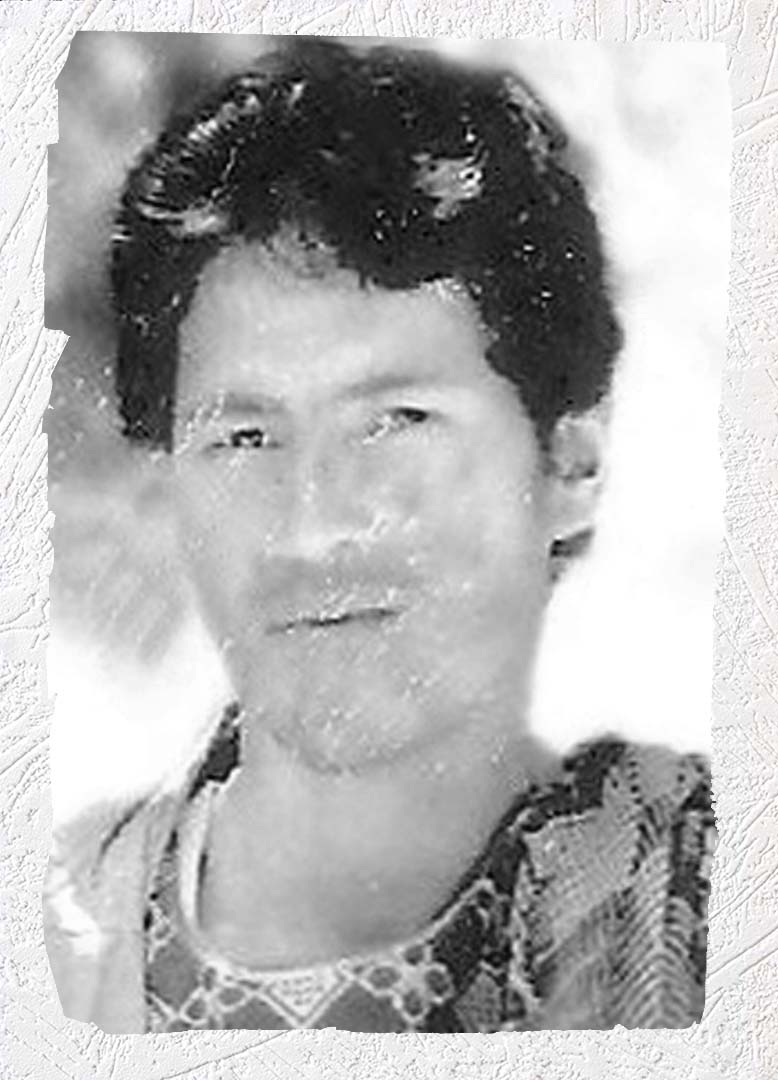
- Province of birth
- Daykundi: Ishtarlay
- Gender
- Male
- Ethnicity
- Hazara
- District geolocation of incident
- Kabul: 34° 31′ 1″ N, 69° 8′ 60″ E
- Description of incident
Junbesh-e Roshnayi-e (The Enlightenment Movement) is a grassroots civil disobedience movement of Hazaras created in 2016 in Afghanistan in response to the Afghan government's change in routing plans for proposed international electricity networking, which was perceived as continuing historical anti-Hazara discrimination. The group organised major protests in Afghanistan and internationally during 2016 and 2017, protesting against discrimination.
Bahador Afkari
- Photo of Victim

- Province of birth
- Daykundi: Ishtarlay
- Gender
- Male
- Ethnicity
- Hazara
- District geolocation of incident
- Kabul: 34° 31′ 1″ N, 69° 8′ 60″ E
- Description of incident
On November 07, 2023 the ISKP group targeted a bus in the west of Kabul, as a result of which seven people were killed and more than 20 others were injured.
- Declaratory Statement
No statement
Sayed Alam Hamidi
- Photo of Victim

- Province of birth
- Parwan: Jabal Saraj
- Gender
- Male
- Ethnicity
- Tajik
- District geolocation of incident
- Kabul: 34° 31′ 1″ N, 69° 8′ 60″ E
Mohammad Zia Jafari
- Photo of Victim

- Province of birth
- Ghazni: Jaghuri
- Gender
- Male
- Ethnicity
- Hazara
- District geolocation of incident
- Kabul: 34° 31′ 1″ N, 69° 8′ 60″ E
- Description of incident
Junbesh-e Roshnayi-e (The Enlightenment Movement) is a grassroots civil disobedience movement of Hazaras created in 2016 in Afghanistan in response to the Afghan government's change in routing plans for proposed international electricity networking, which was perceived as continuing historical anti-Hazara discrimination. The group organised major protests in Afghanistan and internationally during 2016 and 2017, protesting against discrimination.
Maisam Andisha
- Photo of Victim
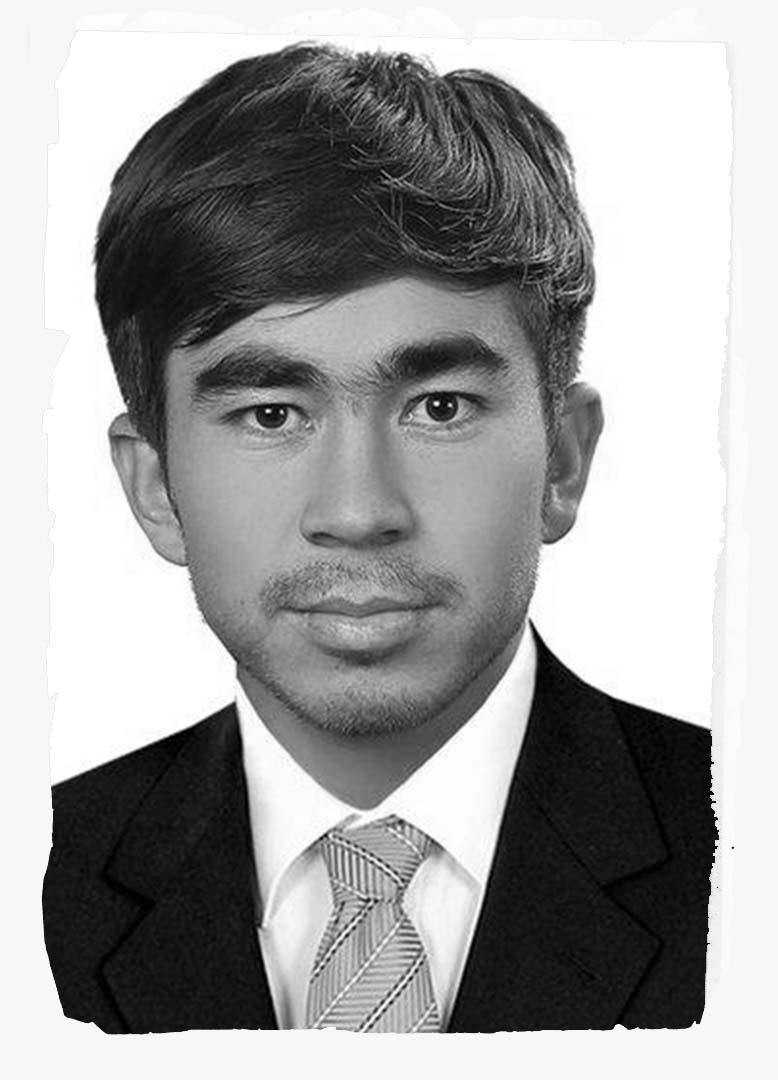
- Province of birth
- Ghazni: Jaghuri
- Gender
- Male
- Ethnicity
- Hazara
- District geolocation of incident
- Kabul: 34° 31′ 1″ N, 69° 8′ 60″ E
- Description of incident
On October 24, 2020, a suicide bomber carried out an attack on the Kawsar-e Danish Educational Center in Kabul City. The educational center, which offers tutoring for students preparing for higher education, is located in an area with a large population of Hazara people.
Nigina
- Photo of Victim

- Province of birth
- Ghazni: Jaghuri
- Gender
- Female
- Ethnicity
- Hazara
- District geolocation of incident
- Kabul: 34° 31′ 1″ N, 69° 8′ 60″ E
Sabera Ahmadi
- Photo of Victim

- Province of birth
- Ghazni: Jaghuri
- Gender
- Female
- Ethnicity
- Hazara
- District geolocation of incident
- Kabul: 34° 31′ 1″ N, 69° 8′ 60″ E
Madina Gholami
- Photo of Victim

- Province of birth
- Ghazni: Jaghuri
- Gender
- Female
- Ethnicity
- Hazara
- District geolocation of incident
- Kabul: 34° 31′ 1″ N, 69° 8′ 60″ E
Shokria Hasani
- Photo of Victim
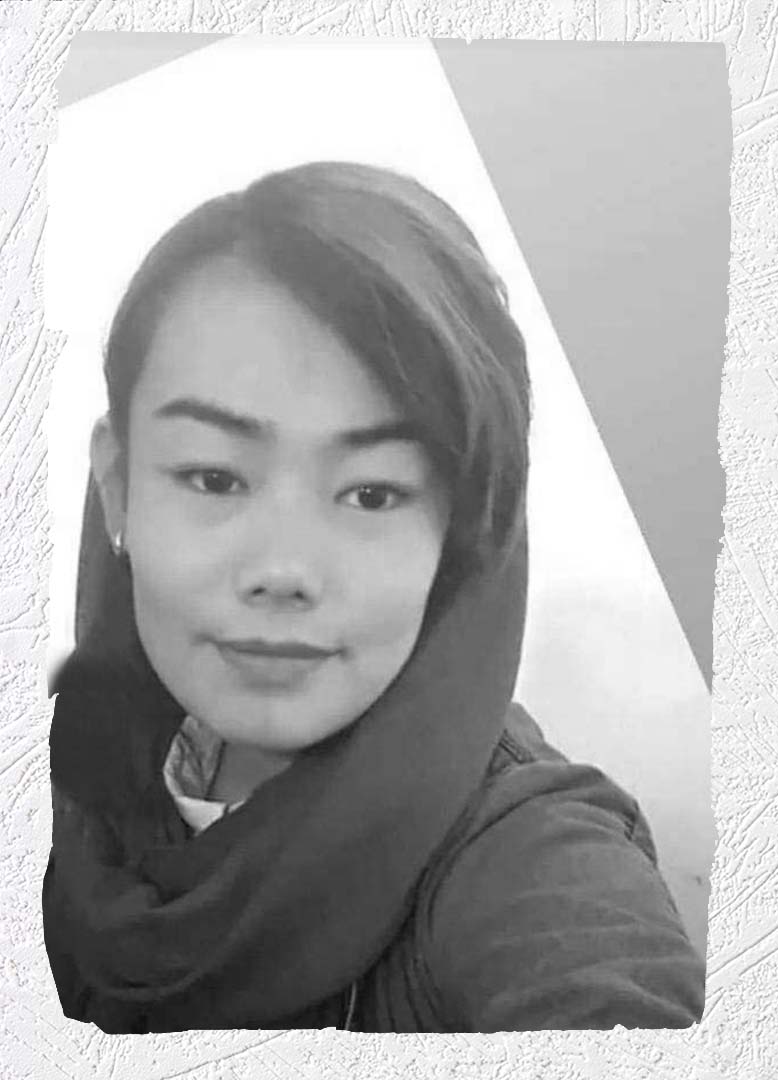
- Province of birth
- Ghazni: Jaghuri
- Gender
- Female
- Ethnicity
- Hazara
- District geolocation of incident
- Kabul: 34° 31′ 1″ N, 69° 8′ 60″ E
Freshta Nawrozi
- Photo of Victim
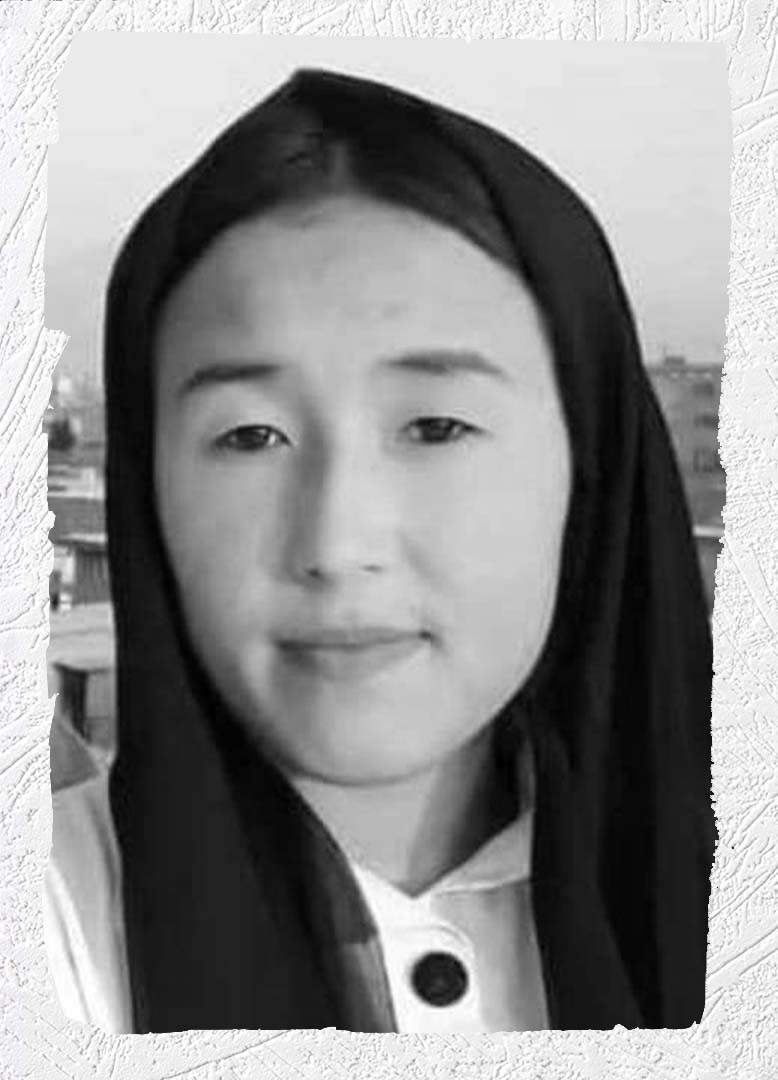
- Province of birth
- Ghazni: Jaghuri
- Gender
- Female
- Ethnicity
- Hazara
- District geolocation of incident
- Kabul: 34° 31′ 1″ N, 69° 8′ 60″ E
Nazanin Kazimi
- Photo of Victim

- Province of birth
- Ghazni: Jaghuri
- Gender
- Female
- Ethnicity
- Hazara
- District geolocation of incident
- Kabul: 34° 31′ 1″ N, 69° 8′ 60″ E
Nilofar Moradi
- Photo of Victim

- Province of birth
- Ghazni: Jaghuri
- Gender
- Female
- Ethnicity
- Hazara
- District geolocation of incident
- Kabul: 34° 31′ 1″ N, 69° 8′ 60″ E
GulPari
- Photo of Victim

- Province of birth
- Ghazni: Jaghuri
- Gender
- Female
- Ethnicity
- Hazara
- District geolocation of incident
- Arghandab: 31° 39′ 3″ N, 65° 38′ 59″ E
- Description of incident
The hostage taking of seven Hazara passengers and then beheading them on November 9, 2015 by Daesh took place in Zabul province located in the southeast of Afghanistan. Shukria Tabssum, a 9-year-old Hazara child, was also a victim of this massacre.
Sardaro Ali
- Photo of Victim

- Province of birth
- Ghazni: Jaghuri
- Gender
- Female
- Ethnicity
- Hazara
- District geolocation of incident
- Arghandab: 31° 39′ 3″ N, 65° 38′ 59″ E
- Description of incident
The hostage taking of seven Hazara passengers and then beheading them on November 9, 2015 by Daesh took place in Zabul province located in the southeast of Afghanistan. Shukria Tabssum, a 9-year-old Hazara child, was also a victim of this massacre.
Shawkat Ali
- Photo of Victim

- Province of birth
- Ghazni: Jaghuri
- Gender
- Male
- Ethnicity
- Hazara
- District geolocation of incident
- Arghandab: 31° 39′ 3″ N, 65° 38′ 59″ E
- Description of incident
The hostage taking of seven Hazara passengers and then beheading them on November 9, 2015 by Daesh took place in Zabul province located in the southeast of Afghanistan. Shukria Tabssum, a 9-year-old Hazara child, was also a victim of this massacre.
Mohammad Khan
- Photo of Victim
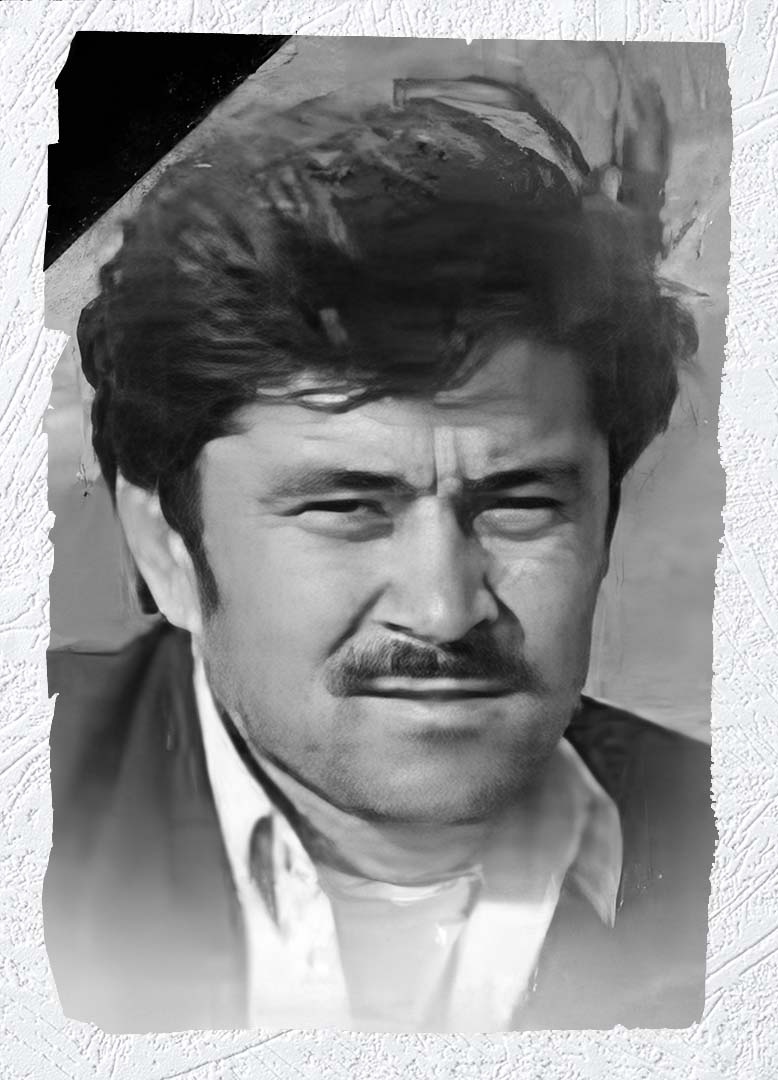
- Province of birth
- Ghazni: Jaghuri
- Gender
- Male
- Ethnicity
- Hazara
- District geolocation of incident
- Arghandab: 31° 39′ 3″ N, 65° 38′ 59″ E
- Description of incident
The hostage taking of seven Hazara passengers and then beheading them on November 9, 2015 by Daesh took place in Zabul province located in the southeast of Afghanistan. Shukria Tabssum, a 9-year-old Hazara child, was also a victim of this massacre.
Mohammad Arif
- Photo of Victim
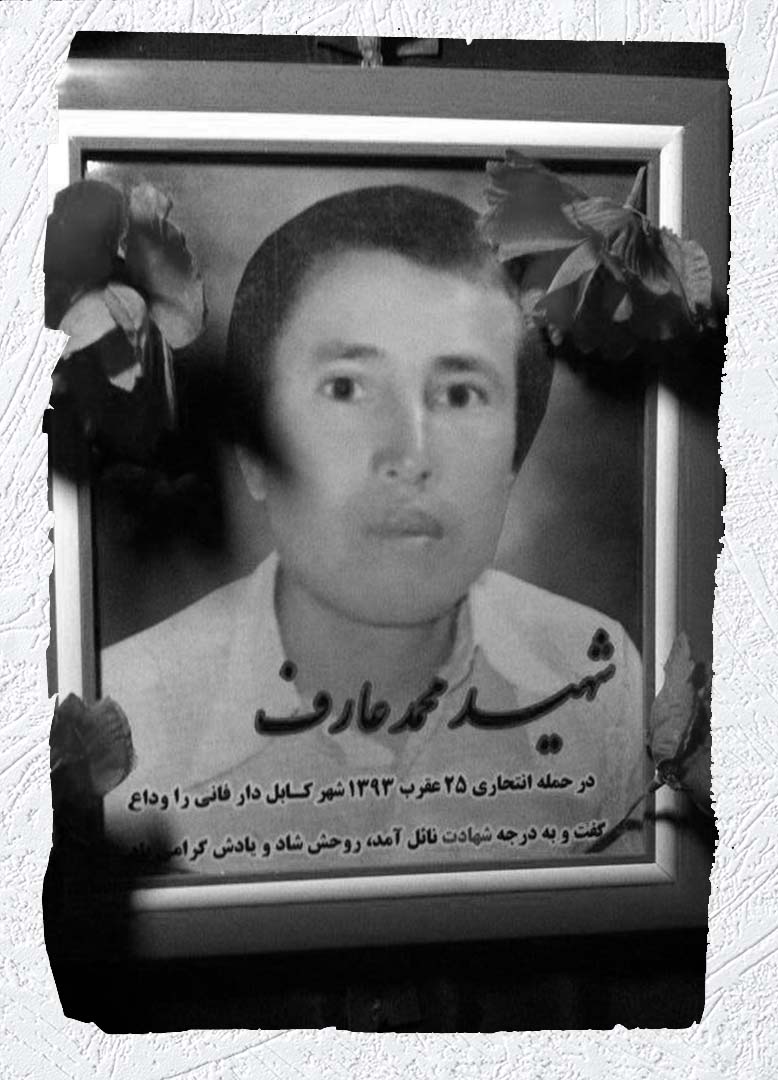
- Province of birth
- Ghazni: Jaghuri
- Gender
- Male
- Ethnicity
- Hazara
- District geolocation of incident
- Kabul: 34° 31′ 1″ N, 69° 8′ 60″ E
- Description of incident
He was killed in a suicide attack on 16th of November 2014 in Kabul city.
Gulchehra Sadaf Qasimi
- Photo of Victim

- Province of birth
- Ghazni: Jaghuri
- Gender
- Female
- Ethnicity
- Hazara
- District geolocation of incident
- Kabul: 34° 31′ 1″ N, 69° 8′ 60″ E
- Description of incident
This explosion took place on November 11, 2018 when thousands of Kabul residents protested what they called "the government's inaction in preventing the attack of the Taliban group on Malistan and Jaghouri districts in Ghazni province and Khas Uruzgan district in Uruzgan province". They started a march and gathered near the presidential palace. The rally continued until dawn on Monday, when President Ghani accepted some of the protesters' demands through a phone call. After that, people were leaving the gathering place when a suicide attack took place.
Sayed Mohammad Nadir
- Photo of Victim
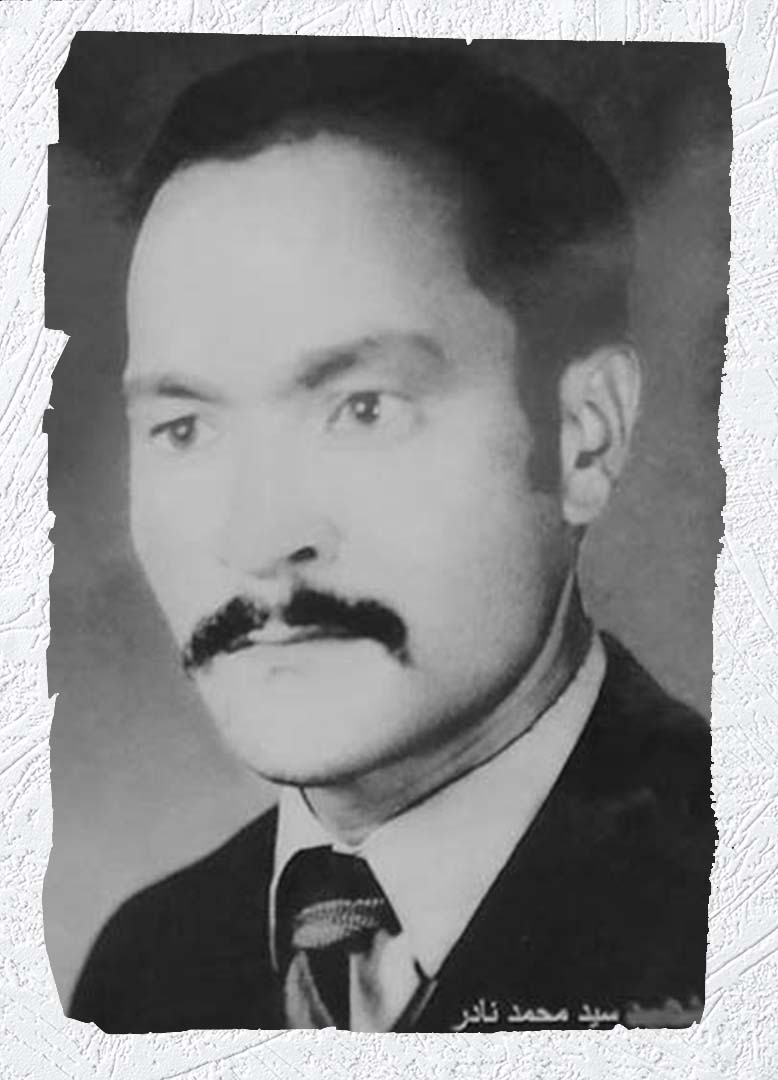
- Province of birth
- Ghazni: Jaghuri
- Gender
- Male
- Ethnicity
- Sadat
- District geolocation of incident
- Kabul: Bagrami: 34° 31′ 10″ N, 69° 16′ 39″ E
- Description of incident
Known as the "Killing of AGSA," it refers to the collective murder of opponents of the People's Democratic Party of Afghanistan in the Pul-e-Charkhi Prison in Kabul between 1978 and 1979. The Afghan Intelligence Office, or AGSA (Afghan Agency for Safeguarding National Interest), led by Asadullah Sarwari, had arrested nearly 150,000 people, out of which an estimated number of 27,000 political prisoners were put to death without a single trial, probe, or even allegation. Many Afghan families had no idea where their loved ones had disappeared in the latter part of 1978 and early 1979. A list of those slain that included 5,000 victims of AGSA mass executions was made public by the Dutch Prosecutor's Office in 2013.
- Declaratory Statement
No Statement
Hussain Ali Arbab
- Photo of Victim
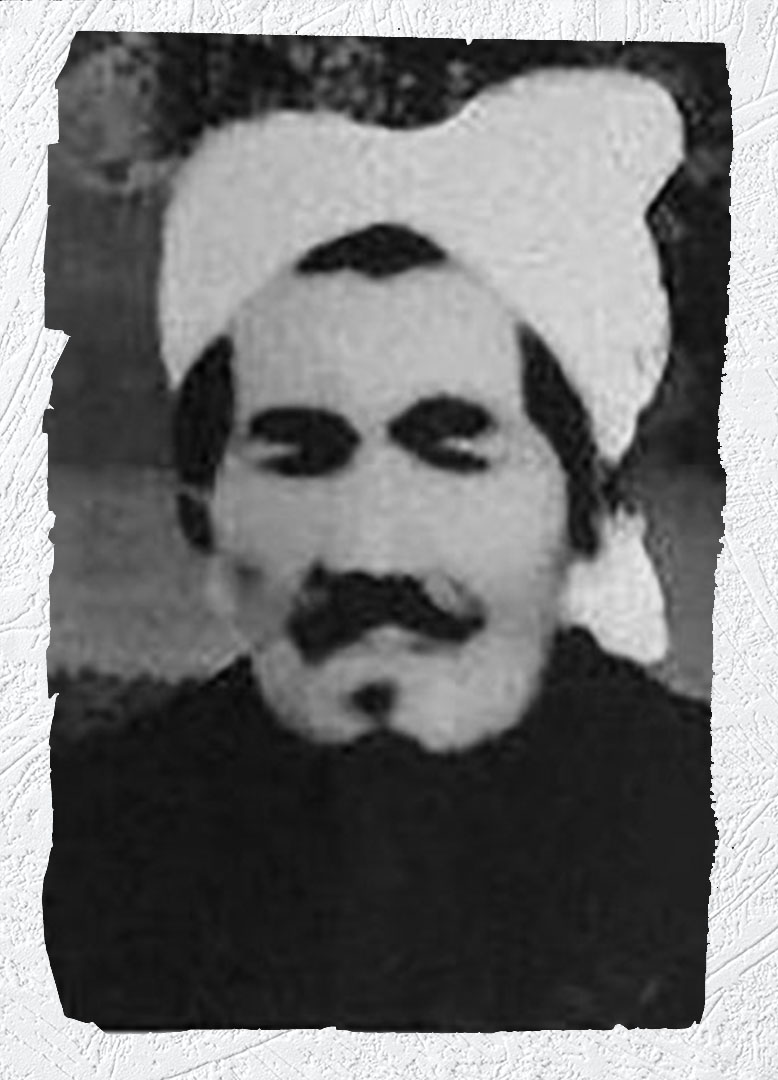
- Province of birth
- Ghazni: Jaghuri
- Gender
- Male
- Ethnicity
- Hazara
- District geolocation of incident
- Kabul: Bagrami: 34° 31′ 10″ N, 69° 16′ 39″ E
- Description of incident
Known as the "Killing of AGSA," it refers to the collective murder of opponents of the People's Democratic Party of Afghanistan in the Pul-e-Charkhi Prison in Kabul between 1978 and 1979. The Afghan Intelligence Office, or AGSA (Afghan Agency for Safeguarding National Interest), led by Asadullah Sarwari, had arrested nearly 150,000 people, out of which an estimated number of 27,000 political prisoners were put to death without a single trial, probe, or even allegation. Many Afghan families had no idea where their loved ones had disappeared in the latter part of 1978 and early 1979. A list of those slain that included 5,000 victims of AGSA mass executions was made public by the Dutch Prosecutor's Office in 2013.
- Declaratory Statement
No Statement
Mohammad Ali
- Photo of Victim
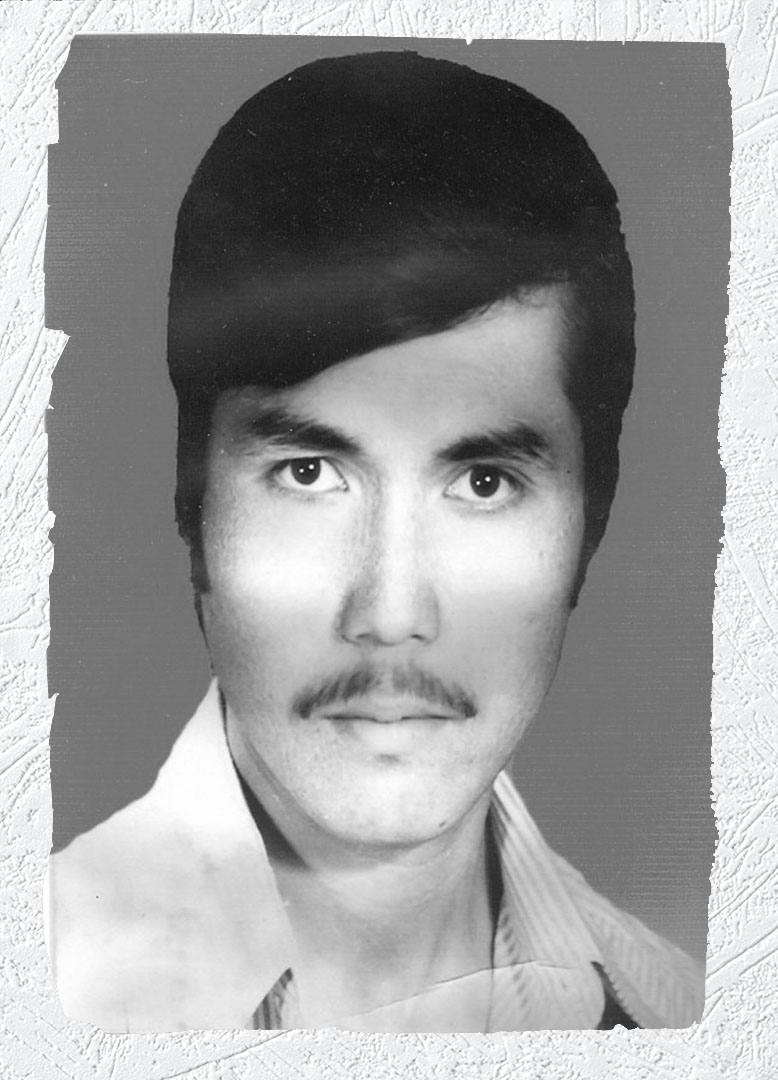
- Province of birth
- Ghazni: Jaghuri
- Gender
- Male
- Ethnicity
- Hazara
- District geolocation of incident
- Kabul: Bagrami: 34° 31′ 10″ N, 69° 16′ 39″ E
- Description of incident
Known as the "Killing of AGSA," it refers to the collective murder of opponents of the People's Democratic Party of Afghanistan in the Pul-e-Charkhi Prison in Kabul between 1978 and 1979. The Afghan Intelligence Office, or AGSA (Afghan Agency for Safeguarding National Interest), led by Asadullah Sarwari, had arrested nearly 150,000 people, out of which an estimated number of 27,000 political prisoners were put to death without a single trial, probe, or even allegation. Many Afghan families had no idea where their loved ones had disappeared in the latter part of 1978 and early 1979. A list of those slain that included 5,000 victims of AGSA mass executions was made public by the Dutch Prosecutor's Office in 2013.
- Declaratory Statement
No statement
GhulamShah
- Photo of Victim

- Province of birth
- Ghazni: Jaghuri
- Gender
- Male
- Ethnicity
- Hazara
- District geolocation of incident
- Kabul: Bagrami: 34° 31′ 10″ N, 69° 16′ 39″ E
- Description of incident
Known as the "Killing of AGSA," it refers to the collective murder of opponents of the People's Democratic Party of Afghanistan in the Pul-e-Charkhi Prison in Kabul between 1978 and 1979. The Afghan Intelligence Office, or AGSA (Afghan Agency for Safeguarding National Interest), led by Asadullah Sarwari, had arrested nearly 150,000 people, out of which an estimated number of 27,000 political prisoners were put to death without a single trial, probe, or even allegation. Many Afghan families had no idea where their loved ones had disappeared in the latter part of 1978 and early 1979. A list of those slain that included 5,000 victims of AGSA mass executions was made public by the Dutch Prosecutor's Office in 2013.
- Declaratory Statement
No statement
Khadim Hussain
- Photo of Victim

- Province of birth
- Ghazni: Jaghuri
- Gender
- Male
- Ethnicity
- Hazara
- District geolocation of incident
- Kabul: Bagrami: 34° 31′ 10″ N, 69° 16′ 39″ E
- Description of incident
Known as the "Killing of AGSA," it refers to the collective murder of opponents of the People's Democratic Party of Afghanistan in the Pul-e-Charkhi Prison in Kabul between 1978 and 1979. The Afghan Intelligence Office, or AGSA (Afghan Agency for Safeguarding National Interest), led by Asadullah Sarwari, had arrested nearly 150,000 people, out of which an estimated number of 27,000 political prisoners were put to death without a single trial, probe, or even allegation. Many Afghan families had no idea where their loved ones had disappeared in the latter part of 1978 and early 1979. A list of those slain that included 5,000 victims of AGSA mass executions was made public by the Dutch Prosecutor's Office in 2013.
- Declaratory Statement
No statement
Mohammad Akram Sultani
- Photo of Victim
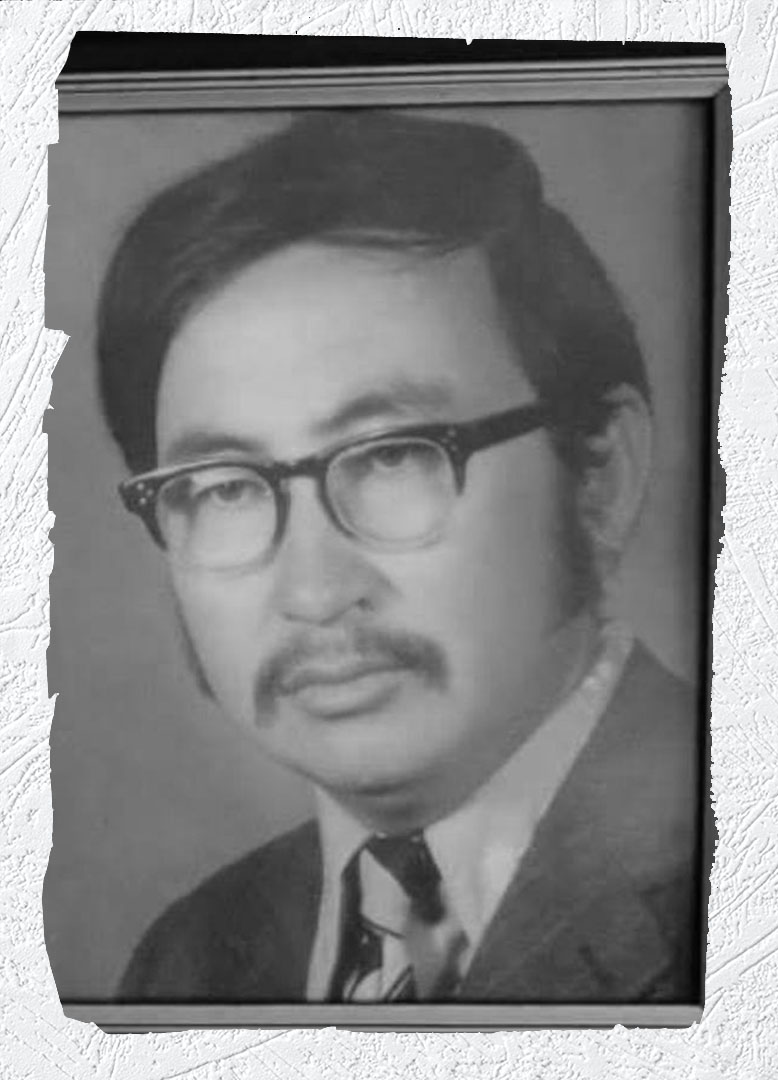
- Province of birth
- Ghazni: Jaghuri
- Gender
- Male
- Ethnicity
- Hazara
- District geolocation of incident
- Kabul: Bagrami: 34° 31′ 10″ N, 69° 16′ 39″ E
- Description of incident
Known as the "Killing of AGSA," it refers to the collective murder of opponents of the People's Democratic Party of Afghanistan in the Pul-e-Charkhi Prison in Kabul between 1978 and 1979. The Afghan Intelligence Office, or AGSA (Afghan Agency for Safeguarding National Interest), led by Asadullah Sarwari, had arrested nearly 150,000 people, out of which an estimated number of 27,000 political prisoners were put to death without a single trial, probe, or even allegation. Many Afghan families had no idea where their loved ones had disappeared in the latter part of 1978 and early 1979. A list of those slain that included 5,000 victims of AGSA mass executions was made public by the Dutch Prosecutor's Office in 2013.
- Declaratory Statement
No statement
Kalbi Abbas
- Photo of Victim

- Province of birth
- Ghazni: Jaghuri
- Gender
- Male
- Ethnicity
- Hazara
- District geolocation of incident
- Kabul: Bagrami: 34° 31′ 10″ N, 69° 16′ 39″ E
- Description of incident
Known as the "Killing of AGSA," it refers to the collective murder of opponents of the People's Democratic Party of Afghanistan in the Pul-e-Charkhi Prison in Kabul between 1978 and 1979. The Afghan Intelligence Office, or AGSA (Afghan Agency for Safeguarding National Interest), led by Asadullah Sarwari, had arrested nearly 150,000 people, out of which an estimated number of 27,000 political prisoners were put to death without a single trial, probe, or even allegation. Many Afghan families had no idea where their loved ones had disappeared in the latter part of 1978 and early 1979. A list of those slain that included 5,000 victims of AGSA mass executions was made public by the Dutch Prosecutor's Office in 2013.
- Declaratory Statement
No statement
Sadiq Ali Yari
- Photo of Victim
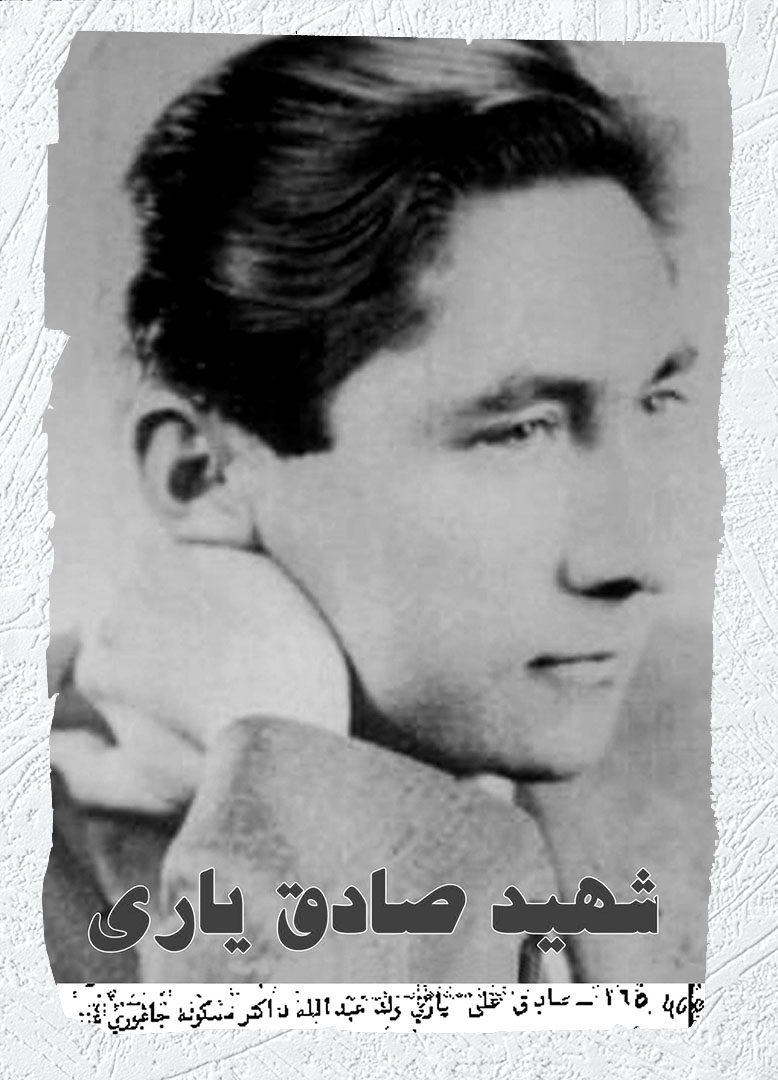
- Province of birth
- Ghazni: Jaghuri
- Gender
- Male
- Ethnicity
- Hazara
- District geolocation of incident
- Kabul: Bagrami: 34° 31′ 10″ N, 69° 16′ 39″ E
- Description of incident
Known as the "Killing of AGSA," it refers to the collective murder of opponents of the People's Democratic Party of Afghanistan in the Pul-e-Charkhi Prison in Kabul between 1978 and 1979. The Afghan Intelligence Office, or AGSA (Afghan Agency for Safeguarding National Interest), led by Asadullah Sarwari, had arrested nearly 150,000 people, out of which an estimated number of 27,000 political prisoners were put to death without a single trial, probe, or even allegation. Many Afghan families had no idea where their loved ones had disappeared in the latter part of 1978 and early 1979. A list of those slain that included 5,000 victims of AGSA mass executions was made public by the Dutch Prosecutor's Office in 2013.
- Declaratory Statement
No statement
Eqbal Ali
- Photo of Victim
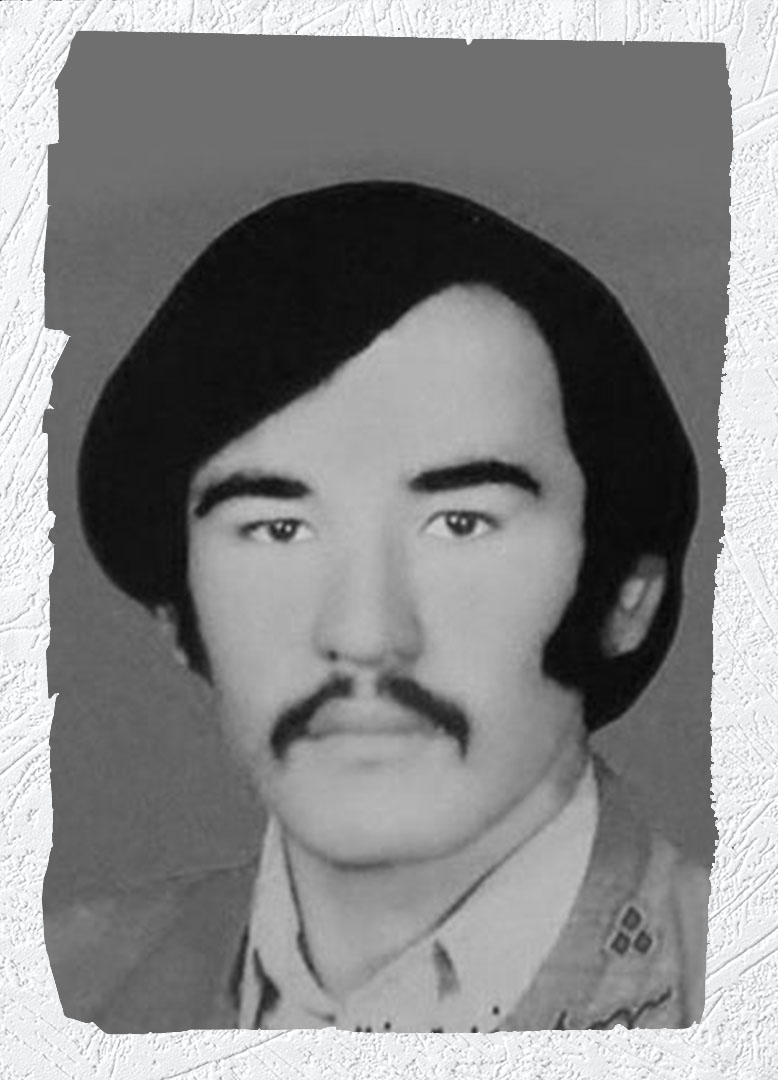
- Province of birth
- Ghazni: Jaghuri
- Gender
- Male
- Ethnicity
- Hazara
- District geolocation of incident
- Kabul: Bagrami: 34° 31′ 10″ N, 69° 16′ 39″ E
- Description of incident
Known as the "Killing of AGSA," it refers to the collective murder of opponents of the People's Democratic Party of Afghanistan in the Pul-e-Charkhi Prison in Kabul between 1978 and 1979. The Afghan Intelligence Office, or AGSA (Afghan Agency for Safeguarding National Interest), led by Asadullah Sarwari, had arrested nearly 150,000 people, out of which an estimated number of 27,000 political prisoners were put to death without a single trial, probe, or even allegation. Many Afghan families had no idea where their loved ones had disappeared in the latter part of 1978 and early 1979. A list of those slain that included 5,000 victims of AGSA mass executions was made public by the Dutch Prosecutor's Office in 2013.
- Declaratory Statement
No statement
Shaukat Ali Yari
- Photo of Victim

- Province of birth
- Ghazni: Jaghuri
- Gender
- Male
- Ethnicity
- Hazara
- District geolocation of incident
- Kabul: 34° 31′ 1″ N, 69° 8′ 60″ E
- Description of incident
On July 24, 2017, a car bomb struck a government bus transporting employees of the Ministry of Mines and Petroleum, resulting in the deaths of at least 35 individuals and injuring 40 others. The victims were all civilians, mostly of Hazara ethnicity employed by the Afghanistan Ministry of Mines. The explosion took place in the Sar-e-Kariz area of District 3 in western Kabul. Taliban spokesman Zabihullah Mujahid claimed responsibility for the attack, stating that the group had targeted employees of the National Directorate of Security.
- Declaratory Statement
No statement
Abdulaziz Nazari
- Photo of Victim

- Province of birth
- Ghazni: Jaghuri
- Gender
- Male
- Ethnicity
- Hazara
- District geolocation of incident
- Jaghuri: 33° 24′ 37″ N, 67° 29′ 51″ E
- Description of incident
Between November 5, 2018, and November 15, 2018, the Taliban executed a large-scale assault on the Jaghuri and Malistan districts from multiple directions. Tragically, during this conflict, 30-60 civilians lost their lives according to different secures, primarily due to Taliban actions. Additionally, over 50 individuals sustained injuries, and hundreds of families were forcibly displaced from their homes.
- Declaratory Statement
No statement
Haji Iqbal Ali
- Photo of Victim

- Province of birth
- Ghazni: Jaghuri
- Gender
- Male
- Ethnicity
- Hazara
- District geolocation of incident
- Jaghuri: 33° 24′ 37″ N, 67° 29′ 51″ E
- Description of incident
Between November 5, 2018, and November 15, 2018, the Taliban executed a large-scale assault on the Jaghuri and Malistan districts from multiple directions. Tragically, during this conflict, 30-60 civilians lost their lives according to different secures, primarily due to Taliban actions. Additionally, over 50 individuals sustained injuries, and hundreds of families were forcibly displaced from their homes.
- Declaratory Statement
No statement
Ramazan Ali Sarwari
- Photo of Victim

- Province of birth
- Ghazni: Jaghuri
- Gender
- Male
- Ethnicity
- Hazara
- District geolocation of incident
- Jaghuri: 33° 24′ 37″ N, 67° 29′ 51″ E
- Description of incident
Between November 5, 2018, and November 15, 2018, the Taliban executed a large-scale assault on the Jaghuri and Malistan districts from multiple directions. Tragically, during this conflict, 30-60 civilians lost their lives according to different secures, primarily due to Taliban actions. Additionally, over 50 individuals sustained injuries, and hundreds of families were forcibly displaced from their homes.
- Declaratory Statement
No statement
Jawid Haidari
- Photo of Victim

- Province of birth
- Ghazni: Jaghuri
- Gender
- Male
- Ethnicity
- Hazara
- District geolocation of incident
- Kabul: 34° 31′ 1″ N, 69° 8′ 60″ E
- Description of incident
Junbesh-e Roshnayi-e (The Enlightenment Movement) is a grassroots civil disobedience movement of Hazaras created in 2016 in Afghanistan in response to the Afghan government's change in routing plans for proposed international electricity networking, which was perceived as continuing historical anti-Hazara discrimination. The group organised major protests in Afghanistan and internationally during 2016 and 2017, protesting against discrimination.
Shukria Tabassum
- Photo of Victim

- Province of birth
- Ghazni: Jaghuri
- Gender
- Female
- Ethnicity
- Hazara
- District geolocation of incident
- Arghandab: 31° 39′ 3″ N, 65° 38′ 59″ E
- Description of incident
The hostage taking and then beheading of 7 Hazara people on November 9, 2015 by Daesh took place in Zabul province located in the southeast of Afghanistan. Shukrieh Tabsem, a 9-year-old Hazara child, was also a victim of this massacre.
Sadiq Ali
- Photo of Victim

- Province of birth
- Ghazni: Jaghuri
- Gender
- Male
- Ethnicity
- Hazara
- District geolocation of incident
- Arghandab: 31° 39′ 3″ N, 65° 38′ 59″ E
- Description of incident
The hostage taking of seven Hazara passengers and then beheading them on November 9, 2015 by Daesh took place in Zabul province located in the southeast of Afghanistan. Shukria Tabssum, a 9-year-old Hazara child, was also a victim of this massacre.
Abdul Rahim
- Photo of Victim

- Province of birth
- Ghazni: Jaghuri
- Gender
- Male
- Ethnicity
- Hazara
- District geolocation of incident
- Kabul: 34° 31′ 1″ N, 69° 8′ 60″ E
Abdul Raouf
- Photo of Victim

- Province of birth
- Ghazni: Jaghuri
- Gender
- Male
- Ethnicity
- Hazara
- District geolocation of incident
- Kabul: 34° 31′ 1″ N, 69° 8′ 60″ E
Aref Hussain Shaygan
- Photo of Victim
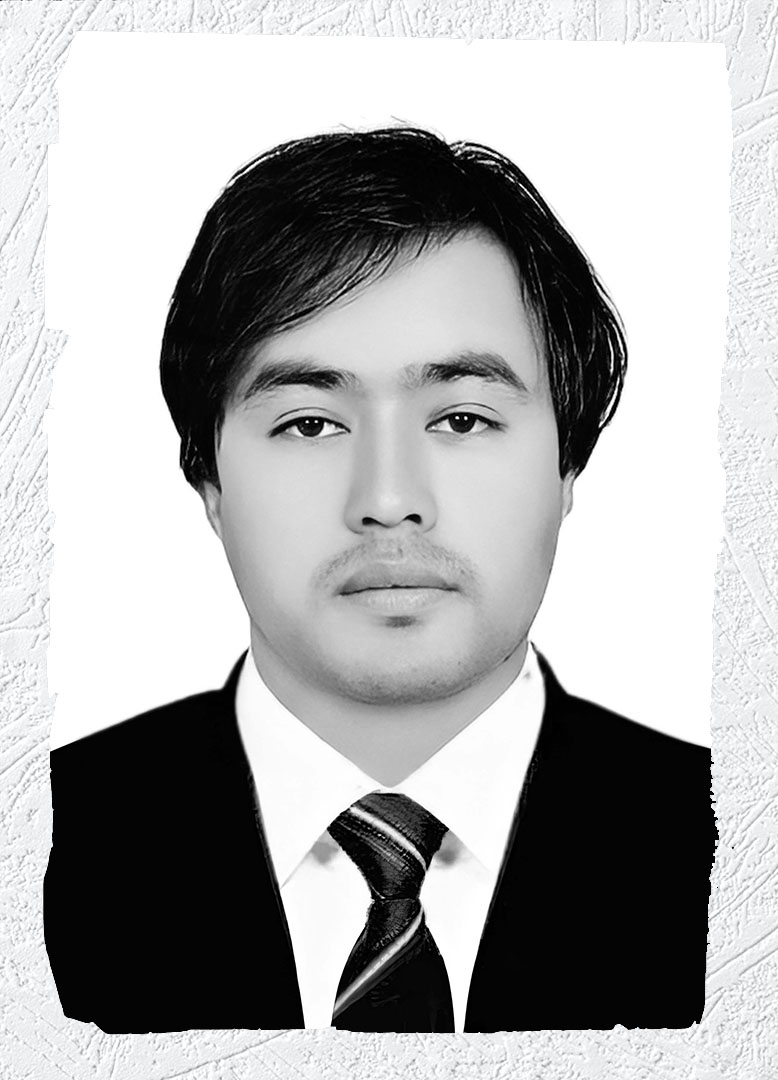
- Province of birth
- Ghazni: Jaghuri
- Gender
- Male
- Ethnicity
- Hazara
- District geolocation of incident
- Kabul: 34° 31′ 1″ N, 69° 8′ 60″ E
- Description of incident
Junbesh-e Roshnayi-e (The Enlightenment Movement) is a grassroots civil disobedience movement of Hazaras created in 2016 in Afghanistan in response to the Afghan government's change in routing plans for proposed international electricity networking, which was perceived as continuing historical anti-Hazara discrimination. The group organised major protests in Afghanistan and internationally during 2016 and 2017, protesting against discrimination.
Mohammad Joma Abdullahi
- Photo of Victim
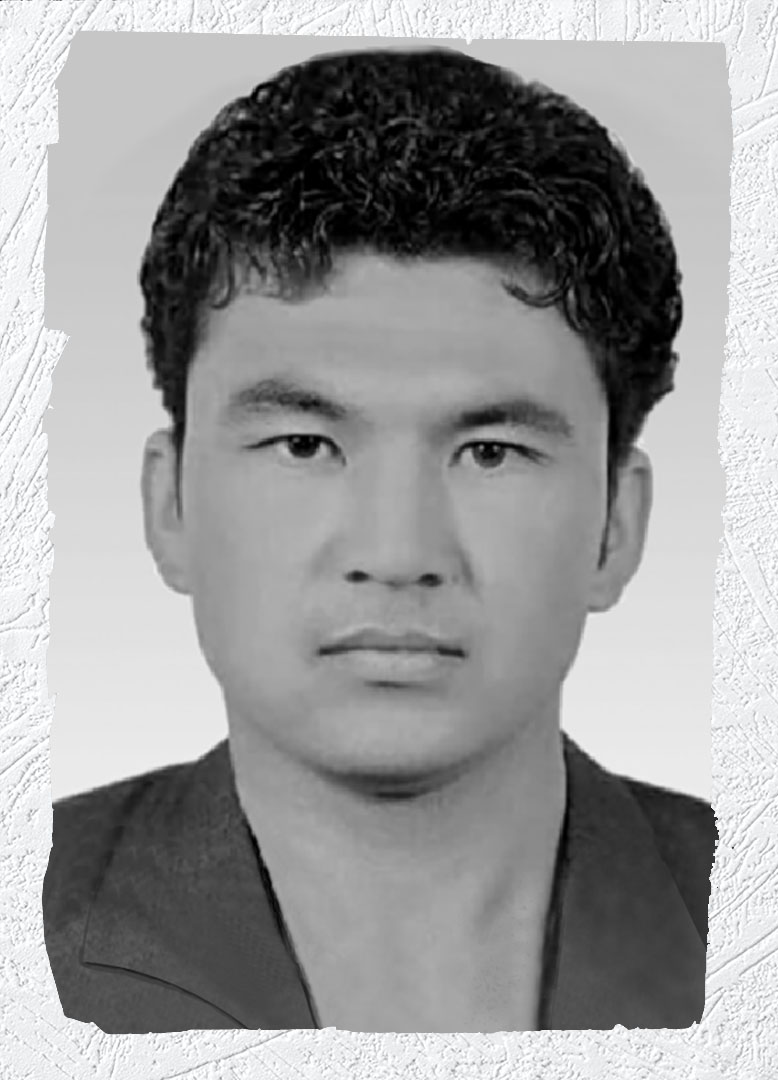
- Province of birth
- Ghazni: Jaghuri
- Gender
- Male
- Ethnicity
- Hazara
- District geolocation of incident
- Kabul: 34° 31′ 1″ N, 69° 8′ 60″ E
- Description of incident
Junbesh-e Roshnayi-e (The Enlightenment Movement) is a grassroots civil disobedience movement of Hazaras created in 2016 in Afghanistan in response to the Afghan government's change in routing plans for proposed international electricity networking, which was perceived as continuing historical anti-Hazara discrimination. The group organised major protests in Afghanistan and internationally during 2016 and 2017, protesting against discrimination.
Ahmad Sharif DawlatShahi
- Photo of Victim

- Province of birth
- Ghazni: Jaghuri
- Gender
- Male
- Ethnicity
- Hazara
- District geolocation of incident
- Kabul: 34° 31′ 1″ N, 69° 8′ 60″ E
- Description of incident
Junbesh-e Roshnayi-e (The Enlightenment Movement) is a grassroots civil disobedience movement of Hazaras created in 2016 in Afghanistan in response to the Afghan government's change in routing plans for proposed international electricity networking, which was perceived as continuing historical anti-Hazara discrimination. The group organised major protests in Afghanistan and internationally during 2016 and 2017, protesting against discrimination.
Abdullah Frotan
- Photo of Victim
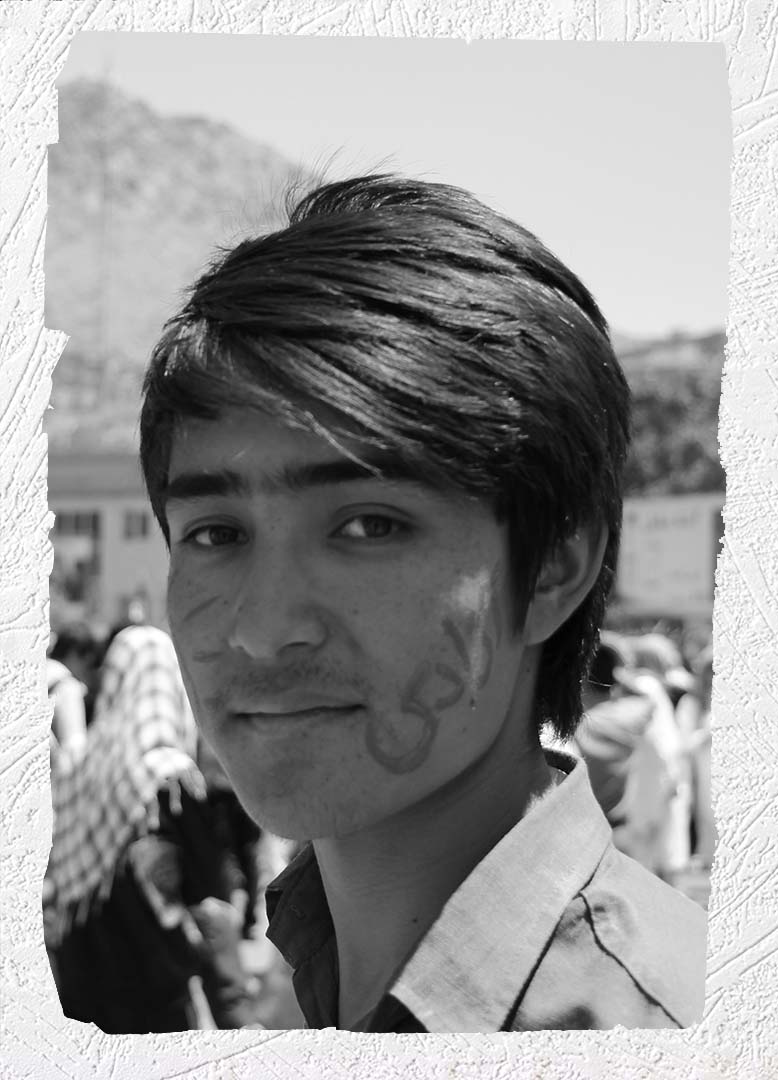
- Province of birth
- Ghazni: Jaghuri
- Gender
- Male
- Ethnicity
- Hazara
- District geolocation of incident
- Kabul: 34° 31′ 1″ N, 69° 8′ 60″ E
- Description of incident
Junbesh-e Roshnayi-e (The Enlightenment Movement) is a grassroots civil disobedience movement of Hazaras created in 2016 in Afghanistan in response to the Afghan government's change in routing plans for proposed international electricity networking, which was perceived as continuing historical anti-Hazara discrimination. The group organised major protests in Afghanistan and internationally during 2016 and 2017, protesting against discrimination.
Asadullah Shafaee
- Photo of Victim

- Province of birth
- Ghazni: Jaghuri
- Gender
- Male
- Ethnicity
- Hazara
- District geolocation of incident
- Kabul: 34° 31′ 1″ N, 69° 8′ 60″ E
- Description of incident
Junbesh-e Roshnayi-e (The Enlightenment Movement) is a grassroots civil disobedience movement of Hazaras created in 2016 in Afghanistan in response to the Afghan government's change in routing plans for proposed international electricity networking, which was perceived as continuing historical anti-Hazara discrimination. The group organised major protests in Afghanistan and internationally during 2016 and 2017, protesting against discrimination.
Enayatullah Asil (Tahmasi)
- Photo of Victim
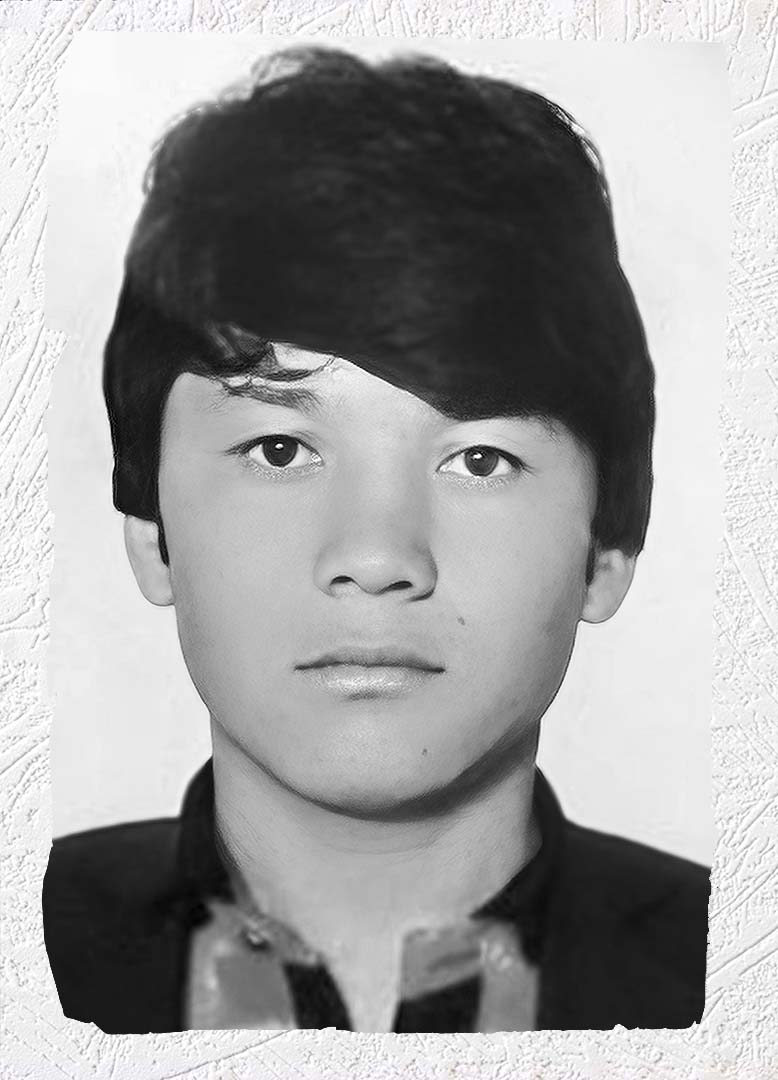
- Province of birth
- Ghazni: Jaghuri
- Gender
- Male
- Ethnicity
- Hazara
- District geolocation of incident
- Kabul: 34° 31′ 1″ N, 69° 8′ 60″ E
- Description of incident
Junbesh-e Roshnayi-e (The Enlightenment Movement) is a grassroots civil disobedience movement of Hazaras created in 2016 in Afghanistan in response to the Afghan government's change in routing plans for proposed international electricity networking, which was perceived as continuing historical anti-Hazara discrimination. The group organised major protests in Afghanistan and internationally during 2016 and 2017, protesting against discrimination.
Hekmatullah Shafaee
- Province of birth
- Ghazni: Jaghuri
- Gender
- Male
- Ethnicity
- Hazara
- District geolocation of incident
- Kabul: 34° 31′ 1″ N, 69° 8′ 60″ E
- Description of incident
Junbesh-e Roshnayi-e (The Enlightenment Movement) is a grassroots civil disobedience movement of Hazaras created in 2016 in Afghanistan in response to the Afghan government's change in routing plans for proposed international electricity networking, which was perceived as continuing historical anti-Hazara discrimination. The group organised major protests in Afghanistan and internationally during 2016 and 2017, protesting against discrimination.
Khodadad Karimi
- Photo of Victim

- Province of birth
- Ghazni: Jaghuri
- Gender
- Male
- Ethnicity
- Hazara
- District geolocation of incident
- Kabul: 34° 31′ 1″ N, 69° 8′ 60″ E
- Description of incident
Junbesh-e Roshnayi-e (The Enlightenment Movement) is a grassroots civil disobedience movement of Hazaras created in 2016 in Afghanistan in response to the Afghan government's change in routing plans for proposed international electricity networking, which was perceived as continuing historical anti-Hazara discrimination. The group organised major protests in Afghanistan and internationally during 2016 and 2017, protesting against discrimination.
Mohammad Zahir Meamar
- Photo of Victim
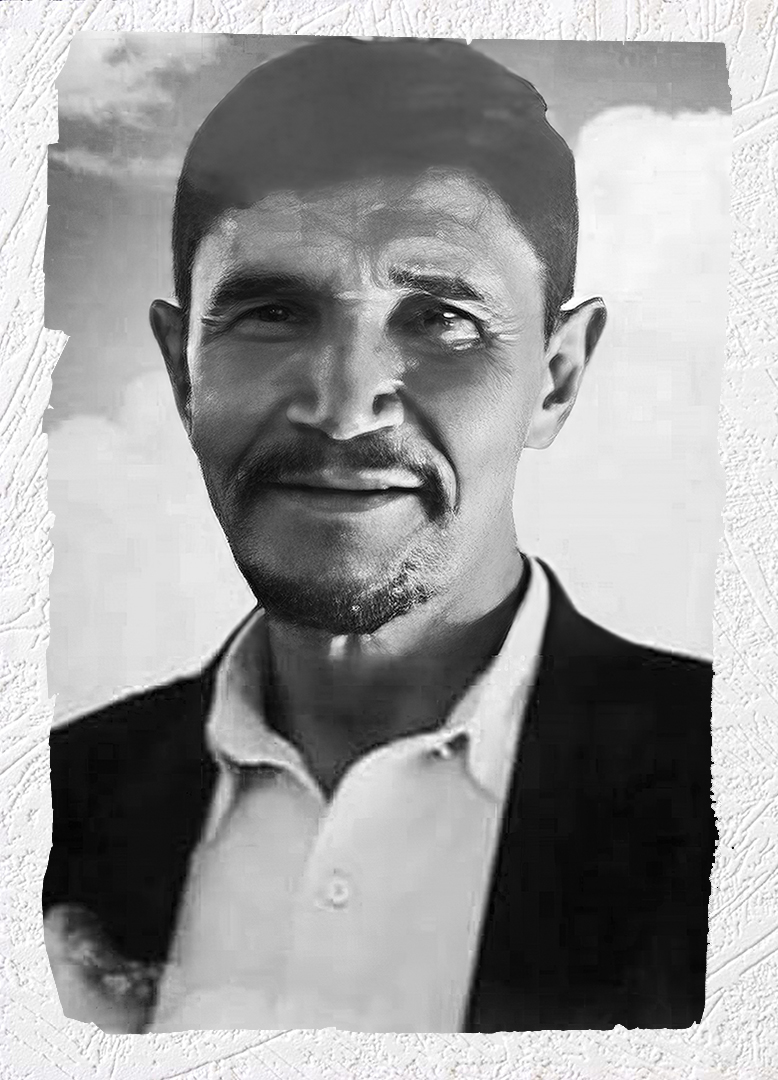
- Province of birth
- Ghazni: Jaghuri
- Gender
- Male
- Ethnicity
- Hazara
- District geolocation of incident
- Kabul: 34° 31′ 1″ N, 69° 8′ 60″ E
- Description of incident
Junbesh-e Roshnayi-e (The Enlightenment Movement) is a grassroots civil disobedience movement of Hazaras created in 2016 in Afghanistan in response to the Afghan government's change in routing plans for proposed international electricity networking, which was perceived as continuing historical anti-Hazara discrimination. The group organised major protests in Afghanistan and internationally during 2016 and 2017, protesting against discrimination.