Mohammad Hashim Mouj
- Photo of Victim
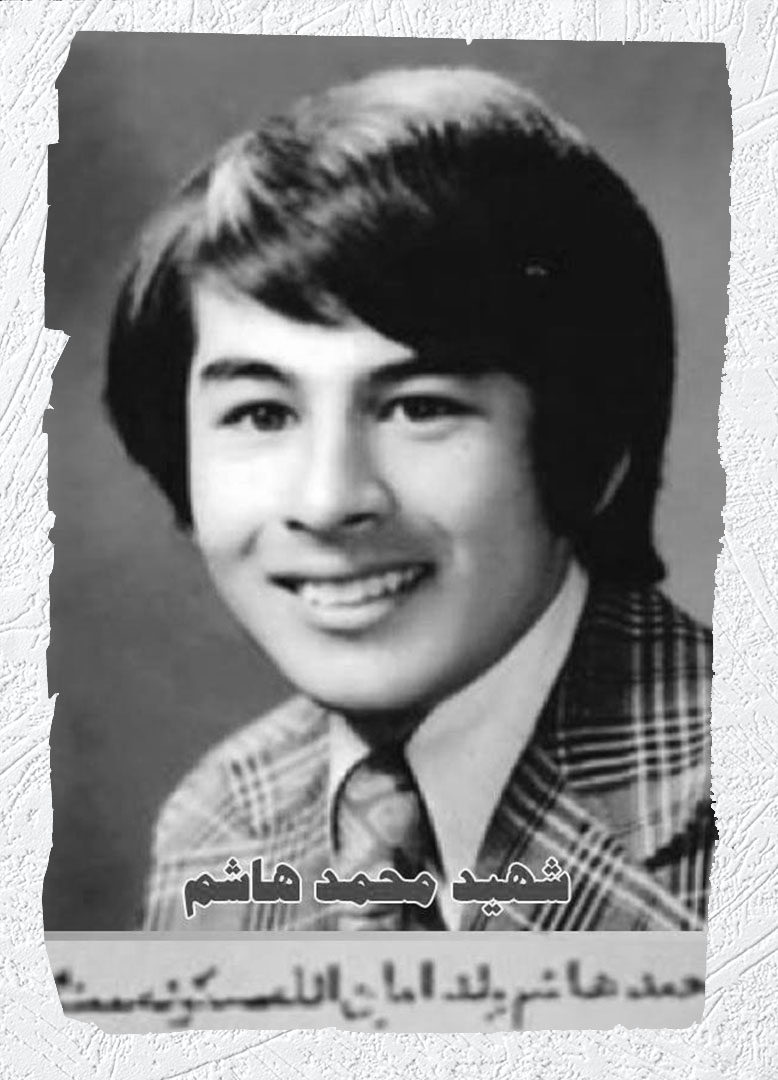
- Gender
- Male
- Ethnicity
- Uzbek
- District geolocation of incident
- Kabul: Bagrami: 34° 31′ 10″ N, 69° 16′ 39″ E
- Description of incident
Known as the "Killing of AGSA," it refers to the collective murder of opponents of the People's Democratic Party of Afghanistan in the Pul-e-Charkhi Prison in Kabul between 1978 and 1979. The Afghan Intelligence Office, or AGSA (Afghan Agency for Safeguarding National Interest), led by Asadullah Sarwari, had arrested nearly 150,000 people, out of which an estimated number of 27,000 political prisoners were put to death without a single trial, probe, or even allegation. Many Afghan families had no idea where their loved ones had disappeared in the latter part of 1978 and early 1979. A list of those slain that included 5,000 victims of AGSA mass executions was made public by the Dutch Prosecutor's Office in 2013.
- Declaratory Statement
No statement
Haji Mohammad Naem
- Photo of Victim

- Gender
- Male
- Ethnicity
- Uzbek
- District geolocation of incident
- Kabul: 34° 31′ 1″ N, 69° 8′ 60″ E
- Description of incident
Known as the "Killing of AGSA," it refers to the collective murder of opponents of the People's Democratic Party of Afghanistan in the Pul-e-Charkhi Prison in Kabul between 1978 and 1979. The Afghan Intelligence Office, or AGSA (Afghan Agency for Safeguarding National Interest), led by Asadullah Sarwari, had arrested nearly 150,000 people, out of which an estimated number of 27,000 political prisoners were put to death without a single trial, probe, or even allegation. Many Afghan families had no idea where their loved ones had disappeared in the latter part of 1978 and early 1979. A list of those slain that included 5,000 victims of AGSA mass executions was made public by the Dutch Prosecutor's Office in 2013.
- Declaratory Statement
No statement
Ahmad Sohial
- Photo of Victim

- Gender
- Male
- Ethnicity
- Uzbek
- District geolocation of incident
- Sayyad: 35° 52′ 25″ N, 68° 25′ 51″ E
Marhaba
- Photo of Victim

- Gender
- Female
- Ethnicity
- Uzbek
- District geolocation of incident
- Sayyad: 35° 52′ 25″ N, 68° 25′ 51″ E
Mohammad Rasol Jorat
- Photo of Victim

- Gender
- Male
- Ethnicity
- Uzbek
- District geolocation of incident
- Kabul: Bagrami: 34° 31′ 10″ N, 69° 16′ 39″ E
- Description of incident
Known as the "Killing of AGSA," it refers to the collective murder of opponents of the People's Democratic Party of Afghanistan in the Pul-e-Charkhi Prison in Kabul between 1978 and 1979. The Afghan Intelligence Office, or AGSA (Afghan Agency for Safeguarding National Interest), led by Asadullah Sarwari, had arrested nearly 150,000 people, out of which an estimated number of 27,000 political prisoners were put to death without a single trial, probe, or even allegation. Many Afghan families had no idea where their loved ones had disappeared in the latter part of 1978 and early 1979. A list of those slain that included 5,000 victims of AGSA mass executions was made public by the Dutch Prosecutor's Office in 2013.
- Declaratory Statement
No statement
Abdul Rawof
- Photo of Victim

- Gender
- Male
- Ethnicity
- Uzbek
- District geolocation of incident
- Kabul: 34° 31′ 1″ N, 69° 8′ 60″ E
- Description of incident
Known as the "Killing of AGSA," it refers to the collective murder of opponents of the People's Democratic Party of Afghanistan in the Pul-e-Charkhi Prison in Kabul between 1978 and 1979. The Afghan Intelligence Office, or AGSA (Afghan Agency for Safeguarding National Interest), led by Asadullah Sarwari, had arrested nearly 150,000 people, out of which an estimated number of 27,000 political prisoners were put to death without a single trial, probe, or even allegation. Many Afghan families had no idea where their loved ones had disappeared in the latter part of 1978 and early 1979. A list of those slain that included 5,000 victims of AGSA mass executions was made public by the Dutch Prosecutor's Office in 2013.
- Declaratory Statement
No statement
Eqbal Sha
- Photo of Victim

- Gender
- Male
- Ethnicity
- Uzbek
- District geolocation of incident
- Kabul: Bagrami: 34° 31′ 10″ N, 69° 16′ 39″ E
- Description of incident
Known as the "Killing of AGSA," it refers to the collective murder of opponents of the People's Democratic Party of Afghanistan in the Pul-e-Charkhi Prison in Kabul between 1978 and 1979. The Afghan Intelligence Office, or AGSA (Afghan Agency for Safeguarding National Interest), led by Asadullah Sarwari, had arrested nearly 150,000 people, out of which an estimated number of 27,000 political prisoners were put to death without a single trial, probe, or even allegation. Many Afghan families had no idea where their loved ones had disappeared in the latter part of 1978 and early 1979. A list of those slain that included 5,000 victims of AGSA mass executions was made public by the Dutch Prosecutor's Office in 2013.
- Declaratory Statement
No statement
Hussain Nadiri
- Photo of Victim

- Gender
- Male
- Ethnicity
- Uzbek
- District geolocation of incident
- Mazar-e Sharif: 36° 41′ 38″ N, 67° 6′ 48″ E
- Description of incident
On 11 March 2023, an explosive device detonated inside the Tabyan Center, in Mazar-e-Sharif. The blast resulted in the deaths of 2 journalists and injuries to another 18 people. All the victims were civilians, primarily belonging to the Hazara ethnic group. The Islamic State of Iraq and the Levant-Khorasan Province (ISIL-KP) claimed responsibility for the attack.
- Declaratory Statement
No statement
Sibghatullah Zaki
- Photo of Victim

- Gender
- Male
- Ethnicity
- Uzbek
- District geolocation of incident
- Puli Khumri: 35° 56′ 49″ N, 68° 42′ 16″ E
Mohammad Rahim
- Photo of Victim
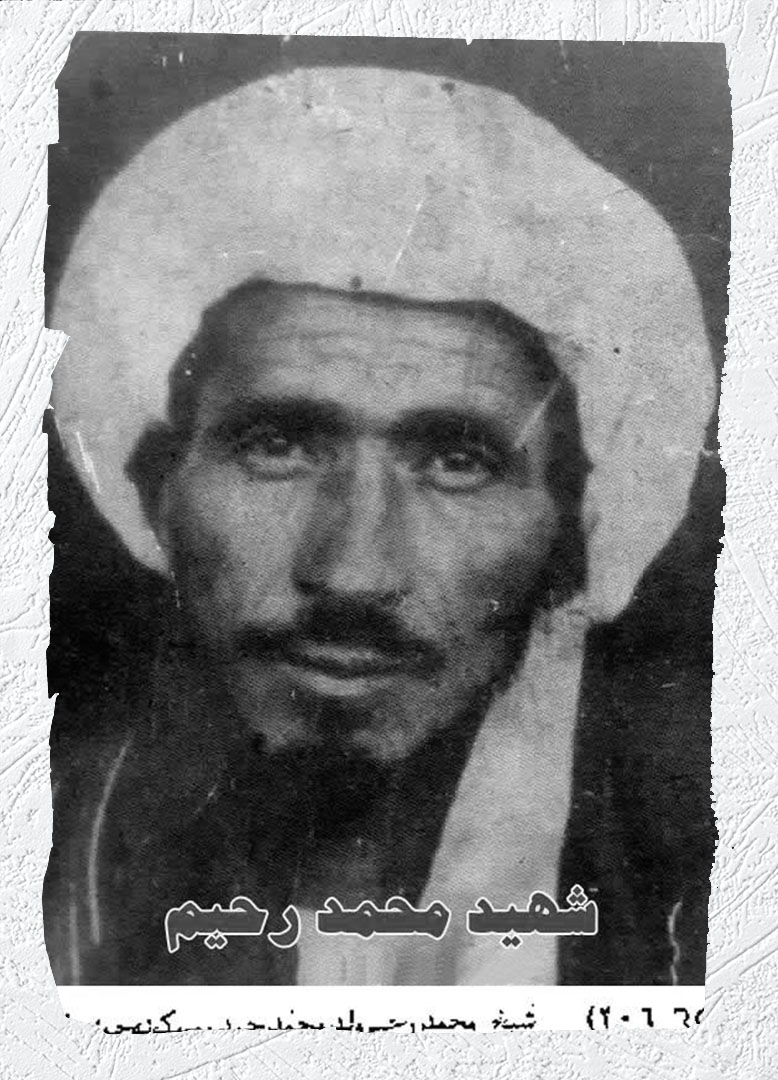
- Gender
- Male
- Ethnicity
- Uzbek
- District geolocation of incident
- Kabul: Bagrami: 34° 31′ 10″ N, 69° 16′ 39″ E
- Description of incident
Known as the "Killing of AGSA," it refers to the collective murder of opponents of the People's Democratic Party of Afghanistan in the Pul-e-Charkhi Prison in Kabul between 1978 and 1979. The Afghan Intelligence Office, or AGSA (Afghan Agency for Safeguarding National Interest), led by Asadullah Sarwari, had arrested nearly 150,000 people, out of which an estimated number of 27,000 political prisoners were put to death without a single trial, probe, or even allegation. Many Afghan families had no idea where their loved ones had disappeared in the latter part of 1978 and early 1979. A list of those slain that included 5,000 victims of AGSA mass executions was made public by the Dutch Prosecutor's Office in 2013.
- Declaratory Statement
No statement
Mohammad Hakim
- Photo of Victim

- Gender
- Male
- Ethnicity
- Uzbek
- District geolocation of incident
- Puli Khumri: 35° 56′ 49″ N, 68° 42′ 16″ E
- Description of incident
On the afternoon of November 6, 2007, at approximately 4:15 PM, an explosion occurred in Pul-e Khumri, the provincial capital of Baghlan Province. The incident took place during a visit by Afghanistan's Parliamentary Economic Commission, which had traveled to the area to attend the reopening ceremony of the newly reconstructed Baghlan Sugar Factory. According to eyewitness accounts, an individual detonated explosives among a crowd of people who had assembled to greet the parliamentary delegation. The attack resulted in between 70 and 97 fatalities, with casualty figures varying across different reports, and injured nearly 200 individuals. A substantial portion of the victims were school students who had gathered in formation to welcome the government officials. Six members of the National Economy Commission of Afghanistan's Parliament were killed in the attack, including the commission's chairman, Sayed Mustafa Kazimi. The other deceased parliamentarians represented various provinces across Afghanistan, including Takhar, Kunar, Helmand, Kunduz, and Kabul. While it was widely believed that the attack was carried out by a suicide bomber, no group claimed responsibility for the incident. The precise circumstances and motivation behind the attack were never officially confirmed. The general assessment indicated that members of the Afghan Parliament were the primary intended targets of the assault.
- Declaratory Statement
No statement
Rahmatullah
- Photo of Victim

- Gender
- Male
- Ethnicity
- Uzbek
- District geolocation of incident
- Maymana: 35° 57′ 2″ N, 64° 46′ 48″ E
- Declaratory Statement
No statement
Abdul Walid
- Photo of Victim

- Gender
- Male
- Ethnicity
- Unknown
- District geolocation of incident
- Kabul: 34° 31′ 1″ N, 69° 8′ 60″ E
- Description of incident
On August 24, 2016, suspected Taliban attackers stormed the American University of Afghanistan in Kabul using a car bomb and automatic weapons. The assault resulted in the deaths of sixteen people, including eight university students, one university policeman, and three security guards. Additionally, fifty to fifty-three individuals were injured, some critically. Afghan Special Forces killed three of the attackers. This incident marked the first direct attack on the university, although two professors had been kidnapped just outside the campus a few weeks earlier. Both Taliban and ISIL-KP were suspected though no group or individual claimed the responsibility for the attack.
- Declaratory Statement
Abdul Walid, was 26 and had just begun studying Business Administration at AUAF. During the day, Walid was the Director of Afghanistan Libre, an NGO that focuses primarily on education. According to a tribute on the ACBAR website, “Walid had been working for Afghanistan Libre for more than 10 years. He had met the founder, Mrs. Shekeba Hashemi as a young adult and committed his life entirely to education, let it be women’s education, young girls’ or his own.”
Zubair,
- Photo of Victim

- Gender
- Male
- Ethnicity
- Unknown
- District geolocation of incident
- Kabul: 34° 31′ 1″ N, 69° 8′ 60″ E
- Description of incident
On August 24, 2016, suspected Taliban attackers stormed the American University of Afghanistan in Kabul using a car bomb and automatic weapons. The assault resulted in the deaths of sixteen people, including eight university students, one university policeman, and three security guards. Additionally, fifty to fifty-three individuals were injured, some critically. Afghan Special Forces killed three of the attackers. This incident marked the first direct attack on the university, although two professors had been kidnapped just outside the campus a few weeks earlier. Both Taliban and ISIL-KP were suspected though no group or individual claimed the responsibility for the attack.
- Declaratory Statement
Zubair, 28, born in Kabul was studying Political Science at AUAF. Zubair was working at the Etisalat communications company during the day to support his family and going to class at night. Zubair frequently led students as an imam in communal prayers at the university and was described by friends as humble, well respected and well liked.
Waisodin
- Photo of Victim

- Gender
- Male
- Ethnicity
- Unknown
- District geolocation of incident
- Kabul: 34° 31′ 1″ N, 69° 8′ 60″ E
- Description of incident
On August 24, 2016, suspected Taliban attackers stormed the American University of Afghanistan in Kabul using a car bomb and automatic weapons. The assault resulted in the deaths of sixteen people, including eight university students, one university policeman, and three security guards. Additionally, fifty to fifty-three individuals were injured, some critically. Afghan Special Forces killed three of the attackers. This incident marked the first direct attack on the university, although two professors had been kidnapped just outside the campus a few weeks earlier. Both Taliban and ISIL-KP were suspected though no group or individual claimed the responsibility for the attack.
- Declaratory Statement
Waisodin worked as an AUAF Security Guard since 2012. Waisodin was born in 1986 in Maidan Wardak, Afghanistan and had recently started his first year as an ITCS student at Alama University. After completing his education, his hope was to get a job in the IT department at AUAF and work to improve lives of his fellow Afghans. He planned on getting married after his graduation.
Zaidullah
- Photo of Victim

- Gender
- Male
- Ethnicity
- Unknown
- District geolocation of incident
- Puli Khumri: 35° 56′ 49″ N, 68° 42′ 16″ E
- Description of incident
On the afternoon of November 6, 2007, at approximately 4:15 PM, an explosion occurred in Pul-e Khumri, the provincial capital of Baghlan Province. The incident took place during a visit by Afghanistan's Parliamentary Economic Commission, which had traveled to the area to attend the reopening ceremony of the newly reconstructed Baghlan Sugar Factory. According to eyewitness accounts, an individual detonated explosives among a crowd of people who had assembled to greet the parliamentary delegation. The attack resulted in between 70 and 97 fatalities, with casualty figures varying across different reports, and injured nearly 200 individuals. A substantial portion of the victims were school students who had gathered in formation to welcome the government officials. Six members of the National Economy Commission of Afghanistan's Parliament were killed in the attack, including the commission's chairman, Sayed Mustafa Kazimi. The other deceased parliamentarians represented various provinces across Afghanistan, including Takhar, Kunar, Helmand, Kunduz, and Kabul. While it was widely believed that the attack was carried out by a suicide bomber, no group claimed responsibility for the incident. The precise circumstances and motivation behind the attack were never officially confirmed. The general assessment indicated that members of the Afghan Parliament were the primary intended targets of the assault.
- Declaratory Statement
No statement
Mohammad Hashim
- Photo of Victim

- Gender
- Male
- Ethnicity
- Unknown
- District geolocation of incident
- Puli Khumri: 35° 56′ 49″ N, 68° 42′ 16″ E
- Description of incident
On the afternoon of November 6, 2007, at approximately 4:15 PM, an explosion occurred in Pul-e Khumri, the provincial capital of Baghlan Province. The incident took place during a visit by Afghanistan's Parliamentary Economic Commission, which had traveled to the area to attend the reopening ceremony of the newly reconstructed Baghlan Sugar Factory. According to eyewitness accounts, an individual detonated explosives among a crowd of people who had assembled to greet the parliamentary delegation. The attack resulted in between 70 and 97 fatalities, with casualty figures varying across different reports, and injured nearly 200 individuals. A substantial portion of the victims were school students who had gathered in formation to welcome the government officials. Six members of the National Economy Commission of Afghanistan's Parliament were killed in the attack, including the commission's chairman, Sayed Mustafa Kazimi. The other deceased parliamentarians represented various provinces across Afghanistan, including Takhar, Kunar, Helmand, Kunduz, and Kabul. While it was widely believed that the attack was carried out by a suicide bomber, no group claimed responsibility for the incident. The precise circumstances and motivation behind the attack were never officially confirmed. The general assessment indicated that members of the Afghan Parliament were the primary intended targets of the assault.
- Declaratory Statement
No statement
Ramiz Ahmadi
- Photo of Victim

- Gender
- Male
- Ethnicity
- Unknown
- District geolocation of incident
- Kabul: 34° 31′ 1″ N, 69° 8′ 60″ E
- Description of incident
On September 5, 2018, a horrific twin suicide bombing struck the Maiwand Wrestling Club in Dasht-e-Barchi, a predominantly Hazara neighborhood in western Kabul, Afghanistan. The first blast ripped through the wrestling club in the early evening, followed by a second explosion targeting first responders and civilians who had gathered to assist the victims. This secondary attack caused even greater casualties. The attacks resulted in the deaths of at least 30 civilians, including two journalists Samim Framarz and Ramiz Ahmadi, and injured over 103 others. The Islamic State Khorasan Province (ISIL-KP) claimed responsibility for the bombings, stating they targeted Shia-Hazaras.
- Declaratory Statement
No
Abdul Wakil
- Photo of Victim

- Gender
- Male
- Ethnicity
- Unknown
- District geolocation of incident
- Kabul: 34° 31′ 1″ N, 69° 8′ 60″ E
- Description of incident
On August 24, 2016, suspected Taliban attackers stormed the American University of Afghanistan in Kabul using a car bomb and automatic weapons. The assault resulted in the deaths of sixteen people, including eight university students, one university policeman, and three security guards. Additionally, fifty to fifty-three individuals were injured, some critically. Afghan Special Forces killed three of the attackers. This incident marked the first direct attack on the university, although two professors had been kidnapped just outside the campus a few weeks earlier. Both Taliban and ISIL-KP were suspected though no group or individual claimed the responsibility for the attack.
- Declaratory Statement
Abdul Wakil worked as an AUAF Security Guard since 2008. Abdul Wakil was born in 1976 in Logar, Afghanistan and attended school until 11th grade but was forced to stop due to the civil war. Abdul Wakil left behind three children, aged nine, seven, and a newborn baby. The wellbeing of his family was always at the forefront of his thoughts and ambitions. He was saving money to send his mother on Hajj pilgrimage and to cover the medical expenses for one of his sons, who has a mental disability.
Mohammad
- Photo of Victim

- Gender
- Male
- Ethnicity
- Unknown
- District geolocation of incident
- Puli Khumri: 35° 56′ 49″ N, 68° 42′ 16″ E
- Description of incident
At 4:15 AM on Tuesday, Aqrab 15, 1386 in the Solar Hijri calendar (November 6, 2007), one of the deadliest suicide attacks in Afghanistan’s history took place in Pul-e-Khumri, the capital of Baghlan province. The incident occurred as a parliamentary economic delegation, led by Sayed Mustafa Kazemi, Chairman of the National Economic Commission of Afghanistan’s Parliament, had arrived to inaugurate the newly reconstructed Baghlan Industrial enterprise.
This tragic event resulted in the death and injury of approximately 200 Afghan citizens, including 57 students from the “Martyrs of Baghlan Industrial High School” and six members of the National Economic Commission.
Arif Khan
- Photo of Victim

- Gender
- Male
- Ethnicity
- Unknown
- District geolocation of incident
- Puli Khumri: 35° 56′ 49″ N, 68° 42′ 16″ E
- Description of incident
On Tuesday, November 6, 2007, Pul-e-Khumri, the capital of Baghlan province, witnessed one of the deadliest suicide attacks in Afghanistan’s history. The assault occurred during the visit of a parliamentary economic delegation led by Sayed Mustafa Kazemi, Chairman of the National Economic Commission, who had arrived to inaugurate the newly reconstructed Baghlan Industrial enterprise.
The attack claimed the lives and wounded approximately 200 Afghan citizens. Among the victims were 57 students from the “Martyrs of Baghlan Industrial High School” and six members of the National Economic Commission. This tragic event stands as a stark reminder of the profound human cost of violence and the vulnerability of those striving to rebuild and serve their nation.
- Declaratory Statement
No statement
Mohammad Ehsan
- Photo of Victim

- Gender
- Male
- Ethnicity
- Unknown
- District geolocation of incident
- Puli Khumri: 35° 56′ 49″ N, 68° 42′ 16″ E
- Description of incident
On Tuesday, November 6, 2007, Pul-e-Khumri, the capital of Baghlan province, witnessed one of the deadliest suicide attacks in Afghanistan’s history. The assault occurred during the visit of a parliamentary economic delegation led by Sayed Mustafa Kazemi, Chairman of the National Economic Commission, who had arrived to inaugurate the newly reconstructed Baghlan Industrial enterprise.
The attack claimed the lives and wounded approximately 200 Afghan citizens. Among the victims were 57 students from the “Martyrs of Baghlan Industrial High School” and six members of the National Economic Commission. This tragic event stands as a stark reminder of the profound human cost of violence and the vulnerability of those striving to rebuild and serve their nation.
- Declaratory Statement
No statement
Gulmohammad
- Photo of Victim

- Gender
- Male
- Ethnicity
- Unknown
- District geolocation of incident
- Puli Khumri: 35° 56′ 49″ N, 68° 42′ 16″ E
- Description of incident
On Tuesday, November 6, 2007, Pul-e-Khumri, the capital of Baghlan province, witnessed one of the deadliest suicide attacks in Afghanistan’s history. The assault occurred during the visit of a parliamentary economic delegation led by Sayed Mustafa Kazemi, Chairman of the National Economic Commission, who had arrived to inaugurate the newly reconstructed Baghlan Industrial enterprise.
The attack claimed the lives and wounded approximately 200 Afghan citizens. Among the victims were 57 students from the “Martyrs of Baghlan Industrial High School” and six members of the National Economic Commission. This tragic event stands as a stark reminder of the profound human cost of violence and the vulnerability of those striving to rebuild and serve their nation.
- Declaratory Statement
No statement
Nasrullah
- Photo of Victim

- Gender
- Male
- Ethnicity
- Unknown
- District geolocation of incident
- Puli Khumri: 35° 56′ 49″ N, 68° 42′ 16″ E
- Description of incident
On Tuesday, November 6, 2007, Pul-e-Khumri, the capital of Baghlan province, witnessed one of the deadliest suicide attacks in Afghanistan’s history. The assault occurred during the visit of a parliamentary economic delegation led by Sayed Mustafa Kazemi, Chairman of the National Economic Commission, who had arrived to inaugurate the newly reconstructed Baghlan Industrial enterprise.
The attack claimed the lives and wounded approximately 200 Afghan citizens. Among the victims were 57 students from the “Martyrs of Baghlan Industrial High School” and six members of the National Economic Commission. This tragic event stands as a stark reminder of the profound human cost of violence and the vulnerability of those striving to rebuild and serve their nation.
- Declaratory Statement
No statement
Ewaz Khan
- Photo of Victim

- Gender
- Male
- Ethnicity
- Unknown
- District geolocation of incident
- Puli Khumri: 35° 56′ 49″ N, 68° 42′ 16″ E
- Description of incident
On Tuesday, November 6, 2007, Pul-e-Khumri, the capital of Baghlan province, witnessed one of the deadliest suicide attacks in Afghanistan’s history. The assault occurred during the visit of a parliamentary economic delegation led by Sayed Mustafa Kazemi, Chairman of the National Economic Commission, who had arrived to inaugurate the newly reconstructed Baghlan Industrial enterprise.
The attack claimed the lives and wounded approximately 200 Afghan citizens. Among the victims were 57 students from the “Martyrs of Baghlan Industrial High School” and six members of the National Economic Commission. This tragic event stands as a stark reminder of the profound human cost of violence and the vulnerability of those striving to rebuild and serve their nation.
- Declaratory Statement
No statement
Mohammad Bashir
- Photo of Victim

- Gender
- Male
- Ethnicity
- Unknown
- District geolocation of incident
- Puli Khumri: 35° 56′ 49″ N, 68° 42′ 16″ E
- Description of incident
On Tuesday, November 6, 2007, Pul-e-Khumri, the capital of Baghlan province, witnessed one of the deadliest suicide attacks in Afghanistan’s history. The assault occurred during the visit of a parliamentary economic delegation led by Sayed Mustafa Kazemi, Chairman of the National Economic Commission, who had arrived to inaugurate the newly reconstructed Baghlan Industrial enterprise.
The attack claimed the lives and wounded approximately 200 Afghan citizens. Among the victims were 57 students from the “Martyrs of Baghlan Industrial High School” and six members of the National Economic Commission. This tragic event stands as a stark reminder of the profound human cost of violence and the vulnerability of those striving to rebuild and serve their nation.
- Declaratory Statement
No statement
Mohammad Parwiz
- Photo of Victim

- Gender
- Male
- Ethnicity
- Unknown
- District geolocation of incident
- Puli Khumri: 35° 56′ 49″ N, 68° 42′ 16″ E
- Description of incident
On the afternoon of November 6, 2007, at approximately 4:15 PM, an explosion occurred in Pul-e Khumri, the provincial capital of Baghlan Province. The incident took place during a visit by Afghanistan's Parliamentary Economic Commission, which had traveled to the area to attend the reopening ceremony of the newly reconstructed Baghlan Sugar Factory. According to eyewitness accounts, an individual detonated explosives among a crowd of people who had assembled to greet the parliamentary delegation. The attack resulted in between 70 and 97 fatalities, with casualty figures varying across different reports, and injured nearly 200 individuals. A substantial portion of the victims were school students who had gathered in formation to welcome the government officials. Six members of the National Economy Commission of Afghanistan's Parliament were killed in the attack, including the commission's chairman, Sayed Mustafa Kazimi. The other deceased parliamentarians represented various provinces across Afghanistan, including Takhar, Kunar, Helmand, Kunduz, and Kabul. While it was widely believed that the attack was carried out by a suicide bomber, no group claimed responsibility for the incident. The precise circumstances and motivation behind the attack were never officially confirmed. The general assessment indicated that members of the Afghan Parliament were the primary intended targets of the assault.
- Declaratory Statement
No statement
Mohammad Firoz
- Photo of Victim

- Gender
- Male
- Ethnicity
- Unknown
- District geolocation of incident
- Puli Khumri: 35° 56′ 49″ N, 68° 42′ 16″ E
- Description of incident
On the afternoon of November 6, 2007, at approximately 4:15 PM, an explosion occurred in Pul-e Khumri, the provincial capital of Baghlan Province. The incident took place during a visit by Afghanistan's Parliamentary Economic Commission, which had traveled to the area to attend the reopening ceremony of the newly reconstructed Baghlan Sugar Factory. According to eyewitness accounts, an individual detonated explosives among a crowd of people who had assembled to greet the parliamentary delegation. The attack resulted in between 70 and 97 fatalities, with casualty figures varying across different reports, and injured nearly 200 individuals. A substantial portion of the victims were school students who had gathered in formation to welcome the government officials. Six members of the National Economy Commission of Afghanistan's Parliament were killed in the attack, including the commission's chairman, Sayed Mustafa Kazimi. The other deceased parliamentarians represented various provinces across Afghanistan, including Takhar, Kunar, Helmand, Kunduz, and Kabul. While it was widely believed that the attack was carried out by a suicide bomber, no group claimed responsibility for the incident. The precise circumstances and motivation behind the attack were never officially confirmed. The general assessment indicated that members of the Afghan Parliament were the primary intended targets of the assault.
- Declaratory Statement
No statement
Zarkai
- Photo of Victim

- Gender
- Male
- Ethnicity
- Unknown
- District geolocation of incident
- Puli Khumri: 35° 56′ 49″ N, 68° 42′ 16″ E
- Description of incident
On the afternoon of November 6, 2007, at approximately 4:15 PM, an explosion occurred in Pul-e Khumri, the provincial capital of Baghlan Province. The incident took place during a visit by Afghanistan's Parliamentary Economic Commission, which had traveled to the area to attend the reopening ceremony of the newly reconstructed Baghlan Sugar Factory. According to eyewitness accounts, an individual detonated explosives among a crowd of people who had assembled to greet the parliamentary delegation. The attack resulted in between 70 and 97 fatalities, with casualty figures varying across different reports, and injured nearly 200 individuals. A substantial portion of the victims were school students who had gathered in formation to welcome the government officials. Six members of the National Economy Commission of Afghanistan's Parliament were killed in the attack, including the commission's chairman, Sayed Mustafa Kazimi. The other deceased parliamentarians represented various provinces across Afghanistan, including Takhar, Kunar, Helmand, Kunduz, and Kabul. While it was widely believed that the attack was carried out by a suicide bomber, no group claimed responsibility for the incident. The precise circumstances and motivation behind the attack were never officially confirmed. The general assessment indicated that members of the Afghan Parliament were the primary intended targets of the assault.
- Declaratory Statement
No statement
Mohammad Zahir
- Photo of Victim

- Gender
- Male
- Ethnicity
- Unknown
- District geolocation of incident
- Puli Khumri: 35° 56′ 49″ N, 68° 42′ 16″ E
- Description of incident
On the afternoon of November 6, 2007, at approximately 4:15 PM, an explosion occurred in Pul-e Khumri, the provincial capital of Baghlan Province. The incident took place during a visit by Afghanistan's Parliamentary Economic Commission, which had traveled to the area to attend the reopening ceremony of the newly reconstructed Baghlan Sugar Factory. According to eyewitness accounts, an individual detonated explosives among a crowd of people who had assembled to greet the parliamentary delegation. The attack resulted in between 70 and 97 fatalities, with casualty figures varying across different reports, and injured nearly 200 individuals. A substantial portion of the victims were school students who had gathered in formation to welcome the government officials. Six members of the National Economy Commission of Afghanistan's Parliament were killed in the attack, including the commission's chairman, Sayed Mustafa Kazimi. The other deceased parliamentarians represented various provinces across Afghanistan, including Takhar, Kunar, Helmand, Kunduz, and Kabul. While it was widely believed that the attack was carried out by a suicide bomber, no group claimed responsibility for the incident. The precise circumstances and motivation behind the attack were never officially confirmed. The general assessment indicated that members of the Afghan Parliament were the primary intended targets of the assault.
- Declaratory Statement
No statement