Rajo Sing Delnawaz
- Photo of Victim

- Gender
- Male
- Ethnicity
- Afghan Hindus and Sikhs
- District geolocation of incident
- Jalalabad: 34° 27′ 19″ N, 70° 27′ 7″ E
- Description of incident
On July 1, 2018, Islamic State Khorasan Province (ISKP) attacked a delegation from Afghanistan's minority Hindu and Sikh communities that was meeting with the governor in Jalalabad City. The attack killed 19 people, with 10 of the victims being members of Afghanistan's Sikh community, including the country's sole Sikh parliamentary candidate. This deliberate targeting of religious minorities represents systematic persecution of non-Muslim communities in Afghanistan.
- Declaratory Statement
No statement
Eqbal Seng
- Photo of Victim

- Gender
- Male
- Ethnicity
- Afghan Hindus and Sikhs
- District geolocation of incident
- Kabul: 34° 31′ 1″ N, 69° 8′ 60″ E
- Description of incident
On 25 March 2020, an attack was carried out on worshippers at a Sikh-Hindu temple in Kabul, Kabul Province. The attack killed 26 civilians and injured 11 more.
- Declaratory Statement
No statement
Jago Seng
- Photo of Victim

- Gender
- Male
- Ethnicity
- Afghan Hindus and Sikhs
- District geolocation of incident
- Kabul: 34° 31′ 1″ N, 69° 8′ 60″ E
- Description of incident
On 25 March 2020, an attack was carried out on worshippers at a Sikh-Hindu temple in Kabul, Kabul Province. The attack killed 26 civilians and injured 11 more.
- Declaratory Statement
No statement
Kalondar Seng
- Photo of Victim

- Gender
- Male
- Ethnicity
- Afghan Hindus and Sikhs
- District geolocation of incident
- Kabul: 34° 31′ 1″ N, 69° 8′ 60″ E
- Description of incident
On 25 March 2020, an attack was carried out on worshippers at a Sikh-Hindu temple in Kabul, Kabul Province. The attack killed 26 civilians and injured 11 more.
- Declaratory Statement
No statement
Eqbal Seng Wife
- Photo of Victim

- Gender
- Female
- Ethnicity
- Afghan Hindus and Sikhs
- District geolocation of incident
- Kabul: 34° 31′ 1″ N, 69° 8′ 60″ E
- Description of incident
On 25 March 2020, an attack was carried out on worshippers at a Sikh-Hindu temple in Kabul, Kabul Province. The attack killed 26 civilians and injured 11 more.
- Declaratory Statement
No statement
Talok Seng
- Photo of Victim

- Gender
- Male
- Ethnicity
- Afghan Hindus and Sikhs
- District geolocation of incident
- Kabul: 34° 31′ 1″ N, 69° 8′ 60″ E
- Description of incident
On 25 March 2020, an attack was carried out on worshippers at a Sikh-Hindu temple in Kabul, Kabul Province. The attack killed 26 civilians and injured 11 more.
- Declaratory Statement
No statement
Tania
- Photo of Victim

- Gender
- Female
- Ethnicity
- Afghan Hindus and Sikhs
- District geolocation of incident
- Kabul: 34° 31′ 1″ N, 69° 8′ 60″ E
- Description of incident
On 25 March 2020, an attack was carried out on worshippers at a Sikh-Hindu temple in Kabul, Kabul Province. The attack killed 26 civilians and injured 11 more.
- Declaratory Statement
No statement
Normal Seng
- Photo of Victim

- Gender
- Male
- Ethnicity
- Afghan Hindus and Sikhs
- District geolocation of incident
- Kabul: 34° 31′ 1″ N, 69° 8′ 60″ E
- Description of incident
On 25 March 2020, an attack was carried out on worshippers at a Sikh-Hindu temple in Kabul, Kabul Province. The attack killed 26 civilians and injured 11 more.
- Declaratory Statement
No statement
Swinder Seng
- Photo of Victim

- Gender
- Male
- Ethnicity
- Afghan Hindus and Sikhs
- District geolocation of incident
- Kabul: 34° 31′ 1″ N, 69° 8′ 60″ E
- Description of incident
On 25 March 2020, an attack was carried out on worshippers at a Sikh-Hindu temple in Kabul, Kabul Province. The attack killed 26 civilians and injured 11 more.
- Declaratory Statement
No statement
Americ Seng
- Photo of Victim

- Gender
- Male
- Ethnicity
- Afghan Hindus and Sikhs
- District geolocation of incident
- Jalalabad: 34° 27′ 19″ N, 70° 27′ 7″ E
- Description of incident
On July 1, 2018, Islamic State Khorasan Province (ISKP) attacked a delegation from Afghanistan's minority Hindu and Sikh communities that was meeting with the governor in Jalalabad City. The attack killed 19 people, with 10 of the victims being members of Afghanistan's Sikh community, including the country's sole Sikh parliamentary candidate. This deliberate targeting of religious minorities represents systematic persecution of non-Muslim communities in Afghanistan.
- Declaratory Statement
No statement
Anop Seng
- Photo of Victim

- Gender
- Male
- Ethnicity
- Afghan Hindus and Sikhs
- District geolocation of incident
- Jalalabad: 34° 27′ 19″ N, 70° 27′ 7″ E
- Description of incident
On July 1, 2018, Islamic State Khorasan Province (ISKP) attacked a delegation from Afghanistan's minority Hindu and Sikh communities that was meeting with the governor in Jalalabad City. The attack killed 19 people, with 10 of the victims being members of Afghanistan's Sikh community, including the country's sole Sikh parliamentary candidate. This deliberate targeting of religious minorities represents systematic persecution of non-Muslim communities in Afghanistan.
- Declaratory Statement
No statement
Anof Seng
- Photo of Victim

- Gender
- Male
- Ethnicity
- Afghan Hindus and Sikhs
- District geolocation of incident
- Jalalabad: 34° 27′ 19″ N, 70° 27′ 7″ E
- Description of incident
On July 1, 2018, Islamic State Khorasan Province (ISKP) attacked a delegation from Afghanistan's minority Hindu and Sikh communities that was meeting with the governor in Jalalabad City. The attack killed 19 people, with 10 of the victims being members of Afghanistan's Sikh community, including the country's sole Sikh parliamentary candidate. This deliberate targeting of religious minorities represents systematic persecution of non-Muslim communities in Afghanistan.
- Declaratory Statement
No statement
Awtar Singh Khalsa
- Photo of Victim

- Gender
- Male
- Ethnicity
- Afghan Hindus and Sikhs
- District geolocation of incident
- Jalalabad: 34° 27′ 19″ N, 70° 27′ 7″ E
- Description of incident
On July 1, 2018, Islamic State Khorasan Province (ISKP) attacked a delegation from Afghanistan's minority Hindu and Sikh communities that was meeting with the governor in Jalalabad City. The attack killed 19 people, with 10 of the victims being members of Afghanistan's Sikh community, including the country's sole Sikh parliamentary candidate. This deliberate targeting of religious minorities represents systematic persecution of non-Muslim communities in Afghanistan.
- Declaratory Statement
No statement
Enderjet Sing
- Photo of Victim

- Gender
- Male
- Ethnicity
- Afghan Hindus and Sikhs
- District geolocation of incident
- Jalalabad: 34° 27′ 19″ N, 70° 27′ 7″ E
- Description of incident
On July 1, 2018, Islamic State Khorasan Province (ISKP) attacked a delegation from Afghanistan's minority Hindu and Sikh communities that was meeting with the governor in Jalalabad City. The attack killed 19 people, with 10 of the victims being members of Afghanistan's Sikh community, including the country's sole Sikh parliamentary candidate. This deliberate targeting of religious minorities represents systematic persecution of non-Muslim communities in Afghanistan.
- Declaratory Statement
No statement
Beljet Sing
- Photo of Victim

- Gender
- Male
- Ethnicity
- Afghan Hindus and Sikhs
- District geolocation of incident
- Jalalabad: 34° 27′ 19″ N, 70° 27′ 7″ E
Narinder Sing
- Photo of Victim

- Gender
- Male
- Ethnicity
- Afghan Hindus and Sikhs
- District geolocation of incident
- Jalalabad: 34° 27′ 19″ N, 70° 27′ 7″ E
- Description of incident
On July 1, 2018, Islamic State Khorasan Province (ISKP) attacked a delegation from Afghanistan's minority Hindu and Sikh communities that was meeting with the governor in Jalalabad City. The attack killed 19 people, with 10 of the victims being members of Afghanistan's Sikh community, including the country's sole Sikh parliamentary candidate. This deliberate targeting of religious minorities represents systematic persecution of non-Muslim communities in Afghanistan.
- Declaratory Statement
No statement
Viky Komar
- Photo of Victim

- Gender
- Male
- Ethnicity
- Afghan Hindus and Sikhs
- District geolocation of incident
- Jalalabad: 34° 27′ 19″ N, 70° 27′ 7″ E
- Description of incident
On July 1, 2018, Islamic State Khorasan Province (ISKP) attacked a delegation from Afghanistan's minority Hindu and Sikh communities that was meeting with the governor in Jalalabad City. The attack killed 19 people, with 10 of the victims being members of Afghanistan's Sikh community, including the country's sole Sikh parliamentary candidate. This deliberate targeting of religious minorities represents systematic persecution of non-Muslim communities in Afghanistan.
- Declaratory Statement
No statement
Rail Sing
- Photo of Victim

- Gender
- Male
- Ethnicity
- Afghan Hindus and Sikhs
- District geolocation of incident
- Jalalabad: 34° 27′ 19″ N, 70° 27′ 7″ E
- Description of incident
On July 1, 2018, Islamic State Khorasan Province (ISKP) attacked a delegation from Afghanistan's minority Hindu and Sikh communities that was meeting with the governor in Jalalabad City. The attack killed 19 people, with 10 of the victims being members of Afghanistan's Sikh community, including the country's sole Sikh parliamentary candidate. This deliberate targeting of religious minorities represents systematic persecution of non-Muslim communities in Afghanistan.
- Declaratory Statement
No statement
Manit Sing
- Photo of Victim

- Gender
- Male
- Ethnicity
- Afghan Hindus and Sikhs
- District geolocation of incident
- Jalalabad: 34° 27′ 19″ N, 70° 27′ 7″ E
- Description of incident
On July 1, 2018, Islamic State Khorasan Province (ISKP) attacked a delegation from Afghanistan's minority Hindu and Sikh communities that was meeting with the governor in Jalalabad City. The attack killed 19 people, with 10 of the victims being members of Afghanistan's Sikh community, including the country's sole Sikh parliamentary candidate. This deliberate targeting of religious minorities represents systematic persecution of non-Muslim communities in Afghanistan.
- Declaratory Statement
No statement
Taranjet Sing
- Photo of Victim

- Gender
- Male
- Ethnicity
- Afghan Hindus and Sikhs
- District geolocation of incident
- Jalalabad: 34° 27′ 19″ N, 70° 27′ 7″ E
- Description of incident
On July 1, 2018, Islamic State Khorasan Province (ISKP) attacked a delegation from Afghanistan's minority Hindu and Sikh communities that was meeting with the governor in Jalalabad City. The attack killed 19 people, with 10 of the victims being members of Afghanistan's Sikh community, including the country's sole Sikh parliamentary candidate. This deliberate targeting of religious minorities represents systematic persecution of non-Muslim communities in Afghanistan.
- Declaratory Statement
No statement
Mir Sing
- Photo of Victim

- Gender
- Male
- Ethnicity
- Afghan Hindus and Sikhs
- District geolocation of incident
- Jalalabad: 34° 27′ 19″ N, 70° 27′ 7″ E
- Description of incident
On July 1, 2018, Islamic State Khorasan Province (ISKP) attacked a delegation from Afghanistan's minority Hindu and Sikh communities that was meeting with the governor in Jalalabad City. The attack killed 19 people, with 10 of the victims being members of Afghanistan's Sikh community, including the country's sole Sikh parliamentary candidate. This deliberate targeting of religious minorities represents systematic persecution of non-Muslim communities in Afghanistan.
- Declaratory Statement
No statement
Bismellah Adil Aimaq
- Photo of Victim

- Gender
- Male
- Ethnicity
- Aimaq
- District geolocation of incident
- Chaghcharan: 34° 31′ 56″ N, 65° 14′ 49″ E
- Description of incident
Bismellah Adel Imaq, the manager of Sade Gho Radio, was assassinated on 01 January 2021 by unknown armed men in Barahkhane area in the west of Firuzkoh city, the capital of Ghor province.
Ghulam Reza
- Photo of Victim

- Gender
- Male
- Ethnicity
- Baloch
- District geolocation of incident
- Kajran: 33° 14′ 38″ N, 65° 27′ 49″ E
Amir Mohammad Ansari Baloch
- Photo of Victim

- Gender
- Male
- Ethnicity
- Baloch
- District geolocation of incident
- Kandahar: 31° 37′ 52″ N, 65° 44′ 31″ E
Haji SherMohammad
- Photo of Victim

- Gender
- Male
- Ethnicity
- Baloch
- District geolocation of incident
- Kabul: Bagrami: 34° 31′ 10″ N, 69° 16′ 39″ E
- Description of incident
Known as the "Killing of AGSA," it refers to the collective murder of opponents of the People's Democratic Party of Afghanistan in the Pul-e-Charkhi Prison in Kabul between 1978 and 1979. The Afghan Intelligence Office, or AGSA (Afghan Agency for Safeguarding National Interest), led by Asadullah Sarwari, had arrested nearly 150,000 people, out of which an estimated number of 27,000 political prisoners were put to death without a single trial, probe, or even allegation. Many Afghan families had no idea where their loved ones had disappeared in the latter part of 1978 and early 1979. A list of those slain that included 5,000 victims of AGSA mass executions was made public by the Dutch Prosecutor's Office in 2013.
- Declaratory Statement
No statement
Mohammad Yonos
- Photo of Victim

- Gender
- Male
- Ethnicity
- Baloch
- District geolocation of incident
- Kabul: Bagrami: 34° 31′ 10″ N, 69° 16′ 39″ E
- Description of incident
Known as the "Killing of AGSA," it refers to the collective murder of opponents of the People's Democratic Party of Afghanistan in the Pul-e-Charkhi Prison in Kabul between 1978 and 1979. The Afghan Intelligence Office, or AGSA (Afghan Agency for Safeguarding National Interest), led by Asadullah Sarwari, had arrested nearly 150,000 people, out of which an estimated number of 27,000 political prisoners were put to death without a single trial, probe, or even allegation. Many Afghan families had no idea where their loved ones had disappeared in the latter part of 1978 and early 1979. A list of those slain that included 5,000 victims of AGSA mass executions was made public by the Dutch Prosecutor's Office in 2013.
- Declaratory Statement
No statement
Mohammad Qasim Sherzad
- Photo of Victim

- Gender
- Male
- Ethnicity
- Baloch
- District geolocation of incident
- Kabul: Bagrami: 34° 31′ 10″ N, 69° 16′ 39″ E
- Description of incident
Known as the "Killing of AGSA," it refers to the collective murder of opponents of the People's Democratic Party of Afghanistan in the Pul-e-Charkhi Prison in Kabul between 1978 and 1979. The Afghan Intelligence Office, or AGSA (Afghan Agency for Safeguarding National Interest), led by Asadullah Sarwari, had arrested nearly 150,000 people, out of which an estimated number of 27,000 political prisoners were put to death without a single trial, probe, or even allegation. Many Afghan families had no idea where their loved ones had disappeared in the latter part of 1978 and early 1979. A list of those slain that included 5,000 victims of AGSA mass executions was made public by the Dutch Prosecutor's Office in 2013.
- Declaratory Statement
No statement
Mohammad Amin
- Photo of Victim

- Gender
- Male
- Ethnicity
- Baloch
- District geolocation of incident
- Kabul: 34° 31′ 1″ N, 69° 8′ 60″ E
- Description of incident
Known as the "Killing of AGSA," it refers to the collective murder of opponents of the People's Democratic Party of Afghanistan in the Pul-e-Charkhi Prison in Kabul between 1978 and 1979. The Afghan Intelligence Office, or AGSA (Afghan Agency for Safeguarding National Interest), led by Asadullah Sarwari, had arrested nearly 150,000 people, out of which an estimated number of 27,000 political prisoners were put to death without a single trial, probe, or even allegation. Many Afghan families had no idea where their loved ones had disappeared in the latter part of 1978 and early 1979. A list of those slain that included 5,000 victims of AGSA mass executions was made public by the Dutch Prosecutor's Office in 2013.
- Declaratory Statement
No statement
Zafa Ali Naderi
- Photo of Victim

- Gender
- Male
- Ethnicity
- Bayat
- District geolocation of incident
- Khan Abad: 36° 41′ 49″ N, 69° 6′ 48″ E
- Description of incident
A suicide bomber detonated an explosive device among Hazara-Shia worshipers at the Sayed Abad Mosque in Kunduz province on Friday, October 8, 2021. The attack resulted in the death of at least 150 people and injuries to 250 more. The casualties were all civilians, predominantly from the Hazara Shia ethnic group. The Islamic State of Iraq and Levant-Khorasan Province claimed responsibility for the attack, identifying a Chinese Uygur national as the suicide bomber and stating the group targeted Hazara Shias.
- Declaratory Statement
No statement
Ghiyasudin Qasemi
- Photo of Victim

- Gender
- Male
- Ethnicity
- Bayat
- District geolocation of incident
- Khan Abad: 36° 41′ 49″ N, 69° 6′ 48″ E
- Description of incident
A suicide bomber detonated an explosive device among Hazara-Shia worshipers at the Sayed Abad Mosque in Kunduz province on Friday, October 8, 2021. The attack resulted in the death of at least 150 people and injuries to 250 more. The casualties were all civilians, predominantly from the Hazara Shia ethnic group. The Islamic State of Iraq and Levant-Khorasan Province claimed responsibility for the attack, identifying a Chinese Uygur national as the suicide bomber and stating the group targeted Hazara Shias.
- Declaratory Statement
No statement
Mohammad Hassan
- Photo of Victim

- Gender
- Male
- Ethnicity
- Bayat
- District geolocation of incident
- Kabul: 34° 31′ 1″ N, 69° 8′ 60″ E
Najibullah
- Photo of Victim

- Gender
- Male
- Ethnicity
- Bayat
- District geolocation of incident
- Kabul: 34° 31′ 1″ N, 69° 8′ 60″ E
- Description of incident
On August 17, 2019, a suicide bomber detonated explosives at the Shahr-e-Dubai wedding hall on Faiz Mohammad Kateb Road, also known as Charqala Road. The attack resulted in 63-93,(including 15 children) fatalities and 182 injuries. The wedding ceremony was predominantly attended by members of the Shia-Hazara community. The Islamic State of Iraq and Levant-Khorasan Province (ISIL-KP) claimed responsibility for the attack, stating it targeted individuals they refer to as "Rafida," a term used by some extremist groups to denote those who do not follow Sunni Islam.
- Declaratory Statement
No statement
Ahmad Wahid Hussaini
- Photo of Victim

- Gender
- Male
- Ethnicity
- Bayat
- District geolocation of incident
- Khan Abad: 36° 41′ 49″ N, 69° 6′ 48″ E
- Description of incident
A suicide bomber detonated an explosive device among Hazara-Shia worshipers at the Sayed Abad Mosque in Kunduz province on Friday, October 8, 2021. The attack resulted in the death of at least 150 people and injuries to 250 more. The casualties were all civilians, predominantly from the Hazara Shia ethnic group. The Islamic State of Iraq and Levant-Khorasan Province claimed responsibility for the attack, identifying a Chinese Uygur national as the suicide bomber and stating the group targeted Hazara Shias.
- Declaratory Statement
No statement
Ahmad Farid Hussaini
- Photo of Victim

- Gender
- Male
- Ethnicity
- Bayat
- District geolocation of incident
- Khan Abad: 36° 41′ 49″ N, 69° 6′ 48″ E
- Description of incident
A suicide bomber detonated an explosive device among Hazara-Shia worshipers at the Sayed Abad Mosque in Kunduz province on Friday, October 8, 2021. The attack resulted in the death of at least 150 people and injuries to 250 more. The casualties were all civilians, predominantly from the Hazara Shia ethnic group. The Islamic State of Iraq and Levant-Khorasan Province claimed responsibility for the attack, identifying a Chinese Uygur national as the suicide bomber and stating the group targeted Hazara Shias.
- Declaratory Statement
No statement
Ghulam Sarwar
- Photo of Victim

- Gender
- Male
- Ethnicity
- Bayat
- District geolocation of incident
- Khan Abad: 36° 41′ 49″ N, 69° 6′ 48″ E
- Description of incident
A suicide bomber detonated an explosive device among Hazara-Shia worshipers at the Sayed Abad Mosque in Kunduz province on Friday, October 8, 2021. The attack resulted in the death of at least 150 people and injuries to 250 more. The casualties were all civilians, predominantly from the Hazara Shia ethnic group. The Islamic State of Iraq and Levant-Khorasan Province claimed responsibility for the attack, identifying a Chinese Uygur national as the suicide bomber and stating the group targeted Hazara Shias.
- Declaratory Statement
No statement
Abdullah
- Photo of Victim

- Gender
- Male
- Ethnicity
- Hazara
- District geolocation of incident
- Yakawlang: 34° 44′ 50″ N, 66° 56′ 40″ E
Abdul Ali
- Photo of Victim

- Gender
- Male
- Ethnicity
- Hazara
- District geolocation of incident
- Kabul: 34° 31′ 1″ N, 69° 8′ 60″ E
Rajab Ali
- Photo of Victim

- Gender
- Male
- Ethnicity
- Hazara
- District geolocation of incident
- Kabul: 34° 31′ 1″ N, 69° 8′ 60″ E
Alidad
- Photo of Victim

- Gender
- Male
- Ethnicity
- Hazara
- District geolocation of incident
- Dara-I-Sufi Payan: 35° 56′ 48″ N, 67° 16′ 39″ E
Mir Ahmad
- Photo of Victim

- Gender
- Male
- Ethnicity
- Hazara
- District geolocation of incident
- Mazar-e Sharif: 36° 41′ 38″ N, 67° 6′ 48″ E
Gul Mohammad
- Photo of Victim

- Gender
- Male
- Ethnicity
- Hazara
- District geolocation of incident
- Mazar-e Sharif: 36° 41′ 38″ N, 67° 6′ 48″ E
Jawad Zohak
- Photo of Victim

- Gender
- Male
- Ethnicity
- Hazara
- District geolocation of incident
- Ghorband: 34° 59′ 12″ N, 68° 42′ 5″ E
Qasim Abozar
- Photo of Victim

- Gender
- Male
- Ethnicity
- Hazara
- District geolocation of incident
- Sayyad: 35° 52′ 25″ N, 68° 25′ 51″ E
Hassan Kamali
- Photo of Victim

- Gender
- Male
- Ethnicity
- Hazara
- District geolocation of incident
- Kabul: 34° 31′ 1″ N, 69° 8′ 60″ E
- Description of incident
Junbesh-e Roshnayi-e (The Enlightenment Movement) is a grassroots civil disobedience movement of Hazaras created in 2016 in Afghanistan in response to the Afghan government's change in routing plans for proposed international electricity networking, which was perceived as continuing historical anti-Hazara discrimination. The group organised major protests in Afghanistan and internationally during 2016 and 2017, protesting against discrimination.
Nawroz Ali Hassan Zada
- Photo of Victim

- Gender
- Male
- Ethnicity
- Hazara
- District geolocation of incident
- Kabul: 34° 31′ 1″ N, 69° 8′ 60″ E
- Description of incident
Junbesh-e Roshnayi-e (The Enlightenment Movement) is a grassroots civil disobedience movement of Hazaras created in 2016 in Afghanistan in response to the Afghan government's change in routing plans for proposed international electricity networking, which was perceived as continuing historical anti-Hazara discrimination. The group organised major protests in Afghanistan and internationally during 2016 and 2017, protesting against discrimination.
Shafiqulla Zamani
- Photo of Victim

- Gender
- Male
- Ethnicity
- Hazara
- District geolocation of incident
- Kabul: 34° 31′ 1″ N, 69° 8′ 60″ E
- Description of incident
Junbesh-e Roshnayi-e (The Enlightenment Movement) is a grassroots civil disobedience movement of Hazaras created in 2016 in Afghanistan in response to the Afghan government's change in routing plans for proposed international electricity networking, which was perceived as continuing historical anti-Hazara discrimination. The group organised major protests in Afghanistan and internationally during 2016 and 2017, protesting against discrimination.
Reza Ebrahimi
- Photo of Victim

- Gender
- Male
- Ethnicity
- Hazara
- District geolocation of incident
- Kabul: 34° 31′ 1″ N, 69° 8′ 60″ E
- Description of incident
Junbesh-e Roshnayi-e (The Enlightenment Movement) is a grassroots civil disobedience movement of Hazaras created in 2016 in Afghanistan in response to the Afghan government's change in routing plans for proposed international electricity networking, which was perceived as continuing historical anti-Hazara discrimination. The group organised major protests in Afghanistan and internationally during 2016 and 2017, protesting against discrimination.
Khadim Hussain
- Photo of Victim

- Gender
- Male
- Ethnicity
- Hazara
- District geolocation of incident
- Kabul: 34° 31′ 1″ N, 69° 8′ 60″ E
- Description of incident
Junbesh-e Roshnayi-e (The Enlightenment Movement) is a grassroots civil disobedience movement of Hazaras created in 2016 in Afghanistan in response to the Afghan government's change in routing plans for proposed international electricity networking, which was perceived as continuing historical anti-Hazara discrimination. The group organised major protests in Afghanistan and internationally during 2016 and 2017, protesting against discrimination.
Kazim Hakimi
- Photo of Victim

- Gender
- Male
- Ethnicity
- Hazara
- District geolocation of incident
- Kabul: 34° 31′ 1″ N, 69° 8′ 60″ E
- Description of incident
Junbesh-e Roshnayi-e (The Enlightenment Movement) is a grassroots civil disobedience movement of Hazaras created in 2016 in Afghanistan in response to the Afghan government's change in routing plans for proposed international electricity networking, which was perceived as continuing historical anti-Hazara discrimination. The group organised major protests in Afghanistan and internationally during 2016 and 2017, protesting against discrimination.
Reza Akbari
- Photo of Victim

- Gender
- Male
- Ethnicity
- Hazara
- District geolocation of incident
- Kabul: 34° 31′ 1″ N, 69° 8′ 60″ E
- Description of incident
Junbesh-e Roshnayi-e (The Enlightenment Movement) is a grassroots civil disobedience movement of Hazaras created in 2016 in Afghanistan in response to the Afghan government's change in routing plans for proposed international electricity networking, which was perceived as continuing historical anti-Hazara discrimination. The group organised major protests in Afghanistan and internationally during 2016 and 2017, protesting against discrimination.
Mohammad Jan Kazimi
- Photo of Victim

- Gender
- Male
- Ethnicity
- Hazara
- District geolocation of incident
- Kabul: 34° 31′ 1″ N, 69° 8′ 60″ E
- Description of incident
Junbesh-e Roshnayi-e (The Enlightenment Movement) is a grassroots civil disobedience movement of Hazaras created in 2016 in Afghanistan in response to the Afghan government's change in routing plans for proposed international electricity networking, which was perceived as continuing historical anti-Hazara discrimination. The group organised major protests in Afghanistan and internationally during 2016 and 2017, protesting against discrimination.
Ali Ahmad Hamdard
- Photo of Victim

- Gender
- Male
- Ethnicity
- Hazara
- District geolocation of incident
- Kabul: 34° 31′ 1″ N, 69° 8′ 60″ E
- Description of incident
Junbesh-e Roshnayi-e (The Enlightenment Movement) is a grassroots civil disobedience movement of Hazaras created in 2016 in Afghanistan in response to the Afghan government's change in routing plans for proposed international electricity networking, which was perceived as continuing historical anti-Hazara discrimination. The group organised major protests in Afghanistan and internationally during 2016 and 2017, protesting against discrimination.
Enaeatullah Homan
- Photo of Victim

- Gender
- Male
- Ethnicity
- Hazara
- District geolocation of incident
- Kabul: 34° 31′ 1″ N, 69° 8′ 60″ E
- Description of incident
Junbesh-e Roshnayi-e (The Enlightenment Movement) is a grassroots civil disobedience movement of Hazaras created in 2016 in Afghanistan in response to the Afghan government's change in routing plans for proposed international electricity networking, which was perceived as continuing historical anti-Hazara discrimination. The group organised major protests in Afghanistan and internationally during 2016 and 2017, protesting against discrimination.
Mohammad Zia Jafari
- Photo of Victim

- Gender
- Male
- Ethnicity
- Hazara
- District geolocation of incident
- Kabul: 34° 31′ 1″ N, 69° 8′ 60″ E
- Description of incident
Junbesh-e Roshnayi-e (The Enlightenment Movement) is a grassroots civil disobedience movement of Hazaras created in 2016 in Afghanistan in response to the Afghan government's change in routing plans for proposed international electricity networking, which was perceived as continuing historical anti-Hazara discrimination. The group organised major protests in Afghanistan and internationally during 2016 and 2017, protesting against discrimination.
Baqer Mohammadi
- Photo of Victim

- Gender
- Male
- Ethnicity
- Hazara
- District geolocation of incident
- Kabul: 34° 31′ 1″ N, 69° 8′ 60″ E
- Description of incident
Junbesh-e Roshnayi-e (The Enlightenment Movement) is a grassroots civil disobedience movement of Hazaras created in 2016 in Afghanistan in response to the Afghan government's change in routing plans for proposed international electricity networking, which was perceived as continuing historical anti-Hazara discrimination. The group organised major protests in Afghanistan and internationally during 2016 and 2017, protesting against discrimination.
Jamil Kohistani
- Photo of Victim

- Gender
- Male
- Ethnicity
- Hazara
- District geolocation of incident
- Kabul: 34° 31′ 1″ N, 69° 8′ 60″ E
- Description of incident
Junbesh-e Roshnayi-e (The Enlightenment Movement) is a grassroots civil disobedience movement of Hazaras created in 2016 in Afghanistan in response to the Afghan government's change in routing plans for proposed international electricity networking, which was perceived as continuing historical anti-Hazara discrimination. The group organised major protests in Afghanistan and internationally during 2016 and 2017, protesting against discrimination.
Jamaludin Amiri
- Photo of Victim

- Gender
- Male
- Ethnicity
- Hazara
- District geolocation of incident
- Kabul: 34° 31′ 1″ N, 69° 8′ 60″ E
- Description of incident
Junbesh-e Roshnayi-e (The Enlightenment Movement) is a grassroots civil disobedience movement of Hazaras created in 2016 in Afghanistan in response to the Afghan government's change in routing plans for proposed international electricity networking, which was perceived as continuing historical anti-Hazara discrimination. The group organised major protests in Afghanistan and internationally during 2016 and 2017, protesting against discrimination.
Amir Mohammad Rahimi
- Photo of Victim

- Gender
- Male
- Ethnicity
- Hazara
- District geolocation of incident
- Kabul: 34° 31′ 1″ N, 69° 8′ 60″ E
- Description of incident
Junbesh-e Roshnayi-e (The Enlightenment Movement) is a grassroots civil disobedience movement of Hazaras created in 2016 in Afghanistan in response to the Afghan government's change in routing plans for proposed international electricity networking, which was perceived as continuing historical anti-Hazara discrimination. The group organised major protests in Afghanistan and internationally during 2016 and 2017, protesting against discrimination.
Qurban Ali Barati
- Photo of Victim

- Gender
- Male
- Ethnicity
- Hazara
- District geolocation of incident
- Kabul: 34° 31′ 1″ N, 69° 8′ 60″ E
- Description of incident
Junbesh-e Roshnayi-e (The Enlightenment Movement) is a grassroots civil disobedience movement of Hazaras created in 2016 in Afghanistan in response to the Afghan government's change in routing plans for proposed international electricity networking, which was perceived as continuing historical anti-Hazara discrimination. The group organised major protests in Afghanistan and internationally during 2016 and 2017, protesting against discrimination.
Rohullah Qayoomi
- Photo of Victim

- Gender
- Male
- Ethnicity
- Hazara
- District geolocation of incident
- Kabul: 34° 31′ 1″ N, 69° 8′ 60″ E
- Description of incident
On October 24, 2020, a suicide bomber carried out an attack on the Kawsar-e Danish Educational Center in Kabul City. The educational center, which offers tutoring for students preparing for higher education, is located in an area with a large population of Hazara people.
Mahdi
- Photo of Victim

- Gender
- Male
- Ethnicity
- Hazara
- District geolocation of incident
- Kabul: 34° 31′ 1″ N, 69° 8′ 60″ E
- Description of incident
On October 24, 2020, a suicide bomber carried out an attack on the Kawsar-e Danish Educational Center in Kabul City. The educational center, which offers tutoring for students preparing for higher education, is located in an area with a large population of Hazara people.
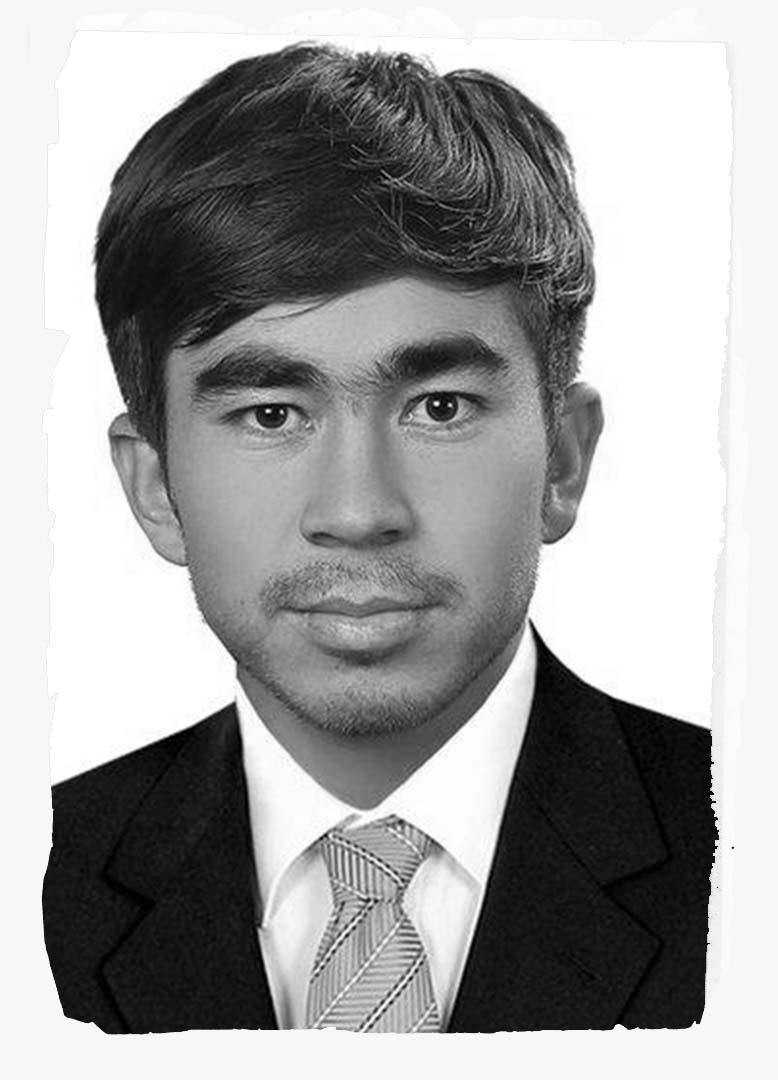
Maisam Andisha
- Photo of Victim
- Gender
- Male
- Ethnicity
- Hazara
- District geolocation of incident
- Kabul: 34° 31′ 1″ N, 69° 8′ 60″ E
- Description of incident
On October 24, 2020, a suicide bomber carried out an attack on the Kawsar-e Danish Educational Center in Kabul City. The educational center, which offers tutoring for students preparing for higher education, is located in an area with a large population of Hazara people.
Mohmmad Musa Ebrahimi
- Photo of Victim

- Gender
- Male
- Ethnicity
- Hazara
- District geolocation of incident
- Kabul: 34° 31′ 1″ N, 69° 8′ 60″ E
- Description of incident
On October 24, 2020, a suicide bomber carried out an attack on the Kawsar-e Danish Educational Center in Kabul City. The educational center, which offers tutoring for students preparing for higher education, is located in an area with a large population of Hazara people.
Zahra Zafari
- Photo of Victim

- Gender
- Female
- Ethnicity
- Hazara
- District geolocation of incident
- Kabul: 34° 31′ 1″ N, 69° 8′ 60″ E
Nigina
- Photo of Victim

- Gender
- Female
- Ethnicity
- Hazara
- District geolocation of incident
- Kabul: 34° 31′ 1″ N, 69° 8′ 60″ E
Parwin
- Photo of Victim

- Gender
- Female
- Ethnicity
- Hazara
- District geolocation of incident
- Kabul: 34° 31′ 1″ N, 69° 8′ 60″ E
Milad Alizada
- Photo of Victim

- Gender
- Male
- Ethnicity
- Hazara
- District geolocation of incident
- Kabul: 34° 31′ 1″ N, 69° 8′ 60″ E
Ebrahim Ansari
- Photo of Victim

- Gender
- Male
- Ethnicity
- Hazara
- District geolocation of incident
- Kabul: 34° 31′ 1″ N, 69° 8′ 60″ E
Parwiz Nori
- Photo of Victim

- Gender
- Male
- Ethnicity
- Hazara
- District geolocation of incident
- Kabul: 34° 31′ 1″ N, 69° 8′ 60″ E
Hayatullah Wahidi
- Photo of Victim

- Gender
- Male
- Ethnicity
- Hazara
- District geolocation of incident
- Sayyad: 35° 52′ 25″ N, 68° 25′ 51″ E
- Description of incident
On 3 August 2017, Anti-Government Elements including Taliban and local self-proclaimed Daesh/Islamic State affiliated fighters launched an attack against Mirza Olang village in Sayyad district, Sari Pul province, where fighting continued until 5 August. The village, known as ‘the gate to Sayyad’, lies deep in a long valley. Its southern entrance is near to the border of neighbouring Faryab province and is located 20 km south of the Sayyad district administrative centre. Much of the area surrounding the district administrative centre has been under control of Anti-Government Elements for more than one year.
Karbalaee Ghafor Sadiqi
- Photo of Victim

- Gender
- Male
- Ethnicity
- Hazara
- District geolocation of incident
- Sayyad: 35° 52′ 25″ N, 68° 25′ 51″ E
- Description of incident
On 3 August 2017, Anti-Government Elements including Taliban and local self-proclaimed Daesh/Islamic State affiliated fighters launched an attack against Mirza Olang village in Sayyad district, Sari Pul province, where fighting continued until 5 August. The village, known as ‘the gate to Sayyad’, lies deep in a long valley. Its southern entrance is near to the border of neighbouring Faryab province and is located 20 km south of the Sayyad district administrative centre. Much of the area surrounding the district administrative centre has been under control of Anti-Government Elements for more than one year.
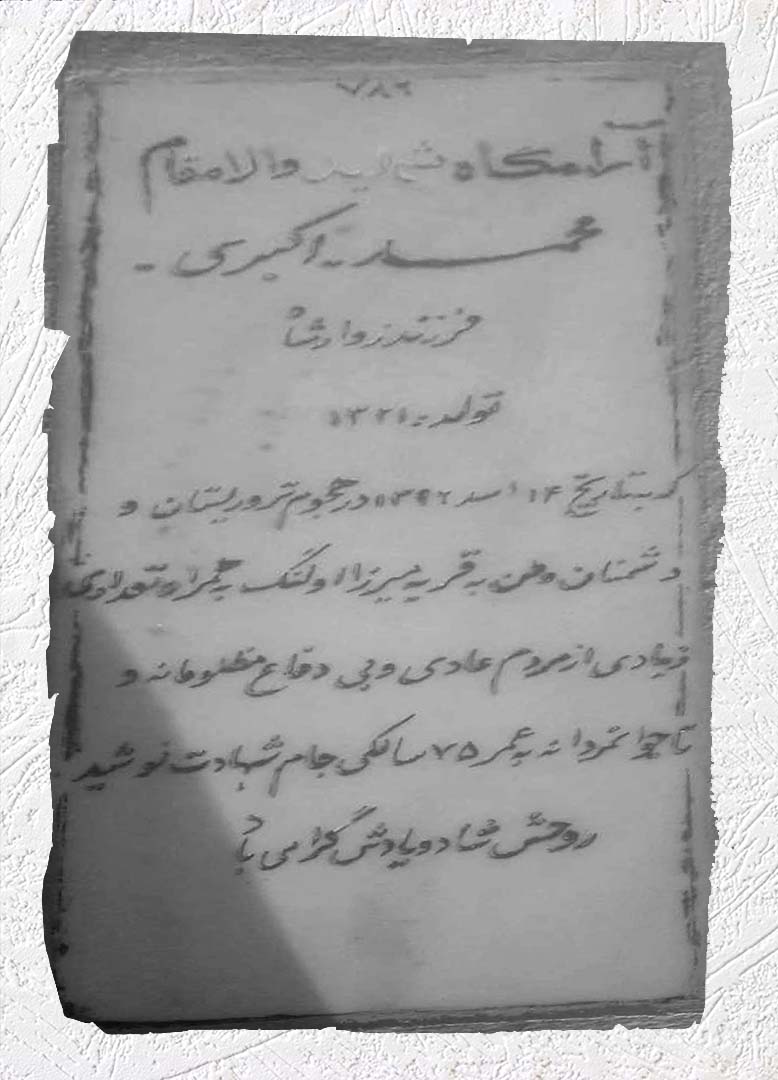
Mohammad Akbari
- Photo of Victim
- Gender
- Male
- Ethnicity
- Hazara
- District geolocation of incident
- Sayyad: 35° 52′ 25″ N, 68° 25′ 51″ E
- Description of incident
On 3 August 2017, Anti-Government Elements including Taliban and local self-proclaimed Daesh/Islamic State affiliated fighters launched an attack against Mirza Olang village in Sayyad district, Sari Pul province, where fighting continued until 5 August. The village, known as ‘the gate to Sayyad’, lies deep in a long valley. Its southern entrance is near to the border of neighbouring Faryab province and is located 20 km south of the Sayyad district administrative centre. Much of the area surrounding the district administrative centre has been under control of Anti-Government Elements for more than one year.
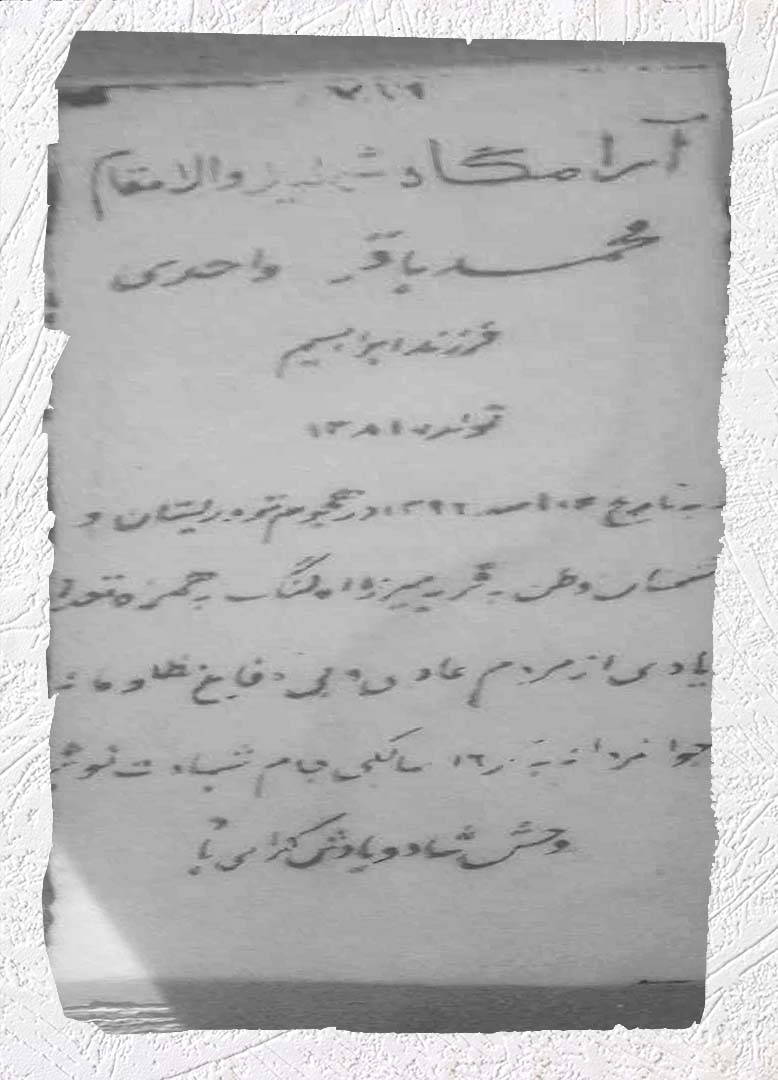
Baqer Wahidi
- Photo of Victim
- Gender
- Male
- Ethnicity
- Hazara
- District geolocation of incident
- Sayyad: 35° 52′ 25″ N, 68° 25′ 51″ E
- Description of incident
On 3 August 2017, Anti-Government Elements including Taliban and local self-proclaimed Daesh/Islamic State affiliated fighters launched an attack against Mirza Olang village in Sayyad district, Sari Pul province, where fighting continued until 5 August. The village, known as ‘the gate to Sayyad’, lies deep in a long valley. Its southern entrance is near to the border of neighbouring Faryab province and is located 20 km south of the Sayyad district administrative centre. Much of the area surrounding the district administrative centre has been under control of Anti-Government Elements for more than one year.
Kamal
- Photo of Victim

- Gender
- Male
- Ethnicity
- Hazara
- District geolocation of incident
- Sayyad: 35° 52′ 25″ N, 68° 25′ 51″ E
- Description of incident
On 3 August 2017, Anti-Government Elements including Taliban and local self-proclaimed Daesh/Islamic State affiliated fighters launched an attack against Mirza Olang village in Sayyad district, Sari Pul province, where fighting continued until 5 August. The village, known as ‘the gate to Sayyad’, lies deep in a long valley. Its southern entrance is near to the border of neighbouring Faryab province and is located 20 km south of the Sayyad district administrative centre. Much of the area surrounding the district administrative centre has been under control of Anti-Government Elements for more than one year.
Haji Zarif
- Photo of Victim

- Gender
- Male
- Ethnicity
- Hazara
- District geolocation of incident
- Sayyad: 35° 52′ 25″ N, 68° 25′ 51″ E
- Description of incident
On 3 August 2017, Anti-Government Elements including Taliban and local self-proclaimed Daesh/Islamic State affiliated fighters launched an attack against Mirza Olang village in Sayyad district, Sari Pul province, where fighting continued until 5 August. The village, known as ‘the gate to Sayyad’, lies deep in a long valley. Its southern entrance is near to the border of neighbouring Faryab province and is located 20 km south of the Sayyad district administrative centre. Much of the area surrounding the district administrative centre has been under control of Anti-Government Elements for more than one year.
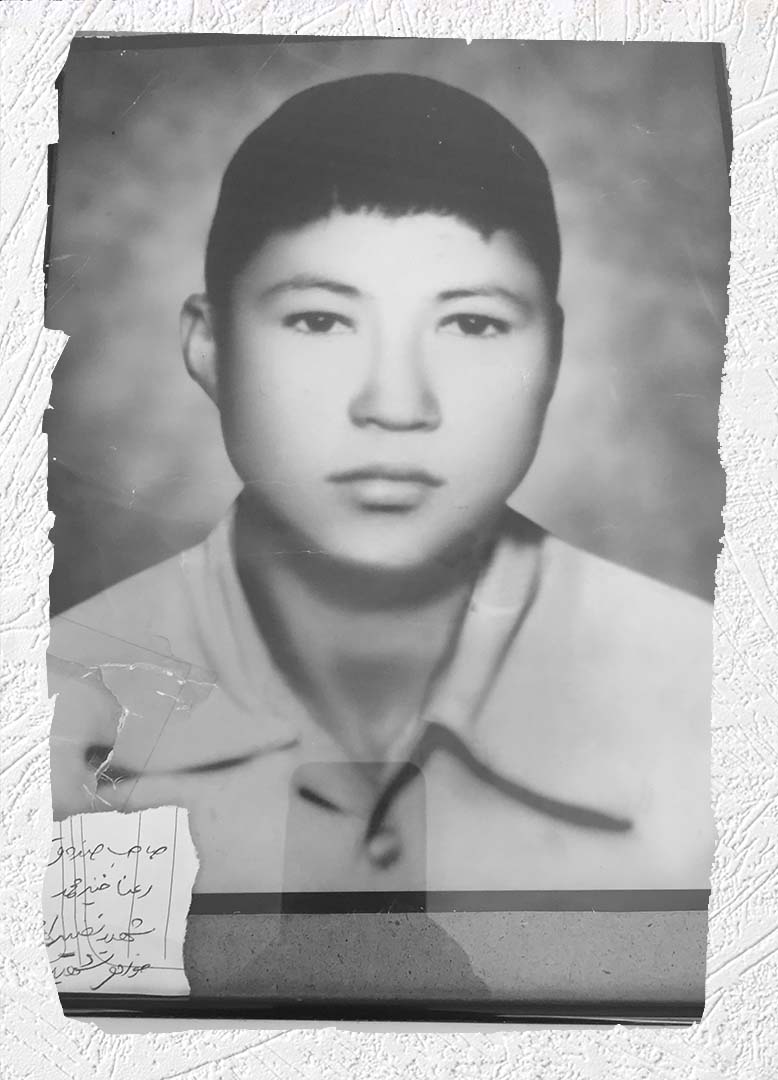
Nasir Ahmad
- Photo of Victim
- Gender
- Male
- Ethnicity
- Hazara
- District geolocation of incident
- Mazar-e Sharif: 36° 41′ 38″ N, 67° 6′ 48″ E
Sharifullah
- Photo of Victim

- Gender
- Male
- Ethnicity
- Hazara
- District geolocation of incident
- Mazar-e Sharif: 36° 41′ 38″ N, 67° 6′ 48″ E
Habiba
- Photo of Victim

- Gender
- Female
- Ethnicity
- Hazara
- District geolocation of incident
- Kabul: 34° 31′ 1″ N, 69° 8′ 60″ E
Hadisa
- Photo of Victim

- Gender
- Female
- Ethnicity
- Hazara
- District geolocation of incident
- Kabul: 34° 31′ 1″ N, 69° 8′ 60″ E
Rahima
- Photo of Victim

- Gender
- Female
- Ethnicity
- Hazara
- District geolocation of incident
- Kabul: 34° 31′ 1″ N, 69° 8′ 60″ E
Basgul
- Photo of Victim

- Gender
- Female
- Ethnicity
- Hazara
- District geolocation of incident
- Kabul: 34° 31′ 1″ N, 69° 8′ 60″ E
Zahra
- Photo of Victim

- Gender
- Female
- Ethnicity
- Hazara
- District geolocation of incident
- Kabul: 34° 31′ 1″ N, 69° 8′ 60″ E
Zahra
- Photo of Victim

- Gender
- Female
- Ethnicity
- Hazara
- District geolocation of incident
- Kabul: 34° 31′ 1″ N, 69° 8′ 60″ E
QamarGul Nasiri
- Photo of Victim

- Gender
- Female
- Ethnicity
- Hazara
- District geolocation of incident
- Kabul: 34° 31′ 1″ N, 69° 8′ 60″ E
Gulsom Rahimi
- Photo of Victim

- Gender
- Female
- Ethnicity
- Hazara
- District geolocation of incident
- Kabul: 34° 31′ 1″ N, 69° 8′ 60″ E
Friba Amiri
- Photo of Victim

- Gender
- Female
- Ethnicity
- Hazara
- District geolocation of incident
- Kabul: 34° 31′ 1″ N, 69° 8′ 60″ E
Belqes Yaqobi
- Photo of Victim

- Gender
- Female
- Ethnicity
- Hazara
- District geolocation of incident
- Kabul: 34° 31′ 1″ N, 69° 8′ 60″ E
Samira Khedri
- Photo of Victim

- Gender
- Female
- Ethnicity
- Hazara
- District geolocation of incident
- Kabul: 34° 31′ 1″ N, 69° 8′ 60″ E
Samira Hemati
- Photo of Victim

- Gender
- Female
- Ethnicity
- Hazara
- District geolocation of incident
- Kabul: 34° 31′ 1″ N, 69° 8′ 60″ E
Shakila Sarwari
- Photo of Victim

- Gender
- Female
- Ethnicity
- Hazara
- District geolocation of incident
- Kabul: 34° 31′ 1″ N, 69° 8′ 60″ E
ShahrBano Ahmadi
- Photo of Victim

- Gender
- Female
- Ethnicity
- Hazara
- District geolocation of incident
- Kabul: 34° 31′ 1″ N, 69° 8′ 60″ E
Sabera Ahmadi
- Photo of Victim

- Gender
- Female
- Ethnicity
- Hazara
- District geolocation of incident
- Kabul: 34° 31′ 1″ N, 69° 8′ 60″ E
Shabnam Bakhteiari
- Photo of Victim

- Gender
- Female
- Ethnicity
- Hazara
- District geolocation of incident
- Kabul: 34° 31′ 1″ N, 69° 8′ 60″ E
Shokria Motmaen
- Photo of Victim

- Gender
- Female
- Ethnicity
- Hazara
- District geolocation of incident
- Kabul: 34° 31′ 1″ N, 69° 8′ 60″ E
Aliza Haidari
- Photo of Victim

- Gender
- Female
- Ethnicity
- Hazara
- District geolocation of incident
- Kabul: 34° 31′ 1″ N, 69° 8′ 60″ E
Freshta Rezaey
- Photo of Victim

- Gender
- Female
- Ethnicity
- Hazara
- District geolocation of incident
- Kabul: 34° 31′ 1″ N, 69° 8′ 60″ E
Latifa Yosofi
- Photo of Victim

- Gender
- Female
- Ethnicity
- Hazara
- District geolocation of incident
- Kabul: 34° 31′ 1″ N, 69° 8′ 60″ E
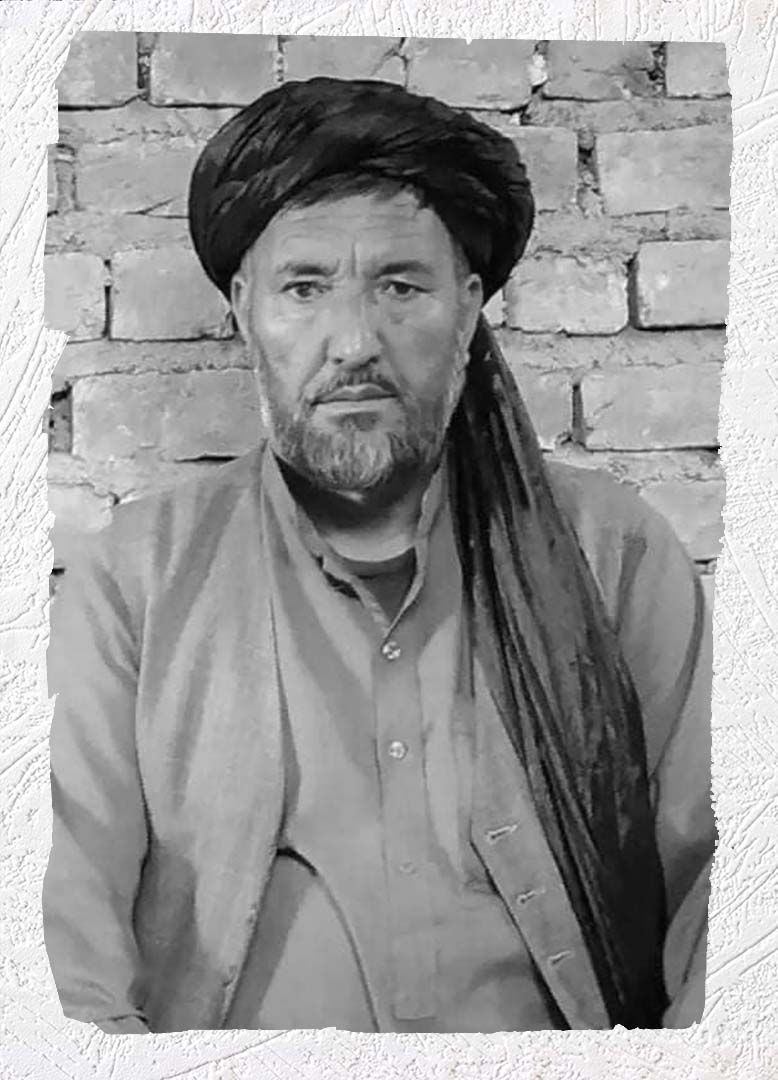
Mohammad Taher Khashiey
- Photo of Victim
- Gender
- Male
- Ethnicity
- Hazara
- District geolocation of incident
- Kabul: 34° 31′ 1″ N, 69° 8′ 60″ E
Madina Gholami
- Photo of Victim

- Gender
- Female
- Ethnicity
- Hazara
- District geolocation of incident
- Kabul: 34° 31′ 1″ N, 69° 8′ 60″ E
Marzia Mohammadi
- Photo of Victim

- Gender
- Female
- Ethnicity
- Hazara
- District geolocation of incident
- Kabul: 34° 31′ 1″ N, 69° 8′ 60″ E
Marwa Asghari
- Photo of Victim

- Gender
- Female
- Ethnicity
- Hazara
- District geolocation of incident
- Kabul: 34° 31′ 1″ N, 69° 8′ 60″ E
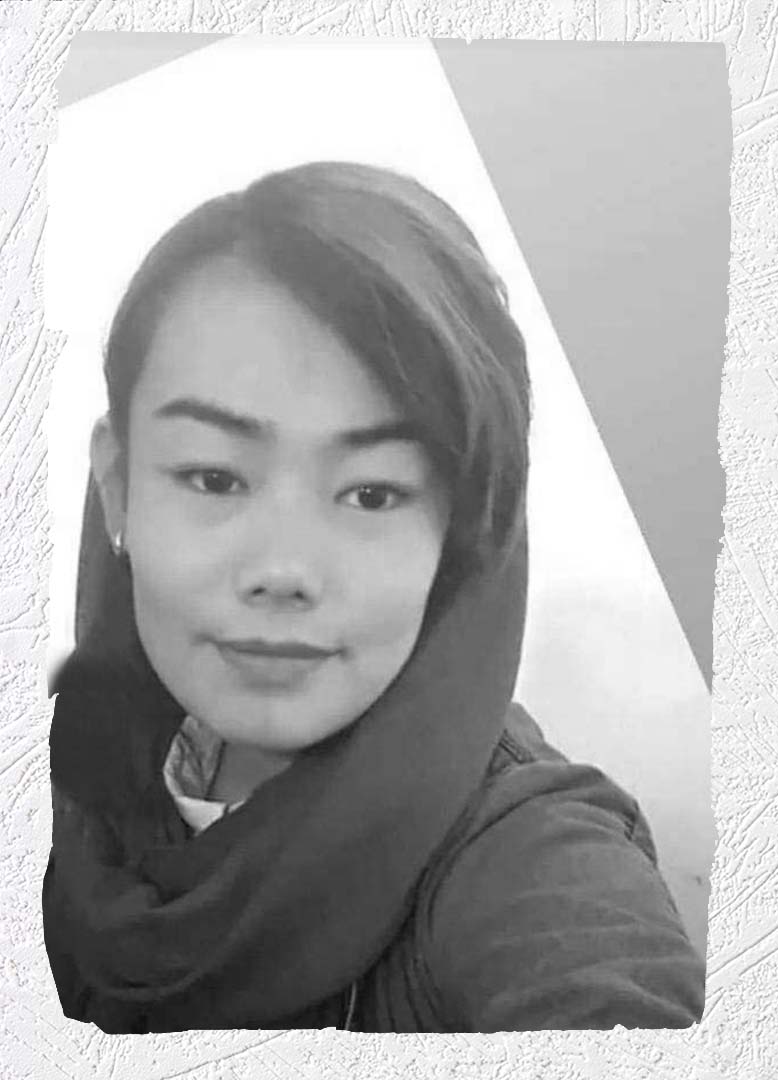
Shokria Hasani
- Photo of Victim
- Gender
- Female
- Ethnicity
- Hazara
- District geolocation of incident
- Kabul: 34° 31′ 1″ N, 69° 8′ 60″ E
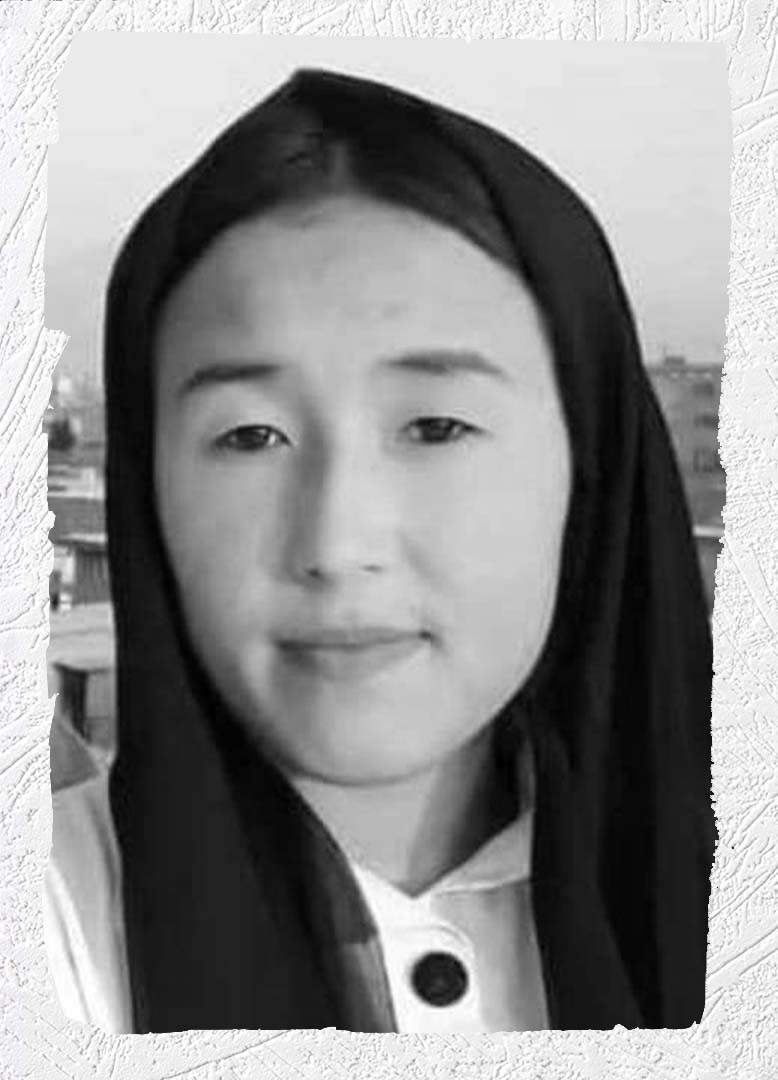
Freshta Nawrozi
- Photo of Victim
- Gender
- Female
- Ethnicity
- Hazara
- District geolocation of incident
- Kabul: 34° 31′ 1″ N, 69° 8′ 60″ E
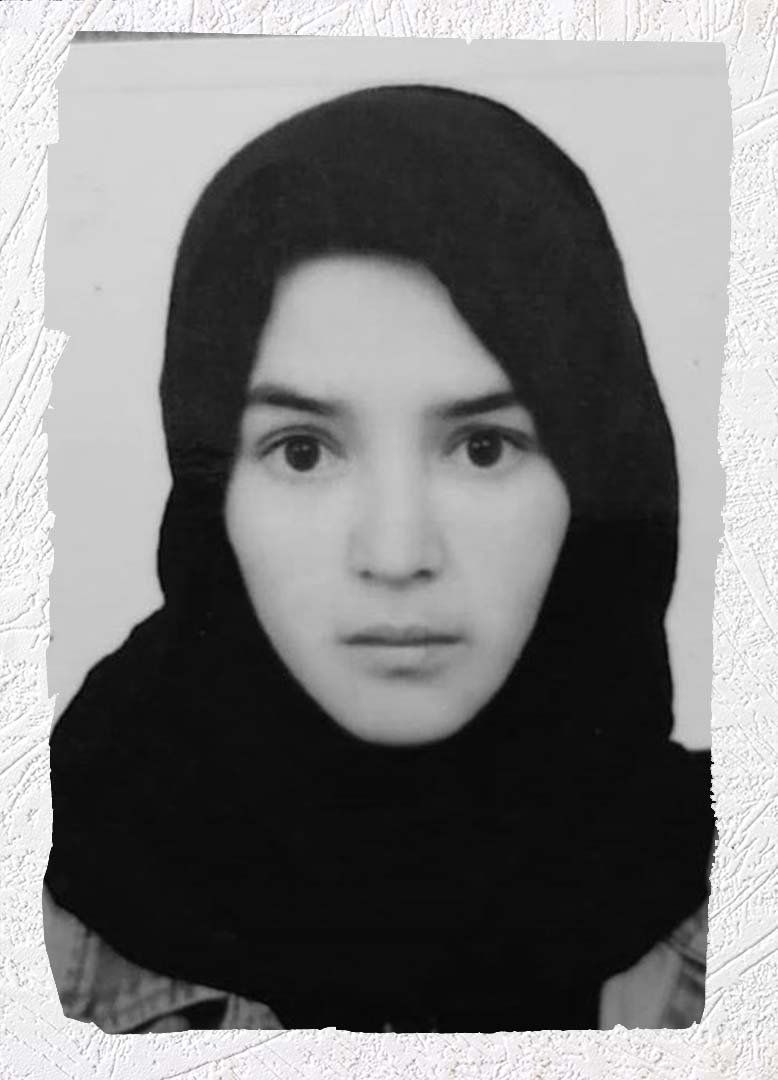
Nazanin Hajizada
- Photo of Victim
- Gender
- Female
- Ethnicity
- Hazara
- District geolocation of incident
- Kabul: 34° 31′ 1″ N, 69° 8′ 60″ E
Nazanin Kazimi
- Photo of Victim

- Gender
- Female
- Ethnicity
- Hazara
- District geolocation of incident
- Kabul: 34° 31′ 1″ N, 69° 8′ 60″ E
Najiba Safari (AdiB)
- Photo of Victim

- Gender
- Female
- Ethnicity
- Hazara
- District geolocation of incident
- Kabul: 34° 31′ 1″ N, 69° 8′ 60″ E
Nargis Mohammadi
- Photo of Victim

- Gender
- Female
- Ethnicity
- Hazara
- District geolocation of incident
- Kabul: 34° 31′ 1″ N, 69° 8′ 60″ E
Fatima Mohmmadi
- Photo of Victim

- Gender
- Female
- Ethnicity
- Hazara
- District geolocation of incident
- Kabul: 34° 31′ 1″ N, 69° 8′ 60″ E
Mahdia Alizada
- Photo of Victim

- Gender
- Female
- Ethnicity
- Hazara
- District geolocation of incident
- Kabul: 34° 31′ 1″ N, 69° 8′ 60″ E
Nasrin Gholami
- Photo of Victim

- Gender
- Female
- Ethnicity
- Hazara
- District geolocation of incident
- Kabul: 34° 31′ 1″ N, 69° 8′ 60″ E
Wahida Haidari
- Photo of Victim

- Gender
- Female
- Ethnicity
- Hazara
- District geolocation of incident
- Kabul: 34° 31′ 1″ N, 69° 8′ 60″ E
Faeza Amiri copy
- Photo of Victim
- Gender
- Female
- Ethnicity
- Hazara
- District geolocation of incident
- Kabul: 34° 31′ 1″ N, 69° 8′ 60″ E
Nilofar Moradi
- Photo of Victim

- Gender
- Female
- Ethnicity
- Hazara
- District geolocation of incident
- Kabul: 34° 31′ 1″ N, 69° 8′ 60″ E
Layeqa Gholami
- Photo of Victim

- Gender
- Female
- Ethnicity
- Hazara
- District geolocation of incident
- Kabul: 34° 31′ 1″ N, 69° 8′ 60″ E
Hajar Mohammadi
- Photo of Victim
- Gender
- Female
- Ethnicity
- Hazara
- District geolocation of incident
- Kabul: 34° 31′ 1″ N, 69° 8′ 60″ E
Mohammad Hassan
- Photo of Victim

- Gender
- Male
- Ethnicity
- Hazara
- District geolocation of incident
- Yakawlang: 34° 44′ 50″ N, 66° 56′ 40″ E
- Description of incident
On January 7, 2001, the Taliban attacked the Yakaolang district of Bamiyan province and massacred hundreds of Hazara civilians. Many of those who managed to escape and take refuge on the mountains froze to death. On the 8th of January, Taliban members began a house-to-house search across the district. The massacre of Hazaras continued through the 9th, 10th, 11th, and 12th of January. At least 300 Hazaras were either summerly executed or deliberately killed by the Taliban.
Haji Mohammad
- Photo of Victim
- Gender
- Male
- Ethnicity
- Hazara
- District geolocation of incident
- Yakawlang: 34° 44′ 50″ N, 66° 56′ 40″ E
- Description of incident
On January 7, 2001, the Taliban attacked the Yakaolang district of Bamiyan province and massacred hundreds of Hazara civilians. Many of those who managed to escape and take refuge on the mountains froze to death. On the 8th of January, Taliban members began a house-to-house search across the district. The massacre of Hazaras continued through the 9th, 10th, 11th, and 12th of January. At least 300 Hazaras were either summerly executed or deliberately killed by the Taliban.
Rahmatullah
- Photo of Victim

- Gender
- Male
- Ethnicity
- Hazara
- District geolocation of incident
- Yakawlang: 34° 44′ 50″ N, 66° 56′ 40″ E
- Description of incident
On January 7, 2001, the Taliban attacked the Yakaolang district of Bamiyan province and massacred hundreds of Hazara civilians. Many of those who managed to escape and take refuge on the mountains froze to death. On the 8th of January, Taliban members began a house-to-house search across the district. The massacre of Hazaras continued through the 9th, 10th, 11th, and 12th of January. At least 300 Hazaras were either summerly executed or deliberately killed by the Taliban.
Shahram
- Photo of Victim

- Gender
- Male
- Ethnicity
- Hazara
- District geolocation of incident
- Kabul: 34° 31′ 1″ N, 69° 8′ 60″ E
- Description of incident
A suicide bomber has blown himself up inside a Shia Mosque in the Afghan capital Kabul, killing at least 53 people and wounding dozens of others. The explosion happened at the Baqir-ul-uloom mosque in the Darul Aman area as people gathered to mark the end of an important religious period.
Aliakbar Mansori
- Photo of Victim

- Gender
- Male
- Ethnicity
- Hazara
- District geolocation of incident
- Kabul: 34° 31′ 1″ N, 69° 8′ 60″ E
AliMohammad Nazari
- Photo of Victim
- Gender
- Male
- Ethnicity
- Hazara
- District geolocation of incident
- Kabul: 34° 31′ 1″ N, 69° 8′ 60″ E
- Description of incident
A suicide bomber has blown himself up inside a Shia Mosque in the Afghan capital Kabul, killing at least 53 people and wounding dozens of others. The explosion happened at the Baqir-ul-uloom mosque in the Darul Aman area as people gathered to mark the end of an important religious period.
Faraidon
- Photo of Victim

- Gender
- Male
- Ethnicity
- Hazara
- District geolocation of incident
- Kabul: 34° 31′ 1″ N, 69° 8′ 60″ E
- Description of incident
A suicide bomber has blown himself up inside a Shia Mosque in the Afghan capital Kabul, killing at least 53 people and wounding dozens of others. The explosion happened at the Baqir-ul-uloom mosque in the Darul Aman area as people gathered to mark the end of an important religious period.
Nawrozali
- Photo of Victim

- Gender
- Male
- Ethnicity
- Hazara
- District geolocation of incident
- Kabul: 34° 31′ 1″ N, 69° 8′ 60″ E
- Description of incident
A suicide bomber has blown himself up inside a Shia Mosque in the Afghan capital Kabul, killing at least 53 people and wounding dozens of others. The explosion happened at the Baqir-ul-uloom mosque in the Darul Aman area as people gathered to mark the end of an important religious period.
Mohammad Anwar Nori
- Photo of Victim

- Gender
- Male
- Ethnicity
- Hazara
- District geolocation of incident
- Kabul: 34° 31′ 1″ N, 69° 8′ 60″ E
- Description of incident
A suicide attack on october 20, 2017, took place in the Imam Zaman Mosque located in Dasht Barchi, which is the Hazara area of Kabul, when people were there for prayers. As a result of this terrorist attack, 56 people were killed and 55 others were injured.
GulPari
- Photo of Victim

- Gender
- Female
- Ethnicity
- Hazara
- District geolocation of incident
- Arghandab: 31° 39′ 3″ N, 65° 38′ 59″ E
- Description of incident
The hostage taking of seven Hazara passengers and then beheading them on November 9, 2015 by Daesh took place in Zabul province located in the southeast of Afghanistan. Shukria Tabssum, a 9-year-old Hazara child, was also a victim of this massacre.
Sardaro Ali
- Photo of Victim

- Gender
- Female
- Ethnicity
- Hazara
- District geolocation of incident
- Arghandab: 31° 39′ 3″ N, 65° 38′ 59″ E
- Description of incident
The hostage taking of seven Hazara passengers and then beheading them on November 9, 2015 by Daesh took place in Zabul province located in the southeast of Afghanistan. Shukria Tabssum, a 9-year-old Hazara child, was also a victim of this massacre.
Shawkat Ali
- Photo of Victim

- Gender
- Male
- Ethnicity
- Hazara
- District geolocation of incident
- Arghandab: 31° 39′ 3″ N, 65° 38′ 59″ E
- Description of incident
The hostage taking of seven Hazara passengers and then beheading them on November 9, 2015 by Daesh took place in Zabul province located in the southeast of Afghanistan. Shukria Tabssum, a 9-year-old Hazara child, was also a victim of this massacre.
Mohammad Khan
- Photo of Victim
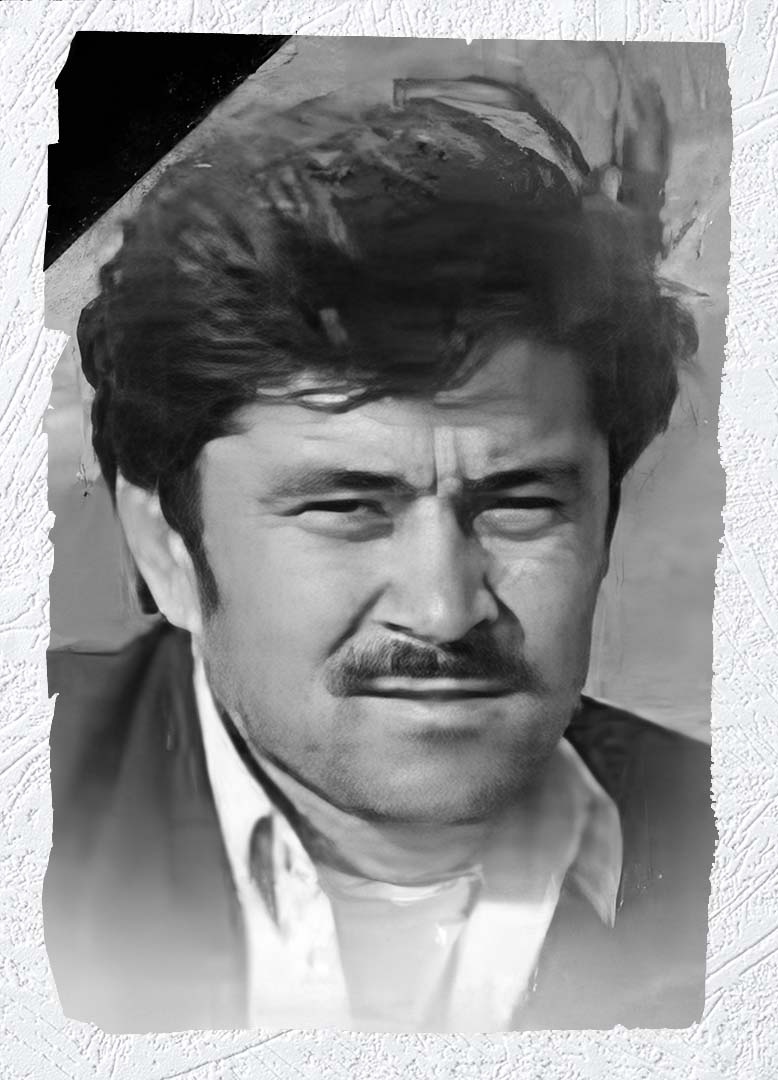
- Gender
- Male
- Ethnicity
- Hazara
- District geolocation of incident
- Arghandab: 31° 39′ 3″ N, 65° 38′ 59″ E
- Description of incident
The hostage taking of seven Hazara passengers and then beheading them on November 9, 2015 by Daesh took place in Zabul province located in the southeast of Afghanistan. Shukria Tabssum, a 9-year-old Hazara child, was also a victim of this massacre.
Ismaeal BasharDost
- Photo of Victim
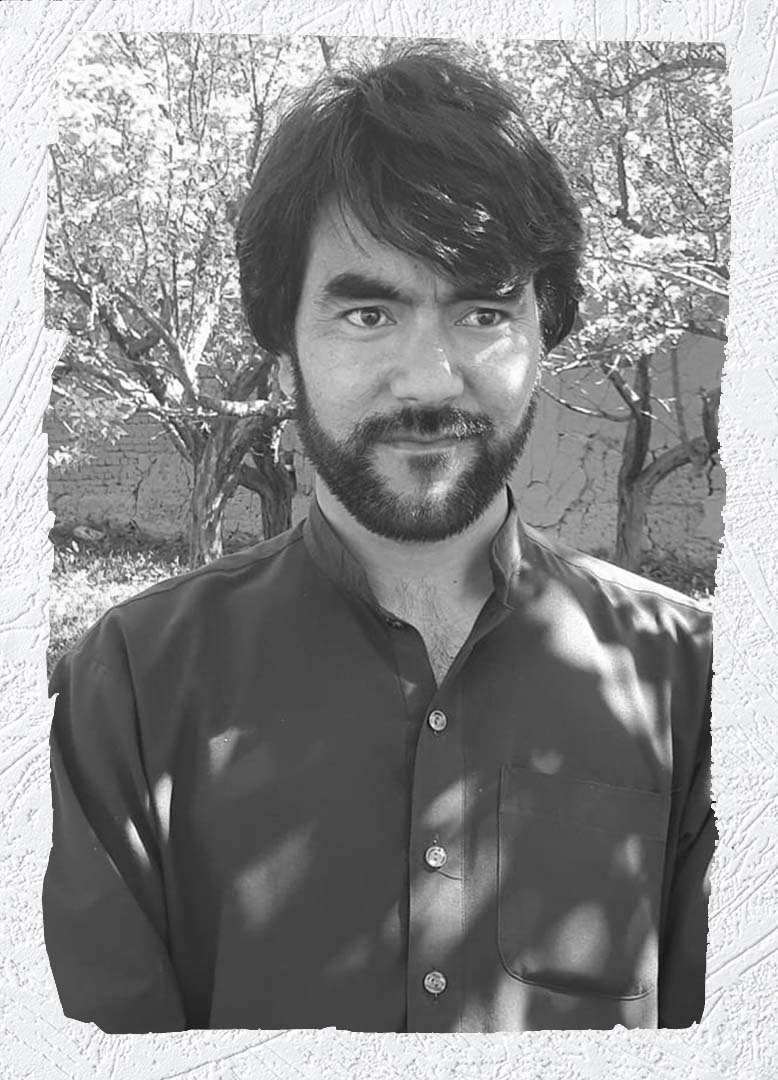
- Gender
- Male
- Ethnicity
- Hazara
- District geolocation of incident
- Kabul: 34° 31′ 1″ N, 69° 8′ 60″ E
- Description of incident
This explosion took place on November 11, 2018 when thousands of Kabul residents protested what they called "the government's inaction in preventing the attack of the Taliban group on Malistan and Jaghouri districts in Ghazni province and Khas Uruzgan district in Uruzgan province". They started a march and gathered near the presidential palace. The rally continued until dawn on Monday, when President Ghani accepted some of the protesters' demands through a phone call. After that, people were leaving the gathering place when a suicide attack took place.
Abdulsamad Amiri
- Photo of Victim
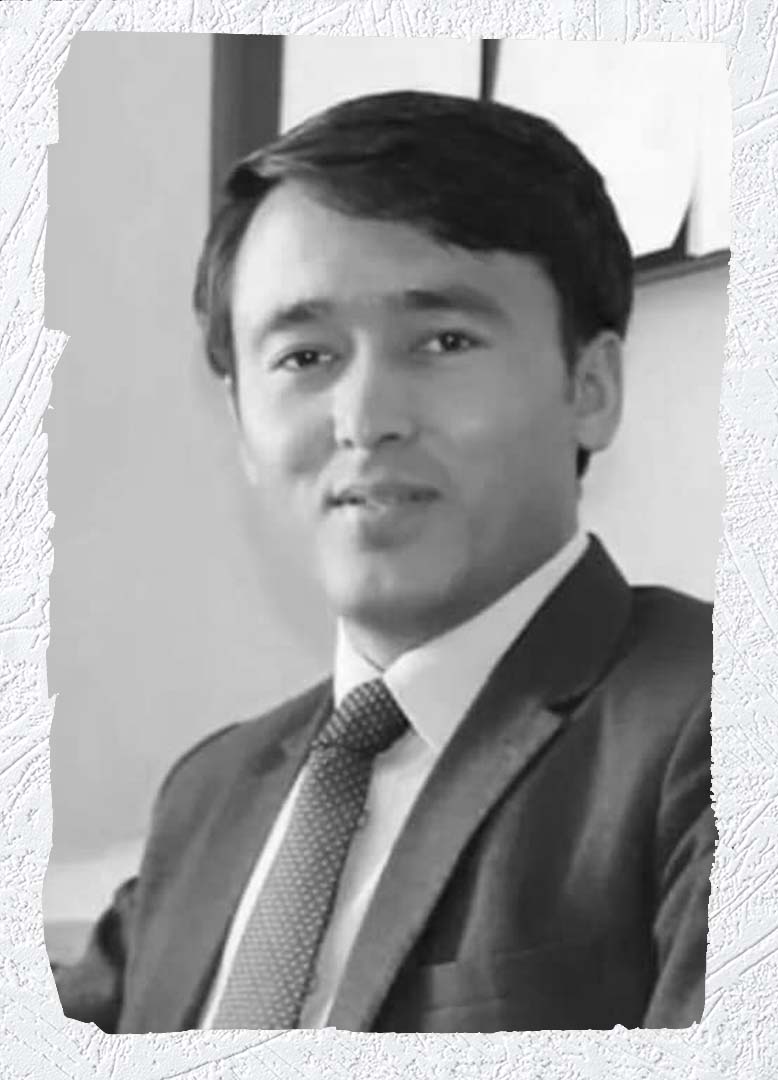
- Gender
- Male
- Ethnicity
- Hazara
- District geolocation of incident
- Jalrez: 34° 37′ 46″ N, 68° 39′ 29″ E
- Description of incident
The Taliban group kidnapped Abdul Samad Amiri in Jalriz district of Maidan Wardak province on the morning of Tuesday, 3th of september 2018 and then brutally shot him to death on Thursday, 5th of september 2018.
Fatima Batul Sultani
- Photo of Victim

- Gender
- Female
- Ethnicity
- Hazara
- District geolocation of incident
- Kabul: 34° 31′ 1″ N, 69° 8′ 60″ E
- Description of incident
This explosion took place on November 11, 2018 when thousands of Kabul residents protested what they called "the government's inaction in preventing the attack of the Taliban group on Malistan and Jaghouri districts in Ghazni province and Khas Uruzgan district in Uruzgan province". They started a march and gathered near the presidential palace. The rally continued until dawn on Monday, when President Ghani accepted some of the protesters' demands through a phone call. After that, people were leaving the gathering place when a suicide attack took place.
Freshta Akbari Hazaristani
- Photo of Victim

- Gender
- Female
- Ethnicity
- Hazara
- District geolocation of incident
- Kabul: 34° 31′ 1″ N, 69° 8′ 60″ E
- Description of incident
This explosion took place on November 11, 2018 when thousands of Kabul residents protested what they called "the government's inaction in preventing the attack of the Taliban group on Malistan and Jaghouri districts in Ghazni province and Khas Uruzgan district in Uruzgan province". They started a march and gathered near the presidential palace. The rally continued until dawn on Monday, when President Ghani accepted some of the protesters' demands through a phone call. After that, people were leaving the gathering place when a suicide attack took place.
Ahmad Jawid Folad
- Photo of Victim

- Gender
- Male
- Ethnicity
- Hazara
- District geolocation of incident
- Kabul: 34° 31′ 1″ N, 69° 8′ 60″ E
- Description of incident
On June 27, 2020, an explosion caused by a magnetic mine in Kabul killed 24-year-old Fatima Khalil and her colleague Ahmad Javid Foulad. Mrs. Khalil graduated from the American University of Central Asia and was an employee of the Afghanistan Independent Human Rights Commission.
AliDost Shams
- Photo of Victim
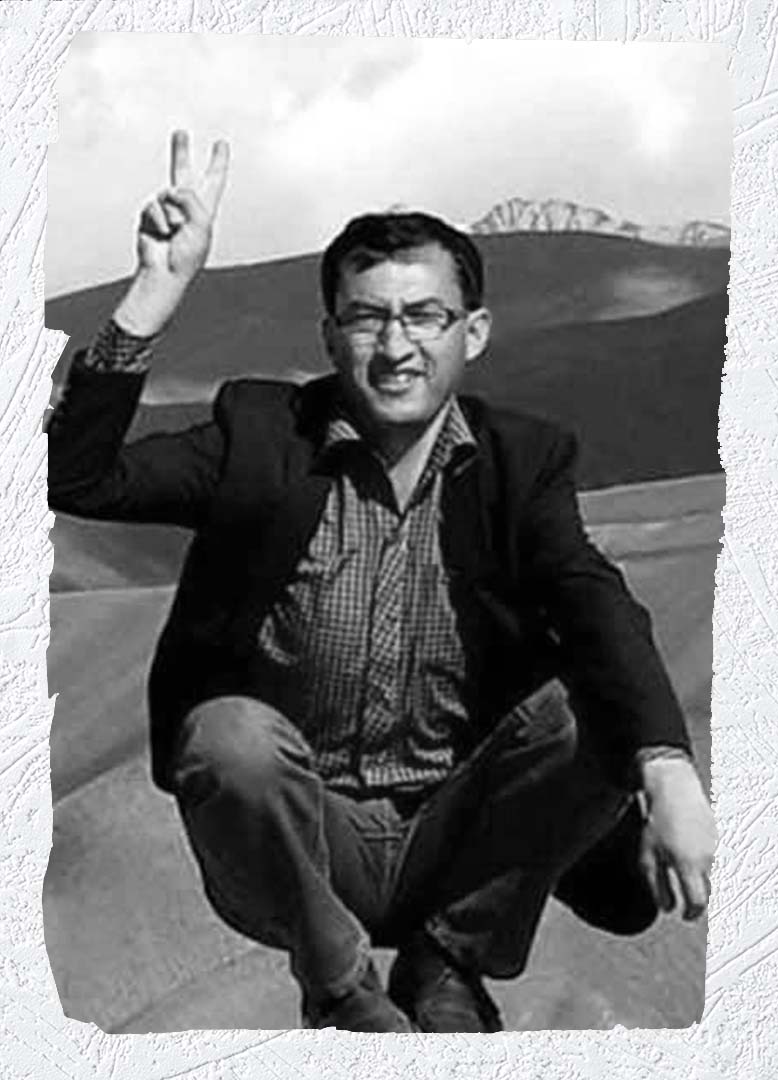
- Gender
- Male
- Ethnicity
- Hazara
- District geolocation of incident
- Khwaja Umari: 33° 41′ 20″ N, 68° 24′ 4″ E
- Description of incident
The terrorist group of Taliban, on the morning of Thursday, 12 April 2018, in a bloody attack on the district center of Khwaja Umari, Ghazni province, Ali Doost Shams, the educated district governor of Khwaja Umari, and 20 brave soldiers were martyred and 12 other soldiers were wounded.
M. Ibrahim Hussaini
- Photo of Victim

- Gender
- Male
- Ethnicity
- Hazara
- District geolocation of incident
- Kabul: 34° 31′ 1″ N, 69° 8′ 60″ E
- Description of incident
Around 6:45 a.m. on Monday 24 July 2017, a suicide bomber detonated his explosives in the Sarikariz area of the third district and a few steps from the house of Mohammad Mohaghegh, the second deputy of the executive directorate, as a result of which 24 people died and 40 people were injured. Others have been wounded.
Nafisa
- Photo of Victim

- Gender
- Female
- Ethnicity
- Hazara
- District geolocation of incident
- Mazar-e Sharif: 36° 41′ 38″ N, 67° 6′ 48″ E
- Description of incident
A young girl named Nafisa, who was a midwife, was brutally tortured by the Taliban and then killed by 12 bullets. "Nafisa was working at the Ali Choupan clinic and on evening (02 April 2022) she was going home from her place of work with her sister's child and a colleague, when the Taliban asked her at the checkpoint what is her relationship with this man, she said he is my colleague The Taliban said why did you ride in the same car with a non-mahram.
Nigar
- Photo of Victim

- Gender
- Female
- Ethnicity
- Hazara
- District geolocation of incident
- Chaghcharan: 34° 31′ 56″ N, 65° 14′ 49″ E
- Description of incident
People's sources in Ghor Province confirm that a former female police member was shot by Taliban forces in this province. This event took place on Saturday evening, 05 September 2021 in Firuzkoh city, the capital of this province.
Zainab Abdullahi
- Photo of Victim

- Gender
- Female
- Ethnicity
- Hazara
- District geolocation of incident
- Kabul: 34° 31′ 1″ N, 69° 8′ 60″ E
- Description of incident
The forces of the Taliban group shot and killed a young woman in a checkpoint in the "Dasht Barchi" area. This incident happened on Thursday evening, 14th of January 2022 in "Golaei" area, of the 13th district of Kabul city. The victim of this event has been mentioned as Zainab Abdullahi.
Mina Khairi
- Photo of Victim

- Gender
- Female
- Ethnicity
- Hazara
- District geolocation of incident
- Kabul: 34° 31′ 1″ N, 69° 8′ 60″ E
- Description of incident
In the explosion on Thursday, June 03, 2021 in Kabul, the capital of Afghanistan, a journalist of Ariana TV was also killed. Ariana TV announced that the DNA test of the victims of the explosion in the area of the Pol-e sokhta in Kabul confirms that Mina Khairi, the announcer of Ariananews and Ariana radios, died in this event with her mother.
Hasnia Khairi
- Photo of Victim

- Gender
- Female
- Ethnicity
- Hazara
- District geolocation of incident
- Kabul: 34° 31′ 1″ N, 69° 8′ 60″ E
- Description of incident
Hasnia Khairi, the sister of Ariana TV reporter Mina Khairi, died in the hospital due to severe injuries.
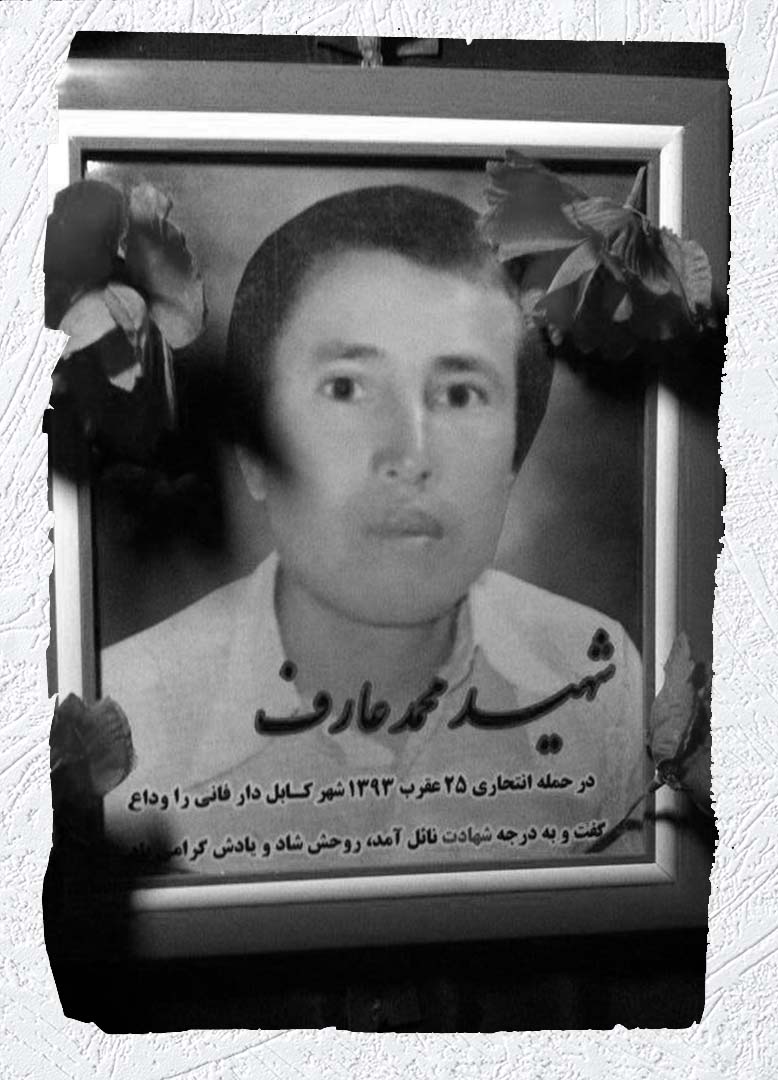
Mohammad Arif
- Photo of Victim
- Gender
- Male
- Ethnicity
- Hazara
- District geolocation of incident
- Kabul: 34° 31′ 1″ N, 69° 8′ 60″ E
- Description of incident
He was killed in a suicide attack on 16th of November 2014 in Kabul city.
Gulchehra Sadaf Qasimi
- Photo of Victim

- Gender
- Female
- Ethnicity
- Hazara
- District geolocation of incident
- Kabul: 34° 31′ 1″ N, 69° 8′ 60″ E
- Description of incident
This explosion took place on November 11, 2018 when thousands of Kabul residents protested what they called "the government's inaction in preventing the attack of the Taliban group on Malistan and Jaghouri districts in Ghazni province and Khas Uruzgan district in Uruzgan province". They started a march and gathered near the presidential palace. The rally continued until dawn on Monday, when President Ghani accepted some of the protesters' demands through a phone call. After that, people were leaving the gathering place when a suicide attack took place.
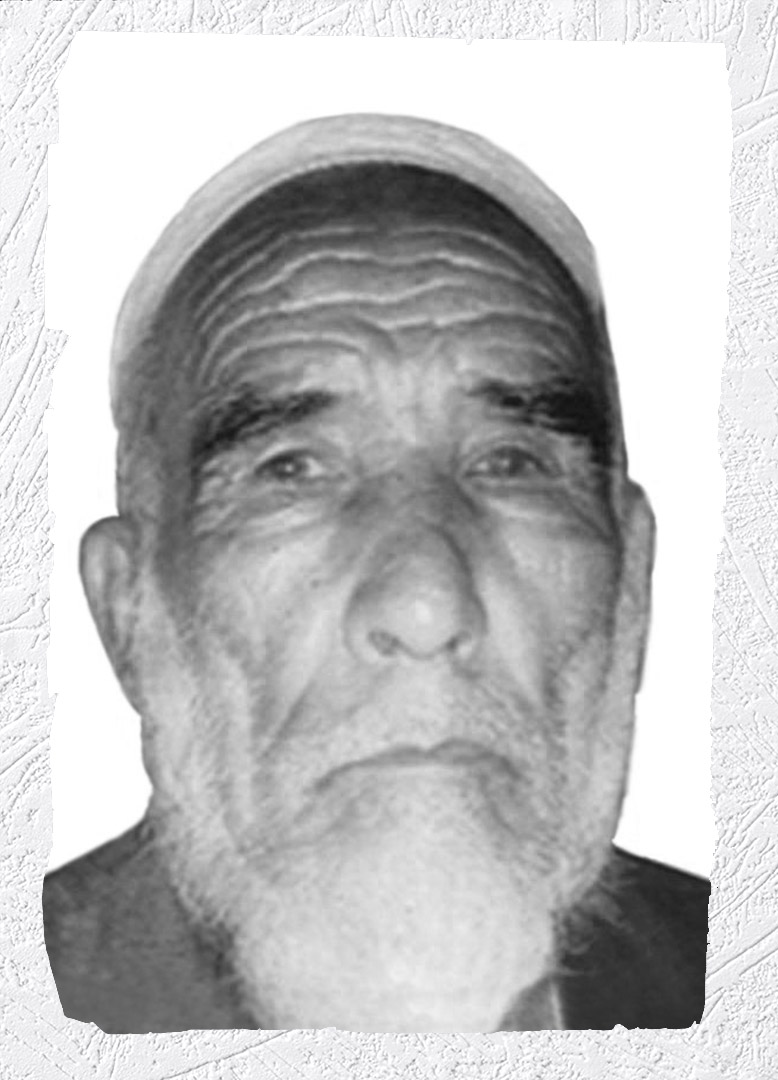
Baba Mohsen
- Photo of Victim
- Gender
- Male
- Ethnicity
- Hazara
- District geolocation of incident
- Kabul: 34° 31′ 1″ N, 69° 8′ 60″ E
- Description of incident
A suicide attack on october 20, 2017, took place in the Imam Zaman Mosque located in Dasht Barchi, which is the Hazara area of Kabul, when people were there for prayers. As a result of this terrorist attack, 56 people were killed and 55 others were injured.
Zakaria Mohajer
- Photo of Victim

- Gender
- Male
- Ethnicity
- Hazara
- District geolocation of incident
- Kabul: 34° 31′ 1″ N, 69° 8′ 60″ E
- Description of incident
A suicide attack on october 20, 2017, took place in the Imam Zaman Mosque located in Dasht Barchi, which is the Hazara area of Kabul, when people were there for prayers. As a result of this terrorist attack, 56 people were killed and 55 others were injured.
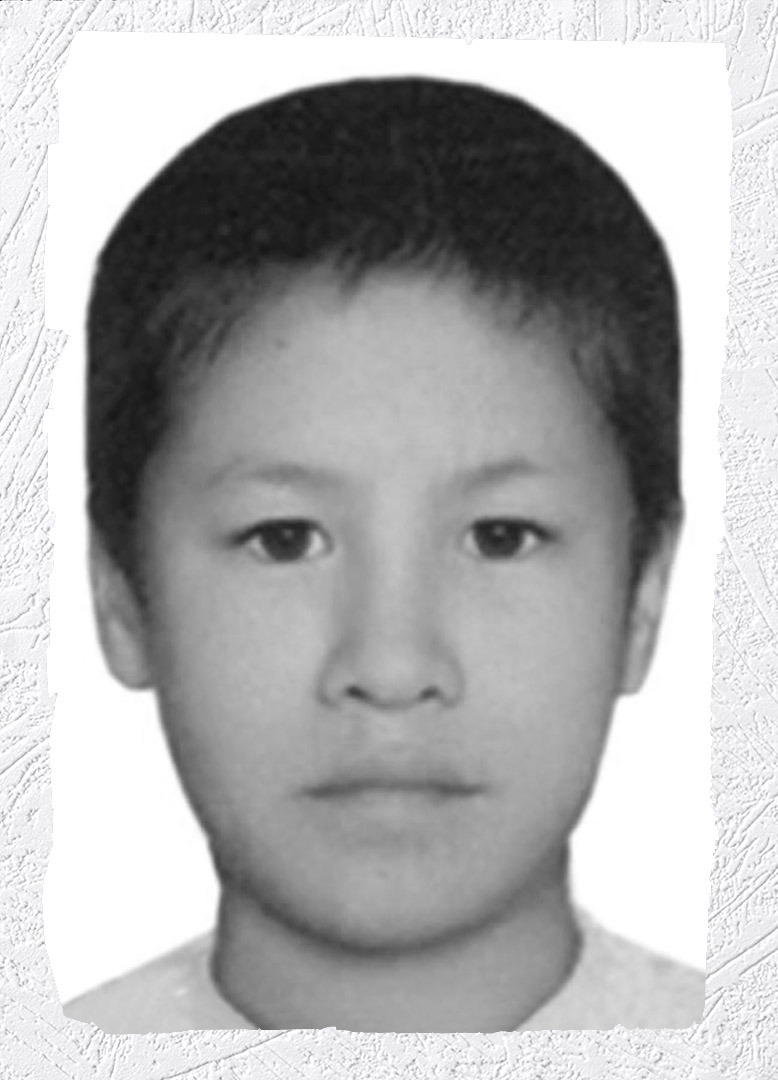
Abbas Karbalaee
- Photo of Victim
- Gender
- Male
- Ethnicity
- Hazara
- District geolocation of incident
- Kabul: 34° 31′ 1″ N, 69° 8′ 60″ E
- Description of incident
A suicide attack on october 20, 2017, took place in the Imam Zaman Mosque located in Dasht Barchi, which is the Hazara area of Kabul, when people were there for prayers. As a result of this terrorist attack, 56 people were killed and 55 others were injured.
Qasim Ali Faizi
- Photo of Victim

- Gender
- Male
- Ethnicity
- Hazara
- District geolocation of incident
- Kabul: 34° 31′ 1″ N, 69° 8′ 60″ E
- Description of incident
A suicide attack on october 20, 2017, took place in the Imam Zaman Mosque located in Dasht Barchi, which is the Hazara area of Kabul, when people were there for prayers. As a result of this terrorist attack, 56 people were killed and 55 others were injured.
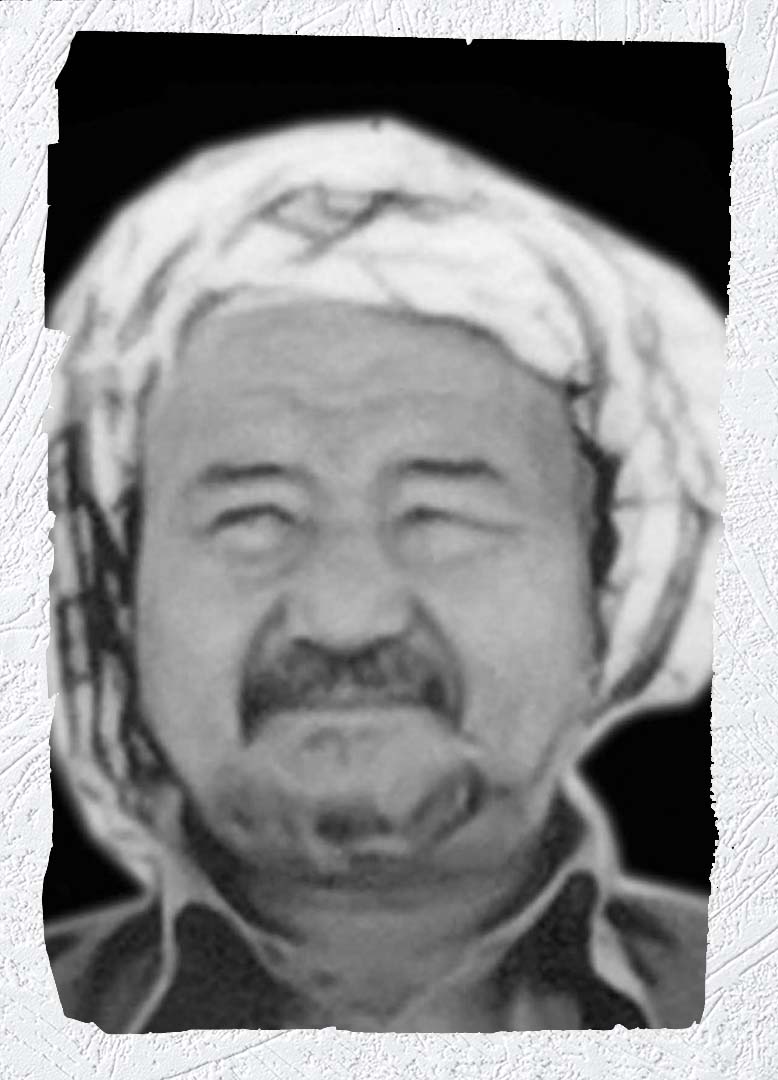
Qurban Ali
- Photo of Victim
- Gender
- Male
- Ethnicity
- Hazara
- District geolocation of incident
- Kabul: 34° 31′ 1″ N, 69° 8′ 60″ E
- Description of incident
A suicide attack on october 20, 2017, took place in the Imam Zaman Mosque located in Dasht Barchi, which is the Hazara area of Kabul, when people were there for prayers. As a result of this terrorist attack, 56 people were killed and 55 others were injured.
Mustafa Hussaini
- Photo of Victim
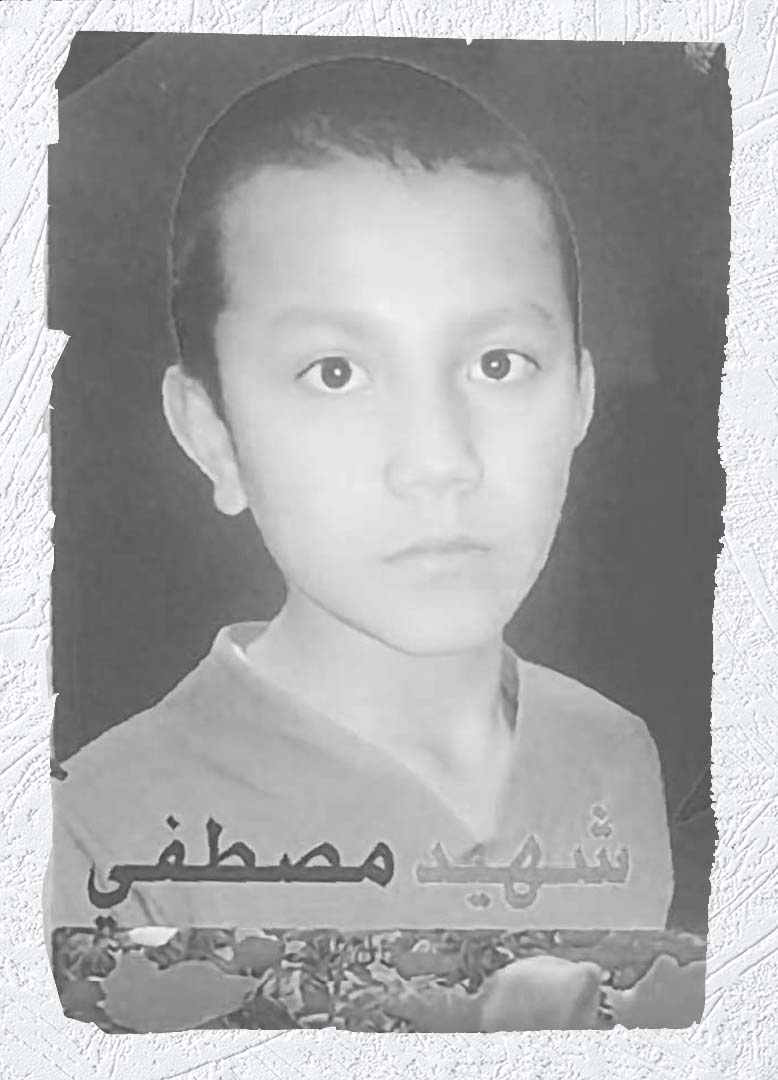
- Gender
- Male
- Ethnicity
- Hazara
- District geolocation of incident
- Kabul: 34° 31′ 1″ N, 69° 8′ 60″ E
- Description of incident
A suicide attack on october 20, 2017, took place in the Imam Zaman Mosque located in Dasht Barchi, which is the Hazara area of Kabul, when people were there for prayers. As a result of this terrorist attack, 56 people were killed and 55 others were injured.
Nazar Ali Muradi
- Photo of Victim
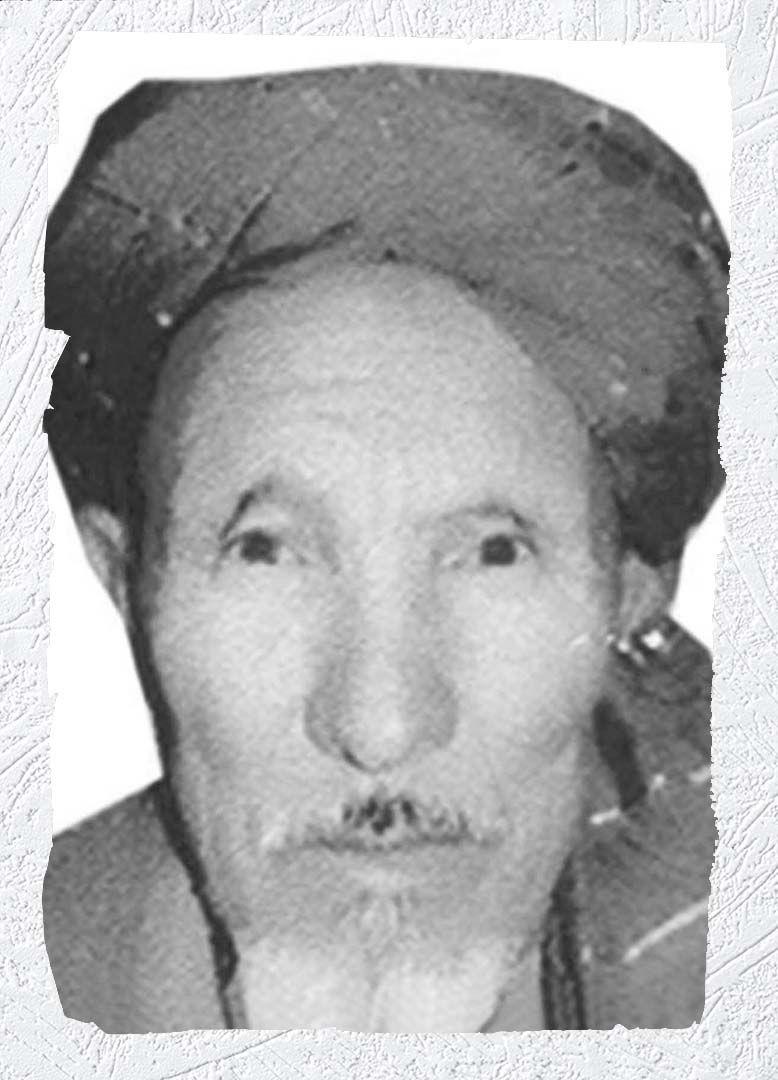
- Gender
- Male
- Ethnicity
- Hazara
- District geolocation of incident
- Kabul: 34° 31′ 1″ N, 69° 8′ 60″ E
- Description of incident
A suicide attack on october 20, 2017, took place in the Imam Zaman Mosque located in Dasht Barchi, which is the Hazara area of Kabul, when people were there for prayers. As a result of this terrorist attack, 56 people were killed and 55 others were injured.
Nastojan Melati
- Photo of Victim
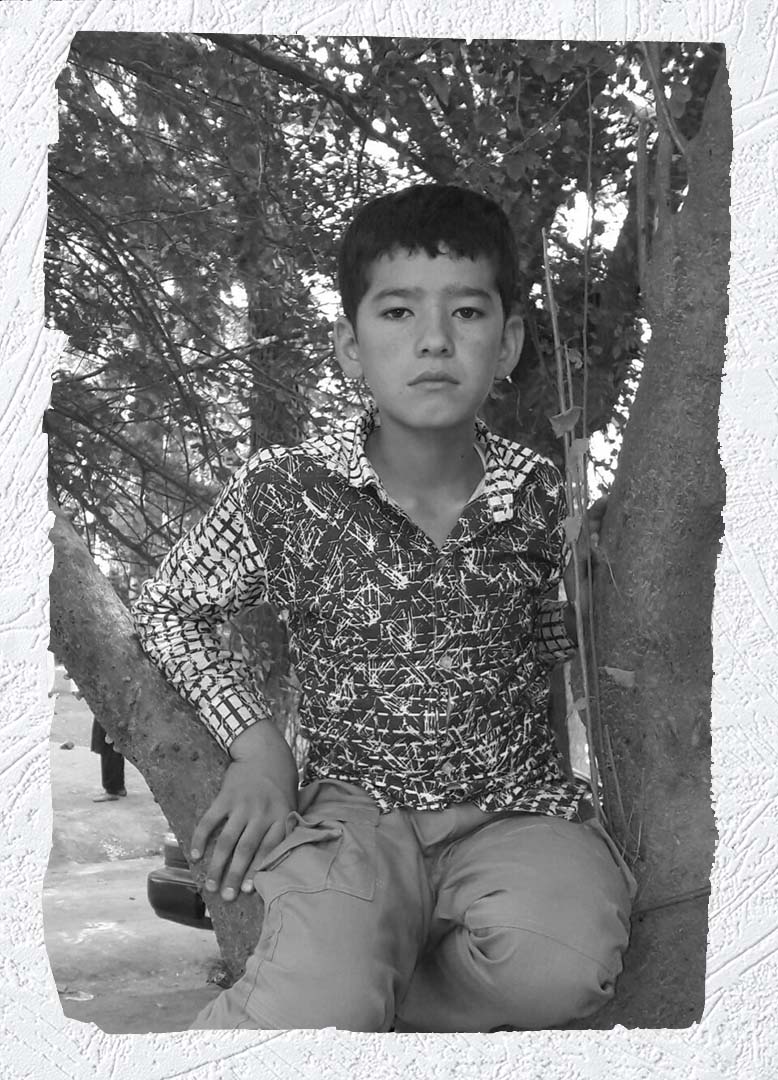
- Gender
- Male
- Ethnicity
- Hazara
- District geolocation of incident
- Kabul: 34° 31′ 1″ N, 69° 8′ 60″ E
- Description of incident
A suicide attack on october 20, 2017, took place in the Imam Zaman Mosque located in Dasht Barchi, which is the Hazara area of Kabul, when people were there for prayers. As a result of this terrorist attack, 56 people were killed and 55 others were injured.
GholamAli Alizada
- Photo of Victim
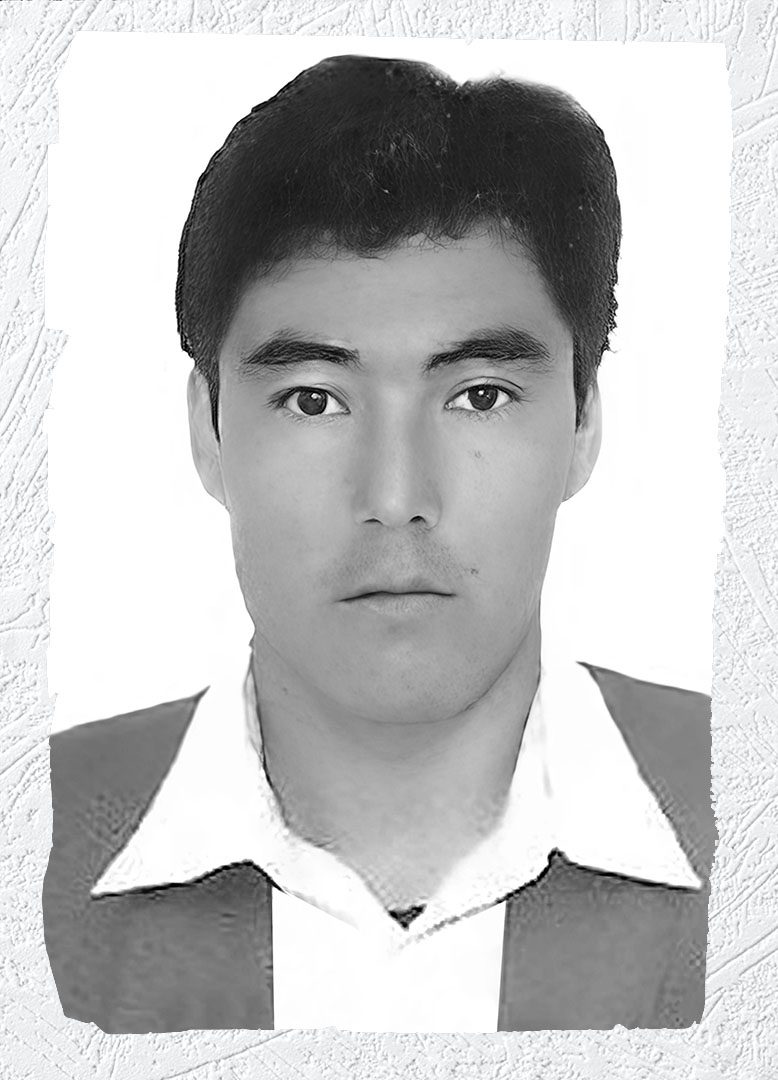
- Gender
- Male
- Ethnicity
- Hazara
- District geolocation of incident
- Kabul: 34° 31′ 1″ N, 69° 8′ 60″ E
- Description of incident
Junbesh-e Roshnayi-e (The Enlightenment Movement) is a grassroots civil disobedience movement of Hazaras created in 2016 in Afghanistan in response to the Afghan government's change in routing plans for proposed international electricity networking, which was perceived as continuing historical anti-Hazara discrimination. The group organised major protests in Afghanistan and internationally during 2016 and 2017, protesting against discrimination.
Qambar
- Photo of Victim

- Gender
- Male
- Ethnicity
- Hazara
- District geolocation of incident
- Bamyan: 34° 48′ 44″ N, 67° 49′ 14″ E
Hassan
- Photo of Victim

- Gender
- Male
- Ethnicity
- Hazara
- District geolocation of incident
- Balkh: 36° 45′ 19″ N, 66° 53′ 48″ E
- Description of incident
آنطوریکه راوی داستان حسین یعنی خدیجه عزیزی میگوید حادثه برای آنها نامعلوم است و قبر حسن هم نامعلوم است.
- Declaratory Statement
مردگیش درگ نداره راوی: خدیجه عزیزی (دختر کاکا) قربانی: حسن زمان حادثه: ۱۳۷۷ مکان حادثه: مزار شریف [نامم] جدیجه [و تخلصم] عزیزی [است] آری. [شهید نامش] حسن [است]. پسر کاکایم میشد و ایورم. یگان ۲۵ ساله بود که شهید شد. در خود یکاولنگ، در قریه زارین متولد شده بود. [حسن] غریب کار بود دهقانی نمیکرد، گاهی وقت دهقانی هم میکرد، مقصد کار میکرد در شهر ملکها کار میکرد. گاهی به مزار میرفت گاهی به کابل، بامیان [برای کار کردن میرفت]. [محل شهادتش] مزار [شریف است]. حسن وقتی که به شهادت رسید همرایش یک بچه خالهاش و یک بچه عمه من یک بچه تغه/طغه من هم بود همهاش در مزار غرق شدند. 1 [در حمله طالبان به مزارشریف] شهید شد. کارگری، آری در مزار برای کارگری رفته بود. [حادثه] سرِبهار بود، آری سربهار. [همان سال ۱۳۷۷] البته، من آنقدرش را نمیفهمم. نه، درس نخوانده بود فقط یک سیاهی خوان بود، درس نخوانده بود. آری [خانهاش در] سرآسیاب بود. نه، نه قبرش سرگُم رفت ما ندیدیم. (نامفهوم) ما دیدیم که شهید شد، خیلی کسان [دیگر هم شهید شد] همان بچه خالهشی همین بچه عمه من همینها هیچ مردگیاش درک ندارد. خیلی دیر بعد قومها جمع شد گفت ما به چشم خود دیدیم کشته شد. آری گفتند طالبها کشته بچُوم که چه رقم کشته. خبر داشتیم یک عکس سیاه و سفید از کابل روان کرده بود، همینطور یگان نشانی روان میکرد احوالش را یگان دکاندار میآورد، گاهی خودش میآمد. تیرماه [خبر شدیم] و پدر و مادرش را شنواندیم. مادرش سهو شد از آن پس خیلی دیوانگی میکرد، گپهای ایله کاله میگفت بیچاره. آری از خاطر همان [مرگ نوجوانش] آب یخ میخورد دیگر چیزی خورده نمیتوانست. بیخی شب در خانه نمیآمد روز تا بیگاه و شب تا صبح را میگشت و میگفت دلم سرخ میآید؛ همینطور میگشت بیچاره. پدرش خوب بود، غنیمت بود به اندازهٔ مادرش کُوتو نمیکرد. [وقتی پدر و مادرش را خبر کردند بعد از آن آنها هیچ سرقبرش نرفتند چون] او گم شد، هیچ قبر نداشت. خیلی آدم خوبی بود، کارگر بود، زحمتکش بود، یگان کَرَد میآورد، ما خیلی... آنطور که... گاه چیز نبود یک روغن نباتی ایلفی بود در همان دوره، برنج پرمل بود، کار که میکرد از آنها به ما میآورد، خوب بود، خیلی بچه قاشواز بود. خانه نمینشست. آنجا کار کردن میرفت، گاهی غزنی میرفت، گاهی کابل گاهی بامیان. آری مجرد بود، خانه دار نبود. دایم او را ازبک میگفت، سید و هزاره به نام اوزبک میشناخت، قد بنلد داشت و خوبشی بود. او دایم کوله پکول سر میکرد. پَک گُم شد. یکدانه قاشق داشت، قاشق قدیمی ارمنه که از او بود. یک ساعتش تا بعدها بود [اما] خراب، اگر بچهها بیرون نینداخته باشند. [پدرش] آری دو سال شده فوت کرده، مادرش یک دو سال پیش [از پدرش فوت کرد] یعنی چهار سال میشود. آری [مادرش تا آخر عمر] یادش را میکرد. مادرش از همان خاطر مریض شد، پای درد شد، کم فکر شد، خیلی کم فکر شد. آری [وقتی زنده بود با پدرش خرج خانه را فراهم میکردند]. پدرش که ماند هم در گردن او(شوهر خدیجه عزیزی) بود و مادرش هم. زیاد نفر که قتل شد هیچ کس هم جستجو نتوانست که پیدا شود، از هیچ کس پیدا نشد. نه، نه هیچ چیزی نگفت [روزی که طرف مزار میرفت] او که میرفت از دشت میرفت و هیچ در قصهاش هم نبود که خبر کنم یا نکنم هیچ در غمش نبود، میرفت همانطور. آری [نترس بود] هیچ در غمش نبود. ما آنجا را ندیدیم، میگفتیم کجایه؟ [میگفتند] کابله! کابل را ندیدیم، مزار را همین حالا هم ندیدهام، کابل را هم آنطور ندیدیم یک بار همانطور گذری رفتیم. میرفت همانجا، ما دیگه سیاسریم ندیدیم که کجا میرود یا نمیرود. باز میآمد، میرفت، قدیم یک خط میآمد. تلفن نبود، نه برق بود نه تلفن بود هیچ چیز هم نبود. در اول [حکومت] کرزی جنراتور پیدا شد که برق آمد. خانه که میآمد هیچ قصه نمیکرد، هیچ چیز نمیگفت.
Sakhidad Hedayat
- Photo of Victim

- Gender
- Male
- Ethnicity
- Hazara
- District geolocation of incident
- Kabul: 34° 31′ 1″ N, 69° 8′ 60″ E
- Description of incident
Hedayat was imprisoned there for six months. Then we were told that they would release him in exchange for 350,000 Afghani. I did my best to find the money. I sold our house. I borrowed money from my brother and took money from people promising them to pay the money back with interest. I finally gathered the money and paid the authorities. They promised to release him the following Sunday but several Sundays passed without his release. After forty days I went there again and asked two guards, Shah Wali and Mudir Abdurraham, whether Hedayat would be released today. They said that they did know now and asked me to wait. Shortly after, the gate was opened and a body was brought out on a footstool. I thought that someone had fainted but it was Hedayat’s body. I began to scream and curse at everyone and threw away my chadari. I was totally out of my mind.
- Declaratory Statement
A Story of Never Ending Pain Narrator: Nargis Victim’s Name: Sakhidad Hedayat Date of Incident: November 22, 1999 Location of the Incident: Kabul city If there had been no war, Nargis could have been one of the happiest women on earth. She is a strong and good woman full of courage and determination who, in spite of all the difficulties that she has faced, always has a smile on her lips. At the same time, she is dejected and disillusioned by all the things that happened to her over the years: Successive displacements, homelessness and, most of all, the death of her husband, Sakhidad. When the Taliban arrested him, she was forced to sell her house in order to bribe the Taliban to release Sakhidad, but all she received in return was his dead body. She alone had to transport the corpse all the way from the eastern part of Kabul to Dasht-e- Barchi. Since then, her life seems like a never ending journey of suffering, in which Nargis plays the role of both father and mother for her five children for whom she hopes that a better tomorrow will eventually arrive.
The Story of Nargis My name is Nargis and I am 40 years old. I live in Dasht-e- Barchi. I am originally from Bamyan province. When we lived in Bamyan, we had a decent life as my father-in-law had a great deal of land. My husband Sakhidad known as Hedayat was the only son of his family. When the Taliban attacked Bamyan, they looted our properties and we were displaced to Kabul. We had to walk all the way and my youngest child was only 40 days old. Once in Kabul, my husband opened a shop in Sar-e Kariz. However, some people did not like my husband and reported to the Taliban that he was a member of the opposition. The Taliban came and arrested him in May 2000. When we learned that he had been arrested, my cousin searched everywhere but could not find him. After four days, we came to know that he had been detained in Department No. 11 but that no one was allowed to meet him. He was first taken to the Intelligence Department and then to Department No.6 where he was detained for six months. We know that the Taliban tortured him daily without giving him any food. When my cousin tried to deliver food for him he was not allowed to meet my husband. One day I was sitting at home when my cousin came. It was early morning and I was very worried that something might have happened to Hedayat. When I saw him, I was full of fear because he usually did not visit us in the morning. He held a letter in his hand and told me not to worry. He said that Hedayat had sent a letter through the ICRC and that we were now ensured that he was alive and where he was held captive. After a great deal of effort, I found out that Mawlawi Abdul Haq was the director of Department No. 3. I asked him to give me permission to visit Hedayat in prison and after paying him a huge amount of oney, he allowed me to meet my husband. From then on, every two weeks my youngest son and I visited him in prison, even though sometimes the Taliban were making excuses and denied us entry. Every time on the way to the prison, I prayed to be granted permission to see my husband. Every time I went to see him, I had to walk all the way from Cinema Pamir to Department No. 3 with my child on my arms and food and clothes in my hand hoping to meet my husband. Every time I saw him, he gave me little gifts for the children in return. Hedayat was imprisoned there for six months. Then we were told that they would release him in exchange for 350,000 Afghani. I did my best to find the money. I sold our house. I borrowed money from my brother and took money from people promising them to pay the money back with interest. I finally gathered the money and paid the authorities. They promised to release him the following Sunday but several Sundays passed without his release. After forty days I went there again and asked two guards, Shah Wali and Mudir Abdurraham, whether Hedayat would be released today. They said that they did know now and asked me to wait. Shortly after, the gate was opened and a body was brought out on a footstool. I thought that someone had fainted but it was Hedayat’s body. I began to scream and curse at everyone and threw away my chadari. I was totally out of my mind. I was running around like mad until I found a taxi. I told the taxi driver to take us home. He accepted and put my husband’s body inside the car. When my brothers saw me in the car, they thought that Hedayat had been released. They all came to my home. I told them that the Taliban had informed me that Hedayat was dead but I still thought that he might be unconscious. I asked my brothers to fetch a doctor. He eventually came and said that Hedayat had passed away a long time ago. We then buried him in Tap-e Shuhada. When my husband died, he was 33 years old and I was 28. We had nothing left at home as I had sold everything to pay for the release of Hedayat. We had five children and my oldest son was only 10 years old, with the youngest no older than 8 months. After my husband’s death we had a very hard life. No one helped us. We lived in a tent as no one was willing to rent out his home to a widowed woman. I was indebted and the government did nothing to address my suffering. Today, no one listens to our stories of sadness. I voted for Karzai to help the victims’ families but he has done nothing so far. I also voted during the parliamentary elections, hoping that the members of the parliament would do something for us but they have not done anything either. As soon as they reach a position of power, they forget us. They just make vague promises and then do nothing. No official has ever asked us about our problems or listened to us. Earlier, I used to receive 300 Afghani but this year they have removed the names of my sons from the list of beneficiaries. My husband’s most valuable souvenirs are his five children. The most important object that he left for us is his blanket. It is the same blanket with which we covered his coffin. Another object is the letter that he sent us from prison as well as some gifts that he had given us. Most importantly, I have kept the veil that he gave me for our wedding ceremony. Finally, there are some photos and clothes of him that help me to always remember him. I have included these objects in my Memory Box so as to make my husband’s memory live forever. I wanted to share his story with the wider public. I also hope that in the future the government will use these objects to build a museum so that the people become aware of the pain and suffering our county has endured and to finally learn how to live in peace.
Mohammad Sadiq
- Photo of Victim

- Gender
- Male
- Ethnicity
- Hazara
- District geolocation of incident
- Kabul: 34° 31′ 1″ N, 69° 8′ 60″ E
- Description of incident
My son was alive for five days but had difficulty in breathing because of major burns. When we were at the mosque for Saima’s funeral, Sadiq passed away in the hospital. We buried Sadiq on 5th of Ramadan, just a few days after Saima.
- Declaratory Statement
The Story of M. Musa (father)
Victims’ Names: Mohammad Sadiq and Saima
Date of Incident: April 21, 2015
Place of Incident: Darulaman Road, Kabul
I was at home when the explosion occurred. Muhammad Sadiq was swinging when his sister asked him to get her children from school. As they were walking on the pavement, Sadiq noticed a truck carrying six big gas containers getting closer. As the truck passed them, a few meters away it turns towards the old parliament building and exploded. The explosives attached to the gas canisters killed and injured dozens of people. Saima’s hand and leg were cut off and we couldn’t find her leg. The shrapnel had pierced her younger brother’s abdomen extruding his intestines and kidney. Mohammad Sadiq had pushed his nephew in the street gutter to save his life and had then managed to walk to a blacksmith and asked to take him out of the gutter. Though Sadiq lost his life due to major burns, he saved his nephew’s life that day.
I took them to Istiqlal Hospital. My son, Sadiq was transferred to the burn injuries section and my grandson was in my arms as I held his kidney and intestines in my hand. First the doctors refused to admit him but when he opened his eyes and started moaning, they realised he was alive so they took him to the emergency section for surgery which took three days to complete. When we took my son and nephew to the hospital, we found Saima missing. Everyone started looking for her until we found her body in the Forensic Medicine Department. It was difficult to identify her because her entire body had been burned and been injured by shrapnel. One of her legs had been cut off which we never found.
My son was alive for five days but had difficulty in breathing because of major burns. When we were at the mosque for Saima’s funeral, Sadiq passed away in the hospital. We buried Sadiq on 5th of Ramadan, just a few days after Saima. He was only 27 years old when he was killed. He was our only breadwinner and was working as a freelance tailor. He used to buy fabrics to sew clothes and distribute in the market. He was married and left behind a daughter and a young wife who are now living with us. I gave his belongings for charity but left a few objects which I have decided to add to the Memory Box to keep his memories alive.
Saima
- Photo of Victim

- Gender
- Female
- Ethnicity
- Hazara
- District geolocation of incident
- Kabul: 34° 31′ 1″ N, 69° 8′ 60″ E
- Description of incident
The explosives attached to the gas canisters killed and injured dozens of people. Saima’s hand and leg were cut off and we couldn’t find her leg. The shrapnel had pierced her younger brother’s abdomen extruding his intestines and kidney.
- Declaratory Statement
The Story of M. Musa (father)
Victims’ Names: Mohammad Sadiq and Saima
Date of Incident: April 21, 2015
Place of Incident: Darulaman Road, Kabul
I was at home when the explosion occurred. Muhammad Sadiq was swinging when his sister asked him to get her children from school. As they were walking on the pavement, Sadiq noticed a truck carrying six big gas containers getting closer. As the truck passed them, a few meters away it turns towards the old parliament building and exploded. The explosives attached to the gas canisters killed and injured dozens of people. Saima’s hand and leg were cut off and we couldn’t find her leg. The shrapnel had pierced her younger brother’s abdomen extruding his intestines and kidney. Mohammad Sadiq had pushed his nephew in the street gutter to save his life and had then managed to walk to a blacksmith and asked to take him out of the gutter. Though Sadiq lost his life due to major burns, he saved his nephew’s life that day.
I took them to Istiqlal Hospital. My son, Sadiq was transferred to the burn injuries section and my grandson was in my arms as I held his kidney and intestines in my hand. First the doctors refused to admit him but when he opened his eyes and started moaning, they realised he was alive so they took him to the emergency section for surgery which took three days to complete. When we took my son and nephew to the hospital, we found Saima missing. Everyone started looking for her until we found her body in the Forensic Medicine Department. It was difficult to identify her because her entire body had been burned and been injured by shrapnel. One of her legs had been cut off which we never found.
My son was alive for five days but had difficulty in breathing because of major burns. When we were at the mosque for Saima’s funeral, Sadiq passed away in the hospital. We buried Sadiq on 5th of Ramadan, just a few days after Saima. He was only 27 years old when he was killed. He was our only breadwinner and was working as a freelance tailor. He used to buy fabrics to sew clothes and distribute in the market. He was married and left behind a daughter and a young wife who are now living with us. I gave his belongings for charity but left a few objects which I have decided to add to the Memory Box to keep his memories alive.
Mohammad Tahir
- Photo of Victim

- Gender
- Male
- Ethnicity
- Hazara
- District geolocation of incident
- Ghazni City: 33° 33′ 13″ N, 68° 25′ 50″ E
Mehrali Safdari
- Photo of Victim

- Gender
- Male
- Ethnicity
- Hazara
- District geolocation of incident
- Kabul: 34° 31′ 1″ N, 69° 8′ 60″ E
- Description of incident
On November 07, 2023 the ISKP group targeted a bus in the west of Kabul, as a result of which seven people were killed and more than 20 others were injured.
- Declaratory Statement
No statement
Abozar Rasoli
- Photo of Victim

- Gender
- Male
- Ethnicity
- Hazara
- District geolocation of incident
- Puli Khumri: 35° 56′ 49″ N, 68° 42′ 16″ E
- Description of incident
The explosion in the Shia mosque in Pul Khumri city, Baghlan Province, north of Kabul, left a number of dead and injured. According to reports, the explosion occurred during Friday prayers in the Imam Zaman Shiite mosque in the second district of Pul Khomri city. Local media quoted witnesses as saying that explosives planted inside the mosque exploded during prayers. Video images after the explosion show that the place of the explosion was apparently in the line of worshipers. This attack was a "suicide" attack and left at least "20 dead and 66 wounded".
- Declaratory Statement
No statement
Rajab Akhlaqi
- Photo of Victim

- Gender
- Male
- Ethnicity
- Hazara
- District geolocation of incident
- Hirat: 34° 20′ 58″ N, 62° 11′ 21″ E
- Description of incident
Two Shia clerics, Rajab Akhlaqi and Khadim Hossein Hedayati, were shot and killed by unknown gunmen on motorcycles on Thursday, November 23, 2023. The shooting took place in Etifaq Avenue of Jibrail town in Herat, an area where most Hazaras live. The two victims were members of the Herat Shia Ulema Council and came from the Lal and Sarjangal districts in Ghor province. No group or individual has claimed the assassination of the Hazara clerics so far.
- Declaratory Statement
No statement
Khadim Hussain Hedayati
- Photo of Victim

- Gender
- Male
- Ethnicity
- Hazara
- District geolocation of incident
- Hirat: 34° 20′ 58″ N, 62° 11′ 21″ E
- Description of incident
Two Shia clerics, Rajab Akhlaqi and Khadim Hossein Hedayati, were shot and killed by unknown gunmen on motorcycles on Thursday, November 23, 2023. The shooting took place in Etifaq Avenue of Jibrail town in Herat, an area where most Hazaras live. The two victims were members of the Herat Shia Ulema Council and came from the Lal and Sarjangal districts in Ghor province. No group or individual has claimed the assassination of the Hazara clerics so far.
- Declaratory Statement
No statement
Eid Mohammad Etimadi
- Photo of Victim

- Gender
- Male
- Ethnicity
- Hazara
- District geolocation of incident
- Injil: 34° 37′ 55″ N, 62° 13′ 51″ E
- Description of incident
Eid Mohammad Etimadi was abducted and murdered by unknown armed men on Sunday, October 22, 2023. He had gone to a relative’s funeral in Kamarklagh neighborhood of Herat city. On his return, his car was intercepted by the armed men in the Khashrood area of the Injil district of the province. They searched the passengers’ cell phones to identify them and took Etimadi with them. They claimed that they would take him to a nearby Taliban Security Post. However, when his relatives went to the Taliban security posts, they were told that the Taliban had no information about him. His family and relatives looked for him everywhere, but they only found his corpse in the Ghorian district on Monday, October 23.
- Declaratory Statement
No statement
Mohammad Mohsen Hamedi
- Photo of Victim

- Gender
- Male
- Ethnicity
- Hazara
- District geolocation of incident
- Hirat: 34° 20′ 58″ N, 62° 11′ 21″ E
- Description of incident
On December 1, 2023, a “Rickshaw” tricycle was attacked by unknown gunmen in the Kora Melli area of western Herat City. The attack claimed the lives of six people, including two religious scholars, women, and children, and injured several others. Local sources reported that the attack was aimed at Hazara civilians and religious figures. No group has acknowledged responsibility for the attack.
- Declaratory Statement
No statement
Abulfazl Najafzada
- Photo of Victim

- Gender
- Male
- Ethnicity
- Hazara
- District geolocation of incident
- Hirat: 34° 20′ 58″ N, 62° 11′ 21″ E
- Description of incident
On August 1, 2017, a Shaia mosque in Herat, Afghanistan, was attacked, killing 33 people and injuring 66 others. Two guys carried out the attack, one carrying a suicide vest and the other armed with a rifle. They entered the "Jawadia" mosque during an evening prayer session where approximately 300 people had gathered to worship. The first attacker flung bombs into the crowd before detonating their vests. The second attacker also discharged his rifle into the crowd before blowing himself up. The Islamic State of Khorasan Province (ISKP) claimed responsibility for the attack.
- Declaratory Statement
No statement
BaratAli Mohammadi
- Photo of Victim

- Gender
- Male
- Ethnicity
- Hazara
- District geolocation of incident
- Hirat: 34° 20′ 58″ N, 62° 11′ 21″ E
- Description of incident
On August 1, 2017, a Shaia mosque in Herat, Afghanistan, was attacked, killing 33 people and injuring 66 others. Two guys carried out the attack, one carrying a suicide vest and the other armed with a rifle. They entered the "Jawadia" mosque during an evening prayer session where approximately 300 people had gathered to worship. The first attacker flung bombs into the crowd before detonating their vests. The second attacker also discharged his rifle into the crowd before blowing himself up. The Islamic State of Khorasan Province (ISKP) claimed responsibility for the attack.
- Declaratory Statement
No statement
AmirHussain
- Photo of Victim

- Gender
- Male
- Ethnicity
- Hazara
- District geolocation of incident
- Hirat: 34° 20′ 58″ N, 62° 11′ 21″ E
- Description of incident
On August 1, 2017, a Shaia mosque in Herat, Afghanistan, was attacked, killing 33 people and injuring 66 others. Two guys carried out the attack, one carrying a suicide vest and the other armed with a rifle. They entered the "Jawadia" mosque during an evening prayer session where approximately 300 people had gathered to worship. The first attacker flung bombs into the crowd before detonating their vests. The second attacker also discharged his rifle into the crowd before blowing himself up. The Islamic State of Khorasan Province (ISKP) claimed responsibility for the attack.
- Declaratory Statement
No statement
AmirReza Nawrozi
- Photo of Victim

- Gender
- Male
- Ethnicity
- Hazara
- District geolocation of incident
- Hirat: 34° 20′ 58″ N, 62° 11′ 21″ E
- Description of incident
On August 1, 2017, a Shaia mosque in Herat, Afghanistan, was attacked, killing 33 people and injuring 66 others. Two guys carried out the attack, one carrying a suicide vest and the other armed with a rifle. They entered the "Jawadia" mosque during an evening prayer session where approximately 300 people had gathered to worship. The first attacker flung bombs into the crowd before detonating their vests. The second attacker also discharged his rifle into the crowd before blowing himself up. The Islamic State of Khorasan Province (ISKP) claimed responsibility for the attack.
- Declaratory Statement
No statement
Jan Mohammad
- Photo of Victim

- Gender
- Male
- Ethnicity
- Hazara
- District geolocation of incident
- Malistan: 33° 20′ 48″ N, 67° 12′ 13″ E
- Description of incident
Between November 5, 2018, and November 15, 2018, the Taliban executed a large-scale assault on the Jaghuri and Malistan districts from multiple directions. Tragically, during this conflict, 30-60 civilians lost their lives according to different secures, primarily due to Taliban actions. Additionally, over 50 individuals sustained injuries, and hundreds of families were forcibly displaced from their homes.
- Declaratory Statement
No statement
Ebrahim Yazdani
- Photo of Victim

- Gender
- Male
- Ethnicity
- Hazara
- District geolocation of incident
- Ajristan: 33° 49′ 11″ N, 67° 12′ 53″ E
- Description of incident
On April 18, 2015, 14 Hazara men who were traveling from the Malistan District to the Ajristan District in Ghazni, now part of Daikundi Province, to purchase livestock were abducted by Taliban fighters. Initially, the Taliban demanded that the government release their fighters who were detained and imprisoned by the Ghazni Department of Intelligence. After the government did not comply with their demands, the captives were subjected to several days of severe torture and subsequently four of them beheaded by their captors and other 10 were released later.
- Declaratory Statement
No statement
Eshaq Mohammadi
- Photo of Victim

- Gender
- Male
- Ethnicity
- Hazara
- District geolocation of incident
- Malistan: 33° 20′ 48″ N, 67° 12′ 13″ E
- Description of incident
Between November 5, 2018, and November 15, 2018, the Taliban executed a large-scale assault on the Jaghuri and Malistan districts from multiple directions. Tragically, during this conflict, 30-60 civilians lost their lives according to different secures, primarily due to Taliban actions. Additionally, over 50 individuals sustained injuries, and hundreds of families were forcibly displaced from their homes.
- Declaratory Statement
No statement
Baba Ali Rahmani
- Photo of Victim

- Gender
- Male
- Ethnicity
- Hazara
- District geolocation of incident
- Malistan: 33° 20′ 48″ N, 67° 12′ 13″ E
- Description of incident
Between November 5, 2018, and November 15, 2018, the Taliban executed a large-scale assault on the Jaghuri and Malistan districts from multiple directions. Tragically, during this conflict, 30-60 civilians lost their lives according to different secures, primarily due to Taliban actions. Additionally, over 50 individuals sustained injuries, and hundreds of families were forcibly displaced from their homes.
- Declaratory Statement
No statement
Rahmatullah Qasimi
- Photo of Victim

- Gender
- Male
- Ethnicity
- Hazara
- District geolocation of incident
- Ajristan: 33° 49′ 11″ N, 67° 12′ 53″ E
- Description of incident
On April 18, 2015, 14 Hazara men who were traveling from the Malistan District to the Ajristan District in Ghazni, now part of Daikundi Province, to purchase livestock were abducted by Taliban fighters. Initially, the Taliban demanded that the government release their fighters who were detained and imprisoned by the Ghazni Department of Intelligence. After the government did not comply with their demands, the captives were subjected to several days of severe torture and subsequently four of them beheaded by their captors and other 10 were released later.
- Declaratory Statement
No statement
Alimadad Saberi
- Photo of Victim

- Gender
- Male
- Ethnicity
- Hazara
- District geolocation of incident
- Malistan: 33° 20′ 48″ N, 67° 12′ 13″ E
- Description of incident
Between November 5, 2018, and November 15, 2018, the Taliban executed a large-scale assault on the Jaghuri and Malistan districts from multiple directions. Tragically, during this conflict, 30-60 civilians lost their lives according to different secures, primarily due to Taliban actions. Additionally, over 50 individuals sustained injuries, and hundreds of families were forcibly displaced from their homes.
- Declaratory Statement
No statement
Samad Amini
- Photo of Victim

- Gender
- Male
- Ethnicity
- Hazara
- District geolocation of incident
- Malistan: 33° 20′ 48″ N, 67° 12′ 13″ E
- Description of incident
Hundreds of Taliban fighters stormed Malistan District in Ghazni province at the end of July 2021. Taliban fighters seized control of the district following hours of combat with government forces at the time. They immediately initiated search operations, arbitrary detentions, and summary executions of civilians. At least forty civilians, including children and women, were reportedly murdered, and dozens more were arrested and tortured by Taliban combatants throughout the conflict, according to multiple sources, including locals and eyewitnesses.
- Declaratory Statement
No statement
KarimBakhsh
- Photo of Victim

- Gender
- Male
- Ethnicity
- Hazara
- District geolocation of incident
- Malistan: 33° 20′ 48″ N, 67° 12′ 13″ E
- Description of incident
Between November 5, 2018, and November 15, 2018, the Taliban executed a large-scale assault on the Jaghuri and Malistan districts from multiple directions. Tragically, during this conflict, 30-60 civilians lost their lives according to different secures, primarily due to Taliban actions. Additionally, over 50 individuals sustained injuries, and hundreds of families were forcibly displaced from their homes.
- Declaratory Statement
No statement
Zia Marefat
- Photo of Victim

- Gender
- Male
- Ethnicity
- Hazara
- District geolocation of incident
- Malistan: 33° 20′ 48″ N, 67° 12′ 13″ E
- Description of incident
Hundreds of Taliban fighters stormed Malistan District in Ghazni province at the end of July 2021. Taliban fighters seized control of the district following hours of combat with government forces at the time. They immediately initiated search operations, arbitrary detentions, and summary executions of civilians. At least forty civilians, including children and women, were reportedly murdered, and dozens more were arrested and tortured by Taliban combatants throughout the conflict, according to multiple sources, including locals and eyewitnesses.
- Declaratory Statement
No statement
SalmanAli Hussaini
- Photo of Victim

- Gender
- Male
- Ethnicity
- Hazara
- District geolocation of incident
- Malistan: 33° 20′ 48″ N, 67° 12′ 13″ E
Ali Amiri s/o Dor Mohammad
- Gender
- Male
- Ethnicity
- Hazara
- District geolocation of incident
- Sangtakht: 34° 28′ 3″ N, 65° 44′ 33″ EDawlat Yar: 34° 33′ 29″ N, 65° 45′ 59″ E
- Description of incident
Incident Date: September 21, 2024
Location: Near Sarpahlu Sang village, Dawlat Yar district, Ghor province, Afghanistan (bordering Daykundi province)
Victims: 13 residents of Qariwdal village, Sang-e-Takht district, Daykundi province, One passerby from Palon Sang village, Ghor province, Four severely wounded survivors
Perpetrators: Four armed individuals, later claimed by ISIL-Khorasan Province
Incident Summary:
On September 21, 2024, at approximately 1:00 PM, a group of 17 residents from the small village of Qariwdal in Daykundi province were en route to welcome two fellow villagers returning from a pilgrimage to Karbala, Iraq. As they approached the border area between Daykundi and Ghor provinces, near the small village of Sarpahlu Sang in the Dawlat Yar district of Ghor, they encountered four armed men on motorcycles. The armed individuals identified themselves as security forces [of the Taliban] and assured the group that they were searching for a suspicious person, telling them not to worry. The assailants then instructed the villagers to line up, ostensibly for a commemorative photograph. One attacker began taking photos while another started filming. Without warning, the other two opened fire on the group from both sides. The attack resulted in the immediate deaths of 13 Hazaras, all from the Qariwdal village. Four others were severely wounded. Additionally, a traveler from Palon Sang village in Ghor, who happened to be passing through the area during the shooting, was killed while attempting to flee. The day following the attack, ISIL-Khorasan Province claimed responsibility for the massacre in an official statement.
Jamila,
- Photo of Victim

- Gender
- Female
- Ethnicity
- Hazara
- District geolocation of incident
- Kabul: 34° 31′ 1″ N, 69° 8′ 60″ E
- Description of incident
On August 24, 2016, suspected Taliban attackers stormed the American University of Afghanistan in Kabul using a car bomb and automatic weapons. The assault resulted in the deaths of sixteen people, including eight university students, one university policeman, and three security guards. Additionally, fifty to fifty-three individuals were injured, some critically. Afghan Special Forces killed three of the attackers. This incident marked the first direct attack on the university, although two professors had been kidnapped just outside the campus a few weeks earlier. Both Taliban and ISIL-KP were suspected though no group or individual claimed the responsibility for the attack.
- Declaratory Statement
Jamila, 26, was a senior majoring in Finance and Business Administration. Originally from Mazar-e Sharif, she moved to Pakistan during the Taliban regime. She completed her primary education in Pakistan and upon returning to Afghanistan attended Rokhshana High School in Kabul from which she graduated in 2009. Having already completed a degree in computer science at Kabul University, she joined to pursue an additional degree in management. Jamila wanted to help women set up small businesses to improve their lives and have a positive effect on the economy of the country. “My sister was very hardworking and extremely intelligent,” said Murtaza Ismailzada, the victim’s brother.
Aminullah Mali s/o Mohammad Hakim
- Photo of Victim

- Gender
- Male
- Ethnicity
- Hazara
- District geolocation of incident
- Nili: 33° 43′ 0″ N, 66° 10′ 2″ E
- Description of incident
On the night of November 23, 2022, forces from the Taliban Security Command and the General Directorate of Intelligence (GDI) conducted an operation in the village of Sare-e-Siwak, located in the central district of Nili, Daikundi province. The operation began with the encirclement of the village, focusing on particular residences. In the early hours of the following morning, as residents prepared for morning prayers, nine individuals from two families, including four minors, were fatally shot, and two sustained injuries. Additionally, five individuals were detained, with one subsequently reported missing. Reports suggest that the operation was initiated based on erroneous information attributed to a local commander and his associates, stemming from previous disputes and personal animosity, alleging insurgent activities by the victims.
Ebrahim Yaqoobi s/o Hashim Khan
- Photo of Victim

- Gender
- Male
- Ethnicity
- Hazara
- District geolocation of incident
- Nili: 33° 43′ 0″ N, 66° 10′ 2″ E
- Description of incident
On the night of November 23, 2022, forces from the Taliban Security Command and the General Directorate of Intelligence (GDI) conducted an operation in the village of Sare-e-Siwak, located in the central district of Nili, Daikundi province. The operation began with the encirclement of the village, focusing on particular residences. In the early hours of the following morning, as residents prepared for morning prayers, nine individuals from two families, including four minors, were fatally shot, and two sustained injuries. Additionally, five individuals were detained, with one subsequently reported missing. Reports suggest that the operation was initiated based on erroneous information attributed to a local commander and his associates, stemming from previous disputes and personal animosity, alleging insurgent activities by the victims.
Sher Mohammad Jafar s/o Mohammad Dad
- Photo of Victim
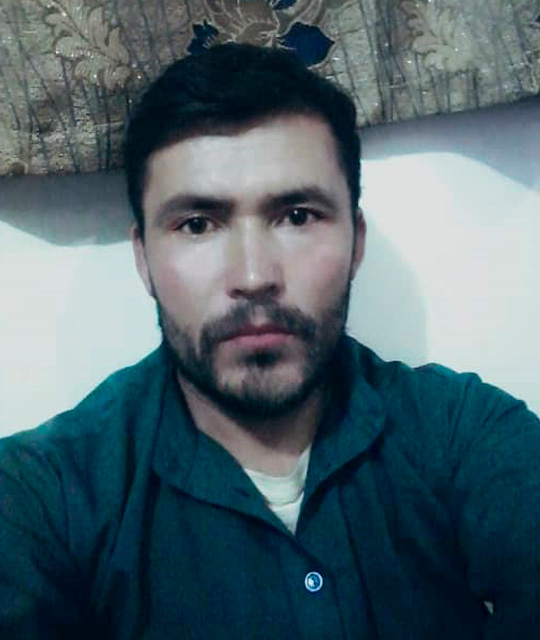
- Gender
- Male
- Ethnicity
- Hazara
- District geolocation of incident
- Nili: 33° 43′ 0″ N, 66° 10′ 2″ E
- Description of incident
On the night of November 23, 2022, forces from the Taliban Security Command and the General Directorate of Intelligence (GDI) conducted an operation in the village of Sare-e-Siwak, located in the central district of Nili, Daykundi province. The operation began with the encirclement of the village, focusing on particular residences. In the early hours of the following morning, as residents prepared for morning prayers, nine individuals from two families, including four minors, were fatally shot, and two sustained injuries. Additionally, five individuals were detained, with one subsequently reported missing. Reports suggest that the operation was initiated based on erroneous information attributed to a local commander and his associates, stemming from previous disputes and personal animosity, alleging insurgent activities by the victims.
Mohammad Jafari s/o Shermohammad Jafari
- Photo of Victim

- Gender
- Male
- Ethnicity
- Hazara
- District geolocation of incident
- Nili: 33° 43′ 0″ N, 66° 10′ 2″ E
- Description of incident
On the night of November 23, 2022, forces from the Taliban Security Command and the General Directorate of Intelligence (GDI) conducted an operation in the village of Sare-e-Siwak, located in the central district of Nili, Daykundi province. The operation began with the encirclement of the village, focusing on particular residences. In the early hours of the following morning, as residents prepared for morning prayers, nine individuals from two families, including four minors, were fatally shot, and two sustained injuries. Additionally, five individuals were detained, with one subsequently reported missing. Reports suggest that the operation was initiated based on erroneous information attributed to a local commander and his associates, stemming from previous disputes and personal animosity, alleging insurgent activities by the victims.
Hussain Ali Arbab
- Photo of Victim
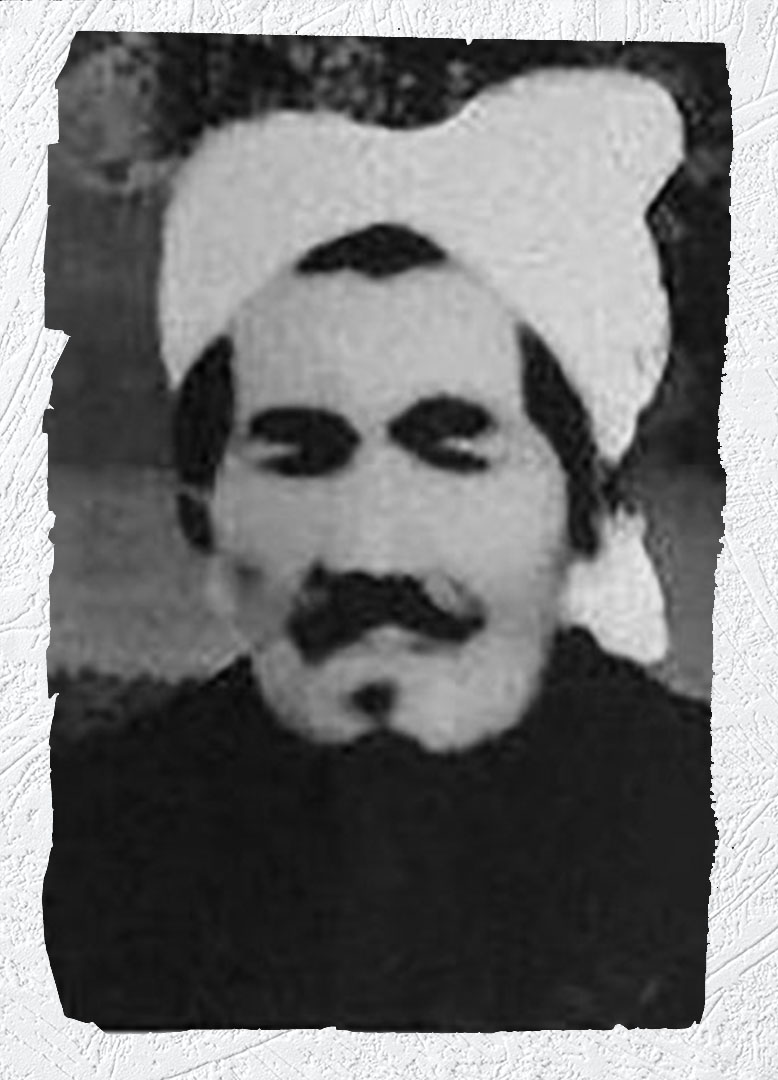
- Gender
- Male
- Ethnicity
- Hazara
- District geolocation of incident
- Kabul: Bagrami: 34° 31′ 10″ N, 69° 16′ 39″ E
- Description of incident
Known as the "Killing of AGSA," it refers to the collective murder of opponents of the People's Democratic Party of Afghanistan in the Pul-e-Charkhi Prison in Kabul between 1978 and 1979. The Afghan Intelligence Office, or AGSA (Afghan Agency for Safeguarding National Interest), led by Asadullah Sarwari, had arrested nearly 150,000 people, out of which an estimated number of 27,000 political prisoners were put to death without a single trial, probe, or even allegation. Many Afghan families had no idea where their loved ones had disappeared in the latter part of 1978 and early 1979. A list of those slain that included 5,000 victims of AGSA mass executions was made public by the Dutch Prosecutor's Office in 2013.
- Declaratory Statement
No Statement
Mohammad Ali
- Photo of Victim
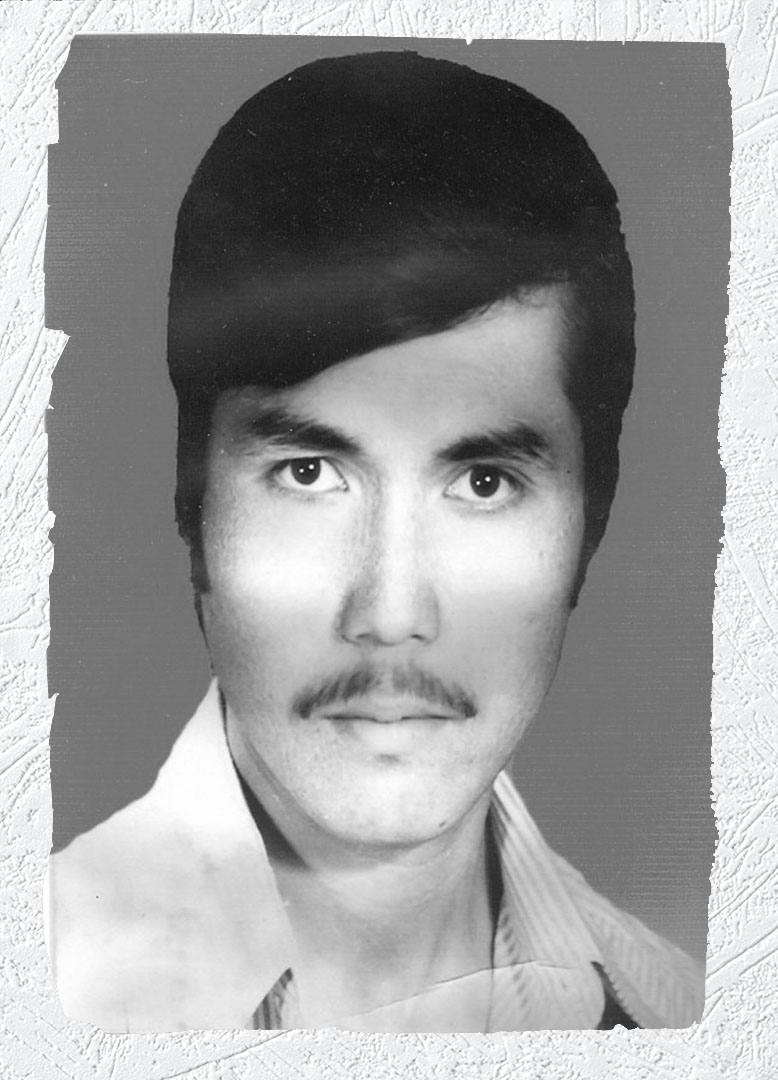
- Gender
- Male
- Ethnicity
- Hazara
- District geolocation of incident
- Kabul: Bagrami: 34° 31′ 10″ N, 69° 16′ 39″ E
- Description of incident
Known as the "Killing of AGSA," it refers to the collective murder of opponents of the People's Democratic Party of Afghanistan in the Pul-e-Charkhi Prison in Kabul between 1978 and 1979. The Afghan Intelligence Office, or AGSA (Afghan Agency for Safeguarding National Interest), led by Asadullah Sarwari, had arrested nearly 150,000 people, out of which an estimated number of 27,000 political prisoners were put to death without a single trial, probe, or even allegation. Many Afghan families had no idea where their loved ones had disappeared in the latter part of 1978 and early 1979. A list of those slain that included 5,000 victims of AGSA mass executions was made public by the Dutch Prosecutor's Office in 2013.
- Declaratory Statement
No statement
Mohammad Aman
- Photo of Victim

- Gender
- Male
- Ethnicity
- Hazara
- District geolocation of incident
- Kabul: Bagrami: 34° 31′ 10″ N, 69° 16′ 39″ E
- Description of incident
Known as the "Killing of AGSA," it refers to the collective murder of opponents of the People's Democratic Party of Afghanistan in the Pul-e-Charkhi Prison in Kabul between 1978 and 1979. The Afghan Intelligence Office, or AGSA (Afghan Agency for Safeguarding National Interest), led by Asadullah Sarwari, had arrested nearly 150,000 people, out of which an estimated number of 27,000 political prisoners were put to death without a single trial, probe, or even allegation. Many Afghan families had no idea where their loved ones had disappeared in the latter part of 1978 and early 1979. A list of those slain that included 5,000 victims of AGSA mass executions was made public by the Dutch Prosecutor's Office in 2013.
- Declaratory Statement
No statement
GhulamShah
- Photo of Victim

- Gender
- Male
- Ethnicity
- Hazara
- District geolocation of incident
- Kabul: Bagrami: 34° 31′ 10″ N, 69° 16′ 39″ E
- Description of incident
Known as the "Killing of AGSA," it refers to the collective murder of opponents of the People's Democratic Party of Afghanistan in the Pul-e-Charkhi Prison in Kabul between 1978 and 1979. The Afghan Intelligence Office, or AGSA (Afghan Agency for Safeguarding National Interest), led by Asadullah Sarwari, had arrested nearly 150,000 people, out of which an estimated number of 27,000 political prisoners were put to death without a single trial, probe, or even allegation. Many Afghan families had no idea where their loved ones had disappeared in the latter part of 1978 and early 1979. A list of those slain that included 5,000 victims of AGSA mass executions was made public by the Dutch Prosecutor's Office in 2013.
- Declaratory Statement
No statement
Khadim Hussain
- Photo of Victim

- Gender
- Male
- Ethnicity
- Hazara
- District geolocation of incident
- Kabul: Bagrami: 34° 31′ 10″ N, 69° 16′ 39″ E
- Description of incident
Known as the "Killing of AGSA," it refers to the collective murder of opponents of the People's Democratic Party of Afghanistan in the Pul-e-Charkhi Prison in Kabul between 1978 and 1979. The Afghan Intelligence Office, or AGSA (Afghan Agency for Safeguarding National Interest), led by Asadullah Sarwari, had arrested nearly 150,000 people, out of which an estimated number of 27,000 political prisoners were put to death without a single trial, probe, or even allegation. Many Afghan families had no idea where their loved ones had disappeared in the latter part of 1978 and early 1979. A list of those slain that included 5,000 victims of AGSA mass executions was made public by the Dutch Prosecutor's Office in 2013.
- Declaratory Statement
No statement
Mohammad Akram Sultani
- Photo of Victim
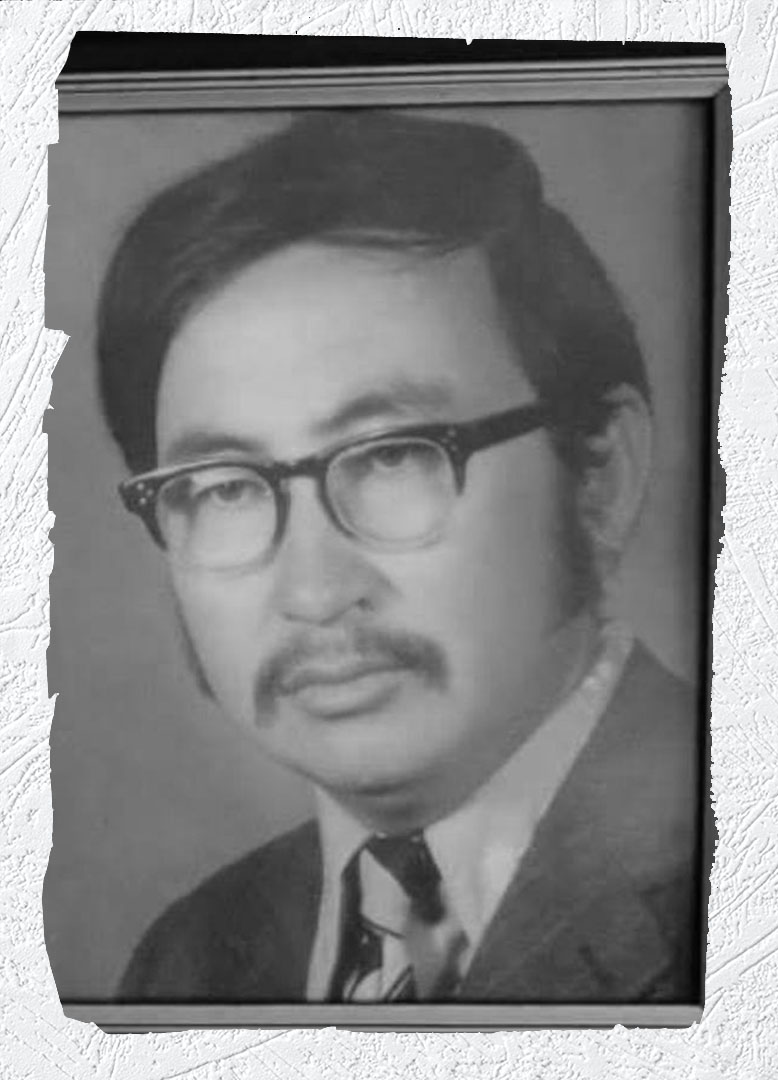
- Gender
- Male
- Ethnicity
- Hazara
- District geolocation of incident
- Kabul: Bagrami: 34° 31′ 10″ N, 69° 16′ 39″ E
- Description of incident
Known as the "Killing of AGSA," it refers to the collective murder of opponents of the People's Democratic Party of Afghanistan in the Pul-e-Charkhi Prison in Kabul between 1978 and 1979. The Afghan Intelligence Office, or AGSA (Afghan Agency for Safeguarding National Interest), led by Asadullah Sarwari, had arrested nearly 150,000 people, out of which an estimated number of 27,000 political prisoners were put to death without a single trial, probe, or even allegation. Many Afghan families had no idea where their loved ones had disappeared in the latter part of 1978 and early 1979. A list of those slain that included 5,000 victims of AGSA mass executions was made public by the Dutch Prosecutor's Office in 2013.
- Declaratory Statement
No statement
Mohammad Hakim
- Photo of Victim
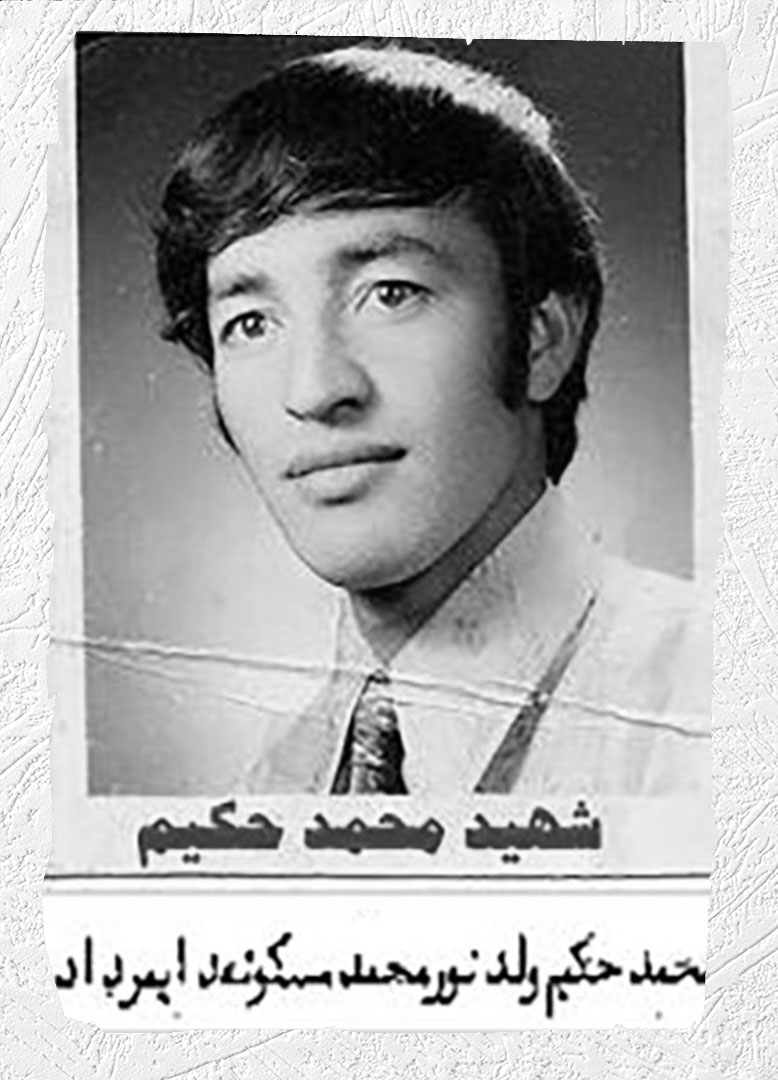
- Gender
- Male
- Ethnicity
- Hazara
- District geolocation of incident
- Kabul: Bagrami: 34° 31′ 10″ N, 69° 16′ 39″ E
- Description of incident
Known as the "Killing of AGSA," it refers to the collective murder of opponents of the People's Democratic Party of Afghanistan in the Pul-e-Charkhi Prison in Kabul between 1978 and 1979. The Afghan Intelligence Office, or AGSA (Afghan Agency for Safeguarding National Interest), led by Asadullah Sarwari, had arrested nearly 150,000 people, out of which an estimated number of 27,000 political prisoners were put to death without a single trial, probe, or even allegation. Many Afghan families had no idea where their loved ones had disappeared in the latter part of 1978 and early 1979. A list of those slain that included 5,000 victims of AGSA mass executions was made public by the Dutch Prosecutor's Office in 2013.
- Declaratory Statement
No statement
Kalbi Abbas
- Photo of Victim

- Gender
- Male
- Ethnicity
- Hazara
- District geolocation of incident
- Kabul: Bagrami: 34° 31′ 10″ N, 69° 16′ 39″ E
- Description of incident
Known as the "Killing of AGSA," it refers to the collective murder of opponents of the People's Democratic Party of Afghanistan in the Pul-e-Charkhi Prison in Kabul between 1978 and 1979. The Afghan Intelligence Office, or AGSA (Afghan Agency for Safeguarding National Interest), led by Asadullah Sarwari, had arrested nearly 150,000 people, out of which an estimated number of 27,000 political prisoners were put to death without a single trial, probe, or even allegation. Many Afghan families had no idea where their loved ones had disappeared in the latter part of 1978 and early 1979. A list of those slain that included 5,000 victims of AGSA mass executions was made public by the Dutch Prosecutor's Office in 2013.
- Declaratory Statement
No statement
Aziz Toghyan
- Photo of Victim

- Gender
- Male
- Ethnicity
- Hazara
- District geolocation of incident
- Kabul: Bagrami: 34° 31′ 10″ N, 69° 16′ 39″ E
- Declaratory Statement
No statement
Haji Jangal
- Photo of Victim
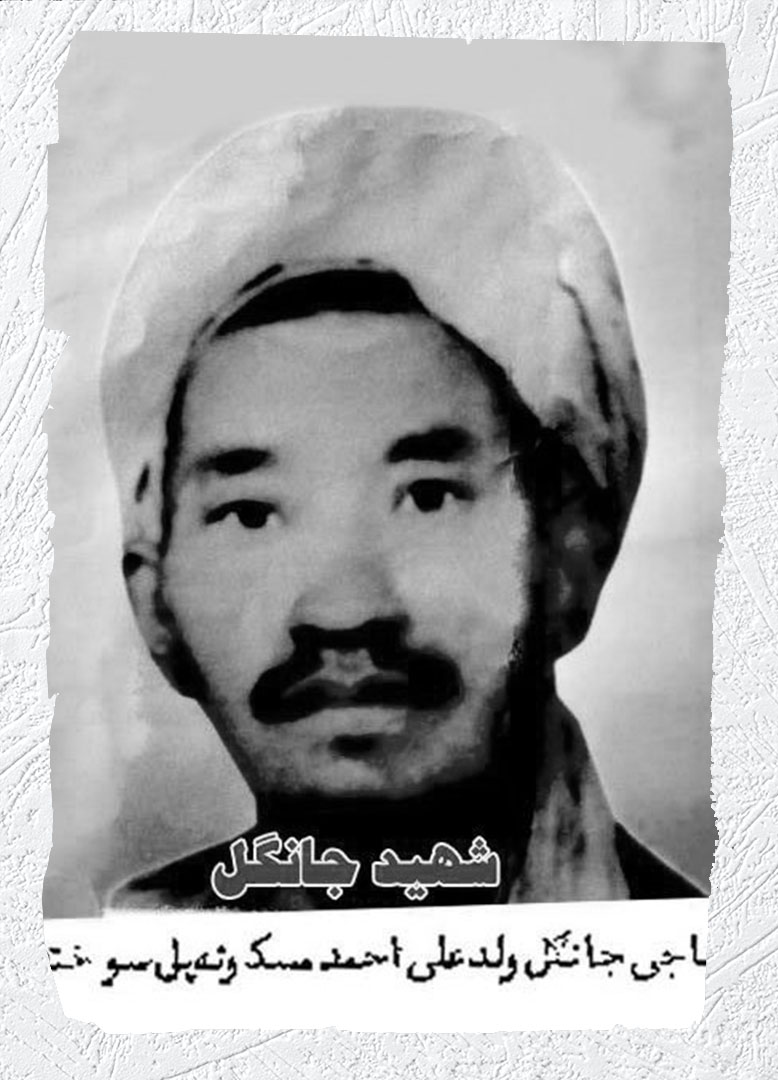
- Gender
- Male
- Ethnicity
- Hazara
- District geolocation of incident
- Kabul: Bagrami: 34° 31′ 10″ N, 69° 16′ 39″ E
- Description of incident
Known as the "Killing of AGSA," it refers to the collective murder of opponents of the People's Democratic Party of Afghanistan in the Pul-e-Charkhi Prison in Kabul between 1978 and 1979. The Afghan Intelligence Office, or AGSA (Afghan Agency for Safeguarding National Interest), led by Asadullah Sarwari, had arrested nearly 150,000 people, out of which an estimated number of 27,000 political prisoners were put to death without a single trial, probe, or even allegation. Many Afghan families had no idea where their loved ones had disappeared in the latter part of 1978 and early 1979. A list of those slain that included 5,000 victims of AGSA mass executions was made public by the Dutch Prosecutor's Office in 2013.
- Declaratory Statement
No statement
Dawod Sarmad
- Photo of Victim
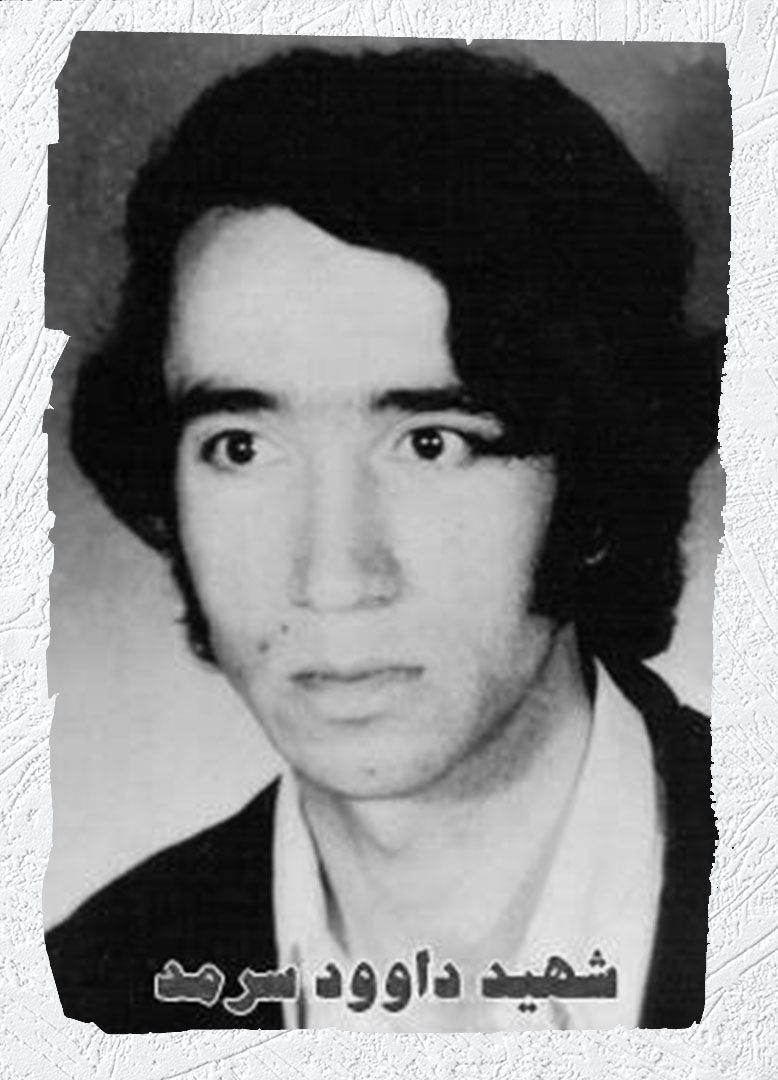
- Gender
- Male
- Ethnicity
- Hazara
- District geolocation of incident
- Kabul: Bagrami: 34° 31′ 10″ N, 69° 16′ 39″ E
- Description of incident
Known as the "Killing of AGSA," it refers to the collective murder of opponents of the People's Democratic Party of Afghanistan in the Pul-e-Charkhi Prison in Kabul between 1978 and 1979. The Afghan Intelligence Office, or AGSA (Afghan Agency for Safeguarding National Interest), led by Asadullah Sarwari, had arrested nearly 150,000 people, out of which an estimated number of 27,000 political prisoners were put to death without a single trial, probe, or even allegation. Many Afghan families had no idea where their loved ones had disappeared in the latter part of 1978 and early 1979. A list of those slain that included 5,000 victims of AGSA mass executions was made public by the Dutch Prosecutor's Office in 2013.
- Declaratory Statement
No statement
Dawlat Mohammad
- Photo of Victim

- Gender
- Male
- Ethnicity
- Hazara
- District geolocation of incident
- Kabul: Bagrami: 34° 31′ 10″ N, 69° 16′ 39″ E
- Description of incident
Known as the "Killing of AGSA," it refers to the collective murder of opponents of the People's Democratic Party of Afghanistan in the Pul-e-Charkhi Prison in Kabul between 1978 and 1979. The Afghan Intelligence Office, or AGSA (Afghan Agency for Safeguarding National Interest), led by Asadullah Sarwari, had arrested nearly 150,000 people, out of which an estimated number of 27,000 political prisoners were put to death without a single trial, probe, or even allegation. Many Afghan families had no idea where their loved ones had disappeared in the latter part of 1978 and early 1979. A list of those slain that included 5,000 victims of AGSA mass executions was made public by the Dutch Prosecutor's Office in 2013.
- Declaratory Statement
No statement
Sadiq Ali Yari
- Photo of Victim
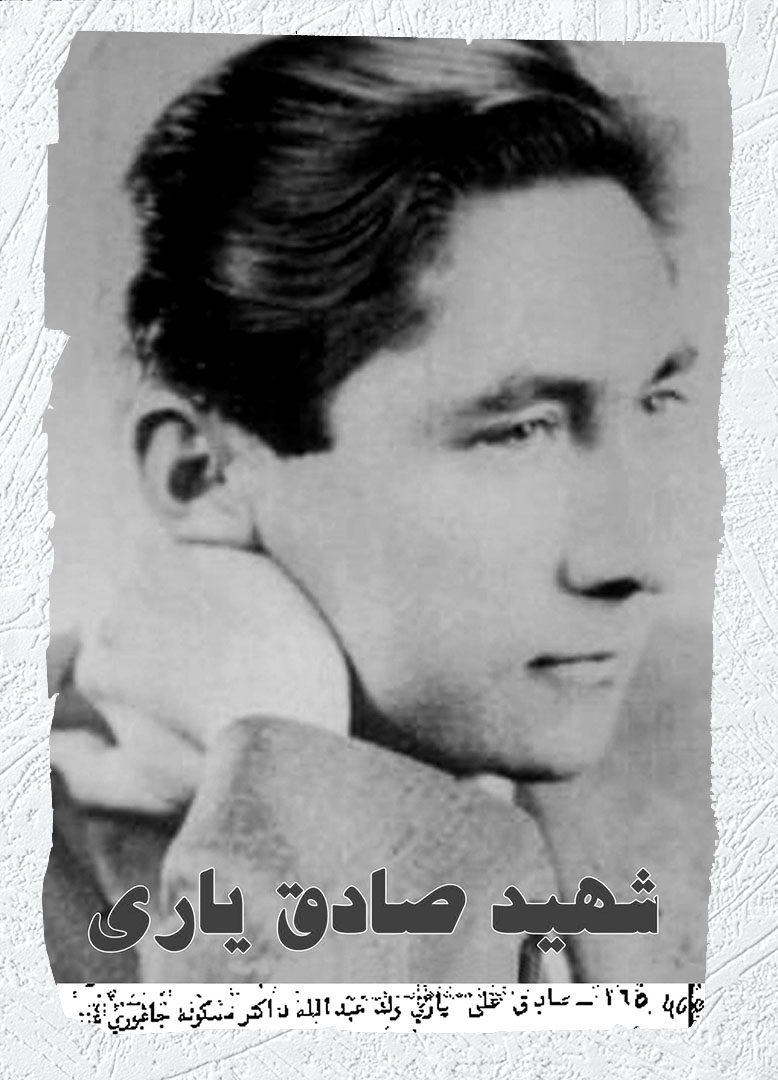
- Gender
- Male
- Ethnicity
- Hazara
- District geolocation of incident
- Kabul: Bagrami: 34° 31′ 10″ N, 69° 16′ 39″ E
- Description of incident
Known as the "Killing of AGSA," it refers to the collective murder of opponents of the People's Democratic Party of Afghanistan in the Pul-e-Charkhi Prison in Kabul between 1978 and 1979. The Afghan Intelligence Office, or AGSA (Afghan Agency for Safeguarding National Interest), led by Asadullah Sarwari, had arrested nearly 150,000 people, out of which an estimated number of 27,000 political prisoners were put to death without a single trial, probe, or even allegation. Many Afghan families had no idea where their loved ones had disappeared in the latter part of 1978 and early 1979. A list of those slain that included 5,000 victims of AGSA mass executions was made public by the Dutch Prosecutor's Office in 2013.
- Declaratory Statement
No statement
Eqbal Ali
- Photo of Victim
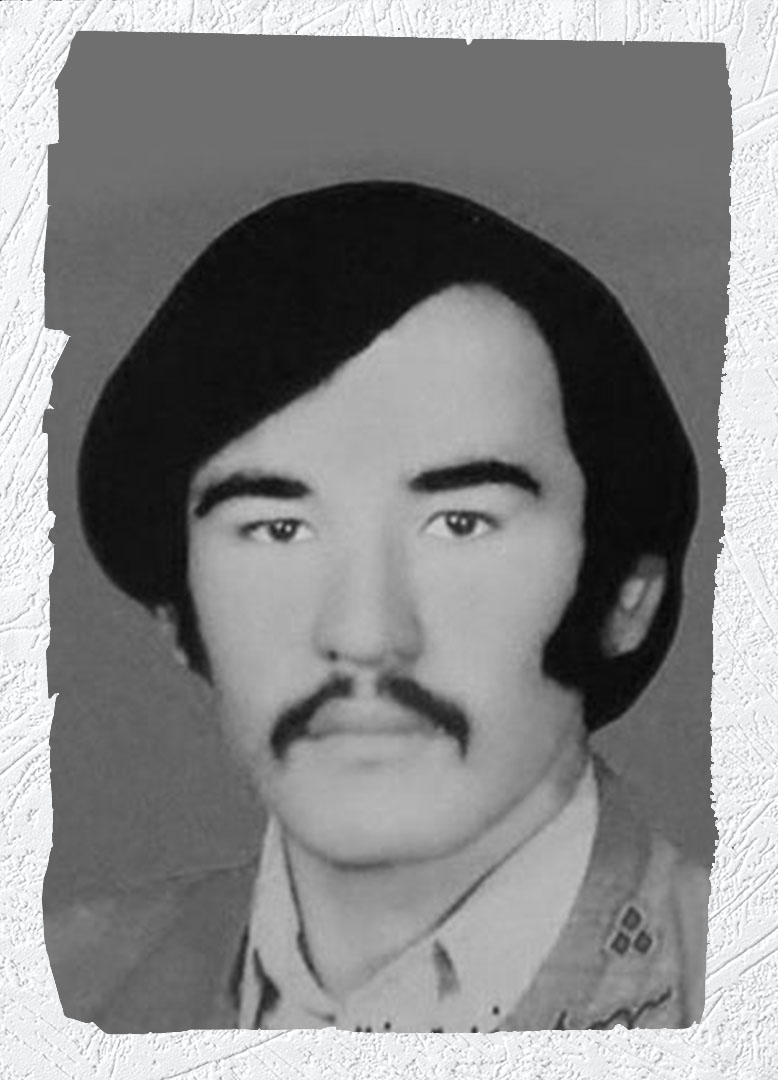
- Gender
- Male
- Ethnicity
- Hazara
- District geolocation of incident
- Kabul: Bagrami: 34° 31′ 10″ N, 69° 16′ 39″ E
- Description of incident
Known as the "Killing of AGSA," it refers to the collective murder of opponents of the People's Democratic Party of Afghanistan in the Pul-e-Charkhi Prison in Kabul between 1978 and 1979. The Afghan Intelligence Office, or AGSA (Afghan Agency for Safeguarding National Interest), led by Asadullah Sarwari, had arrested nearly 150,000 people, out of which an estimated number of 27,000 political prisoners were put to death without a single trial, probe, or even allegation. Many Afghan families had no idea where their loved ones had disappeared in the latter part of 1978 and early 1979. A list of those slain that included 5,000 victims of AGSA mass executions was made public by the Dutch Prosecutor's Office in 2013.
- Declaratory Statement
No statement
Ghulam Abbas Alizada
- Photo of Victim

- Gender
- Male
- Ethnicity
- Hazara
- District geolocation of incident
- Mazar-e Sharif: 36° 41′ 38″ N, 67° 6′ 48″ E
- Description of incident
On April 21, 2022, an explosion occurred at the Seh Dokan Mosque during a time when approximately 200 individuals were present for prayers. The incident resulted in at least 37 fatalities, with more than 60 individuals sustaining significant injuries. Additional reports indicate that the death toll may exceed 50, with up to 100 people injured. The Islamic State of Iraq and Levant-Khorasan Province (ISIL-KP) has asserted responsibility for the attack and claimed the group has targeted Hazara and Shia prayers.
- Declaratory Statement
No statement
Jawid
- Photo of Victim

- Gender
- Male
- Ethnicity
- Hazara
- District geolocation of incident
- Kabul: 34° 31′ 1″ N, 69° 8′ 60″ E
- Description of incident
On August 17, 2019, a suicide bomber detonated explosives at the Shahr-e-Dubai wedding hall on Faiz Mohammad Kateb Road, also known as Charqala Road. The attack resulted in 63-93,(including 15 children) fatalities and 182 injuries. The wedding ceremony was predominantly attended by members of the Shia-Hazara community. The Islamic State of Iraq and Levant-Khorasan Province (ISIL-KP) claimed responsibility for the attack, stating it targeted individuals they refer to as "Rafida," a term used by some extremist groups to denote those who do not follow Sunni Islam.
- Declaratory Statement
No statement
Hussain Hakimi
- Photo of Victim

- Gender
- Male
- Ethnicity
- Hazara
- District geolocation of incident
- Kabul: 34° 31′ 1″ N, 69° 8′ 60″ E
- Description of incident
On August 17, 2019, a suicide bomber detonated explosives at the Shahr-e-Dubai wedding hall on Faiz Mohammad Kateb Road, also known as Charqala Road. The attack resulted in 63-93,(including 15 children) fatalities and 182 injuries. The wedding ceremony was predominantly attended by members of the Shia-Hazara community. The Islamic State of Iraq and Levant-Khorasan Province (ISIL-KP) claimed responsibility for the attack, stating it targeted individuals they refer to as "Rafida," a term used by some extremist groups to denote those who do not follow Sunni Islam.
- Declaratory Statement
No statement
Karim Sherzad
- Photo of Victim

- Gender
- Male
- Ethnicity
- Hazara
- District geolocation of incident
- Kabul: 34° 31′ 1″ N, 69° 8′ 60″ E
- Description of incident
On August 17, 2019, a suicide bomber detonated explosives at the Shahr-e-Dubai wedding hall on Faiz Mohammad Kateb Road, also known as Charqala Road. The attack resulted in 63-93,(including 15 children) fatalities and 182 injuries. The wedding ceremony was predominantly attended by members of the Shia-Hazara community. The Islamic State of Iraq and Levant-Khorasan Province (ISIL-KP) claimed responsibility for the attack, stating it targeted individuals they refer to as "Rafida," a term used by some extremist groups to denote those who do not follow Sunni Islam.
- Declaratory Statement
No statement
Ghulam Yahya Skandary
- Photo of Victim

- Gender
- Male
- Ethnicity
- Hazara
- District geolocation of incident
- Kabul: 34° 31′ 1″ N, 69° 8′ 60″ E
- Description of incident
On August 17, 2019, a suicide bomber detonated explosives at the Shahr-e-Dubai wedding hall on Faiz Mohammad Kateb Road, also known as Charqala Road. The attack resulted in 63-93,(including 15 children) fatalities and 182 injuries. The wedding ceremony was predominantly attended by members of the Shia-Hazara community. The Islamic State of Iraq and Levant-Khorasan Province (ISIL-KP) claimed responsibility for the attack, stating it targeted individuals they refer to as "Rafida," a term used by some extremist groups to denote those who do not follow Sunni Islam.
- Declaratory Statement
No statement
Hussaindad Ebrahimi
- Photo of Victim

- Gender
- Male
- Ethnicity
- Hazara
- District geolocation of incident
- Khan Abad: 36° 41′ 49″ N, 69° 6′ 48″ E
- Description of incident
A suicide bomber detonated an explosive device among Hazara-Shia worshipers at the Sayed Abad Mosque in Kunduz province on Friday, October 8, 2021. The attack resulted in the death of at least 150 people and injuries to 250 more. The casualties were all civilians, predominantly from the Hazara Shia ethnic group. The Islamic State of Iraq and Levant-Khorasan Province claimed responsibility for the attack, identifying a Chinese Uygur national as the suicide bomber and stating the group targeted Hazara Shias.
- Declaratory Statement
No statement
Haji Nezamuddin Nazari
- Photo of Victim

- Gender
- Male
- Ethnicity
- Hazara
- District geolocation of incident
- Khan Abad: 36° 41′ 49″ N, 69° 6′ 48″ E
- Description of incident
A suicide bomber detonated an explosive device among Hazara-Shia worshipers at the Sayed Abad Mosque in Kunduz province on Friday, October 8, 2021. The attack resulted in the death of at least 150 people and injuries to 250 more. The casualties were all civilians, predominantly from the Hazara Shia ethnic group. The Islamic State of Iraq and Levant-Khorasan Province claimed responsibility for the attack, identifying a Chinese Uygur national as the suicide bomber and stating the group targeted Hazara Shias.
- Declaratory Statement
No statement
Ruhullah Nabizada
- Photo of Victim

- Gender
- Male
- Ethnicity
- Hazara
- District geolocation of incident
- Khan Abad: 36° 41′ 49″ N, 69° 6′ 48″ E
- Description of incident
A suicide bomber detonated an explosive device among Hazara-Shia worshipers at the Sayed Abad Mosque in Kunduz province on Friday, October 8, 2021. The attack resulted in the death of at least 150 people and injuries to 250 more. The casualties were all civilians, predominantly from the Hazara Shia ethnic group. The Islamic State of Iraq and Levant-Khorasan Province claimed responsibility for the attack, identifying a Chinese Uygur national as the suicide bomber and stating the group targeted Hazara Shias.
- Declaratory Statement
No statement
Ali Sajjad Ahmadi
- Photo of Victim

- Gender
- Male
- Ethnicity
- Hazara
- District geolocation of incident
- Khan Abad: 36° 41′ 49″ N, 69° 6′ 48″ E
- Description of incident
A suicide bomber detonated an explosive device among Hazara-Shia worshipers at the Sayed Abad Mosque in Kunduz province on Friday, October 8, 2021. The attack resulted in the death of at least 150 people and injuries to 250 more. The casualties were all civilians, predominantly from the Hazara Shia ethnic group. The Islamic State of Iraq and Levant-Khorasan Province claimed responsibility for the attack, identifying a Chinese Uygur national as the suicide bomber and stating the group targeted Hazara Shias.
- Declaratory Statement
No statement
Nematullah Ekhlaqi
- Photo of Victim

- Gender
- Male
- Ethnicity
- Hazara
- District geolocation of incident
- Khan Abad: 36° 41′ 49″ N, 69° 6′ 48″ E
- Description of incident
A suicide bomber detonated an explosive device among Hazara-Shia worshipers at the Sayed Abad Mosque in Kunduz province on Friday, October 8, 2021. The attack resulted in the death of at least 150 people and injuries to 250 more. The casualties were all civilians, predominantly from the Hazara Shia ethnic group. The Islamic State of Iraq and Levant-Khorasan Province claimed responsibility for the attack, identifying a Chinese Uygur national as the suicide bomber and stating the group targeted Hazara Shias.
- Declaratory Statement
No statement
Esmatullah Qambari
- Photo of Victim

- Gender
- Male
- Ethnicity
- Hazara
- District geolocation of incident
- Khan Abad: 36° 41′ 49″ N, 69° 6′ 48″ E
- Description of incident
A suicide bomber detonated an explosive device among Hazara-Shia worshipers at the Sayed Abad Mosque in Kunduz province on Friday, October 8, 2021. The attack resulted in the death of at least 150 people and injuries to 250 more. The casualties were all civilians, predominantly from the Hazara Shia ethnic group. The Islamic State of Iraq and Levant-Khorasan Province claimed responsibility for the attack, identifying a Chinese Uygur national as the suicide bomber and stating the group targeted Hazara Shias.
- Declaratory Statement
No statement
Abdulwahid Mohammadi
- Photo of Victim

- Gender
- Male
- Ethnicity
- Hazara
- District geolocation of incident
- Khan Abad: 36° 41′ 49″ N, 69° 6′ 48″ E
- Description of incident
A suicide bomber detonated an explosive device among Hazara-Shia worshipers at the Sayed Abad Mosque in Kunduz province on Friday, October 8, 2021. The attack resulted in the death of at least 150 people and injuries to 250 more. The casualties were all civilians, predominantly from the Hazara Shia ethnic group. The Islamic State of Iraq and Levant-Khorasan Province claimed responsibility for the attack, identifying a Chinese Uygur national as the suicide bomber and stating the group targeted Hazara Shias.
- Declaratory Statement
No statement
Shaukat Ali Yari
- Photo of Victim

- Gender
- Male
- Ethnicity
- Hazara
- District geolocation of incident
- Kabul: 34° 31′ 1″ N, 69° 8′ 60″ E
- Description of incident
On July 24, 2017, a car bomb struck a government bus transporting employees of the Ministry of Mines and Petroleum, resulting in the deaths of at least 35 individuals and injuring 40 others. The victims were all civilians, mostly of Hazara ethnicity employed by the Afghanistan Ministry of Mines. The explosion took place in the Sar-e-Kariz area of District 3 in western Kabul. Taliban spokesman Zabihullah Mujahid claimed responsibility for the attack, stating that the group had targeted employees of the National Directorate of Security.
- Declaratory Statement
No statement
Abbas Qasimi
- Photo of Victim

- Gender
- Male
- Ethnicity
- Hazara
- District geolocation of incident
- Kabul: 34° 31′ 1″ N, 69° 8′ 60″ E
- Description of incident
On July 24, 2017, a car bomb struck a government bus transporting employees of the Ministry of Mines and Petroleum, resulting in the deaths of at least 35 individuals and injuring 40 others. The victims were all civilians, mostly of Hazara ethnicity employed by the Afghanistan Ministry of Mines. The explosion took place in the Sar-e-Kariz area of District 3 in western Kabul. Taliban spokesman Zabihullah Mujahid claimed responsibility for the attack, stating that the group had targeted employees of the National Directorate of Security.
- Declaratory Statement
No statement
Abdulaziz Nazari
- Photo of Victim

- Gender
- Male
- Ethnicity
- Hazara
- District geolocation of incident
- Jaghuri: 33° 24′ 37″ N, 67° 29′ 51″ E
- Description of incident
Between November 5, 2018, and November 15, 2018, the Taliban executed a large-scale assault on the Jaghuri and Malistan districts from multiple directions. Tragically, during this conflict, 30-60 civilians lost their lives according to different secures, primarily due to Taliban actions. Additionally, over 50 individuals sustained injuries, and hundreds of families were forcibly displaced from their homes.
- Declaratory Statement
No statement
Haji Iqbal Ali
- Photo of Victim

- Gender
- Male
- Ethnicity
- Hazara
- District geolocation of incident
- Jaghuri: 33° 24′ 37″ N, 67° 29′ 51″ E
- Description of incident
Between November 5, 2018, and November 15, 2018, the Taliban executed a large-scale assault on the Jaghuri and Malistan districts from multiple directions. Tragically, during this conflict, 30-60 civilians lost their lives according to different secures, primarily due to Taliban actions. Additionally, over 50 individuals sustained injuries, and hundreds of families were forcibly displaced from their homes.
- Declaratory Statement
No statement
Ramazan Ali Sarwari
- Photo of Victim

- Gender
- Male
- Ethnicity
- Hazara
- District geolocation of incident
- Jaghuri: 33° 24′ 37″ N, 67° 29′ 51″ E
- Description of incident
Between November 5, 2018, and November 15, 2018, the Taliban executed a large-scale assault on the Jaghuri and Malistan districts from multiple directions. Tragically, during this conflict, 30-60 civilians lost their lives according to different secures, primarily due to Taliban actions. Additionally, over 50 individuals sustained injuries, and hundreds of families were forcibly displaced from their homes.
- Declaratory Statement
No statement
Hussain Ali Karimi
- Photo of Victim

- Gender
- Male
- Ethnicity
- Hazara
- District geolocation of incident
- Kabul: 34° 31′ 1″ N, 69° 8′ 60″ E
- Description of incident
On September 5, 2015, a devastating twin suicide bombing struck the Maiwand Wrestling Club in Dasht-e-Barchi, a predominantly Hazara neighborhood in western Kabul, Afghanistan. The first explosion occurred inside the wrestling club during the early evening hours. As first responders and civilians gathered to assist the victims, a second blast detonated, causing even greater casualties. The attacks resulted in the deaths of at least 30 civilians, including two journalists, Samim Framarz and Ramiz Ahmadi. More than 103 others were injured in the incident. The Islamic State Khorasan Province (ISIL-KP) claimed responsibility for the bombings, stating they specifically targeted the Shia-Hazara community.
Khalil Alizada
- Photo of Victim

- Gender
- Male
- Ethnicity
- Hazara
- District geolocation of incident
- Kabul: 34° 31′ 1″ N, 69° 8′ 60″ E
- Description of incident
On September 5, 2015, a devastating twin suicide bombing struck the Maiwand Wrestling Club in Dasht-e-Barchi, a predominantly Hazara neighborhood in western Kabul, Afghanistan. The first explosion occurred inside the wrestling club during the early evening hours. As first responders and civilians gathered to assist the victims, a second blast detonated, causing even greater casualties. The attacks resulted in the deaths of at least 30 civilians, including two journalists, Samim Framarz and Ramiz Ahmadi. More than 103 others were injured in the incident. The Islamic State Khorasan Province (ISIL-KP) claimed responsibility for the bombings, stating they specifically targeted the Shia-Hazara community.
- Declaratory Statement
No statemen
AbdurRaouf Mahdawi
- Photo of Victim

- Gender
- Male
- Ethnicity
- Hazara
- District geolocation of incident
- Kabul: 34° 31′ 1″ N, 69° 8′ 60″ E
- Description of incident
On December 28, 2017, a suicide bomber detonated an explosive device inside the Tabyan Center, a religious and cultural gathering place in Dasht-e-Barchi, located to the west of Kabul. The blast resulted in the deaths of 41 individuals and injuries to another 84 people. Among those killed were at least two children and four women, while eight women were among the injured. All the victims were civilians, primarily belonging to the Hazara ethnic group. The Islamic State of Iraq and the Levant-Khorasan Province (ISIL-KP) claimed responsibility for the attack.
Qurban Ali
- Photo of Victim

- Gender
- Male
- Ethnicity
- Hazara
- District geolocation of incident
- Kabul: 34° 31′ 1″ N, 69° 8′ 60″ E
Baqijan Fayzi
- Photo of Victim

- Gender
- Male
- Ethnicity
- Hazara
- District geolocation of incident
- Chahar Bolak: 36° 55′ 34″ N, 66° 56′ 58″ E
Abdul Hakim
- Photo of Victim

- Gender
- Male
- Ethnicity
- Hazara
- District geolocation of incident
- Garmsir: 31° 8′ 1″ N, 64° 12′ 48″ E
M. Jawad Alipor
- Photo of Victim

- Gender
- Male
- Ethnicity
- Hazara
- District geolocation of incident
- Kabul: 34° 31′ 1″ N, 69° 8′ 60″ E
- Description of incident
Junbesh-e Roshnayi-e (The Enlightenment Movement) is a grassroots civil disobedience movement of Hazaras created in 2016 in Afghanistan in response to the Afghan government's change in routing plans for proposed international electricity networking, which was perceived as continuing historical anti-Hazara discrimination. The group organised major protests in Afghanistan and internationally during 2016 and 2017, protesting against discrimination.
Jawid Haidari
- Photo of Victim

- Gender
- Male
- Ethnicity
- Hazara
- District geolocation of incident
- Kabul: 34° 31′ 1″ N, 69° 8′ 60″ E
- Description of incident
Junbesh-e Roshnayi-e (The Enlightenment Movement) is a grassroots civil disobedience movement of Hazaras created in 2016 in Afghanistan in response to the Afghan government's change in routing plans for proposed international electricity networking, which was perceived as continuing historical anti-Hazara discrimination. The group organised major protests in Afghanistan and internationally during 2016 and 2017, protesting against discrimination.
Safdar Jafari
- Photo of Victim
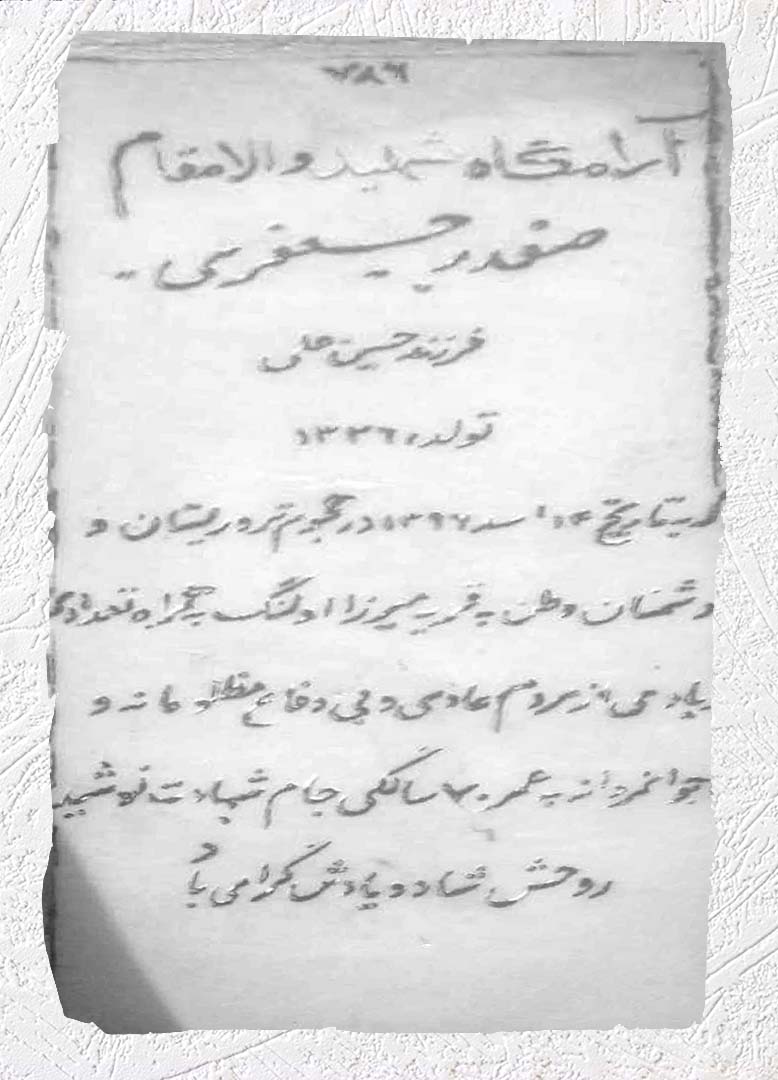
- Gender
- Male
- Ethnicity
- Hazara
- District geolocation of incident
- Sayyad: 35° 52′ 25″ N, 68° 25′ 51″ E
- Description of incident
On 3 August 2017, Anti-Government Elements including Taliban and local self-proclaimed Daesh/Islamic State affiliated fighters launched an attack against Mirza Olang village in Sayyad district, Sari Pul province, where fighting continued until 5 August. The village, known as ‘the gate to Sayyad’, lies deep in a long valley. Its southern entrance is near to the border of neighbouring Faryab province and is located 20 km south of the Sayyad district administrative centre. Much of the area surrounding the district administrative centre has been under control of Anti-Government Elements for more than one year.
Shukria Tabassum
- Photo of Victim

- Gender
- Female
- Ethnicity
- Hazara
- District geolocation of incident
- Arghandab: 31° 39′ 3″ N, 65° 38′ 59″ E
- Description of incident
The hostage taking and then beheading of 7 Hazara people on November 9, 2015 by Daesh took place in Zabul province located in the southeast of Afghanistan. Shukrieh Tabsem, a 9-year-old Hazara child, was also a victim of this massacre.
Sadiq Ali
- Photo of Victim

- Gender
- Male
- Ethnicity
- Hazara
- District geolocation of incident
- Arghandab: 31° 39′ 3″ N, 65° 38′ 59″ E
- Description of incident
The hostage taking of seven Hazara passengers and then beheading them on November 9, 2015 by Daesh took place in Zabul province located in the southeast of Afghanistan. Shukria Tabssum, a 9-year-old Hazara child, was also a victim of this massacre.
Hamidullah
- Photo of Victim
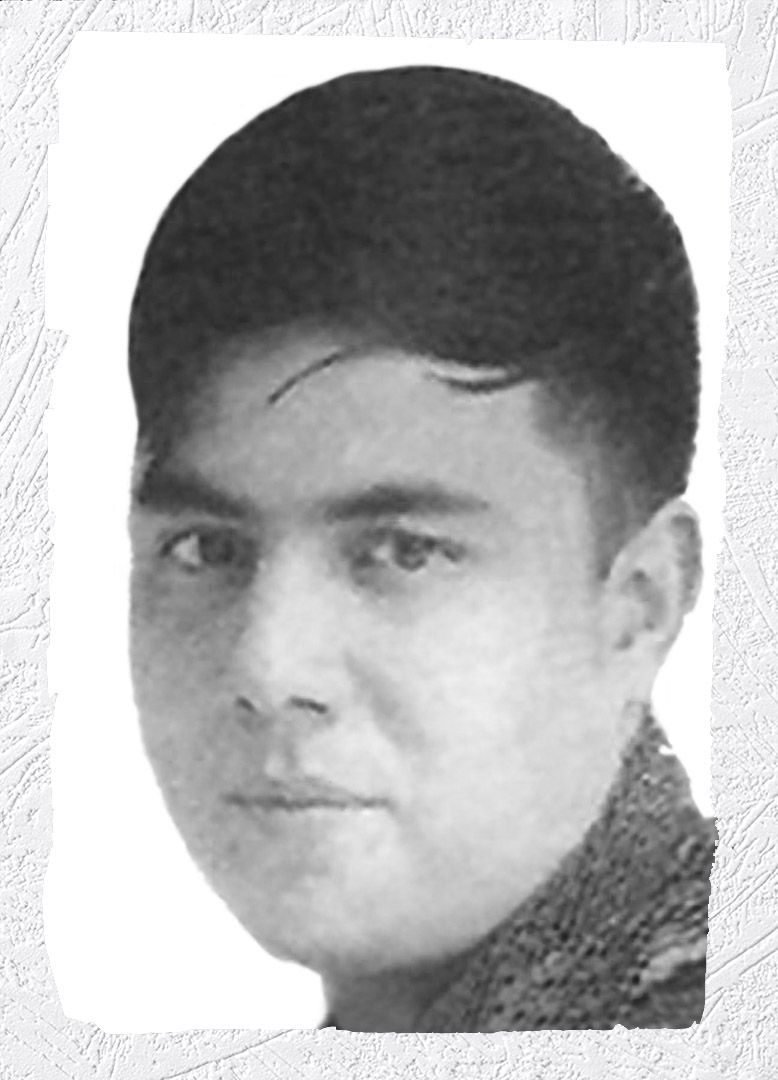
- Gender
- Male
- Ethnicity
- Hazara
- District geolocation of incident
- Kabul: 34° 31′ 1″ N, 69° 8′ 60″ E
- Description of incident
A suicide attack on october 20, 2017, took place in the Imam Zaman Mosque located in Dasht Barchi, which is the Hazara area of Kabul, when people were there for prayers. As a result of this terrorist attack, 56 people were killed and 55 others were injured.
Mustafa Haidari
- Photo of Victim

- Gender
- Male
- Ethnicity
- Hazara
- District geolocation of incident
- Kabul: 34° 31′ 1″ N, 69° 8′ 60″ E
- Description of incident
On November 07, 2023 the ISKP group targeted a bus in the west of Kabul, as a result of which seven people were killed and more than 20 others were injured.
- Declaratory Statement
No statement
Habibullah Wafaei
- Photo of Victim

- Gender
- Male
- Ethnicity
- Hazara
- District geolocation of incident
- Puli Khumri: 35° 56′ 49″ N, 68° 42′ 16″ E
- Description of incident
A deadly blast rocked a Shia mosque in Pul-e-Khumri City, Baghlan Province, on October 13, 2023, killing and injuring dozens of people. The Imam Zaman Shiite mosque in the second district of the city was packed with worshippers for Friday prayers when the explosion happened. Witnesses told local media that the blast was caused by explosives hidden inside the mosque, but some residents claimed that it was a suicide attack aimed at the Hazara and Shia communities. The attack left at least 20 people dead and 66 others wounded, according to ground records conducted by AHRDO.
- Declaratory Statement
No statement
Monajatsha Karimi
- Photo of Victim

- Gender
- Male
- Ethnicity
- Hazara
- District geolocation of incident
- Puli Khumri: 35° 56′ 49″ N, 68° 42′ 16″ E
- Description of incident
A deadly blast rocked a Shia mosque in Pul-e-Khumri City, Baghlan Province, on October 13, 2023, killing and injuring dozens of people. The Imam Zaman Shiite mosque in the second district of the city was packed with worshippers for Friday prayers when the explosion happened. Witnesses told local media that the blast was caused by explosives hidden inside the mosque, but some residents claimed that it was a suicide attack aimed at the Hazara and Shia communities. The attack left at least 20 people dead and 66 others wounded, according to ground records conducted by AHRDO.
- Declaratory Statement
No statement
Nurullah Khanzada
- Photo of Victim

- Gender
- Male
- Ethnicity
- Hazara
- District geolocation of incident
- Puli Khumri: 35° 56′ 49″ N, 68° 42′ 16″ E
- Description of incident
A deadly blast rocked a Shia mosque in Pul-e-Khumri City, Baghlan Province, on October 13, 2023, killing and injuring dozens of people. The Imam Zaman Shiite mosque in the second district of the city was packed with worshippers for Friday prayers when the explosion happened. Witnesses told local media that the blast was caused by explosives hidden inside the mosque, but some residents claimed that it was a suicide attack aimed at the Hazara and Shia communities. The attack left at least 20 people dead and 66 others wounded, according to ground records conducted by AHRDO.
- Declaratory Statement
No statement
Mohammad Taqi Sadiqi
- Photo of Victim

- Gender
- Male
- Ethnicity
- Hazara
- District geolocation of incident
- Hirat: 34° 20′ 58″ N, 62° 11′ 21″ E
- Description of incident
On December 1, 2023, a “Rickshaw” tricycle was attacked by unknown gunmen in the Kora Melli area of western Herat City. The attack claimed the lives of six people, including two religious scholars, women, and children, and injured several others. Local sources reported that the attack was aimed at Hazara civilians and religious figures. No group has acknowledged responsibility for the attack.
- Declaratory Statement
No statement
Ramazan Mohammadi
- Photo of Victim

- Gender
- Male
- Ethnicity
- Hazara
- District geolocation of incident
- Malistan: 33° 20′ 48″ N, 67° 12′ 13″ E
- Description of incident
Between November 5, 2018, and November 15, 2018, the Taliban executed a large-scale assault on the Jaghuri and Malistan districts from multiple directions. Tragically, during this conflict, 30-60 civilians lost their lives according to different secures, primarily due to Taliban actions. Additionally, over 50 individuals sustained injuries, and hundreds of families were forcibly displaced from their homes.
- Declaratory Statement
No statement
Dawod Qasimi
- Photo of Victim

- Gender
- Male
- Ethnicity
- Hazara
- District geolocation of incident
- Ajristan: 33° 49′ 11″ N, 67° 12′ 53″ E
- Description of incident
On April 18, 2015, 14 Hazara men who were traveling from the Malistan District to the Ajristan District in Ghazni, now part of Daikundi Province, to purchase livestock were abducted by Taliban fighters. Initially, the Taliban demanded that the government release their fighters who were detained and imprisoned by the Ghazni Department of Intelligence. After the government did not comply with their demands, the captives were subjected to several days of severe torture and subsequently four of them beheaded by their captors and other 10 were released later.
- Declaratory Statement
No statement
Salman Jafari
- Photo of Victim

- Gender
- Male
- Ethnicity
- Hazara
- District geolocation of incident
- Malistan: 33° 20′ 48″ N, 67° 12′ 13″ E
- Description of incident
Between November 5, 2018, and November 15, 2018, the Taliban executed a large-scale assault on the Jaghuri and Malistan districts from multiple directions. Tragically, during this conflict, 30-60 civilians lost their lives according to different secures, primarily due to Taliban actions. Additionally, over 50 individuals sustained injuries, and hundreds of families were forcibly displaced from their homes.
- Declaratory Statement
No statement
Hadi Jafari
- Photo of Victim

- Gender
- Male
- Ethnicity
- Hazara
- District geolocation of incident
- Malistan: 33° 20′ 48″ N, 67° 12′ 13″ E
- Description of incident
Between November 5, 2018, and November 15, 2018, the Taliban executed a large-scale assault on the Jaghuri and Malistan districts from multiple directions. Tragically, during this conflict, 30-60 civilians lost their lives according to different secures, primarily due to Taliban actions. Additionally, over 50 individuals sustained injuries, and hundreds of families were forcibly displaced from their homes.
- Declaratory Statement
No statement
AbdulAziz Rezwani
- Photo of Victim

- Gender
- Male
- Ethnicity
- Hazara
- District geolocation of incident
- Malistan: 33° 20′ 48″ N, 67° 12′ 13″ E
- Description of incident
Between November 5, 2018, and November 15, 2018, the Taliban executed a large-scale assault on the Jaghuri and Malistan districts from multiple directions. Tragically, during this conflict, 30-60 civilians lost their lives according to different secures, primarily due to Taliban actions. Additionally, over 50 individuals sustained injuries, and hundreds of families were forcibly displaced from their homes.
- Declaratory Statement
No statement
Chaman Zawar s/o Sakhidad
- Photo of Victim

- Gender
- Male
- Ethnicity
- Hazara
- District geolocation of incident
- Sangtakht: 34° 28′ 3″ N, 65° 44′ 33″ EDawlat Yar: 34° 33′ 29″ N, 65° 45′ 59″ E
- Description of incident
Incident Date: September 21, 2024
Location: Near Sarpahlu Sang village, Dawlat Yar district, Ghor province, Afghanistan (bordering Daykundi province)
Victims: 13 residents of Qariwdal village, Sang-e-Takht district, Daykundi province, One passerby from Palon Sang village, Ghor province, Four severely wounded survivors
Perpetrators: Four armed individuals, later claimed by ISIL-Khorasan Province
Incident Summary:
On September 21, 2024, at approximately 1:00 PM, a group of 17 residents from the small village of Qariwdal in Daykundi province were en route to welcome two fellow villagers returning from a pilgrimage to Karbala, Iraq. As they approached the border area between Daykundi and Ghor provinces, near the small village of Sarpahlu Sang in the Dawlat Yar district of Ghor, they encountered four armed men on motorcycles. The armed individuals identified themselves as security forces [of the Taliban] and assured the group that they were searching for a suspicious person, telling them not to worry. The assailants then instructed the villagers to line up, ostensibly for a commemorative photograph. One attacker began taking photos while another started filming. Without warning, the other two opened fire on the group from both sides. The attack resulted in the immediate deaths of 13 Hazaras, all from the Qariwdal village. Four others were severely wounded. Additionally, a traveler from Palon Sang village in Ghor, who happened to be passing through the area during the shooting, was killed while attempting to flee. The day following the attack, ISIL-Khorasan Province claimed responsibility for the massacre in an official statement.
Hafiz
- Photo of Victim

- Gender
- Male
- Ethnicity
- Hazara
- District geolocation of incident
- Kabul: 34° 31′ 1″ N, 69° 8′ 60″ E
- Description of incident
I can recall only that some people with their faces covered broke into our house and took my father away. They did not even let my father change his clothes and put on his shoes. After he disappeared, we did not know what happened to him. My mother searched everywhere but could not find him. We assume that Hizb-e Islami abducted him as they were against those working for the government of the time. I remember, it was almost midnight when we heard a knock on our door.
- Declaratory Statement
The Tearful Eyes of a Young Woman
Narrator: Karima
Victim: Hafiz
Date of the incident: 1992-1996
Location of the incident: Kabul City
Karima was very young when her father Hafiz was taken away from home. At that time no one knew what was going on. Suddenly, a number of people with their faces covered entered the house and took Hafiz. They did not even allow Hafiz to change his clothes and put on his shoes. Afterwards, the abductors never contacted Hafiz’ family and they remained in the dark about the reasons for his forced departure. Shortly after, the family came to know that the people who abducted Hafiz were from one of the Mujahidin groups. Hafiz’ only crime had been that he was working for the government. Until today, his family does not know what happened to him but he never returned.
After Hafiz’ abduction, his family lived in absolute misery. His only son was forced to work during the early days of his childhood. He later lost his sanity due to a number of serious psychological problems while Karima’s mother suffered a heart attack during the time of the Taliban. As the Taliban banned treatment of female patients by male physicians, she later lost her life in the hospital. Karima was a witness to all these painful events.
She is now 30 years old and never shows any signs of energy and happiness. She cannot stop crying. Karima got used to suffering from her early days and the endless cycle of violent incidents in her life has turned this suffering into a routine experience. She does not know what she did to deserve this fate but strongly believes that she has suffered more than any one else in this world. Are those who ignited the fire of war even thinking of the burned life of Karima? The Memory Box project aims to document stories of people like Karima and make them part of the official history of Afghanistan. The Memory Box project is a window into the lives of victims who tell their stories as they have experienced them. Without making an effort to look at the consequences of war through the lens of the victims, it will be difficult to truly grasp the hidden realities of war. Hence, we need to clean our eyes, look through their lens and listen to their suffering and countless pains.
The history of Afghanistan has so far been written without the voices of the victims. These voices need to be made heard. Stories like the one of Karima reflect but a small part of everything that Afghan victims have endured in recent decades.
The Story of Karima
My name is Karima and I am 30 years old. I lost my father during the war. I was only 4 years old when my father disappeared. I cannot remember it in detail. I can recall only that some people with their faces covered broke into our house and took my father away. They did not even let my father change his clothes and put on his shoes. After he disappeared, we did not know what happened to him. My mother searched everywhere but could not find him. We assume that Hizb-e Islami abducted him as they were against those working for the government of the time. I remember, it was almost midnight when we heard a knock on our door.
My mother opened it and these masked men came in and took my father still dressed in his pajamas. There were people all over the house including on the roof. After his disappearance we experienced a great deal of difficulties. My brother, who was in grade six at the time had to start working to feed us. Soon after, he began to suffer from depression.
Today he is absolutely mad but still asks for my father. He believes that my father is still alive. Later on my mother died during the Taliban regime. This was the worst moment of my life (Karima cries). My mother was suffering from heart problems and later had a heart attack.
We took her to different hospitals but there was no female doctor. The Taliban had banned male hysicians from treating female patients. As a result, my mother died in Jamhuriat hospital. I cannot forget these terrible moments in my life. Therefore, I hate the Taliban.
Today, I work and feed my family. My sister works as a teacher though she does not have a permanent contract. My sister, my sick brother and I live together. One of my other sisters lives in Mazar-e- Sharif.
I fully support the Memory Box initiative. I want to keep my father’s memory alive. I will not allow for him to be forgotten. Those who have killed my father must know that someone from his family is still alive and thinking of him. This initiative is dedicated to people like my dear father (Karima cries). People are telling me that I had a very handsome and kind father. My relatives told me they saw his Memory Box on TV. I am very pleased to see my father’s memories alive.
Ahmad Guqmani
- Photo of Victim

- Gender
- Male
- Ethnicity
- Hazara
- District geolocation of incident
- Malistan: 33° 20′ 48″ N, 67° 12′ 13″ E
- Description of incident
Between November 5, 2018, and November 15, 2018, the Taliban executed a large-scale assault on the Jaghuri and Malistan districts from multiple directions. Tragically, during this conflict, 30-60 civilians lost their lives according to different secures, primarily due to Taliban actions. Additionally, over 50 individuals sustained injuries, and hundreds of families were forcibly displaced from their homes.
- Declaratory Statement
No statement
Abdul Rahim
- Photo of Victim

- Gender
- Male
- Ethnicity
- Hazara
- District geolocation of incident
- Kabul: 34° 31′ 1″ N, 69° 8′ 60″ E
Abdul Raouf
- Photo of Victim

- Gender
- Male
- Ethnicity
- Hazara
- District geolocation of incident
- Kabul: 34° 31′ 1″ N, 69° 8′ 60″ E
Rahim Habibi
- Photo of Victim

- Gender
- Male
- Ethnicity
- Hazara
- District geolocation of incident
- Dawlat Yar: 34° 33′ 29″ N, 65° 45′ 59″ E
- Description of incident
سال ۱۳۹۵ در ولایت غور محصل بود از غور میآمد طرف خانه، رخصتی. در ولسوالی دولتیار ولایت غور اسیر شد. هوا گرم بود مچوم که کی بود، میگویند طالبان گرفته بود چهار نفر را دستگیر کرده ۵۵ روز اسیر کردند سه نفر را ایلا کرد و شوهرم شهید شد آنها را من ندیدم میگویند تبادله کردند من نمیفهمم کی تبادله کرده مقصد میگویند تبادله کردن. هر سه که ایله شده بود در فاتحهاش آمده بودند، همصنفیهایش بودند. زنگ زده بودند آنها همو جنازه را که آوردند
Rahamtullah Hasib Nasiry
- Photo of Victim

- Gender
- Male
- Ethnicity
- Hazara
- District geolocation of incident
- Kabul: 34° 31′ 1″ N, 69° 8′ 60″ E
Najiba Hussaini
- Photo of Victim

- Gender
- Female
- Ethnicity
- Hazara
- District geolocation of incident
- Kabul: 34° 31′ 1″ N, 69° 8′ 60″ E
- Description of incident
ساعت ۷ صبح هنگام رفتن کارمندان دولت به طرف وظیفه بر موتر حامل کارمندان وزارت معدن در ناحیه سوم شهر کابل، سرکاریز انفجار صورت میگیرد که نجیبه حسینی در آن موتر بوده و قربانی شده است.
Ali Madad Mobariz
- Photo of Victim

- Gender
- Male
- Ethnicity
- Hazara
- District geolocation of incident
- Sayyad: 35° 52′ 25″ N, 68° 25′ 51″ E
Sohila
- Photo of Victim

- Gender
- Female
- Ethnicity
- Hazara
- District geolocation of incident
- Kabul: 34° 31′ 1″ N, 69° 8′ 60″ E
Khodabakhsh Zawar
- Photo of Victim

- Gender
- Male
- Ethnicity
- Hazara
- District geolocation of incident
- Bamyan: 34° 48′ 44″ N, 67° 49′ 14″ E
Ebad Ali Naji
- Photo of Victim

- Gender
- Male
- Ethnicity
- Hazara
- District geolocation of incident
- Jalrez: 34° 37′ 46″ N, 68° 39′ 29″ E
Ahmad Hossain SadeqZadah
- Photo of Victim

- Gender
- Male
- Ethnicity
- Hazara
- District geolocation of incident
- Guzara: 34° 11′ 55″ N, 62° 13′ 10″ E
Rohullah Ghaznawi
- Photo of Victim
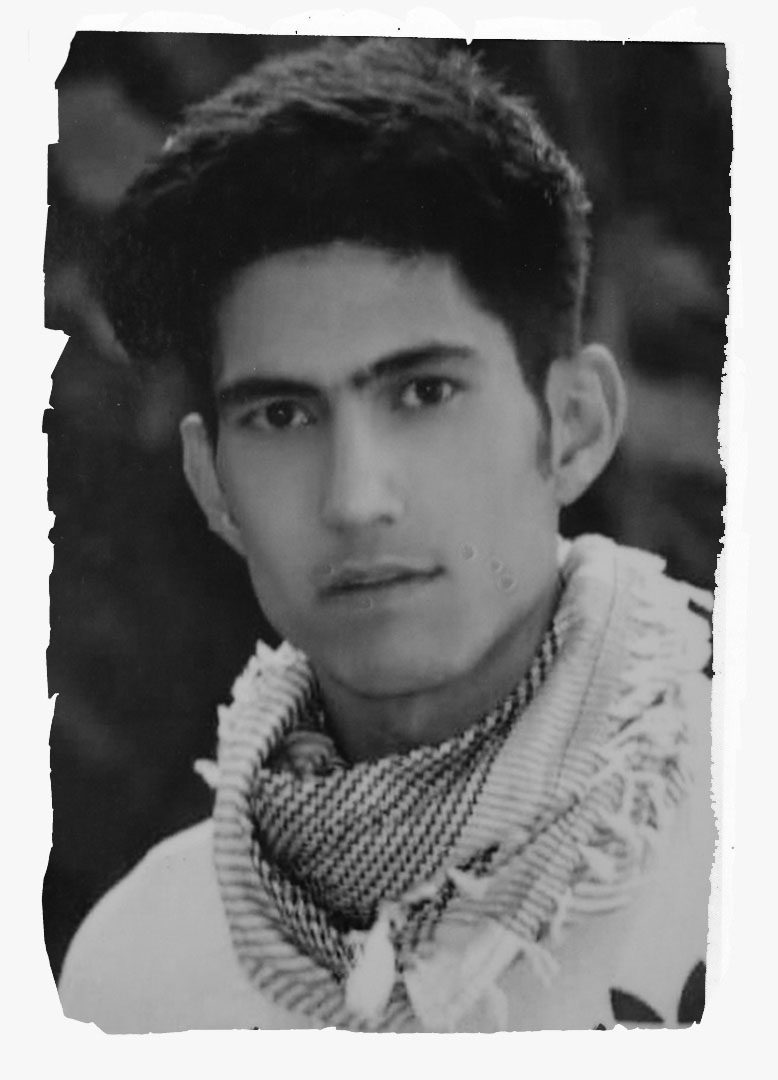
- Gender
- Male
- Ethnicity
- Hazara
- District geolocation of incident
- Kabul: 34° 31′ 1″ N, 69° 8′ 60″ E
Mohammad Hassan Rahimi
- Photo of Victim

- Gender
- Male
- Ethnicity
- Hazara
- District geolocation of incident
- Kabul: 34° 31′ 1″ N, 69° 8′ 60″ E
Sarwar Hussaini
- Photo of Victim
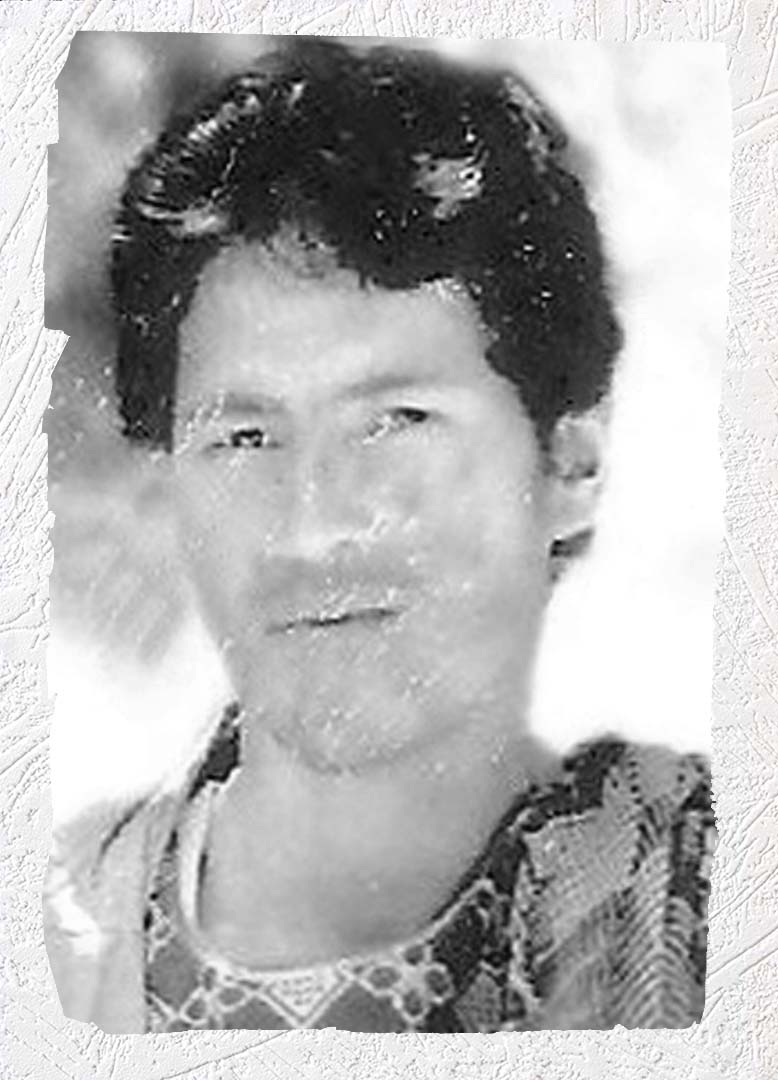
- Gender
- Male
- Ethnicity
- Hazara
- District geolocation of incident
- Kabul: 34° 31′ 1″ N, 69° 8′ 60″ E
- Description of incident
Junbesh-e Roshnayi-e (The Enlightenment Movement) is a grassroots civil disobedience movement of Hazaras created in 2016 in Afghanistan in response to the Afghan government's change in routing plans for proposed international electricity networking, which was perceived as continuing historical anti-Hazara discrimination. The group organised major protests in Afghanistan and internationally during 2016 and 2017, protesting against discrimination.
Navidullah Bahador
- Photo of Victim

- Gender
- Male
- Ethnicity
- Hazara
- District geolocation of incident
- Kabul: 34° 31′ 1″ N, 69° 8′ 60″ E
- Description of incident
Junbesh-e Roshnayi-e (The Enlightenment Movement) is a grassroots civil disobedience movement of Hazaras created in 2016 in Afghanistan in response to the Afghan government's change in routing plans for proposed international electricity networking, which was perceived as continuing historical anti-Hazara discrimination. The group organised major protests in Afghanistan and internationally during 2016 and 2017, protesting against discrimination.
Jawad Haidari
- Photo of Victim

- Gender
- Male
- Ethnicity
- Hazara
- District geolocation of incident
- Kabul: 34° 31′ 1″ N, 69° 8′ 60″ E
- Description of incident
Junbesh-e Roshnayi-e (The Enlightenment Movement) is a grassroots civil disobedience movement of Hazaras created in 2016 in Afghanistan in response to the Afghan government's change in routing plans for proposed international electricity networking, which was perceived as continuing historical anti-Hazara discrimination. The group organised major protests in Afghanistan and internationally during 2016 and 2017, protesting against discrimination.
Aref Hussain Shaygan
- Photo of Victim
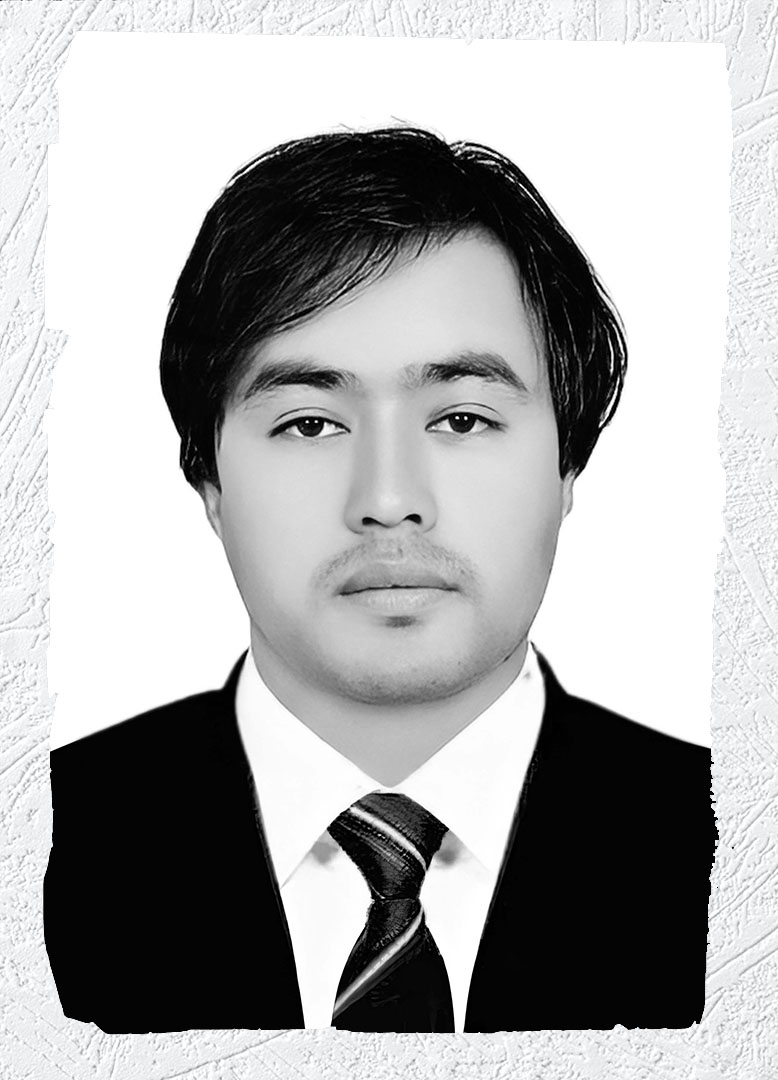
- Gender
- Male
- Ethnicity
- Hazara
- District geolocation of incident
- Kabul: 34° 31′ 1″ N, 69° 8′ 60″ E
- Description of incident
Junbesh-e Roshnayi-e (The Enlightenment Movement) is a grassroots civil disobedience movement of Hazaras created in 2016 in Afghanistan in response to the Afghan government's change in routing plans for proposed international electricity networking, which was perceived as continuing historical anti-Hazara discrimination. The group organised major protests in Afghanistan and internationally during 2016 and 2017, protesting against discrimination.
Abbas Mohammadi
- Photo of Victim

- Gender
- Male
- Ethnicity
- Hazara
- District geolocation of incident
- Kabul: 34° 31′ 1″ N, 69° 8′ 60″ E
- Description of incident
Junbesh-e Roshnayi-e (The Enlightenment Movement) is a grassroots civil disobedience movement of Hazaras created in 2016 in Afghanistan in response to the Afghan government's change in routing plans for proposed international electricity networking, which was perceived as continuing historical anti-Hazara discrimination. The group organised major protests in Afghanistan and internationally during 2016 and 2017, protesting against discrimination.
Nabi Sultani
- Photo of Victim

- Gender
- Male
- Ethnicity
- Hazara
- District geolocation of incident
- Kabul: 34° 31′ 1″ N, 69° 8′ 60″ E
- Description of incident
Junbesh-e Roshnayi-e (The Enlightenment Movement) is a grassroots civil disobedience movement of Hazaras created in 2016 in Afghanistan in response to the Afghan government's change in routing plans for proposed international electricity networking, which was perceived as continuing historical anti-Hazara discrimination. The group organised major protests in Afghanistan and internationally during 2016 and 2017, protesting against discrimination.
Mohsen Rahimi
- Photo of Victim

- Gender
- Male
- Ethnicity
- Hazara
- District geolocation of incident
- Kabul: 34° 31′ 1″ N, 69° 8′ 60″ E
- Description of incident
Junbesh-e Roshnayi-e (The Enlightenment Movement) is a grassroots civil disobedience movement of Hazaras created in 2016 in Afghanistan in response to the Afghan government's change in routing plans for proposed international electricity networking, which was perceived as continuing historical anti-Hazara discrimination. The group organised major protests in Afghanistan and internationally during 2016 and 2017, protesting against discrimination.
Homayoun Rasikh
- Photo of Victim

- Gender
- Male
- Ethnicity
- Hazara
- District geolocation of incident
- Kabul: 34° 31′ 1″ N, 69° 8′ 60″ E
- Description of incident
Junbesh-e Roshnayi-e (The Enlightenment Movement) is a grassroots civil disobedience movement of Hazaras created in 2016 in Afghanistan in response to the Afghan government's change in routing plans for proposed international electricity networking, which was perceived as continuing historical anti-Hazara discrimination. The group organised major protests in Afghanistan and internationally during 2016 and 2017, protesting against discrimination.
Abdul Latif Zahidi
- Photo of Victim
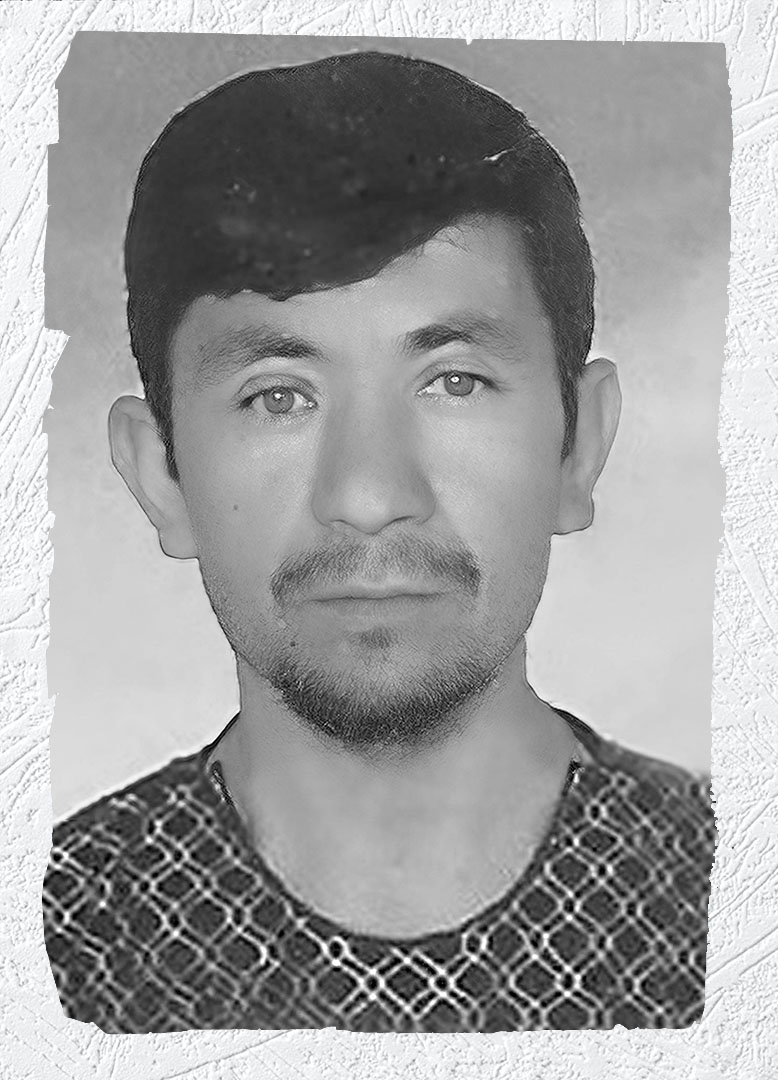
- Gender
- Male
- Ethnicity
- Hazara
- District geolocation of incident
- Kabul: 34° 31′ 1″ N, 69° 8′ 60″ E
- Description of incident
Junbesh-e Roshnayi-e (The Enlightenment Movement) is a grassroots civil disobedience movement of Hazaras created in 2016 in Afghanistan in response to the Afghan government's change in routing plans for proposed international electricity networking, which was perceived as continuing historical anti-Hazara discrimination. The group organised major protests in Afghanistan and internationally during 2016 and 2017, protesting against discrimination.
Abdul Aziz Rahimi
- Photo of Victim

- Gender
- Male
- Ethnicity
- Hazara
- District geolocation of incident
- Kabul: 34° 31′ 1″ N, 69° 8′ 60″ E
- Description of incident
Junbesh-e Roshnayi-e (The Enlightenment Movement) is a grassroots civil disobedience movement of Hazaras created in 2016 in Afghanistan in response to the Afghan government's change in routing plans for proposed international electricity networking, which was perceived as continuing historical anti-Hazara discrimination. The group organised major protests in Afghanistan and internationally during 2016 and 2017, protesting against discrimination.
Qurban Ali Ahmadi
- Photo of Victim

- Gender
- Male
- Ethnicity
- Hazara
- District geolocation of incident
- Kabul: 34° 31′ 1″ N, 69° 8′ 60″ E
- Description of incident
Junbesh-e Roshnayi-e (The Enlightenment Movement) is a grassroots civil disobedience movement of Hazaras created in 2016 in Afghanistan in response to the Afghan government's change in routing plans for proposed international electricity networking, which was perceived as continuing historical anti-Hazara discrimination. The group organised major protests in Afghanistan and internationally during 2016 and 2017, protesting against discrimination.
Mehr Ali Mohammadi
- Photo of Victim
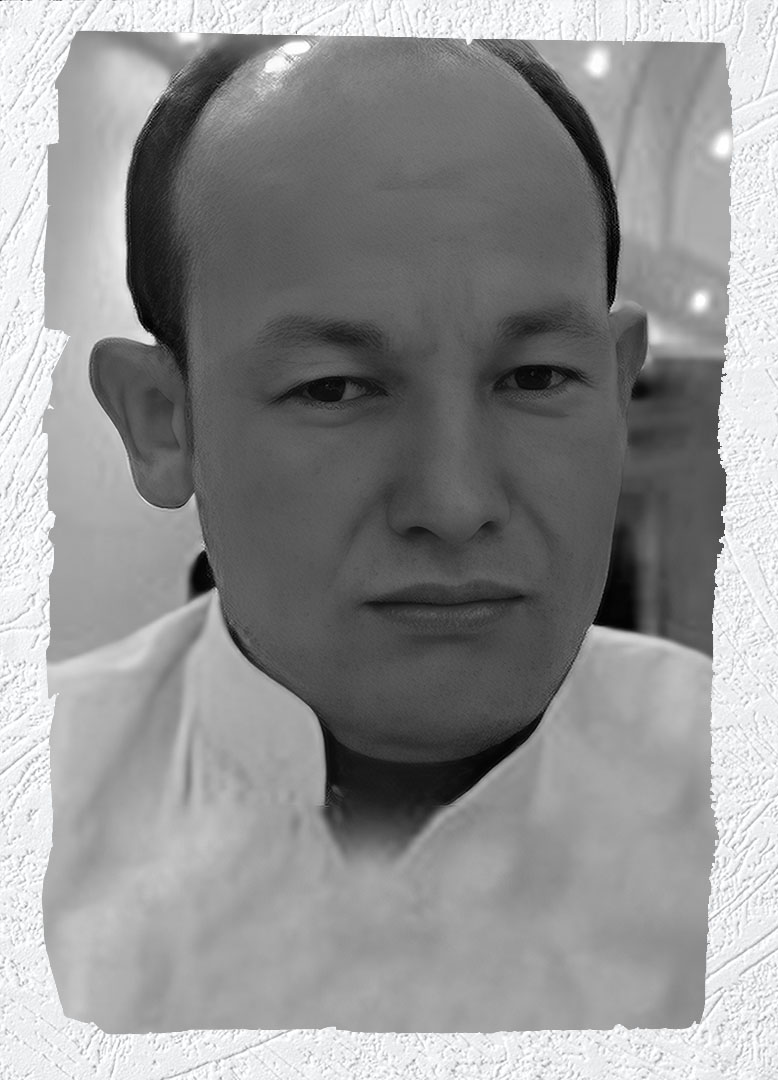
- Gender
- Male
- Ethnicity
- Hazara
- District geolocation of incident
- Kabul: 34° 31′ 1″ N, 69° 8′ 60″ E
- Description of incident
Junbesh-e Roshnayi-e (The Enlightenment Movement) is a grassroots civil disobedience movement of Hazaras created in 2016 in Afghanistan in response to the Afghan government's change in routing plans for proposed international electricity networking, which was perceived as continuing historical anti-Hazara discrimination. The group organised major protests in Afghanistan and internationally during 2016 and 2017, protesting against discrimination.
Abdul Shakoor Karimzada
- Photo of Victim

- Gender
- Male
- Ethnicity
- Hazara
- District geolocation of incident
- Kabul: 34° 31′ 1″ N, 69° 8′ 60″ E
- Description of incident
Junbesh-e Roshnayi-e (The Enlightenment Movement) is a grassroots civil disobedience movement of Hazaras created in 2016 in Afghanistan in response to the Afghan government's change in routing plans for proposed international electricity networking, which was perceived as continuing historical anti-Hazara discrimination. The group organised major protests in Afghanistan and internationally during 2016 and 2017, protesting against discrimination.
Sadiq Haidari
- Photo of Victim
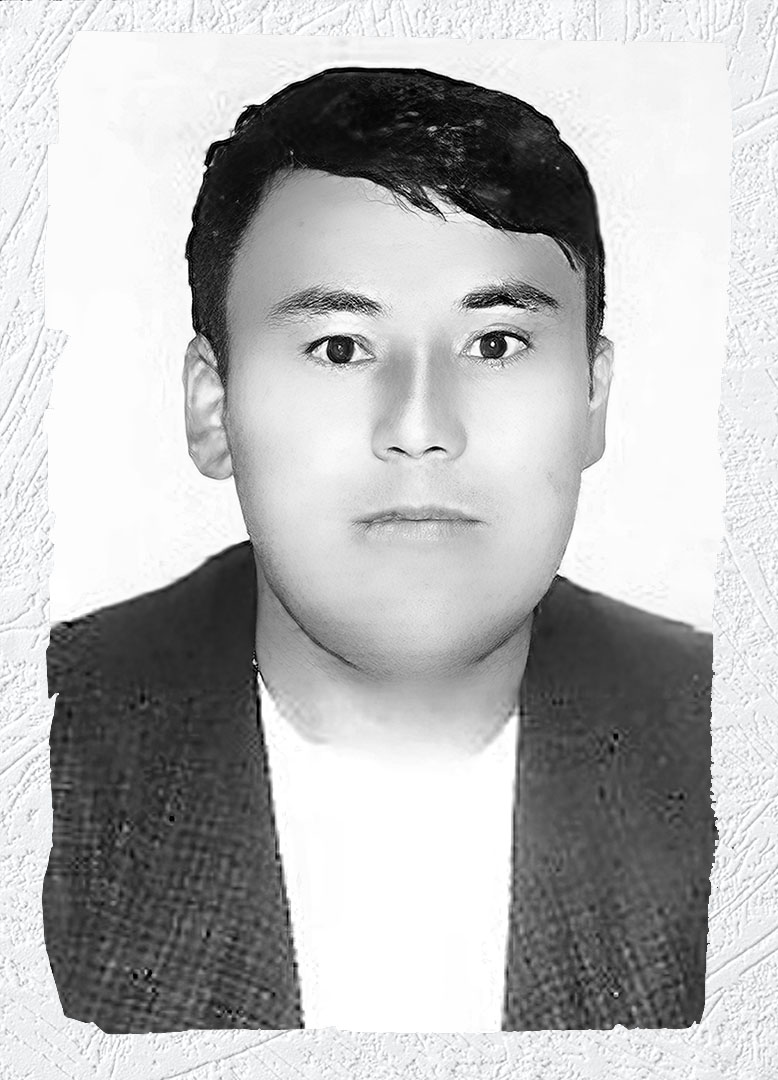
- Gender
- Male
- Ethnicity
- Hazara
- District geolocation of incident
- Kabul: 34° 31′ 1″ N, 69° 8′ 60″ E
- Description of incident
Junbesh-e Roshnayi-e (The Enlightenment Movement) is a grassroots civil disobedience movement of Hazaras created in 2016 in Afghanistan in response to the Afghan government's change in routing plans for proposed international electricity networking, which was perceived as continuing historical anti-Hazara discrimination. The group organised major protests in Afghanistan and internationally during 2016 and 2017, protesting against discrimination.
Bostan Ali Haidari
- Photo of Victim

- Gender
- Male
- Ethnicity
- Hazara
- District geolocation of incident
- Kabul: 34° 31′ 1″ N, 69° 8′ 60″ E
- Description of incident
Junbesh-e Roshnayi-e (The Enlightenment Movement) is a grassroots civil disobedience movement of Hazaras created in 2016 in Afghanistan in response to the Afghan government's change in routing plans for proposed international electricity networking, which was perceived as continuing historical anti-Hazara discrimination. The group organised major protests in Afghanistan and internationally during 2016 and 2017, protesting against discrimination.
Abdorrahim Alizada
- Photo of Victim
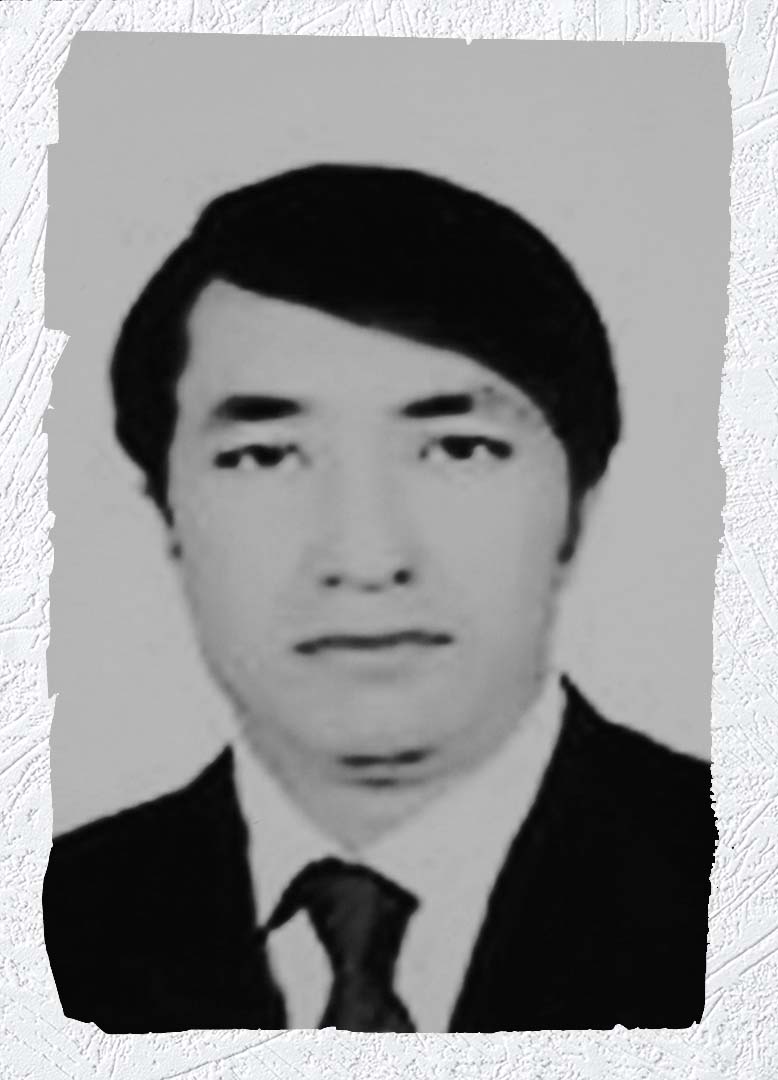
- Gender
- Male
- Ethnicity
- Hazara
- District geolocation of incident
- Kabul: 34° 31′ 1″ N, 69° 8′ 60″ E
- Description of incident
Junbesh-e Roshnayi-e (The Enlightenment Movement) is a grassroots civil disobedience movement of Hazaras created in 2016 in Afghanistan in response to the Afghan government's change in routing plans for proposed international electricity networking, which was perceived as continuing historical anti-Hazara discrimination. The group organised major protests in Afghanistan and internationally during 2016 and 2017, protesting against discrimination.
M.Hanif Mohammadi
- Photo of Victim

- Gender
- Male
- Ethnicity
- Hazara
- District geolocation of incident
- Kabul: 34° 31′ 1″ N, 69° 8′ 60″ E
- Description of incident
Junbesh-e Roshnayi-e (The Enlightenment Movement) is a grassroots civil disobedience movement of Hazaras created in 2016 in Afghanistan in response to the Afghan government's change in routing plans for proposed international electricity networking, which was perceived as continuing historical anti-Hazara discrimination. The group organised major protests in Afghanistan and internationally during 2016 and 2017, protesting against discrimination.
Zohair Nazari
- Photo of Victim

- Gender
- Male
- Ethnicity
- Hazara
- District geolocation of incident
- Kabul: 34° 31′ 1″ N, 69° 8′ 60″ E
- Description of incident
Junbesh-e Roshnayi-e (The Enlightenment Movement) is a grassroots civil disobedience movement of Hazaras created in 2016 in Afghanistan in response to the Afghan government's change in routing plans for proposed international electricity networking, which was perceived as continuing historical anti-Hazara discrimination. The group organised major protests in Afghanistan and internationally during 2016 and 2017, protesting against discrimination.
Mohammad Joma Abdullahi
- Photo of Victim
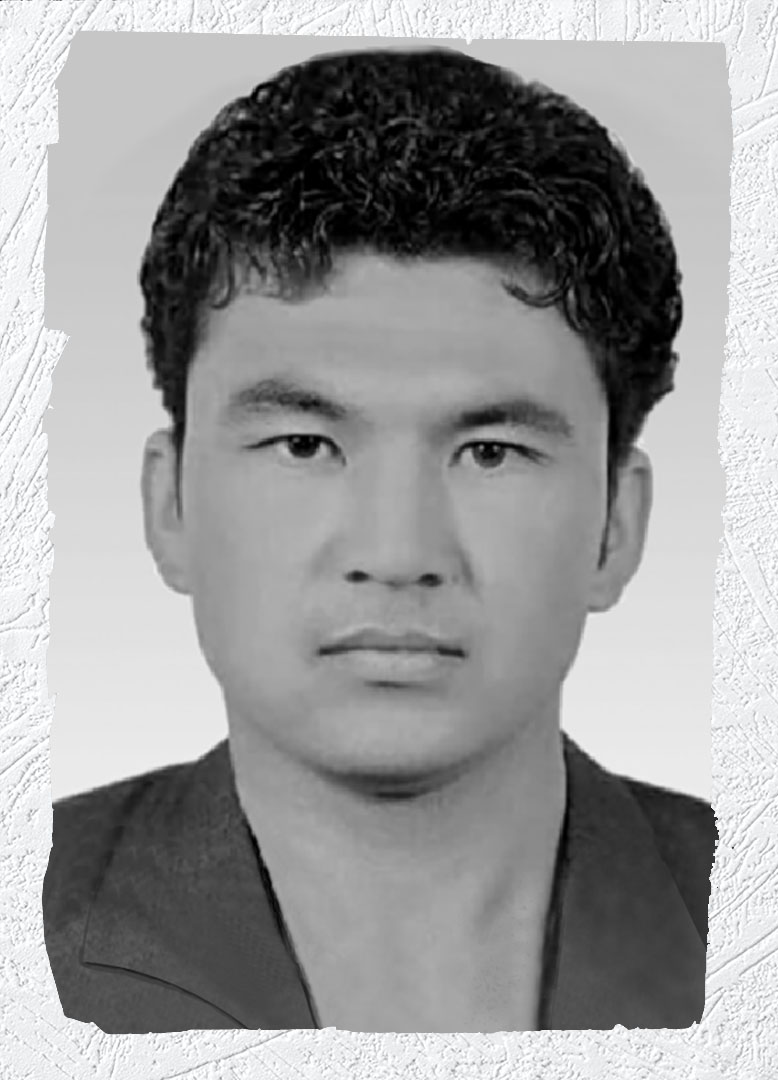
- Gender
- Male
- Ethnicity
- Hazara
- District geolocation of incident
- Kabul: 34° 31′ 1″ N, 69° 8′ 60″ E
- Description of incident
Junbesh-e Roshnayi-e (The Enlightenment Movement) is a grassroots civil disobedience movement of Hazaras created in 2016 in Afghanistan in response to the Afghan government's change in routing plans for proposed international electricity networking, which was perceived as continuing historical anti-Hazara discrimination. The group organised major protests in Afghanistan and internationally during 2016 and 2017, protesting against discrimination.
M.Hussain Mohammadi
- Photo of Victim
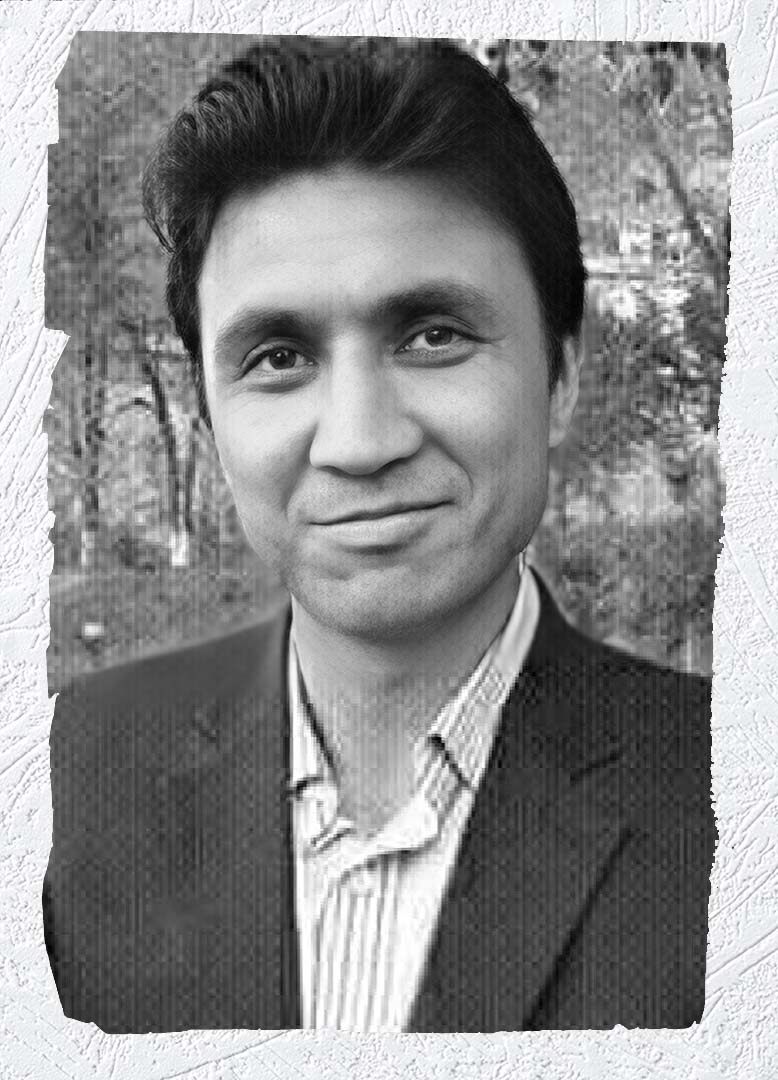
- Gender
- Male
- Ethnicity
- Hazara
- District geolocation of incident
- Kabul: 34° 31′ 1″ N, 69° 8′ 60″ E
- Description of incident
Junbesh-e Roshnayi-e (The Enlightenment Movement) is a grassroots civil disobedience movement of Hazaras created in 2016 in Afghanistan in response to the Afghan government's change in routing plans for proposed international electricity networking, which was perceived as continuing historical anti-Hazara discrimination. The group organised major protests in Afghanistan and internationally during 2016 and 2017, protesting against discrimination.
M.Juma Karbalaee
- Photo of Victim
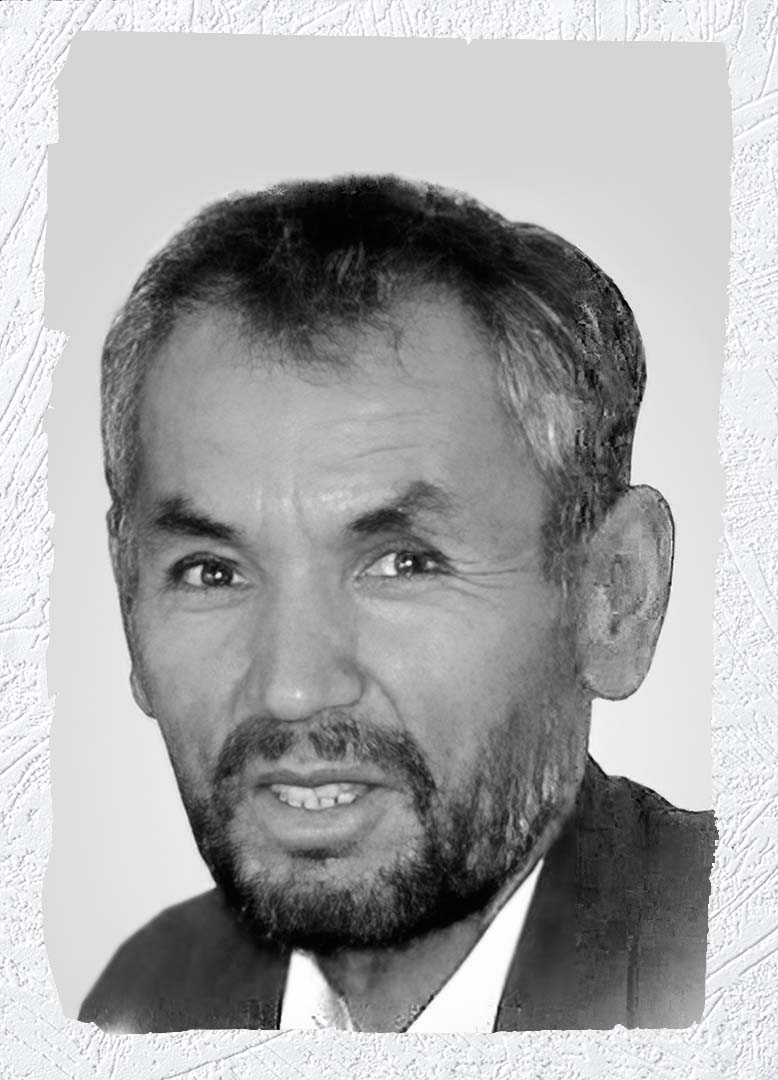
- Gender
- Male
- Ethnicity
- Hazara
- District geolocation of incident
- Kabul: 34° 31′ 1″ N, 69° 8′ 60″ E
- Description of incident
Junbesh-e Roshnayi-e (The Enlightenment Movement) is a grassroots civil disobedience movement of Hazaras created in 2016 in Afghanistan in response to the Afghan government's change in routing plans for proposed international electricity networking, which was perceived as continuing historical anti-Hazara discrimination. The group organised major protests in Afghanistan and internationally during 2016 and 2017, protesting against discrimination.
Jawad Qasimi
- Photo of Victim
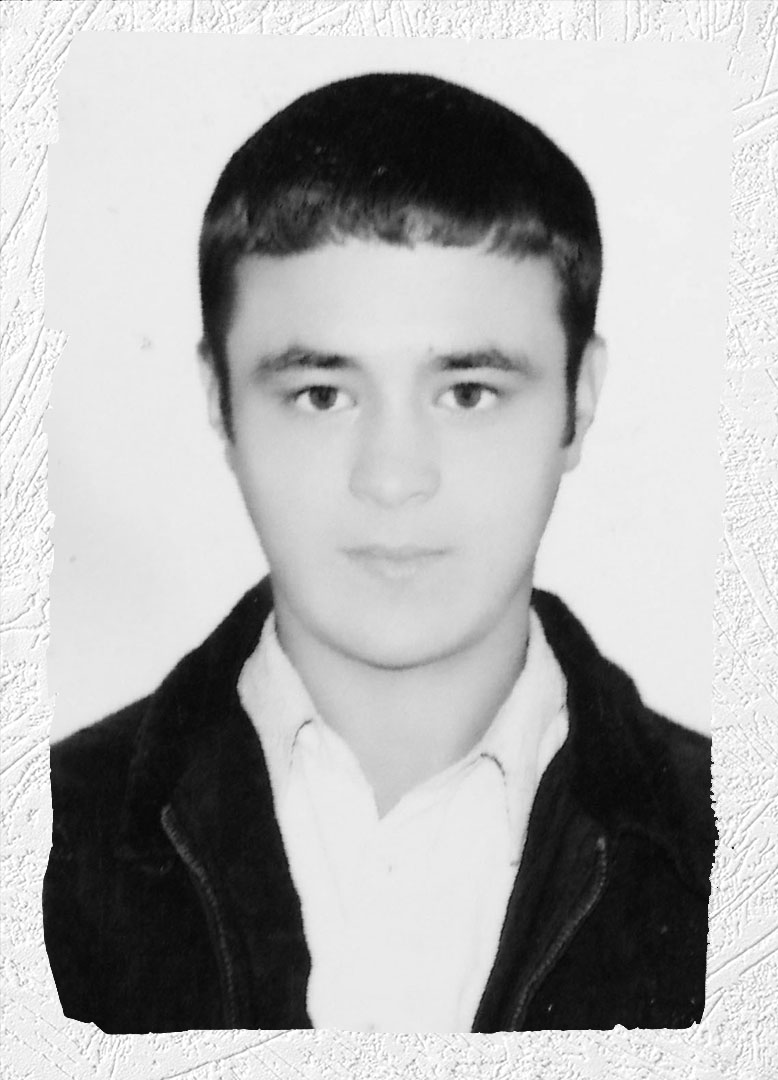
- Gender
- Male
- Ethnicity
- Hazara
- District geolocation of incident
- Kabul: 34° 31′ 1″ N, 69° 8′ 60″ E
- Description of incident
Junbesh-e Roshnayi-e (The Enlightenment Movement) is a grassroots civil disobedience movement of Hazaras created in 2016 in Afghanistan in response to the Afghan government's change in routing plans for proposed international electricity networking, which was perceived as continuing historical anti-Hazara discrimination. The group organised major protests in Afghanistan and internationally during 2016 and 2017, protesting against discrimination.
M.Nasir Rezaee
- Photo of Victim
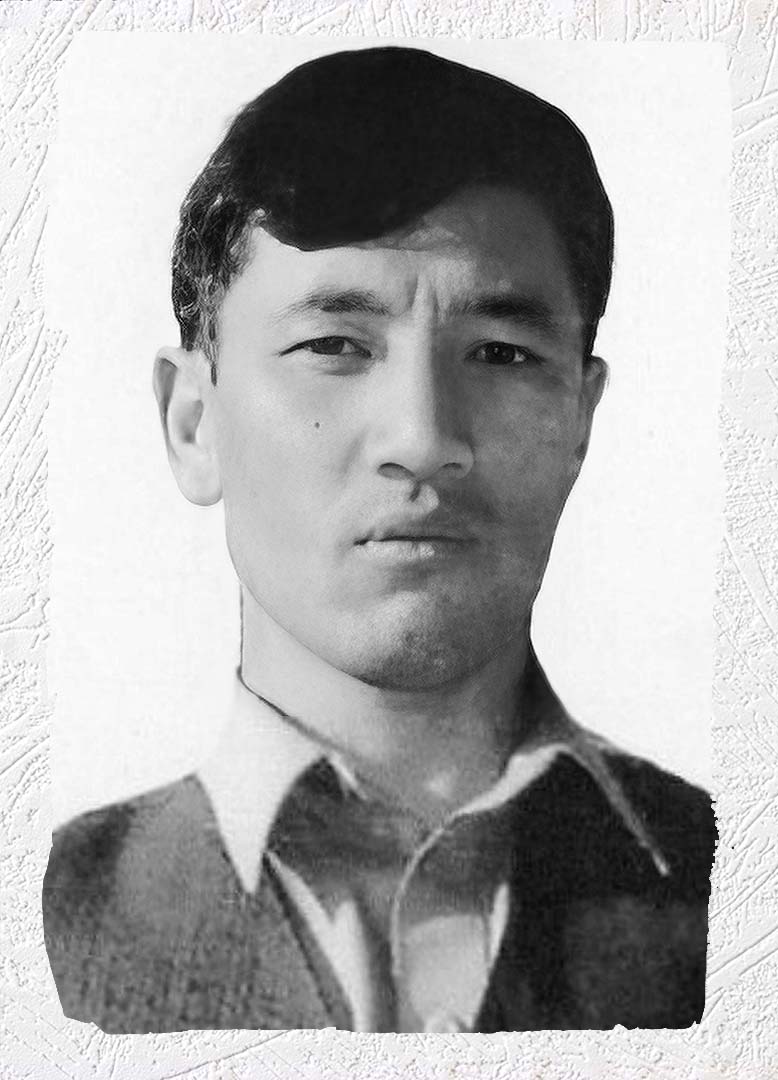
- Gender
- Male
- Ethnicity
- Hazara
- District geolocation of incident
- Kabul: 34° 31′ 1″ N, 69° 8′ 60″ E
- Description of incident
Junbesh-e Roshnayi-e (The Enlightenment Movement) is a grassroots civil disobedience movement of Hazaras created in 2016 in Afghanistan in response to the Afghan government's change in routing plans for proposed international electricity networking, which was perceived as continuing historical anti-Hazara discrimination. The group organised major protests in Afghanistan and internationally during 2016 and 2017, protesting against discrimination.
ShaWali Sharifi
- Photo of Victim
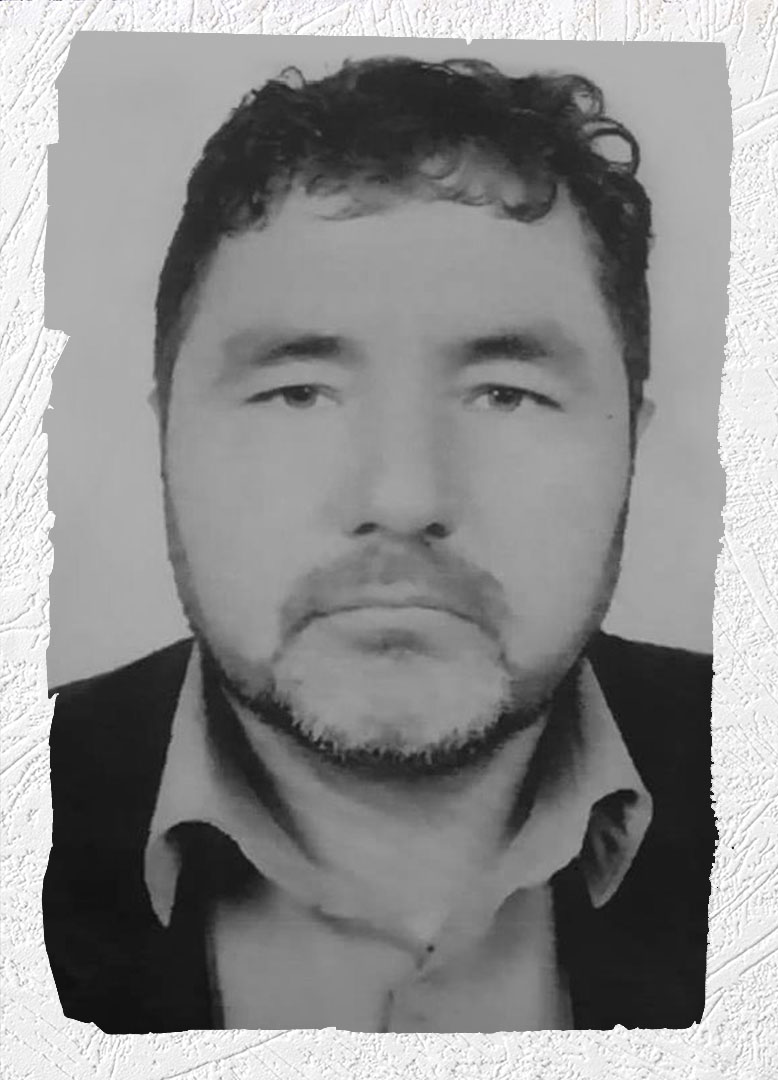
- Gender
- Male
- Ethnicity
- Hazara
- District geolocation of incident
- Kabul: 34° 31′ 1″ N, 69° 8′ 60″ E
- Description of incident
Junbesh-e Roshnayi-e (The Enlightenment Movement) is a grassroots civil disobedience movement of Hazaras created in 2016 in Afghanistan in response to the Afghan government's change in routing plans for proposed international electricity networking, which was perceived as continuing historical anti-Hazara discrimination. The group organised major protests in Afghanistan and internationally during 2016 and 2017, protesting against discrimination.
Ahmad Sharif DawlatShahi
- Photo of Victim

- Gender
- Male
- Ethnicity
- Hazara
- District geolocation of incident
- Kabul: 34° 31′ 1″ N, 69° 8′ 60″ E
- Description of incident
Junbesh-e Roshnayi-e (The Enlightenment Movement) is a grassroots civil disobedience movement of Hazaras created in 2016 in Afghanistan in response to the Afghan government's change in routing plans for proposed international electricity networking, which was perceived as continuing historical anti-Hazara discrimination. The group organised major protests in Afghanistan and internationally during 2016 and 2017, protesting against discrimination.
Asadullah Hussaini
- Photo of Victim
- Gender
- Male
- Ethnicity
- Hazara
- District geolocation of incident
- Kabul: 34° 31′ 1″ N, 69° 8′ 60″ E
- Description of incident
Junbesh-e Roshnayi-e (The Enlightenment Movement) is a grassroots civil disobedience movement of Hazaras created in 2016 in Afghanistan in response to the Afghan government's change in routing plans for proposed international electricity networking, which was perceived as continuing historical anti-Hazara discrimination. The group organised major protests in Afghanistan and internationally during 2016 and 2017, protesting against discrimination.
Zaki Naebi
- Photo of Victim

- Gender
- Male
- Ethnicity
- Hazara
- District geolocation of incident
- Kabul: 34° 31′ 1″ N, 69° 8′ 60″ E
- Description of incident
Junbesh-e Roshnayi-e (The Enlightenment Movement) is a grassroots civil disobedience movement of Hazaras created in 2016 in Afghanistan in response to the Afghan government's change in routing plans for proposed international electricity networking, which was perceived as continuing historical anti-Hazara discrimination. The group organised major protests in Afghanistan and internationally during 2016 and 2017, protesting against discrimination.
Abdullah Frotan
- Photo of Victim
- Gender
- Male
- Ethnicity
- Hazara
- District geolocation of incident
- Kabul: 34° 31′ 1″ N, 69° 8′ 60″ E
- Description of incident
Junbesh-e Roshnayi-e (The Enlightenment Movement) is a grassroots civil disobedience movement of Hazaras created in 2016 in Afghanistan in response to the Afghan government's change in routing plans for proposed international electricity networking, which was perceived as continuing historical anti-Hazara discrimination. The group organised major protests in Afghanistan and internationally during 2016 and 2017, protesting against discrimination.
Asadullah Shafaee
- Photo of Victim

- Gender
- Male
- Ethnicity
- Hazara
- District geolocation of incident
- Kabul: 34° 31′ 1″ N, 69° 8′ 60″ E
- Description of incident
Junbesh-e Roshnayi-e (The Enlightenment Movement) is a grassroots civil disobedience movement of Hazaras created in 2016 in Afghanistan in response to the Afghan government's change in routing plans for proposed international electricity networking, which was perceived as continuing historical anti-Hazara discrimination. The group organised major protests in Afghanistan and internationally during 2016 and 2017, protesting against discrimination.
Enayatullah Asil (Tahmasi)
- Photo of Victim
- Gender
- Male
- Ethnicity
- Hazara
- District geolocation of incident
- Kabul: 34° 31′ 1″ N, 69° 8′ 60″ E
- Description of incident
Junbesh-e Roshnayi-e (The Enlightenment Movement) is a grassroots civil disobedience movement of Hazaras created in 2016 in Afghanistan in response to the Afghan government's change in routing plans for proposed international electricity networking, which was perceived as continuing historical anti-Hazara discrimination. The group organised major protests in Afghanistan and internationally during 2016 and 2017, protesting against discrimination.
Naeem Gholami
- Photo of Victim

- Gender
- Male
- Ethnicity
- Hazara
- District geolocation of incident
- Kabul: 34° 31′ 1″ N, 69° 8′ 60″ E
- Description of incident
Junbesh-e Roshnayi-e (The Enlightenment Movement) is a grassroots civil disobedience movement of Hazaras created in 2016 in Afghanistan in response to the Afghan government's change in routing plans for proposed international electricity networking, which was perceived as continuing historical anti-Hazara discrimination. The group organised major protests in Afghanistan and internationally during 2016 and 2017, protesting against discrimination.
ShaHussain Haidari
- Photo of Victim

- Gender
- Male
- Ethnicity
- Hazara
- District geolocation of incident
- Kabul: 34° 31′ 1″ N, 69° 8′ 60″ E
- Description of incident
Junbesh-e Roshnayi-e (The Enlightenment Movement) is a grassroots civil disobedience movement of Hazaras created in 2016 in Afghanistan in response to the Afghan government's change in routing plans for proposed international electricity networking, which was perceived as continuing historical anti-Hazara discrimination. The group organised major protests in Afghanistan and internationally during 2016 and 2017, protesting against discrimination.
Hekmatullah Shafaee
- Gender
- Male
- Ethnicity
- Hazara
- District geolocation of incident
- Kabul: 34° 31′ 1″ N, 69° 8′ 60″ E
- Description of incident
Junbesh-e Roshnayi-e (The Enlightenment Movement) is a grassroots civil disobedience movement of Hazaras created in 2016 in Afghanistan in response to the Afghan government's change in routing plans for proposed international electricity networking, which was perceived as continuing historical anti-Hazara discrimination. The group organised major protests in Afghanistan and internationally during 2016 and 2017, protesting against discrimination.
Alimohammad Babaee
- Photo of Victim

- Gender
- Male
- Ethnicity
- Hazara
- District geolocation of incident
- Kabul: 34° 31′ 1″ N, 69° 8′ 60″ E
- Description of incident
Junbesh-e Roshnayi-e (The Enlightenment Movement) is a grassroots civil disobedience movement of Hazaras created in 2016 in Afghanistan in response to the Afghan government's change in routing plans for proposed international electricity networking, which was perceived as continuing historical anti-Hazara discrimination. The group organised major protests in Afghanistan and internationally during 2016 and 2017, protesting against discrimination.
Mohammad Sadiq Nekzad
- Photo of Victim

- Gender
- Male
- Ethnicity
- Hazara
- District geolocation of incident
- Kabul: 34° 31′ 1″ N, 69° 8′ 60″ E
- Description of incident
Junbesh-e Roshnayi-e (The Enlightenment Movement) is a grassroots civil disobedience movement of Hazaras created in 2016 in Afghanistan in response to the Afghan government's change in routing plans for proposed international electricity networking, which was perceived as continuing historical anti-Hazara discrimination. The group organised major protests in Afghanistan and internationally during 2016 and 2017, protesting against discrimination.
Adel Afzali
- Photo of Victim
- Gender
- Male
- Ethnicity
- Hazara
- District geolocation of incident
- Kabul: 34° 31′ 1″ N, 69° 8′ 60″ E
- Description of incident
Junbesh-e Roshnayi-e (The Enlightenment Movement) is a grassroots civil disobedience movement of Hazaras created in 2016 in Afghanistan in response to the Afghan government's change in routing plans for proposed international electricity networking, which was perceived as continuing historical anti-Hazara discrimination. The group organised major protests in Afghanistan and internationally during 2016 and 2017, protesting against discrimination.
Mushtaq Rasa (Saighani)
- Photo of Victim
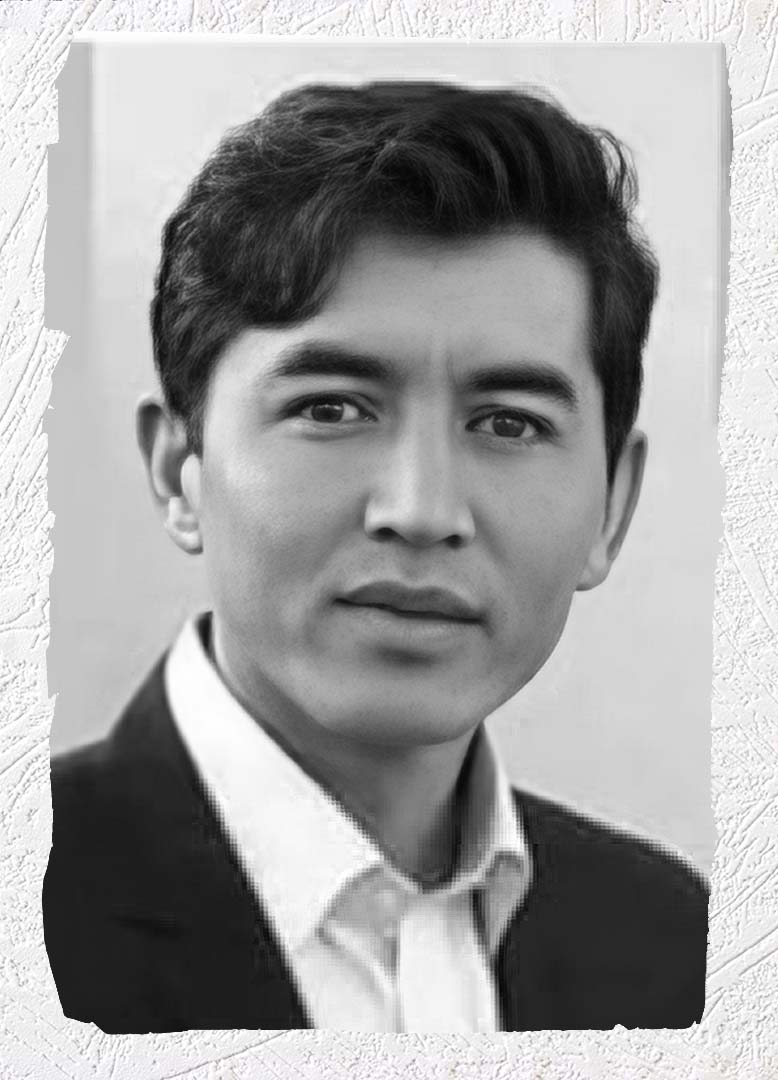
- Gender
- Male
- Ethnicity
- Hazara
- District geolocation of incident
- Kabul: 34° 31′ 1″ N, 69° 8′ 60″ E
- Description of incident
Junbesh-e Roshnayi-e (The Enlightenment Movement) is a grassroots civil disobedience movement of Hazaras created in 2016 in Afghanistan in response to the Afghan government's change in routing plans for proposed international electricity networking, which was perceived as continuing historical anti-Hazara discrimination. The group organised major protests in Afghanistan and internationally during 2016 and 2017, protesting against discrimination.
Gholam Abbas Safazada
- Photo of Victim

- Gender
- Male
- Ethnicity
- Hazara
- District geolocation of incident
- Kabul: 34° 31′ 1″ N, 69° 8′ 60″ E
- Description of incident
Junbesh-e Roshnayi-e (The Enlightenment Movement) is a grassroots civil disobedience movement of Hazaras created in 2016 in Afghanistan in response to the Afghan government's change in routing plans for proposed international electricity networking, which was perceived as continuing historical anti-Hazara discrimination. The group organised major protests in Afghanistan and internationally during 2016 and 2017, protesting against discrimination.
Mohammad Salihi
- Photo of Victim

- Gender
- Male
- Ethnicity
- Hazara
- District geolocation of incident
- Kabul: 34° 31′ 1″ N, 69° 8′ 60″ E
- Description of incident
Junbesh-e Roshnayi-e (The Enlightenment Movement) is a grassroots civil disobedience movement of Hazaras created in 2016 in Afghanistan in response to the Afghan government's change in routing plans for proposed international electricity networking, which was perceived as continuing historical anti-Hazara discrimination. The group organised major protests in Afghanistan and internationally during 2016 and 2017, protesting against discrimination.
Mohammad Ali Hussaini
- Photo of Victim

- Gender
- Male
- Ethnicity
- Hazara
- District geolocation of incident
- Kabul: 34° 31′ 1″ N, 69° 8′ 60″ E
- Description of incident
Junbesh-e Roshnayi-e (The Enlightenment Movement) is a grassroots civil disobedience movement of Hazaras created in 2016 in Afghanistan in response to the Afghan government's change in routing plans for proposed international electricity networking, which was perceived as continuing historical anti-Hazara discrimination. The group organised major protests in Afghanistan and internationally during 2016 and 2017, protesting against discrimination.
Khodadad Karimi
- Photo of Victim

- Gender
- Male
- Ethnicity
- Hazara
- District geolocation of incident
- Kabul: 34° 31′ 1″ N, 69° 8′ 60″ E
- Description of incident
Junbesh-e Roshnayi-e (The Enlightenment Movement) is a grassroots civil disobedience movement of Hazaras created in 2016 in Afghanistan in response to the Afghan government's change in routing plans for proposed international electricity networking, which was perceived as continuing historical anti-Hazara discrimination. The group organised major protests in Afghanistan and internationally during 2016 and 2017, protesting against discrimination.
Nassir Ehsani
- Photo of Victim
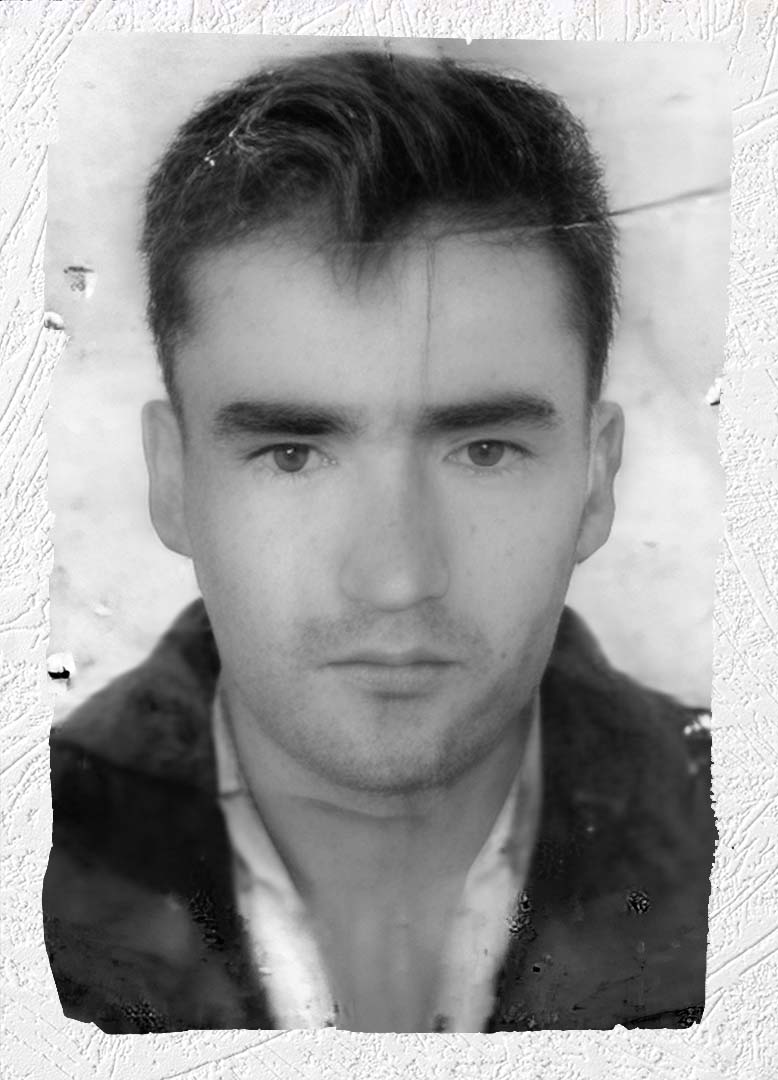
- Gender
- Male
- Ethnicity
- Hazara
- District geolocation of incident
- Kabul: 34° 31′ 1″ N, 69° 8′ 60″ E
- Description of incident
Junbesh-e Roshnayi-e (The Enlightenment Movement) is a grassroots civil disobedience movement of Hazaras created in 2016 in Afghanistan in response to the Afghan government's change in routing plans for proposed international electricity networking, which was perceived as continuing historical anti-Hazara discrimination. The group organised major protests in Afghanistan and internationally during 2016 and 2017, protesting against discrimination.
Rajab Hasani
- Photo of Victim

- Gender
- Male
- Ethnicity
- Hazara
- District geolocation of incident
- Kabul: 34° 31′ 1″ N, 69° 8′ 60″ E
- Description of incident
Junbesh-e Roshnayi-e (The Enlightenment Movement) is a grassroots civil disobedience movement of Hazaras created in 2016 in Afghanistan in response to the Afghan government's change in routing plans for proposed international electricity networking, which was perceived as continuing historical anti-Hazara discrimination. The group organised major protests in Afghanistan and internationally during 2016 and 2017, protesting against discrimination.
M.Mahdi Mohammadi
- Photo of Victim

- Gender
- Male
- Ethnicity
- Hazara
- District geolocation of incident
- Kabul: 34° 31′ 1″ N, 69° 8′ 60″ E
- Description of incident
Junbesh-e Roshnayi-e (The Enlightenment Movement) is a grassroots civil disobedience movement of Hazaras created in 2016 in Afghanistan in response to the Afghan government's change in routing plans for proposed international electricity networking, which was perceived as continuing historical anti-Hazara discrimination. The group organised major protests in Afghanistan and internationally during 2016 and 2017, protesting against discrimination.
Mohammad Zahir Meamar
- Photo of Victim
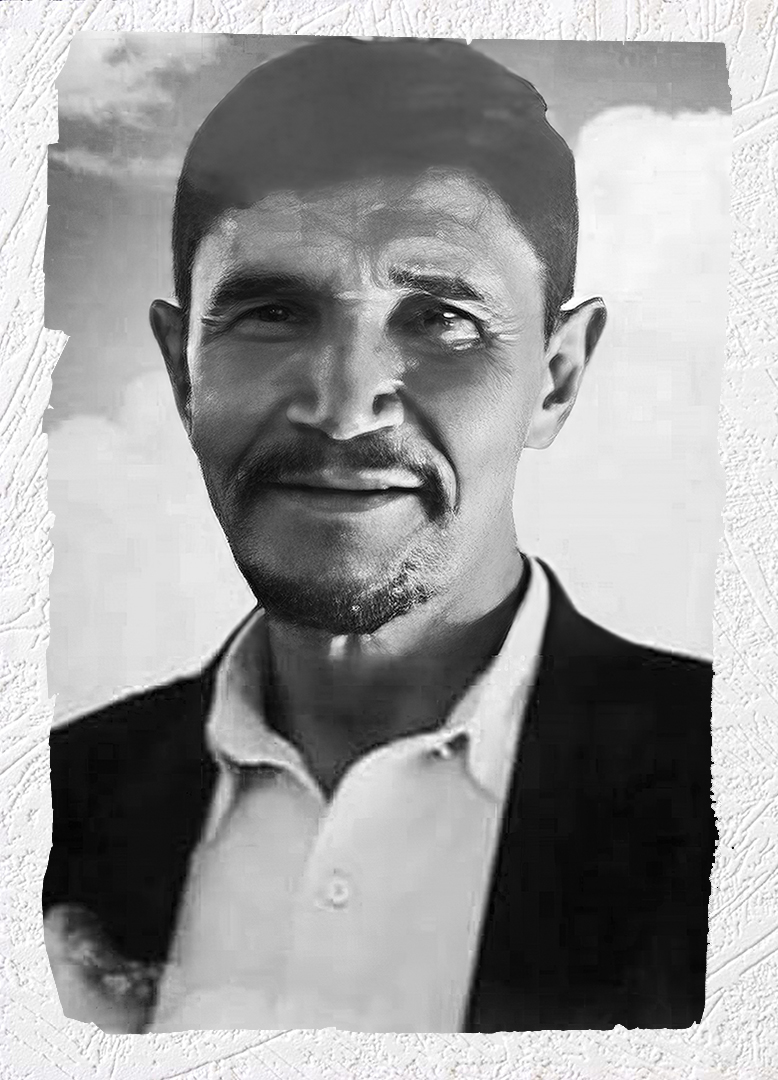
- Gender
- Male
- Ethnicity
- Hazara
- District geolocation of incident
- Kabul: 34° 31′ 1″ N, 69° 8′ 60″ E
- Description of incident
Junbesh-e Roshnayi-e (The Enlightenment Movement) is a grassroots civil disobedience movement of Hazaras created in 2016 in Afghanistan in response to the Afghan government's change in routing plans for proposed international electricity networking, which was perceived as continuing historical anti-Hazara discrimination. The group organised major protests in Afghanistan and internationally during 2016 and 2017, protesting against discrimination.
Mohammad Hussain
- Photo of Victim

- Gender
- Male
- Ethnicity
- Hazara
- District geolocation of incident
- Kabul: 34° 31′ 1″ N, 69° 8′ 60″ E
- Description of incident
Junbesh-e Roshnayi-e (The Enlightenment Movement) is a grassroots civil disobedience movement of Hazaras created in 2016 in Afghanistan in response to the Afghan government's change in routing plans for proposed international electricity networking, which was perceived as continuing historical anti-Hazara discrimination. The group organised major protests in Afghanistan and internationally during 2016 and 2017, protesting against discrimination.
Abdullah Zamiri
- Photo of Victim

- Gender
- Male
- Ethnicity
- Hazara
- District geolocation of incident
- Kabul: 34° 31′ 1″ N, 69° 8′ 60″ E
- Description of incident
Junbesh-e Roshnayi-e (The Enlightenment Movement) is a grassroots civil disobedience movement of Hazaras created in 2016 in Afghanistan in response to the Afghan government's change in routing plans for proposed international electricity networking, which was perceived as continuing historical anti-Hazara discrimination. The group organised major protests in Afghanistan and internationally during 2016 and 2017, protesting against discrimination.
Besmellah Mesbah
- Photo of Victim
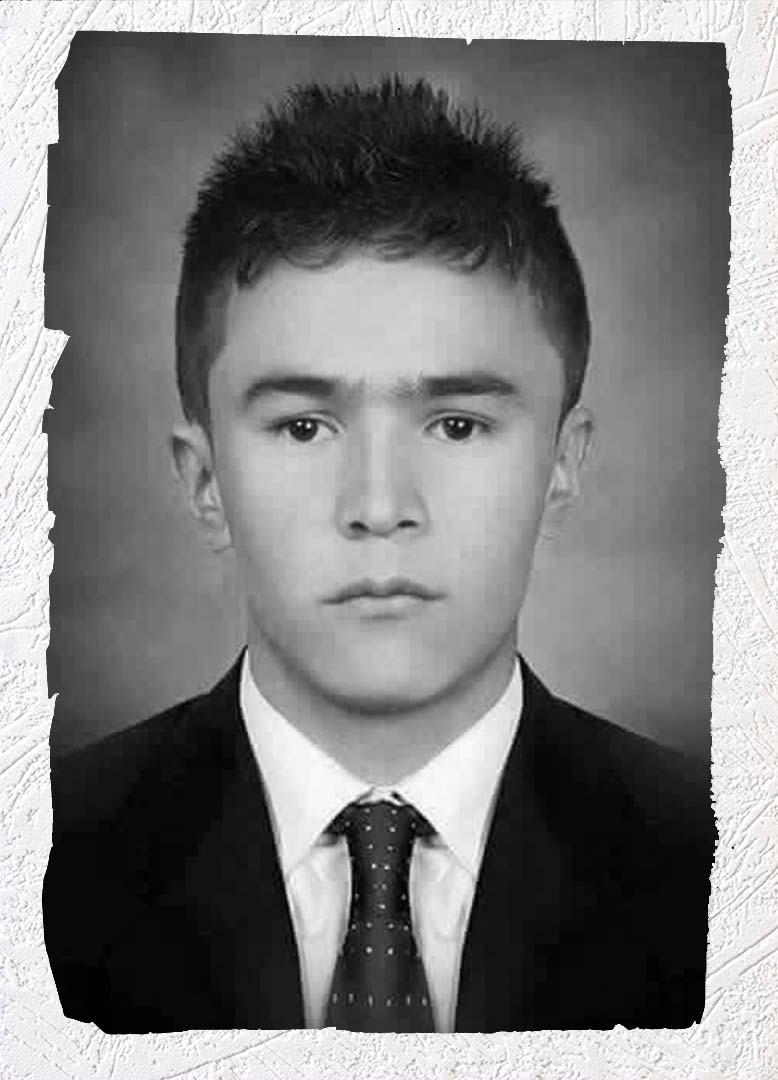
- Gender
- Male
- Ethnicity
- Hazara
- District geolocation of incident
- Kabul: 34° 31′ 1″ N, 69° 8′ 60″ E
- Description of incident
Junbesh-e Roshnayi-e (The Enlightenment Movement) is a grassroots civil disobedience movement of Hazaras created in 2016 in Afghanistan in response to the Afghan government's change in routing plans for proposed international electricity networking, which was perceived as continuing historical anti-Hazara discrimination. The group organised major protests in Afghanistan and internationally during 2016 and 2017, protesting against discrimination.
Malika Ebrahimi
- Photo of Victim

- Gender
- Female
- Ethnicity
- Hazara
- District geolocation of incident
- Kabul: 34° 31′ 1″ N, 69° 8′ 60″ E
- Description of incident
On October 24, 2020, a suicide bomber carried out an attack on the Kawsar-e Danish Educational Center in Kabul City. The educational center, which offers tutoring for students preparing for higher education, is located in an area with a large population of Hazara people.