Bas Bigum
- Photo of Victim

- Gender
- Female
- Ethnicity
- Hazara
- Marital Status
- Confidential
- District geolocation of incident
- Kabul: 34° 31′ 1″ N, 69° 8′ 60″ E
- Description of incident
On April 22, 2018, a suicide bomber detonated his explosive device amidst a large gathering of civilians seeking to obtain electronic identification (e-ID) cards in the Mahtab Qala area of Dasht-e-Barchi, located west of Kabul. The explosion resulted in the deaths of at least 69 civilians, with an additional 120 individuals sustaining injuries. According to official reports, among the victims were 22 women, 17 children, and individuals with disabilities. Furthermore, the injured comprised 52 women, 50 men, and 17 children. The Islamic State of Iraq and the Levant–Khorasan Province (ISIL-KP) claimed responsibility for the attack, stating that they targeted the Hazara-Shia community.
- Declaratory Statement
No statement
Halima
- Photo of Victim

- Gender
- Female
- Ethnicity
- Hazara
- Marital Status
- Confidential
- District geolocation of incident
- Kabul: 34° 31′ 1″ N, 69° 8′ 60″ E
- Description of incident
On May 12, 2020, three attackers wearing Afghan national security forces uniforms and armed with AK-47 rifles and hand grenades conducted an assault on the maternity ward of Dasht-e-Barchi hospital. After shooting and killing a security guard at the hospital entrance, the attackers entered the facility and proceeded directly to the maternity ward, where 28 women were present at the time. The attackers moved systematically from room to room, firing on patients and throwing hand grenades. The attack resulted in twenty-four deaths, including nineteen women, three children, and one female healthcare worker. Twenty-three people were injured, including twelve women, two children, and one newborn. Following the attack on June 15, 2020, Médecins Sans Frontières (MSF), which operated the maternity ward at Dasht-e-Barchi maternity hospital, announced its decision to end activities and withdraw from the hospital.
- Declaratory Statement
No statement
Sediqa
- Photo of Victim

- Gender
- Female
- Ethnicity
- Hazara
- Marital Status
- Confidential
- District geolocation of incident
- Kabul: 34° 31′ 1″ N, 69° 8′ 60″ E
- Description of incident
On May 12, 2020, three attackers wearing Afghan national security forces uniforms and armed with AK-47 rifles and hand grenades conducted an assault on the maternity ward of Dasht-e-Barchi hospital. After shooting and killing a security guard at the hospital entrance, the attackers entered the facility and proceeded directly to the maternity ward, where 28 women were present at the time. The attackers moved systematically from room to room, firing on patients and throwing hand grenades. The attack resulted in twenty-four deaths, including nineteen women, three children, and one female healthcare worker. Twenty-three people were injured, including twelve women, two children, and one newborn. Following the attack on June 15, 2020, Médecins Sans Frontières (MSF), which operated the maternity ward at Dasht-e-Barchi maternity hospital, announced its decision to end activities and withdraw from the hospital.
- Declaratory Statement
No statement
Malik
- Photo of Victim

- Gender
- Male
- Ethnicity
- Pashtun
- Marital Status
- Confidential
- District geolocation of incident
- Bala Buluk: 33° 7′ 27″ N, 62° 39′ 47″ E
- Description of incident
On May 4, 2009, a United States Air Force B-1 Bomber conducted an airstrike on Granai village in Bala Buluk district, Farah Province, resulting in significant civilian casualties. The incident, sometimes referred to as the Granai massacre, became one of the deadliest civilian casualty events involving international military forces in Afghanistan. The exact number of civilian deaths remains a matter of dispute among various investigative bodies. The Afghan government reported approximately 140 civilian fatalities, including 22 adult men and 93 children. Afghanistan's principal human rights organization concluded that 97 civilians were killed, with children comprising the majority of victims. Other estimates place the civilian death toll between 86 and 147 individuals. An initial investigation by the US military assessed that 20-30 civilians were killed alongside 60-65 insurgents. However, these figures were contested by Afghan authorities and international observers. A subsequent, partially released American inquiry acknowledged the limitations of the investigation, stating that a conclusive determination of the civilian casualty count would not be possible. The United States military accepted responsibility for the airstrike and admitted that significant errors occurred in its execution. Official statements acknowledged that the failure to identify the presence of civilians and to minimize collateral damage resulted in unintended civilian casualties.
- Declaratory Statement
No statement
Najiba
- Photo of Victim

- Gender
- Female
- Ethnicity
- Pashtun
- Marital Status
- Confidential
- District geolocation of incident
- Bala Buluk: 33° 7′ 27″ N, 62° 39′ 47″ E
- Description of incident
On May 4, 2009, a United States Air Force B-1 Bomber conducted an airstrike on Granai village in Bala Buluk district, Farah Province, resulting in significant civilian casualties. The incident, sometimes referred to as the Granai massacre, became one of the deadliest civilian casualty events involving international military forces in Afghanistan. The exact number of civilian deaths remains a matter of dispute among various investigative bodies. The Afghan government reported approximately 140 civilian fatalities, including 22 adult men and 93 children. Afghanistan's principal human rights organization concluded that 97 civilians were killed, with children comprising the majority of victims. Other estimates place the civilian death toll between 86 and 147 individuals. An initial investigation by the US military assessed that 20-30 civilians were killed alongside 60-65 insurgents. However, these figures were contested by Afghan authorities and international observers. A subsequent, partially released American inquiry acknowledged the limitations of the investigation, stating that a conclusive determination of the civilian casualty count would not be possible. The United States military accepted responsibility for the airstrike and admitted that significant errors occurred in its execution. Official statements acknowledged that the failure to identify the presence of civilians and to minimize collateral damage resulted in unintended civilian casualties.
- Declaratory Statement
No statement
Abdul Khaliq
- Photo of Victim

- Gender
- Male
- Ethnicity
- Pashtun
- Marital Status
- Confidential
- District geolocation of incident
- Bala Buluk: 33° 7′ 27″ N, 62° 39′ 47″ E
Reza Ashori
- Photo of Victim

- Gender
- Male
- Ethnicity
- Hazara
- Marital Status
- Confidential
- District geolocation of incident
- Kabul: 34° 31′ 1″ N, 69° 8′ 60″ E
- Description of incident
On the evening of October 26, 2023, at approximately 7:35 PM, a powerful explosion occurred at the Mellat Boxing Club located in the Pol-e-Khoshk, Dasht-e-Barchi area of west Kabul. At the time of the incident, twenty-six athletes were training at the facility in preparation for a competition scheduled for the following day. The Barchi area is predominantly inhabited by the Hazara ethnic group, a community that has been frequently targeted in attacks. The explosion resulted in the deaths of six to eight athletes and injuries to five others. Additionally, one of the club's trainers lost his hearing due to the intensity of the blast. The bodies of the victims were identified and released at three different hospitals in Kabul. ISIS Khorasan Province claimed responsibility for the attack.
- Declaratory Statement
No statement
Akmal Nazari
- Photo of Victim

- Gender
- Male
- Ethnicity
- Hazara
- Marital Status
- Confidential
- District geolocation of incident
- Mazar-e Sharif: 36° 41′ 38″ N, 67° 6′ 48″ E
- Description of incident
On 11 March 2023, an explosive device detonated inside the Tabyan Center, in Mazar-e-Sharif. The blast resulted in the deaths of 2 journalists and injuries to another 18 people. All the victims were civilians, primarily belonging to the Hazara ethnic group. The Islamic State of Iraq and the Levant-Khorasan Province (ISIL-KP) claimed responsibility for the attack.
- Declaratory Statement
No statement
Abdullah
- Photo of Victim

- Gender
- Male
- Ethnicity
- Hazara
- Marital Status
- Married
- District geolocation of incident
- Yakawlang: 34° 44′ 50″ N, 66° 56′ 40″ E
Abdul Ali
- Photo of Victim

- Gender
- Male
- Ethnicity
- Hazara
- Marital Status
- Married
- District geolocation of incident
- Kabul: 34° 31′ 1″ N, 69° 8′ 60″ E
Rajab Ali
- Photo of Victim

- Gender
- Male
- Ethnicity
- Hazara
- Marital Status
- Married
- District geolocation of incident
- Kabul: 34° 31′ 1″ N, 69° 8′ 60″ E
S.Alam Hussainy
- Photo of Victim

- Gender
- Male
- Ethnicity
- Sadat
- Marital Status
- Married
- District geolocation of incident
- Yakawlang: 34° 44′ 50″ N, 66° 56′ 40″ E
Jawad Zohak
- Photo of Victim

- Gender
- Male
- Ethnicity
- Hazara
- Marital Status
- Married
- District geolocation of incident
- Ghorband: 34° 59′ 12″ N, 68° 42′ 5″ E
Ahmad Jawad Rostami
- Photo of Victim

- Gender
- Male
- Ethnicity
- Qizilbash
- Marital Status
- Married
- District geolocation of incident
- Kabul: 34° 31′ 1″ N, 69° 8′ 60″ E
Ghulam Reza
- Photo of Victim

- Gender
- Male
- Ethnicity
- Baloch
- Marital Status
- Married
- District geolocation of incident
- Kajran: 33° 14′ 38″ N, 65° 27′ 49″ E
S.ShaBaBa Hussaini
- Photo of Victim

- Gender
- Male
- Ethnicity
- Sadat
- Marital Status
- Married
- District geolocation of incident
- Sayyad: 35° 52′ 25″ N, 68° 25′ 51″ E
Qasim Abozar
- Photo of Victim

- Gender
- Male
- Ethnicity
- Hazara
- Marital Status
- Married
- District geolocation of incident
- Sayyad: 35° 52′ 25″ N, 68° 25′ 51″ E
Reza Ebrahimi
- Photo of Victim

- Gender
- Male
- Ethnicity
- Hazara
- Marital Status
- Married
- District geolocation of incident
- Kabul: 34° 31′ 1″ N, 69° 8′ 60″ E
- Description of incident
Junbesh-e Roshnayi-e (The Enlightenment Movement) is a grassroots civil disobedience movement of Hazaras created in 2016 in Afghanistan in response to the Afghan government's change in routing plans for proposed international electricity networking, which was perceived as continuing historical anti-Hazara discrimination. The group organised major protests in Afghanistan and internationally during 2016 and 2017, protesting against discrimination.
Kazim Hakimi
- Photo of Victim

- Gender
- Male
- Ethnicity
- Hazara
- Marital Status
- Married
- District geolocation of incident
- Kabul: 34° 31′ 1″ N, 69° 8′ 60″ E
- Description of incident
Junbesh-e Roshnayi-e (The Enlightenment Movement) is a grassroots civil disobedience movement of Hazaras created in 2016 in Afghanistan in response to the Afghan government's change in routing plans for proposed international electricity networking, which was perceived as continuing historical anti-Hazara discrimination. The group organised major protests in Afghanistan and internationally during 2016 and 2017, protesting against discrimination.
Ali Ahmad Hamdard
- Photo of Victim

- Gender
- Male
- Ethnicity
- Hazara
- Marital Status
- Married
- District geolocation of incident
- Kabul: 34° 31′ 1″ N, 69° 8′ 60″ E
- Description of incident
Junbesh-e Roshnayi-e (The Enlightenment Movement) is a grassroots civil disobedience movement of Hazaras created in 2016 in Afghanistan in response to the Afghan government's change in routing plans for proposed international electricity networking, which was perceived as continuing historical anti-Hazara discrimination. The group organised major protests in Afghanistan and internationally during 2016 and 2017, protesting against discrimination.
Mohammad Zia Jafari
- Photo of Victim

- Gender
- Male
- Ethnicity
- Hazara
- Marital Status
- Married
- District geolocation of incident
- Kabul: 34° 31′ 1″ N, 69° 8′ 60″ E
- Description of incident
Junbesh-e Roshnayi-e (The Enlightenment Movement) is a grassroots civil disobedience movement of Hazaras created in 2016 in Afghanistan in response to the Afghan government's change in routing plans for proposed international electricity networking, which was perceived as continuing historical anti-Hazara discrimination. The group organised major protests in Afghanistan and internationally during 2016 and 2017, protesting against discrimination.
Baqer Mohammadi
- Photo of Victim

- Gender
- Male
- Ethnicity
- Hazara
- Marital Status
- Married
- District geolocation of incident
- Kabul: 34° 31′ 1″ N, 69° 8′ 60″ E
- Description of incident
Junbesh-e Roshnayi-e (The Enlightenment Movement) is a grassroots civil disobedience movement of Hazaras created in 2016 in Afghanistan in response to the Afghan government's change in routing plans for proposed international electricity networking, which was perceived as continuing historical anti-Hazara discrimination. The group organised major protests in Afghanistan and internationally during 2016 and 2017, protesting against discrimination.
Amir Mohammad Rahimi
- Photo of Victim

- Gender
- Male
- Ethnicity
- Hazara
- Marital Status
- Married
- District geolocation of incident
- Kabul: 34° 31′ 1″ N, 69° 8′ 60″ E
- Description of incident
Junbesh-e Roshnayi-e (The Enlightenment Movement) is a grassroots civil disobedience movement of Hazaras created in 2016 in Afghanistan in response to the Afghan government's change in routing plans for proposed international electricity networking, which was perceived as continuing historical anti-Hazara discrimination. The group organised major protests in Afghanistan and internationally during 2016 and 2017, protesting against discrimination.
Hayatullah Wahidi
- Photo of Victim

- Gender
- Male
- Ethnicity
- Hazara
- Marital Status
- Married
- District geolocation of incident
- Sayyad: 35° 52′ 25″ N, 68° 25′ 51″ E
- Description of incident
On 3 August 2017, Anti-Government Elements including Taliban and local self-proclaimed Daesh/Islamic State affiliated fighters launched an attack against Mirza Olang village in Sayyad district, Sari Pul province, where fighting continued until 5 August. The village, known as ‘the gate to Sayyad’, lies deep in a long valley. Its southern entrance is near to the border of neighbouring Faryab province and is located 20 km south of the Sayyad district administrative centre. Much of the area surrounding the district administrative centre has been under control of Anti-Government Elements for more than one year.
Karbalaee Ghafor Sadiqi
- Photo of Victim

- Gender
- Male
- Ethnicity
- Hazara
- Marital Status
- Married
- District geolocation of incident
- Sayyad: 35° 52′ 25″ N, 68° 25′ 51″ E
- Description of incident
On 3 August 2017, Anti-Government Elements including Taliban and local self-proclaimed Daesh/Islamic State affiliated fighters launched an attack against Mirza Olang village in Sayyad district, Sari Pul province, where fighting continued until 5 August. The village, known as ‘the gate to Sayyad’, lies deep in a long valley. Its southern entrance is near to the border of neighbouring Faryab province and is located 20 km south of the Sayyad district administrative centre. Much of the area surrounding the district administrative centre has been under control of Anti-Government Elements for more than one year.
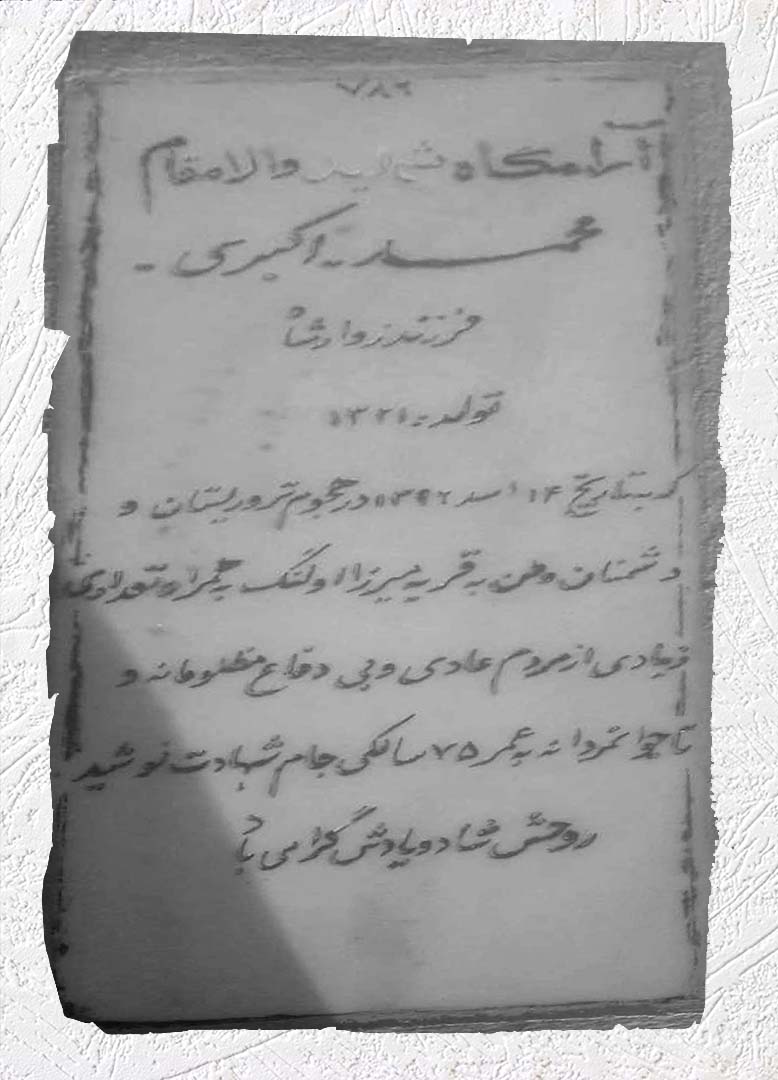
Mohammad Akbari
- Photo of Victim
- Gender
- Male
- Ethnicity
- Hazara
- Marital Status
- Married
- District geolocation of incident
- Sayyad: 35° 52′ 25″ N, 68° 25′ 51″ E
- Description of incident
On 3 August 2017, Anti-Government Elements including Taliban and local self-proclaimed Daesh/Islamic State affiliated fighters launched an attack against Mirza Olang village in Sayyad district, Sari Pul province, where fighting continued until 5 August. The village, known as ‘the gate to Sayyad’, lies deep in a long valley. Its southern entrance is near to the border of neighbouring Faryab province and is located 20 km south of the Sayyad district administrative centre. Much of the area surrounding the district administrative centre has been under control of Anti-Government Elements for more than one year.
Kamal
- Photo of Victim

- Gender
- Male
- Ethnicity
- Hazara
- Marital Status
- Married
- District geolocation of incident
- Sayyad: 35° 52′ 25″ N, 68° 25′ 51″ E
- Description of incident
On 3 August 2017, Anti-Government Elements including Taliban and local self-proclaimed Daesh/Islamic State affiliated fighters launched an attack against Mirza Olang village in Sayyad district, Sari Pul province, where fighting continued until 5 August. The village, known as ‘the gate to Sayyad’, lies deep in a long valley. Its southern entrance is near to the border of neighbouring Faryab province and is located 20 km south of the Sayyad district administrative centre. Much of the area surrounding the district administrative centre has been under control of Anti-Government Elements for more than one year.
Haji Zarif
- Photo of Victim

- Gender
- Male
- Ethnicity
- Hazara
- Marital Status
- Married
- District geolocation of incident
- Sayyad: 35° 52′ 25″ N, 68° 25′ 51″ E
- Description of incident
On 3 August 2017, Anti-Government Elements including Taliban and local self-proclaimed Daesh/Islamic State affiliated fighters launched an attack against Mirza Olang village in Sayyad district, Sari Pul province, where fighting continued until 5 August. The village, known as ‘the gate to Sayyad’, lies deep in a long valley. Its southern entrance is near to the border of neighbouring Faryab province and is located 20 km south of the Sayyad district administrative centre. Much of the area surrounding the district administrative centre has been under control of Anti-Government Elements for more than one year.
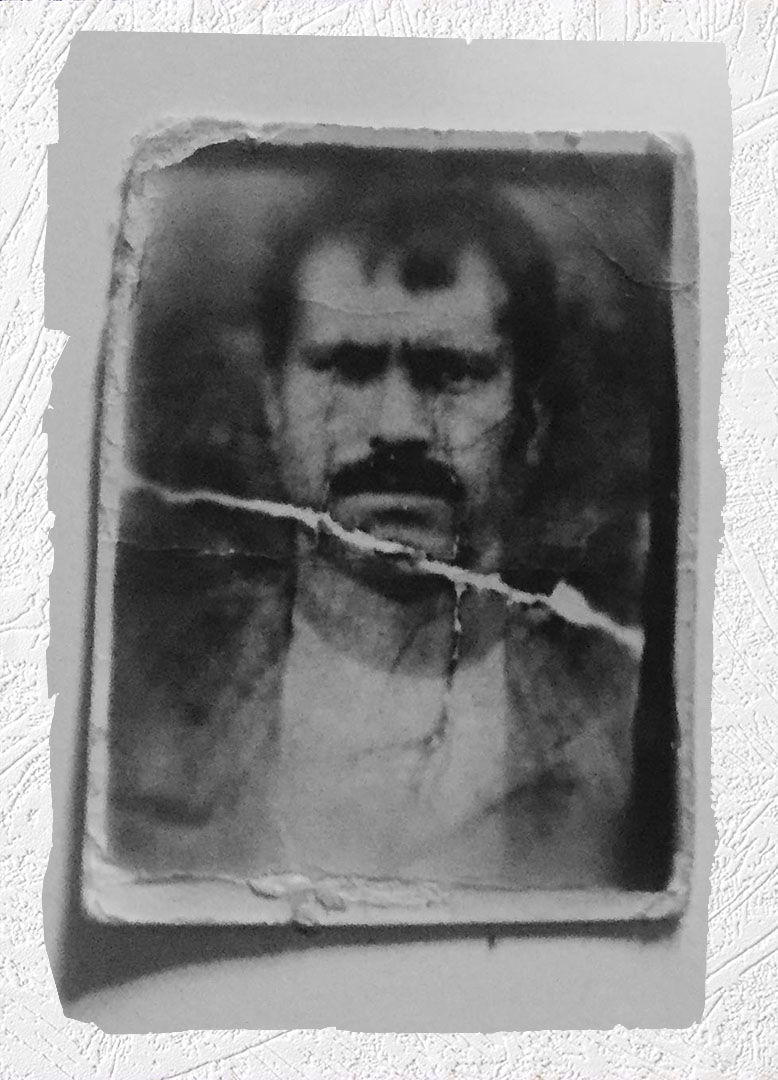
Sayyed Musa
- Photo of Victim
- Gender
- Male
- Ethnicity
- Sadat
- Marital Status
- Married
- District geolocation of incident
- Mazar-e Sharif: 36° 41′ 38″ N, 67° 6′ 48″ E
Sharifullah
- Photo of Victim

- Gender
- Male
- Ethnicity
- Hazara
- Marital Status
- Married
- District geolocation of incident
- Mazar-e Sharif: 36° 41′ 38″ N, 67° 6′ 48″ E
Sayed Nassim Mohammadi
- Photo of Victim

- Gender
- Male
- Ethnicity
- Sadat
- Marital Status
- Married
- District geolocation of incident
- Kabul: 34° 31′ 1″ N, 69° 8′ 60″ E
Shakila Sarwari
- Photo of Victim

- Gender
- Female
- Ethnicity
- Hazara
- Marital Status
- Married
- District geolocation of incident
- Kabul: 34° 31′ 1″ N, 69° 8′ 60″ E
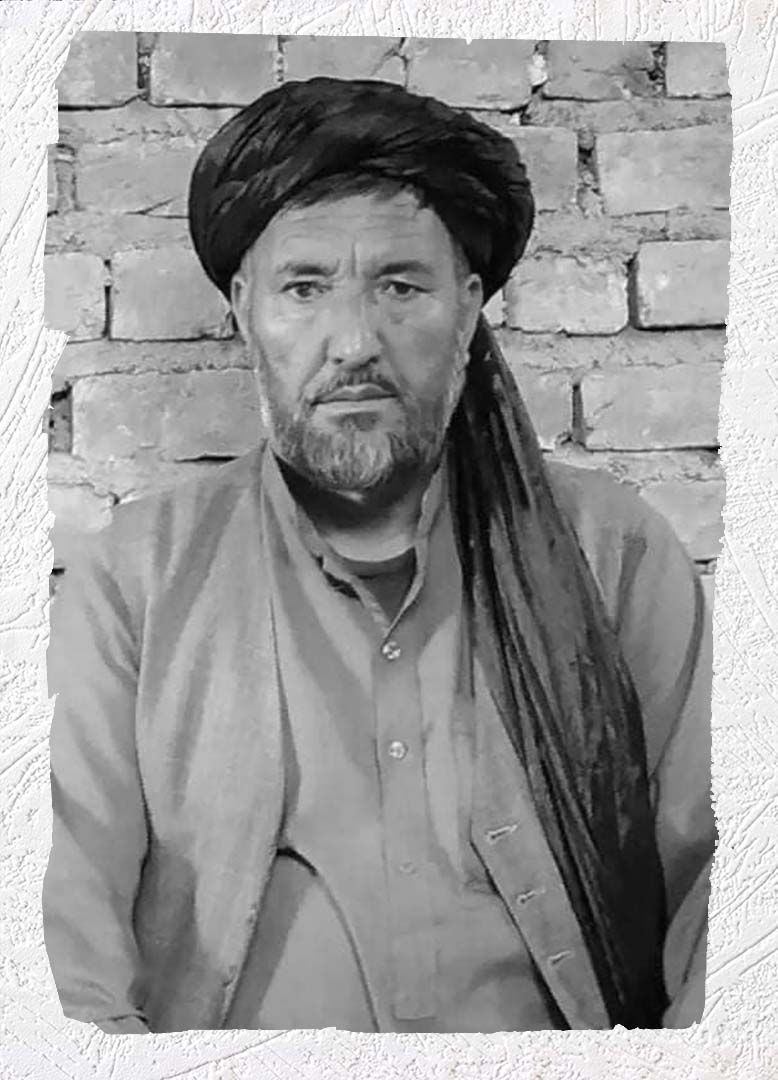
Mohammad Taher Khashiey
- Photo of Victim
- Gender
- Male
- Ethnicity
- Hazara
- Marital Status
- Married
- District geolocation of incident
- Kabul: 34° 31′ 1″ N, 69° 8′ 60″ E
Mohammad Hassan
- Photo of Victim

- Gender
- Male
- Ethnicity
- Hazara
- Marital Status
- Married
- District geolocation of incident
- Yakawlang: 34° 44′ 50″ N, 66° 56′ 40″ E
- Description of incident
On January 7, 2001, the Taliban attacked the Yakaolang district of Bamiyan province and massacred hundreds of Hazara civilians. Many of those who managed to escape and take refuge on the mountains froze to death. On the 8th of January, Taliban members began a house-to-house search across the district. The massacre of Hazaras continued through the 9th, 10th, 11th, and 12th of January. At least 300 Hazaras were either summerly executed or deliberately killed by the Taliban.
Ahmad Sha
- Photo of Victim

- Gender
- Male
- Ethnicity
- Sadat
- Marital Status
- Married
- District geolocation of incident
- Yakawlang: 34° 44′ 50″ N, 66° 56′ 40″ E
- Description of incident
On January 7, 2001, the Taliban attacked the Yakaolang district of Bamiyan province and massacred hundreds of Hazara civilians. Many of those who managed to escape and take refuge on the mountains froze to death. On the 8th of January, Taliban members began a house-to-house search across the district. The massacre of Hazaras continued through the 9th, 10th, 11th, and 12th of January. At least 300 Hazaras were either summerly executed or deliberately killed by the Taliban.
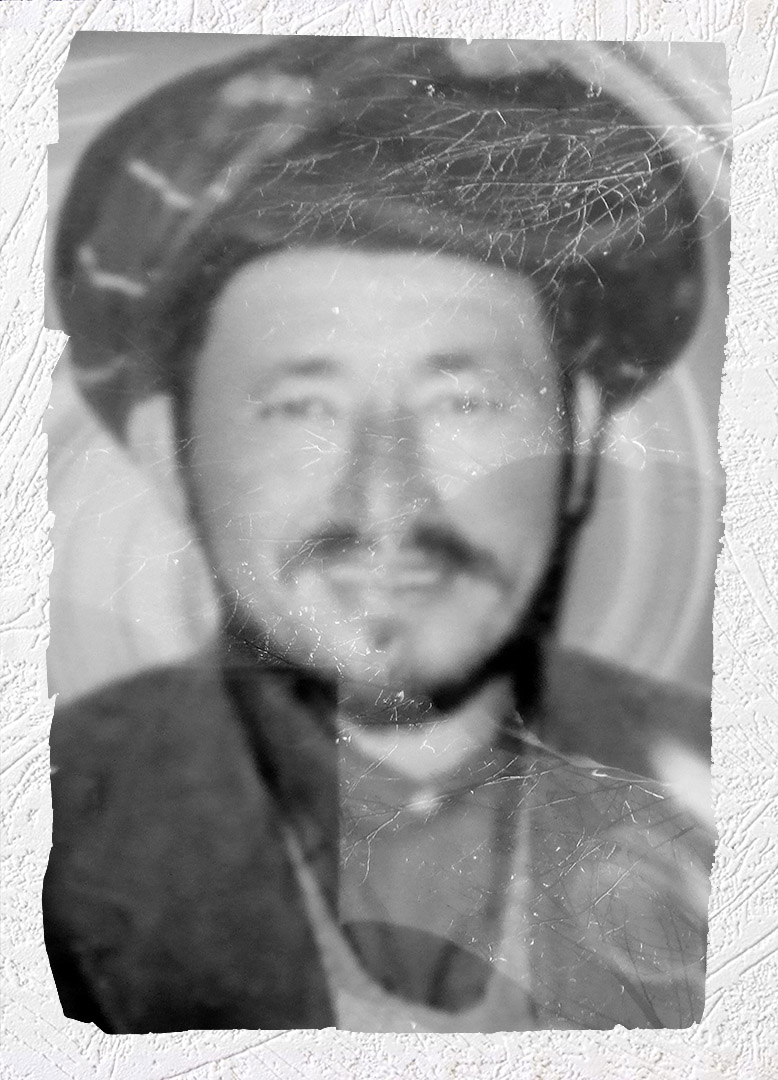
Haji Mohammad
- Photo of Victim
- Gender
- Male
- Ethnicity
- Hazara
- Marital Status
- Married
- District geolocation of incident
- Yakawlang: 34° 44′ 50″ N, 66° 56′ 40″ E
- Description of incident
On January 7, 2001, the Taliban attacked the Yakaolang district of Bamiyan province and massacred hundreds of Hazara civilians. Many of those who managed to escape and take refuge on the mountains froze to death. On the 8th of January, Taliban members began a house-to-house search across the district. The massacre of Hazaras continued through the 9th, 10th, 11th, and 12th of January. At least 300 Hazaras were either summerly executed or deliberately killed by the Taliban.
Sayed Ebrahim
- Photo of Victim

- Gender
- Male
- Ethnicity
- Sadat
- Marital Status
- Married
- District geolocation of incident
- Yakawlang: 34° 44′ 50″ N, 66° 56′ 40″ E
- Description of incident
On January 7, 2001, the Taliban attacked the Yakaolang district of Bamiyan province and massacred hundreds of Hazara civilians. Many of those who managed to escape and take refuge on the mountains froze to death. On the 8th of January, Taliban members began a house-to-house search across the district. The massacre of Hazaras continued through the 9th, 10th, 11th, and 12th of January. At least 300 Hazaras were either summerly executed or deliberately killed by the Taliban.
Sayed Ahmad
- Photo of Victim

- Gender
- Male
- Ethnicity
- Sadat
- Marital Status
- Married
- District geolocation of incident
- Yakawlang: 34° 44′ 50″ N, 66° 56′ 40″ E
- Description of incident
On January 7, 2001, the Taliban attacked the Yakaolang district of Bamiyan province and massacred hundreds of Hazara civilians. Many of those who managed to escape and take refuge on the mountains froze to death. On the 8th of January, Taliban members began a house-to-house search across the district. The massacre of Hazaras continued through the 9th, 10th, 11th, and 12th of January. At least 300 Hazaras were either summerly executed or deliberately killed by the Taliban.
Sayed Qurban Mohaqqiq
- Photo of Victim
- Gender
- Male
- Ethnicity
- Sadat
- Marital Status
- Married
- District geolocation of incident
- Kabul: 34° 31′ 1″ N, 69° 8′ 60″ E
- Description of incident
A suicide bomber has blown himself up inside a Shia Mosque in the Afghan capital Kabul, killing at least 53 people and wounding dozens of others. The explosion happened at the Baqir-ul-uloom mosque in the Darul Aman area as people gathered to mark the end of an important religious period.
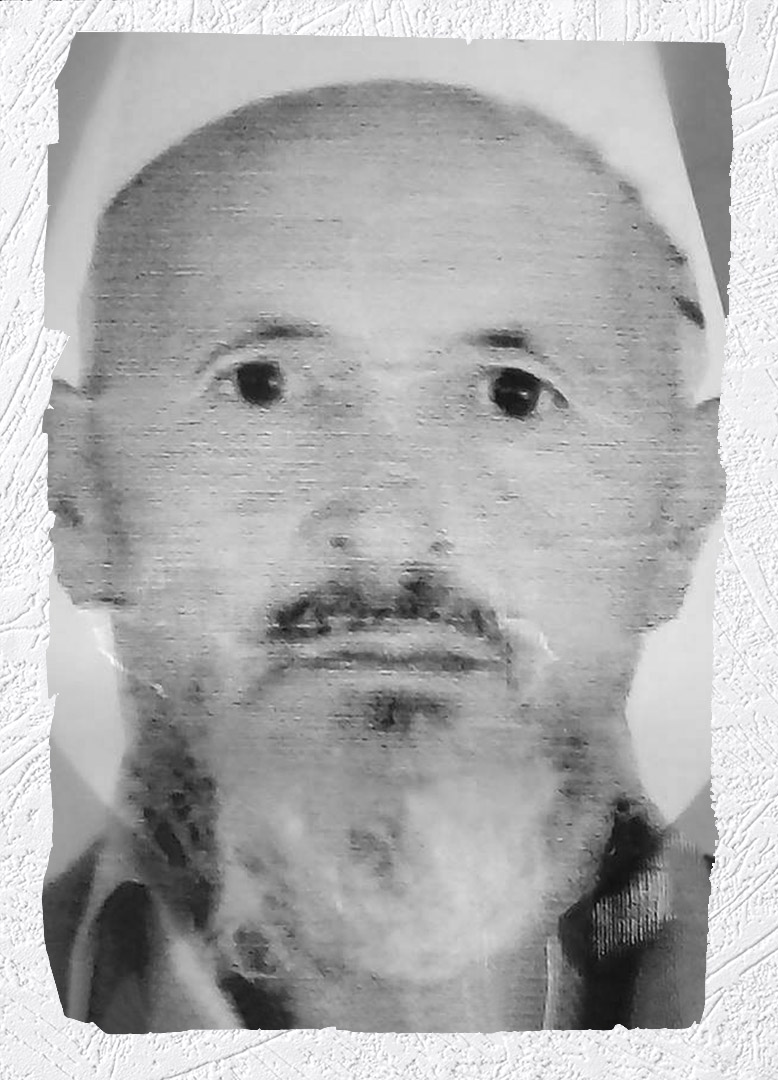
AliMohammad Nazari
- Photo of Victim
- Gender
- Male
- Ethnicity
- Hazara
- Marital Status
- Married
- District geolocation of incident
- Kabul: 34° 31′ 1″ N, 69° 8′ 60″ E
- Description of incident
A suicide bomber has blown himself up inside a Shia Mosque in the Afghan capital Kabul, killing at least 53 people and wounding dozens of others. The explosion happened at the Baqir-ul-uloom mosque in the Darul Aman area as people gathered to mark the end of an important religious period.
Mohammad Anwar Nori
- Photo of Victim

- Gender
- Male
- Ethnicity
- Hazara
- Marital Status
- Married
- District geolocation of incident
- Kabul: 34° 31′ 1″ N, 69° 8′ 60″ E
- Description of incident
A suicide attack on october 20, 2017, took place in the Imam Zaman Mosque located in Dasht Barchi, which is the Hazara area of Kabul, when people were there for prayers. As a result of this terrorist attack, 56 people were killed and 55 others were injured.
GulPari
- Photo of Victim

- Gender
- Female
- Ethnicity
- Hazara
- Marital Status
- Married
- District geolocation of incident
- Arghandab: 31° 39′ 3″ N, 65° 38′ 59″ E
- Description of incident
The hostage taking of seven Hazara passengers and then beheading them on November 9, 2015 by Daesh took place in Zabul province located in the southeast of Afghanistan. Shukria Tabssum, a 9-year-old Hazara child, was also a victim of this massacre.
Sardaro Ali
- Photo of Victim

- Gender
- Female
- Ethnicity
- Hazara
- Marital Status
- Married
- District geolocation of incident
- Arghandab: 31° 39′ 3″ N, 65° 38′ 59″ E
- Description of incident
The hostage taking of seven Hazara passengers and then beheading them on November 9, 2015 by Daesh took place in Zabul province located in the southeast of Afghanistan. Shukria Tabssum, a 9-year-old Hazara child, was also a victim of this massacre.
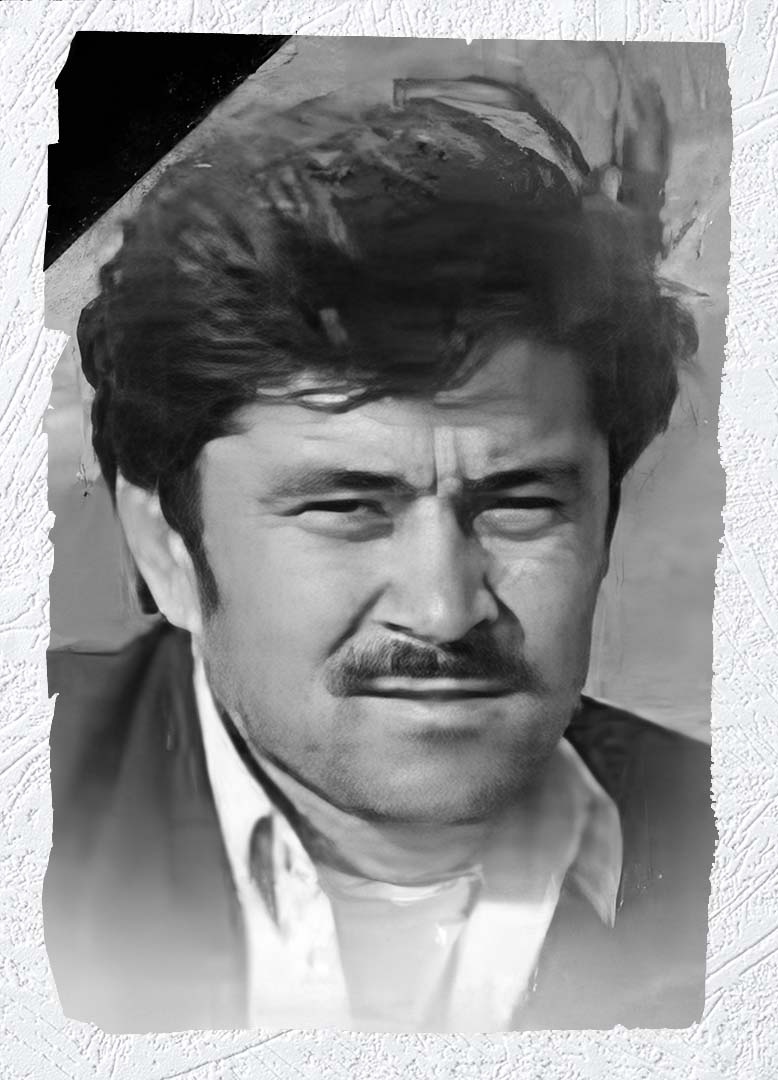
Mohammad Khan
- Photo of Victim
- Gender
- Male
- Ethnicity
- Hazara
- Marital Status
- Married
- District geolocation of incident
- Arghandab: 31° 39′ 3″ N, 65° 38′ 59″ E
- Description of incident
The hostage taking of seven Hazara passengers and then beheading them on November 9, 2015 by Daesh took place in Zabul province located in the southeast of Afghanistan. Shukria Tabssum, a 9-year-old Hazara child, was also a victim of this massacre.
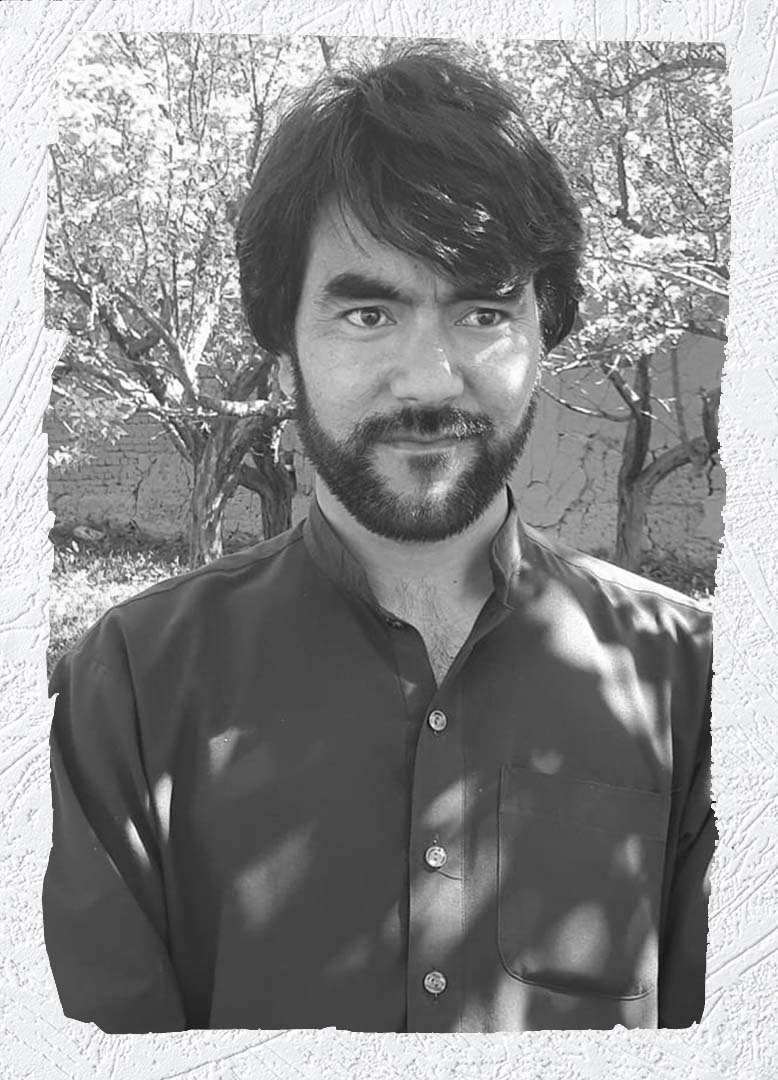
Ismaeal BasharDost
- Photo of Victim
- Gender
- Male
- Ethnicity
- Hazara
- Marital Status
- Married
- District geolocation of incident
- Kabul: 34° 31′ 1″ N, 69° 8′ 60″ E
- Description of incident
This explosion took place on November 11, 2018 when thousands of Kabul residents protested what they called "the government's inaction in preventing the attack of the Taliban group on Malistan and Jaghouri districts in Ghazni province and Khas Uruzgan district in Uruzgan province". They started a march and gathered near the presidential palace. The rally continued until dawn on Monday, when President Ghani accepted some of the protesters' demands through a phone call. After that, people were leaving the gathering place when a suicide attack took place.
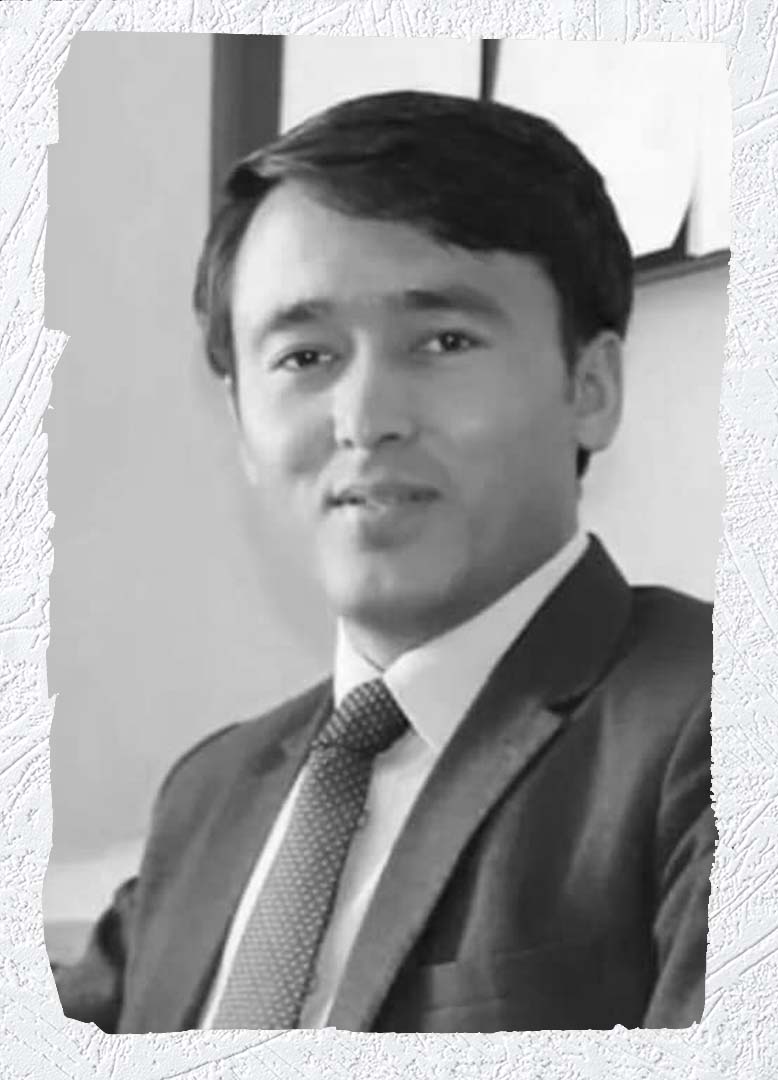
Abdulsamad Amiri
- Photo of Victim
- Gender
- Male
- Ethnicity
- Hazara
- Marital Status
- Married
- District geolocation of incident
- Jalrez: 34° 37′ 46″ N, 68° 39′ 29″ E
- Description of incident
The Taliban group kidnapped Abdul Samad Amiri in Jalriz district of Maidan Wardak province on the morning of Tuesday, 3th of september 2018 and then brutally shot him to death on Thursday, 5th of september 2018.
Ahmad Jawid Folad
- Photo of Victim

- Gender
- Male
- Ethnicity
- Hazara
- Marital Status
- Married
- District geolocation of incident
- Kabul: 34° 31′ 1″ N, 69° 8′ 60″ E
- Description of incident
On June 27, 2020, an explosion caused by a magnetic mine in Kabul killed 24-year-old Fatima Khalil and her colleague Ahmad Javid Foulad. Mrs. Khalil graduated from the American University of Central Asia and was an employee of the Afghanistan Independent Human Rights Commission.
Shafeullah Nasiri
- Photo of Victim

- Gender
- Male
- Ethnicity
- Pashtun
- Marital Status
- Married
- District geolocation of incident
- Jalalabad: 34° 27′ 19″ N, 70° 27′ 7″ E
- Description of incident
The spokesman of the Afghanistan Independent Human Rights Commission announced that two employees of the Afghanistan Human Rights Commission were killed and six others were injured due to the explosion of a roadside mine in Jalalabad city, the capital of Nangarhar province on October 26, 2015.
Amir Mohammad Ansari Baloch
- Photo of Victim

- Gender
- Male
- Ethnicity
- Baloch
- Marital Status
- Married
- District geolocation of incident
- Kandahar: 31° 37′ 52″ N, 65° 44′ 31″ E
Omran Aziz
- Photo of Victim

- Gender
- Male
- Ethnicity
- Pashtun
- Marital Status
- Married
- District geolocation of incident
- Jalalabad: 34° 27′ 19″ N, 70° 27′ 7″ E
- Description of incident
The spokesman of the Afghanistan Independent Human Rights Commission announced that two employees of the Afghanistan Human Rights Commission were killed and six others were injured due to the explosion of a roadside mine in Jalalabad city, the capital of Nangarhar province on October 26, 2015.
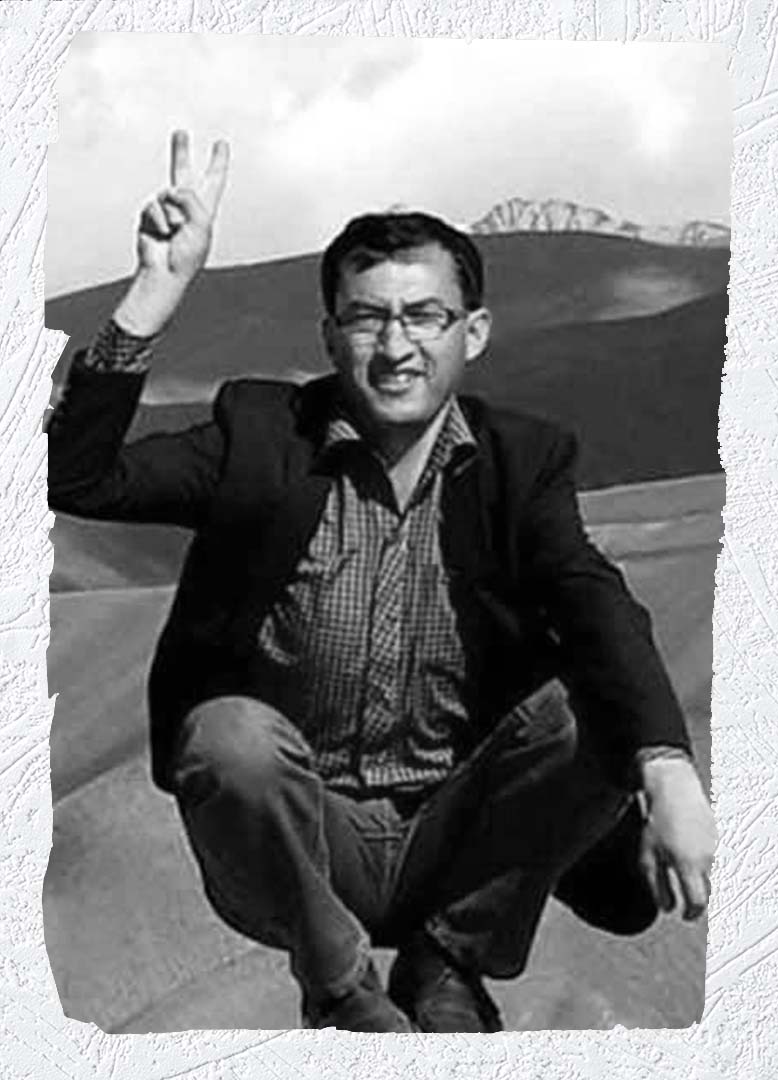
AliDost Shams
- Photo of Victim
- Gender
- Male
- Ethnicity
- Hazara
- Marital Status
- Married
- District geolocation of incident
- Khwaja Umari: 33° 41′ 20″ N, 68° 24′ 4″ E
- Description of incident
The terrorist group of Taliban, on the morning of Thursday, 12 April 2018, in a bloody attack on the district center of Khwaja Umari, Ghazni province, Ali Doost Shams, the educated district governor of Khwaja Umari, and 20 brave soldiers were martyred and 12 other soldiers were wounded.
M. Ibrahim Hussaini
- Photo of Victim

- Gender
- Male
- Ethnicity
- Hazara
- Marital Status
- Married
- District geolocation of incident
- Kabul: 34° 31′ 1″ N, 69° 8′ 60″ E
- Description of incident
Around 6:45 a.m. on Monday 24 July 2017, a suicide bomber detonated his explosives in the Sarikariz area of the third district and a few steps from the house of Mohammad Mohaghegh, the second deputy of the executive directorate, as a result of which 24 people died and 40 people were injured. Others have been wounded.
Hassan Qanoni
- Photo of Victim

- Gender
- Male
- Ethnicity
- Sadat
- Marital Status
- Married
- District geolocation of incident
- Hirat: 34° 20′ 58″ N, 62° 11′ 21″ E
- Description of incident
Hasan Qanoni, a young Hazara doctor who was a military doctor in the government of Ashraf Ghani Ahmadzai and worked with the National Army, went missing on 28 March 2021 from the city of Herat and his burnt body was found on 30 March 2021 in this city. The terrorist Taliban killed him after a lot of torture and then burned his body.
Nigar
- Photo of Victim

- Gender
- Female
- Ethnicity
- Hazara
- Marital Status
- Married
- District geolocation of incident
- Chaghcharan: 34° 31′ 56″ N, 65° 14′ 49″ E
- Description of incident
People's sources in Ghor Province confirm that a former female police member was shot by Taliban forces in this province. This event took place on Saturday evening, 05 September 2021 in Firuzkoh city, the capital of this province.
Zainab Abdullahi
- Photo of Victim

- Gender
- Female
- Ethnicity
- Hazara
- Marital Status
- Married
- District geolocation of incident
- Kabul: 34° 31′ 1″ N, 69° 8′ 60″ E
- Description of incident
The forces of the Taliban group shot and killed a young woman in a checkpoint in the "Dasht Barchi" area. This incident happened on Thursday evening, 14th of January 2022 in "Golaei" area, of the 13th district of Kabul city. The victim of this event has been mentioned as Zainab Abdullahi.
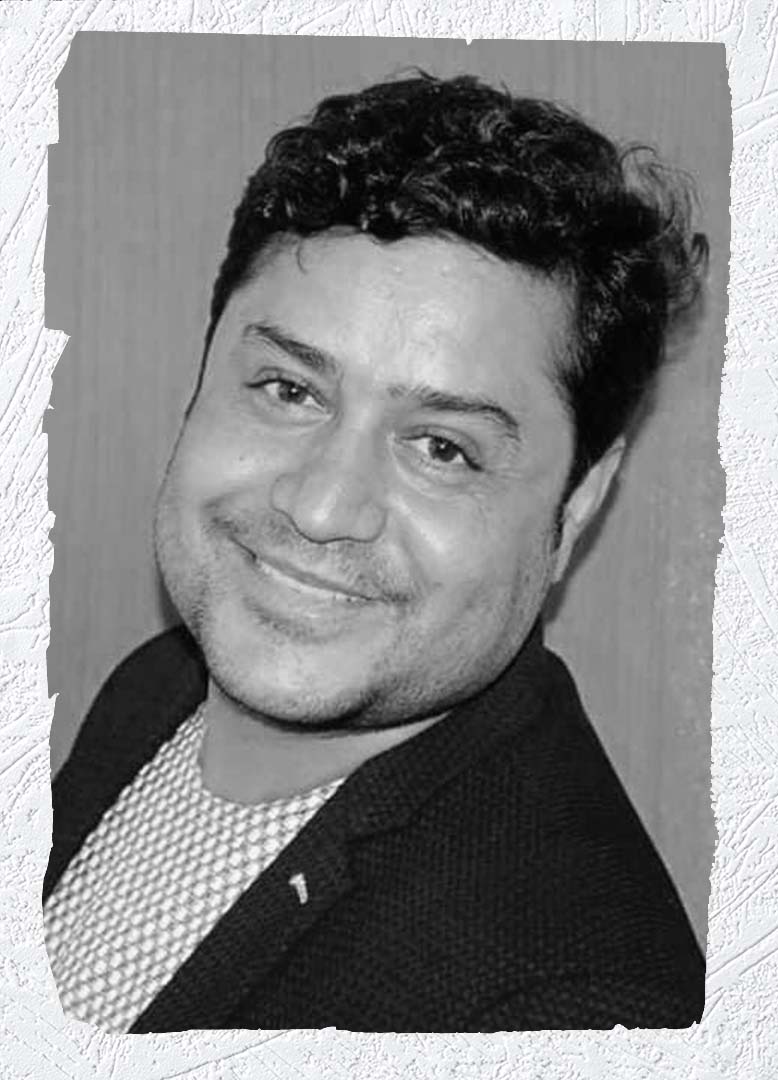
Elyas Daei
- Photo of Victim
- Gender
- Male
- Ethnicity
- Pashtun
- Marital Status
- Married
- District geolocation of incident
- Lashkargah: 31° 36′ 39″ N, 64° 24′ 23″ E
- Description of incident
Omar Zwak, the spokesman of the Helmand governor, told the BBC that Mr. Da'ei died on Thursday morning, November 12, 2020, when he was going from home to his office, due to the explosion of a magnetic mine in his car.
Abdul Manan Arghand
- Photo of Victim

- Gender
- Male
- Ethnicity
- Pashtun
- Marital Status
- Married
- District geolocation of incident
- Kandahar: 31° 37′ 52″ N, 65° 44′ 31″ E
- Description of incident
Abdulmanan Arghand, a local reporter of Kabul News TV, was shot by unknown armed men on April 25, 2018 in Kandahar province when he was on his way to his workplace.
Ahmad Sardar
- Photo of Victim

- Gender
- Male
- Ethnicity
- Tajik
- Marital Status
- Married
- District geolocation of incident
- Kabul: 34° 31′ 1″ N, 69° 8′ 60″ E
- Description of incident
Sardar Ahmad, a journalist at AFP’s Kabul bureau, was killed Thursday along with his wife and two of their children in an attack on the city’s Serena hotel. His youngest son was seriously injured in the attack.
Sayed Mahammod Moalem
- Photo of Victim

- Gender
- Male
- Ethnicity
- Sadat
- Marital Status
- Married
- District geolocation of incident
- Yakawlang: 34° 44′ 50″ N, 66° 56′ 40″ E
- Description of incident
On January 7, 2001, the Taliban attacked the Yakaolang district of Bamiyan province and massacred hundreds of Hazara civilians. Many of those who managed to escape and take refuge on the mountains froze to death. On the 8th of January, Taliban members began a house-to-house search across the district. The massacre of Hazaras continued through the 9th, 10th, 11th, and 12th of January. At least 300 Hazaras were either summerly executed or deliberately killed by the Taliban.
Sayed Amin
- Photo of Victim

- Gender
- Male
- Ethnicity
- Sadat
- Marital Status
- Married
- District geolocation of incident
- Yakawlang: 34° 44′ 50″ N, 66° 56′ 40″ E
- Description of incident
On January 7, 2001, the Taliban attacked the Yakaolang district of Bamiyan province and massacred hundreds of Hazara civilians. Many of those who managed to escape and take refuge on the mountains froze to death. On the 8th of January, Taliban members began a house-to-house search across the district. The massacre of Hazaras continued through the 9th, 10th, 11th, and 12th of January. At least 300 Hazaras were either summerly executed or deliberately killed by the Taliban.
Sayed Talib
- Photo of Victim

- Gender
- Male
- Ethnicity
- Sadat
- Marital Status
- Married
- District geolocation of incident
- Yakawlang: 34° 44′ 50″ N, 66° 56′ 40″ E
- Description of incident
On January 7, 2001, the Taliban attacked the Yakaolang district of Bamiyan province and massacred hundreds of Hazara civilians. Many of those who managed to escape and take refuge on the mountains froze to death. On the 8th of January, Taliban members began a house-to-house search across the district. The massacre of Hazaras continued through the 9th, 10th, 11th, and 12th of January. At least 300 Hazaras were either summerly executed or deliberately killed by the Taliban.
Saye Sha Zafar
- Photo of Victim

- Gender
- Male
- Ethnicity
- Sadat
- Marital Status
- Married
- District geolocation of incident
- Yakawlang: 34° 44′ 50″ N, 66° 56′ 40″ E
- Description of incident
On January 7, 2001, the Taliban attacked the Yakaolang district of Bamiyan province and massacred hundreds of Hazara civilians. Many of those who managed to escape and take refuge on the mountains froze to death. On the 8th of January, Taliban members began a house-to-house search across the district. The massacre of Hazaras continued through the 9th, 10th, 11th, and 12th of January. At least 300 Hazaras were either summerly executed or deliberately killed by the Taliban.
Sayed Qasim Tabibi
- Photo of Victim

- Gender
- Male
- Ethnicity
- Sadat
- Marital Status
- Married
- District geolocation of incident
- Yakawlang: 34° 44′ 50″ N, 66° 56′ 40″ E
- Description of incident
On January 7, 2001, the Taliban attacked the Yakaolang district of Bamiyan province and massacred hundreds of Hazara civilians. Many of those who managed to escape and take refuge on the mountains froze to death. On the 8th of January, Taliban members began a house-to-house search across the district. The massacre of Hazaras continued through the 9th, 10th, 11th, and 12th of January. At least 300 Hazaras were either summerly executed or deliberately killed by the Taliban.
Sayed Abdulhamid
- Photo of Victim

- Gender
- Male
- Ethnicity
- Sadat
- Marital Status
- Married
- District geolocation of incident
- Yakawlang: 34° 44′ 50″ N, 66° 56′ 40″ E
- Description of incident
On January 7, 2001, the Taliban attacked the Yakaolang district of Bamiyan province and massacred hundreds of Hazara civilians. Many of those who managed to escape and take refuge on the mountains froze to death. On the 8th of January, Taliban members began a house-to-house search across the district. The massacre of Hazaras continued through the 9th, 10th, 11th, and 12th of January. At least 300 Hazaras were either summerly executed or deliberately killed by the Taliban.
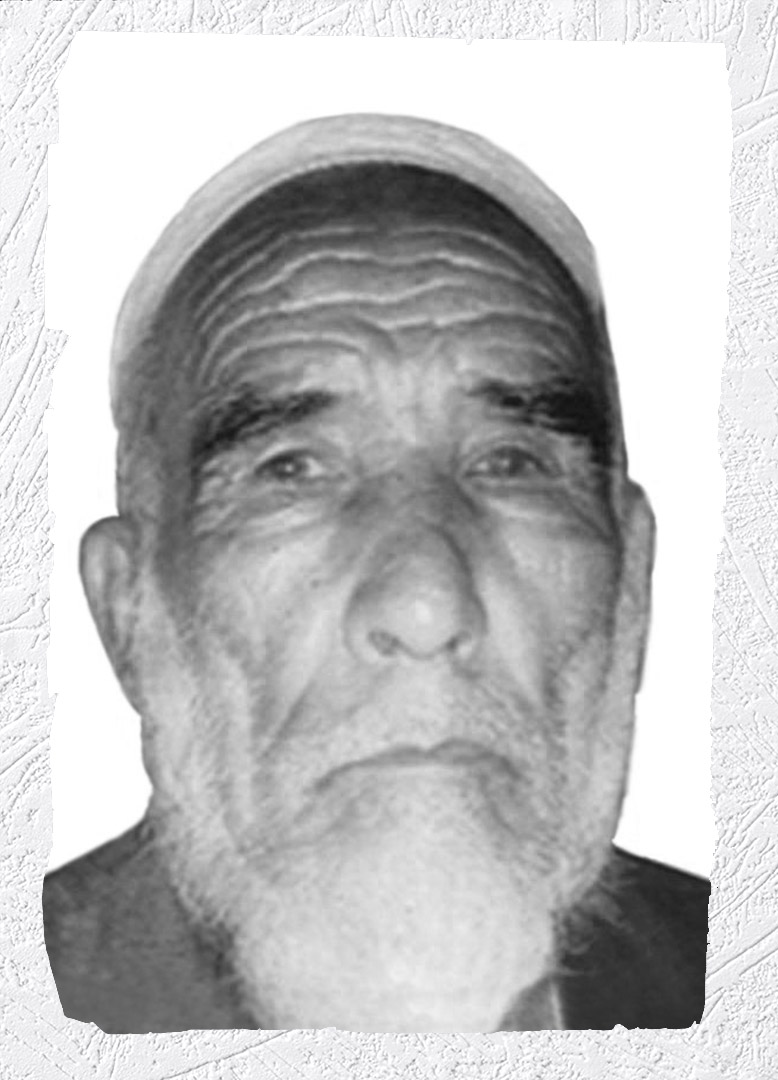
Baba Mohsen
- Photo of Victim
- Gender
- Male
- Ethnicity
- Hazara
- Marital Status
- Married
- District geolocation of incident
- Kabul: 34° 31′ 1″ N, 69° 8′ 60″ E
- Description of incident
A suicide attack on october 20, 2017, took place in the Imam Zaman Mosque located in Dasht Barchi, which is the Hazara area of Kabul, when people were there for prayers. As a result of this terrorist attack, 56 people were killed and 55 others were injured.
Zakaria Mohajer
- Photo of Victim

- Gender
- Male
- Ethnicity
- Hazara
- Marital Status
- Married
- District geolocation of incident
- Kabul: 34° 31′ 1″ N, 69° 8′ 60″ E
- Description of incident
A suicide attack on october 20, 2017, took place in the Imam Zaman Mosque located in Dasht Barchi, which is the Hazara area of Kabul, when people were there for prayers. As a result of this terrorist attack, 56 people were killed and 55 others were injured.
Sayed Aiskandar Fatimi
- Photo of Victim

- Gender
- Male
- Ethnicity
- Sadat
- Marital Status
- Married
- District geolocation of incident
- Kabul: 34° 31′ 1″ N, 69° 8′ 60″ E
- Description of incident
A suicide attack on october 20, 2017, took place in the Imam Zaman Mosque located in Dasht Barchi, which is the Hazara area of Kabul, when people were there for prayers. As a result of this terrorist attack, 56 people were killed and 55 others were injured.
Qasim Ali Faizi
- Photo of Victim

- Gender
- Male
- Ethnicity
- Hazara
- Marital Status
- Married
- District geolocation of incident
- Kabul: 34° 31′ 1″ N, 69° 8′ 60″ E
- Description of incident
A suicide attack on october 20, 2017, took place in the Imam Zaman Mosque located in Dasht Barchi, which is the Hazara area of Kabul, when people were there for prayers. As a result of this terrorist attack, 56 people were killed and 55 others were injured.
Qurban Ali
- Photo of Victim
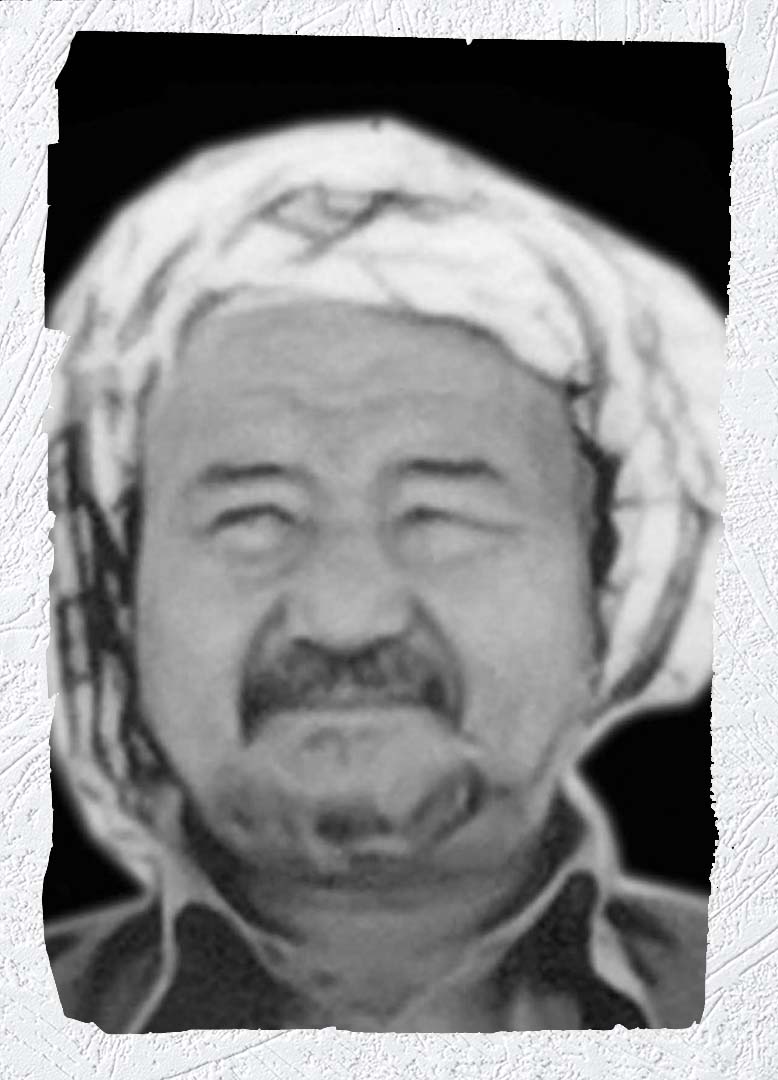
- Gender
- Male
- Ethnicity
- Hazara
- Marital Status
- Married
- District geolocation of incident
- Kabul: 34° 31′ 1″ N, 69° 8′ 60″ E
- Description of incident
A suicide attack on october 20, 2017, took place in the Imam Zaman Mosque located in Dasht Barchi, which is the Hazara area of Kabul, when people were there for prayers. As a result of this terrorist attack, 56 people were killed and 55 others were injured.
Nazar Ali Muradi
- Photo of Victim
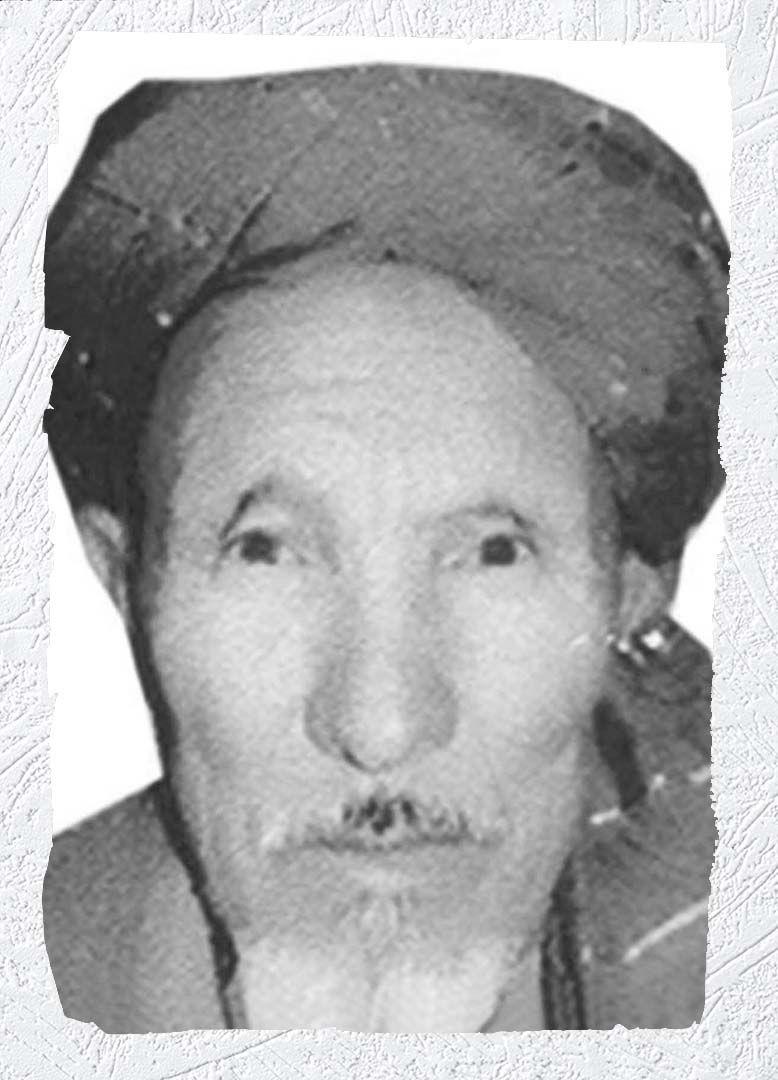
- Gender
- Male
- Ethnicity
- Hazara
- Marital Status
- Married
- District geolocation of incident
- Kabul: 34° 31′ 1″ N, 69° 8′ 60″ E
- Description of incident
A suicide attack on october 20, 2017, took place in the Imam Zaman Mosque located in Dasht Barchi, which is the Hazara area of Kabul, when people were there for prayers. As a result of this terrorist attack, 56 people were killed and 55 others were injured.
Aziz Ahmad Aref
- Photo of Victim

- Gender
- Male
- Ethnicity
- Pashtun
- Marital Status
- Married
- District geolocation of incident
- Kuz Kunar: 34° 35′ 46″ N, 70° 34′ 30″ E
- Description of incident
When I was freed from jail in 1984, I was persuaded that living in Kabul was impossible for me anymore. I left Kabul for my home village, Khiwa, in Nangarhar province in eastern Afghanistan. Our district in Nangarhar was not yet occupied by the government and Soviet forces. The time of peace did not last long. Pro-government forces attacked our home in a late night in the fall of 1984. In the night that attack happened, I was at home with my brothers, one of whom were killed and the other and I were injured. I was 20 or 21 years old at that time. It was night time and I couldn’t recognize the type of gun I was injured with. But it was obvious that we were killed and injured by Russian guns, because, all pro-government forces used Russian weaponry.
Ghulam Hazarat
- Photo of Victim

- Gender
- Male
- Ethnicity
- Tajik
- Marital Status
- Married
- District geolocation of incident
- Kabul: 34° 31′ 1″ N, 69° 8′ 60″ E
- Description of incident
I went out and saw two soldiers standing at the main door. They inquired if this house belonged to Hazarat Khan and when my father-in-law affirmed, the soldiers told him that Hazarat Khan had been injured and hospitalized. Together they went to the hospital where they discovered that Hazarat Khan had died.
- Declaratory Statement
About Happiness
Narrator: Halima
Victim: Ghulam Hazarat
Date of the incident: 1992-1996
Location of the incident: Kabul
Halima’s list of dreams is neither very long nor very ambitious. Her dream is to be happy. Certainly many people in war-torn societies like Afghanistan have similar dreams of happiness. For them, happiness is not about prosperity, wealth and power. Neither is it about having stylish and luxurious mansions, or expensive cars. In short, they do not have as sophisticated an understanding of happiness as ordinary people in other countries have.
On the contrary, their world is extremely small and their expectations are very modest. For Halima and people liker her, happiness means bread. It means being able to provide a piece of bread for their children to sleep at night with their bellies full so that they can dream of other things than something to eat. At best, happiness means having a home and that one’s children sleep under a roof, in which they can grow up in peace. In addition, for people like Halima happiness means being looked upon as a normal member of society. As long as the community does not humiliate her and her sons and they can live without fear and intimidation, she is content.
Halima does not desire much more than these simple things. Unfortunately, war has denied her even the simplest of dreams. Six years after getting married, she lost her husband and was left alone with four children, with the fourth one being born six months after the death of Ghulam Hazarat. For three years they survived thanks to the assistance of the Najibullah government. However, after the Mujahidin took power in Kabul, the situation changed and government funding was no longer available for them. As a result, Halima had to sell her home utensils one after another in order to feed her children. When there was nothing left to sell, she had no option but to wash and clean people’s clothes and homes. Other times, she worked as a sewer. She remembers many days when she could only provide dry bread for her children. Today she is 45 years old, has a heart disease and can no longer operate the sewing machine. The nightmare of poverty has returned. She does not know whether a day will come when she can finally feed her children properly. If such a day were to arrive, she would finally consider herself happy. Such is Halima’s modest understanding of happiness.
The Story of Halima
When I first got married, it was my father-in-law who was the main breadwinner for our family. He was a carpenter. Later on, my father-in-law stopped working due to old age. Therefore, my husband joined the army as an ordinary soldier. My husband did not have a good salary. Since he was deployed in another province, it was difficult to send money home. In those days, together with my sister-in-law, we were doing embroidery work at home and then sold it at the local market. Eight months later, my husband returned on home leave and with the small salary he brought, we bought flour and oil. He stayed with us for a few days and then went back to the barracks. After eight months, he once again sent money to us through one of our relatives. Then, after two years my husband finally came back and we had two more children. He began working at a bakery. In those days, our living conditions were relatively good.
After a while, he was recalled by the army. Eighteen months later he was killed, just a few days before his home leave. We waited for him to come home but he did not come. On the 18th day, I woke up and told his mother that I was going to prepare bulani for her son today. I prepared everything and then fell asleep. My mother-in-law came and woke me up and I returned to my preparations. I had prepared only three bulani when I heard someone crying outside the house. I went out and saw two soldiers standing at the main door. They inquired if this house belonged to Hazarat Khan and when my father-in-law affirmed, the soldiers told him that Hazarat Khan had been injured and hospitalized.
Together they went to the hospital where they discovered that Hazarat Khan had died. They came back home around 4pm. I was calling my father-in-law Baba, so I asked Baba how Hazarat Khan was. He answered that he was slightly injured and that he would bring him home the day after. My younger son did not sleep the whole night and and asked to go and see his father. That night a lot of people came to our home. They brought big dishes. I heard my uncle asking for the Quran. I told my father-inlaw that he was trying to hide something from me and that perhaps Hazarat Khan had died. I began to cry. My mother-in-law tried to make me understand that they needed the Quran for a different purpose.
The next morning, my father-in-law asked me to clean my room saying that he and his friends would like to sit there. I went and cleaned the room. Later on, my sister-in-laws came in. They hugged me and said that Hazarat Khan had passed away. I was six months pregnant. After the news, I fainted and remained unconscious for a long time. Later, when I regained consciousness, I saw a coffin covered with red cloth. My sixyear old daughter came and asked me who she should call father from now on. She hid under the bed and began to cry.
Over the next few weeks, the fire of war spread everywhere including Chihil Sotun where we resided. Everyone was forced to leave their homes and we moved to Shur Bazaar. There, my mother-in-law died. Then, I went to live in my father’s home in Jade- Asmayi where we had nothing to eat. Next, I stayed with my sister-in-law for three months before we finally found a place to stay, though we did not even have a carpet to sit on.
Later, someone donated military blankets and a bag of flour but I had no utensils to make bread for my children and I was forced to borrow a small cooking pan from my neighbor.
My children slept most of the time, as there was nothing for them to eat. In the evenings, we had nothing to light and heat our home with. We spent three months like this. When the fighting finally came to a halt I borrowed a sewing machine from my father and began sewing for others in order to feed my children. Gradually, I managed to buy little things for home including three cups, spoons and a plastic blanket.
The worst moments were those days that I had no food to give to my children except a piece of bread. Nowadays, I wash clothes and tailor. Although this is increasingly difficult to do as I have a heart problem.
Sakhidad Hedayat
- Photo of Victim

- Gender
- Male
- Ethnicity
- Hazara
- Marital Status
- Married
- District geolocation of incident
- Kabul: 34° 31′ 1″ N, 69° 8′ 60″ E
- Description of incident
Hedayat was imprisoned there for six months. Then we were told that they would release him in exchange for 350,000 Afghani. I did my best to find the money. I sold our house. I borrowed money from my brother and took money from people promising them to pay the money back with interest. I finally gathered the money and paid the authorities. They promised to release him the following Sunday but several Sundays passed without his release. After forty days I went there again and asked two guards, Shah Wali and Mudir Abdurraham, whether Hedayat would be released today. They said that they did know now and asked me to wait. Shortly after, the gate was opened and a body was brought out on a footstool. I thought that someone had fainted but it was Hedayat’s body. I began to scream and curse at everyone and threw away my chadari. I was totally out of my mind.
- Declaratory Statement
A Story of Never Ending Pain Narrator: Nargis Victim’s Name: Sakhidad Hedayat Date of Incident: November 22, 1999 Location of the Incident: Kabul city If there had been no war, Nargis could have been one of the happiest women on earth. She is a strong and good woman full of courage and determination who, in spite of all the difficulties that she has faced, always has a smile on her lips. At the same time, she is dejected and disillusioned by all the things that happened to her over the years: Successive displacements, homelessness and, most of all, the death of her husband, Sakhidad. When the Taliban arrested him, she was forced to sell her house in order to bribe the Taliban to release Sakhidad, but all she received in return was his dead body. She alone had to transport the corpse all the way from the eastern part of Kabul to Dasht-e- Barchi. Since then, her life seems like a never ending journey of suffering, in which Nargis plays the role of both father and mother for her five children for whom she hopes that a better tomorrow will eventually arrive.
The Story of Nargis My name is Nargis and I am 40 years old. I live in Dasht-e- Barchi. I am originally from Bamyan province. When we lived in Bamyan, we had a decent life as my father-in-law had a great deal of land. My husband Sakhidad known as Hedayat was the only son of his family. When the Taliban attacked Bamyan, they looted our properties and we were displaced to Kabul. We had to walk all the way and my youngest child was only 40 days old. Once in Kabul, my husband opened a shop in Sar-e Kariz. However, some people did not like my husband and reported to the Taliban that he was a member of the opposition. The Taliban came and arrested him in May 2000. When we learned that he had been arrested, my cousin searched everywhere but could not find him. After four days, we came to know that he had been detained in Department No. 11 but that no one was allowed to meet him. He was first taken to the Intelligence Department and then to Department No.6 where he was detained for six months. We know that the Taliban tortured him daily without giving him any food. When my cousin tried to deliver food for him he was not allowed to meet my husband. One day I was sitting at home when my cousin came. It was early morning and I was very worried that something might have happened to Hedayat. When I saw him, I was full of fear because he usually did not visit us in the morning. He held a letter in his hand and told me not to worry. He said that Hedayat had sent a letter through the ICRC and that we were now ensured that he was alive and where he was held captive. After a great deal of effort, I found out that Mawlawi Abdul Haq was the director of Department No. 3. I asked him to give me permission to visit Hedayat in prison and after paying him a huge amount of oney, he allowed me to meet my husband. From then on, every two weeks my youngest son and I visited him in prison, even though sometimes the Taliban were making excuses and denied us entry. Every time on the way to the prison, I prayed to be granted permission to see my husband. Every time I went to see him, I had to walk all the way from Cinema Pamir to Department No. 3 with my child on my arms and food and clothes in my hand hoping to meet my husband. Every time I saw him, he gave me little gifts for the children in return. Hedayat was imprisoned there for six months. Then we were told that they would release him in exchange for 350,000 Afghani. I did my best to find the money. I sold our house. I borrowed money from my brother and took money from people promising them to pay the money back with interest. I finally gathered the money and paid the authorities. They promised to release him the following Sunday but several Sundays passed without his release. After forty days I went there again and asked two guards, Shah Wali and Mudir Abdurraham, whether Hedayat would be released today. They said that they did know now and asked me to wait. Shortly after, the gate was opened and a body was brought out on a footstool. I thought that someone had fainted but it was Hedayat’s body. I began to scream and curse at everyone and threw away my chadari. I was totally out of my mind. I was running around like mad until I found a taxi. I told the taxi driver to take us home. He accepted and put my husband’s body inside the car. When my brothers saw me in the car, they thought that Hedayat had been released. They all came to my home. I told them that the Taliban had informed me that Hedayat was dead but I still thought that he might be unconscious. I asked my brothers to fetch a doctor. He eventually came and said that Hedayat had passed away a long time ago. We then buried him in Tap-e Shuhada. When my husband died, he was 33 years old and I was 28. We had nothing left at home as I had sold everything to pay for the release of Hedayat. We had five children and my oldest son was only 10 years old, with the youngest no older than 8 months. After my husband’s death we had a very hard life. No one helped us. We lived in a tent as no one was willing to rent out his home to a widowed woman. I was indebted and the government did nothing to address my suffering. Today, no one listens to our stories of sadness. I voted for Karzai to help the victims’ families but he has done nothing so far. I also voted during the parliamentary elections, hoping that the members of the parliament would do something for us but they have not done anything either. As soon as they reach a position of power, they forget us. They just make vague promises and then do nothing. No official has ever asked us about our problems or listened to us. Earlier, I used to receive 300 Afghani but this year they have removed the names of my sons from the list of beneficiaries. My husband’s most valuable souvenirs are his five children. The most important object that he left for us is his blanket. It is the same blanket with which we covered his coffin. Another object is the letter that he sent us from prison as well as some gifts that he had given us. Most importantly, I have kept the veil that he gave me for our wedding ceremony. Finally, there are some photos and clothes of him that help me to always remember him. I have included these objects in my Memory Box so as to make my husband’s memory live forever. I wanted to share his story with the wider public. I also hope that in the future the government will use these objects to build a museum so that the people become aware of the pain and suffering our county has endured and to finally learn how to live in peace.
Mohammad Sadiq
- Photo of Victim

- Gender
- Male
- Ethnicity
- Hazara
- Marital Status
- Married
- District geolocation of incident
- Kabul: 34° 31′ 1″ N, 69° 8′ 60″ E
- Description of incident
My son was alive for five days but had difficulty in breathing because of major burns. When we were at the mosque for Saima’s funeral, Sadiq passed away in the hospital. We buried Sadiq on 5th of Ramadan, just a few days after Saima.
- Declaratory Statement
The Story of M. Musa (father)
Victims’ Names: Mohammad Sadiq and Saima
Date of Incident: April 21, 2015
Place of Incident: Darulaman Road, Kabul
I was at home when the explosion occurred. Muhammad Sadiq was swinging when his sister asked him to get her children from school. As they were walking on the pavement, Sadiq noticed a truck carrying six big gas containers getting closer. As the truck passed them, a few meters away it turns towards the old parliament building and exploded. The explosives attached to the gas canisters killed and injured dozens of people. Saima’s hand and leg were cut off and we couldn’t find her leg. The shrapnel had pierced her younger brother’s abdomen extruding his intestines and kidney. Mohammad Sadiq had pushed his nephew in the street gutter to save his life and had then managed to walk to a blacksmith and asked to take him out of the gutter. Though Sadiq lost his life due to major burns, he saved his nephew’s life that day.
I took them to Istiqlal Hospital. My son, Sadiq was transferred to the burn injuries section and my grandson was in my arms as I held his kidney and intestines in my hand. First the doctors refused to admit him but when he opened his eyes and started moaning, they realised he was alive so they took him to the emergency section for surgery which took three days to complete. When we took my son and nephew to the hospital, we found Saima missing. Everyone started looking for her until we found her body in the Forensic Medicine Department. It was difficult to identify her because her entire body had been burned and been injured by shrapnel. One of her legs had been cut off which we never found.
My son was alive for five days but had difficulty in breathing because of major burns. When we were at the mosque for Saima’s funeral, Sadiq passed away in the hospital. We buried Sadiq on 5th of Ramadan, just a few days after Saima. He was only 27 years old when he was killed. He was our only breadwinner and was working as a freelance tailor. He used to buy fabrics to sew clothes and distribute in the market. He was married and left behind a daughter and a young wife who are now living with us. I gave his belongings for charity but left a few objects which I have decided to add to the Memory Box to keep his memories alive.
Mohammad Tahir
- Photo of Victim

- Gender
- Male
- Ethnicity
- Hazara
- Marital Status
- Married
- District geolocation of incident
- Ghazni City: 33° 33′ 13″ N, 68° 25′ 50″ E
Mehrali Safdari
- Photo of Victim

- Gender
- Male
- Ethnicity
- Hazara
- Marital Status
- Married
- District geolocation of incident
- Kabul: 34° 31′ 1″ N, 69° 8′ 60″ E
- Description of incident
On November 07, 2023 the ISKP group targeted a bus in the west of Kabul, as a result of which seven people were killed and more than 20 others were injured.
- Declaratory Statement
No statement
Sayed Aliakbar Husaini
- Photo of Victim

- Gender
- Male
- Ethnicity
- Sadat
- Marital Status
- Married
- District geolocation of incident
- Puli Khumri: 35° 56′ 49″ N, 68° 42′ 16″ E
- Description of incident
A deadly blast rocked a Shia mosque in Pul-e-Khumri City, Baghlan Province, on October 13, 2023, killing and injuring dozens of people. The Imam Zaman Shiite mosque in the second district of the city was packed with worshippers for Friday prayers when the explosion happened. Witnesses told local media that the blast was caused by explosives hidden inside the mosque, but some residents claimed that it was a suicide attack aimed at the Hazara and Shia communities. The attack left at least 20 people dead and 66 others wounded, according to ground records conducted by AHRDO.
- Declaratory Statement
No statement
Abozar Rasoli
- Photo of Victim

- Gender
- Male
- Ethnicity
- Hazara
- Marital Status
- Married
- District geolocation of incident
- Puli Khumri: 35° 56′ 49″ N, 68° 42′ 16″ E
- Description of incident
The explosion in the Shia mosque in Pul Khumri city, Baghlan Province, north of Kabul, left a number of dead and injured. According to reports, the explosion occurred during Friday prayers in the Imam Zaman Shiite mosque in the second district of Pul Khomri city. Local media quoted witnesses as saying that explosives planted inside the mosque exploded during prayers. Video images after the explosion show that the place of the explosion was apparently in the line of worshipers. This attack was a "suicide" attack and left at least "20 dead and 66 wounded".
- Declaratory Statement
No statement
Rajab Akhlaqi
- Photo of Victim

- Gender
- Male
- Ethnicity
- Hazara
- Marital Status
- Married
- District geolocation of incident
- Hirat: 34° 20′ 58″ N, 62° 11′ 21″ E
- Description of incident
Two Shia clerics, Rajab Akhlaqi and Khadim Hossein Hedayati, were shot and killed by unknown gunmen on motorcycles on Thursday, November 23, 2023. The shooting took place in Etifaq Avenue of Jibrail town in Herat, an area where most Hazaras live. The two victims were members of the Herat Shia Ulema Council and came from the Lal and Sarjangal districts in Ghor province. No group or individual has claimed the assassination of the Hazara clerics so far.
- Declaratory Statement
No statement
Khadim Hussain Hedayati
- Photo of Victim

- Gender
- Male
- Ethnicity
- Hazara
- Marital Status
- Married
- District geolocation of incident
- Hirat: 34° 20′ 58″ N, 62° 11′ 21″ E
- Description of incident
Two Shia clerics, Rajab Akhlaqi and Khadim Hossein Hedayati, were shot and killed by unknown gunmen on motorcycles on Thursday, November 23, 2023. The shooting took place in Etifaq Avenue of Jibrail town in Herat, an area where most Hazaras live. The two victims were members of the Herat Shia Ulema Council and came from the Lal and Sarjangal districts in Ghor province. No group or individual has claimed the assassination of the Hazara clerics so far.
- Declaratory Statement
No statement
Eid Mohammad Etimadi
- Photo of Victim

- Gender
- Male
- Ethnicity
- Hazara
- Marital Status
- Married
- District geolocation of incident
- Injil: 34° 37′ 55″ N, 62° 13′ 51″ E
- Description of incident
Eid Mohammad Etimadi was abducted and murdered by unknown armed men on Sunday, October 22, 2023. He had gone to a relative’s funeral in Kamarklagh neighborhood of Herat city. On his return, his car was intercepted by the armed men in the Khashrood area of the Injil district of the province. They searched the passengers’ cell phones to identify them and took Etimadi with them. They claimed that they would take him to a nearby Taliban Security Post. However, when his relatives went to the Taliban security posts, they were told that the Taliban had no information about him. His family and relatives looked for him everywhere, but they only found his corpse in the Ghorian district on Monday, October 23.
- Declaratory Statement
No statement
Mohammad Mohsen Hamedi
- Photo of Victim

- Gender
- Male
- Ethnicity
- Hazara
- Marital Status
- Married
- District geolocation of incident
- Hirat: 34° 20′ 58″ N, 62° 11′ 21″ E
- Description of incident
On December 1, 2023, a “Rickshaw” tricycle was attacked by unknown gunmen in the Kora Melli area of western Herat City. The attack claimed the lives of six people, including two religious scholars, women, and children, and injured several others. Local sources reported that the attack was aimed at Hazara civilians and religious figures. No group has acknowledged responsibility for the attack.
- Declaratory Statement
No statement
AhmadAqa Abbaszada
- Photo of Victim

- Gender
- Male
- Ethnicity
- Tajik
- Marital Status
- Married
- District geolocation of incident
- Hirat: 34° 20′ 58″ N, 62° 11′ 21″ E
- Description of incident
On August 1, 2017, a Shaia mosque in Herat, Afghanistan, was attacked, killing 33 people and injuring 66 others. Two guys carried out the attack, one carrying a suicide vest and the other armed with a rifle. They entered the "Jawadia" mosque during an evening prayer session where approximately 300 people had gathered to worship. The first attacker flung bombs into the crowd before detonating their vests. The second attacker also discharged his rifle into the crowd before blowing himself up. The Islamic State of Khorasan Province (ISKP) claimed responsibility for the attack.
- Declaratory Statement
No statement
M.Yaqob Rohparwar
- Photo of Victim

- Gender
- Male
- Ethnicity
- Tajik
- Marital Status
- Married
- District geolocation of incident
- Hirat: 34° 20′ 58″ N, 62° 11′ 21″ E
- Description of incident
On August 1, 2017, a Shaia mosque in Herat, Afghanistan, was attacked, killing 33 people and injuring 66 others. Two guys carried out the attack, one carrying a suicide vest and the other armed with a rifle. They entered the "Jawadia" mosque during an evening prayer session where approximately 300 people had gathered to worship. The first attacker flung bombs into the crowd before detonating their vests. The second attacker also discharged his rifle into the crowd before blowing himself up. The Islamic State of Khorasan Province (ISKP) claimed responsibility for the attack.
- Declaratory Statement
No statement
Amanullah Ebrahimpor
- Photo of Victim

- Gender
- Male
- Ethnicity
- Tajik
- Marital Status
- Married
- District geolocation of incident
- Hirat: 34° 20′ 58″ N, 62° 11′ 21″ E
- Description of incident
On August 1, 2017, a Shaia mosque in Herat, Afghanistan, was attacked, killing 33 people and injuring 66 others. Two guys carried out the attack, one carrying a suicide vest and the other armed with a rifle. They entered the "Jawadia" mosque during an evening prayer session where approximately 300 people had gathered to worship. The first attacker flung bombs into the crowd before detonating their vests. The second attacker also discharged his rifle into the crowd before blowing himself up. The Islamic State of Khorasan Province (ISKP) claimed responsibility for the attack.
- Declaratory Statement
No statement
BaratAli Mohammadi
- Photo of Victim

- Gender
- Male
- Ethnicity
- Hazara
- Marital Status
- Married
- District geolocation of incident
- Hirat: 34° 20′ 58″ N, 62° 11′ 21″ E
- Description of incident
On August 1, 2017, a Shaia mosque in Herat, Afghanistan, was attacked, killing 33 people and injuring 66 others. Two guys carried out the attack, one carrying a suicide vest and the other armed with a rifle. They entered the "Jawadia" mosque during an evening prayer session where approximately 300 people had gathered to worship. The first attacker flung bombs into the crowd before detonating their vests. The second attacker also discharged his rifle into the crowd before blowing himself up. The Islamic State of Khorasan Province (ISKP) claimed responsibility for the attack.
- Declaratory Statement
No statement
Azizullah Hussaini
- Photo of Victim

- Gender
- Male
- Ethnicity
- Tajik
- Marital Status
- Married
- District geolocation of incident
- Hirat: 34° 20′ 58″ N, 62° 11′ 21″ E
- Description of incident
On August 1, 2017, a Shaia mosque in Herat, Afghanistan, was attacked, killing 33 people and injuring 66 others. Two guys carried out the attack, one carrying a suicide vest and the other armed with a rifle. They entered the "Jawadia" mosque during an evening prayer session where approximately 300 people had gathered to worship. The first attacker flung bombs into the crowd before detonating their vests. The second attacker also discharged his rifle into the crowd before blowing himself up. The Islamic State of Khorasan Province (ISKP) claimed responsibility for the attack.
- Declaratory Statement
No statement
M.Asif Qaderyan
- Photo of Victim

- Gender
- Male
- Ethnicity
- Tajik
- Marital Status
- Married
- District geolocation of incident
- Hirat: 34° 20′ 58″ N, 62° 11′ 21″ E
- Description of incident
On August 1, 2017, a Shaia mosque in Herat, Afghanistan, was attacked, killing 33 people and injuring 66 others. Two guys carried out the attack, one carrying a suicide vest and the other armed with a rifle. They entered the "Jawadia" mosque during an evening prayer session where approximately 300 people had gathered to worship. The first attacker flung bombs into the crowd before detonating their vests. The second attacker also discharged his rifle into the crowd before blowing himself up. The Islamic State of Khorasan Province (ISKP) claimed responsibility for the attack.
- Declaratory Statement
No statemetn
MohammadAli Mohammadian
- Photo of Victim

- Gender
- Male
- Ethnicity
- Tajik
- Marital Status
- Married
- District geolocation of incident
- Hirat: 34° 20′ 58″ N, 62° 11′ 21″ E
- Description of incident
On August 1, 2017, a Shaia mosque in Herat, Afghanistan, was attacked, killing 33 people and injuring 66 others. Two guys carried out the attack, one carrying a suicide vest and the other armed with a rifle. They entered the "Jawadia" mosque during an evening prayer session where approximately 300 people had gathered to worship. The first attacker flung bombs into the crowd before detonating their vests. The second attacker also discharged his rifle into the crowd before blowing himself up. The Islamic State of Khorasan Province (ISKP) claimed responsibility for the attack.
- Declaratory Statement
No statement
Aliahmad Mohammadi
- Photo of Victim

- Gender
- Male
- Ethnicity
- Tajik
- Marital Status
- Married
- District geolocation of incident
- Hirat: 34° 20′ 58″ N, 62° 11′ 21″ E
- Description of incident
On August 1, 2017, a Shaia mosque in Herat, Afghanistan, was attacked, killing 33 people and injuring 66 others. Two guys carried out the attack, one carrying a suicide vest and the other armed with a rifle. They entered the "Jawadia" mosque during an evening prayer session where approximately 300 people had gathered to worship. The first attacker flung bombs into the crowd before detonating their vests. The second attacker also discharged his rifle into the crowd before blowing himself up. The Islamic State of Khorasan Province (ISKP) claimed responsibility for the attack.
- Declaratory Statement
No statement
Alireza Rahimi
- Photo of Victim

- Gender
- Male
- Ethnicity
- Tajik
- Marital Status
- Married
- District geolocation of incident
- Hirat: 34° 20′ 58″ N, 62° 11′ 21″ E
- Description of incident
On August 1, 2017, a Shaia mosque in Herat, Afghanistan, was attacked, killing 33 people and injuring 66 others. Two guys carried out the attack, one carrying a suicide vest and the other armed with a rifle. They entered the "Jawadia" mosque during an evening prayer session where approximately 300 people had gathered to worship. The first attacker flung bombs into the crowd before detonating their vests. The second attacker also discharged his rifle into the crowd before blowing himself up. The Islamic State of Khorasan Province (ISKP) claimed responsibility for the attack.
- Declaratory Statement
No statement
Mohammad Asif Yaqobi
- Photo of Victim

- Gender
- Male
- Ethnicity
- Tajik
- Marital Status
- Married
- District geolocation of incident
- Hirat: 34° 20′ 58″ N, 62° 11′ 21″ E
- Description of incident
On August 1, 2017, a Shaia mosque in Herat, Afghanistan, was attacked, killing 33 people and injuring 66 others. Two guys carried out the attack, one carrying a suicide vest and the other armed with a rifle. They entered the "Jawadia" mosque during an evening prayer session where approximately 300 people had gathered to worship. The first attacker flung bombs into the crowd before detonating their vests. The second attacker also discharged his rifle into the crowd before blowing himself up. The Islamic State of Khorasan Province (ISKP) claimed responsibility for the attack.
- Declaratory Statement
No statement
Mohammad Karim Sultani
- Photo of Victim

- Gender
- Male
- Ethnicity
- Tajik
- Marital Status
- Married
- District geolocation of incident
- Hirat: 34° 20′ 58″ N, 62° 11′ 21″ E
- Description of incident
On August 1, 2017, a Shaia mosque in Herat, Afghanistan, was attacked, killing 33 people and injuring 66 others. Two guys carried out the attack, one carrying a suicide vest and the other armed with a rifle. They entered the "Jawadia" mosque during an evening prayer session where approximately 300 people had gathered to worship. The first attacker flung bombs into the crowd before detonating their vests. The second attacker also discharged his rifle into the crowd before blowing himself up. The Islamic State of Khorasan Province (ISKP) claimed responsibility for the attack.
- Declaratory Statement
No statement
Jan Mohammad
- Photo of Victim

- Gender
- Male
- Ethnicity
- Hazara
- Marital Status
- Married
- District geolocation of incident
- Malistan: 33° 20′ 48″ N, 67° 12′ 13″ E
- Description of incident
Between November 5, 2018, and November 15, 2018, the Taliban executed a large-scale assault on the Jaghuri and Malistan districts from multiple directions. Tragically, during this conflict, 30-60 civilians lost their lives according to different secures, primarily due to Taliban actions. Additionally, over 50 individuals sustained injuries, and hundreds of families were forcibly displaced from their homes.
- Declaratory Statement
No statement
Eshaq Mohammadi
- Photo of Victim

- Gender
- Male
- Ethnicity
- Hazara
- Marital Status
- Married
- District geolocation of incident
- Malistan: 33° 20′ 48″ N, 67° 12′ 13″ E
- Description of incident
Between November 5, 2018, and November 15, 2018, the Taliban executed a large-scale assault on the Jaghuri and Malistan districts from multiple directions. Tragically, during this conflict, 30-60 civilians lost their lives according to different secures, primarily due to Taliban actions. Additionally, over 50 individuals sustained injuries, and hundreds of families were forcibly displaced from their homes.
- Declaratory Statement
No statement
Baba Ali Rahmani
- Photo of Victim

- Gender
- Male
- Ethnicity
- Hazara
- Marital Status
- Married
- District geolocation of incident
- Malistan: 33° 20′ 48″ N, 67° 12′ 13″ E
- Description of incident
Between November 5, 2018, and November 15, 2018, the Taliban executed a large-scale assault on the Jaghuri and Malistan districts from multiple directions. Tragically, during this conflict, 30-60 civilians lost their lives according to different secures, primarily due to Taliban actions. Additionally, over 50 individuals sustained injuries, and hundreds of families were forcibly displaced from their homes.
- Declaratory Statement
No statement
Rahmatullah Qasimi
- Photo of Victim

- Gender
- Male
- Ethnicity
- Hazara
- Marital Status
- Married
- District geolocation of incident
- Ajristan: 33° 49′ 11″ N, 67° 12′ 53″ E
- Description of incident
On April 18, 2015, 14 Hazara men who were traveling from the Malistan District to the Ajristan District in Ghazni, now part of Daikundi Province, to purchase livestock were abducted by Taliban fighters. Initially, the Taliban demanded that the government release their fighters who were detained and imprisoned by the Ghazni Department of Intelligence. After the government did not comply with their demands, the captives were subjected to several days of severe torture and subsequently four of them beheaded by their captors and other 10 were released later.
- Declaratory Statement
No statement
Alimadad Saberi
- Photo of Victim

- Gender
- Male
- Ethnicity
- Hazara
- Marital Status
- Married
- District geolocation of incident
- Malistan: 33° 20′ 48″ N, 67° 12′ 13″ E
- Description of incident
Between November 5, 2018, and November 15, 2018, the Taliban executed a large-scale assault on the Jaghuri and Malistan districts from multiple directions. Tragically, during this conflict, 30-60 civilians lost their lives according to different secures, primarily due to Taliban actions. Additionally, over 50 individuals sustained injuries, and hundreds of families were forcibly displaced from their homes.
- Declaratory Statement
No statement
Samad Amini
- Photo of Victim

- Gender
- Male
- Ethnicity
- Hazara
- Marital Status
- Married
- District geolocation of incident
- Malistan: 33° 20′ 48″ N, 67° 12′ 13″ E
- Description of incident
Hundreds of Taliban fighters stormed Malistan District in Ghazni province at the end of July 2021. Taliban fighters seized control of the district following hours of combat with government forces at the time. They immediately initiated search operations, arbitrary detentions, and summary executions of civilians. At least forty civilians, including children and women, were reportedly murdered, and dozens more were arrested and tortured by Taliban combatants throughout the conflict, according to multiple sources, including locals and eyewitnesses.
- Declaratory Statement
No statement
KarimBakhsh
- Photo of Victim

- Gender
- Male
- Ethnicity
- Hazara
- Marital Status
- Married
- District geolocation of incident
- Malistan: 33° 20′ 48″ N, 67° 12′ 13″ E
- Description of incident
Between November 5, 2018, and November 15, 2018, the Taliban executed a large-scale assault on the Jaghuri and Malistan districts from multiple directions. Tragically, during this conflict, 30-60 civilians lost their lives according to different secures, primarily due to Taliban actions. Additionally, over 50 individuals sustained injuries, and hundreds of families were forcibly displaced from their homes.
- Declaratory Statement
No statement
Sayed Abdulhakim Mosawi
- Photo of Victim

- Gender
- Male
- Ethnicity
- Sadat
- Marital Status
- Married
- District geolocation of incident
- Malistan: 33° 20′ 48″ N, 67° 12′ 13″ E
- Description of incident
Hundreds of Taliban fighters stormed Malistan District in Ghazni province at the end of July 2021. Taliban fighters seized control of the district following hours of combat with government forces at the time. They immediately initiated search operations, arbitrary detentions, and summary executions of civilians. At least forty civilians, including children and women, were reportedly murdered, and dozens more were arrested and tortured by Taliban combatants throughout the conflict, according to multiple sources, including locals and eyewitnesses.
SalmanAli Hussaini
- Photo of Victim

- Gender
- Male
- Ethnicity
- Hazara
- Marital Status
- Married
- District geolocation of incident
- Malistan: 33° 20′ 48″ N, 67° 12′ 13″ E
Aminullah Mali s/o Mohammad Hakim
- Photo of Victim

- Gender
- Male
- Ethnicity
- Hazara
- Marital Status
- Married
- District geolocation of incident
- Nili: 33° 43′ 0″ N, 66° 10′ 2″ E
- Description of incident
On the night of November 23, 2022, forces from the Taliban Security Command and the General Directorate of Intelligence (GDI) conducted an operation in the village of Sare-e-Siwak, located in the central district of Nili, Daikundi province. The operation began with the encirclement of the village, focusing on particular residences. In the early hours of the following morning, as residents prepared for morning prayers, nine individuals from two families, including four minors, were fatally shot, and two sustained injuries. Additionally, five individuals were detained, with one subsequently reported missing. Reports suggest that the operation was initiated based on erroneous information attributed to a local commander and his associates, stemming from previous disputes and personal animosity, alleging insurgent activities by the victims.
Sher Mohammad Jafar s/o Mohammad Dad
- Photo of Victim
- Gender
- Male
- Ethnicity
- Hazara
- Marital Status
- Married
- District geolocation of incident
- Nili: 33° 43′ 0″ N, 66° 10′ 2″ E
- Description of incident
On the night of November 23, 2022, forces from the Taliban Security Command and the General Directorate of Intelligence (GDI) conducted an operation in the village of Sare-e-Siwak, located in the central district of Nili, Daykundi province. The operation began with the encirclement of the village, focusing on particular residences. In the early hours of the following morning, as residents prepared for morning prayers, nine individuals from two families, including four minors, were fatally shot, and two sustained injuries. Additionally, five individuals were detained, with one subsequently reported missing. Reports suggest that the operation was initiated based on erroneous information attributed to a local commander and his associates, stemming from previous disputes and personal animosity, alleging insurgent activities by the victims.
Hussain Ali Arbab
- Photo of Victim
- Gender
- Male
- Ethnicity
- Hazara
- Marital Status
- Married
- District geolocation of incident
- Kabul: Bagrami: 34° 31′ 10″ N, 69° 16′ 39″ E
- Description of incident
Known as the "Killing of AGSA," it refers to the collective murder of opponents of the People's Democratic Party of Afghanistan in the Pul-e-Charkhi Prison in Kabul between 1978 and 1979. The Afghan Intelligence Office, or AGSA (Afghan Agency for Safeguarding National Interest), led by Asadullah Sarwari, had arrested nearly 150,000 people, out of which an estimated number of 27,000 political prisoners were put to death without a single trial, probe, or even allegation. Many Afghan families had no idea where their loved ones had disappeared in the latter part of 1978 and early 1979. A list of those slain that included 5,000 victims of AGSA mass executions was made public by the Dutch Prosecutor's Office in 2013.
- Declaratory Statement
No Statement
GhulamShah
- Photo of Victim

- Gender
- Male
- Ethnicity
- Hazara
- Marital Status
- Married
- District geolocation of incident
- Kabul: Bagrami: 34° 31′ 10″ N, 69° 16′ 39″ E
- Description of incident
Known as the "Killing of AGSA," it refers to the collective murder of opponents of the People's Democratic Party of Afghanistan in the Pul-e-Charkhi Prison in Kabul between 1978 and 1979. The Afghan Intelligence Office, or AGSA (Afghan Agency for Safeguarding National Interest), led by Asadullah Sarwari, had arrested nearly 150,000 people, out of which an estimated number of 27,000 political prisoners were put to death without a single trial, probe, or even allegation. Many Afghan families had no idea where their loved ones had disappeared in the latter part of 1978 and early 1979. A list of those slain that included 5,000 victims of AGSA mass executions was made public by the Dutch Prosecutor's Office in 2013.
- Declaratory Statement
No statement
Mohammad Akram Sultani
- Photo of Victim
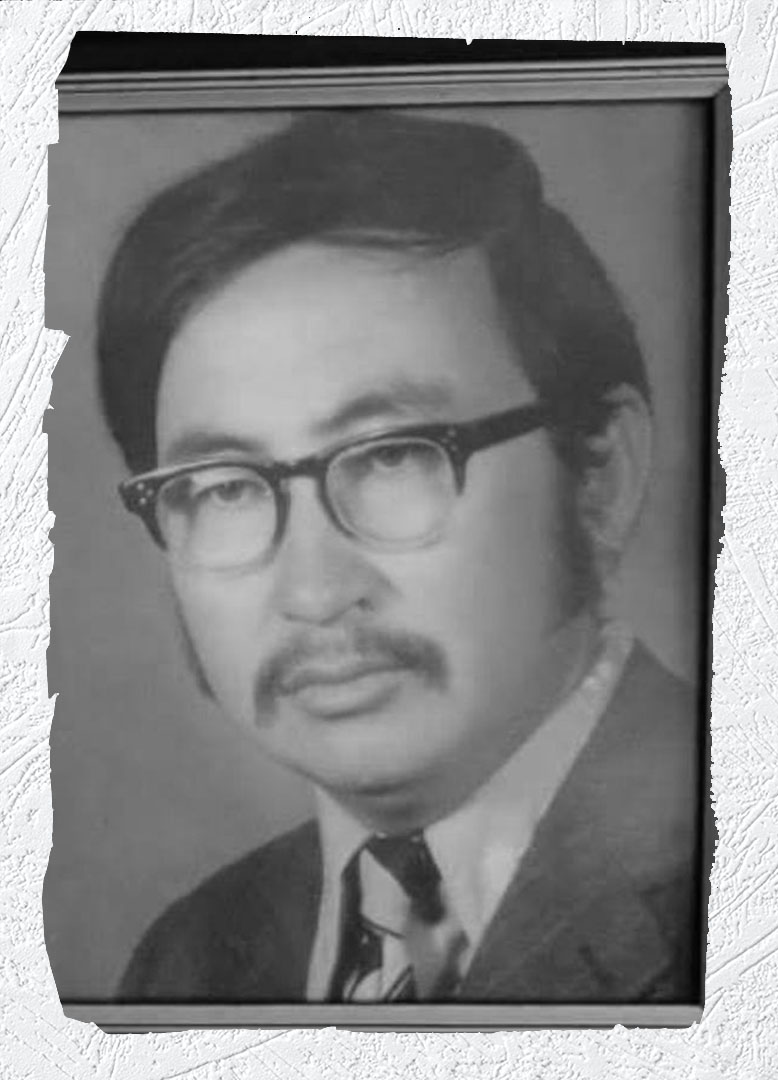
- Gender
- Male
- Ethnicity
- Hazara
- Marital Status
- Married
- District geolocation of incident
- Kabul: Bagrami: 34° 31′ 10″ N, 69° 16′ 39″ E
- Description of incident
Known as the "Killing of AGSA," it refers to the collective murder of opponents of the People's Democratic Party of Afghanistan in the Pul-e-Charkhi Prison in Kabul between 1978 and 1979. The Afghan Intelligence Office, or AGSA (Afghan Agency for Safeguarding National Interest), led by Asadullah Sarwari, had arrested nearly 150,000 people, out of which an estimated number of 27,000 political prisoners were put to death without a single trial, probe, or even allegation. Many Afghan families had no idea where their loved ones had disappeared in the latter part of 1978 and early 1979. A list of those slain that included 5,000 victims of AGSA mass executions was made public by the Dutch Prosecutor's Office in 2013.
- Declaratory Statement
No statement
Mohammad Hashim
- Photo of Victim

- Gender
- Male
- Ethnicity
- Tajik
- Marital Status
- Married
- District geolocation of incident
- Hirat: 34° 20′ 58″ N, 62° 11′ 21″ E
- Description of incident
Known as the "Killing of AGSA," it refers to the collective murder of opponents of the People's Democratic Party of Afghanistan in the Pul-e-Charkhi Prison in Kabul between 1978 and 1979. The Afghan Intelligence Office, or AGSA (Afghan Agency for Safeguarding National Interest), led by Asadullah Sarwari, had arrested nearly 150,000 people, out of which an estimated number of 27,000 political prisoners were put to death without a single trial, probe, or even allegation. Many Afghan families had no idea where their loved ones had disappeared in the latter part of 1978 and early 1979. A list of those slain that included 5,000 victims of AGSA mass executions was made public by the Dutch Prosecutor's Office in 2013.
- Declaratory Statement
No statement
Kalbi Abbas
- Photo of Victim

- Gender
- Male
- Ethnicity
- Hazara
- Marital Status
- Married
- District geolocation of incident
- Kabul: Bagrami: 34° 31′ 10″ N, 69° 16′ 39″ E
- Description of incident
Known as the "Killing of AGSA," it refers to the collective murder of opponents of the People's Democratic Party of Afghanistan in the Pul-e-Charkhi Prison in Kabul between 1978 and 1979. The Afghan Intelligence Office, or AGSA (Afghan Agency for Safeguarding National Interest), led by Asadullah Sarwari, had arrested nearly 150,000 people, out of which an estimated number of 27,000 political prisoners were put to death without a single trial, probe, or even allegation. Many Afghan families had no idea where their loved ones had disappeared in the latter part of 1978 and early 1979. A list of those slain that included 5,000 victims of AGSA mass executions was made public by the Dutch Prosecutor's Office in 2013.
- Declaratory Statement
No statement
Haji Ghulam Haidar
- Photo of Victim

- Gender
- Male
- Ethnicity
- Tajik
- Marital Status
- Married
- District geolocation of incident
- Kabul: Bagrami: 34° 31′ 10″ N, 69° 16′ 39″ E
- Description of incident
Known as the "Killing of AGSA," it refers to the collective murder of opponents of the People's Democratic Party of Afghanistan in the Pul-e-Charkhi Prison in Kabul between 1978 and 1979. The Afghan Intelligence Office, or AGSA (Afghan Agency for Safeguarding National Interest), led by Asadullah Sarwari, had arrested nearly 150,000 people, out of which an estimated number of 27,000 political prisoners were put to death without a single trial, probe, or even allegation. Many Afghan families had no idea where their loved ones had disappeared in the latter part of 1978 and early 1979. A list of those slain that included 5,000 victims of AGSA mass executions was made public by the Dutch Prosecutor's Office in 2013.
- Declaratory Statement
No statement
Haji SherMohammad
- Photo of Victim

- Gender
- Male
- Ethnicity
- Baloch
- Marital Status
- Married
- District geolocation of incident
- Kabul: Bagrami: 34° 31′ 10″ N, 69° 16′ 39″ E
- Description of incident
Known as the "Killing of AGSA," it refers to the collective murder of opponents of the People's Democratic Party of Afghanistan in the Pul-e-Charkhi Prison in Kabul between 1978 and 1979. The Afghan Intelligence Office, or AGSA (Afghan Agency for Safeguarding National Interest), led by Asadullah Sarwari, had arrested nearly 150,000 people, out of which an estimated number of 27,000 political prisoners were put to death without a single trial, probe, or even allegation. Many Afghan families had no idea where their loved ones had disappeared in the latter part of 1978 and early 1979. A list of those slain that included 5,000 victims of AGSA mass executions was made public by the Dutch Prosecutor's Office in 2013.
- Declaratory Statement
No statement
MirAqa Faroq
- Photo of Victim

- Gender
- Male
- Ethnicity
- Sadat
- Marital Status
- Married
- District geolocation of incident
- Kabul: Bagrami: 34° 31′ 10″ N, 69° 16′ 39″ E
- Description of incident
Known as the "Killing of AGSA," it refers to the collective murder of opponents of the People's Democratic Party of Afghanistan in the Pul-e-Charkhi Prison in Kabul between 1978 and 1979. The Afghan Intelligence Office, or AGSA (Afghan Agency for Safeguarding National Interest), led by Asadullah Sarwari, had arrested nearly 150,000 people, out of which an estimated number of 27,000 political prisoners were put to death without a single trial, probe, or even allegation. Many Afghan families had no idea where their loved ones had disappeared in the latter part of 1978 and early 1979. A list of those slain that included 5,000 victims of AGSA mass executions was made public by the Dutch Prosecutor's Office in 2013.
- Declaratory Statement
No statement
Mohammad Khan
- Photo of Victim

- Gender
- Male
- Ethnicity
- Tajik
- Marital Status
- Married
- District geolocation of incident
- Kabul: Bagrami: 34° 31′ 10″ N, 69° 16′ 39″ E
- Description of incident
Known as the "Killing of AGSA," it refers to the collective murder of opponents of the People's Democratic Party of Afghanistan in the Pul-e-Charkhi Prison in Kabul between 1978 and 1979. The Afghan Intelligence Office, or AGSA (Afghan Agency for Safeguarding National Interest), led by Asadullah Sarwari, had arrested nearly 150,000 people, out of which an estimated number of 27,000 political prisoners were put to death without a single trial, probe, or even allegation. Many Afghan families had no idea where their loved ones had disappeared in the latter part of 1978 and early 1979. A list of those slain that included 5,000 victims of AGSA mass executions was made public by the Dutch Prosecutor's Office in 2013.
- Declaratory Statement
No statement
Asadulla
- Photo of Victim

- Gender
- Male
- Ethnicity
- Tajik
- Marital Status
- Married
- District geolocation of incident
- Kabul: Bagrami: 34° 31′ 10″ N, 69° 16′ 39″ E
- Description of incident
Known as the "Killing of AGSA," it refers to the collective murder of opponents of the People's Democratic Party of Afghanistan in the Pul-e-Charkhi Prison in Kabul between 1978 and 1979. The Afghan Intelligence Office, or AGSA (Afghan Agency for Safeguarding National Interest), led by Asadullah Sarwari, had arrested nearly 150,000 people, out of which an estimated number of 27,000 political prisoners were put to death without a single trial, probe, or even allegation. Many Afghan families had no idea where their loved ones had disappeared in the latter part of 1978 and early 1979. A list of those slain that included 5,000 victims of AGSA mass executions was made public by the Dutch Prosecutor's Office in 2013.
- Declaratory Statement
No statement
Abdulmannan
- Photo of Victim
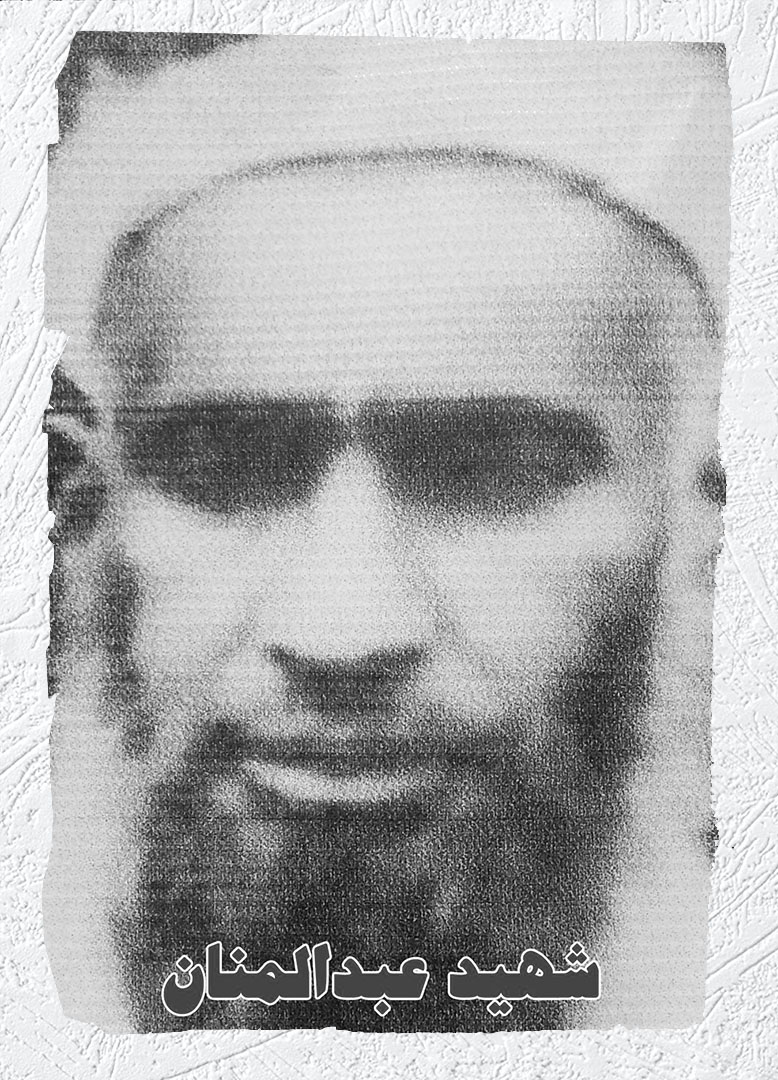
- Gender
- Male
- Ethnicity
- Tajik
- Marital Status
- Married
- District geolocation of incident
- Kabul: Bagrami: 34° 31′ 10″ N, 69° 16′ 39″ E
- Description of incident
Known as the "Killing of AGSA," it refers to the collective murder of opponents of the People's Democratic Party of Afghanistan in the Pul-e-Charkhi Prison in Kabul between 1978 and 1979. The Afghan Intelligence Office, or AGSA (Afghan Agency for Safeguarding National Interest), led by Asadullah Sarwari, had arrested nearly 150,000 people, out of which an estimated number of 27,000 political prisoners were put to death without a single trial, probe, or even allegation. Many Afghan families had no idea where their loved ones had disappeared in the latter part of 1978 and early 1979. A list of those slain that included 5,000 victims of AGSA mass executions was made public by the Dutch Prosecutor's Office in 2013.
- Declaratory Statement
No statement
Ghulam Abbas Alizada
- Photo of Victim

- Gender
- Male
- Ethnicity
- Hazara
- Marital Status
- Married
- District geolocation of incident
- Mazar-e Sharif: 36° 41′ 38″ N, 67° 6′ 48″ E
- Description of incident
On April 21, 2022, an explosion occurred at the Seh Dokan Mosque during a time when approximately 200 individuals were present for prayers. The incident resulted in at least 37 fatalities, with more than 60 individuals sustaining significant injuries. Additional reports indicate that the death toll may exceed 50, with up to 100 people injured. The Islamic State of Iraq and Levant-Khorasan Province (ISIL-KP) has asserted responsibility for the attack and claimed the group has targeted Hazara and Shia prayers.
- Declaratory Statement
No statement
Zabehullah Ebadi
- Photo of Victim

- Gender
- Male
- Ethnicity
- Qizilbash
- Marital Status
- Married
- District geolocation of incident
- Kabul: 34° 31′ 1″ N, 69° 8′ 60″ E
- Description of incident
On August 17, 2019, a suicide bomber detonated explosives at the Shahr-e-Dubai wedding hall on Faiz Mohammad Kateb Road, also known as Charqala Road. The attack resulted in 63-93,(including 15 children) fatalities and 182 injuries. The wedding ceremony was predominantly attended by members of the Shia-Hazara community. The Islamic State of Iraq and Levant-Khorasan Province (ISIL-KP) claimed responsibility for the attack, stating it targeted individuals they refer to as "Rafida," a term used by some extremist groups to denote those who do not follow Sunni Islam.
- Declaratory Statement
No statement
Haron Walizada
- Photo of Victim

- Gender
- Male
- Ethnicity
- Qizilbash
- Marital Status
- Married
- District geolocation of incident
- Kabul: 34° 31′ 1″ N, 69° 8′ 60″ E
- Description of incident
On August 17, 2019, a suicide bomber detonated explosives at the Shahr-e-Dubai wedding hall on Faiz Mohammad Kateb Road, also known as Charqala Road. The attack resulted in 63-93,(including 15 children) fatalities and 182 injuries. The wedding ceremony was predominantly attended by members of the Shia-Hazara community. The Islamic State of Iraq and Levant-Khorasan Province (ISIL-KP) claimed responsibility for the attack, stating it targeted individuals they refer to as "Rafida," a term used by some extremist groups to denote those who do not follow Sunni Islam.
- Declaratory Statement
No statement
Dawodsha
- Photo of Victim

- Gender
- Male
- Ethnicity
- Tajik
- Marital Status
- Married
- District geolocation of incident
- Kabul: 34° 31′ 1″ N, 69° 8′ 60″ E
- Description of incident
On August 17, 2019, a suicide bomber detonated explosives at the Shahr-e-Dubai wedding hall on Faiz Mohammad Kateb Road, also known as Charqala Road. The attack resulted in 63-93,(including 15 children) fatalities and 182 injuries. The wedding ceremony was predominantly attended by members of the Shia-Hazara community. The Islamic State of Iraq and Levant-Khorasan Province (ISIL-KP) claimed responsibility for the attack, stating it targeted individuals they refer to as "Rafida," a term used by some extremist groups to denote those who do not follow Sunni Islam.
- Declaratory Statement
No statement
Karim Sherzad
- Photo of Victim

- Gender
- Male
- Ethnicity
- Hazara
- Marital Status
- Married
- District geolocation of incident
- Kabul: 34° 31′ 1″ N, 69° 8′ 60″ E
- Description of incident
On August 17, 2019, a suicide bomber detonated explosives at the Shahr-e-Dubai wedding hall on Faiz Mohammad Kateb Road, also known as Charqala Road. The attack resulted in 63-93,(including 15 children) fatalities and 182 injuries. The wedding ceremony was predominantly attended by members of the Shia-Hazara community. The Islamic State of Iraq and Levant-Khorasan Province (ISIL-KP) claimed responsibility for the attack, stating it targeted individuals they refer to as "Rafida," a term used by some extremist groups to denote those who do not follow Sunni Islam.
- Declaratory Statement
No statement
Ghulam Yahya Skandary
- Photo of Victim

- Gender
- Male
- Ethnicity
- Hazara
- Marital Status
- Married
- District geolocation of incident
- Kabul: 34° 31′ 1″ N, 69° 8′ 60″ E
- Description of incident
On August 17, 2019, a suicide bomber detonated explosives at the Shahr-e-Dubai wedding hall on Faiz Mohammad Kateb Road, also known as Charqala Road. The attack resulted in 63-93,(including 15 children) fatalities and 182 injuries. The wedding ceremony was predominantly attended by members of the Shia-Hazara community. The Islamic State of Iraq and Levant-Khorasan Province (ISIL-KP) claimed responsibility for the attack, stating it targeted individuals they refer to as "Rafida," a term used by some extremist groups to denote those who do not follow Sunni Islam.
- Declaratory Statement
No statement
Sayed Qand Agha
- Photo of Victim

- Gender
- Male
- Ethnicity
- Sadat
- Marital Status
- Married
- District geolocation of incident
- Khan Abad: 36° 41′ 49″ N, 69° 6′ 48″ E
- Description of incident
A suicide bomber detonated an explosive device among Hazara-Shia worshipers at the Sayed Abad Mosque in Kunduz province on Friday, October 8, 2021. The attack resulted in the death of at least 150 people and injuries to 250 more. The casualties were all civilians, predominantly from the Hazara Shia ethnic group. The Islamic State of Iraq and Levant-Khorasan Province claimed responsibility for the attack, identifying a Chinese Uygur national as the suicide bomber and stating the group targeted Hazara Shias.
- Declaratory Statement
No statement
Hussaindad Ebrahimi
- Photo of Victim

- Gender
- Male
- Ethnicity
- Hazara
- Marital Status
- Married
- District geolocation of incident
- Khan Abad: 36° 41′ 49″ N, 69° 6′ 48″ E
- Description of incident
A suicide bomber detonated an explosive device among Hazara-Shia worshipers at the Sayed Abad Mosque in Kunduz province on Friday, October 8, 2021. The attack resulted in the death of at least 150 people and injuries to 250 more. The casualties were all civilians, predominantly from the Hazara Shia ethnic group. The Islamic State of Iraq and Levant-Khorasan Province claimed responsibility for the attack, identifying a Chinese Uygur national as the suicide bomber and stating the group targeted Hazara Shias.
- Declaratory Statement
No statement
Sayed Najebullah Mosawi
- Photo of Victim

- Gender
- Male
- Ethnicity
- Sadat
- Marital Status
- Married
- District geolocation of incident
- Khan Abad: 36° 41′ 49″ N, 69° 6′ 48″ E
- Description of incident
A suicide bomber detonated an explosive device among Hazara-Shia worshipers at the Sayed Abad Mosque in Kunduz province on Friday, October 8, 2021. The attack resulted in the death of at least 150 people and injuries to 250 more. The casualties were all civilians, predominantly from the Hazara Shia ethnic group. The Islamic State of Iraq and Levant-Khorasan Province claimed responsibility for the attack, identifying a Chinese Uygur national as the suicide bomber and stating the group targeted Hazara Shias.
- Declaratory Statement
No statement
Haji Nezamuddin Nazari
- Photo of Victim

- Gender
- Male
- Ethnicity
- Hazara
- Marital Status
- Married
- District geolocation of incident
- Khan Abad: 36° 41′ 49″ N, 69° 6′ 48″ E
- Description of incident
A suicide bomber detonated an explosive device among Hazara-Shia worshipers at the Sayed Abad Mosque in Kunduz province on Friday, October 8, 2021. The attack resulted in the death of at least 150 people and injuries to 250 more. The casualties were all civilians, predominantly from the Hazara Shia ethnic group. The Islamic State of Iraq and Levant-Khorasan Province claimed responsibility for the attack, identifying a Chinese Uygur national as the suicide bomber and stating the group targeted Hazara Shias.
- Declaratory Statement
No statement
Zafa Ali Naderi
- Photo of Victim

- Gender
- Male
- Ethnicity
- Bayat
- Marital Status
- Married
- District geolocation of incident
- Khan Abad: 36° 41′ 49″ N, 69° 6′ 48″ E
- Description of incident
A suicide bomber detonated an explosive device among Hazara-Shia worshipers at the Sayed Abad Mosque in Kunduz province on Friday, October 8, 2021. The attack resulted in the death of at least 150 people and injuries to 250 more. The casualties were all civilians, predominantly from the Hazara Shia ethnic group. The Islamic State of Iraq and Levant-Khorasan Province claimed responsibility for the attack, identifying a Chinese Uygur national as the suicide bomber and stating the group targeted Hazara Shias.
- Declaratory Statement
No statement
Ruhullah Nabizada
- Photo of Victim

- Gender
- Male
- Ethnicity
- Hazara
- Marital Status
- Married
- District geolocation of incident
- Khan Abad: 36° 41′ 49″ N, 69° 6′ 48″ E
- Description of incident
A suicide bomber detonated an explosive device among Hazara-Shia worshipers at the Sayed Abad Mosque in Kunduz province on Friday, October 8, 2021. The attack resulted in the death of at least 150 people and injuries to 250 more. The casualties were all civilians, predominantly from the Hazara Shia ethnic group. The Islamic State of Iraq and Levant-Khorasan Province claimed responsibility for the attack, identifying a Chinese Uygur national as the suicide bomber and stating the group targeted Hazara Shias.
- Declaratory Statement
No statement
Ghiyasudin Qasemi
- Photo of Victim

- Gender
- Male
- Ethnicity
- Bayat
- Marital Status
- Married
- District geolocation of incident
- Khan Abad: 36° 41′ 49″ N, 69° 6′ 48″ E
- Description of incident
A suicide bomber detonated an explosive device among Hazara-Shia worshipers at the Sayed Abad Mosque in Kunduz province on Friday, October 8, 2021. The attack resulted in the death of at least 150 people and injuries to 250 more. The casualties were all civilians, predominantly from the Hazara Shia ethnic group. The Islamic State of Iraq and Levant-Khorasan Province claimed responsibility for the attack, identifying a Chinese Uygur national as the suicide bomber and stating the group targeted Hazara Shias.
- Declaratory Statement
No statement
Sayed Ghulam Hussain Musavi
- Photo of Victim

- Gender
- Male
- Ethnicity
- Sadat
- Marital Status
- Married
- District geolocation of incident
- Khan Abad: 36° 41′ 49″ N, 69° 6′ 48″ E
- Description of incident
A suicide bomber detonated an explosive device among Hazara-Shia worshipers at the Sayed Abad Mosque in Kunduz province on Friday, October 8, 2021. The attack resulted in the death of at least 150 people and injuries to 250 more. The casualties were all civilians, predominantly from the Hazara Shia ethnic group. The Islamic State of Iraq and Levant-Khorasan Province claimed responsibility for the attack, identifying a Chinese Uygur national as the suicide bomber and stating the group targeted Hazara Shias.
- Declaratory Statement
No statement
Nematullah Ekhlaqi
- Photo of Victim

- Gender
- Male
- Ethnicity
- Hazara
- Marital Status
- Married
- District geolocation of incident
- Khan Abad: 36° 41′ 49″ N, 69° 6′ 48″ E
- Description of incident
A suicide bomber detonated an explosive device among Hazara-Shia worshipers at the Sayed Abad Mosque in Kunduz province on Friday, October 8, 2021. The attack resulted in the death of at least 150 people and injuries to 250 more. The casualties were all civilians, predominantly from the Hazara Shia ethnic group. The Islamic State of Iraq and Levant-Khorasan Province claimed responsibility for the attack, identifying a Chinese Uygur national as the suicide bomber and stating the group targeted Hazara Shias.
- Declaratory Statement
No statement
Esmatullah Qambari
- Photo of Victim

- Gender
- Male
- Ethnicity
- Hazara
- Marital Status
- Married
- District geolocation of incident
- Khan Abad: 36° 41′ 49″ N, 69° 6′ 48″ E
- Description of incident
A suicide bomber detonated an explosive device among Hazara-Shia worshipers at the Sayed Abad Mosque in Kunduz province on Friday, October 8, 2021. The attack resulted in the death of at least 150 people and injuries to 250 more. The casualties were all civilians, predominantly from the Hazara Shia ethnic group. The Islamic State of Iraq and Levant-Khorasan Province claimed responsibility for the attack, identifying a Chinese Uygur national as the suicide bomber and stating the group targeted Hazara Shias.
- Declaratory Statement
No statement
Abdul Hamid Ameri
- Photo of Victim

- Gender
- Male
- Ethnicity
- Qizilbash
- Marital Status
- Married
- District geolocation of incident
- Khan Abad: 36° 41′ 49″ N, 69° 6′ 48″ E
- Description of incident
A suicide bomber detonated an explosive device among Hazara-Shia worshipers at the Sayed Abad Mosque in Kunduz province on Friday, October 8, 2021. The attack resulted in the death of at least 150 people and injuries to 250 more. The casualties were all civilians, predominantly from the Hazara Shia ethnic group. The Islamic State of Iraq and Levant-Khorasan Province claimed responsibility for the attack, identifying a Chinese Uygur national as the suicide bomber and stating the group targeted Hazara Shias.
- Declaratory Statement
No statement
Abdulwahid Mohammadi
- Photo of Victim

- Gender
- Male
- Ethnicity
- Hazara
- Marital Status
- Married
- District geolocation of incident
- Khan Abad: 36° 41′ 49″ N, 69° 6′ 48″ E
- Description of incident
A suicide bomber detonated an explosive device among Hazara-Shia worshipers at the Sayed Abad Mosque in Kunduz province on Friday, October 8, 2021. The attack resulted in the death of at least 150 people and injuries to 250 more. The casualties were all civilians, predominantly from the Hazara Shia ethnic group. The Islamic State of Iraq and Levant-Khorasan Province claimed responsibility for the attack, identifying a Chinese Uygur national as the suicide bomber and stating the group targeted Hazara Shias.
- Declaratory Statement
No statement
Shaukat Ali Yari
- Photo of Victim

- Gender
- Male
- Ethnicity
- Hazara
- Marital Status
- Married
- District geolocation of incident
- Kabul: 34° 31′ 1″ N, 69° 8′ 60″ E
- Description of incident
On July 24, 2017, a car bomb struck a government bus transporting employees of the Ministry of Mines and Petroleum, resulting in the deaths of at least 35 individuals and injuring 40 others. The victims were all civilians, mostly of Hazara ethnicity employed by the Afghanistan Ministry of Mines. The explosion took place in the Sar-e-Kariz area of District 3 in western Kabul. Taliban spokesman Zabihullah Mujahid claimed responsibility for the attack, stating that the group had targeted employees of the National Directorate of Security.
- Declaratory Statement
No statement
Abdulaziz Nazari
- Photo of Victim

- Gender
- Male
- Ethnicity
- Hazara
- Marital Status
- Married
- District geolocation of incident
- Jaghuri: 33° 24′ 37″ N, 67° 29′ 51″ E
- Description of incident
Between November 5, 2018, and November 15, 2018, the Taliban executed a large-scale assault on the Jaghuri and Malistan districts from multiple directions. Tragically, during this conflict, 30-60 civilians lost their lives according to different secures, primarily due to Taliban actions. Additionally, over 50 individuals sustained injuries, and hundreds of families were forcibly displaced from their homes.
- Declaratory Statement
No statement
Haji Iqbal Ali
- Photo of Victim

- Gender
- Male
- Ethnicity
- Hazara
- Marital Status
- Married
- District geolocation of incident
- Jaghuri: 33° 24′ 37″ N, 67° 29′ 51″ E
- Description of incident
Between November 5, 2018, and November 15, 2018, the Taliban executed a large-scale assault on the Jaghuri and Malistan districts from multiple directions. Tragically, during this conflict, 30-60 civilians lost their lives according to different secures, primarily due to Taliban actions. Additionally, over 50 individuals sustained injuries, and hundreds of families were forcibly displaced from their homes.
- Declaratory Statement
No statement
Hussain Ali Karimi
- Photo of Victim

- Gender
- Male
- Ethnicity
- Hazara
- Marital Status
- Married
- District geolocation of incident
- Kabul: 34° 31′ 1″ N, 69° 8′ 60″ E
- Description of incident
On September 5, 2015, a devastating twin suicide bombing struck the Maiwand Wrestling Club in Dasht-e-Barchi, a predominantly Hazara neighborhood in western Kabul, Afghanistan. The first explosion occurred inside the wrestling club during the early evening hours. As first responders and civilians gathered to assist the victims, a second blast detonated, causing even greater casualties. The attacks resulted in the deaths of at least 30 civilians, including two journalists, Samim Framarz and Ramiz Ahmadi. More than 103 others were injured in the incident. The Islamic State Khorasan Province (ISIL-KP) claimed responsibility for the bombings, stating they specifically targeted the Shia-Hazara community.
AbdurRaouf Mahdawi
- Photo of Victim

- Gender
- Male
- Ethnicity
- Hazara
- Marital Status
- Married
- District geolocation of incident
- Kabul: 34° 31′ 1″ N, 69° 8′ 60″ E
- Description of incident
On December 28, 2017, a suicide bomber detonated an explosive device inside the Tabyan Center, a religious and cultural gathering place in Dasht-e-Barchi, located to the west of Kabul. The blast resulted in the deaths of 41 individuals and injuries to another 84 people. Among those killed were at least two children and four women, while eight women were among the injured. All the victims were civilians, primarily belonging to the Hazara ethnic group. The Islamic State of Iraq and the Levant-Khorasan Province (ISIL-KP) claimed responsibility for the attack.
Sayed Khodadad Ahmadi
- Photo of Victim

- Gender
- Male
- Ethnicity
- Sadat
- Marital Status
- Married
- District geolocation of incident
- Kabul: 34° 31′ 1″ N, 69° 8′ 60″ E
- Description of incident
On December 28, 2017, a suicide bomber detonated an explosive device inside the Tabyan Center, a religious and cultural gathering place in Dasht-e-Barchi, located to the west of Kabul. The blast resulted in the deaths of 41 individuals and injuries to another 84 people. Among those killed were at least two children and four women, while eight women were among the injured. All the victims were civilians, primarily belonging to the Hazara ethnic group. The Islamic State of Iraq and the Levant-Khorasan Province (ISIL-KP) claimed responsibility for the attack.
- Declaratory Statement
No statement
Rajo Sing Delnawaz
- Photo of Victim

- Gender
- Male
- Ethnicity
- Afghan Hindus and Sikhs
- Marital Status
- Married
- District geolocation of incident
- Jalalabad: 34° 27′ 19″ N, 70° 27′ 7″ E
- Description of incident
On July 1, 2018, Islamic State Khorasan Province (ISKP) attacked a delegation from Afghanistan's minority Hindu and Sikh communities that was meeting with the governor in Jalalabad City. The attack killed 19 people, with 10 of the victims being members of Afghanistan's Sikh community, including the country's sole Sikh parliamentary candidate. This deliberate targeting of religious minorities represents systematic persecution of non-Muslim communities in Afghanistan.
- Declaratory Statement
No statement
Mohammad Hashim
- Photo of Victim

- Gender
- Male
- Ethnicity
- Unknown
- Marital Status
- Married
- District geolocation of incident
- Puli Khumri: 35° 56′ 49″ N, 68° 42′ 16″ E
- Description of incident
On the afternoon of November 6, 2007, at approximately 4:15 PM, an explosion occurred in Pul-e Khumri, the provincial capital of Baghlan Province. The incident took place during a visit by Afghanistan's Parliamentary Economic Commission, which had traveled to the area to attend the reopening ceremony of the newly reconstructed Baghlan Sugar Factory. According to eyewitness accounts, an individual detonated explosives among a crowd of people who had assembled to greet the parliamentary delegation. The attack resulted in between 70 and 97 fatalities, with casualty figures varying across different reports, and injured nearly 200 individuals. A substantial portion of the victims were school students who had gathered in formation to welcome the government officials. Six members of the National Economy Commission of Afghanistan's Parliament were killed in the attack, including the commission's chairman, Sayed Mustafa Kazimi. The other deceased parliamentarians represented various provinces across Afghanistan, including Takhar, Kunar, Helmand, Kunduz, and Kabul. While it was widely believed that the attack was carried out by a suicide bomber, no group claimed responsibility for the incident. The precise circumstances and motivation behind the attack were never officially confirmed. The general assessment indicated that members of the Afghan Parliament were the primary intended targets of the assault.
- Declaratory Statement
No statement
Mohammad Jan Haidari
- Photo of Victim

- Gender
- Male
- Marital Status
- Married
- District geolocation of incident
- Injil: 34° 37′ 55″ N, 62° 13′ 51″ E
Abdul Qadir Delawari
- Photo of Victim

- Gender
- Male
- Marital Status
- Married
- District geolocation of incident
- Injil: 34° 37′ 55″ N, 62° 13′ 51″ E
Qurban Ali
- Photo of Victim

- Gender
- Male
- Ethnicity
- Hazara
- Marital Status
- Married
- District geolocation of incident
- Kabul: 34° 31′ 1″ N, 69° 8′ 60″ E
Baqijan Fayzi
- Photo of Victim

- Gender
- Male
- Ethnicity
- Hazara
- Marital Status
- Married
- District geolocation of incident
- Chahar Bolak: 36° 55′ 34″ N, 66° 56′ 58″ E
Ahmad Farid Rostami
- Photo of Victim

- Gender
- Male
- Ethnicity
- Qizilbash
- Marital Status
- Married
- District geolocation of incident
- Kabul: 34° 31′ 1″ N, 69° 8′ 60″ E
M. Jawad Alipor
- Photo of Victim

- Gender
- Male
- Ethnicity
- Hazara
- Marital Status
- Married
- District geolocation of incident
- Kabul: 34° 31′ 1″ N, 69° 8′ 60″ E
- Description of incident
Junbesh-e Roshnayi-e (The Enlightenment Movement) is a grassroots civil disobedience movement of Hazaras created in 2016 in Afghanistan in response to the Afghan government's change in routing plans for proposed international electricity networking, which was perceived as continuing historical anti-Hazara discrimination. The group organised major protests in Afghanistan and internationally during 2016 and 2017, protesting against discrimination.
Safdar Jafari
- Photo of Victim
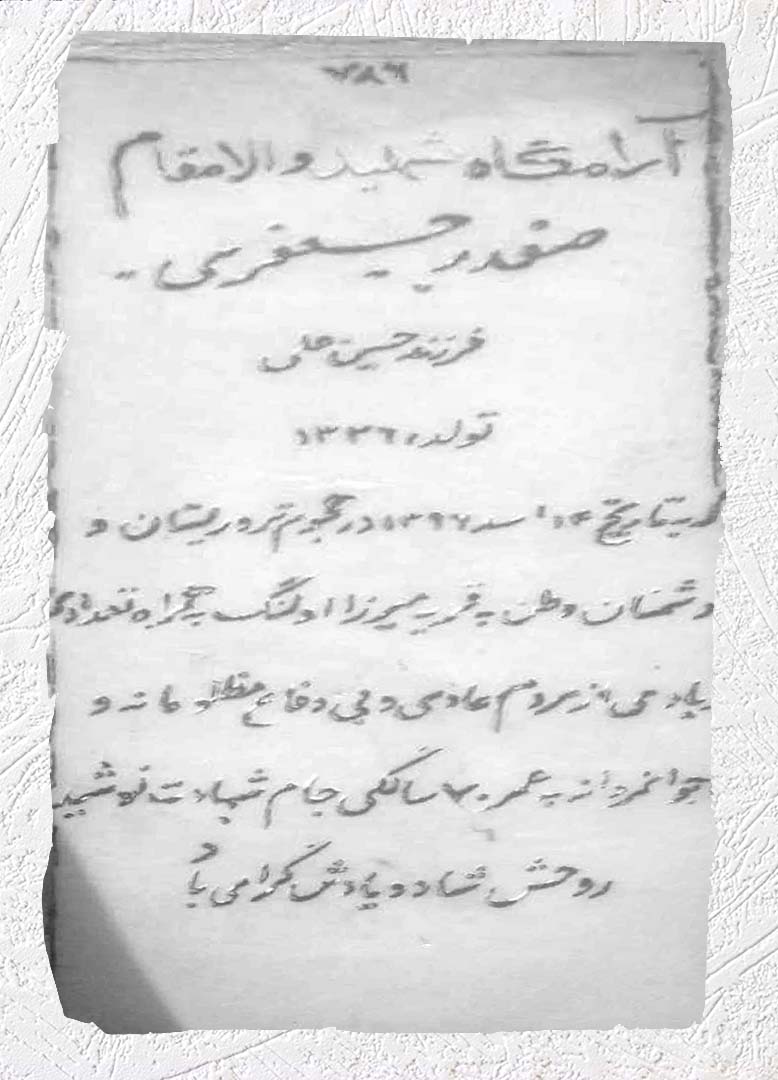
- Gender
- Male
- Ethnicity
- Hazara
- Marital Status
- Married
- District geolocation of incident
- Sayyad: 35° 52′ 25″ N, 68° 25′ 51″ E
- Description of incident
On 3 August 2017, Anti-Government Elements including Taliban and local self-proclaimed Daesh/Islamic State affiliated fighters launched an attack against Mirza Olang village in Sayyad district, Sari Pul province, where fighting continued until 5 August. The village, known as ‘the gate to Sayyad’, lies deep in a long valley. Its southern entrance is near to the border of neighbouring Faryab province and is located 20 km south of the Sayyad district administrative centre. Much of the area surrounding the district administrative centre has been under control of Anti-Government Elements for more than one year.
Sayed Ayob
- Photo of Victim

- Gender
- Male
- Ethnicity
- Sadat
- Marital Status
- Married
- District geolocation of incident
- Yakawlang: 34° 44′ 50″ N, 66° 56′ 40″ E
- Description of incident
On January 7, 2001, the Taliban attacked the Yakaolang district of Bamiyan province and massacred hundreds of Hazara civilians. Many of those who managed to escape and take refuge on the mountains froze to death. On the 8th of January, Taliban members began a house-to-house search across the district. The massacre of Hazaras continued through the 9th, 10th, 11th, and 12th of January. At least 300 Hazaras were either summerly executed or deliberately killed by the Taliban.
Sayed Jawid Mosawi
- Photo of Victim

- Gender
- Male
- Ethnicity
- Sadat
- Marital Status
- Married
- District geolocation of incident
- Puli Khumri: 35° 56′ 49″ N, 68° 42′ 16″ E
- Description of incident
A deadly blast rocked a Shia mosque in Pul-e-Khumri City, Baghlan Province, on October 13, 2023, killing and injuring dozens of people. The Imam Zaman Shiite mosque in the second district of the city was packed with worshippers for Friday prayers when the explosion happened. Witnesses told local media that the blast was caused by explosives hidden inside the mosque, but some residents claimed that it was a suicide attack aimed at the Hazara and Shia communities. The attack left at least 20 people dead and 66 others wounded, according to ground records conducted by AHRDO.
- Declaratory Statement
No statement
Habibullah Wafaei
- Photo of Victim

- Gender
- Male
- Ethnicity
- Hazara
- Marital Status
- Married
- District geolocation of incident
- Puli Khumri: 35° 56′ 49″ N, 68° 42′ 16″ E
- Description of incident
A deadly blast rocked a Shia mosque in Pul-e-Khumri City, Baghlan Province, on October 13, 2023, killing and injuring dozens of people. The Imam Zaman Shiite mosque in the second district of the city was packed with worshippers for Friday prayers when the explosion happened. Witnesses told local media that the blast was caused by explosives hidden inside the mosque, but some residents claimed that it was a suicide attack aimed at the Hazara and Shia communities. The attack left at least 20 people dead and 66 others wounded, according to ground records conducted by AHRDO.
- Declaratory Statement
No statement
Monajatsha Karimi
- Photo of Victim

- Gender
- Male
- Ethnicity
- Hazara
- Marital Status
- Married
- District geolocation of incident
- Puli Khumri: 35° 56′ 49″ N, 68° 42′ 16″ E
- Description of incident
A deadly blast rocked a Shia mosque in Pul-e-Khumri City, Baghlan Province, on October 13, 2023, killing and injuring dozens of people. The Imam Zaman Shiite mosque in the second district of the city was packed with worshippers for Friday prayers when the explosion happened. Witnesses told local media that the blast was caused by explosives hidden inside the mosque, but some residents claimed that it was a suicide attack aimed at the Hazara and Shia communities. The attack left at least 20 people dead and 66 others wounded, according to ground records conducted by AHRDO.
- Declaratory Statement
No statement
Mohammad Taqi Sadiqi
- Photo of Victim

- Gender
- Male
- Ethnicity
- Hazara
- Marital Status
- Married
- District geolocation of incident
- Hirat: 34° 20′ 58″ N, 62° 11′ 21″ E
- Description of incident
On December 1, 2023, a “Rickshaw” tricycle was attacked by unknown gunmen in the Kora Melli area of western Herat City. The attack claimed the lives of six people, including two religious scholars, women, and children, and injured several others. Local sources reported that the attack was aimed at Hazara civilians and religious figures. No group has acknowledged responsibility for the attack.
- Declaratory Statement
No statement
Ramazan Mohammadi
- Photo of Victim

- Gender
- Male
- Ethnicity
- Hazara
- Marital Status
- Married
- District geolocation of incident
- Malistan: 33° 20′ 48″ N, 67° 12′ 13″ E
- Description of incident
Between November 5, 2018, and November 15, 2018, the Taliban executed a large-scale assault on the Jaghuri and Malistan districts from multiple directions. Tragically, during this conflict, 30-60 civilians lost their lives according to different secures, primarily due to Taliban actions. Additionally, over 50 individuals sustained injuries, and hundreds of families were forcibly displaced from their homes.
- Declaratory Statement
No statement
Dawod Qasimi
- Photo of Victim

- Gender
- Male
- Ethnicity
- Hazara
- Marital Status
- Married
- District geolocation of incident
- Ajristan: 33° 49′ 11″ N, 67° 12′ 53″ E
- Description of incident
On April 18, 2015, 14 Hazara men who were traveling from the Malistan District to the Ajristan District in Ghazni, now part of Daikundi Province, to purchase livestock were abducted by Taliban fighters. Initially, the Taliban demanded that the government release their fighters who were detained and imprisoned by the Ghazni Department of Intelligence. After the government did not comply with their demands, the captives were subjected to several days of severe torture and subsequently four of them beheaded by their captors and other 10 were released later.
- Declaratory Statement
No statement
Salman Jafari
- Photo of Victim

- Gender
- Male
- Ethnicity
- Hazara
- Marital Status
- Married
- District geolocation of incident
- Malistan: 33° 20′ 48″ N, 67° 12′ 13″ E
- Description of incident
Between November 5, 2018, and November 15, 2018, the Taliban executed a large-scale assault on the Jaghuri and Malistan districts from multiple directions. Tragically, during this conflict, 30-60 civilians lost their lives according to different secures, primarily due to Taliban actions. Additionally, over 50 individuals sustained injuries, and hundreds of families were forcibly displaced from their homes.
- Declaratory Statement
No statement
AbdulAziz Rezwani
- Photo of Victim

- Gender
- Male
- Ethnicity
- Hazara
- Marital Status
- Married
- District geolocation of incident
- Malistan: 33° 20′ 48″ N, 67° 12′ 13″ E
- Description of incident
Between November 5, 2018, and November 15, 2018, the Taliban executed a large-scale assault on the Jaghuri and Malistan districts from multiple directions. Tragically, during this conflict, 30-60 civilians lost their lives according to different secures, primarily due to Taliban actions. Additionally, over 50 individuals sustained injuries, and hundreds of families were forcibly displaced from their homes.
- Declaratory Statement
No statement
Hafiz
- Photo of Victim

- Gender
- Male
- Ethnicity
- Hazara
- Marital Status
- Married
- District geolocation of incident
- Kabul: 34° 31′ 1″ N, 69° 8′ 60″ E
- Description of incident
I can recall only that some people with their faces covered broke into our house and took my father away. They did not even let my father change his clothes and put on his shoes. After he disappeared, we did not know what happened to him. My mother searched everywhere but could not find him. We assume that Hizb-e Islami abducted him as they were against those working for the government of the time. I remember, it was almost midnight when we heard a knock on our door.
- Declaratory Statement
The Tearful Eyes of a Young Woman
Narrator: Karima
Victim: Hafiz
Date of the incident: 1992-1996
Location of the incident: Kabul City
Karima was very young when her father Hafiz was taken away from home. At that time no one knew what was going on. Suddenly, a number of people with their faces covered entered the house and took Hafiz. They did not even allow Hafiz to change his clothes and put on his shoes. Afterwards, the abductors never contacted Hafiz’ family and they remained in the dark about the reasons for his forced departure. Shortly after, the family came to know that the people who abducted Hafiz were from one of the Mujahidin groups. Hafiz’ only crime had been that he was working for the government. Until today, his family does not know what happened to him but he never returned.
After Hafiz’ abduction, his family lived in absolute misery. His only son was forced to work during the early days of his childhood. He later lost his sanity due to a number of serious psychological problems while Karima’s mother suffered a heart attack during the time of the Taliban. As the Taliban banned treatment of female patients by male physicians, she later lost her life in the hospital. Karima was a witness to all these painful events.
She is now 30 years old and never shows any signs of energy and happiness. She cannot stop crying. Karima got used to suffering from her early days and the endless cycle of violent incidents in her life has turned this suffering into a routine experience. She does not know what she did to deserve this fate but strongly believes that she has suffered more than any one else in this world. Are those who ignited the fire of war even thinking of the burned life of Karima? The Memory Box project aims to document stories of people like Karima and make them part of the official history of Afghanistan. The Memory Box project is a window into the lives of victims who tell their stories as they have experienced them. Without making an effort to look at the consequences of war through the lens of the victims, it will be difficult to truly grasp the hidden realities of war. Hence, we need to clean our eyes, look through their lens and listen to their suffering and countless pains.
The history of Afghanistan has so far been written without the voices of the victims. These voices need to be made heard. Stories like the one of Karima reflect but a small part of everything that Afghan victims have endured in recent decades.
The Story of Karima
My name is Karima and I am 30 years old. I lost my father during the war. I was only 4 years old when my father disappeared. I cannot remember it in detail. I can recall only that some people with their faces covered broke into our house and took my father away. They did not even let my father change his clothes and put on his shoes. After he disappeared, we did not know what happened to him. My mother searched everywhere but could not find him. We assume that Hizb-e Islami abducted him as they were against those working for the government of the time. I remember, it was almost midnight when we heard a knock on our door.
My mother opened it and these masked men came in and took my father still dressed in his pajamas. There were people all over the house including on the roof. After his disappearance we experienced a great deal of difficulties. My brother, who was in grade six at the time had to start working to feed us. Soon after, he began to suffer from depression.
Today he is absolutely mad but still asks for my father. He believes that my father is still alive. Later on my mother died during the Taliban regime. This was the worst moment of my life (Karima cries). My mother was suffering from heart problems and later had a heart attack.
We took her to different hospitals but there was no female doctor. The Taliban had banned male hysicians from treating female patients. As a result, my mother died in Jamhuriat hospital. I cannot forget these terrible moments in my life. Therefore, I hate the Taliban.
Today, I work and feed my family. My sister works as a teacher though she does not have a permanent contract. My sister, my sick brother and I live together. One of my other sisters lives in Mazar-e- Sharif.
I fully support the Memory Box initiative. I want to keep my father’s memory alive. I will not allow for him to be forgotten. Those who have killed my father must know that someone from his family is still alive and thinking of him. This initiative is dedicated to people like my dear father (Karima cries). People are telling me that I had a very handsome and kind father. My relatives told me they saw his Memory Box on TV. I am very pleased to see my father’s memories alive.
Sayed Abedin
- Photo of Victim

- Gender
- Male
- Ethnicity
- Sadat
- Marital Status
- Married
- District geolocation of incident
- Kabul: 34° 31′ 1″ N, 69° 8′ 60″ E
- Description of incident
On April 30, 2018, I lost my 58-year-old husband in a suicide attack in Kabul. It happened just a few weeks after he had been recruited as a driver for the Afghanistan National Radio and Television.
- Declaratory Statement
The Story of nabila (wife)
Victim’s Name: Sayed Abedin
Dte of event: April 30, 2018
Place of Incident: Shashdarak, Kabul
On April 30, 2018, I lost my 58-year-old husband. It happened just a few weeks after he had been recruited as a driver for the Afghanistan National Radio and Television. On the day of the incident, my daughter and I were at home. In the morning, I called him many times, but he did not pick up his phone. I switched the T.V. on and found that a suicide attack had happened in Shashdarak area. I was worried so I called him again. Everyone in the family kept calling him but no one picked until his brother called us from Wazir Akbar Khan Hospital and informed us that Abedin had been killed in the suicide attack.
I will never be able to forget that day. Everyone amoung the family and relatives gathered for the funeral and shared their condolences. Abedin was buried in Kolangar Village of Logar Province where he was born. As a young man, he had finished his school but was unable to attend university due to poverty and lack of support. I was only 18 years old when we got married. Abedin was kind and caring. We loved each other and we lived together for 15 years, a time made of a lot of good memories, and we have a daughter together, Hasana, who is now studying in third grade at school. Hasana cried for three months asking for her father.
His death took our happiness away. Without him is hard, as I did not just lose my husband but also lost our only breadwinner. I went through difficult times and faced numerous problems. We were living in Khair Khanna when he was alive but had to move to Chehil Sutun to live with my uncle’s family. I had to work to support my only daughter.
According to our traditions, I had to givemy husband’s belongings to charity. I added the very few remaining objects to the Memory Box to keep his memories alive. There is no law to punish those who kill innocents. I only pray to God to do justice and punish them for their crimes.
Sayed AbdulHusain Husaini
- Photo of Victim

- Gender
- Male
- Ethnicity
- Sadat
- Marital Status
- Married
- District geolocation of incident
- Puli Khumri: 35° 56′ 49″ N, 68° 42′ 16″ E
- Description of incident
A deadly blast rocked a Shia mosque in Pul-e-Khumri City, Baghlan Province, on October 13, 2023, killing and injuring dozens of people. The Imam Zaman Shiite mosque in the second district of the city was packed with worshippers for Friday prayers when the explosion happened. Witnesses told local media that the blast was caused by explosives hidden inside the mosque, but some residents claimed that it was a suicide attack aimed at the Hazara and Shia communities. The attack left at least 20 people dead and 66 others wounded, according to ground records conducted by AHRDO.
- Declaratory Statement
No statement
Fatima
- Photo of Victim

- Gender
- Female
- Ethnicity
- Sadat
- Marital Status
- Married
- District geolocation of incident
- Mazar-e Sharif: 36° 41′ 38″ N, 67° 6′ 48″ E
Abdul Rahim
- Photo of Victim

- Gender
- Male
- Ethnicity
- Hazara
- Marital Status
- Married
- District geolocation of incident
- Kabul: 34° 31′ 1″ N, 69° 8′ 60″ E

Rahim Habibi
- Photo of Victim

- Gender
- Male
- Ethnicity
- Hazara
- Marital Status
- Married
- District geolocation of incident
- Dawlat Yar: 34° 33′ 29″ N, 65° 45′ 59″ E
- Description of incident
سال ۱۳۹۵ در ولایت غور محصل بود از غور میآمد طرف خانه، رخصتی. در ولسوالی دولتیار ولایت غور اسیر شد. هوا گرم بود مچوم که کی بود، میگویند طالبان گرفته بود چهار نفر را دستگیر کرده ۵۵ روز اسیر کردند سه نفر را ایلا کرد و شوهرم شهید شد آنها را من ندیدم میگویند تبادله کردند من نمیفهمم کی تبادله کرده مقصد میگویند تبادله کردن. هر سه که ایله شده بود در فاتحهاش آمده بودند، همصنفیهایش بودند. زنگ زده بودند آنها همو جنازه را که آوردند
Najiba Hussaini
- Photo of Victim

- Gender
- Female
- Ethnicity
- Hazara
- Marital Status
- Married
- District geolocation of incident
- Kabul: 34° 31′ 1″ N, 69° 8′ 60″ E
- Description of incident
ساعت ۷ صبح هنگام رفتن کارمندان دولت به طرف وظیفه بر موتر حامل کارمندان وزارت معدن در ناحیه سوم شهر کابل، سرکاریز انفجار صورت میگیرد که نجیبه حسینی در آن موتر بوده و قربانی شده است.
Khodabakhsh Zawar
- Photo of Victim

- Gender
- Male
- Ethnicity
- Hazara
- Marital Status
- Married
- District geolocation of incident
- Bamyan: 34° 48′ 44″ N, 67° 49′ 14″ E
Ebad Ali Naji
- Photo of Victim

- Gender
- Male
- Ethnicity
- Hazara
- Marital Status
- Married
- District geolocation of incident
- Jalrez: 34° 37′ 46″ N, 68° 39′ 29″ E
Ahmad Hossain SadeqZadah
- Photo of Victim

- Gender
- Male
- Ethnicity
- Hazara
- Marital Status
- Married
- District geolocation of incident
- Guzara: 34° 11′ 55″ N, 62° 13′ 10″ E
Ahmad Zia Rostami
- Photo of Victim

- Gender
- Male
- Ethnicity
- Qizilbash
- Marital Status
- Married
- District geolocation of incident
- Kabul: 34° 31′ 1″ N, 69° 8′ 60″ E
Sayed Alam Hamidi
- Photo of Victim

- Gender
- Male
- Ethnicity
- Tajik
- Marital Status
- Married
- District geolocation of incident
- Kabul: 34° 31′ 1″ N, 69° 8′ 60″ E
Ghulam Sakhi Khan Rostami
- Photo of Victim

- Gender
- Male
- Ethnicity
- Qizilbash
- Marital Status
- Married
- District geolocation of incident
- Kabul: 34° 31′ 1″ N, 69° 8′ 60″ E
Yamenuden
- Photo of Victim
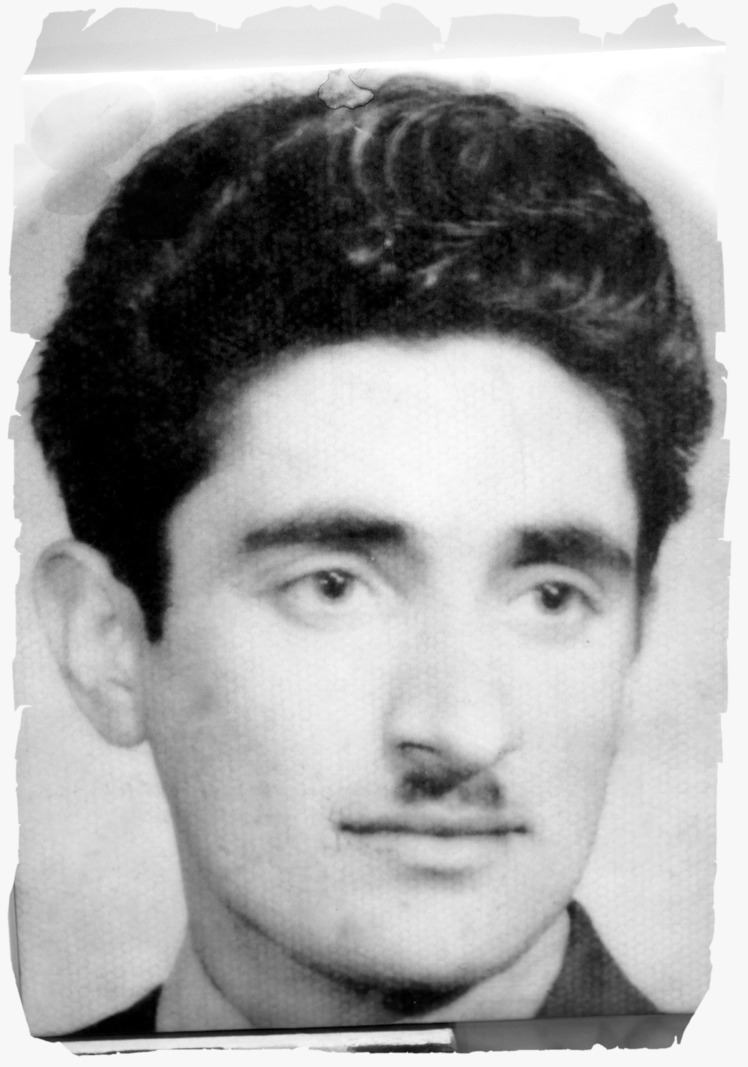
- Gender
- Male
- Ethnicity
- Pashtun
- Marital Status
- Married
- District geolocation of incident
- Kabul: 34° 31′ 1″ N, 69° 8′ 60″ E
Mohammad Hassan Rahimi
- Photo of Victim

- Gender
- Male
- Ethnicity
- Hazara
- Marital Status
- Married
- District geolocation of incident
- Kabul: 34° 31′ 1″ N, 69° 8′ 60″ E
Sarwar Hussaini
- Photo of Victim
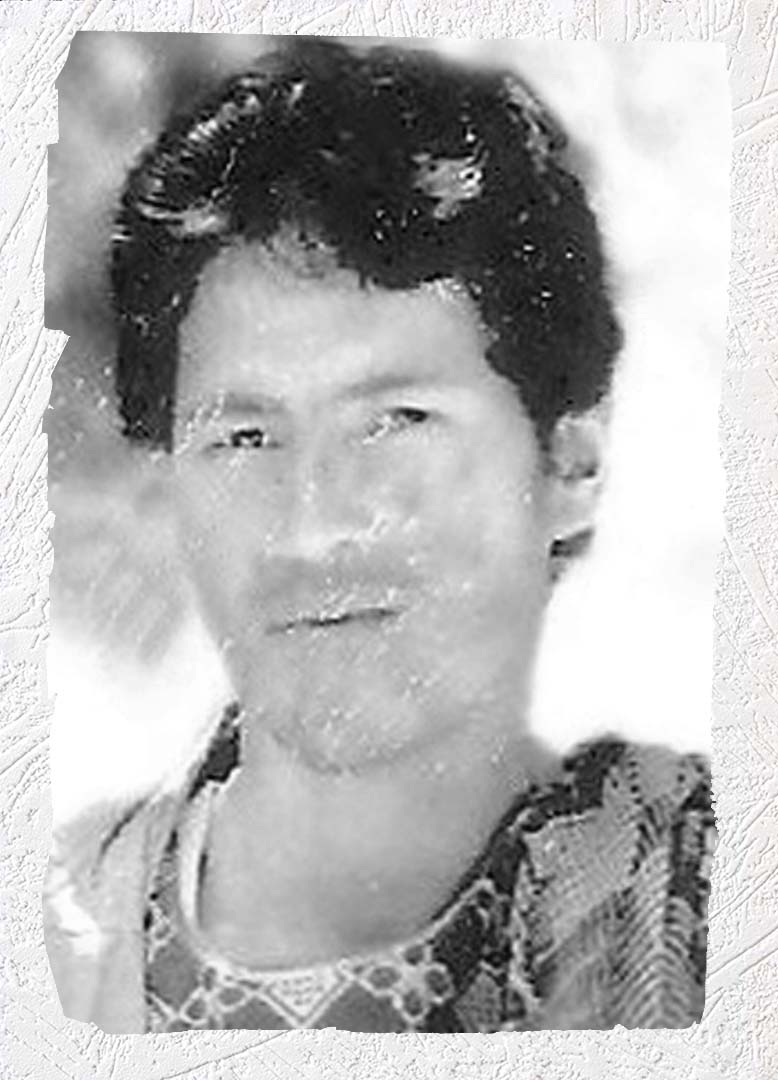
- Gender
- Male
- Ethnicity
- Hazara
- Marital Status
- Married
- District geolocation of incident
- Kabul: 34° 31′ 1″ N, 69° 8′ 60″ E
- Description of incident
Junbesh-e Roshnayi-e (The Enlightenment Movement) is a grassroots civil disobedience movement of Hazaras created in 2016 in Afghanistan in response to the Afghan government's change in routing plans for proposed international electricity networking, which was perceived as continuing historical anti-Hazara discrimination. The group organised major protests in Afghanistan and internationally during 2016 and 2017, protesting against discrimination.
Aref Hussain Shaygan
- Photo of Victim
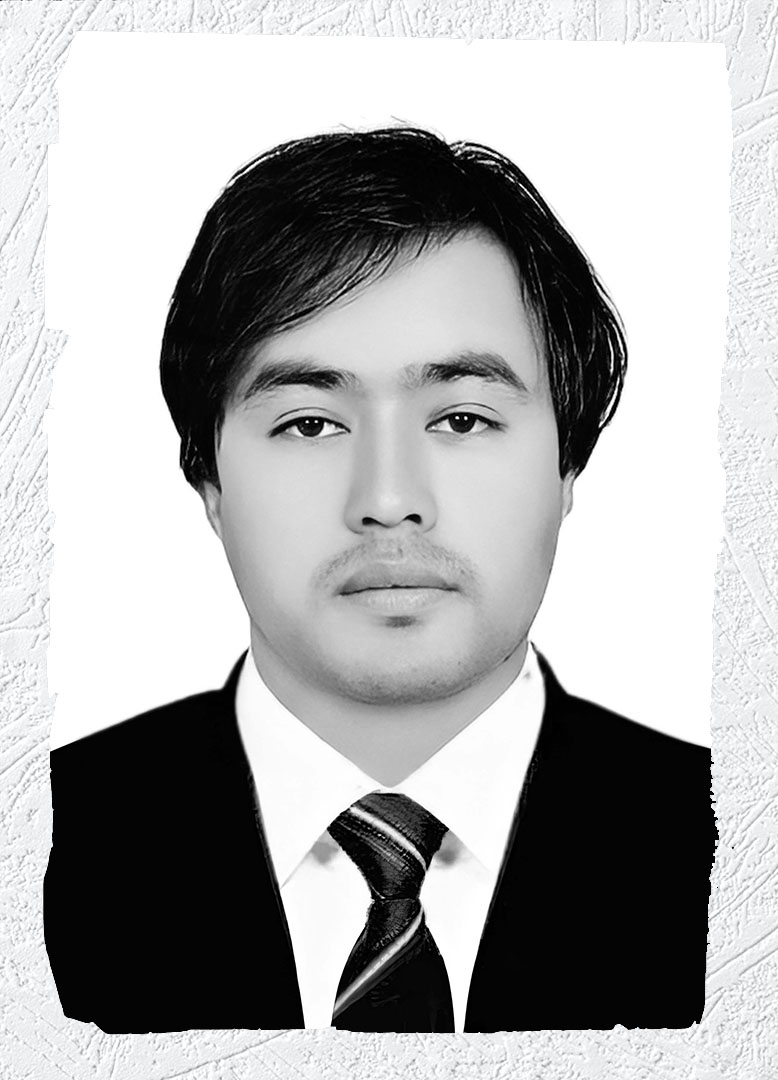
- Gender
- Male
- Ethnicity
- Hazara
- Marital Status
- Married
- District geolocation of incident
- Kabul: 34° 31′ 1″ N, 69° 8′ 60″ E
- Description of incident
Junbesh-e Roshnayi-e (The Enlightenment Movement) is a grassroots civil disobedience movement of Hazaras created in 2016 in Afghanistan in response to the Afghan government's change in routing plans for proposed international electricity networking, which was perceived as continuing historical anti-Hazara discrimination. The group organised major protests in Afghanistan and internationally during 2016 and 2017, protesting against discrimination.
Abbas Mohammadi
- Photo of Victim

- Gender
- Male
- Ethnicity
- Hazara
- Marital Status
- Married
- District geolocation of incident
- Kabul: 34° 31′ 1″ N, 69° 8′ 60″ E
- Description of incident
Junbesh-e Roshnayi-e (The Enlightenment Movement) is a grassroots civil disobedience movement of Hazaras created in 2016 in Afghanistan in response to the Afghan government's change in routing plans for proposed international electricity networking, which was perceived as continuing historical anti-Hazara discrimination. The group organised major protests in Afghanistan and internationally during 2016 and 2017, protesting against discrimination.
Homayoun Rasikh
- Photo of Victim

- Gender
- Male
- Ethnicity
- Hazara
- Marital Status
- Married
- District geolocation of incident
- Kabul: 34° 31′ 1″ N, 69° 8′ 60″ E
- Description of incident
Junbesh-e Roshnayi-e (The Enlightenment Movement) is a grassroots civil disobedience movement of Hazaras created in 2016 in Afghanistan in response to the Afghan government's change in routing plans for proposed international electricity networking, which was perceived as continuing historical anti-Hazara discrimination. The group organised major protests in Afghanistan and internationally during 2016 and 2017, protesting against discrimination.
Abdul Latif Zahidi
- Photo of Victim
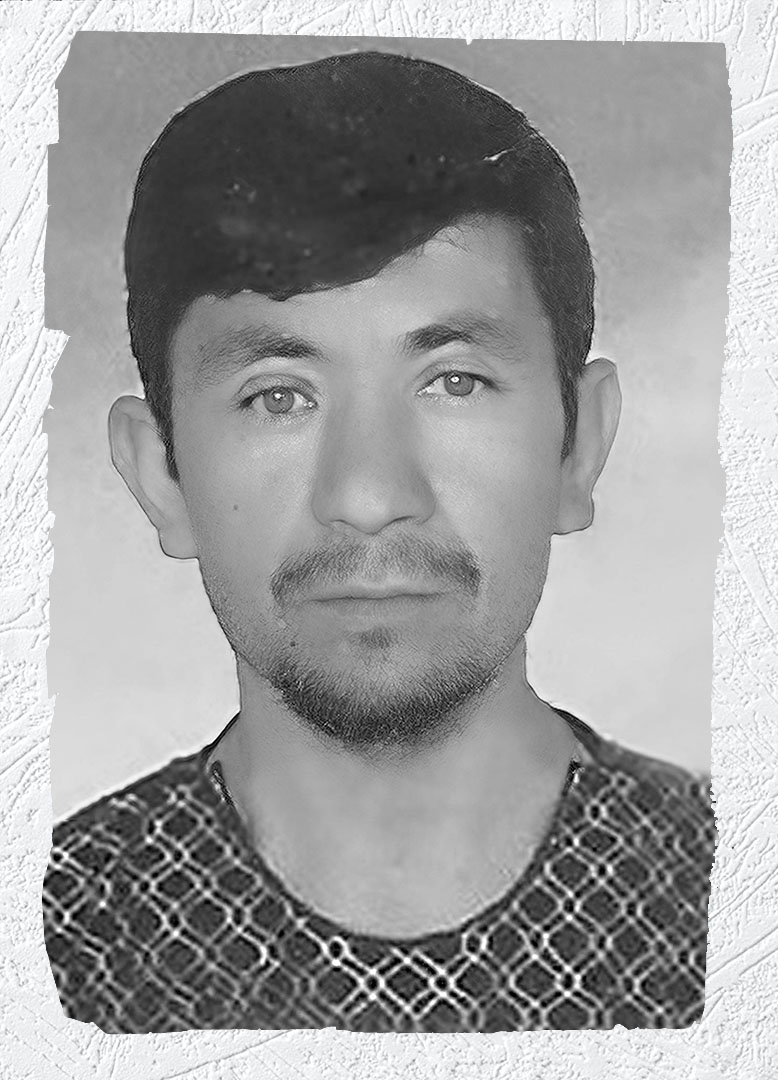
- Gender
- Male
- Ethnicity
- Hazara
- Marital Status
- Married
- District geolocation of incident
- Kabul: 34° 31′ 1″ N, 69° 8′ 60″ E
- Description of incident
Junbesh-e Roshnayi-e (The Enlightenment Movement) is a grassroots civil disobedience movement of Hazaras created in 2016 in Afghanistan in response to the Afghan government's change in routing plans for proposed international electricity networking, which was perceived as continuing historical anti-Hazara discrimination. The group organised major protests in Afghanistan and internationally during 2016 and 2017, protesting against discrimination.
Qurban Ali Ahmadi
- Photo of Victim

- Gender
- Male
- Ethnicity
- Hazara
- Marital Status
- Married
- District geolocation of incident
- Kabul: 34° 31′ 1″ N, 69° 8′ 60″ E
- Description of incident
Junbesh-e Roshnayi-e (The Enlightenment Movement) is a grassroots civil disobedience movement of Hazaras created in 2016 in Afghanistan in response to the Afghan government's change in routing plans for proposed international electricity networking, which was perceived as continuing historical anti-Hazara discrimination. The group organised major protests in Afghanistan and internationally during 2016 and 2017, protesting against discrimination.
Mehr Ali Mohammadi
- Photo of Victim
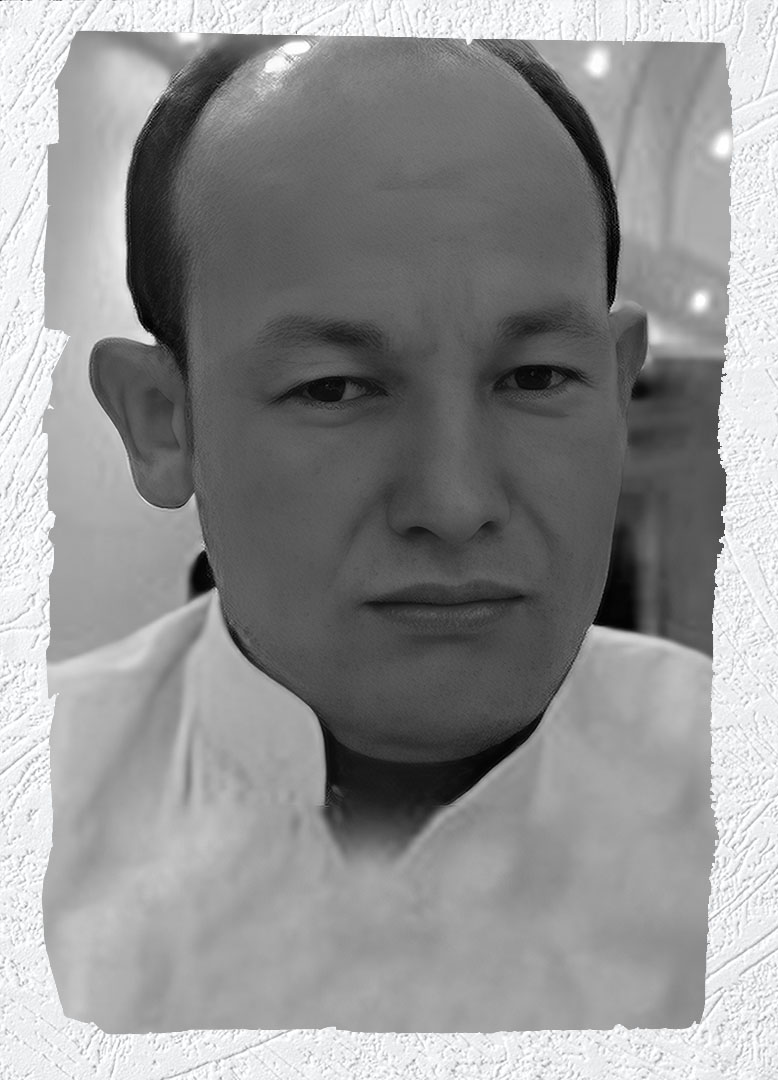
- Gender
- Male
- Ethnicity
- Hazara
- Marital Status
- Married
- District geolocation of incident
- Kabul: 34° 31′ 1″ N, 69° 8′ 60″ E
- Description of incident
Junbesh-e Roshnayi-e (The Enlightenment Movement) is a grassroots civil disobedience movement of Hazaras created in 2016 in Afghanistan in response to the Afghan government's change in routing plans for proposed international electricity networking, which was perceived as continuing historical anti-Hazara discrimination. The group organised major protests in Afghanistan and internationally during 2016 and 2017, protesting against discrimination.
Abdul Shakoor Karimzada
- Photo of Victim

- Gender
- Male
- Ethnicity
- Hazara
- Marital Status
- Married
- District geolocation of incident
- Kabul: 34° 31′ 1″ N, 69° 8′ 60″ E
- Description of incident
Junbesh-e Roshnayi-e (The Enlightenment Movement) is a grassroots civil disobedience movement of Hazaras created in 2016 in Afghanistan in response to the Afghan government's change in routing plans for proposed international electricity networking, which was perceived as continuing historical anti-Hazara discrimination. The group organised major protests in Afghanistan and internationally during 2016 and 2017, protesting against discrimination.
Sadiq Haidari
- Photo of Victim
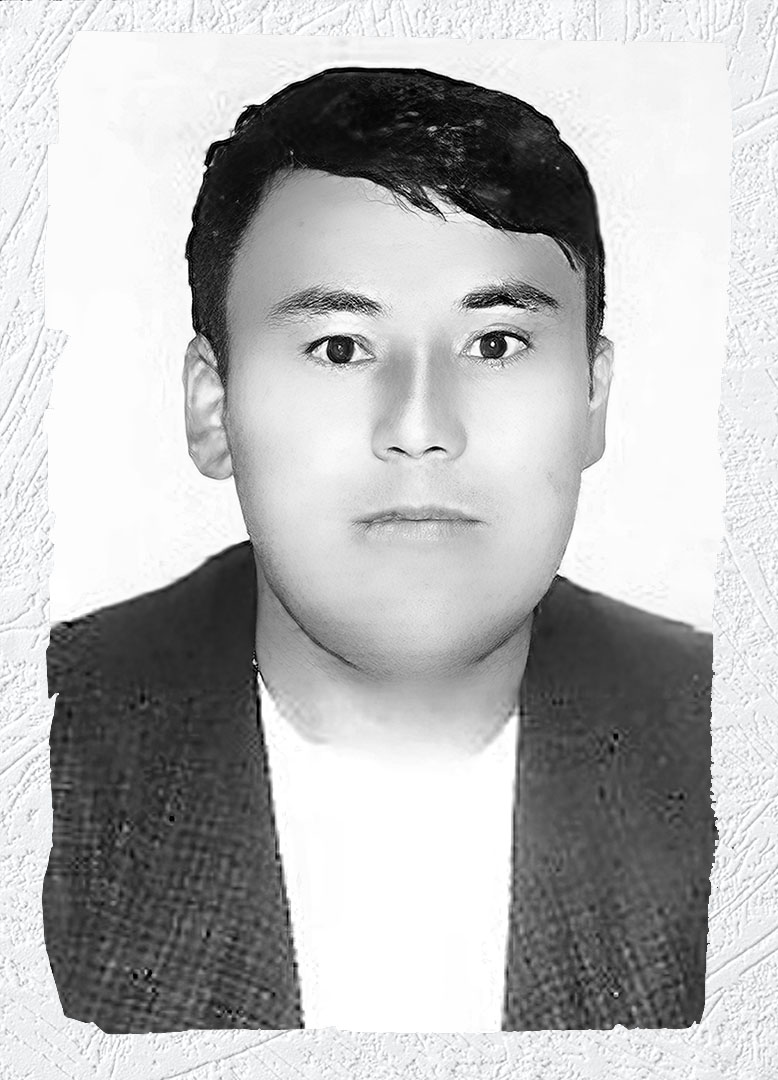
- Gender
- Male
- Ethnicity
- Hazara
- Marital Status
- Married
- District geolocation of incident
- Kabul: 34° 31′ 1″ N, 69° 8′ 60″ E
- Description of incident
Junbesh-e Roshnayi-e (The Enlightenment Movement) is a grassroots civil disobedience movement of Hazaras created in 2016 in Afghanistan in response to the Afghan government's change in routing plans for proposed international electricity networking, which was perceived as continuing historical anti-Hazara discrimination. The group organised major protests in Afghanistan and internationally during 2016 and 2017, protesting against discrimination.
Abdorrahim Alizada
- Photo of Victim
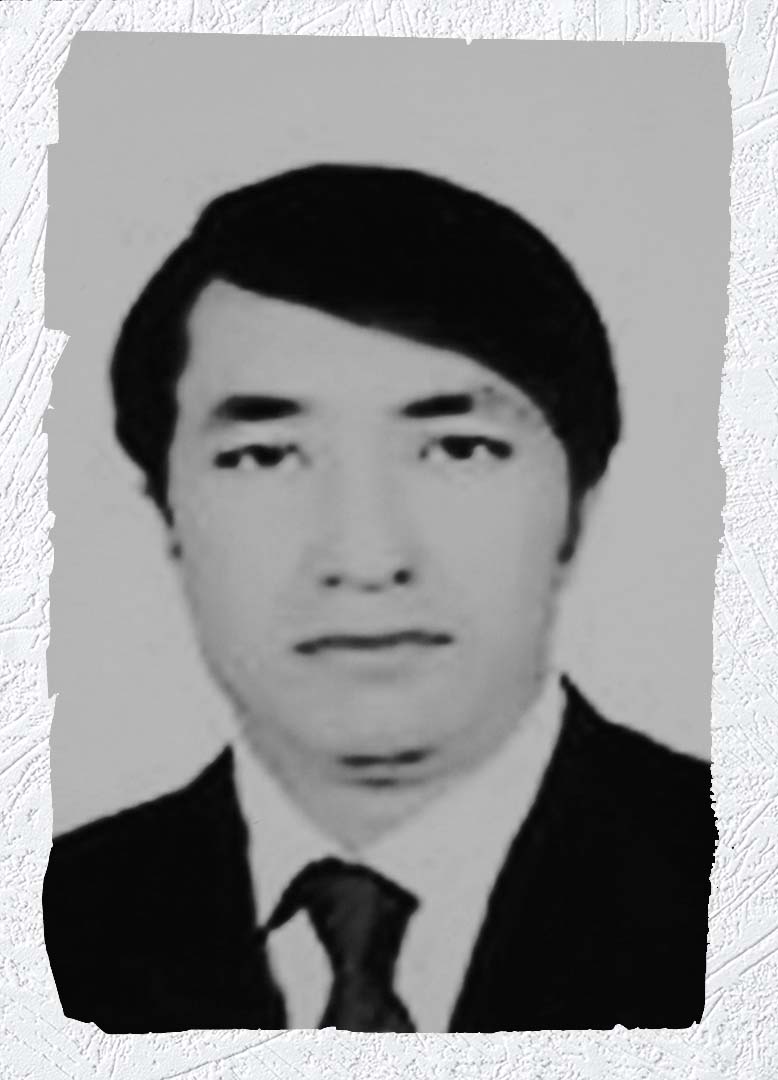
- Gender
- Male
- Ethnicity
- Hazara
- Marital Status
- Married
- District geolocation of incident
- Kabul: 34° 31′ 1″ N, 69° 8′ 60″ E
- Description of incident
Junbesh-e Roshnayi-e (The Enlightenment Movement) is a grassroots civil disobedience movement of Hazaras created in 2016 in Afghanistan in response to the Afghan government's change in routing plans for proposed international electricity networking, which was perceived as continuing historical anti-Hazara discrimination. The group organised major protests in Afghanistan and internationally during 2016 and 2017, protesting against discrimination.
M.Hussain Mohammadi
- Photo of Victim
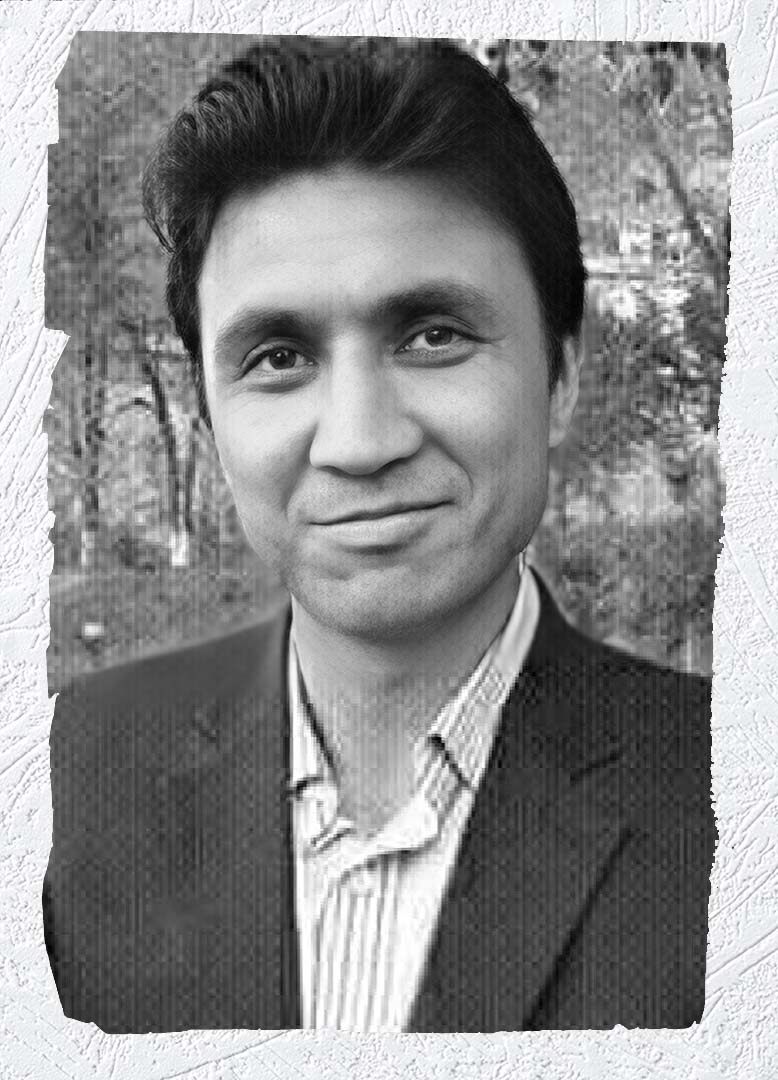
- Gender
- Male
- Ethnicity
- Hazara
- Marital Status
- Married
- District geolocation of incident
- Kabul: 34° 31′ 1″ N, 69° 8′ 60″ E
- Description of incident
Junbesh-e Roshnayi-e (The Enlightenment Movement) is a grassroots civil disobedience movement of Hazaras created in 2016 in Afghanistan in response to the Afghan government's change in routing plans for proposed international electricity networking, which was perceived as continuing historical anti-Hazara discrimination. The group organised major protests in Afghanistan and internationally during 2016 and 2017, protesting against discrimination.
M.Juma Karbalaee
- Photo of Victim
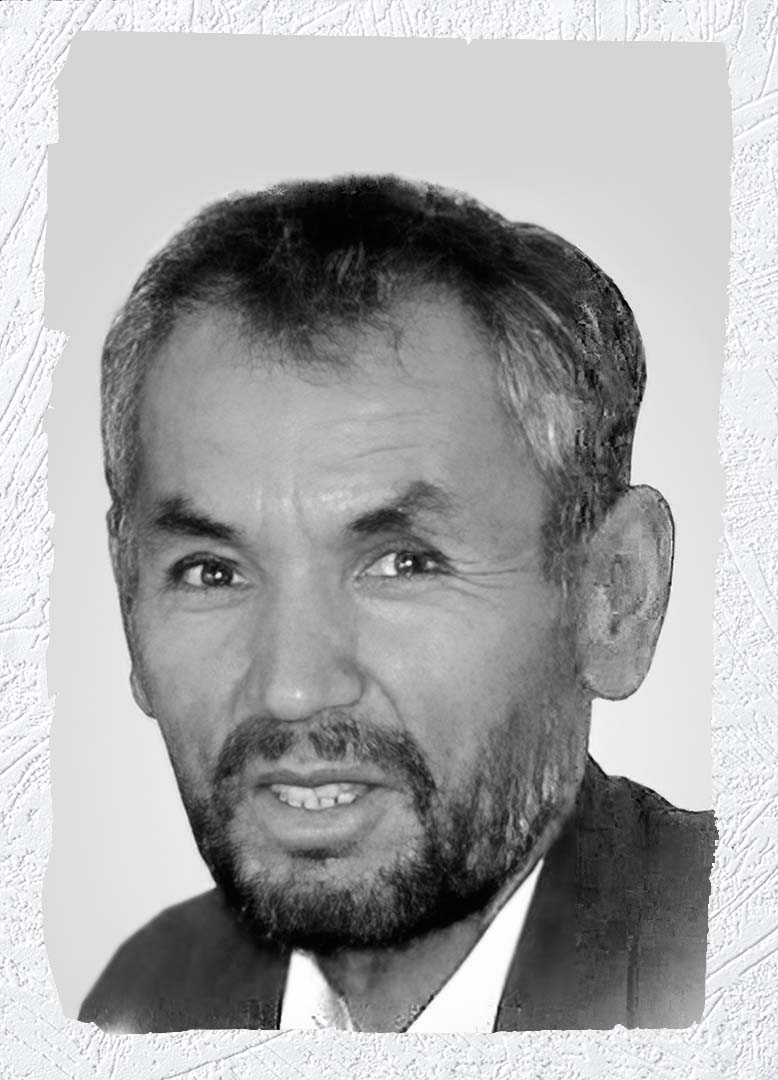
- Gender
- Male
- Ethnicity
- Hazara
- Marital Status
- Married
- District geolocation of incident
- Kabul: 34° 31′ 1″ N, 69° 8′ 60″ E
- Description of incident
Junbesh-e Roshnayi-e (The Enlightenment Movement) is a grassroots civil disobedience movement of Hazaras created in 2016 in Afghanistan in response to the Afghan government's change in routing plans for proposed international electricity networking, which was perceived as continuing historical anti-Hazara discrimination. The group organised major protests in Afghanistan and internationally during 2016 and 2017, protesting against discrimination.
Jawad Qasimi
- Photo of Victim
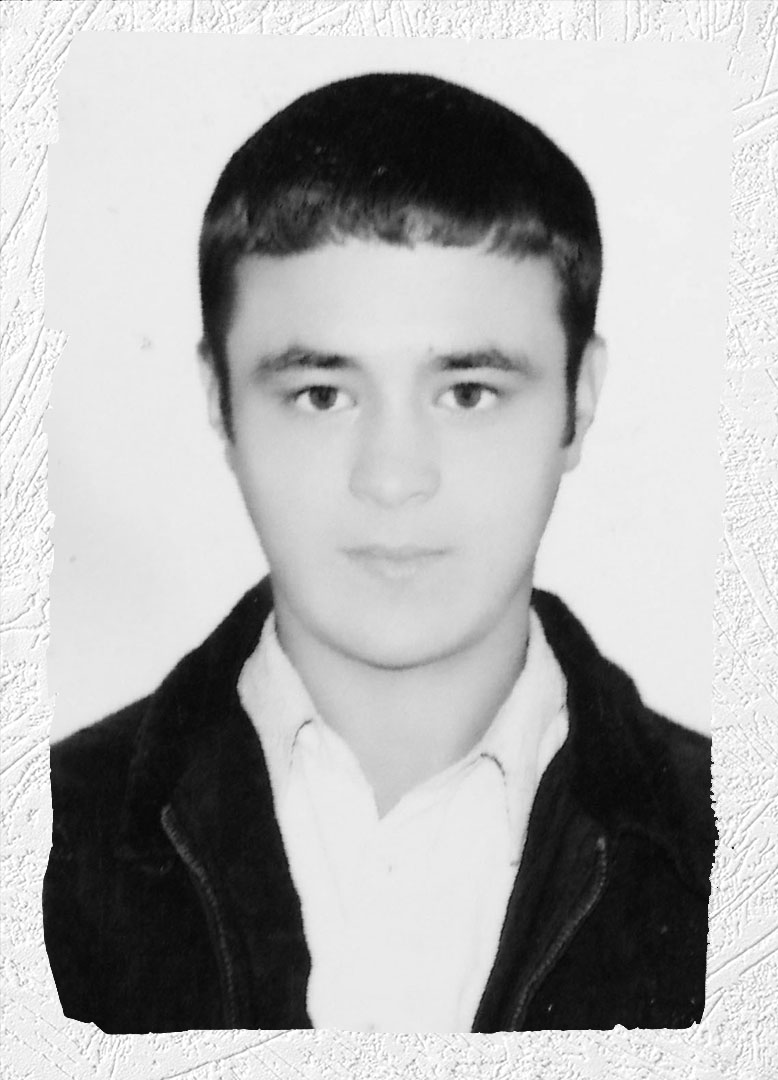
- Gender
- Male
- Ethnicity
- Hazara
- Marital Status
- Married
- District geolocation of incident
- Kabul: 34° 31′ 1″ N, 69° 8′ 60″ E
- Description of incident
Junbesh-e Roshnayi-e (The Enlightenment Movement) is a grassroots civil disobedience movement of Hazaras created in 2016 in Afghanistan in response to the Afghan government's change in routing plans for proposed international electricity networking, which was perceived as continuing historical anti-Hazara discrimination. The group organised major protests in Afghanistan and internationally during 2016 and 2017, protesting against discrimination.
ShaWali Sharifi
- Photo of Victim
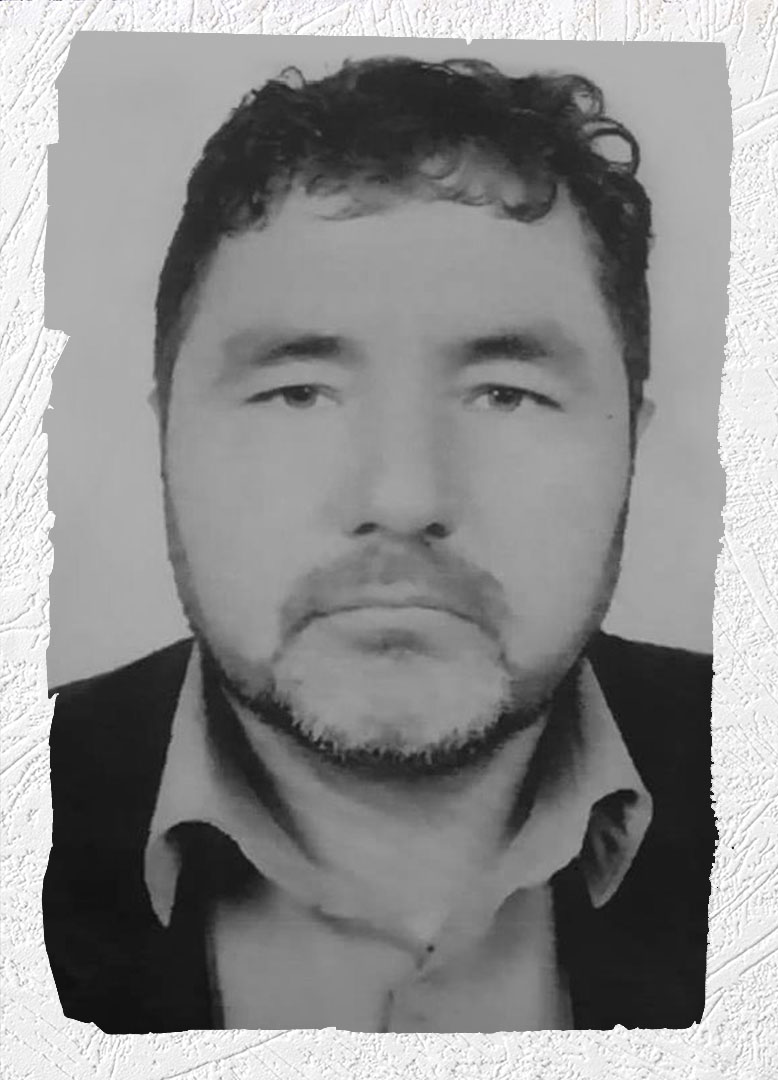
- Gender
- Male
- Ethnicity
- Hazara
- Marital Status
- Married
- District geolocation of incident
- Kabul: 34° 31′ 1″ N, 69° 8′ 60″ E
- Description of incident
Junbesh-e Roshnayi-e (The Enlightenment Movement) is a grassroots civil disobedience movement of Hazaras created in 2016 in Afghanistan in response to the Afghan government's change in routing plans for proposed international electricity networking, which was perceived as continuing historical anti-Hazara discrimination. The group organised major protests in Afghanistan and internationally during 2016 and 2017, protesting against discrimination.
Ahmad Sharif DawlatShahi
- Photo of Victim

- Gender
- Male
- Ethnicity
- Hazara
- Marital Status
- Married
- District geolocation of incident
- Kabul: 34° 31′ 1″ N, 69° 8′ 60″ E
- Description of incident
Junbesh-e Roshnayi-e (The Enlightenment Movement) is a grassroots civil disobedience movement of Hazaras created in 2016 in Afghanistan in response to the Afghan government's change in routing plans for proposed international electricity networking, which was perceived as continuing historical anti-Hazara discrimination. The group organised major protests in Afghanistan and internationally during 2016 and 2017, protesting against discrimination.
Naeem Gholami
- Photo of Victim

- Gender
- Male
- Ethnicity
- Hazara
- Marital Status
- Married
- District geolocation of incident
- Kabul: 34° 31′ 1″ N, 69° 8′ 60″ E
- Description of incident
Junbesh-e Roshnayi-e (The Enlightenment Movement) is a grassroots civil disobedience movement of Hazaras created in 2016 in Afghanistan in response to the Afghan government's change in routing plans for proposed international electricity networking, which was perceived as continuing historical anti-Hazara discrimination. The group organised major protests in Afghanistan and internationally during 2016 and 2017, protesting against discrimination.
Adel Afzali
- Photo of Victim
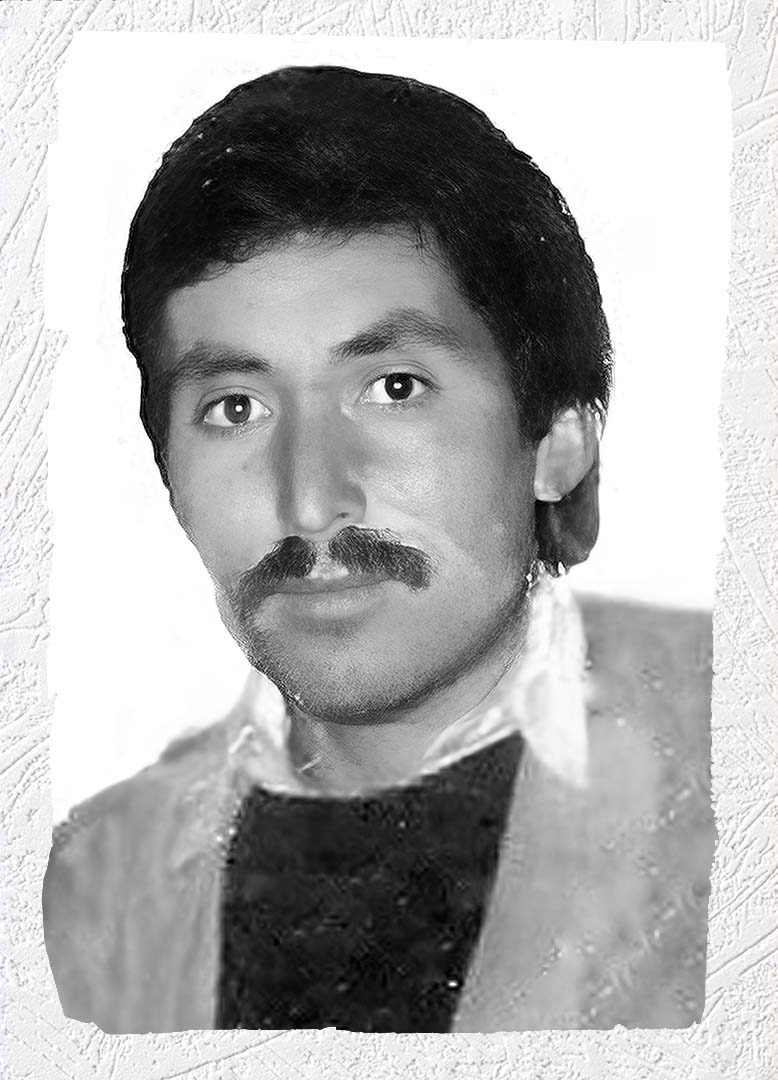
- Gender
- Male
- Ethnicity
- Hazara
- Marital Status
- Married
- District geolocation of incident
- Kabul: 34° 31′ 1″ N, 69° 8′ 60″ E
- Description of incident
Junbesh-e Roshnayi-e (The Enlightenment Movement) is a grassroots civil disobedience movement of Hazaras created in 2016 in Afghanistan in response to the Afghan government's change in routing plans for proposed international electricity networking, which was perceived as continuing historical anti-Hazara discrimination. The group organised major protests in Afghanistan and internationally during 2016 and 2017, protesting against discrimination.
Mohammad Ali Hussaini
- Photo of Victim

- Gender
- Male
- Ethnicity
- Hazara
- Marital Status
- Married
- District geolocation of incident
- Kabul: 34° 31′ 1″ N, 69° 8′ 60″ E
- Description of incident
Junbesh-e Roshnayi-e (The Enlightenment Movement) is a grassroots civil disobedience movement of Hazaras created in 2016 in Afghanistan in response to the Afghan government's change in routing plans for proposed international electricity networking, which was perceived as continuing historical anti-Hazara discrimination. The group organised major protests in Afghanistan and internationally during 2016 and 2017, protesting against discrimination.
Rajab Hasani
- Photo of Victim

- Gender
- Male
- Ethnicity
- Hazara
- Marital Status
- Married
- District geolocation of incident
- Kabul: 34° 31′ 1″ N, 69° 8′ 60″ E
- Description of incident
Junbesh-e Roshnayi-e (The Enlightenment Movement) is a grassroots civil disobedience movement of Hazaras created in 2016 in Afghanistan in response to the Afghan government's change in routing plans for proposed international electricity networking, which was perceived as continuing historical anti-Hazara discrimination. The group organised major protests in Afghanistan and internationally during 2016 and 2017, protesting against discrimination.
Mohammad Zahir Meamar
- Photo of Victim
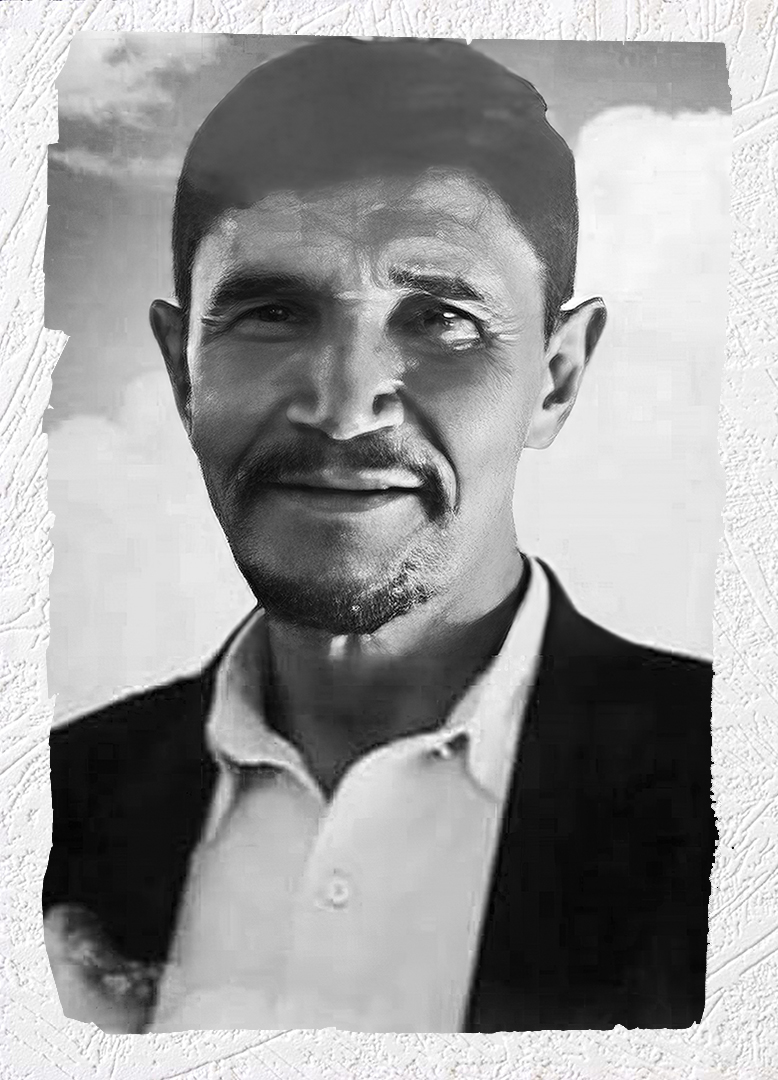
- Gender
- Male
- Ethnicity
- Hazara
- Marital Status
- Married
- District geolocation of incident
- Kabul: 34° 31′ 1″ N, 69° 8′ 60″ E
- Description of incident
Junbesh-e Roshnayi-e (The Enlightenment Movement) is a grassroots civil disobedience movement of Hazaras created in 2016 in Afghanistan in response to the Afghan government's change in routing plans for proposed international electricity networking, which was perceived as continuing historical anti-Hazara discrimination. The group organised major protests in Afghanistan and internationally during 2016 and 2017, protesting against discrimination.
Mohammad Hussain
- Photo of Victim

- Gender
- Male
- Ethnicity
- Hazara
- Marital Status
- Married
- District geolocation of incident
- Kabul: 34° 31′ 1″ N, 69° 8′ 60″ E
Sayed Mohammad Hussain Hussaini
- Photo of Victim

- Gender
- Male
- Ethnicity
- Sadat
- Marital Status
- Married
- District geolocation of incident
- Kabul: 34° 31′ 1″ N, 69° 8′ 60″ E
MirHussain Hussaini
- Photo of Victim

- Gender
- Male
- Ethnicity
- Hazara
- Marital Status
- Married
- District geolocation of incident
- Kabul: 34° 31′ 1″ N, 69° 8′ 60″ E
Chaman Ali Kamali
- Photo of Victim

- Gender
- Male
- Ethnicity
- Hazara
- Marital Status
- Married
- District geolocation of incident
- Sayyad: 35° 52′ 25″ N, 68° 25′ 51″ E
- Description of incident
On 3 August 2017, Anti-Government Elements including Taliban and local self-proclaimed Daesh/Islamic State affiliated fighters launched an attack against Mirza Olang village in Sayyad district, Sari Pul province, where fighting continued until 5 August. The village, known as ‘the gate to Sayyad’, lies deep in a long valley. Its southern entrance is near to the border of neighbouring Faryab province and is located 20 km south of the Sayyad district administrative centre. Much of the area surrounding the district administrative centre has been under control of Anti-Government Elements for more than one year.
Haji Khadim Hussain Wahidi
- Photo of Victim

- Gender
- Male
- Ethnicity
- Hazara
- Marital Status
- Married
- District geolocation of incident
- Sayyad: 35° 52′ 25″ N, 68° 25′ 51″ E
- Description of incident
On 3 August 2017, Anti-Government Elements including Taliban and local self-proclaimed Daesh/Islamic State affiliated fighters launched an attack against Mirza Olang village in Sayyad district, Sari Pul province, where fighting continued until 5 August. The village, known as ‘the gate to Sayyad’, lies deep in a long valley. Its southern entrance is near to the border of neighbouring Faryab province and is located 20 km south of the Sayyad district administrative centre. Much of the area surrounding the district administrative centre has been under control of Anti-Government Elements for more than one year.
Haji Ghulam Sakhi Kamali
- Photo of Victim

- Gender
- Male
- Ethnicity
- Hazara
- Marital Status
- Married
- District geolocation of incident
- Sayyad: 35° 52′ 25″ N, 68° 25′ 51″ E
- Description of incident
On 3 August 2017, Anti-Government Elements including Taliban and local self-proclaimed Daesh/Islamic State affiliated fighters launched an attack against Mirza Olang village in Sayyad district, Sari Pul province, where fighting continued until 5 August. The village, known as ‘the gate to Sayyad’, lies deep in a long valley. Its southern entrance is near to the border of neighbouring Faryab province and is located 20 km south of the Sayyad district administrative centre. Much of the area surrounding the district administrative centre has been under control of Anti-Government Elements for more than one year.
Haji Mohammad Anwar
- Photo of Victim

- Gender
- Male
- Ethnicity
- Hazara
- Marital Status
- Married
- District geolocation of incident
- Sayyad: 35° 52′ 25″ N, 68° 25′ 51″ E
- Description of incident
On 3 August 2017, Anti-Government Elements including Taliban and local self-proclaimed Daesh/Islamic State affiliated fighters launched an attack against Mirza Olang village in Sayyad district, Sari Pul province, where fighting continued until 5 August. The village, known as ‘the gate to Sayyad’, lies deep in a long valley. Its southern entrance is near to the border of neighbouring Faryab province and is located 20 km south of the Sayyad district administrative centre. Much of the area surrounding the district administrative centre has been under control of Anti-Government Elements for more than one year.
Sayed Musa Hussainy
- Photo of Victim
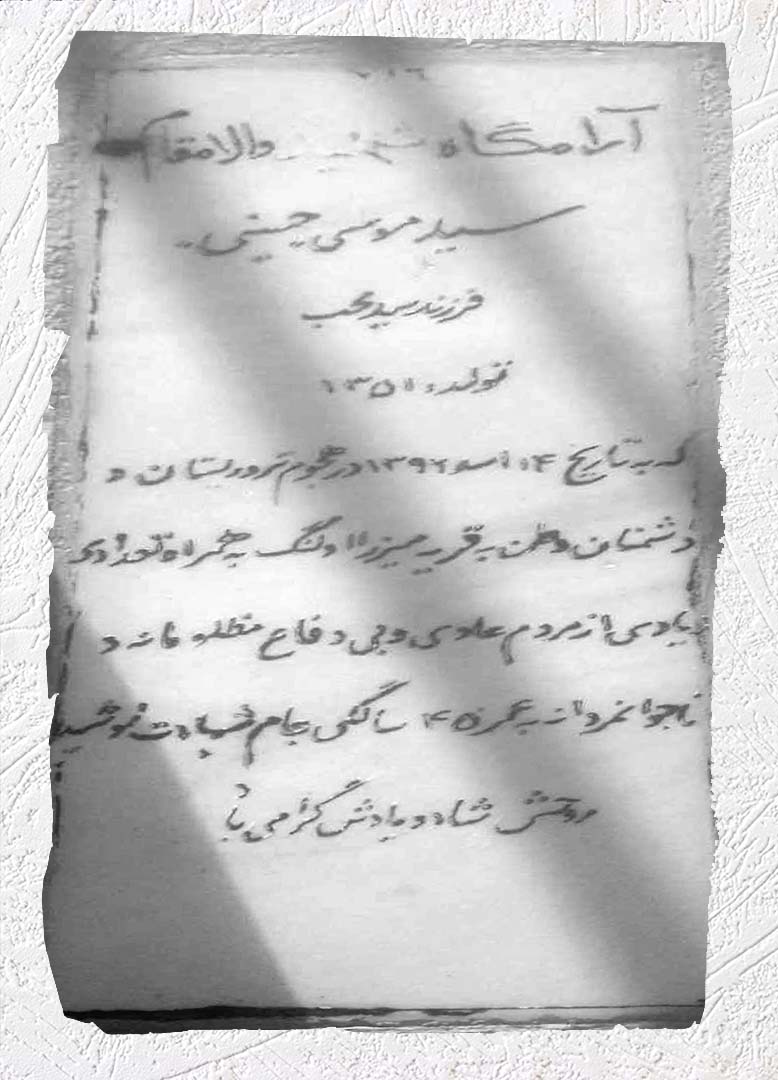
- Gender
- Male
- Ethnicity
- Sadat
- Marital Status
- Married
- District geolocation of incident
- Sayyad: 35° 52′ 25″ N, 68° 25′ 51″ E
Khalifa Musa Rafiey
- Photo of Victim

- Gender
- Male
- Ethnicity
- Hazara
- Marital Status
- Married
- District geolocation of incident
- Sayyad: 35° 52′ 25″ N, 68° 25′ 51″ E
- Description of incident
On 3 August 2017, Anti-Government Elements including Taliban and local self-proclaimed Daesh/Islamic State affiliated fighters launched an attack against Mirza Olang village in Sayyad district, Sari Pul province, where fighting continued until 5 August. The village, known as ‘the gate to Sayyad’, lies deep in a long valley. Its southern entrance is near to the border of neighbouring Faryab province and is located 20 km south of the Sayyad district administrative centre. Much of the area surrounding the district administrative centre has been under control of Anti-Government Elements for more than one year.
Sayed MirAhmad Ghafari
- Photo of Victim
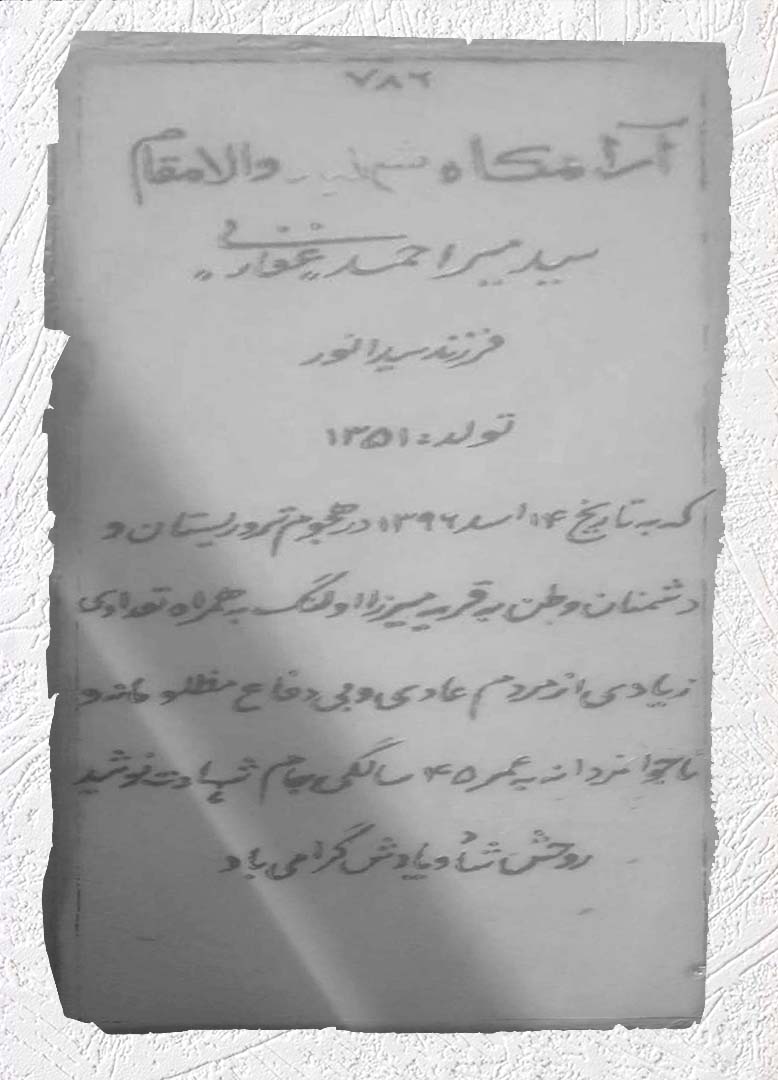
- Gender
- Male
- Ethnicity
- Sadat
- Marital Status
- Married
- District geolocation of incident
- Sayyad: 35° 52′ 25″ N, 68° 25′ 51″ E
- Description of incident
On 3 August 2017, Anti-Government Elements including Taliban and local self-proclaimed Daesh/Islamic State affiliated fighters launched an attack against Mirza Olang village in Sayyad district, Sari Pul province, where fighting continued until 5 August. The village, known as ‘the gate to Sayyad’, lies deep in a long valley. Its southern entrance is near to the border of neighbouring Faryab province and is located 20 km south of the Sayyad district administrative centre. Much of the area surrounding the district administrative centre has been under control of Anti-Government Elements for more than one year.
Khan Mohammad Nayazi
- Photo of Victim

- Gender
- Male
- Ethnicity
- Hazara
- Marital Status
- Married
- District geolocation of incident
- Sayyad: 35° 52′ 25″ N, 68° 25′ 51″ E
- Description of incident
On 3 August 2017, Anti-Government Elements including Taliban and local self-proclaimed Daesh/Islamic State affiliated fighters launched an attack against Mirza Olang village in Sayyad district, Sari Pul province, where fighting continued until 5 August. The village, known as ‘the gate to Sayyad’, lies deep in a long valley. Its southern entrance is near to the border of neighbouring Faryab province and is located 20 km south of the Sayyad district administrative centre. Much of the area surrounding the district administrative centre has been under control of Anti-Government Elements for more than one year.
Safar Mohammad Muradi
- Photo of Victim

- Gender
- Male
- Ethnicity
- Hazara
- Marital Status
- Married
- District geolocation of incident
- Sayyad: 35° 52′ 25″ N, 68° 25′ 51″ E
- Description of incident
On 3 August 2017, Anti-Government Elements including Taliban and local self-proclaimed Daesh/Islamic State affiliated fighters launched an attack against Mirza Olang village in Sayyad district, Sari Pul province, where fighting continued until 5 August. The village, known as ‘the gate to Sayyad’, lies deep in a long valley. Its southern entrance is near to the border of neighbouring Faryab province and is located 20 km south of the Sayyad district administrative centre. Much of the area surrounding the district administrative centre has been under control of Anti-Government Elements for more than one year.
Alidad Akbari
- Photo of Victim

- Gender
- Male
- Ethnicity
- Hazara
- Marital Status
- Married
- District geolocation of incident
- Sayyad: 35° 52′ 25″ N, 68° 25′ 51″ E
- Description of incident
On 3 August 2017, Anti-Government Elements including Taliban and local self-proclaimed Daesh/Islamic State affiliated fighters launched an attack against Mirza Olang village in Sayyad district, Sari Pul province, where fighting continued until 5 August. The village, known as ‘the gate to Sayyad’, lies deep in a long valley. Its southern entrance is near to the border of neighbouring Faryab province and is located 20 km south of the Sayyad district administrative centre. Much of the area surrounding the district administrative centre has been under control of Anti-Government Elements for more than one year.
Ewazby Jafari
- Photo of Victim
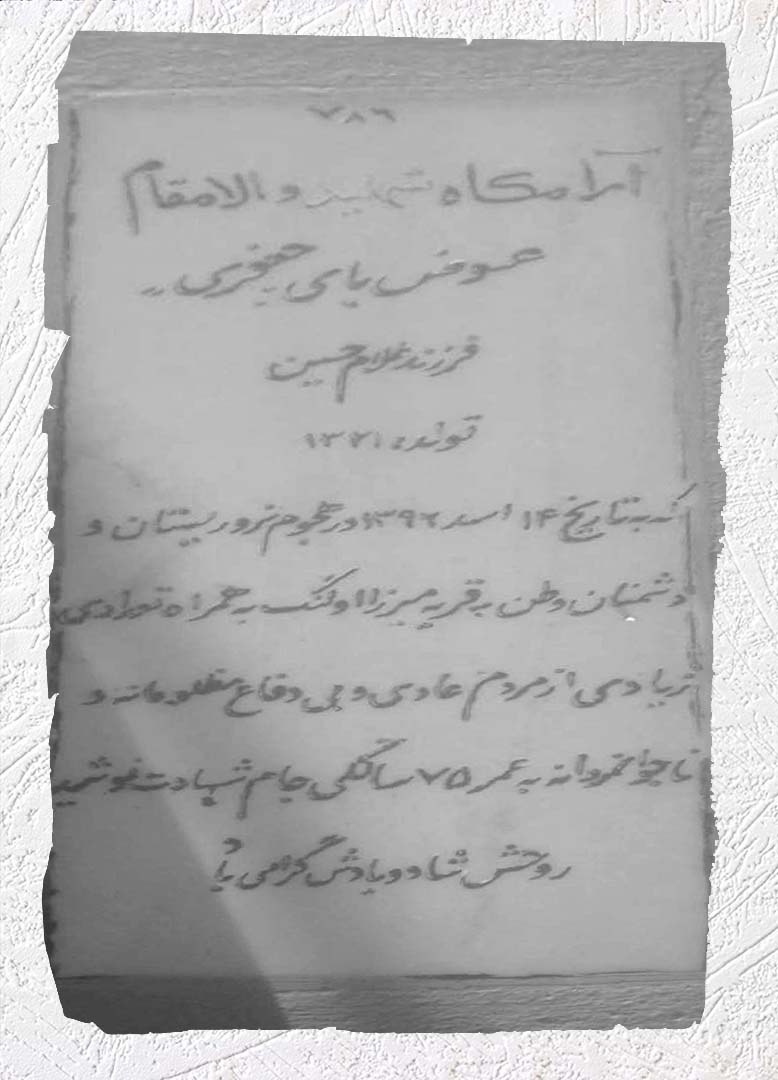
- Gender
- Male
- Ethnicity
- Hazara
- Marital Status
- Married
- District geolocation of incident
- Sayyad: 35° 52′ 25″ N, 68° 25′ 51″ E
- Description of incident
On 3 August 2017, Anti-Government Elements including Taliban and local self-proclaimed Daesh/Islamic State affiliated fighters launched an attack against Mirza Olang village in Sayyad district, Sari Pul province, where fighting continued until 5 August. The village, known as ‘the gate to Sayyad’, lies deep in a long valley. Its southern entrance is near to the border of neighbouring Faryab province and is located 20 km south of the Sayyad district administrative centre. Much of the area surrounding the district administrative centre has been under control of Anti-Government Elements for more than one year.
Ghulam Rasul Akbari
- Photo of Victim

- Gender
- Male
- Ethnicity
- Hazara
- Marital Status
- Married
- District geolocation of incident
- Sayyad: 35° 52′ 25″ N, 68° 25′ 51″ E
Ghulam Sadiqi
- Gender
- Male
- Ethnicity
- Hazara
- Marital Status
- Married
- District geolocation of incident
- Sayyad: 35° 52′ 25″ N, 68° 25′ 51″ E
M. Hussain Akbari
- Photo of Victim
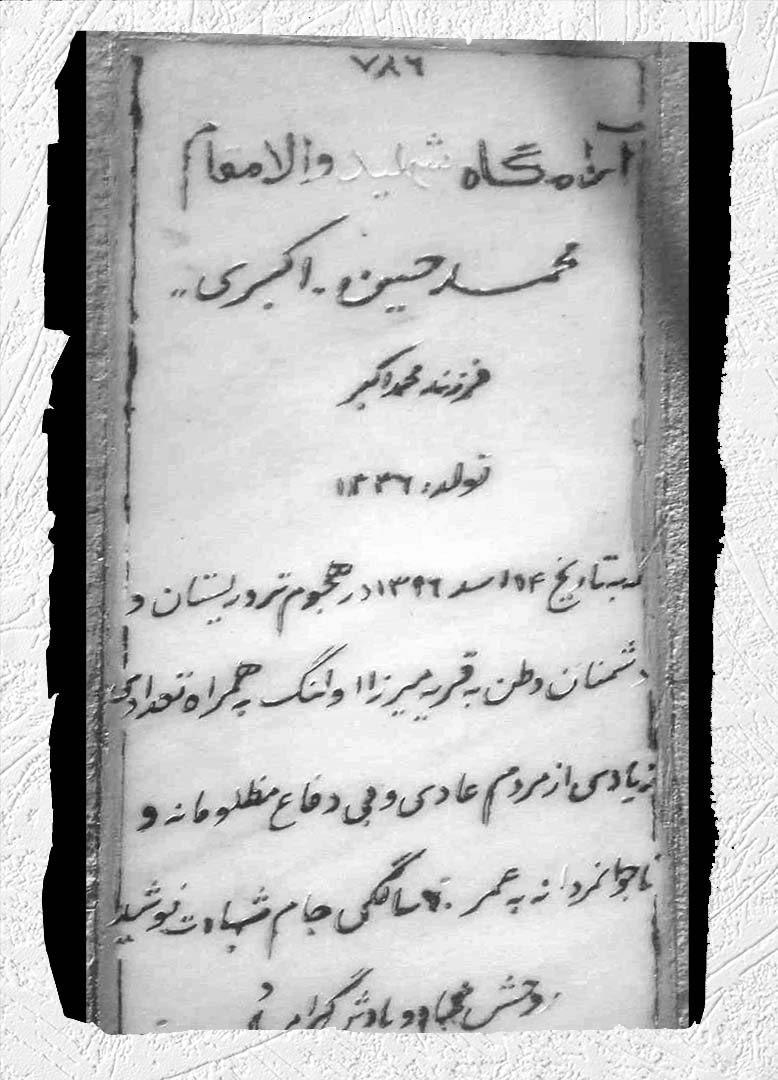
- Gender
- Male
- Ethnicity
- Hazara
- Marital Status
- Married
- District geolocation of incident
- Sayyad: 35° 52′ 25″ N, 68° 25′ 51″ E
- Description of incident
On 3 August 2017, Anti-Government Elements including Taliban and local self-proclaimed Daesh/Islamic State affiliated fighters launched an attack against Mirza Olang village in Sayyad district, Sari Pul province, where fighting continued until 5 August. The village, known as ‘the gate to Sayyad’, lies deep in a long valley. Its southern entrance is near to the border of neighbouring Faryab province and is located 20 km south of the Sayyad district administrative centre. Much of the area surrounding the district administrative centre has been under control of Anti-Government Elements for more than one year.
Mohammad Kazim Ehsani
- Photo of Victim
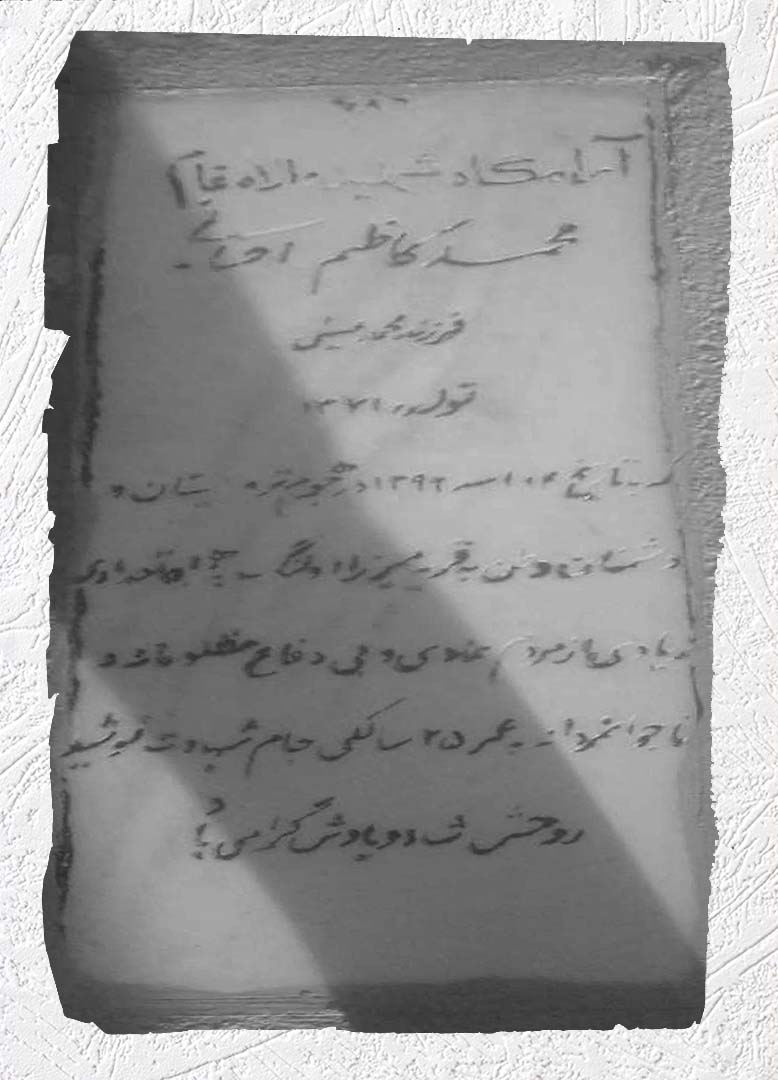
- Gender
- Male
- Ethnicity
- Hazara
- Marital Status
- Married
- District geolocation of incident
- Sayyad: 35° 52′ 25″ N, 68° 25′ 51″ E
- Description of incident
On 3 August 2017, Anti-Government Elements including Taliban and local self-proclaimed Daesh/Islamic State affiliated fighters launched an attack against Mirza Olang village in Sayyad district, Sari Pul province, where fighting continued until 5 August. The village, known as ‘the gate to Sayyad’, lies deep in a long valley. Its southern entrance is near to the border of neighbouring Faryab province and is located 20 km south of the Sayyad district administrative centre. Much of the area surrounding the district administrative centre has been under control of Anti-Government Elements for more than one year.
Nawroz Aqily
- Photo of Victim
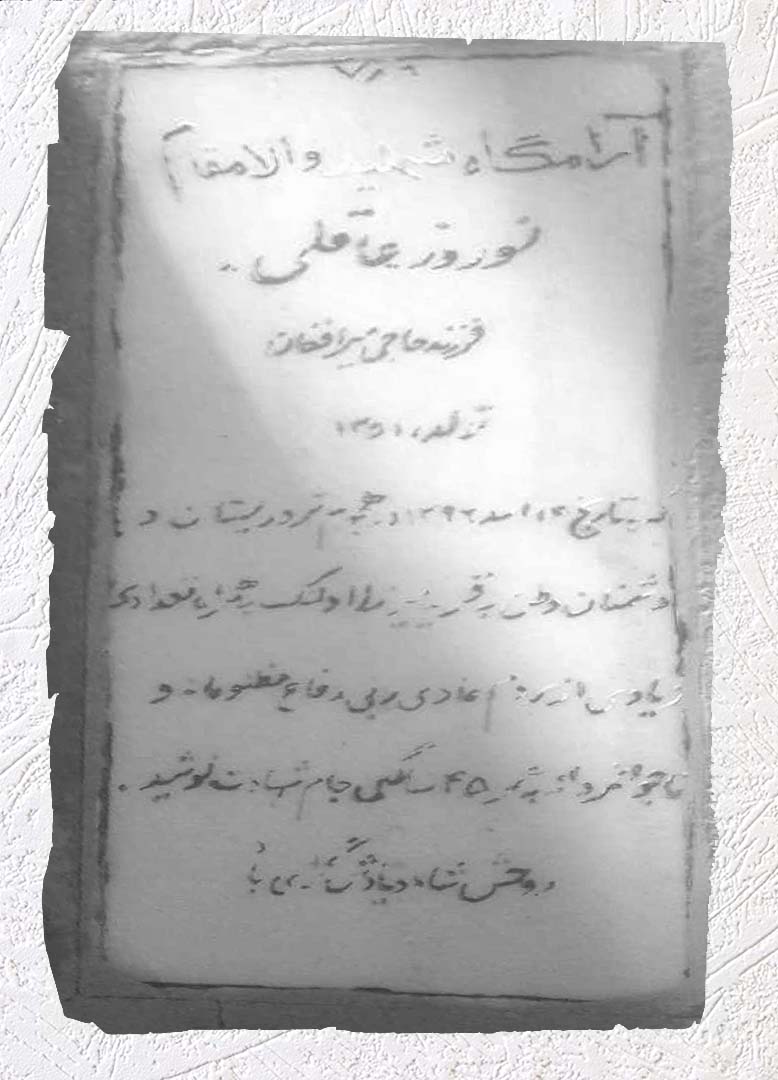
- Gender
- Male
- Ethnicity
- Hazara
- Marital Status
- Married
- District geolocation of incident
- Sayyad: 35° 52′ 25″ N, 68° 25′ 51″ E
- Description of incident
On 3 August 2017, Anti-Government Elements including Taliban and local self-proclaimed Daesh/Islamic State affiliated fighters launched an attack against Mirza Olang village in Sayyad district, Sari Pul province, where fighting continued until 5 August. The village, known as ‘the gate to Sayyad’, lies deep in a long valley. Its southern entrance is near to the border of neighbouring Faryab province and is located 20 km south of the Sayyad district administrative centre. Much of the area surrounding the district administrative centre has been under control of Anti-Government Elements for more than one year.
Nazir Sofy
- Photo of Victim

- Gender
- Male
- Ethnicity
- Hazara
- Marital Status
- Married
- District geolocation of incident
- Sayyad: 35° 52′ 25″ N, 68° 25′ 51″ E
- Description of incident
On 3 August 2017, Anti-Government Elements including Taliban and local self-proclaimed Daesh/Islamic State affiliated fighters launched an attack against Mirza Olang village in Sayyad district, Sari Pul province, where fighting continued until 5 August. The village, known as ‘the gate to Sayyad’, lies deep in a long valley. Its southern entrance is near to the border of neighbouring Faryab province and is located 20 km south of the Sayyad district administrative centre. Much of the area surrounding the district administrative centre has been under control of Anti-Government Elements for more than one year.
Nematullah Akhalaqi
- Photo of Victim

- Gender
- Male
- Ethnicity
- Hazara
- Marital Status
- Married
- District geolocation of incident
- Sayyad: 35° 52′ 25″ N, 68° 25′ 51″ E
- Description of incident
On 3 August 2017, Anti-Government Elements including Taliban and local self-proclaimed Daesh/Islamic State affiliated fighters launched an attack against Mirza Olang village in Sayyad district, Sari Pul province, where fighting continued until 5 August. The village, known as ‘the gate to Sayyad’, lies deep in a long valley. Its southern entrance is near to the border of neighbouring Faryab province and is located 20 km south of the Sayyad district administrative centre. Much of the area surrounding the district administrative centre has been under control of Anti-Government Elements for more than one year.
Khair Mohammad
- Photo of Victim

- Gender
- Male
- Ethnicity
- Hazara
- Marital Status
- Married
- District geolocation of incident
- Mazar-e Sharif: 36° 41′ 38″ N, 67° 6′ 48″ E
Sayed Timor
- Photo of Victim

- Gender
- Male
- Ethnicity
- Sadat
- Marital Status
- Married
- District geolocation of incident
- Sayyad: 35° 52′ 25″ N, 68° 25′ 51″ E
- Description of incident
On 3 August 2017, Anti-Government Elements including Taliban and local self-proclaimed Daesh/Islamic State affiliated fighters launched an attack against Mirza Olang village in Sayyad district, Sari Pul province, where fighting continued until 5 August. The village, known as ‘the gate to Sayyad’, lies deep in a long valley. Its southern entrance is near to the border of neighbouring Faryab province and is located 20 km south of the Sayyad district administrative centre. Much of the area surrounding the district administrative centre has been under control of Anti-Government Elements for more than one year.
Gholam Hassan
- Photo of Victim

- Gender
- Male
- Ethnicity
- Hazara
- Marital Status
- Married
- District geolocation of incident
- Mazar-e Sharif: 36° 41′ 38″ N, 67° 6′ 48″ E
Sher Shah Khushkai
- Photo of Victim

- Gender
- Male
- Ethnicity
- Tajik
- Marital Status
- Married
- District geolocation of incident
- Kabul: 34° 31′ 1″ N, 69° 8′ 60″ E
Dr. Tahir Sharifi
- Photo of Victim

- Gender
- Male
- Ethnicity
- Hazara
- Marital Status
- Married
- District geolocation of incident
- Kabul: 34° 31′ 1″ N, 69° 8′ 60″ E
Hanifa
- Photo of Victim

- Gender
- Female
- Ethnicity
- Hazara
- Marital Status
- Married
- District geolocation of incident
- Kabul: 34° 31′ 1″ N, 69° 8′ 60″ E
Sha Ewaz Ebrahimi
- Photo of Victim

- Gender
- Male
- Ethnicity
- Sadat
- Marital Status
- Married
- District geolocation of incident
- Kabul: 34° 31′ 1″ N, 69° 8′ 60″ E
Mohammad Hashim Barati
- Photo of Victim

- Gender
- Male
- Ethnicity
- Hazara
- Marital Status
- Married
- District geolocation of incident
- Kabul: 34° 31′ 1″ N, 69° 8′ 60″ E
Sara Yosofi
- Photo of Victim

- Gender
- Female
- Ethnicity
- Hazara
- Marital Status
- Married
- District geolocation of incident
- Kabul: 34° 31′ 1″ N, 69° 8′ 60″ E
Esmaeal
- Photo of Victim

- Gender
- Male
- Ethnicity
- Sadat
- Marital Status
- Married
- District geolocation of incident
- Yakawlang: 34° 44′ 50″ N, 66° 56′ 40″ E
- Description of incident
On January 7, 2001, the Taliban attacked the Yakaolang district of Bamiyan province and massacred hundreds of Hazara civilians. Many of those who managed to escape and take refuge on the mountains froze to death. On the 8th of January, Taliban members began a house-to-house search across the district. The massacre of Hazaras continued through the 9th, 10th, 11th, and 12th of January. At least 300 Hazaras were either summerly executed or deliberately killed by the Taliban.
Sayed Esmaeal
- Photo of Victim

- Gender
- Male
- Ethnicity
- Sadat
- Marital Status
- Married
- District geolocation of incident
- Yakawlang: 34° 44′ 50″ N, 66° 56′ 40″ E
- Description of incident
On January 7, 2001, the Taliban attacked the Yakaolang district of Bamiyan province and massacred hundreds of Hazara civilians. Many of those who managed to escape and take refuge on the mountains froze to death. On the 8th of January, Taliban members began a house-to-house search across the district. The massacre of Hazaras continued through the 9th, 10th, 11th, and 12th of January. At least 300 Hazaras were either summerly executed or deliberately killed by the Taliban.
Sayed Mohammad
- Photo of Victim

- Gender
- Male
- Ethnicity
- Sadat
- Marital Status
- Married
- District geolocation of incident
- Yakawlang: 34° 44′ 50″ N, 66° 56′ 40″ E
- Description of incident
On January 7, 2001, the Taliban attacked the Yakaolang district of Bamiyan province and massacred hundreds of Hazara civilians. Many of those who managed to escape and take refuge on the mountains froze to death. On the 8th of January, Taliban members began a house-to-house search across the district. The massacre of Hazaras continued through the 9th, 10th, 11th, and 12th of January. At least 300 Hazaras were either summerly executed or deliberately killed by the Taliban.
Sayed Mohammad Ali
- Photo of Victim

- Gender
- Male
- Ethnicity
- Sadat
- Marital Status
- Married
- District geolocation of incident
- Yakawlang: 34° 44′ 50″ N, 66° 56′ 40″ E
- Description of incident
On January 7, 2001, the Taliban attacked the Yakaolang district of Bamiyan province and massacred hundreds of Hazara civilians. Many of those who managed to escape and take refuge on the mountains froze to death. On the 8th of January, Taliban members began a house-to-house search across the district. The massacre of Hazaras continued through the 9th, 10th, 11th, and 12th of January. At least 300 Hazaras were either summerly executed or deliberately killed by the Taliban.
Chaman Hussain
- Photo of Victim

- Gender
- Male
- Ethnicity
- Hazara
- Marital Status
- Married
- District geolocation of incident
- Kabul: 34° 31′ 1″ N, 69° 8′ 60″ E
- Description of incident
A suicide bomber has blown himself up inside a Shia Mosque in the Afghan capital Kabul, killing at least 53 people and wounding dozens of others. The explosion happened at the Baqir-ul-uloom mosque in the Darul Aman area as people gathered to mark the end of an important religious period.
Ramazan Hussaini
- Photo of Victim

- Gender
- Male
- Ethnicity
- Hazara
- Marital Status
- Married
- District geolocation of incident
- Kabul: 34° 31′ 1″ N, 69° 8′ 60″ E
- Description of incident
A suicide bomber has blown himself up inside a Shia Mosque in the Afghan capital Kabul, killing at least 53 people and wounding dozens of others. The explosion happened at the Baqir-ul-uloom mosque in the Darul Aman area as people gathered to mark the end of an important religious period.
Sayed Aghasha Alawi
- Photo of Victim

- Gender
- Male
- Ethnicity
- Sadat
- Marital Status
- Married
- District geolocation of incident
- Kabul: 34° 31′ 1″ N, 69° 8′ 60″ E
- Description of incident
A suicide bomber has blown himself up inside a Shia Mosque in the Afghan capital Kabul, killing at least 53 people and wounding dozens of others. The explosion happened at the Baqir-ul-uloom mosque in the Darul Aman area as people gathered to mark the end of an important religious period.
Sayed Jalil Anwari
- Photo of Victim

- Gender
- Male
- Ethnicity
- Sadat
- Marital Status
- Married
- District geolocation of incident
- Kabul: 34° 31′ 1″ N, 69° 8′ 60″ E
- Description of incident
A suicide bomber has blown himself up inside a Shia Mosque in the Afghan capital Kabul, killing at least 53 people and wounding dozens of others. The explosion happened at the Baqir-ul-uloom mosque in the Darul Aman area as people gathered to mark the end of an important religious period.
Sayed Khodadad Hashimi
- Photo of Victim

- Gender
- Male
- Ethnicity
- Sadat
- Marital Status
- Married
- District geolocation of incident
- Kabul: 34° 31′ 1″ N, 69° 8′ 60″ E
- Description of incident
A suicide bomber has blown himself up inside a Shia Mosque in the Afghan capital Kabul, killing at least 53 people and wounding dozens of others. The explosion happened at the Baqir-ul-uloom mosque in the Darul Aman area as people gathered to mark the end of an important religious period.
HussianDad Nikzad
- Photo of Victim

- Gender
- Male
- Ethnicity
- Hazara
- Marital Status
- Married
- District geolocation of incident
- Kabul: 34° 31′ 1″ N, 69° 8′ 60″ E
- Description of incident
A suicide bomber has blown himself up inside a Shia Mosque in the Afghan capital Kabul, killing at least 53 people and wounding dozens of others. The explosion happened at the Baqir-ul-uloom mosque in the Darul Aman area as people gathered to mark the end of an important religious period.
Jumakhan Ataee
- Photo of Victim
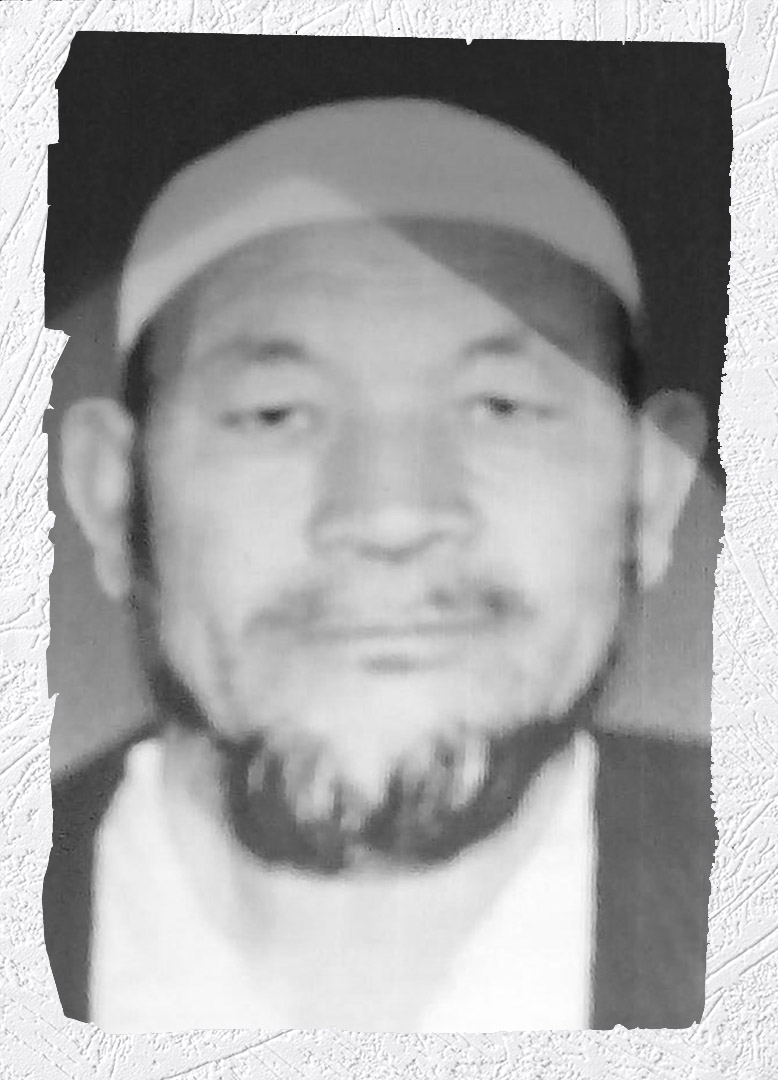
- Gender
- Male
- Ethnicity
- Hazara
- Marital Status
- Married
- District geolocation of incident
- Kabul: 34° 31′ 1″ N, 69° 8′ 60″ E
- Description of incident
A suicide bomber has blown himself up inside a Shia Mosque in the Afghan capital Kabul, killing at least 53 people and wounding dozens of others. The explosion happened at the Baqir-ul-uloom mosque in the Darul Aman area as people gathered to mark the end of an important religious period.
Sayed DelAgha Anwari
- Photo of Victim

- Gender
- Male
- Ethnicity
- Sadat
- Marital Status
- Married
- District geolocation of incident
- Kabul: 34° 31′ 1″ N, 69° 8′ 60″ E
- Description of incident
A suicide bomber has blown himself up inside a Shia Mosque in the Afghan capital Kabul, killing at least 53 people and wounding dozens of others. The explosion happened at the Baqir-ul-uloom mosque in the Darul Aman area as people gathered to mark the end of an important religious period.
Azizullah Haidari
- Photo of Victim

- Gender
- Male
- Ethnicity
- Hazara
- Marital Status
- Married
- District geolocation of incident
- Kabul: 34° 31′ 1″ N, 69° 8′ 60″ E
- Description of incident
A suicide bomber has blown himself up inside a Shia Mosque in the Afghan capital Kabul, killing at least 53 people and wounding dozens of others. The explosion happened at the Baqir-ul-uloom mosque in the Darul Aman area as people gathered to mark the end of an important religious period.
Ali Ahmad Parsa
- Photo of Victim

- Gender
- Male
- Ethnicity
- Hazara
- Marital Status
- Married
- District geolocation of incident
- Kabul: 34° 31′ 1″ N, 69° 8′ 60″ E
- Description of incident
A suicide bomber has blown himself up inside a Shia Mosque in the Afghan capital Kabul, killing at least 53 people and wounding dozens of others. The explosion happened at the Baqir-ul-uloom mosque in the Darul Aman area as people gathered to mark the end of an important religious period.
Karbalaee Rasoldad
- Photo of Victim

- Gender
- Male
- Ethnicity
- Hazara
- Marital Status
- Married
- District geolocation of incident
- Kabul: 34° 31′ 1″ N, 69° 8′ 60″ E
- Description of incident
A suicide bomber has blown himself up inside a Shia Mosque in the Afghan capital Kabul, killing at least 53 people and wounding dozens of others. The explosion happened at the Baqir-ul-uloom mosque in the Darul Aman area as people gathered to mark the end of an important religious period.
Mohsin
- Photo of Victim

- Gender
- Male
- Ethnicity
- Hazara
- Marital Status
- Married
- District geolocation of incident
- Kabul: 34° 31′ 1″ N, 69° 8′ 60″ E
- Description of incident
A suicide bomber has blown himself up inside a Shia Mosque in the Afghan capital Kabul, killing at least 53 people and wounding dozens of others. The explosion happened at the Baqir-ul-uloom mosque in the Darul Aman area as people gathered to mark the end of an important religious period.
Mohammad Yonos Rezaee
- Photo of Victim

- Gender
- Male
- Ethnicity
- Hazara
- Marital Status
- Married
- District geolocation of incident
- Kabul: 34° 31′ 1″ N, 69° 8′ 60″ E
- Description of incident
A suicide bomber has blown himself up inside a Shia Mosque in the Afghan capital Kabul, killing at least 53 people and wounding dozens of others. The explosion happened at the Baqir-ul-uloom mosque in the Darul Aman area as people gathered to mark the end of an important religious period.
Hamida Barmaki
- Photo of Victim

- Gender
- Female
- Ethnicity
- Tajik
- Marital Status
- Married
- District geolocation of incident
- Kabul: 34° 31′ 1″ N, 69° 8′ 60″ EAjristan: 33° 49′ 11″ N, 67° 12′ 53″ E
- Description of incident
On January 28, 2011, Hamida Barmaki, her husband Masoud Yama (1965), a doctor at Sardar Mohammad Daud Khan Hospital and an employee of the Ministry of Finance, along with their four children, Narun Dunya (1997), Vira Sahar (1998), Marghna Nila (2000) ) and Ahmad Bilal (2007) died in a suicide attack in Finest Supermarket in Kabul.
Mohib Ali
- Photo of Victim
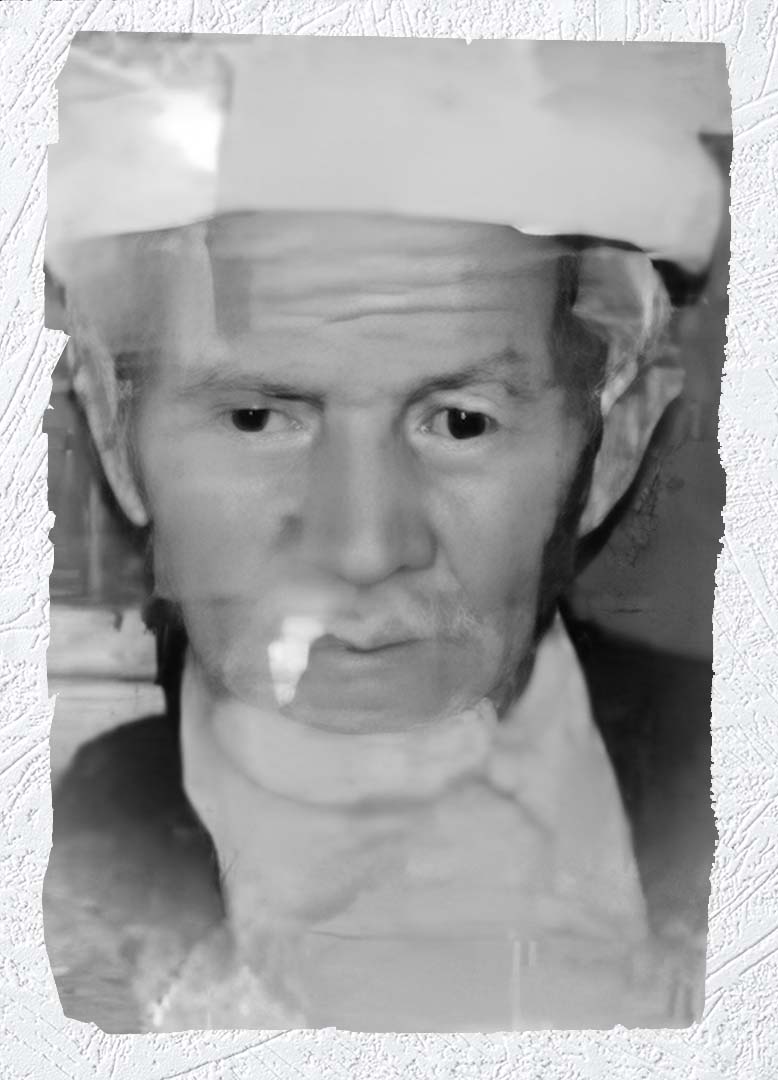
- Gender
- Male
- Ethnicity
- Hazara
- Marital Status
- Married
- District geolocation of incident
- Arghandab: 31° 39′ 3″ N, 65° 38′ 59″ E
- Description of incident
The hostage taking of seven Hazara passengers and then beheading them on November 9, 2015 by Daesh took place in Zabul province located in the southeast of Afghanistan. Shukria Tabssum, a 9-year-old Hazara child, was also a victim of this massacre.
Rahmatullah Nikzad
- Photo of Victim

- Gender
- Male
- Ethnicity
- Tajik
- Marital Status
- Married
- District geolocation of incident
- Ghazni City: 33° 33′ 13″ N, 68° 25′ 50″ E
- Description of incident
Rahmatullah Nikzad, a freelance journalist, was killed in Ghazni province in southern Afghanistan, this evening (December 21, 2020) as a result of shooting by unknown gunmen.
Yarmohammad Tokhi
- Photo of Victim

- Gender
- Male
- Ethnicity
- Tajik
- Marital Status
- Married
- District geolocation of incident
- Kabul: 34° 31′ 1″ N, 69° 8′ 60″ E
- Description of incident
Two deadly terrorist attacks attributed to the ISIS group in Kabul on April 30, 2018 left 26 dead and 49 injured, marking the deadliest attack on journalists in the past fifteen years in Afghanistan. These attacks took place in the Sheshderak area of the 9th police district of Kabul city.
Shamiri Faizi
- Photo of Victim
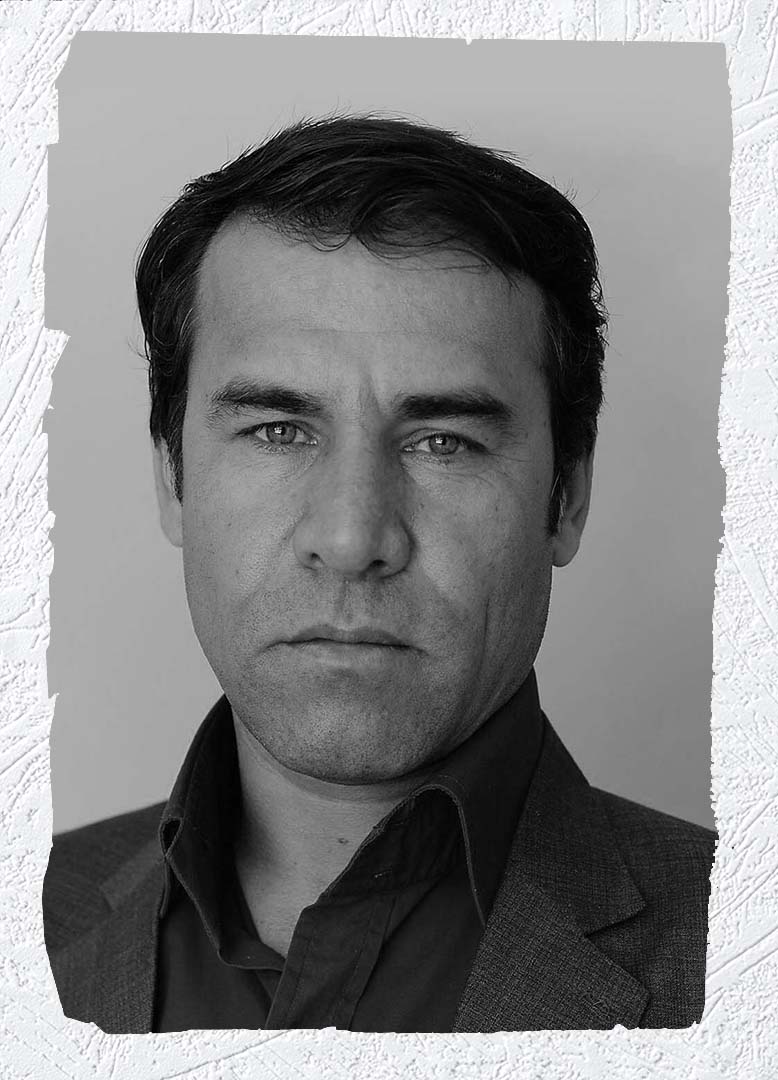
- Gender
- Male
- Ethnicity
- Tajik
- Marital Status
- Married
- District geolocation of incident
- Kabul: 34° 31′ 1″ N, 69° 8′ 60″ E
- Description of incident
Two deadly terrorist attacks attributed to the ISIS group in Kabul on April 30, 2018 left 26 dead and 49 injured, marking the deadliest attack on journalists in the past fifteen years in Afghanistan. These attacks took place in the Sheshderak area of the 9th police district of Kabul city.
Nawroz Ali Rajabi
- Photo of Victim

- Gender
- Male
- Ethnicity
- Hazara
- Marital Status
- Married
- District geolocation of incident
- Kabul: 34° 31′ 1″ N, 69° 8′ 60″ E
- Description of incident
Two deadly terrorist attacks attributed to the ISIS group in Kabul on April 30, 2018 left 26 dead and 49 injured, marking the deadliest attack on journalists in the past fifteen years in Afghanistan. These attacks took place in the Sheshderak area of the 9th police district of Kabul city.
Ebadullah Hannanzai
- Photo of Victim

- Gender
- Male
- Ethnicity
- Pashtun
- Marital Status
- Married
- District geolocation of incident
- Kabul: 34° 31′ 1″ N, 69° 8′ 60″ E
- Description of incident
Two deadly terrorist attacks attributed to the ISIS group in Kabul on April 30, 2018 left 26 dead and 49 injured, marking the deadliest attack on journalists in the past fifteen years in Afghanistan. These attacks took place in the Sheshderak area of the 9th police district of Kabul city.
Sabawon Kakar
- Photo of Victim

- Gender
- Male
- Ethnicity
- Pashtun
- Marital Status
- Married
- District geolocation of incident
- Kabul: 34° 31′ 1″ N, 69° 8′ 60″ E
- Description of incident
Two deadly terrorist attacks attributed to the ISIS group in Kabul on April 30, 2018 left 26 dead and 49 injured, marking the deadliest attack on journalists in the past fifteen years in Afghanistan. These attacks took place in the Sheshderak area of the 9th police district of Kabul city.
Sayed Mohammad Hassan
- Photo of Victim

- Gender
- Male
- Ethnicity
- Sadat
- Marital Status
- Married
- District geolocation of incident
- Yakawlang: 34° 44′ 50″ N, 66° 56′ 40″ E
- Description of incident
On January 7, 2001, the Taliban attacked the Yakaolang district of Bamiyan province and massacred hundreds of Hazara civilians. Many of those who managed to escape and take refuge on the mountains froze to death. On the 8th of January, Taliban members began a house-to-house search across the district. The massacre of Hazaras continued through the 9th, 10th, 11th, and 12th of January. At least 300 Hazaras were either summerly executed or deliberately killed by the Taliban.
Sayed Ayob Khan
- Photo of Victim

- Gender
- Male
- Ethnicity
- Sadat
- Marital Status
- Married
- District geolocation of incident
- Yakawlang: 34° 44′ 50″ N, 66° 56′ 40″ E
- Description of incident
On January 7, 2001, the Taliban attacked the Yakaolang district of Bamiyan province and massacred hundreds of Hazara civilians. Many of those who managed to escape and take refuge on the mountains froze to death. On the 8th of January, Taliban members began a house-to-house search across the district. The massacre of Hazaras continued through the 9th, 10th, 11th, and 12th of January. At least 300 Hazaras were either summerly executed or deliberately killed by the Taliban.
Sayed Habib
- Photo of Victim

- Gender
- Male
- Ethnicity
- Sadat
- Marital Status
- Married
- District geolocation of incident
- Yakawlang: 34° 44′ 50″ N, 66° 56′ 40″ E
- Description of incident
On January 7, 2001, the Taliban attacked the Yakaolang district of Bamiyan province and massacred hundreds of Hazara civilians. Many of those who managed to escape and take refuge on the mountains froze to death. On the 8th of January, Taliban members began a house-to-house search across the district. The massacre of Hazaras continued through the 9th, 10th, 11th, and 12th of January. At least 300 Hazaras were either summerly executed or deliberately killed by the Taliban.
Sayed Mahdi
- Photo of Victim

- Gender
- Male
- Ethnicity
- Sadat
- Marital Status
- Married
- District geolocation of incident
- Yakawlang: 34° 44′ 50″ N, 66° 56′ 40″ E
- Description of incident
On January 7, 2001, the Taliban attacked the Yakaolang district of Bamiyan province and massacred hundreds of Hazara civilians. Many of those who managed to escape and take refuge on the mountains froze to death. On the 8th of January, Taliban members began a house-to-house search across the district. The massacre of Hazaras continued through the 9th, 10th, 11th, and 12th of January. At least 300 Hazaras were either summerly executed or deliberately killed by the Taliban.
Sayed Hussain
- Photo of Victim

- Gender
- Male
- Ethnicity
- Sadat
- Marital Status
- Married
- District geolocation of incident
- Yakawlang: 34° 44′ 50″ N, 66° 56′ 40″ E
- Description of incident
On January 7, 2001, the Taliban attacked the Yakaolang district of Bamiyan province and massacred hundreds of Hazara civilians. Many of those who managed to escape and take refuge on the mountains froze to death. On the 8th of January, Taliban members began a house-to-house search across the district. The massacre of Hazaras continued through the 9th, 10th, 11th, and 12th of January. At least 300 Hazaras were either summerly executed or deliberately killed by the Taliban.
Sayed Dawod
- Photo of Victim

- Gender
- Male
- Ethnicity
- Sadat
- Marital Status
- Married
- District geolocation of incident
- Yakawlang: 34° 44′ 50″ N, 66° 56′ 40″ E
- Description of incident
On January 7, 2001, the Taliban attacked the Yakaolang district of Bamiyan province and massacred hundreds of Hazara civilians. Many of those who managed to escape and take refuge on the mountains froze to death. On the 8th of January, Taliban members began a house-to-house search across the district. The massacre of Hazaras continued through the 9th, 10th, 11th, and 12th of January. At least 300 Hazaras were either summerly executed or deliberately killed by the Taliban.
Abdullah
- Photo of Victim

- Gender
- Male
- Ethnicity
- Sadat
- Marital Status
- Married
- District geolocation of incident
- Yakawlang: 34° 44′ 50″ N, 66° 56′ 40″ E
- Description of incident
On January 7, 2001, the Taliban attacked the Yakaolang district of Bamiyan province and massacred hundreds of Hazara civilians. Many of those who managed to escape and take refuge on the mountains froze to death. On the 8th of January, Taliban members began a house-to-house search across the district. The massacre of Hazaras continued through the 9th, 10th, 11th, and 12th of January. At least 300 Hazaras were either summerly executed or deliberately killed by the Taliban.
Sayed Haji Esmaeal
- Photo of Victim

- Gender
- Male
- Ethnicity
- Sadat
- Marital Status
- Married
- District geolocation of incident
- Yakawlang: 34° 44′ 50″ N, 66° 56′ 40″ E
- Description of incident
On January 7, 2001, the Taliban attacked the Yakaolang district of Bamiyan province and massacred hundreds of Hazara civilians. Many of those who managed to escape and take refuge on the mountains froze to death. On the 8th of January, Taliban members began a house-to-house search across the district. The massacre of Hazaras continued through the 9th, 10th, 11th, and 12th of January. At least 300 Hazaras were either summerly executed or deliberately killed by the Taliban.
Sayed Reza
- Photo of Victim

- Gender
- Male
- Ethnicity
- Sadat
- Marital Status
- Married
- District geolocation of incident
- Yakawlang: 34° 44′ 50″ N, 66° 56′ 40″ E
- Description of incident
On January 7, 2001, the Taliban attacked the Yakaolang district of Bamiyan province and massacred hundreds of Hazara civilians. Many of those who managed to escape and take refuge on the mountains froze to death. On the 8th of January, Taliban members began a house-to-house search across the district. The massacre of Hazaras continued through the 9th, 10th, 11th, and 12th of January. At least 300 Hazaras were either summerly executed or deliberately killed by the Taliban.
Sayed Sarwar
- Photo of Victim

- Gender
- Male
- Ethnicity
- Sadat
- Marital Status
- Married
- District geolocation of incident
- Yakawlang: 34° 44′ 50″ N, 66° 56′ 40″ E
- Description of incident
On January 7, 2001, the Taliban attacked the Yakaolang district of Bamiyan province and massacred hundreds of Hazara civilians. Many of those who managed to escape and take refuge on the mountains froze to death. On the 8th of January, Taliban members began a house-to-house search across the district. The massacre of Hazaras continued through the 9th, 10th, 11th, and 12th of January. At least 300 Hazaras were either summerly executed or deliberately killed by the Taliban.
Sayed Azim
- Photo of Victim

- Gender
- Male
- Ethnicity
- Sadat
- Marital Status
- Married
- District geolocation of incident
- Yakawlang: 34° 44′ 50″ N, 66° 56′ 40″ E
- Description of incident
On January 7, 2001, the Taliban attacked the Yakaolang district of Bamiyan province and massacred hundreds of Hazara civilians. Many of those who managed to escape and take refuge on the mountains froze to death. On the 8th of January, Taliban members began a house-to-house search across the district. The massacre of Hazaras continued through the 9th, 10th, 11th, and 12th of January. At least 300 Hazaras were either summerly executed or deliberately killed by the Taliban.
- Declaratory Statement
On January 7, 2001, the Taliban attacked the Yakaolang district of Bamiyan province and massacred hundreds of Hazara civilians. Many of those who managed to escape and take refuge on the mountains froze to death. On the 8th of January, Taliban members began a house-to-house search across the district. The massacre of Hazaras continued through the 9th, 10th, 11th, and 12th of January. At least 300 Hazaras were either summerly executed or deliberately killed by the Taliban.
Sayed Nabi.jpg
- Photo of Victim

- Gender
- Male
- Ethnicity
- Sadat
- Marital Status
- Married
- District geolocation of incident
- Yakawlang: 34° 44′ 50″ N, 66° 56′ 40″ E
- Description of incident
On January 7, 2001, the Taliban attacked the Yakaolang district of Bamiyan province and massacred hundreds of Hazara civilians. Many of those who managed to escape and take refuge on the mountains froze to death. On the 8th of January, Taliban members began a house-to-house search across the district. The massacre of Hazaras continued through the 9th, 10th, 11th, and 12th of January. At least 300 Hazaras were either summerly executed or deliberately killed by the Taliban.
- Declaratory Statement
On January 7, 2001, the Taliban attacked the Yakaolang district of Bamiyan province and massacred hundreds of Hazara civilians. Many of those who managed to escape and take refuge on the mountains froze to death. On the 8th of January, Taliban members began a house-to-house search across the district. The massacre of Hazaras continued through the 9th, 10th, 11th, and 12th of January. At least 300 Hazaras were either summerly executed or deliberately killed by the Taliban.
Sayed Mosa
- Photo of Victim

- Gender
- Male
- Ethnicity
- Sadat
- Marital Status
- Married
- District geolocation of incident
- Yakawlang: 34° 44′ 50″ N, 66° 56′ 40″ E
- Description of incident
On January 7, 2001, the Taliban attacked the Yakaolang district of Bamiyan province and massacred hundreds of Hazara civilians. Many of those who managed to escape and take refuge on the mountains froze to death. On the 8th of January, Taliban members began a house-to-house search across the district. The massacre of Hazaras continued through the 9th, 10th, 11th, and 12th of January. At least 300 Hazaras were either summerly executed or deliberately killed by the Taliban.
Sayed Naser
- Photo of Victim

- Gender
- Male
- Ethnicity
- Sadat
- Marital Status
- Married
- District geolocation of incident
- Yakawlang: 34° 44′ 50″ N, 66° 56′ 40″ E
- Description of incident
On January 7, 2001, the Taliban attacked the Yakaolang district of Bamiyan province and massacred hundreds of Hazara civilians. Many of those who managed to escape and take refuge on the mountains froze to death. On the 8th of January, Taliban members began a house-to-house search across the district. The massacre of Hazaras continued through the 9th, 10th, 11th, and 12th of January. At least 300 Hazaras were either summerly executed or deliberately killed by the Taliban.
Sayed Hashim
- Photo of Victim

- Gender
- Male
- Ethnicity
- Sadat
- Marital Status
- Married
- District geolocation of incident
- Yakawlang: 34° 44′ 50″ N, 66° 56′ 40″ E
- Description of incident
On January 7, 2001, the Taliban attacked the Yakaolang district of Bamiyan province and massacred hundreds of Hazara civilians. Many of those who managed to escape and take refuge on the mountains froze to death. On the 8th of January, Taliban members began a house-to-house search across the district. The massacre of Hazaras continued through the 9th, 10th, 11th, and 12th of January. At least 300 Hazaras were either summerly executed or deliberately killed by the Taliban.
Sayed Dawod
- Photo of Victim

- Gender
- Male
- Ethnicity
- Sadat
- Marital Status
- Married
- District geolocation of incident
- Yakawlang: 34° 44′ 50″ N, 66° 56′ 40″ E
- Description of incident
On January 7, 2001, the Taliban attacked the Yakaolang district of Bamiyan province and massacred hundreds of Hazara civilians. Many of those who managed to escape and take refuge on the mountains froze to death. On the 8th of January, Taliban members began a house-to-house search across the district. The massacre of Hazaras continued through the 9th, 10th, 11th, and 12th of January. At least 300 Hazaras were either summerly executed or deliberately killed by the Taliban.
Sayed AnwarSha Hussaini
- Photo of Victim

- Gender
- Male
- Ethnicity
- Sadat
- Marital Status
- Married
- District geolocation of incident
- Yakawlang: 34° 44′ 50″ N, 66° 56′ 40″ E
- Description of incident
On January 7, 2001, the Taliban attacked the Yakaolang district of Bamiyan province and massacred hundreds of Hazara civilians. Many of those who managed to escape and take refuge on the mountains froze to death. On the 8th of January, Taliban members began a house-to-house search across the district. The massacre of Hazaras continued through the 9th, 10th, 11th, and 12th of January. At least 300 Hazaras were either summerly executed or deliberately killed by the Taliban.
Sayed Azizullah Akhlaqi
- Photo of Victim

- Gender
- Male
- Ethnicity
- Sadat
- Marital Status
- Married
- District geolocation of incident
- Yakawlang: 34° 44′ 50″ N, 66° 56′ 40″ E
- Description of incident
On January 7, 2001, the Taliban attacked the Yakaolang district of Bamiyan province and massacred hundreds of Hazara civilians. Many of those who managed to escape and take refuge on the mountains froze to death. On the 8th of January, Taliban members began a house-to-house search across the district. The massacre of Hazaras continued through the 9th, 10th, 11th, and 12th of January. At least 300 Hazaras were either summerly executed or deliberately killed by the Taliban.
Mohammad Zawar
- Photo of Victim

- Gender
- Male
- Ethnicity
- Hazara
- Marital Status
- Married
- District geolocation of incident
- Yakawlang: 34° 44′ 50″ N, 66° 56′ 40″ E
- Description of incident
On January 7, 2001, the Taliban attacked the Yakaolang district of Bamiyan province and massacred hundreds of Hazara civilians. Many of those who managed to escape and take refuge on the mountains froze to death. On the 8th of January, Taliban members began a house-to-house search across the district. The massacre of Hazaras continued through the 9th, 10th, 11th, and 12th of January. At least 300 Hazaras were either summerly executed or deliberately killed by the Taliban.
Khodadad
- Photo of Victim

- Gender
- Male
- Ethnicity
- Hazara
- Marital Status
- Married
- District geolocation of incident
- Yakawlang: 34° 44′ 50″ N, 66° 56′ 40″ E
- Description of incident
On January 7, 2001, the Taliban attacked the Yakaolang district of Bamiyan province and massacred hundreds of Hazara civilians. Many of those who managed to escape and take refuge on the mountains froze to death. On the 8th of January, Taliban members began a house-to-house search across the district. The massacre of Hazaras continued through the 9th, 10th, 11th, and 12th of January. At least 300 Hazaras were either summerly executed or deliberately killed by the Taliban.
Sayed Ewaz Karimi
- Photo of Victim

- Gender
- Male
- Ethnicity
- Sadat
- Marital Status
- Married
- District geolocation of incident
- Yakawlang: 34° 44′ 50″ N, 66° 56′ 40″ E
- Description of incident
On January 7, 2001, the Taliban attacked the Yakaolang district of Bamiyan province and massacred hundreds of Hazara civilians. Many of those who managed to escape and take refuge on the mountains froze to death. On the 8th of January, Taliban members began a house-to-house search across the district. The massacre of Hazaras continued through the 9th, 10th, 11th, and 12th of January. At least 300 Hazaras were either summerly executed or deliberately killed by the Taliban.
Khadim Hussain Behzad
- Photo of Victim
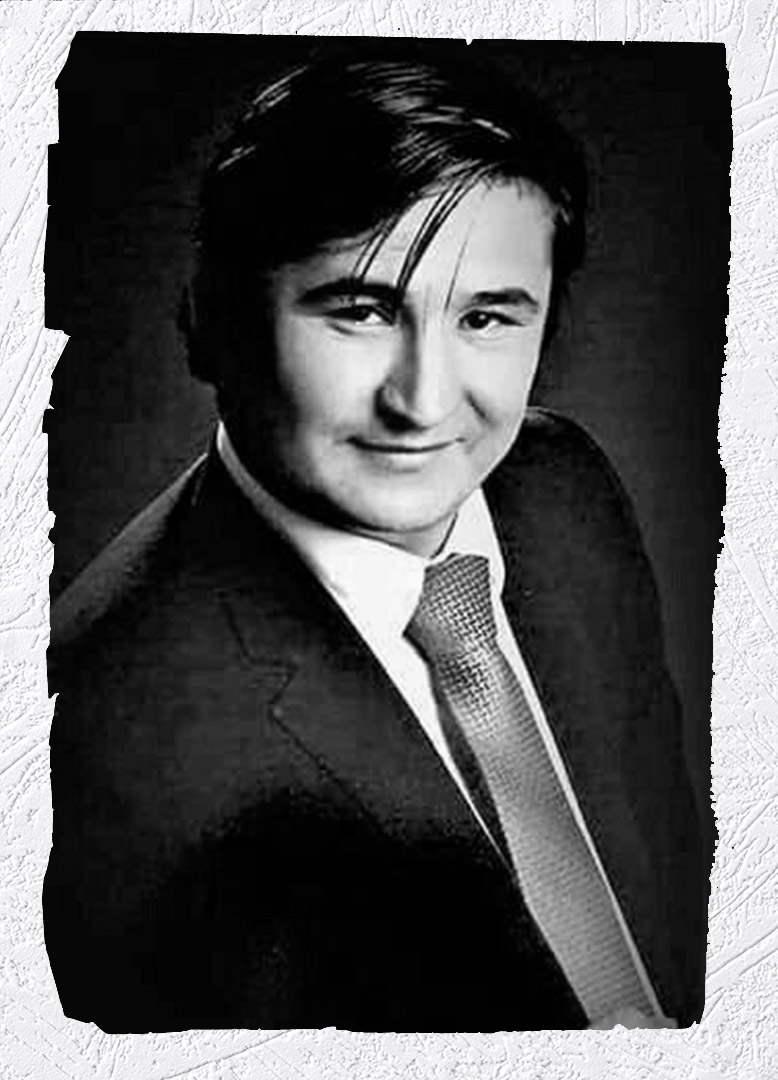
- Gender
- Male
- Ethnicity
- Hazara
- Marital Status
- Married
- District geolocation of incident
- Kabul: 34° 31′ 1″ N, 69° 8′ 60″ E
- Description of incident
A suicide attack on october 20, 2017, took place in the Imam Zaman Mosque located in Dasht Barchi, which is the Hazara area of Kabul, when people were there for prayers. As a result of this terrorist attack, 56 people were killed and 55 others were injured.
Ramazanali Gawhari
- Photo of Victim
- Gender
- Male
- Ethnicity
- Hazara
- Marital Status
- Married
- District geolocation of incident
- Kabul: 34° 31′ 1″ N, 69° 8′ 60″ E
- Description of incident
A suicide attack on october 20, 2017, took place in the Imam Zaman Mosque located in Dasht Barchi, which is the Hazara area of Kabul, when people were there for prayers. As a result of this terrorist attack, 56 people were killed and 55 others were injured.
Sayed Sarwar
- Photo of Victim

- Gender
- Male
- Ethnicity
- Sadat
- Marital Status
- Married
- District geolocation of incident
- Yakawlang: 34° 44′ 50″ N, 66° 56′ 40″ E
- Description of incident
On January 7, 2001, the Taliban attacked the Yakaolang district of Bamiyan province and massacred hundreds of Hazara civilians. Many of those who managed to escape and take refuge on the mountains froze to death. On the 8th of January, Taliban members began a house-to-house search across the district. The massacre of Hazaras continued through the 9th, 10th, 11th, and 12th of January. At least 300 Hazaras were either summerly executed or deliberately killed by the Taliban.
Ahmad ali Rajabi
- Photo of Victim
- Gender
- Male
- Ethnicity
- Hazara
- Marital Status
- Married
- District geolocation of incident
- Kabul: 34° 31′ 1″ N, 69° 8′ 60″ E
- Description of incident
A suicide attack on october 20, 2017, took place in the Imam Zaman Mosque located in Dasht Barchi, which is the Hazara area of Kabul, when people were there for prayers. As a result of this terrorist attack, 56 people were killed and 55 others were injured.
Ahmad ali shaker
- Photo of Victim

- Gender
- Male
- Ethnicity
- Hazara
- Marital Status
- Married
- District geolocation of incident
- Kabul: 34° 31′ 1″ N, 69° 8′ 60″ E
- Description of incident
A suicide attack on october 20, 2017, took place in the Imam Zaman Mosque located in Dasht Barchi, which is the Hazara area of Kabul, when people were there for prayers. As a result of this terrorist attack, 56 people were killed and 55 others were injured.
Mohammad Nasim
- Photo of Victim

- Gender
- Male
- Ethnicity
- Hazara
- Marital Status
- Married
- District geolocation of incident
- Kabul: 34° 31′ 1″ N, 69° 8′ 60″ E
- Description of incident
A suicide attack on october 20, 2017, took place in the Imam Zaman Mosque located in Dasht Barchi, which is the Hazara area of Kabul, when people were there for prayers. As a result of this terrorist attack, 56 people were killed and 55 others were injured.
Baqer Fasihi
- Photo of Victim
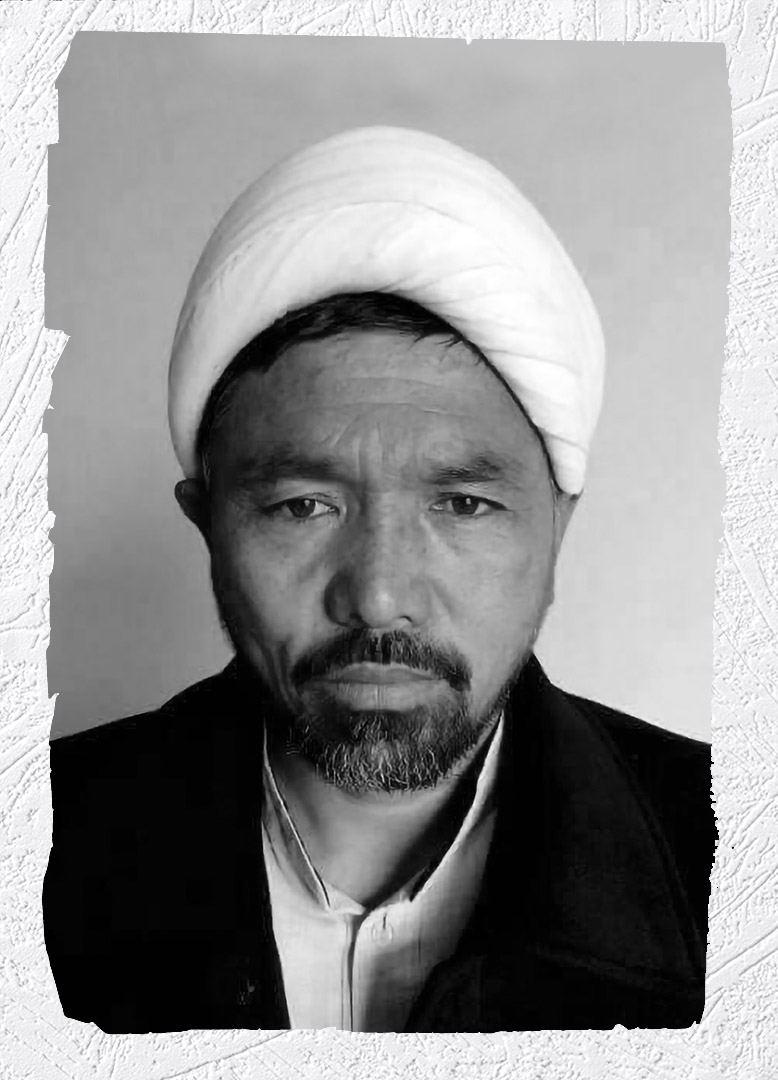
- Gender
- Male
- Ethnicity
- Hazara
- Marital Status
- Married
- District geolocation of incident
- Kabul: 34° 31′ 1″ N, 69° 8′ 60″ E
- Description of incident
A suicide attack on october 20, 2017, took place in the Imam Zaman Mosque located in Dasht Barchi, which is the Hazara area of Kabul, when people were there for prayers. As a result of this terrorist attack, 56 people were killed and 55 others were injured.
Zaminali Zafari
- Photo of Victim

- Gender
- Male
- Ethnicity
- Hazara
- Marital Status
- Married
- District geolocation of incident
- Kabul: 34° 31′ 1″ N, 69° 8′ 60″ E
- Description of incident
A suicide attack on october 20, 2017, took place in the Imam Zaman Mosque located in Dasht Barchi, which is the Hazara area of Kabul, when people were there for prayers. As a result of this terrorist attack, 56 people were killed and 55 others were injured.
Abdulkhaliq Azimi
- Photo of Victim
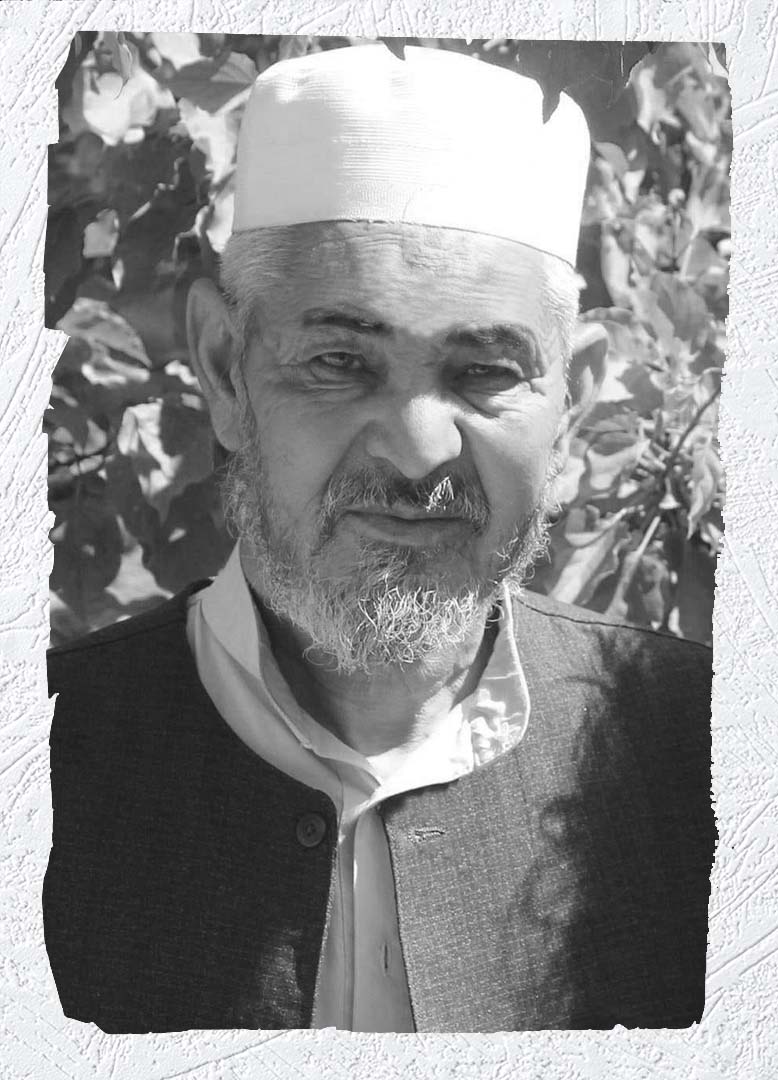
- Gender
- Male
- Ethnicity
- Hazara
- Marital Status
- Married
- District geolocation of incident
- Kabul: 34° 31′ 1″ N, 69° 8′ 60″ E
- Description of incident
A suicide attack on october 20, 2017, took place in the Imam Zaman Mosque located in Dasht Barchi, which is the Hazara area of Kabul, when people were there for prayers. As a result of this terrorist attack, 56 people were killed and 55 others were injured.
Alikhan Mohsini
- Photo of Victim

- Gender
- Male
- Ethnicity
- Hazara
- Marital Status
- Married
- District geolocation of incident
- Kabul: 34° 31′ 1″ N, 69° 8′ 60″ E
- Description of incident
A suicide attack on october 20, 2017, took place in the Imam Zaman Mosque located in Dasht Barchi, which is the Hazara area of Kabul, when people were there for prayers. As a result of this terrorist attack, 56 people were killed and 55 others were injured.
Mohammad Anwar Amiri
- Photo of Victim
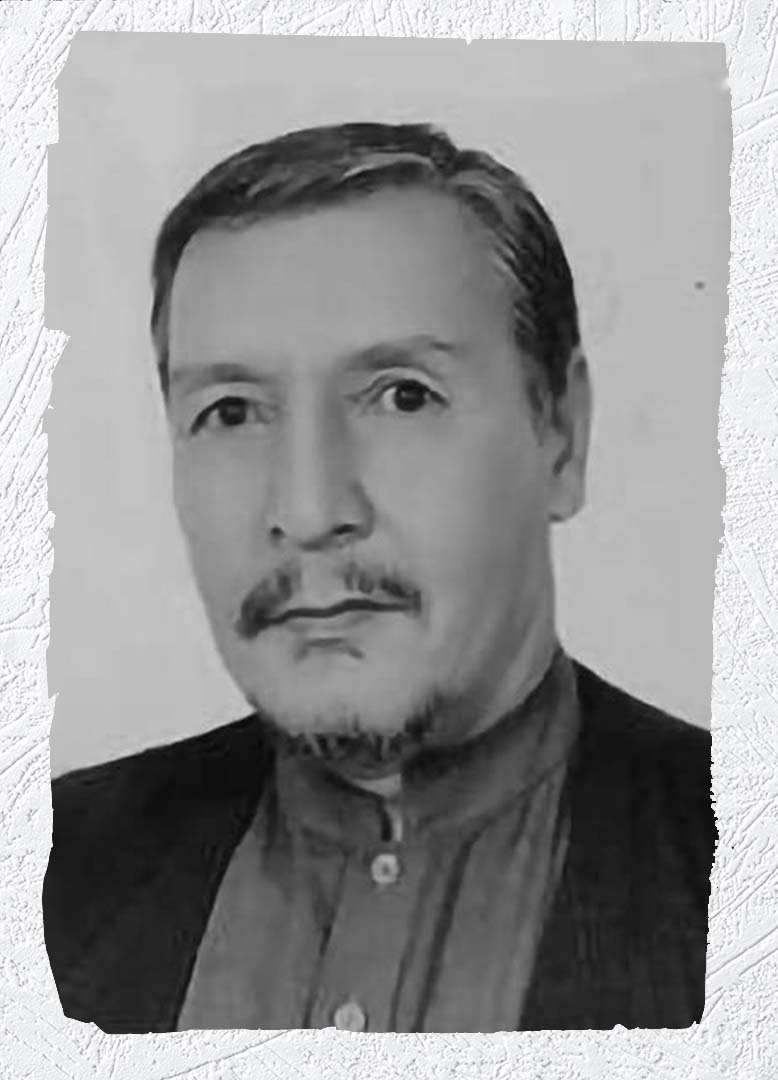
- Gender
- Male
- Ethnicity
- Hazara
- Marital Status
- Married
- District geolocation of incident
- Kabul: 34° 31′ 1″ N, 69° 8′ 60″ E
- Description of incident
A suicide attack on october 20, 2017, took place in the Imam Zaman Mosque located in Dasht Barchi, which is the Hazara area of Kabul, when people were there for prayers. As a result of this terrorist attack, 56 people were killed and 55 others were injured.
Mohammad Hassan Rezaee
- Photo of Victim

- Gender
- Male
- Ethnicity
- Hazara
- Marital Status
- Married
- District geolocation of incident
- Kabul: 34° 31′ 1″ N, 69° 8′ 60″ E
- Description of incident
A suicide attack on october 20, 2017, took place in the Imam Zaman Mosque located in Dasht Barchi, which is the Hazara area of Kabul, when people were there for prayers. As a result of this terrorist attack, 56 people were killed and 55 others were injured.
Ghulam Hassan
- Photo of Victim
- Gender
- Male
- Ethnicity
- Hazara
- Marital Status
- Married
- District geolocation of incident
- Kabul: 34° 31′ 1″ N, 69° 8′ 60″ E
- Description of incident
A suicide attack on october 20, 2017, took place in the Imam Zaman Mosque located in Dasht Barchi, which is the Hazara area of Kabul, when people were there for prayers. As a result of this terrorist attack, 56 people were killed and 55 others were injured.
Mohammad Ali Hassani
- Photo of Victim

- Gender
- Male
- Ethnicity
- Hazara
- Marital Status
- Married
- District geolocation of incident
- Kabul: 34° 31′ 1″ N, 69° 8′ 60″ E
- Description of incident
A suicide attack on october 20, 2017, took place in the Imam Zaman Mosque located in Dasht Barchi, which is the Hazara area of Kabul, when people were there for prayers. As a result of this terrorist attack, 56 people were killed and 55 others were injured.
Mohammad Ali Khan
- Photo of Victim
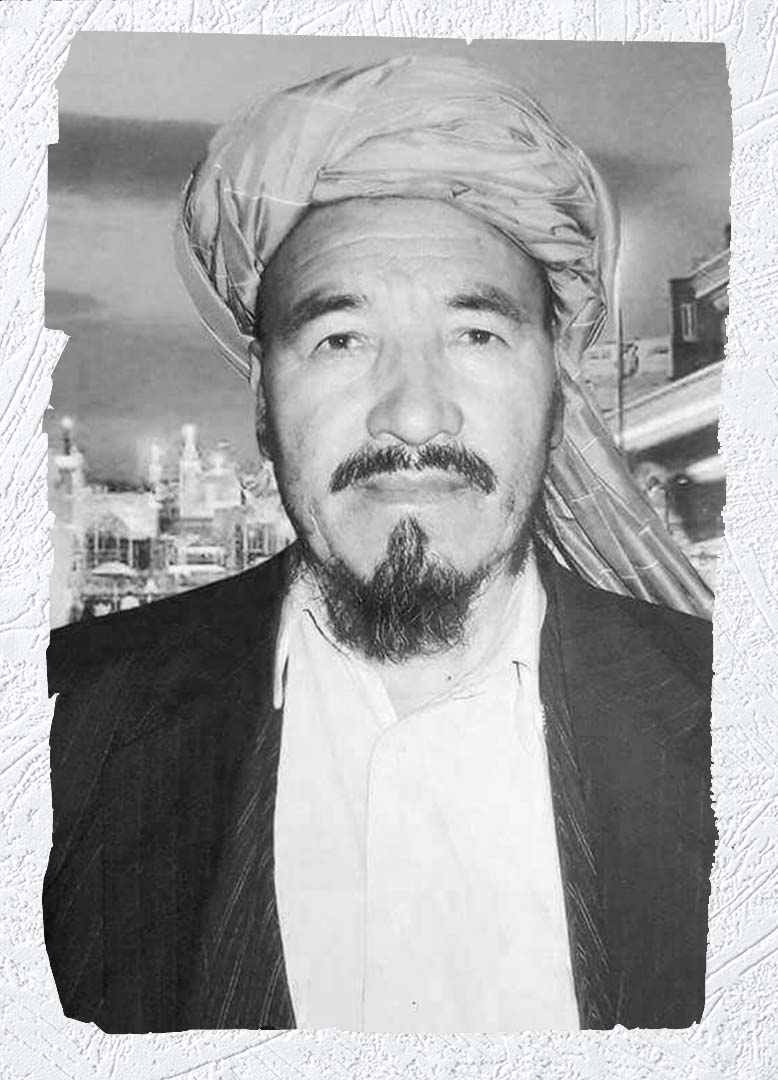
- Gender
- Male
- Ethnicity
- Hazara
- Marital Status
- Married
- District geolocation of incident
- Kabul: 34° 31′ 1″ N, 69° 8′ 60″ E
- Description of incident
A suicide attack on october 20, 2017, took place in the Imam Zaman Mosque located in Dasht Barchi, which is the Hazara area of Kabul, when people were there for prayers. As a result of this terrorist attack, 56 people were killed and 55 others were injured.
Mohammad Ali Nori
- Photo of Victim
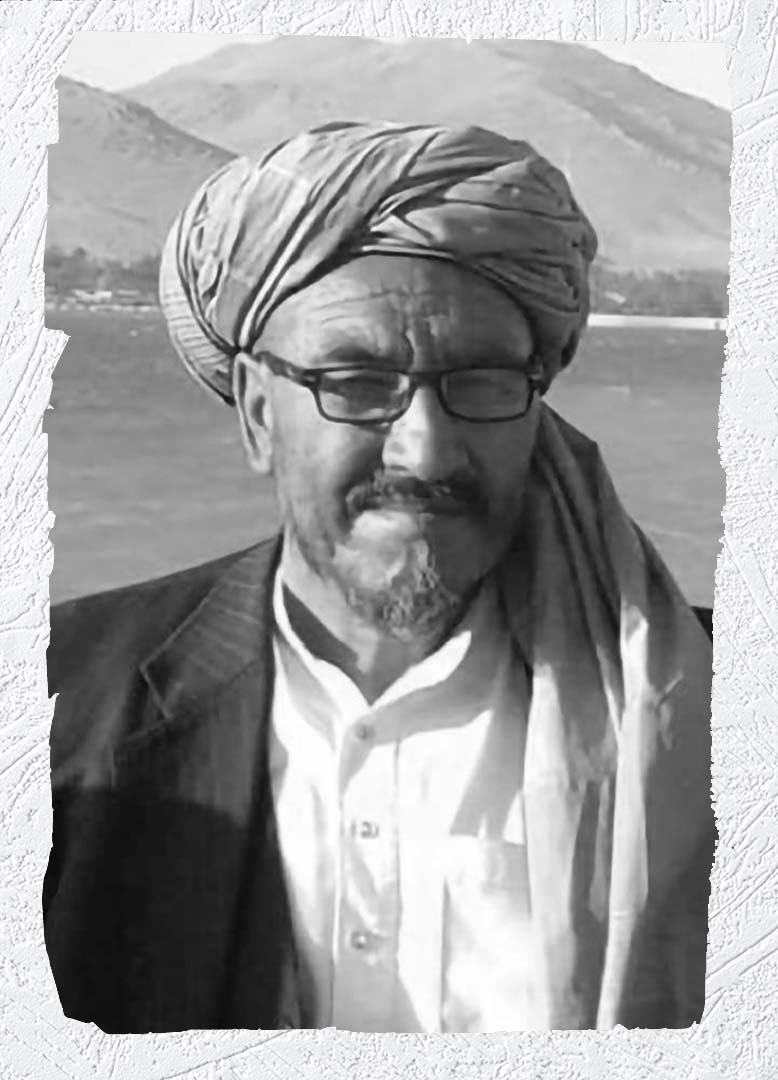
- Gender
- Male
- Ethnicity
- Hazara
- Marital Status
- Married
- District geolocation of incident
- Kabul: 34° 31′ 1″ N, 69° 8′ 60″ E
- Description of incident
A suicide attack on october 20, 2017, took place in the Imam Zaman Mosque located in Dasht Barchi, which is the Hazara area of Kabul, when people were there for prayers. As a result of this terrorist attack, 56 people were killed and 55 others were injured.
Mohammad Musa Mahmodi
- Photo of Victim
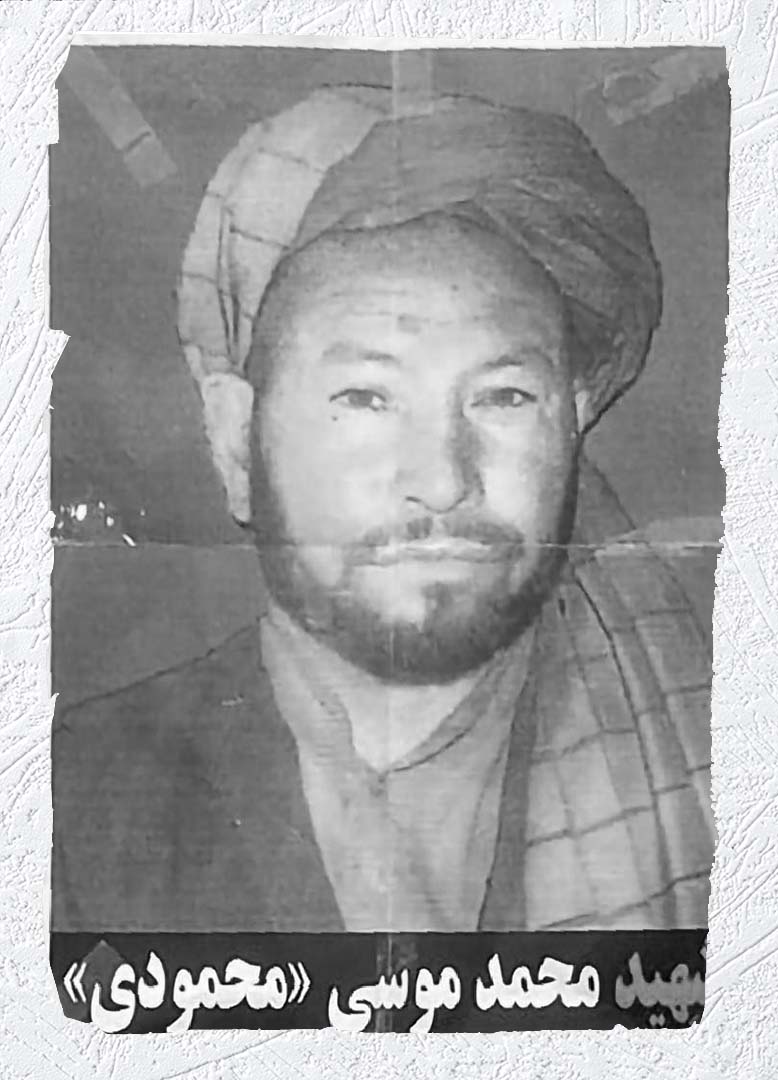
- Gender
- Male
- Ethnicity
- Hazara
- Marital Status
- Married
- District geolocation of incident
- Kabul: 34° 31′ 1″ N, 69° 8′ 60″ E
- Description of incident
A suicide attack on october 20, 2017, took place in the Imam Zaman Mosque located in Dasht Barchi, which is the Hazara area of Kabul, when people were there for prayers. As a result of this terrorist attack, 56 people were killed and 55 others were injured.
Mirza Hussain Ramazani
- Photo of Victim

- Gender
- Male
- Ethnicity
- Hazara
- Marital Status
- Married
- District geolocation of incident
- Kabul: 34° 31′ 1″ N, 69° 8′ 60″ E
- Description of incident
A suicide attack on october 20, 2017, took place in the Imam Zaman Mosque located in Dasht Barchi, which is the Hazara area of Kabul, when people were there for prayers. As a result of this terrorist attack, 56 people were killed and 55 others were injured.
Firouzkoh's Bride
- Photo of Victim

- Gender
- Female
- Ethnicity
- Hazara
- Marital Status
- Married
- District geolocation of incident
- Chaghcharan: 34° 31′ 56″ N, 65° 14′ 49″ E
- Description of incident
The Taliban on July 24, 2014 have shot and killed fourteen minibus passengers, including a bride, her sister, mother, and son-in-law. Ghor Governor Anwar Rahmati added that the Taliban stopped three minibuses carrying passengers from the city of Firuzkoh (Chaghcheran), the capital of Ghor province, to Kabul in the "Badgah" area, 25 km from Firozkoh. According to him, the Taliban divided the passengers into two groups based on their identity documents and separated those belonging to the "Hazara" tribe, tied their hands and shot them, and released the rest.
Sayed LaLa Mosawi
- Photo of Victim

- Gender
- Male
- Ethnicity
- Sadat
- Marital Status
- Married
- District geolocation of incident
- Sayyad: 35° 52′ 25″ N, 68° 25′ 51″ E
- Description of incident
On 3 August 2017, Anti-Government Elements including Taliban and local self-proclaimed Daesh/Islamic State affiliated fighters launched an attack against Mirza Olang village in Sayyad district, Sari Pul province, where fighting continued until 5 August. The village, known as ‘the gate to Sayyad’, lies deep in a long valley. Its southern entrance is near to the border of neighbouring Faryab province and is located 20 km south of the Sayyad district administrative centre. Much of the area surrounding the district administrative centre has been under control of Anti-Government Elements for more than one year.
Sayed Ghulam Hassan
- Photo of Victim

- Gender
- Male
- Ethnicity
- Sadat
- Marital Status
- Married
- District geolocation of incident
- Yakawlang: 34° 44′ 50″ N, 66° 56′ 40″ E
- Description of incident
On January 7, 2001, the Taliban attacked the Yakaolang district of Bamiyan province and massacred hundreds of Hazara civilians. Many of those who managed to escape and take refuge on the mountains froze to death. On the 8th of January, Taliban members began a house-to-house search across the district. The massacre of Hazaras continued through the 9th, 10th, 11th, and 12th of January. At least 300 Hazaras were either summerly executed or deliberately killed by the Taliban.
Hussainali Qasimi
- Photo of Victim

- Gender
- Male
- Ethnicity
- Hazara
- Marital Status
- Married
- District geolocation of incident
- Yakawlang: 34° 44′ 50″ N, 66° 56′ 40″ E
Kabalsha
- Gender
- Male
- Ethnicity
- Tajik
- Marital Status
- Married
- District geolocation of incident
- Kabul: 34° 31′ 1″ N, 69° 8′ 60″ E
Kabalsha Aghajan
- Photo of Victim

- Gender
- Male
- Ethnicity
- Tajik
- Marital Status
- Married
- District geolocation of incident
- Nadir Shah Kot: 33° 18′ 58″ N, 69° 41′ 55″ E
Mohammad Hassan
- Photo of Victim

- Gender
- Male
- Ethnicity
- Bayat
- Marital Status
- Married
- District geolocation of incident
- Kabul: 34° 31′ 1″ N, 69° 8′ 60″ E
Allah Mohammad
- Photo of Victim

- Gender
- Male
- Ethnicity
- Tajik
- Marital Status
- Married
- District geolocation of incident
- Kabul: 34° 31′ 1″ N, 69° 8′ 60″ E
- Description of incident
The killing of AGSA is the political massacre of the Democratic Party of Afghanistan Opponents in the Pulcharkhi Prison in Kabul between years of 1978-1979, which the Afghan Intelligence Office, or AGSA, led by Asadullah Sarwari which five thousand people had been executed. Thousands of Afghan families had no news of the death or life of their relatives during this time, but the Dutch Prosecutor's Office published a list of victims of the killing of the AGSA in the last six months of 1978 and the first six months of 1979.
- Declaratory Statement
Happiness Lost
The violence in the aftermath of the 1978 Saur revolution has forever destroyed Afghani’s happiness. Before the coup she lived a joyful life with her husband Allah Mohammad. Everything was going well. The result of their happy marriage were two healthy children, a boy and a girl. Afghani was proud of her husband, who was known to be well educated and intellectual. They lived in comfortable economic conditions. They were pleased with their lives and did not feel that anyone could ever take away their satisfaction and happiness.
But suddenly everything changed. Allah Mohammad was arrested by the government and taken to Puli Charkhi prison. He was never convicted of any crime and until today no one knows what happened to him.
The disappearance of Allah Mohammad radically altered the life of Afghani. Soon after, an endless cycle of trouble and suffering began. Looking everywhere for her husband, she did not manage to find him. Later, she lost her father, a brother and her father-in-law. As she became increasingly helpless and with rising violence in Kabul, she eventually migrated to Peshawar. Along with her brother and two young children, she walked all the way to Jaji and Parachinar and finally reached Peshawar. However, in Peshawar she could not afford the cost of living and shortly after took her children and returned to Afghanistan, where she eventually settled in Shamali, north of the capital Kabul.
In Shamali, she worked as vintager. Knowing that she was a widow, all the men stared at her in inappropriate ways. But Afghani was strong enough to resist the patriarchal structure of society and despite the mounting challenges, raised her two children on her own. Finally, one of the commanders in the area forced her to marry him. After two years of marriage, the commander was killed and she remained alone with what by then had become three children. Since then Afghani has done everything in her power to raise her children. She is now approximately fifty-five years old and has lost the strength to continue struggling for a better life. More than thirty years after the death of Allah Mohammad, no sign of joy and happiness is visible in her tenacious face. A world of untold stories are archived in her decrepit body.
The Story Of Afghani
Narrator: Afghani
Victim: Allah Mohammad
Date of the incident: 1978-1979
Location of the incident: Kabul, Pul-e-Charkhi prison
My husband Allah Mohammad had just finished high school when we moved from Shamali to Kabul city. One day, he went out and said that he was going to the university to take an exam. He was arrested along with another person who was fighting against the Soviet army close to Block Twelve of the Old Macroyan. I was just over 20 years old when Allah Mohammad disappeared.
At that time we were living in Qala-e-Wahid, near Kote- Sangi. Our living conditions were good. We had a house and property. But after the death of my husband, our lives were ruined. I migrated to Pakistan with my two small children. When I realized that I could not afford living in Pakistan, we went back to Afghanistan.
My husband was arrested during the time of the Khalq and Parcham regime. I personally could not follow his case but my mother-in- law made several inquires about his whereabouts without any results. Then, my mother-in-law went to Sadarat where she was informed that her son was imprisoned in Puli Charkhi. In Puli Charkhi she was told that her son was no longer detained there and that she should pray for his soul. My mother-in- law returned back home in tears.
Later on when some political prisoners were released, he was not among them, which is when we were finally convinced that he was no longer alive. As the regime was looking after me too, I walked twelve days and nights all the way through the Safi Mountain to Jaji and Parachinar to get to Peshawar. One of my brothers accompanied me in this long and risky journey. When we finally got to Peshawar, my brother began to work in a shop. However, as it was very difficult to live there, I soon came back to Afghanistan while my brother went to Iran.
In Afghanistan, I moved to Shamali and began working in a grape field to feed my children. Twelve years later a commander forced me to marry him. I now have a 19 year-old boy from him. Two years after our marriage, my second husband was killed.
Among the things left from my first husband is his picture and a book. His photo and book are very special to me because they remind me of our beautiful times together. I am including these two important objects in my Memory Box so that my husband’s memory remains alive. I hope that these objects will help others to distinguish between those who are open-minded and progressive and those who kill other human beings.
Sayed Shah Ibrahim
- Photo of Victim
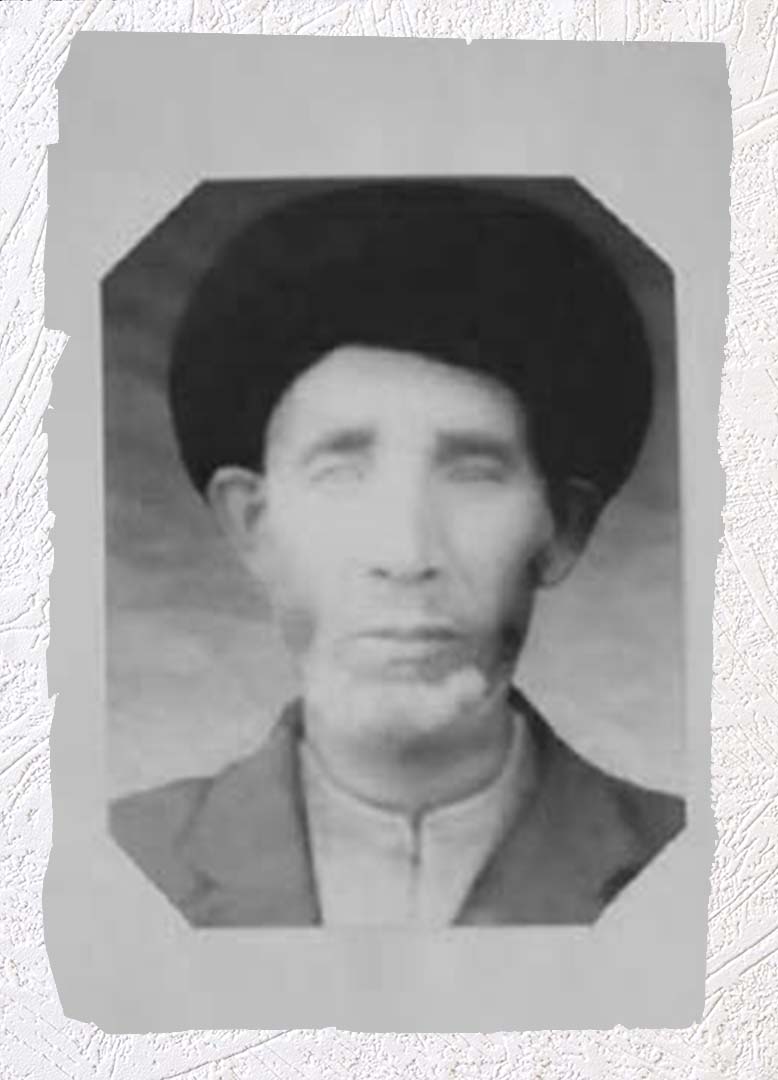
- Gender
- Male
- Ethnicity
- Sadat
- Marital Status
- Married
- District geolocation of incident
- Kabul: 34° 31′ 1″ N, 69° 8′ 60″ E
- Description of incident
Sayed Ibrahim Shah was both my uncle and father-in-law. He was killed during the civil war in Kabul, during which he and my husband remained in the city while the rest of the family was sent to Behsud. One day, he had just left his home when one of the warring factions arrested him and then took him to Company area, where he was locked up in a private jail. He was detained together with his friend and spent three months there. He was then murdered and buried. We never saw his dead body.
- Declaratory Statement
The Well of Death Narrator: Pari Gul Victim: Sayed Shah Ibrahim Date of the incident: 1992 Location of the incident: Kabul City War is the most egotistical and brutal manifestation of humankind. It does not produce anything except horror and destruction. It does not distinguish between old or young, men, women or children. The lashes of war hurt everyone’s body. At the same time, not everyone suffers equally from war. Some suffer more, some less. But it is those who did not actively partake in the creation of war that usually bear the brunt of all the suffering. It is them who are victimized by a fate designed by others. The story of Sayed Ibrahim Shah’s murder uncovers one such catastrophic consequences of war. He was an ordinary citizen with no links to the world of politics. His only crime was that he lived in Dasht-e- Barchi, a neighborhood of Kabul that had become synonymous with suffering. Here, every day there existed a strong likelihood that a rocket or stray bullet could kill someone. It seems that the lives of its population were not regarded as worthy of living. It appears that those who unleashed the violence were doing it for the pleasure of seeing the people of Dasht-e- Barchi suffer. Yet, Sayed Ibrahim Shah had no other place to live. Dasht-e- Barchi was his only and final refuge. Living in an environment of constant terror, Sayed Ibrahim Shah was well aware that he had the responsibility to protect his family. He therefore sent them to far-away Behsud district while he and one of his sons remained to look after his home and belongings. It was the last time his family members would ever see him. One day he was walking the streets when he was apprehended by his own countrymen and taken to the Company area of Kabul. First, his family did not know about his whereabouts but later they found out that the he had been arrested by a local commander, detaining him in his own private jail. Sayed Ibrahim Shah’s family paid a number of bribes to secure his release but all they received in return were a turban, a hat as well as a toothbrush and toothpaste. There are different stories about how he was killed. According to one of them, the militias threw him down a well which is where local residents later found him. Pari Gul is one of his family members. She tells the story of Sayed Ibrahim Shah as follows:
The Story of Pari Gul Sayed Ibrahim Shah was both my uncle and father-in-law. He was killed during the civil war in Kabul, during which he and my husband remained in the city while the rest of the family was sent to Behsud. One day, he had just left his home when one of the warring factions arrested him and then took him to Company area, where he was locked up in a private jail. He was detained together with his friend and spent three months there. He was then murdered and buried. We never saw his dead body. In fact, we only came to know about his murder after we received his turban, hat and toothbrush. The man who brought his possessions told us how the militias had tortured him. With his feet in chains, he supplied water to the militia base every day. Eventually his dead body was found in a well. Later on, the people from the area took him out of the well and gave him a proper burial. All what is left from him are his turban, hat and toothbrush. I now want to show these objects to other people so they understand that the militias killed a 70 years old man!
Haidar Khan
- Photo of Victim
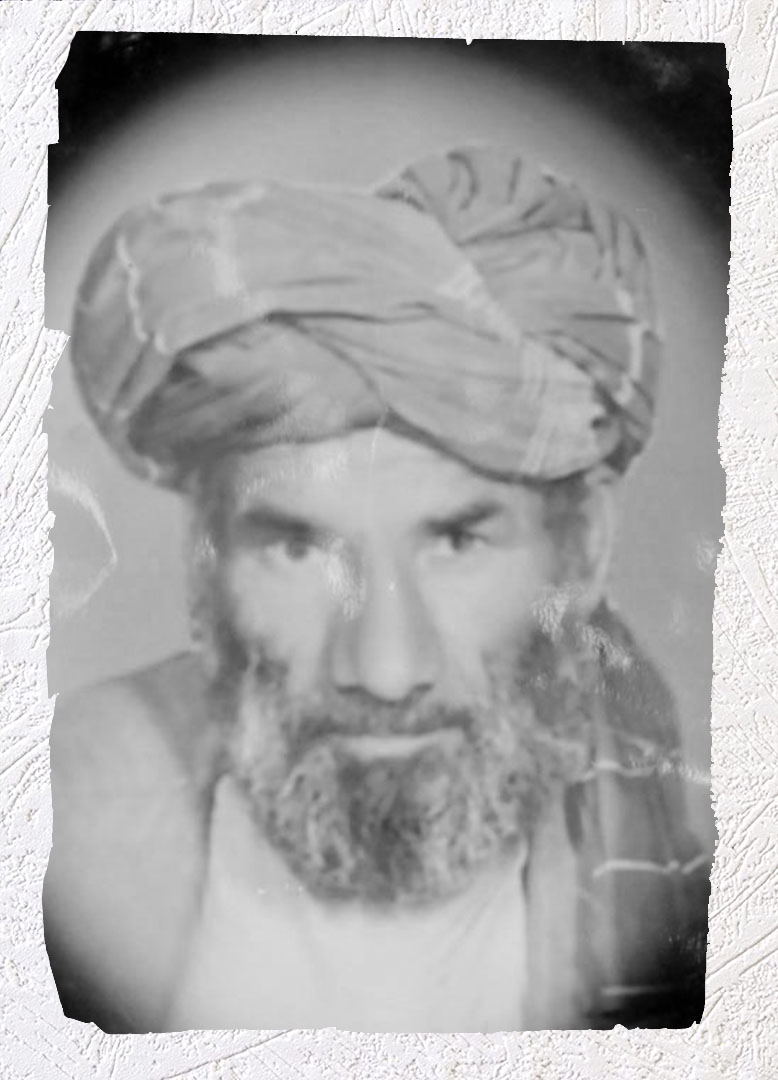
- Gender
- Male
- Ethnicity
- Pashtun
- Marital Status
- Married
- District geolocation of incident
- Balkh: 36° 45′ 19″ N, 66° 53′ 48″ E
- Description of incident
It was the night of Eid and my poor husband and son were out looking for work when they were killed. My husband used to work as a day laborer in Hairatan. He usually came back home after 15-20 days. That night, when they were coming home the Taliban fired on them. Their bodies were totally mutilated.
- Declaratory Statement
Questions About the Nature of War Rahima’s Story
Narrator: Rahima
Victim: Haidar Khan
Date of the incident: 1998
Location of the incident: Hairatan, Mazari Sharif
The translation of painful experiences into words is very difficult. Words have many limitations, especially when trying to express pain. Pain is a strong feeling and a word a mere, insufficient means to describe it. There is a huge gap between the feeling and its interpretation. Therefore, the assumption of making the experience of war understandable through verbal expression is fundamentally flawed. The tragedy of war is deeply linked to personal experiences and what war imposed on Rahima is indescribable.
Rahima is the victim of the fate that war imposed on her. She does not understand what war means and why human beings go to war. Yet, she certainly understands the horrible consequences of war. Hence, for Rahima war is the most evil kind of action humankind can engage in. What could possibly justify the killing of one human being by another? Why do houses and properties of people have to be destroyed?
Why, instead of generating pain and suffering for millions, should one not think of prosperity and happiness for all? Why do those involved in war not think about its devastating consequences? Why do they not think of all the children who lose their parents through violent means? Why does an oppressed person like Rahima who has nothing except the sky she lives under has to be further disturbed by war? Why are the perpetrators of violence not scared of the blood on their hands? Is there no alternative to violent conflict resolution?
These and other questions often disturb Rahima. And since nobody seems to be willing to answer these questions, she has begun to find her own answers. She knows that victims of war will always live on the margins of history and that no one looks at the world through the lens of the victims. She knows that no one puts himself/herself in the shoes of victims in order to truly understand the experiences and suffering they have endured.
Rahima has also thought of potential solutions. For her, the solution is to tell, recall preserve and protect the memories of the victims. Memories are the only things people like Rahima possess. These memories are not meant to be preserved to wage further war nor are they aimed at taking revenge. On the contrary, people like Rahima use them to make their own contributions to stop and prevent war.
According to her, the memories preserved by the victims are the only instrument that reveals their endless pain and suffering. They awaken the human consciousness and ultimately contribute to the prevention of further atrocities.
Rahima’s Story
My name is Rahima and I am 50 years old. I have lost four of my family members during the Taliban time.
It has been 17 years now that my husband and my 10-year old son were killed. There was war in Kabul and we eventually fled to Mazar-e- Sharif, which is where we were when our home was looted back in Kabul. Three years later my husband was killed. Afterwards, we lived for another three years in Mazar-e- Sharif and from there we moved to Jalalabad. Later on, we came back to Kabul.
It was the night of Eid and my poor husband and son were out looking for work when they were killed. My husband used to work as a day laborer in Hairatan. He usually came back home after 15-20 days. That night, when they were coming home the Taliban fired on them. Their bodies were totally mutilated.
At the time my husband was killed, I had five children. After his death we faced a lot of problems. I started to work as a tailor and my daughter and son were working in an educational center. My eldest son was 14 years old and I had two more children of 3 years and 3 months. When we lived in Jalalabad the situation further deteriorated. There was no work and we lived in a rented house. If we were unable to find a piece of bread during the day then we had nothing to eat during the night.
Besides, we had no one to look after us. I worked in the house of a Hindu as a cleaner and we finally moved back to Kabul, even though the Taliban were in power. Back in Kabul, not a single moment passed without hardship. It was difficult to eat properly as the little money we had was spent on renting the house.
My children were still too small and they often asked how their father was killed. They missed their father a lot. Sometimes, I sat down with them and told them stories about their father. My husband’s name was Haidar Khan. He was 58 years old when he was killed. My son was only 10 years old when he got killed. I was his second wife. He was an ordinary person and had nothing to do with politics. Now all I can do is to look after my children.
Unfortunately, nothing is left behind from my son. However, I have kept my husband’s spoon, his plate and a photo of him. These objects are all very important to me. I am giving these things to you to let thers know about the difficulties we have faced in our lives and that the situation is still not improving. The weather is already cold and we have no heater. My son is jobless. My children cannot go to school because we are poor.
Ramazan Ali Sangar
- Photo of Victim

- Gender
- Male
- Ethnicity
- Hazara
- Marital Status
- Married
- District geolocation of incident
- Kabul: 34° 31′ 1″ N, 69° 8′ 60″ E
- Description of incident
After we received his letter, I went to Puli Charkhi prison on several occasions. Every time, the prison officials told me that nobody with his name was imprisoned there. Then, the last time I went there, they told me that my husband had been executed and handed over his personal belongings to me. We never saw his dead body.
- Declaratory Statement
Victims of Jihad
Narrator: Rahima
Victim: Ramazan Ali Sangar
Date of the incident: 1993
Location of the incident: Kabul, Pul-e-Charkhi prison
Ramazan Ali was very excited about Jihad. He felt that Jihad is fighting for the way of God, a way that leads to happiness. He would call himself a true follower of God. Rahima was supporting her husband because of her love for him. She did know much about Jihad. She came to know about it through her husband and wanted to help her husband in this “holy violence”. But taking part in Jihad had severe consequences for Ramazan. He was imprisoned because of his ideology, was badly tortured and eventually gave his life without having been prepared for martyrdom.
No one knows how he was killed. Perhaps, he died from the effects of torture. After Ramazan Ali’s death, his wife and three children were left behind without any support or financial means. From morning to night and night to dawn they were in search of a piece of bread. Rahima knocked on door after door to find work as she did not want to see her children living in chronic poverty. But no one seemed to care. No one invited them to their wedding parties and though people easily talked of compassion their lack of such mercy in practice came down on Rahima like a hammer on her head. She sacrificed her entire life to provide for her children.
It is this aspect of holy war that Ramazan seems to have failed to consider. His excitement about taking part in Jihad turned him blind to its severe implications for the rest of his family. If he were alive today, he could listen to the suffering of his wife and children. He could intimately familiarize himself with their untold story. If he was alive today, perhaps, he would choose another way of attaining prosperity.
The Story of Ramazan Ali
It was the last year of Dr. Najibullah’s government. During the month of Ramadan. Shortly after dinner my husband began praying. We did not know that our house was under surveillance. Suddenly, we heard suspicious movements. When we came out of the house, the yard was full of people. More than 50 soldiers came into our house. They started to beat my husband.
The reason was that he was a Mujahid. They arrested him and took him way. He was detained in Sadarat and we were not allowed to meet him. We could go there only to deliver his clothes. I went to Sadarat and waited for days to see my husband but they did not allow me to see him. I even begged each and every soldier and officer to make an exception but to no avail.
After six months, he was transferred to Puli Charkhi prison where he spent another year. Once again I was not allowed to see him. After one year, he wrote us a letter and sent us his ring and some other things. In that letter, he mentioned that he had been transferred from the second floor of Block 2 to Block 3. He also indicated in his letter that if he was no longer found in Block 3, we should stop looking for him. He suggested that his children should be sent to learn the holy Quran.
After we received his letter, I went to Puli Charkhi prison on several occasions. Every time, the prison officials told me that nobody with his name was imprisoned there. Then, the last time I went there, they told me that my husband had been executed and handed over his personal belongings to me. We never saw his dead body. He was killed seven years after our marriage. It was after his death when our truly bad days began and I was obliged to do all kinds of hard work including cleaning, washing and ironing to support my family and children. We also lived for 13 years as refugees in Iran.
I still preserve my memories of Ramazan, the worst being when I was told that he had been executed. Coming back home, I was so desperate and sad. My younger daughter asked me what happened and I told her that her father was no longer alive. She began to shout and cry for a long time. Since then, I have never seen her cry again. In those days, I was working day and night while continuing to mourn the death of my husband. Some nights my younger son and I cried together. Sometimes my son cleaned my tears and told me that I could be his father too.
Another sad moment in my life was the day when my husband was arrested and he was handcuffed. There was a place in our home where he hid but the soldiers found him. He was handcuffed and beaten up in front of me and the children. My husband told me not to worry and that nothing would happen to him. When he was taken away, I saw the tears in his eyes. Afterwards, I never saw him again. I will never forget that moment.
Shirin Gul
- Photo of Victim

- Gender
- Female
- Ethnicity
- Hazara
- Marital Status
- Married
- District geolocation of incident
- Kabul: 34° 31′ 1″ N, 69° 8′ 60″ E
- Description of incident
During the war, I lost three members of my family: My mother, my cousin and my brotherin-law. My whole family including my son-in-law and my cousins were in our home when a rocket hit our house and killed them. I was not personally present when the incident happened.
- Declaratory Statement
When Homes Turn into Graveyards
Narrator: Safia
Victim: Shirin Gul
Date of the incident: 1993-1996
Location of the incident: Kabul city, Dash-e Barchi
Shirin Gul is not the only woman whose house was destroyed over the past three decades of war in Afghanistan though all houses destroyed in Kabul resemble that of Shirin Gul. The injuries visible to the walls of the houses mirror the injuries inflicted onto the bodies of its residents.
During the various conflicts, in particular the one between the different Mujahidin factions, the houses in Kabul were no longer people’s shelters but rather their graves prepared in advance -albeit on the surface. There was always the possibility of a rocket or artillery shelling destroying people’s homes. None of the houses were beyond the reach of violence and neither were they durable enough to protect their inhabitants against the persistent attacks. These ruined houses became a refuge for death, making his home among the many people buried in the rubble of their own homes. The whole of Kabul was turned into a gigantic graveyard.
Shirin Gul was one of those people whose house was bombed and took her life during the civil war in the 1990s. It happened on an evening where she attempted to defy the terror of war, by holding a small reception to bring back the happiness of former times to what had by then become a city of ghosts. She did not expect that her home would one day become a slaughterhouse and that her reception would end in terrible tragedy. Shirin Gul had invited her son-in-law and brother-in-law to an evening reception. They had just begun their supper when a stray rocket fired by the Taliban hit the exact room where the reception was taking place, immediately killing Shirin Gul and her two guests. The death of Shirin Gul marked the end of happiness for her children. Her husband did not marry again and dedicated himself to take care of his mother-less children.
The Story of Shirin Gul
My name is Safia and I am 42 years old. I am living in Dugh Abad area of Dasht-e- Barchi. During the war, I lost three members of my family: My mother, my cousin and my brotherin-law. My whole family including my son-in-law and my cousins were in our home when a rocket hit our house and killed them. I was not personally present when the incident happened.
According to my family members, their bodies were ripped to pieces and it was almost impossible to identify them. My cousin had a two-month old child who died soon after his father’ untimely death. His wife had no option but to return to her father’s home. My mother left behind six children, 2 sons and four girls. Today, my father is old and my sisters are mentally unstable. One of my sisters left her husband and children because of these mental problems.
Now she does not recognize anyone anymore. I am not mentally stable either. I was desperate after the death of my mother. She loved me a lot.
The worst moment in my life was when I heard about the death of my mother. After she died, no one ever properly welcomed me in my father’s home anymore and this made me so disappointed.
Haji Ewaz
- Photo of Victim
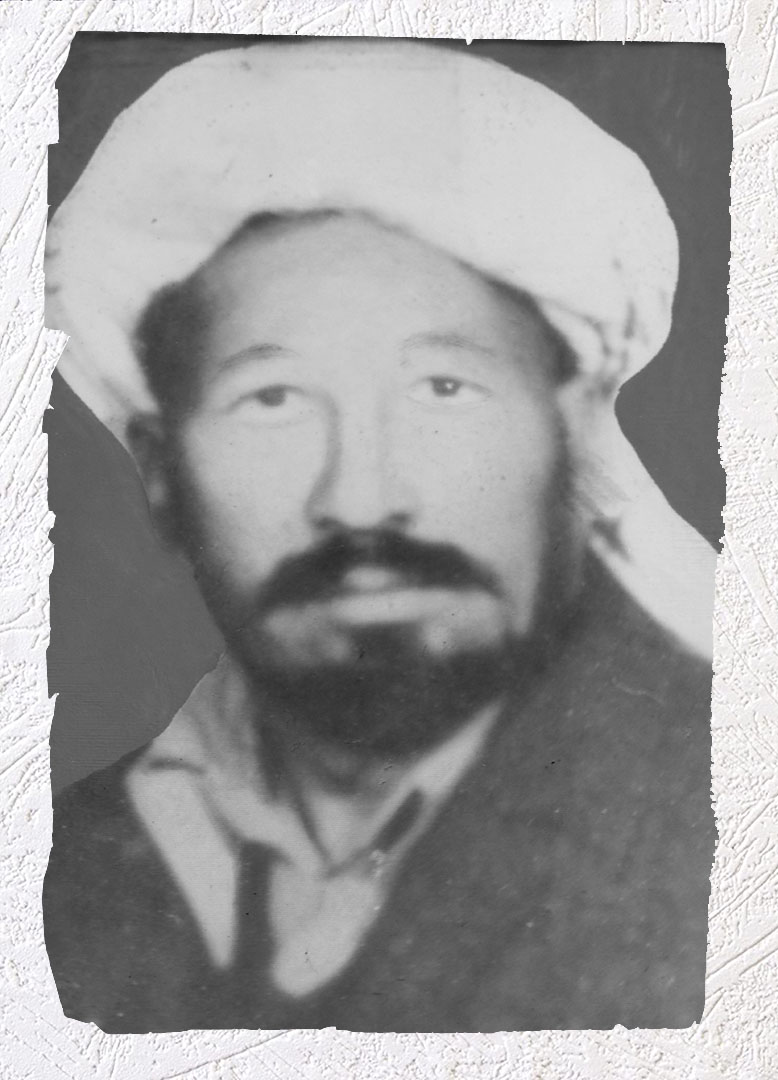
- Gender
- Male
- Ethnicity
- Hazara
- Marital Status
- Married
- District geolocation of incident
- Kabul: 34° 31′ 1″ N, 69° 8′ 60″ E
- Description of incident
My father-in-law Haji Ewaz used to be a Mujahid. One day, unknown people came and inspected our home and took my uncle away. He was imprisoned in Sedarat for six months and then spent another year in Puli Charki prison. Later we were informed that he had been executed and we should come and get his clothes.
- Declaratory Statement
There Is Nothing Holy about War
Narrator: Safura
Victim: Haji Ewaz
Date of the incident: 1985
Location of the incident: Kabul City
Haji Ewaz was excited about Jihad. For him, Jihad was a form of holy struggle that cleans the spirit of the individual and society at large. Haji Ewaz knew that Jihad must first take place inside oneself before it can spread to the outside world. Hence, he was preaching Jihad in order to fight the regime. From his point of view, Jihad was good and those who engaged in it, the Mujahidin, were the best people in the world. The truth is that he was not involved in Jihad for his personal benefit but as a result of his faith and deep convictions.
Haji Ewaz sacrificed his life for Jihad but he did not live long enough to witness its final results: The destruction of Kabul, the pain and suffering it generated, the destruction of thousands of homes and the burial of women and children under the collapsed walls and roofs of their own residencies.
Neither did Haji Ewaz live long enough to witness how the Mujahidin wiped out an entire city and its dwellers. He had an idealized image of Jihad in mind. He felt that Jihad is the source of life and that only through Jihad the country could be saved. But he did not live long enough to see how Jihad produced only destruction and suffering for the people of Afghanistan.
Haji Ewaz engaged in Jihad and sacrificed his life for it but what was holy and emancipatory for him soon turned into an evil for his children as the Mujahidin did not only not follow his model but later killed two of his sons.
The Story of Safura
My name is Safura. I lost my father-in-law during the war. I also lost my brother-in-law. We used to have shops and properties before the war began. When my father-in-law was killed, there was no one in our home to take care of us.
My father-in-law Haji Ewaz used to be a Mujahid. One day, unknown people came and inspected our home and took my uncle away. He was imprisoned in Sedarat for six months and then spent another year in Puli Charki prison. Later we were informed that he had been executed and we should come and get his clothes.
Among the things that they gave me, there was a blanket, a pair of scissors, a mirror and a bed sheet. His bed sheet was full of blood. I asked them why his bed sheet was full of blood but they did not answer. My husband was in Herat at that time. Later two of my brother-in-laws were killed. Nader Ali, 30 years old, and Dawood, 14. My husband was shattered when he learned about the death of his father and two brothers. Since then, our life has been very difficult.
I brought a number of things to contribute to the Memory Box project. These objects were left behind by my father-in-law and brother-in-laws. There are a turban, a blanket, a scissor and a measurement tape. I hope their memories will remain alive forever.