Elnaz
- Photo of Victim

- Gender
- Female
- Ethnicity
- Unknown
- Village/Town of Incident
- American University of Afghanistan, PD 6, Kabul.
- District geolocation of incident
- Kabul: 34° 31′ 1″ N, 69° 8′ 60″ E
- Description of incident
On August 24, 2016, suspected Taliban attackers stormed the American University of Afghanistan in Kabul using a car bomb and automatic weapons. The assault resulted in the deaths of sixteen people, including eight university students, one university policeman, and three security guards. Additionally, fifty to fifty-three individuals were injured, some critically. Afghan Special Forces killed three of the attackers. This incident marked the first direct attack on the university, although two professors had been kidnapped just outside the campus a few weeks earlier. Both Taliban and ISIL-KP were suspected though no group or individual claimed the responsibility for the attack.
- Declaratory Statement
Elnaz, 18, known as Alina by her friends and family was the oldest child of a street-vendor. As a scholarship student she was studying for a BA in Political Science and Public Administration. Alina spent most of her life in Karachi, Pakistan, as a refugee. Her dream had been to study in a prestigious university such as AUAF and then to get a job to help support her family.
Nemat S/O Chaman
- Gender
- Male
- Ethnicity
- Hazara
- Village/Town of Incident
- Near Sarpahlu Sang village, Dawlat Yar district, Ghor province, Afghanistan (bordering Daykundi province)
- District geolocation of incident
- Sangtakht: 34° 28′ 3″ N, 65° 44′ 33″ EDawlat Yar: 34° 33′ 29″ N, 65° 45′ 59″ E
- Description of incident
ncident Date: September 21, 2024
Location: Near Sarpahlu Sang village, Dawlat Yar district, Ghor province, Afghanistan (bordering Daykundi province)
Victims: 13 residents of Qariwdal village, Sang-e-Takht district, Daykundi province, One passerby from Palon Sang village, Ghor province, Four severely wounded survivors
Perpetrators: Four armed individuals, later claimed by ISIL-Khorasan Province
Incident Summary:
On September 21, 2024, at approximately 1:00 PM, a group of 17 residents from the small village of Qariwdal in Daykundi province were en route to welcome two fellow villagers returning from a pilgrimage to Karbala, Iraq. As they approached the border area between Daykundi and Ghor provinces, near the small village of Sarpahlu Sang in the Dowlat Yar district of Ghor, they encountered four armed men on motorcycles. The armed individuals identified themselves as security forces [of the Taliban] and assured the group that they were searching for a suspicious person, telling them not to worry. The assailants then instructed the villagers to line up, ostensibly for a commemorative photograph. One attacker began taking photos while another started filming. Without warning, the other two opened fire on the group from both sides. The attack resulted in the immediate deaths of 13 Hazaras, all from the Qariwdal village. Four others were severely wounded. Additionally, a traveler from Palon Sang village in Ghor, who happened to be passing through the area during the shooting, was killed while attempting to flee. The day following the attack, ISIL-Khorasan Province claimed responsibility for the massacre in an official statement.
- Declaratory Statement
No
Abdul Manan Arghand
- Photo of Victim

- Gender
- Male
- Ethnicity
- Pashtun
- Village/Town of Incident
- 9th district of Kandahar city
- District geolocation of incident
- Kandahar: 31° 37′ 52″ N, 65° 44′ 31″ E
- Description of incident
Abdulmanan Arghand, a local reporter of Kabul News TV, was shot by unknown armed men on April 25, 2018 in Kandahar province when he was on his way to his workplace.
Jamila,
- Photo of Victim

- Gender
- Female
- Ethnicity
- Hazara
- Village/Town of Incident
- American University of Afghanistan, PD 6, Kabul.
- District geolocation of incident
- Kabul: 34° 31′ 1″ N, 69° 8′ 60″ E
- Description of incident
On August 24, 2016, suspected Taliban attackers stormed the American University of Afghanistan in Kabul using a car bomb and automatic weapons. The assault resulted in the deaths of sixteen people, including eight university students, one university policeman, and three security guards. Additionally, fifty to fifty-three individuals were injured, some critically. Afghan Special Forces killed three of the attackers. This incident marked the first direct attack on the university, although two professors had been kidnapped just outside the campus a few weeks earlier. Both Taliban and ISIL-KP were suspected though no group or individual claimed the responsibility for the attack.
- Declaratory Statement
Jamila, 26, was a senior majoring in Finance and Business Administration. Originally from Mazar-e Sharif, she moved to Pakistan during the Taliban regime. She completed her primary education in Pakistan and upon returning to Afghanistan attended Rokhshana High School in Kabul from which she graduated in 2009. Having already completed a degree in computer science at Kabul University, she joined to pursue an additional degree in management. Jamila wanted to help women set up small businesses to improve their lives and have a positive effect on the economy of the country. “My sister was very hardworking and extremely intelligent,” said Murtaza Ismailzada, the victim’s brother.
Abdul Walid
- Photo of Victim

- Gender
- Male
- Ethnicity
- Unknown
- Village/Town of Incident
- American University of Afghanistan, PD 6, Kabul.
- District geolocation of incident
- Kabul: 34° 31′ 1″ N, 69° 8′ 60″ E
- Description of incident
On August 24, 2016, suspected Taliban attackers stormed the American University of Afghanistan in Kabul using a car bomb and automatic weapons. The assault resulted in the deaths of sixteen people, including eight university students, one university policeman, and three security guards. Additionally, fifty to fifty-three individuals were injured, some critically. Afghan Special Forces killed three of the attackers. This incident marked the first direct attack on the university, although two professors had been kidnapped just outside the campus a few weeks earlier. Both Taliban and ISIL-KP were suspected though no group or individual claimed the responsibility for the attack.
- Declaratory Statement
Abdul Walid, was 26 and had just begun studying Business Administration at AUAF. During the day, Walid was the Director of Afghanistan Libre, an NGO that focuses primarily on education. According to a tribute on the ACBAR website, “Walid had been working for Afghanistan Libre for more than 10 years. He had met the founder, Mrs. Shekeba Hashemi as a young adult and committed his life entirely to education, let it be women’s education, young girls’ or his own.”
Jamshid
- Gender
- Male
- Ethnicity
- Tajik
- Village/Town of Incident
- American University of Afghanistan, PD 6, Kabul.
- District geolocation of incident
- Kabul: 34° 31′ 1″ N, 69° 8′ 60″ E
- Description of incident
On August 24, 2016, suspected Taliban attackers stormed the American University of Afghanistan in Kabul using a car bomb and automatic weapons. The assault resulted in the deaths of sixteen people, including eight university students, one university policeman, and three security guards. Additionally, fifty to fifty-three individuals were injured, some critically. Afghan Special Forces killed three of the attackers. This incident marked the first direct attack on the university, although two professors had been kidnapped just outside the campus a few weeks earlier. Both Taliban and ISIL-KP were suspected though no group or individual claimed the responsibility for the attack.
- Declaratory Statement
Jamshid, 23, just entered his final semester of his law program at AUAF. Before enrolling at the university, he attended high school in the United States through the YES Program (the Kennedy-Lugar Youth Exchange and Study program). Jamshid was an activist and a member of the advisory board of a newly established national civil society organization called Roshna (Dari for Brightness). According to his classmate Safia Jamal, Jamshid “wanted to be a good politician and help the people of our country.”
Naqib Khpulwak,
- Photo of Victim

- Gender
- Male
- Ethnicity
- Pashtun
- Village/Town of Incident
- American University of Afghanistan, PD 6, Kabul.
- District geolocation of incident
- Kabul: 34° 31′ 1″ N, 69° 8′ 60″ E
- Description of incident
On August 24, 2016, suspected Taliban attackers stormed the American University of Afghanistan in Kabul using a car bomb and automatic weapons. The assault resulted in the deaths of sixteen people, including eight university students, one university policeman, and three security guards. Additionally, fifty to fifty-three individuals were injured, some critically. Afghan Special Forces killed three of the attackers. This incident marked the first direct attack on the university, although two professors had been kidnapped just outside the campus a few weeks earlier. Both Taliban and ISIL-KP were suspected though no group or individual claimed the responsibility for the attack.
- Declaratory Statement
" Naqib Khpulwak, 32, was a Fulbright Scholar at Old Dominion University and Middlebury Institute for International Studies with a Bachelor of Law & Political Science from Nangarhar University. As a research fellow at Stanford Law School in 2013, Naqib worked on Stanford’s Afghanistan Legal Education Project, developing portions of Afghanistan’s first legal education curriculum that he later taught in the AUAF classroom. Naqib also managed the rule of law program in Afghanistan sponsored by the United States Institute of Peace, which included initiatives to strengthen the ability of civil society organizations to serve as observers in community courts and to analyze and advocate on constitutional issues. He was a popular teacher and mentor at AUAF, a leader in the Afghan legal community, and deeply dedicated to his students. Naqib was preparing to further his education at Oxford University in the Spring. He had already been accepted, paid his fees and even bought his textbooks.
Zubair,
- Photo of Victim

- Gender
- Male
- Ethnicity
- Unknown
- Village/Town of Incident
- American University of Afghanistan, PD 6, Kabul.
- District geolocation of incident
- Kabul: 34° 31′ 1″ N, 69° 8′ 60″ E
- Description of incident
On August 24, 2016, suspected Taliban attackers stormed the American University of Afghanistan in Kabul using a car bomb and automatic weapons. The assault resulted in the deaths of sixteen people, including eight university students, one university policeman, and three security guards. Additionally, fifty to fifty-three individuals were injured, some critically. Afghan Special Forces killed three of the attackers. This incident marked the first direct attack on the university, although two professors had been kidnapped just outside the campus a few weeks earlier. Both Taliban and ISIL-KP were suspected though no group or individual claimed the responsibility for the attack.
- Declaratory Statement
Zubair, 28, born in Kabul was studying Political Science at AUAF. Zubair was working at the Etisalat communications company during the day to support his family and going to class at night. Zubair frequently led students as an imam in communal prayers at the university and was described by friends as humble, well respected and well liked.
Waisodin
- Photo of Victim

- Gender
- Male
- Ethnicity
- Unknown
- Village/Town of Incident
- American University of Afghanistan, PD 6, Kabul.
- District geolocation of incident
- Kabul: 34° 31′ 1″ N, 69° 8′ 60″ E
- Description of incident
On August 24, 2016, suspected Taliban attackers stormed the American University of Afghanistan in Kabul using a car bomb and automatic weapons. The assault resulted in the deaths of sixteen people, including eight university students, one university policeman, and three security guards. Additionally, fifty to fifty-three individuals were injured, some critically. Afghan Special Forces killed three of the attackers. This incident marked the first direct attack on the university, although two professors had been kidnapped just outside the campus a few weeks earlier. Both Taliban and ISIL-KP were suspected though no group or individual claimed the responsibility for the attack.
- Declaratory Statement
Waisodin worked as an AUAF Security Guard since 2012. Waisodin was born in 1986 in Maidan Wardak, Afghanistan and had recently started his first year as an ITCS student at Alama University. After completing his education, his hope was to get a job in the IT department at AUAF and work to improve lives of his fellow Afghans. He planned on getting married after his graduation.
Mujtaba
- Photo of Victim

- Gender
- Male
- Ethnicity
- Tajik
- Village/Town of Incident
- American University of Afghanistan, PD 6, Kabul.
- District geolocation of incident
- Kabul: 34° 31′ 1″ N, 69° 8′ 60″ E
- Description of incident
On August 24, 2016, suspected Taliban attackers stormed the American University of Afghanistan in Kabul using a car bomb and automatic weapons. The assault resulted in the deaths of sixteen people, including eight university students, one university policeman, and three security guards. Additionally, fifty to fifty-three individuals were injured, some critically. Afghan Special Forces killed three of the attackers. This incident marked the first direct attack on the university, although two professors had been kidnapped just outside the campus a few weeks earlier. Both Taliban and ISIL-KP were suspected though no group or individual claimed the responsibility for the attack.
- Declaratory Statement
Mujtaba, originally from Panjsher, he began his studies at AUAF after graduating from Naderia High School in Kabul. He was a third year student studying Business Administration and always believed in giving back to the community. Last year, Mujtaba raised $4,000 for the victims of the avalanches that struck his home province. During Eid, his university friends launched a campaign to collect clothes and books as an Eid gift (Eidi) for street children. Mujtaba always dreamt of becoming a pilot. He was 22 years old.
Abdul Wakil
- Photo of Victim

- Gender
- Male
- Ethnicity
- Unknown
- Village/Town of Incident
- American University of Afghanistan, PD 6, Kabul.
- District geolocation of incident
- Kabul: 34° 31′ 1″ N, 69° 8′ 60″ E
- Description of incident
On August 24, 2016, suspected Taliban attackers stormed the American University of Afghanistan in Kabul using a car bomb and automatic weapons. The assault resulted in the deaths of sixteen people, including eight university students, one university policeman, and three security guards. Additionally, fifty to fifty-three individuals were injured, some critically. Afghan Special Forces killed three of the attackers. This incident marked the first direct attack on the university, although two professors had been kidnapped just outside the campus a few weeks earlier. Both Taliban and ISIL-KP were suspected though no group or individual claimed the responsibility for the attack.
- Declaratory Statement
Abdul Wakil worked as an AUAF Security Guard since 2008. Abdul Wakil was born in 1976 in Logar, Afghanistan and attended school until 11th grade but was forced to stop due to the civil war. Abdul Wakil left behind three children, aged nine, seven, and a newborn baby. The wellbeing of his family was always at the forefront of his thoughts and ambitions. He was saving money to send his mother on Hajj pilgrimage and to cover the medical expenses for one of his sons, who has a mental disability.
Mohammad Alem
- Photo of Victim

- Gender
- Male
- Ethnicity
- Tajik
- Village/Town of Incident
- American University of Afghanistan, PD 6, Kabul.
- District geolocation of incident
- Kabul: 34° 31′ 1″ N, 69° 8′ 60″ E
- Description of incident
On August 24, 2016, suspected Taliban attackers stormed the American University of Afghanistan in Kabul using a car bomb and automatic weapons. The assault resulted in the deaths of sixteen people, including eight university students, one university policeman, and three security guards. Additionally, fifty to fifty-three individuals were injured, some critically. Afghan Special Forces killed three of the attackers. This incident marked the first direct attack on the university, although two professors had been kidnapped just outside the campus a few weeks earlier. Both Taliban and ISIL-KP were suspected though no group or individual claimed the responsibility for the attack.
- Declaratory Statement
Mohammad Alem worked as an AUAF Security Guard since 2008. Born in 1974 in Panjshir, Afghanistan, he attended school until 6th grade but was forced to stop due to the civil war. Mohammad Alem left behind four children, aged seven, five, four, and eight months. He was working hard for the future of his family and saving to buy a home.
Omid
- Photo of Victim

- Gender
- Male
- Ethnicity
- Pashtun
- Village/Town of Incident
- Azizabad
- District geolocation of incident
- Shindand: 33° 18′ 28″ N, 62° 8′ 12″ E
- Description of incident
On August 22, 2008, the United States Air Force conducted an airstrike on Azizabad village in Shindand district, Herat Province. The attack resulted in the deaths of ninety-two civilians, including sixty children and fifteen women. Numerous structures in the village, including homes, were damaged or destroyed. American officials stated that the airstrike was conducted after Afghan soldiers were ambushed while pursuing a Taliban commander named Mullah Siddiq, claiming that Taliban attackers fled to Azizabad.
- Declaratory Statement
No statement
Najibullah
- Photo of Victim

- Gender
- Male
- Ethnicity
- Pashtun
- Village/Town of Incident
- Azizabad
- District geolocation of incident
- Shindand: 33° 18′ 28″ N, 62° 8′ 12″ E
- Description of incident
On August 22, 2008, the United States Air Force conducted an airstrike on Azizabad village in Shindand district, Herat Province. The attack resulted in the deaths of ninety-two civilians, including sixty children and fifteen women. Numerous structures in the village, including homes, were damaged or destroyed. American officials stated that the airstrike was conducted after Afghan soldiers were ambushed while pursuing a Taliban commander named Mullah Siddiq, claiming that Taliban attackers fled to Azizabad.
- Declaratory Statement
No statement
Mullah Mohammad
- Photo of Victim

- Gender
- Male
- Ethnicity
- Pashtun
- Village/Town of Incident
- Azizabad
- District geolocation of incident
- Shindand: 33° 18′ 28″ N, 62° 8′ 12″ E
- Description of incident
On August 22, 2008, the United States Air Force conducted an airstrike on Azizabad village in Shindand district, Herat Province. The attack resulted in the deaths of ninety-two civilians, including sixty children and fifteen women. Numerous structures in the village, including homes, were damaged or destroyed. American officials stated that the airstrike was conducted after Afghan soldiers were ambushed while pursuing a Taliban commander named Mullah Siddiq, claiming that Taliban attackers fled to Azizabad.
- Declaratory Statement
No statement
Bahram
- Photo of Victim

- Gender
- Male
- Ethnicity
- Pashtun
- Village/Town of Incident
- Azizabad
- District geolocation of incident
- Shindand: 33° 18′ 28″ N, 62° 8′ 12″ E
- Description of incident
On August 22, 2008, the United States Air Force conducted an airstrike on Azizabad village in Shindand district, Herat Province. The attack resulted in the deaths of ninety-two civilians, including sixty children and fifteen women. Numerous structures in the village, including homes, were damaged or destroyed. American officials stated that the airstrike was conducted after Afghan soldiers were ambushed while pursuing a Taliban commander named Mullah Siddiq, claiming that Taliban attackers fled to Azizabad.
- Declaratory Statement
No statement
Sofi Rahman
- Photo of Victim

- Gender
- Male
- Ethnicity
- Pashtun
- Village/Town of Incident
- Azizabad
- District geolocation of incident
- Shindand: 33° 18′ 28″ N, 62° 8′ 12″ E
- Description of incident
On August 22, 2008, the United States Air Force conducted an airstrike on Azizabad village in Shindand district, Herat Province. The attack resulted in the deaths of ninety-two civilians, including sixty children and fifteen women. Numerous structures in the village, including homes, were damaged or destroyed. American officials stated that the airstrike was conducted after Afghan soldiers were ambushed while pursuing a Taliban commander named Mullah Siddiq, claiming that Taliban attackers fled to Azizabad.
- Declaratory Statement
No statement
Sher Alam
- Photo of Victim

- Gender
- Male
- Ethnicity
- Pashtun
- Village/Town of Incident
- Azizabad
- District geolocation of incident
- Shindand: 33° 18′ 28″ N, 62° 8′ 12″ E
- Description of incident
On August 22, 2008, the United States Air Force conducted an airstrike on Azizabad village in Shindand district, Herat Province. The attack resulted in the deaths of ninety-two civilians, including sixty children and fifteen women. Numerous structures in the village, including homes, were damaged or destroyed. American officials stated that the airstrike was conducted after Afghan soldiers were ambushed while pursuing a Taliban commander named Mullah Siddiq, claiming that Taliban attackers fled to Azizabad.
- Declaratory Statement
No statement
Sofi Ayaz
- Photo of Victim

- Gender
- Male
- Ethnicity
- Pashtun
- Village/Town of Incident
- Azizabad
- District geolocation of incident
- Shindand: 33° 18′ 28″ N, 62° 8′ 12″ E
- Description of incident
On August 22, 2008, the United States Air Force conducted an airstrike on Azizabad village in Shindand district, Herat Province. The attack resulted in the deaths of ninety-two civilians, including sixty children and fifteen women. Numerous structures in the village, including homes, were damaged or destroyed. American officials stated that the airstrike was conducted after Afghan soldiers were ambushed while pursuing a Taliban commander named Mullah Siddiq, claiming that Taliban attackers fled to Azizabad.
- Declaratory Statement
No statement
Zabit Delbar
- Photo of Victim

- Gender
- Male
- Ethnicity
- Pashtun
- Village/Town of Incident
- Azizabad
- District geolocation of incident
- Shindand: 33° 18′ 28″ N, 62° 8′ 12″ E
- Description of incident
On August 22, 2008, the United States Air Force conducted an airstrike on Azizabad village in Shindand district, Herat Province. The attack resulted in the deaths of ninety-two civilians, including sixty children and fifteen women. Numerous structures in the village, including homes, were damaged or destroyed. American officials stated that the airstrike was conducted after Afghan soldiers were ambushed while pursuing a Taliban commander named Mullah Siddiq, claiming that Taliban attackers fled to Azizabad.
- Declaratory Statement
No statement
AbdulQaum
- Photo of Victim

- Gender
- Male
- Ethnicity
- Pashtun
- Village/Town of Incident
- Azizabad
- District geolocation of incident
- Shindand: 33° 18′ 28″ N, 62° 8′ 12″ E
- Description of incident
On August 22, 2008, the United States Air Force conducted an airstrike on Azizabad village in Shindand district, Herat Province. The attack resulted in the deaths of ninety-two civilians, including sixty children and fifteen women. Numerous structures in the village, including homes, were damaged or destroyed. American officials stated that the airstrike was conducted after Afghan soldiers were ambushed while pursuing a Taliban commander named Mullah Siddiq, claiming that Taliban attackers fled to Azizabad.
- Declaratory Statement
No statement
Abdul
- Photo of Victim

- Gender
- Male
- Ethnicity
- Pashtun
- Village/Town of Incident
- Azizabad
- District geolocation of incident
- Shindand: 33° 18′ 28″ N, 62° 8′ 12″ E
- Description of incident
On August 22, 2008, the United States Air Force conducted an airstrike on Azizabad village in Shindand district, Herat Province. The attack resulted in the deaths of ninety-two civilians, including sixty children and fifteen women. Numerous structures in the village, including homes, were damaged or destroyed. American officials stated that the airstrike was conducted after Afghan soldiers were ambushed while pursuing a Taliban commander named Mullah Siddiq, claiming that Taliban attackers fled to Azizabad.
- Declaratory Statement
No statement
Fatima
- Photo of Victim

- Gender
- Female
- Ethnicity
- Pashtun
- Village/Town of Incident
- Azizabad
- District geolocation of incident
- Shindand: 33° 18′ 28″ N, 62° 8′ 12″ E
- Description of incident
On August 22, 2008, the United States Air Force conducted an airstrike on Azizabad village in Shindand district, Herat Province. The attack resulted in the deaths of ninety-two civilians, including sixty children and fifteen women. Numerous structures in the village, including homes, were damaged or destroyed. American officials stated that the airstrike was conducted after Afghan soldiers were ambushed while pursuing a Taliban commander named Mullah Siddiq, claiming that Taliban attackers fled to Azizabad.
- Declaratory Statement
No statement
Mohammad Ghaos
- Photo of Victim

- Gender
- Male
- Ethnicity
- Pashtun
- Village/Town of Incident
- Azizabad
- District geolocation of incident
- Shindand: 33° 18′ 28″ N, 62° 8′ 12″ E
- Description of incident
On August 22, 2008, the United States Air Force conducted an airstrike on Azizabad village in Shindand district, Herat Province. The attack resulted in the deaths of ninety-two civilians, including sixty children and fifteen women. Numerous structures in the village, including homes, were damaged or destroyed. American officials stated that the airstrike was conducted after Afghan soldiers were ambushed while pursuing a Taliban commander named Mullah Siddiq, claiming that Taliban attackers fled to Azizabad.
- Declaratory Statement
No statement
Nisar Chopan
- Photo of Victim

- Gender
- Male
- Ethnicity
- Pashtun
- Village/Town of Incident
- Azizabad
- District geolocation of incident
- Shindand: 33° 18′ 28″ N, 62° 8′ 12″ E
- Description of incident
On August 22, 2008, the United States Air Force conducted an airstrike on Azizabad village in Shindand district, Herat Province. The attack resulted in the deaths of ninety-two civilians, including sixty children and fifteen women. Numerous structures in the village, including homes, were damaged or destroyed. American officials stated that the airstrike was conducted after Afghan soldiers were ambushed while pursuing a Taliban commander named Mullah Siddiq, claiming that Taliban attackers fled to Azizabad.
- Declaratory Statement
No statement
Haji Nader
- Photo of Victim

- Gender
- Male
- Ethnicity
- Pashtun
- Village/Town of Incident
- Azizabad
- District geolocation of incident
- Shindand: 33° 18′ 28″ N, 62° 8′ 12″ E
- Description of incident
On August 22, 2008, the United States Air Force conducted an airstrike on Azizabad village in Shindand district, Herat Province. The attack resulted in the deaths of ninety-two civilians, including sixty children and fifteen women. Numerous structures in the village, including homes, were damaged or destroyed. American officials stated that the airstrike was conducted after Afghan soldiers were ambushed while pursuing a Taliban commander named Mullah Siddiq, claiming that Taliban attackers fled to Azizabad.
- Declaratory Statement
No statement
Habibullah
- Photo of Victim

- Gender
- Male
- Ethnicity
- Pashtun
- Village/Town of Incident
- Azizabad
- District geolocation of incident
- Shindand: 33° 18′ 28″ N, 62° 8′ 12″ E
- Description of incident
On August 22, 2008, the United States Air Force conducted an airstrike on Azizabad village in Shindand district, Herat Province. The attack resulted in the deaths of ninety-two civilians, including sixty children and fifteen women. Numerous structures in the village, including homes, were damaged or destroyed. American officials stated that the airstrike was conducted after Afghan soldiers were ambushed while pursuing a Taliban commander named Mullah Siddiq, claiming that Taliban attackers fled to Azizabad.
- Declaratory Statement
No statement
Akhtar Mohammad
- Photo of Victim

- Gender
- Male
- Ethnicity
- Pashtun
- Village/Town of Incident
- Azizabad
- District geolocation of incident
- Shindand: 33° 18′ 28″ N, 62° 8′ 12″ E
- Description of incident
On August 22, 2008, the United States Air Force conducted an airstrike on Azizabad village in Shindand district, Herat Province. The attack resulted in the deaths of ninety-two civilians, including sixty children and fifteen women. Numerous structures in the village, including homes, were damaged or destroyed. American officials stated that the airstrike was conducted after Afghan soldiers were ambushed while pursuing a Taliban commander named Mullah Siddiq, claiming that Taliban attackers fled to Azizabad.
- Declaratory Statement
No statemetn
Gawhar
- Photo of Victim

- Gender
- Female
- Ethnicity
- Pashtun
- Village/Town of Incident
- Azizabad
- District geolocation of incident
- Shindand: 33° 18′ 28″ N, 62° 8′ 12″ E
- Description of incident
On August 22, 2008, the United States Air Force conducted an airstrike on Azizabad village in Shindand district, Herat Province. The attack resulted in the deaths of ninety-two civilians, including sixty children and fifteen women. Numerous structures in the village, including homes, were damaged or destroyed. American officials stated that the airstrike was conducted after Afghan soldiers were ambushed while pursuing a Taliban commander named Mullah Siddiq, claiming that Taliban attackers fled to Azizabad.
- Declaratory Statement
No statement
Shima
- Photo of Victim

- Gender
- Female
- Ethnicity
- Pashtun
- Village/Town of Incident
- Azizabad
- District geolocation of incident
- Shindand: 33° 18′ 28″ N, 62° 8′ 12″ E
- Description of incident
On August 22, 2008, the United States Air Force conducted an airstrike on Azizabad village in Shindand district, Herat Province. The attack resulted in the deaths of ninety-two civilians, including sixty children and fifteen women. Numerous structures in the village, including homes, were damaged or destroyed. American officials stated that the airstrike was conducted after Afghan soldiers were ambushed while pursuing a Taliban commander named Mullah Siddiq, claiming that Taliban attackers fled to Azizabad.
- Declaratory Statement
No statement
Toryalai
- Photo of Victim

- Gender
- Male
- Ethnicity
- Pashtun
- Village/Town of Incident
- Azizabad
- District geolocation of incident
- Shindand: 33° 18′ 28″ N, 62° 8′ 12″ E
- Description of incident
On August 22, 2008, the United States Air Force conducted an airstrike on Azizabad village in Shindand district, Herat Province. The attack resulted in the deaths of ninety-two civilians, including sixty children and fifteen women. Numerous structures in the village, including homes, were damaged or destroyed. American officials stated that the airstrike was conducted after Afghan soldiers were ambushed while pursuing a Taliban commander named Mullah Siddiq, claiming that Taliban attackers fled to Azizabad.
- Declaratory Statement
No statement
Mahmood
- Photo of Victim

- Gender
- Male
- Ethnicity
- Pashtun
- Village/Town of Incident
- Azizabad
- District geolocation of incident
- Shindand: 33° 18′ 28″ N, 62° 8′ 12″ E
- Description of incident
On August 22, 2008, the United States Air Force conducted an airstrike on Azizabad village in Shindand district, Herat Province. The attack resulted in the deaths of ninety-two civilians, including sixty children and fifteen women. Numerous structures in the village, including homes, were damaged or destroyed. American officials stated that the airstrike was conducted after Afghan soldiers were ambushed while pursuing a Taliban commander named Mullah Siddiq, claiming that Taliban attackers fled to Azizabad.
- Declaratory Statement
No statement
Mardan
- Photo of Victim

- Gender
- Male
- Ethnicity
- Pashtun
- Village/Town of Incident
- Azizabad
- District geolocation of incident
- Shindand: 33° 18′ 28″ N, 62° 8′ 12″ E
- Description of incident
On August 22, 2008, the United States Air Force conducted an airstrike on Azizabad village in Shindand district, Herat Province. The attack resulted in the deaths of ninety-two civilians, including sixty children and fifteen women. Numerous structures in the village, including homes, were damaged or destroyed. American officials stated that the airstrike was conducted after Afghan soldiers were ambushed while pursuing a Taliban commander named Mullah Siddiq, claiming that Taliban attackers fled to Azizabad.
- Declaratory Statement
No statement
Maazullah
- Photo of Victim

- Gender
- Male
- Ethnicity
- Pashtun
- Village/Town of Incident
- Azizabad
- District geolocation of incident
- Shindand: 33° 18′ 28″ N, 62° 8′ 12″ E
- Description of incident
On August 22, 2008, the United States Air Force conducted an airstrike on Azizabad village in Shindand district, Herat Province. The attack resulted in the deaths of ninety-two civilians, including sixty children and fifteen women. Numerous structures in the village, including homes, were damaged or destroyed. American officials stated that the airstrike was conducted after Afghan soldiers were ambushed while pursuing a Taliban commander named Mullah Siddiq, claiming that Taliban attackers fled to Azizabad.
- Declaratory Statement
No statement
Mullah Naeam
- Photo of Victim

- Gender
- Male
- Ethnicity
- Pashtun
- Village/Town of Incident
- Azizabad
- District geolocation of incident
- Shindand: 33° 18′ 28″ N, 62° 8′ 12″ E
- Description of incident
On August 22, 2008, the United States Air Force conducted an airstrike on Azizabad village in Shindand district, Herat Province. The attack resulted in the deaths of ninety-two civilians, including sixty children and fifteen women. Numerous structures in the village, including homes, were damaged or destroyed. American officials stated that the airstrike was conducted after Afghan soldiers were ambushed while pursuing a Taliban commander named Mullah Siddiq, claiming that Taliban attackers fled to Azizabad.
- Declaratory Statement
No statement
Sattar
- Photo of Victim

- Gender
- Male
- Ethnicity
- Pashtun
- Village/Town of Incident
- Azizabad
- District geolocation of incident
- Shindand: 33° 18′ 28″ N, 62° 8′ 12″ E
- Description of incident
On August 22, 2008, the United States Air Force conducted an airstrike on Azizabad village in Shindand district, Herat Province. The attack resulted in the deaths of ninety-two civilians, including sixty children and fifteen women. Numerous structures in the village, including homes, were damaged or destroyed. American officials stated that the airstrike was conducted after Afghan soldiers were ambushed while pursuing a Taliban commander named Mullah Siddiq, claiming that Taliban attackers fled to Azizabad.
- Declaratory Statement
No statement
Samira
- Photo of Victim

- Gender
- Female
- Ethnicity
- Pashtun
- Village/Town of Incident
- Azizabad
- District geolocation of incident
- Shindand: 33° 18′ 28″ N, 62° 8′ 12″ E
- Description of incident
On August 22, 2008, the United States Air Force conducted an airstrike on Azizabad village in Shindand district, Herat Province. The attack resulted in the deaths of ninety-two civilians, including sixty children and fifteen women. Numerous structures in the village, including homes, were damaged or destroyed. American officials stated that the airstrike was conducted after Afghan soldiers were ambushed while pursuing a Taliban commander named Mullah Siddiq, claiming that Taliban attackers fled to Azizabad.
- Declaratory Statement
No statement
Moallem Abaulaziz
- Photo of Victim

- Gender
- Male
- Ethnicity
- Pashtun
- Village/Town of Incident
- Azizabad
- District geolocation of incident
- Shindand: 33° 18′ 28″ N, 62° 8′ 12″ E
- Description of incident
On August 22, 2008, the United States Air Force conducted an airstrike on Azizabad village in Shindand district, Herat Province. The attack resulted in the deaths of ninety-two civilians, including sixty children and fifteen women. Numerous structures in the village, including homes, were damaged or destroyed. American officials stated that the airstrike was conducted after Afghan soldiers were ambushed while pursuing a Taliban commander named Mullah Siddiq, claiming that Taliban attackers fled to Azizabad.
- Declaratory Statement
No statement
Aqa Saidojan
- Photo of Victim

- Gender
- Male
- Ethnicity
- Pashtun
- Village/Town of Incident
- Azizabad
- District geolocation of incident
- Shindand: 33° 18′ 28″ N, 62° 8′ 12″ E
- Description of incident
On August 22, 2008, the United States Air Force conducted an airstrike on Azizabad village in Shindand district, Herat Province. The attack resulted in the deaths of ninety-two civilians, including sixty children and fifteen women. Numerous structures in the village, including homes, were damaged or destroyed. American officials stated that the airstrike was conducted after Afghan soldiers were ambushed while pursuing a Taliban commander named Mullah Siddiq, claiming that Taliban attackers fled to Azizabad.
- Declaratory Statement
No statement
Abdur Rahaman
- Photo of Victim

- Gender
- Male
- Ethnicity
- Pashtun
- Village/Town of Incident
- Azizabad
- District geolocation of incident
- Shindand: 33° 18′ 28″ N, 62° 8′ 12″ E
- Description of incident
On August 22, 2008, the United States Air Force conducted an airstrike on Azizabad village in Shindand district, Herat Province. The attack resulted in the deaths of ninety-two civilians, including sixty children and fifteen women. Numerous structures in the village, including homes, were damaged or destroyed. American officials stated that the airstrike was conducted after Afghan soldiers were ambushed while pursuing a Taliban commander named Mullah Siddiq, claiming that Taliban attackers fled to Azizabad.
- Declaratory Statement
No statement
Ghulam Akbar
- Photo of Victim

- Gender
- Male
- Ethnicity
- Pashtun
- Village/Town of Incident
- Azizabad
- District geolocation of incident
- Shindand: 33° 18′ 28″ N, 62° 8′ 12″ E
- Description of incident
On August 22, 2008, the United States Air Force conducted an airstrike on Azizabad village in Shindand district, Herat Province. The attack resulted in the deaths of ninety-two civilians, including sixty children and fifteen women. Numerous structures in the village, including homes, were damaged or destroyed. American officials stated that the airstrike was conducted after Afghan soldiers were ambushed while pursuing a Taliban commander named Mullah Siddiq, claiming that Taliban attackers fled to Azizabad.
- Declaratory Statement
No statement
Ayesha
- Photo of Victim

- Gender
- Female
- Ethnicity
- Pashtun
- Village/Town of Incident
- Azizabad
- District geolocation of incident
- Shindand: 33° 18′ 28″ N, 62° 8′ 12″ E
- Description of incident
On August 22, 2008, the United States Air Force conducted an airstrike on Azizabad village in Shindand district, Herat Province. The attack resulted in the deaths of ninety-two civilians, including sixty children and fifteen women. Numerous structures in the village, including homes, were damaged or destroyed. American officials stated that the airstrike was conducted after Afghan soldiers were ambushed while pursuing a Taliban commander named Mullah Siddiq, claiming that Taliban attackers fled to Azizabad.
- Declaratory Statement
No statement
Kaka Delbar
- Photo of Victim

- Gender
- Male
- Ethnicity
- Pashtun
- Village/Town of Incident
- Azizabad
- District geolocation of incident
- Shindand: 33° 18′ 28″ N, 62° 8′ 12″ E
- Description of incident
On August 22, 2008, the United States Air Force conducted an airstrike on Azizabad village in Shindand district, Herat Province. The attack resulted in the deaths of ninety-two civilians, including sixty children and fifteen women. Numerous structures in the village, including homes, were damaged or destroyed. American officials stated that the airstrike was conducted after Afghan soldiers were ambushed while pursuing a Taliban commander named Mullah Siddiq, claiming that Taliban attackers fled to Azizabad.
- Declaratory Statement
No statement
Moalem Akhtar Mohammad
- Photo of Victim

- Gender
- Male
- Ethnicity
- Pashtun
- Village/Town of Incident
- Azizabad
- District geolocation of incident
- Shindand: 33° 18′ 28″ N, 62° 8′ 12″ E
- Description of incident
On August 22, 2008, the United States Air Force conducted an airstrike on Azizabad village in Shindand district, Herat Province. The attack resulted in the deaths of ninety-two civilians, including sixty children and fifteen women. Numerous structures in the village, including homes, were damaged or destroyed. American officials stated that the airstrike was conducted after Afghan soldiers were ambushed while pursuing a Taliban commander named Mullah Siddiq, claiming that Taliban attackers fled to Azizabad.
- Declaratory Statement
No statement
Faizullah Khan
- Photo of Victim

- Gender
- Male
- Ethnicity
- Pashtun
- Village/Town of Incident
- Azizabad
- District geolocation of incident
- Shindand: 33° 18′ 28″ N, 62° 8′ 12″ E
- Description of incident
On August 22, 2008, the United States Air Force conducted an airstrike on Azizabad village in Shindand district, Herat Province. The attack resulted in the deaths of ninety-two civilians, including sixty children and fifteen women. Numerous structures in the village, including homes, were damaged or destroyed. American officials stated that the airstrike was conducted after Afghan soldiers were ambushed while pursuing a Taliban commander named Mullah Siddiq, claiming that Taliban attackers fled to Azizabad.
- Declaratory Statement
No statement
Ruhollah Khan
- Photo of Victim

- Gender
- Male
- Ethnicity
- Pashtun
- Village/Town of Incident
- Azizabad
- District geolocation of incident
- Shindand: 33° 18′ 28″ N, 62° 8′ 12″ E
- Description of incident
On August 22, 2008, the United States Air Force conducted an airstrike on Azizabad village in Shindand district, Herat Province. The attack resulted in the deaths of ninety-two civilians, including sixty children and fifteen women. Numerous structures in the village, including homes, were damaged or destroyed. American officials stated that the airstrike was conducted after Afghan soldiers were ambushed while pursuing a Taliban commander named Mullah Siddiq, claiming that Taliban attackers fled to Azizabad.
- Declaratory Statement
No statement
Ghulam Nabi
- Photo of Victim

- Gender
- Male
- Ethnicity
- Pashtun
- Village/Town of Incident
- Azizabad
- District geolocation of incident
- Shindand: 33° 18′ 28″ N, 62° 8′ 12″ E
- Description of incident
On August 22, 2008, the United States Air Force conducted an airstrike on Azizabad village in Shindand district, Herat Province. The attack resulted in the deaths of ninety-two civilians, including sixty children and fifteen women. Numerous structures in the village, including homes, were damaged or destroyed. American officials stated that the airstrike was conducted after Afghan soldiers were ambushed while pursuing a Taliban commander named Mullah Siddiq, claiming that Taliban attackers fled to Azizabad.
- Declaratory Statement
No statement
Ghulam Ahmad
- Photo of Victim

- Gender
- Male
- Ethnicity
- Pashtun
- Village/Town of Incident
- Azizabad
- District geolocation of incident
- Shindand: 33° 18′ 28″ N, 62° 8′ 12″ E
- Description of incident
On August 22, 2008, the United States Air Force conducted an airstrike on Azizabad village in Shindand district, Herat Province. The attack resulted in the deaths of ninety-two civilians, including sixty children and fifteen women. Numerous structures in the village, including homes, were damaged or destroyed. American officials stated that the airstrike was conducted after Afghan soldiers were ambushed while pursuing a Taliban commander named Mullah Siddiq, claiming that Taliban attackers fled to Azizabad.
- Declaratory Statement
No statement
Faroq Khan
- Photo of Victim

- Gender
- Male
- Ethnicity
- Pashtun
- Village/Town of Incident
- Azizabad
- District geolocation of incident
- Shindand: 33° 18′ 28″ N, 62° 8′ 12″ E
- Description of incident
On August 22, 2008, the United States Air Force conducted an airstrike on Azizabad village in Shindand district, Herat Province. The attack resulted in the deaths of ninety-two civilians, including sixty children and fifteen women. Numerous structures in the village, including homes, were damaged or destroyed. American officials stated that the airstrike was conducted after Afghan soldiers were ambushed while pursuing a Taliban commander named Mullah Siddiq, claiming that Taliban attackers fled to Azizabad.
- Declaratory Statement
No statement
Aqa Del
- Photo of Victim

- Gender
- Male
- Ethnicity
- Pashtun
- Village/Town of Incident
- Azizabad
- District geolocation of incident
- Shindand: 33° 18′ 28″ N, 62° 8′ 12″ E
- Description of incident
On August 22, 2008, the United States Air Force conducted an airstrike on Azizabad village in Shindand district, Herat Province. The attack resulted in the deaths of ninety-two civilians, including sixty children and fifteen women. Numerous structures in the village, including homes, were damaged or destroyed. American officials stated that the airstrike was conducted after Afghan soldiers were ambushed while pursuing a Taliban commander named Mullah Siddiq, claiming that Taliban attackers fled to Azizabad.
- Declaratory Statement
No statement
Babu AbdurRhaman
- Photo of Victim

- Gender
- Male
- Ethnicity
- Pashtun
- Village/Town of Incident
- Azizabad
- District geolocation of incident
- Shindand: 33° 18′ 28″ N, 62° 8′ 12″ E
- Description of incident
On August 22, 2008, the United States Air Force conducted an airstrike on Azizabad village in Shindand district, Herat Province. The attack resulted in the deaths of ninety-two civilians, including sixty children and fifteen women. Numerous structures in the village, including homes, were damaged or destroyed. American officials stated that the airstrike was conducted after Afghan soldiers were ambushed while pursuing a Taliban commander named Mullah Siddiq, claiming that Taliban attackers fled to Azizabad.
- Declaratory Statement
No statement
Ghafor
- Photo of Victim

- Gender
- Male
- Ethnicity
- Pashtun
- Village/Town of Incident
- Azizabad
- District geolocation of incident
- Shindand: 33° 18′ 28″ N, 62° 8′ 12″ E
- Description of incident
On August 22, 2008, the United States Air Force conducted an airstrike on Azizabad village in Shindand district, Herat Province. The attack resulted in the deaths of ninety-two civilians, including sixty children and fifteen women. Numerous structures in the village, including homes, were damaged or destroyed. American officials stated that the airstrike was conducted after Afghan soldiers were ambushed while pursuing a Taliban commander named Mullah Siddiq, claiming that Taliban attackers fled to Azizabad.
- Declaratory Statement
No statement
Sayed Sakhiurahman Sayedi
- Photo of Victim

- Gender
- Male
- Ethnicity
- Sadat
- Village/Town of Incident
- Baghlan, Pul khomri
- District geolocation of incident
- Puli Khumri: 35° 56′ 49″ N, 68° 42′ 16″ E
- Description of incident
A deadly blast rocked a Shia mosque in Pul-e-Khumri City, Baghlan Province, on October 13, 2023, killing and injuring dozens of people. The Imam Zaman Shiite mosque in the second district of the city was packed with worshippers for Friday prayers when the explosion happened. Witnesses told local media that the blast was caused by explosives hidden inside the mosque, but some residents claimed that it was a suicide attack aimed at the Hazara and Shia communities. The attack left at least 20 people dead and 66 others wounded, according to ground records conducted by AHRDO.
- Declaratory Statement
No statement
Sayed Aliakbar Husaini
- Photo of Victim

- Gender
- Male
- Ethnicity
- Sadat
- Village/Town of Incident
- Baghlan, Pul khomri
- District geolocation of incident
- Puli Khumri: 35° 56′ 49″ N, 68° 42′ 16″ E
- Description of incident
A deadly blast rocked a Shia mosque in Pul-e-Khumri City, Baghlan Province, on October 13, 2023, killing and injuring dozens of people. The Imam Zaman Shiite mosque in the second district of the city was packed with worshippers for Friday prayers when the explosion happened. Witnesses told local media that the blast was caused by explosives hidden inside the mosque, but some residents claimed that it was a suicide attack aimed at the Hazara and Shia communities. The attack left at least 20 people dead and 66 others wounded, according to ground records conducted by AHRDO.
- Declaratory Statement
No statement
Abozar Rasoli
- Photo of Victim

- Gender
- Male
- Ethnicity
- Hazara
- Village/Town of Incident
- Baghlan, Pul khomri
- District geolocation of incident
- Puli Khumri: 35° 56′ 49″ N, 68° 42′ 16″ E
- Description of incident
The explosion in the Shia mosque in Pul Khumri city, Baghlan Province, north of Kabul, left a number of dead and injured. According to reports, the explosion occurred during Friday prayers in the Imam Zaman Shiite mosque in the second district of Pul Khomri city. Local media quoted witnesses as saying that explosives planted inside the mosque exploded during prayers. Video images after the explosion show that the place of the explosion was apparently in the line of worshipers. This attack was a "suicide" attack and left at least "20 dead and 66 wounded".
- Declaratory Statement
No statement
Sayed Jawid Mosawi
- Photo of Victim

- Gender
- Male
- Ethnicity
- Sadat
- Village/Town of Incident
- Baghlan, Pul khomri
- District geolocation of incident
- Puli Khumri: 35° 56′ 49″ N, 68° 42′ 16″ E
- Description of incident
A deadly blast rocked a Shia mosque in Pul-e-Khumri City, Baghlan Province, on October 13, 2023, killing and injuring dozens of people. The Imam Zaman Shiite mosque in the second district of the city was packed with worshippers for Friday prayers when the explosion happened. Witnesses told local media that the blast was caused by explosives hidden inside the mosque, but some residents claimed that it was a suicide attack aimed at the Hazara and Shia communities. The attack left at least 20 people dead and 66 others wounded, according to ground records conducted by AHRDO.
- Declaratory Statement
No statement
Habibullah Wafaei
- Photo of Victim

- Gender
- Male
- Ethnicity
- Hazara
- Village/Town of Incident
- Baghlan, Pul khomri
- District geolocation of incident
- Puli Khumri: 35° 56′ 49″ N, 68° 42′ 16″ E
- Description of incident
A deadly blast rocked a Shia mosque in Pul-e-Khumri City, Baghlan Province, on October 13, 2023, killing and injuring dozens of people. The Imam Zaman Shiite mosque in the second district of the city was packed with worshippers for Friday prayers when the explosion happened. Witnesses told local media that the blast was caused by explosives hidden inside the mosque, but some residents claimed that it was a suicide attack aimed at the Hazara and Shia communities. The attack left at least 20 people dead and 66 others wounded, according to ground records conducted by AHRDO.
- Declaratory Statement
No statement
Monajatsha Karimi
- Photo of Victim

- Gender
- Male
- Ethnicity
- Hazara
- Village/Town of Incident
- Baghlan, Pul khomri
- District geolocation of incident
- Puli Khumri: 35° 56′ 49″ N, 68° 42′ 16″ E
- Description of incident
A deadly blast rocked a Shia mosque in Pul-e-Khumri City, Baghlan Province, on October 13, 2023, killing and injuring dozens of people. The Imam Zaman Shiite mosque in the second district of the city was packed with worshippers for Friday prayers when the explosion happened. Witnesses told local media that the blast was caused by explosives hidden inside the mosque, but some residents claimed that it was a suicide attack aimed at the Hazara and Shia communities. The attack left at least 20 people dead and 66 others wounded, according to ground records conducted by AHRDO.
- Declaratory Statement
No statement
Nurullah Khanzada
- Photo of Victim

- Gender
- Male
- Ethnicity
- Hazara
- Village/Town of Incident
- Baghlan, Pul khomri
- District geolocation of incident
- Puli Khumri: 35° 56′ 49″ N, 68° 42′ 16″ E
- Description of incident
A deadly blast rocked a Shia mosque in Pul-e-Khumri City, Baghlan Province, on October 13, 2023, killing and injuring dozens of people. The Imam Zaman Shiite mosque in the second district of the city was packed with worshippers for Friday prayers when the explosion happened. Witnesses told local media that the blast was caused by explosives hidden inside the mosque, but some residents claimed that it was a suicide attack aimed at the Hazara and Shia communities. The attack left at least 20 people dead and 66 others wounded, according to ground records conducted by AHRDO.
- Declaratory Statement
No statement
Sayed AbdulHusain Husaini
- Photo of Victim

- Gender
- Male
- Ethnicity
- Sadat
- Village/Town of Incident
- Baghlan, Pul khomri
- District geolocation of incident
- Puli Khumri: 35° 56′ 49″ N, 68° 42′ 16″ E
- Description of incident
A deadly blast rocked a Shia mosque in Pul-e-Khumri City, Baghlan Province, on October 13, 2023, killing and injuring dozens of people. The Imam Zaman Shiite mosque in the second district of the city was packed with worshippers for Friday prayers when the explosion happened. Witnesses told local media that the blast was caused by explosives hidden inside the mosque, but some residents claimed that it was a suicide attack aimed at the Hazara and Shia communities. The attack left at least 20 people dead and 66 others wounded, according to ground records conducted by AHRDO.
- Declaratory Statement
No statement
Dr. Ahmad Reshad Latifi
- Photo of Victim

- Gender
- Male
- Ethnicity
- Hazara
- Village/Town of Incident
- Baghlan, Pul khomri
- District geolocation of incident
- Puli Khumri: 35° 56′ 49″ N, 68° 42′ 16″ E
- Description of incident
The explosion in the Shia mosque in Pul Khumri city, Baghlan Province, north of Kabul, left a number of dead and injured. According to reports, the explosion occurred during Friday prayers in the Imam Zaman Shiite mosque in the second district of Pul Khomri city. Local media quoted witnesses as saying that explosives planted inside the mosque exploded during prayers. Video images after the explosion show that the place of the explosion was apparently in the line of worshipers. This attack was a "suicide" attack and left at least "20 dead and 66 wounded".
- Declaratory Statement
No statement
Sayed Hesam Meraj
- Photo of Victim

- Gender
- Male
- Ethnicity
- Sadat
- Village/Town of Incident
- Baghlan, Pul khomri
- District geolocation of incident
- Puli Khumri: 35° 56′ 49″ N, 68° 42′ 16″ E
- Description of incident
A deadly blast rocked a Shia mosque in Pul-e-Khumri City, Baghlan Province, on October 13, 2023, killing and injuring dozens of people. The Imam Zaman Shiite mosque in the second district of the city was packed with worshippers for Friday prayers when the explosion happened. Witnesses told local media that the blast was caused by explosives hidden inside the mosque, but some residents claimed that it was a suicide attack aimed at the Hazara and Shia communities. The attack left at least 20 people dead and 66 others wounded, according to ground records conducted by AHRDO.
- Declaratory Statement
No statement
Sayed Damsha Hassanzada
- Photo of Victim

- Gender
- Male
- Ethnicity
- Sadat
- Village/Town of Incident
- Baghlan, Pul khomri
- District geolocation of incident
- Puli Khumri: 35° 56′ 49″ N, 68° 42′ 16″ E
- Description of incident
A deadly blast rocked a Shia mosque in Pul-e-Khumri City, Baghlan Province, on October 13, 2023, killing and injuring dozens of people. The Imam Zaman Shiite mosque in the second district of the city was packed with worshippers for Friday prayers when the explosion happened. Witnesses told local media that the blast was caused by explosives hidden inside the mosque, but some residents claimed that it was a suicide attack aimed at the Hazara and Shia communities. The attack left at least 20 people dead and 66 others wounded, according to ground records conducted by AHRDO.
- Declaratory Statement
No statement
Sayed Rahmatullah Temori
- Photo of Victim

- Gender
- Male
- Ethnicity
- Sadat
- Village/Town of Incident
- Baghlan, Pul khomri
- District geolocation of incident
- Puli Khumri: 35° 56′ 49″ N, 68° 42′ 16″ E
- Description of incident
A deadly blast rocked a Shia mosque in Pul-e-Khumri City, Baghlan Province, on October 13, 2023, killing and injuring dozens of people. The Imam Zaman Shiite mosque in the second district of the city was packed with worshippers for Friday prayers when the explosion happened. Witnesses told local media that the blast was caused by explosives hidden inside the mosque, but some residents claimed that it was a suicide attack aimed at the Hazara and Shia communities. The attack left at least 20 people dead and 66 others wounded, according to ground records conducted by AHRDO.
- Declaratory Statement
No statement
Sayed GhulamSakhi Karbalaei
- Photo of Victim

- Gender
- Male
- Ethnicity
- Sadat
- Village/Town of Incident
- Baghlan, Pul khomri
- District geolocation of incident
- Puli Khumri: 35° 56′ 49″ N, 68° 42′ 16″ E
- Description of incident
A deadly blast rocked a Shia mosque in Pul-e-Khumri City, Baghlan Province, on October 13, 2023, killing and injuring dozens of people. The Imam Zaman Shiite mosque in the second district of the city was packed with worshippers for Friday prayers when the explosion happened. Witnesses told local media that the blast was caused by explosives hidden inside the mosque, but some residents claimed that it was a suicide attack aimed at the Hazara and Shia communities. The attack left at least 20 people dead and 66 others wounded, according to ground records conducted by AHRDO.
- Declaratory Statement
No statement
ShaHusain Anwari
- Photo of Victim

- Gender
- Male
- Ethnicity
- Hazara
- Village/Town of Incident
- Baghlan, Pul khomri
- District geolocation of incident
- Puli Khumri: 35° 56′ 49″ N, 68° 42′ 16″ E
- Description of incident
A deadly blast rocked a Shia mosque in Pul-e-Khumri City, Baghlan Province, on October 13, 2023, killing and injuring dozens of people. The Imam Zaman Shiite mosque in the second district of the city was packed with worshippers for Friday prayers when the explosion happened. Witnesses told local media that the blast was caused by explosives hidden inside the mosque, but some residents claimed that it was a suicide attack aimed at the Hazara and Shia communities. The attack left at least 20 people dead and 66 others wounded, according to ground records conducted by AHRDO.
- Declaratory Statement
No statement
Mohammad Juma Akbari
- Photo of Victim

- Gender
- Male
- Ethnicity
- Hazara
- Village/Town of Incident
- Baghlan, Pul khomri
- District geolocation of incident
- Puli Khumri: 35° 56′ 49″ N, 68° 42′ 16″ E
- Description of incident
A deadly blast rocked a Shia mosque in Pul-e-Khumri City, Baghlan Province, on October 13, 2023, killing and injuring dozens of people. The Imam Zaman Shiite mosque in the second district of the city was packed with worshippers for Friday prayers when the explosion happened. Witnesses told local media that the blast was caused by explosives hidden inside the mosque, but some residents claimed that it was a suicide attack aimed at the Hazara and Shia communities. The attack left at least 20 people dead and 66 others wounded, according to ground records conducted by AHRDO.
- Declaratory Statement
No statement
Mohammad Reza Qadiri
- Photo of Victim

- Gender
- Male
- Ethnicity
- Hazara
- Village/Town of Incident
- Baghlan, Pul khomri
- District geolocation of incident
- Puli Khumri: 35° 56′ 49″ N, 68° 42′ 16″ E
- Description of incident
A deadly blast rocked a Shia mosque in Pul-e-Khumri City, Baghlan Province, on October 13, 2023, killing and injuring dozens of people. The Imam Zaman Shiite mosque in the second district of the city was packed with worshippers for Friday prayers when the explosion happened. Witnesses told local media that the blast was caused by explosives hidden inside the mosque, but some residents claimed that it was a suicide attack aimed at the Hazara and Shia communities. The attack left at least 20 people dead and 66 others wounded, according to ground records conducted by AHRDO.
- Declaratory Statement
No statement
Sayed Sajad Rahmati
- Photo of Victim

- Gender
- Male
- Ethnicity
- Sadat
- Village/Town of Incident
- Baghlan, Pul khomri
- District geolocation of incident
- Puli Khumri: 35° 56′ 49″ N, 68° 42′ 16″ E
- Description of incident
A deadly blast rocked a Shia mosque in Pul-e-Khumri City, Baghlan Province, on October 13, 2023, killing and injuring dozens of people. The Imam Zaman Shiite mosque in the second district of the city was packed with worshippers for Friday prayers when the explosion happened. Witnesses told local media that the blast was caused by explosives hidden inside the mosque, but some residents claimed that it was a suicide attack aimed at the Hazara and Shia communities. The attack left at least 20 people dead and 66 others wounded, according to ground records conducted by AHRDO.
- Declaratory Statement
No statement
Salim Saheb Nazar
- Photo of Victim

- Gender
- Male
- Ethnicity
- Hazara
- Village/Town of Incident
- Baghlan, Pul khomri
- District geolocation of incident
- Puli Khumri: 35° 56′ 49″ N, 68° 42′ 16″ E
- Description of incident
A deadly blast rocked a Shia mosque in Pul-e-Khumri City, Baghlan Province, on October 13, 2023, killing and injuring dozens of people. The Imam Zaman Shiite mosque in the second district of the city was packed with worshippers for Friday prayers when the explosion happened. Witnesses told local media that the blast was caused by explosives hidden inside the mosque, but some residents claimed that it was a suicide attack aimed at the Hazara and Shia communities. The attack left at least 20 people dead and 66 others wounded, according to ground records conducted by AHRDO.
- Declaratory Statement
No statement
Alimadad Jafari
- Photo of Victim

- Gender
- Male
- Ethnicity
- Hazara
- Village/Town of Incident
- Baghlan, Pul khomri
- District geolocation of incident
- Puli Khumri: 35° 56′ 49″ N, 68° 42′ 16″ E
- Description of incident
A deadly blast rocked a Shia mosque in Pul-e-Khumri City, Baghlan Province, on October 13, 2023, killing and injuring dozens of people. The Imam Zaman Shiite mosque in the second district of the city was packed with worshippers for Friday prayers when the explosion happened. Witnesses told local media that the blast was caused by explosives hidden inside the mosque, but some residents claimed that it was a suicide attack aimed at the Hazara and Shia communities. The attack left at least 20 people dead and 66 others wounded, according to ground records conducted by AHRDO.
- Declaratory Statement
No statement
Mohammad Naieb Naderi
- Photo of Victim

- Gender
- Male
- Ethnicity
- Hazara
- Village/Town of Incident
- Baghlan, Pul khomri
- District geolocation of incident
- Puli Khumri: 35° 56′ 49″ N, 68° 42′ 16″ E
- Description of incident
A deadly blast rocked a Shia mosque in Pul-e-Khumri City, Baghlan Province, on October 13, 2023, killing and injuring dozens of people. The Imam Zaman Shiite mosque in the second district of the city was packed with worshippers for Friday prayers when the explosion happened. Witnesses told local media that the blast was caused by explosives hidden inside the mosque, but some residents claimed that it was a suicide attack aimed at the Hazara and Shia communities. The attack left at least 20 people dead and 66 others wounded, according to ground records conducted by AHRDO.
- Declaratory Statement
No statement
Sekandar Saiqal
- Photo of Victim

- Gender
- Male
- Ethnicity
- Hazara
- Village/Town of Incident
- Baghlan, Tala wa Barfak
- District geolocation of incident
- Tala Wa Barfak: 35° 27′ 44″ N, 68° 31′ 53″ E
- Declaratory Statement
No statement
Sha Mohammad Pordel
- Photo of Victim

- Gender
- Male
- Ethnicity
- Tajik
- Village/Town of Incident
- Bagram, Kohdaman
- District geolocation of incident
- Bagram: 34° 57′ 13″ N, 69° 15′ 15″ E
- Declaratory Statement
No statement
Hassan
- Photo of Victim

- Gender
- Male
- Ethnicity
- Hazara
- Village/Town of Incident
- Balkh
- District geolocation of incident
- Balkh: 36° 45′ 19″ N, 66° 53′ 48″ E
- Description of incident
آنطوریکه راوی داستان حسین یعنی خدیجه عزیزی میگوید حادثه برای آنها نامعلوم است و قبر حسن هم نامعلوم است.
- Declaratory Statement
مردگیش درگ نداره راوی: خدیجه عزیزی (دختر کاکا) قربانی: حسن زمان حادثه: ۱۳۷۷ مکان حادثه: مزار شریف [نامم] جدیجه [و تخلصم] عزیزی [است] آری. [شهید نامش] حسن [است]. پسر کاکایم میشد و ایورم. یگان ۲۵ ساله بود که شهید شد. در خود یکاولنگ، در قریه زارین متولد شده بود. [حسن] غریب کار بود دهقانی نمیکرد، گاهی وقت دهقانی هم میکرد، مقصد کار میکرد در شهر ملکها کار میکرد. گاهی به مزار میرفت گاهی به کابل، بامیان [برای کار کردن میرفت]. [محل شهادتش] مزار [شریف است]. حسن وقتی که به شهادت رسید همرایش یک بچه خالهاش و یک بچه عمه من یک بچه تغه/طغه من هم بود همهاش در مزار غرق شدند. 1 [در حمله طالبان به مزارشریف] شهید شد. کارگری، آری در مزار برای کارگری رفته بود. [حادثه] سرِبهار بود، آری سربهار. [همان سال ۱۳۷۷] البته، من آنقدرش را نمیفهمم. نه، درس نخوانده بود فقط یک سیاهی خوان بود، درس نخوانده بود. آری [خانهاش در] سرآسیاب بود. نه، نه قبرش سرگُم رفت ما ندیدیم. (نامفهوم) ما دیدیم که شهید شد، خیلی کسان [دیگر هم شهید شد] همان بچه خالهشی همین بچه عمه من همینها هیچ مردگیاش درک ندارد. خیلی دیر بعد قومها جمع شد گفت ما به چشم خود دیدیم کشته شد. آری گفتند طالبها کشته بچُوم که چه رقم کشته. خبر داشتیم یک عکس سیاه و سفید از کابل روان کرده بود، همینطور یگان نشانی روان میکرد احوالش را یگان دکاندار میآورد، گاهی خودش میآمد. تیرماه [خبر شدیم] و پدر و مادرش را شنواندیم. مادرش سهو شد از آن پس خیلی دیوانگی میکرد، گپهای ایله کاله میگفت بیچاره. آری از خاطر همان [مرگ نوجوانش] آب یخ میخورد دیگر چیزی خورده نمیتوانست. بیخی شب در خانه نمیآمد روز تا بیگاه و شب تا صبح را میگشت و میگفت دلم سرخ میآید؛ همینطور میگشت بیچاره. پدرش خوب بود، غنیمت بود به اندازهٔ مادرش کُوتو نمیکرد. [وقتی پدر و مادرش را خبر کردند بعد از آن آنها هیچ سرقبرش نرفتند چون] او گم شد، هیچ قبر نداشت. خیلی آدم خوبی بود، کارگر بود، زحمتکش بود، یگان کَرَد میآورد، ما خیلی... آنطور که... گاه چیز نبود یک روغن نباتی ایلفی بود در همان دوره، برنج پرمل بود، کار که میکرد از آنها به ما میآورد، خوب بود، خیلی بچه قاشواز بود. خانه نمینشست. آنجا کار کردن میرفت، گاهی غزنی میرفت، گاهی کابل گاهی بامیان. آری مجرد بود، خانه دار نبود. دایم او را ازبک میگفت، سید و هزاره به نام اوزبک میشناخت، قد بنلد داشت و خوبشی بود. او دایم کوله پکول سر میکرد. پَک گُم شد. یکدانه قاشق داشت، قاشق قدیمی ارمنه که از او بود. یک ساعتش تا بعدها بود [اما] خراب، اگر بچهها بیرون نینداخته باشند. [پدرش] آری دو سال شده فوت کرده، مادرش یک دو سال پیش [از پدرش فوت کرد] یعنی چهار سال میشود. آری [مادرش تا آخر عمر] یادش را میکرد. مادرش از همان خاطر مریض شد، پای درد شد، کم فکر شد، خیلی کم فکر شد. آری [وقتی زنده بود با پدرش خرج خانه را فراهم میکردند]. پدرش که ماند هم در گردن او(شوهر خدیجه عزیزی) بود و مادرش هم. زیاد نفر که قتل شد هیچ کس هم جستجو نتوانست که پیدا شود، از هیچ کس پیدا نشد. نه، نه هیچ چیزی نگفت [روزی که طرف مزار میرفت] او که میرفت از دشت میرفت و هیچ در قصهاش هم نبود که خبر کنم یا نکنم هیچ در غمش نبود، میرفت همانطور. آری [نترس بود] هیچ در غمش نبود. ما آنجا را ندیدیم، میگفتیم کجایه؟ [میگفتند] کابله! کابل را ندیدیم، مزار را همین حالا هم ندیدهام، کابل را هم آنطور ندیدیم یک بار همانطور گذری رفتیم. میرفت همانجا، ما دیگه سیاسریم ندیدیم که کجا میرود یا نمیرود. باز میآمد، میرفت، قدیم یک خط میآمد. تلفن نبود، نه برق بود نه تلفن بود هیچ چیز هم نبود. در اول [حکومت] کرزی جنراتور پیدا شد که برق آمد. خانه که میآمد هیچ قصه نمیکرد، هیچ چیز نمیگفت.
Mir Ahmad
- Photo of Victim

- Gender
- Male
- Ethnicity
- Hazara
- Village/Town of Incident
- Balkh, Qezelabad
- District geolocation of incident
- Mazar-e Sharif: 36° 41′ 38″ N, 67° 6′ 48″ E
Gul Mohammad
- Photo of Victim

- Gender
- Male
- Ethnicity
- Hazara
- Village/Town of Incident
- Balkh, Qezelabad
- District geolocation of incident
- Mazar-e Sharif: 36° 41′ 38″ N, 67° 6′ 48″ E
Hussain Nadiri
- Photo of Victim

- Gender
- Male
- Ethnicity
- Uzbek
- Village/Town of Incident
- Balkh: Mazar-e Sharif
- District geolocation of incident
- Mazar-e Sharif: 36° 41′ 38″ N, 67° 6′ 48″ E
- Description of incident
On 11 March 2023, an explosive device detonated inside the Tabyan Center, in Mazar-e-Sharif. The blast resulted in the deaths of 2 journalists and injuries to another 18 people. All the victims were civilians, primarily belonging to the Hazara ethnic group. The Islamic State of Iraq and the Levant-Khorasan Province (ISIL-KP) claimed responsibility for the attack.
- Declaratory Statement
No statement
Sohail Sediqi
- Photo of Victim

- Gender
- Male
- Ethnicity
- Tajik
- Village/Town of Incident
- Balkh: Mazar-e Sharif
- District geolocation of incident
- Mazar-e Sharif: 36° 41′ 38″ N, 67° 6′ 48″ E
- Description of incident
On 11 March 2023, an explosive device detonated inside the Tabyan Center, in Mazar-e-Sharif. The blast resulted in the deaths of 2 journalists and injuries to another 18 people. All the victims were civilians, primarily belonging to the Hazara ethnic group. The Islamic State of Iraq and the Levant-Khorasan Province (ISIL-KP) claimed responsibility for the attack.
- Declaratory Statement
No statement
Akmal Nazari
- Photo of Victim

- Gender
- Male
- Ethnicity
- Hazara
- Village/Town of Incident
- Balkh: Mazar-e Sharif
- District geolocation of incident
- Mazar-e Sharif: 36° 41′ 38″ N, 67° 6′ 48″ E
- Description of incident
On 11 March 2023, an explosive device detonated inside the Tabyan Center, in Mazar-e-Sharif. The blast resulted in the deaths of 2 journalists and injuries to another 18 people. All the victims were civilians, primarily belonging to the Hazara ethnic group. The Islamic State of Iraq and the Levant-Khorasan Province (ISIL-KP) claimed responsibility for the attack.
- Declaratory Statement
No statement
Ghulam Abbas Alizada
- Photo of Victim

- Gender
- Male
- Ethnicity
- Hazara
- Village/Town of Incident
- Balkh: Mazar-e Sharif- Seh Dokan
- District geolocation of incident
- Mazar-e Sharif: 36° 41′ 38″ N, 67° 6′ 48″ E
- Description of incident
On April 21, 2022, an explosion occurred at the Seh Dokan Mosque during a time when approximately 200 individuals were present for prayers. The incident resulted in at least 37 fatalities, with more than 60 individuals sustaining significant injuries. Additional reports indicate that the death toll may exceed 50, with up to 100 people injured. The Islamic State of Iraq and Levant-Khorasan Province (ISIL-KP) has asserted responsibility for the attack and claimed the group has targeted Hazara and Shia prayers.
- Declaratory Statement
No statement
Ruhollah
- Photo of Victim

- Gender
- Male
- Village/Town of Incident
- Balkh: Mazar-e Sharif- Seh Dokan
- District geolocation of incident
- Mazar-e Sharif: 36° 41′ 38″ N, 67° 6′ 48″ E
- Description of incident
On April 21, 2022, an explosion occurred at the Seh Dokan Mosque during a time when approximately 200 individuals were present for prayers. The incident resulted in at least 37 fatalities, with more than 60 individuals sustaining significant injuries. Additional reports indicate that the death toll may exceed 50, with up to 100 people injured. The Islamic State of Iraq and Levant-Khorasan Province (ISIL-KP) has asserted responsibility for the attack and claimed the group has targeted Hazara and Shia prayers.
- Declaratory Statement
No statement
Sayed Mohammad Aqa
- Photo of Victim

- Gender
- Male
- Ethnicity
- Sadat
- Village/Town of Incident
- Balkh: Mazar-e Sharif- Seh Dokan
- District geolocation of incident
- Mazar-e Sharif: 36° 41′ 38″ N, 67° 6′ 48″ E
- Description of incident
On April 21, 2022, an explosion occurred at the Seh Dokan Mosque during a time when approximately 200 individuals were present for prayers. The incident resulted in at least 37 fatalities, with more than 60 individuals sustaining significant injuries. Additional reports indicate that the death toll may exceed 50, with up to 100 people injured. The Islamic State of Iraq and Levant-Khorasan Province (ISIL-KP) has asserted responsibility for the attack and claimed the group has targeted Hazara and Shia prayers.
- Declaratory Statement
No statement
Sher Mohammad Faizi
- Photo of Victim

- Gender
- Male
- Ethnicity
- Hazara
- Village/Town of Incident
- Balkh: Mazar-e Sharif- Seh Dokan
- District geolocation of incident
- Mazar-e Sharif: 36° 41′ 38″ N, 67° 6′ 48″ E
- Description of incident
On April 21, 2022, an explosion occurred at the Seh Dokan Mosque during a time when approximately 200 individuals were present for prayers. The incident resulted in at least 37 fatalities, with more than 60 individuals sustaining significant injuries. Additional reports indicate that the death toll may exceed 50, with up to 100 people injured. The Islamic State of Iraq and Levant-Khorasan Province (ISIL-KP) has asserted responsibility for the attack and claimed the group has targeted Hazara and Shia prayers.
- Declaratory Statement
No statement
Aliaqa Montazar
- Photo of Victim

- Gender
- Male
- Ethnicity
- Hazara
- Village/Town of Incident
- Balkh: Mazar-e Sharif- Seh Dokan
- District geolocation of incident
- Mazar-e Sharif: 36° 41′ 38″ N, 67° 6′ 48″ E
- Description of incident
On April 21, 2022, an explosion occurred at the Seh Dokan Mosque during a time when approximately 200 individuals were present for prayers. The incident resulted in at least 37 fatalities, with more than 60 individuals sustaining significant injuries. Additional reports indicate that the death toll may exceed 50, with up to 100 people injured. The Islamic State of Iraq and Levant-Khorasan Province (ISIL-KP) has asserted responsibility for the attack and claimed the group has targeted Hazara and Shia prayers.
- Declaratory Statement
No statement
Qari Mahdi
- Photo of Victim

- Gender
- Male
- Ethnicity
- Hazara
- Village/Town of Incident
- Balkh: Mazar-e Sharif- Seh Dokan
- District geolocation of incident
- Mazar-e Sharif: 36° 41′ 38″ N, 67° 6′ 48″ E
- Description of incident
On April 21, 2022, an explosion occurred at the Seh Dokan Mosque during a time when approximately 200 individuals were present for prayers. The incident resulted in at least 37 fatalities, with more than 60 individuals sustaining significant injuries. Additional reports indicate that the death toll may exceed 50, with up to 100 people injured. The Islamic State of Iraq and Levant-Khorasan Province (ISIL-KP) has asserted responsibility for the attack and claimed the group has targeted Hazara and Shia prayers.
- Declaratory Statement
No statement
Qasim Zawar
- Photo of Victim

- Gender
- Male
- Ethnicity
- Hazara
- Village/Town of Incident
- Balkh: Mazar-e Sharif- Seh Dokan
- District geolocation of incident
- Mazar-e Sharif: 36° 41′ 38″ N, 67° 6′ 48″ E
- Description of incident
On April 21, 2022, an explosion occurred at the Seh Dokan Mosque during a time when approximately 200 individuals were present for prayers. The incident resulted in at least 37 fatalities, with more than 60 individuals sustaining significant injuries. Additional reports indicate that the death toll may exceed 50, with up to 100 people injured. The Islamic State of Iraq and Levant-Khorasan Province (ISIL-KP) has asserted responsibility for the attack and claimed the group has targeted Hazara and Shia prayers.
- Declaratory Statement
No statement
GulAhmad Alizada
- Photo of Victim

- Gender
- Male
- Ethnicity
- Kurds
- Village/Town of Incident
- Balkh: Mazar-e Sharif- Seh Dokan
- District geolocation of incident
- Mazar-e Sharif: 36° 41′ 38″ N, 67° 6′ 48″ E
- Description of incident
On April 21, 2022, an explosion occurred at the Seh Dokan Mosque during a time when approximately 200 individuals were present for prayers. The incident resulted in at least 37 fatalities, with more than 60 individuals sustaining significant injuries. Additional reports indicate that the death toll may exceed 50, with up to 100 people injured. The Islamic State of Iraq and Levant-Khorasan Province (ISIL-KP) has asserted responsibility for the attack and claimed the group has targeted Hazara and Shia prayers.
- Declaratory Statement
No statement
Hussain Sarwari
- Photo of Victim

- Gender
- Male
- Ethnicity
- Hazara
- Village/Town of Incident
- Balkh: Mazar-e Sharif- Seh Dokan
- District geolocation of incident
- Mazar-e Sharif: 36° 41′ 38″ N, 67° 6′ 48″ E
- Description of incident
On April 21, 2022, an explosion occurred at the Seh Dokan Mosque during a time when approximately 200 individuals were present for prayers. The incident resulted in at least 37 fatalities, with more than 60 individuals sustaining significant injuries. Additional reports indicate that the death toll may exceed 50, with up to 100 people injured. The Islamic State of Iraq and Levant-Khorasan Province (ISIL-KP) has asserted responsibility for the attack and claimed the group has targeted Hazara and Shia prayers.
- Declaratory Statement
No statement
Sayed Jalil Rezaey
- Photo of Victim

- Gender
- Male
- Ethnicity
- Sadat
- Village/Town of Incident
- Balkh: Mazar-e Sharif- Seh Dokan
- District geolocation of incident
- Mazar-e Sharif: 36° 41′ 38″ N, 67° 6′ 48″ E
- Description of incident
On April 21, 2022, an explosion occurred at the Seh Dokan Mosque during a time when approximately 200 individuals were present for prayers. The incident resulted in at least 37 fatalities, with more than 60 individuals sustaining significant injuries. Additional reports indicate that the death toll may exceed 50, with up to 100 people injured. The Islamic State of Iraq and Levant-Khorasan Province (ISIL-KP) has asserted responsibility for the attack and claimed the group has targeted Hazara and Shia prayers.
- Declaratory Statement
No statement
Sayed Sarwar
- Photo of Victim

- Gender
- Male
- Ethnicity
- Sadat
- Village/Town of Incident
- Balkh: Mazar-e Sharif- Seh Dokan
- District geolocation of incident
- Mazar-e Sharif: 36° 41′ 38″ N, 67° 6′ 48″ E
- Description of incident
On April 21, 2022, an explosion occurred at the Seh Dokan Mosque during a time when approximately 200 individuals were present for prayers. The incident resulted in at least 37 fatalities, with more than 60 individuals sustaining significant injuries. Additional reports indicate that the death toll may exceed 50, with up to 100 people injured. The Islamic State of Iraq and Levant-Khorasan Province (ISIL-KP) has asserted responsibility for the attack and claimed the group has targeted Hazara and Shia prayers.
- Declaratory Statement
No statement
Sayed Mohammad
- Photo of Victim

- Gender
- Male
- Ethnicity
- Sadat
- Village/Town of Incident
- Balkh: Mazar-e Sharif- Seh Dokan
- District geolocation of incident
- Mazar-e Sharif: 36° 41′ 38″ N, 67° 6′ 48″ E
- Description of incident
On April 21, 2022, an explosion occurred at the Seh Dokan Mosque during a time when approximately 200 individuals were present for prayers. The incident resulted in at least 37 fatalities, with more than 60 individuals sustaining significant injuries. Additional reports indicate that the death toll may exceed 50, with up to 100 people injured. The Islamic State of Iraq and Levant-Khorasan Province (ISIL-KP) has asserted responsibility for the attack and claimed the group has targeted Hazara and Shia prayers.
- Declaratory Statement
No statement
Safiullah Ahmadi
- Photo of Victim

- Gender
- Male
- Ethnicity
- Hazara
- Village/Town of Incident
- Balkh: Mazar-e Sharif- Seh Dokan
- District geolocation of incident
- Mazar-e Sharif: 36° 41′ 38″ N, 67° 6′ 48″ E
- Description of incident
On April 21, 2022, an explosion occurred at the Seh Dokan Mosque during a time when approximately 200 individuals were present for prayers. The incident resulted in at least 37 fatalities, with more than 60 individuals sustaining significant injuries. Additional reports indicate that the death toll may exceed 50, with up to 100 people injured. The Islamic State of Iraq and Levant-Khorasan Province (ISIL-KP) has asserted responsibility for the attack and claimed the group has targeted Hazara and Shia prayers.
- Declaratory Statement
No statement
Mohammad Akbar
- Photo of Victim

- Gender
- Male
- Ethnicity
- Hazara
- Village/Town of Incident
- Balkh: Mazar-e Sharif- Seh Dokan
- District geolocation of incident
- Mazar-e Sharif: 36° 41′ 38″ N, 67° 6′ 48″ E
- Description of incident
On April 21, 2022, an explosion occurred at the Seh Dokan Mosque during a time when approximately 200 individuals were present for prayers. The incident resulted in at least 37 fatalities, with more than 60 individuals sustaining significant injuries. Additional reports indicate that the death toll may exceed 50, with up to 100 people injured. The Islamic State of Iraq and Levant-Khorasan Province (ISIL-KP) has asserted responsibility for the attack and claimed the group has targeted Hazara and Shia prayers.
- Declaratory Statement
No statement
Naqebullah Rashidi
- Photo of Victim

- Gender
- Male
- Ethnicity
- Hazara
- Village/Town of Incident
- Balkh: Mazar-e Sharif- Seh Dokan
- District geolocation of incident
- Mazar-e Sharif: 36° 41′ 38″ N, 67° 6′ 48″ E
- Description of incident
On April 21, 2022, an explosion occurred at the Seh Dokan Mosque during a time when approximately 200 individuals were present for prayers. The incident resulted in at least 37 fatalities, with more than 60 individuals sustaining significant injuries. Additional reports indicate that the death toll may exceed 50, with up to 100 people injured. The Islamic State of Iraq and Levant-Khorasan Province (ISIL-KP) has asserted responsibility for the attack and claimed the group has targeted Hazara and Shia prayers.
- Declaratory Statement
No statement
Murtaza
- Photo of Victim

- Gender
- Male
- Ethnicity
- Hazara
- Village/Town of Incident
- Balkh: Mazar-e Sharif- Seh Dokan
- District geolocation of incident
- Mazar-e Sharif: 36° 41′ 38″ N, 67° 6′ 48″ E
- Description of incident
On April 21, 2022, an explosion occurred at the Seh Dokan Mosque during a time when approximately 200 individuals were present for prayers. The incident resulted in at least 37 fatalities, with more than 60 individuals sustaining significant injuries. Additional reports indicate that the death toll may exceed 50, with up to 100 people injured. The Islamic State of Iraq and Levant-Khorasan Province (ISIL-KP) has asserted responsibility for the attack and claimed the group has targeted Hazara and Shia prayers.
- Declaratory Statement
No statement
Mohammad Reza
- Photo of Victim

- Gender
- Male
- Ethnicity
- Hazara
- Village/Town of Incident
- Balkh: Mazar-e Sharif- Seh Dokan
- District geolocation of incident
- Mazar-e Sharif: 36° 41′ 38″ N, 67° 6′ 48″ E
- Description of incident
On April 21, 2022, an explosion occurred at the Seh Dokan Mosque during a time when approximately 200 individuals were present for prayers. The incident resulted in at least 37 fatalities, with more than 60 individuals sustaining significant injuries. Additional reports indicate that the death toll may exceed 50, with up to 100 people injured. The Islamic State of Iraq and Levant-Khorasan Province (ISIL-KP) has asserted responsibility for the attack and claimed the group has targeted Hazara and Shia prayers.
- Declaratory Statement
No statement
Mohammad Mahdi Afzali
- Photo of Victim

- Gender
- Male
- Ethnicity
- Hazara
- Village/Town of Incident
- Balkh: Mazar-e Sharif- Seh Dokan
- District geolocation of incident
- Mazar-e Sharif: 36° 41′ 38″ N, 67° 6′ 48″ E
- Description of incident
On April 21, 2022, an explosion occurred at the Seh Dokan Mosque during a time when approximately 200 individuals were present for prayers. The incident resulted in at least 37 fatalities, with more than 60 individuals sustaining significant injuries. Additional reports indicate that the death toll may exceed 50, with up to 100 people injured. The Islamic State of Iraq and Levant-Khorasan Province (ISIL-KP) has asserted responsibility for the attack and claimed the group has targeted Hazara and Shia prayers.
- Declaratory Statement
No statement
Nematullah Hashimi
- Photo of Victim

- Gender
- Male
- Ethnicity
- Hazara
- Village/Town of Incident
- Balkh: Mazar-e Sharif- Seh Dokan
- District geolocation of incident
- Mazar-e Sharif: 36° 41′ 38″ N, 67° 6′ 48″ E
- Description of incident
On April 21, 2022, an explosion occurred at the Seh Dokan Mosque during a time when approximately 200 individuals were present for prayers. The incident resulted in at least 37 fatalities, with more than 60 individuals sustaining significant injuries. Additional reports indicate that the death toll may exceed 50, with up to 100 people injured. The Islamic State of Iraq and Levant-Khorasan Province (ISIL-KP) has asserted responsibility for the attack and claimed the group has targeted Hazara and Shia prayers.
- Declaratory Statement
No statement
Zafa Ali
- Photo of Victim

- Gender
- Male
- Ethnicity
- Hazara
- Village/Town of Incident
- Bamyan Bazar
- District geolocation of incident
- Bamyan: 34° 48′ 44″ N, 67° 49′ 14″ E
- Description of incident
On November 24, 2020, two remote-controlled explosive devices detonated in the main bazaar of Bamyan City, resulting in 20 fatalities and over 60 injuries. In two decades, this incident marked the first such occurrence in the city, known for its safety. Following the event, at least six individuals were detained and subsequently admitted to executing the explosions. Despite these confessions, the former government and Bamyan's governor, Ala Rahmati, attributed the orchestration of the attacks to the Haqqani network.
Mohammad Anwar
- Photo of Victim

- Gender
- Male
- Ethnicity
- Hazara
- Village/Town of Incident
- Bamyan Bazar
- District geolocation of incident
- Bamyan: 34° 48′ 44″ N, 67° 49′ 14″ E
- Description of incident
On November 24, 2020, two remote-controlled explosive devices detonated in the main bazaar of Bamyan City, resulting in 20 fatalities and over 60 injuries. In two decades, this incident marked the first such occurrence in the city, known for its safety. Following the event, at least six individuals were detained and subsequently admitted to executing the explosions. Despite these confessions, the former government and Bamyan's governor, Ala Rahmati, attributed the orchestration of the attacks to the Haqqani network.
- Declaratory Statement
No statement
Mohammad Rafe
- Photo of Victim

- Gender
- Male
- Ethnicity
- Hazara
- Village/Town of Incident
- Bamyan Bazar
- District geolocation of incident
- Bamyan: 34° 48′ 44″ N, 67° 49′ 14″ E
- Description of incident
On November 24, 2020, two remote-controlled explosive devices detonated in the main bazaar of Bamyan City, resulting in 20 fatalities and over 60 injuries. In two decades, this incident marked the first such occurrence in the city, known for its safety. Following the event, at least six individuals were detained and subsequently admitted to executing the explosions. Despite these confessions, the former government and Bamyan's governor, Ala Rahmati, attributed the orchestration of the attacks to the Haqqani network.
- Declaratory Statement
No statement
Asif
- Photo of Victim

- Gender
- Male
- Ethnicity
- Hazara
- Village/Town of Incident
- Bamyan Bazar
- District geolocation of incident
- Bamyan: 34° 48′ 44″ N, 67° 49′ 14″ E
- Description of incident
On November 24, 2020, two remote-controlled explosive devices detonated in the main bazaar of Bamyan City, resulting in 20 fatalities and over 60 injuries. In two decades, this incident marked the first such occurrence in the city, known for its safety. Following the event, at least six individuals were detained and subsequently admitted to executing the explosions. Despite these confessions, the former government and Bamyan's governor, Ala Rahmati, attributed the orchestration of the attacks to the Haqqani network.
Mohammad Ali
- Photo of Victim

- Gender
- Male
- Ethnicity
- Hazara
- Village/Town of Incident
- Bamyan Bazar
- District geolocation of incident
- Bamyan: 34° 48′ 44″ N, 67° 49′ 14″ E
- Description of incident
On November 24, 2020, two remote-controlled explosive devices detonated in the main bazaar of Bamyan City, resulting in 20 fatalities and over 60 injuries. In two decades, this incident marked the first such occurrence in the city, known for its safety. Following the event, at least six individuals were detained and subsequently admitted to executing the explosions. Despite these confessions, the former government and Bamyan's governor, Ala Rahmati, attributed the orchestration of the attacks to the Haqqani network.
- Declaratory Statement
No statement
Murtaza
- Photo of Victim

- Gender
- Male
- Ethnicity
- Hazara
- Village/Town of Incident
- Bamyan Bazar
- District geolocation of incident
- Bamyan: 34° 48′ 44″ N, 67° 49′ 14″ E
- Description of incident
On November 24, 2020, two remote-controlled explosive devices detonated in the main bazaar of Bamyan City, resulting in 20 fatalities and over 60 injuries. In two decades, this incident marked the first such occurrence in the city, known for its safety. Following the event, at least six individuals were detained and subsequently admitted to executing the explosions. Despite these confessions, the former government and Bamyan's governor, Ala Rahmati, attributed the orchestration of the attacks to the Haqqani network.
- Declaratory Statement
No statement
Nawroz Ali Nori
- Photo of Victim

- Gender
- Male
- Ethnicity
- Hazara
- Village/Town of Incident
- Bamyan Bazar
- District geolocation of incident
- Bamyan: 34° 48′ 44″ N, 67° 49′ 14″ E
- Description of incident
On November 24, 2020, two remote-controlled explosive devices detonated in the main bazaar of Bamyan City, resulting in 20 fatalities and over 60 injuries. In two decades, this incident marked the first such occurrence in the city, known for its safety. Following the event, at least six individuals were detained and subsequently admitted to executing the explosions. Despite these confessions, the former government and Bamyan's governor, Ala Rahmati, attributed the orchestration of the attacks to the Haqqani network.
- Declaratory Statement
No statement
Sayed Ali Aqa Hussaini
- Photo of Victim

- Gender
- Male
- Ethnicity
- Sadat
- Village/Town of Incident
- Bamyan Bazar
- District geolocation of incident
- Bamyan: 34° 48′ 44″ N, 67° 49′ 14″ E
- Description of incident
On November 24, 2020, two remote-controlled explosive devices detonated in the main bazaar of Bamyan City, resulting in 20 fatalities and over 60 injuries. In two decades, this incident marked the first such occurrence in the city, known for its safety. Following the event, at least six individuals were detained and subsequently admitted to executing the explosions. Despite these confessions, the former government and Bamyan's governor, Ala Rahmati, attributed the orchestration of the attacks to the Haqqani network.
- Declaratory Statement
No statement
Mohammad son of Mohammad Zahir
- Photo of Victim

- Gender
- Male
- Ethnicity
- Hazara
- Village/Town of Incident
- Bamyan Bazar
- District geolocation of incident
- Bamyan: 34° 48′ 44″ N, 67° 49′ 14″ E
- Description of incident
On November 24, 2020, two remote-controlled explosive devices detonated in the main bazaar of Bamyan City, resulting in 20 fatalities and over 60 injuries. In two decades, this incident marked the first such occurrence in the city, known for its safety. Following the event, at least six individuals were detained and subsequently admitted to executing the explosions. Despite these confessions, the former government and Bamyan's governor, Ala Rahmati, attributed the orchestration of the attacks to the Haqqani network.
- Declaratory Statement
No statement
Niaz Ali
- Photo of Victim

- Gender
- Male
- Ethnicity
- Hazara
- Village/Town of Incident
- Bamyan Bazar
- District geolocation of incident
- Bamyan: 34° 48′ 44″ N, 67° 49′ 14″ E
- Description of incident
On November 24, 2020, two remote-controlled explosive devices detonated in the main bazaar of Bamyan City, resulting in 20 fatalities and over 60 injuries. In two decades, this incident marked the first such occurrence in the city, known for its safety. Following the event, at least six individuals were detained and subsequently admitted to executing the explosions. Despite these confessions, the former government and Bamyan's governor, Ala Rahmati, attributed the orchestration of the attacks to the Haqqani network.
- Declaratory Statement
No statement
Mohammad Arif
- Photo of Victim

- Gender
- Male
- Ethnicity
- Hazara
- Village/Town of Incident
- Bamyan Bazar
- District geolocation of incident
- Bamyan: 34° 48′ 44″ N, 67° 49′ 14″ E
- Description of incident
On November 24, 2020, two remote-controlled explosive devices detonated in the main bazaar of Bamyan City, resulting in 20 fatalities and over 60 injuries. In two decades, this incident marked the first such occurrence in the city, known for its safety. Following the event, at least six individuals were detained and subsequently admitted to executing the explosions. Despite these confessions, the former government and Bamyan's governor, Ala Rahmati, attributed the orchestration of the attacks to the Haqqani network.
- Declaratory Statement
No statement
Naqibullah
- Photo of Victim

- Gender
- Male
- Ethnicity
- Hazara
- Village/Town of Incident
- Bamyan Bazar
- District geolocation of incident
- Bamyan: 34° 48′ 44″ N, 67° 49′ 14″ E
- Description of incident
On November 24, 2020, two remote-controlled explosive devices detonated in the main bazaar of Bamyan City, resulting in 20 fatalities and over 60 injuries. In two decades, this incident marked the first such occurrence in the city, known for its safety. Following the event, at least six individuals were detained and subsequently admitted to executing the explosions. Despite these confessions, the former government and Bamyan's governor, Ala Rahmati, attributed the orchestration of the attacks to the Haqqani network.
- Declaratory Statement
No statement
Mohammad Sharif
- Photo of Victim

- Gender
- Male
- Ethnicity
- Hazara
- Village/Town of Incident
- Bamyan Bazar
- District geolocation of incident
- Bamyan: 34° 48′ 44″ N, 67° 49′ 14″ E
- Description of incident
On November 24, 2020, two remote-controlled explosive devices detonated in the main bazaar of Bamyan City, resulting in 20 fatalities and over 60 injuries. In two decades, this incident marked the first such occurrence in the city, known for its safety. Following the event, at least six individuals were detained and subsequently admitted to executing the explosions. Despite these confessions, the former government and Bamyan's governor, Ala Rahmati, attributed the orchestration of the attacks to the Haqqani network.
- Declaratory Statement
No statement
Fazlahmad
- Photo of Victim

- Gender
- Male
- Ethnicity
- Hazara
- Village/Town of Incident
- Bamyan Bazar
- District geolocation of incident
- Bamyan: 34° 48′ 44″ N, 67° 49′ 14″ E
- Description of incident
On November 24, 2020, two remote-controlled explosive devices detonated in the main bazaar of Bamyan City, resulting in 20 fatalities and over 60 injuries. In two decades, this incident marked the first such occurrence in the city, known for its safety. Following the event, at least six individuals were detained and subsequently admitted to executing the explosions. Despite these confessions, the former government and Bamyan's governor, Ala Rahmati, attributed the orchestration of the attacks to the Haqqani network.
- Declaratory Statement
No statement
Mohammad Ali
- Photo of Victim

- Gender
- Male
- Ethnicity
- Hazara
- Village/Town of Incident
- Bamyan Bazar
- District geolocation of incident
- Bamyan: 34° 48′ 44″ N, 67° 49′ 14″ E
- Description of incident
On November 24, 2020, two remote-controlled explosive devices detonated in the main bazaar of Bamyan City, resulting in 20 fatalities and over 60 injuries. In two decades, this incident marked the first such occurrence in the city, known for its safety. Following the event, at least six individuals were detained and subsequently admitted to executing the explosions. Despite these confessions, the former government and Bamyan's governor, Ala Rahmati, attributed the orchestration of the attacks to the Haqqani network.
- Declaratory Statement
No statement
Erfanullah
- Photo of Victim

- Gender
- Male
- Ethnicity
- Hazara
- Village/Town of Incident
- Bamyan Bazar
- District geolocation of incident
- Bamyan: 34° 48′ 44″ N, 67° 49′ 14″ E
- Description of incident
On November 24, 2020, two remote-controlled explosive devices detonated in the main bazaar of Bamyan City, resulting in 20 fatalities and over 60 injuries. In two decades, this incident marked the first such occurrence in the city, known for its safety. Following the event, at least six individuals were detained and subsequently admitted to executing the explosions. Despite these confessions, the former government and Bamyan's governor, Ala Rahmati, attributed the orchestration of the attacks to the Haqqani network.
- Declaratory Statement
No statement
Hassan Ali
- Photo of Victim

- Gender
- Male
- Ethnicity
- Hazara
- Village/Town of Incident
- Bamyan Bazar
- District geolocation of incident
- Bamyan: 34° 48′ 44″ N, 67° 49′ 14″ E
- Description of incident
On November 24, 2020, two remote-controlled explosive devices detonated in the main bazaar of Bamyan City, resulting in 20 fatalities and over 60 injuries. In two decades, this incident marked the first such occurrence in the city, known for its safety. Following the event, at least six individuals were detained and subsequently admitted to executing the explosions. Despite these confessions, the former government and Bamyan's governor, Ala Rahmati, attributed the orchestration of the attacks to the Haqqani network.
- Declaratory Statement
No statement
Alikhan
- Photo of Victim

- Gender
- Male
- Ethnicity
- Hazara
- Village/Town of Incident
- Bamyan Bazar
- District geolocation of incident
- Bamyan: 34° 48′ 44″ N, 67° 49′ 14″ E
- Description of incident
On November 24, 2020, two remote-controlled explosive devices detonated in the main bazaar of Bamyan City, resulting in 20 fatalities and over 60 injuries. In two decades, this incident marked the first such occurrence in the city, known for its safety. Following the event, at least six individuals were detained and subsequently admitted to executing the explosions. Despite these confessions, the former government and Bamyan's governor, Ala Rahmati, attributed the orchestration of the attacks to the Haqqani network.
- Declaratory Statement
No statement
Qadir
- Photo of Victim

- Gender
- Male
- Ethnicity
- Hazara
- Village/Town of Incident
- Bamyan Bazar
- District geolocation of incident
- Bamyan: 34° 48′ 44″ N, 67° 49′ 14″ E
- Description of incident
On November 24, 2020, two remote-controlled explosive devices detonated in the main bazaar of Bamyan City, resulting in 20 fatalities and over 60 injuries. In two decades, this incident marked the first such occurrence in the city, known for its safety. Following the event, at least six individuals were detained and subsequently admitted to executing the explosions. Despite these confessions, the former government and Bamyan's governor, Ala Rahmati, attributed the orchestration of the attacks to the Haqqani network.
- Declaratory Statement
No statement
Khodabakhsh Zawar
- Photo of Victim

- Gender
- Male
- Ethnicity
- Hazara
- Village/Town of Incident
- Bamyan, Shaidan
- District geolocation of incident
- Bamyan: 34° 48′ 44″ N, 67° 49′ 14″ E
Abdullah
- Photo of Victim

- Gender
- Male
- Ethnicity
- Hazara
- Village/Town of Incident
- Bamyan, Yakawlang
- District geolocation of incident
- Yakawlang: 34° 44′ 50″ N, 66° 56′ 40″ E
S.Alam Hussainy
- Photo of Victim

- Gender
- Male
- Ethnicity
- Sadat
- Village/Town of Incident
- Bamyan, Yakawlang
- District geolocation of incident
- Yakawlang: 34° 44′ 50″ N, 66° 56′ 40″ E
Ismaeal BasharDost
- Photo of Victim
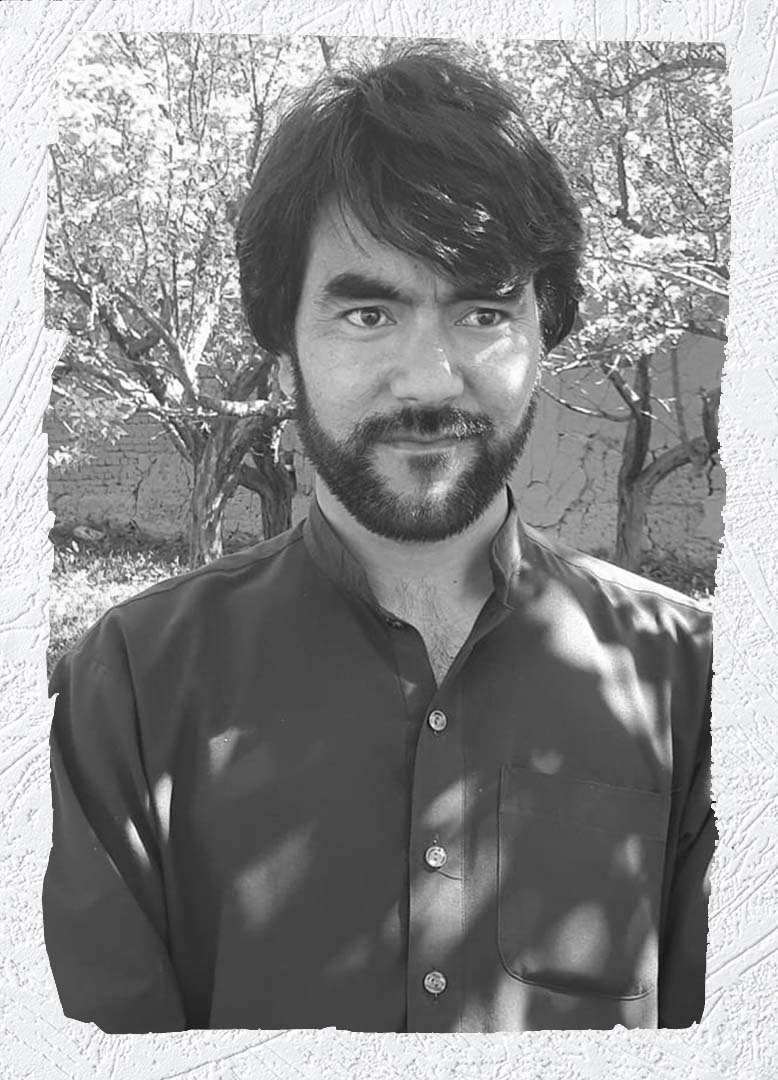
- Gender
- Male
- Ethnicity
- Hazara
- Village/Town of Incident
- Chahar Rahi Malik Asghar, Kabul city چهارراهی ملک اصغر
- District geolocation of incident
- Kabul: 34° 31′ 1″ N, 69° 8′ 60″ E
- Description of incident
This explosion took place on November 11, 2018 when thousands of Kabul residents protested what they called "the government's inaction in preventing the attack of the Taliban group on Malistan and Jaghouri districts in Ghazni province and Khas Uruzgan district in Uruzgan province". They started a march and gathered near the presidential palace. The rally continued until dawn on Monday, when President Ghani accepted some of the protesters' demands through a phone call. After that, people were leaving the gathering place when a suicide attack took place.
Fatima Batul Sultani
- Photo of Victim

- Gender
- Female
- Ethnicity
- Hazara
- Village/Town of Incident
- Chahar Rahi Malik Asghar, Kabul city چهارراهی ملک اصغر
- District geolocation of incident
- Kabul: 34° 31′ 1″ N, 69° 8′ 60″ E
- Description of incident
This explosion took place on November 11, 2018 when thousands of Kabul residents protested what they called "the government's inaction in preventing the attack of the Taliban group on Malistan and Jaghouri districts in Ghazni province and Khas Uruzgan district in Uruzgan province". They started a march and gathered near the presidential palace. The rally continued until dawn on Monday, when President Ghani accepted some of the protesters' demands through a phone call. After that, people were leaving the gathering place when a suicide attack took place.
Freshta Akbari Hazaristani
- Photo of Victim

- Gender
- Female
- Ethnicity
- Hazara
- Village/Town of Incident
- Chahar Rahi Malik Asghar, Kabul city چهارراهی ملک اصغر
- District geolocation of incident
- Kabul: 34° 31′ 1″ N, 69° 8′ 60″ E
- Description of incident
This explosion took place on November 11, 2018 when thousands of Kabul residents protested what they called "the government's inaction in preventing the attack of the Taliban group on Malistan and Jaghouri districts in Ghazni province and Khas Uruzgan district in Uruzgan province". They started a march and gathered near the presidential palace. The rally continued until dawn on Monday, when President Ghani accepted some of the protesters' demands through a phone call. After that, people were leaving the gathering place when a suicide attack took place.
Gulchehra Sadaf Qasimi
- Photo of Victim

- Gender
- Female
- Ethnicity
- Hazara
- Village/Town of Incident
- Chahar Rahi Malik Asghar, Kabul city چهارراهی ملک اصغر
- District geolocation of incident
- Kabul: 34° 31′ 1″ N, 69° 8′ 60″ E
- Description of incident
This explosion took place on November 11, 2018 when thousands of Kabul residents protested what they called "the government's inaction in preventing the attack of the Taliban group on Malistan and Jaghouri districts in Ghazni province and Khas Uruzgan district in Uruzgan province". They started a march and gathered near the presidential palace. The rally continued until dawn on Monday, when President Ghani accepted some of the protesters' demands through a phone call. After that, people were leaving the gathering place when a suicide attack took place.
Abdulqaum Shafaee
- Photo of Victim

- Gender
- Male
- Ethnicity
- Hazara
- Village/Town of Incident
- Chahar Rahi Malik Asghar, Kabul city چهارراهی ملک اصغر
- District geolocation of incident
- Kabul: 34° 31′ 1″ N, 69° 8′ 60″ E
- Description of incident
This explosion took place on November 11, 2018 when thousands of Kabul residents protested what they called "the government's inaction in preventing the attack of the Taliban group on Malistan and Jaghouri districts in Ghazni province and Khas Uruzgan district in Uruzgan province". They started a march and gathered near the presidential palace. The rally continued until dawn on Monday, when President Ghani accepted some of the protesters' demands through a phone call. After that, people were leaving the gathering place when a suicide attack took place.
Bibi Zulaikha
- Photo of Victim

- Gender
- Female
- Ethnicity
- Pashtun
- Village/Town of Incident
- Cinema Baharistan, Karte Pawan, Kabul
- District geolocation of incident
- Kabul: 34° 31′ 1″ N, 69° 8′ 60″ E
- Description of incident
I lost my mother-in-law. She was at home when a rocket hit our house and killed her. My husband went to see what was going on and saw his mother’s head shattered and spread all over.
Mohammad Sadiq
- Photo of Victim

- Gender
- Male
- Ethnicity
- Hazara
- Village/Town of Incident
- Darulaman Road, Kabul
- District geolocation of incident
- Kabul: 34° 31′ 1″ N, 69° 8′ 60″ E
- Description of incident
My son was alive for five days but had difficulty in breathing because of major burns. When we were at the mosque for Saima’s funeral, Sadiq passed away in the hospital. We buried Sadiq on 5th of Ramadan, just a few days after Saima.
- Declaratory Statement
The Story of M. Musa (father)
Victims’ Names: Mohammad Sadiq and Saima
Date of Incident: April 21, 2015
Place of Incident: Darulaman Road, Kabul
I was at home when the explosion occurred. Muhammad Sadiq was swinging when his sister asked him to get her children from school. As they were walking on the pavement, Sadiq noticed a truck carrying six big gas containers getting closer. As the truck passed them, a few meters away it turns towards the old parliament building and exploded. The explosives attached to the gas canisters killed and injured dozens of people. Saima’s hand and leg were cut off and we couldn’t find her leg. The shrapnel had pierced her younger brother’s abdomen extruding his intestines and kidney. Mohammad Sadiq had pushed his nephew in the street gutter to save his life and had then managed to walk to a blacksmith and asked to take him out of the gutter. Though Sadiq lost his life due to major burns, he saved his nephew’s life that day.
I took them to Istiqlal Hospital. My son, Sadiq was transferred to the burn injuries section and my grandson was in my arms as I held his kidney and intestines in my hand. First the doctors refused to admit him but when he opened his eyes and started moaning, they realised he was alive so they took him to the emergency section for surgery which took three days to complete. When we took my son and nephew to the hospital, we found Saima missing. Everyone started looking for her until we found her body in the Forensic Medicine Department. It was difficult to identify her because her entire body had been burned and been injured by shrapnel. One of her legs had been cut off which we never found.
My son was alive for five days but had difficulty in breathing because of major burns. When we were at the mosque for Saima’s funeral, Sadiq passed away in the hospital. We buried Sadiq on 5th of Ramadan, just a few days after Saima. He was only 27 years old when he was killed. He was our only breadwinner and was working as a freelance tailor. He used to buy fabrics to sew clothes and distribute in the market. He was married and left behind a daughter and a young wife who are now living with us. I gave his belongings for charity but left a few objects which I have decided to add to the Memory Box to keep his memories alive.
Saima
- Photo of Victim

- Gender
- Female
- Ethnicity
- Hazara
- Village/Town of Incident
- Darulaman Road, Kabul
- District geolocation of incident
- Kabul: 34° 31′ 1″ N, 69° 8′ 60″ E
- Description of incident
The explosives attached to the gas canisters killed and injured dozens of people. Saima’s hand and leg were cut off and we couldn’t find her leg. The shrapnel had pierced her younger brother’s abdomen extruding his intestines and kidney.
- Declaratory Statement
The Story of M. Musa (father)
Victims’ Names: Mohammad Sadiq and Saima
Date of Incident: April 21, 2015
Place of Incident: Darulaman Road, Kabul
I was at home when the explosion occurred. Muhammad Sadiq was swinging when his sister asked him to get her children from school. As they were walking on the pavement, Sadiq noticed a truck carrying six big gas containers getting closer. As the truck passed them, a few meters away it turns towards the old parliament building and exploded. The explosives attached to the gas canisters killed and injured dozens of people. Saima’s hand and leg were cut off and we couldn’t find her leg. The shrapnel had pierced her younger brother’s abdomen extruding his intestines and kidney. Mohammad Sadiq had pushed his nephew in the street gutter to save his life and had then managed to walk to a blacksmith and asked to take him out of the gutter. Though Sadiq lost his life due to major burns, he saved his nephew’s life that day.
I took them to Istiqlal Hospital. My son, Sadiq was transferred to the burn injuries section and my grandson was in my arms as I held his kidney and intestines in my hand. First the doctors refused to admit him but when he opened his eyes and started moaning, they realised he was alive so they took him to the emergency section for surgery which took three days to complete. When we took my son and nephew to the hospital, we found Saima missing. Everyone started looking for her until we found her body in the Forensic Medicine Department. It was difficult to identify her because her entire body had been burned and been injured by shrapnel. One of her legs had been cut off which we never found.
My son was alive for five days but had difficulty in breathing because of major burns. When we were at the mosque for Saima’s funeral, Sadiq passed away in the hospital. We buried Sadiq on 5th of Ramadan, just a few days after Saima. He was only 27 years old when he was killed. He was our only breadwinner and was working as a freelance tailor. He used to buy fabrics to sew clothes and distribute in the market. He was married and left behind a daughter and a young wife who are now living with us. I gave his belongings for charity but left a few objects which I have decided to add to the Memory Box to keep his memories alive.
Hussain Ali Karimi
- Photo of Victim

- Gender
- Male
- Ethnicity
- Hazara
- Village/Town of Incident
- Dasht-e-Barchi, West Kabul
- District geolocation of incident
- Kabul: 34° 31′ 1″ N, 69° 8′ 60″ E
- Description of incident
On September 5, 2015, a devastating twin suicide bombing struck the Maiwand Wrestling Club in Dasht-e-Barchi, a predominantly Hazara neighborhood in western Kabul, Afghanistan. The first explosion occurred inside the wrestling club during the early evening hours. As first responders and civilians gathered to assist the victims, a second blast detonated, causing even greater casualties. The attacks resulted in the deaths of at least 30 civilians, including two journalists, Samim Framarz and Ramiz Ahmadi. More than 103 others were injured in the incident. The Islamic State Khorasan Province (ISIL-KP) claimed responsibility for the bombings, stating they specifically targeted the Shia-Hazara community.
Khalil Alizada
- Photo of Victim

- Gender
- Male
- Ethnicity
- Hazara
- Village/Town of Incident
- Dasht-e-Barchi, West Kabul
- District geolocation of incident
- Kabul: 34° 31′ 1″ N, 69° 8′ 60″ E
- Description of incident
On September 5, 2015, a devastating twin suicide bombing struck the Maiwand Wrestling Club in Dasht-e-Barchi, a predominantly Hazara neighborhood in western Kabul, Afghanistan. The first explosion occurred inside the wrestling club during the early evening hours. As first responders and civilians gathered to assist the victims, a second blast detonated, causing even greater casualties. The attacks resulted in the deaths of at least 30 civilians, including two journalists, Samim Framarz and Ramiz Ahmadi. More than 103 others were injured in the incident. The Islamic State Khorasan Province (ISIL-KP) claimed responsibility for the bombings, stating they specifically targeted the Shia-Hazara community.
- Declaratory Statement
No statemen
AbdurRaouf Mahdawi
- Photo of Victim

- Gender
- Male
- Ethnicity
- Hazara
- Village/Town of Incident
- Dasht-e-Barchi, West Kabul
- District geolocation of incident
- Kabul: 34° 31′ 1″ N, 69° 8′ 60″ E
- Description of incident
On December 28, 2017, a suicide bomber detonated an explosive device inside the Tabyan Center, a religious and cultural gathering place in Dasht-e-Barchi, located to the west of Kabul. The blast resulted in the deaths of 41 individuals and injuries to another 84 people. Among those killed were at least two children and four women, while eight women were among the injured. All the victims were civilians, primarily belonging to the Hazara ethnic group. The Islamic State of Iraq and the Levant-Khorasan Province (ISIL-KP) claimed responsibility for the attack.
Sayed Khodadad Ahmadi
- Photo of Victim

- Gender
- Male
- Ethnicity
- Sadat
- Village/Town of Incident
- Dasht-e-Barchi, West Kabul
- District geolocation of incident
- Kabul: 34° 31′ 1″ N, 69° 8′ 60″ E
- Description of incident
On December 28, 2017, a suicide bomber detonated an explosive device inside the Tabyan Center, a religious and cultural gathering place in Dasht-e-Barchi, located to the west of Kabul. The blast resulted in the deaths of 41 individuals and injuries to another 84 people. Among those killed were at least two children and four women, while eight women were among the injured. All the victims were civilians, primarily belonging to the Hazara ethnic group. The Islamic State of Iraq and the Levant-Khorasan Province (ISIL-KP) claimed responsibility for the attack.
- Declaratory Statement
No statement
Sultan Ali Nabizada
- Photo of Victim

- Gender
- Male
- Ethnicity
- Hazara
- Village/Town of Incident
- Dasht-e-Barchi, West Kabul
- District geolocation of incident
- Kabul: 34° 31′ 1″ N, 69° 8′ 60″ E
- Description of incident
On January 11, 2024, an explosion occurred at the public entrance of this bustling shopping mall, Barchi City Center, in the Hazara neighborhood of Dasht-e-Barchi. According to available sources, the casualty count ranged from 2 to 10 fatalities, with an additional 12 individuals sustaining injuries. The Barchi City Center, frequented by thousands of visitors daily, is a hub of activity in the area. No group or individual has claimed responsibility for the attack.
- Declaratory Statement
No statement
Ehsan Rezaei
- Photo of Victim

- Gender
- Male
- Ethnicity
- Hazara
- Village/Town of Incident
- Dasht-e-Barchi, West Kabul
- District geolocation of incident
- Kabul: 34° 31′ 1″ N, 69° 8′ 60″ E
- Description of incident
On September 5, 2015, a devastating twin suicide bombing struck the Maiwand Wrestling Club in Dasht-e-Barchi, a predominantly Hazara neighborhood in western Kabul, Afghanistan. The first explosion occurred inside the wrestling club during the early evening hours. As first responders and civilians gathered to assist the victims, a second blast detonated, causing even greater casualties. The attacks resulted in the deaths of at least 30 civilians, including two journalists, Samim Framarz and Ramiz Ahmadi. More than 103 others were injured in the incident. The Islamic State Khorasan Province (ISIL-KP) claimed responsibility for the bombings, stating they specifically targeted the Shia-Hazara community.
- Declaratory Statement
No statement
Hamid Yari
- Photo of Victim

- Gender
- Male
- Ethnicity
- Hazara
- Village/Town of Incident
- Dasht-e-Barchi, West Kabul
- District geolocation of incident
- Kabul: 34° 31′ 1″ N, 69° 8′ 60″ E
- Description of incident
On September 5, 2015, a devastating twin suicide bombing struck the Maiwand Wrestling Club in Dasht-e-Barchi, a predominantly Hazara neighborhood in western Kabul, Afghanistan. The first explosion occurred inside the wrestling club during the early evening hours. As first responders and civilians gathered to assist the victims, a second blast detonated, causing even greater casualties. The attacks resulted in the deaths of at least 30 civilians, including two journalists, Samim Framarz and Ramiz Ahmadi. More than 103 others were injured in the incident. The Islamic State Khorasan Province (ISIL-KP) claimed responsibility for the bombings, stating they specifically targeted the Shia-Hazara community.
- Declaratory Statement
No statement
Sayed Ali
- Photo of Victim

- Gender
- Male
- Ethnicity
- Sadat
- Village/Town of Incident
- Dasht-e-Barchi, West Kabul
- District geolocation of incident
- Kabul: 34° 31′ 1″ N, 69° 8′ 60″ E
- Description of incident
On September 5, 2015, a devastating twin suicide bombing struck the Maiwand Wrestling Club in Dasht-e-Barchi, a predominantly Hazara neighborhood in western Kabul, Afghanistan. The first explosion occurred inside the wrestling club during the early evening hours. As first responders and civilians gathered to assist the victims, a second blast detonated, causing even greater casualties. The attacks resulted in the deaths of at least 30 civilians, including two journalists, Samim Framarz and Ramiz Ahmadi. More than 103 others were injured in the incident. The Islamic State Khorasan Province (ISIL-KP) claimed responsibility for the bombings, stating they specifically targeted the Shia-Hazara community.
- Declaratory Statement
No statement
Sayed Yadullah
- Photo of Victim

- Gender
- Male
- Ethnicity
- Sadat
- Village/Town of Incident
- Dasht-e-Barchi, West Kabul
- District geolocation of incident
- Kabul: 34° 31′ 1″ N, 69° 8′ 60″ E
- Description of incident
On September 5, 2015, a devastating twin suicide bombing struck the Maiwand Wrestling Club in Dasht-e-Barchi, a predominantly Hazara neighborhood in western Kabul, Afghanistan. The first explosion occurred inside the wrestling club during the early evening hours. As first responders and civilians gathered to assist the victims, a second blast detonated, causing even greater casualties. The attacks resulted in the deaths of at least 30 civilians, including two journalists, Samim Framarz and Ramiz Ahmadi. More than 103 others were injured in the incident. The Islamic State Khorasan Province (ISIL-KP) claimed responsibility for the bombings, stating they specifically targeted the Shia-Hazara community.
- Declaratory Statement
No statement
Abdulhussain Ayobi
- Photo of Victim

- Gender
- Male
- Ethnicity
- Hazara
- Village/Town of Incident
- Dasht-e-Barchi, West Kabul
- District geolocation of incident
- Kabul: 34° 31′ 1″ N, 69° 8′ 60″ E
- Description of incident
On September 5, 2015, a devastating twin suicide bombing struck the Maiwand Wrestling Club in Dasht-e-Barchi, a predominantly Hazara neighborhood in western Kabul, Afghanistan. The first explosion occurred inside the wrestling club during the early evening hours. As first responders and civilians gathered to assist the victims, a second blast detonated, causing even greater casualties. The attacks resulted in the deaths of at least 30 civilians, including two journalists, Samim Framarz and Ramiz Ahmadi. More than 103 others were injured in the incident. The Islamic State Khorasan Province (ISIL-KP) claimed responsibility for the bombings, stating they specifically targeted the Shia-Hazara community.
Alisina Kazimi
- Photo of Victim

- Gender
- Male
- Ethnicity
- Hazara
- Village/Town of Incident
- Dasht-e-Barchi, West Kabul
- District geolocation of incident
- Kabul: 34° 31′ 1″ N, 69° 8′ 60″ E
- Description of incident
On September 5, 2015, a devastating twin suicide bombing struck the Maiwand Wrestling Club in Dasht-e-Barchi, a predominantly Hazara neighborhood in western Kabul, Afghanistan. The first explosion occurred inside the wrestling club during the early evening hours. As first responders and civilians gathered to assist the victims, a second blast detonated, causing even greater casualties. The attacks resulted in the deaths of at least 30 civilians, including two journalists, Samim Framarz and Ramiz Ahmadi. More than 103 others were injured in the incident. The Islamic State Khorasan Province (ISIL-KP) claimed responsibility for the bombings, stating they specifically targeted the Shia-Hazara community.
- Declaratory Statement
No statement
Alidad Hasani
- Photo of Victim

- Gender
- Male
- Ethnicity
- Hazara
- Village/Town of Incident
- Dasht-e-Barchi, West Kabul
- District geolocation of incident
- Kabul: 34° 31′ 1″ N, 69° 8′ 60″ E
- Description of incident
On September 5, 2015, a devastating twin suicide bombing struck the Maiwand Wrestling Club in Dasht-e-Barchi, a predominantly Hazara neighborhood in western Kabul, Afghanistan. The first explosion occurred inside the wrestling club during the early evening hours. As first responders and civilians gathered to assist the victims, a second blast detonated, causing even greater casualties. The attacks resulted in the deaths of at least 30 civilians, including two journalists, Samim Framarz and Ramiz Ahmadi. More than 103 others were injured in the incident. The Islamic State Khorasan Province (ISIL-KP) claimed responsibility for the bombings, stating they specifically targeted the Shia-Hazara community.
- Declaratory Statement
No statement
Mojtaba Hashimi
- Photo of Victim

- Gender
- Male
- Ethnicity
- Hazara
- Village/Town of Incident
- Dasht-e-Barchi, West Kabul
- District geolocation of incident
- Kabul: 34° 31′ 1″ N, 69° 8′ 60″ E
- Description of incident
On September 5, 2015, a devastating twin suicide bombing struck the Maiwand Wrestling Club in Dasht-e-Barchi, a predominantly Hazara neighborhood in western Kabul, Afghanistan. The first explosion occurred inside the wrestling club during the early evening hours. As first responders and civilians gathered to assist the victims, a second blast detonated, causing even greater casualties. The attacks resulted in the deaths of at least 30 civilians, including two journalists, Samim Framarz and Ramiz Ahmadi. More than 103 others were injured in the incident. The Islamic State Khorasan Province (ISIL-KP) claimed responsibility for the bombings, stating they specifically targeted the Shia-Hazara community.
- Declaratory Statement
No statement
Mohammad Hasan Khani
- Photo of Victim

- Gender
- Male
- Ethnicity
- Hazara
- Village/Town of Incident
- Dasht-e-Barchi, West Kabul
- District geolocation of incident
- Kabul: 34° 31′ 1″ N, 69° 8′ 60″ E
- Description of incident
On September 5, 2015, a devastating twin suicide bombing struck the Maiwand Wrestling Club in Dasht-e-Barchi, a predominantly Hazara neighborhood in western Kabul, Afghanistan. The first explosion occurred inside the wrestling club during the early evening hours. As first responders and civilians gathered to assist the victims, a second blast detonated, causing even greater casualties. The attacks resulted in the deaths of at least 30 civilians, including two journalists, Samim Framarz and Ramiz Ahmadi. More than 103 others were injured in the incident. The Islamic State Khorasan Province (ISIL-KP) claimed responsibility for the bombings, stating they specifically targeted the Shia-Hazara community.
- Declaratory Statement
No statement
Mohammad Taher Khedri
- Photo of Victim

- Gender
- Male
- Ethnicity
- Hazara
- Village/Town of Incident
- Dasht-e-Barchi, West Kabul
- District geolocation of incident
- Kabul: 34° 31′ 1″ N, 69° 8′ 60″ E
- Description of incident
On September 5, 2015, a devastating twin suicide bombing struck the Maiwand Wrestling Club in Dasht-e-Barchi, a predominantly Hazara neighborhood in western Kabul, Afghanistan. The first explosion occurred inside the wrestling club during the early evening hours. As first responders and civilians gathered to assist the victims, a second blast detonated, causing even greater casualties. The attacks resulted in the deaths of at least 30 civilians, including two journalists, Samim Framarz and Ramiz Ahmadi. More than 103 others were injured in the incident. The Islamic State Khorasan Province (ISIL-KP) claimed responsibility for the bombings, stating they specifically targeted the Shia-Hazara community.
- Declaratory Statement
No statement
Mohammad Ali Bahmani
- Photo of Victim

- Gender
- Male
- Ethnicity
- Hazara
- Village/Town of Incident
- Dasht-e-Barchi, West Kabul
- District geolocation of incident
- Kabul: 34° 31′ 1″ N, 69° 8′ 60″ E
- Description of incident
On September 5, 2015, a devastating twin suicide bombing struck the Maiwand Wrestling Club in Dasht-e-Barchi, a predominantly Hazara neighborhood in western Kabul, Afghanistan. The first explosion occurred inside the wrestling club during the early evening hours. As first responders and civilians gathered to assist the victims, a second blast detonated, causing even greater casualties. The attacks resulted in the deaths of at least 30 civilians, including two journalists, Samim Framarz and Ramiz Ahmadi. More than 103 others were injured in the incident. The Islamic State Khorasan Province (ISIL-KP) claimed responsibility for the bombings, stating they specifically targeted the Shia-Hazara community.
- Declaratory Statement
No statement
Mohammad Hashim Yaqobi
- Photo of Victim

- Gender
- Male
- Ethnicity
- Hazara
- Village/Town of Incident
- Dasht-e-Barchi, West Kabul
- District geolocation of incident
- Kabul: 34° 31′ 1″ N, 69° 8′ 60″ E
- Description of incident
On September 5, 2015, a devastating twin suicide bombing struck the Maiwand Wrestling Club in Dasht-e-Barchi, a predominantly Hazara neighborhood in western Kabul, Afghanistan. The first explosion occurred inside the wrestling club during the early evening hours. As first responders and civilians gathered to assist the victims, a second blast detonated, causing even greater casualties. The attacks resulted in the deaths of at least 30 civilians, including two journalists, Samim Framarz and Ramiz Ahmadi. More than 103 others were injured in the incident. The Islamic State Khorasan Province (ISIL-KP) claimed responsibility for the bombings, stating they specifically targeted the Shia-Hazara community.
- Declaratory Statement
No statement
Najebullah Qadiri
- Photo of Victim

- Gender
- Male
- Ethnicity
- Hazara
- Village/Town of Incident
- Dasht-e-Barchi, West Kabul
- District geolocation of incident
- Kabul: 34° 31′ 1″ N, 69° 8′ 60″ E
- Description of incident
On September 5, 2015, a devastating twin suicide bombing struck the Maiwand Wrestling Club in Dasht-e-Barchi, a predominantly Hazara neighborhood in western Kabul, Afghanistan. The first explosion occurred inside the wrestling club during the early evening hours. As first responders and civilians gathered to assist the victims, a second blast detonated, causing even greater casualties. The attacks resulted in the deaths of at least 30 civilians, including two journalists, Samim Framarz and Ramiz Ahmadi. More than 103 others were injured in the incident. The Islamic State Khorasan Province (ISIL-KP) claimed responsibility for the bombings, stating they specifically targeted the Shia-Hazara community.
- Declaratory Statement
No statement
Wakil Hussain Allah Dad
- Photo of Victim

- Gender
- Male
- Ethnicity
- Hazara
- Village/Town of Incident
- Dasht-e-Barchi, West Kabul
- District geolocation of incident
- Kabul: 34° 31′ 1″ N, 69° 8′ 60″ E
- Description of incident
On April 22, 2018, a suicide bomber detonated his explosive device amidst a large gathering of civilians seeking to obtain electronic identification (e-ID) cards in the Mahtab Qala area of Dasht-e-Barchi, located west of Kabul. The explosion resulted in the deaths of at least 69 civilians, with an additional 120 individuals sustaining injuries. According to official reports, among the victims were 22 women, 17 children, and individuals with disabilities. Furthermore, the injured comprised 52 women, 50 men, and 17 children. The Islamic State of Iraq and the Levant–Khorasan Province (ISIL-KP) claimed responsibility for the attack, stating that they targeted the Hazara-Shia community.
Mitra Faqiri
- Photo of Victim

- Gender
- Female
- Ethnicity
- Hazara
- Village/Town of Incident
- Dasht-e-Barchi, West Kabul
- District geolocation of incident
- Kabul: 34° 31′ 1″ N, 69° 8′ 60″ E
- Description of incident
On April 22, 2018, a suicide bomber detonated his explosive device amidst a large gathering of civilians seeking to obtain electronic identification (e-ID) cards in the Mahtab Qala area of Dasht-e-Barchi, located west of Kabul. The explosion resulted in the deaths of at least 69 civilians, with an additional 120 individuals sustaining injuries. According to official reports, among the victims were 22 women, 17 children, and individuals with disabilities. Furthermore, the injured comprised 52 women, 50 men, and 17 children. The Islamic State of Iraq and the Levant–Khorasan Province (ISIL-KP) claimed responsibility for the attack, stating that they targeted the Hazara-Shia community.
- Declaratory Statement
No statement
Hussain Bakhsh Rezaei
- Photo of Victim

- Gender
- Male
- Ethnicity
- Hazara
- Village/Town of Incident
- Dasht-e-Barchi, West Kabul
- District geolocation of incident
- Kabul: 34° 31′ 1″ N, 69° 8′ 60″ E
- Description of incident
On April 22, 2018, a suicide bomber detonated his explosive device amidst a large gathering of civilians seeking to obtain electronic identification (e-ID) cards in the Mahtab Qala area of Dasht-e-Barchi, located west of Kabul. The explosion resulted in the deaths of at least 69 civilians, with an additional 120 individuals sustaining injuries. According to official reports, among the victims were 22 women, 17 children, and individuals with disabilities. Furthermore, the injured comprised 52 women, 50 men, and 17 children. The Islamic State of Iraq and the Levant–Khorasan Province (ISIL-KP) claimed responsibility for the attack, stating that they targeted the Hazara-Shia community.
- Declaratory Statement
No statement
Bas Bigum
- Photo of Victim

- Gender
- Female
- Ethnicity
- Hazara
- Village/Town of Incident
- Dasht-e-Barchi, West Kabul
- District geolocation of incident
- Kabul: 34° 31′ 1″ N, 69° 8′ 60″ E
- Description of incident
On April 22, 2018, a suicide bomber detonated his explosive device amidst a large gathering of civilians seeking to obtain electronic identification (e-ID) cards in the Mahtab Qala area of Dasht-e-Barchi, located west of Kabul. The explosion resulted in the deaths of at least 69 civilians, with an additional 120 individuals sustaining injuries. According to official reports, among the victims were 22 women, 17 children, and individuals with disabilities. Furthermore, the injured comprised 52 women, 50 men, and 17 children. The Islamic State of Iraq and the Levant–Khorasan Province (ISIL-KP) claimed responsibility for the attack, stating that they targeted the Hazara-Shia community.
- Declaratory Statement
No statement
Hussain Karbalaei
- Photo of Victim

- Gender
- Male
- Ethnicity
- Hazara
- Village/Town of Incident
- Dasht-e-Barchi, West Kabul
- District geolocation of incident
- Kabul: 34° 31′ 1″ N, 69° 8′ 60″ E
- Description of incident
On April 22, 2018, a suicide bomber detonated his explosive device amidst a large gathering of civilians seeking to obtain electronic identification (e-ID) cards in the Mahtab Qala area of Dasht-e-Barchi, located west of Kabul. The explosion resulted in the deaths of at least 69 civilians, with an additional 120 individuals sustaining injuries. According to official reports, among the victims were 22 women, 17 children, and individuals with disabilities. Furthermore, the injured comprised 52 women, 50 men, and 17 children. The Islamic State of Iraq and the Levant–Khorasan Province (ISIL-KP) claimed responsibility for the attack, stating that they targeted the Hazara-Shia community.
- Declaratory Statement
No statement
Hafiza
- Photo of Victim

- Gender
- Female
- Ethnicity
- Hazara
- Village/Town of Incident
- Dasht-e-Barchi, West Kabul
- District geolocation of incident
- Kabul: 34° 31′ 1″ N, 69° 8′ 60″ E
- Description of incident
On April 22, 2018, a suicide bomber detonated his explosive device amidst a large gathering of civilians seeking to obtain electronic identification (e-ID) cards in the Mahtab Qala area of Dasht-e-Barchi, located west of Kabul. The explosion resulted in the deaths of at least 69 civilians, with an additional 120 individuals sustaining injuries. According to official reports, among the victims were 22 women, 17 children, and individuals with disabilities. Furthermore, the injured comprised 52 women, 50 men, and 17 children. The Islamic State of Iraq and the Levant–Khorasan Province (ISIL-KP) claimed responsibility for the attack, stating that they targeted the Hazara-Shia community.
- Declaratory Statement
No statement
Hafiza Haidari
- Photo of Victim

- Gender
- Female
- Ethnicity
- Hazara
- Village/Town of Incident
- Dasht-e-Barchi, West Kabul
- District geolocation of incident
- Kabul: 34° 31′ 1″ N, 69° 8′ 60″ E
- Description of incident
On April 22, 2018, a suicide bomber detonated his explosive device amidst a large gathering of civilians seeking to obtain electronic identification (e-ID) cards in the Mahtab Qala area of Dasht-e-Barchi, located west of Kabul. The explosion resulted in the deaths of at least 69 civilians, with an additional 120 individuals sustaining injuries. According to official reports, among the victims were 22 women, 17 children, and individuals with disabilities. Furthermore, the injured comprised 52 women, 50 men, and 17 children. The Islamic State of Iraq and the Levant–Khorasan Province (ISIL-KP) claimed responsibility for the attack, stating that they targeted the Hazara-Shia community.
- Declaratory Statement
No statement
Kamila Haidari
- Photo of Victim

- Gender
- Female
- Ethnicity
- Hazara
- Village/Town of Incident
- Dasht-e-Barchi, West Kabul
- District geolocation of incident
- Kabul: 34° 31′ 1″ N, 69° 8′ 60″ E
- Description of incident
On April 22, 2018, a suicide bomber detonated his explosive device amidst a large gathering of civilians seeking to obtain electronic identification (e-ID) cards in the Mahtab Qala area of Dasht-e-Barchi, located west of Kabul. The explosion resulted in the deaths of at least 69 civilians, with an additional 120 individuals sustaining injuries. According to official reports, among the victims were 22 women, 17 children, and individuals with disabilities. Furthermore, the injured comprised 52 women, 50 men, and 17 children. The Islamic State of Iraq and the Levant–Khorasan Province (ISIL-KP) claimed responsibility for the attack, stating that they targeted the Hazara-Shia community.
- Declaratory Statement
No statement
Hamza Khedri
- Photo of Victim

- Gender
- Male
- Ethnicity
- Hazara
- Village/Town of Incident
- Dasht-e-Barchi, West Kabul
- District geolocation of incident
- Kabul: 34° 31′ 1″ N, 69° 8′ 60″ E
- Description of incident
On April 22, 2018, a suicide bomber detonated his explosive device amidst a large gathering of civilians seeking to obtain electronic identification (e-ID) cards in the Mahtab Qala area of Dasht-e-Barchi, located west of Kabul. The explosion resulted in the deaths of at least 69 civilians, with an additional 120 individuals sustaining injuries. According to official reports, among the victims were 22 women, 17 children, and individuals with disabilities. Furthermore, the injured comprised 52 women, 50 men, and 17 children. The Islamic State of Iraq and the Levant–Khorasan Province (ISIL-KP) claimed responsibility for the attack, stating that they targeted the Hazara-Shia community.
- Declaratory Statement
No statement
Zainab Hussaini
- Photo of Victim

- Gender
- Female
- Ethnicity
- Hazara
- Village/Town of Incident
- Dasht-e-Barchi, West Kabul
- District geolocation of incident
- Kabul: 34° 31′ 1″ N, 69° 8′ 60″ E
- Description of incident
On April 22, 2018, a suicide bomber detonated his explosive device amidst a large gathering of civilians seeking to obtain electronic identification (e-ID) cards in the Mahtab Qala area of Dasht-e-Barchi, located west of Kabul. The explosion resulted in the deaths of at least 69 civilians, with an additional 120 individuals sustaining injuries. According to official reports, among the victims were 22 women, 17 children, and individuals with disabilities. Furthermore, the injured comprised 52 women, 50 men, and 17 children. The Islamic State of Iraq and the Levant–Khorasan Province (ISIL-KP) claimed responsibility for the attack, stating that they targeted the Hazara-Shia community.
- Declaratory Statement
No statement
Rahmatullah Khaliqi
- Photo of Victim

- Gender
- Male
- Ethnicity
- Hazara
- Village/Town of Incident
- Dasht-e-Barchi, West Kabul
- District geolocation of incident
- Kabul: 34° 31′ 1″ N, 69° 8′ 60″ E
- Description of incident
On April 22, 2018, a suicide bomber detonated his explosive device amidst a large gathering of civilians seeking to obtain electronic identification (e-ID) cards in the Mahtab Qala area of Dasht-e-Barchi, located west of Kabul. The explosion resulted in the deaths of at least 69 civilians, with an additional 120 individuals sustaining injuries. According to official reports, among the victims were 22 women, 17 children, and individuals with disabilities. Furthermore, the injured comprised 52 women, 50 men, and 17 children. The Islamic State of Iraq and the Levant–Khorasan Province (ISIL-KP) claimed responsibility for the attack, stating that they targeted the Hazara-Shia community.
- Declaratory Statement
No statement
Roqeia Ahamdi
- Photo of Victim

- Gender
- Female
- Ethnicity
- Hazara
- Village/Town of Incident
- Dasht-e-Barchi, West Kabul
- District geolocation of incident
- Kabul: 34° 31′ 1″ N, 69° 8′ 60″ E
- Description of incident
On April 22, 2018, a suicide bomber detonated his explosive device amidst a large gathering of civilians seeking to obtain electronic identification (e-ID) cards in the Mahtab Qala area of Dasht-e-Barchi, located west of Kabul. The explosion resulted in the deaths of at least 69 civilians, with an additional 120 individuals sustaining injuries. According to official reports, among the victims were 22 women, 17 children, and individuals with disabilities. Furthermore, the injured comprised 52 women, 50 men, and 17 children. The Islamic State of Iraq and the Levant–Khorasan Province (ISIL-KP) claimed responsibility for the attack, stating that they targeted the Hazara-Shia community.
- Declaratory Statement
No statement
Ali Abbas
- Photo of Victim

- Gender
- Male
- Ethnicity
- Hazara
- Village/Town of Incident
- Dasht-e-Barchi, West Kabul
- District geolocation of incident
- Kabul: 34° 31′ 1″ N, 69° 8′ 60″ E
- Description of incident
On April 22, 2018, a suicide bomber detonated his explosive device amidst a large gathering of civilians seeking to obtain electronic identification (e-ID) cards in the Mahtab Qala area of Dasht-e-Barchi, located west of Kabul. The explosion resulted in the deaths of at least 69 civilians, with an additional 120 individuals sustaining injuries. According to official reports, among the victims were 22 women, 17 children, and individuals with disabilities. Furthermore, the injured comprised 52 women, 50 men, and 17 children. The Islamic State of Iraq and the Levant–Khorasan Province (ISIL-KP) claimed responsibility for the attack, stating that they targeted the Hazara-Shia community.
- Declaratory Statement
No statement
Ghulam Sakhi
- Photo of Victim

- Gender
- Male
- Ethnicity
- Hazara
- Village/Town of Incident
- Dasht-e-Barchi, West Kabul
- District geolocation of incident
- Kabul: 34° 31′ 1″ N, 69° 8′ 60″ E
- Description of incident
On April 22, 2018, a suicide bomber detonated his explosive device amidst a large gathering of civilians seeking to obtain electronic identification (e-ID) cards in the Mahtab Qala area of Dasht-e-Barchi, located west of Kabul. The explosion resulted in the deaths of at least 69 civilians, with an additional 120 individuals sustaining injuries. According to official reports, among the victims were 22 women, 17 children, and individuals with disabilities. Furthermore, the injured comprised 52 women, 50 men, and 17 children. The Islamic State of Iraq and the Levant–Khorasan Province (ISIL-KP) claimed responsibility for the attack, stating that they targeted the Hazara-Shia community.
Sayed Ahmad Rashid Alawy
- Photo of Victim

- Gender
- Male
- Ethnicity
- Sadat
- Village/Town of Incident
- Dasht-e-Barchi, West Kabul
- District geolocation of incident
- Kabul: 34° 31′ 1″ N, 69° 8′ 60″ E
- Description of incident
On April 22, 2018, a suicide bomber detonated his explosive device amidst a large gathering of civilians seeking to obtain electronic identification (e-ID) cards in the Mahtab Qala area of Dasht-e-Barchi, located west of Kabul. The explosion resulted in the deaths of at least 69 civilians, with an additional 120 individuals sustaining injuries. According to official reports, among the victims were 22 women, 17 children, and individuals with disabilities. Furthermore, the injured comprised 52 women, 50 men, and 17 children. The Islamic State of Iraq and the Levant–Khorasan Province (ISIL-KP) claimed responsibility for the attack, stating that they targeted the Hazara-Shia community.
- Declaratory Statement
No statement
Shukria
- Photo of Victim

- Gender
- Female
- Ethnicity
- Hazara
- Village/Town of Incident
- Dasht-e-Barchi, West Kabul
- District geolocation of incident
- Kabul: 34° 31′ 1″ N, 69° 8′ 60″ E
- Description of incident
On April 22, 2018, a suicide bomber detonated his explosive device amidst a large gathering of civilians seeking to obtain electronic identification (e-ID) cards in the Mahtab Qala area of Dasht-e-Barchi, located west of Kabul. The explosion resulted in the deaths of at least 69 civilians, with an additional 120 individuals sustaining injuries. According to official reports, among the victims were 22 women, 17 children, and individuals with disabilities. Furthermore, the injured comprised 52 women, 50 men, and 17 children. The Islamic State of Iraq and the Levant–Khorasan Province (ISIL-KP) claimed responsibility for the attack, stating that they targeted the Hazara-Shia community.
- Declaratory Statement
No statement
Ali Sina
- Photo of Victim

- Gender
- Male
- Ethnicity
- Hazara
- Village/Town of Incident
- Dasht-e-Barchi, West Kabul
- District geolocation of incident
- Kabul: 34° 31′ 1″ N, 69° 8′ 60″ E
- Description of incident
On April 22, 2018, a suicide bomber detonated his explosive device amidst a large gathering of civilians seeking to obtain electronic identification (e-ID) cards in the Mahtab Qala area of Dasht-e-Barchi, located west of Kabul. The explosion resulted in the deaths of at least 69 civilians, with an additional 120 individuals sustaining injuries. According to official reports, among the victims were 22 women, 17 children, and individuals with disabilities. Furthermore, the injured comprised 52 women, 50 men, and 17 children. The Islamic State of Iraq and the Levant–Khorasan Province (ISIL-KP) claimed responsibility for the attack, stating that they targeted the Hazara-Shia community.
- Declaratory Statement
No statement
Ghulam Nabi Ahmadi
- Photo of Victim

- Gender
- Male
- Ethnicity
- Hazara
- Village/Town of Incident
- Dasht-e-Barchi, West Kabul
- District geolocation of incident
- Kabul: 34° 31′ 1″ N, 69° 8′ 60″ E
- Description of incident
On April 22, 2018, a suicide bomber detonated his explosive device amidst a large gathering of civilians seeking to obtain electronic identification (e-ID) cards in the Mahtab Qala area of Dasht-e-Barchi, located west of Kabul. The explosion resulted in the deaths of at least 69 civilians, with an additional 120 individuals sustaining injuries. According to official reports, among the victims were 22 women, 17 children, and individuals with disabilities. Furthermore, the injured comprised 52 women, 50 men, and 17 children. The Islamic State of Iraq and the Levant–Khorasan Province (ISIL-KP) claimed responsibility for the attack, stating that they targeted the Hazara-Shia community.
- Declaratory Statement
No statement
Mohammad Ashraf
- Photo of Victim

- Gender
- Male
- Ethnicity
- Hazara
- Village/Town of Incident
- Dasht-e-Barchi, West Kabul
- District geolocation of incident
- Kabul: 34° 31′ 1″ N, 69° 8′ 60″ E
- Description of incident
On April 22, 2018, a suicide bomber detonated his explosive device amidst a large gathering of civilians seeking to obtain electronic identification (e-ID) cards in the Mahtab Qala area of Dasht-e-Barchi, located west of Kabul. The explosion resulted in the deaths of at least 69 civilians, with an additional 120 individuals sustaining injuries. According to official reports, among the victims were 22 women, 17 children, and individuals with disabilities. Furthermore, the injured comprised 52 women, 50 men, and 17 children. The Islamic State of Iraq and the Levant–Khorasan Province (ISIL-KP) claimed responsibility for the attack, stating that they targeted the Hazara-Shia community.
- Declaratory Statement
No statement
Mohammad Jawad
- Photo of Victim

- Gender
- Male
- Ethnicity
- Hazara
- Village/Town of Incident
- Dasht-e-Barchi, West Kabul
- District geolocation of incident
- Kabul: 34° 31′ 1″ N, 69° 8′ 60″ E
- Description of incident
On April 22, 2018, a suicide bomber detonated his explosive device amidst a large gathering of civilians seeking to obtain electronic identification (e-ID) cards in the Mahtab Qala area of Dasht-e-Barchi, located west of Kabul. The explosion resulted in the deaths of at least 69 civilians, with an additional 120 individuals sustaining injuries. According to official reports, among the victims were 22 women, 17 children, and individuals with disabilities. Furthermore, the injured comprised 52 women, 50 men, and 17 children. The Islamic State of Iraq and the Levant–Khorasan Province (ISIL-KP) claimed responsibility for the attack, stating that they targeted the Hazara-Shia community.
- Declaratory Statement
No statement
Mohammad Mahfoz
- Photo of Victim

- Gender
- Male
- Ethnicity
- Tajik
- Village/Town of Incident
- Dasht-e-Barchi, West Kabul
- District geolocation of incident
- Kabul: 34° 31′ 1″ N, 69° 8′ 60″ E
- Description of incident
On April 22, 2018, a suicide bomber detonated his explosive device amidst a large gathering of civilians seeking to obtain electronic identification (e-ID) cards in the Mahtab Qala area of Dasht-e-Barchi, located west of Kabul. The explosion resulted in the deaths of at least 69 civilians, with an additional 120 individuals sustaining injuries. According to official reports, among the victims were 22 women, 17 children, and individuals with disabilities. Furthermore, the injured comprised 52 women, 50 men, and 17 children. The Islamic State of Iraq and the Levant–Khorasan Province (ISIL-KP) claimed responsibility for the attack, stating that they targeted the Hazara-Shia community.
- Declaratory Statement
No statement
Mohammad Munir Farahmand
- Photo of Victim

- Gender
- Male
- Ethnicity
- Hazara
- Village/Town of Incident
- Dasht-e-Barchi, West Kabul
- District geolocation of incident
- Kabul: 34° 31′ 1″ N, 69° 8′ 60″ E
Masuma Haidari
- Photo of Victim

- Gender
- Female
- Ethnicity
- Hazara
- Village/Town of Incident
- Dasht-e-Barchi, West Kabul
- District geolocation of incident
- Kabul: 34° 31′ 1″ N, 69° 8′ 60″ E
- Description of incident
On April 22, 2018, a suicide bomber detonated his explosive device amidst a large gathering of civilians seeking to obtain electronic identification (e-ID) cards in the Mahtab Qala area of Dasht-e-Barchi, located west of Kabul. The explosion resulted in the deaths of at least 69 civilians, with an additional 120 individuals sustaining injuries. According to official reports, among the victims were 22 women, 17 children, and individuals with disabilities. Furthermore, the injured comprised 52 women, 50 men, and 17 children. The Islamic State of Iraq and the Levant–Khorasan Province (ISIL-KP) claimed responsibility for the attack, stating that they targeted the Hazara-Shia community.
Milad
- Photo of Victim

- Gender
- Male
- Ethnicity
- Hazara
- Village/Town of Incident
- Dasht-e-Barchi, West Kabul
- District geolocation of incident
- Kabul: 34° 31′ 1″ N, 69° 8′ 60″ E
- Description of incident
On April 22, 2018, a suicide bomber detonated his explosive device amidst a large gathering of civilians seeking to obtain electronic identification (e-ID) cards in the Mahtab Qala area of Dasht-e-Barchi, located west of Kabul. The explosion resulted in the deaths of at least 69 civilians, with an additional 120 individuals sustaining injuries. According to official reports, among the victims were 22 women, 17 children, and individuals with disabilities. Furthermore, the injured comprised 52 women, 50 men, and 17 children. The Islamic State of Iraq and the Levant–Khorasan Province (ISIL-KP) claimed responsibility for the attack, stating that they targeted the Hazara-Shia community.
- Declaratory Statement
No statement
Mohammad Arif Maqsodi
- Photo of Victim

- Gender
- Male
- Ethnicity
- Hazara
- Village/Town of Incident
- Dasht-e-Barchi, West Kabul
- District geolocation of incident
- Kabul: 34° 31′ 1″ N, 69° 8′ 60″ E
- Description of incident
On April 22, 2018, a suicide bomber detonated his explosive device amidst a large gathering of civilians seeking to obtain electronic identification (e-ID) cards in the Mahtab Qala area of Dasht-e-Barchi, located west of Kabul. The explosion resulted in the deaths of at least 69 civilians, with an additional 120 individuals sustaining injuries. According to official reports, among the victims were 22 women, 17 children, and individuals with disabilities. Furthermore, the injured comprised 52 women, 50 men, and 17 children. The Islamic State of Iraq and the Levant–Khorasan Province (ISIL-KP) claimed responsibility for the attack, stating that they targeted the Hazara-Shia community.
- Declaratory Statement
No statement
Mohammad Ali Haidari
- Photo of Victim

- Gender
- Male
- Ethnicity
- Hazara
- Village/Town of Incident
- Dasht-e-Barchi, West Kabul
- District geolocation of incident
- Kabul: 34° 31′ 1″ N, 69° 8′ 60″ E
- Description of incident
On April 22, 2018, a suicide bomber detonated his explosive device amidst a large gathering of civilians seeking to obtain electronic identification (e-ID) cards in the Mahtab Qala area of Dasht-e-Barchi, located west of Kabul. The explosion resulted in the deaths of at least 69 civilians, with an additional 120 individuals sustaining injuries. According to official reports, among the victims were 22 women, 17 children, and individuals with disabilities. Furthermore, the injured comprised 52 women, 50 men, and 17 children. The Islamic State of Iraq and the Levant–Khorasan Province (ISIL-KP) claimed responsibility for the attack, stating that they targeted the Hazara-Shia community.
Nigar
- Photo of Victim

- Gender
- Female
- Ethnicity
- Hazara
- Village/Town of Incident
- Dasht-e-Barchi, West Kabul
- District geolocation of incident
- Kabul: 34° 31′ 1″ N, 69° 8′ 60″ E
- Description of incident
On April 22, 2018, a suicide bomber detonated his explosive device amidst a large gathering of civilians seeking to obtain electronic identification (e-ID) cards in the Mahtab Qala area of Dasht-e-Barchi, located west of Kabul. The explosion resulted in the deaths of at least 69 civilians, with an additional 120 individuals sustaining injuries. According to official reports, among the victims were 22 women, 17 children, and individuals with disabilities. Furthermore, the injured comprised 52 women, 50 men, and 17 children. The Islamic State of Iraq and the Levant–Khorasan Province (ISIL-KP) claimed responsibility for the attack, stating that they targeted the Hazara-Shia community.
- Declaratory Statement
No statement
Mir Hussain
- Photo of Victim

- Gender
- Male
- Ethnicity
- Hazara
- Village/Town of Incident
- Dasht-e-Barchi, West Kabul
- District geolocation of incident
- Kabul: 34° 31′ 1″ N, 69° 8′ 60″ E
- Description of incident
On December 28, 2017, a suicide bomber detonated an explosive device inside the Tabyan Center, a religious and cultural gathering place in Dasht-e-Barchi, located to the west of Kabul. The blast resulted in the deaths of 41 individuals and injuries to another 84 people. Among those killed were at least two children and four women, while eight women were among the injured. All the victims were civilians, primarily belonging to the Hazara ethnic group. The Islamic State of Iraq and the Levant-Khorasan Province (ISIL-KP) claimed responsibility for the attack.
Mohammad Mahdi Samadi
- Photo of Victim

- Gender
- Male
- Ethnicity
- Hazara
- Village/Town of Incident
- Dasht-e-Barchi, West Kabul
- District geolocation of incident
- Kabul: 34° 31′ 1″ N, 69° 8′ 60″ E
- Description of incident
On December 28, 2017, a suicide bomber detonated an explosive device inside the Tabyan Center, a religious and cultural gathering place in Dasht-e-Barchi, located to the west of Kabul. The blast resulted in the deaths of 41 individuals and injuries to another 84 people. Among those killed were at least two children and four women, while eight women were among the injured. All the victims were civilians, primarily belonging to the Hazara ethnic group. The Islamic State of Iraq and the Levant-Khorasan Province (ISIL-KP) claimed responsibility for the attack.
Aliullah Ahmadi
- Photo of Victim

- Gender
- Male
- Ethnicity
- Hazara
- Village/Town of Incident
- Dasht-e-Barchi, West Kabul
- District geolocation of incident
- Kabul: 34° 31′ 1″ N, 69° 8′ 60″ E
- Description of incident
On December 28, 2017, a suicide bomber detonated an explosive device inside the Tabyan Center, a religious and cultural gathering place in Dasht-e-Barchi, located to the west of Kabul. The blast resulted in the deaths of 41 individuals and injuries to another 84 people. Among those killed were at least two children and four women, while eight women were among the injured. All the victims were civilians, primarily belonging to the Hazara ethnic group. The Islamic State of Iraq and the Levant-Khorasan Province (ISIL-KP) claimed responsibility for the attack.
- Declaratory Statement
No statement
Mohammad Hadi Ebrahimi
- Photo of Victim

- Gender
- Male
- Ethnicity
- Hazara
- Village/Town of Incident
- Dasht-e-Barchi, West Kabul
- District geolocation of incident
- Kabul: 34° 31′ 1″ N, 69° 8′ 60″ E
- Description of incident
On December 28, 2017, a suicide bomber detonated an explosive device inside the Tabyan Center, a religious and cultural gathering place in Dasht-e-Barchi, located to the west of Kabul. The blast resulted in the deaths of 41 individuals and injuries to another 84 people. Among those killed were at least two children and four women, while eight women were among the injured. All the victims were civilians, primarily belonging to the Hazara ethnic group. The Islamic State of Iraq and the Levant-Khorasan Province (ISIL-KP) claimed responsibility for the attack.
Reza Qasimi
- Photo of Victim

- Gender
- Male
- Ethnicity
- Hazara
- Village/Town of Incident
- Dasht-e-Barchi, West Kabul
- District geolocation of incident
- Kabul: 34° 31′ 1″ N, 69° 8′ 60″ E
- Description of incident
On December 28, 2017, a suicide bomber detonated an explosive device inside the Tabyan Center, a religious and cultural gathering place in Dasht-e-Barchi, located to the west of Kabul. The blast resulted in the deaths of 41 individuals and injuries to another 84 people. Among those killed were at least two children and four women, while eight women were among the injured. All the victims were civilians, primarily belonging to the Hazara ethnic group. The Islamic State of Iraq and the Levant-Khorasan Province (ISIL-KP) claimed responsibility for the attack.
- Declaratory Statement
No statement
Sayed Rahmatullah Arifi
- Photo of Victim

- Gender
- Male
- Ethnicity
- Sadat
- Village/Town of Incident
- Dasht-e-Barchi, West Kabul
- District geolocation of incident
- Kabul: 34° 31′ 1″ N, 69° 8′ 60″ E
- Description of incident
On December 28, 2017, a suicide bomber detonated an explosive device inside the Tabyan Center, a religious and cultural gathering place in Dasht-e-Barchi, located to the west of Kabul. The blast resulted in the deaths of 41 individuals and injuries to another 84 people. Among those killed were at least two children and four women, while eight women were among the injured. All the victims were civilians, primarily belonging to the Hazara ethnic group. The Islamic State of Iraq and the Levant-Khorasan Province (ISIL-KP) claimed responsibility for the attack.
- Declaratory Statement
No statement
Mohammad Yasen Ebrahimi
- Photo of Victim

- Gender
- Male
- Ethnicity
- Hazara
- Village/Town of Incident
- Dasht-e-Barchi, West Kabul
- District geolocation of incident
- Kabul: 34° 31′ 1″ N, 69° 8′ 60″ E
- Description of incident
On December 28, 2017, a suicide bomber detonated an explosive device inside the Tabyan Center, a religious and cultural gathering place in Dasht-e-Barchi, located to the west of Kabul. The blast resulted in the deaths of 41 individuals and injuries to another 84 people. Among those killed were at least two children and four women, while eight women were among the injured. All the victims were civilians, primarily belonging to the Hazara ethnic group. The Islamic State of Iraq and the Levant-Khorasan Province (ISIL-KP) claimed responsibility for the attack.
- Declaratory Statement
No statement
Abdur Rhaman Andishwar
- Photo of Victim

- Gender
- Male
- Ethnicity
- Hazara
- Village/Town of Incident
- Dasht-e-Barchi, West Kabul
- District geolocation of incident
- Kabul: 34° 31′ 1″ N, 69° 8′ 60″ E
- Description of incident
On December 28, 2017, a suicide bomber detonated an explosive device inside the Tabyan Center, a religious and cultural gathering place in Dasht-e-Barchi, located to the west of Kabul. The blast resulted in the deaths of 41 individuals and injuries to another 84 people. Among those killed were at least two children and four women, while eight women were among the injured. All the victims were civilians, primarily belonging to the Hazara ethnic group. The Islamic State of Iraq and the Levant-Khorasan Province (ISIL-KP) claimed responsibility for the attack.
- Declaratory Statement
No statement
Sayed Arif Hassani
- Photo of Victim

- Gender
- Male
- Ethnicity
- Sadat
- Village/Town of Incident
- Dasht-e-Barchi, West Kabul
- District geolocation of incident
- Kabul: 34° 31′ 1″ N, 69° 8′ 60″ E
- Description of incident
On December 28, 2017, a suicide bomber detonated an explosive device inside the Tabyan Center, a religious and cultural gathering place in Dasht-e-Barchi, located to the west of Kabul. The blast resulted in the deaths of 41 individuals and injuries to another 84 people. Among those killed were at least two children and four women, while eight women were among the injured. All the victims were civilians, primarily belonging to the Hazara ethnic group. The Islamic State of Iraq and the Levant-Khorasan Province (ISIL-KP) claimed responsibility for the attack.
- Declaratory Statement
No statement
Mohammad Ali Alizada
- Photo of Victim

- Gender
- Male
- Ethnicity
- Hazara
- Village/Town of Incident
- Dasht-e-Barchi, West Kabul
- District geolocation of incident
- Kabul: 34° 31′ 1″ N, 69° 8′ 60″ E
- Description of incident
On December 28, 2017, a suicide bomber detonated an explosive device inside the Tabyan Center, a religious and cultural gathering place in Dasht-e-Barchi, located to the west of Kabul. The blast resulted in the deaths of 41 individuals and injuries to another 84 people. Among those killed were at least two children and four women, while eight women were among the injured. All the victims were civilians, primarily belonging to the Hazara ethnic group. The Islamic State of Iraq and the Levant-Khorasan Province (ISIL-KP) claimed responsibility for the attack.
- Declaratory Statement
No statement
Nematullah Aminy
- Photo of Victim

- Gender
- Male
- Ethnicity
- Hazara
- Village/Town of Incident
- Dasht-e-Barchi, West Kabul
- District geolocation of incident
- Kabul: 34° 31′ 1″ N, 69° 8′ 60″ E
- Description of incident
On December 28, 2017, a suicide bomber detonated an explosive device inside the Tabyan Center, a religious and cultural gathering place in Dasht-e-Barchi, located to the west of Kabul. The blast resulted in the deaths of 41 individuals and injuries to another 84 people. Among those killed were at least two children and four women, while eight women were among the injured. All the victims were civilians, primarily belonging to the Hazara ethnic group. The Islamic State of Iraq and the Levant-Khorasan Province (ISIL-KP) claimed responsibility for the attack.
- Declaratory Statement
No statement
Mehdi Alizada
- Photo of Victim

- Gender
- Male
- Ethnicity
- Hazara
- Village/Town of Incident
- Dasht-e-Barchi, West Kabul
- District geolocation of incident
- Kabul: 34° 31′ 1″ N, 69° 8′ 60″ E
- Description of incident
On December 28, 2017, a suicide bomber detonated an explosive device inside the Tabyan Center, a religious and cultural gathering place in Dasht-e-Barchi, located to the west of Kabul. The blast resulted in the deaths of 41 individuals and injuries to another 84 people. Among those killed were at least two children and four women, while eight women were among the injured. All the victims were civilians, primarily belonging to the Hazara ethnic group. The Islamic State of Iraq and the Levant-Khorasan Province (ISIL-KP) claimed responsibility for the attack.
- Declaratory Statement
No statement
Abdulwae Movahidi Hassanzada
- Photo of Victim

- Gender
- Male
- Ethnicity
- Hazara
- Village/Town of Incident
- Dasht-e-Barchi, West Kabul
- District geolocation of incident
- Kabul: 34° 31′ 1″ N, 69° 8′ 60″ E
- Description of incident
On December 28, 2017, a suicide bomber detonated an explosive device inside the Tabyan Center, a religious and cultural gathering place in Dasht-e-Barchi, located to the west of Kabul. The blast resulted in the deaths of 41 individuals and injuries to another 84 people. Among those killed were at least two children and four women, while eight women were among the injured. All the victims were civilians, primarily belonging to the Hazara ethnic group. The Islamic State of Iraq and the Levant-Khorasan Province (ISIL-KP) claimed responsibility for the attack.
- Declaratory Statement
No statement
Sayed Yasser Shahidzada
- Photo of Victim

- Gender
- Male
- Ethnicity
- Sadat
- Village/Town of Incident
- Dasht-e-Barchi, West Kabul
- District geolocation of incident
- Kabul: 34° 31′ 1″ N, 69° 8′ 60″ E
- Description of incident
On December 28, 2017, a suicide bomber detonated an explosive device inside the Tabyan Center, a religious and cultural gathering place in Dasht-e-Barchi, located to the west of Kabul. The blast resulted in the deaths of 41 individuals and injuries to another 84 people. Among those killed were at least two children and four women, while eight women were among the injured. All the victims were civilians, primarily belonging to the Hazara ethnic group. The Islamic State of Iraq and the Levant-Khorasan Province (ISIL-KP) claimed responsibility for the attack.
- Declaratory Statement
No statement
Mohammad Sharif Akhlaqi
- Photo of Victim

- Gender
- Male
- Ethnicity
- Hazara
- Village/Town of Incident
- Dasht-e-Barchi, West Kabul
- District geolocation of incident
- Kabul: 34° 31′ 1″ N, 69° 8′ 60″ E
- Description of incident
On December 28, 2017, a suicide bomber detonated an explosive device inside the Tabyan Center, a religious and cultural gathering place in Dasht-e-Barchi, located to the west of Kabul. The blast resulted in the deaths of 41 individuals and injuries to another 84 people. Among those killed were at least two children and four women, while eight women were among the injured. All the victims were civilians, primarily belonging to the Hazara ethnic group. The Islamic State of Iraq and the Levant-Khorasan Province (ISIL-KP) claimed responsibility for the attack.
- Declaratory Statement
No statement
Sayed Hussain Hussaini
- Photo of Victim

- Gender
- Male
- Ethnicity
- Sadat
- Village/Town of Incident
- Dasht-e-Barchi, West Kabul
- District geolocation of incident
- Kabul: 34° 31′ 1″ N, 69° 8′ 60″ E
- Description of incident
On December 28, 2017, a suicide bomber detonated an explosive device inside the Tabyan Center, a religious and cultural gathering place in Dasht-e-Barchi, located to the west of Kabul. The blast resulted in the deaths of 41 individuals and injuries to another 84 people. Among those killed were at least two children and four women, while eight women were among the injured. All the victims were civilians, primarily belonging to the Hazara ethnic group. The Islamic State of Iraq and the Levant-Khorasan Province (ISIL-KP) claimed responsibility for the attack.
- Declaratory Statement
No statement
Shakila Karimi
- Photo of Victim

- Gender
- Female
- Ethnicity
- Hazara
- Village/Town of Incident
- Dasht-e-Barchi, West Kabul
- District geolocation of incident
- Kabul: 34° 31′ 1″ N, 69° 8′ 60″ E
- Description of incident
On December 28, 2017, a suicide bomber detonated an explosive device inside the Tabyan Center, a religious and cultural gathering place in Dasht-e-Barchi, located to the west of Kabul. The blast resulted in the deaths of 41 individuals and injuries to another 84 people. Among those killed were at least two children and four women, while eight women were among the injured. All the victims were civilians, primarily belonging to the Hazara ethnic group. The Islamic State of Iraq and the Levant-Khorasan Province (ISIL-KP) claimed responsibility for the attack.
- Declaratory Statement
No statement
Kamila Karimi
- Photo of Victim

- Gender
- Female
- Ethnicity
- Hazara
- Village/Town of Incident
- Dasht-e-Barchi, West Kabul
- District geolocation of incident
- Kabul: 34° 31′ 1″ N, 69° 8′ 60″ E
- Description of incident
On December 28, 2017, a suicide bomber detonated an explosive device inside the Tabyan Center, a religious and cultural gathering place in Dasht-e-Barchi, located to the west of Kabul. The blast resulted in the deaths of 41 individuals and injuries to another 84 people. Among those killed were at least two children and four women, while eight women were among the injured. All the victims were civilians, primarily belonging to the Hazara ethnic group. The Islamic State of Iraq and the Levant-Khorasan Province (ISIL-KP) claimed responsibility for the attack.
- Declaratory Statement
No statement
Sabor Maqsudi
- Photo of Victim

- Gender
- Male
- Ethnicity
- Hazara
- Village/Town of Incident
- Dasht-e-Barchi, West Kabul
- District geolocation of incident
- Kabul: 34° 31′ 1″ N, 69° 8′ 60″ E
- Description of incident
On December 28, 2017, a suicide bomber detonated an explosive device inside the Tabyan Center, a religious and cultural gathering place in Dasht-e-Barchi, located to the west of Kabul. The blast resulted in the deaths of 41 individuals and injuries to another 84 people. Among those killed were at least two children and four women, while eight women were among the injured. All the victims were civilians, primarily belonging to the Hazara ethnic group. The Islamic State of Iraq and the Levant-Khorasan Province (ISIL-KP) claimed responsibility for the attack.
- Declaratory Statement
No statement
Sayed Hussain Hassani
- Photo of Victim

- Gender
- Male
- Ethnicity
- Sadat
- Village/Town of Incident
- Dasht-e-Barchi, West Kabul
- District geolocation of incident
- Kabul: 34° 31′ 1″ N, 69° 8′ 60″ E
- Description of incident
On December 28, 2017, a suicide bomber detonated an explosive device inside the Tabyan Center, a religious and cultural gathering place in Dasht-e-Barchi, located to the west of Kabul. The blast resulted in the deaths of 41 individuals and injuries to another 84 people. Among those killed were at least two children and four women, while eight women were among the injured. All the victims were civilians, primarily belonging to the Hazara ethnic group. The Islamic State of Iraq and the Levant-Khorasan Province (ISIL-KP) claimed responsibility for the attack.
- Declaratory Statement
No statement
Ghulam Reza Zheyan
- Photo of Victim

- Gender
- Male
- Ethnicity
- Hazara
- Village/Town of Incident
- Dasht-e-Barchi, West Kabul
- District geolocation of incident
- Kabul: 34° 31′ 1″ N, 69° 8′ 60″ E
- Description of incident
On December 28, 2017, a suicide bomber detonated an explosive device inside the Tabyan Center, a religious and cultural gathering place in Dasht-e-Barchi, located to the west of Kabul. The blast resulted in the deaths of 41 individuals and injuries to another 84 people. Among those killed were at least two children and four women, while eight women were among the injured. All the victims were civilians, primarily belonging to the Hazara ethnic group. The Islamic State of Iraq and the Levant-Khorasan Province (ISIL-KP) claimed responsibility for the attack.
Mohammad Hussaini
- Photo of Victim

- Gender
- Male
- Ethnicity
- Hazara
- Village/Town of Incident
- Dasht-e-Barchi, West Kabul
- District geolocation of incident
- Kabul: 34° 31′ 1″ N, 69° 8′ 60″ E
- Description of incident
On December 28, 2017, a suicide bomber detonated an explosive device inside the Tabyan Center, a religious and cultural gathering place in Dasht-e-Barchi, located to the west of Kabul. The blast resulted in the deaths of 41 individuals and injuries to another 84 people. Among those killed were at least two children and four women, while eight women were among the injured. All the victims were civilians, primarily belonging to the Hazara ethnic group. The Islamic State of Iraq and the Levant-Khorasan Province (ISIL-KP) claimed responsibility for the attack.
- Declaratory Statement
No statement
Khalilullah Rezaei
- Photo of Victim

- Gender
- Male
- Ethnicity
- Hazara
- Village/Town of Incident
- Dasht-e-Barchi, West Kabul
- District geolocation of incident
- Kabul: 34° 31′ 1″ N, 69° 8′ 60″ E
- Description of incident
On December 28, 2017, a suicide bomber detonated an explosive device inside the Tabyan Center, a religious and cultural gathering place in Dasht-e-Barchi, located to the west of Kabul. The blast resulted in the deaths of 41 individuals and injuries to another 84 people. Among those killed were at least two children and four women, while eight women were among the injured. All the victims were civilians, primarily belonging to the Hazara ethnic group. The Islamic State of Iraq and the Levant-Khorasan Province (ISIL-KP) claimed responsibility for the attack.
- Declaratory Statement
No statement
Alidad Khani
- Photo of Victim

- Gender
- Male
- Ethnicity
- Hazara
- Village/Town of Incident
- Dasht-e-Barchi, West Kabul
- District geolocation of incident
- Kabul: 34° 31′ 1″ N, 69° 8′ 60″ E
- Description of incident
On December 28, 2017, a suicide bomber detonated an explosive device inside the Tabyan Center, a religious and cultural gathering place in Dasht-e-Barchi, located to the west of Kabul. The blast resulted in the deaths of 41 individuals and injuries to another 84 people. Among those killed were at least two children and four women, while eight women were among the injured. All the victims were civilians, primarily belonging to the Hazara ethnic group. The Islamic State of Iraq and the Levant-Khorasan Province (ISIL-KP) claimed responsibility for the attack.
- Declaratory Statement
No statement
Ghulam Rasol Nori
- Photo of Victim

- Gender
- Male
- Ethnicity
- Hazara
- Village/Town of Incident
- Dasht-e-Barchi, West Kabul
- District geolocation of incident
- Kabul: 34° 31′ 1″ N, 69° 8′ 60″ E
- Description of incident
On December 28, 2017, a suicide bomber detonated an explosive device inside the Tabyan Center, a religious and cultural gathering place in Dasht-e-Barchi, located to the west of Kabul. The blast resulted in the deaths of 41 individuals and injuries to another 84 people. Among those killed were at least two children and four women, while eight women were among the injured. All the victims were civilians, primarily belonging to the Hazara ethnic group. The Islamic State of Iraq and the Levant-Khorasan Province (ISIL-KP) claimed responsibility for the attack.
- Declaratory Statement
No statement
Sayed Andalib Ziaei
- Photo of Victim

- Gender
- Male
- Ethnicity
- Sadat
- Village/Town of Incident
- Dasht-e-Barchi, West Kabul
- District geolocation of incident
- Kabul: 34° 31′ 1″ N, 69° 8′ 60″ E
- Description of incident
On December 28, 2017, a suicide bomber detonated an explosive device inside the Tabyan Center, a religious and cultural gathering place in Dasht-e-Barchi, located to the west of Kabul. The blast resulted in the deaths of 41 individuals and injuries to another 84 people. Among those killed were at least two children and four women, while eight women were among the injured. All the victims were civilians, primarily belonging to the Hazara ethnic group. The Islamic State of Iraq and the Levant-Khorasan Province (ISIL-KP) claimed responsibility for the attack.
- Declaratory Statement
No statement
Fazlullah Hussaini (Zahidi)
- Photo of Victim

- Gender
- Male
- Ethnicity
- Hazara
- Village/Town of Incident
- Dasht-e-Barchi, West Kabul
- District geolocation of incident
- Kabul: 34° 31′ 1″ N, 69° 8′ 60″ E
- Description of incident
On December 28, 2017, a suicide bomber detonated an explosive device inside the Tabyan Center, a religious and cultural gathering place in Dasht-e-Barchi, located to the west of Kabul. The blast resulted in the deaths of 41 individuals and injuries to another 84 people. Among those killed were at least two children and four women, while eight women were among the injured. All the victims were civilians, primarily belonging to the Hazara ethnic group. The Islamic State of Iraq and the Levant-Khorasan Province (ISIL-KP) claimed responsibility for the attack.
- Declaratory Statement
No statement
Habiburhman Mosakhil Zafari
- Photo of Victim

- Gender
- Male
- Ethnicity
- Hazara
- Village/Town of Incident
- Dasht-e-Barchi, West Kabul
- District geolocation of incident
- Kabul: 34° 31′ 1″ N, 69° 8′ 60″ E
- Description of incident
On September 5, 2015, a devastating twin suicide bombing struck the Maiwand Wrestling Club in Dasht-e-Barchi, a predominantly Hazara neighborhood in western Kabul, Afghanistan. The first explosion occurred inside the wrestling club during the early evening hours. As first responders and civilians gathered to assist the victims, a second blast detonated, causing even greater casualties. The attacks resulted in the deaths of at least 30 civilians, including two journalists, Samim Framarz and Ramiz Ahmadi. More than 103 others were injured in the incident. The Islamic State Khorasan Province (ISIL-KP) claimed responsibility for the bombings, stating they specifically targeted the Shia-Hazara community.
- Declaratory Statement
No statement
Zakria Nazari
- Photo of Victim

- Gender
- Male
- Ethnicity
- Hazara
- Village/Town of Incident
- Dasht-e-Barchi, West Kabul
- District geolocation of incident
- Kabul: 34° 31′ 1″ N, 69° 8′ 60″ E
- Description of incident
On September 5, 2015, a devastating twin suicide bombing struck the Maiwand Wrestling Club in Dasht-e-Barchi, a predominantly Hazara neighborhood in western Kabul, Afghanistan. The first explosion occurred inside the wrestling club during the early evening hours. As first responders and civilians gathered to assist the victims, a second blast detonated, causing even greater casualties. The attacks resulted in the deaths of at least 30 civilians, including two journalists, Samim Framarz and Ramiz Ahmadi. More than 103 others were injured in the incident. The Islamic State Khorasan Province (ISIL-KP) claimed responsibility for the bombings, stating they specifically targeted the Shia-Hazara community.
Mohammad Reza Tawfeq
- Photo of Victim

- Gender
- Male
- Ethnicity
- Hazara
- Village/Town of Incident
- Dasht-e-Barchi, West Kabul
- District geolocation of incident
- Kabul: 34° 31′ 1″ N, 69° 8′ 60″ E
- Description of incident
On September 5, 2015, a devastating twin suicide bombing struck the Maiwand Wrestling Club in Dasht-e-Barchi, a predominantly Hazara neighborhood in western Kabul, Afghanistan. The first explosion occurred inside the wrestling club during the early evening hours. As first responders and civilians gathered to assist the victims, a second blast detonated, causing even greater casualties. The attacks resulted in the deaths of at least 30 civilians, including two journalists, Samim Framarz and Ramiz Ahmadi. More than 103 others were injured in the incident. The Islamic State Khorasan Province (ISIL-KP) claimed responsibility for the bombings, stating they specifically targeted the Shia-Hazara community.
- Declaratory Statement
No statement
Sadiq Samim
- Photo of Victim

- Gender
- Male
- Ethnicity
- Hazara
- Village/Town of Incident
- Dasht-e-Barchi, West Kabul
- District geolocation of incident
- Kabul: 34° 31′ 1″ N, 69° 8′ 60″ E
- Description of incident
On September 5, 2015, a devastating twin suicide bombing struck the Maiwand Wrestling Club in Dasht-e-Barchi, a predominantly Hazara neighborhood in western Kabul, Afghanistan. The first explosion occurred inside the wrestling club during the early evening hours. As first responders and civilians gathered to assist the victims, a second blast detonated, causing even greater casualties. The attacks resulted in the deaths of at least 30 civilians, including two journalists, Samim Framarz and Ramiz Ahmadi. More than 103 others were injured in the incident. The Islamic State Khorasan Province (ISIL-KP) claimed responsibility for the bombings, stating they specifically targeted the Shia-Hazara community.
Safar Ali
- Photo of Victim

- Gender
- Male
- Ethnicity
- Hazara
- Village/Town of Incident
- Dasht-e-Barchi, West Kabul
- District geolocation of incident
- Kabul: 34° 31′ 1″ N, 69° 8′ 60″ E
- Description of incident
On September 5, 2015, a devastating twin suicide bombing struck the Maiwand Wrestling Club in Dasht-e-Barchi, a predominantly Hazara neighborhood in western Kabul, Afghanistan. The first explosion occurred inside the wrestling club during the early evening hours. As first responders and civilians gathered to assist the victims, a second blast detonated, causing even greater casualties. The attacks resulted in the deaths of at least 30 civilians, including two journalists, Samim Framarz and Ramiz Ahmadi. More than 103 others were injured in the incident. The Islamic State Khorasan Province (ISIL-KP) claimed responsibility for the bombings, stating they specifically targeted the Shia-Hazara community
- Declaratory Statement
No statement
Mohammad Ali Ayoubi
- Photo of Victim

- Gender
- Male
- Ethnicity
- Hazara
- Village/Town of Incident
- Dasht-e-Barchi, West Kabul
- District geolocation of incident
- Kabul: 34° 31′ 1″ N, 69° 8′ 60″ E
- Description of incident
On September 5, 2015, a devastating twin suicide bombing struck the Maiwand Wrestling Club in Dasht-e-Barchi, a predominantly Hazara neighborhood in western Kabul, Afghanistan. The first explosion occurred inside the wrestling club during the early evening hours. As first responders and civilians gathered to assist the victims, a second blast detonated, causing even greater casualties. The attacks resulted in the deaths of at least 30 civilians, including two journalists, Samim Framarz and Ramiz Ahmadi. More than 103 others were injured in the incident. The Islamic State Khorasan Province (ISIL-KP) claimed responsibility for the bombings, stating they specifically targeted the Shia-Hazara community.
- Declaratory Statement
No statement
Sakina Amiri
- Photo of Victim

- Gender
- Female
- Ethnicity
- Hazara
- Village/Town of Incident
- Dasht-e-Barchi, West Kabul
- District geolocation of incident
- Kabul: 34° 31′ 1″ N, 69° 8′ 60″ E
- Description of incident
On April 22, 2018, a suicide bomber detonated his explosive device amidst a large gathering of civilians seeking to obtain electronic identification (e-ID) cards in the Mahtab Qala area of Dasht-e-Barchi, located west of Kabul. The explosion resulted in the deaths of at least 69 civilians, with an additional 120 individuals sustaining injuries. According to official reports, among the victims were 22 women, 17 children, and individuals with disabilities. Furthermore, the injured comprised 52 women, 50 men, and 17 children. The Islamic State of Iraq and the Levant–Khorasan Province (ISIL-KP) claimed responsibility for the attack, stating that they targeted the Hazara-Shia community.
- Declaratory Statement
No statement
Sayed Ahmad Hussain
- Photo of Victim

- Gender
- Male
- Ethnicity
- Sadat
- Village/Town of Incident
- Dasht-e-Barchi, West Kabul
- District geolocation of incident
- Kabul: 34° 31′ 1″ N, 69° 8′ 60″ E
- Description of incident
On April 22, 2018, a suicide bomber detonated his explosive device amidst a large gathering of civilians seeking to obtain electronic identification (e-ID) cards in the Mahtab Qala area of Dasht-e-Barchi, located west of Kabul. The explosion resulted in the deaths of at least 69 civilians, with an additional 120 individuals sustaining injuries. According to official reports, among the victims were 22 women, 17 children, and individuals with disabilities. Furthermore, the injured comprised 52 women, 50 men, and 17 children. The Islamic State of Iraq and the Levant–Khorasan Province (ISIL-KP) claimed responsibility for the attack, stating that they targeted the Hazara-Shia community.
- Declaratory Statement
No statement
Mohammad Hussain Allahdad
- Photo of Victim

- Gender
- Male
- Ethnicity
- Hazara
- Village/Town of Incident
- Dasht-e-Barchi, West Kabul
- District geolocation of incident
- Kabul: 34° 31′ 1″ N, 69° 8′ 60″ E
- Description of incident
On April 22, 2018, a suicide bomber detonated his explosive device amidst a large gathering of civilians seeking to obtain electronic identification (e-ID) cards in the Mahtab Qala area of Dasht-e-Barchi, located west of Kabul. The explosion resulted in the deaths of at least 69 civilians, with an additional 120 individuals sustaining injuries. According to official reports, among the victims were 22 women, 17 children, and individuals with disabilities. Furthermore, the injured comprised 52 women, 50 men, and 17 children. The Islamic State of Iraq and the Levant–Khorasan Province (ISIL-KP) claimed responsibility for the attack, stating that they targeted the Hazara-Shia community.
- Declaratory Statement
No statement
Fatima
- Photo of Victim

- Gender
- Female
- Ethnicity
- Hazara
- Village/Town of Incident
- Dasht-e-Barchi, West Kabul
- District geolocation of incident
- Kabul: 34° 31′ 1″ N, 69° 8′ 60″ E
- Description of incident
On April 22, 2018, a suicide bomber detonated his explosive device amidst a large gathering of civilians seeking to obtain electronic identification (e-ID) cards in the Mahtab Qala area of Dasht-e-Barchi, located west of Kabul. The explosion resulted in the deaths of at least 69 civilians, with an additional 120 individuals sustaining injuries. According to official reports, among the victims were 22 women, 17 children, and individuals with disabilities. Furthermore, the injured comprised 52 women, 50 men, and 17 children. The Islamic State of Iraq and the Levant–Khorasan Province (ISIL-KP) claimed responsibility for the attack, stating that they targeted the Hazara-Shia community.
- Declaratory Statement
No statement
Fahim
- Photo of Victim

- Gender
- Male
- Ethnicity
- Hazara
- Village/Town of Incident
- Dasht-e-Barchi, West Kabul
- District geolocation of incident
- Kabul: 34° 31′ 1″ N, 69° 8′ 60″ E
- Description of incident
On April 22, 2018, a suicide bomber detonated his explosive device amidst a large gathering of civilians seeking to obtain electronic identification (e-ID) cards in the Mahtab Qala area of Dasht-e-Barchi, located west of Kabul. The explosion resulted in the deaths of at least 69 civilians, with an additional 120 individuals sustaining injuries. According to official reports, among the victims were 22 women, 17 children, and individuals with disabilities. Furthermore, the injured comprised 52 women, 50 men, and 17 children. The Islamic State of Iraq and the Levant–Khorasan Province (ISIL-KP) claimed responsibility for the attack, stating that they targeted the Hazara-Shia community.
Sayed Mahdi Hossaini
- Photo of Victim

- Gender
- Male
- Ethnicity
- Sadat
- Village/Town of Incident
- Dasht-e-Barchi, West Kabul
- District geolocation of incident
- Kabul: 34° 31′ 1″ N, 69° 8′ 60″ E
- Description of incident
On December 28, 2017, a suicide bomber detonated an explosive device inside the Tabyan Center, a religious and cultural gathering place in Dasht-e-Barchi, located to the west of Kabul. The blast resulted in the deaths of 41 individuals and injuries to another 84 people. Among those killed were at least two children and four women, while eight women were among the injured. All the victims were civilians, primarily belonging to the Hazara ethnic group. The Islamic State of Iraq and the Levant-Khorasan Province (ISIL-KP) claimed responsibility for the attack.
- Declaratory Statement
No statement
Frishta FatimiNia
- Photo of Victim

- Gender
- Female
- Ethnicity
- Sadat
- Village/Town of Incident
- Dasht-e-Barchi, West Kabul
- District geolocation of incident
- Kabul: 34° 31′ 1″ N, 69° 8′ 60″ E
- Description of incident
On December 28, 2017, a suicide bomber detonated an explosive device inside the Tabyan Center, a religious and cultural gathering place in Dasht-e-Barchi, located to the west of Kabul. The blast resulted in the deaths of 41 individuals and injuries to another 84 people. Among those killed were at least two children and four women, while eight women were among the injured. All the victims were civilians, primarily belonging to the Hazara ethnic group. The Islamic State of Iraq and the Levant-Khorasan Province (ISIL-KP) claimed responsibility for the attack.
- Declaratory Statement
No statement
Samira Yaqobi
- Photo of Victim

- Gender
- Female
- Ethnicity
- Hazara
- Village/Town of Incident
- Dasht-e-Barchi, West Kabul
- District geolocation of incident
- Kabul: 34° 31′ 1″ N, 69° 8′ 60″ E
- Description of incident
On December 28, 2017, a suicide bomber detonated an explosive device inside the Tabyan Center, a religious and cultural gathering place in Dasht-e-Barchi, located to the west of Kabul. The blast resulted in the deaths of 41 individuals and injuries to another 84 people. Among those killed were at least two children and four women, while eight women were among the injured. All the victims were civilians, primarily belonging to the Hazara ethnic group. The Islamic State of Iraq and the Levant-Khorasan Province (ISIL-KP) claimed responsibility for the attack.
- Declaratory Statement
No statement
Elaha Hassani
- Photo of Victim

- Gender
- Female
- Ethnicity
- Hazara
- Village/Town of Incident
- Dasht-e-Barchi, West Kabul
- District geolocation of incident
- Kabul: 34° 31′ 1″ N, 69° 8′ 60″ E
- Description of incident
On December 28, 2017, a suicide bomber detonated an explosive device inside the Tabyan Center, a religious and cultural gathering place in Dasht-e-Barchi, located to the west of Kabul. The blast resulted in the deaths of 41 individuals and injuries to another 84 people. Among those killed were at least two children and four women, while eight women were among the injured. All the victims were civilians, primarily belonging to the Hazara ethnic group. The Islamic State of Iraq and the Levant-Khorasan Province (ISIL-KP) claimed responsibility for the attack.
- Declaratory Statement
No statement
Hamid Hussaini
- Photo of Victim

- Gender
- Male
- Ethnicity
- Hazara
- Village/Town of Incident
- Dasht-e-Barchi, West Kabul
- District geolocation of incident
- Kabul: 34° 31′ 1″ N, 69° 8′ 60″ E
- Description of incident
On December 28, 2017, a suicide bomber detonated an explosive device inside the Tabyan Center, a religious and cultural gathering place in Dasht-e-Barchi, located to the west of Kabul. The blast resulted in the deaths of 41 individuals and injuries to another 84 people. Among those killed were at least two children and four women, while eight women were among the injured. All the victims were civilians, primarily belonging to the Hazara ethnic group. The Islamic State of Iraq and the Levant-Khorasan Province (ISIL-KP) claimed responsibility for the attack.
- Declaratory Statement
No statement
Akhtar Ali Nazari
- Photo of Victim

- Gender
- Male
- Ethnicity
- Hazara
- Village/Town of Incident
- Dasht-e-Barchi, West Kabul
- District geolocation of incident
- Kabul: 34° 31′ 1″ N, 69° 8′ 60″ E
- Description of incident
On December 28, 2017, a suicide bomber detonated an explosive device inside the Tabyan Center, a religious and cultural gathering place in Dasht-e-Barchi, located to the west of Kabul. The blast resulted in the deaths of 41 individuals and injuries to another 84 people. Among those killed were at least two children and four women, while eight women were among the injured. All the victims were civilians, primarily belonging to the Hazara ethnic group. The Islamic State of Iraq and the Levant-Khorasan Province (ISIL-KP) claimed responsibility for the attack.
- Declaratory Statement
No statement
Ali asghar Hassani
- Photo of Victim

- Gender
- Male
- Ethnicity
- Hazara
- Village/Town of Incident
- Dasht-e-Barchi, West Kabul
- District geolocation of incident
- Kabul: 34° 31′ 1″ N, 69° 8′ 60″ E
- Description of incident
On December 28, 2017, a suicide bomber detonated an explosive device inside the Tabyan Center, a religious and cultural gathering place in Dasht-e-Barchi, located to the west of Kabul. The blast resulted in the deaths of 41 individuals and injuries to another 84 people. Among those killed were at least two children and four women, while eight women were among the injured. All the victims were civilians, primarily belonging to the Hazara ethnic group. The Islamic State of Iraq and the Levant-Khorasan Province (ISIL-KP) claimed responsibility for the attack.
- Declaratory Statement
No statement
Sayed Ali Sajjad Omrani
- Photo of Victim

- Gender
- Male
- Ethnicity
- Sadat
- Village/Town of Incident
- Dasht-e-Barchi, West Kabul
- District geolocation of incident
- Kabul: 34° 31′ 1″ N, 69° 8′ 60″ E
- Description of incident
On December 28, 2017, a suicide bomber detonated an explosive device inside the Tabyan Center, a religious and cultural gathering place in Dasht-e-Barchi, located to the west of Kabul. The blast resulted in the deaths of 41 individuals and injuries to another 84 people. Among those killed were at least two children and four women, while eight women were among the injured. All the victims were civilians, primarily belonging to the Hazara ethnic group. The Islamic State of Iraq and the Levant-Khorasan Province (ISIL-KP) claimed responsibility for the attack.
- Declaratory Statement
No statement
Mohammad Jan Haidari
- Photo of Victim

- Gender
- Male
- Village/Town of Incident
- Deh Mehri, Injil, Herat
- District geolocation of incident
- Injil: 34° 37′ 55″ N, 62° 13′ 51″ E
Abdul Qadir Delawari
- Photo of Victim

- Gender
- Male
- Village/Town of Incident
- Deh Mehri, Injil, Herat
- District geolocation of incident
- Injil: 34° 37′ 55″ N, 62° 13′ 51″ E
Aqa Reza Akbari
- Photo of Victim

- Gender
- Male
- Village/Town of Incident
- Deh Mehri, Injil, Herat
- District geolocation of incident
- Injil: 34° 37′ 55″ N, 62° 13′ 51″ E
Sultan Ahmad Akbari
- Photo of Victim

- Gender
- Male
- Village/Town of Incident
- Deh Mehri, Injil, Herat
- District geolocation of incident
- Injil: 34° 37′ 55″ N, 62° 13′ 51″ E
Ali Akbar Mohammadi
- Photo of Victim

- Gender
- Male
- Village/Town of Incident
- Deh Mehri, Injil, Herat
- District geolocation of incident
- Injil: 34° 37′ 55″ N, 62° 13′ 51″ E
Amir Ali Rasuli
- Photo of Victim

- Gender
- Male
- Village/Town of Incident
- Deh Mehri, Injil, Herat
- District geolocation of incident
- Injil: 34° 37′ 55″ N, 62° 13′ 51″ E
Reza Rasuli
- Photo of Victim

- Gender
- Male
- Village/Town of Incident
- Deh Mehri, Injil, Herat
- District geolocation of incident
- Injil: 34° 37′ 55″ N, 62° 13′ 51″ E
Nawroz Ali Hassan Zada
- Photo of Victim

- Gender
- Male
- Ethnicity
- Hazara
- Village/Town of Incident
- Dehmazang, Kabul City
- District geolocation of incident
- Kabul: 34° 31′ 1″ N, 69° 8′ 60″ E
- Description of incident
Junbesh-e Roshnayi-e (The Enlightenment Movement) is a grassroots civil disobedience movement of Hazaras created in 2016 in Afghanistan in response to the Afghan government's change in routing plans for proposed international electricity networking, which was perceived as continuing historical anti-Hazara discrimination. The group organised major protests in Afghanistan and internationally during 2016 and 2017, protesting against discrimination.
Shafiqulla Zamani
- Photo of Victim

- Gender
- Male
- Ethnicity
- Hazara
- Village/Town of Incident
- Dehmazang, Kabul City
- District geolocation of incident
- Kabul: 34° 31′ 1″ N, 69° 8′ 60″ E
- Description of incident
Junbesh-e Roshnayi-e (The Enlightenment Movement) is a grassroots civil disobedience movement of Hazaras created in 2016 in Afghanistan in response to the Afghan government's change in routing plans for proposed international electricity networking, which was perceived as continuing historical anti-Hazara discrimination. The group organised major protests in Afghanistan and internationally during 2016 and 2017, protesting against discrimination.
Reza Ebrahimi
- Photo of Victim

- Gender
- Male
- Ethnicity
- Hazara
- Village/Town of Incident
- Dehmazang, Kabul City
- District geolocation of incident
- Kabul: 34° 31′ 1″ N, 69° 8′ 60″ E
- Description of incident
Junbesh-e Roshnayi-e (The Enlightenment Movement) is a grassroots civil disobedience movement of Hazaras created in 2016 in Afghanistan in response to the Afghan government's change in routing plans for proposed international electricity networking, which was perceived as continuing historical anti-Hazara discrimination. The group organised major protests in Afghanistan and internationally during 2016 and 2017, protesting against discrimination.
Khadim Hussain
- Photo of Victim

- Gender
- Male
- Ethnicity
- Hazara
- Village/Town of Incident
- Dehmazang, Kabul City
- District geolocation of incident
- Kabul: 34° 31′ 1″ N, 69° 8′ 60″ E
- Description of incident
Junbesh-e Roshnayi-e (The Enlightenment Movement) is a grassroots civil disobedience movement of Hazaras created in 2016 in Afghanistan in response to the Afghan government's change in routing plans for proposed international electricity networking, which was perceived as continuing historical anti-Hazara discrimination. The group organised major protests in Afghanistan and internationally during 2016 and 2017, protesting against discrimination.
Kazim Hakimi
- Photo of Victim

- Gender
- Male
- Ethnicity
- Hazara
- Village/Town of Incident
- Dehmazang, Kabul City
- District geolocation of incident
- Kabul: 34° 31′ 1″ N, 69° 8′ 60″ E
- Description of incident
Junbesh-e Roshnayi-e (The Enlightenment Movement) is a grassroots civil disobedience movement of Hazaras created in 2016 in Afghanistan in response to the Afghan government's change in routing plans for proposed international electricity networking, which was perceived as continuing historical anti-Hazara discrimination. The group organised major protests in Afghanistan and internationally during 2016 and 2017, protesting against discrimination.
Reza Akbari
- Photo of Victim

- Gender
- Male
- Ethnicity
- Hazara
- Village/Town of Incident
- Dehmazang, Kabul City
- District geolocation of incident
- Kabul: 34° 31′ 1″ N, 69° 8′ 60″ E
- Description of incident
Junbesh-e Roshnayi-e (The Enlightenment Movement) is a grassroots civil disobedience movement of Hazaras created in 2016 in Afghanistan in response to the Afghan government's change in routing plans for proposed international electricity networking, which was perceived as continuing historical anti-Hazara discrimination. The group organised major protests in Afghanistan and internationally during 2016 and 2017, protesting against discrimination.
Mohammad Jan Kazimi
- Photo of Victim

- Gender
- Male
- Ethnicity
- Hazara
- Village/Town of Incident
- Dehmazang, Kabul City
- District geolocation of incident
- Kabul: 34° 31′ 1″ N, 69° 8′ 60″ E
- Description of incident
Junbesh-e Roshnayi-e (The Enlightenment Movement) is a grassroots civil disobedience movement of Hazaras created in 2016 in Afghanistan in response to the Afghan government's change in routing plans for proposed international electricity networking, which was perceived as continuing historical anti-Hazara discrimination. The group organised major protests in Afghanistan and internationally during 2016 and 2017, protesting against discrimination.
Ali Ahmad Hamdard
- Photo of Victim

- Gender
- Male
- Ethnicity
- Hazara
- Village/Town of Incident
- Dehmazang, Kabul City
- District geolocation of incident
- Kabul: 34° 31′ 1″ N, 69° 8′ 60″ E
- Description of incident
Junbesh-e Roshnayi-e (The Enlightenment Movement) is a grassroots civil disobedience movement of Hazaras created in 2016 in Afghanistan in response to the Afghan government's change in routing plans for proposed international electricity networking, which was perceived as continuing historical anti-Hazara discrimination. The group organised major protests in Afghanistan and internationally during 2016 and 2017, protesting against discrimination.
Enaeatullah Homan
- Photo of Victim

- Gender
- Male
- Ethnicity
- Hazara
- Village/Town of Incident
- Dehmazang, Kabul City
- District geolocation of incident
- Kabul: 34° 31′ 1″ N, 69° 8′ 60″ E
- Description of incident
Junbesh-e Roshnayi-e (The Enlightenment Movement) is a grassroots civil disobedience movement of Hazaras created in 2016 in Afghanistan in response to the Afghan government's change in routing plans for proposed international electricity networking, which was perceived as continuing historical anti-Hazara discrimination. The group organised major protests in Afghanistan and internationally during 2016 and 2017, protesting against discrimination.
Mohammad Zia Jafari
- Photo of Victim

- Gender
- Male
- Ethnicity
- Hazara
- Village/Town of Incident
- Dehmazang, Kabul City
- District geolocation of incident
- Kabul: 34° 31′ 1″ N, 69° 8′ 60″ E
- Description of incident
Junbesh-e Roshnayi-e (The Enlightenment Movement) is a grassroots civil disobedience movement of Hazaras created in 2016 in Afghanistan in response to the Afghan government's change in routing plans for proposed international electricity networking, which was perceived as continuing historical anti-Hazara discrimination. The group organised major protests in Afghanistan and internationally during 2016 and 2017, protesting against discrimination.
Baqer Mohammadi
- Photo of Victim

- Gender
- Male
- Ethnicity
- Hazara
- Village/Town of Incident
- Dehmazang, Kabul City
- District geolocation of incident
- Kabul: 34° 31′ 1″ N, 69° 8′ 60″ E
- Description of incident
Junbesh-e Roshnayi-e (The Enlightenment Movement) is a grassroots civil disobedience movement of Hazaras created in 2016 in Afghanistan in response to the Afghan government's change in routing plans for proposed international electricity networking, which was perceived as continuing historical anti-Hazara discrimination. The group organised major protests in Afghanistan and internationally during 2016 and 2017, protesting against discrimination.
Jamil Kohistani
- Photo of Victim

- Gender
- Male
- Ethnicity
- Hazara
- Village/Town of Incident
- Dehmazang, Kabul City
- District geolocation of incident
- Kabul: 34° 31′ 1″ N, 69° 8′ 60″ E
- Description of incident
Junbesh-e Roshnayi-e (The Enlightenment Movement) is a grassroots civil disobedience movement of Hazaras created in 2016 in Afghanistan in response to the Afghan government's change in routing plans for proposed international electricity networking, which was perceived as continuing historical anti-Hazara discrimination. The group organised major protests in Afghanistan and internationally during 2016 and 2017, protesting against discrimination.
Jamaludin Amiri
- Photo of Victim

- Gender
- Male
- Ethnicity
- Hazara
- Village/Town of Incident
- Dehmazang, Kabul City
- District geolocation of incident
- Kabul: 34° 31′ 1″ N, 69° 8′ 60″ E
- Description of incident
Junbesh-e Roshnayi-e (The Enlightenment Movement) is a grassroots civil disobedience movement of Hazaras created in 2016 in Afghanistan in response to the Afghan government's change in routing plans for proposed international electricity networking, which was perceived as continuing historical anti-Hazara discrimination. The group organised major protests in Afghanistan and internationally during 2016 and 2017, protesting against discrimination.
Amir Mohammad Rahimi
- Photo of Victim

- Gender
- Male
- Ethnicity
- Hazara
- Village/Town of Incident
- Dehmazang, Kabul City
- District geolocation of incident
- Kabul: 34° 31′ 1″ N, 69° 8′ 60″ E
- Description of incident
Junbesh-e Roshnayi-e (The Enlightenment Movement) is a grassroots civil disobedience movement of Hazaras created in 2016 in Afghanistan in response to the Afghan government's change in routing plans for proposed international electricity networking, which was perceived as continuing historical anti-Hazara discrimination. The group organised major protests in Afghanistan and internationally during 2016 and 2017, protesting against discrimination.
Sayed Baqer Mosawi
- Photo of Victim

- Gender
- Male
- Ethnicity
- Sadat
- Village/Town of Incident
- Dehmazang, Kabul City
- District geolocation of incident
- Kabul: 34° 31′ 1″ N, 69° 8′ 60″ E
- Description of incident
Junbesh-e Roshnayi-e (The Enlightenment Movement) is a grassroots civil disobedience movement of Hazaras created in 2016 in Afghanistan in response to the Afghan government's change in routing plans for proposed international electricity networking, which was perceived as continuing historical anti-Hazara discrimination. The group organised major protests in Afghanistan and internationally during 2016 and 2017, protesting against discrimination.
Qurban Ali Barati
- Photo of Victim

- Gender
- Male
- Ethnicity
- Hazara
- Village/Town of Incident
- Dehmazang, Kabul City
- District geolocation of incident
- Kabul: 34° 31′ 1″ N, 69° 8′ 60″ E
- Description of incident
Junbesh-e Roshnayi-e (The Enlightenment Movement) is a grassroots civil disobedience movement of Hazaras created in 2016 in Afghanistan in response to the Afghan government's change in routing plans for proposed international electricity networking, which was perceived as continuing historical anti-Hazara discrimination. The group organised major protests in Afghanistan and internationally during 2016 and 2017, protesting against discrimination.
GholamAli Alizada
- Photo of Victim
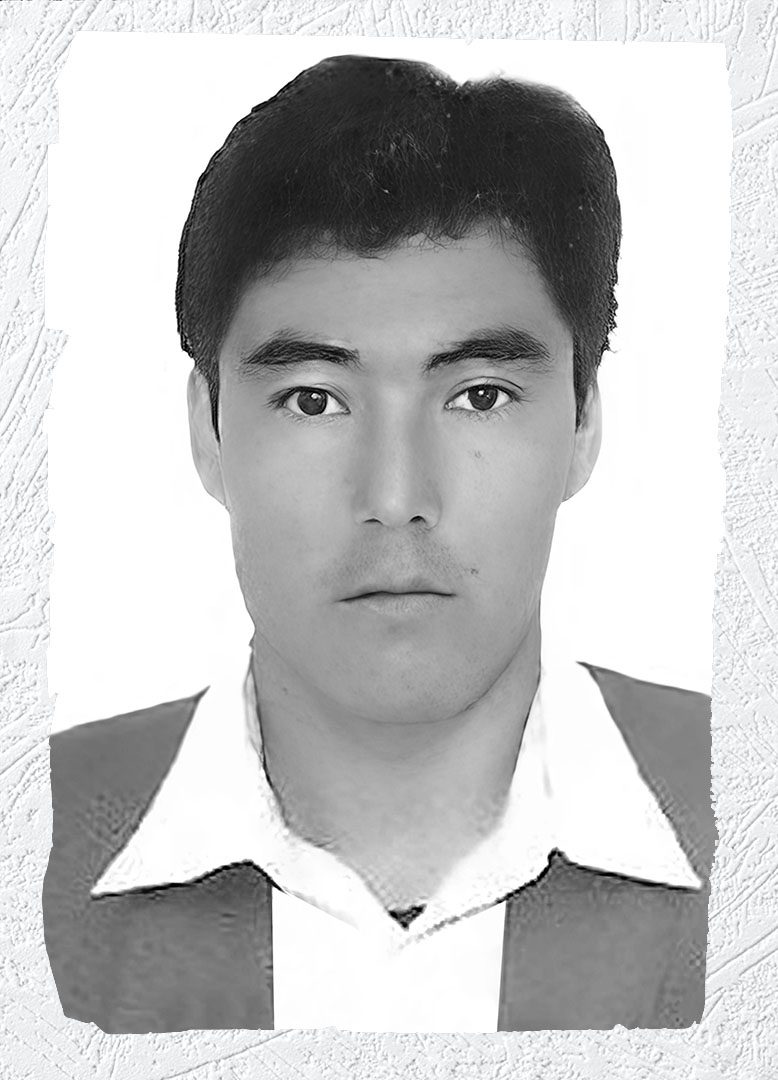
- Gender
- Male
- Ethnicity
- Hazara
- Village/Town of Incident
- Dehmazang, Kabul City
- District geolocation of incident
- Kabul: 34° 31′ 1″ N, 69° 8′ 60″ E
- Description of incident
Junbesh-e Roshnayi-e (The Enlightenment Movement) is a grassroots civil disobedience movement of Hazaras created in 2016 in Afghanistan in response to the Afghan government's change in routing plans for proposed international electricity networking, which was perceived as continuing historical anti-Hazara discrimination. The group organised major protests in Afghanistan and internationally during 2016 and 2017, protesting against discrimination.
M. Jawad Alipor
- Photo of Victim

- Gender
- Male
- Ethnicity
- Hazara
- Village/Town of Incident
- Dehmazang, Kabul City
- District geolocation of incident
- Kabul: 34° 31′ 1″ N, 69° 8′ 60″ E
- Description of incident
Junbesh-e Roshnayi-e (The Enlightenment Movement) is a grassroots civil disobedience movement of Hazaras created in 2016 in Afghanistan in response to the Afghan government's change in routing plans for proposed international electricity networking, which was perceived as continuing historical anti-Hazara discrimination. The group organised major protests in Afghanistan and internationally during 2016 and 2017, protesting against discrimination.
Jawid Haidari
- Photo of Victim

- Gender
- Male
- Ethnicity
- Hazara
- Village/Town of Incident
- Dehmazang, Kabul City
- District geolocation of incident
- Kabul: 34° 31′ 1″ N, 69° 8′ 60″ E
- Description of incident
Junbesh-e Roshnayi-e (The Enlightenment Movement) is a grassroots civil disobedience movement of Hazaras created in 2016 in Afghanistan in response to the Afghan government's change in routing plans for proposed international electricity networking, which was perceived as continuing historical anti-Hazara discrimination. The group organised major protests in Afghanistan and internationally during 2016 and 2017, protesting against discrimination.
Sarwar Hussaini
- Photo of Victim
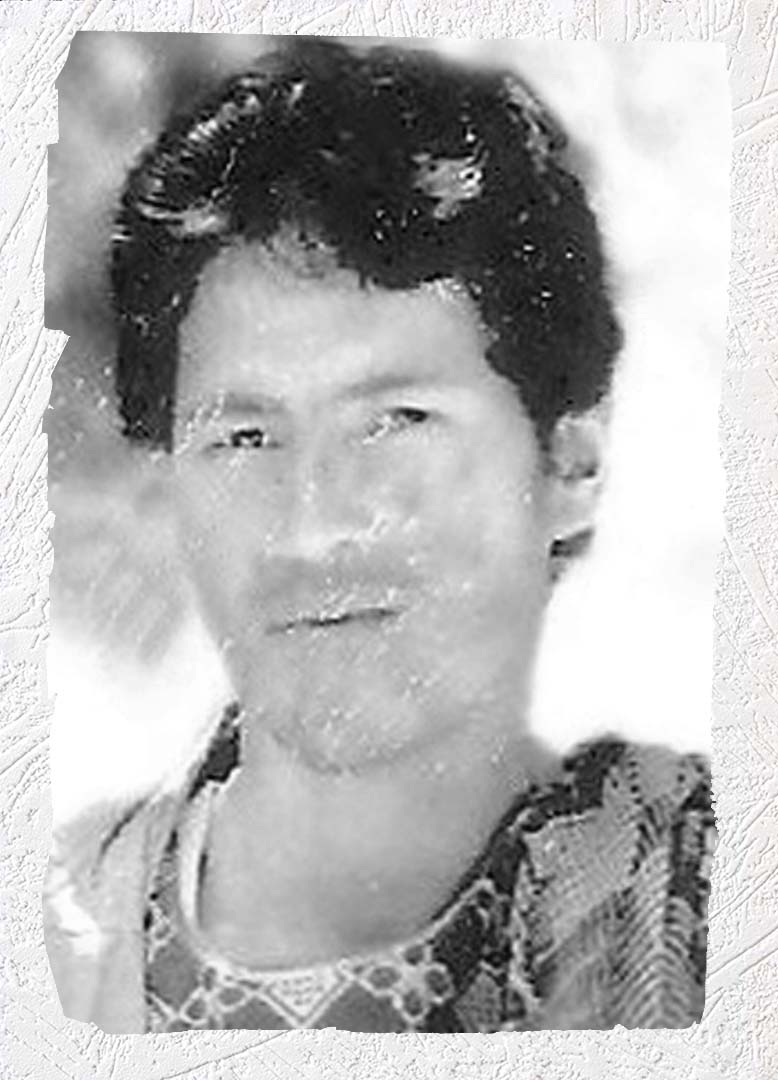
- Gender
- Male
- Ethnicity
- Hazara
- Village/Town of Incident
- Dehmazang, Kabul City
- District geolocation of incident
- Kabul: 34° 31′ 1″ N, 69° 8′ 60″ E
- Description of incident
Junbesh-e Roshnayi-e (The Enlightenment Movement) is a grassroots civil disobedience movement of Hazaras created in 2016 in Afghanistan in response to the Afghan government's change in routing plans for proposed international electricity networking, which was perceived as continuing historical anti-Hazara discrimination. The group organised major protests in Afghanistan and internationally during 2016 and 2017, protesting against discrimination.
Navidullah Bahador
- Photo of Victim

- Gender
- Male
- Ethnicity
- Hazara
- Village/Town of Incident
- Dehmazang, Kabul City
- District geolocation of incident
- Kabul: 34° 31′ 1″ N, 69° 8′ 60″ E
- Description of incident
Junbesh-e Roshnayi-e (The Enlightenment Movement) is a grassroots civil disobedience movement of Hazaras created in 2016 in Afghanistan in response to the Afghan government's change in routing plans for proposed international electricity networking, which was perceived as continuing historical anti-Hazara discrimination. The group organised major protests in Afghanistan and internationally during 2016 and 2017, protesting against discrimination.
Jawad Haidari
- Photo of Victim

- Gender
- Male
- Ethnicity
- Hazara
- Village/Town of Incident
- Dehmazang, Kabul City
- District geolocation of incident
- Kabul: 34° 31′ 1″ N, 69° 8′ 60″ E
- Description of incident
Junbesh-e Roshnayi-e (The Enlightenment Movement) is a grassroots civil disobedience movement of Hazaras created in 2016 in Afghanistan in response to the Afghan government's change in routing plans for proposed international electricity networking, which was perceived as continuing historical anti-Hazara discrimination. The group organised major protests in Afghanistan and internationally during 2016 and 2017, protesting against discrimination.
Aref Hussain Shaygan
- Photo of Victim
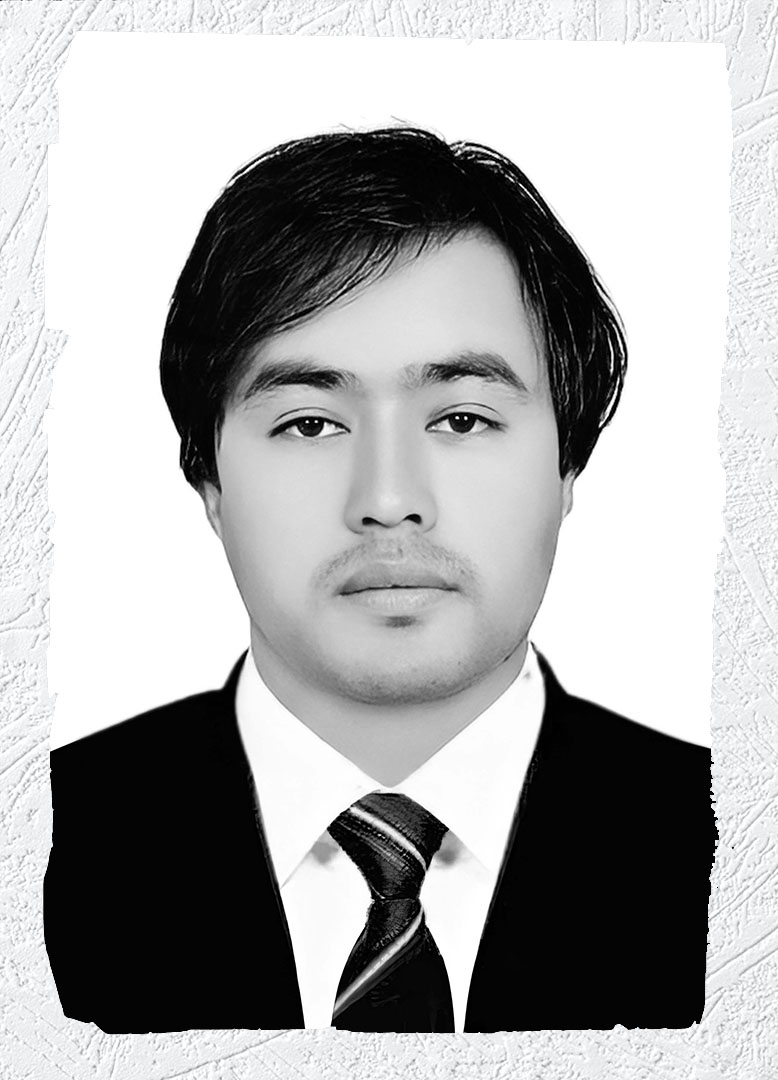
- Gender
- Male
- Ethnicity
- Hazara
- Village/Town of Incident
- Dehmazang, Kabul City
- District geolocation of incident
- Kabul: 34° 31′ 1″ N, 69° 8′ 60″ E
- Description of incident
Junbesh-e Roshnayi-e (The Enlightenment Movement) is a grassroots civil disobedience movement of Hazaras created in 2016 in Afghanistan in response to the Afghan government's change in routing plans for proposed international electricity networking, which was perceived as continuing historical anti-Hazara discrimination. The group organised major protests in Afghanistan and internationally during 2016 and 2017, protesting against discrimination.
Abbas Mohammadi
- Photo of Victim

- Gender
- Male
- Ethnicity
- Hazara
- Village/Town of Incident
- Dehmazang, Kabul City
- District geolocation of incident
- Kabul: 34° 31′ 1″ N, 69° 8′ 60″ E
- Description of incident
Junbesh-e Roshnayi-e (The Enlightenment Movement) is a grassroots civil disobedience movement of Hazaras created in 2016 in Afghanistan in response to the Afghan government's change in routing plans for proposed international electricity networking, which was perceived as continuing historical anti-Hazara discrimination. The group organised major protests in Afghanistan and internationally during 2016 and 2017, protesting against discrimination.
Sayed Ishaq Hussaini
- Photo of Victim

- Gender
- Male
- Ethnicity
- Sadat
- Village/Town of Incident
- Dehmazang, Kabul City
- District geolocation of incident
- Kabul: 34° 31′ 1″ N, 69° 8′ 60″ E
- Description of incident
Junbesh-e Roshnayi-e (The Enlightenment Movement) is a grassroots civil disobedience movement of Hazaras created in 2016 in Afghanistan in response to the Afghan government's change in routing plans for proposed international electricity networking, which was perceived as continuing historical anti-Hazara discrimination. The group organised major protests in Afghanistan and internationally during 2016 and 2017, protesting against discrimination.
Nabi Sultani
- Photo of Victim

- Gender
- Male
- Ethnicity
- Hazara
- Village/Town of Incident
- Dehmazang, Kabul City
- District geolocation of incident
- Kabul: 34° 31′ 1″ N, 69° 8′ 60″ E
- Description of incident
Junbesh-e Roshnayi-e (The Enlightenment Movement) is a grassroots civil disobedience movement of Hazaras created in 2016 in Afghanistan in response to the Afghan government's change in routing plans for proposed international electricity networking, which was perceived as continuing historical anti-Hazara discrimination. The group organised major protests in Afghanistan and internationally during 2016 and 2017, protesting against discrimination.
Mohsen Rahimi
- Photo of Victim

- Gender
- Male
- Ethnicity
- Hazara
- Village/Town of Incident
- Dehmazang, Kabul City
- District geolocation of incident
- Kabul: 34° 31′ 1″ N, 69° 8′ 60″ E
- Description of incident
Junbesh-e Roshnayi-e (The Enlightenment Movement) is a grassroots civil disobedience movement of Hazaras created in 2016 in Afghanistan in response to the Afghan government's change in routing plans for proposed international electricity networking, which was perceived as continuing historical anti-Hazara discrimination. The group organised major protests in Afghanistan and internationally during 2016 and 2017, protesting against discrimination.
Homayoun Rasikh
- Photo of Victim

- Gender
- Male
- Ethnicity
- Hazara
- Village/Town of Incident
- Dehmazang, Kabul City
- District geolocation of incident
- Kabul: 34° 31′ 1″ N, 69° 8′ 60″ E
- Description of incident
Junbesh-e Roshnayi-e (The Enlightenment Movement) is a grassroots civil disobedience movement of Hazaras created in 2016 in Afghanistan in response to the Afghan government's change in routing plans for proposed international electricity networking, which was perceived as continuing historical anti-Hazara discrimination. The group organised major protests in Afghanistan and internationally during 2016 and 2017, protesting against discrimination.
Sayed Mahdi Masoumzada
- Photo of Victim

- Gender
- Male
- Ethnicity
- Sadat
- Village/Town of Incident
- Dehmazang, Kabul City
- District geolocation of incident
- Kabul: 34° 31′ 1″ N, 69° 8′ 60″ E
- Declaratory Statement
Junbesh-e Roshnayi-e (The Enlightenment Movement) is a grassroots civil disobedience movement of Hazaras created in 2016 in Afghanistan in response to the Afghan government's change in routing plans for proposed international electricity networking, which was perceived as continuing historical anti-Hazara discrimination. The group organised major protests in Afghanistan and internationally during 2016 and 2017, protesting against discrimination.
Abdul Latif Zahidi
- Photo of Victim
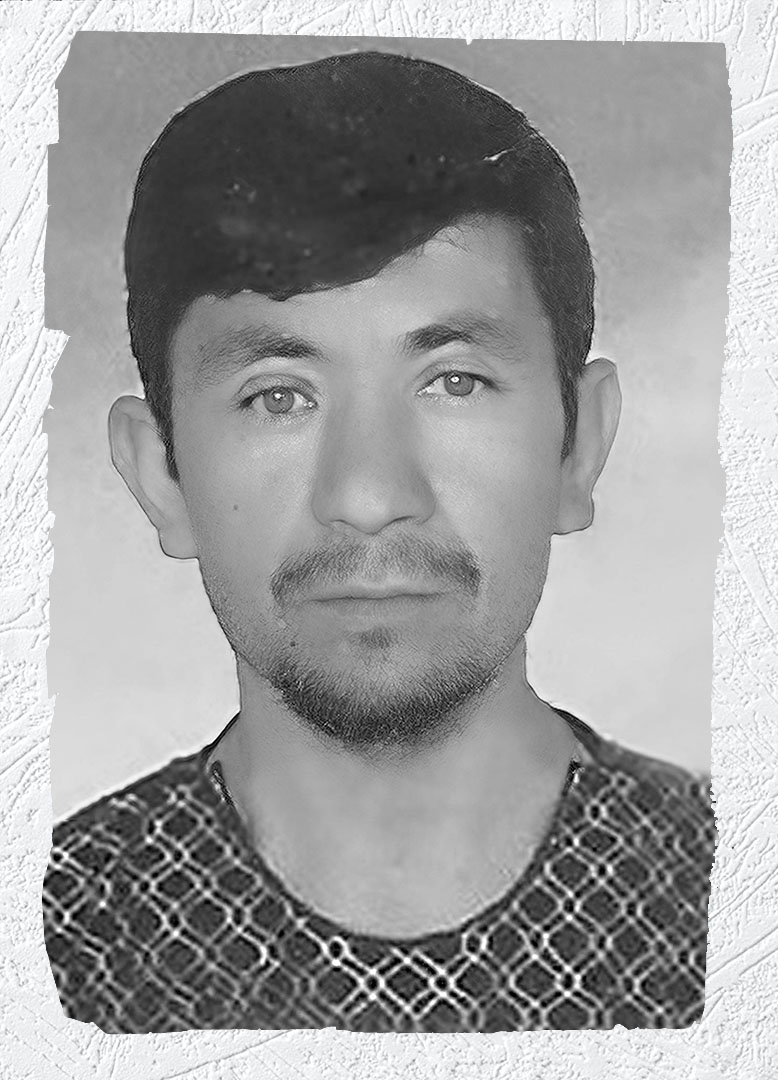
- Gender
- Male
- Ethnicity
- Hazara
- Village/Town of Incident
- Dehmazang, Kabul City
- District geolocation of incident
- Kabul: 34° 31′ 1″ N, 69° 8′ 60″ E
- Description of incident
Junbesh-e Roshnayi-e (The Enlightenment Movement) is a grassroots civil disobedience movement of Hazaras created in 2016 in Afghanistan in response to the Afghan government's change in routing plans for proposed international electricity networking, which was perceived as continuing historical anti-Hazara discrimination. The group organised major protests in Afghanistan and internationally during 2016 and 2017, protesting against discrimination.
Mohammad Azizullah Sabzo
- Photo of Victim

- Gender
- Male
- Ethnicity
- Tajik
- Village/Town of Incident
- Dehmazang, Kabul City
- District geolocation of incident
- Kabul: 34° 31′ 1″ N, 69° 8′ 60″ E
- Description of incident
Junbesh-e Roshnayi-e (The Enlightenment Movement) is a grassroots civil disobedience movement of Hazaras created in 2016 in Afghanistan in response to the Afghan government's change in routing plans for proposed international electricity networking, which was perceived as continuing historical anti-Hazara discrimination. The group organised major protests in Afghanistan and internationally during 2016 and 2017, protesting against discrimination.
Abdul Aziz Rahimi
- Photo of Victim

- Gender
- Male
- Ethnicity
- Hazara
- Village/Town of Incident
- Dehmazang, Kabul City
- District geolocation of incident
- Kabul: 34° 31′ 1″ N, 69° 8′ 60″ E
- Description of incident
Junbesh-e Roshnayi-e (The Enlightenment Movement) is a grassroots civil disobedience movement of Hazaras created in 2016 in Afghanistan in response to the Afghan government's change in routing plans for proposed international electricity networking, which was perceived as continuing historical anti-Hazara discrimination. The group organised major protests in Afghanistan and internationally during 2016 and 2017, protesting against discrimination.
Qurban Ali Ahmadi
- Photo of Victim

- Gender
- Male
- Ethnicity
- Hazara
- Village/Town of Incident
- Dehmazang, Kabul City
- District geolocation of incident
- Kabul: 34° 31′ 1″ N, 69° 8′ 60″ E
- Description of incident
Junbesh-e Roshnayi-e (The Enlightenment Movement) is a grassroots civil disobedience movement of Hazaras created in 2016 in Afghanistan in response to the Afghan government's change in routing plans for proposed international electricity networking, which was perceived as continuing historical anti-Hazara discrimination. The group organised major protests in Afghanistan and internationally during 2016 and 2017, protesting against discrimination.
Mehr Ali Mohammadi
- Photo of Victim
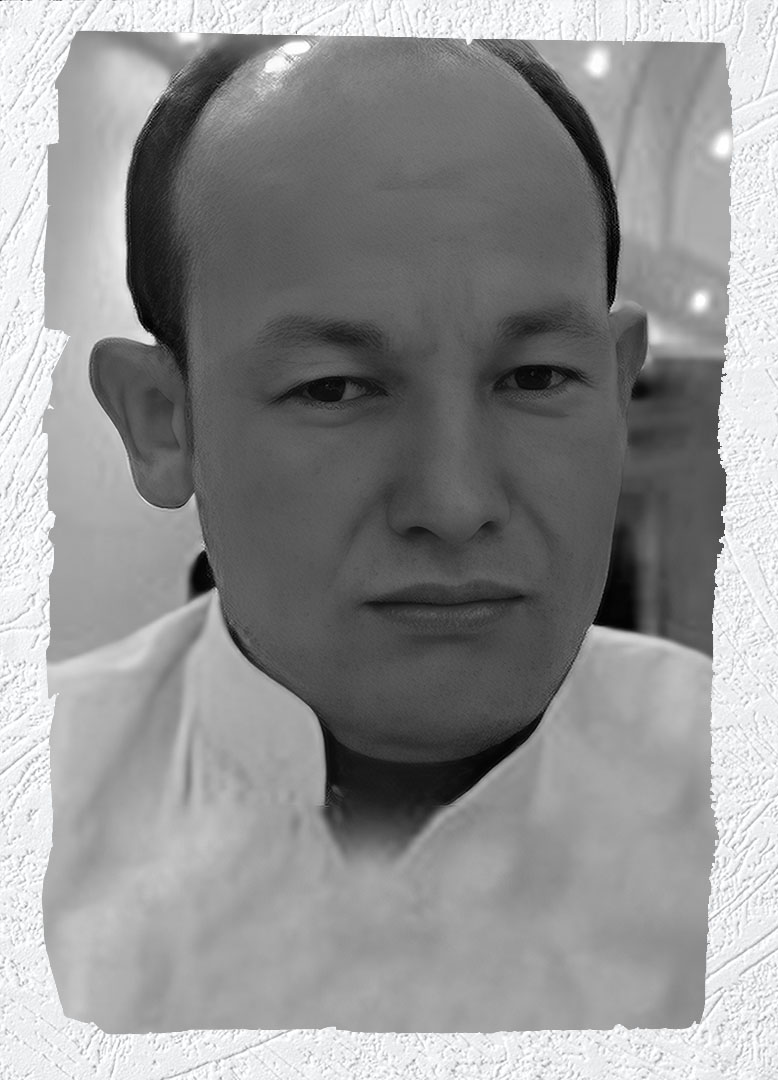
- Gender
- Male
- Ethnicity
- Hazara
- Village/Town of Incident
- Dehmazang, Kabul City
- District geolocation of incident
- Kabul: 34° 31′ 1″ N, 69° 8′ 60″ E
- Description of incident
Junbesh-e Roshnayi-e (The Enlightenment Movement) is a grassroots civil disobedience movement of Hazaras created in 2016 in Afghanistan in response to the Afghan government's change in routing plans for proposed international electricity networking, which was perceived as continuing historical anti-Hazara discrimination. The group organised major protests in Afghanistan and internationally during 2016 and 2017, protesting against discrimination.
Abdul Shakoor Karimzada
- Photo of Victim

- Gender
- Male
- Ethnicity
- Hazara
- Village/Town of Incident
- Dehmazang, Kabul City
- District geolocation of incident
- Kabul: 34° 31′ 1″ N, 69° 8′ 60″ E
- Description of incident
Junbesh-e Roshnayi-e (The Enlightenment Movement) is a grassroots civil disobedience movement of Hazaras created in 2016 in Afghanistan in response to the Afghan government's change in routing plans for proposed international electricity networking, which was perceived as continuing historical anti-Hazara discrimination. The group organised major protests in Afghanistan and internationally during 2016 and 2017, protesting against discrimination.
Sadiq Haidari
- Photo of Victim
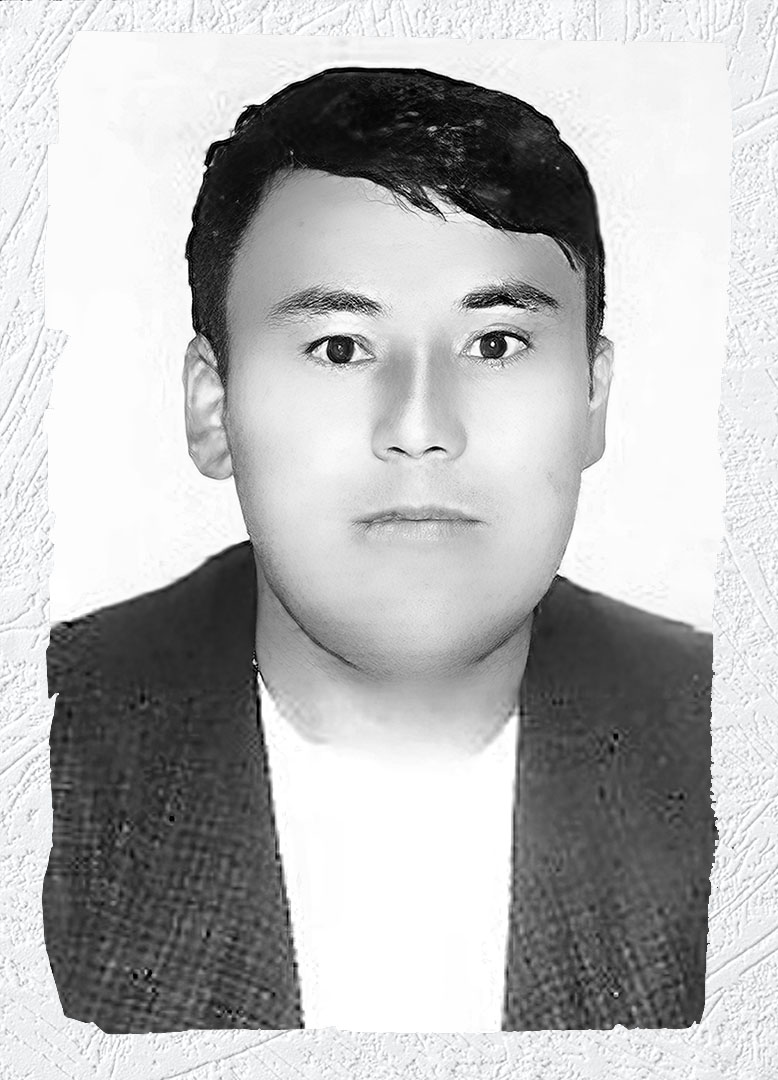
- Gender
- Male
- Ethnicity
- Hazara
- Village/Town of Incident
- Dehmazang, Kabul City
- District geolocation of incident
- Kabul: 34° 31′ 1″ N, 69° 8′ 60″ E
- Description of incident
Junbesh-e Roshnayi-e (The Enlightenment Movement) is a grassroots civil disobedience movement of Hazaras created in 2016 in Afghanistan in response to the Afghan government's change in routing plans for proposed international electricity networking, which was perceived as continuing historical anti-Hazara discrimination. The group organised major protests in Afghanistan and internationally during 2016 and 2017, protesting against discrimination.
Bostan Ali Haidari
- Photo of Victim

- Gender
- Male
- Ethnicity
- Hazara
- Village/Town of Incident
- Dehmazang, Kabul City
- District geolocation of incident
- Kabul: 34° 31′ 1″ N, 69° 8′ 60″ E
- Description of incident
Junbesh-e Roshnayi-e (The Enlightenment Movement) is a grassroots civil disobedience movement of Hazaras created in 2016 in Afghanistan in response to the Afghan government's change in routing plans for proposed international electricity networking, which was perceived as continuing historical anti-Hazara discrimination. The group organised major protests in Afghanistan and internationally during 2016 and 2017, protesting against discrimination.
Abdorrahim Alizada
- Photo of Victim
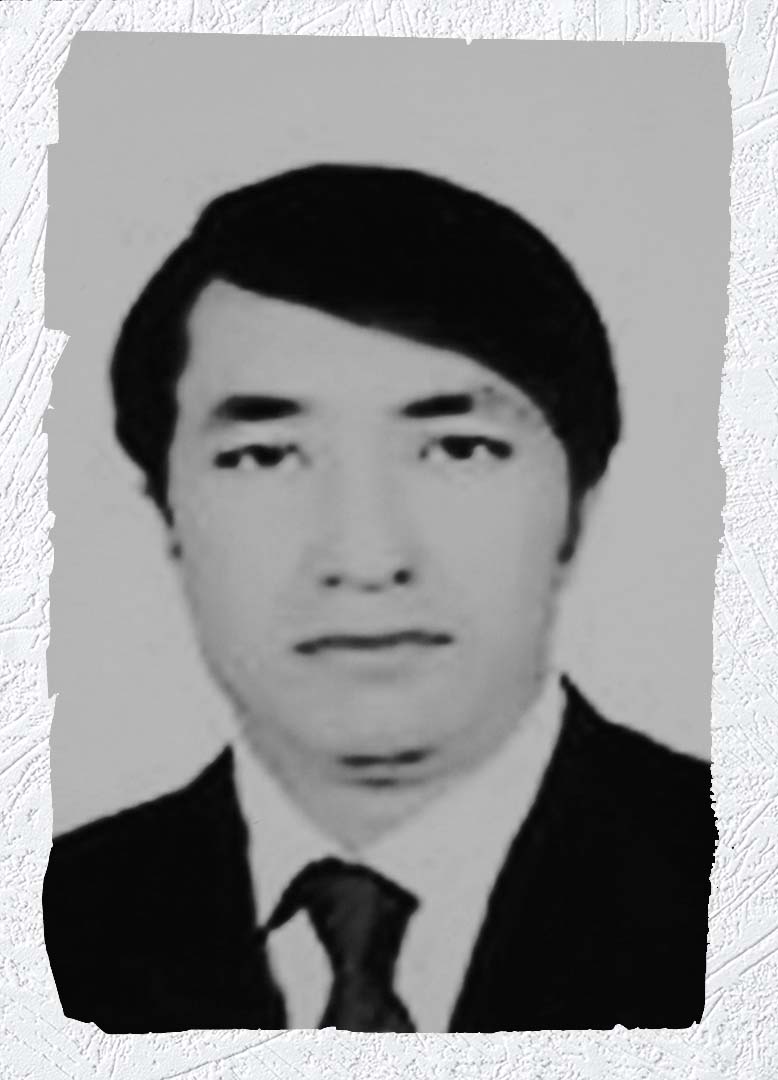
- Gender
- Male
- Ethnicity
- Hazara
- Village/Town of Incident
- Dehmazang, Kabul City
- District geolocation of incident
- Kabul: 34° 31′ 1″ N, 69° 8′ 60″ E
- Description of incident
Junbesh-e Roshnayi-e (The Enlightenment Movement) is a grassroots civil disobedience movement of Hazaras created in 2016 in Afghanistan in response to the Afghan government's change in routing plans for proposed international electricity networking, which was perceived as continuing historical anti-Hazara discrimination. The group organised major protests in Afghanistan and internationally during 2016 and 2017, protesting against discrimination.
M.Hanif Mohammadi
- Photo of Victim

- Gender
- Male
- Ethnicity
- Hazara
- Village/Town of Incident
- Dehmazang, Kabul City
- District geolocation of incident
- Kabul: 34° 31′ 1″ N, 69° 8′ 60″ E
- Description of incident
Junbesh-e Roshnayi-e (The Enlightenment Movement) is a grassroots civil disobedience movement of Hazaras created in 2016 in Afghanistan in response to the Afghan government's change in routing plans for proposed international electricity networking, which was perceived as continuing historical anti-Hazara discrimination. The group organised major protests in Afghanistan and internationally during 2016 and 2017, protesting against discrimination.
Zohair Nazari
- Photo of Victim

- Gender
- Male
- Ethnicity
- Hazara
- Village/Town of Incident
- Dehmazang, Kabul City
- District geolocation of incident
- Kabul: 34° 31′ 1″ N, 69° 8′ 60″ E
- Description of incident
Junbesh-e Roshnayi-e (The Enlightenment Movement) is a grassroots civil disobedience movement of Hazaras created in 2016 in Afghanistan in response to the Afghan government's change in routing plans for proposed international electricity networking, which was perceived as continuing historical anti-Hazara discrimination. The group organised major protests in Afghanistan and internationally during 2016 and 2017, protesting against discrimination.
Mohammad Joma Abdullahi
- Photo of Victim
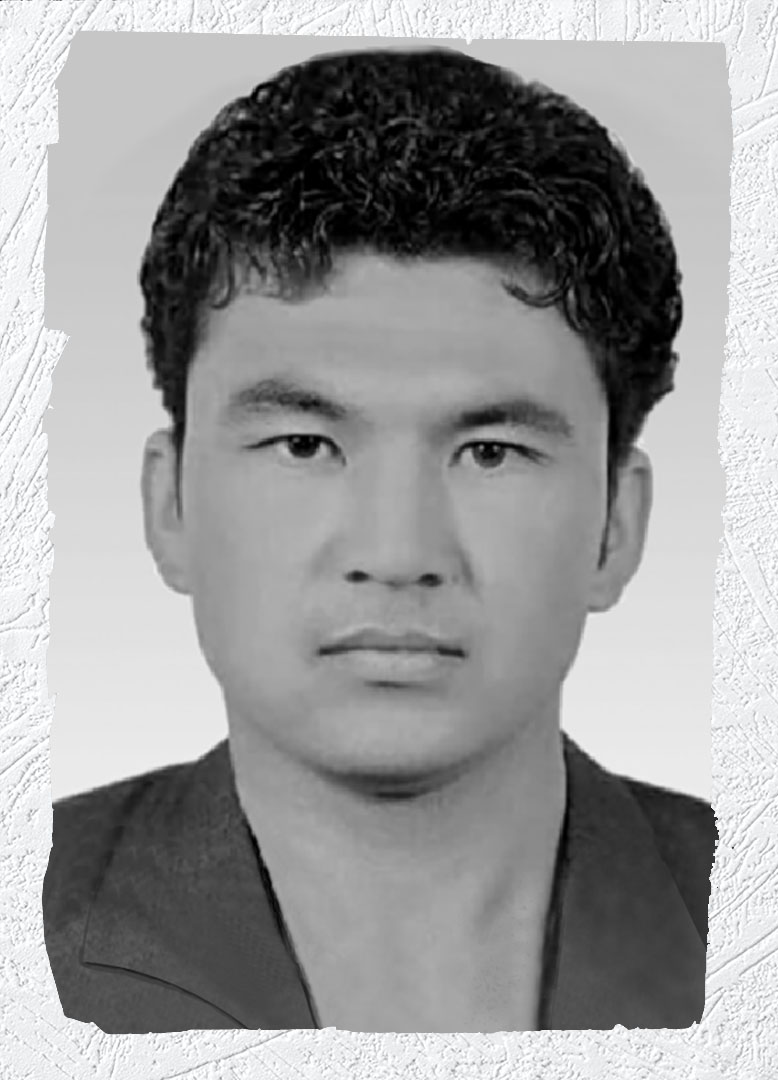
- Gender
- Male
- Ethnicity
- Hazara
- Village/Town of Incident
- Dehmazang, Kabul City
- District geolocation of incident
- Kabul: 34° 31′ 1″ N, 69° 8′ 60″ E
- Description of incident
Junbesh-e Roshnayi-e (The Enlightenment Movement) is a grassroots civil disobedience movement of Hazaras created in 2016 in Afghanistan in response to the Afghan government's change in routing plans for proposed international electricity networking, which was perceived as continuing historical anti-Hazara discrimination. The group organised major protests in Afghanistan and internationally during 2016 and 2017, protesting against discrimination.
M.Hussain Mohammadi
- Photo of Victim
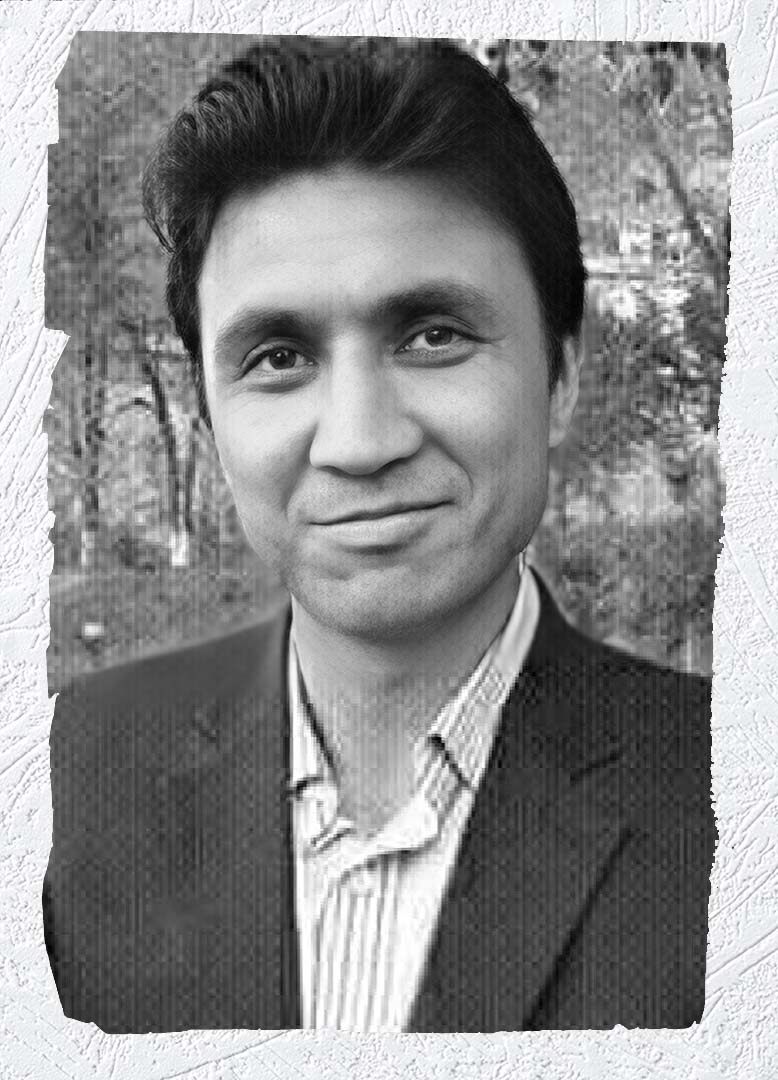
- Gender
- Male
- Ethnicity
- Hazara
- Village/Town of Incident
- Dehmazang, Kabul City
- District geolocation of incident
- Kabul: 34° 31′ 1″ N, 69° 8′ 60″ E
- Description of incident
Junbesh-e Roshnayi-e (The Enlightenment Movement) is a grassroots civil disobedience movement of Hazaras created in 2016 in Afghanistan in response to the Afghan government's change in routing plans for proposed international electricity networking, which was perceived as continuing historical anti-Hazara discrimination. The group organised major protests in Afghanistan and internationally during 2016 and 2017, protesting against discrimination.
M.Juma Karbalaee
- Photo of Victim
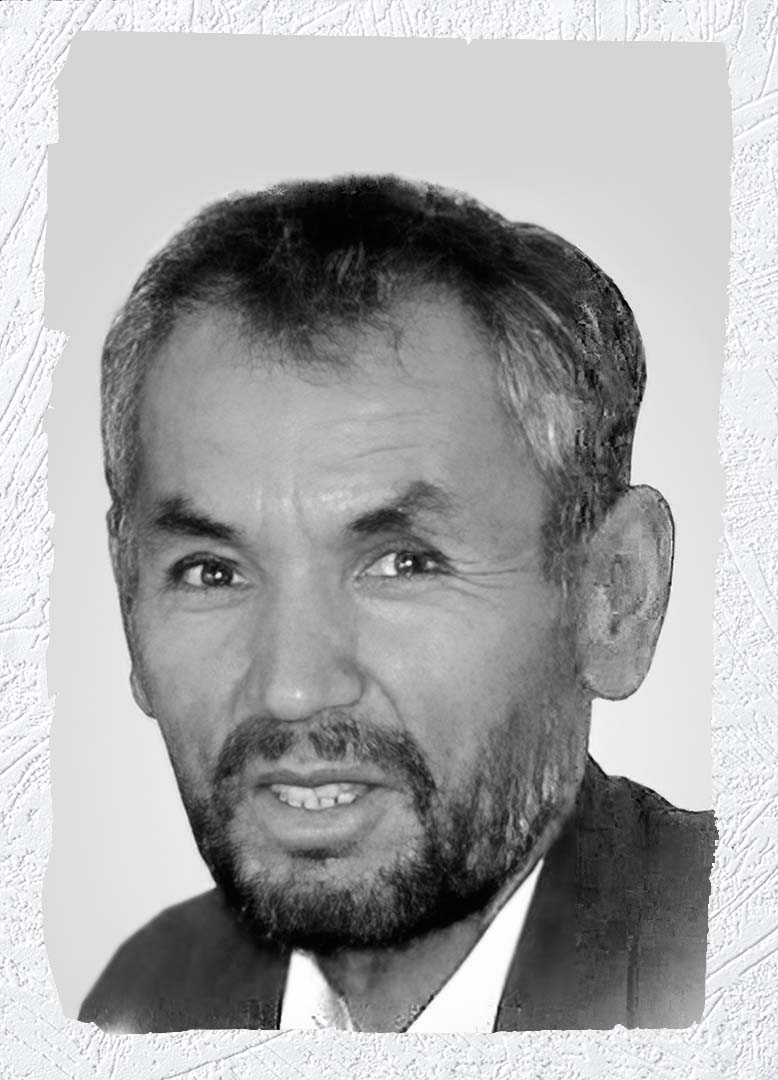
- Gender
- Male
- Ethnicity
- Hazara
- Village/Town of Incident
- Dehmazang, Kabul City
- District geolocation of incident
- Kabul: 34° 31′ 1″ N, 69° 8′ 60″ E
- Description of incident
Junbesh-e Roshnayi-e (The Enlightenment Movement) is a grassroots civil disobedience movement of Hazaras created in 2016 in Afghanistan in response to the Afghan government's change in routing plans for proposed international electricity networking, which was perceived as continuing historical anti-Hazara discrimination. The group organised major protests in Afghanistan and internationally during 2016 and 2017, protesting against discrimination.
Jawad Qasimi
- Photo of Victim
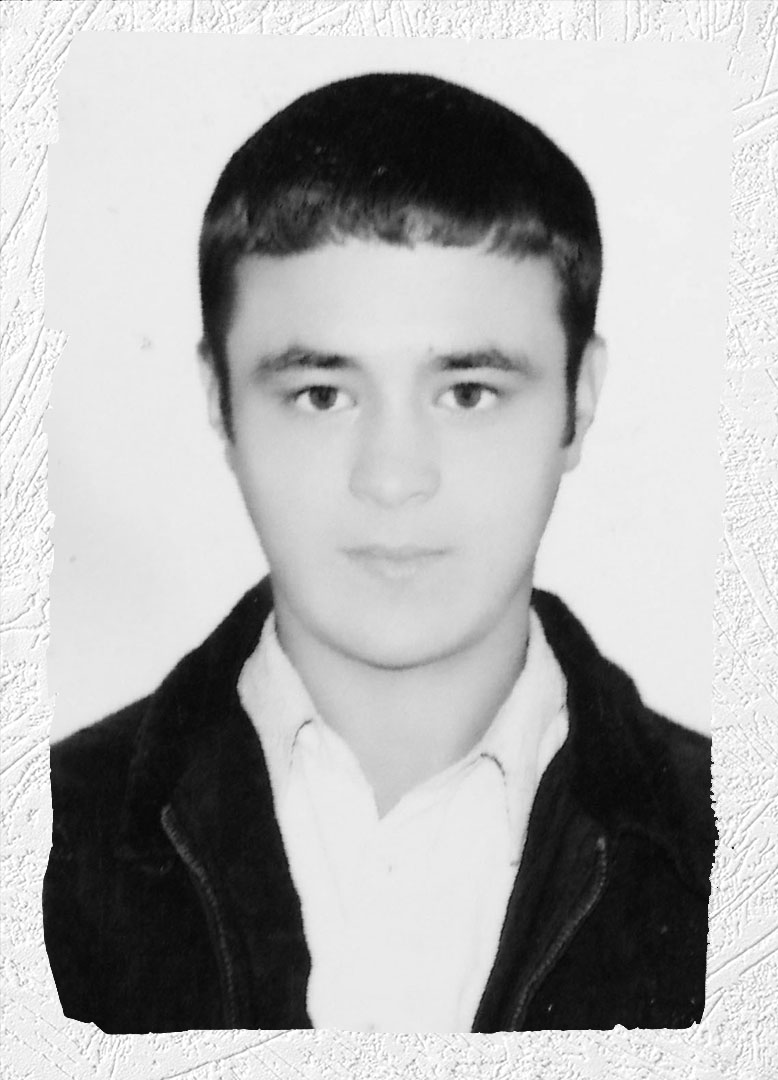
- Gender
- Male
- Ethnicity
- Hazara
- Village/Town of Incident
- Dehmazang, Kabul City
- District geolocation of incident
- Kabul: 34° 31′ 1″ N, 69° 8′ 60″ E
- Description of incident
Junbesh-e Roshnayi-e (The Enlightenment Movement) is a grassroots civil disobedience movement of Hazaras created in 2016 in Afghanistan in response to the Afghan government's change in routing plans for proposed international electricity networking, which was perceived as continuing historical anti-Hazara discrimination. The group organised major protests in Afghanistan and internationally during 2016 and 2017, protesting against discrimination.
M.Nasir Rezaee
- Photo of Victim
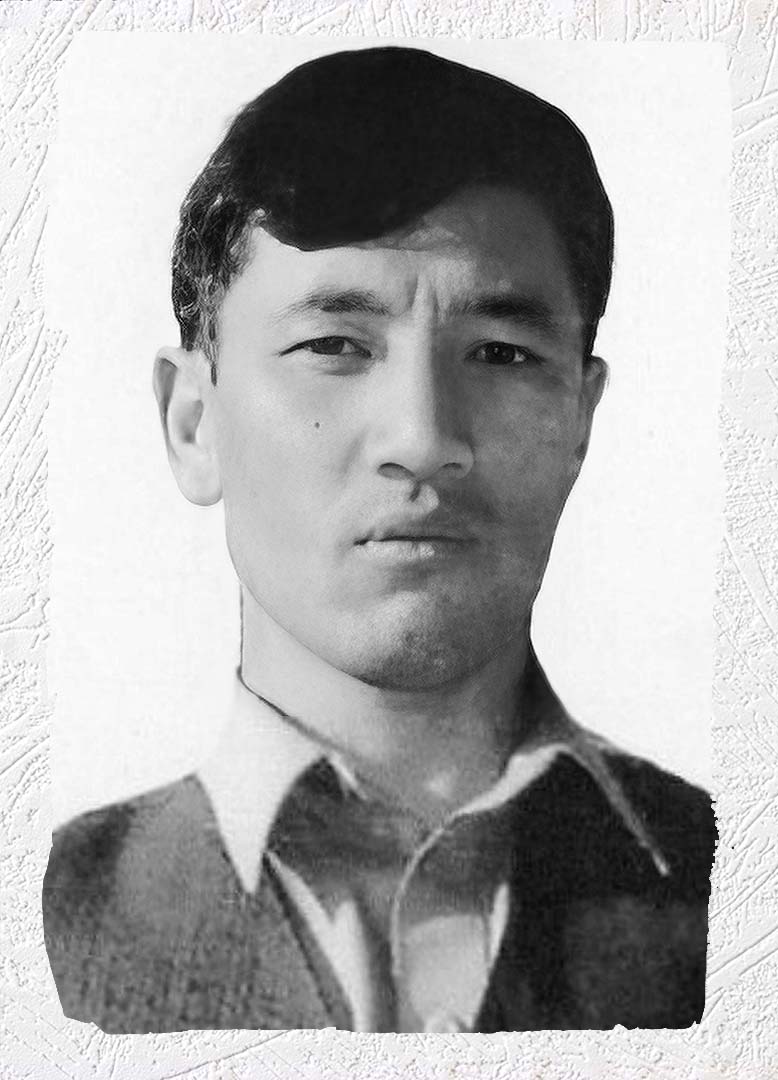
- Gender
- Male
- Ethnicity
- Hazara
- Village/Town of Incident
- Dehmazang, Kabul City
- District geolocation of incident
- Kabul: 34° 31′ 1″ N, 69° 8′ 60″ E
- Description of incident
Junbesh-e Roshnayi-e (The Enlightenment Movement) is a grassroots civil disobedience movement of Hazaras created in 2016 in Afghanistan in response to the Afghan government's change in routing plans for proposed international electricity networking, which was perceived as continuing historical anti-Hazara discrimination. The group organised major protests in Afghanistan and internationally during 2016 and 2017, protesting against discrimination.
ShaWali Sharifi
- Photo of Victim
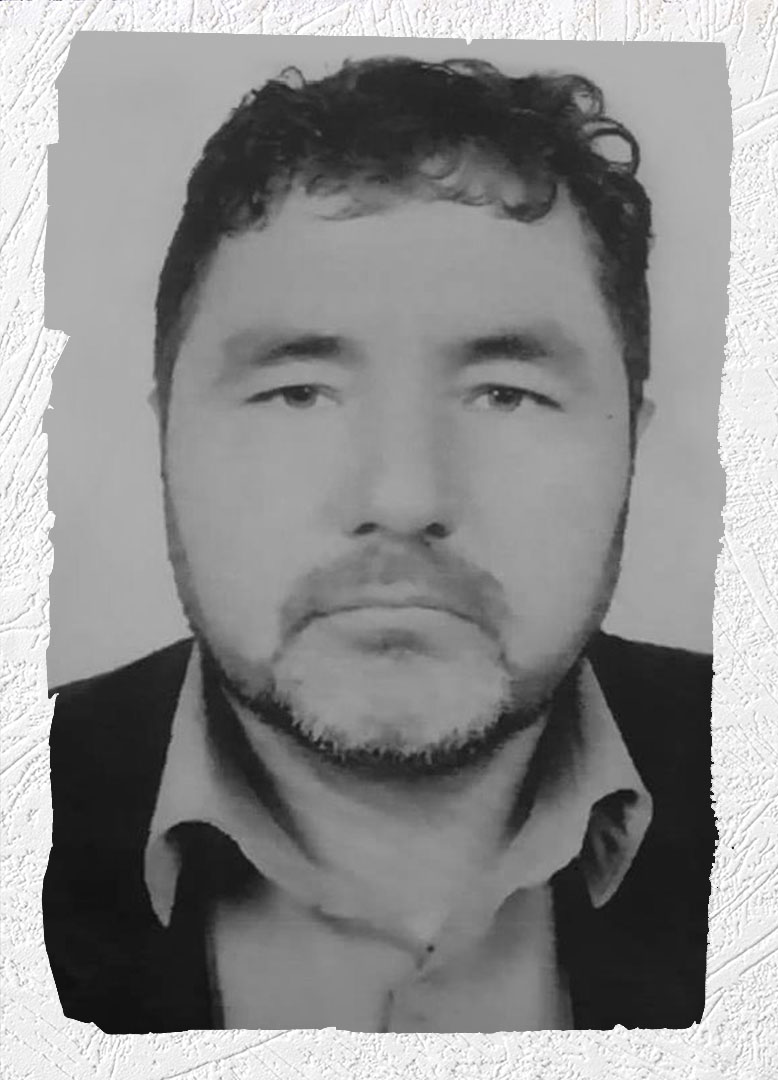
- Gender
- Male
- Ethnicity
- Hazara
- Village/Town of Incident
- Dehmazang, Kabul City
- District geolocation of incident
- Kabul: 34° 31′ 1″ N, 69° 8′ 60″ E
- Description of incident
Junbesh-e Roshnayi-e (The Enlightenment Movement) is a grassroots civil disobedience movement of Hazaras created in 2016 in Afghanistan in response to the Afghan government's change in routing plans for proposed international electricity networking, which was perceived as continuing historical anti-Hazara discrimination. The group organised major protests in Afghanistan and internationally during 2016 and 2017, protesting against discrimination.
Ahmad Sharif DawlatShahi
- Photo of Victim

- Gender
- Male
- Ethnicity
- Hazara
- Village/Town of Incident
- Dehmazang, Kabul City
- District geolocation of incident
- Kabul: 34° 31′ 1″ N, 69° 8′ 60″ E
- Description of incident
Junbesh-e Roshnayi-e (The Enlightenment Movement) is a grassroots civil disobedience movement of Hazaras created in 2016 in Afghanistan in response to the Afghan government's change in routing plans for proposed international electricity networking, which was perceived as continuing historical anti-Hazara discrimination. The group organised major protests in Afghanistan and internationally during 2016 and 2017, protesting against discrimination.
Asadullah Hussaini
- Photo of Victim
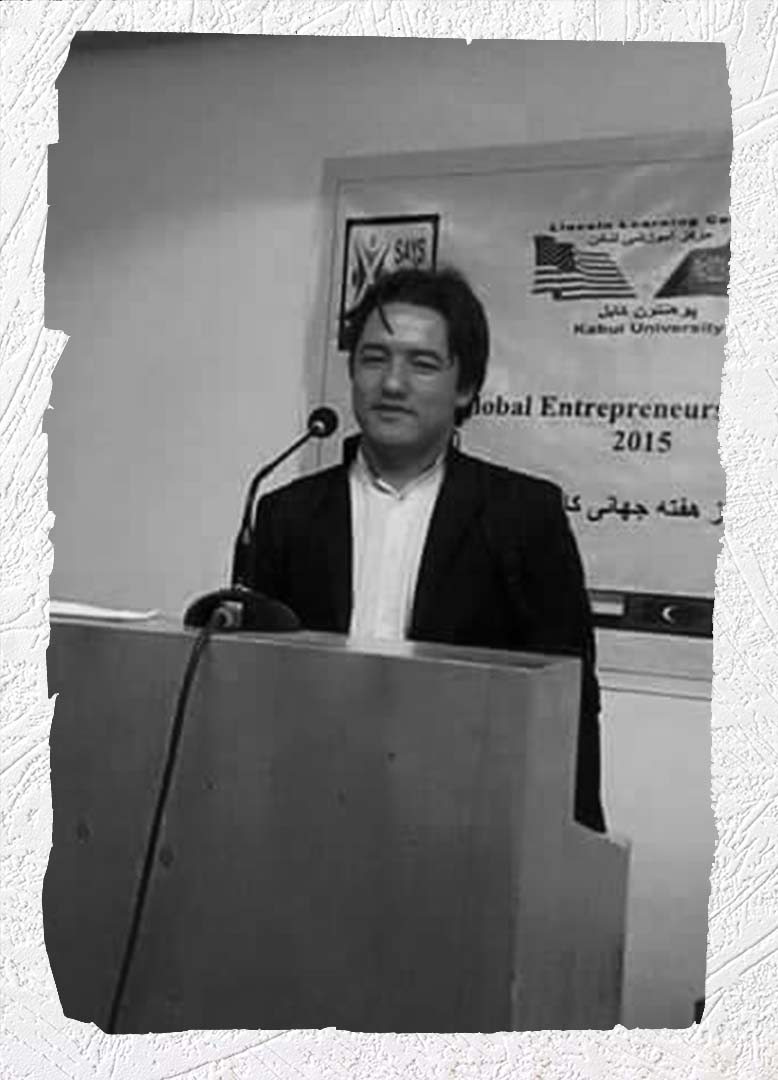
- Gender
- Male
- Ethnicity
- Hazara
- Village/Town of Incident
- Dehmazang, Kabul City
- District geolocation of incident
- Kabul: 34° 31′ 1″ N, 69° 8′ 60″ E
- Description of incident
Junbesh-e Roshnayi-e (The Enlightenment Movement) is a grassroots civil disobedience movement of Hazaras created in 2016 in Afghanistan in response to the Afghan government's change in routing plans for proposed international electricity networking, which was perceived as continuing historical anti-Hazara discrimination. The group organised major protests in Afghanistan and internationally during 2016 and 2017, protesting against discrimination.
Zaki Naebi
- Photo of Victim

- Gender
- Male
- Ethnicity
- Hazara
- Village/Town of Incident
- Dehmazang, Kabul City
- District geolocation of incident
- Kabul: 34° 31′ 1″ N, 69° 8′ 60″ E
- Description of incident
Junbesh-e Roshnayi-e (The Enlightenment Movement) is a grassroots civil disobedience movement of Hazaras created in 2016 in Afghanistan in response to the Afghan government's change in routing plans for proposed international electricity networking, which was perceived as continuing historical anti-Hazara discrimination. The group organised major protests in Afghanistan and internationally during 2016 and 2017, protesting against discrimination.
Abdullah Frotan
- Photo of Victim
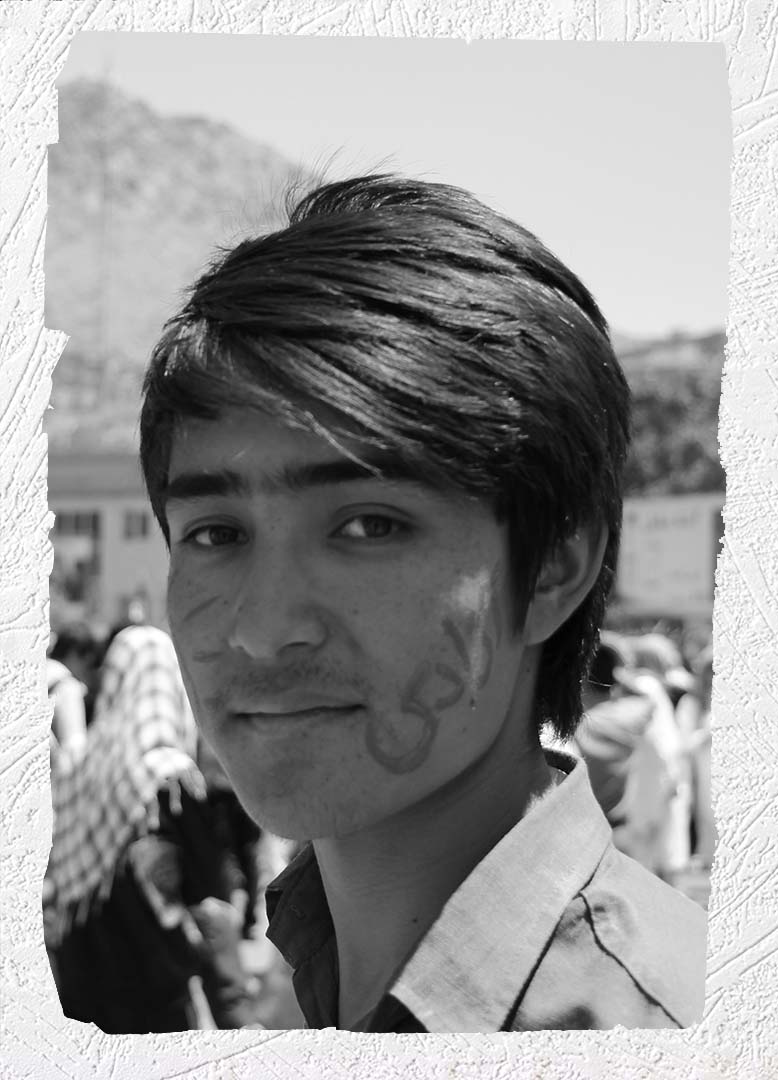
- Gender
- Male
- Ethnicity
- Hazara
- Village/Town of Incident
- Dehmazang, Kabul City
- District geolocation of incident
- Kabul: 34° 31′ 1″ N, 69° 8′ 60″ E
- Description of incident
Junbesh-e Roshnayi-e (The Enlightenment Movement) is a grassroots civil disobedience movement of Hazaras created in 2016 in Afghanistan in response to the Afghan government's change in routing plans for proposed international electricity networking, which was perceived as continuing historical anti-Hazara discrimination. The group organised major protests in Afghanistan and internationally during 2016 and 2017, protesting against discrimination.
Asadullah Shafaee
- Photo of Victim

- Gender
- Male
- Ethnicity
- Hazara
- Village/Town of Incident
- Dehmazang, Kabul City
- District geolocation of incident
- Kabul: 34° 31′ 1″ N, 69° 8′ 60″ E
- Description of incident
Junbesh-e Roshnayi-e (The Enlightenment Movement) is a grassroots civil disobedience movement of Hazaras created in 2016 in Afghanistan in response to the Afghan government's change in routing plans for proposed international electricity networking, which was perceived as continuing historical anti-Hazara discrimination. The group organised major protests in Afghanistan and internationally during 2016 and 2017, protesting against discrimination.
Enayatullah Asil (Tahmasi)
- Photo of Victim
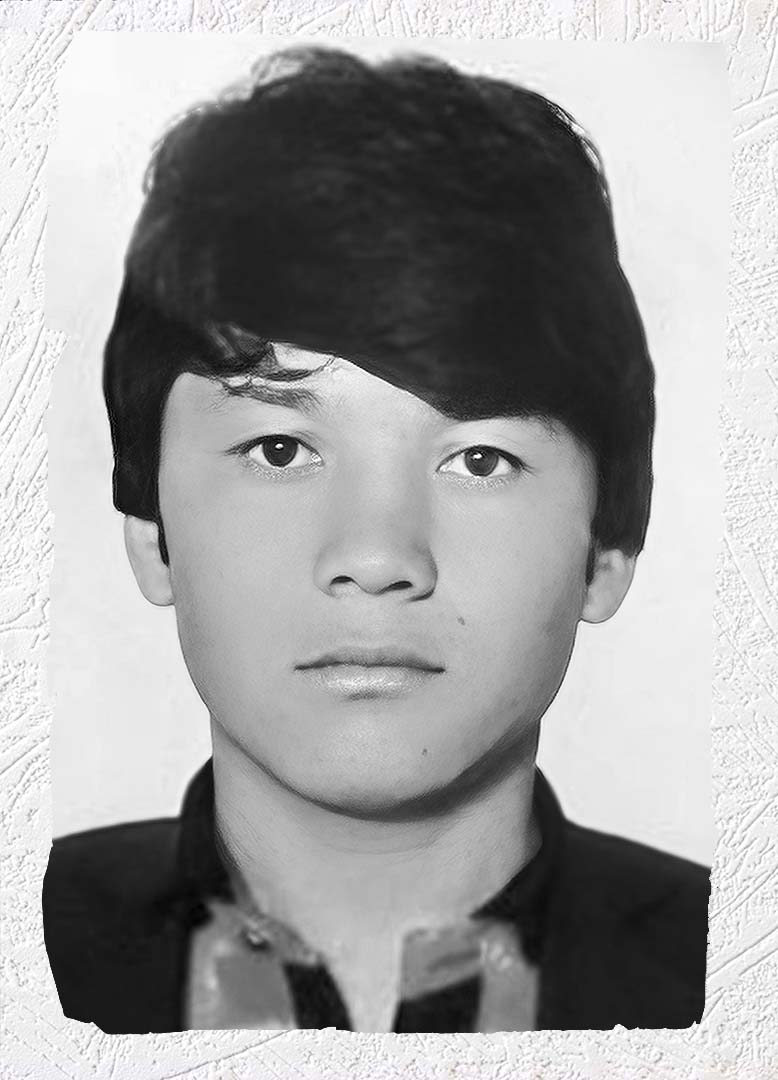
- Gender
- Male
- Ethnicity
- Hazara
- Village/Town of Incident
- Dehmazang, Kabul City
- District geolocation of incident
- Kabul: 34° 31′ 1″ N, 69° 8′ 60″ E
- Description of incident
Junbesh-e Roshnayi-e (The Enlightenment Movement) is a grassroots civil disobedience movement of Hazaras created in 2016 in Afghanistan in response to the Afghan government's change in routing plans for proposed international electricity networking, which was perceived as continuing historical anti-Hazara discrimination. The group organised major protests in Afghanistan and internationally during 2016 and 2017, protesting against discrimination.
Naeem Gholami
- Photo of Victim

- Gender
- Male
- Ethnicity
- Hazara
- Village/Town of Incident
- Dehmazang, Kabul City
- District geolocation of incident
- Kabul: 34° 31′ 1″ N, 69° 8′ 60″ E
- Description of incident
Junbesh-e Roshnayi-e (The Enlightenment Movement) is a grassroots civil disobedience movement of Hazaras created in 2016 in Afghanistan in response to the Afghan government's change in routing plans for proposed international electricity networking, which was perceived as continuing historical anti-Hazara discrimination. The group organised major protests in Afghanistan and internationally during 2016 and 2017, protesting against discrimination.
ShaHussain Haidari
- Photo of Victim

- Gender
- Male
- Ethnicity
- Hazara
- Village/Town of Incident
- Dehmazang, Kabul City
- District geolocation of incident
- Kabul: 34° 31′ 1″ N, 69° 8′ 60″ E
- Description of incident
Junbesh-e Roshnayi-e (The Enlightenment Movement) is a grassroots civil disobedience movement of Hazaras created in 2016 in Afghanistan in response to the Afghan government's change in routing plans for proposed international electricity networking, which was perceived as continuing historical anti-Hazara discrimination. The group organised major protests in Afghanistan and internationally during 2016 and 2017, protesting against discrimination.
Hekmatullah Shafaee
- Gender
- Male
- Ethnicity
- Hazara
- Village/Town of Incident
- Dehmazang, Kabul City
- District geolocation of incident
- Kabul: 34° 31′ 1″ N, 69° 8′ 60″ E
- Description of incident
Junbesh-e Roshnayi-e (The Enlightenment Movement) is a grassroots civil disobedience movement of Hazaras created in 2016 in Afghanistan in response to the Afghan government's change in routing plans for proposed international electricity networking, which was perceived as continuing historical anti-Hazara discrimination. The group organised major protests in Afghanistan and internationally during 2016 and 2017, protesting against discrimination.
Alimohammad Babaee
- Photo of Victim

- Gender
- Male
- Ethnicity
- Hazara
- Village/Town of Incident
- Dehmazang, Kabul City
- District geolocation of incident
- Kabul: 34° 31′ 1″ N, 69° 8′ 60″ E
- Description of incident
Junbesh-e Roshnayi-e (The Enlightenment Movement) is a grassroots civil disobedience movement of Hazaras created in 2016 in Afghanistan in response to the Afghan government's change in routing plans for proposed international electricity networking, which was perceived as continuing historical anti-Hazara discrimination. The group organised major protests in Afghanistan and internationally during 2016 and 2017, protesting against discrimination.
Mohammad Sadiq Nekzad
- Photo of Victim

- Gender
- Male
- Ethnicity
- Hazara
- Village/Town of Incident
- Dehmazang, Kabul City
- District geolocation of incident
- Kabul: 34° 31′ 1″ N, 69° 8′ 60″ E
- Description of incident
Junbesh-e Roshnayi-e (The Enlightenment Movement) is a grassroots civil disobedience movement of Hazaras created in 2016 in Afghanistan in response to the Afghan government's change in routing plans for proposed international electricity networking, which was perceived as continuing historical anti-Hazara discrimination. The group organised major protests in Afghanistan and internationally during 2016 and 2017, protesting against discrimination.
Adel Afzali
- Photo of Victim
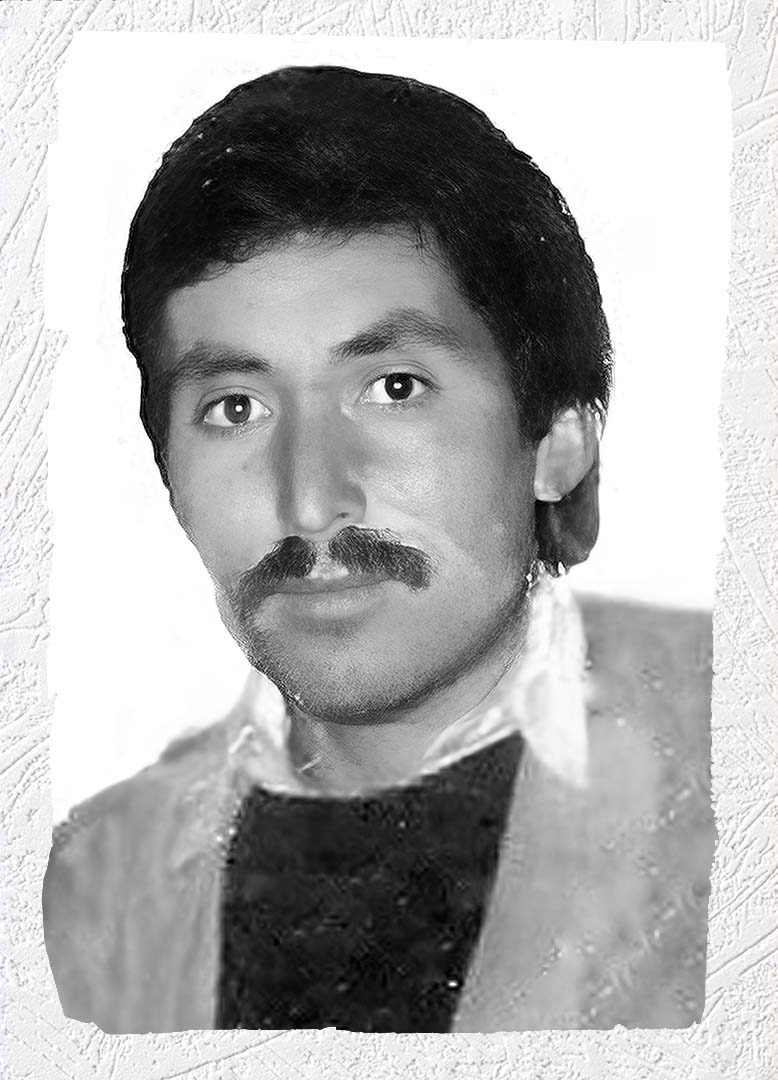
- Gender
- Male
- Ethnicity
- Hazara
- Village/Town of Incident
- Dehmazang, Kabul City
- District geolocation of incident
- Kabul: 34° 31′ 1″ N, 69° 8′ 60″ E
- Description of incident
Junbesh-e Roshnayi-e (The Enlightenment Movement) is a grassroots civil disobedience movement of Hazaras created in 2016 in Afghanistan in response to the Afghan government's change in routing plans for proposed international electricity networking, which was perceived as continuing historical anti-Hazara discrimination. The group organised major protests in Afghanistan and internationally during 2016 and 2017, protesting against discrimination.
Mushtaq Rasa (Saighani)
- Photo of Victim
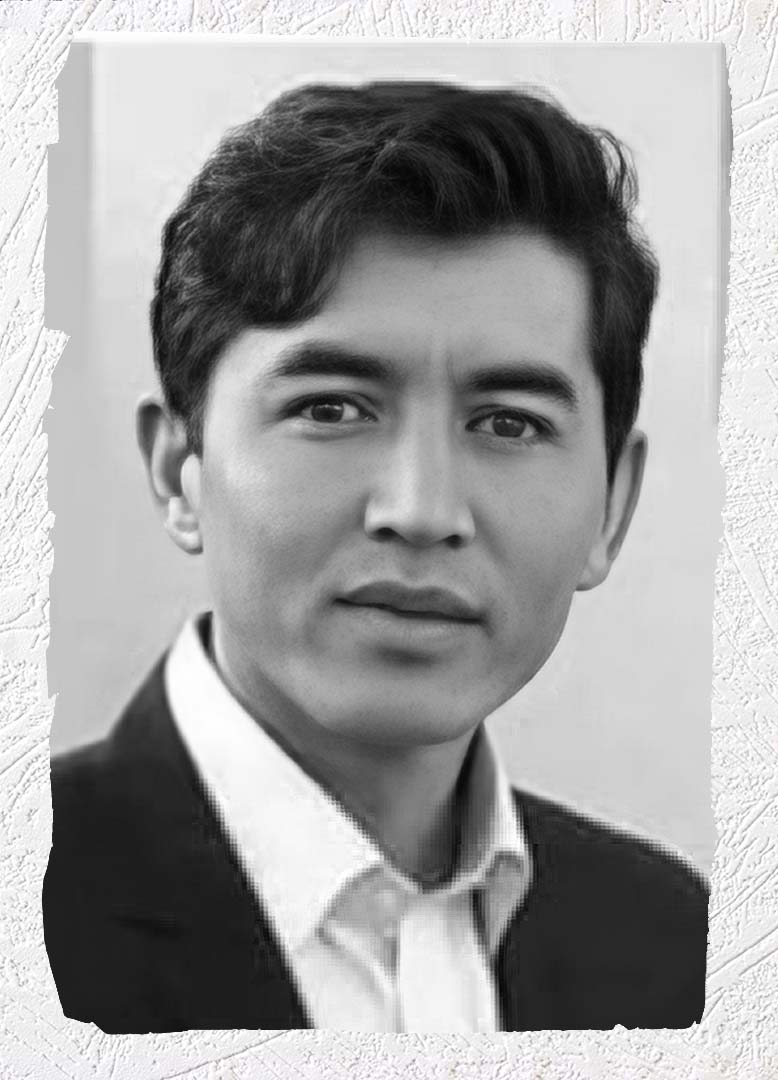
- Gender
- Male
- Ethnicity
- Hazara
- Village/Town of Incident
- Dehmazang, Kabul City
- District geolocation of incident
- Kabul: 34° 31′ 1″ N, 69° 8′ 60″ E
- Description of incident
Junbesh-e Roshnayi-e (The Enlightenment Movement) is a grassroots civil disobedience movement of Hazaras created in 2016 in Afghanistan in response to the Afghan government's change in routing plans for proposed international electricity networking, which was perceived as continuing historical anti-Hazara discrimination. The group organised major protests in Afghanistan and internationally during 2016 and 2017, protesting against discrimination.
Gholam Abbas Safazada
- Photo of Victim

- Gender
- Male
- Ethnicity
- Hazara
- Village/Town of Incident
- Dehmazang, Kabul City
- District geolocation of incident
- Kabul: 34° 31′ 1″ N, 69° 8′ 60″ E
- Description of incident
Junbesh-e Roshnayi-e (The Enlightenment Movement) is a grassroots civil disobedience movement of Hazaras created in 2016 in Afghanistan in response to the Afghan government's change in routing plans for proposed international electricity networking, which was perceived as continuing historical anti-Hazara discrimination. The group organised major protests in Afghanistan and internationally during 2016 and 2017, protesting against discrimination.
Mohammad Salihi
- Photo of Victim

- Gender
- Male
- Ethnicity
- Hazara
- Village/Town of Incident
- Dehmazang, Kabul City
- District geolocation of incident
- Kabul: 34° 31′ 1″ N, 69° 8′ 60″ E
- Description of incident
Junbesh-e Roshnayi-e (The Enlightenment Movement) is a grassroots civil disobedience movement of Hazaras created in 2016 in Afghanistan in response to the Afghan government's change in routing plans for proposed international electricity networking, which was perceived as continuing historical anti-Hazara discrimination. The group organised major protests in Afghanistan and internationally during 2016 and 2017, protesting against discrimination.
Mohammad Ali Hussaini
- Photo of Victim

- Gender
- Male
- Ethnicity
- Hazara
- Village/Town of Incident
- Dehmazang, Kabul City
- District geolocation of incident
- Kabul: 34° 31′ 1″ N, 69° 8′ 60″ E
- Description of incident
Junbesh-e Roshnayi-e (The Enlightenment Movement) is a grassroots civil disobedience movement of Hazaras created in 2016 in Afghanistan in response to the Afghan government's change in routing plans for proposed international electricity networking, which was perceived as continuing historical anti-Hazara discrimination. The group organised major protests in Afghanistan and internationally during 2016 and 2017, protesting against discrimination.
Khodadad Karimi
- Photo of Victim

- Gender
- Male
- Ethnicity
- Hazara
- Village/Town of Incident
- Dehmazang, Kabul City
- District geolocation of incident
- Kabul: 34° 31′ 1″ N, 69° 8′ 60″ E
- Description of incident
Junbesh-e Roshnayi-e (The Enlightenment Movement) is a grassroots civil disobedience movement of Hazaras created in 2016 in Afghanistan in response to the Afghan government's change in routing plans for proposed international electricity networking, which was perceived as continuing historical anti-Hazara discrimination. The group organised major protests in Afghanistan and internationally during 2016 and 2017, protesting against discrimination.
Nassir Ehsani
- Photo of Victim
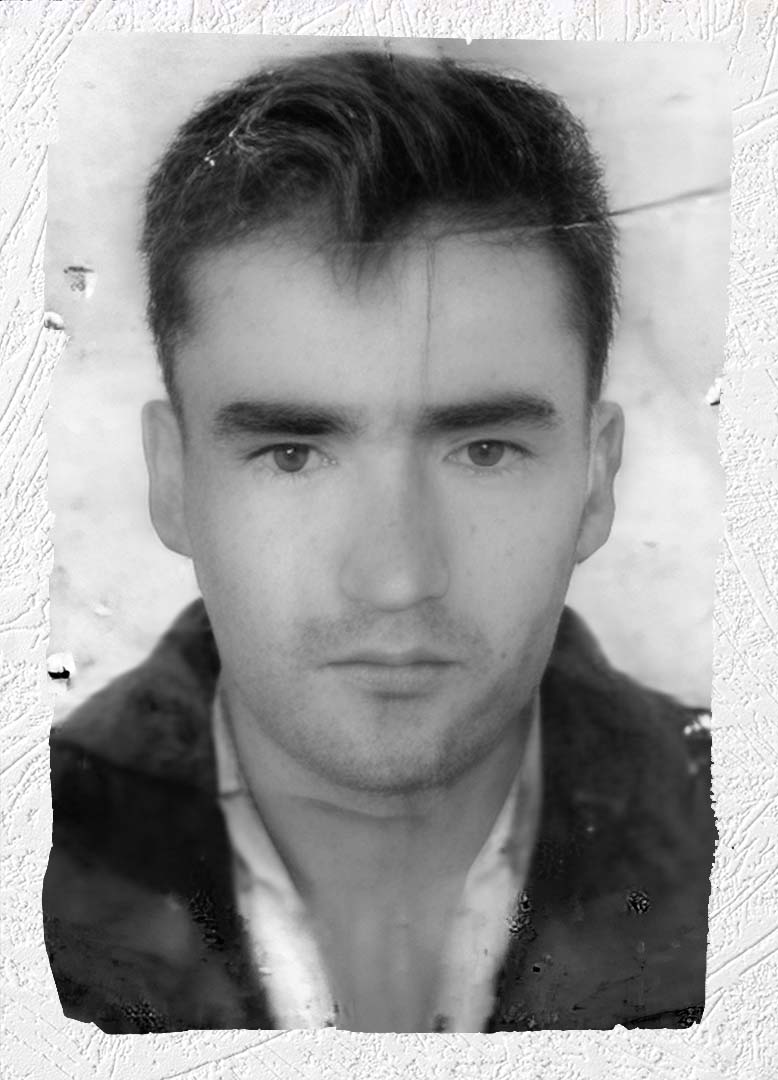
- Gender
- Male
- Ethnicity
- Hazara
- Village/Town of Incident
- Dehmazang, Kabul City
- District geolocation of incident
- Kabul: 34° 31′ 1″ N, 69° 8′ 60″ E
- Description of incident
Junbesh-e Roshnayi-e (The Enlightenment Movement) is a grassroots civil disobedience movement of Hazaras created in 2016 in Afghanistan in response to the Afghan government's change in routing plans for proposed international electricity networking, which was perceived as continuing historical anti-Hazara discrimination. The group organised major protests in Afghanistan and internationally during 2016 and 2017, protesting against discrimination.
Rajab Hasani
- Photo of Victim

- Gender
- Male
- Ethnicity
- Hazara
- Village/Town of Incident
- Dehmazang, Kabul City
- District geolocation of incident
- Kabul: 34° 31′ 1″ N, 69° 8′ 60″ E
- Description of incident
Junbesh-e Roshnayi-e (The Enlightenment Movement) is a grassroots civil disobedience movement of Hazaras created in 2016 in Afghanistan in response to the Afghan government's change in routing plans for proposed international electricity networking, which was perceived as continuing historical anti-Hazara discrimination. The group organised major protests in Afghanistan and internationally during 2016 and 2017, protesting against discrimination.
M.Mahdi Mohammadi
- Photo of Victim

- Gender
- Male
- Ethnicity
- Hazara
- Village/Town of Incident
- Dehmazang, Kabul City
- District geolocation of incident
- Kabul: 34° 31′ 1″ N, 69° 8′ 60″ E
- Description of incident
Junbesh-e Roshnayi-e (The Enlightenment Movement) is a grassroots civil disobedience movement of Hazaras created in 2016 in Afghanistan in response to the Afghan government's change in routing plans for proposed international electricity networking, which was perceived as continuing historical anti-Hazara discrimination. The group organised major protests in Afghanistan and internationally during 2016 and 2017, protesting against discrimination.
Mohammad Zahir Meamar
- Photo of Victim
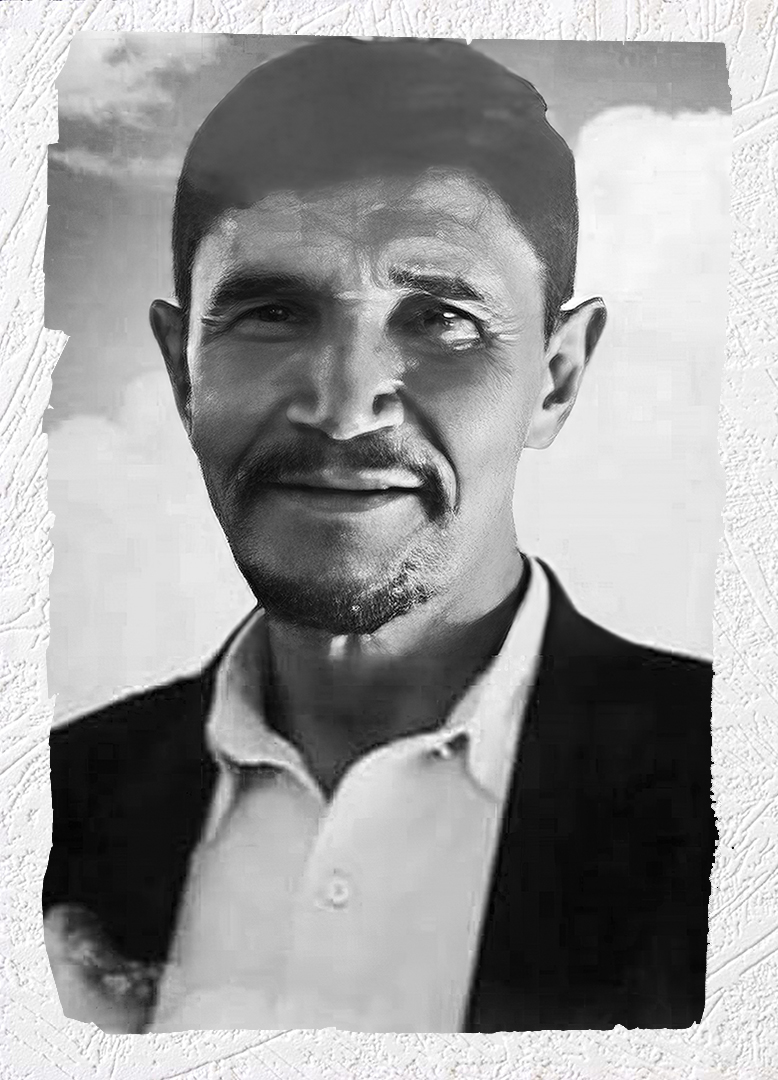
- Gender
- Male
- Ethnicity
- Hazara
- Village/Town of Incident
- Dehmazang, Kabul City
- District geolocation of incident
- Kabul: 34° 31′ 1″ N, 69° 8′ 60″ E
- Description of incident
Junbesh-e Roshnayi-e (The Enlightenment Movement) is a grassroots civil disobedience movement of Hazaras created in 2016 in Afghanistan in response to the Afghan government's change in routing plans for proposed international electricity networking, which was perceived as continuing historical anti-Hazara discrimination. The group organised major protests in Afghanistan and internationally during 2016 and 2017, protesting against discrimination.
Mohammad Hussain
- Photo of Victim

- Gender
- Male
- Ethnicity
- Hazara
- Village/Town of Incident
- Dehmazang, Kabul City
- District geolocation of incident
- Kabul: 34° 31′ 1″ N, 69° 8′ 60″ E
- Description of incident
Junbesh-e Roshnayi-e (The Enlightenment Movement) is a grassroots civil disobedience movement of Hazaras created in 2016 in Afghanistan in response to the Afghan government's change in routing plans for proposed international electricity networking, which was perceived as continuing historical anti-Hazara discrimination. The group organised major protests in Afghanistan and internationally during 2016 and 2017, protesting against discrimination.
Abdullah Zamiri
- Photo of Victim

- Gender
- Male
- Ethnicity
- Hazara
- Village/Town of Incident
- Dehmazang, Kabul City
- District geolocation of incident
- Kabul: 34° 31′ 1″ N, 69° 8′ 60″ E
- Description of incident
Junbesh-e Roshnayi-e (The Enlightenment Movement) is a grassroots civil disobedience movement of Hazaras created in 2016 in Afghanistan in response to the Afghan government's change in routing plans for proposed international electricity networking, which was perceived as continuing historical anti-Hazara discrimination. The group organised major protests in Afghanistan and internationally during 2016 and 2017, protesting against discrimination.
Besmellah Mesbah
- Photo of Victim
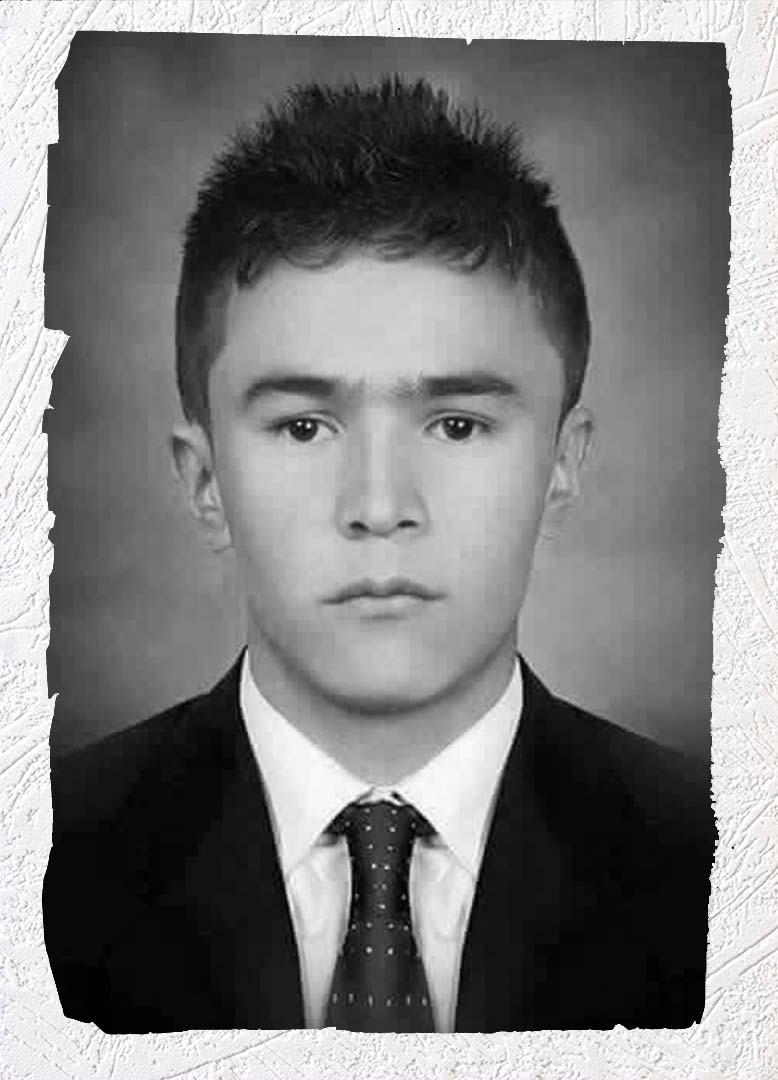
- Gender
- Male
- Ethnicity
- Hazara
- Village/Town of Incident
- Dehmazang, Kabul City
- District geolocation of incident
- Kabul: 34° 31′ 1″ N, 69° 8′ 60″ E
- Description of incident
Junbesh-e Roshnayi-e (The Enlightenment Movement) is a grassroots civil disobedience movement of Hazaras created in 2016 in Afghanistan in response to the Afghan government's change in routing plans for proposed international electricity networking, which was perceived as continuing historical anti-Hazara discrimination. The group organised major protests in Afghanistan and internationally during 2016 and 2017, protesting against discrimination.
Mehrullah Tareqat
- Photo of Victim

- Gender
- Male
- Ethnicity
- Hazara
- Village/Town of Incident
- Dehmazang, Kabul City
- District geolocation of incident
- Kabul: 34° 31′ 1″ N, 69° 8′ 60″ E
- Description of incident
Junbesh-e Roshnayi-e (The Enlightenment Movement) is a grassroots civil disobedience movement of Hazaras created in 2016 in Afghanistan in response to the Afghan government's change in routing plans for proposed international electricity networking, which was perceived as continuing historical anti-Hazara discrimination. The group organised major protests in Afghanistan and internationally during 2016 and 2017, protesting against discrimination.
Rahimullah
- Photo of Victim
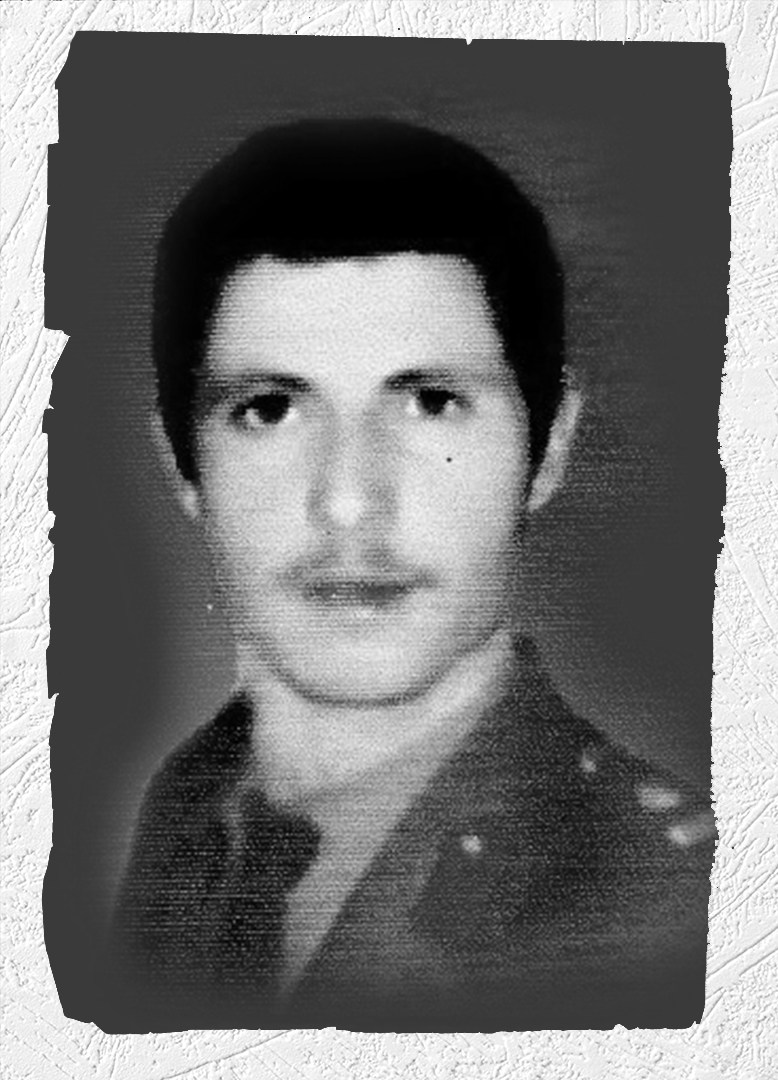
- Gender
- Male
- Ethnicity
- Tajik
- Village/Town of Incident
- Dehmazang, Kabul City
- District geolocation of incident
- Kabul: 34° 31′ 1″ N, 69° 8′ 60″ E
- Description of incident
Junbesh-e Roshnayi-e (The Enlightenment Movement) is a grassroots civil disobedience movement of Hazaras created in 2016 in Afghanistan in response to the Afghan government's change in routing plans for proposed international electricity networking, which was perceived as continuing historical anti-Hazara discrimination. The group organised major protests in Afghanistan and internationally during 2016 and 2017, protesting against discrimination.
Sharif Behroz
- Photo of Victim

- Gender
- Male
- Ethnicity
- Hazara
- Village/Town of Incident
- Dehmazang, Kabul City
- District geolocation of incident
- Kabul: 34° 31′ 1″ N, 69° 8′ 60″ E