A shepherd child was killed when he was blown up by a roadside bomb
- Province of incident
- Badghis: Ab Kamari
ANA Airstrike Civilian Casualties - (Badghis 2015)
- Province of incident
- Badghis: Ab Kamari
Shepherd Child Killed by Taliban Roadside Bomb - Badghis (2020)
- Province of incident
- Badghis: Ab Kamari
Civilians Killed in Night Operation - Bādghīs 2019
- Province of incident
- Badghis: Ab Kamari
Women and Children Killed in Airstrike on Taliban Commander's House - Bādghīs (2019)
- Province of incident
- Badghis: Ab Kamari
Civilians Killed as Taliban Use Homes for Cover - Bādghīs 2019
- Province of incident
- Badghis: Ab Kamari
ISKP Retaliatory Civilian Targeting - Nangarhar (2015)
- Province of incident
- Nangarhar: Achin
ISIS-K Beheads Two Civilians in Achin, Nangarhar (2017)
- Province of incident
- Nangarhar: Achin
Suspected ISIS Roadside Bomb Kills Seven Civilians in Nangarhar (2017)
- Province of incident
- Nangarhar: Achin
Boys Killed in Mortar Strike on Mosque During Fighting - Nangarhar (2015)
- Province of incident
- Nangarhar: Achin
Civilian Killed in IED Attack While Fleeing Fighting - Nangarhar (2015)
- Province of incident
- Nangarhar: Achin
Mass Displacement and Human Rights Violations by ISIS-K - Nangarhar (2015)
- Province of incident
- Nangarhar: Achin
Taliban Execute Man by Hanging After Shadow Court Trial in Herat (2019)
- Province of incident
- Herat: Adraskan
Civilian Killed in Crossfire During Taliban Attack on Outpost - Herat (2020)
- Province of incident
- Herat: Adraskan
One civilian was killed and another was wounded in crossfire when the Taliban attacked a security outpost
- Province of incident
- Herat: Adraskan
The Taliban executed a man by hanging after a Taliban shadow court sentenced him to death
- Province of incident
- Herat: Adraskan
Afghan Police Kill Civilian Driver and Wound Two Others in Herat (2017)
- Province of incident
- Herat: Adraskan
Mosque Imam Kidnapped and Killed by Taliban - Herat (2019)
- Province of incident
- Herat: Adraskan
ribal Affairs Director Vehicle Bombing - Paktia (2015)
- Province of incident
- Paktia: Ahmad Aba
Government Employee Shot While Returning Home - Paktia (2019)
- Province of incident
- Paktia: Ahmadabad
Tribal Elder and NGO Worker Killings - Paktia (2015)
- Province of incident
- Paktia: Ahmadabad
Pressure-Plate IED Kills Family of Three in Ahmad Aba, Paktia (2017)
- Province of incident
- Paktia: Ahmadabad
Judge Shot After Attending Wedding - Paktia (2019)
- Province of incident
- Paktia: Ahmadabad
Rahmatullah Qasimi
- Photo of Victim

- Gender
- Male
- Ethnicity
- Hazara
- Province of incident
- Ghazni: Ajristan
- District geolocation of incident
- Ajristan: 33° 49′ 11″ N, 67° 12′ 53″ E
- Description of incident
On April 18, 2015, 14 Hazara men who were traveling from the Malistan District to the Ajristan District in Ghazni, now part of Daikundi Province, to purchase livestock were abducted by Taliban fighters. Initially, the Taliban demanded that the government release their fighters who were detained and imprisoned by the Ghazni Department of Intelligence. After the government did not comply with their demands, the captives were subjected to several days of severe torture and subsequently four of them beheaded by their captors and other 10 were released later.
- Declaratory Statement
No statement
Dawod Qasimi
- Photo of Victim

- Gender
- Male
- Ethnicity
- Hazara
- Province of incident
- Ghazni: Ajristan
- District geolocation of incident
- Ajristan: 33° 49′ 11″ N, 67° 12′ 53″ E
- Description of incident
On April 18, 2015, 14 Hazara men who were traveling from the Malistan District to the Ajristan District in Ghazni, now part of Daikundi Province, to purchase livestock were abducted by Taliban fighters. Initially, the Taliban demanded that the government release their fighters who were detained and imprisoned by the Ghazni Department of Intelligence. After the government did not comply with their demands, the captives were subjected to several days of severe torture and subsequently four of them beheaded by their captors and other 10 were released later.
- Declaratory Statement
No statement
Ebrahim Yazdani
- Photo of Victim

- Gender
- Male
- Ethnicity
- Hazara
- Province of incident
- Ghazni: Ajristan
- District geolocation of incident
- Ajristan: 33° 49′ 11″ N, 67° 12′ 53″ E
- Description of incident
On April 18, 2015, 14 Hazara men who were traveling from the Malistan District to the Ajristan District in Ghazni, now part of Daikundi Province, to purchase livestock were abducted by Taliban fighters. Initially, the Taliban demanded that the government release their fighters who were detained and imprisoned by the Ghazni Department of Intelligence. After the government did not comply with their demands, the captives were subjected to several days of severe torture and subsequently four of them beheaded by their captors and other 10 were released later.
- Declaratory Statement
No statement
On April 18, 2015, four Hazara civilians who were traveling from the Malistan District to the Ajristan District in Ghazni, now part of Daikundi Province, to purchase livestock were abducted by Taliban fighters. Initially, the Taliban demanded that the government release their fighters who were detained and imprisoned by the Ghazni Department of Intelligence. After the government did not comply with their demands, the captives were subjected to several days of severe torture and subsequently beheaded by their captors.
- Province of incident
- Ghazni: Ajristan
Aziz Ghulami
- Photo of Victim

- Gender
- Male
- Ethnicity
- Hazara
- Province of incident
- Ghazni: Ajristan
- District geolocation of incident
- Ajristan: 33° 49′ 11″ N, 67° 12′ 53″ E
- Description of incident
On April 18, 2015, 14 Hazara men who were traveling from the Malistan District to the Ajristan District in Ghazni, now part of Daikundi Province, to purchase livestock were abducted by Taliban fighters. Initially, the Taliban demanded that the government release their fighters who were detained and imprisoned by the Ghazni Department of Intelligence. After the government did not comply with their demands, the captives were subjected to several days of severe torture and subsequently four of them beheaded by their captors and other 10 were released later.
- Declaratory Statement
No statement
The Taliban attacked a security outpost killing two local police officers and wounding one civilian
- Province of incident
- Kunduz: Ali Abad
Government official Hazrat Shah was killed by the Taliban
- Province of incident
- Kunduz: Ali Abad
Government Official Killed by Taliban - Kunduz 2019
- Province of incident
- Kunduz: Ali Abad
Civilian Guests Killed in Taliban Attack on Outpost - Kunduz (2019)
- Province of incident
- Kunduz: Ali Abad
Suspected Taliban Militants Ambush Passenger Buses in Northern Afghanistan (2016)
- Province of incident
- Kunduz: Ali Abad
Three Civilians Killed in NDS Special Forces Operation - Laghman (2019)
- Province of incident
- Laghman: Alingar
Suspected Taliban Mortar Strike Kills Two Women in Alingar, Laghman (2017)
- Province of incident
- Laghman: Alingar
Roadside Bomb Kills Four Construction Workers in Laghman (2017)
- Province of incident
- Laghman: Alingar
Four Young Children Killed in Mortar Strike on House - Laghman (2020)
- Province of incident
- Laghman: Alishing
Roadside Bombing Kills Two Civilians in Laghman Province (2016)
- Province of incident
- Laghman: Alishing
Family Killed in Taliban Mortar Attack on Home - Laghman (2019)
- Province of incident
- Laghman: Alishing
Students Wounded in Car Bombing at Police Headquarters - Laghman (2019)
- Province of incident
- Laghman: Alishing
Before joining the Taliban, a police officer killed three of his colleagues inside the police headquarters
- Province of incident
- Faryab: Almar
Humanitarian Organization Employee Killing - Faryab (2015)
- Province of incident
- Faryab: Almar
Four Civilians Killed in Taliban-Government Forces Clash - Faryab (2019)
- Province of incident
- Faryab: Almar
Police Chief's Family Killed by Roadside Bomb - Farah (2019)
- Province of incident
- Farah: Anar Dara
Bomb in Rickshaw Kills Civilian Driver in Gorgak, Anar Dara, Farah (2017)
- Province of incident
- Farah: Anar Dara
International Forces and Afghan Commandos Kill Villager in Andar, Ghazni (2018)
- Province of incident
- Ghazni: Andar
Two men, two women and a child all from the same family were killed when their vehicle was blown up by a roadside bomb
- Province of incident
- Ghazni: Andar
Taliban Execution of Eleven Kidnapped Bus Passengers in Andar, Ghazni (2016)
- Province of incident
- Ghazni: Andar
Taliban Mortar Strike Kills Three Civilians During Clash in Andar, Ghazni (2017)
- Province of incident
- Ghazni: Andar
Family Killed in Roadside Bomb Attack on Vehicle - Ghazni (2020)
- Province of incident
- Ghazni: Andar
Three civilians were killed and 11 others were wounded when their vehicle hit a roadside bomb
- Province of incident
- Ghazni: Andar
During a ground engagement between the Afghan National Army and the Taliban, a mortar round landed on a school, causing the death of four schoolboys and a teacher
- Province of incident
- Ghazni: Andar
The Taliban Shot Dead 12 People in Ghazni Province (2016)
- Province of incident
- Ghazni: Andar
On 12 April 1986, between 800 and 1,000 civilians were killed by soldiers in the Andkhoy District of Faryab Province during a bombing raid.
- Province of incident
- Faryab: Andkhoy
Six members of a single family, including women and children, were killed when four armed men entered their house
- Province of incident
- Faryab: Andkhoy
Six Family Members Including Women and Children Killed in Home Invasion - Faryab (2020)
- Province of incident
- Faryab: Andkhoy
Militia Members and Civilians Killed in Taliban Village Attack - Jowzjan (2020)
- Province of incident
- Jowzjan: Aqcha
The Taliban attacked the Aqcha Numa village killing two pro-government militia members while wounding another four, plus two civilians
- Province of incident
- Jowzjan: Aqcha
Clearing Operation Civilian Casualties - Jawzjan (2015)
- Province of incident
- Jowzjan: Aqcha
Hospital Patients Killed When Taliban Occupy Medical Facility - Jowzjan (2019)
- Province of incident
- Jowzjan: Aqcha
Civilians Including Newly Married Woman Killed in Afghan Air Force Strike - Kunduz (2020)
- Province of incident
- Kunduz: Aqtash
The Taliban attacked an outpost of pro-government militia members. Five pro-government militia members were killed and 15 others, including five civilians, were wounded in the clashes
- Province of incident
- Kunduz: Aqtash
Militia Members and Civilians Killed in Taliban Attack - Kunduz (2020)
- Province of incident
- Kunduz: Aqtash
A rocket fired by an Afghan air force helicopter hit a house killing three civilians
- Province of incident
- Kunduz: Aqtash
The Taliban attacked a security outpost in the Godam area of Dasht-e-Archi District, killing two civilians
- Province of incident
- Kunduz: Archi
A bomb exploded inside a madrasa in the Sharawan area of Dasht-e-Archi District, killing five children and wounding three others
- Province of incident
- Kunduz: Archi
Civilians Killed in Bombing During Taliban Attack on Military Base - Kunduz (2020)
- Province of incident
- Kunduz: Archi
GulPari
- Photo of Victim

- Gender
- Female
- Ethnicity
- Hazara
- Province of incident
- Zabul: Argahandab
- District geolocation of incident
- Arghandab: 31° 39′ 3″ N, 65° 38′ 59″ E
- Description of incident
The hostage taking of seven Hazara passengers and then beheading them on November 9, 2015 by Daesh took place in Zabul province located in the southeast of Afghanistan. Shukria Tabssum, a 9-year-old Hazara child, was also a victim of this massacre.
Mohammad Khan
- Photo of Victim
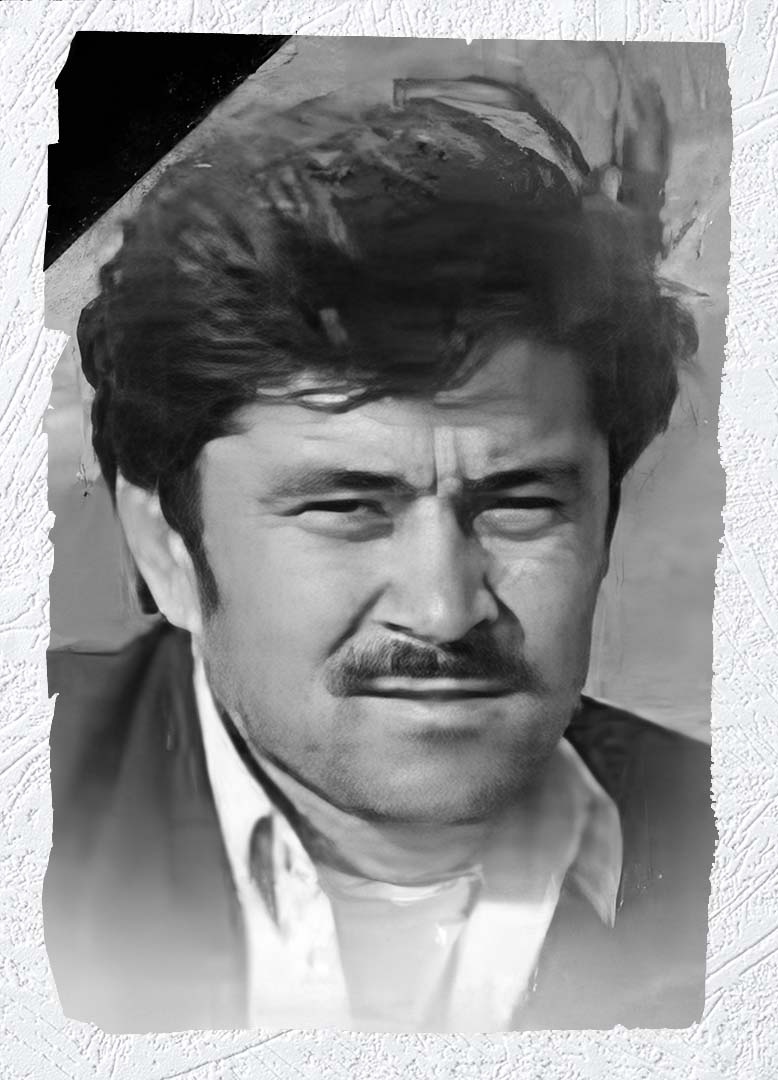
- Gender
- Male
- Ethnicity
- Hazara
- Province of incident
- Zabul: Argahandab
- District geolocation of incident
- Arghandab: 31° 39′ 3″ N, 65° 38′ 59″ E
- Description of incident
The hostage taking of seven Hazara passengers and then beheading them on November 9, 2015 by Daesh took place in Zabul province located in the southeast of Afghanistan. Shukria Tabssum, a 9-year-old Hazara child, was also a victim of this massacre.
Shukria Tabassum
- Photo of Victim

- Gender
- Female
- Ethnicity
- Hazara
- Province of incident
- Zabul: Argahandab
- District geolocation of incident
- Arghandab: 31° 39′ 3″ N, 65° 38′ 59″ E
- Description of incident
The hostage taking and then beheading of 7 Hazara people on November 9, 2015 by Daesh took place in Zabul province located in the southeast of Afghanistan. Shukrieh Tabsem, a 9-year-old Hazara child, was also a victim of this massacre.
Sadiq Ali
- Photo of Victim

- Gender
- Male
- Ethnicity
- Hazara
- Province of incident
- Zabul: Argahandab
- District geolocation of incident
- Arghandab: 31° 39′ 3″ N, 65° 38′ 59″ E
- Description of incident
The hostage taking of seven Hazara passengers and then beheading them on November 9, 2015 by Daesh took place in Zabul province located in the southeast of Afghanistan. Shukria Tabssum, a 9-year-old Hazara child, was also a victim of this massacre.
ANA soldier shot and injured three male civilians in a Coaster bus
- Province of incident
- Zabul: Argahandab
Sardaro Ali
- Photo of Victim

- Gender
- Female
- Ethnicity
- Hazara
- Province of incident
- Zabul: Argahandab
- District geolocation of incident
- Arghandab: 31° 39′ 3″ N, 65° 38′ 59″ E
- Description of incident
The hostage taking of seven Hazara passengers and then beheading them on November 9, 2015 by Daesh took place in Zabul province located in the southeast of Afghanistan. Shukria Tabssum, a 9-year-old Hazara child, was also a victim of this massacre.
Shawkat Ali
- Photo of Victim

- Gender
- Male
- Ethnicity
- Hazara
- Province of incident
- Zabul: Argahandab
- District geolocation of incident
- Arghandab: 31° 39′ 3″ N, 65° 38′ 59″ E
- Description of incident
The hostage taking of seven Hazara passengers and then beheading them on November 9, 2015 by Daesh took place in Zabul province located in the southeast of Afghanistan. Shukria Tabssum, a 9-year-old Hazara child, was also a victim of this massacre.
Mohib Ali
- Photo of Victim
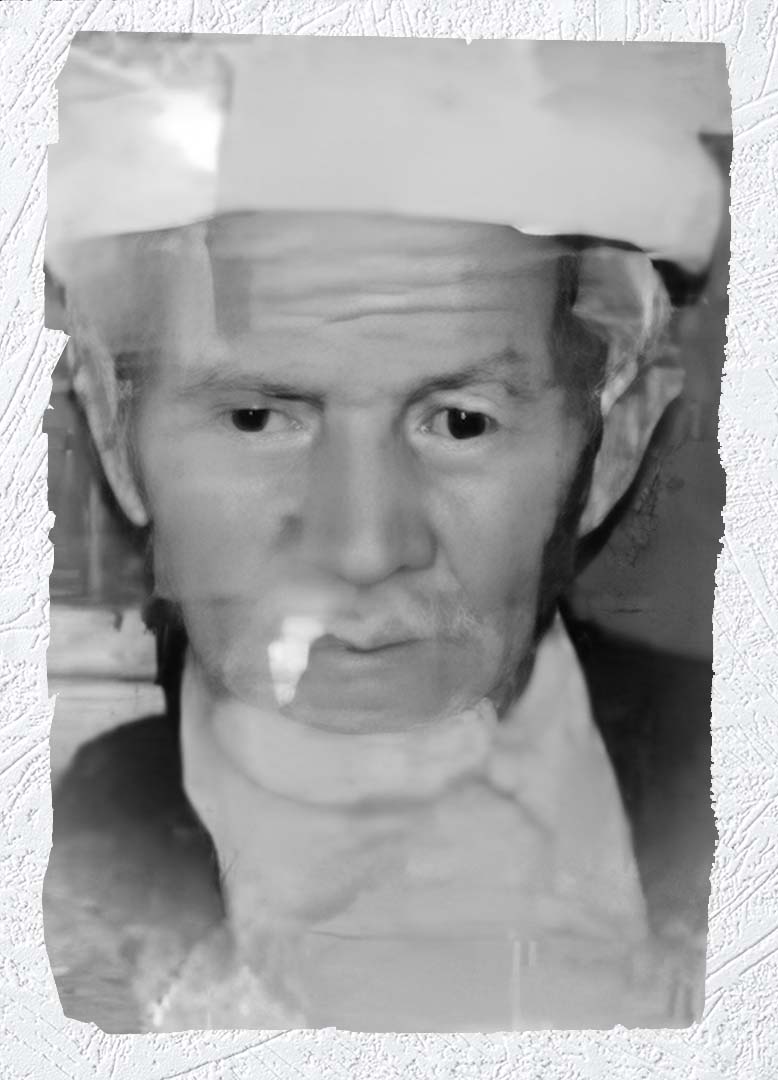
- Gender
- Male
- Ethnicity
- Hazara
- Province of incident
- Zabul: Argahandab
- District geolocation of incident
- Arghandab: 31° 39′ 3″ N, 65° 38′ 59″ E
- Description of incident
The hostage taking of seven Hazara passengers and then beheading them on November 9, 2015 by Daesh took place in Zabul province located in the southeast of Afghanistan. Shukria Tabssum, a 9-year-old Hazara child, was also a victim of this massacre.
Abduction and Killing of Shukria Tabassum and Six Hazara Civilians in Zabul (2015)
- Province of incident
- Zabul: Argahandab
Gunman Opens Fire on Worshippers Heading to Evening Prayer - Badakhshan (2019)
- Province of incident
- Badakhshan: Argo
Suicide Attack Near Pakistan Border Kills Ten in Kunar (2016)
- Province of incident
- Kunar: Asadabad
Mortar Attack on Market During Independence Day in Kunar (2016)
- Province of incident
- Kunar: Asadabad
Taliban Target and Kill Anti-Taliban Mullah at Wedding Party in Samangan (2018)
- Province of incident
- Samangan: Aybak
Child Killed in Unexploded Mortar Shell Explosion - Logar (2020)
- Province of incident
- Logar: Azra
A group of children were playing with a mortar shell when it exploded in the Shaikhan area of Azra District, killing one child and wounding eight other
- Province of incident
- Logar: Azra
Roadside Bomb Kills Five Civilians in Azra District, Logar (2016)
- Province of incident
- Logar: Azra
Tribal Elders and Teacher Killings - Laghman 2015
- Province of incident
- Laghman: Baad Pakh
Killing of “Halo Trust’s” Hazara Employees in Shaikh Jalal, Baghlan (2021)
- Province of incident
- Baghlan بغلان: Baghlani Jadid
Killing of Tribal Elders, Teacher, and Student in Baghlan-e-Jadid District, Baghlan Province (2015)
- Province of incident
- Baghlan بغلان: Baghlani Jadid
Attack on Road Construction Workers in Baghlan-e-Jadid
- Province of incident
- Baghlan بغلان: Baghlani Jadid
Roadside Bomb Kills Eleven Members of Same Family in Northern Afghanistan (2016)
- Province of incident
- Baghlan بغلان: Baghlani Jadid
ANA Helicopter Strike Civilian Death - Baghlan (2015)
- Province of incident
- Baghlan بغلان: Baghlani Jadid
Anti-Government Elements Mortar Attack on District Center Kills One Civilian in Baghlan (2018)
- Province of incident
- Baghlan بغلان: Baghlani Jadid
Sha Mohammad Pordel
- Photo of Victim

- Gender
- Male
- Ethnicity
- Tajik
- Province of incident
- Parwan: Bagram
- District geolocation of incident
- Bagram: 34° 57′ 13″ N, 69° 15′ 15″ E
- Declaratory Statement
No statement
Taliban Rocket Attack Misses Bagram Air Field and Injures Two Civilians (2016)
- Province of incident
- Parwan: Bagram
Suicide Bombing Targeting NATO Convoy Wounds Two Civilians in Parwan Province (2016)
- Province of incident
- Parwan: Bagram
Civilians Killed in Complex Attack on Medical Facility at Bagram Airfield - Parwān (2019)
- Province of incident
- Parwan: Bagram
Base Workers Killed in Gunmen Attack Near Bagram Airbase - Parwan (2020)
- Province of incident
- Parwan: Bagram
Sayed Mohammad Nadir
- Photo of Victim
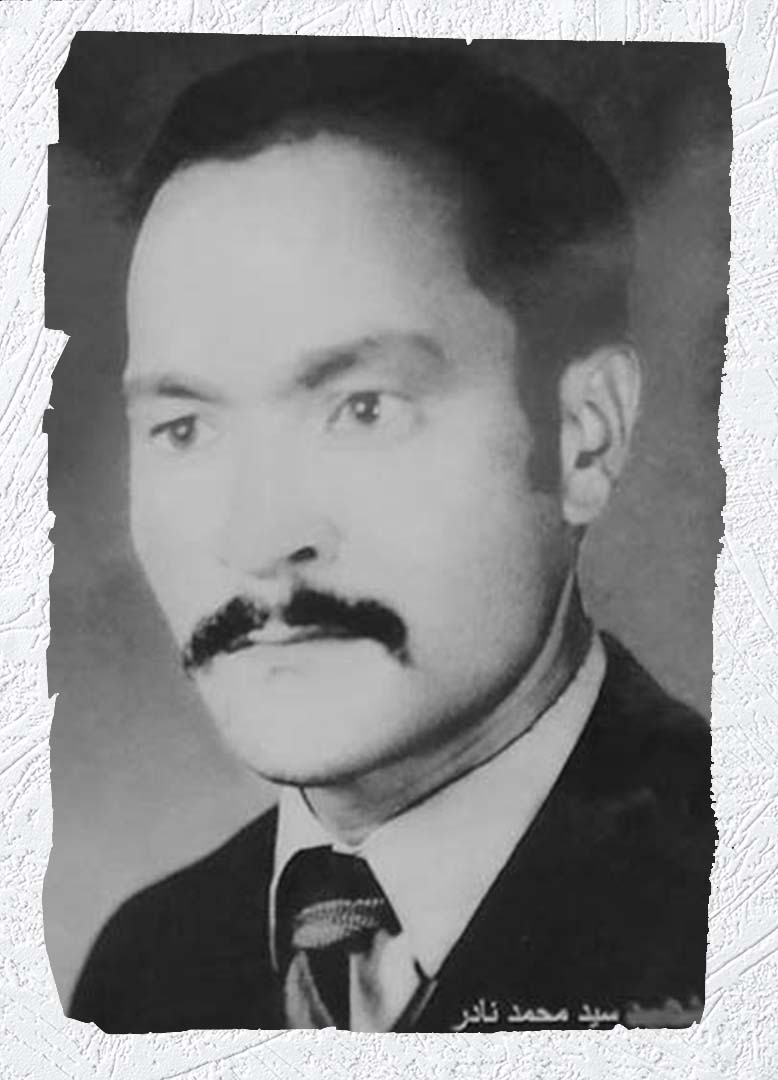
- Gender
- Male
- Ethnicity
- Sadat
- Province of incident
- Kabul: Bagrami
- District geolocation of incident
- Kabul: Bagrami: 34° 31′ 10″ N, 69° 16′ 39″ E
- Description of incident
Known as the "Killing of AGSA," it refers to the collective murder of opponents of the People's Democratic Party of Afghanistan in the Pul-e-Charkhi Prison in Kabul between 1978 and 1979. The Afghan Intelligence Office, or AGSA (Afghan Agency for Safeguarding National Interest), led by Asadullah Sarwari, had arrested nearly 150,000 people, out of which an estimated number of 27,000 political prisoners were put to death without a single trial, probe, or even allegation. Many Afghan families had no idea where their loved ones had disappeared in the latter part of 1978 and early 1979. A list of those slain that included 5,000 victims of AGSA mass executions was made public by the Dutch Prosecutor's Office in 2013.
- Declaratory Statement
No Statement
Ali Asghar
- Photo of Victim
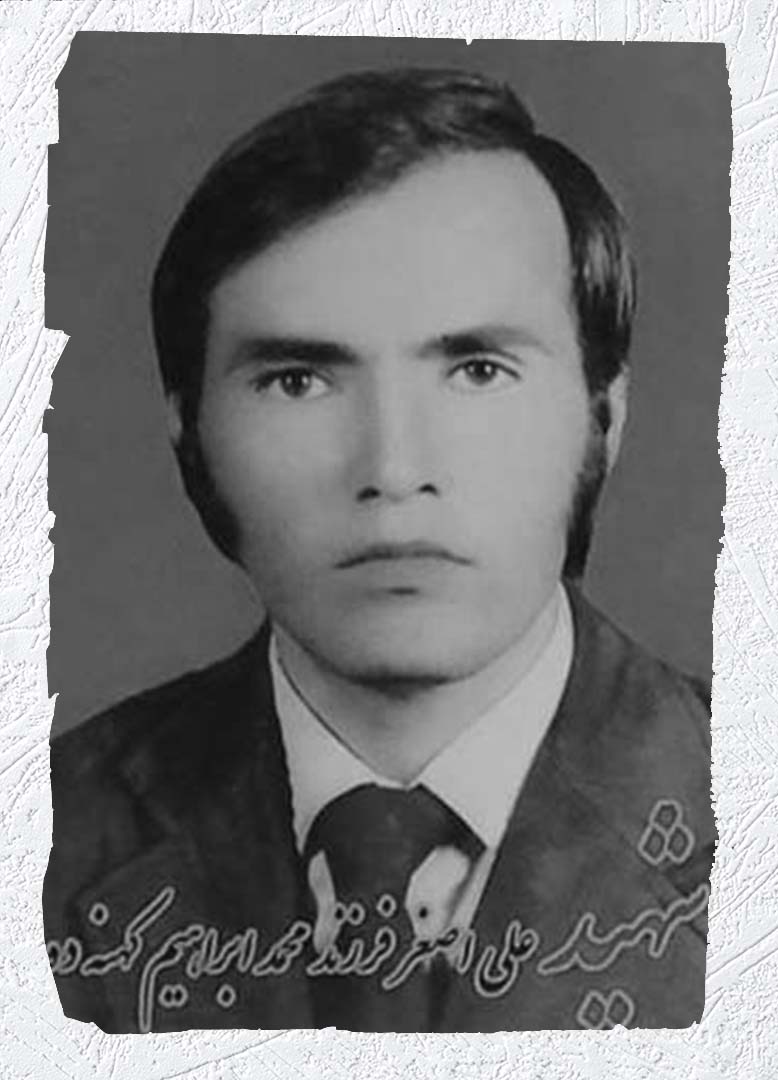
- Gender
- Male
- Ethnicity
- Hazara
- Province of incident
- Kabul: Bagrami
- District geolocation of incident
- Kabul: Bagrami: 34° 31′ 10″ N, 69° 16′ 39″ E
- Description of incident
Known as the "Killing of AGSA," it refers to the collective murder of opponents of the People's Democratic Party of Afghanistan in the Pul-e-Charkhi Prison in Kabul between 1978 and 1979. The Afghan Intelligence Office, or AGSA (Afghan Agency for Safeguarding National Interest), led by Asadullah Sarwari, had arrested nearly 150,000 people, out of which an estimated number of 27,000 political prisoners were put to death without a single trial, probe, or even allegation. Many Afghan families had no idea where their loved ones had disappeared in the latter part of 1978 and early 1979. A list of those slain that included 5,000 victims of AGSA mass executions was made public by the Dutch Prosecutor's Office in 2013.
- Declaratory Statement
No statement
SarwarAli Rajabi
- Photo of Victim

- Gender
- Male
- Ethnicity
- Hazara
- Province of incident
- Kabul: Bagrami
- District geolocation of incident
- Kabul: Bagrami: 34° 31′ 10″ N, 69° 16′ 39″ E
- Description of incident
Known as the "Killing of AGSA," it refers to the collective murder of opponents of the People's Democratic Party of Afghanistan in the Pul-e-Charkhi Prison in Kabul between 1978 and 1979. The Afghan Intelligence Office, or AGSA (Afghan Agency for Safeguarding National Interest), led by Asadullah Sarwari, had arrested nearly 150,000 people, out of which an estimated number of 27,000 political prisoners were put to death without a single trial, probe, or even allegation. Many Afghan families had no idea where their loved ones had disappeared in the latter part of 1978 and early 1979. A list of those slain that included 5,000 victims of AGSA mass executions was made public by the Dutch Prosecutor's Office in 2013.
- Declaratory Statement
No statement
Hussain Ali Arbab
- Photo of Victim
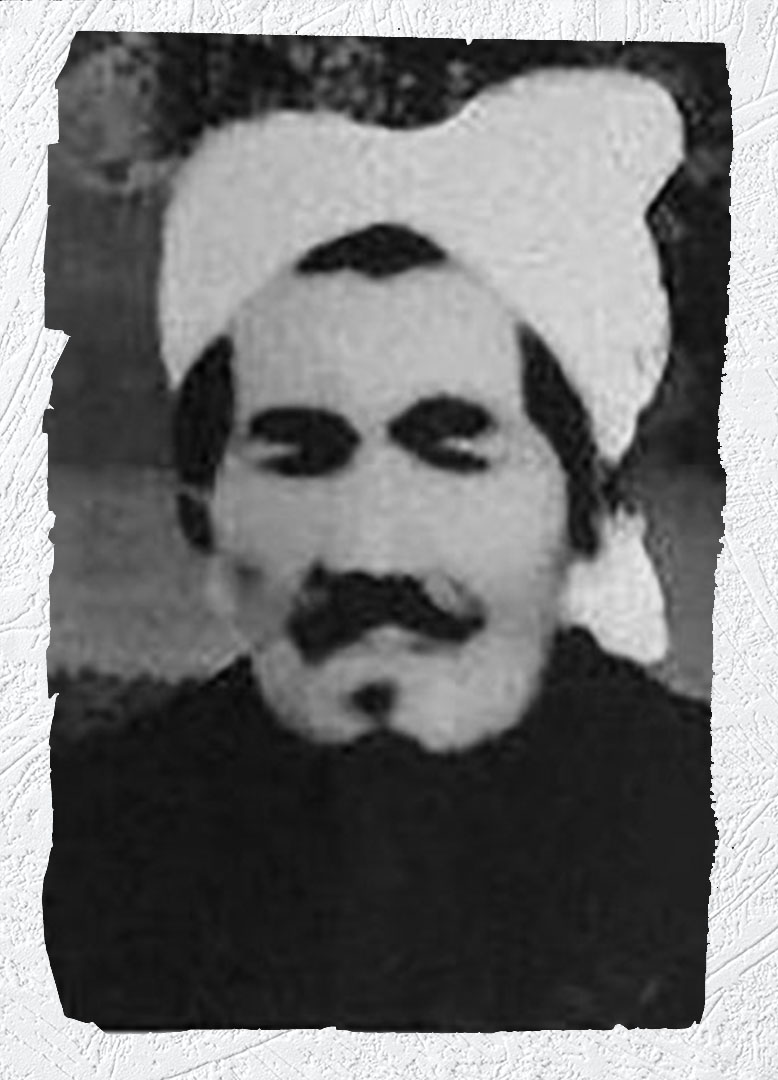
- Gender
- Male
- Ethnicity
- Hazara
- Province of incident
- Kabul: Bagrami
- District geolocation of incident
- Kabul: Bagrami: 34° 31′ 10″ N, 69° 16′ 39″ E
- Description of incident
Known as the "Killing of AGSA," it refers to the collective murder of opponents of the People's Democratic Party of Afghanistan in the Pul-e-Charkhi Prison in Kabul between 1978 and 1979. The Afghan Intelligence Office, or AGSA (Afghan Agency for Safeguarding National Interest), led by Asadullah Sarwari, had arrested nearly 150,000 people, out of which an estimated number of 27,000 political prisoners were put to death without a single trial, probe, or even allegation. Many Afghan families had no idea where their loved ones had disappeared in the latter part of 1978 and early 1979. A list of those slain that included 5,000 victims of AGSA mass executions was made public by the Dutch Prosecutor's Office in 2013.
- Declaratory Statement
No Statement
Mohammad Aman
- Photo of Victim

- Gender
- Male
- Ethnicity
- Hazara
- Province of incident
- Kabul: Bagrami
- District geolocation of incident
- Kabul: Bagrami: 34° 31′ 10″ N, 69° 16′ 39″ E
- Description of incident
Known as the "Killing of AGSA," it refers to the collective murder of opponents of the People's Democratic Party of Afghanistan in the Pul-e-Charkhi Prison in Kabul between 1978 and 1979. The Afghan Intelligence Office, or AGSA (Afghan Agency for Safeguarding National Interest), led by Asadullah Sarwari, had arrested nearly 150,000 people, out of which an estimated number of 27,000 political prisoners were put to death without a single trial, probe, or even allegation. Many Afghan families had no idea where their loved ones had disappeared in the latter part of 1978 and early 1979. A list of those slain that included 5,000 victims of AGSA mass executions was made public by the Dutch Prosecutor's Office in 2013.
- Declaratory Statement
No statement
GhulamShah
- Photo of Victim

- Gender
- Male
- Ethnicity
- Hazara
- Province of incident
- Kabul: Bagrami
- District geolocation of incident
- Kabul: Bagrami: 34° 31′ 10″ N, 69° 16′ 39″ E
- Description of incident
Known as the "Killing of AGSA," it refers to the collective murder of opponents of the People's Democratic Party of Afghanistan in the Pul-e-Charkhi Prison in Kabul between 1978 and 1979. The Afghan Intelligence Office, or AGSA (Afghan Agency for Safeguarding National Interest), led by Asadullah Sarwari, had arrested nearly 150,000 people, out of which an estimated number of 27,000 political prisoners were put to death without a single trial, probe, or even allegation. Many Afghan families had no idea where their loved ones had disappeared in the latter part of 1978 and early 1979. A list of those slain that included 5,000 victims of AGSA mass executions was made public by the Dutch Prosecutor's Office in 2013.
- Declaratory Statement
No statement
Khadim Hussain
- Photo of Victim

- Gender
- Male
- Ethnicity
- Hazara
- Province of incident
- Kabul: Bagrami
- District geolocation of incident
- Kabul: Bagrami: 34° 31′ 10″ N, 69° 16′ 39″ E
- Description of incident
Known as the "Killing of AGSA," it refers to the collective murder of opponents of the People's Democratic Party of Afghanistan in the Pul-e-Charkhi Prison in Kabul between 1978 and 1979. The Afghan Intelligence Office, or AGSA (Afghan Agency for Safeguarding National Interest), led by Asadullah Sarwari, had arrested nearly 150,000 people, out of which an estimated number of 27,000 political prisoners were put to death without a single trial, probe, or even allegation. Many Afghan families had no idea where their loved ones had disappeared in the latter part of 1978 and early 1979. A list of those slain that included 5,000 victims of AGSA mass executions was made public by the Dutch Prosecutor's Office in 2013.
- Declaratory Statement
No statement
Mohammad Akram Sultani
- Photo of Victim
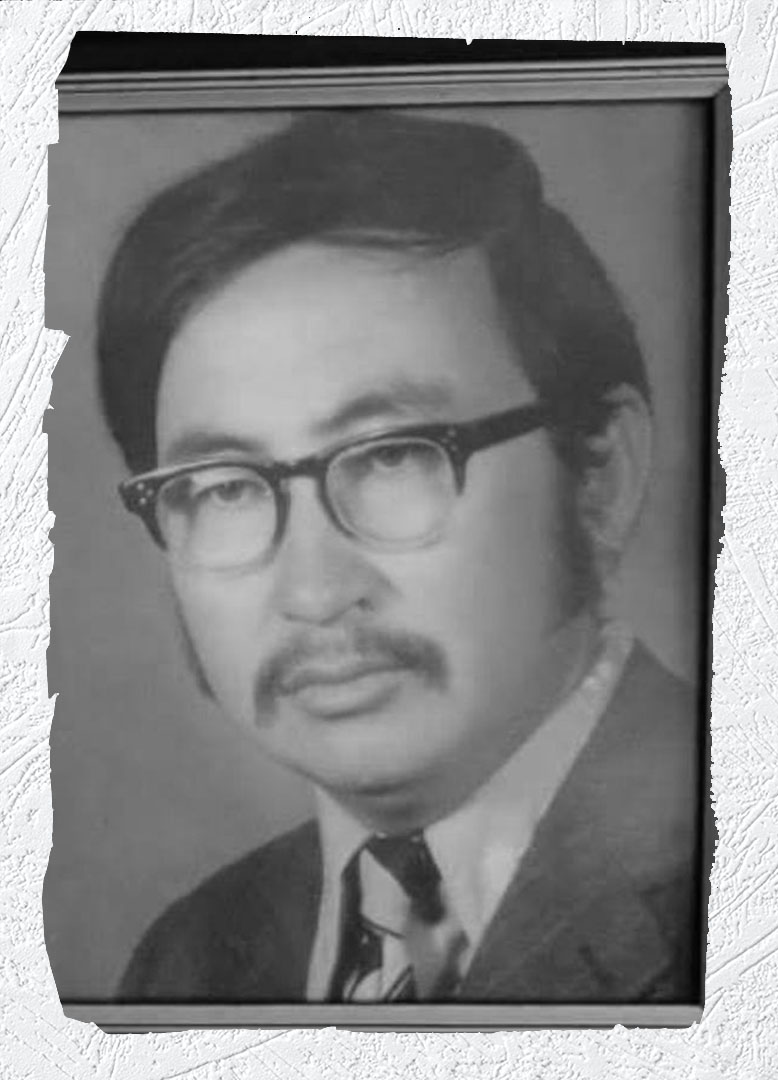
- Gender
- Male
- Ethnicity
- Hazara
- Province of incident
- Kabul: Bagrami
- District geolocation of incident
- Kabul: Bagrami: 34° 31′ 10″ N, 69° 16′ 39″ E
- Description of incident
Known as the "Killing of AGSA," it refers to the collective murder of opponents of the People's Democratic Party of Afghanistan in the Pul-e-Charkhi Prison in Kabul between 1978 and 1979. The Afghan Intelligence Office, or AGSA (Afghan Agency for Safeguarding National Interest), led by Asadullah Sarwari, had arrested nearly 150,000 people, out of which an estimated number of 27,000 political prisoners were put to death without a single trial, probe, or even allegation. Many Afghan families had no idea where their loved ones had disappeared in the latter part of 1978 and early 1979. A list of those slain that included 5,000 victims of AGSA mass executions was made public by the Dutch Prosecutor's Office in 2013.
- Declaratory Statement
No statement
Mohammad Hakim
- Photo of Victim
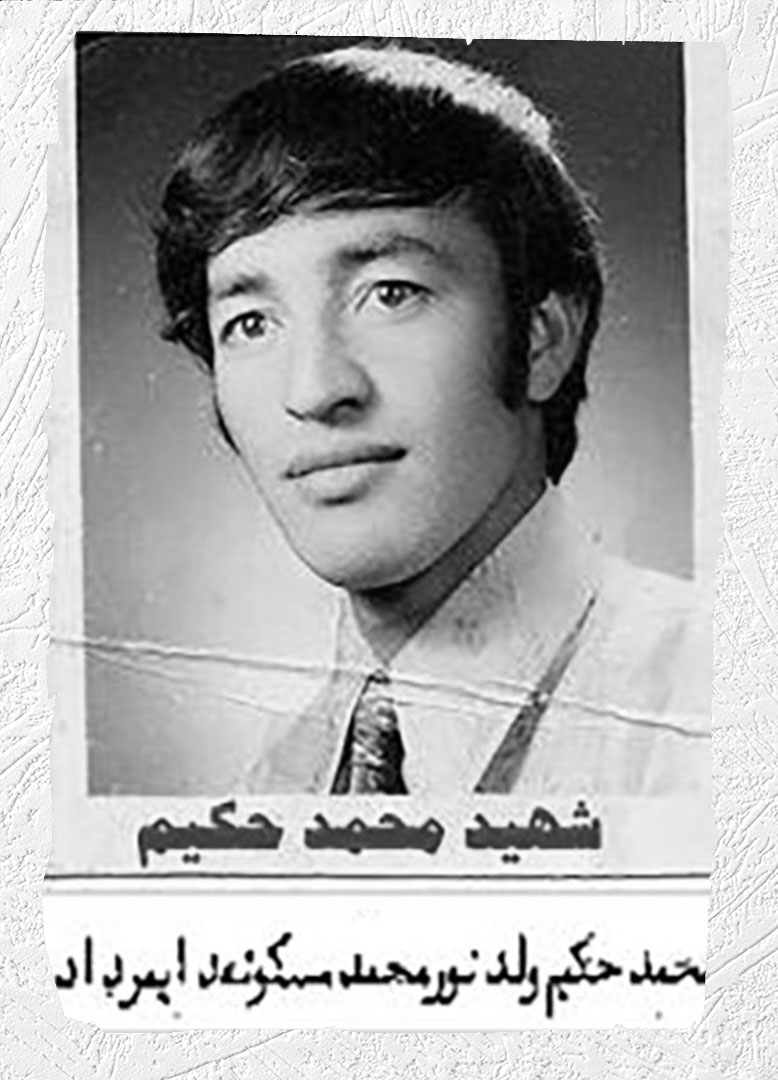
- Gender
- Male
- Ethnicity
- Hazara
- Province of incident
- Kabul: Bagrami
- District geolocation of incident
- Kabul: Bagrami: 34° 31′ 10″ N, 69° 16′ 39″ E
- Description of incident
Known as the "Killing of AGSA," it refers to the collective murder of opponents of the People's Democratic Party of Afghanistan in the Pul-e-Charkhi Prison in Kabul between 1978 and 1979. The Afghan Intelligence Office, or AGSA (Afghan Agency for Safeguarding National Interest), led by Asadullah Sarwari, had arrested nearly 150,000 people, out of which an estimated number of 27,000 political prisoners were put to death without a single trial, probe, or even allegation. Many Afghan families had no idea where their loved ones had disappeared in the latter part of 1978 and early 1979. A list of those slain that included 5,000 victims of AGSA mass executions was made public by the Dutch Prosecutor's Office in 2013.
- Declaratory Statement
No statement
Abdul Rashid
- Photo of Victim
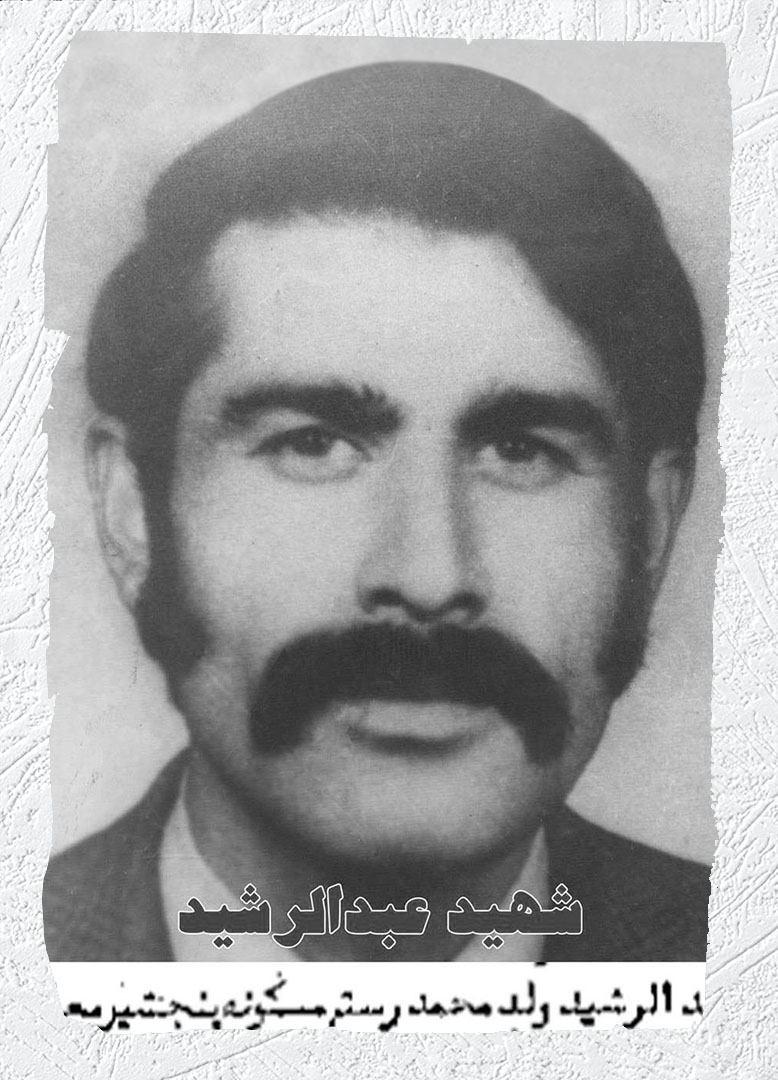
- Gender
- Male
- Ethnicity
- Tajik
- Province of incident
- Kabul: Bagrami
- District geolocation of incident
- Kabul: Bagrami: 34° 31′ 10″ N, 69° 16′ 39″ E
- Description of incident
Known as the "Killing of AGSA," it refers to the collective murder of opponents of the People's Democratic Party of Afghanistan in the Pul-e-Charkhi Prison in Kabul between 1978 and 1979. The Afghan Intelligence Office, or AGSA (Afghan Agency for Safeguarding National Interest), led by Asadullah Sarwari, had arrested nearly 150,000 people, out of which an estimated number of 27,000 political prisoners were put to death without a single trial, probe, or even allegation. Many Afghan families had no idea where their loved ones had disappeared in the latter part of 1978 and early 1979. A list of those slain that included 5,000 victims of AGSA mass executions was made public by the Dutch Prosecutor's Office in 2013.
- Declaratory Statement
No statement
Kalbi Abbas
- Photo of Victim

- Gender
- Male
- Ethnicity
- Hazara
- Province of incident
- Kabul: Bagrami
- District geolocation of incident
- Kabul: Bagrami: 34° 31′ 10″ N, 69° 16′ 39″ E
- Description of incident
Known as the "Killing of AGSA," it refers to the collective murder of opponents of the People's Democratic Party of Afghanistan in the Pul-e-Charkhi Prison in Kabul between 1978 and 1979. The Afghan Intelligence Office, or AGSA (Afghan Agency for Safeguarding National Interest), led by Asadullah Sarwari, had arrested nearly 150,000 people, out of which an estimated number of 27,000 political prisoners were put to death without a single trial, probe, or even allegation. Many Afghan families had no idea where their loved ones had disappeared in the latter part of 1978 and early 1979. A list of those slain that included 5,000 victims of AGSA mass executions was made public by the Dutch Prosecutor's Office in 2013.
- Declaratory Statement
No statement
Haji Ghulam Haidar
- Photo of Victim

- Gender
- Male
- Ethnicity
- Tajik
- Province of incident
- Kabul: Bagrami
- District geolocation of incident
- Kabul: Bagrami: 34° 31′ 10″ N, 69° 16′ 39″ E
- Description of incident
Known as the "Killing of AGSA," it refers to the collective murder of opponents of the People's Democratic Party of Afghanistan in the Pul-e-Charkhi Prison in Kabul between 1978 and 1979. The Afghan Intelligence Office, or AGSA (Afghan Agency for Safeguarding National Interest), led by Asadullah Sarwari, had arrested nearly 150,000 people, out of which an estimated number of 27,000 political prisoners were put to death without a single trial, probe, or even allegation. Many Afghan families had no idea where their loved ones had disappeared in the latter part of 1978 and early 1979. A list of those slain that included 5,000 victims of AGSA mass executions was made public by the Dutch Prosecutor's Office in 2013.
- Declaratory Statement
No statement
Aziz Toghyan
- Photo of Victim

- Gender
- Male
- Ethnicity
- Hazara
- Province of incident
- Kabul: Bagrami
- District geolocation of incident
- Kabul: Bagrami: 34° 31′ 10″ N, 69° 16′ 39″ E
- Declaratory Statement
No statement
Mohammad Hashim Mouj
- Photo of Victim
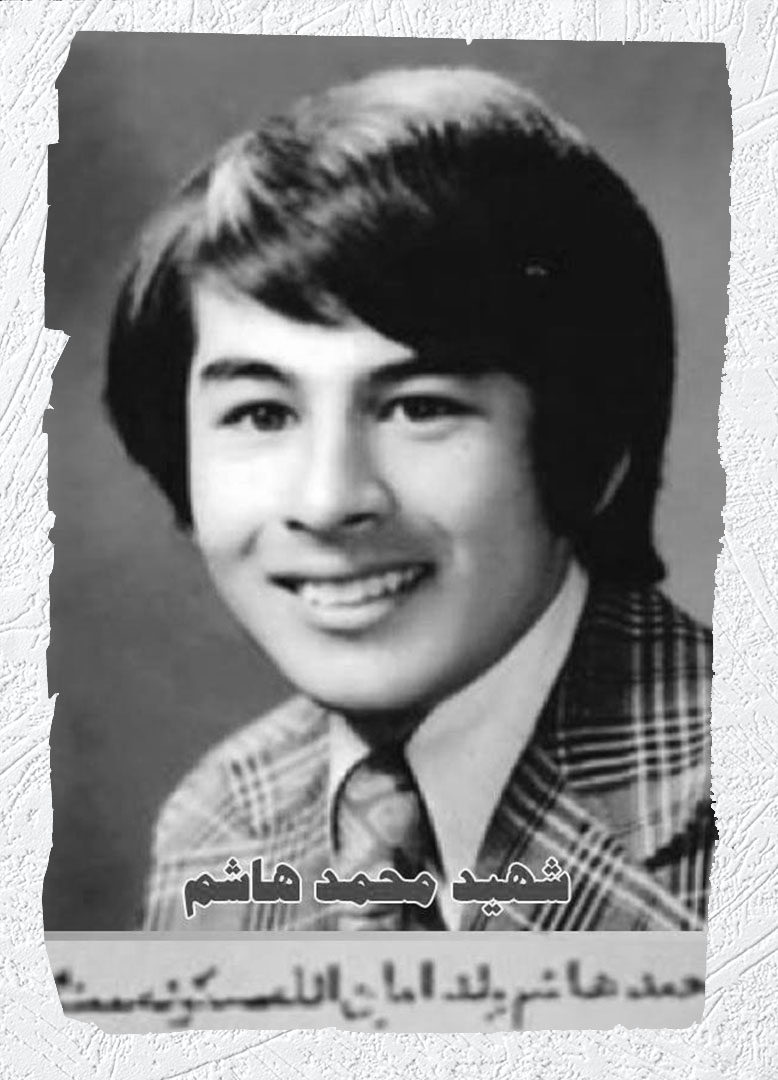
- Gender
- Male
- Ethnicity
- Uzbek
- Province of incident
- Kabul: Bagrami
- District geolocation of incident
- Kabul: Bagrami: 34° 31′ 10″ N, 69° 16′ 39″ E
- Description of incident
Known as the "Killing of AGSA," it refers to the collective murder of opponents of the People's Democratic Party of Afghanistan in the Pul-e-Charkhi Prison in Kabul between 1978 and 1979. The Afghan Intelligence Office, or AGSA (Afghan Agency for Safeguarding National Interest), led by Asadullah Sarwari, had arrested nearly 150,000 people, out of which an estimated number of 27,000 political prisoners were put to death without a single trial, probe, or even allegation. Many Afghan families had no idea where their loved ones had disappeared in the latter part of 1978 and early 1979. A list of those slain that included 5,000 victims of AGSA mass executions was made public by the Dutch Prosecutor's Office in 2013.
- Declaratory Statement
No statement
Haji Jangal
- Photo of Victim
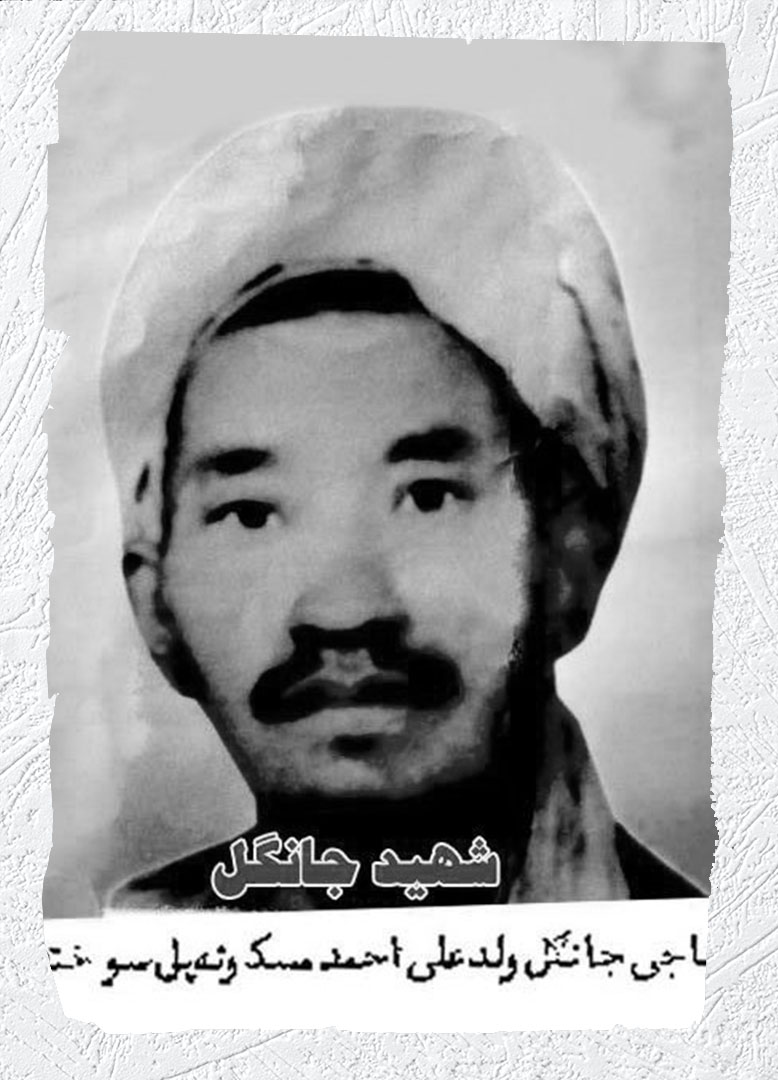
- Gender
- Male
- Ethnicity
- Hazara
- Province of incident
- Kabul: Bagrami
- District geolocation of incident
- Kabul: Bagrami: 34° 31′ 10″ N, 69° 16′ 39″ E
- Description of incident
Known as the "Killing of AGSA," it refers to the collective murder of opponents of the People's Democratic Party of Afghanistan in the Pul-e-Charkhi Prison in Kabul between 1978 and 1979. The Afghan Intelligence Office, or AGSA (Afghan Agency for Safeguarding National Interest), led by Asadullah Sarwari, had arrested nearly 150,000 people, out of which an estimated number of 27,000 political prisoners were put to death without a single trial, probe, or even allegation. Many Afghan families had no idea where their loved ones had disappeared in the latter part of 1978 and early 1979. A list of those slain that included 5,000 victims of AGSA mass executions was made public by the Dutch Prosecutor's Office in 2013.
- Declaratory Statement
No statement
Mohammad Eshaq Ahmad Parwani
- Photo of Victim

- Gender
- Male
- Ethnicity
- Tajik
- Province of incident
- Kabul: Bagrami
- District geolocation of incident
- Kabul: Bagrami: 34° 31′ 10″ N, 69° 16′ 39″ E
- Description of incident
Known as the "Killing of AGSA," it refers to the collective murder of opponents of the People's Democratic Party of Afghanistan in the Pul-e-Charkhi Prison in Kabul between 1978 and 1979. The Afghan Intelligence Office, or AGSA (Afghan Agency for Safeguarding National Interest), led by Asadullah Sarwari, had arrested nearly 150,000 people, out of which an estimated number of 27,000 political prisoners were put to death without a single trial, probe, or even allegation. Many Afghan families had no idea where their loved ones had disappeared in the latter part of 1978 and early 1979. A list of those slain that included 5,000 victims of AGSA mass executions was made public by the Dutch Prosecutor's Office in 2013.
- Declaratory Statement
No statement
Dawod Sarmad
- Photo of Victim
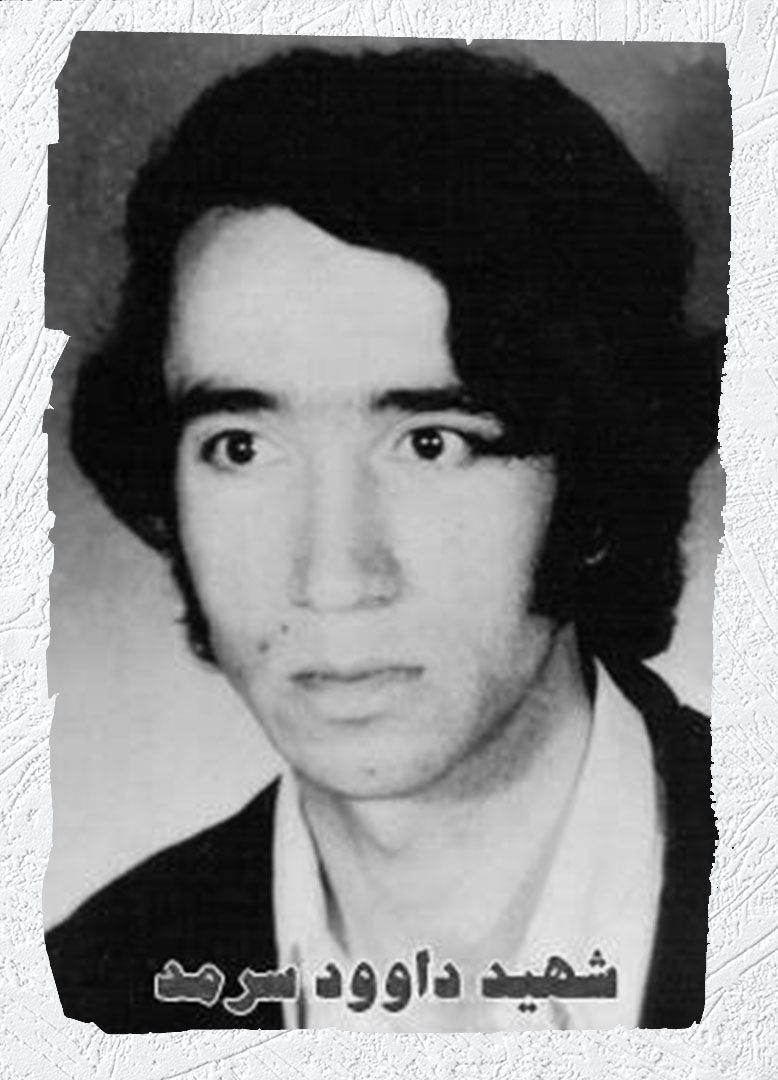
- Gender
- Male
- Ethnicity
- Hazara
- Province of incident
- Kabul: Bagrami
- District geolocation of incident
- Kabul: Bagrami: 34° 31′ 10″ N, 69° 16′ 39″ E
- Description of incident
Known as the "Killing of AGSA," it refers to the collective murder of opponents of the People's Democratic Party of Afghanistan in the Pul-e-Charkhi Prison in Kabul between 1978 and 1979. The Afghan Intelligence Office, or AGSA (Afghan Agency for Safeguarding National Interest), led by Asadullah Sarwari, had arrested nearly 150,000 people, out of which an estimated number of 27,000 political prisoners were put to death without a single trial, probe, or even allegation. Many Afghan families had no idea where their loved ones had disappeared in the latter part of 1978 and early 1979. A list of those slain that included 5,000 victims of AGSA mass executions was made public by the Dutch Prosecutor's Office in 2013.
- Declaratory Statement
No statement
AbdulHai
- Photo of Victim

- Gender
- Male
- Ethnicity
- Tajik
- Province of incident
- Kabul: Bagrami
- District geolocation of incident
- Kabul: Bagrami: 34° 31′ 10″ N, 69° 16′ 39″ E
- Description of incident
Known as the "Killing of AGSA," it refers to the collective murder of opponents of the People's Democratic Party of Afghanistan in the Pul-e-Charkhi Prison in Kabul between 1978 and 1979. The Afghan Intelligence Office, or AGSA (Afghan Agency for Safeguarding National Interest), led by Asadullah Sarwari, had arrested nearly 150,000 people, out of which an estimated number of 27,000 political prisoners were put to death without a single trial, probe, or even allegation. Many Afghan families had no idea where their loved ones had disappeared in the latter part of 1978 and early 1979. A list of those slain that included 5,000 victims of AGSA mass executions was made public by the Dutch Prosecutor's Office in 2013.
- Declaratory Statement
No statement
Haji SherMohammad
- Photo of Victim

- Gender
- Male
- Ethnicity
- Baloch
- Province of incident
- Kabul: Bagrami
- District geolocation of incident
- Kabul: Bagrami: 34° 31′ 10″ N, 69° 16′ 39″ E
- Description of incident
Known as the "Killing of AGSA," it refers to the collective murder of opponents of the People's Democratic Party of Afghanistan in the Pul-e-Charkhi Prison in Kabul between 1978 and 1979. The Afghan Intelligence Office, or AGSA (Afghan Agency for Safeguarding National Interest), led by Asadullah Sarwari, had arrested nearly 150,000 people, out of which an estimated number of 27,000 political prisoners were put to death without a single trial, probe, or even allegation. Many Afghan families had no idea where their loved ones had disappeared in the latter part of 1978 and early 1979. A list of those slain that included 5,000 victims of AGSA mass executions was made public by the Dutch Prosecutor's Office in 2013.
- Declaratory Statement
No statement
Mohammad Yonos
- Photo of Victim

- Gender
- Male
- Ethnicity
- Baloch
- Province of incident
- Kabul: Bagrami
- District geolocation of incident
- Kabul: Bagrami: 34° 31′ 10″ N, 69° 16′ 39″ E
- Description of incident
Known as the "Killing of AGSA," it refers to the collective murder of opponents of the People's Democratic Party of Afghanistan in the Pul-e-Charkhi Prison in Kabul between 1978 and 1979. The Afghan Intelligence Office, or AGSA (Afghan Agency for Safeguarding National Interest), led by Asadullah Sarwari, had arrested nearly 150,000 people, out of which an estimated number of 27,000 political prisoners were put to death without a single trial, probe, or even allegation. Many Afghan families had no idea where their loved ones had disappeared in the latter part of 1978 and early 1979. A list of those slain that included 5,000 victims of AGSA mass executions was made public by the Dutch Prosecutor's Office in 2013.
- Declaratory Statement
No statement
Mosafer
- Photo of Victim

- Gender
- Male
- Ethnicity
- Pashtun
- Province of incident
- Kabul: Bagrami
- District geolocation of incident
- Kabul: Bagrami: 34° 31′ 10″ N, 69° 16′ 39″ E
- Description of incident
Known as the "Killing of AGSA," it refers to the collective murder of opponents of the People's Democratic Party of Afghanistan in the Pul-e-Charkhi Prison in Kabul between 1978 and 1979. The Afghan Intelligence Office, or AGSA (Afghan Agency for Safeguarding National Interest), led by Asadullah Sarwari, had arrested nearly 150,000 people, out of which an estimated number of 27,000 political prisoners were put to death without a single trial, probe, or even allegation. Many Afghan families had no idea where their loved ones had disappeared in the latter part of 1978 and early 1979. A list of those slain that included 5,000 victims of AGSA mass executions was made public by the Dutch Prosecutor's Office in 2013.
- Declaratory Statement
No statement
AbdulWahid
- Photo of Victim
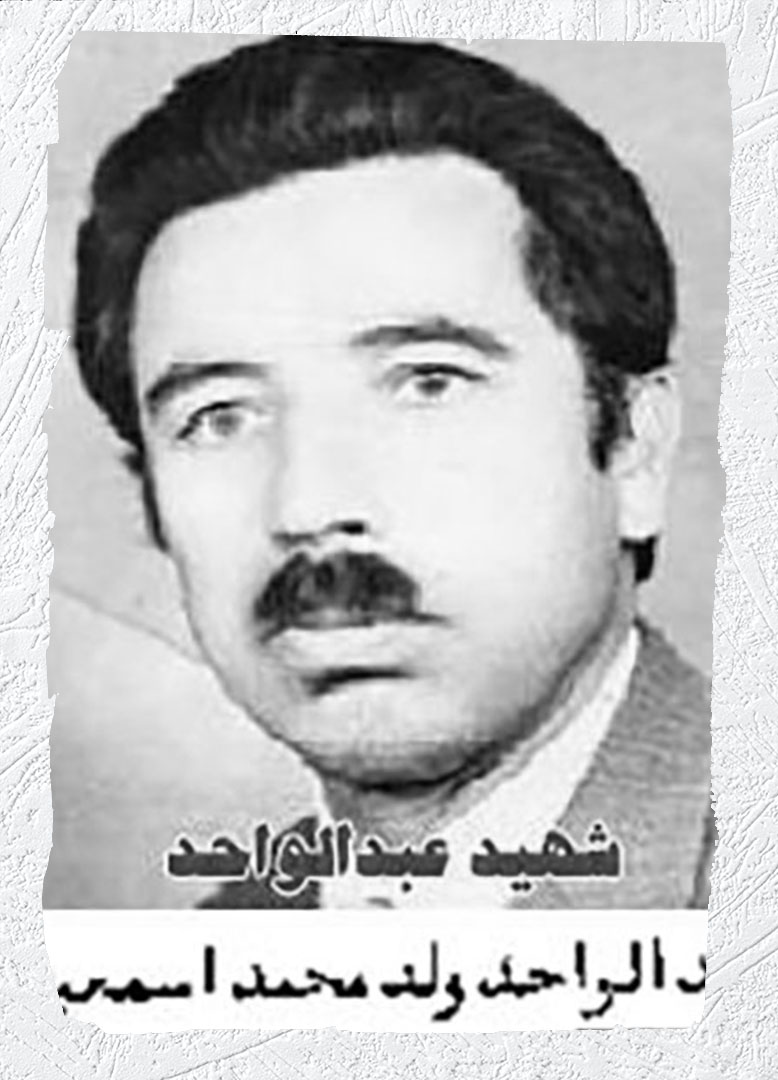
- Gender
- Male
- Ethnicity
- Tajik
- Province of incident
- Kabul: Bagrami
- District geolocation of incident
- Kabul: Bagrami: 34° 31′ 10″ N, 69° 16′ 39″ E
- Description of incident
Known as the "Killing of AGSA," it refers to the collective murder of opponents of the People's Democratic Party of Afghanistan in the Pul-e-Charkhi Prison in Kabul between 1978 and 1979. The Afghan Intelligence Office, or AGSA (Afghan Agency for Safeguarding National Interest), led by Asadullah Sarwari, had arrested nearly 150,000 people, out of which an estimated number of 27,000 political prisoners were put to death without a single trial, probe, or even allegation. Many Afghan families had no idea where their loved ones had disappeared in the latter part of 1978 and early 1979. A list of those slain that included 5,000 victims of AGSA mass executions was made public by the Dutch Prosecutor's Office in 2013.
- Declaratory Statement
No statement
MirzaMir
- Photo of Victim
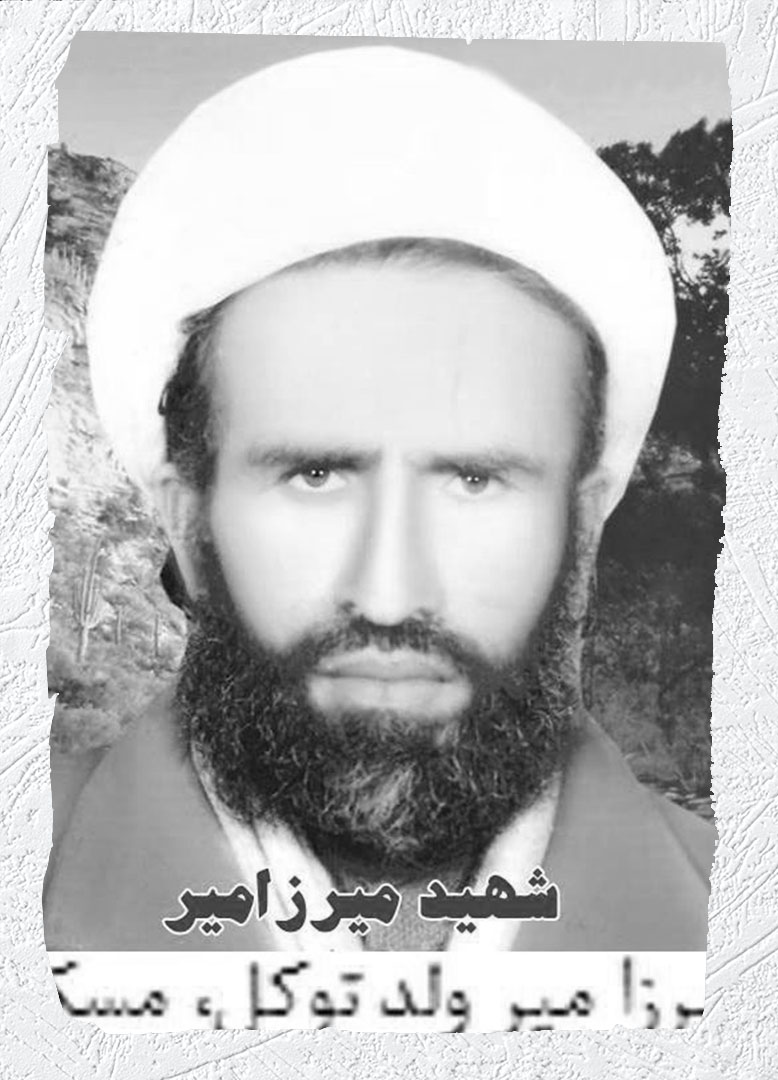
- Gender
- Male
- Ethnicity
- Tajik
- Province of incident
- Kabul: Bagrami
- District geolocation of incident
- Kabul: Bagrami: 34° 31′ 10″ N, 69° 16′ 39″ E
- Description of incident
Known as the "Killing of AGSA," it refers to the collective murder of opponents of the People's Democratic Party of Afghanistan in the Pul-e-Charkhi Prison in Kabul between 1978 and 1979. The Afghan Intelligence Office, or AGSA (Afghan Agency for Safeguarding National Interest), led by Asadullah Sarwari, had arrested nearly 150,000 people, out of which an estimated number of 27,000 political prisoners were put to death without a single trial, probe, or even allegation. Many Afghan families had no idea where their loved ones had disappeared in the latter part of 1978 and early 1979. A list of those slain that included 5,000 victims of AGSA mass executions was made public by the Dutch Prosecutor's Office in 2013.
- Declaratory Statement
No statement
Bismillah
- Photo of Victim
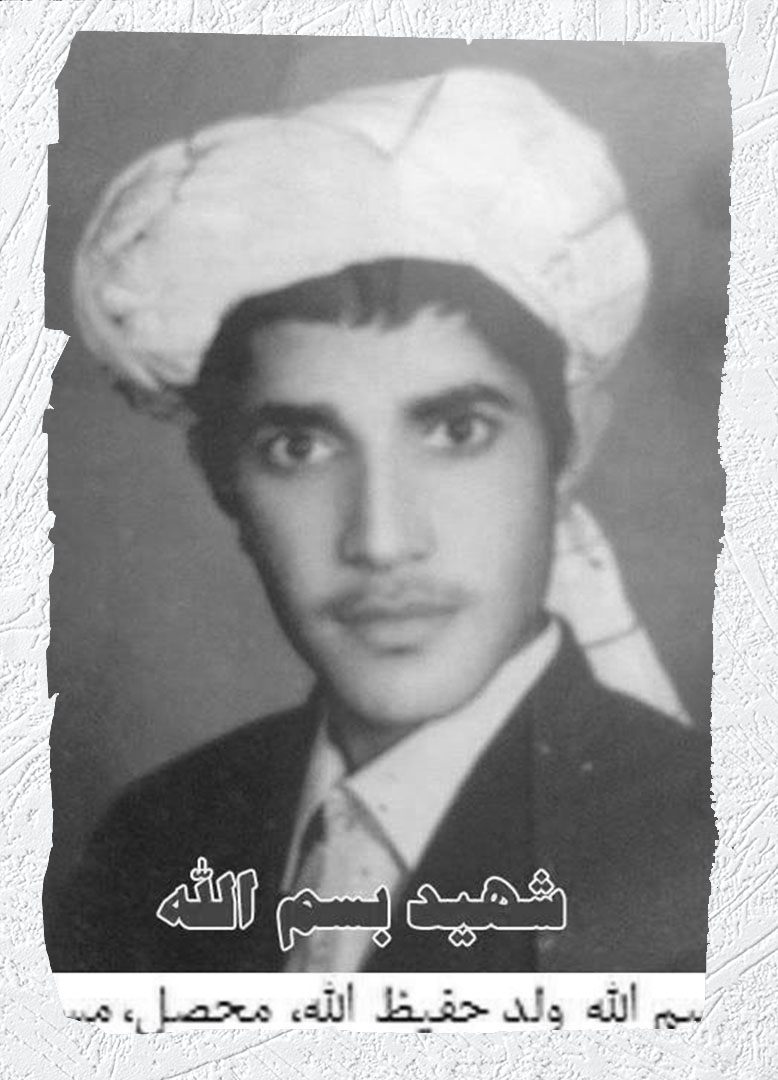
- Gender
- Male
- Ethnicity
- Tajik
- Province of incident
- Kabul: Bagrami
- District geolocation of incident
- Kabul: Bagrami: 34° 31′ 10″ N, 69° 16′ 39″ E
- Description of incident
Known as the "Killing of AGSA," it refers to the collective murder of opponents of the People's Democratic Party of Afghanistan in the Pul-e-Charkhi Prison in Kabul between 1978 and 1979. The Afghan Intelligence Office, or AGSA (Afghan Agency for Safeguarding National Interest), led by Asadullah Sarwari, had arrested nearly 150,000 people, out of which an estimated number of 27,000 political prisoners were put to death without a single trial, probe, or even allegation. Many Afghan families had no idea where their loved ones had disappeared in the latter part of 1978 and early 1979. A list of those slain that included 5,000 victims of AGSA mass executions was made public by the Dutch Prosecutor's Office in 2013.
- Declaratory Statement
No statement
MirAqa Faroq
- Photo of Victim

- Gender
- Male
- Ethnicity
- Sadat
- Province of incident
- Kabul: Bagrami
- District geolocation of incident
- Kabul: Bagrami: 34° 31′ 10″ N, 69° 16′ 39″ E
- Description of incident
Known as the "Killing of AGSA," it refers to the collective murder of opponents of the People's Democratic Party of Afghanistan in the Pul-e-Charkhi Prison in Kabul between 1978 and 1979. The Afghan Intelligence Office, or AGSA (Afghan Agency for Safeguarding National Interest), led by Asadullah Sarwari, had arrested nearly 150,000 people, out of which an estimated number of 27,000 political prisoners were put to death without a single trial, probe, or even allegation. Many Afghan families had no idea where their loved ones had disappeared in the latter part of 1978 and early 1979. A list of those slain that included 5,000 victims of AGSA mass executions was made public by the Dutch Prosecutor's Office in 2013.
- Declaratory Statement
No statement
Sayed Qasim
- Photo of Victim

- Gender
- Male
- Ethnicity
- Sadat
- Province of incident
- Kabul: Bagrami
- District geolocation of incident
- Kabul: Bagrami: 34° 31′ 10″ N, 69° 16′ 39″ E
- Description of incident
Known as the "Killing of AGSA," it refers to the collective murder of opponents of the People's Democratic Party of Afghanistan in the Pul-e-Charkhi Prison in Kabul between 1978 and 1979. The Afghan Intelligence Office, or AGSA (Afghan Agency for Safeguarding National Interest), led by Asadullah Sarwari, had arrested nearly 150,000 people, out of which an estimated number of 27,000 political prisoners were put to death without a single trial, probe, or even allegation. Many Afghan families had no idea where their loved ones had disappeared in the latter part of 1978 and early 1979. A list of those slain that included 5,000 victims of AGSA mass executions was made public by the Dutch Prosecutor's Office in 2013.
- Declaratory Statement
No statement
Sayed Shiren
- Photo of Victim
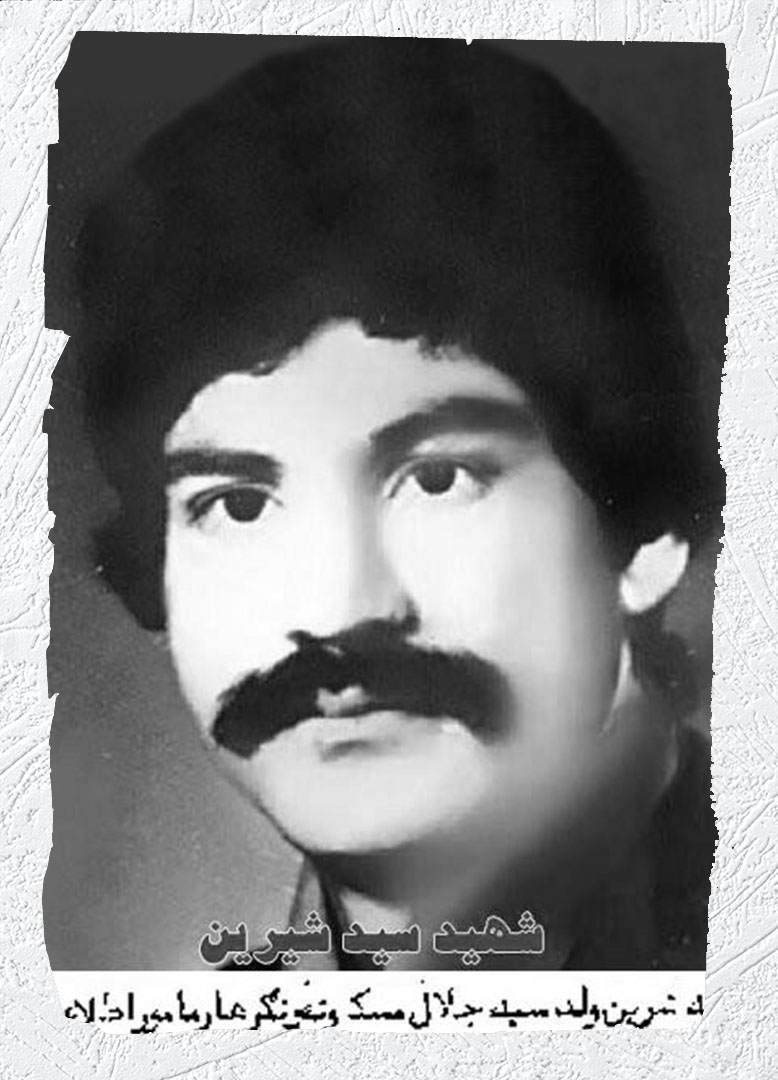
- Gender
- Male
- Ethnicity
- Pashtun
- Province of incident
- Kabul: Bagrami
- District geolocation of incident
- Kabul: Bagrami: 34° 31′ 10″ N, 69° 16′ 39″ E
- Description of incident
Known as the "Killing of AGSA," it refers to the collective murder of opponents of the People's Democratic Party of Afghanistan in the Pul-e-Charkhi Prison in Kabul between 1978 and 1979. The Afghan Intelligence Office, or AGSA (Afghan Agency for Safeguarding National Interest), led by Asadullah Sarwari, had arrested nearly 150,000 people, out of which an estimated number of 27,000 political prisoners were put to death without a single trial, probe, or even allegation. Many Afghan families had no idea where their loved ones had disappeared in the latter part of 1978 and early 1979. A list of those slain that included 5,000 victims of AGSA mass executions was made public by the Dutch Prosecutor's Office in 2013.
- Declaratory Statement
No statement
Dawlat Mohammad
- Photo of Victim

- Gender
- Male
- Ethnicity
- Hazara
- Province of incident
- Kabul: Bagrami
- District geolocation of incident
- Kabul: Bagrami: 34° 31′ 10″ N, 69° 16′ 39″ E
- Description of incident
Known as the "Killing of AGSA," it refers to the collective murder of opponents of the People's Democratic Party of Afghanistan in the Pul-e-Charkhi Prison in Kabul between 1978 and 1979. The Afghan Intelligence Office, or AGSA (Afghan Agency for Safeguarding National Interest), led by Asadullah Sarwari, had arrested nearly 150,000 people, out of which an estimated number of 27,000 political prisoners were put to death without a single trial, probe, or even allegation. Many Afghan families had no idea where their loved ones had disappeared in the latter part of 1978 and early 1979. A list of those slain that included 5,000 victims of AGSA mass executions was made public by the Dutch Prosecutor's Office in 2013.
- Declaratory Statement
No statement
AbdulHannan
- Photo of Victim
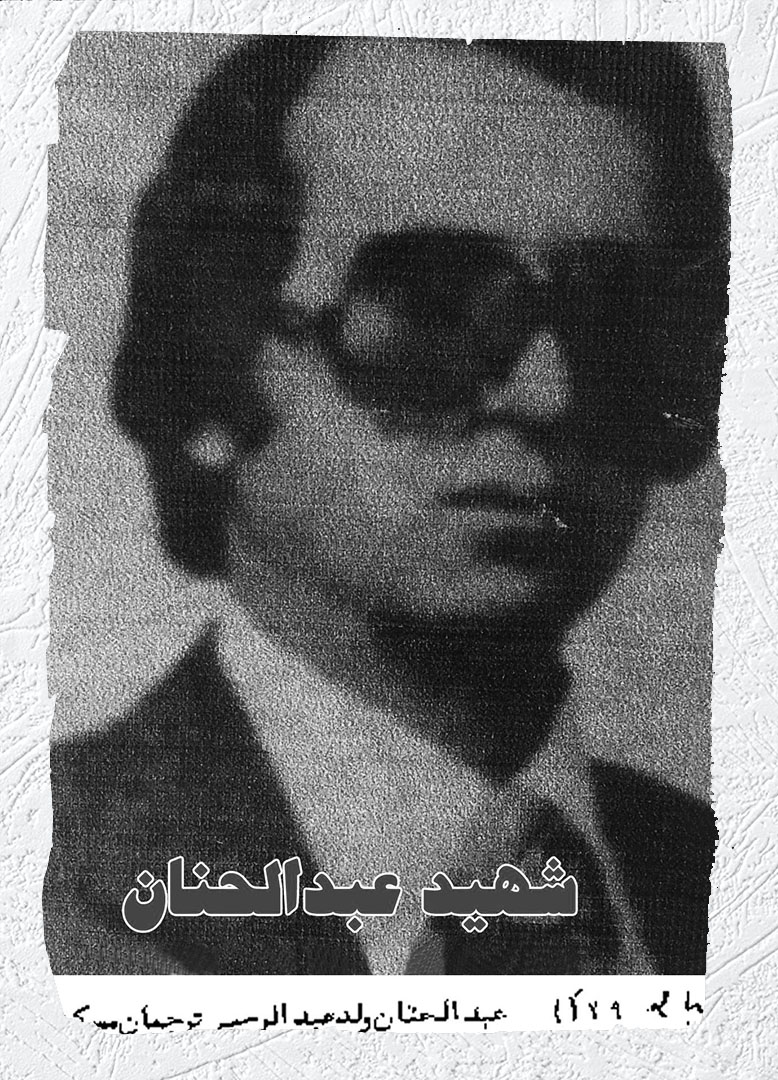
- Gender
- Male
- Ethnicity
- Tajik
- Province of incident
- Kabul: Bagrami
- District geolocation of incident
- Kabul: Bagrami: 34° 31′ 10″ N, 69° 16′ 39″ E
- Description of incident
Known as the "Killing of AGSA," it refers to the collective murder of opponents of the People's Democratic Party of Afghanistan in the Pul-e-Charkhi Prison in Kabul between 1978 and 1979. The Afghan Intelligence Office, or AGSA (Afghan Agency for Safeguarding National Interest), led by Asadullah Sarwari, had arrested nearly 150,000 people, out of which an estimated number of 27,000 political prisoners were put to death without a single trial, probe, or even allegation. Many Afghan families had no idea where their loved ones had disappeared in the latter part of 1978 and early 1979. A list of those slain that included 5,000 victims of AGSA mass executions was made public by the Dutch Prosecutor's Office in 2013.
- Declaratory Statement
No statement
Fakhruudin
- Photo of Victim

- Gender
- Male
- Ethnicity
- Tajik
- Province of incident
- Kabul: Bagrami
- District geolocation of incident
- Kabul: Bagrami: 34° 31′ 10″ N, 69° 16′ 39″ E
- Description of incident
Known as the "Killing of AGSA," it refers to the collective murder of opponents of the People's Democratic Party of Afghanistan in the Pul-e-Charkhi Prison in Kabul between 1978 and 1979. The Afghan Intelligence Office, or AGSA (Afghan Agency for Safeguarding National Interest), led by Asadullah Sarwari, had arrested nearly 150,000 people, out of which an estimated number of 27,000 political prisoners were put to death without a single trial, probe, or even allegation. Many Afghan families had no idea where their loved ones had disappeared in the latter part of 1978 and early 1979. A list of those slain that included 5,000 victims of AGSA mass executions was made public by the Dutch Prosecutor's Office in 2013.
- Declaratory Statement
No statement
Per Mohammad
- Photo of Victim

- Gender
- Male
- Ethnicity
- Tajik
- Province of incident
- Kabul: Bagrami
- District geolocation of incident
- Kabul: Bagrami: 34° 31′ 10″ N, 69° 16′ 39″ E
- Description of incident
Known as the "Killing of AGSA," it refers to the collective murder of opponents of the People's Democratic Party of Afghanistan in the Pul-e-Charkhi Prison in Kabul between 1978 and 1979. The Afghan Intelligence Office, or AGSA (Afghan Agency for Safeguarding National Interest), led by Asadullah Sarwari, had arrested nearly 150,000 people, out of which an estimated number of 27,000 political prisoners were put to death without a single trial, probe, or even allegation. Many Afghan families had no idea where their loved ones had disappeared in the latter part of 1978 and early 1979. A list of those slain that included 5,000 victims of AGSA mass executions was made public by the Dutch Prosecutor's Office in 2013.
- Declaratory Statement
No statement
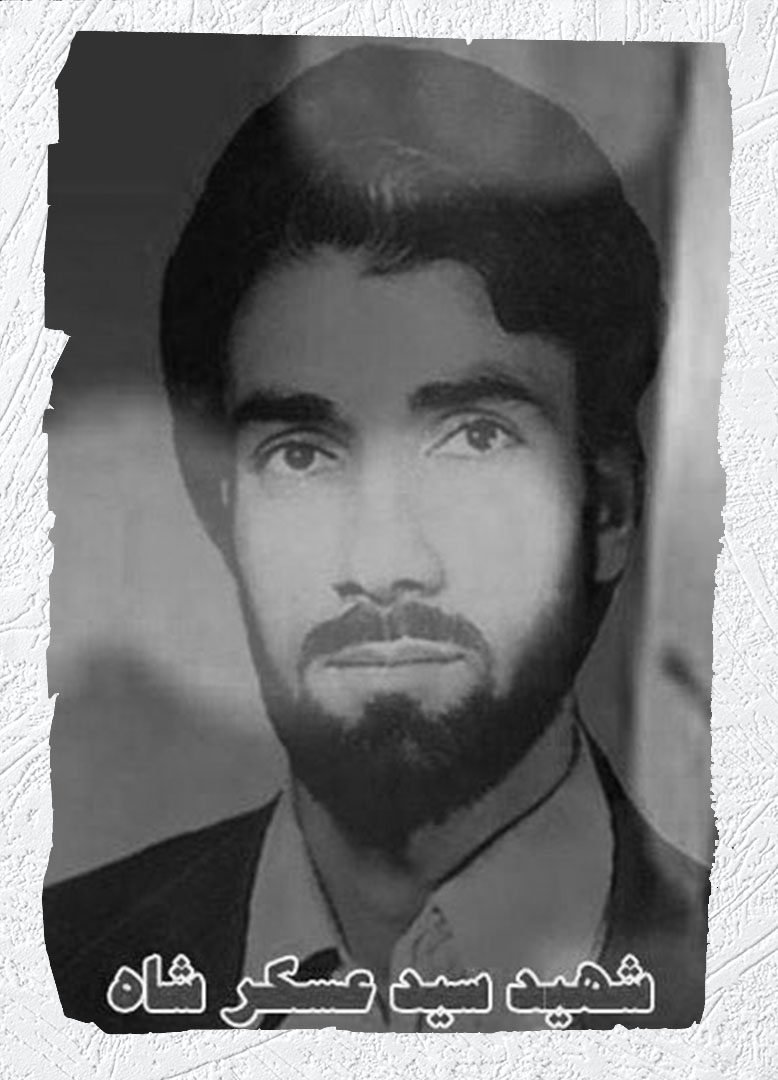
Sayed Askar Sha
- Photo of Victim
- Gender
- Male
- Ethnicity
- Sadat
- Province of incident
- Kabul: Bagrami
- District geolocation of incident
- Kabul: Bagrami: 34° 31′ 10″ N, 69° 16′ 39″ E
- Description of incident
Known as the "Killing of AGSA," it refers to the collective murder of opponents of the People's Democratic Party of Afghanistan in the Pul-e-Charkhi Prison in Kabul between 1978 and 1979. The Afghan Intelligence Office, or AGSA (Afghan Agency for Safeguarding National Interest), led by Asadullah Sarwari, had arrested nearly 150,000 people, out of which an estimated number of 27,000 political prisoners were put to death without a single trial, probe, or even allegation. Many Afghan families had no idea where their loved ones had disappeared in the latter part of 1978 and early 1979. A list of those slain that included 5,000 victims of AGSA mass executions was made public by the Dutch Prosecutor's Office in 2013.
- Declaratory Statement
No statement
Mohammad Khan
- Photo of Victim

- Gender
- Male
- Ethnicity
- Tajik
- Province of incident
- Kabul: Bagrami
- District geolocation of incident
- Kabul: Bagrami: 34° 31′ 10″ N, 69° 16′ 39″ E
- Description of incident
Known as the "Killing of AGSA," it refers to the collective murder of opponents of the People's Democratic Party of Afghanistan in the Pul-e-Charkhi Prison in Kabul between 1978 and 1979. The Afghan Intelligence Office, or AGSA (Afghan Agency for Safeguarding National Interest), led by Asadullah Sarwari, had arrested nearly 150,000 people, out of which an estimated number of 27,000 political prisoners were put to death without a single trial, probe, or even allegation. Many Afghan families had no idea where their loved ones had disappeared in the latter part of 1978 and early 1979. A list of those slain that included 5,000 victims of AGSA mass executions was made public by the Dutch Prosecutor's Office in 2013.
- Declaratory Statement
No statement
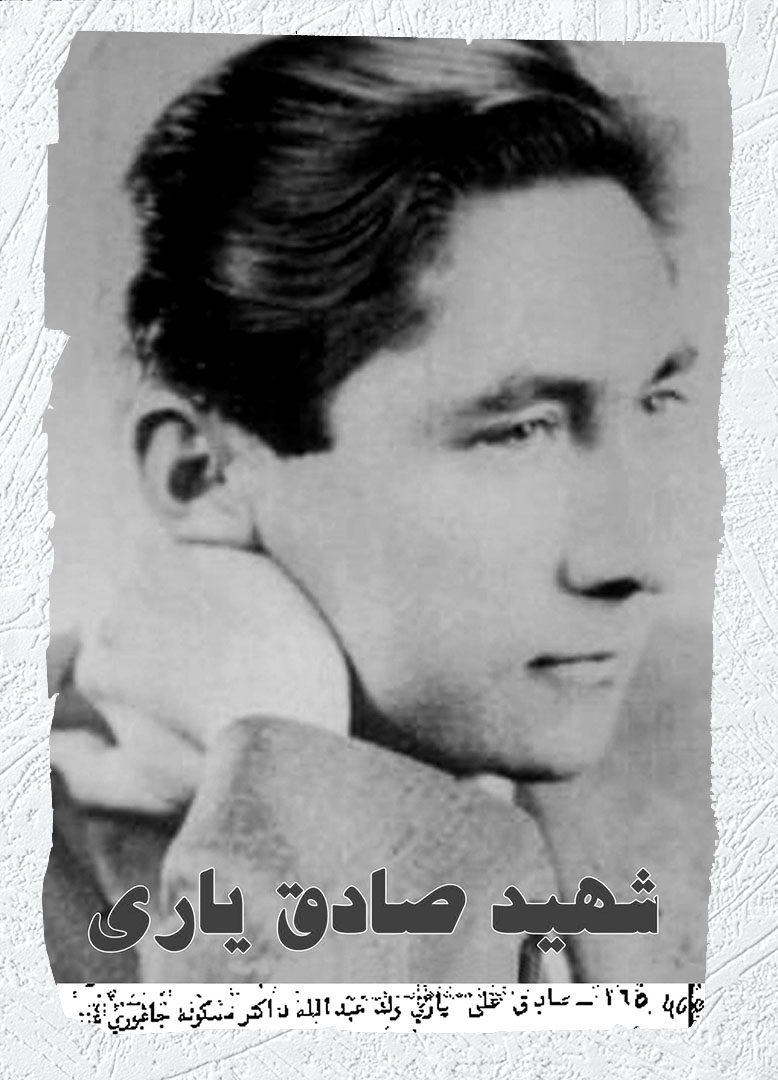
Sadiq Ali Yari
- Photo of Victim
- Gender
- Male
- Ethnicity
- Hazara
- Province of incident
- Kabul: Bagrami
- District geolocation of incident
- Kabul: Bagrami: 34° 31′ 10″ N, 69° 16′ 39″ E
- Description of incident
Known as the "Killing of AGSA," it refers to the collective murder of opponents of the People's Democratic Party of Afghanistan in the Pul-e-Charkhi Prison in Kabul between 1978 and 1979. The Afghan Intelligence Office, or AGSA (Afghan Agency for Safeguarding National Interest), led by Asadullah Sarwari, had arrested nearly 150,000 people, out of which an estimated number of 27,000 political prisoners were put to death without a single trial, probe, or even allegation. Many Afghan families had no idea where their loved ones had disappeared in the latter part of 1978 and early 1979. A list of those slain that included 5,000 victims of AGSA mass executions was made public by the Dutch Prosecutor's Office in 2013.
- Declaratory Statement
No statement
Abdul Latif
- Photo of Victim

- Gender
- Male
- Ethnicity
- Tajik
- Province of incident
- Kabul: Bagrami
- District geolocation of incident
- Kabul: Bagrami: 34° 31′ 10″ N, 69° 16′ 39″ E
- Description of incident
Known as the "Killing of AGSA," it refers to the collective murder of opponents of the People's Democratic Party of Afghanistan in the Pul-e-Charkhi Prison in Kabul between 1978 and 1979. The Afghan Intelligence Office, or AGSA (Afghan Agency for Safeguarding National Interest), led by Asadullah Sarwari, had arrested nearly 150,000 people, out of which an estimated number of 27,000 political prisoners were put to death without a single trial, probe, or even allegation. Many Afghan families had no idea where their loved ones had disappeared in the latter part of 1978 and early 1979. A list of those slain that included 5,000 victims of AGSA mass executions was made public by the Dutch Prosecutor's Office in 2013.
- Declaratory Statement
No statement
Asadulla
- Photo of Victim

- Gender
- Male
- Ethnicity
- Tajik
- Province of incident
- Kabul: Bagrami
- District geolocation of incident
- Kabul: Bagrami: 34° 31′ 10″ N, 69° 16′ 39″ E
- Description of incident
Known as the "Killing of AGSA," it refers to the collective murder of opponents of the People's Democratic Party of Afghanistan in the Pul-e-Charkhi Prison in Kabul between 1978 and 1979. The Afghan Intelligence Office, or AGSA (Afghan Agency for Safeguarding National Interest), led by Asadullah Sarwari, had arrested nearly 150,000 people, out of which an estimated number of 27,000 political prisoners were put to death without a single trial, probe, or even allegation. Many Afghan families had no idea where their loved ones had disappeared in the latter part of 1978 and early 1979. A list of those slain that included 5,000 victims of AGSA mass executions was made public by the Dutch Prosecutor's Office in 2013.
- Declaratory Statement
No statement
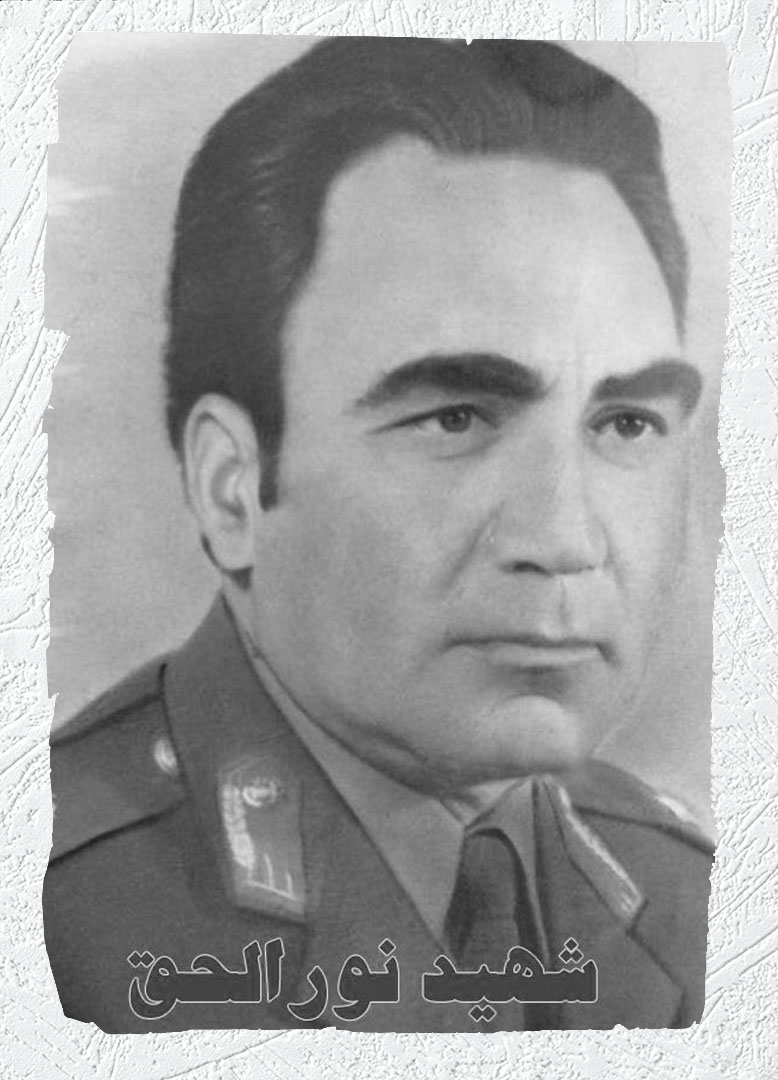
NorulHaq
- Photo of Victim
- Gender
- Male
- Ethnicity
- Pashtun
- Province of incident
- Kabul: Bagrami
- District geolocation of incident
- Kabul: Bagrami: 34° 31′ 10″ N, 69° 16′ 39″ E
- Description of incident
Known as the "Killing of AGSA," it refers to the collective murder of opponents of the People's Democratic Party of Afghanistan in the Pul-e-Charkhi Prison in Kabul between 1978 and 1979. The Afghan Intelligence Office, or AGSA (Afghan Agency for Safeguarding National Interest), led by Asadullah Sarwari, had arrested nearly 150,000 people, out of which an estimated number of 27,000 political prisoners were put to death without a single trial, probe, or even allegation. Many Afghan families had no idea where their loved ones had disappeared in the latter part of 1978 and early 1979. A list of those slain that included 5,000 victims of AGSA mass executions was made public by the Dutch Prosecutor's Office in 2013.
- Declaratory Statement
No statement
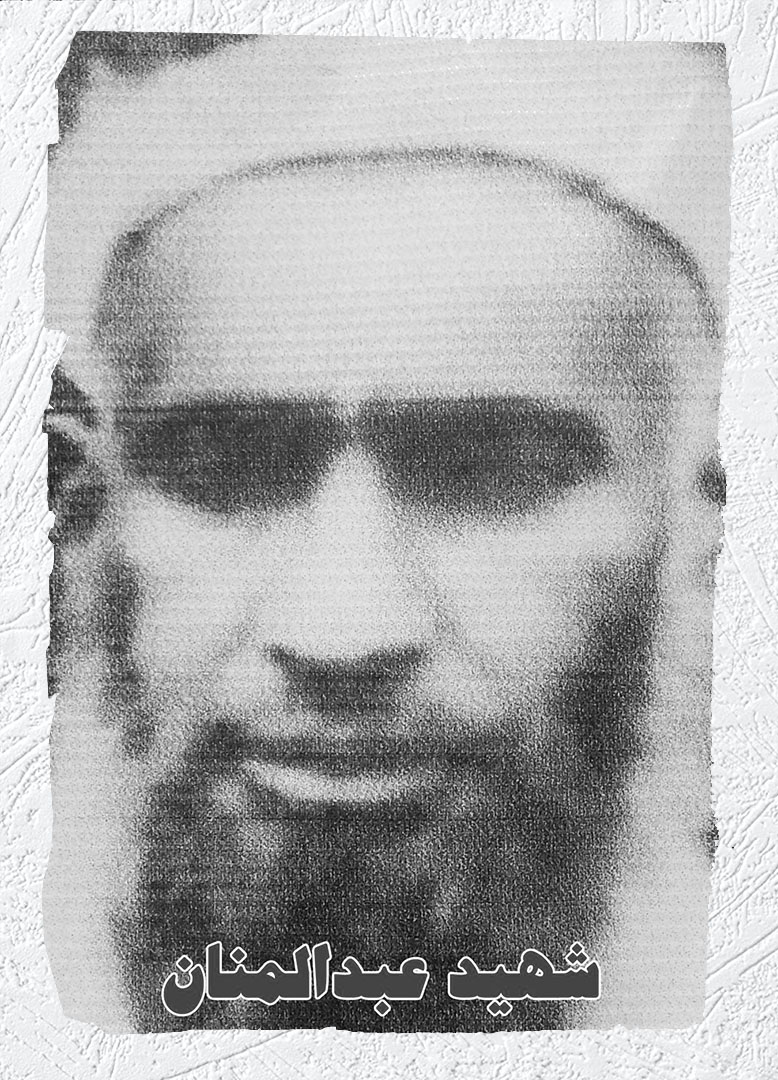
Abdulmannan
- Photo of Victim
- Gender
- Male
- Ethnicity
- Tajik
- Province of incident
- Kabul: Bagrami
- District geolocation of incident
- Kabul: Bagrami: 34° 31′ 10″ N, 69° 16′ 39″ E
- Description of incident
Known as the "Killing of AGSA," it refers to the collective murder of opponents of the People's Democratic Party of Afghanistan in the Pul-e-Charkhi Prison in Kabul between 1978 and 1979. The Afghan Intelligence Office, or AGSA (Afghan Agency for Safeguarding National Interest), led by Asadullah Sarwari, had arrested nearly 150,000 people, out of which an estimated number of 27,000 political prisoners were put to death without a single trial, probe, or even allegation. Many Afghan families had no idea where their loved ones had disappeared in the latter part of 1978 and early 1979. A list of those slain that included 5,000 victims of AGSA mass executions was made public by the Dutch Prosecutor's Office in 2013.
- Declaratory Statement
No statement
Mohammad Yosof Binish
- Photo of Victim

- Gender
- Male
- Ethnicity
- Qizilbash
- Province of incident
- Kabul: Bagrami
- District geolocation of incident
- Kabul: Bagrami: 34° 31′ 10″ N, 69° 16′ 39″ E
- Description of incident
Known as the "Killing of AGSA," it refers to the collective murder of opponents of the People's Democratic Party of Afghanistan in the Pul-e-Charkhi Prison in Kabul between 1978 and 1979. The Afghan Intelligence Office, or AGSA (Afghan Agency for Safeguarding National Interest), led by Asadullah Sarwari, had arrested nearly 150,000 people, out of which an estimated number of 27,000 political prisoners were put to death without a single trial, probe, or even allegation. Many Afghan families had no idea where their loved ones had disappeared in the latter part of 1978 and early 1979. A list of those slain that included 5,000 victims of AGSA mass executions was made public by the Dutch Prosecutor's Office in 2013.
- Declaratory Statement
No statement
Malik Ghulam Dastger
- Photo of Victim

- Gender
- Male
- Ethnicity
- Turkmen
- Province of incident
- Kabul: Bagrami
- District geolocation of incident
- Kabul: Bagrami: 34° 31′ 10″ N, 69° 16′ 39″ E
- Description of incident
Known as the "Killing of AGSA," it refers to the collective murder of opponents of the People's Democratic Party of Afghanistan in the Pul-e-Charkhi Prison in Kabul between 1978 and 1979. The Afghan Intelligence Office, or AGSA (Afghan Agency for Safeguarding National Interest), led by Asadullah Sarwari, had arrested nearly 150,000 people, out of which an estimated number of 27,000 political prisoners were put to death without a single trial, probe, or even allegation. Many Afghan families had no idea where their loved ones had disappeared in the latter part of 1978 and early 1979. A list of those slain that included 5,000 victims of AGSA mass executions was made public by the Dutch Prosecutor's Office in 2013.
- Declaratory Statement
No statement
Eqbal Ali
- Photo of Victim
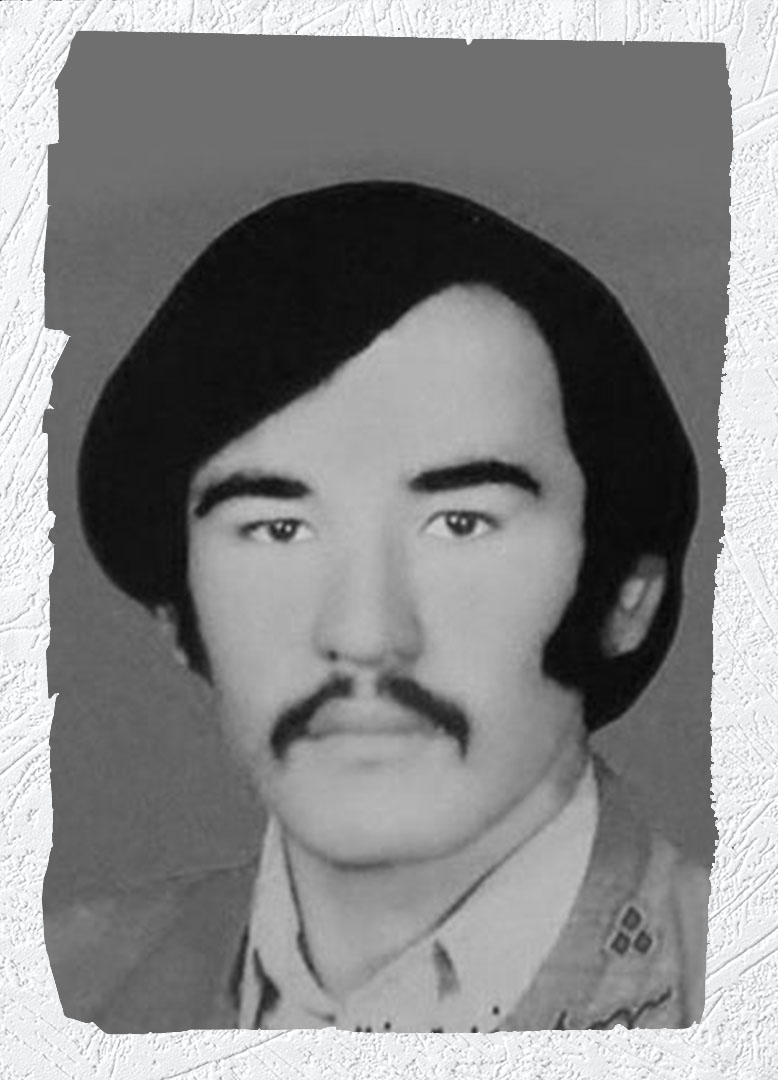
- Gender
- Male
- Ethnicity
- Hazara
- Province of incident
- Kabul: Bagrami
- District geolocation of incident
- Kabul: Bagrami: 34° 31′ 10″ N, 69° 16′ 39″ E
- Description of incident
Known as the "Killing of AGSA," it refers to the collective murder of opponents of the People's Democratic Party of Afghanistan in the Pul-e-Charkhi Prison in Kabul between 1978 and 1979. The Afghan Intelligence Office, or AGSA (Afghan Agency for Safeguarding National Interest), led by Asadullah Sarwari, had arrested nearly 150,000 people, out of which an estimated number of 27,000 political prisoners were put to death without a single trial, probe, or even allegation. Many Afghan families had no idea where their loved ones had disappeared in the latter part of 1978 and early 1979. A list of those slain that included 5,000 victims of AGSA mass executions was made public by the Dutch Prosecutor's Office in 2013.
- Declaratory Statement
No statement
Khalilullah
- Photo of Victim

- Gender
- Male
- Ethnicity
- Tajik
- Province of incident
- Kabul: Bagrami
- District geolocation of incident
- Kabul: Bagrami: 34° 31′ 10″ N, 69° 16′ 39″ E
- Description of incident
Known as the "Killing of AGSA," it refers to the collective murder of opponents of the People's Democratic Party of Afghanistan in the Pul-e-Charkhi Prison in Kabul between 1978 and 1979. The Afghan Intelligence Office, or AGSA (Afghan Agency for Safeguarding National Interest), led by Asadullah Sarwari, had arrested nearly 150,000 people, out of which an estimated number of 27,000 political prisoners were put to death without a single trial, probe, or even allegation. Many Afghan families had no idea where their loved ones had disappeared in the latter part of 1978 and early 1979. A list of those slain that included 5,000 victims of AGSA mass executions was made public by the Dutch Prosecutor's Office in 2013.
- Declaratory Statement
No statement
Conflict, Destruction, Summary Execution and Forced Displacement in Shamail (1996-2001)
- Province of incident
- Kabul: Bagrami
Qanbar Ali
- Photo of Victim

- Gender
- Male
- Ethnicity
- Hazara
- Province of incident
- Kabul: Bagrami
- District geolocation of incident
- Kabul: Bagrami: 34° 31′ 10″ N, 69° 16′ 39″ E
- Description of incident
Known as the "Killing of AGSA," it refers to the collective murder of opponents of the People's Democratic Party of Afghanistan in the Pul-e-Charkhi Prison in Kabul between 1978 and 1979. The Afghan Intelligence Office, or AGSA (Afghan Agency for Safeguarding National Interest), led by Asadullah Sarwari, had arrested nearly 150,000 people, out of which an estimated number of 27,000 political prisoners were put to death without a single trial, probe, or even allegation. Many Afghan families had no idea where their loved ones had disappeared in the latter part of 1978 and early 1979. A list of those slain that included 5,000 victims of AGSA mass executions was made public by the Dutch Prosecutor's Office in 2013.
- Declaratory Statement
No Statement
Ramazan Ali Sharifi
- Photo of Victim
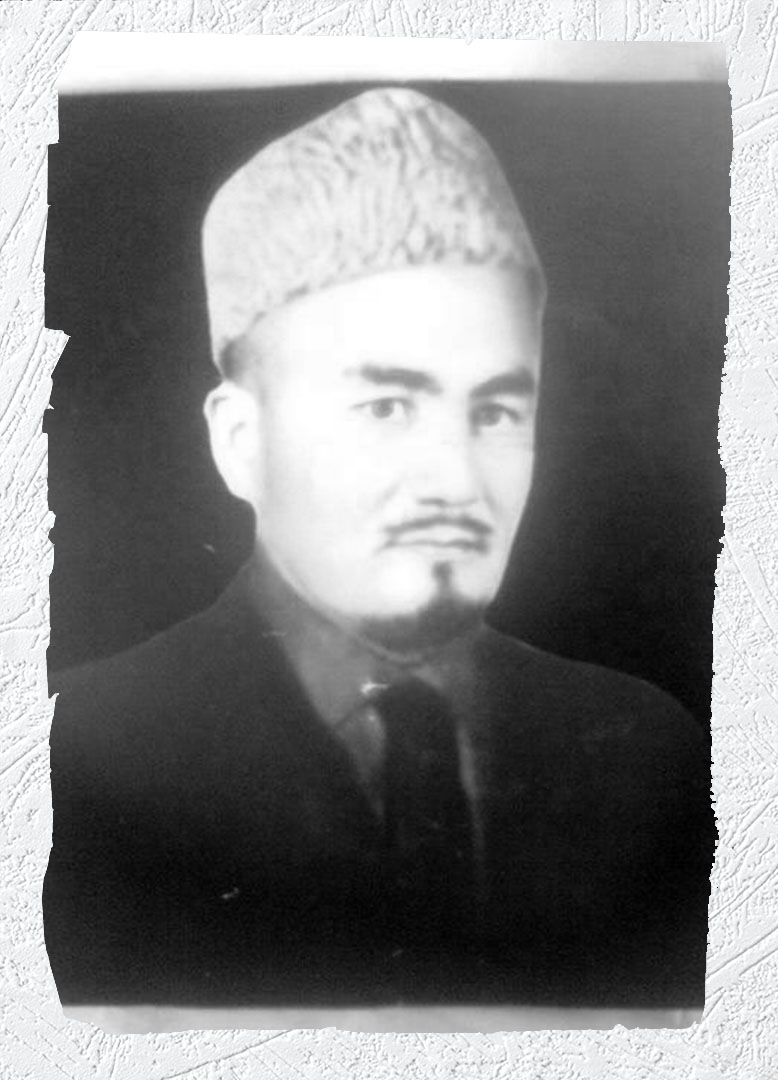
- Gender
- Male
- Ethnicity
- Hazara
- Province of incident
- Kabul: Bagrami
- District geolocation of incident
- Kabul: Bagrami: 34° 31′ 10″ N, 69° 16′ 39″ E
- Description of incident
Known as the "Killing of AGSA," it refers to the collective murder of opponents of the People's Democratic Party of Afghanistan in the Pul-e-Charkhi Prison in Kabul between 1978 and 1979. The Afghan Intelligence Office, or AGSA (Afghan Agency for Safeguarding National Interest), led by Asadullah Sarwari, had arrested nearly 150,000 people, out of which an estimated number of 27,000 political prisoners were put to death without a single trial, probe, or even allegation. Many Afghan families had no idea where their loved ones had disappeared in the latter part of 1978 and early 1979. A list of those slain that included 5,000 victims of AGSA mass executions was made public by the Dutch Prosecutor's Office in 2013.
- Declaratory Statement
No Statement
Ali Reza
- Photo of Victim

- Gender
- Male
- Ethnicity
- Hazara
- Province of incident
- Kabul: Bagrami
- District geolocation of incident
- Kabul: Bagrami: 34° 31′ 10″ N, 69° 16′ 39″ E
- Description of incident
Known as the "Killing of AGSA," it refers to the collective murder of opponents of the People's Democratic Party of Afghanistan in the Pul-e-Charkhi Prison in Kabul between 1978 and 1979. The Afghan Intelligence Office, or AGSA (Afghan Agency for Safeguarding National Interest), led by Asadullah Sarwari, had arrested nearly 150,000 people, out of which an estimated number of 27,000 political prisoners were put to death without a single trial, probe, or even allegation. Many Afghan families had no idea where their loved ones had disappeared in the latter part of 1978 and early 1979. A list of those slain that included 5,000 victims of AGSA mass executions was made public by the Dutch Prosecutor's Office in 2013.
- Declaratory Statement
No Statement
Fazlahmad
- Photo of Victim
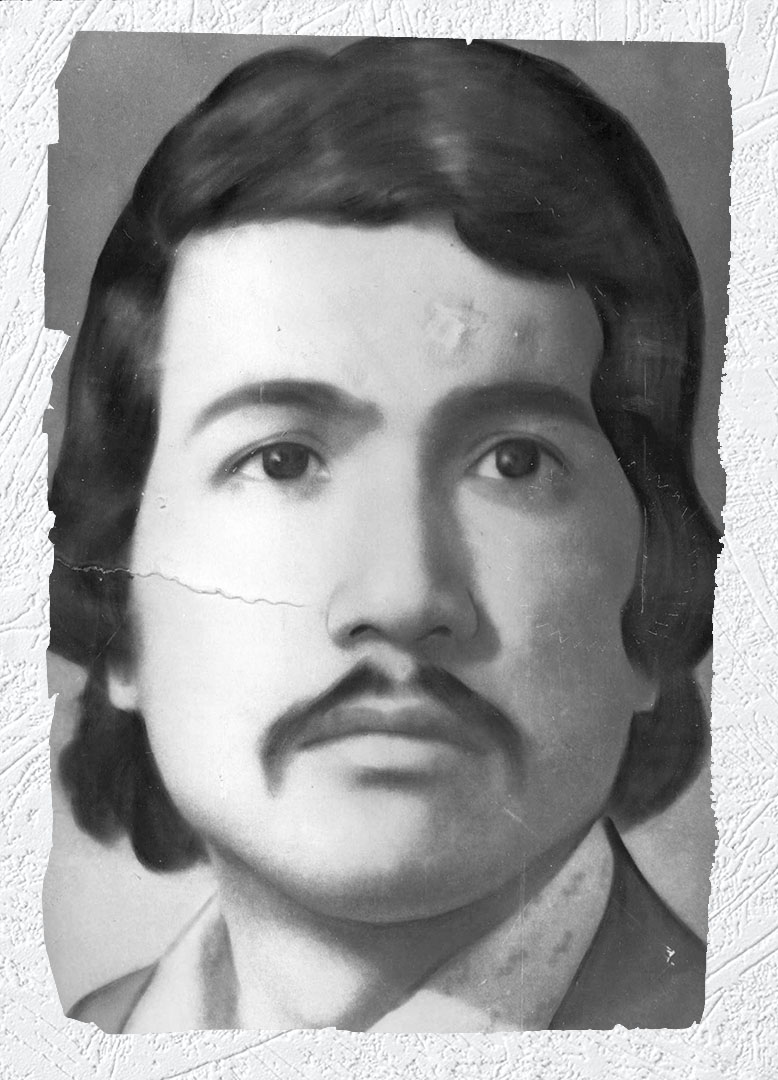
- Gender
- Male
- Ethnicity
- Tajik
- Province of incident
- Kabul: Bagrami
- District geolocation of incident
- Kabul: Bagrami: 34° 31′ 10″ N, 69° 16′ 39″ E
- Description of incident
Known as the "Killing of AGSA," it refers to the collective murder of opponents of the People's Democratic Party of Afghanistan in the Pul-e-Charkhi Prison in Kabul between 1978 and 1979. The Afghan Intelligence Office, or AGSA (Afghan Agency for Safeguarding National Interest), led by Asadullah Sarwari, had arrested nearly 150,000 people, out of which an estimated number of 27,000 political prisoners were put to death without a single trial, probe, or even allegation. Many Afghan families had no idea where their loved ones had disappeared in the latter part of 1978 and early 1979. A list of those slain that included 5,000 victims of AGSA mass executions was made public by the Dutch Prosecutor's Office in 2013.
- Declaratory Statement
No statement
Khadim Hussain Akbari
- Photo of Victim

- Gender
- Male
- Ethnicity
- Hazara
- Province of incident
- Kabul: Bagrami
- District geolocation of incident
- Kabul: Bagrami: 34° 31′ 10″ N, 69° 16′ 39″ E
- Description of incident
Known as the "Killing of AGSA," it refers to the collective murder of opponents of the People's Democratic Party of Afghanistan in the Pul-e-Charkhi Prison in Kabul between 1978 and 1979. The Afghan Intelligence Office, or AGSA (Afghan Agency for Safeguarding National Interest), led by Asadullah Sarwari, had arrested nearly 150,000 people, out of which an estimated number of 27,000 political prisoners were put to death without a single trial, probe, or even allegation. Many Afghan families had no idea where their loved ones had disappeared in the latter part of 1978 and early 1979. A list of those slain that included 5,000 victims of AGSA mass executions was made public by the Dutch Prosecutor's Office in 2013.
- Declaratory Statement
No statement
Mohammad Ali
- Photo of Victim
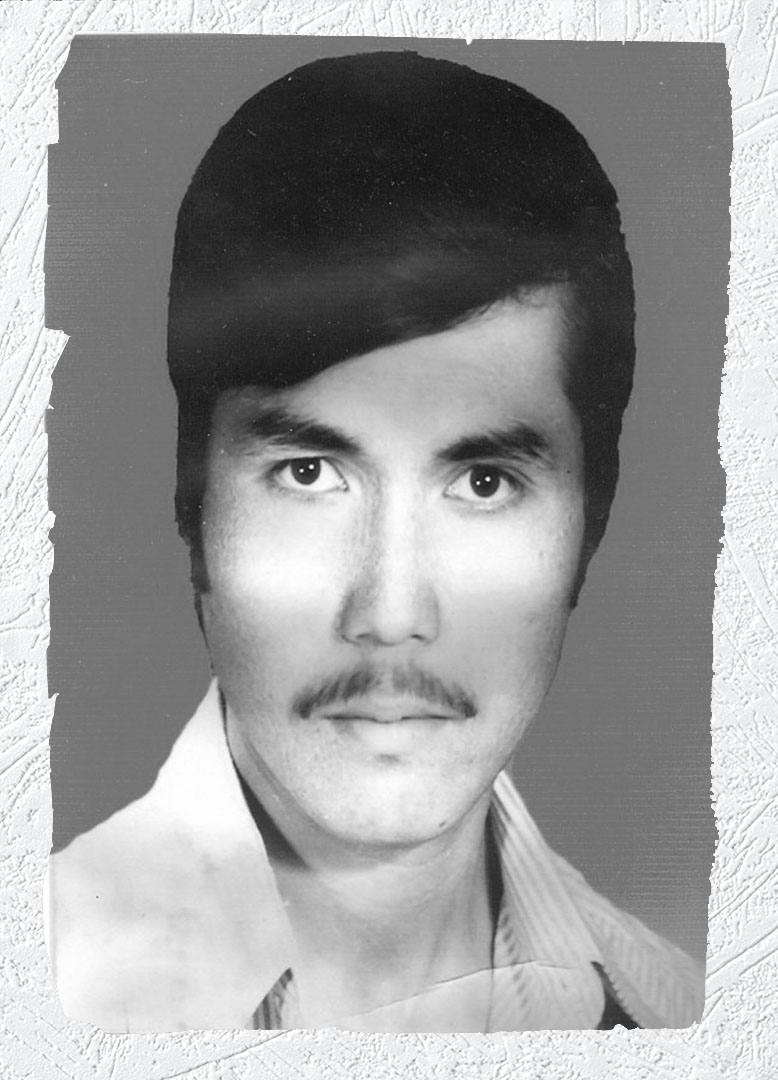
- Gender
- Male
- Ethnicity
- Hazara
- Province of incident
- Kabul: Bagrami
- District geolocation of incident
- Kabul: Bagrami: 34° 31′ 10″ N, 69° 16′ 39″ E
- Description of incident
Known as the "Killing of AGSA," it refers to the collective murder of opponents of the People's Democratic Party of Afghanistan in the Pul-e-Charkhi Prison in Kabul between 1978 and 1979. The Afghan Intelligence Office, or AGSA (Afghan Agency for Safeguarding National Interest), led by Asadullah Sarwari, had arrested nearly 150,000 people, out of which an estimated number of 27,000 political prisoners were put to death without a single trial, probe, or even allegation. Many Afghan families had no idea where their loved ones had disappeared in the latter part of 1978 and early 1979. A list of those slain that included 5,000 victims of AGSA mass executions was made public by the Dutch Prosecutor's Office in 2013.
- Declaratory Statement
No statement
Zawarsha Haidari
- Photo of Victim
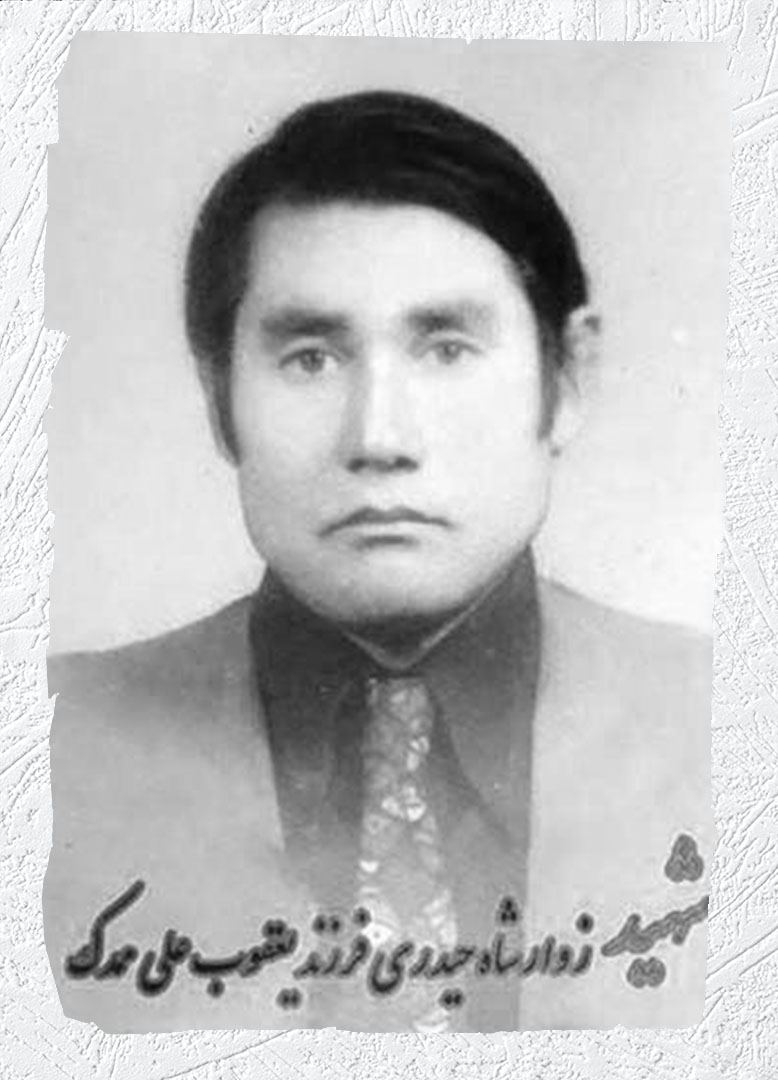
- Gender
- Male
- Ethnicity
- Hazara
- Province of incident
- Kabul: Bagrami
- District geolocation of incident
- Kabul: Bagrami: 34° 31′ 10″ N, 69° 16′ 39″ E
- Description of incident
Known as the "Killing of AGSA," it refers to the collective murder of opponents of the People's Democratic Party of Afghanistan in the Pul-e-Charkhi Prison in Kabul between 1978 and 1979. The Afghan Intelligence Office, or AGSA (Afghan Agency for Safeguarding National Interest), led by Asadullah Sarwari, had arrested nearly 150,000 people, out of which an estimated number of 27,000 political prisoners were put to death without a single trial, probe, or even allegation. Many Afghan families had no idea where their loved ones had disappeared in the latter part of 1978 and early 1979. A list of those slain that included 5,000 victims of AGSA mass executions was made public by the Dutch Prosecutor's Office in 2013.
- Declaratory Statement
No statement
Akram Yary
- Photo of Victim
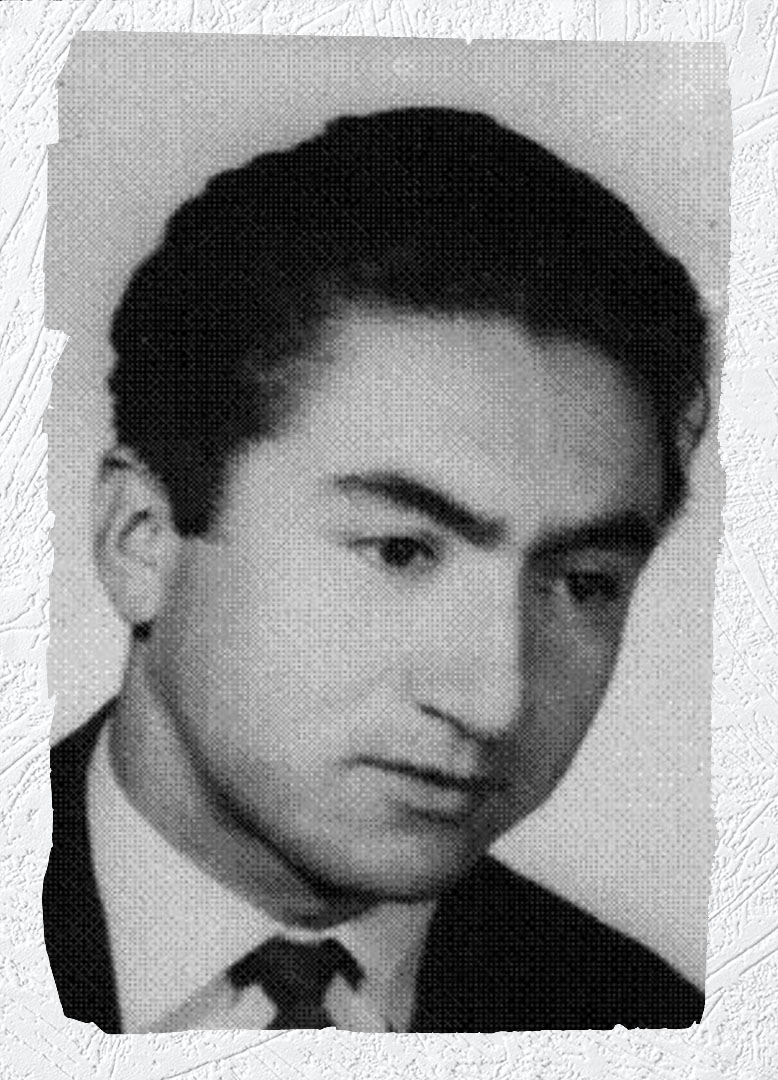
- Gender
- Male
- Ethnicity
- Hazara
- Province of incident
- Kabul: Bagrami
- District geolocation of incident
- Kabul: Bagrami: 34° 31′ 10″ N, 69° 16′ 39″ E
- Description of incident
Known as the "Killing of AGSA," it refers to the collective murder of opponents of the People's Democratic Party of Afghanistan in the Pul-e-Charkhi Prison in Kabul between 1978 and 1979. The Afghan Intelligence Office, or AGSA (Afghan Agency for Safeguarding National Interest), led by Asadullah Sarwari, had arrested nearly 150,000 people, out of which an estimated number of 27,000 political prisoners were put to death without a single trial, probe, or even allegation. Many Afghan families had no idea where their loved ones had disappeared in the latter part of 1978 and early 1979. A list of those slain that included 5,000 victims of AGSA mass executions was made public by the Dutch Prosecutor's Office in 2013.
- Declaratory Statement
No statement
Ahmad Zia
- Photo of Victim
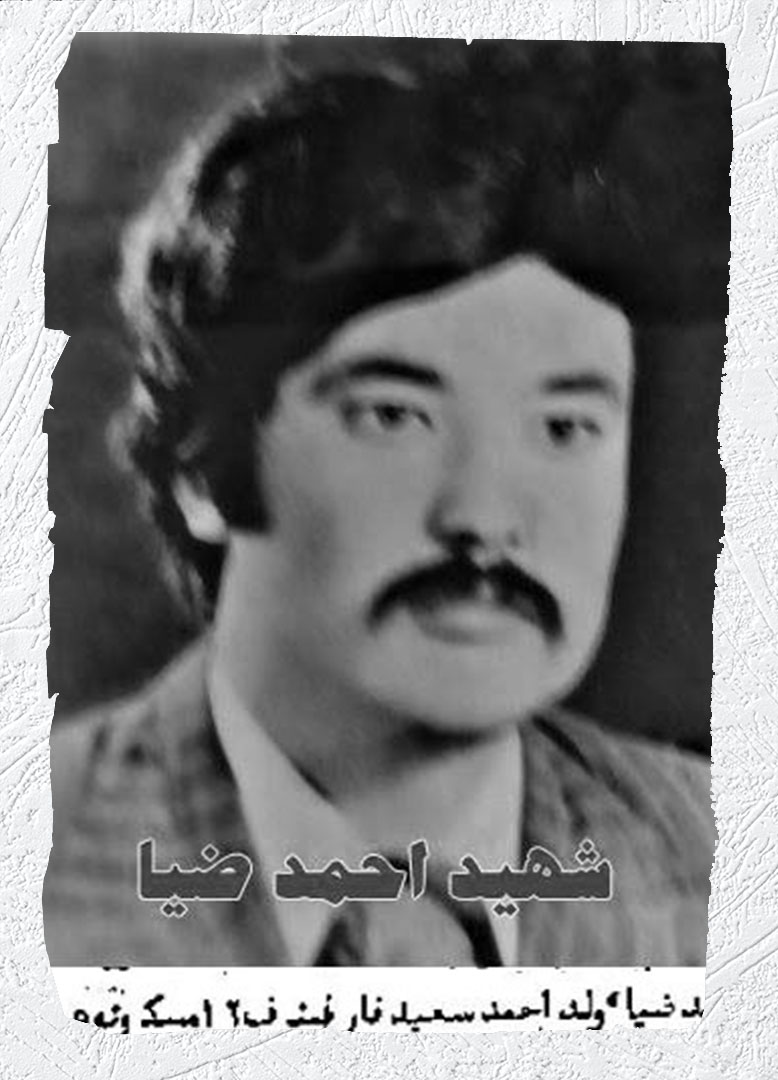
- Gender
- Male
- Ethnicity
- Tajik
- Province of incident
- Kabul: Bagrami
- District geolocation of incident
- Kabul: Bagrami: 34° 31′ 10″ N, 69° 16′ 39″ E
- Description of incident
Known as the "Killing of AGSA," it refers to the collective murder of opponents of the People's Democratic Party of Afghanistan in the Pul-e-Charkhi Prison in Kabul between 1978 and 1979. The Afghan Intelligence Office, or AGSA (Afghan Agency for Safeguarding National Interest), led by Asadullah Sarwari, had arrested nearly 150,000 people, out of which an estimated number of 27,000 political prisoners were put to death without a single trial, probe, or even allegation. Many Afghan families had no idea where their loved ones had disappeared in the latter part of 1978 and early 1979. A list of those slain that included 5,000 victims of AGSA mass executions was made public by the Dutch Prosecutor's Office in 2013.
- Declaratory Statement
No statement
Mir Ghulam Haidar
- Photo of Victim

- Gender
- Male
- Ethnicity
- Sadat
- Province of incident
- Kabul: Bagrami
- District geolocation of incident
- Kabul: Bagrami: 34° 31′ 10″ N, 69° 16′ 39″ E
- Description of incident
Known as the "Killing of AGSA," it refers to the collective murder of opponents of the People's Democratic Party of Afghanistan in the Pul-e-Charkhi Prison in Kabul between 1978 and 1979. The Afghan Intelligence Office, or AGSA (Afghan Agency for Safeguarding National Interest), led by Asadullah Sarwari, had arrested nearly 150,000 people, out of which an estimated number of 27,000 political prisoners were put to death without a single trial, probe, or even allegation. Many Afghan families had no idea where their loved ones had disappeared in the latter part of 1978 and early 1979. A list of those slain that included 5,000 victims of AGSA mass executions was made public by the Dutch Prosecutor's Office in 2013.
- Declaratory Statement
No statement
Mohammad Rasol Jorat
- Photo of Victim

- Gender
- Male
- Ethnicity
- Uzbek
- Province of incident
- Kabul: Bagrami
- District geolocation of incident
- Kabul: Bagrami: 34° 31′ 10″ N, 69° 16′ 39″ E
- Description of incident
Known as the "Killing of AGSA," it refers to the collective murder of opponents of the People's Democratic Party of Afghanistan in the Pul-e-Charkhi Prison in Kabul between 1978 and 1979. The Afghan Intelligence Office, or AGSA (Afghan Agency for Safeguarding National Interest), led by Asadullah Sarwari, had arrested nearly 150,000 people, out of which an estimated number of 27,000 political prisoners were put to death without a single trial, probe, or even allegation. Many Afghan families had no idea where their loved ones had disappeared in the latter part of 1978 and early 1979. A list of those slain that included 5,000 victims of AGSA mass executions was made public by the Dutch Prosecutor's Office in 2013.
- Declaratory Statement
No statement
Mohammad Qasim Sherzad
- Photo of Victim

- Gender
- Male
- Ethnicity
- Baloch
- Province of incident
- Kabul: Bagrami
- District geolocation of incident
- Kabul: Bagrami: 34° 31′ 10″ N, 69° 16′ 39″ E
- Description of incident
Known as the "Killing of AGSA," it refers to the collective murder of opponents of the People's Democratic Party of Afghanistan in the Pul-e-Charkhi Prison in Kabul between 1978 and 1979. The Afghan Intelligence Office, or AGSA (Afghan Agency for Safeguarding National Interest), led by Asadullah Sarwari, had arrested nearly 150,000 people, out of which an estimated number of 27,000 political prisoners were put to death without a single trial, probe, or even allegation. Many Afghan families had no idea where their loved ones had disappeared in the latter part of 1978 and early 1979. A list of those slain that included 5,000 victims of AGSA mass executions was made public by the Dutch Prosecutor's Office in 2013.
- Declaratory Statement
No statement
Sayed Reza Asghari
- Photo of Victim
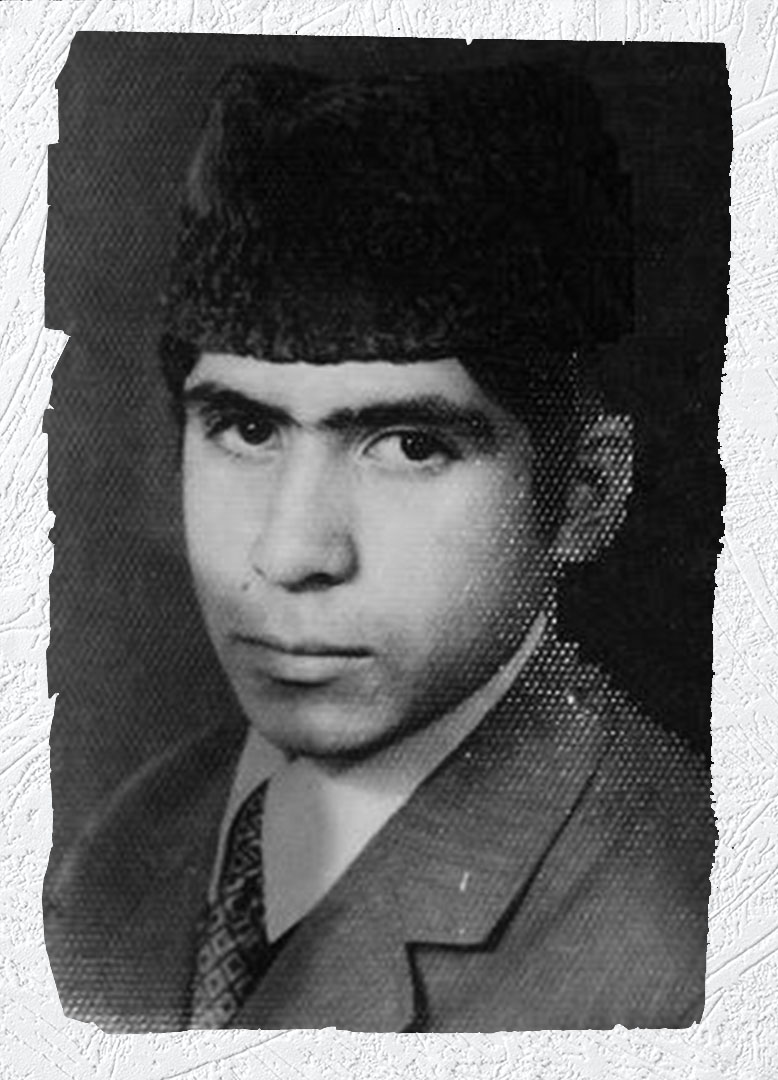
- Gender
- Male
- Ethnicity
- Sadat
- Province of incident
- Kabul: Bagrami
- District geolocation of incident
- Kabul: Bagrami: 34° 31′ 10″ N, 69° 16′ 39″ E
- Description of incident
Known as the "Killing of AGSA," it refers to the collective murder of opponents of the People's Democratic Party of Afghanistan in the Pul-e-Charkhi Prison in Kabul between 1978 and 1979. The Afghan Intelligence Office, or AGSA (Afghan Agency for Safeguarding National Interest), led by Asadullah Sarwari, had arrested nearly 150,000 people, out of which an estimated number of 27,000 political prisoners were put to death without a single trial, probe, or even allegation. Many Afghan families had no idea where their loved ones had disappeared in the latter part of 1978 and early 1979. A list of those slain that included 5,000 victims of AGSA mass executions was made public by the Dutch Prosecutor's Office in 2013.
- Declaratory Statement
No statement
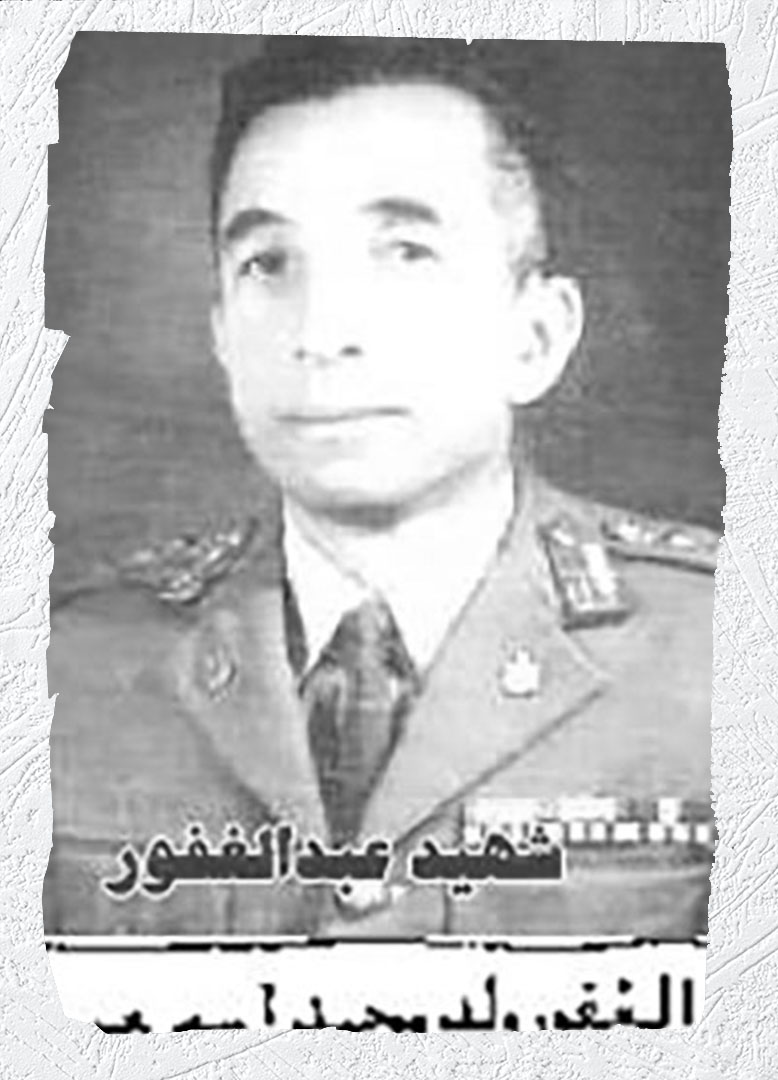
AbdulGhafor
- Photo of Victim
- Gender
- Male
- Ethnicity
- Tajik
- Province of incident
- Kabul: Bagrami
- District geolocation of incident
- Kabul: Bagrami: 34° 31′ 10″ N, 69° 16′ 39″ E
- Description of incident
Known as the "Killing of AGSA," it refers to the collective murder of opponents of the People's Democratic Party of Afghanistan in the Pul-e-Charkhi Prison in Kabul between 1978 and 1979. The Afghan Intelligence Office, or AGSA (Afghan Agency for Safeguarding National Interest), led by Asadullah Sarwari, had arrested nearly 150,000 people, out of which an estimated number of 27,000 political prisoners were put to death without a single trial, probe, or even allegation. Many Afghan families had no idea where their loved ones had disappeared in the latter part of 1978 and early 1979. A list of those slain that included 5,000 victims of AGSA mass executions was made public by the Dutch Prosecutor's Office in 2013.
- Declaratory Statement
No statement
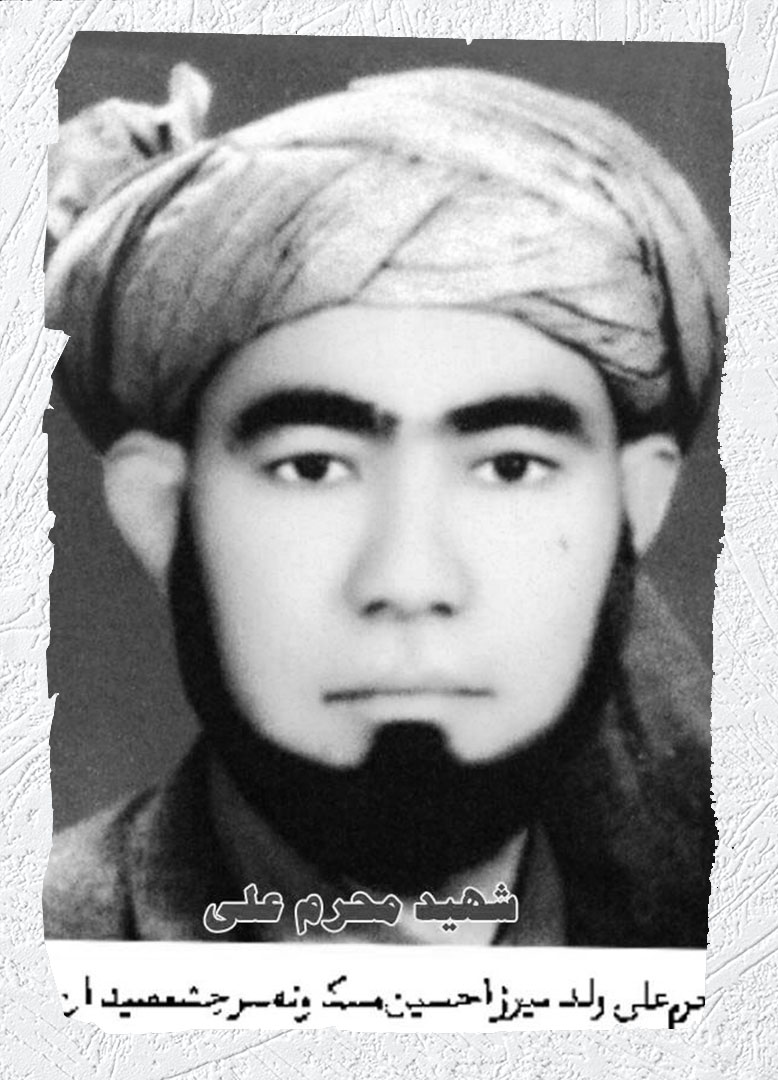
Mahram Ali Akbarzada
- Photo of Victim
- Gender
- Male
- Ethnicity
- Hazara
- Province of incident
- Kabul: Bagrami
- District geolocation of incident
- Kabul: Bagrami: 34° 31′ 10″ N, 69° 16′ 39″ E
- Description of incident
Known as the "Killing of AGSA," it refers to the collective murder of opponents of the People's Democratic Party of Afghanistan in the Pul-e-Charkhi Prison in Kabul between 1978 and 1979. The Afghan Intelligence Office, or AGSA (Afghan Agency for Safeguarding National Interest), led by Asadullah Sarwari, had arrested nearly 150,000 people, out of which an estimated number of 27,000 political prisoners were put to death without a single trial, probe, or even allegation. Many Afghan families had no idea where their loved ones had disappeared in the latter part of 1978 and early 1979. A list of those slain that included 5,000 victims of AGSA mass executions was made public by the Dutch Prosecutor's Office in 2013.
- Declaratory Statement
No statement
Sayed Ebrahim
- Photo of Victim

- Gender
- Male
- Ethnicity
- Sadat
- Province of incident
- Kabul: Bagrami
- District geolocation of incident
- Kabul: Bagrami: 34° 31′ 10″ N, 69° 16′ 39″ E
- Description of incident
Known as the "Killing of AGSA," it refers to the collective murder of opponents of the People's Democratic Party of Afghanistan in the Pul-e-Charkhi Prison in Kabul between 1978 and 1979. The Afghan Intelligence Office, or AGSA (Afghan Agency for Safeguarding National Interest), led by Asadullah Sarwari, had arrested nearly 150,000 people, out of which an estimated number of 27,000 political prisoners were put to death without a single trial, probe, or even allegation. Many Afghan families had no idea where their loved ones had disappeared in the latter part of 1978 and early 1979. A list of those slain that included 5,000 victims of AGSA mass executions was made public by the Dutch Prosecutor's Office in 2013.
- Declaratory Statement
No statement
Haji Ali Hossain
- Photo of Victim
- Gender
- Male
- Ethnicity
- Hazara
- Province of incident
- Kabul: Bagrami
- District geolocation of incident
- Kabul: Bagrami: 34° 31′ 10″ N, 69° 16′ 39″ E
- Description of incident
Known as the "Killing of AGSA," it refers to the collective murder of opponents of the People's Democratic Party of Afghanistan in the Pul-e-Charkhi Prison in Kabul between 1978 and 1979. The Afghan Intelligence Office, or AGSA (Afghan Agency for Safeguarding National Interest), led by Asadullah Sarwari, had arrested nearly 150,000 people, out of which an estimated number of 27,000 political prisoners were put to death without a single trial, probe, or even allegation. Many Afghan families had no idea where their loved ones had disappeared in the latter part of 1978 and early 1979. A list of those slain that included 5,000 victims of AGSA mass executions was made public by the Dutch Prosecutor's Office in 2013.
- Declaratory Statement
No statement
Tora Khan
- Photo of Victim
- Gender
- Male
- Ethnicity
- Tajik
- Province of incident
- Kabul: Bagrami
- District geolocation of incident
- Kabul: Bagrami: 34° 31′ 10″ N, 69° 16′ 39″ E
- Description of incident
Known as the "Killing of AGSA," it refers to the collective murder of opponents of the People's Democratic Party of Afghanistan in the Pul-e-Charkhi Prison in Kabul between 1978 and 1979. The Afghan Intelligence Office, or AGSA (Afghan Agency for Safeguarding National Interest), led by Asadullah Sarwari, had arrested nearly 150,000 people, out of which an estimated number of 27,000 political prisoners were put to death without a single trial, probe, or even allegation. Many Afghan families had no idea where their loved ones had disappeared in the latter part of 1978 and early 1979. A list of those slain that included 5,000 victims of AGSA mass executions was made public by the Dutch Prosecutor's Office in 2013.
- Declaratory Statement
No statement
Sayed Leiaqat Ali Baqery
- Photo of Victim
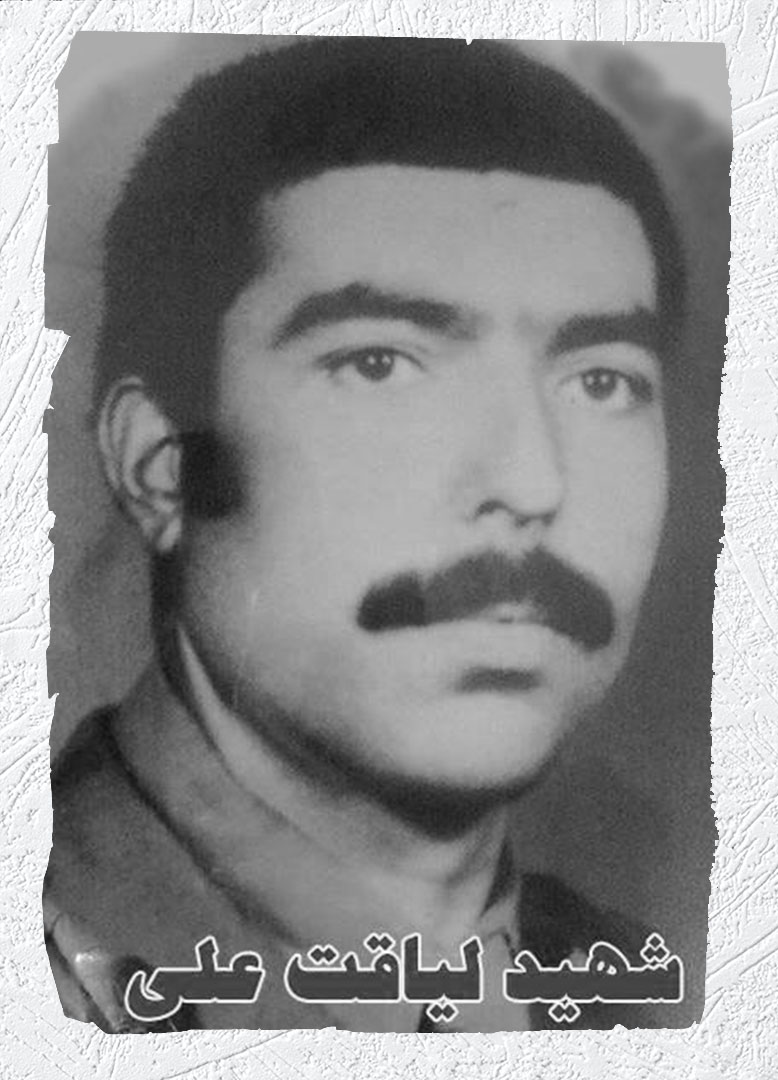
- Gender
- Male
- Ethnicity
- Sadat
- Province of incident
- Kabul: Bagrami
- District geolocation of incident
- Kabul: Bagrami: 34° 31′ 10″ N, 69° 16′ 39″ E
- Description of incident
Known as the "Killing of AGSA," it refers to the collective murder of opponents of the People's Democratic Party of Afghanistan in the Pul-e-Charkhi Prison in Kabul between 1978 and 1979. The Afghan Intelligence Office, or AGSA (Afghan Agency for Safeguarding National Interest), led by Asadullah Sarwari, had arrested nearly 150,000 people, out of which an estimated number of 27,000 political prisoners were put to death without a single trial, probe, or even allegation. Many Afghan families had no idea where their loved ones had disappeared in the latter part of 1978 and early 1979. A list of those slain that included 5,000 victims of AGSA mass executions was made public by the Dutch Prosecutor's Office in 2013.
- Declaratory Statement
No statement
Nasrullah Haidari
- Photo of Victim

- Gender
- Male
- Ethnicity
- Pashtun
- Province of incident
- Kabul: Bagrami
- District geolocation of incident
- Kabul: Bagrami: 34° 31′ 10″ N, 69° 16′ 39″ E
- Description of incident
Known as the "Killing of AGSA," it refers to the collective murder of opponents of the People's Democratic Party of Afghanistan in the Pul-e-Charkhi Prison in Kabul between 1978 and 1979. The Afghan Intelligence Office, or AGSA (Afghan Agency for Safeguarding National Interest), led by Asadullah Sarwari, had arrested nearly 150,000 people, out of which an estimated number of 27,000 political prisoners were put to death without a single trial, probe, or even allegation. Many Afghan families had no idea where their loved ones had disappeared in the latter part of 1978 and early 1979. A list of those slain that included 5,000 victims of AGSA mass executions was made public by the Dutch Prosecutor's Office in 2013.
- Declaratory Statement
No statement
Mohammad Akbar
- Photo of Victim
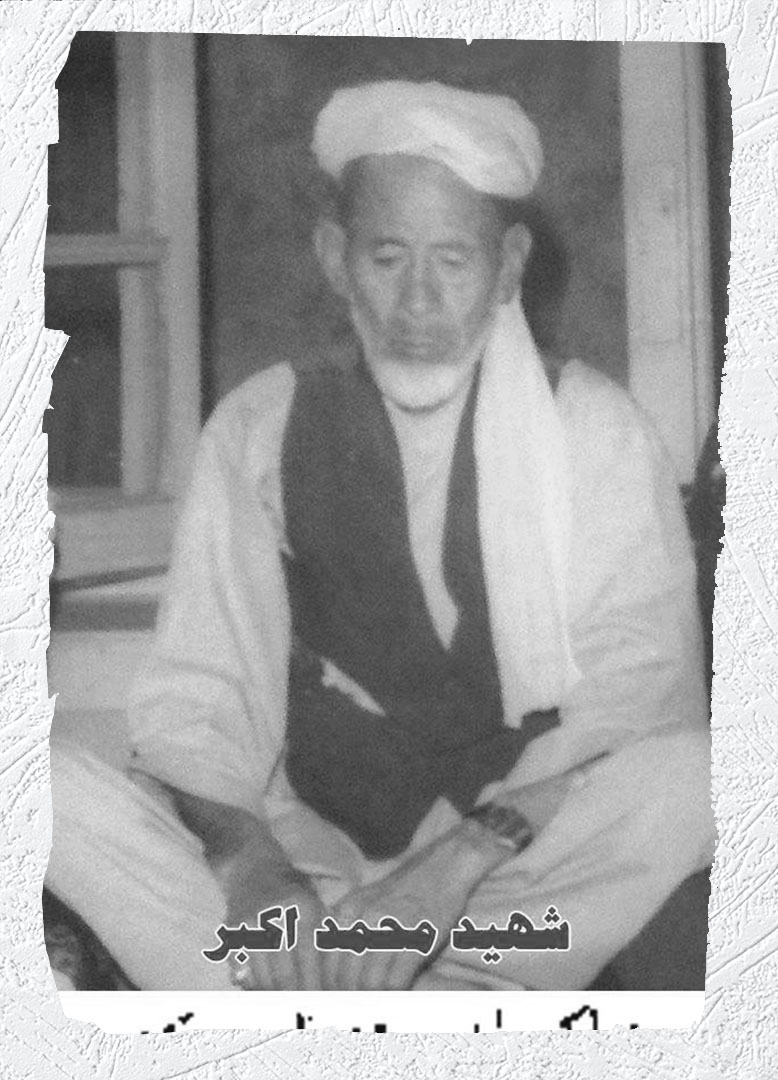
- Gender
- Male
- Ethnicity
- Hazara
- Province of incident
- Kabul: Bagrami
- District geolocation of incident
- Kabul: Bagrami: 34° 31′ 10″ N, 69° 16′ 39″ E
- Description of incident
Known as the "Killing of AGSA," it refers to the collective murder of opponents of the People's Democratic Party of Afghanistan in the Pul-e-Charkhi Prison in Kabul between 1978 and 1979. The Afghan Intelligence Office, or AGSA (Afghan Agency for Safeguarding National Interest), led by Asadullah Sarwari, had arrested nearly 150,000 people, out of which an estimated number of 27,000 political prisoners were put to death without a single trial, probe, or even allegation. Many Afghan families had no idea where their loved ones had disappeared in the latter part of 1978 and early 1979. A list of those slain that included 5,000 victims of AGSA mass executions was made public by the Dutch Prosecutor's Office in 2013.
- Declaratory Statement
No statement
Nader Ali
- Photo of Victim
- Gender
- Male
- Ethnicity
- Hazara
- Province of incident
- Kabul: Bagrami
- District geolocation of incident
- Kabul: Bagrami: 34° 31′ 10″ N, 69° 16′ 39″ E
- Description of incident
Known as the "Killing of AGSA," it refers to the collective murder of opponents of the People's Democratic Party of Afghanistan in the Pul-e-Charkhi Prison in Kabul between 1978 and 1979. The Afghan Intelligence Office, or AGSA (Afghan Agency for Safeguarding National Interest), led by Asadullah Sarwari, had arrested nearly 150,000 people, out of which an estimated number of 27,000 political prisoners were put to death without a single trial, probe, or even allegation. Many Afghan families had no idea where their loved ones had disappeared in the latter part of 1978 and early 1979. A list of those slain that included 5,000 victims of AGSA mass executions was made public by the Dutch Prosecutor's Office in 2013.
- Declaratory Statement
No statement
Mohammad Sadiq
- Photo of Victim
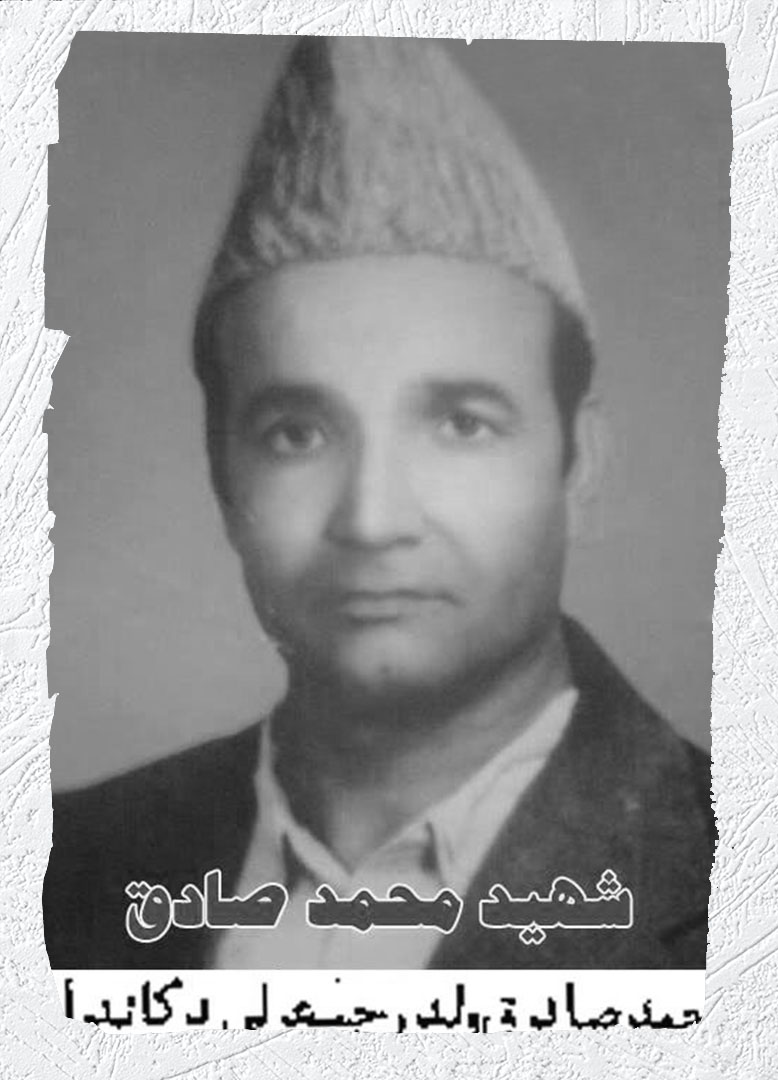
- Gender
- Male
- Ethnicity
- Hazara
- Province of incident
- Kabul: Bagrami
- District geolocation of incident
- Kabul: Bagrami: 34° 31′ 10″ N, 69° 16′ 39″ E
- Description of incident
Known as the "Killing of AGSA," it refers to the collective murder of opponents of the People's Democratic Party of Afghanistan in the Pul-e-Charkhi Prison in Kabul between 1978 and 1979. The Afghan Intelligence Office, or AGSA (Afghan Agency for Safeguarding National Interest), led by Asadullah Sarwari, had arrested nearly 150,000 people, out of which an estimated number of 27,000 political prisoners were put to death without a single trial, probe, or even allegation. Many Afghan families had no idea where their loved ones had disappeared in the latter part of 1978 and early 1979. A list of those slain that included 5,000 victims of AGSA mass executions was made public by the Dutch Prosecutor's Office in 2013.
- Declaratory Statement
No statement
Mohammad Yosof Khaksari
- Photo of Victim
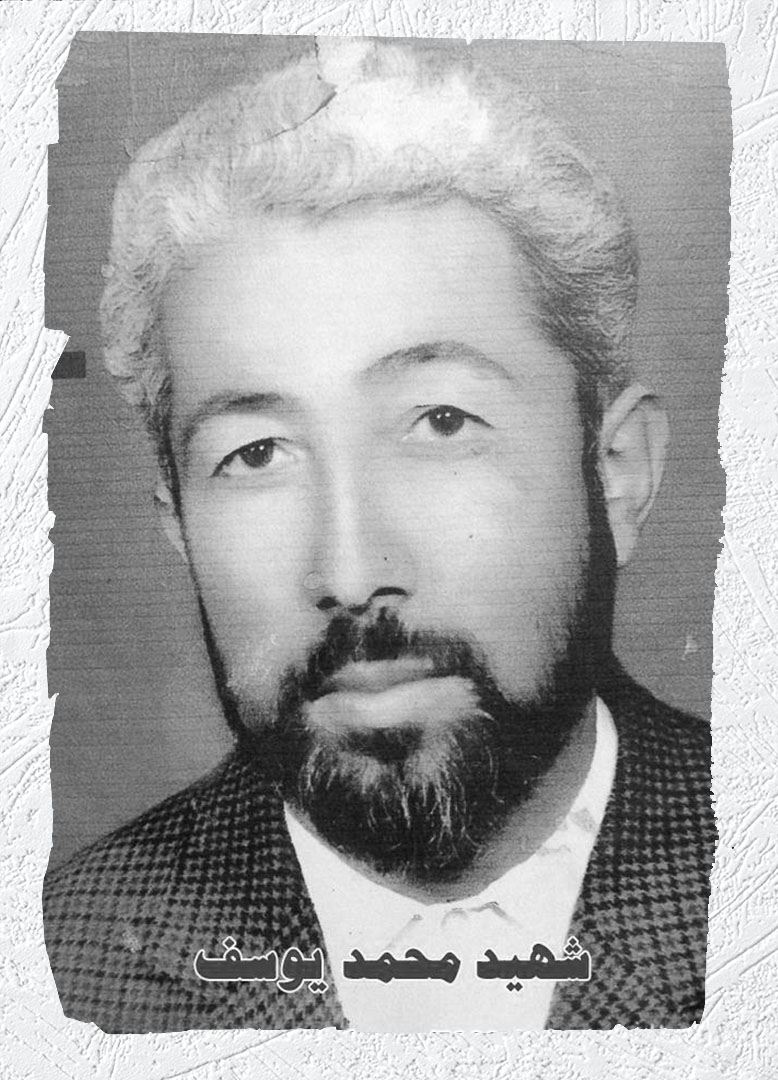
- Gender
- Male
- Ethnicity
- Tajik
- Province of incident
- Kabul: Bagrami
- District geolocation of incident
- Kabul: Bagrami: 34° 31′ 10″ N, 69° 16′ 39″ E
- Description of incident
Known as the "Killing of AGSA," it refers to the collective murder of opponents of the People's Democratic Party of Afghanistan in the Pul-e-Charkhi Prison in Kabul between 1978 and 1979. The Afghan Intelligence Office, or AGSA (Afghan Agency for Safeguarding National Interest), led by Asadullah Sarwari, had arrested nearly 150,000 people, out of which an estimated number of 27,000 political prisoners were put to death without a single trial, probe, or even allegation. Many Afghan families had no idea where their loved ones had disappeared in the latter part of 1978 and early 1979. A list of those slain that included 5,000 victims of AGSA mass executions was made public by the Dutch Prosecutor's Office in 2013.
- Declaratory Statement
No statement
Mohammad Mahdi
- Photo of Victim

- Gender
- Male
- Ethnicity
- Pashtun
- Province of incident
- Kabul: Bagrami
- District geolocation of incident
- Kabul: Bagrami: 34° 31′ 10″ N, 69° 16′ 39″ E
- Description of incident
Known as the "Killing of AGSA," it refers to the collective murder of opponents of the People's Democratic Party of Afghanistan in the Pul-e-Charkhi Prison in Kabul between 1978 and 1979. The Afghan Intelligence Office, or AGSA (Afghan Agency for Safeguarding National Interest), led by Asadullah Sarwari, had arrested nearly 150,000 people, out of which an estimated number of 27,000 political prisoners were put to death without a single trial, probe, or even allegation. Many Afghan families had no idea where their loved ones had disappeared in the latter part of 1978 and early 1979. A list of those slain that included 5,000 victims of AGSA mass executions was made public by the Dutch Prosecutor's Office in 2013.
- Declaratory Statement
No statement
Ghulam Dawod
- Photo of Victim

- Gender
- Male
- Ethnicity
- Pashtun
- Province of incident
- Kabul: Bagrami
- District geolocation of incident
- Kabul: Bagrami: 34° 31′ 10″ N, 69° 16′ 39″ E
- Description of incident
Known as the "Killing of AGSA," it refers to the collective murder of opponents of the People's Democratic Party of Afghanistan in the Pul-e-Charkhi Prison in Kabul between 1978 and 1979. The Afghan Intelligence Office, or AGSA (Afghan Agency for Safeguarding National Interest), led by Asadullah Sarwari, had arrested nearly 150,000 people, out of which an estimated number of 27,000 political prisoners were put to death without a single trial, probe, or even allegation. Many Afghan families had no idea where their loved ones had disappeared in the latter part of 1978 and early 1979. A list of those slain that included 5,000 victims of AGSA mass executions was made public by the Dutch Prosecutor's Office in 2013.
- Declaratory Statement
No statement
Rafeullah
- Photo of Victim

- Gender
- Male
- Ethnicity
- Pashtun
- Province of incident
- Kabul: Bagrami
- District geolocation of incident
- Kabul: Bagrami: 34° 31′ 10″ N, 69° 16′ 39″ E
- Description of incident
Known as the "Killing of AGSA," it refers to the collective murder of opponents of the People's Democratic Party of Afghanistan in the Pul-e-Charkhi Prison in Kabul between 1978 and 1979. The Afghan Intelligence Office, or AGSA (Afghan Agency for Safeguarding National Interest), led by Asadullah Sarwari, had arrested nearly 150,000 people, out of which an estimated number of 27,000 political prisoners were put to death without a single trial, probe, or even allegation. Many Afghan families had no idea where their loved ones had disappeared in the latter part of 1978 and early 1979. A list of those slain that included 5,000 victims of AGSA mass executions was made public by the Dutch Prosecutor's Office in 2013.
- Declaratory Statement
No statement
Sayed Mozafarudin
- Photo of Victim

- Gender
- Male
- Ethnicity
- Sadat
- Province of incident
- Kabul: Bagrami
- District geolocation of incident
- Kabul: Bagrami: 34° 31′ 10″ N, 69° 16′ 39″ E
- Description of incident
Known as the "Killing of AGSA," it refers to the collective murder of opponents of the People's Democratic Party of Afghanistan in the Pul-e-Charkhi Prison in Kabul between 1978 and 1979. The Afghan Intelligence Office, or AGSA (Afghan Agency for Safeguarding National Interest), led by Asadullah Sarwari, had arrested nearly 150,000 people, out of which an estimated number of 27,000 political prisoners were put to death without a single trial, probe, or even allegation. Many Afghan families had no idea where their loved ones had disappeared in the latter part of 1978 and early 1979. A list of those slain that included 5,000 victims of AGSA mass executions was made public by the Dutch Prosecutor's Office in 2013.
- Declaratory Statement
No statement
Mohammad Hashim
- Photo of Victim

- Gender
- Male
- Ethnicity
- Tajik
- Province of incident
- Kabul: Bagrami
- District geolocation of incident
- Kabul: Bagrami: 34° 31′ 10″ N, 69° 16′ 39″ E
- Description of incident
Known as the "Killing of AGSA," it refers to the collective murder of opponents of the People's Democratic Party of Afghanistan in the Pul-e-Charkhi Prison in Kabul between 1978 and 1979. The Afghan Intelligence Office, or AGSA (Afghan Agency for Safeguarding National Interest), led by Asadullah Sarwari, had arrested nearly 150,000 people, out of which an estimated number of 27,000 political prisoners were put to death without a single trial, probe, or even allegation. Many Afghan families had no idea where their loved ones had disappeared in the latter part of 1978 and early 1979. A list of those slain that included 5,000 victims of AGSA mass executions was made public by the Dutch Prosecutor's Office in 2013.
- Declaratory Statement
No statement
Rahmatullah
- Photo of Victim
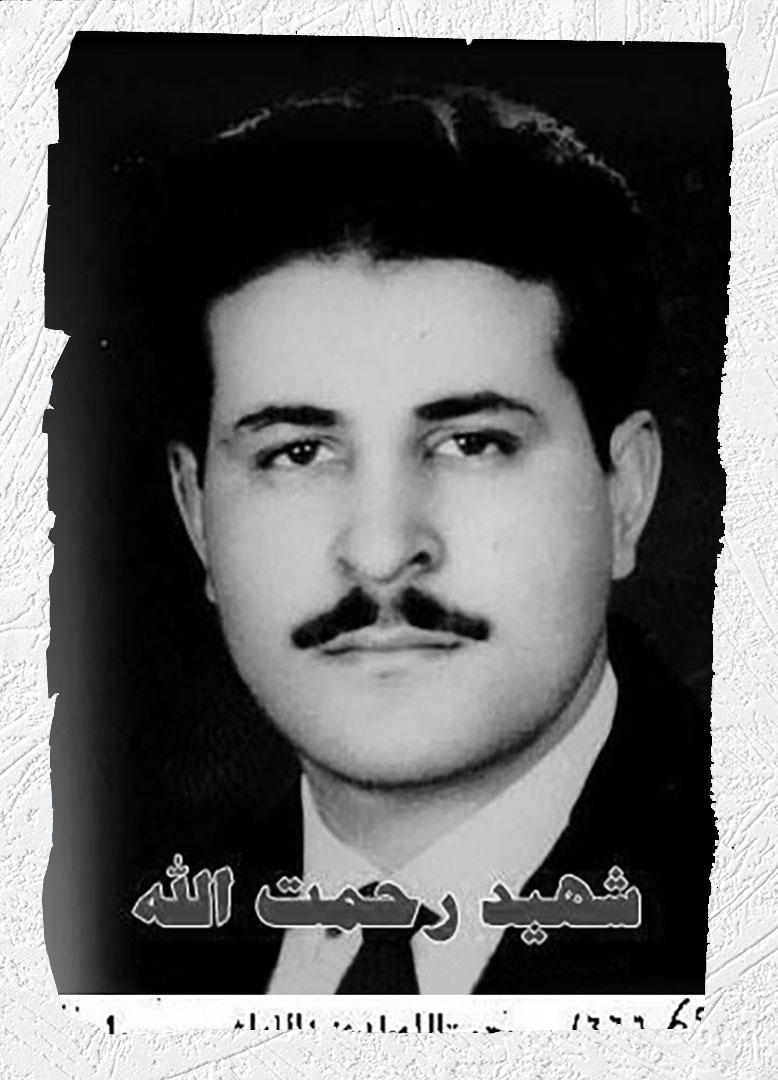
- Gender
- Male
- Ethnicity
- Pashtun
- Province of incident
- Kabul: Bagrami
- District geolocation of incident
- Kabul: Bagrami: 34° 31′ 10″ N, 69° 16′ 39″ E
- Description of incident
Known as the "Killing of AGSA," it refers to the collective murder of opponents of the People's Democratic Party of Afghanistan in the Pul-e-Charkhi Prison in Kabul between 1978 and 1979. The Afghan Intelligence Office, or AGSA (Afghan Agency for Safeguarding National Interest), led by Asadullah Sarwari, had arrested nearly 150,000 people, out of which an estimated number of 27,000 political prisoners were put to death without a single trial, probe, or even allegation. Many Afghan families had no idea where their loved ones had disappeared in the latter part of 1978 and early 1979. A list of those slain that included 5,000 victims of AGSA mass executions was made public by the Dutch Prosecutor's Office in 2013.
- Declaratory Statement
No statement
Mohammad Husain Nahzat
- Photo of Victim

- Gender
- Male
- Ethnicity
- Hazara
- Province of incident
- Kabul: Bagrami
- District geolocation of incident
- Kabul: Bagrami: 34° 31′ 10″ N, 69° 16′ 39″ E
- Description of incident
Known as the "Killing of AGSA," it refers to the collective murder of opponents of the People's Democratic Party of Afghanistan in the Pul-e-Charkhi Prison in Kabul between 1978 and 1979. The Afghan Intelligence Office, or AGSA (Afghan Agency for Safeguarding National Interest), led by Asadullah Sarwari, had arrested nearly 150,000 people, out of which an estimated number of 27,000 political prisoners were put to death without a single trial, probe, or even allegation. Many Afghan families had no idea where their loved ones had disappeared in the latter part of 1978 and early 1979. A list of those slain that included 5,000 victims of AGSA mass executions was made public by the Dutch Prosecutor's Office in 2013.
- Declaratory Statement
No statement
Abdulkarim
- Photo of Victim

- Gender
- Male
- Ethnicity
- Hazara
- Province of incident
- Kabul: Bagrami
- District geolocation of incident
- Kabul: Bagrami: 34° 31′ 10″ N, 69° 16′ 39″ E
- Description of incident
Known as the "Killing of AGSA," it refers to the collective murder of opponents of the People's Democratic Party of Afghanistan in the Pul-e-Charkhi Prison in Kabul between 1978 and 1979. The Afghan Intelligence Office, or AGSA (Afghan Agency for Safeguarding National Interest), led by Asadullah Sarwari, had arrested nearly 150,000 people, out of which an estimated number of 27,000 political prisoners were put to death without a single trial, probe, or even allegation. Many Afghan families had no idea where their loved ones had disappeared in the latter part of 1978 and early 1979. A list of those slain that included 5,000 victims of AGSA mass executions was made public by the Dutch Prosecutor's Office in 2013.
- Declaratory Statement
No statement
Abdulhai
- Photo of Victim
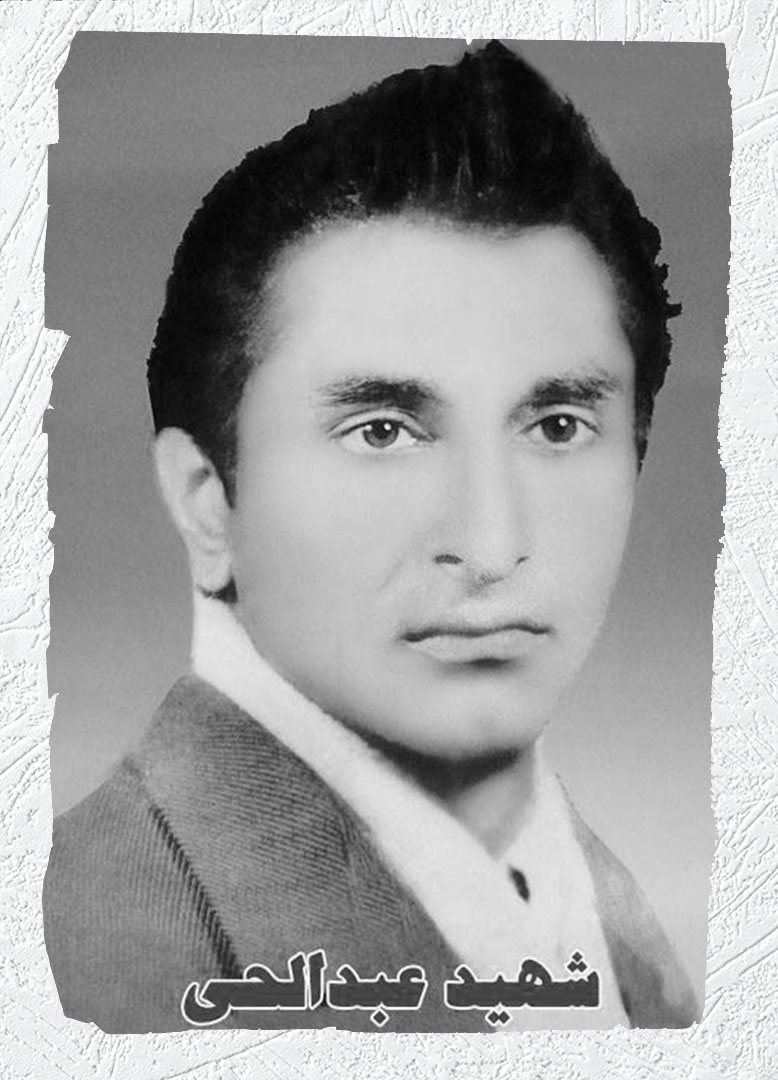
- Gender
- Male
- Ethnicity
- Pashtun
- Province of incident
- Kabul: Bagrami
- District geolocation of incident
- Kabul: Bagrami: 34° 31′ 10″ N, 69° 16′ 39″ E
- Description of incident
Known as the "Killing of AGSA," it refers to the collective murder of opponents of the People's Democratic Party of Afghanistan in the Pul-e-Charkhi Prison in Kabul between 1978 and 1979. The Afghan Intelligence Office, or AGSA (Afghan Agency for Safeguarding National Interest), led by Asadullah Sarwari, had arrested nearly 150,000 people, out of which an estimated number of 27,000 political prisoners were put to death without a single trial, probe, or even allegation. Many Afghan families had no idea where their loved ones had disappeared in the latter part of 1978 and early 1979. A list of those slain that included 5,000 victims of AGSA mass executions was made public by the Dutch Prosecutor's Office in 2013.
- Declaratory Statement
No statement
Ali Asghar
- Photo of Victim
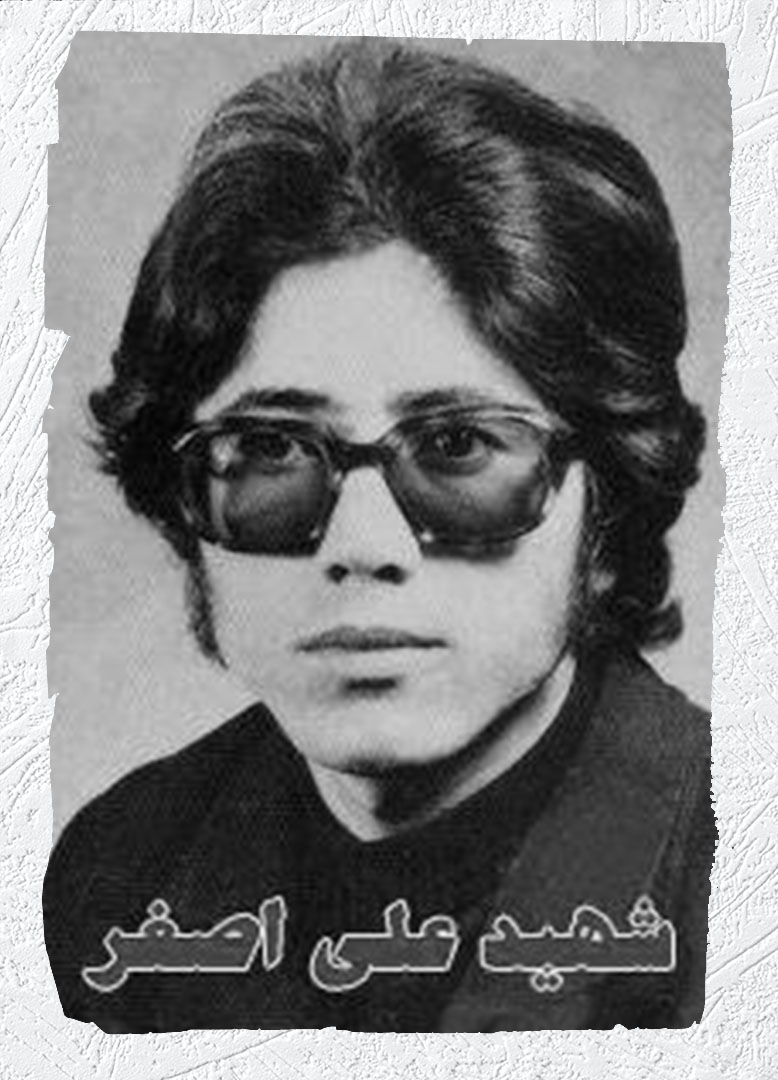
- Gender
- Male
- Ethnicity
- Hazara
- Province of incident
- Kabul: Bagrami
- District geolocation of incident
- Kabul: Bagrami: 34° 31′ 10″ N, 69° 16′ 39″ E
- Description of incident
Known as the "Killing of AGSA," it refers to the collective murder of opponents of the People's Democratic Party of Afghanistan in the Pul-e-Charkhi Prison in Kabul between 1978 and 1979. The Afghan Intelligence Office, or AGSA (Afghan Agency for Safeguarding National Interest), led by Asadullah Sarwari, had arrested nearly 150,000 people, out of which an estimated number of 27,000 political prisoners were put to death without a single trial, probe, or even allegation. Many Afghan families had no idea where their loved ones had disappeared in the latter part of 1978 and early 1979. A list of those slain that included 5,000 victims of AGSA mass executions was made public by the Dutch Prosecutor's Office in 2013.
- Declaratory Statement
No statement
Mohammad Habib Daqiq
- Photo of Victim

- Gender
- Male
- Ethnicity
- Tajik
- Province of incident
- Kabul: Bagrami
- District geolocation of incident
- Kabul: Bagrami: 34° 31′ 10″ N, 69° 16′ 39″ E
- Description of incident
Known as the "Killing of AGSA," it refers to the collective murder of opponents of the People's Democratic Party of Afghanistan in the Pul-e-Charkhi Prison in Kabul between 1978 and 1979. The Afghan Intelligence Office, or AGSA (Afghan Agency for Safeguarding National Interest), led by Asadullah Sarwari, had arrested nearly 150,000 people, out of which an estimated number of 27,000 political prisoners were put to death without a single trial, probe, or even allegation. Many Afghan families had no idea where their loved ones had disappeared in the latter part of 1978 and early 1979. A list of those slain that included 5,000 victims of AGSA mass executions was made public by the Dutch Prosecutor's Office in 2013.
- Declaratory Statement
No statement
SadDen
- Photo of Victim

- Gender
- Male
- Ethnicity
- Tajik
- Province of incident
- Kabul: Bagrami
- District geolocation of incident
- Kabul: Bagrami: 34° 31′ 10″ N, 69° 16′ 39″ E
- Description of incident
Known as the "Killing of AGSA," it refers to the collective murder of opponents of the People's Democratic Party of Afghanistan in the Pul-e-Charkhi Prison in Kabul between 1978 and 1979. The Afghan Intelligence Office, or AGSA (Afghan Agency for Safeguarding National Interest), led by Asadullah Sarwari, had arrested nearly 150,000 people, out of which an estimated number of 27,000 political prisoners were put to death without a single trial, probe, or even allegation. Many Afghan families had no idea where their loved ones had disappeared in the latter part of 1978 and early 1979. A list of those slain that included 5,000 victims of AGSA mass executions was made public by the Dutch Prosecutor's Office in 2013.
- Declaratory Statement
No statement
Ali Dad
- Photo of Victim

- Gender
- Male
- Ethnicity
- Hazara
- Province of incident
- Kabul: Bagrami
- District geolocation of incident
- Kabul: Bagrami: 34° 31′ 10″ N, 69° 16′ 39″ E
- Description of incident
Known as the "Killing of AGSA," it refers to the collective murder of opponents of the People's Democratic Party of Afghanistan in the Pul-e-Charkhi Prison in Kabul between 1978 and 1979. The Afghan Intelligence Office, or AGSA (Afghan Agency for Safeguarding National Interest), led by Asadullah Sarwari, had arrested nearly 150,000 people, out of which an estimated number of 27,000 political prisoners were put to death without a single trial, probe, or even allegation. Many Afghan families had no idea where their loved ones had disappeared in the latter part of 1978 and early 1979. A list of those slain that included 5,000 victims of AGSA mass executions was made public by the Dutch Prosecutor's Office in 2013.
- Declaratory Statement
No statement
Ata Mohammad
- Photo of Victim

- Gender
- Male
- Ethnicity
- Tajik
- Province of incident
- Kabul: Bagrami
- District geolocation of incident
- Kabul: Bagrami: 34° 31′ 10″ N, 69° 16′ 39″ E
- Description of incident
Known as the "Killing of AGSA," it refers to the collective murder of opponents of the People's Democratic Party of Afghanistan in the Pul-e-Charkhi Prison in Kabul between 1978 and 1979. The Afghan Intelligence Office, or AGSA (Afghan Agency for Safeguarding National Interest), led by Asadullah Sarwari, had arrested nearly 150,000 people, out of which an estimated number of 27,000 political prisoners were put to death without a single trial, probe, or even allegation. Many Afghan families had no idea where their loved ones had disappeared in the latter part of 1978 and early 1979. A list of those slain that included 5,000 victims of AGSA mass executions was made public by the Dutch Prosecutor's Office in 2013.
- Declaratory Statement
No statement
Rahmatullah Elmi
- Photo of Victim

- Gender
- Male
- Ethnicity
- Pashtun
- Province of incident
- Kabul: Bagrami
- District geolocation of incident
- Kabul: Bagrami: 34° 31′ 10″ N, 69° 16′ 39″ E
- Description of incident
Known as the "Killing of AGSA," it refers to the collective murder of opponents of the People's Democratic Party of Afghanistan in the Pul-e-Charkhi Prison in Kabul between 1978 and 1979. The Afghan Intelligence Office, or AGSA (Afghan Agency for Safeguarding National Interest), led by Asadullah Sarwari, had arrested nearly 150,000 people, out of which an estimated number of 27,000 political prisoners were put to death without a single trial, probe, or even allegation. Many Afghan families had no idea where their loved ones had disappeared in the latter part of 1978 and early 1979. A list of those slain that included 5,000 victims of AGSA mass executions was made public by the Dutch Prosecutor's Office in 2013.
- Declaratory Statement
No statement
Ghulam Hazrat Elmi
- Photo of Victim

- Gender
- Male
- Ethnicity
- Pashtun
- Province of incident
- Kabul: Bagrami
- District geolocation of incident
- Kabul: Bagrami: 34° 31′ 10″ N, 69° 16′ 39″ E
- Description of incident
Known as the "Killing of AGSA," it refers to the collective murder of opponents of the People's Democratic Party of Afghanistan in the Pul-e-Charkhi Prison in Kabul between 1978 and 1979. The Afghan Intelligence Office, or AGSA (Afghan Agency for Safeguarding National Interest), led by Asadullah Sarwari, had arrested nearly 150,000 people, out of which an estimated number of 27,000 political prisoners were put to death without a single trial, probe, or even allegation. Many Afghan families had no idea where their loved ones had disappeared in the latter part of 1978 and early 1979. A list of those slain that included 5,000 victims of AGSA mass executions was made public by the Dutch Prosecutor's Office in 2013.
- Declaratory Statement
No statement
Mohammad Alam
- Photo of Victim

- Gender
- Male
- Ethnicity
- Tajik
- Province of incident
- Kabul: Bagrami
- District geolocation of incident
- Kabul: Bagrami: 34° 31′ 10″ N, 69° 16′ 39″ E
- Description of incident
Known as the "Killing of AGSA," it refers to the collective murder of opponents of the People's Democratic Party of Afghanistan in the Pul-e-Charkhi Prison in Kabul between 1978 and 1979. The Afghan Intelligence Office, or AGSA (Afghan Agency for Safeguarding National Interest), led by Asadullah Sarwari, had arrested nearly 150,000 people, out of which an estimated number of 27,000 political prisoners were put to death without a single trial, probe, or even allegation. Many Afghan families had no idea where their loved ones had disappeared in the latter part of 1978 and early 1979. A list of those slain that included 5,000 victims of AGSA mass executions was made public by the Dutch Prosecutor's Office in 2013.
- Declaratory Statement
No statement
Mir Mahfoz
- Photo of Victim

- Gender
- Male
- Ethnicity
- Pashtun
- Province of incident
- Kabul: Bagrami
- District geolocation of incident
- Kabul: Bagrami: 34° 31′ 10″ N, 69° 16′ 39″ E
- Description of incident
Known as the "Killing of AGSA," it refers to the collective murder of opponents of the People's Democratic Party of Afghanistan in the Pul-e-Charkhi Prison in Kabul between 1978 and 1979. The Afghan Intelligence Office, or AGSA (Afghan Agency for Safeguarding National Interest), led by Asadullah Sarwari, had arrested nearly 150,000 people, out of which an estimated number of 27,000 political prisoners were put to death without a single trial, probe, or even allegation. Many Afghan families had no idea where their loved ones had disappeared in the latter part of 1978 and early 1979. A list of those slain that included 5,000 victims of AGSA mass executions was made public by the Dutch Prosecutor's Office in 2013.
- Declaratory Statement
No statement
Mohammad Nasim Saiyar
- Photo of Victim

- Gender
- Male
- Ethnicity
- Pashtun
- Province of incident
- Kabul: Bagrami
- District geolocation of incident
- Kabul: Bagrami: 34° 31′ 10″ N, 69° 16′ 39″ E
- Description of incident
Known as the "Killing of AGSA," it refers to the collective murder of opponents of the People's Democratic Party of Afghanistan in the Pul-e-Charkhi Prison in Kabul between 1978 and 1979. The Afghan Intelligence Office, or AGSA (Afghan Agency for Safeguarding National Interest), led by Asadullah Sarwari, had arrested nearly 150,000 people, out of which an estimated number of 27,000 political prisoners were put to death without a single trial, probe, or even allegation. Many Afghan families had no idea where their loved ones had disappeared in the latter part of 1978 and early 1979. A list of those slain that included 5,000 victims of AGSA mass executions was made public by the Dutch Prosecutor's Office in 2013.
- Declaratory Statement
No statement
Amanudin
- Photo of Victim

- Gender
- Male
- Ethnicity
- Tajik
- Province of incident
- Kabul: Bagrami
- District geolocation of incident
- Kabul: Bagrami: 34° 31′ 10″ N, 69° 16′ 39″ E
- Description of incident
Known as the "Killing of AGSA," it refers to the collective murder of opponents of the People's Democratic Party of Afghanistan in the Pul-e-Charkhi Prison in Kabul between 1978 and 1979. The Afghan Intelligence Office, or AGSA (Afghan Agency for Safeguarding National Interest), led by Asadullah Sarwari, had arrested nearly 150,000 people, out of which an estimated number of 27,000 political prisoners were put to death without a single trial, probe, or even allegation. Many Afghan families had no idea where their loved ones had disappeared in the latter part of 1978 and early 1979. A list of those slain that included 5,000 victims of AGSA mass executions was made public by the Dutch Prosecutor's Office in 2013.
- Declaratory Statement
No statement
Sayed Baqersha
- Photo of Victim

- Gender
- Male
- Ethnicity
- Sadat
- Province of incident
- Kabul: Bagrami
- District geolocation of incident
- Kabul: Bagrami: 34° 31′ 10″ N, 69° 16′ 39″ E
- Description of incident
Known as the "Killing of AGSA," it refers to the collective murder of opponents of the People's Democratic Party of Afghanistan in the Pul-e-Charkhi Prison in Kabul between 1978 and 1979. The Afghan Intelligence Office, or AGSA (Afghan Agency for Safeguarding National Interest), led by Asadullah Sarwari, had arrested nearly 150,000 people, out of which an estimated number of 27,000 political prisoners were put to death without a single trial, probe, or even allegation. Many Afghan families had no idea where their loved ones had disappeared in the latter part of 1978 and early 1979. A list of those slain that included 5,000 victims of AGSA mass executions was made public by the Dutch Prosecutor's Office in 2013.
- Declaratory Statement
No statement
Nadir
- Photo of Victim

- Gender
- Male
- Ethnicity
- Pashtun
- Province of incident
- Kabul: Bagrami
- District geolocation of incident
- Kabul: Bagrami: 34° 31′ 10″ N, 69° 16′ 39″ E
- Description of incident
Known as the "Killing of AGSA," it refers to the collective murder of opponents of the People's Democratic Party of Afghanistan in the Pul-e-Charkhi Prison in Kabul between 1978 and 1979. The Afghan Intelligence Office, or AGSA (Afghan Agency for Safeguarding National Interest), led by Asadullah Sarwari, had arrested nearly 150,000 people, out of which an estimated number of 27,000 political prisoners were put to death without a single trial, probe, or even allegation. Many Afghan families had no idea where their loved ones had disappeared in the latter part of 1978 and early 1979. A list of those slain that included 5,000 victims of AGSA mass executions was made public by the Dutch Prosecutor's Office in 2013.
- Declaratory Statement
No statement
Mohammad Dawod
- Photo of Victim

- Gender
- Male
- Ethnicity
- Hazara
- Province of incident
- Kabul: Bagrami
- District geolocation of incident
- Kabul: Bagrami: 34° 31′ 10″ N, 69° 16′ 39″ E
- Description of incident
Known as the "Killing of AGSA," it refers to the collective murder of opponents of the People's Democratic Party of Afghanistan in the Pul-e-Charkhi Prison in Kabul between 1978 and 1979. The Afghan Intelligence Office, or AGSA (Afghan Agency for Safeguarding National Interest), led by Asadullah Sarwari, had arrested nearly 150,000 people, out of which an estimated number of 27,000 political prisoners were put to death without a single trial, probe, or even allegation. Many Afghan families had no idea where their loved ones had disappeared in the latter part of 1978 and early 1979. A list of those slain that included 5,000 victims of AGSA mass executions was made public by the Dutch Prosecutor's Office in 2013.
- Declaratory Statement
No statement
Abdul Shakor Yari
- Photo of Victim

- Gender
- Male
- Ethnicity
- Hazara
- Province of incident
- Kabul: Bagrami
- District geolocation of incident
- Kabul: Bagrami: 34° 31′ 10″ N, 69° 16′ 39″ E
- Description of incident
Known as the "Killing of AGSA," it refers to the collective murder of opponents of the People's Democratic Party of Afghanistan in the Pul-e-Charkhi Prison in Kabul between 1978 and 1979. The Afghan Intelligence Office, or AGSA (Afghan Agency for Safeguarding National Interest), led by Asadullah Sarwari, had arrested nearly 150,000 people, out of which an estimated number of 27,000 political prisoners were put to death without a single trial, probe, or even allegation. Many Afghan families had no idea where their loved ones had disappeared in the latter part of 1978 and early 1979. A list of those slain that included 5,000 victims of AGSA mass executions was made public by the Dutch Prosecutor's Office in 2013.
- Declaratory Statement
No statement
Mohammad Eshaq
- Photo of Victim

- Gender
- Male
- Ethnicity
- Hazara
- Province of incident
- Kabul: Bagrami
- District geolocation of incident
- Kabul: Bagrami: 34° 31′ 10″ N, 69° 16′ 39″ E
- Description of incident
Known as the "Killing of AGSA," it refers to the collective murder of opponents of the People's Democratic Party of Afghanistan in the Pul-e-Charkhi Prison in Kabul between 1978 and 1979. The Afghan Intelligence Office, or AGSA (Afghan Agency for Safeguarding National Interest), led by Asadullah Sarwari, had arrested nearly 150,000 people, out of which an estimated number of 27,000 political prisoners were put to death without a single trial, probe, or even allegation. Many Afghan families had no idea where their loved ones had disappeared in the latter part of 1978 and early 1979. A list of those slain that included 5,000 victims of AGSA mass executions was made public by the Dutch Prosecutor's Office in 2013.
- Declaratory Statement
No statement
Haji Mohammad Rasol
- Photo of Victim

- Gender
- Male
- Ethnicity
- Hazara
- Province of incident
- Kabul: Bagrami
- District geolocation of incident
- Kabul: Bagrami: 34° 31′ 10″ N, 69° 16′ 39″ E
- Description of incident
Known as the "Killing of AGSA," it refers to the collective murder of opponents of the People's Democratic Party of Afghanistan in the Pul-e-Charkhi Prison in Kabul between 1978 and 1979. The Afghan Intelligence Office, or AGSA (Afghan Agency for Safeguarding National Interest), led by Asadullah Sarwari, had arrested nearly 150,000 people, out of which an estimated number of 27,000 political prisoners were put to death without a single trial, probe, or even allegation. Many Afghan families had no idea where their loved ones had disappeared in the latter part of 1978 and early 1979. A list of those slain that included 5,000 victims of AGSA mass executions was made public by the Dutch Prosecutor's Office in 2013.
- Declaratory Statement
No statement
Sayed Mohammad Sarwar Waaez
- Photo of Victim

- Gender
- Male
- Ethnicity
- Sadat
- Province of incident
- Kabul: Bagrami
- District geolocation of incident
- Kabul: Bagrami: 34° 31′ 10″ N, 69° 16′ 39″ E
- Description of incident
Known as the "Killing of AGSA," it refers to the collective murder of opponents of the People's Democratic Party of Afghanistan in the Pul-e-Charkhi Prison in Kabul between 1978 and 1979. The Afghan Intelligence Office, or AGSA (Afghan Agency for Safeguarding National Interest), led by Asadullah Sarwari, had arrested nearly 150,000 people, out of which an estimated number of 27,000 political prisoners were put to death without a single trial, probe, or even allegation. Many Afghan families had no idea where their loved ones had disappeared in the latter part of 1978 and early 1979. A list of those slain that included 5,000 victims of AGSA mass executions was made public by the Dutch Prosecutor's Office in 2013.
- Declaratory Statement
No statement
Sakhidad
- Photo of Victim

- Gender
- Male
- Ethnicity
- Hazara
- Province of incident
- Kabul: Bagrami
- District geolocation of incident
- Kabul: Bagrami: 34° 31′ 10″ N, 69° 16′ 39″ E
- Description of incident
Known as the "Killing of AGSA," it refers to the collective murder of opponents of the People's Democratic Party of Afghanistan in the Pul-e-Charkhi Prison in Kabul between 1978 and 1979. The Afghan Intelligence Office, or AGSA (Afghan Agency for Safeguarding National Interest), led by Asadullah Sarwari, had arrested nearly 150,000 people, out of which an estimated number of 27,000 political prisoners were put to death without a single trial, probe, or even allegation. Many Afghan families had no idea where their loved ones had disappeared in the latter part of 1978 and early 1979. A list of those slain that included 5,000 victims of AGSA mass executions was made public by the Dutch Prosecutor's Office in 2013.
- Declaratory Statement
No statement
Feda Mohammad
- Photo of Victim

- Gender
- Male
- Ethnicity
- Tajik
- Province of incident
- Kabul: Bagrami
- District geolocation of incident
- Kabul: Bagrami: 34° 31′ 10″ N, 69° 16′ 39″ E
- Description of incident
Known as the "Killing of AGSA," it refers to the collective murder of opponents of the People's Democratic Party of Afghanistan in the Pul-e-Charkhi Prison in Kabul between 1978 and 1979. The Afghan Intelligence Office, or AGSA (Afghan Agency for Safeguarding National Interest), led by Asadullah Sarwari, had arrested nearly 150,000 people, out of which an estimated number of 27,000 political prisoners were put to death without a single trial, probe, or even allegation. Many Afghan families had no idea where their loved ones had disappeared in the latter part of 1978 and early 1979. A list of those slain that included 5,000 victims of AGSA mass executions was made public by the Dutch Prosecutor's Office in 2013.
- Declaratory Statement
No statement
Haji TazaMir Khan
- Photo of Victim

- Gender
- Male
- Ethnicity
- Tajik
- Province of incident
- Kabul: Bagrami
- District geolocation of incident
- Kabul: Bagrami: 34° 31′ 10″ N, 69° 16′ 39″ E
- Description of incident
Known as the "Killing of AGSA," it refers to the collective murder of opponents of the People's Democratic Party of Afghanistan in the Pul-e-Charkhi Prison in Kabul between 1978 and 1979. The Afghan Intelligence Office, or AGSA (Afghan Agency for Safeguarding National Interest), led by Asadullah Sarwari, had arrested nearly 150,000 people, out of which an estimated number of 27,000 political prisoners were put to death without a single trial, probe, or even allegation. Many Afghan families had no idea where their loved ones had disappeared in the latter part of 1978 and early 1979. A list of those slain that included 5,000 victims of AGSA mass executions was made public by the Dutch Prosecutor's Office in 2013.
- Declaratory Statement
No statement
Eqbal Sha
- Photo of Victim

- Gender
- Male
- Ethnicity
- Uzbek
- Province of incident
- Kabul: Bagrami
- District geolocation of incident
- Kabul: Bagrami: 34° 31′ 10″ N, 69° 16′ 39″ E
- Description of incident
Known as the "Killing of AGSA," it refers to the collective murder of opponents of the People's Democratic Party of Afghanistan in the Pul-e-Charkhi Prison in Kabul between 1978 and 1979. The Afghan Intelligence Office, or AGSA (Afghan Agency for Safeguarding National Interest), led by Asadullah Sarwari, had arrested nearly 150,000 people, out of which an estimated number of 27,000 political prisoners were put to death without a single trial, probe, or even allegation. Many Afghan families had no idea where their loved ones had disappeared in the latter part of 1978 and early 1979. A list of those slain that included 5,000 victims of AGSA mass executions was made public by the Dutch Prosecutor's Office in 2013.
- Declaratory Statement
No statement
Abdurrahman Khan Noristani
- Photo of Victim

- Gender
- Male
- Ethnicity
- Nuristani
- Province of incident
- Kabul: Bagrami
- District geolocation of incident
- Kabul: Bagrami: 34° 31′ 10″ N, 69° 16′ 39″ E
- Description of incident
Known as the "Killing of AGSA," it refers to the collective murder of opponents of the People's Democratic Party of Afghanistan in the Pul-e-Charkhi Prison in Kabul between 1978 and 1979. The Afghan Intelligence Office, or AGSA (Afghan Agency for Safeguarding National Interest), led by Asadullah Sarwari, had arrested nearly 150,000 people, out of which an estimated number of 27,000 political prisoners were put to death without a single trial, probe, or even allegation. Many Afghan families had no idea where their loved ones had disappeared in the latter part of 1978 and early 1979. A list of those slain that included 5,000 victims of AGSA mass executions was made public by the Dutch Prosecutor's Office in 2013.
- Declaratory Statement
No statement
Haji Aqamir Khan-B.jpg
- Photo of Victim

- Gender
- Male
- Ethnicity
- Tajik
- Province of incident
- Kabul: Bagrami
- District geolocation of incident
- Kabul: Bagrami: 34° 31′ 10″ N, 69° 16′ 39″ E
- Description of incident
Known as the "Killing of AGSA," it refers to the collective murder of opponents of the People's Democratic Party of Afghanistan in the Pul-e-Charkhi Prison in Kabul between 1978 and 1979. The Afghan Intelligence Office, or AGSA (Afghan Agency for Safeguarding National Interest), led by Asadullah Sarwari, had arrested nearly 150,000 people, out of which an estimated number of 27,000 political prisoners were put to death without a single trial, probe, or even allegation. Many Afghan families had no idea where their loved ones had disappeared in the latter part of 1978 and early 1979. A list of those slain that included 5,000 victims of AGSA mass executions was made public by the Dutch Prosecutor's Office in 2013.
- Declaratory Statement
No statement
GulNabi
- Photo of Victim

- Gender
- Male
- Ethnicity
- Tajik
- Province of incident
- Kabul: Bagrami
- District geolocation of incident
- Kabul: Bagrami: 34° 31′ 10″ N, 69° 16′ 39″ E
- Description of incident
Known as the "Killing of AGSA," it refers to the collective murder of opponents of the People's Democratic Party of Afghanistan in the Pul-e-Charkhi Prison in Kabul between 1978 and 1979. The Afghan Intelligence Office, or AGSA (Afghan Agency for Safeguarding National Interest), led by Asadullah Sarwari, had arrested nearly 150,000 people, out of which an estimated number of 27,000 political prisoners were put to death without a single trial, probe, or even allegation. Many Afghan families had no idea where their loved ones had disappeared in the latter part of 1978 and early 1979. A list of those slain that included 5,000 victims of AGSA mass executions was made public by the Dutch Prosecutor's Office in 2013.
- Declaratory Statement
No statement
Ali Daryab Sherzad
- Photo of Victim
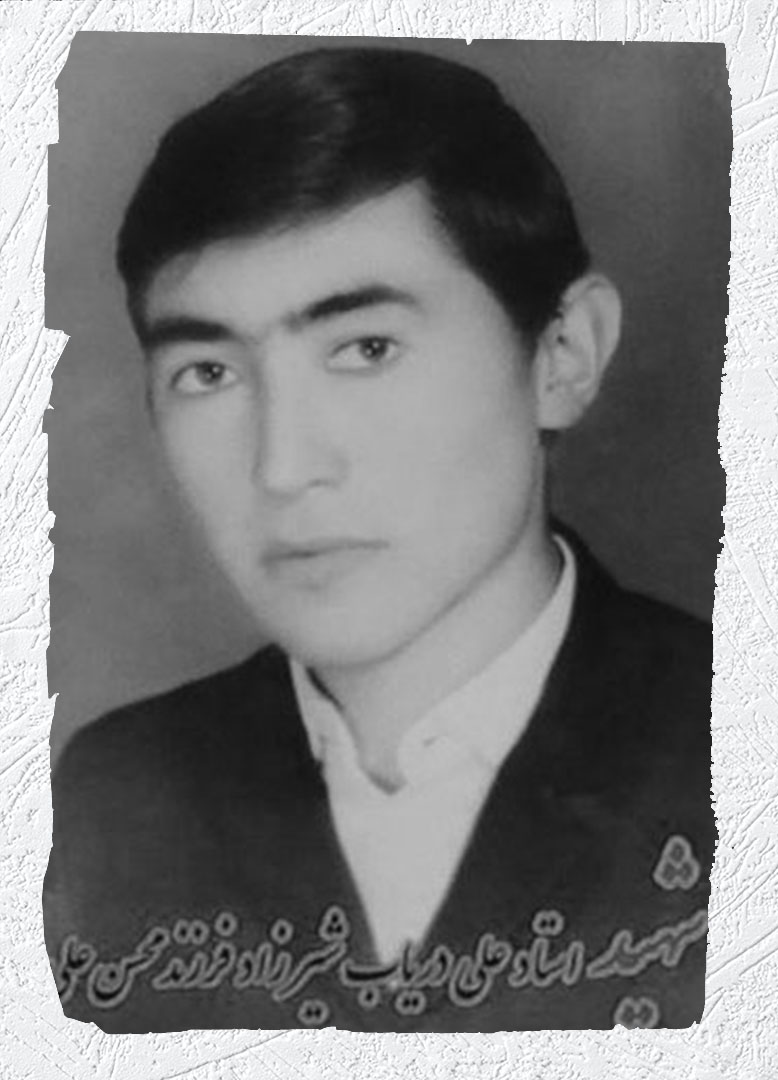
- Gender
- Male
- Ethnicity
- Hazara
- Province of incident
- Kabul: Bagrami
- District geolocation of incident
- Kabul: Bagrami: 34° 31′ 10″ N, 69° 16′ 39″ E
- Description of incident
Known as the "Killing of AGSA," it refers to the collective murder of opponents of the People's Democratic Party of Afghanistan in the Pul-e-Charkhi Prison in Kabul between 1978 and 1979. The Afghan Intelligence Office, or AGSA (Afghan Agency for Safeguarding National Interest), led by Asadullah Sarwari, had arrested nearly 150,000 people, out of which an estimated number of 27,000 political prisoners were put to death without a single trial, probe, or even allegation. Many Afghan families had no idea where their loved ones had disappeared in the latter part of 1978 and early 1979. A list of those slain that included 5,000 victims of AGSA mass executions was made public by the Dutch Prosecutor's Office in 2013.
- Declaratory Statement
No statement
Hussain Ali
- Photo of Victim

- Gender
- Male
- Ethnicity
- Hazara
- Province of incident
- Kabul: Bagrami
- District geolocation of incident
- Kabul: Bagrami: 34° 31′ 10″ N, 69° 16′ 39″ E
- Description of incident
Known as the "Killing of AGSA," it refers to the collective murder of opponents of the People's Democratic Party of Afghanistan in the Pul-e-Charkhi Prison in Kabul between 1978 and 1979. The Afghan Intelligence Office, or AGSA (Afghan Agency for Safeguarding National Interest), led by Asadullah Sarwari, had arrested nearly 150,000 people, out of which an estimated number of 27,000 political prisoners were put to death without a single trial, probe, or even allegation. Many Afghan families had no idea where their loved ones had disappeared in the latter part of 1978 and early 1979. A list of those slain that included 5,000 victims of AGSA mass executions was made public by the Dutch Prosecutor's Office in 2013.
- Declaratory Statement
No Statement
Mohammad Akram Azher
- Photo of Victim

- Gender
- Male
- Ethnicity
- Hazara
- Province of incident
- Kabul: Bagrami
- District geolocation of incident
- Kabul: Bagrami: 34° 31′ 10″ N, 69° 16′ 39″ E
- Description of incident
Known as the "Killing of AGSA," it refers to the collective murder of opponents of the People's Democratic Party of Afghanistan in the Pul-e-Charkhi Prison in Kabul between 1978 and 1979. The Afghan Intelligence Office, or AGSA (Afghan Agency for Safeguarding National Interest), led by Asadullah Sarwari, had arrested nearly 150,000 people, out of which an estimated number of 27,000 political prisoners were put to death without a single trial, probe, or even allegation. Many Afghan families had no idea where their loved ones had disappeared in the latter part of 1978 and early 1979. A list of those slain that included 5,000 victims of AGSA mass executions was made public by the Dutch Prosecutor's Office in 2013.
- Declaratory Statement
No statement
Haji AbdulGhafar
- Photo of Victim

- Gender
- Male
- Ethnicity
- Tajik
- Province of incident
- Kabul: Bagrami
- District geolocation of incident
- Kabul: Bagrami: 34° 31′ 10″ N, 69° 16′ 39″ E
- Description of incident
Known as the "Killing of AGSA," it refers to the collective murder of opponents of the People's Democratic Party of Afghanistan in the Pul-e-Charkhi Prison in Kabul between 1978 and 1979. The Afghan Intelligence Office, or AGSA (Afghan Agency for Safeguarding National Interest), led by Asadullah Sarwari, had arrested nearly 150,000 people, out of which an estimated number of 27,000 political prisoners were put to death without a single trial, probe, or even allegation. Many Afghan families had no idea where their loved ones had disappeared in the latter part of 1978 and early 1979. A list of those slain that included 5,000 victims of AGSA mass executions was made public by the Dutch Prosecutor's Office in 2013.
- Declaratory Statement
No statement
Ziaullah
- Photo of Victim
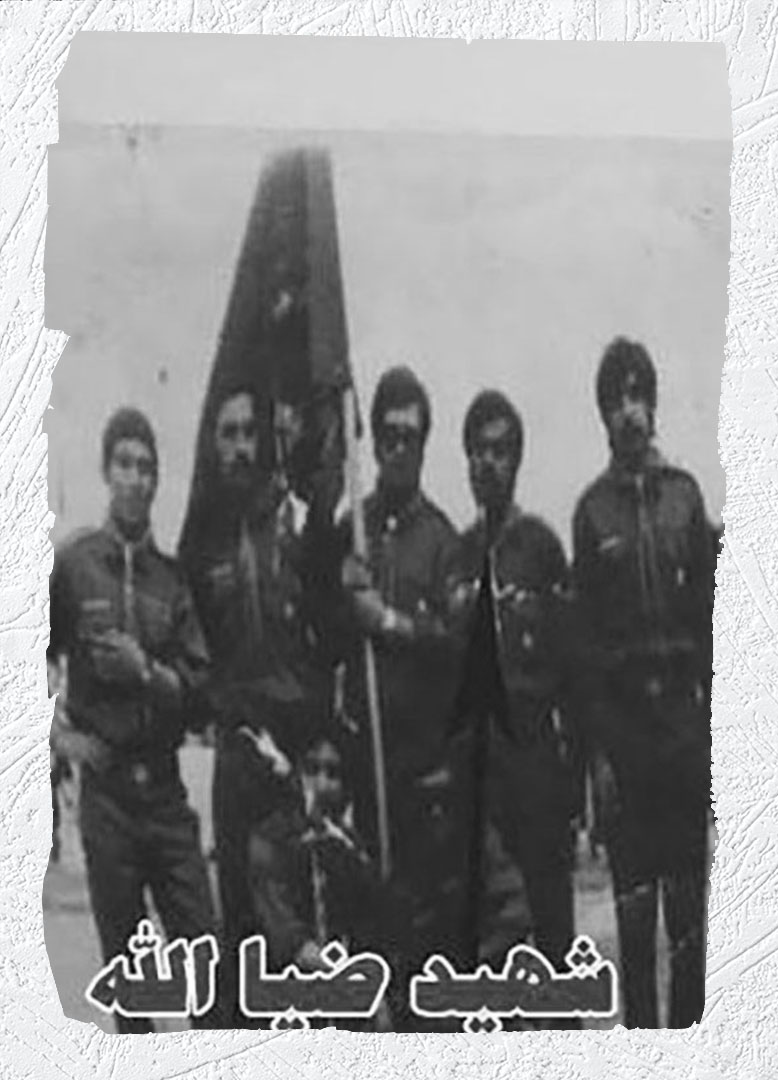
- Gender
- Male
- Ethnicity
- Pashtun
- Province of incident
- Kabul: Bagrami
- District geolocation of incident
- Kabul: Bagrami: 34° 31′ 10″ N, 69° 16′ 39″ E
- Description of incident
Known as the "Killing of AGSA," it refers to the collective murder of opponents of the People's Democratic Party of Afghanistan in the Pul-e-Charkhi Prison in Kabul between 1978 and 1979. The Afghan Intelligence Office, or AGSA (Afghan Agency for Safeguarding National Interest), led by Asadullah Sarwari, had arrested nearly 150,000 people, out of which an estimated number of 27,000 political prisoners were put to death without a single trial, probe, or even allegation. Many Afghan families had no idea where their loved ones had disappeared in the latter part of 1978 and early 1979. A list of those slain that included 5,000 victims of AGSA mass executions was made public by the Dutch Prosecutor's Office in 2013.
- Declaratory Statement
No statement
Mohammad Rahim
- Photo of Victim
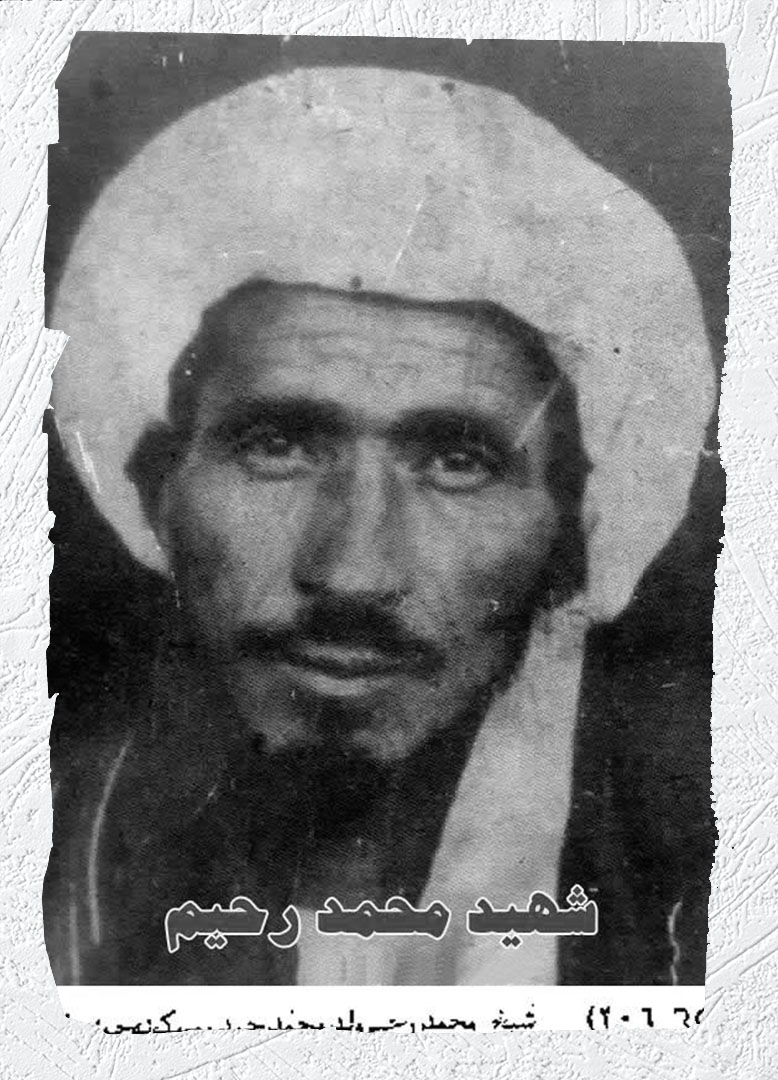
- Gender
- Male
- Ethnicity
- Uzbek
- Province of incident
- Kabul: Bagrami
- District geolocation of incident
- Kabul: Bagrami: 34° 31′ 10″ N, 69° 16′ 39″ E
- Description of incident
Known as the "Killing of AGSA," it refers to the collective murder of opponents of the People's Democratic Party of Afghanistan in the Pul-e-Charkhi Prison in Kabul between 1978 and 1979. The Afghan Intelligence Office, or AGSA (Afghan Agency for Safeguarding National Interest), led by Asadullah Sarwari, had arrested nearly 150,000 people, out of which an estimated number of 27,000 political prisoners were put to death without a single trial, probe, or even allegation. Many Afghan families had no idea where their loved ones had disappeared in the latter part of 1978 and early 1979. A list of those slain that included 5,000 victims of AGSA mass executions was made public by the Dutch Prosecutor's Office in 2013.
- Declaratory Statement
No statement
Abdulhakim
- Photo of Victim

- Gender
- Male
- Ethnicity
- Tajik
- Province of incident
- Kabul: Bagrami
- District geolocation of incident
- Kabul: Bagrami: 34° 31′ 10″ N, 69° 16′ 39″ E
- Description of incident
Known as the "Killing of AGSA," it refers to the collective murder of opponents of the People's Democratic Party of Afghanistan in the Pul-e-Charkhi Prison in Kabul between 1978 and 1979. The Afghan Intelligence Office, or AGSA (Afghan Agency for Safeguarding National Interest), led by Asadullah Sarwari, had arrested nearly 150,000 people, out of which an estimated number of 27,000 political prisoners were put to death without a single trial, probe, or even allegation. Many Afghan families had no idea where their loved ones had disappeared in the latter part of 1978 and early 1979. A list of those slain that included 5,000 victims of AGSA mass executions was made public by the Dutch Prosecutor's Office in 2013.
- Declaratory Statement
No statement
Abdulwadood
- Photo of Victim
- Gender
- Male
- Ethnicity
- Pashtun
- Province of incident
- Kabul: Bagrami
- District geolocation of incident
- Kabul: Bagrami: 34° 31′ 10″ N, 69° 16′ 39″ E
- Description of incident
Known as the "Killing of AGSA," it refers to the collective murder of opponents of the People's Democratic Party of Afghanistan in the Pul-e-Charkhi Prison in Kabul between 1978 and 1979. The Afghan Intelligence Office, or AGSA (Afghan Agency for Safeguarding National Interest), led by Asadullah Sarwari, had arrested nearly 150,000 people, out of which an estimated number of 27,000 political prisoners were put to death without a single trial, probe, or even allegation. Many Afghan families had no idea where their loved ones had disappeared in the latter part of 1978 and early 1979. A list of those slain that included 5,000 victims of AGSA mass executions was made public by the Dutch Prosecutor's Office in 2013.
- Declaratory Statement
No statement
Mohammad Jafar Tahiri
- Photo of Victim

- Gender
- Male
- Ethnicity
- Hazara
- Province of incident
- Kabul: Bagrami
- District geolocation of incident
- Kabul: Bagrami: 34° 31′ 10″ N, 69° 16′ 39″ E
- Description of incident
Known as the "Killing of AGSA," it refers to the collective murder of opponents of the People's Democratic Party of Afghanistan in the Pul-e-Charkhi Prison in Kabul between 1978 and 1979. The Afghan Intelligence Office, or AGSA (Afghan Agency for Safeguarding National Interest), led by Asadullah Sarwari, had arrested nearly 150,000 people, out of which an estimated number of 27,000 political prisoners were put to death without a single trial, probe, or even allegation. Many Afghan families had no idea where their loved ones had disappeared in the latter part of 1978 and early 1979. A list of those slain that included 5,000 victims of AGSA mass executions was made public by the Dutch Prosecutor's Office in 2013.
- Declaratory Statement
No statement
Abdulaziz Alimi
- Photo of Victim
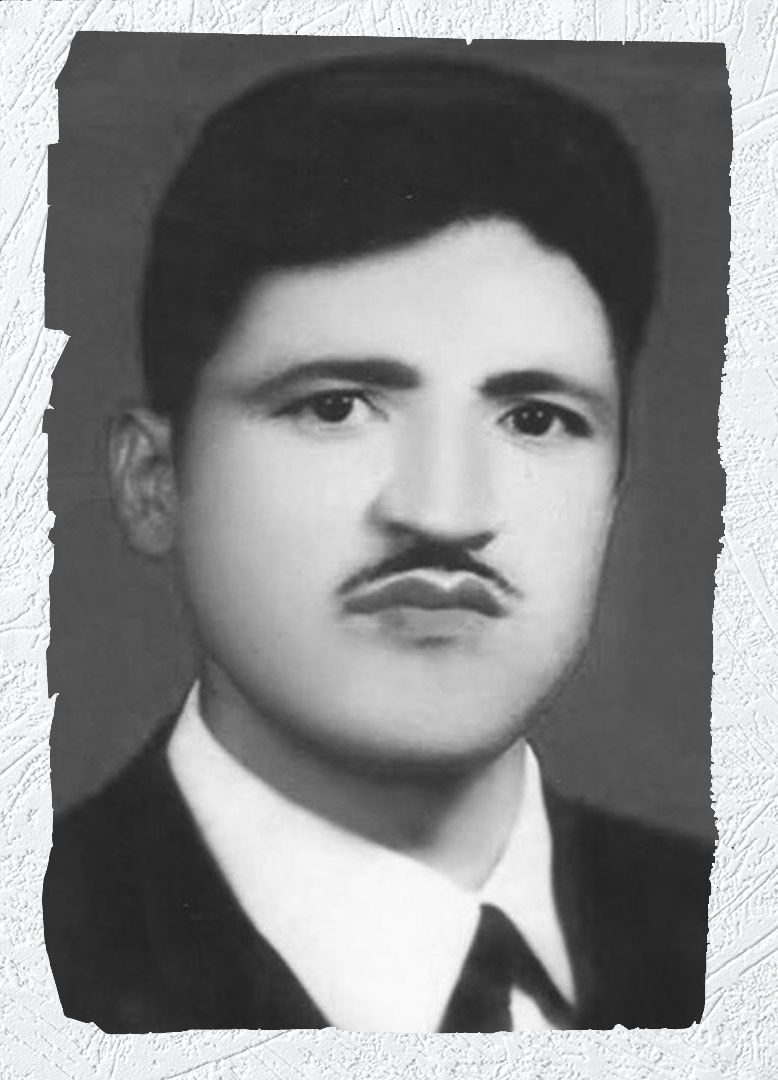
- Gender
- Male
- Ethnicity
- Hazara
- Province of incident
- Kabul: Bagrami
- District geolocation of incident
- Kabul: Bagrami: 34° 31′ 10″ N, 69° 16′ 39″ E
- Description of incident
Known as the "Killing of AGSA," it refers to the collective murder of opponents of the People's Democratic Party of Afghanistan in the Pul-e-Charkhi Prison in Kabul between 1978 and 1979. The Afghan Intelligence Office, or AGSA (Afghan Agency for Safeguarding National Interest), led by Asadullah Sarwari, had arrested nearly 150,000 people, out of which an estimated number of 27,000 political prisoners were put to death without a single trial, probe, or even allegation. Many Afghan families had no idea where their loved ones had disappeared in the latter part of 1978 and early 1979. A list of those slain that included 5,000 victims of AGSA mass executions was made public by the Dutch Prosecutor's Office in 2013.
- Declaratory Statement
No statement
Akhtar Mohammad
- Photo of Victim

- Gender
- Male
- Ethnicity
- Tajik
- Province of incident
- Kabul: Bagrami
- District geolocation of incident
- Kabul: Bagrami: 34° 31′ 10″ N, 69° 16′ 39″ E
- Description of incident
Known as the "Killing of AGSA," it refers to the collective murder of opponents of the People's Democratic Party of Afghanistan in the Pul-e-Charkhi Prison in Kabul between 1978 and 1979. The Afghan Intelligence Office, or AGSA (Afghan Agency for Safeguarding National Interest), led by Asadullah Sarwari, had arrested nearly 150,000 people, out of which an estimated number of 27,000 political prisoners were put to death without a single trial, probe, or even allegation. Many Afghan families had no idea where their loved ones had disappeared in the latter part of 1978 and early 1979. A list of those slain that included 5,000 victims of AGSA mass executions was made public by the Dutch Prosecutor's Office in 2013.
- Declaratory Statement
No statement
Asadullah
- Photo of Victim

- Gender
- Male
- Ethnicity
- Hazara
- Province of incident
- Kabul: Bagrami
- District geolocation of incident
- Kabul: Bagrami: 34° 31′ 10″ N, 69° 16′ 39″ E
- Description of incident
Known as the "Killing of AGSA," it refers to the collective murder of opponents of the People's Democratic Party of Afghanistan in the Pul-e-Charkhi Prison in Kabul between 1978 and 1979. The Afghan Intelligence Office, or AGSA (Afghan Agency for Safeguarding National Interest), led by Asadullah Sarwari, had arrested nearly 150,000 people, out of which an estimated number of 27,000 political prisoners were put to death without a single trial, probe, or even allegation. Many Afghan families had no idea where their loved ones had disappeared in the latter part of 1978 and early 1979. A list of those slain that included 5,000 victims of AGSA mass executions was made public by the Dutch Prosecutor's Office in 2013.
- Declaratory Statement
No statement
Amanullah Hakimzada
- Photo of Victim

- Gender
- Male
- Ethnicity
- Tajik
- Province of incident
- Kabul: Bagrami
- District geolocation of incident
- Kabul: Bagrami: 34° 31′ 10″ N, 69° 16′ 39″ E
- Description of incident
Known as the "Killing of AGSA," it refers to the collective murder of opponents of the People's Democratic Party of Afghanistan in the Pul-e-Charkhi Prison in Kabul between 1978 and 1979. The Afghan Intelligence Office, or AGSA (Afghan Agency for Safeguarding National Interest), led by Asadullah Sarwari, had arrested nearly 150,000 people, out of which an estimated number of 27,000 political prisoners were put to death without a single trial, probe, or even allegation. Many Afghan families had no idea where their loved ones had disappeared in the latter part of 1978 and early 1979. A list of those slain that included 5,000 victims of AGSA mass executions was made public by the Dutch Prosecutor's Office in 2013.
- Declaratory Statement
No statement
Mohammadudin
- Photo of Victim

- Gender
- Male
- Ethnicity
- Tajik
- Province of incident
- Kabul: Bagrami
- District geolocation of incident
- Kabul: Bagrami: 34° 31′ 10″ N, 69° 16′ 39″ E
- Description of incident
Known as the "Killing of AGSA," it refers to the collective murder of opponents of the People's Democratic Party of Afghanistan in the Pul-e-Charkhi Prison in Kabul between 1978 and 1979. The Afghan Intelligence Office, or AGSA (Afghan Agency for Safeguarding National Interest), led by Asadullah Sarwari, had arrested nearly 150,000 people, out of which an estimated number of 27,000 political prisoners were put to death without a single trial, probe, or even allegation. Many Afghan families had no idea where their loved ones had disappeared in the latter part of 1978 and early 1979. A list of those slain that included 5,000 victims of AGSA mass executions was made public by the Dutch Prosecutor's Office in 2013.
- Declaratory Statement
No statement
Khaja Serajudin
- Photo of Victim

- Gender
- Male
- Ethnicity
- Pashtun
- Province of incident
- Kabul: Bagrami
- District geolocation of incident
- Kabul: Bagrami: 34° 31′ 10″ N, 69° 16′ 39″ E
- Description of incident
Known as the "Killing of AGSA," it refers to the collective murder of opponents of the People's Democratic Party of Afghanistan in the Pul-e-Charkhi Prison in Kabul between 1978 and 1979. The Afghan Intelligence Office, or AGSA (Afghan Agency for Safeguarding National Interest), led by Asadullah Sarwari, had arrested nearly 150,000 people, out of which an estimated number of 27,000 political prisoners were put to death without a single trial, probe, or even allegation. Many Afghan families had no idea where their loved ones had disappeared in the latter part of 1978 and early 1979. A list of those slain that included 5,000 victims of AGSA mass executions was made public by the Dutch Prosecutor's Office in 2013.
- Declaratory Statement
No statement
Hayatullah (Gulagha)
- Photo of Victim

- Gender
- Male
- Ethnicity
- Tajik
- Province of incident
- Kabul: Bagrami
- District geolocation of incident
- Kabul: Bagrami: 34° 31′ 10″ N, 69° 16′ 39″ E
- Description of incident
Known as the "Killing of AGSA," it refers to the collective murder of opponents of the People's Democratic Party of Afghanistan in the Pul-e-Charkhi Prison in Kabul between 1978 and 1979. The Afghan Intelligence Office, or AGSA (Afghan Agency for Safeguarding National Interest), led by Asadullah Sarwari, had arrested nearly 150,000 people, out of which an estimated number of 27,000 political prisoners were put to death without a single trial, probe, or even allegation. Many Afghan families had no idea where their loved ones had disappeared in the latter part of 1978 and early 1979. A list of those slain that included 5,000 victims of AGSA mass executions was made public by the Dutch Prosecutor's Office in 2013.
- Declaratory Statement
No statement
Abdulhi
- Photo of Victim

- Gender
- Male
- Ethnicity
- Tajik
- Province of incident
- Kabul: Bagrami
- District geolocation of incident
- Kabul: Bagrami: 34° 31′ 10″ N, 69° 16′ 39″ E
- Description of incident
Known as the "Killing of AGSA," it refers to the collective murder of opponents of the People's Democratic Party of Afghanistan in the Pul-e-Charkhi Prison in Kabul between 1978 and 1979. The Afghan Intelligence Office, or AGSA (Afghan Agency for Safeguarding National Interest), led by Asadullah Sarwari, had arrested nearly 150,000 people, out of which an estimated number of 27,000 political prisoners were put to death without a single trial, probe, or even allegation. Many Afghan families had no idea where their loved ones had disappeared in the latter part of 1978 and early 1979. A list of those slain that included 5,000 victims of AGSA mass executions was made public by the Dutch Prosecutor's Office in 2013.
- Declaratory Statement
No statement
Khan Dawran
- Photo of Victim

- Gender
- Male
- Ethnicity
- Hazara
- Province of incident
- Kabul: Bagrami
- District geolocation of incident
- Kabul: Bagrami: 34° 31′ 10″ N, 69° 16′ 39″ E
- Description of incident
Known as the "Killing of AGSA," it refers to the collective murder of opponents of the People's Democratic Party of Afghanistan in the Pul-e-Charkhi Prison in Kabul between 1978 and 1979. The Afghan Intelligence Office, or AGSA (Afghan Agency for Safeguarding National Interest), led by Asadullah Sarwari, had arrested nearly 150,000 people, out of which an estimated number of 27,000 political prisoners were put to death without a single trial, probe, or even allegation. Many Afghan families had no idea where their loved ones had disappeared in the latter part of 1978 and early 1979. A list of those slain that included 5,000 victims of AGSA mass executions was made public by the Dutch Prosecutor's Office in 2013.
- Declaratory Statement
No statement
Masbahullah
- Photo of Victim

- Gender
- Male
- Ethnicity
- Pashtun
- Province of incident
- Kabul: Bagrami
- District geolocation of incident
- Kabul: Bagrami: 34° 31′ 10″ N, 69° 16′ 39″ E
- Description of incident
Known as the "Killing of AGSA," it refers to the collective murder of opponents of the People's Democratic Party of Afghanistan in the Pul-e-Charkhi Prison in Kabul between 1978 and 1979. The Afghan Intelligence Office, or AGSA (Afghan Agency for Safeguarding National Interest), led by Asadullah Sarwari, had arrested nearly 150,000 people, out of which an estimated number of 27,000 political prisoners were put to death without a single trial, probe, or even allegation. Many Afghan families had no idea where their loved ones had disappeared in the latter part of 1978 and early 1979. A list of those slain that included 5,000 victims of AGSA mass executions was made public by the Dutch Prosecutor's Office in 2013.
- Declaratory Statement
No statement
Sayed Ebrahim
- Photo of Victim

- Gender
- Male
- Ethnicity
- Sadat
- Province of incident
- Kabul: Bagrami
- District geolocation of incident
- Kabul: Bagrami: 34° 31′ 10″ N, 69° 16′ 39″ E
- Description of incident
Known as the "Killing of AGSA," it refers to the collective murder of opponents of the People's Democratic Party of Afghanistan in the Pul-e-Charkhi Prison in Kabul between 1978 and 1979. The Afghan Intelligence Office, or AGSA (Afghan Agency for Safeguarding National Interest), led by Asadullah Sarwari, had arrested nearly 150,000 people, out of which an estimated number of 27,000 political prisoners were put to death without a single trial, probe, or even allegation. Many Afghan families had no idea where their loved ones had disappeared in the latter part of 1978 and early 1979. A list of those slain that included 5,000 victims of AGSA mass executions was made public by the Dutch Prosecutor's Office in 2013.
- Declaratory Statement
No statement
Najiburrahman
- Photo of Victim

- Gender
- Male
- Ethnicity
- Tajik
- Province of incident
- Kabul: Bagrami
- District geolocation of incident
- Kabul: Bagrami: 34° 31′ 10″ N, 69° 16′ 39″ E
- Description of incident
Known as the "Killing of AGSA," it refers to the collective murder of opponents of the People's Democratic Party of Afghanistan in the Pul-e-Charkhi Prison in Kabul between 1978 and 1979. The Afghan Intelligence Office, or AGSA (Afghan Agency for Safeguarding National Interest), led by Asadullah Sarwari, had arrested nearly 150,000 people, out of which an estimated number of 27,000 political prisoners were put to death without a single trial, probe, or even allegation. Many Afghan families had no idea where their loved ones had disappeared in the latter part of 1978 and early 1979. A list of those slain that included 5,000 victims of AGSA mass executions was made public by the Dutch Prosecutor's Office in 2013.
- Declaratory Statement
No statement
Agha Mohammad
- Photo of Victim

- Gender
- Male
- Ethnicity
- Tajik
- Province of incident
- Kabul: Bagrami
- District geolocation of incident
- Kabul: Bagrami: 34° 31′ 10″ N, 69° 16′ 39″ E
- Description of incident
Known as the "Killing of AGSA," it refers to the collective murder of opponents of the People's Democratic Party of Afghanistan in the Pul-e-Charkhi Prison in Kabul between 1978 and 1979. The Afghan Intelligence Office, or AGSA (Afghan Agency for Safeguarding National Interest), led by Asadullah Sarwari, had arrested nearly 150,000 people, out of which an estimated number of 27,000 political prisoners were put to death without a single trial, probe, or even allegation. Many Afghan families had no idea where their loved ones had disappeared in the latter part of 1978 and early 1979. A list of those slain that included 5,000 victims of AGSA mass executions was made public by the Dutch Prosecutor's Office in 2013.
- Declaratory Statement
No statement
Targeted Killing of Government Worker - Badakhshan 2019
- Province of incident
- Badakhshan: Baharak
Taliban shot and killed one civilian in Badakhshan
- Province of incident
- Badakhshan: Baharak
United States military conducted airstrikes on alleged drug-processing facilities, resulting in civilian casualties
- Province of incident
- Farah: Bakwa
Roadside Bombing Kills Two Women in Bala Buluk, Farah (2017)
- Province of incident
- Farah: Bala Buluk
Three Children Killed in Mortar Strike on House - Farah (2020)
- Province of incident
- Farah: Bala Buluk
A house was hit by a mortar shell killing three children
- Province of incident
- Farah: Bala Buluk
Afghan Air Force Helicopter Strikes Kill Seven Children in Farah (2017)
- Province of incident
- Farah: Bala Buluk
Rahmuddin
- Photo of Victim

- Gender
- Male
- Ethnicity
- Pashtun
- Province of incident
- Farah: Bala Buluk
- District geolocation of incident
- Bala Buluk: 33° 7′ 27″ N, 62° 39′ 47″ E
- Description of incident
On May 4, 2009, a United States Air Force B-1 Bomber conducted an airstrike on Granai village in Bala Buluk district, Farah Province, resulting in significant civilian casualties. The incident, sometimes referred to as the Granai massacre, became one of the deadliest civilian casualty events involving international military forces in Afghanistan. The exact number of civilian deaths remains a matter of dispute among various investigative bodies. The Afghan government reported approximately 140 civilian fatalities, including 22 adult men and 93 children. Afghanistan's principal human rights organization concluded that 97 civilians were killed, with children comprising the majority of victims. Other estimates place the civilian death toll between 86 and 147 individuals. An initial investigation by the US military assessed that 20-30 civilians were killed alongside 60-65 insurgents. However, these figures were contested by Afghan authorities and international observers. A subsequent, partially released American inquiry acknowledged the limitations of the investigation, stating that a conclusive determination of the civilian casualty count would not be possible. The United States military accepted responsibility for the airstrike and admitted that significant errors occurred in its execution. Official statements acknowledged that the failure to identify the presence of civilians and to minimize collateral damage resulted in unintended civilian casualties.
- Declaratory Statement
No statement
Sahira
- Photo of Victim

- Gender
- Female
- Ethnicity
- Pashtun
- Province of incident
- Farah: Bala Buluk
- District geolocation of incident
- Bala Buluk: 33° 7′ 27″ N, 62° 39′ 47″ E
- Description of incident
On May 4, 2009, a United States Air Force B-1 Bomber conducted an airstrike on Granai village in Bala Buluk district, Farah Province, resulting in significant civilian casualties. The incident, sometimes referred to as the Granai massacre, became one of the deadliest civilian casualty events involving international military forces in Afghanistan. The exact number of civilian deaths remains a matter of dispute among various investigative bodies. The Afghan government reported approximately 140 civilian fatalities, including 22 adult men and 93 children. Afghanistan's principal human rights organization concluded that 97 civilians were killed, with children comprising the majority of victims. Other estimates place the civilian death toll between 86 and 147 individuals. An initial investigation by the US military assessed that 20-30 civilians were killed alongside 60-65 insurgents. However, these figures were contested by Afghan authorities and international observers. A subsequent, partially released American inquiry acknowledged the limitations of the investigation, stating that a conclusive determination of the civilian casualty count would not be possible. The United States military accepted responsibility for the airstrike and admitted that significant errors occurred in its execution. Official statements acknowledged that the failure to identify the presence of civilians and to minimize collateral damage resulted in unintended civilian casualties.
- Declaratory Statement
No statement
Eynuddin
- Photo of Victim

- Gender
- Male
- Ethnicity
- Pashtun
- Province of incident
- Farah: Bala Buluk
- District geolocation of incident
- Bala Buluk: 33° 7′ 27″ N, 62° 39′ 47″ E
- Description of incident
On May 4, 2009, a United States Air Force B-1 Bomber conducted an airstrike on Granai village in Bala Buluk district, Farah Province, resulting in significant civilian casualties. The incident, sometimes referred to as the Granai massacre, became one of the deadliest civilian casualty events involving international military forces in Afghanistan. The exact number of civilian deaths remains a matter of dispute among various investigative bodies. The Afghan government reported approximately 140 civilian fatalities, including 22 adult men and 93 children. Afghanistan's principal human rights organization concluded that 97 civilians were killed, with children comprising the majority of victims. Other estimates place the civilian death toll between 86 and 147 individuals. An initial investigation by the US military assessed that 20-30 civilians were killed alongside 60-65 insurgents. However, these figures were contested by Afghan authorities and international observers. A subsequent, partially released American inquiry acknowledged the limitations of the investigation, stating that a conclusive determination of the civilian casualty count would not be possible. The United States military accepted responsibility for the airstrike and admitted that significant errors occurred in its execution. Official statements acknowledged that the failure to identify the presence of civilians and to minimize collateral damage resulted in unintended civilian casualties.
- Declaratory Statement
No statement
Merajuddin
- Photo of Victim

- Gender
- Male
- Ethnicity
- Pashtun
- Province of incident
- Farah: Bala Buluk
- District geolocation of incident
- Bala Buluk: 33° 7′ 27″ N, 62° 39′ 47″ E
Lailoma
- Photo of Victim

- Gender
- Female
- Ethnicity
- Pashtun
- Province of incident
- Farah: Bala Buluk
- District geolocation of incident
- Bala Buluk: 33° 7′ 27″ N, 62° 39′ 47″ E
Aqila
- Photo of Victim

- Gender
- Female
- Ethnicity
- Pashtun
- Province of incident
- Farah: Bala Buluk
- District geolocation of incident
- Bala Buluk: 33° 7′ 27″ N, 62° 39′ 47″ E
- Description of incident
On May 4, 2009, a United States Air Force B-1 Bomber conducted an airstrike on Granai village in Bala Buluk district, Farah Province, resulting in significant civilian casualties. The incident, sometimes referred to as the Granai massacre, became one of the deadliest civilian casualty events involving international military forces in Afghanistan. The exact number of civilian deaths remains a matter of dispute among various investigative bodies. The Afghan government reported approximately 140 civilian fatalities, including 22 adult men and 93 children. Afghanistan's principal human rights organization concluded that 97 civilians were killed, with children comprising the majority of victims. Other estimates place the civilian death toll between 86 and 147 individuals. An initial investigation by the US military assessed that 20-30 civilians were killed alongside 60-65 insurgents. However, these figures were contested by Afghan authorities and international observers. A subsequent, partially released American inquiry acknowledged the limitations of the investigation, stating that a conclusive determination of the civilian casualty count would not be possible. The United States military accepted responsibility for the airstrike and admitted that significant errors occurred in its execution. Official statements acknowledged that the failure to identify the presence of civilians and to minimize collateral damage resulted in unintended civilian casualties.
- Declaratory Statement
No statement
Soraya
- Photo of Victim

- Gender
- Female
- Ethnicity
- Pashtun
- Province of incident
- Farah: Bala Buluk
- District geolocation of incident
- Bala Buluk: 33° 7′ 27″ N, 62° 39′ 47″ E
Malik
- Photo of Victim

- Gender
- Male
- Ethnicity
- Pashtun
- Province of incident
- Farah: Bala Buluk
- District geolocation of incident
- Bala Buluk: 33° 7′ 27″ N, 62° 39′ 47″ E
- Description of incident
On May 4, 2009, a United States Air Force B-1 Bomber conducted an airstrike on Granai village in Bala Buluk district, Farah Province, resulting in significant civilian casualties. The incident, sometimes referred to as the Granai massacre, became one of the deadliest civilian casualty events involving international military forces in Afghanistan. The exact number of civilian deaths remains a matter of dispute among various investigative bodies. The Afghan government reported approximately 140 civilian fatalities, including 22 adult men and 93 children. Afghanistan's principal human rights organization concluded that 97 civilians were killed, with children comprising the majority of victims. Other estimates place the civilian death toll between 86 and 147 individuals. An initial investigation by the US military assessed that 20-30 civilians were killed alongside 60-65 insurgents. However, these figures were contested by Afghan authorities and international observers. A subsequent, partially released American inquiry acknowledged the limitations of the investigation, stating that a conclusive determination of the civilian casualty count would not be possible. The United States military accepted responsibility for the airstrike and admitted that significant errors occurred in its execution. Official statements acknowledged that the failure to identify the presence of civilians and to minimize collateral damage resulted in unintended civilian casualties.
- Declaratory Statement
No statement
Najiba
- Photo of Victim

- Gender
- Female
- Ethnicity
- Pashtun
- Province of incident
- Farah: Bala Buluk
- District geolocation of incident
- Bala Buluk: 33° 7′ 27″ N, 62° 39′ 47″ E
- Description of incident
On May 4, 2009, a United States Air Force B-1 Bomber conducted an airstrike on Granai village in Bala Buluk district, Farah Province, resulting in significant civilian casualties. The incident, sometimes referred to as the Granai massacre, became one of the deadliest civilian casualty events involving international military forces in Afghanistan. The exact number of civilian deaths remains a matter of dispute among various investigative bodies. The Afghan government reported approximately 140 civilian fatalities, including 22 adult men and 93 children. Afghanistan's principal human rights organization concluded that 97 civilians were killed, with children comprising the majority of victims. Other estimates place the civilian death toll between 86 and 147 individuals. An initial investigation by the US military assessed that 20-30 civilians were killed alongside 60-65 insurgents. However, these figures were contested by Afghan authorities and international observers. A subsequent, partially released American inquiry acknowledged the limitations of the investigation, stating that a conclusive determination of the civilian casualty count would not be possible. The United States military accepted responsibility for the airstrike and admitted that significant errors occurred in its execution. Official statements acknowledged that the failure to identify the presence of civilians and to minimize collateral damage resulted in unintended civilian casualties.
- Declaratory Statement
No statement
Abdul Khaliq
- Photo of Victim

- Gender
- Male
- Ethnicity
- Pashtun
- Province of incident
- Farah: Bala Buluk
- District geolocation of incident
- Bala Buluk: 33° 7′ 27″ N, 62° 39′ 47″ E
Mohammad Amin
- Photo of Victim

- Gender
- Male
- Ethnicity
- Pashtun
- Province of incident
- Farah: Bala Buluk
- District geolocation of incident
- Bala Buluk: 33° 7′ 27″ N, 62° 39′ 47″ E
- Description of incident
On May 4, 2009, a United States Air Force B-1 Bomber conducted an airstrike on Granai village in Bala Buluk district, Farah Province, resulting in significant civilian casualties. The incident, sometimes referred to as the Granai massacre, became one of the deadliest civilian casualty events involving international military forces in Afghanistan. The exact number of civilian deaths remains a matter of dispute among various investigative bodies. The Afghan government reported approximately 140 civilian fatalities, including 22 adult men and 93 children. Afghanistan's principal human rights organization concluded that 97 civilians were killed, with children comprising the majority of victims. Other estimates place the civilian death toll between 86 and 147 individuals. An initial investigation by the US military assessed that 20-30 civilians were killed alongside 60-65 insurgents. However, these figures were contested by Afghan authorities and international observers. A subsequent, partially released American inquiry acknowledged the limitations of the investigation, stating that a conclusive determination of the civilian casualty count would not be possible. The United States military accepted responsibility for the airstrike and admitted that significant errors occurred in its execution. Official statements acknowledged that the failure to identify the presence of civilians and to minimize collateral damage resulted in unintended civilian casualties.
- Declaratory Statement
No statement
Razuddin
- Photo of Victim

- Gender
- Male
- Ethnicity
- Pashtun
- Province of incident
- Farah: Bala Buluk
- District geolocation of incident
- Bala Buluk: 33° 7′ 27″ N, 62° 39′ 47″ E
- Description of incident
On May 4, 2009, a United States Air Force B-1 Bomber conducted an airstrike on Granai village in Bala Buluk district, Farah Province, resulting in significant civilian casualties. The incident, sometimes referred to as the Granai massacre, became one of the deadliest civilian casualty events involving international military forces in Afghanistan. The exact number of civilian deaths remains a matter of dispute among various investigative bodies. The Afghan government reported approximately 140 civilian fatalities, including 22 adult men and 93 children. Afghanistan's principal human rights organization concluded that 97 civilians were killed, with children comprising the majority of victims. Other estimates place the civilian death toll between 86 and 147 individuals. An initial investigation by the US military assessed that 20-30 civilians were killed alongside 60-65 insurgents. However, these figures were contested by Afghan authorities and international observers. A subsequent, partially released American inquiry acknowledged the limitations of the investigation, stating that a conclusive determination of the civilian casualty count would not be possible. The United States military accepted responsibility for the airstrike and admitted that significant errors occurred in its execution. Official statements acknowledged that the failure to identify the presence of civilians and to minimize collateral damage resulted in unintended civilian casualties.
- Declaratory Statement
No statement
Zeba
- Photo of Victim

- Gender
- Female
- Ethnicity
- Pashtun
- Province of incident
- Farah: Bala Buluk
- District geolocation of incident
- Bala Buluk: 33° 7′ 27″ N, 62° 39′ 47″ E
- Description of incident
On May 4, 2009, a United States Air Force B-1 Bomber conducted an airstrike on Granai village in Bala Buluk district, Farah Province, resulting in significant civilian casualties. The incident, sometimes referred to as the Granai massacre, became one of the deadliest civilian casualty events involving international military forces in Afghanistan. The exact number of civilian deaths remains a matter of dispute among various investigative bodies. The Afghan government reported approximately 140 civilian fatalities, including 22 adult men and 93 children. Afghanistan's principal human rights organization concluded that 97 civilians were killed, with children comprising the majority of victims. Other estimates place the civilian death toll between 86 and 147 individuals. An initial investigation by the US military assessed that 20-30 civilians were killed alongside 60-65 insurgents. However, these figures were contested by Afghan authorities and international observers. A subsequent, partially released American inquiry acknowledged the limitations of the investigation, stating that a conclusive determination of the civilian casualty count would not be possible. The United States military accepted responsibility for the airstrike and admitted that significant errors occurred in its execution. Official statements acknowledged that the failure to identify the presence of civilians and to minimize collateral damage resulted in unintended civilian casualties.
- Declaratory Statement
No statement
Sakina
- Photo of Victim

- Gender
- Female
- Ethnicity
- Pashtun
- Province of incident
- Farah: Bala Buluk
- District geolocation of incident
- Bala Buluk: 33° 7′ 27″ N, 62° 39′ 47″ E
- Description of incident
On May 4, 2009, a United States Air Force B-1 Bomber conducted an airstrike on Granai village in Bala Buluk district, Farah Province, resulting in significant civilian casualties. The incident, sometimes referred to as the Granai massacre, became one of the deadliest civilian casualty events involving international military forces in Afghanistan. The exact number of civilian deaths remains a matter of dispute among various investigative bodies. The Afghan government reported approximately 140 civilian fatalities, including 22 adult men and 93 children. Afghanistan's principal human rights organization concluded that 97 civilians were killed, with children comprising the majority of victims. Other estimates place the civilian death toll between 86 and 147 individuals. An initial investigation by the US military assessed that 20-30 civilians were killed alongside 60-65 insurgents. However, these figures were contested by Afghan authorities and international observers. A subsequent, partially released American inquiry acknowledged the limitations of the investigation, stating that a conclusive determination of the civilian casualty count would not be possible. The United States military accepted responsibility for the airstrike and admitted that significant errors occurred in its execution. Official statements acknowledged that the failure to identify the presence of civilians and to minimize collateral damage resulted in unintended civilian casualties.
Gulsoma
- Photo of Victim

- Gender
- Female
- Ethnicity
- Pashtun
- Province of incident
- Farah: Bala Buluk
- District geolocation of incident
- Bala Buluk: 33° 7′ 27″ N, 62° 39′ 47″ E
- Description of incident
On May 4, 2009, a United States Air Force B-1 Bomber conducted an airstrike on Granai village in Bala Buluk district, Farah Province, resulting in significant civilian casualties. The incident, sometimes referred to as the Granai massacre, became one of the deadliest civilian casualty events involving international military forces in Afghanistan. The exact number of civilian deaths remains a matter of dispute among various investigative bodies. The Afghan government reported approximately 140 civilian fatalities, including 22 adult men and 93 children. Afghanistan's principal human rights organization concluded that 97 civilians were killed, with children comprising the majority of victims. Other estimates place the civilian death toll between 86 and 147 individuals. An initial investigation by the US military assessed that 20-30 civilians were killed alongside 60-65 insurgents. However, these figures were contested by Afghan authorities and international observers. A subsequent, partially released American inquiry acknowledged the limitations of the investigation, stating that a conclusive determination of the civilian casualty count would not be possible. The United States military accepted responsibility for the airstrike and admitted that significant errors occurred in its execution. Official statements acknowledged that the failure to identify the presence of civilians and to minimize collateral damage resulted in unintended civilian casualties.
- Declaratory Statement
No statement
The Taliban ambushed a military convoy. One police officer and one civilian were killed in the clashes
- Province of incident
- Balkh: Balkh
During a clash between local police and local jihadi commanders, one civilian and one militia member were killed and five people, including three civilians, were wounded
- Province of incident
- Balkh: Balkh
Civilians Killed During Taliban-Government Forces Clash - Balkh 2019
- Province of incident
- Balkh: Balkh
A coalition airstrike hit a house in the Boqa village of Balkh District, killing three women and four children
- Province of incident
- Balkh: Balkh
Afghan air forces killed nine civilians and wounding seven others
- Province of incident
- Balkh: Balkh
Two civilians, including a child, were killed in the clashes between Taliban and Afghan security forces
- Province of incident
- Balkh: Balkh
Hassan
- Photo of Victim

- Gender
- Male
- Ethnicity
- Hazara
- Province of incident
- Balkh: Balkh
- District geolocation of incident
- Balkh: 36° 45′ 19″ N, 66° 53′ 48″ E
- Description of incident
آنطوریکه راوی داستان حسین یعنی خدیجه عزیزی میگوید حادثه برای آنها نامعلوم است و قبر حسن هم نامعلوم است.
- Declaratory Statement
مردگیش درگ نداره راوی: خدیجه عزیزی (دختر کاکا) قربانی: حسن زمان حادثه: ۱۳۷۷ مکان حادثه: مزار شریف [نامم] جدیجه [و تخلصم] عزیزی [است] آری. [شهید نامش] حسن [است]. پسر کاکایم میشد و ایورم. یگان ۲۵ ساله بود که شهید شد. در خود یکاولنگ، در قریه زارین متولد شده بود. [حسن] غریب کار بود دهقانی نمیکرد، گاهی وقت دهقانی هم میکرد، مقصد کار میکرد در شهر ملکها کار میکرد. گاهی به مزار میرفت گاهی به کابل، بامیان [برای کار کردن میرفت]. [محل شهادتش] مزار [شریف است]. حسن وقتی که به شهادت رسید همرایش یک بچه خالهاش و یک بچه عمه من یک بچه تغه/طغه من هم بود همهاش در مزار غرق شدند. 1 [در حمله طالبان به مزارشریف] شهید شد. کارگری، آری در مزار برای کارگری رفته بود. [حادثه] سرِبهار بود، آری سربهار. [همان سال ۱۳۷۷] البته، من آنقدرش را نمیفهمم. نه، درس نخوانده بود فقط یک سیاهی خوان بود، درس نخوانده بود. آری [خانهاش در] سرآسیاب بود. نه، نه قبرش سرگُم رفت ما ندیدیم. (نامفهوم) ما دیدیم که شهید شد، خیلی کسان [دیگر هم شهید شد] همان بچه خالهشی همین بچه عمه من همینها هیچ مردگیاش درک ندارد. خیلی دیر بعد قومها جمع شد گفت ما به چشم خود دیدیم کشته شد. آری گفتند طالبها کشته بچُوم که چه رقم کشته. خبر داشتیم یک عکس سیاه و سفید از کابل روان کرده بود، همینطور یگان نشانی روان میکرد احوالش را یگان دکاندار میآورد، گاهی خودش میآمد. تیرماه [خبر شدیم] و پدر و مادرش را شنواندیم. مادرش سهو شد از آن پس خیلی دیوانگی میکرد، گپهای ایله کاله میگفت بیچاره. آری از خاطر همان [مرگ نوجوانش] آب یخ میخورد دیگر چیزی خورده نمیتوانست. بیخی شب در خانه نمیآمد روز تا بیگاه و شب تا صبح را میگشت و میگفت دلم سرخ میآید؛ همینطور میگشت بیچاره. پدرش خوب بود، غنیمت بود به اندازهٔ مادرش کُوتو نمیکرد. [وقتی پدر و مادرش را خبر کردند بعد از آن آنها هیچ سرقبرش نرفتند چون] او گم شد، هیچ قبر نداشت. خیلی آدم خوبی بود، کارگر بود، زحمتکش بود، یگان کَرَد میآورد، ما خیلی... آنطور که... گاه چیز نبود یک روغن نباتی ایلفی بود در همان دوره، برنج پرمل بود، کار که میکرد از آنها به ما میآورد، خوب بود، خیلی بچه قاشواز بود. خانه نمینشست. آنجا کار کردن میرفت، گاهی غزنی میرفت، گاهی کابل گاهی بامیان. آری مجرد بود، خانه دار نبود. دایم او را ازبک میگفت، سید و هزاره به نام اوزبک میشناخت، قد بنلد داشت و خوبشی بود. او دایم کوله پکول سر میکرد. پَک گُم شد. یکدانه قاشق داشت، قاشق قدیمی ارمنه که از او بود. یک ساعتش تا بعدها بود [اما] خراب، اگر بچهها بیرون نینداخته باشند. [پدرش] آری دو سال شده فوت کرده، مادرش یک دو سال پیش [از پدرش فوت کرد] یعنی چهار سال میشود. آری [مادرش تا آخر عمر] یادش را میکرد. مادرش از همان خاطر مریض شد، پای درد شد، کم فکر شد، خیلی کم فکر شد. آری [وقتی زنده بود با پدرش خرج خانه را فراهم میکردند]. پدرش که ماند هم در گردن او(شوهر خدیجه عزیزی) بود و مادرش هم. زیاد نفر که قتل شد هیچ کس هم جستجو نتوانست که پیدا شود، از هیچ کس پیدا نشد. نه، نه هیچ چیزی نگفت [روزی که طرف مزار میرفت] او که میرفت از دشت میرفت و هیچ در قصهاش هم نبود که خبر کنم یا نکنم هیچ در غمش نبود، میرفت همانطور. آری [نترس بود] هیچ در غمش نبود. ما آنجا را ندیدیم، میگفتیم کجایه؟ [میگفتند] کابله! کابل را ندیدیم، مزار را همین حالا هم ندیدهام، کابل را هم آنطور ندیدیم یک بار همانطور گذری رفتیم. میرفت همانجا، ما دیگه سیاسریم ندیدیم که کجا میرود یا نمیرود. باز میآمد، میرفت، قدیم یک خط میآمد. تلفن نبود، نه برق بود نه تلفن بود هیچ چیز هم نبود. در اول [حکومت] کرزی جنراتور پیدا شد که برق آمد. خانه که میآمد هیچ قصه نمیکرد، هیچ چیز نمیگفت.
Haidar Khan
- Photo of Victim
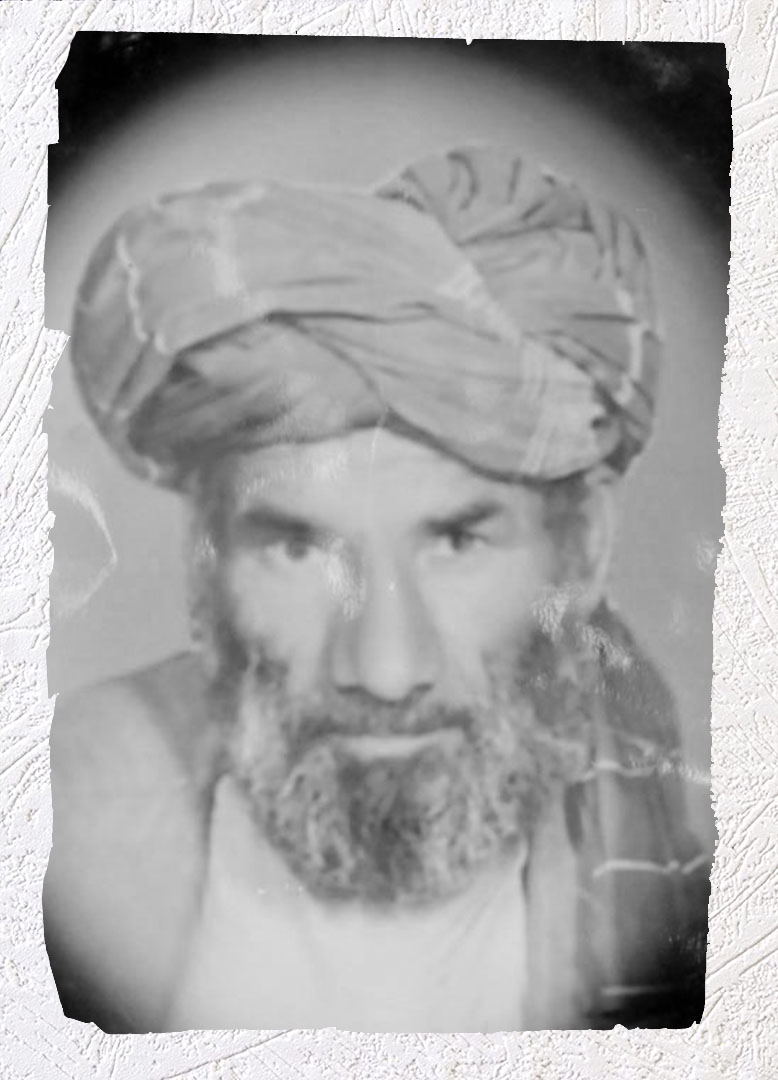
- Gender
- Male
- Ethnicity
- Pashtun
- Province of incident
- Balkh: Balkh
- District geolocation of incident
- Balkh: 36° 45′ 19″ N, 66° 53′ 48″ E
- Description of incident
It was the night of Eid and my poor husband and son were out looking for work when they were killed. My husband used to work as a day laborer in Hairatan. He usually came back home after 15-20 days. That night, when they were coming home the Taliban fired on them. Their bodies were totally mutilated.
- Declaratory Statement
Questions About the Nature of War Rahima’s Story
Narrator: Rahima
Victim: Haidar Khan
Date of the incident: 1998
Location of the incident: Hairatan, Mazari Sharif
The translation of painful experiences into words is very difficult. Words have many limitations, especially when trying to express pain. Pain is a strong feeling and a word a mere, insufficient means to describe it. There is a huge gap between the feeling and its interpretation. Therefore, the assumption of making the experience of war understandable through verbal expression is fundamentally flawed. The tragedy of war is deeply linked to personal experiences and what war imposed on Rahima is indescribable.
Rahima is the victim of the fate that war imposed on her. She does not understand what war means and why human beings go to war. Yet, she certainly understands the horrible consequences of war. Hence, for Rahima war is the most evil kind of action humankind can engage in. What could possibly justify the killing of one human being by another? Why do houses and properties of people have to be destroyed?
Why, instead of generating pain and suffering for millions, should one not think of prosperity and happiness for all? Why do those involved in war not think about its devastating consequences? Why do they not think of all the children who lose their parents through violent means? Why does an oppressed person like Rahima who has nothing except the sky she lives under has to be further disturbed by war? Why are the perpetrators of violence not scared of the blood on their hands? Is there no alternative to violent conflict resolution?
These and other questions often disturb Rahima. And since nobody seems to be willing to answer these questions, she has begun to find her own answers. She knows that victims of war will always live on the margins of history and that no one looks at the world through the lens of the victims. She knows that no one puts himself/herself in the shoes of victims in order to truly understand the experiences and suffering they have endured.
Rahima has also thought of potential solutions. For her, the solution is to tell, recall preserve and protect the memories of the victims. Memories are the only things people like Rahima possess. These memories are not meant to be preserved to wage further war nor are they aimed at taking revenge. On the contrary, people like Rahima use them to make their own contributions to stop and prevent war.
According to her, the memories preserved by the victims are the only instrument that reveals their endless pain and suffering. They awaken the human consciousness and ultimately contribute to the prevention of further atrocities.
Rahima’s Story
My name is Rahima and I am 50 years old. I have lost four of my family members during the Taliban time.
It has been 17 years now that my husband and my 10-year old son were killed. There was war in Kabul and we eventually fled to Mazar-e- Sharif, which is where we were when our home was looted back in Kabul. Three years later my husband was killed. Afterwards, we lived for another three years in Mazar-e- Sharif and from there we moved to Jalalabad. Later on, we came back to Kabul.
It was the night of Eid and my poor husband and son were out looking for work when they were killed. My husband used to work as a day laborer in Hairatan. He usually came back home after 15-20 days. That night, when they were coming home the Taliban fired on them. Their bodies were totally mutilated.
At the time my husband was killed, I had five children. After his death we faced a lot of problems. I started to work as a tailor and my daughter and son were working in an educational center. My eldest son was 14 years old and I had two more children of 3 years and 3 months. When we lived in Jalalabad the situation further deteriorated. There was no work and we lived in a rented house. If we were unable to find a piece of bread during the day then we had nothing to eat during the night.
Besides, we had no one to look after us. I worked in the house of a Hindu as a cleaner and we finally moved back to Kabul, even though the Taliban were in power. Back in Kabul, not a single moment passed without hardship. It was difficult to eat properly as the little money we had was spent on renting the house.
My children were still too small and they often asked how their father was killed. They missed their father a lot. Sometimes, I sat down with them and told them stories about their father. My husband’s name was Haidar Khan. He was 58 years old when he was killed. My son was only 10 years old when he got killed. I was his second wife. He was an ordinary person and had nothing to do with politics. Now all I can do is to look after my children.
Unfortunately, nothing is left behind from my son. However, I have kept my husband’s spoon, his plate and a photo of him. These objects are all very important to me. I am giving these things to you to let thers know about the difficulties we have faced in our lives and that the situation is still not improving. The weather is already cold and we have no heater. My son is jobless. My children cannot go to school because we are poor.
Khaja Gholak Mosque Bombing and Shooting, Balkh (2016):
- Province of incident
- Balkh: Balkh
Shooting Death of International Red Cross Staff Member in Balkh Province (2017)
- Province of incident
- Balkh: Balkh
Civilian Killed in Police-Jihadi Commander Clash - Balkh 2019
- Province of incident
- Balkh: Balkh
Civilians Killed in Coalition Airstrike on House - Balkh (2020)
- Province of incident
- Balkh: Balkh
Police Officer and Civilian Killed in Taliban Convoy Ambush - Balkh (2020)
- Province of incident
- Balkh: Balkh
Civilians Killed in Afghan Airstrike After Taliban Forces Road Destruction - Balkh (2020)
- Province of incident
- Balkh: Balkh
Family Killed in Afghan Air Force Bombing of House - Balkh (2020)
- Province of incident
- Balkh: Balkh
Imam Killed by Taliban Pressure-Plate IED Despite Road Warning - Balkh (2019)
- Province of incident
- Balkh: Balkh
Civilians Abducted and Killed by Taliban After Shooting Incident - Balkh (2020)
- Province of incident
- Balkh: Balkh
Sayed Talib
- Photo of Victim

- Gender
- Male
- Ethnicity
- Sadat
- Province of incident
- Bamyan: Bamyan
- District geolocation of incident
- Yakawlang: 34° 44′ 50″ N, 66° 56′ 40″ E
- Description of incident
On January 7, 2001, the Taliban attacked the Yakaolang district of Bamiyan province and massacred hundreds of Hazara civilians. Many of those who managed to escape and take refuge on the mountains froze to death. On the 8th of January, Taliban members began a house-to-house search across the district. The massacre of Hazaras continued through the 9th, 10th, 11th, and 12th of January. At least 300 Hazaras were either summerly executed or deliberately killed by the Taliban.
Sayed Azim
- Photo of Victim

- Gender
- Male
- Ethnicity
- Sadat
- Province of incident
- Bamyan: Bamyan
- District geolocation of incident
- Yakawlang: 34° 44′ 50″ N, 66° 56′ 40″ E
- Description of incident
On January 7, 2001, the Taliban attacked the Yakaolang district of Bamiyan province and massacred hundreds of Hazara civilians. Many of those who managed to escape and take refuge on the mountains froze to death. On the 8th of January, Taliban members began a house-to-house search across the district. The massacre of Hazaras continued through the 9th, 10th, 11th, and 12th of January. At least 300 Hazaras were either summerly executed or deliberately killed by the Taliban.
- Declaratory Statement
On January 7, 2001, the Taliban attacked the Yakaolang district of Bamiyan province and massacred hundreds of Hazara civilians. Many of those who managed to escape and take refuge on the mountains froze to death. On the 8th of January, Taliban members began a house-to-house search across the district. The massacre of Hazaras continued through the 9th, 10th, 11th, and 12th of January. At least 300 Hazaras were either summerly executed or deliberately killed by the Taliban.
Sayed Reza
- Photo of Victim

- Gender
- Male
- Ethnicity
- Sadat
- Province of incident
- Bamyan: Bamyan
- District geolocation of incident
- Yakawlang: 34° 44′ 50″ N, 66° 56′ 40″ E
- Description of incident
On January 7, 2001, the Taliban attacked the Yakaolang district of Bamiyan province and massacred hundreds of Hazara civilians. Many of those who managed to escape and take refuge on the mountains froze to death. On the 8th of January, Taliban members began a house-to-house search across the district. The massacre of Hazaras continued through the 9th, 10th, 11th, and 12th of January. At least 300 Hazaras were either summerly executed or deliberately killed by the Taliban.
Sayed Dawod
- Photo of Victim

- Gender
- Male
- Ethnicity
- Sadat
- Province of incident
- Bamyan: Bamyan
- District geolocation of incident
- Yakawlang: 34° 44′ 50″ N, 66° 56′ 40″ E
- Description of incident
On January 7, 2001, the Taliban attacked the Yakaolang district of Bamiyan province and massacred hundreds of Hazara civilians. Many of those who managed to escape and take refuge on the mountains froze to death. On the 8th of January, Taliban members began a house-to-house search across the district. The massacre of Hazaras continued through the 9th, 10th, 11th, and 12th of January. At least 300 Hazaras were either summerly executed or deliberately killed by the Taliban.
Sayed Hashim
- Photo of Victim

- Gender
- Male
- Ethnicity
- Sadat
- Province of incident
- Bamyan: Bamyan
- District geolocation of incident
- Yakawlang: 34° 44′ 50″ N, 66° 56′ 40″ E
- Description of incident
On January 7, 2001, the Taliban attacked the Yakaolang district of Bamiyan province and massacred hundreds of Hazara civilians. Many of those who managed to escape and take refuge on the mountains froze to death. On the 8th of January, Taliban members began a house-to-house search across the district. The massacre of Hazaras continued through the 9th, 10th, 11th, and 12th of January. At least 300 Hazaras were either summerly executed or deliberately killed by the Taliban.
Khodadad
- Photo of Victim

- Gender
- Male
- Ethnicity
- Hazara
- Province of incident
- Bamyan: Bamyan
- District geolocation of incident
- Yakawlang: 34° 44′ 50″ N, 66° 56′ 40″ E
- Description of incident
On January 7, 2001, the Taliban attacked the Yakaolang district of Bamiyan province and massacred hundreds of Hazara civilians. Many of those who managed to escape and take refuge on the mountains froze to death. On the 8th of January, Taliban members began a house-to-house search across the district. The massacre of Hazaras continued through the 9th, 10th, 11th, and 12th of January. At least 300 Hazaras were either summerly executed or deliberately killed by the Taliban.
Sayed Sarwar
- Photo of Victim

- Gender
- Male
- Ethnicity
- Sadat
- Province of incident
- Bamyan: Bamyan
- District geolocation of incident
- Yakawlang: 34° 44′ 50″ N, 66° 56′ 40″ E
- Description of incident
On January 7, 2001, the Taliban attacked the Yakaolang district of Bamiyan province and massacred hundreds of Hazara civilians. Many of those who managed to escape and take refuge on the mountains froze to death. On the 8th of January, Taliban members began a house-to-house search across the district. The massacre of Hazaras continued through the 9th, 10th, 11th, and 12th of January. At least 300 Hazaras were either summerly executed or deliberately killed by the Taliban.
Qambar
- Photo of Victim

- Gender
- Male
- Ethnicity
- Hazara
- Province of incident
- Bamyan: Bamyan
- District geolocation of incident
- Bamyan: 34° 48′ 44″ N, 67° 49′ 14″ E
Arbitrary Detention and Torture of Ali Juma Yasa by Taliban Intelligence, Bamyan
- Province of incident
- Bamyan: Bamyan
Arbitrary Detention and Torture of Former National Security Personnel, Bamyan (2022)
- Province of incident
- Bamyan: Bamyan
Khodabakhsh Zawar
- Photo of Victim

- Gender
- Male
- Ethnicity
- Hazara
- Province of incident
- Bamyan: Bamyan
- District geolocation of incident
- Bamyan: 34° 48′ 44″ N, 67° 49′ 14″ E
Sayed Ayob
- Photo of Victim

- Gender
- Male
- Ethnicity
- Sadat
- Province of incident
- Bamyan: Bamyan
- District geolocation of incident
- Yakawlang: 34° 44′ 50″ N, 66° 56′ 40″ E
- Description of incident
On January 7, 2001, the Taliban attacked the Yakaolang district of Bamiyan province and massacred hundreds of Hazara civilians. Many of those who managed to escape and take refuge on the mountains froze to death. On the 8th of January, Taliban members began a house-to-house search across the district. The massacre of Hazaras continued through the 9th, 10th, 11th, and 12th of January. At least 300 Hazaras were either summerly executed or deliberately killed by the Taliban.
Sayed Nabi.jpg
- Photo of Victim

- Gender
- Male
- Ethnicity
- Sadat
- Province of incident
- Bamyan: Bamyan
- District geolocation of incident
- Yakawlang: 34° 44′ 50″ N, 66° 56′ 40″ E
- Description of incident
On January 7, 2001, the Taliban attacked the Yakaolang district of Bamiyan province and massacred hundreds of Hazara civilians. Many of those who managed to escape and take refuge on the mountains froze to death. On the 8th of January, Taliban members began a house-to-house search across the district. The massacre of Hazaras continued through the 9th, 10th, 11th, and 12th of January. At least 300 Hazaras were either summerly executed or deliberately killed by the Taliban.
- Declaratory Statement
On January 7, 2001, the Taliban attacked the Yakaolang district of Bamiyan province and massacred hundreds of Hazara civilians. Many of those who managed to escape and take refuge on the mountains froze to death. On the 8th of January, Taliban members began a house-to-house search across the district. The massacre of Hazaras continued through the 9th, 10th, 11th, and 12th of January. At least 300 Hazaras were either summerly executed or deliberately killed by the Taliban.
Sayed Mosa
- Photo of Victim

- Gender
- Male
- Ethnicity
- Sadat
- Province of incident
- Bamyan: Bamyan
- District geolocation of incident
- Yakawlang: 34° 44′ 50″ N, 66° 56′ 40″ E
- Description of incident
On January 7, 2001, the Taliban attacked the Yakaolang district of Bamiyan province and massacred hundreds of Hazara civilians. Many of those who managed to escape and take refuge on the mountains froze to death. On the 8th of January, Taliban members began a house-to-house search across the district. The massacre of Hazaras continued through the 9th, 10th, 11th, and 12th of January. At least 300 Hazaras were either summerly executed or deliberately killed by the Taliban.
Sayed Naser
- Photo of Victim

- Gender
- Male
- Ethnicity
- Sadat
- Province of incident
- Bamyan: Bamyan
- District geolocation of incident
- Yakawlang: 34° 44′ 50″ N, 66° 56′ 40″ E
- Description of incident
On January 7, 2001, the Taliban attacked the Yakaolang district of Bamiyan province and massacred hundreds of Hazara civilians. Many of those who managed to escape and take refuge on the mountains froze to death. On the 8th of January, Taliban members began a house-to-house search across the district. The massacre of Hazaras continued through the 9th, 10th, 11th, and 12th of January. At least 300 Hazaras were either summerly executed or deliberately killed by the Taliban.
Mohammad Mohsen
- Photo of Victim

- Gender
- Male
- Ethnicity
- Hazara
- Province of incident
- Bamyan: Bamyan
- District geolocation of incident
- Yakawlang: 34° 44′ 50″ N, 66° 56′ 40″ E
- Description of incident
On January 7, 2001, the Taliban attacked the Yakaolang district of Bamiyan province and massacred hundreds of Hazara civilians. Many of those who managed to escape and take refuge on the mountains froze to death. On the 8th of January, Taliban members began a house-to-house search across the district. The massacre of Hazaras continued through the 9th, 10th, 11th, and 12th of January. At least 300 Hazaras were either summerly executed or deliberately killed by the Taliban.
Sayed Qasim Tabibi
- Photo of Victim

- Gender
- Male
- Ethnicity
- Sadat
- Province of incident
- Bamyan: Bamyan
- District geolocation of incident
- Yakawlang: 34° 44′ 50″ N, 66° 56′ 40″ E
- Description of incident
On January 7, 2001, the Taliban attacked the Yakaolang district of Bamiyan province and massacred hundreds of Hazara civilians. Many of those who managed to escape and take refuge on the mountains froze to death. On the 8th of January, Taliban members began a house-to-house search across the district. The massacre of Hazaras continued through the 9th, 10th, 11th, and 12th of January. At least 300 Hazaras were either summerly executed or deliberately killed by the Taliban.
Sayed Hassan
- Photo of Victim

- Gender
- Male
- Ethnicity
- Sadat
- Province of incident
- Bamyan: Bamyan
- District geolocation of incident
- Yakawlang: 34° 44′ 50″ N, 66° 56′ 40″ E
- Description of incident
On January 7, 2001, the Taliban attacked the Yakaolang district of Bamiyan province and massacred hundreds of Hazara civilians. Many of those who managed to escape and take refuge on the mountains froze to death. On the 8th of January, Taliban members began a house-to-house search across the district. The massacre of Hazaras continued through the 9th, 10th, 11th, and 12th of January. At least 300 Hazaras were either summerly executed or deliberately killed by the Taliban.