AHRDO

AHRDO

    • HOME
    • OUR VOICES
    • THE CONFLICT
    • Database
    • Resources
    • ABOUT
    • Contact
    • English
    • فارسی
    • پښتو
    • Library
    • Sign in
Search Tips
sorted by
  • Title
  • Date added
  • Date modified
  • Province of birth
  • Ethnicity
  • Marital Status
  • Incident date
  • Village/Town of Incident
  • Province of incident
  • Does this victim have a Memory Box?
  • Is this victim profile confidential?
  • Event type
  • Year of Incident
  • Year of publication
  • Publication type
  • Gender
Cards viewTable viewMap view
300 shown of 3244 entities

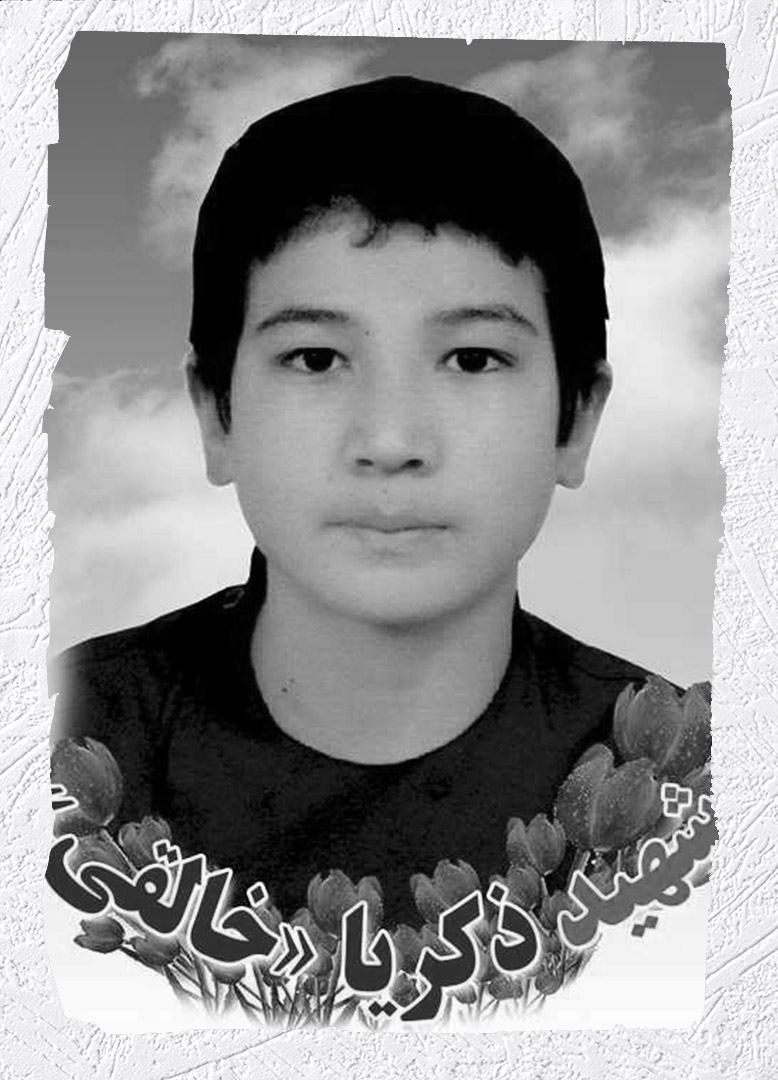
Zubair,

Photo of Victim
Photo of Victim
Gender
Male
Ethnicity
Unknown
District geolocation of incident
Kabul: 34° 31′ 1″ N, 69° 8′ 60″ E
Description of incident

On August 24, 2016, suspected Taliban attackers stormed the American University of Afghanistan in Kabul using a car bomb and automatic weapons. The assault resulted in the deaths of sixteen people, including eight university students, one university policeman, and three security guards. Additionally, fifty to fifty-three individuals were injured, some critically. Afghan Special Forces killed three of the attackers. This incident marked the first direct attack on the university, although two professors had been kidnapped just outside the campus a few weeks earlier. Both Taliban and ISIL-KP were suspected though no group or individual claimed the responsibility for the attack.

Declaratory Statement

Zubair, 28, born in Kabul was studying Political Science at AUAF. Zubair was working at the Etisalat communications company during the day to support his family and going to class at night. Zubair frequently led students as an imam in communal prayers at the university and was described by friends as humble, well respected and well liked.

Victim Profile
View

Zohair Nazari

Photo of Victim
Photo of Victim
Gender
Male
Ethnicity
Hazara
District geolocation of incident
Kabul: 34° 31′ 1″ N, 69° 8′ 60″ E
Description of incident

Junbesh-e Roshnayi-e (The Enlightenment Movement) is a grassroots civil disobedience movement of Hazaras created in 2016 in Afghanistan in response to the Afghan government's change in routing plans for proposed international electricity networking, which was perceived as continuing historical anti-Hazara discrimination. The group organised major protests in Afghanistan and internationally during 2016 and 2017, protesting against discrimination.

Victim Profile
View

Ziba Asghari

Photo of Victim
Photo of Victim
Gender
Female
Ethnicity
Hazara
District geolocation of incident
Kabul: 34° 31′ 1″ N, 69° 8′ 60″ E
Description of incident

Eighteen students and an administrative officer of Kabul University were killed in the deadly attack on the university of Kabul on Monday, November 03, 2020.

Victim Profile
View

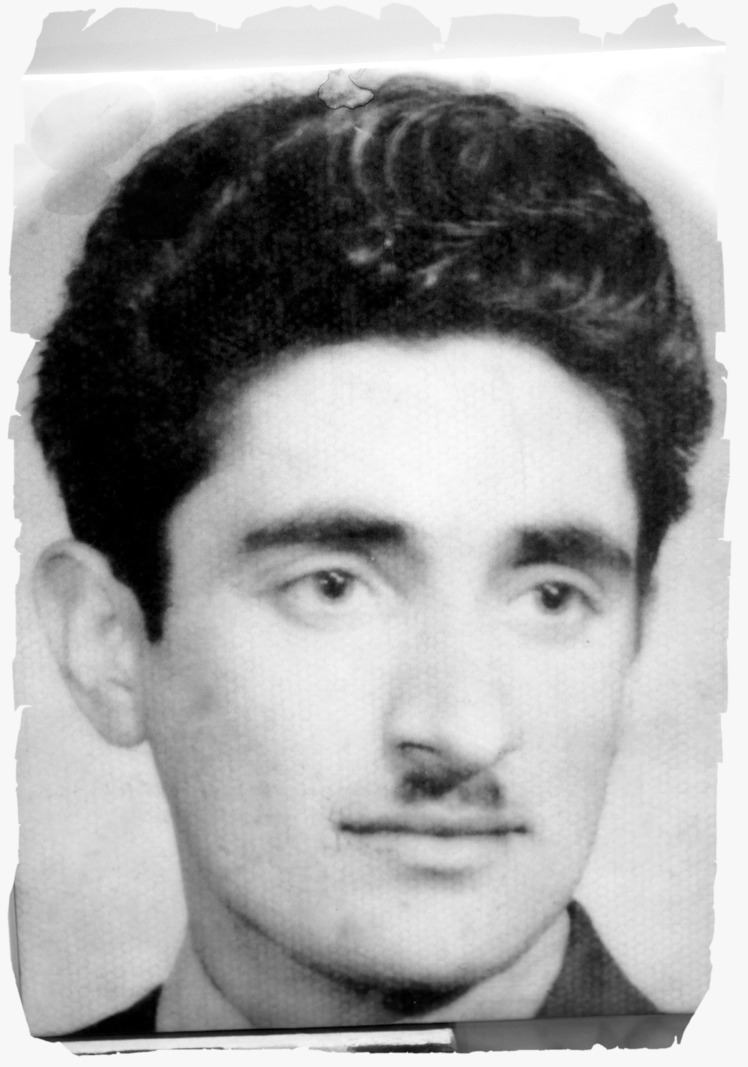
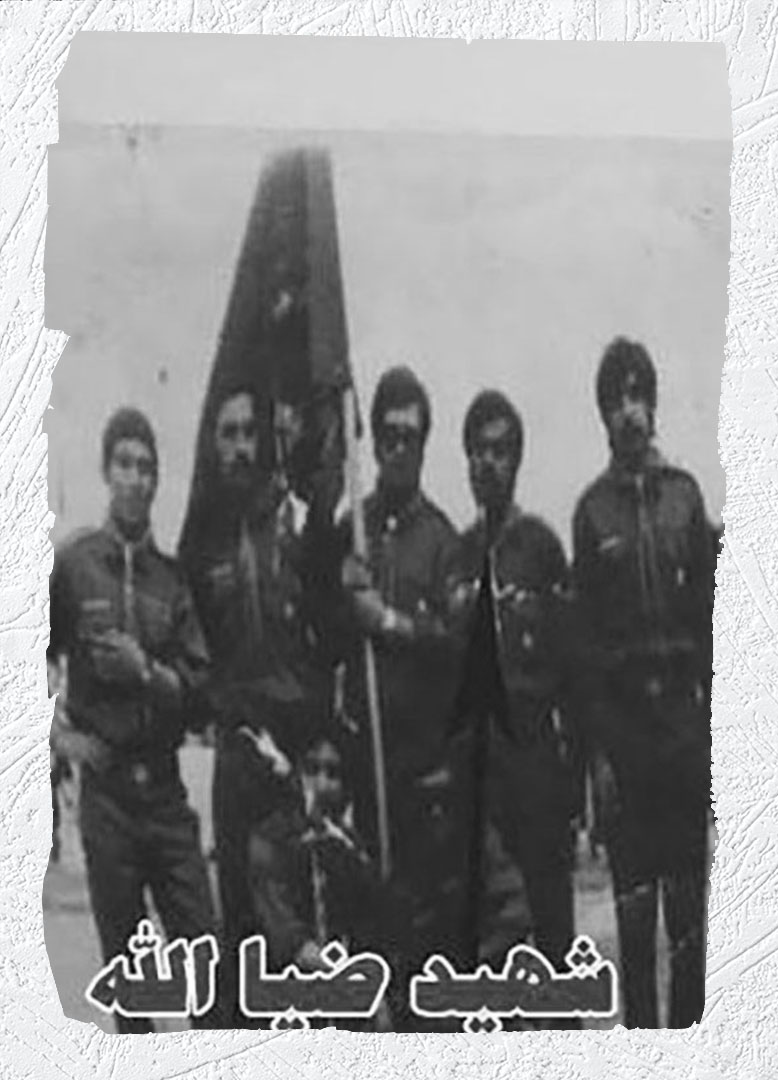
Ziaullah

Photo of Victim
Photo of Victim
Gender
Male
Ethnicity
Pashtun
District geolocation of incident
Kabul: Bagrami: 34° 31′ 10″ N, 69° 16′ 39″ E
Description of incident

Known as the "Killing of AGSA," it refers to the collective murder of opponents of the People's Democratic Party of Afghanistan in the Pul-e-Charkhi Prison in Kabul between 1978 and 1979. The Afghan Intelligence Office, or AGSA (Afghan Agency for Safeguarding National Interest), led by Asadullah Sarwari, had arrested nearly 150,000 people, out of which an estimated number of 27,000 political prisoners were put to death without a single trial, probe, or even allegation. Many Afghan families had no idea where their loved ones had disappeared in the latter part of 1978 and early 1979. A list of those slain that included 5,000 victims of AGSA mass executions was made public by the Dutch Prosecutor's Office in 2013.

Declaratory Statement

No statement

Victim Profile
View

Zia Marefat

Photo of Victim
Photo of Victim
Gender
Male
Ethnicity
Hazara
District geolocation of incident
Malistan: 33° 20′ 48″ N, 67° 12′ 13″ E
Description of incident

Hundreds of Taliban fighters stormed Malistan District in Ghazni province at the end of July 2021. Taliban fighters seized control of the district following hours of combat with government forces at the time. They immediately initiated search operations, arbitrary detentions, and summary executions of civilians. At least forty civilians, including children and women, were reportedly murdered, and dozens more were arrested and tortured by Taliban combatants throughout the conflict, according to multiple sources, including locals and eyewitnesses.

Declaratory Statement

No statement

Victim Profile
View

Zia Mahmmodi

Photo of Victim
Photo of Victim
Gender
Male
Ethnicity
Hazara
District geolocation of incident
Kabul: 34° 31′ 1″ N, 69° 8′ 60″ E
Description of incident

A suicide bomber has blown himself up inside a Shia Mosque in the Afghan capital Kabul, killing at least 53 people and wounding dozens of others. The explosion happened at the Baqir-ul-uloom mosque in the Darul Aman area as people gathered to mark the end of an important religious period.

Victim Profile
View

Zeba

Photo of Victim
Photo of Victim
Gender
Female
Ethnicity
Pashtun
District geolocation of incident
Bala Buluk: 33° 7′ 27″ N, 62° 39′ 47″ E
Description of incident

On May 4, 2009, a United States Air Force B-1 Bomber conducted an airstrike on Granai village in Bala Buluk district, Farah Province, resulting in significant civilian casualties. The incident, sometimes referred to as the Granai massacre, became one of the deadliest civilian casualty events involving international military forces in Afghanistan. The exact number of civilian deaths remains a matter of dispute among various investigative bodies. The Afghan government reported approximately 140 civilian fatalities, including 22 adult men and 93 children. Afghanistan's principal human rights organization concluded that 97 civilians were killed, with children comprising the majority of victims. Other estimates place the civilian death toll between 86 and 147 individuals. An initial investigation by the US military assessed that 20-30 civilians were killed alongside 60-65 insurgents. However, these figures were contested by Afghan authorities and international observers. A subsequent, partially released American inquiry acknowledged the limitations of the investigation, stating that a conclusive determination of the civilian casualty count would not be possible. The United States military accepted responsibility for the airstrike and admitted that significant errors occurred in its execution. Official statements acknowledged that the failure to identify the presence of civilians and to minimize collateral damage resulted in unintended civilian casualties.

Declaratory Statement

No statement

Victim Profile
View

Zawarshah Amini

Photo of Victim
Photo of Victim
Gender
Male
Ethnicity
Hazara
District geolocation of incident
Malistan: 33° 20′ 48″ N, 67° 12′ 13″ E
Description of incident

Hundreds of Taliban fighters stormed Malistan District in Ghazni province at the end of July 2021. Taliban fighters seized control of the district following hours of combat with government forces at the time. They immediately initiated search operations, arbitrary detentions, and summary executions of civilians. At least forty civilians, including children and women, were reportedly murdered, and dozens more were arrested and tortured by Taliban combatants throughout the conflict, according to multiple sources, including locals and eyewitnesses.

Declaratory Statement

No statement

Victim Profile
View

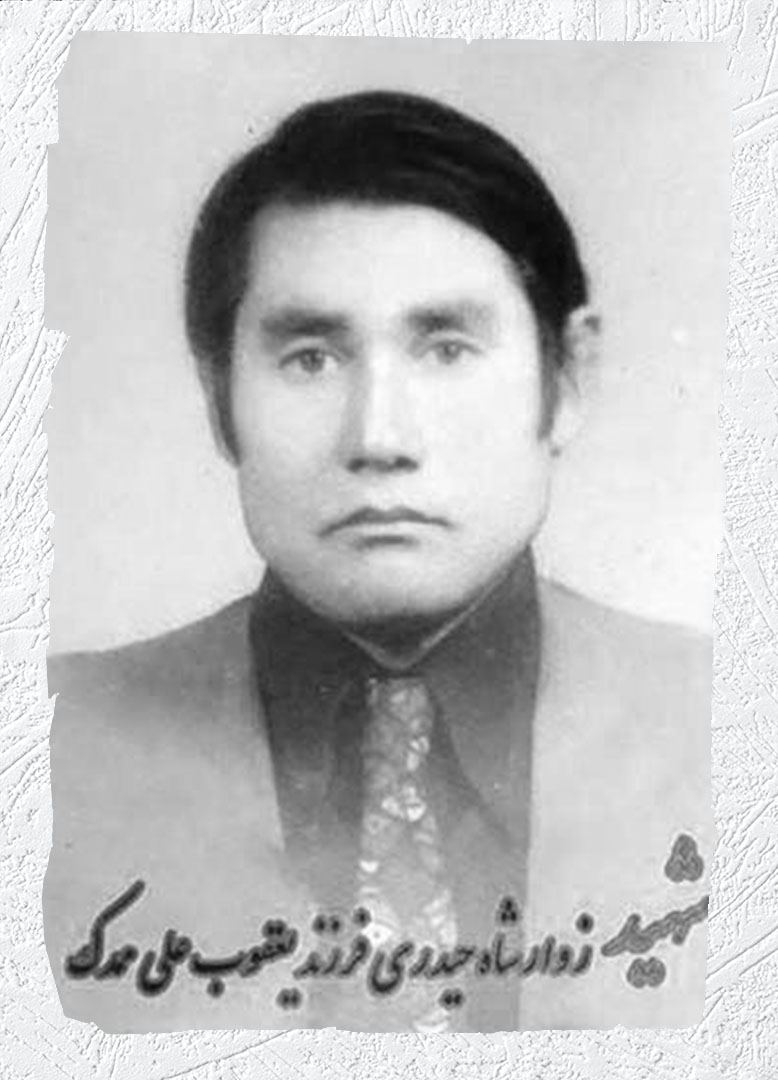
Zawarsha Haidari

Photo of Victim
Photo of Victim
Gender
Male
Ethnicity
Hazara
District geolocation of incident
Kabul: Bagrami: 34° 31′ 10″ N, 69° 16′ 39″ E
Description of incident

Known as the "Killing of AGSA," it refers to the collective murder of opponents of the People's Democratic Party of Afghanistan in the Pul-e-Charkhi Prison in Kabul between 1978 and 1979. The Afghan Intelligence Office, or AGSA (Afghan Agency for Safeguarding National Interest), led by Asadullah Sarwari, had arrested nearly 150,000 people, out of which an estimated number of 27,000 political prisoners were put to death without a single trial, probe, or even allegation. Many Afghan families had no idea where their loved ones had disappeared in the latter part of 1978 and early 1979. A list of those slain that included 5,000 victims of AGSA mass executions was made public by the Dutch Prosecutor's Office in 2013.

Declaratory Statement

No statement

Victim Profile
View

Zawar Ali

Photo of Victim
Photo of Victim
Gender
Male
Ethnicity
Hazara
District geolocation of incident
Markazi Bihsud: 34° 23′ 23″ N, 67° 55′ 13″ E
Declaratory Statement

The Girl Who Took on The Role of Her Father Narrator: Alia Victim: Zawar Ali son of Sher Mohammad Date of the incident: 1996 Location of the incident: Markaz-e Behsod, Maidanwordak Alia was only 10 years old when her father was killed. Her father was a clergy with a great deal of influence at the local level. He was known as a peace-loving person and thoroughly rejected the notion of war as a means to resolve conflict. Not only did he not participate in any war, but he actively tried to prevent people from resorting to any form of violence. In his view, war was the source of destruction and brutalities and hence unjustifiable both from a religious as well as rational perspective. According to him, no society could ever be built by war, which is why he actively carried out campaigns against war by reciting verses of the Quran and conducting religious rituals. When the Taliban attacked the Hazarajat region of Afghanistan, Alia’s father once again tried to raise the flag of peace. He gathered the local elders and other influential people to negotiate a settlement with the Taliban. They literally raised a white flag as they approached them. But the Taliban paid no attention to their call for peace and did not even allow them to put forward their requests. On the contrary, they fired and killed all of them including Alia’s father. Later, his body was found with his ring finger cut off. Alia’s father left behind four daughters and a son. Alia was the eldest of them. Naturally, none of them were old enough to work in order satisfy their basic human needs. Later, during the patriarchal regime of the Taliban, it was almost impossible for women and girls to work outside the house. As a result, Alia and her sisters suffered a great deal as they had no regular income and were hence trapped in chronic poverty. Eventually they migrated to Pakistan, where they started to work in a carpet factory. With the money they earned they went to Iran, where they spent a few years before finally returning to Afghanistan. Alia’s sisters got married and so did her brother while Alia assumed the role of her father, giving Quran lessons to meet her and her mother’s financial needs.

The Story of Alia My father went to negotiate a peace agreement with the Taliban when they shot and killed him along with my uncle. Some of the people from the area had begun to fight the Taliban in order to defend themselves and their properties. Other people fled the area as they were fearful of them. Some women even left their children behind and escaped the area without them. Most of the younger people finally left as well and only the elders remained. The war soon spread everywhere and we were forced to migrate to Pakistan where we worked in a carpet factory for a while. Then we went to Iran where my uncle paid for our expenses. My sisters and I went to school there. My brother got a job. When my three sisters eventually got married and returned to Afghanistan with their husbands, I joined them too. Later, my brother got married as well. After the wedding, he and his wife did not stay with us, which affected my mother a great deal. Now my mother does not have a happy life. There are only a few things that remain from my father. I would like to include one of his books, a ring and an overcoat for the Memory Box project. I am including all these things so that the officials and people know that we have not forgotten our loved ones. When the first Memory Box exhibition took place, I was excited to stand next to my father’s box, tell his story and share my pain with my fellow countrymen and women.

Victim Profile
View

Zarkhan (Khawazak) Ahmadzai

Photo of Victim
Photo of Victim
Gender
Male
Ethnicity
Pashtun
District geolocation of incident
Mohammad Agha: 34° 13′ 5″ N, 69° 5′ 56″ E
Victim Profile
View

Zarkai

Photo of Victim
Photo of Victim
Gender
Male
Ethnicity
Unknown
District geolocation of incident
Puli Khumri: 35° 56′ 49″ N, 68° 42′ 16″ E
Description of incident

On the afternoon of November 6, 2007, at approximately 4:15 PM, an explosion occurred in Pul-e Khumri, the provincial capital of Baghlan Province. The incident took place during a visit by Afghanistan's Parliamentary Economic Commission, which had traveled to the area to attend the reopening ceremony of the newly reconstructed Baghlan Sugar Factory. According to eyewitness accounts, an individual detonated explosives among a crowd of people who had assembled to greet the parliamentary delegation. The attack resulted in between 70 and 97 fatalities, with casualty figures varying across different reports, and injured nearly 200 individuals. A substantial portion of the victims were school students who had gathered in formation to welcome the government officials. Six members of the National Economy Commission of Afghanistan's Parliament were killed in the attack, including the commission's chairman, Sayed Mustafa Kazimi. The other deceased parliamentarians represented various provinces across Afghanistan, including Takhar, Kunar, Helmand, Kunduz, and Kabul. While it was widely believed that the attack was carried out by a suicide bomber, no group claimed responsibility for the incident. The precise circumstances and motivation behind the attack were never officially confirmed. The general assessment indicated that members of the Afghan Parliament were the primary intended targets of the assault.

Declaratory Statement

No statement

Victim Profile
View

Zarifa

Photo of Victim
Photo of Victim
Gender
Female
Ethnicity
Hazara
District geolocation of incident
Kabul: 34° 31′ 1″ N, 69° 8′ 60″ E
Victim Profile
View

Zarghona

Photo of Victim
Photo of Victim
Gender
Female
Ethnicity
Hazara
District geolocation of incident
Kabul: 34° 31′ 1″ N, 69° 8′ 60″ E
Victim Profile
View

Zamira Hussani

Photo of Victim
Photo of Victim
Gender
Female
Ethnicity
Hazara
District geolocation of incident
Kabul: 34° 31′ 1″ N, 69° 8′ 60″ E
Victim Profile
View

Zaminali Zafari

Photo of Victim
Photo of Victim
Gender
Male
Ethnicity
Hazara
District geolocation of incident
Kabul: 34° 31′ 1″ N, 69° 8′ 60″ E
Description of incident

A suicide attack on october 20, 2017, took place in the Imam Zaman Mosque located in Dasht Barchi, which is the Hazara area of Kabul, when people were there for prayers. As a result of this terrorist attack, 56 people were killed and 55 others were injured.

Victim Profile
View

Zakria Nazari

Photo of Victim
Photo of Victim
Gender
Male
Ethnicity
Hazara
District geolocation of incident
Kabul: 34° 31′ 1″ N, 69° 8′ 60″ E
Description of incident

On September 5, 2015, a devastating twin suicide bombing struck the Maiwand Wrestling Club in Dasht-e-Barchi, a predominantly Hazara neighborhood in western Kabul, Afghanistan. The first explosion occurred inside the wrestling club during the early evening hours. As first responders and civilians gathered to assist the victims, a second blast detonated, causing even greater casualties. The attacks resulted in the deaths of at least 30 civilians, including two journalists, Samim Framarz and Ramiz Ahmadi. More than 103 others were injured in the incident. The Islamic State Khorasan Province (ISIL-KP) claimed responsibility for the bombings, stating they specifically targeted the Shia-Hazara community.

Victim Profile
View

Zakira Malikzada

Photo of Victim
Photo of Victim
Gender
Female
Ethnicity
Tajik
District geolocation of incident
Kabul: 34° 31′ 1″ N, 69° 8′ 60″ E
Description of incident

On May 12, 2020, three attackers wearing Afghan national security forces uniforms and armed with AK-47 rifles and hand grenades conducted an assault on the maternity ward of Dasht-e-Barchi hospital. After shooting and killing a security guard at the hospital entrance, the attackers entered the facility and proceeded directly to the maternity ward, where 28 women were present at the time. The attackers moved systematically from room to room, firing on patients and throwing hand grenades. The attack resulted in twenty-four deaths, including nineteen women, three children, and one female healthcare worker. Twenty-three people were injured, including twelve women, two children, and one newborn. Following the attack on June 15, 2020, Médecins Sans Frontières (MSF), which operated the maternity ward at Dasht-e-Barchi maternity hospital, announced its decision to end activities and withdraw from the hospital.

Victim Profile
View

Zakia

Photo of Victim
Photo of Victim
Gender
Female
Ethnicity
Tajik
District geolocation of incident
Kabul: 34° 31′ 1″ N, 69° 8′ 60″ E
Description of incident

No one understood what was happening. A thunderous sound followed by a huge explosion blurred the atmosphere. The blue sky and clear sunshine were suddenly gone. Basira can perfectly recall the tragic event but she cannot precisely explain what happened that day. After the explosion, Basira says, “I got up and saw that all my family members were lying on the ground. I was confused, wandering around not knowing what to do. I heard Zakia screaming and calling for me. She asked for water. When I returned with the water Zakia was no longer speaking. I touched her body but it was already cold. Her eyes were open, staring at me. I put her down and ran towards Matiuallah. I was so happy when I realized he was still alive. I hugged him. Suddenly, he stopped crying and I felt something cold and wet in my hand. I saw his belly ripped open and all his intestines coming out.

Declaratory Statement

Tears Of Joy, Tears of Pain

Narrator: Basira

Victim: Zakia and Matiuallah

Date of the incident: January 25, 1993

Location of the incident: Kabul City

For Basira, her life began to unravel on one bloody afternoon. The cold February weather brought everyone to the yard of the house. A clear sky and plenty of sunlight provided an opportunity for the children to play. Zakia, 6 years old, brought her little brother Matiuallah to the yard to enjoy the sun. Everyone was ready for a beautiful day. The joy and happiness was evident on the faces of all, especially on Zakia’s face.

She was speaking to her little brother as if she were an adult. In her sweet and innocent accent, she told her brother about the light of the sun, the hardships of winter and the good future that lay ahead of them. She showed her toys to her brother and promised him to buy a good toy for him, too.

She took Matiuallah’s hands, rubbed them together, sang a song and then kissed her little brother. Zakia was wearing a red coat. With the reflection of the sunlight and the snowy background, she looked almost purple. Her brownish hair was dancing on her red coat as she was jumping up and down.

Her face was shining and her eyes were hidden under the thickness of her black eyelashes. The big world outside was also very exciting for Matiuallah. He loved laughing, playing and sometimes shouting at his older sister Zakia. Matiullah had fleshy white skin, thick hair and blue eyes. When he smiled, everyone was enchanted.

Watching such a memorable scene in a city where nothing except the sound of guns, rockets and bullets could he heard, made Basira very happy. While watching her children play, she prayed to God to protect them in these difficult times. What she did not realize is that happiness in times of violence is not sustainable and that even a mother’s prayer cannot halt the brutal power of war. That day, a reception was prepared and they were invited to a feast in their beautiful yard. Everything was ready for Basira and her children to forget the horrors of war for a brief moment. Yet, this moment quickly transformed into unspeakable tragedy.

No one understood what was happening. A thunderous sound followed by a huge explosion blurred the atmosphere. The blue sky and clear sunshine were suddenly gone. Basira can perfectly recall the tragic event but she cannot precisely explain what happened that day. After the explosion, Basira says, “I got up and saw that all my family members were lying on the ground. I was confused, wandering around not knowing what to do. I heard Zakia screaming and calling for me. She asked for water. When I returned with the water Zakia was no longer speaking. I touched her body but it was already cold. Her eyes were open, staring at me. I put her down and ran towards Matiuallah. I was so happy when I realized he was still alive. I hugged him. Suddenly, he stopped crying and I felt something cold and wet in my hand. I saw his belly ripped open and all his intestines coming out.

I understood that he was dead just like Zakia. I cried and cried and cried! I was screaming and running around. After that, I cannot remember what happened.” Until today, Basira cannot talk much about that tragic moment. When she speaks about Zakia and Matiuallah, the color of her face changes. Tears flow uncontrollably from her eyes. Sometimes, she cries so much that her headscarf is soaking wet. She says,“I feel that I have a deep wound in my chest. A wound that continuously spits out blood. I’m sure one day I will drown in my own blood.”

Victim Profile
View

Zakia

Photo of Victim
Photo of Victim
Gender
Female
Ethnicity
Hazara
District geolocation of incident
Kabul: 34° 31′ 1″ N, 69° 8′ 60″ E
Victim Profile
View

Zaki Qasimi

Photo of Victim
Photo of Victim
Gender
Male
Ethnicity
Hazara
District geolocation of incident
Kabul: 34° 31′ 1″ N, 69° 8′ 60″ E
Victim Profile
View

Zaki Naebi

Photo of Victim
Photo of Victim
Gender
Male
Ethnicity
Hazara
District geolocation of incident
Kabul: 34° 31′ 1″ N, 69° 8′ 60″ E
Description of incident

Junbesh-e Roshnayi-e (The Enlightenment Movement) is a grassroots civil disobedience movement of Hazaras created in 2016 in Afghanistan in response to the Afghan government's change in routing plans for proposed international electricity networking, which was perceived as continuing historical anti-Hazara discrimination. The group organised major protests in Afghanistan and internationally during 2016 and 2017, protesting against discrimination.

Victim Profile
View

Zakaria Mohajer

Photo of Victim
Photo of Victim
Gender
Male
Ethnicity
Hazara
District geolocation of incident
Kabul: 34° 31′ 1″ N, 69° 8′ 60″ E
Description of incident

A suicide attack on october 20, 2017, took place in the Imam Zaman Mosque located in Dasht Barchi, which is the Hazara area of Kabul, when people were there for prayers. As a result of this terrorist attack, 56 people were killed and 55 others were injured.

Victim Profile
View

Zakaria Khaliqi

Photo of Victim
Photo of Victim
Gender
Male
Ethnicity
Hazara
District geolocation of incident
Kabul: 34° 31′ 1″ N, 69° 8′ 60″ E
Description of incident

A suicide attack on october 20, 2017, took place in the Imam Zaman Mosque located in Dasht Barchi, which is the Hazara area of Kabul, when people were there for prayers. As a result of this terrorist attack, 56 people were killed and 55 others were injured.

Victim Profile
View

Zakaria

Photo of Victim
Photo of Victim
Gender
Male
Ethnicity
Hazara
District geolocation of incident
Kabul: 34° 31′ 1″ N, 69° 8′ 60″ E
Victim Profile
View

Zainab Sherzad

Photo of Victim
Photo of Victim
Gender
Female
Ethnicity
Hazara
District geolocation of incident
Kabul: 34° 31′ 1″ N, 69° 8′ 60″ E
Victim Profile
View

Zainab Hussaini

Photo of Victim
Photo of Victim
Gender
Female
Ethnicity
Hazara
District geolocation of incident
Kabul: 34° 31′ 1″ N, 69° 8′ 60″ E
Description of incident

On April 22, 2018, a suicide bomber detonated his explosive device amidst a large gathering of civilians seeking to obtain electronic identification (e-ID) cards in the Mahtab Qala area of Dasht-e-Barchi, located west of Kabul. The explosion resulted in the deaths of at least 69 civilians, with an additional 120 individuals sustaining injuries. According to official reports, among the victims were 22 women, 17 children, and individuals with disabilities. Furthermore, the injured comprised 52 women, 50 men, and 17 children. The Islamic State of Iraq and the Levant–Khorasan Province (ISIL-KP) claimed responsibility for the attack, stating that they targeted the Hazara-Shia community.

Declaratory Statement

No statement

Victim Profile
View

Zainab Abdullahi

Photo of Victim
Photo of Victim
Gender
Female
Ethnicity
Hazara
District geolocation of incident
Kabul: 34° 31′ 1″ N, 69° 8′ 60″ E
Description of incident

The forces of the Taliban group shot and killed a young woman in a checkpoint in the "Dasht Barchi" area. This incident happened on Thursday evening, 14th of January 2022 in "Golaei" area, of the 13th district of Kabul city. The victim of this event has been mentioned as Zainab Abdullahi.

Victim Profile
View

Zaidullah

Photo of Victim
Photo of Victim
Gender
Male
Ethnicity
Unknown
District geolocation of incident
Puli Khumri: 35° 56′ 49″ N, 68° 42′ 16″ E
Description of incident

On the afternoon of November 6, 2007, at approximately 4:15 PM, an explosion occurred in Pul-e Khumri, the provincial capital of Baghlan Province. The incident took place during a visit by Afghanistan's Parliamentary Economic Commission, which had traveled to the area to attend the reopening ceremony of the newly reconstructed Baghlan Sugar Factory. According to eyewitness accounts, an individual detonated explosives among a crowd of people who had assembled to greet the parliamentary delegation. The attack resulted in between 70 and 97 fatalities, with casualty figures varying across different reports, and injured nearly 200 individuals. A substantial portion of the victims were school students who had gathered in formation to welcome the government officials. Six members of the National Economy Commission of Afghanistan's Parliament were killed in the attack, including the commission's chairman, Sayed Mustafa Kazimi. The other deceased parliamentarians represented various provinces across Afghanistan, including Takhar, Kunar, Helmand, Kunduz, and Kabul. While it was widely believed that the attack was carried out by a suicide bomber, no group claimed responsibility for the incident. The precise circumstances and motivation behind the attack were never officially confirmed. The general assessment indicated that members of the Afghan Parliament were the primary intended targets of the assault.

Declaratory Statement

No statement

Victim Profile
View

Zahra Zafari

Photo of Victim
Photo of Victim
Gender
Female
Ethnicity
Hazara
District geolocation of incident
Kabul: 34° 31′ 1″ N, 69° 8′ 60″ E
Victim Profile
View

Zahra Sultani

Photo of Victim
Photo of Victim
Gender
Female
Ethnicity
Hazara
District geolocation of incident
Kabul: 34° 31′ 1″ N, 69° 8′ 60″ E
Victim Profile
View

Zahra Nazari

Photo of Victim
Photo of Victim
Gender
Female
Ethnicity
Hazara
District geolocation of incident
Kabul: 34° 31′ 1″ N, 69° 8′ 60″ E
Victim Profile
View

Zahra Nazari

Photo of Victim
Photo of Victim
Gender
Female
Ethnicity
Hazara
District geolocation of incident
Kabul: 34° 31′ 1″ N, 69° 8′ 60″ E
Victim Profile
View

Zahra Hussaini

Photo of Victim
Photo of Victim
Gender
Female
Ethnicity
Hazara
District geolocation of incident
Kabul: 34° 31′ 1″ N, 69° 8′ 60″ E
Victim Profile
View

Zahra Amiri

Photo of Victim
Photo of Victim
Gender
Female
Ethnicity
Hazara
District geolocation of incident
Kabul: 34° 31′ 1″ N, 69° 8′ 60″ E
Victim Profile
View

Zahra Ahmadi

Photo of Victim
Photo of Victim
Gender
Female
Ethnicity
Hazara
District geolocation of incident
Kabul: 34° 31′ 1″ N, 69° 8′ 60″ E
Victim Profile
View

Zahra Ahmadi

Photo of Victim
Photo of Victim
Gender
Female
Ethnicity
Hazara
District geolocation of incident
Kabul: 34° 31′ 1″ N, 69° 8′ 60″ E
Victim Profile
View

Zahra

Photo of Victim
Photo of Victim
Gender
Female
Ethnicity
Hazara
District geolocation of incident
Kabul: 34° 31′ 1″ N, 69° 8′ 60″ E
Victim Profile
View

Zahra

Photo of Victim
Photo of Victim
Gender
Female
Ethnicity
Hazara
District geolocation of incident
Kabul: 34° 31′ 1″ N, 69° 8′ 60″ E
Victim Profile
View

Zahra

Photo of Victim
Photo of Victim
Gender
Female
Ethnicity
Hazara
District geolocation of incident
Kabul: 34° 31′ 1″ N, 69° 8′ 60″ E
Victim Profile
View

Zahra

Photo of Victim
Photo of Victim
Gender
Female
Ethnicity
Hazara
District geolocation of incident
Kabul: 34° 31′ 1″ N, 69° 8′ 60″ E
Victim Profile
View

Zahra

Photo of Victim
Photo of Victim
Gender
Female
District geolocation of incident
Jalrez: 34° 37′ 46″ N, 68° 39′ 29″ E
Description of incident

On October 20, 2020, two Flank Kouch minibusses, transporting passengers from Kabul to the Waras district in Bamyan province, were struck by a roadside bomb planted by the Taliban. The explosion occurred in the Kota-e-Ashro area of Jalrez district in Maidan Wardak province, resulting in the tragic loss of 11 lives and injuries to four others. Among the victims were women and children, all part of the same family from the Waras District of Bamyan. They were traveling from Kabul to visit their relatives in Waras.

Declaratory Statement

No statement

Victim Profile
View

Zahra

Photo of Victim
Photo of Victim
Gender
Female
Ethnicity
Hazara
District geolocation of incident
Jalrez: 34° 37′ 46″ N, 68° 39′ 29″ E
Description of incident

On October 20, 2020, two Flank Kouch minibusses, transporting passengers from Kabul to the Waras district in Bamyan province, were struck by a roadside bomb planted by the Taliban. The explosion occurred in the Kota-e-Ashro area of Jalrez district in Maidan Wardak province, resulting in the tragic loss of 11 lives and injuries to four others. Among the victims were women and children, all part of the same family from the Waras District of Bamyan. They were traveling from Kabul to visit their relatives in Waras.

Declaratory Statement

No statment

Victim Profile
View

Zafa Ali Naderi

Photo of Victim
Photo of Victim
Gender
Male
Ethnicity
Bayat
District geolocation of incident
Khan Abad: 36° 41′ 49″ N, 69° 6′ 48″ E
Description of incident

A suicide bomber detonated an explosive device among Hazara-Shia worshipers at the Sayed Abad Mosque in Kunduz province on Friday, October 8, 2021. The attack resulted in the death of at least 150 people and injuries to 250 more. The casualties were all civilians, predominantly from the Hazara Shia ethnic group. The Islamic State of Iraq and Levant-Khorasan Province claimed responsibility for the attack, identifying a Chinese Uygur national as the suicide bomber and stating the group targeted Hazara Shias.

Declaratory Statement

No statement

Victim Profile
View

Zafa Ali

Photo of Victim
Photo of Victim
Gender
Male
Ethnicity
Hazara
District geolocation of incident
Bamyan: 34° 48′ 44″ N, 67° 49′ 14″ E
Description of incident

On November 24, 2020, two remote-controlled explosive devices detonated in the main bazaar of Bamyan City, resulting in 20 fatalities and over 60 injuries. In two decades, this incident marked the first such occurrence in the city, known for its safety. Following the event, at least six individuals were detained and subsequently admitted to executing the explosions. Despite these confessions, the former government and Bamyan's governor, Ala Rahmati, attributed the orchestration of the attacks to the Haqqani network.

Victim Profile
View

Zabit Delbar

Photo of Victim
Photo of Victim
Gender
Male
Ethnicity
Pashtun
District geolocation of incident
Shindand: 33° 18′ 28″ N, 62° 8′ 12″ E
Description of incident

On August 22, 2008, the United States Air Force conducted an airstrike on Azizabad village in Shindand district, Herat Province. The attack resulted in the deaths of ninety-two civilians, including sixty children and fifteen women. Numerous structures in the village, including homes, were damaged or destroyed. American officials stated that the airstrike was conducted after Afghan soldiers were ambushed while pursuing a Taliban commander named Mullah Siddiq, claiming that Taliban attackers fled to Azizabad.

Declaratory Statement

No statement

Victim Profile
View

Zabihullah

Photo of Victim
Photo of Victim
Gender
Male
Ethnicity
Hazara
District geolocation of incident
Kabul: 34° 31′ 1″ N, 69° 8′ 60″ E
Description of incident

On July 24, 2017, a car bomb struck a government bus transporting employees of the Ministry of Mines and Petroleum, resulting in the deaths of at least 35 individuals and injuring 40 others. The victims were all civilians, mostly of Hazara ethnicity employed by the Afghanistan Ministry of Mines. The explosion took place in the Sar-e-Kariz area of District 3 in western Kabul. Taliban spokesman Zabihullah Mujahid claimed responsibility for the attack, stating that the group had targeted employees of the National Directorate of Security.

Declaratory Statement

No statement

Victim Profile
View

Zabehullah Ebadi

Photo of Victim
Photo of Victim
Gender
Male
Ethnicity
Qizilbash
District geolocation of incident
Kabul: 34° 31′ 1″ N, 69° 8′ 60″ E
Description of incident

On August 17, 2019, a suicide bomber detonated explosives at the Shahr-e-Dubai wedding hall on Faiz Mohammad Kateb Road, also known as Charqala Road. The attack resulted in 63-93,(including 15 children) fatalities and 182 injuries. The wedding ceremony was predominantly attended by members of the Shia-Hazara community. The Islamic State of Iraq and Levant-Khorasan Province (ISIL-KP) claimed responsibility for the attack, stating it targeted individuals they refer to as "Rafida," a term used by some extremist groups to denote those who do not follow Sunni Islam.

Declaratory Statement

No statement

Victim Profile
View

Young Girl Among Three Civilians Killed When Mortar Hits House - Balkh (2020)

Document
View

Yarmohammad Tokhi

Photo of Victim
Photo of Victim
Gender
Male
Ethnicity
Tajik
District geolocation of incident
Kabul: 34° 31′ 1″ N, 69° 8′ 60″ E
Description of incident

Two deadly terrorist attacks attributed to the ISIS group in Kabul on April 30, 2018 left 26 dead and 49 injured, marking the deadliest attack on journalists in the past fifteen years in Afghanistan. These attacks took place in the Sheshderak area of the 9th police district of Kabul city.

Victim Profile
View

Yamenuden

Photo of Victim
Photo of Victim
Gender
Male
Ethnicity
Pashtun
District geolocation of incident
Kabul: 34° 31′ 1″ N, 69° 8′ 60″ E
Victim Profile
View

Yama Seyawash

Photo of Victim
Photo of Victim
Gender
Male
Ethnicity
Tajik
District geolocation of incident
Kabul: 34° 31′ 1″ N, 69° 8′ 60″ E
Description of incident

On the morning of November 06, 2020 around 7:45 an explosion occurred in Makrorian 4th area of Kabul. Yema Siavash, former presenter of Tolo private TV, was killed in this incident. The explosion happened in the 9th district of Kabul city and the dead were three civilians. According to the police, this incident was caused by the explosion of a magnetic mine.

Victim Profile
View

Yakawlang massacre

Document
View

Wrongful Arrest and Torture of Watchmen in Jaghuri District, Ghazni (2022)

Document
View

Writer's Wife and Daughter Killed in Magnetic Bomb Attack - Kabul (2020)

Document
View

Worshippers Killed in Motorcycle Bombing After Eid Prayer - Baghlan 2019

Document
View

Worshippers Killed in Mosque Explosion During Friday Prayers - Kabul (2020)

Document
View

Worshippers Killed in Bombing After Friday Prayers - Logar (2019)

Document
View

Worshippers Killed in Attack on Sikh-Hindu Temple - Kabul (2020)

Document
View

Worshippers Killed and Wounded in Mosque Attack - Parwan (2020)

Document
View

Worshipper Killed in Shooting at Mosque - Khost (2020)

Document
View

Women Killed in Taliban Mortar Strike on House - Paktia (2020)

Document
View

Women Killed in Airstrike on Home - Baghlan 2019

Document
View

Women Injured in Taliban RPG Attack on Civilian Home - Kunduz (2015)

Document
View

Women in the eyes of men: tackling the structural roots of women's problems in Afghanistan

Author/s
AHRDO
Preview
Preview
Year of publication
2015
Publications
View

Women and Children Killed in Taliban RPG Attack - Samangan 2019

Document
View

Women and Children Killed in Taliban Attack on Vehicle - Herat (2019)

Document
View

Women and Children Killed in Joint Airstrike - Kunduz 2019

Document
View

Women and Children Killed in Airstrike on Taliban Commander's House - Bādghīs (2019)

Document
View

Women and Children Injured in Afghan Army Mortar Strike on Home - Helmand (2015)

Document
View

Women and Children Among Eight Civilians Killed by Taliban Roadside Bomb - Baghlan (2019)

Document
View

Women and Child Killed in Taliban Village Attack - Baghlan (2019)

Document
View

Women and Child Killed in Taliban Attack on Capital - Kabul (2019)

Document
View

Woman Sentenced to Death by Stoning for Alleged Escape - Ghor (2015)

Document
View

Woman Killed While Sleeping in Taliban Mortar Attack - Ghōr (2019)

Document
View

Woman Killed in US Special Forces Operation - Paktika 2019

Document
View

Woman Killed in Taliban Mortar Strike on House - Badghis (2020)

Document
View

Woman Killed in Taliban Attack on Security Checkpoint - Herat (2020)

Document
View

Woman Killed in Taliban Attack on District Center - Faryab (2019)

Document
View

Woman Killed in Militia Fighting - Takhar 2019

Document
View

Woman Killed by Taliban for Engagement to Soldier - Bādghīs (2019)

Document
View

Woman Killed and Child Injured by Army Mortar Targeting Taliban in Homes - Zabul (2019)

Document
View

Woman Executed by Taliban After Seeking Government Help for Marital Dispute - Faryab (2019)

Document
View

Woman Dies After Public Lashing for Alleged Running Away - Ghor (2015)

Document
View

Woman and Children Killed in Taliban Rocket Attack on Convoy - Zabul (2019)

Document
View

wo men were shot by unknown gunmen in the Second Police District of Kandahar City

Document
View

Wedding Party Vehicles Hit in Joint Operation Airstrikes - Helmand (2019)

Document
View

Wedding Party Mortar Civilian Deaths - Ghazni 2015

Document
View

Wedding Party Members Killed at Checkpoint - Kunduz 2019

Document
View

Wedding Party Killed by Helicopter Fire During Night Raid - Helmand (2019)

Document
View

Wedding Party Family Killed by Roadside Bomb - Nangarhār (2019)

Document
View

Wedding Party Bombed by Child Suicide Attacker - Nangarhār 2019

Document
View

Wedding Guests Killed After Taliban Targeted in Airstrike - Kunduz (2019)

Document
View

War Victim Families Voice Views and Demands on Afghan Peace Process

Author/s
AHRDO
Year of publication
2020
Publications
View

Wall-Toppling Execution by Taliban Parallel Court - Ghor (2015)

Document
View

Wakil Hussain Allah Dad

Photo of Victim
Photo of Victim
Gender
Male
Ethnicity
Hazara
District geolocation of incident
Kabul: 34° 31′ 1″ N, 69° 8′ 60″ E
Description of incident

On April 22, 2018, a suicide bomber detonated his explosive device amidst a large gathering of civilians seeking to obtain electronic identification (e-ID) cards in the Mahtab Qala area of Dasht-e-Barchi, located west of Kabul. The explosion resulted in the deaths of at least 69 civilians, with an additional 120 individuals sustaining injuries. According to official reports, among the victims were 22 women, 17 children, and individuals with disabilities. Furthermore, the injured comprised 52 women, 50 men, and 17 children. The Islamic State of Iraq and the Levant–Khorasan Province (ISIL-KP) claimed responsibility for the attack, stating that they targeted the Hazara-Shia community.

Victim Profile
View

Waisodin

Photo of Victim
Photo of Victim
Gender
Male
Ethnicity
Unknown
District geolocation of incident
Kabul: 34° 31′ 1″ N, 69° 8′ 60″ E
Description of incident

On August 24, 2016, suspected Taliban attackers stormed the American University of Afghanistan in Kabul using a car bomb and automatic weapons. The assault resulted in the deaths of sixteen people, including eight university students, one university policeman, and three security guards. Additionally, fifty to fifty-three individuals were injured, some critically. Afghan Special Forces killed three of the attackers. This incident marked the first direct attack on the university, although two professors had been kidnapped just outside the campus a few weeks earlier. Both Taliban and ISIL-KP were suspected though no group or individual claimed the responsibility for the attack.

Declaratory Statement

Waisodin worked as an AUAF Security Guard since 2012. Waisodin was born in 1986 in Maidan Wardak, Afghanistan and had recently started his first year as an ITCS student at Alama University. After completing his education, his hope was to get a job in the IT department at AUAF and work to improve lives of his fellow Afghans. He planned on getting married after his graduation.

Victim Profile
View

Wahida Haidari

Photo of Victim
Photo of Victim
Gender
Female
Ethnicity
Hazara
District geolocation of incident
Kabul: 34° 31′ 1″ N, 69° 8′ 60″ E
Victim Profile
View

Volleyball Match Bombing - Paktika (2015)

Document
View

Violent Attack on Khodadad Ahmadi in Malestan District, Ghazni (2021)

Document
View

Violence Case of Facial Mutilation - Unknown Location (2016)

Document
View

Villagers Killed in Taliban Attack - Herat 2019

Document
View

Villagers Killed for Government Support - Faryab 2019

Document
View

Village Leader Killed by Taliban for Refusing Ransom Payment - Faryab (2020)

Document
View

Village Elder Captured and Killed by Taliban - Herat (2019)

Document
View

Village Attack Kills Eight Civilians - Herat (2019)

Document
View

Viky Komar

Photo of Victim
Photo of Victim
Gender
Male
Ethnicity
Afghan Hindus and Sikhs
District geolocation of incident
Jalalabad: 34° 27′ 19″ N, 70° 27′ 7″ E
Description of incident

On July 1, 2018, Islamic State Khorasan Province (ISKP) attacked a delegation from Afghanistan's minority Hindu and Sikh communities that was meeting with the governor in Jalalabad City. The attack killed 19 people, with 10 of the victims being members of Afghanistan's Sikh community, including the country's sole Sikh parliamentary candidate. This deliberate targeting of religious minorities represents systematic persecution of non-Muslim communities in Afghanistan.

Declaratory Statement

No statement

Victim Profile
View

Vehicle Bombing Kills Civilians - Nangarhār 2019

Document
View

Vehicle Bombing Kills Civilian - Kabul 2019

Document
View

Vehicle Bombing Kills Civilian - Baghlan 2019

Document
View

Vehicle Bomb Kills One Civilian in Jalalabad City, Nangarhar (2019)

Document
View

Vehicle Bomb Kills Civilian and Injures Child - Nangarhār (2019)

Document
View

Vehicle Attacked by Taliban Due to Errant Intelligence - Herat (2019)

Document
View

USFOR-A conducted two airstrikes on a house. The strikes killed 15 civilians and injured five others

Document
View

US helicoptors targeted two houses hitting them with rockers.

Document
View

US Drone Strike on Taliban Commander's House Kills Five Civilians in Faryab (2019)

Document
View

US Airstrikes on Taliban-Occupied House Kill 15 Civilians in Sangin, Helmand (2019)

Document
View

US Airstrike Kills Eleven Civilians During Joint Operation in Logar (2017)

Document
View

US Air Strikes Kill Thirty-Two Civilians in Buz-e-Kandahari, Kunduz (2016)

Document
View

Unknown people set fire to a military doctor of the former government in Herat

Document
View

Unknown Gunmen shot dead at least 5 Hazara Civilians. (2022)

Document
View

unknown gunmen shot and killed the National Directorate of Security’s provincial spokesman, a cameraman for the directorate, and one police officer

Document
View

Unknown gunmen shot and killed a tribal elder

Document
View

Unknown gunmen opened fire on two government employees. One person was killed and another was wounded

Document
View

Unknown gunmen opened fire on people who were praying in a local mosque killing one civilian and wounding another.

Document
View

Unknown gunmen killed the head of the Department of Work and Social Affairs

Document
View

Unknown Gunmen Kill 2 Civilians Before Taliban-Government Clash in Takhar (2018)

Document
View

Unknown Gunmen Assassinate Provincial Court Employee in Kandahar City (2019)

Document
View

Unknown armed men on a motorcycle opened fire on security forces killing one soldier and wounding another, as well as a civilian

Document
View

University Teacher Abducted and Killed While Traveling - Baghlan (2019)

Document
View

University Student Kidnapped and Killed by Taliban - Ghazni 2019

Document
View

United States military forces were conducting drone strikes targeting the house of a Taliban commander. Five civilians were killled.

Document
View

United States military forces were conducting drone strikes targeting the house of a Taliban commander. Five civilians were killled.

Document
View

United States military conducted airstrikes on alleged drug-processing facilities, resulting in civilian casualties

Document
View

United States Military Airstrikes Kill Ten Civilians in Sangin, Helmand (2019)

Document
View

United Nations Assistance Mission in Afghanistan, 2019 Report, pg. 22, available at https://unama.unmissions.org/sites/default/files/afghanistan_protection_of_civilians_annual_report_2019_-_22_february.pdf

Document
View

Unexploded Ordnance Kills Three-Year-Old Boy in Gardez, Paktia (2017)

Document
View

Unexploded Ordnance Kills Three Children Kandahar (2017)

Document
View

Unexploded Ordnance Kills Three Children in Kandahar (2016)

Document
View

Unexploded Ordnance Kills Nine Children in Shirin Tagab, Faryab (2018)

Document
View

Unexploded Ordnance Explosion Injuring Students in Shah Wali Kot District, Kandahar Province (2015)

Document
View

Unexploded Helicopter Shell Kills Two Children at Wedding in Kabul (2017)

Document
View

UNAMA Staff Member Shot and Killed by Gunman - Kandahar (2015)

Document
View

UN Mission Escort IED Attack - Paktia (2015)

Document
View

Ummul Banin Asghari

Photo of Victim
Photo of Victim
Gender
Female
Ethnicity
Hazara
District geolocation of incident
Kabul: 34° 31′ 1″ N, 69° 8′ 60″ E
Victim Profile
View

ultiple Civilian Leaders Killings - Zabul (2015)

Document
View

Two Young Men on Motorcycle Killed by Roadside Bomb - Kandahār (2019)

Document
View

Two Young Men Killed in Airstrike on Houses - Takhar (2019)

Document
View

Two women, two men, and two children were killed when a roadside bomb hit their vehicle

Document
View

Two Women Killed When Mortar Hits Home - Ghazni (2019)

Document
View

Two Women Killed by Roadside Bomb While Traveling - Ghōr (2019)

Document
View

Two Women Among Civilians Killed When Afghan Army Mortar Hits House - Baghlan (2019)

Document
View

Two Weeks of Violence Kills Ten Civilians in Multiple Districts of Logar (2017)

Document
View

Two Taliban fighters on a motorcycle shot and killed an Afghan soldier. Two civilians were also wounded in the fighting

Document
View

Two Suicide Bombings Near Defense Ministry in Kabul (2016)

Document
View

Two suicide bombers targeted a large group of peaceful demonstrators associated with the Enlightening Movement, killing 84 people and injuring 400 more

Document
View

Two Separate Bombings Kill Intelligence Agent and Civilian in Laghman (2017)

Document
View

Two Roadside Bombs Kill Ten Civilians in Chamkani, Paktia (2016)

Document
View

Two Prosecutors Shot While Traveling to Parwan Province - Kabul (2019)

Document
View

Two police officers traveling in a rickshaw were attacked by the Taliban, who killed the rickshaw driver and both officers

Document
View

Two people working for Afghanistan’s human rights body were killed in a bomb attack

Document
View

Two of the Kandahar Strike Force's rockets landed on residential homes, killing five civilians

Document
View

Two men, two women and a child all from the same family were killed when their vehicle was blown up by a roadside bomb

Document
View

Two Men Killed When Vehicle Hits Taliban Roadside Bomb - Zabul (2019)

Document
View

Two men an a motorcycle shot and killed a civilian

Document
View

Two members of the National Directorate of Security, Afghanistan’s intelligence agency, were shot and killed

Document
View

Two government employees were traveling from Takhar to Kunduz when they were kidnapped and later killed by the Taliban

Document
View

Two Families Killed in Airstrike During Search Operation - Nangarhār 2019

Document
View

Two explosions at the Abdul Rahim Shaheed High school killed 17 people and injured 62 others

Document
View

Two engineers working for the Ministry of Labor and Social Affairs were killed in a Taliban ambush

Document
View

Two employees of the provincial court were shot and killed by unknown gunmen in Jalalabad

Document
View

Two consecutive explosions in Matab Qala and Sar-e-Pul Area, Dashte-Barchi (2021)

Document
View

Two civilians, including a child, were killed in the clashes between Taliban and Afghan security forces

Document
View

Two civilians were killed when a roadside bomb hit their vehicle

Document
View

Two civilians were killed in clashes between Afghan commandos and the Taliban

Document
View

Two civilians were killed and two others were wounded when a drone targeted a house

Document
View

Two civilians were killed and six others were arrested during a military operation lead by American forces

Document
View

Two civilians were killed and one civilian was injured in fighting between two militia groups

Document
View

Two civilians were killed and four others were wounded when their vehicle hit a roadside bomb placed by the Taliban

Document
View

Two Civilians Shot in Separate Incidents - Kandahār (2019)

Document
View

Two Civilians Shot by Motorcycle Gunmen - Kandahār (2019)

Document
View

Two Civilians Killed in Separate Taliban Roadside Bombings - Herat (2019)

Document
View

Two Civilians Killed in Airstrike on Mosque Where Taliban Were Hiding - Takhar (2019)

Document
View

Two Civilians Killed and Bodies Left in Street by Taliban - Samangan (2020)

Document
View

Two civilians killed and 20 civilians wounded when an explosive attached to a private vehicle went off

Document
View

Two Civilians Kidnapped and Killed for Alleged Government Cooperation - Ghōr (2019)

Document
View

Two civilians from Paktia were killed by an unknown insurgent group. On the same day, three civilians were shot and killed on a highway by the Taliban

Document
View

Two civilians and one police officer were shot and killed by the Taliban in Qalat

Document
View

Two civilians and a police officer were killed in an attack carried out by armed men on a mosque

Document
View

Two children were killed when a mine exploded

Document
View

Two children were killed during an explosion in the Ninth Police District of Mazar-i-Sharif City

Document
View

Two children were killed by Afghan Government Forces in an airstrike

Document
View

Two Children Killed in Explosion, Seven More Wounded in Secondary Blast - Balkh (2020)

Document
View

Two children and two members of the security forces were killed by a Taliban rocket

Document
View

Two children and three women were killed by a propelled grenade attack

Document
View

Two Brothers Killed by Roadside Bomb - Takhar (2019)

Document
View

Two blasts killed three civilians, including a woman. 19 others, including four women and two children, were wounded

Document
View

Twin Bombings Kill Civilians - Nangarhār 2019

Document
View

Twin bombings at the Sayed-al-Shuhada girls' primary school killed at least 91 students and wounded 147 others

Document
View

Twelve Family Members Killed in US Airstrike After Joint Raid - Maidan Wardak (2019)

Document
View

TV Station Employees Targeted in ISIL-KP Bicycle Bombing - Kabul (2019)

Document
View

TV Station Employees Killed in Islamic State Roadside Bombing - Kabul (2020)

Document
View

TV Journalist Assassinated in Nangarhar (2016)

Document
View

Truck Driver Killed by Police for Refusing to Pay Bribe - Zabul (2019)

Document
View

Truck Driver Killed and Civilians Taken Prisoner in Taliban Highway Attack - Baghlan (2020)

Document
View

Truck Bomb Kills Over 30 at Foreign Contractor Compound - Kabul (2019)

Document
View

Triple Bombing Attack in Jalalabad, Nangarhar (2016)

Document
View

Triple Bombing at Funeral Service Kills Seven Civilians in Kabul (2017)

Document
View

Tribal Meeting Suicide Attack - Kabul (2015)

Document
View

Tribal Leaders Assassination - Kandahar (2015)

Document
View

Tribal leader Lala Jan was killed and two civilians were wounded when an explosive attached to Lala Jan's vehicle went off

Document
View

Tribal Elders Multiple Attacks - Paktika (2015)

Document
View

Tribal Elders Killing - Laghman (2015)

Document
View

Tribal Elders Killed in US Drone Strike - Logar 2019

Document
View

Tribal Elders and Teacher Killings - Laghman 2015

Document
View

Tribal Elder Targeted Killing - Wardak 2015

Document
View

Tribal Elder Targeted Killing - Sare Pol (2015)

Document
View

Tribal Elder Targeted Killing - Faryab 2015

Document
View

Tribal Elder Shot While Traveling to City - Paktia (2019)

Document
View

Tribal Elder Shot at Home by Taliban - Paktia (2019)

Document
View

Tribal Elder Shot and Killed on Way to Mosque - Paktika (2020)

Document
View

Tribal Elder Shot and Killed by Gunmen - Paktia (2020)

Document
View

Tribal Elder Shot and Killed by Armed Men - Kandahar (2020)

Document
View

Tribal Elder Killing - Sar-e Pol (2015)

Document
View

Tribal Elder Killed in Roadside Bomb Attack on Vehicle - Nangarhar (2020)

Document
View

Tribal Elder Killed by Taliban - Kunduz 2019

Document
View

Tribal Elder Killed by Taliban - Herat (2020)

Document
View

Tribal Elder Assassination - Herat (2015)

Document
View

Tribal Elder Assassinated in District 3, Kandahar City (2015)

Document
View

Tribal Elder Assassinated by Unknown Gunmen - Herat 2019

Document
View

Tribal Elder and NGO Worker Killings - Paktia (2015)

Document
View

Tribal Elder and Civilians Killed in Airstrike After Taliban Meeting - Bādghīs (2019)

Document
View

Tribal Elder Abducted and Beheaded by Taliban - Takhar (2020)

Document
View

Travelers Mass Kidnapping - Uruzgan (2015)

Document
View

Transitional Justice In Peace Settlements: Lessons for Afghanistan

Image
Image
Date of the event
AP ۱۳۹۹ کب ۱۸
Event
View

Toryalai

Photo of Victim
Photo of Victim
Gender
Male
Ethnicity
Pashtun
District geolocation of incident
Shindand: 33° 18′ 28″ N, 62° 8′ 12″ E
Description of incident

On August 22, 2008, the United States Air Force conducted an airstrike on Azizabad village in Shindand district, Herat Province. The attack resulted in the deaths of ninety-two civilians, including sixty children and fifteen women. Numerous structures in the village, including homes, were damaged or destroyed. American officials stated that the airstrike was conducted after Afghan soldiers were ambushed while pursuing a Taliban commander named Mullah Siddiq, claiming that Taliban attackers fled to Azizabad.

Declaratory Statement

No statement

Victim Profile
View

Torture and Extortion of Boman, Ghazni (2022)

Document
View

Torture and Disappearance of Baryali in Ghazni (2022)

Document
View

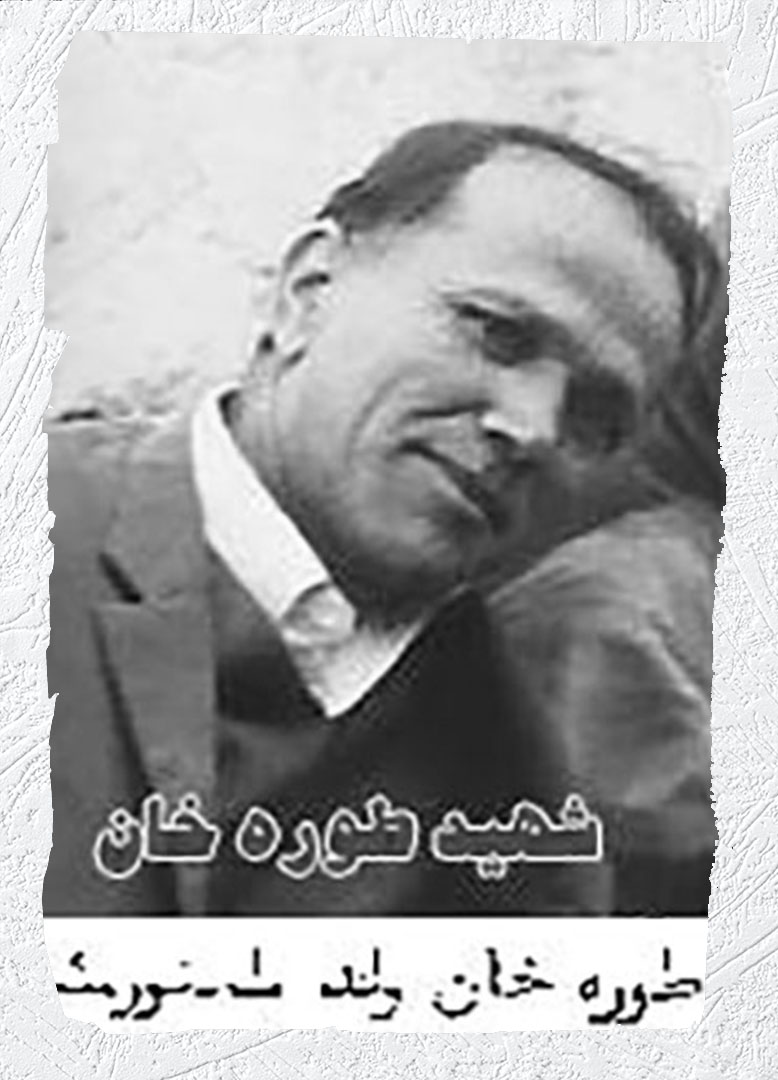
Tora Khan

Photo of Victim
Photo of Victim
Gender
Male
Ethnicity
Tajik
District geolocation of incident
Kabul: Bagrami: 34° 31′ 10″ N, 69° 16′ 39″ E
Description of incident

Known as the "Killing of AGSA," it refers to the collective murder of opponents of the People's Democratic Party of Afghanistan in the Pul-e-Charkhi Prison in Kabul between 1978 and 1979. The Afghan Intelligence Office, or AGSA (Afghan Agency for Safeguarding National Interest), led by Asadullah Sarwari, had arrested nearly 150,000 people, out of which an estimated number of 27,000 political prisoners were put to death without a single trial, probe, or even allegation. Many Afghan families had no idea where their loved ones had disappeared in the latter part of 1978 and early 1979. A list of those slain that included 5,000 victims of AGSA mass executions was made public by the Dutch Prosecutor's Office in 2013.

Declaratory Statement

No statement

Victim Profile
View

Title: Systematic Arrests and Torture by Taliban in Angoori, Jaghuri, Ghazni (2022)

Document
View

Title: Parliamentary Delegation Attack, Baghlan (2007

Document
View

Title: NPR Journalist and Translator Killed During Taliban Attack in Marjah, Helmand (2016)

Document
View

Three people, including a police officer abducted by the Taliban. Later on, insurgents beheaded the police officer

Document
View

Three people were killed and a child was wounded in a mosque attack

Document
View

Three Judges and Court Staff Killed by Taliban While Traveling - Logar (2019)

Document
View

Three Hazara Passengers Killed in Ghor Province (2021)

Document
View

Three Hazara Passengers Killed in Ghor Province (2019)

Document
View

Three Hazara Passengers Killed in Ghor Province (2018)

Document
View

Three Government Employees Shot by Taliban - Herat (2019)

Document
View

Three farmers were killed by a Taliban rocket when they refused to pay taxes to the Taliban

Document
View

Three civilians were killed by the Taliban because they were family members of pro-government militia members

Document
View

Three civilians were killed and seven more wounded in a motorcycle bomb explosion

Document
View

Three civilians were killed and 15 others were wounded when a suicide attacker detonated his suicide vest

Document
View

Three civilians were killed and 11 others were wounded when their vehicle hit a roadside bomb

Document
View

Three Civilians Killed When Vehicle Hits Taliban Roadside Bomb - Helmand (2019)

Document
View

Three Civilians Killed in US Airstrike on House Used by Taliban - Faryab (2019)

Document
View

Three Civilians Killed in NDS Special Forces Operation - Laghman (2019)

Document
View

Three Civilians Killed in Bombing During Funeral - Laghman (2019)

Document
View

Three Civilians Killed by Taliban Roadside Bomb - Ghōr 2019

Document
View

Three Civilians Killed by Roadside Bomb - Balkh (2019)

Document
View

Three Civilian Brothers Killed by Taliban for Alleged Government Links - Ghōr (2019)

Document
View

Three children were killed when a rocket fired by insurgents hit a house during a joint military operation

Document
View

Three children were killed when a bomb planted by the Taliban detonated

Document
View

Three Children Killed in Taliban Bomb Explosion - Badghis (2020)

Document
View

Three Children Killed in Mortar Strike on House - Farah (2020)

Document
View

Three attackers wearing Afghan national security forces uniforms attacked a materniti hospital killing 24 people including 19 women and three children

Document
View

Three Aid Workers Shot Dead in Shekh Ali District, Parwan Province (2016)

Document
View

Thirteen people were arrested by the Taliban. Government employee and local radio journalist Javeed Noori was killed on the spot after he was recognized by the Taliban

Document
View

Thirteen Civilians Killed in Airstrike on House - Faryab (2019)

Document
View

The Yoltorob massacre

Document
View

The Tragic Death of a Young Girl in Dawlat_Yar District, Ghor (2021)

Document
View

The Taliban were transferring a bomb when it exploded in Chonzayi area of Taloqan, the provincial capital. Two civilians were killed and 10 children were wounded in the explosion.

Document
View

The Taliban stopped a car then kidnapped and killed a university student

Document
View

The Taliban stopped a bus and killed two police officers who were on the bus

Document
View

The Taliban Shot Dead 12 People in Ghazni Province (2016)

Document
View

The Taliban shot and killed the Gosfandi deputy district governor

Document
View

The Taliban shot and killed a police officer and took prisoner two civilians hostages

Document
View

The Taliban shot and killed a driver and wounded another when the driver refused to pay money for insurgents

Document
View

The Taliban shot and killed a civilian who was working as a cook in a security outpost

Document
View

The Taliban shot and killed a 10 year old child after he grabbed a weapon that belonged to a Taliban fighter

Document
View

The Taliban opened fire on a vehicle killing two soldiers, a police officer and two other civilians

Document
View

The Taliban opened fire on a vehicle killing three civilians and wounding two others

Document
View

The Taliban opened fire on a group of civilians who were returning from a mosque, killing a child and two adults

Document
View

The Taliban opened fire on a civilian vehicle killing one civilian

Document
View

The Taliban launched rocket attacks against the house of a pro-government militia commander killing five members of his family

Document
View

The Taliban killed two civilians in the Baloch village of Dara-i-Suf

Document
View

The Taliban killed three civilian passengers riding a bus

Document
View

The Taliban killed one soldier. One civilian was killed and three others were wounded in the crossfire

Document
View

The Taliban killed one civilian and wounding three pro-government militia members

Document
View

The Taliban killed Abdul Qayyum Ansari, a Shiite religious scholar

Document
View

The Taliban killed a village leader for refusing to pay the militants $130 as a ransom

Document
View

The Taliban killed a fuel tanker driver when he did not stop at an insurgent checkpoint. Three other civilians were wounded by crossfire.

Document
View

The Taliban killed a civilian who was accused of robbery.

Document
View

The Taliban kidnapped and killed a military prosecutor and a Zabul government official

Document
View

The Taliban kidnapped and killed a civilian who was working as a cook on a military base

Document
View

The Taliban executed a man by hanging after a Taliban shadow court sentenced him to death

Document
View

The Taliban entered houses and attacked military bases killing a 10-year-old child and wounding two civilians and two army sergeants

Document
View

The Taliban conducted an attack on a military base killing 45 police officers and 8 Independent Election Commission of Afghanistan employees

Document
View

The Taliban attacked Zareh District, killing two police officers, two soldiers and one civilian

Document
View

The Taliban attacked two security outposts killing three pro-government militia members and taking three militia members and three civilians prisoners

Document
View

300 shown of 3244 entities

30 more 300 more
  • Uwazi is developed by Human Rights Information and Documentation Systems

    uwazi
  •  
  • AHRDO
  •  
  • Library
  • Login
Filters
    • 3228
    • 16

Search text

Type something in the search box to get some results.

    Table of contents


    No table of contents

    You can start by selecting text in the document and clicking the "Add to ToC" button.

      No References

      References are parts of this document related with other documents and entities.

      No Relationships

      Relationships are bonds between entities.

      0 selected

        Notifications

        You're all caught up

        New activity will show up here.