Reach out to us for queries and assistance
If you have any inquiries or need assistance, our dedicated team is available to help you through this contact form, guaranteeing confidentiality and respect.
Shrapnel Was Lodged Deep in his Head
Narrator: Fatema Gholami (spouse)
Victim: Naeem Gholami
Date of the incident: 23 July 2016
Location of the incident: Dehmazang, Kabul City
My name is Fatema Gholami, the wife of the martyr Gholami. He was 35 years old in 2016. In 2007, I graduated high school in Panjab District of Bamyan Province. In 2012, I married Gholami. My husband was 35 years old when he was killed.
When Naeem [Gholami] returned to his hometown from Iran, he started working with a civil construction company. In 2012, we were married in Panjab District and later we moved to Kabul. Two months before our wedding, Gholami rented a house with three bedrooms.
Gholami had studied engineering and worked in Iran as a civil engineer. Shortly after our marriage, he got a civil engineering job in the Aga Khan’s office and moved to Sare-Pol. However, not long after starting this position, two motorcycle riders took him out of a minivan while on his way from a project site to his residence. Armed men kidnaped him. They asked us for one hundred thousand US dollars. The Aga Khan’s office contributed fifty-thousand dollars, and we arranged the other half [of the ransom money], and Gholami was released.
That first morning, he purchased many things for breakfast for our kids. I prepared breakfast. His son and daughter were sitting on his lap, and Gholami was putting a bite of everything he ate in their mouth. After breakfast, he ironed his clothes and took a shower. After bathing and dressing, he stood in front of the full-length mirror in our room and oiled his hair, combed it, and used perfume. He got ready, kissed his children, said goodbye to us, and left the house.
I was not able to organize the clothing or the house that day. I don’t know why but I was in a strange mood from morning to night. When after lunch my children fell asleep, I thought I might watch TV, but then I said no. I was bored, and the kids were sleeping. It was 1:30pm, when my children woke up. I turned on the TV, and news of the demonstration and suicide attack in Dehmazang was everywhere. I kept calling Gholami, but his cell phone was off. I had to call my brother and tell him that Gholami’s phone was switched off. He said, “No worries, there may be a problem [with his phone].” I then remembered that his phone was not charged. I waited a long time and tried to call everyone I could think of, but got no more information. Then night came. I went to buy bread and ran towards the mosque. I prayed in the mosque for my beloved husband to be found.
My children were left unattended at home. One of my brothers came home to stay with them, and I went again to the mosque. My other brothers were searching for Gholami from one o’clock to the next day. They had searched through all the hospitals. My family in Bamiyan kept calling to check whether my husband had been found. My brother said, “I will look in the 400-bed hospital.” As soon as my brother mentioned that, I felt disheartened, and my left arm and leg suddenly became paralyzed.
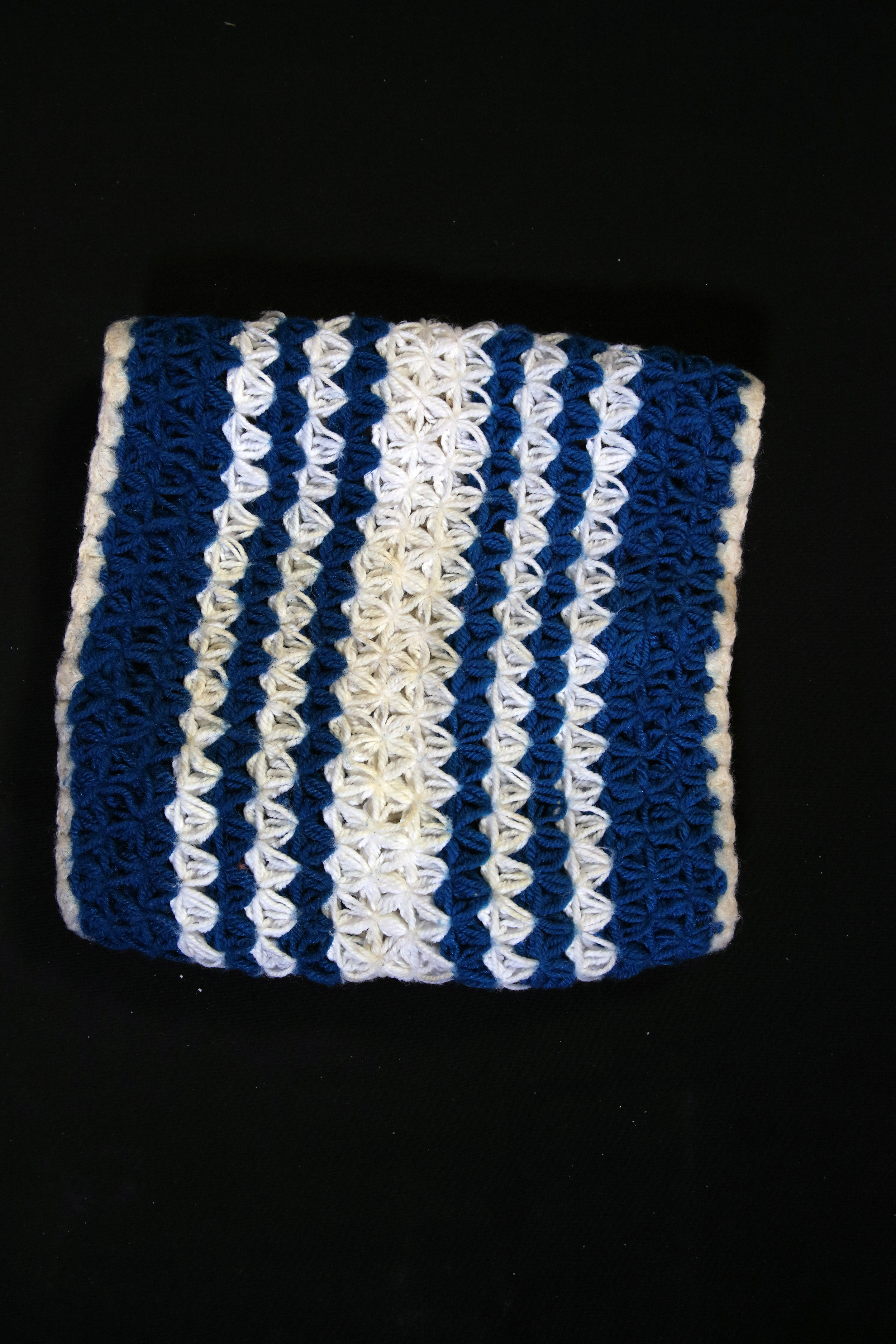
My brother asked me, “Did he wear embroidered clothes?” “Yes,” I said. He asked, “Was there a scarf around his neck?” “Yes,” I said. My brother said he thought he saw his body several times, but had not recognized him. He said the body looked like the body of a young boy, even though Gholami’s face and body were not badly damaged. They had attached a label with the name Mohammad Ewaz to the body. He had severe injuries on his back and head. Shrapnel had gone deep into his head, and his back was very badly damaged.
My brother called me again and said Gholami had been found in the 400-bed hospital but was injured. I told him to stay there, and I would come too, but my brother sternly replied, “No, stay at home; come later.” I was at home, and my other brother, who had his own house, and my sister came to our house. They said my husband was seriously injured and I had to go with them to their house.
When we arrived at my brother’s house, it was calm, and everything seemed different. I was in my brother’s guest room but was feeling restless. I told them someone should look after my children, as I was going to the hospital to see Engineer [Gholami]. They said I should stay at home because my children were too young to be left alone. Finally, I realized with sadness that Gholami had been martyred. My family had bathed martyr Gholami in the Mosalla [congregational mosque] and had taken him to the hill where martyrs of the “Enlightenment Movement” were buried. He had decided to go and take part in the demonstration of the Enlightenment Movement but had not informed me just to make sure I would not be worried. He was tired of the injustices. He had also participated in Tabasom Movement.
| Item Name | Quantity | Description |
|---|---|---|
| Item 1.1 | 1 | Memory Box + Ideal and Memorial flags |
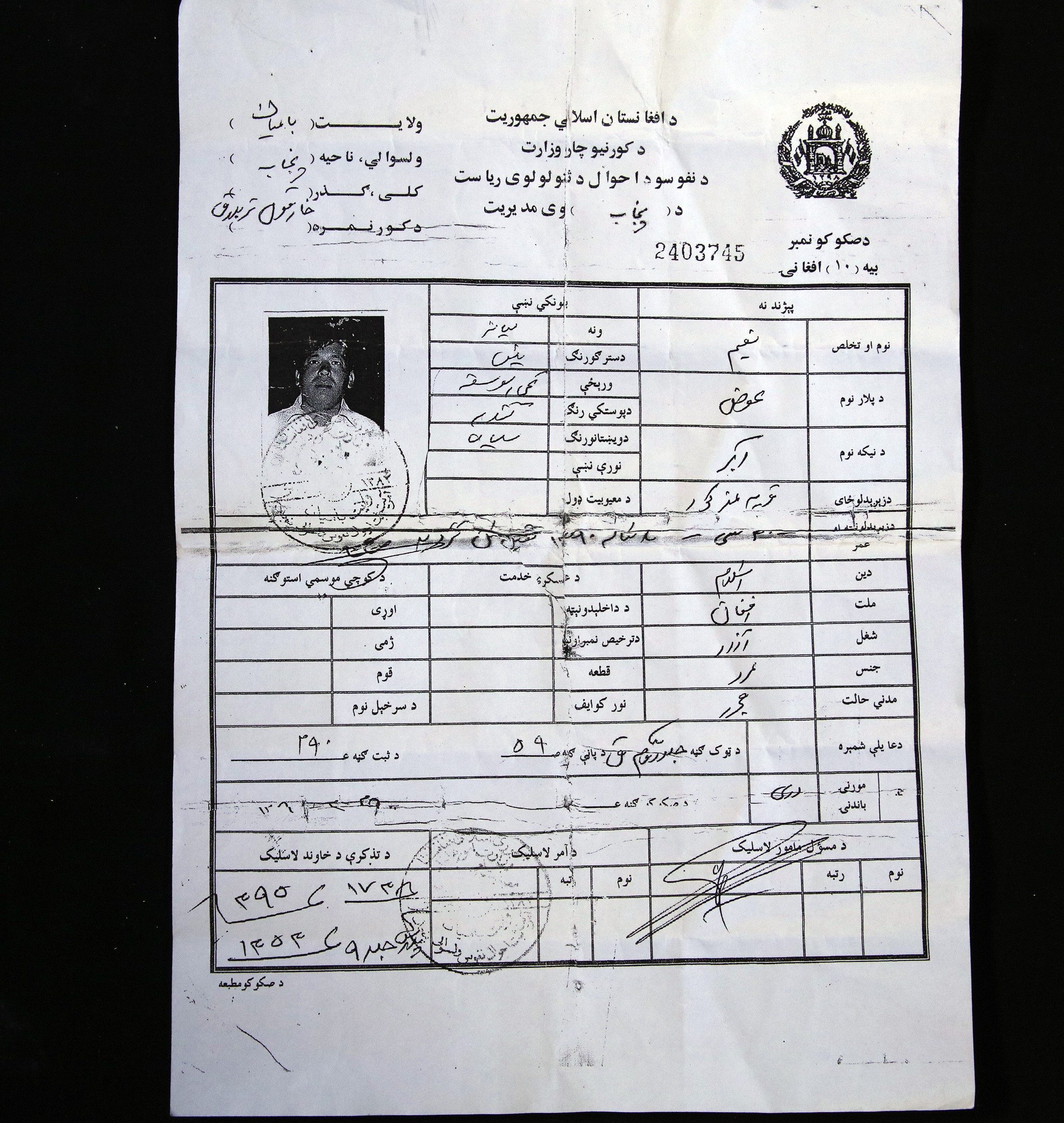
| Item 1.2 | 1 | Victim’s ID card |
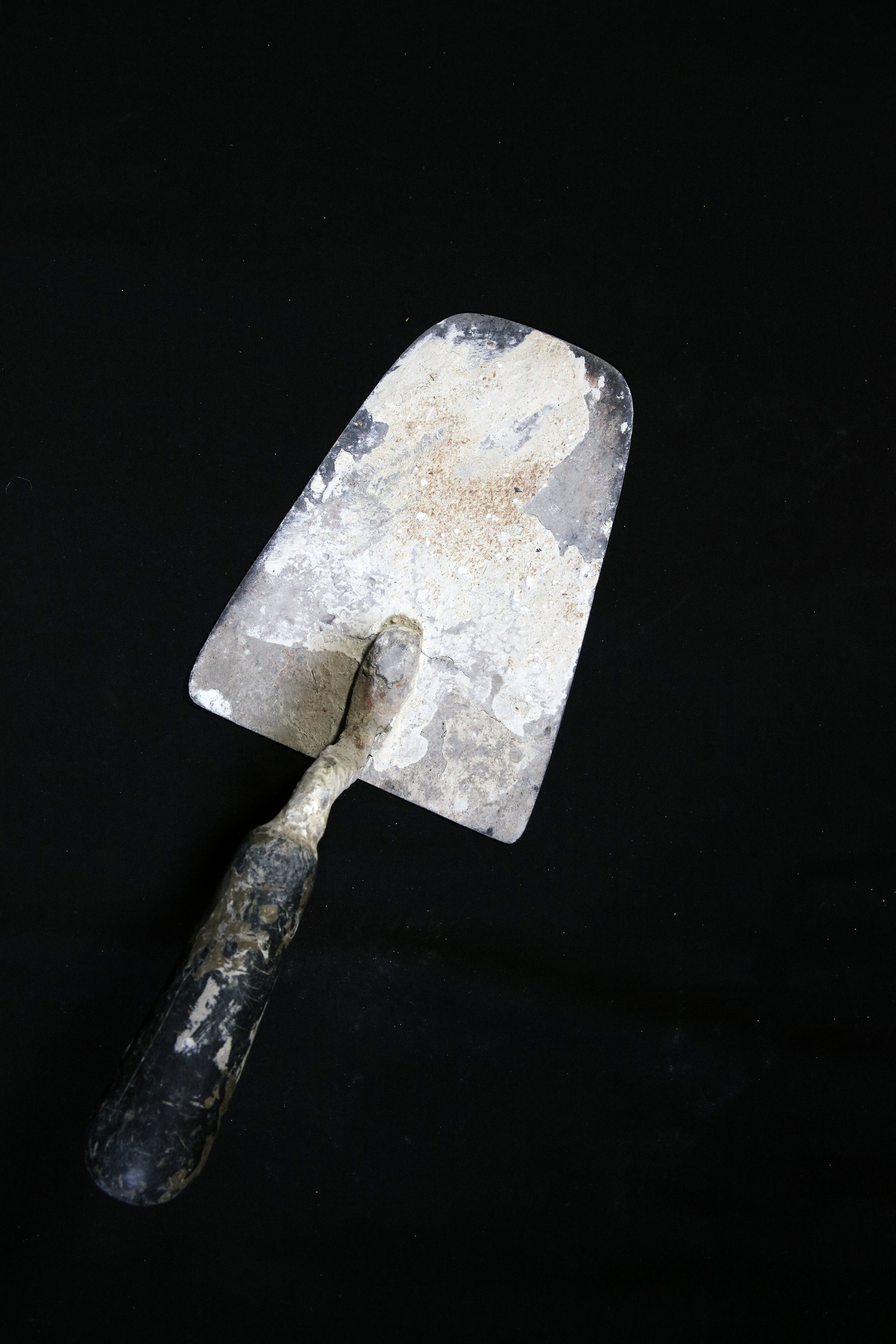
| Item 1.3 | 1 | Victim’s Painting brush |
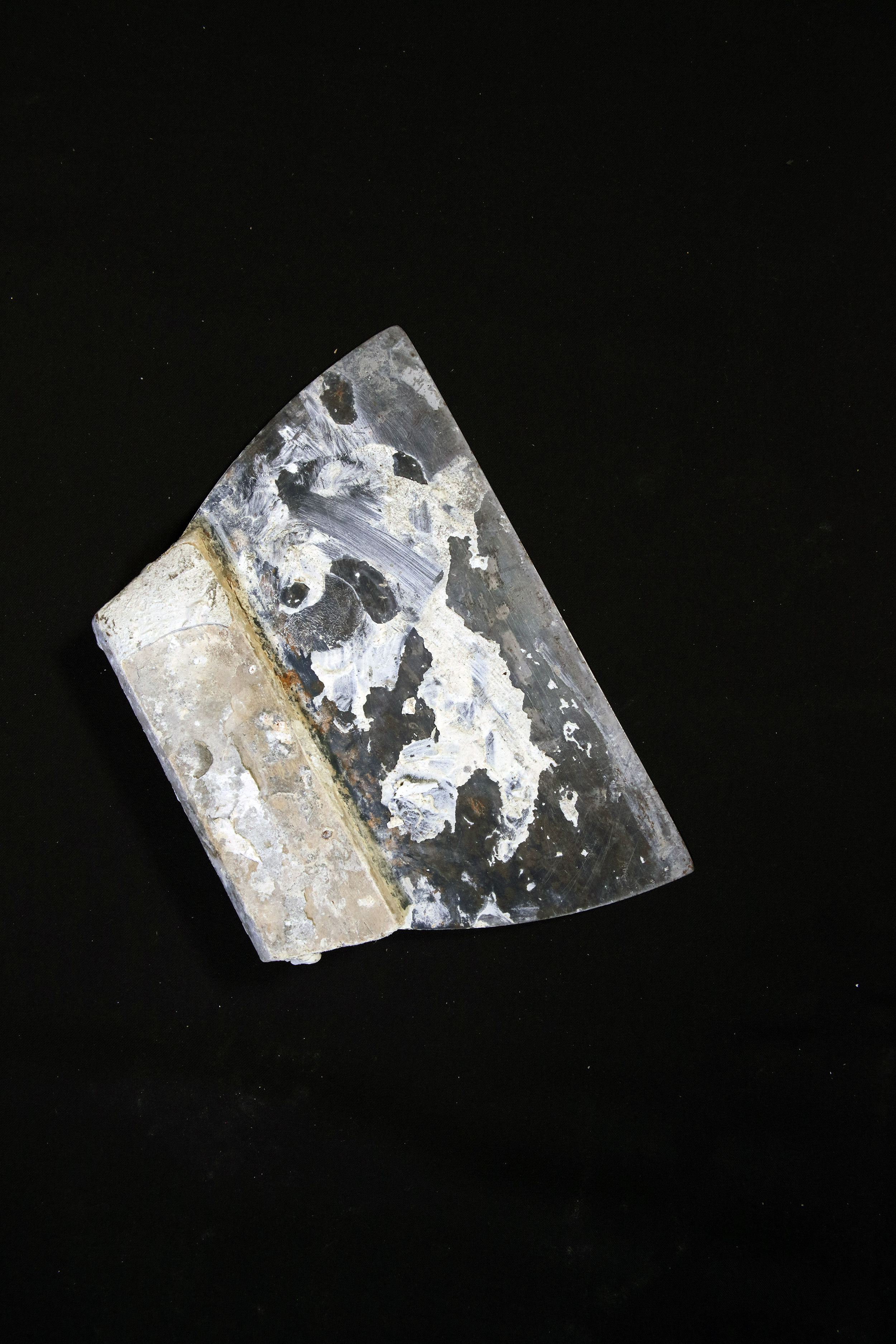
| Item 1.4 | 1 | Victim’s Painting cuter |
| Item 1.5 | 1 | Victim’s Painting cuter |
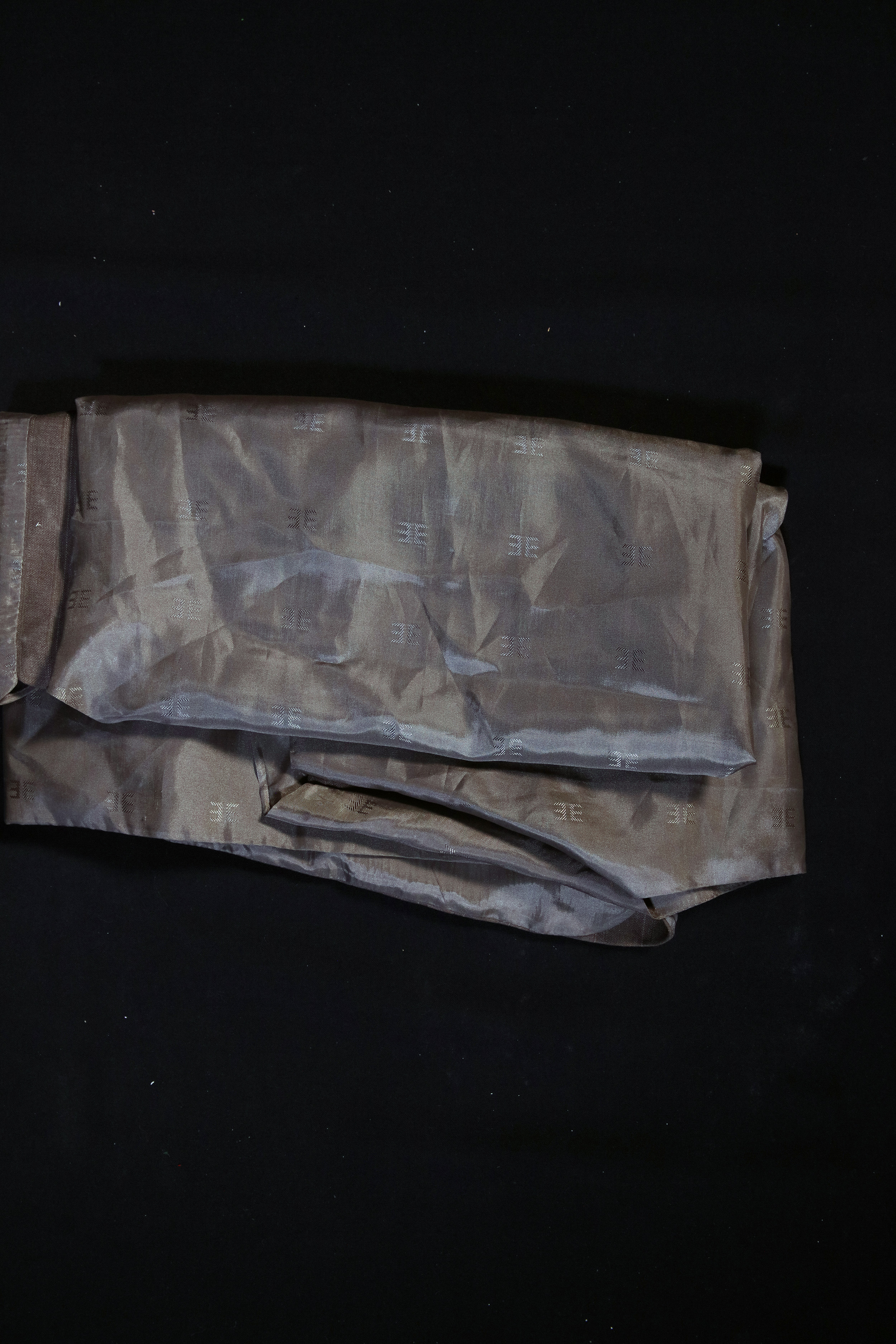
| Item 1.6 | 1 | Victim’s Coat |
| Item 1.7 | 1 | Victim’s Scurf |
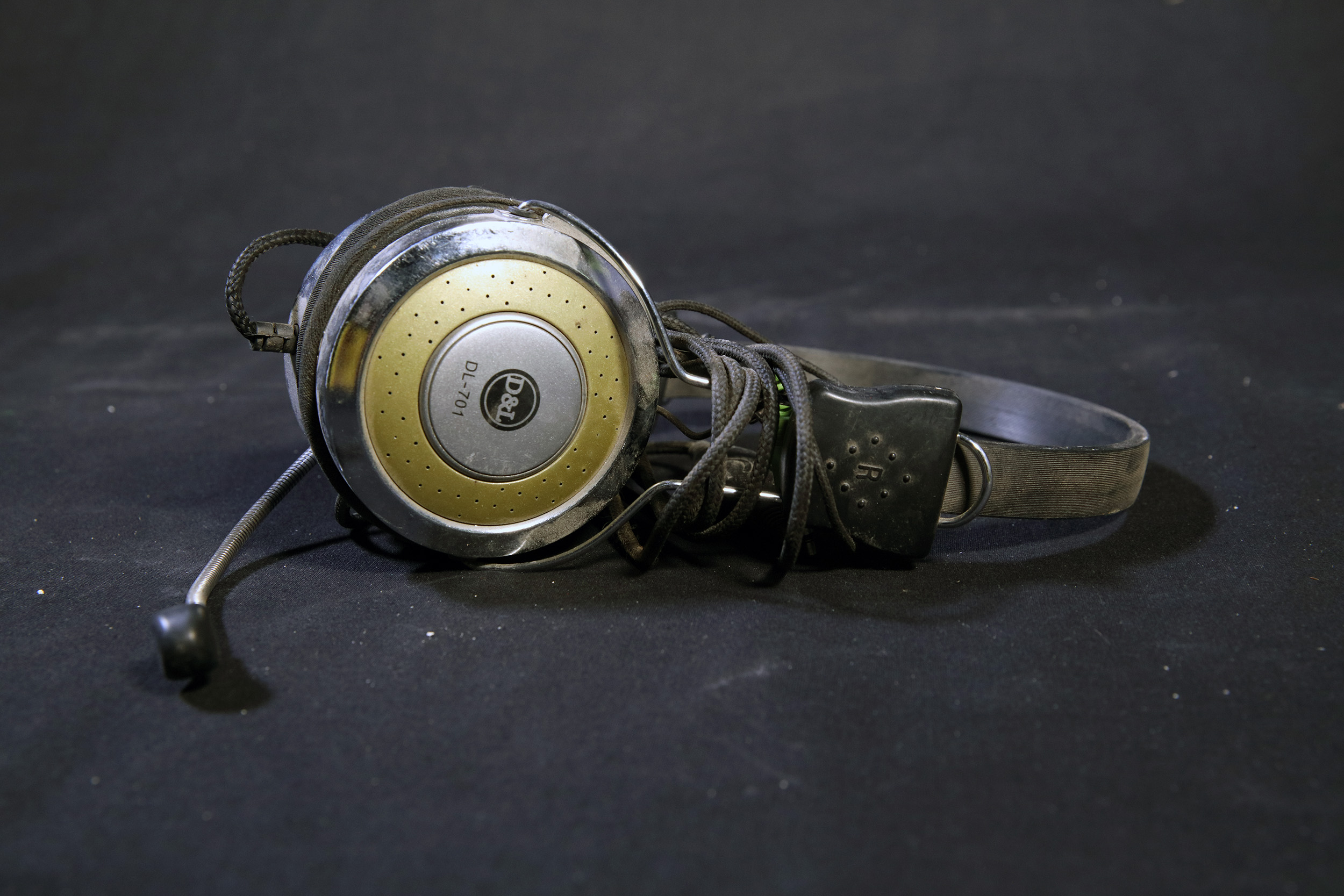
| Item 1.8 | 1 | Victim’s Headphone |