Reach out to us for queries and assistance
If you have any inquiries or need assistance, our dedicated team is available to help you through this contact form, guaranteeing confidentiality and respect.
Please be aware that the content showcased in this museum is of a highly sensitive nature
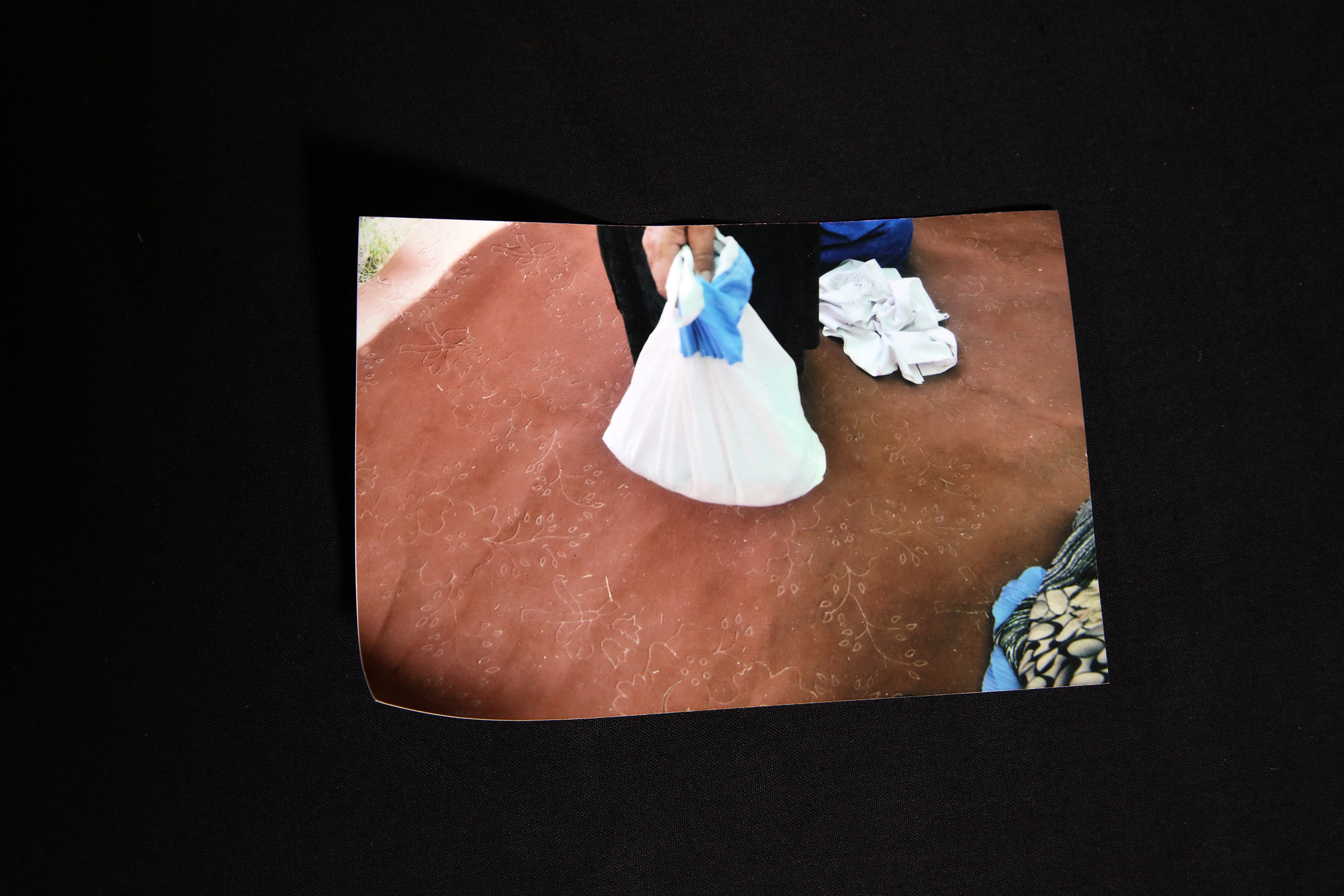
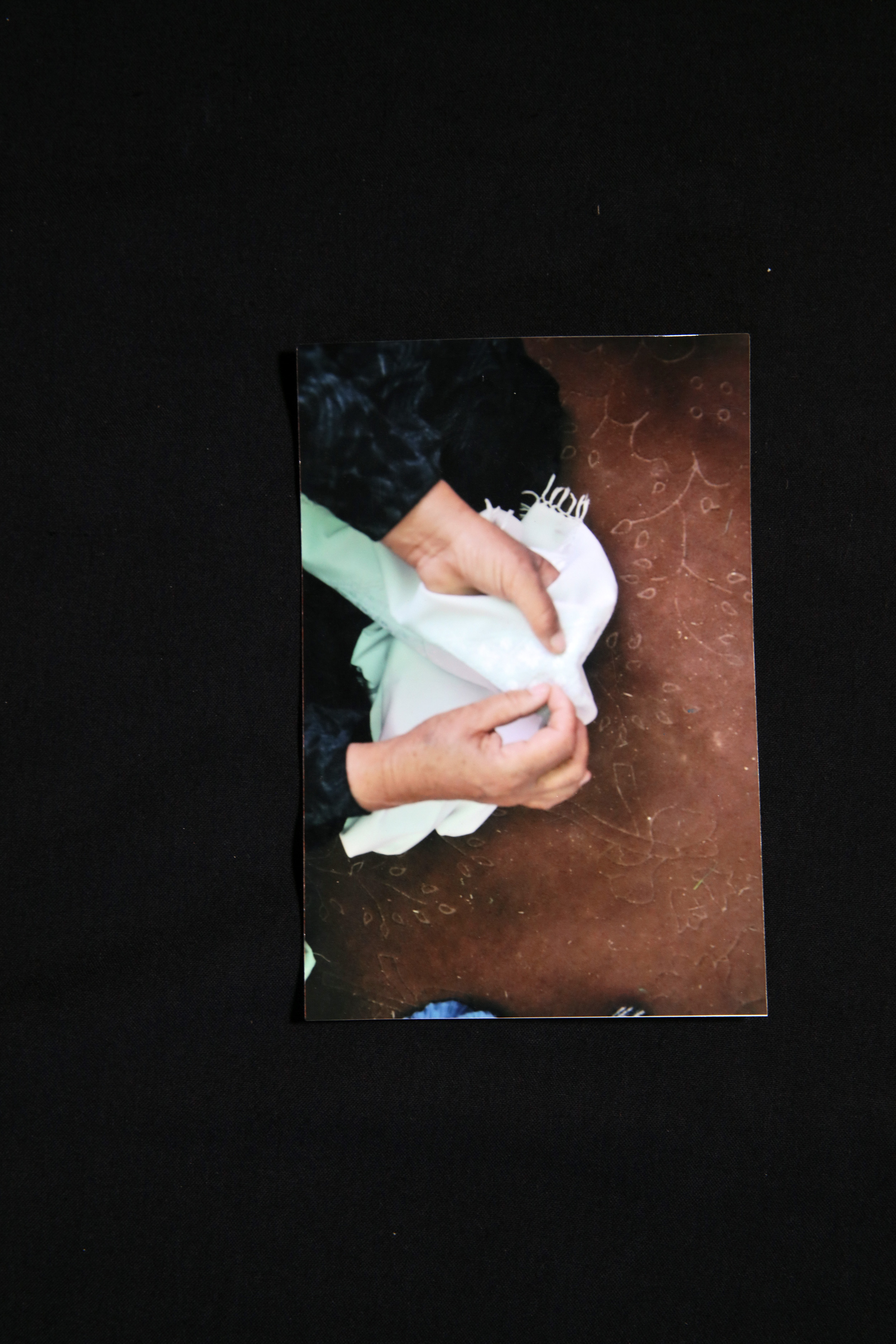
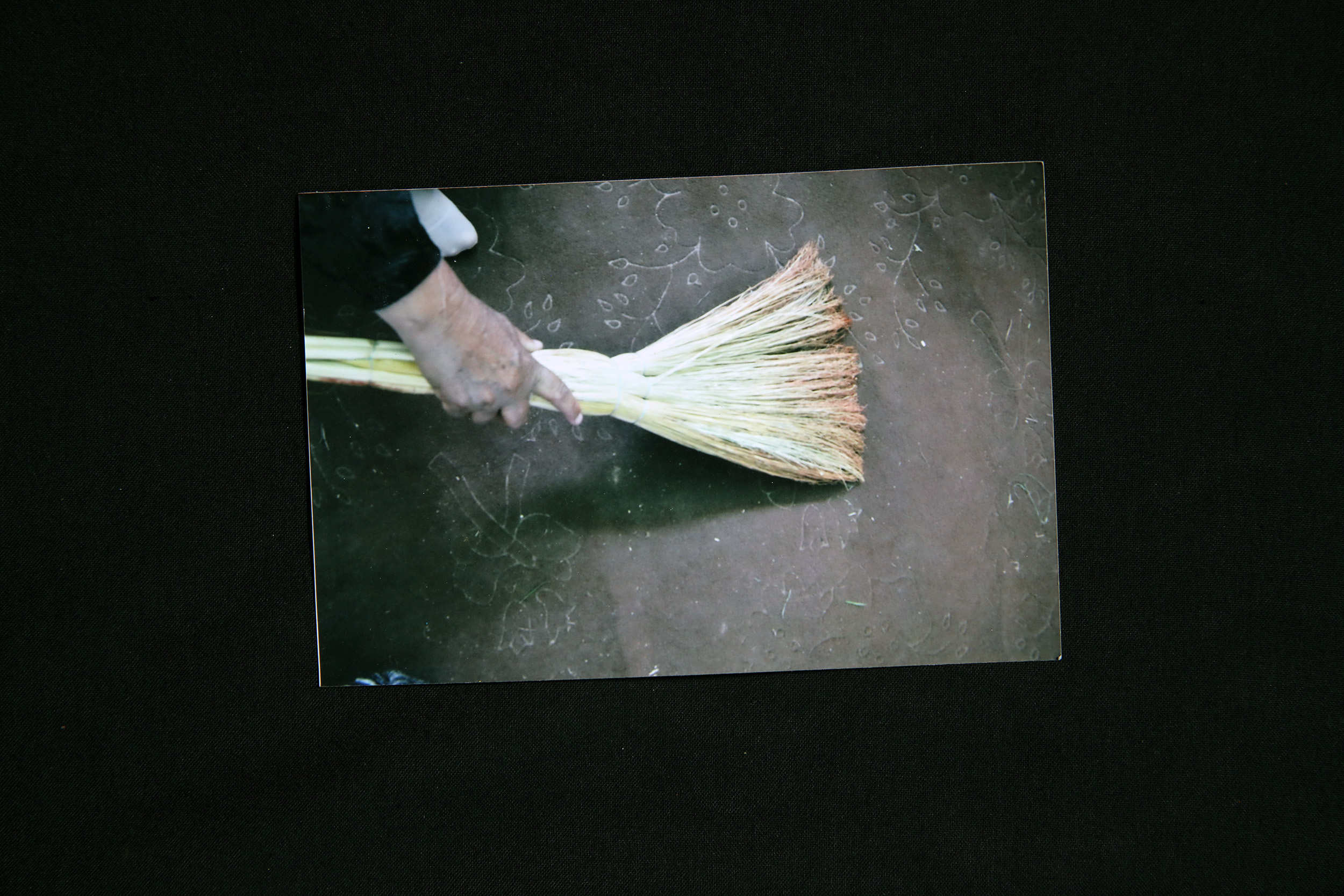
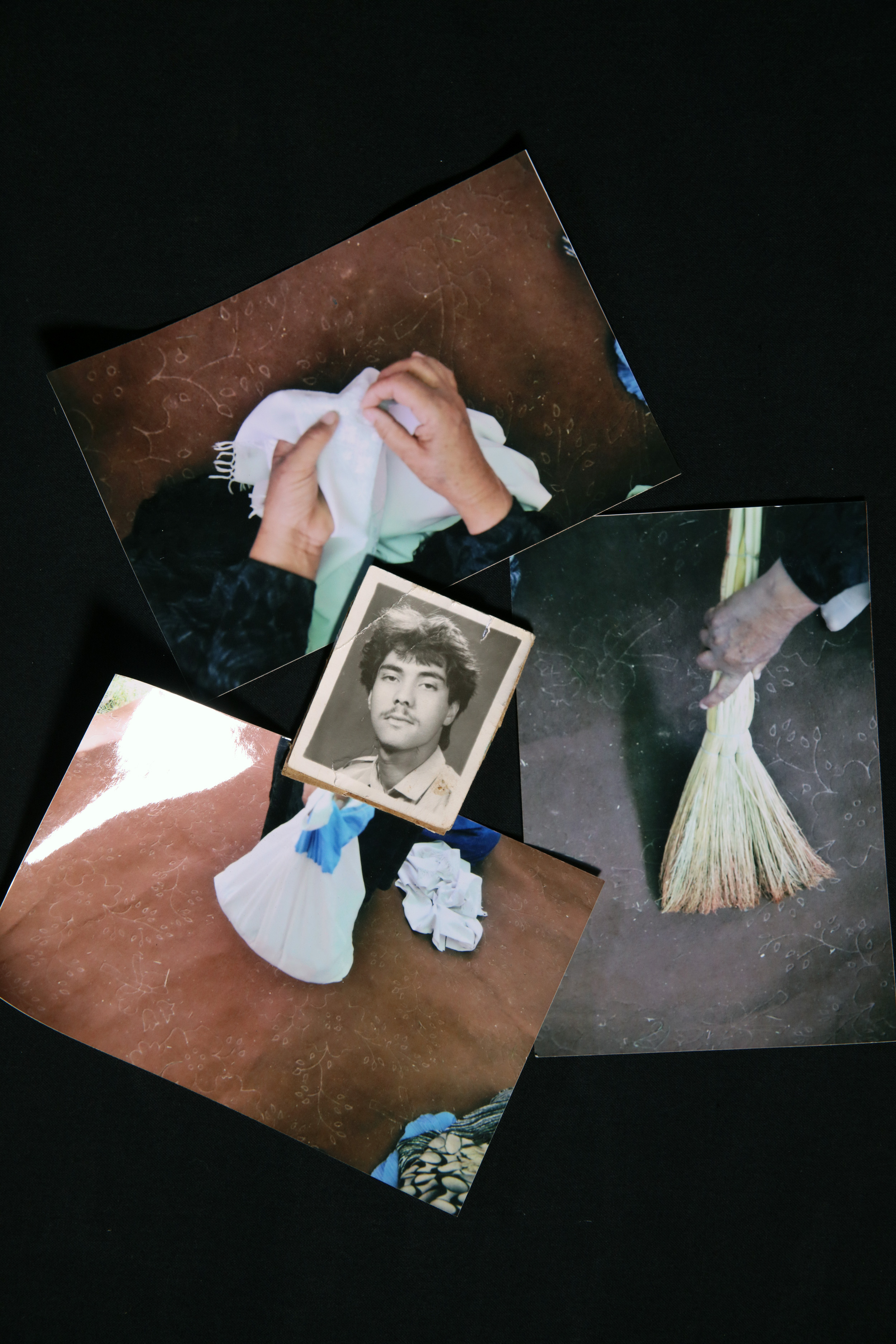
These items belong to the victim.
Victims of Jihad
Narrator: Rahima
Victim: Ramazan Ali Sangar
Date of the incident: 1993
Location of the incident: Kabul, Pul-e-Charkhi prison
Ramazan Ali was very excited about Jihad. He felt that Jihad is fighting for the way of God, a way that leads to happiness. He would call himself a true follower of God. Rahima was supporting her husband because of her love for him. She did know much about Jihad. She came to know about it through her husband and wanted to help her husband in this “holy violence.” But taking part in Jihad had severe consequences for Ramazan. He was imprisoned because of his ideology, was badly tortured, and eventually gave his life without having been prepared for martyrdom.
No one knows how he was killed. Perhaps, he died from the effects of torture. After Ramazan Ali’s death, his wife and three children were left behind without any support or financial means. From morning to night and night to dawn, they were in search of a piece of bread. Rahima knocked on door after door to find work as she did not want to see her children living in chronic poverty. But no one seemed to care. No one invited them to their wedding parties and though people easily talked of compassion, their lack of such mercy in practice came down on Rahima like a hammer on her head. She sacrificed her entire life to provide for her children.
It is this aspect of holy war that Ramazan seems to have failed to consider. His excitement about taking part in Jihad turned him blind to its severe implications for the rest of his family. If he were alive today, he could listen to the suffering of his wife and children. He could intimately familiarize himself with their untold story. If he was alive today, perhaps, he would choose another way of attaining prosperity.
The Story of Ramazan Ali
It was the last year of Dr. Najibullah’s government, during the month of Ramadan. Shortly after dinner, my husband began praying. We did not know that our house was under surveillance. Suddenly, we heard suspicious movements. When we came out of the house, the yard was full of people. More than 50 soldiers came into our house. They started to beat my husband.
The reason was that he was a Mujahid. They arrested him and took him away. He was detained in Sadarat and we were not allowed to see him. We could go there only to deliver his clothes. I went to Sadarat and waited for days to see my husband but they did not allow me to see him. I even begged each and every soldier and officer to make an exception, but it was to no avail.
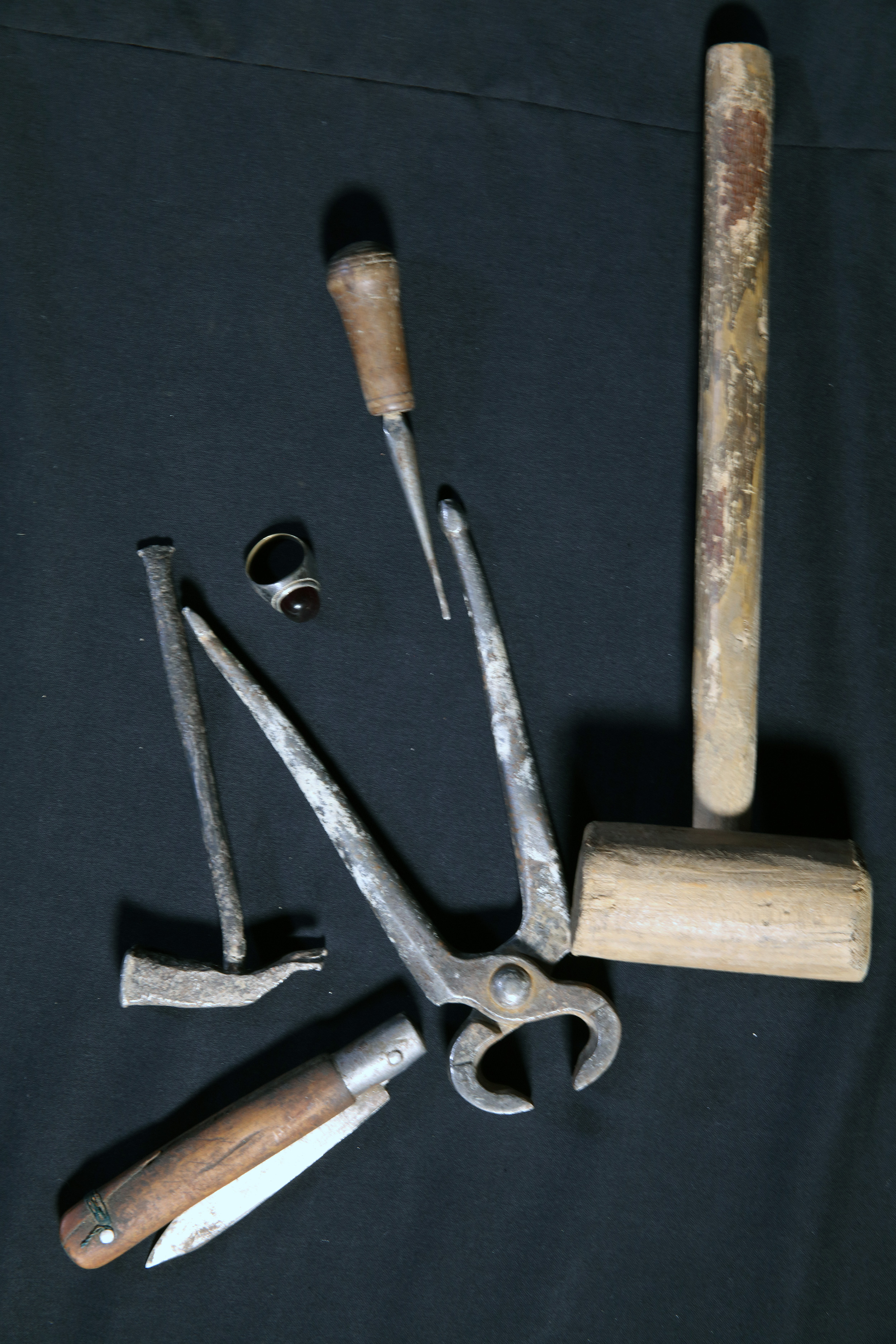
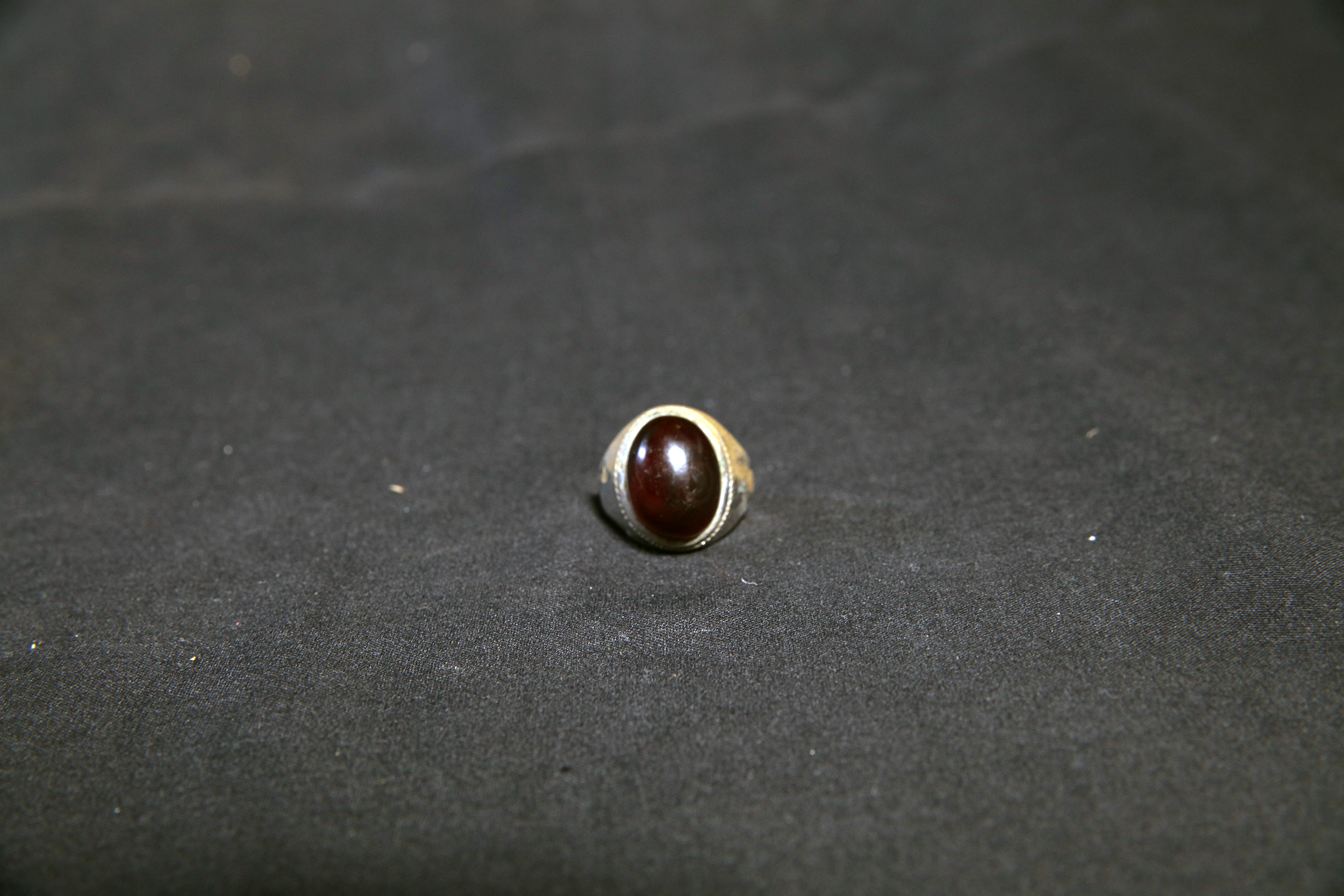
After six months, he was transferred to Puli Charkhi prison where he spent another year. Once again, I was not allowed to see him. After one year, he wrote us a letter and sent us his ring and some other things. In that letter, he mentioned that he had been transferred from the second floor of Block 2 to Block 3. He also indicated in his letter that if he was no longer found in Block 3, we should stop looking for him. He suggested that his children should be sent to learn the holy Quran.
After we received his letter, I went to Puli Charkhi prison on several occasions. Every time, the prison officials told me that nobody with his name was imprisoned there. Then, the last time I went there, they told me that my husband had been executed and handed over his personal belongings to me. We never saw his dead body. He was killed seven years after our marriage. It was after his death when our truly bad days began. I was obliged to do all kinds of hard work including cleaning, washing, and ironing to support my family and children. We also lived for 13 years as refugees in Iran.
I still preserve my memories of Ramazan, the worst being when I was told that he had been executed. Coming back home, I was so desperate and sad. My younger daughter asked me what happened and I told her that her father was no longer alive. She began to shout and cry for a long time. Since then, I have never seen her cry again. In those days, I was working day and night while continuing to mourn the death of my husband. Some nights, my younger son and I cried together. Sometimes my son cleaned my tears and told me that I could be his father too.
Another sad moment in my life was the day when my husband was arrested and handcuffed. There was a place in our home where he hid but the soldiers found him. He was handcuffed and beaten up in front of me and the children. My husband told me not to worry and that nothing would happen to him. When he was taken away, I saw the tears in his eyes. Afterwards, I never saw him again. I will never forget that moment.
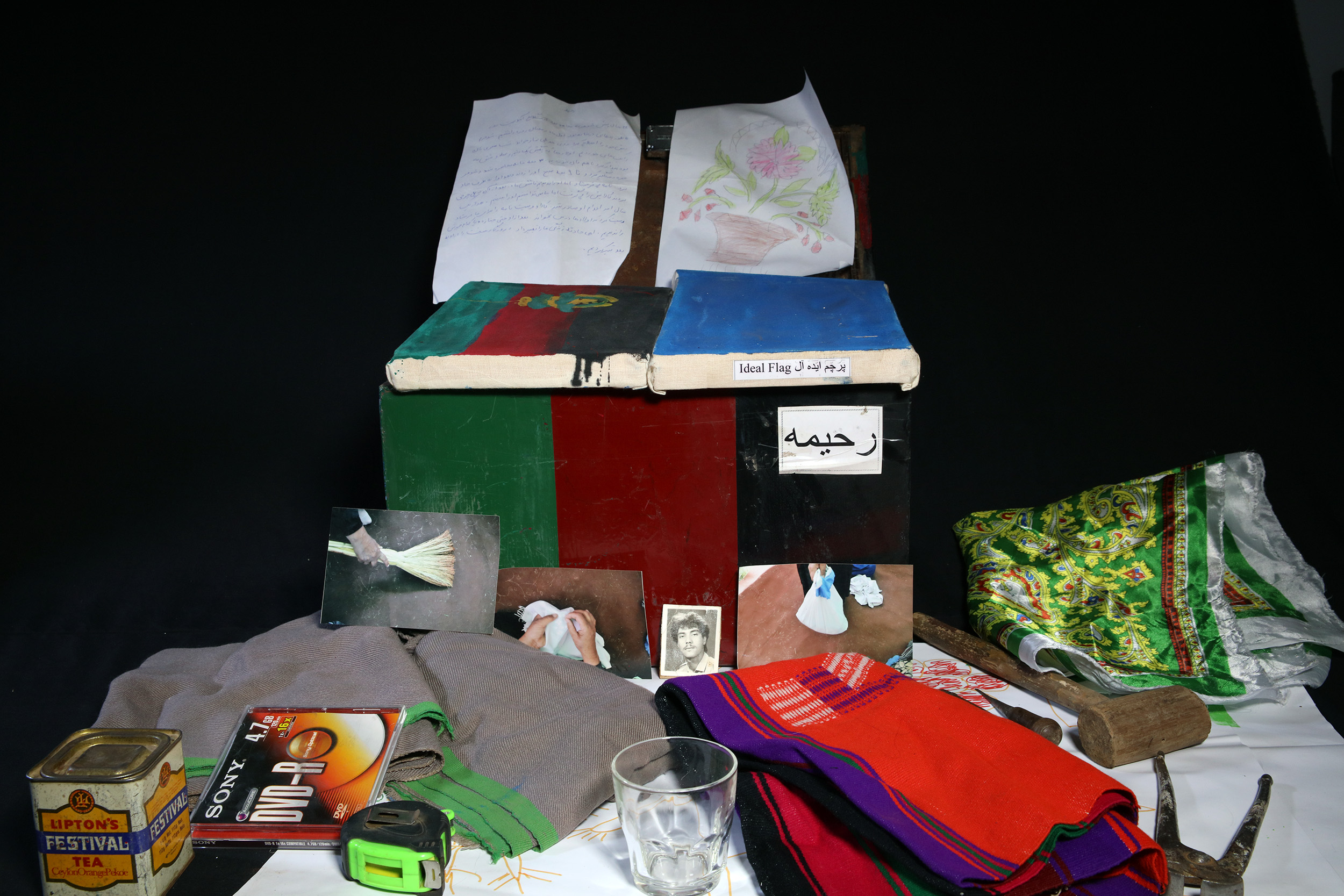
| Item Name | Quantity | Description |
|---|---|---|
| Item 1.1 | 1 | Memory Box + Ideal and Memorial flags |
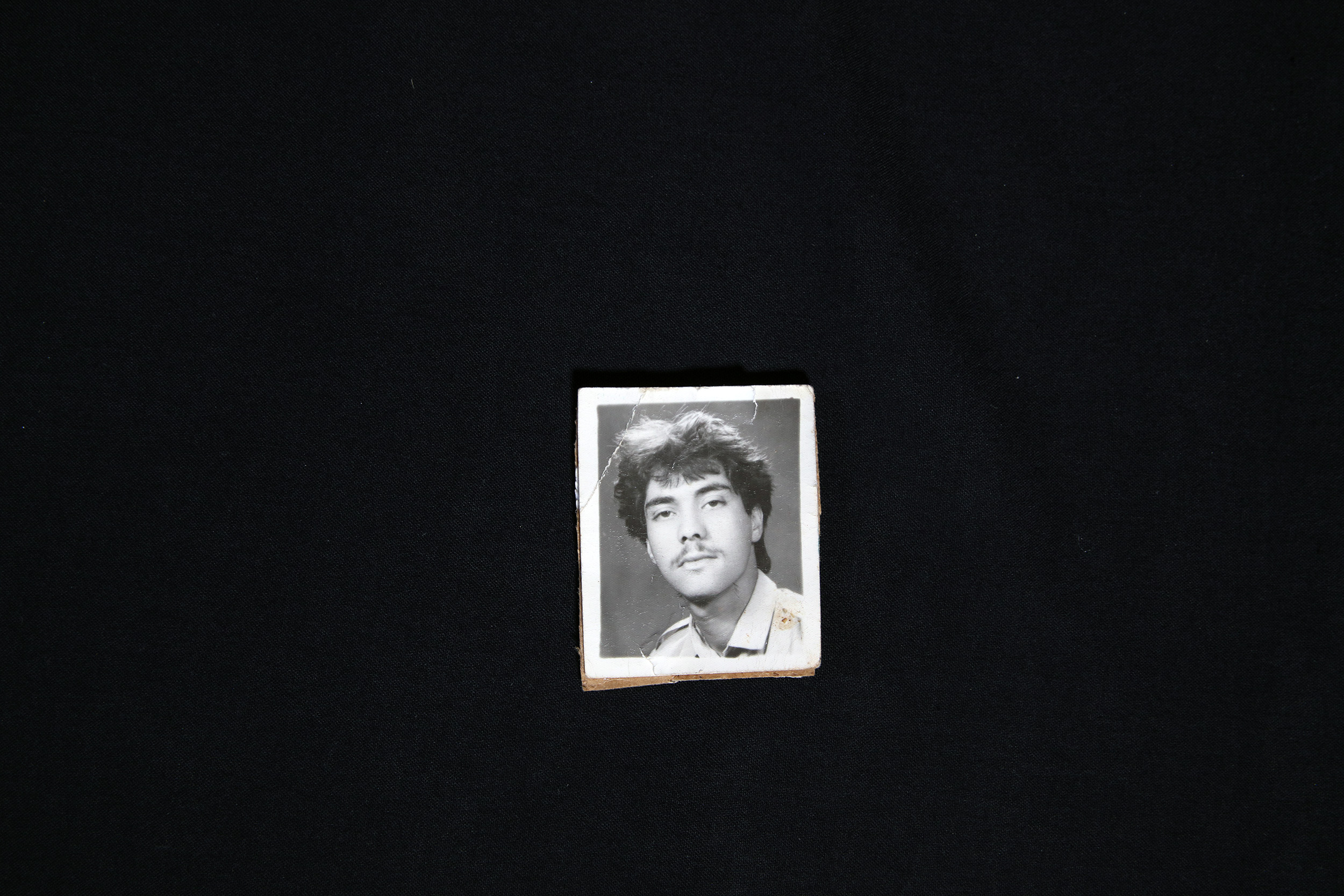
| Item 1.2 | 1 | Victim’s Memorial picture |
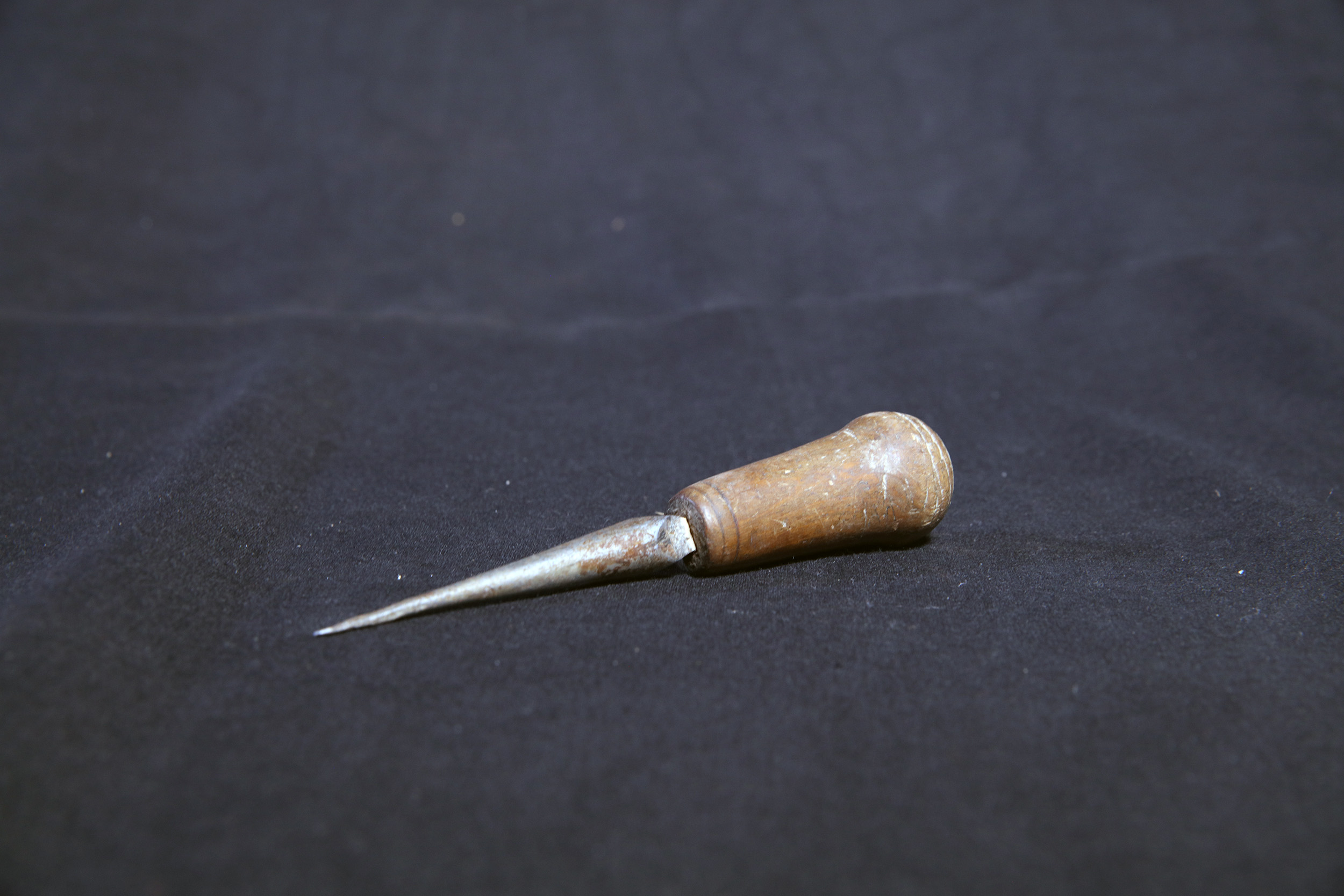
| Item 1.3 | 1 | Victim’s Ring + Shoemaking tools |
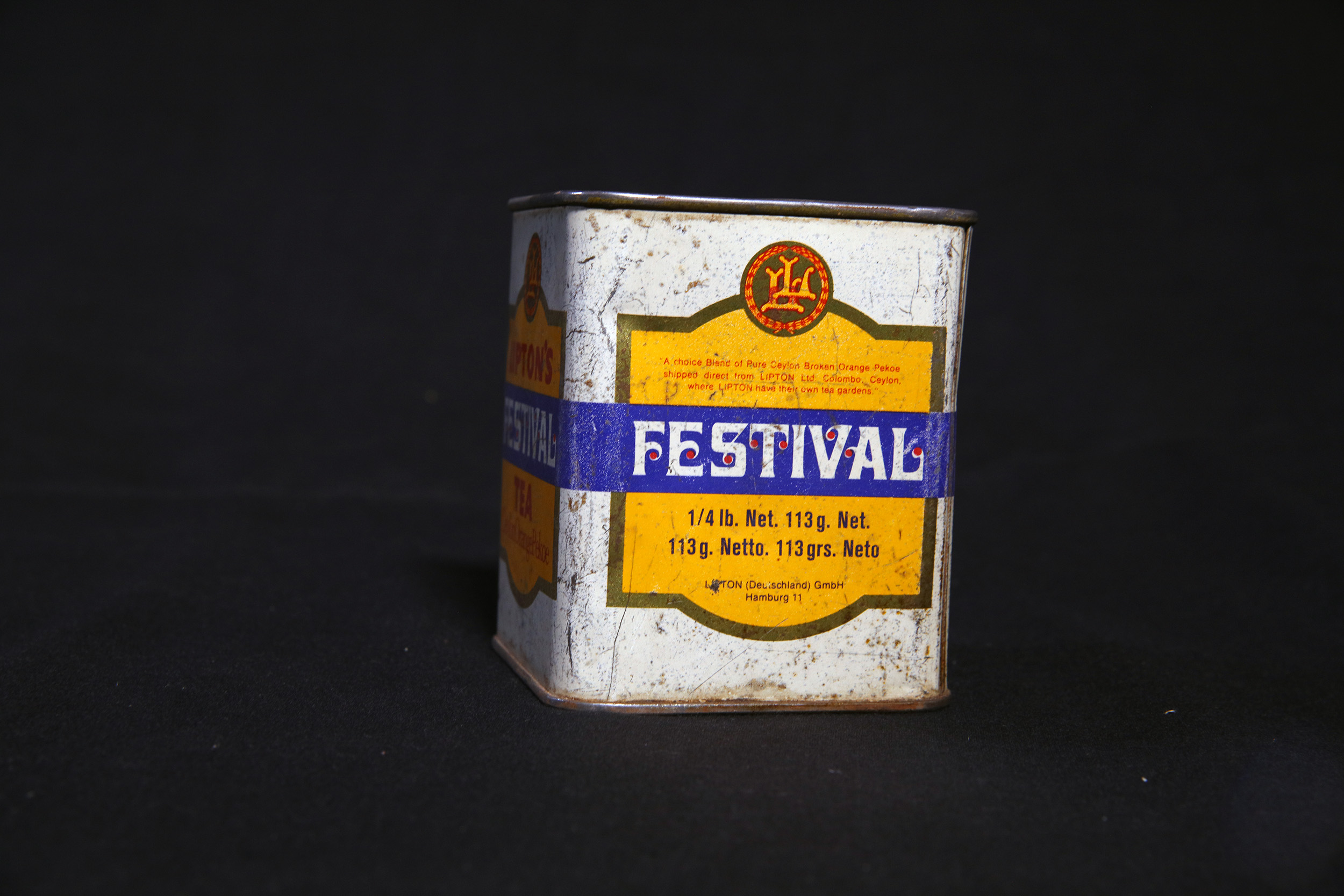
| Item 1.4 | 1 | Victim’s Shoes polish |
| Item 1.5 | 1 | Victim’s special glass |
| Item 1.6 | 1 | Victim’s Ring |
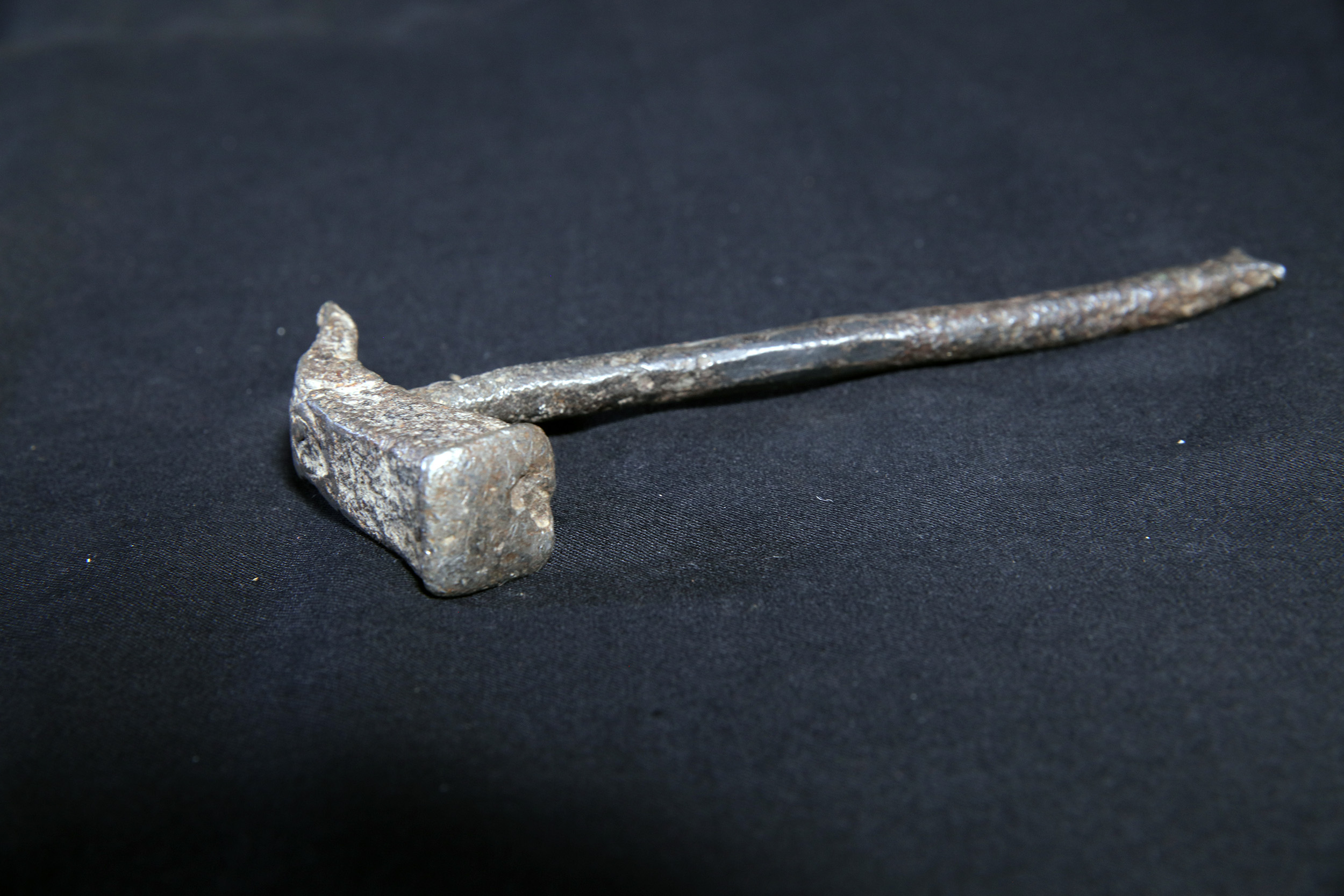
| Item 1.7 | 1 | Victim’s Hammer |
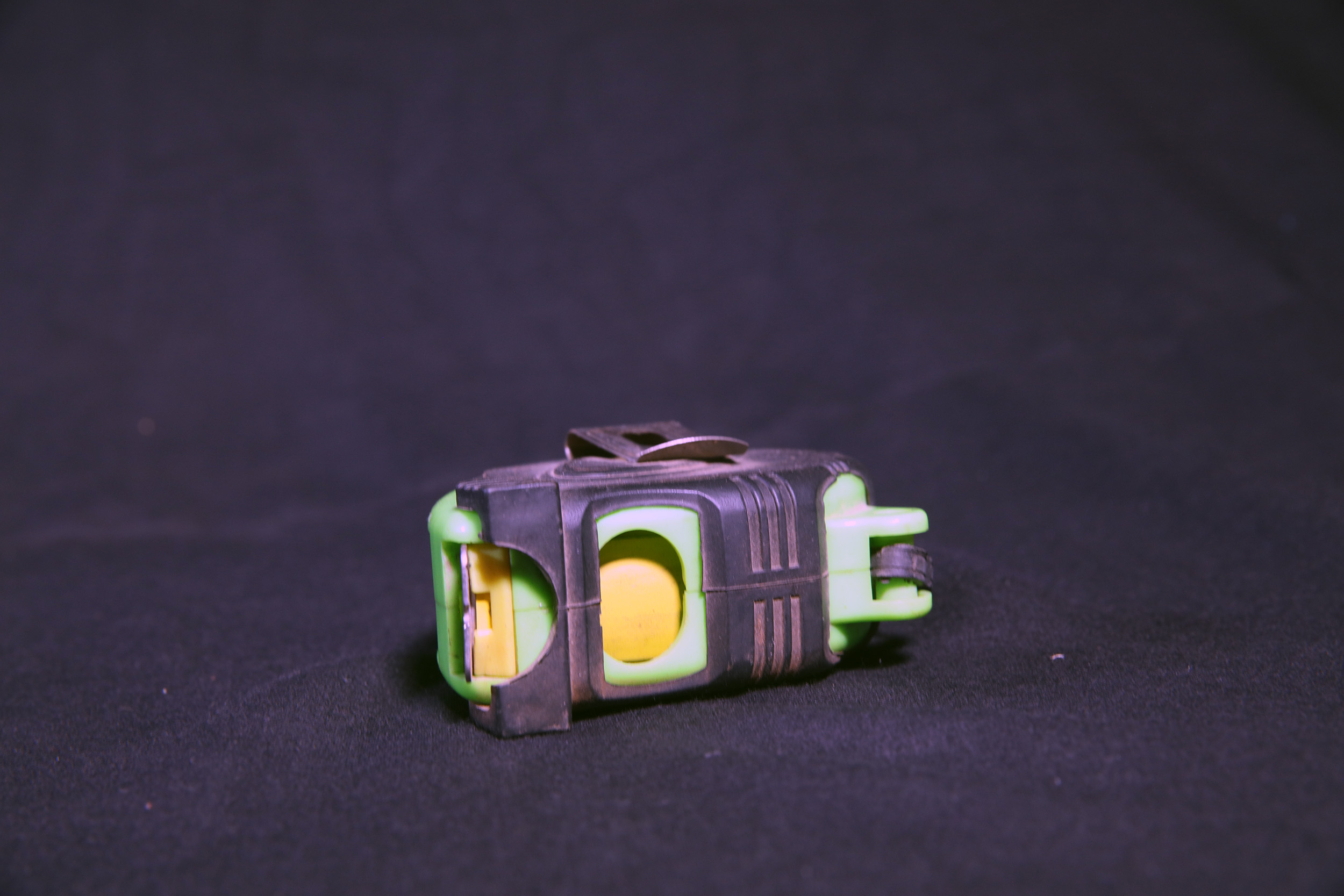
| Item 1.8 | 1 | victim’s Measurement |
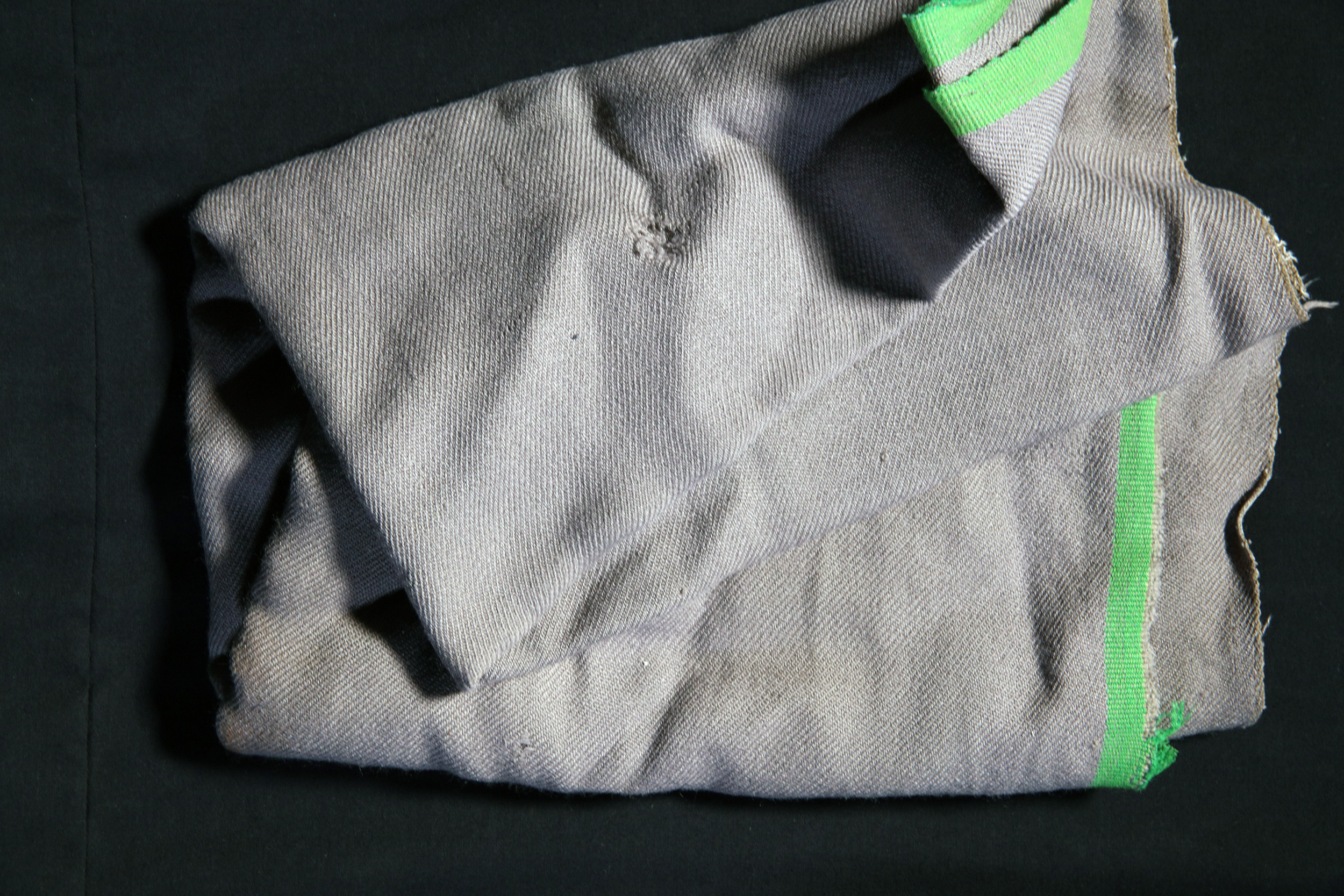
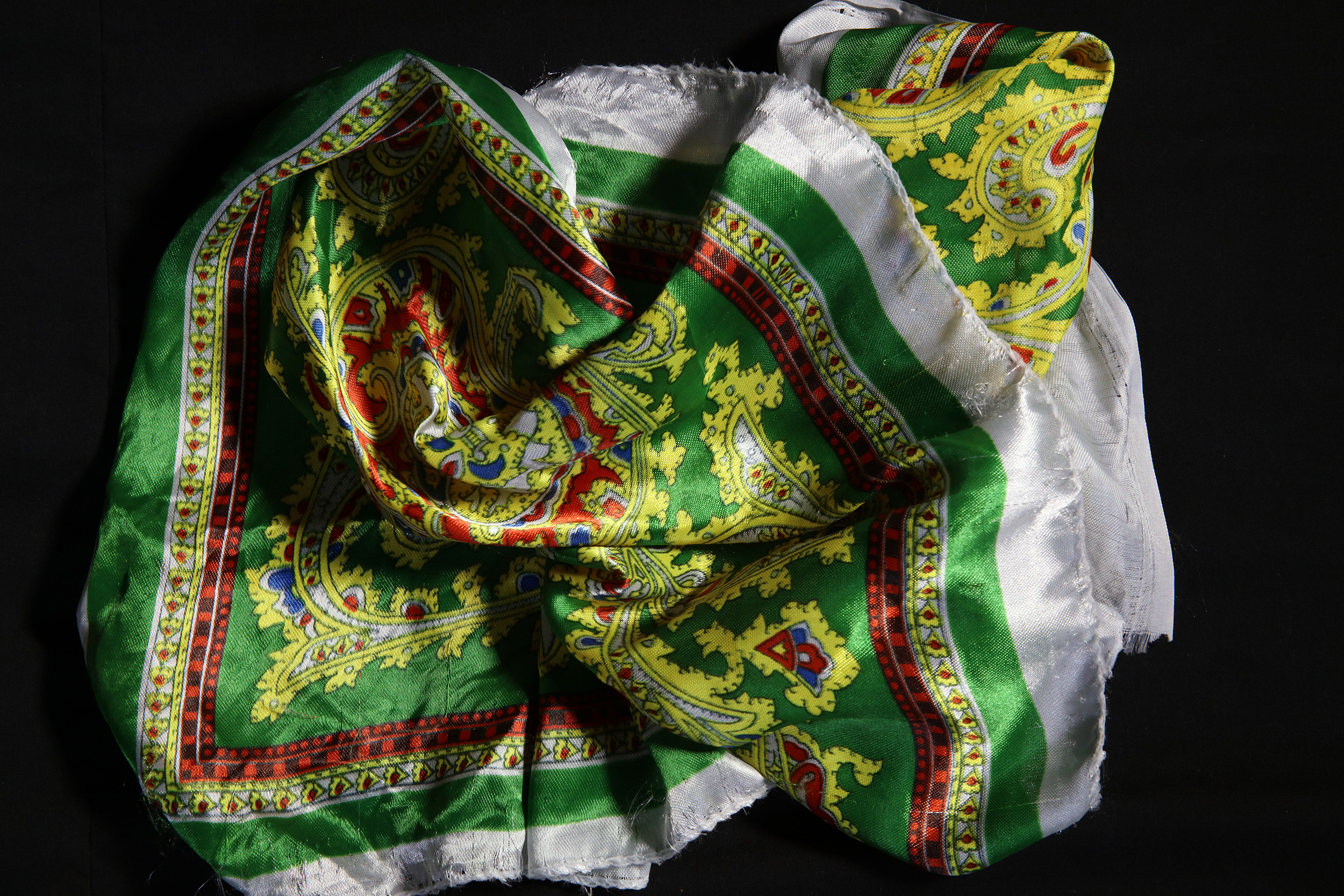
| Item 1.9 | 1 | Victim’s handkerchief (he always kept his Bread in it) |
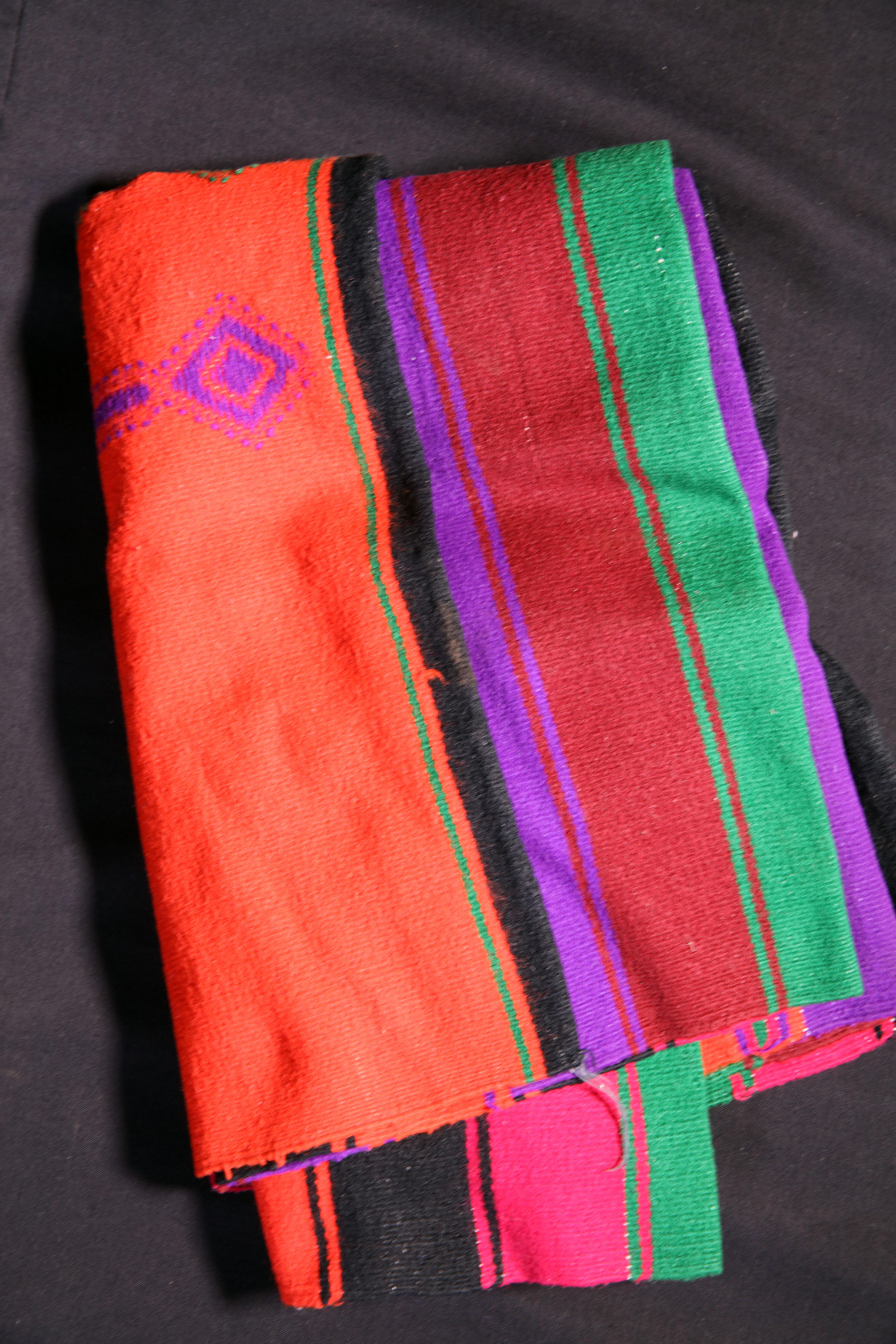
| Item 2.0 | 1 | Victim’s gift to his wife |
If you have any inquiries or need assistance, our dedicated team is available to help you through this contact form, guaranteeing confidentiality and respect.
Afghanistan Memory Home adopts a victim-centered approach. We capture our narrative through the lens of Our Voices.
Victims of Jihad
Narrator: Rahima
Victim: Ramazan Ali Sangar
Date of the incident: 1993
Location of the incident: Kabul, Pul-e-Charkhi prison
Ramazan Ali was very excited about Jihad. He felt that Jihad is fighting for the way of God, a way that leads to happiness. He would call himself a true follower of God. Rahima was supporting her husband because of her love for him. She did know much about Jihad. She came to know about it through her husband and wanted to help her husband in this “holy violence.” But taking part in Jihad had severe consequences for Ramazan. He was imprisoned because of his ideology, was badly tortured, and eventually gave his life without having been prepared for martyrdom.
No one knows how he was killed. Perhaps, he died from the effects of torture. After Ramazan Ali’s death, his wife and three children were left behind without any support or financial means. From morning to night and night to dawn, they were in search of a piece of bread. Rahima knocked on door after door to find work as she did not want to see her children living in chronic poverty. But no one seemed to care. No one invited them to their wedding parties and though people easily talked of compassion, their lack of such mercy in practice came down on Rahima like a hammer on her head. She sacrificed her entire life to provide for her children.
It is this aspect of holy war that Ramazan seems to have failed to consider. His excitement about taking part in Jihad turned him blind to its severe implications for the rest of his family. If he were alive today, he could listen to the suffering of his wife and children. He could intimately familiarize himself with their untold story. If he was alive today, perhaps, he would choose another way of attaining prosperity.
The Story of Ramazan Ali
It was the last year of Dr. Najibullah’s government, during the month of Ramadan. Shortly after dinner, my husband began praying. We did not know that our house was under surveillance. Suddenly, we heard suspicious movements. When we came out of the house, the yard was full of people. More than 50 soldiers came into our house. They started to beat my husband.
The reason was that he was a Mujahid. They arrested him and took him away. He was detained in Sadarat and we were not allowed to see him. We could go there only to deliver his clothes. I went to Sadarat and waited for days to see my husband but they did not allow me to see him. I even begged each and every soldier and officer to make an exception, but it was to no avail.
After six months, he was transferred to Puli Charkhi prison where he spent another year. Once again, I was not allowed to see him. After one year, he wrote us a letter and sent us his ring and some other things. In that letter, he mentioned that he had been transferred from the second floor of Block 2 to Block 3. He also indicated in his letter that if he was no longer found in Block 3, we should stop looking for him. He suggested that his children should be sent to learn the holy Quran.
After we received his letter, I went to Puli Charkhi prison on several occasions. Every time, the prison officials told me that nobody with his name was imprisoned there. Then, the last time I went there, they told me that my husband had been executed and handed over his personal belongings to me. We never saw his dead body. He was killed seven years after our marriage. It was after his death when our truly bad days began. I was obliged to do all kinds of hard work including cleaning, washing, and ironing to support my family and children. We also lived for 13 years as refugees in Iran.
I still preserve my memories of Ramazan, the worst being when I was told that he had been executed. Coming back home, I was so desperate and sad. My younger daughter asked me what happened and I told her that her father was no longer alive. She began to shout and cry for a long time. Since then, I have never seen her cry again. In those days, I was working day and night while continuing to mourn the death of my husband. Some nights, my younger son and I cried together. Sometimes my son cleaned my tears and told me that I could be his father too.
Another sad moment in my life was the day when my husband was arrested and handcuffed. There was a place in our home where he hid but the soldiers found him. He was handcuffed and beaten up in front of me and the children. My husband told me not to worry and that nothing would happen to him. When he was taken away, I saw the tears in his eyes. Afterwards, I never saw him again. I will never forget that moment.
| Item Name | Quantity | Description |
|---|---|---|
| Item 1.1 | 1 | Memory Box + Ideal and Memorial flags |
| Item 1.2 | 1 | Victim’s Memorial picture |
| Item 1.3 | 1 | Victim’s Ring + Shoemaking tools |
| Item 1.4 | 1 | Victim’s Shoes polish |
| Item 1.5 | 1 | Victim’s special glass |
| Item 1.6 | 1 | Victim’s Ring |
| Item 1.7 | 1 | Victim’s Hammer |
| Item 1.8 | 1 | victim’s Measurement |
| Item 1.9 | 1 | Victim’s handkerchief (he always kept his Bread in it) |
| Item 2.0 | 1 | Victim’s gift to his wife |

You're all caught up
New activity will show up here.