Now That He is Gone, My Sorrows Have Increased a Thousand Times
Narrator: Shirin Gul (aunt and godmother)
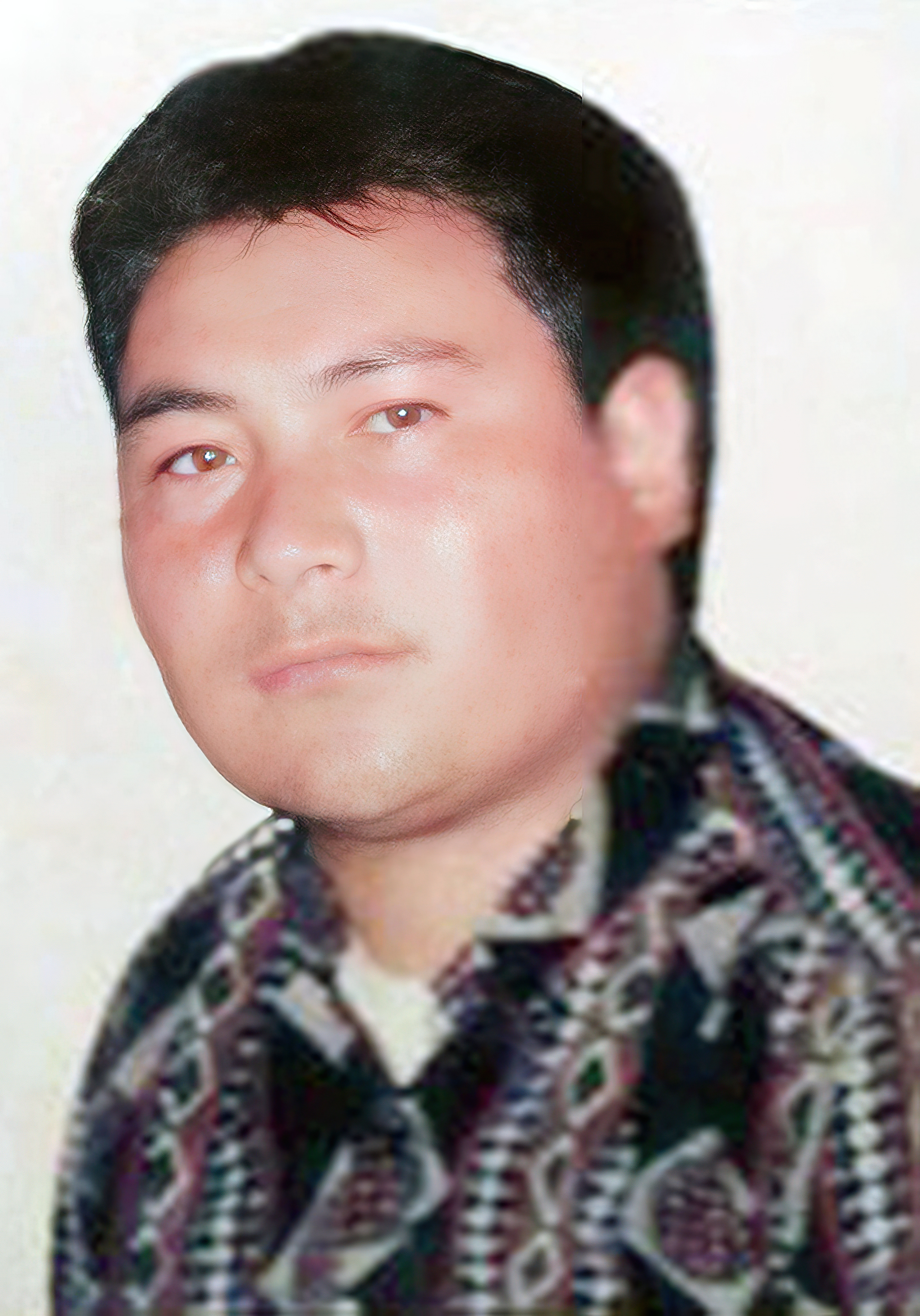
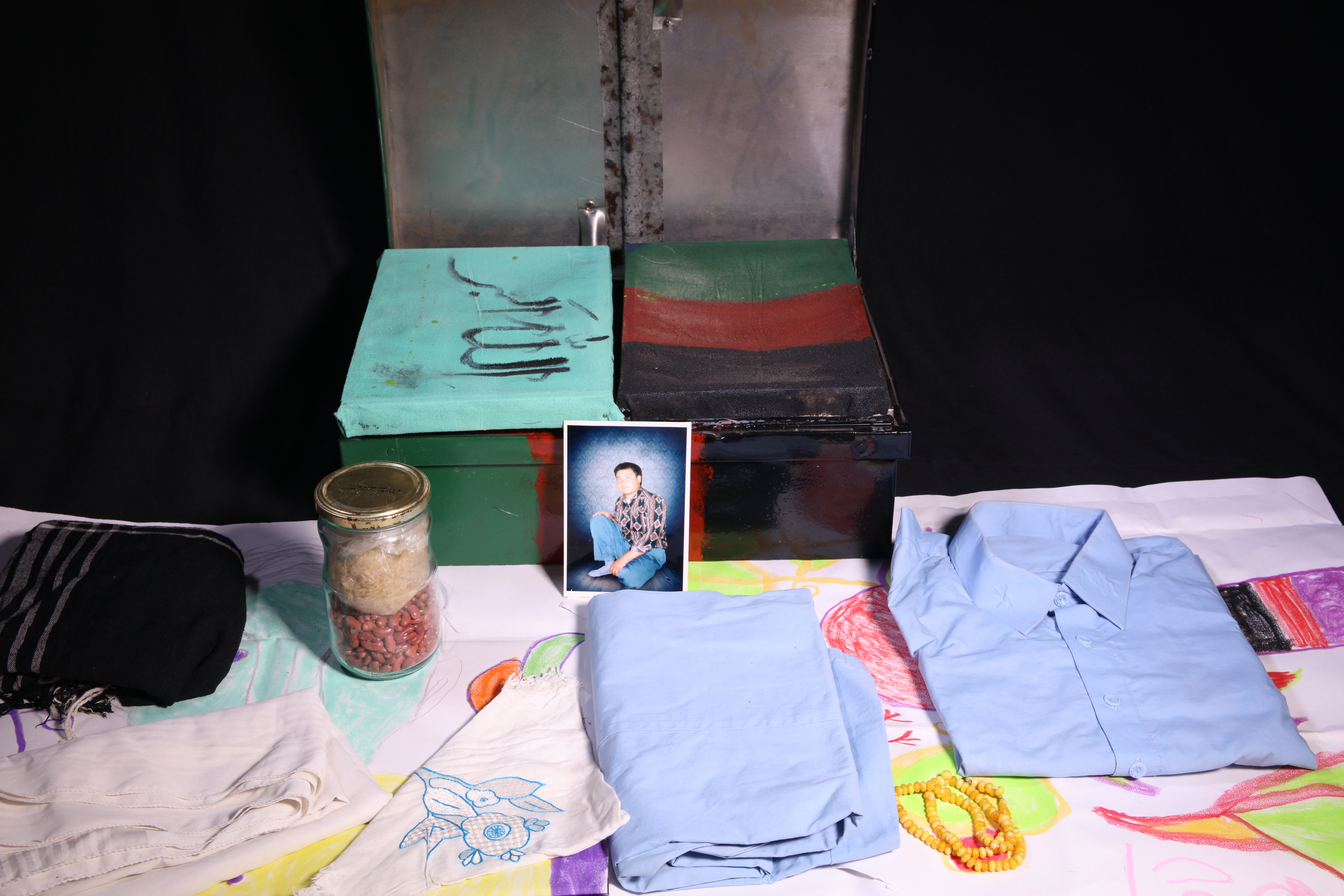
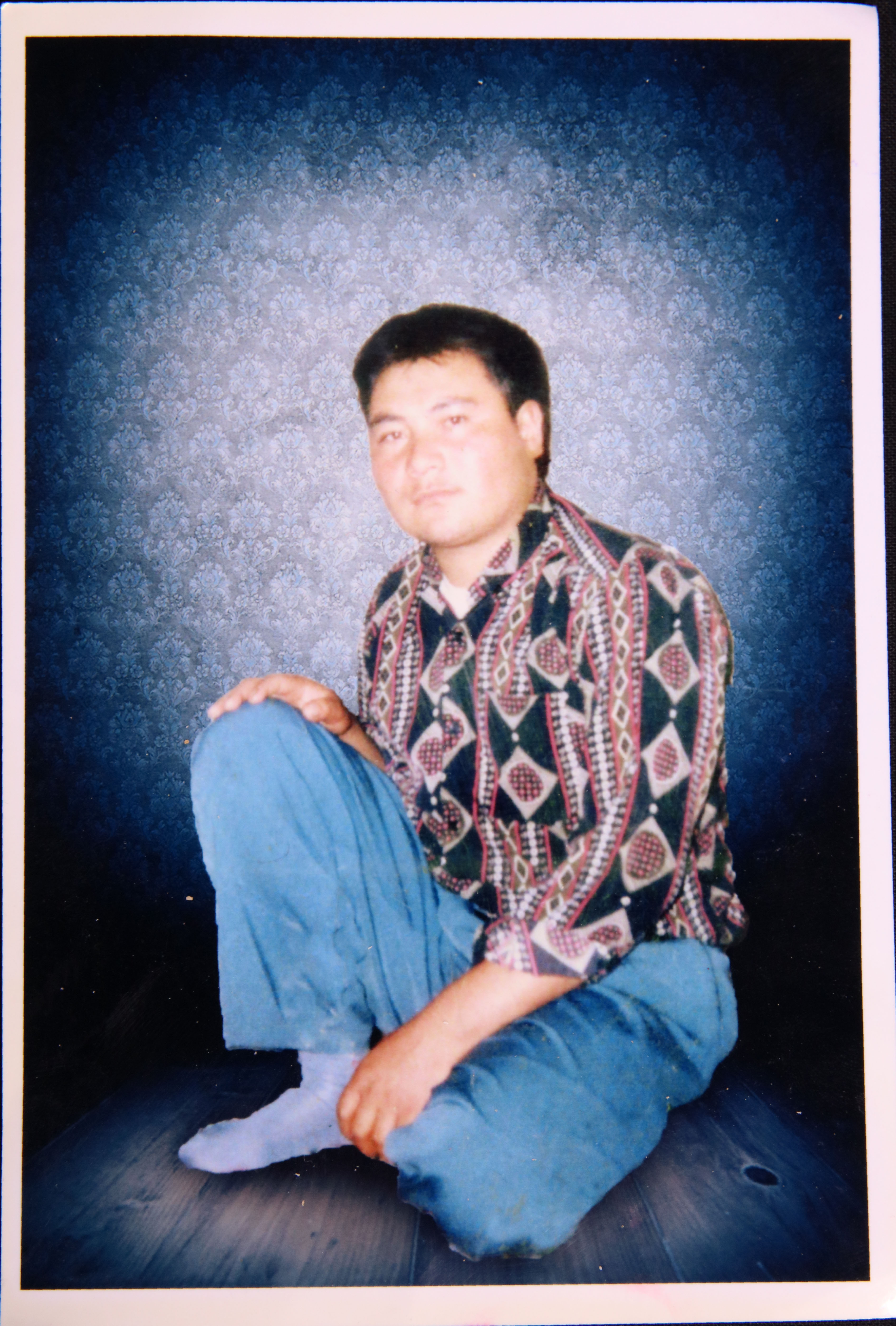
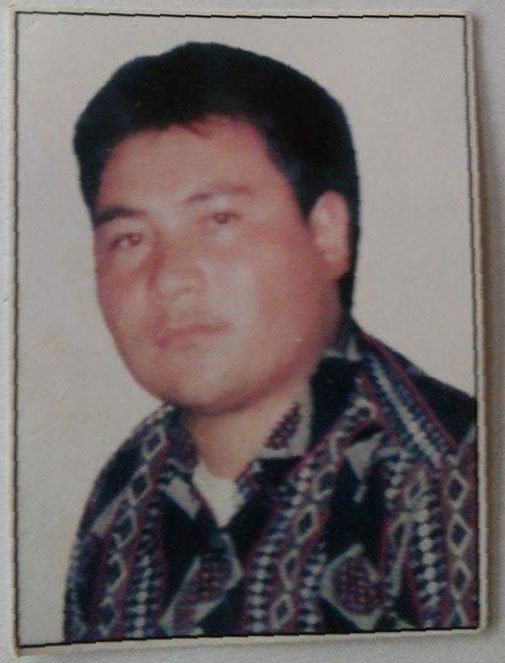
Victim: Khadim Hussain Hussaini
Date of the incident: 23 July 2016
Location of the incident: Dehmazang, Kabul City
Khadim Hossain was orphaned when he was six months old. Thenceforth, I assumed his guardianship. Years ago, Khadim’s father went out hunting with some other people and was buried by an avalanche. Only in autumn could they dig him out of the snow. His mother suffered from an anxiety induced mental breakdown triggered by her husband's death. Consequently, she also died. Since then, I had assumed guardianship of Khadim Hossain. I raised him until he was 20-years-old. He had just turned 21 this year.
Last year, his uncle [the narrator’s husband] was paralyzed due to high blood pressure. I went to all the hospitals in Kabul to find him a treatment and basically met every doctor. After we were disappointed with his treatment in Afghanistan, the doctors gave me a note to take him to Pakistan, where he could be treated. I borrowed money from my relatives and took him to Pakistan. Once Pakistani doctors examined him and conducted the initial treatment, they said he should be hospitalized for two months and would be fine after two months. He was hospitalized in Pakistan for almost 25 days. When calling home, Khadim Hussain would assure me that he, the house, and the children were all fine.
He said, “I am at work in the morning, return home in the evening, and all of us are together.” One evening, I called him, but his phone was off. I got worried and told his uncle that I had called Khadim Hossain, but his phone was off. His uncle told me, “It is okay. He is young; either his phone is dead, or he is at work and has turned it off, or maybe he has lost it.” I was still worried. I called my brother and asked him how he was. I told him I had heard there was a demonstration in Kabul. “Are you all well?” I asked. He said they were all fine. I asked him if he knew about Khadim Hossain and that his phone was switched off. He said, "Well, I don't know, sister." I asked him to call or find out why his phone was turned off. I explained that there are little children at home, it is not clear what has happened, and to let me know so that I could stop worrying. My brother said, “Okay. I will find out about him and let you know.” His own uncle was in the hospital.
During the day, I was taking care of my husband, and at night, I would stay at the house of my husband's cousin who lived in Pakistan with her family. That when, I saw on TV that smoke was rising from Dehmazang Square and numerous ambulances were carrying the wounded and dead. It was a terrible situation. Looking at that, I became apprehensive and said to myself, "God, what has happened?" From early evening, I continued calling Khadim until late at night, but he did not answer.
Early next morning, I called my brother and told him, “I tried calling Khadim Hossain's phone at night, but it was switched off. You told me you would find out about him and update me. You did not, so what happened?” He said, “Sister! Be patient. I will find out about him and call you.” Once again, I asked my brother, “Please go check the house, since there are only a few houses of our people there. There are one or two Hazara families, three Sayyid families, and the rest are all Pashtuns. Check on my children and see what has happened to them.” At around 11:00 or 12:00, my brother called back. When I picked up the phone, he said, "Sister, your son took part in the demonstration. We are looking for him but we cannot find him. It is up to you whether you come back or decide stay there." I went to talk to the head of the hospital. Although I didn't know their language, I managed to make them understand that there was a problem back at home. I said they had to dismiss my husband as we needed to return to Afghanistan. But they told me that I had to leave the patient there for two months and that I was not allowed to return to Afghanistan because the patient’s medication would not be sufficient. I went to my husband’s cousin's house and told him I had received a call from home, but the hospital won't dismiss his cousin. I asked him to go and talk to the hospital administrators to solve our problem.
He called my brother. My brother told him, “All I know is that he took part in the demonstration, but despite our endless searches after the incident, we have not been able to find him. My sister can either stay there with her husband or return.” We returned to the hospital, and my husband’s cousin pleaded with them until they allowed the patient to leave. We waited at the border crossing in Torkham for two days and then travelled to Kabul. When I arrived home, I asked my children where Khadim Hossain was and what had happened.
My eldest daughter, 13-years-old, said, “Mother! He came back from work in the evening and his employer called him to see if he had arrived home. Khadim Hossain said yes, he is at home. He woke up early in the morning and said that he was going to work. He went outside and came back.” Because he was working in a mosaic factory and his work clothes were very dusty, he had told my daughter, “Heat some water and wash my clothes, they are very dusty. I will not go to work today.”
He was having breakfast when somebody knocked on the door. Someone named Abbas, who was also later martyred in the demonstration, came to see him to ask him to go to the demonstration. Khadim asked for his clothes and got ready to participate in the rally. He said to my daughter, “Sister, if I am late, either go to your uncle’s house and tell him to come and stay with you at night, or call the lady who always visits us so that you are not alone before I arrive.” My daughter explained that they waited until evening but Khadim did not come home. “I went to my uncle’s house and said that Khadim Hossain had not come home yet. My uncle became angry with me and said, 'He will come home. There must either be a traffic jam, or he is just late from work.' I was still worried and went to the neighbours whose house is one or two buildings away, and told his wife that Khadim Hossain had not come home that night. We were all alone and, if possible, could she come and stay with us?" The neighbours knew that Abbas, the neighbour's son, had taken part in the demonstration too. Since Abbas had not returned, Khadim might not come back either.
At night, the neighbour lady stayed with my children until morning. In the morning, my brother went to our house and told my daughter to wake the children up and tidy up the house. He then went to look for Khadim Hossain. My daughter woke her siblings up and organized the house. After a while, a vehicle came to our alley, followed by a commotion. The body of Abbas, who took part in the demonstration alongside Khadim Hossain, had been found and brought to his home. Abbas's mother and wife were beating themselves, shocked by the sudden encounter with Abbas's body. My daughter explained, “I was looking at the crowd in the alley near Abbas's house when my uncle showed up and took us home, we hadn’t realized what had happened.”
When I arrived in Kabul, I met the community representative and asked the local people what had happened. They told me that Khadim Hussain and Abbas had been together, but they didn’t know if they had actually taken part in the demonstration or gone elsewhere. I called his employer who confirmed that Khadim had called to say he would not come to work that day as he planned to go to the demonstration. His employer had later tried to reach him but Khadim’s phone was turned off.
The next day, my brother and I searched the 400-bed Wazir Akbar Khan, the Aliabad, Esteqlal and Ibn-e Sina hospitals, and all the other hospitals in Kabul, but we could not find Khadim. Once I returned home, the community representative said I should consult with Motahari. When I met him, he assigned Jawhari and others to join me at the 400-bed Hospital. There was a burnt body there, but it could not be identified. There were several representatives with me. They asked me if I could recognize the body, but it was completely blackened. The only thing about the body that resembled Khadim Hossain was the height; it was not recognizable in any other respect. I told them that Khadim Hossain was heavy and fat, but this person was slim. Somebody, whom I thought was a doctor, said the body had become thin and black because it had been burned. Jawhari told them that there were pieces of the bodies that had not been identified so far. There were amputated hands, feet, heads, and other body parts. When we went there, there were just pieces of flesh. I told them that the only part of his body I would be able to recognize was his face; the rest of his body, including his hands, feet, flesh, and other parts, would be impossible for me to identify. We returned home.
When Khadim Hossain was still alive, life could go on somehow as normal. Sometimes it was good, and sometimes bad. But ever since Khadim Hossain sacrificed himself for the sake of more rights and justice, his uncle has been paralyzed, and the difficulties in my life have increased tenfold. My children have become like orphans with no caretaker because they are small and there is no one to look after them. Their faces are covered with dust. My husband waits for me to return home and give him a glass of water with a piece of bread. My children are small and have no clue. He cannot take care of his home and his children.
Most brothers and sisters who have lost their loved ones at least have the chance to visit their martyr's graves to calm their hearts. Where can we go? Should I go to Mosala or visit the Martyrs Hill, each of whom has a family and loved one who come to see them? They go through a single pain, whereas I suffer a thousand pains. In the evening, when someone knocks on our door, my heart trembles, and I tell my children to open the door. God is merciful, maybe it could be him, and we could see him again. When the phone rings, I quickly pick it up, hoping it is Khadim Hossain calling. I am stuck in aguish. I may find food for breakfast, but I might not get anything for dinner. And thus, I spend the night and day looking forward to seeing Khadim Hossain again. I am waiting for where God will lead us. Despite all the sorrows, I thank God that I have a healthy body and can work and take Halal food for my family, no matter how much or how little.
When Khadim Hossain was alive, I worked at home since he was working outside and providing for the household. He would help me move his uncle and take him to the doctor. If there was a fatiha and I couldn't attend, I could be confident that Khadim Hussain would attend in our place. He would also participate in other people's happy occasions, and so I felt reassured. Now that he is gone, my sorrows have increased a thousand times.