Reach out to us for queries and assistance
If you have any inquiries or need assistance, our dedicated team is available to help you through this contact form, guaranteeing confidentiality and respect.
There Is Nothing Holy about War
Narrator: Safura
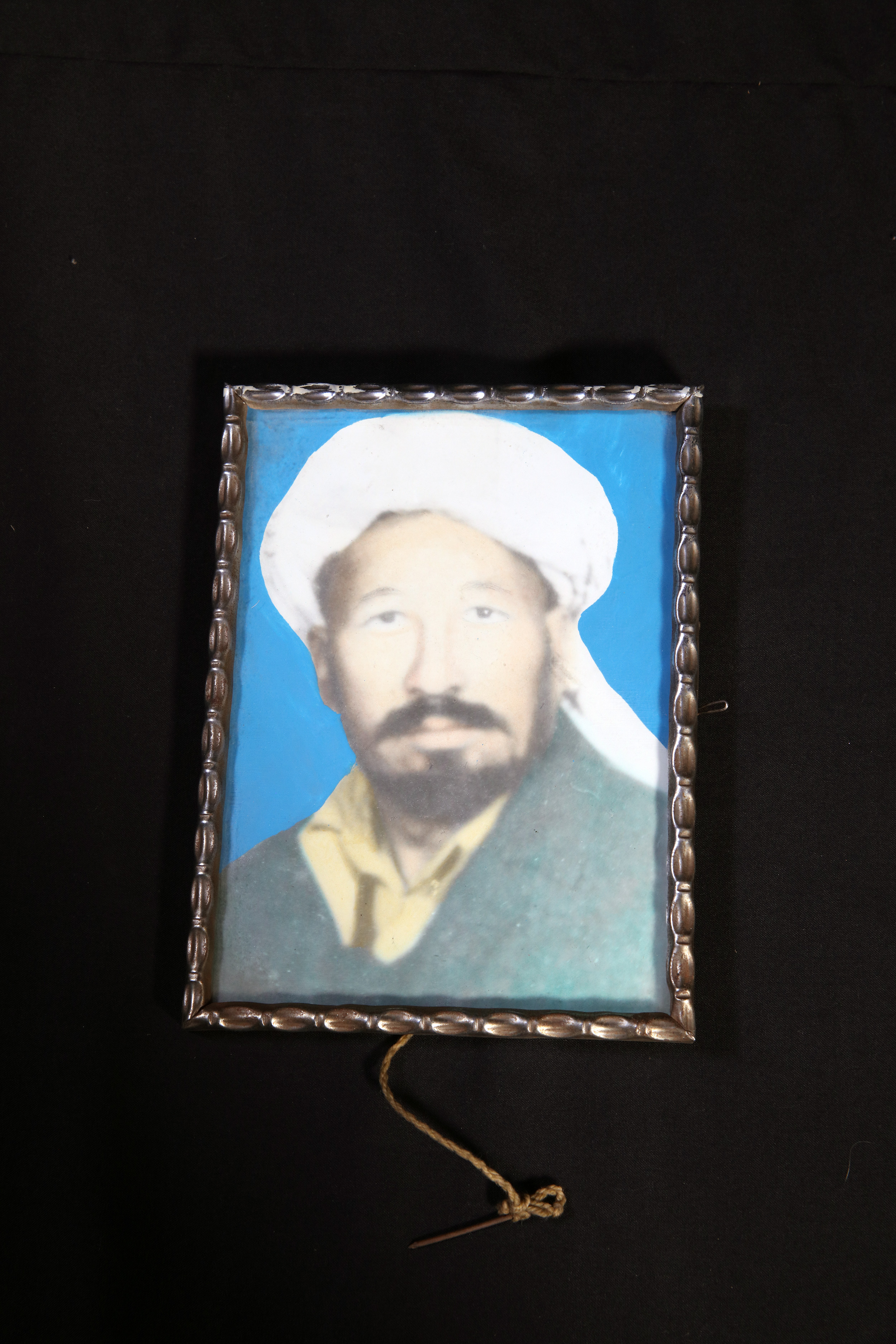
Victim: Haji Ewaz
Date of the incident: 1985
Location of the incident: Kabul City
Haji Ewaz was excited about Jihad. For him, Jihad was a form of holy struggle that cleans the spirit of the individual and society at large. Haji Ewaz knew that Jihad must first take place inside oneself before it can spread to the outside world. Hence, he was preaching Jihad in order to fight the regime. From his point of view, Jihad was good and those who engaged in it, the Mujahidin, were the best people in the world. The truth is that he was not involved in Jihad for his personal benefit but as a result of his faith and deep convictions.
Haji Ewaz sacrificed his life for Jihad but he did not live long enough to witness its final results: the destruction of Kabul, the pain and suffering it generated, the destruction of thousands of homes, and the burial of women and children under the collapsed walls and roofs of their own residencies.
Neither did Haji Ewaz live long enough to witness how the Mujahidin wiped out an entire city and its dwellers. He had an idealized image of Jihad in his mind. He felt that Jihad is the source of life and that only through Jihad the country could be saved. But he did not live long enough to see how Jihad produced only destruction and suffering for the people of Afghanistan.
Haji Ewaz engaged in Jihad and sacrificed his life for it, but what was holy and emancipatory for him soon turned into an evil for his children as the Mujahidin did not only not follow his model but later killed two of his sons.
The Story of Safura
My name is Safura. I lost my father in-law during the war. I also lost my brother in-law. We used to have shops and properties before the war began. When my father in-law was killed, there was no one in our home to take care of us.
My father in-law Haji Ewaz used to be a Mujahid. One day, unknown people came and inspected our home and took my uncle away. He was imprisoned in Sedarat for six months and then spent another year in Puli Charki prison. Later we were informed that he had been executed and we should come and get his clothes.
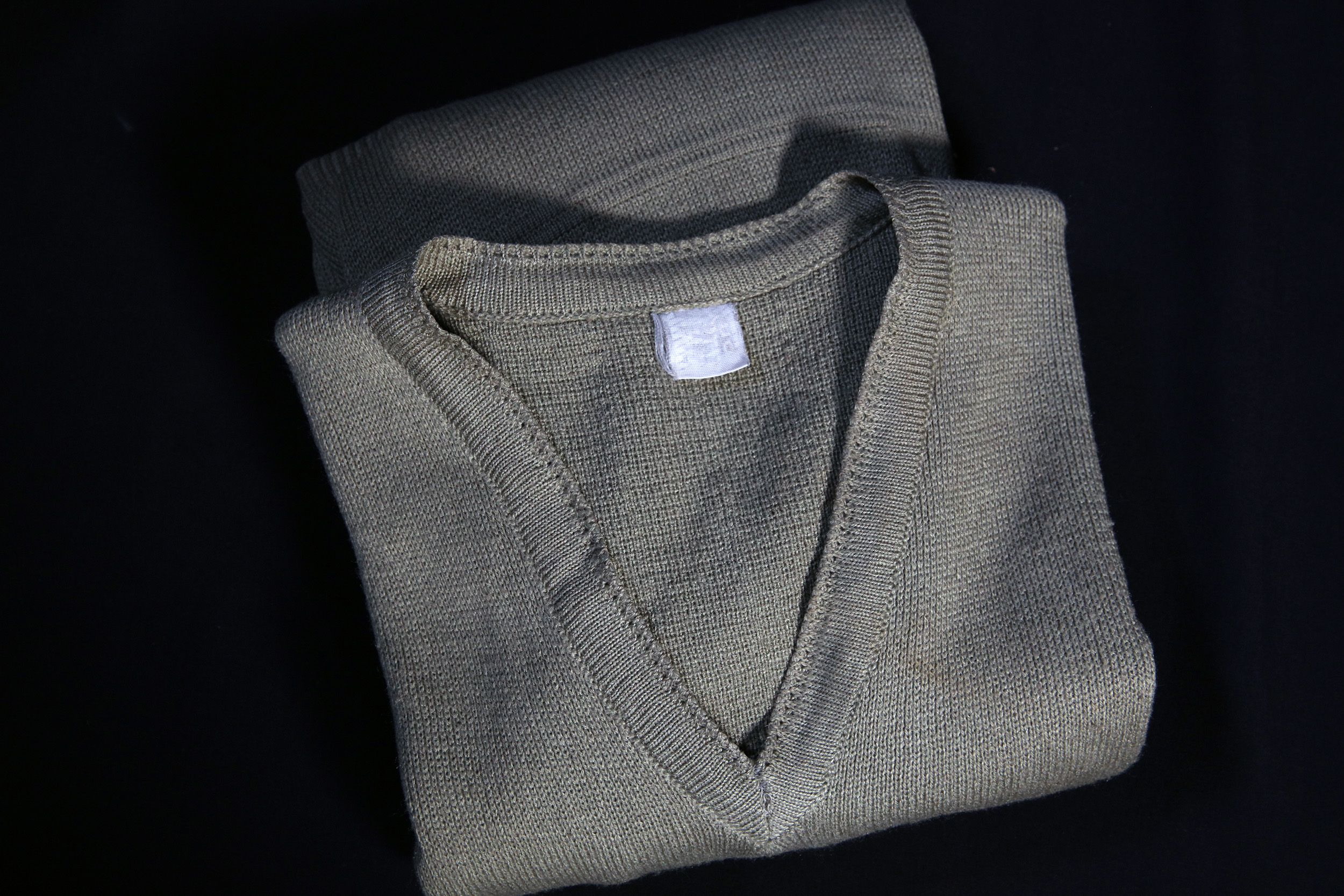
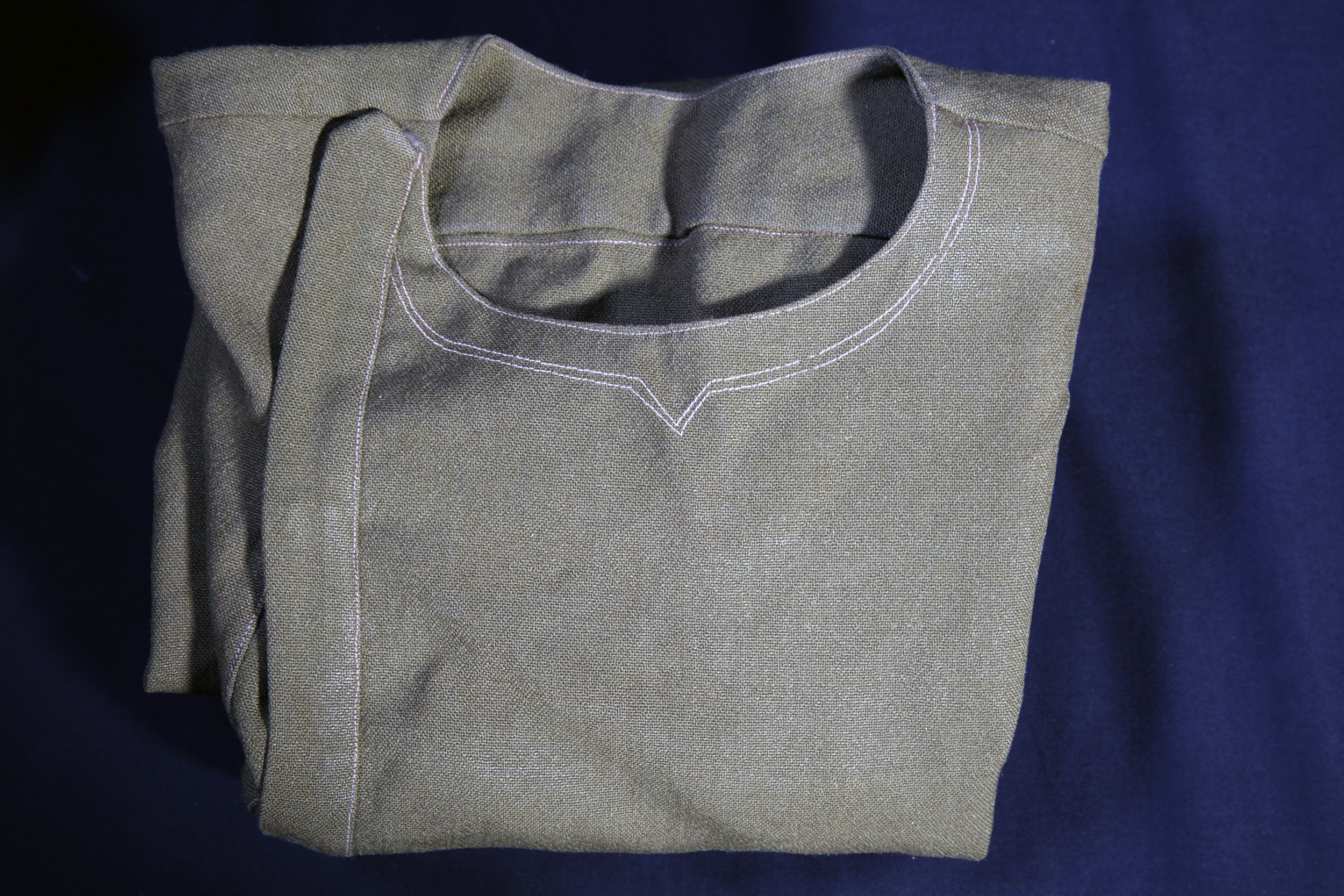
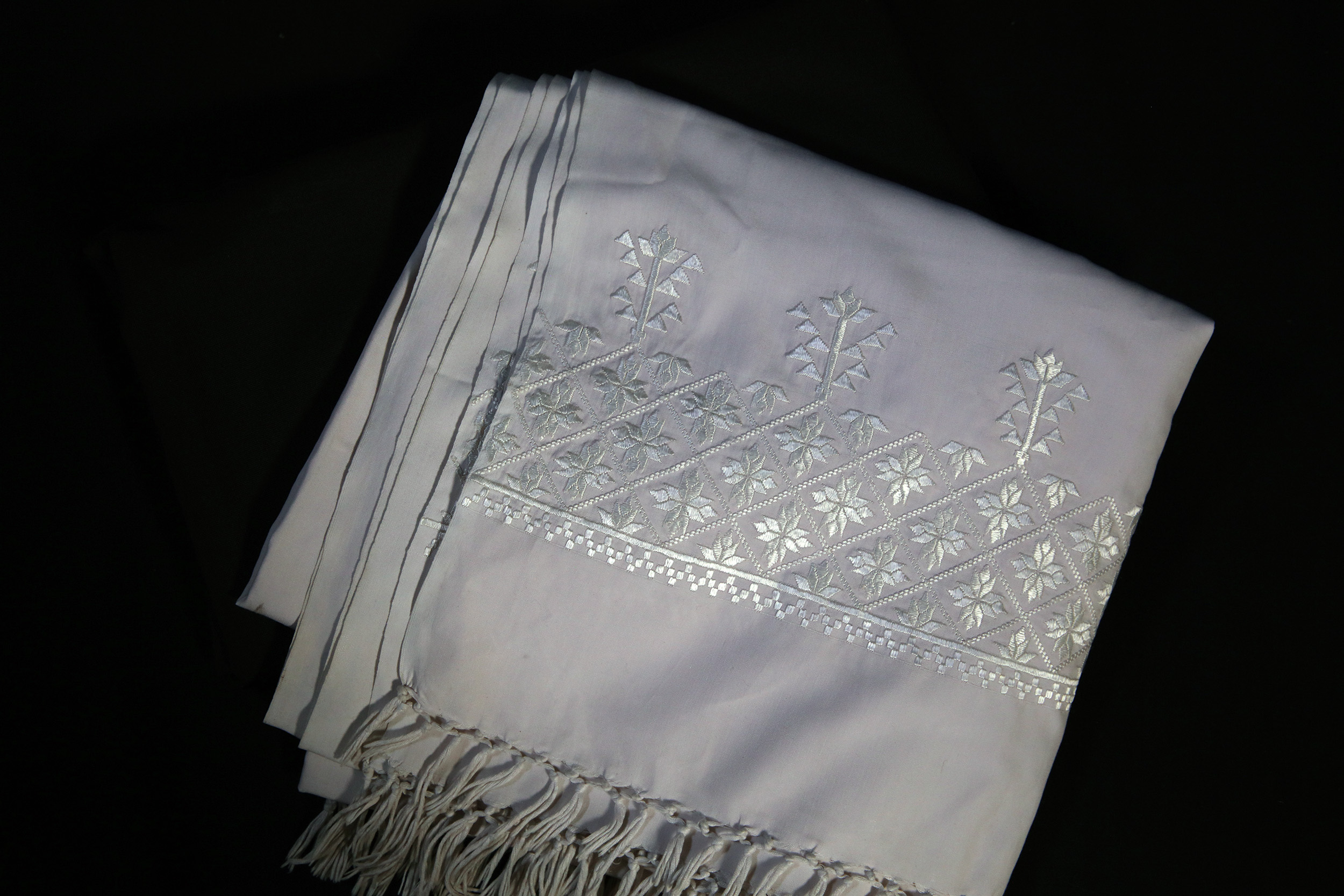
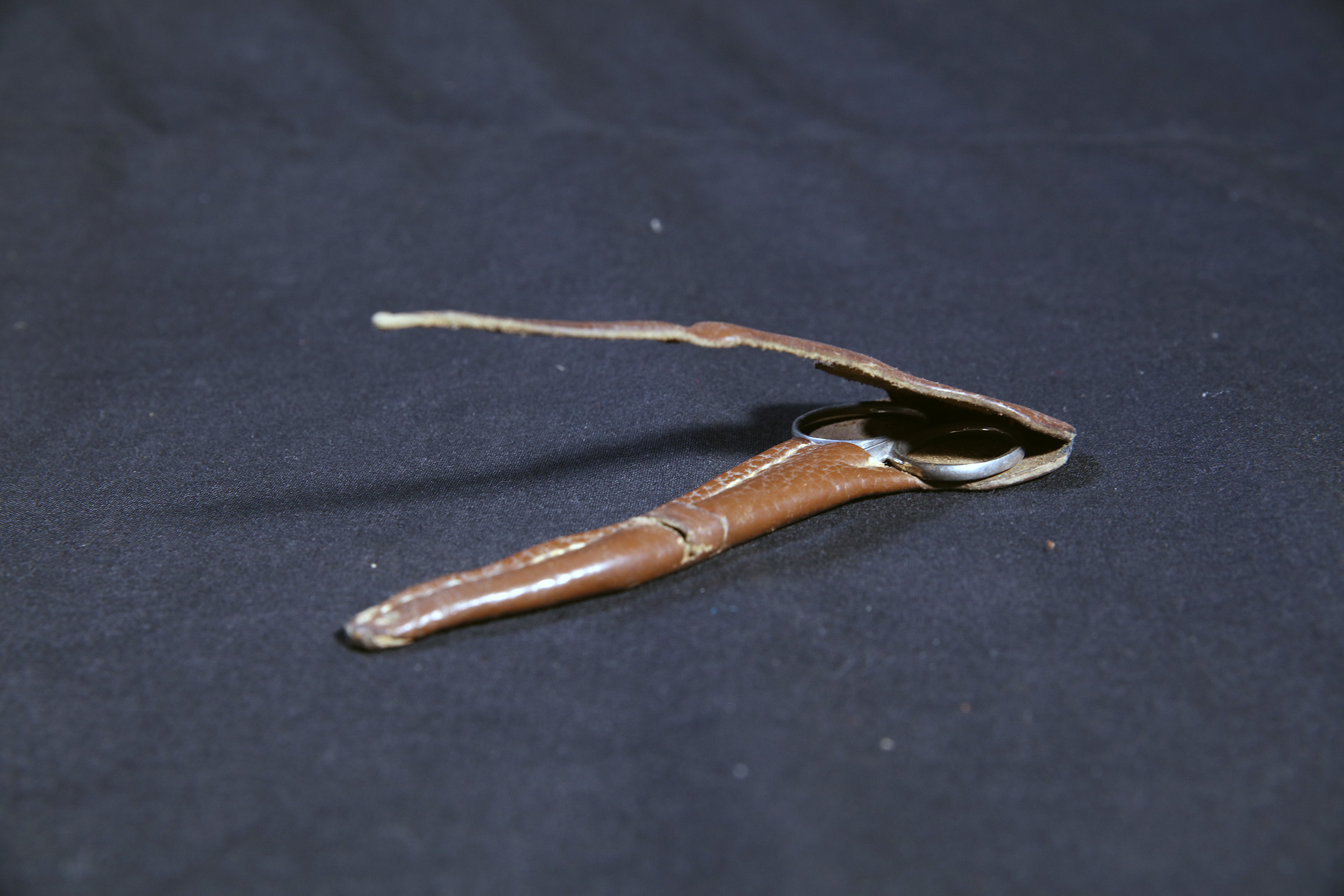
Among the things they gave me were a blanket, a pair of scissors, a mirror, and a bed sheet. His bed sheet was full of blood. I asked them why his bed sheet was full of blood but they did not answer. My husband was in Herat at that time. Later, two of my brother in-laws were killed. Nader Ali, 30-years-old, and Dawood, 14-years-old. My husband was shattered when he learned about the death of his father and two brothers. Since then, our life has been very difficult.
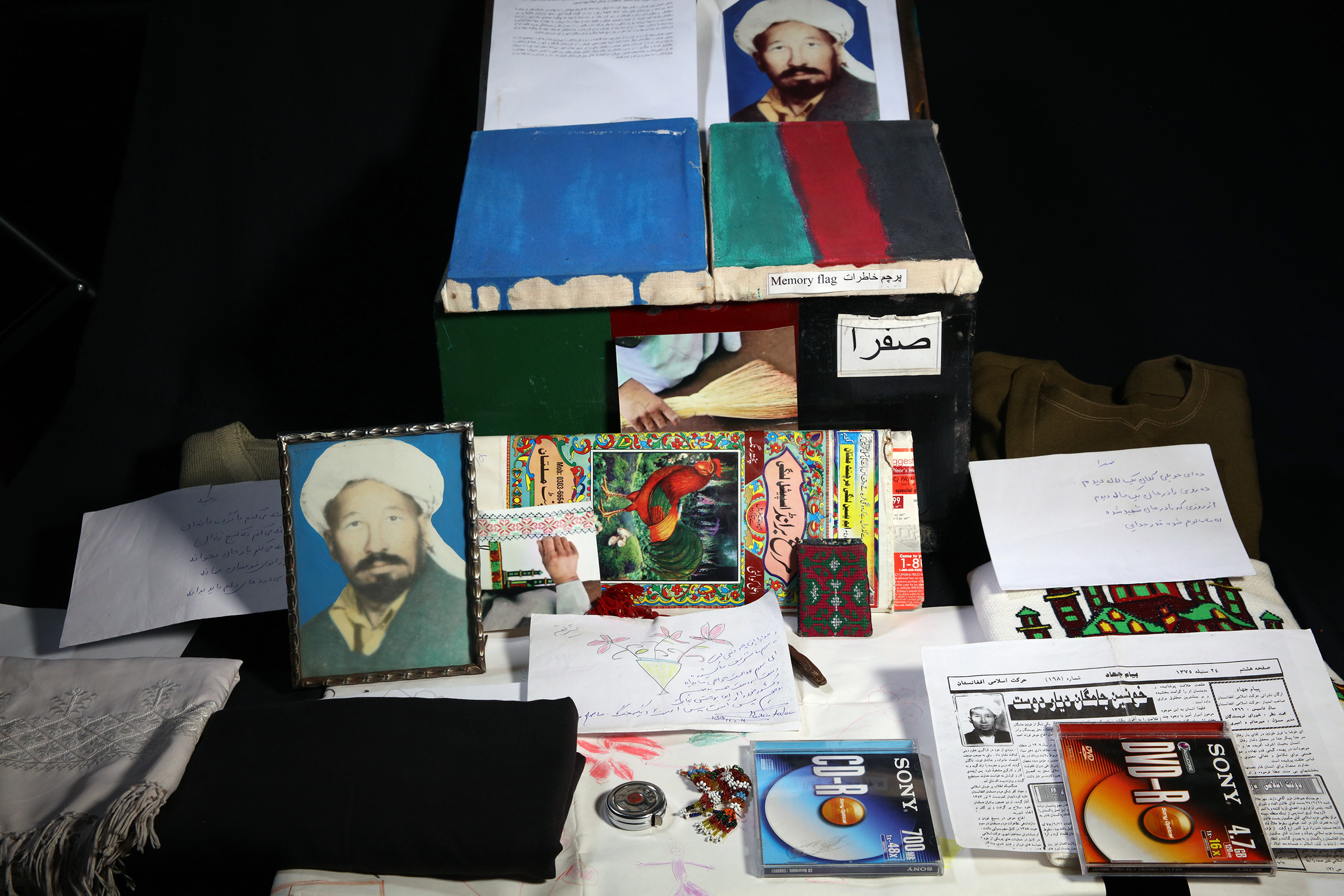
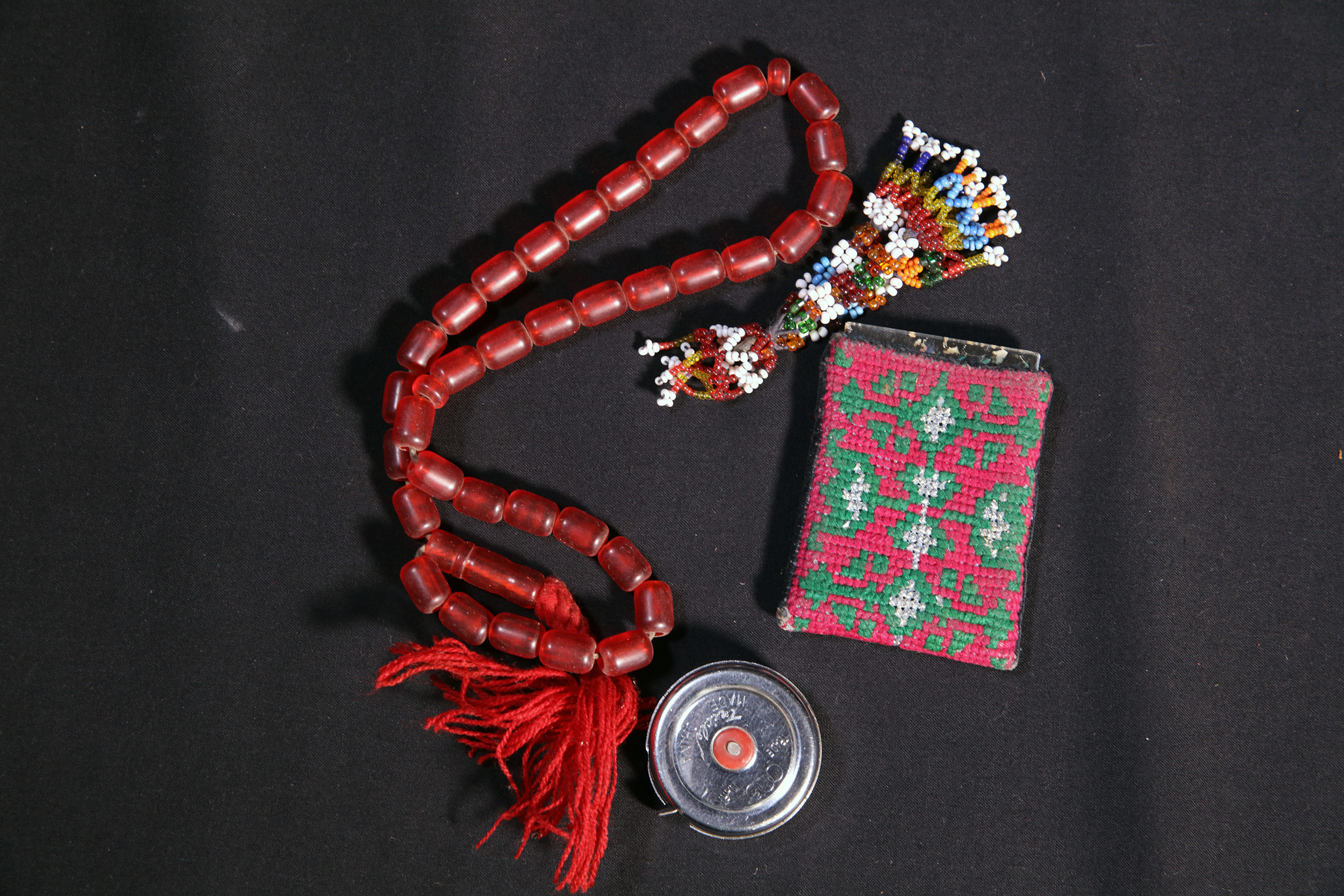
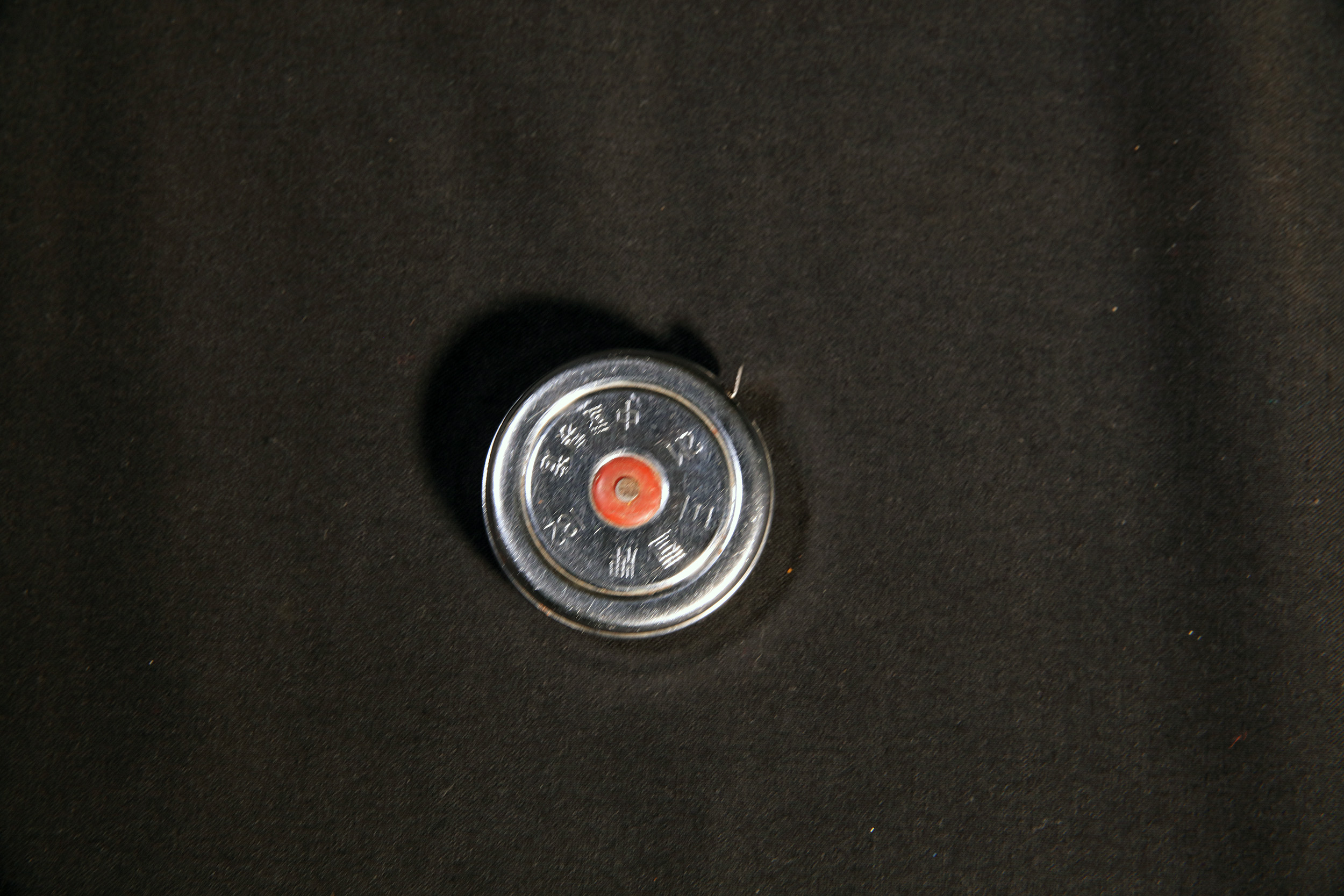
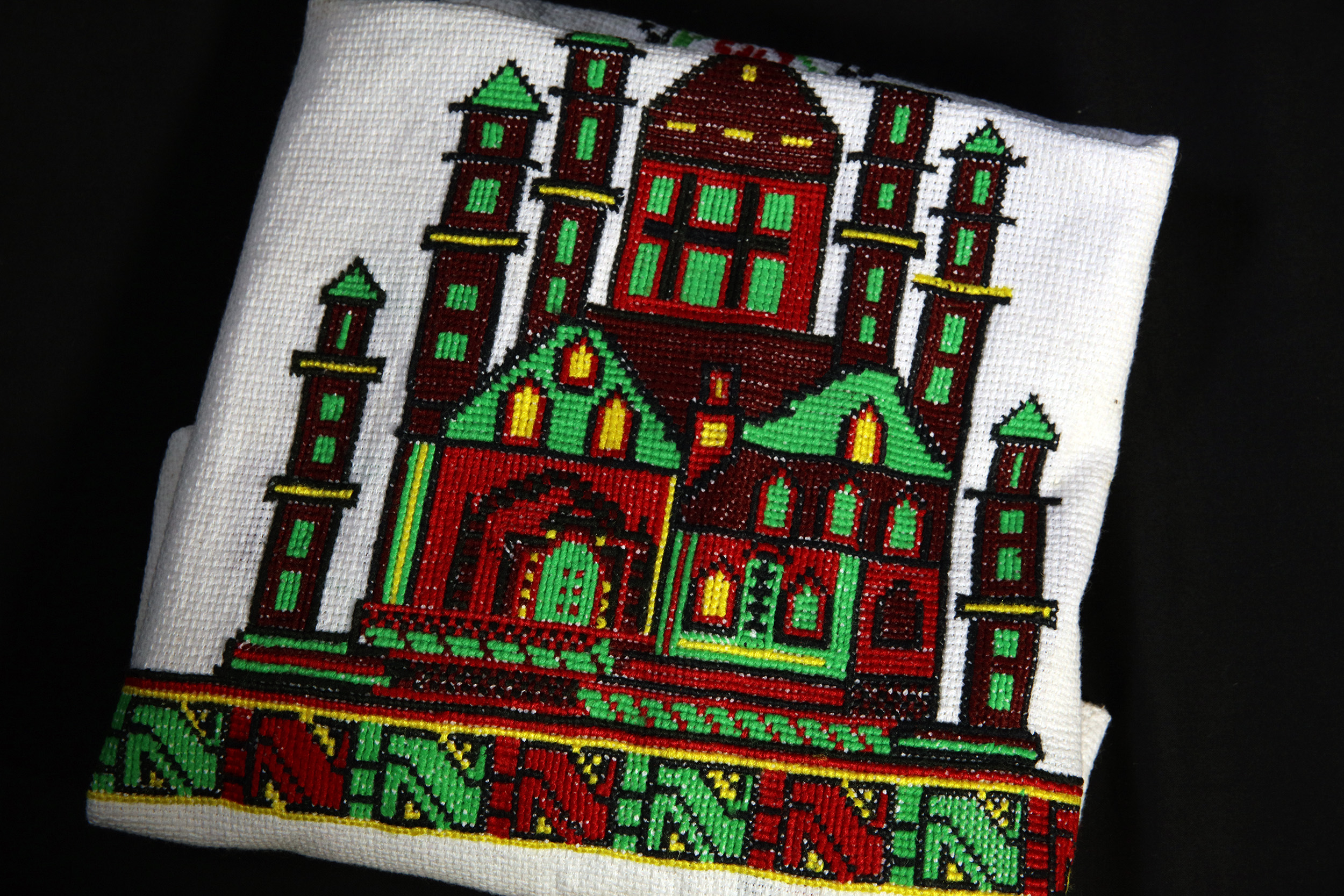
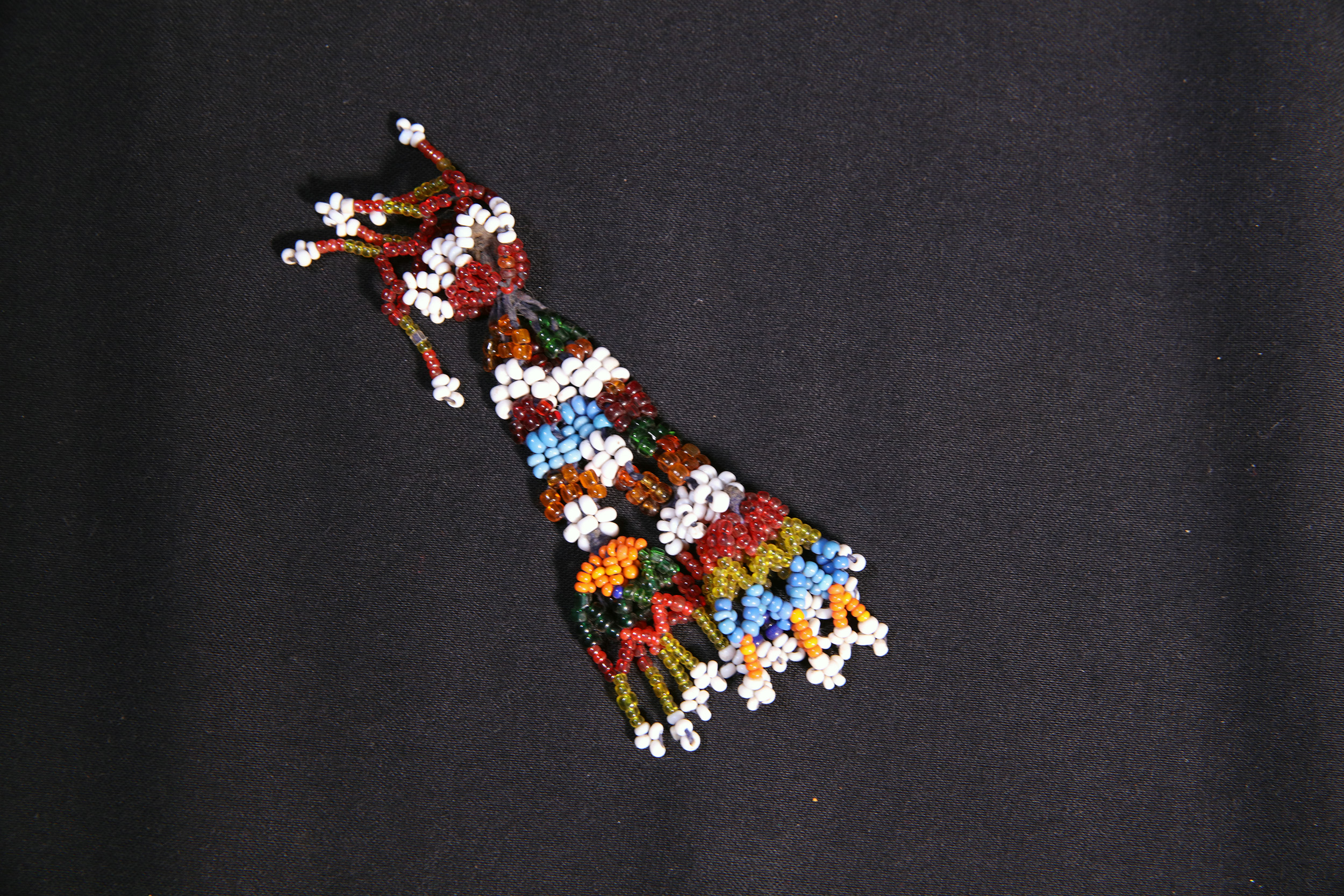
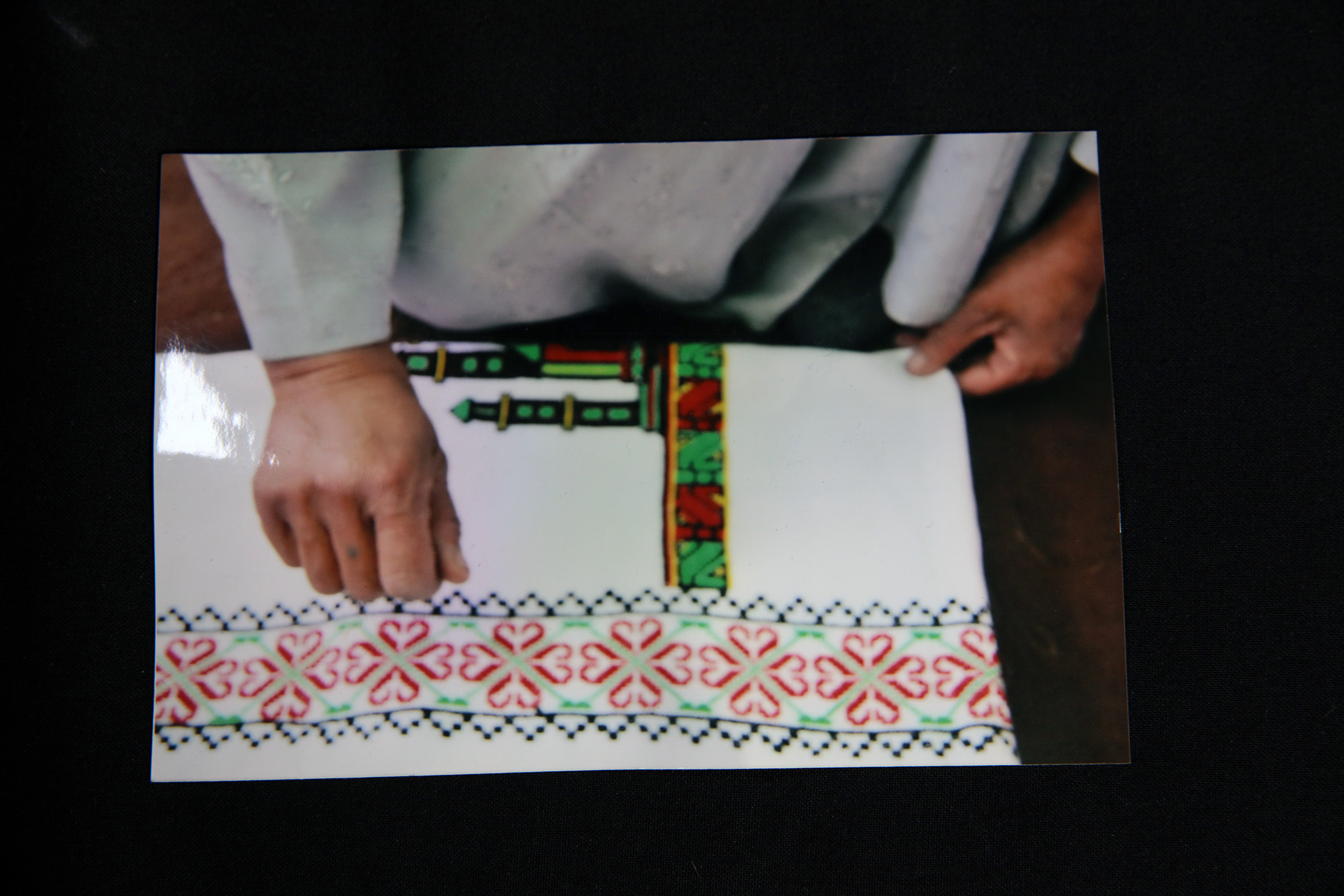
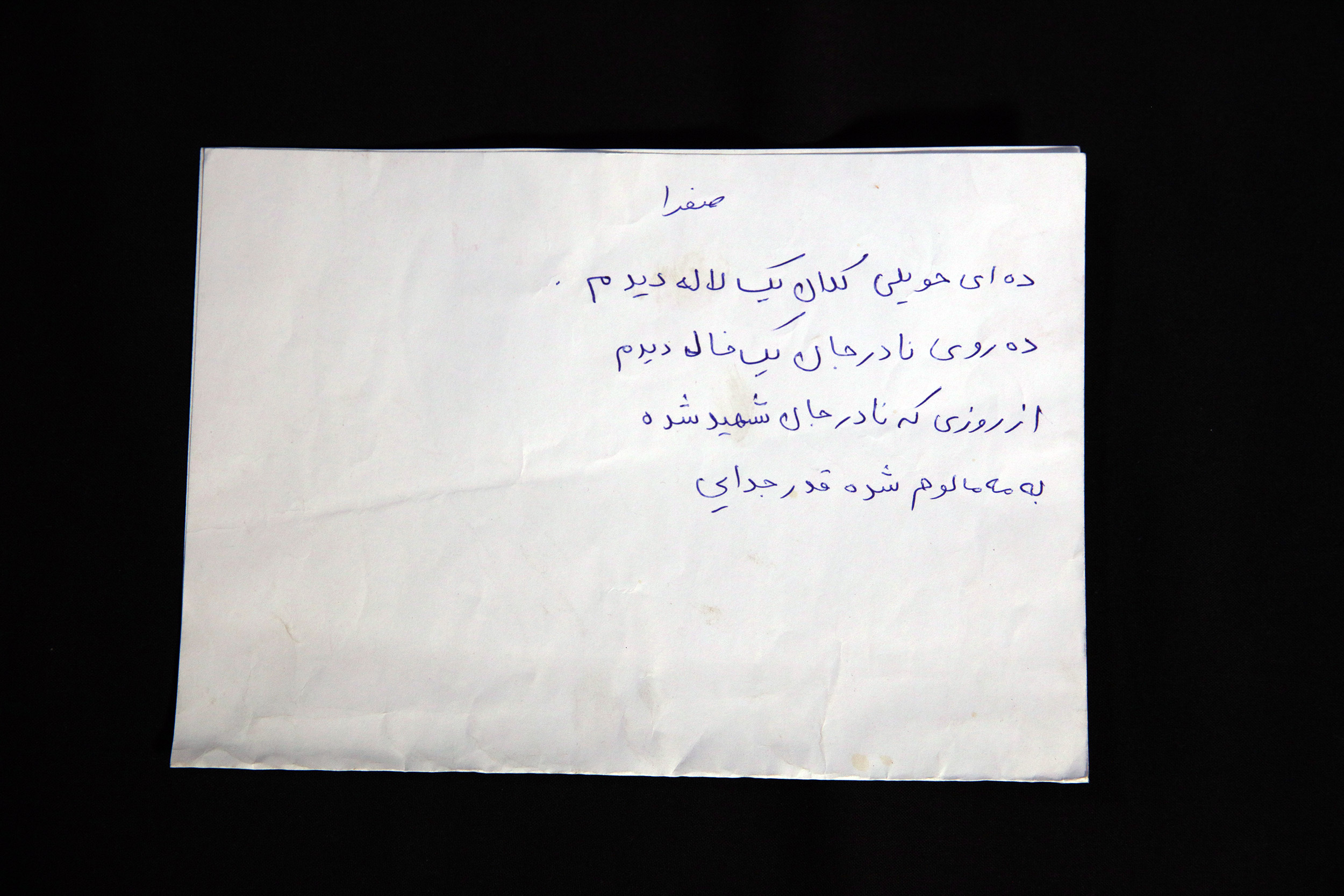
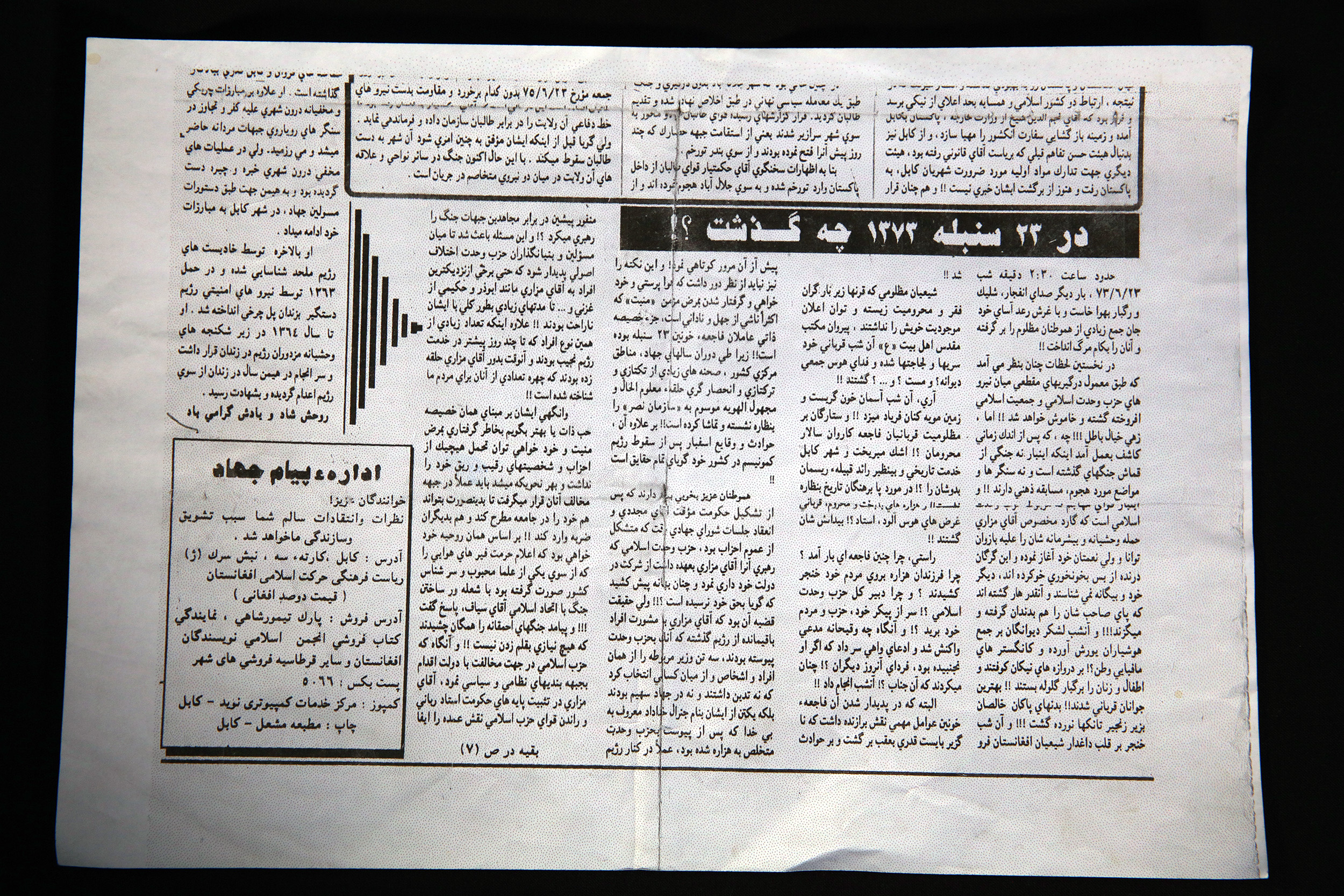
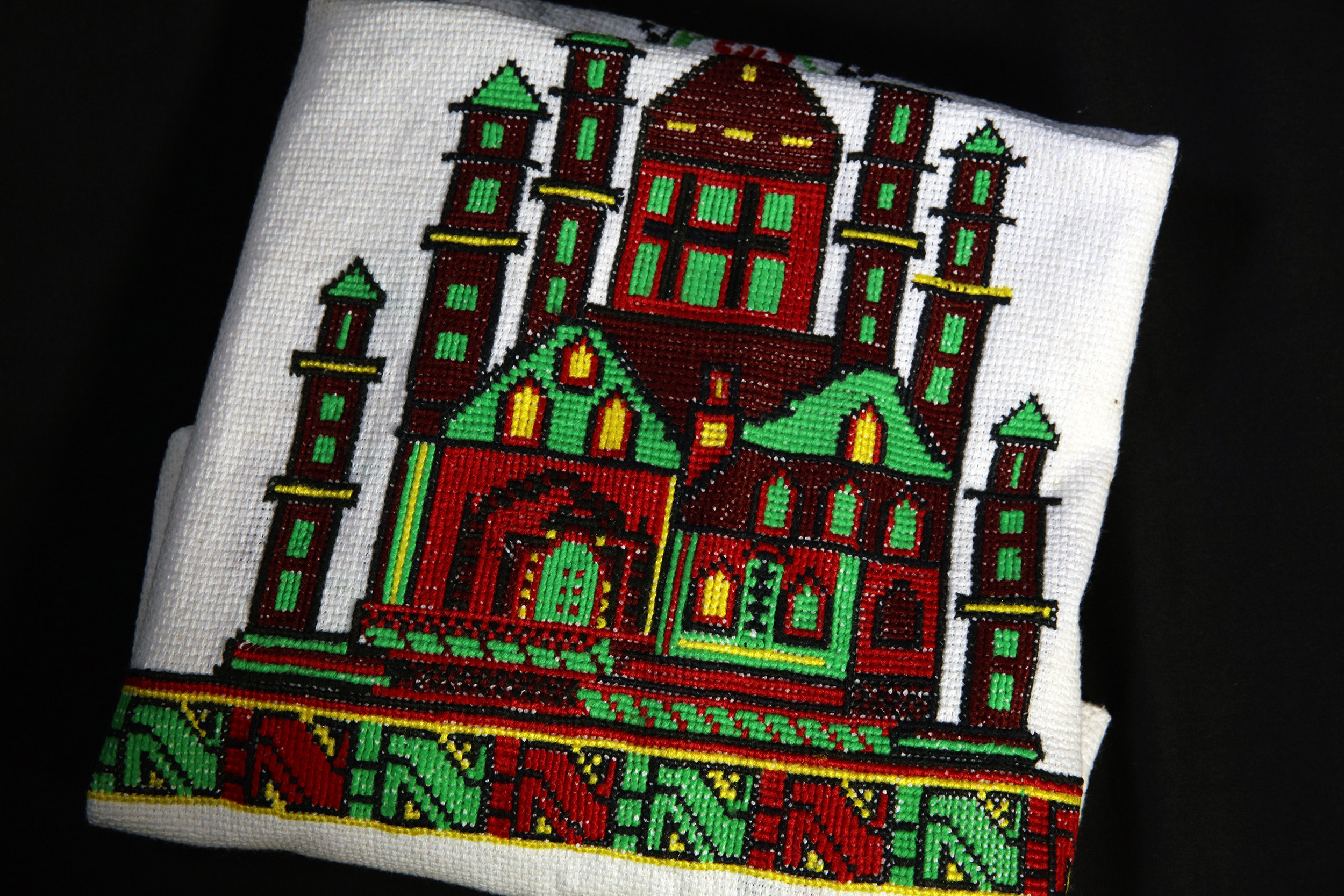
I brought a number of things to contribute to the Memory Box project. These objects were left behind by my father in-law and brother in-laws. There are a turban, a blanket, scissors, and a measurement tape. I hope their memories will remain alive forever.
| Item Name | Quantity | Description |
|---|---|---|
| Item 1.1 | 1 | Memory Box + Ideal and Memorial flags |
| Item 1.2 | 1 | Victims’ Memorial pictures |
| Item 1.3 | 1 | Victims’ Jacket |
| Item 1.4 | 1 | Victim’s Cloths |
| Item 1.5 | 1 | Victim’s Scarf |
| Item 1.6 | 1 | Victim’s Scissor +cover |
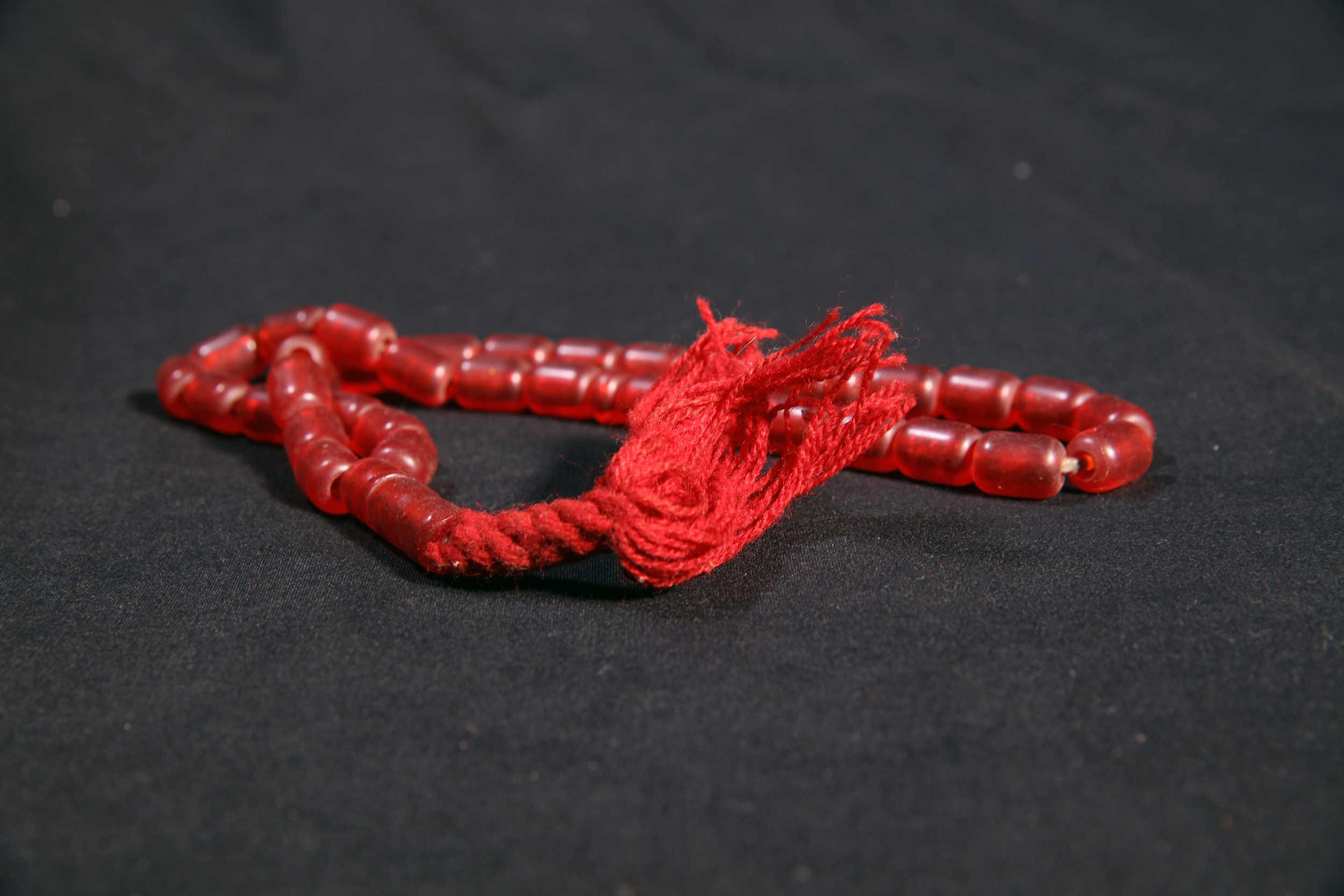
| Item 1.7 | 1 | Victim’s Rosary, Key chain, Measure and violate |
| Item 1.8 | 1 | Survival’s Rosary |
| Item 1.9 | 1 | Victim’s Measure |
| Item 2.0 | 1 | Victim’s Prayer mat |
| Item 2.1 | 1 | Victim’s Key chain |
| Item 2.2 | 1 | Victim’s Payer mat |
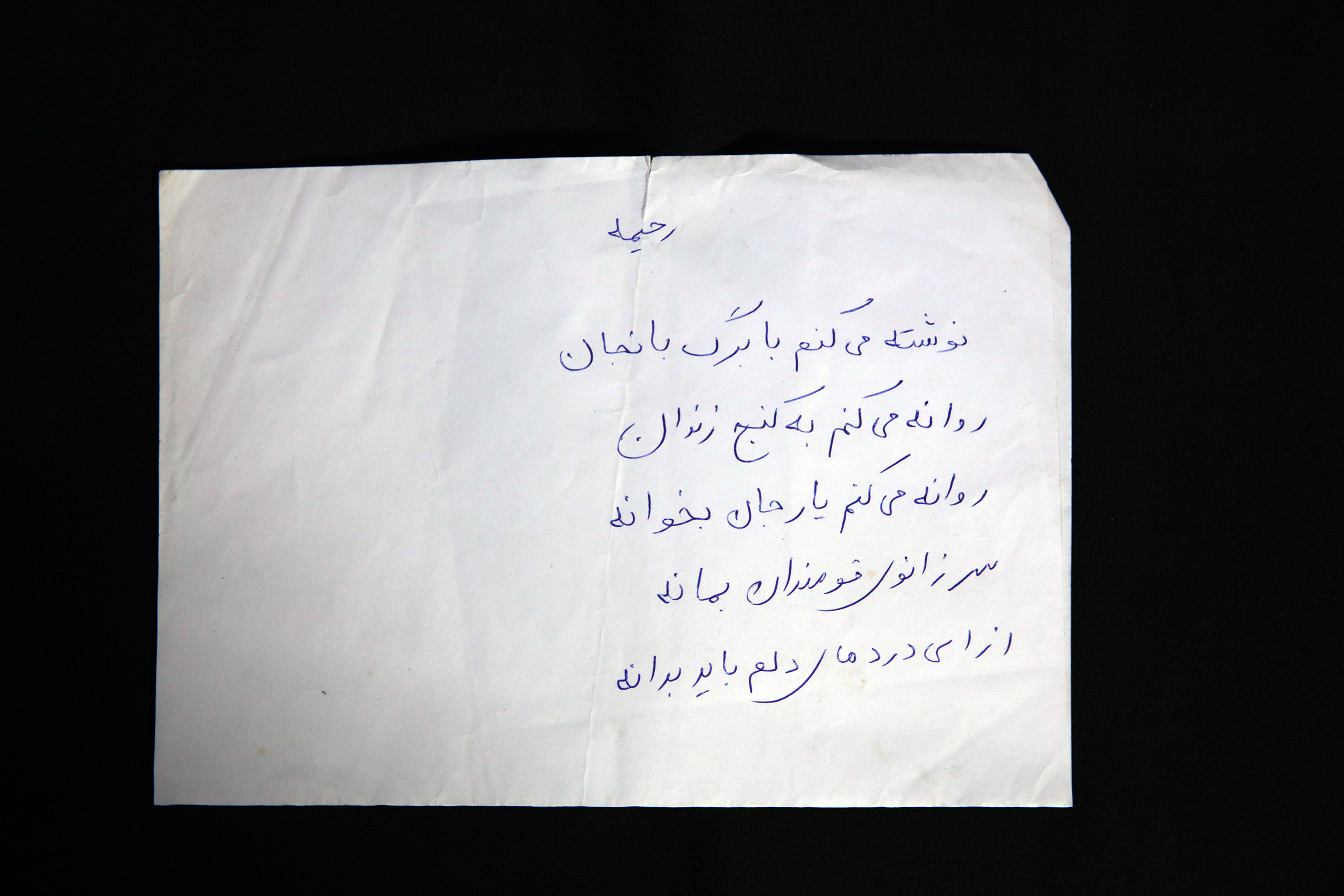
| Item 2.3 | 1 | Survival’s Poet |
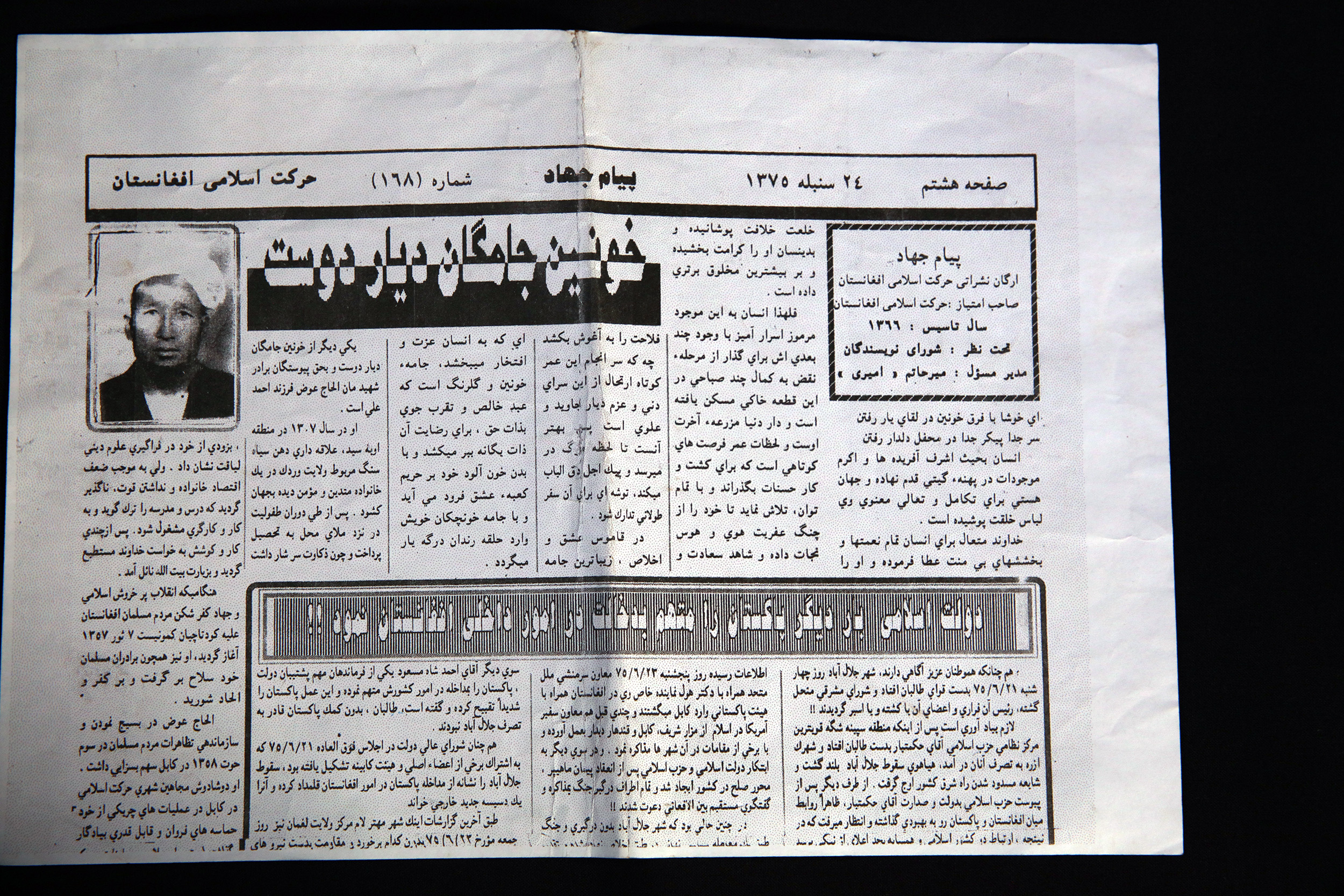
| Item 2.4 | 1 | Victim on social media |
| Item 2.5 | 1 | Survival’s Statement CD |
| Item 2.6 | 1 | Victim’s Turban |
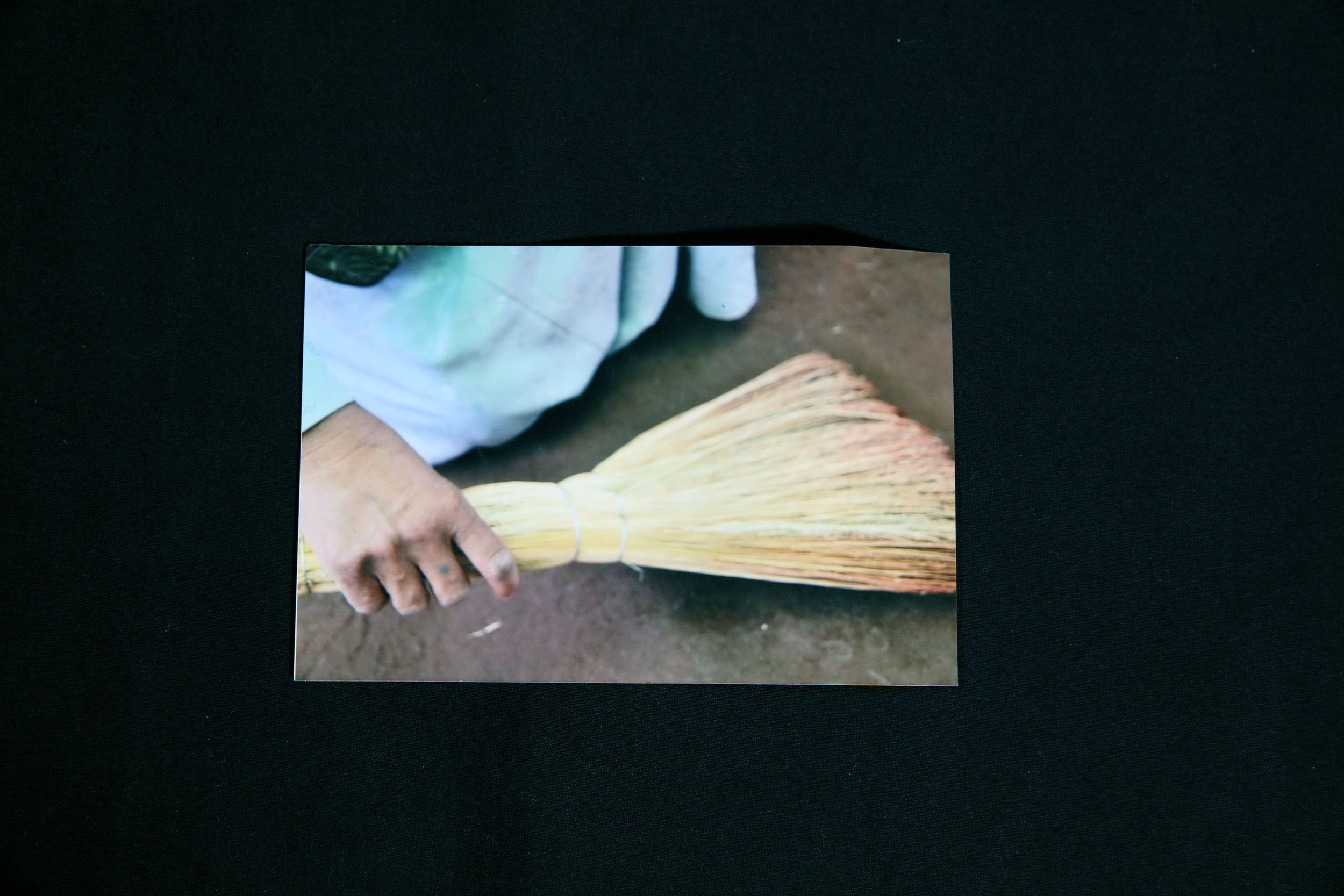
| Item 2.7 | 1 | Survival’s daily work |
| Item 2.8 | 1 | Survival’s Poet |