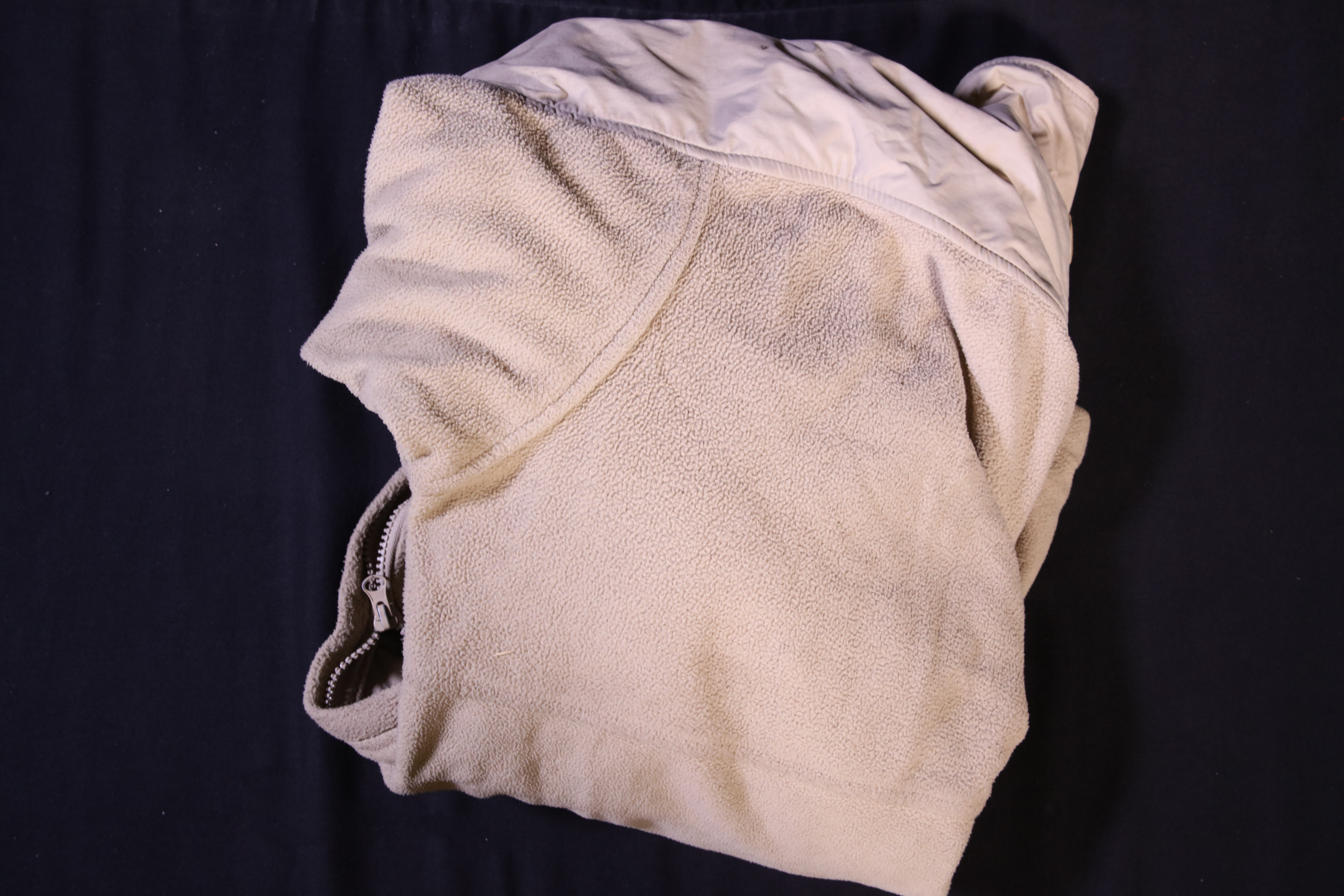
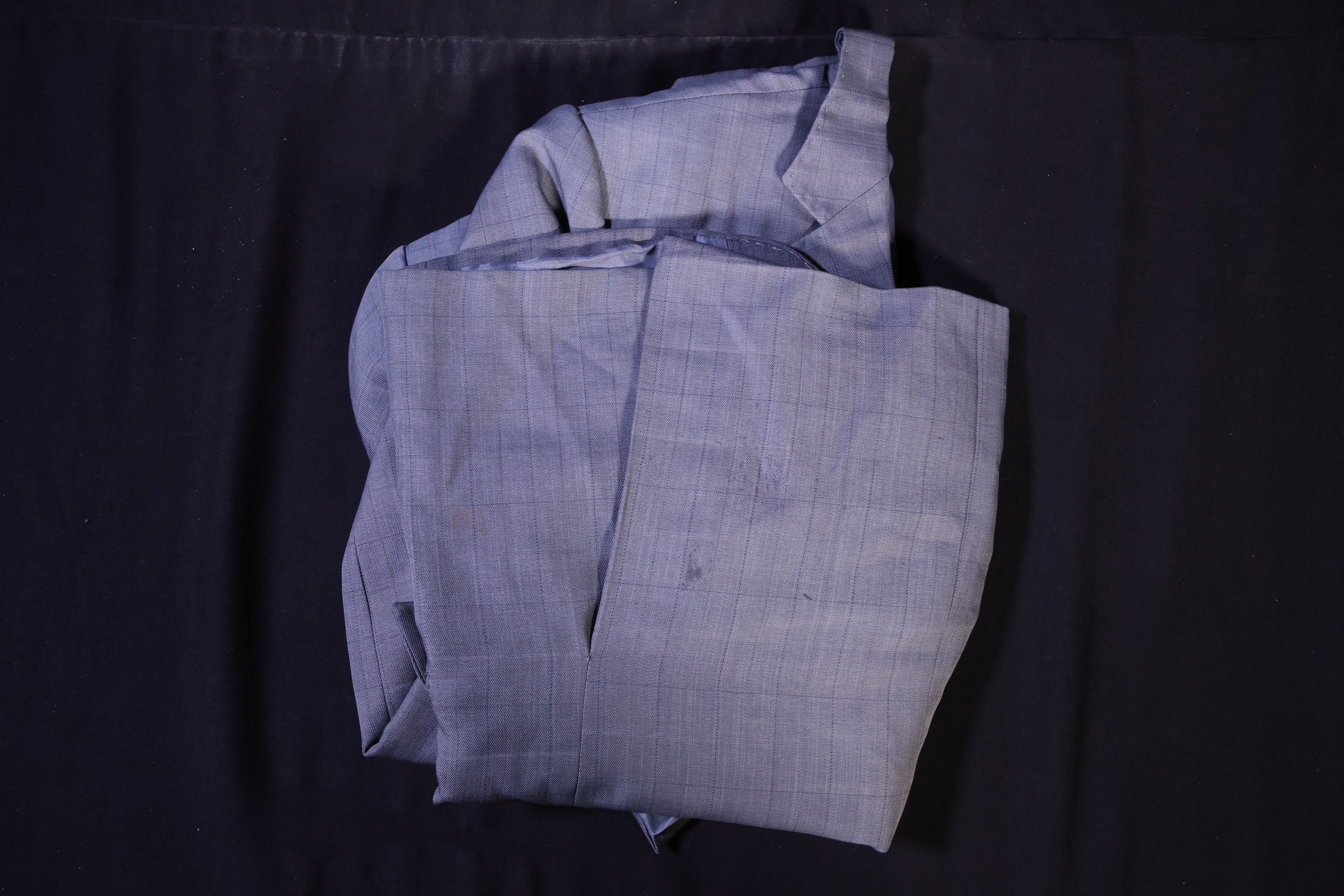
Mohammad Naser Rezaie

is a victim/survivor of a/an

  • Suicide Attack
  • In many incidents and cases related to the war in Afghanistan, some information might be missing due to the volatile nature of the conflict or the difficulty in gathering comprehensive information
  • The content displayed in black constitutes sensitive and confidential information.
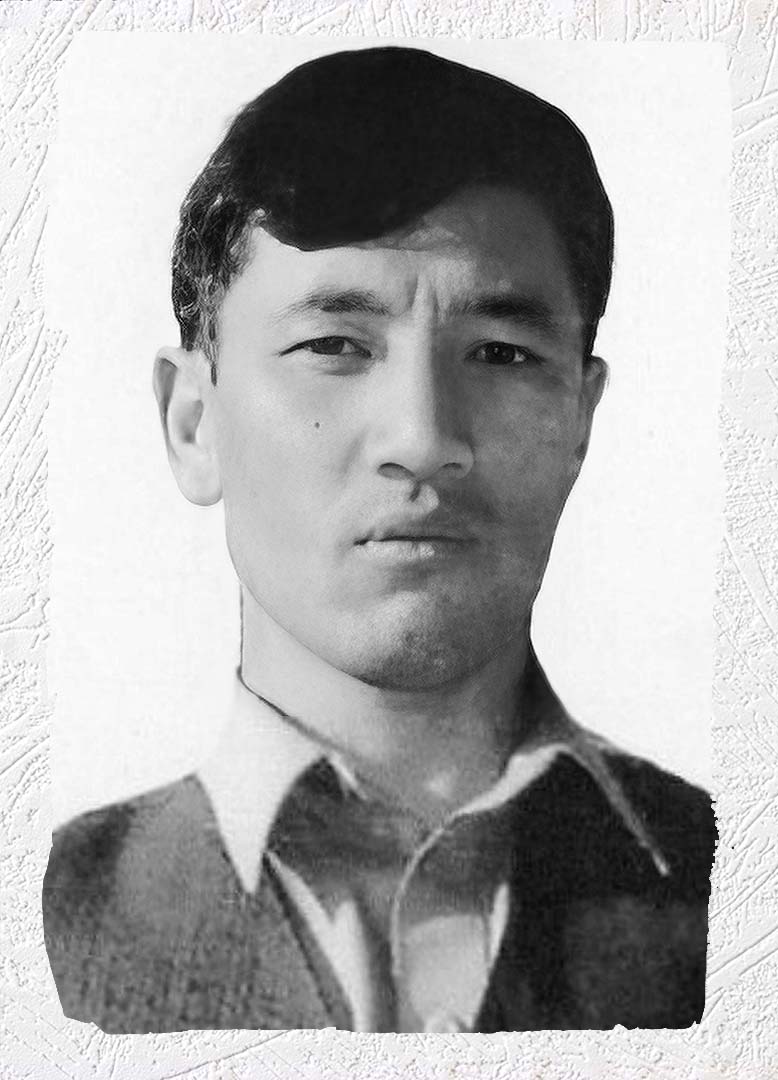
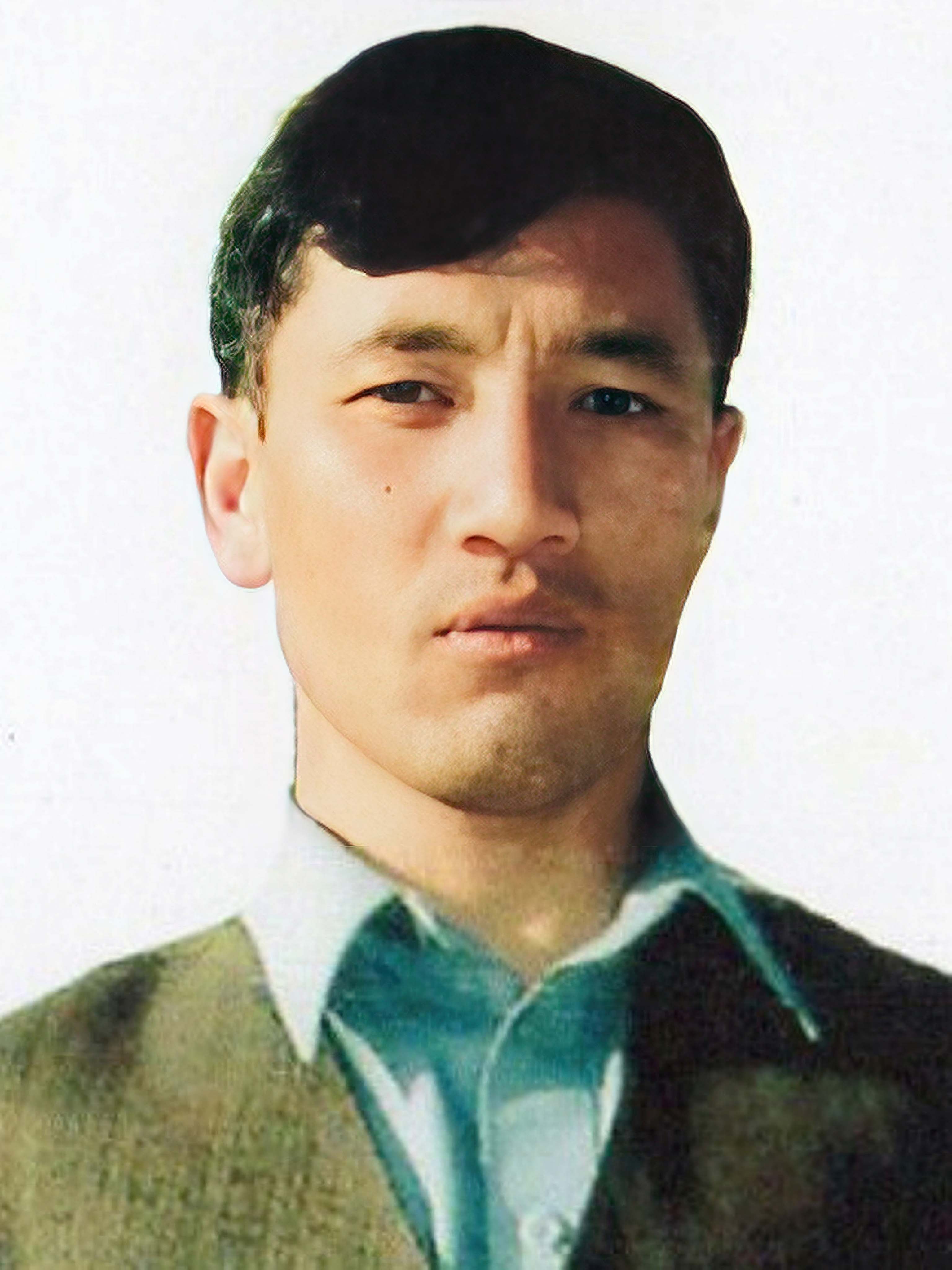
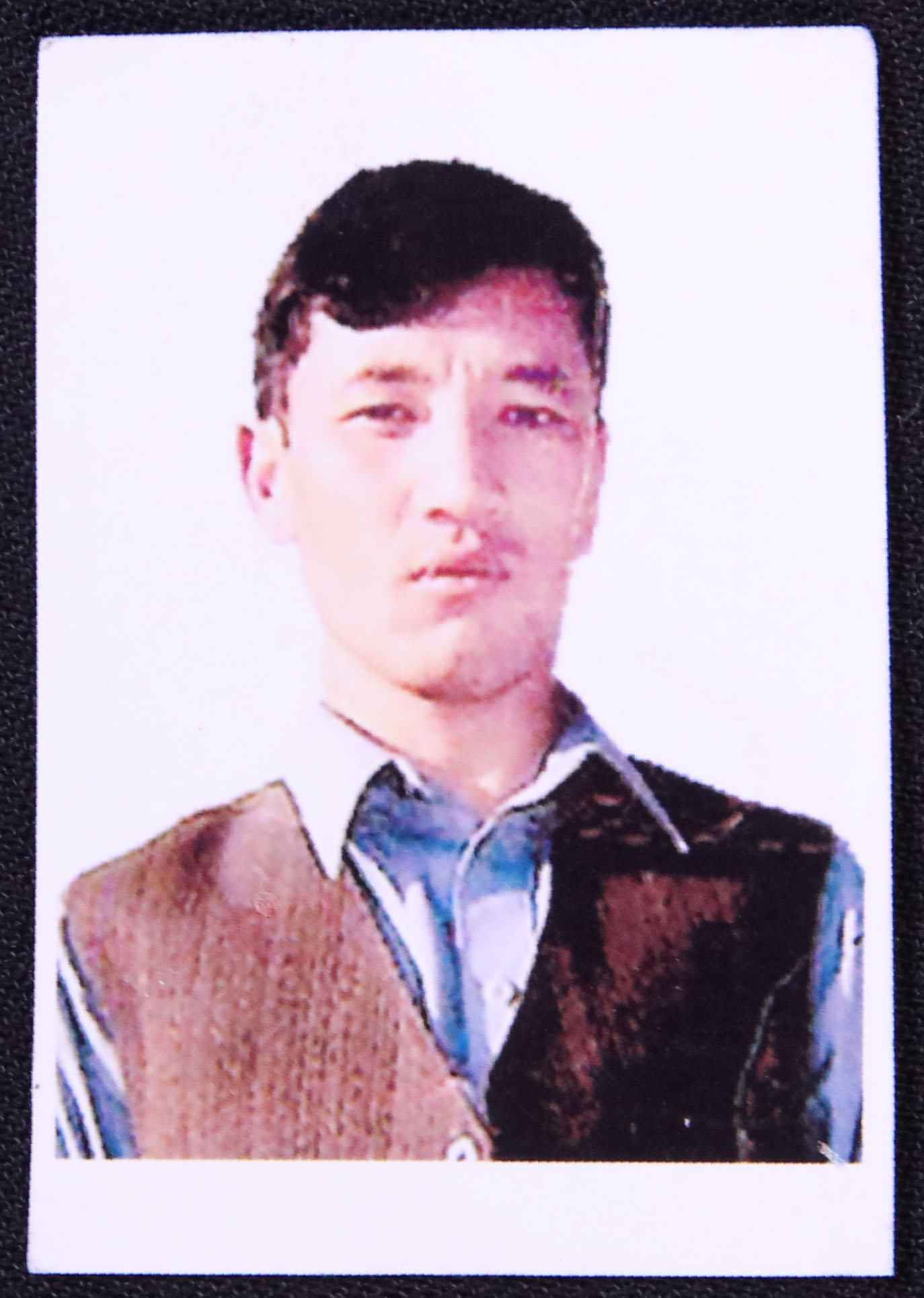
Photo of Victim

Additional information

  • Date of birth:

    1988

  • Village/Town of birth:

    Kamrak کمرک

  • Province of birth:

    Maidan Wardak: Markazi Bihsud (Hesa-I-Dowom-e-Behsod)

  • Gender:

    Male

  • Ethnicity:

    Hazara

  • Education:

    class twelve

  • Date of the main incident:

    23 July 2016

  • Place of the main incident:

    Dehmazang, Kabul City

Incident description

On July 23, 2016, two suicide bombers denoted their explosives among the protesters at Dehmazang Square in Kabul, the capital city of Afghanistan. The protesters, who were primarily Hazaras, were part of the Enlightenment Movement. They were protesting against the diversion of the TUTAP mega power project which would cause the project to bypass Hazara-dominated areas. At least 84 protesters lost their lives and 260-400 others were injured. The Islamic State of Khorasan Province (ISKP), the regional branch of ISIS, took credit for the attack. However, ISKP later refuted their involvement in the attack.

The Enlightenment Movement, also known as Junbesh-e Roshnayie, was a grassroots civil disobedience movement started by Hazaras in Afghanistan in response to a change in the Fichtner GmbH & Co. KG proposed Energy Supply Improvement Investment Program, unofficially called TUTAP project plans. The change in the project plans would cause it to bypass Hazara regions. The move was seen as perpetuating long-standing anti-Hazara discrimination. Throughout 2016 and 2017, the Enlightenment Movement coordinated large-scale demonstrations against discrimination both domestically in Afghanistan and abroad.

Source

Alleged type of harm

  • Psychological costs: Experienced scenes of clashes and violence
  • Psychological costs: Faces traumas and anxiety
  • Psychological costs: Have been otherwise mentally, emotionally and psychologically harmed and affected
  • Psychological costs: Seen people killed and injured or tortured
  • Human costs: Injured
  • Human costs: Killed

Alleged type of crimes

  • War crime: Attacking civilian objects
  • War crime: Attacking civilians
  • War crime: Employing prohibited gases, liquids, materials or devices
  • War crime: Employing prohibited weapons, projectiles, materials or methods of warfare
  • War crime: Inhuman treatment
  • War crime: Murder
  • War crime: Use of mines against civilians
  • War crime: Wilful killing
  • War crime: Wilfully causing great suffering
  • Act of genocide: Causing serious bodily or mental harm
  • Act of genocide: Deliberately inflicting conditions of life calculated to bring about physical destruction
  • Act of genocide: Killing
  • Crime against humanity: Extermination
  • Crime against humanity: Murder
  • Crime against humanity: Other inhumane acts
  • Crime against humanity: Persecution

Mohammad Naser Rezaie

Incident geolocation

  • Province:

    Kabul: Kabul

  • Latitude:

    34.5168788437339

  • Longitude:

    69.1499999975304

Witness/Survivor Statement

He Had Passed Away in The Hospital

Narrator: Mohammad Juma Rezaie (father)

Victim: Mohammad Naser Rezaie

Date of the incident: 23 July 2016

Location of the incident: Dehmazang, Kabul City

I originally come from Maidan Wardak province, in Central Behsud District, and currently live in Dasht Barchi, in the town of Mahdia. My son, Mohammad Naser, was 28-years-old and was born in the Hesa-e 2 of Behsud District in the province of Maidan Wardak. I attended religious school and was a farmer. Because there was no public school in our district at that time, we enrolled my son in a religious school at the age of 7. He studied there until the age of 19 and then moved to Iran when he was 20. He lived in Iran for almost 4 years and then returned to Behsud. Because of the dire economic situation, he stopped studying and joined me in labouring and farming. In 2006, we settled in Kabul with our family. After that, he started working in Kabul and used to attract customers to hotels and restaurants to earn money. On the day of the incident, the 23rd July, he was working in a hotel in Kote Sangi. That day, in coordination with his friends, he stopped work and went to Dehmazang to attend the demonstration. Unfortunately, my son and many other young people were martyred there by evil terrorists.

A few days before the incident, I had traveled to Behsud. I have a religious school there and had to manage the students' activities. The day after the accident, I traveled back to Kabul. My other son searched all the hospitals for his brother's body and found him in the 400-Bed hospital. The moment I got home, I was told that they had found Mohammad Nasser's body. They had not told me that he was wounded or martyred. I had not even drunk a single cup of tea when I got home. A lot of people and relatives were gathered at our house, and his mother was behaving very strangely. When I asked the family members, they told me that Mohammad Nasser was wounded. Three or four minutes later, my other sons informed us that they had found Mohammad Nasser's body in the 400-Bed Hospital. He was not killed in the explosion. Then he was taken to the emergency hospital, and it is not known if it was due to the severity of his wounds or heavy bleeding, but he died the next day on Sunday night.