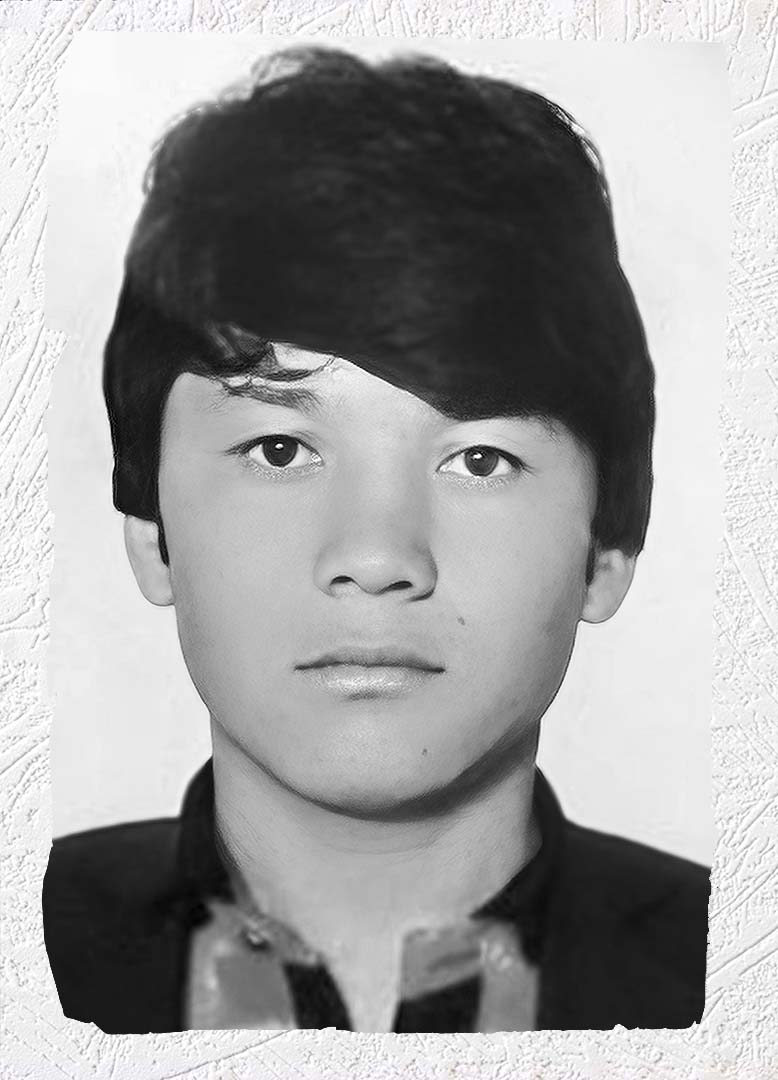
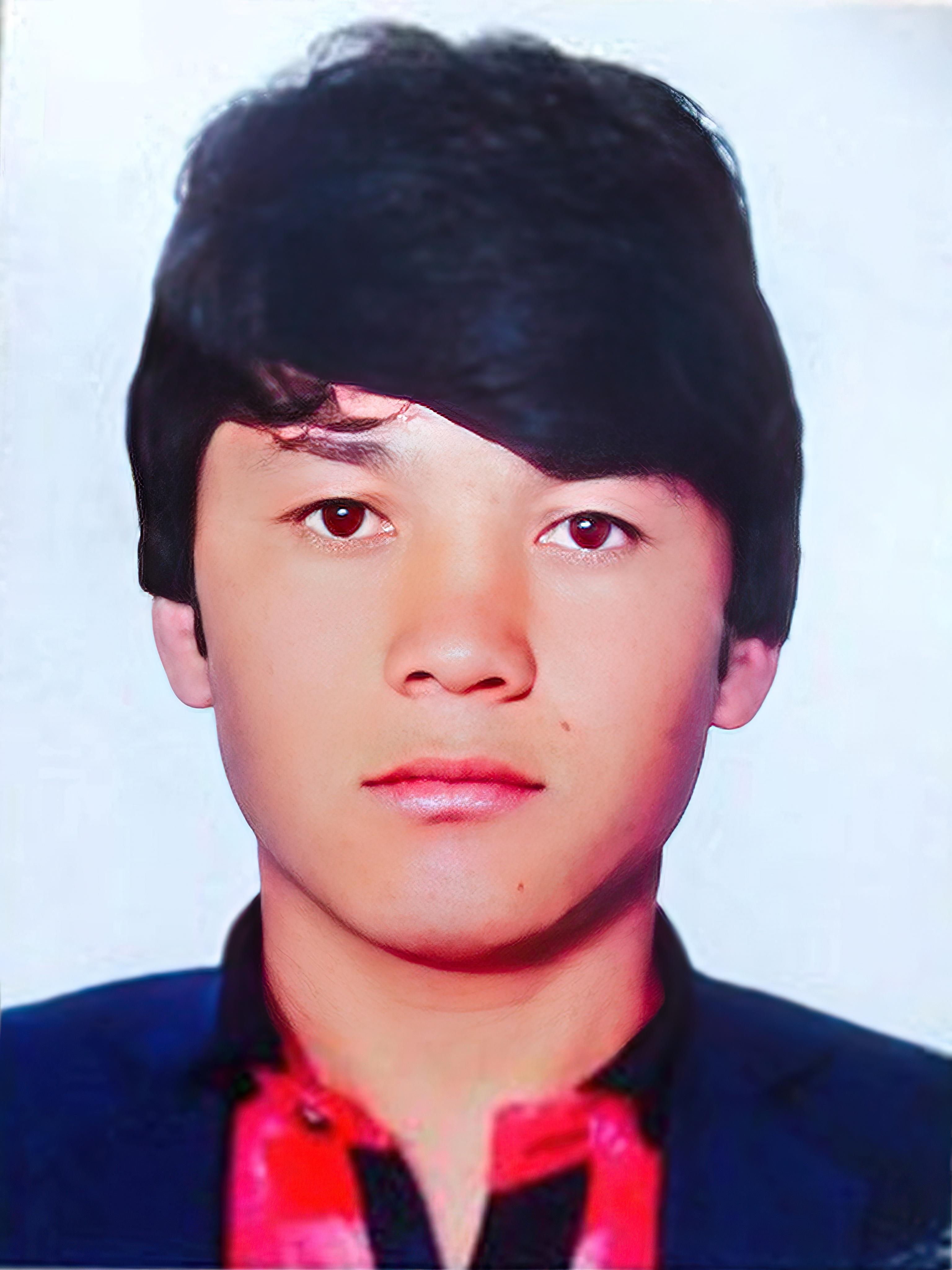
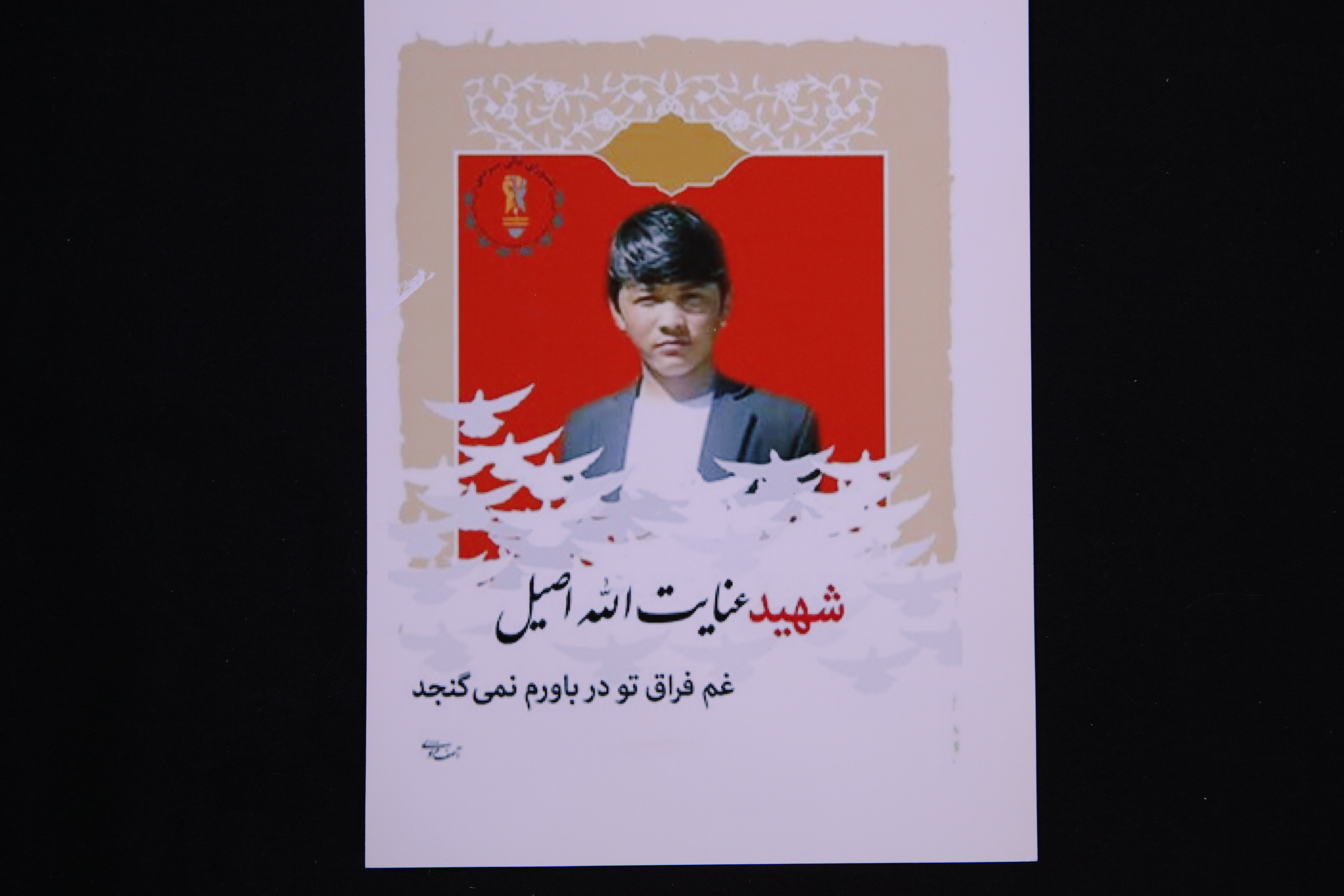
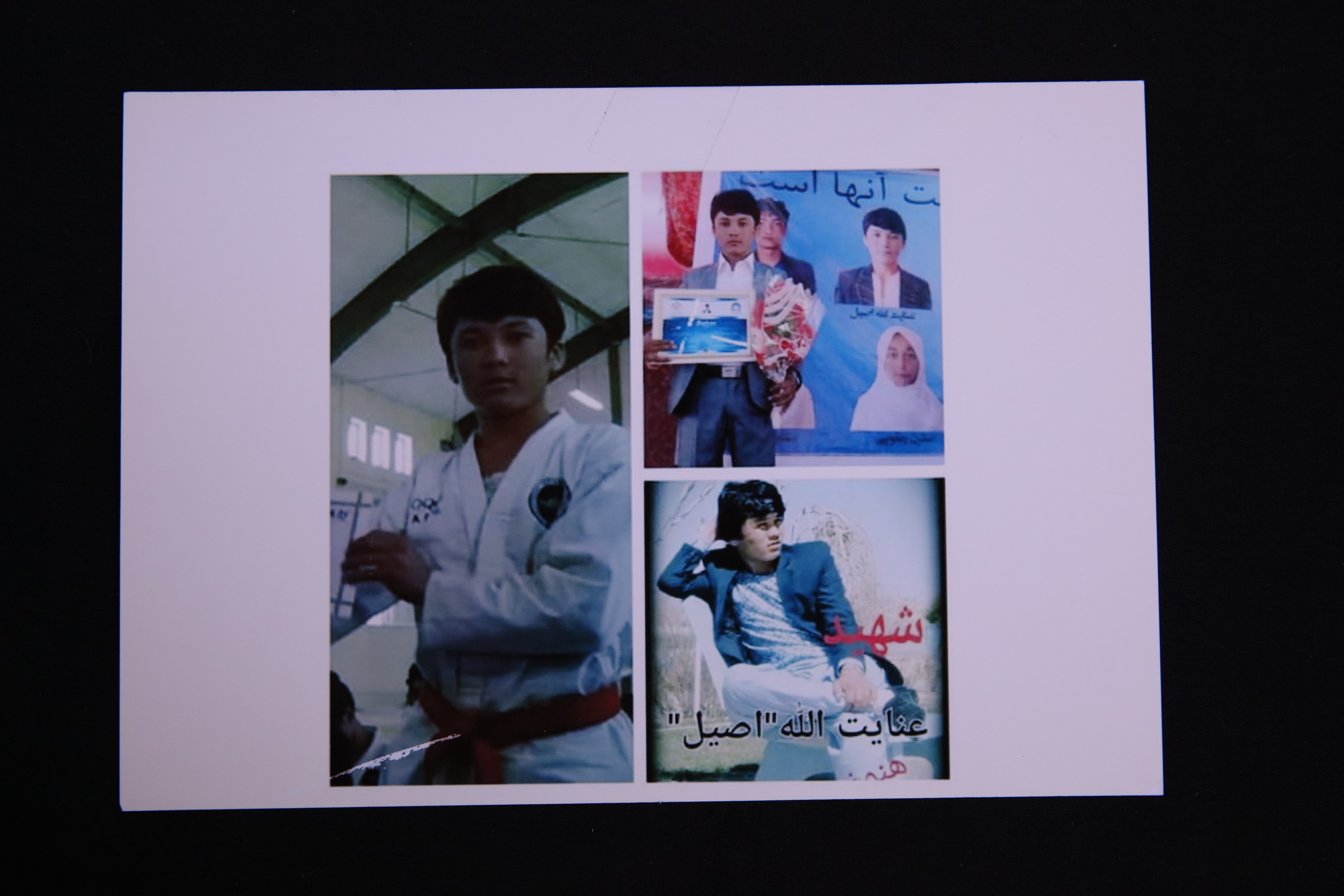
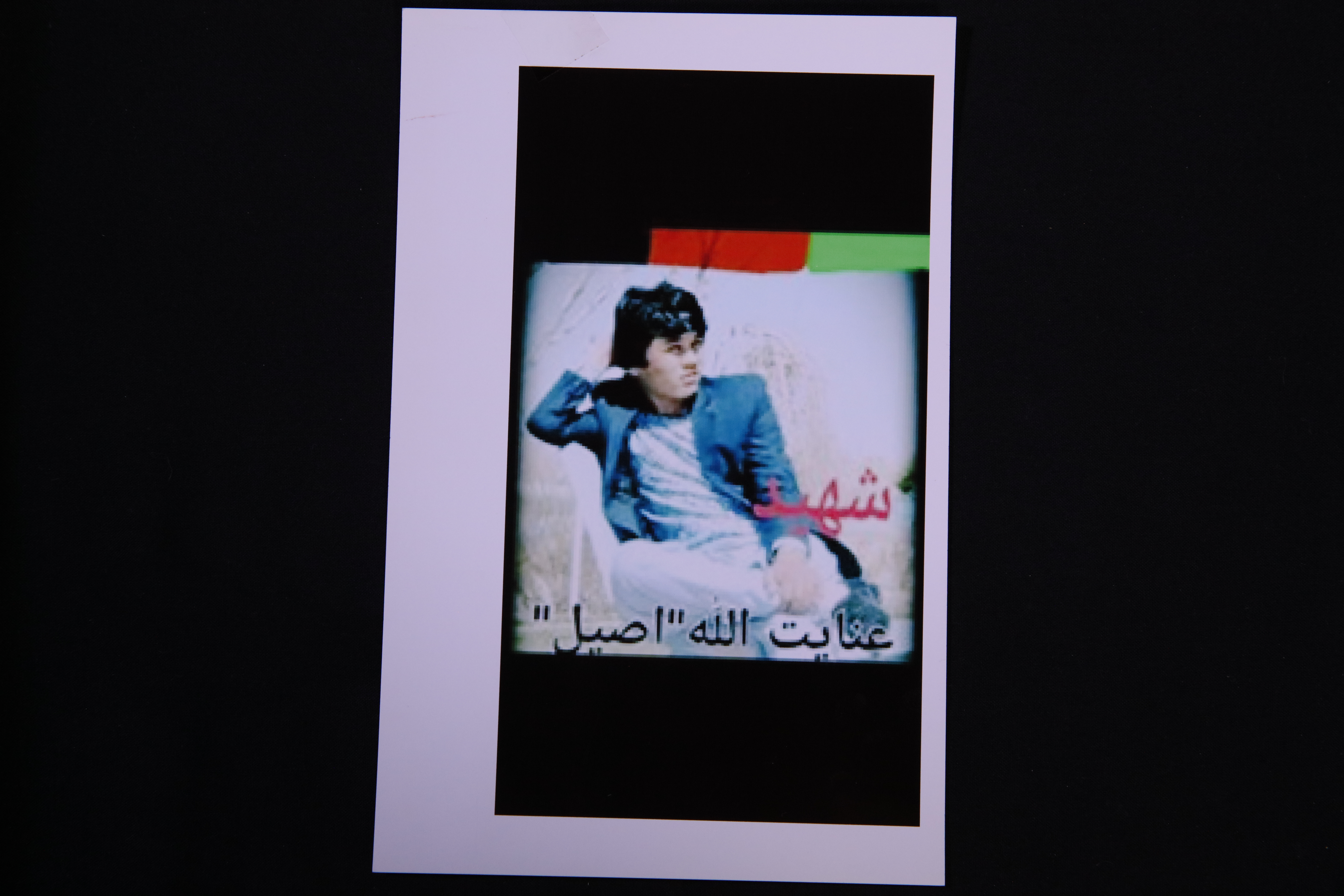
Enayatullah Asil Tahmasi

is a victim/survivor of a/an

  • Complex Attack
  • Explosion
  • Suicide Attack
  • Targeted Killing
  • Vehicle-borne Attack
  • Vehicle-borne Suicide Attack
  • In many incidents and cases related to the war in Afghanistan, some information might be missing due to the volatile nature of the conflict or the difficulty in gathering comprehensive information
  • The content displayed in black constitutes sensitive and confidential information.
Photo of Victim

Additional information

  • Date of birth:

    1997

  • Village/Town of birth:

    Karez, Pato کاریز پاتو

  • Province of birth:

    Ghazni: Jaghuri

  • Gender:

    Male

  • Ethnicity:

    Hazara

  • Education:

    Class twelve

  • Date of the main incident:

    23 July 2016

  • Place of the main incident:

    Dehmazang, Kabul City

Incident description

On July 23, 2016, two suicide bombers denoted their explosives among the protesters at Dehmazang Square in Kabul, the capital city of Afghanistan. The protesters, who were primarily Hazaras, were part of the Enlightenment Movement. They were protesting against the diversion of the TUTAP mega power project which would cause the project to bypass Hazara-dominated areas. At least 84 protesters lost their lives and 260-400 others were injured. The Islamic State of Khorasan Province (ISKP), the regional branch of ISIS, took credit for the attack. However, ISKP later refuted their involvement in the attack.

The Enlightenment Movement, also known as Junbesh-e Roshnayie, was a grassroots civil disobedience movement started by Hazaras in Afghanistan in response to a change in the Fichtner GmbH & Co. KG proposed Energy Supply Improvement Investment Program, unofficially called TUTAP project plans. The change in the project plans would cause it to bypass Hazara regions. The move was seen as perpetuating long-standing anti-Hazara discrimination. Throughout 2016 and 2017, the Enlightenment Movement coordinated large-scale demonstrations against discrimination both domestically in Afghanistan and abroad.

Source

Alleged type of harm

  • Psychological costs: Experienced scenes of clashes and violence
  • Psychological costs: Faces traumas and anxiety
  • Psychological costs: Have been otherwise mentally, emotionally and psychologically harmed and affected
  • Psychological costs: Seen people killed and injured or tortured
  • Human costs: Injured
  • Human costs: Killed

Alleged type of crimes

  • War crime: Attacking civilian objects
  • War crime: Attacking civilians
  • War crime: Cruel treatment
  • War crime: Improper use of a flag, insignia or uniform of the hostile party
  • War crime: Improper use of the distinctive emblems of the Geneva Conventions
  • War crime: Murder
  • War crime: Treacherously killing or wounding
  • War crime: Use of mines against civilians
  • War crime: Wilful killing
  • War crime: Wilfully causing great suffering
  • Act of genocide: Causing serious bodily or mental harm
  • Act of genocide: Deliberately inflicting conditions of life calculated to bring about physical destruction
  • Act of genocide: Killing
  • Crime against humanity: Murder
  • Crime against humanity: Other inhumane acts
  • Crime against humanity: Persecution

Enayatullah Asil Tahmasi

Incident geolocation

  • Province:

    Kabul: Kabul

  • Latitude:

    34.5168788437339

  • Longitude:

    69.1499999975304

Witness/Survivor Statement

His Goal Was to Raise His Voice for Justice and Peace

Narrator: Mahdi (grandson of uncle)

Victim: Enayatullah Asil Tahmasi

Date of the incident: 23 July 2016

Location of the incident: Dehmazang, Kabul City

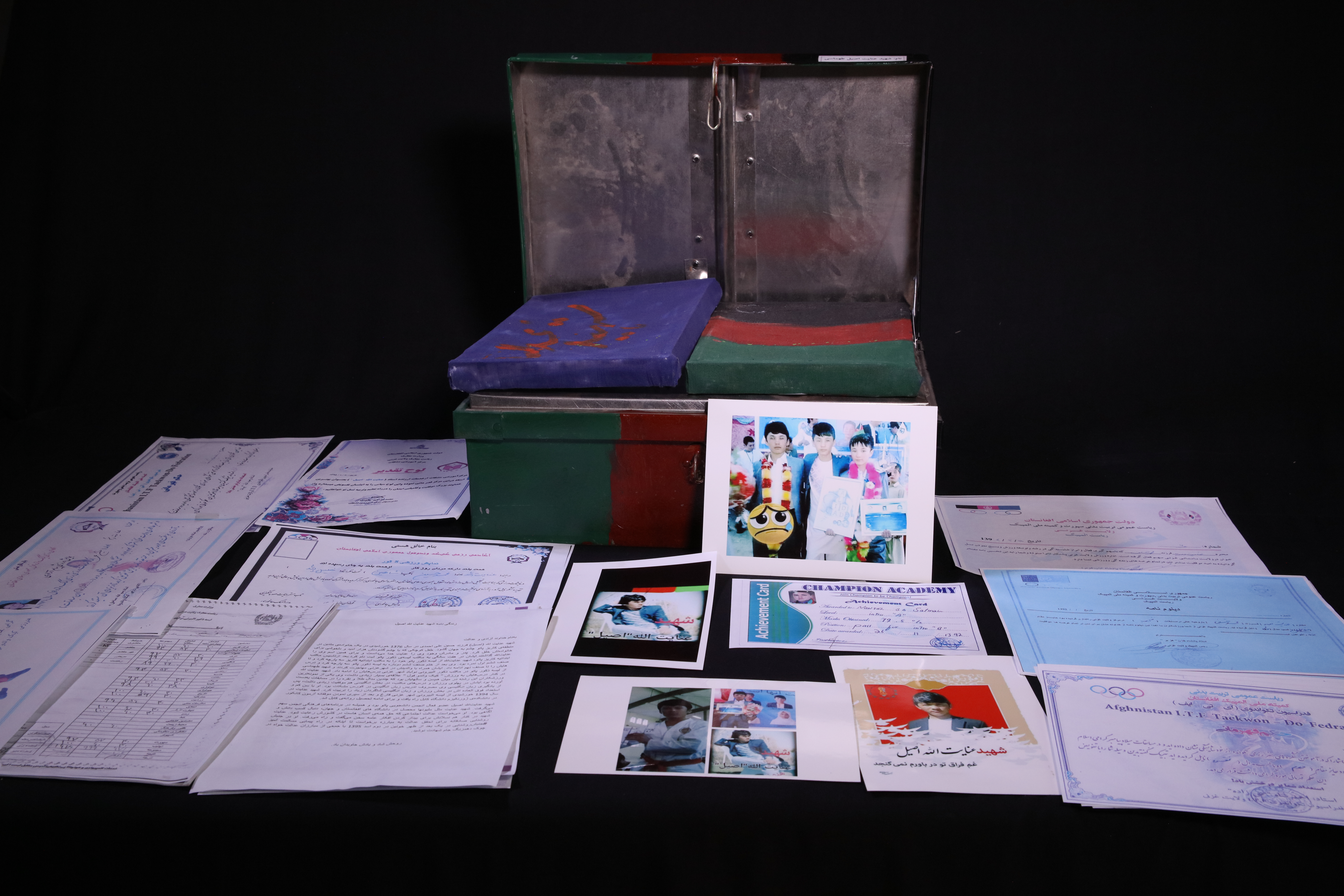
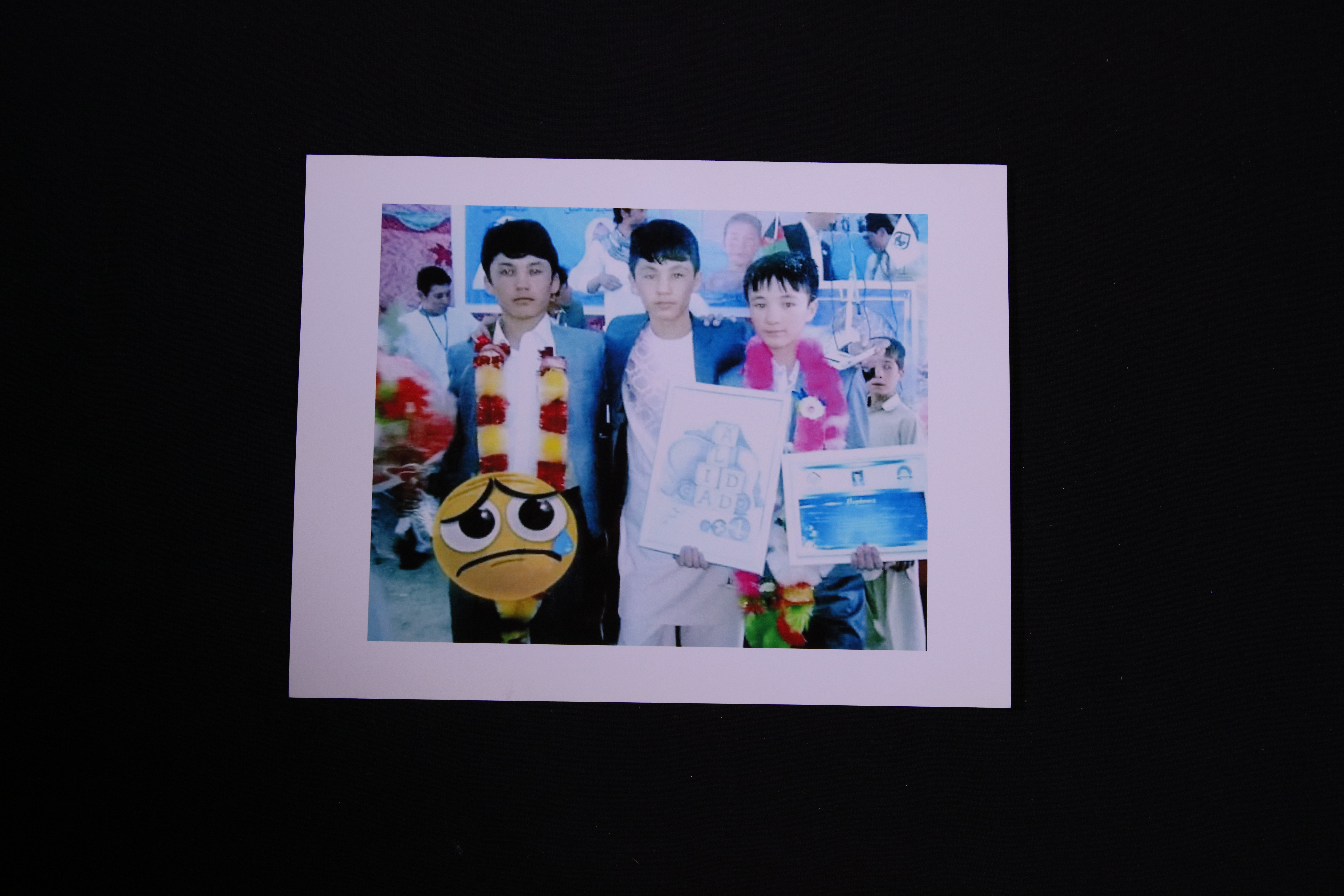
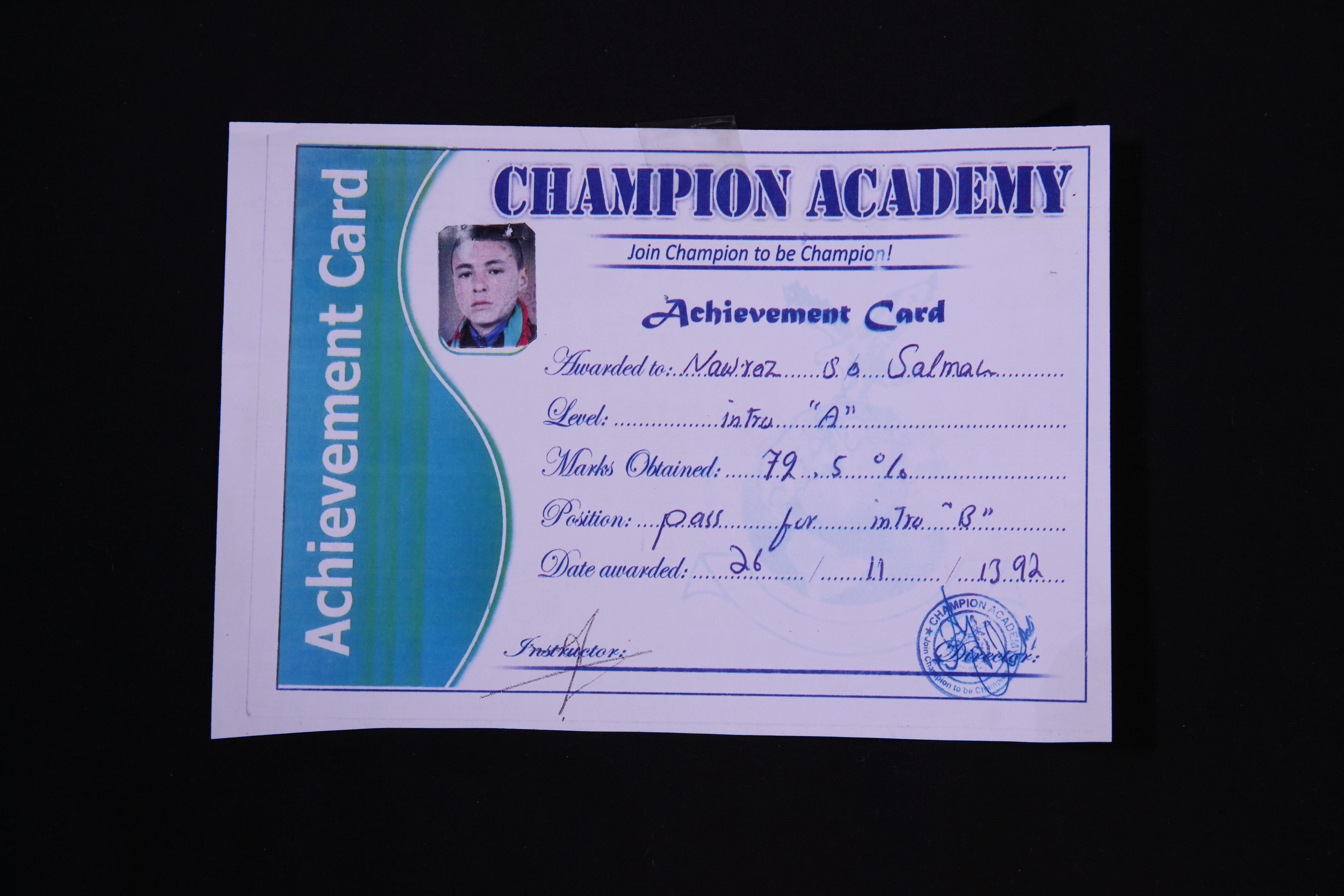
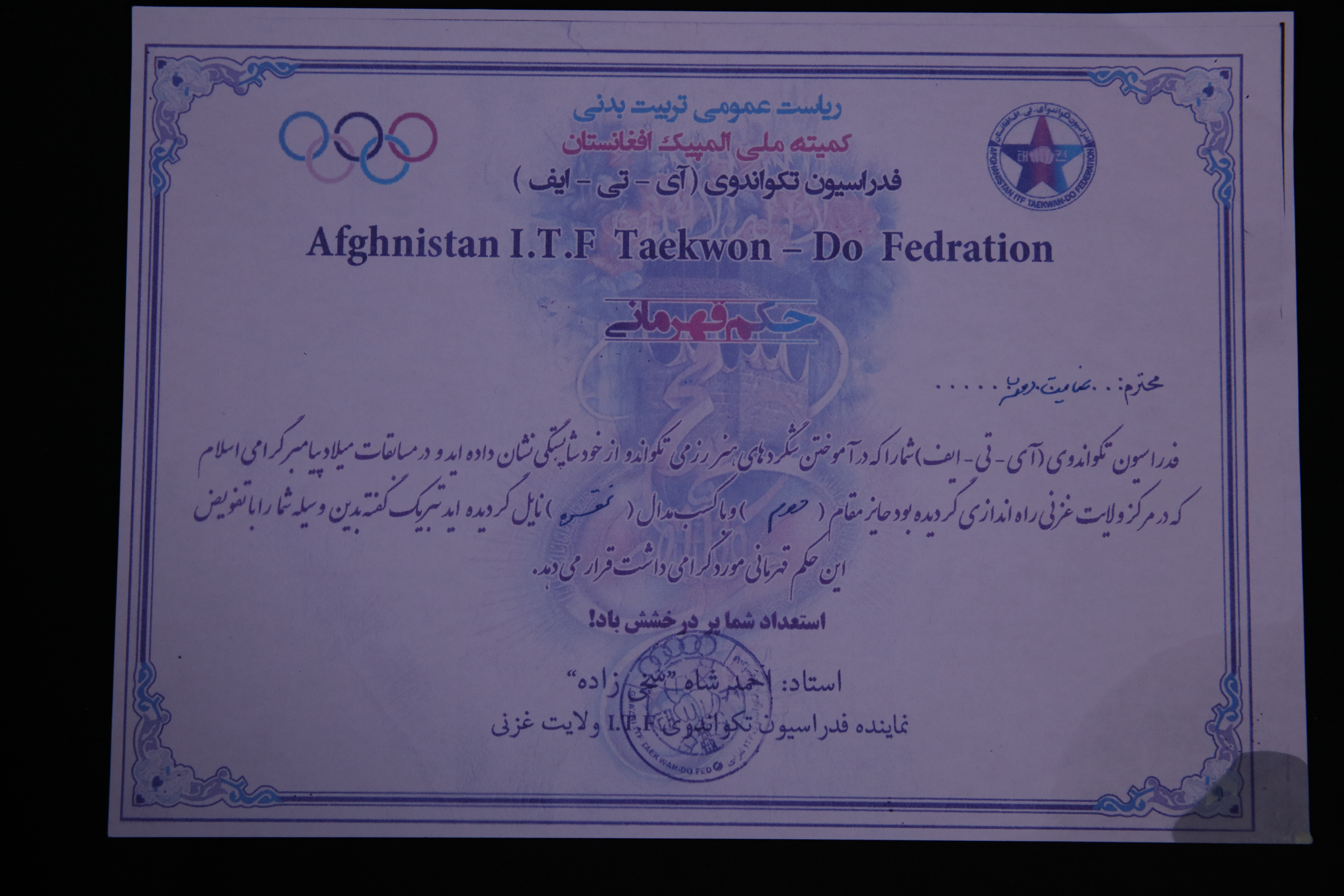
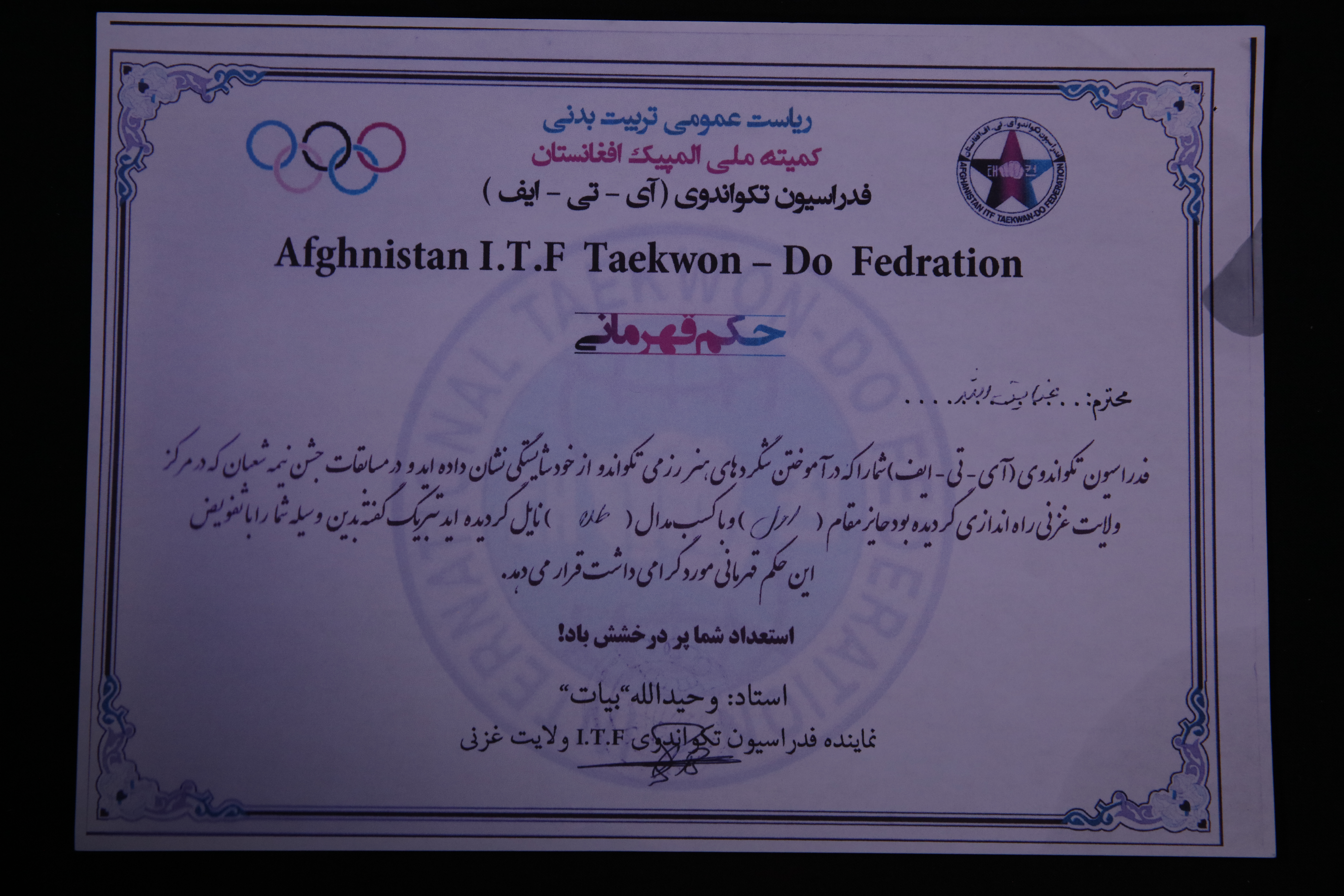
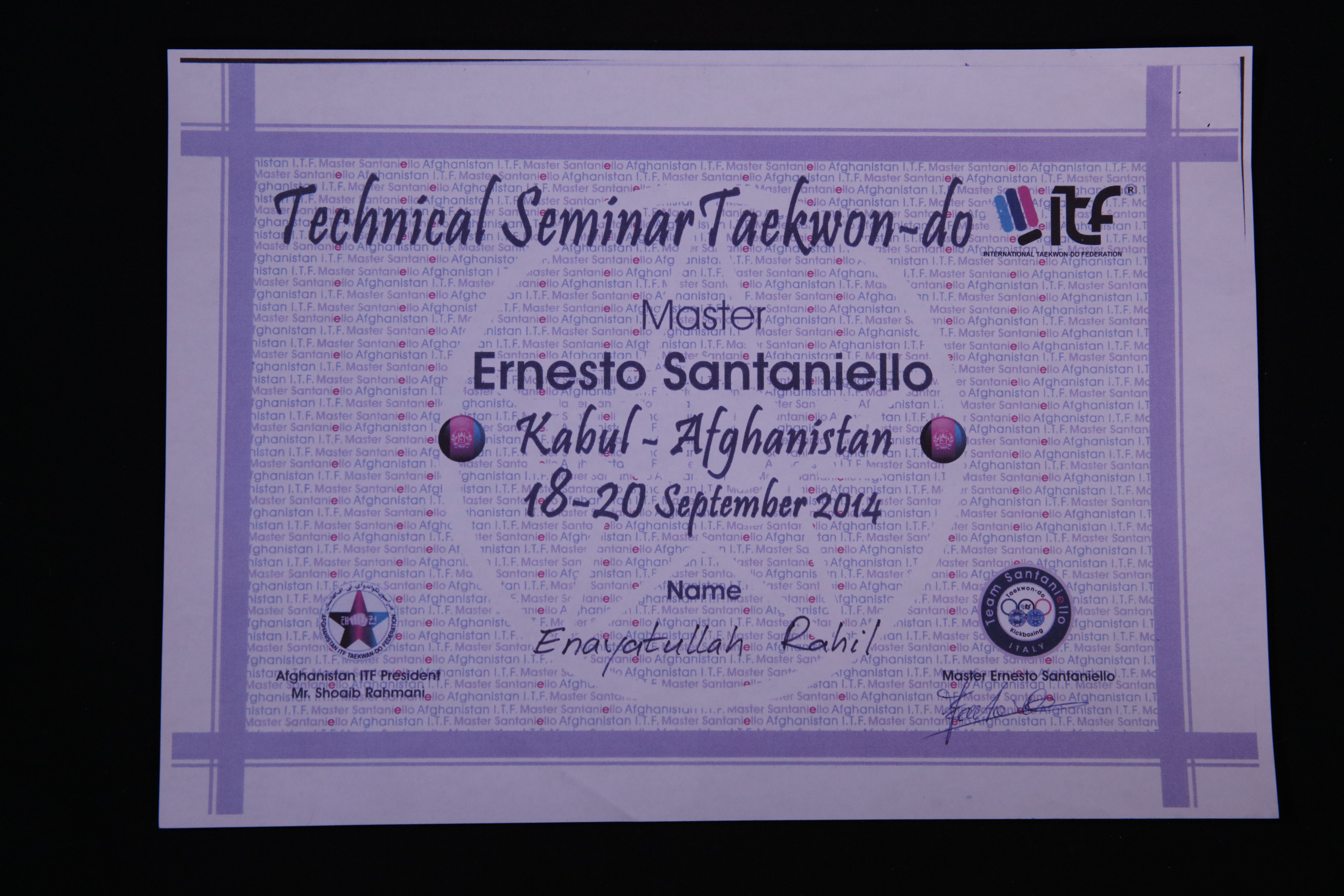
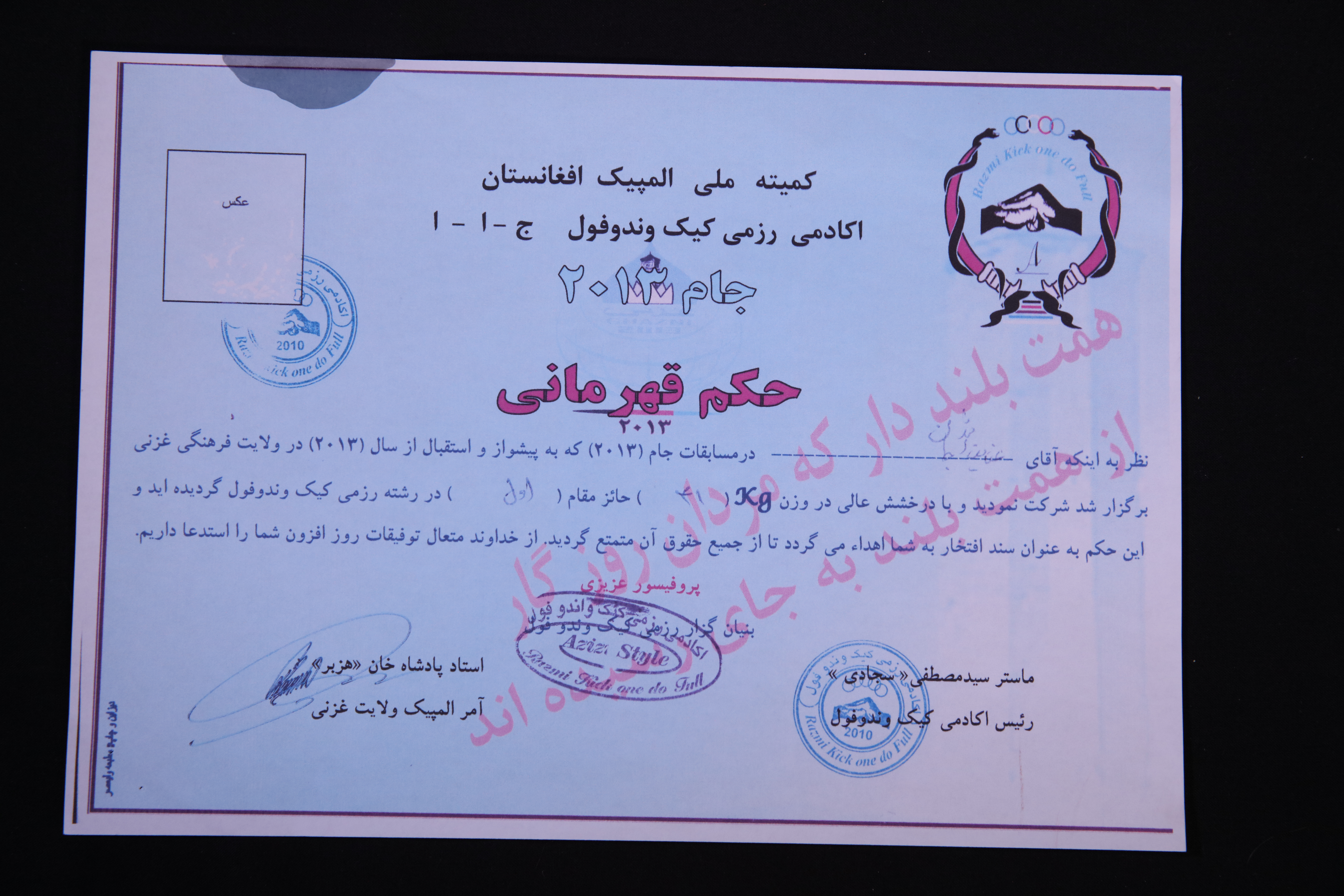
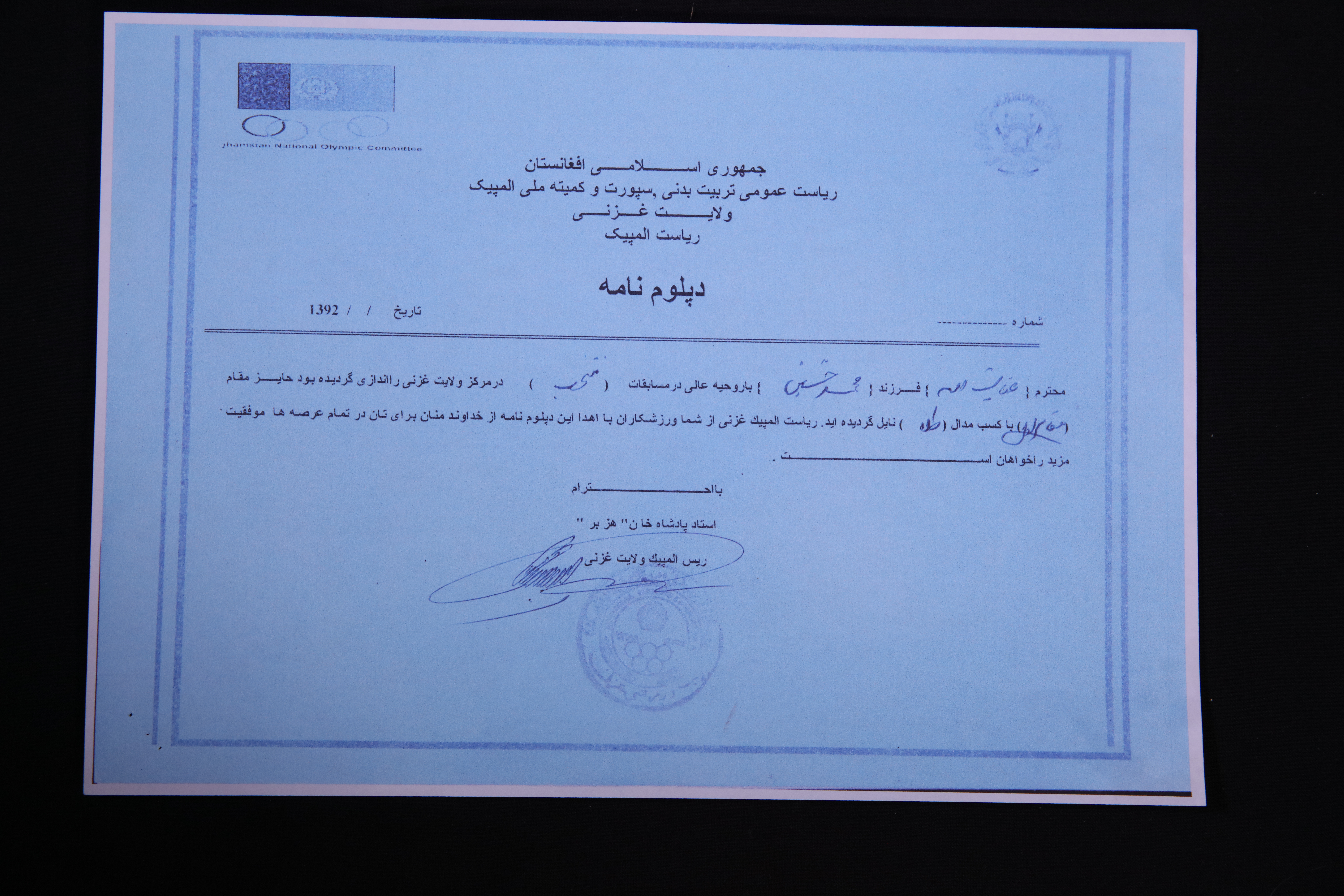
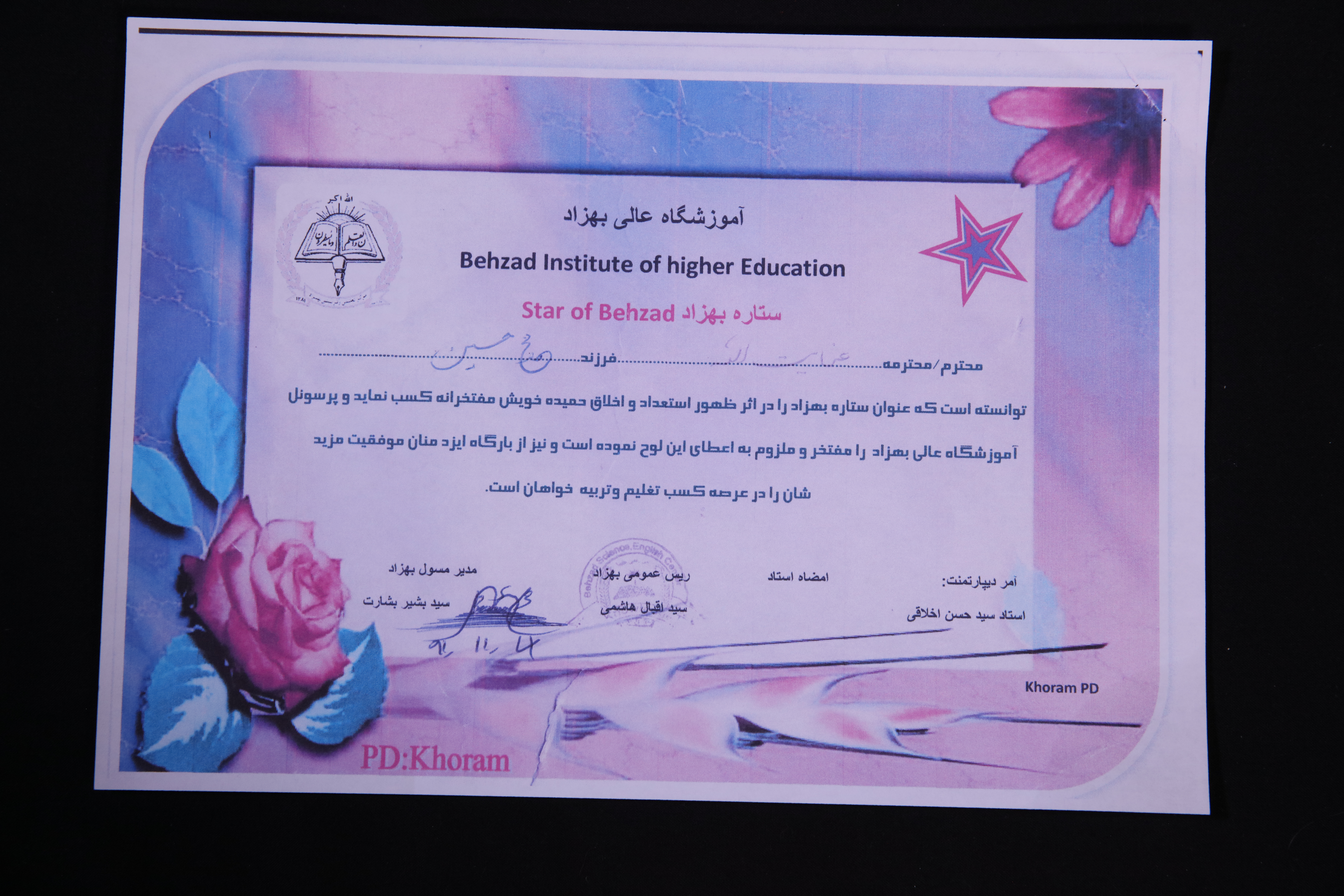
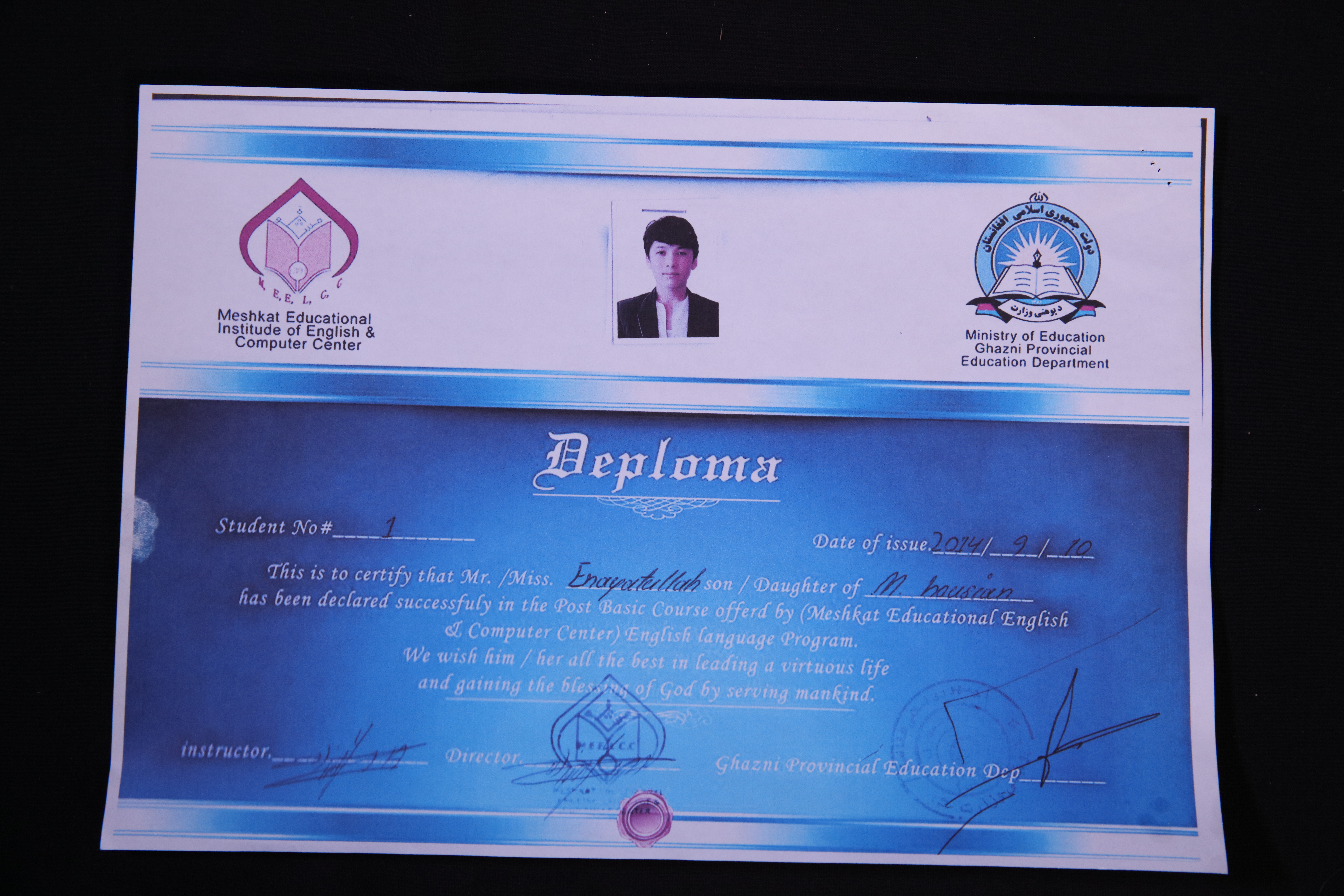
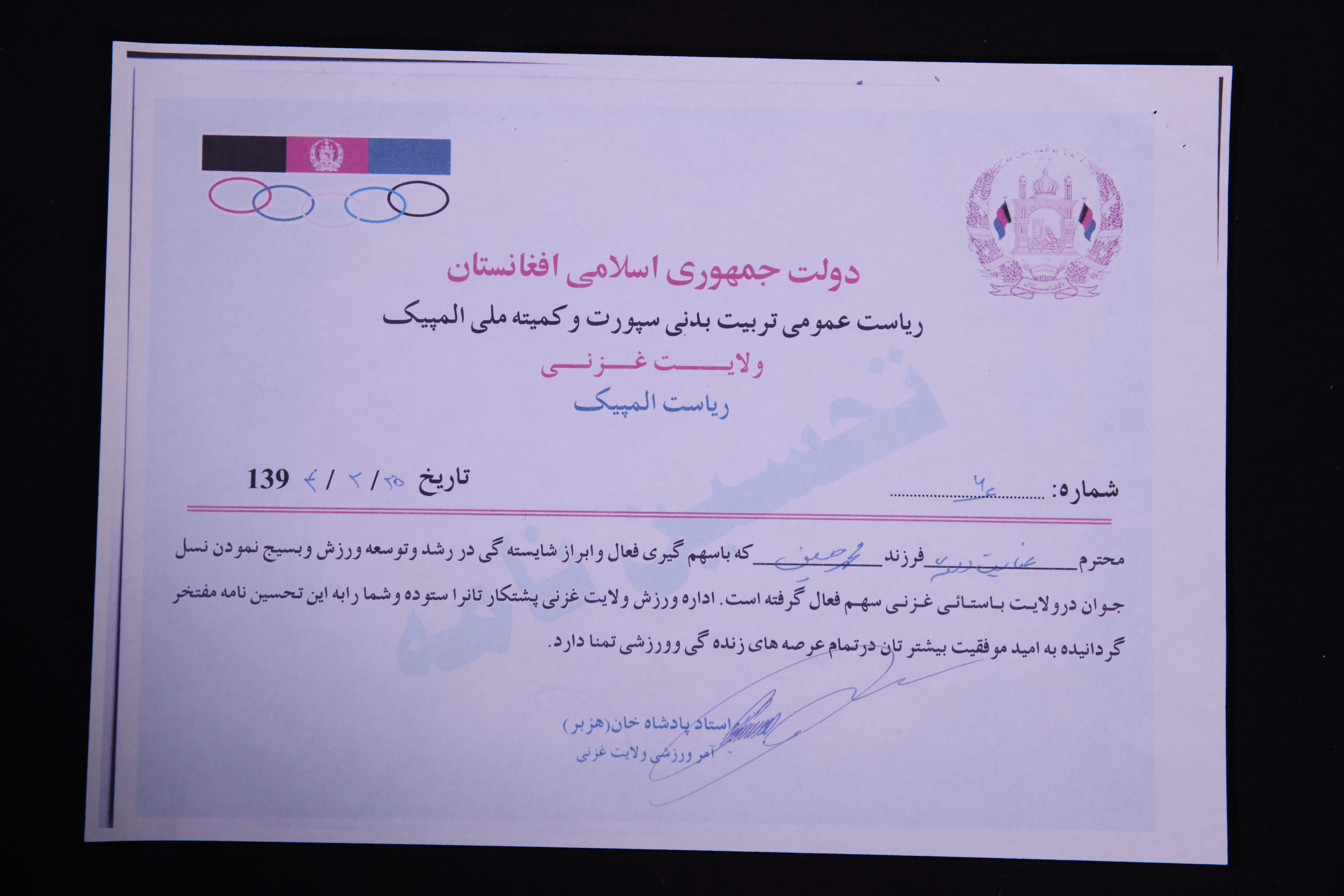
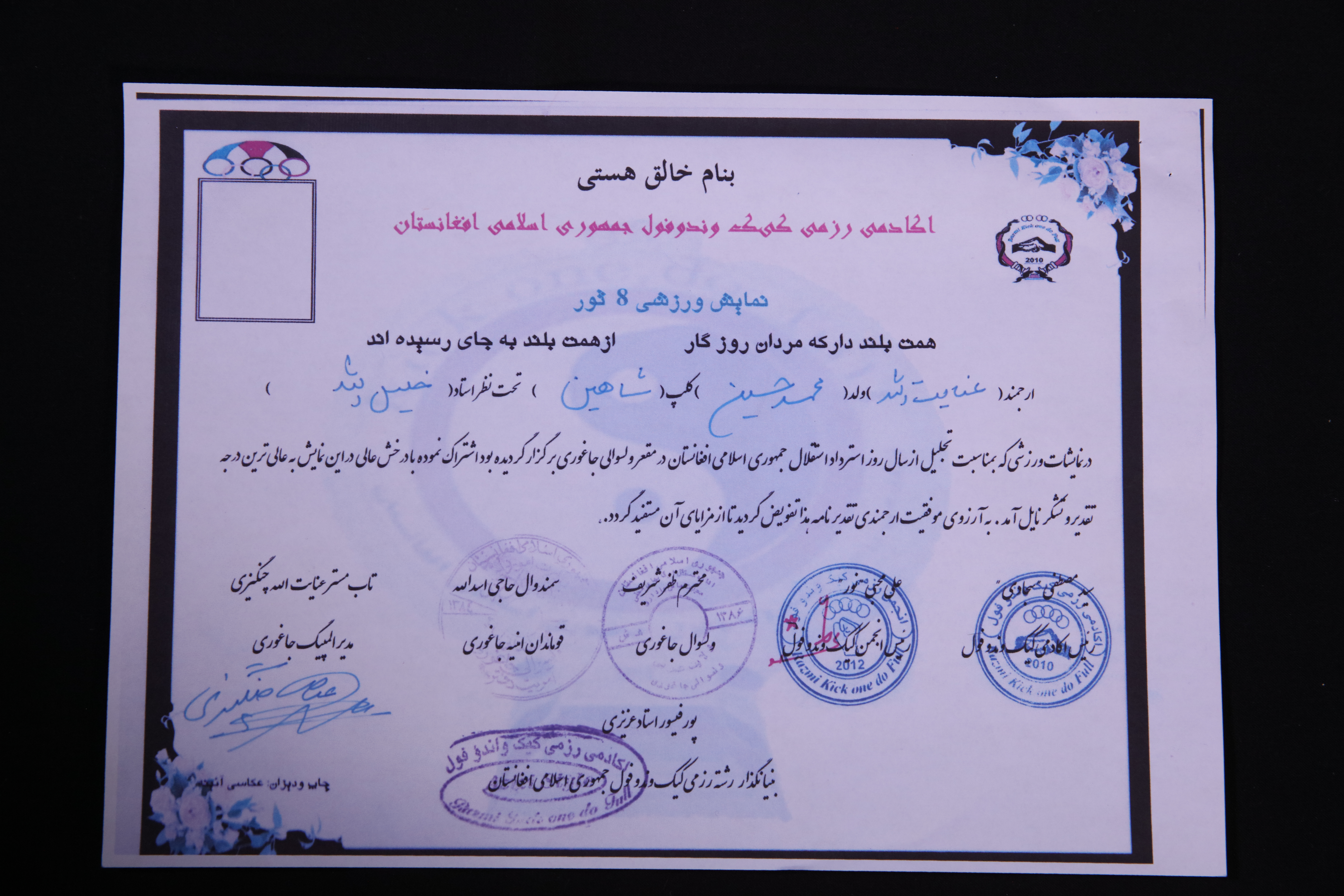
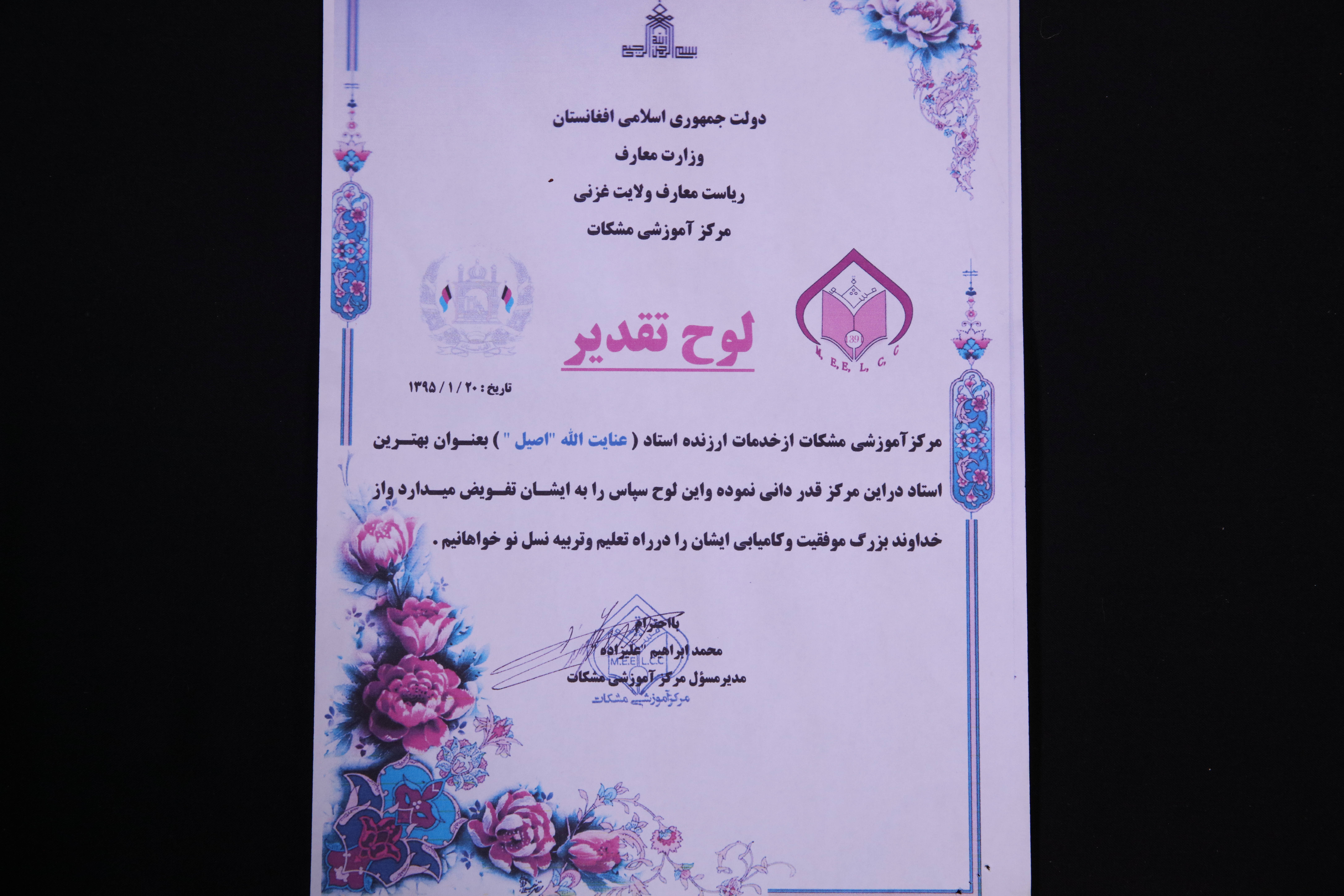
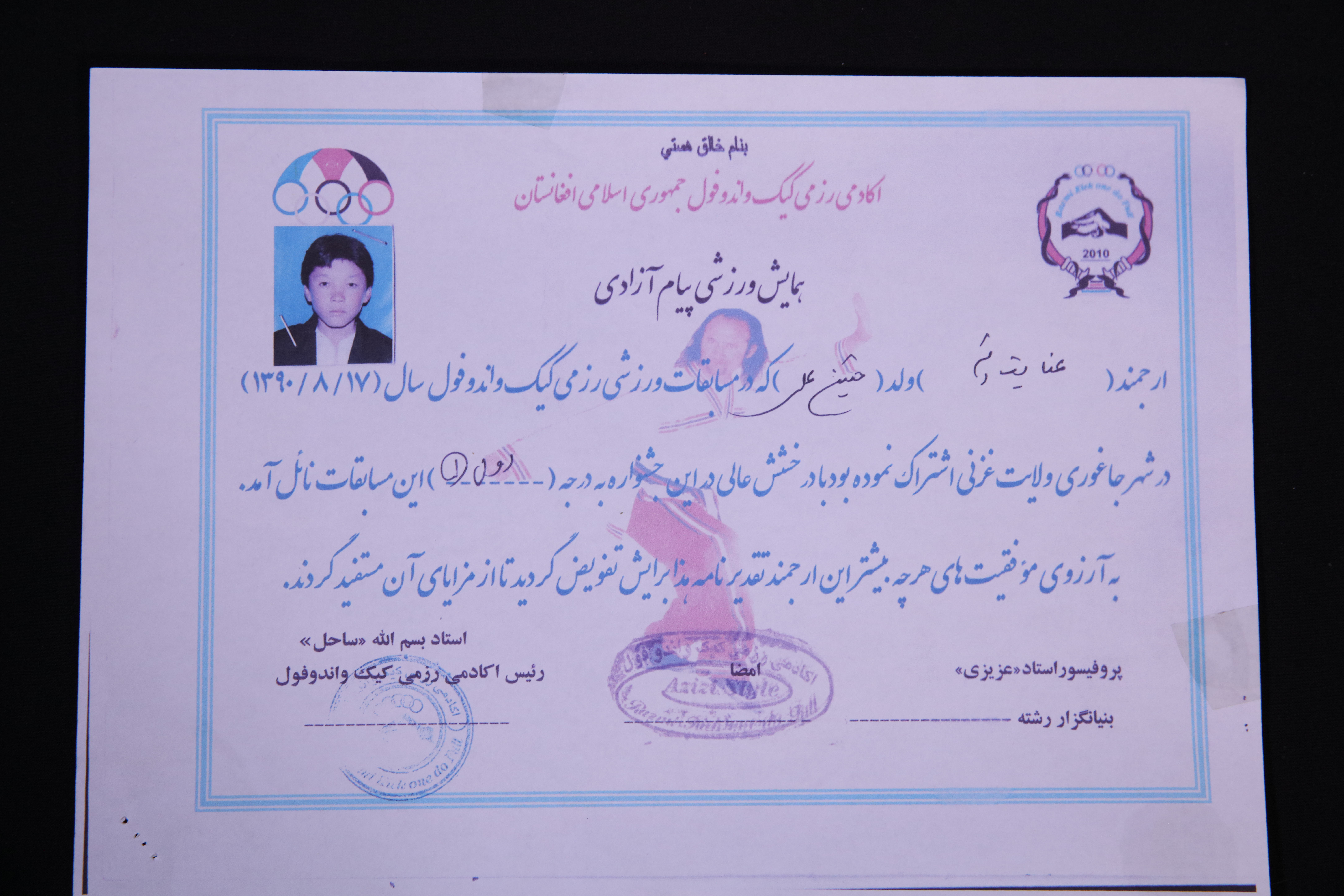
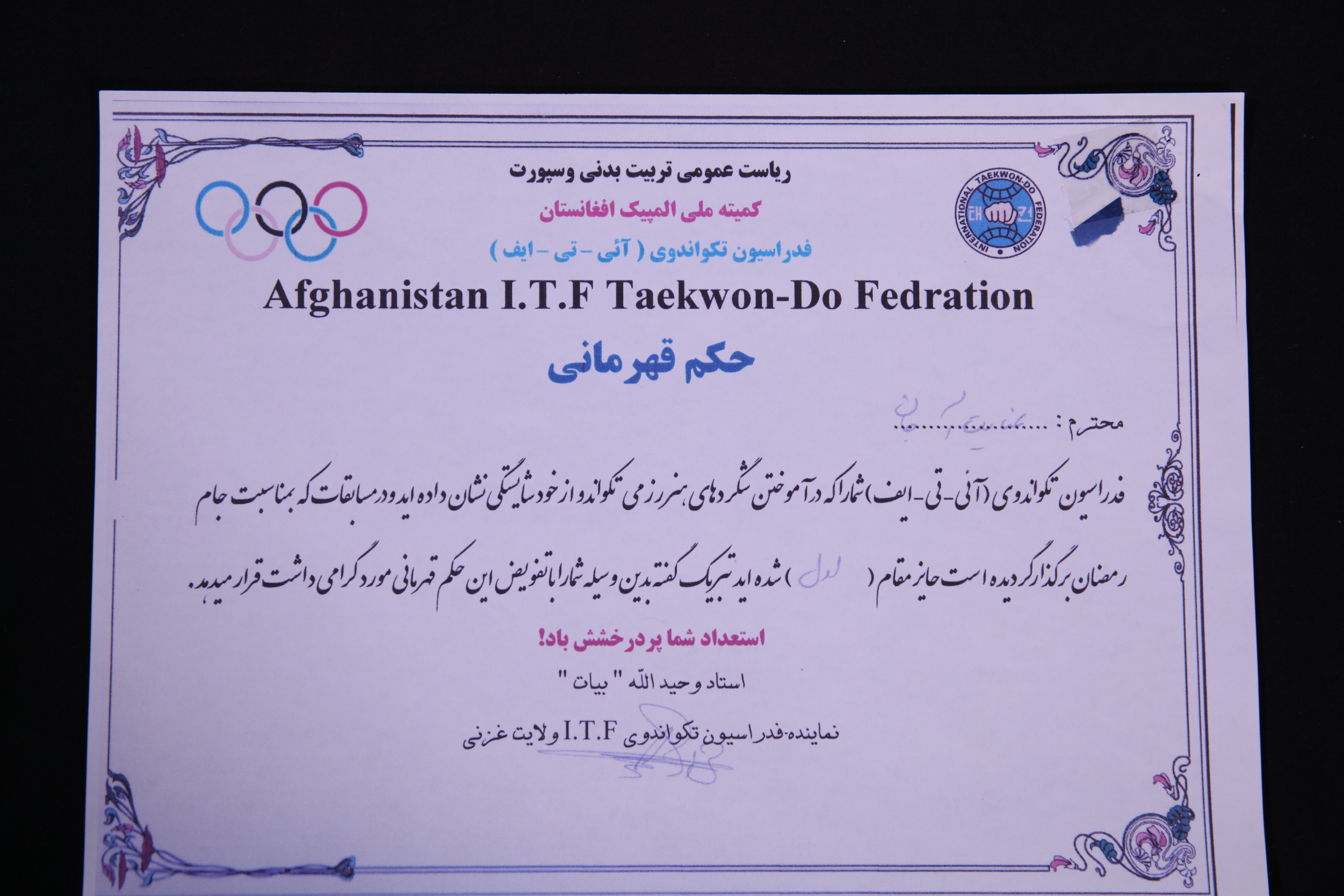
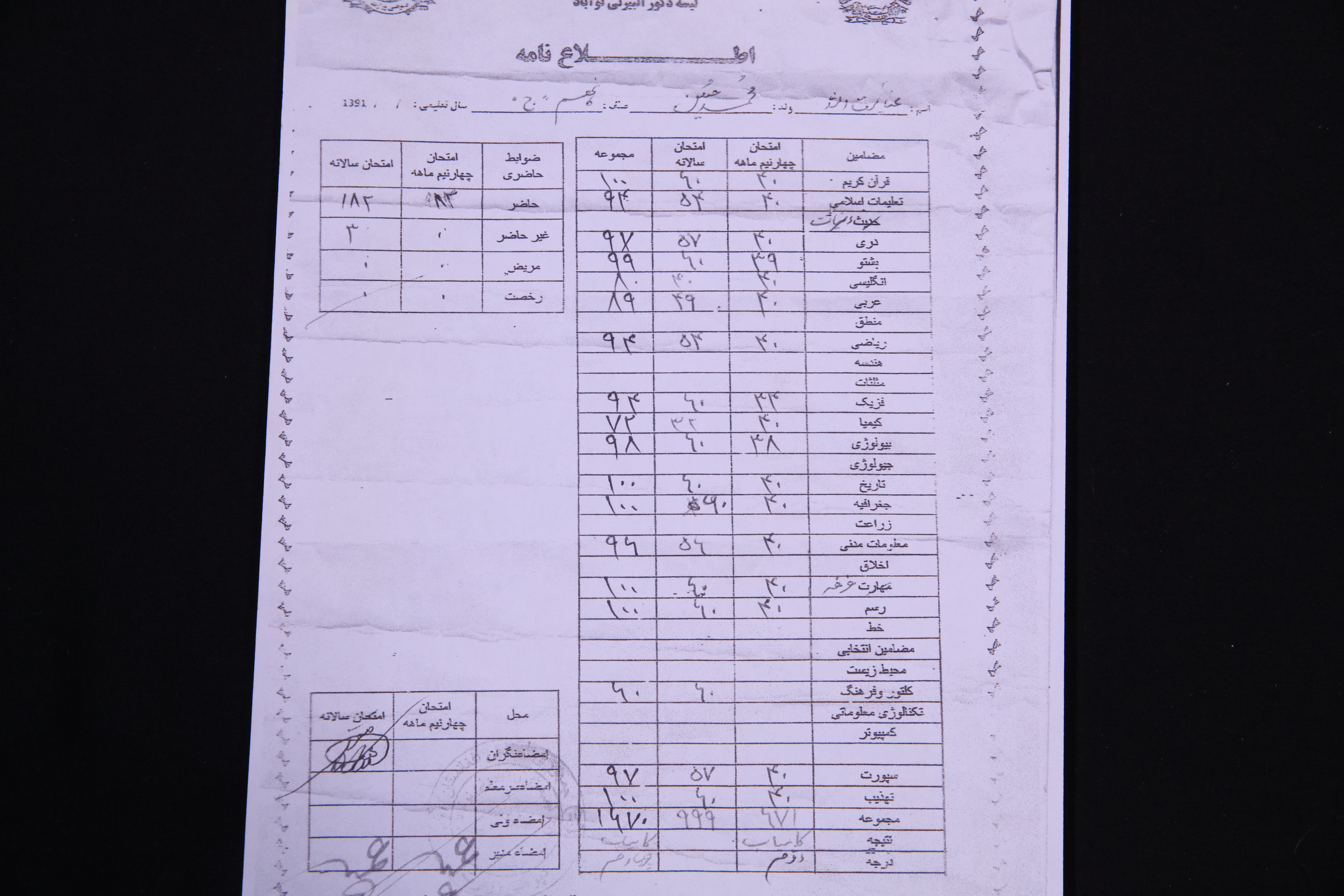
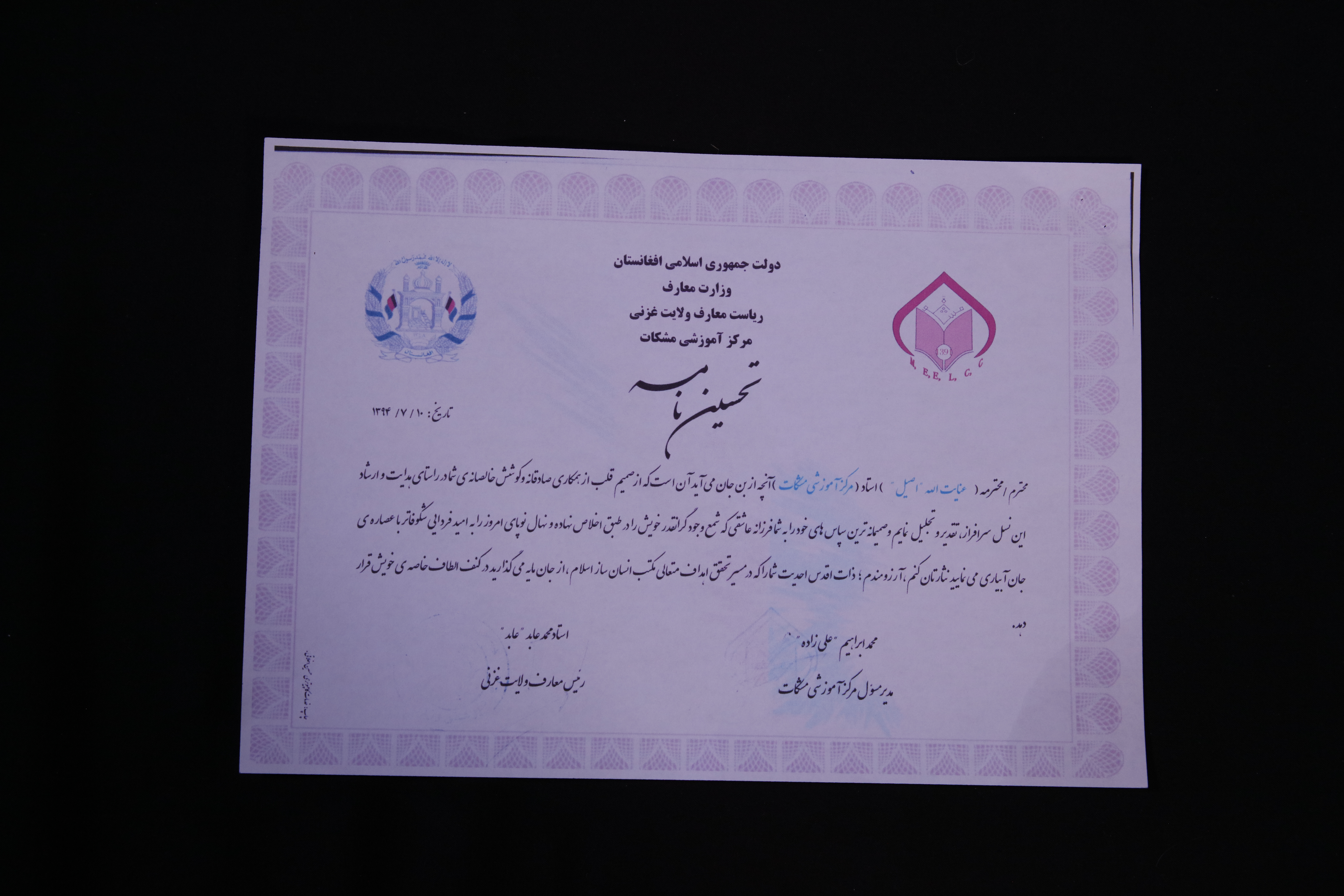
I am the grandson of martyr Enayatullah Asil's uncle. His immediate family lives in Ghazni. Because they could not participate in the Memory Box program, I consider it my duty to participate. Enayatullah was born in 1997. He completed his secondary education at Kariz Patu school, in Jaghori District of Ghazni Province. When he passed the university entrance exam, he got a good mark and was admitted to the Faculty of Journalism. He was only in his first semester when death took away his dreams. He was a very active and sociable person. He had won many awards during his school time. He was going to send me his biography, but unfortunately, he was martyred and his death made us all sad. He always believed that one should work hard and fight for their rights. His only intention in participating in this peaceful demonstration was to raise his voice for justice and peace. So many people like him sacrificed their lives for this cause. We follow in their footsteps so that their blood is not spilled in vain.

Enayatullah's life was full of ups and downs. He was not yet born when his father went to Iran and then Europe. He stayed there for ten years, but could not get citizenship, so he returned to Afghanistan. Then his father moved to Europe again, and it was when he was in Europe that his father heard of Enayatullah’s success. He was very proud. When he heard about his son's martyrdom, he couldn't bear it and returned to Afghanistan. He suffered a lot; Enayatullah was his father's only hope. Nothing could console him or heal his pain. Thanks to the Afghanistan Human Rights and Democracy Organization for providing this opportunity to share our painful stories with others. We must remember to never give up and follow in the steps of the righteous martyrs.