Reach out to us for queries and assistance
If you have any inquiries or need assistance, our dedicated team is available to help you through this contact form, guaranteeing confidentiality and respect.
To the Light
Narrator: Arif (brother)
Victim: Sharif Behroz
Date of the incident: 23 July 2016
Location of the incident: Dehmazang, Kabul City
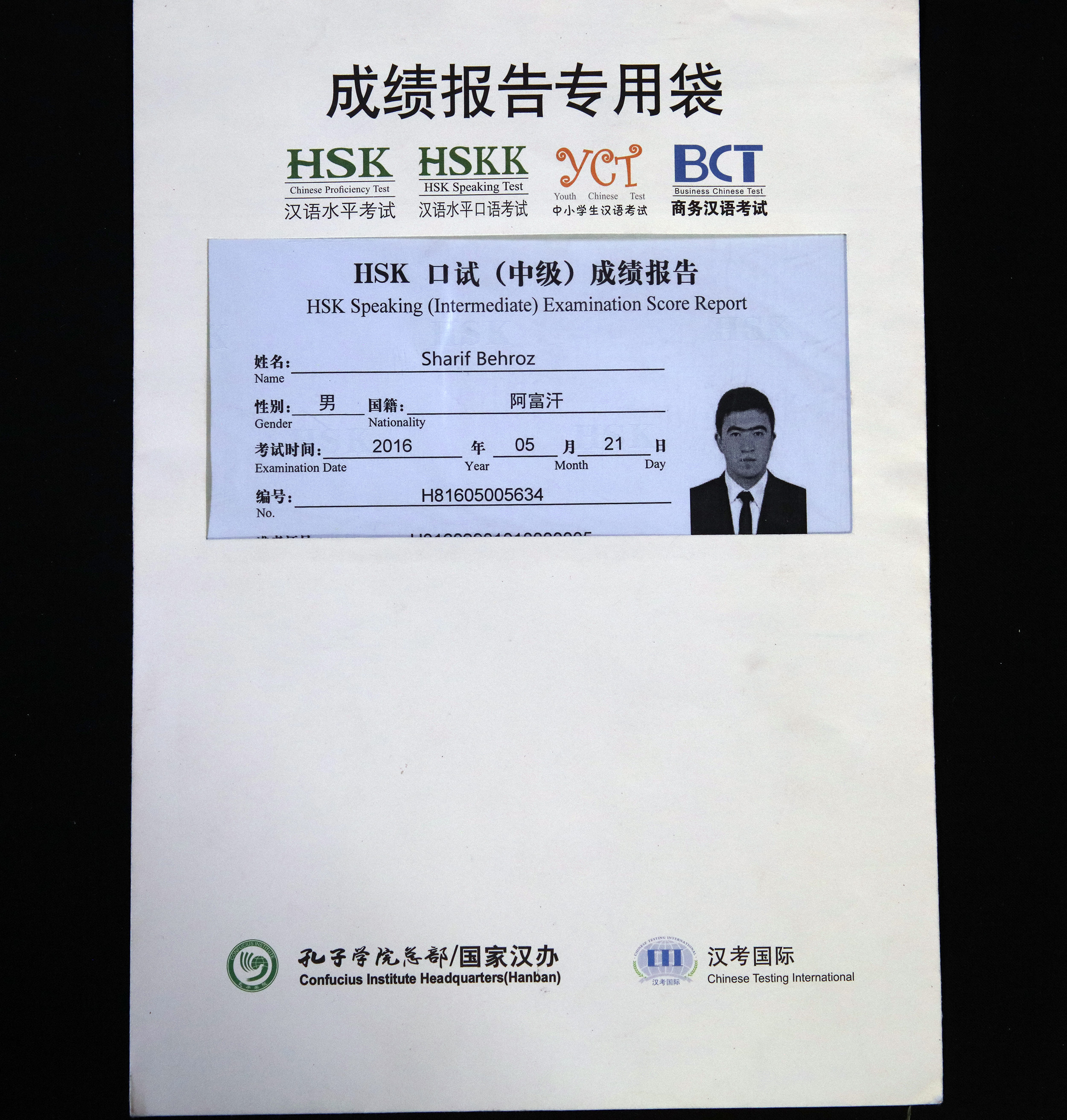
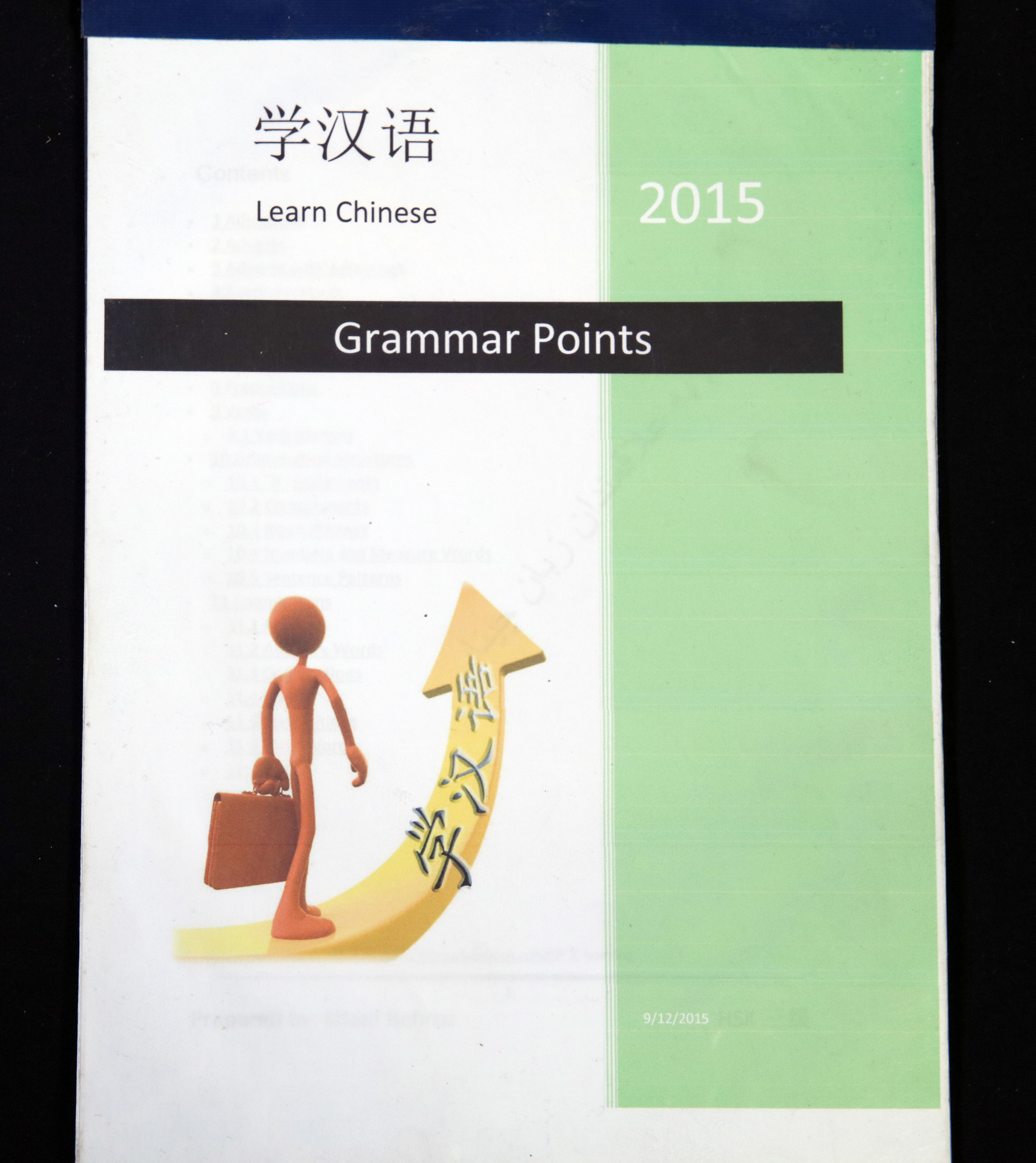
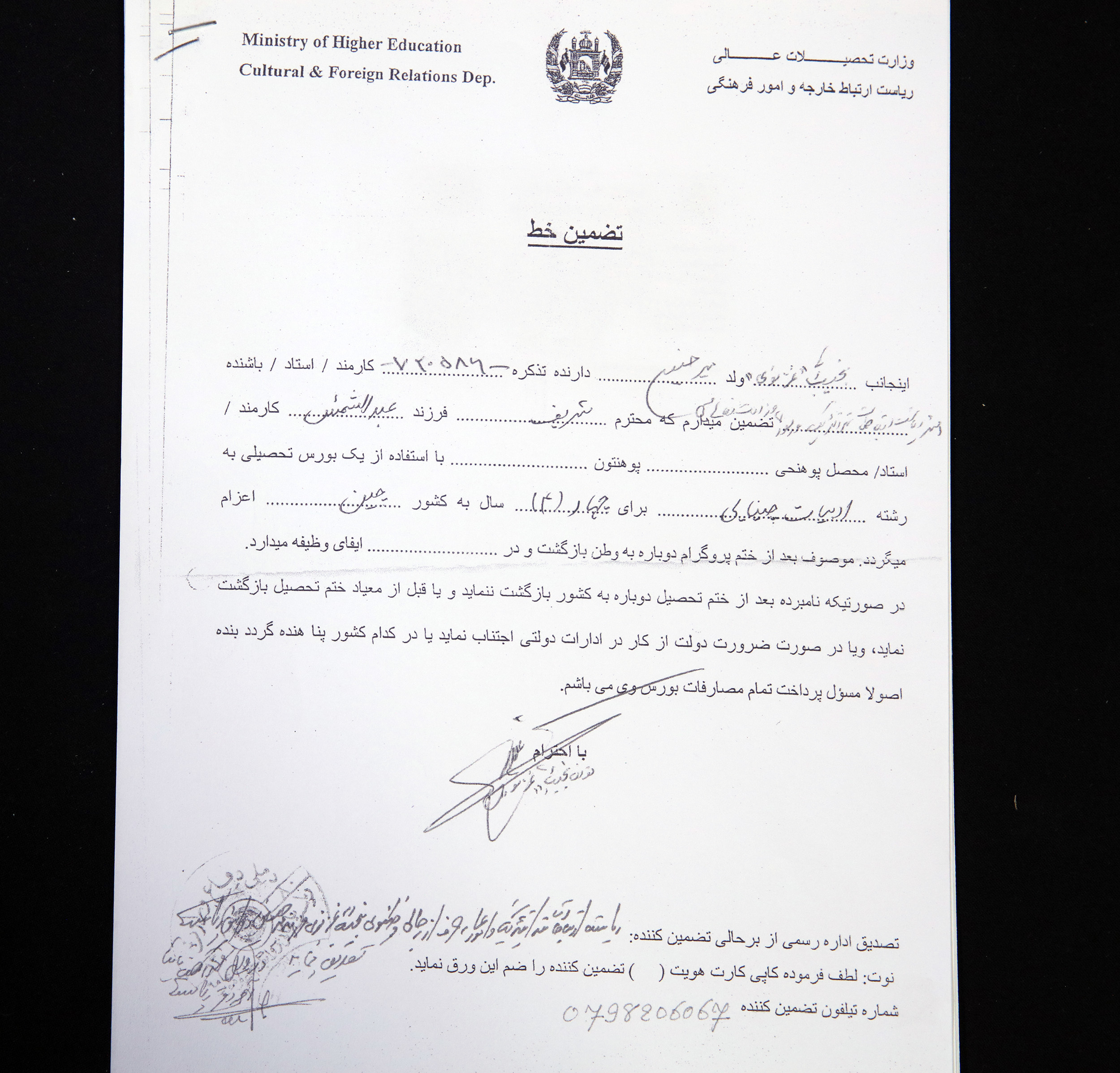
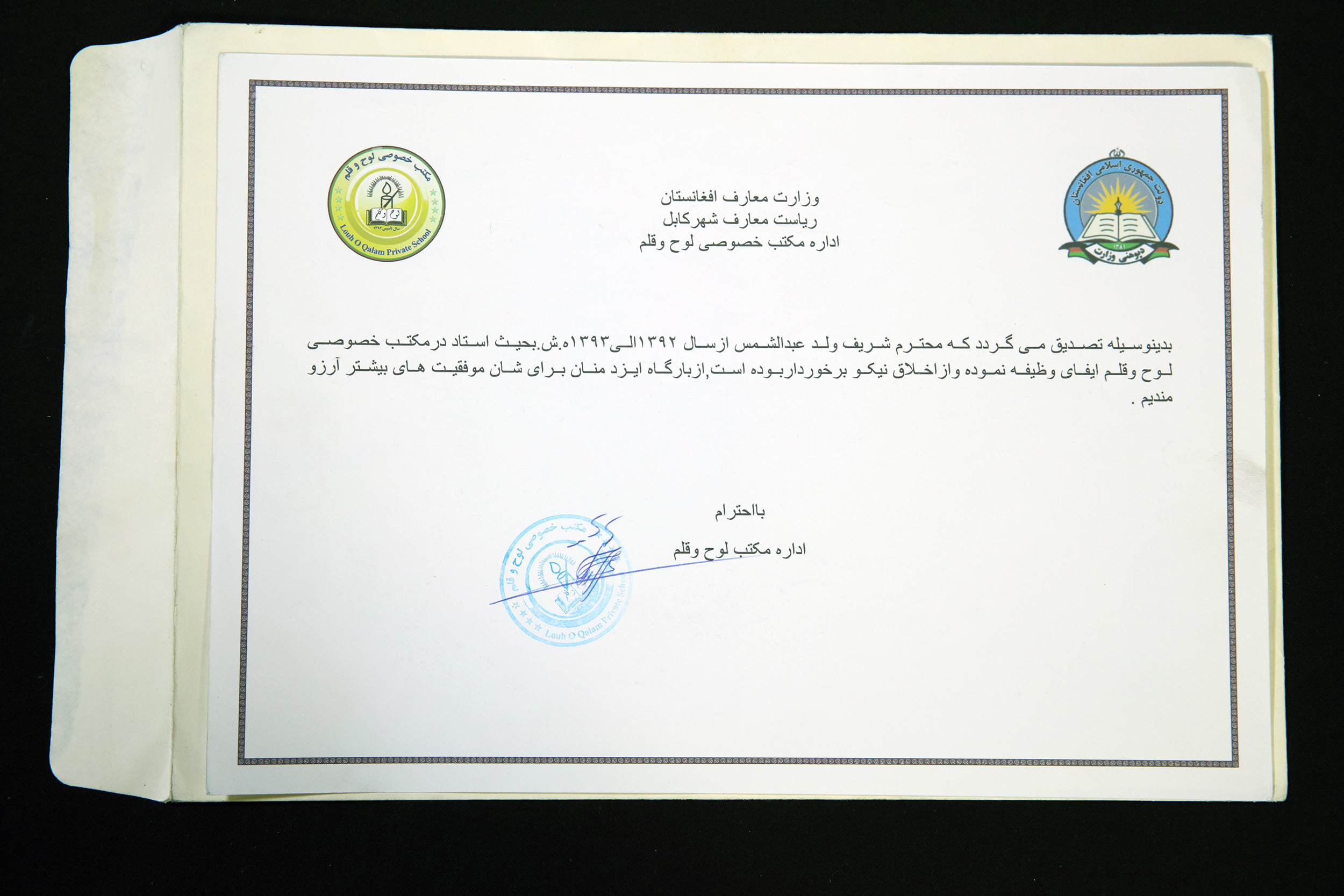
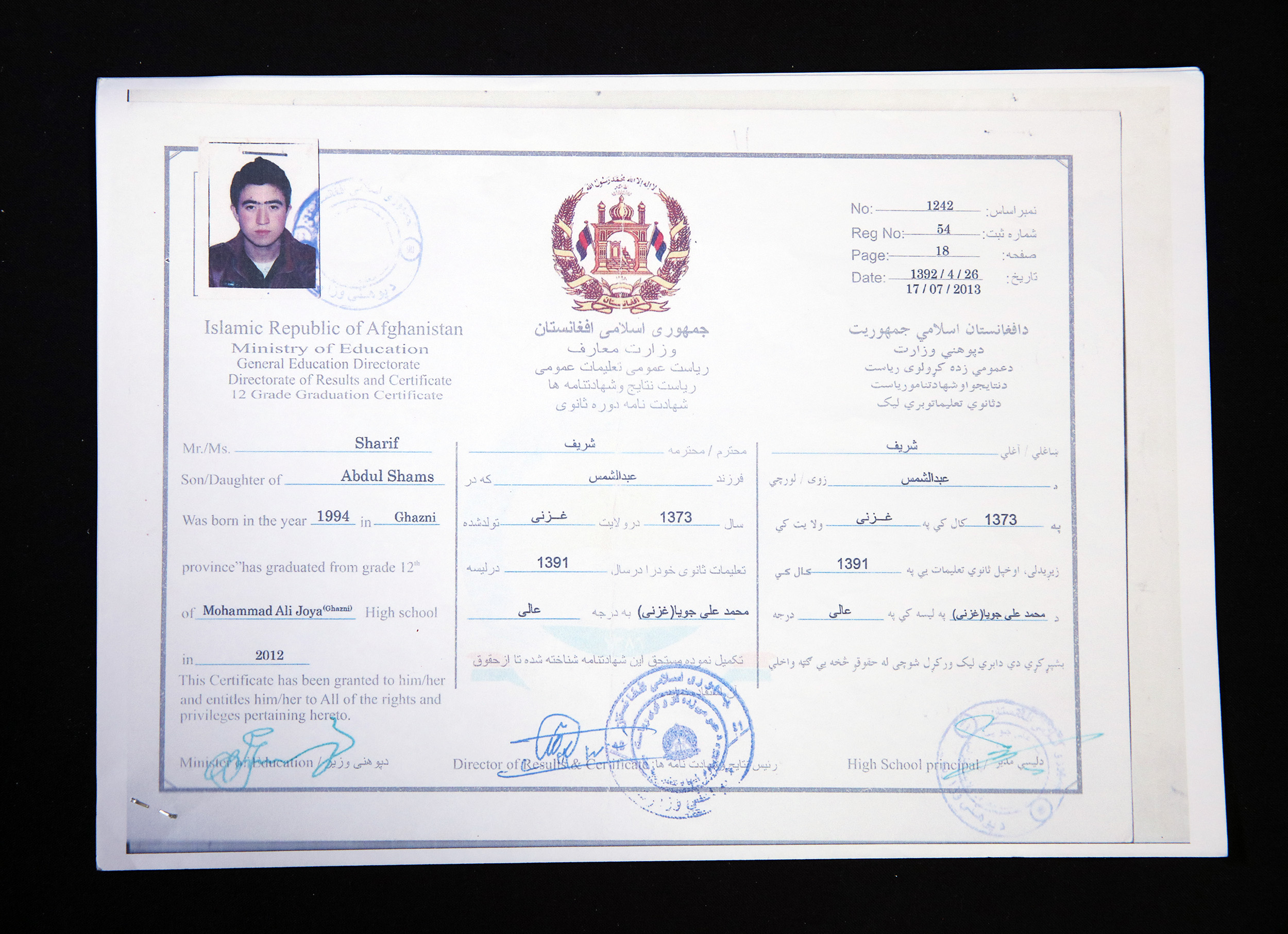
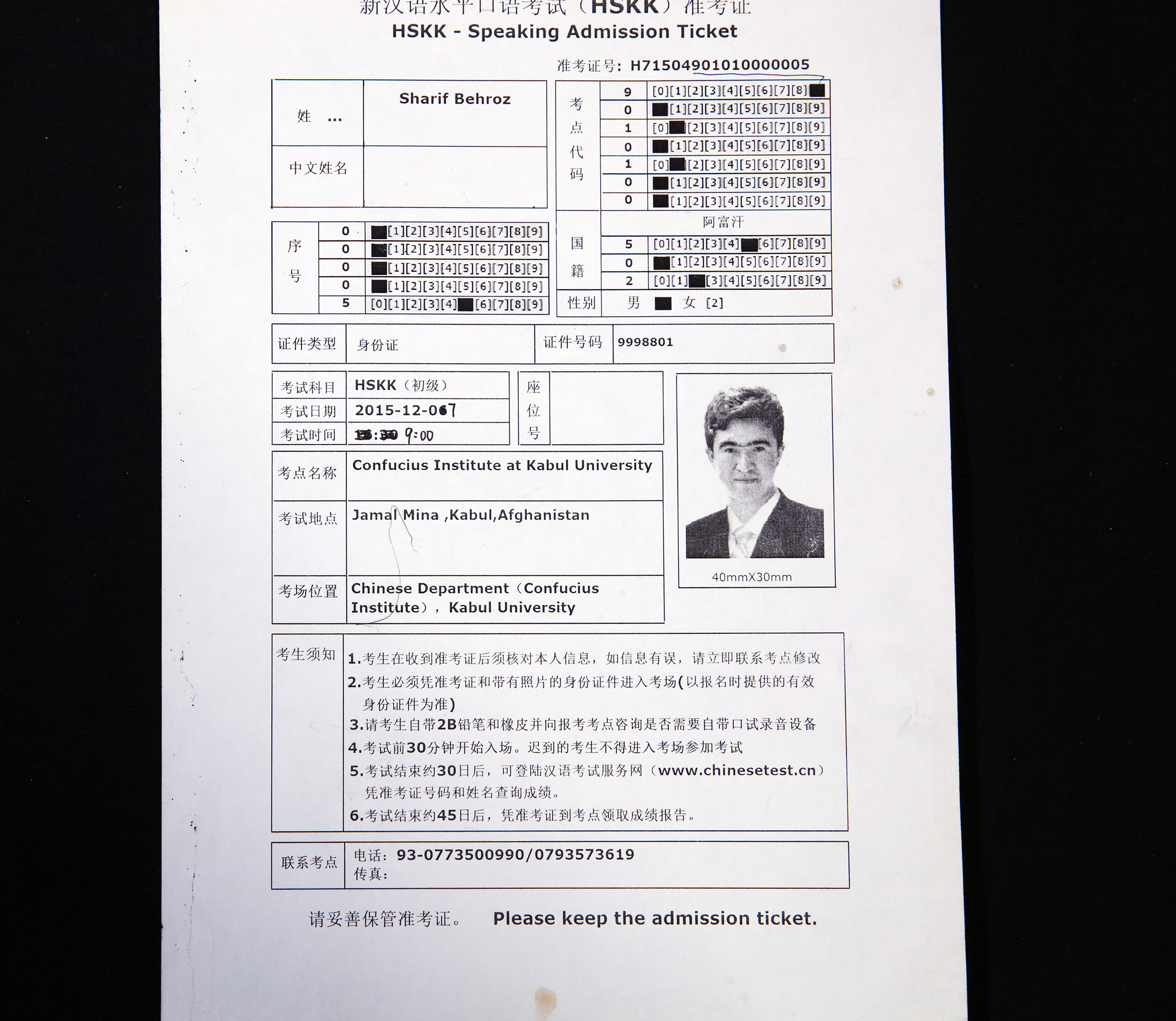
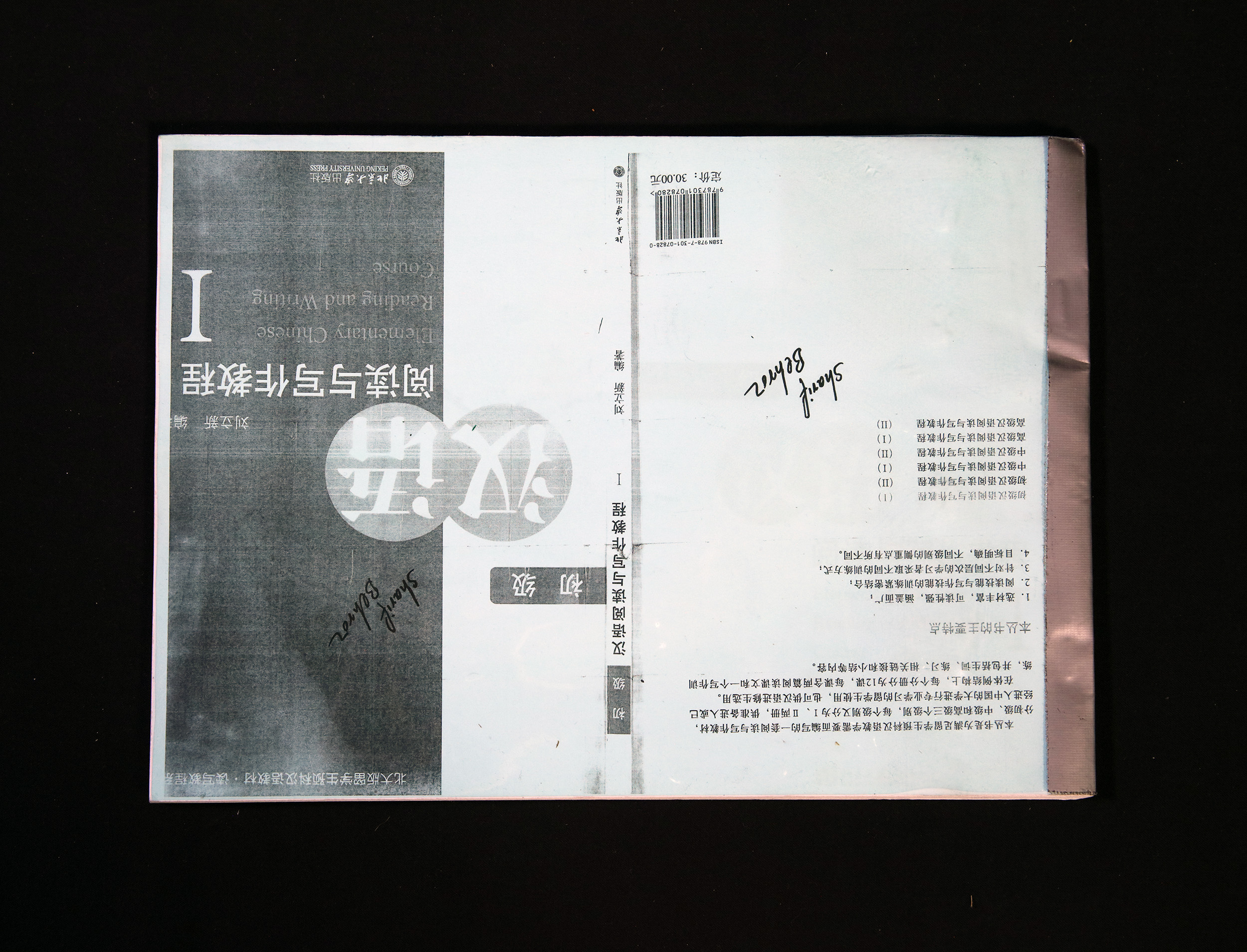
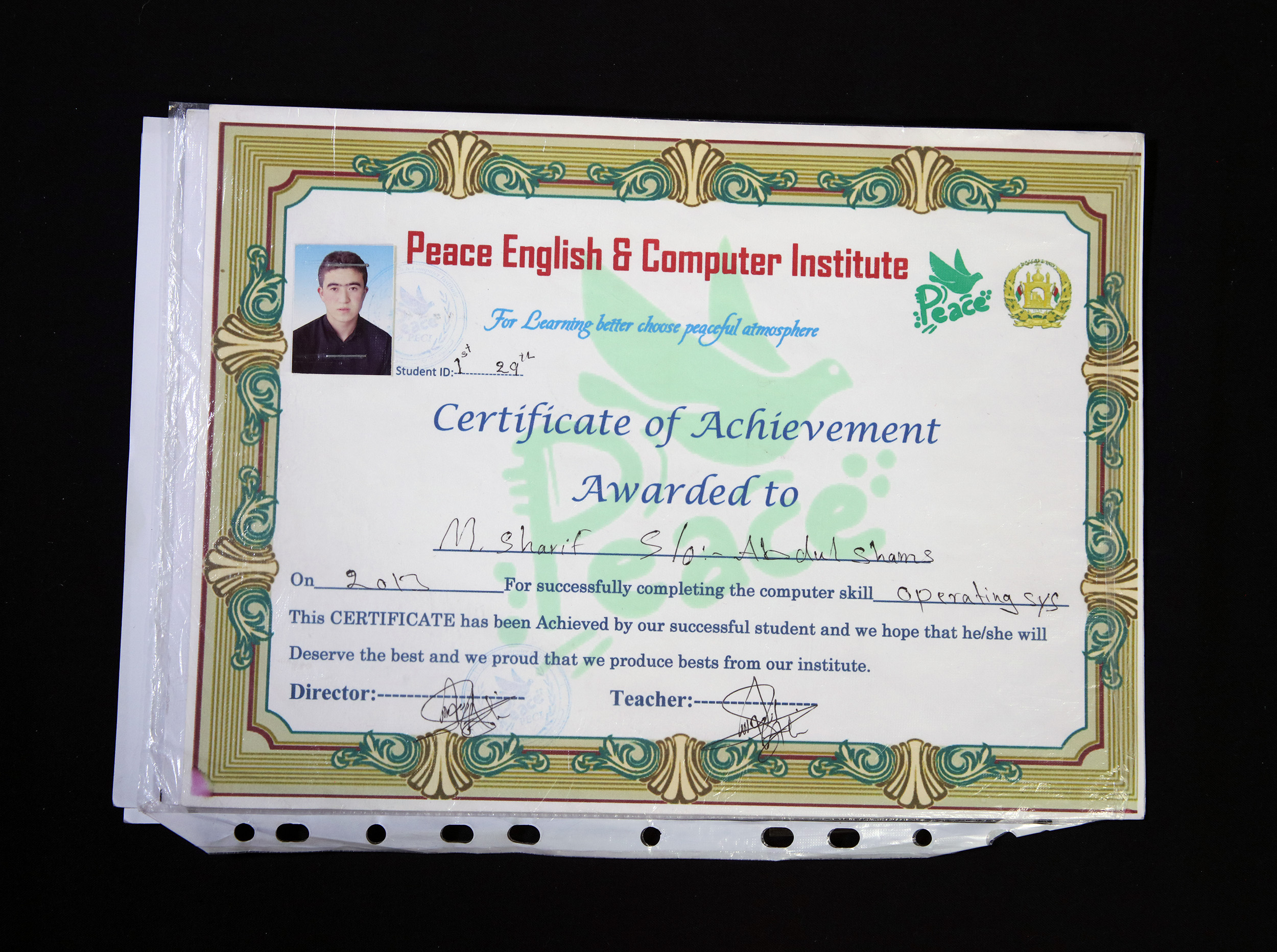
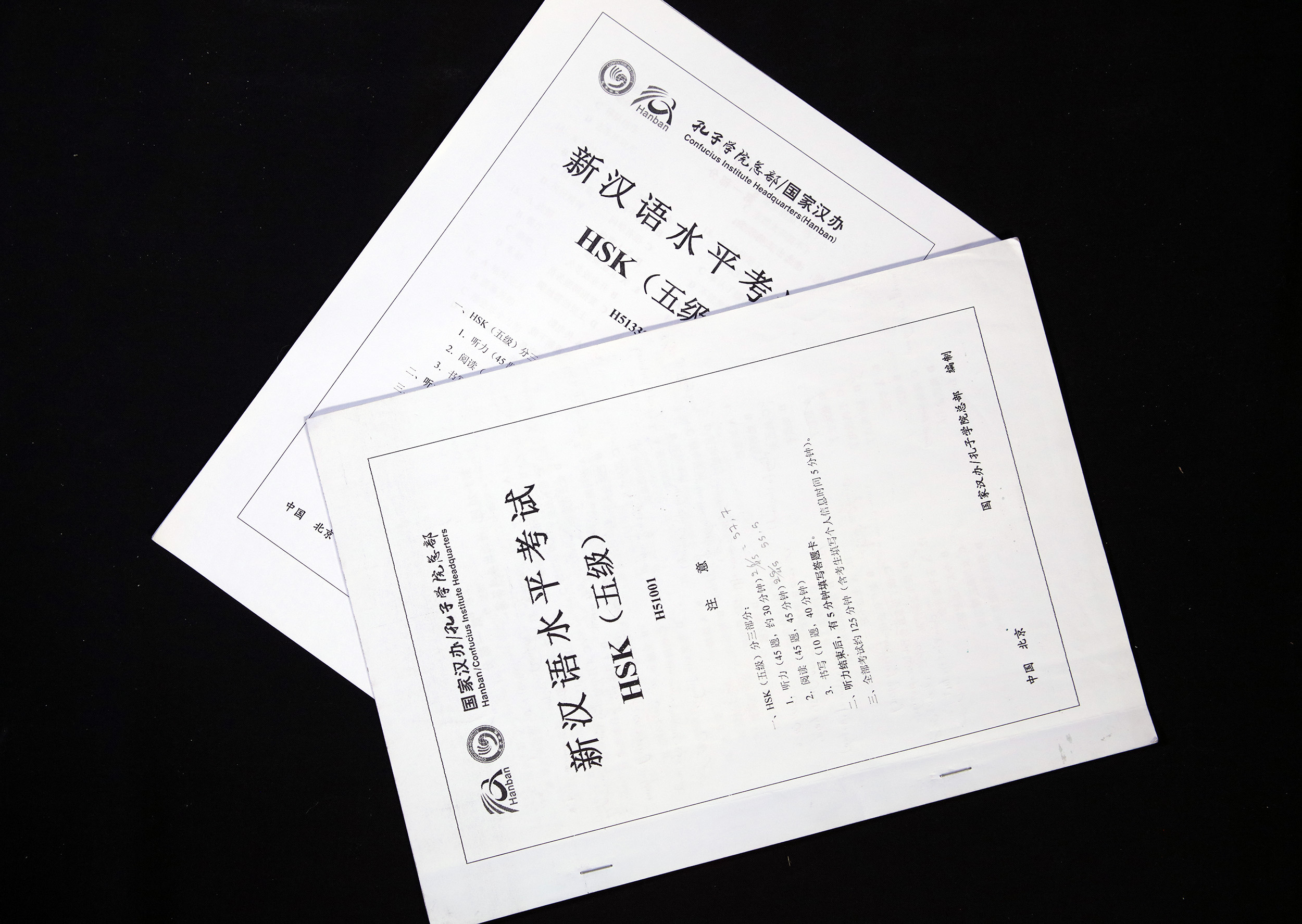
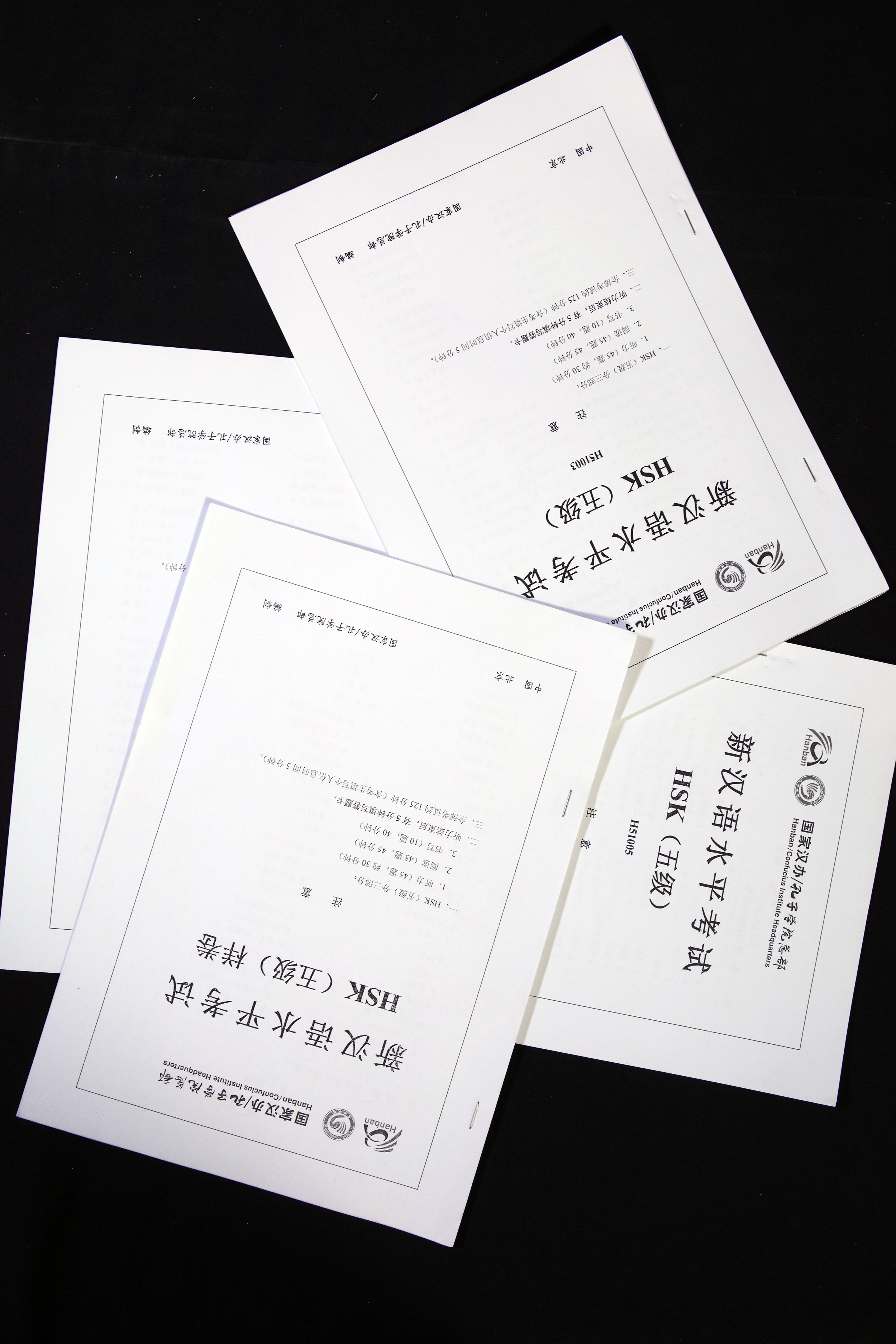
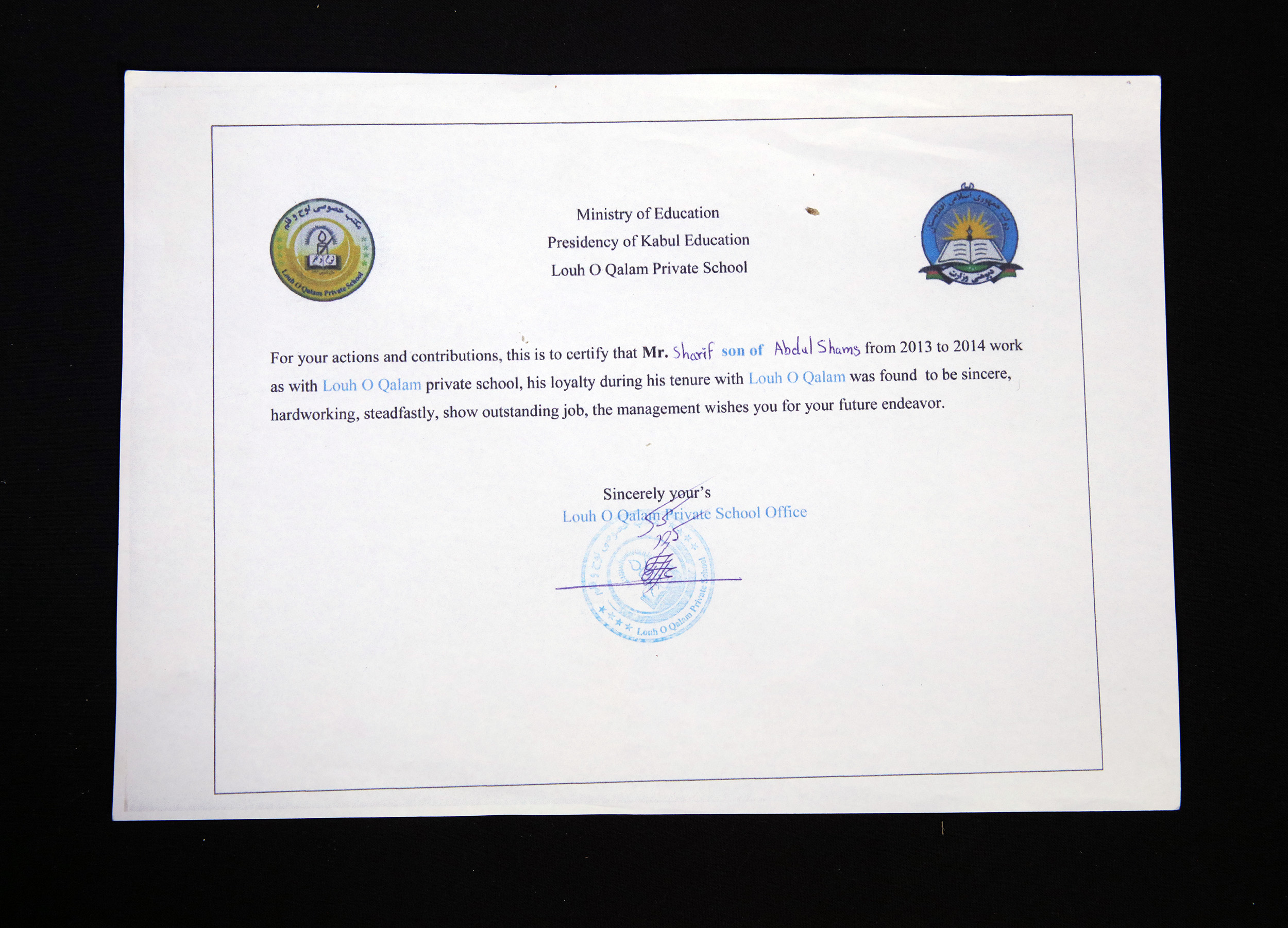
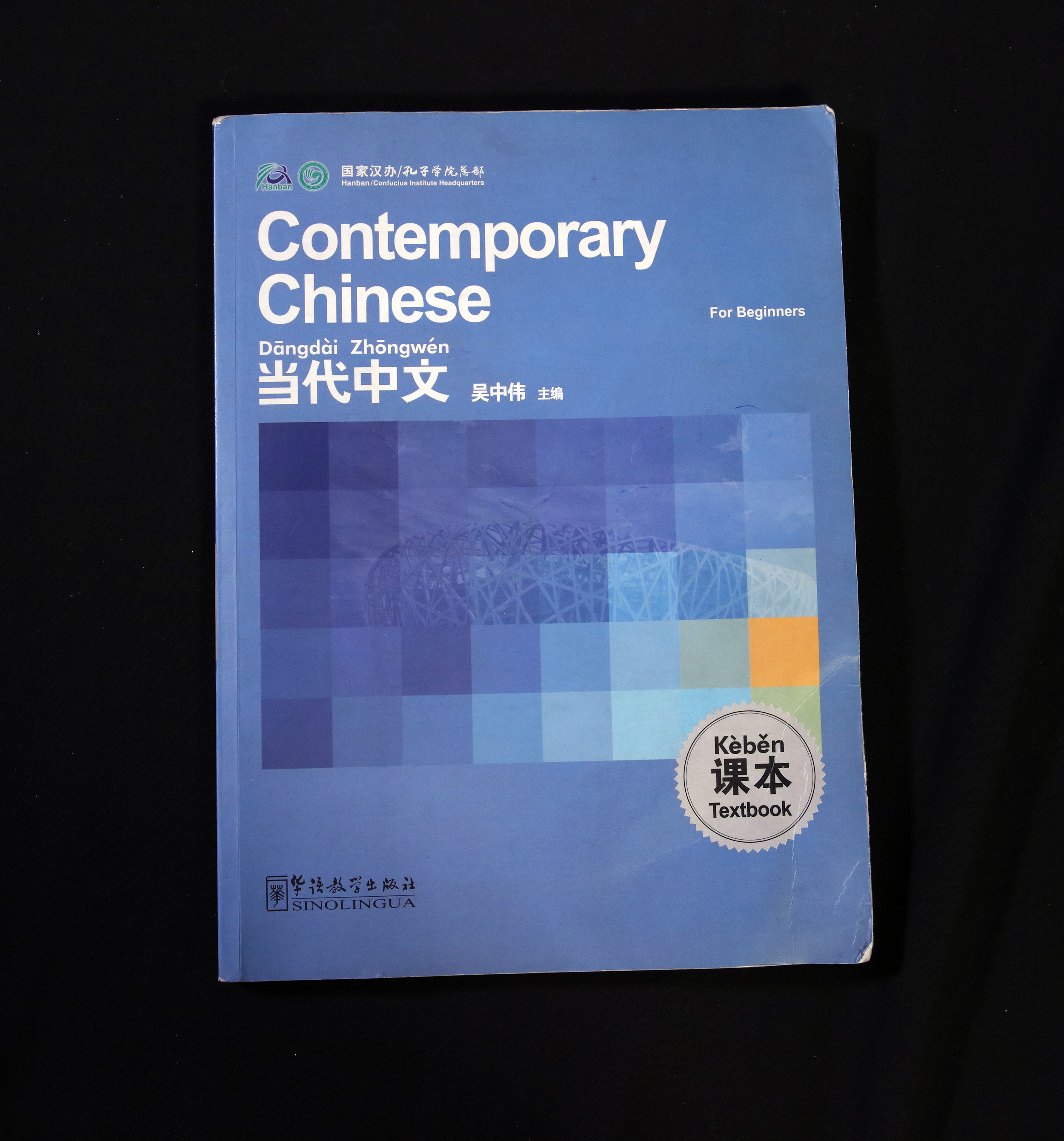
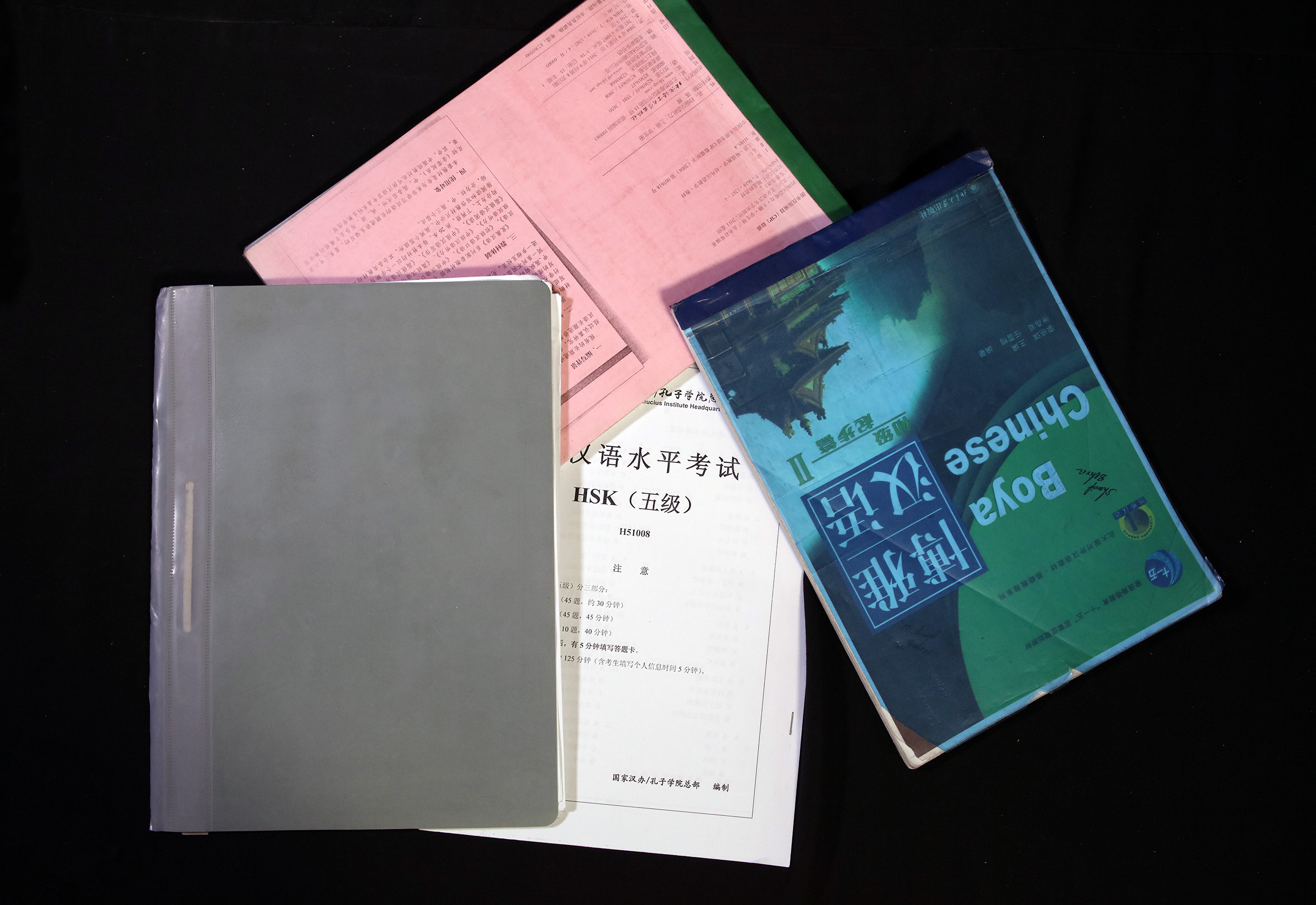
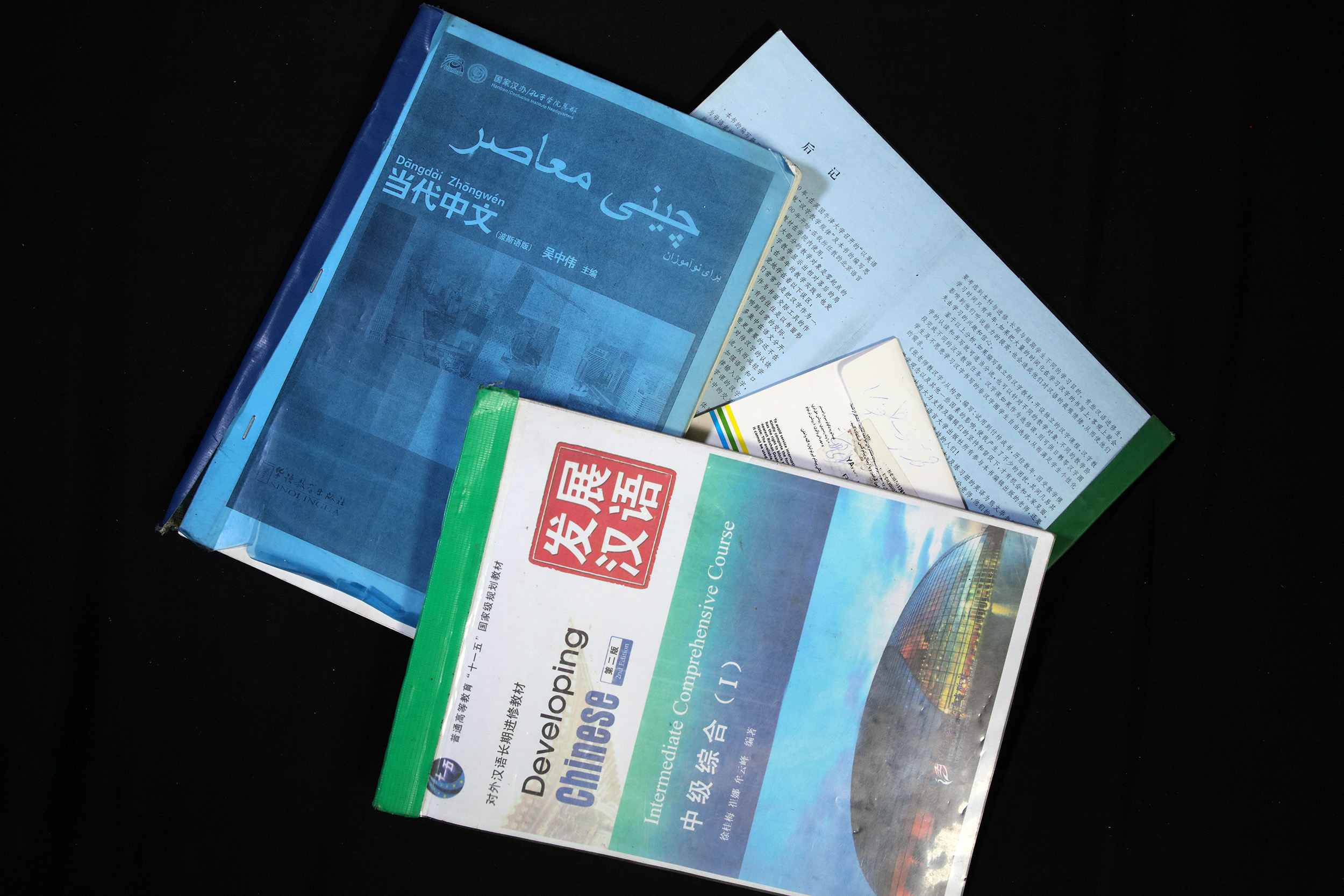
My brother Sharif Behroz and I studied in the same school and the same class. Sharif Behrouz was born in 1993. We were classmates from grade 1 to grade 12. Up to 9th grade, we attended the Shams Secondary School in Ghazni Province, in the district of Jaghori. In high school, we studied at the Abdul Ghafoor Soltani School. When we graduated from high school, we moved to Kabul with our family; we live here now. My brother could not attend university due to problems, but he worked hard, learned Mandarin at the Marafat High School, and obtained a degree. He took the international scholarship exam and was successful. But before he could go abroad for education, he was killed; martyred during the 23rd July protest.
I have many memories of my martyred brother. When the two of us went to Jaghori to take the university entrance exam, he started playing football with my nieces as soon as he got out of the car. He broke his arm during the game, and his arm was hanging around his neck for 15 days. All the work was left on my shoulders until he recovered and the exam was over. This is my best memory of him. On the day of the incident, he was there to fight against discrimination. The day before the incident (Friday), my brother was constantly monitoring the latest news through Facebook. On Friday, he went to Mosalla three times. Returning home, he said the meeting had not started yet. The next time he went away, he knew a meeting was being held in Erfani town and he stayed there until the evening.
My uncle and my aunt’s husband were at our house the night before the incident. Talking about the next day’s demonstration, my aunt’s husband asked my uncle if there would be a demonstration the next day and whether he would participate. My uncle replied, “Our elders are not very reliable; until now they have played with our people and done a deal over the fate of our people.” My brother Behroz told my uncle, “You chose to remain silent in your time, and thus we now see the result of your silence. We live in misery, and endure sufferings and problems.” My uncle told Behroz he should not participate in the next day’s demonstration. Nonetheless, he replied, “I will participate in the demonstration tomorrow alongside others. And I won’t be the only one; all of us, the people, should stand up and participate.” Encouraged by the Martyr Behroz, my uncle was there in Dehmazang on the Saturday.
On Saturday morning, Behroz woke up early as usual. After taking a bath and having breakfast, he took two loaves of bread, two packs of milk, and two bottles of mineral water, along with a packet of biscuits. He put them all in a tray, took a photo of them, and posted it on Facebook with the comment “to the light.” Before leaving the house, he wanted us to give him a white handkerchief to tie on his forehead. That early in the morning, there was no white handkerchief to be found, so he just said goodbye and left the house. He did find a white handkerchief during the demonstration, and tied it to his hand. He took a photo with his friends in front of Mosalla, the mark of the Enlightenment Movement on his hand. I could not participate in the demonstration because I had taken my aunt’s husband to the doctor. But I monitored the protest through Facebook. Afterwards, I went home with my uncle and aunt’s husband. At home, I continued to follow the demonstration through Facebook. Before I got home, I called my brother and he answered the phone. He told me he was fine but because there was a lot of noise, we quickly ended the call. When I called him it was 12:30, and he said he was sitting with his friends and would come home later. I then read that they had set up an advocacy tent in Dehmazang.
I was having problems with my phone as it would not turn on. After my phone turned itself off three times, I tried inserting my own sim card into my mother’s phone so I could call my brother. I kept trying, but it would not go back on. I quickly went to turn on the TV and saw that there had been an explosion in Dehmazang. I called Behroz but he didn’t answer his phone. I called again, but again I didn’t get any answer. I called Sharif, Behroz’s friend, and asked him about Behroz. He said they had become separated after taking a group photo. They did not know his whereabouts. I left the house immediately and travelled to Kote-Sangi by car, walking the rest of the way to Dehmazang. I searched the surrounding areas of Dehmzang but did not find my brother. A feeling in my heart told me that he must have been killed, been martyred. I continued to look for items of his such as his shoes, clothing, or bag, but found nothing.
Together with other people in Dehmazang, we collected the pieces of flesh and belongings of the martyrs and placed them in a corner. My other brother came from work, and we continued searching together. We went to Esteqlal Hospital, but Behroz was not there. My brother called his phone, and a doctor in the 400-bed Hospital answered the phone and said he was in that hospital. We went to the hospital but they would not allow me inside. They told us his leg was slightly injured, and there was no other problem, so I went back home. The next day, Sharif Behroz’s dead body was brought to our home. I don’t recall precisely if my brother’s name was registered in the list of martyrs or if it had been in the list of those wounded. A piece of shrapnel had hit the back of his head and another had hit his back. The strength of the blast wave had thrown him away and the skin of his hand had shriveled up. When they bathed his corpse, they would not let me stay with him any longer and took me away. We don’t know for sure whether he was killed, martyred on the square, or whether he died or was killed after he reached the hospital.
In fact, that night when we were at the hospital, my elder brother already knew that Behroz had been martyred. Because he didn’t want to upset our mother, he had not told anyone so that others could make the necessary preparations for martyred Behroz’s ceremony, and so that my parents could be informed calmly.
When we brought home Behroz’s body, the atmosphere in the house became really awful. My mother was extremely upset and we could not calm her down. The pain of losing Behroz will never leave us. As long as we live, we will carry this bitter memory with us.
| Item Name | Quantity | Description |
|---|---|---|
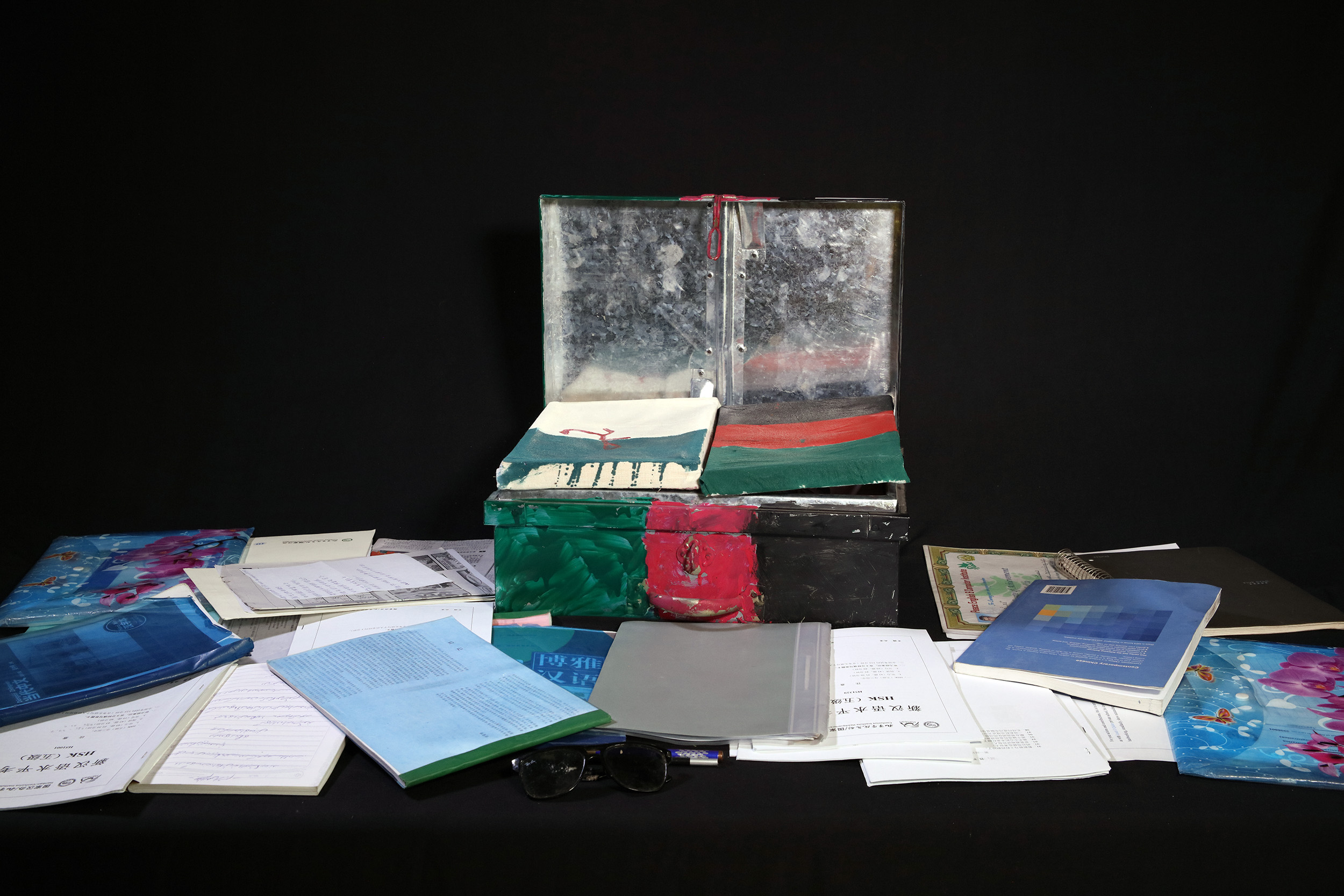
| Item 1.1 | 1 | Memory Box + Ideal and Memorial flags |
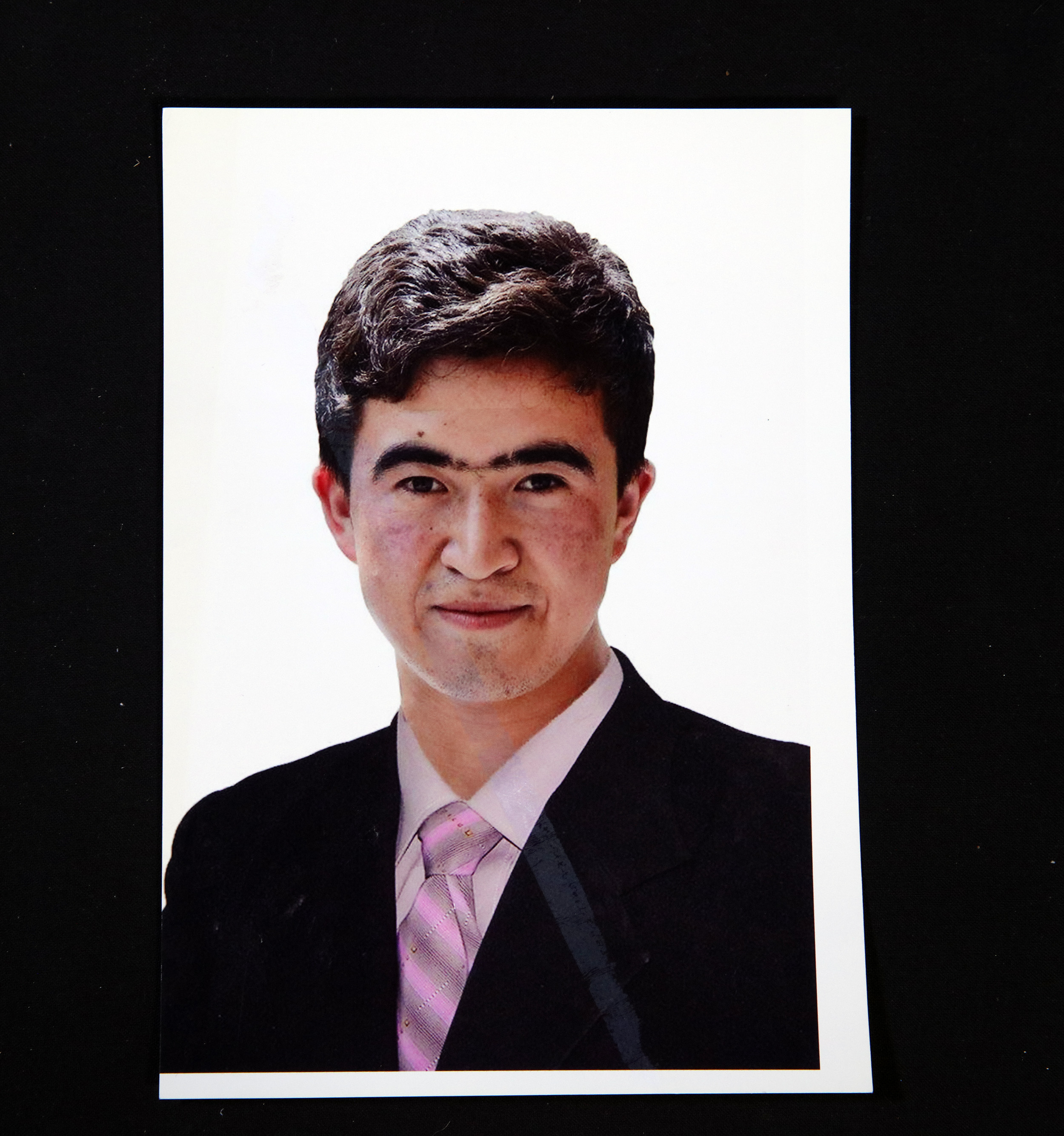
| Item 1.2 | 1 | Victim’s Memorial picture |
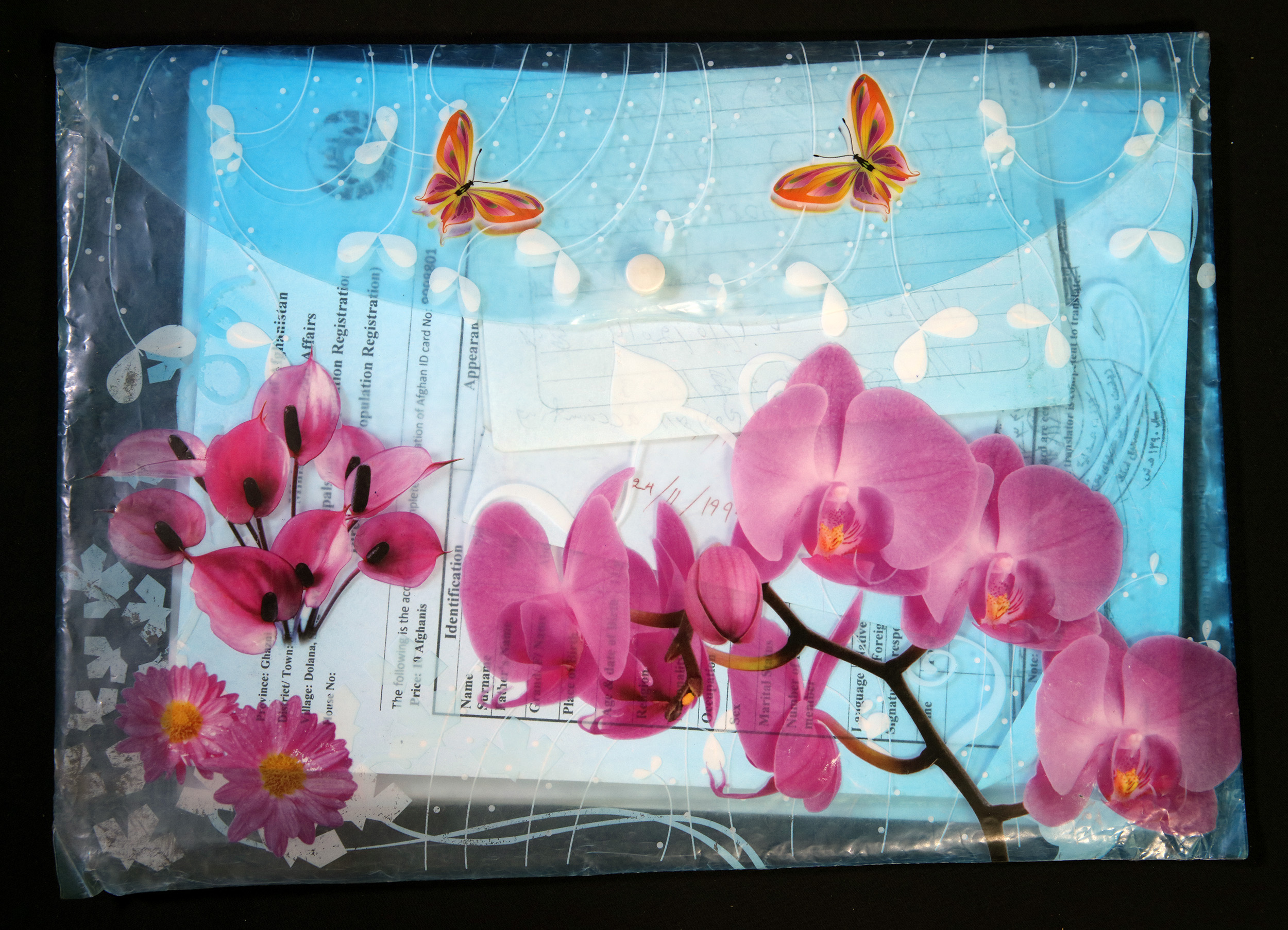
| Item 1.3 | 1 | Survival’s National ID |
| Item 1.4 | 1 | Victim’s Document file |
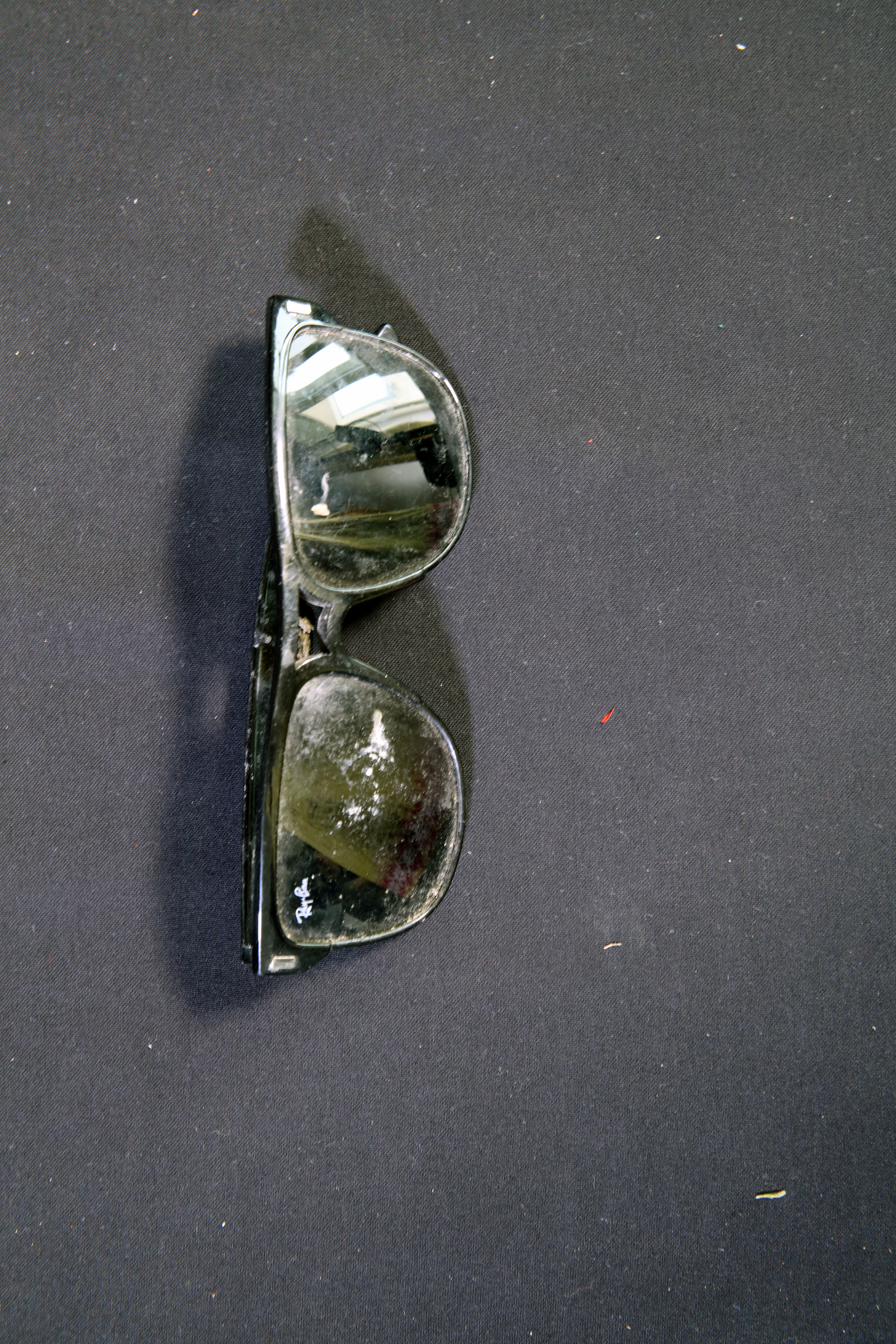
| Item 1.5 | 1 | Victim’s Eye glass |
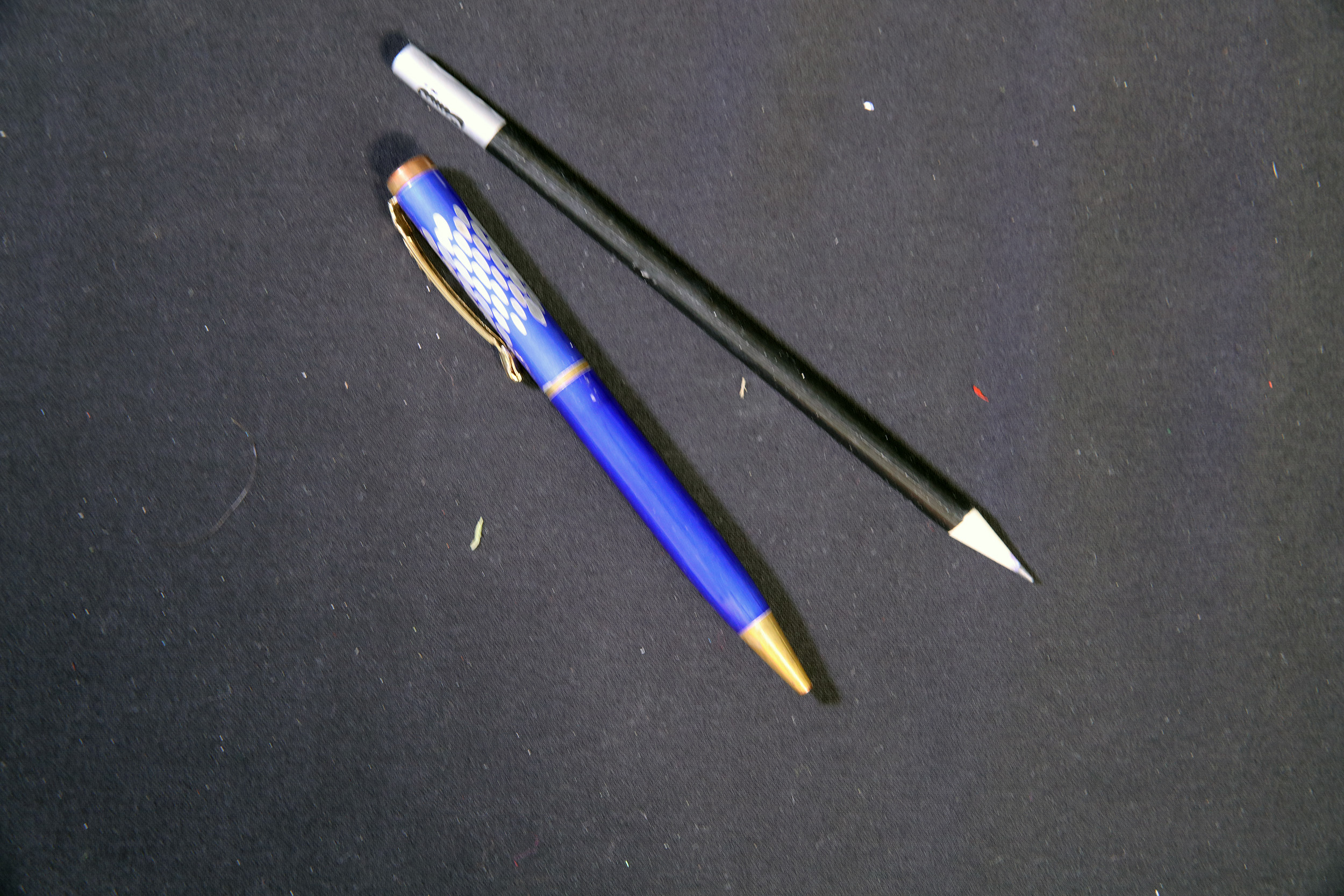
| Item 1.6 | 1 | Victim’s Pen and pencil |
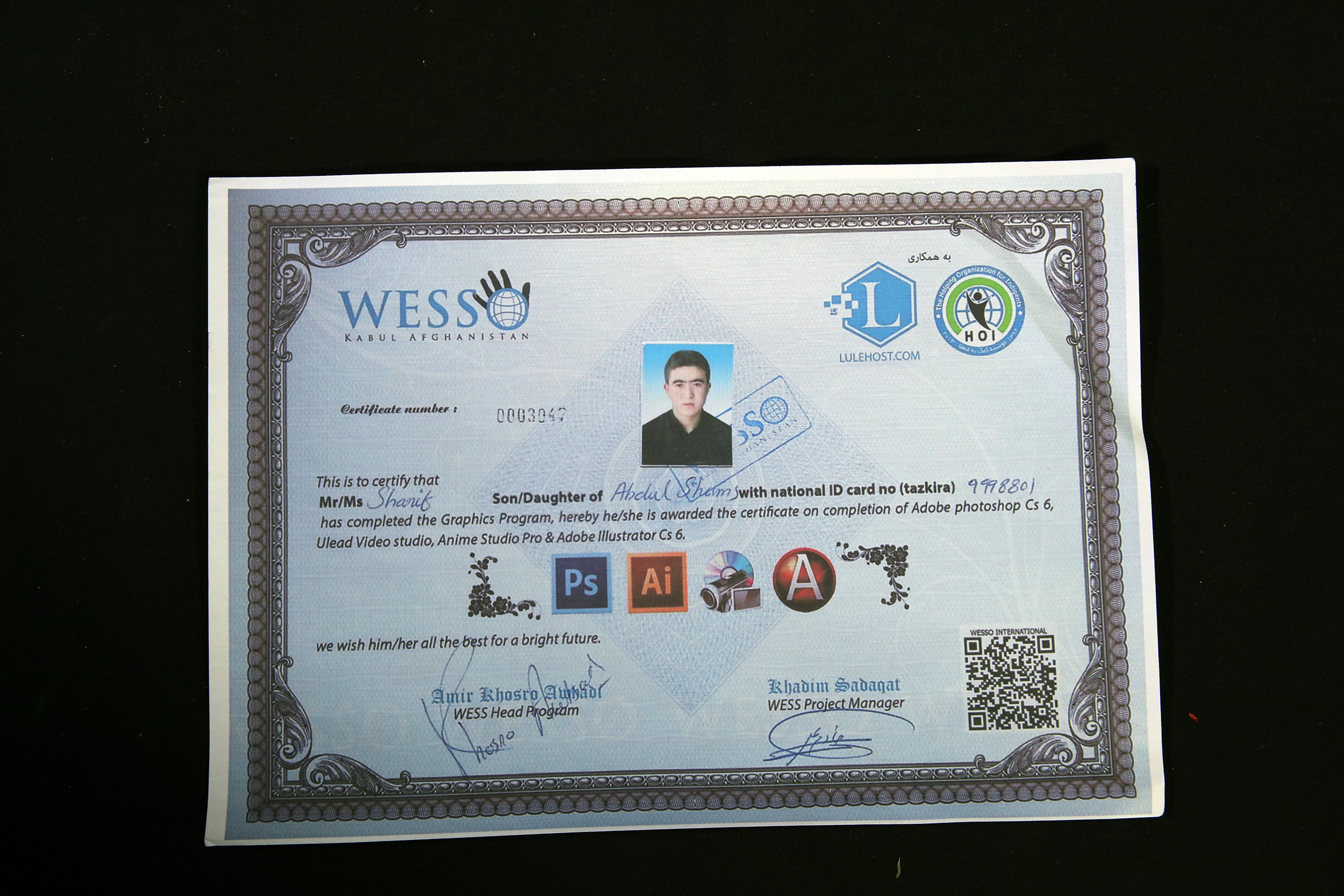
| Item 1.7 | 1 | Victim’s Certificate |
| Item 1.8 | 1 | Victim’s Certificate |
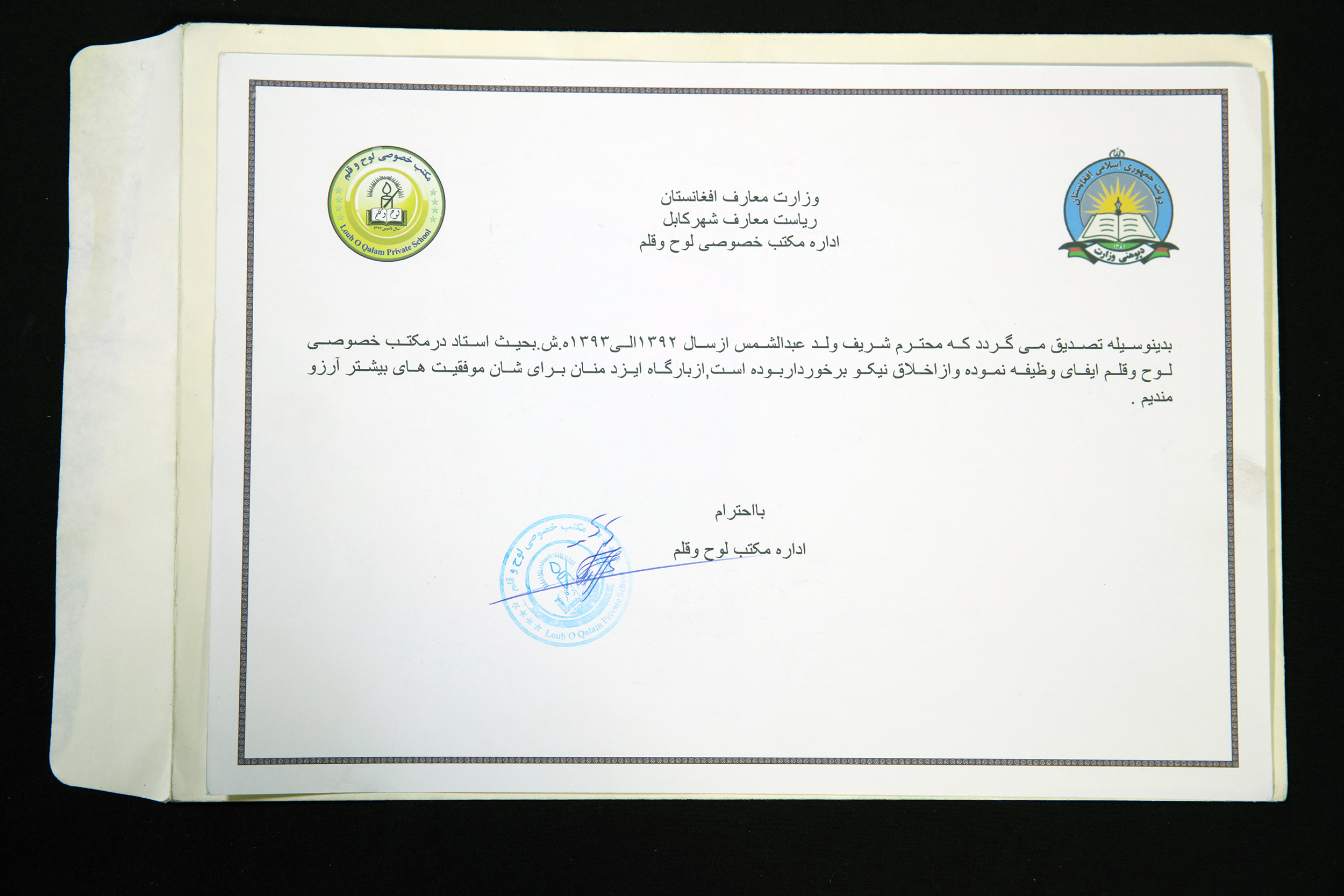
| Item 1.9 | 1 | Victim’s Secondary High school certificate |
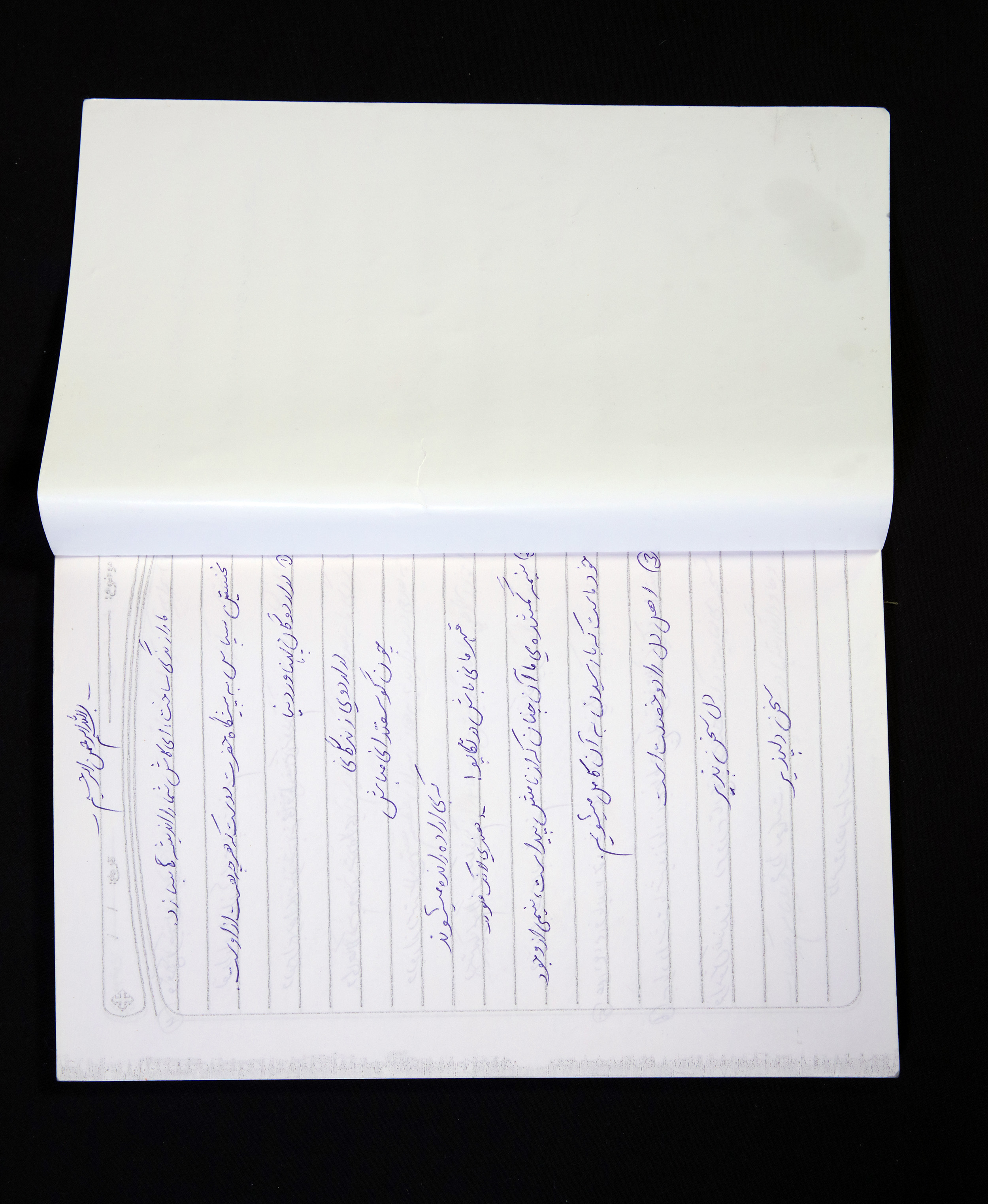
| Item 2.0 | 1 | Victim’s Chapter |