Abdul Aziz Rahimi

is a victim/survivor of a/an

  • Complex Attack
  • Suicide Attack
  • Targeted Killing
  • Vehicle-borne Attack
  • Vehicle-borne Suicide Attack
  • In many incidents and cases related to the war in Afghanistan, some information might be missing due to the volatile nature of the conflict or the difficulty in gathering comprehensive information
  • The content displayed in black constitutes sensitive and confidential information.
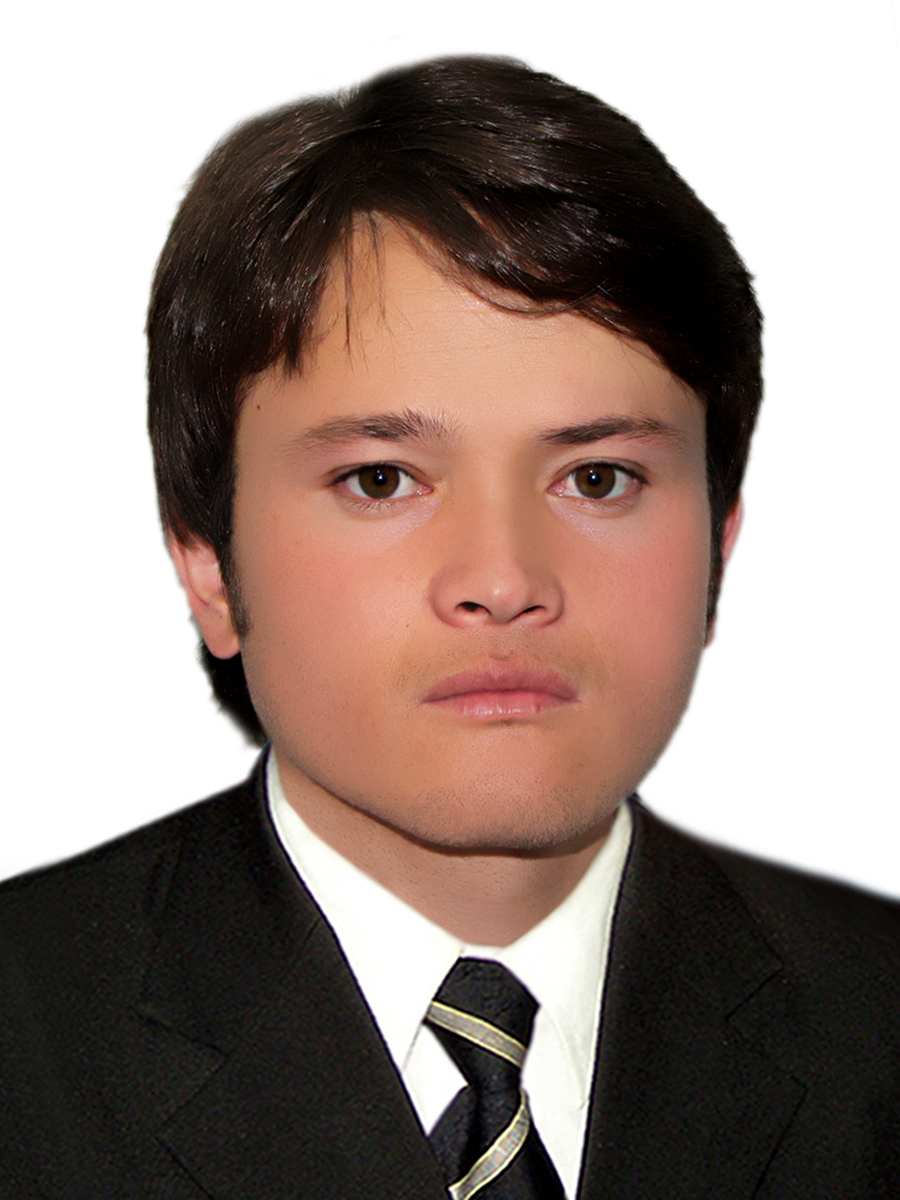
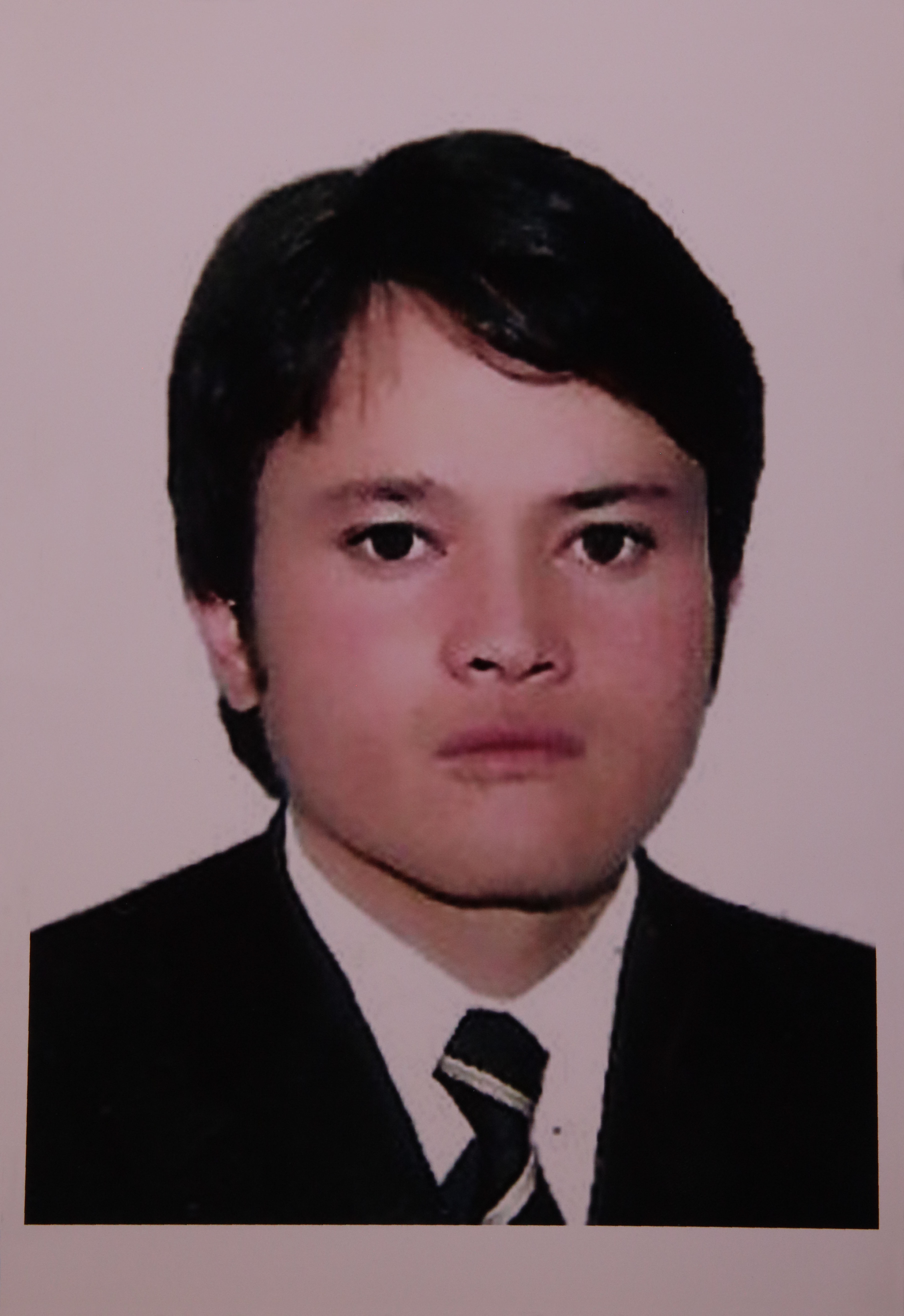
Photo of Victim

Additional information


  • Date of birth:

    Mar 11, 1995

  • Village/Town of birth:

    Unknown

  • Province of birth:

  • Gender:

    Male

  • Ethnicity:

    Hazara

  • Education:

    Master

  • Date of the main incident:

    23 July 2016

  • Place of the main incident:

    Dehmazang, Kabul City

Incident description

On July 23, 2016, two suicide bombers denoted their explosives among the protesters at Dehmazang Square in Kabul, the capital city of Afghanistan. The protesters, who were primarily Hazaras, were part of the Enlightenment Movement. They were protesting against the diversion of the TUTAP mega power project which would cause the project to bypass Hazara-dominated areas. At least 84 protesters lost their lives and 260-400 others were injured. The Islamic State of Khorasan Province (ISKP), the regional branch of ISIS, took credit for the attack. However, ISKP later refuted their involvement in the attack.

The Enlightenment Movement, also known as Junbesh-e Roshnayie, was a grassroots civil disobedience movement started by Hazaras in Afghanistan in response to a change in the Fichtner GmbH & Co. KG proposed Energy Supply Improvement Investment Program, unofficially called TUTAP project plans. The change in the project plans would cause it to bypass Hazara regions. The move was seen as perpetuating long-standing anti-Hazara discrimination. Throughout 2016 and 2017, the Enlightenment Movement coordinated large-scale demonstrations against discrimination both domestically in Afghanistan and abroad.

Source

AHRDO Archive

Alleged type of harm

  • Psychological costs: Experienced scenes of clashes and violence
  • Psychological costs: Faces traumas and anxiety
  • Psychological costs: Have been otherwise mentally, emotionally and psychologically harmed and affected
  • Human costs: Injured
  • Human costs: Killed

Alleged type of crimes

  • Crime against humanity: Apartheid
  • Crime against humanity: Deportation or forcible transfer of population
  • Crime against humanity: Enforced disappearance
  • Crime against humanity: Enforced prostitution
  • Crime against humanity: Enforced sterilization
  • Crime against humanity: Enslavement
  • Crime against humanity: Extermination
  • Crime against humanity: Forced pregnancy
  • Crime against humanity: Imprisonment or other severe deprivation of physical liberty
  • Crime against humanity: Murder
  • Crime against humanity: Other inhumane acts
  • Crime against humanity: Persecution
  • Crime against humanity: Rape
  • Crime against humanity: Sexual slavery
  • Crime against humanity: Sexual violence
  • Crime against humanity: Torture
  • War crime: Attacking civilian objects
  • War crime: Attacking civilians
  • War crime: Employing prohibited gases, liquids, materials or devices
  • War crime: Employing prohibited weapons, projectiles, materials or methods of warfare
  • War crime: Murder
  • War crime: Treacherously killing or wounding
  • War crime: Wilful killing

Abdul Aziz Rahimi

Incident geolocation

  • Province:

    Kabul: Kabul

  • Latitude:

    34.5168788437339

  • Longitude:

    69.1499999975304

Witness/Survivor Statement

I Will Stay and Serve in Afghanistan as Long as I Am Alive

Narrator: Abdul Wahid (brother)

Victim: Abdul Aziz Rahimi

Date of the incident: 23 July 2016

Location of the incident: Dehmazang, Kabul City


I am going to share the story of my martyred brother with you. He was born on the 11th of March in 1990. In 1996, he was enrolled in school in Islam Qala in Pol-e Khomri. We lived in Baghlan Province for almost ten years, after which we moved to the centre of Bamiyan, where he completed his studies in under three years.

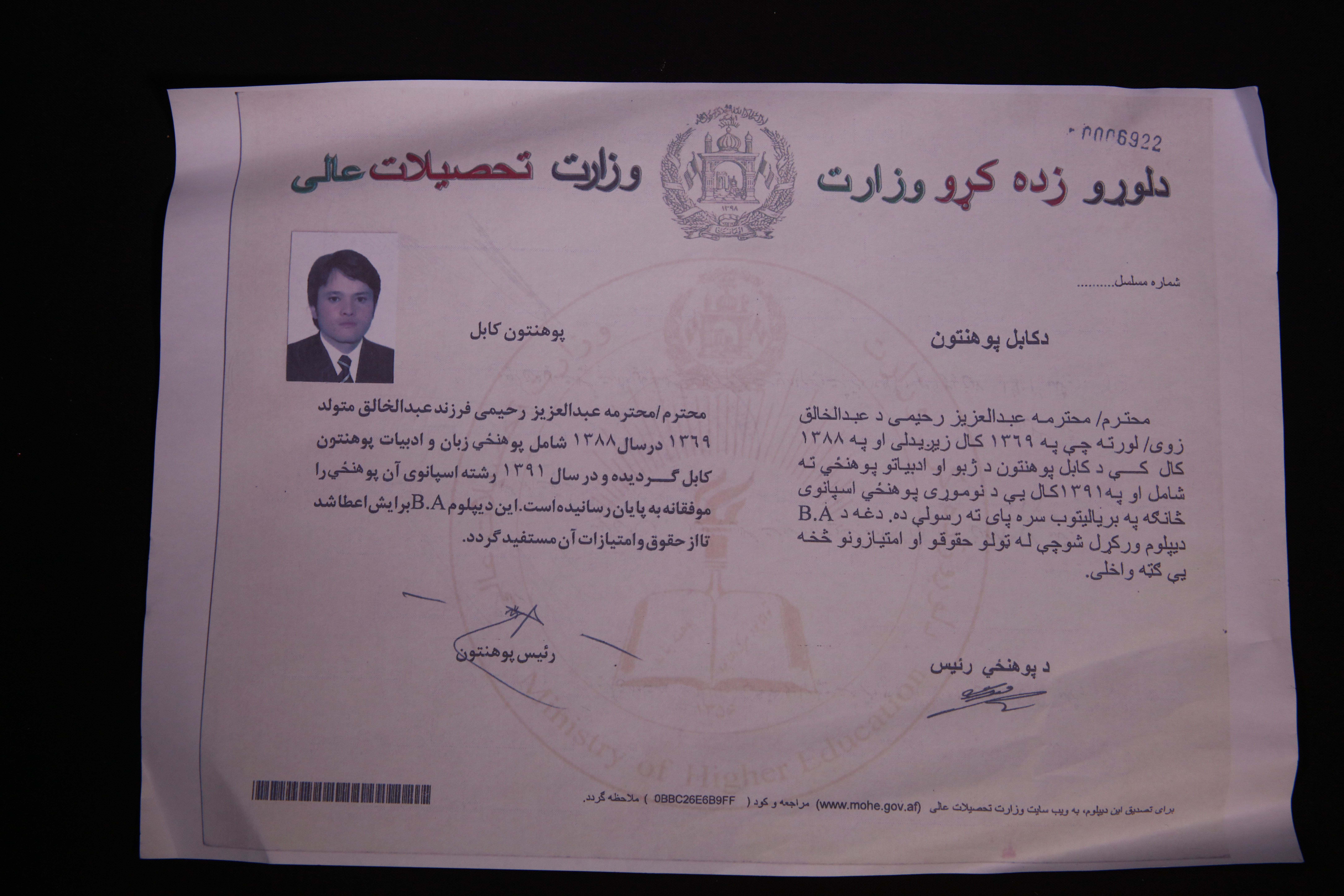
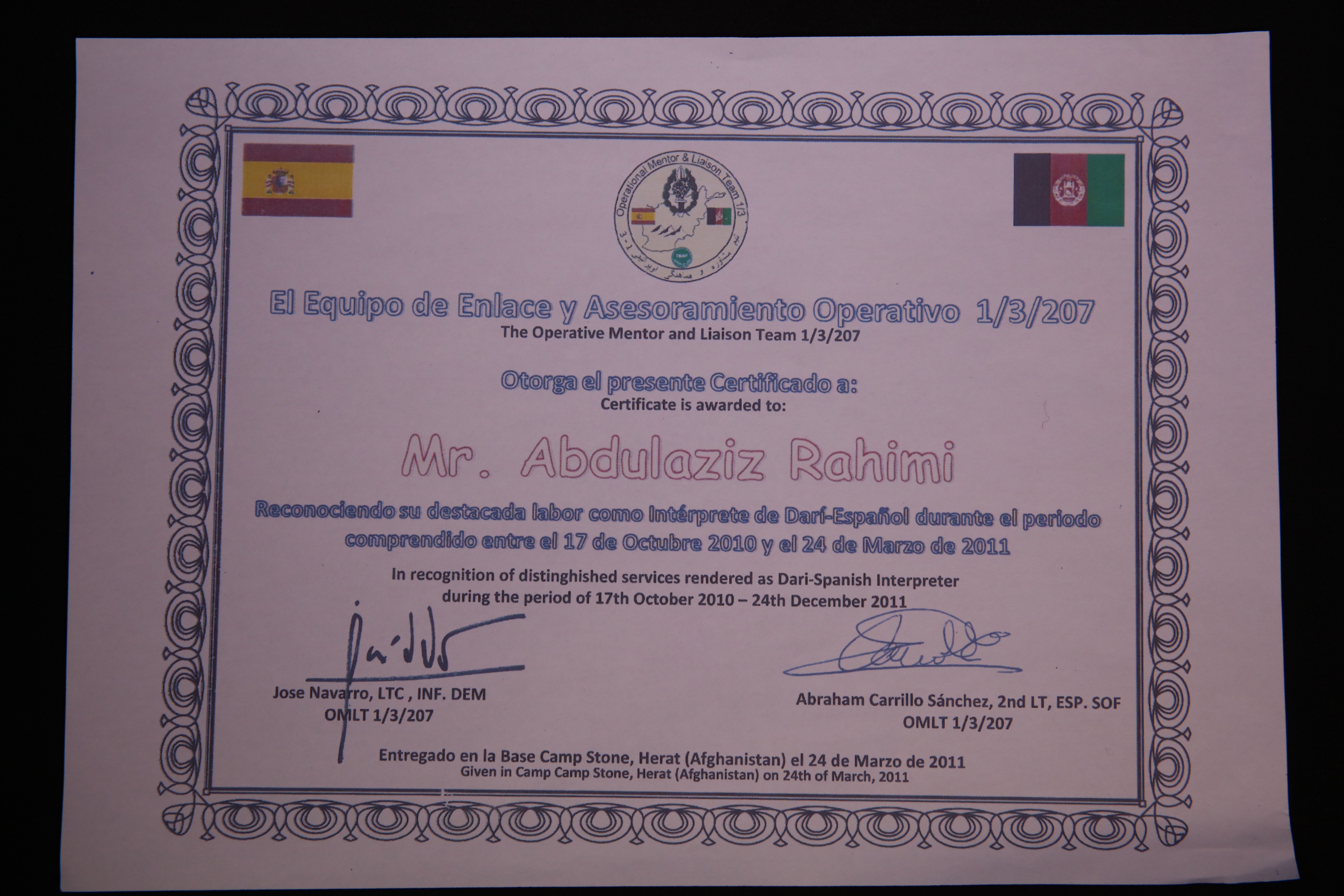
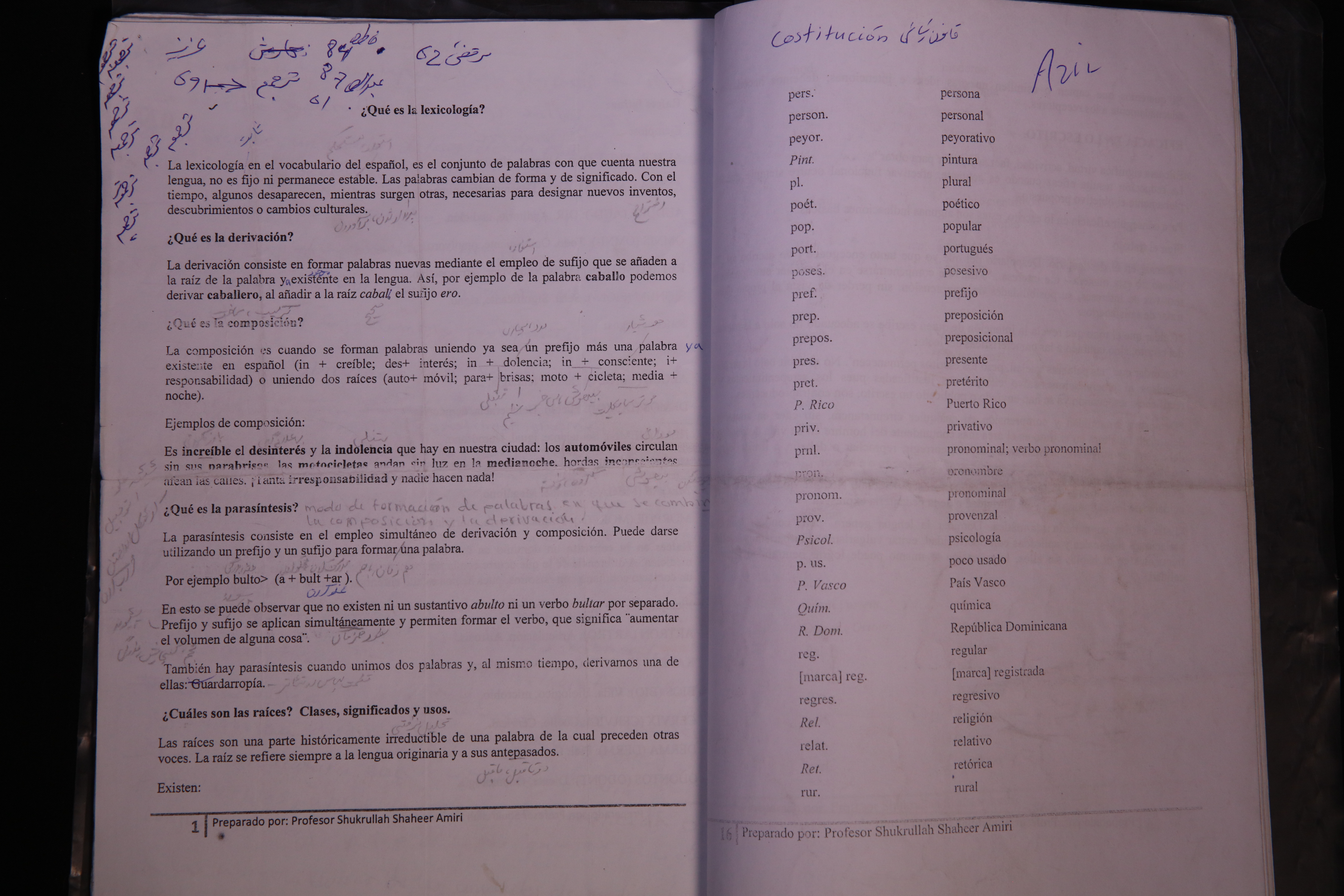
When he took the university entrance exam, he was admitted into the Faculty of Literature of Kabul University. He began his studies in the Spanish department. He graduated from university in 2012. After graduating from university, he spent two years trying to find a job. By late 2010, the Spanish forces asked the faculty to introduce to them a few students who knew the Spanish language in order to serve in the national army. The program, led by the faculty professors, lasted for six months. During this time, my brother served in provinces such as Kandahar, Farah, and Herat. By late 2011, he returned to the university to continue his studies. He graduated from the university in 2012.

Before he graduated from university, the Spanish Embassy suggested to ten individuals, including my brother, that they could take them to Spain, give them permanent residence, and pay their expenses for six months. A month later, I asked him what had happened to that process. I told him Spain would take him there for free, so he could improve his life there. He told me: “I have studied and worked hard for 16 years while my compatriots have served us. It is not fair to abandon our people and our country to work for other countries. I will stay and serve in Afghanistan as long as I am alive”.

They had given them some money. I asked him to give us some of it to buy tires for the truck we had and to service the vehicle. He said, "I'm sorry, I can't give you even one Afghani because I am planning to get my master's degree.” In 2016, he was close to completing his master's. His thesis was focused on the environment. His work has remained incomplete and is on his computer. He wanted to publish it as a book, but death did not give him time. He was martyred in the heartbreaking attack on July 23rd, 2016.