Reach out to us for queries and assistance
If you have any inquiries or need assistance, our dedicated team is available to help you through this contact form, guaranteeing confidentiality and respect.
Please be aware that the content showcased in this museum is of a highly sensitive nature
These items belong to the victim.
The Girl Who Took on The Role of Her Father
Narrator: Alia Azimi
Victim: Zawar Ali, son of Sher Mohammad
Date of the incident: 1996
Location of the incident: Markaz-e Behsod, Maidanwordak
Alia was only 10-years-old when her father was killed. Her father was a clergy member with a great deal of influence at the local level. He was known as a peace-loving person and thoroughly rejected the notion of war as a means to resolve conflict. Not only did he not participate in any war, but he actively tried to prevent people from resorting to any form of violence. In his view, war was the source of destruction and brutalities, hence unjustifiable both from religious and rational perspectives. According to him, no society could ever be built by war, which is why he actively carried out campaigns against war by reciting verses of the Quran and conducting religious rituals.
When the Taliban attacked the Hazarajat region of Afghanistan, Alia’s father once again tried to raise the flag of peace. He gathered the local elders and other influential people to negotiate a settlement with the Taliban. They literally raised a white flag as they approached them. But the Taliban paid no attention to their call for peace and did not even allow them to put forward their requests. On the contrary, they fired and killed all of them including Alia’s father. Later, his body was found with his ring finger cut off.
Alia’s father left behind four daughters and a son. Alia was the eldest of them. Naturally, none of them were old enough to work in order satisfy their basic human needs. Later, during the patriarchal regime of the Taliban, it was almost impossible for women and girls to work outside the house. As a result, Alia and her sisters suffered a great deal as they had no regular income and were trapped in chronic poverty. Eventually they migrated to Pakistan, where they worked in a carpet factory. They used the money they earned to go to Iran, where they spent a few years before returning to Afghanistan. Alia’s sisters got married and so did her brother, while Alia assumed the role of her father, giving Quran lessons to meet her and her mother’s financial needs.
The Story of Alia
My father went to negotiate a peace agreement with the Taliban when they shot and killed him, along with my uncle. Some of the people from the area had begun to fight the Taliban in order to defend themselves and their properties. Other people fled the area as they were fearful of them. Some women even left their children behind and escaped the area without them. Most of the younger people finally left as well, and only the elders remained.
The war soon spread everywhere and we were forced to migrate to Pakistan where we worked in a carpet factory for a while. Then we went to Iran, where my uncle paid for our expenses. My sisters and I went to school there. My brother got a job. When my three sisters eventually got married and returned to Afghanistan with their husbands, I joined them too. Later, my brother got married as well. After the wedding, he and his wife did not stay with us, which affected my mother a great deal. Now, my mother does not have a happy life.
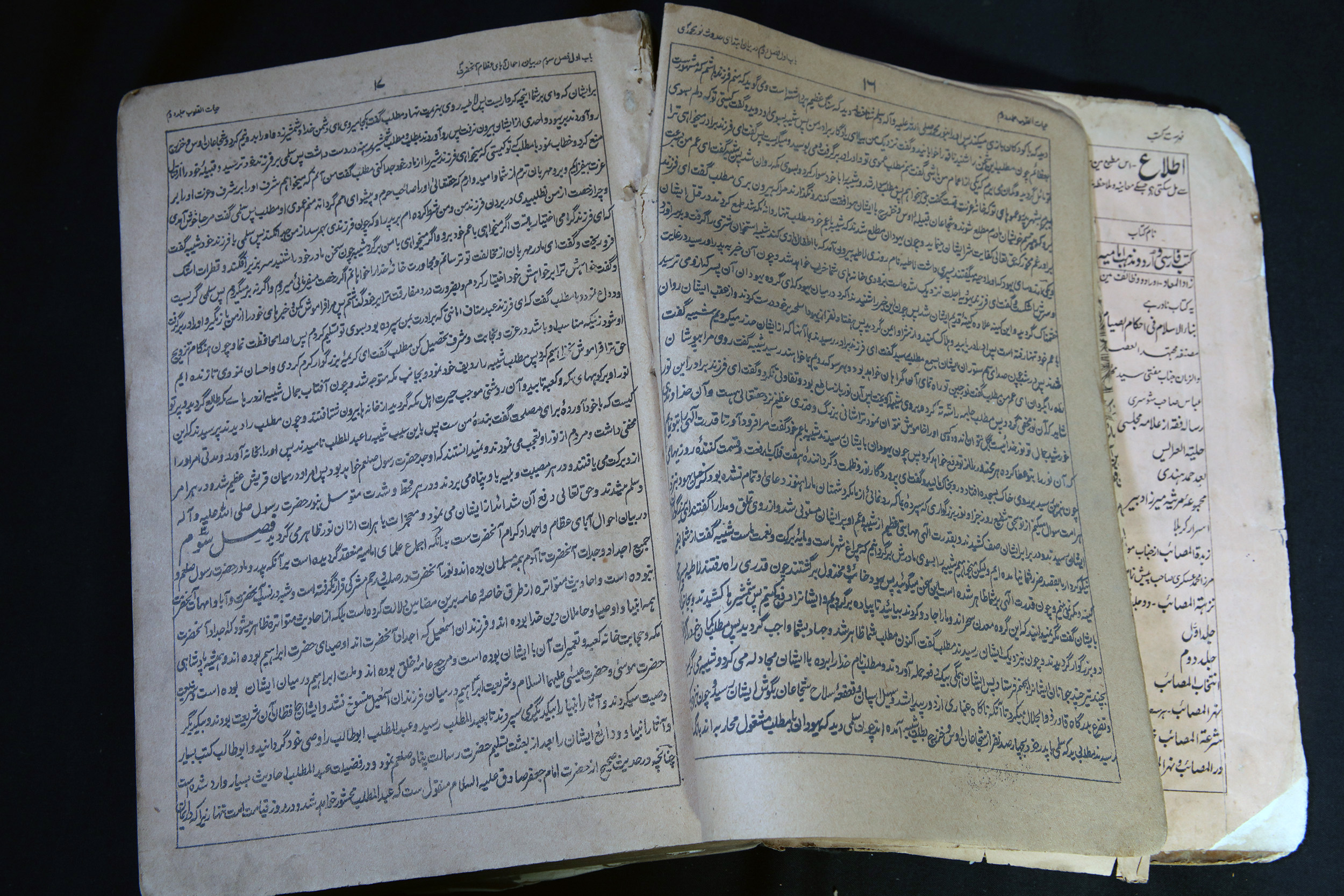
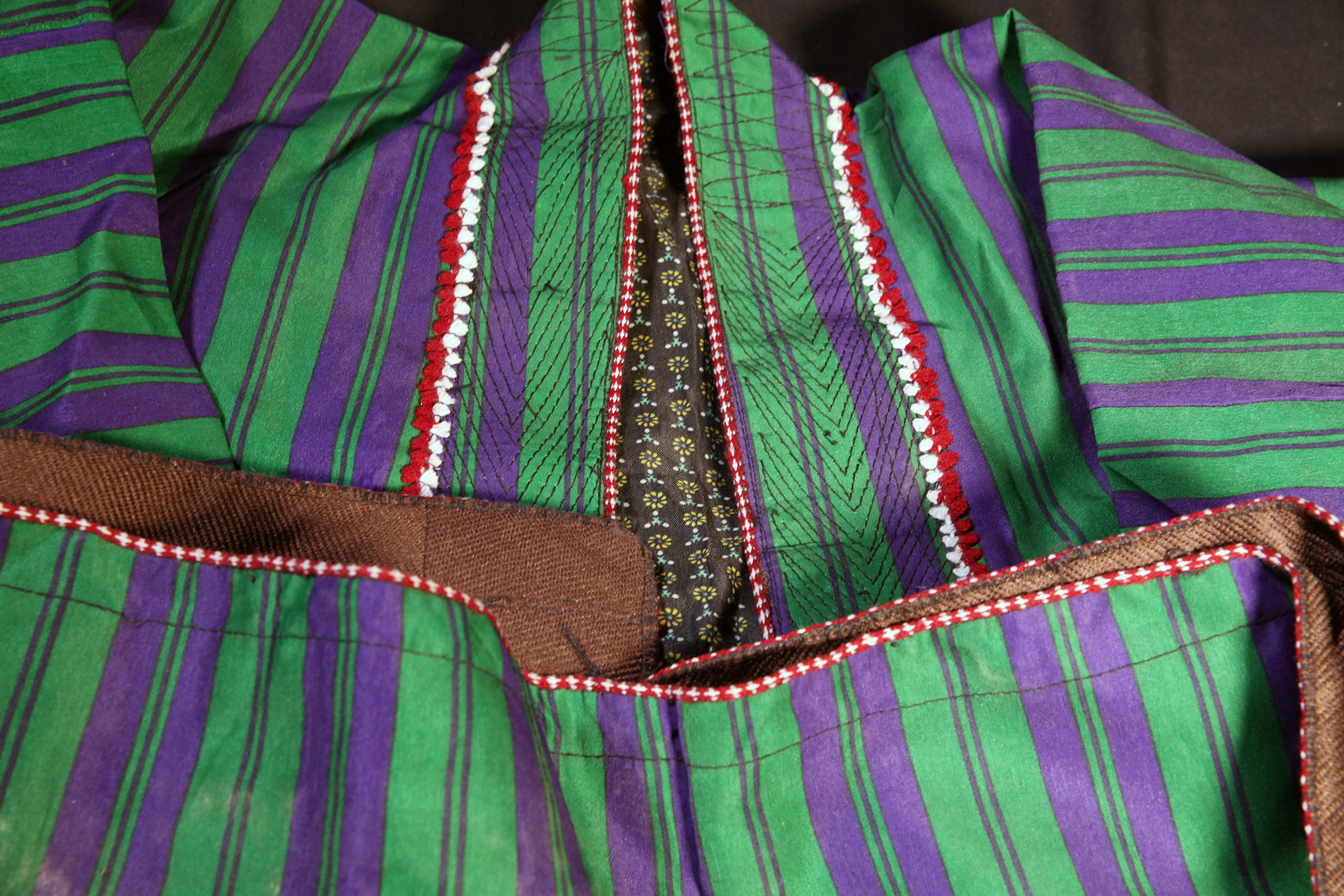
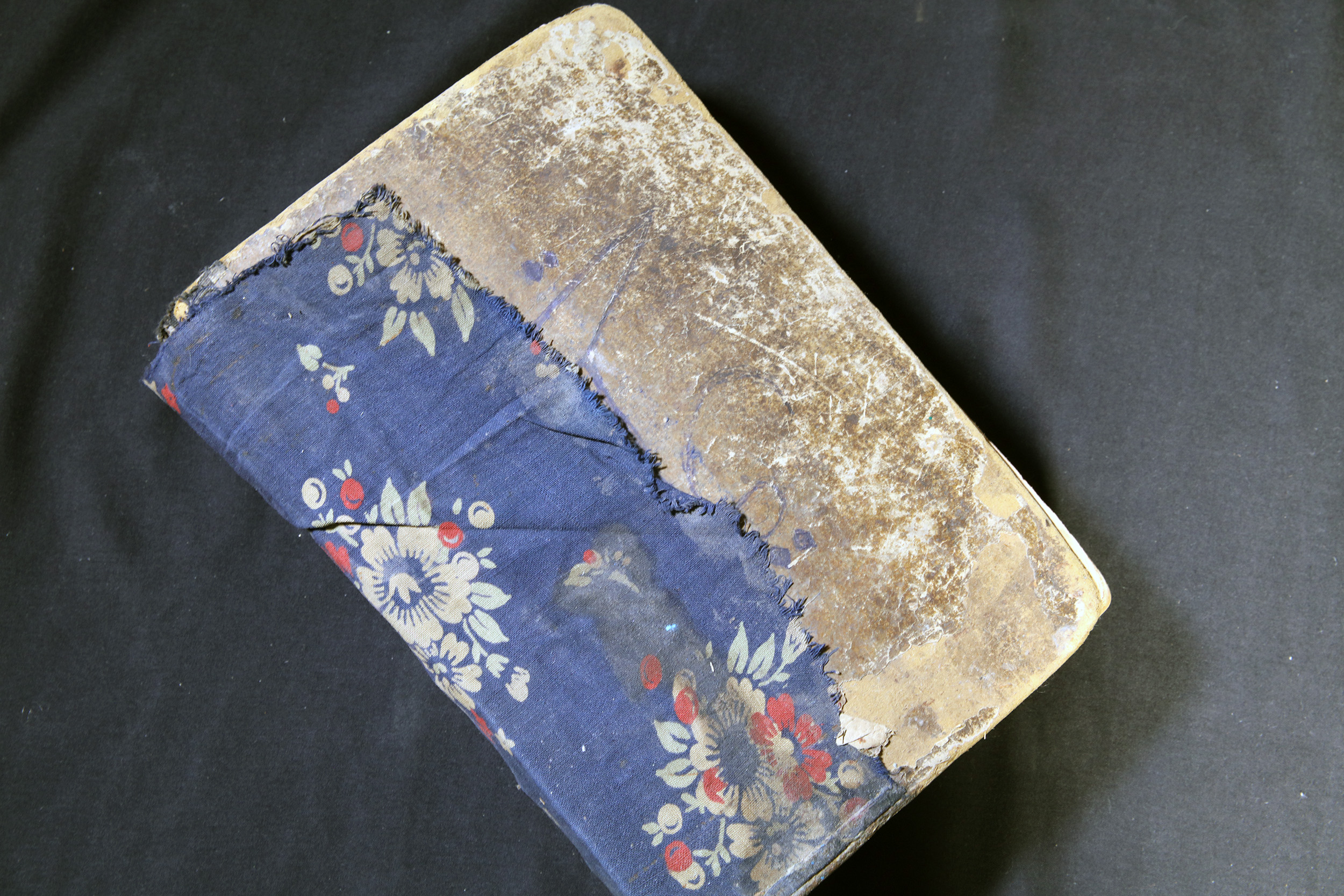
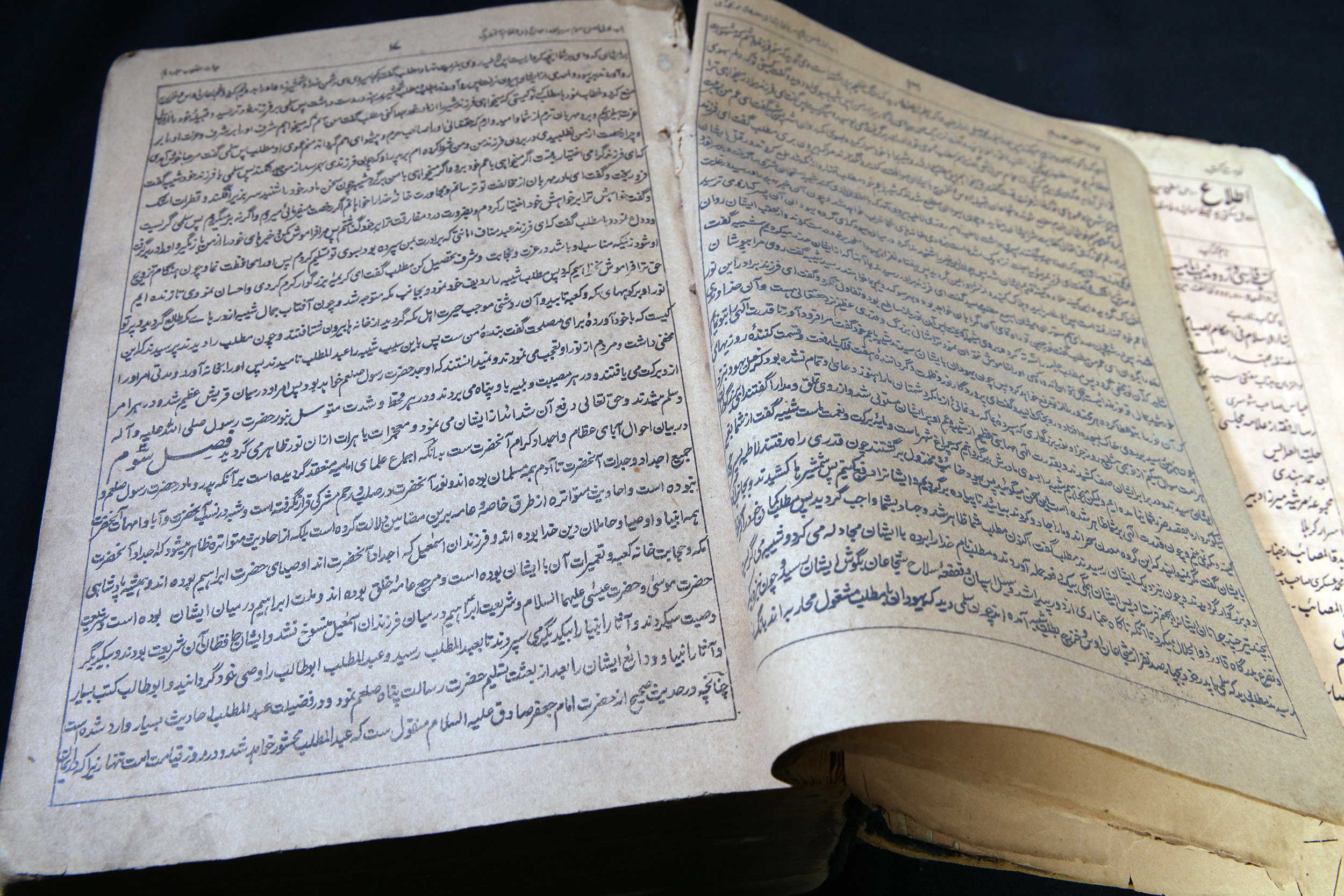
There are only a few things that remain from my father. I would like to include one of his books, a ring, and an overcoat for the Memory Box project. I am including all these things so that the officials and people know that we have not forgotten our loved ones. When the first Memory Box exhibition took place, I was excited to stand next to my father’s box, tell his story, and share my pain with my fellow countrymen and women.
| Item Name | Quantity | Description |
|---|---|---|
| Item 1.1 | 1 | Memory Box + |
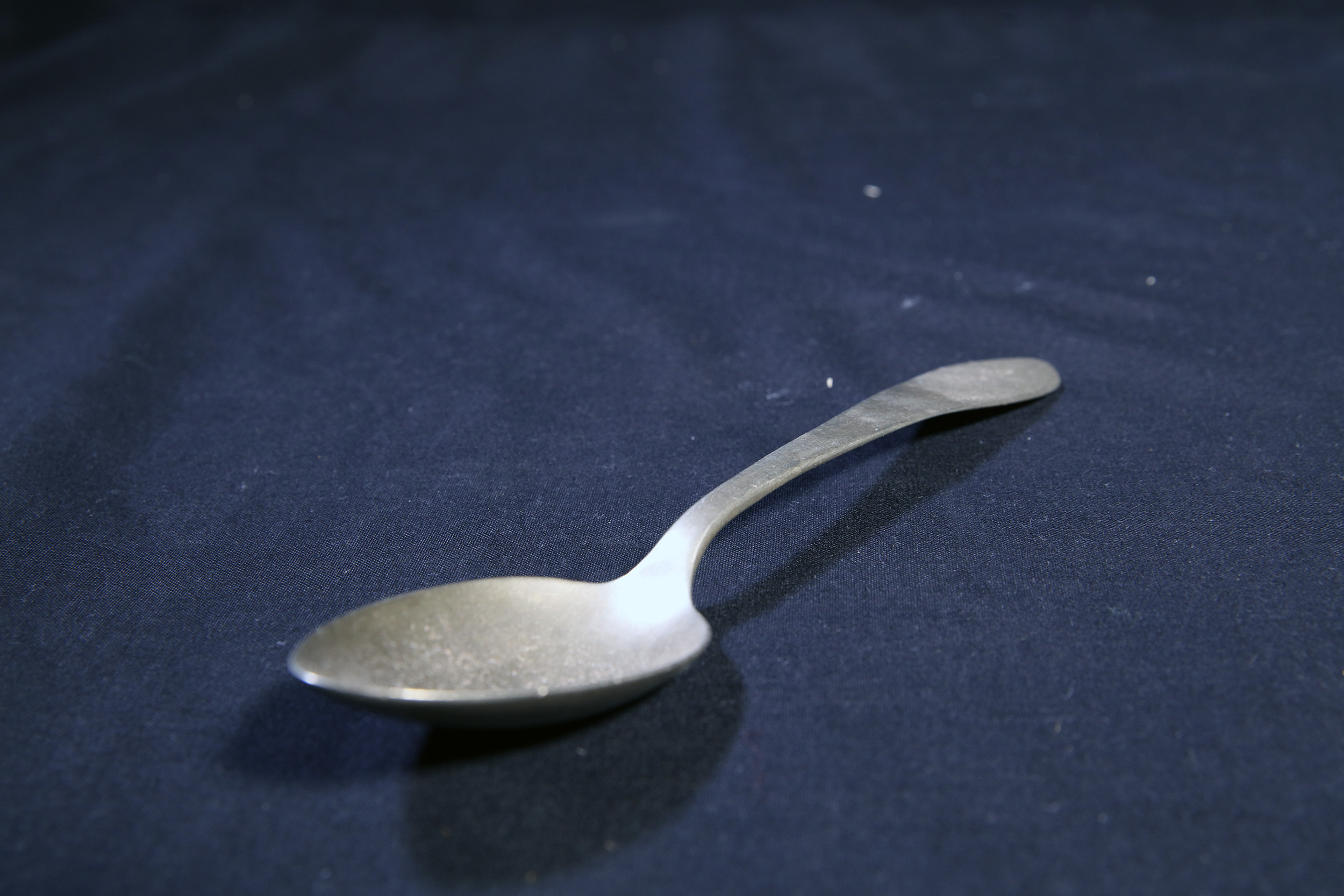
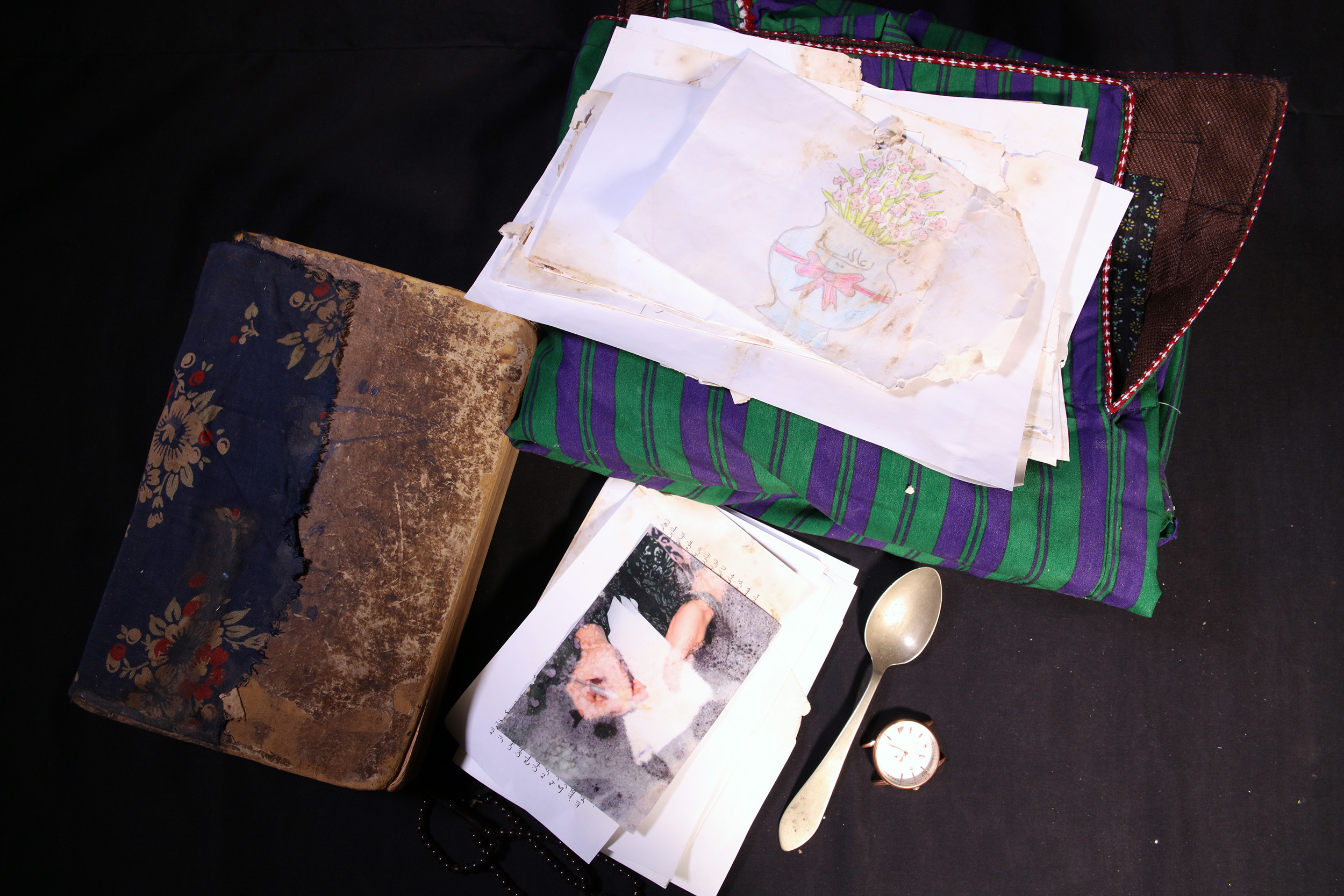
| Item 1.2 | 1 | Victim’s book, spoon, watch and Chapan (a special local long size coat) |
| Item 1.3 | 1 | victim’s book |
| Item 1.4 | 1 | Victim’s book |
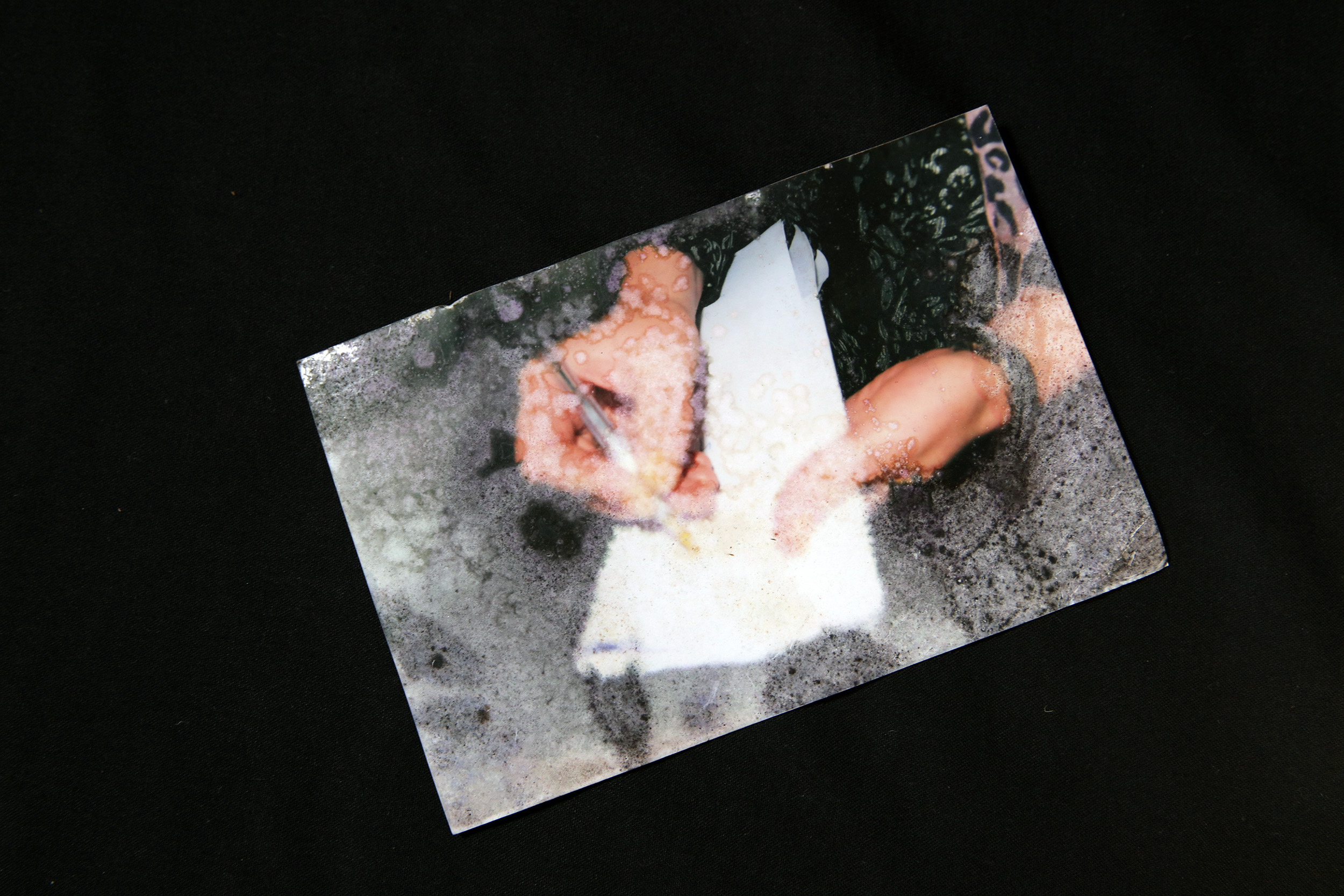
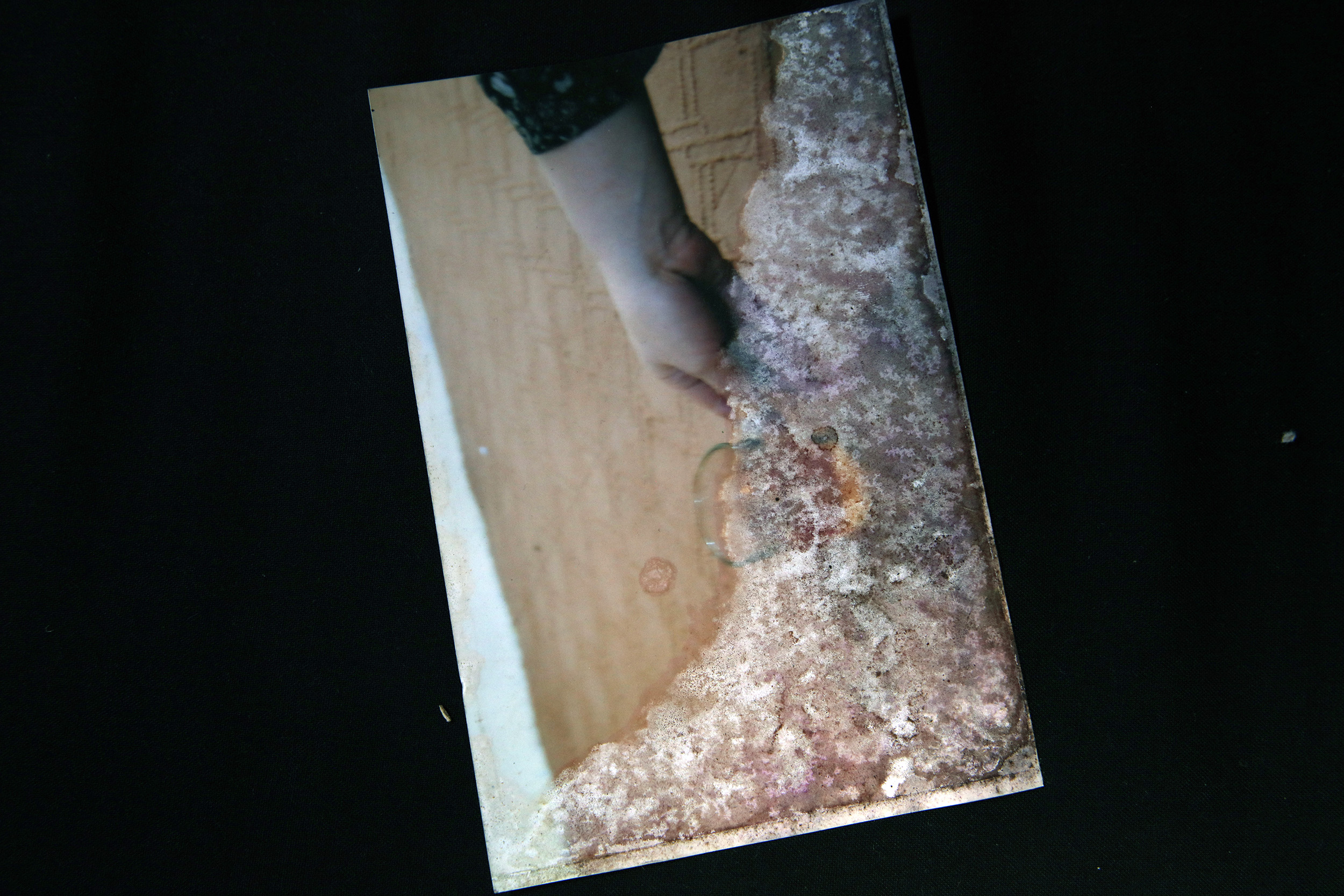
| Item 1.5 | 1 | Image of Survival’s daily work |
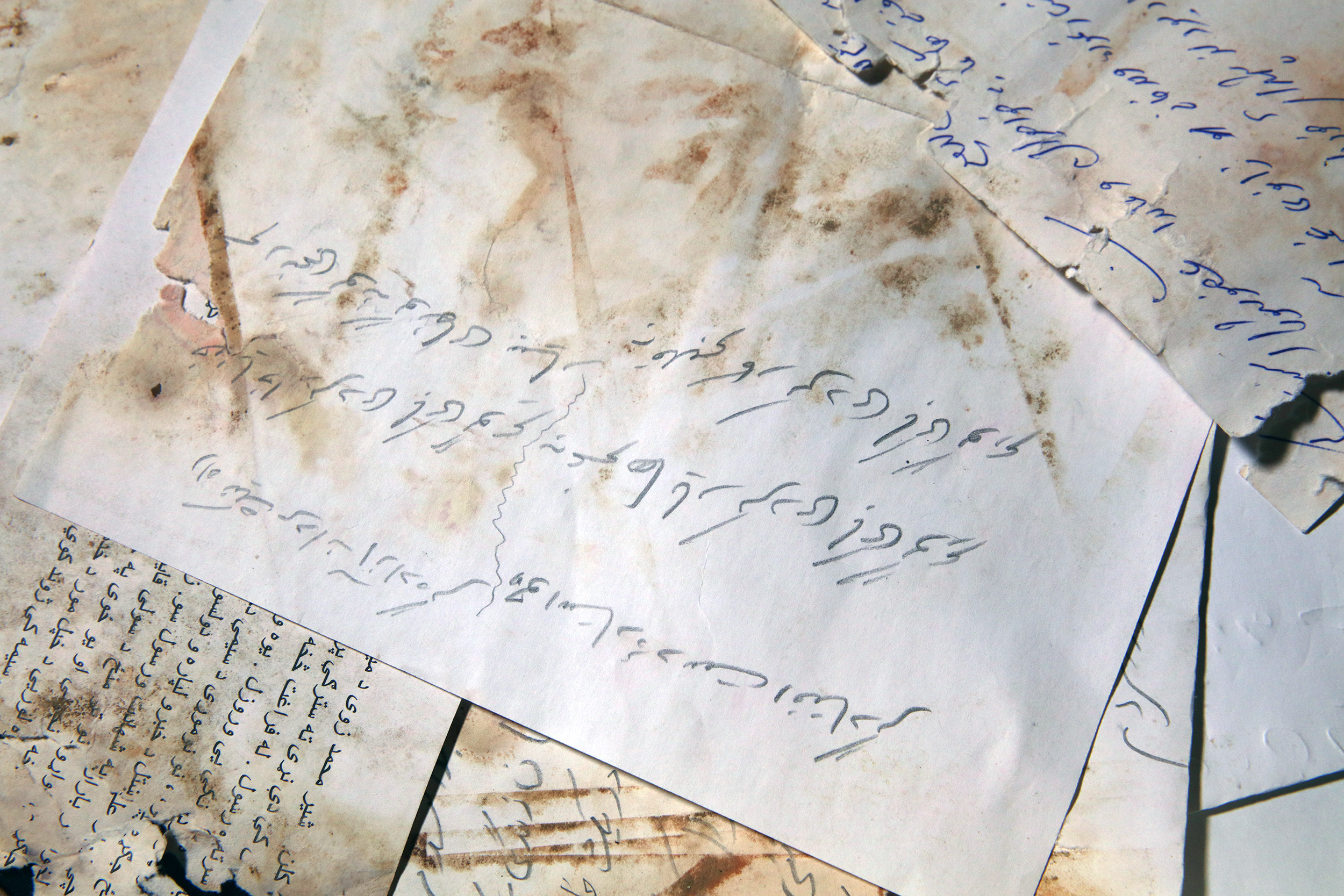
| Item 1.6 | 1 | Victim’s materials, which left behind |
| Item 1.7 | 1 | Image of Survival’s daily work |
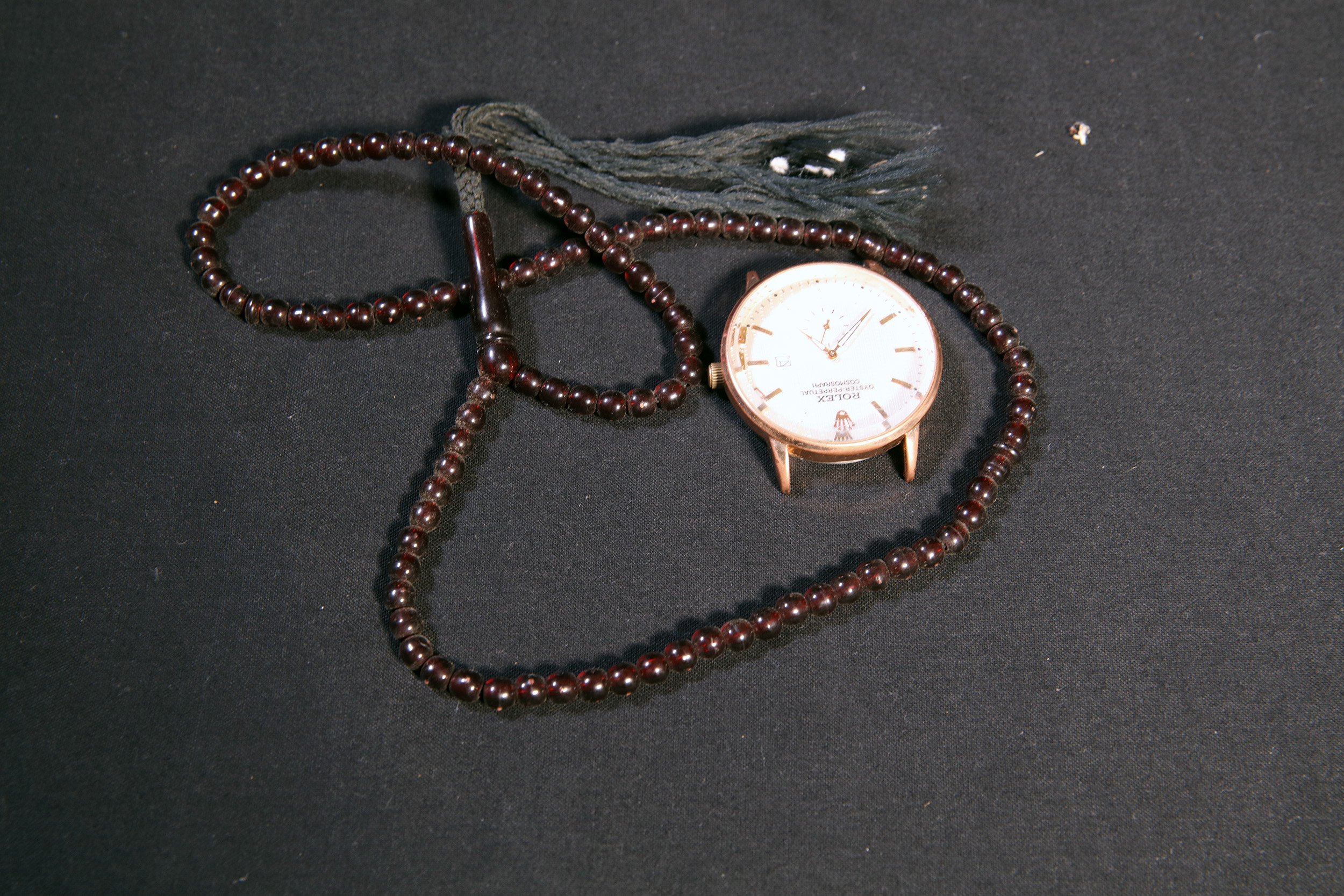
| Item 1.8 | 1 | Victim’s Rosary and watch |
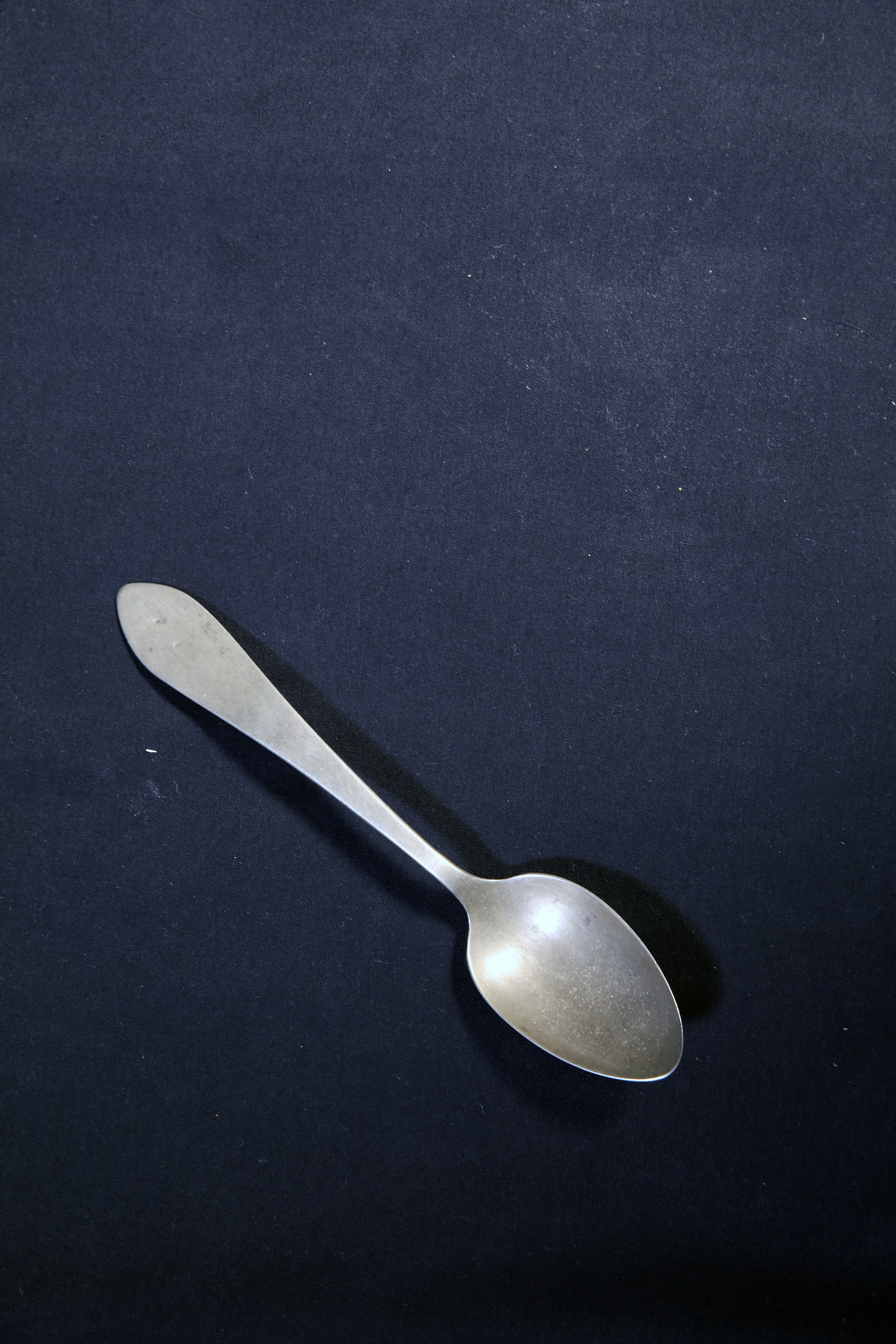
| Item 1.9 | 1 | Victim’s spoon |
If you have any inquiries or need assistance, our dedicated team is available to help you through this contact form, guaranteeing confidentiality and respect.
Afghanistan Memory Home adopts a victim-centered approach. We capture our narrative through the lens of Our Voices.
The Girl Who Took on The Role of Her Father
Narrator: Alia Azimi
Victim: Zawar Ali, son of Sher Mohammad
Date of the incident: 1996
Location of the incident: Markaz-e Behsod, Maidanwordak
Alia was only 10-years-old when her father was killed. Her father was a clergy member with a great deal of influence at the local level. He was known as a peace-loving person and thoroughly rejected the notion of war as a means to resolve conflict. Not only did he not participate in any war, but he actively tried to prevent people from resorting to any form of violence. In his view, war was the source of destruction and brutalities, hence unjustifiable both from religious and rational perspectives. According to him, no society could ever be built by war, which is why he actively carried out campaigns against war by reciting verses of the Quran and conducting religious rituals.
When the Taliban attacked the Hazarajat region of Afghanistan, Alia’s father once again tried to raise the flag of peace. He gathered the local elders and other influential people to negotiate a settlement with the Taliban. They literally raised a white flag as they approached them. But the Taliban paid no attention to their call for peace and did not even allow them to put forward their requests. On the contrary, they fired and killed all of them including Alia’s father. Later, his body was found with his ring finger cut off.
Alia’s father left behind four daughters and a son. Alia was the eldest of them. Naturally, none of them were old enough to work in order satisfy their basic human needs. Later, during the patriarchal regime of the Taliban, it was almost impossible for women and girls to work outside the house. As a result, Alia and her sisters suffered a great deal as they had no regular income and were trapped in chronic poverty. Eventually they migrated to Pakistan, where they worked in a carpet factory. They used the money they earned to go to Iran, where they spent a few years before returning to Afghanistan. Alia’s sisters got married and so did her brother, while Alia assumed the role of her father, giving Quran lessons to meet her and her mother’s financial needs.
The Story of Alia
My father went to negotiate a peace agreement with the Taliban when they shot and killed him, along with my uncle. Some of the people from the area had begun to fight the Taliban in order to defend themselves and their properties. Other people fled the area as they were fearful of them. Some women even left their children behind and escaped the area without them. Most of the younger people finally left as well, and only the elders remained.
The war soon spread everywhere and we were forced to migrate to Pakistan where we worked in a carpet factory for a while. Then we went to Iran, where my uncle paid for our expenses. My sisters and I went to school there. My brother got a job. When my three sisters eventually got married and returned to Afghanistan with their husbands, I joined them too. Later, my brother got married as well. After the wedding, he and his wife did not stay with us, which affected my mother a great deal. Now, my mother does not have a happy life.
There are only a few things that remain from my father. I would like to include one of his books, a ring, and an overcoat for the Memory Box project. I am including all these things so that the officials and people know that we have not forgotten our loved ones. When the first Memory Box exhibition took place, I was excited to stand next to my father’s box, tell his story, and share my pain with my fellow countrymen and women.
| Item Name | Quantity | Description |
|---|---|---|
| Item 1.1 | 1 | Memory Box + |
| Item 1.2 | 1 | Victim’s book, spoon, watch and Chapan (a special local long size coat) |
| Item 1.3 | 1 | victim’s book |
| Item 1.4 | 1 | Victim’s book |
| Item 1.5 | 1 | Image of Survival’s daily work |
| Item 1.6 | 1 | Victim’s materials, which left behind |
| Item 1.7 | 1 | Image of Survival’s daily work |
| Item 1.8 | 1 | Victim’s Rosary and watch |
| Item 1.9 | 1 | Victim’s spoon |

You're all caught up
New activity will show up here.