Reach out to us for queries and assistance
If you have any inquiries or need assistance, our dedicated team is available to help you through this contact form, guaranteeing confidentiality and respect.
Please be aware that the content showcased in this museum is of a highly sensitive nature
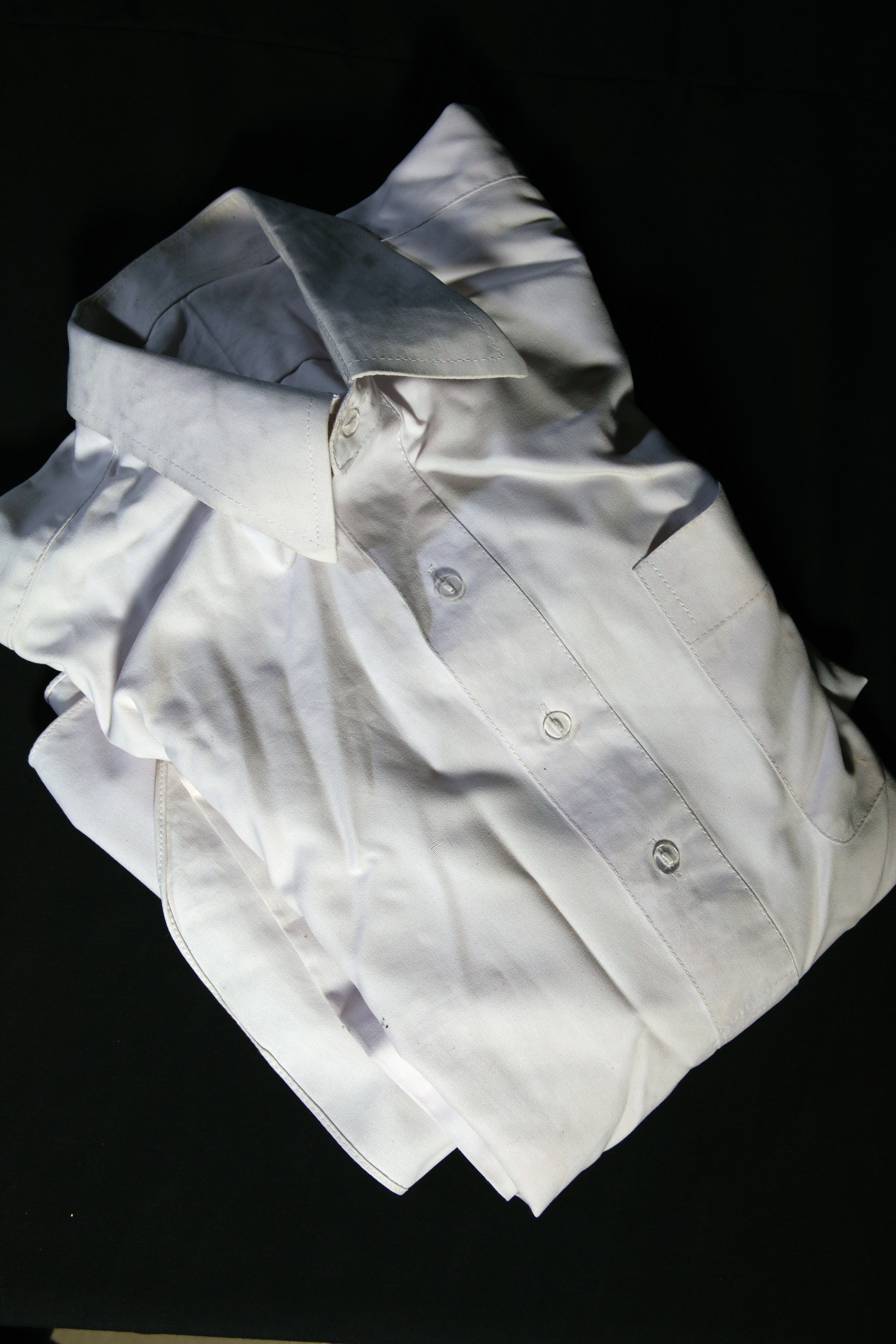
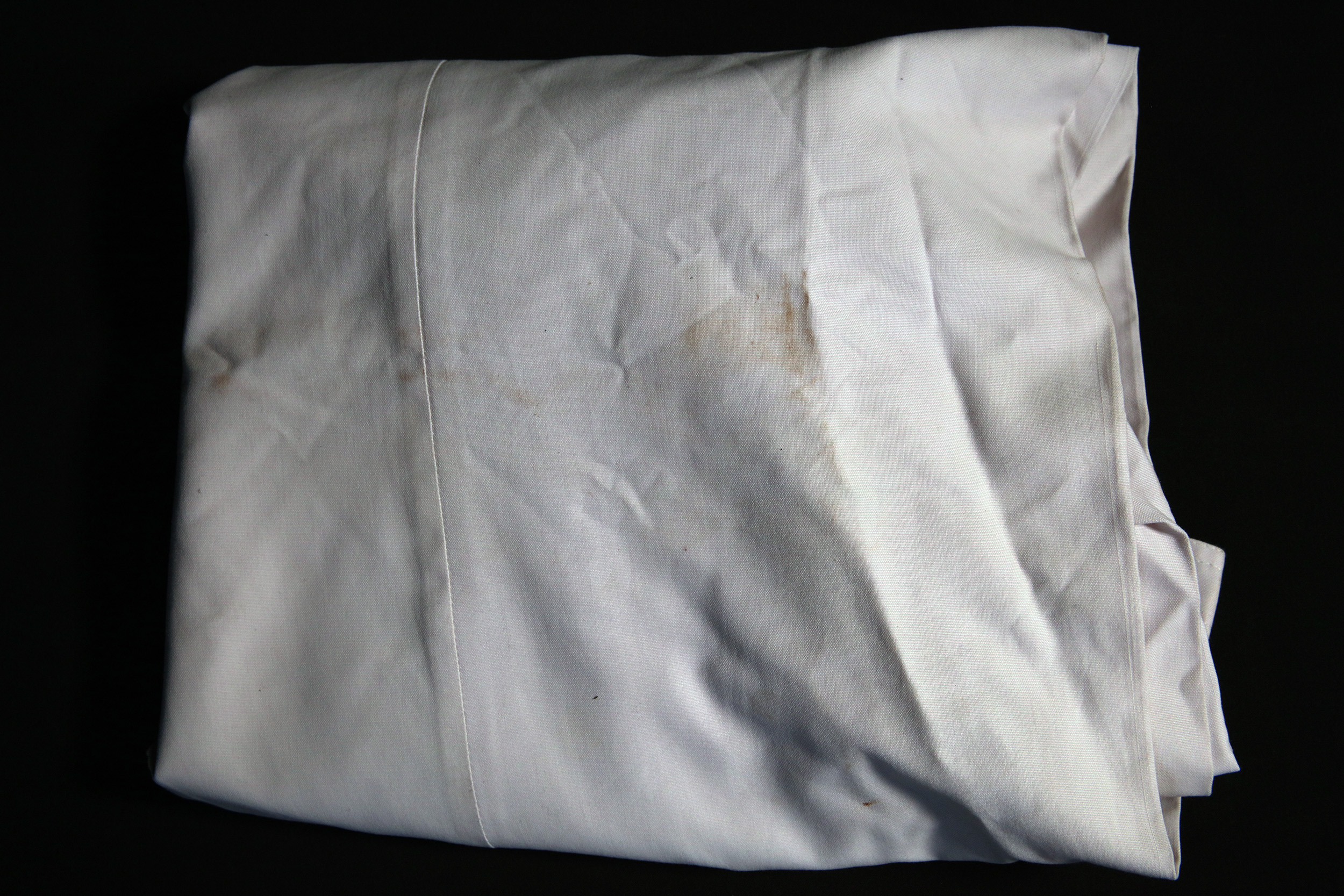
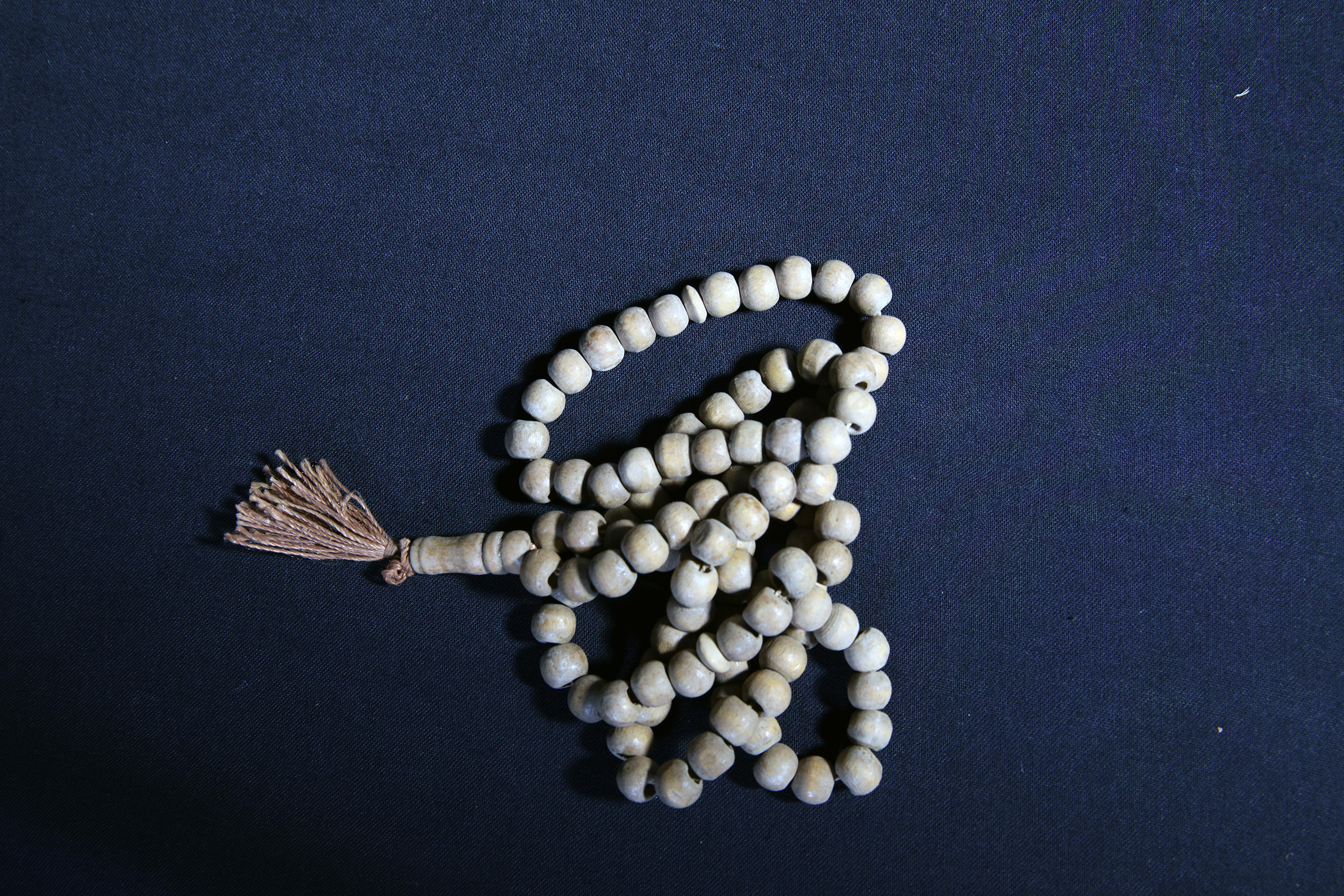
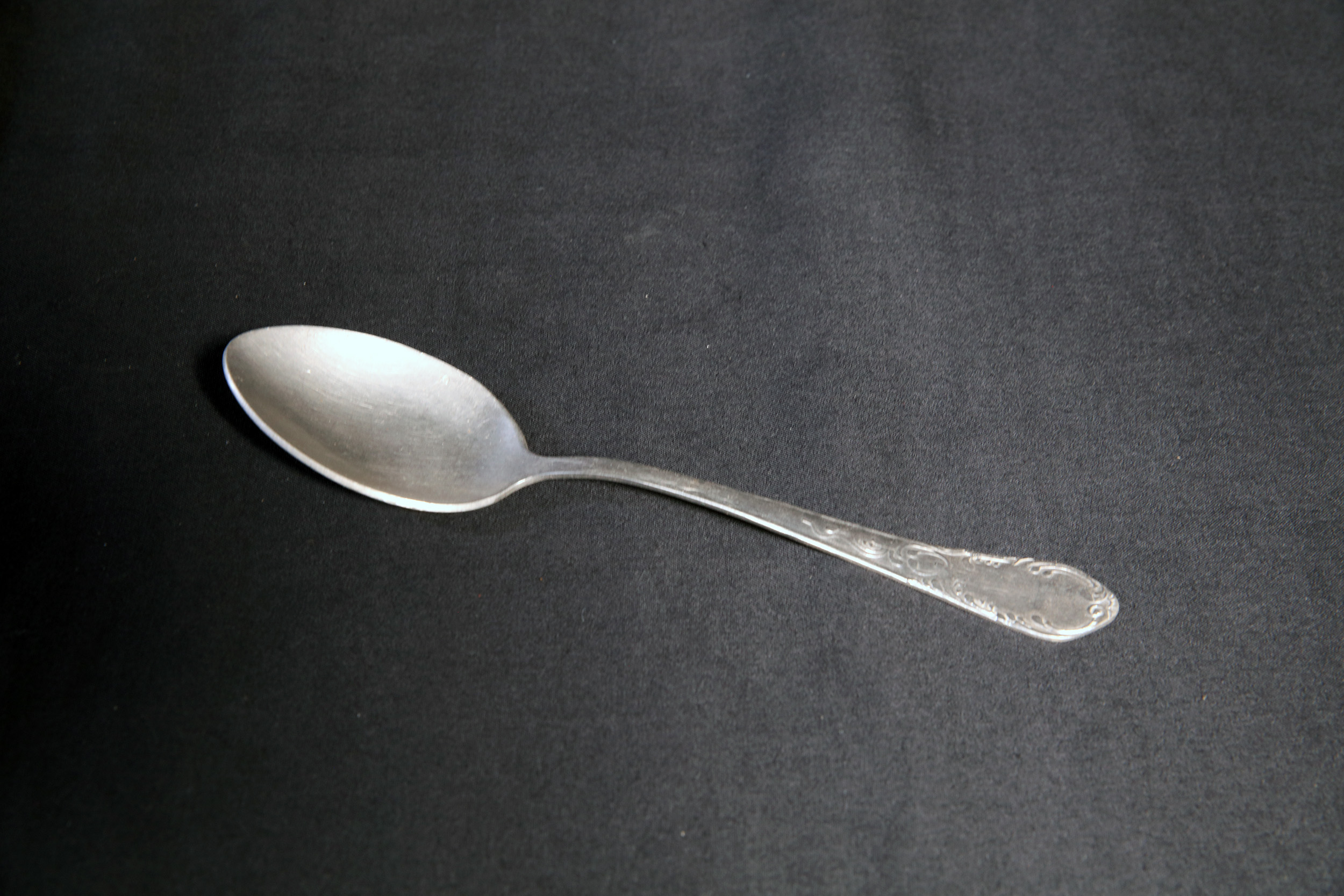
These items belong to the victim.
Questions About the Nature of War: Rahima’s Story
Narrator: Rahima
Victim: Haidar Khan
Date of the incident: 1998
Location of the incident: Hairatan, Mazari Sharif
The translation of painful experiences into words is very difficult. Words have many limitations, especially when trying to express pain. Pain is a strong feeling and words are a mere insufficient means to describe it. There is a huge gap between the feeling and its interpretation. Therefore, the idea of making the experience of war understandable through verbal expression is fundamentally flawed. The tragedy of war is deeply linked to personal experiences, and what war imposed on Rahima is indescribable.
Rahima is the victim of the fate that war imposed on her. She does not understand what war means and why human beings go to war. Yet, she certainly understands the horrible consequences of war. Hence, for Rahima, war is the most evil kind of action humankind can engage in. What could possibly justify the killing of one human-being by another? Why do houses and properties of people have to be destroyed?
Why, instead of generating pain and suffering for millions, should one not think of prosperity and happiness for all? Why do those involved in war not think about its devastating consequences? Why do they not think of all the children who lose their parents through violent means? Why does an oppressed person like Rahima, who has nothing except the sky she lives under, have to be further disturbed by war? Why are the perpetrators of violence not scared of the blood on their hands? Is there no alternative to violent conflict resolution?
These and other questions often disturb Rahima. And since nobody seems to be willing to answer these questions, she has begun to find her own answers. She knows that victims of war will always live on the margins of history and that no one looks at the world through the lens of the victims. She knows that no one puts themself in the shoes of victims in order to truly understand the experiences and suffering they have endured.
Rahima has also thought of potential solutions. For her, the solution is to tell, recall, preserve, and protect the memories of the victims. Memories are the only things people like Rahima possess. These memories are not meant to be preserved to wage further war, nor are they aimed at taking revenge. On the contrary, people like Rahima use them to make their own contributions to stop and prevent war.
According to her, the memories preserved by victims are the only instrument that reveals their endless pain and suffering. They awaken the human consciousness and ultimately contribute to the prevention of further atrocities.
Rahima’s Story
My name is Rahima and I am 50-years-old. I have lost four of my family members during the Taliban time.
It has been 17 years now since my husband and 10-year-old son were killed. There was war in Kabul and we eventually fled to Mazar-e Sharif, which is where we were when our home was looted back in Kabul. Three years later, my husband was killed. Afterwards, we lived for another three years in Mazar-e Sharif. From there, we moved to Jalalabad. Later on, we came back to Kabul.
It was the night of Eid and my poor husband and son were out looking for work when they were killed. My husband used to work as a day laborer in Hairatan. He usually came back home after 15-20 days. That night, when they were coming home, the Taliban fired on them. Their bodies were totally mutilated.
At the time my husband was killed, I had five children. After his death, we faced a lot of problems. I started to work as a tailor and my daughter and son were working in an educational center. My eldest son was 14-years-old and I had two more children of 3 years and 3 months. When we lived in Jalalabad, the situation further deteriorated. There was no work and we lived in a rented house. If we were unable to find a piece of bread during the day then we had nothing to eat during the night.
We had no one to look after us. I worked in the house of a Hindu as a cleaner and we finally moved back to Kabul, even though the Taliban were in power. Back in Kabul, not a single moment passed without hardship. It was difficult to eat properly as the little money we had was spent on renting the house.
My children were still small and they often asked how their father was killed. They missed their father a lot. Sometimes, I sat down with them and told them stories about their father. My husband’s name was Haidar Khan. He was 58-years-old when he was killed. My son was only 10-years-old when he was killed. I was his second wife. He was an ordinary person and had nothing to do with politics. Now, all I can do is to look after my children.
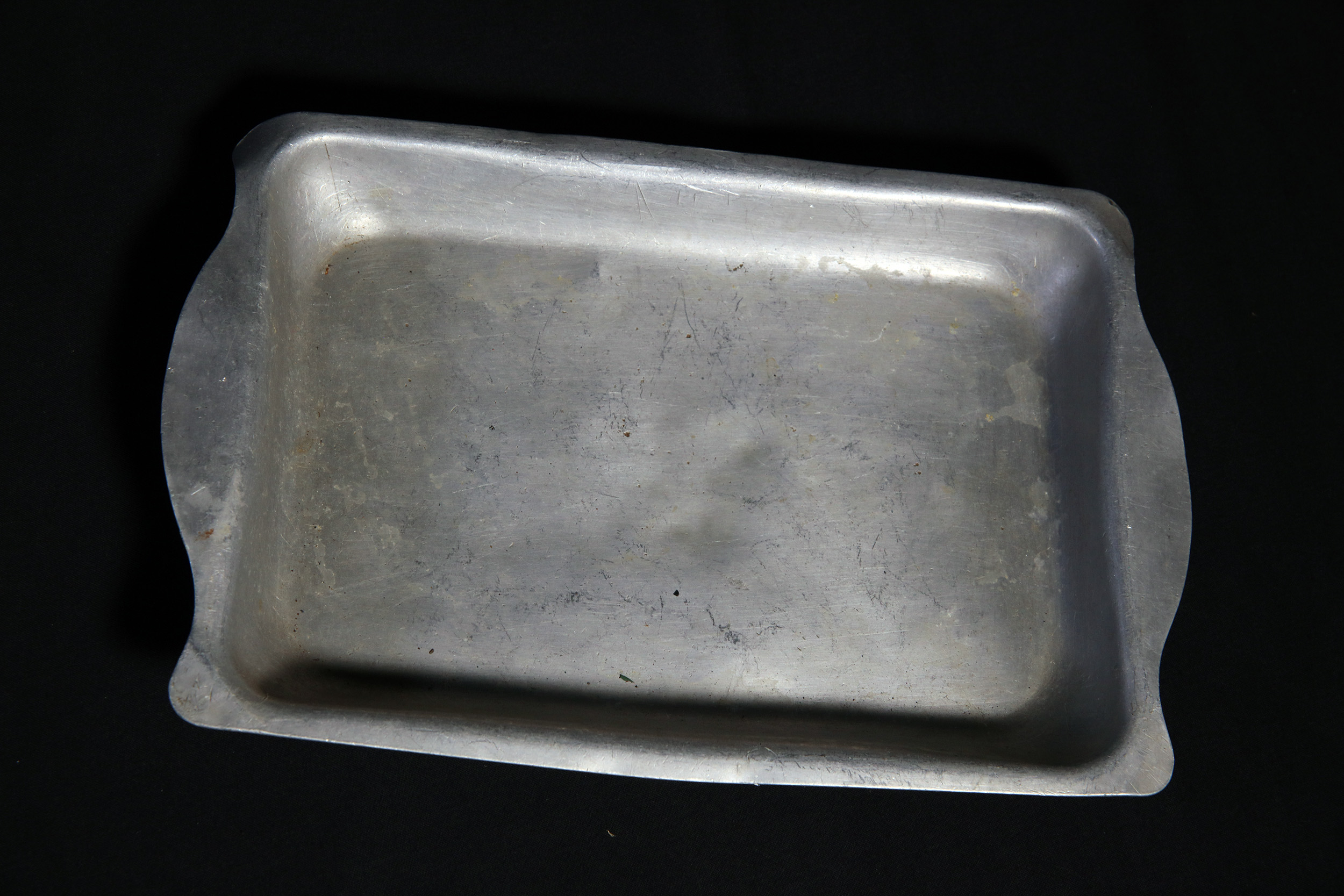
Unfortunately, nothing is left behind from my son. However, I have kept my husband’s spoon, his plate, and a photo of him. These objects are all very important to me. I am giving these things to you to let others know about the difficulties we have faced in our lives and that the situation is still not improving. The weather is already cold and we have no heater. My son is jobless. My children cannot go to school because we are poor.
| Item Name | Quantity | Description |
|---|---|---|
| Item 1.1 | 1 | Memory Box |
| Item 1.2 | 1 | Victim’s Cloth |
| Item 1.3 | 1 | Victim’s Pajama |
| Item 1.4 | 1 | Victim’s Rosary |
| Item 1.5 | 1 | Victim’s special spoon |
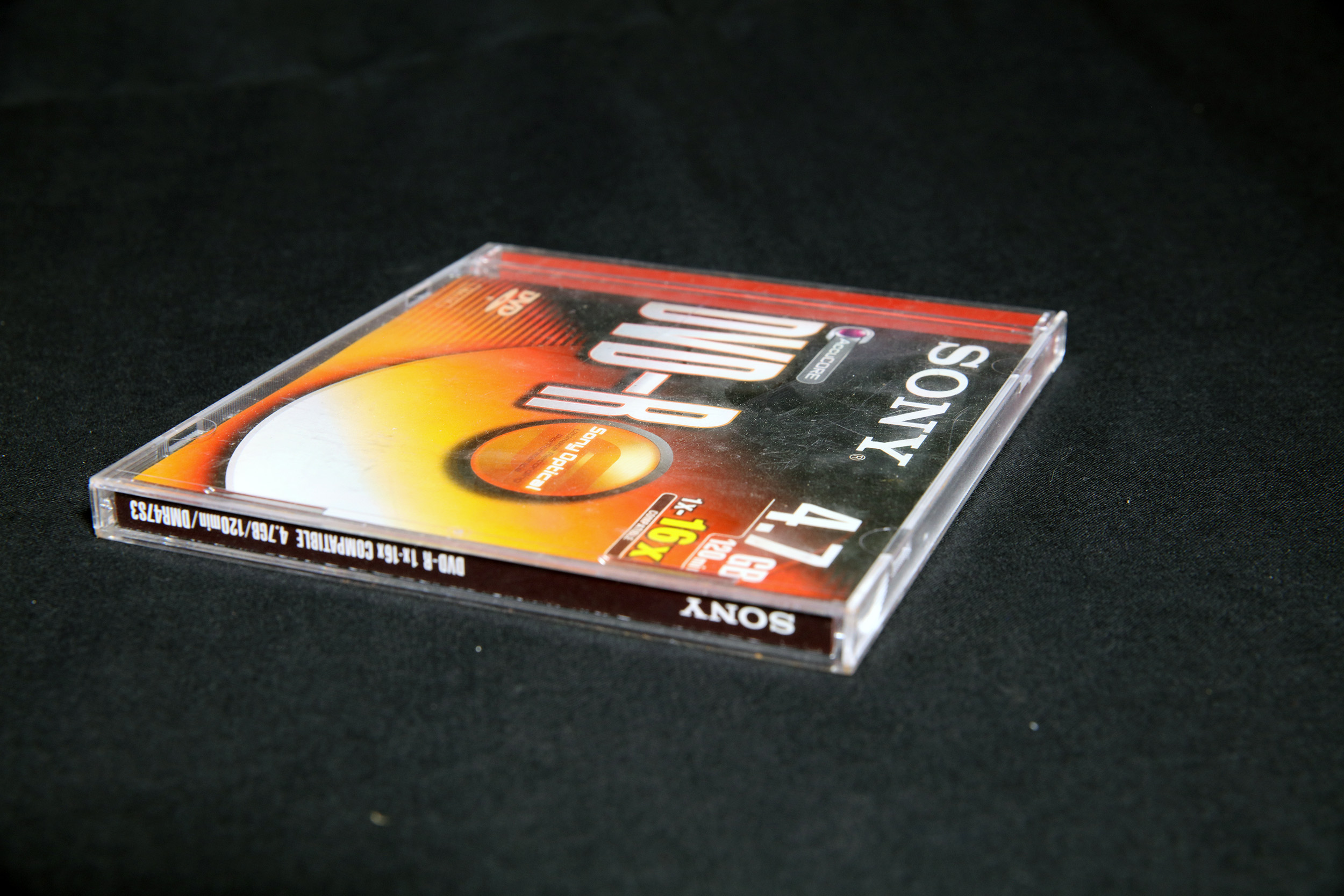
| Item 1.6 | 1 | survival’s statement recoded CD |
| Item 1.7 | 1 | Plate |
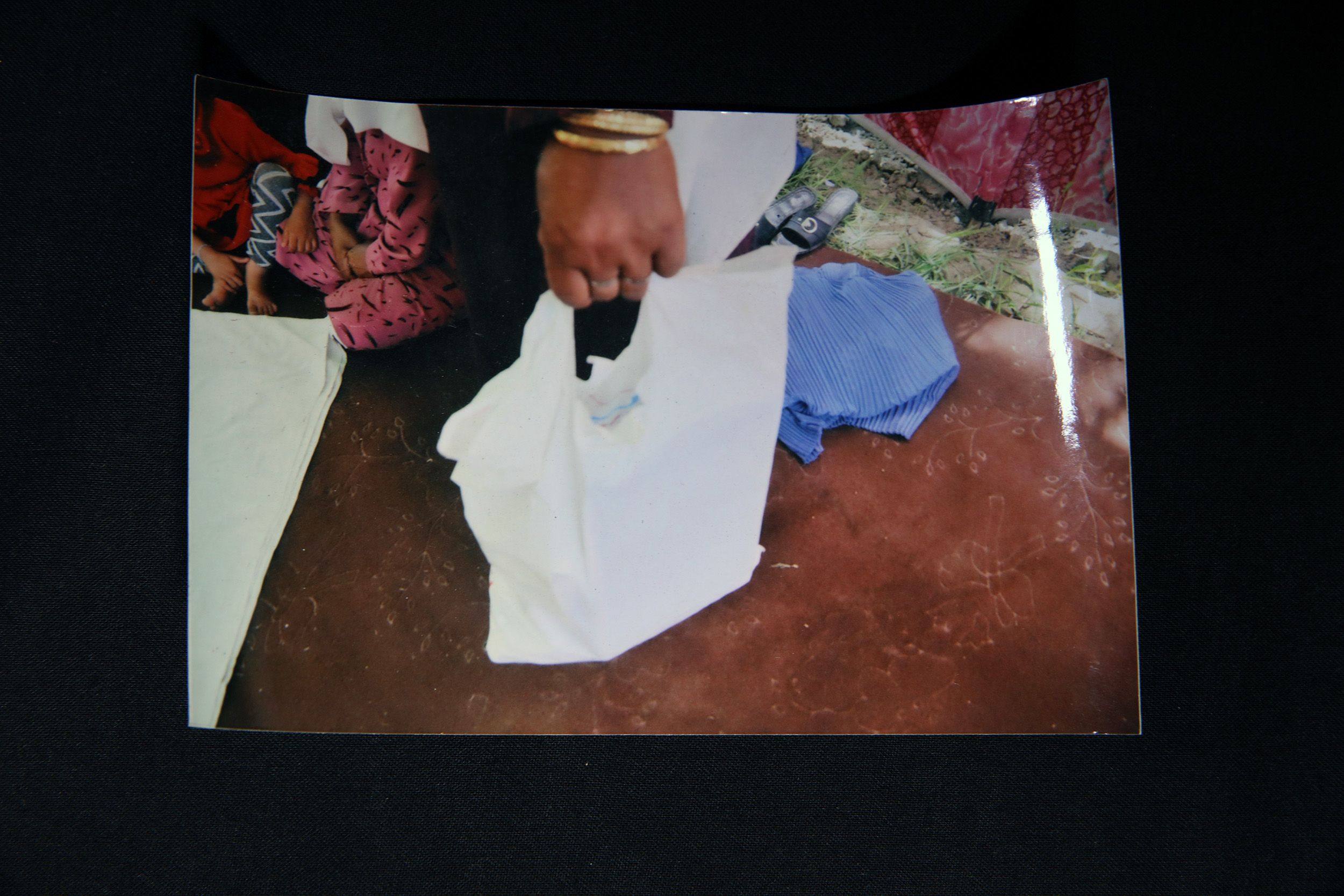
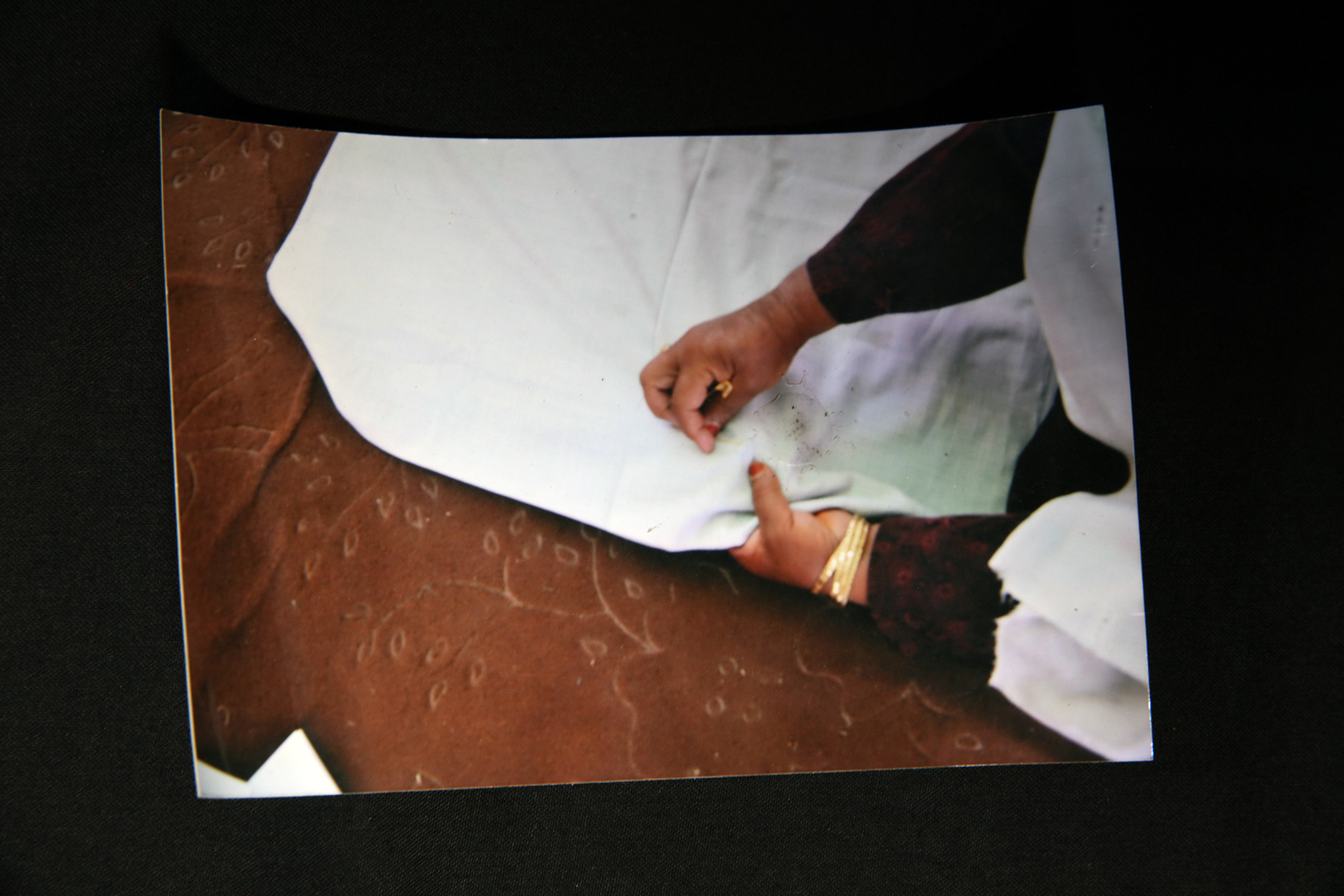
| Item 1.8 | 1 | survival’s daily work |
If you have any inquiries or need assistance, our dedicated team is available to help you through this contact form, guaranteeing confidentiality and respect.
Afghanistan Memory Home adopts a victim-centered approach. We capture our narrative through the lens of Our Voices.
Questions About the Nature of War: Rahima’s Story
Narrator: Rahima
Victim: Haidar Khan
Date of the incident: 1998
Location of the incident: Hairatan, Mazari Sharif
The translation of painful experiences into words is very difficult. Words have many limitations, especially when trying to express pain. Pain is a strong feeling and words are a mere insufficient means to describe it. There is a huge gap between the feeling and its interpretation. Therefore, the idea of making the experience of war understandable through verbal expression is fundamentally flawed. The tragedy of war is deeply linked to personal experiences, and what war imposed on Rahima is indescribable.
Rahima is the victim of the fate that war imposed on her. She does not understand what war means and why human beings go to war. Yet, she certainly understands the horrible consequences of war. Hence, for Rahima, war is the most evil kind of action humankind can engage in. What could possibly justify the killing of one human-being by another? Why do houses and properties of people have to be destroyed?
Why, instead of generating pain and suffering for millions, should one not think of prosperity and happiness for all? Why do those involved in war not think about its devastating consequences? Why do they not think of all the children who lose their parents through violent means? Why does an oppressed person like Rahima, who has nothing except the sky she lives under, have to be further disturbed by war? Why are the perpetrators of violence not scared of the blood on their hands? Is there no alternative to violent conflict resolution?
These and other questions often disturb Rahima. And since nobody seems to be willing to answer these questions, she has begun to find her own answers. She knows that victims of war will always live on the margins of history and that no one looks at the world through the lens of the victims. She knows that no one puts themself in the shoes of victims in order to truly understand the experiences and suffering they have endured.
Rahima has also thought of potential solutions. For her, the solution is to tell, recall, preserve, and protect the memories of the victims. Memories are the only things people like Rahima possess. These memories are not meant to be preserved to wage further war, nor are they aimed at taking revenge. On the contrary, people like Rahima use them to make their own contributions to stop and prevent war.
According to her, the memories preserved by victims are the only instrument that reveals their endless pain and suffering. They awaken the human consciousness and ultimately contribute to the prevention of further atrocities.
Rahima’s Story
My name is Rahima and I am 50-years-old. I have lost four of my family members during the Taliban time.
It has been 17 years now since my husband and 10-year-old son were killed. There was war in Kabul and we eventually fled to Mazar-e Sharif, which is where we were when our home was looted back in Kabul. Three years later, my husband was killed. Afterwards, we lived for another three years in Mazar-e Sharif. From there, we moved to Jalalabad. Later on, we came back to Kabul.
It was the night of Eid and my poor husband and son were out looking for work when they were killed. My husband used to work as a day laborer in Hairatan. He usually came back home after 15-20 days. That night, when they were coming home, the Taliban fired on them. Their bodies were totally mutilated.
At the time my husband was killed, I had five children. After his death, we faced a lot of problems. I started to work as a tailor and my daughter and son were working in an educational center. My eldest son was 14-years-old and I had two more children of 3 years and 3 months. When we lived in Jalalabad, the situation further deteriorated. There was no work and we lived in a rented house. If we were unable to find a piece of bread during the day then we had nothing to eat during the night.
We had no one to look after us. I worked in the house of a Hindu as a cleaner and we finally moved back to Kabul, even though the Taliban were in power. Back in Kabul, not a single moment passed without hardship. It was difficult to eat properly as the little money we had was spent on renting the house.
My children were still small and they often asked how their father was killed. They missed their father a lot. Sometimes, I sat down with them and told them stories about their father. My husband’s name was Haidar Khan. He was 58-years-old when he was killed. My son was only 10-years-old when he was killed. I was his second wife. He was an ordinary person and had nothing to do with politics. Now, all I can do is to look after my children.
Unfortunately, nothing is left behind from my son. However, I have kept my husband’s spoon, his plate, and a photo of him. These objects are all very important to me. I am giving these things to you to let others know about the difficulties we have faced in our lives and that the situation is still not improving. The weather is already cold and we have no heater. My son is jobless. My children cannot go to school because we are poor.
| Item Name | Quantity | Description |
|---|---|---|
| Item 1.1 | 1 | Memory Box |
| Item 1.2 | 1 | Victim’s Cloth |
| Item 1.3 | 1 | Victim’s Pajama |
| Item 1.4 | 1 | Victim’s Rosary |
| Item 1.5 | 1 | Victim’s special spoon |
| Item 1.6 | 1 | survival’s statement recoded CD |
| Item 1.7 | 1 | Plate |
| Item 1.8 | 1 | survival’s daily work |

You're all caught up
New activity will show up here.