Reach out to us for queries and assistance
If you have any inquiries or need assistance, our dedicated team is available to help you through this contact form, guaranteeing confidentiality and respect.
Shrapnel Had Struck His Head
Narrator: Murtaza DarvishZada (brother)
Victim: Abdullah Forotan
Date of the incident: 23 July 2016
Location of the incident: Dehmazang, Kabul City
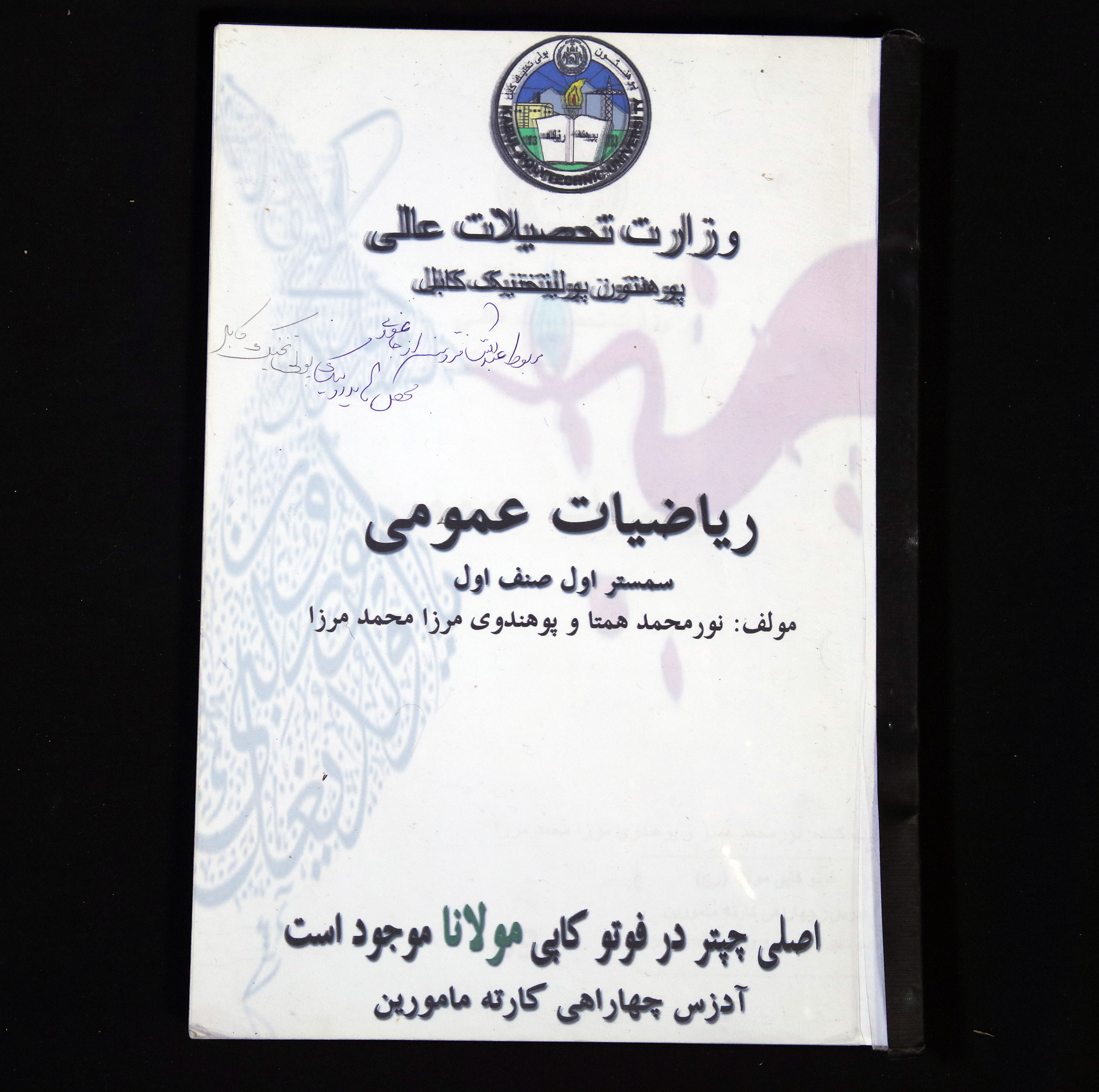
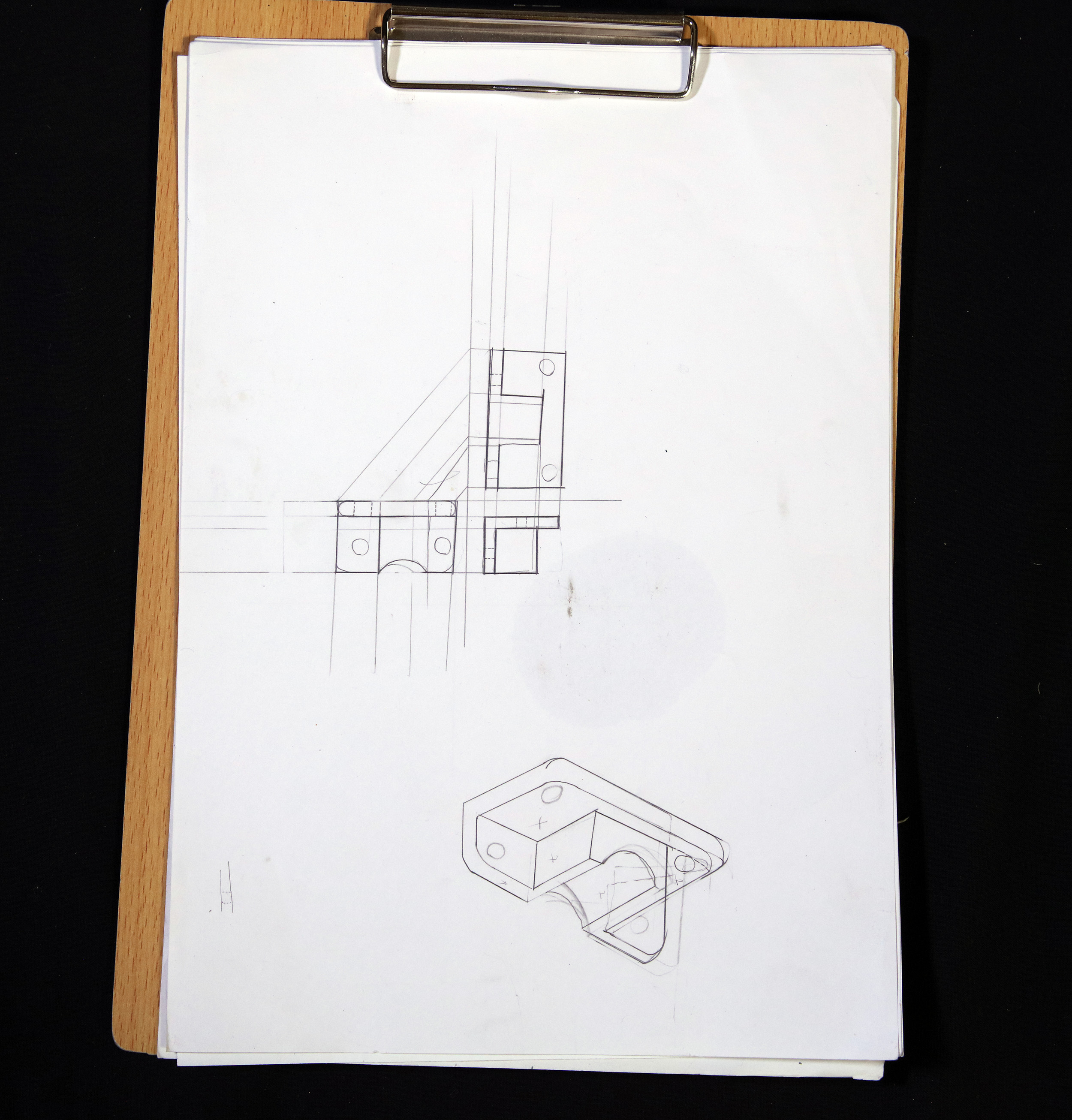
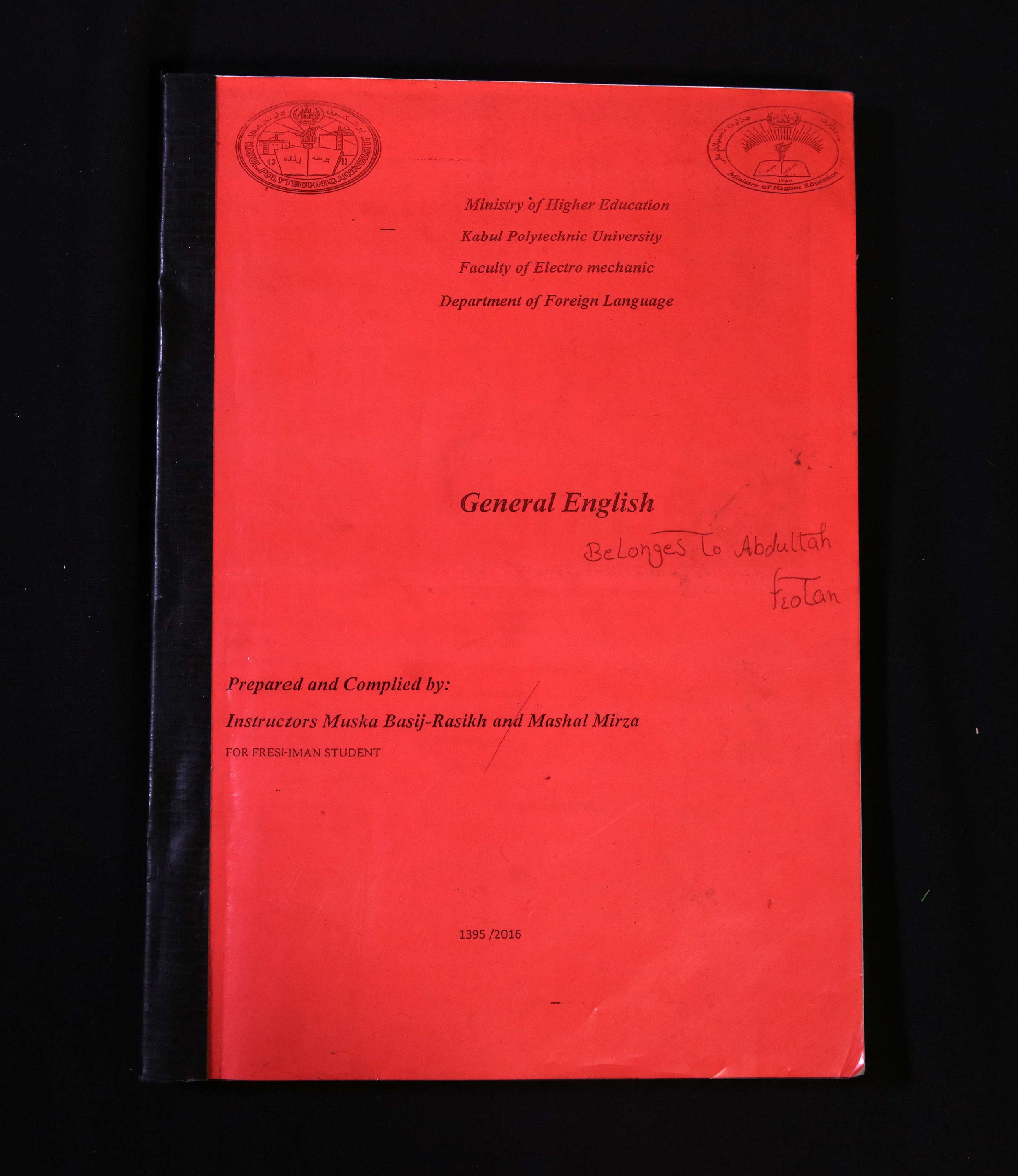
Abdullah Forotan was born in 1998 and turned 18 this year. He was the best tempered of all of us and the youngest in the family. My father loved him more than any of us and my mother even more so. He was superior to us all in terms of his facial features and talents. We are Hazaras, and Abdullah was very good-looking, which is why my mother gave him the title of ‘Sayyid’. At the age of six, he joined my parents on a five-month trip to Iran. He completed primary and secondary education at Ayatollah Modares High School in Jaghori. He graduated high school as the top student. Last year, he participated in the entrance exam and got the highest score in our school. He was admitted to his favorite field: the engineering faculty of the Polytechnic University in Kabul. He performed very successfully in the first semester.
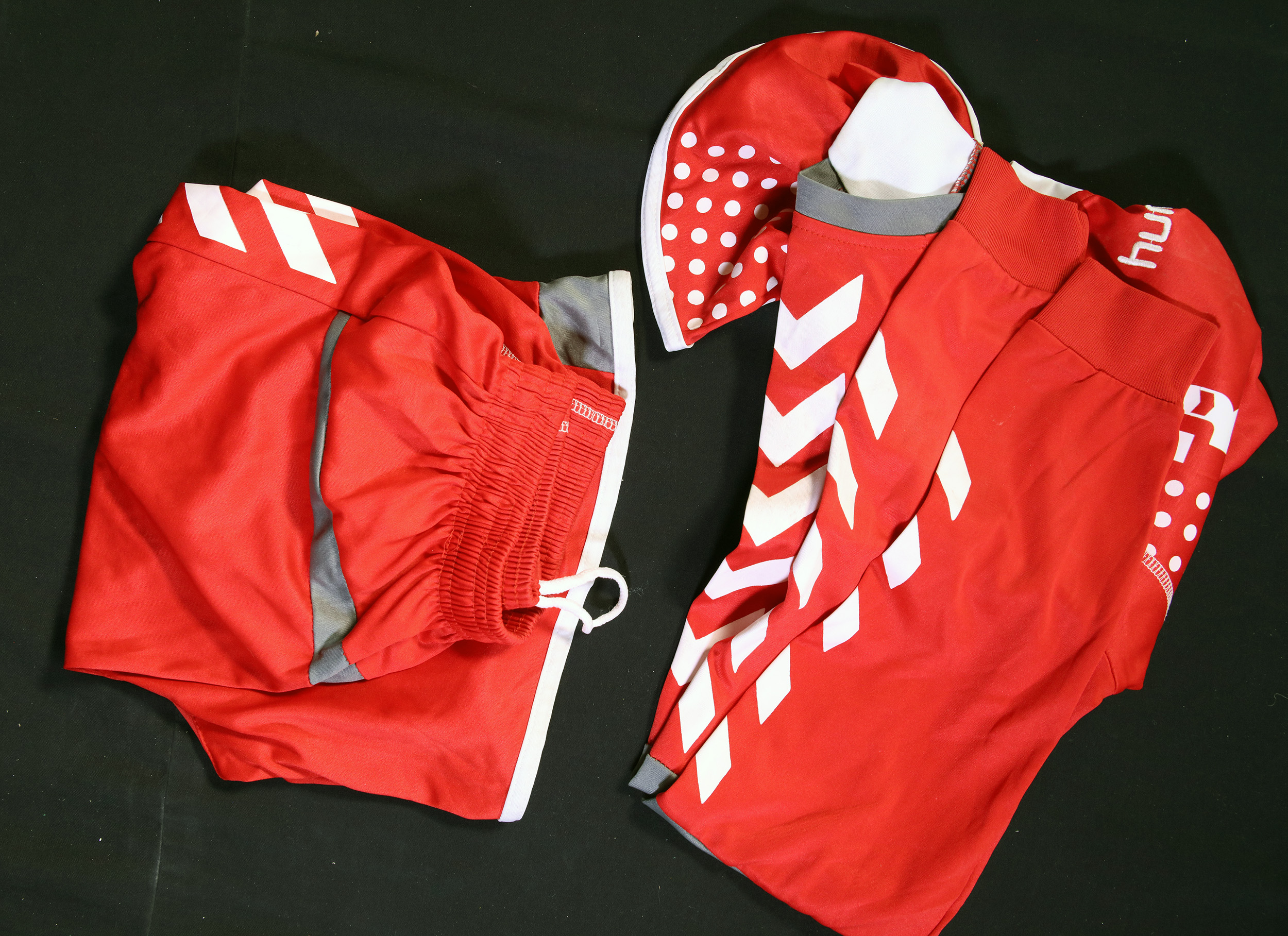
The Dehmzang incident ended his opportunities. Last winter, a futsal [football] competition was held in Jaghori in which our team, too, participated. Abdullah and I were players on the same team. In total, there were 36 teams participating in the competition. At the end of two-weeks of matches, Abdullah’s performance was recognized with an Award of Ethics. He was very different from us and this makes it very difficult for our parents. The night before 23rd July, he was in the Polytechnic University dormitory. I called him and said he should not take part in the demonstration the next day. I told him I would not take part either because the security situation was not good. He said: “You and I are not the only ones who know about the pain of our people. I will participate in the demonstration”. I told him to focus on his exam. I even told him that, at school, anybody could get the first position; the real man is the one who gets the first position at university. He told me he had taken all the exams, received their results and had scored the highest, and had only one exam left. He said, “Don't worry, I will not embarrass you and the family”.
He always was a source of pride. On the day of the incident, 23rd July, we took a photo together. Abdullah was taller than me and more talented. At around two o'clock, I went to Pole-Sorkh to have lunch. While I was eating, I received a call that said there had been an explosion in Dehmazang. We, four brothers, were all in Dehmazang. I called my three brothers, but none of them answered their phones. I got very worried and rushed to Dehmazang. When I got there, the police wouldn't let me pass. I was very angry and became worried. One of them even said that they will shoot me if I didn’t turn back. Because I was apprehensive, I said, "Shoot me, my blood is not thicker than others, and I am not better than them." When I got close to the site of the explosion, the situation was really terrible. I witnessed very terrible moments with my own eyes, it was extremely painful and difficult for me. I was running around to find one of my brothers, but there was no sign of them. The only things I could see were the limbs on the ground.
At the same moment, one of my brothers, who is older than me, called me and asked where I was. I asked him where Abdullah was. Talking with a sad tone, he said I should go to Ibn-e Sina hospital. I ran, rushing to the hospital. When I got there, it was full of blood, in all the corridors. I searched all the rooms but did not find Abdullah. I called my brother and said I couldn't find him; he told me to go and see the martyrs. When I went there, my legs felt paralyzed. Among the martyrs, the only thing I recognized was his pants. I didn't dare to look at his face; I came out of the room. After I felt a little bit better, I was about to go back inside when my brother called me. I told him that he was not among the martyrs; he insisted that I should search thoroughly. Once again, I entered the room where the martyrs were laid. The faces of most of the martyrs were burnt. Those moments became the worst memory for me. I still did not find Abdullah. When I left the room, they called that there was a list in the other room, but Abdullah's name was not there. My other brother came and said that he was going inside, thinking that maybe Abdullah's name was not listed by mistake. When he wanted to enter, they did not allow him. But somehow he did manage to get into the hospital. A few minutes later, I also got inside. I looked around and I saw my brother wailing.
I realized Abdullah's condition was not good. He was struck by shrapnel in his head. We immediately transferred him to Wazir Mohammad Akbar Khan hospital. For a week, he was in a coma in the hospital. During this time, his condition did not change; in an entire week, he did not even open his eyes. The doctor said: "The brain has been hit by shrapnel and needs to be operated on; the brain is severely damaged." I begged the doctor who operated on Abdullah to help me talk to the head of the hospital. His doctor said that some pieces of shrapnel were left in his head which they could not remove. He said “You would need an air ambulance to take him abroad and it would cost you three hundred thousand dollars. If you have the money, transport him out of the country so that his condition can be dealt with quickly”. Some of my friends in India found out about the incident and immediately called me to say they would send an air ambulance from India to transport Abdullah. They wanted me to provide them with a general report about Abdullah's condition so that they could take action. I got a report about Abdullah's condition from the doctor and sent it to them. They said we had to wait for a few days.
Our teachers were informed about the incident before the government took care of our patients. They [the teachers] visited us and completed the passport application, but transporting him to India was postponed. Then some NATO troops came to the hospital and said they will transport the wounded who were in a coma outside for treatment. I went to the head of the hospital and asked for information about that. He said no one’s name was listed yet. I realized we will be in trouble if I failed to act. I could speak a little English, and so I met and talked to some NATO personnel. After our discussion, they said they wanted to take Abdullah to Bagram Hospital. Within a week, Abdullah's condition did not improve. When the test results came from abroad, they were negative. So, the NATO people announced that they could not take responsibility for Abdullah’s condition during transportation. We signed a paper, took all the responsibility, and transferred him to Bagram. On the way, the oxygen balloons used for Abdullah ran out. All the moments I remember were painful. Upon arrival in Bagram, Abdullah was received by the American forces. On behalf of my family, I was there to accompany Abdullah, but they would not allow me to enter the hospital because I did not have an identification card on me.
As I was waiting, in the afternoon I received a call. They said they wanted to transfer Abdullah to the 400-bed hospital. I asked them why, and they said that the doctors were disappointed with the treatment because Abdullah's body was not showing any reaction. I had gone to get an ID card and I was wondering what to do. They told me to come and pick up Abdullah if I could make it to Bagram before 7 pm. I asked them to communicate the matter so they can wait until tomorrow and then we could transport him directly out of the country. I departed immediately and arrived there at 8 o'clock. They escorted me inside Bagram airbase. By 10:30 pm, I made it to Abdullah, but it was too late; When I got there, he was already martyred. It was very difficult to go through those moments.
Prior to that, my parents were in Jaghuri. Following the incident on 23rd July, I got a call and they asked me if we all were okay. I assured them that we were fine. They asked me about Abdullah and where he was. My mother was very worried and kept asking about Abdullah. She called me again and asked about him; I told her he was in the university dorm. The day after the incident, she learned that Abdullah was injured. She called me again. My mother had already talked to my elder brother and asked him about Abdullah and why his phone was switched off. My brother came to me and asked me to talk to my mother. When I picked up the phone, my mother worriedly asked why Abdullah had turned off his mobile phone. In response, I hardly managed to say two sentences. I said his phone is not working and he is currently in the dormitory. She couldn't take it anymore and wanted me to go to the dormitory immediately and tell Abdullah to talk to her. “I won't rest so long as I don't hear his voice”, she said. I waited for a while and my brother came to me and gave me the phone and said: “Speak and pretend you are Abdullah so that mom calms down”. It tortures me to remember those moments; it was very difficult to speak with my mother pretending to be Abdullah. I took the phone from my brother. I was feeling terrible; I tried to sound like Abdullah. When I heard my mother, I acted like Abdullah and said: “Hi mom, are you worried for me? I am fine”. My mother said: “Are you Abdullah?”. I said yes. She asked: “Abdullah, when you were home on leave, what did you have for breakfast the day you left for Kabul?” When I heard my mother saying those words, I felt I could not take it anymore. I forgot what I had to say and hung up the phone.
That same day, my parents returned to Kabul. When my mother visited the hospital, she learned that Abdullah was wounded. We told my mother that his leg was slightly injured so that she would not lose her spirit and her condition would not get worse. The truth was that he had shrapnel in his brain. I asked the doctor to talk to my mother so that she could calm down a bit because she did not believe me. Abdullah was in the ICU at that time and no one was allowed to visit him. The doctor told my mother that she was not allowed to visit him that day. My mother and I left the hospital. Friends and close relatives had gathered outside the hospital. My mother's blood pressure went up and she fainted.
My mother was hospitalized on one side of the hospital and my brother on the other side. It is very difficult for me to recall and describe those moments. When my mother returned to Kabul, I went to my sister's house in Barchi that same day to see my mother. On my way to the hospital, from Zer Zamini to Golbahar Center, I gave 1500 Afs as charity so that God might give Abdullah back to us. If I gave charity to one person and forgot another, I would immediately give the other one money. I thought they they might feel something in their hearts. Everyone who received the money prayed for Abdullah, but God took this great gift from us and did not consider us worthy of him. All of us were grieved. Life is very hard. It is very difficult to endure this pain.
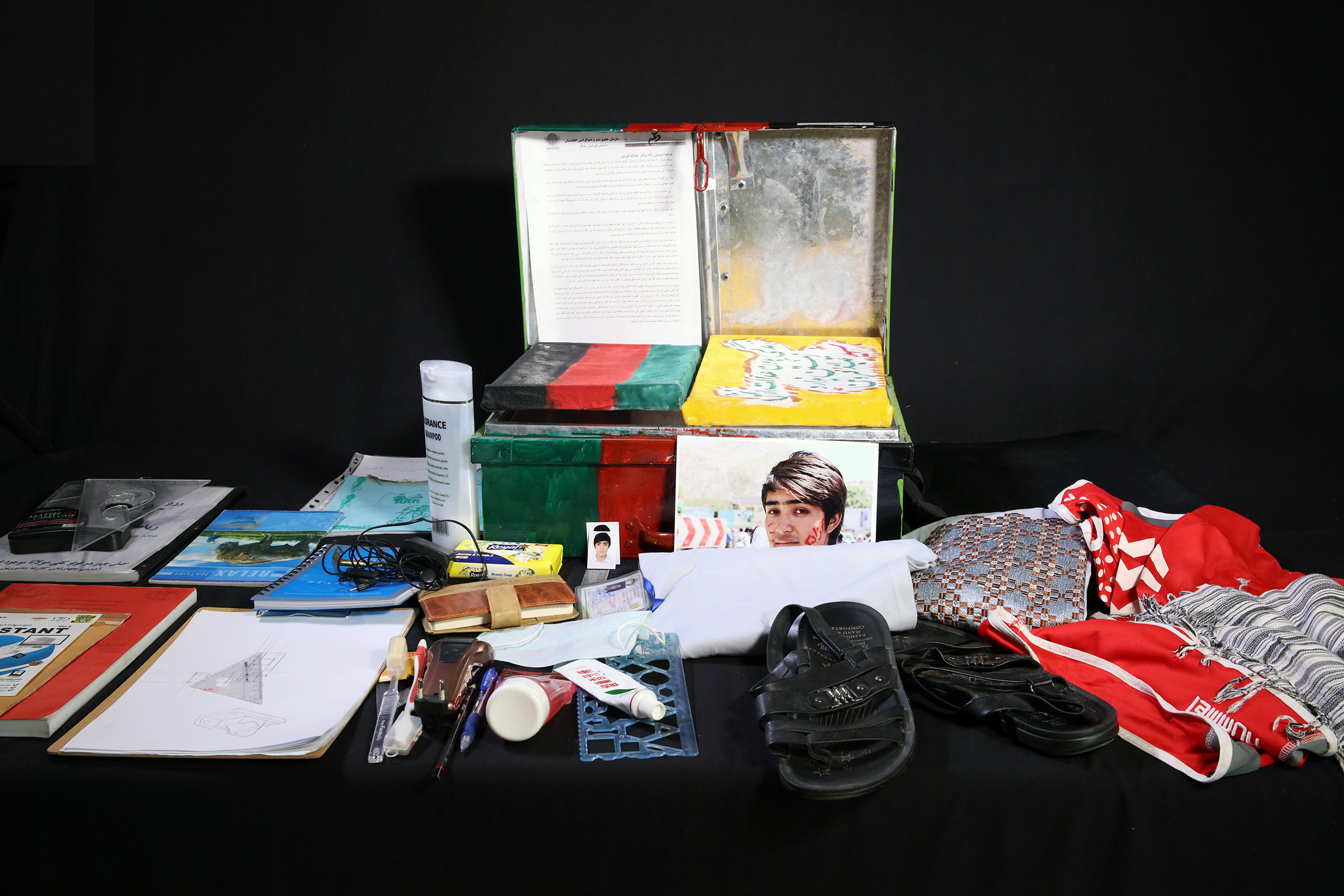
| Item Name | Quantity | Description |
|---|---|---|
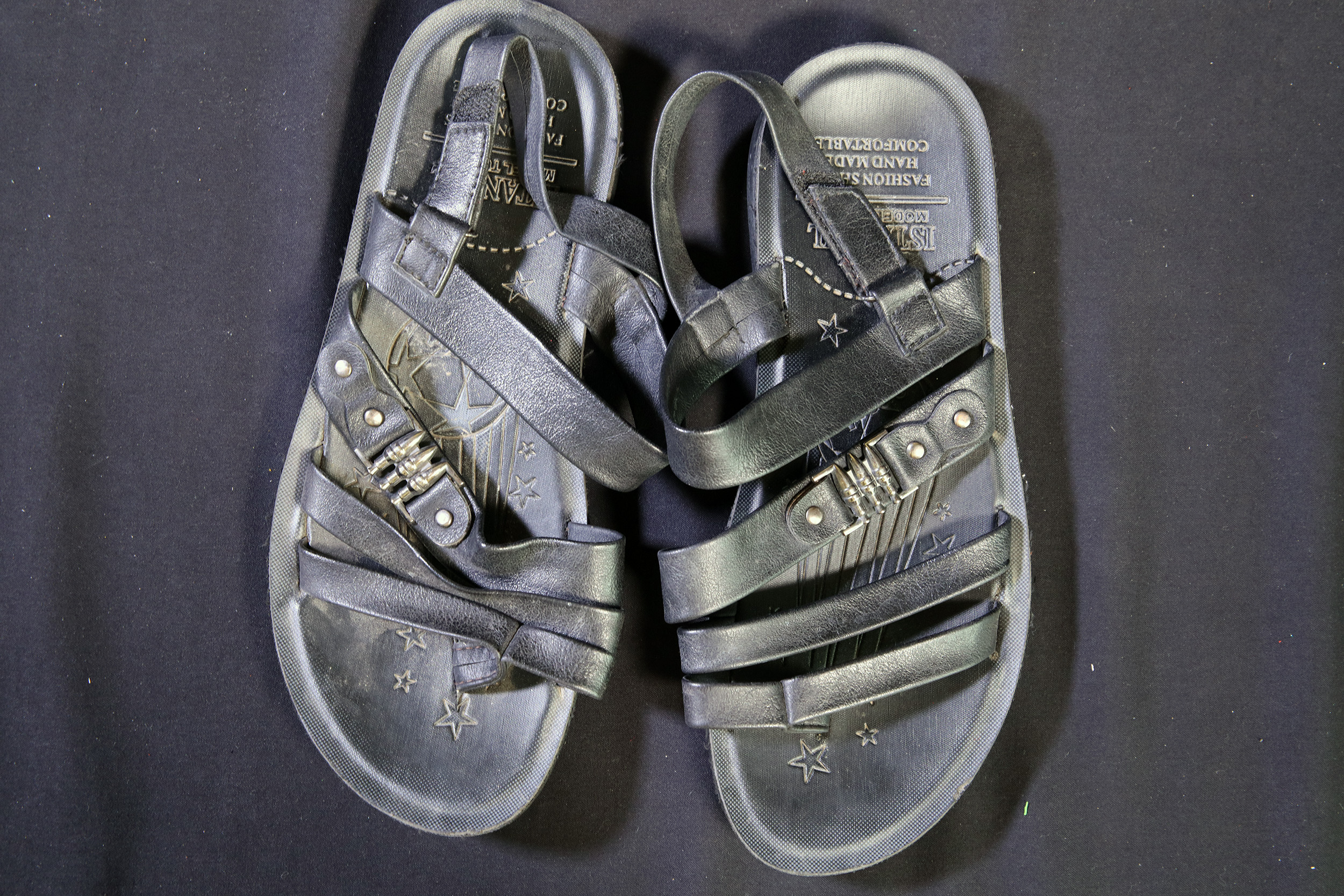
| Item 1.1 | 1 | Memory Box + Ideal and Memorial flags |
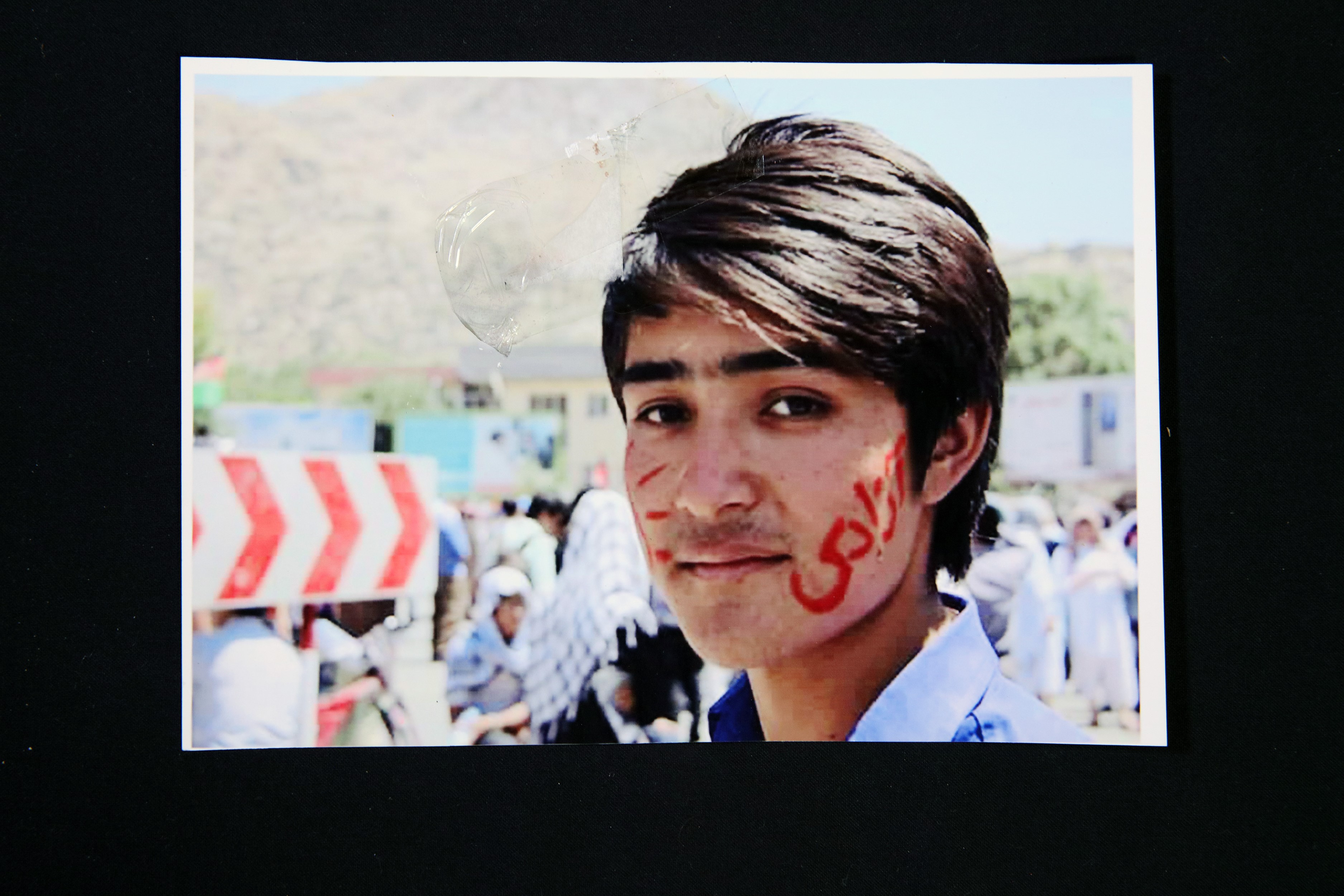
| Item 1.2 | 1 | Victim’s Memorial picture |
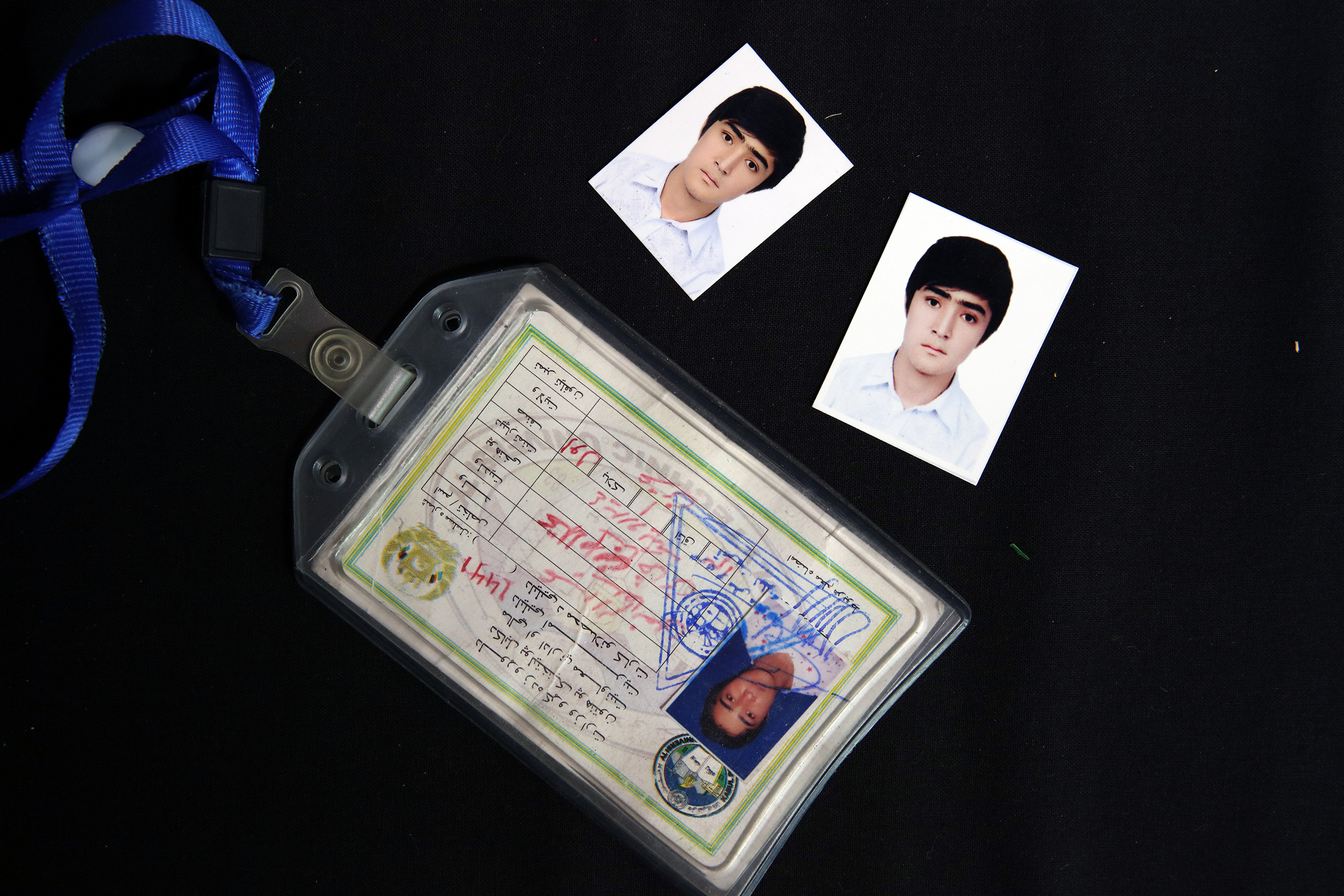
| Item 1.3 | 1 | Victim’s Pictures and Card |
| Item 1.4 | 1 | Victim’s Stationery tool box |
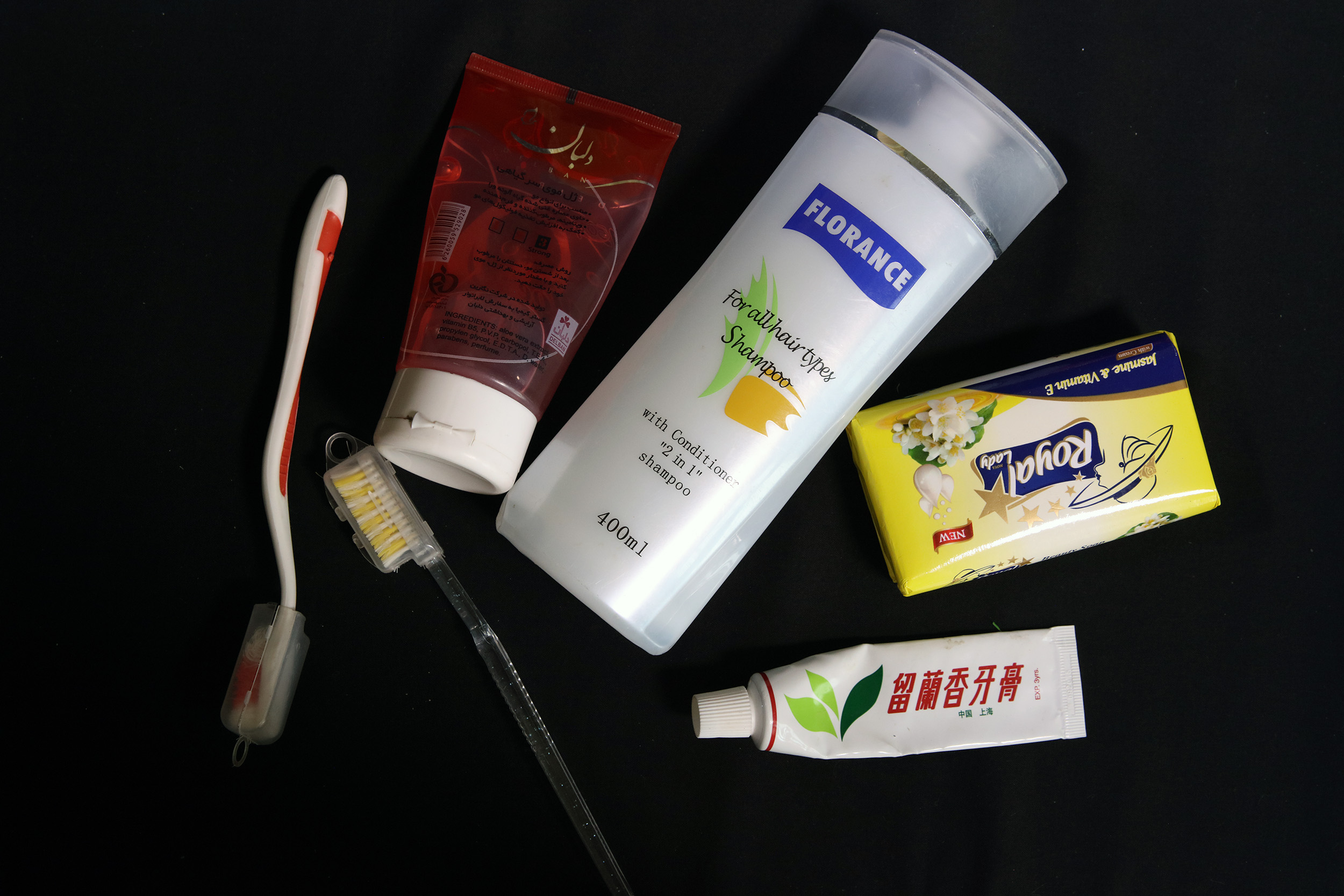
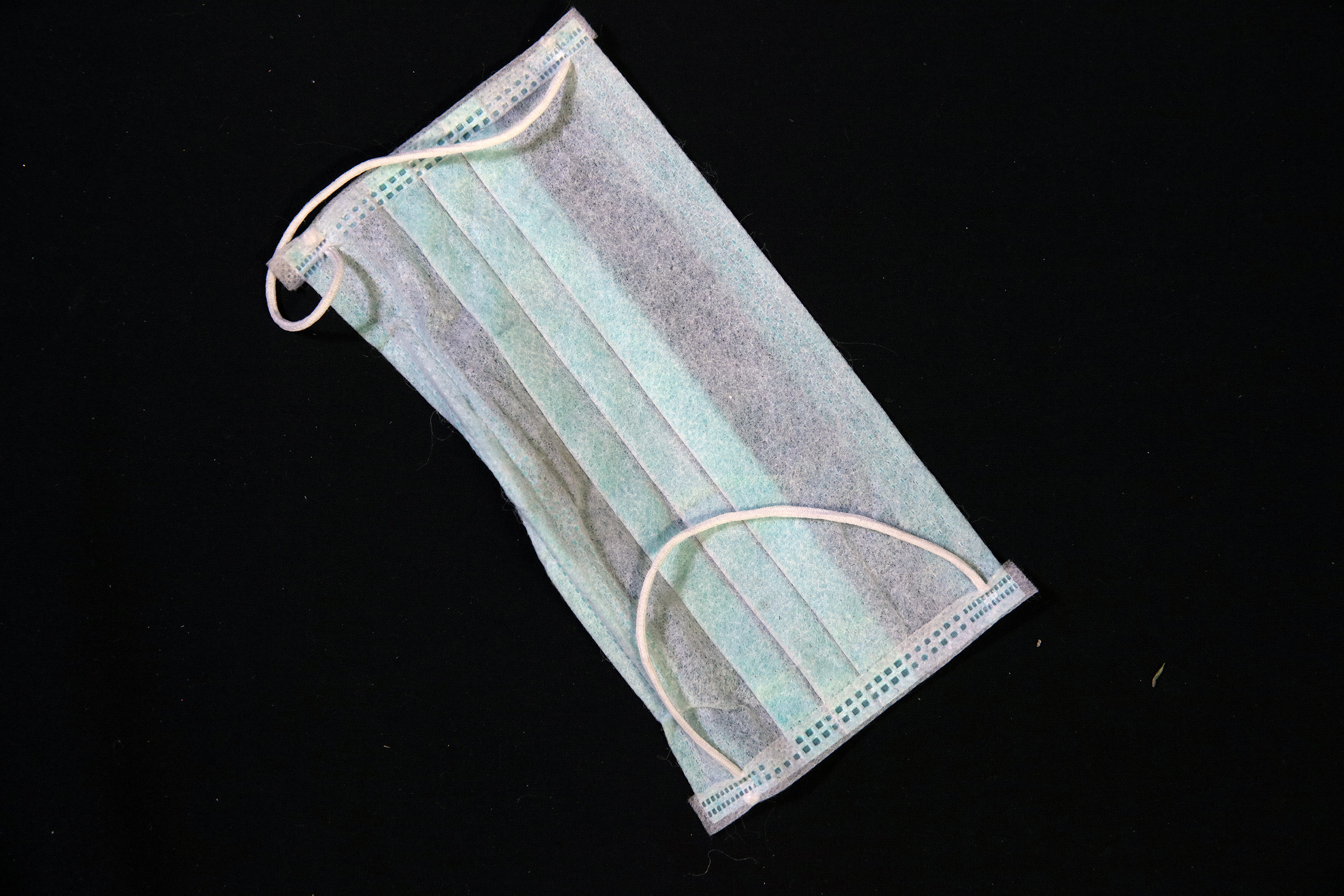
| Item 1.5 | 1 | Victim’s Sanitary equipment |
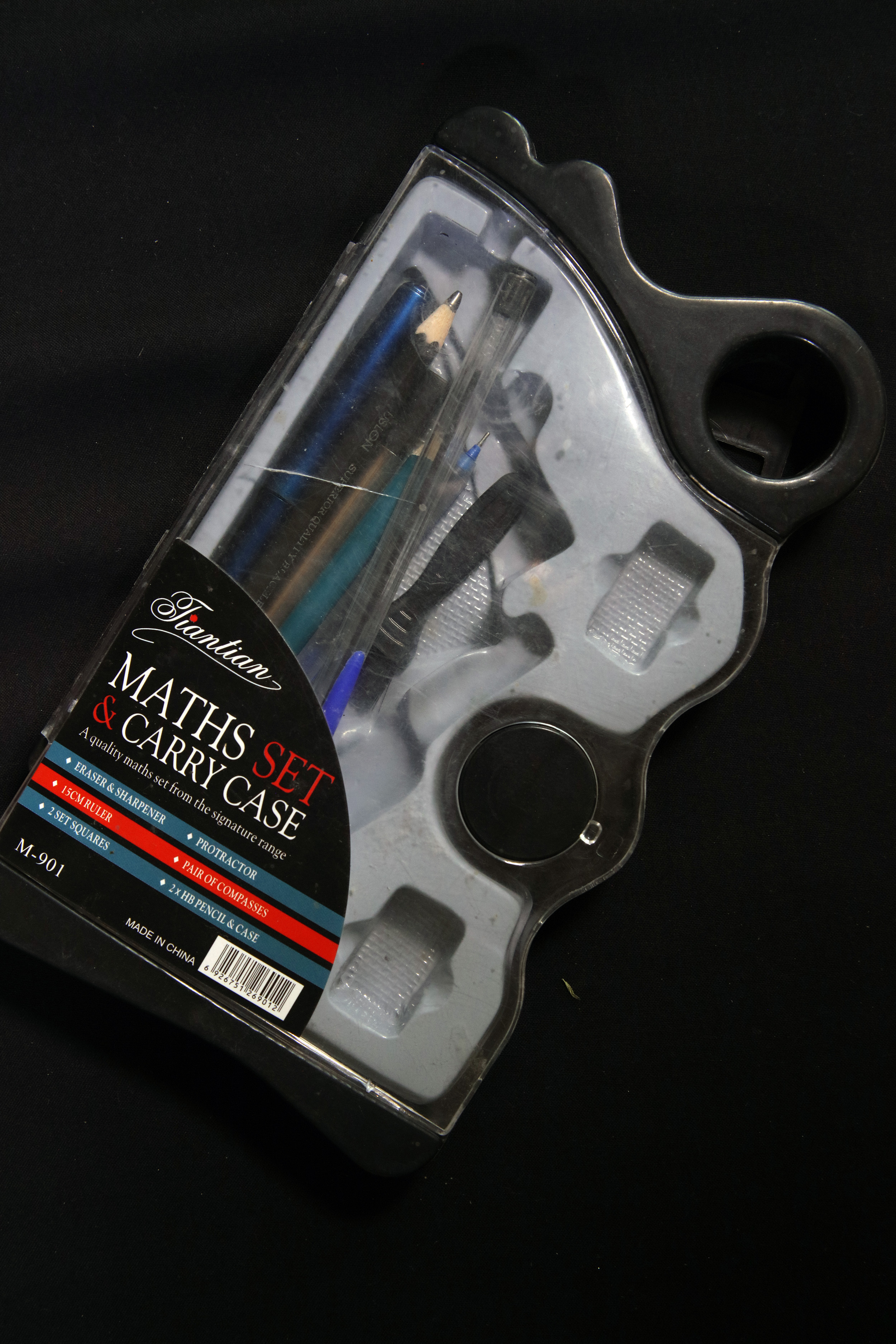
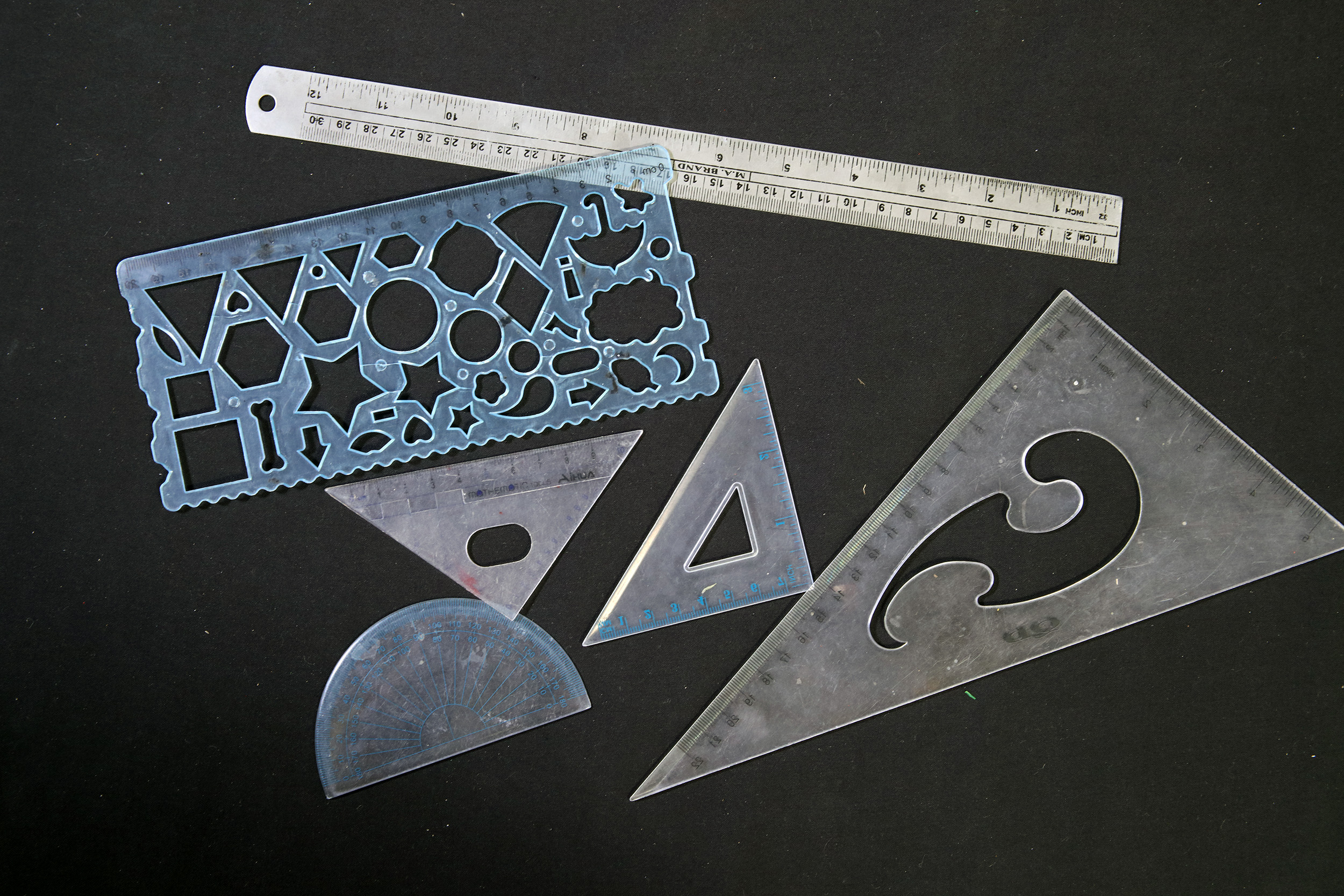
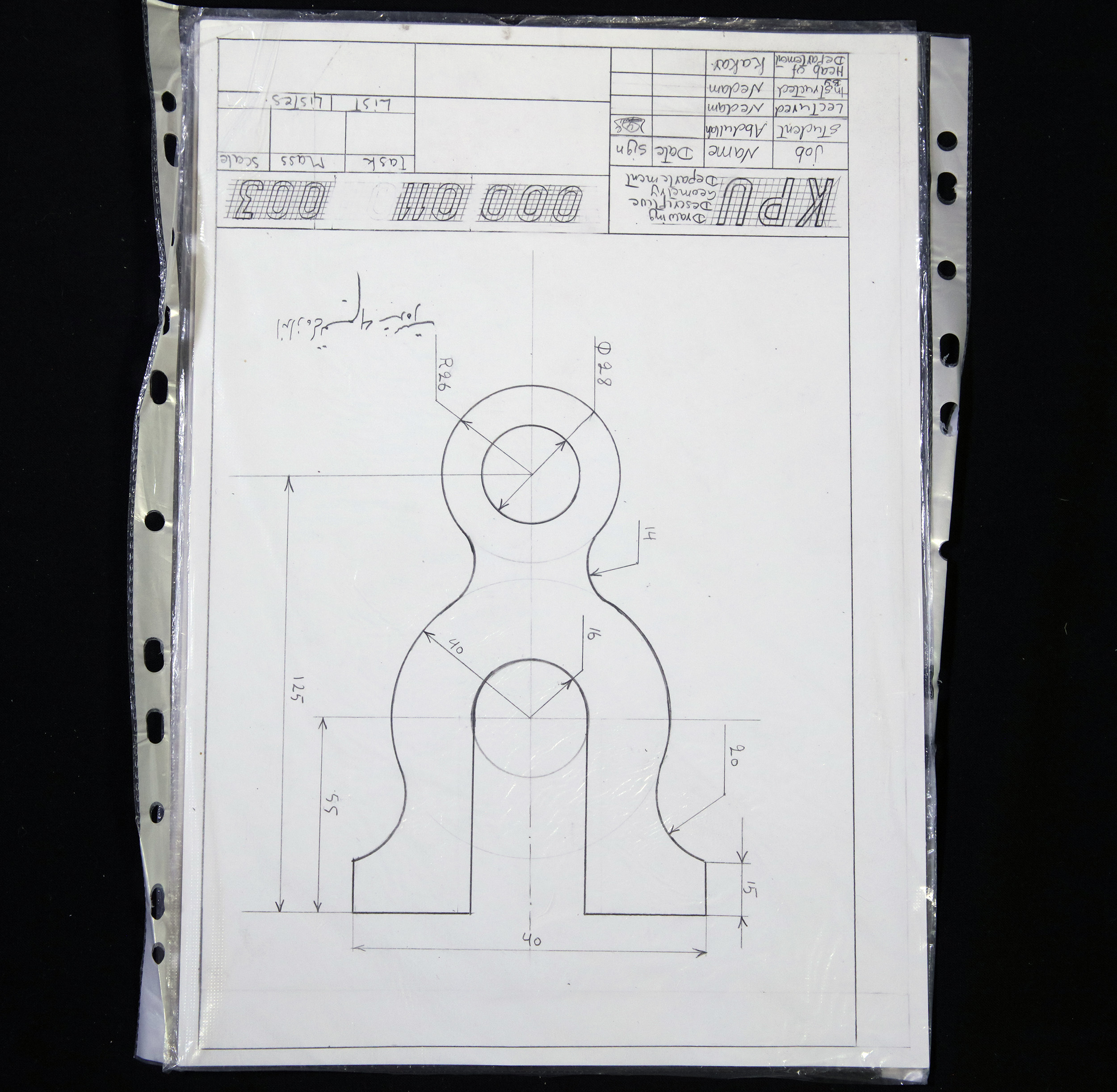
| Item 1.6 | 1 | Victim’s Mathematic tools |
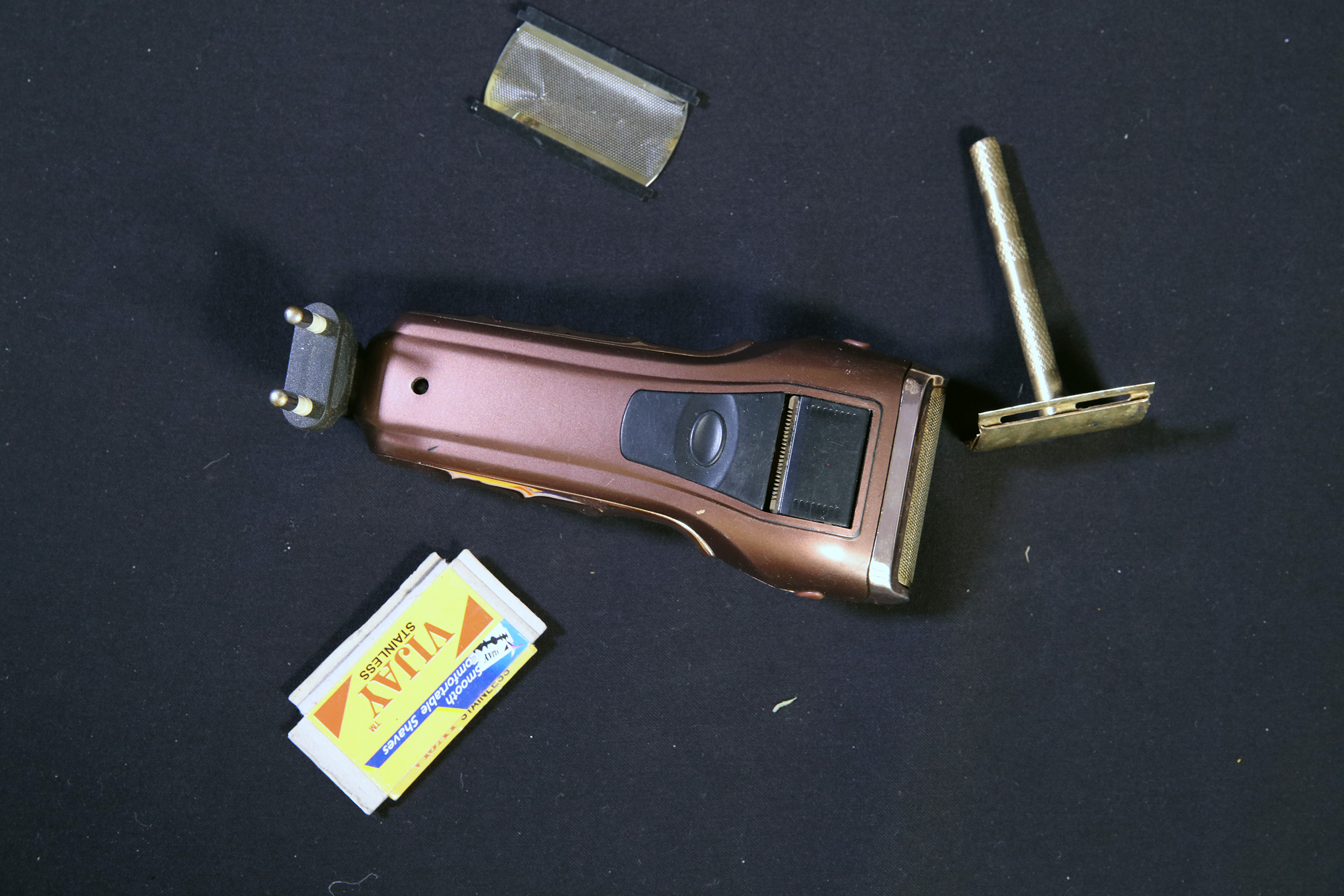
| Item 1.7 | 1 | Victim’s Shafer and Shafer plate |
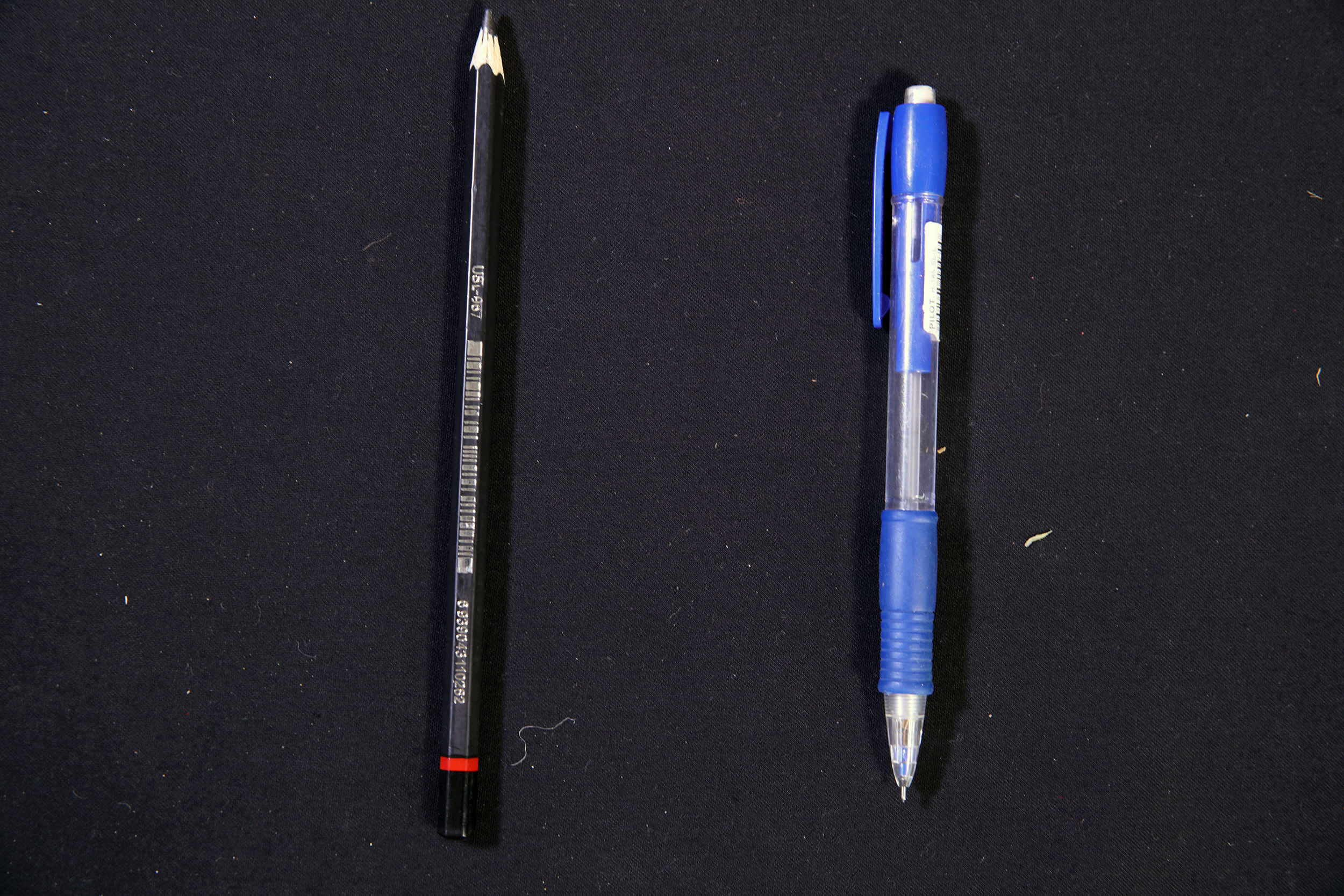
| Item 1.8 | 1 | Victim’s Pen and Pencil |
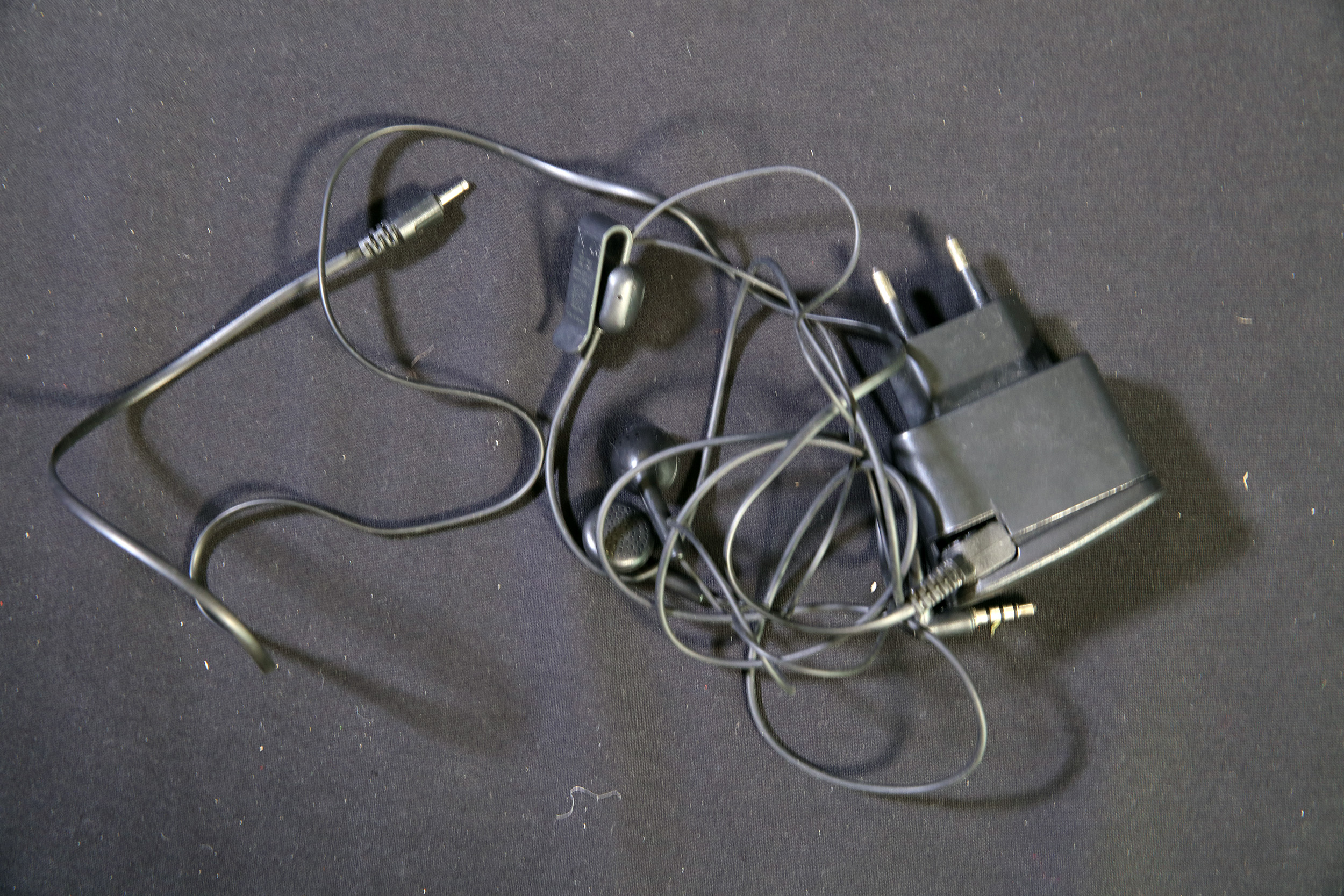
| Item 1.9 | 1 | Victim’s Mobile Charger |
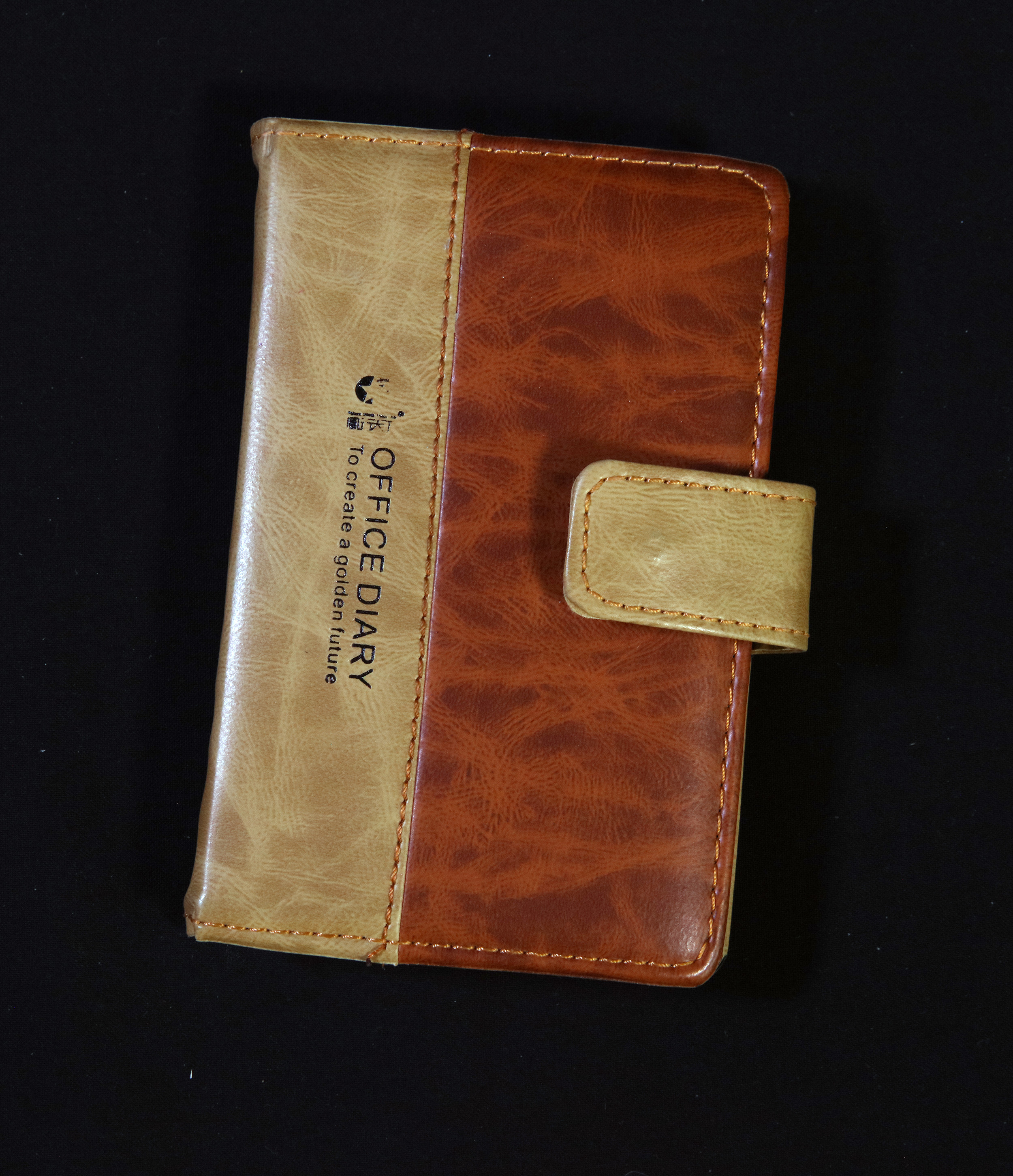
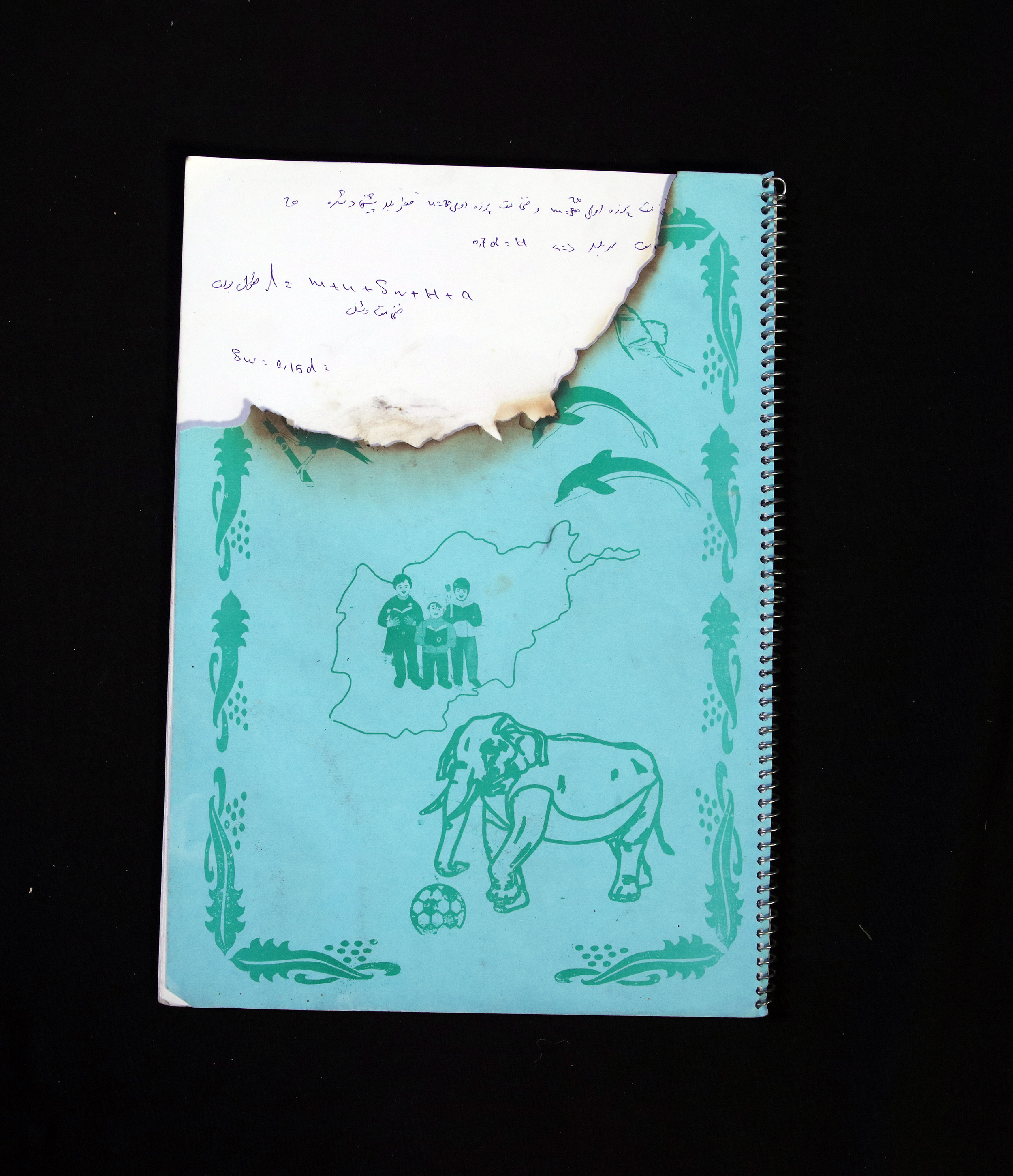
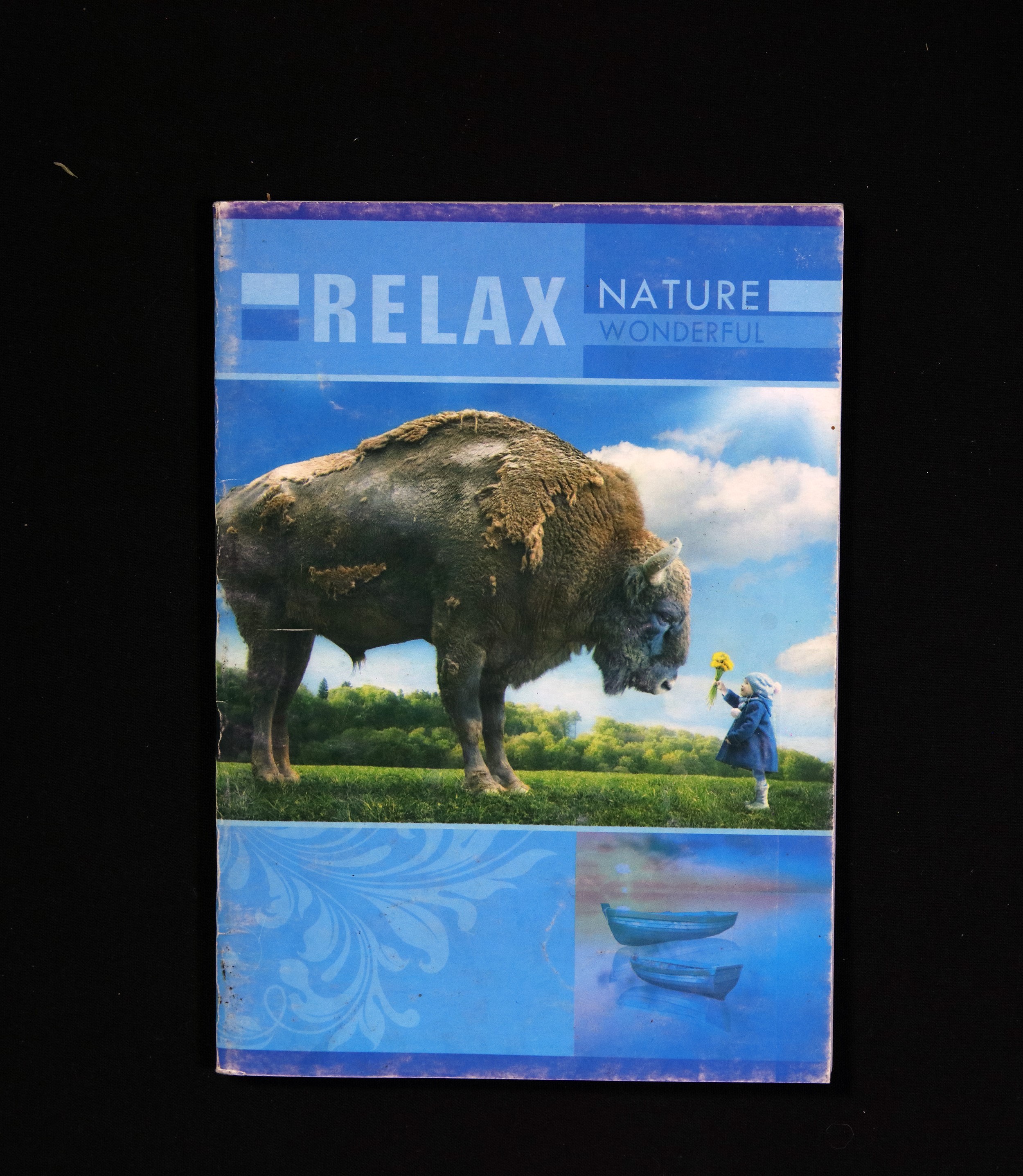
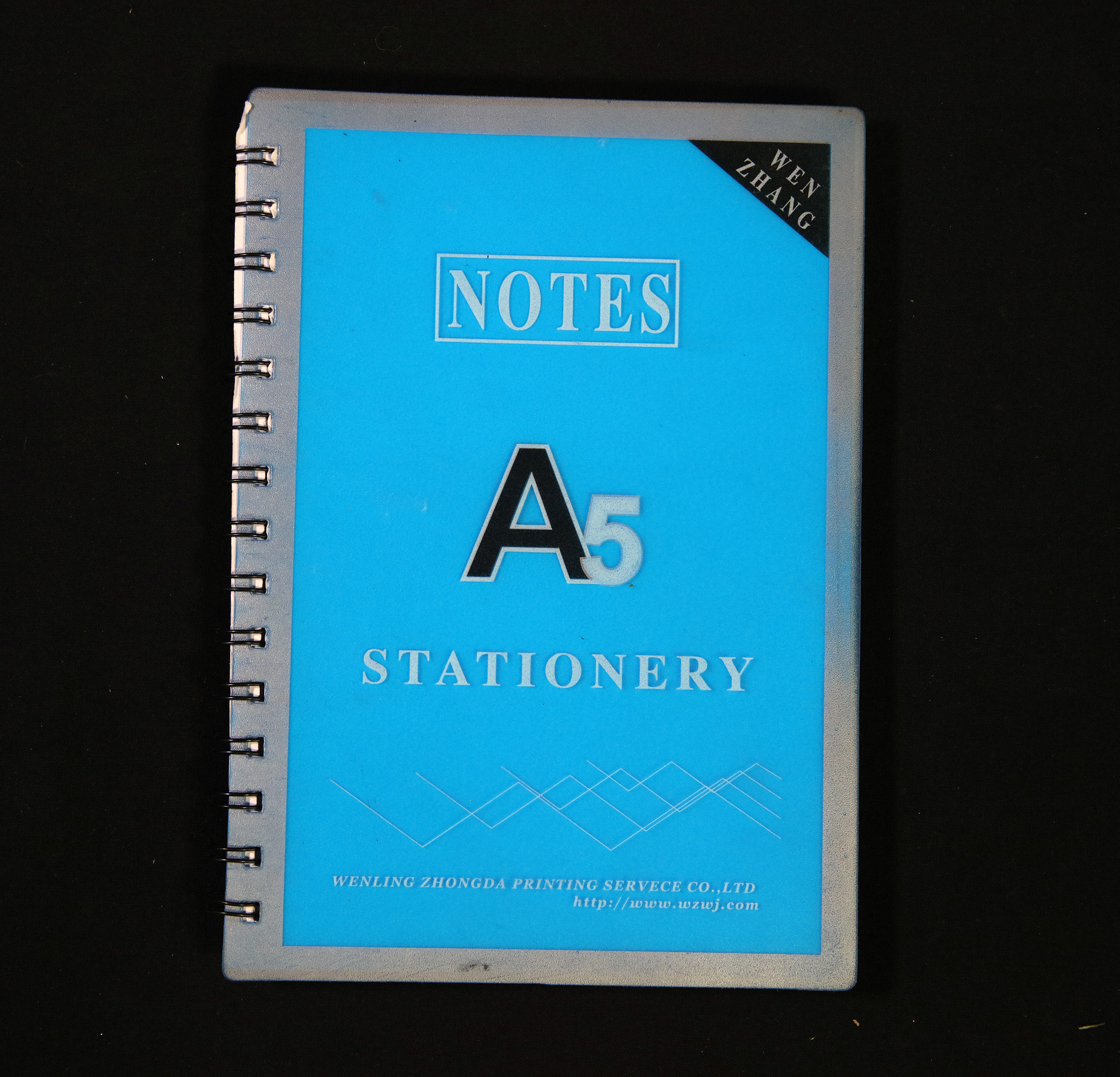
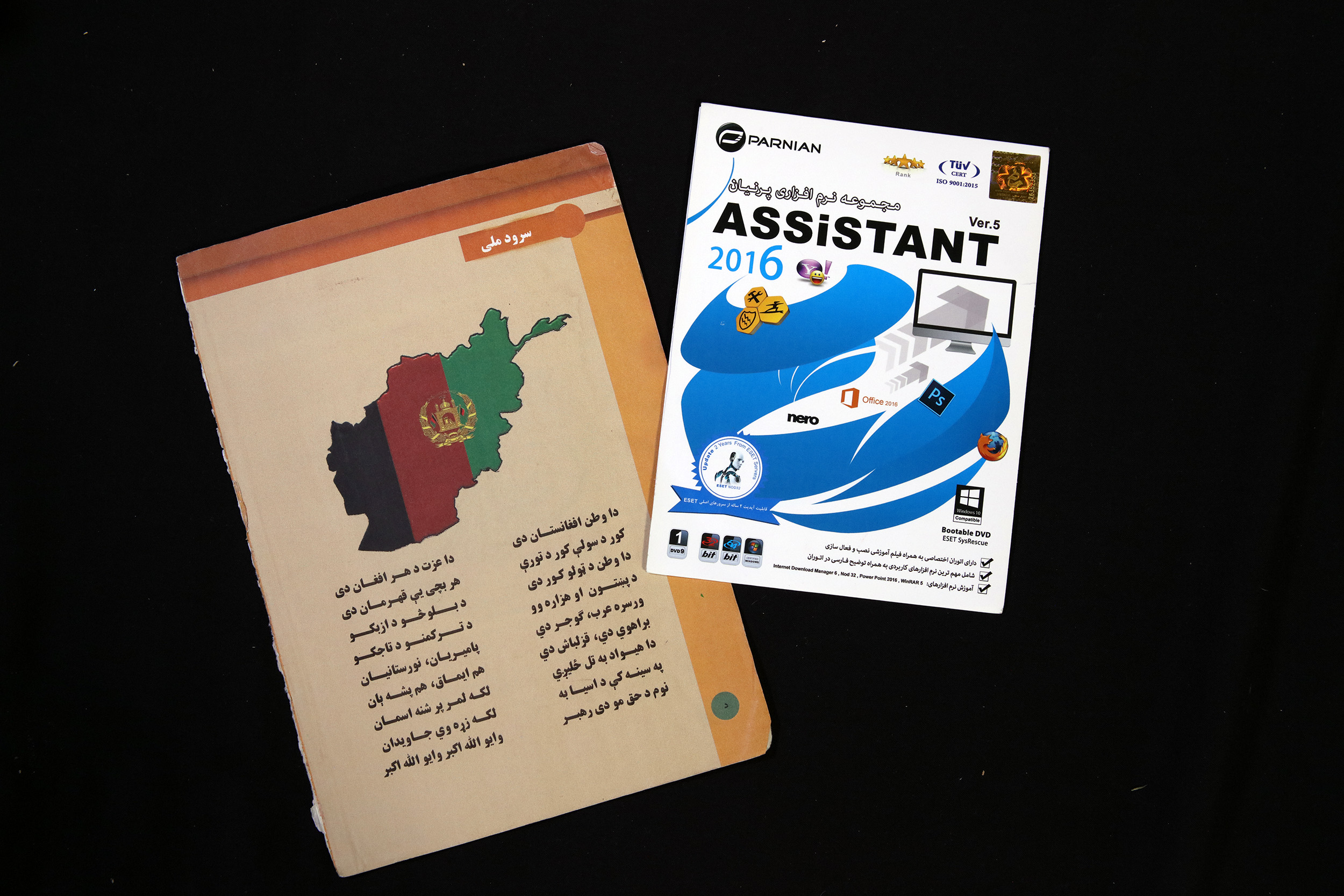
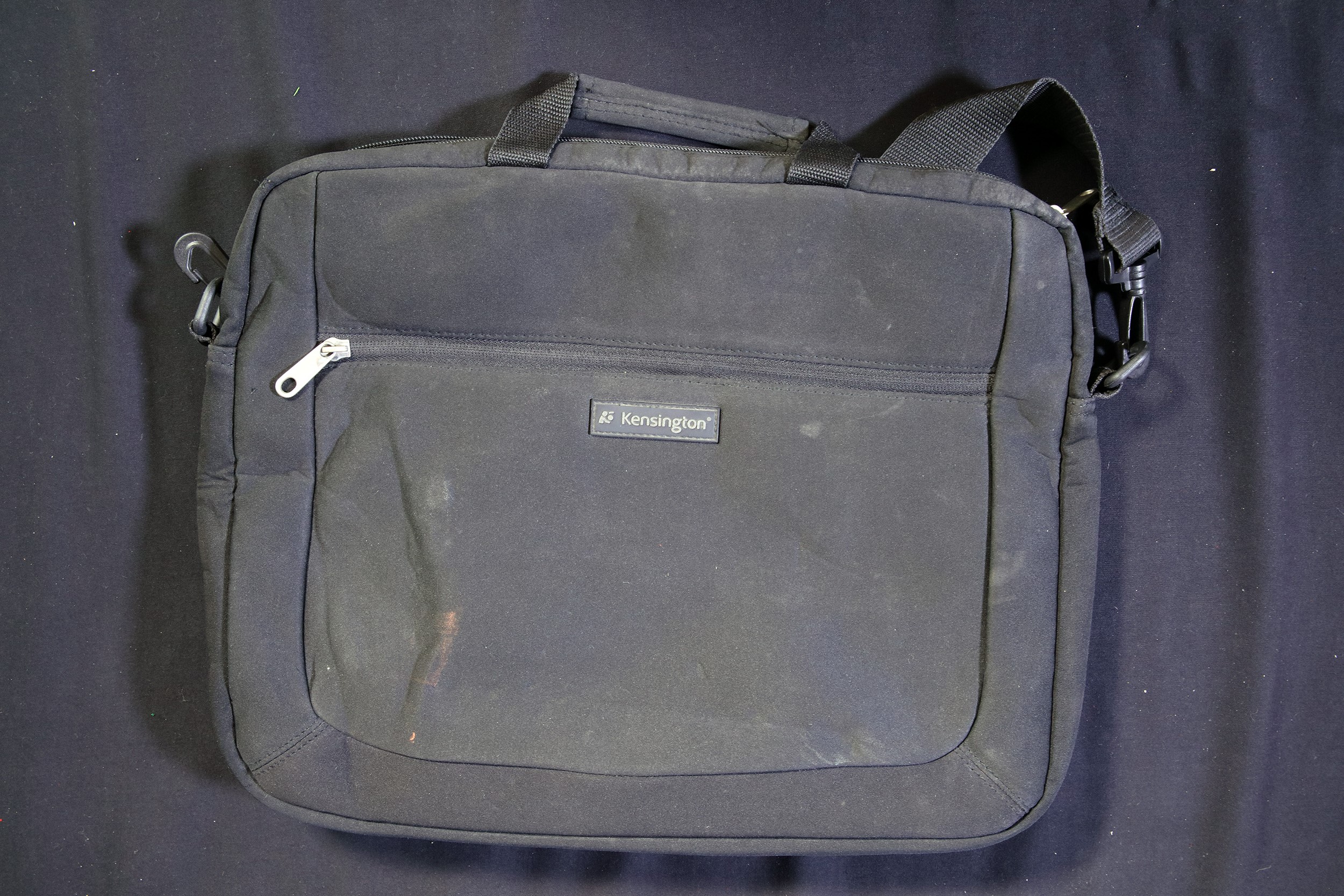
| Item 2.0 | 1 | Victim’s Notbook |