Reach out to us for queries and assistance
If you have any inquiries or need assistance, our dedicated team is available to help you through this contact form, guaranteeing confidentiality and respect.
Please be aware that the content showcased in this museum is of a highly sensitive nature
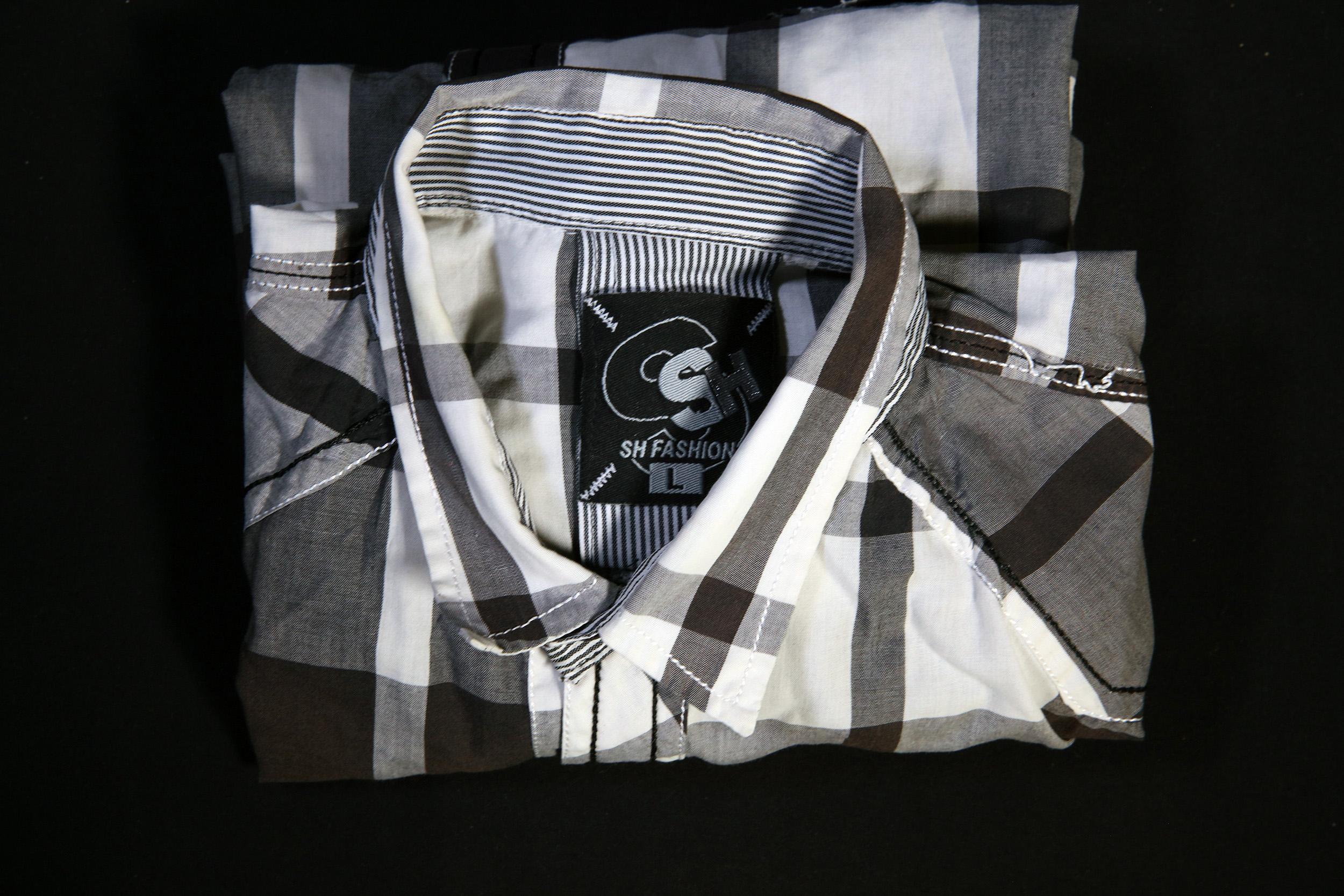
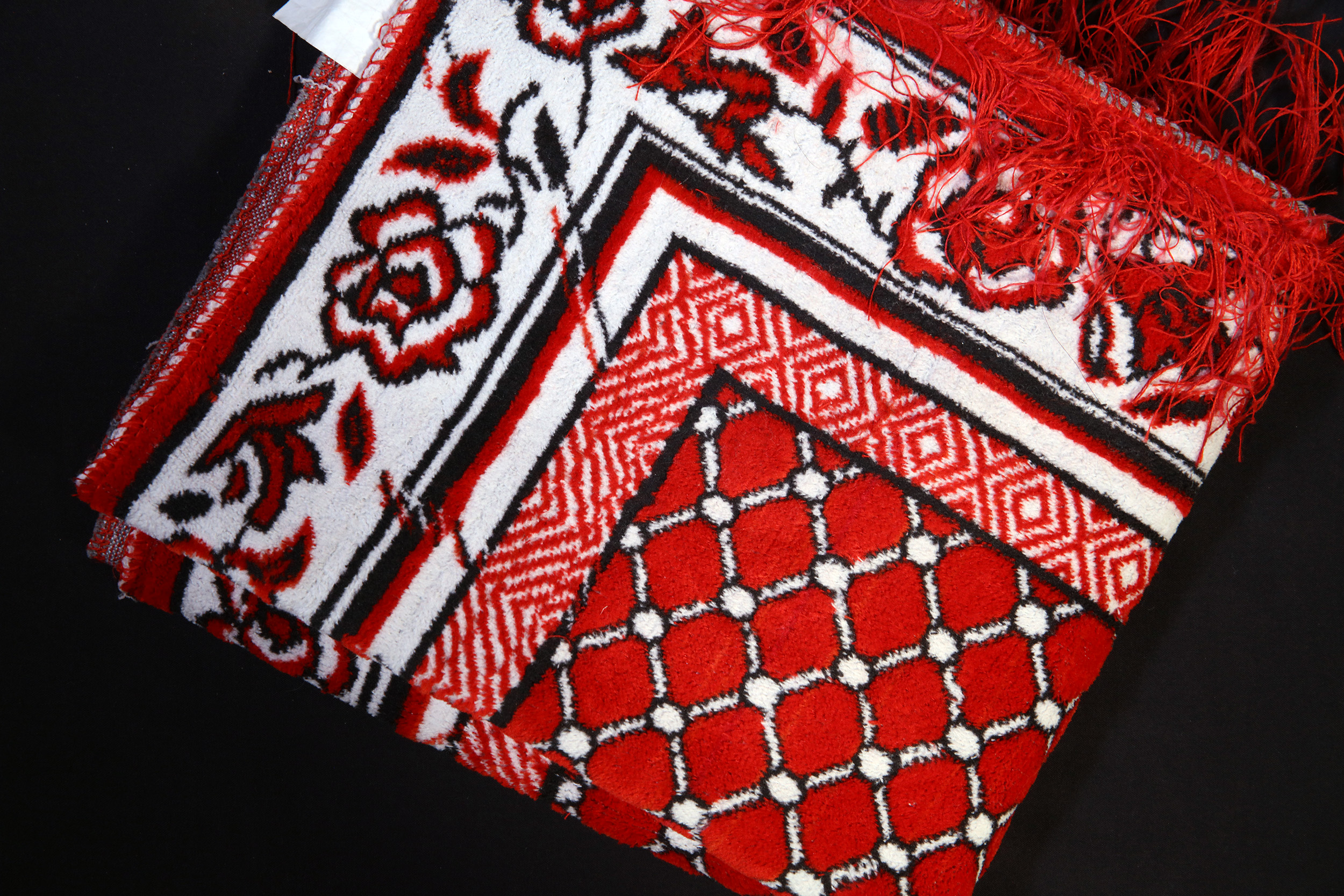
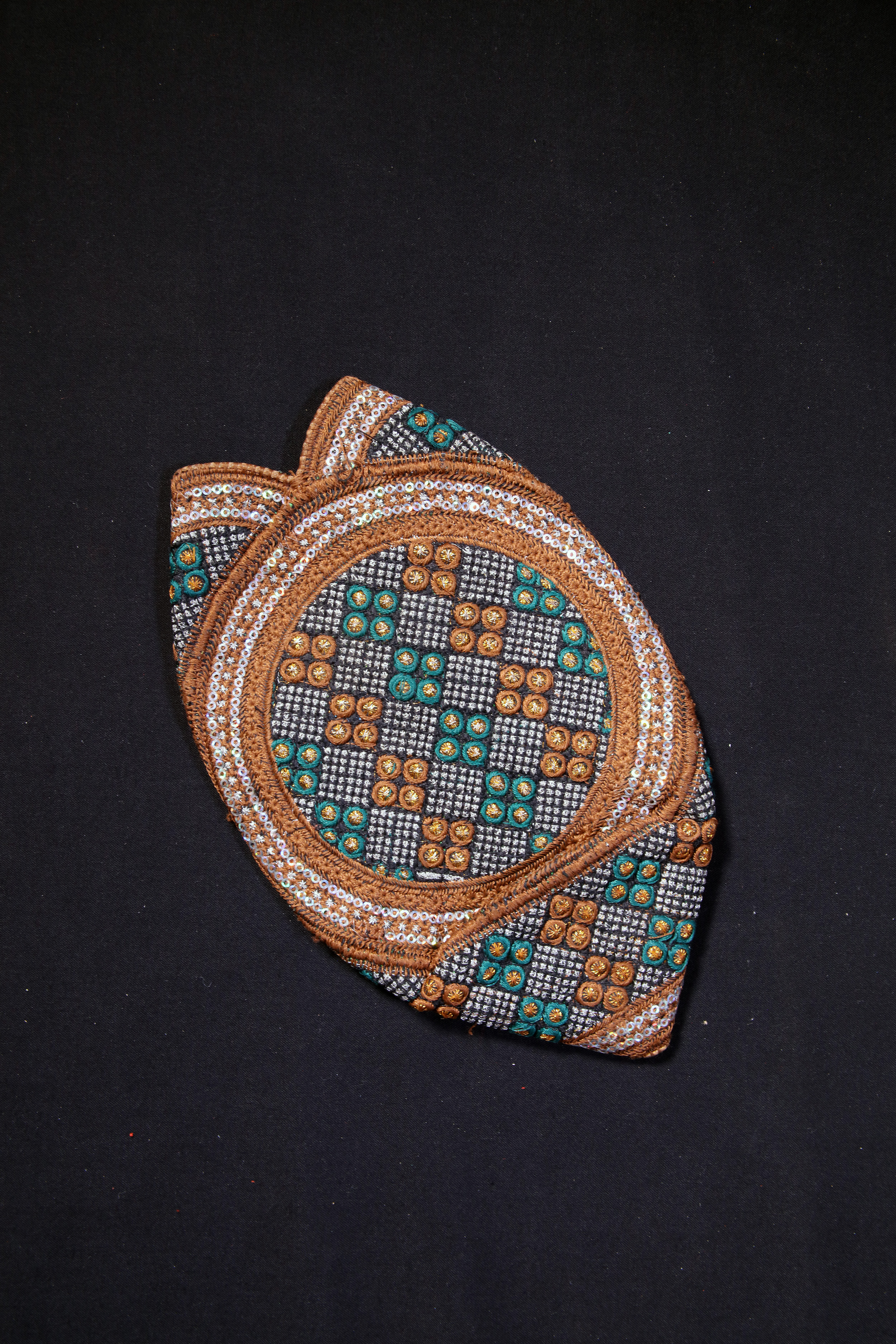
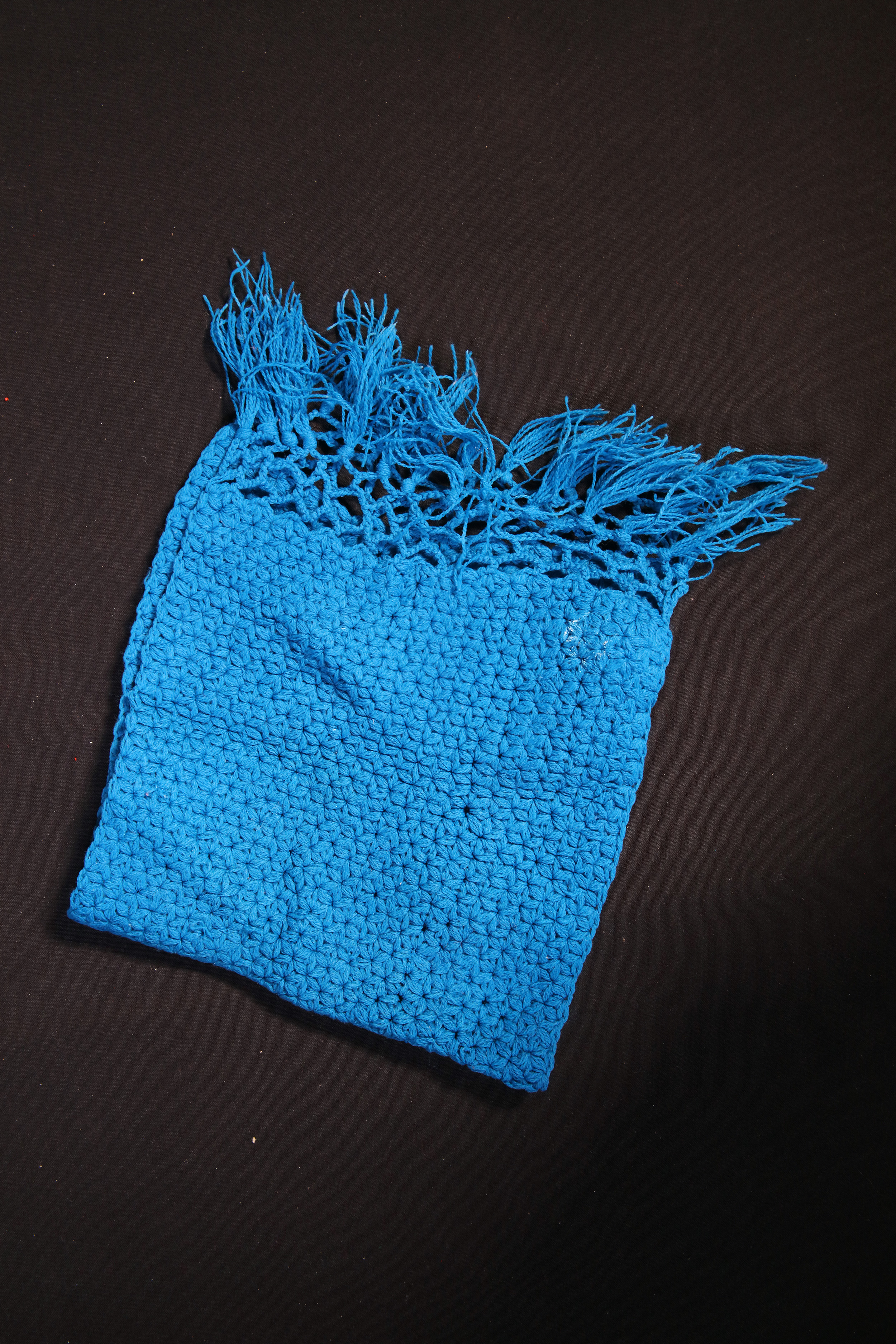
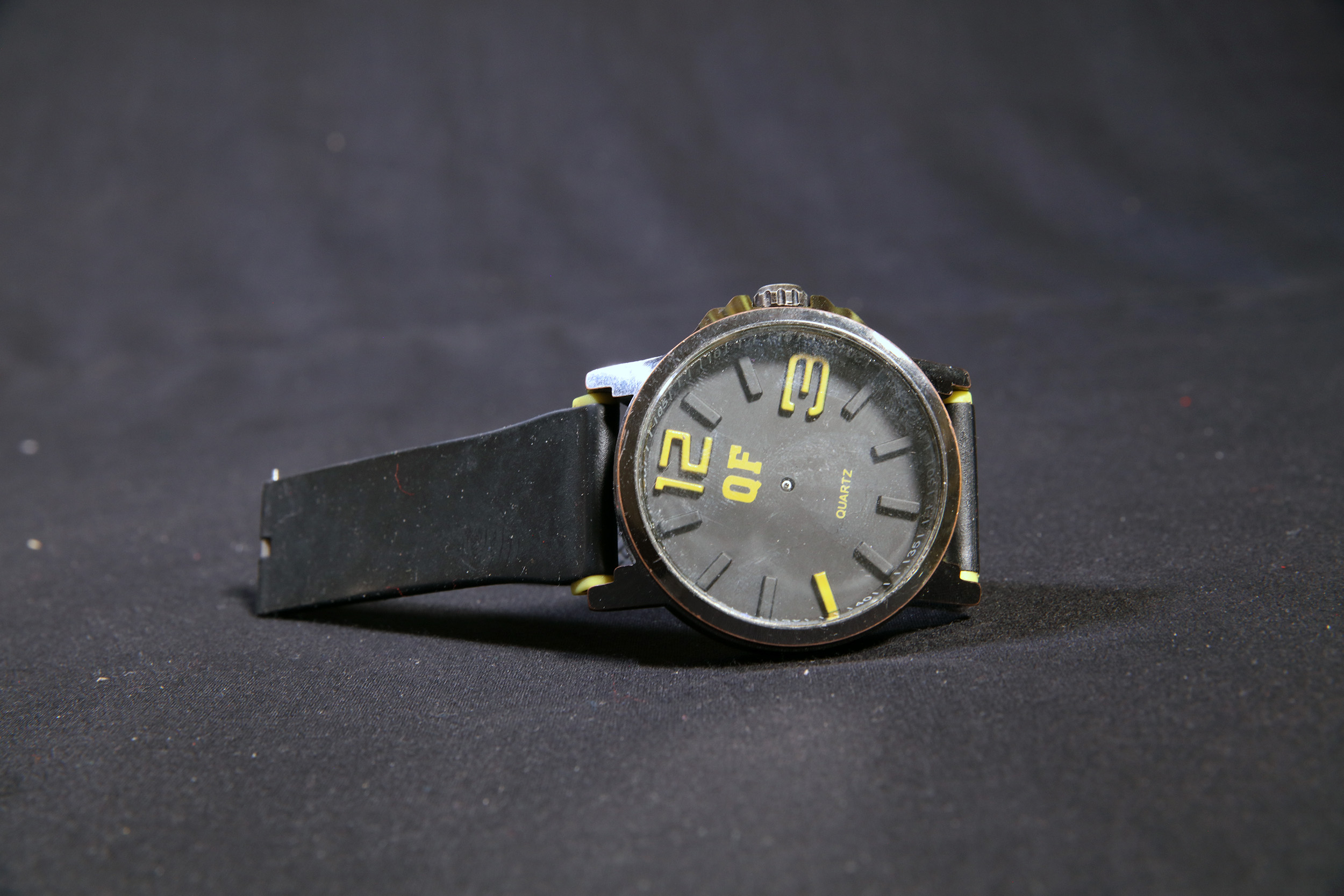
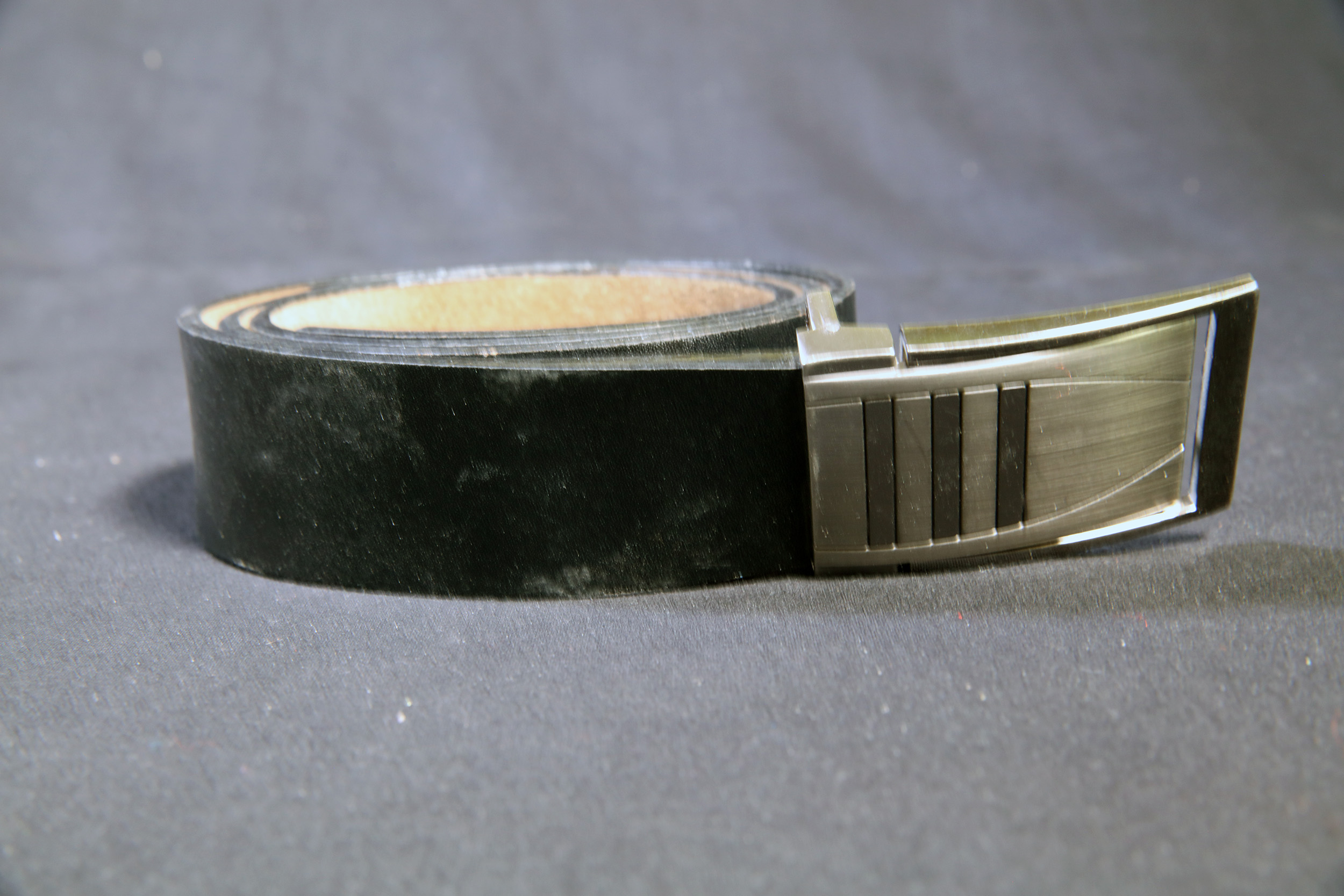
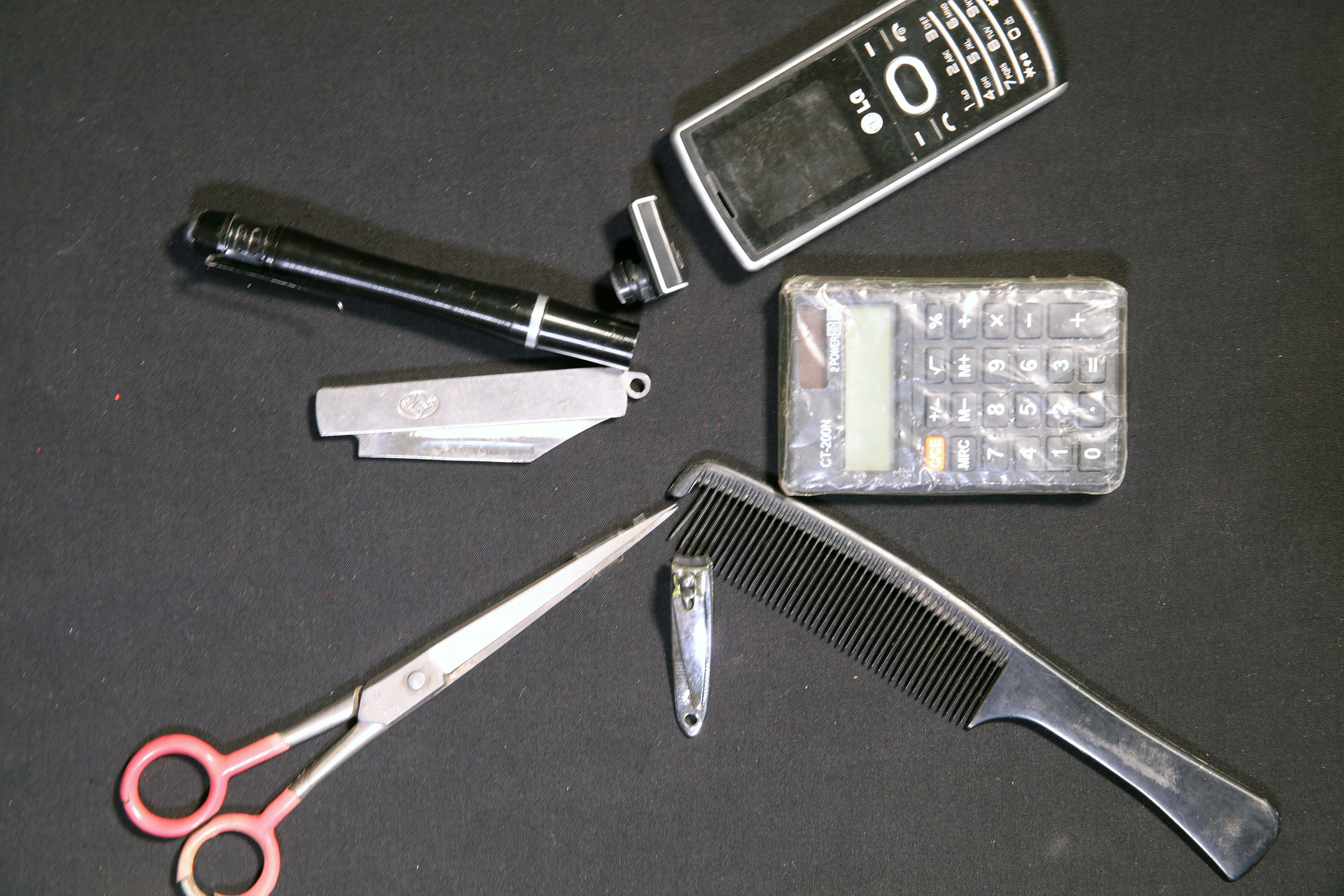
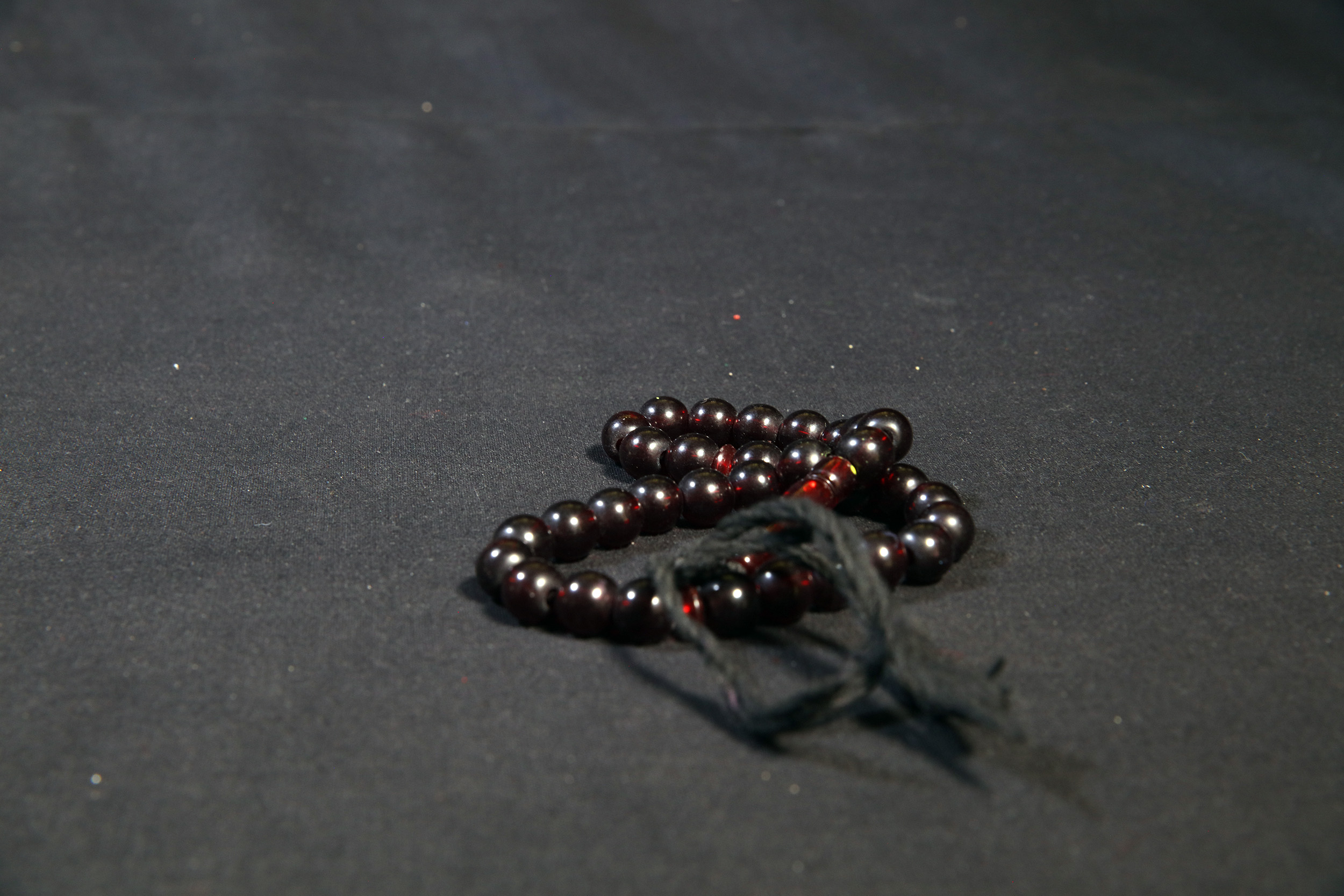
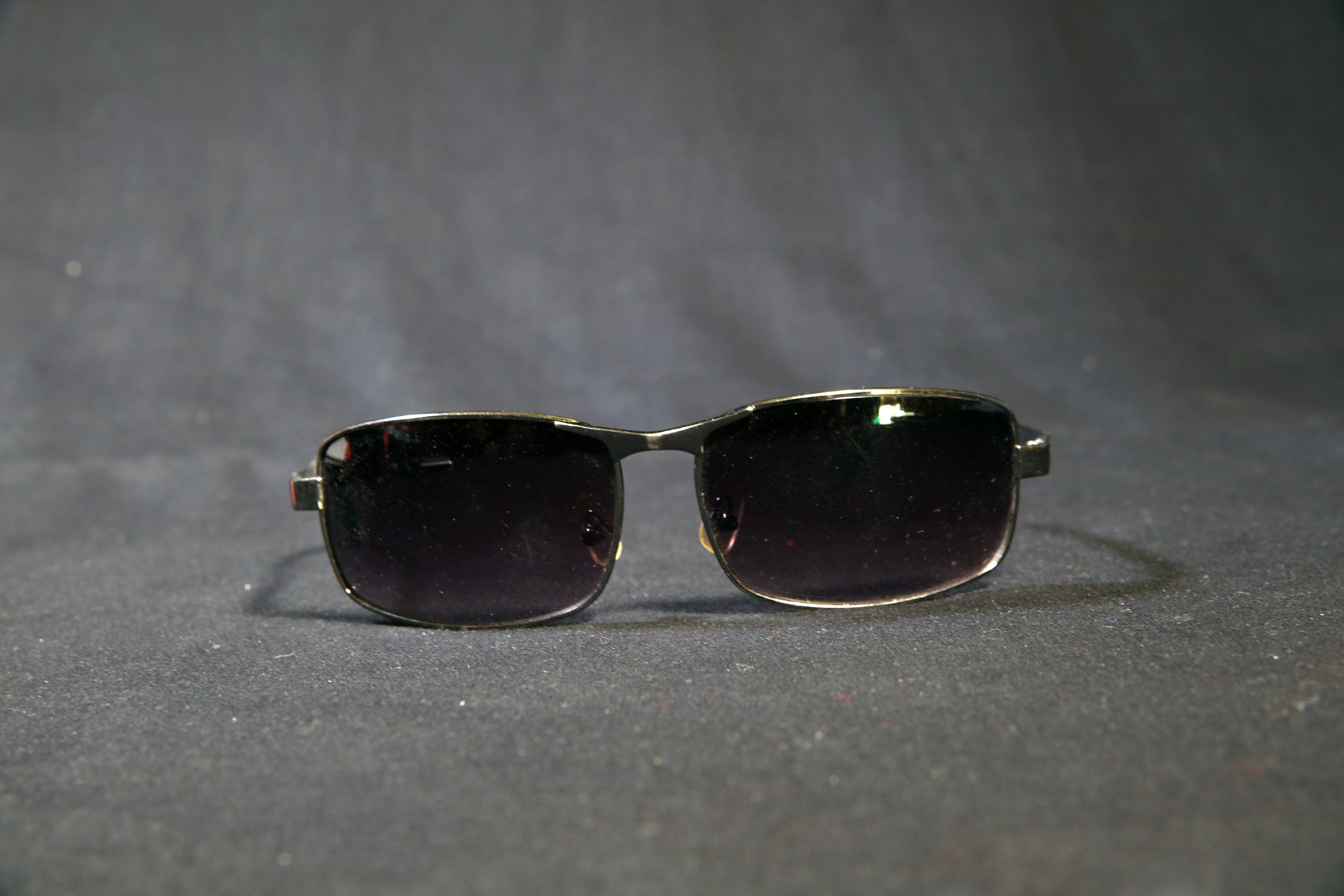
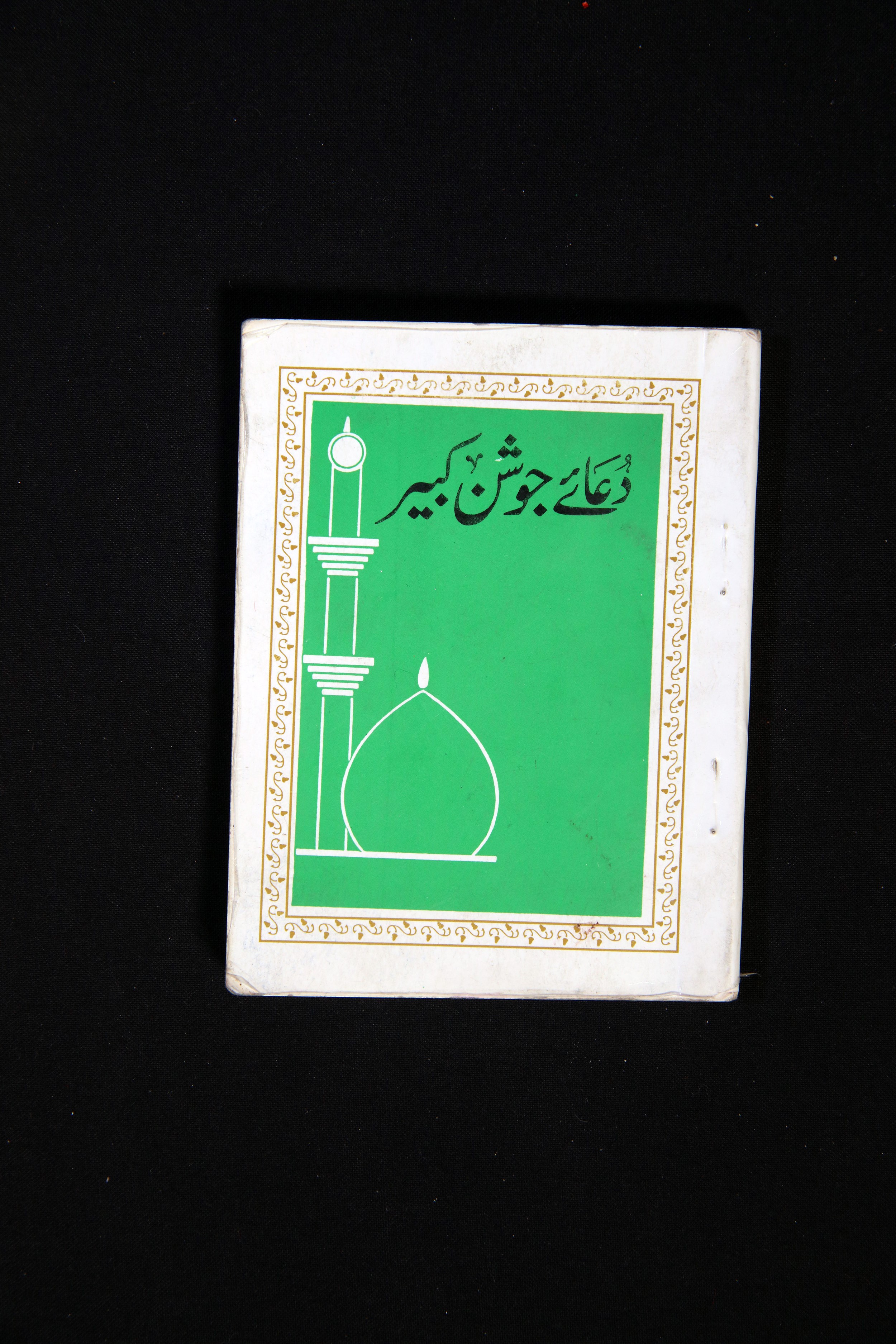
These items belong to the victim.
He Was Martyred for Justice
Narrator: Salman Hassanzada (father)
Victim: Nawroz Ali Hassanzada
Date of the incident: 23 July 2016
Location of the incident: Dehmazang, Kabul City
We are from the province of Ghazni, in the district of Malistan. Nawroz was born in the village of Boghra, in Malistan and went to Shahid Basir High School up to 5th grade. He was a very decent and sociable boy who always helped me look after livestock and was interested in keeping sheep and cattle. We lived there for a long time. One time, he came to Kabul with his auntie and when he returned to Ghazni, he told me: “Father, let's move to Kabul.” I asked him why should we go to Kabul, as our livestock, our land, and our life’s work are all right here. He said: “No, dad. Kabul is good. The schools have better facilities, they teach better, and many people live there.” I listened to him, and then we moved to Kabul. Initially, I wanted to enroll him in the Sayyed al-Shohda School, located at the edge of Kabul’s Barchi neighborhood, but they said I had to present his school records, which I did not have. I then tried the Abdul Rahim Shahid School but they too required school records. With great difficulty and a lot of going back and forth, I finally managed to enroll [my children] in this [Sayyed al-Shohda] school. Later, we moved to the town of Omid Sabz.
There was another school there, and this time I got their school records from Sayed al-Shohda School, and they started attending their new school. My son completed 12th grade at Suria High School, and after school, he went to work in a barbershop. He gave the money he earned from there to poor people. He would not give us a penny. In the month of Muharram, he gave out tea and milk at a roadside tea stall, donating all the money he had earned to the poor.
Together with my oldest son, I took part in the Tabassom demonstration. I did not allow Nawroz to come with us, but he secretly joined the Tabassom demonstration anyway, without telling us, and on the pretext of going to his aunt's house. Even his mother believed he did not go to the rally, but went instead to his aunt's house. Later, I saw him climbing the Arg [presidential palace] wall. I was near the main gate and cried out to him, "What are you doing here?" He said, “Dad! The entire people have gathered. We must demand our rights, the rights of an oppressed people. It is right that I am taking part.” I told him to come down from the Arg gate and told him he had no business being up there. He said, “Dad! There are many more people on this side of the wall. Come and see for yourself!” I told him I could not go up there, and he had to get down quickly, or a soldier could fire a bullet. There was a soldier present who was an acquaintance; we lived in the same town. Unfortunately, he was martyred in the Pole-Mahmoud Khan incident. He told Nawroz not to move forward, and to get down immediately. But Nawroz told the police, “There may be 20 bullets in the magazine of your weapon, but you can't hit all of us. Look at the crowd of people! How many people will you hit? You can't hit all of us.” The soldier asked him what he should do then. Nawroz told him to throw his gun into the garden of the Arg and go inside with all the people. He listened to Nawroz, threw his weapon into the park, and went inside the Arg with the people.
Nawroz was brave and took the lead in everything. I was not there for the 23rd of July demonstration. Before going to the rally, he had asked my sister's grandson, a university student, what it looked like in the grave. He had informed him. Nawroz had asked again whether it was dark or light inside the tomb. This young man told him, it gets dark when they throw dirt on a person. In the morning, before going to the demonstration, he had taken a bath and had put on a white cloth. Before his death, he told a girl, who is an engineer, that he had bought an extra battery for his cell phone and if he died, she should connect the mobile phone to a charger with a long wire and put it in his grave for lighting because he is afraid of the dark. The girl had asked him why he was making such crazy and absurd statements; no one had ever done anything like that. He said that if no one else had done that before, then he would do it because he was afraid of the dark and wanted his grave to be in a high place [with lots of light].
On the same day, as he was leaving the house, he had called a little girl, Maleka, to come outside. Her sister had asked what his question was. He had said to her, “I was sick for about five days in the month of Ramadan, and I broke my fast. Please observe those days of fasting on my behalf.” Maleka got angry and asked him why he would not recompense the days himself, since he was still alive, and since nobody else may observe a fast on behalf of a living person.
On the day of the incident, when the explosion happened, I called his phone three times, and it rang. When I called him for the fourth time, it did not even ring. I called my eldest son and told him that I had called Nawroz's phone three times, and that the fourth time it did not even ring. I asked him if he was at the scene. He said he was only fifteen steps away from the place, but the police would not allow anyone to get through. I told him there were no police there earlier, and asked, “Where did they come from?” He told me, “At first, there were no police, but now there are so many of them here, and they are not allowing anyone to enter that area. They tell us, 'If you want the bodies of the martyrs and the wounded, we have sent them to Ibn-e Sina, 400-beds, Aliabad, and Esteqlal hospitals.' No one is allowed to get through.”
My eldest son came home late at night and his mother asked him where Nawroz was. He answered how could he have found him among such a crowd. According to him, he had searched a lot and asked many people about Nawroz, but had not found him. He was asked where was his motorcycle. He said it was either lost or destroyed in the explosion. Then my son-in-law, Haji Yaqoub, who had a car, and other relatives of ours started searching for Nawroz. At first, no one knew whether he was martyred or injured, or not. Someone from Qarabagh in Ghazni, a very good person and acquaintance of ours, had a car, and visited some places and eventually found him. He didn't tell us right away that he [Nawroz] was martyred so that his mother wouldn't find out and lose heart. He had told the family that he was wounded, that was all. We visited several hospitals, but he did not reveal to us what had happened to him, because he knew everyone's mental state would deteriorate.
When we were all in the hospital, one of my daughters was in floods of tears. A nurse came and asked her why she was so upset, and my daughter told her that her young brother had disappeared in the Dehmazang incident, and so far we had not been able to find him. The nurse said the names of the wounded and of martyrs was posted on the wall, and suggested we should check the list. She reviewed the list, but Nawroz’s name was not listed. As my daughter scrolled down her screen and looked at photos of Nawroz on her phone, an older man noticed Nawroz’s photo. He asked my daughter to show him the picture and wanted to know how she was related to “the boy.” She had told him he was her brother. He had asked if he was martyred. My daughter answered that he was lost and we had not yet been able to find him. The old man told my daughter, “I saw him in this hospital. His hand was tied to his neck. When I saw him, he was breathing, but had many deep wounds. He was wounded by the shrapnel and was breathing hard. You had better ask the hospital.”
We began searching immediately. We went all around the 400-bed hospital to almost every department, but he was not there. Someone said they took him to Ibn-e Sina Hospital, and another person said that martyrs were not brought to Ibn-e Sina but to the 400-bed hospital. We had not yet visited the emergency department of the 400-bed hospital. When we went there, they had placed several containers in the place, and some soldiers assigned there allowed us to search them. Inside the containers were many bodies, and it was not easy to recognize my son. The bodies were severely damaged. Some were missing arms, some had their legs amputated, and others had their sides severely damaged. The corpses were full of blood.
We searched four containers, and finally, Dr. Shahjan, a member of Parliament from Qarabagh, Ghazni, found my son’s body in the fifth container. When my brother and eldest son saw Nawroz, they did not believe it was him because the martyr's face was covered in blood. He had been close to the vehicle and to where the explosion was, and the wound had mainly damaged his back. Dr. Shahjan suggested to my brother and my eldest son that if they wanted to take him to Ghazni (to Malistan or Jaghori), he and a few other people would join them and take him there in a helicopter. But my son told them all that there was no need to take him to our hometown, since he lived in Kabul.
When he was taken to the hospital, his condition had been very critical, and he was bleeding profusely. Even on the day of his burial, his ears, eyes, nose, and mouth were bleeding, and the bleeding still had not stopped. The Mullah told us that the only way to stop the bleeding was to put a bandage on those parts. I then authorized the Mullah to bury him and delay his funeral prayer. Among the thirty-eight martyrs buried in the Martyrs Hill, Nawroz was physically very tall; he was 195 cm. When they were burying him, his grave turned out to be too small, so they had to make the grave about 50 centimeters longer, because his feet didn't fit inside the tomb. He was buried in plot 18 of the Martyrs' Hills. When they were burying him, someone had asked my brother how the martyr was related to him. My brother said he was his nephew. They asked about his age, and my brother said he was just 18. Everybody cried for him a lot and shed tears for his youth. When I visited his grave, I cried and told myself that he was a gift from God and the earth. God had given him a chance to live for 18 years but had taken back his gift.
We can never forget the sorrow we feel in losing him. His mother cries every time she thinks about and remembers him. I console her and ask her not to cry because she will get restless. I urge her to pray for him, by giving her the example of the Purified Progeny of the Holy Prophet. I tell her that if there was a way to bring them back by shedding a tear, all humanity would have wept for them. So, don't cry, I say, trust in God and keep patience, as did the Purified Progeny of the Holy Prophet. One day, they organized a public Fatiha ceremony for the martyrs in Rasoul-e Akram Mosque. When we returned home in the evening, Yunus Qanouni, along with several other people, visited our house and told us, “Such deaths do not happen to everybody. He was martyred for justice.” Now, I want to thank you for administering this program for families of the martyrs, so we can share our grief with you and other friends, and our heavy hearts can become a bit lighter.
| Item Name | Quantity | Description | X % | Y % |
|---|---|---|---|---|
| Item 1.1 | 1 | Memory Box + Ideal and Memorial flags | — | — |
| Item 1.2 | 1 | Victim’s Memorial picture | 83.5 | 37.8 |
| Item 1.3 | 1 | Victim’s Memorial picture | 46.2 | 31.8 |
| Item 1.4 | 1 | Victim’s Shirt | 26.9 | 42.9 |
| Item 1.5 | 1 | Victim’s Prayer mat | 14.9 | 70.9 |
| Item 1.6 | 1 | Victim’s Special glass and plate | 26 | 55.6 |
| Item 1.7 | 1 | Victim’s favorite game | 65.6 | 77.8 |
| Item 1.8 | 1 | Victim’s spoon and fork | 45.9 | 74.8 |
| Item 1.9 | 1 | Victim’s Hat | 36.9 | 73.5 |
| Item 2.0 | 1 | Victim’s Towel | 96.4 | 78 |
| Item 2.1 | 1 | Victim’s Handkerchief | 91.5 | 64.9 |
| Item 2.2 | 1 | Victim’s Socks | 83.8 | 57.2 |
| Item 2.3 | 1 | Victim’s Watch | 45.8 | 63 |
| Item 2.4 | 1 | Victim’s Belt | 37.4 | 61.1 |
| Item 2.5 | 1 | Victim’s packet tools | 60 | 69 |
| Item 2.6 | 1 | Victim’s Rosary | 59.4 | 77.5 |
| Item 2.7 | 1 | Victim’s Eye glass | 75.1 | 64.8 |
| Item 2.8 | 1 | Victim’s Soup | 80.3 | 62.3 |
| Item 2.9 | 1 | Victim’s praying book | 52 | 56.1 |
| Item 3.0 | 1 | Victim’s favorite newspaper | 65.5 | 66.9 |
If you have any inquiries or need assistance, our dedicated team is available to help you through this contact form, guaranteeing confidentiality and respect.
Afghanistan Memory Home adopts a victim-centered approach. We capture our narrative through the lens of Our Voices.
He Was Martyred for Justice
Narrator: Salman Hassanzada (father)
Victim: Nawroz Ali Hassanzada
Date of the incident: 23 July 2016
Location of the incident: Dehmazang, Kabul City
We are from the province of Ghazni, in the district of Malistan. Nawroz was born in the village of Boghra, in Malistan and went to Shahid Basir High School up to 5th grade. He was a very decent and sociable boy who always helped me look after livestock and was interested in keeping sheep and cattle. We lived there for a long time. One time, he came to Kabul with his auntie and when he returned to Ghazni, he told me: “Father, let's move to Kabul.” I asked him why should we go to Kabul, as our livestock, our land, and our life’s work are all right here. He said: “No, dad. Kabul is good. The schools have better facilities, they teach better, and many people live there.” I listened to him, and then we moved to Kabul. Initially, I wanted to enroll him in the Sayyed al-Shohda School, located at the edge of Kabul’s Barchi neighborhood, but they said I had to present his school records, which I did not have. I then tried the Abdul Rahim Shahid School but they too required school records. With great difficulty and a lot of going back and forth, I finally managed to enroll [my children] in this [Sayyed al-Shohda] school. Later, we moved to the town of Omid Sabz.
There was another school there, and this time I got their school records from Sayed al-Shohda School, and they started attending their new school. My son completed 12th grade at Suria High School, and after school, he went to work in a barbershop. He gave the money he earned from there to poor people. He would not give us a penny. In the month of Muharram, he gave out tea and milk at a roadside tea stall, donating all the money he had earned to the poor.
Together with my oldest son, I took part in the Tabassom demonstration. I did not allow Nawroz to come with us, but he secretly joined the Tabassom demonstration anyway, without telling us, and on the pretext of going to his aunt's house. Even his mother believed he did not go to the rally, but went instead to his aunt's house. Later, I saw him climbing the Arg [presidential palace] wall. I was near the main gate and cried out to him, "What are you doing here?" He said, “Dad! The entire people have gathered. We must demand our rights, the rights of an oppressed people. It is right that I am taking part.” I told him to come down from the Arg gate and told him he had no business being up there. He said, “Dad! There are many more people on this side of the wall. Come and see for yourself!” I told him I could not go up there, and he had to get down quickly, or a soldier could fire a bullet. There was a soldier present who was an acquaintance; we lived in the same town. Unfortunately, he was martyred in the Pole-Mahmoud Khan incident. He told Nawroz not to move forward, and to get down immediately. But Nawroz told the police, “There may be 20 bullets in the magazine of your weapon, but you can't hit all of us. Look at the crowd of people! How many people will you hit? You can't hit all of us.” The soldier asked him what he should do then. Nawroz told him to throw his gun into the garden of the Arg and go inside with all the people. He listened to Nawroz, threw his weapon into the park, and went inside the Arg with the people.
Nawroz was brave and took the lead in everything. I was not there for the 23rd of July demonstration. Before going to the rally, he had asked my sister's grandson, a university student, what it looked like in the grave. He had informed him. Nawroz had asked again whether it was dark or light inside the tomb. This young man told him, it gets dark when they throw dirt on a person. In the morning, before going to the demonstration, he had taken a bath and had put on a white cloth. Before his death, he told a girl, who is an engineer, that he had bought an extra battery for his cell phone and if he died, she should connect the mobile phone to a charger with a long wire and put it in his grave for lighting because he is afraid of the dark. The girl had asked him why he was making such crazy and absurd statements; no one had ever done anything like that. He said that if no one else had done that before, then he would do it because he was afraid of the dark and wanted his grave to be in a high place [with lots of light].
On the same day, as he was leaving the house, he had called a little girl, Maleka, to come outside. Her sister had asked what his question was. He had said to her, “I was sick for about five days in the month of Ramadan, and I broke my fast. Please observe those days of fasting on my behalf.” Maleka got angry and asked him why he would not recompense the days himself, since he was still alive, and since nobody else may observe a fast on behalf of a living person.
On the day of the incident, when the explosion happened, I called his phone three times, and it rang. When I called him for the fourth time, it did not even ring. I called my eldest son and told him that I had called Nawroz's phone three times, and that the fourth time it did not even ring. I asked him if he was at the scene. He said he was only fifteen steps away from the place, but the police would not allow anyone to get through. I told him there were no police there earlier, and asked, “Where did they come from?” He told me, “At first, there were no police, but now there are so many of them here, and they are not allowing anyone to enter that area. They tell us, 'If you want the bodies of the martyrs and the wounded, we have sent them to Ibn-e Sina, 400-beds, Aliabad, and Esteqlal hospitals.' No one is allowed to get through.”
My eldest son came home late at night and his mother asked him where Nawroz was. He answered how could he have found him among such a crowd. According to him, he had searched a lot and asked many people about Nawroz, but had not found him. He was asked where was his motorcycle. He said it was either lost or destroyed in the explosion. Then my son-in-law, Haji Yaqoub, who had a car, and other relatives of ours started searching for Nawroz. At first, no one knew whether he was martyred or injured, or not. Someone from Qarabagh in Ghazni, a very good person and acquaintance of ours, had a car, and visited some places and eventually found him. He didn't tell us right away that he [Nawroz] was martyred so that his mother wouldn't find out and lose heart. He had told the family that he was wounded, that was all. We visited several hospitals, but he did not reveal to us what had happened to him, because he knew everyone's mental state would deteriorate.
When we were all in the hospital, one of my daughters was in floods of tears. A nurse came and asked her why she was so upset, and my daughter told her that her young brother had disappeared in the Dehmazang incident, and so far we had not been able to find him. The nurse said the names of the wounded and of martyrs was posted on the wall, and suggested we should check the list. She reviewed the list, but Nawroz’s name was not listed. As my daughter scrolled down her screen and looked at photos of Nawroz on her phone, an older man noticed Nawroz’s photo. He asked my daughter to show him the picture and wanted to know how she was related to “the boy.” She had told him he was her brother. He had asked if he was martyred. My daughter answered that he was lost and we had not yet been able to find him. The old man told my daughter, “I saw him in this hospital. His hand was tied to his neck. When I saw him, he was breathing, but had many deep wounds. He was wounded by the shrapnel and was breathing hard. You had better ask the hospital.”
We began searching immediately. We went all around the 400-bed hospital to almost every department, but he was not there. Someone said they took him to Ibn-e Sina Hospital, and another person said that martyrs were not brought to Ibn-e Sina but to the 400-bed hospital. We had not yet visited the emergency department of the 400-bed hospital. When we went there, they had placed several containers in the place, and some soldiers assigned there allowed us to search them. Inside the containers were many bodies, and it was not easy to recognize my son. The bodies were severely damaged. Some were missing arms, some had their legs amputated, and others had their sides severely damaged. The corpses were full of blood.
We searched four containers, and finally, Dr. Shahjan, a member of Parliament from Qarabagh, Ghazni, found my son’s body in the fifth container. When my brother and eldest son saw Nawroz, they did not believe it was him because the martyr's face was covered in blood. He had been close to the vehicle and to where the explosion was, and the wound had mainly damaged his back. Dr. Shahjan suggested to my brother and my eldest son that if they wanted to take him to Ghazni (to Malistan or Jaghori), he and a few other people would join them and take him there in a helicopter. But my son told them all that there was no need to take him to our hometown, since he lived in Kabul.
When he was taken to the hospital, his condition had been very critical, and he was bleeding profusely. Even on the day of his burial, his ears, eyes, nose, and mouth were bleeding, and the bleeding still had not stopped. The Mullah told us that the only way to stop the bleeding was to put a bandage on those parts. I then authorized the Mullah to bury him and delay his funeral prayer. Among the thirty-eight martyrs buried in the Martyrs Hill, Nawroz was physically very tall; he was 195 cm. When they were burying him, his grave turned out to be too small, so they had to make the grave about 50 centimeters longer, because his feet didn't fit inside the tomb. He was buried in plot 18 of the Martyrs' Hills. When they were burying him, someone had asked my brother how the martyr was related to him. My brother said he was his nephew. They asked about his age, and my brother said he was just 18. Everybody cried for him a lot and shed tears for his youth. When I visited his grave, I cried and told myself that he was a gift from God and the earth. God had given him a chance to live for 18 years but had taken back his gift.
We can never forget the sorrow we feel in losing him. His mother cries every time she thinks about and remembers him. I console her and ask her not to cry because she will get restless. I urge her to pray for him, by giving her the example of the Purified Progeny of the Holy Prophet. I tell her that if there was a way to bring them back by shedding a tear, all humanity would have wept for them. So, don't cry, I say, trust in God and keep patience, as did the Purified Progeny of the Holy Prophet. One day, they organized a public Fatiha ceremony for the martyrs in Rasoul-e Akram Mosque. When we returned home in the evening, Yunus Qanouni, along with several other people, visited our house and told us, “Such deaths do not happen to everybody. He was martyred for justice.” Now, I want to thank you for administering this program for families of the martyrs, so we can share our grief with you and other friends, and our heavy hearts can become a bit lighter.
| Item Name | Quantity | Description | X % | Y % |
|---|---|---|---|---|
| Item 1.1 | 1 | Memory Box + Ideal and Memorial flags | — | — |
| Item 1.2 | 1 | Victim’s Memorial picture | 83.5 | 37.8 |
| Item 1.3 | 1 | Victim’s Memorial picture | 46.2 | 31.8 |
| Item 1.4 | 1 | Victim’s Shirt | 26.9 | 42.9 |
| Item 1.5 | 1 | Victim’s Prayer mat | 14.9 | 70.9 |
| Item 1.6 | 1 | Victim’s Special glass and plate | 26 | 55.6 |
| Item 1.7 | 1 | Victim’s favorite game | 65.6 | 77.8 |
| Item 1.8 | 1 | Victim’s spoon and fork | 45.9 | 74.8 |
| Item 1.9 | 1 | Victim’s Hat | 36.9 | 73.5 |
| Item 2.0 | 1 | Victim’s Towel | 96.4 | 78 |
| Item 2.1 | 1 | Victim’s Handkerchief | 91.5 | 64.9 |
| Item 2.2 | 1 | Victim’s Socks | 83.8 | 57.2 |
| Item 2.3 | 1 | Victim’s Watch | 45.8 | 63 |
| Item 2.4 | 1 | Victim’s Belt | 37.4 | 61.1 |
| Item 2.5 | 1 | Victim’s packet tools | 60 | 69 |
| Item 2.6 | 1 | Victim’s Rosary | 59.4 | 77.5 |
| Item 2.7 | 1 | Victim’s Eye glass | 75.1 | 64.8 |
| Item 2.8 | 1 | Victim’s Soup | 80.3 | 62.3 |
| Item 2.9 | 1 | Victim’s praying book | 52 | 56.1 |
| Item 3.0 | 1 | Victim’s favorite newspaper | 65.5 | 66.9 |








You're all caught up
New activity will show up here.