Reach out to us for queries and assistance
If you have any inquiries or need assistance, our dedicated team is available to help you through this contact form, guaranteeing confidentiality and respect.
Because of The Explosion, He Was Hit to The Curb
Narrator: Mohamad Naeem (brother)
Victim: Shah Wali Sharifi
Date of the incident: 23 July 2016
Location of the incident: Dehmazang, Kabul City
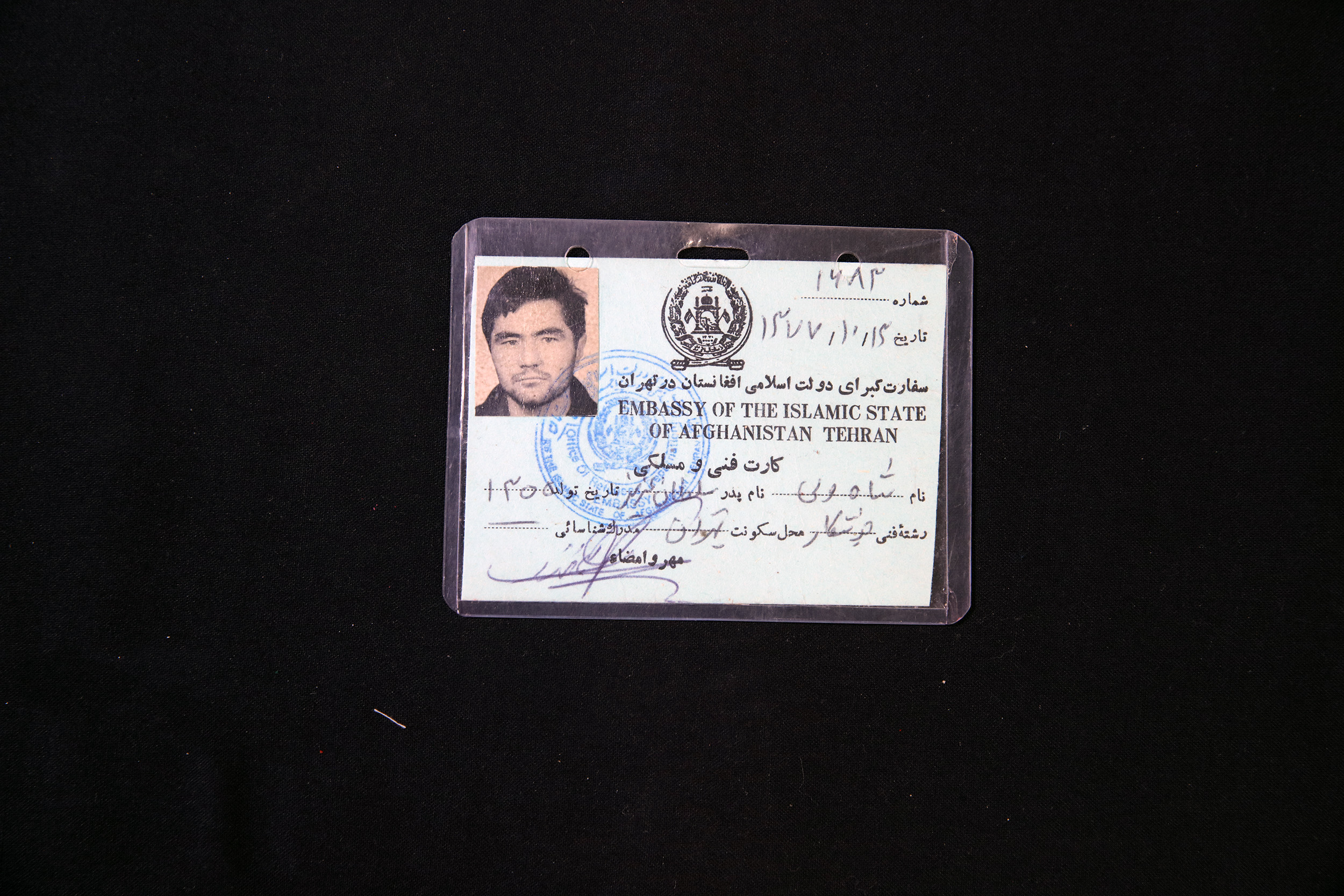
The Martyr was older than me. His job was welding, a trade he had learned in Iran. I don't remember anything about his childhood because he was older than me. During the reign of Dr. Najib, he used to work as a hawker in Halabi-Sazi alley. My late father had a bakery in Deh Naw, and my father had bought a vendor cart for my elder brother and Shah Wali, and they used to sell bread. The two of them studied up to 8th grade. The government at that time provided oil to the bakeries. When oil was no longer available, my father would go to Qourigh Mountains during his free time to collect bushes as fuel. One day, as he was in the mountains to collect bushes, he was martyred by a landmine. Back then, I was very young and I don't remember anything. Following that incident, none of my brothers could continue going to school. We were eight family members, and after my father's martyrdom, the expenses of the family fell on my elder brother’s shoulders. During the civil wars, our vendor cart caught fire and our life was ruined.
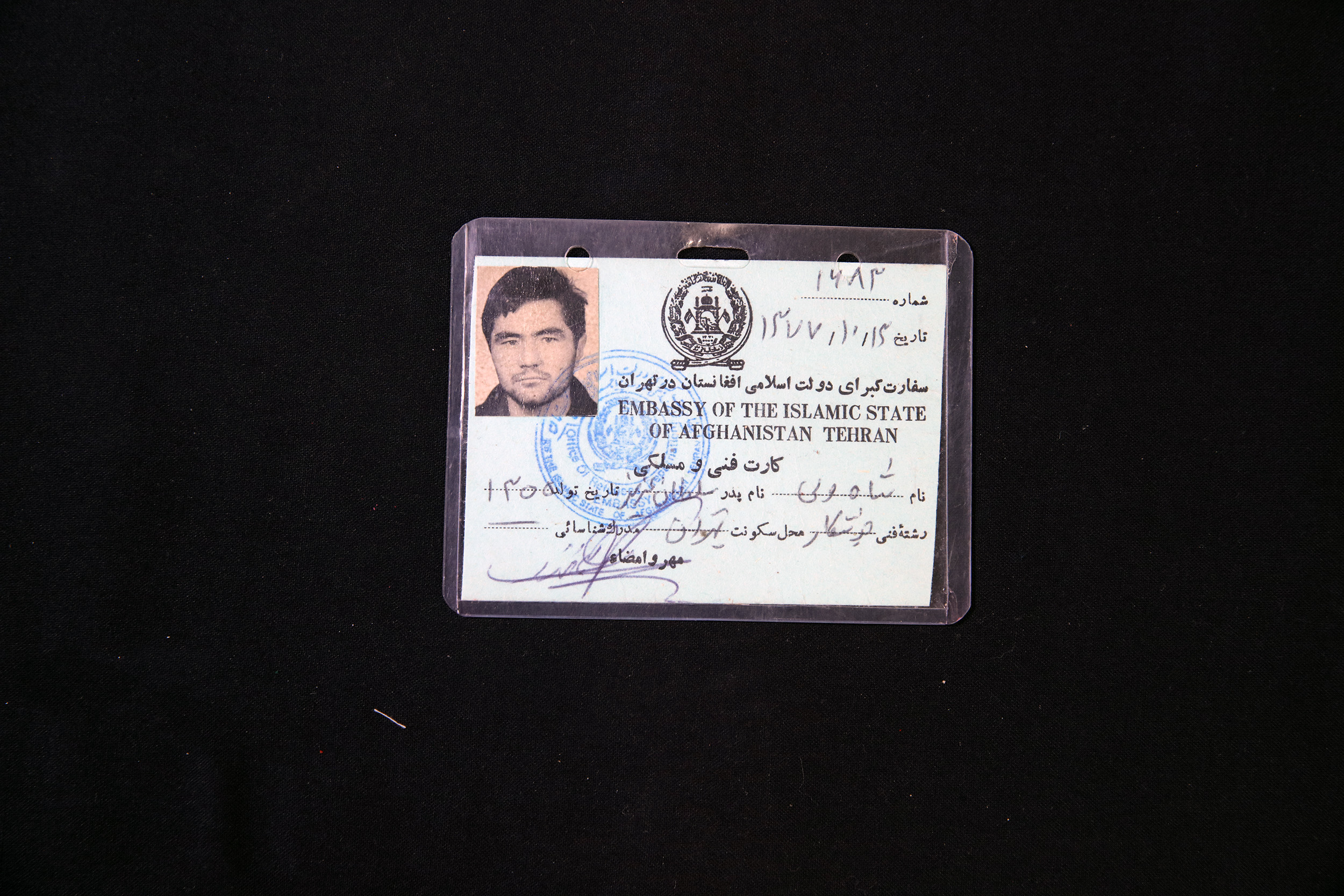
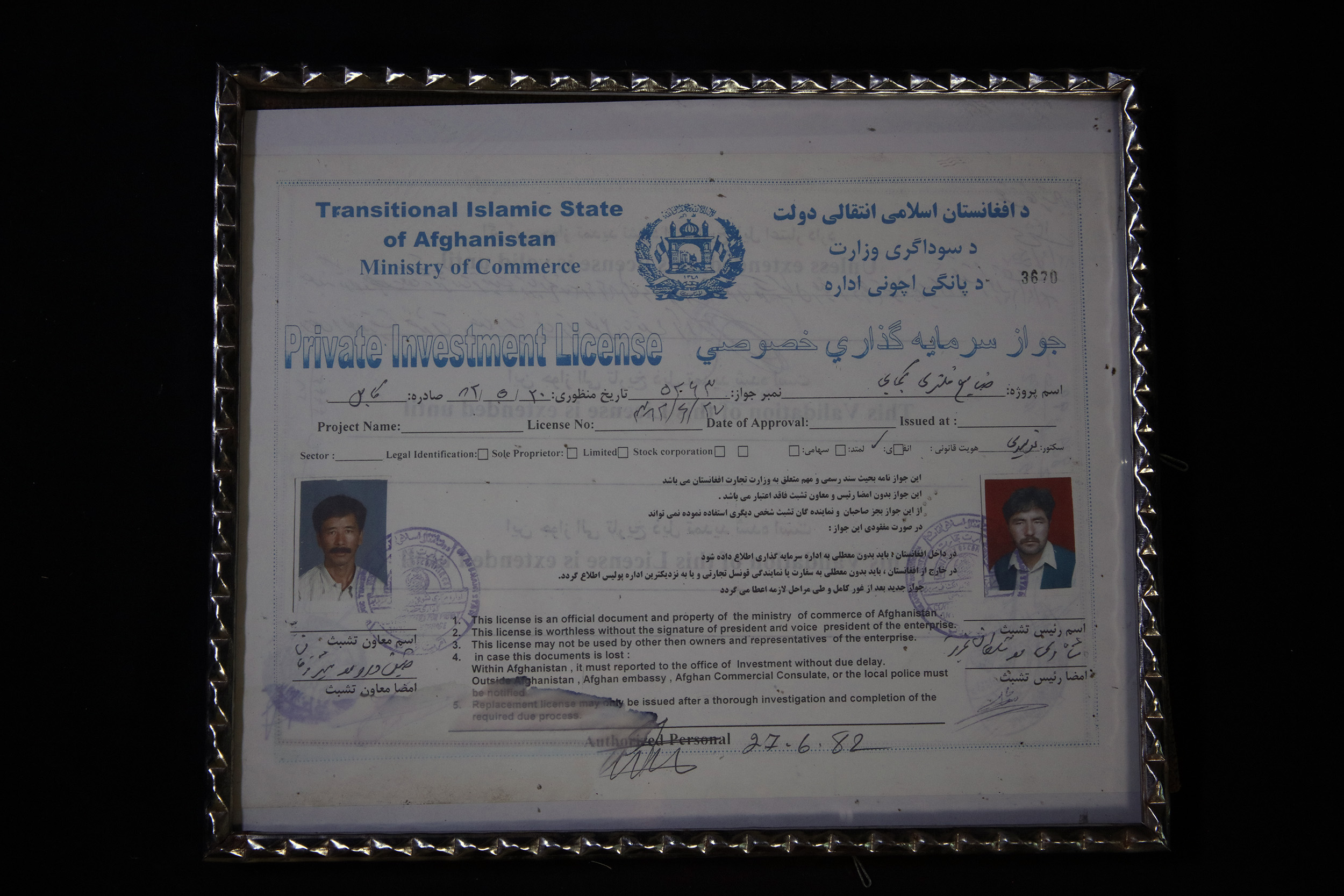
To provide for the family expenses, they used to dig flume which earned them 30,000 Afghanis in old currency. They sometimes sold beetroot and sometimes sold junk items until the Taliban entered Kabul. The situation was very bad, and that's why martyr Shah Wali then left for Iran, where he worked for three years. He was unemployed for a while until the Taliban government collapsed. Then he got a job at the American Embassy, where he received 18 hundred Pakistani Rupees a day. He worked there for almost 18 days. Back then, we had a shop in Goulai Dawa-Khana. Through work and struggle, our life gradually improved and he got married. He got a construction contract; he was very skilled in welding. Since he had seen tough times and poverty, he behaved well with the workers who worked for him and they all loved him.
When my father was martyred, Shah Wali was 16, or maybe 18-years-old. He saved some money by working in building construction. He used to buy land in District 13, build a house on the land, and sell it. His work did not go very well the past year and he became unemployed. He gave me some money he had saved and told me to go to Europe. I stayed in Austria for 10 months, but he kept calling me to come back. He said the economic situation of the family was not good and he could not provide for household expenses alone. I returned to Afghanistan eight days before Ramadan; he was very happy. When he saw me, he said, "Now that you are by my side, I have peace of mind." I told him, “you insisted on me going to Europe. I do not regret coming back, because you worked hard for all of us”. Before the incident and when he saw people’s enthusiasm, he encouraged me to participate in the 23rd July demonstration.
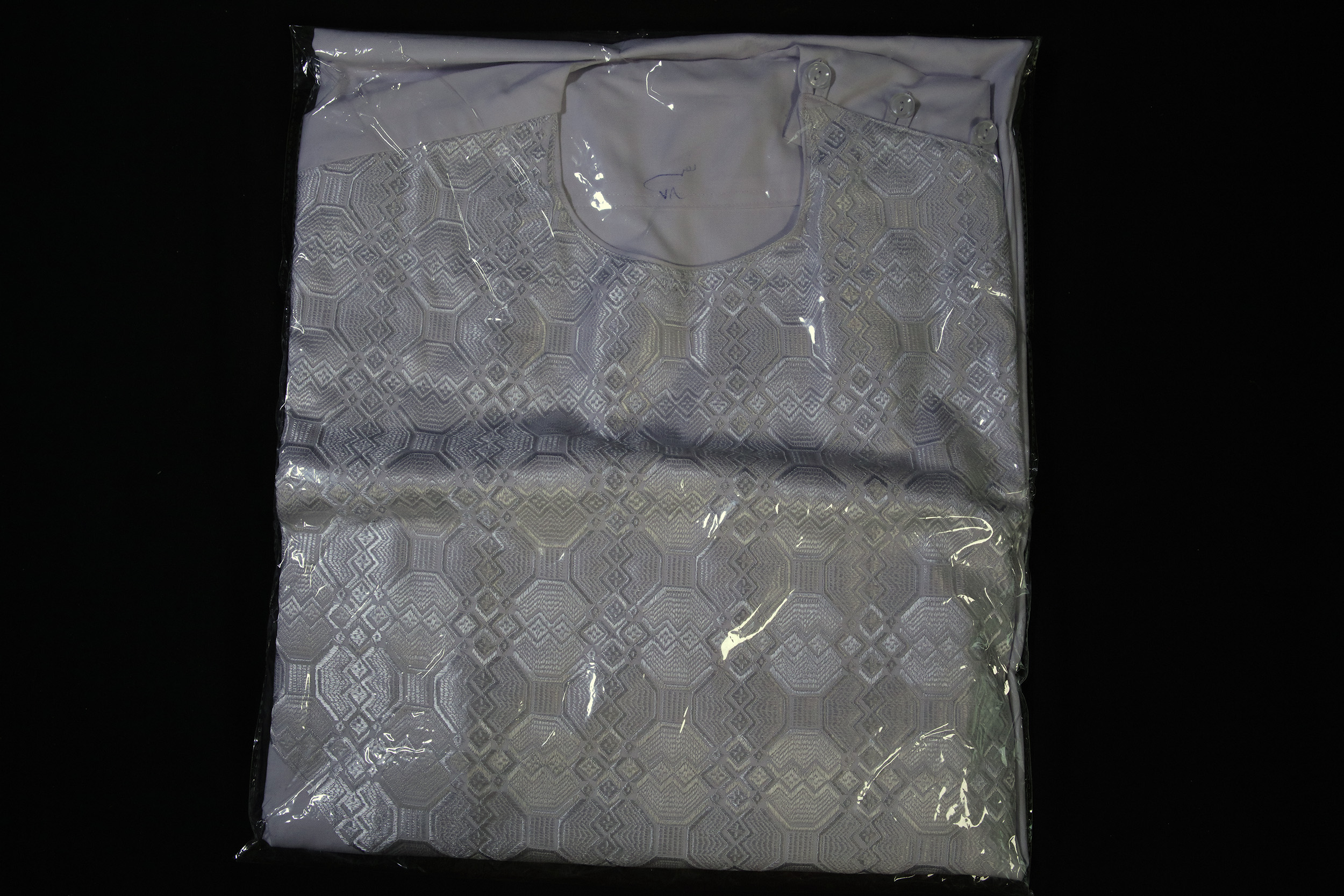
In our neighborhood, there was a real estate agency. He used to go there and encourage people to participate in the demonstration. He even argued with someone the day before the demonstration because the other party had told him that participating in the demonstration was useless and that something bad could happen. My brother told this man, “How longer should we stay silent? We must not remain silent when people do things against us. We should raise our voices.” His wife says, “On the day of the demonstration, he woke up early in the morning, took a bath, and asked me for his white clothes. I asked him whether he was going to a wedding wearing white clothes. I didn't give him the white clothes and even made a fuss and in the end, he didn't wear the white clothes. During the demonstration, we were together near Baba Mazari intersection. Near the flyover, they asked people through the loudspeaker to wait because some people had been left behind. After that announcement, he looked back and said to me, 'May God have mercy. This time, only the youth are here, few or no middle-aged or old people are here.' After that, we went separate ways."
It was very hot. I remained in Dehmazang until 12:30 but then moved closer to Cinema Barikot to sit in the shade. People were slowly dispersing. I came home at 1 o'clock. One of my brothers in-law had just come back from Austria and it had been a while since his mother had passed away. I called Shah Wali and said that it would be good if we went to our brother in-law’s house in the afternoon to offer Fatiha. He told me, "Right now, I am having lunch in an office near Dehmazang. Once the event is concluded, we will go there at 4 pm." I started going to my elder brother's house so we could go there together. At the same moment, my brother called me from Bamyan and said that there had been an explosion in Dehmzang. Before his call was disconnected, my elder brother called to say that Shah Wali was not picking up his phone. He called me a second time and said, “a criminal investigation officer answered his phone and said that Shah Wali was injured and they took him to Jumhuriyet Hospital by Kabul Ambulance.”
We immediately started moving; we drove up to Habibiya High School. One of my cousins said that they had taken Shah Wali to Ibn-e Sina Hospital, but he was not there. We walked to the Jumhuriyet Hospital. When we entered the building, looking through the building’s large windows, I saw Shah Wali on the hospital bed. He was not hit by shrapnel, but because of the explosion, he had been thrown to the curb. The moment we got to the hospital, they took him to the operating room. He was bleeding and needed blood. People were there for blood donation and gave him a bag of blood.
When I asked the doctor about his condition, he said, “Medically, he is not well. He needs a miracle and prayers, and there is nothing else we can do.” I called another doctor whom I knew and described Shah Wali's condition. He asked me if the wounded had vomited, and I said no. He said, “Thank God, don't worry, his condition will change.” As soon as I entered the room, I saw Shah Wali vomiting blood. I asked the doctor about it.
Although the doctor was not in a good condition and was worried, he said it was not a problem. Shah Wali's condition was still not good. At 4 am, I was sitting next to his bed in the hospital, and suddenly, I noticed that the monitor above his head started beeping and that the heart monitor graph turned off. That was when Shah Wali met martyrdom. He was 39-years-old at the time of his martyrdom. His eldest son is 13-years-old, and his other son is 1.5 years old. He also left behind a daughter.
| Item Name | Quantity | Description |
|---|---|---|
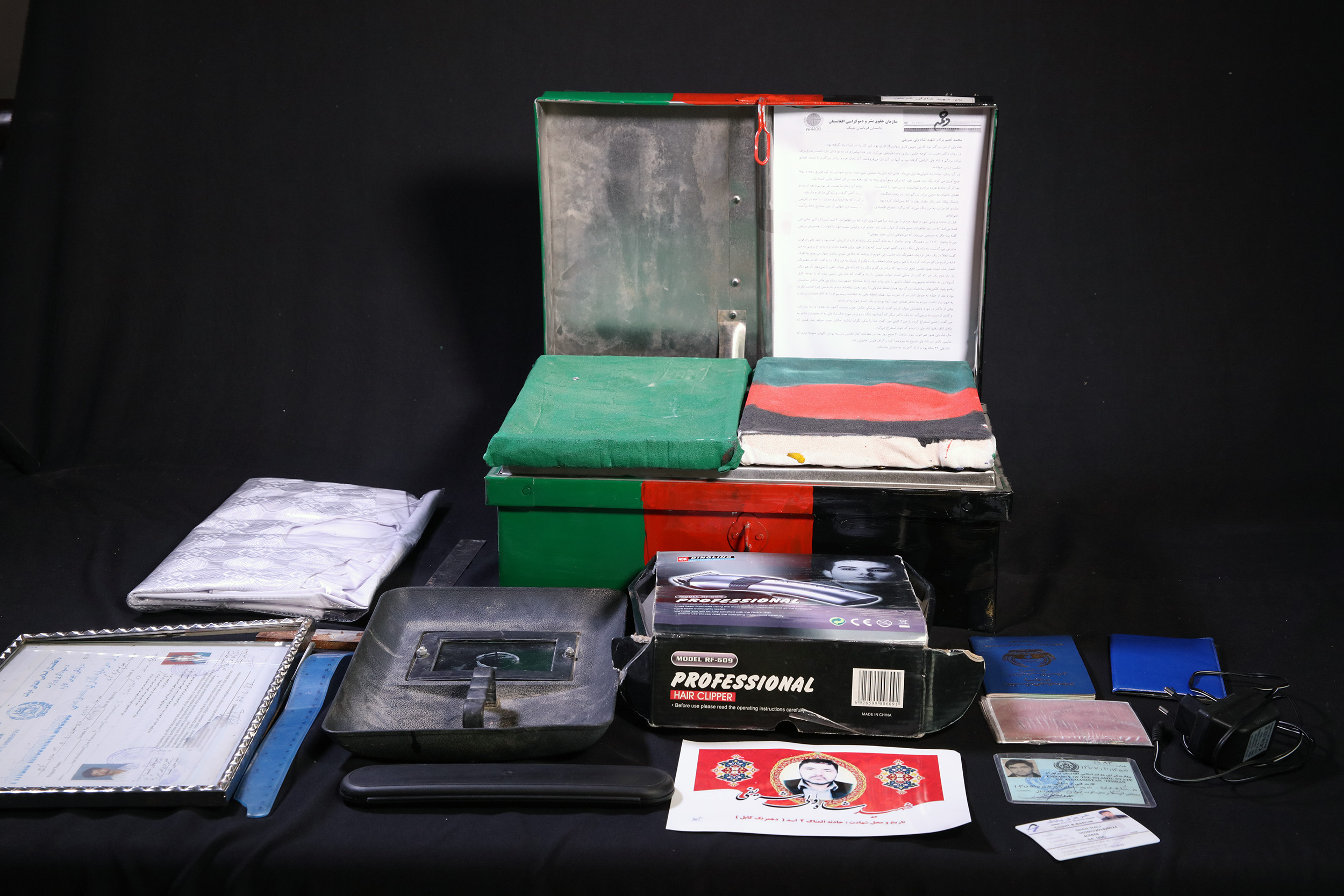
| Item 1.1 | 1 | Memory Box + Ideal and Memorial flags |
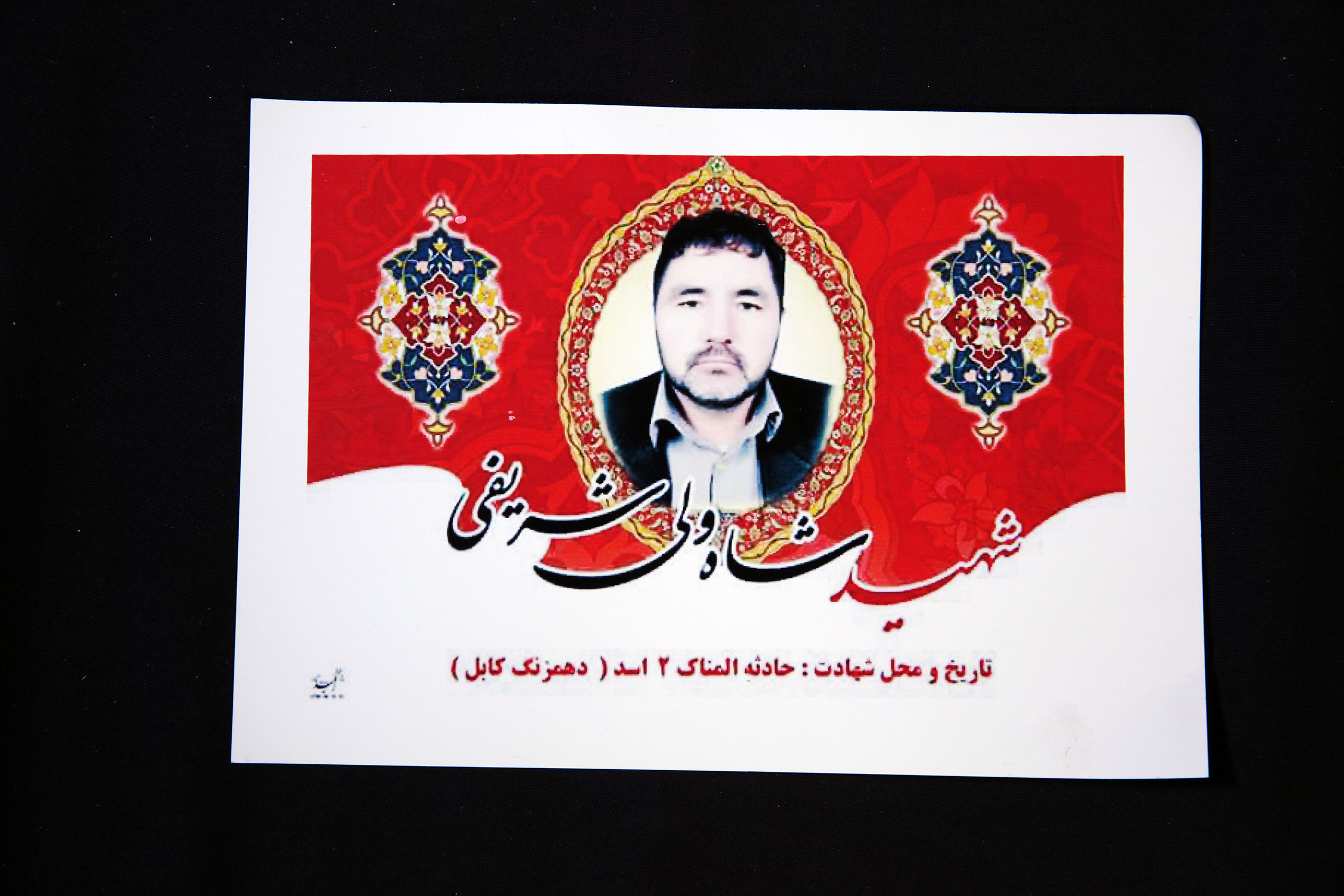
| Item 1.2 | 1 | Victim’s Memorial picture |
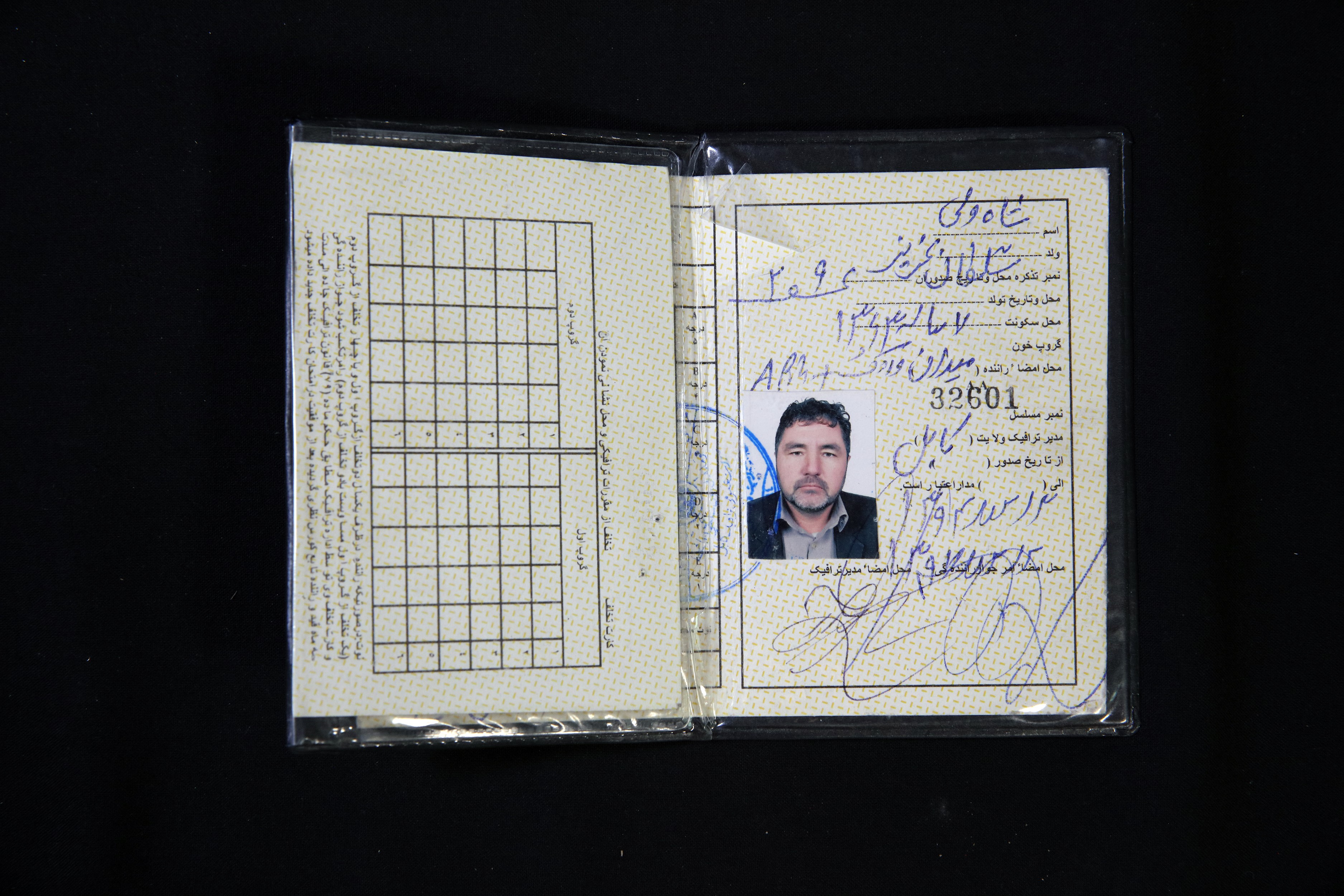
| Item 1.3 | 1 | Survival’s Driving License |
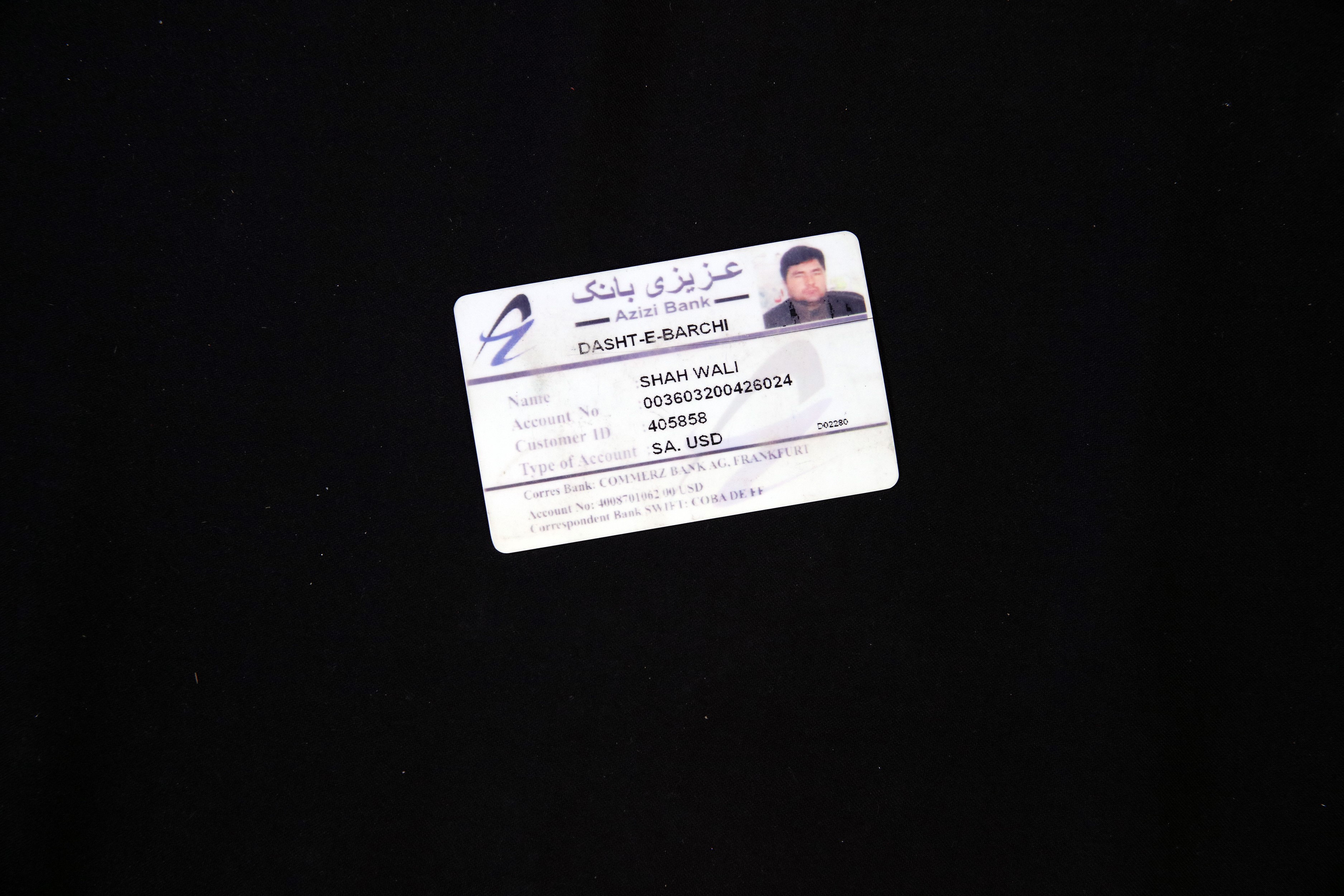
| Item 1.4 | 1 | Victim’s Bank account Debit card |
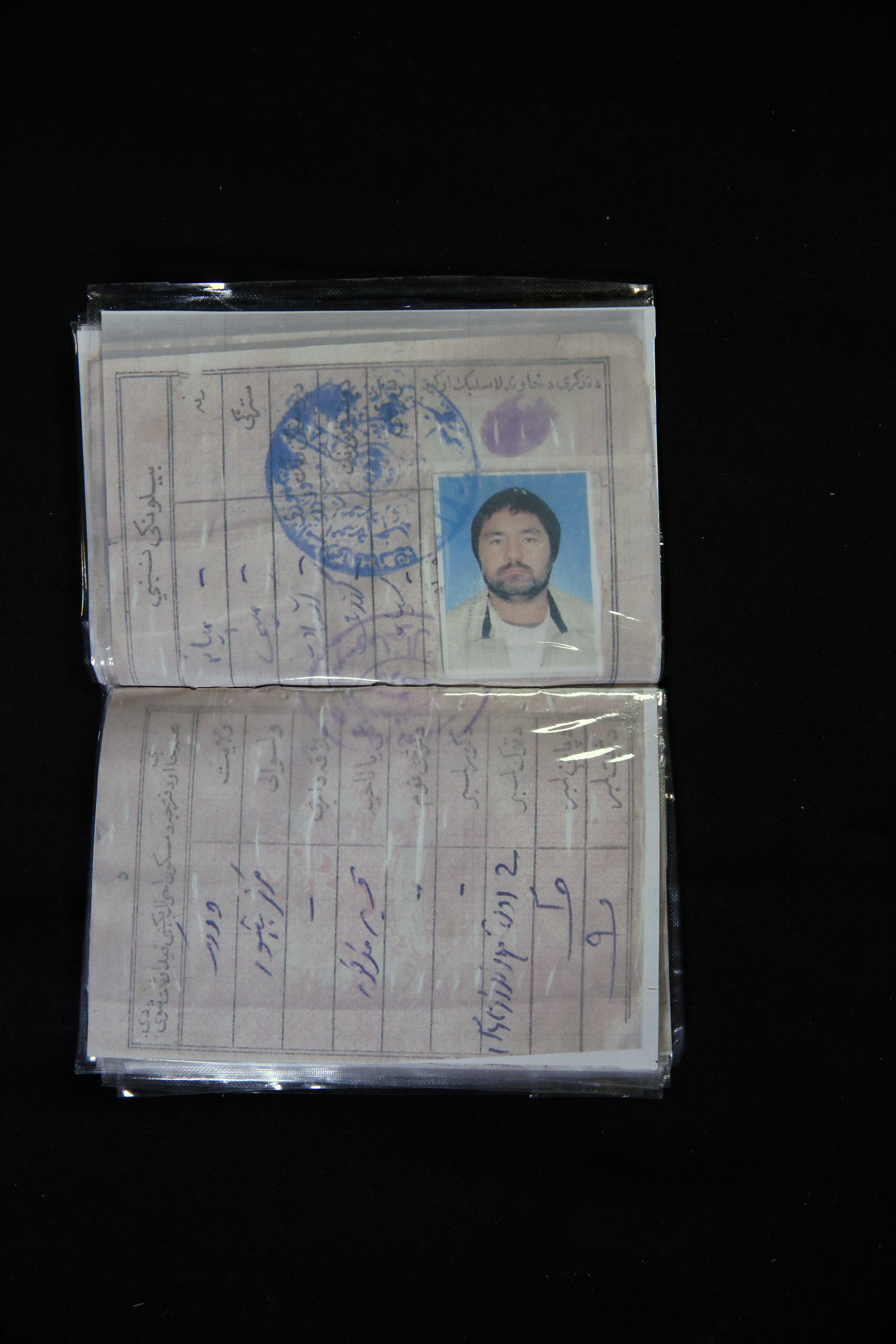
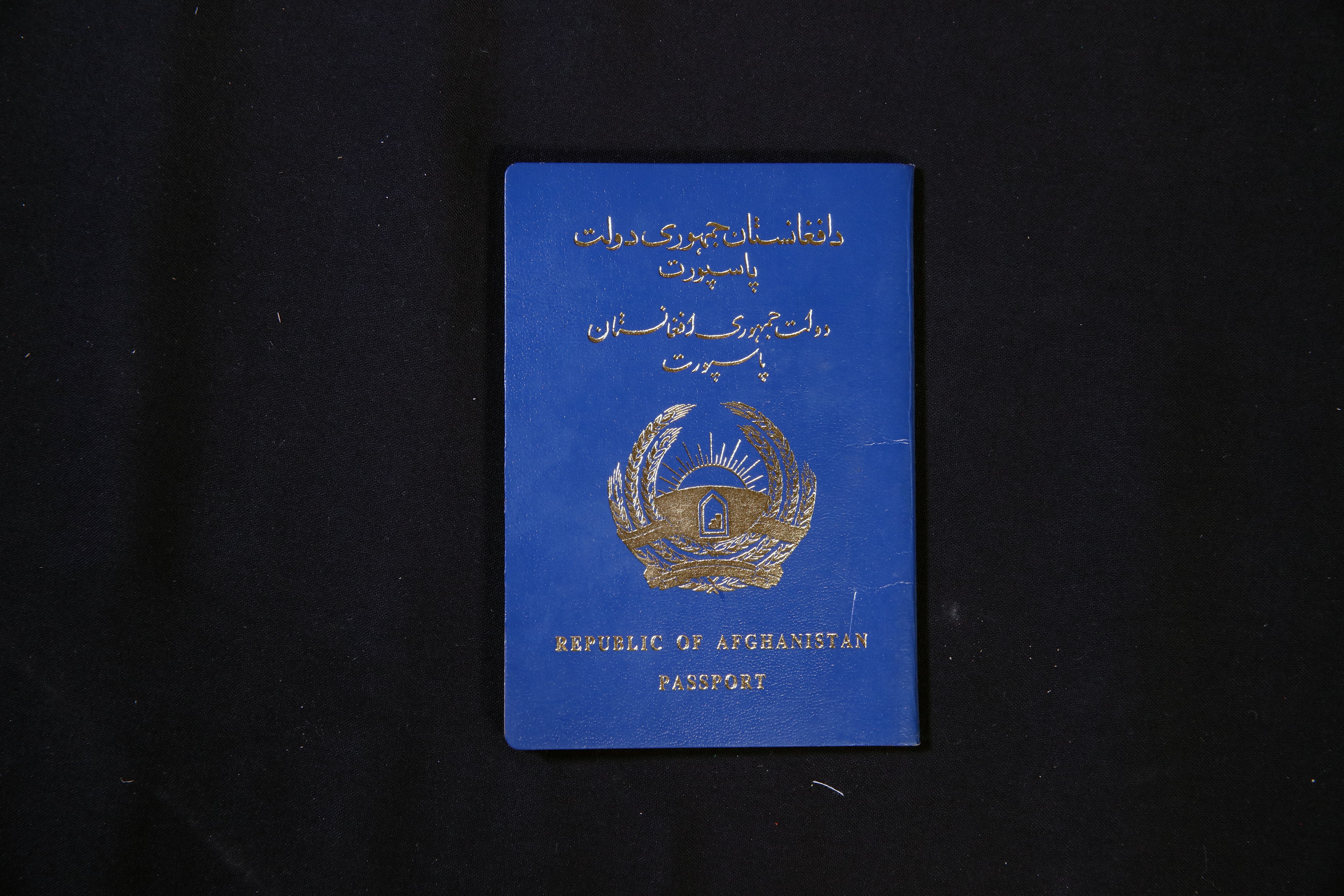
| Item 1.5 | 1 | Victim’s Passport |
| Item 1.6 | 1 | Victim’s Afghan Embassy staff in Tehran, ID Card |
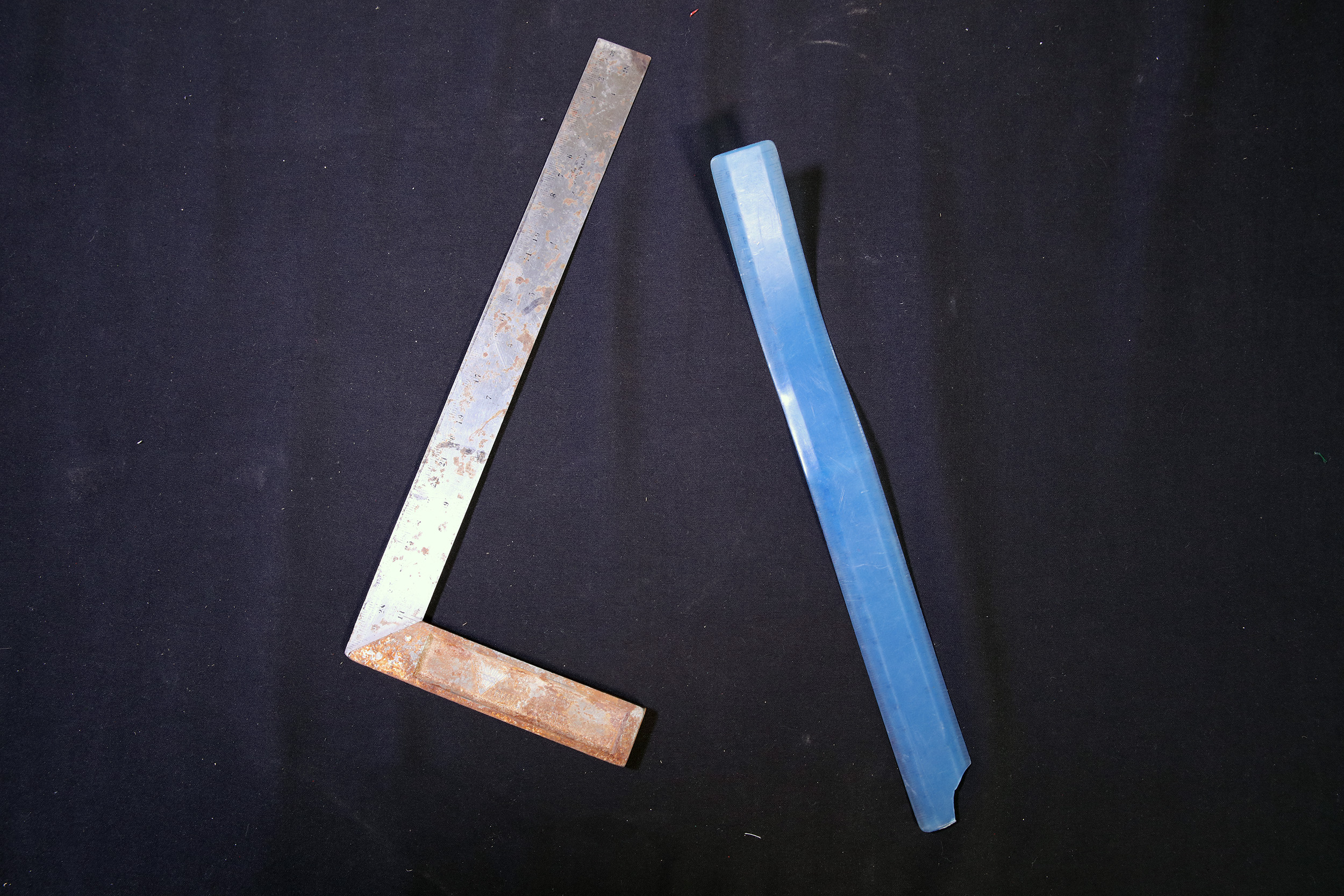
| Item 1.7 | 1 | Victim’s Rulers |
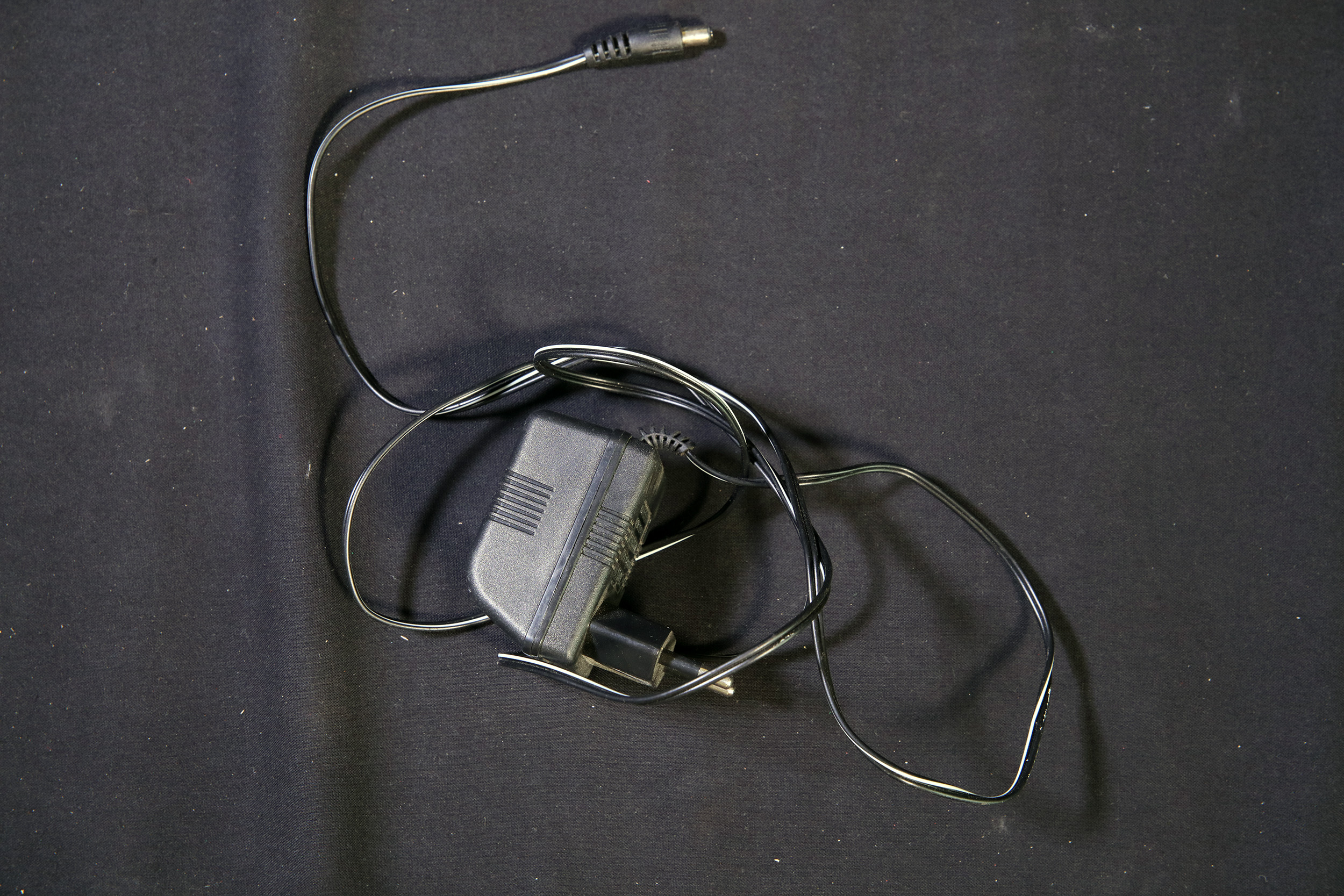
| Item 1.8 | 1 | Victim’s Mobile charger |
| Item 1.9 | 1 | Victim’s Clothe |