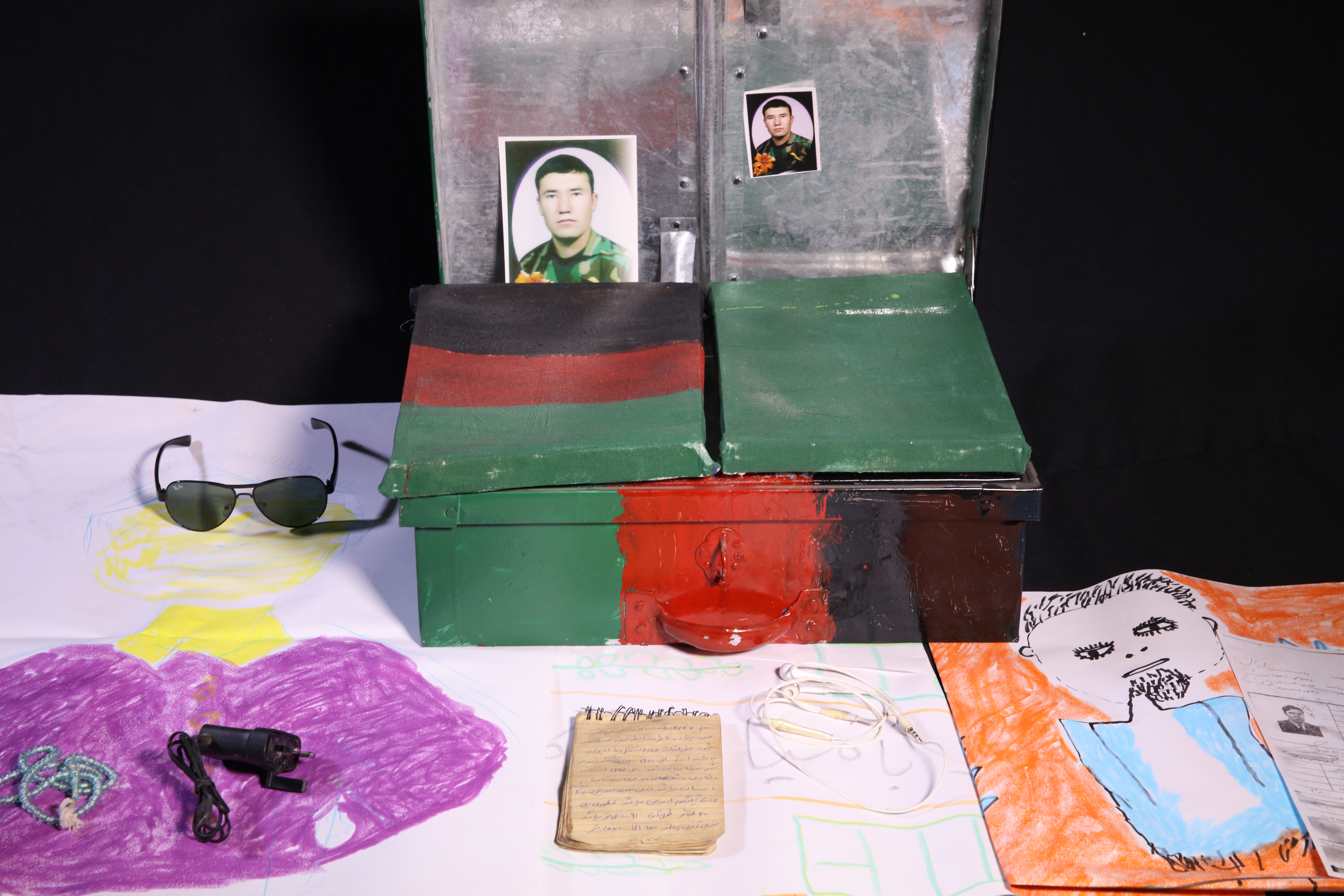
Ali Ahmad Hamdard

is a victim/survivor of a/an

  • Complex Attack
  • Explosion
  • Suicide Attack
  • Targeted Killing
  • Vehicle-borne Attack
  • Vehicle-borne Suicide Attack
  • In many incidents and cases related to the war in Afghanistan, some information might be missing due to the volatile nature of the conflict or the difficulty in gathering comprehensive information
  • The content displayed in black constitutes sensitive and confidential information.
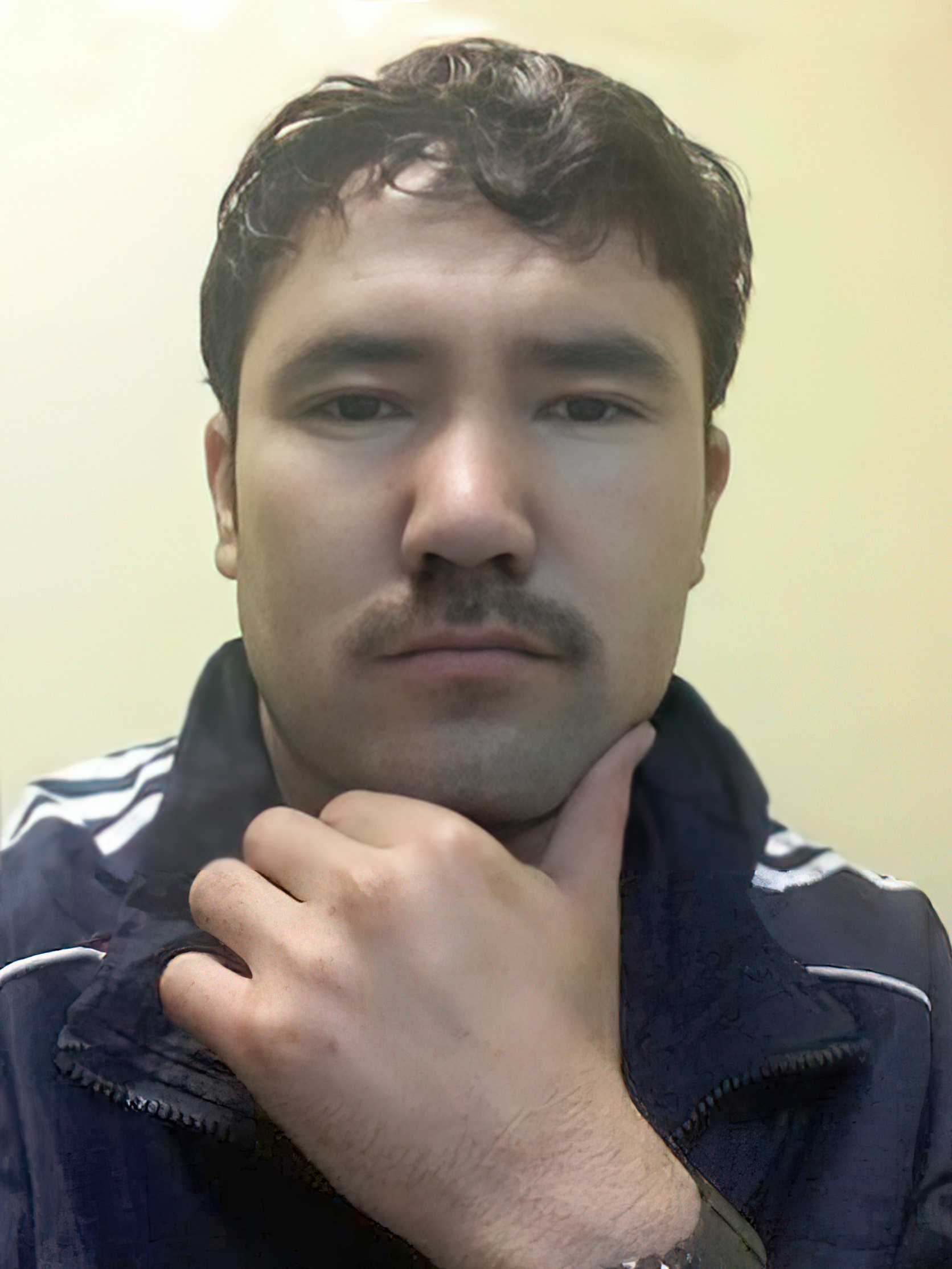
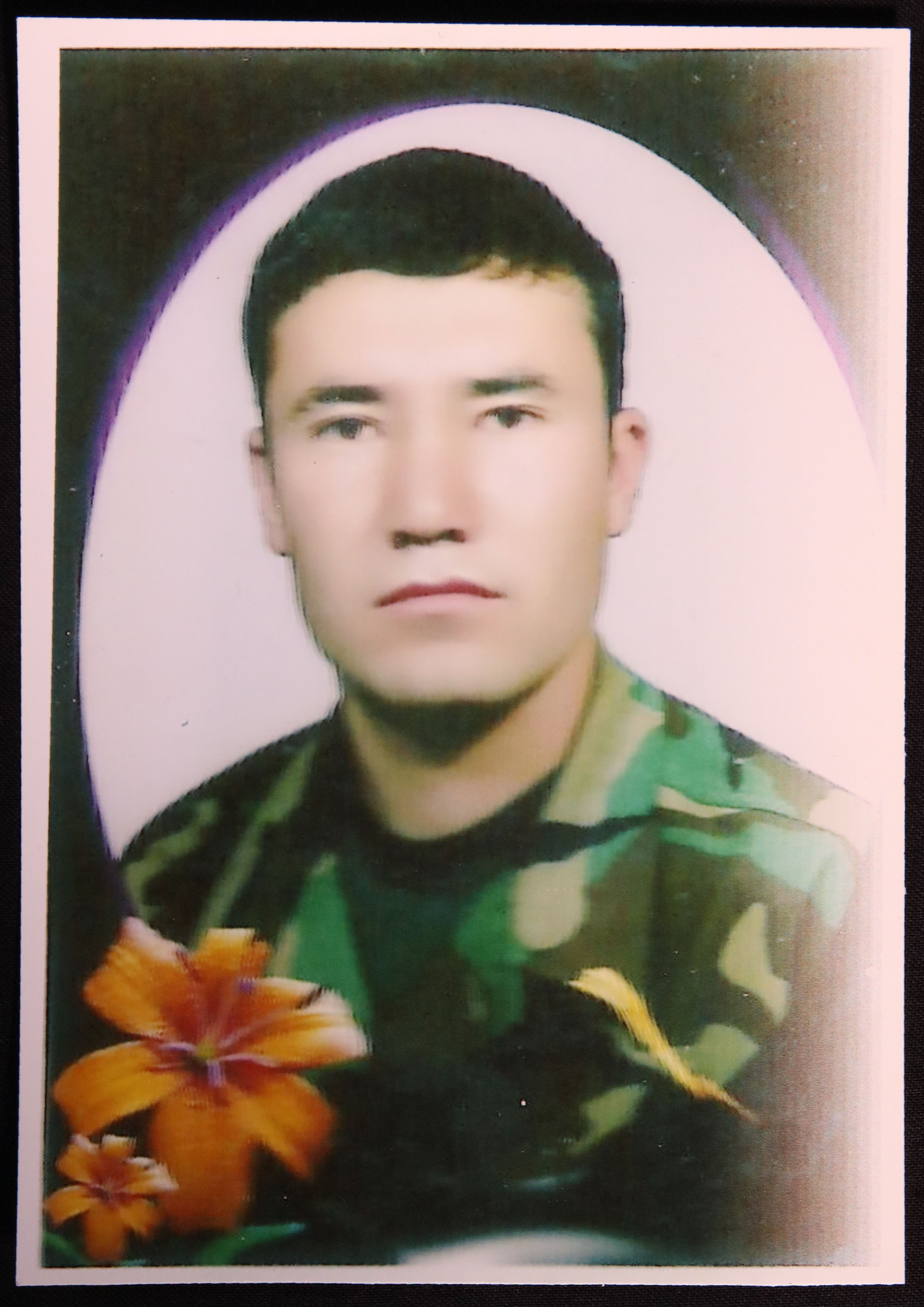
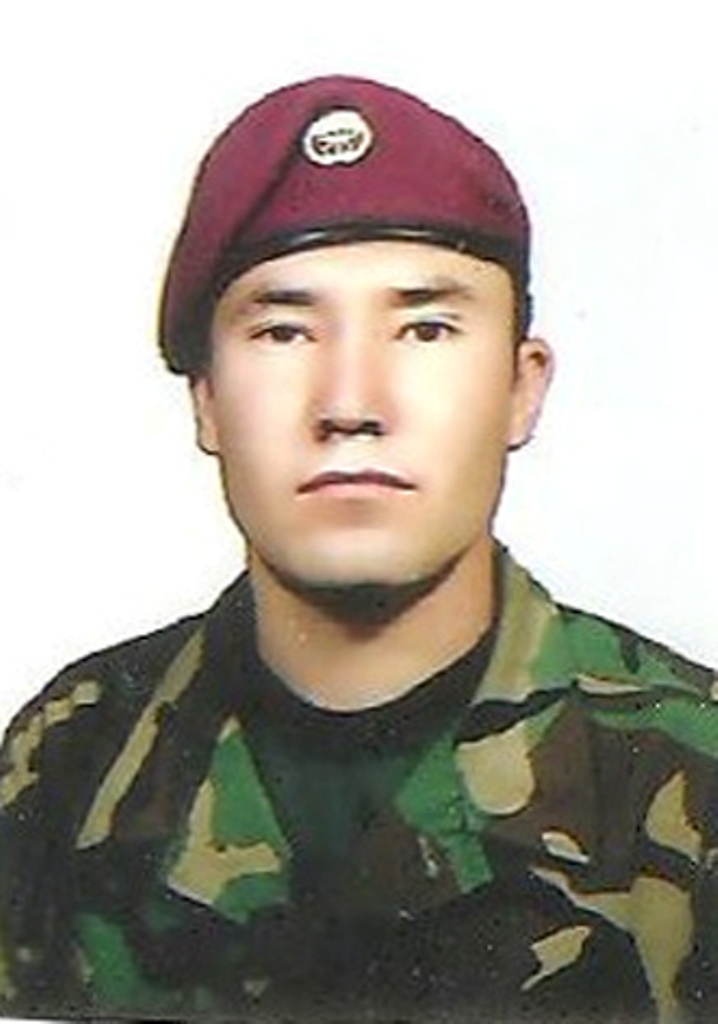
Photo of Victim


Additional information

  • Date of birth:

    1988

  • Village/Town of birth:

    Naworak ناورک

  • Province of birth:

    Bamyan: Waras

  • Gender:

    Male

  • Ethnicity:

    Hazara

  • Education:

    class twelve

  • Date of the main incident:

    23 July 2016

  • Place of the main incident:

    Dehmazang, Kabul City

Incident description

On July 23, 2016, two suicide bombers denoted their explosives among the protesters at Dehmazang Square in Kabul, the capital city of Afghanistan. The protesters, who were primarily Hazaras, were part of the Enlightenment Movement. They were protesting against the diversion of the TUTAP mega power project which would cause the project to bypass Hazara-dominated areas. At least 84 protesters lost their lives and 260-400 others were injured. The Islamic State of Khorasan Province (ISKP), the regional branch of ISIS, took credit for the attack. However, ISKP later refuted their involvement in the attack.

The Enlightenment Movement, also known as Junbesh-e Roshnayie, was a grassroots civil disobedience movement started by Hazaras in Afghanistan in response to a change in the Fichtner GmbH & Co. KG proposed Energy Supply Improvement Investment Program, unofficially called TUTAP project plans. The change in the project plans would cause it to bypass Hazara regions. The move was seen as perpetuating long-standing anti-Hazara discrimination. Throughout 2016 and 2017, the Enlightenment Movement coordinated large-scale demonstrations against discrimination both domestically in Afghanistan and abroad.

Source

Alleged type of harm

  • Psychological costs: Experienced scenes of clashes and violence
  • Psychological costs: Faces traumas and anxiety
  • Psychological costs: Have been otherwise mentally, emotionally and psychologically harmed and affected
  • Psychological costs: Seen people killed and injured or tortured
  • Human costs: Injured
  • Human costs: Killed

Alleged type of crimes

  • War crime: Attacking civilian objects
  • War crime: Attacking civilians
  • War crime: Cruel treatment
  • War crime: Employing prohibited gases, liquids, materials or devices
  • War crime: Employing prohibited weapons, projectiles, materials or methods of warfare
  • War crime: Excessive incidental death, injury, or damage
  • War crime: Inhuman treatment
  • War crime: Murder
  • War crime: Use of mines against civilians
  • War crime: Wilful killing
  • War crime: Wilfully causing great suffering
  • Act of genocide: Causing serious bodily or mental harm
  • Act of genocide: Deliberately inflicting conditions of life calculated to bring about physical destruction
  • Act of genocide: Killing
  • Crime against humanity: Extermination
  • Crime against humanity: Murder
  • Crime against humanity: Other inhumane acts
  • Crime against humanity: Persecution

Ali Ahmad Hamdard

Incident geolocation

  • Province:

    Kabul: Kabul

  • Latitude:

    34.5168788437339

  • Longitude:

    69.1499999975304

Witness/Survivor Statement

That Afternoon, They Brought His Body Home

Narrator: Gholam Abbas (uncle-in-law)

Victim: Ali Ahmad Hamdard

Date of the incident: 23 July 2016

Location of the incident: Dehmazang, Kabul City

Martyr Ali Ahmad was a decent and well-mannered boy. He attended school up to 8th grade. Afterward, he served in the National Army for almost 12 years. He moved from Bamyan to Kabul nearly 13 years ago. He was from Bamyan province, Takht Varas region, and was nearly 23-years-old. He was a faithful boy and was martyred in the Dehmazang incident. A year had passed since his marriage, but he had no children. The living conditions of his wife are not good, but she has honored their ties and is still living in Kabul.

He has a brother who is in Iran. Everyone is busy with their own lives, and that's why his wife is living a difficult life with a salary of 5 thousand Afghanis and a rented house. However, because of the her husband’s kind treatment of her, she continues to endure all the problems on her own. We have lovely memories of the martyr. He kept everyone happy and satisfied by treating them well. He never spoke loudly or frowned at anyone. Even on the day of the demonstration, he left the house smiling and joking. But later that same day, in the afternoon, they brought his body home.