Reach out to us for queries and assistance
If you have any inquiries or need assistance, our dedicated team is available to help you through this contact form, guaranteeing confidentiality and respect.
Education Had Become His Top Priority
Narrator: Rafiullah Rahimi (brother)
Victim: Mohsen Rahimi
Date of the incident: 23 July 2016
Location of the incident: Dehmazang, Kabul City
We are from Ghazni province, the village of Golkoh in Qarabagh district. We are four brothers. When I was born, both my mother and I were very sick. No one believed I would survive, and someone even suggested throwing “this boy” in the stream so he could die and to prevent his suffering later. My mother was operated on three times. My bones were very soft. No one held out much hope for my chances of survival.
Because of me, my mother underwent a surgical operation and had almost seven stitches in her stomach. Life was hard and people had no money. Our hometown was remote and people had to travel a long way to get to the city. We were almost three hours from the city, and people had to travel this long distance just to buy a bag of flour to feed their family. There were no shops or markets nearby. I was born into a large family. There were almost 30 of us in the one family. It would take a long time for everybody to wash their hands before a meal. Now, my elder brother tells me to thank God because life has changed. Now, I pour water for seven people to wash their hands, and I still complain that it’s a hard job! My elder brother said, “I was younger than you when I had to serve 30-40 people to wash their hands, but you think it’s hard today to serve seven people! You should know that when you work hard, it is good and rewarding.” One of my sisters died at a very young age. Before my brother’s martyrdom, my mother mourned my sister, who had died several years before. She always wished she knew where her daughter’s grave was, so she could visit it whenever she missed her.
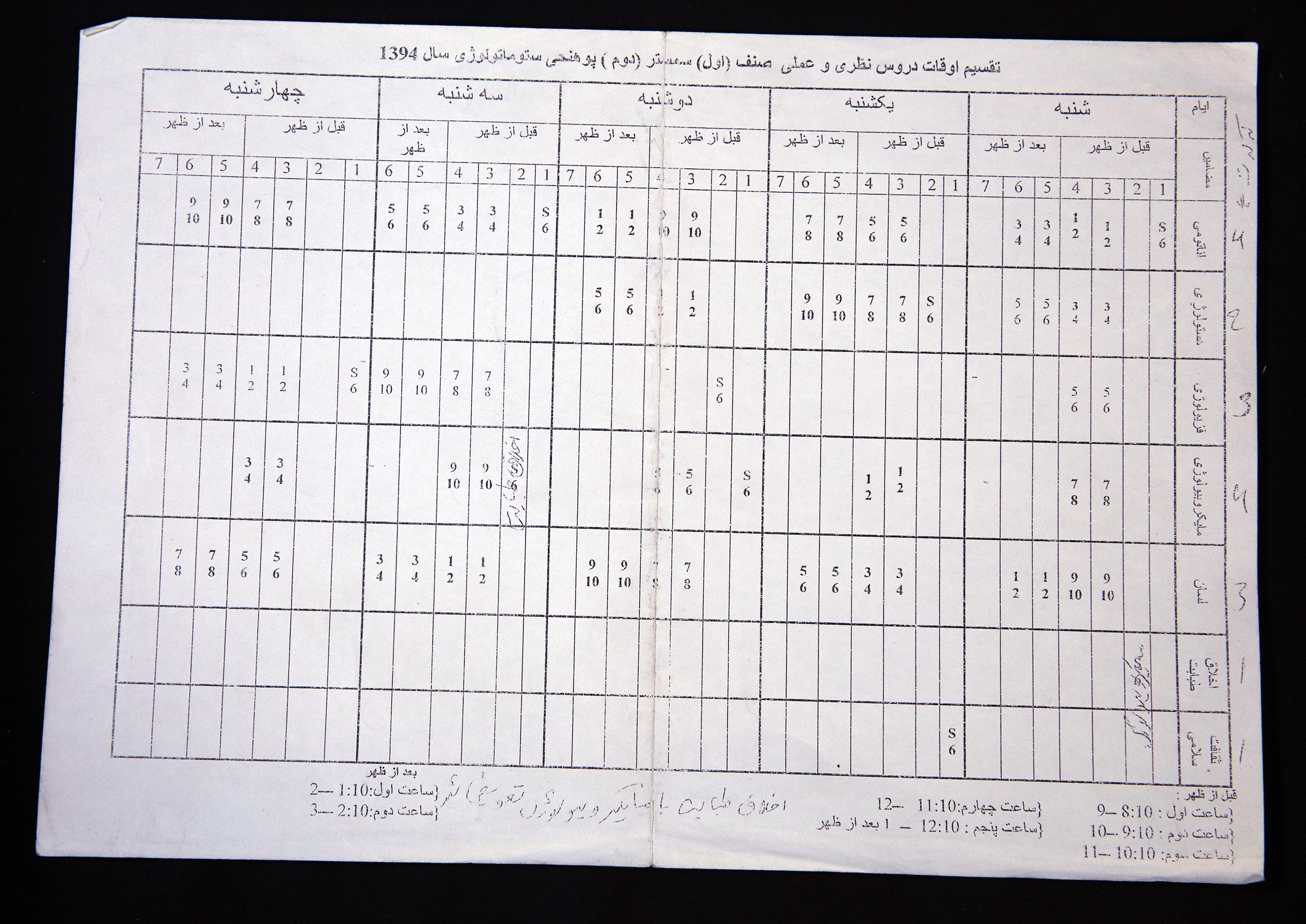
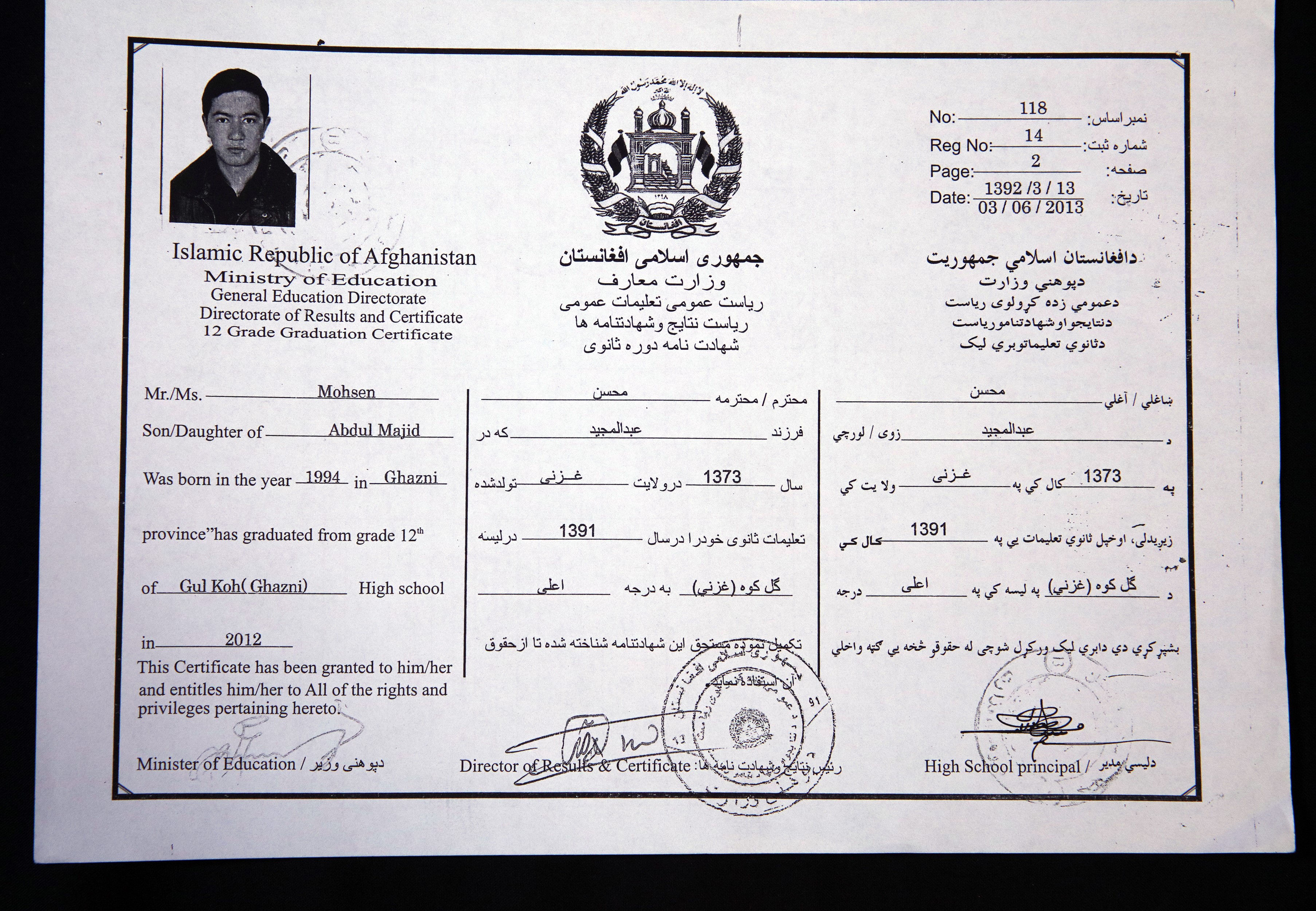
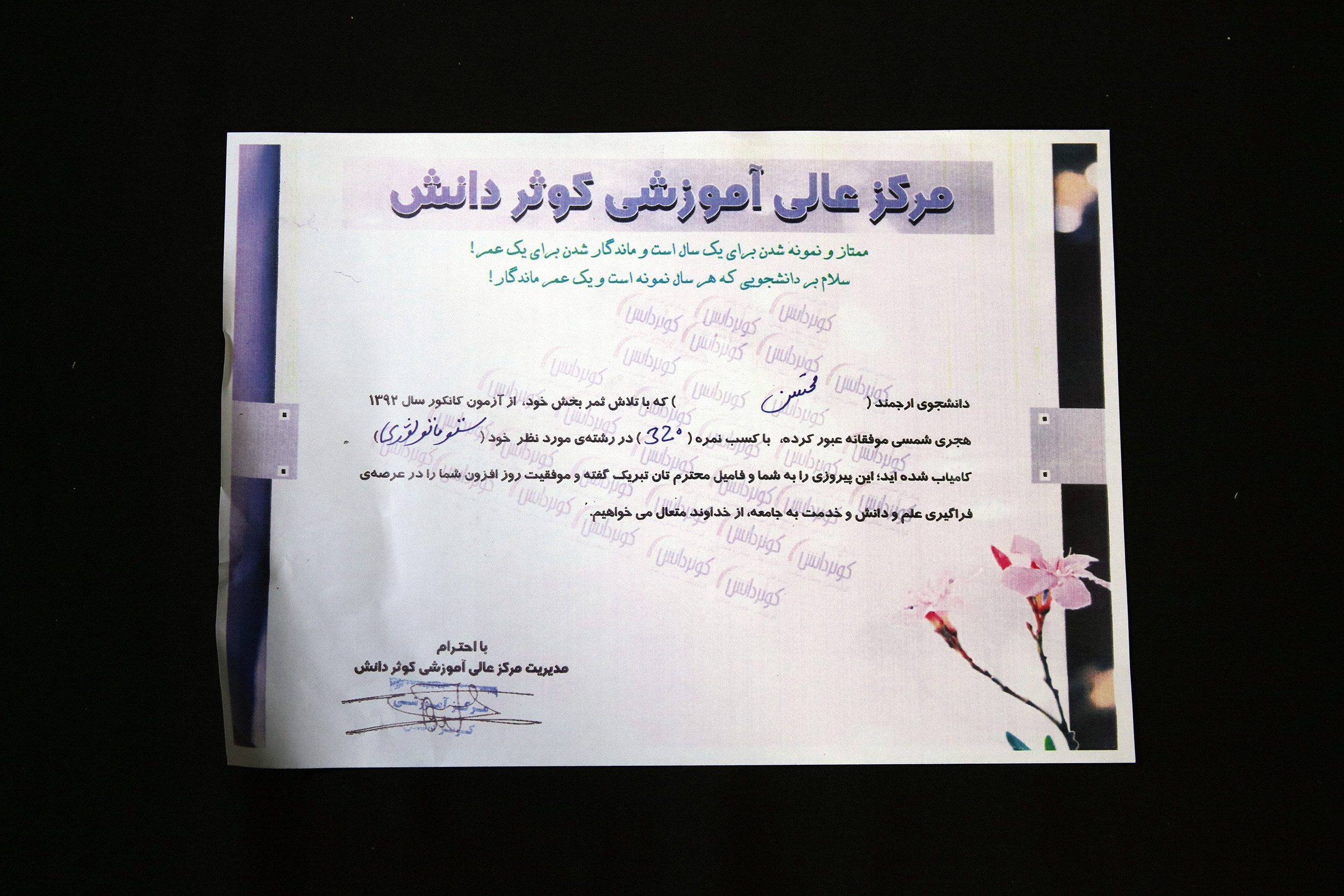
At that time, my father used to buy and sell livestock. When he purchased livestock, he would graze them on the pastures. In this way, he would provide for our family. There was no proper schooling in our area. We went to school symbolically, as it were, and used to sit there for a while, and then return home or to the fields. At night we brought the livestock home and gave them water and fed them. But my brother Mohsen studied very hard and was top of his class in 7th grade. He then stayed at the top throughout his school years up to 12th grade and studied very hard. Education was his top priority. He did not attend too many gatherings or parties as he spent much time studying for that. Even if he did, he did not talk for long or laugh too much. He always behaved nicely with everyone. He used to read and worship God when he was alone. My father noticed Mohsen’s continued efforts, and travelled from Ghazni to Kabul, saying he would become successful and that this would be a great honor for the whole family. We remained in Ghazni while my father sent Mohsen to Kabul so as ensure he could continue comfortably with his study plans. Later, my brother became a doctor.
My eldest brother [not Mohsen] went to school in Qarabagh district up to the 12th grade. On the day of his entrance exam, war broke out on the road to Qarabagh. Due to this, they could not arrive at school on time and he was not able to take the exam. Since he was never able to take his 12th grade exam, he started to drive a vehicle. After a while, he left for Iran. My other brother, too, studied up to 10th grade and then moved to Iran. One of them lived in Yazd, and the other in Isfahan. My eldest brother was in Isfahan. One day, he informed me through Facebook that Dr. Mohsen had been injured.
My other brother, who lived in Yazd, only learned about what had happened two weeks later when he went to see my elder brother in Isfahan. Before he heard this news, he [the brother in Yazd] had called us and inquired about Mohsen. He said, “Dr. Mohsen is very busy. Where is he now?” We told him that the doctor had an exam and was busy studying. My brother insisted we should call Mohsen so he could talk to him just for 5 minutes. He said, “I have missed him a lot. Maybe he has at least 5 minutes for us?” We did not dare disclose the truth. Instead, we told him, “He does not have time this Friday. He will talk to you next Friday.”
Finally, he learned about it and became very agitated. Now, when the subject comes up, he pretends he does not know about it. He does not want to remember that Mohsen was martyred and does not even talk about it when others discuss it. He does not tell people that he is aware of Mohsen’s death. He doesn’t reveal his suffering to others and doesn’t want anyone to know about his sorrows. He sheds tears alone and keeps silent. After Mohsen’s death, when people see me, they say I should be a substitute for Dr. Mohsen and try to become someone who could support the family and his people.
As I said, two of my brothers are in Iran; they work there. One of my sisters is in grade 12 this year and is preparing for the university entrance exam. My family, friends, and relatives always tell me that I should fill his void and become a doctor. I tell them that I will never be able to fill his void, but I will try my best to work as hard as he did. When he was alive, he always told me to study and try to achieve my dreams. At that time, I was getting upset and angry and would say to him, “What does this have to do with you? Focus on your own studies.” He would answer, “I have compassion for you, you are my brother, and I want you to be successful. Otherwise, why don’t I encourage the neighbour’s son? Why don’t I encourage complete strangers to study?”
Neighbourhood boys, friends, and relatives who lived nearby would always come to him to get help with their school assignments. He used to tell me, “Look, they come to me and ask me to solve their problems in mathematics, in other subjects, and in the English language. But you, my brother, do not come to me to get your questions answered. You show no interest in education.” Now that we have lost him, I realize that he cared about me and tried his best to encourage me to study, for my benefit. But I also know it’s too late. It is too late, and no one can ever fill the void he left for my family members and me. I have just realized that sometimes it’s too late to regret, but we shouldn’t lose hope. We should try to change our lives here and now, and not to disappoint ourselves and others.
| Item Name | Quantity | Description |
|---|---|---|
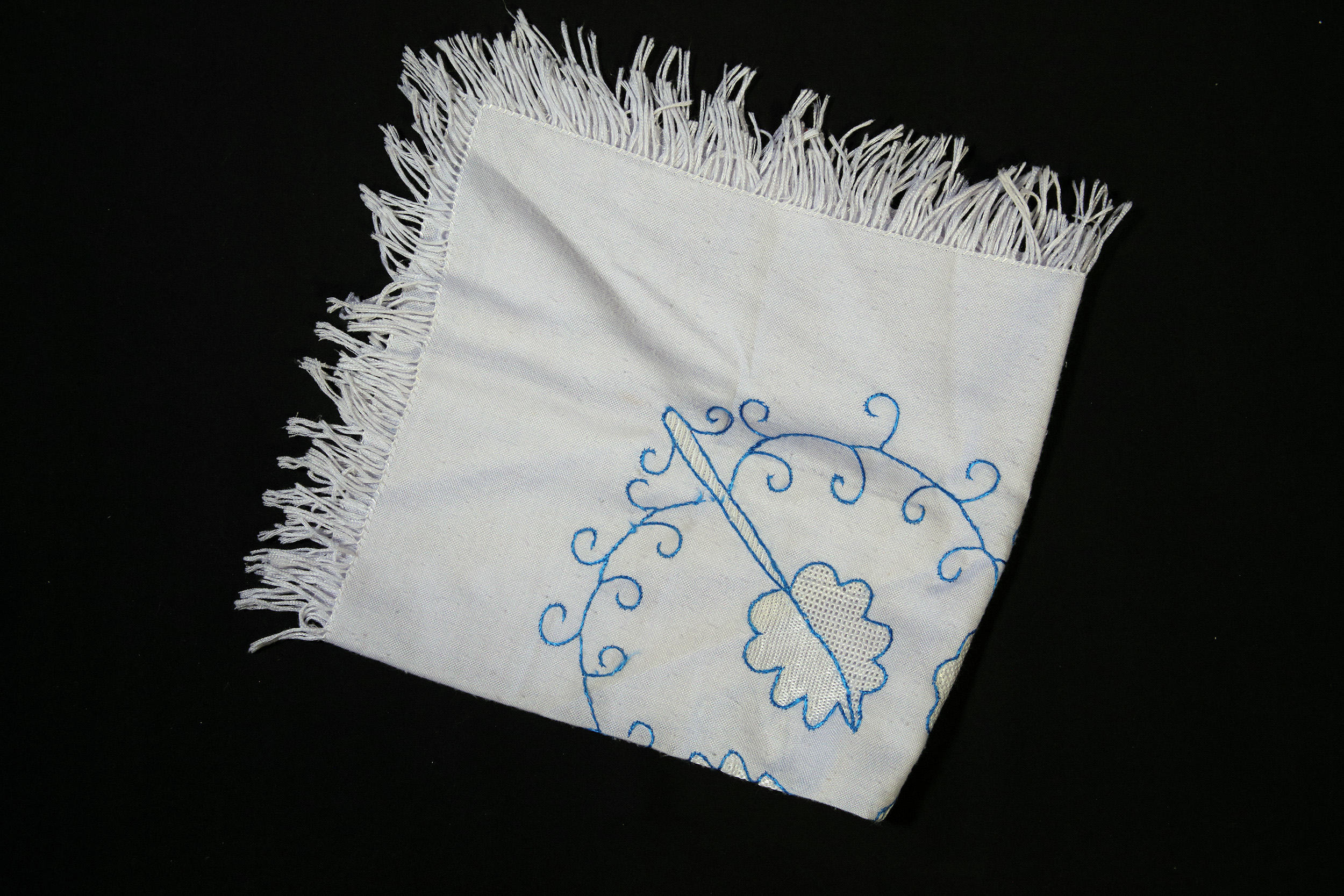
| Item 1.1 | 1 | Memory Box + Ideal and Memorial flags |
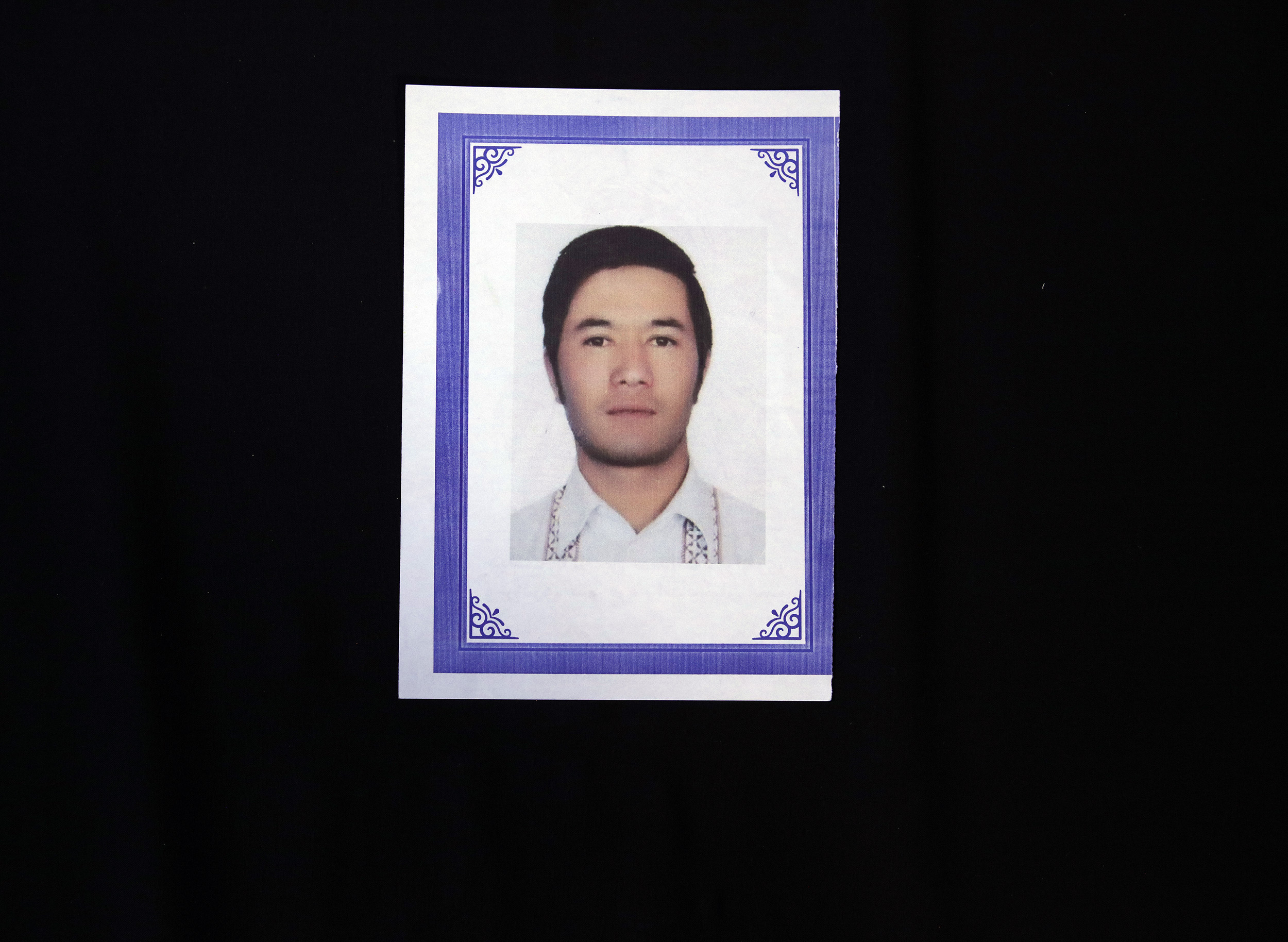
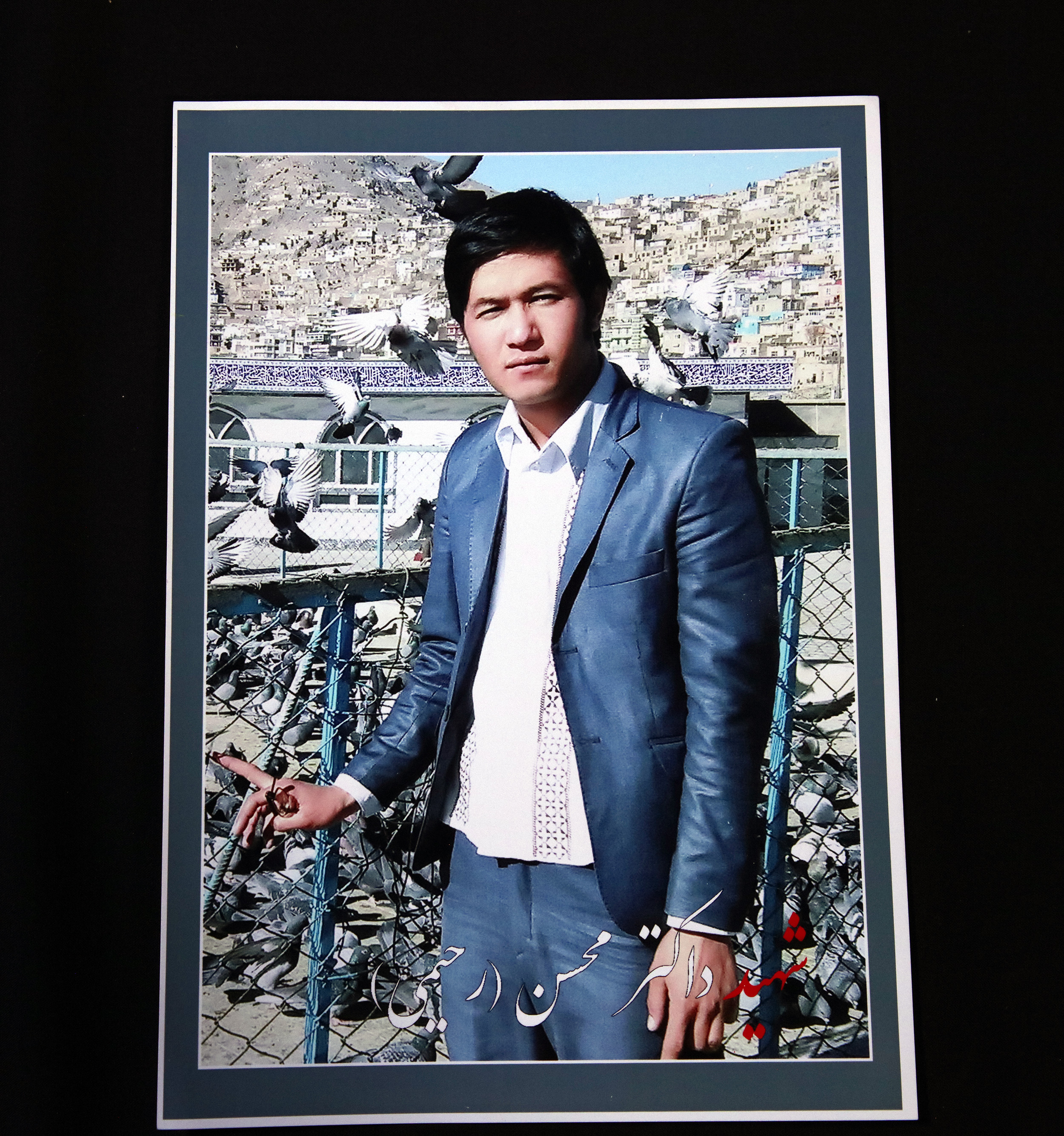
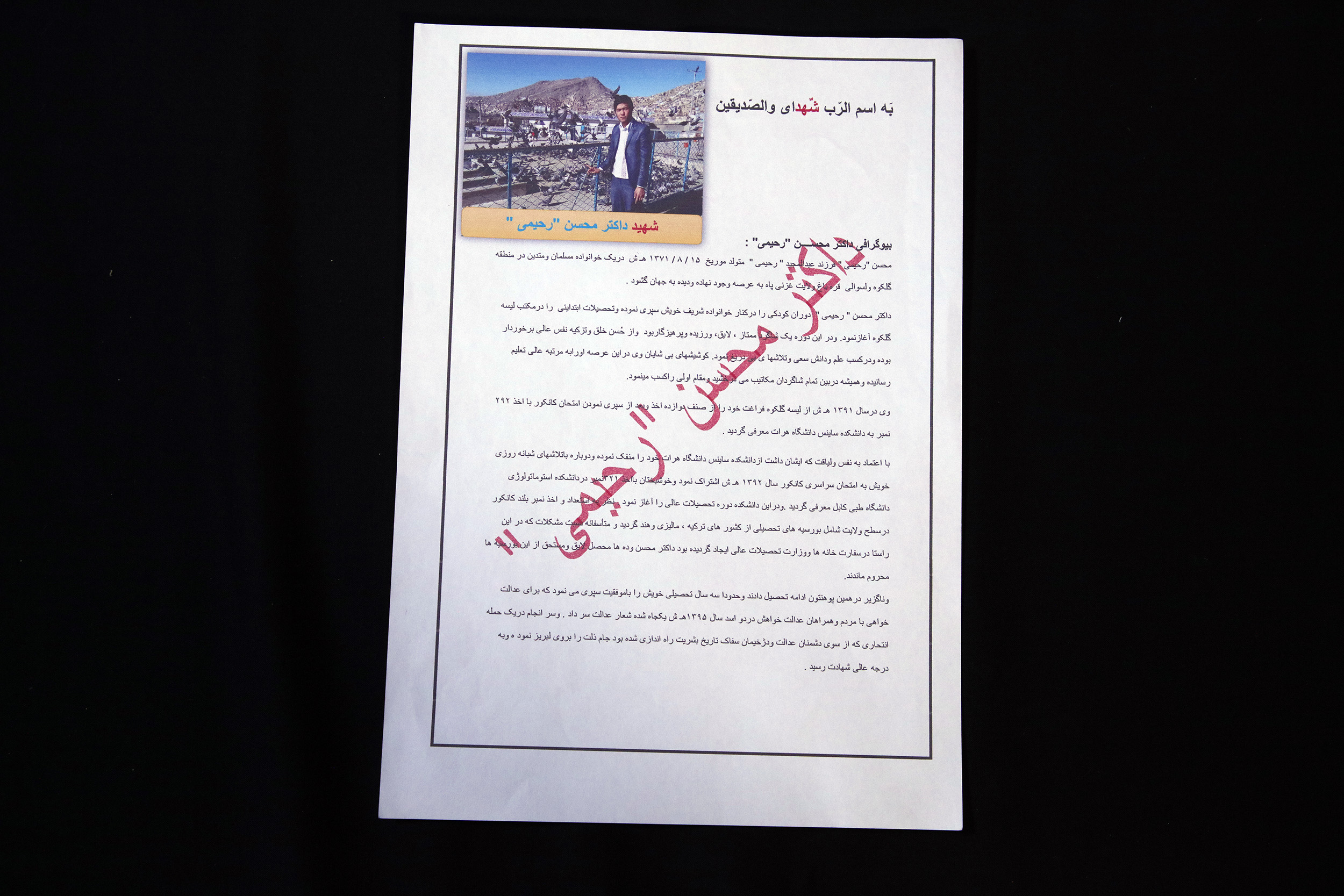
| Item 1.2 | 1 | Victim’s Memorial picture |
| Item 1.3 | 1 | Survival’s Memorial picture |
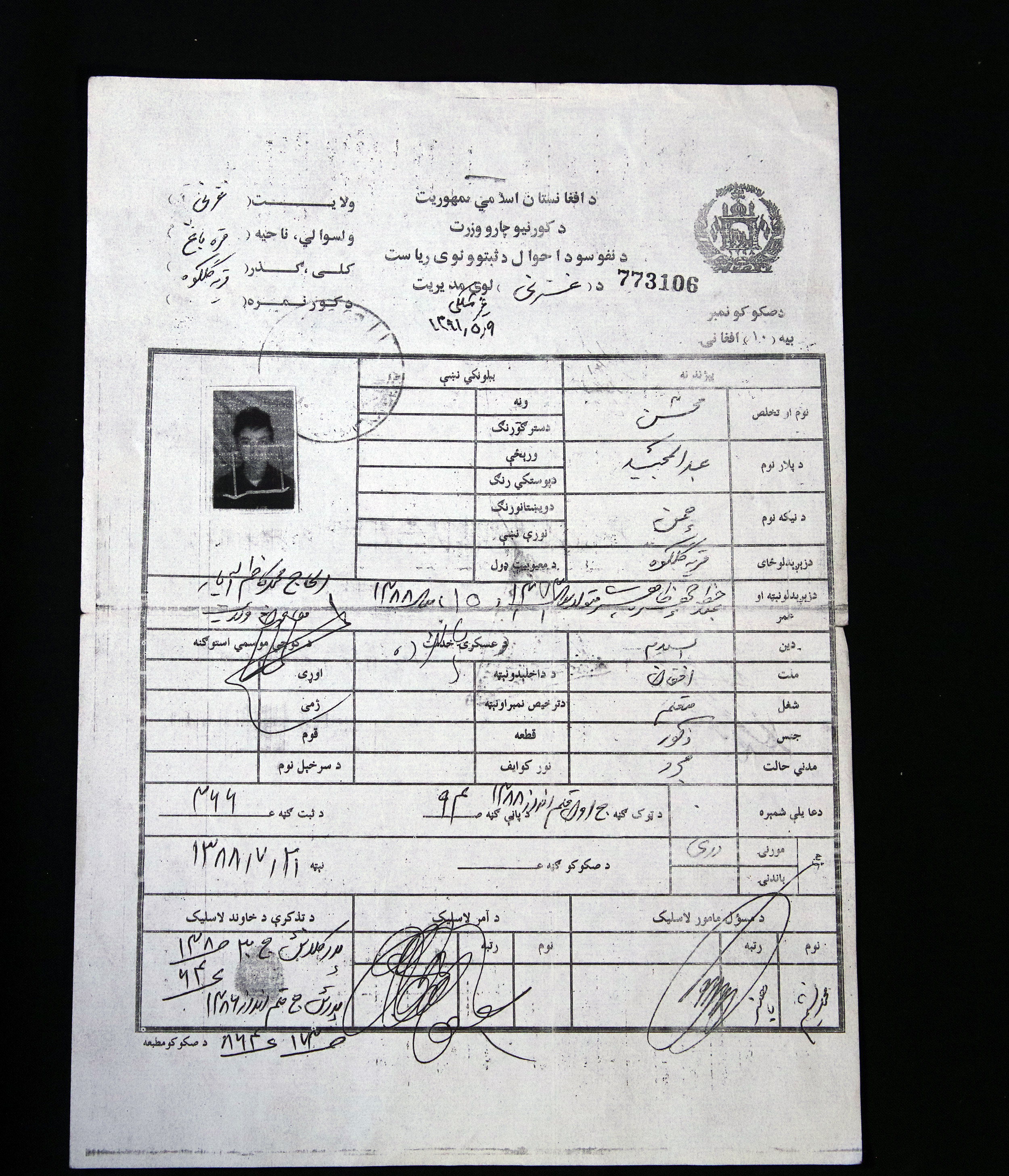
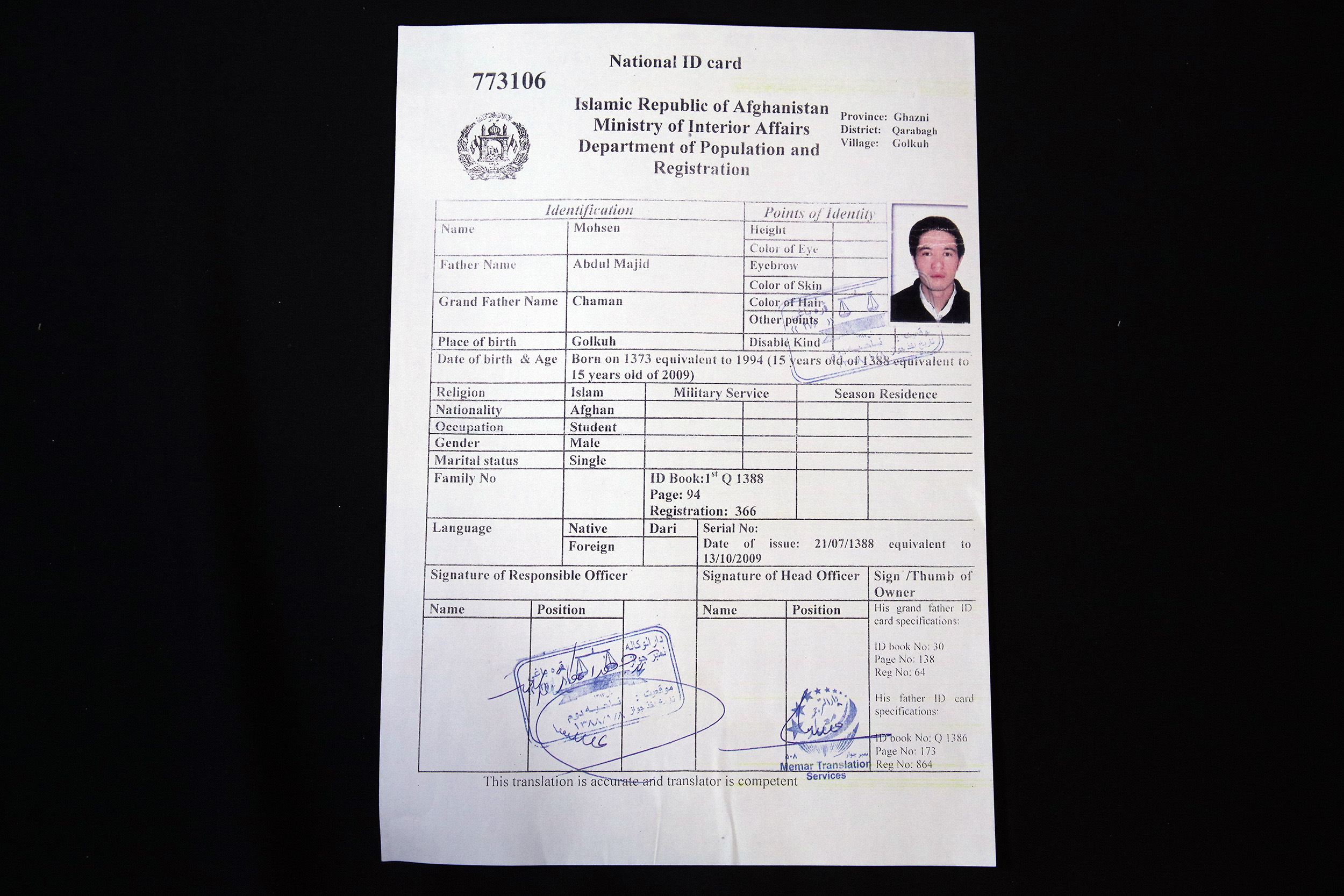
| Item 1.4 | 1 | Victim’s National ID |
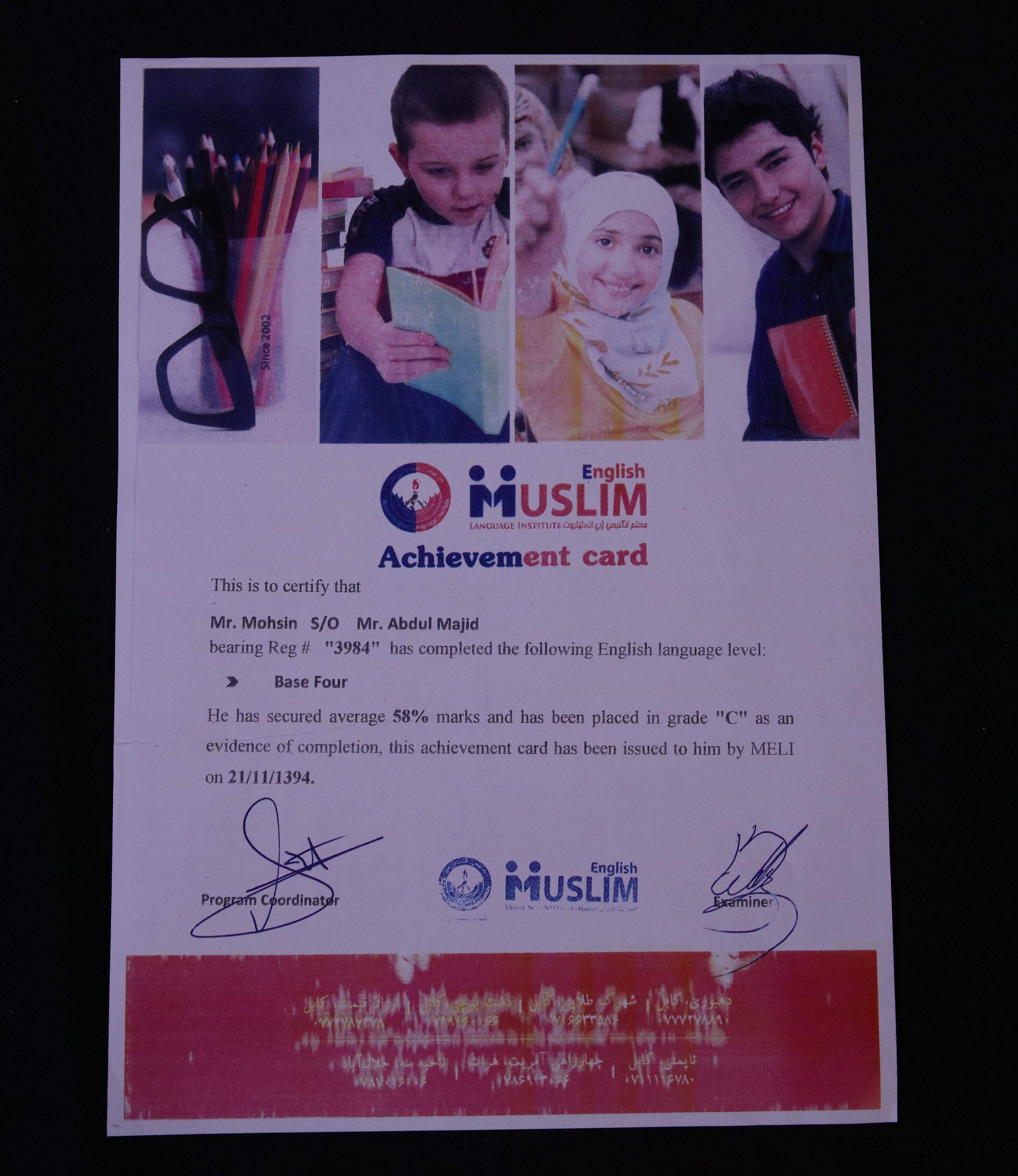
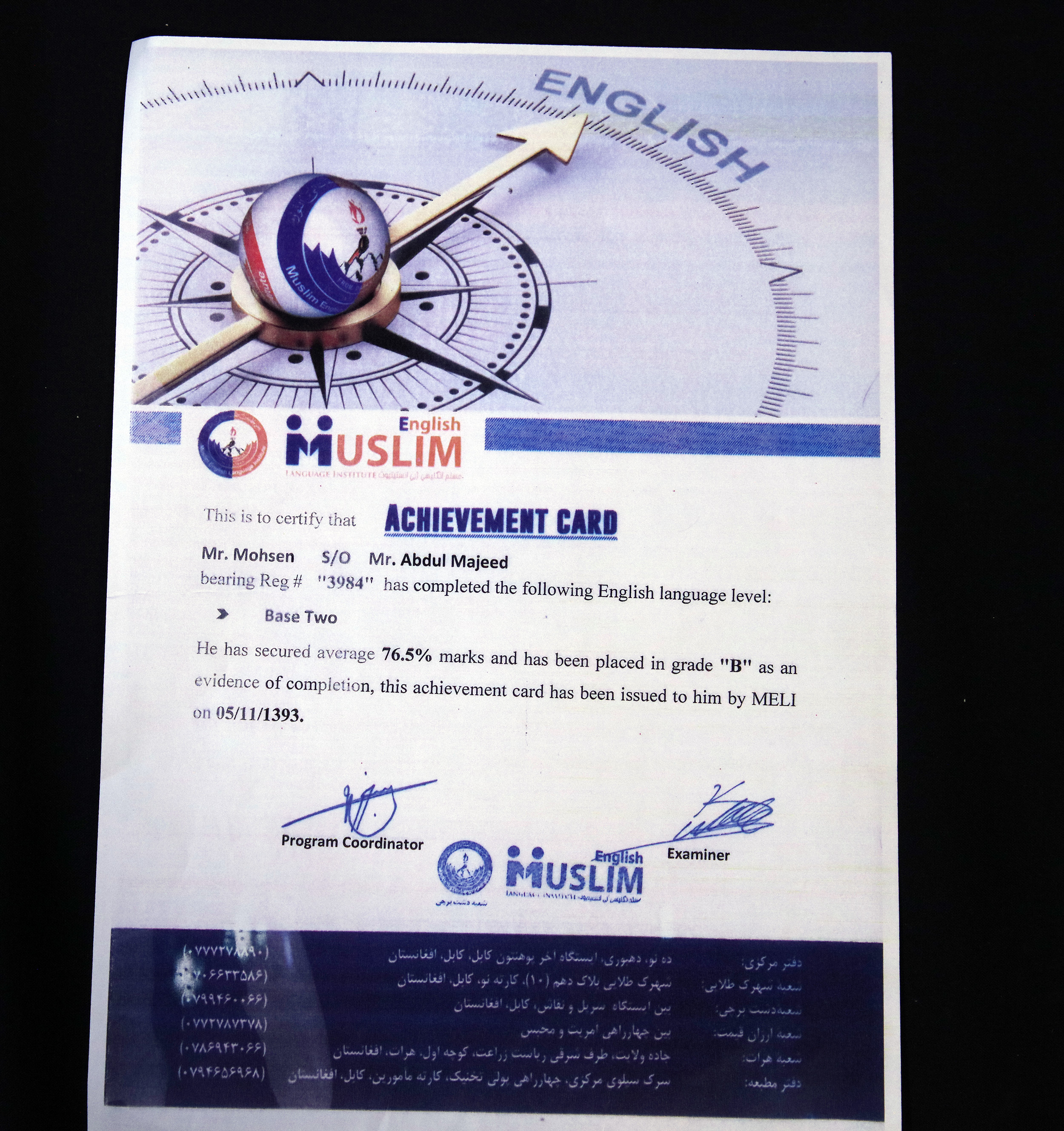
| Item 1.5 | 1 | Victim’s Language Certification |
| Item 1.6 | 1 | Victim’s Language Certification |
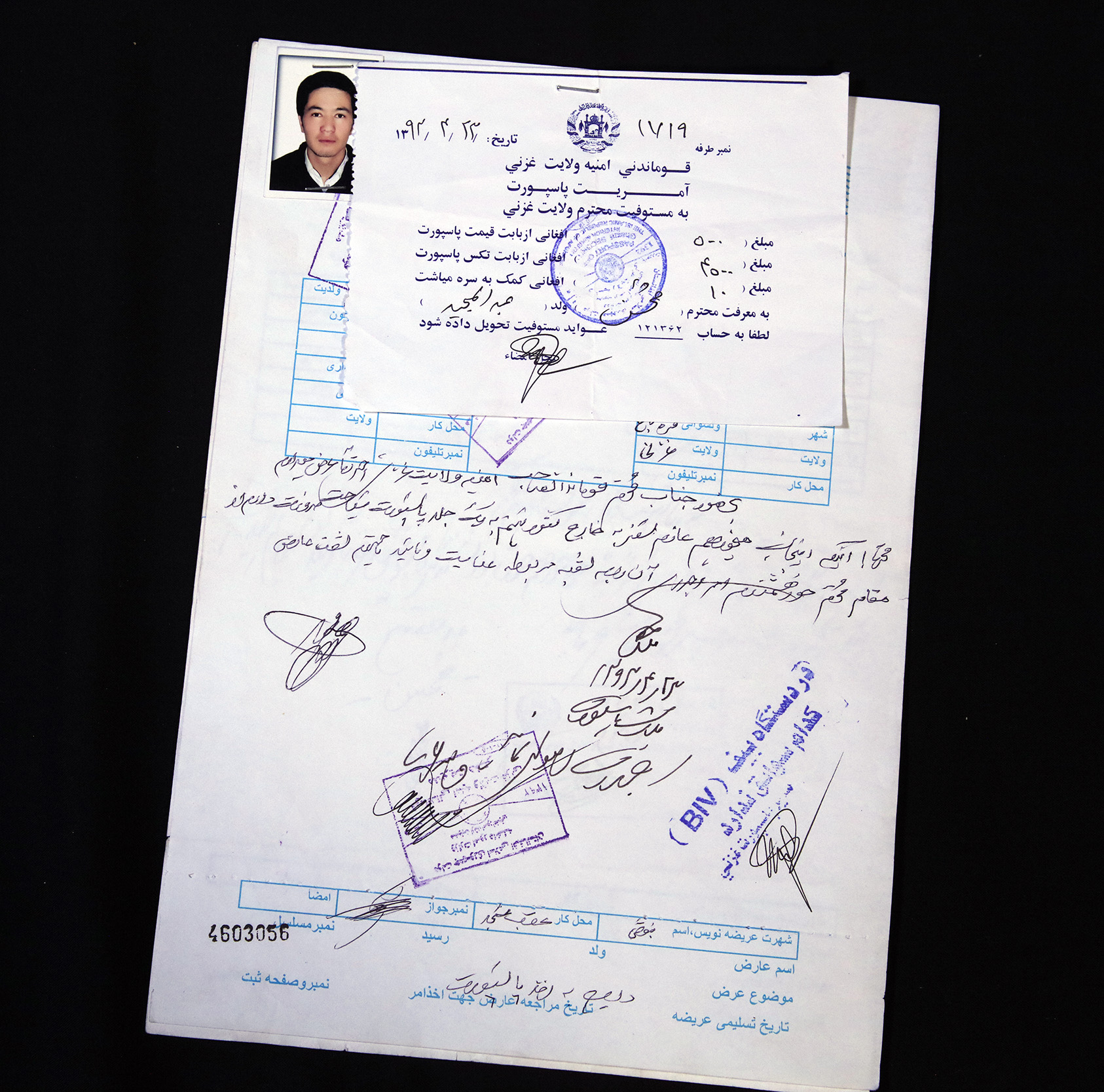
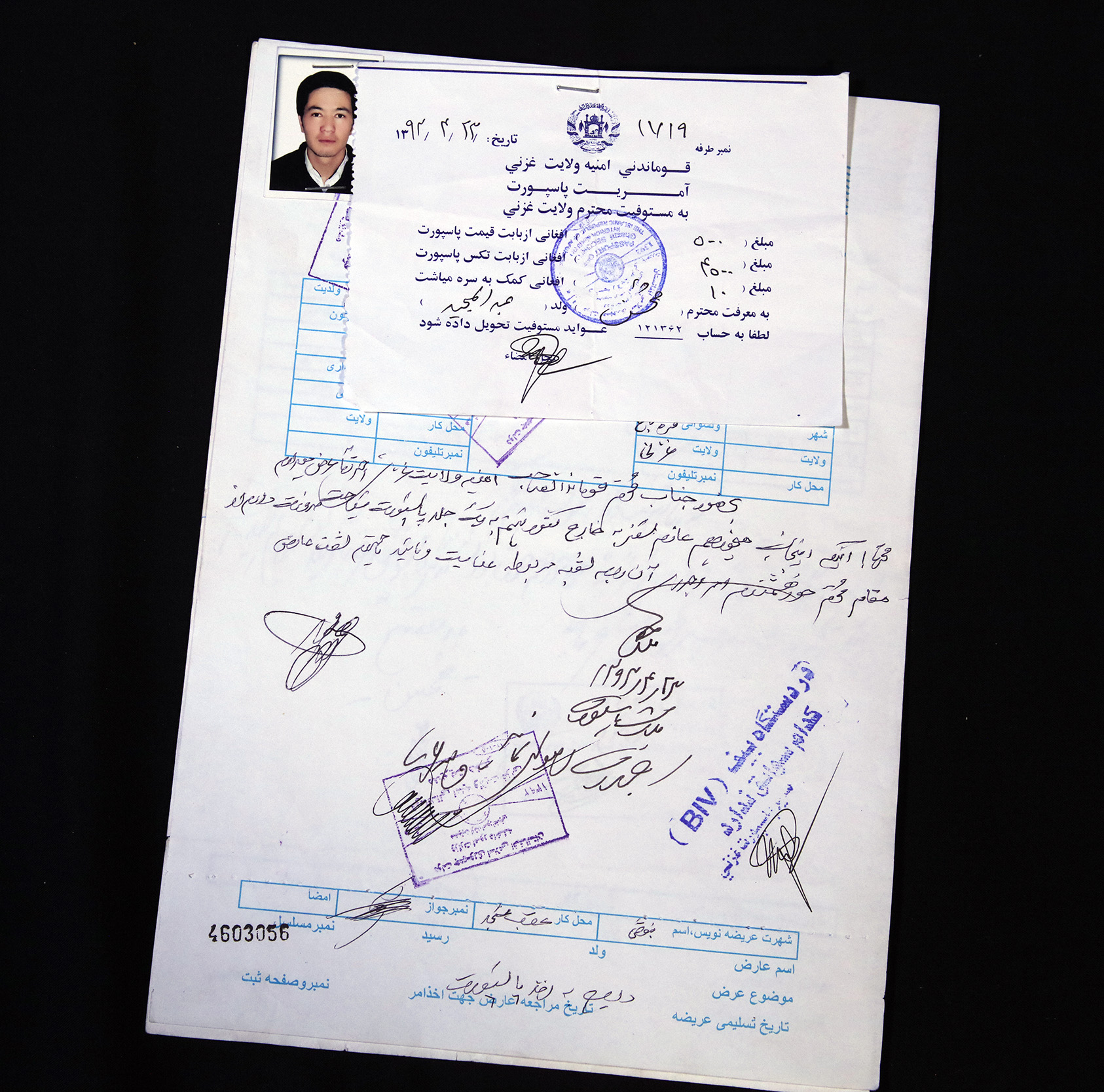
| Item 1.7 | 1 | Victim’s Passport request |
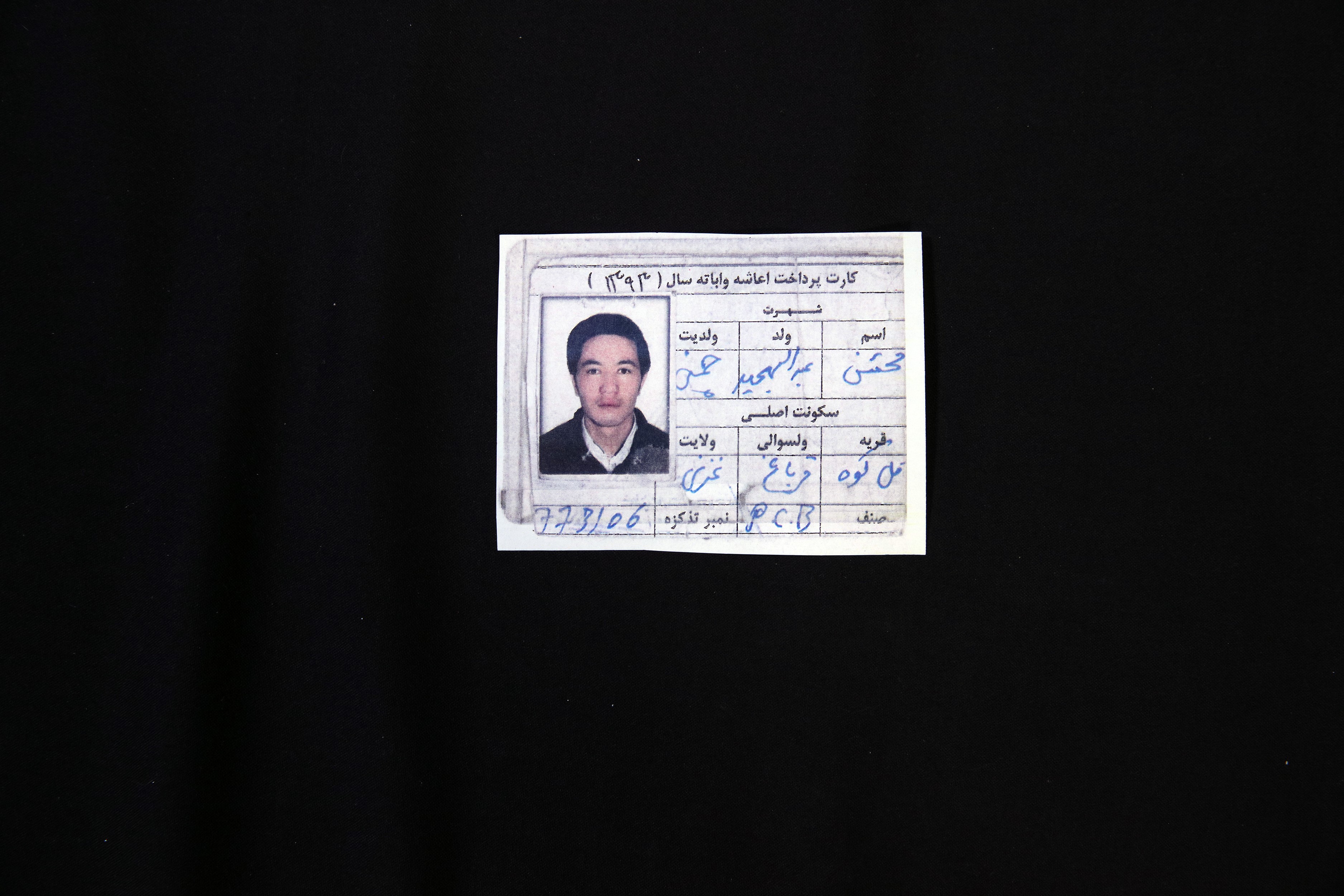
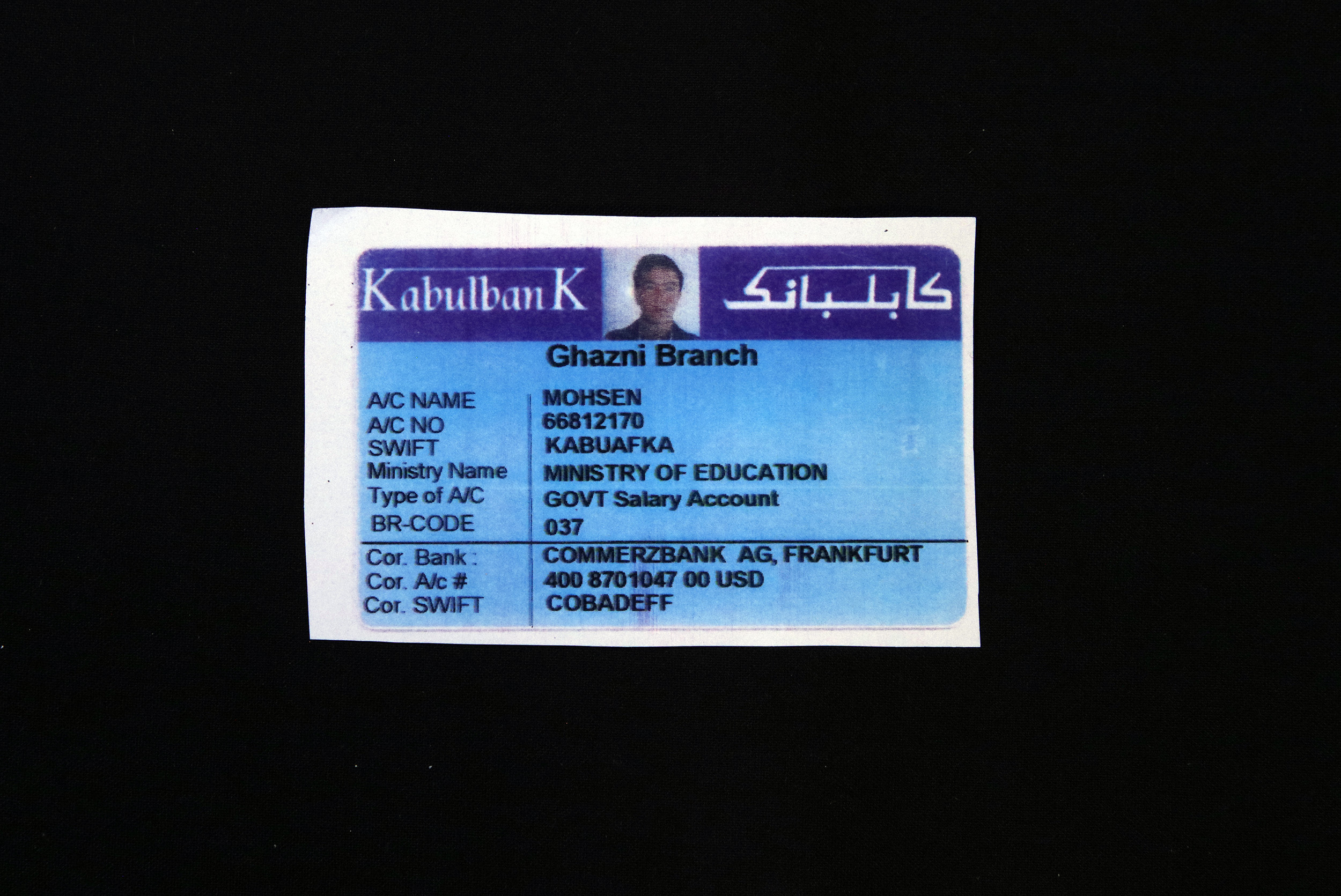
| Item 1.8 | 1 | Victim’s Payment document |
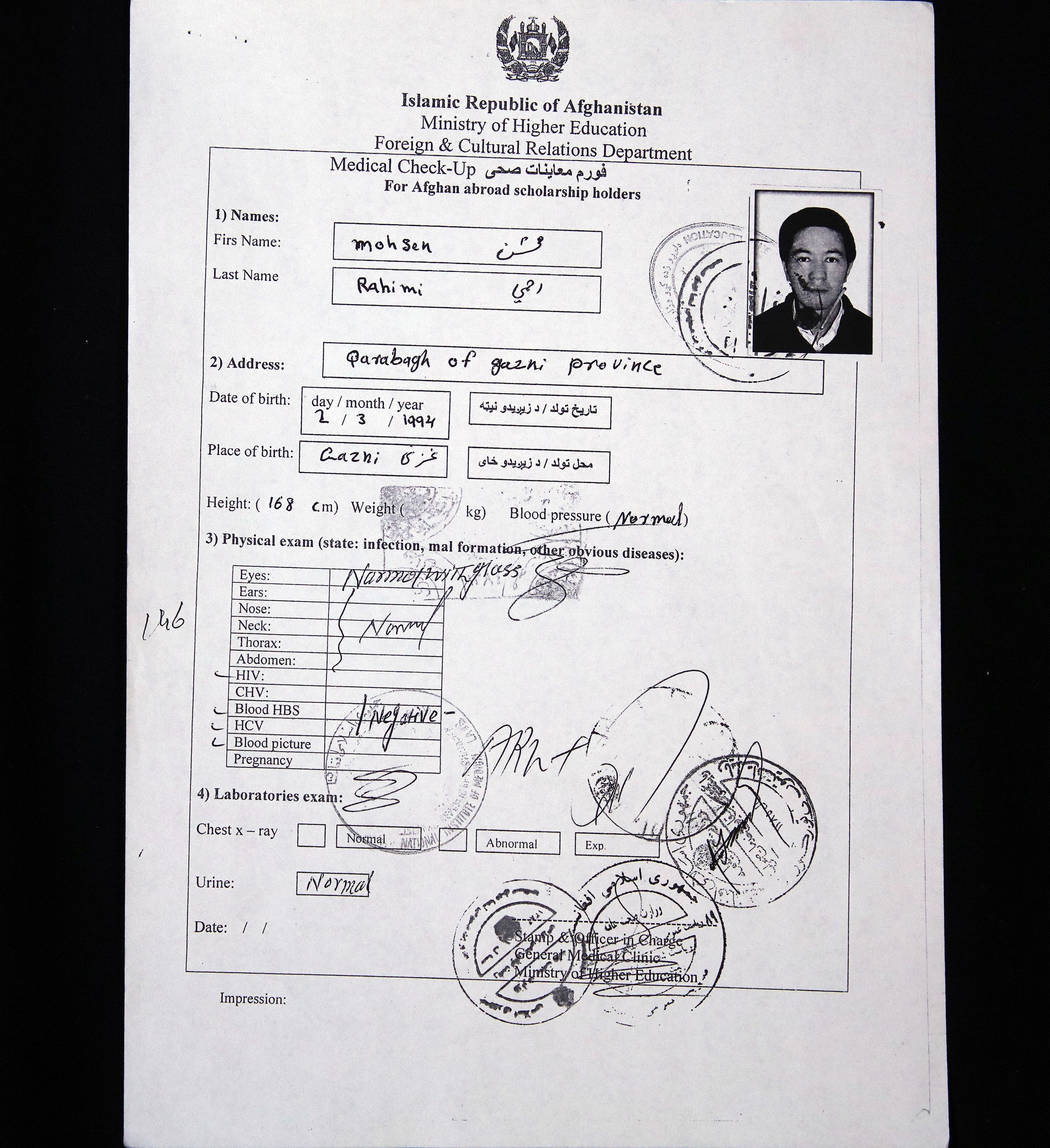
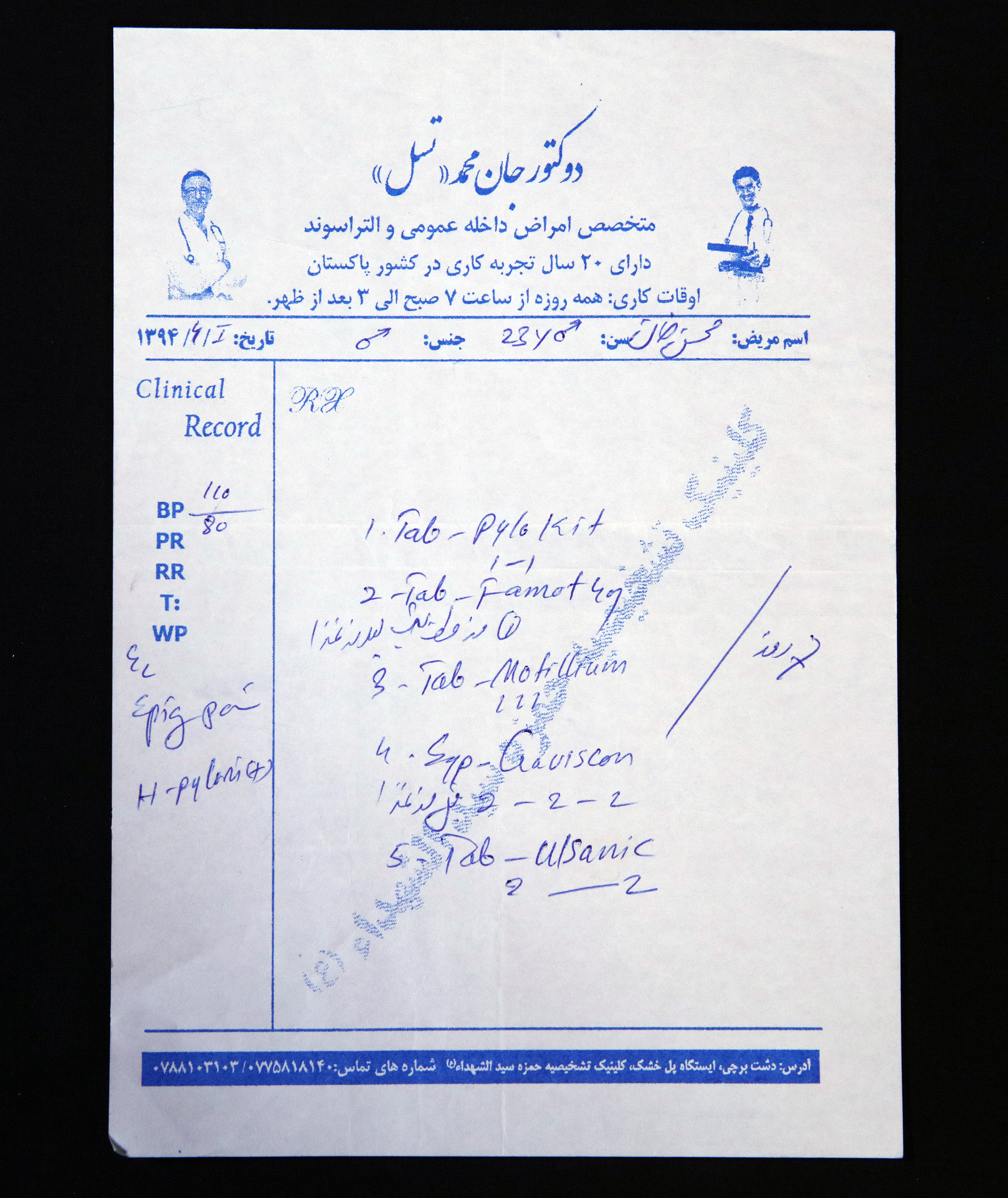
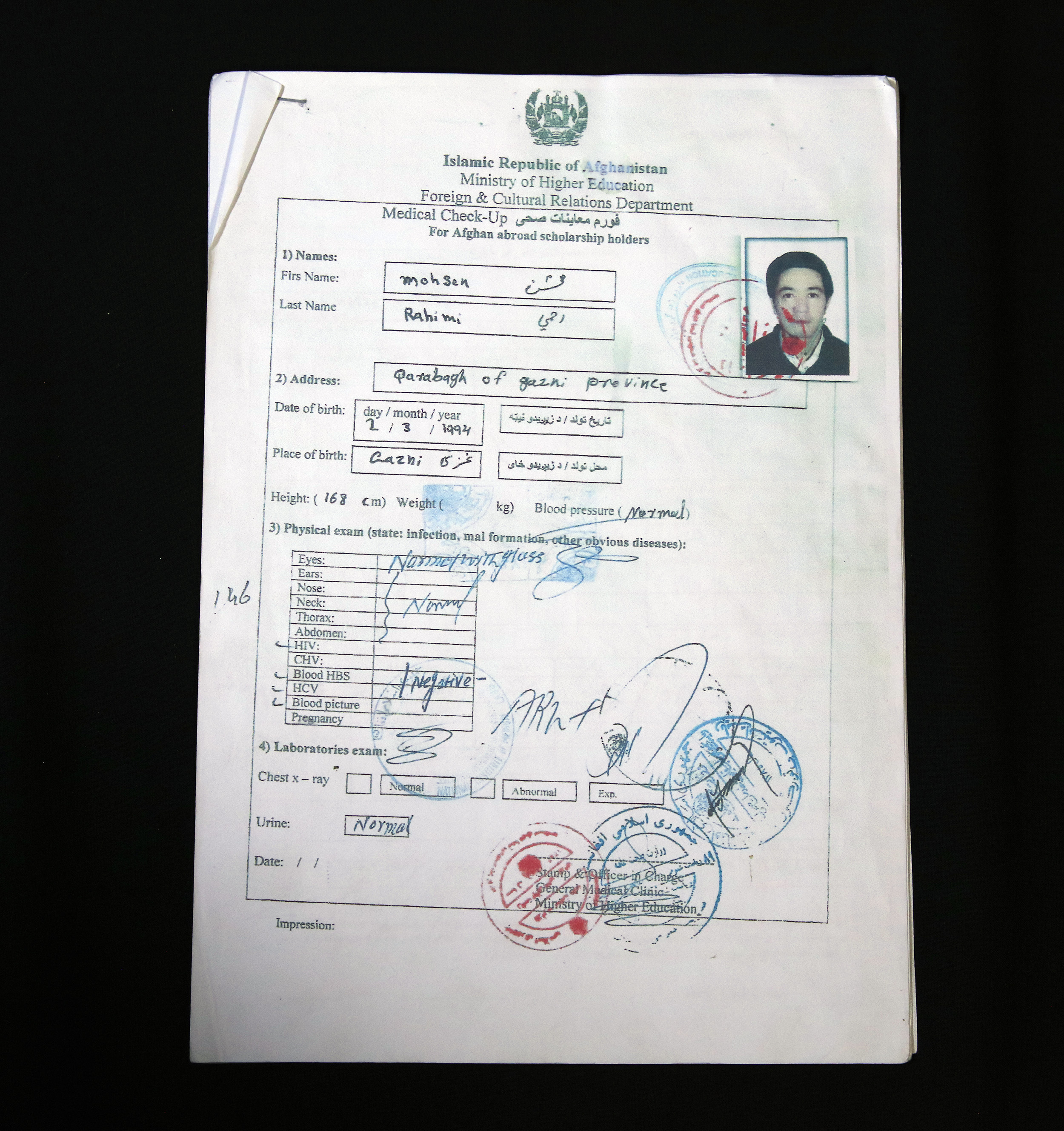
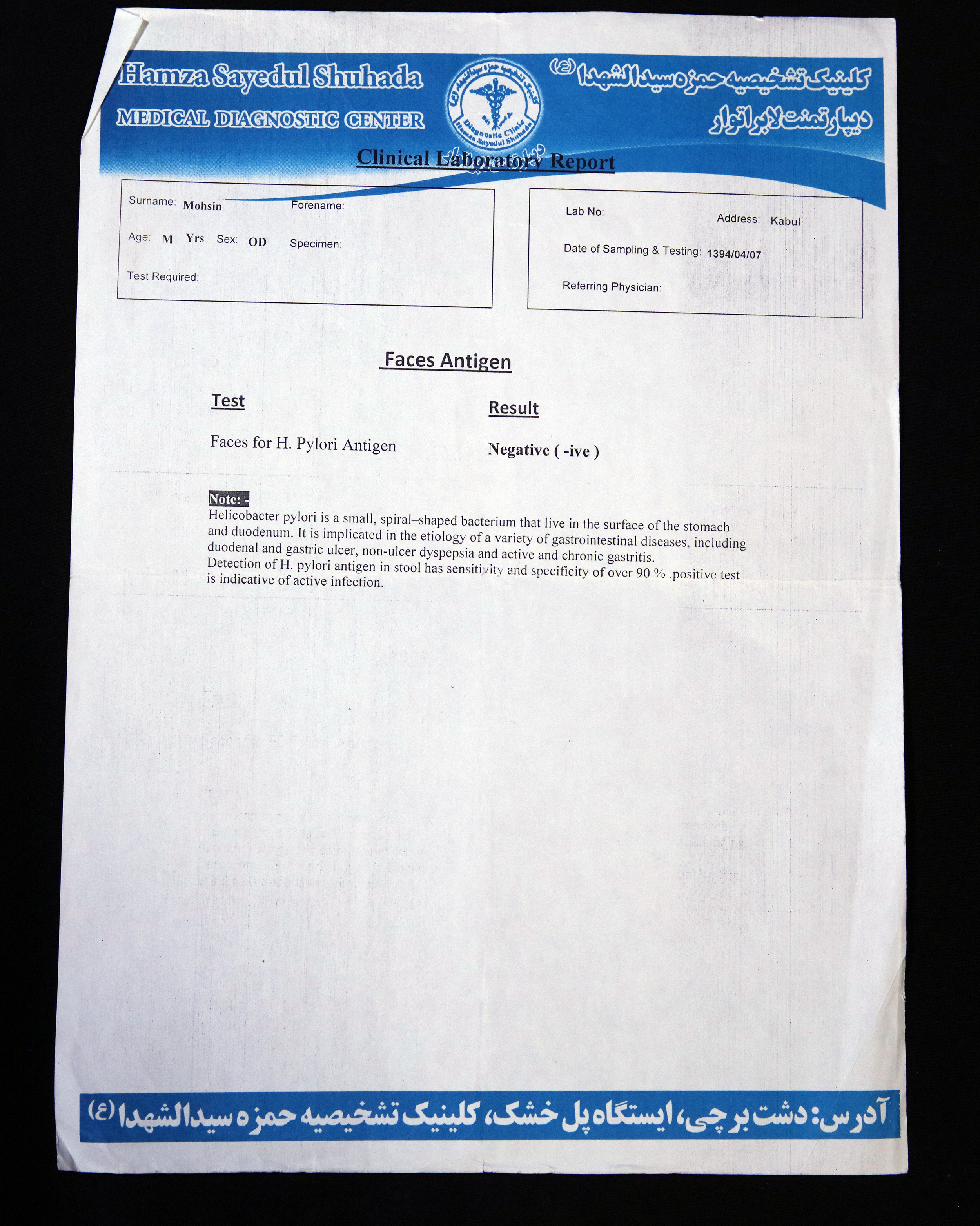
| Item 1.9 | 1 | Victim’s Health checking form |
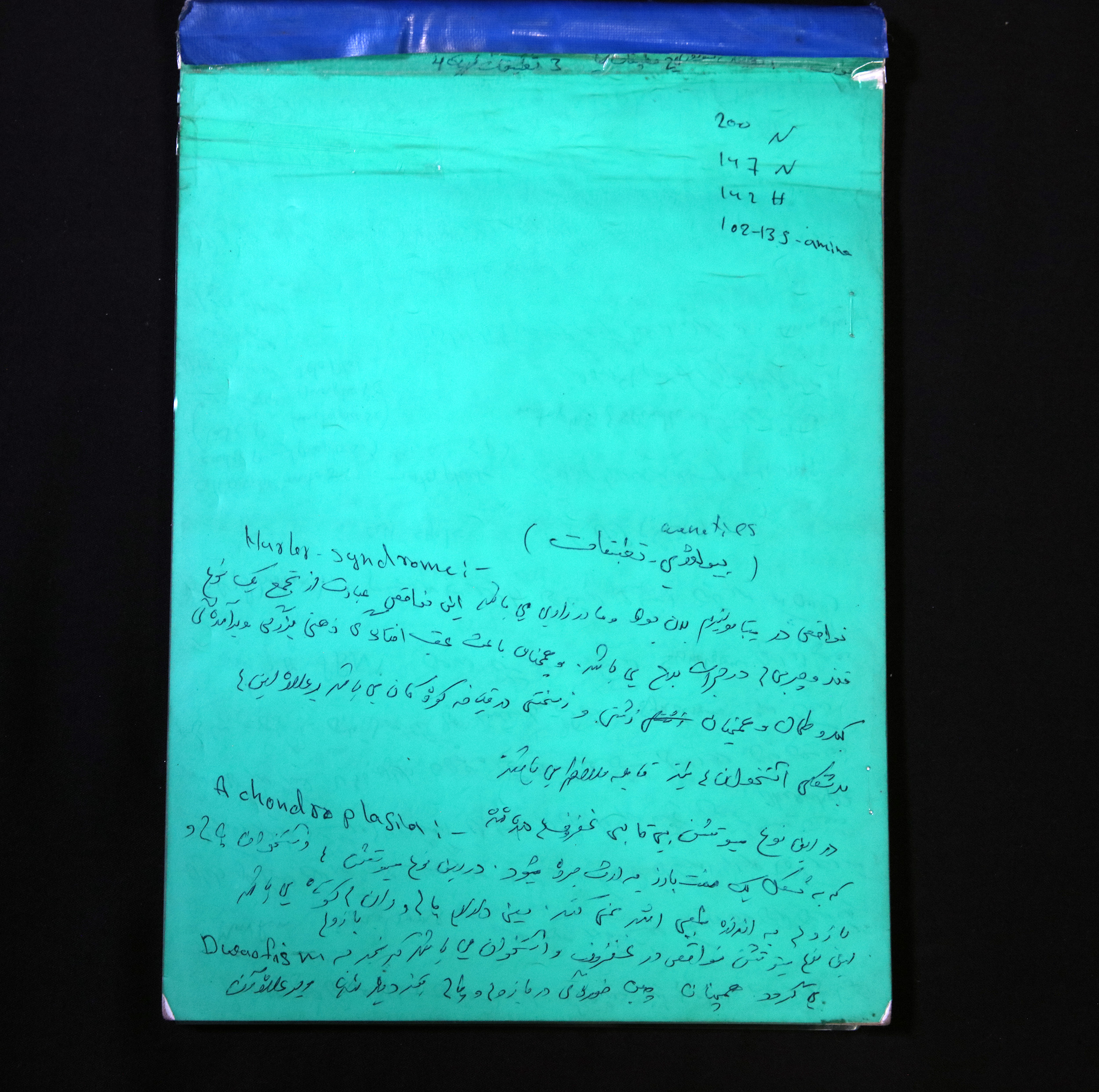
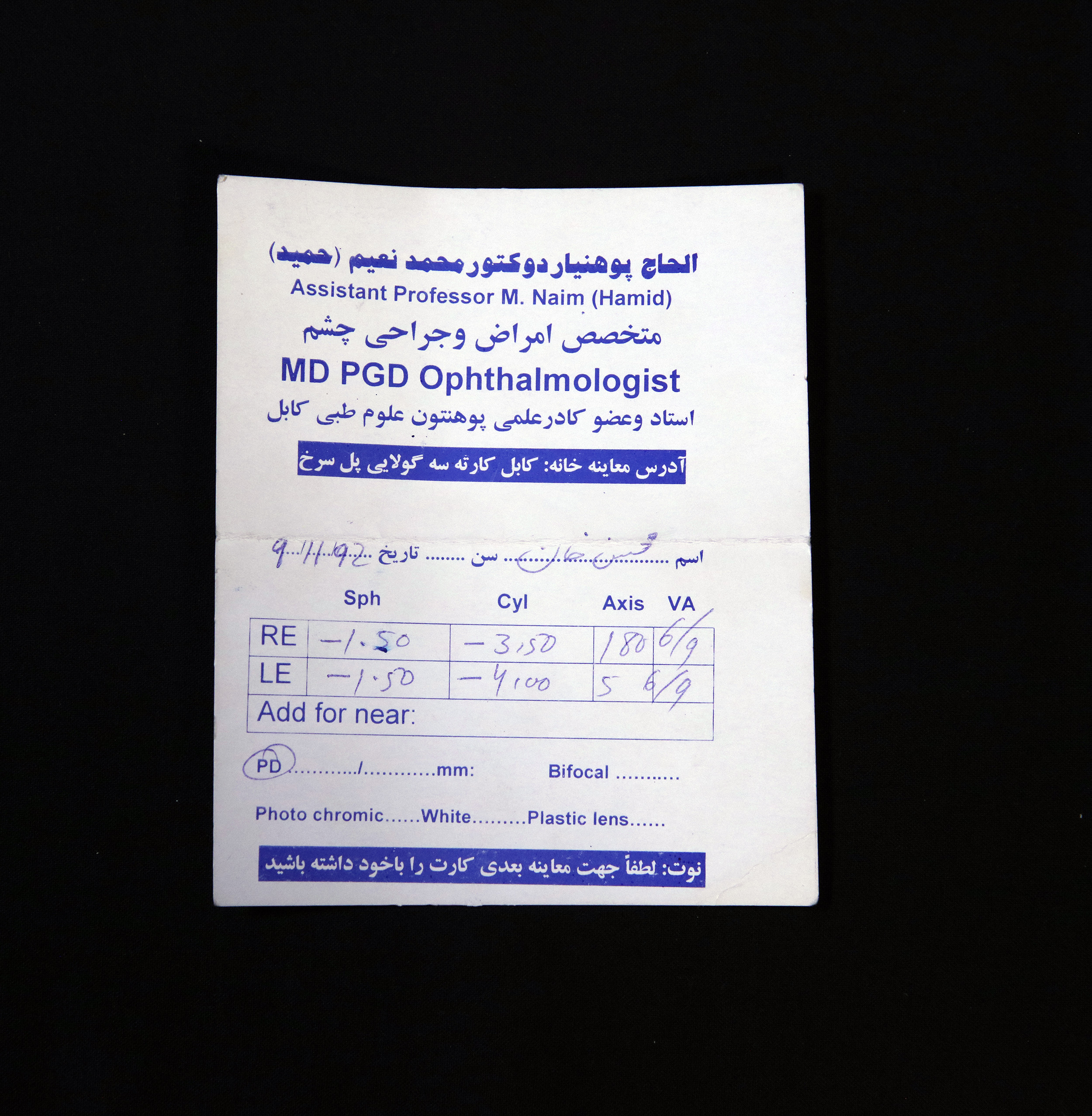
| Item 2.0 | 1 | Victim’s doctor report |