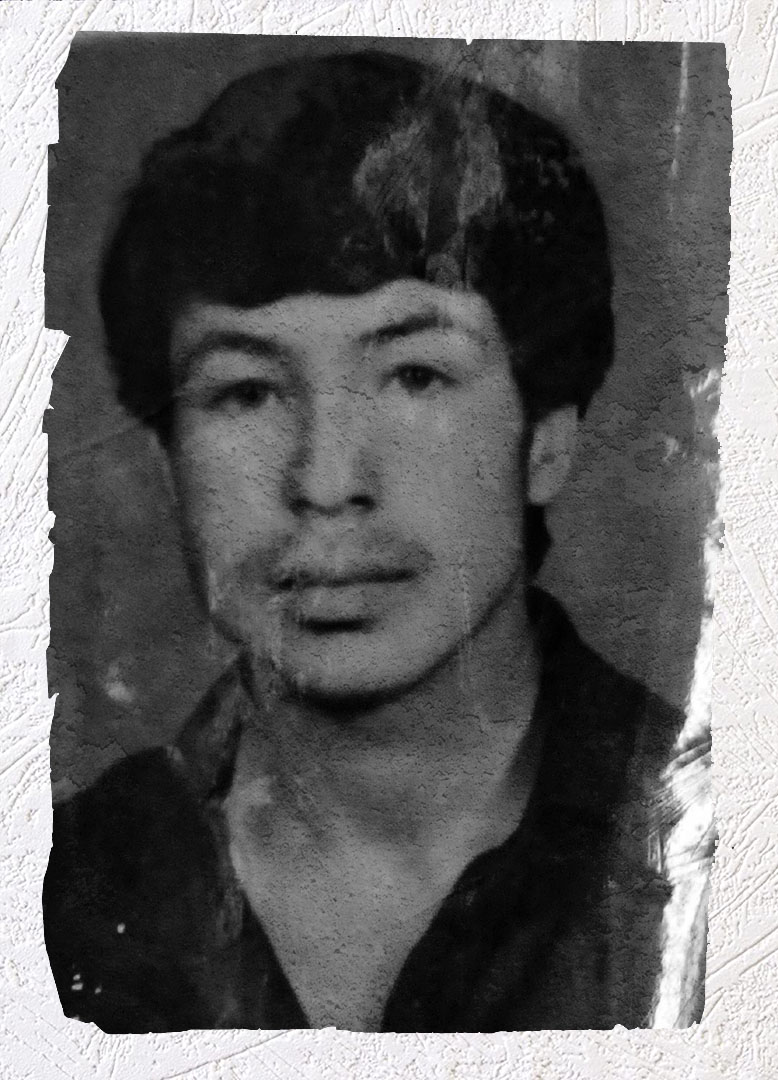
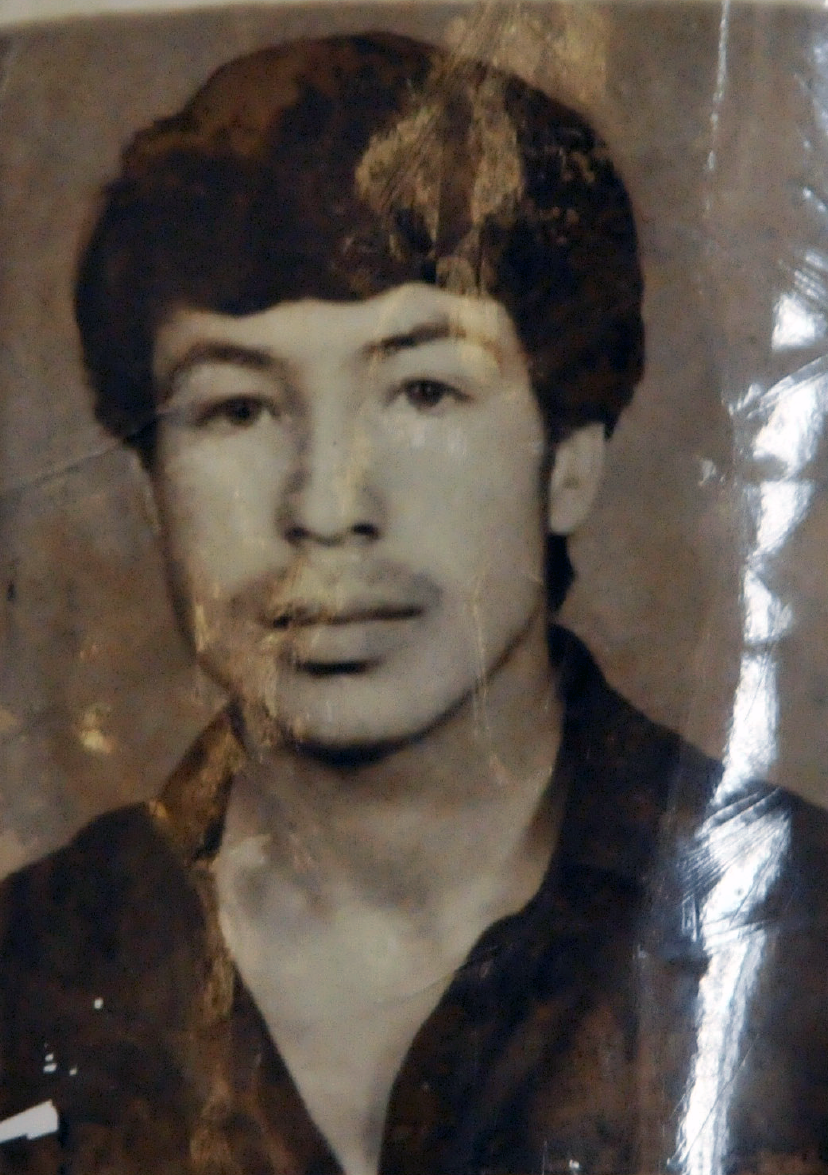
A Mother's Vision Blurred by Death
Narrator: Farida
Victim: Qudrartullah
Date of the incident: 1987
Location of the incident: Kabul city, Deh-e Sabz
Farida’s brother in-law, Qudratullah, was an 18-year-old student living in the Chehil Suton area of Kabul when he was forcibly conscripted under the government of Dr. Najibullah. He was dispatched to fight the Mujahidin insurgents. In one of the battles between the Afghan army and the Mujahidin in Deh Sabz, Kabul, Qudratullah was killed.
Qudratullah was the fourth son of his family. Even while he was still at school, he was financially supporting them through part-time work. He wished to become an engineer but war and violence did not allow for his dream to come true, instead shattering the life of his entire family.
His death was costly for his mother more than anyone else. The death of her young son opened up a deep wound that severely damaged her spirit. For a long time, day in and day out, his mother cried and mourned. She could not accept that Qudratullah was gone and would never come back. The constant crying eventually began to blur her vision. The world had come to an end for her and nothing would ever change that. Naturally, the death of Qudratullah also had a deep impact on his father. His father was already old and frail, but the death of his young son further damaged his body and soul. Unlike his wife, he did not carry his pain on the outside but he gradually lost his capacity to work and soon passed away.
As a result, poverty and hunger overcame the family. Later, the family of Qudratullah yet again suffered from the violence of war when their home was destroyed by a rocket attack and they were forcibly displaced. Today, after years of suffering, they managed to return to a life remotely resembling normalcy. Yet, the horrors of war continue to cast a huge, disturbing shadow over them.
The Story of Farida
My name is Farida. I am 40-years-old. I live in Chehil Sutun where we have spent the past 20 years. We did not have a good life at the time my brother in-law Qudratullah was killed, in 1988.
He was killed during the fighting between the forces of Dr. Najibullah and the Mujahidin. He was 18-years-old and in 12th grade when he was conscripted into the army to fight the insurgents. One day, somebody came and informed us that Qudaratullah had been injured and that he was in a hospital nearby. We quickly ran to the hospital, but it was too late. We took his dead body and buried him in Chehil Sutun.
Another brother-in-law of mine, Hayatullah, was also handicapped during the war. After heavy fighting broke out in the capital, we were displaced to Logar province where we lived in a tent for a while. When we finally came back to Kabul, our house was completely destroyed as a result of the fighting among various Mujahidin factions. We then migrated to Iran because of the Taliban, and only returned home after their regime had collapsed.
Upon arrival, we were told that the government would provide us with a new home and land. Yet so far, nothing has been given to returnees and the families of the victims. The government must provide some form of support to the returnees. If not, how will they survive? People have lost everything during the war. I have a handicapped brother-in-law. I have daughters and a son and we are poor.
Most importantly, the memories of our loved ones should be preserved and respected. Their memories should serve as a lesson for others.