Zarkhan (Khawazak) Ahmadzai
- Photo of Victim

- Gender
- Male
- Ethnicity
- Pashtun
- Place of main incident
- Zayd-Abad, Mohammad Agha District, Logar Province
- District geolocation of incident
- Mohammad Agha: 34° 13′ 5″ N, 69° 5′ 56″ E
- Description of incident
I was only six-months-old when my father and uncle were arrested by the People’s Democratic Party of Afghanistan Regime. One night, AGSA agents attacked our home and took away my father and uncle. They were accused of being Maoist and Akhwani (Muslim Brotherhood) members. My father was a nurse and my uncle was just a farmer. Both had no political affiliations.
- Witness/Survivor Statement
The Story of Abbas Ahmadzai (son)
Victims’ Names: Zarkhan and Gulab (Khawazak) Ahmadzai
Date of Incident: 1979
Place of Incident: Zayd-Abad, Mohammad Agha District, Logar Province
I was only six-months-old when my father and uncle were arrested by the People’s Democratic Party of Afghanistan Regime. One night, AGSA agents attacked our home and took away my father and uncle. They were accused of being Maoist and Akhwani (Muslim Brotherhood) members. My father was a nurse and my uncle was just a farmer. Both had no political affiliations. Since there was no evidence or proof against them, we were hopeful they would be released within days. Only six years had passed from my parents’ wedding when my father disappeared.
To prevent any further arrests, my grandfather and uncle avoided taking food or clothes to my father and uncle. They sent my youngest uncle instead. The last time my uncle visited them at the Logar Detention Center, my father had explained that they will be transferred to Kabul for further investigation and would be released after a few days. Unfortunately, when they were transferred to Kabul, after eight days they disappeared forever. My uncle was 45 and my father was only 33-years-old. After my father disappeared, my mother started working as a tailor to support us. She never married again, waiting for my father’s return and taking care of us. My eldest sister was 5-years-old, I was six-months-old, and my youngest sister was born only six months after my father disappeared. My maternal uncle helped a lot in the process and never gave up on us until we grew up.
To save my uncles from a similar fate, my grandfather took us to Pakistan. My uncle had left behind four children and we used to live together until nine years ago when we separated into two families. For 35 years, we lived in Pakistan. We suffered and struggled just to get daily food. Despite ongoing conflicts and continuing insecurity, we had to return to Afghanistan in 2013. Just a few months after our return, I heard that the Kingdom of the Netherlands had published a list of 5,000 victims executed by the PDPA regime between 1978 and 1979. I unfortunately found my uncle and father’s names on the list. I felt like I had lost my father all over again; the little hope we had for their return was shattered forever. But I had to stay strong to support and protect my mother, who waited for almost 40 years for my father to return alive. In order to remember and revive their memories, I went to the Polygon area where their bodies are possibly buried in mass graves.
I added a few of their remaining belongings to the Memory Box to keep their memories alive and to let everyone know that we will never be able to forget our loved ones who disappeared and were killed by blind violence and political rivalry between just a few groups or individuals.
Zia Marefat
- Photo of Victim

- Gender
- Male
- Ethnicity
- Hazara
- Place of main incident
- Zardak (Sabzdara)
- District geolocation of incident
- Malistan: 33° 20′ 48″ N, 67° 12′ 13″ E
- Description of incident
Hundreds of Taliban fighters stormed Malistan District in Ghazni province at the end of July 2021. Taliban fighters seized control of the district following hours of combat with government forces at the time. They immediately initiated search operations, arbitrary detentions, and summary executions of civilians. At least forty civilians, including children and women, were reportedly murdered, and dozens more were arrested and tortured by Taliban combatants throughout the conflict, according to multiple sources, including locals and eyewitnesses.
- Witness/Survivor Statement
No statement
Sayed Ahmad Ansari
- Photo of Victim

- Gender
- Male
- Ethnicity
- Sadat
- Place of main incident
- Zardak (Sabzdara)
- District geolocation of incident
- Malistan: 33° 20′ 48″ N, 67° 12′ 13″ E
- Description of incident
Hundreds of Taliban fighters stormed Malistan District in Ghazni province at the end of July 2021. Taliban fighters seized control of the district following hours of combat with government forces at the time. They immediately initiated search operations, arbitrary detentions, and summary executions of civilians. At least forty civilians, including children and women, were reportedly murdered, and dozens more were arrested and tortured by Taliban combatants throughout the conflict, according to multiple sources, including locals and eyewitnesses.
- Witness/Survivor Statement
No statement
Sayed Abdulhakim Mosawi
- Photo of Victim

- Gender
- Male
- Ethnicity
- Sadat
- Place of main incident
- Zardak (Sabzdara)
- District geolocation of incident
- Malistan: 33° 20′ 48″ N, 67° 12′ 13″ E
- Description of incident
Hundreds of Taliban fighters stormed Malistan District in Ghazni province at the end of July 2021. Taliban fighters seized control of the district following hours of combat with government forces at the time. They immediately initiated search operations, arbitrary detentions, and summary executions of civilians. At least forty civilians, including children and women, were reportedly murdered, and dozens more were arrested and tortured by Taliban combatants throughout the conflict, according to multiple sources, including locals and eyewitnesses.
- Witness/Survivor Statement
No statement
Qand Agha
- Photo of Victim

- Gender
- Male
- Ethnicity
- Tajik
- Place of main incident
- Zanbaq Square, Kabul city
- District geolocation of incident
- Kabul: 34° 31′ 1″ N, 69° 8′ 60″ E
- Description of incident
Qand Agha, the son of Negar, is one of the victims of senseless war. He was not killed during the time of the civil war nor during the Taliban regime, but as a result of a suicide attack under the current regime of president Karzai. He is the victim of a cycle of violence initiated decades before and likely to continue for years to come as the thousands of innocent deaths since 2001 prove that the roots of violence have not yet been totally wiped out.
- Witness/Survivor Statement
The Trauma of Rebuilding a Shattered Existence
Narrator: Negar
Victim: Qand Agha
Date of the incident: May 31, 2017
Location of the incident: Zanbaq Square, Kabul city
One of the main tragedies of war is that it makes all kinds of atrocities possible. When a war begins, repeated catastrophic events eventually lead to an endless cycle of violence and suffering, depriving the people of any kind of prosperity and joy. War transforms suffering into a daily routine, thereby destroying the dreams of even the simplest of lives. Everything evaporates except war, destruction, and suffering. Life itself loses its inherent meaning and begins to resemble a hollow ditch that opens its mouth to devour everything.
Even when war finally comes to an end, the trauma of rebuilding one’s life casts a huge shadow and further prevents a return to normality. In Afghanistan, generation after generation have grown up under the dark shadow of war. For many, war has by now been accepted as a way of living, thereby giving further life to the rule of swords, guns, suicide attacks, and a society full of hatred and violence. Consequently, violence is no longer bound by time and space while the legacy of conflict is so overwhelming that post-conflict life is often more difficult than life during the violent event itself.
Qand Agha, the son of Negar, is one of the victims of senseless war. He was not killed during the time of the civil war nor during the Taliban regime, but as a result of a suicide attack under the current regime of president Karzai. He is the victim of a cycle of violence initiated decades before and likely to continue for years to come as the thousands of innocent deaths since 2001 prove that the roots of violence have not yet been totally wiped out. It seems that the dragons of death are not yet satisfied and that every now and then the city of Kabul must fill its stomach with more victims. The death of Qand Agha constitutes an explicit warning that the possibility of a return to full-fledged war and its tragedies should not be underestimated.
The Memory Box project is an explicit statement against the return of tragedy. It aims to shake the human consciousness and expose the tragic nature of violent conflict.
The Story of Negar
My name is Negar and I am 40-years-old. Four years ago, my son was killed in a suicide attack in Charahi Zanbaq in the city of Kabul. I now live in Chehil Sutun in very difficult circumstances. In the past, my life was much better, especially since my son was working.
One day, my son was asleep when I woke him up and told him to go to work as it was getting late. He asked me to let him sleep and covered himself with a blanket. After a while I sent my other son to go and remind him. He refused again but eventually someone called him on his mobile and he finally got up. He had not eaten well the night before and I brought him fresh rice to eat. Then, he took his jacket and left the house. It was late afternoon and he never came back. I borrowed my neighbor’s cell phone and gave it to my younger son to call him. When my son called, somebody else answered his telephone and informed us that Qand Agha had been injured. Later, my husband came home and confirmed that he was injured. My son was hospitalized for one month. Every time I visited him at the hospital, he asked me not to cry, ensuring me that he would recover soon. After a month, he passed away and his dead body was returned home.
My son was a really funny person. He was working somewhere as a security guard but I don’t know exactly where. I do not remember which month he was killed but I do remember it was winter. He had received his salary only once and was waiting for his second salary when he died. Before, he used to work as a street seller and later he became a bus conductor. His father was old and could not fully support the family.
My son was always telling me that one day he would buy a house for us. Whenever he saw the car of a newly wed couple covered with flowers, he jokingly promised he would get married soon. I remember that I cooked rice that day when he was injured. He ate but left home hungry and often complained of hunger during his month in the hospital. His cloth was torn into pieces. I still keep it as a memory of him. I want you to use his stuff for the Memory Box exhibition.
Gul Pari
- Photo of Victim

- Gender
- Female
- Ethnicity
- Hazara
- Place of main incident
- Zabul
- District geolocation of incident
- Arghandab: 31° 39′ 3″ N, 65° 38′ 59″ E
- Description of incident
On November 9, 2015, in Zabul Province, seven Hazara individuals were taken hostage and beheaded by the Islamic State. Among the victims was Shukria Tabassum, a nine-year-old child.
- Witness/Survivor Statement
No statement
Sardaro Ali
- Photo of Victim

- Gender
- Female
- Ethnicity
- Hazara
- Place of main incident
- Zabul
- District geolocation of incident
- Arghandab: 31° 39′ 3″ N, 65° 38′ 59″ E
- Description of incident
On November 9, 2015, in Zabul Province, seven Hazara individuals were taken hostage and beheaded by the Islamic State. Among the victims was Shukria Tabassum, a nine-year-old child.
- Witness/Survivor Statement
No statement
Shawkat Ali
- Photo of Victim

- Gender
- Male
- Ethnicity
- Hazara
- Place of main incident
- Zabul
- District geolocation of incident
- Arghandab: 31° 39′ 3″ N, 65° 38′ 59″ E
- Description of incident
On November 9, 2015, in Zabul Province, seven Hazara individuals were taken hostage and beheaded by the Islamic State. Among the victims was Shukria Tabassum, a nine-year-old child.
- Witness/Survivor Statement
No statement
Sadiq Ali
- Photo of Victim

- Gender
- Male
- Ethnicity
- Hazara
- Place of main incident
- Zabul
- District geolocation of incident
- Arghandab: 31° 39′ 3″ N, 65° 38′ 59″ E
- Description of incident
On November 9, 2015, in Zabul Province, seven Hazara individuals were taken hostage and beheaded by the Islamic State. Among the victims was Shukria Tabassum, a nine-year-old child.
- Witness/Survivor Statement
No statement
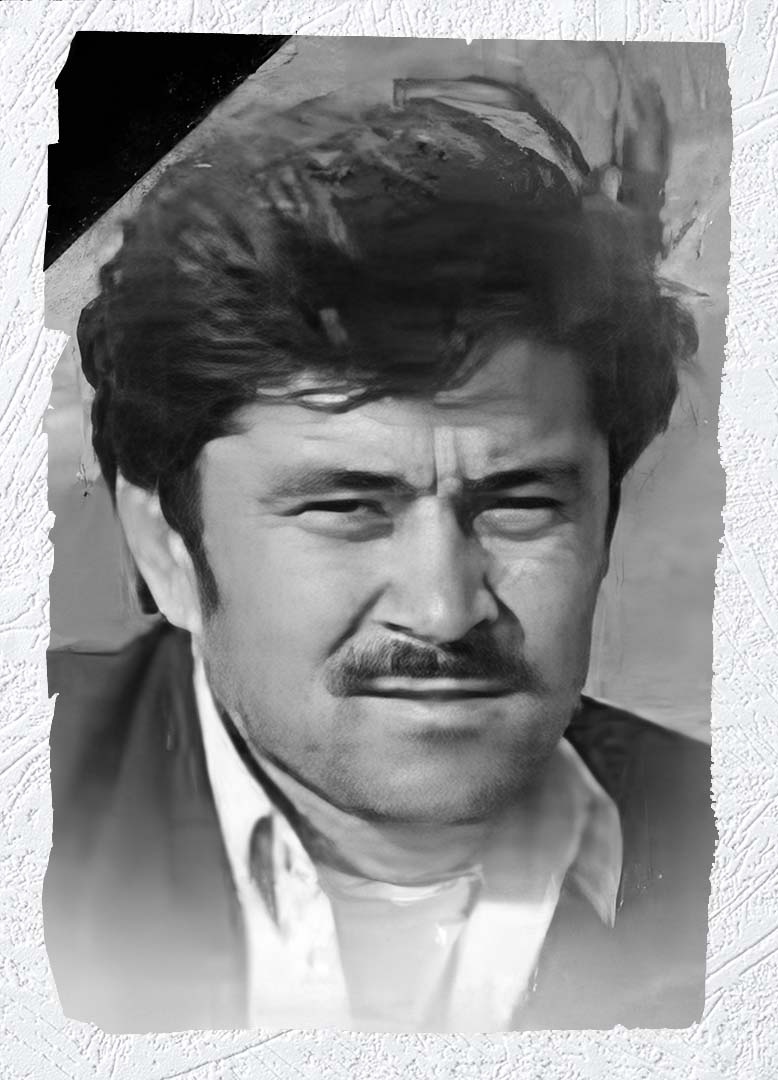
Mohammad Khan
- Photo of Victim
- Gender
- Male
- Ethnicity
- Hazara
- Place of main incident
- Zabul
- District geolocation of incident
- Arghandab: 31° 39′ 3″ N, 65° 38′ 59″ E
- Description of incident
On November 9, 2015, in Zabul Province, seven Hazara individuals were taken hostage and beheaded by the Islamic State. Among the victims was Shukria Tabassum, a nine-year-old child.
- Witness/Survivor Statement
No statement
Shukria Tabassum
- Photo of Victim

- Gender
- Female
- Ethnicity
- Hazara
- Place of main incident
- Zabul
- District geolocation of incident
- Arghandab: 31° 39′ 3″ N, 65° 38′ 59″ E
- Description of incident
On November 9, 2015, in Zabul Province, seven Hazara individuals were taken hostage and beheaded by the Islamic State. Among the victims was Shukria Tabassum, a nine-year-old child.
- Witness/Survivor Statement
No statement
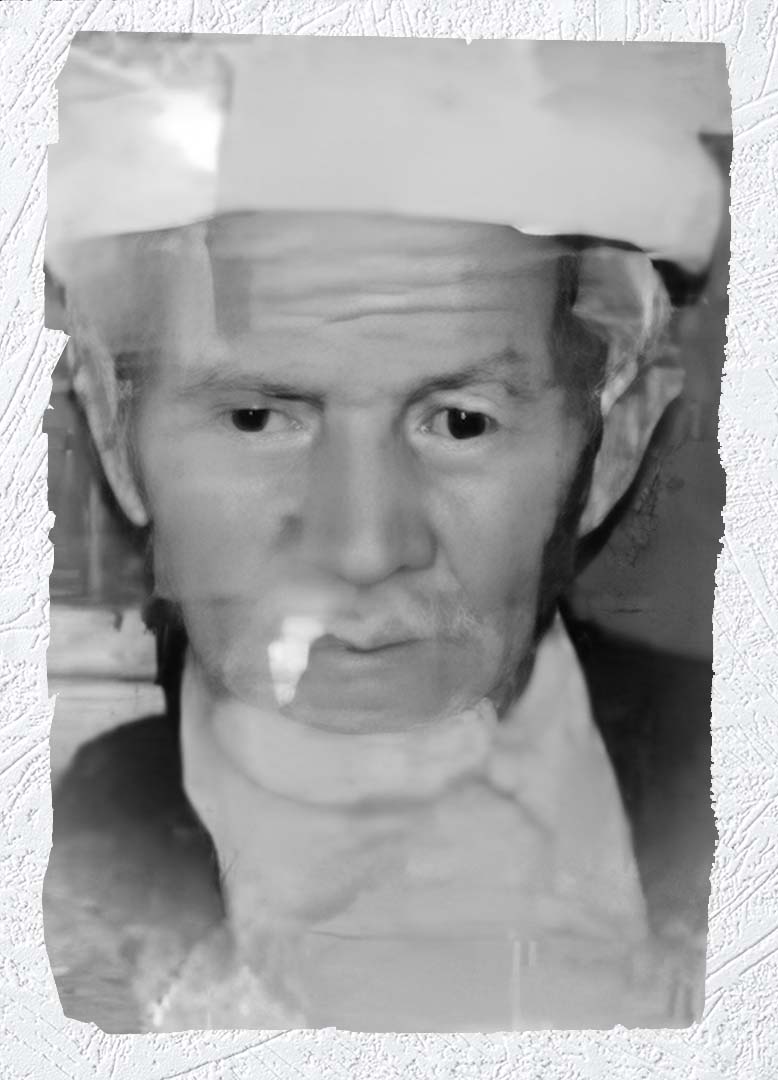
Mohib Ali
- Photo of Victim
- Gender
- Male
- Ethnicity
- Hazara
- Place of main incident
- Zabul
- District geolocation of incident
- Arghandab: 31° 39′ 3″ N, 65° 38′ 59″ E
- Description of incident
On November 9, 2015, in Zabul Province, seven Hazara individuals were taken hostage and beheaded by the Islamic State. Among the victims was Shukria Tabassum, a nine-year-old child.
- Witness/Survivor Statement
No statement
Sayed Ghulam Hassan
- Photo of Victim

- Gender
- Male
- Ethnicity
- Sadat
- Place of main incident
- Yakawlang, Mendeyak میندیک
- District geolocation of incident
- Yakawlang: 34° 44′ 50″ N, 66° 56′ 40″ E
- Description of incident
The Taliban slaughtered at least 300 Sayyid and Hazara people during an attack on the Yakaolang District of Bamiyan province on January 7, 2001. Witness accounts state that once the Taliban troops retook Yakaolang, they started to arrest and ruthlessly kill individuals. In late December 2000, they had lost Yakaolang to Hezb-e Wahdat, an anti-Taliban party that claimed to be supported by the Hazara minority. Additionally, witnesses reported to Amnesty International that Hezb-e Wahdat soldiers executed at least four people in broad daylight during the few days they occupied Yakaolang in late December 2000.
- Witness/Survivor Statement
No statement
Hussainali Qasimi
- Photo of Victim

- Gender
- Male
- Ethnicity
- Hazara
- Place of main incident
- Yakawlang, Mendeyak میندیک
- District geolocation of incident
- Yakawlang: 34° 44′ 50″ N, 66° 56′ 40″ E
- Description of incident
Confidential
- Witness/Survivor Statement
Confidential
Sayed Ebrahim
- Photo of Victim

- Gender
- Male
- Ethnicity
- Sadat
- Place of main incident
- Yakawlang, Mandeiak Bala مندیک بالا
- District geolocation of incident
- Yakawlang: 34° 44′ 50″ N, 66° 56′ 40″ E
- Description of incident
On January 7, 2001, the Taliban attacked the Yakawlang District of Bamiyan Province and massacred hundreds of Hazara civilians. Many of those who managed to escape and take refuge on the mountains froze to death. On January 8, Taliban members began a house-to-house search across the district. The massacre of Hazaras continued through the 9th, 10th, 11th, and 12th of January. At least 300 Hazaras were executed by the Taliban.
- Witness/Survivor Statement
No statement
Mohammad Zawar
- Photo of Victim

- Gender
- Male
- Ethnicity
- Hazara
- Place of main incident
- Yakawlang, Dara Ali دره علی
- District geolocation of incident
- Yakawlang: 34° 44′ 50″ N, 66° 56′ 40″ E
- Description of incident
The Taliban slaughtered at least 300 Sayyid and Hazara people during an attack on the Yakawlang District of Bamiyan Province on January 7, 2001. Witness accounts state that once the Taliban troops retook Yakawlang on January 7, they started to arrest and ruthlessly kill individuals. In late December 2000, they had lost Yakawlang to Hezb-e Wahdat, an anti-Taliban party that claimed to be supported by the Hazara minority. Additionally, witnesses reported to Amnesty International that Hezb-e Wahdat soldiers executed at least four people in broad daylight during the few days they occupied Yakawlang in late December 2000.
- Witness/Survivor Statement
No statement
Khodadad
- Photo of Victim

- Gender
- Male
- Ethnicity
- Hazara
- Place of main incident
- Yakawlang, Dara Ali دره علی
- District geolocation of incident
- Yakawlang: 34° 44′ 50″ N, 66° 56′ 40″ E
- Description of incident
The Taliban slaughtered at least 300 Sayyid and Hazara people during an attack on the Yakawlang District of Bamiyan Province on January 7, 2001. Witness accounts state that once the Taliban troops retook Yakawlang on January 7, they started to arrest and ruthlessly kill individuals. In late December 2000, they had lost Yakawlang to Hezb-e Wahdat, an anti-Taliban party that claimed to be supported by the Hazara minority. Additionally, witnesses reported to Amnesty International that Hezb-e Wahdat soldiers executed at least four people in broad daylight during the few days they occupied Yakawlang in late December 2000.
- Witness/Survivor Statement
No statement
Mohammad Hassan
- Photo of Victim

- Gender
- Male
- Ethnicity
- Hazara
- Place of main incident
- Yakawlang
- District geolocation of incident
- Yakawlang: 34° 44′ 50″ N, 66° 56′ 40″ E
- Description of incident
On January 7, 2001, the Taliban attacked the Yakawlang District of Bamiyan Province and massacred hundreds of Hazara civilians. Many of those who managed to escape and take refuge on the mountains froze to death. On January 8, Taliban members began a house-to-house search across the district. The massacre of Hazaras continued through the 9th, 10th, 11th, and 12th of January. At least 300 Hazaras were executed by the Taliban.
- Witness/Survivor Statement
No statement
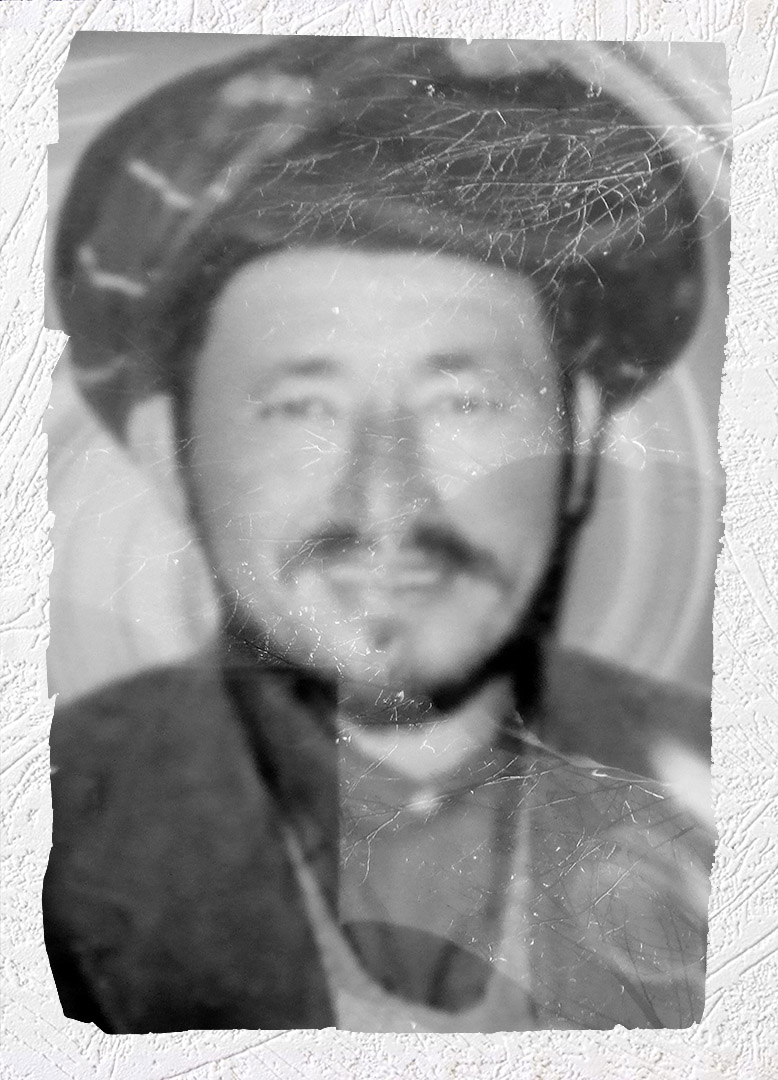
Haji Mohammad
- Photo of Victim
- Gender
- Male
- Ethnicity
- Hazara
- Place of main incident
- Yakawlang
- District geolocation of incident
- Yakawlang: 34° 44′ 50″ N, 66° 56′ 40″ E
- Description of incident
On January 7, 2001, the Taliban attacked the Yakawlang District of Bamiyan Province and massacred hundreds of Hazara civilians. Many of those who managed to escape and take refuge on the mountains froze to death. On January 8, Taliban members began a house-to-house search across the district. The massacre of Hazaras continued through the 9th, 10th, 11th, and 12th of January. At least 300 Hazaras were executed by the Taliban.
Ahmad Sha
- Photo of Victim

- Gender
- Male
- Ethnicity
- Sadat
- Place of main incident
- Yakawlang
- District geolocation of incident
- Yakawlang: 34° 44′ 50″ N, 66° 56′ 40″ E
- Description of incident
On January 7, 2001, the Taliban attacked the Yakawlang District of Bamiyan Province and massacred hundreds of Hazara civilians. Many of those who managed to escape and take refuge on the mountains froze to death. On January 8, Taliban members began a house-to-house search across the district. The massacre of Hazaras continued through the 9th, 10th, 11th, and 12th of January. At least 300 Hazaras were executed by the Taliban.
- Witness/Survivor Statement
No statement
Rahmatullah
- Photo of Victim

- Gender
- Male
- Ethnicity
- Hazara
- Place of main incident
- Yakawlang
- District geolocation of incident
- Yakawlang: 34° 44′ 50″ N, 66° 56′ 40″ E
- Description of incident
On January 7, 2001, the Taliban attacked the Yakawlang District of Bamiyan Province and massacred hundreds of Hazara civilians. Many of those who managed to escape and take refuge on the mountains froze to death. On January 8, Taliban members began a house-to-house search across the district. The massacre of Hazaras continued through the 9th, 10th, 11th, and 12th of January. At least 300 Hazaras were executed by the Taliban.
Sayed Ahmad
- Photo of Victim

- Gender
- Male
- Ethnicity
- Sadat
- Place of main incident
- Yakawlang
- District geolocation of incident
- Yakawlang: 34° 44′ 50″ N, 66° 56′ 40″ E
- Description of incident
On January 7, 2001, the Taliban attacked the Yakawlang District of Bamiyan Province and massacred hundreds of Hazara civilians. Many of those who managed to escape and take refuge on the mountains froze to death. On January 8, Taliban members began a house-to-house search across the district. The massacre of Hazaras continued through the 9th, 10th, 11th, and 12th of January. At least 300 Hazaras were executed by the Taliban.
Sayed Amin
- Photo of Victim

- Gender
- Male
- Ethnicity
- Sadat
- Place of main incident
- Yakawlang
- District geolocation of incident
- Yakawlang: 34° 44′ 50″ N, 66° 56′ 40″ E
- Description of incident
On January 7, 2001, the Taliban attacked the Yakawlang District of Bamiyan Province and massacred hundreds of Hazara civilians. Many of those who managed to escape and take refuge on the mountains froze to death. On January 8, Taliban members began a house-to-house search across the district. The massacre of Hazaras continued through the 9th, 10th, 11th, and 12th of January. At least 300 Hazaras were executed by the Taliban.
Sayed Akbar
- Photo of Victim

- Gender
- Male
- Ethnicity
- Sadat
- Place of main incident
- Yakawlang
- District geolocation of incident
- Yakawlang: 34° 44′ 50″ N, 66° 56′ 40″ E
- Description of incident
On January 7, 2001, the Taliban attacked the Yakawlang District of Bamiyan Province and massacred hundreds of Hazara civilians. Many of those who managed to escape and take refuge on the mountains froze to death. On January 8, Taliban members began a house-to-house search across the district. The massacre of Hazaras continued through the 9th, 10th, 11th, and 12th of January. At least 300 Hazaras were executed by the Taliban.
Sayed Afzal
- Photo of Victim

- Gender
- Male
- Ethnicity
- Sadat
- Place of main incident
- Yakawlang
- District geolocation of incident
- Yakawlang: 34° 44′ 50″ N, 66° 56′ 40″ E
- Description of incident
On January 7, 2001, the Taliban attacked the Yakawlang District of Bamiyan Province and massacred hundreds of Hazara civilians. Many of those who managed to escape and take refuge on the mountains froze to death. On January 8, Taliban members began a house-to-house search across the district. The massacre of Hazaras continued through the 9th, 10th, 11th, and 12th of January. At least 300 Hazaras were executed by the Taliban.
Abdullah
- Photo of Victim

- Gender
- Male
- Ethnicity
- Sadat
- Place of main incident
- Yakawlang
- District geolocation of incident
- Yakawlang: 34° 44′ 50″ N, 66° 56′ 40″ E
- Description of incident
On January 7, 2001, the Taliban attacked the Yakawlang District of Bamiyan Province and massacred hundreds of Hazara civilians. Many of those who managed to escape and take refuge on the mountains froze to death. On January 8, Taliban members began a house-to-house search across the district. The massacre of Hazaras continued through the 9th, 10th, 11th, and 12th of January. At least 300 Hazaras were executed by the Taliban.
Sayed Amin
- Photo of Victim

- Gender
- Male
- Ethnicity
- Sadat
- Place of main incident
- Yakawlang
- District geolocation of incident
- Yakawlang: 34° 44′ 50″ N, 66° 56′ 40″ E
- Description of incident
On January 7, 2001, the Taliban attacked the Yakawlang District of Bamiyan Province and massacred hundreds of Hazara civilians. Many of those who managed to escape and take refuge on the mountains froze to death. On January 8, Taliban members began a house-to-house search across the district. The massacre of Hazaras continued through the 9th, 10th, 11th, and 12th of January. At least 300 Hazaras were executed by the Taliban.
Mohammad
- Photo of Victim
- Gender
- Male
- Ethnicity
- Hazara
- Place of main incident
- Yakawlang
- District geolocation of incident
- Yakawlang: 34° 44′ 50″ N, 66° 56′ 40″ E
- Description of incident
On January 7, 2001, the Taliban attacked the Yakawlang District of Bamiyan Province and massacred hundreds of Hazara civilians. Many of those who managed to escape and take refuge on the mountains froze to death. On January 8, Taliban members began a house-to-house search across the district. The massacre of Hazaras continued through the 9th, 10th, 11th, and 12th of January. At least 300 Hazaras were executed by the Taliban.
Sayed Reza
- Photo of Victim

- Gender
- Male
- Ethnicity
- Sadat
- Place of main incident
- Yakawlang
- District geolocation of incident
- Yakawlang: 34° 44′ 50″ N, 66° 56′ 40″ E
- Description of incident
On January 7, 2001, the Taliban attacked the Yakawlang District of Bamiyan Province and massacred hundreds of Hazara civilians. Many of those who managed to escape and take refuge on the mountains froze to death. On January 8, Taliban members began a house-to-house search across the district. The massacre of Hazaras continued through the 9th, 10th, 11th, and 12th of January. At least 300 Hazaras were executed by the Taliban.
Sayed Mahammod Moalem
- Photo of Victim

- Gender
- Male
- Ethnicity
- Sadat
- Place of main incident
- Yakawlang
- District geolocation of incident
- Yakawlang: 34° 44′ 50″ N, 66° 56′ 40″ E
- Description of incident
On January 7, 2001, the Taliban attacked the Yakawlang District of Bamiyan Province and massacred hundreds of Hazara civilians. Many of those who managed to escape and take refuge on the mountains froze to death. On January 8, Taliban members began a house-to-house search across the district. The massacre of Hazaras continued through the 9th, 10th, 11th, and 12th of January. At least 300 Hazaras were executed by the Taliban.