
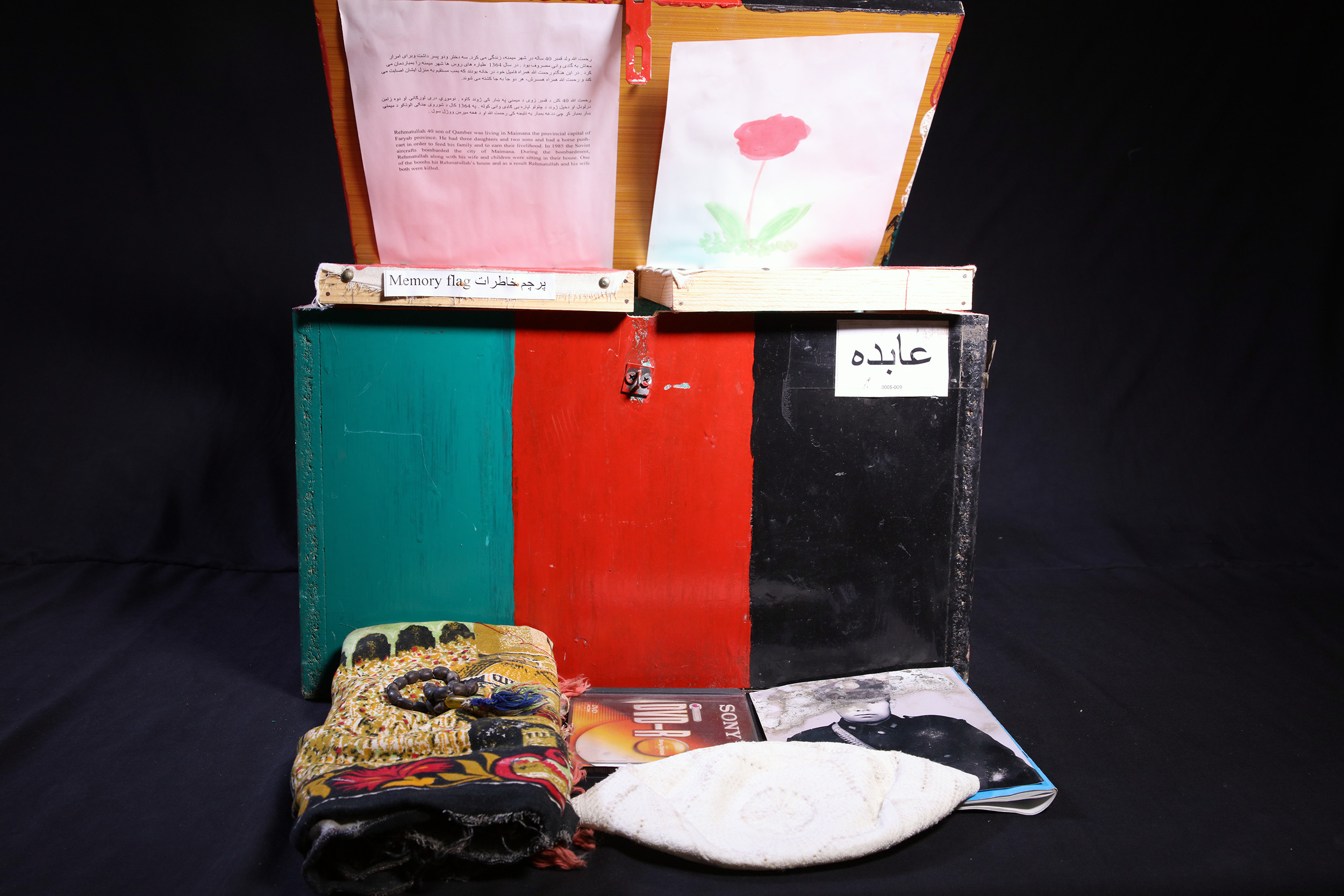
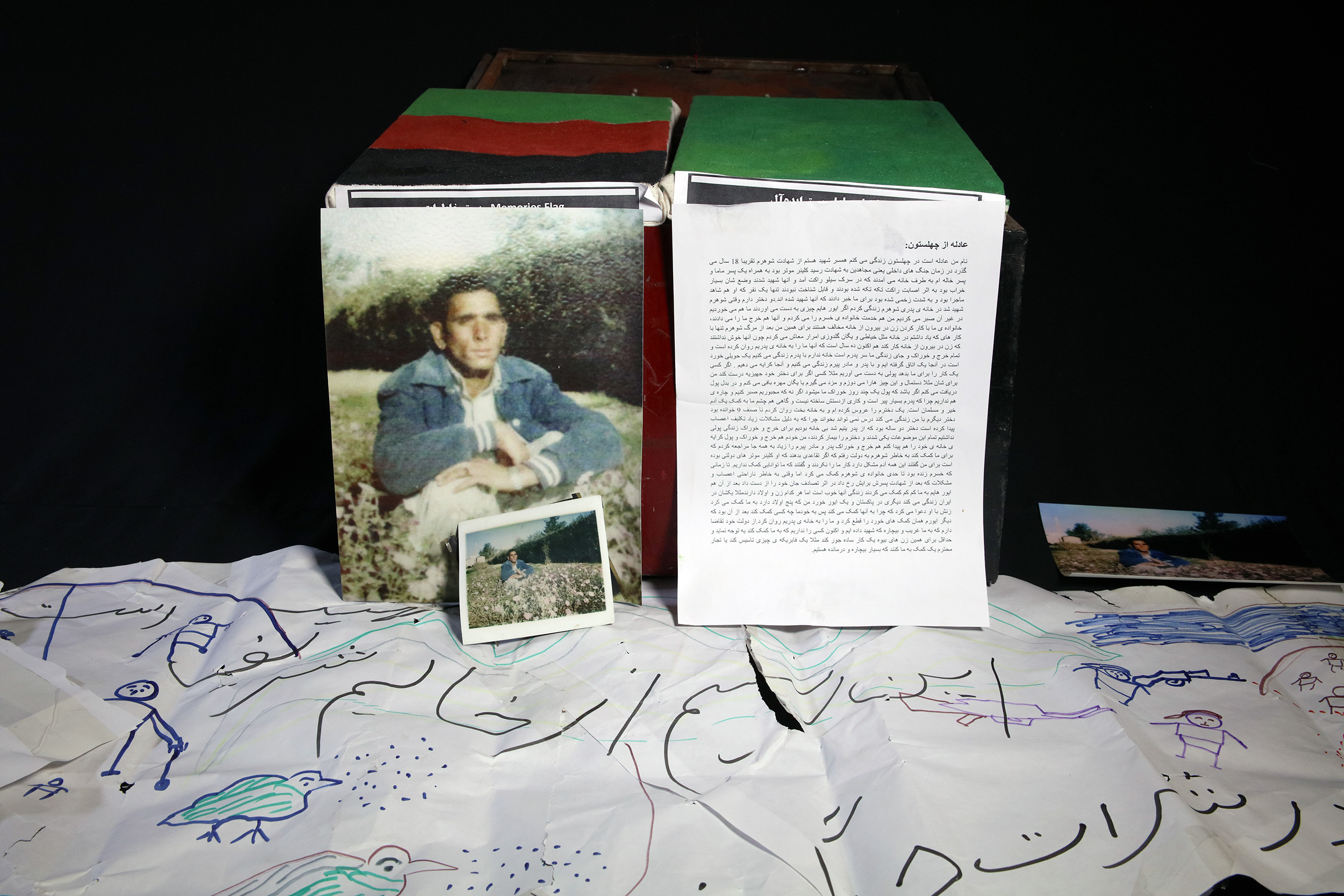
Rahmatullah
- Photo of Victim

- Gender
- Male
- Ethnicity
- Uzbek
- District geolocation of incident
- Maymana: 35° 57′ 2″ N, 64° 46′ 48″ E
- Witness/Survivor Statement
No statement
- Date modified
- Jun 22, 2026
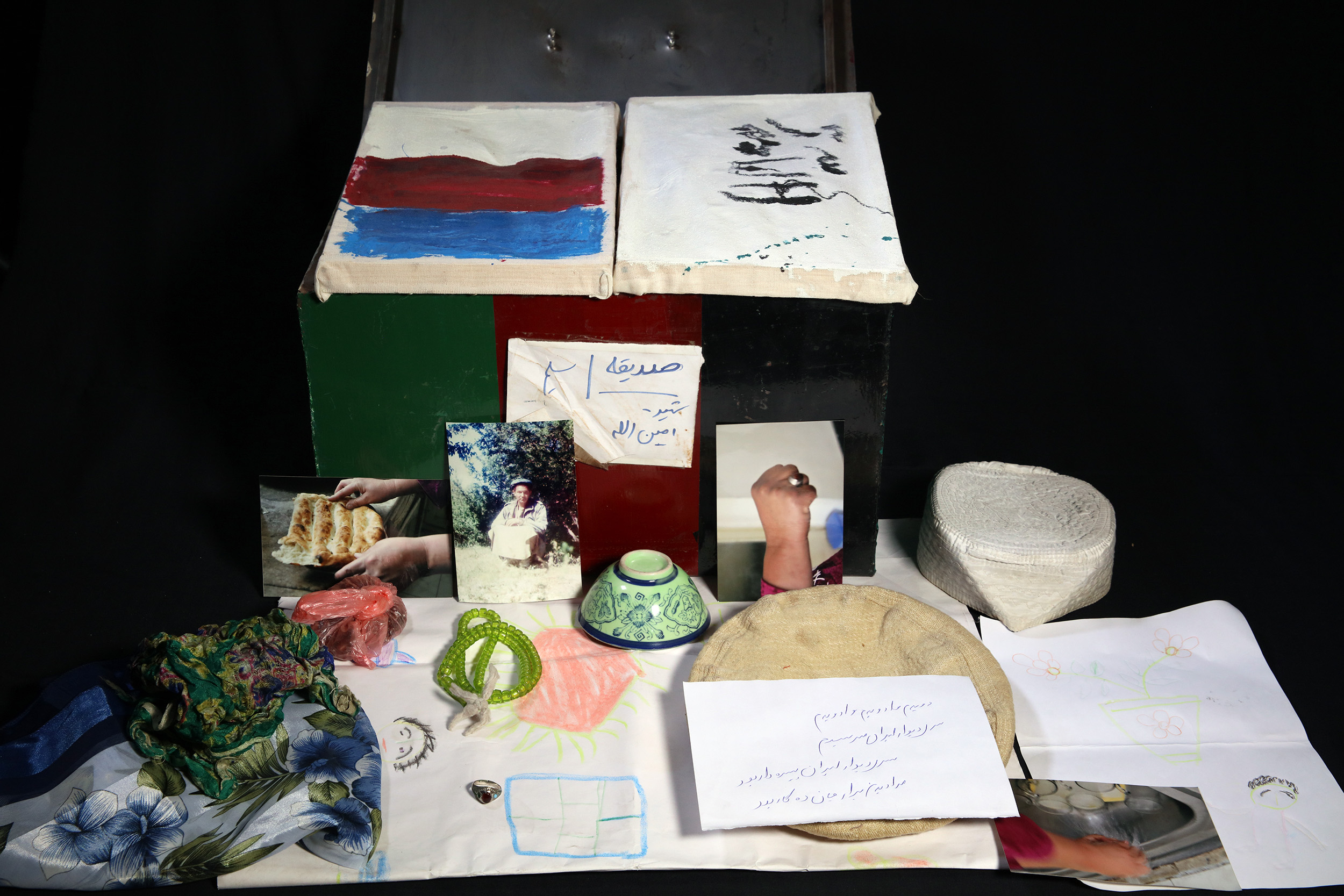
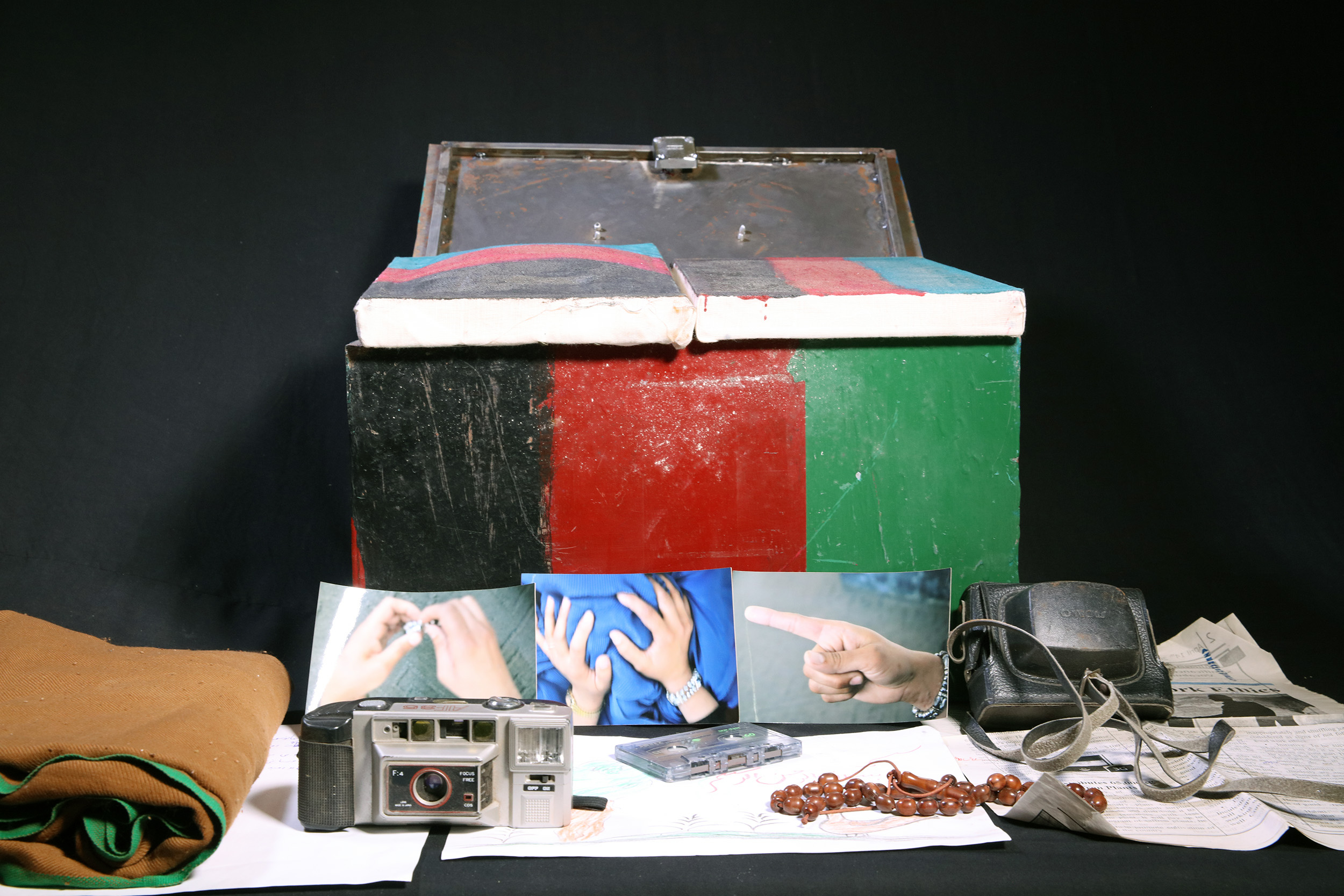
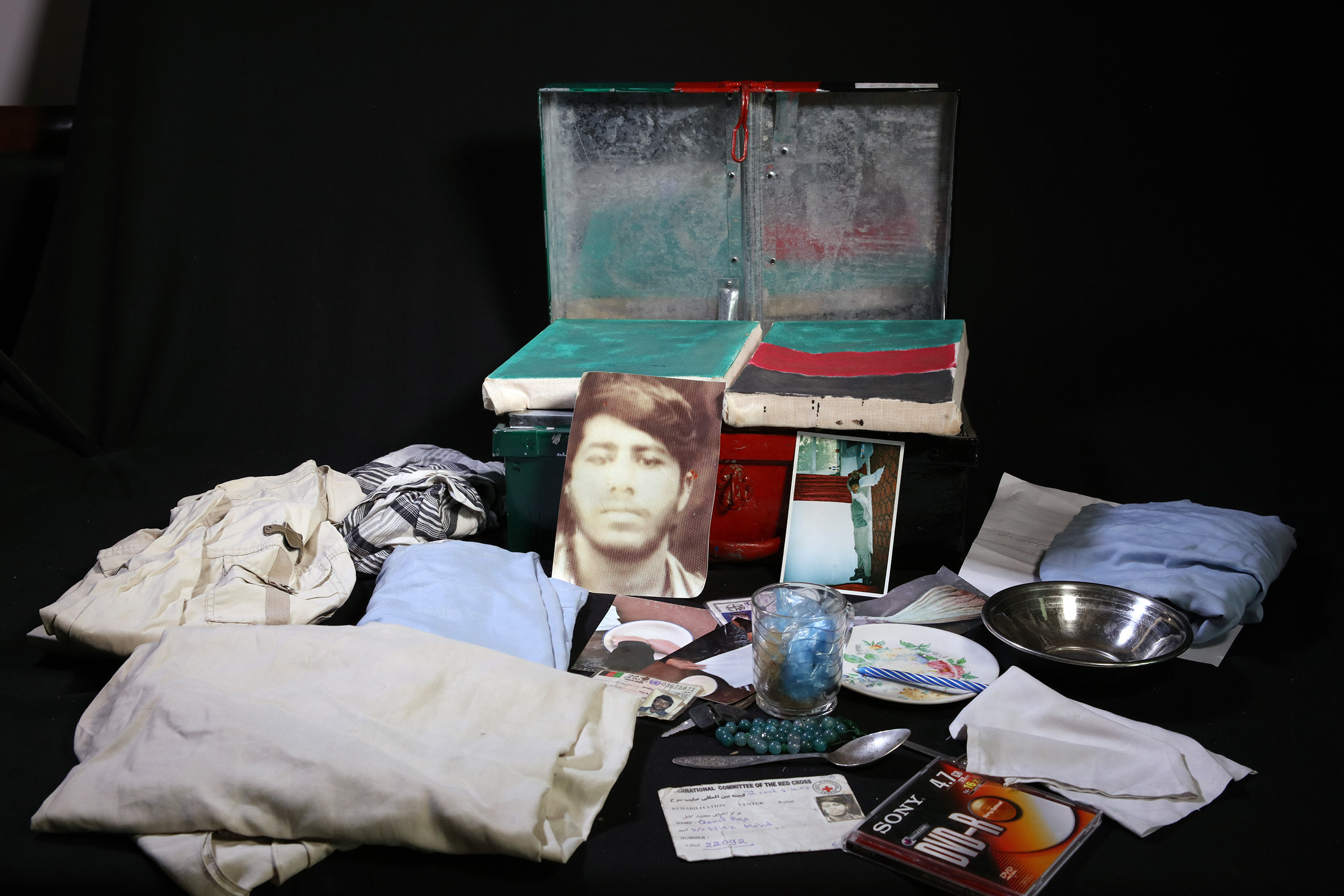

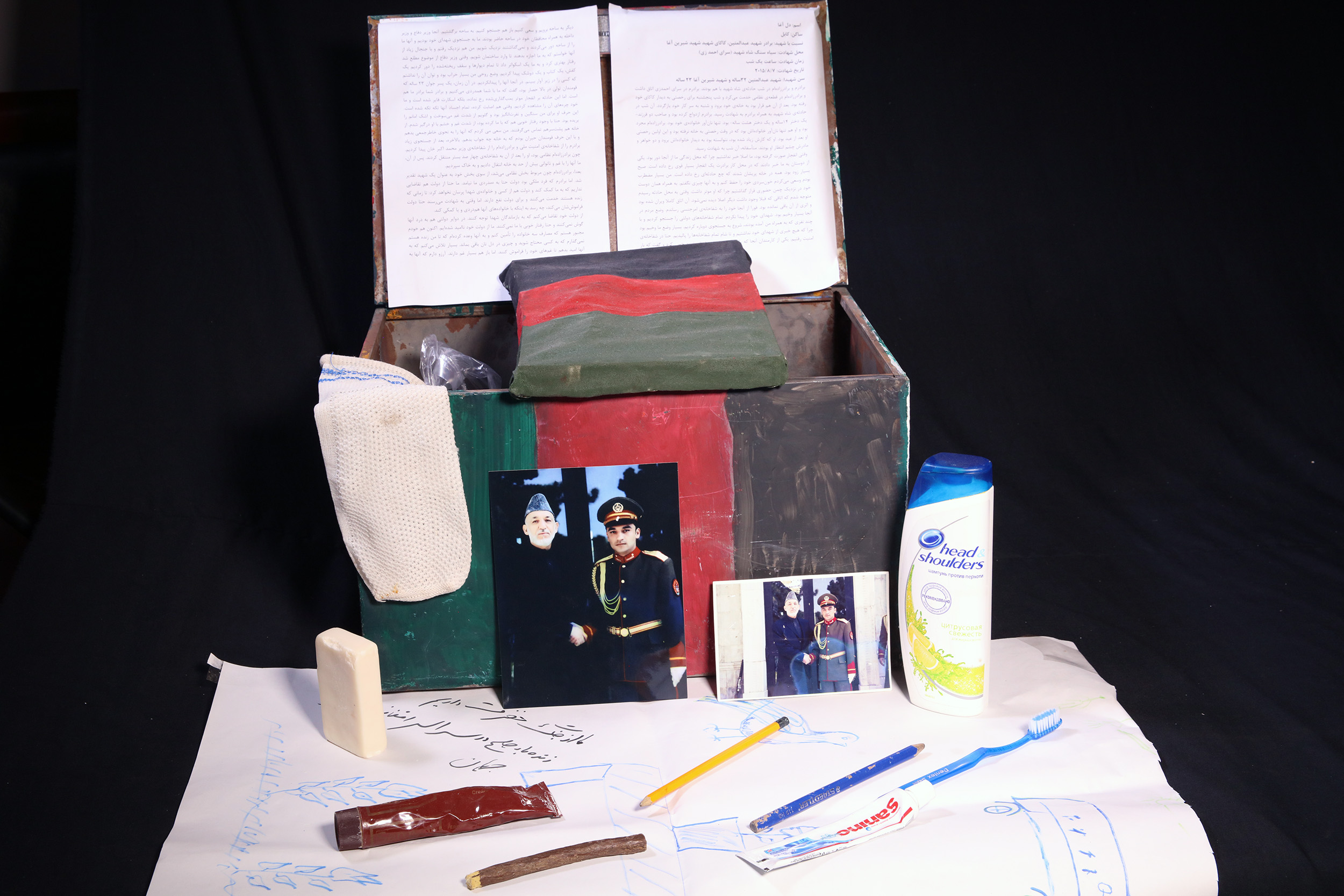
Salim Omar
- Photo of Victim

- Gender
- Male
- Ethnicity
- Pashtun
- District geolocation of incident
- Maydan Shahr: 34° 21′ 40″ N, 68° 50′ 25″ E
- Description of incident
While Salim was shopping in the market, a group of anti‑government protesters opened fire on a passing motorcade. He was struck by the bullets and died at the scene.
- Witness/Survivor Statement
No statement
- Date modified
- Jun 17, 2026
Muhammad Gul
- Photo of Victim

- Gender
- Male
- Ethnicity
- Tajik
- District geolocation of incident
- Kabul: 34° 31′ 1″ N, 69° 8′ 60″ E
- Date modified
- Jun 17, 2026
Shah Khan
- Photo of Victim

- Gender
- Male
- Ethnicity
- Hazara
- District geolocation of incident
- Kabul: 34° 31′ 1″ N, 69° 8′ 60″ E
- Date modified
- Jun 17, 2026


Mohammad Jan Haidari
- Photo of Victim

- Gender
- Male
- District geolocation of incident
- Injil: 34° 37′ 55″ N, 62° 13′ 51″ E
- Date modified
- Apr 13, 2026
Ali Akbar Mohammadi
- Photo of Victim

- Gender
- Male
- District geolocation of incident
- Injil: 34° 37′ 55″ N, 62° 13′ 51″ E
- Date modified
- Apr 13, 2026
Abdul Qadir Delawari
- Photo of Victim

- Gender
- Male
- District geolocation of incident
- Injil: 34° 37′ 55″ N, 62° 13′ 51″ E
- Date modified
- Apr 13, 2026
Sultan Ahmad Akbari
- Photo of Victim

- Gender
- Male
- District geolocation of incident
- Injil: 34° 37′ 55″ N, 62° 13′ 51″ E
- Date modified
- Apr 13, 2026
Aqa Reza Akbari
- Photo of Victim

- Gender
- Male
- District geolocation of incident
- Injil: 34° 37′ 55″ N, 62° 13′ 51″ E
- Date modified
- Apr 12, 2026
Amir Ali Rasuli
- Photo of Victim

- Gender
- Male
- District geolocation of incident
- Injil: 34° 37′ 55″ N, 62° 13′ 51″ E
- Date modified
- Apr 12, 2026
Reza Rasuli
- Photo of Victim

- Gender
- Male
- District geolocation of incident
- Injil: 34° 37′ 55″ N, 62° 13′ 51″ E
- Date modified
- Apr 12, 2026
Abdul Khaliq
- Photo of Victim

- Gender
- Male
- Ethnicity
- Pashtun
- District geolocation of incident
- Bala Buluk: 33° 7′ 27″ N, 62° 39′ 47″ E
- Description of incident
On May 4, 2009, a United States Air Force B-1 Bomber conducted an airstrike on Granai village in Bala Buluk district, Farah Province, resulting in significant civilian casualties. The incident, sometimes referred to as the Granai massacre, became one of the deadliest civilian casualty events involving international military forces in Afghanistan. The exact number of civilian deaths remains a matter of dispute among various investigative bodies. The Afghan government reported approximately 140 civilian fatalities, including 22 adult men and 93 children. Afghanistan's principal human rights organization concluded that 97 civilians were killed, with children comprising the majority of victims. Other estimates place the civilian death toll between 86 and 147 individuals. An initial investigation by the US military assessed that 20-30 civilians were killed alongside 60-65 insurgents. However, these figures were contested by Afghan authorities and international observers. A subsequent, partially released American inquiry acknowledged the limitations of the investigation, stating that a conclusive determination of the civilian casualty count would not be possible. The United States military accepted responsibility for the airstrike and admitted that significant errors occurred in its execution. Official statements acknowledged that the failure to identify the presence of civilians and to minimize collateral damage resulted in unintended civilian casualties.
- Witness/Survivor Statement
No statement
- Date modified
- Dec 5, 2025
Najiba
- Photo of Victim

- Gender
- Female
- Ethnicity
- Pashtun
- District geolocation of incident
- Bala Buluk: 33° 7′ 27″ N, 62° 39′ 47″ E
- Description of incident
On May 4, 2009, a United States Air Force B-1 Bomber conducted an airstrike on Granai village in Bala Buluk district, Farah Province, resulting in significant civilian casualties. The incident, sometimes referred to as the Granai massacre, became one of the deadliest civilian casualty events involving international military forces in Afghanistan. The exact number of civilian deaths remains a matter of dispute among various investigative bodies. The Afghan government reported approximately 140 civilian fatalities, including 22 adult men and 93 children. Afghanistan's principal human rights organization concluded that 97 civilians were killed, with children comprising the majority of victims. Other estimates place the civilian death toll between 86 and 147 individuals. An initial investigation by the US military assessed that 20-30 civilians were killed alongside 60-65 insurgents. However, these figures were contested by Afghan authorities and international observers. A subsequent, partially released American inquiry acknowledged the limitations of the investigation, stating that a conclusive determination of the civilian casualty count would not be possible. The United States military accepted responsibility for the airstrike and admitted that significant errors occurred in its execution. Official statements acknowledged that the failure to identify the presence of civilians and to minimize collateral damage resulted in unintended civilian casualties.
- Witness/Survivor Statement
No statement
- Date modified
- Dec 4, 2025
Malik
- Photo of Victim

- Gender
- Male
- Ethnicity
- Pashtun
- District geolocation of incident
- Bala Buluk: 33° 7′ 27″ N, 62° 39′ 47″ E
- Description of incident
On May 4, 2009, a United States Air Force B-1 Bomber conducted an airstrike on Granai village in Bala Buluk district, Farah Province, resulting in significant civilian casualties. The incident, sometimes referred to as the Granai massacre, became one of the deadliest civilian casualty events involving international military forces in Afghanistan. The exact number of civilian deaths remains a matter of dispute among various investigative bodies. The Afghan government reported approximately 140 civilian fatalities, including 22 adult men and 93 children. Afghanistan's principal human rights organization concluded that 97 civilians were killed, with children comprising the majority of victims. Other estimates place the civilian death toll between 86 and 147 individuals. An initial investigation by the US military assessed that 20-30 civilians were killed alongside 60-65 insurgents. However, these figures were contested by Afghan authorities and international observers. A subsequent, partially released American inquiry acknowledged the limitations of the investigation, stating that a conclusive determination of the civilian casualty count would not be possible. The United States military accepted responsibility for the airstrike and admitted that significant errors occurred in its execution. Official statements acknowledged that the failure to identify the presence of civilians and to minimize collateral damage resulted in unintended civilian casualties.
- Witness/Survivor Statement
No statement
- Date modified
- Dec 4, 2025
Gulsoma
- Photo of Victim

- Gender
- Female
- Ethnicity
- Pashtun
- District geolocation of incident
- Bala Buluk: 33° 7′ 27″ N, 62° 39′ 47″ E
- Description of incident
On May 4, 2009, a United States Air Force B-1 Bomber conducted an airstrike on Granai village in Bala Buluk district, Farah Province, resulting in significant civilian casualties. The incident, sometimes referred to as the Granai massacre, became one of the deadliest civilian casualty events involving international military forces in Afghanistan. The exact number of civilian deaths remains a matter of dispute among various investigative bodies. The Afghan government reported approximately 140 civilian fatalities, including 22 adult men and 93 children. Afghanistan's principal human rights organization concluded that 97 civilians were killed, with children comprising the majority of victims. Other estimates place the civilian death toll between 86 and 147 individuals. An initial investigation by the US military assessed that 20-30 civilians were killed alongside 60-65 insurgents. However, these figures were contested by Afghan authorities and international observers. A subsequent, partially released American inquiry acknowledged the limitations of the investigation, stating that a conclusive determination of the civilian casualty count would not be possible. The United States military accepted responsibility for the airstrike and admitted that significant errors occurred in its execution. Official statements acknowledged that the failure to identify the presence of civilians and to minimize collateral damage resulted in unintended civilian casualties.
- Witness/Survivor Statement
No statement
- Date modified
- Dec 4, 2025
Soraya
- Photo of Victim

- Gender
- Female
- Ethnicity
- Pashtun
- District geolocation of incident
- Bala Buluk: 33° 7′ 27″ N, 62° 39′ 47″ E
- Description of incident
On May 4, 2009, a United States Air Force B-1 Bomber conducted an airstrike on Granai village in Bala Buluk district, Farah Province, resulting in significant civilian casualties. The incident, sometimes referred to as the Granai massacre, became one of the deadliest civilian casualty events involving international military forces in Afghanistan. The exact number of civilian deaths remains a matter of dispute among various investigative bodies. The Afghan government reported approximately 140 civilian fatalities, including 22 adult men and 93 children. Afghanistan's principal human rights organization concluded that 97 civilians were killed, with children comprising the majority of victims. Other estimates place the civilian death toll between 86 and 147 individuals. An initial investigation by the US military assessed that 20-30 civilians were killed alongside 60-65 insurgents. However, these figures were contested by Afghan authorities and international observers. A subsequent, partially released American inquiry acknowledged the limitations of the investigation, stating that a conclusive determination of the civilian casualty count would not be possible. The United States military accepted responsibility for the airstrike and admitted that significant errors occurred in its execution. Official statements acknowledged that the failure to identify the presence of civilians and to minimize collateral damage resulted in unintended civilian casualties.
- Witness/Survivor Statement
No statement
- Date modified
- Dec 1, 2025
Aqila
- Photo of Victim

- Gender
- Female
- Ethnicity
- Pashtun
- District geolocation of incident
- Bala Buluk: 33° 7′ 27″ N, 62° 39′ 47″ E
- Description of incident
On May 4, 2009, a United States Air Force B-1 Bomber conducted an airstrike on Granai village in Bala Buluk district, Farah Province, resulting in significant civilian casualties. The incident, sometimes referred to as the Granai massacre, became one of the deadliest civilian casualty events involving international military forces in Afghanistan. The exact number of civilian deaths remains a matter of dispute among various investigative bodies. The Afghan government reported approximately 140 civilian fatalities, including 22 adult men and 93 children. Afghanistan's principal human rights organization concluded that 97 civilians were killed, with children comprising the majority of victims. Other estimates place the civilian death toll between 86 and 147 individuals. An initial investigation by the US military assessed that 20-30 civilians were killed alongside 60-65 insurgents. However, these figures were contested by Afghan authorities and international observers. A subsequent, partially released American inquiry acknowledged the limitations of the investigation, stating that a conclusive determination of the civilian casualty count would not be possible. The United States military accepted responsibility for the airstrike and admitted that significant errors occurred in its execution. Official statements acknowledged that the failure to identify the presence of civilians and to minimize collateral damage resulted in unintended civilian casualties.
- Witness/Survivor Statement
No statement
- Date modified
- Dec 1, 2025
Zeba
- Photo of Victim

- Gender
- Female
- Ethnicity
- Pashtun
- District geolocation of incident
- Bala Buluk: 33° 7′ 27″ N, 62° 39′ 47″ E
- Description of incident
On May 4, 2009, a United States Air Force B-1 Bomber conducted an airstrike on Granai village in Bala Buluk district, Farah Province, resulting in significant civilian casualties. The incident, sometimes referred to as the Granai massacre, became one of the deadliest civilian casualty events involving international military forces in Afghanistan. The exact number of civilian deaths remains a matter of dispute among various investigative bodies. The Afghan government reported approximately 140 civilian fatalities, including 22 adult men and 93 children. Afghanistan's principal human rights organization concluded that 97 civilians were killed, with children comprising the majority of victims. Other estimates place the civilian death toll between 86 and 147 individuals. An initial investigation by the US military assessed that 20-30 civilians were killed alongside 60-65 insurgents. However, these figures were contested by Afghan authorities and international observers. A subsequent, partially released American inquiry acknowledged the limitations of the investigation, stating that a conclusive determination of the civilian casualty count would not be possible. The United States military accepted responsibility for the airstrike and admitted that significant errors occurred in its execution. Official statements acknowledged that the failure to identify the presence of civilians and to minimize collateral damage resulted in unintended civilian casualties.
- Witness/Survivor Statement
No statement
- Date modified
- Dec 1, 2025
Sakina
- Photo of Victim

- Gender
- Female
- Ethnicity
- Pashtun
- District geolocation of incident
- Bala Buluk: 33° 7′ 27″ N, 62° 39′ 47″ E
- Description of incident
On May 4, 2009, a United States Air Force B-1 Bomber conducted an airstrike on Granai village in Bala Buluk district, Farah Province, resulting in significant civilian casualties. The incident, sometimes referred to as the Granai massacre, became one of the deadliest civilian casualty events involving international military forces in Afghanistan. The exact number of civilian deaths remains a matter of dispute among various investigative bodies. The Afghan government reported approximately 140 civilian fatalities, including 22 adult men and 93 children. Afghanistan's principal human rights organization concluded that 97 civilians were killed, with children comprising the majority of victims. Other estimates place the civilian death toll between 86 and 147 individuals. An initial investigation by the US military assessed that 20-30 civilians were killed alongside 60-65 insurgents. However, these figures were contested by Afghan authorities and international observers. A subsequent, partially released American inquiry acknowledged the limitations of the investigation, stating that a conclusive determination of the civilian casualty count would not be possible. The United States military accepted responsibility for the airstrike and admitted that significant errors occurred in its execution. Official statements acknowledged that the failure to identify the presence of civilians and to minimize collateral damage resulted in unintended civilian casualties.
- Witness/Survivor Statement
No statement
- Date modified
- Dec 1, 2025
Lailoma
- Photo of Victim

- Gender
- Female
- Ethnicity
- Pashtun
- District geolocation of incident
- Bala Buluk: 33° 7′ 27″ N, 62° 39′ 47″ E
- Description of incident
On May 4, 2009, a United States Air Force B-1 Bomber conducted an airstrike on Granai village in Bala Buluk district, Farah Province, resulting in significant civilian casualties. The incident, sometimes referred to as the Granai massacre, became one of the deadliest civilian casualty events involving international military forces in Afghanistan. The exact number of civilian deaths remains a matter of dispute among various investigative bodies. The Afghan government reported approximately 140 civilian fatalities, including 22 adult men and 93 children. Afghanistan's principal human rights organization concluded that 97 civilians were killed, with children comprising the majority of victims. Other estimates place the civilian death toll between 86 and 147 individuals. An initial investigation by the US military assessed that 20-30 civilians were killed alongside 60-65 insurgents. However, these figures were contested by Afghan authorities and international observers. A subsequent, partially released American inquiry acknowledged the limitations of the investigation, stating that a conclusive determination of the civilian casualty count would not be possible. The United States military accepted responsibility for the airstrike and admitted that significant errors occurred in its execution. Official statements acknowledged that the failure to identify the presence of civilians and to minimize collateral damage resulted in unintended civilian casualties.
- Witness/Survivor Statement
No statement
- Date modified
- Nov 26, 2025
Merajuddin
- Photo of Victim

- Gender
- Male
- Ethnicity
- Pashtun
- District geolocation of incident
- Bala Buluk: 33° 7′ 27″ N, 62° 39′ 47″ E
- Description of incident
On May 4, 2009, a United States Air Force B-1 Bomber conducted an airstrike on Granai village in Bala Buluk district, Farah Province, resulting in significant civilian casualties. The incident, sometimes referred to as the Granai massacre, became one of the deadliest civilian casualty events involving international military forces in Afghanistan. The exact number of civilian deaths remains a matter of dispute among various investigative bodies. The Afghan government reported approximately 140 civilian fatalities, including 22 adult men and 93 children. Afghanistan's principal human rights organization concluded that 97 civilians were killed, with children comprising the majority of victims. Other estimates place the civilian death toll between 86 and 147 individuals. An initial investigation by the US military assessed that 20-30 civilians were killed alongside 60-65 insurgents. However, these figures were contested by Afghan authorities and international observers. A subsequent, partially released American inquiry acknowledged the limitations of the investigation, stating that a conclusive determination of the civilian casualty count would not be possible. The United States military accepted responsibility for the airstrike and admitted that significant errors occurred in its execution. Official statements acknowledged that the failure to identify the presence of civilians and to minimize collateral damage resulted in unintended civilian casualties.
- Witness/Survivor Statement
No statement
- Date modified
- Nov 26, 2025
Eynuddin
- Photo of Victim

- Gender
- Male
- Ethnicity
- Pashtun
- District geolocation of incident
- Bala Buluk: 33° 7′ 27″ N, 62° 39′ 47″ E
- Description of incident
On May 4, 2009, a United States Air Force B-1 Bomber conducted an airstrike on Granai village in Bala Buluk district, Farah Province, resulting in significant civilian casualties. The incident, sometimes referred to as the Granai massacre, became one of the deadliest civilian casualty events involving international military forces in Afghanistan. The exact number of civilian deaths remains a matter of dispute among various investigative bodies. The Afghan government reported approximately 140 civilian fatalities, including 22 adult men and 93 children. Afghanistan's principal human rights organization concluded that 97 civilians were killed, with children comprising the majority of victims. Other estimates place the civilian death toll between 86 and 147 individuals. An initial investigation by the US military assessed that 20-30 civilians were killed alongside 60-65 insurgents. However, these figures were contested by Afghan authorities and international observers. A subsequent, partially released American inquiry acknowledged the limitations of the investigation, stating that a conclusive determination of the civilian casualty count would not be possible. The United States military accepted responsibility for the airstrike and admitted that significant errors occurred in its execution. Official statements acknowledged that the failure to identify the presence of civilians and to minimize collateral damage resulted in unintended civilian casualties.
- Witness/Survivor Statement
No statement
- Date modified
- Nov 26, 2025
Razuddin
- Photo of Victim

- Gender
- Male
- Ethnicity
- Pashtun
- District geolocation of incident
- Bala Buluk: 33° 7′ 27″ N, 62° 39′ 47″ E
- Description of incident
On May 4, 2009, a United States Air Force B-1 Bomber conducted an airstrike on Granai village in Bala Buluk district, Farah Province, resulting in significant civilian casualties. The incident, sometimes referred to as the Granai massacre, became one of the deadliest civilian casualty events involving international military forces in Afghanistan. The exact number of civilian deaths remains a matter of dispute among various investigative bodies. The Afghan government reported approximately 140 civilian fatalities, including 22 adult men and 93 children. Afghanistan's principal human rights organization concluded that 97 civilians were killed, with children comprising the majority of victims. Other estimates place the civilian death toll between 86 and 147 individuals. An initial investigation by the US military assessed that 20-30 civilians were killed alongside 60-65 insurgents. However, these figures were contested by Afghan authorities and international observers. A subsequent, partially released American inquiry acknowledged the limitations of the investigation, stating that a conclusive determination of the civilian casualty count would not be possible. The United States military accepted responsibility for the airstrike and admitted that significant errors occurred in its execution. Official statements acknowledged that the failure to identify the presence of civilians and to minimize collateral damage resulted in unintended civilian casualties.
- Witness/Survivor Statement
No statement
- Date modified
- Nov 26, 2025
Mohammad Amin
- Photo of Victim

- Gender
- Male
- Ethnicity
- Pashtun
- District geolocation of incident
- Bala Buluk: 33° 7′ 27″ N, 62° 39′ 47″ E
- Description of incident
On May 4, 2009, a United States Air Force B-1 Bomber conducted an airstrike on Granai village in Bala Buluk district, Farah Province, resulting in significant civilian casualties. The incident, sometimes referred to as the Granai massacre, became one of the deadliest civilian casualty events involving international military forces in Afghanistan. The exact number of civilian deaths remains a matter of dispute among various investigative bodies. The Afghan government reported approximately 140 civilian fatalities, including 22 adult men and 93 children. Afghanistan's principal human rights organization concluded that 97 civilians were killed, with children comprising the majority of victims. Other estimates place the civilian death toll between 86 and 147 individuals. An initial investigation by the US military assessed that 20-30 civilians were killed alongside 60-65 insurgents. However, these figures were contested by Afghan authorities and international observers. A subsequent, partially released American inquiry acknowledged the limitations of the investigation, stating that a conclusive determination of the civilian casualty count would not be possible. The United States military accepted responsibility for the airstrike and admitted that significant errors occurred in its execution. Official statements acknowledged that the failure to identify the presence of civilians and to minimize collateral damage resulted in unintended civilian casualties.
- Witness/Survivor Statement
No statement
- Date modified
- Nov 25, 2025
Sahira
- Photo of Victim

- Gender
- Female
- Ethnicity
- Pashtun
- District geolocation of incident
- Bala Buluk: 33° 7′ 27″ N, 62° 39′ 47″ E
- Description of incident
On May 4, 2009, a United States Air Force B-1 Bomber conducted an airstrike on Granai village in Bala Buluk district, Farah Province, resulting in significant civilian casualties. The incident, sometimes referred to as the Granai massacre, became one of the deadliest civilian casualty events involving international military forces in Afghanistan. The exact number of civilian deaths remains a matter of dispute among various investigative bodies. The Afghan government reported approximately 140 civilian fatalities, including 22 adult men and 93 children. Afghanistan's principal human rights organization concluded that 97 civilians were killed, with children comprising the majority of victims. Other estimates place the civilian death toll between 86 and 147 individuals. An initial investigation by the US military assessed that 20-30 civilians were killed alongside 60-65 insurgents. However, these figures were contested by Afghan authorities and international observers. A subsequent, partially released American inquiry acknowledged the limitations of the investigation, stating that a conclusive determination of the civilian casualty count would not be possible. The United States military accepted responsibility for the airstrike and admitted that significant errors occurred in its execution. Official statements acknowledged that the failure to identify the presence of civilians and to minimize collateral damage resulted in unintended civilian casualties.
- Witness/Survivor Statement
No statement
- Date modified
- Nov 25, 2025
Rahmuddin
- Photo of Victim

- Gender
- Male
- Ethnicity
- Pashtun
- District geolocation of incident
- Bala Buluk: 33° 7′ 27″ N, 62° 39′ 47″ E
- Description of incident
On May 4, 2009, a United States Air Force B-1 Bomber conducted an airstrike on Granai village in Bala Buluk district, Farah Province, resulting in significant civilian casualties. The incident, sometimes referred to as the Granai massacre, became one of the deadliest civilian casualty events involving international military forces in Afghanistan. The exact number of civilian deaths remains a matter of dispute among various investigative bodies. The Afghan government reported approximately 140 civilian fatalities, including 22 adult men and 93 children. Afghanistan's principal human rights organization concluded that 97 civilians were killed, with children comprising the majority of victims. Other estimates place the civilian death toll between 86 and 147 individuals. An initial investigation by the US military assessed that 20-30 civilians were killed alongside 60-65 insurgents. However, these figures were contested by Afghan authorities and international observers. A subsequent, partially released American inquiry acknowledged the limitations of the investigation, stating that a conclusive determination of the civilian casualty count would not be possible. The United States military accepted responsibility for the airstrike and admitted that significant errors occurred in its execution. Official statements acknowledged that the failure to identify the presence of civilians and to minimize collateral damage resulted in unintended civilian casualties.
- Witness/Survivor Statement
No statement
- Date modified
- Nov 25, 2025
Amanullah Hasani
- Photo of Victim

- Gender
- Male
- Ethnicity
- Hazara
- District geolocation of incident
- Gizab: 33° 26′ 3″ N, 66° 12′ 53″ E
- Description of incident
On November 13, 2025, the body of Amanullah Hasani, a 65-year-old Hazara farmer, was discovered in the Dahan Yaghak area of Khalaj village in Gizab district, Uruzgan Province. According to local residents, Hasani had disappeared from his home approximately three days prior to the public report on November 14, 2025. Community members described the victim as a farmer who maintained no known conflicts or enmities with any individual or group. A village resident told Etilaatroz newspaper that armed Kochi individuals were responsible for the killing. The source further stated that several other village residents had been killed in similar circumstances in the past. According to the same source, local residents had filed multiple complaints with Taliban authorities regarding these incidents, but local officials allegedly did not respond to their grievances. The circumstances surrounding Hasani's death and the allegations regarding the perpetrators remain unconfirmed by independent sources.
- Date modified
- Nov 25, 2025
Nowruz
- Photo of Victim

- Gender
- Male
- Ethnicity
- Hazara
- District geolocation of incident
- Day Mirdad: 34° 13′ 56″ N, 68° 17′ 28″ E
- Description of incident
On the morning of Friday, November 14, 2025, Nowruz, an approximately 30-year-old father of two children, was killed in an armed attack in Qoto Sofla village, DaY Mirdad district, Maidan Wardak Province. The victim was shot as he left his home. His brother, Rahmatullah, who had followed him outside, was also shot and critically injured with a head wound. Rahmatullah was transferred to Emergency Hospital in Kabul and placed in a coma under medical care. According to local residents who confirmed the incident, Nowruz was an original resident of Qoto village. He and his family had been displaced to Kabul and other villages in recent years and had only recently returned to their ancestral home. Local sources reported that the four attackers had concealed themselves the night before the assault in the neighboring village of Qoto Ulya, which is uninhabited. On the morning of the attack, they approached Qoto Sofla through a mountain route and opened fire on Nowruz as he exited his home. Taliban intelligence authorities arrested four Kochi (nomadic Pashtuns) men on suspicion of involvement in the attack. The motive for the assault remains unclear; however, local sources indicated that Kochies had conducted repeated attacks on Qoto village residents in the past, forcing them to flee. According to these sources, more than 200 families once lived in both Qoto villages, but the area became largely uninhabited over the past decade due to repeated attacks. Nowruz's family was reportedly the first to return to the village within the past two years, driven by economic difficulties in Kabul. Local residents stated that the killing appeared aimed at preventing villagers from returning to their homes.
- Date modified
- Nov 25, 2025
Noorullah
- Photo of Victim

- Gender
- Male
- Ethnicity
- Hazara
- District geolocation of incident
- Day Mirdad: 34° 13′ 56″ N, 68° 17′ 28″ E
- Description of incident
On November 20, 2025, Noorullah, a 14-year-old boy from Qoto village in Day Mirdad district, Maidan Wardak Province, died following a severe trauma-related illness. Noorullah was the younger brother of Nowruz, who was killed in an armed attack on November 14, 2025, and Rahmatullah, who was critically injured in the same incident when two armed Kochi men (nomadic Pushtuns) opened fire as they were getting out of their home early morning. According to local residents, Noorullah experienced severe psychological shock immediately following the attack on his brothers. He subsequently developed physical symptoms, including progressive fever and vomiting blood. After six days of crying and deteriorating health, Noorullah died on November 20, 2025. Local residents reported that while the exact medical cause of death remains undetermined, Noorullah's condition deteriorated rapidly following the traumatic events of November 14. His death represents an indirect casualty connected to the armed attack that killed his eldest brother and left his other brother in critical condition.
- Date modified
- Nov 25, 2025
Afghan War Casualty Report: May 2020, New York Times, 28 May 2020
- Date modified
- Nov 21, 2025
Mohammad Arif Zarif
- Photo of Victim

- Gender
- Male
- Ethnicity
- Unknown
- District geolocation of incident
- Puli Khumri: 35° 56′ 49″ N, 68° 42′ 16″ E
- Description of incident
On the afternoon of November 6, 2007, at approximately 4:15 PM, an explosion occurred in Pul-e Khumri, the provincial capital of Baghlan Province. The incident took place during a visit by Afghanistan's Parliamentary Economic Commission, which had traveled to the area to attend the reopening ceremony of the newly reconstructed Baghlan Sugar Factory. According to eyewitness accounts, an individual detonated explosives among a crowd of people who had assembled to greet the parliamentary delegation. The attack resulted in between 70 and 97 fatalities, with casualty figures varying across different reports, and injured nearly 200 individuals. A substantial portion of the victims were school students who had gathered in formation to welcome the government officials. Six members of the National Economy Commission of Afghanistan's Parliament were killed in the attack, including the commission's chairman, Sayed Mustafa Kazimi. The other deceased parliamentarians represented various provinces across Afghanistan, including Takhar, Kunar, Helmand, Kunduz, and Kabul. While it was widely believed that the attack was carried out by a suicide bomber, no group claimed responsibility for the incident. The precise circumstances and motivation behind the attack were never officially confirmed. The general assessment indicated that members of the Afghan Parliament were the primary intended targets of the assault.
- Witness/Survivor Statement
No statement
- Date modified
- Nov 21, 2025
Nazok Mir Sarfaraz
- Photo of Victim

- Gender
- Male
- Ethnicity
- Unknown
- District geolocation of incident
- Puli Khumri: 35° 56′ 49″ N, 68° 42′ 16″ E
- Description of incident
On the afternoon of November 6, 2007, at approximately 4:15 PM, an explosion occurred in Pul-e Khumri, the provincial capital of Baghlan Province. The incident took place during a visit by Afghanistan's Parliamentary Economic Commission, which had traveled to the area to attend the reopening ceremony of the newly reconstructed Baghlan Sugar Factory. According to eyewitness accounts, an individual detonated explosives among a crowd of people who had assembled to greet the parliamentary delegation. The attack resulted in between 70 and 97 fatalities, with casualty figures varying across different reports, and injured nearly 200 individuals. A substantial portion of the victims were school students who had gathered in formation to welcome the government officials. Six members of the National Economy Commission of Afghanistan's Parliament were killed in the attack, including the commission's chairman, Sayed Mustafa Kazimi. The other deceased parliamentarians represented various provinces across Afghanistan, including Takhar, Kunar, Helmand, Kunduz, and Kabul. While it was widely believed that the attack was carried out by a suicide bomber, no group claimed responsibility for the incident. The precise circumstances and motivation behind the attack were never officially confirmed. The general assessment indicated that members of the Afghan Parliament were the primary intended targets of the assault.
- Witness/Survivor Statement
No statement
- Date modified
- Nov 21, 2025
Abdulmatin
- Photo of Victim

- Gender
- Male
- Ethnicity
- Pashtun
- District geolocation of incident
- Puli Khumri: 35° 56′ 49″ N, 68° 42′ 16″ E
- Description of incident
On the afternoon of November 6, 2007, at approximately 4:15 PM, an explosion occurred in Pul-e Khumri, the provincial capital of Baghlan Province. The incident took place during a visit by Afghanistan's Parliamentary Economic Commission, which had traveled to the area to attend the reopening ceremony of the newly reconstructed Baghlan Sugar Factory. According to eyewitness accounts, an individual detonated explosives among a crowd of people who had assembled to greet the parliamentary delegation. The attack resulted in between 70 and 97 fatalities, with casualty figures varying across different reports, and injured nearly 200 individuals. A substantial portion of the victims were school students who had gathered in formation to welcome the government officials. Six members of the National Economy Commission of Afghanistan's Parliament were killed in the attack, including the commission's chairman, Sayed Mustafa Kazimi. The other deceased parliamentarians represented various provinces across Afghanistan, including Takhar, Kunar, Helmand, Kunduz, and Kabul. While it was widely believed that the attack was carried out by a suicide bomber, no group claimed responsibility for the incident. The precise circumstances and motivation behind the attack were never officially confirmed. The general assessment indicated that members of the Afghan Parliament were the primary intended targets of the assault.
- Witness/Survivor Statement
No statement
- Date modified
- Nov 20, 2025
Saheburrahman Hemmat
- Photo of Victim

- Gender
- Male
- Ethnicity
- Pashtun
- District geolocation of incident
- Puli Khumri: 35° 56′ 49″ N, 68° 42′ 16″ E
- Description of incident
On the afternoon of November 6, 2007, at approximately 4:15 PM, an explosion occurred in Pul-e Khumri, the provincial capital of Baghlan Province. The incident took place during a visit by Afghanistan's Parliamentary Economic Commission, which had traveled to the area to attend the reopening ceremony of the newly reconstructed Baghlan Sugar Factory. According to eyewitness accounts, an individual detonated explosives among a crowd of people who had assembled to greet the parliamentary delegation. The attack resulted in between 70 and 97 fatalities, with casualty figures varying across different reports, and injured nearly 200 individuals. A substantial portion of the victims were school students who had gathered in formation to welcome the government officials. Six members of the National Economy Commission of Afghanistan's Parliament were killed in the attack, including the commission's chairman, Sayed Mustafa Kazimi. The other deceased parliamentarians represented various provinces across Afghanistan, including Takhar, Kunar, Helmand, Kunduz, and Kabul. While it was widely believed that the attack was carried out by a suicide bomber, no group claimed responsibility for the incident. The precise circumstances and motivation behind the attack were never officially confirmed. The general assessment indicated that members of the Afghan Parliament were the primary intended targets of the assault.
- Witness/Survivor Statement
No statement
- Date modified
- Nov 20, 2025
Sibghatullah Zaki
- Photo of Victim

- Gender
- Male
- Ethnicity
- Uzbek
- District geolocation of incident
- Puli Khumri: 35° 56′ 49″ N, 68° 42′ 16″ E
- Description of incident
On the afternoon of November 6, 2007, at approximately 4:15 PM, an explosion occurred in Pul-e Khumri, the provincial capital of Baghlan Province. The incident took place during a visit by Afghanistan's Parliamentary Economic Commission, which had traveled to the area to attend the reopening ceremony of the newly reconstructed Baghlan Sugar Factory. According to eyewitness accounts, an individual detonated explosives among a crowd of people who had assembled to greet the parliamentary delegation. The attack resulted in between 70 and 97 fatalities, with casualty figures varying across different reports, and injured nearly 200 individuals. A substantial portion of the victims were school students who had gathered in formation to welcome the government officials. Six members of the National Economy Commission of Afghanistan's Parliament were killed in the attack, including the commission's chairman, Sayed Mustafa Kazimi. The other deceased parliamentarians represented various provinces across Afghanistan, including Takhar, Kunar, Helmand, Kunduz, and Kabul. While it was widely believed that the attack was carried out by a suicide bomber, no group claimed responsibility for the incident. The precise circumstances and motivation behind the attack were never officially confirmed. The general assessment indicated that members of the Afghan Parliament were the primary intended targets of the assault.
- Witness/Survivor Statement
No statement
- Date modified
- Nov 20, 2025
Sayed Mustafa Kazimi
- Photo of Victim

- Gender
- Male
- Ethnicity
- Sadat
- District geolocation of incident
- Puli Khumri: 35° 56′ 49″ N, 68° 42′ 16″ E
- Description of incident
On the afternoon of November 6, 2007, at approximately 4:15 PM, an explosion occurred in Pul-e Khumri, the provincial capital of Baghlan Province. The incident took place during a visit by Afghanistan's Parliamentary Economic Commission, which had traveled to the area to attend the reopening ceremony of the newly reconstructed Baghlan Sugar Factory. According to eyewitness accounts, an individual detonated explosives among a crowd of people who had assembled to greet the parliamentary delegation. The attack resulted in between 70 and 97 fatalities, with casualty figures varying across different reports, and injured nearly 200 individuals. A substantial portion of the victims were school students who had gathered in formation to welcome the government officials. Six members of the National Economy Commission of Afghanistan's Parliament were killed in the attack, including the commission's chairman, Sayed Mustafa Kazimi. The other deceased parliamentarians represented various provinces across Afghanistan, including Takhar, Kunar, Helmand, Kunduz, and Kabul. While it was widely believed that the attack was carried out by a suicide bomber, no group claimed responsibility for the incident. The precise circumstances and motivation behind the attack were never officially confirmed. The general assessment indicated that members of the Afghan Parliament were the primary intended targets of the assault.
- Witness/Survivor Statement
No statement
- Date modified
- Nov 19, 2025
Abdul Nasir
- Photo of Victim

- Gender
- Male
- Ethnicity
- Unknown
- District geolocation of incident
- Puli Khumri: 35° 56′ 49″ N, 68° 42′ 16″ E
- Description of incident
On the afternoon of November 6, 2007, at approximately 4:15 PM, an explosion occurred in Pul-e Khumri, the provincial capital of Baghlan Province. The incident took place during a visit by Afghanistan's Parliamentary Economic Commission, which had traveled to the area to attend the reopening ceremony of the newly reconstructed Baghlan Sugar Factory. According to eyewitness accounts, an individual detonated explosives among a crowd of people who had assembled to greet the parliamentary delegation. The attack resulted in between 70 and 97 fatalities, with casualty figures varying across different reports, and injured nearly 200 individuals. A substantial portion of the victims were school students who had gathered in formation to welcome the government officials. Six members of the National Economy Commission of Afghanistan's Parliament were killed in the attack, including the commission's chairman, Sayed Mustafa Kazimi. The other deceased parliamentarians represented various provinces across Afghanistan, including Takhar, Kunar, Helmand, Kunduz, and Kabul. While it was widely believed that the attack was carried out by a suicide bomber, no group claimed responsibility for the incident. The precise circumstances and motivation behind the attack were never officially confirmed. The general assessment indicated that members of the Afghan Parliament were the primary intended targets of the assault.
- Witness/Survivor Statement
No statement
- Date modified
- Nov 19, 2025
Mohammad Zarif
- Photo of Victim

- Gender
- Male
- Ethnicity
- Unknown
- District geolocation of incident
- Puli Khumri: 35° 56′ 49″ N, 68° 42′ 16″ E
- Description of incident
On the afternoon of November 6, 2007, at approximately 4:15 PM, an explosion occurred in Pul-e Khumri, the provincial capital of Baghlan Province. The incident took place during a visit by Afghanistan's Parliamentary Economic Commission, which had traveled to the area to attend the reopening ceremony of the newly reconstructed Baghlan Sugar Factory. According to eyewitness accounts, an individual detonated explosives among a crowd of people who had assembled to greet the parliamentary delegation. The attack resulted in between 70 and 97 fatalities, with casualty figures varying across different reports, and injured nearly 200 individuals. A substantial portion of the victims were school students who had gathered in formation to welcome the government officials. Six members of the National Economy Commission of Afghanistan's Parliament were killed in the attack, including the commission's chairman, Sayed Mustafa Kazimi. The other deceased parliamentarians represented various provinces across Afghanistan, including Takhar, Kunar, Helmand, Kunduz, and Kabul. While it was widely believed that the attack was carried out by a suicide bomber, no group claimed responsibility for the incident. The precise circumstances and motivation behind the attack were never officially confirmed. The general assessment indicated that members of the Afghan Parliament were the primary intended targets of the assault.
- Witness/Survivor Statement
No statement
- Date modified
- Nov 19, 2025
Qutbuddin
- Photo of Victim

- Gender
- Male
- Ethnicity
- Unknown
- District geolocation of incident
- Puli Khumri: 35° 56′ 49″ N, 68° 42′ 16″ E
- Description of incident
On the afternoon of November 6, 2007, at approximately 4:15 PM, an explosion occurred in Pul-e Khumri, the provincial capital of Baghlan Province. The incident took place during a visit by Afghanistan's Parliamentary Economic Commission, which had traveled to the area to attend the reopening ceremony of the newly reconstructed Baghlan Sugar Factory. According to eyewitness accounts, an individual detonated explosives among a crowd of people who had assembled to greet the parliamentary delegation. The attack resulted in between 70 and 97 fatalities, with casualty figures varying across different reports, and injured nearly 200 individuals. A substantial portion of the victims were school students who had gathered in formation to welcome the government officials. Six members of the National Economy Commission of Afghanistan's Parliament were killed in the attack, including the commission's chairman, Sayed Mustafa Kazimi. The other deceased parliamentarians represented various provinces across Afghanistan, including Takhar, Kunar, Helmand, Kunduz, and Kabul. While it was widely believed that the attack was carried out by a suicide bomber, no group claimed responsibility for the incident. The precise circumstances and motivation behind the attack were never officially confirmed. The general assessment indicated that members of the Afghan Parliament were the primary intended targets of the assault.
- Witness/Survivor Statement
No statement
- Date modified
- Nov 19, 2025
Asadullah
- Photo of Victim

- Gender
- Male
- Ethnicity
- Unknown
- District geolocation of incident
- Puli Khumri: 35° 56′ 49″ N, 68° 42′ 16″ E
- Description of incident
On the afternoon of November 6, 2007, at approximately 4:15 PM, an explosion occurred in Pul-e Khumri, the provincial capital of Baghlan Province. The incident took place during a visit by Afghanistan's Parliamentary Economic Commission, which had traveled to the area to attend the reopening ceremony of the newly reconstructed Baghlan Sugar Factory. According to eyewitness accounts, an individual detonated explosives among a crowd of people who had assembled to greet the parliamentary delegation. The attack resulted in between 70 and 97 fatalities, with casualty figures varying across different reports, and injured nearly 200 individuals. A substantial portion of the victims were school students who had gathered in formation to welcome the government officials. Six members of the National Economy Commission of Afghanistan's Parliament were killed in the attack, including the commission's chairman, Sayed Mustafa Kazimi. The other deceased parliamentarians represented various provinces across Afghanistan, including Takhar, Kunar, Helmand, Kunduz, and Kabul. While it was widely believed that the attack was carried out by a suicide bomber, no group claimed responsibility for the incident. The precise circumstances and motivation behind the attack were never officially confirmed. The general assessment indicated that members of the Afghan Parliament were the primary intended targets of the assault.
- Witness/Survivor Statement
No statement
- Date modified
- Nov 19, 2025
Mohammad Yaqub
- Photo of Victim

- Gender
- Male
- Ethnicity
- Unknown
- District geolocation of incident
- Puli Khumri: 35° 56′ 49″ N, 68° 42′ 16″ E
- Description of incident
On the afternoon of November 6, 2007, at approximately 4:15 PM, an explosion occurred in Pul-e Khumri, the provincial capital of Baghlan Province. The incident took place during a visit by Afghanistan's Parliamentary Economic Commission, which had traveled to the area to attend the reopening ceremony of the newly reconstructed Baghlan Sugar Factory. According to eyewitness accounts, an individual detonated explosives among a crowd of people who had assembled to greet the parliamentary delegation. The attack resulted in between 70 and 97 fatalities, with casualty figures varying across different reports, and injured nearly 200 individuals. A substantial portion of the victims were school students who had gathered in formation to welcome the government officials. Six members of the National Economy Commission of Afghanistan's Parliament were killed in the attack, including the commission's chairman, Sayed Mustafa Kazimi. The other deceased parliamentarians represented various provinces across Afghanistan, including Takhar, Kunar, Helmand, Kunduz, and Kabul. While it was widely believed that the attack was carried out by a suicide bomber, no group claimed responsibility for the incident. The precise circumstances and motivation behind the attack were never officially confirmed. The general assessment indicated that members of the Afghan Parliament were the primary intended targets of the assault.
- Witness/Survivor Statement
No statement
- Date modified
- Nov 19, 2025
Mohammad Sadiq
- Photo of Victim

- Gender
- Male
- Ethnicity
- Unknown
- District geolocation of incident
- Puli Khumri: 35° 56′ 49″ N, 68° 42′ 16″ E
- Description of incident
On the afternoon of November 6, 2007, at approximately 4:15 PM, an explosion occurred in Pul-e Khumri, the provincial capital of Baghlan Province. The incident took place during a visit by Afghanistan's Parliamentary Economic Commission, which had traveled to the area to attend the reopening ceremony of the newly reconstructed Baghlan Sugar Factory. According to eyewitness accounts, an individual detonated explosives among a crowd of people who had assembled to greet the parliamentary delegation. The attack resulted in between 70 and 97 fatalities, with casualty figures varying across different reports, and injured nearly 200 individuals. A substantial portion of the victims were school students who had gathered in formation to welcome the government officials. Six members of the National Economy Commission of Afghanistan's Parliament were killed in the attack, including the commission's chairman, Sayed Mustafa Kazimi. The other deceased parliamentarians represented various provinces across Afghanistan, including Takhar, Kunar, Helmand, Kunduz, and Kabul. While it was widely believed that the attack was carried out by a suicide bomber, no group claimed responsibility for the incident. The precise circumstances and motivation behind the attack were never officially confirmed. The general assessment indicated that members of the Afghan Parliament were the primary intended targets of the assault.
- Witness/Survivor Statement
No statement
- Date modified
- Nov 19, 2025
Khairullah
- Photo of Victim

- Gender
- Male
- Ethnicity
- Unknown
- District geolocation of incident
- Puli Khumri: 35° 56′ 49″ N, 68° 42′ 16″ E
- Description of incident
On the afternoon of November 6, 2007, at approximately 4:15 PM, an explosion occurred in Pul-e Khumri, the provincial capital of Baghlan Province. The incident took place during a visit by Afghanistan's Parliamentary Economic Commission, which had traveled to the area to attend the reopening ceremony of the newly reconstructed Baghlan Sugar Factory. According to eyewitness accounts, an individual detonated explosives among a crowd of people who had assembled to greet the parliamentary delegation. The attack resulted in between 70 and 97 fatalities, with casualty figures varying across different reports, and injured nearly 200 individuals. A substantial portion of the victims were school students who had gathered in formation to welcome the government officials. Six members of the National Economy Commission of Afghanistan's Parliament were killed in the attack, including the commission's chairman, Sayed Mustafa Kazimi. The other deceased parliamentarians represented various provinces across Afghanistan, including Takhar, Kunar, Helmand, Kunduz, and Kabul. While it was widely believed that the attack was carried out by a suicide bomber, no group claimed responsibility for the incident. The precise circumstances and motivation behind the attack were never officially confirmed. The general assessment indicated that members of the Afghan Parliament were the primary intended targets of the assault.
- Witness/Survivor Statement
No statement
- Date modified
- Nov 19, 2025
Mohammad Hashim
- Photo of Victim

- Gender
- Male
- Ethnicity
- Unknown
- District geolocation of incident
- Puli Khumri: 35° 56′ 49″ N, 68° 42′ 16″ E
- Description of incident
On the afternoon of November 6, 2007, at approximately 4:15 PM, an explosion occurred in Pul-e Khumri, the provincial capital of Baghlan Province. The incident took place during a visit by Afghanistan's Parliamentary Economic Commission, which had traveled to the area to attend the reopening ceremony of the newly reconstructed Baghlan Sugar Factory. According to eyewitness accounts, an individual detonated explosives among a crowd of people who had assembled to greet the parliamentary delegation. The attack resulted in between 70 and 97 fatalities, with casualty figures varying across different reports, and injured nearly 200 individuals. A substantial portion of the victims were school students who had gathered in formation to welcome the government officials. Six members of the National Economy Commission of Afghanistan's Parliament were killed in the attack, including the commission's chairman, Sayed Mustafa Kazimi. The other deceased parliamentarians represented various provinces across Afghanistan, including Takhar, Kunar, Helmand, Kunduz, and Kabul. While it was widely believed that the attack was carried out by a suicide bomber, no group claimed responsibility for the incident. The precise circumstances and motivation behind the attack were never officially confirmed. The general assessment indicated that members of the Afghan Parliament were the primary intended targets of the assault.
- Witness/Survivor Statement
No statement
- Date modified
- Nov 19, 2025
Abdullah
- Photo of Victim

- Gender
- Male
- Ethnicity
- Unknown
- District geolocation of incident
- Puli Khumri: 35° 56′ 49″ N, 68° 42′ 16″ E
- Description of incident
On the afternoon of November 6, 2007, at approximately 4:15 PM, an explosion occurred in Pul-e Khumri, the provincial capital of Baghlan Province. The incident took place during a visit by Afghanistan's Parliamentary Economic Commission, which had traveled to the area to attend the reopening ceremony of the newly reconstructed Baghlan Sugar Factory. According to eyewitness accounts, an individual detonated explosives among a crowd of people who had assembled to greet the parliamentary delegation. The attack resulted in between 70 and 97 fatalities, with casualty figures varying across different reports, and injured nearly 200 individuals. A substantial portion of the victims were school students who had gathered in formation to welcome the government officials. Six members of the National Economy Commission of Afghanistan's Parliament were killed in the attack, including the commission's chairman, Sayed Mustafa Kazimi. The other deceased parliamentarians represented various provinces across Afghanistan, including Takhar, Kunar, Helmand, Kunduz, and Kabul. While it was widely believed that the attack was carried out by a suicide bomber, no group claimed responsibility for the incident. The precise circumstances and motivation behind the attack were never officially confirmed. The general assessment indicated that members of the Afghan Parliament were the primary intended targets of the assault.
- Witness/Survivor Statement
No statement
- Date modified
- Nov 18, 2025
Jamal Khan
- Photo of Victim

- Gender
- Male
- Ethnicity
- Unknown
- District geolocation of incident
- Puli Khumri: 35° 56′ 49″ N, 68° 42′ 16″ E
- Description of incident
On the afternoon of November 6, 2007, at approximately 4:15 PM, an explosion occurred in Pul-e Khumri, the provincial capital of Baghlan Province. The incident took place during a visit by Afghanistan's Parliamentary Economic Commission, which had traveled to the area to attend the reopening ceremony of the newly reconstructed Baghlan Sugar Factory. According to eyewitness accounts, an individual detonated explosives among a crowd of people who had assembled to greet the parliamentary delegation. The attack resulted in between 70 and 97 fatalities, with casualty figures varying across different reports, and injured nearly 200 individuals. A substantial portion of the victims were school students who had gathered in formation to welcome the government officials. Six members of the National Economy Commission of Afghanistan's Parliament were killed in the attack, including the commission's chairman, Sayed Mustafa Kazimi. The other deceased parliamentarians represented various provinces across Afghanistan, including Takhar, Kunar, Helmand, Kunduz, and Kabul. While it was widely believed that the attack was carried out by a suicide bomber, no group claimed responsibility for the incident. The precise circumstances and motivation behind the attack were never officially confirmed. The general assessment indicated that members of the Afghan Parliament were the primary intended targets of the assault.
- Witness/Survivor Statement
No statement
- Date modified
- Nov 18, 2025
Mohammad Nazir
- Photo of Victim

- Gender
- Male
- Ethnicity
- Unknown
- District geolocation of incident
- Puli Khumri: 35° 56′ 49″ N, 68° 42′ 16″ E
- Description of incident
On the afternoon of November 6, 2007, at approximately 4:15 PM, an explosion occurred in Pul-e Khumri, the provincial capital of Baghlan Province. The incident took place during a visit by Afghanistan's Parliamentary Economic Commission, which had traveled to the area to attend the reopening ceremony of the newly reconstructed Baghlan Sugar Factory. According to eyewitness accounts, an individual detonated explosives among a crowd of people who had assembled to greet the parliamentary delegation. The attack resulted in between 70 and 97 fatalities, with casualty figures varying across different reports, and injured nearly 200 individuals. A substantial portion of the victims were school students who had gathered in formation to welcome the government officials. Six members of the National Economy Commission of Afghanistan's Parliament were killed in the attack, including the commission's chairman, Sayed Mustafa Kazimi. The other deceased parliamentarians represented various provinces across Afghanistan, including Takhar, Kunar, Helmand, Kunduz, and Kabul. While it was widely believed that the attack was carried out by a suicide bomber, no group claimed responsibility for the incident. The precise circumstances and motivation behind the attack were never officially confirmed. The general assessment indicated that members of the Afghan Parliament were the primary intended targets of the assault.
- Witness/Survivor Statement
No statement
- Date modified
- Nov 18, 2025
Mohammad Sarwar
- Photo of Victim

- Gender
- Male
- Ethnicity
- Unknown
- District geolocation of incident
- Puli Khumri: 35° 56′ 49″ N, 68° 42′ 16″ E
- Description of incident
On the afternoon of November 6, 2007, at approximately 4:15 PM, an explosion occurred in Pul-e Khumri, the provincial capital of Baghlan Province. The incident took place during a visit by Afghanistan's Parliamentary Economic Commission, which had traveled to the area to attend the reopening ceremony of the newly reconstructed Baghlan Sugar Factory. According to eyewitness accounts, an individual detonated explosives among a crowd of people who had assembled to greet the parliamentary delegation. The attack resulted in between 70 and 97 fatalities, with casualty figures varying across different reports, and injured nearly 200 individuals. A substantial portion of the victims were school students who had gathered in formation to welcome the government officials. Six members of the National Economy Commission of Afghanistan's Parliament were killed in the attack, including the commission's chairman, Sayed Mustafa Kazimi. The other deceased parliamentarians represented various provinces across Afghanistan, including Takhar, Kunar, Helmand, Kunduz, and Kabul. While it was widely believed that the attack was carried out by a suicide bomber, no group claimed responsibility for the incident. The precise circumstances and motivation behind the attack were never officially confirmed. The general assessment indicated that members of the Afghan Parliament were the primary intended targets of the assault.
- Witness/Survivor Statement
No statement
- Date modified
- Nov 18, 2025
Merajuddin
- Photo of Victim

- Gender
- Male
- Ethnicity
- Unknown
- District geolocation of incident
- Puli Khumri: 35° 56′ 49″ N, 68° 42′ 16″ E
- Description of incident
On the afternoon of November 6, 2007, at approximately 4:15 PM, an explosion occurred in Pul-e Khumri, the provincial capital of Baghlan Province. The incident took place during a visit by Afghanistan's Parliamentary Economic Commission, which had traveled to the area to attend the reopening ceremony of the newly reconstructed Baghlan Sugar Factory. According to eyewitness accounts, an individual detonated explosives among a crowd of people who had assembled to greet the parliamentary delegation. The attack resulted in between 70 and 97 fatalities, with casualty figures varying across different reports, and injured nearly 200 individuals. A substantial portion of the victims were school students who had gathered in formation to welcome the government officials. Six members of the National Economy Commission of Afghanistan's Parliament were killed in the attack, including the commission's chairman, Sayed Mustafa Kazimi. The other deceased parliamentarians represented various provinces across Afghanistan, including Takhar, Kunar, Helmand, Kunduz, and Kabul. While it was widely believed that the attack was carried out by a suicide bomber, no group claimed responsibility for the incident. The precise circumstances and motivation behind the attack were never officially confirmed. The general assessment indicated that members of the Afghan Parliament were the primary intended targets of the assault.
- Witness/Survivor Statement
No statement
- Date modified
- Nov 18, 2025
Abdurrazaq
- Photo of Victim

- Gender
- Male
- Ethnicity
- Unknown
- District geolocation of incident
- Puli Khumri: 35° 56′ 49″ N, 68° 42′ 16″ E
- Description of incident
On the afternoon of November 6, 2007, at approximately 4:15 PM, an explosion occurred in Pul-e Khumri, the provincial capital of Baghlan Province. The incident took place during a visit by Afghanistan's Parliamentary Economic Commission, which had traveled to the area to attend the reopening ceremony of the newly reconstructed Baghlan Sugar Factory. According to eyewitness accounts, an individual detonated explosives among a crowd of people who had assembled to greet the parliamentary delegation. The attack resulted in between 70 and 97 fatalities, with casualty figures varying across different reports, and injured nearly 200 individuals. A substantial portion of the victims were school students who had gathered in formation to welcome the government officials. Six members of the National Economy Commission of Afghanistan's Parliament were killed in the attack, including the commission's chairman, Sayed Mustafa Kazimi. The other deceased parliamentarians represented various provinces across Afghanistan, including Takhar, Kunar, Helmand, Kunduz, and Kabul. While it was widely believed that the attack was carried out by a suicide bomber, no group claimed responsibility for the incident. The precise circumstances and motivation behind the attack were never officially confirmed. The general assessment indicated that members of the Afghan Parliament were the primary intended targets of the assault.
- Witness/Survivor Statement
No statement
- Date modified
- Nov 18, 2025
Civilians Killed in Attack Near Spanish Embassy - Kabul (2015)
- Date modified
- Nov 18, 2025
Women and Children Injured in Afghan Army Mortar Strike on Home - Helmand (2015)
- Date modified
- Nov 18, 2025
Children and Man Killed by Explosive Remnant of War While Playing - Baghlan (2015)
- Date modified
- Nov 18, 2025
Civilians Including Boys Killed in Afghan Army Strike on Mosque - Maidan Wardak (2015)
- Date modified
- Nov 18, 2025
Civilians Killed in Taliban Attack on Kandahar Airport - Kandahar (2015)
- Date modified
- Nov 18, 2025
Civilian Abducted and Killed in Revenge for Taliban Commander's Death - Ghor (2015)
- Date modified
- Nov 18, 2025
Sayed Mustafa
- Photo of Victim

- Gender
- Male
- Ethnicity
- Sadat
- District geolocation of incident
- Puli Khumri: 35° 56′ 49″ N, 68° 42′ 16″ E
- Description of incident
On the afternoon of November 6, 2007, at approximately 4:15 PM, an explosion occurred in Pul-e Khumri, the provincial capital of Baghlan Province. The incident took place during a visit by Afghanistan's Parliamentary Economic Commission, which had traveled to the area to attend the reopening ceremony of the newly reconstructed Baghlan Sugar Factory. According to eyewitness accounts, an individual detonated explosives among a crowd of people who had assembled to greet the parliamentary delegation. The attack resulted in between 70 and 97 fatalities, with casualty figures varying across different reports, and injured nearly 200 individuals. A substantial portion of the victims were school students who had gathered in formation to welcome the government officials. Six members of the National Economy Commission of Afghanistan's Parliament were killed in the attack, including the commission's chairman, Sayed Mustafa Kazimi. The other deceased parliamentarians represented various provinces across Afghanistan, including Takhar, Kunar, Helmand, Kunduz, and Kabul. While it was widely believed that the attack was carried out by a suicide bomber, no group claimed responsibility for the incident. The precise circumstances and motivation behind the attack were never officially confirmed. The general assessment indicated that members of the Afghan Parliament were the primary intended targets of the assault.
- Witness/Survivor Statement
No statement
- Date modified
- Nov 17, 2025
Mohammad Hakim
- Photo of Victim

- Gender
- Male
- Ethnicity
- Uzbek
- District geolocation of incident
- Puli Khumri: 35° 56′ 49″ N, 68° 42′ 16″ E
- Description of incident
On the afternoon of November 6, 2007, at approximately 4:15 PM, an explosion occurred in Pul-e Khumri, the provincial capital of Baghlan Province. The incident took place during a visit by Afghanistan's Parliamentary Economic Commission, which had traveled to the area to attend the reopening ceremony of the newly reconstructed Baghlan Sugar Factory. According to eyewitness accounts, an individual detonated explosives among a crowd of people who had assembled to greet the parliamentary delegation. The attack resulted in between 70 and 97 fatalities, with casualty figures varying across different reports, and injured nearly 200 individuals. A substantial portion of the victims were school students who had gathered in formation to welcome the government officials. Six members of the National Economy Commission of Afghanistan's Parliament were killed in the attack, including the commission's chairman, Sayed Mustafa Kazimi. The other deceased parliamentarians represented various provinces across Afghanistan, including Takhar, Kunar, Helmand, Kunduz, and Kabul. While it was widely believed that the attack was carried out by a suicide bomber, no group claimed responsibility for the incident. The precise circumstances and motivation behind the attack were never officially confirmed. The general assessment indicated that members of the Afghan Parliament were the primary intended targets of the assault.
- Witness/Survivor Statement
No statement
- Date modified
- Nov 17, 2025
Azizullah
- Photo of Victim

- Gender
- Male
- Ethnicity
- Unknown
- District geolocation of incident
- Puli Khumri: 35° 56′ 49″ N, 68° 42′ 16″ E
- Description of incident
On the afternoon of November 6, 2007, at approximately 4:15 PM, an explosion occurred in Pul-e Khumri, the provincial capital of Baghlan Province. The incident took place during a visit by Afghanistan's Parliamentary Economic Commission, which had traveled to the area to attend the reopening ceremony of the newly reconstructed Baghlan Sugar Factory. According to eyewitness accounts, an individual detonated explosives among a crowd of people who had assembled to greet the parliamentary delegation. The attack resulted in between 70 and 97 fatalities, with casualty figures varying across different reports, and injured nearly 200 individuals. A substantial portion of the victims were school students who had gathered in formation to welcome the government officials. Six members of the National Economy Commission of Afghanistan's Parliament were killed in the attack, including the commission's chairman, Sayed Mustafa Kazimi. The other deceased parliamentarians represented various provinces across Afghanistan, including Takhar, Kunar, Helmand, Kunduz, and Kabul. While it was widely believed that the attack was carried out by a suicide bomber, no group claimed responsibility for the incident. The precise circumstances and motivation behind the attack were never officially confirmed. The general assessment indicated that members of the Afghan Parliament were the primary intended targets of the assault.
- Witness/Survivor Statement
No statement
- Date modified
- Nov 17, 2025
Burhanuddin
- Photo of Victim

- Gender
- Male
- Ethnicity
- Unknown
- District geolocation of incident
- Puli Khumri: 35° 56′ 49″ N, 68° 42′ 16″ E
- Description of incident
On the afternoon of November 6, 2007, at approximately 4:15 PM, an explosion occurred in Pul-e Khumri, the provincial capital of Baghlan Province. The incident took place during a visit by Afghanistan's Parliamentary Economic Commission, which had traveled to the area to attend the reopening ceremony of the newly reconstructed Baghlan Sugar Factory. According to eyewitness accounts, an individual detonated explosives among a crowd of people who had assembled to greet the parliamentary delegation. The attack resulted in between 70 and 97 fatalities, with casualty figures varying across different reports, and injured nearly 200 individuals. A substantial portion of the victims were school students who had gathered in formation to welcome the government officials. Six members of the National Economy Commission of Afghanistan's Parliament were killed in the attack, including the commission's chairman, Sayed Mustafa Kazimi. The other deceased parliamentarians represented various provinces across Afghanistan, including Takhar, Kunar, Helmand, Kunduz, and Kabul. While it was widely believed that the attack was carried out by a suicide bomber, no group claimed responsibility for the incident. The precise circumstances and motivation behind the attack were never officially confirmed. The general assessment indicated that members of the Afghan Parliament were the primary intended targets of the assault.
- Witness/Survivor Statement
No statement
- Date modified
- Nov 17, 2025
Mohammad Naeim
- Photo of Victim

- Gender
- Male
- Ethnicity
- Unknown
- District geolocation of incident
- Puli Khumri: 35° 56′ 49″ N, 68° 42′ 16″ E
- Description of incident
On the afternoon of November 6, 2007, at approximately 4:15 PM, an explosion occurred in Pul-e Khumri, the provincial capital of Baghlan Province. The incident took place during a visit by Afghanistan's Parliamentary Economic Commission, which had traveled to the area to attend the reopening ceremony of the newly reconstructed Baghlan Sugar Factory. According to eyewitness accounts, an individual detonated explosives among a crowd of people who had assembled to greet the parliamentary delegation. The attack resulted in between 70 and 97 fatalities, with casualty figures varying across different reports, and injured nearly 200 individuals. A substantial portion of the victims were school students who had gathered in formation to welcome the government officials. Six members of the National Economy Commission of Afghanistan's Parliament were killed in the attack, including the commission's chairman, Sayed Mustafa Kazimi. The other deceased parliamentarians represented various provinces across Afghanistan, including Takhar, Kunar, Helmand, Kunduz, and Kabul. While it was widely believed that the attack was carried out by a suicide bomber, no group claimed responsibility for the incident. The precise circumstances and motivation behind the attack were never officially confirmed. The general assessment indicated that members of the Afghan Parliament were the primary intended targets of the assault.
- Witness/Survivor Statement
No statement
- Date modified
- Nov 17, 2025
Norullah
- Photo of Victim

- Gender
- Male
- Ethnicity
- Unknown
- District geolocation of incident
- Puli Khumri: 35° 56′ 49″ N, 68° 42′ 16″ E
- Description of incident
On the afternoon of November 6, 2007, at approximately 4:15 PM, an explosion occurred in Pul-e Khumri, the provincial capital of Baghlan Province. The incident took place during a visit by Afghanistan's Parliamentary Economic Commission, which had traveled to the area to attend the reopening ceremony of the newly reconstructed Baghlan Sugar Factory. According to eyewitness accounts, an individual detonated explosives among a crowd of people who had assembled to greet the parliamentary delegation. The attack resulted in between 70 and 97 fatalities, with casualty figures varying across different reports, and injured nearly 200 individuals. A substantial portion of the victims were school students who had gathered in formation to welcome the government officials. Six members of the National Economy Commission of Afghanistan's Parliament were killed in the attack, including the commission's chairman, Sayed Mustafa Kazimi. The other deceased parliamentarians represented various provinces across Afghanistan, including Takhar, Kunar, Helmand, Kunduz, and Kabul. While it was widely believed that the attack was carried out by a suicide bomber, no group claimed responsibility for the incident. The precise circumstances and motivation behind the attack were never officially confirmed. The general assessment indicated that members of the Afghan Parliament were the primary intended targets of the assault.
- Witness/Survivor Statement
No statement
- Date modified
- Nov 14, 2025
Mohammad Rahim
- Photo of Victim

- Gender
- Male
- Ethnicity
- Unknown
- District geolocation of incident
- Puli Khumri: 35° 56′ 49″ N, 68° 42′ 16″ E
- Description of incident
On the afternoon of November 6, 2007, at approximately 4:15 PM, an explosion occurred in Pul-e Khumri, the provincial capital of Baghlan Province. The incident took place during a visit by Afghanistan's Parliamentary Economic Commission, which had traveled to the area to attend the reopening ceremony of the newly reconstructed Baghlan Sugar Factory. According to eyewitness accounts, an individual detonated explosives among a crowd of people who had assembled to greet the parliamentary delegation. The attack resulted in between 70 and 97 fatalities, with casualty figures varying across different reports, and injured nearly 200 individuals. A substantial portion of the victims were school students who had gathered in formation to welcome the government officials. Six members of the National Economy Commission of Afghanistan's Parliament were killed in the attack, including the commission's chairman, Sayed Mustafa Kazimi. The other deceased parliamentarians represented various provinces across Afghanistan, including Takhar, Kunar, Helmand, Kunduz, and Kabul. While it was widely believed that the attack was carried out by a suicide bomber, no group claimed responsibility for the incident. The precise circumstances and motivation behind the attack were never officially confirmed. The general assessment indicated that members of the Afghan Parliament were the primary intended targets of the assault.
- Witness/Survivor Statement
No statement
- Date modified
- Nov 14, 2025
Mohammad Nasir
- Photo of Victim

- Gender
- Male
- Ethnicity
- Unknown
- District geolocation of incident
- Puli Khumri: 35° 56′ 49″ N, 68° 42′ 16″ E
- Description of incident
On the afternoon of November 6, 2007, at approximately 4:15 PM, an explosion occurred in Pul-e Khumri, the provincial capital of Baghlan Province. The incident took place during a visit by Afghanistan's Parliamentary Economic Commission, which had traveled to the area to attend the reopening ceremony of the newly reconstructed Baghlan Sugar Factory. According to eyewitness accounts, an individual detonated explosives among a crowd of people who had assembled to greet the parliamentary delegation. The attack resulted in between 70 and 97 fatalities, with casualty figures varying across different reports, and injured nearly 200 individuals. A substantial portion of the victims were school students who had gathered in formation to welcome the government officials. Six members of the National Economy Commission of Afghanistan's Parliament were killed in the attack, including the commission's chairman, Sayed Mustafa Kazimi. The other deceased parliamentarians represented various provinces across Afghanistan, including Takhar, Kunar, Helmand, Kunduz, and Kabul. While it was widely believed that the attack was carried out by a suicide bomber, no group claimed responsibility for the incident. The precise circumstances and motivation behind the attack were never officially confirmed. The general assessment indicated that members of the Afghan Parliament were the primary intended targets of the assault.
- Witness/Survivor Statement
No statement
- Date modified
- Nov 14, 2025
Nuro Rahman
- Photo of Victim

- Gender
- Male
- Ethnicity
- Unknown
- District geolocation of incident
- Puli Khumri: 35° 56′ 49″ N, 68° 42′ 16″ E
- Description of incident
On the afternoon of November 6, 2007, at approximately 4:15 PM, an explosion occurred in Pul-e Khumri, the provincial capital of Baghlan Province. The incident took place during a visit by Afghanistan's Parliamentary Economic Commission, which had traveled to the area to attend the reopening ceremony of the newly reconstructed Baghlan Sugar Factory. According to eyewitness accounts, an individual detonated explosives among a crowd of people who had assembled to greet the parliamentary delegation. The attack resulted in between 70 and 97 fatalities, with casualty figures varying across different reports, and injured nearly 200 individuals. A substantial portion of the victims were school students who had gathered in formation to welcome the government officials. Six members of the National Economy Commission of Afghanistan's Parliament were killed in the attack, including the commission's chairman, Sayed Mustafa Kazimi. The other deceased parliamentarians represented various provinces across Afghanistan, including Takhar, Kunar, Helmand, Kunduz, and Kabul. While it was widely believed that the attack was carried out by a suicide bomber, no group claimed responsibility for the incident. The precise circumstances and motivation behind the attack were never officially confirmed. The general assessment indicated that members of the Afghan Parliament were the primary intended targets of the assault.
- Witness/Survivor Statement
No statement
- Date modified
- Nov 14, 2025
Ghulam Ali
- Photo of Victim

- Gender
- Male
- Ethnicity
- Unknown
- District geolocation of incident
- Puli Khumri: 35° 56′ 49″ N, 68° 42′ 16″ E
- Description of incident
On the afternoon of November 6, 2007, at approximately 4:15 PM, an explosion occurred in Pul-e Khumri, the provincial capital of Baghlan Province. The incident took place during a visit by Afghanistan's Parliamentary Economic Commission, which had traveled to the area to attend the reopening ceremony of the newly reconstructed Baghlan Sugar Factory. According to eyewitness accounts, an individual detonated explosives among a crowd of people who had assembled to greet the parliamentary delegation. The attack resulted in between 70 and 97 fatalities, with casualty figures varying across different reports, and injured nearly 200 individuals. A substantial portion of the victims were school students who had gathered in formation to welcome the government officials. Six members of the National Economy Commission of Afghanistan's Parliament were killed in the attack, including the commission's chairman, Sayed Mustafa Kazimi. The other deceased parliamentarians represented various provinces across Afghanistan, including Takhar, Kunar, Helmand, Kunduz, and Kabul. While it was widely believed that the attack was carried out by a suicide bomber, no group claimed responsibility for the incident. The precise circumstances and motivation behind the attack were never officially confirmed. The general assessment indicated that members of the Afghan Parliament were the primary intended targets of the assault.
- Witness/Survivor Statement
No statement
- Date modified
- Nov 14, 2025
Mohammad Rateb
- Photo of Victim

- Gender
- Male
- Ethnicity
- Unknown
- District geolocation of incident
- Puli Khumri: 35° 56′ 49″ N, 68° 42′ 16″ E
- Description of incident
On the afternoon of November 6, 2007, at approximately 4:15 PM, an explosion occurred in Pul-e Khumri, the provincial capital of Baghlan Province. The incident took place during a visit by Afghanistan's Parliamentary Economic Commission, which had traveled to the area to attend the reopening ceremony of the newly reconstructed Baghlan Sugar Factory. According to eyewitness accounts, an individual detonated explosives among a crowd of people who had assembled to greet the parliamentary delegation. The attack resulted in between 70 and 97 fatalities, with casualty figures varying across different reports, and injured nearly 200 individuals. A substantial portion of the victims were school students who had gathered in formation to welcome the government officials. Six members of the National Economy Commission of Afghanistan's Parliament were killed in the attack, including the commission's chairman, Sayed Mustafa Kazimi. The other deceased parliamentarians represented various provinces across Afghanistan, including Takhar, Kunar, Helmand, Kunduz, and Kabul. While it was widely believed that the attack was carried out by a suicide bomber, no group claimed responsibility for the incident. The precise circumstances and motivation behind the attack were never officially confirmed. The general assessment indicated that members of the Afghan Parliament were the primary intended targets of the assault.
- Witness/Survivor Statement
No statement
- Date modified
- Nov 14, 2025
Mohammad Bilal
- Photo of Victim

- Gender
- Male
- Ethnicity
- Unknown
- District geolocation of incident
- Puli Khumri: 35° 56′ 49″ N, 68° 42′ 16″ E
- Description of incident
On the afternoon of November 6, 2007, at approximately 4:15 PM, an explosion occurred in Pul-e Khumri, the provincial capital of Baghlan Province. The incident took place during a visit by Afghanistan's Parliamentary Economic Commission, which had traveled to the area to attend the reopening ceremony of the newly reconstructed Baghlan Sugar Factory. According to eyewitness accounts, an individual detonated explosives among a crowd of people who had assembled to greet the parliamentary delegation. The attack resulted in between 70 and 97 fatalities, with casualty figures varying across different reports, and injured nearly 200 individuals. A substantial portion of the victims were school students who had gathered in formation to welcome the government officials. Six members of the National Economy Commission of Afghanistan's Parliament were killed in the attack, including the commission's chairman, Sayed Mustafa Kazimi. The other deceased parliamentarians represented various provinces across Afghanistan, including Takhar, Kunar, Helmand, Kunduz, and Kabul. While it was widely believed that the attack was carried out by a suicide bomber, no group claimed responsibility for the incident. The precise circumstances and motivation behind the attack were never officially confirmed. The general assessment indicated that members of the Afghan Parliament were the primary intended targets of the assault.
- Witness/Survivor Statement
No statement
- Date modified
- Nov 14, 2025
Sameullah
- Photo of Victim

- Gender
- Male
- Ethnicity
- Unknown
- District geolocation of incident
- Puli Khumri: 35° 56′ 49″ N, 68° 42′ 16″ E
- Description of incident
On the afternoon of November 6, 2007, at approximately 4:15 PM, an explosion occurred in Pul-e Khumri, the provincial capital of Baghlan Province. The incident took place during a visit by Afghanistan's Parliamentary Economic Commission, which had traveled to the area to attend the reopening ceremony of the newly reconstructed Baghlan Sugar Factory. According to eyewitness accounts, an individual detonated explosives among a crowd of people who had assembled to greet the parliamentary delegation. The attack resulted in between 70 and 97 fatalities, with casualty figures varying across different reports, and injured nearly 200 individuals. A substantial portion of the victims were school students who had gathered in formation to welcome the government officials. Six members of the National Economy Commission of Afghanistan's Parliament were killed in the attack, including the commission's chairman, Sayed Mustafa Kazimi. The other deceased parliamentarians represented various provinces across Afghanistan, including Takhar, Kunar, Helmand, Kunduz, and Kabul. While it was widely believed that the attack was carried out by a suicide bomber, no group claimed responsibility for the incident. The precise circumstances and motivation behind the attack were never officially confirmed. The general assessment indicated that members of the Afghan Parliament were the primary intended targets of the assault.
- Witness/Survivor Statement
No statement
- Date modified
- Nov 13, 2025
Shamsuddin
- Photo of Victim

- Gender
- Male
- Ethnicity
- Unknown
- District geolocation of incident
- Puli Khumri: 35° 56′ 49″ N, 68° 42′ 16″ E
- Description of incident
On the afternoon of November 6, 2007, at approximately 4:15 PM, an explosion occurred in Pul-e Khumri, the provincial capital of Baghlan Province. The incident took place during a visit by Afghanistan's Parliamentary Economic Commission, which had traveled to the area to attend the reopening ceremony of the newly reconstructed Baghlan Sugar Factory. According to eyewitness accounts, an individual detonated explosives among a crowd of people who had assembled to greet the parliamentary delegation. The attack resulted in between 70 and 97 fatalities, with casualty figures varying across different reports, and injured nearly 200 individuals. A substantial portion of the victims were school students who had gathered in formation to welcome the government officials. Six members of the National Economy Commission of Afghanistan's Parliament were killed in the attack, including the commission's chairman, Sayed Mustafa Kazimi. The other deceased parliamentarians represented various provinces across Afghanistan, including Takhar, Kunar, Helmand, Kunduz, and Kabul. While it was widely believed that the attack was carried out by a suicide bomber, no group claimed responsibility for the incident. The precise circumstances and motivation behind the attack were never officially confirmed. The general assessment indicated that members of the Afghan Parliament were the primary intended targets of the assault.
- Witness/Survivor Statement
No statement
- Date modified
- Nov 13, 2025
Omid
- Photo of Victim

- Gender
- Male
- Ethnicity
- Unknown
- District geolocation of incident
- Puli Khumri: 35° 56′ 49″ N, 68° 42′ 16″ E
- Description of incident
On the afternoon of November 6, 2007, at approximately 4:15 PM, an explosion occurred in Pul-e Khumri, the provincial capital of Baghlan Province. The incident took place during a visit by Afghanistan's Parliamentary Economic Commission, which had traveled to the area to attend the reopening ceremony of the newly reconstructed Baghlan Sugar Factory. According to eyewitness accounts, an individual detonated explosives among a crowd of people who had assembled to greet the parliamentary delegation. The attack resulted in between 70 and 97 fatalities, with casualty figures varying across different reports, and injured nearly 200 individuals. A substantial portion of the victims were school students who had gathered in formation to welcome the government officials. Six members of the National Economy Commission of Afghanistan's Parliament were killed in the attack, including the commission's chairman, Sayed Mustafa Kazimi. The other deceased parliamentarians represented various provinces across Afghanistan, including Takhar, Kunar, Helmand, Kunduz, and Kabul. While it was widely believed that the attack was carried out by a suicide bomber, no group claimed responsibility for the incident. The precise circumstances and motivation behind the attack were never officially confirmed. The general assessment indicated that members of the Afghan Parliament were the primary intended targets of the assault.
- Witness/Survivor Statement
No statement
- Date modified
- Nov 13, 2025
Abdul Jamil
- Photo of Victim

- Gender
- Male
- Ethnicity
- Unknown
- District geolocation of incident
- Puli Khumri: 35° 56′ 49″ N, 68° 42′ 16″ E
- Description of incident
On the afternoon of November 6, 2007, at approximately 4:15 PM, an explosion occurred in Pul-e Khumri, the provincial capital of Baghlan Province. The incident took place during a visit by Afghanistan's Parliamentary Economic Commission, which had traveled to the area to attend the reopening ceremony of the newly reconstructed Baghlan Sugar Factory. According to eyewitness accounts, an individual detonated explosives among a crowd of people who had assembled to greet the parliamentary delegation. The attack resulted in between 70 and 97 fatalities, with casualty figures varying across different reports, and injured nearly 200 individuals. A substantial portion of the victims were school students who had gathered in formation to welcome the government officials. Six members of the National Economy Commission of Afghanistan's Parliament were killed in the attack, including the commission's chairman, Sayed Mustafa Kazimi. The other deceased parliamentarians represented various provinces across Afghanistan, including Takhar, Kunar, Helmand, Kunduz, and Kabul. While it was widely believed that the attack was carried out by a suicide bomber, no group claimed responsibility for the incident. The precise circumstances and motivation behind the attack were never officially confirmed. The general assessment indicated that members of the Afghan Parliament were the primary intended targets of the assault.
- Witness/Survivor Statement
No statement
- Date modified
- Nov 13, 2025
Zaidullah
- Photo of Victim

- Gender
- Male
- Ethnicity
- Unknown
- District geolocation of incident
- Puli Khumri: 35° 56′ 49″ N, 68° 42′ 16″ E
- Description of incident
On the afternoon of November 6, 2007, at approximately 4:15 PM, an explosion occurred in Pul-e Khumri, the provincial capital of Baghlan Province. The incident took place during a visit by Afghanistan's Parliamentary Economic Commission, which had traveled to the area to attend the reopening ceremony of the newly reconstructed Baghlan Sugar Factory. According to eyewitness accounts, an individual detonated explosives among a crowd of people who had assembled to greet the parliamentary delegation. The attack resulted in between 70 and 97 fatalities, with casualty figures varying across different reports, and injured nearly 200 individuals. A substantial portion of the victims were school students who had gathered in formation to welcome the government officials. Six members of the National Economy Commission of Afghanistan's Parliament were killed in the attack, including the commission's chairman, Sayed Mustafa Kazimi. The other deceased parliamentarians represented various provinces across Afghanistan, including Takhar, Kunar, Helmand, Kunduz, and Kabul. While it was widely believed that the attack was carried out by a suicide bomber, no group claimed responsibility for the incident. The precise circumstances and motivation behind the attack were never officially confirmed. The general assessment indicated that members of the Afghan Parliament were the primary intended targets of the assault.
- Witness/Survivor Statement
No statement
- Date modified
- Nov 13, 2025
Mohammad Ajmal
- Photo of Victim

- Gender
- Male
- Ethnicity
- Unknown
- District geolocation of incident
- Puli Khumri: 35° 56′ 49″ N, 68° 42′ 16″ E
- Description of incident
On the afternoon of November 6, 2007, at approximately 4:15 PM, an explosion occurred in Pul-e Khumri, the provincial capital of Baghlan Province. The incident took place during a visit by Afghanistan's Parliamentary Economic Commission, which had traveled to the area to attend the reopening ceremony of the newly reconstructed Baghlan Sugar Factory. According to eyewitness accounts, an individual detonated explosives among a crowd of people who had assembled to greet the parliamentary delegation. The attack resulted in between 70 and 97 fatalities, with casualty figures varying across different reports, and injured nearly 200 individuals. A substantial portion of the victims were school students who had gathered in formation to welcome the government officials. Six members of the National Economy Commission of Afghanistan's Parliament were killed in the attack, including the commission's chairman, Sayed Mustafa Kazimi. The other deceased parliamentarians represented various provinces across Afghanistan, including Takhar, Kunar, Helmand, Kunduz, and Kabul. While it was widely believed that the attack was carried out by a suicide bomber, no group claimed responsibility for the incident. The precise circumstances and motivation behind the attack were never officially confirmed. The general assessment indicated that members of the Afghan Parliament were the primary intended targets of the assault.
- Witness/Survivor Statement
No statement
- Date modified
- Nov 13, 2025
Ruhollah
- Photo of Victim

- Gender
- Male
- Ethnicity
- Unknown
- District geolocation of incident
- Puli Khumri: 35° 56′ 49″ N, 68° 42′ 16″ E
- Description of incident
On the afternoon of November 6, 2007, at approximately 4:15 PM, an explosion occurred in Pul-e Khumri, the provincial capital of Baghlan Province. The incident took place during a visit by Afghanistan's Parliamentary Economic Commission, which had traveled to the area to attend the reopening ceremony of the newly reconstructed Baghlan Sugar Factory. According to eyewitness accounts, an individual detonated explosives among a crowd of people who had assembled to greet the parliamentary delegation. The attack resulted in between 70 and 97 fatalities, with casualty figures varying across different reports, and injured nearly 200 individuals. A substantial portion of the victims were school students who had gathered in formation to welcome the government officials. Six members of the National Economy Commission of Afghanistan's Parliament were killed in the attack, including the commission's chairman, Sayed Mustafa Kazimi. The other deceased parliamentarians represented various provinces across Afghanistan, including Takhar, Kunar, Helmand, Kunduz, and Kabul. While it was widely believed that the attack was carried out by a suicide bomber, no group claimed responsibility for the incident. The precise circumstances and motivation behind the attack were never officially confirmed. The general assessment indicated that members of the Afghan Parliament were the primary intended targets of the assault.
- Witness/Survivor Statement
No statement
- Date modified
- Nov 13, 2025
Amrullah
- Photo of Victim

- Gender
- Male
- Ethnicity
- Unknown
- District geolocation of incident
- Puli Khumri: 35° 56′ 49″ N, 68° 42′ 16″ E
- Description of incident
On the afternoon of November 6, 2007, at approximately 4:15 PM, an explosion occurred in Pul-e Khumri, the provincial capital of Baghlan Province. The incident took place during a visit by Afghanistan's Parliamentary Economic Commission, which had traveled to the area to attend the reopening ceremony of the newly reconstructed Baghlan Sugar Factory. According to eyewitness accounts, an individual detonated explosives among a crowd of people who had assembled to greet the parliamentary delegation. The attack resulted in between 70 and 97 fatalities, with casualty figures varying across different reports, and injured nearly 200 individuals. A substantial portion of the victims were school students who had gathered in formation to welcome the government officials. Six members of the National Economy Commission of Afghanistan's Parliament were killed in the attack, including the commission's chairman, Sayed Mustafa Kazimi. The other deceased parliamentarians represented various provinces across Afghanistan, including Takhar, Kunar, Helmand, Kunduz, and Kabul. While it was widely believed that the attack was carried out by a suicide bomber, no group claimed responsibility for the incident. The precise circumstances and motivation behind the attack were never officially confirmed. The general assessment indicated that members of the Afghan Parliament were the primary intended targets of the assault.
- Witness/Survivor Statement
No statement
- Date modified
- Nov 13, 2025
Mohammad Nasir
- Photo of Victim

- Gender
- Male
- Ethnicity
- Unknown
- District geolocation of incident
- Puli Khumri: 35° 56′ 49″ N, 68° 42′ 16″ E
- Description of incident
On the afternoon of November 6, 2007, at approximately 4:15 PM, an explosion occurred in Pul-e Khumri, the provincial capital of Baghlan Province. The incident took place during a visit by Afghanistan's Parliamentary Economic Commission, which had traveled to the area to attend the reopening ceremony of the newly reconstructed Baghlan Sugar Factory. According to eyewitness accounts, an individual detonated explosives among a crowd of people who had assembled to greet the parliamentary delegation. The attack resulted in between 70 and 97 fatalities, with casualty figures varying across different reports, and injured nearly 200 individuals. A substantial portion of the victims were school students who had gathered in formation to welcome the government officials. Six members of the National Economy Commission of Afghanistan's Parliament were killed in the attack, including the commission's chairman, Sayed Mustafa Kazimi. The other deceased parliamentarians represented various provinces across Afghanistan, including Takhar, Kunar, Helmand, Kunduz, and Kabul. While it was widely believed that the attack was carried out by a suicide bomber, no group claimed responsibility for the incident. The precise circumstances and motivation behind the attack were never officially confirmed. The general assessment indicated that members of the Afghan Parliament were the primary intended targets of the assault.
- Witness/Survivor Statement
No statement
- Date modified
- Nov 13, 2025
Sayed Solaiman
- Photo of Victim

- Gender
- Male
- Ethnicity
- Sadat
- District geolocation of incident
- Puli Khumri: 35° 56′ 49″ N, 68° 42′ 16″ E
- Description of incident
On the afternoon of November 6, 2007, at approximately 4:15 PM, an explosion occurred in Pul-e Khumri, the provincial capital of Baghlan Province. The incident took place during a visit by Afghanistan's Parliamentary Economic Commission, which had traveled to the area to attend the reopening ceremony of the newly reconstructed Baghlan Sugar Factory. According to eyewitness accounts, an individual detonated explosives among a crowd of people who had assembled to greet the parliamentary delegation. The attack resulted in between 70 and 97 fatalities, with casualty figures varying across different reports, and injured nearly 200 individuals. A substantial portion of the victims were school students who had gathered in formation to welcome the government officials. Six members of the National Economy Commission of Afghanistan's Parliament were killed in the attack, including the commission's chairman, Sayed Mustafa Kazimi. The other deceased parliamentarians represented various provinces across Afghanistan, including Takhar, Kunar, Helmand, Kunduz, and Kabul. While it was widely believed that the attack was carried out by a suicide bomber, no group claimed responsibility for the incident. The precise circumstances and motivation behind the attack were never officially confirmed. The general assessment indicated that members of the Afghan Parliament were the primary intended targets of the assault.
- Witness/Survivor Statement
No statement
- Date modified
- Nov 13, 2025
Mohammad Mujeb
- Photo of Victim

- Gender
- Male
- Ethnicity
- Unknown
- District geolocation of incident
- Puli Khumri: 35° 56′ 49″ N, 68° 42′ 16″ E
- Description of incident
On the afternoon of November 6, 2007, at approximately 4:15 PM, an explosion occurred in Pul-e Khumri, the provincial capital of Baghlan Province. The incident took place during a visit by Afghanistan's Parliamentary Economic Commission, which had traveled to the area to attend the reopening ceremony of the newly reconstructed Baghlan Sugar Factory. According to eyewitness accounts, an individual detonated explosives among a crowd of people who had assembled to greet the parliamentary delegation. The attack resulted in between 70 and 97 fatalities, with casualty figures varying across different reports, and injured nearly 200 individuals. A substantial portion of the victims were school students who had gathered in formation to welcome the government officials. Six members of the National Economy Commission of Afghanistan's Parliament were killed in the attack, including the commission's chairman, Sayed Mustafa Kazimi. The other deceased parliamentarians represented various provinces across Afghanistan, including Takhar, Kunar, Helmand, Kunduz, and Kabul. While it was widely believed that the attack was carried out by a suicide bomber, no group claimed responsibility for the incident. The precise circumstances and motivation behind the attack were never officially confirmed. The general assessment indicated that members of the Afghan Parliament were the primary intended targets of the assault.
- Witness/Survivor Statement
No statement
- Date modified
- Nov 12, 2025
Mohammad Ebrahim
- Photo of Victim

- Gender
- Male
- Ethnicity
- Unknown
- District geolocation of incident
- Puli Khumri: 35° 56′ 49″ N, 68° 42′ 16″ E
- Description of incident
On the afternoon of November 6, 2007, at approximately 4:15 PM, an explosion occurred in Pul-e Khumri, the provincial capital of Baghlan Province. The incident took place during a visit by Afghanistan's Parliamentary Economic Commission, which had traveled to the area to attend the reopening ceremony of the newly reconstructed Baghlan Sugar Factory. According to eyewitness accounts, an individual detonated explosives among a crowd of people who had assembled to greet the parliamentary delegation. The attack resulted in between 70 and 97 fatalities, with casualty figures varying across different reports, and injured nearly 200 individuals. A substantial portion of the victims were school students who had gathered in formation to welcome the government officials. Six members of the National Economy Commission of Afghanistan's Parliament were killed in the attack, including the commission's chairman, Sayed Mustafa Kazimi. The other deceased parliamentarians represented various provinces across Afghanistan, including Takhar, Kunar, Helmand, Kunduz, and Kabul. While it was widely believed that the attack was carried out by a suicide bomber, no group claimed responsibility for the incident. The precise circumstances and motivation behind the attack were never officially confirmed. The general assessment indicated that members of the Afghan Parliament were the primary intended targets of the assault.
- Witness/Survivor Statement
No statment
- Date modified
- Nov 12, 2025
Qudratullah
- Photo of Victim

- Gender
- Male
- Ethnicity
- Unknown
- District geolocation of incident
- Puli Khumri: 35° 56′ 49″ N, 68° 42′ 16″ E
- Description of incident
On the afternoon of November 6, 2007, at approximately 4:15 PM, an explosion occurred in Pul-e Khumri, the provincial capital of Baghlan Province. The incident took place during a visit by Afghanistan's Parliamentary Economic Commission, which had traveled to the area to attend the reopening ceremony of the newly reconstructed Baghlan Sugar Factory. According to eyewitness accounts, an individual detonated explosives among a crowd of people who had assembled to greet the parliamentary delegation. The attack resulted in between 70 and 97 fatalities, with casualty figures varying across different reports, and injured nearly 200 individuals. A substantial portion of the victims were school students who had gathered in formation to welcome the government officials. Six members of the National Economy Commission of Afghanistan's Parliament were killed in the attack, including the commission's chairman, Sayed Mustafa Kazimi. The other deceased parliamentarians represented various provinces across Afghanistan, including Takhar, Kunar, Helmand, Kunduz, and Kabul. While it was widely believed that the attack was carried out by a suicide bomber, no group claimed responsibility for the incident. The precise circumstances and motivation behind the attack were never officially confirmed. The general assessment indicated that members of the Afghan Parliament were the primary intended targets of the assault.
- Witness/Survivor Statement
No statement
- Date modified
- Nov 12, 2025
Heshmatullah
- Photo of Victim

- Gender
- Male
- Ethnicity
- Unknown
- District geolocation of incident
- Puli Khumri: 35° 56′ 49″ N, 68° 42′ 16″ E
- Description of incident
On the afternoon of November 6, 2007, at approximately 4:15 PM, an explosion occurred in Pul-e Khumri, the provincial capital of Baghlan Province. The incident took place during a visit by Afghanistan's Parliamentary Economic Commission, which had traveled to the area to attend the reopening ceremony of the newly reconstructed Baghlan Sugar Factory. According to eyewitness accounts, an individual detonated explosives among a crowd of people who had assembled to greet the parliamentary delegation. The attack resulted in between 70 and 97 fatalities, with casualty figures varying across different reports, and injured nearly 200 individuals. A substantial portion of the victims were school students who had gathered in formation to welcome the government officials. Six members of the National Economy Commission of Afghanistan's Parliament were killed in the attack, including the commission's chairman, Sayed Mustafa Kazimi. The other deceased parliamentarians represented various provinces across Afghanistan, including Takhar, Kunar, Helmand, Kunduz, and Kabul. While it was widely believed that the attack was carried out by a suicide bomber, no group claimed responsibility for the incident. The precise circumstances and motivation behind the attack were never officially confirmed. The general assessment indicated that members of the Afghan Parliament were the primary intended targets of the assault.
- Witness/Survivor Statement
No statement
- Date modified
- Nov 12, 2025
Elnaz
- Photo of Victim

- Gender
- Female
- Ethnicity
- Unknown
- District geolocation of incident
- Kabul: 34° 31′ 1″ N, 69° 8′ 60″ E
- Description of incident
On August 24, 2016, suspected Taliban attackers stormed the American University of Afghanistan in Kabul using a car bomb and automatic weapons. The assault resulted in the deaths of sixteen people, including eight university students, one university policeman, and three security guards. Additionally, fifty to fifty-three individuals were injured, some critically. Afghan Special Forces killed three of the attackers. This incident marked the first direct attack on the university, although two professors had been kidnapped just outside the campus a few weeks earlier. Both Taliban and ISIL-KP were suspected though no group or individual claimed the responsibility for the attack.
- Witness/Survivor Statement
Elnaz, 18, known as Alina by her friends and family was the oldest child of a street-vendor. As a scholarship student she was studying for a BA in Political Science and Public Administration. Alina spent most of her life in Karachi, Pakistan, as a refugee. Her dream had been to study in a prestigious university such as AUAF and then to get a job to help support her family.
- Date modified
- Nov 12, 2025
Rahmatullah Nikzad
- Photo of Victim

- Gender
- Male
- Ethnicity
- Tajik
- District geolocation of incident
- Ghazni City: 33° 33′ 13″ N, 68° 25′ 50″ E
- Description of incident
On December 21, 2020, Rahmatullah Nikzad, a freelance journalist, was shot and killed by an unknown gunman in Ghazni Province in southern Afghanistan.
- Witness/Survivor Statement
No statement
- Date modified
- Nov 12, 2025
Sayed Mahammod Moalem
- Photo of Victim

- Gender
- Male
- Ethnicity
- Sadat
- District geolocation of incident
- Yakawlang: 34° 44′ 50″ N, 66° 56′ 40″ E
- Description of incident
On January 7, 2001, the Taliban attacked the Yakawlang District of Bamiyan Province and massacred hundreds of Hazara civilians. Many of those who managed to escape and take refuge on the mountains froze to death. On January 8, Taliban members began a house-to-house search across the district. The massacre of Hazaras continued through the 9th, 10th, 11th, and 12th of January. At least 300 Hazaras were executed by the Taliban.
- Date modified
- Nov 12, 2025
Ebad Ali Naji
- Photo of Victim

- Gender
- Male
- Ethnicity
- Hazara
- District geolocation of incident
- Jalrez: 34° 37′ 46″ N, 68° 39′ 29″ E
- Witness/Survivor Statement
No statement
- Date modified
- Nov 12, 2025
Abdul Hakim
- Photo of Victim

- Gender
- Male
- Ethnicity
- Hazara
- District geolocation of incident
- Garmsir: 31° 8′ 1″ N, 64° 12′ 48″ E
- Description of incident
I saw one of his friends who had come with the body. I asked him and he said that they went to Helmand and stayed in Grishk for the night. In the morning, they wanted to go to the Iranian border. They were walking away from the hotel and the market when they heard gunfire. They walked ten steps back and then a bullet hit him. He fell and remained there.
- Witness/Survivor Statement
They brought him covered with a shroud
Narrator: Aminuddin Ahmadi (father)
Victim: Abdul Hakim Ahmadi
The time of the incident: March 2014
The place of the incident: Grishk District, Helmand Province
My name is Aminuddin. My father's name is Ewaz Ahmadi. My son's name is Abdul Hakim. His surname is Ahmadi. He was 21-years-old when he was martyred. He was single and had studied until the ninth grade. At the time of his death, he was a school student. He was with some of his classmates and wanted to go to Iran. He did not say anything about it to me. He had hidden it from me. They were trapped in the middle of a war. He was martyred there in Helmand in Grishk District.
He wanted to go to work because our economic situation was not good. It is still not good now. We were not able to prepare stationary, clothes, and other necessities for him to go to school. He was suffering, so he left. In March 2014, it was raining. None of our family members knew that he left until he reached Kabul. He called me to stop wandering behind me, as I going to Iran.
I told him to come back. I told him in Hazaragi, "There is no bread hanging in Iran for you to collect." He said, "No, I'm going. It's difficult for me to study here." He went with three of his friends. I saw one of his friends who had come with his body. I asked him, and he said that they went to Helmand and stayed in Grishk for the night. In the morning, they wanted to go to the Iranian border. They were walking away from the hotel and the market when they heard gunfire. They walked ten steps back and then a bullet hit him. He fell and remained there.
On the day he was martyred, he remained in Grishk. His friends had called someone in Kabul, probably, as they had friends in the government. So, they coordinated the issue with them. The government brought the body to Kabul and handed him over to the governmental 400 Bed military hospital. Only one bullet hit him on the left side and it came out on the right side.
His friends told us that he was running ahead of them. They said, "He jumped to one side in front of me. I thought somewhere his leg got stuck and fell. I passed him, and I said 'get up and let's go.'" His friend said that Abdul didn't make any sound: "I came a little way back. When he was rolling, he didn't say anything to me. If he did say anything, his conversation was not understood." When they brought him to Kabul. I was in Nayak Bazaar. He had his ID card with him so a government staff member had called relevant officials in Yakawlang District and said that a person reading his name and village had been killed in Grishk, and instructed them to inform his family. I was in the market and I did not know anything about it. A shop keeper from our village called me to go to his shop. I went to his shop and sat in front of his shop.
Then he quickly told me, without introduction, that a man named Abdul Hakim, son of Aminuddin from Tajko Village, was martyred. He asked if I knew him. I said, "No, I don't know." A minute later, I stood and went to the bazaar behind the shop. One of my brothers was in Kabul. I called him, telling him the issue. I found out that someone else had called my brother before calling me, so my brother was already at the hospital. The road to Bamiyan was closed and planes are not accessible to poor people like me. After two days, they left at night. The body came to Bamiyan via Ghorband Valley. The Bamiyan governor cooperated. He provided an ambulance and brought him here. When I heard the news, I went back home. It was already morning. My wife was confused. "What happened?" she asked. "What is up? Why did you come back?" I said that I didn't want to go, and then she looked at me and said, "No, there is a something you aren't telling me." I said that nothing had happened. There is a valley behind our house. I left because she should not know about her son, but she came after me. From there, I turned left and went to my father's house. My father was alive at that time. God forgive me, when I turned left, she followed me again. She followed me and said, "Why are you not telling the truth? What is the matter? Something happened that you are hiding from me."
We were having this conversation when suddenly she fell down as she was paralyzed. None of her arms and legs were working. This was while I had not told her anything yet. You know that our people are a type of people who, when they hear a story, a conversation, they happily go to the top of the hill and shout it and spread that story. I had to say it to my wife myself, as people told me in the market. I told myself that someone may tell her while collecting water or somewhere else, which would not be good for her and me.
So I told her the news. She started crying, she cried loudly. My daughters who was collecting water heard and came to my father’s house. When they arrived at the gate, they understood the story. Whatever was in their hands dropped down and they started crying and moaning. It was a hard time. My younger daughter fell down. Her situation got worse and I had to bring her to the doctor in Yakawlang Hospital. Doctors did not accepted her and referred to Bamiyan Provincial Hospital.
We didn't tell her mother at all where she was. We brought her to Bamiyan Hospital. Bamiyan kept her in bed for three nights. After that, we brought her back. Fatiha ceremony was over. Her mother was always in pain, she was always screaming that she had a headache. We took her to the hospital in Bamiyan. My wife now had a high blood pressure, which was 230 or so. After her son was killed, her blood pressure is always high. My daughter also has a health issue now. If there is any noise, she will fall. Those are my problems.
He was still a child; he did not think about these things that one day his memories would be written. He was a quiet and calm child. If he was sitting in a meeting or in a classroom, he would not speak a single word. If anyone saw, they would think that he might have a problem and maybe he is dumb. But if the teacher asked the lesson, he would explain it the way the teacher explained it. He was extremely sensitive to lies.
We receive 40,000 AFN/year from the Martyrs and Disabled Department. To be honest, in the current situation, we do not have any expectations of government officials because they are corrupt. If you go to them, they would expect you to give them some money. What else can we expect from this kind of the government? His nine grade school books and a picture are left. His friends brought his phone too. Yes, the only thing they brought to me from there is his phone. They didn't bring us any of his clothes from there. They brought him in a shroud from there.
We gave him his clothes here. He had some kind of new clothes. I hid his phone from his mother and his sisters so that they wouldn't see it. I will keep those books and photo in the museum. What can I say about him? Nothing to say. He left us alone. May God grant him paradise. I pray for his soul to be happy.
- Date modified
- Nov 12, 2025
Mohammad Wesal
- Photo of Victim

- Gender
- Male
- Ethnicity
- Unknown
- District geolocation of incident
- Puli Khumri: 35° 56′ 49″ N, 68° 42′ 16″ E
- Description of incident
On the afternoon of November 6, 2007, at approximately 4:15 PM, an explosion occurred in Pul-e Khumri, the provincial capital of Baghlan Province. The incident took place during a visit by Afghanistan's Parliamentary Economic Commission, which had traveled to the area to attend the reopening ceremony of the newly reconstructed Baghlan Sugar Factory. According to eyewitness accounts, an individual detonated explosives among a crowd of people who had assembled to greet the parliamentary delegation. The attack resulted in between 70 and 97 fatalities, with casualty figures varying across different reports, and injured nearly 200 individuals. A substantial portion of the victims were school students who had gathered in formation to welcome the government officials. Six members of the National Economy Commission of Afghanistan's Parliament were killed in the attack, including the commission's chairman, Sayed Mustafa Kazimi. The other deceased parliamentarians represented various provinces across Afghanistan, including Takhar, Kunar, Helmand, Kunduz, and Kabul. While it was widely believed that the attack was carried out by a suicide bomber, no group claimed responsibility for the incident. The precise circumstances and motivation behind the attack were never officially confirmed. The general assessment indicated that members of the Afghan Parliament were the primary intended targets of the assault.
- Witness/Survivor Statement
No statement
- Date modified
- Nov 12, 2025
Mohammad Tahir
- Photo of Victim

- Gender
- Male
- Ethnicity
- Unknown
- District geolocation of incident
- Puli Khumri: 35° 56′ 49″ N, 68° 42′ 16″ E
- Description of incident
On the afternoon of November 6, 2007, at approximately 4:15 PM, an explosion occurred in Pul-e Khumri, the provincial capital of Baghlan Province. The incident took place during a visit by Afghanistan's Parliamentary Economic Commission, which had traveled to the area to attend the reopening ceremony of the newly reconstructed Baghlan Sugar Factory. According to eyewitness accounts, an individual detonated explosives among a crowd of people who had assembled to greet the parliamentary delegation. The attack resulted in between 70 and 97 fatalities, with casualty figures varying across different reports, and injured nearly 200 individuals. A substantial portion of the victims were school students who had gathered in formation to welcome the government officials. Six members of the National Economy Commission of Afghanistan's Parliament were killed in the attack, including the commission's chairman, Sayed Mustafa Kazimi. The other deceased parliamentarians represented various provinces across Afghanistan, including Takhar, Kunar, Helmand, Kunduz, and Kabul. While it was widely believed that the attack was carried out by a suicide bomber, no group claimed responsibility for the incident. The precise circumstances and motivation behind the attack were never officially confirmed. The general assessment indicated that members of the Afghan Parliament were the primary intended targets of the assault.
- Witness/Survivor Statement
No statement
- Date modified
- Nov 12, 2025
Mohammad Zahir
- Photo of Victim

- Gender
- Male
- Ethnicity
- Unknown
- District geolocation of incident
- Puli Khumri: 35° 56′ 49″ N, 68° 42′ 16″ E
- Description of incident
On the afternoon of November 6, 2007, at approximately 4:15 PM, an explosion occurred in Pul-e Khumri, the provincial capital of Baghlan Province. The incident took place during a visit by Afghanistan's Parliamentary Economic Commission, which had traveled to the area to attend the reopening ceremony of the newly reconstructed Baghlan Sugar Factory. According to eyewitness accounts, an individual detonated explosives among a crowd of people who had assembled to greet the parliamentary delegation. The attack resulted in between 70 and 97 fatalities, with casualty figures varying across different reports, and injured nearly 200 individuals. A substantial portion of the victims were school students who had gathered in formation to welcome the government officials. Six members of the National Economy Commission of Afghanistan's Parliament were killed in the attack, including the commission's chairman, Sayed Mustafa Kazimi. The other deceased parliamentarians represented various provinces across Afghanistan, including Takhar, Kunar, Helmand, Kunduz, and Kabul. While it was widely believed that the attack was carried out by a suicide bomber, no group claimed responsibility for the incident. The precise circumstances and motivation behind the attack were never officially confirmed. The general assessment indicated that members of the Afghan Parliament were the primary intended targets of the assault.
- Witness/Survivor Statement
No statement
- Date modified
- Nov 12, 2025
Hamid Ahmad
- Photo of Victim

- Gender
- Male
- Ethnicity
- Unknown
- District geolocation of incident
- Puli Khumri: 35° 56′ 49″ N, 68° 42′ 16″ E
- Description of incident
On the afternoon of November 6, 2007, at approximately 4:15 PM, an explosion occurred in Pul-e Khumri, the provincial capital of Baghlan Province. The incident took place during a visit by Afghanistan's Parliamentary Economic Commission, which had traveled to the area to attend the reopening ceremony of the newly reconstructed Baghlan Sugar Factory. According to eyewitness accounts, an individual detonated explosives among a crowd of people who had assembled to greet the parliamentary delegation. The attack resulted in between 70 and 97 fatalities, with casualty figures varying across different reports, and injured nearly 200 individuals. A substantial portion of the victims were school students who had gathered in formation to welcome the government officials. Six members of the National Economy Commission of Afghanistan's Parliament were killed in the attack, including the commission's chairman, Sayed Mustafa Kazimi. The other deceased parliamentarians represented various provinces across Afghanistan, including Takhar, Kunar, Helmand, Kunduz, and Kabul. While it was widely believed that the attack was carried out by a suicide bomber, no group claimed responsibility for the incident. The precise circumstances and motivation behind the attack were never officially confirmed. The general assessment indicated that members of the Afghan Parliament were the primary intended targets of the assault.
- Witness/Survivor Statement
No statement
- Date modified
- Nov 12, 2025
Mohammad Sherzai
- Photo of Victim

- Gender
- Male
- Ethnicity
- Unknown
- District geolocation of incident
- Puli Khumri: 35° 56′ 49″ N, 68° 42′ 16″ E
- Description of incident
On the afternoon of November 6, 2007, at approximately 4:15 PM, an explosion occurred in Pul-e Khumri, the provincial capital of Baghlan Province. The incident took place during a visit by Afghanistan's Parliamentary Economic Commission, which had traveled to the area to attend the reopening ceremony of the newly reconstructed Baghlan Sugar Factory. According to eyewitness accounts, an individual detonated explosives among a crowd of people who had assembled to greet the parliamentary delegation. The attack resulted in between 70 and 97 fatalities, with casualty figures varying across different reports, and injured nearly 200 individuals. A substantial portion of the victims were school students who had gathered in formation to welcome the government officials. Six members of the National Economy Commission of Afghanistan's Parliament were killed in the attack, including the commission's chairman, Sayed Mustafa Kazimi. The other deceased parliamentarians represented various provinces across Afghanistan, including Takhar, Kunar, Helmand, Kunduz, and Kabul. While it was widely believed that the attack was carried out by a suicide bomber, no group claimed responsibility for the incident. The precise circumstances and motivation behind the attack were never officially confirmed. The general assessment indicated that members of the Afghan Parliament were the primary intended targets of the assault.
- Witness/Survivor Statement
No statement
- Date modified
- Nov 12, 2025
Mohammad Osman
- Photo of Victim

- Gender
- Male
- Ethnicity
- Unknown
- District geolocation of incident
- Puli Khumri: 35° 56′ 49″ N, 68° 42′ 16″ E
- Description of incident
On the afternoon of November 6, 2007, at approximately 4:15 PM, an explosion occurred in Pul-e Khumri, the provincial capital of Baghlan Province. The incident took place during a visit by Afghanistan's Parliamentary Economic Commission, which had traveled to the area to attend the reopening ceremony of the newly reconstructed Baghlan Sugar Factory. According to eyewitness accounts, an individual detonated explosives among a crowd of people who had assembled to greet the parliamentary delegation. The attack resulted in between 70 and 97 fatalities, with casualty figures varying across different reports, and injured nearly 200 individuals. A substantial portion of the victims were school students who had gathered in formation to welcome the government officials. Six members of the National Economy Commission of Afghanistan's Parliament were killed in the attack, including the commission's chairman, Sayed Mustafa Kazimi. The other deceased parliamentarians represented various provinces across Afghanistan, including Takhar, Kunar, Helmand, Kunduz, and Kabul. While it was widely believed that the attack was carried out by a suicide bomber, no group claimed responsibility for the incident. The precise circumstances and motivation behind the attack were never officially confirmed. The general assessment indicated that members of the Afghan Parliament were the primary intended targets of the assault.
- Witness/Survivor Statement
No statement
- Date modified
- Nov 12, 2025
Sultan Mohammad
- Photo of Victim

- Gender
- Male
- Ethnicity
- Unknown
- District geolocation of incident
- Puli Khumri: 35° 56′ 49″ N, 68° 42′ 16″ E
- Description of incident
On the afternoon of November 6, 2007, at approximately 4:15 PM, an explosion occurred in Pul-e Khumri, the provincial capital of Baghlan Province. The incident took place during a visit by Afghanistan's Parliamentary Economic Commission, which had traveled to the area to attend the reopening ceremony of the newly reconstructed Baghlan Sugar Factory. According to eyewitness accounts, an individual detonated explosives among a crowd of people who had assembled to greet the parliamentary delegation. The attack resulted in between 70 and 97 fatalities, with casualty figures varying across different reports, and injured nearly 200 individuals. A substantial portion of the victims were school students who had gathered in formation to welcome the government officials. Six members of the National Economy Commission of Afghanistan's Parliament were killed in the attack, including the commission's chairman, Sayed Mustafa Kazimi. The other deceased parliamentarians represented various provinces across Afghanistan, including Takhar, Kunar, Helmand, Kunduz, and Kabul. While it was widely believed that the attack was carried out by a suicide bomber, no group claimed responsibility for the incident. The precise circumstances and motivation behind the attack were never officially confirmed. The general assessment indicated that members of the Afghan Parliament were the primary intended targets of the assault.
- Witness/Survivor Statement
No statement
- Date modified
- Nov 12, 2025
Mohammad Ayob
- Photo of Victim

- Gender
- Male
- Ethnicity
- Unknown
- District geolocation of incident
- Puli Khumri: 35° 56′ 49″ N, 68° 42′ 16″ E
- Description of incident
On the afternoon of November 6, 2007, at approximately 4:15 PM, an explosion occurred in Pul-e Khumri, the provincial capital of Baghlan Province. The incident took place during a visit by Afghanistan's Parliamentary Economic Commission, which had traveled to the area to attend the reopening ceremony of the newly reconstructed Baghlan Sugar Factory. According to eyewitness accounts, an individual detonated explosives among a crowd of people who had assembled to greet the parliamentary delegation. The attack resulted in between 70 and 97 fatalities, with casualty figures varying across different reports, and injured nearly 200 individuals. A substantial portion of the victims were school students who had gathered in formation to welcome the government officials. Six members of the National Economy Commission of Afghanistan's Parliament were killed in the attack, including the commission's chairman, Sayed Mustafa Kazimi. The other deceased parliamentarians represented various provinces across Afghanistan, including Takhar, Kunar, Helmand, Kunduz, and Kabul. While it was widely believed that the attack was carried out by a suicide bomber, no group claimed responsibility for the incident. The precise circumstances and motivation behind the attack were never officially confirmed. The general assessment indicated that members of the Afghan Parliament were the primary intended targets of the assault.
- Witness/Survivor Statement
No statment
- Date modified
- Nov 11, 2025
Zarkai
- Photo of Victim

- Gender
- Male
- Ethnicity
- Unknown
- District geolocation of incident
- Puli Khumri: 35° 56′ 49″ N, 68° 42′ 16″ E
- Description of incident
On the afternoon of November 6, 2007, at approximately 4:15 PM, an explosion occurred in Pul-e Khumri, the provincial capital of Baghlan Province. The incident took place during a visit by Afghanistan's Parliamentary Economic Commission, which had traveled to the area to attend the reopening ceremony of the newly reconstructed Baghlan Sugar Factory. According to eyewitness accounts, an individual detonated explosives among a crowd of people who had assembled to greet the parliamentary delegation. The attack resulted in between 70 and 97 fatalities, with casualty figures varying across different reports, and injured nearly 200 individuals. A substantial portion of the victims were school students who had gathered in formation to welcome the government officials. Six members of the National Economy Commission of Afghanistan's Parliament were killed in the attack, including the commission's chairman, Sayed Mustafa Kazimi. The other deceased parliamentarians represented various provinces across Afghanistan, including Takhar, Kunar, Helmand, Kunduz, and Kabul. While it was widely believed that the attack was carried out by a suicide bomber, no group claimed responsibility for the incident. The precise circumstances and motivation behind the attack were never officially confirmed. The general assessment indicated that members of the Afghan Parliament were the primary intended targets of the assault.
- Witness/Survivor Statement
No statement
- Date modified
- Nov 11, 2025
Mohammad Firoz
- Photo of Victim

- Gender
- Male
- Ethnicity
- Unknown
- District geolocation of incident
- Puli Khumri: 35° 56′ 49″ N, 68° 42′ 16″ E
- Description of incident
On the afternoon of November 6, 2007, at approximately 4:15 PM, an explosion occurred in Pul-e Khumri, the provincial capital of Baghlan Province. The incident took place during a visit by Afghanistan's Parliamentary Economic Commission, which had traveled to the area to attend the reopening ceremony of the newly reconstructed Baghlan Sugar Factory. According to eyewitness accounts, an individual detonated explosives among a crowd of people who had assembled to greet the parliamentary delegation. The attack resulted in between 70 and 97 fatalities, with casualty figures varying across different reports, and injured nearly 200 individuals. A substantial portion of the victims were school students who had gathered in formation to welcome the government officials. Six members of the National Economy Commission of Afghanistan's Parliament were killed in the attack, including the commission's chairman, Sayed Mustafa Kazimi. The other deceased parliamentarians represented various provinces across Afghanistan, including Takhar, Kunar, Helmand, Kunduz, and Kabul. While it was widely believed that the attack was carried out by a suicide bomber, no group claimed responsibility for the incident. The precise circumstances and motivation behind the attack were never officially confirmed. The general assessment indicated that members of the Afghan Parliament were the primary intended targets of the assault.
- Witness/Survivor Statement
No statement
- Date modified
- Nov 11, 2025
Mohammad Parwiz
- Photo of Victim

- Gender
- Male
- Ethnicity
- Unknown
- District geolocation of incident
- Puli Khumri: 35° 56′ 49″ N, 68° 42′ 16″ E
- Description of incident
On the afternoon of November 6, 2007, at approximately 4:15 PM, an explosion occurred in Pul-e Khumri, the provincial capital of Baghlan Province. The incident took place during a visit by Afghanistan's Parliamentary Economic Commission, which had traveled to the area to attend the reopening ceremony of the newly reconstructed Baghlan Sugar Factory. According to eyewitness accounts, an individual detonated explosives among a crowd of people who had assembled to greet the parliamentary delegation. The attack resulted in between 70 and 97 fatalities, with casualty figures varying across different reports, and injured nearly 200 individuals. A substantial portion of the victims were school students who had gathered in formation to welcome the government officials. Six members of the National Economy Commission of Afghanistan's Parliament were killed in the attack, including the commission's chairman, Sayed Mustafa Kazimi. The other deceased parliamentarians represented various provinces across Afghanistan, including Takhar, Kunar, Helmand, Kunduz, and Kabul. While it was widely believed that the attack was carried out by a suicide bomber, no group claimed responsibility for the incident. The precise circumstances and motivation behind the attack were never officially confirmed. The general assessment indicated that members of the Afghan Parliament were the primary intended targets of the assault.
- Witness/Survivor Statement
No statement
- Date modified
- Nov 11, 2025
Mohammad Ehsan
- Photo of Victim

- Gender
- Male
- Ethnicity
- Unknown
- District geolocation of incident
- Puli Khumri: 35° 56′ 49″ N, 68° 42′ 16″ E
- Description of incident
On the afternoon of November 6, 2007, at approximately 4:15 PM, an explosion occurred in Pul-e Khumri, the provincial capital of Baghlan Province. The incident took place during a visit by Afghanistan's Parliamentary Economic Commission, which had traveled to the area to attend the reopening ceremony of the newly reconstructed Baghlan Sugar Factory. According to eyewitness accounts, an individual detonated explosives among a crowd of people who had assembled to greet the parliamentary delegation. The attack resulted in between 70 and 97 fatalities, with casualty figures varying across different reports, and injured nearly 200 individuals. A substantial portion of the victims were school students who had gathered in formation to welcome the government officials. Six members of the National Economy Commission of Afghanistan's Parliament were killed in the attack, including the commission's chairman, Sayed Mustafa Kazimi. The other deceased parliamentarians represented various provinces across Afghanistan, including Takhar, Kunar, Helmand, Kunduz, and Kabul. While it was widely believed that the attack was carried out by a suicide bomber, no group claimed responsibility for the incident. The precise circumstances and motivation behind the attack were never officially confirmed. The general assessment indicated that members of the Afghan Parliament were the primary intended targets of the assault.
- Witness/Survivor Statement
No statement
- Date modified
- Nov 11, 2025
Nasrullah
- Photo of Victim

- Gender
- Male
- Ethnicity
- Unknown
- District geolocation of incident
- Puli Khumri: 35° 56′ 49″ N, 68° 42′ 16″ E
- Description of incident
On the afternoon of November 6, 2007, at approximately 4:15 PM, an explosion occurred in Pul-e Khumri, the provincial capital of Baghlan Province. The incident took place during a visit by Afghanistan's Parliamentary Economic Commission, which had traveled to the area to attend the reopening ceremony of the newly reconstructed Baghlan Sugar Factory. According to eyewitness accounts, an individual detonated explosives among a crowd of people who had assembled to greet the parliamentary delegation. The attack resulted in between 70 and 97 fatalities, with casualty figures varying across different reports, and injured nearly 200 individuals. A substantial portion of the victims were school students who had gathered in formation to welcome the government officials. Six members of the National Economy Commission of Afghanistan's Parliament were killed in the attack, including the commission's chairman, Sayed Mustafa Kazimi. The other deceased parliamentarians represented various provinces across Afghanistan, including Takhar, Kunar, Helmand, Kunduz, and Kabul. While it was widely believed that the attack was carried out by a suicide bomber, no group claimed responsibility for the incident. The precise circumstances and motivation behind the attack were never officially confirmed. The general assessment indicated that members of the Afghan Parliament were the primary intended targets of the assault.
- Witness/Survivor Statement
No statement
- Date modified
- Nov 11, 2025
Gulmohammad
- Photo of Victim

- Gender
- Male
- Ethnicity
- Unknown
- District geolocation of incident
- Puli Khumri: 35° 56′ 49″ N, 68° 42′ 16″ E
- Description of incident
On the afternoon of November 6, 2007, at approximately 4:15 PM, an explosion occurred in Pul-e Khumri, the provincial capital of Baghlan Province. The incident took place during a visit by Afghanistan's Parliamentary Economic Commission, which had traveled to the area to attend the reopening ceremony of the newly reconstructed Baghlan Sugar Factory. According to eyewitness accounts, an individual detonated explosives among a crowd of people who had assembled to greet the parliamentary delegation. The attack resulted in between 70 and 97 fatalities, with casualty figures varying across different reports, and injured nearly 200 individuals. A substantial portion of the victims were school students who had gathered in formation to welcome the government officials. Six members of the National Economy Commission of Afghanistan's Parliament were killed in the attack, including the commission's chairman, Sayed Mustafa Kazimi. The other deceased parliamentarians represented various provinces across Afghanistan, including Takhar, Kunar, Helmand, Kunduz, and Kabul. While it was widely believed that the attack was carried out by a suicide bomber, no group claimed responsibility for the incident. The precise circumstances and motivation behind the attack were never officially confirmed. The general assessment indicated that members of the Afghan Parliament were the primary intended targets of the assault.
- Witness/Survivor Statement
No statement
- Date modified
- Nov 11, 2025
Arif Khan
- Photo of Victim

- Gender
- Male
- Ethnicity
- Unknown
- District geolocation of incident
- Puli Khumri: 35° 56′ 49″ N, 68° 42′ 16″ E
- Description of incident
On the afternoon of November 6, 2007, at approximately 4:15 PM, an explosion occurred in Pul-e Khumri, the provincial capital of Baghlan Province. The incident took place during a visit by Afghanistan's Parliamentary Economic Commission, which had traveled to the area to attend the reopening ceremony of the newly reconstructed Baghlan Sugar Factory. According to eyewitness accounts, an individual detonated explosives among a crowd of people who had assembled to greet the parliamentary delegation. The attack resulted in between 70 and 97 fatalities, with casualty figures varying across different reports, and injured nearly 200 individuals. A substantial portion of the victims were school students who had gathered in formation to welcome the government officials. Six members of the National Economy Commission of Afghanistan's Parliament were killed in the attack, including the commission's chairman, Sayed Mustafa Kazimi. The other deceased parliamentarians represented various provinces across Afghanistan, including Takhar, Kunar, Helmand, Kunduz, and Kabul. While it was widely believed that the attack was carried out by a suicide bomber, no group claimed responsibility for the incident. The precise circumstances and motivation behind the attack were never officially confirmed. The general assessment indicated that members of the Afghan Parliament were the primary intended targets of the assault.
- Witness/Survivor Statement
No statement
- Date modified
- Nov 11, 2025
Ewaz Khan
- Photo of Victim

- Gender
- Male
- Ethnicity
- Unknown
- District geolocation of incident
- Puli Khumri: 35° 56′ 49″ N, 68° 42′ 16″ E
- Description of incident
On the afternoon of November 6, 2007, at approximately 4:15 PM, an explosion occurred in Pul-e Khumri, the provincial capital of Baghlan Province. The incident took place during a visit by Afghanistan's Parliamentary Economic Commission, which had traveled to the area to attend the reopening ceremony of the newly reconstructed Baghlan Sugar Factory. According to eyewitness accounts, an individual detonated explosives among a crowd of people who had assembled to greet the parliamentary delegation. The attack resulted in between 70 and 97 fatalities, with casualty figures varying across different reports, and injured nearly 200 individuals. A substantial portion of the victims were school students who had gathered in formation to welcome the government officials. Six members of the National Economy Commission of Afghanistan's Parliament were killed in the attack, including the commission's chairman, Sayed Mustafa Kazimi. The other deceased parliamentarians represented various provinces across Afghanistan, including Takhar, Kunar, Helmand, Kunduz, and Kabul. While it was widely believed that the attack was carried out by a suicide bomber, no group claimed responsibility for the incident. The precise circumstances and motivation behind the attack were never officially confirmed. The general assessment indicated that members of the Afghan Parliament were the primary intended targets of the assault.
- Witness/Survivor Statement
No statement
- Date modified
- Nov 11, 2025
Mohammad
- Photo of Victim

- Gender
- Male
- Ethnicity
- Unknown
- District geolocation of incident
- Puli Khumri: 35° 56′ 49″ N, 68° 42′ 16″ E
- Description of incident
On the afternoon of November 6, 2007, at approximately 4:15 PM, an explosion occurred in Pul-e Khumri, the provincial capital of Baghlan Province. The incident took place during a visit by Afghanistan's Parliamentary Economic Commission, which had traveled to the area to attend the reopening ceremony of the newly reconstructed Baghlan Sugar Factory. According to eyewitness accounts, an individual detonated explosives among a crowd of people who had assembled to greet the parliamentary delegation. The attack resulted in between 70 and 97 fatalities, with casualty figures varying across different reports, and injured nearly 200 individuals. A substantial portion of the victims were school students who had gathered in formation to welcome the government officials. Six members of the National Economy Commission of Afghanistan's Parliament were killed in the attack, including the commission's chairman, Sayed Mustafa Kazimi. The other deceased parliamentarians represented various provinces across Afghanistan, including Takhar, Kunar, Helmand, Kunduz, and Kabul. While it was widely believed that the attack was carried out by a suicide bomber, no group claimed responsibility for the incident. The precise circumstances and motivation behind the attack were never officially confirmed. The general assessment indicated that members of the Afghan Parliament were the primary intended targets of the assault.
- Witness/Survivor Statement
No statement
- Date modified
- Nov 11, 2025
Mohammad Bashir
- Photo of Victim

- Gender
- Male
- Ethnicity
- Unknown
- District geolocation of incident
- Puli Khumri: 35° 56′ 49″ N, 68° 42′ 16″ E
- Description of incident
On the afternoon of November 6, 2007, at approximately 4:15 PM, an explosion occurred in Pul-e Khumri, the provincial capital of Baghlan Province. The incident took place during a visit by Afghanistan's Parliamentary Economic Commission, which had traveled to the area to attend the reopening ceremony of the newly reconstructed Baghlan Sugar Factory. According to eyewitness accounts, an individual detonated explosives among a crowd of people who had assembled to greet the parliamentary delegation. The attack resulted in between 70 and 97 fatalities, with casualty figures varying across different reports, and injured nearly 200 individuals. A substantial portion of the victims were school students who had gathered in formation to welcome the government officials. Six members of the National Economy Commission of Afghanistan's Parliament were killed in the attack, including the commission's chairman, Sayed Mustafa Kazimi. The other deceased parliamentarians represented various provinces across Afghanistan, including Takhar, Kunar, Helmand, Kunduz, and Kabul. While it was widely believed that the attack was carried out by a suicide bomber, no group claimed responsibility for the incident. The precise circumstances and motivation behind the attack were never officially confirmed. The general assessment indicated that members of the Afghan Parliament were the primary intended targets of the assault.
- Witness/Survivor Statement
No statement
- Date modified
- Nov 11, 2025
Mohammad Nazir
- Photo of Victim

- Gender
- Male
- Ethnicity
- Unknown
- District geolocation of incident
- Puli Khumri: 35° 56′ 49″ N, 68° 42′ 16″ E
- Description of incident
On the afternoon of November 6, 2007, at approximately 4:15 PM, an explosion occurred in Pul-e Khumri, the provincial capital of Baghlan Province. The incident took place during a visit by Afghanistan's Parliamentary Economic Commission, which had traveled to the area to attend the reopening ceremony of the newly reconstructed Baghlan Sugar Factory. According to eyewitness accounts, an individual detonated explosives among a crowd of people who had assembled to greet the parliamentary delegation. The attack resulted in between 70 and 97 fatalities, with casualty figures varying across different reports, and injured nearly 200 individuals. A substantial portion of the victims were school students who had gathered in formation to welcome the government officials. Six members of the National Economy Commission of Afghanistan's Parliament were killed in the attack, including the commission's chairman, Sayed Mustafa Kazimi. The other deceased parliamentarians represented various provinces across Afghanistan, including Takhar, Kunar, Helmand, Kunduz, and Kabul. While it was widely believed that the attack was carried out by a suicide bomber, no group claimed responsibility for the incident. The precise circumstances and motivation behind the attack were never officially confirmed. The general assessment indicated that members of the Afghan Parliament were the primary intended targets of the assault.
- Witness/Survivor Statement
No statement
- Date modified
- Nov 11, 2025
Massive Bombing Near Presidential Palace in Wazir Akbar Khan District, Kabul (2017)
- Date modified
- Nov 11, 2025
Anof Sing
- Photo of Victim

- Gender
- Male
- Ethnicity
- Afghan Hindus and Sikhs
- District geolocation of incident
- Jalalabad: 34° 27′ 19″ N, 70° 27′ 7″ E
- Description of incident
On July 1, 2018, Islamic State Khorasan Province (ISKP) attacked a delegation from Afghanistan's minority Hindu and Sikh communities that was meeting with the governor in Jalalabad City. The attack killed 19 people, with 10 of the victims being members of Afghanistan's Sikh community, including the country's sole Sikh parliamentary candidate. This deliberate targeting of religious minorities represents systematic persecution of non-Muslim communities in Afghanistan.
- Witness/Survivor Statement
No statement
- Date modified
- Nov 7, 2025
Anop Sing
- Photo of Victim

- Gender
- Male
- Ethnicity
- Afghan Hindus and Sikhs
- District geolocation of incident
- Jalalabad: 34° 27′ 19″ N, 70° 27′ 7″ E
- Description of incident
On July 1, 2018, Islamic State Khorasan Province (ISKP) attacked a delegation from Afghanistan's minority Hindu and Sikh communities that was meeting with the governor in Jalalabad City. The attack killed 19 people, with 10 of the victims being members of Afghanistan's Sikh community, including the country's sole Sikh parliamentary candidate. This deliberate targeting of religious minorities represents systematic persecution of non-Muslim communities in Afghanistan.
- Witness/Survivor Statement
No statement
- Date modified
- Nov 7, 2025
Americ Sing
- Photo of Victim

- Gender
- Male
- Ethnicity
- Afghan Hindus and Sikhs
- District geolocation of incident
- Jalalabad: 34° 27′ 19″ N, 70° 27′ 7″ E
- Description of incident
On July 1, 2018, Islamic State Khorasan Province (ISKP) attacked a delegation from Afghanistan's minority Hindu and Sikh communities that was meeting with the governor in Jalalabad City. The attack killed 19 people, with 10 of the victims being members of Afghanistan's Sikh community, including the country's sole Sikh parliamentary candidate. This deliberate targeting of religious minorities represents systematic persecution of non-Muslim communities in Afghanistan.
- Witness/Survivor Statement
No statement
- Date modified
- Nov 7, 2025
Swinder Sing
- Photo of Victim

- Gender
- Male
- Ethnicity
- Afghan Hindus and Sikhs
- District geolocation of incident
- Kabul: 34° 31′ 1″ N, 69° 8′ 60″ E
- Description of incident
On 25 March 2020, an attack was carried out on worshippers at a Sikh-Hindu temple in Kabul, Kabul Province. The attack killed 26 civilians and injured 11 more.
- Witness/Survivor Statement
No statement
- Date modified
- Nov 7, 2025
Normal Sing
- Photo of Victim

- Gender
- Male
- Ethnicity
- Afghan Hindus and Sikhs
- District geolocation of incident
- Kabul: 34° 31′ 1″ N, 69° 8′ 60″ E
- Description of incident
On 25 March 2020, an attack was carried out on worshippers at a Sikh-Hindu temple in Kabul, Kabul Province. The attack killed 26 civilians and injured 11 more.
- Witness/Survivor Statement
No statement
- Date modified
- Nov 7, 2025
Talok Sing
- Photo of Victim

- Gender
- Male
- Ethnicity
- Afghan Hindus and Sikhs
- District geolocation of incident
- Kabul: 34° 31′ 1″ N, 69° 8′ 60″ E
- Description of incident
On 25 March 2020, an attack was carried out on worshippers at a Sikh-Hindu temple in Kabul, Kabul Province. The attack killed 26 civilians and injured 11 more.
- Witness/Survivor Statement
No statement
- Date modified
- Nov 7, 2025
Eqbal Sing Wife
- Photo of Victim

- Gender
- Female
- Ethnicity
- Afghan Hindus and Sikhs
- District geolocation of incident
- Kabul: 34° 31′ 1″ N, 69° 8′ 60″ E
- Description of incident
On 25 March 2020, an attack was carried out on worshippers at a Sikh-Hindu temple in Kabul, Kabul Province. The attack killed 26 civilians and injured 11 more.
- Witness/Survivor Statement
No statement
- Date modified
- Nov 7, 2025
Kalondar Sing
- Photo of Victim

- Gender
- Male
- Ethnicity
- Afghan Hindus and Sikhs
- District geolocation of incident
- Kabul: 34° 31′ 1″ N, 69° 8′ 60″ E
- Description of incident
On 25 March 2020, an attack was carried out on worshippers at a Sikh-Hindu temple in Kabul, Kabul Province. The attack killed 26 civilians and injured 11 more.
- Witness/Survivor Statement
No statement
- Date modified
- Nov 7, 2025
Jago Sing
- Photo of Victim

- Gender
- Male
- Ethnicity
- Afghan Hindus and Sikhs
- District geolocation of incident
- Kabul: 34° 31′ 1″ N, 69° 8′ 60″ E
- Description of incident
On 25 March 2020, an attack was carried out on worshippers at a Sikh-Hindu temple in Kabul, Kabul Province. The attack killed 26 civilians and injured 11 more.
- Witness/Survivor Statement
No statement
- Date modified
- Nov 7, 2025
Viky Komar
- Photo of Victim

- Gender
- Male
- Ethnicity
- Afghan Hindus and Sikhs
- District geolocation of incident
- Jalalabad: 34° 27′ 19″ N, 70° 27′ 7″ E
- Description of incident
On July 1, 2018, Islamic State Khorasan Province (ISKP) attacked a delegation from Afghanistan's minority Hindu and Sikh communities that was meeting with the governor in Jalalabad City. The attack killed 19 people, with 10 of the victims being members of Afghanistan's Sikh community, including the country's sole Sikh parliamentary candidate. This deliberate targeting of religious minorities represents systematic persecution of non-Muslim communities in Afghanistan.
- Witness/Survivor Statement
No statement
- Date modified
- Nov 7, 2025
Narinder Sing
- Photo of Victim

- Gender
- Male
- Ethnicity
- Afghan Hindus and Sikhs
- District geolocation of incident
- Jalalabad: 34° 27′ 19″ N, 70° 27′ 7″ E
- Description of incident
On July 1, 2018, Islamic State Khorasan Province (ISKP) attacked a delegation from Afghanistan's minority Hindu and Sikh communities that was meeting with the governor in Jalalabad City. The attack killed 19 people, with 10 of the victims being members of Afghanistan's Sikh community, including the country's sole Sikh parliamentary candidate. This deliberate targeting of religious minorities represents systematic persecution of non-Muslim communities in Afghanistan.
- Witness/Survivor Statement
No statement
- Date modified
- Nov 7, 2025
Mir Sing
- Photo of Victim

- Gender
- Male
- Ethnicity
- Afghan Hindus and Sikhs
- District geolocation of incident
- Jalalabad: 34° 27′ 19″ N, 70° 27′ 7″ E
- Description of incident
On July 1, 2018, Islamic State Khorasan Province (ISKP) attacked a delegation from Afghanistan's minority Hindu and Sikh communities that was meeting with the governor in Jalalabad City. The attack killed 19 people, with 10 of the victims being members of Afghanistan's Sikh community, including the country's sole Sikh parliamentary candidate. This deliberate targeting of religious minorities represents systematic persecution of non-Muslim communities in Afghanistan.
- Witness/Survivor Statement
No statement
- Date modified
- Nov 7, 2025
Manit Sing
- Photo of Victim

- Gender
- Male
- Ethnicity
- Afghan Hindus and Sikhs
- District geolocation of incident
- Jalalabad: 34° 27′ 19″ N, 70° 27′ 7″ E
- Description of incident
On July 1, 2018, Islamic State Khorasan Province (ISKP) attacked a delegation from Afghanistan's minority Hindu and Sikh communities that was meeting with the governor in Jalalabad City. The attack killed 19 people, with 10 of the victims being members of Afghanistan's Sikh community, including the country's sole Sikh parliamentary candidate. This deliberate targeting of religious minorities represents systematic persecution of non-Muslim communities in Afghanistan.
- Witness/Survivor Statement
No statement
- Date modified
- Nov 6, 2025
Rail Sing
- Photo of Victim

- Gender
- Male
- Ethnicity
- Afghan Hindus and Sikhs
- District geolocation of incident
- Jalalabad: 34° 27′ 19″ N, 70° 27′ 7″ E
- Description of incident
On July 1, 2018, Islamic State Khorasan Province (ISKP) attacked a delegation from Afghanistan's minority Hindu and Sikh communities that was meeting with the governor in Jalalabad City. The attack killed 19 people, with 10 of the victims being members of Afghanistan's Sikh community, including the country's sole Sikh parliamentary candidate. This deliberate targeting of religious minorities represents systematic persecution of non-Muslim communities in Afghanistan.
- Witness/Survivor Statement
No statement
- Date modified
- Nov 6, 2025
Rajo Sing Delnawaz
- Photo of Victim

- Gender
- Male
- Ethnicity
- Afghan Hindus and Sikhs
- District geolocation of incident
- Jalalabad: 34° 27′ 19″ N, 70° 27′ 7″ E
- Description of incident
On July 1, 2018, Islamic State Khorasan Province (ISKP) attacked a delegation from Afghanistan's minority Hindu and Sikh communities that was meeting with the governor in Jalalabad City. The attack killed 19 people, with 10 of the victims being members of Afghanistan's Sikh community, including the country's sole Sikh parliamentary candidate. This deliberate targeting of religious minorities represents systematic persecution of non-Muslim communities in Afghanistan.
- Witness/Survivor Statement
No statement
- Date modified
- Nov 6, 2025
Taranjet Sing
- Photo of Victim

- Gender
- Male
- Ethnicity
- Afghan Hindus and Sikhs
- District geolocation of incident
- Jalalabad: 34° 27′ 19″ N, 70° 27′ 7″ E
- Description of incident
On July 1, 2018, Islamic State Khorasan Province (ISKP) attacked a delegation from Afghanistan's minority Hindu and Sikh communities that was meeting with the governor in Jalalabad City. The attack killed 19 people, with 10 of the victims being members of Afghanistan's Sikh community, including the country's sole Sikh parliamentary candidate. This deliberate targeting of religious minorities represents systematic persecution of non-Muslim communities in Afghanistan.
- Witness/Survivor Statement
No statement
- Date modified
- Nov 6, 2025
Beljet Sing
- Photo of Victim

- Gender
- Male
- Ethnicity
- Afghan Hindus and Sikhs
- District geolocation of incident
- Jalalabad: 34° 27′ 19″ N, 70° 27′ 7″ E
- Description of incident
On July 1, 2018, Islamic State Khorasan Province (ISKP) attacked a delegation from Afghanistan's minority Hindu and Sikh communities that was meeting with the governor in Jalalabad City. The attack killed 19 people, with 10 of the victims being members of Afghanistan's Sikh community, including the country's sole Sikh parliamentary candidate. This deliberate targeting of religious minorities represents systematic persecution of non-Muslim communities in Afghanistan.
- Witness/Survivor Statement
No statement
- Date modified
- Nov 6, 2025
Enderjet Sing
- Photo of Victim

- Gender
- Male
- Ethnicity
- Afghan Hindus and Sikhs
- District geolocation of incident
- Jalalabad: 34° 27′ 19″ N, 70° 27′ 7″ E
- Description of incident
On July 1, 2018, Islamic State Khorasan Province (ISKP) attacked a delegation from Afghanistan's minority Hindu and Sikh communities that was meeting with the governor in Jalalabad City. The attack killed 19 people, with 10 of the victims being members of Afghanistan's Sikh community, including the country's sole Sikh parliamentary candidate. This deliberate targeting of religious minorities represents systematic persecution of non-Muslim communities in Afghanistan.
- Witness/Survivor Statement
No statement
- Date modified
- Nov 5, 2025
Awtar Singh Khalsa
- Photo of Victim

- Gender
- Male
- Ethnicity
- Afghan Hindus and Sikhs
- District geolocation of incident
- Jalalabad: 34° 27′ 19″ N, 70° 27′ 7″ E
- Description of incident
On July 1, 2018, Islamic State Khorasan Province (ISKP) attacked a delegation from Afghanistan's minority Hindu and Sikh communities that was meeting with the governor in Jalalabad City. The attack killed 19 people, with 10 of the victims being members of Afghanistan's Sikh community, including the country's sole Sikh parliamentary candidate. This deliberate targeting of religious minorities represents systematic persecution of non-Muslim communities in Afghanistan.
- Witness/Survivor Statement
No statement
- Date modified
- Nov 5, 2025
Eqbal Sing
- Photo of Victim

- Gender
- Male
- Ethnicity
- Afghan Hindus and Sikhs
- District geolocation of incident
- Kabul: 34° 31′ 1″ N, 69° 8′ 60″ E
- Description of incident
On 25 March 2020, an attack was carried out on worshippers at a Sikh-Hindu temple in Kabul, Kabul Province. The attack killed 26 civilians and injured 11 more.
- Witness/Survivor Statement
No statement
- Date modified
- Nov 5, 2025
Tania
- Photo of Victim

- Gender
- Female
- Ethnicity
- Afghan Hindus and Sikhs
- District geolocation of incident
- Kabul: 34° 31′ 1″ N, 69° 8′ 60″ E
- Description of incident
On 25 March 2020, an attack was carried out on worshippers at a Sikh-Hindu temple in Kabul, Kabul Province. The attack killed 26 civilians and injured 11 more.
- Witness/Survivor Statement
No statement
- Date modified
- Nov 3, 2025
Sohail Sediqi
- Photo of Victim

- Gender
- Male
- Ethnicity
- Tajik
- District geolocation of incident
- Mazar-e Sharif: 36° 41′ 38″ N, 67° 6′ 48″ E
- Description of incident
On 11 March 2023, an explosive device detonated inside the Tabyan Center, in Mazar-e-Sharif. The blast resulted in the deaths of 2 journalists and injuries to another 18 people. All the victims were civilians, primarily belonging to the Hazara ethnic group. The Islamic State of Iraq and the Levant-Khorasan Province (ISIL-KP) claimed responsibility for the attack.
- Witness/Survivor Statement
No statement
- Date modified
- Oct 28, 2025
Hussain Nadiri
- Photo of Victim

- Gender
- Male
- Ethnicity
- Uzbek
- District geolocation of incident
- Mazar-e Sharif: 36° 41′ 38″ N, 67° 6′ 48″ E
- Description of incident
On 11 March 2023, an explosive device detonated inside the Tabyan Center, in Mazar-e-Sharif. The blast resulted in the deaths of 2 journalists and injuries to another 18 people. All the victims were civilians, primarily belonging to the Hazara ethnic group. The Islamic State of Iraq and the Levant-Khorasan Province (ISIL-KP) claimed responsibility for the attack.
- Witness/Survivor Statement
No statement
- Date modified
- Oct 28, 2025
Akmal Nazari
- Photo of Victim

- Gender
- Male
- Ethnicity
- Hazara
- District geolocation of incident
- Mazar-e Sharif: 36° 41′ 38″ N, 67° 6′ 48″ E
- Description of incident
On 11 March 2023, an explosive device detonated inside the Tabyan Center, in Mazar-e-Sharif. The blast resulted in the deaths of 2 journalists and injuries to another 18 people. All the victims were civilians, primarily belonging to the Hazara ethnic group. The Islamic State of Iraq and the Levant-Khorasan Province (ISIL-KP) claimed responsibility for the attack.
- Witness/Survivor Statement
No statement
- Date modified
- Oct 28, 2025
Ismaeil
- Photo of Victim

- Gender
- Male
- Ethnicity
- Hazara
- District geolocation of incident
- Jalrez: 34° 37′ 46″ N, 68° 39′ 29″ E
- Description of incident
On October 20, 2020, two Flank Kouch minibusses, transporting passengers from Kabul to the Waras district in Bamyan province, were struck by a roadside bomb planted by the Taliban. The explosion occurred in the Kota-e-Ashro area of Jalrez district in Maidan Wardak province, resulting in the tragic loss of 11 lives and injuries to four others. Among the victims were women and children, all part of the same family from the Waras District of Bamyan. They were traveling from Kabul to visit their relatives in Waras.
- Witness/Survivor Statement
No statement
- Date modified
- Oct 23, 2025
Zahra
- Photo of Victim

- Gender
- Female
- Ethnicity
- Hazara
- District geolocation of incident
- Jalrez: 34° 37′ 46″ N, 68° 39′ 29″ E
- Description of incident
On October 20, 2020, two Flank Kouch minibusses, transporting passengers from Kabul to the Waras district in Bamyan province, were struck by a roadside bomb planted by the Taliban. The explosion occurred in the Kota-e-Ashro area of Jalrez district in Maidan Wardak province, resulting in the tragic loss of 11 lives and injuries to four others. Among the victims were women and children, all part of the same family from the Waras District of Bamyan. They were traveling from Kabul to visit their relatives in Waras.
- Witness/Survivor Statement
No statment
- Date modified
- Oct 23, 2025
Khairullah
- Photo of Victim

- Gender
- Male
- Ethnicity
- Hazara
- District geolocation of incident
- Jalrez: 34° 37′ 46″ N, 68° 39′ 29″ E
- Description of incident
On October 20, 2020, two Flank Kouch minibusses, transporting passengers from Kabul to the Waras district in Bamyan province, were struck by a roadside bomb planted by the Taliban. The explosion occurred in the Kota-e-Ashro area of Jalrez district in Maidan Wardak province, resulting in the tragic loss of 11 lives and injuries to four others. Among the victims were women and children, all part of the same family from the Waras District of Bamyan. They were traveling from Kabul to visit their relatives in Waras.
- Witness/Survivor Statement
No statement
- Date modified
- Oct 23, 2025
Fatima
- Photo of Victim

- Gender
- Female
- Ethnicity
- Hazara
- District geolocation of incident
- Jalrez: 34° 37′ 46″ N, 68° 39′ 29″ E
- Description of incident
On October 20, 2020, two Flank Kouch minibusses, transporting passengers from Kabul to the Waras district in Bamyan province, were struck by a roadside bomb planted by the Taliban. The explosion occurred in the Kota-e-Ashro area of Jalrez district in Maidan Wardak province, resulting in the tragic loss of 11 lives and injuries to four others. Among the victims were women and children, all part of the same family from the Waras District of Bamyan. They were traveling from Kabul to visit their relatives in Waras.
- Witness/Survivor Statement
No statement
- Date modified
- Oct 23, 2025
Salima
- Photo of Victim

- Gender
- Female
- Ethnicity
- Hazara
- District geolocation of incident
- Jalrez: 34° 37′ 46″ N, 68° 39′ 29″ E
- Description of incident
On October 20, 2020, two Flank Kouch minibusses, transporting passengers from Kabul to the Waras district in Bamyan province, were struck by a roadside bomb planted by the Taliban. The explosion occurred in the Kota-e-Ashro area of Jalrez district in Maidan Wardak province, resulting in the tragic loss of 11 lives and injuries to four others. Among the victims were women and children, all part of the same family from the Waras District of Bamyan. They were traveling from Kabul to visit their relatives in Waras.
- Witness/Survivor Statement
No statement
- Date modified
- Oct 23, 2025
Zahra
- Photo of Victim

- Gender
- Female
- District geolocation of incident
- Jalrez: 34° 37′ 46″ N, 68° 39′ 29″ E
- Description of incident
On October 20, 2020, two Flank Kouch minibusses, transporting passengers from Kabul to the Waras district in Bamyan province, were struck by a roadside bomb planted by the Taliban. The explosion occurred in the Kota-e-Ashro area of Jalrez district in Maidan Wardak province, resulting in the tragic loss of 11 lives and injuries to four others. Among the victims were women and children, all part of the same family from the Waras District of Bamyan. They were traveling from Kabul to visit their relatives in Waras.
- Witness/Survivor Statement
No statement
- Date modified
- Oct 23, 2025
Sajjad
- Photo of Victim

- Gender
- Male
- Ethnicity
- Hazara
- District geolocation of incident
- Jalrez: 34° 37′ 46″ N, 68° 39′ 29″ E
- Description of incident
On October 20, 2020, two Flank Kouch minibusses, transporting passengers from Kabul to the Waras district in Bamyan province, were struck by a roadside bomb planted by the Taliban. The explosion occurred in the Kota-e-Ashro area of Jalrez district in Maidan Wardak province, resulting in the tragic loss of 11 lives and injuries to four others. Among the victims were women and children, all part of the same family from the Waras District of Bamyan. They were traveling from Kabul to visit their relatives in Waras.
- Witness/Survivor Statement
No statement
- Date modified
- Oct 23, 2025
Mir Hussain
- Photo of Victim

- Gender
- Male
- Ethnicity
- Hazara
- District geolocation of incident
- Kabul: 34° 31′ 1″ N, 69° 8′ 60″ E
- Description of incident
On December 28, 2017, a suicide bomber detonated an explosive device inside the Tabyan Center, a religious and cultural gathering place in Dasht-e-Barchi, located to the west of Kabul. The blast resulted in the deaths of 41 individuals and injuries to another 84 people. Among those killed were at least two children and four women, while eight women were among the injured. All the victims were civilians, primarily belonging to the Hazara ethnic group. The Islamic State of Iraq and the Levant-Khorasan Province (ISIL-KP) claimed responsibility for the attack.
- Witness/Survivor Statement
No statement
- Date modified
- Oct 23, 2025
Mohammad Mahdi Samadi
- Photo of Victim

- Gender
- Male
- Ethnicity
- Hazara
- District geolocation of incident
- Kabul: 34° 31′ 1″ N, 69° 8′ 60″ E
- Description of incident
On December 28, 2017, a suicide bomber detonated an explosive device inside the Tabyan Center, a religious and cultural gathering place in Dasht-e-Barchi, located to the west of Kabul. The blast resulted in the deaths of 41 individuals and injuries to another 84 people. Among those killed were at least two children and four women, while eight women were among the injured. All the victims were civilians, primarily belonging to the Hazara ethnic group. The Islamic State of Iraq and the Levant-Khorasan Province (ISIL-KP) claimed responsibility for the attack.
- Witness/Survivor Statement
No statement
- Date modified
- Oct 23, 2025
Aliullah Ahmadi
- Photo of Victim

- Gender
- Male
- Ethnicity
- Hazara
- District geolocation of incident
- Kabul: 34° 31′ 1″ N, 69° 8′ 60″ E
- Description of incident
On December 28, 2017, a suicide bomber detonated an explosive device inside the Tabyan Center, a religious and cultural gathering place in Dasht-e-Barchi, located to the west of Kabul. The blast resulted in the deaths of 41 individuals and injuries to another 84 people. Among those killed were at least two children and four women, while eight women were among the injured. All the victims were civilians, primarily belonging to the Hazara ethnic group. The Islamic State of Iraq and the Levant-Khorasan Province (ISIL-KP) claimed responsibility for the attack.
- Witness/Survivor Statement
No statement
- Date modified
- Oct 23, 2025
Mohammad Hadi Ebrahimi
- Photo of Victim

- Gender
- Male
- Ethnicity
- Hazara
- District geolocation of incident
- Kabul: 34° 31′ 1″ N, 69° 8′ 60″ E
- Description of incident
On December 28, 2017, a suicide bomber detonated an explosive device inside the Tabyan Center, a religious and cultural gathering place in Dasht-e-Barchi, located to the west of Kabul. The blast resulted in the deaths of 41 individuals and injuries to another 84 people. Among those killed were at least two children and four women, while eight women were among the injured. All the victims were civilians, primarily belonging to the Hazara ethnic group. The Islamic State of Iraq and the Levant-Khorasan Province (ISIL-KP) claimed responsibility for the attack.
- Witness/Survivor Statement
No statement
- Date modified
- Oct 23, 2025
Reza Qasimi
- Photo of Victim

- Gender
- Male
- Ethnicity
- Hazara
- District geolocation of incident
- Kabul: 34° 31′ 1″ N, 69° 8′ 60″ E
- Description of incident
On December 28, 2017, a suicide bomber detonated an explosive device inside the Tabyan Center, a religious and cultural gathering place in Dasht-e-Barchi, located to the west of Kabul. The blast resulted in the deaths of 41 individuals and injuries to another 84 people. Among those killed were at least two children and four women, while eight women were among the injured. All the victims were civilians, primarily belonging to the Hazara ethnic group. The Islamic State of Iraq and the Levant-Khorasan Province (ISIL-KP) claimed responsibility for the attack.
- Witness/Survivor Statement
No statement
- Date modified
- Oct 23, 2025
Sayed Rahmatullah Arifi
- Photo of Victim

- Gender
- Male
- Ethnicity
- Sadat
- District geolocation of incident
- Kabul: 34° 31′ 1″ N, 69° 8′ 60″ E
- Description of incident
On December 28, 2017, a suicide bomber detonated an explosive device inside the Tabyan Center, a religious and cultural gathering place in Dasht-e-Barchi, located to the west of Kabul. The blast resulted in the deaths of 41 individuals and injuries to another 84 people. Among those killed were at least two children and four women, while eight women were among the injured. All the victims were civilians, primarily belonging to the Hazara ethnic group. The Islamic State of Iraq and the Levant-Khorasan Province (ISIL-KP) claimed responsibility for the attack.
- Witness/Survivor Statement
No statement
- Date modified
- Oct 23, 2025
Sayed Mahdi Hossaini
- Photo of Victim

- Gender
- Male
- Ethnicity
- Sadat
- District geolocation of incident
- Kabul: 34° 31′ 1″ N, 69° 8′ 60″ E
- Description of incident
On December 28, 2017, a suicide bomber detonated an explosive device inside the Tabyan Center, a religious and cultural gathering place in Dasht-e-Barchi, located to the west of Kabul. The blast resulted in the deaths of 41 individuals and injuries to another 84 people. Among those killed were at least two children and four women, while eight women were among the injured. All the victims were civilians, primarily belonging to the Hazara ethnic group. The Islamic State of Iraq and the Levant-Khorasan Province (ISIL-KP) claimed responsibility for the attack.
- Witness/Survivor Statement
No statement
- Date modified
- Oct 23, 2025
Mohammad Yasen Ebrahimi
- Photo of Victim

- Gender
- Male
- Ethnicity
- Hazara
- District geolocation of incident
- Kabul: 34° 31′ 1″ N, 69° 8′ 60″ E
- Description of incident
On December 28, 2017, a suicide bomber detonated an explosive device inside the Tabyan Center, a religious and cultural gathering place in Dasht-e-Barchi, located to the west of Kabul. The blast resulted in the deaths of 41 individuals and injuries to another 84 people. Among those killed were at least two children and four women, while eight women were among the injured. All the victims were civilians, primarily belonging to the Hazara ethnic group. The Islamic State of Iraq and the Levant-Khorasan Province (ISIL-KP) claimed responsibility for the attack.
- Witness/Survivor Statement
No statement
- Date modified
- Oct 23, 2025
Abdur Rhaman Andishwar
- Photo of Victim

- Gender
- Male
- Ethnicity
- Hazara
- District geolocation of incident
- Kabul: 34° 31′ 1″ N, 69° 8′ 60″ E
- Description of incident
On December 28, 2017, a suicide bomber detonated an explosive device inside the Tabyan Center, a religious and cultural gathering place in Dasht-e-Barchi, located to the west of Kabul. The blast resulted in the deaths of 41 individuals and injuries to another 84 people. Among those killed were at least two children and four women, while eight women were among the injured. All the victims were civilians, primarily belonging to the Hazara ethnic group. The Islamic State of Iraq and the Levant-Khorasan Province (ISIL-KP) claimed responsibility for the attack.
- Witness/Survivor Statement
No statement
- Date modified
- Oct 23, 2025
Sayed Arif Hassani
- Photo of Victim

- Gender
- Male
- Ethnicity
- Sadat
- District geolocation of incident
- Kabul: 34° 31′ 1″ N, 69° 8′ 60″ E
- Description of incident
On December 28, 2017, a suicide bomber detonated an explosive device inside the Tabyan Center, a religious and cultural gathering place in Dasht-e-Barchi, located to the west of Kabul. The blast resulted in the deaths of 41 individuals and injuries to another 84 people. Among those killed were at least two children and four women, while eight women were among the injured. All the victims were civilians, primarily belonging to the Hazara ethnic group. The Islamic State of Iraq and the Levant-Khorasan Province (ISIL-KP) claimed responsibility for the attack.
- Witness/Survivor Statement
No statement
- Date modified
- Oct 23, 2025
Mohammad Ali Alizada
- Photo of Victim

- Gender
- Male
- Ethnicity
- Hazara
- District geolocation of incident
- Kabul: 34° 31′ 1″ N, 69° 8′ 60″ E
- Description of incident
On December 28, 2017, a suicide bomber detonated an explosive device inside the Tabyan Center, a religious and cultural gathering place in Dasht-e-Barchi, located to the west of Kabul. The blast resulted in the deaths of 41 individuals and injuries to another 84 people. Among those killed were at least two children and four women, while eight women were among the injured. All the victims were civilians, primarily belonging to the Hazara ethnic group. The Islamic State of Iraq and the Levant-Khorasan Province (ISIL-KP) claimed responsibility for the attack.
- Witness/Survivor Statement
No statement
- Date modified
- Oct 23, 2025
Nematullah Aminy
- Photo of Victim

- Gender
- Male
- Ethnicity
- Hazara
- District geolocation of incident
- Kabul: 34° 31′ 1″ N, 69° 8′ 60″ E
- Description of incident
On December 28, 2017, a suicide bomber detonated an explosive device inside the Tabyan Center, a religious and cultural gathering place in Dasht-e-Barchi, located to the west of Kabul. The blast resulted in the deaths of 41 individuals and injuries to another 84 people. Among those killed were at least two children and four women, while eight women were among the injured. All the victims were civilians, primarily belonging to the Hazara ethnic group. The Islamic State of Iraq and the Levant-Khorasan Province (ISIL-KP) claimed responsibility for the attack.
- Witness/Survivor Statement
No statement
- Date modified
- Oct 23, 2025
Mahdi Alizada
- Photo of Victim

- Gender
- Male
- Ethnicity
- Hazara
- District geolocation of incident
- Kabul: 34° 31′ 1″ N, 69° 8′ 60″ E
- Description of incident
On December 28, 2017, a suicide bomber detonated an explosive device inside the Tabyan Center, a religious and cultural gathering place in Dasht-e-Barchi, located to the west of Kabul. The blast resulted in the deaths of 41 individuals and injuries to another 84 people. Among those killed were at least two children and four women, while eight women were among the injured. All the victims were civilians, primarily belonging to the Hazara ethnic group. The Islamic State of Iraq and the Levant-Khorasan Province (ISIL-KP) claimed responsibility for the attack.
- Witness/Survivor Statement
No statement
- Date modified
- Oct 23, 2025
Abdulwase Movahidi (Hassanzada)
- Photo of Victim

- Gender
- Male
- Ethnicity
- Hazara
- District geolocation of incident
- Kabul: 34° 31′ 1″ N, 69° 8′ 60″ E
- Description of incident
On December 28, 2017, a suicide bomber detonated an explosive device inside the Tabyan Center, a religious and cultural gathering place in Dasht-e-Barchi, located to the west of Kabul. The blast resulted in the deaths of 41 individuals and injuries to another 84 people. Among those killed were at least two children and four women, while eight women were among the injured. All the victims were civilians, primarily belonging to the Hazara ethnic group. The Islamic State of Iraq and the Levant-Khorasan Province (ISIL-KP) claimed responsibility for the attack.
- Witness/Survivor Statement
No statement
- Date modified
- Oct 23, 2025
Sayed Yasser Shahidzada
- Photo of Victim

- Gender
- Male
- Ethnicity
- Sadat
- District geolocation of incident
- Kabul: 34° 31′ 1″ N, 69° 8′ 60″ E
- Description of incident
On December 28, 2017, a suicide bomber detonated an explosive device inside the Tabyan Center, a religious and cultural gathering place in Dasht-e-Barchi, located to the west of Kabul. The blast resulted in the deaths of 41 individuals and injuries to another 84 people. Among those killed were at least two children and four women, while eight women were among the injured. All the victims were civilians, primarily belonging to the Hazara ethnic group. The Islamic State of Iraq and the Levant-Khorasan Province (ISIL-KP) claimed responsibility for the attack.
- Witness/Survivor Statement
No statement
- Date modified
- Oct 23, 2025
Mohammad Sharif Akhlaqi
- Photo of Victim

- Gender
- Male
- Ethnicity
- Hazara
- District geolocation of incident
- Kabul: 34° 31′ 1″ N, 69° 8′ 60″ E
- Description of incident
On December 28, 2017, a suicide bomber detonated an explosive device inside the Tabyan Center, a religious and cultural gathering place in Dasht-e-Barchi, located to the west of Kabul. The blast resulted in the deaths of 41 individuals and injuries to another 84 people. Among those killed were at least two children and four women, while eight women were among the injured. All the victims were civilians, primarily belonging to the Hazara ethnic group. The Islamic State of Iraq and the Levant-Khorasan Province (ISIL-KP) claimed responsibility for the attack.
- Witness/Survivor Statement
No statement
- Date modified
- Oct 23, 2025
Sayed Hussain Hussaini
- Photo of Victim

- Gender
- Male
- Ethnicity
- Sadat
- District geolocation of incident
- Kabul: 34° 31′ 1″ N, 69° 8′ 60″ E
- Description of incident
On December 28, 2017, a suicide bomber detonated an explosive device inside the Tabyan Center, a religious and cultural gathering place in Dasht-e-Barchi, located to the west of Kabul. The blast resulted in the deaths of 41 individuals and injuries to another 84 people. Among those killed were at least two children and four women, while eight women were among the injured. All the victims were civilians, primarily belonging to the Hazara ethnic group. The Islamic State of Iraq and the Levant-Khorasan Province (ISIL-KP) claimed responsibility for the attack.
- Witness/Survivor Statement
No statement
- Date modified
- Oct 23, 2025
Shakila Karimi
- Photo of Victim

- Gender
- Female
- Ethnicity
- Hazara
- District geolocation of incident
- Kabul: 34° 31′ 1″ N, 69° 8′ 60″ E
- Description of incident
On December 28, 2017, a suicide bomber detonated an explosive device inside the Tabyan Center, a religious and cultural gathering place in Dasht-e-Barchi, located to the west of Kabul. The blast resulted in the deaths of 41 individuals and injuries to another 84 people. Among those killed were at least two children and four women, while eight women were among the injured. All the victims were civilians, primarily belonging to the Hazara ethnic group. The Islamic State of Iraq and the Levant-Khorasan Province (ISIL-KP) claimed responsibility for the attack.
- Witness/Survivor Statement
No statement
- Date modified
- Oct 23, 2025
Kamila Karimi
- Photo of Victim

- Gender
- Female
- Ethnicity
- Hazara
- District geolocation of incident
- Kabul: 34° 31′ 1″ N, 69° 8′ 60″ E
- Description of incident
On December 28, 2017, a suicide bomber detonated an explosive device inside the Tabyan Center, a religious and cultural gathering place in Dasht-e-Barchi, located to the west of Kabul. The blast resulted in the deaths of 41 individuals and injuries to another 84 people. Among those killed were at least two children and four women, while eight women were among the injured. All the victims were civilians, primarily belonging to the Hazara ethnic group. The Islamic State of Iraq and the Levant-Khorasan Province (ISIL-KP) claimed responsibility for the attack.
- Witness/Survivor Statement
No statement
- Date modified
- Oct 23, 2025
Frishta FatimiNia
- Photo of Victim

- Gender
- Female
- Ethnicity
- Sadat
- District geolocation of incident
- Kabul: 34° 31′ 1″ N, 69° 8′ 60″ E
- Description of incident
On December 28, 2017, a suicide bomber detonated an explosive device inside the Tabyan Center, a religious and cultural gathering place in Dasht-e-Barchi, located to the west of Kabul. The blast resulted in the deaths of 41 individuals and injuries to another 84 people. Among those killed were at least two children and four women, while eight women were among the injured. All the victims were civilians, primarily belonging to the Hazara ethnic group. The Islamic State of Iraq and the Levant-Khorasan Province (ISIL-KP) claimed responsibility for the attack.
- Witness/Survivor Statement
No statement
- Date modified
- Oct 23, 2025
Samira Yaqobi
- Photo of Victim

- Gender
- Female
- Ethnicity
- Hazara
- District geolocation of incident
- Kabul: 34° 31′ 1″ N, 69° 8′ 60″ E
- Description of incident
On December 28, 2017, a suicide bomber detonated an explosive device inside the Tabyan Center, a religious and cultural gathering place in Dasht-e-Barchi, located to the west of Kabul. The blast resulted in the deaths of 41 individuals and injuries to another 84 people. Among those killed were at least two children and four women, while eight women were among the injured. All the victims were civilians, primarily belonging to the Hazara ethnic group. The Islamic State of Iraq and the Levant-Khorasan Province (ISIL-KP) claimed responsibility for the attack.
- Witness/Survivor Statement
No statement
- Date modified
- Oct 23, 2025
Elaha Hassani
- Photo of Victim

- Gender
- Female
- Ethnicity
- Hazara
- District geolocation of incident
- Kabul: 34° 31′ 1″ N, 69° 8′ 60″ E
- Description of incident
On December 28, 2017, a suicide bomber detonated an explosive device inside the Tabyan Center, a religious and cultural gathering place in Dasht-e-Barchi, located to the west of Kabul. The blast resulted in the deaths of 41 individuals and injuries to another 84 people. Among those killed were at least two children and four women, while eight women were among the injured. All the victims were civilians, primarily belonging to the Hazara ethnic group. The Islamic State of Iraq and the Levant-Khorasan Province (ISIL-KP) claimed responsibility for the attack.
- Witness/Survivor Statement
No statement
- Date modified
- Oct 23, 2025
Sabor Maqsudi
- Photo of Victim

- Gender
- Male
- Ethnicity
- Hazara
- District geolocation of incident
- Kabul: 34° 31′ 1″ N, 69° 8′ 60″ E
- Description of incident
On December 28, 2017, a suicide bomber detonated an explosive device inside the Tabyan Center, a religious and cultural gathering place in Dasht-e-Barchi, located to the west of Kabul. The blast resulted in the deaths of 41 individuals and injuries to another 84 people. Among those killed were at least two children and four women, while eight women were among the injured. All the victims were civilians, primarily belonging to the Hazara ethnic group. The Islamic State of Iraq and the Levant-Khorasan Province (ISIL-KP) claimed responsibility for the attack.
- Witness/Survivor Statement
No statement
- Date modified
- Oct 23, 2025
Sayed Hussain Hassani
- Photo of Victim

- Gender
- Male
- Ethnicity
- Sadat
- District geolocation of incident
- Kabul: 34° 31′ 1″ N, 69° 8′ 60″ E
- Description of incident
On December 28, 2017, a suicide bomber detonated an explosive device inside the Tabyan Center, a religious and cultural gathering place in Dasht-e-Barchi, located to the west of Kabul. The blast resulted in the deaths of 41 individuals and injuries to another 84 people. Among those killed were at least two children and four women, while eight women were among the injured. All the victims were civilians, primarily belonging to the Hazara ethnic group. The Islamic State of Iraq and the Levant-Khorasan Province (ISIL-KP) claimed responsibility for the attack.
- Witness/Survivor Statement
No statement
- Date modified
- Oct 23, 2025
Ghulam Reza Zheyan
- Photo of Victim

- Gender
- Male
- Ethnicity
- Hazara
- District geolocation of incident
- Kabul: 34° 31′ 1″ N, 69° 8′ 60″ E
- Description of incident
On December 28, 2017, a suicide bomber detonated an explosive device inside the Tabyan Center, a religious and cultural gathering place in Dasht-e-Barchi, located to the west of Kabul. The blast resulted in the deaths of 41 individuals and injuries to another 84 people. Among those killed were at least two children and four women, while eight women were among the injured. All the victims were civilians, primarily belonging to the Hazara ethnic group. The Islamic State of Iraq and the Levant-Khorasan Province (ISIL-KP) claimed responsibility for the attack.
- Witness/Survivor Statement
No statement
- Date modified
- Oct 23, 2025
Khalilullah Rezaei
- Photo of Victim

- Gender
- Male
- Ethnicity
- Hazara
- District geolocation of incident
- Kabul: 34° 31′ 1″ N, 69° 8′ 60″ E
- Description of incident
On December 28, 2017, a suicide bomber detonated an explosive device inside the Tabyan Center, a religious and cultural gathering place in Dasht-e-Barchi, located to the west of Kabul. The blast resulted in the deaths of 41 individuals and injuries to another 84 people. Among those killed were at least two children and four women, while eight women were among the injured. All the victims were civilians, primarily belonging to the Hazara ethnic group. The Islamic State of Iraq and the Levant-Khorasan Province (ISIL-KP) claimed responsibility for the attack.
- Witness/Survivor Statement
No statement
- Date modified
- Oct 23, 2025
Abdur Raouf Mahdawi
- Photo of Victim

- Gender
- Male
- Ethnicity
- Hazara
- District geolocation of incident
- Kabul: 34° 31′ 1″ N, 69° 8′ 60″ E
- Description of incident
On December 28, 2017, a suicide bomber detonated an explosive device inside the Tabyan Center, a religious and cultural gathering place in Dasht-e-Barchi, located to the west of Kabul. The blast resulted in the deaths of 41 individuals and injuries to another 84 people. Among those killed were at least two children and four women, while eight women were among the injured. All the victims were civilians, primarily belonging to the Hazara ethnic group. The Islamic State of Iraq and the Levant-Khorasan Province (ISIL-KP) claimed responsibility for the attack.
- Witness/Survivor Statement
No statement
- Date modified
- Oct 23, 2025
Akhtar Ali Nazari
- Photo of Victim

- Gender
- Male
- Ethnicity
- Hazara
- District geolocation of incident
- Kabul: 34° 31′ 1″ N, 69° 8′ 60″ E
- Description of incident
On December 28, 2017, a suicide bomber detonated an explosive device inside the Tabyan Center, a religious and cultural gathering place in Dasht-e-Barchi, located to the west of Kabul. The blast resulted in the deaths of 41 individuals and injuries to another 84 people. Among those killed were at least two children and four women, while eight women were among the injured. All the victims were civilians, primarily belonging to the Hazara ethnic group. The Islamic State of Iraq and the Levant-Khorasan Province (ISIL-KP) claimed responsibility for the attack.
- Witness/Survivor Statement
No statement
- Date modified
- Oct 23, 2025
Mohammad Reza Bahrami
- Photo of Victim

- Gender
- Male
- Ethnicity
- Hazara
- District geolocation of incident
- Kabul: 34° 31′ 1″ N, 69° 8′ 60″ E
- Description of incident
On December 28, 2017, a suicide bomber detonated an explosive device inside the Tabyan Center, a religious and cultural gathering place in Dasht-e-Barchi, located to the west of Kabul. The blast resulted in the deaths of 41 individuals and injuries to another 84 people. Among those killed were at least two children and four women, while eight women were among the injured. All the victims were civilians, primarily belonging to the Hazara ethnic group. The Islamic State of Iraq and the Levant-Khorasan Province (ISIL-KP) claimed responsibility for the attack.
- Witness/Survivor Statement
No statement
- Date modified
- Oct 23, 2025
Sayed Khodadad Ahmadi
- Photo of Victim

- Gender
- Male
- Ethnicity
- Sadat
- District geolocation of incident
- Kabul: 34° 31′ 1″ N, 69° 8′ 60″ E
- Description of incident
On December 28, 2017, a suicide bomber detonated an explosive device inside the Tabyan Center, a religious and cultural gathering place in Dasht-e-Barchi, located to the west of Kabul. The blast resulted in the deaths of 41 individuals and injuries to another 84 people. Among those killed were at least two children and four women, while eight women were among the injured. All the victims were civilians, primarily belonging to the Hazara ethnic group. The Islamic State of Iraq and the Levant-Khorasan Province (ISIL-KP) claimed responsibility for the attack.
- Witness/Survivor Statement
No statement
- Date modified
- Oct 23, 2025
Sayed Khadim Hussain Hashimi
- Photo of Victim

- Gender
- Male
- Ethnicity
- Sadat
- District geolocation of incident
- Kabul: 34° 31′ 1″ N, 69° 8′ 60″ E
- Description of incident
On December 28, 2017, a suicide bomber detonated an explosive device inside the Tabyan Center, a religious and cultural gathering place in Dasht-e-Barchi, located to the west of Kabul. The blast resulted in the deaths of 41 individuals and injuries to another 84 people. Among those killed were at least two children and four women, while eight women were among the injured. All the victims were civilians, primarily belonging to the Hazara ethnic group. The Islamic State of Iraq and the Levant-Khorasan Province (ISIL-KP) claimed responsibility for the attack.
- Witness/Survivor Statement
No statement
- Date modified
- Oct 23, 2025
Sayed Andalib Ziaei
- Photo of Victim

- Gender
- Male
- Ethnicity
- Sadat
- District geolocation of incident
- Kabul: 34° 31′ 1″ N, 69° 8′ 60″ E
- Description of incident
On December 28, 2017, a suicide bomber detonated an explosive device inside the Tabyan Center, a religious and cultural gathering place in Dasht-e-Barchi, located to the west of Kabul. The blast resulted in the deaths of 41 individuals and injuries to another 84 people. Among those killed were at least two children and four women, while eight women were among the injured. All the victims were civilians, primarily belonging to the Hazara ethnic group. The Islamic State of Iraq and the Levant-Khorasan Province (ISIL-KP) claimed responsibility for the attack.
- Witness/Survivor Statement
No statement
- Date modified
- Oct 23, 2025
Hamid Hussaini
- Photo of Victim

- Gender
- Male
- Ethnicity
- Hazara
- District geolocation of incident
- Kabul: 34° 31′ 1″ N, 69° 8′ 60″ E
- Description of incident
On December 28, 2017, a suicide bomber detonated an explosive device inside the Tabyan Center, a religious and cultural gathering place in Dasht-e-Barchi, located to the west of Kabul. The blast resulted in the deaths of 41 individuals and injuries to another 84 people. Among those killed were at least two children and four women, while eight women were among the injured. All the victims were civilians, primarily belonging to the Hazara ethnic group. The Islamic State of Iraq and the Levant-Khorasan Province (ISIL-KP) claimed responsibility for the attack.
- Witness/Survivor Statement
No statement
- Date modified
- Oct 23, 2025
Mohammad Hussaini
- Photo of Victim

- Gender
- Male
- Ethnicity
- Hazara
- District geolocation of incident
- Kabul: 34° 31′ 1″ N, 69° 8′ 60″ E
- Description of incident
On December 28, 2017, a suicide bomber detonated an explosive device inside the Tabyan Center, a religious and cultural gathering place in Dasht-e-Barchi, located to the west of Kabul. The blast resulted in the deaths of 41 individuals and injuries to another 84 people. Among those killed were at least two children and four women, while eight women were among the injured. All the victims were civilians, primarily belonging to the Hazara ethnic group. The Islamic State of Iraq and the Levant-Khorasan Province (ISIL-KP) claimed responsibility for the attack.
- Witness/Survivor Statement
No statement
- Date modified
- Oct 23, 2025
Fazlullah Hussaini (Zahidi)
- Photo of Victim

- Gender
- Male
- Ethnicity
- Hazara
- District geolocation of incident
- Kabul: 34° 31′ 1″ N, 69° 8′ 60″ E
- Description of incident
On December 28, 2017, a suicide bomber detonated an explosive device inside the Tabyan Center, a religious and cultural gathering place in Dasht-e-Barchi, located to the west of Kabul. The blast resulted in the deaths of 41 individuals and injuries to another 84 people. Among those killed were at least two children and four women, while eight women were among the injured. All the victims were civilians, primarily belonging to the Hazara ethnic group. The Islamic State of Iraq and the Levant-Khorasan Province (ISIL-KP) claimed responsibility for the attack.
- Witness/Survivor Statement
No statement
- Date modified
- Oct 23, 2025
Alidad Khani
- Photo of Victim

- Gender
- Male
- Ethnicity
- Hazara
- District geolocation of incident
- Kabul: 34° 31′ 1″ N, 69° 8′ 60″ E
- Description of incident
On December 28, 2017, a suicide bomber detonated an explosive device inside the Tabyan Center, a religious and cultural gathering place in Dasht-e-Barchi, located to the west of Kabul. The blast resulted in the deaths of 41 individuals and injuries to another 84 people. Among those killed were at least two children and four women, while eight women were among the injured. All the victims were civilians, primarily belonging to the Hazara ethnic group. The Islamic State of Iraq and the Levant-Khorasan Province (ISIL-KP) claimed responsibility for the attack.
- Witness/Survivor Statement
No statement
- Date modified
- Oct 23, 2025
Ali Asghar Hassani
- Photo of Victim

- Gender
- Male
- Ethnicity
- Hazara
- District geolocation of incident
- Kabul: 34° 31′ 1″ N, 69° 8′ 60″ E
- Description of incident
On December 28, 2017, a suicide bomber detonated an explosive device inside the Tabyan Center, a religious and cultural gathering place in Dasht-e-Barchi, located to the west of Kabul. The blast resulted in the deaths of 41 individuals and injuries to another 84 people. Among those killed were at least two children and four women, while eight women were among the injured. All the victims were civilians, primarily belonging to the Hazara ethnic group. The Islamic State of Iraq and the Levant-Khorasan Province (ISIL-KP) claimed responsibility for the attack.
- Witness/Survivor Statement
No statement
- Date modified
- Oct 23, 2025
Ghulam Rasol Nori
- Photo of Victim

- Gender
- Male
- Ethnicity
- Hazara
- District geolocation of incident
- Kabul: 34° 31′ 1″ N, 69° 8′ 60″ E
- Description of incident
On December 28, 2017, a suicide bomber detonated an explosive device inside the Tabyan Center, a religious and cultural gathering place in Dasht-e-Barchi, located to the west of Kabul. The blast resulted in the deaths of 41 individuals and injuries to another 84 people. Among those killed were at least two children and four women, while eight women were among the injured. All the victims were civilians, primarily belonging to the Hazara ethnic group. The Islamic State of Iraq and the Levant-Khorasan Province (ISIL-KP) claimed responsibility for the attack.
- Witness/Survivor Statement
No statement
- Date modified
- Oct 23, 2025
Sayed Ali Sajjad Omrani
- Photo of Victim

- Gender
- Male
- Ethnicity
- Sadat
- District geolocation of incident
- Kabul: 34° 31′ 1″ N, 69° 8′ 60″ E
- Description of incident
On December 28, 2017, a suicide bomber detonated an explosive device inside the Tabyan Center, a religious and cultural gathering place in Dasht-e-Barchi, located to the west of Kabul. The blast resulted in the deaths of 41 individuals and injuries to another 84 people. Among those killed were at least two children and four women, while eight women were among the injured. All the victims were civilians, primarily belonging to the Hazara ethnic group. The Islamic State of Iraq and the Levant-Khorasan Province (ISIL-KP) claimed responsibility for the attack.
- Witness/Survivor Statement
No statement
- Date modified
- Oct 23, 2025
Sohila Fayazi
- Photo of Victim

- Gender
- Female
- Ethnicity
- Hazara
- District geolocation of incident
- Kabul: 34° 31′ 1″ N, 69° 8′ 60″ E
- Description of incident
Many Mujahideen factions waged a civil war throughout Afghanistan in the 1990s, killing thousands of people, including women and children. Many people were forced to flee their homes and subjected to various forms of violence like rape, extortion, abuse, harassment, and arbitrary detention. Sohila Fayazi was among the several thousands of victims who perished in this war. When a mortar shell struck Sohila's home in Dasht-e-Barchi, a Kabul suburb on the western side, she perished.
- Witness/Survivor Statement
No statement
- Date modified
- Oct 21, 2025
Abdul Raouf Fayazi
- Photo of Victim

- Gender
- Male
- Ethnicity
- Hazara
- District geolocation of incident
- Kabul: 34° 31′ 1″ N, 69° 8′ 60″ E
- Description of incident
Killing of AGSA refers to the collective murder of opponents of the People's Democratic Party of Afghanistan in the Pul-e-Charkhi Prison in Kabul between 1978 and 1979. The Afghan Intelligence Office, or AGSA, was led by Asadullah Sarwari. Thousands of individuals were put to death without a single trial, probe, or even allegation. Many Afghan families had no idea where their loved ones had disappeared to. A list of those slain by the AGSA was made public by the Dutch Prosecutor's Office in 2013.
- Witness/Survivor Statement
No statement
- Date modified
- Oct 21, 2025
Abdul Rahim Fayazi
- Photo of Victim

- Gender
- Male
- Ethnicity
- Hazara
- District geolocation of incident
- Kabul: 34° 31′ 1″ N, 69° 8′ 60″ E
- Description of incident
Killing of AGSA refers to the collective murder of opponents of the People's Democratic Party of Afghanistan in the Pul-e-Charkhi Prison in Kabul between 1978 and 1979. The Afghan Intelligence Office, or AGSA, was led by Asadullah Sarwari. Thousands of individuals were put to death without a single trial, probe, or even allegation. Many Afghan families had no idea where their loved ones had disappeared to. A list of those slain by the AGSA was made public by the Dutch Prosecutor's Office in 2013.
- Witness/Survivor Statement
No statement
- Date modified
- Oct 21, 2025
Rahmatullah Hasib Nasiri
- Photo of Victim

- Gender
- Male
- Ethnicity
- Hazara
- District geolocation of incident
- Kabul: 34° 31′ 1″ N, 69° 8′ 60″ E
- Description of incident
At 8:30 am on Wednesday, May 31, 2017, on the fifth day of Ramadan, a suicide bombing occurred at the Zanbaq intersection in the Wazir Akbar Khan area of Kabul. In this explosion, more than 150 people were killed and more than 463 people were injured. This attack occurred when a water tanker carrying explosives detonated. The National Security Organization of Afghanistan has claimed that the Haqqani network planned this explosion with the help of Pakistan's Military Intelligence Organization.
- Witness/Survivor Statement
The Bloody Wednesday
Enayatullah Naseeri is the brother of Rahmatullah Hasib Nasiri. He was born on August 26, 1986 and finished school in 2004. He has a Bachelor of social sciences from Kabul University and works as a journalist in a weekly newspaper called “Rewayat Emroz,” and as a researcher at the Pursish Research and Studies Institute. Hasib was his older brother and both were really close and had strong emotional attachment to each other. Enayatullah Nasiri has written this story and sent it to us. He says about his brother, “We used to joke around with each other. But he was my most important financial and emotional support during my school and university years.”
Narrator: Enayatullah Nasiri (brother of the victim)
Victim: Rahmatullah Hasib Nasiri
Date of the incident: May 31, 2017
Place of the incident: Zanbaq Square, Kabul
May 31 at 8:23 AM on a Wednesday; I still think about that moment. I felt as though hot lead had been poured on my heart and burned my whole body. I still cannot believe that Hasib is gone and is no longer with us. I still longingly gaze at the entrance gate thinking he might enter with a smile on his face. The sounds of car horns have startled me many times because I think it might be him wanting us to open the gate for him. Whenever he reached the gate with his car, he would always make his presence known with a different pattern of honking. It was the beginning of Ramadan. As usual, Hasib would call me on my phone to wake me up while having his sahari. We ate our food and after a bit of chatting, everyone went back to their rooms. No one knew that it was his last sahari and the last conversation we would share.
We did not see each other that morning. Before that, he would always come to my room to say goodbye before leaving for his office. He was an employee of Roshan Telecommunication Company and worked in the head office located near Zanbaq square. That day, I had slept in longer than usual because I was awake a bit later after sahari. When he had left the house, I was still asleep. When I woke up, the clock showed a few minutes before eight o’clock. I laid down on my bed and started reading a book. Minutes later, the sound of a horrible explosion shook my heart. I got worried. I picked my phone and called Hasib but he did not answer. Previously, if he did not answer the phone, he would quickly send a text that he is busy and will call later. On that day, I waited for a few moments to receive his text but there was no text from him. I tried again and called him several times but he did not answer.
I opened Facebook. Everyone [on Facebook] thought the explosion was near their location because the explosion was extremely strong. For this reason, the [Facebook] users thought the place of explosion was in different places. Among them, one person had posted that “the explosion happened near Zanbaq square in Kabul.” I got worried. Just as the pictures of the explosion in Zanbaq square and the surrounding areas were passing by my eyes, the door of my room slammed open. It was my sister-in-law and she said, “There has been an explosion in Wazir Akbar Khan area and Hasib is not answering his phone, that is why Arezu, Hasib’s wife, is crying.” Although I was feeling restless and worried, I went to speak with them and comfort them. I told them, “Pray, inshallah, that Hasib is okay and nothing has happened to him.”
With apprehension and a heavy heart, I left the house. I saw my mother enter the house after dropping Hasib’s son to school. Apparently, she was not aware of the explosion. I passed by her in a hurry. I was near Maidan Shaheed Mazari when she called and sadly cried out that Hasib’s colleagues answered his phone to inform that he has been injured and they have taken him to the hospital. My worry increased tenfold. The traffic around Maidan area was unbearable for me. I got out of the car. I spotted Hayatullah Bayan’s car on the other side of the road. I went to him and saw that he was not in good condition. The driver was sprinkling cold water onto his face and hands.
I said, “What happened? Is everything okay?”
He replied, “I was very close to the explosion, I feel faint.”
I said, “Hasib has been injured and transferred to the hospital.”
Bayan got shocked. He got up from his place and told his driver to start toward the hospital. I went toward Emergency Hospital. The police had blocked the road in Shar-e Naw. I got out of the car and ran toward the hospital. The city had been out of breath and had turned into a ruin. A large crowd were going in all direction with worry and panic. The windows in buildings were all broken. Everything was covered in broken glass. The city was filled with sorrow and smoke. The police were removing people from the middle of the street and near buildings left window shards fall on them. The front of Emergency Hospital was filled with the wounded. The sounds of wailing and groaning which I heard on that day still haunts my ears. Many were running here and there with their bloody clothes. Sounds of ambulance passing through to transport the wounded could be heard every moment.
We reached there around thirty minutes after the explosion. Black smoke was still visible in the place of the incident. I saw a few employees of Roshan Telecommunication Company running around in a panic. We were looking for any news about Hasib. The list of wounded that were admitted to the hospital was still not posted. The discussions surrounding the number of casualties of the incident filled everywhere. I asked about Hasib from any employee of Roshan that I met there. I comforted myself with the thought that he has only been injured. This was not the first time which I went to Emergency Hospital to look for those injured by explosions. Last year, as well, two of my friends named Bismillah Alizada and Sayeed Madadi, who were injured in the explosion targeting the protestors of the Roshnayi Movement in Dehmazang, were also brought to this hospital.
Inside the hospital, my eyes fell on a young man who had a Roshan ID card lanyard around his neck. I asked him about Hasib but he did not recall. I explained that Rahmatullah Hasib Nasiri, Roshan’s finance controller, was one of their colleagues. He let out a big sigh and asked, “What relation do you have with him?”
I said, “I am his brother.”
He paused a bit and said, “He is wounded but he is well so do not worry.”
Before I could ask more questions, he apologized and walked toward the ambulance.
A number of my friends including Hussain Hazara, Qayum Surosh, Mahmood Muhammadi, Ehsan Safdari, Bismillah Alizada, and Juma Khan Rahyab also reached and got busy searching for the list of the victims. They tried coordinating to go inside the hospital and inspect the wounded. I found another employee of Roshan; he was one of the people who had transported the wounded to the hospital. I first enquired about the condition of Omid Faizi, Hasib’s colleague. He said, “Faizi is in a good condition. Only his hand sustained a small injury.” Then, I asked about Hasib. He said, “Wallah, he was injured a bit more but do not worry; he has been transported to the hospital. Inshallah he will get better.” Despite getting really worried, I asked about the condition of Mohammad Azeem Rizayi, one of our relatives who had been recently appointed in Roshan. He said that no one had been injured from their section and he was well.
My phone was ringing every second; my friends and family were continuously calling to ask about Hasib. My mother called once every two minutes. Although her throat felt tight with grief, she would ask, “Did you find Hasib?” Then she would make a request, “give the phone to Haseeb just once, I want to hear him say even one word.” I would comfort her and say, “Dear mother, I still have not found him but as soon as I do find him, I will definitely call you.” My father called several times and said that he will come to the hospital after us, but I requested that he stays at home and take care of my mother and the rest of the family. However, Ahmad Jawed, Hasib’s friend and coworker, had come to our house after finding out about the explosion and was bringing my parents with him to the hospital. My mother had gone to the hospital twice and the second time, she had even gone to check the morgue. When she came from the hospital exist, she was completely broken and crushed. She was crying from the depth of her heart and sat on the ground by the hospital entrance. She had not found her son there.
After we were certain that Hasib was not in the Emergency Hospital, we informed all our friends to thoroughly search other hospitals around the city. I tried several times to get myself close to Hasib’s office at Roshan’s head office which was also near the place of explosion. I was told that there was a first aid clinic inside the company building. I thought Hasib might be there. The thought of Hasib stuck under the rubble and wounded even crossed my mind. I thought to go to rescue him and bring him to the hospital. However, all of the paths towards the office were completely blocked and the police did not allow people to pass through. When I looked at the buildings impacted by the blast from afar, I saw nothing expect ruins and smoke. My heart would tremble and to hide from my terrifying thoughts, I returned to the hospital to continue my search.
On that day, we search all of the hospitals until two in the afternoon but we did not find Hasib. It was close to half past two when one of my friends called that a number of critically wounded have been transported to the Emergency Hospital just now. Those of us who were there decided to split into two groups; one group would go to the Police Hospital in Afshar and I, along with few others, would head toward Emergency Hospital once again. When we reached the hospital, my companions went toward the entrance gate and checked the list of the wounded. But the moment I saw that the path towards the place of the explosion was open, I ran towards it. I passed by the street when I heard Mahmood’s voice. In hopes of hearing news, I went to him. I noticed Surosh who was crying while leaning on the wall of the hospital. Worried, I asked Mahmood, “What happened?” He replied, “They found Hasib.” Again, I asked with a trembling voice, “Is he alive?” With tears flowing from his eyes, he replied, “Hasib is no longer with us.”
My body went cold. I lost feeling in my arms and legs. With the help of my friends, I dragged myself toward the wall of the hospital and dropped to the ground. After that I do not know what happened or how we got from emergency Hospital to the mortuary of Wazir Akbar Khan Hospital. I saw my father there. He had dropped off my mother back home after quickly searching Ali Abad Hospital and got himself to Wazir Akbar Khan Hospital quicker than us. With two people holding him from his shoulders, he slowly started walking towards me. When he reached my side, he took me in his arms. He put his head on my shoulder and started crying quietly. Then he lifted his head up and let out a loud sigh after drying his eyes with a handkerchief. He turned to my friends and said, “I saw Hasib but my eyes went dark and I collapsed. You first make sure whether he is our Hasib or not, then we will inform the others that we have found him so that they do not become bothered more than this. Please ask them to gather in Wazir Akbar Khan Hospital.”
I wanted to go and see Hasib, and tell him, “Get up, brother, the grief of your absence is heavy and breaks my spirit. Get up because I cannot return home without you.” I remembered his dreams and my dreams which were destroyed in a blink of an eye. I got up from my place and walked toward the mortuary but others stopped me by my shoulders and requested that I be patient. They told me that when everyone else comes, all of us shall go inside.
Slowly, everyone gathered. They also took me to check the body. After the door of the fridge swung open, my eyes fell on Hasib’s pale and bright body. The whole world turned black in my eyes. Yes, the body kept in the drawer of a mortuary fridge in his bloody and dusty clothes was indeed was our Haseeb. My mother, Hasib’s wife, and his son. Oh God! How could I tell them that Hasib is no longer with us? It was decided that the news would be broken to them slowly; my father would go back home and tell them that Hasib is injured but Surosh and I are by his side. A group of my friends and I went to Bayan’s home to plan for Hasib’s funeral and burial.
My mother, my elder brother Asad, my younger brother Ehsan, and other friends, which were not informed, would call me every second to ask about Hasib. I was scared of answering them and each call startled me. Especially when my mother would call, I tried my best to talk calmly and not let my voice tremble lest she finds out about what had happened. I am still scared of my phone ringing. I have jolted awake at night several times after hearing the sound of my phone ringing but then realize that it is the middle of the night and I am in a world without Hasib. Ah!
Instead, my father calling me gives me comfort. The patience and strength which he displayed after coming to face with Hasib’s lifeless body also gave me strength. That night, around ten, he called to tell me that I need to get myself back home no matter what because my mother was not in a good condition. She had become suspicious of our behavior and had suspected that Hasib is no more but she was also scared that something must have happened to me as well. I got worried and quickly started toward home. I got myself home but that night, the atmosphere inside our home was very strange. Everyone was awake and waited for Hasib. After I got back home, my mother said, “Hasib left me, did you also want to leave me now?” Everyone was worried that something would happen to my mother after hearing about Hasib’s passing because she had high blood pressure. For this reason, we tried to not tell her at once and suddenly. But I was surprised to find that my mother was quite strong that night. She would comfort me and tell me to have patience. My father paced the room that night until morning. Sometimes, he would come by my side and comfort me and some other times, I would talk with him. Each moment passed heavily and bitterly. Everything felt bothersome and unkind.
The following day, early in the morning, we went to Hasib once again. The mortuary of Wazir Akbar Khan had a busy day ahead. From that early in the morning, we saw large crowds of people who had come to collect the bodies of their loved ones. We, too, collected the lifeless body of our beloved and went toward Forensic Hospital. That day and the day after it when we brought Hasib’s body from the Forensic Hospital to the mosque, I took a long look at him. Even when I was by his body, I felt calm. Asadullah, my elder brother who lived abroad, wanted to come to the country for the funeral. He was able to reach Kabul around one in the afternoon on Friday and we decided to hold the funeral at two o’clock on the same day. That day when we brought Hasib to the Mosque from the Forensic Hospital, I saw that Asadullah was impatiently waiting for his brother. He had come to the mosque directly from the airport. I went to his side. He took me in his arms. The hug of a brother is so warm and calming! I became alive once again and took refuge in his arms. That day, I was stronger than the day before because Asad was by my side and Hasib was also in front of my eyes. Around three o’clock, all of us said farewell to Hasib and sent him to his eternal home. The ground became heavier after swallowing so many bodies but the world above it turned empty for us forever with the absence of Hasib.
Hasib is currently living in the memories of us, many of our friends, colleagues, and relatives. Rahmatullah Hasib Nasiri was born on August 26, 1986 in Shaki Nawka of Qarabagh District in Ghazni Province. He finished school in 2004. He had a Bachelors in Certified Accounting Technician (CAT) from Bakhtar Private University and held a post-graduate degree from a Malaysian university in ACCA (the Association of Chartered Certified Accountants). He was an instructor at the American University of Afghanistan and had previously worked with Care International in Afghanistan, Actionaid Afghanistan, and finance initiative of the United Nations. At the time of his death, Hasib was an employee of Roshan Telecommunication Company as the Finance Controller of the company and was a member of the High Board of Accountants of Afghanistan. He was a hope for his family and country which was lost and is no longer with us. Like thousands of other innocent souls of this country, he became the victim of extremism, violence, and terror.
- Date modified
- Oct 21, 2025
Mohammad Faisal
- Photo of Victim

- Gender
- Male
- Ethnicity
- Pashtun
- District geolocation of incident
- Kabul: 34° 31′ 1″ N, 69° 8′ 60″ E
- Description of incident
On the March 29, 2015, at 6:00 pm, a truck loaded with explosives exploded in the Shah Shahid area of Kabul, leaving seven dead and four hundred injured. It is said that in the last 13 years, such an explosion had not happened in the country. It caused huge financial and human losses to the local residents.
- Witness/Survivor Statement
Mother's Breadwinner Went
Note: He has lost everything. He says, "My name is Zabihullah, son of Abdullah, a resident of 8th District, Tang Shah Shahid 1st street. Anyone who comes to the first road should ask: where is the place a suicide attack has happened? Where is Zabihullah’s house?"
Zabihullah is a disabled person who has no hands and no eyes. “I have neither hands nor eyes, and my legs are secured with skewers.” These are the same phrases that Zabijullah expresses in his introduction, and shows the summary and clear results of the war to everyone. No more explanation is needed about him. What he says is the truth that the war has put on him and his family.
The story starts from the point where we ask him for permission to film and take pictures of the interview. He gives permission and tells his story in a strange, constant, and current dialogue that goes on always between all people. A conversation between him, his sister (Zhila Abdali), and his wife (Adela), who are sitting together in the interview session, continues and forms the meaningful thread of the narrative. In addition to how Faisal and Ahmadullah were victimized, the life of the narrator is also mentioned and said. If we pay a little attention, the corner of the life of five people is expressed in a dialogue that is sometimes accompanied by anger and insults.
Zabihullah's physical condition is such that he cannot move without his wife and sister. These two women are also narrators who have their own account of the incident. Although a large part of the speech is from Zabihullah, they also speak their words, each of them recorded in their own place. We have not changed the structure of the narration, and we have recorded it in the order in which they spoke.
Narrator: Dagarwal Zabihullah
Victims: Faisal and Ahmadullah
Time of the incident: 29 March 2015
Place of the incident: Kabul City, Shah Shahid
I say, take a hundred photos, scare someone from taking a photo who really is scared of it. Today, you brothers who are working for human rights, who defend human rights firmly and stubbornly in our homeland - today you come to talk to us. You seek info about the martyrs, you interview their heirs. I thank you on behalf of the families of the martyrs of Shah Shaheed and district eight, district nine, and district ten of Kabul City. I am extremely grateful of human rights activists. I am especially happy for the branches that have opened offices in every corner of the city, making them ready to reach the problems of all districts and people of Afghanistan regarding human rights. Your efforts are appreciated.
We are the family of two martyrs (actually four martyrs; two martyrs belong to the distant past), the two school students who were killed on 29 March 2015 as a result of a suicide attack in district 8 in front of Abdul Ghafoor Nadim pharmacy. One of them was Faisal, my son, a ninth-grade student at Sirat private school. The second one was Ahmadullah, my niece, whose mother is here with us. Both of them were in the same school.
They used to go to private school at 6 in the morning and come back at one o'clock. Then they would go to the pharmacy. There, they would do their homework and work until eight in the evening. They had a 2.5 to 3000 AFN salary per month. They were killed on 29 March 2015, and the funeral ceremony was held on the 30th March 2015, at Eidgah Mosque. Then they were buried in their eternal home.
Today, when we see people shouting about democracy, they are talking about human rights. We are not pessimistic about both; we are half pessimistic. What kind of human right is this? Today, when one commits theft, looting, murder, and fights against the government, and human rights activists stand against the government and say don't torture or execute this person, don't kill them, human rights say this? Today, as a result of a suicide attack on a Member of Parliament (MP), our children were killed. How come human rights organization and activist do not investigate and ask about them? We remember the Siyasang incident; how many people were killed, how many people lost their lives. They were our brothers and they are no longer with us. We are the educated people of Afghanistan, we are matured Afghans: Tajiks, Turkmen, Uzbeks... We live under the flag of Afghanistan and are subject to one human right, not ten human rights. America has its own human rights, England has its own, Canada... Well, four continents of the world have human rights, but we only know the human rights that work on a global level. Today, we request that the families of the martyrs, those who have no home, no place, and no life, not only my children, all victims, I say, do not give me anything. Human rights organization and activists should have a consideration in this regard. Let the leaders understand that martyrs have no age, brother!
A ten-years-old, twelve-years-old martyr is the breadwinner of his family. What does the Martyrs and Disabled Ministry say? "A boy should be 18-years-old, a girl should be 16-years-old", while this is the age of marriage in the Afghan Civil law and in the Afghan Constitution, it is not the age of martyrdom?! You might have seen, among those who are killed, most of them are young children. They work as car washers, newspaper sellers, plastic collectors, or those kids who help the taxi drivers calling for passengers, calling the routes so that people know and get on board; they are breadwinners. These are the innocent and pure children who are killed by the cruel. They are killed by those who do not fear God, the foreign enemies of Afghanistan, the hundred-year-old enemies of Afghanistan; they have no mercy in Afghanistan and they are killing our people. They kill our children, kill our daughters, kill our fathers and mothers... it even destroys our journalist brothers and human rights activists. Why are human rights organizations being silent today? For the sake of God, the head of the Afghan Human Rights Commission should stand up, warn, threaten, and sit with the Secretary of the United Nations, saying that they are the head of human rights in Afghanistan and telling of the situation in the country.
Today, I speak on behalf of all the bereaved people of Afghanistan, whether it is my Tajik brother, my Uzbek brother, or my Turkmen brother; we are all Afghans. Right now, in this gathering, we are all members of the same family, we are around the same table. We request the same from human rights organizations to pay a bit of attention to this country. For what oppression and tyranny has been imposed on the people of Afghanistan, this human rights organization should send a curse on them. It should say that they are tyrant, don't fear God, and question why they kill children and their brothers. Today, human right organizations advocate for the rights of a thief, the rights of a murderer. A Muslim girl was stoned to death in Shahe Du Shamshera. Women are killed everywhere in the country.
We demand human rights organizations and activists do not defend the rights of reactionary, tyrannical, treacherous, and traitorous people. For the sake of God, defend the tribes, take our voices to the head of human rights organizations. Say that (swear on what you believe in), Afghan people demand that. Please, keep the war away from our homeland. The head of human rights should discuss this with the elders, with the leaders of America, England, France, with the Secretary General of the United Nations, the President of Pakistan, and the President of Afghanistan. How long will war and killing continue in Afghanistan? How long will mothers suffer? Let the tears dry in their eyes.
The breadwinner of the family has been killed. He had a 6000 AFN income. Their children's funeral costed 300,000 AFN, where can they get this from? Pay attention to these human rights today. We demand human rights organizations to pay attention towards of Afghanistan. We are neither happy with the government nor with human rights if this is not prevented.
This was the pain in my heart that I said on behalf of the people of Afghanistan, on behalf of the martyrs of Shah Shaheed, the martyrs of District Six and District Seven. Today, I brought their voice to you through the media, through the news, through the computer... we request the Secretary General of the United Nations; we have the same request to punish our leaders and elders of Afghanistan! Tell them, you are oppressors. Afghan children are being killed today, and you call the enemy a friend? An enemy never becomes a friend. We never befriend our enemy and never accept this friendship.
This is what we request you to convey to the head of human rights of the whole world. We have a human rights commission chief, there are human rights offices in every province, in every country, but we request you convey the same to the human rights chiefs of the four continents of the world. Come today to defend these human rights.
Don’t defend from the rights of the thief, murderer.... What young people have we not lost? See his picture there (the victim’s picture was on the wall). Just a young child, had just got a mustache, 9th grade of school. I put him to the eternal grave. I don't have anything else to say. Again, I request you and your central office, which serves in Afghanistan, to convey my message to higher levels through your organization. I wish killing and war doesn’t continue in Afghanistan. Afghanistan should not become like Iraq and Syria. We have the same request for the human rights community to make an effort to stay away from the murderers and to try to bring peace and tranquility to the country. If there is a question, I am ready to answer. I shared my pain which was not mine alone; it was from all over Afghanistan.
- Zhila: We also demand the same from human rights...
- Zabihullah: Now listen, Hamid Jan.
- Zhila: ...to stop murder, fratricide, infanticide of mothers. I had a child at the time, only one child. My guardian was my child, he was my hope. I don't have any relatives anymore.
- Zabihullah: Her husband too...
- Zhila: It has been ten years since my husband left me. He disappeared from Kandahar. I am a teacher and I live only with a small income. I have no house, no place, no life. I wonder what to do with my life. I completed the twelfth grade of school and three years in a faculty… They take me as nothing, they say I am nothing.
- Zabihullah: It was not completed well.
- Zhila: Yes, it was not complete. I got married and went to Kandahar while it was war in there. After, I became a teacher. I am a literacy teacher in the 16th district. I receive seven thousand AFN per month as salary. I can’t do nothing with that salary. I swear, my brother is a witness that my salary dose not suffice... A week ago, they cut off my electricity because I couldn't pay. There are many expenses, like food and water, electricity, school… I request human rights organizations stop these bad things. Why did those who have enemies come to the area? It was just his personal issue. Yet, if you had a meeting, why didn't you close the pharmacy and all the shops?
- Adela: They should have informed police in the area.
- Zhila: ...the oppressed and the poor would not have been killed, my thirteen-year-old child, at 7th grade, was martyred. Now I am left with two daughters who are in 5th grade. What will happen to my life? I am worried about this life every day. I am thinking about how my daughters will be. I have a heart problem; the walls of my heart are enlarged. My brothers are taking care of me. I can’t treat myself with my salary, my dear brother.
- Zabihullah's wife: There are some Members of Parliament (MPs) in Shah Shaheed, they must...
- Zhila: These MPs should leave the area.
- Zabihullah: No, the MPs have their house, they should live in their houses.
- Zhila Why?
- Zabihullah: But they should hold their meetings somewhere else.
- Adela: Should be coordinated with police in the area.
- Zabihullah: They are having this meeting again...
- Adela: Even if they hold their meeting secretly, the suicide bombers will come to them if they get news.
Zhila: Well, personally, I am not happy with this government. Because I voted for Ashraf Ghani myself, I regret that my child was killed for this vile person. Let my voice reach them, no matter if they like it or not. I am not afraid, even if I would be executed.
- Zabihullah: I served in the government for almost 28 years. In the course of my service, my hand was cut off. In the service of the Holy Askari, this leg of mine was hit by a bullet. You see, my legs are supported with skewers. This is clear, and after that I worked hard. I raised myself from the second rank of Tharni to the rank of Samunvali. In the last five years, my eyes became blind, my nerves dried up, I got heart disease, I got pollen, my nervous pressure increased, and my diabetes became severe. It's been five years since I lost my eyes during this Karzai government.
Five years ago, I worked as the commander of the 101 Asmai Zone of Kabul. I lost my eyes and after that I was hospitalized. My heart was not treated, and then I went to Pakistan. I lost my eyes while I was in the police hospital and after being treated for a while, since I was not able to see, I faced serious problems in my daily life. For example, going to the toilet. I am sorry.
They forced me to retire, I was paid 40,000 Afghanis a year, while I was included in the reform process and had succeeded it. My salary was 20 thousand Afghanis per month. They give only two months of my salary for one year, which they give now. I have no breadwinner anymore; my child was the only breadwinner. I have another son who has finished 12th grade. He is jobless. I am afraid of his future. What if he became addicted to something? What if he...
This is my wife who works as a teacher in one of the schools in Kabul. My daughter is studying in Darul Uloom Bibi Ayesha Siddiqa and my second daughter is in the 10th grade of school, my third daughter is in the 6th grade of the school. I don't have any land, house or apartment in my name, or in the name of my wife or children.
When I became disabled, no one supported us. While there were billions of monies and many houses, ah, in came the Martyrs and Disabled Ministry. They distributed houses and other supports to their friends, but we were not included.
- Zhila: We didn't see anything.
- Zabihullah: They gave those houses to the thieves. There is a person who has received six flats so far. Human rights organizations should consider this thing, the human rights of those countries that support Afghan disables through the Ministry of Disables and Martyrs. They support that disabled families live peacefully like in other developed countries of the world.
- Zhila: When we go, they don’t answer us.
- Zabihullah: You may have heard about Mr. Sarwari. He received lands for 200 houses, which were divided among ten people of his own. They have committees, they take money, lands, and flats.
- Zhila: Yes, I wrote a petition on behalf of my husband. They said to bring my husband's ID card. They didn't register anything, no.
- Zhila: He looked at me and said: get out. He said: It is fake. I said: is it fake?... I went to my brother's house and told him. My brother said: Go sister, you have honor and dignity...
- Zabihullah: This is for the sake of the children...
- [Zabihullah] I went because of my martyred child. I went to Aziz Rasa, because of him and my children.
- Zhila: I still have his number, his card.
- Zabihullah: We went there to register our petition. He said: You can go for now and come after Eid al-Adha. After Eid al-Adha, we visited him, and he said: your child was under 18 years old. Yes, he was under eighteen and was a good breadwinner for us. If he had become 18 years and beyond, he would not work at the pharmacy, wash cars, or sell newspapers.
- Zhila: Yes, wash the car.
- Zabihullah: Or stand in the square, calling out for passengers to get on the car of a certain route. For example: Kote Sangi, twenty rupees only, Kote Sangiiii Kote Sangiii. These are the children who became breadwinners. The grown-ups, who made themselves millionaires in this 13 year... Mr. Karzai started from zero. Half of Afghanistan was looted by Mujahidin. Not the real Mujahidin, I do not insult the real Mujahidin. Those who joined the real Mujahid later for their personal interests and picked up arms and looted, did not act as real Mujahidin. I have never seen the true Mujahid do bad things. I have a due respect to real Mujahid, and I am proud of them for doing Jihad. Mujahidin who gathered from the city of Kabul, from alleys and markets, stole half. Talib stole other half, but Karzai started from scratch and prepared the government.
Everybody has armored cars and armored land cruisers. The ministries, the water supply system, the canalization, and the electricity has been fixed and today the National Unity Government is ruling. Now the Government of National Unity, may God destroy the intention of those who work as civil servant... in which constitution of Afghanistan is it stated, in which law of human rights, in which civil law of Afghanistan is it stated that: the age of the martyr(boy) should be eighteen; and sixteen for girls if they are killed? We demand human rights organizations to make these things clear to the leaders. Why are ministers are doing this?
If I have 10,000 AFN, I would give it to the martyrs and the disabled. I will not see the age, neither eighteen nor seventeen. Indeed if I have ten thousand rupees.
To see my real life, I will take you to my house right now. It has been cold in the winter; we have no firewood in the house. I have three children. We have no firewood or heating, what else I should tell you from my pain? What can I do with seven thousand (my wife's salary)? The government only gives me forty thousand a year. Forty thousand! While I have spent three hundred thousand in the death ceremony of our children...
-Adela: Niece...
- Zabihullah: This amount was consumed for my niece, her mother borrowed it... We couldn't do it alone and we were six families.
Zhila: Once I pleaded with Golpacha [the MP who was attacked] that I am in debt. He is a religious person. I said, "Brother! My children were killed because of you, yet you didn't come to our house to share sorrow with us... I was like your sister... It's okay, but please support me with something now; my debtor has put me under pressure." I called him a couple of times. On the third day, he calls shamelessly on the phone, "Hey crazy! Don't call again! If you call, I'll come right now and kill you. Also, if your brother says something, we will arrest your brother and put him in prison."
- Zabihullah: This is an MP, he works in the House of the People. Please let the head of the Parliament hear that a parliamentarian...
- Zhila: ... calls me ... crazy woman. It's crazy woman that you have this power and...
- Zabihullah: Curse on you. First myself, my wife, my sisters, my brother, and my brother's wife voted for you, and made you an MP because we know you and you are our neighbour. But you threaten my sister that you will assassinate her and put her brother in prison. While you are the killer of our children, you are cause for the martyrdom of our children Golpacha Majidi!
- Zhila: Golpacha is the real killer... it was his personal matter...
- Zabihullah: He had not informed the police in the area, had not informed the intelligence, under the name of bodyguard. He receives the salary and living of twenty people from the government. He did not even take his own security measures and due to that, our children are not alive today. A suicide bomber will not come for me, who am I? I am neither minster nor an MP.
- Zhila: A thief will not enter our alley if it is open from evening to morning.
- Zabihullah: I have a good property. Let him see the house, you also come to see how I live. I am living in a heritage. My sister's electricity is cut off, my other sister's electricity is also cut off, mine was also cut off, I reconnected it.
-Zhila: My children tease me that I am living in my father's house.
-Zabihullah: But this is our father’s legacy, everyone has the right. We find some money. I have nothing else. Although I had worked with the government, I was not a traitor and I am not afraid.
Dear Hamid, the representative of human rights, who you were assigned by the head of human rights of Afghanistan to talk to us, listen to us. So these were the pains of our family, I shared them to you. These were our secrets and needs, this was my personal secret and need. And it was about martyrs; this is about our personal lives as we told you. If there is any other question, I am ready.
- Date modified
- Oct 21, 2025
Ahmadullah
- Photo of Victim

- Gender
- Male
- Ethnicity
- Pashtun
- District geolocation of incident
- Kabul: 34° 31′ 1″ N, 69° 8′ 60″ E
- Description of incident
On March 29, 2015, around 08:00 pm, a suicide attack took place in the Shah-e-Sheed area, located within Police District 8 (PD-8) of Kabul Municipality. The attack resulted in the deaths of 3 to 6 civilians and injured 9 others. The primary target was reportedly Gul Pacha Majeedi, a lawmaker from the eastern province of Paktia, who was among the wounded. No group or individual claimed responsibility for the attack, leaving the motive and perpetrators unidentified.
- Witness/Survivor Statement
My dear son, Shahid Ahmadullah, was martyred in a suicide attack on March 29, 2015, at six o'clock in the evening. He was working in a pharmacy near our place called Abdul Ghafur Nadim Pharmacy. I had enrolled him in Sirat school with difficulty. I brought them up with poverty and hardship and I said to myself that if I have suffered all that poverty and misery, tomorrow my son will try hard and all the hardships I had will give results. But that was not God's will.
- Date modified
- Oct 21, 2025
Fatima
- Photo of Victim

- Gender
- Female
- Ethnicity
- Sadat
- District geolocation of incident
- Mazar-e Sharif: 36° 41′ 38″ N, 67° 6′ 48″ E
- Description of incident
She was killed in Pole Merab by shrapnel while fleeing in the plain. They were running towards the Charkent which is above from here. The area is mountainous. We buried her in Pole Merab. When the Taliban came in the first round and took the whole city, they stayed for a few years. It was June or July. The wheat had grown. People were running away to the Charkent out of fear. Many were hiding in the wheat which saved their lives.
- Witness/Survivor Statement
His Body was Swollen
Narrator: Azadeh Sadat Hussaini (Daughter)
Victim: Fatima
Time of the incident: 08 August 1999
Place of the accident: Mazar-e-Sharif, Pole Merab Type of accident: Hit by shrapnel
My name is Azadeh. My mother was married several years after my father. Now my ID card is in my stepfather's name. I am Azadeh Seyyed Salman in the ID and my real father's name is Seyed Shah Mohammad. His surname is Sadat Hosseini. The victim is my mother, her name is Fatima. Fatima Seyed Nasro, her name on her NID. Surname? No, she did not have a surname.
She was killed in Pole Merab by shrapnel while fleeing in the plain. They were running towards the Charkent which is above from here. The area is mountainous. We buried her in Pole Merab. When the Taliban came in the first round and took the whole city, they stayed for a few years. It was June or July. The wheat had grown. People were running away to the Charkent out of fear. Many were hiding in the wheat which saved their lives.
Shima: There was no wheat on our side. I remember a day when the weather was very hot, many people died when they fled to the mountains.
Azadeh: What exactly happened, what happened? I don't remember much. I was married. People said that she had so many splinters in her armpit that she never recovered. My mother was 55-years-old. When she came home, she could not speak. Later, she told the story that she was running away: "While I was riding a donkey, I suddenly got some sharp objects in my body. I didn't understand where they came from. My body only felt burning and blood flowed. If I wasn't riding that donkey, maybe the shrapnel wouldn't have hit me." The iron pieces had not gone deep. Some were pulled out by hand. But there was no doctor in the Charkent. The wounds became infected and after four months, she was brought to Mazar City. We took her to a doctor, but it didn't work at all. She was scared.
We live in Pole Merab. When the Taliban came, most of the people of the city fled. But we didn't go. My husband did not go. Everyone fled to Charkent. The city was empty. People stayed there for a while until the city calmed down. Some came early, those who had problems came early, those who didn't have problems stayed even for a year. When it was completely calm, everyone returned to their homes and lives.
Mentally, one feels a lot of pain and suffering. When my mother passed away, her house and life fell apart. My father left one way, my sister went her way, she was single, but she got married unintentionally. We don't know where she is anymore. My poor father was sick, often he came to my house. I had no place for him and I was pregnant. What did I do? I found a wife for him. Yes, now he has gone back to his house and has a wife. He has many children from this wife. Well, that's how it happened, no one of us... no one left of my family. I have a sister, she was in Iran. It's been a few years since she has come. She was also not there. It was really hard for me, I was completely alone...
Taliban took [my husband], took him from the market, took him away, we were completely disappointed. Because when Talib took anyone, he never came back. But God helped, of course he had to live for a while in this world. He came back. When he came, I couldn't recognize him at all. His body was totally black; he didn't have a single white spot because he was beaten. His body was swollen. He was sleeping in front of the window and everyone who saw him was afraid. I sat one night until the morning. I dressed his severely injured body. I gave him medicine. He was moaning and could not sleep. This situation continued for several days. But when the Taliban were defeated, our neighbours said that he should not sit there like that. If the Taliban came again and saw him in that state, they would question what he did to be beaten so badly.
After that, they took him to the village. For a month, I was with my daughter, the same daughter who is here. I was alone in the house with a woman who was a neighbour. We have seen many bad days, no expenses, nothing... To survive, I had to sell the houseware to buy food items. Nothing was left for us, nothing. My poor husband became disabled. He can't work. Heavy work hurts his back. Many of us have seen bad days. It was very difficult for me. My poor husband had never used a weapon. He was a laborer and ordinary citizen. The people who had guns, power, and money went away way before Taliban came. We the poor were trampled.
I don't remember anything. He came home late at night on the same day they took him. He used to say that he couldn't come home on my foot; he walked from the city to the house like a child using his hands and knees. His knees were swollen. He said that Taliban made me sleep, one of them stood on his feet, one of them put his foot on his back, and one of them put his foot on his neck. They hit him three times with a big cable with three locks tied at the end of it. They said to give them weapons. He said he doesn't have a weapon. They said to give them a weapon soon. Helpless, he is now disabled and can no longer work.
If he finds light work, he will do it, but he cannot do heavy work. He was beaten savagely. Taliban's takeover ended up very difficult for ordinary people. No one has good memories of that time, they all have bad memories.
- Date modified
- Oct 21, 2025
Sultan Hussain
- Photo of Victim

- Gender
- Male
- Ethnicity
- Hazara
- District geolocation of incident
- Kabul: 34° 31′ 1″ N, 69° 8′ 60″ E
- Description of incident
In the winter of 1979, Haji Abdul Ali was arrested by local police and intelligence officials affiliated with the Communist regime of the People's Democratic Republic of Afghanistan. The arrest was made under the charge of hanging guns at Haji Abdul Ali's home. The next day, the authorities returned and arrested six more men from the same family. All seven men were taken to Kabul, but they never returned. When they entered the house, they said, "Haji, what weapon do you have at home?" My father said, “Tow hunting guns, a big and small one. Both are hanging on the wall of the house." The officers took the guns and said, "Haji, we will take you to the police station and then we will return you early morning." They took my father that night and we waited until morning for him to return, but he did not return.
On the day of Eid, all the family members, relatives, and friends gathered together to celebrate Eid as we waited for my father's return. It was time for lunch when the armed men came to our house again. They did not bring my father. We were very worried. This time, they took 6 other members of my family with them: Qurban Ali (my uncle), Sultan Hussain (son of my father's uncle), Mohammad Hasan (grandson of my father's uncle), and Mohammad Nabi (son of my uncle), as well as Ghulam Abbas and Ali Ahmad (grandsons of my uncle).
- Witness/Survivor Statement
Even If a Hundred Years Pass, You Will Not Be Forgotten
Narrator: Ali Shaheer
Victims: Haji Abdul Ali, son of Paiwand Ali (father), Haji Rajab Ali, son of Piwand Ali (elder uncle), Qurban Ali, son of Piwand Ali (younger uncle), Sultan Hussain (son of father's uncle) Mohammad Hasan (grandson of father's uncle)
Time of the incident: 1979
The place of the accident: Pol-e Charkhi Polygon, Kabul
I was a primary school student at that time. It was the night of Eid al-Adha, during the reign of Hafizullah Amin. I was not able to sleep that night because of the joy of Eid and wearing new clothes. Few families had TV at that time. We did not have a TV at home. But my uncle - who was living with his family in same house as us - whose young son owned a houseware store, brought a black and white TV for Eid nights. Their house was separated from our house by a partition. On Eid night, we went to my uncle's room to watch TV. That night, on the occasion of Eid, a movie called "Nawi da yaw Oshpe" (Bride for One Night), in Pashto language, was broadcast on TV.
At the insistence of my uncle and my uncle’s son, my father sat next to us and we watched the movie together, although he was not interested in watching TV or movies. My father knew Pashto and understood the story of the movie well. He was impressed by the scenes of kindness and chivalry in the movie and watched the movie till the end. That night, my siblings and I were eagerly waiting for the movie to end and for my father to henna our hands. After the movie, my father hennaed our hands.
It was late at night and my father was about to sleep when someone knocked on our door. At the same time as the door was knocked on, someone shouted loudly, "Who is Haji Abdul Ali? Come out of your room and open the gate." Some armed people were surrounding the gate. The voice shouted two or three times and wanted my father. Annoyed by their screams in the middle of the night, my father told them, “Keep your voices down. What's going on in the middle of the night? So much screaming! You know that everyone is sleeping! I am Abdul Ali. Now I will open the gate. What do you want me to do?"
When they entered the house, they said, "Haji, what weapon do you have at home?" My father said, “Tow hunting guns, a big and small one." Both are hanging on the wall of the house." The officers took the guns and said, "Haji, we will take you to the police station and then we will return you early morning." They took my father that night and we waited until morning for him to return, but he did not return that night.
On the day of Eid, all the family members, relatives, and friends gathered together to celebrate Eid as we waited for my father's return. It was time for lunch when the armed men came to our house again. They did not bring my father. We were very worried. This time, they took 6 other members of my family with them: Qurban Ali (my uncle), Sultan Hussain (son of my father's uncle), Mohammad Hasan (grandson of my father's uncle), and Mohammad Nabi (son of my uncle), as well as Ghulam Abbas and Ali Ahmad (grandsons of my uncle).
Fear and worry filled the atmosphere of the house. In the evening of the same day, Haji Rajab Ali, my elder uncle who was older than my father, came to our house and comforted us and said, "Don't worry, by God's hope, they will all come back. Don't worry as long as I am there." He said to my mother, "I will come tomorrow first thing in the morning. I will bring whatever food and other basic necessities you lack at home." It was as if he sensed that my father would not return soon. But the next day, my elder uncle did not come. He was also taken from his house in Chindawol that night.
The nights and days of Eid passed as we waited for my father and uncles to return. During the time of Babrak Karmal's leadership, Muhammad Nabi, Ali Ahmad, and Ghulam Abbas were released in general amnesty. But the others never came back. My brothers, sisters, and my uncle's children and I were nine in total, all small children a year apart in age. We used to ask our mothers every day why my father and uncles didn't come back. In the same way, my elder uncle had two children, a boy and a girl the same age as us. My youngest uncle, who was taken away, still had no children.
Our mothers waited that night, bitter days, and long years for their husbands. They shed tears and prayed for their return until they were old and their hair turned white. This wait lasted 35 years. When the Polygon victim list was released, we found the names of five of our family members on it. The wait was over and our hope had collapsed. All the family members were crying.
One day, we went with a number of friends and one of my uncle's sons to the hill of Polygon’s victims in Pul-e Charkhi. When I was walking on the soil of Polygon, I was busy with the question of what my father and uncles said to each other in those heavy moments before death and what their last words to each other were.
After we learned what had happened to my father and uncles, we honored them, their memories, and other victims by organizing a program with a title written in bold: "Even If a Hundred Years Pass, You Will Not Be Forgotten."
- Date modified
- Oct 21, 2025
Qurban Ali
- Photo of Victim

- Gender
- Male
- Ethnicity
- Hazara
- District geolocation of incident
- Kabul: 34° 31′ 1″ N, 69° 8′ 60″ E
- Description of incident
In the winter of 1979, Haji Abdul Ali was arrested by local police and intelligence officials affiliated with the Communist regime of the People's Democratic Republic of Afghanistan. The arrest was made under the charge of hanging guns at Haji Abdul Ali's home. The next day, the authorities returned and arrested six more men from the same family. All seven men were taken to Kabul, but they never returned. When they entered the house, they said, "Haji, what weapon do you have at home?" My father said, “Tow hunting guns, a big and small one. Both are hanging on the wall of the house." The officers took the guns and said, "Haji, we will take you to the police station and then we will return you early morning." They took my father that night and we waited until morning for him to return, but he did not return.
On the day of Eid, all the family members, relatives, and friends gathered together to celebrate Eid as we waited for my father's return. It was time for lunch when the armed men came to our house again. They did not bring my father. We were very worried. This time, they took 6 other members of my family with them: Qurban Ali (my uncle), Sultan Hussain (son of my father's uncle), Mohammad Hasan (grandson of my father's uncle), and Mohammad Nabi (son of my uncle), as well as Ghulam Abbas and Ali Ahmad (grandsons of my uncle).
- Witness/Survivor Statement
Even If a Hundred Years Pass, You Will Not Be Forgotten
Narrator: Ali Shaheer
Victims: Haji Abdul Ali, son of Paiwand Ali (father), Haji Rajab Ali, son of Piwand Ali (elder uncle), Qurban Ali, son of Piwand Ali (younger uncle), Sultan Hussain (son of father's uncle) Mohammad Hasan (grandson of father's uncle)
Time of the incident: 1979
The place of the accident: Pol-e Charkhi Polygon, Kabul
I was a primary school student at that time. It was the night of Eid al-Adha, during the reign of Hafizullah Amin. I was not able to sleep that night because of the joy of Eid and wearing new clothes. Few families had TV at that time. We did not have a TV at home. But my uncle - who was living with his family in same house as us - whose young son owned a houseware store, brought a black and white TV for Eid nights. Their house was separated from our house by a partition. On Eid night, we went to my uncle's room to watch TV. That night, on the occasion of Eid, a movie called "Nawi da yaw Oshpe" (Bride for One Night), in Pashto language, was broadcast on TV.
At the insistence of my uncle and my uncle’s son, my father sat next to us and we watched the movie together, although he was not interested in watching TV or movies. My father knew Pashto and understood the story of the movie well. He was impressed by the scenes of kindness and chivalry in the movie and watched the movie till the end. That night, my siblings and I were eagerly waiting for the movie to end and for my father to henna our hands. After the movie, my father hennaed our hands.
It was late at night and my father was about to sleep when someone knocked on our door. At the same time as the door was knocked on, someone shouted loudly, "Who is Haji Abdul Ali? Come out of your room and open the gate." Some armed people were surrounding the gate. The voice shouted two or three times and wanted my father. Annoyed by their screams in the middle of the night, my father told them, “Keep your voices down. What's going on in the middle of the night? So much screaming! You know that everyone is sleeping! I am Abdul Ali. Now I will open the gate. What do you want me to do?"
When they entered the house, they said, "Haji, what weapon do you have at home?" My father said, “Tow hunting guns, a big and small one." Both are hanging on the wall of the house." The officers took the guns and said, "Haji, we will take you to the police station and then we will return you early morning." They took my father that night and we waited until morning for him to return, but he did not return that night.
On the day of Eid, all the family members, relatives, and friends gathered together to celebrate Eid as we waited for my father's return. It was time for lunch when the armed men came to our house again. They did not bring my father. We were very worried. This time, they took 6 other members of my family with them: Qurban Ali (my uncle), Sultan Hussain (son of my father's uncle), Mohammad Hasan (grandson of my father's uncle), and Mohammad Nabi (son of my uncle), as well as Ghulam Abbas and Ali Ahmad (grandsons of my uncle).
Fear and worry filled the atmosphere of the house. In the evening of the same day, Haji Rajab Ali, my elder uncle who was older than my father, came to our house and comforted us and said, "Don't worry, by God's hope, they will all come back. Don't worry as long as I am there." He said to my mother, "I will come tomorrow first thing in the morning. I will bring whatever food and other basic necessities you lack at home." It was as if he sensed that my father would not return soon. But the next day, my elder uncle did not come. He was also taken from his house in Chindawol that night.
The nights and days of Eid passed as we waited for my father and uncles to return. During the time of Babrak Karmal's leadership, Muhammad Nabi, Ali Ahmad, and Ghulam Abbas were released in general amnesty. But the others never came back. My brothers, sisters, and my uncle's children and I were nine in total, all small children a year apart in age. We used to ask our mothers every day why my father and uncles didn't come back. In the same way, my elder uncle had two children, a boy and a girl the same age as us. My youngest uncle, who was taken away, still had no children.
Our mothers waited that night, bitter days, and long years for their husbands. They shed tears and prayed for their return until they were old and their hair turned white. This wait lasted 35 years. When the Polygon victim list was released, we found the names of five of our family members on it. The wait was over and our hope had collapsed. All the family members were crying.
One day, we went with a number of friends and one of my uncle's sons to the hill of Polygon’s victims in Pul-e Charkhi. When I was walking on the soil of Polygon, I was busy with the question of what my father and uncles said to each other in those heavy moments before death and what their last words to each other were.
After we learned what had happened to my father and uncles, we honored them, their memories, and other victims by organizing a program with a title written in bold: "Even If a Hundred Years Pass, You Will Not Be Forgotten."
- Date modified
- Oct 21, 2025
Rajab Ali
- Photo of Victim

- Gender
- Male
- Ethnicity
- Hazara
- District geolocation of incident
- Kabul: 34° 31′ 1″ N, 69° 8′ 60″ E
- Description of incident
In the winter of 1979, Haji Abdul Ali was arrested by local police and intelligence officials affiliated with the Communist regime of the People's Democratic Republic of Afghanistan. The arrest was made under the charge of hanging guns at Haji Abdul Ali's home. The next day, the authorities returned and arrested six more men from the same family. All seven men were taken to Kabul, but they never returned. When they entered the house, they said, "Haji, what weapon do you have at home?" My father said, “Tow hunting guns, a big and small one. Both are hanging on the wall of the house." The officers took the guns and said, "Haji, we will take you to the police station and then we will return you early morning." They took my father that night and we waited until morning for him to return, but he did not return.
On the day of Eid, all the family members, relatives, and friends gathered together to celebrate Eid as we waited for my father's return. It was time for lunch when the armed men came to our house again. They did not bring my father. We were very worried. This time, they took 6 other members of my family with them: Qurban Ali (my uncle), Sultan Hussain (son of my father's uncle), Mohammad Hasan (grandson of my father's uncle), and Mohammad Nabi (son of my uncle), as well as Ghulam Abbas and Ali Ahmad (grandsons of my uncle).
- Witness/Survivor Statement
Even If a Hundred Years Pass, You Will Not Be Forgotten
Narrator: Ali Shaheer
Victims: Haji Abdul Ali, son of Paiwand Ali (father), Haji Rajab Ali, son of Piwand Ali (elder uncle), Qurban Ali, son of Piwand Ali (younger uncle), Sultan Hussain (son of father's uncle) Mohammad Hasan (grandson of father's uncle)
Time of the incident: 1979
The place of the accident: Pol-e Charkhi Polygon, Kabul
I was a primary school student at that time. It was the night of Eid al-Adha, during the reign of Hafizullah Amin. I was not able to sleep that night because of the joy of Eid and wearing new clothes. Few families had TV at that time. We did not have a TV at home. But my uncle - who was living with his family in same house as us - whose young son owned a houseware store, brought a black and white TV for Eid nights. Their house was separated from our house by a partition. On Eid night, we went to my uncle's room to watch TV. That night, on the occasion of Eid, a movie called "Nawi da yaw Oshpe" (Bride for One Night), in Pashto language, was broadcast on TV.
At the insistence of my uncle and my uncle’s son, my father sat next to us and we watched the movie together, although he was not interested in watching TV or movies. My father knew Pashto and understood the story of the movie well. He was impressed by the scenes of kindness and chivalry in the movie and watched the movie till the end. That night, my siblings and I were eagerly waiting for the movie to end and for my father to henna our hands. After the movie, my father hennaed our hands.
It was late at night and my father was about to sleep when someone knocked on our door. At the same time as the door was knocked on, someone shouted loudly, "Who is Haji Abdul Ali? Come out of your room and open the gate." Some armed people were surrounding the gate. The voice shouted two or three times and wanted my father. Annoyed by their screams in the middle of the night, my father told them, “Keep your voices down. What's going on in the middle of the night? So much screaming! You know that everyone is sleeping! I am Abdul Ali. Now I will open the gate. What do you want me to do?"
When they entered the house, they said, "Haji, what weapon do you have at home?" My father said, “Tow hunting guns, a big and small one." Both are hanging on the wall of the house." The officers took the guns and said, "Haji, we will take you to the police station and then we will return you early morning." They took my father that night and we waited until morning for him to return, but he did not return that night.
On the day of Eid, all the family members, relatives, and friends gathered together to celebrate Eid as we waited for my father's return. It was time for lunch when the armed men came to our house again. They did not bring my father. We were very worried. This time, they took 6 other members of my family with them: Qurban Ali (my uncle), Sultan Hussain (son of my father's uncle), Mohammad Hasan (grandson of my father's uncle), and Mohammad Nabi (son of my uncle), as well as Ghulam Abbas and Ali Ahmad (grandsons of my uncle).
Fear and worry filled the atmosphere of the house. In the evening of the same day, Haji Rajab Ali, my elder uncle who was older than my father, came to our house and comforted us and said, "Don't worry, by God's hope, they will all come back. Don't worry as long as I am there." He said to my mother, "I will come tomorrow first thing in the morning. I will bring whatever food and other basic necessities you lack at home." It was as if he sensed that my father would not return soon. But the next day, my elder uncle did not come. He was also taken from his house in Chindawol that night.
The nights and days of Eid passed as we waited for my father and uncles to return. During the time of Babrak Karmal's leadership, Muhammad Nabi, Ali Ahmad, and Ghulam Abbas were released in general amnesty. But the others never came back. My brothers, sisters, and my uncle's children and I were nine in total, all small children a year apart in age. We used to ask our mothers every day why my father and uncles didn't come back. In the same way, my elder uncle had two children, a boy and a girl the same age as us. My youngest uncle, who was taken away, still had no children.
Our mothers waited that night, bitter days, and long years for their husbands. They shed tears and prayed for their return until they were old and their hair turned white. This wait lasted 35 years. When the Polygon victim list was released, we found the names of five of our family members on it. The wait was over and our hope had collapsed. All the family members were crying.
One day, we went with a number of friends and one of my uncle's sons to the hill of Polygon’s victims in Pul-e Charkhi. When I was walking on the soil of Polygon, I was busy with the question of what my father and uncles said to each other in those heavy moments before death and what their last words to each other were.
After we learned what had happened to my father and uncles, we honored them, their memories, and other victims by organizing a program with a title written in bold: "Even If a Hundred Years Pass, You Will Not Be Forgotten."
- Date modified
- Oct 21, 2025
Abdul Ali
- Photo of Victim

- Gender
- Male
- Ethnicity
- Hazara
- District geolocation of incident
- Kabul: 34° 31′ 1″ N, 69° 8′ 60″ E
- Description of incident
In the winter of 1979, Haji Abdul Ali was arrested by local police and intelligence officials affiliated with the Communist regime of the People's Democratic Republic of Afghanistan. The arrest was made under the charge of hanging guns at Haji Abdul Ali's home. The next day, the authorities returned and arrested six more men from the same family. All seven men were taken to Kabul, but they never returned. When they entered the house, they said, "Haji, what weapon do you have at home?" My father said, “Tow hunting guns, a big and small one. Both are hanging on the wall of the house." The officers took the guns and said, "Haji, we will take you to the police station and then we will return you early morning." They took my father that night and we waited until morning for him to return, but he did not return.
On the day of Eid, all the family members, relatives, and friends gathered together to celebrate Eid as we waited for my father's return. It was time for lunch when the armed men came to our house again. They did not bring my father. We were very worried. This time, they took 6 other members of my family with them: Qurban Ali (my uncle), Sultan Hussain (son of my father's uncle), Mohammad Hasan (grandson of my father's uncle), and Mohammad Nabi (son of my uncle), as well as Ghulam Abbas and Ali Ahmad (grandsons of my uncle).
- Witness/Survivor Statement
Even If a Hundred Years Pass, You Will Not Be Forgotten
Narrator: Ali Shaheer
Victims: Haji Abdul Ali, son of Paiwand Ali (father), Haji Rajab Ali, son of Piwand Ali (elder uncle), Qurban Ali, son of Piwand Ali (younger uncle), Sultan Hussain (son of father's uncle) Mohammad Hasan (grandson of father's uncle)
Time of the incident: 1979
The place of the accident: Pol-e Charkhi Polygon, Kabul
I was a primary school student at that time. It was the night of Eid al-Adha, during the reign of Hafizullah Amin. I was not able to sleep that night because of the joy of Eid and wearing new clothes. Few families had TV at that time. We did not have a TV at home. But my uncle - who was living with his family in same house as us - whose young son owned a houseware store, brought a black and white TV for Eid nights. Their house was separated from our house by a partition. On Eid night, we went to my uncle's room to watch TV. That night, on the occasion of Eid, a movie called "Nawi da yaw Oshpe" (Bride for One Night), in Pashto language, was broadcast on TV.
At the insistence of my uncle and my uncle’s son, my father sat next to us and we watched the movie together, although he was not interested in watching TV or movies. My father knew Pashto and understood the story of the movie well. He was impressed by the scenes of kindness and chivalry in the movie and watched the movie till the end. That night, my siblings and I were eagerly waiting for the movie to end and for my father to henna our hands. After the movie, my father hennaed our hands.
It was late at night and my father was about to sleep when someone knocked on our door. At the same time as the door was knocked on, someone shouted loudly, "Who is Haji Abdul Ali? Come out of your room and open the gate." Some armed people were surrounding the gate. The voice shouted two or three times and wanted my father. Annoyed by their screams in the middle of the night, my father told them, “Keep your voices down. What's going on in the middle of the night? So much screaming! You know that everyone is sleeping! I am Abdul Ali. Now I will open the gate. What do you want me to do?"
When they entered the house, they said, "Haji, what weapon do you have at home?" My father said, “Tow hunting guns, a big and small one." Both are hanging on the wall of the house." The officers took the guns and said, "Haji, we will take you to the police station and then we will return you early morning." They took my father that night and we waited until morning for him to return, but he did not return that night.
On the day of Eid, all the family members, relatives, and friends gathered together to celebrate Eid as we waited for my father's return. It was time for lunch when the armed men came to our house again. They did not bring my father. We were very worried. This time, they took 6 other members of my family with them: Qurban Ali (my uncle), Sultan Hussain (son of my father's uncle), Mohammad Hasan (grandson of my father's uncle), and Mohammad Nabi (son of my uncle), as well as Ghulam Abbas and Ali Ahmad (grandsons of my uncle).
Fear and worry filled the atmosphere of the house. In the evening of the same day, Haji Rajab Ali, my elder uncle who was older than my father, came to our house and comforted us and said, "Don't worry, by God's hope, they will all come back. Don't worry as long as I am there." He said to my mother, "I will come tomorrow first thing in the morning. I will bring whatever food and other basic necessities you lack at home." It was as if he sensed that my father would not return soon. But the next day, my elder uncle did not come. He was also taken from his house in Chindawol that night.
The nights and days of Eid passed as we waited for my father and uncles to return. During the time of Babrak Karmal's leadership, Muhammad Nabi, Ali Ahmad, and Ghulam Abbas were released in general amnesty. But the others never came back. My brothers, sisters, and my uncle's children and I were nine in total, all small children a year apart in age. We used to ask our mothers every day why my father and uncles didn't come back. In the same way, my elder uncle had two children, a boy and a girl the same age as us. My youngest uncle, who was taken away, still had no children.
Our mothers waited that night, bitter days, and long years for their husbands. They shed tears and prayed for their return until they were old and their hair turned white. This wait lasted 35 years. When the Polygon victim list was released, we found the names of five of our family members on it. The wait was over and our hope had collapsed. All the family members were crying.
One day, we went with a number of friends and one of my uncle's sons to the hill of Polygon’s victims in Pul-e Charkhi. When I was walking on the soil of Polygon, I was busy with the question of what my father and uncles said to each other in those heavy moments before death and what their last words to each other were.
After we learned what had happened to my father and uncles, we honored them, their memories, and other victims by organizing a program with a title written in bold: "Even If a Hundred Years Pass, You Will Not Be Forgotten."
- Date modified
- Oct 21, 2025
Abdullah
- Photo of Victim

- Gender
- Male
- Ethnicity
- Hazara
- District geolocation of incident
- Yakawlang: 34° 44′ 50″ N, 66° 56′ 40″ E
- Description of incident
The Taliban slaughtered at least 300 Sayyid and Hazara people during an attack on the Yakawlang District of Bamiyan Province on January 7, 2001. Witness accounts state that once the Taliban troops retook Yakawlang on January 7, they started to arrest and ruthlessly kill individuals. In late December 2000, they had lost Yakawlang to Hezb-e Wahdat, an anti-Taliban party that claimed to be supported by the Hazara minority. Additionally, witnesses reported to Amnesty International that Hezb-e Wahdat soldiers executed at least four people in broad daylight during the few days they occupied Yakawlang in late December 2000.
- Witness/Survivor Statement
Let's Never Go Back To Our Past
Narrator: Abdul Raziq Rezaei
Victims: Abdullah and Abdul Karim
Time of the incident: 2001
The place of the incident: Dahan Kanak Village, Yakawlang District, Bamiyan Province
The name of the victims: Abdullah, my father, aged 45-47 years old. I don't remember the exact age of my father. And my uncle, Abdul Karim, he was 30-35 years old. They lived in Dahan Kanak Village, Yakawlang District. They were farmers.
My father was educated from mullahs at home, he could only read the Quran. Abdul Karim had attended Dehsur high school until the eighth grade. Due to riots and wars, he had left school. Both of them were married. My father had three sons: his eldest son is me, his second son is named Samad, and his third son is named Nader. My father had three daughters: his eldest daughter is named Hanifa, his second daughter is Sima, and his third is Soghara. My uncle Karim had four sons and daughters: his eldest son is Reza, his second son is Enayat, his eldest daughter is Laiqa, and his second daughter is Sabra. All were farmers and all lived in Dehne Kanak.
It was 2001 that the Taliban came and took Yakawlang. The war ended... Khalili's forces went to Chaman. There, they burned the villages and captured my father and another person named Ibrahim, and took them to the battle in Chahar Deh. The Taliban were defeated there and came to Dahan Kanak again. They brought my father and uncle back to the village, tied them back to back under the road, and fired on them, killing them.
When Taliban arrested my father, we fled to Punjab having no news about my father. People told me that my father was killed. Although it was dangerous to go to the area, we went and took the corpses of three martyrs with a small number of friends. We could not bury them in our ancestral cemetery, so we took him to Sar-e Kanak graveyard.
During the migration period, people were vigilant as to what was happening in Yakawlang. The houses and shops were burnt down and many people were killed.
My father's body remained under the sunshine [where he was killed] for a week; no one could go and bury him. When Taliban attacked Yakawlang, my father told me to take our family members to Panjab District. He said he would come after us. He stayed because of our livestock up in Qeshlaq. We could only save our lives, not the livestock. Unfortunately, we lost our father and every other thing we had in the village.
According to my cousin, four days after we left our village, my father was killed. As said, me, my younger brother Samad, and my cousin Mohammad Rahim went from Punjab to Sarma Qol during the night. At night, we took five more corpses from Sarma Qol. We went and transferred the bodies to Sar-e Kanak. The people of Sar-e Kanak cooperated with us. Thanks to them, may God protect them. With them, we buried the corpses.
We brought the family back when the Taliban attacked the American twin towers. It was September 11th. It was the beginning of the cold season. It had snowed once or twice. We went back home, but nothing remained; our houses were burnt. With empty hands, we started to rebuild our houses.
Everyone had psychological problems. We had no one, it's very difficult to talk about it. We can't tell you how it went. It was very difficult for people to live. I had lost a father and an uncle, and our economic situation was ruined. Our cattle and property were gone. We didn't have money and our situation was very bad. I personally took care of two families with many problems. I had to leave school as it is still my responsibility to take care of the two families.
Today, my uncle's family is living separately. We divided our land; I separated my uncle's land. By the grace of God, our agriculture product is good, not bad. I ended up having a lot of trouble because at that time, people did not trust anyone. Now, it is different. If needed, people will give us a loan. At that time, no one gave a single rupee to anyone else. Why could we not borrow some money? People used to say that the situation in Afghanistan is so bad, they may not be able to pay it back.
We had this difficult situation. I couldn't bear not to say it. It is very difficult for someone to say it. Those who had a better economic situation may have lived better, but I myself, who had two families on my shoulders and was empty-handed, someone who didn't have a single rupee, this is how I lived my life.
The little money that we had was in my father's pocket, which was burnt. They had holes drilled in it. It was completely destroyed. It was out of use. My mother has endured this situation until today, and today, thanks to the grace of God, our situation is good.
I was a child who did not understand anything about what to do. I went through that difficult situation alone. We struggled with a difficult life that no one can imagine. But some people are good, maybe they can. Before the incident, I had no responsibility. But once two families were shouldered by one person without a single rupee in his pocket, imagine for yourself what the situation was like. You asked me, and told you. I could not control myself not to say.
When my father was martyred, I didn't know about my uncle. People didn't tell me anything. I buried my father. We couldn't be bothered there again, so we went to Panjab. My friends told me that I should come back. I had a bad feeling, because my uncle's family was here in Panjab. As soon as he sent the message to "come once," I fell from the sky to the ground. I said what happened and he asked me again.
I went to Yakawlang again, to Sar Maqol Village, the only place I could go. People had fled to Sar Maqol. I went there again. I asked my friends about the situation, and they said that the situation was good but that they would go with me. They told me that my uncle had been captured. Well, we went. We gathered our friends and decided to find some elderly men and meet the Taliban who captured my uncle. When we came here, one of the friends said that the Taliban had captured my uncle, taken him from my village, and killed my uncle on a pass named Larasi. They said, "Go and take your martyr from there." The people of Sangardost - one of the local Taliban - gave us a soldier to guide us there. He showed us that my uncle's corpse had dried up. We took it to Dahan Kanak and buried him there. Ah, I wish they would had killed him [only], but they had cut off his hand, cut off from here (showing his elbow), and cut off his leg from the knee. We took him and buried him in our village.
By God, at that time, we had no idea what we were doing because we were children. We had no idea what the Taliban meant or what they were doing. We had no idea, they just said that the Taliban had come and killed people. Because we were children, we didn't feel, we didn't understand what "the Taliban" meant. We thought that Talib meant "student," not more than that, right? But when they came and set fire to the houses and killed the people, we thought that a human had not come, a savage had come. What were they doing to the innocent people? With the houses? No one had anything to do with the houses, but they destroyed and burned every single house.
Yes, my mother is alive. Thank God, my mother, it was my mother who brought us to this stage. Otherwise, we would have been a bunch of small kids and children. My uncle’s children were also small. My mother gave me an arm and said not to lose myself, be strong, and work hard. My mother supported us and kept telling us to be strong. The reality is that we worked hard, suffered a lot, and thank God we are seeing the results today.
I put myself in the place of my father; I left school, I sacrificed my wishes and wants for my brothers and my uncle's children. I supported my brothers and my uncle’s children to go to school. Thank God, they are now doing well with their education and lives.
My father was a normal, calm person. He never fought anybody in the village or with family members. He had a sound personality as he never shouted at me as his younger son, never used a bad word against me. He was a religious person. He used to awake us up to pray our prayers early in the morning and advised us to take fast.
I had no responsibility and didn’t think about life’s ups and downs. Everything was on his shoulders. I don't know where he earned the livelihood to earn what he would give us, the food we would eat, and the clothes we would wear. My uncle was young. At that time, our lands were not divided, only his house was separated, and he worked as a farmer with my father. Local Taliban were good people, some were Hazaras and Tajiks. But those who came out of Yakawlang, those Talibs do not want Islam at all, they were Wahhabis. These were outsider’s men.
There is nothing notable left from my father to put in the Afghanistan Memory and Dialogue Center. My father had a Quran and a watch. I have his watch with me now in my pocket and a tape recorder named 530, an old model 60-70 years old.
These are the only things left from my father. Nothing left from my uncle but a picture. The photo is a very old one. We enlarged it and put it on the wall, so he should not be forgotten and remain as part of our memory. In reality, we have very bad memories. We never return to our past, we had such a hard time in the past that I cried. We really have a very bitter past, not only for me, but for all the victims. For all the people of Yakawlang, Bamiyan and the central regions. We will never return to our past.
We are really happy to have something lasting for us in the museum. I'm happy and, you are welcome, you are all the light of our eyes who think about us and remember us and listen to our words and take them to higher levels. Thank you.
- Date modified
- Oct 21, 2025
Roadside Bomb Killed 11 Passengers in Jalrez, Maidan Wardak. (2020)
- Date modified
- Sep 17, 2025
Haji Hassan
- Photo of Victim

- Gender
- Male
- Ethnicity
- Hazara
- District geolocation of incident
- Jalrez: 34° 37′ 46″ N, 68° 39′ 29″ E
- Description of incident
On October 20, 2020, two Flank Kouch minibusses, transporting passengers from Kabul to the Waras district in Bamyan province, were struck by a roadside bomb planted by the Taliban. The explosion occurred in the Kota-e-Ashro area of Jalrez district in Maidan Wardak province, resulting in the tragic loss of 11 lives and injuries to four others. Among the victims were women and children, all part of the same family from the Waras District of Bamyan. They were traveling from Kabul to visit their relatives in Waras.
- Witness/Survivor Statement
No statement
- Date modified
- Sep 16, 2025
Hakim
- Photo of Victim

- Gender
- Male
- Ethnicity
- Hazara
- District geolocation of incident
- Jalrez: 34° 37′ 46″ N, 68° 39′ 29″ E
- Description of incident
On October 20, 2020, two Flank Kouch minibusses, transporting passengers from Kabul to the Waras district in Bamyan province, were struck by a roadside bomb planted by the Taliban. The explosion occurred in the Kota-e-Ashro area of Jalrez district in Maidan Wardak province, resulting in the tragic loss of 11 lives and injuries to four others. Among the victims were women and children, all part of the same family from the Waras District of Bamyan. They were traveling from Kabul to visit their relatives in Waras.
- Witness/Survivor Statement
No statement
- Date modified
- Sep 16, 2025
Ali Hussain
- Photo of Victim

- Gender
- Male
- Ethnicity
- Hazara
- District geolocation of incident
- Jalrez: 34° 37′ 46″ N, 68° 39′ 29″ E
- Description of incident
On October 20, 2020, two Flank Kouch minibusses, transporting passengers from Kabul to the Waras district in Bamyan province, were struck by a roadside bomb planted by the Taliban. The explosion occurred in the Kota-e-Ashro area of Jalrez district in Maidan Wardak province, resulting in the tragic loss of 11 lives and injuries to four others. Among the victims were women and children, all part of the same family from the Waras District of Bamyan. They were traveling from Kabul to visit their relatives in Waras.
- Witness/Survivor Statement
No statement
- Date modified
- Sep 16, 2025
Erfanullah
- Photo of Victim

- Gender
- Male
- Ethnicity
- Hazara
- District geolocation of incident
- Bamyan: 34° 48′ 44″ N, 67° 49′ 14″ E
- Description of incident
On November 24, 2020, two remote-controlled explosive devices detonated in the main bazaar of Bamyan City, resulting in 20 fatalities and over 60 injuries. In two decades, this incident marked the first such occurrence in the city, known for its safety. Following the event, at least six individuals were detained and subsequently admitted to executing the explosions. Despite these confessions, the former government and Bamyan's governor, Ala Rahmati, attributed the orchestration of the attacks to the Haqqani network.
- Witness/Survivor Statement
No statement
- Date modified
- Sep 12, 2025
Mohammad Ali
- Photo of Victim

- Gender
- Male
- Ethnicity
- Hazara
- District geolocation of incident
- Bamyan: 34° 48′ 44″ N, 67° 49′ 14″ E
- Description of incident
On November 24, 2020, two remote-controlled explosive devices detonated in the main bazaar of Bamyan City, resulting in 20 fatalities and over 60 injuries. In two decades, this incident marked the first such occurrence in the city, known for its safety. Following the event, at least six individuals were detained and subsequently admitted to executing the explosions. Despite these confessions, the former government and Bamyan's governor, Ala Rahmati, attributed the orchestration of the attacks to the Haqqani network.
- Witness/Survivor Statement
No statement
- Date modified
- Sep 12, 2025
Fazlahmad
- Photo of Victim

- Gender
- Male
- Ethnicity
- Hazara
- District geolocation of incident
- Bamyan: 34° 48′ 44″ N, 67° 49′ 14″ E
- Description of incident
On November 24, 2020, two remote-controlled explosive devices detonated in the main bazaar of Bamyan City, resulting in 20 fatalities and over 60 injuries. In two decades, this incident marked the first such occurrence in the city, known for its safety. Following the event, at least six individuals were detained and subsequently admitted to executing the explosions. Despite these confessions, the former government and Bamyan's governor, Ala Rahmati, attributed the orchestration of the attacks to the Haqqani network.
- Witness/Survivor Statement
No statement
- Date modified
- Sep 12, 2025
Qadir
- Photo of Victim

- Gender
- Male
- Ethnicity
- Hazara
- District geolocation of incident
- Bamyan: 34° 48′ 44″ N, 67° 49′ 14″ E
- Description of incident
On November 24, 2020, two remote-controlled explosive devices detonated in the main bazaar of Bamyan City, resulting in 20 fatalities and over 60 injuries. In two decades, this incident marked the first such occurrence in the city, known for its safety. Following the event, at least six individuals were detained and subsequently admitted to executing the explosions. Despite these confessions, the former government and Bamyan's governor, Ala Rahmati, attributed the orchestration of the attacks to the Haqqani network.
- Witness/Survivor Statement
No statement
- Date modified
- Sep 12, 2025
Mohammad Sharif
- Photo of Victim

- Gender
- Male
- Ethnicity
- Hazara
- District geolocation of incident
- Bamyan: 34° 48′ 44″ N, 67° 49′ 14″ E
- Description of incident
On November 24, 2020, two remote-controlled explosive devices detonated in the main bazaar of Bamyan City, resulting in 20 fatalities and over 60 injuries. In two decades, this incident marked the first such occurrence in the city, known for its safety. Following the event, at least six individuals were detained and subsequently admitted to executing the explosions. Despite these confessions, the former government and Bamyan's governor, Ala Rahmati, attributed the orchestration of the attacks to the Haqqani network.
- Witness/Survivor Statement
No statement
- Date modified
- Sep 12, 2025
Naqibullah
- Photo of Victim

- Gender
- Male
- Ethnicity
- Hazara
- District geolocation of incident
- Bamyan: 34° 48′ 44″ N, 67° 49′ 14″ E
- Description of incident
On November 24, 2020, two remote-controlled explosive devices detonated in the main bazaar of Bamyan City, resulting in 20 fatalities and over 60 injuries. In two decades, this incident marked the first such occurrence in the city, known for its safety. Following the event, at least six individuals were detained and subsequently admitted to executing the explosions. Despite these confessions, the former government and Bamyan's governor, Ala Rahmati, attributed the orchestration of the attacks to the Haqqani network.
- Witness/Survivor Statement
No statement
- Date modified
- Sep 11, 2025
Mohammad Arif
- Photo of Victim

- Gender
- Male
- Ethnicity
- Hazara
- District geolocation of incident
- Bamyan: 34° 48′ 44″ N, 67° 49′ 14″ E
- Description of incident
On November 24, 2020, two remote-controlled explosive devices detonated in the main bazaar of Bamyan City, resulting in 20 fatalities and over 60 injuries. In two decades, this incident marked the first such occurrence in the city, known for its safety. Following the event, at least six individuals were detained and subsequently admitted to executing the explosions. Despite these confessions, the former government and Bamyan's governor, Ala Rahmati, attributed the orchestration of the attacks to the Haqqani network.
- Witness/Survivor Statement
No statement
- Date modified
- Sep 11, 2025
Niaz Ali
- Photo of Victim

- Gender
- Male
- Ethnicity
- Hazara
- District geolocation of incident
- Bamyan: 34° 48′ 44″ N, 67° 49′ 14″ E
- Description of incident
On November 24, 2020, two remote-controlled explosive devices detonated in the main bazaar of Bamyan City, resulting in 20 fatalities and over 60 injuries. In two decades, this incident marked the first such occurrence in the city, known for its safety. Following the event, at least six individuals were detained and subsequently admitted to executing the explosions. Despite these confessions, the former government and Bamyan's governor, Ala Rahmati, attributed the orchestration of the attacks to the Haqqani network.
- Witness/Survivor Statement
No statement
- Date modified
- Sep 11, 2025
Mohammad son of Mohammad Zahir
- Photo of Victim

- Gender
- Male
- Ethnicity
- Hazara
- District geolocation of incident
- Bamyan: 34° 48′ 44″ N, 67° 49′ 14″ E
- Description of incident
On November 24, 2020, two remote-controlled explosive devices detonated in the main bazaar of Bamyan City, resulting in 20 fatalities and over 60 injuries. In two decades, this incident marked the first such occurrence in the city, known for its safety. Following the event, at least six individuals were detained and subsequently admitted to executing the explosions. Despite these confessions, the former government and Bamyan's governor, Ala Rahmati, attributed the orchestration of the attacks to the Haqqani network.
- Witness/Survivor Statement
No statement
- Date modified
- Sep 11, 2025
Hassan Ali
- Photo of Victim

- Gender
- Male
- Ethnicity
- Hazara
- District geolocation of incident
- Bamyan: 34° 48′ 44″ N, 67° 49′ 14″ E
- Description of incident
On November 24, 2020, two remote-controlled explosive devices detonated in the main bazaar of Bamyan City, resulting in 20 fatalities and over 60 injuries. In two decades, this incident marked the first such occurrence in the city, known for its safety. Following the event, at least six individuals were detained and subsequently admitted to executing the explosions. Despite these confessions, the former government and Bamyan's governor, Ala Rahmati, attributed the orchestration of the attacks to the Haqqani network.
- Witness/Survivor Statement
No statement
- Date modified
- Sep 11, 2025
Alikhan
- Photo of Victim

- Gender
- Male
- Ethnicity
- Hazara
- District geolocation of incident
- Bamyan: 34° 48′ 44″ N, 67° 49′ 14″ E
- Description of incident
On November 24, 2020, two remote-controlled explosive devices detonated in the main bazaar of Bamyan City, resulting in 20 fatalities and over 60 injuries. In two decades, this incident marked the first such occurrence in the city, known for its safety. Following the event, at least six individuals were detained and subsequently admitted to executing the explosions. Despite these confessions, the former government and Bamyan's governor, Ala Rahmati, attributed the orchestration of the attacks to the Haqqani network.
- Witness/Survivor Statement
No statement
- Date modified
- Sep 11, 2025
Sayed Ali Aqa Hussaini
- Photo of Victim

- Gender
- Male
- Ethnicity
- Sadat
- District geolocation of incident
- Bamyan: 34° 48′ 44″ N, 67° 49′ 14″ E
- Description of incident
On November 24, 2020, two remote-controlled explosive devices detonated in the main bazaar of Bamyan City, resulting in 20 fatalities and over 60 injuries. In two decades, this incident marked the first such occurrence in the city, known for its safety. Following the event, at least six individuals were detained and subsequently admitted to executing the explosions. Despite these confessions, the former government and Bamyan's governor, Ala Rahmati, attributed the orchestration of the attacks to the Haqqani network.
- Witness/Survivor Statement
No statement
- Date modified
- Sep 10, 2025
Mohammad Nori
- Photo of Victim

- Gender
- Male
- Ethnicity
- Hazara
- District geolocation of incident
- Bamyan: 34° 48′ 44″ N, 67° 49′ 14″ E
- Description of incident
On November 24, 2020, two remote-controlled explosive devices detonated in the main bazaar of Bamyan City, resulting in 20 fatalities and over 60 injuries. In two decades, this incident marked the first such occurrence in the city, known for its safety. Following the event, at least six individuals were detained and subsequently admitted to executing the explosions. Despite these confessions, the former government and Bamyan's governor, Ala Rahmati, attributed the orchestration of the attacks to the Haqqani network.
- Witness/Survivor Statement
No statement
- Date modified
- Sep 10, 2025
Mohammad Anwar
- Photo of Victim

- Gender
- Male
- Ethnicity
- Hazara
- District geolocation of incident
- Bamyan: 34° 48′ 44″ N, 67° 49′ 14″ E
- Description of incident
On November 24, 2020, two remote-controlled explosive devices detonated in the main bazaar of Bamyan City, resulting in 20 fatalities and over 60 injuries. In two decades, this incident marked the first such occurrence in the city, known for its safety. Following the event, at least six individuals were detained and subsequently admitted to executing the explosions. Despite these confessions, the former government and Bamyan's governor, Ala Rahmati, attributed the orchestration of the attacks to the Haqqani network.
- Witness/Survivor Statement
No statement
- Date modified
- Sep 10, 2025
Zafa Ali
- Photo of Victim

- Gender
- Male
- Ethnicity
- Hazara
- District geolocation of incident
- Bamyan: 34° 48′ 44″ N, 67° 49′ 14″ E
- Description of incident
On November 24, 2020, two remote-controlled explosive devices detonated in the main bazaar of Bamyan City, resulting in 20 fatalities and over 60 injuries. In two decades, this incident marked the first such occurrence in the city, known for its safety. Following the event, at least six individuals were detained and subsequently admitted to executing the explosions. Despite these confessions, the former government and Bamyan's governor, Ala Rahmati, attributed the orchestration of the attacks to the Haqqani network.
- Witness/Survivor Statement
No statement
- Date modified
- Sep 10, 2025
Mohammad Rafe
- Photo of Victim

- Gender
- Male
- Ethnicity
- Hazara
- District geolocation of incident
- Bamyan: 34° 48′ 44″ N, 67° 49′ 14″ E
- Description of incident
On November 24, 2020, two remote-controlled explosive devices detonated in the main bazaar of Bamyan City, resulting in 20 fatalities and over 60 injuries. In two decades, this incident marked the first such occurrence in the city, known for its safety. Following the event, at least six individuals were detained and subsequently admitted to executing the explosions. Despite these confessions, the former government and Bamyan's governor, Ala Rahmati, attributed the orchestration of the attacks to the Haqqani network.
- Witness/Survivor Statement
No statement
- Date modified
- Sep 10, 2025
Nawroz Ali Nori
- Photo of Victim

- Gender
- Male
- Ethnicity
- Hazara
- District geolocation of incident
- Bamyan: 34° 48′ 44″ N, 67° 49′ 14″ E
- Description of incident
On November 24, 2020, two remote-controlled explosive devices detonated in the main bazaar of Bamyan City, resulting in 20 fatalities and over 60 injuries. In two decades, this incident marked the first such occurrence in the city, known for its safety. Following the event, at least six individuals were detained and subsequently admitted to executing the explosions. Despite these confessions, the former government and Bamyan's governor, Ala Rahmati, attributed the orchestration of the attacks to the Haqqani network.
- Witness/Survivor Statement
No statement
- Date modified
- Sep 10, 2025
Mohammad Ali
- Photo of Victim

- Gender
- Male
- Ethnicity
- Hazara
- District geolocation of incident
- Bamyan: 34° 48′ 44″ N, 67° 49′ 14″ E
- Description of incident
On November 24, 2020, two remote-controlled explosive devices detonated in the main bazaar of Bamyan City, resulting in 20 fatalities and over 60 injuries. In two decades, this incident marked the first such occurrence in the city, known for its safety. Following the event, at least six individuals were detained and subsequently admitted to executing the explosions. Despite these confessions, the former government and Bamyan's governor, Ala Rahmati, attributed the orchestration of the attacks to the Haqqani network.
- Witness/Survivor Statement
No statement
- Date modified
- Sep 10, 2025
Murtaza
- Photo of Victim

- Gender
- Male
- Ethnicity
- Hazara
- District geolocation of incident
- Bamyan: 34° 48′ 44″ N, 67° 49′ 14″ E
- Description of incident
On November 24, 2020, two remote-controlled explosive devices detonated in the main bazaar of Bamyan City, resulting in 20 fatalities and over 60 injuries. In two decades, this incident marked the first such occurrence in the city, known for its safety. Following the event, at least six individuals were detained and subsequently admitted to executing the explosions. Despite these confessions, the former government and Bamyan's governor, Ala Rahmati, attributed the orchestration of the attacks to the Haqqani network.
- Witness/Survivor Statement
No statement
- Date modified
- Sep 10, 2025
Asif
- Photo of Victim

- Gender
- Male
- Ethnicity
- Hazara
- District geolocation of incident
- Bamyan: 34° 48′ 44″ N, 67° 49′ 14″ E
- Description of incident
On November 24, 2020, two remote-controlled explosive devices detonated in the main bazaar of Bamyan City, resulting in 20 fatalities and over 60 injuries. In two decades, this incident marked the first such occurrence in the city, known for its safety. Following the event, at least six individuals were detained and subsequently admitted to executing the explosions. Despite these confessions, the former government and Bamyan's governor, Ala Rahmati, attributed the orchestration of the attacks to the Haqqani network.
- Witness/Survivor Statement
No statement
- Date modified
- Sep 9, 2025
Maryam Noorzad
- Photo of Victim

- Gender
- Female
- Ethnicity
- Hazara
- District geolocation of incident
- Kabul: 34° 31′ 1″ N, 69° 8′ 60″ E
- Description of incident
On May 12, 2020, three attackers wearing Afghan national security forces uniforms and armed with AK-47 rifles and hand grenades conducted an assault on the maternity ward of Dasht-e-Barchi hospital. After shooting and killing a security guard at the hospital entrance, the attackers entered the facility and proceeded directly to the maternity ward, where 28 women were present at the time. The attackers moved systematically from room to room, firing on patients and throwing hand grenades. The attack resulted in twenty-four deaths, including nineteen women, three children, and one female healthcare worker. Twenty-three people were injured, including twelve women, two children, and one newborn. Following the attack on June 15, 2020, Médecins Sans Frontières (MSF), which operated the maternity ward at Dasht-e-Barchi maternity hospital, announced its decision to end activities and withdraw from the hospital.
- Witness/Survivor Statement
بالکل سوخته بود راوی: محرمعلی نبیزاده قربانی: مریم نورزاد زمان حادثه: ۲۳ ثور ۱۳۹۹ مکان حادثه: شهر کابل، دشت برچی، شفاخانه صدبستر بسم الله الرحمن الرحیم از اینکه برای ما وقت دادید یک جهان سپاس و تشکری میکنم از تک تک شما، دوما سلام و درود به روان پاک شهدای افغانستان خصوصا همین سال جاری که یک تعداد زیاد مردم افغانستان به شهادت رسید. خوب، هرچند سخت است واقعاً... <..مکث..> اگر هر وقت که یاد کنیم درد آنقدر زیاد است که به مغز استخوان آدم شاید برسد، حس کند انسان [این درد را] اما باید یاد کنیم روح شهدا باید از ما شاد باشد، نامشان را جاویدان نگاه کنیم چون شهدای نام گم نباشند برای ما، برای مردم افغانستان. بخشش باشد که من اول خود را معرفی نکردم؛ محرمعلی نبیزاده هستم شوهر شهید مریم که در ۲۳ ثور سال جاری (۱۳۹۹) در شفاخانه صد بستر شهید شدند. خوب زیاد وقتتان را نمیگیرم فقط از روز حادثه برای شما یاد میکنم یک چند لحظه مقصد تشکر که وقت میدهید برای ما. من در جریان وظیفه شهید مریم چون ماه مبارک رمضان بود هر روز -خانهٔ ما از شفاخانه زیاد دور نیست، تقریبا در پای پیاده ده/ دوازده دقیقه راه باشد- میرساندم همکاری میکردم، همراهی میکردم تا خود شفاخانه را چون ماه مبارک رمضان بود روزه داشتم دیگه میگفتم یک انرژی برای [انجام] وظیفه برایش داده باشم [که] خسته نشوند. طبق معمول همان روز هم که روز سهشنبه بود ۲۳ ثور او را پیش شفاخانه رساندم، -صبح پانزده کم هفت همانقدرها بود- خدا حافظی کردیم به امید اینکه بعدازظهر باز برای من زنگ میزند باز پشتش بروم، دیگه پس خانه آمدم برای من گفتند که چون عید نزدیک است لباس خود را که گرفتی به خیاطی ببر که دوخته شود. همان روزی که... همان لحظهای که آمدم خانه حدوداً یک ساعت/ یکونیم ساعت گذشت پس رفتم طرف سرک نزدیک شفاخانه که پشت سرک یک جر است در آنجا رسیده بودم که مردم بسیار سراسیمه میدوند طرف خانههای خود بسیار وحشتزده. خوب پرسان کردم چه گپ است؟ گفتند انتحاری داخل شفاخانه شده هیچ کس هم نیست که دفاع کند. خوب واقعا خیلی دردآورد است که در آنجا در شفاخانه بیآزارترین قشر جامعه بودند؛ طفل نوزاد، خانمی که برای ولادت رفته بود یا مریضان و نرس و قابلهای که در آنجا برای خدمت مردم بود برای خدمت به انسانیت؛ یعنی داکتران بدون مرز آنها همین رقم که شعارشان است که بدون مرز هستند، داکتران بدون سرحد برای آنها انسانیت مهم است دیگه هیچ چیزی دیگر ندارند فقط برای انسانیت خدمت میکنند. خوب در آن وقت واقعا دلم تکان خورد چون من همان شناختی که از شهید مریم خانم خود داشتم برای مریض خود بسیار دلسوز بود، گفتم اگر انتحاری داخل شود و اگر در حین تداوی مریض باشد شاید که دیگه... چون خبر داشتم (سیف روم) دارند گفتم شاید سیف روم هم نروند، شاید کنار مریض خود بنشیند واقعا دلم همانجا تکان خورد. خوب رفتم بسیار وحشتزده سون شفاخانه دویدم که... خو متأسفانه نیروهای دولتی هم که به خاطر چک پاینت بودند شاهدهای عینی که قصه میکنند که در آنجا دو سه رنجر بودند، دو تا رنجر بودند که به خاطر وضعیت کرونا موترها را چک میکردند که بیروبار نباشد، آنها فرار کرده بودند در آن صحنه. خوب، مردم بسیار وحشتزده بودند بسیار خشمگین بودند سر نیروهای امنیتی که میگفتند یا ما را سلاح بدهند یا بروند داخل شفاخانه دفاع کنند که آنجا هیچکس برای دفاع نیست. کلش طفل نوزاد است، خانمی که برای ولادت رفته یا مریضانی هستند که در بستر هستند. خوب بودیم همانجا کسانی که مرا دل میدادند میگفتند غصه نکو آنها سیف روم دارند؛ خوب چقدر سیف روم باشد که بسته چند صد نفر را در آنجا، چقدر نفر در سیف روم جای شود. ماندیم تقریبا تا ساعتهای دو بجه یا سه بجه همانجا بودیم روز برای من... هیچ نمیفهمیدم مثل روز قیامت بود برای من. خوب نیروهای امنیتی وقتی گفتند پاکسازی شده تا آن وقت بعض شهدا را، زخمیها را که میکشیدند کمک میشدیم یگانه خواست من این بود که باید اولین کسی که بروم داخل شفاخانه شوم یا زخمی خانم خود را یا که مثلا ده... هرچه باشد من باید زودتر خود را برسانم اما موفق نشدم تا وقتی که نیروهای امنیتی گفتند ما پاکسازی کردیم ساحه را کسی دیگه از انتحاری نمانده شما بروید از پشت سر شفاخانه که آنجا مهمان خانه داکتران بدون سرحد از خارجیها بودند آنجا بروید ما داکتران را از آن طرف بیرون کشیدیم یعنی [در] امن است کلشان صحت دارند چیزی نشده آنها را. متأسفانه آنجا که رفتم نیافتم خانم خود را. همان همکارانشان میگفتند که هستند چون خبر داشتند یا هر رقمی که بود برای دلداری من میگفتند؛ [میگفتند] مریم است ما دیدیم در فلانی سیف روم بود یا همراه من بود خو نیافتمش. من پس آمدم خانه موتر را گرفتم همراه دوستانی که قوم و خویش بود تقسیم شدیم در بسته شفاخانههای کابل تا یازده بجه شب را هر شفاخانه را شاید ما سه دفعه چهار دفعه جستجو کرده باشیم که شاید پیدا شود اما متأسفانه پیدا نشد که در بین راه بودیم یکی از دوستان برای مه زنگ زدند گفت در کجا هستی گفتم طرف شفاخانه میروم باید بپالیم که پیدا شود یا زخمیاش یا هر رقم... خو باید بپالیم که پیدا شود گفتند شما یک بار طب عدلی را بروید سیل کنید چون آنها خبر شده بودند. متأسفانه طب عدلی ساعتهای یازدهونیم بجه شب بود که رفتیم ما در آن وقت سه تا شهید را دیدیم در طب عدلی که از شهدای شفاخانه بودند دیگرانش تعدادشان زیاد بود وارثانشان برده بودند. خوب برای ما گفتند اگر آمادگیاش را دارید داخل سردخانه میبریم شما را نشان میدهیم اگر ندارید نه؛ گفتیم ما مجبور هستیم که باید سیل کنیم. وقتی رفتیم یعنی مه وقتی خانم خود را دیدم نشناختم سه تا شهید بودند که دو تایشان در روی خود مرمی خورده بودند دیگه خانم مه سوخته بود که هیچ نشناختم آن وقت، بالکل سوخته بود. گفتند یکی از داکتران سوخته که دیگرانشان مریض بودند یک تا داکتر سوخته. گفتم نه او مریم نیست. باز آمدیم خانه شب خانه بودیم که نه سحری را فهمیدیم در ماه مبارک رمضان تا صبح را بیدار نشستیم. صبح وقتی که باز دوستان تقسیم شدند کلگی رفتند طرف شفاخانه و حوزه کلگی، ما رفتیم طرف طب عدلی که مادر... پدر شهید مریم خسرم تلفن خود را سیل کرد در فیس بوک یک چیزی را دید که به نام مریم بخاطر مریم یک نفر پُست مانده بود که قابله مریم مریض خود را در عین [حمله] انتحاری رها نکرده دوستانش گفته بروید داخل سیف روم اِی مریض زیر دستش بوده در حال ولادت گفتند که من اگر مریض خود را رها کنم جان میدهد مریضم یعنی بسیار وضع مریضش خوب نبوده. در آن وقت تا این مریض خود را ولادت میدهد طفل را نجات میدهد مادر را نجات میدهد که سیف روم بسته شده وقتی سیف روم بسته شده اِی مریض را نجات میدهد میخواهد که سیف روم برود میبیند که سیف روم بسته است. طرف حویلی که میدوند انتحاری در مغزش، به سرش شلیک کرده بود که همانجا پهلوی موتر افتاده بود باز بالای موتر هم نارنجک انداخته بود موتر که در گرفته بود سوخته بود بالکل. همین پست را که دیدیم بازهم باور نکردم گفتم نه مریم ما زنده است. طب عدلی رفتیم داخل حویلی بودیم که از شفاخانه برای ما زنگ زد دوستان که بیایید یک دفعه پس شفاخانه صدبستر بیایید. گفتم چه شده؟ گفتند با عجله بیاید. ما فکر کردیم که حتما یافت شده مریم شهید نیست زنده است، یافت شده برای ما گفت بیایید عجله بیایید چه میکنید در آنجا. آنجا رفتیم که متأسفانه -آن روز را کاشکی هیچ نمیدیدم- پهلوی موتر سوخته فقط از آثاری که مانده بود موبایل سوخته بود، عینکِ... شیشه عینکهایش مانده بود که چوکاتش بالکل سوخته بود یک تا گوشوارهاش مانده بود که یک تا گوشش... بالکل مغزش سوراخ شده بود مرمی سوراخ کرده بود یعنی آن را که یافتیم گوشواره را دیدم مثلا [شیشه] عینکها را دیدم، موبایل سوخته تنها تختش مانده بود آن وقت فهمیدیم که این سوختهٔ همان شهیدی [است] که شب در طب عدلی دیدیم او خانم من بود. دیگه یعنی واقعا خانم قهرمانی بود که سیف روم... یعنی آدم چه بگوید چه رقم بیان کند من درد خود را اصلا بیان نمیتوانم برای شما. کسی که شهید دیدهاند شاید درک کنند کسی که ندیده آرزو میکنم که این را تجربه نکنند، اِی را جای ما تجربه نکنند مثل مه واری. یعنی در حادثه شفاخانه ما از دو زاویه، دو بعد میبینیم یک طرف نهایت جنایت، یک طرف نهایت کینه ببین طفلی که تازه تولد شده، طفلی که هنوز در شکم مادر خود بود مرمی خورده، طفلی که تازه تولد شده شاهدان عینی میگویند ما وقتی که رفتیم طفل را کشال کرده بود از پایش گرفته بود به دیوار زده بود طفل نوزاد را آنجا یعنی مادرش را با برچه گلویش را بریده بود دیگه او طرف که مریم در صورتیکه در اتاقهای پهلویش مردم مرمی میخورده شهید میشده این بسیار با جسارت بسیار با مهربانی مریض را ولادت میدهد طفلش را نجات میدهد یعنی امیدهایش، اولادهایش در خانه یک طرف اما نجات یک مریض برایش بسیار مهم بود نجات یک انسان یعنی ما میبینیم اگر انسان طرف انسانیت برود واقعا از [مقام] انسانی بالا میرود و به فرشتگی میرسد اگر انسان بد شود از حیوان کرده پستتر [میشود] نام یک حیوان را سرش مانده نمیتوانیم که در آن شفاخانه ما دو زاویه را میبینیم دو جهت را که یک طرف شهید مریم مریض را نجات داده در حین که جانش در خطر بود، امیدهایش بود تمام آرزوهایش باز میفهمید که -ما خوب دیدیم سالها در اینجا ما کلان شدیم در افغانستان متولد شدیم که انتحاری وقتی یک جایی میرود فقط قتل میکند و میکشد- اما او در آن وقت در آن زمان مریض خود را نجات داد، طفل را نجات داد انتحاری آمد همان مادر را همان طفل را و همین داکتری که -مریم که مریض و طفل را نجات داد- اینها را شهید کرد. یعنی این بیانش برای من بسیار این رقم ساده میگویم اگر آن صحنه را مجسم کنید چقدر یک صحنهای است که واقعا دردآور است. تشکر از توجه شما.
- Date modified
- Sep 3, 2025
Latifa Faqiri
- Photo of Victim

- Gender
- Female
- Ethnicity
- Hazara
- District geolocation of incident
- Kabul: 34° 31′ 1″ N, 69° 8′ 60″ E
- Description of incident
On May 12, 2020, three attackers wearing Afghan national security forces uniforms and armed with AK-47 rifles and hand grenades conducted an assault on the maternity ward of Dasht-e-Barchi hospital. After shooting and killing a security guard at the hospital entrance, the attackers entered the facility and proceeded directly to the maternity ward, where 28 women were present at the time. The attackers moved systematically from room to room, firing on patients and throwing hand grenades. The attack resulted in twenty-four deaths, including nineteen women, three children, and one female healthcare worker. Twenty-three people were injured, including twelve women, two children, and one newborn. Following the attack on June 15, 2020, Médecins Sans Frontières (MSF), which operated the maternity ward at Dasht-e-Barchi maternity hospital, announced its decision to end activities and withdraw from the hospital.
- Witness/Survivor Statement
No statement
- Date modified
- Sep 3, 2025
Gulmaki Azizi
- Photo of Victim

- Gender
- Female
- Ethnicity
- Pashtun
- District geolocation of incident
- Kabul: 34° 31′ 1″ N, 69° 8′ 60″ E
- Description of incident
On May 12, 2020, three attackers wearing Afghan national security forces uniforms and armed with AK-47 rifles and hand grenades conducted an assault on the maternity ward of Dasht-e-Barchi hospital. After shooting and killing a security guard at the hospital entrance, the attackers entered the facility and proceeded directly to the maternity ward, where 28 women were present at the time. The attackers moved systematically from room to room, firing on patients and throwing hand grenades. The attack resulted in twenty-four deaths, including nineteen women, three children, and one female healthcare worker. Twenty-three people were injured, including twelve women, two children, and one newborn. Following the attack on June 15, 2020, Médecins Sans Frontières (MSF), which operated the maternity ward at Dasht-e-Barchi maternity hospital, announced its decision to end activities and withdraw from the hospital.
- Witness/Survivor Statement
No statement
- Date modified
- Sep 3, 2025
Alia Rozi
- Photo of Victim

- Gender
- Female
- Ethnicity
- Hazara
- District geolocation of incident
- Kabul: 34° 31′ 1″ N, 69° 8′ 60″ E
- Description of incident
On May 12, 2020, three attackers wearing Afghan national security forces uniforms and armed with AK-47 rifles and hand grenades conducted an assault on the maternity ward of Dasht-e-Barchi hospital. After shooting and killing a security guard at the hospital entrance, the attackers entered the facility and proceeded directly to the maternity ward, where 28 women were present at the time. The attackers moved systematically from room to room, firing on patients and throwing hand grenades. The attack resulted in twenty-four deaths, including nineteen women, three children, and one female healthcare worker. Twenty-three people were injured, including twelve women, two children, and one newborn. Following the attack on June 15, 2020, Médecins Sans Frontières (MSF), which operated the maternity ward at Dasht-e-Barchi maternity hospital, announced its decision to end activities and withdraw from the hospital.
- Witness/Survivor Statement
No statement
- Date modified
- Sep 3, 2025
Tahira
- Photo of Victim

- Gender
- Female
- Ethnicity
- Hazara
- District geolocation of incident
- Kabul: 34° 31′ 1″ N, 69° 8′ 60″ E
- Description of incident
On May 12, 2020, three attackers wearing Afghan national security forces uniforms and armed with AK-47 rifles and hand grenades conducted an assault on the maternity ward of Dasht-e-Barchi hospital. After shooting and killing a security guard at the hospital entrance, the attackers entered the facility and proceeded directly to the maternity ward, where 28 women were present at the time. The attackers moved systematically from room to room, firing on patients and throwing hand grenades. The attack resulted in twenty-four deaths, including nineteen women, three children, and one female healthcare worker. Twenty-three people were injured, including twelve women, two children, and one newborn. Following the attack on June 15, 2020, Médecins Sans Frontières (MSF), which operated the maternity ward at Dasht-e-Barchi maternity hospital, announced its decision to end activities and withdraw from the hospital.
- Witness/Survivor Statement
No statement
- Date modified
- Sep 3, 2025
Razia Hussaini
- Photo of Victim

- Gender
- Female
- Ethnicity
- Hazara
- District geolocation of incident
- Kabul: 34° 31′ 1″ N, 69° 8′ 60″ E
- Description of incident
On May 12, 2020, three attackers wearing Afghan national security forces uniforms and armed with AK-47 rifles and hand grenades conducted an assault on the maternity ward of Dasht-e-Barchi hospital. After shooting and killing a security guard at the hospital entrance, the attackers entered the facility and proceeded directly to the maternity ward, where 28 women were present at the time. The attackers moved systematically from room to room, firing on patients and throwing hand grenades. The attack resulted in twenty-four deaths, including nineteen women, three children, and one female healthcare worker. Twenty-three people were injured, including twelve women, two children, and one newborn. Following the attack on June 15, 2020, Médecins Sans Frontières (MSF), which operated the maternity ward at Dasht-e-Barchi maternity hospital, announced its decision to end activities and withdraw from the hospital.
- Witness/Survivor Statement
No statement
- Date modified
- Sep 2, 2025
Sediqa
- Photo of Victim

- Gender
- Female
- Ethnicity
- Hazara
- District geolocation of incident
- Kabul: 34° 31′ 1″ N, 69° 8′ 60″ E
- Description of incident
On May 12, 2020, three attackers wearing Afghan national security forces uniforms and armed with AK-47 rifles and hand grenades conducted an assault on the maternity ward of Dasht-e-Barchi hospital. After shooting and killing a security guard at the hospital entrance, the attackers entered the facility and proceeded directly to the maternity ward, where 28 women were present at the time. The attackers moved systematically from room to room, firing on patients and throwing hand grenades. The attack resulted in twenty-four deaths, including nineteen women, three children, and one female healthcare worker. Twenty-three people were injured, including twelve women, two children, and one newborn. Following the attack on June 15, 2020, Médecins Sans Frontières (MSF), which operated the maternity ward at Dasht-e-Barchi maternity hospital, announced its decision to end activities and withdraw from the hospital.
- Witness/Survivor Statement
No statement
- Date modified
- Sep 2, 2025
Halima
- Photo of Victim

- Gender
- Female
- Ethnicity
- Hazara
- District geolocation of incident
- Kabul: 34° 31′ 1″ N, 69° 8′ 60″ E
- Description of incident
On May 12, 2020, three attackers wearing Afghan national security forces uniforms and armed with AK-47 rifles and hand grenades conducted an assault on the maternity ward of Dasht-e-Barchi hospital. After shooting and killing a security guard at the hospital entrance, the attackers entered the facility and proceeded directly to the maternity ward, where 28 women were present at the time. The attackers moved systematically from room to room, firing on patients and throwing hand grenades. The attack resulted in twenty-four deaths, including nineteen women, three children, and one female healthcare worker. Twenty-three people were injured, including twelve women, two children, and one newborn. Following the attack on June 15, 2020, Médecins Sans Frontières (MSF), which operated the maternity ward at Dasht-e-Barchi maternity hospital, announced its decision to end activities and withdraw from the hospital.
- Witness/Survivor Statement
No statement
- Date modified
- Sep 2, 2025
Chaman
- Photo of Victim

- Gender
- Female
- Ethnicity
- Hazara
- District geolocation of incident
- Kabul: 34° 31′ 1″ N, 69° 8′ 60″ E
- Description of incident
On May 12, 2020, three attackers wearing Afghan national security forces uniforms and armed with AK-47 rifles and hand grenades conducted an assault on the maternity ward of Dasht-e-Barchi hospital. After shooting and killing a security guard at the hospital entrance, the attackers entered the facility and proceeded directly to the maternity ward, where 28 women were present at the time. The attackers moved systematically from room to room, firing on patients and throwing hand grenades. The attack resulted in twenty-four deaths, including nineteen women, three children, and one female healthcare worker. Twenty-three people were injured, including twelve women, two children, and one newborn. Following the attack on June 15, 2020, Médecins Sans Frontières (MSF), which operated the maternity ward at Dasht-e-Barchi maternity hospital, announced its decision to end activities and withdraw from the hospital.
- Witness/Survivor Statement
No statement
- Date modified
- Sep 2, 2025
Zakira Malikzada
- Photo of Victim

- Gender
- Female
- Ethnicity
- Tajik
- District geolocation of incident
- Kabul: 34° 31′ 1″ N, 69° 8′ 60″ E
- Description of incident
On May 12, 2020, three attackers wearing Afghan national security forces uniforms and armed with AK-47 rifles and hand grenades conducted an assault on the maternity ward of Dasht-e-Barchi hospital. After shooting and killing a security guard at the hospital entrance, the attackers entered the facility and proceeded directly to the maternity ward, where 28 women were present at the time. The attackers moved systematically from room to room, firing on patients and throwing hand grenades. The attack resulted in twenty-four deaths, including nineteen women, three children, and one female healthcare worker. Twenty-three people were injured, including twelve women, two children, and one newborn. Following the attack on June 15, 2020, Médecins Sans Frontières (MSF), which operated the maternity ward at Dasht-e-Barchi maternity hospital, announced its decision to end activities and withdraw from the hospital.
- Witness/Survivor Statement
No statement
- Date modified
- Sep 2, 2025
Sara Yosofi
- Photo of Victim

- Gender
- Female
- Ethnicity
- Hazara
- District geolocation of incident
- Kabul: 34° 31′ 1″ N, 69° 8′ 60″ E
- Description of incident
Three attackers wearing Afghan national security forces uniforms and armed with AK-47s and hand grenades, attacked. After shooting and killing a security guard at the hospital entrance, they entered the hospital and headed directly to the maternity ward, moving systematically from room to room. There were 28 women in the ward at the time. The attackers fired on patients and threw hand grenades. As a result of the attack, 24 people were killed, including 19 women and three children,35 and 23 more were injured, including 12 women, two children and one newborn. A female healthcare worker was amongst those killed in the attack.
On 15 June, the organization, Médecins Sans Frontiers (MSF), who operated the maternity ward, announced its decision to end activities and withdraw from Dasht-eBarchi hospital.
- Witness/Survivor Statement
No statement
- Date modified
- Aug 29, 2025
Sakinah Katibzadah
- Photo of Victim

- Gender
- Female
- Ethnicity
- Hazara
- District geolocation of incident
- Kabul: 34° 31′ 1″ N, 69° 8′ 60″ E
- Description of incident
On May 12, 2020, three attackers wearing Afghan national security forces uniforms and armed with AK-47 rifles and hand grenades conducted an assault on the maternity ward of Dasht-e-Barchi hospital. After shooting and killing a security guard at the hospital entrance, the attackers entered the facility and proceeded directly to the maternity ward, where 28 women were present at the time. The attackers moved systematically from room to room, firing on patients and throwing hand grenades. The attack resulted in twenty-four deaths, including nineteen women, three children, and one female healthcare worker. Twenty-three people were injured, including twelve women, two children, and one newborn. Following the attack on June 15, 2020, Médecins Sans Frontières (MSF), which operated the maternity ward at Dasht-e-Barchi maternity hospital, announced its decision to end activities and withdraw from the hospital.
- Witness/Survivor Statement
No statement
- Date modified
- Aug 29, 2025
Nasimah Qaderi
- Photo of Victim

- Gender
- Female
- Ethnicity
- Hazara
- District geolocation of incident
- Kabul: 34° 31′ 1″ N, 69° 8′ 60″ E
- Description of incident
On May 12, 2020, three attackers wearing Afghan national security forces uniforms and armed with AK-47 rifles and hand grenades conducted an assault on the maternity ward of Dasht-e-Barchi hospital. After shooting and killing a security guard at the hospital entrance, the attackers entered the facility and proceeded directly to the maternity ward, where 28 women were present at the time. The attackers moved systematically from room to room, firing on patients and throwing hand grenades. The attack resulted in twenty-four deaths, including nineteen women, three children, and one female healthcare worker. Twenty-three people were injured, including twelve women, two children, and one newborn. Following the attack on June 15, 2020, Médecins Sans Frontières (MSF), which operated the maternity ward at Dasht-e-Barchi maternity hospital, announced its decision to end activities and withdraw from the hospital.
- Witness/Survivor Statement
No statement
- Date modified
- Aug 29, 2025
Soghra Rezaie
- Photo of Victim

- Gender
- Female
- Ethnicity
- Hazara
- District geolocation of incident
- Kabul: 34° 31′ 1″ N, 69° 8′ 60″ E
- Description of incident
On May 12, 2020, three attackers wearing Afghan national security forces uniforms and armed with AK-47 rifles and hand grenades conducted an assault on the maternity ward of Dasht-e-Barchi hospital. After shooting and killing a security guard at the hospital entrance, the attackers entered the facility and proceeded directly to the maternity ward, where 28 women were present at the time. The attackers moved systematically from room to room, firing on patients and throwing hand grenades. The attack resulted in twenty-four deaths, including nineteen women, three children, and one female healthcare worker. Twenty-three people were injured, including twelve women, two children, and one newborn. Following the attack on June 15, 2020, Médecins Sans Frontières (MSF), which operated the maternity ward at Dasht-e-Barchi maternity hospital, announced its decision to end activities and withdraw from the hospital.
- Witness/Survivor Statement
No statement
- Date modified
- Aug 28, 2025
Zamira Hussani
- Photo of Victim

- Gender
- Female
- Ethnicity
- Hazara
- District geolocation of incident
- Kabul: 34° 31′ 1″ N, 69° 8′ 60″ E
- Description of incident
On May 12, 2020, three attackers wearing Afghan national security forces uniforms and armed with AK-47 rifles and hand grenades conducted an assault on the maternity ward of Dasht-e-Barchi hospital. After shooting and killing a security guard at the hospital entrance, the attackers entered the facility and proceeded directly to the maternity ward, where 28 women were present at the time. The attackers moved systematically from room to room, firing on patients and throwing hand grenades. The attack resulted in twenty-four deaths, including nineteen women, three children, and one female healthcare worker. Twenty-three people were injured, including twelve women, two children, and one newborn. Following the attack on June 15, 2020, Médecins Sans Frontières (MSF), which operated the maternity ward at Dasht-e-Barchi maternity hospital, announced its decision to end activities and withdraw from the hospital.
- Witness/Survivor Statement
No statement
- Date modified
- Aug 28, 2025
Sha Zalmi (Shah Izmaray Alkozai)
- Photo of Victim

- Gender
- Male
- Ethnicity
- Pashtun
- District geolocation of incident
- Kabul: 34° 31′ 1″ N, 69° 8′ 60″ E
- Description of incident
On May 12, 2020, three attackers wearing Afghan national security forces uniforms and armed with AK-47 rifles and hand grenades conducted an assault on the maternity ward of Dasht-e-Barchi hospital. After shooting and killing a security guard at the hospital entrance, the attackers entered the facility and proceeded directly to the maternity ward, where 28 women were present at the time. The attackers moved systematically from room to room, firing on patients and throwing hand grenades. The attack resulted in twenty-four deaths, including nineteen women, three children, and one female healthcare worker. Twenty-three people were injured, including twelve women, two children, and one newborn. Following the attack on June 15, 2020, Médecins Sans Frontières (MSF), which operated the maternity ward at Dasht-e-Barchi maternity hospital, announced its decision to end activities and withdraw from the hospital.
- Witness/Survivor Statement
No statement
- Date modified
- Aug 28, 2025
Amin Yaqobi
- Photo of Victim

- Gender
- Female
- Ethnicity
- Sadat
- District geolocation of incident
- Kabul: 34° 31′ 1″ N, 69° 8′ 60″ E
- Description of incident
On May 12, 2020, three attackers wearing Afghan national security forces uniforms and armed with AK-47 rifles and hand grenades conducted an assault on the maternity ward of Dasht-e-Barchi hospital. After shooting and killing a security guard at the hospital entrance, the attackers entered the facility and proceeded directly to the maternity ward, where 28 women were present at the time. The attackers moved systematically from room to room, firing on patients and throwing hand grenades. The attack resulted in twenty-four deaths, including nineteen women, three children, and one female healthcare worker. Twenty-three people were injured, including twelve women, two children, and one newborn. Following the attack on June 15, 2020, Médecins Sans Frontières (MSF), which operated the maternity ward at Dasht-e-Barchi maternity hospital, announced its decision to end activities and withdraw from the hospital.
- Witness/Survivor Statement
No statement
- Date modified
- Aug 28, 2025
Fatima
- Photo of Victim

- Gender
- Female
- Ethnicity
- Hazara
- District geolocation of incident
- Kabul: 34° 31′ 1″ N, 69° 8′ 60″ E
- Description of incident
On May 12, 2020, three attackers wearing Afghan national security forces uniforms and armed with AK-47 rifles and hand grenades conducted an assault on the maternity ward of Dasht-e-Barchi hospital. After shooting and killing a security guard at the hospital entrance, the attackers entered the facility and proceeded directly to the maternity ward, where 28 women were present at the time. The attackers moved systematically from room to room, firing on patients and throwing hand grenades. The attack resulted in twenty-four deaths, including nineteen women, three children, and one female healthcare worker. Twenty-three people were injured, including twelve women, two children, and one newborn. Following the attack on June 15, 2020, Médecins Sans Frontières (MSF), which operated the maternity ward at Dasht-e-Barchi maternity hospital, announced its decision to end activities and withdraw from the hospital.
- Witness/Survivor Statement
No statement
- Date modified
- Aug 28, 2025
Noria Najafi
- Photo of Victim

- Gender
- Female
- Ethnicity
- Hazara
- District geolocation of incident
- Kabul: 34° 31′ 1″ N, 69° 8′ 60″ E
- Description of incident
On May 12, 2020, three attackers wearing Afghan national security forces uniforms and armed with AK-47 rifles and hand grenades conducted an assault on the maternity ward of Dasht-e-Barchi hospital. After shooting and killing a security guard at the hospital entrance, the attackers entered the facility and proceeded directly to the maternity ward, where 28 women were present at the time. The attackers moved systematically from room to room, firing on patients and throwing hand grenades. The attack resulted in twenty-four deaths, including nineteen women, three children, and one female healthcare worker. Twenty-three people were injured, including twelve women, two children, and one newborn. Following the attack on June 15, 2020, Médecins Sans Frontières (MSF), which operated the maternity ward at Dasht-e-Barchi maternity hospital, announced its decision to end activities and withdraw from the hospital.
- Witness/Survivor Statement
No statement
- Date modified
- Aug 28, 2025
Mahdi Zakiri
- Photo of Victim

- Gender
- Male
- Ethnicity
- Hazara
- District geolocation of incident
- Kabul: 34° 31′ 1″ N, 69° 8′ 60″ E
- Description of incident
On May 12, 2020, three attackers wearing Afghan national security forces uniforms and armed with AK-47 rifles and hand grenades conducted an assault on the maternity ward of Dasht-e-Barchi hospital. After shooting and killing a security guard at the hospital entrance, the attackers entered the facility and proceeded directly to the maternity ward, where 28 women were present at the time. The attackers moved systematically from room to room, firing on patients and throwing hand grenades. The attack resulted in twenty-four deaths, including nineteen women, three children, and one female healthcare worker. Twenty-three people were injured, including twelve women, two children, and one newborn. Following the attack on June 15, 2020, Médecins Sans Frontières (MSF), which operated the maternity ward at Dasht-e-Barchi maternity hospital, announced its decision to end activities and withdraw from the hospital.
- Witness/Survivor Statement
No statement
- Date modified
- Aug 27, 2025
Soria Ibrahimi
- Photo of Victim

- Gender
- Female
- Ethnicity
- Hazara
- District geolocation of incident
- Kabul: 34° 31′ 1″ N, 69° 8′ 60″ E
- Description of incident
On May 12, 2020, three attackers wearing Afghan national security forces uniforms and armed with AK-47 rifles and hand grenades conducted an assault on the maternity ward of Dasht-e-Barchi hospital. After shooting and killing a security guard at the hospital entrance, the attackers entered the facility and proceeded directly to the maternity ward, where 28 women were present at the time. The attackers moved systematically from room to room, firing on patients and throwing hand grenades. The attack resulted in twenty-four deaths, including nineteen women, three children, and one female healthcare worker. Twenty-three people were injured, including twelve women, two children, and one newborn. Following the attack on June 15, 2020, Médecins Sans Frontières (MSF), which operated the maternity ward at Dasht-e-Barchi maternity hospital, announced its decision to end activities and withdraw from the hospital.
- Witness/Survivor Statement
No statement
- Date modified
- Aug 27, 2025
Roqeiya
- Photo of Victim

- Gender
- Female
- Ethnicity
- Hazara
- District geolocation of incident
- Kabul: 34° 31′ 1″ N, 69° 8′ 60″ E
- Description of incident
On May 12, 2020, three attackers wearing Afghan national security forces uniforms and armed with AK-47 rifles and hand grenades conducted an assault on the maternity ward of Dasht-e-Barchi hospital. After shooting and killing a security guard at the hospital entrance, the attackers entered the facility and proceeded directly to the maternity ward, where 28 women were present at the time. The attackers moved systematically from room to room, firing on patients and throwing hand grenades. The attack resulted in twenty-four deaths, including nineteen women, three children, and one female healthcare worker. Twenty-three people were injured, including twelve women, two children, and one newborn. Following the attack on June 15, 2020, Médecins Sans Frontières (MSF), which operated the maternity ward at Dasht-e-Barchi maternity hospital, announced its decision to end activities and withdraw from the hospital.
- Witness/Survivor Statement
No statement
- Date modified
- Aug 27, 2025
Hajar Yaqobi
- Photo of Victim

- Gender
- Female
- Ethnicity
- Hazara
- District geolocation of incident
- Kabul: 34° 31′ 1″ N, 69° 8′ 60″ E
- Description of incident
On May 12, 2020, three attackers wearing Afghan national security forces uniforms and armed with AK-47 rifles and hand grenades conducted an assault on the maternity ward of Dasht-e-Barchi hospital. After shooting and killing a security guard at the hospital entrance, the attackers entered the facility and proceeded directly to the maternity ward, where 28 women were present at the time. The attackers moved systematically from room to room, firing on patients and throwing hand grenades. The attack resulted in twenty-four deaths, including nineteen women, three children, and one female healthcare worker. Twenty-three people were injured, including twelve women, two children, and one newborn. Following the attack on June 15, 2020, Médecins Sans Frontières (MSF), which operated the maternity ward at Dasht-e-Barchi maternity hospital, announced its decision to end activities and withdraw from the hospital.
- Witness/Survivor Statement
No statement
- Date modified
- Aug 27, 2025
Nazia daughter of Mohammad Naeim
- Photo of Victim

- Gender
- Female
- Ethnicity
- Hazara
- District geolocation of incident
- Kabul: 34° 31′ 1″ N, 69° 8′ 60″ E
- Description of incident
On May 8, 2021, a devastating suicide bombing took place at Sayed Al-Shuhada High School in Dasht-e-Barchi, a predominantly Hazara area in the western outskirts of Kabul. The attack resulted in the tragic loss of approximately 85 lives, most of whom were teenage schoolgirls. Additionally, the incident left 147 people wounded.
- Witness/Survivor Statement
No statemetn
- Date modified
- Aug 26, 2025
Nafisa Safdari daughter of Rajab Ali
- Photo of Victim
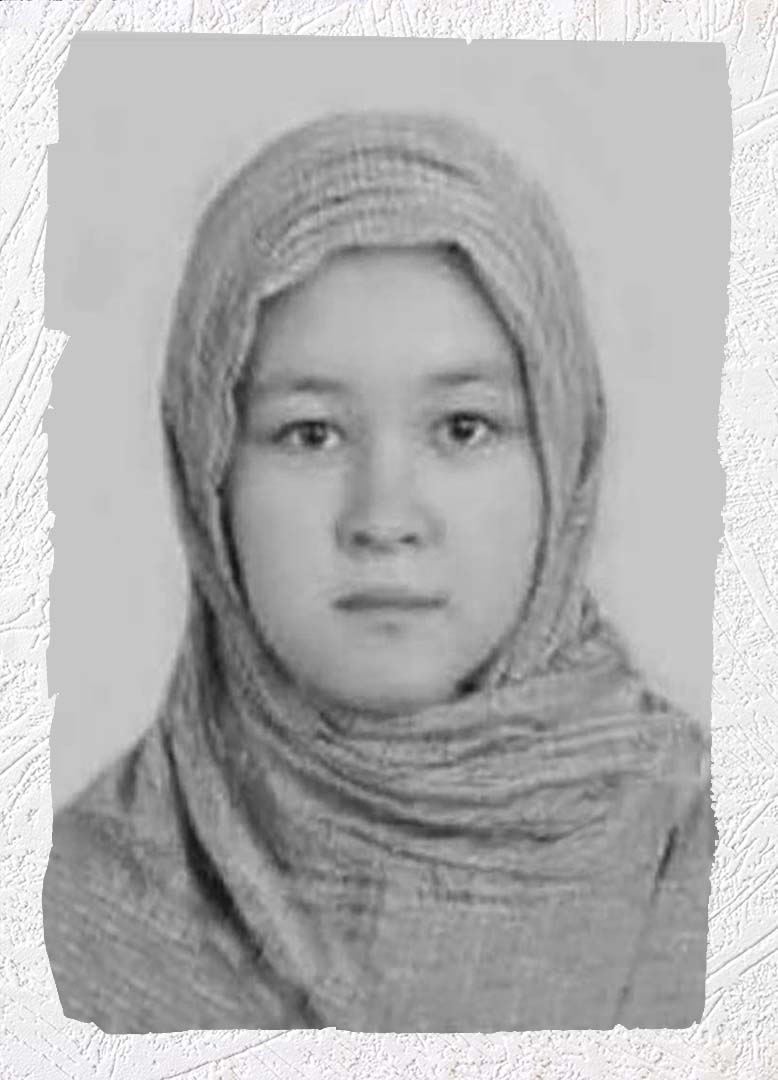
- Gender
- Female
- Ethnicity
- Hazara
- District geolocation of incident
- Kabul: 34° 31′ 1″ N, 69° 8′ 60″ E
- Description of incident
On May 8, 2021, a devastating suicide bombing took place at Sayed Al-Shuhada High School in Dasht-e-Barchi, a predominantly Hazara area in the western outskirts of Kabul. The attack resulted in the tragic loss of approximately 85 lives, most of whom were teenage schoolgirls. Additionally, the incident left 147 people wounded.
- Witness/Survivor Statement
No statemetn
- Date modified
- Aug 26, 2025
Noria Yosufi daughter of Mohammad Rahim
- Photo of Victim
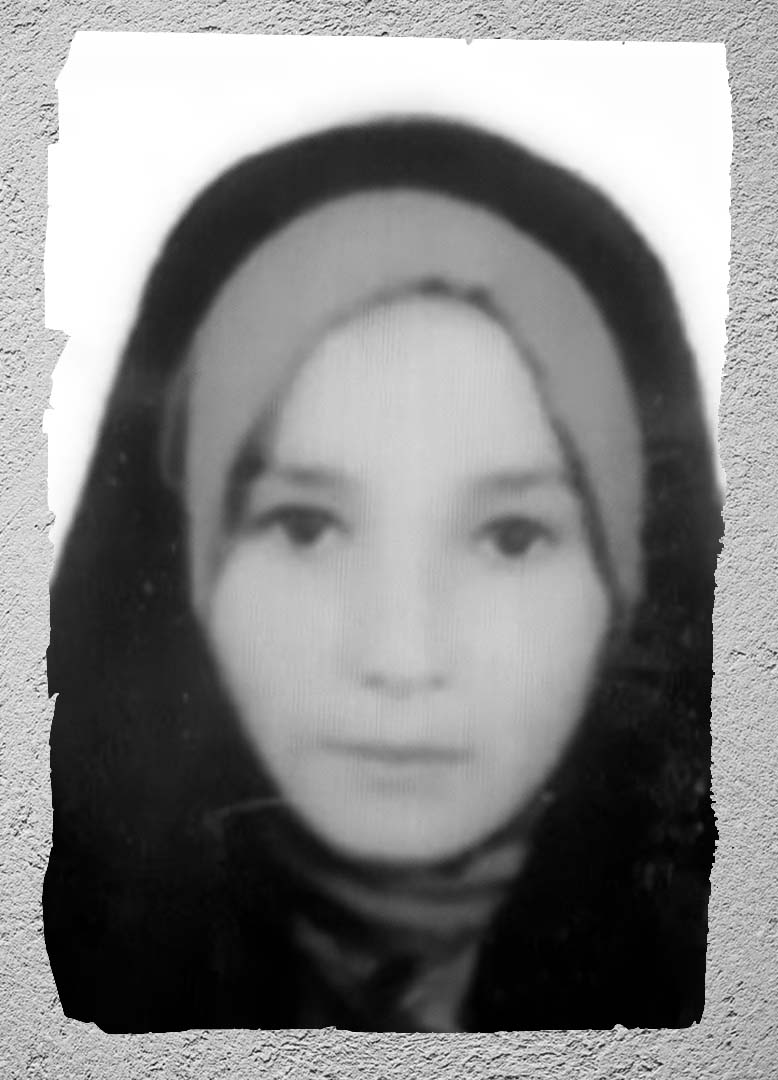
- Gender
- Female
- Ethnicity
- Hazara
- District geolocation of incident
- Kabul: 34° 31′ 1″ N, 69° 8′ 60″ E
- Description of incident
On May 8, 2021, a devastating suicide bombing took place at Sayed Al-Shuhada High School in Dasht-e-Barchi, a predominantly Hazara area in the western outskirts of Kabul. The attack resulted in the tragic loss of approximately 85 lives, most of whom were teenage schoolgirls. Additionally, the incident left 147 people wounded.
- Witness/Survivor Statement
No statemetn
- Date modified
- Aug 26, 2025
Nik Bakht daughter of Absulaziz
- Photo of Victim

- Gender
- Female
- Ethnicity
- Hazara
- District geolocation of incident
- Kabul: 34° 31′ 1″ N, 69° 8′ 60″ E
- Description of incident
On May 8, 2021, a devastating suicide bombing took place at Sayed Al-Shuhada High School in Dasht-e-Barchi, a predominantly Hazara area in the western outskirts of Kabul. The attack resulted in the tragic loss of approximately 85 lives, most of whom were teenage schoolgirls. Additionally, the incident left 147 people wounded.
- Witness/Survivor Statement
No statement
- Date modified
- Aug 26, 2025
Abdul Wahid Jawadi
- Photo of Victim

- Gender
- Male
- Ethnicity
- Hazara
- District geolocation of incident
- Kabul: 34° 31′ 1″ N, 69° 8′ 60″ E
- Description of incident
On May 8, 2021, a devastating suicide bombing took place at Sayed Al-Shuhada High School in Dasht-e-Barchi, a predominantly Hazara area in the western outskirts of Kabul. The attack resulted in the tragic loss of approximately 85 lives, most of whom were teenage schoolgirls. Additionally, the incident left 147 people wounded.
- Witness/Survivor Statement
No statemetn
- Date modified
- Aug 26, 2025
Fahim
- Photo of Victim

- Gender
- Male
- Ethnicity
- Hazara
- District geolocation of incident
- Kabul: 34° 31′ 1″ N, 69° 8′ 60″ E
- Description of incident
On April 22, 2018, a suicide bomber detonated his explosive device amidst a large gathering of civilians seeking to obtain electronic identification (e-ID) cards in the Mahtab Qala area of Dasht-e-Barchi, located west of Kabul. The explosion resulted in the deaths of at least 69 civilians, with an additional 120 individuals sustaining injuries. According to official reports, among the victims were 22 women, 17 children, and individuals with disabilities. Furthermore, the injured comprised 52 women, 50 men, and 17 children. The Islamic State of Iraq and the Levant–Khorasan Province (ISIL-KP) claimed responsibility for the attack, stating that they targeted the Hazara-Shia community.
- Witness/Survivor Statement
No statement
- Date modified
- Aug 26, 2025
Fatima
- Photo of Victim

- Gender
- Female
- Ethnicity
- Hazara
- District geolocation of incident
- Kabul: 34° 31′ 1″ N, 69° 8′ 60″ E
- Description of incident
On April 22, 2018, a suicide bomber detonated his explosive device amidst a large gathering of civilians seeking to obtain electronic identification (e-ID) cards in the Mahtab Qala area of Dasht-e-Barchi, located west of Kabul. The explosion resulted in the deaths of at least 69 civilians, with an additional 120 individuals sustaining injuries. According to official reports, among the victims were 22 women, 17 children, and individuals with disabilities. Furthermore, the injured comprised 52 women, 50 men, and 17 children. The Islamic State of Iraq and the Levant–Khorasan Province (ISIL-KP) claimed responsibility for the attack, stating that they targeted the Hazara-Shia community.
- Witness/Survivor Statement
No statement
- Date modified
- Aug 26, 2025
Nigar
- Photo of Victim

- Gender
- Female
- Ethnicity
- Hazara
- District geolocation of incident
- Kabul: 34° 31′ 1″ N, 69° 8′ 60″ E
- Description of incident
On April 22, 2018, a suicide bomber detonated his explosive device amidst a large gathering of civilians seeking to obtain electronic identification (e-ID) cards in the Mahtab Qala area of Dasht-e-Barchi, located west of Kabul. The explosion resulted in the deaths of at least 69 civilians, with an additional 120 individuals sustaining injuries. According to official reports, among the victims were 22 women, 17 children, and individuals with disabilities. Furthermore, the injured comprised 52 women, 50 men, and 17 children. The Islamic State of Iraq and the Levant–Khorasan Province (ISIL-KP) claimed responsibility for the attack, stating that they targeted the Hazara-Shia community.
- Witness/Survivor Statement
No statement
- Date modified
- Aug 22, 2025
Milad
- Photo of Victim

- Gender
- Male
- Ethnicity
- Hazara
- District geolocation of incident
- Kabul: 34° 31′ 1″ N, 69° 8′ 60″ E
- Description of incident
On April 22, 2018, a suicide bomber detonated his explosive device amidst a large gathering of civilians seeking to obtain electronic identification (e-ID) cards in the Mahtab Qala area of Dasht-e-Barchi, located west of Kabul. The explosion resulted in the deaths of at least 69 civilians, with an additional 120 individuals sustaining injuries. According to official reports, among the victims were 22 women, 17 children, and individuals with disabilities. Furthermore, the injured comprised 52 women, 50 men, and 17 children. The Islamic State of Iraq and the Levant–Khorasan Province (ISIL-KP) claimed responsibility for the attack, stating that they targeted the Hazara-Shia community.
- Witness/Survivor Statement
No statement
- Date modified
- Aug 22, 2025
Mitra Faqiri
- Photo of Victim

- Gender
- Female
- Ethnicity
- Hazara
- District geolocation of incident
- Kabul: 34° 31′ 1″ N, 69° 8′ 60″ E
- Description of incident
On April 22, 2018, a suicide bomber detonated his explosive device amidst a large gathering of civilians seeking to obtain electronic identification (e-ID) cards in the Mahtab Qala area of Dasht-e-Barchi, located west of Kabul. The explosion resulted in the deaths of at least 69 civilians, with an additional 120 individuals sustaining injuries. According to official reports, among the victims were 22 women, 17 children, and individuals with disabilities. Furthermore, the injured comprised 52 women, 50 men, and 17 children. The Islamic State of Iraq and the Levant–Khorasan Province (ISIL-KP) claimed responsibility for the attack, stating that they targeted the Hazara-Shia community.
- Witness/Survivor Statement
No statement
- Date modified
- Aug 22, 2025
Masuma Haidari
- Photo of Victim

- Gender
- Female
- Ethnicity
- Hazara
- District geolocation of incident
- Kabul: 34° 31′ 1″ N, 69° 8′ 60″ E
- Description of incident
On April 22, 2018, a suicide bomber detonated his explosive device amidst a large gathering of civilians seeking to obtain electronic identification (e-ID) cards in the Mahtab Qala area of Dasht-e-Barchi, located west of Kabul. The explosion resulted in the deaths of at least 69 civilians, with an additional 120 individuals sustaining injuries. According to official reports, among the victims were 22 women, 17 children, and individuals with disabilities. Furthermore, the injured comprised 52 women, 50 men, and 17 children. The Islamic State of Iraq and the Levant–Khorasan Province (ISIL-KP) claimed responsibility for the attack, stating that they targeted the Hazara-Shia community.
- Witness/Survivor Statement
No statement
- Date modified
- Aug 22, 2025
Mohammad Munir Farahmand
- Photo of Victim

- Gender
- Male
- Ethnicity
- Hazara
- District geolocation of incident
- Kabul: 34° 31′ 1″ N, 69° 8′ 60″ E
- Description of incident
On April 22, 2018, a suicide bomber detonated his explosive device amidst a large gathering of civilians seeking to obtain electronic identification (e-ID) cards in the Mahtab Qala area of Dasht-e-Barchi, located west of Kabul. The explosion resulted in the deaths of at least 69 civilians, with an additional 120 individuals sustaining injuries. According to official reports, among the victims were 22 women, 17 children, and individuals with disabilities. Furthermore, the injured comprised 52 women, 50 men, and 17 children. The Islamic State of Iraq and the Levant–Khorasan Province (ISIL-KP) claimed responsibility for the attack, stating that they targeted the Hazara-Shia community.
- Witness/Survivor Statement
No statement
- Date modified
- Aug 22, 2025
Mohammad Mahfoz
- Photo of Victim

- Gender
- Male
- Ethnicity
- Tajik
- District geolocation of incident
- Kabul: 34° 31′ 1″ N, 69° 8′ 60″ E
- Description of incident
On April 22, 2018, a suicide bomber detonated his explosive device amidst a large gathering of civilians seeking to obtain electronic identification (e-ID) cards in the Mahtab Qala area of Dasht-e-Barchi, located west of Kabul. The explosion resulted in the deaths of at least 69 civilians, with an additional 120 individuals sustaining injuries. According to official reports, among the victims were 22 women, 17 children, and individuals with disabilities. Furthermore, the injured comprised 52 women, 50 men, and 17 children. The Islamic State of Iraq and the Levant–Khorasan Province (ISIL-KP) claimed responsibility for the attack, stating that they targeted the Hazara-Shia community.
- Witness/Survivor Statement
No statement
- Date modified
- Aug 22, 2025
Mohammad Ali Haidari
- Photo of Victim

- Gender
- Male
- Ethnicity
- Hazara
- District geolocation of incident
- Kabul: 34° 31′ 1″ N, 69° 8′ 60″ E
- Description of incident
On April 22, 2018, a suicide bomber detonated his explosive device amidst a large gathering of civilians seeking to obtain electronic identification (e-ID) cards in the Mahtab Qala area of Dasht-e-Barchi, located west of Kabul. The explosion resulted in the deaths of at least 69 civilians, with an additional 120 individuals sustaining injuries. According to official reports, among the victims were 22 women, 17 children, and individuals with disabilities. Furthermore, the injured comprised 52 women, 50 men, and 17 children. The Islamic State of Iraq and the Levant–Khorasan Province (ISIL-KP) claimed responsibility for the attack, stating that they targeted the Hazara-Shia community.
- Witness/Survivor Statement
No statement
- Date modified
- Aug 22, 2025
Mohammad Arif Maqsodi
- Photo of Victim

- Gender
- Male
- Ethnicity
- Hazara
- District geolocation of incident
- Kabul: 34° 31′ 1″ N, 69° 8′ 60″ E
- Description of incident
On April 22, 2018, a suicide bomber detonated his explosive device amidst a large gathering of civilians seeking to obtain electronic identification (e-ID) cards in the Mahtab Qala area of Dasht-e-Barchi, located west of Kabul. The explosion resulted in the deaths of at least 69 civilians, with an additional 120 individuals sustaining injuries. According to official reports, among the victims were 22 women, 17 children, and individuals with disabilities. Furthermore, the injured comprised 52 women, 50 men, and 17 children. The Islamic State of Iraq and the Levant–Khorasan Province (ISIL-KP) claimed responsibility for the attack, stating that they targeted the Hazara-Shia community.
- Witness/Survivor Statement
No statement
- Date modified
- Aug 21, 2025
Mohammad Hussain Allahdad
- Photo of Victim

- Gender
- Male
- Ethnicity
- Hazara
- District geolocation of incident
- Kabul: 34° 31′ 1″ N, 69° 8′ 60″ E
- Description of incident
On April 22, 2018, a suicide bomber detonated his explosive device amidst a large gathering of civilians seeking to obtain electronic identification (e-ID) cards in the Mahtab Qala area of Dasht-e-Barchi, located west of Kabul. The explosion resulted in the deaths of at least 69 civilians, with an additional 120 individuals sustaining injuries. According to official reports, among the victims were 22 women, 17 children, and individuals with disabilities. Furthermore, the injured comprised 52 women, 50 men, and 17 children. The Islamic State of Iraq and the Levant–Khorasan Province (ISIL-KP) claimed responsibility for the attack, stating that they targeted the Hazara-Shia community.
- Witness/Survivor Statement
No statement
- Date modified
- Aug 21, 2025
Mohammad Jawad
- Photo of Victim

- Gender
- Male
- Ethnicity
- Hazara
- District geolocation of incident
- Kabul: 34° 31′ 1″ N, 69° 8′ 60″ E
- Description of incident
On April 22, 2018, a suicide bomber detonated his explosive device amidst a large gathering of civilians seeking to obtain electronic identification (e-ID) cards in the Mahtab Qala area of Dasht-e-Barchi, located west of Kabul. The explosion resulted in the deaths of at least 69 civilians, with an additional 120 individuals sustaining injuries. According to official reports, among the victims were 22 women, 17 children, and individuals with disabilities. Furthermore, the injured comprised 52 women, 50 men, and 17 children. The Islamic State of Iraq and the Levant–Khorasan Province (ISIL-KP) claimed responsibility for the attack, stating that they targeted the Hazara-Shia community.
- Witness/Survivor Statement
No statement
- Date modified
- Aug 20, 2025
Mohammad Ashraf
- Photo of Victim

- Gender
- Male
- Ethnicity
- Hazara
- District geolocation of incident
- Kabul: 34° 31′ 1″ N, 69° 8′ 60″ E
- Description of incident
On April 22, 2018, a suicide bomber detonated his explosive device amidst a large gathering of civilians seeking to obtain electronic identification (e-ID) cards in the Mahtab Qala area of Dasht-e-Barchi, located west of Kabul. The explosion resulted in the deaths of at least 69 civilians, with an additional 120 individuals sustaining injuries. According to official reports, among the victims were 22 women, 17 children, and individuals with disabilities. Furthermore, the injured comprised 52 women, 50 men, and 17 children. The Islamic State of Iraq and the Levant–Khorasan Province (ISIL-KP) claimed responsibility for the attack, stating that they targeted the Hazara-Shia community.
- Witness/Survivor Statement
No statement
- Date modified
- Aug 20, 2025
Ghulam Nabi Ahmadi
- Photo of Victim

- Gender
- Male
- Ethnicity
- Hazara
- District geolocation of incident
- Kabul: 34° 31′ 1″ N, 69° 8′ 60″ E
- Description of incident
On April 22, 2018, a suicide bomber detonated his explosive device amidst a large gathering of civilians seeking to obtain electronic identification (e-ID) cards in the Mahtab Qala area of Dasht-e-Barchi, located west of Kabul. The explosion resulted in the deaths of at least 69 civilians, with an additional 120 individuals sustaining injuries. According to official reports, among the victims were 22 women, 17 children, and individuals with disabilities. Furthermore, the injured comprised 52 women, 50 men, and 17 children. The Islamic State of Iraq and the Levant–Khorasan Province (ISIL-KP) claimed responsibility for the attack, stating that they targeted the Hazara-Shia community.
- Witness/Survivor Statement
No statement
- Date modified
- Aug 20, 2025
Ghulam Sakhi Alladad
- Photo of Victim

- Gender
- Male
- Ethnicity
- Hazara
- District geolocation of incident
- Kabul: 34° 31′ 1″ N, 69° 8′ 60″ E
- Description of incident
On April 22, 2018, a suicide bomber detonated his explosive device amidst a large gathering of civilians seeking to obtain electronic identification (e-ID) cards in the Mahtab Qala area of Dasht-e-Barchi, located west of Kabul. The explosion resulted in the deaths of at least 69 civilians, with an additional 120 individuals sustaining injuries. According to official reports, among the victims were 22 women, 17 children, and individuals with disabilities. Furthermore, the injured comprised 52 women, 50 men, and 17 children. The Islamic State of Iraq and the Levant–Khorasan Province (ISIL-KP) claimed responsibility for the attack, stating that they targeted the Hazara-Shia community.
- Witness/Survivor Statement
No statement
- Date modified
- Aug 20, 2025
Ghulam Sakhi
- Photo of Victim

- Gender
- Male
- Ethnicity
- Hazara
- District geolocation of incident
- Kabul: 34° 31′ 1″ N, 69° 8′ 60″ E
- Description of incident
On April 22, 2018, a suicide bomber detonated his explosive device amidst a large gathering of civilians seeking to obtain electronic identification (e-ID) cards in the Mahtab Qala area of Dasht-e-Barchi, located west of Kabul. The explosion resulted in the deaths of at least 69 civilians, with an additional 120 individuals sustaining injuries. According to official reports, among the victims were 22 women, 17 children, and individuals with disabilities. Furthermore, the injured comprised 52 women, 50 men, and 17 children. The Islamic State of Iraq and the Levant–Khorasan Province (ISIL-KP) claimed responsibility for the attack, stating that they targeted the Hazara-Shia community.
- Witness/Survivor Statement
No statement
- Date modified
- Aug 20, 2025
Ali Abbas
- Photo of Victim

- Gender
- Male
- Ethnicity
- Hazara
- District geolocation of incident
- Kabul: 34° 31′ 1″ N, 69° 8′ 60″ E
- Description of incident
On April 22, 2018, a suicide bomber detonated his explosive device amidst a large gathering of civilians seeking to obtain electronic identification (e-ID) cards in the Mahtab Qala area of Dasht-e-Barchi, located west of Kabul. The explosion resulted in the deaths of at least 69 civilians, with an additional 120 individuals sustaining injuries. According to official reports, among the victims were 22 women, 17 children, and individuals with disabilities. Furthermore, the injured comprised 52 women, 50 men, and 17 children. The Islamic State of Iraq and the Levant–Khorasan Province (ISIL-KP) claimed responsibility for the attack, stating that they targeted the Hazara-Shia community.
- Witness/Survivor Statement
No statement
- Date modified
- Aug 19, 2025
Ali Sina
- Photo of Victim

- Gender
- Male
- Ethnicity
- Hazara
- District geolocation of incident
- Kabul: 34° 31′ 1″ N, 69° 8′ 60″ E
- Description of incident
On April 22, 2018, a suicide bomber detonated his explosive device amidst a large gathering of civilians seeking to obtain electronic identification (e-ID) cards in the Mahtab Qala area of Dasht-e-Barchi, located west of Kabul. The explosion resulted in the deaths of at least 69 civilians, with an additional 120 individuals sustaining injuries. According to official reports, among the victims were 22 women, 17 children, and individuals with disabilities. Furthermore, the injured comprised 52 women, 50 men, and 17 children. The Islamic State of Iraq and the Levant–Khorasan Province (ISIL-KP) claimed responsibility for the attack, stating that they targeted the Hazara-Shia community.
- Witness/Survivor Statement
No statement
- Date modified
- Aug 19, 2025
Shukria
- Photo of Victim

- Gender
- Female
- Ethnicity
- Hazara
- District geolocation of incident
- Kabul: 34° 31′ 1″ N, 69° 8′ 60″ E
- Description of incident
On April 22, 2018, a suicide bomber detonated his explosive device amidst a large gathering of civilians seeking to obtain electronic identification (e-ID) cards in the Mahtab Qala area of Dasht-e-Barchi, located west of Kabul. The explosion resulted in the deaths of at least 69 civilians, with an additional 120 individuals sustaining injuries. According to official reports, among the victims were 22 women, 17 children, and individuals with disabilities. Furthermore, the injured comprised 52 women, 50 men, and 17 children. The Islamic State of Iraq and the Levant–Khorasan Province (ISIL-KP) claimed responsibility for the attack, stating that they targeted the Hazara-Shia community.
- Witness/Survivor Statement
No statement
- Date modified
- Aug 19, 2025
Sayed Ahmad Rashid Alawy
- Photo of Victim

- Gender
- Male
- Ethnicity
- Sadat
- District geolocation of incident
- Kabul: 34° 31′ 1″ N, 69° 8′ 60″ E
- Description of incident
On April 22, 2018, a suicide bomber detonated his explosive device amidst a large gathering of civilians seeking to obtain electronic identification (e-ID) cards in the Mahtab Qala area of Dasht-e-Barchi, located west of Kabul. The explosion resulted in the deaths of at least 69 civilians, with an additional 120 individuals sustaining injuries. According to official reports, among the victims were 22 women, 17 children, and individuals with disabilities. Furthermore, the injured comprised 52 women, 50 men, and 17 children. The Islamic State of Iraq and the Levant–Khorasan Province (ISIL-KP) claimed responsibility for the attack, stating that they targeted the Hazara-Shia community.
- Witness/Survivor Statement
No statement
- Date modified
- Aug 19, 2025
Nawaz
- Photo of Victim

- Gender
- Male
- Ethnicity
- Hazara
- District geolocation of incident
- Jaghuri: 33° 24′ 37″ N, 67° 29′ 51″ E
- Description of incident
Between November 5, 2018, and November 15, 2018, the Taliban executed a large-scale assault on the Jaghuri and Malistan districts from multiple directions. Tragically, during this conflict, 30-60 civilians lost their lives according to different secures, primarily due to Taliban actions. Additionally, over 50 individuals sustained injuries, and hundreds of families were forcibly displaced from their homes.
- Witness/Survivor Statement
No statement
- Date modified
- Aug 19, 2025
Khadim Ali
- Photo of Victim

- Gender
- Male
- Ethnicity
- Hazara
- District geolocation of incident
- Jaghuri: 33° 24′ 37″ N, 67° 29′ 51″ E
- Description of incident
Between November 5, 2018, and November 15, 2018, the Taliban executed a large-scale assault on the Jaghuri and Malistan districts from multiple directions. Tragically, during this conflict, 30-60 civilians lost their lives according to different secures, primarily due to Taliban actions. Additionally, over 50 individuals sustained injuries, and hundreds of families were forcibly displaced from their homes.
- Witness/Survivor Statement
No statement
- Date modified
- Aug 19, 2025
Abdulhamid
- Photo of Victim

- Gender
- Male
- Ethnicity
- Hazara
- District geolocation of incident
- Jaghuri: 33° 24′ 37″ N, 67° 29′ 51″ E
- Description of incident
Between November 5, 2018, and November 15, 2018, the Taliban executed a large-scale assault on the Jaghuri and Malistan districts from multiple directions. Tragically, during this conflict, 30-60 civilians lost their lives according to different secures, primarily due to Taliban actions. Additionally, over 50 individuals sustained injuries, and hundreds of families were forcibly displaced from their homes.
- Witness/Survivor Statement
No statement
- Date modified
- Aug 19, 2025
Mohammad Ibrahim
- Photo of Victim

- Gender
- Male
- Ethnicity
- Hazara
- District geolocation of incident
- Jaghuri: 33° 24′ 37″ N, 67° 29′ 51″ E
- Description of incident
Between November 5, 2018, and November 15, 2018, the Taliban executed a large-scale assault on the Jaghuri and Malistan districts from multiple directions. Tragically, during this conflict, 30-60 civilians lost their lives according to different secures, primarily due to Taliban actions. Additionally, over 50 individuals sustained injuries, and hundreds of families were forcibly displaced from their homes.
- Witness/Survivor Statement
No statement
- Date modified
- Aug 19, 2025
Jumakhan
- Photo of Victim

- Gender
- Male
- Ethnicity
- Hazara
- District geolocation of incident
- Jaghuri: 33° 24′ 37″ N, 67° 29′ 51″ E
- Description of incident
Between November 5, 2018, and November 15, 2018, the Taliban executed a large-scale assault on the Jaghuri and Malistan districts from multiple directions. Tragically, during this conflict, 30-60 civilians lost their lives according to different secures, primarily due to Taliban actions. Additionally, over 50 individuals sustained injuries, and hundreds of families were forcibly displaced from their homes.
- Witness/Survivor Statement
No statement
- Date modified
- Aug 19, 2025
Ramazan Ali
- Photo of Victim

- Gender
- Male
- Ethnicity
- Hazara
- District geolocation of incident
- Jaghuri: 33° 24′ 37″ N, 67° 29′ 51″ E
- Description of incident
Between November 5, 2018, and November 15, 2018, the Taliban executed a large-scale assault on the Jaghuri and Malistan districts from multiple directions. Tragically, during this conflict, 30-60 civilians lost their lives according to different secures, primarily due to Taliban actions. Additionally, over 50 individuals sustained injuries, and hundreds of families were forcibly displaced from their homes.
- Witness/Survivor Statement
No statement
- Date modified
- Aug 19, 2025
Ghulam Reza
- Photo of Victim

- Gender
- Male
- Ethnicity
- Hazara
- District geolocation of incident
- Jaghuri: 33° 24′ 37″ N, 67° 29′ 51″ E
- Description of incident
Between November 5, 2018, and November 15, 2018, the Taliban executed a large-scale assault on the Jaghuri and Malistan districts from multiple directions. Tragically, during this conflict, 30-60 civilians lost their lives according to different secures, primarily due to Taliban actions. Additionally, over 50 individuals sustained injuries, and hundreds of families were forcibly displaced from their homes.
- Witness/Survivor Statement
No statement
- Date modified
- Aug 19, 2025
Jawid
- Photo of Victim

- Gender
- Male
- Ethnicity
- Hazara
- District geolocation of incident
- Jaghuri: 33° 24′ 37″ N, 67° 29′ 51″ E
- Description of incident
Between November 5, 2018, and November 15, 2018, the Taliban executed a large-scale assault on the Jaghuri and Malistan districts from multiple directions. Tragically, during this conflict, 30-60 civilians lost their lives according to different secures, primarily due to Taliban actions. Additionally, over 50 individuals sustained injuries, and hundreds of families were forcibly displaced from their homes.
- Witness/Survivor Statement
No statement
- Date modified
- Aug 19, 2025
Hedayatullah Amiri
- Photo of Victim
- Gender
- Male
- Ethnicity
- Hazara
- District geolocation of incident
- Khan Abad: 36° 41′ 49″ N, 69° 6′ 48″ E
- Description of incident
A suicide bomber detonated an explosive device among Hazara-Shia worshipers at the Sayed Abad Mosque in Kunduz province on Friday, October 8, 2021. The attack resulted in the death of at least 150 people and injuries to 250 more. The casualties were all civilians, predominantly from the Hazara Shia ethnic group. The Islamic State of Iraq and Levant-Khorasan Province claimed responsibility for the attack, identifying a Chinese Uygur national as the suicide bomber and stating the group targeted Hazara Shias.
- Witness/Survivor Statement
No statement
- Date modified
- Aug 19, 2025
Razia Nazari
- Photo of Victim

- Gender
- Female
- Ethnicity
- Hazara
- District geolocation of incident
- Malistan: 33° 20′ 48″ N, 67° 12′ 13″ E
- Description of incident
Hundreds of Taliban fighters stormed Malistan District in Ghazni province at the end of July 2021. Taliban fighters seized control of the district following hours of combat with government forces at the time. They immediately initiated search operations, arbitrary detentions, and summary executions of civilians. At least forty civilians, including children and women, were reportedly murdered, and dozens more were arrested and tortured by Taliban combatants throughout the conflict, according to multiple sources, including locals and eyewitnesses.
- Witness/Survivor Statement
No statement
- Date modified
- Aug 19, 2025
Gul Bai (Gulabai), son of Qurban
- Photo of Victim
- Gender
- Male
- Ethnicity
- Hazara
- District geolocation of incident
- Gosfandi: 36° 13′ 18″ N, 65° 55′ 40″ ESangcharak: 36° 20′ 14″ N, 66° 26′ 6″ E
- Description of incident
In early 2000, six elders from Ismail Village in Gosfandi District of Sar-e Pol Province met with the Taliban after the retreat of the Union Front forces. A patrol of Taliban fighters were encountered in the village. The mullah was shot dead immediately after introducing himself. Five more men were interrogated. The individuals identifying as Hazara were immediately killed. Baz Mohammed, son of Murad, and Gul Bai, son of Qurban, were the two victims. The other three individuals, identified as Syeds or Tajiks, were spared and released later.
- Witness/Survivor Statement
No statement
- Date modified
- Aug 19, 2025