Mohammad Hashim Mouj
- Photo of Victim
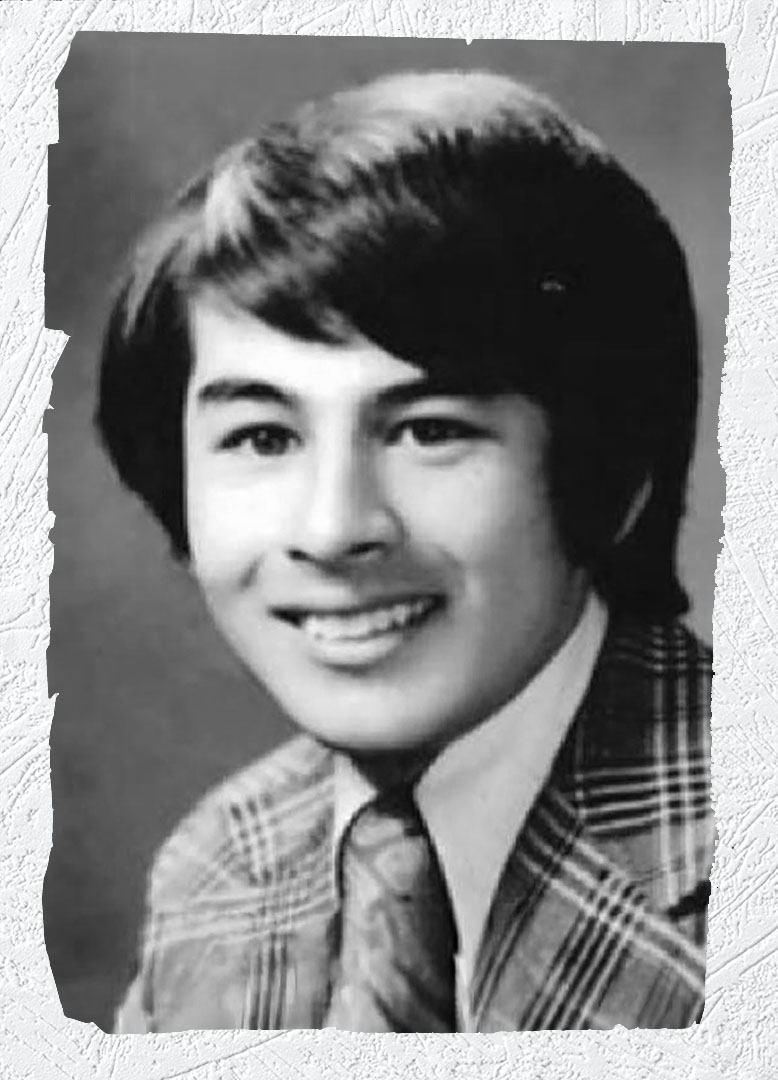
- Gender
- Male
- Ethnicity
- Uzbek
- District geolocation of incident
- Bagrami: 34° 31′ 10″ N, 69° 16′ 39″ E
- Description of incident
Known as the "Killing of AGSA," it refers to the collective murder of opponents of the People's Democratic Party of Afghanistan in the Pul-e-Charkhi Prison in Kabul between 1978 and 1979. The Afghan Intelligence Office, or AGSA (Afghan Agency for Safeguarding National Interest), led by Asadullah Sarwari, had arrested nearly 150,000 people, out of which an estimated number of 27,000 political prisoners were put to death without a single trial, probe, or even allegation. Many Afghan families had no idea where their loved ones had disappeared in the latter part of 1978 and early 1979. A list of those slain that included 5,000 victims of AGSA mass executions was made public by the Dutch Prosecutor's Office in 2013.
- Witness/Survivor Statement
No statement
Sibghatullah Zaki
- Photo of Victim

- Gender
- Male
- Ethnicity
- Uzbek
- District geolocation of incident
- Puli Khumri: 35° 56′ 49″ N, 68° 42′ 16″ E
- Description of incident
On the afternoon of November 6, 2007, at approximately 4:15 PM, an explosion occurred in Pul-e Khumri, the provincial capital of Baghlan Province. The incident took place during a visit by Afghanistan's Parliamentary Economic Commission, which had traveled to the area to attend the reopening ceremony of the newly reconstructed Baghlan Sugar Factory. According to eyewitness accounts, an individual detonated explosives among a crowd of people who had assembled to greet the parliamentary delegation. The attack resulted in between 70 and 97 fatalities, with casualty figures varying across different reports, and injured nearly 200 individuals. A substantial portion of the victims were school students who had gathered in formation to welcome the government officials. Six members of the National Economy Commission of Afghanistan's Parliament were killed in the attack, including the commission's chairman, Sayed Mustafa Kazimi. The other deceased parliamentarians represented various provinces across Afghanistan, including Takhar, Kunar, Helmand, Kunduz, and Kabul. While it was widely believed that the attack was carried out by a suicide bomber, no group claimed responsibility for the incident. The precise circumstances and motivation behind the attack were never officially confirmed. The general assessment indicated that members of the Afghan Parliament were the primary intended targets of the assault.
- Witness/Survivor Statement
No statement
Ahmad Sohial
- Photo of Victim

- Gender
- Male
- Ethnicity
- Uzbek
- District geolocation of incident
- Sayyad: 35° 52′ 25″ N, 68° 25′ 51″ E
- Description of incident
They were trapped until 11AM. My uncle's wife told us that we were in the warzone. A mortar or rocket directly hit my daughter and she was martyred on the spot. I was unconscious and when I regained my consciousness, the sun was shining on my head and the Taliban were walking here and there. They did not help us. Her son had all his intestines protruding from his abdomen. It was around 12:00 o'clock - lunch time, we got the news that two of her children were martyred.
- Witness/Survivor Statement
When I regained consciousness, one was lying on the right side and the other on the left side.
Aziza Akbari was born in Sangcharak District of Sar-e Pul Province in Tebar Village. She grew up in Balkh. She studied education in Balkh Province and studies medicine in a private university. She is a twenty-year-old and is the cousin of the victims. She speaks very slowly and describes the incident.
Narrator: Aziza Akbari (Uncle's Daughter)
Victims: Ahmad Sohail and Marhaba
Date of the incident: November 2017
Location of the incident: Mirzavalang, Saiyad District, Sar-e Pol Province
In the winter of 2017, the Taliban attack Tabar Village - my village -which was the center of several other villages. If they took this village, they would be able to increase their control and possessions over other villages. So, they would attack this village a lot. When people got info about the Taliban’s attack on our village, people would run away to save their lives. They would take only one piece of clothing and save the family members. They would close their homes and run away to save their lives. The Taliban had spies among the people.
My uncle had three sons and two daughters. He prevented his eldest son from going to school and wanted him to be a Quran reciter. He had taken him to the reciters. One day while he was reciting, his hands were on his feet. His teacher (the Mullah) had slashed him with a stick. The sick hit on one of his eyes. He had poor eyesight for one or two weeks, and in the third week, he told his father that he couldn't see with his right eye. After that, his father wanted to take him to Pakistan for treatment. He was in Mazar-e-Sharif at the time, when Taliban suddenly invaded and occupied our area. He called his family to come out of the house and told his wife to take their children and go to a safe area.
The mother takes her two daughters and one of her sons, her other son left the area with his uncle. In the third day of the war, she heard that war had ended and everybody could go home. She had gone back with her two children; one daughter, Marhaba, and one of her sons, Sohail. Unfortunately, she was trapped in the middle of war, near their house; they had heard wrong information. At the time of the incident, I was in Mazar-e-Sharif with my family. We moved here after 2016 and they were there.
She has gone early in the morning at breakfast time. They were trapped until 11AM. My uncle's wife told us that we were in the warzone. A mortar or rocket directly hit my daughter and she was martyred on the spot. I was unconscious and when I regained my consciousness, the sun was shining on my head and the Taliban were walking here and there. They did not help us. Her son had all his intestines protruding from his abdomen. It was around 12:00 o'clock - lunch time, we got the news that two of her children were martyred.
My uncle was at our home and he was informed that he should go to the site as soon as possible. My uncle's wife said that when the incident happened, it was early in the morning as there were shadows. The sun passed over our heads; it was around 12 noon. I kept calling out that my daughter and I were okay, please help my son at least. First, the Taliban were careless. After a while, the Taliban put all his intestines in his stomach and took him to the mosque, then my younger uncle took Sohail to a hospital. His situation was so bad that even my uncle could not look at him. As said, his father was here in Mazar, he wanted to go to Pakistan. When he heard the news, he moved directly from Mazar to Sar-e Pol. He had brought his wife and son to the center of Sar-e Pol. His daughter had been killed immediately on the spot, she had been hit directly. Her mother was also severely wounded on her right leg and she was operated on several times. Sohail had been taken to Sar-e Pol, then to Sheberghan and to Mazar-e-Sharif. Sohail was operated on twice in Mazar-e-Sharif.
They only operated on his stomach and did not do anything with his legs. Doctors had operated first on his stomach and moved his intestines, then wanted to work on his legs. After a few days, the poor boy’s foot became microbial.
The boy was able to chat normally every day. He chatted in such a way that we thought that no accident had happened to him at all. But he would suddenly faint; he was getting weaker every day. Finally, Sohail was taken to Kabul. They reached out to all sides and authorities. We said we should at least save the boy’s life. With a lot of effort, they reached the emergency hospital in Kabul where it is very difficult to accept such patients.
He had been to the children's hospital in Kabul. I don't know exactly. He was operated on there too. He became weaker day-by-day and in the days close to his death, he could not even speak. When doctors opened the bandage of his legs, they faced a very bad condition. After the operation, they informed him that he had died. I don't know when Sohail Jan passed away.
He was alive for about 38 or 40 days. He had been taken from one hospital to another one. He had undergone various operations until finally he was martyred.
When Marhaba was brought to be buried, none of us saw her. It was said that her scarf was not even removed from her head, but when you touched her, all her bones were broken into pieces. Her single bones were completely torn apart under her skin.
Their mother said: "It was a mortar or a rocket. When it hit, the whole place was covered in dust. I didn't see anything, I lost my consciousness... When I regained consciousness, my daughter was on my left, my son was on my right. My daughter had been martyred and my son was saying, 'Mother!' No matter how much I told the Taliban to help me to at least save my son, they did not pay attention."
They were so cruel that they didn't even pay attention to the fact that this child was lying here, and they should take him a little under the shade. She said that there were people in the houses at that time, but they could not come out to save his life. There was a person in the neighbouring house who threw a plastic sheet out from under the door to cover the girl's body, but he could not get out himself.
There are local Taliban in the village among the people. When we called them many times and begged them, they took my child to the mosque and the Taliban who were from other areas did not help.
No, no, his mother didn't have a phone. At twelve o'clock, my uncle received a call from the village that his wife and children were martyred and he must come collect them. It was still 1 o'clock when the mother of my uncle’s wife arrived at the scene of the incident and took her daughter to the mosque, and from the mosque to the district clinic.
The Taliban brought the boy to the mosque and my younger uncle took the boy. The mother of my uncle’s wife, granddaughter of my uncle, together with my aunt's husband, went to the area. They put the body of the girl inside the roller. They had taken both the boy and the girl to Sar-e Pol.
My uncle’s wife herself does not talk about her pain, she was only worried about her children's health. When they took her to Sheberghan, her leg was operated on so she had to stay there, but her son was brought to Mazar-e-Sharif. It was November, and the village was calm and quiet. Then after 30 days, she was still worried about her son and was saying: My daughter was killed, my son should stay alive." 38 or 40 days later, when she heard that her son died too, she was mentally destroyed. She sat in her place and she could not get up for almost a year. Her eldest daughter was doing her work. Only God and herself know her pain and grief.
My uncle was a very brave man, he showed his bravery here in this very difficult time as he did not raise his noise. He was a tall man who, when you look him from his back, you'd think he was an eighty-year-old man, he was bent over like that. He became like that after the incident. Now the whole area is under the control of Taliban. The center of Sangcharak District is under the government.
Before the incident, my uncle was telling his wife not to go to the village. He called her every minute saying not go anywhere and to stay at her mother's house. She had gone out at once, but she came back soon. Someone had told her that it was good she came back. But she could not wait and told her, "Let me go and check my house once, war is ended." She moved towards the house without my uncle knowing it.
People walk there and don't use cars so much. It has been an hour walk. Her family knew, but my uncle and our family did not know that they had moved to that direction. The war was going on in the village. Some say that it was the government's rocket or mortar, and some say that Taliban deliberately hit this family. It is not clear whether the Taliban hit or the government's aerial missiles hit as the war was intense at that time.
I think it was the second war in the region, after that it was always sporadic fighting. Our village was very good in every way before that, it was populated, peaceful, and green. But when Taliban captured the area, the village was not like it was in the past. Taliban were oppressing/harassing people and shopkeepers. Taliban were taking tithe based on the goods available in the shop. They charged every shop 10-15000Afn. There are many good grape gardens in our village, which produce a lot of grape every year. Grape is the main source of income of people in our village. Taliban takes tithes of these local products.
In my opinion, the incident was as a result of difference among the people. Some take the government's side and some the Taliban's side. Taliban has put a lot of pressure on the people and propagated against the government. When you go to the village nowadays, people praise the Taliban a lot. People are not united. These differences caused the area to collapse at the hand of the Taliban.
First the Taliban killed all elders, influential people, those who could read and write, or those who could speak in public. They would kill them either at night, or on their way to somewhere, or in the evening when they came out of the mosque, or when coming out of Friday prayer. They were killed everywhere. Now when you go to the village, there is not a single person left who can write or speak. Yes, they were killed in the first stage. Then, Taliban occupied the village themselves.
It has been almost ten years since we came here (Mazar City) to study. We only went for three months in winter and one month in summer because of holidays.
Currently, the mother, eldest daughter, and one of her sons live in our village, in Tebar. My uncle has taken his eldest son to Turkey to treat his eye, which was hurt by a Mullah.
Our only wish is peace and stabilization in the area. Nothing is more important than peace. When it is calm, you are fully healthy. Can you believe that when there is a war between the government and the Taliban, people leave their homes and properties? They can’t go back to the area for a long time. You know how much they would be harmed? How much they suffer? We only want peace, we don't want anything else.
I don't know whether the government is paying attention to the perpetrators of this incident or not. In my opinion, the government should pay attention to these kinds of issues, otherwise everyone will become indifferent to the government. The government starts a war for a short time, doesn't try to capture the area, then stops the war and leaves the area. Their operations must be successful. If they can’t do it, they should not do it at all. What is the point of such operations? Only civilians are killed in the war. There are no other results of their unsuccessful operations.
In this case, it is better that Taliban take the area, so that people don’t die in the war. As a citizen, I want the government to bring peace throughout the country. How long we are displaced and go from one region to another to protect our lives. We just want peace.
Taliban are very cruel people. People come from the village and tell us stories of Taliban bad behavior and cruelty.
You should wear Burqa there. Villagers say that Taliban made a pipe out of animal skin and filled it up with coins. When something is against their will, they whip the person in public. They have dangerous appearance. We cannot go out into the street. Most grown-ups have left the village and there are small people living in the community. If we go out of the house, we have to put on Chadari. For Taliban it makes no difference if you are a 12 or 15-year-old girl, everyone has to put on Chadari.
They allowed school only until the sixth grade, girls can’t go to school above the sixth grade. The situation is not good at all, people have to fulfill all Taliban expenses. They enter a mosque and say that tonight they are guests. People are poor. Those who were not poor have become poor and left the village. This is what the Taliban do.
My uncle had five children, two of them were martyred and three remain. His eldest daughter is about 16-years-old. She was a school student. She is not allowed to study anymore. His son Nurul Amin is almost 14-years-old. If children are going to school, they must wear white clothes and caps. School teachers are from the same area. They teach the children. My uncle has another daughter, her name is Nabila. She is married. It has been 16 years that she has lived in her own independent house.
My uncle was the only breadwinner of his family. He had a three tired motorcycle and a house of their own. The mental condition of the mother has not improved yet. She remembers her children, how can her mental state improve? She is withered and unwell and can't walk. She hasn't been able to walk for almost two years now. How can she forget such a heartbreaking incident where two of her children were martyred? Her mental state is very bad for now.
Her elder daughter is also not in a good state. If you call her ten times, she will not respond. She saw her brother in that situation and she witnessed her younger sister where the incident took place. She is not normal, she was also affected mentally.
Marhaba Jan was buried in the same area where her grandmother lived, and martyr Ahmad Sohail was buried in his own area.
As far as my memories are concerned, I have many sweet memories from my childhood. Because we all lived in the same village. We all gathered in one place in the evening. Sohail was a funny kid, he used to annoy us a lot, but the girl was calm. Whenever I stayed at their house, in the morning when I was sleeping - I liked this habit a lot - in the morning after the prayer call, if it was winter, she would bring warm water and wake me up to do my prayer. She paid a lot of attention to prayer and recited Quran very well.
At that age, she was very kind. She always used to wake me up in the morning when I was in their house. This was a good memory and I liked it. It is a custom that they give all their belongings to somebody. Marhaba Jan made a knitted dress for herself. I have brought that for the museum.
Marhaba
- Photo of Victim

- Gender
- Female
- Ethnicity
- Uzbek
- District geolocation of incident
- Sayyad: 35° 52′ 25″ N, 68° 25′ 51″ E
- Description of incident
They were trapped until 11AM. My uncle's wife told us that we were in the warzone. A mortar or rocket directly hit my daughter and she was martyred on the spot. I was unconscious and when I regained my consciousness, the sun was shining on my head and the Taliban were walking here and there. They did not help us. Her son had all his intestines protruding from his abdomen. It was around 12:00 o'clock - lunch time, we got the news that two of her children were martyred.
- Witness/Survivor Statement
When I regained consciousness, one was lying on the right side and the other on the left side.
Aziza Akbari was born in Sangcharak District of Sar-e Pul Province in Tebar Village. She grew up in Balkh. She studied education in Balkh Province and studies medicine in a private university. She is a twenty-year-old and is the cousin of the victims. She speaks very slowly and describes the incident.
Narrator: Aziza Akbari (Uncle's Daughter)
Victims: Ahmad Sohail and Marhaba
Date of the incident: November 2017
Location of the incident: Mirzavalang, Saiyad District, Sar-e Pol Province
In the winter of 2017, the Taliban attack Tabar Village - my village -which was the center of several other villages. If they took this village, they would be able to increase their control and possessions over other villages. So, they would attack this village a lot. When people got info about the Taliban’s attack on our village, people would run away to save their lives. They would take only one piece of clothing and save the family members. They would close their homes and run away to save their lives. The Taliban had spies among the people.
My uncle had three sons and two daughters. He prevented his eldest son from going to school and wanted him to be a Quran reciter. He had taken him to the reciters. One day while he was reciting, his hands were on his feet. His teacher (the Mullah) had slashed him with a stick. The sick hit on one of his eyes. He had poor eyesight for one or two weeks, and in the third week, he told his father that he couldn't see with his right eye. After that, his father wanted to take him to Pakistan for treatment. He was in Mazar-e-Sharif at the time, when Taliban suddenly invaded and occupied our area. He called his family to come out of the house and told his wife to take their children and go to a safe area.
The mother takes her two daughters and one of her sons, her other son left the area with his uncle. In the third day of the war, she heard that war had ended and everybody could go home. She had gone back with her two children; one daughter, Marhaba, and one of her sons, Sohail. Unfortunately, she was trapped in the middle of war, near their house; they had heard wrong information. At the time of the incident, I was in Mazar-e-Sharif with my family. We moved here after 2016 and they were there.
She has gone early in the morning at breakfast time. They were trapped until 11AM. My uncle's wife told us that we were in the warzone. A mortar or rocket directly hit my daughter and she was martyred on the spot. I was unconscious and when I regained my consciousness, the sun was shining on my head and the Taliban were walking here and there. They did not help us. Her son had all his intestines protruding from his abdomen. It was around 12:00 o'clock - lunch time, we got the news that two of her children were martyred.
My uncle was at our home and he was informed that he should go to the site as soon as possible. My uncle's wife said that when the incident happened, it was early in the morning as there were shadows. The sun passed over our heads; it was around 12 noon. I kept calling out that my daughter and I were okay, please help my son at least. First, the Taliban were careless. After a while, the Taliban put all his intestines in his stomach and took him to the mosque, then my younger uncle took Sohail to a hospital. His situation was so bad that even my uncle could not look at him. As said, his father was here in Mazar, he wanted to go to Pakistan. When he heard the news, he moved directly from Mazar to Sar-e Pol. He had brought his wife and son to the center of Sar-e Pol. His daughter had been killed immediately on the spot, she had been hit directly. Her mother was also severely wounded on her right leg and she was operated on several times. Sohail had been taken to Sar-e Pol, then to Sheberghan and to Mazar-e-Sharif. Sohail was operated on twice in Mazar-e-Sharif.
They only operated on his stomach and did not do anything with his legs. Doctors had operated first on his stomach and moved his intestines, then wanted to work on his legs. After a few days, the poor boy’s foot became microbial.
The boy was able to chat normally every day. He chatted in such a way that we thought that no accident had happened to him at all. But he would suddenly faint; he was getting weaker every day. Finally, Sohail was taken to Kabul. They reached out to all sides and authorities. We said we should at least save the boy’s life. With a lot of effort, they reached the emergency hospital in Kabul where it is very difficult to accept such patients.
He had been to the children's hospital in Kabul. I don't know exactly. He was operated on there too. He became weaker day-by-day and in the days close to his death, he could not even speak. When doctors opened the bandage of his legs, they faced a very bad condition. After the operation, they informed him that he had died. I don't know when Sohail Jan passed away.
He was alive for about 38 or 40 days. He had been taken from one hospital to another one. He had undergone various operations until finally he was martyred.
When Marhaba was brought to be buried, none of us saw her. It was said that her scarf was not even removed from her head, but when you touched her, all her bones were broken into pieces. Her single bones were completely torn apart under her skin.
Their mother said: "It was a mortar or a rocket. When it hit, the whole place was covered in dust. I didn't see anything, I lost my consciousness... When I regained consciousness, my daughter was on my left, my son was on my right. My daughter had been martyred and my son was saying, 'Mother!' No matter how much I told the Taliban to help me to at least save my son, they did not pay attention."
They were so cruel that they didn't even pay attention to the fact that this child was lying here, and they should take him a little under the shade. She said that there were people in the houses at that time, but they could not come out to save his life. There was a person in the neighbouring house who threw a plastic sheet out from under the door to cover the girl's body, but he could not get out himself.
There are local Taliban in the village among the people. When we called them many times and begged them, they took my child to the mosque and the Taliban who were from other areas did not help.
No, no, his mother didn't have a phone. At twelve o'clock, my uncle received a call from the village that his wife and children were martyred and he must come collect them. It was still 1 o'clock when the mother of my uncle’s wife arrived at the scene of the incident and took her daughter to the mosque, and from the mosque to the district clinic.
The Taliban brought the boy to the mosque and my younger uncle took the boy. The mother of my uncle’s wife, granddaughter of my uncle, together with my aunt's husband, went to the area. They put the body of the girl inside the roller. They had taken both the boy and the girl to Sar-e Pol.
My uncle’s wife herself does not talk about her pain, she was only worried about her children's health. When they took her to Sheberghan, her leg was operated on so she had to stay there, but her son was brought to Mazar-e-Sharif. It was November, and the village was calm and quiet. Then after 30 days, she was still worried about her son and was saying: My daughter was killed, my son should stay alive." 38 or 40 days later, when she heard that her son died too, she was mentally destroyed. She sat in her place and she could not get up for almost a year. Her eldest daughter was doing her work. Only God and herself know her pain and grief.
My uncle was a very brave man, he showed his bravery here in this very difficult time as he did not raise his noise. He was a tall man who, when you look him from his back, you'd think he was an eighty-year-old man, he was bent over like that. He became like that after the incident. Now the whole area is under the control of Taliban. The center of Sangcharak District is under the government.
Before the incident, my uncle was telling his wife not to go to the village. He called her every minute saying not go anywhere and to stay at her mother's house. She had gone out at once, but she came back soon. Someone had told her that it was good she came back. But she could not wait and told her, "Let me go and check my house once, war is ended." She moved towards the house without my uncle knowing it.
People walk there and don't use cars so much. It has been an hour walk. Her family knew, but my uncle and our family did not know that they had moved to that direction. The war was going on in the village. Some say that it was the government's rocket or mortar, and some say that Taliban deliberately hit this family. It is not clear whether the Taliban hit or the government's aerial missiles hit as the war was intense at that time.
I think it was the second war in the region, after that it was always sporadic fighting. Our village was very good in every way before that, it was populated, peaceful, and green. But when Taliban captured the area, the village was not like it was in the past. Taliban were oppressing/harassing people and shopkeepers. Taliban were taking tithe based on the goods available in the shop. They charged every shop 10-15000Afn. There are many good grape gardens in our village, which produce a lot of grape every year. Grape is the main source of income of people in our village. Taliban takes tithes of these local products.
In my opinion, the incident was as a result of difference among the people. Some take the government's side and some the Taliban's side. Taliban has put a lot of pressure on the people and propagated against the government. When you go to the village nowadays, people praise the Taliban a lot. People are not united. These differences caused the area to collapse at the hand of the Taliban.
First the Taliban killed all elders, influential people, those who could read and write, or those who could speak in public. They would kill them either at night, or on their way to somewhere, or in the evening when they came out of the mosque, or when coming out of Friday prayer. They were killed everywhere. Now when you go to the village, there is not a single person left who can write or speak. Yes, they were killed in the first stage. Then, Taliban occupied the village themselves.
It has been almost ten years since we came here (Mazar City) to study. We only went for three months in winter and one month in summer because of holidays.
Currently, the mother, eldest daughter, and one of her sons live in our village, in Tebar. My uncle has taken his eldest son to Turkey to treat his eye, which was hurt by a Mullah.
Our only wish is peace and stabilization in the area. Nothing is more important than peace. When it is calm, you are fully healthy. Can you believe that when there is a war between the government and the Taliban, people leave their homes and properties? They can’t go back to the area for a long time. You know how much they would be harmed? How much they suffer? We only want peace, we don't want anything else.
I don't know whether the government is paying attention to the perpetrators of this incident or not. In my opinion, the government should pay attention to these kinds of issues, otherwise everyone will become indifferent to the government. The government starts a war for a short time, doesn't try to capture the area, then stops the war and leaves the area. Their operations must be successful. If they can’t do it, they should not do it at all. What is the point of such operations? Only civilians are killed in the war. There are no other results of their unsuccessful operations.
In this case, it is better that Taliban take the area, so that people don’t die in the war. As a citizen, I want the government to bring peace throughout the country. How long we are displaced and go from one region to another to protect our lives. We just want peace.
Taliban are very cruel people. People come from the village and tell us stories of Taliban bad behavior and cruelty.
You should wear Burqa there. Villagers say that Taliban made a pipe out of animal skin and filled it up with coins. When something is against their will, they whip the person in public. They have dangerous appearance. We cannot go out into the street. Most grown-ups have left the village and there are small people living in the community. If we go out of the house, we have to put on Chadari. For Taliban it makes no difference if you are a 12 or 15-year-old girl, everyone has to put on Chadari.
They allowed school only until the sixth grade, girls can’t go to school above the sixth grade. The situation is not good at all, people have to fulfill all Taliban expenses. They enter a mosque and say that tonight they are guests. People are poor. Those who were not poor have become poor and left the village. This is what the Taliban do.
My uncle had five children, two of them were martyred and three remain. His eldest daughter is about 16-years-old. She was a school student. She is not allowed to study anymore. His son Nurul Amin is almost 14-years-old. If children are going to school, they must wear white clothes and caps. School teachers are from the same area. They teach the children. My uncle has another daughter, her name is Nabila. She is married. It has been 16 years that she has lived in her own independent house.
My uncle was the only breadwinner of his family. He had a three tired motorcycle and a house of their own. The mental condition of the mother has not improved yet. She remembers her children, how can her mental state improve? She is withered and unwell and can't walk. She hasn't been able to walk for almost two years now. How can she forget such a heartbreaking incident where two of her children were martyred? Her mental state is very bad for now.
Her elder daughter is also not in a good state. If you call her ten times, she will not respond. She saw her brother in that situation and she witnessed her younger sister where the incident took place. She is not normal, she was also affected mentally.
Marhaba Jan was buried in the same area where her grandmother lived, and martyr Ahmad Sohail was buried in his own area.
As far as my memories are concerned, I have many sweet memories from my childhood. Because we all lived in the same village. We all gathered in one place in the evening. Sohail was a funny kid, he used to annoy us a lot, but the girl was calm. Whenever I stayed at their house, in the morning when I was sleeping - I liked this habit a lot - in the morning after the prayer call, if it was winter, she would bring warm water and wake me up to do my prayer. She paid a lot of attention to prayer and recited Quran very well.
At that age, she was very kind. She always used to wake me up in the morning when I was in their house. This was a good memory and I liked it. It is a custom that they give all their belongings to somebody. Marhaba Jan made a knitted dress for herself. I have brought that for the museum.
Mohammad Rasol Jorat
- Photo of Victim

- Gender
- Male
- Ethnicity
- Uzbek
- District geolocation of incident
- Bagrami: 34° 31′ 10″ N, 69° 16′ 39″ E
- Description of incident
Known as the "Killing of AGSA," it refers to the collective murder of opponents of the People's Democratic Party of Afghanistan in the Pul-e-Charkhi Prison in Kabul between 1978 and 1979. The Afghan Intelligence Office, or AGSA (Afghan Agency for Safeguarding National Interest), led by Asadullah Sarwari, had arrested nearly 150,000 people, out of which an estimated number of 27,000 political prisoners were put to death without a single trial, probe, or even allegation. Many Afghan families had no idea where their loved ones had disappeared in the latter part of 1978 and early 1979. A list of those slain that included 5,000 victims of AGSA mass executions was made public by the Dutch Prosecutor's Office in 2013.
- Witness/Survivor Statement
No statement
Abdul Rawof
- Photo of Victim

- Gender
- Male
- Ethnicity
- Uzbek
- District geolocation of incident
- Kabul: 34° 31′ 1″ N, 69° 8′ 60″ E
- Description of incident
Known as the "Killing of AGSA," it refers to the collective murder of opponents of the People's Democratic Party of Afghanistan in the Pul-e-Charkhi Prison in Kabul between 1978 and 1979. The Afghan Intelligence Office, or AGSA (Afghan Agency for Safeguarding National Interest), led by Asadullah Sarwari, had arrested nearly 150,000 people, out of which an estimated number of 27,000 political prisoners were put to death without a single trial, probe, or even allegation. Many Afghan families had no idea where their loved ones had disappeared in the latter part of 1978 and early 1979. A list of those slain that included 5,000 victims of AGSA mass executions was made public by the Dutch Prosecutor's Office in 2013.
- Witness/Survivor Statement
No statement
Eqbal Sha
- Photo of Victim

- Gender
- Male
- Ethnicity
- Uzbek
- District geolocation of incident
- Bagrami: 34° 31′ 10″ N, 69° 16′ 39″ E
- Description of incident
Known as the "Killing of AGSA," it refers to the collective murder of opponents of the People's Democratic Party of Afghanistan in the Pul-e-Charkhi Prison in Kabul between 1978 and 1979. The Afghan Intelligence Office, or AGSA (Afghan Agency for Safeguarding National Interest), led by Asadullah Sarwari, had arrested nearly 150,000 people, out of which an estimated number of 27,000 political prisoners were put to death without a single trial, probe, or even allegation. Many Afghan families had no idea where their loved ones had disappeared in the latter part of 1978 and early 1979. A list of those slain that included 5,000 victims of AGSA mass executions was made public by the Dutch Prosecutor's Office in 2013.
- Witness/Survivor Statement
No statement
Hussain Nadiri
- Photo of Victim

- Gender
- Male
- Ethnicity
- Uzbek
- District geolocation of incident
- Mazar-e Sharif: 36° 41′ 38″ N, 67° 6′ 48″ E
- Description of incident
On 11 March 2023, an explosive device detonated inside the Tabyan Center, in Mazar-e-Sharif. The blast resulted in the deaths of 2 journalists and injuries to another 18 people. All the victims were civilians, primarily belonging to the Hazara ethnic group. The Islamic State of Iraq and the Levant-Khorasan Province (ISIL-KP) claimed responsibility for the attack.
- Witness/Survivor Statement
No statement
Mohammad Rahim
- Photo of Victim

- Gender
- Male
- Ethnicity
- Uzbek
- District geolocation of incident
- Bagrami: 34° 31′ 10″ N, 69° 16′ 39″ E
- Description of incident
Known as the "Killing of AGSA," it refers to the collective murder of opponents of the People's Democratic Party of Afghanistan in the Pul-e-Charkhi Prison in Kabul between 1978 and 1979. The Afghan Intelligence Office, or AGSA (Afghan Agency for Safeguarding National Interest), led by Asadullah Sarwari, had arrested nearly 150,000 people, out of which an estimated number of 27,000 political prisoners were put to death without a single trial, probe, or even allegation. Many Afghan families had no idea where their loved ones had disappeared in the latter part of 1978 and early 1979. A list of those slain that included 5,000 victims of AGSA mass executions was made public by the Dutch Prosecutor's Office in 2013.
- Witness/Survivor Statement
No statement
Haji Mohammad Naem
- Photo of Victim

- Gender
- Male
- Ethnicity
- Uzbek
- District geolocation of incident
- Kabul: 34° 31′ 1″ N, 69° 8′ 60″ E
- Description of incident
Known as the "Killing of AGSA," it refers to the collective murder of opponents of the People's Democratic Party of Afghanistan in the Pul-e-Charkhi Prison in Kabul between 1978 and 1979. The Afghan Intelligence Office, or AGSA (Afghan Agency for Safeguarding National Interest), led by Asadullah Sarwari, had arrested nearly 150,000 people, out of which an estimated number of 27,000 political prisoners were put to death without a single trial, probe, or even allegation. Many Afghan families had no idea where their loved ones had disappeared in the latter part of 1978 and early 1979. A list of those slain that included 5,000 victims of AGSA mass executions was made public by the Dutch Prosecutor's Office in 2013.
- Witness/Survivor Statement
No statement
Mohammad Hakim
- Photo of Victim

- Gender
- Male
- Ethnicity
- Uzbek
- District geolocation of incident
- Puli Khumri: 35° 56′ 49″ N, 68° 42′ 16″ E
- Description of incident
On the afternoon of November 6, 2007, at approximately 4:15 PM, an explosion occurred in Pul-e Khumri, the provincial capital of Baghlan Province. The incident took place during a visit by Afghanistan's Parliamentary Economic Commission, which had traveled to the area to attend the reopening ceremony of the newly reconstructed Baghlan Sugar Factory. According to eyewitness accounts, an individual detonated explosives among a crowd of people who had assembled to greet the parliamentary delegation. The attack resulted in between 70 and 97 fatalities, with casualty figures varying across different reports, and injured nearly 200 individuals. A substantial portion of the victims were school students who had gathered in formation to welcome the government officials. Six members of the National Economy Commission of Afghanistan's Parliament were killed in the attack, including the commission's chairman, Sayed Mustafa Kazimi. The other deceased parliamentarians represented various provinces across Afghanistan, including Takhar, Kunar, Helmand, Kunduz, and Kabul. While it was widely believed that the attack was carried out by a suicide bomber, no group claimed responsibility for the incident. The precise circumstances and motivation behind the attack were never officially confirmed. The general assessment indicated that members of the Afghan Parliament were the primary intended targets of the assault.
- Witness/Survivor Statement
No statement
Rahmatullah
- Photo of Victim

- Gender
- Male
- Ethnicity
- Uzbek
- District geolocation of incident
- Maymana: 35° 57′ 2″ N, 64° 46′ 48″ E
- Witness/Survivor Statement
No statement
Ramiz Ahmadi
- Photo of Victim

- Gender
- Male
- Ethnicity
- Unknown
- District geolocation of incident
- Kabul: 34° 31′ 1″ N, 69° 8′ 60″ E
- Description of incident
On September 5, 2015, a devastating twin suicide bombing struck the Maiwand Wrestling Club in Dasht-e-Barchi, a predominantly Hazara neighborhood in western Kabul, Afghanistan. The first explosion occurred inside the wrestling club during the early evening hours. As first responders and civilians gathered to assist the victims, a second blast detonated, causing even greater casualties. The attacks resulted in the deaths of at least 30 civilians, including two journalists, Samim Framarz and Ramiz Ahmadi. More than 103 others were injured in the incident. The Islamic State Khorasan Province (ISIL-KP) claimed responsibility for the bombings, stating they specifically targeted the Shia-Hazara community.
- Witness/Survivor Statement
No statement
Abdul Walid
- Photo of Victim

- Gender
- Male
- Ethnicity
- Unknown
- District geolocation of incident
- Kabul: 34° 31′ 1″ N, 69° 8′ 60″ E
- Description of incident
On August 24, 2016, suspected Taliban attackers stormed the American University of Afghanistan in Kabul using a car bomb and automatic weapons. The assault resulted in the deaths of sixteen people, including eight university students, one university policeman, and three security guards. Additionally, fifty to fifty-three individuals were injured, some critically. Afghan Special Forces killed three of the attackers. This incident marked the first direct attack on the university, although two professors had been kidnapped just outside the campus a few weeks earlier. Both Taliban and ISIL-KP were suspected though no group or individual claimed the responsibility for the attack.
- Witness/Survivor Statement
Abdul Walid, was 26 and had just begun studying Business Administration at AUAF. During the day, Walid was the Director of Afghanistan Libre, an NGO that focuses primarily on education. According to a tribute on the ACBAR website, “Walid had been working for Afghanistan Libre for more than 10 years. He had met the founder, Mrs. Shekeba Hashemi as a young adult and committed his life entirely to education, let it be women’s education, young girls’ or his own.”
Zubair,
- Photo of Victim

- Gender
- Male
- Ethnicity
- Unknown
- District geolocation of incident
- Kabul: 34° 31′ 1″ N, 69° 8′ 60″ E
- Description of incident
On August 24, 2016, suspected Taliban attackers stormed the American University of Afghanistan in Kabul using a car bomb and automatic weapons. The assault resulted in the deaths of sixteen people, including eight university students, one university policeman, and three security guards. Additionally, fifty to fifty-three individuals were injured, some critically. Afghan Special Forces killed three of the attackers. This incident marked the first direct attack on the university, although two professors had been kidnapped just outside the campus a few weeks earlier. Both Taliban and ISIL-KP were suspected though no group or individual claimed the responsibility for the attack.
- Witness/Survivor Statement
Zubair, 28, born in Kabul was studying Political Science at AUAF. Zubair was working at the Etisalat communications company during the day to support his family and going to class at night. Zubair frequently led students as an imam in communal prayers at the university and was described by friends as humble, well respected and well liked.
Waisodin
- Photo of Victim

- Gender
- Male
- Ethnicity
- Unknown
- District geolocation of incident
- Kabul: 34° 31′ 1″ N, 69° 8′ 60″ E
- Description of incident
On August 24, 2016, suspected Taliban attackers stormed the American University of Afghanistan in Kabul using a car bomb and automatic weapons. The assault resulted in the deaths of sixteen people, including eight university students, one university policeman, and three security guards. Additionally, fifty to fifty-three individuals were injured, some critically. Afghan Special Forces killed three of the attackers. This incident marked the first direct attack on the university, although two professors had been kidnapped just outside the campus a few weeks earlier. Both Taliban and ISIL-KP were suspected though no group or individual claimed the responsibility for the attack.
- Witness/Survivor Statement
Waisodin worked as an AUAF Security Guard since 2012. Waisodin was born in 1986 in Maidan Wardak, Afghanistan and had recently started his first year as an ITCS student at Alama University. After completing his education, his hope was to get a job in the IT department at AUAF and work to improve lives of his fellow Afghans. He planned on getting married after his graduation.
Mohammad Ehsan
- Photo of Victim

- Gender
- Male
- Ethnicity
- Unknown
- District geolocation of incident
- Puli Khumri: 35° 56′ 49″ N, 68° 42′ 16″ E
- Description of incident
On the afternoon of November 6, 2007, at approximately 4:15 PM, an explosion occurred in Pul-e Khumri, the provincial capital of Baghlan Province. The incident took place during a visit by Afghanistan's Parliamentary Economic Commission, which had traveled to the area to attend the reopening ceremony of the newly reconstructed Baghlan Sugar Factory. According to eyewitness accounts, an individual detonated explosives among a crowd of people who had assembled to greet the parliamentary delegation. The attack resulted in between 70 and 97 fatalities, with casualty figures varying across different reports, and injured nearly 200 individuals. A substantial portion of the victims were school students who had gathered in formation to welcome the government officials. Six members of the National Economy Commission of Afghanistan's Parliament were killed in the attack, including the commission's chairman, Sayed Mustafa Kazimi. The other deceased parliamentarians represented various provinces across Afghanistan, including Takhar, Kunar, Helmand, Kunduz, and Kabul. While it was widely believed that the attack was carried out by a suicide bomber, no group claimed responsibility for the incident. The precise circumstances and motivation behind the attack were never officially confirmed. The general assessment indicated that members of the Afghan Parliament were the primary intended targets of the assault.
- Witness/Survivor Statement
No statement
Mohammad Parwiz
- Photo of Victim

- Gender
- Male
- Ethnicity
- Unknown
- District geolocation of incident
- Puli Khumri: 35° 56′ 49″ N, 68° 42′ 16″ E
- Description of incident
On the afternoon of November 6, 2007, at approximately 4:15 PM, an explosion occurred in Pul-e Khumri, the provincial capital of Baghlan Province. The incident took place during a visit by Afghanistan's Parliamentary Economic Commission, which had traveled to the area to attend the reopening ceremony of the newly reconstructed Baghlan Sugar Factory. According to eyewitness accounts, an individual detonated explosives among a crowd of people who had assembled to greet the parliamentary delegation. The attack resulted in between 70 and 97 fatalities, with casualty figures varying across different reports, and injured nearly 200 individuals. A substantial portion of the victims were school students who had gathered in formation to welcome the government officials. Six members of the National Economy Commission of Afghanistan's Parliament were killed in the attack, including the commission's chairman, Sayed Mustafa Kazimi. The other deceased parliamentarians represented various provinces across Afghanistan, including Takhar, Kunar, Helmand, Kunduz, and Kabul. While it was widely believed that the attack was carried out by a suicide bomber, no group claimed responsibility for the incident. The precise circumstances and motivation behind the attack were never officially confirmed. The general assessment indicated that members of the Afghan Parliament were the primary intended targets of the assault.
- Witness/Survivor Statement
No statement
Mohammad Ajmal
- Photo of Victim

- Gender
- Male
- Ethnicity
- Unknown
- District geolocation of incident
- Puli Khumri: 35° 56′ 49″ N, 68° 42′ 16″ E
- Description of incident
On the afternoon of November 6, 2007, at approximately 4:15 PM, an explosion occurred in Pul-e Khumri, the provincial capital of Baghlan Province. The incident took place during a visit by Afghanistan's Parliamentary Economic Commission, which had traveled to the area to attend the reopening ceremony of the newly reconstructed Baghlan Sugar Factory. According to eyewitness accounts, an individual detonated explosives among a crowd of people who had assembled to greet the parliamentary delegation. The attack resulted in between 70 and 97 fatalities, with casualty figures varying across different reports, and injured nearly 200 individuals. A substantial portion of the victims were school students who had gathered in formation to welcome the government officials. Six members of the National Economy Commission of Afghanistan's Parliament were killed in the attack, including the commission's chairman, Sayed Mustafa Kazimi. The other deceased parliamentarians represented various provinces across Afghanistan, including Takhar, Kunar, Helmand, Kunduz, and Kabul. While it was widely believed that the attack was carried out by a suicide bomber, no group claimed responsibility for the incident. The precise circumstances and motivation behind the attack were never officially confirmed. The general assessment indicated that members of the Afghan Parliament were the primary intended targets of the assault.
- Witness/Survivor Statement
No statement
Zaidullah
- Photo of Victim

- Gender
- Male
- Ethnicity
- Unknown
- District geolocation of incident
- Puli Khumri: 35° 56′ 49″ N, 68° 42′ 16″ E
- Description of incident
On the afternoon of November 6, 2007, at approximately 4:15 PM, an explosion occurred in Pul-e Khumri, the provincial capital of Baghlan Province. The incident took place during a visit by Afghanistan's Parliamentary Economic Commission, which had traveled to the area to attend the reopening ceremony of the newly reconstructed Baghlan Sugar Factory. According to eyewitness accounts, an individual detonated explosives among a crowd of people who had assembled to greet the parliamentary delegation. The attack resulted in between 70 and 97 fatalities, with casualty figures varying across different reports, and injured nearly 200 individuals. A substantial portion of the victims were school students who had gathered in formation to welcome the government officials. Six members of the National Economy Commission of Afghanistan's Parliament were killed in the attack, including the commission's chairman, Sayed Mustafa Kazimi. The other deceased parliamentarians represented various provinces across Afghanistan, including Takhar, Kunar, Helmand, Kunduz, and Kabul. While it was widely believed that the attack was carried out by a suicide bomber, no group claimed responsibility for the incident. The precise circumstances and motivation behind the attack were never officially confirmed. The general assessment indicated that members of the Afghan Parliament were the primary intended targets of the assault.
- Witness/Survivor Statement
No statement
Abdul Jamil
- Photo of Victim

- Gender
- Male
- Ethnicity
- Unknown
- District geolocation of incident
- Puli Khumri: 35° 56′ 49″ N, 68° 42′ 16″ E
- Description of incident
On the afternoon of November 6, 2007, at approximately 4:15 PM, an explosion occurred in Pul-e Khumri, the provincial capital of Baghlan Province. The incident took place during a visit by Afghanistan's Parliamentary Economic Commission, which had traveled to the area to attend the reopening ceremony of the newly reconstructed Baghlan Sugar Factory. According to eyewitness accounts, an individual detonated explosives among a crowd of people who had assembled to greet the parliamentary delegation. The attack resulted in between 70 and 97 fatalities, with casualty figures varying across different reports, and injured nearly 200 individuals. A substantial portion of the victims were school students who had gathered in formation to welcome the government officials. Six members of the National Economy Commission of Afghanistan's Parliament were killed in the attack, including the commission's chairman, Sayed Mustafa Kazimi. The other deceased parliamentarians represented various provinces across Afghanistan, including Takhar, Kunar, Helmand, Kunduz, and Kabul. While it was widely believed that the attack was carried out by a suicide bomber, no group claimed responsibility for the incident. The precise circumstances and motivation behind the attack were never officially confirmed. The general assessment indicated that members of the Afghan Parliament were the primary intended targets of the assault.
- Witness/Survivor Statement
No statement
Khairullah
- Photo of Victim

- Gender
- Male
- Ethnicity
- Unknown
- District geolocation of incident
- Puli Khumri: 35° 56′ 49″ N, 68° 42′ 16″ E
- Description of incident
On the afternoon of November 6, 2007, at approximately 4:15 PM, an explosion occurred in Pul-e Khumri, the provincial capital of Baghlan Province. The incident took place during a visit by Afghanistan's Parliamentary Economic Commission, which had traveled to the area to attend the reopening ceremony of the newly reconstructed Baghlan Sugar Factory. According to eyewitness accounts, an individual detonated explosives among a crowd of people who had assembled to greet the parliamentary delegation. The attack resulted in between 70 and 97 fatalities, with casualty figures varying across different reports, and injured nearly 200 individuals. A substantial portion of the victims were school students who had gathered in formation to welcome the government officials. Six members of the National Economy Commission of Afghanistan's Parliament were killed in the attack, including the commission's chairman, Sayed Mustafa Kazimi. The other deceased parliamentarians represented various provinces across Afghanistan, including Takhar, Kunar, Helmand, Kunduz, and Kabul. While it was widely believed that the attack was carried out by a suicide bomber, no group claimed responsibility for the incident. The precise circumstances and motivation behind the attack were never officially confirmed. The general assessment indicated that members of the Afghan Parliament were the primary intended targets of the assault.
- Witness/Survivor Statement
No statement
Abdul Wakil
- Photo of Victim

- Gender
- Male
- Ethnicity
- Unknown
- District geolocation of incident
- Kabul: 34° 31′ 1″ N, 69° 8′ 60″ E
- Description of incident
On August 24, 2016, suspected Taliban attackers stormed the American University of Afghanistan in Kabul using a car bomb and automatic weapons. The assault resulted in the deaths of sixteen people, including eight university students, one university policeman, and three security guards. Additionally, fifty to fifty-three individuals were injured, some critically. Afghan Special Forces killed three of the attackers. This incident marked the first direct attack on the university, although two professors had been kidnapped just outside the campus a few weeks earlier. Both Taliban and ISIL-KP were suspected though no group or individual claimed the responsibility for the attack.
- Witness/Survivor Statement
Abdul Wakil worked as an AUAF Security Guard since 2008. Abdul Wakil was born in 1976 in Logar, Afghanistan and attended school until 11th grade but was forced to stop due to the civil war. Abdul Wakil left behind three children, aged nine, seven, and a newborn baby. The wellbeing of his family was always at the forefront of his thoughts and ambitions. He was saving money to send his mother on Hajj pilgrimage and to cover the medical expenses for one of his sons, who has a mental disability.
Mohammad
- Photo of Victim

- Gender
- Male
- Ethnicity
- Unknown
- District geolocation of incident
- Puli Khumri: 35° 56′ 49″ N, 68° 42′ 16″ E
- Description of incident
On the afternoon of November 6, 2007, at approximately 4:15 PM, an explosion occurred in Pul-e Khumri, the provincial capital of Baghlan Province. The incident took place during a visit by Afghanistan's Parliamentary Economic Commission, which had traveled to the area to attend the reopening ceremony of the newly reconstructed Baghlan Sugar Factory. According to eyewitness accounts, an individual detonated explosives among a crowd of people who had assembled to greet the parliamentary delegation. The attack resulted in between 70 and 97 fatalities, with casualty figures varying across different reports, and injured nearly 200 individuals. A substantial portion of the victims were school students who had gathered in formation to welcome the government officials. Six members of the National Economy Commission of Afghanistan's Parliament were killed in the attack, including the commission's chairman, Sayed Mustafa Kazimi. The other deceased parliamentarians represented various provinces across Afghanistan, including Takhar, Kunar, Helmand, Kunduz, and Kabul. While it was widely believed that the attack was carried out by a suicide bomber, no group claimed responsibility for the incident. The precise circumstances and motivation behind the attack were never officially confirmed. The general assessment indicated that members of the Afghan Parliament were the primary intended targets of the assault.
- Witness/Survivor Statement
No statement
Arif Khan
- Photo of Victim

- Gender
- Male
- Ethnicity
- Unknown
- District geolocation of incident
- Puli Khumri: 35° 56′ 49″ N, 68° 42′ 16″ E
- Description of incident
On the afternoon of November 6, 2007, at approximately 4:15 PM, an explosion occurred in Pul-e Khumri, the provincial capital of Baghlan Province. The incident took place during a visit by Afghanistan's Parliamentary Economic Commission, which had traveled to the area to attend the reopening ceremony of the newly reconstructed Baghlan Sugar Factory. According to eyewitness accounts, an individual detonated explosives among a crowd of people who had assembled to greet the parliamentary delegation. The attack resulted in between 70 and 97 fatalities, with casualty figures varying across different reports, and injured nearly 200 individuals. A substantial portion of the victims were school students who had gathered in formation to welcome the government officials. Six members of the National Economy Commission of Afghanistan's Parliament were killed in the attack, including the commission's chairman, Sayed Mustafa Kazimi. The other deceased parliamentarians represented various provinces across Afghanistan, including Takhar, Kunar, Helmand, Kunduz, and Kabul. While it was widely believed that the attack was carried out by a suicide bomber, no group claimed responsibility for the incident. The precise circumstances and motivation behind the attack were never officially confirmed. The general assessment indicated that members of the Afghan Parliament were the primary intended targets of the assault.
- Witness/Survivor Statement
No statement
Nasrullah
- Photo of Victim

- Gender
- Male
- Ethnicity
- Unknown
- District geolocation of incident
- Puli Khumri: 35° 56′ 49″ N, 68° 42′ 16″ E
- Description of incident
On the afternoon of November 6, 2007, at approximately 4:15 PM, an explosion occurred in Pul-e Khumri, the provincial capital of Baghlan Province. The incident took place during a visit by Afghanistan's Parliamentary Economic Commission, which had traveled to the area to attend the reopening ceremony of the newly reconstructed Baghlan Sugar Factory. According to eyewitness accounts, an individual detonated explosives among a crowd of people who had assembled to greet the parliamentary delegation. The attack resulted in between 70 and 97 fatalities, with casualty figures varying across different reports, and injured nearly 200 individuals. A substantial portion of the victims were school students who had gathered in formation to welcome the government officials. Six members of the National Economy Commission of Afghanistan's Parliament were killed in the attack, including the commission's chairman, Sayed Mustafa Kazimi. The other deceased parliamentarians represented various provinces across Afghanistan, including Takhar, Kunar, Helmand, Kunduz, and Kabul. While it was widely believed that the attack was carried out by a suicide bomber, no group claimed responsibility for the incident. The precise circumstances and motivation behind the attack were never officially confirmed. The general assessment indicated that members of the Afghan Parliament were the primary intended targets of the assault.
- Witness/Survivor Statement
No statement
Ewaz Khan
- Photo of Victim

- Gender
- Male
- Ethnicity
- Unknown
- District geolocation of incident
- Puli Khumri: 35° 56′ 49″ N, 68° 42′ 16″ E
- Description of incident
On the afternoon of November 6, 2007, at approximately 4:15 PM, an explosion occurred in Pul-e Khumri, the provincial capital of Baghlan Province. The incident took place during a visit by Afghanistan's Parliamentary Economic Commission, which had traveled to the area to attend the reopening ceremony of the newly reconstructed Baghlan Sugar Factory. According to eyewitness accounts, an individual detonated explosives among a crowd of people who had assembled to greet the parliamentary delegation. The attack resulted in between 70 and 97 fatalities, with casualty figures varying across different reports, and injured nearly 200 individuals. A substantial portion of the victims were school students who had gathered in formation to welcome the government officials. Six members of the National Economy Commission of Afghanistan's Parliament were killed in the attack, including the commission's chairman, Sayed Mustafa Kazimi. The other deceased parliamentarians represented various provinces across Afghanistan, including Takhar, Kunar, Helmand, Kunduz, and Kabul. While it was widely believed that the attack was carried out by a suicide bomber, no group claimed responsibility for the incident. The precise circumstances and motivation behind the attack were never officially confirmed. The general assessment indicated that members of the Afghan Parliament were the primary intended targets of the assault.
- Witness/Survivor Statement
No statement
Mohammad Bashir
- Photo of Victim

- Gender
- Male
- Ethnicity
- Unknown
- District geolocation of incident
- Puli Khumri: 35° 56′ 49″ N, 68° 42′ 16″ E
- Description of incident
On the afternoon of November 6, 2007, at approximately 4:15 PM, an explosion occurred in Pul-e Khumri, the provincial capital of Baghlan Province. The incident took place during a visit by Afghanistan's Parliamentary Economic Commission, which had traveled to the area to attend the reopening ceremony of the newly reconstructed Baghlan Sugar Factory. According to eyewitness accounts, an individual detonated explosives among a crowd of people who had assembled to greet the parliamentary delegation. The attack resulted in between 70 and 97 fatalities, with casualty figures varying across different reports, and injured nearly 200 individuals. A substantial portion of the victims were school students who had gathered in formation to welcome the government officials. Six members of the National Economy Commission of Afghanistan's Parliament were killed in the attack, including the commission's chairman, Sayed Mustafa Kazimi. The other deceased parliamentarians represented various provinces across Afghanistan, including Takhar, Kunar, Helmand, Kunduz, and Kabul. While it was widely believed that the attack was carried out by a suicide bomber, no group claimed responsibility for the incident. The precise circumstances and motivation behind the attack were never officially confirmed. The general assessment indicated that members of the Afghan Parliament were the primary intended targets of the assault.
- Witness/Survivor Statement
No statement
Mohammad Nazir
- Photo of Victim

- Gender
- Male
- Ethnicity
- Unknown
- District geolocation of incident
- Puli Khumri: 35° 56′ 49″ N, 68° 42′ 16″ E
- Description of incident
On the afternoon of November 6, 2007, at approximately 4:15 PM, an explosion occurred in Pul-e Khumri, the provincial capital of Baghlan Province. The incident took place during a visit by Afghanistan's Parliamentary Economic Commission, which had traveled to the area to attend the reopening ceremony of the newly reconstructed Baghlan Sugar Factory. According to eyewitness accounts, an individual detonated explosives among a crowd of people who had assembled to greet the parliamentary delegation. The attack resulted in between 70 and 97 fatalities, with casualty figures varying across different reports, and injured nearly 200 individuals. A substantial portion of the victims were school students who had gathered in formation to welcome the government officials. Six members of the National Economy Commission of Afghanistan's Parliament were killed in the attack, including the commission's chairman, Sayed Mustafa Kazimi. The other deceased parliamentarians represented various provinces across Afghanistan, including Takhar, Kunar, Helmand, Kunduz, and Kabul. While it was widely believed that the attack was carried out by a suicide bomber, no group claimed responsibility for the incident. The precise circumstances and motivation behind the attack were never officially confirmed. The general assessment indicated that members of the Afghan Parliament were the primary intended targets of the assault.
- Witness/Survivor Statement
No statement
Mohammad Firoz
- Photo of Victim

- Gender
- Male
- Ethnicity
- Unknown
- District geolocation of incident
- Puli Khumri: 35° 56′ 49″ N, 68° 42′ 16″ E
- Description of incident
On the afternoon of November 6, 2007, at approximately 4:15 PM, an explosion occurred in Pul-e Khumri, the provincial capital of Baghlan Province. The incident took place during a visit by Afghanistan's Parliamentary Economic Commission, which had traveled to the area to attend the reopening ceremony of the newly reconstructed Baghlan Sugar Factory. According to eyewitness accounts, an individual detonated explosives among a crowd of people who had assembled to greet the parliamentary delegation. The attack resulted in between 70 and 97 fatalities, with casualty figures varying across different reports, and injured nearly 200 individuals. A substantial portion of the victims were school students who had gathered in formation to welcome the government officials. Six members of the National Economy Commission of Afghanistan's Parliament were killed in the attack, including the commission's chairman, Sayed Mustafa Kazimi. The other deceased parliamentarians represented various provinces across Afghanistan, including Takhar, Kunar, Helmand, Kunduz, and Kabul. While it was widely believed that the attack was carried out by a suicide bomber, no group claimed responsibility for the incident. The precise circumstances and motivation behind the attack were never officially confirmed. The general assessment indicated that members of the Afghan Parliament were the primary intended targets of the assault.
- Witness/Survivor Statement
No statement
Zarkai
- Photo of Victim

- Gender
- Male
- Ethnicity
- Unknown
- District geolocation of incident
- Puli Khumri: 35° 56′ 49″ N, 68° 42′ 16″ E
- Description of incident
On the afternoon of November 6, 2007, at approximately 4:15 PM, an explosion occurred in Pul-e Khumri, the provincial capital of Baghlan Province. The incident took place during a visit by Afghanistan's Parliamentary Economic Commission, which had traveled to the area to attend the reopening ceremony of the newly reconstructed Baghlan Sugar Factory. According to eyewitness accounts, an individual detonated explosives among a crowd of people who had assembled to greet the parliamentary delegation. The attack resulted in between 70 and 97 fatalities, with casualty figures varying across different reports, and injured nearly 200 individuals. A substantial portion of the victims were school students who had gathered in formation to welcome the government officials. Six members of the National Economy Commission of Afghanistan's Parliament were killed in the attack, including the commission's chairman, Sayed Mustafa Kazimi. The other deceased parliamentarians represented various provinces across Afghanistan, including Takhar, Kunar, Helmand, Kunduz, and Kabul. While it was widely believed that the attack was carried out by a suicide bomber, no group claimed responsibility for the incident. The precise circumstances and motivation behind the attack were never officially confirmed. The general assessment indicated that members of the Afghan Parliament were the primary intended targets of the assault.
- Witness/Survivor Statement
No statement
Mohammad Zahir
- Photo of Victim

- Gender
- Male
- Ethnicity
- Unknown
- District geolocation of incident
- Puli Khumri: 35° 56′ 49″ N, 68° 42′ 16″ E
- Description of incident
On the afternoon of November 6, 2007, at approximately 4:15 PM, an explosion occurred in Pul-e Khumri, the provincial capital of Baghlan Province. The incident took place during a visit by Afghanistan's Parliamentary Economic Commission, which had traveled to the area to attend the reopening ceremony of the newly reconstructed Baghlan Sugar Factory. According to eyewitness accounts, an individual detonated explosives among a crowd of people who had assembled to greet the parliamentary delegation. The attack resulted in between 70 and 97 fatalities, with casualty figures varying across different reports, and injured nearly 200 individuals. A substantial portion of the victims were school students who had gathered in formation to welcome the government officials. Six members of the National Economy Commission of Afghanistan's Parliament were killed in the attack, including the commission's chairman, Sayed Mustafa Kazimi. The other deceased parliamentarians represented various provinces across Afghanistan, including Takhar, Kunar, Helmand, Kunduz, and Kabul. While it was widely believed that the attack was carried out by a suicide bomber, no group claimed responsibility for the incident. The precise circumstances and motivation behind the attack were never officially confirmed. The general assessment indicated that members of the Afghan Parliament were the primary intended targets of the assault.
- Witness/Survivor Statement
No statement
Mohammad Tahir
- Photo of Victim

- Gender
- Male
- Ethnicity
- Unknown
- District geolocation of incident
- Puli Khumri: 35° 56′ 49″ N, 68° 42′ 16″ E
- Description of incident
On the afternoon of November 6, 2007, at approximately 4:15 PM, an explosion occurred in Pul-e Khumri, the provincial capital of Baghlan Province. The incident took place during a visit by Afghanistan's Parliamentary Economic Commission, which had traveled to the area to attend the reopening ceremony of the newly reconstructed Baghlan Sugar Factory. According to eyewitness accounts, an individual detonated explosives among a crowd of people who had assembled to greet the parliamentary delegation. The attack resulted in between 70 and 97 fatalities, with casualty figures varying across different reports, and injured nearly 200 individuals. A substantial portion of the victims were school students who had gathered in formation to welcome the government officials. Six members of the National Economy Commission of Afghanistan's Parliament were killed in the attack, including the commission's chairman, Sayed Mustafa Kazimi. The other deceased parliamentarians represented various provinces across Afghanistan, including Takhar, Kunar, Helmand, Kunduz, and Kabul. While it was widely believed that the attack was carried out by a suicide bomber, no group claimed responsibility for the incident. The precise circumstances and motivation behind the attack were never officially confirmed. The general assessment indicated that members of the Afghan Parliament were the primary intended targets of the assault.
- Witness/Survivor Statement
No statement
Mohammad Ayob
- Photo of Victim

- Gender
- Male
- Ethnicity
- Unknown
- District geolocation of incident
- Puli Khumri: 35° 56′ 49″ N, 68° 42′ 16″ E
- Description of incident
On the afternoon of November 6, 2007, at approximately 4:15 PM, an explosion occurred in Pul-e Khumri, the provincial capital of Baghlan Province. The incident took place during a visit by Afghanistan's Parliamentary Economic Commission, which had traveled to the area to attend the reopening ceremony of the newly reconstructed Baghlan Sugar Factory. According to eyewitness accounts, an individual detonated explosives among a crowd of people who had assembled to greet the parliamentary delegation. The attack resulted in between 70 and 97 fatalities, with casualty figures varying across different reports, and injured nearly 200 individuals. A substantial portion of the victims were school students who had gathered in formation to welcome the government officials. Six members of the National Economy Commission of Afghanistan's Parliament were killed in the attack, including the commission's chairman, Sayed Mustafa Kazimi. The other deceased parliamentarians represented various provinces across Afghanistan, including Takhar, Kunar, Helmand, Kunduz, and Kabul. While it was widely believed that the attack was carried out by a suicide bomber, no group claimed responsibility for the incident. The precise circumstances and motivation behind the attack were never officially confirmed. The general assessment indicated that members of the Afghan Parliament were the primary intended targets of the assault.
- Witness/Survivor Statement
No statment
Mohammad Osman
- Photo of Victim

- Gender
- Male
- Ethnicity
- Unknown
- District geolocation of incident
- Puli Khumri: 35° 56′ 49″ N, 68° 42′ 16″ E
- Description of incident
On the afternoon of November 6, 2007, at approximately 4:15 PM, an explosion occurred in Pul-e Khumri, the provincial capital of Baghlan Province. The incident took place during a visit by Afghanistan's Parliamentary Economic Commission, which had traveled to the area to attend the reopening ceremony of the newly reconstructed Baghlan Sugar Factory. According to eyewitness accounts, an individual detonated explosives among a crowd of people who had assembled to greet the parliamentary delegation. The attack resulted in between 70 and 97 fatalities, with casualty figures varying across different reports, and injured nearly 200 individuals. A substantial portion of the victims were school students who had gathered in formation to welcome the government officials. Six members of the National Economy Commission of Afghanistan's Parliament were killed in the attack, including the commission's chairman, Sayed Mustafa Kazimi. The other deceased parliamentarians represented various provinces across Afghanistan, including Takhar, Kunar, Helmand, Kunduz, and Kabul. While it was widely believed that the attack was carried out by a suicide bomber, no group claimed responsibility for the incident. The precise circumstances and motivation behind the attack were never officially confirmed. The general assessment indicated that members of the Afghan Parliament were the primary intended targets of the assault.
- Witness/Survivor Statement
No statement
Sultan Mohammad
- Photo of Victim

- Gender
- Male
- Ethnicity
- Unknown
- District geolocation of incident
- Puli Khumri: 35° 56′ 49″ N, 68° 42′ 16″ E
- Description of incident
On the afternoon of November 6, 2007, at approximately 4:15 PM, an explosion occurred in Pul-e Khumri, the provincial capital of Baghlan Province. The incident took place during a visit by Afghanistan's Parliamentary Economic Commission, which had traveled to the area to attend the reopening ceremony of the newly reconstructed Baghlan Sugar Factory. According to eyewitness accounts, an individual detonated explosives among a crowd of people who had assembled to greet the parliamentary delegation. The attack resulted in between 70 and 97 fatalities, with casualty figures varying across different reports, and injured nearly 200 individuals. A substantial portion of the victims were school students who had gathered in formation to welcome the government officials. Six members of the National Economy Commission of Afghanistan's Parliament were killed in the attack, including the commission's chairman, Sayed Mustafa Kazimi. The other deceased parliamentarians represented various provinces across Afghanistan, including Takhar, Kunar, Helmand, Kunduz, and Kabul. While it was widely believed that the attack was carried out by a suicide bomber, no group claimed responsibility for the incident. The precise circumstances and motivation behind the attack were never officially confirmed. The general assessment indicated that members of the Afghan Parliament were the primary intended targets of the assault.
- Witness/Survivor Statement
No statement
Mohammad Wesal
- Photo of Victim

- Gender
- Male
- Ethnicity
- Unknown
- District geolocation of incident
- Puli Khumri: 35° 56′ 49″ N, 68° 42′ 16″ E
- Description of incident
On the afternoon of November 6, 2007, at approximately 4:15 PM, an explosion occurred in Pul-e Khumri, the provincial capital of Baghlan Province. The incident took place during a visit by Afghanistan's Parliamentary Economic Commission, which had traveled to the area to attend the reopening ceremony of the newly reconstructed Baghlan Sugar Factory. According to eyewitness accounts, an individual detonated explosives among a crowd of people who had assembled to greet the parliamentary delegation. The attack resulted in between 70 and 97 fatalities, with casualty figures varying across different reports, and injured nearly 200 individuals. A substantial portion of the victims were school students who had gathered in formation to welcome the government officials. Six members of the National Economy Commission of Afghanistan's Parliament were killed in the attack, including the commission's chairman, Sayed Mustafa Kazimi. The other deceased parliamentarians represented various provinces across Afghanistan, including Takhar, Kunar, Helmand, Kunduz, and Kabul. While it was widely believed that the attack was carried out by a suicide bomber, no group claimed responsibility for the incident. The precise circumstances and motivation behind the attack were never officially confirmed. The general assessment indicated that members of the Afghan Parliament were the primary intended targets of the assault.
- Witness/Survivor Statement
No statement
Heshmatullah
- Photo of Victim

- Gender
- Male
- Ethnicity
- Unknown
- District geolocation of incident
- Puli Khumri: 35° 56′ 49″ N, 68° 42′ 16″ E
- Description of incident
On the afternoon of November 6, 2007, at approximately 4:15 PM, an explosion occurred in Pul-e Khumri, the provincial capital of Baghlan Province. The incident took place during a visit by Afghanistan's Parliamentary Economic Commission, which had traveled to the area to attend the reopening ceremony of the newly reconstructed Baghlan Sugar Factory. According to eyewitness accounts, an individual detonated explosives among a crowd of people who had assembled to greet the parliamentary delegation. The attack resulted in between 70 and 97 fatalities, with casualty figures varying across different reports, and injured nearly 200 individuals. A substantial portion of the victims were school students who had gathered in formation to welcome the government officials. Six members of the National Economy Commission of Afghanistan's Parliament were killed in the attack, including the commission's chairman, Sayed Mustafa Kazimi. The other deceased parliamentarians represented various provinces across Afghanistan, including Takhar, Kunar, Helmand, Kunduz, and Kabul. While it was widely believed that the attack was carried out by a suicide bomber, no group claimed responsibility for the incident. The precise circumstances and motivation behind the attack were never officially confirmed. The general assessment indicated that members of the Afghan Parliament were the primary intended targets of the assault.
- Witness/Survivor Statement
No statement
Qudratullah
- Photo of Victim

- Gender
- Male
- Ethnicity
- Unknown
- District geolocation of incident
- Puli Khumri: 35° 56′ 49″ N, 68° 42′ 16″ E
- Description of incident
On the afternoon of November 6, 2007, at approximately 4:15 PM, an explosion occurred in Pul-e Khumri, the provincial capital of Baghlan Province. The incident took place during a visit by Afghanistan's Parliamentary Economic Commission, which had traveled to the area to attend the reopening ceremony of the newly reconstructed Baghlan Sugar Factory. According to eyewitness accounts, an individual detonated explosives among a crowd of people who had assembled to greet the parliamentary delegation. The attack resulted in between 70 and 97 fatalities, with casualty figures varying across different reports, and injured nearly 200 individuals. A substantial portion of the victims were school students who had gathered in formation to welcome the government officials. Six members of the National Economy Commission of Afghanistan's Parliament were killed in the attack, including the commission's chairman, Sayed Mustafa Kazimi. The other deceased parliamentarians represented various provinces across Afghanistan, including Takhar, Kunar, Helmand, Kunduz, and Kabul. While it was widely believed that the attack was carried out by a suicide bomber, no group claimed responsibility for the incident. The precise circumstances and motivation behind the attack were never officially confirmed. The general assessment indicated that members of the Afghan Parliament were the primary intended targets of the assault.
- Witness/Survivor Statement
No statement
Mohammad Ebrahim
- Photo of Victim

- Gender
- Male
- Ethnicity
- Unknown
- District geolocation of incident
- Puli Khumri: 35° 56′ 49″ N, 68° 42′ 16″ E
- Description of incident
On the afternoon of November 6, 2007, at approximately 4:15 PM, an explosion occurred in Pul-e Khumri, the provincial capital of Baghlan Province. The incident took place during a visit by Afghanistan's Parliamentary Economic Commission, which had traveled to the area to attend the reopening ceremony of the newly reconstructed Baghlan Sugar Factory. According to eyewitness accounts, an individual detonated explosives among a crowd of people who had assembled to greet the parliamentary delegation. The attack resulted in between 70 and 97 fatalities, with casualty figures varying across different reports, and injured nearly 200 individuals. A substantial portion of the victims were school students who had gathered in formation to welcome the government officials. Six members of the National Economy Commission of Afghanistan's Parliament were killed in the attack, including the commission's chairman, Sayed Mustafa Kazimi. The other deceased parliamentarians represented various provinces across Afghanistan, including Takhar, Kunar, Helmand, Kunduz, and Kabul. While it was widely believed that the attack was carried out by a suicide bomber, no group claimed responsibility for the incident. The precise circumstances and motivation behind the attack were never officially confirmed. The general assessment indicated that members of the Afghan Parliament were the primary intended targets of the assault.
- Witness/Survivor Statement
No statment
Mohammad Mujeb
- Photo of Victim

- Gender
- Male
- Ethnicity
- Unknown
- District geolocation of incident
- Puli Khumri: 35° 56′ 49″ N, 68° 42′ 16″ E
- Description of incident
On the afternoon of November 6, 2007, at approximately 4:15 PM, an explosion occurred in Pul-e Khumri, the provincial capital of Baghlan Province. The incident took place during a visit by Afghanistan's Parliamentary Economic Commission, which had traveled to the area to attend the reopening ceremony of the newly reconstructed Baghlan Sugar Factory. According to eyewitness accounts, an individual detonated explosives among a crowd of people who had assembled to greet the parliamentary delegation. The attack resulted in between 70 and 97 fatalities, with casualty figures varying across different reports, and injured nearly 200 individuals. A substantial portion of the victims were school students who had gathered in formation to welcome the government officials. Six members of the National Economy Commission of Afghanistan's Parliament were killed in the attack, including the commission's chairman, Sayed Mustafa Kazimi. The other deceased parliamentarians represented various provinces across Afghanistan, including Takhar, Kunar, Helmand, Kunduz, and Kabul. While it was widely believed that the attack was carried out by a suicide bomber, no group claimed responsibility for the incident. The precise circumstances and motivation behind the attack were never officially confirmed. The general assessment indicated that members of the Afghan Parliament were the primary intended targets of the assault.
- Witness/Survivor Statement
No statement
Mohammad Nasir
- Photo of Victim

- Gender
- Male
- Ethnicity
- Unknown
- District geolocation of incident
- Puli Khumri: 35° 56′ 49″ N, 68° 42′ 16″ E
- Description of incident
On the afternoon of November 6, 2007, at approximately 4:15 PM, an explosion occurred in Pul-e Khumri, the provincial capital of Baghlan Province. The incident took place during a visit by Afghanistan's Parliamentary Economic Commission, which had traveled to the area to attend the reopening ceremony of the newly reconstructed Baghlan Sugar Factory. According to eyewitness accounts, an individual detonated explosives among a crowd of people who had assembled to greet the parliamentary delegation. The attack resulted in between 70 and 97 fatalities, with casualty figures varying across different reports, and injured nearly 200 individuals. A substantial portion of the victims were school students who had gathered in formation to welcome the government officials. Six members of the National Economy Commission of Afghanistan's Parliament were killed in the attack, including the commission's chairman, Sayed Mustafa Kazimi. The other deceased parliamentarians represented various provinces across Afghanistan, including Takhar, Kunar, Helmand, Kunduz, and Kabul. While it was widely believed that the attack was carried out by a suicide bomber, no group claimed responsibility for the incident. The precise circumstances and motivation behind the attack were never officially confirmed. The general assessment indicated that members of the Afghan Parliament were the primary intended targets of the assault.
- Witness/Survivor Statement
No statement
Omid
- Photo of Victim

- Gender
- Male
- Ethnicity
- Unknown
- District geolocation of incident
- Puli Khumri: 35° 56′ 49″ N, 68° 42′ 16″ E
- Description of incident
On the afternoon of November 6, 2007, at approximately 4:15 PM, an explosion occurred in Pul-e Khumri, the provincial capital of Baghlan Province. The incident took place during a visit by Afghanistan's Parliamentary Economic Commission, which had traveled to the area to attend the reopening ceremony of the newly reconstructed Baghlan Sugar Factory. According to eyewitness accounts, an individual detonated explosives among a crowd of people who had assembled to greet the parliamentary delegation. The attack resulted in between 70 and 97 fatalities, with casualty figures varying across different reports, and injured nearly 200 individuals. A substantial portion of the victims were school students who had gathered in formation to welcome the government officials. Six members of the National Economy Commission of Afghanistan's Parliament were killed in the attack, including the commission's chairman, Sayed Mustafa Kazimi. The other deceased parliamentarians represented various provinces across Afghanistan, including Takhar, Kunar, Helmand, Kunduz, and Kabul. While it was widely believed that the attack was carried out by a suicide bomber, no group claimed responsibility for the incident. The precise circumstances and motivation behind the attack were never officially confirmed. The general assessment indicated that members of the Afghan Parliament were the primary intended targets of the assault.
- Witness/Survivor Statement
No statement
Shamsuddin
- Photo of Victim

- Gender
- Male
- Ethnicity
- Unknown
- District geolocation of incident
- Puli Khumri: 35° 56′ 49″ N, 68° 42′ 16″ E
- Description of incident
On the afternoon of November 6, 2007, at approximately 4:15 PM, an explosion occurred in Pul-e Khumri, the provincial capital of Baghlan Province. The incident took place during a visit by Afghanistan's Parliamentary Economic Commission, which had traveled to the area to attend the reopening ceremony of the newly reconstructed Baghlan Sugar Factory. According to eyewitness accounts, an individual detonated explosives among a crowd of people who had assembled to greet the parliamentary delegation. The attack resulted in between 70 and 97 fatalities, with casualty figures varying across different reports, and injured nearly 200 individuals. A substantial portion of the victims were school students who had gathered in formation to welcome the government officials. Six members of the National Economy Commission of Afghanistan's Parliament were killed in the attack, including the commission's chairman, Sayed Mustafa Kazimi. The other deceased parliamentarians represented various provinces across Afghanistan, including Takhar, Kunar, Helmand, Kunduz, and Kabul. While it was widely believed that the attack was carried out by a suicide bomber, no group claimed responsibility for the incident. The precise circumstances and motivation behind the attack were never officially confirmed. The general assessment indicated that members of the Afghan Parliament were the primary intended targets of the assault.
- Witness/Survivor Statement
No statement
Sameullah
- Photo of Victim

- Gender
- Male
- Ethnicity
- Unknown
- District geolocation of incident
- Puli Khumri: 35° 56′ 49″ N, 68° 42′ 16″ E
- Description of incident
On the afternoon of November 6, 2007, at approximately 4:15 PM, an explosion occurred in Pul-e Khumri, the provincial capital of Baghlan Province. The incident took place during a visit by Afghanistan's Parliamentary Economic Commission, which had traveled to the area to attend the reopening ceremony of the newly reconstructed Baghlan Sugar Factory. According to eyewitness accounts, an individual detonated explosives among a crowd of people who had assembled to greet the parliamentary delegation. The attack resulted in between 70 and 97 fatalities, with casualty figures varying across different reports, and injured nearly 200 individuals. A substantial portion of the victims were school students who had gathered in formation to welcome the government officials. Six members of the National Economy Commission of Afghanistan's Parliament were killed in the attack, including the commission's chairman, Sayed Mustafa Kazimi. The other deceased parliamentarians represented various provinces across Afghanistan, including Takhar, Kunar, Helmand, Kunduz, and Kabul. While it was widely believed that the attack was carried out by a suicide bomber, no group claimed responsibility for the incident. The precise circumstances and motivation behind the attack were never officially confirmed. The general assessment indicated that members of the Afghan Parliament were the primary intended targets of the assault.
- Witness/Survivor Statement
No statement
Mohammad Bilal
- Photo of Victim

- Gender
- Male
- Ethnicity
- Unknown
- District geolocation of incident
- Puli Khumri: 35° 56′ 49″ N, 68° 42′ 16″ E
- Description of incident
On the afternoon of November 6, 2007, at approximately 4:15 PM, an explosion occurred in Pul-e Khumri, the provincial capital of Baghlan Province. The incident took place during a visit by Afghanistan's Parliamentary Economic Commission, which had traveled to the area to attend the reopening ceremony of the newly reconstructed Baghlan Sugar Factory. According to eyewitness accounts, an individual detonated explosives among a crowd of people who had assembled to greet the parliamentary delegation. The attack resulted in between 70 and 97 fatalities, with casualty figures varying across different reports, and injured nearly 200 individuals. A substantial portion of the victims were school students who had gathered in formation to welcome the government officials. Six members of the National Economy Commission of Afghanistan's Parliament were killed in the attack, including the commission's chairman, Sayed Mustafa Kazimi. The other deceased parliamentarians represented various provinces across Afghanistan, including Takhar, Kunar, Helmand, Kunduz, and Kabul. While it was widely believed that the attack was carried out by a suicide bomber, no group claimed responsibility for the incident. The precise circumstances and motivation behind the attack were never officially confirmed. The general assessment indicated that members of the Afghan Parliament were the primary intended targets of the assault.
- Witness/Survivor Statement
No statement
Mohammad Rateb
- Photo of Victim

- Gender
- Male
- Ethnicity
- Unknown
- District geolocation of incident
- Puli Khumri: 35° 56′ 49″ N, 68° 42′ 16″ E
- Description of incident
On the afternoon of November 6, 2007, at approximately 4:15 PM, an explosion occurred in Pul-e Khumri, the provincial capital of Baghlan Province. The incident took place during a visit by Afghanistan's Parliamentary Economic Commission, which had traveled to the area to attend the reopening ceremony of the newly reconstructed Baghlan Sugar Factory. According to eyewitness accounts, an individual detonated explosives among a crowd of people who had assembled to greet the parliamentary delegation. The attack resulted in between 70 and 97 fatalities, with casualty figures varying across different reports, and injured nearly 200 individuals. A substantial portion of the victims were school students who had gathered in formation to welcome the government officials. Six members of the National Economy Commission of Afghanistan's Parliament were killed in the attack, including the commission's chairman, Sayed Mustafa Kazimi. The other deceased parliamentarians represented various provinces across Afghanistan, including Takhar, Kunar, Helmand, Kunduz, and Kabul. While it was widely believed that the attack was carried out by a suicide bomber, no group claimed responsibility for the incident. The precise circumstances and motivation behind the attack were never officially confirmed. The general assessment indicated that members of the Afghan Parliament were the primary intended targets of the assault.
- Witness/Survivor Statement
No statement
Mohammad Nasir
- Photo of Victim

- Gender
- Male
- Ethnicity
- Unknown
- District geolocation of incident
- Puli Khumri: 35° 56′ 49″ N, 68° 42′ 16″ E
- Description of incident
On the afternoon of November 6, 2007, at approximately 4:15 PM, an explosion occurred in Pul-e Khumri, the provincial capital of Baghlan Province. The incident took place during a visit by Afghanistan's Parliamentary Economic Commission, which had traveled to the area to attend the reopening ceremony of the newly reconstructed Baghlan Sugar Factory. According to eyewitness accounts, an individual detonated explosives among a crowd of people who had assembled to greet the parliamentary delegation. The attack resulted in between 70 and 97 fatalities, with casualty figures varying across different reports, and injured nearly 200 individuals. A substantial portion of the victims were school students who had gathered in formation to welcome the government officials. Six members of the National Economy Commission of Afghanistan's Parliament were killed in the attack, including the commission's chairman, Sayed Mustafa Kazimi. The other deceased parliamentarians represented various provinces across Afghanistan, including Takhar, Kunar, Helmand, Kunduz, and Kabul. While it was widely believed that the attack was carried out by a suicide bomber, no group claimed responsibility for the incident. The precise circumstances and motivation behind the attack were never officially confirmed. The general assessment indicated that members of the Afghan Parliament were the primary intended targets of the assault.
- Witness/Survivor Statement
No statement
Norullah
- Photo of Victim

- Gender
- Male
- Ethnicity
- Unknown
- District geolocation of incident
- Puli Khumri: 35° 56′ 49″ N, 68° 42′ 16″ E
- Description of incident
On the afternoon of November 6, 2007, at approximately 4:15 PM, an explosion occurred in Pul-e Khumri, the provincial capital of Baghlan Province. The incident took place during a visit by Afghanistan's Parliamentary Economic Commission, which had traveled to the area to attend the reopening ceremony of the newly reconstructed Baghlan Sugar Factory. According to eyewitness accounts, an individual detonated explosives among a crowd of people who had assembled to greet the parliamentary delegation. The attack resulted in between 70 and 97 fatalities, with casualty figures varying across different reports, and injured nearly 200 individuals. A substantial portion of the victims were school students who had gathered in formation to welcome the government officials. Six members of the National Economy Commission of Afghanistan's Parliament were killed in the attack, including the commission's chairman, Sayed Mustafa Kazimi. The other deceased parliamentarians represented various provinces across Afghanistan, including Takhar, Kunar, Helmand, Kunduz, and Kabul. While it was widely believed that the attack was carried out by a suicide bomber, no group claimed responsibility for the incident. The precise circumstances and motivation behind the attack were never officially confirmed. The general assessment indicated that members of the Afghan Parliament were the primary intended targets of the assault.
- Witness/Survivor Statement
No statement
Mohammad Naeim
- Photo of Victim

- Gender
- Male
- Ethnicity
- Unknown
- District geolocation of incident
- Puli Khumri: 35° 56′ 49″ N, 68° 42′ 16″ E
- Description of incident
On the afternoon of November 6, 2007, at approximately 4:15 PM, an explosion occurred in Pul-e Khumri, the provincial capital of Baghlan Province. The incident took place during a visit by Afghanistan's Parliamentary Economic Commission, which had traveled to the area to attend the reopening ceremony of the newly reconstructed Baghlan Sugar Factory. According to eyewitness accounts, an individual detonated explosives among a crowd of people who had assembled to greet the parliamentary delegation. The attack resulted in between 70 and 97 fatalities, with casualty figures varying across different reports, and injured nearly 200 individuals. A substantial portion of the victims were school students who had gathered in formation to welcome the government officials. Six members of the National Economy Commission of Afghanistan's Parliament were killed in the attack, including the commission's chairman, Sayed Mustafa Kazimi. The other deceased parliamentarians represented various provinces across Afghanistan, including Takhar, Kunar, Helmand, Kunduz, and Kabul. While it was widely believed that the attack was carried out by a suicide bomber, no group claimed responsibility for the incident. The precise circumstances and motivation behind the attack were never officially confirmed. The general assessment indicated that members of the Afghan Parliament were the primary intended targets of the assault.
- Witness/Survivor Statement
No statement
Merajuddin
- Photo of Victim

- Gender
- Male
- Ethnicity
- Unknown
- District geolocation of incident
- Puli Khumri: 35° 56′ 49″ N, 68° 42′ 16″ E
- Description of incident
On the afternoon of November 6, 2007, at approximately 4:15 PM, an explosion occurred in Pul-e Khumri, the provincial capital of Baghlan Province. The incident took place during a visit by Afghanistan's Parliamentary Economic Commission, which had traveled to the area to attend the reopening ceremony of the newly reconstructed Baghlan Sugar Factory. According to eyewitness accounts, an individual detonated explosives among a crowd of people who had assembled to greet the parliamentary delegation. The attack resulted in between 70 and 97 fatalities, with casualty figures varying across different reports, and injured nearly 200 individuals. A substantial portion of the victims were school students who had gathered in formation to welcome the government officials. Six members of the National Economy Commission of Afghanistan's Parliament were killed in the attack, including the commission's chairman, Sayed Mustafa Kazimi. The other deceased parliamentarians represented various provinces across Afghanistan, including Takhar, Kunar, Helmand, Kunduz, and Kabul. While it was widely believed that the attack was carried out by a suicide bomber, no group claimed responsibility for the incident. The precise circumstances and motivation behind the attack were never officially confirmed. The general assessment indicated that members of the Afghan Parliament were the primary intended targets of the assault.
- Witness/Survivor Statement
No statement
Abdurrazaq
- Photo of Victim

- Gender
- Male
- Ethnicity
- Unknown
- District geolocation of incident
- Puli Khumri: 35° 56′ 49″ N, 68° 42′ 16″ E
- Description of incident
On the afternoon of November 6, 2007, at approximately 4:15 PM, an explosion occurred in Pul-e Khumri, the provincial capital of Baghlan Province. The incident took place during a visit by Afghanistan's Parliamentary Economic Commission, which had traveled to the area to attend the reopening ceremony of the newly reconstructed Baghlan Sugar Factory. According to eyewitness accounts, an individual detonated explosives among a crowd of people who had assembled to greet the parliamentary delegation. The attack resulted in between 70 and 97 fatalities, with casualty figures varying across different reports, and injured nearly 200 individuals. A substantial portion of the victims were school students who had gathered in formation to welcome the government officials. Six members of the National Economy Commission of Afghanistan's Parliament were killed in the attack, including the commission's chairman, Sayed Mustafa Kazimi. The other deceased parliamentarians represented various provinces across Afghanistan, including Takhar, Kunar, Helmand, Kunduz, and Kabul. While it was widely believed that the attack was carried out by a suicide bomber, no group claimed responsibility for the incident. The precise circumstances and motivation behind the attack were never officially confirmed. The general assessment indicated that members of the Afghan Parliament were the primary intended targets of the assault.
- Witness/Survivor Statement
No statement
Jamal Khan
- Photo of Victim

- Gender
- Male
- Ethnicity
- Unknown
- District geolocation of incident
- Puli Khumri: 35° 56′ 49″ N, 68° 42′ 16″ E
- Description of incident
On the afternoon of November 6, 2007, at approximately 4:15 PM, an explosion occurred in Pul-e Khumri, the provincial capital of Baghlan Province. The incident took place during a visit by Afghanistan's Parliamentary Economic Commission, which had traveled to the area to attend the reopening ceremony of the newly reconstructed Baghlan Sugar Factory. According to eyewitness accounts, an individual detonated explosives among a crowd of people who had assembled to greet the parliamentary delegation. The attack resulted in between 70 and 97 fatalities, with casualty figures varying across different reports, and injured nearly 200 individuals. A substantial portion of the victims were school students who had gathered in formation to welcome the government officials. Six members of the National Economy Commission of Afghanistan's Parliament were killed in the attack, including the commission's chairman, Sayed Mustafa Kazimi. The other deceased parliamentarians represented various provinces across Afghanistan, including Takhar, Kunar, Helmand, Kunduz, and Kabul. While it was widely believed that the attack was carried out by a suicide bomber, no group claimed responsibility for the incident. The precise circumstances and motivation behind the attack were never officially confirmed. The general assessment indicated that members of the Afghan Parliament were the primary intended targets of the assault.
- Witness/Survivor Statement
No statement
Abdullah
- Photo of Victim

- Gender
- Male
- Ethnicity
- Unknown
- District geolocation of incident
- Puli Khumri: 35° 56′ 49″ N, 68° 42′ 16″ E
- Description of incident
On the afternoon of November 6, 2007, at approximately 4:15 PM, an explosion occurred in Pul-e Khumri, the provincial capital of Baghlan Province. The incident took place during a visit by Afghanistan's Parliamentary Economic Commission, which had traveled to the area to attend the reopening ceremony of the newly reconstructed Baghlan Sugar Factory. According to eyewitness accounts, an individual detonated explosives among a crowd of people who had assembled to greet the parliamentary delegation. The attack resulted in between 70 and 97 fatalities, with casualty figures varying across different reports, and injured nearly 200 individuals. A substantial portion of the victims were school students who had gathered in formation to welcome the government officials. Six members of the National Economy Commission of Afghanistan's Parliament were killed in the attack, including the commission's chairman, Sayed Mustafa Kazimi. The other deceased parliamentarians represented various provinces across Afghanistan, including Takhar, Kunar, Helmand, Kunduz, and Kabul. While it was widely believed that the attack was carried out by a suicide bomber, no group claimed responsibility for the incident. The precise circumstances and motivation behind the attack were never officially confirmed. The general assessment indicated that members of the Afghan Parliament were the primary intended targets of the assault.
- Witness/Survivor Statement
No statement
Mohammad Hashim
- Photo of Victim

- Gender
- Male
- Ethnicity
- Unknown
- District geolocation of incident
- Puli Khumri: 35° 56′ 49″ N, 68° 42′ 16″ E
- Description of incident
On the afternoon of November 6, 2007, at approximately 4:15 PM, an explosion occurred in Pul-e Khumri, the provincial capital of Baghlan Province. The incident took place during a visit by Afghanistan's Parliamentary Economic Commission, which had traveled to the area to attend the reopening ceremony of the newly reconstructed Baghlan Sugar Factory. According to eyewitness accounts, an individual detonated explosives among a crowd of people who had assembled to greet the parliamentary delegation. The attack resulted in between 70 and 97 fatalities, with casualty figures varying across different reports, and injured nearly 200 individuals. A substantial portion of the victims were school students who had gathered in formation to welcome the government officials. Six members of the National Economy Commission of Afghanistan's Parliament were killed in the attack, including the commission's chairman, Sayed Mustafa Kazimi. The other deceased parliamentarians represented various provinces across Afghanistan, including Takhar, Kunar, Helmand, Kunduz, and Kabul. While it was widely believed that the attack was carried out by a suicide bomber, no group claimed responsibility for the incident. The precise circumstances and motivation behind the attack were never officially confirmed. The general assessment indicated that members of the Afghan Parliament were the primary intended targets of the assault.
- Witness/Survivor Statement
No statement
Asadullah
- Photo of Victim

- Gender
- Male
- Ethnicity
- Unknown
- District geolocation of incident
- Puli Khumri: 35° 56′ 49″ N, 68° 42′ 16″ E
- Description of incident
On the afternoon of November 6, 2007, at approximately 4:15 PM, an explosion occurred in Pul-e Khumri, the provincial capital of Baghlan Province. The incident took place during a visit by Afghanistan's Parliamentary Economic Commission, which had traveled to the area to attend the reopening ceremony of the newly reconstructed Baghlan Sugar Factory. According to eyewitness accounts, an individual detonated explosives among a crowd of people who had assembled to greet the parliamentary delegation. The attack resulted in between 70 and 97 fatalities, with casualty figures varying across different reports, and injured nearly 200 individuals. A substantial portion of the victims were school students who had gathered in formation to welcome the government officials. Six members of the National Economy Commission of Afghanistan's Parliament were killed in the attack, including the commission's chairman, Sayed Mustafa Kazimi. The other deceased parliamentarians represented various provinces across Afghanistan, including Takhar, Kunar, Helmand, Kunduz, and Kabul. While it was widely believed that the attack was carried out by a suicide bomber, no group claimed responsibility for the incident. The precise circumstances and motivation behind the attack were never officially confirmed. The general assessment indicated that members of the Afghan Parliament were the primary intended targets of the assault.
- Witness/Survivor Statement
No statement
Qutbuddin
- Photo of Victim

- Gender
- Male
- Ethnicity
- Unknown
- District geolocation of incident
- Puli Khumri: 35° 56′ 49″ N, 68° 42′ 16″ E
- Description of incident
On the afternoon of November 6, 2007, at approximately 4:15 PM, an explosion occurred in Pul-e Khumri, the provincial capital of Baghlan Province. The incident took place during a visit by Afghanistan's Parliamentary Economic Commission, which had traveled to the area to attend the reopening ceremony of the newly reconstructed Baghlan Sugar Factory. According to eyewitness accounts, an individual detonated explosives among a crowd of people who had assembled to greet the parliamentary delegation. The attack resulted in between 70 and 97 fatalities, with casualty figures varying across different reports, and injured nearly 200 individuals. A substantial portion of the victims were school students who had gathered in formation to welcome the government officials. Six members of the National Economy Commission of Afghanistan's Parliament were killed in the attack, including the commission's chairman, Sayed Mustafa Kazimi. The other deceased parliamentarians represented various provinces across Afghanistan, including Takhar, Kunar, Helmand, Kunduz, and Kabul. While it was widely believed that the attack was carried out by a suicide bomber, no group claimed responsibility for the incident. The precise circumstances and motivation behind the attack were never officially confirmed. The general assessment indicated that members of the Afghan Parliament were the primary intended targets of the assault.
- Witness/Survivor Statement
No statement
Abdul Nasir
- Photo of Victim

- Gender
- Male
- Ethnicity
- Unknown
- District geolocation of incident
- Puli Khumri: 35° 56′ 49″ N, 68° 42′ 16″ E
- Description of incident
On the afternoon of November 6, 2007, at approximately 4:15 PM, an explosion occurred in Pul-e Khumri, the provincial capital of Baghlan Province. The incident took place during a visit by Afghanistan's Parliamentary Economic Commission, which had traveled to the area to attend the reopening ceremony of the newly reconstructed Baghlan Sugar Factory. According to eyewitness accounts, an individual detonated explosives among a crowd of people who had assembled to greet the parliamentary delegation. The attack resulted in between 70 and 97 fatalities, with casualty figures varying across different reports, and injured nearly 200 individuals. A substantial portion of the victims were school students who had gathered in formation to welcome the government officials. Six members of the National Economy Commission of Afghanistan's Parliament were killed in the attack, including the commission's chairman, Sayed Mustafa Kazimi. The other deceased parliamentarians represented various provinces across Afghanistan, including Takhar, Kunar, Helmand, Kunduz, and Kabul. While it was widely believed that the attack was carried out by a suicide bomber, no group claimed responsibility for the incident. The precise circumstances and motivation behind the attack were never officially confirmed. The general assessment indicated that members of the Afghan Parliament were the primary intended targets of the assault.
- Witness/Survivor Statement
No statement
Mohammad Sadiq
- Photo of Victim

- Gender
- Male
- Ethnicity
- Unknown
- District geolocation of incident
- Puli Khumri: 35° 56′ 49″ N, 68° 42′ 16″ E
- Description of incident
On the afternoon of November 6, 2007, at approximately 4:15 PM, an explosion occurred in Pul-e Khumri, the provincial capital of Baghlan Province. The incident took place during a visit by Afghanistan's Parliamentary Economic Commission, which had traveled to the area to attend the reopening ceremony of the newly reconstructed Baghlan Sugar Factory. According to eyewitness accounts, an individual detonated explosives among a crowd of people who had assembled to greet the parliamentary delegation. The attack resulted in between 70 and 97 fatalities, with casualty figures varying across different reports, and injured nearly 200 individuals. A substantial portion of the victims were school students who had gathered in formation to welcome the government officials. Six members of the National Economy Commission of Afghanistan's Parliament were killed in the attack, including the commission's chairman, Sayed Mustafa Kazimi. The other deceased parliamentarians represented various provinces across Afghanistan, including Takhar, Kunar, Helmand, Kunduz, and Kabul. While it was widely believed that the attack was carried out by a suicide bomber, no group claimed responsibility for the incident. The precise circumstances and motivation behind the attack were never officially confirmed. The general assessment indicated that members of the Afghan Parliament were the primary intended targets of the assault.
- Witness/Survivor Statement
No statement
Nazok Mir Sarfaraz
- Photo of Victim

- Gender
- Male
- Ethnicity
- Unknown
- District geolocation of incident
- Puli Khumri: 35° 56′ 49″ N, 68° 42′ 16″ E
- Description of incident
On the afternoon of November 6, 2007, at approximately 4:15 PM, an explosion occurred in Pul-e Khumri, the provincial capital of Baghlan Province. The incident took place during a visit by Afghanistan's Parliamentary Economic Commission, which had traveled to the area to attend the reopening ceremony of the newly reconstructed Baghlan Sugar Factory. According to eyewitness accounts, an individual detonated explosives among a crowd of people who had assembled to greet the parliamentary delegation. The attack resulted in between 70 and 97 fatalities, with casualty figures varying across different reports, and injured nearly 200 individuals. A substantial portion of the victims were school students who had gathered in formation to welcome the government officials. Six members of the National Economy Commission of Afghanistan's Parliament were killed in the attack, including the commission's chairman, Sayed Mustafa Kazimi. The other deceased parliamentarians represented various provinces across Afghanistan, including Takhar, Kunar, Helmand, Kunduz, and Kabul. While it was widely believed that the attack was carried out by a suicide bomber, no group claimed responsibility for the incident. The precise circumstances and motivation behind the attack were never officially confirmed. The general assessment indicated that members of the Afghan Parliament were the primary intended targets of the assault.
- Witness/Survivor Statement
No statement
Gulmohammad
- Photo of Victim

- Gender
- Male
- Ethnicity
- Unknown
- District geolocation of incident
- Puli Khumri: 35° 56′ 49″ N, 68° 42′ 16″ E
- Description of incident
On the afternoon of November 6, 2007, at approximately 4:15 PM, an explosion occurred in Pul-e Khumri, the provincial capital of Baghlan Province. The incident took place during a visit by Afghanistan's Parliamentary Economic Commission, which had traveled to the area to attend the reopening ceremony of the newly reconstructed Baghlan Sugar Factory. According to eyewitness accounts, an individual detonated explosives among a crowd of people who had assembled to greet the parliamentary delegation. The attack resulted in between 70 and 97 fatalities, with casualty figures varying across different reports, and injured nearly 200 individuals. A substantial portion of the victims were school students who had gathered in formation to welcome the government officials. Six members of the National Economy Commission of Afghanistan's Parliament were killed in the attack, including the commission's chairman, Sayed Mustafa Kazimi. The other deceased parliamentarians represented various provinces across Afghanistan, including Takhar, Kunar, Helmand, Kunduz, and Kabul. While it was widely believed that the attack was carried out by a suicide bomber, no group claimed responsibility for the incident. The precise circumstances and motivation behind the attack were never officially confirmed. The general assessment indicated that members of the Afghan Parliament were the primary intended targets of the assault.
- Witness/Survivor Statement
No statement
Mohammad Sherzai
- Photo of Victim

- Gender
- Male
- Ethnicity
- Unknown
- District geolocation of incident
- Puli Khumri: 35° 56′ 49″ N, 68° 42′ 16″ E
- Description of incident
On the afternoon of November 6, 2007, at approximately 4:15 PM, an explosion occurred in Pul-e Khumri, the provincial capital of Baghlan Province. The incident took place during a visit by Afghanistan's Parliamentary Economic Commission, which had traveled to the area to attend the reopening ceremony of the newly reconstructed Baghlan Sugar Factory. According to eyewitness accounts, an individual detonated explosives among a crowd of people who had assembled to greet the parliamentary delegation. The attack resulted in between 70 and 97 fatalities, with casualty figures varying across different reports, and injured nearly 200 individuals. A substantial portion of the victims were school students who had gathered in formation to welcome the government officials. Six members of the National Economy Commission of Afghanistan's Parliament were killed in the attack, including the commission's chairman, Sayed Mustafa Kazimi. The other deceased parliamentarians represented various provinces across Afghanistan, including Takhar, Kunar, Helmand, Kunduz, and Kabul. While it was widely believed that the attack was carried out by a suicide bomber, no group claimed responsibility for the incident. The precise circumstances and motivation behind the attack were never officially confirmed. The general assessment indicated that members of the Afghan Parliament were the primary intended targets of the assault.
- Witness/Survivor Statement
No statement
Hamid Ahmad
- Photo of Victim

- Gender
- Male
- Ethnicity
- Unknown
- District geolocation of incident
- Puli Khumri: 35° 56′ 49″ N, 68° 42′ 16″ E
- Description of incident
On the afternoon of November 6, 2007, at approximately 4:15 PM, an explosion occurred in Pul-e Khumri, the provincial capital of Baghlan Province. The incident took place during a visit by Afghanistan's Parliamentary Economic Commission, which had traveled to the area to attend the reopening ceremony of the newly reconstructed Baghlan Sugar Factory. According to eyewitness accounts, an individual detonated explosives among a crowd of people who had assembled to greet the parliamentary delegation. The attack resulted in between 70 and 97 fatalities, with casualty figures varying across different reports, and injured nearly 200 individuals. A substantial portion of the victims were school students who had gathered in formation to welcome the government officials. Six members of the National Economy Commission of Afghanistan's Parliament were killed in the attack, including the commission's chairman, Sayed Mustafa Kazimi. The other deceased parliamentarians represented various provinces across Afghanistan, including Takhar, Kunar, Helmand, Kunduz, and Kabul. While it was widely believed that the attack was carried out by a suicide bomber, no group claimed responsibility for the incident. The precise circumstances and motivation behind the attack were never officially confirmed. The general assessment indicated that members of the Afghan Parliament were the primary intended targets of the assault.
- Witness/Survivor Statement
No statement
Amrullah
- Photo of Victim

- Gender
- Male
- Ethnicity
- Unknown
- District geolocation of incident
- Puli Khumri: 35° 56′ 49″ N, 68° 42′ 16″ E
- Description of incident
On the afternoon of November 6, 2007, at approximately 4:15 PM, an explosion occurred in Pul-e Khumri, the provincial capital of Baghlan Province. The incident took place during a visit by Afghanistan's Parliamentary Economic Commission, which had traveled to the area to attend the reopening ceremony of the newly reconstructed Baghlan Sugar Factory. According to eyewitness accounts, an individual detonated explosives among a crowd of people who had assembled to greet the parliamentary delegation. The attack resulted in between 70 and 97 fatalities, with casualty figures varying across different reports, and injured nearly 200 individuals. A substantial portion of the victims were school students who had gathered in formation to welcome the government officials. Six members of the National Economy Commission of Afghanistan's Parliament were killed in the attack, including the commission's chairman, Sayed Mustafa Kazimi. The other deceased parliamentarians represented various provinces across Afghanistan, including Takhar, Kunar, Helmand, Kunduz, and Kabul. While it was widely believed that the attack was carried out by a suicide bomber, no group claimed responsibility for the incident. The precise circumstances and motivation behind the attack were never officially confirmed. The general assessment indicated that members of the Afghan Parliament were the primary intended targets of the assault.
- Witness/Survivor Statement
No statement
Ruhollah
- Photo of Victim

- Gender
- Male
- Ethnicity
- Unknown
- District geolocation of incident
- Puli Khumri: 35° 56′ 49″ N, 68° 42′ 16″ E
- Description of incident
On the afternoon of November 6, 2007, at approximately 4:15 PM, an explosion occurred in Pul-e Khumri, the provincial capital of Baghlan Province. The incident took place during a visit by Afghanistan's Parliamentary Economic Commission, which had traveled to the area to attend the reopening ceremony of the newly reconstructed Baghlan Sugar Factory. According to eyewitness accounts, an individual detonated explosives among a crowd of people who had assembled to greet the parliamentary delegation. The attack resulted in between 70 and 97 fatalities, with casualty figures varying across different reports, and injured nearly 200 individuals. A substantial portion of the victims were school students who had gathered in formation to welcome the government officials. Six members of the National Economy Commission of Afghanistan's Parliament were killed in the attack, including the commission's chairman, Sayed Mustafa Kazimi. The other deceased parliamentarians represented various provinces across Afghanistan, including Takhar, Kunar, Helmand, Kunduz, and Kabul. While it was widely believed that the attack was carried out by a suicide bomber, no group claimed responsibility for the incident. The precise circumstances and motivation behind the attack were never officially confirmed. The general assessment indicated that members of the Afghan Parliament were the primary intended targets of the assault.
- Witness/Survivor Statement
No statement
Ghulam Ali
- Photo of Victim

- Gender
- Male
- Ethnicity
- Unknown
- District geolocation of incident
- Puli Khumri: 35° 56′ 49″ N, 68° 42′ 16″ E
- Description of incident
On the afternoon of November 6, 2007, at approximately 4:15 PM, an explosion occurred in Pul-e Khumri, the provincial capital of Baghlan Province. The incident took place during a visit by Afghanistan's Parliamentary Economic Commission, which had traveled to the area to attend the reopening ceremony of the newly reconstructed Baghlan Sugar Factory. According to eyewitness accounts, an individual detonated explosives among a crowd of people who had assembled to greet the parliamentary delegation. The attack resulted in between 70 and 97 fatalities, with casualty figures varying across different reports, and injured nearly 200 individuals. A substantial portion of the victims were school students who had gathered in formation to welcome the government officials. Six members of the National Economy Commission of Afghanistan's Parliament were killed in the attack, including the commission's chairman, Sayed Mustafa Kazimi. The other deceased parliamentarians represented various provinces across Afghanistan, including Takhar, Kunar, Helmand, Kunduz, and Kabul. While it was widely believed that the attack was carried out by a suicide bomber, no group claimed responsibility for the incident. The precise circumstances and motivation behind the attack were never officially confirmed. The general assessment indicated that members of the Afghan Parliament were the primary intended targets of the assault.
- Witness/Survivor Statement
No statement
Nuro Rahman
- Photo of Victim

- Gender
- Male
- Ethnicity
- Unknown
- District geolocation of incident
- Puli Khumri: 35° 56′ 49″ N, 68° 42′ 16″ E
- Description of incident
On the afternoon of November 6, 2007, at approximately 4:15 PM, an explosion occurred in Pul-e Khumri, the provincial capital of Baghlan Province. The incident took place during a visit by Afghanistan's Parliamentary Economic Commission, which had traveled to the area to attend the reopening ceremony of the newly reconstructed Baghlan Sugar Factory. According to eyewitness accounts, an individual detonated explosives among a crowd of people who had assembled to greet the parliamentary delegation. The attack resulted in between 70 and 97 fatalities, with casualty figures varying across different reports, and injured nearly 200 individuals. A substantial portion of the victims were school students who had gathered in formation to welcome the government officials. Six members of the National Economy Commission of Afghanistan's Parliament were killed in the attack, including the commission's chairman, Sayed Mustafa Kazimi. The other deceased parliamentarians represented various provinces across Afghanistan, including Takhar, Kunar, Helmand, Kunduz, and Kabul. While it was widely believed that the attack was carried out by a suicide bomber, no group claimed responsibility for the incident. The precise circumstances and motivation behind the attack were never officially confirmed. The general assessment indicated that members of the Afghan Parliament were the primary intended targets of the assault.
- Witness/Survivor Statement
No statement
Mohammad Rahim
- Photo of Victim

- Gender
- Male
- Ethnicity
- Unknown
- District geolocation of incident
- Puli Khumri: 35° 56′ 49″ N, 68° 42′ 16″ E
- Description of incident
On the afternoon of November 6, 2007, at approximately 4:15 PM, an explosion occurred in Pul-e Khumri, the provincial capital of Baghlan Province. The incident took place during a visit by Afghanistan's Parliamentary Economic Commission, which had traveled to the area to attend the reopening ceremony of the newly reconstructed Baghlan Sugar Factory. According to eyewitness accounts, an individual detonated explosives among a crowd of people who had assembled to greet the parliamentary delegation. The attack resulted in between 70 and 97 fatalities, with casualty figures varying across different reports, and injured nearly 200 individuals. A substantial portion of the victims were school students who had gathered in formation to welcome the government officials. Six members of the National Economy Commission of Afghanistan's Parliament were killed in the attack, including the commission's chairman, Sayed Mustafa Kazimi. The other deceased parliamentarians represented various provinces across Afghanistan, including Takhar, Kunar, Helmand, Kunduz, and Kabul. While it was widely believed that the attack was carried out by a suicide bomber, no group claimed responsibility for the incident. The precise circumstances and motivation behind the attack were never officially confirmed. The general assessment indicated that members of the Afghan Parliament were the primary intended targets of the assault.
- Witness/Survivor Statement
No statement
Burhanuddin
- Photo of Victim

- Gender
- Male
- Ethnicity
- Unknown
- District geolocation of incident
- Puli Khumri: 35° 56′ 49″ N, 68° 42′ 16″ E
- Description of incident
On the afternoon of November 6, 2007, at approximately 4:15 PM, an explosion occurred in Pul-e Khumri, the provincial capital of Baghlan Province. The incident took place during a visit by Afghanistan's Parliamentary Economic Commission, which had traveled to the area to attend the reopening ceremony of the newly reconstructed Baghlan Sugar Factory. According to eyewitness accounts, an individual detonated explosives among a crowd of people who had assembled to greet the parliamentary delegation. The attack resulted in between 70 and 97 fatalities, with casualty figures varying across different reports, and injured nearly 200 individuals. A substantial portion of the victims were school students who had gathered in formation to welcome the government officials. Six members of the National Economy Commission of Afghanistan's Parliament were killed in the attack, including the commission's chairman, Sayed Mustafa Kazimi. The other deceased parliamentarians represented various provinces across Afghanistan, including Takhar, Kunar, Helmand, Kunduz, and Kabul. While it was widely believed that the attack was carried out by a suicide bomber, no group claimed responsibility for the incident. The precise circumstances and motivation behind the attack were never officially confirmed. The general assessment indicated that members of the Afghan Parliament were the primary intended targets of the assault.
- Witness/Survivor Statement
No statement
Azizullah
- Photo of Victim

- Gender
- Male
- Ethnicity
- Unknown
- District geolocation of incident
- Puli Khumri: 35° 56′ 49″ N, 68° 42′ 16″ E
- Description of incident
On the afternoon of November 6, 2007, at approximately 4:15 PM, an explosion occurred in Pul-e Khumri, the provincial capital of Baghlan Province. The incident took place during a visit by Afghanistan's Parliamentary Economic Commission, which had traveled to the area to attend the reopening ceremony of the newly reconstructed Baghlan Sugar Factory. According to eyewitness accounts, an individual detonated explosives among a crowd of people who had assembled to greet the parliamentary delegation. The attack resulted in between 70 and 97 fatalities, with casualty figures varying across different reports, and injured nearly 200 individuals. A substantial portion of the victims were school students who had gathered in formation to welcome the government officials. Six members of the National Economy Commission of Afghanistan's Parliament were killed in the attack, including the commission's chairman, Sayed Mustafa Kazimi. The other deceased parliamentarians represented various provinces across Afghanistan, including Takhar, Kunar, Helmand, Kunduz, and Kabul. While it was widely believed that the attack was carried out by a suicide bomber, no group claimed responsibility for the incident. The precise circumstances and motivation behind the attack were never officially confirmed. The general assessment indicated that members of the Afghan Parliament were the primary intended targets of the assault.
- Witness/Survivor Statement
No statement
Mohammad Nazir
- Photo of Victim

- Gender
- Male
- Ethnicity
- Unknown
- District geolocation of incident
- Puli Khumri: 35° 56′ 49″ N, 68° 42′ 16″ E
- Description of incident
On the afternoon of November 6, 2007, at approximately 4:15 PM, an explosion occurred in Pul-e Khumri, the provincial capital of Baghlan Province. The incident took place during a visit by Afghanistan's Parliamentary Economic Commission, which had traveled to the area to attend the reopening ceremony of the newly reconstructed Baghlan Sugar Factory. According to eyewitness accounts, an individual detonated explosives among a crowd of people who had assembled to greet the parliamentary delegation. The attack resulted in between 70 and 97 fatalities, with casualty figures varying across different reports, and injured nearly 200 individuals. A substantial portion of the victims were school students who had gathered in formation to welcome the government officials. Six members of the National Economy Commission of Afghanistan's Parliament were killed in the attack, including the commission's chairman, Sayed Mustafa Kazimi. The other deceased parliamentarians represented various provinces across Afghanistan, including Takhar, Kunar, Helmand, Kunduz, and Kabul. While it was widely believed that the attack was carried out by a suicide bomber, no group claimed responsibility for the incident. The precise circumstances and motivation behind the attack were never officially confirmed. The general assessment indicated that members of the Afghan Parliament were the primary intended targets of the assault.
- Witness/Survivor Statement
No statement
Mohammad Sarwar
- Photo of Victim

- Gender
- Male
- Ethnicity
- Unknown
- District geolocation of incident
- Puli Khumri: 35° 56′ 49″ N, 68° 42′ 16″ E
- Description of incident
On the afternoon of November 6, 2007, at approximately 4:15 PM, an explosion occurred in Pul-e Khumri, the provincial capital of Baghlan Province. The incident took place during a visit by Afghanistan's Parliamentary Economic Commission, which had traveled to the area to attend the reopening ceremony of the newly reconstructed Baghlan Sugar Factory. According to eyewitness accounts, an individual detonated explosives among a crowd of people who had assembled to greet the parliamentary delegation. The attack resulted in between 70 and 97 fatalities, with casualty figures varying across different reports, and injured nearly 200 individuals. A substantial portion of the victims were school students who had gathered in formation to welcome the government officials. Six members of the National Economy Commission of Afghanistan's Parliament were killed in the attack, including the commission's chairman, Sayed Mustafa Kazimi. The other deceased parliamentarians represented various provinces across Afghanistan, including Takhar, Kunar, Helmand, Kunduz, and Kabul. While it was widely believed that the attack was carried out by a suicide bomber, no group claimed responsibility for the incident. The precise circumstances and motivation behind the attack were never officially confirmed. The general assessment indicated that members of the Afghan Parliament were the primary intended targets of the assault.
- Witness/Survivor Statement
No statement
Mohammad Zarif
- Photo of Victim

- Gender
- Male
- Ethnicity
- Unknown
- District geolocation of incident
- Puli Khumri: 35° 56′ 49″ N, 68° 42′ 16″ E
- Description of incident
On the afternoon of November 6, 2007, at approximately 4:15 PM, an explosion occurred in Pul-e Khumri, the provincial capital of Baghlan Province. The incident took place during a visit by Afghanistan's Parliamentary Economic Commission, which had traveled to the area to attend the reopening ceremony of the newly reconstructed Baghlan Sugar Factory. According to eyewitness accounts, an individual detonated explosives among a crowd of people who had assembled to greet the parliamentary delegation. The attack resulted in between 70 and 97 fatalities, with casualty figures varying across different reports, and injured nearly 200 individuals. A substantial portion of the victims were school students who had gathered in formation to welcome the government officials. Six members of the National Economy Commission of Afghanistan's Parliament were killed in the attack, including the commission's chairman, Sayed Mustafa Kazimi. The other deceased parliamentarians represented various provinces across Afghanistan, including Takhar, Kunar, Helmand, Kunduz, and Kabul. While it was widely believed that the attack was carried out by a suicide bomber, no group claimed responsibility for the incident. The precise circumstances and motivation behind the attack were never officially confirmed. The general assessment indicated that members of the Afghan Parliament were the primary intended targets of the assault.
- Witness/Survivor Statement
No statement
Mohammad Yaqub
- Photo of Victim

- Gender
- Male
- Ethnicity
- Unknown
- District geolocation of incident
- Puli Khumri: 35° 56′ 49″ N, 68° 42′ 16″ E
- Description of incident
On the afternoon of November 6, 2007, at approximately 4:15 PM, an explosion occurred in Pul-e Khumri, the provincial capital of Baghlan Province. The incident took place during a visit by Afghanistan's Parliamentary Economic Commission, which had traveled to the area to attend the reopening ceremony of the newly reconstructed Baghlan Sugar Factory. According to eyewitness accounts, an individual detonated explosives among a crowd of people who had assembled to greet the parliamentary delegation. The attack resulted in between 70 and 97 fatalities, with casualty figures varying across different reports, and injured nearly 200 individuals. A substantial portion of the victims were school students who had gathered in formation to welcome the government officials. Six members of the National Economy Commission of Afghanistan's Parliament were killed in the attack, including the commission's chairman, Sayed Mustafa Kazimi. The other deceased parliamentarians represented various provinces across Afghanistan, including Takhar, Kunar, Helmand, Kunduz, and Kabul. While it was widely believed that the attack was carried out by a suicide bomber, no group claimed responsibility for the incident. The precise circumstances and motivation behind the attack were never officially confirmed. The general assessment indicated that members of the Afghan Parliament were the primary intended targets of the assault.
- Witness/Survivor Statement
No statement
Mohammad Arif Zarif
- Photo of Victim

- Gender
- Male
- Ethnicity
- Unknown
- District geolocation of incident
- Puli Khumri: 35° 56′ 49″ N, 68° 42′ 16″ E
- Description of incident
On the afternoon of November 6, 2007, at approximately 4:15 PM, an explosion occurred in Pul-e Khumri, the provincial capital of Baghlan Province. The incident took place during a visit by Afghanistan's Parliamentary Economic Commission, which had traveled to the area to attend the reopening ceremony of the newly reconstructed Baghlan Sugar Factory. According to eyewitness accounts, an individual detonated explosives among a crowd of people who had assembled to greet the parliamentary delegation. The attack resulted in between 70 and 97 fatalities, with casualty figures varying across different reports, and injured nearly 200 individuals. A substantial portion of the victims were school students who had gathered in formation to welcome the government officials. Six members of the National Economy Commission of Afghanistan's Parliament were killed in the attack, including the commission's chairman, Sayed Mustafa Kazimi. The other deceased parliamentarians represented various provinces across Afghanistan, including Takhar, Kunar, Helmand, Kunduz, and Kabul. While it was widely believed that the attack was carried out by a suicide bomber, no group claimed responsibility for the incident. The precise circumstances and motivation behind the attack were never officially confirmed. The general assessment indicated that members of the Afghan Parliament were the primary intended targets of the assault.
- Witness/Survivor Statement
No statement
Samiullah
- Photo of Victim
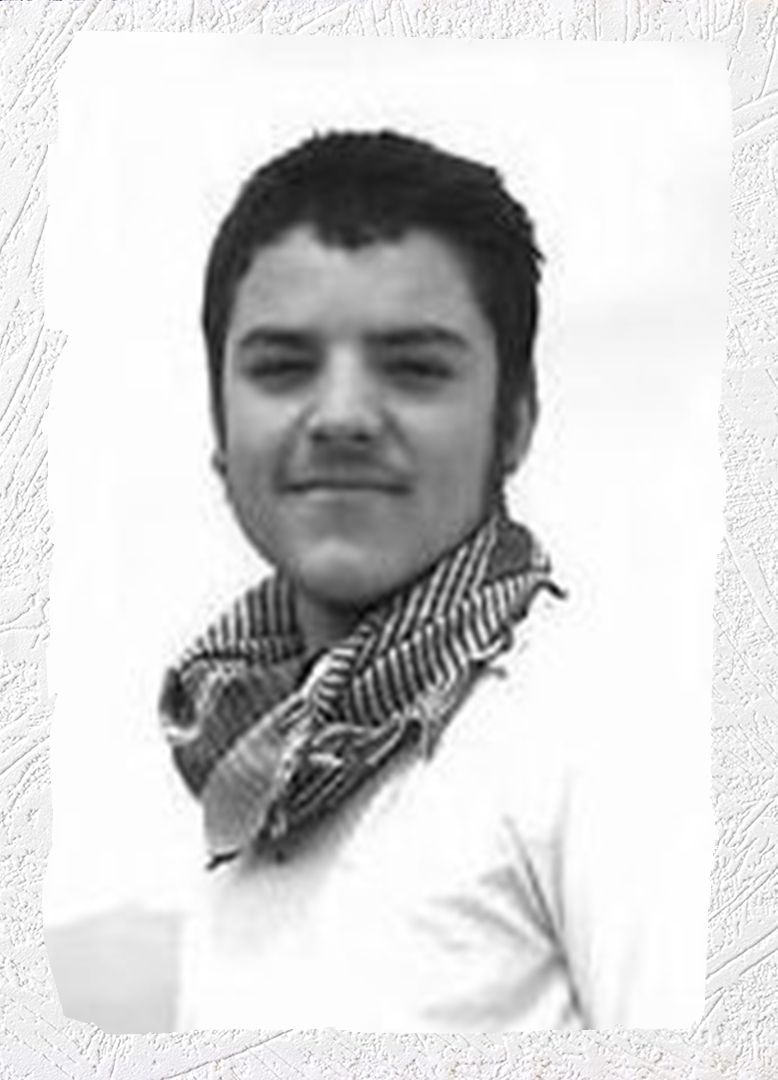
- Gender
- Male
- Ethnicity
- Unknown
- District geolocation of incident
- Kabul: 34° 31′ 1″ N, 69° 8′ 60″ E
- Description of incident
On August 24, 2016, suspected Taliban attackers stormed the American University of Afghanistan in Kabul using a car bomb and automatic weapons. The assault resulted in the deaths of sixteen people, including eight university students, one university policeman, and three security guards. Additionally, fifty to fifty-three individuals were injured, some critically. Afghan Special Forces killed three of the attackers. This incident marked the first direct attack on the university, although two professors had been kidnapped just outside the campus a few weeks earlier. Both Taliban and ISIL-KP were suspected though no group or individual claimed the responsibility for the attack.
- Witness/Survivor Statement
Samiullah was an 18 year old talented musician who won a scholarship to study at AUAF. Samiullah attended Afghanistan’s only music institute, Afghanistan National Institute of Music (ANIM) and performed at the Kennedy Center in Washington, DC and Carnegie Hall. The day before the attack, Samiullah posted “Looking forward to a beautiful and bright future”. He was killed on his second day of class.
Elnaz
- Photo of Victim

- Gender
- Female
- Ethnicity
- Unknown
- District geolocation of incident
- Kabul: 34° 31′ 1″ N, 69° 8′ 60″ E
- Description of incident
On August 24, 2016, suspected Taliban attackers stormed the American University of Afghanistan in Kabul using a car bomb and automatic weapons. The assault resulted in the deaths of sixteen people, including eight university students, one university policeman, and three security guards. Additionally, fifty to fifty-three individuals were injured, some critically. Afghan Special Forces killed three of the attackers. This incident marked the first direct attack on the university, although two professors had been kidnapped just outside the campus a few weeks earlier. Both Taliban and ISIL-KP were suspected though no group or individual claimed the responsibility for the attack.
- Witness/Survivor Statement
Elnaz, 18, known as Alina by her friends and family was the oldest child of a street-vendor. As a scholarship student she was studying for a BA in Political Science and Public Administration. Alina spent most of her life in Karachi, Pakistan, as a refugee. Her dream had been to study in a prestigious university such as AUAF and then to get a job to help support her family.
Malik Ghulam Dastger
- Photo of Victim
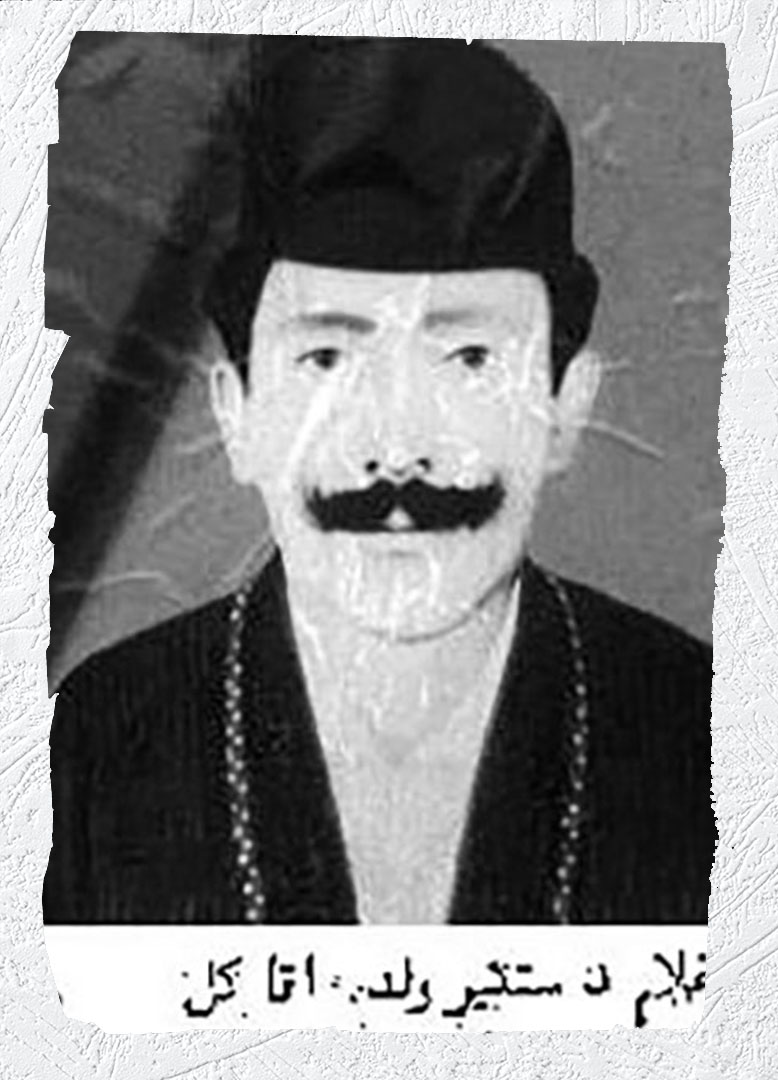
- Gender
- Male
- Ethnicity
- Turkmen
- District geolocation of incident
- Bagrami: 34° 31′ 10″ N, 69° 16′ 39″ E
- Description of incident
Known as the "Killing of AGSA," it refers to the collective murder of opponents of the People's Democratic Party of Afghanistan in the Pul-e-Charkhi Prison in Kabul between 1978 and 1979. The Afghan Intelligence Office, or AGSA (Afghan Agency for Safeguarding National Interest), led by Asadullah Sarwari, had arrested nearly 150,000 people, out of which an estimated number of 27,000 political prisoners were put to death without a single trial, probe, or even allegation. Many Afghan families had no idea where their loved ones had disappeared in the latter part of 1978 and early 1979. A list of those slain that included 5,000 victims of AGSA mass executions was made public by the Dutch Prosecutor's Office in 2013.
- Witness/Survivor Statement
No statement
Mohammad Hussain Jamshidi
- Photo of Victim

- Gender
- Male
- Ethnicity
- Tajik
- Description of incident
On January 21, 2018, Mohammad Hussain Jamshidi and three young adults from a village in Rabat Sangi District of Herat Province decided to illegally cross the border into Iran to find jobs to support their families. Abdul Qadir Jamshidi, the older brother of Hussain, accompanied them to the center of Rabat Sangi District and saw them off with ten others. They all boarded into a large sedan known as 'Sarachah' in Afghanistan. As they departed toward the border, Abdul Qadir decided to return back home. However, in a matter of moments, Abdul Qadir received a call informing him of his brother's death in a roadside mine explosion. The explosion also killed the other eight co-passengers, leaving only one survivor. Their vehicle had encountered an anti-personal mine near Faizabad Village in Rabat Sangi District.
Abdul Qadir recalls, "He took them on board, I said goodbye to them, they left. I returned home. Before I got home, I got a call. I did not get out of the car yet. From Sarachah, they said, 'the car of these children has been hit by a mine.' I asked where. They said in Faizabad. I did not call anyone else but my two brothers. We didn't call anyone because of the panic and fear we had."
- Witness/Survivor Statement
The Death of my Young Brother Broke my Back
Abdul Qadir Jamshidi is a man with a gray beard, whose forehead wrinkles show more than ever when he talks. He is the first narrator of the incident and he narrates what he saw carefully and in detail. He uses his hands, face, and body a lot while speaking, making his speech beautiful and spectacular. Therefore, there is no blind spot in his speech and he can very easily tell what he has seen. His catchphrase is "Insha'Allah" which is used in cases where it is thought that the sentence is wrong, but it is not and the sentence has its own meaning if it is considered as a catchword.
Narrator: Abdul Qadir Jamshidi (brother)
Victim: Mohammad Hussain Jamshidi (18-years-old)
Time of the incident: January 21, 2018
The place of the incident: Faizabad area, Haftwalaf Village, Rabat Sangi, Herat Province
Type of incident: Roadside mine explosion
I am from Herat, Rabat Sangi District, Yaka Dokan Village. My name is Abdul Qadir. I am 29-years-old. I am busy with my life and in our region, most people's occupation is agriculture like cultivating wheat and barley. My own job: I transport passengers, commuting, taking passengers, I do such things. I go from Herat to Rabat Sangi, which is my village, in the morning and return in the evening. That is my main job.
We are six brothers, our younger brother is a martyr. I am not a big brother either, I am the fifth brother. The sixth is older than us, but the martyr was our younger brother, whose name is Hussain. To support life and find a morsel of bread, Hussain wanted to go Iran, but did not cross the border of Nimroz to Iran. Recently, a new way has been opened from Islam Qala itself, which they say is on our side. From there, people are taken to Iran with a cost of 5000-10000 AFN per person.
Four of our children left the village together for Iran. They rode in a white care (a white Sarachah) from Rabat Sangi. From our village, I brought them to Rabat Sangi by my own car. I returned home and 20 minutes after their departure, we received the news of the martyrdom.
He took them on board, I said goodbye to them, they left. I returned home. Before I got home, I got a call. I did not get out of the car yet. From Sarachah, they said, 'the car of these children has been hit by a mine.' I asked where. They said in Faizabad. I did not call anyone else but my two brothers. We didn't call anyone because of the panic and fear we had.
We only meant that, God forbid, it's a landmine, if it had exploded, the car might be needed there. We should arrive sooner. God forbid, if one or two of them are wounded, they don't lose blood, and we can help them. We said it would be too late to call others in the village. We moved to Faizabad, from Faizabad to Alaf, from Alaf to down in the valley. There is a pass in the middle of Faizabad and Alaf. Going by the pass, we noticed the car. When we reached it, there were ten people inside the car.
Among the ten people in the car, there was a child, not more than ten-years-old. The child's home was in Herat. He had gone to the border area to see his relatives. Even that ten-year-old child was inside the car. One of the ten people survived. The others, nine others, I collected the pieces of their bodies myself.
People were afraid that, God forbid, we couldn't go around them as there may be mines, but we didn't know. I was thinking of getting there early to see how many people were still alive. Someone may have needed help getting the people to a car, or to the clinic, or to the city hospital. I was saying to myself and addressing the driver: "What are you crazy about? You don't have the right to go there, even the government people didn't bother themselves to go there."
They are much closer than us. Their distance [from the accident site] was ten minutes; It took us an hour to get there. They had arrived earlier than us. The government people feared that, God forbid, there were mines around or that the opponents, if we got closer, may attack us. We did not understand this. We reached the car. When we arrived, there was nothing from the car. The mine exploded in the middle of the car. There was nothing of the seat, the gate, not even the steering wheel. There was a bit of the car's pose and a bit of the trunk left. Others parts of the car were torn to shreds. Nothing was found in that car.
I looked around. There were parts of bodies everywhere. I thought that they could be not collected like that. All cars had a tarpaulin to sit on in the Sarache stall. I took it and collected the bones one by one and brought them together. Whenever a mine exploded, parts of body were thrown about one hundred to two hundred meters away. I found bodies from the waist above, while their waist down did not exist. Even one of our son-in-laws, Morteza’s father, Khair Mohammad, may God have mercy on him, only half of his face and head existed. Half of the forehead, from between of the eyebrow, the right side of head.
I didn't recognize him until I turned him around. When I turned his face away, I saw his head and brain... that this Muslim is Khair Mohammad, may God forgive him. All these nine people who had died, I collected all of them one by one. There was no car, but a flying couch. I lifted the chairs and brought them to Rabat Sanghi clinic. I said that their relatives should not go the incident site; the situation is not safe, lest there be another misfortune.
I said, since we already went to the site, let's take all of these to the clinic. It is both the base of the government and under the control of the government. Their relatives would take the corpses from the clinic. That's where we took them and went to Rabat Sangi again. Two to three thousand people gathered near the corpses of our people. It was very terrible. My prayer is that, God, no one should die young! It's hard.
Oh, not to forget, there was a second car following the car that exploded. There were all women and children in the second car. There had been distance between the first and second one. When the first car hit the mine, the second car stopped and called the relatives about the incident. A person by the name of Ghulam Nabi called me, so I went to the incident site.
Twenty minutes by car, two hours on foot. Faizabad is in the hands of the government. The same area where the incident happened is mostly in the hands of the government; Taliban traffic is very low. Be informed, they said, that the TAPI project will be passed from there. At that time, it was said that the government was looking to have that area in its hands. On the other hand, the Taliban was also thinking that it had that area in its hands. Let the TAPI project not be launched, God willing. The Talib in that area will be guided by Iran, who will lead them, and even Iran support them financially.
For this reason, they started a war, a fight, and put mines there - so that the TAPI project doesn’t start. These young people were killed by these Muslims. The government says they don't know, the Taliban also say they don't know; no one has given us an answer yet. We wandered and did not understand. We have no more prayers, God, we have entrusted everything to you. We have no strength and no force anymore. Neither Taliban nor the government took responsibility at the end.
I think 100% that if they [the victims] were government staff, the Taliban would claim that they did it to get the story to the media, and take responsibility for it. Because they were not government men, and they were innocents, the Taliban did not take responsibility. Four of these corpses were ours, which I took to Yaka Dokan with my car among my people. There were nine corpses. Five others were from Herat City, from the Babahaji neighbourhood,
It has had a lot of effects on our family. For example, we have a father who was paralyzed due to grief. Two years have passed from the incident, and my father can’t survive without medicine and without a doctor, there is no other way. Our mother is also crazy and nervous. I brought a coat, a full-blooded coat, that Mullah did not allow to be buried with the body. A piece of his clothes remained clean as it was stained with dirt but there was no blood. My mother took it and hit it on her face and head for an hour. Her nerves were broken. We haven't seen a good day in our house since the day he left.
There were six of us. Now there are five of us. After the incident, people's uneasiness has led to judgement whether we have become addicted to drugs or what other calamity has befallen us. The young men who used to be stout, now have gained strength, they don't even weigh 10 kilos. Believe me, dying young is very difficult. May God not show this calamity to anyone. Those who have young people die suffer the most. Ground from the fourth heaven, and our strength is over, and the only thing I can say is that, God, I am satisfied with your satisfaction.
My brother had very good manners. He always treated his elders with respect. If you advised him for hours, he would listen with full attention. Believe me, I had scolded my brother many times, but he always just laughed in response and said nothing to me out of respect. When we review his memories and history now, I say to myself that he was not meant to stay.
I am sure that the example of this young man is no longer in our village. The four people who were martyred were all from the same village and all of them were of the same age. Among these four people, Khair Mohammad was married and the others were single. Khair Mohammad had four children, one born after he passed. Two daughters and two sons. When he passed away, his wife was pregnant. It's been eight months since his son was born, but he hasn't seen his father's face, and his eldest son is in charge. Our family takes care of them.
My message is that until we fraternize with each other, the stranger will not. A foreign country never wants us to live together as brothers. My point is that until we unite in the name of Afghanistan, the war of fratricide and dying young will not end. My prayer is that God, if my prayer is accepted, then no one will see the death of their young family members. Our youth are our future.
For Hussain himself, I have this message: No matter how sad we are, we love you and remember you as long as we are alive. You were a good brother and good son to your parents.
Sara Habib
- Photo of Victim

- Gender
- Female
- Ethnicity
- Tajik
- District geolocation of incident
- Kabul: 34° 31′ 1″ N, 69° 8′ 60″ E
- Description of incident
On November 2, 2020, three gunmen stormed Kabul University in Kabul, Afghanistan, resulting in the deaths of 35 individuals. 50 others were injured. The attack began around 11:00 A.M., coinciding with the anticipated arrival of government officials for the opening of an Iranian book fair on campus. The assailants were ultimately killed in a confrontation with security forces. The Islamic State of Iraq and the Levant – Khorasan Province (ISIL-KP) claimed responsibility for this tragic attack.
- Witness/Survivor Statement
No statement
Marzia Tahiri
- Photo of Victim

- Gender
- Female
- Ethnicity
- Tajik
- District geolocation of incident
- Kabul: 34° 31′ 1″ N, 69° 8′ 60″ E
- Description of incident
On November 2, 2020, three gunmen stormed Kabul University in Kabul, Afghanistan, resulting in the deaths of 35 individuals. 50 others were injured. The attack began around 11:00 A.M., coinciding with the anticipated arrival of government officials for the opening of an Iranian book fair on campus. The assailants were ultimately killed in a confrontation with security forces. The Islamic State of Iraq and the Levant – Khorasan Province (ISIL-KP) claimed responsibility for this tragic attack.
- Witness/Survivor Statement
No statement
Salim Talash
- Photo of Victim
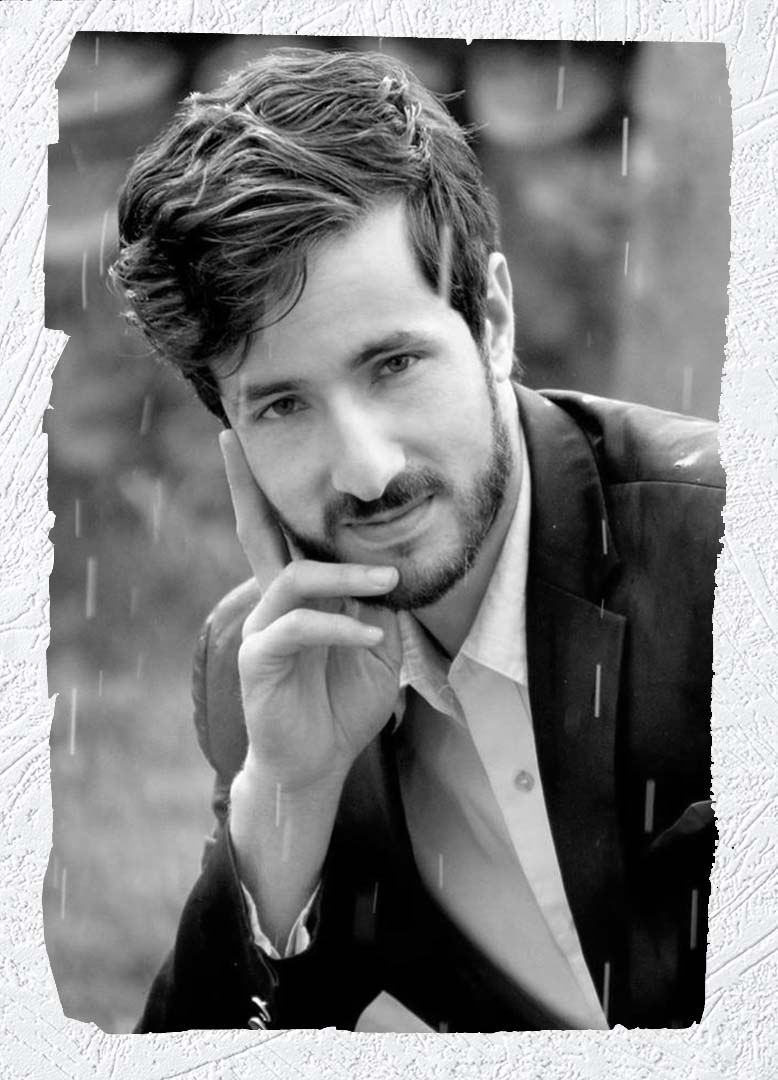
- Gender
- Male
- Ethnicity
- Tajik
- District geolocation of incident
- Kabul: 34° 31′ 1″ N, 69° 8′ 60″ E
- Description of incident
On April 30, 2018, two deadly terrorist attacks attributed to the ISIS group in Kabul left 26 dead and 49 injured, marking the deadliest attack on journalists in the past fifteen years in Afghanistan. These attacks took place in the Sheshderak area of the 9th police district of Kabul City.
- Witness/Survivor Statement
No statement
Yama Seyawash
- Photo of Victim

- Gender
- Male
- Ethnicity
- Tajik
- District geolocation of incident
- Kabul: 34° 31′ 1″ N, 69° 8′ 60″ E
- Description of incident
Around 7:45 am on the morning of November 6, 2020, an explosion occurred in the Makrorian 4th area of Kabul. Yema Siavash, former presenter of Tolo Private TV, was killed in the explosion. The explosion occurred in the 9th District of Kabul City. Three civilians were killed. According to the police, this incident was caused by the explosion of a magnetic mine.
- Witness/Survivor Statement
No statements
Ahmad Sardar
- Photo of Victim

- Gender
- Male
- Ethnicity
- Tajik
- District geolocation of incident
- Kabul: 34° 31′ 1″ N, 69° 8′ 60″ E
- Description of incident
Sardar Ahmad, a journalist at AFP’s Kabul bureau, was killed along with his wife and two of their children in an attack on the city’s Serena Hotel. His youngest son was seriously injured in the attack.
- Witness/Survivor Statement
No statement
Kabalsha Aghajan
- Photo of Victim

- Gender
- Male
- Ethnicity
- Tajik
- District geolocation of incident
- Nadir Shah Kot: 33° 18′ 58″ N, 69° 41′ 55″ E
- Description of incident
In the dark midnight, all were sleeping. That night when the explosion took place, I imagined our home upside down. Those scenes of horror and darkness still haunt my dreams. In the dark, I tried to move and look for my family members, those who were fine and who were injured. But I couldn’t get up and move. Then, I figured out that my leg felt wet and I was injured by broken glass from my house. I had lost one leg in 1989 in a mine explosion. This time, my other leg was injured.
- Witness/Survivor Statement
The Curse of Incidents Always Hit the Poor
Name and Last Name: Kabalsha Aghajan
Date of Birth: 10 November 1968
Date of Injury: 22 March 1989
Type of Arm: Mine
In the dark midnight, all were sleeping. That night when the explosion took place, I imagined our home upside down. Those scenes of horror and darkness still haunt my dreams. In the dark, I tried to move and look for my family members, those who were fine and who were injured. But I couldn’t get up and move. Then, I figured out that my leg felt wet and I was injured by the broken glass from my house. I had lost one leg in 1989 in a mine explosion. This time, my other leg was injured.
All my family were terrified. The floor was covered with broken glass. We could not see anything in the dark.
After the first incident when I lost my leg, my family behaved and liked me like before. But it was painful for myself because I sometimes feel that I can’t do enough with disability.
When I was injured the first time, I was treated at the government hospital and also provided with other assistance. After I got out of the hospital, I was provided with monthly coupons along with 4000 Afghanis in cash. But the assistance our current government provides is not sufficient.
I ask the government to bring peace and to not forget war victims. We were disabled in this land and we are its citizens. Sometimes I hear very unfair words. They say that people like me are culprits or perpetrators. That’s we are disabled. When I hear these words, my heart breaks and it makes me sad.
Matiuallah
- Photo of Victim

- Gender
- Male
- Ethnicity
- Tajik
- District geolocation of incident
- Kabul: 34° 31′ 1″ N, 69° 8′ 60″ E
- Description of incident
Many Mujahidin factions waged a civil war throughout Afghanistan in the 1990s, killing thousands of people, including women and children. Some were forced to flee their homes and subjected to various forms of violence like rape, extortion, abuse, harassment, and arbitrary detention. On January 25, 1993, a mortar shell or blind rocket fired by Mujahidin hit an innocent family in the Chehlston area of Kabul, resulting in the death of Zakia and Matiuallah and injuring other family members.
- Witness/Survivor Statement
Tears Of Joy, Tears of Pain
Narrator: Basira
Victim: Zakia and Matiuallah
Date of the incident: January 25, 1993
Location of the incident: Kabul City
For Basira, her life began to unravel on one bloody afternoon. The cold February weather brought everyone to the yard of the house. A clear sky and plenty of sunlight provided an opportunity for the children to play. Zakia, 6-years-old, brought her little brother Matiuallah to the yard to enjoy the sun. Everyone was ready for a beautiful day. The joy and happiness was evident on the faces of all, especially on Zakia’s face.
She was speaking to her little brother as if she were an adult. In her sweet and innocent accent, she told her brother about the light of the sun, the hardships of winter, and the good future that lay ahead of them. She showed her toys to her brother and promised to buy a good toy for him, too.
She took Matiuallah’s hands, rubbed them together, sang a song, and then kissed her little brother. Zakia was wearing a red coat. With the reflection of the sunlight and the snowy background, she looked almost purple. Her brownish hair was dancing on her red coat as she was jumping up and down.
Her face was shining and her eyes were hidden under the thickness of her black eyelashes. The big world outside was also very exciting for Matiuallah. He loved laughing, playing, and sometimes shouting at his older sister Zakia. Matiuallah had fleshy white skin, thick hair, and blue eyes. When he smiled, everyone was enchanted.
Watching such a memorable scene in a city where nothing except the sound of guns, rockets, and bullets could he heard, made Basira very happy. While watching her children play, she prayed to God to protect them in these difficult times. What she did not realize is that happiness in times of violence is not sustainable and that even a mother’s prayer cannot halt the brutal power of war. That day, a reception was prepared and they were invited to a feast in their beautiful yard. Everything was ready for Basira and her children to forget the horrors of war for a brief moment. Yet, this moment quickly transformed into unspeakable tragedy.
No one understood what was happening. A thunderous sound followed by a huge explosion blurred the atmosphere. The blue sky and clear sunshine were suddenly gone. Basira can perfectly recall the tragic event but she cannot precisely explain what happened that day. After the explosion, Basira says, “I got up and saw that all my family members were lying on the ground. I was confused, wandering around not knowing what to do. I heard Zakia screaming and calling for me. She asked for water. When I returned with the water, Zakia was no longer speaking. I touched her body but it was already cold. Her eyes were open, staring at me. I put her down and ran towards Matiuallah. I was so happy when I realized he was still alive. I hugged him. Suddenly, he stopped crying and I felt something cold and wet in my hand. I saw his belly ripped open and all his intestines coming out.
I understood that he was dead just like Zakia. I cried and cried and cried! I was screaming and running around. After that, I cannot remember what happened." Basira cannot talk much about that tragic moment. When she speaks about Zakia and Matiuallah, the color of her face changes. Tears flow uncontrollably from her eyes. Sometimes, she cries so much that her headscarf is soaking wet. She says, “I feel that I have a deep wound in my chest. A wound that continuously spits out blood. I’m sure one day I will drown in my own blood.”
Qand Agha
- Photo of Victim

- Gender
- Male
- Ethnicity
- Tajik
- District geolocation of incident
- Kabul: 34° 31′ 1″ N, 69° 8′ 60″ E
- Description of incident
Qand Agha, the son of Negar, is one of the victims of senseless war. He was not killed during the time of the civil war nor during the Taliban regime, but as a result of a suicide attack under the current regime of president Karzai. He is the victim of a cycle of violence initiated decades before and likely to continue for years to come as the thousands of innocent deaths since 2001 prove that the roots of violence have not yet been totally wiped out.
- Witness/Survivor Statement
The Trauma of Rebuilding a Shattered Existence
Narrator: Negar
Victim: Qand Agha
Date of the incident: May 31, 2017
Location of the incident: Zanbaq Square, Kabul city
One of the main tragedies of war is that it makes all kinds of atrocities possible. When a war begins, repeated catastrophic events eventually lead to an endless cycle of violence and suffering, depriving the people of any kind of prosperity and joy. War transforms suffering into a daily routine, thereby destroying the dreams of even the simplest of lives. Everything evaporates except war, destruction, and suffering. Life itself loses its inherent meaning and begins to resemble a hollow ditch that opens its mouth to devour everything.
Even when war finally comes to an end, the trauma of rebuilding one’s life casts a huge shadow and further prevents a return to normality. In Afghanistan, generation after generation have grown up under the dark shadow of war. For many, war has by now been accepted as a way of living, thereby giving further life to the rule of swords, guns, suicide attacks, and a society full of hatred and violence. Consequently, violence is no longer bound by time and space while the legacy of conflict is so overwhelming that post-conflict life is often more difficult than life during the violent event itself.
Qand Agha, the son of Negar, is one of the victims of senseless war. He was not killed during the time of the civil war nor during the Taliban regime, but as a result of a suicide attack under the current regime of president Karzai. He is the victim of a cycle of violence initiated decades before and likely to continue for years to come as the thousands of innocent deaths since 2001 prove that the roots of violence have not yet been totally wiped out. It seems that the dragons of death are not yet satisfied and that every now and then the city of Kabul must fill its stomach with more victims. The death of Qand Agha constitutes an explicit warning that the possibility of a return to full-fledged war and its tragedies should not be underestimated.
The Memory Box project is an explicit statement against the return of tragedy. It aims to shake the human consciousness and expose the tragic nature of violent conflict.
The Story of Negar
My name is Negar and I am 40-years-old. Four years ago, my son was killed in a suicide attack in Charahi Zanbaq in the city of Kabul. I now live in Chehil Sutun in very difficult circumstances. In the past, my life was much better, especially since my son was working.
One day, my son was asleep when I woke him up and told him to go to work as it was getting late. He asked me to let him sleep and covered himself with a blanket. After a while I sent my other son to go and remind him. He refused again but eventually someone called him on his mobile and he finally got up. He had not eaten well the night before and I brought him fresh rice to eat. Then, he took his jacket and left the house. It was late afternoon and he never came back. I borrowed my neighbor’s cell phone and gave it to my younger son to call him. When my son called, somebody else answered his telephone and informed us that Qand Agha had been injured. Later, my husband came home and confirmed that he was injured. My son was hospitalized for one month. Every time I visited him at the hospital, he asked me not to cry, ensuring me that he would recover soon. After a month, he passed away and his dead body was returned home.
My son was a really funny person. He was working somewhere as a security guard but I don’t know exactly where. I do not remember which month he was killed but I do remember it was winter. He had received his salary only once and was waiting for his second salary when he died. Before, he used to work as a street seller and later he became a bus conductor. His father was old and could not fully support the family.
My son was always telling me that one day he would buy a house for us. Whenever he saw the car of a newly wed couple covered with flowers, he jokingly promised he would get married soon. I remember that I cooked rice that day when he was injured. He ate but left home hungry and often complained of hunger during his month in the hospital. His cloth was torn into pieces. I still keep it as a memory of him. I want you to use his stuff for the Memory Box exhibition.
Ghulam Hazrat
- Photo of Victim

- Gender
- Male
- Ethnicity
- Tajik
- District geolocation of incident
- Kabul: 34° 31′ 1″ N, 69° 8′ 60″ E
- Description of incident
Many Mujahidin factions waged a civil war throughout Afghanistan in the 1990s, killing thousands of people, including women and children. Some were forced to flee their homes and subjected to various forms of violence like rape, extortion, abuse, harassment, abduction, and arbitrary detention. Ghulam Hazrat was killed in the civil war between several Mujahidin groups while serving as a soldier in the Mujahidin Islamic State Government. After Ghulam Hazrat passed away, his wife Halima and their four children were left in the midst of a devastating civil war that claimed thousands of lives and uprooted millions, with no one to provide for them.
- Witness/Survivor Statement
About Happiness
Narrator: Halima
Victim: Ghulam Hazrat
Date of the incident: 1992-1996
Location of the incident: Kabul
Halima’s list of dreams is neither very long nor very ambitious. Her dream is to be happy. Certainly, many people in war torn societies like Afghanistan have similar dreams of happiness. For them, happiness is not about prosperity, wealth, and power. Neither is it about having stylish and luxurious mansions, or expensive cars. In short, they do not have as sophisticated an understanding of happiness as ordinary people in other countries have.
On the contrary, their world is extremely small and their expectations are very modest. For Halima and people like her, happiness means bread. It means being able to provide a piece of bread for their children to sleep at night with their bellies full, so that they can dream of other things than something to eat. At best, happiness means having a home and that one’s children sleep under a roof in which they can grow up in peace. In addition, for people like Halima, happiness means being looked upon as a normal member of society. As long as the community does not humiliate her and her sons and they can live without fear and intimidation, she is content.
Halima does not desire much more than these simple things. Unfortunately, war has denied her even the simplest of dreams. Six years after getting married, she lost her husband and was left alone with four children, with the fourth one being born six months after the death of Ghulam Hazarat. For three years, they survived thanks to the assistance of the Najibullah government. However, after the Mujahidin took power in Kabul, the situation changed and government funding was no longer available to them. As a result, Halima had to sell her home utensils, one after another, to feed her children. When there was nothing left to sell, she had no option but to wash and clean people’s clothes and homes. Other times, she worked as a sewer. She remembers many days when she could only provide dry bread for her children. Today she is 45-years-old, has heart disease, and can no longer operate the sewing machine. The nightmare of poverty has returned. She does not know whether a day will come when she can finally feed her children properly. If such a day were to arrive, she would finally consider herself happy. Such is Halima’s modest understanding of happiness.
The Story of Halima
When I first got married, it was my father in-law who was the main breadwinner for our family. He was a carpenter. Later on, my father in-law stopped working due to old age. Therefore, my husband joined the army as an ordinary soldier. My husband did not have a good salary. Since he was deployed in another province, it was difficult to send money home. In those days, together with my sister in-law, we were doing embroidery work at home and then sold it at the local market. Eight months later, my husband returned on home leave. With the small salary he brought, we bought flour and oil. He stayed with us for a few days and then went back to the barracks. After eight months, he once again sent money to us through one of our relatives. Then, after two years, my husband finally came back and we had two more children. He began working at a bakery. In those days, our living conditions were relatively good.
After a while, he was recalled by the army. Eighteen months later, he was killed. It was just a few days before his home leave. We waited for him to come home but he did not come. On the 18th day, I woke up and told his mother that I was going to prepare bulani for her son today. I prepared everything and then fell asleep. My mother in-law came and woke me up and I returned to my preparations. I had prepared only three bulani when I heard someone crying outside the house. I went out and saw two soldiers standing at the main door. They inquired if this house belonged to Hazrat Khan and when my father in-law affirmed, the soldiers told him that Hazrat Khan had been injured and hospitalized.
Together, they went to the hospital where they discovered that Hazrat Khan had died. They came back home around 4pm. I was calling my father in-law Baba, so I asked Baba how Hazarat Khan was. He answered that he was slightly injured and that he would bring him home the day after. My younger son did not sleep the whole night and asked to go and see his father. That night a lot of people came to our home. They brought big dishes. I heard my uncle asking for the Quran. I told my father in-law that he was trying to hide something from me and that perhaps Hazrat Khan had died. I began to cry. My mother in-law tried to make me understand that they needed the Quran for a different purpose.
The next morning, my father in-law asked me to clean my room, saying that he and his friends would like to sit there. I went and cleaned the room. Later on, my sister in-laws came in. They hugged me and said that Hazarat Khan had passed away. I was six months pregnant. After the news, I fainted and remained unconscious for a long time. Later, when I regained consciousness, I saw a coffin covered with red cloth. My six-year-old daughter came and asked me who she should call father from now on. She hid under the bed and began to cry.
Over the next few weeks, the fire of war spread everywhere, including Chihil Sotun where we resided. Everyone was forced to leave their homes and we moved to Shur Bazaar. There, my mother in-law died. Then, I went to live in my father’s home in Jade-Asmayi where we had nothing to eat. Next, I stayed with my sister in-law for three months before we finally found a place to stay, though we did not even have a carpet to sit on.
Later, someone donated military blankets and a bag of flour, but I had no utensils to make bread for my children and I was forced to borrow a small cooking pan from my neighbor.
My children slept most of the time as there was nothing for them to eat. In the evenings, we had nothing to light and heat our home with. We spent three months like this. When the fighting finally came to a halt, I borrowed a sewing machine from my father and began sewing for others in order to feed my children. Gradually, I managed to buy little things for our home including three cups, spoons, and a plastic blanket.
The worst moments were those days that I had no food to give to my children, except a piece of bread. Nowadays, I wash clothes and tailor. Although this is increasingly difficult to do as I have a heart problem.
Mohammad Sarwar
- Photo of Victim

- Gender
- Male
- Ethnicity
- Tajik
- District geolocation of incident
- Salang: 35° 30′ 20″ N, 69° 29′ 44″ E
- Description of incident
My son was only 18-years-old when he was taken to military service under Babrag Karmal’s rule. He was killed a year later. First, he used to serve in Kabul and then transferred to the Panjshir Valley. He spent two months there and was then killed. During a year of military service, he came home only once. He always reassured us that one day his service would end and he would come back home. Two days before his official end of service, he was killed. He was buried in Khaja Bughra before we even came to know about his death. Later, we opened his grave and saw him one last time.
- Witness/Survivor Statement
A Wedding Ceremony That Never Took Place
Narrator: Kobra
Victim: Mohammad Sarwar
Date of the incident: 1979-1980
Location of the incident: Salang, Parwan
When war becomes widespread, no one is immune to it. War reserves a share for everyone and those who survive it have many stories to tell. What all these stories have in common is that they happened in a situation of absolute emergency.
In those times, nothing is normal and chaos reigns. At the same time, people’s pains and suffering are not fully equal. Similarities can be drawn but each victim of violence has their own distinctive story. Some are hurt because their children were killed, while others were subjected to forced displacement. Many are left behind without any support, suffering in solitude. War retains a different fate for different people.
The story of Mohammad Sarwar is that of all those young men and women whose wedding ceremony never took place. Mohammad Sarwar was 20-years-old when he was forcibly conscripted during the government of the last communist president, Dr. Najibullah. He was deployed to Panjsher Valley. There he served for a year and later came back home to spend his holidays with his family. During the visit, Sarwar got engaged. He happily returned to military duty hoping to come back soon and hold his wedding party. He even bought all the things needed for the ceremony. Exactly 20 days after he had reassumed his military duty, his family was informed of his death. It was shocking news for everyone. His father later fell off the roof of his house and remained severely handicapped for the rest of his life. Hence, his mother was forced to carry the pain of both her deceased son and her handicapped husband. Ever since, the death of her young son has occupied her entire being and she never again attended any wedding party of friends or family members as these reminded her of her son’s premature death.
The Story of Sarwar’s Mother
My son was only 18 years old when he was taken to military service under Babrag Karmal’s rule. He was killed a year later. He first served in Kabul and was later transferred to the Panjshir Valley. He spent two months there before he was killed. During a year of military service, he came home only once. He always reassured us that one day his service would end and he would come back home. Two days before his official end of service, he was killed. He was buried in Khaja Bughra before we even came to know about his death. Later, we opened his grave and saw him one last time.
The death of Sarwar has severely affected our lives as he was our only son and breadwinner. We have suffered a great deal and I have been crying for my son day and night ever since he died. For a while, my husband was able to work and sustain the family but he had to stop working 9 years ago due to old age. Now, we have no one to support us.
I still hold on to my son’s spoon and plate as well as his old blanket, a watch, and a ring. I have kept these objects to remember my son, especially the ring. When his clothes were returned to us after his death, his ring was attached to them.
Aminullah Nawrozi
- Photo of Victim

- Gender
- Male
- Ethnicity
- Tajik
- District geolocation of incident
- Herat City: 34° 20′ 58″ N, 62° 11′ 21″ E
- Description of incident
On August 1, 2017, a Shia mosque in Herat, Afghanistan, was attacked. 33 people were killed and 66 others were injured. Two men carried out the attack. One carried a suicide vest and the other was armed with a rifle. They entered the Jawadia mosque during an evening prayer session where approximately 300 people had gathered to worship. The first attacker flung bombs into the crowd before detonating his vest. The second attacker also discharged his rifle into the crowd before blowing himself up. The Islamic State of Khorasan Province (ISKP) claimed responsibility for the attack.
- Witness/Survivor Statement
No statement
AhmadAqa Abbaszada
- Photo of Victim

- Gender
- Male
- Ethnicity
- Tajik
- District geolocation of incident
- Herat City: 34° 20′ 58″ N, 62° 11′ 21″ E
- Description of incident
On August 1, 2017, a Shia mosque in Herat, Afghanistan, was attacked. 33 people were killed and 66 others were injured. Two men carried out the attack. One carried a suicide vest and the other was armed with a rifle. They entered the Jawadia mosque during an evening prayer session where approximately 300 people had gathered to worship. The first attacker flung bombs into the crowd before detonating his vest. The second attacker also discharged his rifle into the crowd before blowing himself up. The Islamic State of Khorasan Province (ISKP) claimed responsibility for the attack.
- Witness/Survivor Statement
No statement
Basirahmad Jafarzada
- Photo of Victim

- Gender
- Male
- Ethnicity
- Tajik
- District geolocation of incident
- Herat City: 34° 20′ 58″ N, 62° 11′ 21″ E
- Description of incident
On August 1, 2017, a Shia mosque in Herat, Afghanistan, was attacked. 33 people were killed and 66 others were injured. Two men carried out the attack. One carried a suicide vest and the other was armed with a rifle. They entered the Jawadia mosque during an evening prayer session where approximately 300 people had gathered to worship. The first attacker flung bombs into the crowd before detonating his vest. The second attacker also discharged his rifle into the crowd before blowing himself up. The Islamic State of Khorasan Province (ISKP) claimed responsibility for the attack.
- Witness/Survivor Statement
No statement
M.Yaqob Rohparwar
- Photo of Victim

- Gender
- Male
- Ethnicity
- Tajik
- District geolocation of incident
- Herat City: 34° 20′ 58″ N, 62° 11′ 21″ E
- Description of incident
On August 1, 2017, a Shia mosque in Herat, Afghanistan, was attacked. 33 people were killed and 66 others were injured. Two men carried out the attack. One carried a suicide vest and the other was armed with a rifle. They entered the Jawadia mosque during an evening prayer session where approximately 300 people had gathered to worship. The first attacker flung bombs into the crowd before detonating his vest. The second attacker also discharged his rifle into the crowd before blowing himself up. The Islamic State of Khorasan Province (ISKP) claimed responsibility for the attack.
- Witness/Survivor Statement
No statement
Amanullah Ebrahimpor
- Photo of Victim

- Gender
- Male
- Ethnicity
- Tajik
- District geolocation of incident
- Herat City: 34° 20′ 58″ N, 62° 11′ 21″ E
- Description of incident
On August 1, 2017, a Shia mosque in Herat, Afghanistan, was attacked. 33 people were killed and 66 others were injured. Two men carried out the attack. One carried a suicide vest and the other was armed with a rifle. They entered the Jawadia mosque during an evening prayer session where approximately 300 people had gathered to worship. The first attacker flung bombs into the crowd before detonating his vest. The second attacker also discharged his rifle into the crowd before blowing himself up. The Islamic State of Khorasan Province (ISKP) claimed responsibility for the attack.
- Witness/Survivor Statement
No statement
Azizullah Hussaini
- Photo of Victim

- Gender
- Male
- Ethnicity
- Tajik
- District geolocation of incident
- Herat City: 34° 20′ 58″ N, 62° 11′ 21″ E
- Description of incident
On August 1, 2017, a Shia mosque in Herat, Afghanistan, was attacked. 33 people were killed and 66 others were injured. Two men carried out the attack. One carried a suicide vest and the other was armed with a rifle. They entered the Jawadia mosque during an evening prayer session where approximately 300 people had gathered to worship. The first attacker flung bombs into the crowd before detonating his vest. The second attacker also discharged his rifle into the crowd before blowing himself up. The Islamic State of Khorasan Province (ISKP) claimed responsibility for the attack.
- Witness/Survivor Statement
No statement
M.Asif Qaderyan
- Photo of Victim

- Gender
- Male
- Ethnicity
- Tajik
- District geolocation of incident
- Herat City: 34° 20′ 58″ N, 62° 11′ 21″ E
- Description of incident
On August 1, 2017, a Shia mosque in Herat, Afghanistan, was attacked. 33 people were killed and 66 others were injured. Two men carried out the attack. One carried a suicide vest and the other was armed with a rifle. They entered the Jawadia mosque during an evening prayer session where approximately 300 people had gathered to worship. The first attacker flung bombs into the crowd before detonating his vest. The second attacker also discharged his rifle into the crowd before blowing himself up. The Islamic State of Khorasan Province (ISKP) claimed responsibility for the attack.
- Witness/Survivor Statement
No statemetn
MohammadAli Mohammadian
- Photo of Victim

- Gender
- Male
- Ethnicity
- Tajik
- District geolocation of incident
- Herat City: 34° 20′ 58″ N, 62° 11′ 21″ E
- Description of incident
On August 1, 2017, a Shia mosque in Herat, Afghanistan, was attacked. 33 people were killed and 66 others were injured. Two men carried out the attack. One carried a suicide vest and the other was armed with a rifle. They entered the Jawadia mosque during an evening prayer session where approximately 300 people had gathered to worship. The first attacker flung bombs into the crowd before detonating his vest. The second attacker also discharged his rifle into the crowd before blowing himself up. The Islamic State of Khorasan Province (ISKP) claimed responsibility for the attack.
- Witness/Survivor Statement
No statement
Alireza Rahimi
- Photo of Victim

- Gender
- Male
- Ethnicity
- Tajik
- District geolocation of incident
- Herat City: 34° 20′ 58″ N, 62° 11′ 21″ E
- Description of incident
On August 1, 2017, a Shia mosque in Herat, Afghanistan, was attacked. 33 people were killed and 66 others were injured. Two men carried out the attack. One carried a suicide vest and the other was armed with a rifle. They entered the Jawadia mosque during an evening prayer session where approximately 300 people had gathered to worship. The first attacker flung bombs into the crowd before detonating his vest. The second attacker also discharged his rifle into the crowd before blowing himself up. The Islamic State of Khorasan Province (ISKP) claimed responsibility for the attack.
- Witness/Survivor Statement
No statement
Alireza Merzadosti
- Photo of Victim

- Gender
- Male
- Ethnicity
- Tajik
- District geolocation of incident
- Herat City: 34° 20′ 58″ N, 62° 11′ 21″ E
- Description of incident
On August 1, 2017, a Shia mosque in Herat, Afghanistan, was attacked. 33 people were killed and 66 others were injured. Two men carried out the attack. One carried a suicide vest and the other was armed with a rifle. They entered the Jawadia mosque during an evening prayer session where approximately 300 people had gathered to worship. The first attacker flung bombs into the crowd before detonating his vest. The second attacker also discharged his rifle into the crowd before blowing himself up. The Islamic State of Khorasan Province (ISKP) claimed responsibility for the attack.
- Witness/Survivor Statement
No statement
Ali Komail Hasanzada
- Photo of Victim

- Gender
- Male
- Ethnicity
- Tajik
- District geolocation of incident
- Herat City: 34° 20′ 58″ N, 62° 11′ 21″ E
- Description of incident
On August 1, 2017, a Shia mosque in Herat, Afghanistan, was attacked. 33 people were killed and 66 others were injured. Two men carried out the attack. One carried a suicide vest and the other was armed with a rifle. They entered the Jawadia mosque during an evening prayer session where approximately 300 people had gathered to worship. The first attacker flung bombs into the crowd before detonating his vest. The second attacker also discharged his rifle into the crowd before blowing himself up. The Islamic State of Khorasan Province (ISKP) claimed responsibility for the attack.
- Witness/Survivor Statement
No statement
Mohammad Asif Yaqobi
- Photo of Victim

- Gender
- Male
- Ethnicity
- Tajik
- District geolocation of incident
- Herat City: 34° 20′ 58″ N, 62° 11′ 21″ E
- Description of incident
On August 1, 2017, a Shia mosque in Herat, Afghanistan, was attacked. 33 people were killed and 66 others were injured. Two men carried out the attack. One carried a suicide vest and the other was armed with a rifle. They entered the Jawadia mosque during an evening prayer session where approximately 300 people had gathered to worship. The first attacker flung bombs into the crowd before detonating his vest. The second attacker also discharged his rifle into the crowd before blowing himself up. The Islamic State of Khorasan Province (ISKP) claimed responsibility for the attack.
- Witness/Survivor Statement
No statement
Samim Faramarz
- Photo of Victim

- Gender
- Male
- Ethnicity
- Tajik
- District geolocation of incident
- Kabul: 34° 31′ 1″ N, 69° 8′ 60″ E
- Description of incident
On September 5, 2018, a horrific twin suicide bombing struck the Maiwand Wrestling Club in Dasht-e-Barchi, a predominantly Hazara neighborhood in western Kabul, Afghanistan. The first blast ripped through the wrestling club in the early evening, followed by a second explosion targeting first responders and civilians who had gathered to assist the victims. This secondary attack caused even greater casualties. The attacks resulted in the deaths of at least 30 civilians, including two journalists, Samim Framarz and Ramiz Ahmadi. It also injured over 103 others. The Islamic State Khorasan Province (ISIL-KP) claimed responsibility for the bombings, stating they targeted Shia-Hazaras.
- Witness/Survivor Statement
No statement
Jamshid
- Photo of Victim

- Gender
- Male
- Ethnicity
- Tajik
- District geolocation of incident
- Kabul: 34° 31′ 1″ N, 69° 8′ 60″ E
- Description of incident
On August 24, 2016, suspected Taliban attackers stormed the American University of Afghanistan in Kabul using a car bomb and automatic weapons. The assault resulted in the deaths of sixteen people, including eight university students, one university policeman, and three security guards. Additionally, fifty to fifty-three individuals were injured, some critically. Afghan Special Forces killed three of the attackers. This incident marked the first direct attack on the university, although two professors had been kidnapped just outside the campus a few weeks earlier. Both Taliban and ISIL-KP were suspected though no group or individual claimed the responsibility for the attack.
- Witness/Survivor Statement
Jamshid, 23, just entered his final semester of his law program at AUAF. Before enrolling at the university, he attended high school in the United States through the YES Program (the Kennedy-Lugar Youth Exchange and Study program). Jamshid was an activist and a member of the advisory board of a newly established national civil society organization called Roshna (Dari for Brightness). According to his classmate Safia Jamal, Jamshid “wanted to be a good politician and help the people of our country.”
Mohammad Alem
- Photo of Victim

- Gender
- Male
- Ethnicity
- Tajik
- District geolocation of incident
- Kabul: 34° 31′ 1″ N, 69° 8′ 60″ E
- Description of incident
On August 24, 2016, suspected Taliban attackers stormed the American University of Afghanistan in Kabul using a car bomb and automatic weapons. The assault resulted in the deaths of sixteen people, including eight university students, one university policeman, and three security guards. Additionally, fifty to fifty-three individuals were injured, some critically. Afghan Special Forces killed three of the attackers. This incident marked the first direct attack on the university, although two professors had been kidnapped just outside the campus a few weeks earlier. Both Taliban and ISIL-KP were suspected though no group or individual claimed the responsibility for the attack.
- Witness/Survivor Statement
Mohammad Alem worked as an AUAF Security Guard since 2008. Born in 1974 in Panjshir, Afghanistan, he attended school until 6th grade but was forced to stop due to the civil war. Mohammad Alem left behind four children, aged seven, five, four, and eight months. He was working hard for the future of his family and saving to buy a home.
Mohammad Hashim
- Photo of Victim

- Gender
- Male
- Ethnicity
- Tajik
- District geolocation of incident
- Herat City: 34° 20′ 58″ N, 62° 11′ 21″ E
- Description of incident
Known as the "Killing of AGSA," it refers to the collective murder of opponents of the People's Democratic Party of Afghanistan in the Pul-e-Charkhi Prison in Kabul between 1978 and 1979. The Afghan Intelligence Office, or AGSA (Afghan Agency for Safeguarding National Interest), led by Asadullah Sarwari, had arrested nearly 150,000 people, out of which an estimated number of 27,000 political prisoners were put to death without a single trial, probe, or even allegation. Many Afghan families had no idea where their loved ones had disappeared in the latter part of 1978 and early 1979. A list of those slain that included 5,000 victims of AGSA mass executions was made public by the Dutch Prosecutor's Office in 2013.
- Witness/Survivor Statement
No statement
Abdul Rashid
- Photo of Victim

- Gender
- Male
- Ethnicity
- Tajik
- District geolocation of incident
- Bagrami: 34° 31′ 10″ N, 69° 16′ 39″ E
- Description of incident
Known as the "Killing of AGSA," it refers to the collective murder of opponents of the People's Democratic Party of Afghanistan in the Pul-e-Charkhi Prison in Kabul between 1978 and 1979. The Afghan Intelligence Office, or AGSA (Afghan Agency for Safeguarding National Interest), led by Asadullah Sarwari, had arrested nearly 150,000 people, out of which an estimated number of 27,000 political prisoners were put to death without a single trial, probe, or even allegation. Many Afghan families had no idea where their loved ones had disappeared in the latter part of 1978 and early 1979. A list of those slain that included 5,000 victims of AGSA mass executions was made public by the Dutch Prosecutor's Office in 2013.
- Witness/Survivor Statement
No statement
Mohammad Eshaq Ahmad Parwani
- Photo of Victim
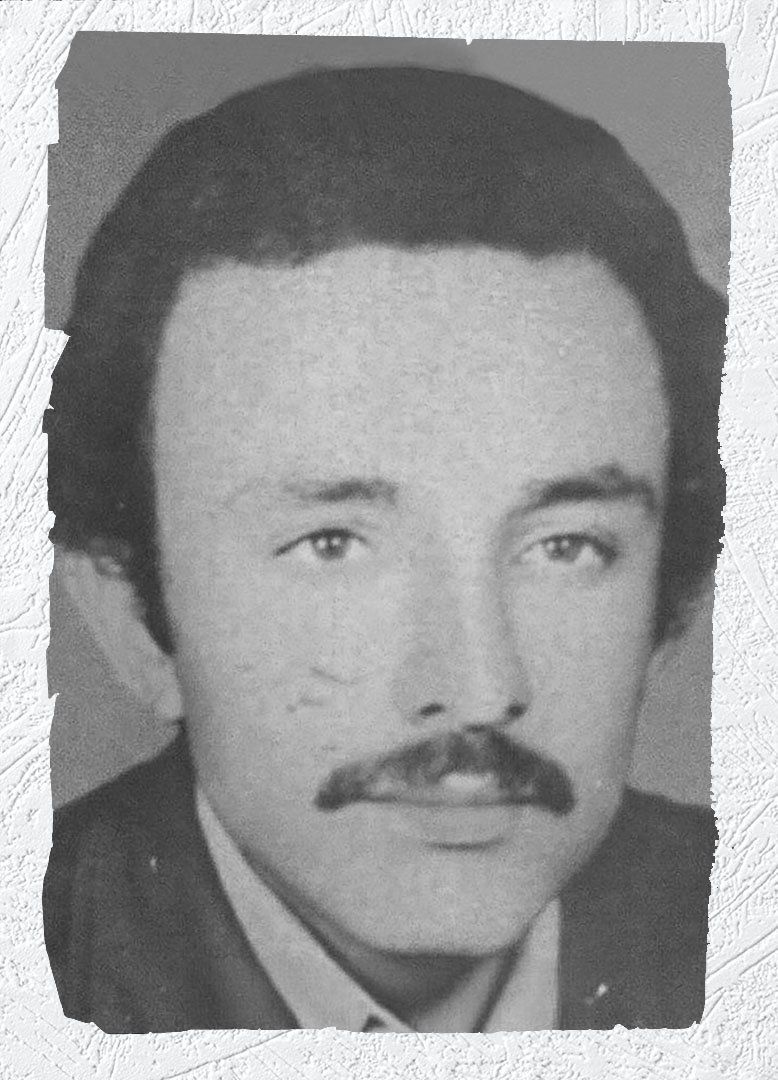
- Gender
- Male
- Ethnicity
- Tajik
- District geolocation of incident
- Bagrami: 34° 31′ 10″ N, 69° 16′ 39″ E
- Description of incident
Known as the "Killing of AGSA," it refers to the collective murder of opponents of the People's Democratic Party of Afghanistan in the Pul-e-Charkhi Prison in Kabul between 1978 and 1979. The Afghan Intelligence Office, or AGSA (Afghan Agency for Safeguarding National Interest), led by Asadullah Sarwari, had arrested nearly 150,000 people, out of which an estimated number of 27,000 political prisoners were put to death without a single trial, probe, or even allegation. Many Afghan families had no idea where their loved ones had disappeared in the latter part of 1978 and early 1979. A list of those slain that included 5,000 victims of AGSA mass executions was made public by the Dutch Prosecutor's Office in 2013.
- Witness/Survivor Statement
No statement
AbdulHai
- Photo of Victim
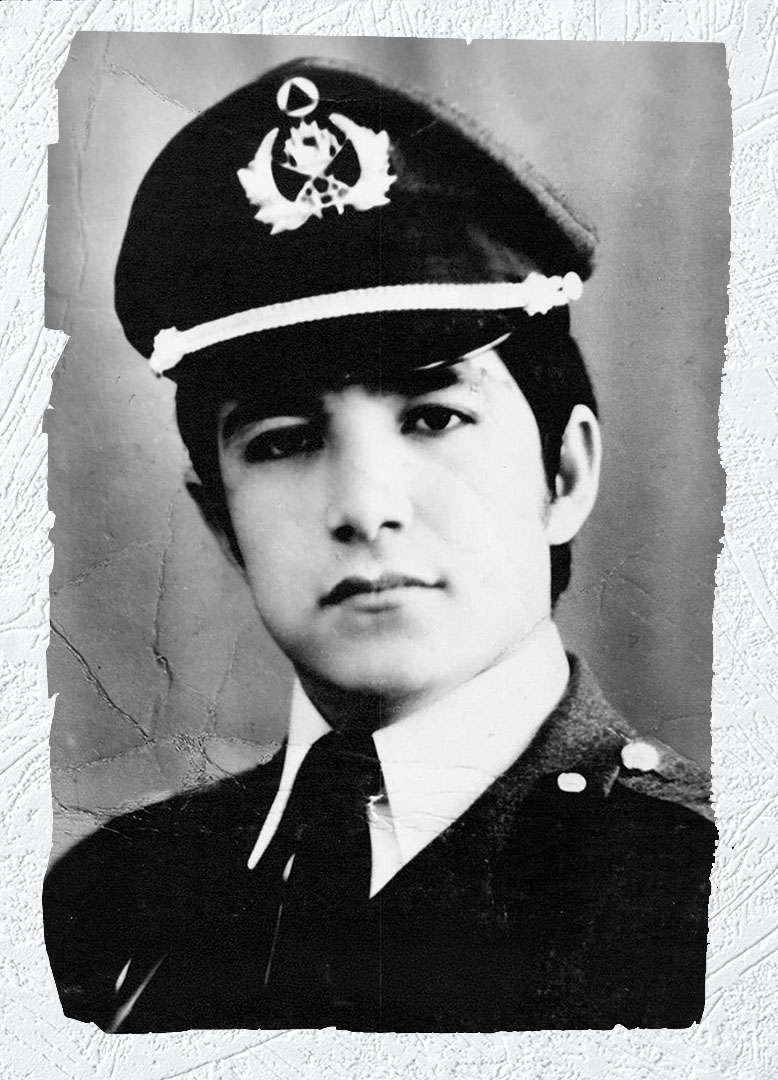
- Gender
- Male
- Ethnicity
- Tajik
- District geolocation of incident
- Bagrami: 34° 31′ 10″ N, 69° 16′ 39″ E
- Description of incident
Known as the "Killing of AGSA," it refers to the collective murder of opponents of the People's Democratic Party of Afghanistan in the Pul-e-Charkhi Prison in Kabul between 1978 and 1979. The Afghan Intelligence Office, or AGSA (Afghan Agency for Safeguarding National Interest), led by Asadullah Sarwari, had arrested nearly 150,000 people, out of which an estimated number of 27,000 political prisoners were put to death without a single trial, probe, or even allegation. Many Afghan families had no idea where their loved ones had disappeared in the latter part of 1978 and early 1979. A list of those slain that included 5,000 victims of AGSA mass executions was made public by the Dutch Prosecutor's Office in 2013.
- Witness/Survivor Statement
No statement
MirzaMir
- Photo of Victim
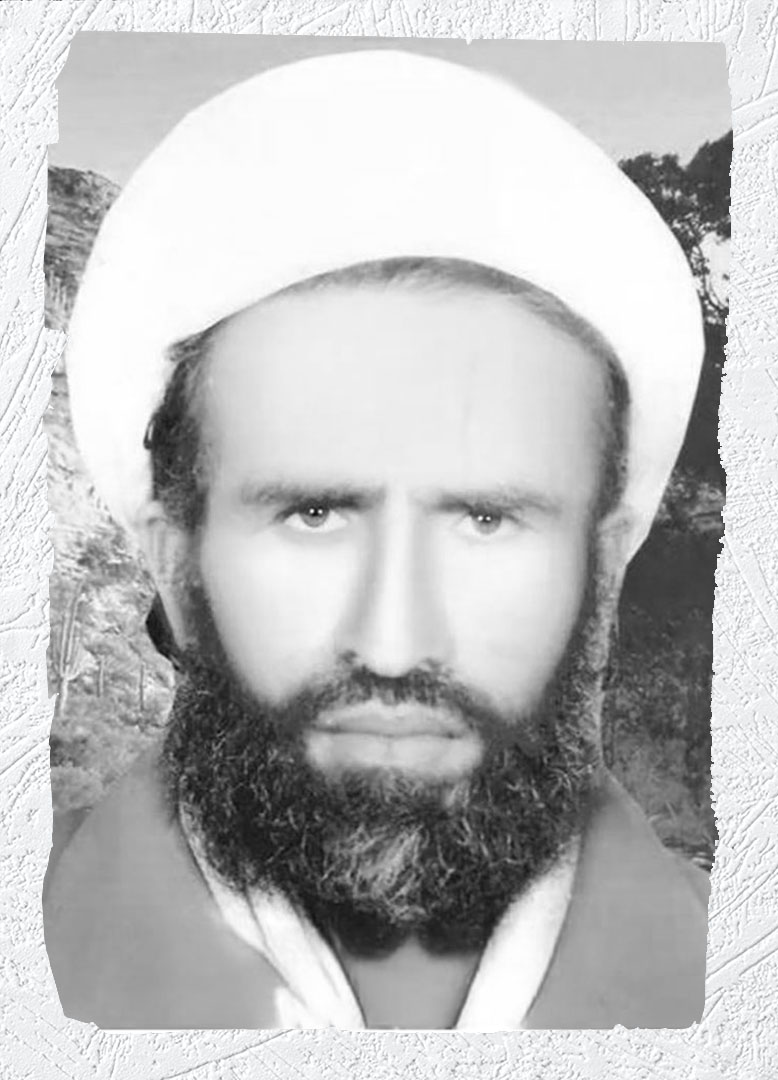
- Gender
- Male
- Ethnicity
- Tajik
- District geolocation of incident
- Bagrami: 34° 31′ 10″ N, 69° 16′ 39″ E
- Description of incident
Known as the "Killing of AGSA," it refers to the collective murder of opponents of the People's Democratic Party of Afghanistan in the Pul-e-Charkhi Prison in Kabul between 1978 and 1979. The Afghan Intelligence Office, or AGSA (Afghan Agency for Safeguarding National Interest), led by Asadullah Sarwari, had arrested nearly 150,000 people, out of which an estimated number of 27,000 political prisoners were put to death without a single trial, probe, or even allegation. Many Afghan families had no idea where their loved ones had disappeared in the latter part of 1978 and early 1979. A list of those slain that included 5,000 victims of AGSA mass executions was made public by the Dutch Prosecutor's Office in 2013.
- Witness/Survivor Statement
No statement
AbdulHannan
- Photo of Victim

- Gender
- Male
- Ethnicity
- Tajik
- District geolocation of incident
- Bagrami: 34° 31′ 10″ N, 69° 16′ 39″ E
- Description of incident
Known as the "Killing of AGSA," it refers to the collective murder of opponents of the People's Democratic Party of Afghanistan in the Pul-e-Charkhi Prison in Kabul between 1978 and 1979. The Afghan Intelligence Office, or AGSA (Afghan Agency for Safeguarding National Interest), led by Asadullah Sarwari, had arrested nearly 150,000 people, out of which an estimated number of 27,000 political prisoners were put to death without a single trial, probe, or even allegation. Many Afghan families had no idea where their loved ones had disappeared in the latter part of 1978 and early 1979. A list of those slain that included 5,000 victims of AGSA mass executions was made public by the Dutch Prosecutor's Office in 2013.
- Witness/Survivor Statement
No statement
Fakhruudin
- Photo of Victim
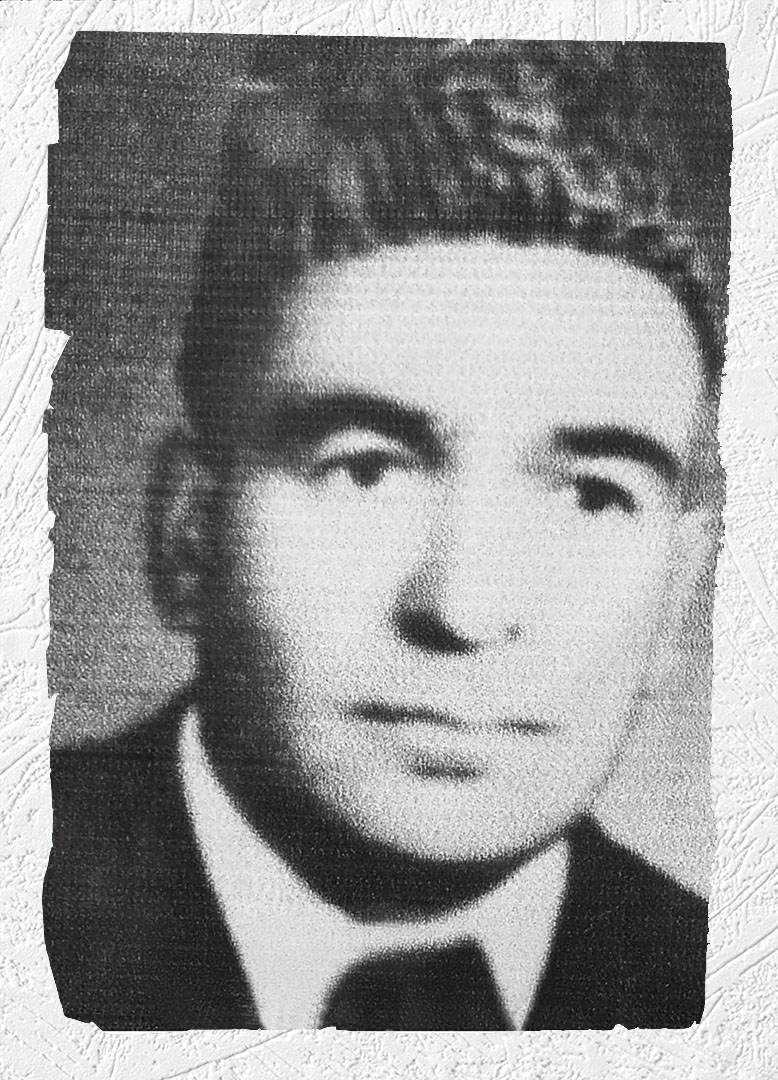
- Gender
- Male
- Ethnicity
- Tajik
- District geolocation of incident
- Bagrami: 34° 31′ 10″ N, 69° 16′ 39″ E
- Description of incident
Known as the "Killing of AGSA," it refers to the collective murder of opponents of the People's Democratic Party of Afghanistan in the Pul-e-Charkhi Prison in Kabul between 1978 and 1979. The Afghan Intelligence Office, or AGSA (Afghan Agency for Safeguarding National Interest), led by Asadullah Sarwari, had arrested nearly 150,000 people, out of which an estimated number of 27,000 political prisoners were put to death without a single trial, probe, or even allegation. Many Afghan families had no idea where their loved ones had disappeared in the latter part of 1978 and early 1979. A list of those slain that included 5,000 victims of AGSA mass executions was made public by the Dutch Prosecutor's Office in 2013.
- Witness/Survivor Statement
No statement
Mohammad Khan
- Photo of Victim
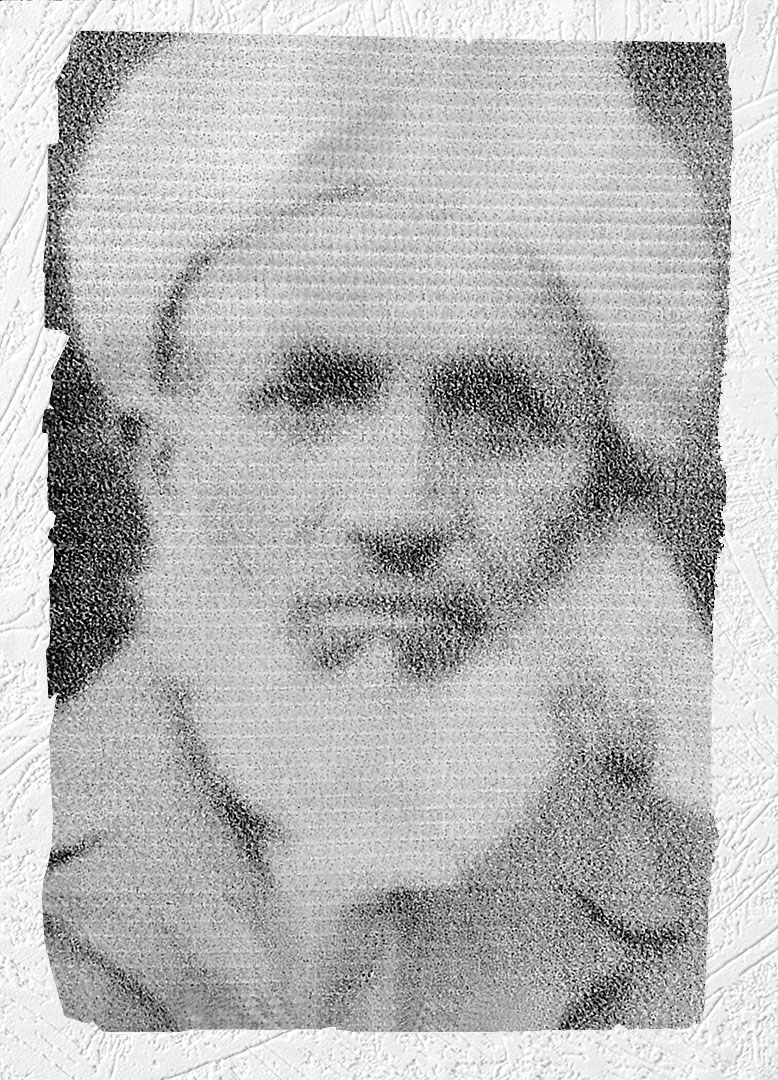
- Gender
- Male
- Ethnicity
- Tajik
- District geolocation of incident
- Bagrami: 34° 31′ 10″ N, 69° 16′ 39″ E
- Description of incident
Known as the "Killing of AGSA," it refers to the collective murder of opponents of the People's Democratic Party of Afghanistan in the Pul-e-Charkhi Prison in Kabul between 1978 and 1979. The Afghan Intelligence Office, or AGSA (Afghan Agency for Safeguarding National Interest), led by Asadullah Sarwari, had arrested nearly 150,000 people, out of which an estimated number of 27,000 political prisoners were put to death without a single trial, probe, or even allegation. Many Afghan families had no idea where their loved ones had disappeared in the latter part of 1978 and early 1979. A list of those slain that included 5,000 victims of AGSA mass executions was made public by the Dutch Prosecutor's Office in 2013.
- Witness/Survivor Statement
No statement
Abdul Latif
- Photo of Victim
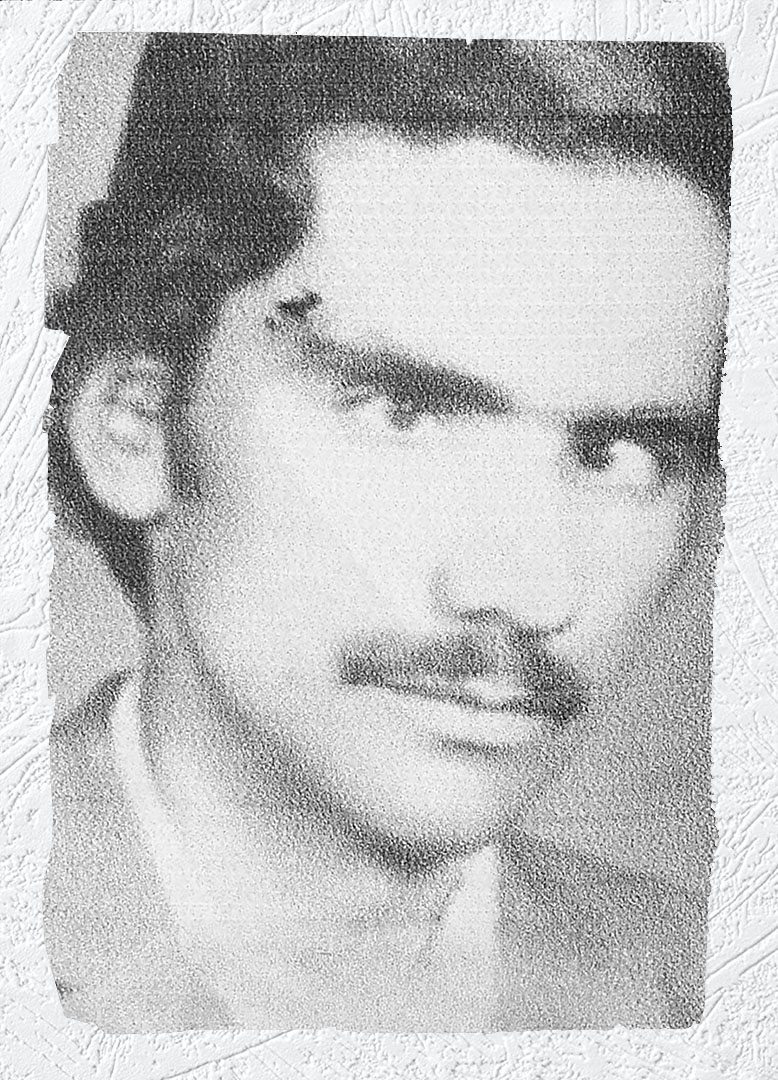
- Gender
- Male
- Ethnicity
- Tajik
- District geolocation of incident
- Bagrami: 34° 31′ 10″ N, 69° 16′ 39″ E
- Description of incident
Known as the "Killing of AGSA," it refers to the collective murder of opponents of the People's Democratic Party of Afghanistan in the Pul-e-Charkhi Prison in Kabul between 1978 and 1979. The Afghan Intelligence Office, or AGSA (Afghan Agency for Safeguarding National Interest), led by Asadullah Sarwari, had arrested nearly 150,000 people, out of which an estimated number of 27,000 political prisoners were put to death without a single trial, probe, or even allegation. Many Afghan families had no idea where their loved ones had disappeared in the latter part of 1978 and early 1979. A list of those slain that included 5,000 victims of AGSA mass executions was made public by the Dutch Prosecutor's Office in 2013.
- Witness/Survivor Statement
No statement
Asadulla
- Photo of Victim

- Gender
- Male
- Ethnicity
- Tajik
- District geolocation of incident
- Bagrami: 34° 31′ 10″ N, 69° 16′ 39″ E
- Description of incident
Known as the "Killing of AGSA," it refers to the collective murder of opponents of the People's Democratic Party of Afghanistan in the Pul-e-Charkhi Prison in Kabul between 1978 and 1979. The Afghan Intelligence Office, or AGSA (Afghan Agency for Safeguarding National Interest), led by Asadullah Sarwari, had arrested nearly 150,000 people, out of which an estimated number of 27,000 political prisoners were put to death without a single trial, probe, or even allegation. Many Afghan families had no idea where their loved ones had disappeared in the latter part of 1978 and early 1979. A list of those slain that included 5,000 victims of AGSA mass executions was made public by the Dutch Prosecutor's Office in 2013.
- Witness/Survivor Statement
No statement
Abdulmannan
- Photo of Victim
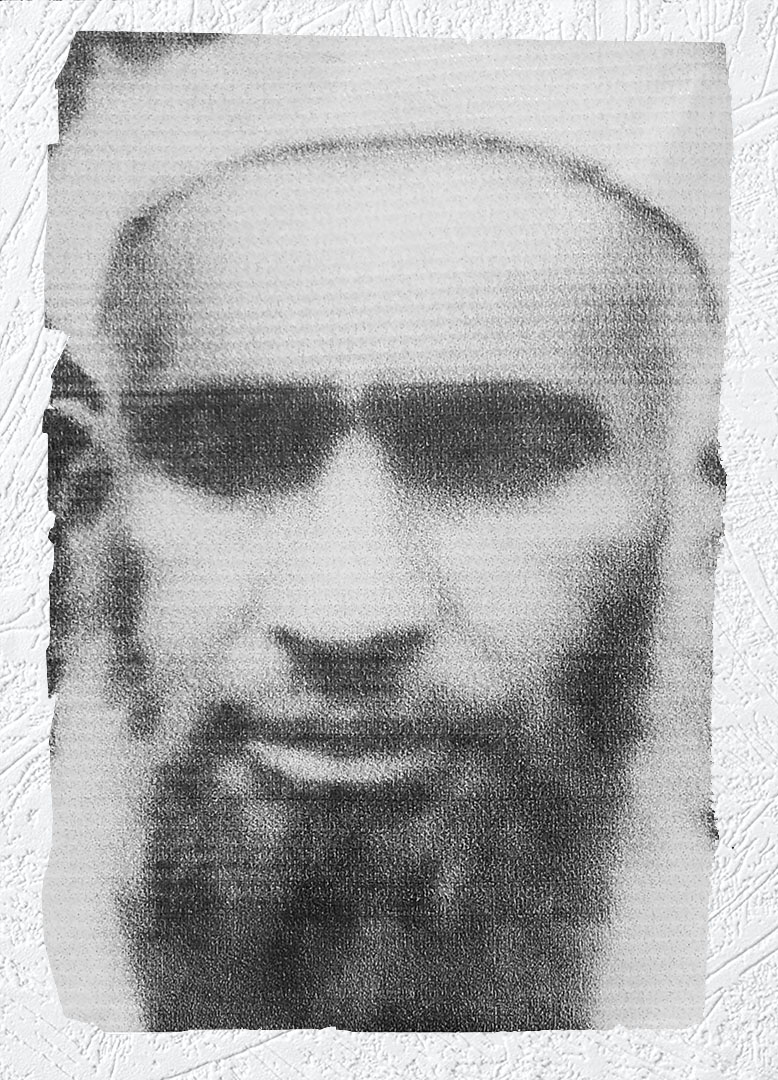
- Gender
- Male
- Ethnicity
- Tajik
- District geolocation of incident
- Bagrami: 34° 31′ 10″ N, 69° 16′ 39″ E
- Description of incident
Known as the "Killing of AGSA," it refers to the collective murder of opponents of the People's Democratic Party of Afghanistan in the Pul-e-Charkhi Prison in Kabul between 1978 and 1979. The Afghan Intelligence Office, or AGSA (Afghan Agency for Safeguarding National Interest), led by Asadullah Sarwari, had arrested nearly 150,000 people, out of which an estimated number of 27,000 political prisoners were put to death without a single trial, probe, or even allegation. Many Afghan families had no idea where their loved ones had disappeared in the latter part of 1978 and early 1979. A list of those slain that included 5,000 victims of AGSA mass executions was made public by the Dutch Prosecutor's Office in 2013.
- Witness/Survivor Statement
No statement
Khalilullah
- Photo of Victim

- Gender
- Male
- Ethnicity
- Tajik
- District geolocation of incident
- Bagrami: 34° 31′ 10″ N, 69° 16′ 39″ E
- Description of incident
Known as the "Killing of AGSA," it refers to the collective murder of opponents of the People's Democratic Party of Afghanistan in the Pul-e-Charkhi Prison in Kabul between 1978 and 1979. The Afghan Intelligence Office, or AGSA (Afghan Agency for Safeguarding National Interest), led by Asadullah Sarwari, had arrested nearly 150,000 people, out of which an estimated number of 27,000 political prisoners were put to death without a single trial, probe, or even allegation. Many Afghan families had no idea where their loved ones had disappeared in the latter part of 1978 and early 1979. A list of those slain that included 5,000 victims of AGSA mass executions was made public by the Dutch Prosecutor's Office in 2013.
- Witness/Survivor Statement
No statement
Shafea Osmani
- Photo of Victim

- Gender
- Male
- Ethnicity
- Tajik
- District geolocation of incident
- Kabul: 34° 31′ 1″ N, 69° 8′ 60″ E
- Description of incident
On August 17, 2019, a suicide bomber detonated explosives at the Shahr-e-Dubai wedding hall on Faiz Mohammad Kateb Road, also known as Charqala Road. The attack resulted in 63-93,(including 15 children) fatalities and 182 injuries. The wedding ceremony was predominantly attended by members of the Shia-Hazara community. The Islamic State of Iraq and Levant-Khorasan Province (ISIL-KP) claimed responsibility for the attack, stating it targeted individuals they refer to as "Rafida," a term used by some extremist groups to denote those who do not follow Sunni Islam.
- Witness/Survivor Statement
No statement
Dawodsha
- Photo of Victim

- Gender
- Male
- Ethnicity
- Tajik
- District geolocation of incident
- Kabul: 34° 31′ 1″ N, 69° 8′ 60″ E
- Description of incident
On August 17, 2019, a suicide bomber detonated explosives at the Shahr-e-Dubai wedding hall on Faiz Mohammad Kateb Road, also known as Charqala Road. The attack resulted in 63-93,(including 15 children) fatalities and 182 injuries. The wedding ceremony was predominantly attended by members of the Shia-Hazara community. The Islamic State of Iraq and Levant-Khorasan Province (ISIL-KP) claimed responsibility for the attack, stating it targeted individuals they refer to as "Rafida," a term used by some extremist groups to denote those who do not follow Sunni Islam.
- Witness/Survivor Statement
No statement
Hamida Barmaki
- Photo of Victim

- Gender
- Female
- Ethnicity
- Tajik
- District geolocation of incident
- Kabul: 34° 31′ 1″ N, 69° 8′ 60″ EAjristan: 33° 49′ 11″ N, 67° 12′ 53″ E
- Description of incident
On January 28, 2011, Hamida Barmaki, a respected law professor at Kabul University School of Law and Child Rights Commissioner of the Afghan Independent Human Rights Commission (AIHRC), tragically lost her life in a suicide attack at Finest Supermarket in Kabul. Also among the victims were her husband, Masoud Yama, a doctor at Sardar Mohammad Daud Khan Hospital and an employee of the Ministry of Finance, and their four children: Narun Dunya, Vira Sahar, Marghna Nila, and Ahmad Bilal. Responsibility for the attack was claimed by the Hazb-e-Islamic (Islamic Party), led by Gulbuddin Hekmatyar.
- Witness/Survivor Statement
No statement
Abdul Mateen
- Photo of Victim

- Gender
- Male
- Ethnicity
- Tajik
- District geolocation of incident
- Kabul: 34° 31′ 1″ N, 69° 8′ 60″ E
- Description of incident
I rushed to the Shah Shahid area after the explosion that Friday and found their room crumbled to dust. I went to search for them at the Emergency Hospital, NDS Hospital, and many other public hospitals, but couldn’t find them so I returned. The area was surrounded by security forces because the Defense and Interior Ministers had visited the area. They prevented us from entering the perimeter until the Minister of Defense heard the story and allowed us to search for our martyrs. We searched under the rubble with excavators but found nothing except a book, a shoe, and a mattress. That distressed me even more because family and relatives kept calling to know if they were found or not.
- Witness/Survivor Statement
The Stories of Del Agha (brother)
Victims’ Names: Abdul Mateen and Shirin Agha
Date of Incident: August 7, 2015
Place of Incident: Sarai Ahmadzai, Shah Shahid, Kabul
I lost my brother, Abdul Mateen, and nephew, Shirin Agha, in the Shah Shahid incident on 7 August 2015. At the age of 32 and 23-years-old, they were both the only breadwinners of their families. They had rented a room in Sarai Ahmadzai to be able to work and live in Kabul. Mateen was married and had two daughters of fourteen and eight-years-old. Shirin Agha was working with the Afghan National Army and due to the work load, had not been able to visit his mother and two sisters for a very long time. As he finally got some free time during the first weekend after Eid, he decided to visit his uncle on the Thursday, his family on Friday, and then get back to work on Saturday.
Unfortunately, his plans were left unfulfilled. I rushed to the Shah Shahid area after the explosion that Friday and found their room crumbled to dust. I went to search for them at the Emergency Hospital, NDS Hospital, and many other public hospitals, but couldn’t find them so I returned. The area was surrounded by security forces because the Defense and Interior Ministers had visited the area. They prevented us from entering the perimeter until the Minister of Defense heard the story and allowed us to search for our martyrs. We searched under the rubble with excavators but found nothing except a book, a shoe, and a mattress. That distressed me even more because family and relatives kept calling to know if they were found or not.
Finally, Mateen’s body was found in the NDS Hospital and Shirin Agha’s body was found in Wazir Akbar Khan Hospital. Shirin Agha was working with the Ministry of Defense so his body was taken to Sardar Dawood Khan Military Hospital and then delivered to us. My nephew was appreciated for his work with the Afghan Military but we did not even get a mere condolence message for losing Mateen. The government has disappointed and failed us not only in preventing violence and terror, but also in supporting and caring for the victims.
With them, we buried part of our lives and happiness. I added the few objects they left behind to the Memory Box to let their memories live for longer and to let others know how war and violence is killing and destroying.
Nabi
- Photo of Victim

- Gender
- Male
- Ethnicity
- Tajik
- District geolocation of incident
- Kohsan: 34° 40′ 4″ N, 61° 12′ 11″ E
- Description of incident
Nabi was my uncle. He was 31-years-old. He was martyred in 2014. He was a de-miner. He normally left at four o'clock in the morning and came back at two o'clock in the afternoon. One morning, while going to the demining site, he and his colleagues were ambushed by the Taliban. It was seven o'clock when they fired on them. He and his 5 colleagues were killed while others were taken alive, though they may have been killed later.
- Witness/Survivor Statement
He Was a De-Miner
Narrator: Ahmad (nephew)
Victim: Nabi
Time of the incident: 2011
Place of the incident: Kohsan District, Herat Province
My name is Ahmed. I am twenty-years-old. I live in Kamaneh, Kohsan District. I work at customs at the port of Islam Qala. I get 100-200 AFN per day.
Nabi was my uncle. He was 31-years-old. He was martyred in 2014. He was a de-miner. He normally left at four o'clock in the morning and came back at two o'clock in the afternoon. One morning, while going to the demining site, he and his colleagues were ambushed by the Taliban. It was seven o'clock when they fired on them. He and his 5 colleagues were killed while others were taken alive, though they may have been killed later.
He was an employee of a de-mining agency. They were going to explore the land. They would find mines and mark them, then report the location to an engineer, then the team would going to the site and explode the mine.
We got the news at eight o'clock and went there at nine. The driver said that there was a war over the mine cleaners. We saw five or six people lying there. Mr. Behrouz's brother was also with them. He had been shot in his stomach, right here, God forgive him.
We put the body in the back of the car and brought it back to the house. I went there. Two of our uncles also came. They live in Kamanah, their families live there. My uncle’s economic condition is good, but not that good. He has two children, one is five-years-old and the other one is two-years-old.
The demining agency has given food and non-food commodities to my uncle’s family. His wife is young, about 20-years-old, and has two children. She lives with her two children. One of her children is five-years-old and one is two-years-old. My uncle was illiterate. He did not go to school.
We went to the field ourselves and picked him up. Several others had been killed there. The corpses were in different places. One in the car, one next to the car, etc. Among them, my uncle was shot dead. Many didn't even look hurt. We went there and took him into the back of the car. We thought he was alive. God forgive him. He was martyred. We put him in the back of our car and brought him to his house, that's it.
It was also the holy month of Ramadan. Taliban had been after the director of the demining agency, and they took him away. Taliban asked him to pay, but he didn't give them any money. Then five or six people were killed like this. These people were earning a living through this job, he used to get 15,000 AFN per month.
There is nothing else to say. I don’t have any message... Look, our business is ruined, there is no work in Afghanistan, nothing. I say that someone should help us with something.
I will do whatever I can for my uncle. My uncle served us a lot. I will do anything for him, for his children, for his family. My uncle was very kind to us. He used to advise us to do good things, respect the elders and children, and get an education. I told him that I can’t go to school, I have to work because my father was killed on the way to Iran.
My father used to go to Iran to work. He was killed on the way to Iran. I was small, I don't remember how he was killed. Our family knows about it, they say he was killed inside Iran. Iranian soldiers killed him. He had gone illegally and had nothing, no travel documents.
Now, thank God, it's fine. We work. My mother is with us. We are two brothers, I am her elder son and I have a younger brother. My mother was 20-22 years old when my father was killed. She has never married again. She stayed with us. We go to work and my mother is at home taking care of things at home. Thank God, the rest is fine with us. I have this intention that God will help me to serve her in my life.
Qurban
- Photo of Victim

- Gender
- Male
- Ethnicity
- Tajik
- Description of incident
Qurban was a 30-year-old farmer in Kareezkhoni Village, Rubat Sangi District, Herat Province, Afghanistan. In the summer of 1984, while working in the fields, he was killed by shrapnel from a bomb dropped by Soviet aircraft. At the time, his wife Dasta-Gul was 20-years-old. They had two young sons.
- Witness/Survivor Statement
A Shrapnel Caused His Death
This story was recorded on April 29, 2019 in the local office of the AIHRC in Herat Province. Ms Dasta-Gul describes the story of grief, love, and the years after the loss of her husband with patience and in detail.
Narrator: Dasta-Gul (victim’s wife)
Victim’s name: Qurban (30 yrs)
Date of Accident: Summer of 1984, 11:00 oclock
Place of Accident: Kareezkhoni Village, Rubat Sangi District, Herat Province
Type of accident: bomb shrapnel (bombed by Soviet aircrafts)
My name is Dasta-Gul and Qurban was my husband. It has been 35 years since my home was wrecked. He was thirty-years-old and I was twenty-years-old in 1989. It was July, yes, it was the proper time of the year for farming. The Soviets killed him; their bomb killed him. The Soviet aircraft killed him. He was killed in Kareezkhoni Village, part of Rubat Sangi District. It was eleven in the morning. We were married for seven years; he was killed in the eighth year. We had two children, one aged 2 and the other a 9-month-old breastfeeding infant. Yes, two children. We had two children and both are sons. We were married for just 7 years.
He was a farmer and used to raise livestock. He harvested wheat and oats. Agriculture was his only profession. He had gone over to harvest wheat from the fields when an aircraft dropped a bomb. He died among the wheat crops. A lot of people, around nine or ten, were killed. In that village, around a hundred or more people were killed. The tanks and aircraft killed all of them in that village. They were all working in their fields. Those villagers who were inside their houses were also bombarded and got buried under the rubble, poor souls. Our house was far [from the houses which were bombed].
A member of my family informed us that a person has been killed in the fields, and asked us to collect the corpse [and nine other martyrs] and take them to the mosque. Yes, I saw him. The shrapnel had entered the back of his head and exited from his abdomen. That one shrapnel caused his death. I did not have anything after my husband’s death. Out of destitution, I turned to carpet weaving. Until my children turned ten years old, I was busy weaving day and night. No one helped me. No one cared for us. They did not care that my orphaned children were hungry and alone with me, who owned nothing.
Yes, the fields on which my husband grew wheat belonged to us. They [Qurban’s family] gave a plot of land to my orphaned children. My children had uncles, a grandmother, and aunts. I asked them to give only two acres of the land on which my husband worked to my boys. I worked hard by myself. I wove carpets, and went from one to the other to make ends meet. I did not have any other assistance.
I sent my boys to school. After they finished school, we came to Herat City for them to go to university. Ah, after my eldest son did not learn in university, I sent him to Iran as a laborer. My eldest son is named Nur-Ul Deen, and the youngest is named Saif-Ul Deen. They went to Iran and worked hard. They also got married from their hard work. They did not have sisters who could be married off and from their marriage’s gifts, I could have taken wives for my sons and settled them down. My poor boys worked hard and built lives for themselves. I used to live with my in-laws but they did not like me. They would always argue and tell me to give up my sons and re-marry. I told them I will not marry and even if it kills me, I will not give up my children. What can a second marriage give me when I did not gain anything from my first marriage? The marriage life which I had was one where my husband never once told me what to do or not do. God took him from me, his death came soon.
During the seven years of us being married, he never once told me to do or not to do this or that. That is because I was content with him, and until today, I have stayed in his memory and for his sons. When you are content with your spouse, even after they are gone, your heart does not allow you to think of someone else or to leave their children. My brother-in-law would bring a bag of wheat and rice. My parents also helped and asked me to bring my children to live with them. My conscious could not accept this so I worked and wove rugs by myself. I never folded the carpet loom close; it was always open as I constantly worked on weaving rugs. It was like whenever I finished one rug, I would start another the very next day. What else could I have done, I was hungry and poor, I had no other choice. I had to do it in order to make ends meet and survive absolute poverty because I had no other source of income. The situation at that time was not good, but I do not know why they bombed our village. However, the [neighbouring] village was bombed heavily. They bombed that village a lot. My husband was also killed there but I do not understand exactly the reason why they bombed. It has been thirty years since and my mind has gotten weak as well as my memory and I no longer remember why they killed our village’s people.
When my home was ruined after my husband’s death, I was twenty-years-old. I was married off at the age of fourteen. I was married for 7 years when my husband died. It has been whether eighteen or twenty years, what is the sum of seven years and fourteen years? It has been twenty years, twenty. My husband was from outside my family, I was happy with him that is why I have remained unmarried until this day in his memory. I loved him, do you understand? When you love a person, even if there are hundreds of others around you, your feelings for them will not change. This is why I did not accept anything else after him. By God, he did not have anything. My carpet was the earth underneath and my roof was the sky. I just loved him and I loved my sons. He had a good personality and a muscular figure. He was very lucky meaning when he was in a group gathering, he could make everyone laugh till tears would come out of their eyes due to his good humor and manners. But what can I do now that God has taken him from me?
When my [eldest] son was in Iran, he studied till eleventh grade and after he came back to Afghanistan, he finished his last year of high school. However, I do not know what major he studied at university. I did not ask, my dear, I did not ask him. He studies half of the day and the other half he works as a watchman for a school. He sweeps classroom floors and arranges the desks and chairs. He also has the keys to the school, as if he is the watchman of the elementary school. He gets five or six thousand Afghanis per month. My second son is also married. Thankfully, he is also married. I have three grandchildren from one son, and four from the other. I live with the two of my daughters-in-law in Wahdat Village, in the town of Abulwaleed which is part of the Injeel District of Herat Province. I am satisfied with my sons, thankfully. My sons have never ill-treated me. They say ‘dear mother’ at the beginning of their sentence and one at the end of their sentence. Their wives are not from our family so naturally, they might act irritated or say something to me, but when my sons treat me well, I have nothing to do with my daughters-in-law because my sons are important to me. Yes, my sons have a lot of respect for me; they respect me a lot. When I get sick, they borrow money for my medications and doctor’s visits so that I get treated. They borrow money from others so that their mother can get better. I have such dear sons and my heart is happy from them. One of my grandchildren passed last year and that broke my heart. He was only eleven-years-old. They said he had an incurable illness. They said he had cancer and his lungs had been destroyed. We took him to Kabul and brought his body back to Herat. He was only eleven-years-old and in fourth grade.
I am happy with my sons, my dear. My sons also love me a lot. I pleaded to God that my sons do not have a father, what would become of them? They could become addicts and junkies; they could become gamblers. However, thank God, they grew up to become really modest and decent men. My children are virtuous and chaste; they do not have any addictions, thankfully. My boys do not have any faults, they are clean and virtuous. I am thankful to God that I have good sons, they are decent people. I shall share the ache of my heart with the women of Afghanistan. I shall say how much I suffered and went through to raise my boys. I pray to God that my efforts do not go in vain and make my decent sons even more decent to people. And if they are friends, make them even better friends to others. I only want to say that. Some women ask me how my sons are and I respond that thank God, my life is completely good. I am not unhappy with my sons or their wives. Thank God, they are very nice. I have a very good life. My relatives ask how I manage with my sons and I tell them that my life, in general, is good and that I am completely content with my sons. They turned out to be decent people, they are humane. They do not bother people. On their university campus, there are around two thousand girls and boys studying, but they do not bother them or the girls there. They are such strong-willed sons.
Yes, I love my sons a lot, how can I not love them? For them, I have gotten beaten, verbally abused, and even been charmed with a talisman so I could leave my boys. They cast a magic charm on me so I would leave my sons and go back to my father’s house. By God that I am telling the truth, my dear. I went to a Hajji and he told me that I have been charmed to leave my sons and re-marry. By God, they did everything they could to me so I would leave my sons but God made my love for them so strong that nothing could separate us.
My daughters-in-law are unemployed. When we were in the village, they used to weave carpet a bit but after coming to Herat City, they no longer work as there is no work here. No one buys handmade rugs anymore. My daughters-in-law are busy with house chores and with taking care of their children. Their husbands (Dastagul’s sons) make ends meet now. I tell them that I was able to bring up two orphaned boys through carpet weaving, why do you not work? They tell me that I had the willpower and courage to do that, they do not have that. Ah! [Laughing] They tell me I had a lot of courage to do that; that I had a lot of vitamins and in comparison, put their vitamins in shame. [Laughing] They do not wish to work and cannot work. Yes, I told them I got weak because of work, my eyes lost their power, and my hands and feet don’t work anymore. I have gotten weak from all that work and now, it is on my sons’ shoulders to bring food. I can no longer work. There is a dent in my hand where I held scissors while weaving carpets. My hand has gone limp now because I would constantly work on the carpet loom and my eyes have gotten weak.
My sons tell me, “Mother! Even if we take you to Mecca [for pilgrimage], we cannot repay you even for one night of you taking care of us.” This is life. I suffered a lot, got beaten up, received verbal abuse, and heard all kinds of things. I would tremble day and night like an animal getting slaughtered for fear that someone would take my sons away from me. I suffered all kinds of pain. My sons would know my value after all. Now that they have grown up, I tell them about my suffering. They tell me that they could not have done anything because they were young and did not understand. Some mothers who raised their orphaned children were kicked out of the homes by their sons. Meaning, they kicked out their poor mother. There are children like this. There are children like this in our village.
Still, I thank God that my sons are decent men. Who knows if I will live ten more years or not? Only God knows. My youngest son says, “Mother! Do not fret. Do not worry too much. Mother! Your presence is a blessing to us. You are our hope. Your shadow over us is a blessing.” But I tell them that now that have wives and their own families, forget about my shadow over them. My sons tell me, “No, your shadow and presence are a blessing to us.” My boys did not have a father so they only had their mother, they received love only from their mother. Only we know a mother’s pain. For their peace of mind, I tell them that, God willing, I shall remain like a cloud that provides shade to you. I am very much pleased with my sons. They ask me about their father like how he looked, his height, and his figure. And no ease their minds, I tell them that their father looked like their uncles. They look at their father’s photos and constantly ask about his height and face. They tell me, “Mother, if our father were alive, God knows how much better our lives would have been.” For their comfort, I tell them their father was not the only one who was martyred. There are thousands of other orphaned children who grew up in similar circumstances without their fathers. I tell them that their father’s life was that long. Yes, sometimes they ask me about their father all day, twenty-four hours. They love their father so much that when my youngest son went to Iran, he took his father’s photo to make a bigger print and frame it. They always miss their father. Still, to ease their pain, I tell them that that person does not have a father and this person lost their father in an accident so that they do not suffer too much because of their father’s absence. Their hearts find comfort in that and they share their pain with me.
Adel Shah
- Photo of Victim

- Gender
- Male
- Ethnicity
- Tajik
- District geolocation of incident
- Kabul: 34° 31′ 1″ N, 69° 8′ 60″ E
- Description of incident
At least 15 people died and more than 400 others were injured in an attack on August 07, 2015, in the Shah Shahid area of Kabul. Many houses and shops were also destroyed in the attack.
- Witness/Survivor Statement
We Experienced No Peace for Forty Year
This story begins in a street on a rainy day. The camera has been set up near the gate of the house and Dr. Sharif, a colleague from the Afghanistan Human Rights and Democracy Organization, is getting closer to Kabal Shah. Although Kabal Shah walks with the aid of two metal canes, he throws a glance toward the camera and enters the premises of the house. With a slight delay, Dr. Sharif follows behind him into the house through the gate.
The following scene is of the two-story cement building with a set of blue-painted stairs that take Kabal Shan to the second floor. With no side railings on the stairway, Kabal Shah has no choice but to climb it. Using the skill of climbing those stairs every, he deftly climbs them. The sound of his metal canes hitting the stair steps can be heard from afar and for a few seconds, the face of Kabal Shah’s mother appears behind the door on the second floor. After that, a child rests his face by the door to look outside. The metal door hitting the wall lets a small echo and with a single glance at the camera, Kabal Shah enters the hallway.
The next footage is a close up of the face of Kabal Shah’s mother. She is an elderly woman who has the corner of her headscarf in her mouth with tears pooled at her eyes. She holds her sob back while looking at the camera and when she talks, it can be seen that she no longer has all of her teeth. The conversation starts and a little boy sitting beside Kabal Shah, probably aged seven or eight, laughs. Life in this household is in a strange contrast between sorrow and happiness. These recorded moments in the conversation show life swinging between sorrow and happiness. The mother is sat on the right with Kabal Shah in the middle and his son to his right. His other son, maybe a year or two older, is on the left-hand side.
During the conversation, the boys do not talk. The story is told by the mother sometimes but mostly by Kabal Shah. The connection between their words and sentences works like the bond between chains. Both speak of the same incident, but what creates a difference are the feelings which the narrators express through words and the entire conversation. They fill the room. This quality exists in different parts of stories in this book. In fact, there has been a conscious effort to reflect the atmosphere created by the conversations.
Narrator: Kabal Shah (Victim’s brother)
Victim: Adel Shah
Date of incident: April 22, 2017
Place of incident: Shah Shaheed area, Kabul City
My name is Kabal Shah. I am a resident in Shah Shaheed, Etifaq Mosque area. I am fifty-one years old. The victim was my brother. His name was Adel Shah. Our father’s name was Shireen Shah. My brother was 24-years-old. The incident? I will tell you the exact date and day, which was April 22, 2017. In Shash Darak area, in front of the kiosk printing shop, an explosion happened. It was eight in the morning and he was going to work when he became a martyr.
Kabal Shah’s Mother: Abdulhaq Square, right?
Kabal Shah: No, after you pass Abdulhaq Square and turn the corner towards Shah Darak, there is a street which has a kiosk shop. Yes, [the explosion happened] across that shop. He used to work there. There was a shop there in ‘Nangarhar Say’ shop area, a barber’s shop. He was a student and worked there. He was going to his work that day.
Kabal Shah’s Mother: He was the breadwinner of our family. He (points to Kabal Shah) in this condition.
Kabal Shah: That is true but I also have a store of my own and I was sitting there when I heard a loud boom. I heard the explosion.
Kabal Shah’s Mother: We also heard the explosion.
Kabal Shah: After hearing the explosion, my younger brother came to the store and I told him, “You, Suleiman, quickly call Adel.” There has been an explosion, I told my brother. My brother quickly took his phone out and called his number. His number quickly started to ring and just as quickly, someone answered the phone. The person responsible for the morgue in Wazir Akbar Khan Hospital had Adel’s phone and answered, “the owner of this phone has died.” He said that right away, by God. After he said [Adel] had died, I was shocked and did not know what to make of it. We endured so much pain that year, you cannot even imagine. From our store, we went to Wazir Akbar Khan. We visited the morgue in the hospital. They opened a mortuary cabinet and after looking in, we saw Adel’s lifeless body. He was only 24-years-old and had not married. He was not even engaged.
Kabal Shah’s Mother: He was asleep here and I was praying. I called my other son, “Sulieman Jan! Get up for the prayer.” Adel asked me, “What time is it?” I told my son it was six in the morning. He was an early bird. He would wake up even earlier, that is why I did not wake him up. When he was leaving, I told him, “Son, you did not give me money. Give me fifty Afghanis..." We have gone through very bad experiences: two people died from land mines, seven people got buried under house rubble, and he (Kabal Shah) lost his leg in another land mine. Ten people in total. Besides Adel, I have lost four other sons. And along with these four sons, I have lost two daughters. Two of my daughters died back-to-back very young. My son was also young. I took care of widows; I took care of orphans.
Kabal Shah: Yes, we also lost them. Do not talk about them because this is getting recorded.
Kabal Shah’s Mother: No, it is okay. Around 15-16 people from our family... We have lost around 15-16... we are five or six hundred thousand in debt.
Kabal Shah: Yes, yes.
Kabal Shah’s Mother: Just this morning – by God, if I had a wink of sleep the night before – oh God, I said, “You want this yourself but why are you saying at one in the morning that I...” I pray this in Tahajud prayer. Their father... those are his pictures. Listen, his children were this small when I started caring for them. I made a home for them and now they live in Nawabad.
Kabal Shah: Do not say these things because they are getting recorded in the video.
Kabal Shah’s Mother: It is alright.
Kabal Shah: It is not alright.
Kabal Shah’s Mother: Let me vent my heartache to them so that I let out my pain.
Kabal Shah: I don’t know. Talk about some other pain, like that person and that...
Kabal Shah’s Mother: We took care of his elder brother’s widow for seven years. His elder brother also...
Kabal Shah: He died a natural death around seven years ago.
Kabal Shah’s Mother: He left young orphans behind; his widow behind after he died. His father also passed away from the grief of losing his son.
Kabal Shah: One year after that, we lost my other brother.
Kabal Shah’s Mother: One year after. I was praying in the morning and called my younger son named Sulieman and told him to get up. Adel woke up after that and I told him, “Come and have breakfast at home today.” He responded, “No, I will go because it is late.” I asked him, “Son, do you have money?” he gave me a fifty Afghani note and said, “I earned this.” He got half of the enringing at his place because even if he earned around five hundred, he would get 200-250 Afghanis at the end. He said that that money was kept in our safe. After his death, I asked Kabal Shah how much money was in the safe and he said around 200-300 Afghanis. It was the money which he had earned. After giving a fifty Afghani note, he left and said goodbye. May God ruin them [perpetrators], so they could feel what we, widows, and orphans feel.
Kabal Shah: After that, I went to the hospital. I called my other brother, relatives, and friends, and brought his body back home.
Kabal Shah’s Mother: I did not see his face.
Kabal Shah: You would not have been able to look at his face.
Kabal Shah’s Mother: That- (weeping)
Kabal Shah: I did not bring the body back home and took it directly to the mosque. I also brought his [empty] coffin from our yard because I thought my sisters and others were here.
Kabal Shah’s Mother: One of my daughters became paralyzed because of the pain of losing him. She will be taken to Pakistan for vaccination.
Kabal Shah: Yes, all because of grief. She is about forty-years-old and has a husband.
Kabal Shah’s Mother: She is in such a state that she needs to take fifteen vaccines and each cost six thousand, although she does not have much money.
Kabal Shah: They live in Khair Khana. They live really far from us.
Kabal Shah’s Mother: They live in Khair Khana but she is in that condition now because of the loss of my son.
Kabal Shah: Yes, then we brought his body to the mosque and with family, relatives, and other people, we buried him in the Shah Shaheed cemetery. By God, his behavior with mother, brother, and everyone else was good. He was good to everyone.
Kabal Shah’s Mother: In Shah Shaheed, he worked right here in Shah Shaheed. One or two [of my sons] could not find a livelihood here, so they decided to go to Macroyan.
Kabal Shah: Yes, they went to live in Macroyan Say. If I make an estimate, dear doctor, it was 1988-89. In the winter of that year, my brother and his son went out – it was when the Soviet forces had just left the north – where the soviet used to be. They were out and about to gather wood or other things, and take them home. However, they stepped on a land mine and died. No, my nephew was single as he was only fifteen-years-old. No, we do not have any pictures of them.
Kabal Shah’s Mother: It was during the Soviet occupation.
Kabal Shah: Forty days. Only forty days went by after that incident in 1988-89 when the three-story house that we had collapsed suddenly. It was winter when the house collapsed. Seven of our family members died in that house. My mother, my sister-in-law, and five of my brother’s children were under the rubble and died. The next year, I got injured and lost my leg on a land mine. Since that time, until around 2012, when my brother drove a taxi around Sarai Shamali and Shah Shaheed, he was well. But while driving, he got a stroke and collapsed.
Kabal Shah’s Mother: It was because of the grief of losing his children. He lost four daughters and three sons under that house.
Kabal Shah: That poor man also died like that inside his taxi. Just like my other brother who died from the explosion, I got a call from Jamhoriat Hospital, “Is Khak Shah your brother?” I responded with an affirmative and they told me, “Come then. He has passed away here in Jamhoriat Hospital.”
Kabal Shah’s Mother: Just look at all this pain, brother.
Kabal Shah: Then in 2013, I lost my father. After that, one of my sisters passed away. Then again, I lost another sister.
Kabal Shah’s Mother: All because of grief and sorrow.
Kabal Shah: Then, Adel, my brother also died in an explosion. These are the problems in life. It is like this all around the world.
Kabal Shah’s Mother: I do not care if the entirety of Afghanistan (unintelligible) I do not care about it.
Kabal Shah: Changes, you ask. Except worry, pain, sorrow, and my brother’s absence, there has been no significant change, you see. By God, one of my sisters became paralyzed because of the grief of his loss, you see. As for my mother, she spends day and night crying. And for me personally, I am grappling with the debt of the money I borrowed for my brother’s funeral, which I have not been able to pay to this day. I have paid a portion of it but the other part is remaining. God willing, I want to pay the rest. There are other changes too. Life is like that, after all. No, work is not going well these days. There is much less work these days. Currently, we are five brothers. Four of us live together and the other lives in Khair Khana.
Kabal Shah’s Mother: They live in a rented house. They are struggling economically.
Kabal Shah: We have a barber’s shop and that is our profession. We make 500, or 600, or 400 Afghanis a day. Work was good previously. Work went well. These days, there is not much work.
Kabal Shah’s Mother: God knows that since I lost my son, I do not have any money. Once the life situation gets bad, you will feel sorry looking at my children. My other son became the father of few children the past few years but we still have not been able to pay our debts. He is obligated to pay the debts until now. Around three hundred thousand or so is left to be paid off. The [debtor] came after him every hour for their money, every hour. My son, Adel, was a hard worker and he could bring a bit of bread and money. If he could not bring, we would sit hungry.
Kabal Shah: No, that has not happened.
Kabal Shah’s Mother: What has not?
Kabal Shah: For example, not having food to eat or other necessities. No, through God’s grace, it has not. Adel was my third brother.
Kabal Shah’s Mother: Yes, third son, after Sulieman.
Kabal Shah: By God, everyone knows that those who are the enemy of humanity, enemy of the people, and enemy of religion do these kinds of things. [About the peace process] It is good if it happens. Look at us, for example, look at what happened to us. All the things that happened in the past, let it not be repeated from no one. May the generations after us live a peaceful life, you see. May they live a good life. And if they make an apology, that will also be very good. For example, if something happens, it is said that the Taliban were responsible. There has been enough war, it should end. It has been forty years. There is no other country which is in war more than five years, six years – ten years at most – but it has been forty years in Afghanistan. During these forty years, a solution should have been found.
Kabal Shah’s Mother: We never experienced a moment without sorrow, none. In forty years, we never had a moment without sorrow.
Kabal Shah: My mother is 65-years-old.
Kabal Shah’s Mother: I was fourteen-years-old when the war began. We are originally from Bagram but after the war started, we left that place and went there. We searched for 35 houses for rent, 35. There was a small house made of mud, which collapsed entirely. When our life had gotten a bit better, God took my son from me. I am no longer happy with my life.
Kabal Shah: We have many memories, a lot of memories. Among them, there are happy ones and sad ones. But my brother... I have one memory of him that I remembered last night. One day, I got upset with him and started beating him. While I was hitting him, he looked at me and said, “I do not get hurt.” He was athletic and used to play sports. He told me, “I will not get hurt, only your hands will get hurt. There is no use no matter how much you hit me.” This is one memory that comes to my mind 24/7. Another memory of him is when he was in the store with us though I was older. He was more muscular and athletic.
Kabal Shah’s Mother: Yes, he had curly hair.
Kabal Shah: No, no. The one with curly hair is my other brother.
Kabal Shah’s Mother: No, [Adel] also had curly hair.
Kabal Shah: No, he did not let his hair grow that way.Kabal Shah’s Mother: Macho, he was very macho man.
Kabal Shah: No, no, he is still here. I have other memories of him, he was my brother after all. As for bad memories, no he did not have any bad behavior and was not disrespectful towards us. I do not have any such memories. Should they take his dombra?
Kabal Shah’s Mother: His toothbrushes, all of them.
Kabal Shah: Should they take his dombra?
Kabal Shah’s Mother: As you wish.
Kabal Shah: Rabia Balkhi? Yes.
Kabal Shah’s Mother: We still have his jacket
Kabal Shah: School? No, he only studied for a year or two because it was the time of war and revolution.
Kabal Shah’s Mother: So many people’s futures were destroyed.
Kabal Shah: All of us live in this house. This is my brother’s kid and those two kids belong to my other brother. About a month or a month and a half ago, this got broken. It fell on the ground at home. Is this picture of his alright?
Kabal Shah’s Mother: Go son and bring his jacket as well. His backpack was also with us. My son took his belongings around two or three days ago.
Kabal Shah: His shoes are not here
Kabal Shah’s Mother: His socks are not here but his shoes are
Kabal Shah: He was wearing those shoes on that day
Kabal Shah’s Mother: There are there
Kabal Shah: Let me tell you another story from that day. It has been recorded but, on that day, we brought his body back home. The driver of the ambulance was a very nice and kind man. He waited outside our home for a long time. From here, he took us to the mosque and waited there. He told us, “If you want to take the body any place else, I will take you. I am not going anywhere.” Because of that, I wanted to give him five hundred Afghanis but he insisted that he will not take it. However, Adel’s shoes were there and the driver asked that if I allow it, he wanted to take those shoes. So, he took the shoes.
Kabal Shah’s Mother: He had bought it recently.
Kabal Shah: People say that a car with a foreign national was passing through. As the car was passing through, the explosion happened.
Kabal Shah’s Mother: Son, throw in his shoes there as well.
Kabal Shah: The person was sat in a Mercedes car when the explosion happened. God knows, maybe Adel had stuck his head out. As a result, his head, which was unprotected, bore all the injuries. No wallah, he did not have a Tazkira ID card. No, wallah, he did not have a...
Kabal Shah’s Mother: He had a school report card but I do not know where it got lost. Maybe it was left in the school during the revolution. Moving here and moving there. We had to move a lot. We went towards north, then went to another place from there. And another place after place, and had to take all three of them to school…
Kabal Shah: Go
Kabal Shah’s Mother: What for?
Kabal Shah: His [Adel] dombra.
Kabal Shah’s Mother: Not sure if the strings are working any longer or not. I had brought this from Taj Qurghan for him. I once went to Mazar and he asked me to bring a dombra for him. So, I brought this from Taj Qurghan for him.
Kabal Shah: He liked this dombra a lot.
Kabal Shah’s Mother: wallah as for myself, I was serving as a soldier in 1989 in Unit 25 of Khost Province. During my service, I got caught on a land mine and lost my leg. My leg was torn to pieces and I was taken to Charsad Bistar Hospital. However, my leg could not be saved in that hospital and the doctors told me they had to amputate it. Thus, my leg got cut off there.
Abdul Rahman
- Photo of Victim

- Gender
- Male
- Ethnicity
- Tajik
- Witness/Survivor Statement
No statement
Sayed Alam Hamidi
- Photo of Victim

- Gender
- Male
- Ethnicity
- Tajik
- District geolocation of incident
- Kabul: 34° 31′ 1″ N, 69° 8′ 60″ E
- Description of incident
The Killing of AGSA refers to the collective murder of opponents of the People's Democratic Party of Afghanistan in the Pul-e Charkhi Prison in Kabul, between 1978 and 1979. The Afghan Intelligence Office, or AGSA, was led by Asadullah Sarwari. Thousands of individuals were put to death without a single trial, probe, or even allegation. Many Afghan families had no idea where their loved ones had disappeared to. A list of those slain by the AGSA was made public by the Dutch Prosecutor's Office in 2013.
Kawsar Qubadian
- Photo of Victim

- Gender
- Female
- Ethnicity
- Tajik
- District geolocation of incident
- Kabul: 34° 31′ 1″ N, 69° 8′ 60″ E
- Description of incident
A suicide bomber detonated an explosive device inside a classroom at Mawoud Educational Academy, where over 240 students were preparing for a university entrance exam. The attack took place at approximately 4:00 pm on August 15, 2018, in the Naqash section of the Hazara-majority Dasht-e-Barchi Neighborhood, PD-18, in western Kabul. At least 50 students were killed and 67 others were injured. The majority of casualties were high school students under the age of 20 who belonged to the Hazara ethnic group. The Islamic State of Khorasan Province (ISIL-KP) has claimed responsibility for the attack.
- Witness/Survivor Statement
It Would Have Been Better If the World Had Ended
Yaser Qubadian is one of the war victim's family and a brother of martyr Kawsar, who was killed by a suicide attack on Mawoud Education Center on August 15, 2018. In that tragic incident, 57 students were killed, and 67 others were injured. This narrative was delivered a year after the incident at the Public Hearing of War Victims at Human Rights and Democracy Organization (HRDO) to a large group of public audiences.
Narrator: Yaser Qubadian (victim's brother)
Victim: Kawsar Qubadian
Date of the incident: August 15, 2018
Location of the incident: Kabul, Dasht-e Barchi, Mawoud Education Center
In the name of the kind and merciful God.
I am Yaser Qubadian, and I am speaking and sharing my memories on behalf of the war victim families. I should add that in addition to Kawsar, I lost my father in 2006. Around ninety years ago, my family moved from Logar to Kabul, and since then, we have been living in Kabul. After completing his graduate studies at Kabul University, my grandfather worked as a colonel during Zahir and Najeeb governments. My father was born on one of his trips to Herat province. When they moved to Kabul, my father started his studies after his military service, went to Polytechnic University, and studied engineering there.
Considering the hardship of those years, my father ended up doing military duties and, consequently, wounded one of his feet and therefore limped. We were in Kabul during the civil war, in Dasht-e Barchi. After that, my father went to Iran and Pakistan for labor work. After the Taliban collapsed, he returned to Kabul and worked with an Australian construction company between 2003 and 2006. He was working for six months and then was returning home for a while.
I was born in 2002, and Kawsar was born in 2004. On February 13, 2006, my uncle received a phone call that afternoon indicating that his brother's car had hit a roadside bomb. I was a kid [and did not understand much], but it was very hard for my family. After my father's death, it was hard for everyone as we lost our biggest supporter. My father and Kawsar are buried in the hillsides of these Kabul mountains. The hillsides are starving and are still expecting more people but are still hungry. Probably that is their nature. After 2006, our family lives leaned toward disappointment and frustration. In 2007, my mother married my oldest uncle, and we have been living together since then. Many of our family members have lost their lives in recent years in different incidents, like my father's nephews and other relatives.
As years passed, we reached the winter of 2018. I was in the eleventh class; therefore, after Ramadan, I went to Mawoud Education Center to take its courses. Later, we both enrolled at the center. However, she was more talented than me and always said graveclothes or scrubs. Probably she meant the graveclothes that took her from us.
She was always asking about our father and about whether I remembered him. I was always running away to answer her questions as I was afraid, which was difficult for both of us. She had a great personality and always told my mother and me to stay strong. I had no one in this world but Kawsar. She was calling me "mustache," and since she had beautiful green eyes, I was calling her "my greenish eye." After the martyrdom of Kawsar, I do not want to be called "mustache." That word ended for me.
She was in ninth class. But she insisted that she wanted to enroll in university entrance exam preparation. She had seen Tahmina winning the first position in the public university entrance exam. She wanted to repeat the history for the year she would take the exam. I was teasing her that we would see. So we both enrolled at the center and were going there together. The night before the attack, I remember I was awake until 2 am watching movies and entertainment programs. Then, around 8 am or 8:30 am, Kawsar woke me up and said, "Get up because if I am not here, none will make your bed." I do not know; probably, her subconscious was aware of what was to happen. She was saying if you do not get up now, I will not be free to make your bed anymore. She was speaking strangely. It was Wednesday, and we would have a quiz for tenth-class history on Friday. She gave the book to me, and I started asking questions. She answered most of the questions though she was at nine class.
After lunch, I told her that I would go to Kuti Sangi and I needed to buy something. I told her we would go to the center once I returned. I do not know what she was feeling. She said she would go to the center today and had some work at home. I told her that's no problem but talk to mom, and if she agreed, she could stay at home. So, I went to Kuti Sangi and came back home. She said our mom disagreed and told us to go to the class. So, we got ready for the course. Usually, we would use van taxis for our transport, but that day she said let's get the bus. But the bus was jam-packed, and both of us were harassed. When we took off, I ironically told her how good the bus was. She smiled and unlike other times, said nothing. This was the last time I saw her alive.
As we were entering the class, I saw Attaullah and Rahila. We had met them a day before the attack. It was just a week and four days since our class started, so we were still new and I did not notice where Kawsar sat. Unlike usual, when we would have physics, our math teacher came to class and said our physics teacher was busy with another class. We were assessed, and I answered the questions. I told [myself] once back home that I would be proud of myself as I answered the questions and would tease Kawsar. Our math teacher left the class, and I took my mobile phone out and was busy with it, and suddenly everywhere was blackened. I did not know what had happened. I thought probably my mobile had exploded. When I opened my eyes, I noticed that our class was significantly brightened, unlike usual. As I turned my face, I saw Dawood had fallen on the floor, and his foot was wounded. He did not talk. But he was alive. He did not speak. I looked to the other side and saw one of our classmates who was shocked like me. He stood up and rushed outside of the class.
I was left alone among all the wounded and martyred. My left ear was damaged, and I still couldn't hear properly. I can't tolerate noisy environments, and I hear that sound again when alone. I tried to hold Dawood, but I couldn't. So, I pulled Dawood from the door to the next house. I was terrified and knew that Kawsar should be more terrified.
She was always waiting for me on the road. I fluttered. I took my mobile phone to call my uncle. But I couldn't. As I walked, some very bad … crossed my mind. But I never thought that Kawsar might have been injured. I walked to the road and noticed that she was not there. Had the world ended, it would have been better. I rushed back to the class. I entered from the door close to the front of the class [where girls usually sit]. The blackboard was covered with blood and partly destroyed. Wherever I looked, I saw human body parts and blood. One had no clothes and lost a body organ, but no one had come to help. I was the first person to enter the class. I was looking [for Kawsar] in the third and fourth rows. I saw Rahila. She was in the third row, and her face was covered with blood but still recognizable.
I wanted to rescue her, but there were so many corpora that I could not proceed. I saw Kawsar just in front of me. I tried to put her on my shoulder, but I couldn't. She was very heavy as Dawood. Before Eid, I remember we bought her the clothes, which are now donated to Memory Box. I put Kawsar on my shoulder to run toward the road; I saw a taxi with its boot open. I put Kawsar there and thought the Watan hospital was close. But my uncle said they do not have the proper equipment and we should go to Emergency Hospital. So I told the taxi driver to go there.
I called my uncle on the way, but I do not know what I told him. The taxi driver was terrified as well. He told me to check if she was still alive. I could not think she would be dead. I checked her blood pressure and [noticed that] she does not have. I put my hand in front of her nose and did not notice any temperature. Her eyes stared at one side, but she did not know where. Her body was hit by several pieces; one at her nose, one at her neck, and several others at her right ear. Therefore, I still can not tell what side of the class the suicide attacker exploded. I told the taxi driver that I did not know, and I was not first at the scene, so I did not know if she was alive or not. The driver was driving very fast. At Naser Khesor hospital in Gulay-e Mahtab Qala, he stopped to check if she is still alive. I told a doctor to check, and when he checked, he noticed that Kawsar was not alive anymore. I could read this from the face of the doctor. The doctor then said that the wounded had passed away.
It was tough, and I do not know how much. I called my uncle and told him that Kawsar was martyred. He told me not to go home, and I must say nothing to them if anyone called from home. Many friends called on the way to the morgue, and slowly many got the news. But still, I did not know what to say when my mom called. I did not know what to do if my family asked to give the mobile phone to Kawsar. It was a time that even holding a call was very difficult. Finally, we reached the coroner. I saw my uncle waiting for us. When he saw me, he was horrified. He hugged me, and I needed the most. He asked me if I was okay. I told him that I was okay. They took Kawsar to wash her and prepare her to be transported home.
As I was waiting out of the morgue, my mom called. She asked where I was. I told her that I am in Koti Sangi. She asked what I was doing in Koti Sangi; I told her I had some work with my uncle. Then she asked where and how Kawsar was. I told her that she was okay. She said your center was attacked. I told her it was not in our center; the attack was far from our center. She did not know yet it was our center. I immediately told her that her voicing was cutting and hung up the phone. A few minutes later, my mom called again and said to give the mobile phone to Kawsar; I told her that she was not here and that she was with my uncle to buy clothes. As she overheard people's voices in the background, she insisted on talking to Kawsar and asking where she was. I told her again that Kawsar was fine. My mom said we bought her clothes yesterday, and you are lying. I told her she did not like that and had come to change it. She hung up the phone.
Kawsar was laying down silently on the coroner's bed. My uncle and I had lost all our strength. I went to see Kawsar closely and saw Kawsar and Dawood's clothes covered in blood. Meanwhile, other relatives also arrived at the coroner. I wanted to run away from them, but they kept asking what had happened, and I had no answer to their questions. They went to see their niece's corpus. Then our neighbor started calling and quizzing me. I told them I was in Koti Sangi at my uncle's clinic. Kawsar was with her uncle to buy clothes. They were asking why my uncle was not answering his phone. I understood that my uncle was unable to answer phone calls. I told them it was hectic, and he did not notice the calls. Other relatives also called. I said a mix of true and cover stories to them. We thought we should keep the corpus at the morgue for the night as it would be tough for all family members to mourn [alongside the corpus till morning]. However, our family told us we should take the corpus home, whatever it might take. I wish I had agreed with her and taken her somewhere else. The ambulance was ready, and they brought a covered piece with some blood spots. I could not believe inside that was my sister, Kawsar. As we were driving home, I did not know how to face the family and what I should do.
That day, you could hear the ambulance anywhere which were taking wounded or killed ones. Our house was close to the road, so these noises frightened them. They kept calling me and were just making covers. My relatives did not let me go home directly, saying my clothes were bloody, and asked me to change my clothes. I went to my auntie's home, which was close to us; I changed my clothes and ran to my home. Our alley was very crowded, unlike usual. The people had gathered in our house. They had laid Kawsar in a bed-like coffin. My mother was sitting there, not crying or shouting. But when she saw me, she told me: "I sent Kawsar with you apathy/zeal-less." This word was callous to me. Indeed, they sent Kawsar with me, and I could not protect her. But I had no answer and just felt shameful. I saw Kawsar's face turning yellow. She looked gorgeous in the coffin. She was tall, and her feet were taller than the coffin. I was shocked and did not know what to do. Then my mom hugged me, and we both cried a lot. I tried to comfort her, but I could not tolerate it anymore. My uncles and aunts and then everyone else was weeping. Everyone had their questions, and I had no answer.
That night went, and everyone gathered for the funeral at nine o'clock in the morning. My mom insisted that she wanted to attend the funeral and lay her to rest. I did not let her go knowing that would have been very difficult for her. My grandmom said she tolerated her father's death; she could do this as well. But the people did not let her. I shouldered the right side of the coffin, shaking. I still wonder how I could do it in that situation and why my cursed life did not end. We performed the prayer, took the corpus to the grave that was dug, and let her rest where she has been laying for the last eleven months. While laying her down, my uncle and my oldest uncle from the mother's side took her to the grave. I will not lie if I say that I laid myself, my soul, and everything else in that grave. I wish they buried me, and Kawsar was alive as she had much bigger and better dreams. With my hand, I buried myself there and put much sand that she could not get out. I could not tolerate it and secretly ran to home. I hid in my room for hours. Later, there was Fateh and reciting the holy Quran, and people came. The people think they are respecting us by coming for condolence. But I am saying I wish they did not come. For us, it was all pain and nightmares.
I am alive a year after now. I miss her terribly and do not know what to do. If I am not gone by the next year or doomsday does not come, I do not see how she would tolerate it. I visit her grave every three days. I talk to her. But she says nothing. She is probably saying, but I cannot hear as I silenced her with my hand. I pretend to be strong when I am visiting her grave, for my mother. She cries and asks me to sit next to her. I tell her that is enough, let's leave. I visit her grave alone. Now that I am visiting my father's grave, I feel like he is saying you could not protect your sister against your enemies, like my mother. The enemies that we might sign a peace deal with them and they might come with their land course cars, marching in front of our eyes, and we could do nothing. Since she passed, I have wished for death for myself every day.
When I attend the classes, I expect someone to follow me and await me on the road when the classes finish. When I go home, I expect someone to play with me. Visiting her grave, I tell her: "Get up, let's go home." However, this is our situation. My mother kept saying that I was a man and that an Afghan man could only live here if he is strong. She says you will experience more pain and problem; this is just the beginning. I tell her I can tolerate it; enough is enough. Thank you for your patience.
Mohammad Azizullah Sabzo
- Photo of Victim

- Gender
- Male
- Ethnicity
- Tajik
- District geolocation of incident
- Kabul: 34° 31′ 1″ N, 69° 8′ 60″ E
- Description of incident
On July 23, 2016, two suicide bombers denoted their explosives among the protesters at Dehmazang Square in Kabul, the capital city of Afghanistan. The protesters, who were primarily Hazaras, were part of the Enlightenment Movement. They were protesting against the diversion of the TUTAP mega power project which would cause the project to bypass Hazara-dominated areas. At least 84 protesters lost their lives and 260-400 others were injured. The Islamic State of Khorasan Province (ISKP), the regional branch of ISIS, took credit for the attack. However, ISKP later refuted their involvement in the attack.
The Enlightenment Movement, also known as Junbesh-e Roshnayie, was a grassroots civil disobedience movement started by Hazaras in Afghanistan in response to a change in the Fichtner GmbH & Co. KG proposed Energy Supply Improvement Investment Program, unofficially called TUTAP project plans. The change in the project plans would cause it to bypass Hazara regions. The move was seen as perpetuating long-standing anti-Hazara discrimination. Throughout 2016 and 2017, the Enlightenment Movement coordinated large-scale demonstrations against discrimination both domestically in Afghanistan and abroad.
- Witness/Survivor Statement
He Would Always Tell Me He Would Go Overseas
Narrator: Rahmatullah (father)
Victim: Azizullah Sabzo
Date of the incident: 23 July 2016
Location of the incident: Dehmazang, Kabul City
Azizullah enrolled in Deh Dana School at the age of seven. He was attending twelfth grade at the Mehrabuddin School in Chehel-Soton. He always told me he was interested in going overseas after finishing school. I would tell him, “My son, what are you going to do overseas? Whatever you like to do, do it in Afghanistan and build your life here.” But he would always say that it was his dream to go abroad. On the day of the incident, his friends called him: “Azizullah, where are you, brother?” He told them that he was at home. They told him to come and join them in the demonstration. “What type of a friend you are, leaving us alone?” they said.
He joined his friends in Dehmazang. Around 2 p.m., the attack happened, and my son was killed at the age of 18. We were very satisfied and happy with him. He was a calm and well-mannered boy, and I can say he was fortunate. He was very social and respected everyone.
Rahimullah
- Photo of Victim
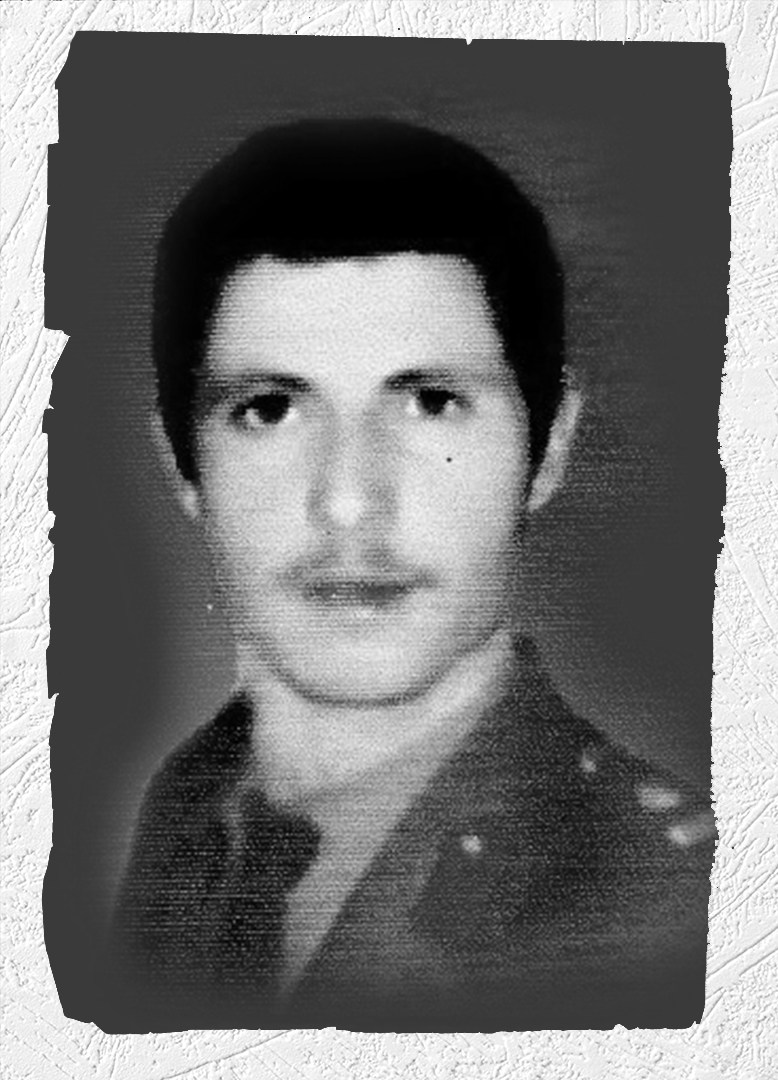
- Gender
- Male
- Ethnicity
- Tajik
- District geolocation of incident
- Kabul: 34° 31′ 1″ N, 69° 8′ 60″ E
- Description of incident
On July 23, 2016, two suicide bombers denoted their explosives among the protesters at Dehmazang Square in Kabul, the capital city of Afghanistan. The protesters, who were primarily Hazaras, were part of the Enlightenment Movement. They were protesting against the diversion of the TUTAP mega power project which would cause the project to bypass Hazara-dominated areas. At least 84 protesters lost their lives and 260-400 others were injured. The Islamic State of Khorasan Province (ISKP), the regional branch of ISIS, took credit for the attack. However, ISKP later refuted their involvement in the attack.
The Enlightenment Movement, also known as Junbesh-e Roshnayie, was a grassroots civil disobedience movement started by Hazaras in Afghanistan in response to a change in the Fichtner GmbH & Co. KG proposed Energy Supply Improvement Investment Program, unofficially called TUTAP project plans. The change in the project plans would cause it to bypass Hazara regions. The move was seen as perpetuating long-standing anti-Hazara discrimination. Throughout 2016 and 2017, the Enlightenment Movement coordinated large-scale demonstrations against discrimination both domestically in Afghanistan and abroad.
- Witness/Survivor Statement
No statement
Mohammad Raud Arif
- Photo of Victim
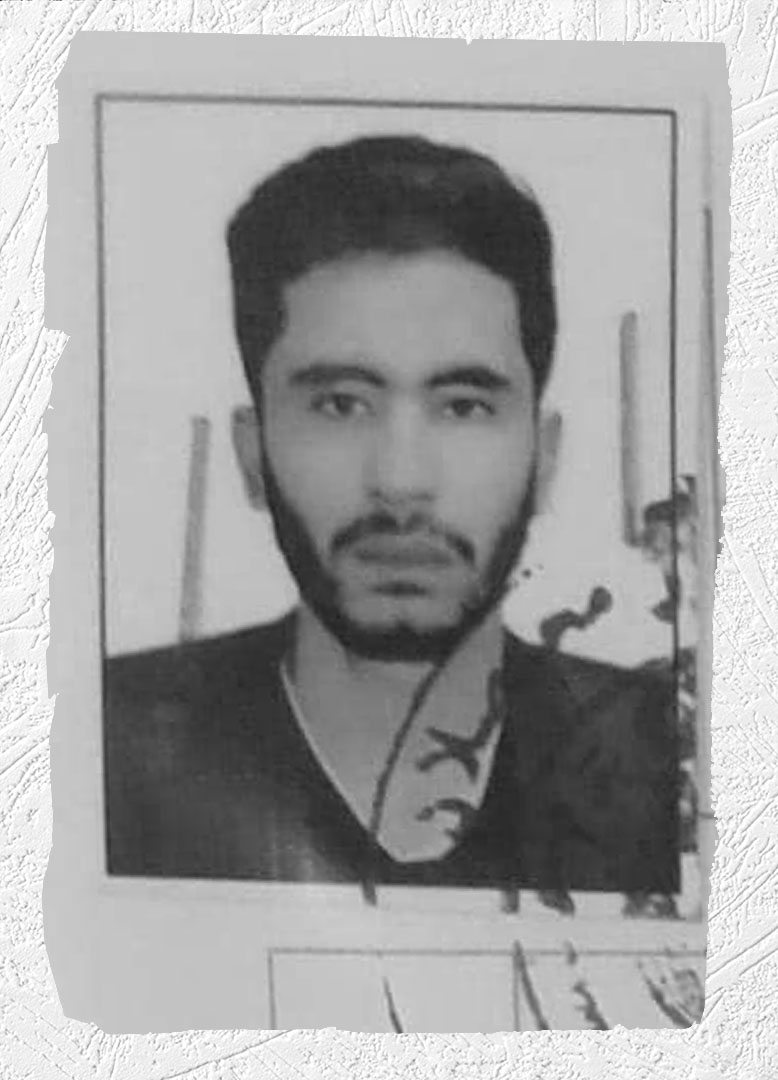
- Gender
- Male
- Ethnicity
- Tajik
- District geolocation of incident
- Kabul: 34° 31′ 1″ N, 69° 8′ 60″ E
- Description of incident
On November 2, 2020, three gunmen stormed Kabul University in Kabul, Afghanistan, resulting in the deaths of 35 individuals. 50 others were injured. The attack began around 11:00 A.M., coinciding with the anticipated arrival of government officials for the opening of an Iranian book fair on campus. The assailants were ultimately killed in a confrontation with security forces. The Islamic State of Iraq and the Levant – Khorasan Province (ISIL-KP) claimed responsibility for this tragic attack.
- Witness/Survivor Statement
No statement
Idris Azimi
- Photo of Victim
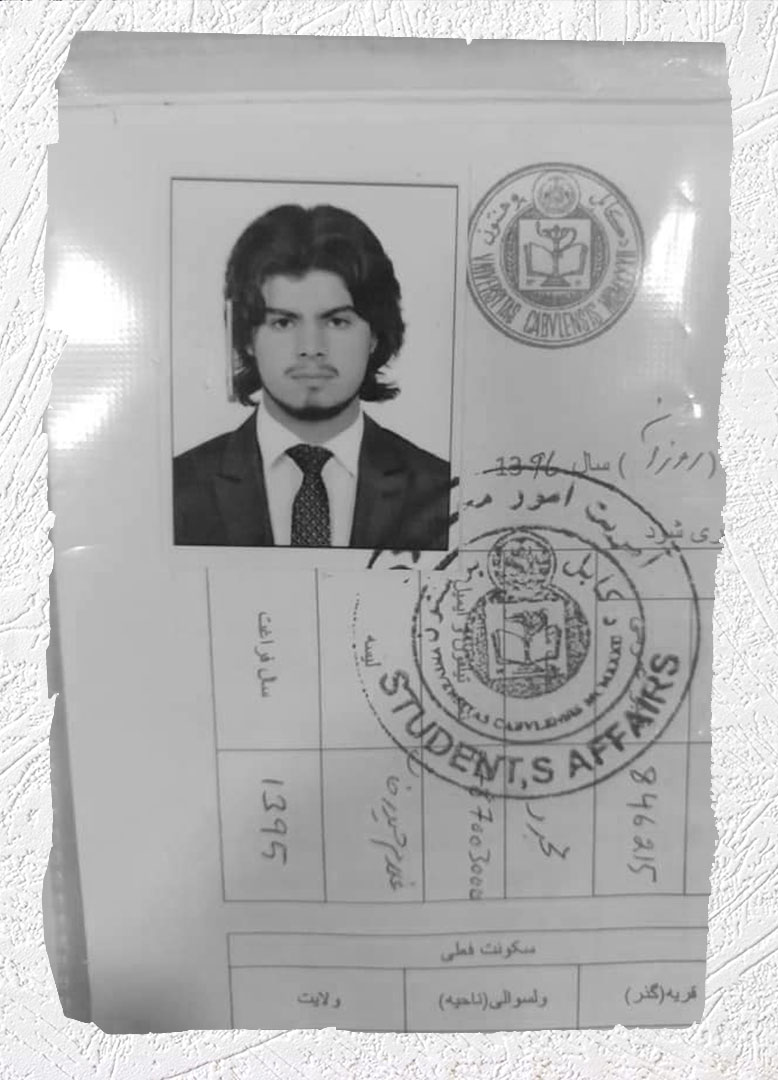
- Gender
- Male
- Ethnicity
- Tajik
- District geolocation of incident
- Kabul: 34° 31′ 1″ N, 69° 8′ 60″ E
- Description of incident
On November 2, 2020, three gunmen stormed Kabul University in Kabul, Afghanistan, resulting in the deaths of 35 individuals. 50 others were injured. The attack began around 11:00 A.M., coinciding with the anticipated arrival of government officials for the opening of an Iranian book fair on campus. The assailants were ultimately killed in a confrontation with security forces. The Islamic State of Iraq and the Levant – Khorasan Province (ISIL-KP) claimed responsibility for this tragic attack.
- Witness/Survivor Statement
No statement
Mohammad Bilal Hashemi
- Photo of Victim
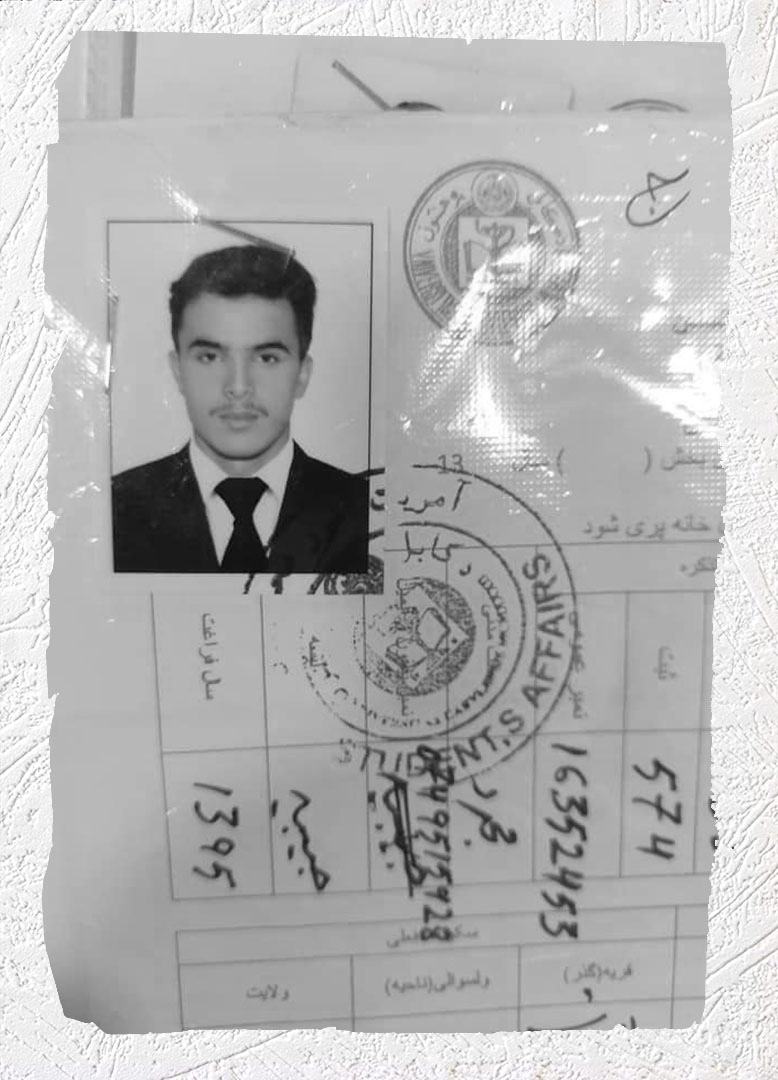
- Gender
- Male
- Ethnicity
- Tajik
- District geolocation of incident
- Kabul: 34° 31′ 1″ N, 69° 8′ 60″ E
- Description of incident
On November 2, 2020, three gunmen stormed Kabul University in Kabul, Afghanistan, resulting in the deaths of 35 individuals. 50 others were injured. The attack began around 11:00 A.M., coinciding with the anticipated arrival of government officials for the opening of an Iranian book fair on campus. The assailants were ultimately killed in a confrontation with security forces. The Islamic State of Iraq and the Levant – Khorasan Province (ISIL-KP) claimed responsibility for this tragic attack.
- Witness/Survivor Statement
No statement
Mohammad Rahed Amin
- Photo of Victim
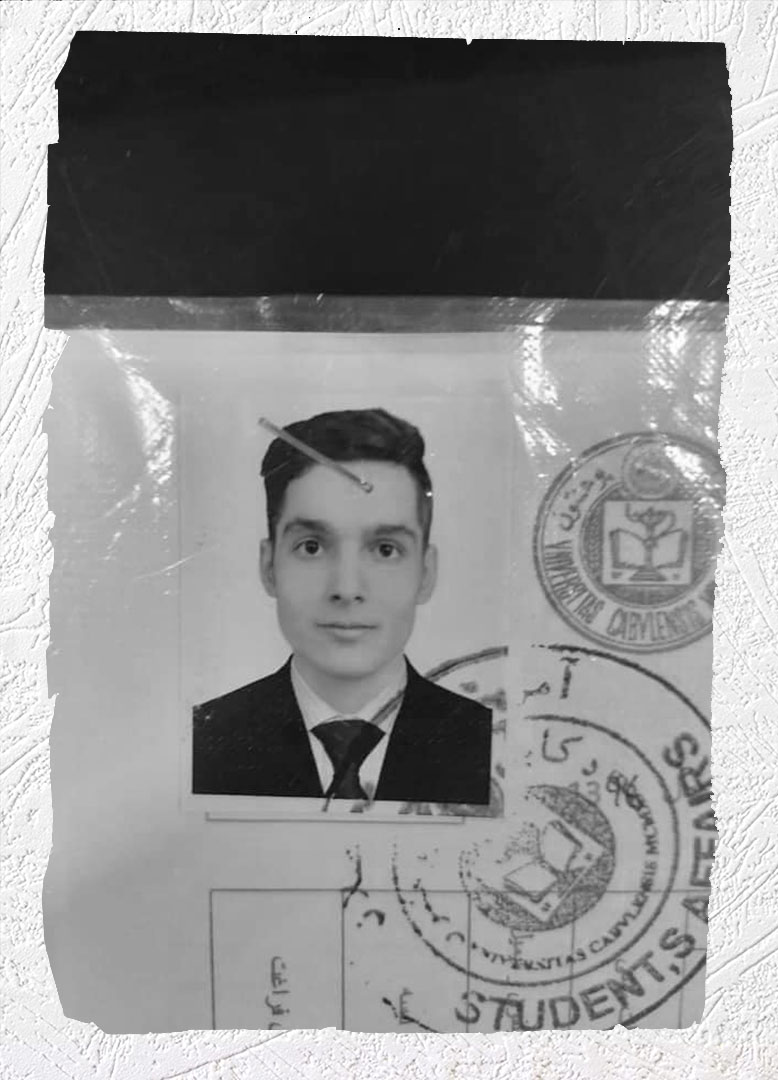
- Gender
- Male
- Ethnicity
- Tajik
- District geolocation of incident
- Kabul: 34° 31′ 1″ N, 69° 8′ 60″ E
- Description of incident
On November 2, 2020, three gunmen stormed Kabul University in Kabul, Afghanistan, resulting in the deaths of 35 individuals. 50 others were injured. The attack began around 11:00 A.M., coinciding with the anticipated arrival of government officials for the opening of an Iranian book fair on campus. The assailants were ultimately killed in a confrontation with security forces. The Islamic State of Iraq and the Levant – Khorasan Province (ISIL-KP) claimed responsibility for this tragic attack.
- Witness/Survivor Statement
No statement
Nadima Azizi
- Photo of Victim

- Gender
- Female
- Ethnicity
- Tajik
- District geolocation of incident
- Kabul: 34° 31′ 1″ N, 69° 8′ 60″ E
- Description of incident
On November 2, 2020, three gunmen stormed Kabul University in Kabul, Afghanistan, resulting in the deaths of 35 individuals. 50 others were injured. The attack began around 11:00 A.M., coinciding with the anticipated arrival of government officials for the opening of an Iranian book fair on campus. The assailants were ultimately killed in a confrontation with security forces. The Islamic State of Iraq and the Levant – Khorasan Province (ISIL-KP) claimed responsibility for this tragic attack.
- Witness/Survivor Statement
No statement
Maryam Hakimi
- Photo of Victim

- Gender
- Female
- Ethnicity
- Tajik
- District geolocation of incident
- Kabul: 34° 31′ 1″ N, 69° 8′ 60″ E
- Description of incident
On November 2, 2020, three gunmen stormed Kabul University in Kabul, Afghanistan, resulting in the deaths of 35 individuals. 50 others were injured. The attack began around 11:00 A.M., coinciding with the anticipated arrival of government officials for the opening of an Iranian book fair on campus. The assailants were ultimately killed in a confrontation with security forces. The Islamic State of Iraq and the Levant – Khorasan Province (ISIL-KP) claimed responsibility for this tragic attack.
- Witness/Survivor Statement
No statement
Sher Shah Khushkai
- Photo of Victim

- Gender
- Male
- Ethnicity
- Tajik
- District geolocation of incident
- Kabul: 34° 31′ 1″ N, 69° 8′ 60″ E
- Description of incident
On November 2, 2020, three gunmen stormed Kabul University in Kabul, Afghanistan, resulting in the deaths of 35 individuals. 50 others were injured. The attack began around 11:00 A.M., coinciding with the anticipated arrival of government officials for the opening of an Iranian book fair on campus. The assailants were ultimately killed in a confrontation with security forces. The Islamic State of Iraq and the Levant – Khorasan Province (ISIL-KP) claimed responsibility for this tragic attack.
- Witness/Survivor Statement
No statement
Husnia Hakimullah
- Photo of Victim

- Gender
- Female
- Ethnicity
- Tajik
- District geolocation of incident
- Kabul: 34° 31′ 1″ N, 69° 8′ 60″ E
- Description of incident
On November 2, 2020, three gunmen stormed Kabul University in Kabul, Afghanistan, resulting in the deaths of 35 individuals. 50 others were injured. The attack began around 11:00 A.M., coinciding with the anticipated arrival of government officials for the opening of an Iranian book fair on campus. The assailants were ultimately killed in a confrontation with security forces. The Islamic State of Iraq and the Levant – Khorasan Province (ISIL-KP) claimed responsibility for this tragic attack.
- Witness/Survivor Statement
No statement
Fatima Natasha Khalil
- Photo of Victim

- Gender
- Female
- Ethnicity
- Tajik
- District geolocation of incident
- Kabul: 34° 31′ 1″ N, 69° 8′ 60″ E
- Description of incident
On June 27, 2020, an explosion caused by a magnetic mine in Kabul killed 24-year-old Fatima Khalil and her colleague, Ahmad Jawid Folad. Mrs. Khalil graduated from the American University of Central Asia and was an employee of the Afghanistan Independent Human Rights Commission.
- Witness/Survivor Statement
No statement
Rahmatullah Nikzad
- Photo of Victim

- Gender
- Male
- Ethnicity
- Tajik
- District geolocation of incident
- Ghazni City: 33° 33′ 13″ N, 68° 25′ 50″ E
- Description of incident
On December 21, 2020, Rahmatullah Nikzad, a freelance journalist, was shot and killed by an unknown gunman in Ghazni Province in southern Afghanistan.
- Witness/Survivor Statement
No statement
Yarmohammad Tokhi
- Photo of Victim

- Gender
- Male
- Ethnicity
- Tajik
- District geolocation of incident
- Kabul: 34° 31′ 1″ N, 69° 8′ 60″ E
- Description of incident
On April 30, 2018, two deadly terrorist attacks attributed to the ISIS group in Kabul left 26 dead and 49 injured, marking the deadliest attack on journalists in the past fifteen years in Afghanistan. These attacks took place in the Sheshderak area of the 9th police district of Kabul City.
- Witness/Survivor Statement
No statement
Shah Marai Faizi
- Photo of Victim
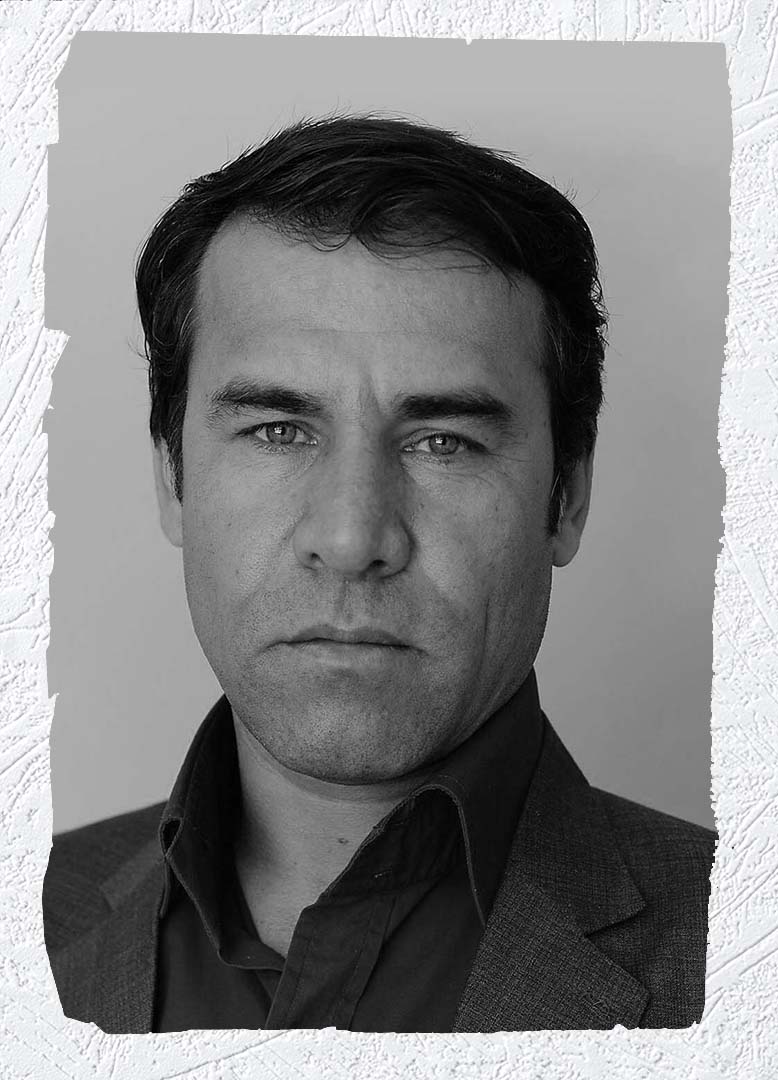
- Gender
- Male
- Ethnicity
- Tajik
- District geolocation of incident
- Kabul: 34° 31′ 1″ N, 69° 8′ 60″ E
- Description of incident
On April 30, 2018, two deadly terrorist attacks attributed to the ISIS group in Kabul left 26 dead and 49 injured, marking the deadliest attack on journalists in the past fifteen years in Afghanistan. These attacks took place in the Sheshderak area of the 9th police district of Kabul City.
- Witness/Survivor Statement
No statement
Ghazi Rasuli
- Photo of Victim
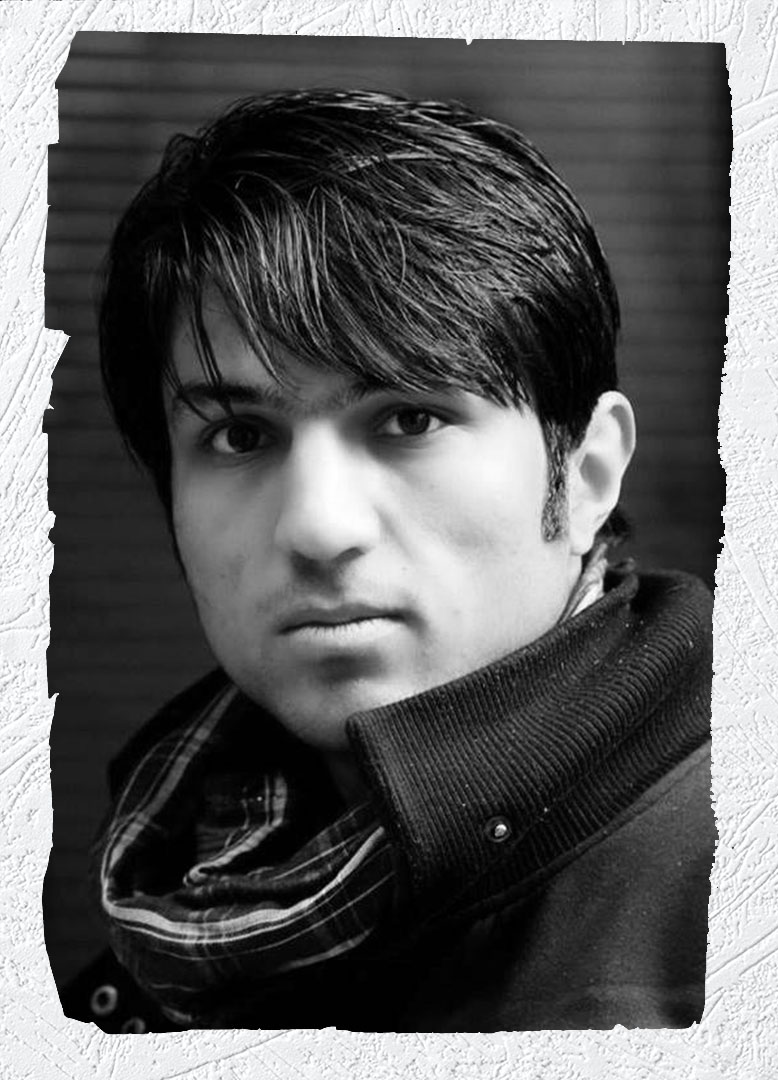
- Gender
- Male
- Ethnicity
- Tajik
- District geolocation of incident
- Kabul: 34° 31′ 1″ N, 69° 8′ 60″ E
- Description of incident
On April 30, 2018, two deadly terrorist attacks attributed to the ISIS group in Kabul left 26 dead and 49 injured, marking the deadliest attack on journalists in the past fifteen years in Afghanistan. These attacks took place in the Sheshderak area of the 9th police district of Kabul City.
- Witness/Survivor Statement
No statement
Farkhonda Malikzad
- Photo of Victim

- Gender
- Female
- Ethnicity
- Tajik
- District geolocation of incident
- Kabul: 34° 31′ 1″ N, 69° 8′ 60″ E
- Description of incident
Farkhunda Malekzadeh, who is usually called Farkhunda in the media, was a 27-year-old woman who was publicly lynched by hundreds of angry men in Kabul, the capital of Afghanistan, on March 19, 2015. A large crowd in the streets around her in Shahe Do Shamshera claimed that she had burned the Quran, and for this reason, her accusers declared that they should immediately "send her to hell."
- Witness/Survivor Statement
No statement
Kabal Shah
- Photo of Victim

- Gender
- Male
- Ethnicity
- Tajik
- District geolocation of incident
- Kabul: 34° 31′ 1″ N, 69° 8′ 60″ E
- Description of incident
On August 7, 2015, an attack occurred in the Shah Shahid area of Kabul. Many houses and shops were destroyed in the attack. At least 15 people died and more than 400 others were injured.
- Witness/Survivor Statement
The Curse of Incidents Always Hit the Poor
In the dark midnight, all were sleeping. That night when the explosion took place, I imagined our home upside down. Those scenes of horror and darkness still haunt my dreams. In the dark, I tried to move and look for my family members to see who was fine and who was injured, but I couldn’t get up and move. Then I noticed that my leg felt wet. I was injured by broken glass from my house. I had lost one leg in 1989 in mine explosion. This time, my other leg was injured.
All my family were terrified. The floor was covered with broken glass. We could not see anything in the dark. After the first incident when I lost my leg, my family behaved and liked me like before. But it was painful for me because I sometimes feel that I can’t do enough with my disability. When I was injured the first time, I was treated at the government hospital. We were also provided with other assistance. After I got out of the hospital, were provided with monthly coupons along with 4000 Afghanis in cash. But the assistance our current government provides is not sufficient. I ask the government to bring peace and not forget war victims. We were disabled in this land and we are its citizens. Sometimes I hear very unfair words. They say that people like me were culprits or perpetrators and that's why we were disabled. When I hear these words, it makes me sad and my heart breaks.
Allah Mohammad
- Photo of Victim

- Gender
- Male
- Ethnicity
- Tajik
- District geolocation of incident
- Kabul: 34° 31′ 1″ N, 69° 8′ 60″ E
- Description of incident
'The Killing of AGSA' refers to the collective murder of opponents of the People's Democratic Party of Afghanistan in the Pul-e-Charkhi Prison in Kabul between 1978 and 1979. The Afghan Intelligence Office, or AGSA, was led by Asadullah Sarwari. Thousands of individuals were put to death without a single trial, probe, or even allegation. In the late 1978 and early 1979, many Afghan families had no idea where their loved ones disappeared to. A list of those slain that included 5,000 victims of AGSA mass executions was made public by the Dutch Prosecutor's Office in 2013.
- Witness/Survivor Statement
Happiness Lost
My husband, Allah Mohammad, had just finished high school when we moved from Shamali to Kabul City. One day, he went out and said that he was going to the university to take an exam. He was arrested along with another person who was fighting against the Soviet army close to Block Twelve of the Old Macroyan. I was just over 20-years-old when Allah Mohammad disappeared.
At that time, we were living in Qala-e-Wahid, near Kote-Sangi. Our living conditions were good. We had a house and property. But after the death of my husband, our lives were ruined. I migrated to Pakistan with my two small children. When I realized that I could not afford living in Pakistan, we went back to Afghanistan.
My husband was arrested during the time of the Khalq and Parcham regime. I personally could not follow his case but my mother in-law made several inquires regarding his whereabouts without any results. Then my mother in-law went to Sadarat, where she was informed that her son was imprisoned in Pul-e-Charkhi. At Pul-e-Charkhi, she was told that her son was no longer detained there and that she should pray for his soul. My mother in-law returned back home in tears.
Later when some political prisoners were released, he was not among them. This is when we were finally convinced that he was no longer alive. Since the regime was looking after me too, I walked twelve days and nights all the way through the Safi Mountain to Jaji and Parachinar to get to Peshawar. One of my brothers accompanied me in this long and risky journey. When we finally got to Peshawar, my brother began to work in a shop. However, as it was very difficult to live there, I soon came back to Afghanistan while my brother went to Iran.
In Afghanistan, I moved to Shamali and began working in a grape field to feed my children. Twelve years later, a commander forced me to marry him. I now have a 19-year-old boy from him. Two years after our marriage, my second husband was killed.
Among the things left from my first husband is his picture and a book. His photo and book are very special to me because they remind me of our beautiful times together. I am including these two important objects in my Memory Box so that my husband’s memory remains alive. I hope that these objects will help others to distinguish between those who are open-minded and progressive, and those who kill other human beings.
Zakia
- Photo of Victim

- Gender
- Female
- Ethnicity
- Tajik
- District geolocation of incident
- Kabul: 34° 31′ 1″ N, 69° 8′ 60″ E
- Description of incident
Many Mujahidin factions waged a civil war throughout Afghanistan in the 1990s, killing thousands of people, including women and children. Some were forced to flee their homes and subjected to various forms of violence like rape, extortion, abuse, harassment, and arbitrary detention. On January 25, 1993, a mortar shell or blind rocket fired by Mujahidin hit an innocent family in the Chehlston area of Kabul, resulting in the death of Zaki and Matiullah and injuring other family members.
- Witness/Survivor Statement
Tears Of Joy, Tears of Pain
Narrator: Basira
Victim: Zakia and Matiuallah
Date of the incident: January 25, 1993
Location of the incident: Kabul City
For Basira, her life began to unravel on one bloody afternoon. The cold February weather brought everyone to the yard of the house. A clear sky and plenty of sunlight provided an opportunity for the children to play. Zakia, 6-years-old, brought her little brother Matiuallah to the yard to enjoy the sun. Everyone was ready for a beautiful day. The joy and happiness was evident on the faces of all, especially on Zakia’s face.
She was speaking to her little brother as if she were an adult. In her sweet and innocent accent, she told her brother about the light of the sun, the hardships of winter, and the good future that lay ahead of them. She showed her toys to her brother and promised to buy a good toy for him, too.
She took Matiuallah’s hands, rubbed them together, sang a song, and then kissed her little brother. Zakia was wearing a red coat. With the reflection of the sunlight and the snowy background, she looked almost purple. Her brownish hair was dancing on her red coat as she was jumping up and down.
Her face was shining and her eyes were hidden under the thickness of her black eyelashes. The big world outside was also very exciting for Matiuallah. He loved laughing, playing, and sometimes shouting at his older sister Zakia. Matiuallah had fleshy white skin, thick hair, and blue eyes. When he smiled, everyone was enchanted.
Watching such a memorable scene in a city where nothing except the sound of guns, rockets, and bullets could he heard, made Basira very happy. While watching her children play, she prayed to God to protect them in these difficult times. What she did not realize is that happiness in times of violence is not sustainable and that even a mother’s prayer cannot halt the brutal power of war. That day, a reception was prepared and they were invited to a feast in their beautiful yard. Everything was ready for Basira and her children to forget the horrors of war for a brief moment. Yet, this moment quickly transformed into unspeakable tragedy.
No one understood what was happening. A thunderous sound followed by a huge explosion blurred the atmosphere. The blue sky and clear sunshine were suddenly gone. Basira can perfectly recall the tragic event but she cannot precisely explain what happened that day. After the explosion, Basira says, “I got up and saw that all my family members were lying on the ground. I was confused, wandering around not knowing what to do. I heard Zakia screaming and calling for me. She asked for water. When I returned with the water, Zakia was no longer speaking. I touched her body but it was already cold. Her eyes were open, staring at me. I put her down and ran towards Matiuallah. I was so happy when I realized he was still alive. I hugged him. Suddenly, he stopped crying and I felt something cold and wet in my hand. I saw his belly ripped open and all his intestines coming out.
I understood that he was dead just like Zakia. I cried and cried and cried! I was screaming and running around. After that, I cannot remember what happened." Basira cannot talk much about that tragic moment. When she speaks about Zakia and Matiuallah, the color of her face changes. Tears flow uncontrollably from her eyes. Sometimes, she cries so much that her headscarf is soaking wet. She says, “I feel that I have a deep wound in my chest. A wound that continuously spits out blood. I’m sure one day I will drown in my own blood.”
Qudrartullah
- Photo of Victim
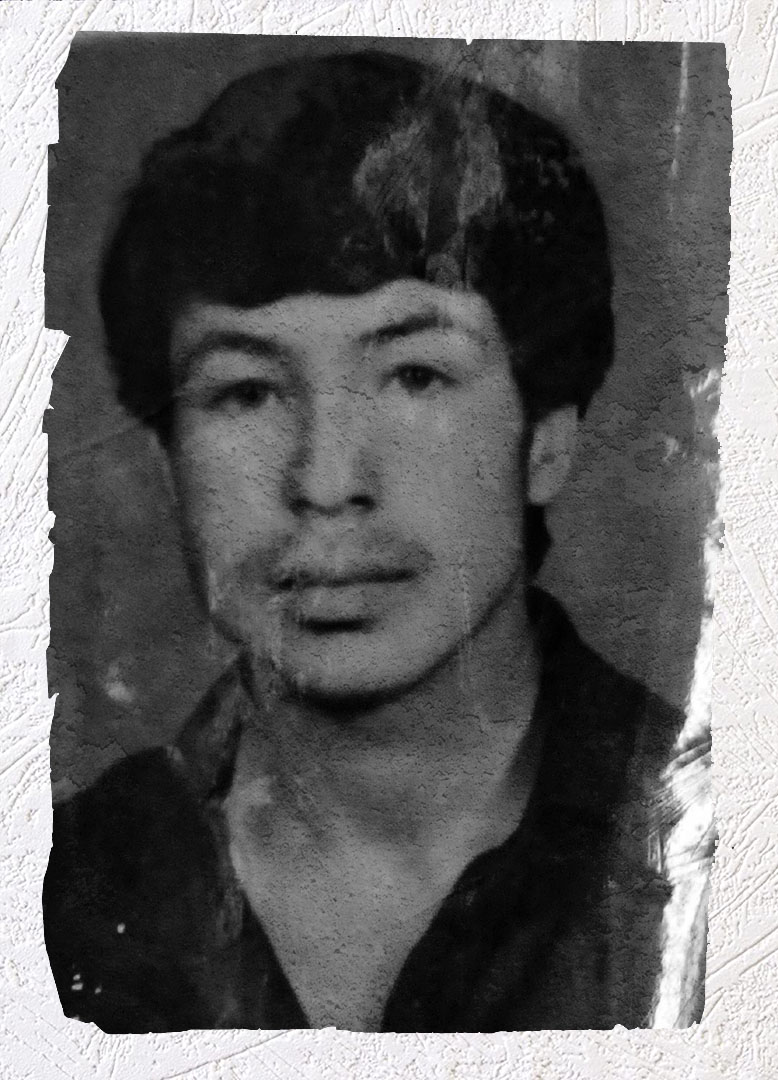
- Gender
- Male
- Ethnicity
- Tajik
- District geolocation of incident
- Kabul: 34° 31′ 1″ N, 69° 8′ 60″ E
- Description of incident
He was killed during the fighting between the forces of Dr. Najibullah and the Mujahidin. He was 18-years-old and in 12th grade when he was conscripted into the army to fight the insurgents. One day, somebody came and informed us that Qudaratullah had been injured and that he was in a hospital nearby. We quickly ran to the hospital, but it was too late. We took his dead body and buried him in Chehil Sutun.
- Witness/Survivor Statement
A Mother's Vision Blurred by Death
Narrator: Farida
Victim: Qudrartullah
Date of the incident: 1987
Location of the incident: Kabul city, Deh-e Sabz
Farida’s brother in-law, Qudratullah, was an 18-year-old student living in the Chehil Suton area of Kabul when he was forcibly conscripted under the government of Dr. Najibullah. He was dispatched to fight the Mujahidin insurgents. In one of the battles between the Afghan army and the Mujahidin in Deh Sabz, Kabul, Qudratullah was killed. Qudratullah was the fourth son of his family. Even while he was still at school, he was financially supporting them through part-time work. He wished to become an engineer but war and violence did not allow for his dream to come true, instead shattering the life of his entire family.
His death was costly for his mother more than anyone else. The death of her young son opened up a deep wound that severely damaged her spirit. For a long time, day in and day out, his mother cried and mourned. She could not accept that Qudratullah was gone and would never come back. The constant crying eventually began to blur her vision. The world had come to an end for her and nothing would ever change that. Naturally, the death of Qudratullah also had a deep impact on his father. His father was already old and frail, but the death of his young son further damaged his body and soul. Unlike his wife, he did not carry his pain on the outside but he gradually lost his capacity to work and soon passed away.
As a result, poverty and hunger overcame the family. Later, the family of Qudratullah yet again suffered from the violence of war when their home was destroyed by a rocket attack and they were forcibly displaced. Today, after years of suffering, they managed to return to a life remotely resembling normalcy. Yet, the horrors of war continue to cast a huge, disturbing shadow over them.
The Story of Farida
My name is Farida. I am 40-years-old. I live in Chehil Sutun where we have spent the past 20 years. We did not have a good life at the time my brother in-law Qudratullah was killed, in 1988.
He was killed during the fighting between the forces of Dr. Najibullah and the Mujahidin. He was 18-years-old and in 12th grade when he was conscripted into the army to fight the insurgents. One day, somebody came and informed us that Qudaratullah had been injured and that he was in a hospital nearby. We quickly ran to the hospital, but it was too late. We took his dead body and buried him in Chehil Sutun.
Another brother-in-law of mine, Hayatullah, was also handicapped during the war. After heavy fighting broke out in the capital, we were displaced to Logar province where we lived in a tent for a while. When we finally came back to Kabul, our house was completely destroyed as a result of the fighting among various Mujahidin factions. We then migrated to Iran because of the Taliban, and only returned home after their regime had collapsed.
Upon arrival, we were told that the government would provide us with a new home and land. Yet so far, nothing has been given to returnees and the families of the victims. The government must provide some form of support to the returnees. If not, how will they survive? People have lost everything during the war. I have a handicapped brother-in-law. I have daughters and a son and we are poor. Most importantly, the memories of our loved ones should be preserved and respected. Their memories should serve as a lesson for others.
Abdul Hashim
- Photo of Victim

- Gender
- Male
- Ethnicity
- Tajik
- District geolocation of incident
- Kabul: 34° 31′ 1″ N, 69° 8′ 60″ E
- Description of incident
On the night of the incident, he finished work and went to a wedding he was invited to, where he was until midnight. At the exact moment he returned to his home in the Ahmadzai market to sleep, a suicide-bomber detonated his truck at a nearby army camp. It destroyed the entire market. Hashim was killed, along with 14 others. More than 280 people were injured in this incident.
- Witness/Survivor Statement
The Story of Zarbaig Sarwary (Mother in-law)
Victim’s Name: Abdul Hashim
Place of Incident: Siasang Shah Shahid, Ahmadzai Market, Kabul
Date of Incident: 06 August 2015
Abdul Hashim was only 23 when he was killed. He was my son in-law, but he was much more than that to me. I had raised him after he lost his mother in childhood. He was my son too. I did all that I could to raise him to be a good and useful person in our society. He was a calm, peaceful, and faithful person. On the night of the incident, he finished work and went to a wedding he was invited to, where he was until midnight. At the exact moment he returned to his home at the Ahmadzai market to sleep, a suicide-bomber detonated his truck at a nearby army camp. It destroyed the entire market. Hashim was killed, along with 14 others. More than 280 people were injured in this incident.
When Hashim was killed, I had to take care of my daughter and her two-year-old child. I also have to support my widowed sister, who is living in a tent in my backyard with her children, and I support my mother. They have no one else to protect or to support them. Whatever I earn, I share with everyone at home so that we can survive. We are all suffering.
My daughter has had mental disorders since her husband was killed. She is always sad, and she is suffering from anemia. She and her child live a hard life. I do all I can for them, but I have little to offer as I was disabled during the civil war in 1993.
The government has done nothing for us despite the fact that I went to different government offices for support. I asked them to come and visit my home to see the conditions of the victims’ families, but no one from the government ever bothered to come and check. It is disappointing.
Omid Mohammadi
- Photo of Victim

- Gender
- Male
- Ethnicity
- Tajik
- District geolocation of incident
- Herat City: 34° 20′ 58″ N, 62° 11′ 21″ E
- Description of incident
On August 1, 2017, a Shia mosque in Herat, Afghanistan, was attacked. 33 people were killed and 66 others were injured. Two men carried out the attack. One carried a suicide vest and the other was armed with a rifle. They entered the Jawadia mosque during an evening prayer session where approximately 300 people had gathered to worship. The first attacker flung bombs into the crowd before detonating his vest. The second attacker also discharged his rifle into the crowd before blowing himself up. The Islamic State of Khorasan Province (ISKP) claimed responsibility for the attack.
- Witness/Survivor Statement
No statement
Omid Mahmodi
- Photo of Victim

- Gender
- Male
- Ethnicity
- Tajik
- District geolocation of incident
- Herat City: 34° 20′ 58″ N, 62° 11′ 21″ E
- Description of incident
On August 1, 2017, a Shia mosque in Herat, Afghanistan, was attacked. 33 people were killed and 66 others were injured. Two men carried out the attack. One carried a suicide vest and the other was armed with a rifle. They entered the Jawadia mosque during an evening prayer session where approximately 300 people had gathered to worship. The first attacker flung bombs into the crowd before detonating his vest. The second attacker also discharged his rifle into the crowd before blowing himself up. The Islamic State of Khorasan Province (ISKP) claimed responsibility for the attack.
- Witness/Survivor Statement
No statement
Parwiz Rahimi
- Photo of Victim

- Gender
- Male
- Ethnicity
- Tajik
- District geolocation of incident
- Herat City: 34° 20′ 58″ N, 62° 11′ 21″ E
- Description of incident
On August 1, 2017, a Shia mosque in Herat, Afghanistan, was attacked. 33 people were killed and 66 others were injured. Two men carried out the attack. One carried a suicide vest and the other was armed with a rifle. They entered the Jawadia mosque during an evening prayer session where approximately 300 people had gathered to worship. The first attacker flung bombs into the crowd before detonating his vest. The second attacker also discharged his rifle into the crowd before blowing himself up. The Islamic State of Khorasan Province (ISKP) claimed responsibility for the attack.
- Witness/Survivor Statement
No statement
Abdulghafar Sadeqzada
- Photo of Victim

- Gender
- Male
- Ethnicity
- Tajik
- District geolocation of incident
- Herat City: 34° 20′ 58″ N, 62° 11′ 21″ E
- Description of incident
On August 1, 2017, a Shia mosque in Herat, Afghanistan, was attacked. 33 people were killed and 66 others were injured. Two men carried out the attack. One carried a suicide vest and the other was armed with a rifle. They entered the Jawadia mosque during an evening prayer session where approximately 300 people had gathered to worship. The first attacker flung bombs into the crowd before detonating his vest. The second attacker also discharged his rifle into the crowd before blowing himself up. The Islamic State of Khorasan Province (ISKP) claimed responsibility for the attack.
- Witness/Survivor Statement
No statement
Aliahmad Mohammadi
- Photo of Victim

- Gender
- Male
- Ethnicity
- Tajik
- District geolocation of incident
- Herat City: 34° 20′ 58″ N, 62° 11′ 21″ E
- Description of incident
On August 1, 2017, a Shia mosque in Herat, Afghanistan, was attacked. 33 people were killed and 66 others were injured. Two men carried out the attack. One carried a suicide vest and the other was armed with a rifle. They entered the Jawadia mosque during an evening prayer session where approximately 300 people had gathered to worship. The first attacker flung bombs into the crowd before detonating his vest. The second attacker also discharged his rifle into the crowd before blowing himself up. The Islamic State of Khorasan Province (ISKP) claimed responsibility for the attack.
- Witness/Survivor Statement
No statement
Ali Sina Hasanzada
- Photo of Victim

- Gender
- Male
- Ethnicity
- Tajik
- District geolocation of incident
- Herat City: 34° 20′ 58″ N, 62° 11′ 21″ E
- Description of incident
On August 1, 2017, a Shia mosque in Herat, Afghanistan, was attacked. 33 people were killed and 66 others were injured. Two men carried out the attack. One carried a suicide vest and the other was armed with a rifle. They entered the Jawadia mosque during an evening prayer session where approximately 300 people had gathered to worship. The first attacker flung bombs into the crowd before detonating his vest. The second attacker also discharged his rifle into the crowd before blowing himself up. The Islamic State of Khorasan Province (ISKP) claimed responsibility for the attack.
- Witness/Survivor Statement
No statement
Mohammad Ebrahim Azimi
- Photo of Victim

- Gender
- Male
- Ethnicity
- Tajik
- District geolocation of incident
- Herat City: 34° 20′ 58″ N, 62° 11′ 21″ E
- Description of incident
On August 1, 2017, a Shia mosque in Herat, Afghanistan, was attacked. 33 people were killed and 66 others were injured. Two men carried out the attack. One carried a suicide vest and the other was armed with a rifle. They entered the Jawadia mosque during an evening prayer session where approximately 300 people had gathered to worship. The first attacker flung bombs into the crowd before detonating his vest. The second attacker also discharged his rifle into the crowd before blowing himself up. The Islamic State of Khorasan Province (ISKP) claimed responsibility for the attack.
- Witness/Survivor Statement
No statement
Mohammad Eshaq Rezae
- Photo of Victim

- Gender
- Male
- Ethnicity
- Tajik
- District geolocation of incident
- Herat City: 34° 20′ 58″ N, 62° 11′ 21″ E
- Description of incident
On August 1, 2017, a Shia mosque in Herat, Afghanistan, was attacked. 33 people were killed and 66 others were injured. Two men carried out the attack. One carried a suicide vest and the other was armed with a rifle. They entered the Jawadia mosque during an evening prayer session where approximately 300 people had gathered to worship. The first attacker flung bombs into the crowd before detonating his vest. The second attacker also discharged his rifle into the crowd before blowing himself up. The Islamic State of Khorasan Province (ISKP) claimed responsibility for the attack.
- Witness/Survivor Statement
No statement
Mojtaba Amiri
- Photo of Victim

- Gender
- Male
- Ethnicity
- Tajik
- District geolocation of incident
- Herat City: 34° 20′ 58″ N, 62° 11′ 21″ E
- Description of incident
On August 1, 2017, a Shia mosque in Herat, Afghanistan, was attacked. 33 people were killed and 66 others were injured. Two men carried out the attack. One carried a suicide vest and the other was armed with a rifle. They entered the Jawadia mosque during an evening prayer session where approximately 300 people had gathered to worship. The first attacker flung bombs into the crowd before detonating his vest. The second attacker also discharged his rifle into the crowd before blowing himself up. The Islamic State of Khorasan Province (ISKP) claimed responsibility for the attack.
- Witness/Survivor Statement
No statement
Mohsen Rasoli
- Photo of Victim

- Gender
- Male
- Ethnicity
- Tajik
- District geolocation of incident
- Herat City: 34° 20′ 58″ N, 62° 11′ 21″ E
- Description of incident
On August 1, 2017, a Shia mosque in Herat, Afghanistan, was attacked. 33 people were killed and 66 others were injured. Two men carried out the attack. One carried a suicide vest and the other was armed with a rifle. They entered the Jawadia mosque during an evening prayer session where approximately 300 people had gathered to worship. The first attacker flung bombs into the crowd before detonating his vest. The second attacker also discharged his rifle into the crowd before blowing himself up. The Islamic State of Khorasan Province (ISKP) claimed responsibility for the attack.
- Witness/Survivor Statement
No statement
Mohammad Jawad Abasi
- Photo of Victim

- Gender
- Male
- Ethnicity
- Tajik
- District geolocation of incident
- Herat City: 34° 20′ 58″ N, 62° 11′ 21″ E
- Description of incident
On August 1, 2017, a Shia mosque in Herat, Afghanistan, was attacked. 33 people were killed and 66 others were injured. Two men carried out the attack. One carried a suicide vest and the other was armed with a rifle. They entered the Jawadia mosque during an evening prayer session where approximately 300 people had gathered to worship. The first attacker flung bombs into the crowd before detonating his vest. The second attacker also discharged his rifle into the crowd before blowing himself up. The Islamic State of Khorasan Province (ISKP) claimed responsibility for the attack.
- Witness/Survivor Statement
No statement
Mohammad Hossain Karimi
- Photo of Victim

- Gender
- Male
- Ethnicity
- Tajik
- District geolocation of incident
- Herat City: 34° 20′ 58″ N, 62° 11′ 21″ E
- Description of incident
On August 1, 2017, a Shia mosque in Herat, Afghanistan, was attacked. 33 people were killed and 66 others were injured. Two men carried out the attack. One carried a suicide vest and the other was armed with a rifle. They entered the Jawadia mosque during an evening prayer session where approximately 300 people had gathered to worship. The first attacker flung bombs into the crowd before detonating his vest. The second attacker also discharged his rifle into the crowd before blowing himself up. The Islamic State of Khorasan Province (ISKP) claimed responsibility for the attack.
- Witness/Survivor Statement
No statement
Mohammad Rahim Akbari
- Photo of Victim

- Gender
- Male
- Ethnicity
- Tajik
- District geolocation of incident
- Herat City: 34° 20′ 58″ N, 62° 11′ 21″ E
- Description of incident
On August 1, 2017, a Shia mosque in Herat, Afghanistan, was attacked. 33 people were killed and 66 others were injured. Two men carried out the attack. One carried a suicide vest and the other was armed with a rifle. They entered the Jawadia mosque during an evening prayer session where approximately 300 people had gathered to worship. The first attacker flung bombs into the crowd before detonating his vest. The second attacker also discharged his rifle into the crowd before blowing himself up. The Islamic State of Khorasan Province (ISKP) claimed responsibility for the attack.
- Witness/Survivor Statement
No statement
Mohammad Zaher Jawahiri
- Photo of Victim

- Gender
- Male
- Ethnicity
- Tajik
- District geolocation of incident
- Herat City: 34° 20′ 58″ N, 62° 11′ 21″ E
- Description of incident
On August 1, 2017, a Shia mosque in Herat, Afghanistan, was attacked. 33 people were killed and 66 others were injured. Two men carried out the attack. One carried a suicide vest and the other was armed with a rifle. They entered the Jawadia mosque during an evening prayer session where approximately 300 people had gathered to worship. The first attacker flung bombs into the crowd before detonating his vest. The second attacker also discharged his rifle into the crowd before blowing himself up. The Islamic State of Khorasan Province (ISKP) claimed responsibility for the attack.
- Witness/Survivor Statement
No statement
Mohammad Qadir Baradaran
- Photo of Victim

- Gender
- Male
- Ethnicity
- Tajik
- District geolocation of incident
- Herat City: 34° 20′ 58″ N, 62° 11′ 21″ E
- Description of incident
On August 1, 2017, a Shia mosque in Herat, Afghanistan, was attacked. 33 people were killed and 66 others were injured. Two men carried out the attack. One carried a suicide vest and the other was armed with a rifle. They entered the Jawadia mosque during an evening prayer session where approximately 300 people had gathered to worship. The first attacker flung bombs into the crowd before detonating his vest. The second attacker also discharged his rifle into the crowd before blowing himself up. The Islamic State of Khorasan Province (ISKP) claimed responsibility for the attack.
- Witness/Survivor Statement
No statement
Mohammad Mirsad Abbasi
- Photo of Victim

- Gender
- Male
- Ethnicity
- Tajik
- District geolocation of incident
- Herat City: 34° 20′ 58″ N, 62° 11′ 21″ E
- Description of incident
On August 1, 2017, a Shia mosque in Herat, Afghanistan, was attacked. 33 people were killed and 66 others were injured. Two men carried out the attack. One carried a suicide vest and the other was armed with a rifle. They entered the Jawadia mosque during an evening prayer session where approximately 300 people had gathered to worship. The first attacker flung bombs into the crowd before detonating his vest. The second attacker also discharged his rifle into the crowd before blowing himself up. The Islamic State of Khorasan Province (ISKP) claimed responsibility for the attack.
- Witness/Survivor Statement
No statement
Mohammad Karim Sultani
- Photo of Victim

- Gender
- Male
- Ethnicity
- Tajik
- District geolocation of incident
- Herat City: 34° 20′ 58″ N, 62° 11′ 21″ E
- Description of incident
On August 1, 2017, a Shia mosque in Herat, Afghanistan, was attacked. 33 people were killed and 66 others were injured. Two men carried out the attack. One carried a suicide vest and the other was armed with a rifle. They entered the Jawadia mosque during an evening prayer session where approximately 300 people had gathered to worship. The first attacker flung bombs into the crowd before detonating his vest. The second attacker also discharged his rifle into the crowd before blowing himself up. The Islamic State of Khorasan Province (ISKP) claimed responsibility for the attack.
- Witness/Survivor Statement
No statement
Mahmod Rahimi
- Photo of Victim

- Gender
- Male
- Ethnicity
- Tajik
- District geolocation of incident
- Herat City: 34° 20′ 58″ N, 62° 11′ 21″ E
- Description of incident
On August 1, 2017, a Shia mosque in Herat, Afghanistan, was attacked. 33 people were killed and 66 others were injured. Two men carried out the attack. One carried a suicide vest and the other was armed with a rifle. They entered the Jawadia mosque during an evening prayer session where approximately 300 people had gathered to worship. The first attacker flung bombs into the crowd before detonating his vest. The second attacker also discharged his rifle into the crowd before blowing himself up. The Islamic State of Khorasan Province (ISKP) claimed responsibility for the attack.
- Witness/Survivor Statement
No statement
Nasersha Rahimi
- Photo of Victim

- Gender
- Male
- Ethnicity
- Tajik
- District geolocation of incident
- Herat City: 34° 20′ 58″ N, 62° 11′ 21″ E
- Description of incident
On August 1, 2017, a Shia mosque in Herat, Afghanistan, was attacked. 33 people were killed and 66 others were injured. Two men carried out the attack. One carried a suicide vest and the other was armed with a rifle. They entered the Jawadia mosque during an evening prayer session where approximately 300 people had gathered to worship. The first attacker flung bombs into the crowd before detonating his vest. The second attacker also discharged his rifle into the crowd before blowing himself up. The Islamic State of Khorasan Province (ISKP) claimed responsibility for the attack.
- Witness/Survivor Statement
No statement
Nurullah Yaqobi
- Photo of Victim

- Gender
- Male
- Ethnicity
- Tajik
- District geolocation of incident
- Herat City: 34° 20′ 58″ N, 62° 11′ 21″ EAdraskan: 33° 38′ 39″ N, 62° 16′ 5″ E
- Description of incident
On August 1, 2017, a Shia mosque in Herat, Afghanistan, was attacked. 33 people were killed and 66 others were injured. Two men carried out the attack. One carried a suicide vest and the other was armed with a rifle. They entered the Jawadia mosque during an evening prayer session where approximately 300 people had gathered to worship. The first attacker flung bombs into the crowd before detonating his vest. The second attacker also discharged his rifle into the crowd before blowing himself up. The Islamic State of Khorasan Province (ISKP) claimed responsibility for the attack.
- Witness/Survivor Statement
No statement
Noor Mohammad, son of Dawrish Khan
- Photo of Victim

- Gender
- Male
- Ethnicity
- Tajik
- District geolocation of incident
- Anaba: 35° 13′ 58″ N, 69° 20′ 48″ EKhenj: 35° 25′ 30″ N, 69° 43′ 26″ EShotul: 35° 19′ 55″ N, 69° 18′ 48″ E
- Description of incident
'The Killing of AGSA' refers to the collective murder of opponents of the People's Democratic Party of Afghanistan between 1978 and 1979, in the Pul-e-Charkhi Prison in Kabul. The Afghan Intelligence Office, or AGSA (Afghan Agency for Safeguarding National Interest), led by Asadullah Sarwari, had arrested nearly 150,000 people, out of which an estimated 27,000 political prisoners were put to death without a single trial, probe, or even allegation. Many Afghan families had no idea where their loved ones had disappeared to. A list of those slain, including 5,000 victims of AGSA mass executions, was made public by the Dutch Prosecutor's Office in 2013.
Noor Mohammad was arrested in Panjishir and disappeared after he was transferred to Pul-e-Charkhi Prison in late 1978.
- Witness/Survivor Statement
NO statement
Mohammad Asghar, son of Rahmdel
- Photo of Victim

- Gender
- Male
- Ethnicity
- Tajik
- District geolocation of incident
- Kabul: 34° 31′ 1″ N, 69° 8′ 60″ E
- Description of incident
'The Killing of AGSA' refers to the collective murder of opponents of the People's Democratic Party of Afghanistan between 1978 and 1979, in the Pul-e-Charkhi Prison in Kabul. The Afghan Intelligence Office, or AGSA (Afghan Agency for Safeguarding National Interest), led by Asadullah Sarwari, had arrested nearly 150,000 people, out of which an estimated 27,000 political prisoners were put to death without a single trial, probe, or even allegation. Many Afghan families had no idea where their loved ones had disappeared to. A list of those slain, including 5,000 victims of AGSA mass executions, was made public by the Dutch Prosecutor's Office in 2013.
Mohammad Asghar was arrested in Panjshir Province in late 1978 and taken to Pul-e-Charkhi prison. He has not been seen since then.
- Witness/Survivor Statement
No statement
Mujtaba
- Photo of Victim

- Gender
- Male
- Ethnicity
- Tajik
- District geolocation of incident
- Kabul: 34° 31′ 1″ N, 69° 8′ 60″ E
- Description of incident
On August 24, 2016, suspected Taliban attackers stormed the American University of Afghanistan in Kabul using a car bomb and automatic weapons. The assault resulted in the deaths of sixteen people, including eight university students, one university policeman, and three security guards. Additionally, fifty to fifty-three individuals were injured, some critically. Afghan Special Forces killed three of the attackers. This incident marked the first direct attack on the university, although two professors had been kidnapped just outside the campus a few weeks earlier. Both Taliban and ISIL-KP were suspected though no group or individual claimed the responsibility for the attack.
- Witness/Survivor Statement
Mujtaba, originally from Panjsher, he began his studies at AUAF after graduating from Naderia High School in Kabul. He was a third year student studying Business Administration and always believed in giving back to the community. Last year, Mujtaba raised $4,000 for the victims of the avalanches that struck his home province. During Eid, his university friends launched a campaign to collect clothes and books as an Eid gift (Eidi) for street children. Mujtaba always dreamt of becoming a pilot. He was 22 years old.
Besmillah
- Photo of Victim

- Gender
- Male
- Ethnicity
- Tajik
- District geolocation of incident
- Herat City: 34° 20′ 58″ N, 62° 11′ 21″ E
- Description of incident
Known as the "Killing of AGSA," it refers to the collective murder of opponents of the People's Democratic Party of Afghanistan in the Pul-e-Charkhi Prison in Kabul between 1978 and 1979. The Afghan Intelligence Office, or AGSA (Afghan Agency for Safeguarding National Interest), led by Asadullah Sarwari, had arrested nearly 150,000 people, out of which an estimated number of 27,000 political prisoners were put to death without a single trial, probe, or even allegation. Many Afghan families had no idea where their loved ones had disappeared in the latter part of 1978 and early 1979. A list of those slain that included 5,000 victims of AGSA mass executions was made public by the Dutch Prosecutor's Office in 2013.
- Witness/Survivor Statement
No statement
Fazlahmad
- Photo of Victim
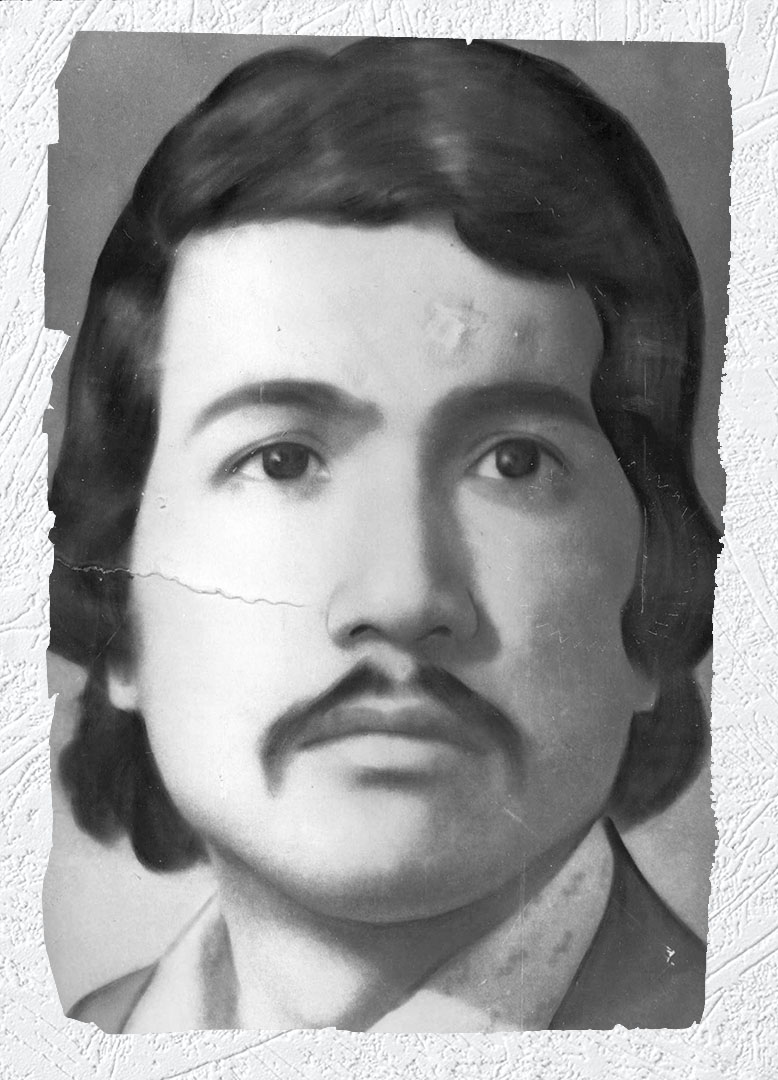
- Gender
- Male
- Ethnicity
- Tajik
- District geolocation of incident
- Bagrami: 34° 31′ 10″ N, 69° 16′ 39″ E
- Description of incident
Known as the "Killing of AGSA," it refers to the collective murder of opponents of the People's Democratic Party of Afghanistan in the Pul-e-Charkhi Prison in Kabul between 1978 and 1979. The Afghan Intelligence Office, or AGSA (Afghan Agency for Safeguarding National Interest), led by Asadullah Sarwari, had arrested nearly 150,000 people, out of which an estimated number of 27,000 political prisoners were put to death without a single trial, probe, or even allegation. Many Afghan families had no idea where their loved ones had disappeared in the latter part of 1978 and early 1979. A list of those slain that included 5,000 victims of AGSA mass executions was made public by the Dutch Prosecutor's Office in 2013.
- Witness/Survivor Statement
No statement
Ahmad Zia
- Photo of Victim
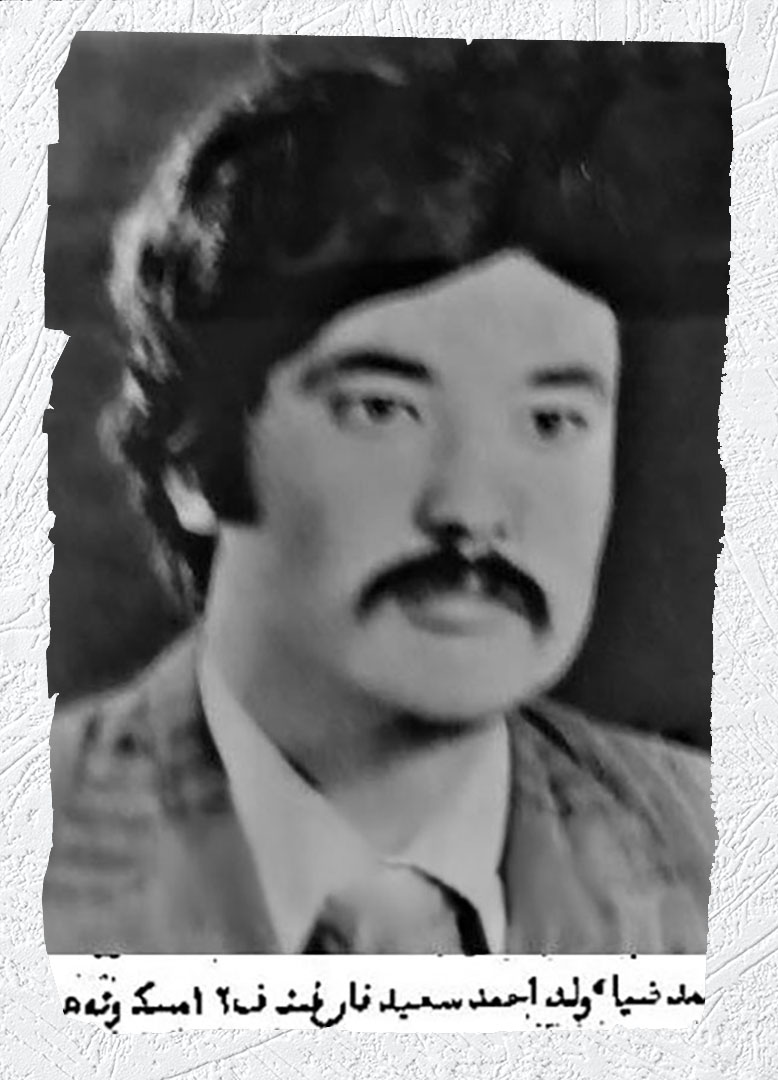
- Gender
- Male
- Ethnicity
- Tajik
- District geolocation of incident
- Bagrami: 34° 31′ 10″ N, 69° 16′ 39″ E
- Description of incident
Known as the "Killing of AGSA," it refers to the collective murder of opponents of the People's Democratic Party of Afghanistan in the Pul-e-Charkhi Prison in Kabul between 1978 and 1979. The Afghan Intelligence Office, or AGSA (Afghan Agency for Safeguarding National Interest), led by Asadullah Sarwari, had arrested nearly 150,000 people, out of which an estimated number of 27,000 political prisoners were put to death without a single trial, probe, or even allegation. Many Afghan families had no idea where their loved ones had disappeared in the latter part of 1978 and early 1979. A list of those slain that included 5,000 victims of AGSA mass executions was made public by the Dutch Prosecutor's Office in 2013.
- Witness/Survivor Statement
No statement
AbdulWahid
- Photo of Victim
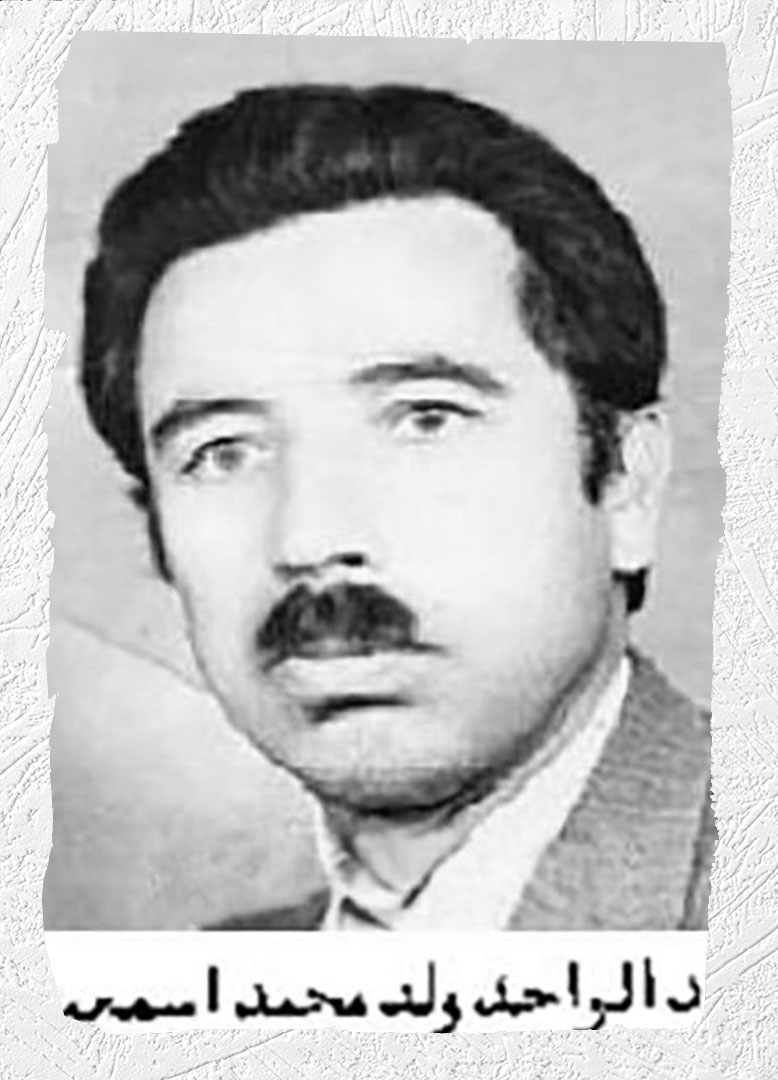
- Gender
- Male
- Ethnicity
- Tajik
- District geolocation of incident
- Bagrami: 34° 31′ 10″ N, 69° 16′ 39″ E
- Description of incident
Known as the "Killing of AGSA," it refers to the collective murder of opponents of the People's Democratic Party of Afghanistan in the Pul-e-Charkhi Prison in Kabul between 1978 and 1979. The Afghan Intelligence Office, or AGSA (Afghan Agency for Safeguarding National Interest), led by Asadullah Sarwari, had arrested nearly 150,000 people, out of which an estimated number of 27,000 political prisoners were put to death without a single trial, probe, or even allegation. Many Afghan families had no idea where their loved ones had disappeared in the latter part of 1978 and early 1979. A list of those slain that included 5,000 victims of AGSA mass executions was made public by the Dutch Prosecutor's Office in 2013.
- Witness/Survivor Statement
No statement
AbdulGhafor
- Photo of Victim
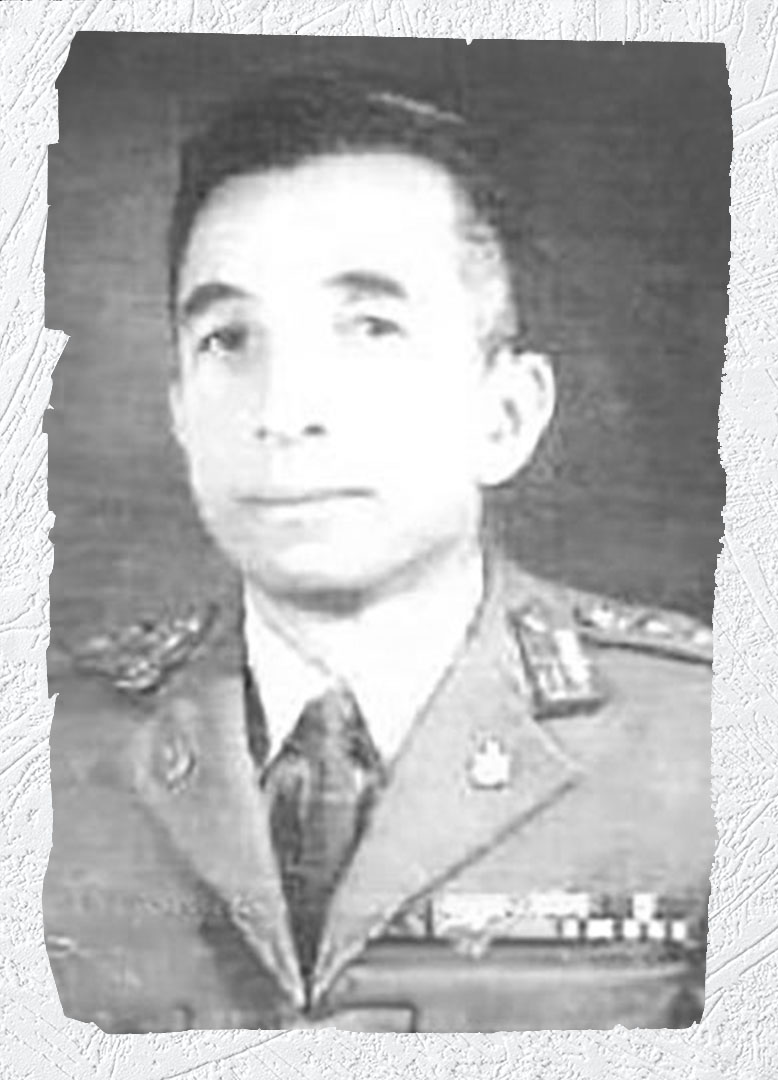
- Gender
- Male
- Ethnicity
- Tajik
- District geolocation of incident
- Bagrami: 34° 31′ 10″ N, 69° 16′ 39″ E
- Description of incident
Known as the "Killing of AGSA," it refers to the collective murder of opponents of the People's Democratic Party of Afghanistan in the Pul-e-Charkhi Prison in Kabul between 1978 and 1979. The Afghan Intelligence Office, or AGSA (Afghan Agency for Safeguarding National Interest), led by Asadullah Sarwari, had arrested nearly 150,000 people, out of which an estimated number of 27,000 political prisoners were put to death without a single trial, probe, or even allegation. Many Afghan families had no idea where their loved ones had disappeared in the latter part of 1978 and early 1979. A list of those slain that included 5,000 victims of AGSA mass executions was made public by the Dutch Prosecutor's Office in 2013.
- Witness/Survivor Statement
No statement
Bismillah
- Photo of Victim

- Gender
- Male
- Ethnicity
- Tajik
- District geolocation of incident
- Bagrami: 34° 31′ 10″ N, 69° 16′ 39″ E
- Description of incident
Known as the "Killing of AGSA," it refers to the collective murder of opponents of the People's Democratic Party of Afghanistan in the Pul-e-Charkhi Prison in Kabul between 1978 and 1979. The Afghan Intelligence Office, or AGSA (Afghan Agency for Safeguarding National Interest), led by Asadullah Sarwari, had arrested nearly 150,000 people, out of which an estimated number of 27,000 political prisoners were put to death without a single trial, probe, or even allegation. Many Afghan families had no idea where their loved ones had disappeared in the latter part of 1978 and early 1979. A list of those slain that included 5,000 victims of AGSA mass executions was made public by the Dutch Prosecutor's Office in 2013.
- Witness/Survivor Statement
No statement
Tora Khan
- Photo of Victim

- Gender
- Male
- Ethnicity
- Tajik
- District geolocation of incident
- Bagrami: 34° 31′ 10″ N, 69° 16′ 39″ E
- Description of incident
Known as the "Killing of AGSA," it refers to the collective murder of opponents of the People's Democratic Party of Afghanistan in the Pul-e-Charkhi Prison in Kabul between 1978 and 1979. The Afghan Intelligence Office, or AGSA (Afghan Agency for Safeguarding National Interest), led by Asadullah Sarwari, had arrested nearly 150,000 people, out of which an estimated number of 27,000 political prisoners were put to death without a single trial, probe, or even allegation. Many Afghan families had no idea where their loved ones had disappeared in the latter part of 1978 and early 1979. A list of those slain that included 5,000 victims of AGSA mass executions was made public by the Dutch Prosecutor's Office in 2013.
- Witness/Survivor Statement
No statement
Mohammad Yosof Khaksari
- Photo of Victim
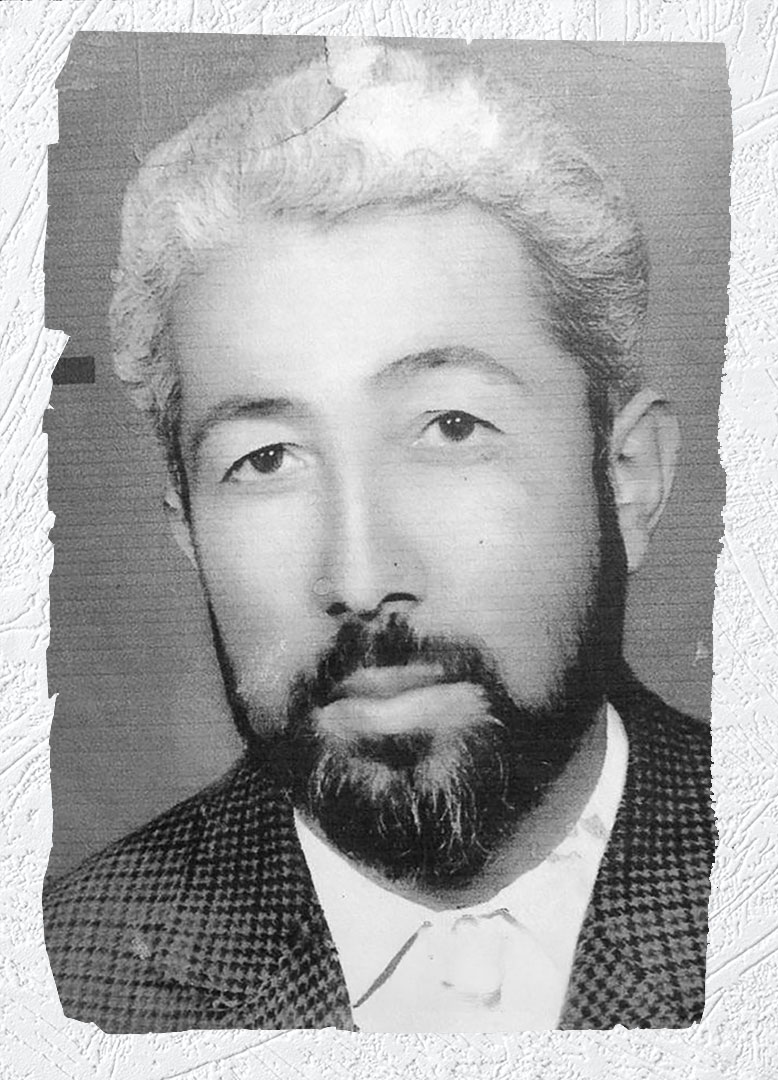
- Gender
- Male
- Ethnicity
- Tajik
- District geolocation of incident
- Bagrami: 34° 31′ 10″ N, 69° 16′ 39″ E
- Description of incident
Known as the "Killing of AGSA," it refers to the collective murder of opponents of the People's Democratic Party of Afghanistan in the Pul-e-Charkhi Prison in Kabul between 1978 and 1979. The Afghan Intelligence Office, or AGSA (Afghan Agency for Safeguarding National Interest), led by Asadullah Sarwari, had arrested nearly 150,000 people, out of which an estimated number of 27,000 political prisoners were put to death without a single trial, probe, or even allegation. Many Afghan families had no idea where their loved ones had disappeared in the latter part of 1978 and early 1979. A list of those slain that included 5,000 victims of AGSA mass executions was made public by the Dutch Prosecutor's Office in 2013.
- Witness/Survivor Statement
No statement
Mohammad Hashim
- Photo of Victim

- Gender
- Male
- Ethnicity
- Tajik
- District geolocation of incident
- Bagrami: 34° 31′ 10″ N, 69° 16′ 39″ E
- Description of incident
Known as the "Killing of AGSA," it refers to the collective murder of opponents of the People's Democratic Party of Afghanistan in the Pul-e-Charkhi Prison in Kabul between 1978 and 1979. The Afghan Intelligence Office, or AGSA (Afghan Agency for Safeguarding National Interest), led by Asadullah Sarwari, had arrested nearly 150,000 people, out of which an estimated number of 27,000 political prisoners were put to death without a single trial, probe, or even allegation. Many Afghan families had no idea where their loved ones had disappeared in the latter part of 1978 and early 1979. A list of those slain that included 5,000 victims of AGSA mass executions was made public by the Dutch Prosecutor's Office in 2013.
- Witness/Survivor Statement
No statement
Akhtar Mohammad
- Photo of Victim

- Gender
- Male
- Ethnicity
- Tajik
- District geolocation of incident
- Bagrami: 34° 31′ 10″ N, 69° 16′ 39″ E
- Description of incident
Known as the "Killing of AGSA," it refers to the collective murder of opponents of the People's Democratic Party of Afghanistan in the Pul-e-Charkhi Prison in Kabul between 1978 and 1979. The Afghan Intelligence Office, or AGSA (Afghan Agency for Safeguarding National Interest), led by Asadullah Sarwari, had arrested nearly 150,000 people, out of which an estimated number of 27,000 political prisoners were put to death without a single trial, probe, or even allegation. Many Afghan families had no idea where their loved ones had disappeared in the latter part of 1978 and early 1979. A list of those slain that included 5,000 victims of AGSA mass executions was made public by the Dutch Prosecutor's Office in 2013.
- Witness/Survivor Statement
No statement
Mohammad Habib Daqiq
- Photo of Victim

- Gender
- Male
- Ethnicity
- Tajik
- District geolocation of incident
- Bagrami: 34° 31′ 10″ N, 69° 16′ 39″ E
- Description of incident
Known as the "Killing of AGSA," it refers to the collective murder of opponents of the People's Democratic Party of Afghanistan in the Pul-e-Charkhi Prison in Kabul between 1978 and 1979. The Afghan Intelligence Office, or AGSA (Afghan Agency for Safeguarding National Interest), led by Asadullah Sarwari, had arrested nearly 150,000 people, out of which an estimated number of 27,000 political prisoners were put to death without a single trial, probe, or even allegation. Many Afghan families had no idea where their loved ones had disappeared in the latter part of 1978 and early 1979. A list of those slain that included 5,000 victims of AGSA mass executions was made public by the Dutch Prosecutor's Office in 2013.
- Witness/Survivor Statement
No statement
Ata Mohammad
- Photo of Victim
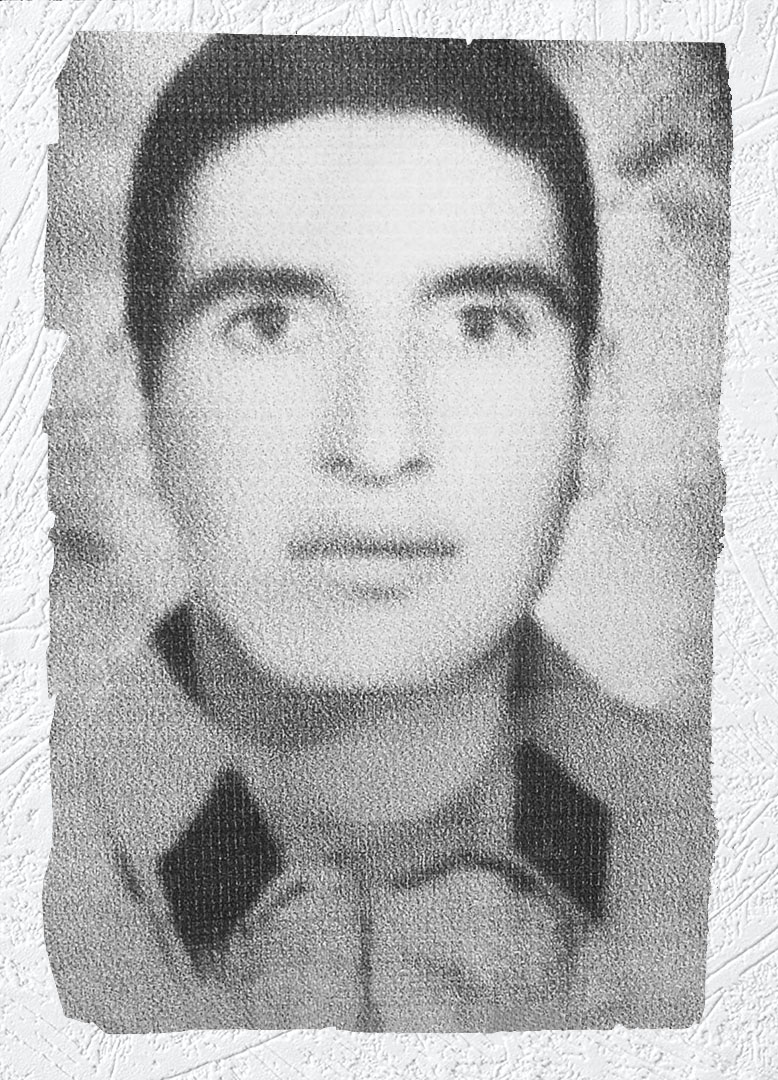
- Gender
- Male
- Ethnicity
- Tajik
- District geolocation of incident
- Bagrami: 34° 31′ 10″ N, 69° 16′ 39″ E
- Description of incident
Known as the "Killing of AGSA," it refers to the collective murder of opponents of the People's Democratic Party of Afghanistan in the Pul-e-Charkhi Prison in Kabul between 1978 and 1979. The Afghan Intelligence Office, or AGSA (Afghan Agency for Safeguarding National Interest), led by Asadullah Sarwari, had arrested nearly 150,000 people, out of which an estimated number of 27,000 political prisoners were put to death without a single trial, probe, or even allegation. Many Afghan families had no idea where their loved ones had disappeared in the latter part of 1978 and early 1979. A list of those slain that included 5,000 victims of AGSA mass executions was made public by the Dutch Prosecutor's Office in 2013.
- Witness/Survivor Statement
No statement
Aminullah
- Photo of Victim

- Gender
- Male
- Ethnicity
- Tajik
- Description of incident
Known as the "Killing of AGSA," it refers to the collective murder of opponents of the People's Democratic Party of Afghanistan in the Pul-e-Charkhi Prison in Kabul between 1978 and 1979. The Afghan Intelligence Office, or AGSA (Afghan Agency for Safeguarding National Interest), led by Asadullah Sarwari, had arrested nearly 150,000 people, out of which an estimated number of 27,000 political prisoners were put to death without a single trial, probe, or even allegation. Many Afghan families had no idea where their loved ones had disappeared in the latter part of 1978 and early 1979. A list of those slain that included 5,000 victims of AGSA mass executions was made public by the Dutch Prosecutor's Office in 2013.
- Witness/Survivor Statement
No statement
Fazlahmad
- Photo of Victim

- Gender
- Male
- Ethnicity
- Tajik
- District geolocation of incident
- Kabul: 34° 31′ 1″ N, 69° 8′ 60″ E
- Description of incident
Known as the "Killing of AGSA," it refers to the collective murder of opponents of the People's Democratic Party of Afghanistan in the Pul-e-Charkhi Prison in Kabul between 1978 and 1979. The Afghan Intelligence Office, or AGSA (Afghan Agency for Safeguarding National Interest), led by Asadullah Sarwari, had arrested nearly 150,000 people, out of which an estimated number of 27,000 political prisoners were put to death without a single trial, probe, or even allegation. Many Afghan families had no idea where their loved ones had disappeared in the latter part of 1978 and early 1979. A list of those slain that included 5,000 victims of AGSA mass executions was made public by the Dutch Prosecutor's Office in 2013.
- Witness/Survivor Statement
No statement
Ghulam Dasger
- Photo of Victim

- Gender
- Male
- Ethnicity
- Tajik
- District geolocation of incident
- Kabul: 34° 31′ 1″ N, 69° 8′ 60″ E
- Description of incident
Known as the "Killing of AGSA," it refers to the collective murder of opponents of the People's Democratic Party of Afghanistan in the Pul-e-Charkhi Prison in Kabul between 1978 and 1979. The Afghan Intelligence Office, or AGSA (Afghan Agency for Safeguarding National Interest), led by Asadullah Sarwari, had arrested nearly 150,000 people, out of which an estimated number of 27,000 political prisoners were put to death without a single trial, probe, or even allegation. Many Afghan families had no idea where their loved ones had disappeared in the latter part of 1978 and early 1979. A list of those slain that included 5,000 victims of AGSA mass executions was made public by the Dutch Prosecutor's Office in 2013.
- Witness/Survivor Statement
No statement
Sha Abdul
- Photo of Victim

- Gender
- Male
- Ethnicity
- Tajik
- District geolocation of incident
- Kabul: 34° 31′ 1″ N, 69° 8′ 60″ E
- Description of incident
Known as the "Killing of AGSA," it refers to the collective murder of opponents of the People's Democratic Party of Afghanistan in the Pul-e-Charkhi Prison in Kabul between 1978 and 1979. The Afghan Intelligence Office, or AGSA (Afghan Agency for Safeguarding National Interest), led by Asadullah Sarwari, had arrested nearly 150,000 people, out of which an estimated number of 27,000 political prisoners were put to death without a single trial, probe, or even allegation. Many Afghan families had no idea where their loved ones had disappeared in the latter part of 1978 and early 1979. A list of those slain that included 5,000 victims of AGSA mass executions was made public by the Dutch Prosecutor's Office in 2013.
- Witness/Survivor Statement
No statement
Mohammad Kazim Hashimi
- Photo of Victim

- Gender
- Male
- Ethnicity
- Tajik
- District geolocation of incident
- Kabul: 34° 31′ 1″ N, 69° 8′ 60″ E
- Description of incident
Known as the "Killing of AGSA," it refers to the collective murder of opponents of the People's Democratic Party of Afghanistan in the Pul-e-Charkhi Prison in Kabul between 1978 and 1979. The Afghan Intelligence Office, or AGSA (Afghan Agency for Safeguarding National Interest), led by Asadullah Sarwari, had arrested nearly 150,000 people, out of which an estimated number of 27,000 political prisoners were put to death without a single trial, probe, or even allegation. Many Afghan families had no idea where their loved ones had disappeared in the latter part of 1978 and early 1979. A list of those slain that included 5,000 victims of AGSA mass executions was made public by the Dutch Prosecutor's Office in 2013.
- Witness/Survivor Statement
No statement
Ghulam Jelani Hashimi
- Photo of Victim

- Gender
- Male
- Ethnicity
- Tajik
- District geolocation of incident
- Kabul: 34° 31′ 1″ N, 69° 8′ 60″ E
- Description of incident
Known as the "Killing of AGSA," it refers to the collective murder of opponents of the People's Democratic Party of Afghanistan in the Pul-e-Charkhi Prison in Kabul between 1978 and 1979. The Afghan Intelligence Office, or AGSA (Afghan Agency for Safeguarding National Interest), led by Asadullah Sarwari, had arrested nearly 150,000 people, out of which an estimated number of 27,000 political prisoners were put to death without a single trial, probe, or even allegation. Many Afghan families had no idea where their loved ones had disappeared in the latter part of 1978 and early 1979. A list of those slain that included 5,000 victims of AGSA mass executions was made public by the Dutch Prosecutor's Office in 2013.
- Witness/Survivor Statement
No statement
Mohammad Bashir Akhondzada
- Photo of Victim

- Gender
- Male
- Ethnicity
- Tajik
- District geolocation of incident
- Kabul: 34° 31′ 1″ N, 69° 8′ 60″ E
- Description of incident
Known as the "Killing of AGSA," it refers to the collective murder of opponents of the People's Democratic Party of Afghanistan in the Pul-e-Charkhi Prison in Kabul between 1978 and 1979. The Afghan Intelligence Office, or AGSA (Afghan Agency for Safeguarding National Interest), led by Asadullah Sarwari, had arrested nearly 150,000 people, out of which an estimated number of 27,000 political prisoners were put to death without a single trial, probe, or even allegation. Many Afghan families had no idea where their loved ones had disappeared in the latter part of 1978 and early 1979. A list of those slain that included 5,000 victims of AGSA mass executions was made public by the Dutch Prosecutor's Office in 2013.
- Witness/Survivor Statement
No statement
Abdul Momen
- Photo of Victim

- Gender
- Male
- Ethnicity
- Tajik
- District geolocation of incident
- Kabul: 34° 31′ 1″ N, 69° 8′ 60″ E
- Description of incident
Known as the "Killing of AGSA," it refers to the collective murder of opponents of the People's Democratic Party of Afghanistan in the Pul-e-Charkhi Prison in Kabul between 1978 and 1979. The Afghan Intelligence Office, or AGSA (Afghan Agency for Safeguarding National Interest), led by Asadullah Sarwari, had arrested nearly 150,000 people, out of which an estimated number of 27,000 political prisoners were put to death without a single trial, probe, or even allegation. Many Afghan families had no idea where their loved ones had disappeared in the latter part of 1978 and early 1979. A list of those slain that included 5,000 victims of AGSA mass executions was made public by the Dutch Prosecutor's Office in 2013.
- Witness/Survivor Statement
No statement
Jamaludin
- Photo of Victim

- Gender
- Male
- Ethnicity
- Tajik
- District geolocation of incident
- Kabul: 34° 31′ 1″ N, 69° 8′ 60″ E
- Description of incident
Known as the "Killing of AGSA," it refers to the collective murder of opponents of the People's Democratic Party of Afghanistan in the Pul-e-Charkhi Prison in Kabul between 1978 and 1979. The Afghan Intelligence Office, or AGSA (Afghan Agency for Safeguarding National Interest), led by Asadullah Sarwari, had arrested nearly 150,000 people, out of which an estimated number of 27,000 political prisoners were put to death without a single trial, probe, or even allegation. Many Afghan families had no idea where their loved ones had disappeared in the latter part of 1978 and early 1979. A list of those slain that included 5,000 victims of AGSA mass executions was made public by the Dutch Prosecutor's Office in 2013.
- Witness/Survivor Statement
No statement
Abdul Latif
- Photo of Victim

- Gender
- Male
- Ethnicity
- Tajik
- District geolocation of incident
- Kabul: 34° 31′ 1″ N, 69° 8′ 60″ E
- Description of incident
Known as the "Killing of AGSA," it refers to the collective murder of opponents of the People's Democratic Party of Afghanistan in the Pul-e-Charkhi Prison in Kabul between 1978 and 1979. The Afghan Intelligence Office, or AGSA (Afghan Agency for Safeguarding National Interest), led by Asadullah Sarwari, had arrested nearly 150,000 people, out of which an estimated number of 27,000 political prisoners were put to death without a single trial, probe, or even allegation. Many Afghan families had no idea where their loved ones had disappeared in the latter part of 1978 and early 1979. A list of those slain that included 5,000 victims of AGSA mass executions was made public by the Dutch Prosecutor's Office in 2013.
- Witness/Survivor Statement
No statement
Sha Mohammad Pordel
- Photo of Victim

- Gender
- Male
- Ethnicity
- Tajik
- District geolocation of incident
- Bagram: 34° 57′ 13″ N, 69° 15′ 15″ E
- Witness/Survivor Statement
No statement
Niko
- Photo of Victim

- Gender
- Male
- Ethnicity
- Tajik
- District geolocation of incident
- Kabul: 34° 31′ 1″ N, 69° 8′ 60″ E
- Description of incident
Known as the "Killing of AGSA," it refers to the collective murder of opponents of the People's Democratic Party of Afghanistan in the Pul-e-Charkhi Prison in Kabul between 1978 and 1979. The Afghan Intelligence Office, or AGSA (Afghan Agency for Safeguarding National Interest), led by Asadullah Sarwari, had arrested nearly 150,000 people, out of which an estimated number of 27,000 political prisoners were put to death without a single trial, probe, or even allegation. Many Afghan families had no idea where their loved ones had disappeared in the latter part of 1978 and early 1979. A list of those slain that included 5,000 victims of AGSA mass executions was made public by the Dutch Prosecutor's Office in 2013.
- Witness/Survivor Statement
No statement
Mohammad Alam
- Photo of Victim

- Gender
- Male
- Ethnicity
- Tajik
- District geolocation of incident
- Bagrami: 34° 31′ 10″ N, 69° 16′ 39″ E
- Description of incident
Known as the "Killing of AGSA," it refers to the collective murder of opponents of the People's Democratic Party of Afghanistan in the Pul-e-Charkhi Prison in Kabul between 1978 and 1979. The Afghan Intelligence Office, or AGSA (Afghan Agency for Safeguarding National Interest), led by Asadullah Sarwari, had arrested nearly 150,000 people, out of which an estimated number of 27,000 political prisoners were put to death without a single trial, probe, or even allegation. Many Afghan families had no idea where their loved ones had disappeared in the latter part of 1978 and early 1979. A list of those slain that included 5,000 victims of AGSA mass executions was made public by the Dutch Prosecutor's Office in 2013.
- Witness/Survivor Statement
No statement
Amanullah Hakimzada
- Photo of Victim

- Gender
- Male
- Ethnicity
- Tajik
- District geolocation of incident
- Bagrami: 34° 31′ 10″ N, 69° 16′ 39″ E
- Description of incident
Known as the "Killing of AGSA," it refers to the collective murder of opponents of the People's Democratic Party of Afghanistan in the Pul-e-Charkhi Prison in Kabul between 1978 and 1979. The Afghan Intelligence Office, or AGSA (Afghan Agency for Safeguarding National Interest), led by Asadullah Sarwari, had arrested nearly 150,000 people, out of which an estimated number of 27,000 political prisoners were put to death without a single trial, probe, or even allegation. Many Afghan families had no idea where their loved ones had disappeared in the latter part of 1978 and early 1979. A list of those slain that included 5,000 victims of AGSA mass executions was made public by the Dutch Prosecutor's Office in 2013.
- Witness/Survivor Statement
No statement
Amanudin
- Photo of Victim

- Gender
- Male
- Ethnicity
- Tajik
- District geolocation of incident
- Bagrami: 34° 31′ 10″ N, 69° 16′ 39″ E
- Description of incident
Known as the "Killing of AGSA," it refers to the collective murder of opponents of the People's Democratic Party of Afghanistan in the Pul-e-Charkhi Prison in Kabul between 1978 and 1979. The Afghan Intelligence Office, or AGSA (Afghan Agency for Safeguarding National Interest), led by Asadullah Sarwari, had arrested nearly 150,000 people, out of which an estimated number of 27,000 political prisoners were put to death without a single trial, probe, or even allegation. Many Afghan families had no idea where their loved ones had disappeared in the latter part of 1978 and early 1979. A list of those slain that included 5,000 victims of AGSA mass executions was made public by the Dutch Prosecutor's Office in 2013.
- Witness/Survivor Statement
No statement
Abdulhi
- Photo of Victim

- Gender
- Male
- Ethnicity
- Tajik
- District geolocation of incident
- Bagrami: 34° 31′ 10″ N, 69° 16′ 39″ E
- Description of incident
Known as the "Killing of AGSA," it refers to the collective murder of opponents of the People's Democratic Party of Afghanistan in the Pul-e-Charkhi Prison in Kabul between 1978 and 1979. The Afghan Intelligence Office, or AGSA (Afghan Agency for Safeguarding National Interest), led by Asadullah Sarwari, had arrested nearly 150,000 people, out of which an estimated number of 27,000 political prisoners were put to death without a single trial, probe, or even allegation. Many Afghan families had no idea where their loved ones had disappeared in the latter part of 1978 and early 1979. A list of those slain that included 5,000 victims of AGSA mass executions was made public by the Dutch Prosecutor's Office in 2013.
- Witness/Survivor Statement
No statement
Feda Mohammad
- Photo of Victim

- Gender
- Male
- Ethnicity
- Tajik
- District geolocation of incident
- Bagrami: 34° 31′ 10″ N, 69° 16′ 39″ E
- Description of incident
Known as the "Killing of AGSA," it refers to the collective murder of opponents of the People's Democratic Party of Afghanistan in the Pul-e-Charkhi Prison in Kabul between 1978 and 1979. The Afghan Intelligence Office, or AGSA (Afghan Agency for Safeguarding National Interest), led by Asadullah Sarwari, had arrested nearly 150,000 people, out of which an estimated number of 27,000 political prisoners were put to death without a single trial, probe, or even allegation. Many Afghan families had no idea where their loved ones had disappeared in the latter part of 1978 and early 1979. A list of those slain that included 5,000 victims of AGSA mass executions was made public by the Dutch Prosecutor's Office in 2013.
- Witness/Survivor Statement
No statement
Haji TazaMir Khan
- Photo of Victim

- Gender
- Male
- Ethnicity
- Tajik
- District geolocation of incident
- Bagrami: 34° 31′ 10″ N, 69° 16′ 39″ E
- Description of incident
Known as the "Killing of AGSA," it refers to the collective murder of opponents of the People's Democratic Party of Afghanistan in the Pul-e-Charkhi Prison in Kabul between 1978 and 1979. The Afghan Intelligence Office, or AGSA (Afghan Agency for Safeguarding National Interest), led by Asadullah Sarwari, had arrested nearly 150,000 people, out of which an estimated number of 27,000 political prisoners were put to death without a single trial, probe, or even allegation. Many Afghan families had no idea where their loved ones had disappeared in the latter part of 1978 and early 1979. A list of those slain that included 5,000 victims of AGSA mass executions was made public by the Dutch Prosecutor's Office in 2013.
- Witness/Survivor Statement
No statement
Najiburrahman
- Photo of Victim

- Gender
- Male
- Ethnicity
- Tajik
- District geolocation of incident
- Bagrami: 34° 31′ 10″ N, 69° 16′ 39″ E
- Description of incident
Known as the "Killing of AGSA," it refers to the collective murder of opponents of the People's Democratic Party of Afghanistan in the Pul-e-Charkhi Prison in Kabul between 1978 and 1979. The Afghan Intelligence Office, or AGSA (Afghan Agency for Safeguarding National Interest), led by Asadullah Sarwari, had arrested nearly 150,000 people, out of which an estimated number of 27,000 political prisoners were put to death without a single trial, probe, or even allegation. Many Afghan families had no idea where their loved ones had disappeared in the latter part of 1978 and early 1979. A list of those slain that included 5,000 victims of AGSA mass executions was made public by the Dutch Prosecutor's Office in 2013.
- Witness/Survivor Statement
No statement
Haji Aqamir Khan
- Photo of Victim

- Gender
- Male
- Ethnicity
- Tajik
- District geolocation of incident
- Bagrami: 34° 31′ 10″ N, 69° 16′ 39″ E
- Description of incident
Known as the "Killing of AGSA," it refers to the collective murder of opponents of the People's Democratic Party of Afghanistan in the Pul-e-Charkhi Prison in Kabul between 1978 and 1979. The Afghan Intelligence Office, or AGSA (Afghan Agency for Safeguarding National Interest), led by Asadullah Sarwari, had arrested nearly 150,000 people, out of which an estimated number of 27,000 political prisoners were put to death without a single trial, probe, or even allegation. Many Afghan families had no idea where their loved ones had disappeared in the latter part of 1978 and early 1979. A list of those slain that included 5,000 victims of AGSA mass executions was made public by the Dutch Prosecutor's Office in 2013.
- Witness/Survivor Statement
No statement
GulNabi
- Photo of Victim

- Gender
- Male
- Ethnicity
- Tajik
- District geolocation of incident
- Bagrami: 34° 31′ 10″ N, 69° 16′ 39″ E
- Description of incident
Known as the "Killing of AGSA," it refers to the collective murder of opponents of the People's Democratic Party of Afghanistan in the Pul-e-Charkhi Prison in Kabul between 1978 and 1979. The Afghan Intelligence Office, or AGSA (Afghan Agency for Safeguarding National Interest), led by Asadullah Sarwari, had arrested nearly 150,000 people, out of which an estimated number of 27,000 political prisoners were put to death without a single trial, probe, or even allegation. Many Afghan families had no idea where their loved ones had disappeared in the latter part of 1978 and early 1979. A list of those slain that included 5,000 victims of AGSA mass executions was made public by the Dutch Prosecutor's Office in 2013.
- Witness/Survivor Statement
No statement
Agha Mohammad
- Photo of Victim

- Gender
- Male
- Ethnicity
- Tajik
- District geolocation of incident
- Bagrami: 34° 31′ 10″ N, 69° 16′ 39″ E
- Description of incident
Known as the "Killing of AGSA," it refers to the collective murder of opponents of the People's Democratic Party of Afghanistan in the Pul-e-Charkhi Prison in Kabul between 1978 and 1979. The Afghan Intelligence Office, or AGSA (Afghan Agency for Safeguarding National Interest), led by Asadullah Sarwari, had arrested nearly 150,000 people, out of which an estimated number of 27,000 political prisoners were put to death without a single trial, probe, or even allegation. Many Afghan families had no idea where their loved ones had disappeared in the latter part of 1978 and early 1979. A list of those slain that included 5,000 victims of AGSA mass executions was made public by the Dutch Prosecutor's Office in 2013.
- Witness/Survivor Statement
No statement
Massoud
- Photo of Victim

- Gender
- Male
- Ethnicity
- Tajik
- District geolocation of incident
- Kabul: 34° 31′ 1″ N, 69° 8′ 60″ E
- Description of incident
On August 17, 2019, a suicide bomber detonated explosives at the Shahr-e-Dubai wedding hall on Faiz Mohammad Kateb Road, also known as Charqala Road. The attack resulted in 63-93,(including 15 children) fatalities and 182 injuries. The wedding ceremony was predominantly attended by members of the Shia-Hazara community. The Islamic State of Iraq and Levant-Khorasan Province (ISIL-KP) claimed responsibility for the attack, stating it targeted individuals they refer to as "Rafida," a term used by some extremist groups to denote those who do not follow Sunni Islam.
- Witness/Survivor Statement
No statement
Najibullah Herati
- Photo of Victim

- Gender
- Male
- Ethnicity
- Tajik
- District geolocation of incident
- Khan Abad: 36° 41′ 49″ N, 69° 6′ 48″ E
- Description of incident
A suicide bomber detonated an explosive device among Hazara-Shia worshipers at the Sayed Abad Mosque in Kunduz province on Friday, October 8, 2021. The attack resulted in the death of at least 150 people and injuries to 250 more. The casualties were all civilians, predominantly from the Hazara Shia ethnic group. The Islamic State of Iraq and Levant-Khorasan Province claimed responsibility for the attack, identifying a Chinese Uygur national as the suicide bomber and stating the group targeted Hazara Shias.
- Witness/Survivor Statement
No statement
Mohammad Mahfoz
- Photo of Victim

- Gender
- Male
- Ethnicity
- Tajik
- District geolocation of incident
- Kabul: 34° 31′ 1″ N, 69° 8′ 60″ E
- Description of incident
On April 22, 2018, a suicide bomber detonated his explosive device amidst a large gathering of civilians seeking to obtain electronic identification (e-ID) cards in the Mahtab Qala area of Dasht-e-Barchi, located west of Kabul. The explosion resulted in the deaths of at least 69 civilians, with an additional 120 individuals sustaining injuries. According to official reports, among the victims were 22 women, 17 children, and individuals with disabilities. Furthermore, the injured comprised 52 women, 50 men, and 17 children. The Islamic State of Iraq and the Levant–Khorasan Province (ISIL-KP) claimed responsibility for the attack, stating that they targeted the Hazara-Shia community.
- Witness/Survivor Statement
No statement
Zakira Malikzada
- Photo of Victim

- Gender
- Female
- Ethnicity
- Tajik
- District geolocation of incident
- Kabul: 34° 31′ 1″ N, 69° 8′ 60″ E
- Description of incident
On May 12, 2020, three attackers wearing Afghan national security forces uniforms and armed with AK-47 rifles and hand grenades conducted an assault on the maternity ward of Dasht-e-Barchi hospital. After shooting and killing a security guard at the hospital entrance, the attackers entered the facility and proceeded directly to the maternity ward, where 28 women were present at the time. The attackers moved systematically from room to room, firing on patients and throwing hand grenades. The attack resulted in twenty-four deaths, including nineteen women, three children, and one female healthcare worker. Twenty-three people were injured, including twelve women, two children, and one newborn. Following the attack on June 15, 2020, Médecins Sans Frontières (MSF), which operated the maternity ward at Dasht-e-Barchi maternity hospital, announced its decision to end activities and withdraw from the hospital.
- Witness/Survivor Statement
No statement
Sohail Sediqi
- Photo of Victim

- Gender
- Male
- Ethnicity
- Tajik
- District geolocation of incident
- Mazar-e Sharif: 36° 41′ 38″ N, 67° 6′ 48″ E
- Description of incident
On 11 March 2023, an explosive device detonated inside the Tabyan Center, in Mazar-e-Sharif. The blast resulted in the deaths of 2 journalists and injuries to another 18 people. All the victims were civilians, primarily belonging to the Hazara ethnic group. The Islamic State of Iraq and the Levant-Khorasan Province (ISIL-KP) claimed responsibility for the attack.
- Witness/Survivor Statement
No statement
Muhammad Gul
- Photo of Victim

- Gender
- Male
- Ethnicity
- Tajik
- District geolocation of incident
- Kabul: 34° 31′ 1″ N, 69° 8′ 60″ E
Rabb Khan
- Photo of Victim

- Gender
- Male
- Ethnicity
- Tajik
- District geolocation of incident
- Kabul: 34° 31′ 1″ N, 69° 8′ 60″ E
- Description of incident
I felt very sad that night and could not sleep until very late. I only came to know the next day that Rabb Khan had been killed in a suicide attack. I felt like the world had ended for me; everything had turned grey and I could not stand on my feet.
- Witness/Survivor Statement
The Story of Ezat Mir (brother)
Victim’s Name: Rabb Khan
Date of the Incident: August 7, 2015
Place of the Incident: Sarai Ahmadzai, Shah Shaheed, Kabul
We lost our mother when we were very little. My father was a kind, supportive, and caring man. He struggled a lot to provide us with a living and to make us not feel our mother’s absence. Unfortunately, after three years of hard work, his legs were paralyzed. Despite my brother doing all he could for his treatment and taking him to Pakistan with borrowed money, he did not recover and passed away in Pakistan.
My brother Rabb Khan, who was only 16-years-old, had to take over my father’s job as a night guard in Shah Shaheed area to take care of us. He would guard the market from early morning to 1:00pm every day and then his assistant would take over.
One day, after finishing his shift, he returned to his room when a huge explosion occurred and destroyed the entire market. His assistant said that he had been blown away and everything had gone dark. When he returned to the building to look for Rab Khan and his guest in the room, he found them both dead because the entire building had crumbled into dust.
I felt very sad that night and could not sleep until very late. I only came to know the next day that Rabb Khan had been killed in what was a suicide attack. I felt like the world had ended for me; everything had turned grey and I could not stand on my feet. But I had to stay strong to take care of my nine younger siblings. Since there was no better job out there, I had to continue and replace my late brother in his job. I bore the anger, difficulties, and misbehaviors of others or else my family would go hungry.
My brother was only 22-years-old when he was killed. I added his remaining belongings to the Memory Box to keep his memories alive and to let everyone know that war destroys families and that by killing their breadwinners, it kills the entire family.
Haji Ghulam Haidar
- Photo of Victim

- Gender
- Male
- Ethnicity
- Tajik
- District geolocation of incident
- Bagrami: 34° 31′ 10″ N, 69° 16′ 39″ E
- Description of incident
Known as the "Killing of AGSA," it refers to the collective murder of opponents of the People's Democratic Party of Afghanistan in the Pul-e-Charkhi Prison in Kabul between 1978 and 1979. The Afghan Intelligence Office, or AGSA (Afghan Agency for Safeguarding National Interest), led by Asadullah Sarwari, had arrested nearly 150,000 people, out of which an estimated number of 27,000 political prisoners were put to death without a single trial, probe, or even allegation. Many Afghan families had no idea where their loved ones had disappeared in the latter part of 1978 and early 1979. A list of those slain that included 5,000 victims of AGSA mass executions was made public by the Dutch Prosecutor's Office in 2013.
- Witness/Survivor Statement
No statement
Haji AbdulGhafar
- Photo of Victim
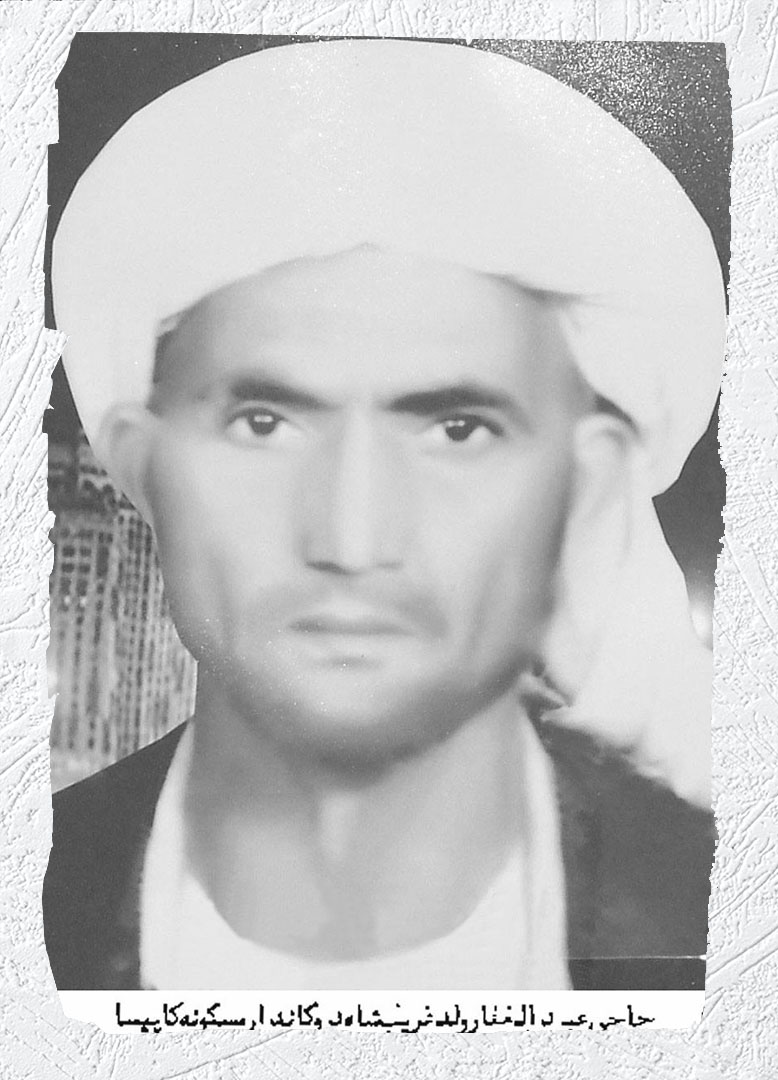
- Gender
- Male
- Ethnicity
- Tajik
- District geolocation of incident
- Bagrami: 34° 31′ 10″ N, 69° 16′ 39″ E
- Description of incident
Known as the "Killing of AGSA," it refers to the collective murder of opponents of the People's Democratic Party of Afghanistan in the Pul-e-Charkhi Prison in Kabul between 1978 and 1979. The Afghan Intelligence Office, or AGSA (Afghan Agency for Safeguarding National Interest), led by Asadullah Sarwari, had arrested nearly 150,000 people, out of which an estimated number of 27,000 political prisoners were put to death without a single trial, probe, or even allegation. Many Afghan families had no idea where their loved ones had disappeared in the latter part of 1978 and early 1979. A list of those slain that included 5,000 victims of AGSA mass executions was made public by the Dutch Prosecutor's Office in 2013.
- Witness/Survivor Statement
No statement
Per Mohammad
- Photo of Victim
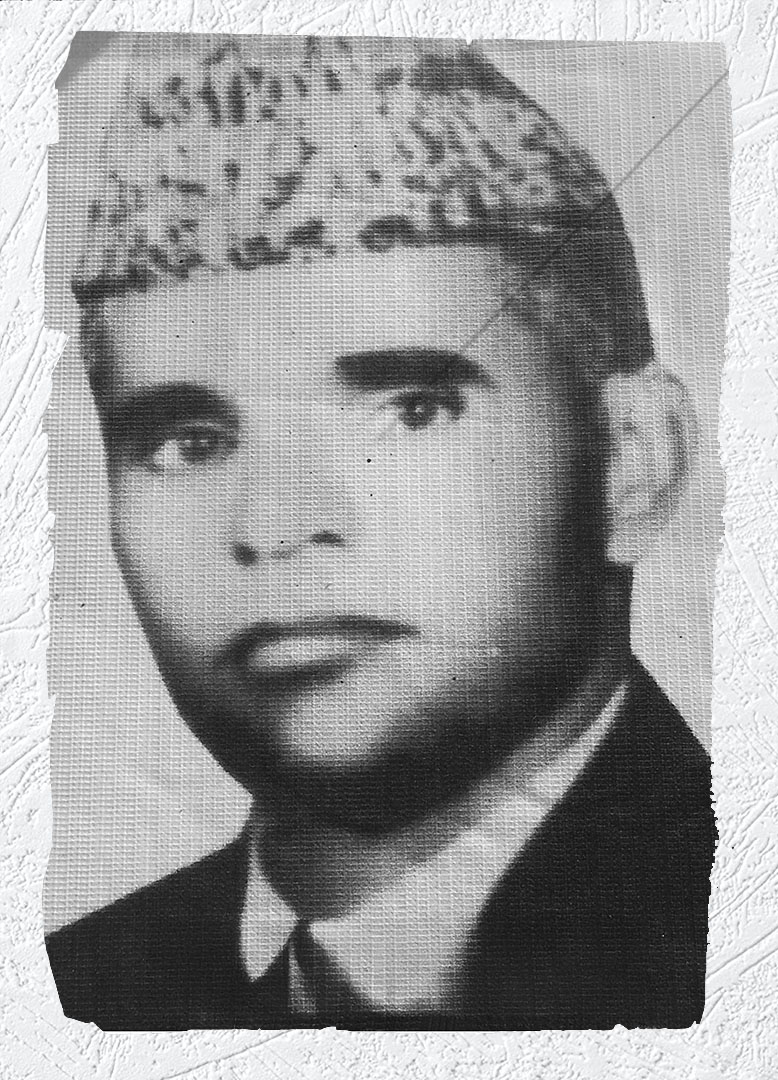
- Gender
- Male
- Ethnicity
- Tajik
- District geolocation of incident
- Bagrami: 34° 31′ 10″ N, 69° 16′ 39″ E
- Description of incident
Known as the "Killing of AGSA," it refers to the collective murder of opponents of the People's Democratic Party of Afghanistan in the Pul-e-Charkhi Prison in Kabul between 1978 and 1979. The Afghan Intelligence Office, or AGSA (Afghan Agency for Safeguarding National Interest), led by Asadullah Sarwari, had arrested nearly 150,000 people, out of which an estimated number of 27,000 political prisoners were put to death without a single trial, probe, or even allegation. Many Afghan families had no idea where their loved ones had disappeared in the latter part of 1978 and early 1979. A list of those slain that included 5,000 victims of AGSA mass executions was made public by the Dutch Prosecutor's Office in 2013.
- Witness/Survivor Statement
No statement
Abdulhakim
- Photo of Victim
- Gender
- Male
- Ethnicity
- Tajik
- District geolocation of incident
- Bagrami: 34° 31′ 10″ N, 69° 16′ 39″ E
- Description of incident
Known as the "Killing of AGSA," it refers to the collective murder of opponents of the People's Democratic Party of Afghanistan in the Pul-e-Charkhi Prison in Kabul between 1978 and 1979. The Afghan Intelligence Office, or AGSA (Afghan Agency for Safeguarding National Interest), led by Asadullah Sarwari, had arrested nearly 150,000 people, out of which an estimated number of 27,000 political prisoners were put to death without a single trial, probe, or even allegation. Many Afghan families had no idea where their loved ones had disappeared in the latter part of 1978 and early 1979. A list of those slain that included 5,000 victims of AGSA mass executions was made public by the Dutch Prosecutor's Office in 2013.
- Witness/Survivor Statement
No statement
SadDen
- Photo of Victim
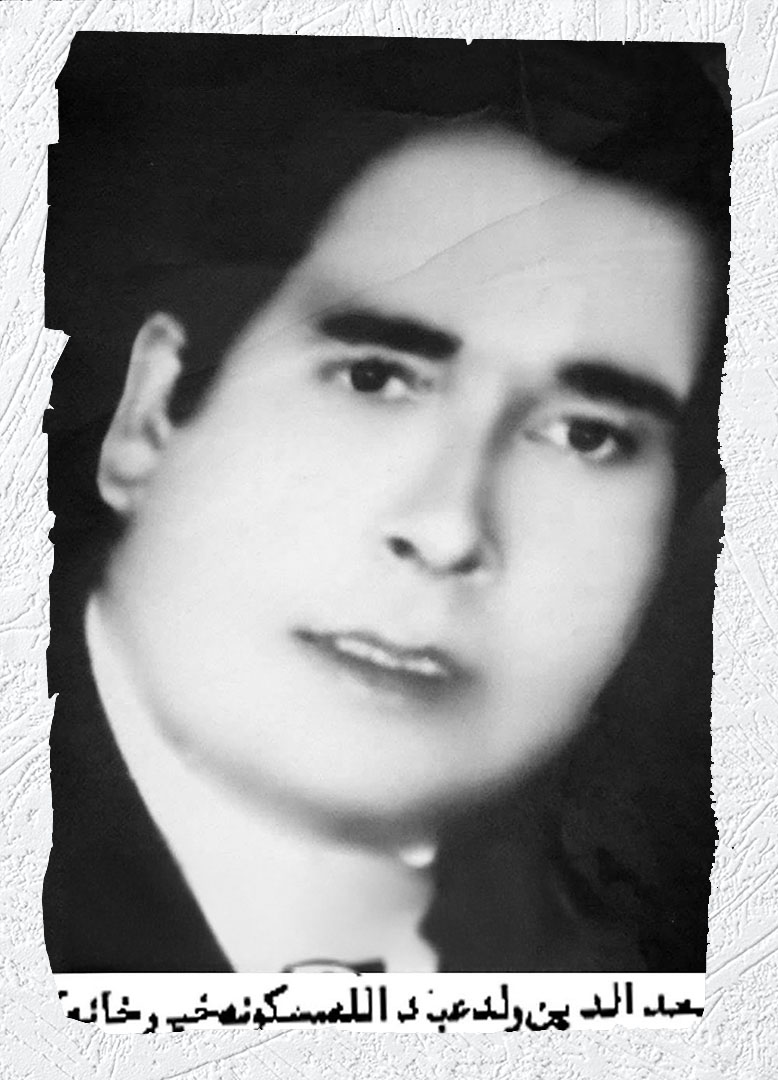
- Gender
- Male
- Ethnicity
- Tajik
- District geolocation of incident
- Bagrami: 34° 31′ 10″ N, 69° 16′ 39″ E
- Description of incident
Known as the "Killing of AGSA," it refers to the collective murder of opponents of the People's Democratic Party of Afghanistan in the Pul-e-Charkhi Prison in Kabul between 1978 and 1979. The Afghan Intelligence Office, or AGSA (Afghan Agency for Safeguarding National Interest), led by Asadullah Sarwari, had arrested nearly 150,000 people, out of which an estimated number of 27,000 political prisoners were put to death without a single trial, probe, or even allegation. Many Afghan families had no idea where their loved ones had disappeared in the latter part of 1978 and early 1979. A list of those slain that included 5,000 victims of AGSA mass executions was made public by the Dutch Prosecutor's Office in 2013.
- Witness/Survivor Statement
No statement
Mohammad Yahya
- Photo of Victim

- Gender
- Male
- Ethnicity
- Tajik
- District geolocation of incident
- Kabul: 34° 31′ 1″ N, 69° 8′ 60″ E
- Description of incident
Known as the "Killing of AGSA," it refers to the collective murder of opponents of the People's Democratic Party of Afghanistan in the Pul-e-Charkhi Prison in Kabul between 1978 and 1979. The Afghan Intelligence Office, or AGSA (Afghan Agency for Safeguarding National Interest), led by Asadullah Sarwari, had arrested nearly 150,000 people, out of which an estimated number of 27,000 political prisoners were put to death without a single trial, probe, or even allegation. Many Afghan families had no idea where their loved ones had disappeared in the latter part of 1978 and early 1979. A list of those slain that included 5,000 victims of AGSA mass executions was made public by the Dutch Prosecutor's Office in 2013.
- Witness/Survivor Statement
No statement
Sardar
- Photo of Victim

- Gender
- Male
- Ethnicity
- Tajik
- District geolocation of incident
- Kabul: 34° 31′ 1″ N, 69° 8′ 60″ E
- Description of incident
Known as the "Killing of AGSA," it refers to the collective murder of opponents of the People's Democratic Party of Afghanistan in the Pul-e-Charkhi Prison in Kabul between 1978 and 1979. The Afghan Intelligence Office, or AGSA (Afghan Agency for Safeguarding National Interest), led by Asadullah Sarwari, had arrested nearly 150,000 people, out of which an estimated number of 27,000 political prisoners were put to death without a single trial, probe, or even allegation. Many Afghan families had no idea where their loved ones had disappeared in the latter part of 1978 and early 1979. A list of those slain that included 5,000 victims of AGSA mass executions was made public by the Dutch Prosecutor's Office in 2013.
- Witness/Survivor Statement
No statement
Mohammadudin
- Photo of Victim

- Gender
- Male
- Ethnicity
- Tajik
- District geolocation of incident
- Bagrami: 34° 31′ 10″ N, 69° 16′ 39″ E
- Description of incident
Known as the "Killing of AGSA," it refers to the collective murder of opponents of the People's Democratic Party of Afghanistan in the Pul-e-Charkhi Prison in Kabul between 1978 and 1979. The Afghan Intelligence Office, or AGSA (Afghan Agency for Safeguarding National Interest), led by Asadullah Sarwari, had arrested nearly 150,000 people, out of which an estimated number of 27,000 political prisoners were put to death without a single trial, probe, or even allegation. Many Afghan families had no idea where their loved ones had disappeared in the latter part of 1978 and early 1979. A list of those slain that included 5,000 victims of AGSA mass executions was made public by the Dutch Prosecutor's Office in 2013.
- Witness/Survivor Statement
No statement
Hayatullah (Gulagha)
- Photo of Victim

- Gender
- Male
- Ethnicity
- Tajik
- District geolocation of incident
- Bagrami: 34° 31′ 10″ N, 69° 16′ 39″ E
- Description of incident
Known as the "Killing of AGSA," it refers to the collective murder of opponents of the People's Democratic Party of Afghanistan in the Pul-e-Charkhi Prison in Kabul between 1978 and 1979. The Afghan Intelligence Office, or AGSA (Afghan Agency for Safeguarding National Interest), led by Asadullah Sarwari, had arrested nearly 150,000 people, out of which an estimated number of 27,000 political prisoners were put to death without a single trial, probe, or even allegation. Many Afghan families had no idea where their loved ones had disappeared in the latter part of 1978 and early 1979. A list of those slain that included 5,000 victims of AGSA mass executions was made public by the Dutch Prosecutor's Office in 2013.
- Witness/Survivor Statement
No statement
Shirin Agha
- Photo of Victim

- Gender
- Male
- Ethnicity
- Tajik
- District geolocation of incident
- Kabul: 34° 31′ 1″ N, 69° 8′ 60″ E
- Description of incident
I rushed to the Shah Shahid area after the explosion that Friday and found their room crumbled to dust. I went to search for them at the Emergency Hospital, NDS Hospital, and many other public hospitals, but couldn’t find them so I returned. The area was surrounded by security forces because the Defense and Interior Ministers had visited the area. They prevented us from entering the perimeter until the Minister of Defense heard the story and allowed us to search for our martyrs. We searched under the rubble with excavators but found nothing except a book, a shoe, and a mattress. That distressed me even more because family and relatives kept calling to know if they were found or not.
- Witness/Survivor Statement
The Stories of Del Agha (brother)
Victims’ Names: Abdul Mateen and Shirin Agha
Date of Incident: August 7, 2015
Place of Incident: Sarai Ahmadzai, Shah Shahid, Kabul
I lost my brother, Abdul Mateen, and nephew, Shirin Agha, in the Shah Shahid incident on 7 August 2015. At the age of 32 and 23-years-old, they were both the only breadwinners of their families. They had rented a room in Sarai Ahmadzai to be able to work and live in Kabul. Mateen was married and had two daughters of fourteen and eight-years-old. Shirin Agha was working with the Afghan National Army and due to the work load, had not been able to visit his mother and two sisters for a very long time. As he finally got some free time during the first weekend after Eid, he decided to visit his uncle on the Thursday, his family on Friday, and then get back to work on Saturday.
Unfortunately, his plans were left unfulfilled. I rushed to the Shah Shahid area after the explosion that Friday and found their room crumbled to dust. I went to search for them at the Emergency Hospital, NDS Hospital, and many other public hospitals, but couldn’t find them so I returned. The area was surrounded by security forces because the Defense and Interior Ministers had visited the area. They prevented us from entering the perimeter until the Minister of Defense heard the story and allowed us to search for our martyrs. We searched under the rubble with excavators but found nothing except a book, a shoe, and a mattress. That distressed me even more because family and relatives kept calling to know if they were found or not.
Finally, Mateen’s body was found in the NDS Hospital and Shirin Agha’s body was found in Wazir Akbar Khan Hospital. Shirin Agha was working with the Ministry of Defense so his body was taken to Sardar Dawood Khan Military Hospital and then delivered to us. My nephew was appreciated for his work with the Afghan Military but we did not even get a mere condolence message for losing Mateen. The government has disappointed and failed us not only in preventing violence and terror, but also in supporting and caring for the victims.
With them, we buried part of our lives and happiness. I added the few objects they left behind to the Memory Box to let their memories live for longer and to let others know how war and violence is killing and destroying.
Abdul Jalil
- Photo of Victim

- Gender
- Male
- Ethnicity
- Tajik
- District geolocation of incident
- Kabul: 34° 31′ 1″ N, 69° 8′ 60″ E
- Description of incident
Abdul Jalil, my elder brother, was born in 1977 in the Panjshir Province. He used to work as a guard in Sarai Ahmadzai in the Shah Shaheed area. One summer night, when Abdul Jalil was sleeping in his room, a huge explosion occurred and destroyed the entire market. It killed and injured many people. He was severely injured when we took him out of the debris of the shattered building, but he lost his life on the way to the hospital. We took his body to his birthplace in Panjshir and buried him there.
- Witness/Survivor Statement
The Story of Fazl Ahmad Khan (brother)
Victim’s Name: Abdul Jalil
Date of Incident: July 8, 2015
Place of Incident: Shah Shaheed, Kabul
Abdul Jalil, my elder brother, was born in 1977 in the Panjshir Province. He used to work as a guard in Sarai Ahmadzai in the Shah Shaheed area. One summer night, when Abdul Jalil was sleeping in his room, a huge explosion occurred and destroyed the entire market. It killed and injured many people. He was severely injured when we took him out of the debris of the shattered building, but he lost his life on the way to the hospital. We took his body to his birthplace in Panjshir and buried him there.
Abdul Jalil was only 38-years-old when he was killed. He had gotten married just a few years back and left behind his young wife and a three-year-old son who are now living with us. His wife is now suffering from depression since his death. Abdul Jalil was the only breadwinner of his family. I do everything I can to take care of and protect his son but he still feels his father’s absence. The older he gets, the more he feels the void. It will probably take him a very long time to accept his father’s death. I will always try to help and support them, but I don’t think I will ever be able to fill Abdul Jalil’s empty place. His death and absence will never be forgotten.
Fatima
- Photo of Victim

- Gender
- Female
- Ethnicity
- Sadat
- District geolocation of incident
- Mazar-e Sharif: 36° 41′ 38″ N, 67° 6′ 48″ E
- Description of incident
She was killed in Pole Merab by shrapnel while fleeing in the plain. They were running towards the Charkent which is above from here. The area is mountainous. We buried her in Pole Merab. When the Taliban came in the first round and took the whole city, they stayed for a few years. It was June or July. The wheat had grown. People were running away to the Charkent out of fear. Many were hiding in the wheat which saved their lives.
- Witness/Survivor Statement
His Body was Swollen
Narrator: Azadeh Sadat Hussaini (Daughter)
Victim: Fatima
Time of the incident: 08 August 1999
Place of the accident: Mazar-e-Sharif, Pole Merab Type of accident: Hit by shrapnel
My name is Azadeh. My mother was married several years after my father. Now my ID card is in my stepfather's name. I am Azadeh Seyyed Salman in the ID and my real father's name is Seyed Shah Mohammad. His surname is Sadat Hosseini. The victim is my mother, her name is Fatima. Fatima Seyed Nasro, her name on her NID. Surname? No, she did not have a surname.
She was killed in Pole Merab by shrapnel while fleeing in the plain. They were running towards the Charkent which is above from here. The area is mountainous. We buried her in Pole Merab. When the Taliban came in the first round and took the whole city, they stayed for a few years. It was June or July. The wheat had grown. People were running away to the Charkent out of fear. Many were hiding in the wheat which saved their lives.
Shima: There was no wheat on our side. I remember a day when the weather was very hot, many people died when they fled to the mountains.
Azadeh: What exactly happened, what happened? I don't remember much. I was married. People said that she had so many splinters in her armpit that she never recovered. My mother was 55-years-old. When she came home, she could not speak. Later, she told the story that she was running away: "While I was riding a donkey, I suddenly got some sharp objects in my body. I didn't understand where they came from. My body only felt burning and blood flowed. If I wasn't riding that donkey, maybe the shrapnel wouldn't have hit me." The iron pieces had not gone deep. Some were pulled out by hand. But there was no doctor in the Charkent. The wounds became infected and after four months, she was brought to Mazar City. We took her to a doctor, but it didn't work at all. She was scared.
We live in Pole Merab. When the Taliban came, most of the people of the city fled. But we didn't go. My husband did not go. Everyone fled to Charkent. The city was empty. People stayed there for a while until the city calmed down. Some came early, those who had problems came early, those who didn't have problems stayed even for a year. When it was completely calm, everyone returned to their homes and lives.
Mentally, one feels a lot of pain and suffering. When my mother passed away, her house and life fell apart. My father left one way, my sister went her way, she was single, but she got married unintentionally. We don't know where she is anymore. My poor father was sick, often he came to my house. I had no place for him and I was pregnant. What did I do? I found a wife for him. Yes, now he has gone back to his house and has a wife. He has many children from this wife. Well, that's how it happened, no one of us... no one left of my family. I have a sister, she was in Iran. It's been a few years since she has come. She was also not there. It was really hard for me, I was completely alone...
Taliban took [my husband], took him from the market, took him away, we were completely disappointed. Because when Talib took anyone, he never came back. But God helped, of course he had to live for a while in this world. He came back. When he came, I couldn't recognize him at all. His body was totally black; he didn't have a single white spot because he was beaten. His body was swollen. He was sleeping in front of the window and everyone who saw him was afraid. I sat one night until the morning. I dressed his severely injured body. I gave him medicine. He was moaning and could not sleep. This situation continued for several days. But when the Taliban were defeated, our neighbours said that he should not sit there like that. If the Taliban came again and saw him in that state, they would question what he did to be beaten so badly.
After that, they took him to the village. For a month, I was with my daughter, the same daughter who is here. I was alone in the house with a woman who was a neighbour. We have seen many bad days, no expenses, nothing... To survive, I had to sell the houseware to buy food items. Nothing was left for us, nothing. My poor husband became disabled. He can't work. Heavy work hurts his back. Many of us have seen bad days. It was very difficult for me. My poor husband had never used a weapon. He was a laborer and ordinary citizen. The people who had guns, power, and money went away way before Taliban came. We the poor were trampled.
I don't remember anything. He came home late at night on the same day they took him. He used to say that he couldn't come home on my foot; he walked from the city to the house like a child using his hands and knees. His knees were swollen. He said that Taliban made me sleep, one of them stood on his feet, one of them put his foot on his back, and one of them put his foot on his neck. They hit him three times with a big cable with three locks tied at the end of it. They said to give them weapons. He said he doesn't have a weapon. They said to give them a weapon soon. Helpless, he is now disabled and can no longer work.
If he finds light work, he will do it, but he cannot do heavy work. He was beaten savagely. Taliban's takeover ended up very difficult for ordinary people. No one has good memories of that time, they all have bad memories.
Sayed Baqer Mosawi
- Photo of Victim

- Gender
- Male
- Ethnicity
- Sadat
- District geolocation of incident
- Kabul: 34° 31′ 1″ N, 69° 8′ 60″ E
- Description of incident
On July 23, 2016, two suicide bombers denoted their explosives among the protesters at Dehmazang Square in Kabul, the capital city of Afghanistan. The protesters, who were primarily Hazaras, were part of the Enlightenment Movement. They were protesting against the diversion of the TUTAP mega power project which would cause the project to bypass Hazara-dominated areas. At least 84 protesters lost their lives and 260-400 others were injured. The Islamic State of Khorasan Province (ISKP), the regional branch of ISIS, took credit for the attack. However, ISKP later refuted their involvement in the attack.
The Enlightenment Movement, also known as Junbesh-e Roshnayie, was a grassroots civil disobedience movement started by Hazaras in Afghanistan in response to a change in the Fichtner GmbH & Co. KG proposed Energy Supply Improvement Investment Program, unofficially called TUTAP project plans. The change in the project plans would cause it to bypass Hazara regions. The move was seen as perpetuating long-standing anti-Hazara discrimination. Throughout 2016 and 2017, the Enlightenment Movement coordinated large-scale demonstrations against discrimination both domestically in Afghanistan and abroad.
- Witness/Survivor Statement
His Face Was Covered in Blood and One of His Hands Was Stuck Behind His Back
Narrator: Masouma (mother)
Victim: Sayed Baqer Musavi
Date of the incident: 23 July 2016
Location of the incident: Dehmazang, Kabul City
I am the mother of the martyr Sayed Baqer. He was born in 2003. He was a sixth grader at Gulkhana school in Barchi. My son grew up in hardship; he had seen difficult things. In the evening before the demonstration, martyr Baqer told me that the next day, he wanted to take his ice cream cart to the demonstration site to sell ice cream to people. I told him to stay at home instead and not go out so that I could wash his clothes and he could take a bath.
The next day, I was busy with the household chores. I didn't notice when Sayed left the house at 8 o'clock. Before his martyrdom, he either sold ice cream or gathered passengers for the minivans under the flyover. His father had a stomach ache the night before the incident and went to bed without eating dinner. The next morning, his father still had a stomach ache. He has been sick for a long time, so he was sleeping. I woke him up twice during the day, asking him if there was a demonstration happening. He said no, the demonstration had been cancelled. So I felt reassured and believed there was no demonstration and that Baqer had gone to work. I was just finishing washing clothes and was supposed to rinse them when Sayed Baqer’s father came to me and said a suicide attack had happened in Dehmazang. He asked me where Baqer was. He wanted to go to Dehmazang. I was worried and angrily asked him what he was waiting for and wanted him to go there immediately. His father left the house while I continued with the household chores. I rinsed the clothes and hung them on the rope in the sun.
After finishing, I went to the room and turned on the TV and tuned into Tolo network. It was broadcasting news of the Dehmazang attack and the critical situation, showing the dead bodies. I saw a boy with a blue jacket and black pants on TV, and for a moment I thought he was Baqer, but he was not. I moved away from the TV. His grandmother was also at home. She asked me where I was going. I couldn’t tell her I was going to Dehmazang. To avoid her questions, I told her I was just going to the mosque. Wearing my prayer veil, I went to the mosque. From there, I went to a shrine near Pol-e-Sokhta. A mullah was sitting in the shrine. I went to him and asked him to do a Stikhara [consult the Holy Quran]. He told me, “Mother, don't cry, go make a vow and pay alms on your son’s behalf and he will come home by evening.” From there, I made it to the flyover, but I did not see anyone there. I went to the Barchi taxi station. I had reached Gulai when his father called me and asked where I was. I said I was at Gulai. He told me to go to the ice cream distribution center and ask if Sayed Baqer had retrieved ice cream for sale that day. I went there and asked them about it. The owner told me “He got ice cream yesterday but didn't come to get ice cream today.” From there, I went home, sat in the front yard for a few minutes, but I couldn't take it. I left the house again. By the time I arrived at Gulai, the Mullah called for the evening prayer.
I called his father and asked where he was. He said, “I searched Dehmazang square. Our son is not there; now I am going to the Esteqlal Hospital. You should go to the Hospitals in Pol-e Khoshk because they took some of the wounded there.” So, I visited the Alami and Watan Hospitals. They told me in Watan Hospital that a person named Baqer was in Ferdous Hospital in Pol-e Sokhta. I left for Pol-e Sokhta and arrived at 7:00 PM. When I entered the hospital, they told me that there was no one named Baqer in that hospital. They said three wounded had been taken there, but were later transferred to the Wazir Akbar Khan Hospital. They wanted me to go to Mawla Ali Hospital in Kot-e-Sangi because many of the wounded were there. I visited Mawla Ali Hospital. They too told me they had transferred the wounded to Wazir Akbar Khan Hospital; Baqer's name was not on their list. There were a few people there who told me to go to Karte Sakhi. They said they had taken the bodies to the mosque there. When I got there, it was very quiet and the gates of the mosque were closed. Someone told us that they had not taken the martyrs there. He said wherever the wounded were taken, that was where the martyrs would also be.
From there, I went to Pul-e Sorkh where I called his father. He had gone to Wazir Akbar Khan Hospital. He told me he was going to Ibn Sina Hospital and wanted me to join him there. We went there and searched. Our son was not there either. We also visited the Maiwand Hospital, and he was not there either. At Maiwand Hospital, we were told a 13-year-old boy was in a coma and they had taken himto Wazir Akbar Khan Hospital. So we went back to Wazir Akbar Khan Hospital, but when we got there and saw the 13-year-old boy, it was not Baqer. From there, we went to the Jomhoriat Hospital, but he was not there either. Following that, we visited the Emergency and Aliabad Hospitals where we searched for Baqer, but still we could not find him. We continued searching until around 1:30 AM but did not find him. At 2 am, his father and I returned home. When we got home, I asked his father if he had seen his boots in Dehmazang. He said, “A slipper was lying on the ground with a hole in the sole.” The day before the incident, he told me, “Mother! My slipper is torn and my feet get dirty.” I told him, “Use it for one more day. Your father will buy you a new pair tomorrow.” Remembering the slipper and his words, I felt terrible. I thought my son Baqer must have been torn into pieces because we found him neither among the dead nor among the injured.
By early morning, I asked his father to take me to Dehmazang so that I could see his slippers closely so I could recognise them, as I know them. Right at that moment, his aunt came and the three of us went to Dehmazang together. When we got there, we found out that people had gathered the belongings of the wounded and the martyrs and taken them away by 2:30 am. The municipality workers and the passing traffic was washing the blood off the road. I did not see anything except a piece of human flesh lying on the road. We had not checked two last hospitals, that's why we then went to the Afshar and National Security Hospitals. Sayed Baqer was not at Afshar Hospital. When we went to the National Security Hospital, his father started searching. A few moments later, he came back to us and asked, “Did Baqer have a scarf with him?” I said no, he had not taken a scarf. His father said, “Baqir is here, they have placed a scarf on him.” I asked him if he was alive. He said, “No, he has been killed.” He asked me if I wanted to see him. My answer was yes. I went near the gate but the police would not allow me to enter the room. They said his aunt could enter but I was not allowed. His aunt went in and came back to ask what Baqer was wearing. I told his aunt he had on a blue jacket and black trousers.
I passed out right away. They had to take me home in a car. After I left the hospital, they took his body to the mosque. When I regained consciousness at home, I cried and mourned a lot. I begged them to let me see him even if his body was not intact, even if there was just one fingerer left, or even if there was not even a finger left, at least let me see his clothes. They lis-tened to me and brought him home. There was a wound on his back. He had been bleeding from his nose and mouth. His face was covered in blood and one of his hands was stuck behind his back. All his clothes were burned. Only fragments of his shirt and pants remained. His hair was completely burned as if you set a sheep on fire. This sorrow will never leave my heart.
If it was a competent government, why would our children become martyrs in such a way that their pain burns through our whole life? We live with that sorrow every day and every moment.
Sayed Hussain Nawrozi
- Photo of Victim

- Gender
- Male
- Ethnicity
- Sadat
- District geolocation of incident
- Kabul: 34° 31′ 1″ N, 69° 8′ 60″ E
- Description of incident
On October 24, 2020, around 4:30 p.m., a suicide bomber detonated an explosive device inside the Kawsar-e Danish Educational Center in the western area of Kabul City's PD-13 neighbourhood in the Pol-e-Khoshk District. The educational institute provided coaching for high school students preparing for university entrance exams. The attack resulted in the deaths of at least 43 students. 72 others were injured. The attack occurred in a primarily Hazara neighbourhood in Dasht-e-Barchi; the majority of students attending the tuition centre were Hazara. The Islamic State of Khorasan Province (IS-KP) claimed responsibility for the attack
- Witness/Survivor Statement
They Have Not Acknowledged His Death Yet; They Think Hussain Is Stuck in A Traffic Jam on His Way from The Educational Center
Narrator: Sayed Mohammad Hussain Sajjadi
Victim: Sayed Hussain Nawroozi
Date of the incident: 24 October 2020
Location of the incident: District 13, Kabul City, Pul-e Khoshk, Dasht-e Barchi, Kausar Danesh Educational Center
I am Sayed Mohammad Hussain Sajjadi, a cousin of martyr Hussain Nawroozi and his brother in-law. You may wonder why an immediate family member isn't here for the interview. In the previous session, my wife was interviewed by Miss Fatema Alavi. However, she was unable to continue due to the profound distress it caused her. As I was present in most interview sessions, I am familiar with the process.
I hold a Master’s degree in TESOL, teaching English, and am 33-years-old. I spent most of my life in Iran before moving to Kabul two years ago. I had a close relationship with Hussain Nawroozi’s family. I got married seven years ago, during which time I visited Kabul but returned to Iran. For the past seven years, I have maintained close contact with this family. I was born in Waras District in Bamyan. About 32 or 33 years ago, my family immigrated from our village to Iran. Like many other immigrants, we faced restrictions and struggled to obtain immigration cards and passports to enroll in university. After earning my Master’s degree and entering university, the situation improved.
I visited Afghanistan several times before relocating here. My first visit to Kabul was in 2011, where I stayed in search of opportunities for eight months before returning to Iran. During that time, I got to know my uncle’s daughter. In 2014, I returned for marriage, and we agreed. Subsequently, I came back in 2017. After multiple visits, I decided to move to Kabul, and I have been working in the Toefl House for two years now. I initially worked as an English Language teacher in an educational center and later became the manager of the English department in one of the branches. Currently, I serve as the academic coordinator of all branches of the Toefl House. Presently, I live on the edge of Barchi, towards Bist Metra, Qala-e Naw, near my father in-law’s house. I am blessed with two daughters.
My wife is the eldest child of the family, 22-years-old. Her family lived in Bamyan until she was seven or eight before moving to Kabul, where she completed her schooling. I believe Hussain Nawroozi began attending school in Kabul around that time.
Hussain Nawroozi spent his first 5 or 6 years in Bamyan, in Borlak village. They moved to Kabul by the time he had to enroll in school. He attended Barch schools from grade 1 until the time he was killed. The last school he attended was Homayoon Shahid. He died aged only 21. His focus was on his school activities. Besides attending school, like many youths in western Kabul, he spent day and night going to educational centers. I believe he began learning the English language when he was in 7th or 8th grade. He graduated from the Star Educational Society. I think he spent four or five years learning English, including the teacher training course.
When I got a job at Toefl House, Hussain’s family requested that I refer him as a teacher to Toefl House. We asked him to take a test. Someone else was serving as General Manager. After assessing his language capabilities, he was approved for his English skills, but it was noted that he was only 21 and needed to spend some time at the institute before taking on a teaching role. We organized a series of capacity-building classes. I was at Salim Karwan English Department of Toefl House. I invited him to join the teachers and take capacity-building courses to learn teaching methodology and other skills. He participated in a few sessions but mentioned that it conflicted with his time at Kawsar Danesh. I suggested he change his schedule. He used to get dismissed at 5:30 or 6:30, so I encouraged him to come earlier so he could attend the class at the Institute. Unfortunately, it was either the first or second day after he rescheduled his classes that the incident happened. It has been very difficult for me. I wish I had not asked him to reschedule his classes. I could not share my sense of guilt with the Hussain's family. I did not want their feelings for him to change. I shared it only with my wife. I told her I felt so guilty for asking him to change his schedule. I try to calm myself by justifying that I made the best decision under those circumstances as he needed a job, and I was trying to help him. Feelings don’t conform to logic. In a deep emotional crisis, reason fails, and emotion prevails.
I feel guilty without having fault; don’t the people who committed the crime feel guilty and sinful?
This has been bothering me. My goal in sharing this story is that Hussain was just beginning to travel the path that every young man takes to build a career. It makes it more difficult to cope as I think that he was not an ordinary person. He was a driven young man: preparing for the university entrance exam, learning English at a young age, and his struggle to get a job. The saying applies here: “nature is brutal and takes away what is best.”
On the day of the incident, I was at Salim Karawan School. My wife called me to say there had been an explosion at Kawsar Danesh, and Hussain was not picking up his phone. She asked me to call him and find out what was going on. I called him several times, but nobody picked up. I got anxious. Most teachers at Salim Karwan knew Hussain because they had become friends during capacity-building training. They, too, were worried. I had another class to teach, and I asked a substitute teacher to take over. I got a car, and along with some other teachers, we departed for Barchi.
On the way, Hussain’s father called and said he had been taken to the Alimi Hospital, Hussain was uncouncious and that I had to get there quickly. That hit me so hard. I dont remember the road we took, as we passed Bagh-e Bala, Silo Road, and Barchi. At Haji Nawrooz Square, my wife called me and said I should not worry; Hussain was fine, they had taken him home; she said he had injuries on his hands. I was happy but I could not understand why my father-in-law had said something so different. I thought to myself that he might have been under shock and given me the wrong information.
I ran from Haji Nawrooz Square to Rasoul-e Akram Mosque where their home is located. I thanked God that Hussain was okay and I was happy. As I entered the alley, I noticed the crowd. The door was open. It appeared like there was a Quran recitation ceremony going on. It dawn on me that something terrible had happened.
Hussain’s father works in the Shahrak-e Etifaq neighbourhood, at a wood and coal selling point. He said he received a call from home and was told there had been an explosion at Kawsar Danesh and that Hussain was not picking up his phone. My father-in-law, who is also my uncle, got a taxi from Shahrak-e Etifaq to go to Pol-e Khoshk. On the way, he noticed the crowd in front of the Alimi Hospital before reaching the educational center.
He got down there instead to see if he could find Hussain. But he could not find him among the wounded, and found him among the dead. He had recognized the Hussain by his shoes. Unlike other families, his father located our martyr quickly. In the meantime, his mother and siblings were on the way to the hospital. His father went to the hospital and found some relatives standing in front. He asked them to not let Hussain’s mother and siblings in, but to say that he is only injured and Hussain will be brought home. It was at the same moment that my wife called and told me Hussain was only injured. So, that is why I got two different stories.
You might wonder why I'm taking my cousin's death so seriously, considering I only lived with him for seven years and not since childhood. Hussain was related to me in several ways: first, he was my brother-in-law; second, he was my cousin, and most importantly, he was supposed to be my colleague. Working together can bring you closer than being family members. Being colleagues often leads to friendship. When I compare my life with that of his parents, I realize they're going through an even tougher time.
When I saw the martyr's body, all his body parts were intact; there were no injuries or burns. This indicated that shrapnel had hit him from the front in critical areas like his chest, kidney, and other parts. On the front, the injuries were small, about the size of shrapnel, but on the back, they left larger wounds. The shrapnel seemed to have been spinning. I believe that's what caused his death.
I heard that he was alive until he reached the hospital and was crying heavily. I wish we could go back to that moment. The most important thoughts cross our minds at that last moment. I can't imagine why Hussain was crying; surely, it wasn't because of pain, perhaps he had wishes and unfinished tasks. It could be a lot of things that made him cry.
Civilians had taken him to the nearest hospital, Alimi, before the military and doctors arrived at the scene. From the extent of the injuries, I imagine that Hussain had likely survived no more than 10 or 15 minutes after the explosion, due mainly to the wound in his heart. One of his friends, named Sadiq, is paralyzed on one side of his body and remains at home.
Hussain was laid to rest in the public cemetery located in Haji Nabi Township, and not on the hill known as Tapa Shohada where other martyrs were interred. Whether the notion of a collective burial for martyrs was discussed but poorly coordinated or simply overlooked remains uncertain. In such moments, coordination is complicated.
I'm not portraying him as a legend, but one of his aspirations was to support his father financially. He always had this goal in mind, feeling the responsibility of being the man of the household, especially since his father worked as a laborer at a wood selling point. He wanted a professional career and he likely saw my path as an example to follow. With his strong English skills, our conversations often revolved around teaching methodology and related topics. I have several photos of his writing reflecting his dreams, both in English and Dari, which I will gladly share with you. Additionally, I plan to photograph his books and notebooks, as they offer insight into his aspirations and thoughts.
Character-wise, he was always calm, although he appeared less social compared to his classmates. However, this same quality endeared him to his family members, as traditional communities prefer that over those who are more adventurous.
Our region did not witness a civil war, but like all Afghans, we were impacted by the broader conflict. However, Hussain was shielded from direct exposure to war. For our family, he marked the first casualty of war. While our fathers had experienced war during their military service, this was the first time our family felt its direct effects. Reflecting on his journey from a Hazarajat village to Kabul University prompts questions about the transformative power of education. I often tell my daughters about the importance of education, using various examples and providing them with storybooks and animations to instill the right mindset. Yet, it's perplexing how a child raised in rural areas, amidst hardships and limited amenities, develops such a strong desire for education. Observing the youth in western Kabul, one sees a profound commitment to education from an early age.
The life story I have shared resonates with many in our community. It's rare to find a young person in western Kabul who idly waits for their father to provide for the family. I would estimate that 70 to 80 percent of youth in our area are actively engaged in household chores or supporting their families financially. For instance, my uncle's wife ran a bakery, while Hussain and his siblings were involved in carpet weaving at home. This paints a vivid picture of the challenging circumstances faced by families in western Kabul.
Unfortunately, my mother-in-law developed throat issues, likely exacerbated by exposure to oven smoke. She underwent surgery in India, but the procedure near a sensitive neck nerve has left her susceptible to emotional distress.
While we often romanticize our martyrs, Hussain was an ordinary young man from western Kabul who understood the importance of providing financial support to his family. His life was not marked by revolutionary ideas. This reality makes his loss even more difficult to comprehend. Unlike those with radical ideologies, Hussain simply focused on his education and contributing to his family's well-being, only to tragically lose his life at the educational center.
Hussain had three sisters and three brothers. He was the second child of the family, and my wife is the eldest among all siblings. Hussain was always the one who fixed issues with our mobiles and computers. His interest in technology began early and flourished when he moved to Kabul. He had a passion for computer science and the English language, and he likely wanted to study computer science. Like many young men in Kabul, he applied for several scholarships, particularly for computer science programs in India. He was eagerly awaiting a response.
Hussain's father feels remorseful when he thinks about his son's ambitions and the level of support he could provide. He regrets not being able to buy his son a computer sooner or do more to support his English courses. Despite providing some support, he still feels a sense of guilt. There's always a complex dynamic between the eldest son and his father, often involving a mix of love and competition. My uncle, who is not much older than me, wishes he hadn't disagreed with Hussain, recognizing that he wasn't like other boys who might smoke cigarettes or be aggressive. Hussain was different, and today my uncle regrets their disagreements.
Hussain’s absence has undeniably affected our family. Hussains mother, as I mentioned earlier, is not in good physical health. Even before this incident, a minor argument could elevate her stress levels due to her surgery. She would experience chronic severe headaches for 2 to 3 days. Since the incident, she has become anxious.
My three-year-old daughter believes Hussain was killed by God. She recites a poem criticizing God; I'm unsure why her young mind has reached that conclusion. It's intriguing how such complex philosophical questions arise in the mind of a three-year-old child. Concepts like death and God are part of her daily conversations.
Hussain’s younger brothers, aged 4 and 7, believe Hussain is delayed returning home due to traffic. Being boys, they may take longer to grasp the reality of his absence. Thankfully, his older siblings have found a stronger motivation to pursue education. It's noteworthy that his sister, Khadija, who is two years younger, and his brother, Musa, continue attending Kawsar Danesh. Memories of Hussain sitting in those classrooms serves as a source of encouragement for them. I remind them that they should stand out from other families because they lost their brother in pursuit of education, making it a matter of identity for them.
During meetings attended by families of martyrs, the focus is often on seeking accountability. They engage with authorities, demanding explanations for the incidents. However, they have encountered challenges in urging for a thorough investigation. Unlike in some other countries where families receive support, here, the burden often falls on the families themselves. I participated in numerous coordination meetings, questioning the necessity of our constant pursuit. But this systemic apathy extends to larger corruption cases in Afghanistan, overshadowing the significance of investigating incidents like these. It's disheartening to see that the responsibility for registering such cases often falls on the families themselves. In many instances, their efforts are met with rejection, with authorities citing arbitrary criteria for recognizing martyrdom. This mockery of justice has left me disillusioned with the entire process.
Hussain was laid to rest in the public cemetery located in Haji Nabi Township, and not on the hill known as Tapa Shohada where other martyrs were interred. Whether the notion of a collective burial for martyrs was discussed but poorly coordinated or simply overlooked remains uncertain. In such moments, coordination is complicated.
To whom should I address my request? With the government's practical absence, seeking assistance from an entity that does not acknowledge our existence seems futile. Turning to the international community raises questions as to how we can effectively present our plight. One reason I continue to engage with your office is my hope that the petition for recognition of the Hazara genocide will find its way to the International Criminal Court with Mr. Marefat's guidance. It is imperative that the crimes committed by certain tribal groups are officially acknowledged and documented by an international tribunal, even if punishment remains uncertain.
My primary request is for the acknowledgment of the ongoing genocide in Afghanistan. This tragedy, dating back to the rise of certain ethnicities to power, has unfortunately become normalized. By shedding light on these atrocities, we can ensure that future generations understand the plight of our people and the need for justice.
Secondly, I seek to preserve the legacy of our martyrs. While national recognition may be elusive, local efforts, such as those of AHRDO, can help safeguard their memory. Whether through documentation on platforms like Google or the creation of books and museums, preserving their stories ensures that their sacrifices are not forgotten.
These requests are not just for us but for the generations to come. As my daughter Zainab grows up, I want her to have access to her uncle's story and to be able to share it with others. The actions we take today will have a lasting impact, shaping the future for those who come after us. Thank you for considering these critical tasks.
Sayyed Musa
- Photo of Victim
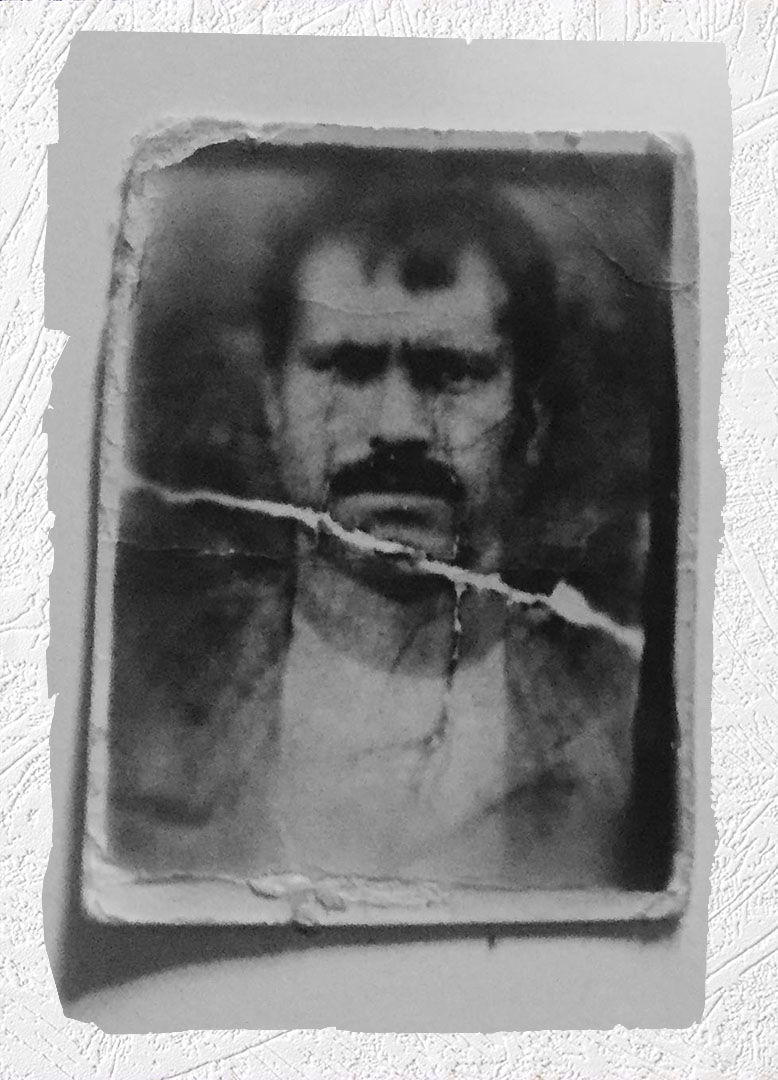
- Gender
- Male
- Ethnicity
- Sadat
- District geolocation of incident
- Mazar-e Sharif: 36° 41′ 38″ N, 67° 6′ 48″ E
- Description of incident
On August 7, 1998, following a renewed conflict with the Northern Front, Taliban forces entered Mazar-e-Sharif in Balkh Province. In the initial days, they detained and executed thousands of civilians, primarily Hazaras. Within the first 3 days, the Taliban forces declared a general massacre targeting the city's Shia population. According to witnesses, the scale of the violence left bodies strewn across the streets. It took days to remove all the bodies. Sayyed Musa was among the civilian casualties of the Taliban's massacre.
- Witness/Survivor Statement
No statement
Sayed Nassim Mohammadi
- Photo of Victim

- Gender
- Male
- Ethnicity
- Sadat
- District geolocation of incident
- Kabul: 34° 31′ 1″ N, 69° 8′ 60″ E
- Description of incident
On September 30, 2022, a suicide attack targeted the Kaaj Educational Center in Dasht-e-Barchi, West Kabul, Afghanistan. The explosion occurred at approximately 7:30 AM and tragically resulted in the deaths of over 58 students. More than 126 others were injured. The Kaaj Center, located in a predominantly Hazara neighbourhood, served as a learning space for students preparing for university entrance exams. On the day of the attack, nearly 300 students were present, many of whom were high school girls taking a practice exam. While no group has officially claimed responsibility, the Hazara ethnic group has faced widespread violence from groups like ISIL-K and the Taliban in the past.
- Witness/Survivor Statement
No statement
Marzia Ataey
- Photo of Victim

- Gender
- Female
- Ethnicity
- Sadat
- District geolocation of incident
- Kabul: 34° 31′ 1″ N, 69° 8′ 60″ E
- Description of incident
On September 30, 2022, a suicide attack targeted the Kaaj Educational Center in Dasht-e-Barchi, West Kabul, Afghanistan. The explosion occurred at approximately 7:30 AM and tragically resulted in the deaths of over 58 students. More than 126 others were injured. The Kaaj Center, located in a predominantly Hazara neighbourhood, served as a learning space for students preparing for university entrance exams. On the day of the attack, nearly 300 students were present, many of whom were high school girls taking a practice exam. While no group has officially claimed responsibility, the Hazara ethnic group has faced widespread violence from groups like ISIL-K and the Taliban in the past.
- Witness/Survivor Statement
No statement
Ahmad Sha
- Photo of Victim

- Gender
- Male
- Ethnicity
- Sadat
- District geolocation of incident
- Yakawlang: 34° 44′ 50″ N, 66° 56′ 40″ E
- Description of incident
On January 7, 2001, the Taliban attacked the Yakawlang District of Bamiyan Province and massacred hundreds of Hazara civilians. Many of those who managed to escape and take refuge on the mountains froze to death. On January 8, Taliban members began a house-to-house search across the district. The massacre of Hazaras continued through the 9th, 10th, 11th, and 12th of January. At least 300 Hazaras were executed by the Taliban.
- Witness/Survivor Statement
No statement
Sayed Ebrahim
- Photo of Victim

- Gender
- Male
- Ethnicity
- Sadat
- District geolocation of incident
- Yakawlang: 34° 44′ 50″ N, 66° 56′ 40″ E
- Description of incident
On January 7, 2001, the Taliban attacked the Yakawlang District of Bamiyan Province and massacred hundreds of Hazara civilians. Many of those who managed to escape and take refuge on the mountains froze to death. On January 8, Taliban members began a house-to-house search across the district. The massacre of Hazaras continued through the 9th, 10th, 11th, and 12th of January. At least 300 Hazaras were executed by the Taliban.
- Witness/Survivor Statement
No statement
Sayed Ahmad
- Photo of Victim

- Gender
- Male
- Ethnicity
- Sadat
- District geolocation of incident
- Yakawlang: 34° 44′ 50″ N, 66° 56′ 40″ E
- Description of incident
On January 7, 2001, the Taliban attacked the Yakawlang District of Bamiyan Province and massacred hundreds of Hazara civilians. Many of those who managed to escape and take refuge on the mountains froze to death. On January 8, Taliban members began a house-to-house search across the district. The massacre of Hazaras continued through the 9th, 10th, 11th, and 12th of January. At least 300 Hazaras were executed by the Taliban.
Sayed Amin
- Photo of Victim

- Gender
- Male
- Ethnicity
- Sadat
- District geolocation of incident
- Yakawlang: 34° 44′ 50″ N, 66° 56′ 40″ E
- Description of incident
On January 7, 2001, the Taliban attacked the Yakawlang District of Bamiyan Province and massacred hundreds of Hazara civilians. Many of those who managed to escape and take refuge on the mountains froze to death. On January 8, Taliban members began a house-to-house search across the district. The massacre of Hazaras continued through the 9th, 10th, 11th, and 12th of January. At least 300 Hazaras were executed by the Taliban.
Sayed Akbar
- Photo of Victim

- Gender
- Male
- Ethnicity
- Sadat
- District geolocation of incident
- Yakawlang: 34° 44′ 50″ N, 66° 56′ 40″ E
- Description of incident
On January 7, 2001, the Taliban attacked the Yakawlang District of Bamiyan Province and massacred hundreds of Hazara civilians. Many of those who managed to escape and take refuge on the mountains froze to death. On January 8, Taliban members began a house-to-house search across the district. The massacre of Hazaras continued through the 9th, 10th, 11th, and 12th of January. At least 300 Hazaras were executed by the Taliban.
Sayed Afzal
- Photo of Victim

- Gender
- Male
- Ethnicity
- Sadat
- District geolocation of incident
- Yakawlang: 34° 44′ 50″ N, 66° 56′ 40″ E
- Description of incident
On January 7, 2001, the Taliban attacked the Yakawlang District of Bamiyan Province and massacred hundreds of Hazara civilians. Many of those who managed to escape and take refuge on the mountains froze to death. On January 8, Taliban members began a house-to-house search across the district. The massacre of Hazaras continued through the 9th, 10th, 11th, and 12th of January. At least 300 Hazaras were executed by the Taliban.
Sayed Mahdi
- Photo of Victim
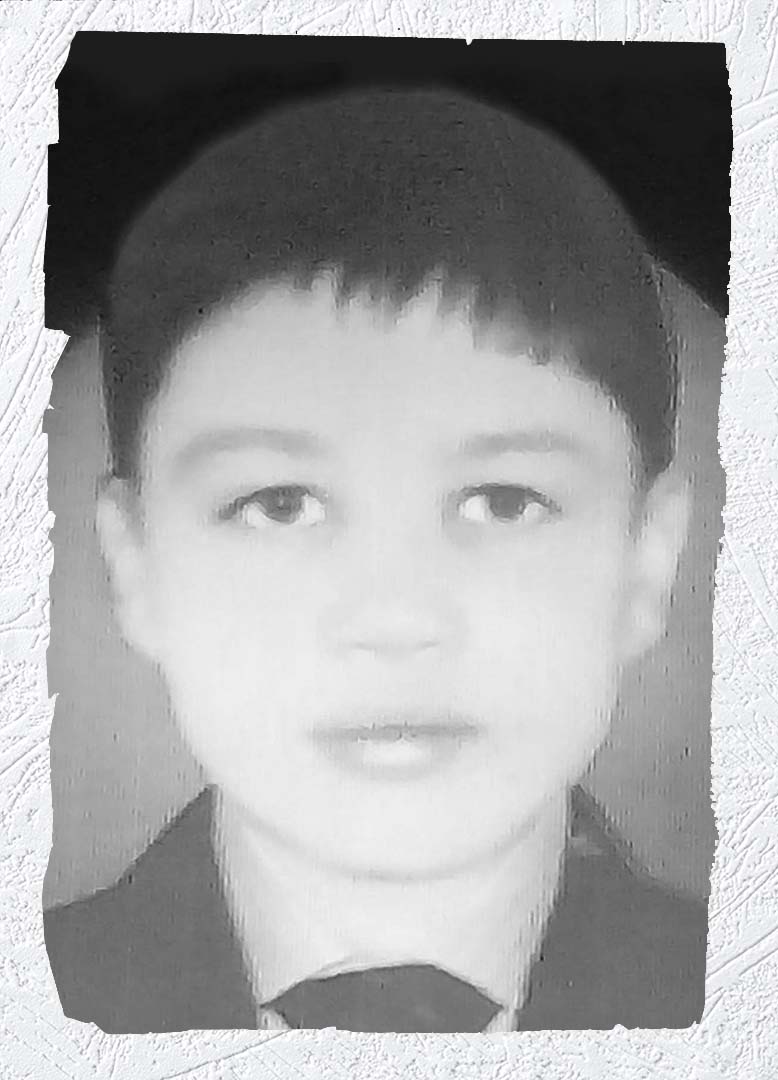
- Gender
- Male
- Ethnicity
- Sadat
- District geolocation of incident
- Kabul: 34° 31′ 1″ N, 69° 8′ 60″ E
- Description of incident
On Nov. 21, 2016, a suicide bombing ripped through a Shia Mosque in the Afghan capital, Kabul, causing immense devastation. The blast occurred at the Baqir ul Olum mosque in the Darul Aman area, targeting worshippers gathered to mark the culmination of a significant religious period. The attack resulted in the tragic loss of at least 32 lives, predominantly Hazaras. At least 64 others were injured, many with severe wounds.
- Witness/Survivor Statement
No statement
Sayed Hadi
- Photo of Victim
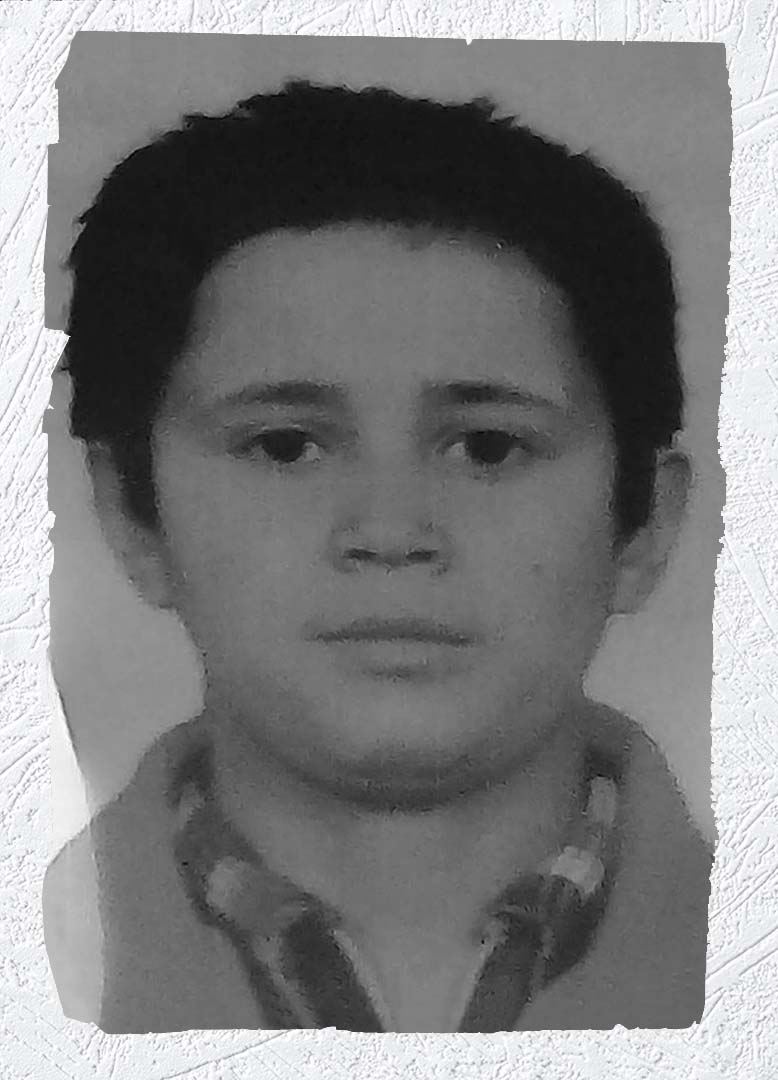
- Gender
- Male
- Ethnicity
- Sadat
- District geolocation of incident
- Kabul: 34° 31′ 1″ N, 69° 8′ 60″ E
- Description of incident
A suicide bomber detonated explosives inside a Shia Mosque in the Afghan capital of Kabul. At least 53 people were killed and dozens of others were wounded. The explosion happened at the Baqir ul Olum mosque in the Darul Aman area as people gathered to mark the end of an important religious period.
- Witness/Survivor Statement
No statement
Hassan Qanoni
- Photo of Victim

- Gender
- Male
- Ethnicity
- Sadat
- District geolocation of incident
- Herat City: 34° 20′ 58″ N, 62° 11′ 21″ E
- Description of incident
Hasan Qanoni was a young Hazara doctor. During the government of Ashraf Ghani Ahmadzai, he worked with the National Army. On March 28, 2021, he went missing from the city of Herat. Two days later, his burnt body was found in the city. The Taliban tortured and killed him, then burned his body.
- Witness/Survivor Statement
No statement
Abdullah
- Photo of Victim

- Gender
- Male
- Ethnicity
- Sadat
- District geolocation of incident
- Yakawlang: 34° 44′ 50″ N, 66° 56′ 40″ E
- Description of incident
On January 7, 2001, the Taliban attacked the Yakawlang District of Bamiyan Province and massacred hundreds of Hazara civilians. Many of those who managed to escape and take refuge on the mountains froze to death. On January 8, Taliban members began a house-to-house search across the district. The massacre of Hazaras continued through the 9th, 10th, 11th, and 12th of January. At least 300 Hazaras were executed by the Taliban.
Sayed Amin
- Photo of Victim

- Gender
- Male
- Ethnicity
- Sadat
- District geolocation of incident
- Yakawlang: 34° 44′ 50″ N, 66° 56′ 40″ E
- Description of incident
On January 7, 2001, the Taliban attacked the Yakawlang District of Bamiyan Province and massacred hundreds of Hazara civilians. Many of those who managed to escape and take refuge on the mountains froze to death. On January 8, Taliban members began a house-to-house search across the district. The massacre of Hazaras continued through the 9th, 10th, 11th, and 12th of January. At least 300 Hazaras were executed by the Taliban.
Sayed Reza
- Photo of Victim

- Gender
- Male
- Ethnicity
- Sadat
- District geolocation of incident
- Yakawlang: 34° 44′ 50″ N, 66° 56′ 40″ E
- Description of incident
On January 7, 2001, the Taliban attacked the Yakawlang District of Bamiyan Province and massacred hundreds of Hazara civilians. Many of those who managed to escape and take refuge on the mountains froze to death. On January 8, Taliban members began a house-to-house search across the district. The massacre of Hazaras continued through the 9th, 10th, 11th, and 12th of January. At least 300 Hazaras were executed by the Taliban.
Sayed Mahammod Moalem
- Photo of Victim

- Gender
- Male
- Ethnicity
- Sadat
- District geolocation of incident
- Yakawlang: 34° 44′ 50″ N, 66° 56′ 40″ E
- Description of incident
On January 7, 2001, the Taliban attacked the Yakawlang District of Bamiyan Province and massacred hundreds of Hazara civilians. Many of those who managed to escape and take refuge on the mountains froze to death. On January 8, Taliban members began a house-to-house search across the district. The massacre of Hazaras continued through the 9th, 10th, 11th, and 12th of January. At least 300 Hazaras were executed by the Taliban.
Sayed Jawad
- Photo of Victim
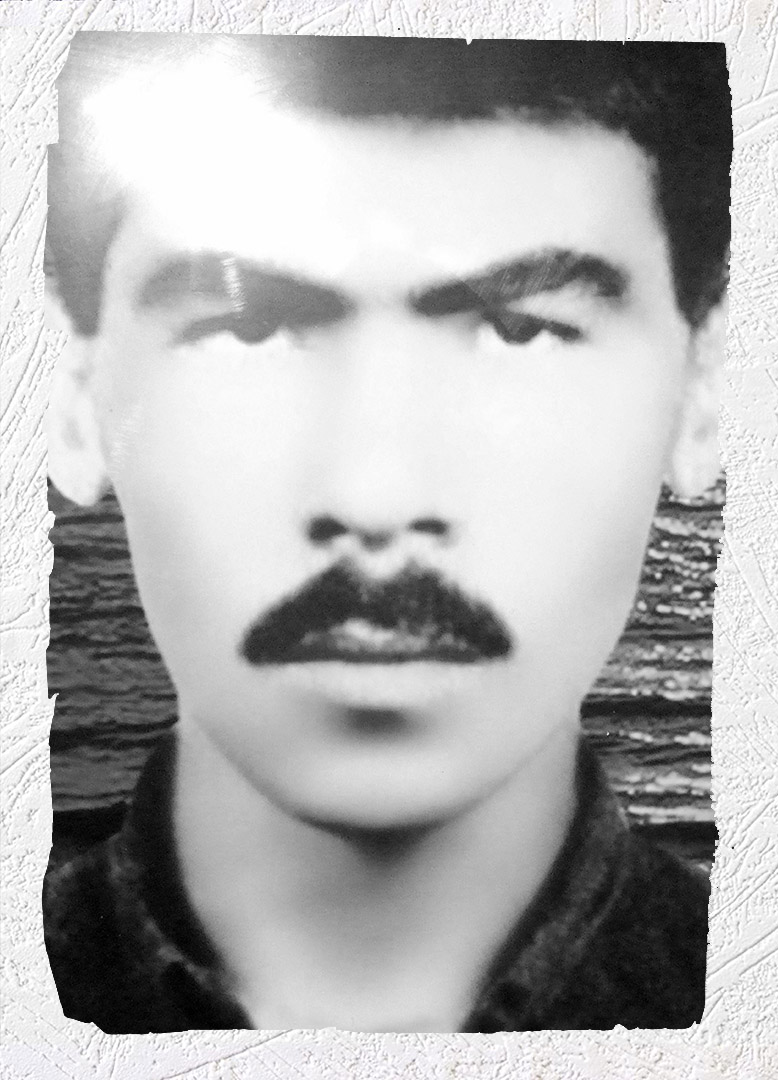
- Gender
- Male
- Ethnicity
- Sadat
- District geolocation of incident
- Yakawlang: 34° 44′ 50″ N, 66° 56′ 40″ E
- Description of incident
On January 7, 2001, the Taliban attacked the Yakawlang District of Bamiyan Province and massacred hundreds of Hazara civilians. Many of those who managed to escape and take refuge on the mountains froze to death. On January 8, Taliban members began a house-to-house search across the district. The massacre of Hazaras continued through the 9th, 10th, 11th, and 12th of January. At least 300 Hazaras were executed by the Taliban.
Sayed Nabi
- Photo of Victim

- Gender
- Male
- Ethnicity
- Sadat
- District geolocation of incident
- Yakawlang: 34° 44′ 50″ N, 66° 56′ 40″ E
- Description of incident
On January 7, 2001, the Taliban attacked the Yakawlang District of Bamiyan Province and massacred hundreds of Hazara civilians. Many of those who managed to escape and take refuge on the mountains froze to death. On January 8, Taliban members began a house-to-house search across the district. The massacre of Hazaras continued through the 9th, 10th, 11th, and 12th of January. At least 300 Hazaras were executed by the Taliban.
- Witness/Survivor Statement
On January 7, 2001, the Taliban attacked the Yakaolang district of Bamiyan province and massacred hundreds of Hazara civilians. Many of those who managed to escape and take refuge on the mountains froze to death. On the 8th of January, Taliban members began a house-to-house search across the district. The massacre of Hazaras continued through the 9th, 10th, 11th, and 12th of January. At least 300 Hazaras were either summerly executed or deliberately killed by the Taliban.
Sayed Hassan
- Photo of Victim

- Gender
- Male
- Ethnicity
- Sadat
- District geolocation of incident
- Yakawlang: 34° 44′ 50″ N, 66° 56′ 40″ E
- Description of incident
On January 7, 2001, the Taliban attacked the Yakawlang District of Bamiyan Province and massacred hundreds of Hazara civilians. Many of those who managed to escape and take refuge on the mountains froze to death. On January 8, Taliban members began a house-to-house search across the district. The massacre of Hazaras continued through the 9th, 10th, 11th, and 12th of January. At least 300 Hazaras were executed by the Taliban.
Sayed Qasim Tabibi
- Photo of Victim

- Gender
- Male
- Ethnicity
- Sadat
- District geolocation of incident
- Yakawlang: 34° 44′ 50″ N, 66° 56′ 40″ E
- Description of incident
The Taliban slaughtered at least 300 Sayyid and Hazara people during an attack on the Yakawlang District of Bamiyan Province on January 7, 2001. Witness accounts state that once the Taliban troops retook Yakawlang on January 7, they started to arrest and ruthlessly kill individuals. In late December 2000, they had lost Yakawlang to Hezb-e Wahdat, an anti-Taliban party that claimed to be supported by the Hazara minority. Additionally, witnesses reported to Amnesty International that Hezb-e Wahdat soldiers executed at least four people in broad daylight during the few days they occupied Yakawlang in late December 2000.
- Witness/Survivor Statement
No statement
Sayed Mahdi
- Photo of Victim

- Gender
- Male
- Ethnicity
- Sadat
- District geolocation of incident
- Yakawlang: 34° 44′ 50″ N, 66° 56′ 40″ E
- Description of incident
The Taliban slaughtered at least 300 Sayyid and Hazara people during an attack on the Yakawlang District of Bamiyan Province on January 7, 2001. Witness accounts state that once the Taliban troops retook Yakawlang on January 7, they started to arrest and ruthlessly kill individuals. In late December 2000, they had lost Yakawlang to Hezb-e Wahdat, an anti-Taliban party that claimed to be supported by the Hazara minority. Additionally, witnesses reported to Amnesty International that Hezb-e Wahdat soldiers executed at least four people in broad daylight during the few days they occupied Yakawlang in late December 2000.
- Witness/Survivor Statement
No statement
Sayed Aiskandar Fatimi
- Photo of Victim

- Gender
- Male
- Ethnicity
- Sadat
- District geolocation of incident
- Kabul: 34° 31′ 1″ N, 69° 8′ 60″ E
- Description of incident
On October 20, 2017, a suicide attack took place in the Imam Zaman Mosque in Dasht-e Barchi, while people were there for prayers. Dasht-e Barchi is the Hazara area of Kabul. As a result of the terrorist attack, 56 people were killed and 55 others were injured.
- Witness/Survivor Statement
No statement
Sayed Ghulam Hassan
- Photo of Victim

- Gender
- Male
- Ethnicity
- Sadat
- District geolocation of incident
- Yakawlang: 34° 44′ 50″ N, 66° 56′ 40″ E
- Description of incident
The Taliban slaughtered at least 300 Sayyid and Hazara people during an attack on the Yakaolang District of Bamiyan province on January 7, 2001. Witness accounts state that once the Taliban troops retook Yakaolang, they started to arrest and ruthlessly kill individuals. In late December 2000, they had lost Yakaolang to Hezb-e Wahdat, an anti-Taliban party that claimed to be supported by the Hazara minority. Additionally, witnesses reported to Amnesty International that Hezb-e Wahdat soldiers executed at least four people in broad daylight during the few days they occupied Yakaolang in late December 2000.
- Witness/Survivor Statement
No statement
Sayed Sajad Rahmati
- Photo of Victim

- Gender
- Male
- Ethnicity
- Sadat
- District geolocation of incident
- Puli Khumri: 35° 56′ 49″ N, 68° 42′ 16″ E
- Description of incident
A deadly blast rocked a Shia mosque in Puli Khumri City, Baghlan Province, on October 13, 2023, killing and injuring dozens of people. The Imam Zaman Shiite mosque in the second district of the city was packed with worshippers for Friday prayers when the explosion happened. Witnesses told local media that the blast was caused by explosives hidden inside the mosque. Some residents claimed that it was a suicide attack aimed at the Shia and Hazara communities. The attack left at least 20 people dead and 66 others wounded, according to ground records conducted by AHRDO.
- Witness/Survivor Statement
No statement
Sayed Sakhiurahman Sayedi
- Photo of Victim

- Gender
- Male
- Ethnicity
- Sadat
- District geolocation of incident
- Puli Khumri: 35° 56′ 49″ N, 68° 42′ 16″ E
- Description of incident
A deadly blast rocked a Shia mosque in Puli Khumri City, Baghlan Province, on October 13, 2023, killing and injuring dozens of people. The Imam Zaman Shiite mosque in the second district of the city was packed with worshippers for Friday prayers when the explosion happened. Witnesses told local media that the blast was caused by explosives hidden inside the mosque. Some residents claimed that it was a suicide attack aimed at the Shia and Hazara communities. The attack left at least 20 people dead and 66 others wounded, according to ground records conducted by AHRDO.
- Witness/Survivor Statement
No statement
Sayed Abdul Husain Husaini
- Photo of Victim

- Gender
- Male
- Ethnicity
- Sadat
- District geolocation of incident
- Puli Khumri: 35° 56′ 49″ N, 68° 42′ 16″ E
- Description of incident
A deadly blast rocked a Shia mosque in Puli Khumri City, Baghlan Province, on October 13, 2023, killing and injuring dozens of people. The Imam Zaman Shiite mosque in the second district of the city was packed with worshippers for Friday prayers when the explosion happened. Witnesses told local media that the blast was caused by explosives hidden inside the mosque. Some residents claimed that it was a suicide attack aimed at the Shia and Hazara communities. The attack left at least 20 people dead and 66 others wounded, according to ground records conducted by AHRDO.
- Witness/Survivor Statement
No statement
Tayeba Mosavi
- Photo of Victim

- Gender
- Female
- Ethnicity
- Sadat
- District geolocation of incident
- Kabul: 34° 31′ 1″ N, 69° 8′ 60″ E
- Description of incident
On June 12, 2021, two explosions occurred in succession within the Mahatab Qala and Sar-e Pol regions of Dasht-e-Barchi. These incidents led to seven fatalities and injuries to six individuals. Among the victims were Afghan Film employees Fatima Mohammadi, Tayeba Mosavi, and social activist Murtaza Sadat. The source of the explosions was identified as explosive devices located in commonly used passenger minivans. No group or individual has claimed of responsibility for these attacks so far.
- Witness/Survivor Statement
No statement
Sayed Murtaza Sadat
- Photo of Victim

- Gender
- Male
- Ethnicity
- Sadat
- District geolocation of incident
- Kabul: 34° 31′ 1″ N, 69° 8′ 60″ E
- Description of incident
On June 12, 2021, two explosions occurred in succession within the Mahatab Qala and Sar-e Pol regions of Dasht-e-Barchi. These incidents led to seven fatalities and injuries to six individuals. Among the victims were Afghan Film employees Fatima Mohammadi, Tayeba Mosavi, and social activist Murtaza Sadat. The source of the explosions was identified as explosive devices located in commonly used passenger minivans. No group or individual has claimed of responsibility for these attacks so far.
- Witness/Survivor Statement
No statement
Sayed Qasim
- Photo of Victim
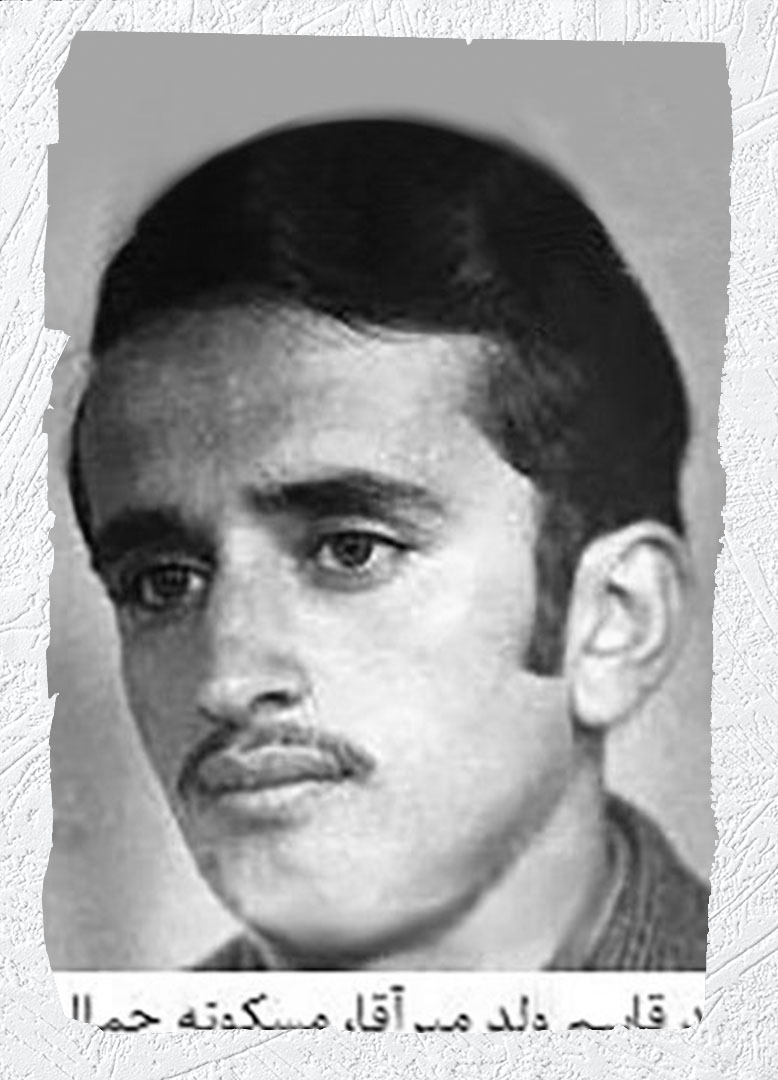
- Gender
- Male
- Ethnicity
- Sadat
- District geolocation of incident
- Bagrami: 34° 31′ 10″ N, 69° 16′ 39″ E
- Description of incident
Known as the "Killing of AGSA," it refers to the collective murder of opponents of the People's Democratic Party of Afghanistan in the Pul-e-Charkhi Prison in Kabul between 1978 and 1979. The Afghan Intelligence Office, or AGSA (Afghan Agency for Safeguarding National Interest), led by Asadullah Sarwari, had arrested nearly 150,000 people, out of which an estimated number of 27,000 political prisoners were put to death without a single trial, probe, or even allegation. Many Afghan families had no idea where their loved ones had disappeared in the latter part of 1978 and early 1979. A list of those slain that included 5,000 victims of AGSA mass executions was made public by the Dutch Prosecutor's Office in 2013.
- Witness/Survivor Statement
No statement
Sayed Mozafarudin Sha
- Photo of Victim

- Gender
- Male
- Ethnicity
- Sadat
- District geolocation of incident
- Bagrami: 34° 31′ 10″ N, 69° 16′ 39″ E
- Description of incident
Known as the "Killing of AGSA," it refers to the collective murder of opponents of the People's Democratic Party of Afghanistan in the Pul-e-Charkhi Prison in Kabul between 1978 and 1979. The Afghan Intelligence Office, or AGSA (Afghan Agency for Safeguarding National Interest), led by Asadullah Sarwari, had arrested nearly 150,000 people, out of which an estimated number of 27,000 political prisoners were put to death without a single trial, probe, or even allegation. Many Afghan families had no idea where their loved ones had disappeared in the latter part of 1978 and early 1979. A list of those slain that included 5,000 victims of AGSA mass executions was made public by the Dutch Prosecutor's Office in 2013.
- Witness/Survivor Statement
No statement
Sayed Askar Sha
- Photo of Victim
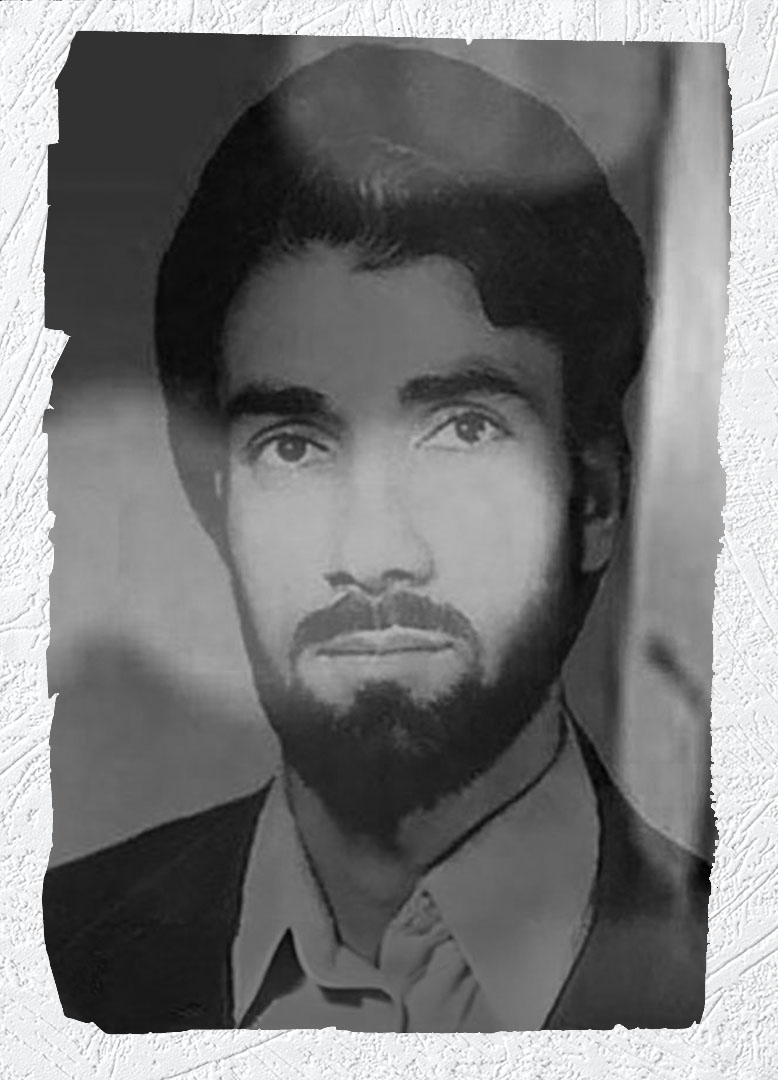
- Gender
- Male
- Ethnicity
- Sadat
- District geolocation of incident
- Bagrami: 34° 31′ 10″ N, 69° 16′ 39″ E
- Description of incident
Known as the "Killing of AGSA," it refers to the collective murder of opponents of the People's Democratic Party of Afghanistan in the Pul-e-Charkhi Prison in Kabul between 1978 and 1979. The Afghan Intelligence Office, or AGSA (Afghan Agency for Safeguarding National Interest), led by Asadullah Sarwari, had arrested nearly 150,000 people, out of which an estimated number of 27,000 political prisoners were put to death without a single trial, probe, or even allegation. Many Afghan families had no idea where their loved ones had disappeared in the latter part of 1978 and early 1979. A list of those slain that included 5,000 victims of AGSA mass executions was made public by the Dutch Prosecutor's Office in 2013.
- Witness/Survivor Statement
No statement
Sayed Ahmad Farid
- Photo of Victim

- Gender
- Male
- Ethnicity
- Sadat
- District geolocation of incident
- Kabul: 34° 31′ 1″ N, 69° 8′ 60″ E
- Description of incident
On August 17, 2019, a suicide bomber detonated explosives at the Shahr-e-Dubai wedding hall on Faiz Mohammad Kateb Road, also known as Charqala Road. The attack resulted in 63-93,(including 15 children) fatalities and 182 injuries. The wedding ceremony was predominantly attended by members of the Shia-Hazara community. The Islamic State of Iraq and Levant-Khorasan Province (ISIL-KP) claimed responsibility for the attack, stating it targeted individuals they refer to as "Rafida," a term used by some extremist groups to denote those who do not follow Sunni Islam.
- Witness/Survivor Statement
No statement
Sayed Farid Mery
- Photo of Victim

- Gender
- Male
- Ethnicity
- Sadat
- District geolocation of incident
- Kabul: 34° 31′ 1″ N, 69° 8′ 60″ E
- Description of incident
On August 17, 2019, a suicide bomber detonated explosives at the Shahr-e-Dubai wedding hall on Faiz Mohammad Kateb Road, also known as Charqala Road. The attack resulted in 63-93,(including 15 children) fatalities and 182 injuries. The wedding ceremony was predominantly attended by members of the Shia-Hazara community. The Islamic State of Iraq and Levant-Khorasan Province (ISIL-KP) claimed responsibility for the attack, stating it targeted individuals they refer to as "Rafida," a term used by some extremist groups to denote those who do not follow Sunni Islam.
- Witness/Survivor Statement
No statement
Sayed Reshad Mozafari
- Photo of Victim

- Gender
- Male
- Ethnicity
- Sadat
- District geolocation of incident
- Khan Abad: 36° 41′ 49″ N, 69° 6′ 48″ E
- Description of incident
A suicide bomber detonated an explosive device among Hazara-Shia worshipers at the Sayed Abad Mosque in Kunduz province on Friday, October 8, 2021. The attack resulted in the death of at least 150 people and injuries to 250 more. The casualties were all civilians, predominantly from the Hazara Shia ethnic group. The Islamic State of Iraq and Levant-Khorasan Province claimed responsibility for the attack, identifying a Chinese Uygur national as the suicide bomber and stating the group targeted Hazara Shias.
- Witness/Survivor Statement
No statement
Sayed Qand Agha
- Photo of Victim

- Gender
- Male
- Ethnicity
- Sadat
- District geolocation of incident
- Khan Abad: 36° 41′ 49″ N, 69° 6′ 48″ E
- Description of incident
A suicide bomber detonated an explosive device among Hazara-Shia worshipers at the Sayed Abad Mosque in Kunduz province on Friday, October 8, 2021. The attack resulted in the death of at least 150 people and injuries to 250 more. The casualties were all civilians, predominantly from the Hazara Shia ethnic group. The Islamic State of Iraq and Levant-Khorasan Province claimed responsibility for the attack, identifying a Chinese Uygur national as the suicide bomber and stating the group targeted Hazara Shias.
- Witness/Survivor Statement
No statement
Sayed Najebullah Mosawi
- Photo of Victim

- Gender
- Male
- Ethnicity
- Sadat
- District geolocation of incident
- Khan Abad: 36° 41′ 49″ N, 69° 6′ 48″ E
- Description of incident
A suicide bomber detonated an explosive device among Hazara-Shia worshipers at the Sayed Abad Mosque in Kunduz province on Friday, October 8, 2021. The attack resulted in the death of at least 150 people and injuries to 250 more. The casualties were all civilians, predominantly from the Hazara Shia ethnic group. The Islamic State of Iraq and Levant-Khorasan Province claimed responsibility for the attack, identifying a Chinese Uygur national as the suicide bomber and stating the group targeted Hazara Shias.
- Witness/Survivor Statement
No statement
Sayed Ghulam Hussain Musavi
- Photo of Victim

- Gender
- Male
- Ethnicity
- Sadat
- District geolocation of incident
- Khan Abad: 36° 41′ 49″ N, 69° 6′ 48″ E
- Description of incident
A suicide bomber detonated an explosive device among Hazara-Shia worshipers at the Sayed Abad Mosque in Kunduz province on Friday, October 8, 2021. The attack resulted in the death of at least 150 people and injuries to 250 more. The casualties were all civilians, predominantly from the Hazara Shia ethnic group. The Islamic State of Iraq and Levant-Khorasan Province claimed responsibility for the attack, identifying a Chinese Uygur national as the suicide bomber and stating the group targeted Hazara Shias.
- Witness/Survivor Statement
No statement
Sayed Talib
- Photo of Victim

- Gender
- Male
- Ethnicity
- Sadat
- District geolocation of incident
- Yakawlang: 34° 44′ 50″ N, 66° 56′ 40″ E
- Description of incident
On January 7, 2001, the Taliban attacked the Yakawlang District of Bamiyan Province and massacred hundreds of Hazara civilians. Many of those who managed to escape and take refuge on the mountains froze to death. On January 8, Taliban members began a house-to-house search across the district. The massacre of Hazaras continued through the 9th, 10th, 11th, and 12th of January. At least 300 Hazaras were executed by the Taliban.
Sayed Abedin
- Photo of Victim

- Gender
- Male
- Ethnicity
- Sadat
- District geolocation of incident
- Kabul: 34° 31′ 1″ N, 69° 8′ 60″ E
- Description of incident
On April 30, 2018, I lost my 58-year-old husband in a suicide attack in Kabul. It happened just a few weeks after he had been recruited as a driver for the Afghanistan National Radio and Television.
- Witness/Survivor Statement
The Story of Nabila (wife)
Victim’s Name: Sayed Abedin
Dte of event: April 30, 2018
Place of Incident: Shashdarak, Kabul
On April 30, 2018, I lost my 58-year-old husband. It happened just a few weeks after he had been recruited as a driver for the Afghanistan National Radio and Television. On the day of the incident, my daughter and I were at home. In the morning, I called him many times, but he did not pick up his phone. I switched the T.V. on and learned that a suicide attack had happened in Shashdarak area. I was worried so I called him again. Everyone in the family kept calling him but no one picked up. Later, his brother called us from Wazir Akbar Khan Hospital and informed us that Abedin had been killed in the suicide attack.
I will never be able to forget that day. Everyone among the family and relatives gathered for the funeral and shared their condolences. Abedin was buried in Kolangar Village of Logar Province where he was born. As a young man, he had finished his school but was unable to attend university due to poverty and lack of support. I was only 18-years-old when we got married. Abedin was kind and caring. We loved each other and we lived together for 15 years. In that time, we made of a lot of good memories. We have a daughter together, Hasana, who is now studying third grade at school. Hasana cried for three months asking for her father.
His death took our happiness away. Without him life is hard, as I did not just lose my husband but also our only breadwinner. I went through difficult times and faced numerous problems. We were living in Khair Khanna when he was alive but had to move to Chehil Sutun to live with my uncle’s family. I had to work to support my only daughter.
According to our traditions, I had to give my husband’s belongings to charity. I added the very few remaining objects to the Memory Box to keep his memories alive. There is no law to punish those who kill innocents. I only pray to God to do justice and punish them for their crimes.
Sayed Mohammad Alam Hussaini
- Photo of Victim

- Gender
- Male
- Ethnicity
- Sadat
- District geolocation of incident
- Yakawlang: 34° 44′ 50″ N, 66° 56′ 40″ E
- Description of incident
In 1998, after the Taliban attacked Bamiyan, Sayed Mohammad Alam Hussaini was shot and killed while running towards the mountains.
- Witness/Survivor Statement
We Still Have Father’s Bullet-Torn Blanket
Jaweda is a student at Bamiyan University. She is sharing the story of losing her father based on how her mother had narrated it to her. She retells the story of hardship that her mother experienced after she lost her husband.
Narrator: Jaweda (victim’s daughter)
Victim: Sayed Mohammad Alam Hussaini
Date of incident: 1998
Place of incident: Bamiyan
His name was Sayed Mohammad Alam Hussaini and he was 23 or 25-years-old. Yes, he was very young. He died on the year as I was born, in 1998. His place of birth and residence was Bamiyan Province and he belonged to the Bedmishkeen area of Yakaolang District. He had studied only until second or third grade. Due to some problems, he was not able to continue his education. He was a farmer by occupation but in his free time, he usually read books and could write as well. After my father’s death, we migrated to Iran for three years. My father died on December 30.
When we migrated to Iran, we did not take any of his belongings or writings with us. After we came back, none of his possessions were there either. I do not have any brothers. It is just my mother and three of my sisters. We did not have anyone to help us so we had no other choice but to leave for Iran. That is why we do not have any of my father’s possessions that I could bring here today with me. There is only one blanket left. When the fighting happened, [my father sent] all of us to the mountains to flee from danger. My mother, three sisters, and I were in the mountains when my father had gone to bring a blanket to keep us warm. It was winter so it was cold. He was moving toward the mountain with the blanket when he was shot at. The bullet struck his back and left a hole through the blanket. I have brought the torn blanket with me today. After going to and coming back from Iran, we no longer had my father’s personal items with us. He had many diaries filled with his writings but he did not have anyone else here to preserve them. He only had us but we had left to Iran at that time.
It is mountainous here and he was struck with a bullet while he was walking towards the mountain. My grandfather and cousins brought us and my father back from the mountain. Afterward, I think my father was alive for one more day because there were no hospitals back then advanced enough to treat a bullet wound like that. Yes, they did not exist back then. After one day, my father passed away in our home in Bedmishkeen area. They [grandfather and cousins] had brought him back home since if he had been shot in his abdomen, he could not be saved. They did not take him to the hospital. He was alive for one day before passing away. Only the families of my cousin and mine went to the mountain, but there was another woman from Bedmishkeen coming toward the mountain with my father. However, she survived and is still alive today. Only my father was lost. We did not stay in the mountain after that. Only my father died.
The first time I heard about the fighting, people were saying that it was not that intense and not many people had been killed. The next time, the fighting was intense [had more casualties too] and maybe that is why it was over sooner. The people returned to their homes from their places of hiding in the mountains. Maybe that is why we also came back home. My grandfather brought us to Akhundu area about one week after the attack. My grandfather, who had become our guardian after my father, along with my three uncles and cousins buried my father. We only had them. My father was buried near a shrine called “Shah Qalandar” in Bedmishkeen area.
My mother was young and she tells us about the problems and hardships that we faced [after my father’s death]. She tells us about the [difficult] life she had. Obviously, my mother was very young. She only had three daughters with only one year gap between them. My mother was very young. She said that when my father died, there were not many casualties. There was no one to emphasize with her and tell her they are with her to support her. There were no such things. My mother fought [for us] all alone and faced many hardships. She even says that we did not even have shoes. She used to patch and sew our shoes together. We had a lot of such problems. When my grandfather was alive, he took us under his guardianship and he used to provide for our living expenses. He had four wives and my father was from his eldest [first] wife. My father did not have full-siblings. He only had one full-sister who lives in Iran. As for my uncles (father’s half-brothers), except for creating problems for us, they do not provide any help. As long as my grandfather was alive, my uncles used to help us. Now that he is no more, we have no one to help us. Three of my sisters are married now. Before that, we used to make hand sown [items] and sell them in the market. Also, before we sold our cow, we used to make ends meet that way.
I do not know the details [of how the incident took place]. I don’t know, maybe when he was fleeing towards the mountain, they were there and fired at him. Other than that, I do not have any more information. My mother says she could not enjoy her youth and how it went. There is a lump in her stomach area and when we ask her about it, she responds that it is all because of grief and sadness. She tells us that it is because of stress and worry that that area has hardened and now she is unwell. Her hands and feet hurt. She has worked a lot and now her wrist joints all hurt. We cannot even afford to treat her. There are some problems which prevents us from taking her to the hospital for treatment and her betterment.
I am a university student now. When I got accepted to the university, I told my mother that I would not go because she did not have the money to give me to go study. She told me to go because God is merciful; He has helped us until now without my father and He shall continue to help us.
I currently live in Bamiyan and with the seven thousand provided for living expenses, I manage. We do not have a financial support or a brother that can work, we only have my mother and she is unwell now. She is old and cannot work to provide for me. She cannot go work and give me money. Currently, with the living allowance that my university provides for me, I manage. My father was a hard worker and used to work in the fields day and night because he was a farmer. He was young back then. I heard from many people, they praised [how hard working] my father was. He was youthful and always used to work hard to provide for his family in an honest manner. Despite that, my mother tells me that my grandfather used to punish my father a lot and used his catchphrase, “may God take you young” a lot. However, I do not know the reason why he used to say that. Even then, my father always respected my grandfather and always worked hard to keep him happy and satisfied. Yes [we have pictures of my father], which one should I bring? Yes, [we live in Bedmishkeen currently] in a single room which my grandfather had given us at that time. My uncles are fighting over that now but we still live in that home.
Sayed Hassan Hussaini
- Photo of Victim

- Gender
- Male
- Ethnicity
- Sadat
- District geolocation of incident
- Herat City: 34° 20′ 58″ N, 62° 11′ 21″ E
- Description of incident
It was almost five o'clock in the evening. I was at home. The bakery is near my house, almost 300 meters away. I was inside the house when it exploded. The sound was very bad. I came out and saw smoke coming from the bakery. The crowd was very large and they did not let me in there. My life caught fire when I saw the bakery on fire, and I didn't know myself anymore. The neighbours had brought me home. It was two o'clock or something like that, I don't know exactly, and my brother went to the hospital. I called him and asked, "What is the number?" He said that it is not known yet. It was too many. Almost thirty people were martyred and wounded. He was taken to the general hospital and in the morning, my brother said that Hassan Hussaini had been martyred.
Sayed Shababa Hussaini
- Photo of Victim

- Gender
- Male
- Ethnicity
- Sadat
- District geolocation of incident
- Sayyad: 35° 52′ 25″ N, 68° 25′ 51″ E
- Description of incident
On August 3, 2017, Anti-Government Elements - including Taliban and local self-proclaimed Daesh/Islamic State affiliated fighters - launched an attack against Mirza Olang Village in Sayyad District, Sari Pul Province. Fighting continued until August 5th. The village, known as ‘the gate to Sayyad,’ lies deep in a long valley. Its southern entrance is near to the border of neighbouring Faryab Province and is located 20 km south of the Sayyad district administrative centre. Much of the area surrounding the district administrative centre has been under control of Anti-Government Elements for more than one year.
- Witness/Survivor Statement
While in Pain and Agony, They Threw Him Among Salts
Jamila Hussaini is a 23-year-old married woman living in the Mirzaolang refugee tents. Jamila was born in Sar-e Pol Province. Until the fighting in Mirzaolang, she lived there in Naoabad’s Masjid Sarsang Village. She used to weave kilim rugs in Mirzaolang and has two sons named Binyamin and Yosuf.
Narrator: Jamila Hussaini (Victim’s sister)
Victim: Sayed Shahbaba Hussaini (45-years-old)
Place of incident: Mirzaolang, Sayad District, Sar-e Pol Province
My name is Jamil Hussaini and I studied till the fourth grade. I am 23-years-old and was born in Mirzaolang. Our village was called Sarsang. I am a housewife and do no other work except taking care of my sons. Previously, I used to weave rugs.
We are three siblings. I have two children named Binyamin, 3, born in Mirzaolang, and Yosuf, 1, who was born in Mazar. Currently, we live in rented houses in the Hassan Abad area of Mazar-e-Sharif. Before, we spent eight months in refugee tents. We lived in Sarsang Village where the fighting happened. Sayed Shahbaba, 45 years of age, was my brother and he was born in Mirzaolang. My brother used to farm in the village but he was literate.
My brother had two wives: six children from his first wife, and three daughters and two sons from his second wife. His eldest child from his first wife is Shah Jahan, 18-years-old, who studied only until the second grade. His second son is 17-years-old and studied until the eighth grade before we fled Mirzaolang. He has another son called Mohammad Ali and the name of his 14-year-old daughter is Bibijan, who does not study. Another son is called Juma Khan, 13, and the other daughter is Sumaya, 12. His children from his second wife are as follows: Zubaida (daughter), 12, Arifa (daughter), 9, Jawad (son), 7, Ruqaya (daughter), 4 and Kazim (son), only five-and-a-half years old.
My brother’s children no longer study after we fled Mirzaolang. There are either no schools here, or people do not want kids from Mirzaolang to study in their schools. The caretaker of the family after my brother was his 17-year-old son. We have left all our belongings - property, land, everything - and now, we have nothing.
When the fighting occurred in Mirzaolang, all thirteen members of the [victim’s] family were inside their home. My other brother also lived on the same property but all their finances and expenses were completely separate. My brother [victim] was the breadwinner of his family. On the night of the attack, all their property and donkeys, stacked with crops and harvest, remained in place while they fled and left everything behind.
On Sunday night, the Taliban captured the [police] checkpoints in Mirzaolang and for two nights, the people fought against the Taliban. On the third night, government forces and tanks came. The people said they would not leave until the last moment. On that last night, we were still in our village and after we came out to the streets, both the Taliban and government forces were shooting but neither side recognized the other, and everyone fled the area. Truly, life is precious. Everyone was trying to save themselves and because of the firing and tanks, all of them were separated while fleeing. We were the first to have escaped the area and it was still dark outside, but we could hear the sounds of gunfire.
My brother was separated from his family who managed to flee to Sar-e Pol with us. However, when we reached Sar-e Pol, he [victim] did not answer his phone and no one knew of his whereabouts. This is until the situation got better. After twelve days, my family went back to the area and found out that my brother had died. During those twelve days, many bodies, including my brother’s, had decomposed and became unrecognizable. My family recognized my brother from his footwear from the Panjshir area. There were around 30 to 40 more dead with my brother. Our relatives say that they could not sleep for one week after collecting the bodies because of how horribly the bodies were torn and decomposed.
Many people were wailing holding onto their father or uncle’s patho, or their mother, sister, or child’s clothes after they had returned to the area. I have videos of some of those scenes that I will show to you.
Truly, they killed the people in a cowardly manner because our area and its residents were not on the battle fronts. They held our people hostage and killed them, no matter their age. My brother’s children would always say that their father was in Mirzaolang to take care of the cattle in order to bring them to the family. However, when the news of my brother’s death reached, my sisters-in-law and their children were completely devastated as they could not believe it. They were all crying.
The children from my brother’s first wife lost both their father and mother. As for the children from the second wife, she’s the only caretaker of the family and they are not in good living circumstances. They do not have any new clothes or good food on Eid or other happy occasions. My sister-in-law (victim’s second wife) barely makes ends meet for eleven members of her family with rug weaving and doing people’s laundry. We never considered the security in Mirzaolang to be bad because all our property, land, and livelihood were there. We never thought that the Taliban would ruin our lives and make us homeless. But no, when the police checkpoints were abandoned, the Taliban surrounded the valley and fired at us. Binyamin, my youngest son, tripped several times when we were fleeing but still, because life is precious, he would do his best to run and escape the area. It was God’s will for some to die, and others to stay alive and get displaced like this.
The Taliban would always come to our village to tell us to surrender but we never did. In the end, neither the government nor the local people were able to defend [against them] until Mirzaolang collapsed and our people were killed. All of the Taliban and Daesh fight like cowards. They attack our homes, villages, and checkpoints without warning. They killed farmers, laborers, and daily workers. I wish our people had weapons to fight against the Taliban and kill them. But no, our people were all impoverished.
Our people (from Mirzaolang) tell the tale of an old man who was confident that the Taliban would not harm him because of his age. He went to the village but the Taliban did not have mercy, even to him. They injured him and afterward, while he was in pain and agony, they threw him among the salt in a salt shop. The old man died there in pain and agony. Believe me when I say that our apple, grape, and other fruits were still hanging in their trees when we fled Mirzaolang. I still cannot sleep well and remember that we would pray to die rather than get captured by the Taliban and not die by their bullet at every moment while fleeing. I still remember the Taliban noises (as a result of their attack); it is truly terrifying. I really want the government to bring my family and me back to Mirzaolang so that we live in our homes independently and not in refugee tents. We are tired of being displaced and homeless. We want to go back to our homes, lands, and its crops.
Sayed Ishaq Hussaini
- Photo of Victim

- Gender
- Male
- Ethnicity
- Sadat
- District geolocation of incident
- Kabul: 34° 31′ 1″ N, 69° 8′ 60″ E
- Description of incident
On July 23, 2016, two suicide bombers denoted their explosives among the protesters at Dehmazang Square in Kabul, the capital city of Afghanistan. The protesters, who were primarily Hazaras, were part of the Enlightenment Movement. They were protesting against the diversion of the TUTAP mega power project which would cause the project to bypass Hazara-dominated areas. At least 84 protesters lost their lives and 260-400 others were injured. The Islamic State of Khorasan Province (ISKP), the regional branch of ISIS, took credit for the attack. However, ISKP later refuted their involvement in the attack.
The Enlightenment Movement, also known as Junbesh-e Roshnayie, was a grassroots civil disobedience movement started by Hazaras in Afghanistan in response to a change in the Fichtner GmbH & Co. KG proposed Energy Supply Improvement Investment Program, unofficially called TUTAP project plans. The change in the project plans would cause it to bypass Hazara regions. The move was seen as perpetuating long-standing anti-Hazara discrimination. Throughout 2016 and 2017, the Enlightenment Movement coordinated large-scale demonstrations against discrimination both domestically in Afghanistan and abroad.
- Witness/Survivor Statement
I can never forgive the blood of my brother being spilled. I will never forgive my brother’s killers
Narrator: Amena (sister)
Victim: Sayed Ishaq Hussaini
Date of the incident: 23 July 2016
Location of the incident: Dehmazang, Kabul City
I am the sister of Shahid (martyred) Ishaq. I don’t know his exact date of birth. He finished twelfth grade in the Waras district in the province of Bamyan. After he graduated from twelfth grade, he went to Iran for 13 months. Last year during Arba'ein (the fortieth day after Ashura), he was in Karbala. Five months ago, until Sizdah Bedar (Nature’s Day), he was in Iran, and after 13 days of the Nowruz holidays, he returned to the [Afghanistan]…from Iran. When he returned from Iran, he enrolled in some training courses.
Two days before Eid, he went to our home village to visit my parents and spent almost 12 to 13 days with them. I called and told him to come back and study for his courses as they had already resumed. On Thursday he returned from our home village and he came to our house on Friday afternoon. After greetings and prayers, we ate dinner together and chatted until midnight. Then we went to bed.
The following day was the day of the incident. It was Saturday. After he had breakfast, he said goodbye and told me he would go to his own room. Since he was a student, he had rented a room with friends. He didn’t tell me he was going to the demonstration. I followed the demonstrations on television up to the point when I saw the suicide attack. Each time I called him, he said he was in his room and hid from me…that he was actually taking part in the demonstration. After the suicide attack, I called him but someone else picked up his phone. When I ask the person where the owner of the phone was, he said the owner of the phone had been wounded and his hand was slightly injured.
By the time I found a taxi and went to the hospital, he had already been martyred (he had passed away). He was only 21 years old and had a fiancée. He would always tell me that his one wish in life was to go back to Karbala…one more time, after which if he died, he would not wish for anything more. On the night before his martyrdom/death, [my brother] related to me that he had had dreamt that he had visited Karbala. He died/was martyred the following day.
[My brother] would always offer his prayer and would always recite the Holy Quran. In the morning before he went to his room, he asked me after prayer to turn the light on for him, so he could read the Quran. When my maternal cousin learned that Ishaq had been martyred/killed, he told us that he was a faithful boy who cared about the afterlife. He was a son of the soil, and God would not let him sin. We all believe that Sayed ul-Shuhada (the Master of Martyrs) has accepted Ishaq’s pilgrimage [to Karbala]. Now, my old mother has asked us to provide her with travel expenses so she can go on pilgrimage [to Karbala] on behalf of her son.
He would not go out for no reason, and whenever he would go out, his head was down and he never harassed anyone. I have two other brothers and they are also the best, but God who created Sayed from earth, also took him back into the earth, away from us. I had already made embroidered clothes/shalwar kameez for his wedding. When he was chatting with me, he said he didn’t have enough money for the wedding ceremony and he would have to wait till the following year, though if his fiancée’s family insisted, he would have to hold the wedding sooner.
When I went to the Mowla Ali Hospital to find him, he was lying in his own blood. His head had been injured very badly. I was so heavy-hearted I didn’t know what to do. My husband and I took his body out of the hospital. None of our relatives were there and I felt very lonely. My parents are very old. We buried Ishaq alone; we had to bury our loved one among strangers. My mother still sheds tears and has become sick with grief because of losing my brother. My other brother cries when he is alone. My heart aches when I see him so restless and sad. No matter how much we console him, he cannot forget his sorrow over losing our brother (martyr) Ishaq. I myself go to the hill [the Hill of Martyrs] out of immense heartache and cry up there so that I don’t bother my husband. My brother was only 21 years old. He was martyred along with other youths. It happened as if by accident, though it may have been intentional. I can never forgive the blood of my brother being spilled. I will never forgive my brother’s killers. Ethnic leaders betrayed us and made our youths their political toys, and then they sacrificed them.
Sayed Mahdi Masoumizada
- Photo of Victim

- Gender
- Male
- Ethnicity
- Sadat
- District geolocation of incident
- Kabul: 34° 31′ 1″ N, 69° 8′ 60″ E
- Description of incident
On July 23, 2016, two suicide bombers denoted their explosives among the protesters at Dehmazang Square in Kabul, the capital city of Afghanistan. The protesters, who were primarily Hazaras, were part of the Enlightenment Movement. They were protesting against the diversion of the TUTAP mega power project which would cause the project to bypass Hazara-dominated areas. At least 84 protesters lost their lives and 260-400 others were injured. The Islamic State of Khorasan Province (ISKP), the regional branch of ISIS, took credit for the attack. However, ISKP later refuted their involvement in the attack.
The Enlightenment Movement, also known as Junbesh-e Roshnayie, was a grassroots civil disobedience movement started by Hazaras in Afghanistan in response to a change in the Fichtner GmbH & Co. KG proposed Energy Supply Improvement Investment Program, unofficially called TUTAP project plans. The change in the project plans would cause it to bypass Hazara regions. The move was seen as perpetuating long-standing anti-Hazara discrimination. Throughout 2016 and 2017, the Enlightenment Movement coordinated large-scale demonstrations against discrimination both domestically in Afghanistan and abroad.
- Witness/Survivor Statement
He Was Admitted to the Journalism Faculty at Kabul University
Narrator: Sayed Karim (Cousin (auntie’s son)
Victim: Sayed Mahdi Masoumzada
Date of the incident: 23 July 2016
Location of the incident: Dehmazang, Kabul City
Sayed Mahdi Masoumzada turned 20 this year [2016]. He was born in Varas District in Bamyan Province. He attended first to twelfth grade in Varas, and in 2012, graduated from twelfth grade. He sat the public university entrance exam but did not wait for the results. Instead, he secretly came to Kabul with some friends. One of his cousins called me and said, “Your auntie’s son has come to Kabul and is planning to go to Iran.” I quickly went to Kampany [in Kabul] and looked for him in all the vehicles there, but could not find him. I called his number, but his phone was turned off.
He called me at 10 o'clock and I told him not to go to Iran, but he refused. Since he was not listening to me, I followed him and brought him home. The next day, he travelled to Iran, but the border police harassed him. With difficulty he reached the city of Kerman but because workers’ conditions were not good there, he soon returned to Afghanistan. Later, he wanted to go to Iran for a second time, but we did not allow him to go. After some time, the entrance exam results were announced, and he learned that he had been successful and was admitted to the journalism faculty of Kabul University. He was in Bamyan and returned to Kabul after hearing the good news.
After enrolling at the university, he moved away from home to live in a dormitory. He visited our house once a month and at other times, he stayed in the dormitory. In the month of Ramadan, his father called him and told him to come home as it had been a long time since he visited. His father said it would be good for him to spend some time with the family during the days of Eid. Mahdi was not interested in going to Bamiyan, but he told me he wanted to go home because of his father's call. On the nights of Qadr, he would stay in the dormitory and rarely visited our house. I called him and asked him why he would not come to the house. He said, "I don't like to bother relatives while I'm away from home for my educational programs. I would rather stay in the dorm." He travelled to Bamiyan Province for just three days and then returned to Kabul. When he came, he took all his belongings back to the dormitory. A few days later, I called him, but his phone was switched off. I called him the next day and asked him to come back to our house. He said, “I will come to your house tomorrow night.” The day he came to our house, I was unfortunately not at home. Then the attack happened on July 23rd.
Before the incident, he had organized all his belongings in his dormitory and put them in his bag. He had bought white clothes and a white scarf specially for the July 23rd demonstration. The night before the rally, he told his friends that clothing was his shroud. He called me the night before the incident and wanted me to participate in the demonstration the next day. I called him in the morning and he said he would be coming by at 11 o’clock in the morning. But on the day of the protest, some of us who were planning to go eventually turned back at Qala-e Naw to go visit a sick family member.
It was only at 3:30 in the afternoon that we were informed there had been an explosion in Dehmazang. I called my cousin, but he didn't answer. I called his friends, and they said my cousin’s brother had already called Mahdi three times that day asking him not to take part in the demonstration. To put his brother’s mind at rest, Mahdi told him he wouldn't be joining in the march. When I called his brother, he didn't answer his phone either. Our own house is about 10 minutes from Qala-e Naw. But on that day, it took me half an hour to arrive home. It felt like ages. By the time I got home, I noticed my father and brother were not there. I asked about them and was told Mahdi was wounded, and they had gone to visit him in hospital.
When my father learned that Mahdi was injured, he walked on foot from Qala-e Maw to Dar al-Aman. Meanwhile, the wounded and martyrs had been transferred to various different hospitals. His friends searched several hospitals and could not find him. At 6:00 pm, his friends called to say that Mahdi was in Esteqlal Hospital, but they had not been allowed to go in and see him. We pretended not to know anything, because my mother was so restless. At 7:00 p.m., Mahdi's brother went to the hospital. When they allowed my brother to enter, he recognized Mahdi. According to my brother, when he entered the hospital, all the rooms, the corridor, and the morgue were full of corpses and the wounded. Part of Mahdi’s forehead had been cleaned, and that was how his brother recognized him. Several pieces of shrapnel had hit his body and he died before our family was able to arrive. They didn't hand over Mahdi's body that night, instead at 8:00 a.m. the next day because of the hot weather. The same day, we took the body and transferred it to Bamyan where we then buried him. Unfortunately, I don’t know the details since I was still in Kabul.
Sayed Omid Shahzad
- Photo of Victim

- Gender
- Male
- Ethnicity
- Sadat
- District geolocation of incident
- Kabul: 34° 31′ 1″ N, 69° 8′ 60″ E
- Description of incident
On October 24, 2020, around 4:30 p.m., a suicide bomber detonated an explosive device inside the Kawsar-e Danish Educational Center in the western area of Kabul City's PD-13 neighbourhood in the Pol-e-Khoshk District. The educational institute provided coaching for high school students preparing for university entrance exams. The attack resulted in the deaths of at least 43 students. 72 others were injured. The attack occurred in a primarily Hazara neighbourhood in Dasht-e-Barchi; the majority of students attending the tuition centre were Hazara. The Islamic State of Khorasan Province (IS-KP) claimed responsibility for the attack.
- Witness/Survivor Statement
Two More Shrapnels Hit His Heart
Narrator: Sayed Shah Wali (Victim’s father)
Victim: Sayed Omid Shahzad
Date of the incident: 24 October 2020
Location of the incident: District 13, Kabul City, Pul-e Khoshk, Dasht-e Barchi, Kausar Danesh Educational Center
I am Sayed Shah Wali, father of Martyr Sayed Omid, aged 46. I work as a self-employed laborer. I had to stop my education at third grade due to the civil war during President Najib's era, obliging us to move to the countryside. My family, originally nine members, now counts eight, with five girls and two boys. Sayed Omid, my eldest, tragically passed away aged 21, my youngest son in fourth grade.
We come from from Sanglakht Village in Orman, Jalriz District, Maidan Wardak Province, but now live in Haji Nabi township, opposite the Qaba Mosque. Sayed Omid completed sixth grade at Mir Ali Ahmed Hojjat School in Sar Rigi, an elementary institution that didn't go beyond eighth grade. So, I transferred him to Badorkhan High School, where he finished twelfth grade.
Sayed Omid wanted to simultaneously prepare for the university entrance exams while completing twelfth grade to save time and avoid loosing a year. Unfortunately, on October 24th, he was killed. The incident was far away, and we had not heard the sound of the explosion or the news. At 5pm, I first learned of it when his uncle ask if Omid had taken his phone with him, followed the news of his injury in a suicide attack on the educational center. His uncle called and said, “Sayed Omid has been injured in a suicide attack on the educational center, he was taken to Watan Hospital, are you coming, or do you want us to bring him home?”
It was already late in the day, and I asked he be brought home. I performed ablution, I had not offered evening prayer. I turned on the tv, it was six o’clock. I was watching Tolo TV, and the news hour just began. I had no idea that Sayed Omid was martyred because his uncle said he was only wounded. They brought the body of my son home at 6 pm. He was dead. It was an terrible day, our whole family was very upset.
When they brought him, Sayed Omid had one shrapnel in his left foot. It was torn apart and the shrapnel was still there. He had two more pieces of shrapnel in his heart. His mother and sisters were crying a lot. We couldn't keep Sayed Omid’s body at night. We took him to the mosque, bathed him, and shrouded him. My brother-in-law called friends. They gathered and we buried him at 10:30 p.m in the cemetery of Haji Nabi township. His mother and his sisters were so distraught, we had to act fast.
On Friday night, the evening preceding the incident, there was a wedding for his cousin. We stayed there overnight, and on Saturday morning, I returned home to Haji Nabi township for work, while he and his sisters came later. I asked him, "Son, are you going to school?" He replied that it was too late for school but that he would go to the educational center instead. I left for work, and his mother returned home later. At noon, he would ask for his lunch to ensure he made it to class on time. He had his lunch by noon and rode his bicycle to class, where unfortunately he was martyred.
I had high hopes for him. There were no educated individuals in our area or at his school. He attended school until the sixth grade in Sanglakht, where the teachers were not qualified. That's why we transferred him here, hoping he could pursue his dreams. Sadly, it didn't happen. He longed to take the entrance exam, attend university, and achieve success.
He worked alongside me, sometimes with another laborer, loading and unloading vehicles. Despite his workload, he attended school, took additional courses, and spent two or three hours working overnight at a library in Haji Nabi township, printing books. It was a tough time for us after we buried Sayed Omid and returned home. We cried and mourned until the next morning, when we visited his grave and cried again. It was an incredibly difficult day for us to endure.
Sayed Omid was my eldest son. Following him, I have four daughters, then my second son, Sayed Hamid, currently in fourth grade. After him is a daughter in second grade. I am the sole breadwinner; no one else in the family works. We had hoped, and Sayed Omid wished, that he would find a job in a few years and work alongside me. He had many dreams.
Previously, people would obtain the phone number of the educational center, and someone from there would call and offer assistance. We organized a ceremony on the 40th day after his martyrdom. His mother, sister, great-grandmother, and uncle attended. We gathered to commemorate the occasion. The government provided an honorarium of one hundred thousand AFN, but no further assistance.
I receive a monthly salary of ten thousand AFN. The house we live in is rented; we don't own anything here. We moved here for the education of Sayed Omid and his sisters, to enable them to attend school and take courses. I only completed up to the third grade; I couldn't continue my education.
It remains unclear whether this attack was carried out by the government, ISIS, or the Taliban. I blame the government, ISIS, and the Taliban, because the government does not take responsibility and is not held accountable for the security of the people, and I blame ISIS and the Taliban for the attacks.
After the attack, all the children became sad, and for a few days, they were unwilling to go to school. Afterward, I sent them back to school. Omid’s mother cries and laments whenever she remembers Sayed Omid. He was my eldest son; he used to help me with everything I asked him to do. Whether it was riding his bike to run errands or assisting with heavy work, he was always there for me. Now, day and night, remembering him is difficult and tough for me.
I have fond memories of Sayed Omid. For instance, he showed a keen interest in his studies and courses, which I encouraged. Thinking of him now fills me with sorrow. He used to assist his sisters and brother with their schoolwork, teaching them with such seriousness. Now, realizing there's no one else to help, I feel a profound sadness. Sayed Omid was dedicated to his studies, attended courses, and helped his siblings. He was a remarkable young man. It's sad to think of the dreams he had, like attending university, working, and marrying, none of which will come true.
He was also a great storyteller. He loved sharing anecdotes about his friends and classmates. He enjoyed gatherings like weddings and picnics, where he would regale his friends with tales.
The insecurity in Afghanistan is pervasive and distressing. It affects every aspect of life, from attending school to family livelihoods. We presented petitions to several authorities: Parliament, the offices of First and Second Vice-Presidents, everywhere, but no results yet. They say it takes time and they will investigate. We also presented a petition to the Attorney General’s office, but, so far, it has produced no result. It's been eight months since the incident, and we're still waiting for justice.
Sayed Omid was an exceptional young man. Like many other martyrs who had dreams and aspirations, his life has been cut short. The situation in Afghanistan is dire, with little regard for the safety and well-being of civilians by the government or other countries. The economy and security are deteriorating day by day.
A few years ago, I had a severe accident. I fell from a roof and broke my left leg. Sayed Omid provided invaluable support during my recovery, attending to my needs day and night, such as bringing me medicine and later working for me as I was bed-ridden for eight months. His absence now leaves a void that cannot be filled.
Thank you for your understanding, and I appreciate your work.
Sayed Hadi Musawi
- Photo of Victim

- Gender
- Male
- Ethnicity
- Sadat
- District geolocation of incident
- Kabul: 34° 31′ 1″ N, 69° 8′ 60″ E
- Description of incident
On October 24, 2020, around 4:30 p.m., a suicide bomber detonated an explosive device inside the Kawsar-e Danish Educational Center in the western area of Kabul City's PD-13 neighbourhood in the Pol-e-Khoshk District. The educational institute provided coaching for high school students preparing for university entrance exams. The attack resulted in the deaths of at least 43 students. 72 others were injured. The attack occurred in a primarily Hazara neighbourhood in Dasht-e-Barchi; the majority of students attending the tuition centre were Hazara. The Islamic State of Khorasan Province (IS-KP) claimed responsibility for the attack.
- Witness/Survivor Statement
His Hands Were Burnt, His Face Was Burnt
Narrator: Shafiqa Ahmadi (mother) and Bibi Fatima (aunt)
Victim: Sayed Hadi Musavi
Date of the incident: 24 October 2020
Location of the incident: District 13, Kabul City, Pul-e Khoshk, Dasht-e Barchi, Kausar Danesh Educational Center
My family name is Ahmadi, and my name is Bibi Shafiqa. My husband's name is Musavi. I'm 42-years-old, born in Kabul Province, right here in Barchi. We currently live in Barchi, Pul-e Khoshk. Tragically, my son was martyred. His name was Sayed Hadi Musavi, and he had just turned 19-years-old in August. He was studying at Kawsar educational center, preparing for the university entrance exam.
It was around 4:30 p.m., twenty-five minutes before 5:00 p.m., when my son Hadi hurriedly asked for food as he was late. After hastily eating, he left the house. I was sitting idle when I heard the boom of an explosion. Panic ensued as people wondered where the suicide bombing had occurred. They said it was on the main road, at Barchi Center. Meanwhile, my other son was at the market buying groceries, and my daughter-in-law was at our house. She screamed and said, “Aunty, aren't your kids at the educational center?” As soon as the center was mentioned, I understood, and my heart shattered.
My son ran ahead, followed by his aunt, and then me. We reached the gate of the Kawsar educational center, but the police wouldn't let us go further. Frantically, I ran back home to fetch my mobile phone, and upon returning, I was informed that Hadi had been injured and taken to Alemi Hospital. Unaware of the severity of his condition, I rushed to the hospital.
It was only later I learned that Hadi had been transferred to the emergency hospital and had succumbed to his injuries. The doctors informed us that he had lost 90% of his blood, leaving little chance of survival. Subsequently, the doctors requested Hadi’s father to come and take his body home. Amidst the chaos, we realized the devastating truth: Hadi had been martyred. Oh, the agony... his body was severely burned and torn apart, with shrapnel wounds scattered across him.
Hadi has two brothers, born within short intervals. They attended school together from grade one to grade twelve. He was about to enroll in the same center as Hadi that day when the attack happened. He was walking up to the street corner when he heard the explosion. He ran and saw his brother's dead body, martyred, and he was extremely terrified. He took his brother to the hospital with the help of his other brothers. Now, he suffers from deep depression and says he won't study anymore. My son has been emotionally devastated by this.
Since the incident, life has been difficult. May God not show that day to anyone. My daughters are scared and my sons feel even worse. We have cried so desperately, but this has not brought Hadi back to us. His poor father works labor jobs; he's a driver. He drives on the Mazār route, but there is currently no work as the Taliban are not allowing vehicles to pass, and the poor drivers' hearts bleed.
Sayed Hadi would sometimes help with the house expenses and took care of his own needs too. He would contribute 100-200 AFN weekly, as he also worked as a mechanic in Barchi. The economic situation after Sayed Hadi left is not bad, and we are not complaining to God about our economic situation. But one of my sons has been taken by the government on some false accusations, and we don't know where he is. It's been three months since he was taken away, and we don't understand. The national security took him. Where was this God damn security division 40 when the attack on the educational center happened?
The little belongings left, his stuff, he loved football and sports, I'll bring his old stuff to leave here as memories. There should be accountability for the blood of poor people. I heard that Leon was behind the attack. Our government holds them accountable; it would be good. May God hold the government accountable. How can the government help us when it can’t fix itself. It sits comfortably in the palace, in a safe place. How does it care about the grief of the poor, whether they have food to eat, or are killed, martyred, or injured? Their place is good, their food is good, they enjoy all the comfort. What do they care about the poor people's hearts? What can we say to them?
The son was engaged; he had dreams. We had him engaged in Iran with his cousin's daughter, and she is still in Iran. Oh God. It's been two years since his engagement. This coming Nowruz, we were going to have his wedding. He wanted to finish his studies before getting married. The government asked no questions, and nobody came to see us. There is no accountability for poor people. Only the media said that the martyrs would be remembered in history, that's it.
My name is Bibi Fatima, and I’m Sayed Hadi's aunt. Hadi was such a good boy, young and with lots of ambitions for his education and work. He intended to get his brothers engaged and married. He was engaged and intended to marry, but God didn't allow any of it. Hadi's life was short; in one evening, he was gone. Hadi was an extremely kind boy, caring for his people and tribe. He was a Quran reciter and was skilled in everything. Hadi did sports, recited Quran, and worked as a mechanic. He would often say, "Okay, let me contribute to something." His youthfulness was evident everywhere; now, Hadi has become a grief, a cancer in my heart.
We, his grieving aunts, remember when he would come from the gate and could see us from the window. He would run to see us and gather at the front yard to meet me. It's been four months since we haven't seen Hadi in our dreams, meaning he's rested. It's only Hadi's grief that brings us here so that our pain is somewhat reduced. Nothing more can be asked.
His bones were shattered, and his kidney got a hole; right here on the chest, it was major burns where only a bit of skin was left on his clothes and had come off. Yes, he was close to the suicide bomber. His body was seriously burned on Kowsar Danesh Street.
The suicide bomber appeared suspicious to the educational center’s guard, and the other guard got into a tussle with the attacker. Just as the students came out of the center, the attacker blew himself up, blowing up my nephew and tearing him apart.
We took him to Koh-e Chehel Dokhtaran for burial. We have two other martyrs there too: my daughter-in-law’s daughter is a martyr, and my uncle’s grandson was martyred in the explosion in police district 13. My cousin was martyred that year; he was named Sayed Rohullah. Apart from Rohullah, my daughter-in-law’s son also became a martyr serving in the local police in Dar-e Maidan; the poor boy was serving there. Yes, the unlucky guy was in the military.
Sayyede Mostafa
- Photo of Victim

- Gender
- Male
- Ethnicity
- Sadat
- District geolocation of incident
- Kabul: 34° 31′ 1″ N, 69° 8′ 60″ E
- Description of incident
A suicide bomber detonated an explosive device inside a classroom at Mawoud Educational Academy, where over 240 students were preparing for a university entrance exam. The attack took place at approximately 4:00 pm on August 15, 2018, in the Naqash section of the Hazara-majority Dasht-e-Barchi neighborhood, PD-18, in western Kabul. At least 50 students were killed and 67 others were injured. The majority of casualties were high school students under the age of 20 who belonged to the Hazara ethnic group. The Islamic State of Khorasan Province (ISIL-KP) has claimed responsibility for the attack on Mawoud Educational Academy.
- Witness/Survivor Statement
No statement
Mir Hussain Hussaini
- Photo of Victim

- Gender
- Male
- Ethnicity
- Sadat
- District geolocation of incident
- Kabul: 34° 31′ 1″ N, 69° 8′ 60″ E
- Description of incident
On April 19, 2022, a series of three explosions occurred at educational institutions in the Dasht-e-Barchi area of Kabul's western suburbs. The explosions resulted in more than 27 fatalities and 30 injuries. The initial blast took place at the Mamtaz Educational Center and was caused by a hand grenade thrown by an individual identified by students as Qari. Multiple people sustained critical injuries. This was followed by a suicide attack at the nearby Abdurahim Shahid High School. A remote-controlled explosive device (IED) detonated among individuals assembled for rescue efforts at the high school. The victims were all civilians, predominantly students. The Islamic State of Iraq and Levant - Khorasan Province (ISIL-KP) has claimed responsibility for the attacks, stating an intent to target the Hazara-Shia community.
- Witness/Survivor Statement
No statement
Sayed Baqer Hussaini
- Photo of Victim
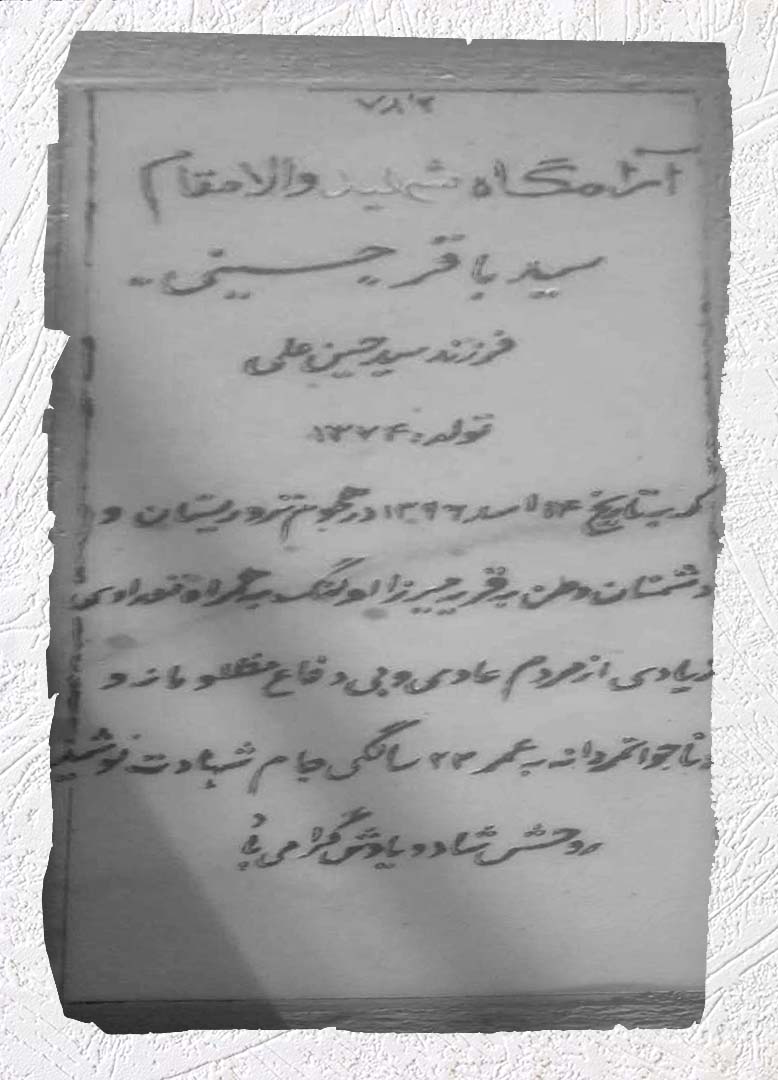
- Gender
- Male
- Ethnicity
- Sadat
- District geolocation of incident
- Sayyad: 35° 52′ 25″ N, 68° 25′ 51″ E
- Description of incident
On August 3, 2017, anti-government groups including the Taliban and local self-proclaimed Daesh/Islamic State affiliated fighters launched an attack against Mirza Olang Village in Sayyad District, Sari Pul Province. Fighting lasted until August 5th. The village, known as ‘the gate to Sayyad,’ lies deep in a long valley. Its southern entrance is near the border of neighbouring Faryab Province and is located 20 km south of the Sayyad District administrative centre. Much of the area surrounding the administrative centre has been under the control of anti-government groups for more than one year.
Sayed Hassan Hussainy
- Photo of Victim
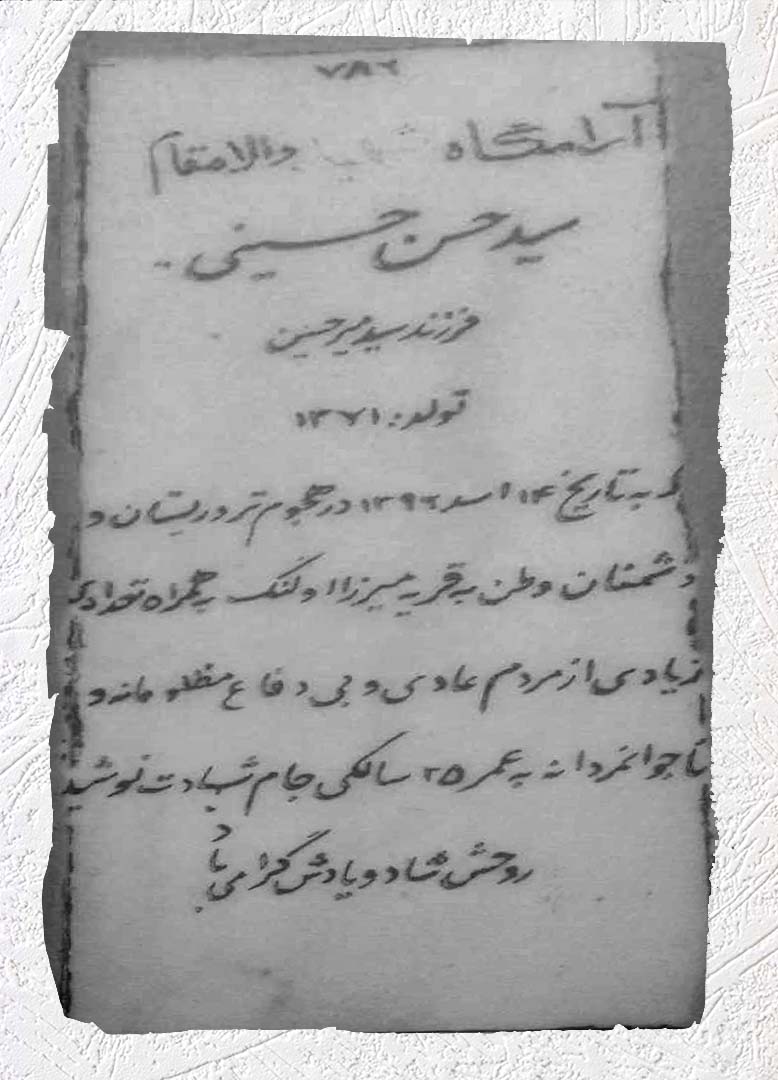
- Gender
- Male
- Ethnicity
- Sadat
- District geolocation of incident
- Sayyad: 35° 52′ 25″ N, 68° 25′ 51″ E
- Description of incident
On August 3, 2017, anti-government groups including the Taliban and local self-proclaimed Daesh/Islamic State affiliated fighters launched an attack against Mirza Olang Village in Sayyad District, Sari Pul Province. Fighting lasted until August 5th. The village, known as ‘the gate to Sayyad,’ lies deep in a long valley. Its southern entrance is near the border of neighbouring Faryab Province and is located 20 km south of the Sayyad District administrative centre. Much of the area surrounding the administrative centre has been under the control of anti-government groups for more than one year.
Sayed Musa Hussainy
- Photo of Victim
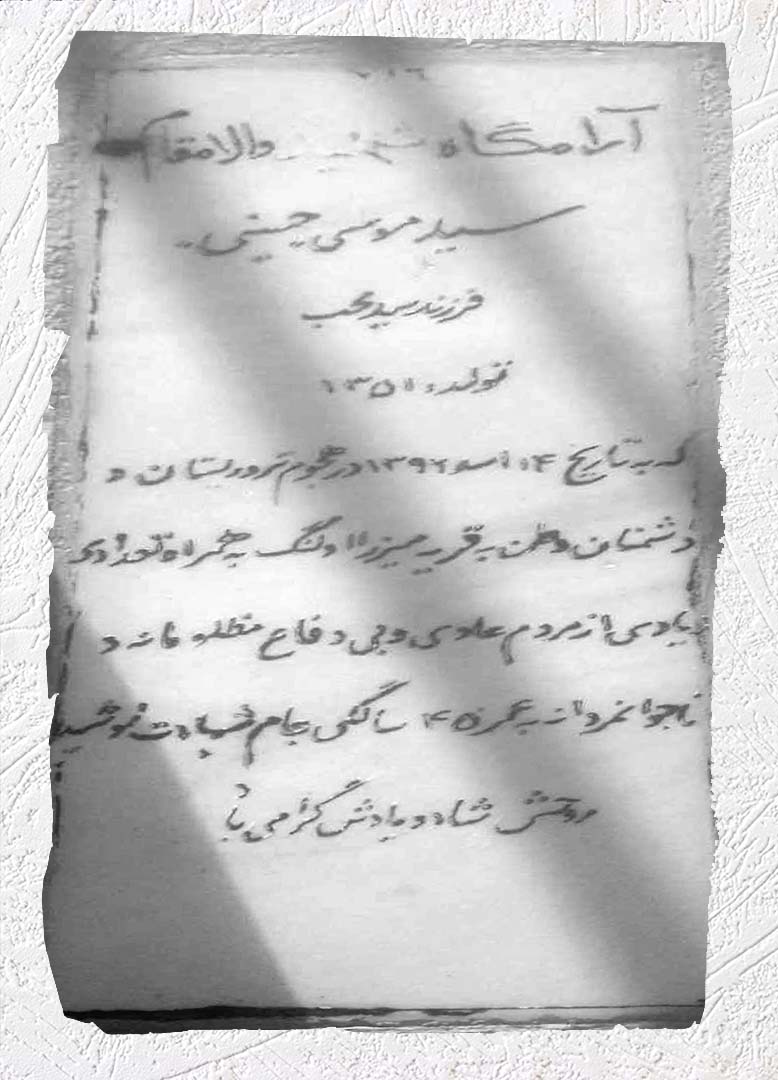
- Gender
- Male
- Ethnicity
- Sadat
- District geolocation of incident
- Sayyad: 35° 52′ 25″ N, 68° 25′ 51″ E
- Description of incident
On August 3, 2017, anti-government groups including the Taliban and local self-proclaimed Daesh/Islamic State affiliated fighters launched an attack against Mirza Olang Village in Sayyad District, Sari Pul Province. Fighting lasted until August 5th. The village, known as ‘the gate to Sayyad,’ lies deep in a long valley. Its southern entrance is near the border of neighbouring Faryab Province and is located 20 km south of the Sayyad District administrative centre. Much of the area surrounding the administrative centre has been under the control of anti-government groups for more than one year.
Sayed Mir Ahmad Ghafari
- Photo of Victim
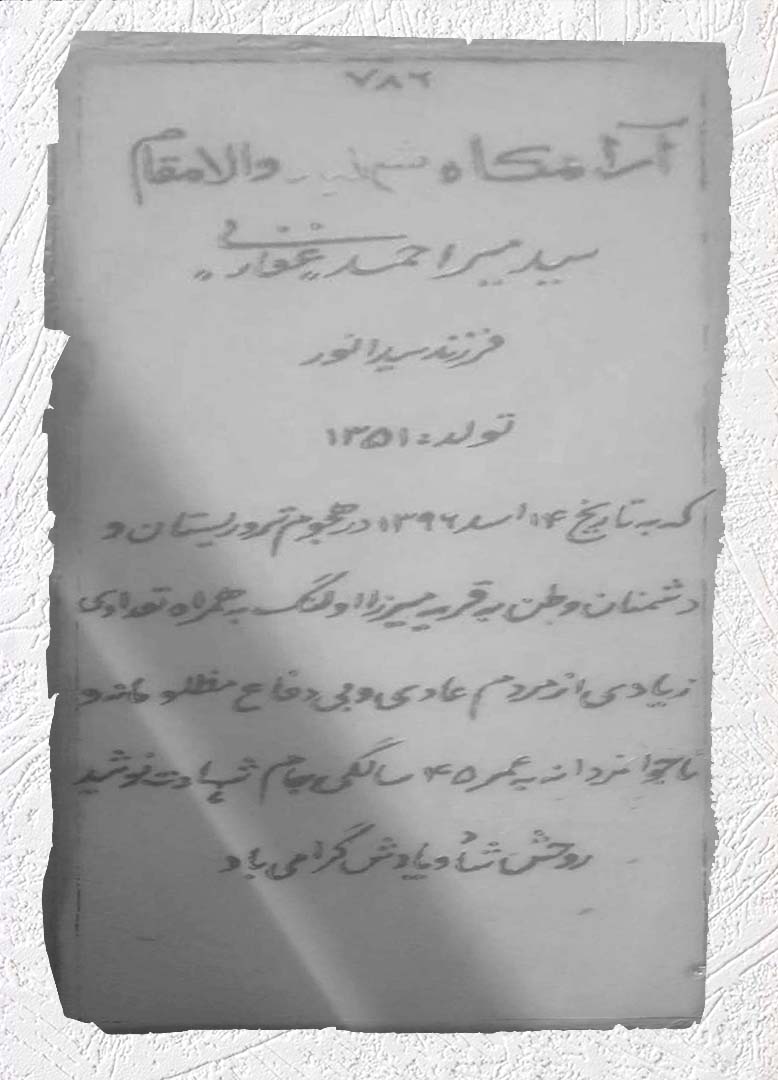
- Gender
- Male
- Ethnicity
- Sadat
- District geolocation of incident
- Sayyad: 35° 52′ 25″ N, 68° 25′ 51″ E
- Description of incident
On August 3, 2017, anti-government groups including the Taliban and local self-proclaimed Daesh/Islamic State affiliated fighters launched an attack against Mirza Olang Village in Sayyad District, Sari Pul Province. Fighting lasted until August 5th. The village, known as ‘the gate to Sayyad,’ lies deep in a long valley. Its southern entrance is near the border of neighbouring Faryab Province and is located 20 km south of the Sayyad District administrative centre. Much of the area surrounding the administrative centre has been under the control of anti-government groups for more than one year.
Sayed Rohollah Hussainy
- Photo of Victim
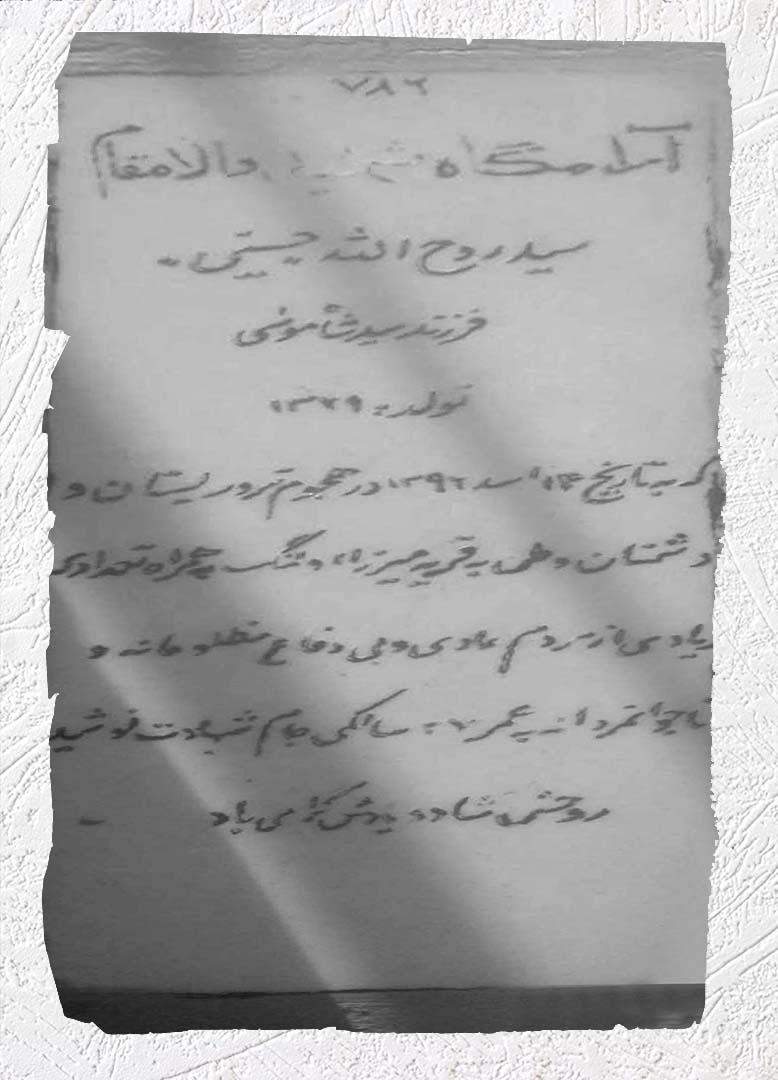
- Gender
- Male
- Ethnicity
- Sadat
- District geolocation of incident
- Sayyad: 35° 52′ 25″ N, 68° 25′ 51″ E
- Description of incident
On August 3, 2017, anti-government groups including the Taliban and local self-proclaimed Daesh/Islamic State affiliated fighters launched an attack against Mirza Olang Village in Sayyad District, Sari Pul Province. Fighting lasted until August 5th. The village, known as ‘the gate to Sayyad,’ lies deep in a long valley. Its southern entrance is near the border of neighbouring Faryab Province and is located 20 km south of the Sayyad District administrative centre. Much of the area surrounding the administrative centre has been under the control of anti-government groups for more than one year.
Sayed Timor
- Photo of Victim

- Gender
- Male
- Ethnicity
- Sadat
- District geolocation of incident
- Sayyad: 35° 52′ 25″ N, 68° 25′ 51″ E
- Description of incident
On August 3, 2017, anti-government groups including the Taliban and local self-proclaimed Daesh/Islamic State affiliated fighters launched an attack against Mirza Olang Village in Sayyad District, Sari Pul Province. Fighting lasted until August 5th. The village, known as ‘the gate to Sayyad,’ lies deep in a long valley. Its southern entrance is near the border of neighbouring Faryab Province and is located 20 km south of the Sayyad District administrative centre. Much of the area surrounding the administrative centre has been under the control of anti-government groups for more than one year.
Hedayatullah Saadat
- Photo of Victim
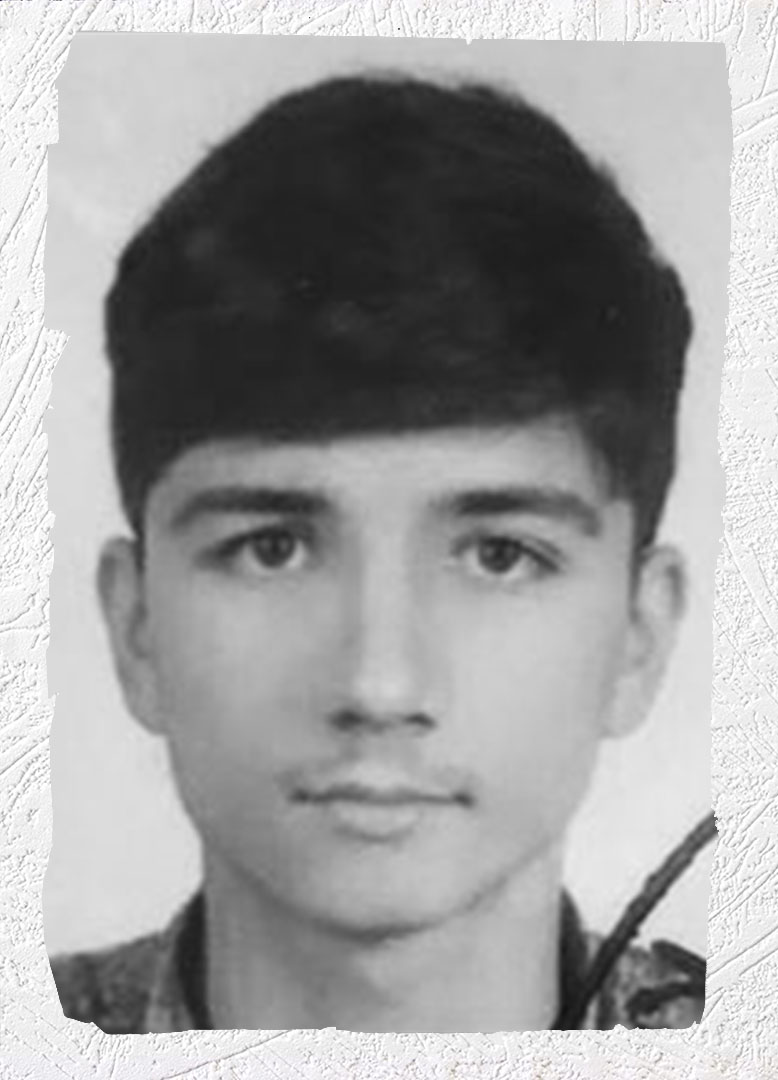
- Gender
- Male
- Ethnicity
- Sadat
- District geolocation of incident
- Kabul: 34° 31′ 1″ N, 69° 8′ 60″ E
- Description of incident
On November 2, 2020, three gunmen stormed Kabul University in Kabul, Afghanistan, resulting in the deaths of 35 individuals. 50 others were injured. The attack began around 11:00 A.M., coinciding with the anticipated arrival of government officials for the opening of an Iranian book fair on campus. The assailants were ultimately killed in a confrontation with security forces. The Islamic State of Iraq and the Levant – Khorasan Province (ISIL-KP) claimed responsibility for this tragic attack.
- Witness/Survivor Statement
No statement
Sha Ewaz Ebrahimi
- Photo of Victim

- Gender
- Male
- Ethnicity
- Sadat
- District geolocation of incident
- Kabul: 34° 31′ 1″ N, 69° 8′ 60″ E
- Description of incident
On May 8, 2021, a devastating suicide bombing took place at Sayed Al-Shuhada High School in Dasht-e-Barchi, a predominantly Hazara area in the western outskirts of Kabul. The attack resulted in the tragic loss of approximately 85 lives, most of whom were teenage schoolgirls. Additionally, the incident left 147 people wounded.
- Witness/Survivor Statement
No statement
Sharifa
- Photo of Victim

- Gender
- Female
- Ethnicity
- Sadat
- District geolocation of incident
- Kabul: 34° 31′ 1″ N, 69° 8′ 60″ E
- Description of incident
The Sayed Al-Shuhada High School attack in Kabul was a devastating suicide bombing that occurred on May 8, 2021. The attack resulted in the tragic loss of approximately 85 lives, most of whom were teenage schoolgirls. Additionally, the incident left 147 people wounded. The bombing took place outside the Sayed Al-Shuhada school in the western outskirt of Kabul Hazara, the dominant area of Dash-et-Barchi.
- Witness/Survivor Statement
No statemetn
Sayyed Ali
- Photo of Victim

- Gender
- Male
- Ethnicity
- Sadat
- District geolocation of incident
- Kabul: 34° 31′ 1″ N, 69° 8′ 60″ E
- Description of incident
On May 8, 2021, a devastating suicide bombing took place at Sayed Al-Shuhada High School in Dasht-e-Barchi, a predominantly Hazara area in the western outskirts of Kabul. The attack resulted in the tragic loss of approximately 85 lives, most of whom were teenage schoolgirls. Additionally, the incident left 147 people wounded.
- Witness/Survivor Statement
No statemetn
Safia - Sayed Sha Mohammad Ali
- Photo of Victim

- Gender
- Female
- Ethnicity
- Sadat
- District geolocation of incident
- Kabul: 34° 31′ 1″ N, 69° 8′ 60″ E
- Description of incident
On May 8, 2021, a devastating suicide bombing took place at Sayed Al-Shuhada High School in Dasht-e-Barchi, a predominantly Hazara area in the western outskirts of Kabul. The attack resulted in the tragic loss of approximately 85 lives, most of whom were teenage schoolgirls. Additionally, the incident left 147 people wounded.
- Witness/Survivor Statement
No statemetn
Safia
- Photo of Victim

- Gender
- Female
- Ethnicity
- Sadat
- District geolocation of incident
- Kabul: 34° 31′ 1″ N, 69° 8′ 60″ E
- Description of incident
On May 8, 2021, a devastating suicide bombing took place at Sayed Al-Shuhada High School in Dasht-e-Barchi, a predominantly Hazara area in the western outskirts of Kabul. The attack resulted in the tragic loss of approximately 85 lives, most of whom were teenage schoolgirls. Additionally, the incident left 147 people wounded.
- Witness/Survivor Statement
No statemetn
Masoma - Sayed Qsim
- Photo of Victim

- Gender
- Female
- Ethnicity
- Sadat
- District geolocation of incident
- Kabul: 34° 31′ 1″ N, 69° 8′ 60″ E
- Description of incident
On May 8, 2021, a devastating suicide bombing took place at Sayed Al-Shuhada High School in Dasht-e-Barchi, a predominantly Hazara area in the western outskirts of Kabul. The attack resulted in the tragic loss of approximately 85 lives, most of whom were teenage schoolgirls. Additionally, the incident left 147 people wounded.
- Witness/Survivor Statement
No statement
Shikofa Sadat
- Photo of Victim
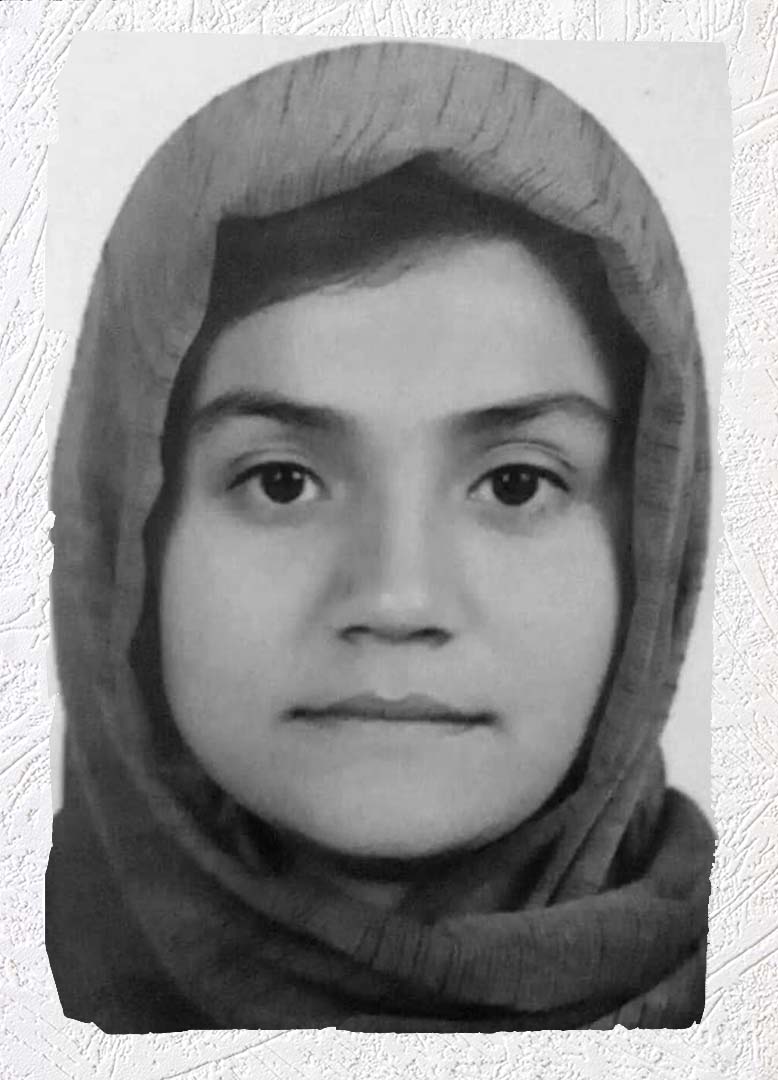
- Gender
- Female
- Ethnicity
- Sadat
- District geolocation of incident
- Kabul: 34° 31′ 1″ N, 69° 8′ 60″ E
- Description of incident
On September 30, 2022, a suicide attack targeted the Kaaj Educational Center in Dasht-e-Barchi, West Kabul, Afghanistan. The explosion occurred at approximately 7:30 AM and tragically resulted in the deaths of over 58 students. More than 126 others were injured. The Kaaj Center, located in a predominantly Hazara neighbourhood, served as a learning space for students preparing for university entrance exams. On the day of the attack, nearly 300 students were present, many of whom were high school girls taking a practice exam. While no group has officially claimed responsibility, the Hazara ethnic group has faced widespread violence from groups like ISIL-K and the Taliban in the past.
- Witness/Survivor Statement
No statement
Sayed Esmaeal
- Photo of Victim

- Gender
- Male
- Ethnicity
- Sadat
- District geolocation of incident
- Yakawlang: 34° 44′ 50″ N, 66° 56′ 40″ E
- Description of incident
On January 7, 2001, the Taliban attacked the Yakawlang District of Bamiyan Province and massacred hundreds of Hazara civilians. Many of those who managed to escape and take refuge on the mountains froze to death. On January 8, Taliban members began a house-to-house search across the district. The massacre of Hazaras continued through the 9th, 10th, 11th, and 12th of January. At least 300 Hazaras were executed by the Taliban.
Sayed Esmaeal
- Photo of Victim

- Gender
- Male
- Ethnicity
- Sadat
- District geolocation of incident
- Yakawlang: 34° 44′ 50″ N, 66° 56′ 40″ E
- Description of incident
On January 7, 2001, the Taliban attacked the Yakawlang District of Bamiyan Province and massacred hundreds of Hazara civilians. Many of those who managed to escape and take refuge on the mountains froze to death. On January 8, Taliban members began a house-to-house search across the district. The massacre of Hazaras continued through the 9th, 10th, 11th, and 12th of January. At least 300 Hazaras were executed by the Taliban.
Sayed Mahdi
- Photo of Victim

- Gender
- Male
- Ethnicity
- Sadat
- District geolocation of incident
- Yakawlang: 34° 44′ 50″ N, 66° 56′ 40″ E
- Description of incident
On January 7, 2001, the Taliban attacked the Yakawlang District of Bamiyan Province and massacred hundreds of Hazara civilians. Many of those who managed to escape and take refuge on the mountains froze to death. On January 8, Taliban members began a house-to-house search across the district. The massacre of Hazaras continued through the 9th, 10th, 11th, and 12th of January. At least 300 Hazaras were executed by the Taliban.
Sayed Mohammad
- Photo of Victim

- Gender
- Male
- Ethnicity
- Sadat
- District geolocation of incident
- Yakawlang: 34° 44′ 50″ N, 66° 56′ 40″ E
- Description of incident
On January 7, 2001, the Taliban attacked the Yakawlang District of Bamiyan Province and massacred hundreds of Hazara civilians. Many of those who managed to escape and take refuge on the mountains froze to death. On January 8, Taliban members began a house-to-house search across the district. The massacre of Hazaras continued through the 9th, 10th, 11th, and 12th of January. At least 300 Hazaras were executed by the Taliban.
Sayed Amir
- Photo of Victim

- Gender
- Male
- Ethnicity
- Sadat
- District geolocation of incident
- Yakawlang: 34° 44′ 50″ N, 66° 56′ 40″ E
- Description of incident
On January 7, 2001, the Taliban attacked the Yakawlang District of Bamiyan Province and massacred hundreds of Hazara civilians. Many of those who managed to escape and take refuge on the mountains froze to death. On January 8, Taliban members began a house-to-house search across the district. The massacre of Hazaras continued through the 9th, 10th, 11th, and 12th of January. At least 300 Hazaras were executed by the Taliban.
Sayed Mohammad Ali
- Photo of Victim

- Gender
- Male
- Ethnicity
- Sadat
- District geolocation of incident
- Yakawlang: 34° 44′ 50″ N, 66° 56′ 40″ E
- Description of incident
On January 7, 2001, the Taliban attacked the Yakawlang District of Bamiyan Province and massacred hundreds of Hazara civilians. Many of those who managed to escape and take refuge on the mountains froze to death. On January 8, Taliban members began a house-to-house search across the district. The massacre of Hazaras continued through the 9th, 10th, 11th, and 12th of January. At least 300 Hazaras were executed by the Taliban.
Sayed Aghasha Alawi
- Photo of Victim

- Gender
- Male
- Ethnicity
- Sadat
- District geolocation of incident
- Kabul: 34° 31′ 1″ N, 69° 8′ 60″ E
- Description of incident
On Nov. 21, 2016, a suicide bombing ripped through a Shia Mosque in the Afghan capital, Kabul, causing immense devastation. The blast occurred at the Baqir ul Olum mosque in the Darul Aman area, targeting worshippers gathered to mark the culmination of a significant religious period. The attack resulted in the tragic loss of at least 32 lives, predominantly Hazaras. At least 64 others were injured, many with severe wounds.
- Witness/Survivor Statement
No statement
Sayed Jalil Anwari
- Photo of Victim

- Gender
- Male
- Ethnicity
- Sadat
- District geolocation of incident
- Kabul: 34° 31′ 1″ N, 69° 8′ 60″ E
- Description of incident
On Nov. 21, 2016, a suicide bombing ripped through a Shia Mosque in the Afghan capital, Kabul, causing immense devastation. The blast occurred at the Baqir ul Olum mosque in the Darul Aman area, targeting worshippers gathered to mark the culmination of a significant religious period. The attack resulted in the tragic loss of at least 32 lives, predominantly Hazaras. At least 64 others were injured, many with severe wounds.
- Witness/Survivor Statement
No statement
Sayed Khodadad Hashimi
- Photo of Victim

- Gender
- Male
- Ethnicity
- Sadat
- District geolocation of incident
- Kabul: 34° 31′ 1″ N, 69° 8′ 60″ E
- Description of incident
On Nov. 21, 2016, a suicide bombing ripped through a Shia Mosque in the Afghan capital, Kabul, causing immense devastation. The blast occurred at the Baqir ul Olum mosque in the Darul Aman area, targeting worshippers gathered to mark the culmination of a significant religious period. The attack resulted in the tragic loss of at least 32 lives, predominantly Hazaras. At least 64 others were injured, many with severe wounds.
- Witness/Survivor Statement
No statement
Sayed Del Agha Anwari
- Photo of Victim

- Gender
- Male
- Ethnicity
- Sadat
- District geolocation of incident
- Kabul: 34° 31′ 1″ N, 69° 8′ 60″ E
- Description of incident
On Nov. 21, 2016, a suicide bombing ripped through a Shia Mosque in the Afghan capital, Kabul, causing immense devastation. The blast occurred at the Baqir ul Olum mosque in the Darul Aman area, targeting worshippers gathered to mark the culmination of a significant religious period. The attack resulted in the tragic loss of at least 32 lives, predominantly Hazaras. At least 64 others were injured, many with severe wounds.
- Witness/Survivor Statement
No statement
Sayed Qurban Mohaqqiq
- Photo of Victim
- Gender
- Male
- Ethnicity
- Sadat
- District geolocation of incident
- Kabul: 34° 31′ 1″ N, 69° 8′ 60″ E
- Description of incident
On Nov. 21, 2016, a suicide bombing ripped through a Shia Mosque in the Afghan capital, Kabul, causing immense devastation. The blast occurred at the Baqir ul Olum mosque in the Darul Aman area, targeting worshippers gathered to mark the culmination of a significant religious period. The attack resulted in the tragic loss of at least 32 lives, predominantly Hazaras. At least 64 others were injured, many with severe wounds.
- Witness/Survivor Statement
No statement
Sayed Mohammad Hassan
- Photo of Victim

- Gender
- Male
- Ethnicity
- Sadat
- District geolocation of incident
- Yakawlang: 34° 44′ 50″ N, 66° 56′ 40″ E
- Description of incident
On January 7, 2001, the Taliban attacked the Yakawlang District of Bamiyan Province and massacred hundreds of Hazara civilians. Many of those who managed to escape and take refuge on the mountains froze to death. On January 8, Taliban members began a house-to-house search across the district. The massacre of Hazaras continued through the 9th, 10th, 11th, and 12th of January. At least 300 Hazaras were executed by the Taliban.
Sayed Ayob Khan
- Photo of Victim

- Gender
- Male
- Ethnicity
- Sadat
- District geolocation of incident
- Yakawlang: 34° 44′ 50″ N, 66° 56′ 40″ E
- Description of incident
On January 7, 2001, the Taliban attacked the Yakawlang District of Bamiyan Province and massacred hundreds of Hazara civilians. Many of those who managed to escape and take refuge on the mountains froze to death. On January 8, Taliban members began a house-to-house search across the district. The massacre of Hazaras continued through the 9th, 10th, 11th, and 12th of January. At least 300 Hazaras were executed by the Taliban.