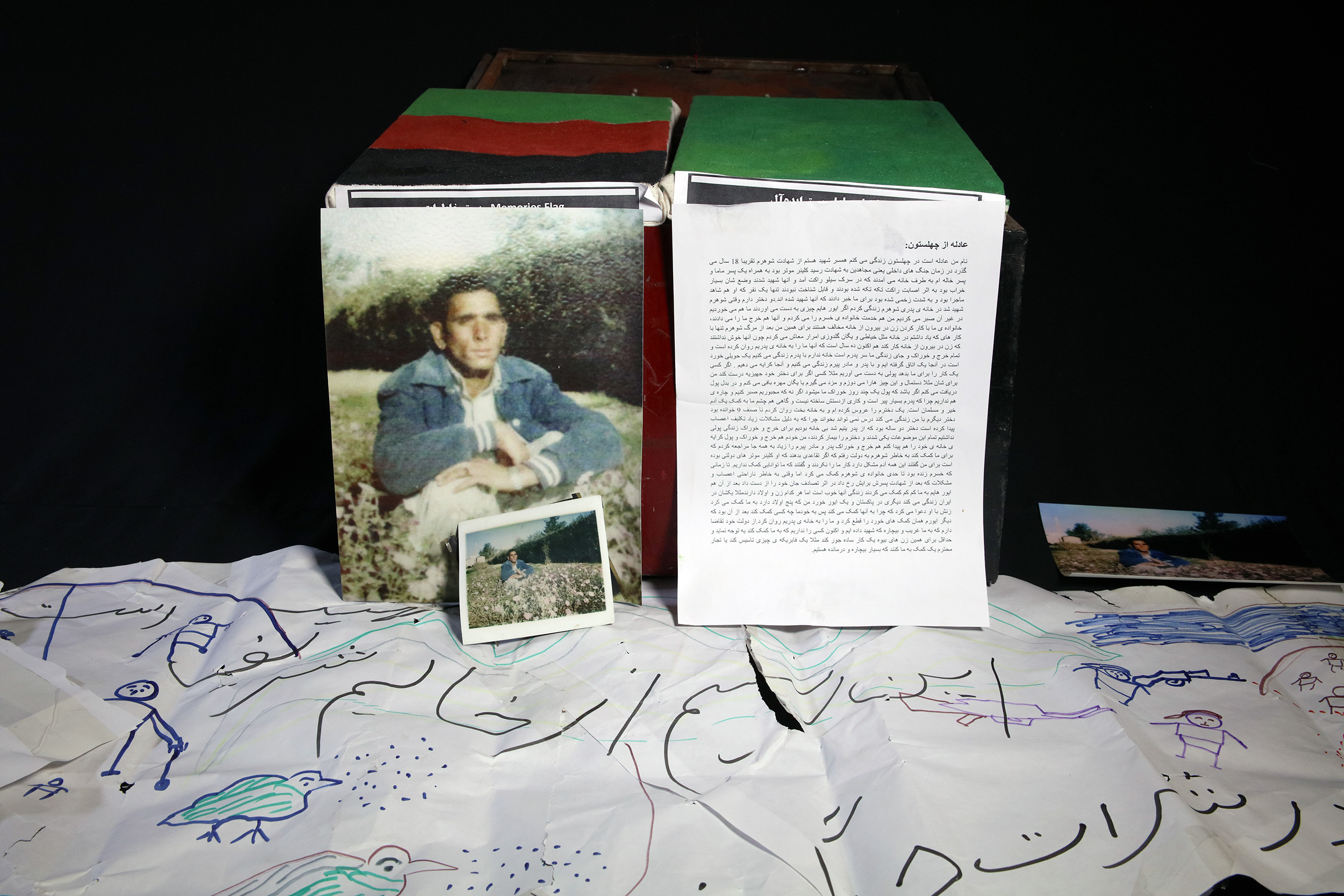
A journalist and a driver were killed when a private bus carrying employees of an Afghan television station was hit by a roadside bomb
Amanullah Hasani
- Photo of Victim

- Gender
- Male
- Ethnicity
- Hazara
- District geolocation of incident
- Gizab: 33° 26′ 3″ N, 66° 12′ 53″ E
- Description of incident
On November 13, 2025, the body of Amanullah Hasani, a 65-year-old Hazara farmer, was discovered in the Dahan Yaghak area of Khalaj village in Gizab district, Uruzgan Province. According to local residents, Hasani had disappeared from his home approximately three days prior to the public report on November 14, 2025. Community members described the victim as a farmer who maintained no known conflicts or enmities with any individual or group. A village resident told Etilaatroz newspaper that armed Kochi individuals were responsible for the killing. The source further stated that several other village residents had been killed in similar circumstances in the past. According to the same source, local residents had filed multiple complaints with Taliban authorities regarding these incidents, but local officials allegedly did not respond to their grievances. The circumstances surrounding Hasani's death and the allegations regarding the perpetrators remain unconfirmed by independent sources.
ANA Convoy Ambush Civilian Casualties - Wardak (2015)
ANP Base Complex Suicide Attack - Helmand (2015)
Arrest and Torture of Baker for Serving Former Military
Bomb Explosion Kills Parliament Member Sher Wali Wardak (2016)
Checkpoint Attack Civilian Injuries - Ghazni (2015)
Children Unexploded Ordnance Casualties - Badakhshan (2015)
Coal Heater Landmine Explosion, Kandahar (2025)
Eight Children Injured Playing with Unexploded Rocket-Propelled Grenade - Kunduz (2019)
Female Students Killed in ISIL-KP University Classroom Bombing - Ghazni (2019)
Government Employee Assassination in Herat Province (2015)
Granai Airstrike, Bala Buluk, Farah (2009)
International Forces and Afghan Commandos Kill Villager in Andar, Ghazni (2018)
ISKP Attack on Save The Children Office Kills Five in Nangarhar (2018)
ISKP Forced Educational Institutions Closure - Nangarhar (2015)
Jerrycan IED Explosion - Farah (2015)
Killing Polio Vaccinator - Ghazni (2015)
Lashkargah City Suicide Attack - Helmand (2015)
Law Faculty Activist Assassination - Kandahar (2015)
Multiple Officials and Elders Killings - Kandahar (2015)
Pressure-Planted IEDs Civilian Casualties - Kunduz (2015)
Pro-Government Group Retaliatory Killings - Faryab (2015)
Pro-Government Militia Mortar Strike Kills Three Civilians in Faryab (2018)
Pro-Government Militia Unlawful Detentions of Civilian - Kunduz (2015)
Reciprocal Civilian Abductions - Ghor (2015)
Roadside Mine Civilian Deaths - Faryab (2015)
Sargardan Crossroads Mine Blast - Khost (2015)
Suicide Attack in Sofian Area, Lashkargah City (2015)
Suicide Attack Near Pakistan Border Kills Ten in Kunar (2016)
Suicide Bombing Kills Ten Including Court Workers Near Kabul (2016)
Suicide Bombing Targeting Police Commander Kills Thirteen in Parwan (2016)
Taliban Attack Forces Civilian Displacement in Kunduz (2016)
Target Killing Claims 14 Lives in Daykundi-Ghor Border, Ghor (2024)
Targeted Killing of Government Employee in Khawaja Umari District, Ghazni Province (2015)
The Killing of Haji Din Mohammad and His Son, Ghor (2021)
The Killing of Suleiman, Ghor (2021)
Torture During House-to-House Raid in Taywara District, Ghor (2021)
Tribal Elder Public Beheading - Nangarhar (2015)
Tribal Leader Mine Death - Khost 2015
"Shepherd Child Killed innRoadside Bombing Incident
8-Year-Old Girl Killed in Anti-Government Faction Fighting in Herat (2017)
13 civilians were killed and five others were wounded in an American airstrike
17 people killed in a string of attacks across the country
35 Civilians Killed in Bus Bombing - Farah (2019)
A 10-year-old child was killed and two others wounded by an unexploded bomb
A 10-year-old child was killed by a mortar fired by Afghan security forces
A 12-year-old girl was killed by Afghan soldiers in Shah Wali Kot District.
A 12-year-old girl was killed by Afghan soldiers in Shah Wali Kot District.
A bodybuilder was kidnapped and later killed by the Taliban
A bomb attached to the vehicle of a religious scholar exploded killing the scholar and his young son and wounding two civilians
A bomb attack inside a mosque in the Afghan capital killed two people and wounded eight others
A bomb exploded at a mosque in the Afghan capital, killing two people
A bomb exploded inside a madrasa in the Sharawan area of Dasht-e-Archi District, killing five children and wounding three others
A bomb placed in a bicycle killed one police officer, one civilian, and wounded 18 others
A bomb placed in a private health facility exploded, killing one civilian doctor and wounding two other civilians
A bomb placed inside a shop exploded killing one civilian and wounding 12 others
A bomb placed on a motorcycle went off killing three people and wounding 20 others, including Rahmuddin Sarwarzai, the district governor of Aobe
A bombing in the Afghan capital, Kabul injured at least nine civilians
A building housing a nongovernmental organization was hit by a drone strike in Shib Koh District, killing two employees
A C.I.A.-backed Afghan strike force killed three civilians
A C.I.A.-backed Afghan strike force launched an operation, killing four civilians and wounding two others
A car bomb exploded in Kabul, killing 22 people and wounding 120 more.
A car bomb killed 12 people and wounded 197 in Ghazni City
A car bomb targeted the entrance of a police reserve unit, killing five officers and wounding seven police officers and four civilians
A child was killed and two civilians were wounded when the police fired into the air
A child was killed by an unexploded mortar shell in Logar province
A civilian returning home from prayer was shot and killed by the Taliban in the Sarjangel village
A civilian truck was blown up by a roadside bomb killing a mother and her two children
A civilian vehicle hit a roadside bomb planted by the Taliban killing four civilians and wounding nine others
A civilian vehicle hit a roadside bomb, killing one civilian and wounding four others including women and children
A civilian vehicle was hit by a roadside bomb, which killed two civilians and wounded four others
A civilian vehicle was hit with a roadside bomb, killing six people
A civilian was kidnapped by unknown people and killed
A coalition airstrike hit a house in the Boqa village of Balkh District, killing three women and four children
A convoy of American forces was targeted by a car bomb wounding four Americans and killing four Afghan civilians
A doctor was killed by unknown gunmen
A father and his three sons were killed by American forces during a night raid
A female police officer was shot and killed by unknown gunmen
A former soldier who was traveling by public transportation was shot and killed by the Taliban
A group of children detonated a roadside bomb planted by the Taliban. The blast killed a six-year-old child and wounded two others.
A group of children were killed due detonation of a mortar shell in Logar province
A group of Taliban members abducted five NGO healthcare workers
A gunmen stormed a house killing a woman and her three daughters
A home was hit by airstrikes from a foreign aircraft during a joint operation, killing six members of the same family.
A house was hit by a mortar shell killing three children
A Humvee hit a roadside bomb killing five senior officers
A journalist was killed in the southern province of Kandahar
A judge was killed by unidentified gunmen
A Kandahar Strike Force unit carried out a raid on a houe killing the owner
A large group of prisoners were attempting to escape from the central prison leading to a clash between. Two police officers were killed and four others were wounded in the attack
A local police commander, Abdul Matin, was killed by the Taliban
A local police officer killed a farmer and wounded his brother after the farmer refused to pay a tax to the local police
A magnetic bomb attached to a military vehicle went off in the center of the district, killing one civilian, wounding four civilians and four soldiers
A magnetic bomb attached to the vehicle of a well-known Afghan writer and security expert, Asadullah Walawalji, exploded, killing his wife and daughter
A member of Logar’s provincial council and his two bodyguards were killed by unknown gunmen
A midwife was shot by the Taliban in the city of Mazar-i-Sharif
A mine placed in the heater of a mosque killed one civilian
A minibus hit by a roadside bomb planted by the Taliban, killing eight civilians, including six children, and wounding two others.
A mortal shell hit a house killing four children
A mortar attack on a market killed at least 23 people and injured dozens of others
A mortar fell on a bazar injuring several civilians
A mortar fired by Afghan security forces hit a house in the Ori village of Zarei District, killing three civilians
A mortar fired by the insurgents hit a house, killing one child and wounding four others.
A mortar landed near a group of children who were playing killing three children and wounding five others
A mortar shell has exploded inside a religious school killing at least nine students and injuring six
A motorcycle was hit by a roadside bomb, killing one child, two women and a man
A National Directorate for Security vehicle hit a roadside bomb. The explosion killed one N.D.S. officer and injured another officer, a member of the border police and a civilian
A parked motorcycle packed with explosives blew up. The blast killed one civilian and wounded three others
A police officer and a civilian were shot and killed by unknown gunmen
A police officer from the criminal investigation was shot and killed by the Taliban
A police officer was shot and killed by the Taliban
A police officer was shot and killed by the Taliban as he was walking toward his parents’ home
A police vehicle hit a roadside bomb killing two police officers and wounding a police officer and one civilian
A police vehicle hit a roadside bomb. A police officer and one civilian were killed, and five civilians were wounded in the explosion
A police vehicle was blown up by a roadside bomb, killing one civilian and wounding three police officers
A police vehicle was struck by a roadside bomb killing four police officers and one civilian
A pro-government cleric was killed in an explosion
A pro-government militia commander and eight civilians were killed and 14 others were wounded in a suicide attack
A radio station technician was killed in the Second Police District of Lashkar Gah by unknown men
A religious scholar was killed by armed men while he was on his way to the mosque for morning prayer.
A religious scholar was shot and killed by ISIL-KP
A religious scholar was shot and killed by unknown gunmen
A remote-controlled IED detonated inside a doctor's private clinic, killing him and injuring six patients
A remote-controlled improvised explosive device (IED) planted by the Taliban detonated inside a privately-owned pharmacy, wounding eight male civilians including a 13-year-old boy and a doctor from the district hospital
A resident of Zarghon Shahr, Logar, claimed that some soldiers came and detained 45 people from Zarghon Shahr, and some of them disappeared
A retired police officer was killed by explosive device in Helmand
A rickshaw hit a roadside bomb placed by the Taliban, killing two men and a child
A roadside bomb exploded at a picnic site killing three civilians and wounding two others
A roadside bomb has killed at least six Afghan civilians and wounded two others
A roadside bomb hit a group of civilians in the Ainomena area of Kandahar City, killing three civilians and wounding five others
A roadside bomb hit a police patrolling vehicle killing one civilian and wounding two police officers and a child
A roadside bomb hit a vehicle belonging to the National Directorate of Security killing 2 members of the directorate and wounding 2 others
A roadside bomb hit a vehicle, killing a tribal elder
A roadside bomb went off in the Khalbisat Bazaar area of Sabrai District, killing one civilian and wounding four others
A roadside bombing against a bus belonging to a local TV station in Kabul. Two employees were killed and four others wounded
A Roadside Explosion Killed Once Civilian, Kandahar (2019)
A rocket fired by an Afghan air force helicopter hit a house killing three civilians
A rocket fired by the Taliban during clashes with Afghan forces hit a house, killing two civilians and wounding two others
A rocket fired by the Taliban killed a 14-year-old boy and injured three other civilians
A rocket fired by the Taliban killed two children
A rocket fired from an Afghan military chopper hit a house during a military operation, killing one civilian
A rocket hit a house killing seven people
A suicide attack in Darlaman Street killed three people and wounded 35 others.
A suicide attacker exploded himself during the funeral ceremony of a former pro-government militia commander, killing 32 civilians and wounding 133 others
A suicide attacker targeted a police vehicle wounding 12 people, including three children and three police officers
A Taliban commander's house was hit by an airstrike that killed nine civilians, among them four women, two children, and two insurgents
A Taliban fighter killed a shepherd
A Taliban gathering was bombed by the Afghan air force killing three children
A Taliban IED Hit a Civilian Minibus in Ghazni. (2019)
A Taliban mortar hit a house killing a woman and wounding a child
A Taliban red unit killed four pro-government militia members, one soldier, and one police officer in Kunduz
A Taliban rocket hit a house, killing one woman and two children and injuring eight other civilians
A Taliban sniper shot and killed a police chief
A Taliban-fired mortar hit a house killing two women and wounding a woman and two children
A taxi hit a roadside bomb planted by the Taliban killing the driver
A tribal elder was shot and killed by unknown gunmen
A tribal elder of Helmand Province was shot and killed by armed men
A tribal elder was killed by the Taliban
A tribal elder was killed by the Taliban in the village of Toti-Chi in Golran District
A tribal elder was shot and killed by two unknown gunmen on a motorcycle
A twelve-year-old child was killed by a rocket that landed in the street.
A vehicle hit a roadside bomb belonging to the minister of Hajj and Religious Affairs killing one of his bodyguards and wounding three others
A vehicle hit a Taliban-planted roadside bomb, killing one civilian
A vehicle was blown up by a roadside killing eight civilians, including women and children
A woman and two children were killed during a night raid
A woman and two men were killed when a roadside bomb hit their motorcycle
A woman was killed during a military operation conducted by American Special Forces
A young woman died due to Taliban shooting in the west of Kabul
AAF Airstrike Causes 79 Child Casualties in Dasht-e-Archi, Kunduz (2018)
AAF Attack on Religious Ceremony Kills 30 Civilians, Including 79 Children in Kunduz (2018)
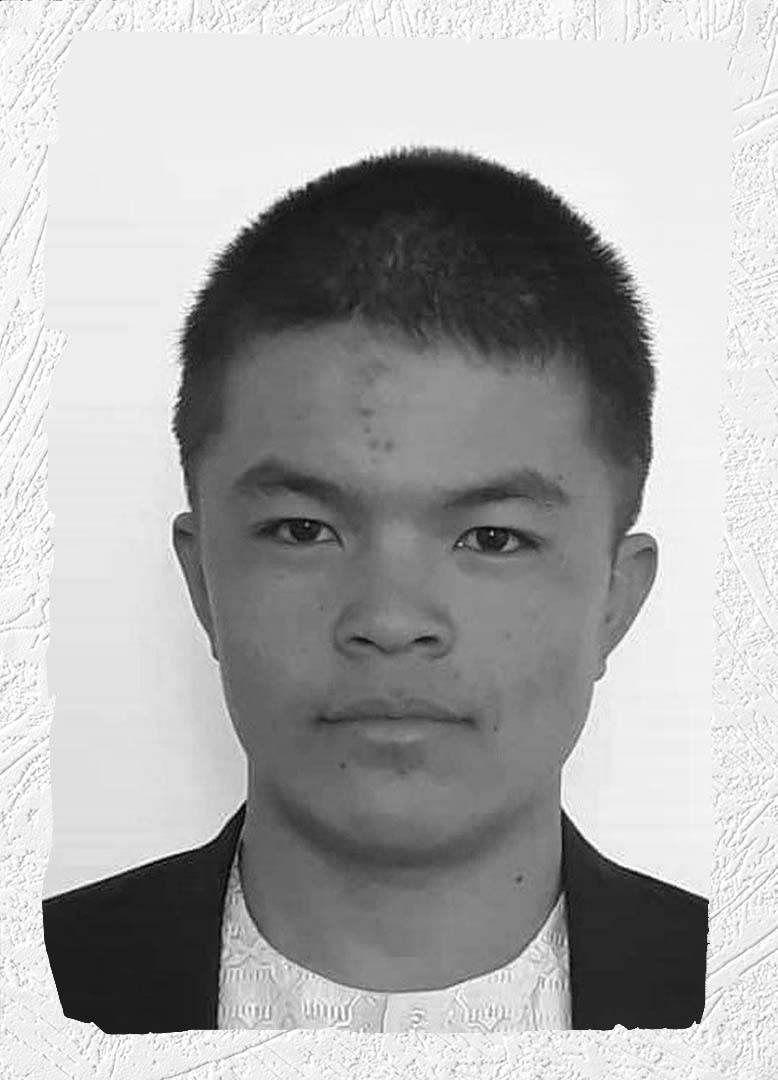
Abbas Ali Haidari
- Photo of Victim
- Gender
- Male
- Ethnicity
- Hazara
- District geolocation of incident
- Kabul: 34° 31′ 1″ N, 69° 8′ 60″ E
- Description of incident
On April 19, 2022, a series of three explosions occurred at educational institutions in the Dasht-e-Barchi area of Kabul's western suburbs. The explosions resulted in more than 27 fatalities and 30 injuries. The initial blast took place at the Mamtaz Educational Center and was caused by a hand grenade thrown by an individual identified by students as Qari. Multiple people sustained critical injuries. This was followed by a suicide attack at the nearby Abdurahim Shahid High School. A remote-controlled explosive device (IED) detonated among individuals assembled for rescue efforts at the high school. The victims were all civilians, predominantly students. The Islamic State of Iraq and Levant - Khorasan Province (ISIL-KP) has claimed responsibility for the attacks, stating an intent to target the Hazara-Shia community.
- Witness/Survivor Statement
No statement
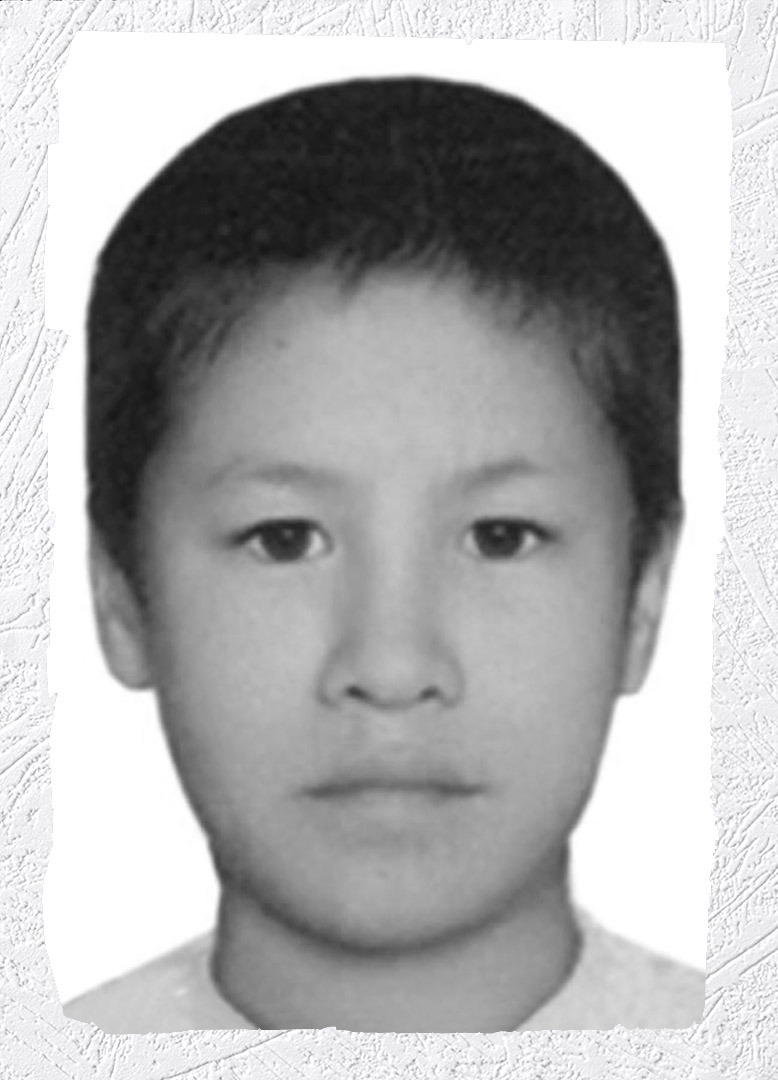
Abbas Karbalaee
- Photo of Victim
- Gender
- Male
- Ethnicity
- Hazara
- District geolocation of incident
- Kabul: 34° 31′ 1″ N, 69° 8′ 60″ E
- Description of incident
On October 20, 2017, a suicide attack took place in the Imam Zaman Mosque in Dasht-e Barchi, while people were there for prayers. Dasht-e Barchi is the Hazara area of Kabul. As a result of the terrorist attack, 56 people were killed and 55 others were injured.
- Witness/Survivor Statement
No statement
Abbas Mohammadi
- Photo of Victim

- Gender
- Male
- Ethnicity
- Hazara
- District geolocation of incident
- Kabul: 34° 31′ 1″ N, 69° 8′ 60″ E
- Description of incident
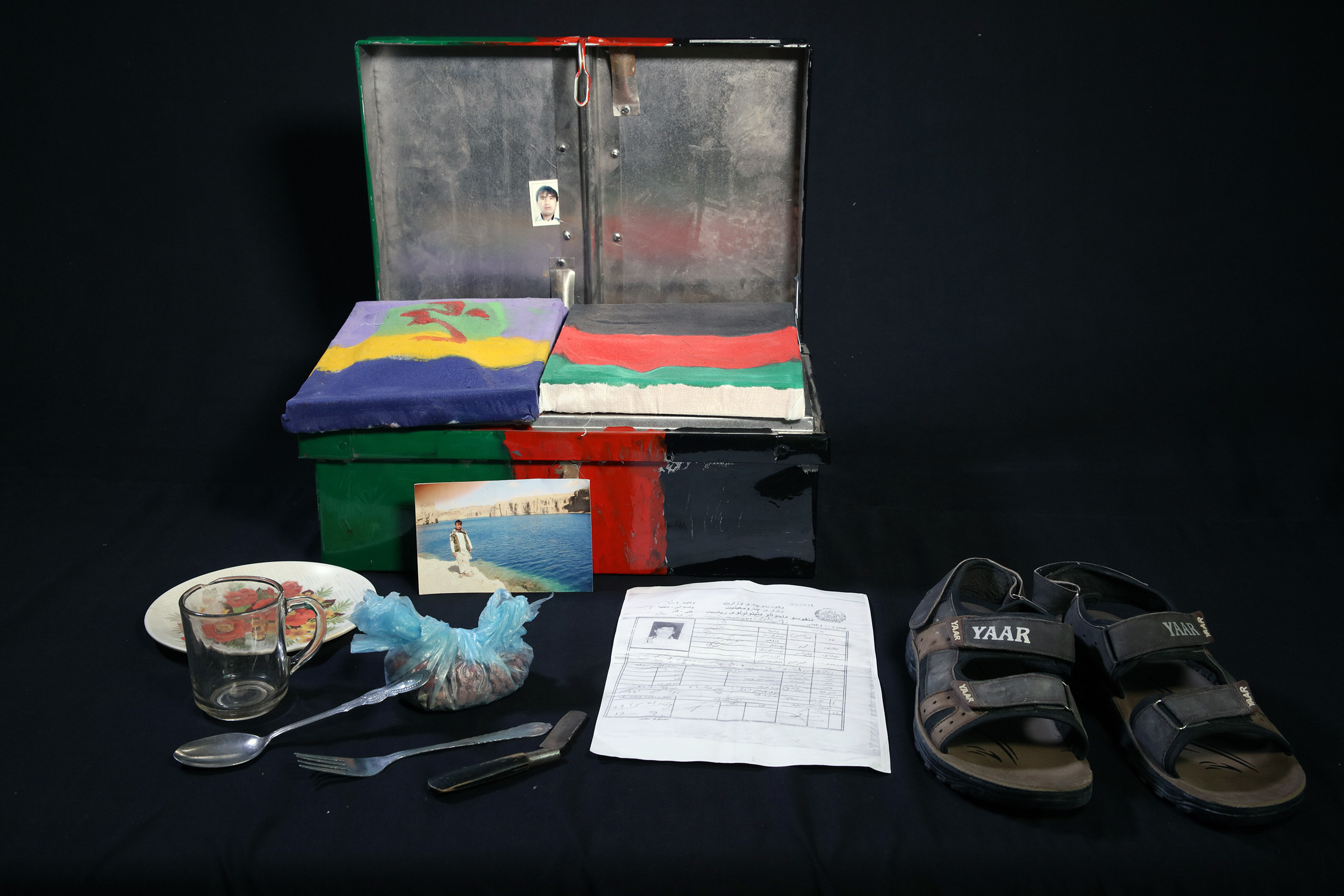
On July 23, 2016, two suicide bombers denoted their explosives among the protesters at Dehmazang Square in Kabul, the capital city of Afghanistan. The protesters, who were primarily Hazaras, were part of the Enlightenment Movement. They were protesting against the diversion of the TUTAP mega power project which would cause the project to bypass Hazara-dominated areas. At least 84 protesters lost their lives and 260-400 others were injured. The Islamic State of Khorasan Province (ISKP), the regional branch of ISIS, took credit for the attack. However, ISKP later refuted their involvement in the attack.
The Enlightenment Movement, also known as Junbesh-e Roshnayie, was a grassroots civil disobedience movement started by Hazaras in Afghanistan in response to a change in the Fichtner GmbH & Co. KG proposed Energy Supply Improvement Investment Program, unofficially called TUTAP project plans. The change in the project plans would cause it to bypass Hazara regions. The move was seen as perpetuating long-standing anti-Hazara discrimination. Throughout 2016 and 2017, the Enlightenment Movement coordinated large-scale demonstrations against discrimination both domestically in Afghanistan and abroad.
- Witness/Survivor Statement
Abbas Was Martyred and Left Me Alone with Sorrows
Narrator: Zahra (mother)
Victim: Abbas Mohammadi
Date of the incident: 23 July 2016
Location of the incident: Dehmazang, Kabul City
Abbas always left for work early in the morning, but on the day of the demonstration, no matter how much I called him, he would not wake up. I attended to the house chores, but he still didn’t wake up. I called him again, but he told me he was tired and wanted to rest. When he woke up, he asked his wife for his white clothes, but his wife did not give him the clothes. He got angry and kicked her, saying, “Every day my mother ironed my clothes. Today she has washed clothes and is tired. ” I calmed him down. His wife ironed the clothes and gave them to him. Abbas called and said he wanted to wear the new slippers he had bought the day before. He called me and said, “Mother! If there is anything left from the Eid cookies, bring me some. I am very hungry for cookies.” I quickly brought him some cookies. When having tea, he said, “Mother, I don’t feel interested in work today.” I said it’s good for you to go to work. I gave him a new handkerchief as he was leaving the house. Around noon, we were sitting at the table and having lunch, and I told his sister in-law, “I feel very restless today. Please call Abbas.” When she called Abbas, he did not pick up the phone. A few minutes later, he called and said he was in Dehmazang waiting for the demonstration to come to an end.
We ate lunch and put away the tablecloth. At 1:24 pm, I got the news that there had been an explosion. I immediately called his number but he didn’t answer. I was beating myself and crying. His father wouldn’t let me leave the house because I could not control myself. I told him, “Let me go. My son has been martyred.” I kept crying and screaming until the next day, but it was pointless. The next morning, at 10:00 am, Abbas was taken to the mosque. I went there and saw Abbas. I passed out when I saw his body. When I regained consciousness, I asked everyone where Abbas was. They said they had taken him to the cemetery for burial. He has two children, a seven-year-old girl, and a two-year-old boy. His wife is also pregnant. Soon after Abbas was martyred, less than forty days after, his wife’s family came to find their daughter and took her away. I pleaded with her not to go. I said it is your house, and you are like my daughter, but she did not listen to me. She went and left her children behind. She said she would also bring us the new child after birth. She listened to her father, who wanted her to go to his house. We live in the same alley. Now, I feel hopeless for this innocent child crying at night and calling for his mother. I don’t know what my daughter in-law’s family told her to make her leave the children and go to her father’s house. Abbas was martyred and left me alone with such sorrows.
Abbas Qasimi
- Photo of Victim

- Gender
- Male
- Ethnicity
- Hazara
- District geolocation of incident
- Kabul: 34° 31′ 1″ N, 69° 8′ 60″ E
- Description of incident
On July 24, 2017, a car bomb struck a government bus transporting employees of the Ministry of Mines and Petroleum, resulting in the deaths of at least 35 individuals and injuring 40 others. The victims were all civilians, mostly of Hazara ethnicity employed by the Afghanistan Ministry of Mines. The explosion took place in the Sar-e-Kariz area of District 3 in western Kabul. Taliban spokesman Zabihullah Mujahid claimed responsibility for the attack, stating that the group had targeted employees of the National Directorate of Security.
- Witness/Survivor Statement
No statement
Abbas Sadiqi
- Photo of Victim
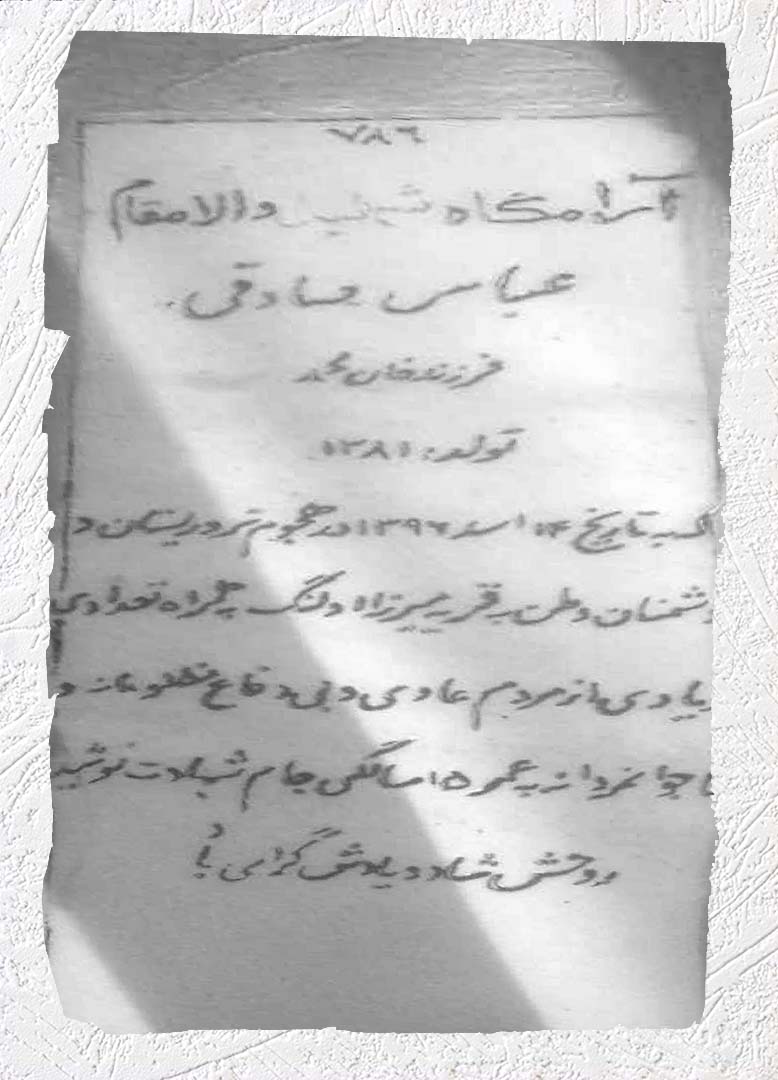
- Gender
- Male
- Ethnicity
- Hazara
- District geolocation of incident
- Sayyad: 35° 52′ 25″ N, 68° 25′ 51″ E
- Description of incident
On August 3, 2017, anti-government groups including the Taliban and local self-proclaimed Daesh/Islamic State affiliated fighters launched an attack against Mirza Olang Village in Sayyad District, Sari Pul Province. Fighting lasted until August 5th. The village, known as ‘the gate to Sayyad,’ lies deep in a long valley. Its southern entrance is near the border of neighbouring Faryab Province and is located 20 km south of the Sayyad District administrative centre. Much of the area surrounding the administrative centre has been under the control of anti-government groups for more than one year.
Abduction and Killing of Four Passengers in Muqur, Ghazni (2015)
Abduction and Killing of Jawad Zahak,Parwan (2011)
Abduction and Killing of Shukria Tabassum and Six Hazara Civilians in Zabul (2015)
Abdul
- Photo of Victim

- Gender
- Male
- Ethnicity
- Pashtun
- District geolocation of incident
- Shindand: 33° 18′ 28″ N, 62° 8′ 12″ E
- Description of incident
On August 22, 2008, the United States Air Force conducted an airstrike on Azizabad village in Shindand district, Herat Province. The attack resulted in the deaths of ninety-two civilians, including sixty children and fifteen women. Numerous structures in the village, including homes, were damaged or destroyed. American officials stated that the airstrike was conducted after Afghan soldiers were ambushed while pursuing a Taliban commander named Mullah Siddiq, claiming that Taliban attackers fled to Azizabad.
- Witness/Survivor Statement
No statement
Abdul Ali
- Photo of Victim

- Gender
- Male
- Ethnicity
- Hazara
- District geolocation of incident
- Kabul: 34° 31′ 1″ N, 69° 8′ 60″ E
- Description of incident
In the winter of 1979, Haji Abdul Ali was arrested by local police and intelligence officials affiliated with the Communist regime of the People's Democratic Republic of Afghanistan. The arrest was made under the charge of hanging guns at Haji Abdul Ali's home. The next day, the authorities returned and arrested six more men from the same family. All seven men were taken to Kabul, but they never returned. When they entered the house, they said, "Haji, what weapon do you have at home?" My father said, “Tow hunting guns, a big and small one. Both are hanging on the wall of the house." The officers took the guns and said, "Haji, we will take you to the police station and then we will return you early morning." They took my father that night and we waited until morning for him to return, but he did not return.
On the day of Eid, all the family members, relatives, and friends gathered together to celebrate Eid as we waited for my father's return. It was time for lunch when the armed men came to our house again. They did not bring my father. We were very worried. This time, they took 6 other members of my family with them: Qurban Ali (my uncle), Sultan Hussain (son of my father's uncle), Mohammad Hasan (grandson of my father's uncle), and Mohammad Nabi (son of my uncle), as well as Ghulam Abbas and Ali Ahmad (grandsons of my uncle).
- Witness/Survivor Statement
Even If a Hundred Years Pass, You Will Not Be Forgotten
Narrator: Ali Shaheer
Victims: Haji Abdul Ali, son of Paiwand Ali (father), Haji Rajab Ali, son of Piwand Ali (elder uncle), Qurban Ali, son of Piwand Ali (younger uncle), Sultan Hussain (son of father's uncle) Mohammad Hasan (grandson of father's uncle)
Time of the incident: 1979
The place of the accident: Pol-e Charkhi Polygon, Kabul
I was a primary school student at that time. It was the night of Eid al-Adha, during the reign of Hafizullah Amin. I was not able to sleep that night because of the joy of Eid and wearing new clothes. Few families had TV at that time. We did not have a TV at home. But my uncle - who was living with his family in same house as us - whose young son owned a houseware store, brought a black and white TV for Eid nights. Their house was separated from our house by a partition. On Eid night, we went to my uncle's room to watch TV. That night, on the occasion of Eid, a movie called "Nawi da yaw Oshpe" (Bride for One Night), in Pashto language, was broadcast on TV.
At the insistence of my uncle and my uncle’s son, my father sat next to us and we watched the movie together, although he was not interested in watching TV or movies. My father knew Pashto and understood the story of the movie well. He was impressed by the scenes of kindness and chivalry in the movie and watched the movie till the end. That night, my siblings and I were eagerly waiting for the movie to end and for my father to henna our hands. After the movie, my father hennaed our hands.
It was late at night and my father was about to sleep when someone knocked on our door. At the same time as the door was knocked on, someone shouted loudly, "Who is Haji Abdul Ali? Come out of your room and open the gate." Some armed people were surrounding the gate. The voice shouted two or three times and wanted my father. Annoyed by their screams in the middle of the night, my father told them, “Keep your voices down. What's going on in the middle of the night? So much screaming! You know that everyone is sleeping! I am Abdul Ali. Now I will open the gate. What do you want me to do?"
When they entered the house, they said, "Haji, what weapon do you have at home?" My father said, “Tow hunting guns, a big and small one." Both are hanging on the wall of the house." The officers took the guns and said, "Haji, we will take you to the police station and then we will return you early morning." They took my father that night and we waited until morning for him to return, but he did not return that night.
On the day of Eid, all the family members, relatives, and friends gathered together to celebrate Eid as we waited for my father's return. It was time for lunch when the armed men came to our house again. They did not bring my father. We were very worried. This time, they took 6 other members of my family with them: Qurban Ali (my uncle), Sultan Hussain (son of my father's uncle), Mohammad Hasan (grandson of my father's uncle), and Mohammad Nabi (son of my uncle), as well as Ghulam Abbas and Ali Ahmad (grandsons of my uncle).
Fear and worry filled the atmosphere of the house. In the evening of the same day, Haji Rajab Ali, my elder uncle who was older than my father, came to our house and comforted us and said, "Don't worry, by God's hope, they will all come back. Don't worry as long as I am there." He said to my mother, "I will come tomorrow first thing in the morning. I will bring whatever food and other basic necessities you lack at home." It was as if he sensed that my father would not return soon. But the next day, my elder uncle did not come. He was also taken from his house in Chindawol that night.
The nights and days of Eid passed as we waited for my father and uncles to return. During the time of Babrak Karmal's leadership, Muhammad Nabi, Ali Ahmad, and Ghulam Abbas were released in general amnesty. But the others never came back. My brothers, sisters, and my uncle's children and I were nine in total, all small children a year apart in age. We used to ask our mothers every day why my father and uncles didn't come back. In the same way, my elder uncle had two children, a boy and a girl the same age as us. My youngest uncle, who was taken away, still had no children.
Our mothers waited that night, bitter days, and long years for their husbands. They shed tears and prayed for their return until they were old and their hair turned white. This wait lasted 35 years. When the Polygon victim list was released, we found the names of five of our family members on it. The wait was over and our hope had collapsed. All the family members were crying.
One day, we went with a number of friends and one of my uncle's sons to the hill of Polygon’s victims in Pul-e Charkhi. When I was walking on the soil of Polygon, I was busy with the question of what my father and uncles said to each other in those heavy moments before death and what their last words to each other were.
After we learned what had happened to my father and uncles, we honored them, their memories, and other victims by organizing a program with a title written in bold: "Even If a Hundred Years Pass, You Will Not Be Forgotten."
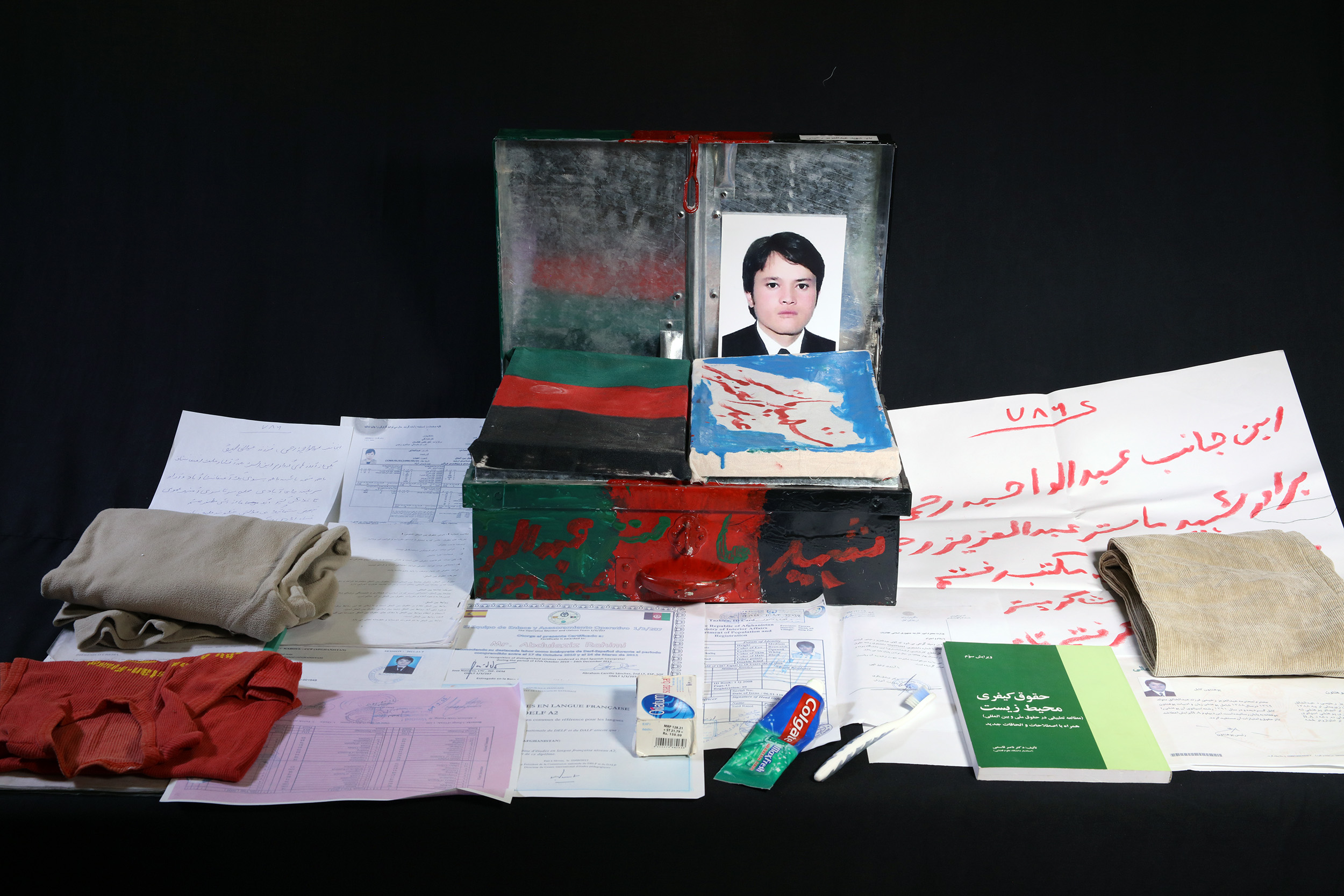
Abdul Aziz Rahimi
- Photo of Victim

- Gender
- Male
- Ethnicity
- Hazara
- District geolocation of incident
- Kabul: 34° 31′ 1″ N, 69° 8′ 60″ E
- Description of incident
On July 23, 2016, two suicide bombers denoted their explosives among the protesters at Dehmazang Square in Kabul, the capital city of Afghanistan. The protesters, who were primarily Hazaras, were part of the Enlightenment Movement. They were protesting against the diversion of the TUTAP mega power project which would cause the project to bypass Hazara-dominated areas. At least 84 protesters lost their lives and 260-400 others were injured. The Islamic State of Khorasan Province (ISKP), the regional branch of ISIS, took credit for the attack. However, ISKP later refuted their involvement in the attack.
The Enlightenment Movement, also known as Junbesh-e Roshnayie, was a grassroots civil disobedience movement started by Hazaras in Afghanistan in response to a change in the Fichtner GmbH & Co. KG proposed Energy Supply Improvement Investment Program, unofficially called TUTAP project plans. The change in the project plans would cause it to bypass Hazara regions. The move was seen as perpetuating long-standing anti-Hazara discrimination. Throughout 2016 and 2017, the Enlightenment Movement coordinated large-scale demonstrations against discrimination both domestically in Afghanistan and abroad.
- Witness/Survivor Statement
I Will Stay and Serve in Afghanistan as Long as I Am Alive
Narrator: Abdul Wahid (brother)
Victim: Abdul Aziz Rahimi
Date of the incident: 23 July 2016
Location of the incident: Dehmazang, Kabul City
I am going to share the story of my martyred brother with you. He was born on the 11th of March in 1990. In 1996, he was enrolled in school in Islam Qala in Pol-e Khomri. We lived in Baghlan Province for almost ten years, after which we moved to the centre of Bamiyan, where he completed his studies in under three years.
When he took the university entrance exam, he was admitted into the Faculty of Literature of Kabul University. He began his studies in the Spanish department. He graduated from university in 2012. After graduating from university, he spent two years trying to find a job. By late 2010, the Spanish forces asked the faculty to introduce to them a few students who knew the Spanish language in order to serve in the national army. The program, led by the faculty professors, lasted for six months. During this time, my brother served in provinces such as Kandahar, Farah, and Herat. By late 2011, he returned to the university to continue his studies. He graduated from the university in 2012.
Before he graduated from university, the Spanish Embassy suggested to ten individuals, including my brother, that they could take them to Spain, give them permanent residence, and pay their expenses for six months. A month later, I asked him what had happened to that process. I told him Spain would take him there for free, so he could improve his life there. He told me: “I have studied and worked hard for 16 years while my compatriots have served us. It is not fair to abandon our people and our country to work for other countries. I will stay and serve in Afghanistan as long as I am alive”.
They had given them some money. I asked him to give us some of it to buy tires for the truck we had and to service the vehicle. He said, "I'm sorry, I can't give you even one Afghani because I am planning to get my master's degree.” In 2016, he was close to completing his master's. His thesis was focused on the environment. His work has remained incomplete and is on his computer. He wanted to publish it as a book, but death did not give him time. He was martyred in the heartbreaking attack on July 23rd, 2016.
Abdul Hakim
- Photo of Victim

- Gender
- Male
- Ethnicity
- Hazara
- District geolocation of incident
- Garmsir: 31° 8′ 1″ N, 64° 12′ 48″ E
- Description of incident
I saw one of his friends who had come with the body. I asked him and he said that they went to Helmand and stayed in Grishk for the night. In the morning, they wanted to go to the Iranian border. They were walking away from the hotel and the market when they heard gunfire. They walked ten steps back and then a bullet hit him. He fell and remained there.
- Witness/Survivor Statement
They brought him covered with a shroud
Narrator: Aminuddin Ahmadi (father)
Victim: Abdul Hakim Ahmadi
The time of the incident: March 2014
The place of the incident: Grishk District, Helmand Province
My name is Aminuddin. My father's name is Ewaz Ahmadi. My son's name is Abdul Hakim. His surname is Ahmadi. He was 21-years-old when he was martyred. He was single and had studied until the ninth grade. At the time of his death, he was a school student. He was with some of his classmates and wanted to go to Iran. He did not say anything about it to me. He had hidden it from me. They were trapped in the middle of a war. He was martyred there in Helmand in Grishk District.
He wanted to go to work because our economic situation was not good. It is still not good now. We were not able to prepare stationary, clothes, and other necessities for him to go to school. He was suffering, so he left. In March 2014, it was raining. None of our family members knew that he left until he reached Kabul. He called me to stop wandering behind me, as I going to Iran.
I told him to come back. I told him in Hazaragi, "There is no bread hanging in Iran for you to collect." He said, "No, I'm going. It's difficult for me to study here." He went with three of his friends. I saw one of his friends who had come with his body. I asked him, and he said that they went to Helmand and stayed in Grishk for the night. In the morning, they wanted to go to the Iranian border. They were walking away from the hotel and the market when they heard gunfire. They walked ten steps back and then a bullet hit him. He fell and remained there.
On the day he was martyred, he remained in Grishk. His friends had called someone in Kabul, probably, as they had friends in the government. So, they coordinated the issue with them. The government brought the body to Kabul and handed him over to the governmental 400 Bed military hospital. Only one bullet hit him on the left side and it came out on the right side.
His friends told us that he was running ahead of them. They said, "He jumped to one side in front of me. I thought somewhere his leg got stuck and fell. I passed him, and I said 'get up and let's go.'" His friend said that Abdul didn't make any sound: "I came a little way back. When he was rolling, he didn't say anything to me. If he did say anything, his conversation was not understood." When they brought him to Kabul. I was in Nayak Bazaar. He had his ID card with him so a government staff member had called relevant officials in Yakawlang District and said that a person reading his name and village had been killed in Grishk, and instructed them to inform his family. I was in the market and I did not know anything about it. A shop keeper from our village called me to go to his shop. I went to his shop and sat in front of his shop.
Then he quickly told me, without introduction, that a man named Abdul Hakim, son of Aminuddin from Tajko Village, was martyred. He asked if I knew him. I said, "No, I don't know." A minute later, I stood and went to the bazaar behind the shop. One of my brothers was in Kabul. I called him, telling him the issue. I found out that someone else had called my brother before calling me, so my brother was already at the hospital. The road to Bamiyan was closed and planes are not accessible to poor people like me. After two days, they left at night. The body came to Bamiyan via Ghorband Valley. The Bamiyan governor cooperated. He provided an ambulance and brought him here. When I heard the news, I went back home. It was already morning. My wife was confused. "What happened?" she asked. "What is up? Why did you come back?" I said that I didn't want to go, and then she looked at me and said, "No, there is a something you aren't telling me." I said that nothing had happened. There is a valley behind our house. I left because she should not know about her son, but she came after me. From there, I turned left and went to my father's house. My father was alive at that time. God forgive me, when I turned left, she followed me again. She followed me and said, "Why are you not telling the truth? What is the matter? Something happened that you are hiding from me."
We were having this conversation when suddenly she fell down as she was paralyzed. None of her arms and legs were working. This was while I had not told her anything yet. You know that our people are a type of people who, when they hear a story, a conversation, they happily go to the top of the hill and shout it and spread that story. I had to say it to my wife myself, as people told me in the market. I told myself that someone may tell her while collecting water or somewhere else, which would not be good for her and me.
So I told her the news. She started crying, she cried loudly. My daughters who was collecting water heard and came to my father’s house. When they arrived at the gate, they understood the story. Whatever was in their hands dropped down and they started crying and moaning. It was a hard time. My younger daughter fell down. Her situation got worse and I had to bring her to the doctor in Yakawlang Hospital. Doctors did not accepted her and referred to Bamiyan Provincial Hospital.
We didn't tell her mother at all where she was. We brought her to Bamiyan Hospital. Bamiyan kept her in bed for three nights. After that, we brought her back. Fatiha ceremony was over. Her mother was always in pain, she was always screaming that she had a headache. We took her to the hospital in Bamiyan. My wife now had a high blood pressure, which was 230 or so. After her son was killed, her blood pressure is always high. My daughter also has a health issue now. If there is any noise, she will fall. Those are my problems.
He was still a child; he did not think about these things that one day his memories would be written. He was a quiet and calm child. If he was sitting in a meeting or in a classroom, he would not speak a single word. If anyone saw, they would think that he might have a problem and maybe he is dumb. But if the teacher asked the lesson, he would explain it the way the teacher explained it. He was extremely sensitive to lies.
We receive 40,000 AFN/year from the Martyrs and Disabled Department. To be honest, in the current situation, we do not have any expectations of government officials because they are corrupt. If you go to them, they would expect you to give them some money. What else can we expect from this kind of the government? His nine grade school books and a picture are left. His friends brought his phone too. Yes, the only thing they brought to me from there is his phone. They didn't bring us any of his clothes from there. They brought him in a shroud from there.
We gave him his clothes here. He had some kind of new clothes. I hid his phone from his mother and his sisters so that they wouldn't see it. I will keep those books and photo in the museum. What can I say about him? Nothing to say. He left us alone. May God grant him paradise. I pray for his soul to be happy.
Abdul Hamid
- Photo of Victim
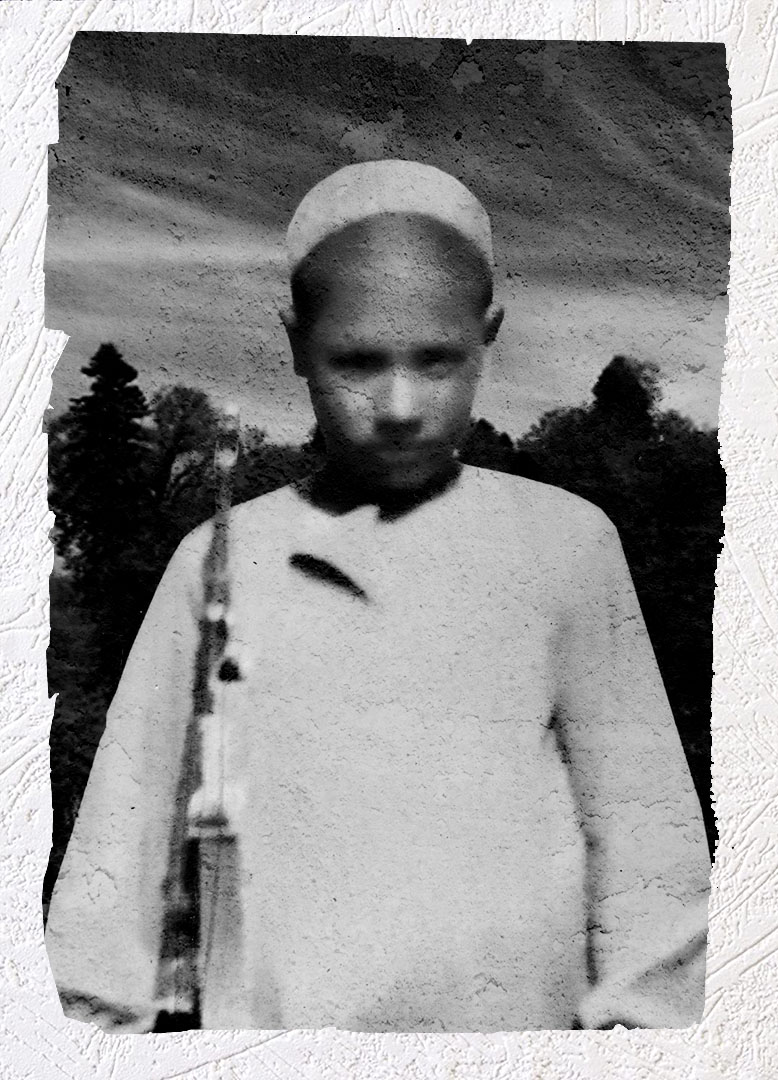
- Gender
- Male
- Ethnicity
- Hazara
- District geolocation of incident
- Kabul: 34° 31′ 1″ N, 69° 8′ 60″ E
- Description of incident
Many Mujahidin factions waged a civil war throughout Afghanistan in the 1990s, killing thousands of people, including women and children. Some were forced to flee their homes and subjected to various forms of violence like rape, extortion, abuse, harassment, abduction, and arbitrary detention. Between 1993 and 1996, Nikbakht lost both of her sons, Ramazan and Abdul Hamid. She has suffered for years, and as a result of chronic trauma and grief, her memory has degraded, making it difficult for her to recall the precise year of their passing. Ramazan and Abul Hamid were not involved with the militia or the fighting factions of the Mujahidin; they were civilians employed as porters and daily wage workers.
- Witness/Survivor Statement
When Only Photographs Remain
Narrator: Nik Bakht
Victims: Ramazan (21-years-old), Abdul Hamid (19-years-old)
Date of the incident: 1993-1996
Location of the incident: Kabul City
Nik Bakht is the symbol of a victimized generation struggling to deal with the trauma of never ending war. The dragons of war devoured her two sons within a short period of time and by now it hardly matters who was responsible for their murders. What is important is the infinite injury inflicted upon her heart. Years after her sons’ departures, she and her aging husband are living an existence between life and death. Their lives, in the aftermath of their sons’ murders, restricted only to the “sphere of pain.” This couple spent most of their years grieving their lost sons. Now they are old and the chains of poverty and helplessness have invaded them once and for all. There is no more energy left in her husband’s body to work as a porter to make ends meet. The “storm of poverty” has destroyed their lives. They can do nothing except to watch other peoples' happiness with broken hearts and sad eyes. Every time they look into the face of a young man, they remember their own young sons at the time of their early death; Ramazan was 21 years old and Abdul Hamid was 19 when they were killed.
If the war did not take the lives of Ramazan and Abdul Hamid, perhaps today everything would be different. They might even be feeling the prosperity, joy, and happiness of being grandparents. Unfortunately, for Nik Bakht and her husband to smile has become a meaningless act as they are constantly disturbed by the tragic deaths of Ramazan and Abdul Hamid. For them, every moment of their lives has turned into a terrible nightmare and their only solace are the photographs of Ramazan and Abdul Hamid, who continue to live in their memories until the day their souls will go to rest. A journey into the painful life of Nik Bakht can open our eyes to the hidden realities of war. War is not just a passing episode in the history of a country. When it occurs, it takes away the peace and wellbeing of the people forever.
The Story of Nik Bakht
My name is Nik Bakht and I am almost 60-years-old. I am originally from Bamiyan but have been living in Kabul for a long time. Our life was good before the war but then I lost two of my sons. One of them was killed in Deh Mazang and the other one in Kote-Sangi. Ramazan was killed in Kote-Sangi, though I do not exactly know how it happened… a bullet was stuck in his head and his eyes bulged.
My second son was called Abdul Hamid. He was two years younger than Ramazan. He died only a month after Ramazan’s murder. It happened during the holy month of Ramadan and Abdul Hamid had gone to the bakery to buy bread. We did not know that he had been shot. Later we learned that after he was shot, he was taken to the hospital and he was still alive when they took him. When he finally died, his body was brought to the local mosque, which is where we were informed about his death.
During the war, everyone we knew left and fled the city. We were asked to take care of peoples' homes. However, the bullets were coming from all sides and we were unable to go anywhere.
In those days, my husband worked as a porter and it was very hard for us to make ends meet. Today, it is even more challenging as my husband can no longer work. He suffers from psychological problems and keeps talking to himself. Of course, I am not very stable either. On the contrary, I feel completely shattered and abandoned.
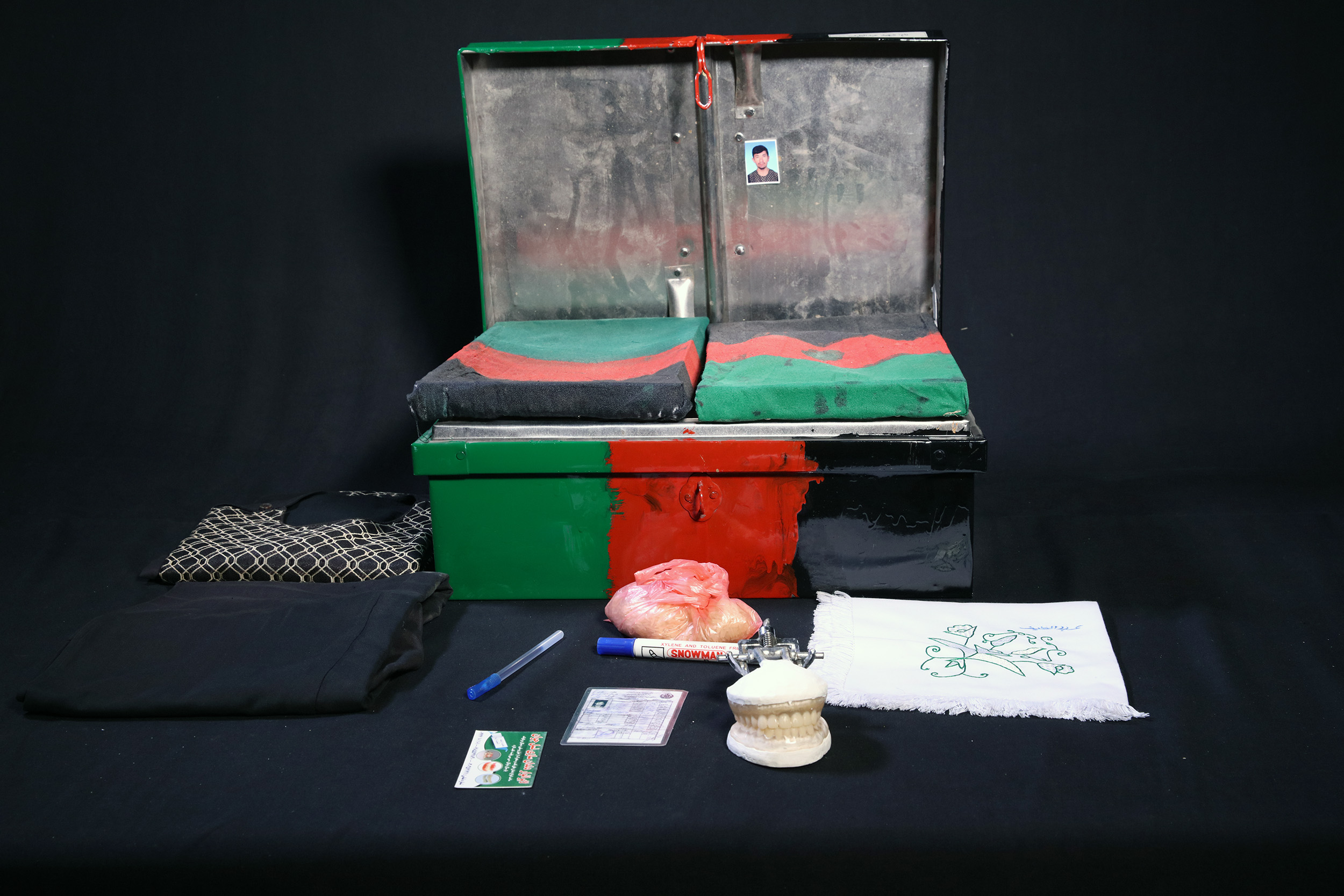
There are only very few things left from my sons. These objects are very dear to me as they remind me of them. I am including them in the Memory Box to make my sons’ memories last. I want to keep them until the day I can finally ask the perpetrators for what reason they killed my innocent sons.
I suffer a great deal because of their deaths. If they were alive today, I would certainly have many grandchildren. In fact, shortly before his death, my elder son had just got engaged and we were preparing everything for their marriage. The wedding never happened.
Abdul Hamid Ameri
- Photo of Victim

- Gender
- Male
- Ethnicity
- Qizilbash
- District geolocation of incident
- Khan Abad: 36° 41′ 49″ N, 69° 6′ 48″ E
- Description of incident
A suicide bomber detonated an explosive device among Hazara-Shia worshipers at the Sayed Abad Mosque in Kunduz province on Friday, October 8, 2021. The attack resulted in the death of at least 150 people and injuries to 250 more. The casualties were all civilians, predominantly from the Hazara Shia ethnic group. The Islamic State of Iraq and Levant-Khorasan Province claimed responsibility for the attack, identifying a Chinese Uygur national as the suicide bomber and stating the group targeted Hazara Shias.
- Witness/Survivor Statement
No statement
Abdul Hashim
- Photo of Victim

- Gender
- Male
- Ethnicity
- Tajik
- District geolocation of incident
- Kabul: 34° 31′ 1″ N, 69° 8′ 60″ E
- Description of incident
On the night of the incident, he finished work and went to a wedding he was invited to, where he was until midnight. At the exact moment he returned to his home in the Ahmadzai market to sleep, a suicide-bomber detonated his truck at a nearby army camp. It destroyed the entire market. Hashim was killed, along with 14 others. More than 280 people were injured in this incident.
- Witness/Survivor Statement
The Story of Zarbaig Sarwary (Mother in-law)
Victim’s Name: Abdul Hashim
Place of Incident: Siasang Shah Shahid, Ahmadzai Market, Kabul
Date of Incident: 06 August 2015
Abdul Hashim was only 23 when he was killed. He was my son in-law, but he was much more than that to me. I had raised him after he lost his mother in childhood. He was my son too. I did all that I could to raise him to be a good and useful person in our society. He was a calm, peaceful, and faithful person. On the night of the incident, he finished work and went to a wedding he was invited to, where he was until midnight. At the exact moment he returned to his home at the Ahmadzai market to sleep, a suicide-bomber detonated his truck at a nearby army camp. It destroyed the entire market. Hashim was killed, along with 14 others. More than 280 people were injured in this incident.
When Hashim was killed, I had to take care of my daughter and her two-year-old child. I also have to support my widowed sister, who is living in a tent in my backyard with her children, and I support my mother. They have no one else to protect or to support them. Whatever I earn, I share with everyone at home so that we can survive. We are all suffering.
My daughter has had mental disorders since her husband was killed. She is always sad, and she is suffering from anemia. She and her child live a hard life. I do all I can for them, but I have little to offer as I was disabled during the civil war in 1993.
The government has done nothing for us despite the fact that I went to different government offices for support. I asked them to come and visit my home to see the conditions of the victims’ families, but no one from the government ever bothered to come and check. It is disappointing.
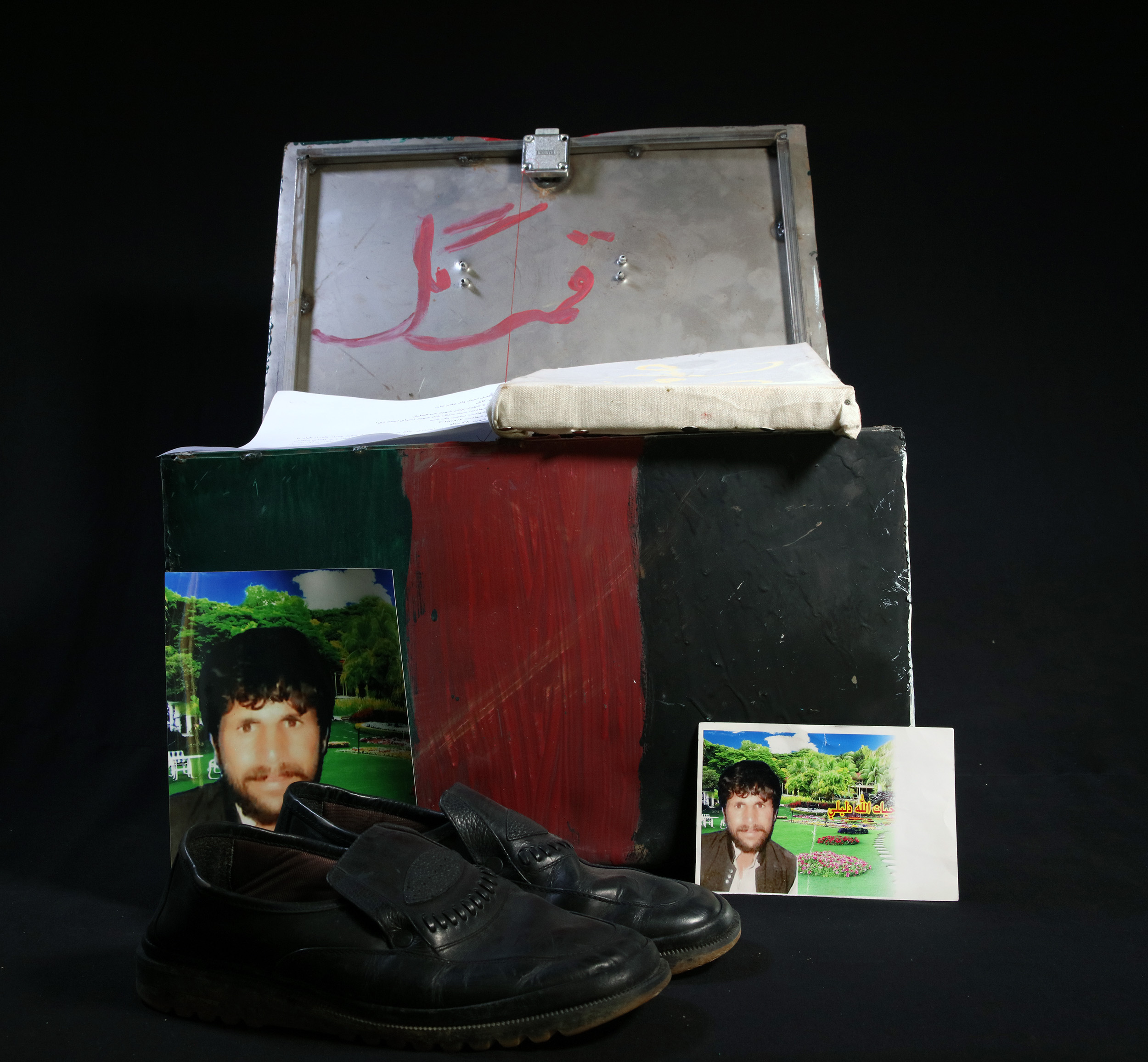
Abdul Jalil
- Photo of Victim

- Gender
- Male
- Ethnicity
- Tajik
- District geolocation of incident
- Kabul: 34° 31′ 1″ N, 69° 8′ 60″ E
- Description of incident
Abdul Jalil, my elder brother, was born in 1977 in the Panjshir Province. He used to work as a guard in Sarai Ahmadzai in the Shah Shaheed area. One summer night, when Abdul Jalil was sleeping in his room, a huge explosion occurred and destroyed the entire market. It killed and injured many people. He was severely injured when we took him out of the debris of the shattered building, but he lost his life on the way to the hospital. We took his body to his birthplace in Panjshir and buried him there.
- Witness/Survivor Statement
The Story of Fazl Ahmad Khan (brother)
Victim’s Name: Abdul Jalil
Date of Incident: July 8, 2015
Place of Incident: Shah Shaheed, Kabul
Abdul Jalil, my elder brother, was born in 1977 in the Panjshir Province. He used to work as a guard in Sarai Ahmadzai in the Shah Shaheed area. One summer night, when Abdul Jalil was sleeping in his room, a huge explosion occurred and destroyed the entire market. It killed and injured many people. He was severely injured when we took him out of the debris of the shattered building, but he lost his life on the way to the hospital. We took his body to his birthplace in Panjshir and buried him there.
Abdul Jalil was only 38-years-old when he was killed. He had gotten married just a few years back and left behind his young wife and a three-year-old son who are now living with us. His wife is now suffering from depression since his death. Abdul Jalil was the only breadwinner of his family. I do everything I can to take care of and protect his son but he still feels his father’s absence. The older he gets, the more he feels the void. It will probably take him a very long time to accept his father’s death. I will always try to help and support them, but I don’t think I will ever be able to fill Abdul Jalil’s empty place. His death and absence will never be forgotten.
Abdul Jamil
- Photo of Victim

- Gender
- Male
- Ethnicity
- Unknown
- District geolocation of incident
- Puli Khumri: 35° 56′ 49″ N, 68° 42′ 16″ E
- Description of incident
On the afternoon of November 6, 2007, at approximately 4:15 PM, an explosion occurred in Pul-e Khumri, the provincial capital of Baghlan Province. The incident took place during a visit by Afghanistan's Parliamentary Economic Commission, which had traveled to the area to attend the reopening ceremony of the newly reconstructed Baghlan Sugar Factory. According to eyewitness accounts, an individual detonated explosives among a crowd of people who had assembled to greet the parliamentary delegation. The attack resulted in between 70 and 97 fatalities, with casualty figures varying across different reports, and injured nearly 200 individuals. A substantial portion of the victims were school students who had gathered in formation to welcome the government officials. Six members of the National Economy Commission of Afghanistan's Parliament were killed in the attack, including the commission's chairman, Sayed Mustafa Kazimi. The other deceased parliamentarians represented various provinces across Afghanistan, including Takhar, Kunar, Helmand, Kunduz, and Kabul. While it was widely believed that the attack was carried out by a suicide bomber, no group claimed responsibility for the incident. The precise circumstances and motivation behind the attack were never officially confirmed. The general assessment indicated that members of the Afghan Parliament were the primary intended targets of the assault.
- Witness/Survivor Statement
No statement
Abdul Karim
- Photo of Victim

- Gender
- Male
- Ethnicity
- Pashtun
- District geolocation of incident
- Khas Kunar: 34° 46′ 36″ N, 71° 3′ 7″ E
- Description of incident
He was killed in a shooting by the Communist Party militias.
Abdul Khaliq
- Photo of Victim

- Gender
- Male
- Ethnicity
- Pashtun
- District geolocation of incident
- Bala Buluk: 33° 7′ 27″ N, 62° 39′ 47″ E
- Description of incident
On May 4, 2009, a United States Air Force B-1 Bomber conducted an airstrike on Granai village in Bala Buluk district, Farah Province, resulting in significant civilian casualties. The incident, sometimes referred to as the Granai massacre, became one of the deadliest civilian casualty events involving international military forces in Afghanistan. The exact number of civilian deaths remains a matter of dispute among various investigative bodies. The Afghan government reported approximately 140 civilian fatalities, including 22 adult men and 93 children. Afghanistan's principal human rights organization concluded that 97 civilians were killed, with children comprising the majority of victims. Other estimates place the civilian death toll between 86 and 147 individuals. An initial investigation by the US military assessed that 20-30 civilians were killed alongside 60-65 insurgents. However, these figures were contested by Afghan authorities and international observers. A subsequent, partially released American inquiry acknowledged the limitations of the investigation, stating that a conclusive determination of the civilian casualty count would not be possible. The United States military accepted responsibility for the airstrike and admitted that significant errors occurred in its execution. Official statements acknowledged that the failure to identify the presence of civilians and to minimize collateral damage resulted in unintended civilian casualties.
- Witness/Survivor Statement
No statement
Abdul Latif
- Photo of Victim
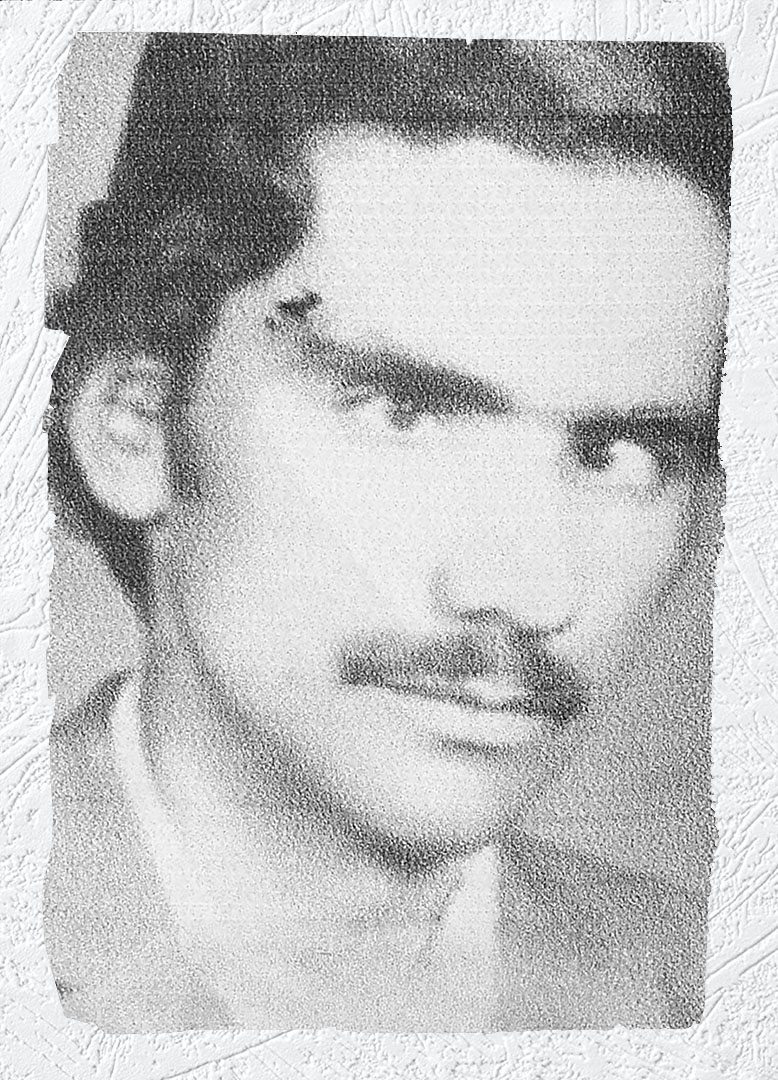
- Gender
- Male
- Ethnicity
- Tajik
- District geolocation of incident
- Bagrami: 34° 31′ 10″ N, 69° 16′ 39″ E
- Description of incident
Known as the "Killing of AGSA," it refers to the collective murder of opponents of the People's Democratic Party of Afghanistan in the Pul-e-Charkhi Prison in Kabul between 1978 and 1979. The Afghan Intelligence Office, or AGSA (Afghan Agency for Safeguarding National Interest), led by Asadullah Sarwari, had arrested nearly 150,000 people, out of which an estimated number of 27,000 political prisoners were put to death without a single trial, probe, or even allegation. Many Afghan families had no idea where their loved ones had disappeared in the latter part of 1978 and early 1979. A list of those slain that included 5,000 victims of AGSA mass executions was made public by the Dutch Prosecutor's Office in 2013.
- Witness/Survivor Statement
No statement

Abdul Latif
- Photo of Victim

- Gender
- Male
- Ethnicity
- Tajik
- District geolocation of incident
- Kabul: 34° 31′ 1″ N, 69° 8′ 60″ E
- Description of incident
Known as the "Killing of AGSA," it refers to the collective murder of opponents of the People's Democratic Party of Afghanistan in the Pul-e-Charkhi Prison in Kabul between 1978 and 1979. The Afghan Intelligence Office, or AGSA (Afghan Agency for Safeguarding National Interest), led by Asadullah Sarwari, had arrested nearly 150,000 people, out of which an estimated number of 27,000 political prisoners were put to death without a single trial, probe, or even allegation. Many Afghan families had no idea where their loved ones had disappeared in the latter part of 1978 and early 1979. A list of those slain that included 5,000 victims of AGSA mass executions was made public by the Dutch Prosecutor's Office in 2013.
- Witness/Survivor Statement
No statement
Abdul Latif
- Photo of Victim

- Gender
- Male
- Ethnicity
- Pashtun
- District geolocation of incident
- Chamkani: 33° 48′ 10″ N, 69° 49′ 56″ E
- Description of incident
Abdul Latif was in ninth grade when he was called for military service during Dr. Najibullah’s rule. He tried to escape many times but failed. After completing his training, he was sent to the frontline. The last time he fought was in ta battle between the Mujahideen and the government in Paktia Province. A rocket hit their trench during the operation killing and injuring many soldiers. My brother lost his life due to severe head injuries. He was only 22 years old. His death changed everything, but it affected my parents the most. With him, we lost all our hope. My mother lost her sight and grief replaced her happiness until she passed away a few months later.
- Witness/Survivor Statement
Abdul Latif was a kind and hardworking young man and he had only two dreams, first to continue his studies and second to help us, especially my father in providing a better livelihood for the family. We had a difficult life, but Abdul Latif was considered our family’s hope for a brighter future. His promises of a better future after graduation from the engineering faculty always excited my parents. He also encouraged our siblings to continue their studies because that was the only way to a better future. He himself always wanted to be an engineer but was not made to realize his dreams. Abdul Latif was in ninth grade when he was called for military service during Dr. Najibullah’s rule. He tried to escape many times but failed. After completing his training, he was sent to the frontline. The last time he fought was in ta battle between the Mujahideen and the government in Paktia Province. A rocket hit their trench during the operation killing and injuring many soldiers. My brother lost his life due to severe head injuries. He was only 22 years old. His death changed everything, but it affected my parents the most. With him, we lost all our hope. My mother lost her sight and grief replaced her happiness until she passed away a few months later. When Dr. Najibullah’s government collapsed, the Civil War between the Mujahideen groups intensified in Kabul. A rocket hit and destroyed our only home. We lost every single thing we had and had to run for our lives. During the Taliban rule, our only goal was to survive so we left the country in despair and disappointment. Living in refugee camp was no better than the ruins of Kabul but we had to bear it to stay alive. Before joining the military, Abdul Latif assisted my father and provided half of the little income we had. After him, my father protected and supported us until he married us all off. He is now alone, suffering in pain and grief of losing both my brother and my mother. We cannot do anything to heal his grief and remove his sorrows. I just wish this war comes to an end and no other father has to ever bury his loved ones and end up alone.
Abdul Latif Zahidi
- Photo of Victim
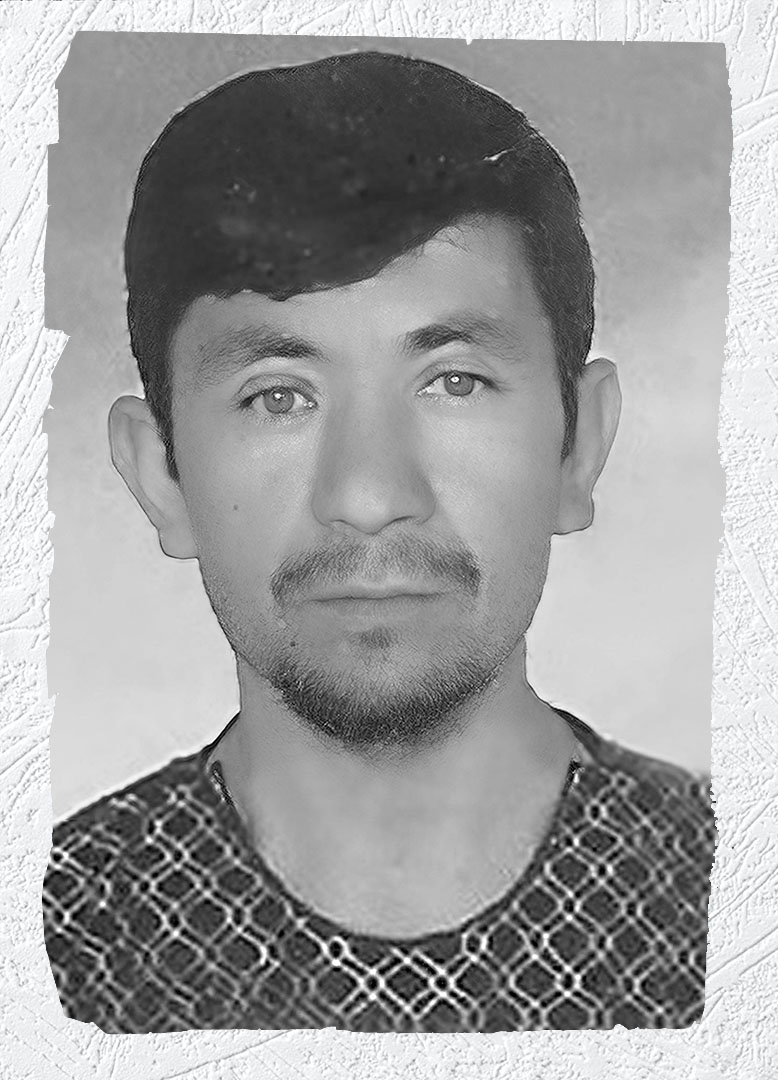
- Gender
- Male
- Ethnicity
- Hazara
- District geolocation of incident
- Kabul: 34° 31′ 1″ N, 69° 8′ 60″ E
- Description of incident
On July 23, 2016, two suicide bombers denoted their explosives among the protesters at Dehmazang Square in Kabul, the capital city of Afghanistan. The protesters, who were primarily Hazaras, were part of the Enlightenment Movement. They were protesting against the diversion of the TUTAP mega power project which would cause the project to bypass Hazara-dominated areas. At least 84 protesters lost their lives and 260-400 others were injured. The Islamic State of Khorasan Province (ISKP), the regional branch of ISIS, took credit for the attack. However, ISKP later refuted their involvement in the attack.
The Enlightenment Movement, also known as Junbesh-e Roshnayie, was a grassroots civil disobedience movement started by Hazaras in Afghanistan in response to a change in the Fichtner GmbH & Co. KG proposed Energy Supply Improvement Investment Program, unofficially called TUTAP project plans. The change in the project plans would cause it to bypass Hazara regions. The move was seen as perpetuating long-standing anti-Hazara discrimination. Throughout 2016 and 2017, the Enlightenment Movement coordinated large-scale demonstrations against discrimination both domestically in Afghanistan and abroad.
- Witness/Survivor Statement
He Used to Encourage His Friends to Stand Up for Their Rights
Narrator: Hazratullah Shirzad (brother)
Victim: Abdul Latif Zahidi
Date of the incident: 23 July 2016
Location of the incident: Dehmazang, Kabul City
Praise to the martyrs of the 23rd of July, and greetings to you. I am Hazratullah Shirzad, brother of the martyr Abdul Latif. We come from Ghazni Province, Qarabagh District. My brother graduated from Naiqala High School during the Taliban era. Because conditions were terrible in those years, he emigrated to Iran and lived and worked there for several years. After a few years, he returned to Afghanistan. He spent some time in Kandahar Province and then came to Kabul. After he came here, he worked with me in dentistry.
I went to Ghazni this year during Ramadan and remained there until the day of the incident. My brother always encouraged his friends and us to get an education. He advised all his friends to study hard, he was a keen reader. He was 28-years-old when he was killed, and left behind two daughters and two sons. After my brother's death, life has been difficult for the entire family and for me. He was not only a brother, but also a good friend and comrade to all of us.
As I said, when the incident happened, I was in Ghazni. Someone called me to say that a suicide attack had occurred in Dehmazang, and that unfortunately, Abdul Latif was injured. They wanted me to return to Kabul as soon as possible. I didn't even know how they took him to the hospital or how he had been martyred. By the time I arrived in Kabul, it was too late. I didn't know the details of the incident, but I arrived at his funeral. I couldn't believe it. I was in a terrible mental state; it is excruciating and almost impossible to describe those moments. He always encouraged his friends to stand up for their civil rights and not allow anyone to violate them. He believed everyone should have equal rights and access to social justice. To achieve that, they must fight.
Abdul Manan Arghand
- Photo of Victim

- Gender
- Male
- Ethnicity
- Pashtun
- District geolocation of incident
- Kandahar: 31° 37′ 52″ N, 65° 44′ 31″ E
- Description of incident
Abdulmanan Arghand, a local reporter of Kabul News TV, was shot by unknown armed men on April 25, 2018 in Kandahar Province when he was on his way to his workplace.
- Witness/Survivor Statement
No statement
Abdul Mateen
- Photo of Victim

- Gender
- Male
- Ethnicity
- Tajik
- District geolocation of incident
- Kabul: 34° 31′ 1″ N, 69° 8′ 60″ E
- Description of incident
I rushed to the Shah Shahid area after the explosion that Friday and found their room crumbled to dust. I went to search for them at the Emergency Hospital, NDS Hospital, and many other public hospitals, but couldn’t find them so I returned. The area was surrounded by security forces because the Defense and Interior Ministers had visited the area. They prevented us from entering the perimeter until the Minister of Defense heard the story and allowed us to search for our martyrs. We searched under the rubble with excavators but found nothing except a book, a shoe, and a mattress. That distressed me even more because family and relatives kept calling to know if they were found or not.
- Witness/Survivor Statement
The Stories of Del Agha (brother)
Victims’ Names: Abdul Mateen and Shirin Agha
Date of Incident: August 7, 2015
Place of Incident: Sarai Ahmadzai, Shah Shahid, Kabul
I lost my brother, Abdul Mateen, and nephew, Shirin Agha, in the Shah Shahid incident on 7 August 2015. At the age of 32 and 23-years-old, they were both the only breadwinners of their families. They had rented a room in Sarai Ahmadzai to be able to work and live in Kabul. Mateen was married and had two daughters of fourteen and eight-years-old. Shirin Agha was working with the Afghan National Army and due to the work load, had not been able to visit his mother and two sisters for a very long time. As he finally got some free time during the first weekend after Eid, he decided to visit his uncle on the Thursday, his family on Friday, and then get back to work on Saturday.
Unfortunately, his plans were left unfulfilled. I rushed to the Shah Shahid area after the explosion that Friday and found their room crumbled to dust. I went to search for them at the Emergency Hospital, NDS Hospital, and many other public hospitals, but couldn’t find them so I returned. The area was surrounded by security forces because the Defense and Interior Ministers had visited the area. They prevented us from entering the perimeter until the Minister of Defense heard the story and allowed us to search for our martyrs. We searched under the rubble with excavators but found nothing except a book, a shoe, and a mattress. That distressed me even more because family and relatives kept calling to know if they were found or not.
Finally, Mateen’s body was found in the NDS Hospital and Shirin Agha’s body was found in Wazir Akbar Khan Hospital. Shirin Agha was working with the Ministry of Defense so his body was taken to Sardar Dawood Khan Military Hospital and then delivered to us. My nephew was appreciated for his work with the Afghan Military but we did not even get a mere condolence message for losing Mateen. The government has disappointed and failed us not only in preventing violence and terror, but also in supporting and caring for the victims.
With them, we buried part of our lives and happiness. I added the few objects they left behind to the Memory Box to let their memories live for longer and to let others know how war and violence is killing and destroying.

Abdul Momen
- Photo of Victim

- Gender
- Male
- Ethnicity
- Tajik
- District geolocation of incident
- Kabul: 34° 31′ 1″ N, 69° 8′ 60″ E
- Description of incident
Known as the "Killing of AGSA," it refers to the collective murder of opponents of the People's Democratic Party of Afghanistan in the Pul-e-Charkhi Prison in Kabul between 1978 and 1979. The Afghan Intelligence Office, or AGSA (Afghan Agency for Safeguarding National Interest), led by Asadullah Sarwari, had arrested nearly 150,000 people, out of which an estimated number of 27,000 political prisoners were put to death without a single trial, probe, or even allegation. Many Afghan families had no idea where their loved ones had disappeared in the latter part of 1978 and early 1979. A list of those slain that included 5,000 victims of AGSA mass executions was made public by the Dutch Prosecutor's Office in 2013.
- Witness/Survivor Statement
No statement
Abdul Nasir
- Photo of Victim

- Gender
- Male
- Ethnicity
- Unknown
- District geolocation of incident
- Puli Khumri: 35° 56′ 49″ N, 68° 42′ 16″ E
- Description of incident
On the afternoon of November 6, 2007, at approximately 4:15 PM, an explosion occurred in Pul-e Khumri, the provincial capital of Baghlan Province. The incident took place during a visit by Afghanistan's Parliamentary Economic Commission, which had traveled to the area to attend the reopening ceremony of the newly reconstructed Baghlan Sugar Factory. According to eyewitness accounts, an individual detonated explosives among a crowd of people who had assembled to greet the parliamentary delegation. The attack resulted in between 70 and 97 fatalities, with casualty figures varying across different reports, and injured nearly 200 individuals. A substantial portion of the victims were school students who had gathered in formation to welcome the government officials. Six members of the National Economy Commission of Afghanistan's Parliament were killed in the attack, including the commission's chairman, Sayed Mustafa Kazimi. The other deceased parliamentarians represented various provinces across Afghanistan, including Takhar, Kunar, Helmand, Kunduz, and Kabul. While it was widely believed that the attack was carried out by a suicide bomber, no group claimed responsibility for the incident. The precise circumstances and motivation behind the attack were never officially confirmed. The general assessment indicated that members of the Afghan Parliament were the primary intended targets of the assault.
- Witness/Survivor Statement
No statement
Abdul Qadir Delawari
- Photo of Victim

- Gender
- Male
- District geolocation of incident
- Injil: 34° 37′ 55″ N, 62° 13′ 51″ E
Abdul Qayum
- Photo of Victim

- Gender
- Male
- Ethnicity
- Pashtun
- District geolocation of incident
- Shindand: 33° 18′ 28″ N, 62° 8′ 12″ E
- Description of incident
On August 22, 2008, the United States Air Force conducted an airstrike on Azizabad village in Shindand district, Herat Province. The attack resulted in the deaths of ninety-two civilians, including sixty children and fifteen women. Numerous structures in the village, including homes, were damaged or destroyed. American officials stated that the airstrike was conducted after Afghan soldiers were ambushed while pursuing a Taliban commander named Mullah Siddiq, claiming that Taliban attackers fled to Azizabad.
- Witness/Survivor Statement
No statement
Abdul Rahim Alizada
- Photo of Victim
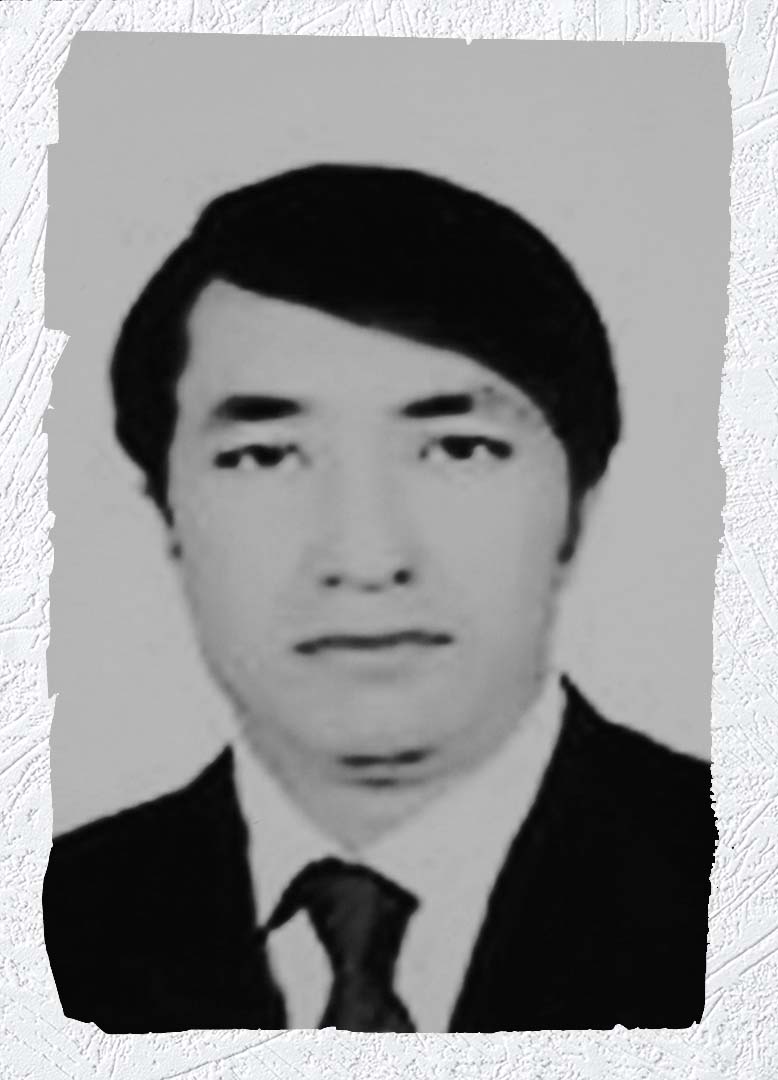
- Gender
- Male
- Ethnicity
- Hazara
- District geolocation of incident
- Kabul: 34° 31′ 1″ N, 69° 8′ 60″ E
- Description of incident
On July 23, 2016, two suicide bombers denoted their explosives among the protesters at Dehmazang Square in Kabul, the capital city of Afghanistan. The protesters, who were primarily Hazaras, were part of the Enlightenment Movement. They were protesting against the diversion of the TUTAP mega power project which would cause the project to bypass Hazara-dominated areas. At least 84 protesters lost their lives and 260-400 others were injured. The Islamic State of Khorasan Province (ISKP), the regional branch of ISIS, took credit for the attack. However, ISKP later refuted their involvement in the attack.
The Enlightenment Movement, also known as Junbesh-e Roshnayie, was a grassroots civil disobedience movement started by Hazaras in Afghanistan in response to a change in the Fichtner GmbH & Co. KG proposed Energy Supply Improvement Investment Program, unofficially called TUTAP project plans. The change in the project plans would cause it to bypass Hazara regions. The move was seen as perpetuating long-standing anti-Hazara discrimination. Throughout 2016 and 2017, the Enlightenment Movement coordinated large-scale demonstrations against discrimination both domestically in Afghanistan and abroad.
- Witness/Survivor Statement
The Martyrdom of Abdul Rahim Was a Horrible and Ominous Occurrence
Narrator: Mohammad Ali Alizada (brother)
Victim: Abdul Rahim Alizada
Date of the incident: 23 July 2016
Location of the incident: Dehmazang, Kabul City
I have three brothers. Unfortunately, we have lost Abdul Rahim and now I have two brothers. I am the eldest son of the family and the Martyr was our youngest brother. He attended school up to sixth grade in the Varas District, in the Province of Bamiyan. Back then, when we lived in Varas, the local school was not of a good standard as it lacked teachers. The martyr, Abdul Rahim, attended both modern and religious schools. His teachers were very happy with him because he was a good student in all areas. He would always get top grades at school. His hard work inspired our move to Kabul. Another reason for our move was that we did not own any agricultural land in the village and our financial situation was not very good. In Kabul, we rented a house in Chindawol, near the Ashiqan Arefan Mountain. Abdul Rahim attended the Ashiqan Arefan High School up to 8th grade. Later, he was transferred to the Abdul Rahim Shahid High School where he studied up to 12th grade. With the small amount of money we had saved through years of labor, we bought three Biswas of land (a traditional measure of land) in Dasht Barchi. Following his graduation from high school, he took the public university entrance exam and was admitted to the Law Department of Bamiyan University.
In Bamiyan, we lived together. He used to attend classes, but he was not satisfied with the classes or the teachers. One day, he told me that he wanted to return to Kabul to get a good quality education. In addition, he was worried about our parents. He was very fond of my parents and they, too, loved him very much because he always prayed on time. It may be hard to believe, but he was a young man who could complete the recitation of the Holy Quran within a week. When I discussed the matter with my parents, they agreed that we should return to Kabul.
My other brothers do not live with us; we live separately. One of my brothers has a good financial situation, and when he noticed that Abdul Rahim had talent, he enrolled him in Goharshad University, where that brother had studied Economics for four years. The martyr and I lived with my parents. Some nights, when I went out of my room, I noticed the light in Abdul Rahim's room was still turned on. When I would go to him, I could see him sitting with a blanket on his feet, reading a book. Some nights, he continued reading up until 1 or 2 am because he was very interested in education and reading. That's why we all made sure he had access to everything he needed so he could get on with his studies in peace. We all love and respect our parents, but the Martyr was very different from us. He would talk to them, listen to them, and had a very close relationship with them both.
He was a sociable and good-natured person who was loved by all his friends and acquaintances. After he completed his work and his studies, he would come to our room at night with a book in his hand. I have three children and he would help them with their school assignments, read books to them, and check their homework. He always advised them to study so they could have a better future. I have just a little education. I can only read and write. That's why he would use me as an example for them. My children attend both private and public schools. He always took time for each of them and asked them about their lessons. On the street where we live, he encouraged all the neighboring children to pursue their education.
During Nowruz this year, we suggested to him that he should get married and start a family. He refused and said, “I need to stand on my own two feet first, improve my financial situation, and find a good job. Only then could I think about choosing a wife. Furthermore, our parents have aged and need more care. I can't take care of them properly, let alone get a wife.” But our father insisted, saying, “I have lived for 93 years. I have lived my life and I wish to see you build a family and become the owner of your life. I owe you this and I want to get it off my shoulders. I have enough money to help you start a family and it would put my mind at ease.” He accepted my father’s wish and got engaged. He got married on the 15th of Sha’ban (22 May 2016). After his wedding, he tried hard to find a good job but did not find anything suitable. In the Tabassum Movement [the grassroots movement created after the execution of 9-year-old Shukria and 6 other Hazara in November 2015], he was the first person to encourage our people to come together. He said that it was our inalienable right to advocate for our innocent travelers. He started working, running a shop to provide for his family. He used to work in the shop until 9:00 PM and would come home late. After he was killed, when anyone knocks at our door at 9 o'clock in the evening, we automatically think he has come home.
Before the demonstration, Abdul Rahim had called his father in-law's house and said, "Your daughter has not visited your home since her marriage. I got a job and I'm going to Baghlan. If you are available today, come and collect your daughter." He was just kidding. His father in-law said, “Why didn't you tell me earlier, it is 12 o'clock at night, and it is not possible for me to come for my daughter today.” My brother insisted that they should come on that same night because he and his friends were planning to go to Baghlan for work the next day.
My wife recounted how he had performed ablution, prayed, read some verses of the Holy Quran, and had taken a piece of paper and written: “If I get martyred in tomorrow's demonstration, bury me on Haji Nabi Hill.” He had taken a photo of himself out of an album and had said, “print this photo on my tombstone.” He even pointed out that “Haji Hossain will not do this. When Muhammad Ali returns from Iran, give him my photo and tell him to engrave the photo on my tombstone.” He specifically asked my wife “not to tell my parents anything about this and ask my wife to live with my parents for a while and if I get a share of my father's inheritance, to give some to my wife.” My wife then got angry with him, and told him, “Have you gone crazy?” She even tore up the photo he had given her. Abdul Rahim Alizada got upset then, and said, “I am sure that, God willing, I will be martyred tomorrow.” My wife was angry and told him that instead of saying such nonsense, he should have been with his wife that night. She asked him to stop talking about such things. Abdul Rahim even told my son, “I am not crazy. Your mother is crazy; I gave her my photo to be engraved on my tombstone, and she tears up the photo. If your father calls, tell him ‘My uncle asks us to bury him in Haj Nabi Town and put his photo on his tombstone.’” My wife begged him not to join the demonstration.
I called him to tell him that there had been a failed coup in Turkiye some time ago. I told him the situation was not good, and that God forbid an incident might happen. On the day of the demonstration, Abdul Rahim left the house, pretending he was going to work at the shop. He told my father, “I am going to see my mother and nephew in the shop.” Once he was there, he asked my mother to go home and have her breakfast. When my mother was about to go home, he bade her farewell and held her hand, and told her, “Forgive my sin, my dear mother.” When my mother saw the tears in his eyes, she got angry and told him, "What is happening to you today, I won't forgive you. Go and drink tea and don't talk nonsense." When my mother moved away from him, he asked her again to forgive him. My mother said her heart was shaken. He went to my mother and she hugged him and kissed his face and said she forgave him and pardoned him as a mother. He then told my mother, “Now that you have forgiven me, I feel lighter.” Then, he and his friends went to join the demonstration.
Back then, I was in Iran. I was following the protests through Facebook. I called him at 9 am, and he answered my call. There was so much noise in the background, with people chanting slogans for justice. We were not able to talk for long, and he said, “I will call you later. I can't talk now.” We hung up the phone. I called him at 12:45 pm. He said that the weather was hot and they wanted to set up a tent. He said he was holding a tent pole in one hand and a phone in the other hand. He said his mobile phone battery was low and could be dead anytime. He said that if the demonstration continued, they would set up a tent. Otherwise, they would go home. I was working as a guard in Iran and I usually rested for a few hours during the day so that I would be fresh for the night. Just before I wanted to rest, my uncle called me and said that there had been an explosion in Kabul. I hurriedly turned on the TV, but the antenna was not working. In that moment, I sensed that I would never see Abdul Rahim alive again. I felt so helpless; I was running around speechless.
I had put my phone on charge in the room, and I was searching for it. My [maternal] cousin, who was working with me, noticed my bewilderment and asked, "What are you looking for?" I told him that I was looking for my phone as I wanted to make a call to Kabul. He told me that my phone was charging in the room. I had lost the ability to walk. I told him to bring it to me quickly. He brought my phone and I called both Abdul Rahim’s phone numbers but he didn't answer. I called my other brother but he didn't answer either. I called home but no one answered. I asked my cousin to call a travel agency and get a ticket for me. “I am going to Afghanistan tomorrow,” I said. When he saw my nervousness, he asked what had happened. He said, “You have only been here a month, why do you want to go back already?” But when he saw my distress, he called the travel agency to send me a ticket via their employee.
I was getting dressed when my [paternal] cousin called me. I was so distressed as I talked to him, he asked me what had happened. I told him there had been an explosion in Afghanistan. He said that explosions and suicides attacks were a daily occurrence in Kabul and Afghanistan. With difficulty, I managed to explain to him that there had been an explosion close to where the demonstrators were. When he heard that, he said, “I will be there in five minutes.” The employee of the travel agency brought me the ticket. My cousin arrived, took me to the terminal, and I travelled to Afghanistan.
When I reached my brother Hossain by phone, he explained that Abdul Rahim had been injured and was in the hospital. I opened my Facebook app, and noticed that one of my brother's classmates from Sarab (Ghazni), had posted a note on his Facebook page: “Abdul Rahim, one of my university classmates is injured and needs blood.” My eyes were full of tears. I could not see the mobile screen properly. My cousin took the phone off me, and when I got the phone back from him, I could no longer find that page. I asked him what he had done with that post. He said that the post itself had disappeared; he did not do anything.
I called my son. When he answered the phone, I could hear crying in the background and I knew then that Abdul Rahim was dead/martyred. After that, I don't remember how they took me to the terminal. Everything was incomprehensible to me. After some time, my cousin told me to get out of the car. When I regained my senses, I found myself in front of my brother's house. I went inside and saw a lot of shoes behind the door. I passed out then, and when I regained consciousness, I found myself in my uncle's arms. He was crying and comforting us at the same time.
The martyrdom of Abdul Rahim was a horrible and ominous occurrence for all of us because he was very dear to the whole family. My parents still cry so much when they remember him and I cannot console them. Some time ago, when I was reciting the Holy Qur'an, I found a hand-written piece of paper. I can’t read and I saw there were a few signatures on the paper. I called my son and told him, “Take this piece of paper to your uncle, Abdul Rahim, to read it. I don't know what is written on it.” My son cried out, telling me, “Dad, my uncle, Abdul Rahim, was killed and is no longer alive.” Our family will forever be in pain for losing Abdul Rahim. This pain will never leave our hearts.

Abdul Rahim Fayazi
- Photo of Victim

- Gender
- Male
- Ethnicity
- Hazara
- District geolocation of incident
- Kabul: 34° 31′ 1″ N, 69° 8′ 60″ E
- Description of incident
Killing of AGSA refers to the collective murder of opponents of the People's Democratic Party of Afghanistan in the Pul-e-Charkhi Prison in Kabul between 1978 and 1979. The Afghan Intelligence Office, or AGSA, was led by Asadullah Sarwari. Thousands of individuals were put to death without a single trial, probe, or even allegation. Many Afghan families had no idea where their loved ones had disappeared to. A list of those slain by the AGSA was made public by the Dutch Prosecutor's Office in 2013.
- Witness/Survivor Statement
No statement
Abdul Rahman
- Photo of Victim

- Gender
- Male
- Ethnicity
- Tajik
- Witness/Survivor Statement
No statement
Abdul Raouf Fayazi
- Photo of Victim

- Gender
- Male
- Ethnicity
- Hazara
- District geolocation of incident
- Kabul: 34° 31′ 1″ N, 69° 8′ 60″ E
- Description of incident
Killing of AGSA refers to the collective murder of opponents of the People's Democratic Party of Afghanistan in the Pul-e-Charkhi Prison in Kabul between 1978 and 1979. The Afghan Intelligence Office, or AGSA, was led by Asadullah Sarwari. Thousands of individuals were put to death without a single trial, probe, or even allegation. Many Afghan families had no idea where their loved ones had disappeared to. A list of those slain by the AGSA was made public by the Dutch Prosecutor's Office in 2013.
- Witness/Survivor Statement
No statement
Abdul Rashid
- Photo of Victim

- Gender
- Male
- Ethnicity
- Tajik
- District geolocation of incident
- Bagrami: 34° 31′ 10″ N, 69° 16′ 39″ E
- Description of incident
Known as the "Killing of AGSA," it refers to the collective murder of opponents of the People's Democratic Party of Afghanistan in the Pul-e-Charkhi Prison in Kabul between 1978 and 1979. The Afghan Intelligence Office, or AGSA (Afghan Agency for Safeguarding National Interest), led by Asadullah Sarwari, had arrested nearly 150,000 people, out of which an estimated number of 27,000 political prisoners were put to death without a single trial, probe, or even allegation. Many Afghan families had no idea where their loved ones had disappeared in the latter part of 1978 and early 1979. A list of those slain that included 5,000 victims of AGSA mass executions was made public by the Dutch Prosecutor's Office in 2013.
- Witness/Survivor Statement
No statement
Abdul Rawof
- Photo of Victim

- Gender
- Male
- Ethnicity
- Uzbek
- District geolocation of incident
- Kabul: 34° 31′ 1″ N, 69° 8′ 60″ E
- Description of incident
Known as the "Killing of AGSA," it refers to the collective murder of opponents of the People's Democratic Party of Afghanistan in the Pul-e-Charkhi Prison in Kabul between 1978 and 1979. The Afghan Intelligence Office, or AGSA (Afghan Agency for Safeguarding National Interest), led by Asadullah Sarwari, had arrested nearly 150,000 people, out of which an estimated number of 27,000 political prisoners were put to death without a single trial, probe, or even allegation. Many Afghan families had no idea where their loved ones had disappeared in the latter part of 1978 and early 1979. A list of those slain that included 5,000 victims of AGSA mass executions was made public by the Dutch Prosecutor's Office in 2013.
- Witness/Survivor Statement
No statement
Abdul Samad Amiri
- Photo of Victim
- Gender
- Male
- Ethnicity
- Hazara
- District geolocation of incident
- Jalrez: 34° 37′ 46″ N, 68° 39′ 29″ E
- Description of incident
Abdul Samad Amiri, a human rights activist and the acting director of the Afghanistan Independent Human Rights Commission (AIHRC), was kidnapped by the Taliban on September 3, 2019, while traveling to Kabul. The Taliban held Amiri captive in the Jalriz district of Maidan Wardak Province. After being imprisoned for two days, Samad was brutally shot on September 5, 2019. His body was left out in the open for two days on the side of Highway No. 2 in the Taliban-held Jalriz area.
- Witness/Survivor Statement
No statement
Abdul Shakoor Karimzada
- Photo of Victim

- Gender
- Male
- Ethnicity
- Hazara
- District geolocation of incident
- Kabul: 34° 31′ 1″ N, 69° 8′ 60″ E
- Description of incident
On July 23, 2016, two suicide bombers denoted their explosives among the protesters at Dehmazang Square in Kabul, the capital city of Afghanistan. The protesters, who were primarily Hazaras, were part of the Enlightenment Movement. They were protesting against the diversion of the TUTAP mega power project which would cause the project to bypass Hazara-dominated areas. At least 84 protesters lost their lives and 260-400 others were injured. The Islamic State of Khorasan Province (ISKP), the regional branch of ISIS, took credit for the attack. However, ISKP later refuted their involvement in the attack.
The Enlightenment Movement, also known as Junbesh-e Roshnayie, was a grassroots civil disobedience movement started by Hazaras in Afghanistan in response to a change in the Fichtner GmbH & Co. KG proposed Energy Supply Improvement Investment Program, unofficially called TUTAP project plans. The change in the project plans would cause it to bypass Hazara regions. The move was seen as perpetuating long-standing anti-Hazara discrimination. Throughout 2016 and 2017, the Enlightenment Movement coordinated large-scale demonstrations against discrimination both domestically in Afghanistan and abroad.
- Witness/Survivor Statement
The Third Body Was My Father
Narrator: Shafiqullah (Son)
Victim: Abdul Shakoor Karimzada
Date of the incident: 23 July 2016
Location of the incident: Dehmazang, Kabul City
My father was born in 1942 in Qoluj Village of Qarabagh District in the province of Ghazni. My father was martyred in Dehmazang at the age of 74. My father has four sons and two daughters. My brothers and sisters are married and all live separately. My father always encouraged me to get an education and improve my life. He encouraged my sisters to have good relations with people. To perform the prayer, he would always go to the mosque. My father had five brothers, one of whom was killed during the wars. He spent his childhood in the village. Almost 50 years have passed since my parents got married. Their eldest child is 34-years-old. My best memory of my father is related was when I managed to pass the university entrance exam. When I told him about it, he had tears in his eyes, hugged me, and was very happy. He had many dreams for his children and always said he wanted all of us to succeed. He even encouraged his daughters to get an education and said they should go to school, get good grades in university, and achieve their dreams. We moved to Kabul in 2009, following which he never returned to Ghazni. My father was a social and good-natured person who was very fond of his children and grandchildren.
My father and brothers, Najib and Zabihullah, worked for ten years in Iran. He had a cow, and he would always look after it. Later, he sold the cow and bought a cart to work as a vendor. Sometimes he would do construction work. He had become interested in the activities of the Enlightenment Movement and frequently attended their meetings. He believed that our people should stand up for justice and raise the voice of the oppressed.
On July 23rd, he left home at 9 am. I also went to Kot-e-Sangi. I did not know my father, too, would be taking part in the demonstration. When I got there, I felt that the security situation was not good, so I returned home. The university exams were coming up, so I was studying at home. The night before the incident, Negah TV announced that the next day’s demonstration had been cancelled. However, when my father heard from the Movement's announcement that the demonstration would happen anyway, he went to Dehmazang the next day.
At 2:30 pm, when I turned on the TV, news of the explosion in Dehmazang was being broadcast on the 1TV network. My mother was distraught. She came to me and wanted me to call my father immediately. She explained that he had gone to Dehmazang. When my father left the house in the morning, no one stopped him; he was participating in the demonstration of his own free will. I called his number, but he didn't answer. I called him again, and somebody else picked up his phone and said: “I am a doctor, the owner of the phone is seriously injured, come to Ibn-e Sina Hospital.” I didn't know what I was doing. I took a taxi and immediately went to Esteqlal Hospital. I called my father's number and said I had arrived at the hospital. The doctor again told me that I should come to Ibn-e Sina Hospital. The road was closed, and the police would not allow anyone to pass. With difficulty, I made it to the hospital. I searched everywhere, but I could not find my father. A doctor called me and told me to follow him. I was in a terrible mental state and told myself my father must be injured. The doctor would take me to him. Then I realized that he was taking me to the morgue. When I got there, there were other martyrs too. The third body was my father’s. My world fell apart. I broke down and felt lost and I didn't know what to do. It was a difficult moment.
My father was transferred to the Emergency Hospital. The next day, we brought his body home. After bathing him, we buried him in the cemetery of Nawabad in Deh Qabil.
I am not asking for anything from this government because this is the same government that killed our people. I am requesting human rights institutions not to let the blood of our martyrs be wasted in vain, since they gave their lives for justice. Our loved ones did not take part in the demonstration for electricity, but because the government discriminates against some of the people of Afghanistan. We must follow in their footsteps and not let their voices be silenced.
Abdul Shakor Yari
- Photo of Victim

- Gender
- Male
- Ethnicity
- Hazara
- District geolocation of incident
- Bagrami: 34° 31′ 10″ N, 69° 16′ 39″ E
- Description of incident
Known as the "Killing of AGSA," it refers to the collective murder of opponents of the People's Democratic Party of Afghanistan in the Pul-e-Charkhi Prison in Kabul between 1978 and 1979. The Afghan Intelligence Office, or AGSA (Afghan Agency for Safeguarding National Interest), led by Asadullah Sarwari, had arrested nearly 150,000 people, out of which an estimated number of 27,000 political prisoners were put to death without a single trial, probe, or even allegation. Many Afghan families had no idea where their loved ones had disappeared in the latter part of 1978 and early 1979. A list of those slain that included 5,000 victims of AGSA mass executions was made public by the Dutch Prosecutor's Office in 2013.
- Witness/Survivor Statement
No statement
Abdul Wahid
- Photo of Victim

- Gender
- Male
- Ethnicity
- Pashtun
- Description of incident
One of my sons was killed in Chehil Sutun and the other one in Logar Province. I had not seen the latter for three years when I was finally told to go to Logar to see him. I was taken to a cemetery and informed that my son was buried there. As I could not afford to transfer his body to another graveyard, I accepted for him to remain there.
- Witness/Survivor Statement
About The Futility of Using Words to Describe War
Narrator: Mah Jan
Victims: Abdurrafi, Abdul Wahid
Date of the incident: 1992-1996 (Estimated)
Location of the incident: Kabul City and Logar
War is full of irrationality. It causes deep injuries to the hearts of mothers and fathers, and makes them eternally grieve for their lost children. It takes away a happy and prosperous life and replaces it with pain and suffering. Afghanistan is the country of pain, torment, and injustice. Its people have become prisoners of the inhumane logic of violence. Here, horrendous atrocities have occurred one after another for many years in every corner of this country, subsequently breaking the spirit of its population and causing serious, unhealed wounds in people’s hearts. With every day that passes, more people lose their lives while the hope for a better future dies a painful death. Why is this happening to this beautiful country? The secret of this puzzle is yet to be found and the dark cloud that has cast its shadow over the population has yet to be removed.
The story of war in Afghanistan is the story of pain and suffering. One of the people who understands this intimately is Mah Jan. She is the perfect image of a war victim. She has lost everything and her mind is like an archive of the endless suffering of the Afghan people. An archive as thick as an encyclopedia that contains every existing story of war ever told.
Mah Jan could be considered the perfect and complete Afghan. She has experienced it all. Only people like her know exactly what tragedy means and what kind of life war brings about. Only people like her can distinguish whether war is something good or bad. She is the face of the Afghan people. She hardly speaks about her pain because she does not trust anyone is interested in listening to her. However, in the few moments when she does speak out, it is not just words that come out. Mah Jan takes you to another world where the word loses its intermediate role. She makes you encounter the naked truth. The words in her mouth lose their verbal nature and her entire body speaks with you. Her face of sadness reveals all the hidden secrets. There is not even a need for her to open her mouth. Her facial lines and languished hands, her hollowed eyes and crushed spirit, they all speak to you. She speaks in thousands of languages to tell you about her pain. The words are limited exclusively to express her suffering.
Her disturbed soul does not fit into the framework of words. In her speech, words do not connote any meaning beyond their most basic implications. Her story resembles the metaphor of the ‘speechless dreamer and the deaf.’ Neither is she capable of communicating her painful story nor do we have the ability to truly absorb it.
The Story of Mah Jan
My name is Mah Jan. During the war, I lost two of my sons, my husband, my brother in-law and a number of my cousins. I lost everything. I was living in Chehil Sutun, Kabul. Later we were displaced to Logar and Khair Kahan. We could not afford to leave the country. One of my sons was killed in Chehil Sutun and the other one in Logar Province. I had not seen the latter for three years when I was finally told to go to Logar to see him. I was taken to a cemetery and informed that my son was buried there. As I could not afford to transfer his body to another graveyard, I accepted for him to remain there.
My first son, Abdurrafi, was killed in 1997 and the second one was killed the following year. When I came back from Logar, we first moved to Shiwaki but later we returned to my home in Chehil Sutun, as I loved my home. When we moved back, we saw that nothing was left. Everything had been taken including the doors and windows. Apparently, the people from the checkpoint took them. It was during the Taliban time. One day, I decided to clean the home. I had yet to finish my cleaning when a rocket landed. I became worried about my son as I had just sent him out to buy some things. A few minutes later, my neighbor came and told me that my son had been injured and that I should go to the hospital. It was in the afternoon. I saw my older son on the street and he asked me what had happened. I told him that Abdul Wahid had been injured. He began to cry and the two of us went to the hospital in Allawoddin. As we entered the main corridor of the hospital, I saw a dead body. I stopped and uncovered his face. His shoes were placed under his head. I realized that it was my son. I cleaned his blood with my chadari and we took him home. It was late afternoon. The whole night I cried and cried. I lost two of my sons. Two months later my brother in-law was killed in Ghazni. He was working there. My husband buried his sons and brother. He was going every now and then to cry over their graves until he got paralyzed. For six years he could not move until he finally died. I took care of him. I washed him two times a week and gave him food every day. I lost two of my sons, my husband, and my brother in-law. A widowed woman married my third son and then they disappeared.
I never saw him again. I now have only one son with whom I currently live. He has a shop. Every day he works hard to feed us. I used to work in other people’s homes as cleaner and caretaker. I did all kind of work to support my family. My first son was 18 or 19-year-old when he was killed. The second was only 16-years-old. The younger one used to work in a shop and sometimes he collected food from the trash cans and brought it home for us to eat. After coming back to our home, we used to live in a home without doors and windows. We were in Chehil Sutun when the war intensified. There were checkpoints everywhere. Therefore, we went to Shiwaki.
My situation further deteriorated when my husband was handicapped after he suffered a paralysis. In his last days, I swear to God that we had nothing to eat. Once I cleaned the flour bag and prepared some bread for him. I mixed it with oil and put in his mouth. Now there are three people left in our home, my son, my daughter, and myself.
There are very few things left behind from my sons. An old shoe from my older son, which is very valuable to me. I have also kept his hat. One of my sons did not even have proper clothes. I am not lying. When he was killed, I bought 7 meters of fabric to cover his body. I took it everywhere but no one accepted to sew it. His clothes were full of blood. When the people took it, he was totally naked.
Abdul Wahid Jawadi
- Photo of Victim

- Gender
- Male
- Ethnicity
- Hazara
- District geolocation of incident
- Kabul: 34° 31′ 1″ N, 69° 8′ 60″ E
- Description of incident
On May 8, 2021, a devastating suicide bombing took place at Sayed Al-Shuhada High School in Dasht-e-Barchi, a predominantly Hazara area in the western outskirts of Kabul. The attack resulted in the tragic loss of approximately 85 lives, most of whom were teenage schoolgirls. Additionally, the incident left 147 people wounded.
- Witness/Survivor Statement
No statemetn
Abdul Wakil
- Photo of Victim

- Gender
- Male
- Ethnicity
- Unknown
- District geolocation of incident
- Kabul: 34° 31′ 1″ N, 69° 8′ 60″ E
- Description of incident
On August 24, 2016, suspected Taliban attackers stormed the American University of Afghanistan in Kabul using a car bomb and automatic weapons. The assault resulted in the deaths of sixteen people, including eight university students, one university policeman, and three security guards. Additionally, fifty to fifty-three individuals were injured, some critically. Afghan Special Forces killed three of the attackers. This incident marked the first direct attack on the university, although two professors had been kidnapped just outside the campus a few weeks earlier. Both Taliban and ISIL-KP were suspected though no group or individual claimed the responsibility for the attack.
- Witness/Survivor Statement
Abdul Wakil worked as an AUAF Security Guard since 2008. Abdul Wakil was born in 1976 in Logar, Afghanistan and attended school until 11th grade but was forced to stop due to the civil war. Abdul Wakil left behind three children, aged nine, seven, and a newborn baby. The wellbeing of his family was always at the forefront of his thoughts and ambitions. He was saving money to send his mother on Hajj pilgrimage and to cover the medical expenses for one of his sons, who has a mental disability.
Abdul Walid
- Photo of Victim

- Gender
- Male
- Ethnicity
- Unknown
- District geolocation of incident
- Kabul: 34° 31′ 1″ N, 69° 8′ 60″ E
- Description of incident
On August 24, 2016, suspected Taliban attackers stormed the American University of Afghanistan in Kabul using a car bomb and automatic weapons. The assault resulted in the deaths of sixteen people, including eight university students, one university policeman, and three security guards. Additionally, fifty to fifty-three individuals were injured, some critically. Afghan Special Forces killed three of the attackers. This incident marked the first direct attack on the university, although two professors had been kidnapped just outside the campus a few weeks earlier. Both Taliban and ISIL-KP were suspected though no group or individual claimed the responsibility for the attack.
- Witness/Survivor Statement
Abdul Walid, was 26 and had just begun studying Business Administration at AUAF. During the day, Walid was the Director of Afghanistan Libre, an NGO that focuses primarily on education. According to a tribute on the ACBAR website, “Walid had been working for Afghanistan Libre for more than 10 years. He had met the founder, Mrs. Shekeba Hashemi as a young adult and committed his life entirely to education, let it be women’s education, young girls’ or his own.”
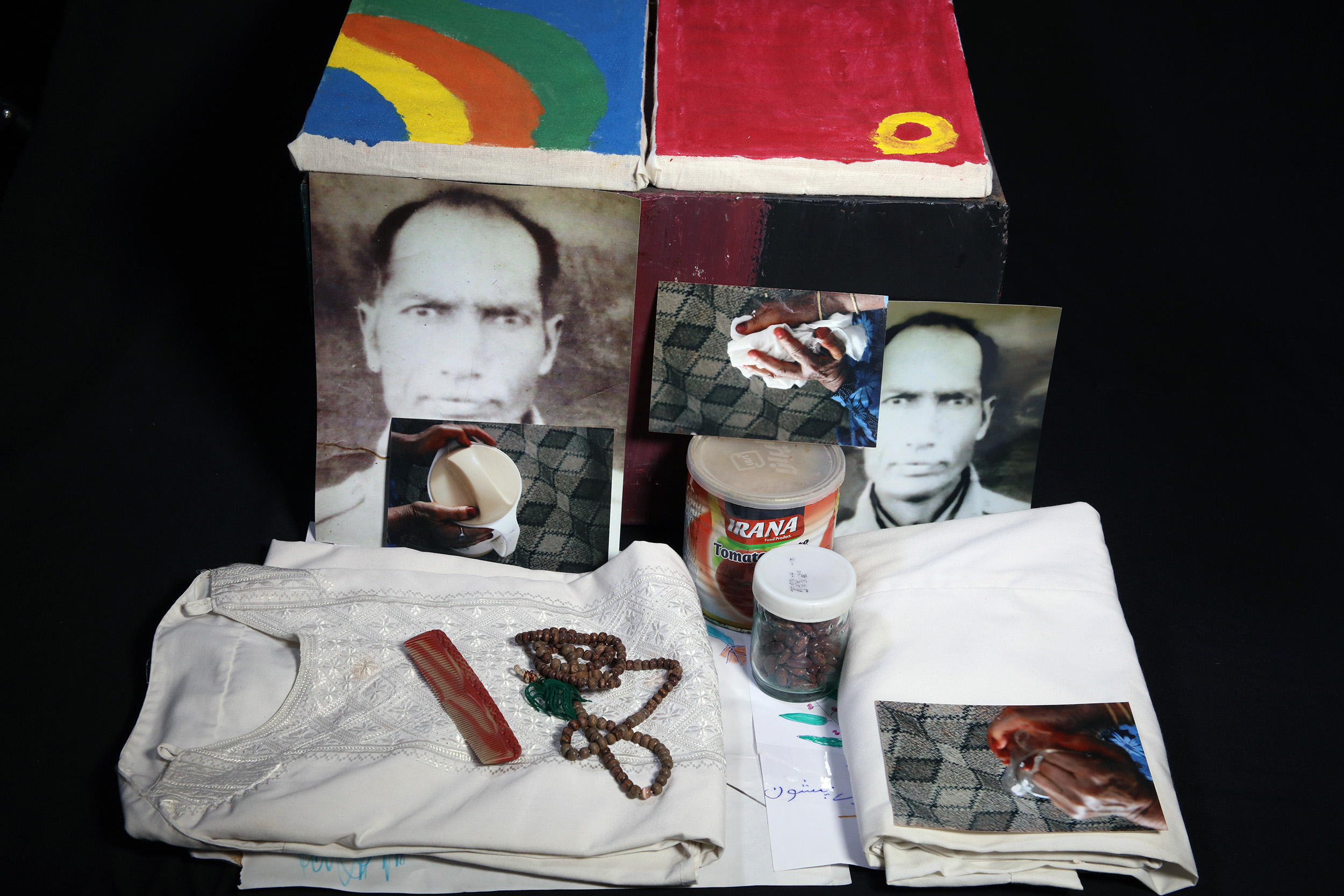
Abdul-Qayum Malistani
- Photo of Victim

- Gender
- Male
- Ethnicity
- Hazara
- District geolocation of incident
- Kabul: 34° 31′ 1″ N, 69° 8′ 60″ E
- Description of incident
My father disappeared in April 1979. He was working with the Department of Disaster Prevention when he was arrested by the Communist Regime. Since then, we do not know whether he is alive or dead.
- Witness/Survivor Statement
The Story of Asif Malistani (son)
Victim’s Name: Abdul-Qayum Malistani
Date of Incident: 1979
Place of Incident: Pul-e-Charkhi, Kabul
My father disappeared in April 1979. He was working with the Department of Disaster Prevention when he was arrested by the Communist Regime. Since then, we do not know whether he is alive or dead. Until 1966, my father lived in Malistan. He studied Islamic Theology and Sharia there and had handwritten a famous Shiite epic poetry book called Hamla-e-Haidari. He completed his military service in 1966 and then moved to Kabul with his family. Since he was educated, he was hired as junior staff at the Ministry of Defense. In 1973, he was transferred to the Department of Disaster Prevention where he had to travel to Zabul, Farah and other provinces to report on the situation of homeless and poor families.
In April 1978, the Saur Revolution occurred and in early 1979, my father was arrested. I was still a child and could not understand the political and social situation, so I do not remember much but my elder brother still remembers the incident in detail. I just remember that we were living in Khushhal Khan area (PD-5). One day, around 12:00 noon, one of my friends whom I met on the street told me that my father had gone to Mazar-e-Sharif in Balkh Province. I was surprised and did not understand why he would have left so suddenly and without informing us. Once home, I felt the situation was different from normal. My family was consulting each other on whether or not they should listen to BBC Radio, as it could have been considered a crime by the regime. The People’s Democratic Party of Afghanistan (PDPA) hated the broadcasting corporation and could warrant arrests or even eliminate those identified as listening to the radio. I then realized that my father was taken by the PDPA intelligence service.
My family did everything to find information and searched through every possibility. They went to the Ministry of Interior Affairs, the Pul-e-Charkhi Prison and Detention Center, and many other places to find him but he was nowhere to be found. We suffered a lot because we had no one to support us. Despite being a child, I had to work after school. I used to make and sell paper bags in Kabul’s streets, earning just 40 cents per day. It took many years for my brother to finish his military service and go to Pakistan where he joined an NGO working for Afghan refugees. Together, it was easier to support the family. With the onset of the civil war in Kabul between Mujahideen groups, we had to leave Kabul and go back to Malistan, where we lived for almost 20 years. In 2010, we were able to come back to Kabul. I hope the day never comes that we become displaced again and leave everything behind.
From the day my father was arrested, I have many unanswered questions. Where is my father? Why was he arrested? What was his crime or fault? Who is responsible or accountable for such countless massacres and disappearances? Whenever I visit the Polygon area of Pul-e-Charkhi Prison, I ask myself whether my father is among the thousands who were executed there for no reason.
Abdulaziz Alimi
- Photo of Victim
- Gender
- Male
- Ethnicity
- Hazara
- District geolocation of incident
- Bagrami: 34° 31′ 10″ N, 69° 16′ 39″ E
- Description of incident
Known as the "Killing of AGSA," it refers to the collective murder of opponents of the People's Democratic Party of Afghanistan in the Pul-e-Charkhi Prison in Kabul between 1978 and 1979. The Afghan Intelligence Office, or AGSA (Afghan Agency for Safeguarding National Interest), led by Asadullah Sarwari, had arrested nearly 150,000 people, out of which an estimated number of 27,000 political prisoners were put to death without a single trial, probe, or even allegation. Many Afghan families had no idea where their loved ones had disappeared in the latter part of 1978 and early 1979. A list of those slain that included 5,000 victims of AGSA mass executions was made public by the Dutch Prosecutor's Office in 2013.
- Witness/Survivor Statement
No statement
Abdulaziz Nazari
- Photo of Victim

- Gender
- Male
- Ethnicity
- Hazara
- District geolocation of incident
- Jaghuri: 33° 24′ 37″ N, 67° 29′ 51″ E
- Description of incident
Between November 5, 2018, and November 15, 2018, the Taliban executed a large-scale assault on the Jaghuri and Malistan districts from multiple directions. Tragically, during this conflict, 30-60 civilians lost their lives according to different secures, primarily due to Taliban actions. Additionally, over 50 individuals sustained injuries, and hundreds of families were forcibly displaced from their homes.
- Witness/Survivor Statement
No statement
AbdulAziz Rezwani
- Photo of Victim

- Gender
- Male
- Ethnicity
- Hazara
- District geolocation of incident
- Malistan: 33° 20′ 48″ N, 67° 12′ 13″ E
- Description of incident
Hundreds of Taliban fighters stormed Malistan District in Ghazni province at the end of July 2021. Taliban fighters seized control of the district following hours of combat with government forces at the time. They immediately initiated search operations, arbitrary detentions, and summary executions of civilians. At least forty civilians, including children and women, were reportedly murdered, and dozens more were arrested and tortured by Taliban combatants throughout the conflict, according to multiple sources, including locals and eyewitnesses.
- Witness/Survivor Statement
No statement
Abdulghafar Sadeqzada
- Photo of Victim

- Gender
- Male
- Ethnicity
- Tajik
- District geolocation of incident
- Herat City: 34° 20′ 58″ N, 62° 11′ 21″ E
- Description of incident
On August 1, 2017, a Shia mosque in Herat, Afghanistan, was attacked. 33 people were killed and 66 others were injured. Two men carried out the attack. One carried a suicide vest and the other was armed with a rifle. They entered the Jawadia mosque during an evening prayer session where approximately 300 people had gathered to worship. The first attacker flung bombs into the crowd before detonating his vest. The second attacker also discharged his rifle into the crowd before blowing himself up. The Islamic State of Khorasan Province (ISKP) claimed responsibility for the attack.
- Witness/Survivor Statement
No statement
AbdulGhafor
- Photo of Victim
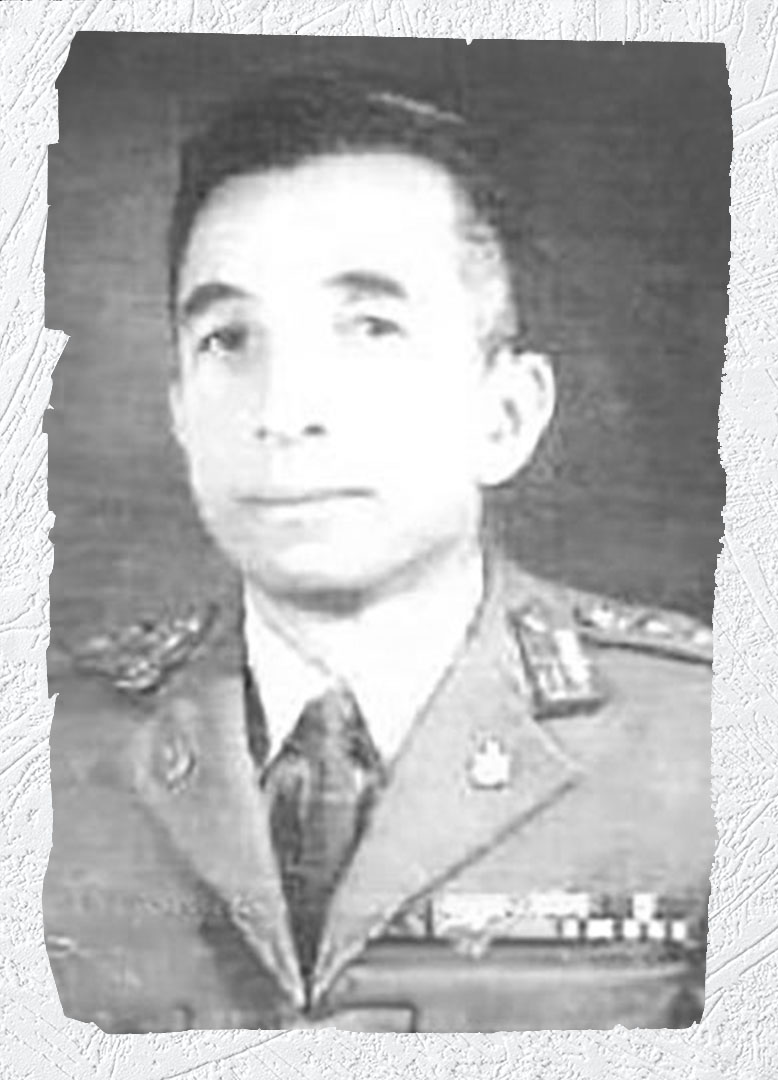
- Gender
- Male
- Ethnicity
- Tajik
- District geolocation of incident
- Bagrami: 34° 31′ 10″ N, 69° 16′ 39″ E
- Description of incident
Known as the "Killing of AGSA," it refers to the collective murder of opponents of the People's Democratic Party of Afghanistan in the Pul-e-Charkhi Prison in Kabul between 1978 and 1979. The Afghan Intelligence Office, or AGSA (Afghan Agency for Safeguarding National Interest), led by Asadullah Sarwari, had arrested nearly 150,000 people, out of which an estimated number of 27,000 political prisoners were put to death without a single trial, probe, or even allegation. Many Afghan families had no idea where their loved ones had disappeared in the latter part of 1978 and early 1979. A list of those slain that included 5,000 victims of AGSA mass executions was made public by the Dutch Prosecutor's Office in 2013.
- Witness/Survivor Statement
No statement
Abdulhadi
- Photo of Victim

- Gender
- Male
- Ethnicity
- Sadat
- District geolocation of incident
- Kabul: 34° 31′ 1″ N, 69° 8′ 60″ E
- Description of incident
Known as the "Killing of AGSA," it refers to the collective murder of opponents of the People's Democratic Party of Afghanistan in the Pul-e-Charkhi Prison in Kabul between 1978 and 1979. The Afghan Intelligence Office, or AGSA (Afghan Agency for Safeguarding National Interest), led by Asadullah Sarwari, had arrested nearly 150,000 people, out of which an estimated number of 27,000 political prisoners were put to death without a single trial, probe, or even allegation. Many Afghan families had no idea where their loved ones had disappeared in the latter part of 1978 and early 1979. A list of those slain that included 5,000 victims of AGSA mass executions was made public by the Dutch Prosecutor's Office in 2013.
- Witness/Survivor Statement
No statement
Abdulhadi
- Photo of Victim

- Gender
- Male
- Ethnicity
- Qizilbash
- District geolocation of incident
- Kabul: 34° 31′ 1″ N, 69° 8′ 60″ E
- Description of incident
Known as the "Killing of AGSA," it refers to the collective murder of opponents of the People's Democratic Party of Afghanistan in the Pul-e-Charkhi Prison in Kabul between 1978 and 1979. The Afghan Intelligence Office, or AGSA (Afghan Agency for Safeguarding National Interest), led by Asadullah Sarwari, had arrested nearly 150,000 people, out of which an estimated number of 27,000 political prisoners were put to death without a single trial, probe, or even allegation. Many Afghan families had no idea where their loved ones had disappeared in the latter part of 1978 and early 1979. A list of those slain that included 5,000 victims of AGSA mass executions was made public by the Dutch Prosecutor's Office in 2013.
- Witness/Survivor Statement
No statement
Abdulhai
- Photo of Victim
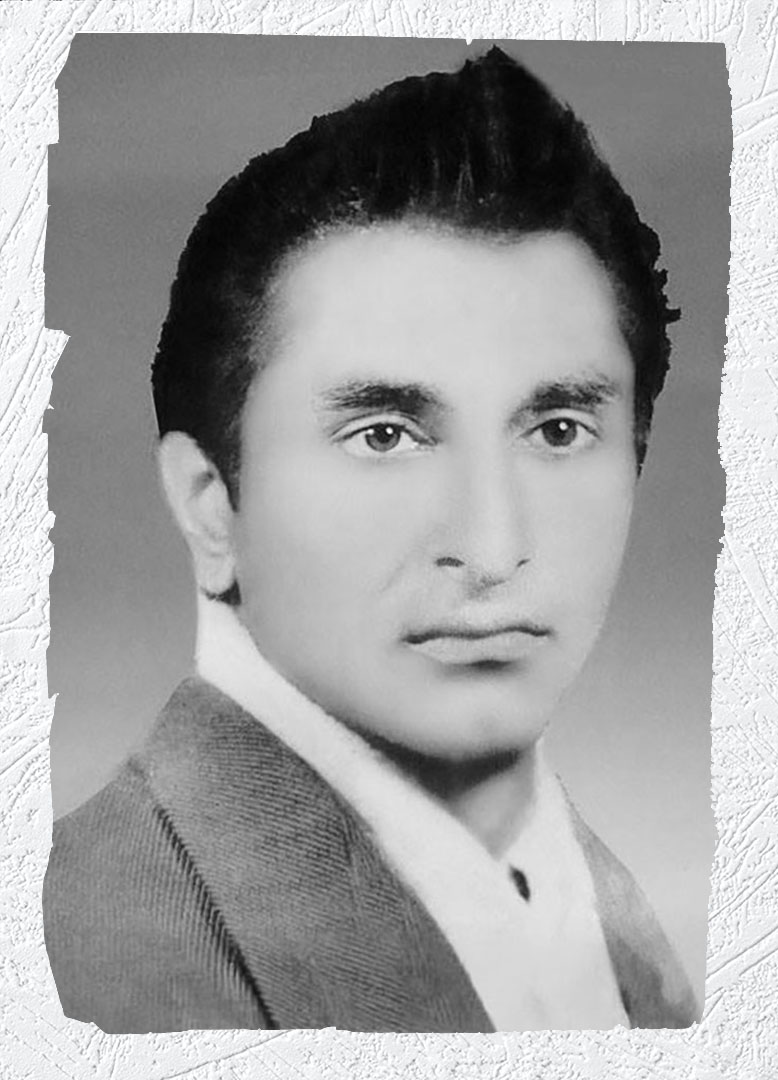
- Gender
- Male
- Ethnicity
- Pashtun
- District geolocation of incident
- Bagrami: 34° 31′ 10″ N, 69° 16′ 39″ E
- Description of incident
Known as the "Killing of AGSA," it refers to the collective murder of opponents of the People's Democratic Party of Afghanistan in the Pul-e-Charkhi Prison in Kabul between 1978 and 1979. The Afghan Intelligence Office, or AGSA (Afghan Agency for Safeguarding National Interest), led by Asadullah Sarwari, had arrested nearly 150,000 people, out of which an estimated number of 27,000 political prisoners were put to death without a single trial, probe, or even allegation. Many Afghan families had no idea where their loved ones had disappeared in the latter part of 1978 and early 1979. A list of those slain that included 5,000 victims of AGSA mass executions was made public by the Dutch Prosecutor's Office in 2013.
- Witness/Survivor Statement
No statement
AbdulHai
- Photo of Victim
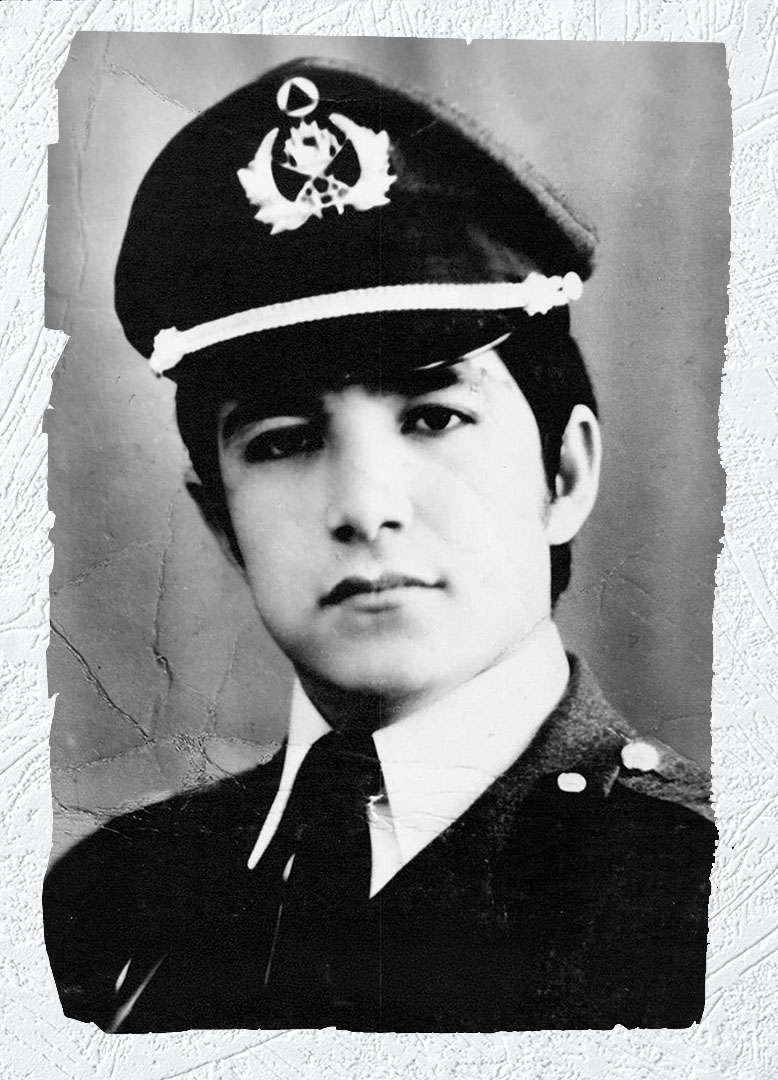
- Gender
- Male
- Ethnicity
- Tajik
- District geolocation of incident
- Bagrami: 34° 31′ 10″ N, 69° 16′ 39″ E
- Description of incident
Known as the "Killing of AGSA," it refers to the collective murder of opponents of the People's Democratic Party of Afghanistan in the Pul-e-Charkhi Prison in Kabul between 1978 and 1979. The Afghan Intelligence Office, or AGSA (Afghan Agency for Safeguarding National Interest), led by Asadullah Sarwari, had arrested nearly 150,000 people, out of which an estimated number of 27,000 political prisoners were put to death without a single trial, probe, or even allegation. Many Afghan families had no idea where their loved ones had disappeared in the latter part of 1978 and early 1979. A list of those slain that included 5,000 victims of AGSA mass executions was made public by the Dutch Prosecutor's Office in 2013.
- Witness/Survivor Statement
No statement
Abdulhakim
- Photo of Victim
- Gender
- Male
- Ethnicity
- Tajik
- District geolocation of incident
- Bagrami: 34° 31′ 10″ N, 69° 16′ 39″ E
- Description of incident
Known as the "Killing of AGSA," it refers to the collective murder of opponents of the People's Democratic Party of Afghanistan in the Pul-e-Charkhi Prison in Kabul between 1978 and 1979. The Afghan Intelligence Office, or AGSA (Afghan Agency for Safeguarding National Interest), led by Asadullah Sarwari, had arrested nearly 150,000 people, out of which an estimated number of 27,000 political prisoners were put to death without a single trial, probe, or even allegation. Many Afghan families had no idea where their loved ones had disappeared in the latter part of 1978 and early 1979. A list of those slain that included 5,000 victims of AGSA mass executions was made public by the Dutch Prosecutor's Office in 2013.
- Witness/Survivor Statement
No statement
Abdulhamid
- Photo of Victim

- Gender
- Male
- Ethnicity
- Sadat
- District geolocation of incident
- Kabul: 34° 31′ 1″ N, 69° 8′ 60″ E
- Description of incident
Known as the "Killing of AGSA," it refers to the collective murder of opponents of the People's Democratic Party of Afghanistan in the Pul-e-Charkhi Prison in Kabul between 1978 and 1979. The Afghan Intelligence Office, or AGSA (Afghan Agency for Safeguarding National Interest), led by Asadullah Sarwari, had arrested nearly 150,000 people, out of which an estimated number of 27,000 political prisoners were put to death without a single trial, probe, or even allegation. Many Afghan families had no idea where their loved ones had disappeared in the latter part of 1978 and early 1979. A list of those slain that included 5,000 victims of AGSA mass executions was made public by the Dutch Prosecutor's Office in 2013.
- Witness/Survivor Statement
No statement
Abdulhamid
- Photo of Victim

- Gender
- Male
- Ethnicity
- Hazara
- District geolocation of incident
- Jaghuri: 33° 24′ 37″ N, 67° 29′ 51″ E
- Description of incident
Between November 5, 2018, and November 15, 2018, the Taliban executed a large-scale assault on the Jaghuri and Malistan districts from multiple directions. Tragically, during this conflict, 30-60 civilians lost their lives according to different secures, primarily due to Taliban actions. Additionally, over 50 individuals sustained injuries, and hundreds of families were forcibly displaced from their homes.
- Witness/Survivor Statement
No statement
AbdulHannan
- Photo of Victim

- Gender
- Male
- Ethnicity
- Tajik
- District geolocation of incident
- Bagrami: 34° 31′ 10″ N, 69° 16′ 39″ E
- Description of incident
Known as the "Killing of AGSA," it refers to the collective murder of opponents of the People's Democratic Party of Afghanistan in the Pul-e-Charkhi Prison in Kabul between 1978 and 1979. The Afghan Intelligence Office, or AGSA (Afghan Agency for Safeguarding National Interest), led by Asadullah Sarwari, had arrested nearly 150,000 people, out of which an estimated number of 27,000 political prisoners were put to death without a single trial, probe, or even allegation. Many Afghan families had no idea where their loved ones had disappeared in the latter part of 1978 and early 1979. A list of those slain that included 5,000 victims of AGSA mass executions was made public by the Dutch Prosecutor's Office in 2013.
- Witness/Survivor Statement
No statement
Abdulhi
- Photo of Victim

- Gender
- Male
- Ethnicity
- Tajik
- District geolocation of incident
- Bagrami: 34° 31′ 10″ N, 69° 16′ 39″ E
- Description of incident
Known as the "Killing of AGSA," it refers to the collective murder of opponents of the People's Democratic Party of Afghanistan in the Pul-e-Charkhi Prison in Kabul between 1978 and 1979. The Afghan Intelligence Office, or AGSA (Afghan Agency for Safeguarding National Interest), led by Asadullah Sarwari, had arrested nearly 150,000 people, out of which an estimated number of 27,000 political prisoners were put to death without a single trial, probe, or even allegation. Many Afghan families had no idea where their loved ones had disappeared in the latter part of 1978 and early 1979. A list of those slain that included 5,000 victims of AGSA mass executions was made public by the Dutch Prosecutor's Office in 2013.
- Witness/Survivor Statement
No statement
Abdulhussain Ayobi
- Photo of Victim

- Gender
- Male
- Ethnicity
- Hazara
- District geolocation of incident
- Kabul: 34° 31′ 1″ N, 69° 8′ 60″ E
- Description of incident
On September 5, 2015, a devastating twin suicide bombing struck the Maiwand Wrestling Club in Dasht-e-Barchi, a predominantly Hazara neighborhood in western Kabul, Afghanistan. The first explosion occurred inside the wrestling club during the early evening hours. As first responders and civilians gathered to assist the victims, a second blast detonated, causing even greater casualties. The attacks resulted in the deaths of at least 30 civilians, including two journalists, Samim Framarz and Ramiz Ahmadi. More than 103 others were injured in the incident. The Islamic State Khorasan Province (ISIL-KP) claimed responsibility for the bombings, stating they specifically targeted the Shia-Hazara community.
- Witness/Survivor Statement
No statement
Abdulkarim
- Photo of Victim

- Gender
- Male
- Ethnicity
- Hazara
- District geolocation of incident
- Bagrami: 34° 31′ 10″ N, 69° 16′ 39″ E
- Description of incident
Known as the "Killing of AGSA," it refers to the collective murder of opponents of the People's Democratic Party of Afghanistan in the Pul-e-Charkhi Prison in Kabul between 1978 and 1979. The Afghan Intelligence Office, or AGSA (Afghan Agency for Safeguarding National Interest), led by Asadullah Sarwari, had arrested nearly 150,000 people, out of which an estimated number of 27,000 political prisoners were put to death without a single trial, probe, or even allegation. Many Afghan families had no idea where their loved ones had disappeared in the latter part of 1978 and early 1979. A list of those slain that included 5,000 victims of AGSA mass executions was made public by the Dutch Prosecutor's Office in 2013.
- Witness/Survivor Statement
No statement
Abdulkhaliq Azimi
- Photo of Victim
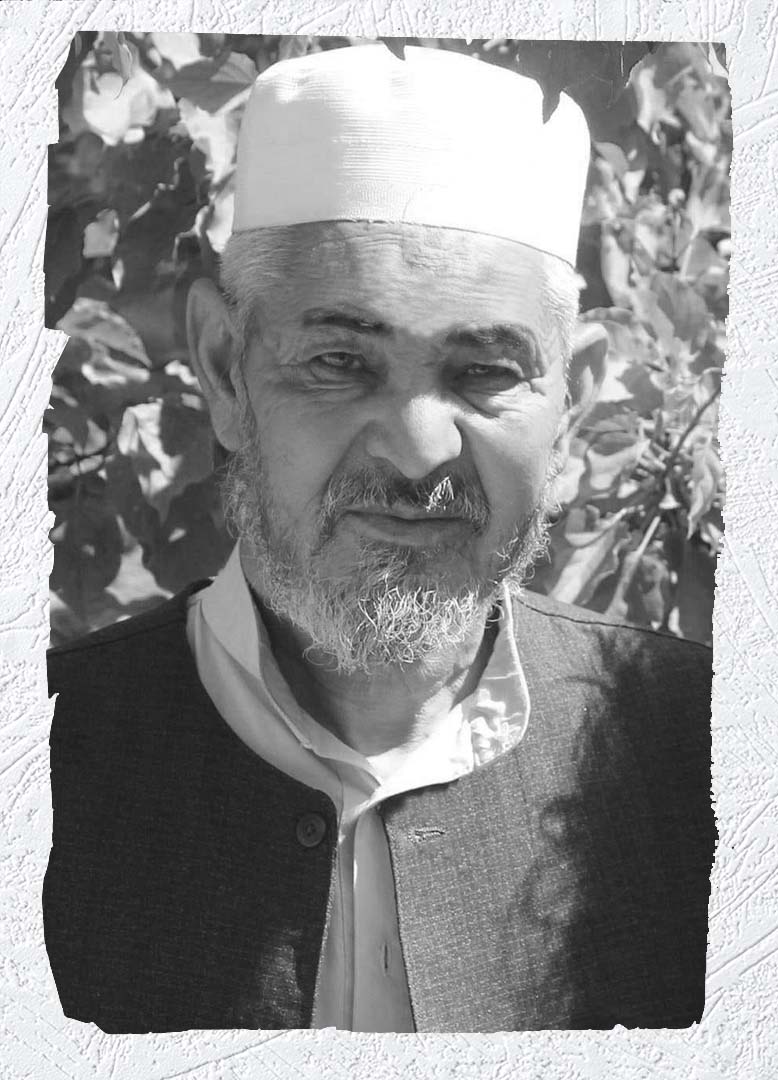
- Gender
- Male
- Ethnicity
- Hazara
- District geolocation of incident
- Kabul: 34° 31′ 1″ N, 69° 8′ 60″ E
- Description of incident
On October 20, 2017, a suicide attack took place in the Imam Zaman Mosque in Dasht-e Barchi, while people were there for prayers. Dasht-e Barchi is the Hazara area of Kabul. As a result of the terrorist attack, 56 people were killed and 55 others were injured.
- Witness/Survivor Statement
No statemetn
Abdullah
- Photo of Victim

- Gender
- Male
- Ethnicity
- Sadat
- District geolocation of incident
- Yakawlang: 34° 44′ 50″ N, 66° 56′ 40″ E
- Description of incident
On January 7, 2001, the Taliban attacked the Yakawlang District of Bamiyan Province and massacred hundreds of Hazara civilians. Many of those who managed to escape and take refuge on the mountains froze to death. On January 8, Taliban members began a house-to-house search across the district. The massacre of Hazaras continued through the 9th, 10th, 11th, and 12th of January. At least 300 Hazaras were executed by the Taliban.
Abdullah
- Photo of Victim

- Gender
- Male
- Ethnicity
- Hazara
- District geolocation of incident
- Yakawlang: 34° 44′ 50″ N, 66° 56′ 40″ E
- Description of incident
The Taliban slaughtered at least 300 Sayyid and Hazara people during an attack on the Yakawlang District of Bamiyan Province on January 7, 2001. Witness accounts state that once the Taliban troops retook Yakawlang on January 7, they started to arrest and ruthlessly kill individuals. In late December 2000, they had lost Yakawlang to Hezb-e Wahdat, an anti-Taliban party that claimed to be supported by the Hazara minority. Additionally, witnesses reported to Amnesty International that Hezb-e Wahdat soldiers executed at least four people in broad daylight during the few days they occupied Yakawlang in late December 2000.
- Witness/Survivor Statement
Let's Never Go Back To Our Past
Narrator: Abdul Raziq Rezaei
Victims: Abdullah and Abdul Karim
Time of the incident: 2001
The place of the incident: Dahan Kanak Village, Yakawlang District, Bamiyan Province
The name of the victims: Abdullah, my father, aged 45-47 years old. I don't remember the exact age of my father. And my uncle, Abdul Karim, he was 30-35 years old. They lived in Dahan Kanak Village, Yakawlang District. They were farmers.
My father was educated from mullahs at home, he could only read the Quran. Abdul Karim had attended Dehsur high school until the eighth grade. Due to riots and wars, he had left school. Both of them were married. My father had three sons: his eldest son is me, his second son is named Samad, and his third son is named Nader. My father had three daughters: his eldest daughter is named Hanifa, his second daughter is Sima, and his third is Soghara. My uncle Karim had four sons and daughters: his eldest son is Reza, his second son is Enayat, his eldest daughter is Laiqa, and his second daughter is Sabra. All were farmers and all lived in Dehne Kanak.
It was 2001 that the Taliban came and took Yakawlang. The war ended... Khalili's forces went to Chaman. There, they burned the villages and captured my father and another person named Ibrahim, and took them to the battle in Chahar Deh. The Taliban were defeated there and came to Dahan Kanak again. They brought my father and uncle back to the village, tied them back to back under the road, and fired on them, killing them.
When Taliban arrested my father, we fled to Punjab having no news about my father. People told me that my father was killed. Although it was dangerous to go to the area, we went and took the corpses of three martyrs with a small number of friends. We could not bury them in our ancestral cemetery, so we took him to Sar-e Kanak graveyard.
During the migration period, people were vigilant as to what was happening in Yakawlang. The houses and shops were burnt down and many people were killed.
My father's body remained under the sunshine [where he was killed] for a week; no one could go and bury him. When Taliban attacked Yakawlang, my father told me to take our family members to Panjab District. He said he would come after us. He stayed because of our livestock up in Qeshlaq. We could only save our lives, not the livestock. Unfortunately, we lost our father and every other thing we had in the village.
According to my cousin, four days after we left our village, my father was killed. As said, me, my younger brother Samad, and my cousin Mohammad Rahim went from Punjab to Sarma Qol during the night. At night, we took five more corpses from Sarma Qol. We went and transferred the bodies to Sar-e Kanak. The people of Sar-e Kanak cooperated with us. Thanks to them, may God protect them. With them, we buried the corpses.
We brought the family back when the Taliban attacked the American twin towers. It was September 11th. It was the beginning of the cold season. It had snowed once or twice. We went back home, but nothing remained; our houses were burnt. With empty hands, we started to rebuild our houses.
Everyone had psychological problems. We had no one, it's very difficult to talk about it. We can't tell you how it went. It was very difficult for people to live. I had lost a father and an uncle, and our economic situation was ruined. Our cattle and property were gone. We didn't have money and our situation was very bad. I personally took care of two families with many problems. I had to leave school as it is still my responsibility to take care of the two families.
Today, my uncle's family is living separately. We divided our land; I separated my uncle's land. By the grace of God, our agriculture product is good, not bad. I ended up having a lot of trouble because at that time, people did not trust anyone. Now, it is different. If needed, people will give us a loan. At that time, no one gave a single rupee to anyone else. Why could we not borrow some money? People used to say that the situation in Afghanistan is so bad, they may not be able to pay it back.
We had this difficult situation. I couldn't bear not to say it. It is very difficult for someone to say it. Those who had a better economic situation may have lived better, but I myself, who had two families on my shoulders and was empty-handed, someone who didn't have a single rupee, this is how I lived my life.
The little money that we had was in my father's pocket, which was burnt. They had holes drilled in it. It was completely destroyed. It was out of use. My mother has endured this situation until today, and today, thanks to the grace of God, our situation is good.
I was a child who did not understand anything about what to do. I went through that difficult situation alone. We struggled with a difficult life that no one can imagine. But some people are good, maybe they can. Before the incident, I had no responsibility. But once two families were shouldered by one person without a single rupee in his pocket, imagine for yourself what the situation was like. You asked me, and told you. I could not control myself not to say.
When my father was martyred, I didn't know about my uncle. People didn't tell me anything. I buried my father. We couldn't be bothered there again, so we went to Panjab. My friends told me that I should come back. I had a bad feeling, because my uncle's family was here in Panjab. As soon as he sent the message to "come once," I fell from the sky to the ground. I said what happened and he asked me again.
I went to Yakawlang again, to Sar Maqol Village, the only place I could go. People had fled to Sar Maqol. I went there again. I asked my friends about the situation, and they said that the situation was good but that they would go with me. They told me that my uncle had been captured. Well, we went. We gathered our friends and decided to find some elderly men and meet the Taliban who captured my uncle. When we came here, one of the friends said that the Taliban had captured my uncle, taken him from my village, and killed my uncle on a pass named Larasi. They said, "Go and take your martyr from there." The people of Sangardost - one of the local Taliban - gave us a soldier to guide us there. He showed us that my uncle's corpse had dried up. We took it to Dahan Kanak and buried him there. Ah, I wish they would had killed him [only], but they had cut off his hand, cut off from here (showing his elbow), and cut off his leg from the knee. We took him and buried him in our village.
By God, at that time, we had no idea what we were doing because we were children. We had no idea what the Taliban meant or what they were doing. We had no idea, they just said that the Taliban had come and killed people. Because we were children, we didn't feel, we didn't understand what "the Taliban" meant. We thought that Talib meant "student," not more than that, right? But when they came and set fire to the houses and killed the people, we thought that a human had not come, a savage had come. What were they doing to the innocent people? With the houses? No one had anything to do with the houses, but they destroyed and burned every single house.
Yes, my mother is alive. Thank God, my mother, it was my mother who brought us to this stage. Otherwise, we would have been a bunch of small kids and children. My uncle’s children were also small. My mother gave me an arm and said not to lose myself, be strong, and work hard. My mother supported us and kept telling us to be strong. The reality is that we worked hard, suffered a lot, and thank God we are seeing the results today.
I put myself in the place of my father; I left school, I sacrificed my wishes and wants for my brothers and my uncle's children. I supported my brothers and my uncle’s children to go to school. Thank God, they are now doing well with their education and lives.
My father was a normal, calm person. He never fought anybody in the village or with family members. He had a sound personality as he never shouted at me as his younger son, never used a bad word against me. He was a religious person. He used to awake us up to pray our prayers early in the morning and advised us to take fast.
I had no responsibility and didn’t think about life’s ups and downs. Everything was on his shoulders. I don't know where he earned the livelihood to earn what he would give us, the food we would eat, and the clothes we would wear. My uncle was young. At that time, our lands were not divided, only his house was separated, and he worked as a farmer with my father. Local Taliban were good people, some were Hazaras and Tajiks. But those who came out of Yakawlang, those Talibs do not want Islam at all, they were Wahhabis. These were outsider’s men.
There is nothing notable left from my father to put in the Afghanistan Memory and Dialogue Center. My father had a Quran and a watch. I have his watch with me now in my pocket and a tape recorder named 530, an old model 60-70 years old.
These are the only things left from my father. Nothing left from my uncle but a picture. The photo is a very old one. We enlarged it and put it on the wall, so he should not be forgotten and remain as part of our memory. In reality, we have very bad memories. We never return to our past, we had such a hard time in the past that I cried. We really have a very bitter past, not only for me, but for all the victims. For all the people of Yakawlang, Bamiyan and the central regions. We will never return to our past.
We are really happy to have something lasting for us in the museum. I'm happy and, you are welcome, you are all the light of our eyes who think about us and remember us and listen to our words and take them to higher levels. Thank you.
Abdullah
- Photo of Victim

- Gender
- Male
- Ethnicity
- Unknown
- District geolocation of incident
- Puli Khumri: 35° 56′ 49″ N, 68° 42′ 16″ E
- Description of incident
On the afternoon of November 6, 2007, at approximately 4:15 PM, an explosion occurred in Pul-e Khumri, the provincial capital of Baghlan Province. The incident took place during a visit by Afghanistan's Parliamentary Economic Commission, which had traveled to the area to attend the reopening ceremony of the newly reconstructed Baghlan Sugar Factory. According to eyewitness accounts, an individual detonated explosives among a crowd of people who had assembled to greet the parliamentary delegation. The attack resulted in between 70 and 97 fatalities, with casualty figures varying across different reports, and injured nearly 200 individuals. A substantial portion of the victims were school students who had gathered in formation to welcome the government officials. Six members of the National Economy Commission of Afghanistan's Parliament were killed in the attack, including the commission's chairman, Sayed Mustafa Kazimi. The other deceased parliamentarians represented various provinces across Afghanistan, including Takhar, Kunar, Helmand, Kunduz, and Kabul. While it was widely believed that the attack was carried out by a suicide bomber, no group claimed responsibility for the incident. The precise circumstances and motivation behind the attack were never officially confirmed. The general assessment indicated that members of the Afghan Parliament were the primary intended targets of the assault.
- Witness/Survivor Statement
No statement
Abdullah Faizi
- Photo of Victim

- Gender
- Male
- Ethnicity
- Hazara
- District geolocation of incident
- Kabul: 34° 31′ 1″ N, 69° 8′ 60″ E
- Description of incident
A suicide bomber detonated an explosive device inside a classroom at Mawoud Educational Academy, where over 240 students were preparing for a university entrance exam. The attack took place at approximately 4:00 pm on August 15, 2018, in the Naqash section of the Hazara-majority Dasht-e-Barchi neighborhood, PD-18, in western Kabul. At least 50 students were killed and 67 others were injured. The majority of casualties were high school students under the age of 20 who belonged to the Hazara ethnic group. The Islamic State of Khorasan Province (ISIL-KP) has claimed responsibility for the attack on Mawoud Educational Academy.
- Witness/Survivor Statement
No statement
Abdullah Forotan
- Photo of Victim
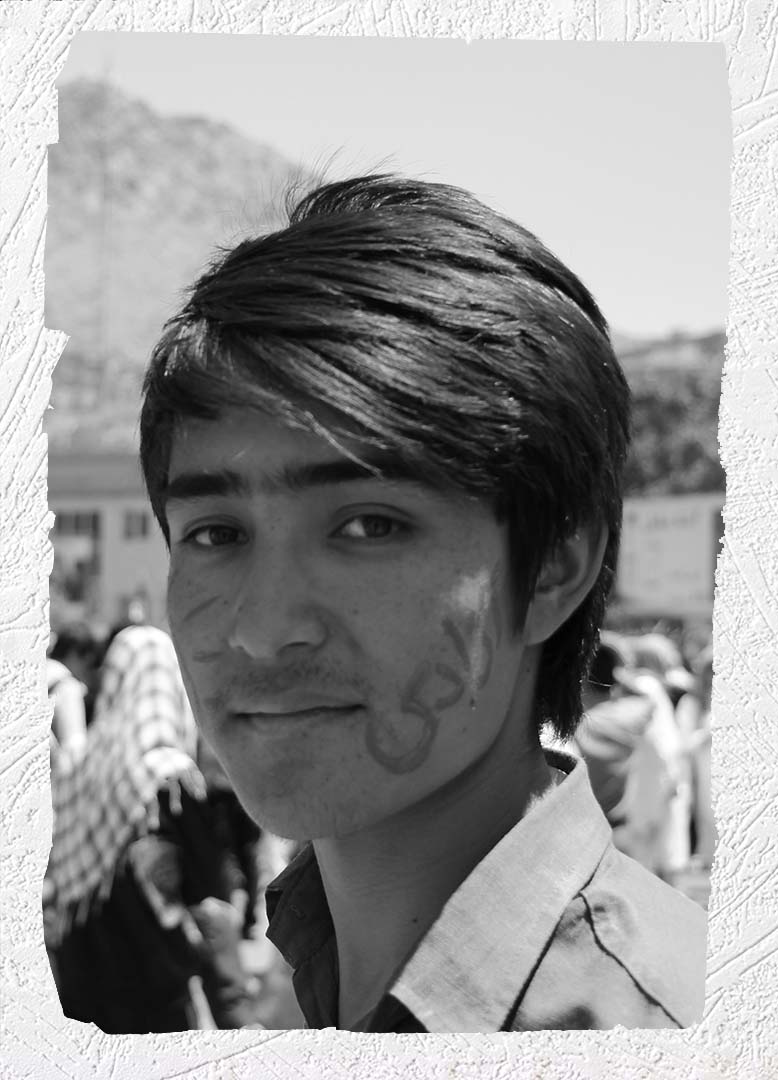
- Gender
- Male
- Ethnicity
- Hazara
- District geolocation of incident
- Kabul: 34° 31′ 1″ N, 69° 8′ 60″ E
- Description of incident
On July 23, 2016, two suicide bombers denoted their explosives among the protesters at Dehmazang Square in Kabul, the capital city of Afghanistan. The protesters, who were primarily Hazaras, were part of the Enlightenment Movement. They were protesting against the diversion of the TUTAP mega power project which would cause the project to bypass Hazara-dominated areas. At least 84 protesters lost their lives and 260-400 others were injured. The Islamic State of Khorasan Province (ISKP), the regional branch of ISIS, took credit for the attack. However, ISKP later refuted their involvement in the attack.
The Enlightenment Movement, also known as Junbesh-e Roshnayie, was a grassroots civil disobedience movement started by Hazaras in Afghanistan in response to a change in the Fichtner GmbH & Co. KG proposed Energy Supply Improvement Investment Program, unofficially called TUTAP project plans. The change in the project plans would cause it to bypass Hazara regions. The move was seen as perpetuating long-standing anti-Hazara discrimination. Throughout 2016 and 2017, the Enlightenment Movement coordinated large-scale demonstrations against discrimination both domestically in Afghanistan and abroad.
- Witness/Survivor Statement
Shrapnel Had Struck His Head
Narrator: Murtaza DarvishZada (brother)
Victim: Abdullah Forotan
Date of the incident: 23 July 2016
Location of the incident: Dehmazang, Kabul City
Abdullah Forotan was born in 1998 and turned 18 this year. He was the best tempered of all of us and the youngest in the family. My father loved him more than any of us and my mother even more so. He was superior to us all in terms of his facial features and talents. We are Hazaras, and Abdullah was very good-looking, which is why my mother gave him the title of ‘Sayyid’. At the age of six, he joined my parents on a five-month trip to Iran. He completed primary and secondary education at Ayatollah Modares High School in Jaghori. He graduated high school as the top student. Last year, he participated in the entrance exam and got the highest score in our school. He was admitted to his favorite field: the engineering faculty of the Polytechnic University in Kabul. He performed very successfully in the first semester.
The Dehmzang incident ended his opportunities. Last winter, a futsal [football] competition was held in Jaghori in which our team, too, participated. Abdullah and I were players on the same team. In total, there were 36 teams participating in the competition. At the end of two-weeks of matches, Abdullah’s performance was recognized with an Award of Ethics. He was very different from us and this makes it very difficult for our parents. The night before 23rd July, he was in the Polytechnic University dormitory. I called him and said he should not take part in the demonstration the next day. I told him I would not take part either because the security situation was not good. He said: “You and I are not the only ones who know about the pain of our people. I will participate in the demonstration”. I told him to focus on his exam. I even told him that, at school, anybody could get the first position; the real man is the one who gets the first position at university. He told me he had taken all the exams, received their results and had scored the highest, and had only one exam left. He said, “Don't worry, I will not embarrass you and the family”.
He always was a source of pride. On the day of the incident, 23rd July, we took a photo together. Abdullah was taller than me and more talented. At around two o'clock, I went to Pole-Sorkh to have lunch. While I was eating, I received a call that said there had been an explosion in Dehmazang. We, four brothers, were all in Dehmazang. I called my three brothers, but none of them answered their phones. I got very worried and rushed to Dehmazang. When I got there, the police wouldn't let me pass. I was very angry and became worried. One of them even said that they will shoot me if I didn’t turn back. Because I was apprehensive, I said, "Shoot me, my blood is not thicker than others, and I am not better than them." When I got close to the site of the explosion, the situation was really terrible. I witnessed very terrible moments with my own eyes, it was extremely painful and difficult for me. I was running around to find one of my brothers, but there was no sign of them. The only things I could see were the limbs on the ground.
At the same moment, one of my brothers, who is older than me, called me and asked where I was. I asked him where Abdullah was. Talking with a sad tone, he said I should go to Ibn-e Sina hospital. I ran, rushing to the hospital. When I got there, it was full of blood, in all the corridors. I searched all the rooms but did not find Abdullah. I called my brother and said I couldn't find him; he told me to go and see the martyrs. When I went there, my legs felt paralyzed. Among the martyrs, the only thing I recognized was his pants. I didn't dare to look at his face; I came out of the room. After I felt a little bit better, I was about to go back inside when my brother called me. I told him that he was not among the martyrs; he insisted that I should search thoroughly. Once again, I entered the room where the martyrs were laid. The faces of most of the martyrs were burnt. Those moments became the worst memory for me. I still did not find Abdullah. When I left the room, they called that there was a list in the other room, but Abdullah's name was not there. My other brother came and said that he was going inside, thinking that maybe Abdullah's name was not listed by mistake. When he wanted to enter, they did not allow him. But somehow he did manage to get into the hospital. A few minutes later, I also got inside. I looked around and I saw my brother wailing.
I realized Abdullah's condition was not good. He was struck by shrapnel in his head. We immediately transferred him to Wazir Mohammad Akbar Khan hospital. For a week, he was in a coma in the hospital. During this time, his condition did not change; in an entire week, he did not even open his eyes. The doctor said: "The brain has been hit by shrapnel and needs to be operated on; the brain is severely damaged." I begged the doctor who operated on Abdullah to help me talk to the head of the hospital. His doctor said that some pieces of shrapnel were left in his head which they could not remove. He said “You would need an air ambulance to take him abroad and it would cost you three hundred thousand dollars. If you have the money, transport him out of the country so that his condition can be dealt with quickly”. Some of my friends in India found out about the incident and immediately called me to say they would send an air ambulance from India to transport Abdullah. They wanted me to provide them with a general report about Abdullah's condition so that they could take action. I got a report about Abdullah's condition from the doctor and sent it to them. They said we had to wait for a few days.
Our teachers were informed about the incident before the government took care of our patients. They [the teachers] visited us and completed the passport application, but transporting him to India was postponed. Then some NATO troops came to the hospital and said they will transport the wounded who were in a coma outside for treatment. I went to the head of the hospital and asked for information about that. He said no one’s name was listed yet. I realized we will be in trouble if I failed to act. I could speak a little English, and so I met and talked to some NATO personnel. After our discussion, they said they wanted to take Abdullah to Bagram Hospital. Within a week, Abdullah's condition did not improve. When the test results came from abroad, they were negative. So, the NATO people announced that they could not take responsibility for Abdullah’s condition during transportation. We signed a paper, took all the responsibility, and transferred him to Bagram. On the way, the oxygen balloons used for Abdullah ran out. All the moments I remember were painful. Upon arrival in Bagram, Abdullah was received by the American forces. On behalf of my family, I was there to accompany Abdullah, but they would not allow me to enter the hospital because I did not have an identification card on me.
As I was waiting, in the afternoon I received a call. They said they wanted to transfer Abdullah to the 400-bed hospital. I asked them why, and they said that the doctors were disappointed with the treatment because Abdullah's body was not showing any reaction. I had gone to get an ID card and I was wondering what to do. They told me to come and pick up Abdullah if I could make it to Bagram before 7 pm. I asked them to communicate the matter so they can wait until tomorrow and then we could transport him directly out of the country. I departed immediately and arrived there at 8 o'clock. They escorted me inside Bagram airbase. By 10:30 pm, I made it to Abdullah, but it was too late; When I got there, he was already martyred. It was very difficult to go through those moments.
Prior to that, my parents were in Jaghuri. Following the incident on 23rd July, I got a call and they asked me if we all were okay. I assured them that we were fine. They asked me about Abdullah and where he was. My mother was very worried and kept asking about Abdullah. She called me again and asked about him; I told her he was in the university dorm. The day after the incident, she learned that Abdullah was injured. She called me again. My mother had already talked to my elder brother and asked him about Abdullah and why his phone was switched off. My brother came to me and asked me to talk to my mother. When I picked up the phone, my mother worriedly asked why Abdullah had turned off his mobile phone. In response, I hardly managed to say two sentences. I said his phone is not working and he is currently in the dormitory. She couldn't take it anymore and wanted me to go to the dormitory immediately and tell Abdullah to talk to her. “I won't rest so long as I don't hear his voice”, she said. I waited for a while and my brother came to me and gave me the phone and said: “Speak and pretend you are Abdullah so that mom calms down”. It tortures me to remember those moments; it was very difficult to speak with my mother pretending to be Abdullah. I took the phone from my brother. I was feeling terrible; I tried to sound like Abdullah. When I heard my mother, I acted like Abdullah and said: “Hi mom, are you worried for me? I am fine”. My mother said: “Are you Abdullah?”. I said yes. She asked: “Abdullah, when you were home on leave, what did you have for breakfast the day you left for Kabul?” When I heard my mother saying those words, I felt I could not take it anymore. I forgot what I had to say and hung up the phone.
That same day, my parents returned to Kabul. When my mother visited the hospital, she learned that Abdullah was wounded. We told my mother that his leg was slightly injured so that she would not lose her spirit and her condition would not get worse. The truth was that he had shrapnel in his brain. I asked the doctor to talk to my mother so that she could calm down a bit because she did not believe me. Abdullah was in the ICU at that time and no one was allowed to visit him. The doctor told my mother that she was not allowed to visit him that day. My mother and I left the hospital. Friends and close relatives had gathered outside the hospital. My mother's blood pressure went up and she fainted.
My mother was hospitalized on one side of the hospital and my brother on the other side. It is very difficult for me to recall and describe those moments. When my mother returned to Kabul, I went to my sister's house in Barchi that same day to see my mother. On my way to the hospital, from Zer Zamini to Golbahar Center, I gave 1500 Afs as charity so that God might give Abdullah back to us. If I gave charity to one person and forgot another, I would immediately give the other one money. I thought they they might feel something in their hearts. Everyone who received the money prayed for Abdullah, but God took this great gift from us and did not consider us worthy of him. All of us were grieved. Life is very hard. It is very difficult to endure this pain.
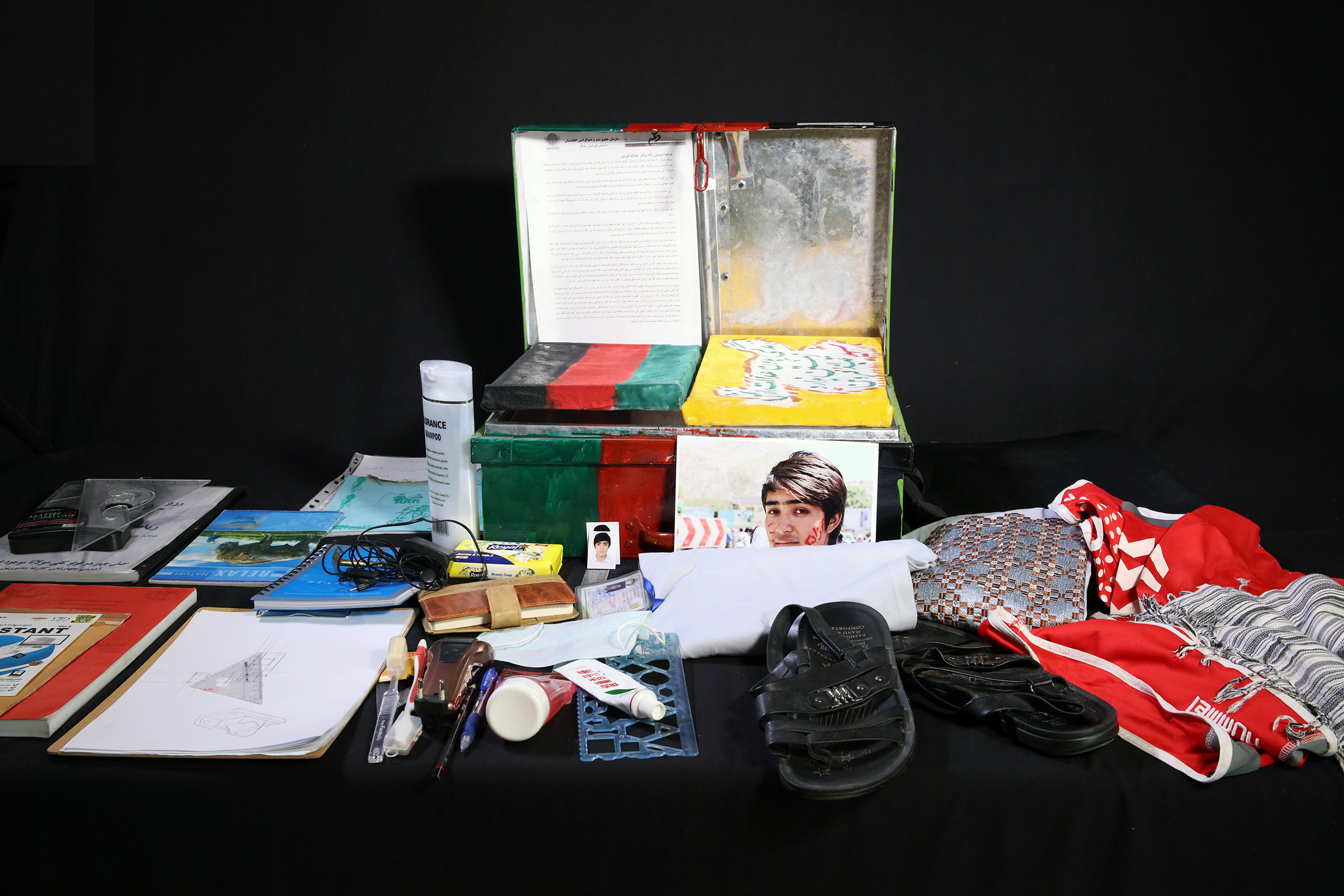
Abdullah Pidram
- Photo of Victim

- Gender
- Male
- Ethnicity
- Hazara
- District geolocation of incident
- Kabul: 34° 31′ 1″ N, 69° 8′ 60″ E
- Description of incident
On October 24, 2020, around 4:30 p.m., a suicide bomber detonated an explosive device inside the Kawsar-e Danish Educational Center in the western area of Kabul City's PD-13 neighbourhood in the Pol-e-Khoshk District. The educational institute provided coaching for high school students preparing for university entrance exams. The attack resulted in the deaths of at least 43 students. 72 others were injured. The attack occurred in a primarily Hazara neighbourhood in Dasht-e-Barchi; the majority of students attending the tuition centre were Hazara. The Islamic State of Khorasan Province (IS-KP) claimed responsibility for the attack.
- Witness/Survivor Statement
No statement
Abdullah Zamiri
- Photo of Victim

- Gender
- Male
- Ethnicity
- Hazara
- District geolocation of incident
- Kabul: 34° 31′ 1″ N, 69° 8′ 60″ E
- Description of incident
On July 23, 2016, two suicide bombers denoted their explosives among the protesters at Dehmazang Square in Kabul, the capital city of Afghanistan. The protesters, who were primarily Hazaras, were part of the Enlightenment Movement. They were protesting against the diversion of the TUTAP mega power project which would cause the project to bypass Hazara-dominated areas. At least 84 protesters lost their lives and 260-400 others were injured. The Islamic State of Khorasan Province (ISKP), the regional branch of ISIS, took credit for the attack. However, ISKP later refuted their involvement in the attack.
The Enlightenment Movement, also known as Junbesh-e Roshnayie, was a grassroots civil disobedience movement started by Hazaras in Afghanistan in response to a change in the Fichtner GmbH & Co. KG proposed Energy Supply Improvement Investment Program, unofficially called TUTAP project plans. The change in the project plans would cause it to bypass Hazara regions. The move was seen as perpetuating long-standing anti-Hazara discrimination. Throughout 2016 and 2017, the Enlightenment Movement coordinated large-scale demonstrations against discrimination both domestically in Afghanistan and abroad.
- Witness/Survivor Statement
No statement
Abdulmajid Mirzaee
- Photo of Victim

- Gender
- Male
- Ethnicity
- Hazara
- District geolocation of incident
- Kabul: 34° 31′ 1″ N, 69° 8′ 60″ E
- Description of incident
On October 24, 2020, around 4:30 p.m., a suicide bomber detonated an explosive device inside the Kawsar-e Danish Educational Center in the western area of Kabul City's PD-13 neighbourhood in the Pol-e-Khoshk District. The educational institute provided coaching for high school students preparing for university entrance exams. The attack resulted in the deaths of at least 43 students. 72 others were injured. The attack occurred in a primarily Hazara neighbourhood in Dasht-e-Barchi; the majority of students attending the tuition centre were Hazara. The Islamic State of Khorasan Province (IS-KP) claimed responsibility for the attack.
- Witness/Survivor Statement
He Left the House Laughing and Healthy but in the Evening, We Brought His Dead Body Home
Narrator: Sorayya Mirzaee
Victim: Abdul Majid
Date of the incident: 24 October 2020
Location of the incident: District 13, Kabul City, Pul-e Khoshk, Dasht-e Barchi, Kausar Danesh Educational Center
My name is Sorayya Mirzaee. My father’s name is Mohammad Ismail. I am 23-years-old. I graduated from high school and I'm a first-year student at the university. I have done one semester. I graduated from Sayyed Al Shohada High School. I was born in Hesa-e 2 District in Behsud. I live in Dasht-e Barchi, 13th District. I used to live in Maidan but currently I'm living in Kabul. I came here for my education. Well, insecurity was also a concern, but we relocated mainly for the education: my education, and my brothers’ and sisters’ education. I am doing my first year in university; I study Economics at a private university called Al Mustafa.
We were five brothers, one of whom was martyred: Abdul Majid. We have three sisters. We own a house. We were in Kabul when the incident happened. His name was Abdul Majid Mirzaee. He was graduating from school... He had not finished it yet, he was in twelfth grade, his last year. He was attending a preparation course exam at Kausar Danesh Educational Center for the entrance when the incident happened.
Abdul Majid was 18-years-old; he had just turned 18. He was born on 31 July 2004, in Safid Dival village, Hesa-e 2 District in Behsud, Maidan Wardak Province. I think Majid was in 3rd or 2nd grade at school, I don’t remember. He studied his first year in Behsud at Helmand High School and then we transferred him. He was only studying, not working. The incident happened while he was busy studying on 24 Oct 2020. It happened at 4:30 p.m. when they were dismissed. Their class was from 2:30 to 4:30 p.m. When they were coming out of the classroom, the incident happened in the alley.
The suicide bomber was a person; no car or things were involved. Based on the news and people’s narrations, an individual had entered. Some of our friends who were injured said that they had seen the suicide attacker. They say when they left the center and reached the end of the alley, a creepy guy looked around and entered the alley and the explosion took place. The alley on which the center is located is a dead end. The suicide bomber entered the alley, not the center. He exploded in the alley, exactly when the students were leaving the facility. Unfortunately, he was martyred there.
Yes, his friends were with him. My brother who is older than him was back from university and was standing in the courtyard. He received a call, and someone said, “Did you arrive home? A suicide explosion happened at the Kawsar center in Pul-e-Khushk." We got the news and ran towards the center. It was not too long after the incident that we entered the center. I saw everything in the alley: martyrs, wounded, rising dust, and everything. It was a bitter, painful incident. Then we went to check the hospitals. We searched a few hospitals in Barchi but he was not there. Then my father called us and said that he was in Mohammad Ali Jinnah Hospital and Majid was injured.
When we arrived there, he had passed away. The local people had transferred the wounded and martyrs to the hospitals. I do not know how they transported them. They said local people, there were no police, they came later. They called my elder brother. A few minutes later, his friends called and said, “Majid was injured and we took him to the hospital; you must go there.” My younger sister, who was at home, said they went there. They saw that he was martyred and his friends were around him.
He was wounded mostly in the back of his shoulder, on one hand, and one of his feet was badly injured. One of his friends who lives near us survived the attack. He gave the details of how they transported him. After class was dismissed, this friend left the center a few minutes earlier. He went back to the center after the incident. When we called him, he was at home but he was not picking up the phone. When my father called him, he answered and said he was at the hospital and my father went there to see him. No, we did not call. When my brother received the call, I ran towards the center. It was not too late when I reached the center; I saw the scene in the alley: martyrs, injured, and everything, including the screaming of families and the yelling of poor mothers.
He was martyred on the spot. I think the severity of the injuries on the back of his shoulder caused his death. His hand was also injured, but his shoulder was injured badly. There was a scar on the top of his eye and his face. I think he had been bleeding. I think it caught him from behind because the back of his shoulder was damaged the most. We did not see it, but those who saw it said that the back of his shoulder was injured severely.
When we went there, the bodies of the martyrs were wrapped in blankets given by the residents and were left in the corridor of the hospital. They did not allow us to see them properly. Later, my father said that there were two dead bodies before him. “When I uncovered the face of the first and second body, I prayed ‘Oh God! please have mercy; I wish my son is injured.’ I revealed the face of the third one, it was my son.” They didn’t show it to me. At the time of burial, they showed his face to my mother, but I did not see it. I fainted; I was not able to see.
During the funeral bath, our close relatives did not allow my father to see him. The center is a private sector entity. They did well to the extent possible. They held a ceremony on the 40th day of the martyrs. They said they had not received any warning or information about the attack.
I don’t know; they have not told us about it. All I know is that a security guard at the center was also martyred in the attack. They say he saw the person and shouted that a suspected person wanted to enter; the suicide explosion happened when he tried to stop the attacker. He lost his life. My brother was single. I was with my brother in the courtyard when he received a call. I ran outside. My mother was at home. She said, “When you ran outside, she ran after you.” She said, “There was someone on the road. I asked him to take me to the Kawsar center, there has been an explosion there. He said that the students were inside the center. I became a little relaxed. I said, no, I must go! My son is there.” His father called to say that Majid was injured and was at Mohammad Ali Jinnah Hospital. She said this person took her to the hospital by motorcycle. She said, when she arrived at the hospital, she saw my father who looked terrified. She asked him where Majid was. “He did not say anything. I asked again where was my son, Majid. In which room? Is he injured? He kept silent and I understood that he was martyred”.
My poor mother was in a bad condition, and she still is. No matter what I tell her, she is the same. She is traumatized and scared. When the suicide explosion happened at Sayed-al-Shuhada school, two of my sisters were enrolled there. On that same day, my younger sister did not go to school, but the older one did. When my mother heard about the explosion, she was so restless. She could not control herself. She was laying, screaming, “Oh my God! I became lonely! My daughters are at school.”
We received his corpse from the hospital at 10 o’clock on the same day of the attack, and we buried him in Kabul the next day at 9 o’clock. We did not bury him on the hilltop over the township. We buried him on the hillside near the house.
He was very close to me. We were friendly. He was also good with this brother of mine. On the nights he was working out in the club, he would train my two little sisters after he was back home. He was very good-tempered. I'll never forget Majid’s smile. He knew that he wanted to study and live his life, his favourite subject was Economics. I see some of his stuff at home, his handouts, and books. He has written about what he wanted to score in the entrance exam. It was very hard to lose him but we will never forget him, his memories, his stories, especially his laughter. Whatever we said, he used to laugh. He was an affable person. None of his classmates at school or the center were upset with him. They always say he was a good-natured boy.
There is a memory of him that I remember and I won't forget. It's from a few nights before the attack. We were sitting together. Somehow, we were batchmates; I had started school late and we were working to solve questions. He told me that he had learned a lot about economics and was very interested in studying it, and he wanted to know my opinion. I said, "Whatever you like.” Then he wrote his favourite subject and his desired score in the entrance exam on a sheet of paper. I will never forget that. The next day was Friday. He left early because he had an exam at the center. He took the exam but his score was unknown; the scores were supposed to be announced on Saturday. This past Friday, he was awake late at night. My mother remembers, “It was 12:30 midnight and the light in Majid's bedroom was turned on. I asked him: 'haven't you slept yet?' He said that in that day’s exam, there were some questions that he didn't understand so he was reviewing them and then he would go to bed.” She said, "When I went there in the morning, he had already woken up. I said ‘How did you wake up so early?’ He said he had something to do at school. It was six o'clock when he went to school and said the school had asked for photos, photocopies of ID cards, and other things for the school diploma. It was 10:30 AM when he came back from school." My mother asked: “Majid, you did not go to the library?” Usually, he would go to the library and study there. Responding to my mother, he said, “No mother, I didn't go. I was at school today for the ID card. All of us sitting and chatting. It was cold." The cold season was approaching. He jokingly said, "Have you been to the market to see the new coats? I need to get one." We were still chatting when he said he had to go to the library.
He left the house with a smile that I will never forget and said goodbye. My mother was out shopping for groceries. Majid left the house and said, "I'm going to the library and will then go to the educational center.” My mother returned and asked where Majid was. “I didn't prepare anything for him, he did not have breakfast, where did he go?” she asked. We said he went to the library. At noon, he left the house healthy and laughing but in the evening, we brought home his dead body. He was going to Sayyid al-Shohada school. It is near our house. My elder brother and I graduated from the same school; my two sisters also attend the same school. It was Majid's last year of school, but they didn't let him finish it. Sayyid al-Shohada school is in District 13. The town and school both go by the same name. We buried Majib past the school.
Neither my father nor my mother is in good condition. My father fainted last night. I told him I met martyr Aman’s father – Aman was Majid’s friend - and he told me stories, my father then passed out. I stayed with him until late at night, he was screaming calling “take me to Majid so I see him laughing once more.”
Our message to The Taliban and Ashraf Ghani's government forces is that they should stop. How long are they going to do this? They killed so many people and hurt so many mothers; I call on both sides to stop it. We do not have any demand or expectation from the current government. Even if we did, the government has never helped us and will not help. The only thing I want them to do is to stop the war. We have given so much sacrifice; we had a lot of martyrs, a lot of mothers lost their beloved children, but the government has never helped the families of victims. The government has taken no action.
Our house is close to Sayyed Al Shohada High School. The attack happened on the other side while we were in the courtyard of our house. We heard the sound. My father was at home. One of my sisters had not gone to school but the elder one, Farzana, had. I ran towards the school. When I arrived there, I saw the whole incident. Farzana was not there so I looked around to find her. She had left the school when the incident happened; she was shocked and had to be hospitalized at a mental health center. I saw the entire thing with my own eyes: the martyrs, the wounded, the hapless mothers. Farzana said she was a few steps away from school when she heard the sound. She has been suffering from mental complications after Majid’s death; she said she didn’t realize what was happening. We went there but did not find her. My brother was already searching for her when I arrived. Then, my little sister came and said Farzana was at home. We returned home and found Farzana shouting. She kept calling the names of her friends and classmates. We took her to the doctor. She stayed in the hospital for one night. We brought her home the next day but she has not been feeling well. After the incidents at both the Kauser Center and her school, she is suffering from a mental disorder. She is being treated. Her eyesight is weakened. Her friends were martyred. She is distraught about that. She lost two of her closest friends. She says she does not want to study anymore and does not want to go to school. “If I go to school and find their chairs empty, what am I going to do?” she asks. Due to the quarantine, the school is closed for now.
She had come out of the school earlier after classes were dismissed.It was the month of Ramadan; she was fasting. She had a headache. She said, "When I left school, I had a headache. So I left the classroom early." My youngest brother is 10-years-old and my youngest sister is 14-years-old. He frequently recalls Majid. He dreams of Majid coming home. When he was younger, Majid would train my two litter sisters and my little brother at home after returning from the sports club. He used to go to a Muay Thai club. He misses him a lot. When he does something, he says he learned it from Majid. He recalls Majid telling him what to do and what not to do. My little brother misses him too much but not my little sister. He had a trainer in the gym. He used to exercise with a trainer and he used to train Farzana and Habibullah, his little brother.
He wished to enter the Faculty of Economics. He had set his desired score and said he wanted to study to get that score. He would mostly talk about his studies.
He constantly thought about the future and his plans. He was always eager to know more about the entrance exam, asking us to tell him about the exam so he could determine his fate accordingly. He did not even think of getting martyred. He used to say, “I want to take the exam and succeed in my favourite subject. I want to be someone in the future.” I don't know who took responsibility for the Kausar Danesh suicide attack. I have people saying the Taliban did not take responsibility for it; I don’t know which group did. After the incident, no government official visited our house. Neither government authorities nor executives of the educational center came here to console us. Maybe they participated in the Fatiha ceremony at the mosque, but no one came to our house.
Some people assisted the families of the martyrs. The government only provided an honorarium to the families of martyrs and the wounded, but nothing more than that. There were some families of martyrs who wanted to find out who was behind the attack. They went to some authorities but no one heard their voices. The poor father of Majid's friend said he tried very hard and ran here and there, but no one heard his voice.
Amanullah was his closest friend who was martyred too. The two of them were very close friends and both were martyred. Aman was severely injured. Majid had fewer injuries. Aman was found later because he was badly injured and his family could hardly identify him, but we quickly found Majid at the hospital. His friends did not say if they had seen the suicide attacker. Only one of the wounded, who is here today, said he saw him with his own eyes. He said he had just left the center and had arrived at the end of the alley when the suspect entered the alley. “We said look at him, he is terrified, someone must have told him something,” the wounded witness said. At that time, students were not allowed to bring bags inside the center, but there was another center in the same alley where students were allowed to carry bags. The suspect had a bag and they thought he may be a student at the other center. According to the witness, he was looking around and looked terrified. “We were looking at him when he exploded. We didn’t see what happened next,” the witness said.
They didn’t visit us at home. On the fortieth day after the martyrs, they organized a Fatiha ceremony at school and some of the martyr’s families participated. I am ready to do everything so they can study and have a better situation. We took Farzana, whose mental condition was very serious, to the doctor. I help her a lot. I never talk to her about that incident; when they talk about it, I comfort them by telling them to embrace the reality and that so many families have suffered. I tell them we can't sit idle and do nothing; they must struggle and continue their studies. Farzana is my elder sister. She is very good at school and is very interested in writing, poetry, and such things. She had lost the morale to continue her studies, but now she is doing better.
My father was there and didn’t let us see Majid’s face. I do not know why he did not allow us. Maybe because he thought I’m not strong enough to see such a scene. When we arrived home, my mother was screaming and wanted to see his face for the last time and kiss him. Before they took him to the cemetery, they showed his face to my mother, but they did not allow her to get close to him.
After the incident at Sayyid al-Shohada, Farzana did not go to school. Initially, she said she did not want to study anymore. After we talked to her, she was convinced. Later, she used to say, "Get me transferred to a different school, I'm not going to that school any longer.” My brother Majid also attended the same school. He had not graduated. His photo was posted on the school wall. She would say, “When I go to school and see Majid's photo and the photo of two other persons, it badly affects my morale. Now that my classmates and friends have been martyred in the suicide attack, I can't visit that place anymore.” She wanted us to transfer her to a different school. We transferred my youngest brother to another school, but Farzana is yet to be transferred. My youngest brother, Habibullah, is in 4th grade. After the incident, he has become withdrawn and frightened. He is easily scared. If a door shuts loudly, he thinks it was a suicide attack. He has turned anxious and introverted. He was very intelligent and held the first position at school but last year, his ranking dropped to the fifth position. After transferring him to the new school this year, his teacher says, “He is fearful. We are trying to help him forget everything about the incident.” He has a tablet on which he has installed games and some books, but he has found and set a photo of Majid on the screen. I tell him not to do that but he doesn’t respond. He is traumatized.
No, we have not taken Habibullah to the doctor. We tried to comfort him at home, and talk to him. Recently, he has been playing with other children and he is feeling better. In the beginning, it hurt him badly; he was so isolated and used to sit alone in a room. He did not play with other kids and did not join children of his age. We would tell him, “Get up Habib! Your friends are calling you; your classmates are waiting.” He is better now. Returning from university or other places, we do not like to enter the house because of my mother’s condition. She is highly depressed. I have a niece who is one and a half years old. My mom says whenever she holds her, she recalls raising Majid in the same way, falling asleep in her arms. Returning home, we know we would encounter this situation. We keep wondering if she is well and if someone has visited her and talked to her about the incident, making her distressed. We try our best so she does not recall the incident, but it doesn’t work.
Abdulmannan
- Photo of Victim
- Gender
- Male
- Ethnicity
- Tajik
- District geolocation of incident
- Bagrami: 34° 31′ 10″ N, 69° 16′ 39″ E
- Description of incident
Known as the "Killing of AGSA," it refers to the collective murder of opponents of the People's Democratic Party of Afghanistan in the Pul-e-Charkhi Prison in Kabul between 1978 and 1979. The Afghan Intelligence Office, or AGSA (Afghan Agency for Safeguarding National Interest), led by Asadullah Sarwari, had arrested nearly 150,000 people, out of which an estimated number of 27,000 political prisoners were put to death without a single trial, probe, or even allegation. Many Afghan families had no idea where their loved ones had disappeared in the latter part of 1978 and early 1979. A list of those slain that included 5,000 victims of AGSA mass executions was made public by the Dutch Prosecutor's Office in 2013.
- Witness/Survivor Statement
No statement
Abdulmatin
- Photo of Victim

- Gender
- Male
- Ethnicity
- Pashtun
- District geolocation of incident
- Puli Khumri: 35° 56′ 49″ N, 68° 42′ 16″ E
- Description of incident
On the afternoon of November 6, 2007, at approximately 4:15 PM, an explosion occurred in Pul-e Khumri, the provincial capital of Baghlan Province. The incident took place during a visit by Afghanistan's Parliamentary Economic Commission, which had traveled to the area to attend the reopening ceremony of the newly reconstructed Baghlan Sugar Factory. According to eyewitness accounts, an individual detonated explosives among a crowd of people who had assembled to greet the parliamentary delegation. The attack resulted in between 70 and 97 fatalities, with casualty figures varying across different reports, and injured nearly 200 individuals. A substantial portion of the victims were school students who had gathered in formation to welcome the government officials. Six members of the National Economy Commission of Afghanistan's Parliament were killed in the attack, including the commission's chairman, Sayed Mustafa Kazimi. The other deceased parliamentarians represented various provinces across Afghanistan, including Takhar, Kunar, Helmand, Kunduz, and Kabul. While it was widely believed that the attack was carried out by a suicide bomber, no group claimed responsibility for the incident. The precise circumstances and motivation behind the attack were never officially confirmed. The general assessment indicated that members of the Afghan Parliament were the primary intended targets of the assault.
- Witness/Survivor Statement
No statement
Abdulqader
- Photo of Victim

- Gender
- Male
- Ethnicity
- Hazara
- District geolocation of incident
- Kabul: 34° 31′ 1″ N, 69° 8′ 60″ E
- Description of incident
On August 17, 2019, a suicide bomber detonated explosives at the Shahr-e-Dubai wedding hall on Faiz Mohammad Kateb Road, also known as Charqala Road. The attack resulted in 63-93,(including 15 children) fatalities and 182 injuries. The wedding ceremony was predominantly attended by members of the Shia-Hazara community. The Islamic State of Iraq and Levant-Khorasan Province (ISIL-KP) claimed responsibility for the attack, stating it targeted individuals they refer to as "Rafida," a term used by some extremist groups to denote those who do not follow Sunni Islam.
- Witness/Survivor Statement
No statement
Abdulqaum Shafaee
- Photo of Victim

- Gender
- Male
- Ethnicity
- Hazara
- District geolocation of incident
- Kabul: 34° 31′ 1″ N, 69° 8′ 60″ E
- Description of incident
On November 11, 2018, thousands of Kabul residents protested what they called "the government's inaction in preventing the attack of the Taliban group on Malistan and Jaghouri districts in Ghazni Province and Khas Uruzgan District in Uruzgan Province." They started a march and gathered near the presidential palace. The rally continued until dawn on Monday, when President Ghani accepted some of the protesters' demands through a phone call. People were then leaving the rally when a suicide bombing took place.
- Witness/Survivor Statement
No statement
Abdulraziq Amiri
- Photo of Victim

- Gender
- Male
- Ethnicity
- Hazara
- District geolocation of incident
- Khan Abad: 36° 41′ 49″ N, 69° 6′ 48″ E
- Description of incident
A suicide bomber detonated an explosive device among Hazara-Shia worshipers at the Sayed Abad Mosque in Kunduz province on Friday, October 8, 2021. The attack resulted in the death of at least 150 people and injuries to 250 more. The casualties were all civilians, predominantly from the Hazara Shia ethnic group. The Islamic State of Iraq and Levant-Khorasan Province claimed responsibility for the attack, identifying a Chinese Uygur national as the suicide bomber and stating the group targeted Hazara Shias.
- Witness/Survivor Statement
No statement
Abdulwadood
- Photo of Victim

- Gender
- Male
- Ethnicity
- Pashtun
- District geolocation of incident
- Bagrami: 34° 31′ 10″ N, 69° 16′ 39″ E
- Description of incident
Known as the "Killing of AGSA," it refers to the collective murder of opponents of the People's Democratic Party of Afghanistan in the Pul-e-Charkhi Prison in Kabul between 1978 and 1979. The Afghan Intelligence Office, or AGSA (Afghan Agency for Safeguarding National Interest), led by Asadullah Sarwari, had arrested nearly 150,000 people, out of which an estimated number of 27,000 political prisoners were put to death without a single trial, probe, or even allegation. Many Afghan families had no idea where their loved ones had disappeared in the latter part of 1978 and early 1979. A list of those slain that included 5,000 victims of AGSA mass executions was made public by the Dutch Prosecutor's Office in 2013.
- Witness/Survivor Statement
No statement
AbdulWahid
- Photo of Victim
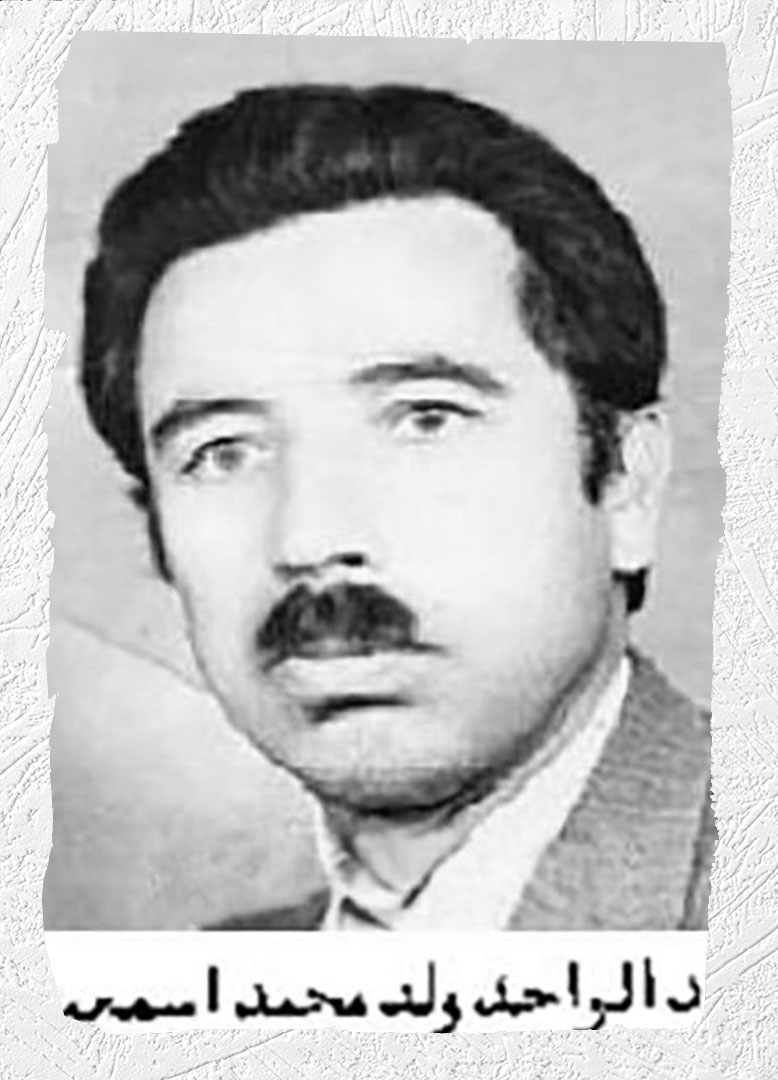
- Gender
- Male
- Ethnicity
- Tajik
- District geolocation of incident
- Bagrami: 34° 31′ 10″ N, 69° 16′ 39″ E
- Description of incident
Known as the "Killing of AGSA," it refers to the collective murder of opponents of the People's Democratic Party of Afghanistan in the Pul-e-Charkhi Prison in Kabul between 1978 and 1979. The Afghan Intelligence Office, or AGSA (Afghan Agency for Safeguarding National Interest), led by Asadullah Sarwari, had arrested nearly 150,000 people, out of which an estimated number of 27,000 political prisoners were put to death without a single trial, probe, or even allegation. Many Afghan families had no idea where their loved ones had disappeared in the latter part of 1978 and early 1979. A list of those slain that included 5,000 victims of AGSA mass executions was made public by the Dutch Prosecutor's Office in 2013.
- Witness/Survivor Statement
No statement
Abdulwahid Mohammadi
- Photo of Victim

- Gender
- Male
- Ethnicity
- Hazara
- District geolocation of incident
- Khan Abad: 36° 41′ 49″ N, 69° 6′ 48″ E
- Description of incident
A suicide bomber detonated an explosive device among Hazara-Shia worshipers at the Sayed Abad Mosque in Kunduz province on Friday, October 8, 2021. The attack resulted in the death of at least 150 people and injuries to 250 more. The casualties were all civilians, predominantly from the Hazara Shia ethnic group. The Islamic State of Iraq and Levant-Khorasan Province claimed responsibility for the attack, identifying a Chinese Uygur national as the suicide bomber and stating the group targeted Hazara Shias.
- Witness/Survivor Statement
No statement
Abdulwase Movahidi (Hassanzada)
- Photo of Victim

- Gender
- Male
- Ethnicity
- Hazara
- District geolocation of incident
- Kabul: 34° 31′ 1″ N, 69° 8′ 60″ E
- Description of incident
On December 28, 2017, a suicide bomber detonated an explosive device inside the Tabyan Center, a religious and cultural gathering place in Dasht-e-Barchi, located to the west of Kabul. The blast resulted in the deaths of 41 individuals and injuries to another 84 people. Among those killed were at least two children and four women, while eight women were among the injured. All the victims were civilians, primarily belonging to the Hazara ethnic group. The Islamic State of Iraq and the Levant-Khorasan Province (ISIL-KP) claimed responsibility for the attack.
- Witness/Survivor Statement
No statement
Abdur Rahaman
- Photo of Victim

- Gender
- Male
- Ethnicity
- Pashtun
- District geolocation of incident
- Shindand: 33° 18′ 28″ N, 62° 8′ 12″ E
- Description of incident
On August 22, 2008, the United States Air Force conducted an airstrike on Azizabad village in Shindand district, Herat Province. The attack resulted in the deaths of ninety-two civilians, including sixty children and fifteen women. Numerous structures in the village, including homes, were damaged or destroyed. American officials stated that the airstrike was conducted after Afghan soldiers were ambushed while pursuing a Taliban commander named Mullah Siddiq, claiming that Taliban attackers fled to Azizabad.
- Witness/Survivor Statement
No statement
Abdur Rahman
- Photo of Victim
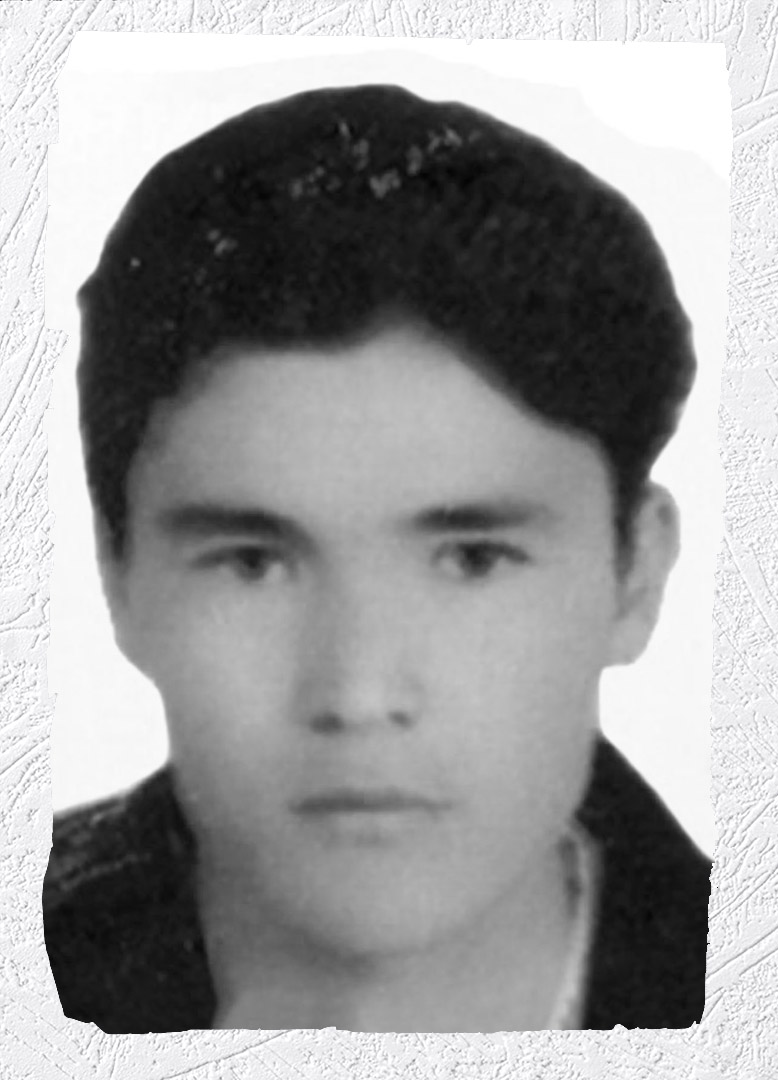
- Gender
- Male
- Ethnicity
- Hazara
- District geolocation of incident
- Kabul: 34° 31′ 1″ N, 69° 8′ 60″ E
- Description of incident
On October 20, 2017, a suicide attack took place in the Imam Zaman Mosque in Dasht-e Barchi, while people were there for prayers. Dasht-e Barchi is the Hazara area of Kabul. As a result of the terrorist attack, 56 people were killed and 55 others were injured.
- Witness/Survivor Statement
No statement
Abdur Raouf Mahdawi
- Photo of Victim

- Gender
- Male
- Ethnicity
- Hazara
- District geolocation of incident
- Kabul: 34° 31′ 1″ N, 69° 8′ 60″ E
- Description of incident
On December 28, 2017, a suicide bomber detonated an explosive device inside the Tabyan Center, a religious and cultural gathering place in Dasht-e-Barchi, located to the west of Kabul. The blast resulted in the deaths of 41 individuals and injuries to another 84 people. Among those killed were at least two children and four women, while eight women were among the injured. All the victims were civilians, primarily belonging to the Hazara ethnic group. The Islamic State of Iraq and the Levant-Khorasan Province (ISIL-KP) claimed responsibility for the attack.
- Witness/Survivor Statement
No statement
Abdur Rhaman Andishwar
- Photo of Victim

- Gender
- Male
- Ethnicity
- Hazara
- District geolocation of incident
- Kabul: 34° 31′ 1″ N, 69° 8′ 60″ E
- Description of incident
On December 28, 2017, a suicide bomber detonated an explosive device inside the Tabyan Center, a religious and cultural gathering place in Dasht-e-Barchi, located to the west of Kabul. The blast resulted in the deaths of 41 individuals and injuries to another 84 people. Among those killed were at least two children and four women, while eight women were among the injured. All the victims were civilians, primarily belonging to the Hazara ethnic group. The Islamic State of Iraq and the Levant-Khorasan Province (ISIL-KP) claimed responsibility for the attack.
- Witness/Survivor Statement
No statement
Abdurrafi
- Photo of Victim

- Gender
- Male
- Ethnicity
- Pashtun
- District geolocation of incident
- Kabul: 34° 31′ 1″ N, 69° 8′ 60″ E
- Description of incident
One of my sons was killed in Chehil Sutun and the other one in Logar Province. I had not seen the latter for three years when I was finally told to go to Logar to see him. I was taken to a cemetery and informed that my son was buried there. As I could not afford to transfer his body to another graveyard, I accepted for him to remain there.
- Witness/Survivor Statement
About The Futility of Using Words to Describe War
Narrator: Mah Jan
Victims: Abdurrafi, Abdul Wahid
Date of the incident: 1992-1996 (Estimated)
Location of the incident: Kabul City and Logar
War is full of irrationality. It causes deep injuries to the hearts of mothers and fathers, and makes them eternally grieve for their lost children. It takes away a happy and prosperous life and replaces it with pain and suffering. Afghanistan is the country of pain, torment, and injustice. Its people have become prisoners of the inhumane logic of violence. Here, horrendous atrocities have occurred one after another for many years in every corner of this country, subsequently breaking the spirit of its population and causing serious, unhealed wounds in people’s hearts. With every day that passes, more people lose their lives while the hope for a better future dies a painful death. Why is this happening to this beautiful country? The secret of this puzzle is yet to be found and the dark cloud that has cast its shadow over the population has yet to be removed.
The story of war in Afghanistan is the story of pain and suffering. One of the people who understands this intimately is Mah Jan. She is the perfect image of a war victim. She has lost everything and her mind is like an archive of the endless suffering of the Afghan people. An archive as thick as an encyclopedia that contains every existing story of war ever told.
Mah Jan could be considered the perfect and complete Afghan. She has experienced it all. Only people like her know exactly what tragedy means and what kind of life war brings about. Only people like her can distinguish whether war is something good or bad. She is the face of the Afghan people. She hardly speaks about her pain because she does not trust anyone is interested in listening to her. However, in the few moments when she does speak out, it is not just words that come out. Mah Jan takes you to another world where the word loses its intermediate role. She makes you encounter the naked truth. The words in her mouth lose their verbal nature and her entire body speaks with you. Her face of sadness reveals all the hidden secrets. There is not even a need for her to open her mouth. Her facial lines and languished hands, her hollowed eyes and crushed spirit, they all speak to you. She speaks in thousands of languages to tell you about her pain. The words are limited exclusively to express her suffering.
Her disturbed soul does not fit into the framework of words. In her speech, words do not connote any meaning beyond their most basic implications. Her story resembles the metaphor of the ‘speechless dreamer and the deaf.’ Neither is she capable of communicating her painful story nor do we have the ability to truly absorb it.
The Story of Mah Jan
My name is Mah Jan. During the war, I lost two of my sons, my husband, my brother in-law and a number of my cousins. I lost everything. I was living in Chehil Sutun, Kabul. Later we were displaced to Logar and Khair Kahan. We could not afford to leave the country. One of my sons was killed in Chehil Sutun and the other one in Logar Province. I had not seen the latter for three years when I was finally told to go to Logar to see him. I was taken to a cemetery and informed that my son was buried there. As I could not afford to transfer his body to another graveyard, I accepted for him to remain there.
My first son, Abdurrafi, was killed in 1997 and the second one was killed the following year. When I came back from Logar, we first moved to Shiwaki but later we returned to my home in Chehil Sutun, as I loved my home. When we moved back, we saw that nothing was left. Everything had been taken including the doors and windows. Apparently, the people from the checkpoint took them. It was during the Taliban time. One day, I decided to clean the home. I had yet to finish my cleaning when a rocket landed. I became worried about my son as I had just sent him out to buy some things. A few minutes later, my neighbor came and told me that my son had been injured and that I should go to the hospital. It was in the afternoon. I saw my older son on the street and he asked me what had happened. I told him that Abdul Wahid had been injured. He began to cry and the two of us went to the hospital in Allawoddin. As we entered the main corridor of the hospital, I saw a dead body. I stopped and uncovered his face. His shoes were placed under his head. I realized that it was my son. I cleaned his blood with my chadari and we took him home. It was late afternoon. The whole night I cried and cried. I lost two of my sons. Two months later my brother in-law was killed in Ghazni. He was working there. My husband buried his sons and brother. He was going every now and then to cry over their graves until he got paralyzed. For six years he could not move until he finally died. I took care of him. I washed him two times a week and gave him food every day. I lost two of my sons, my husband, and my brother in-law. A widowed woman married my third son and then they disappeared.
I never saw him again. I now have only one son with whom I currently live. He has a shop. Every day he works hard to feed us. I used to work in other people’s homes as cleaner and caretaker. I did all kind of work to support my family. My first son was 18 or 19-year-old when he was killed. The second was only 16-years-old. The younger one used to work in a shop and sometimes he collected food from the trash cans and brought it home for us to eat. After coming back to our home, we used to live in a home without doors and windows. We were in Chehil Sutun when the war intensified. There were checkpoints everywhere. Therefore, we went to Shiwaki.
My situation further deteriorated when my husband was handicapped after he suffered a paralysis. In his last days, I swear to God that we had nothing to eat. Once I cleaned the flour bag and prepared some bread for him. I mixed it with oil and put in his mouth. Now there are three people left in our home, my son, my daughter, and myself.
There are very few things left behind from my sons. An old shoe from my older son, which is very valuable to me. I have also kept his hat. One of my sons did not even have proper clothes. I am not lying. When he was killed, I bought 7 meters of fabric to cover his body. I took it everywhere but no one accepted to sew it. His clothes were full of blood. When the people took it, he was totally naked.

Abdurrahman Khan Noristani
- Photo of Victim

- Gender
- Male
- Ethnicity
- Nuristani
- District geolocation of incident
- Bagrami: 34° 31′ 10″ N, 69° 16′ 39″ E
- Description of incident
Known as the "Killing of AGSA," it refers to the collective murder of opponents of the People's Democratic Party of Afghanistan in the Pul-e-Charkhi Prison in Kabul between 1978 and 1979. The Afghan Intelligence Office, or AGSA (Afghan Agency for Safeguarding National Interest), led by Asadullah Sarwari, had arrested nearly 150,000 people, out of which an estimated number of 27,000 political prisoners were put to death without a single trial, probe, or even allegation. Many Afghan families had no idea where their loved ones had disappeared in the latter part of 1978 and early 1979. A list of those slain that included 5,000 victims of AGSA mass executions was made public by the Dutch Prosecutor's Office in 2013.
- Witness/Survivor Statement
No statement
Abdurrazaq
- Photo of Victim

- Gender
- Male
- Ethnicity
- Unknown
- District geolocation of incident
- Puli Khumri: 35° 56′ 49″ N, 68° 42′ 16″ E
- Description of incident
On the afternoon of November 6, 2007, at approximately 4:15 PM, an explosion occurred in Pul-e Khumri, the provincial capital of Baghlan Province. The incident took place during a visit by Afghanistan's Parliamentary Economic Commission, which had traveled to the area to attend the reopening ceremony of the newly reconstructed Baghlan Sugar Factory. According to eyewitness accounts, an individual detonated explosives among a crowd of people who had assembled to greet the parliamentary delegation. The attack resulted in between 70 and 97 fatalities, with casualty figures varying across different reports, and injured nearly 200 individuals. A substantial portion of the victims were school students who had gathered in formation to welcome the government officials. Six members of the National Economy Commission of Afghanistan's Parliament were killed in the attack, including the commission's chairman, Sayed Mustafa Kazimi. The other deceased parliamentarians represented various provinces across Afghanistan, including Takhar, Kunar, Helmand, Kunduz, and Kabul. While it was widely believed that the attack was carried out by a suicide bomber, no group claimed responsibility for the incident. The precise circumstances and motivation behind the attack were never officially confirmed. The general assessment indicated that members of the Afghan Parliament were the primary intended targets of the assault.
- Witness/Survivor Statement
No statement
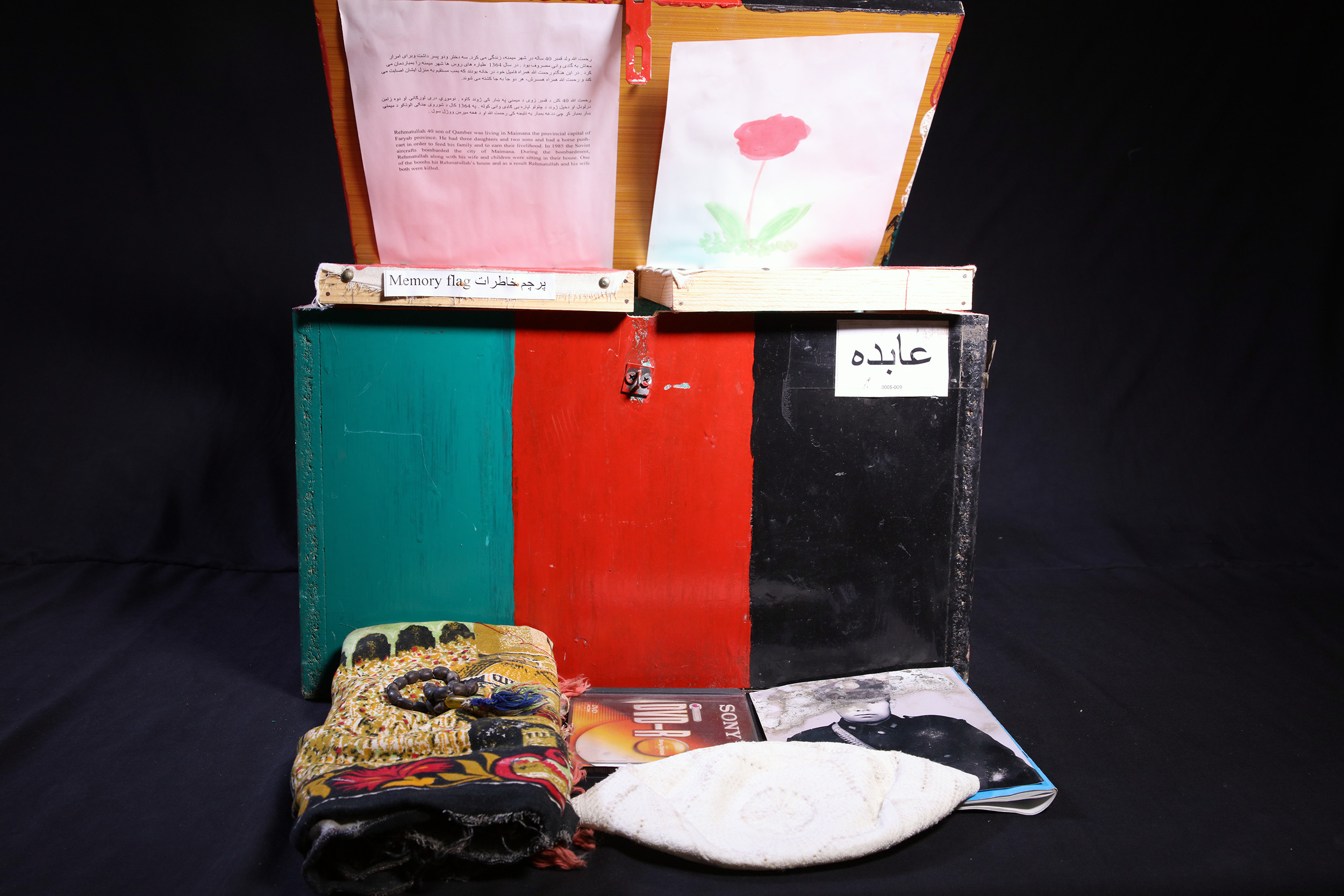
Abozar Rasoli
- Photo of Victim

- Gender
- Male
- Ethnicity
- Hazara
- District geolocation of incident
- Puli Khumri: 35° 56′ 49″ N, 68° 42′ 16″ E
- Description of incident
A deadly blast rocked a Shia mosque in Puli Khumri City, Baghlan Province, on October 13, 2023, killing and injuring dozens of people. The Imam Zaman Shiite mosque in the second district of the city was packed with worshippers for Friday prayers when the explosion happened. Witnesses told local media that the blast was caused by explosives hidden inside the mosque. Some residents claimed that it was a suicide attack aimed at the Shia and Hazara communities. The attack left at least 20 people dead and 66 others wounded, according to ground records conducted by AHRDO.
- Witness/Survivor Statement
No statement
Abul Manan Azimi s/o Abdul Qadir
- Photo of Victim

- Gender
- Male
- Ethnicity
- Hazara
- District geolocation of incident
- Dawlat Yar: 34° 33′ 29″ N, 65° 45′ 59″ ESangtakht: 34° 28′ 3″ N, 65° 44′ 33″ E
- Description of incident
Incident Date: September 21, 2024
Location: Near Sarpahlu Sang village, Dawlat Yar district, Ghor province, Afghanistan (bordering Daykundi province)
Victims: 13 residents of Qariwdal village, Sang-e-Takht district, Daykundi province, One passerby from Palon Sang village, Ghor province, Four severely wounded survivorsPerpetrators: Four armed individuals, later claimed by ISIL-Khorasan Province
Incident Summary:
On September 21, 2024, at approximately 1:00 PM, a group of 17 residents from the small village of Qariwdal in Daykundi province were en route to welcome two fellow villagers returning from a pilgrimage to Karbala, Iraq. As they approached the border area between Daykundi and Ghor provinces, near the small village of Sarpahlu Sang in the Dowlat Yar district of Ghor, they encountered four armed men on motorcycles. The armed individuals identified themselves as security forces [of the Taliban] and assured the group that they were searching for a suspicious person, telling them not to worry. The assailants then instructed the villagers to line up, ostensibly for a commemorative photograph. One attacker began taking photos while another started filming. Without warning, the other two opened fire on the group from both sides. The attack resulted in the immediate deaths of 13 Hazaras, all from the Qariwdal village. Four others were severely wounded. Additionally, a traveler from Palon Sang village in Ghor, who happened to be passing through the area during the shooting, was killed while attempting to flee. The day following the attack, ISIL-Khorasan Province claimed responsibility for the massacre in an official statement.
Abulfazl Najafzada
- Photo of Victim

- Gender
- Male
- Ethnicity
- Hazara
- District geolocation of incident
- Herat City: 34° 20′ 58″ N, 62° 11′ 21″ E
- Description of incident
On August 1, 2017, a Shia mosque in Herat, Afghanistan, was attacked. 33 people were killed and 66 others were injured. Two men carried out the attack. One carried a suicide vest and the other was armed with a rifle. They entered the Jawadia mosque during an evening prayer session where approximately 300 people had gathered to worship. The first attacker flung bombs into the crowd before detonating his vest. The second attacker also discharged his rifle into the crowd before blowing himself up. The Islamic State of Khorasan Province (ISKP) claimed responsibility for the attack.
- Witness/Survivor Statement
No statement
Accidental Bomb Explosion During NDS Operation Kills 3 Civilians in Parwan (2018)
Adel Afzali
- Photo of Victim
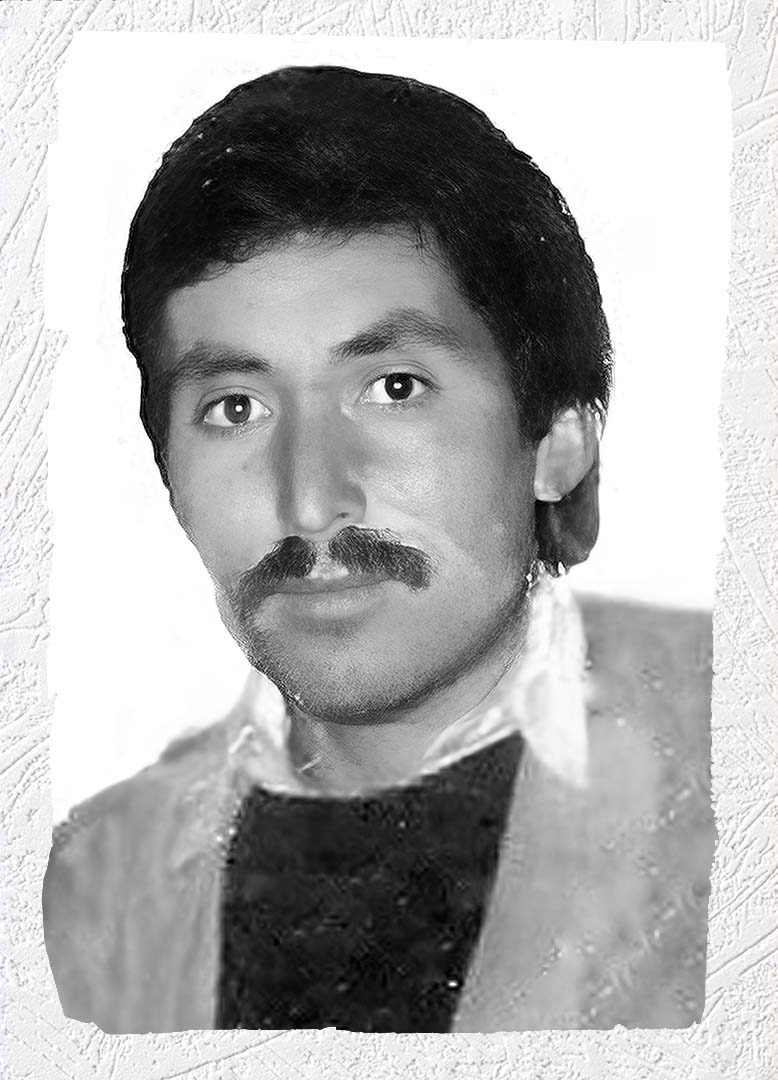
- Gender
- Male
- Ethnicity
- Hazara
- District geolocation of incident
- Kabul: 34° 31′ 1″ N, 69° 8′ 60″ E
- Description of incident
On July 23, 2016, two suicide bombers denoted their explosives among the protesters at Dehmazang Square in Kabul, the capital city of Afghanistan. The protesters, who were primarily Hazaras, were part of the Enlightenment Movement. They were protesting against the diversion of the TUTAP mega power project which would cause the project to bypass Hazara-dominated areas. At least 84 protesters lost their lives and 260-400 others were injured. The Islamic State of Khorasan Province (ISKP), the regional branch of ISIS, took credit for the attack. However, ISKP later refuted their involvement in the attack.
The Enlightenment Movement, also known as Junbesh-e Roshnayie, was a grassroots civil disobedience movement started by Hazaras in Afghanistan in response to a change in the Fichtner GmbH & Co. KG proposed Energy Supply Improvement Investment Program, unofficially called TUTAP project plans. The change in the project plans would cause it to bypass Hazara regions. The move was seen as perpetuating long-standing anti-Hazara discrimination. Throughout 2016 and 2017, the Enlightenment Movement coordinated large-scale demonstrations against discrimination both domestically in Afghanistan and abroad.
- Witness/Survivor Statement
No statement
Adel Shah
- Photo of Victim

- Gender
- Male
- Ethnicity
- Tajik
- District geolocation of incident
- Kabul: 34° 31′ 1″ N, 69° 8′ 60″ E
- Description of incident
At least 15 people died and more than 400 others were injured in an attack on August 07, 2015, in the Shah Shahid area of Kabul. Many houses and shops were also destroyed in the attack.
- Witness/Survivor Statement
We Experienced No Peace for Forty Year
This story begins in a street on a rainy day. The camera has been set up near the gate of the house and Dr. Sharif, a colleague from the Afghanistan Human Rights and Democracy Organization, is getting closer to Kabal Shah. Although Kabal Shah walks with the aid of two metal canes, he throws a glance toward the camera and enters the premises of the house. With a slight delay, Dr. Sharif follows behind him into the house through the gate.
The following scene is of the two-story cement building with a set of blue-painted stairs that take Kabal Shan to the second floor. With no side railings on the stairway, Kabal Shah has no choice but to climb it. Using the skill of climbing those stairs every, he deftly climbs them. The sound of his metal canes hitting the stair steps can be heard from afar and for a few seconds, the face of Kabal Shah’s mother appears behind the door on the second floor. After that, a child rests his face by the door to look outside. The metal door hitting the wall lets a small echo and with a single glance at the camera, Kabal Shah enters the hallway.
The next footage is a close up of the face of Kabal Shah’s mother. She is an elderly woman who has the corner of her headscarf in her mouth with tears pooled at her eyes. She holds her sob back while looking at the camera and when she talks, it can be seen that she no longer has all of her teeth. The conversation starts and a little boy sitting beside Kabal Shah, probably aged seven or eight, laughs. Life in this household is in a strange contrast between sorrow and happiness. These recorded moments in the conversation show life swinging between sorrow and happiness. The mother is sat on the right with Kabal Shah in the middle and his son to his right. His other son, maybe a year or two older, is on the left-hand side.
During the conversation, the boys do not talk. The story is told by the mother sometimes but mostly by Kabal Shah. The connection between their words and sentences works like the bond between chains. Both speak of the same incident, but what creates a difference are the feelings which the narrators express through words and the entire conversation. They fill the room. This quality exists in different parts of stories in this book. In fact, there has been a conscious effort to reflect the atmosphere created by the conversations.
Narrator: Kabal Shah (Victim’s brother)
Victim: Adel Shah
Date of incident: April 22, 2017
Place of incident: Shah Shaheed area, Kabul City
My name is Kabal Shah. I am a resident in Shah Shaheed, Etifaq Mosque area. I am fifty-one years old. The victim was my brother. His name was Adel Shah. Our father’s name was Shireen Shah. My brother was 24-years-old. The incident? I will tell you the exact date and day, which was April 22, 2017. In Shash Darak area, in front of the kiosk printing shop, an explosion happened. It was eight in the morning and he was going to work when he became a martyr.
Kabal Shah’s Mother: Abdulhaq Square, right?
Kabal Shah: No, after you pass Abdulhaq Square and turn the corner towards Shah Darak, there is a street which has a kiosk shop. Yes, [the explosion happened] across that shop. He used to work there. There was a shop there in ‘Nangarhar Say’ shop area, a barber’s shop. He was a student and worked there. He was going to his work that day.
Kabal Shah’s Mother: He was the breadwinner of our family. He (points to Kabal Shah) in this condition.
Kabal Shah: That is true but I also have a store of my own and I was sitting there when I heard a loud boom. I heard the explosion.
Kabal Shah’s Mother: We also heard the explosion.
Kabal Shah: After hearing the explosion, my younger brother came to the store and I told him, “You, Suleiman, quickly call Adel.” There has been an explosion, I told my brother. My brother quickly took his phone out and called his number. His number quickly started to ring and just as quickly, someone answered the phone. The person responsible for the morgue in Wazir Akbar Khan Hospital had Adel’s phone and answered, “the owner of this phone has died.” He said that right away, by God. After he said [Adel] had died, I was shocked and did not know what to make of it. We endured so much pain that year, you cannot even imagine. From our store, we went to Wazir Akbar Khan. We visited the morgue in the hospital. They opened a mortuary cabinet and after looking in, we saw Adel’s lifeless body. He was only 24-years-old and had not married. He was not even engaged.
Kabal Shah’s Mother: He was asleep here and I was praying. I called my other son, “Sulieman Jan! Get up for the prayer.” Adel asked me, “What time is it?” I told my son it was six in the morning. He was an early bird. He would wake up even earlier, that is why I did not wake him up. When he was leaving, I told him, “Son, you did not give me money. Give me fifty Afghanis..." We have gone through very bad experiences: two people died from land mines, seven people got buried under house rubble, and he (Kabal Shah) lost his leg in another land mine. Ten people in total. Besides Adel, I have lost four other sons. And along with these four sons, I have lost two daughters. Two of my daughters died back-to-back very young. My son was also young. I took care of widows; I took care of orphans.
Kabal Shah: Yes, we also lost them. Do not talk about them because this is getting recorded.
Kabal Shah’s Mother: No, it is okay. Around 15-16 people from our family... We have lost around 15-16... we are five or six hundred thousand in debt.
Kabal Shah: Yes, yes.
Kabal Shah’s Mother: Just this morning – by God, if I had a wink of sleep the night before – oh God, I said, “You want this yourself but why are you saying at one in the morning that I...” I pray this in Tahajud prayer. Their father... those are his pictures. Listen, his children were this small when I started caring for them. I made a home for them and now they live in Nawabad.
Kabal Shah: Do not say these things because they are getting recorded in the video.
Kabal Shah’s Mother: It is alright.
Kabal Shah: It is not alright.
Kabal Shah’s Mother: Let me vent my heartache to them so that I let out my pain.
Kabal Shah: I don’t know. Talk about some other pain, like that person and that...
Kabal Shah’s Mother: We took care of his elder brother’s widow for seven years. His elder brother also...
Kabal Shah: He died a natural death around seven years ago.
Kabal Shah’s Mother: He left young orphans behind; his widow behind after he died. His father also passed away from the grief of losing his son.
Kabal Shah: One year after that, we lost my other brother.
Kabal Shah’s Mother: One year after. I was praying in the morning and called my younger son named Sulieman and told him to get up. Adel woke up after that and I told him, “Come and have breakfast at home today.” He responded, “No, I will go because it is late.” I asked him, “Son, do you have money?” he gave me a fifty Afghani note and said, “I earned this.” He got half of the enringing at his place because even if he earned around five hundred, he would get 200-250 Afghanis at the end. He said that that money was kept in our safe. After his death, I asked Kabal Shah how much money was in the safe and he said around 200-300 Afghanis. It was the money which he had earned. After giving a fifty Afghani note, he left and said goodbye. May God ruin them [perpetrators], so they could feel what we, widows, and orphans feel.
Kabal Shah: After that, I went to the hospital. I called my other brother, relatives, and friends, and brought his body back home.
Kabal Shah’s Mother: I did not see his face.
Kabal Shah: You would not have been able to look at his face.
Kabal Shah’s Mother: That- (weeping)
Kabal Shah: I did not bring the body back home and took it directly to the mosque. I also brought his [empty] coffin from our yard because I thought my sisters and others were here.
Kabal Shah’s Mother: One of my daughters became paralyzed because of the pain of losing him. She will be taken to Pakistan for vaccination.
Kabal Shah: Yes, all because of grief. She is about forty-years-old and has a husband.
Kabal Shah’s Mother: She is in such a state that she needs to take fifteen vaccines and each cost six thousand, although she does not have much money.
Kabal Shah: They live in Khair Khana. They live really far from us.
Kabal Shah’s Mother: They live in Khair Khana but she is in that condition now because of the loss of my son.
Kabal Shah: Yes, then we brought his body to the mosque and with family, relatives, and other people, we buried him in the Shah Shaheed cemetery. By God, his behavior with mother, brother, and everyone else was good. He was good to everyone.
Kabal Shah’s Mother: In Shah Shaheed, he worked right here in Shah Shaheed. One or two [of my sons] could not find a livelihood here, so they decided to go to Macroyan.
Kabal Shah: Yes, they went to live in Macroyan Say. If I make an estimate, dear doctor, it was 1988-89. In the winter of that year, my brother and his son went out – it was when the Soviet forces had just left the north – where the soviet used to be. They were out and about to gather wood or other things, and take them home. However, they stepped on a land mine and died. No, my nephew was single as he was only fifteen-years-old. No, we do not have any pictures of them.
Kabal Shah’s Mother: It was during the Soviet occupation.
Kabal Shah: Forty days. Only forty days went by after that incident in 1988-89 when the three-story house that we had collapsed suddenly. It was winter when the house collapsed. Seven of our family members died in that house. My mother, my sister-in-law, and five of my brother’s children were under the rubble and died. The next year, I got injured and lost my leg on a land mine. Since that time, until around 2012, when my brother drove a taxi around Sarai Shamali and Shah Shaheed, he was well. But while driving, he got a stroke and collapsed.
Kabal Shah’s Mother: It was because of the grief of losing his children. He lost four daughters and three sons under that house.
Kabal Shah: That poor man also died like that inside his taxi. Just like my other brother who died from the explosion, I got a call from Jamhoriat Hospital, “Is Khak Shah your brother?” I responded with an affirmative and they told me, “Come then. He has passed away here in Jamhoriat Hospital.”
Kabal Shah’s Mother: Just look at all this pain, brother.
Kabal Shah: Then in 2013, I lost my father. After that, one of my sisters passed away. Then again, I lost another sister.
Kabal Shah’s Mother: All because of grief and sorrow.
Kabal Shah: Then, Adel, my brother also died in an explosion. These are the problems in life. It is like this all around the world.
Kabal Shah’s Mother: I do not care if the entirety of Afghanistan (unintelligible) I do not care about it.
Kabal Shah: Changes, you ask. Except worry, pain, sorrow, and my brother’s absence, there has been no significant change, you see. By God, one of my sisters became paralyzed because of the grief of his loss, you see. As for my mother, she spends day and night crying. And for me personally, I am grappling with the debt of the money I borrowed for my brother’s funeral, which I have not been able to pay to this day. I have paid a portion of it but the other part is remaining. God willing, I want to pay the rest. There are other changes too. Life is like that, after all. No, work is not going well these days. There is much less work these days. Currently, we are five brothers. Four of us live together and the other lives in Khair Khana.
Kabal Shah’s Mother: They live in a rented house. They are struggling economically.
Kabal Shah: We have a barber’s shop and that is our profession. We make 500, or 600, or 400 Afghanis a day. Work was good previously. Work went well. These days, there is not much work.
Kabal Shah’s Mother: God knows that since I lost my son, I do not have any money. Once the life situation gets bad, you will feel sorry looking at my children. My other son became the father of few children the past few years but we still have not been able to pay our debts. He is obligated to pay the debts until now. Around three hundred thousand or so is left to be paid off. The [debtor] came after him every hour for their money, every hour. My son, Adel, was a hard worker and he could bring a bit of bread and money. If he could not bring, we would sit hungry.
Kabal Shah: No, that has not happened.
Kabal Shah’s Mother: What has not?
Kabal Shah: For example, not having food to eat or other necessities. No, through God’s grace, it has not. Adel was my third brother.
Kabal Shah’s Mother: Yes, third son, after Sulieman.
Kabal Shah: By God, everyone knows that those who are the enemy of humanity, enemy of the people, and enemy of religion do these kinds of things. [About the peace process] It is good if it happens. Look at us, for example, look at what happened to us. All the things that happened in the past, let it not be repeated from no one. May the generations after us live a peaceful life, you see. May they live a good life. And if they make an apology, that will also be very good. For example, if something happens, it is said that the Taliban were responsible. There has been enough war, it should end. It has been forty years. There is no other country which is in war more than five years, six years – ten years at most – but it has been forty years in Afghanistan. During these forty years, a solution should have been found.
Kabal Shah’s Mother: We never experienced a moment without sorrow, none. In forty years, we never had a moment without sorrow.
Kabal Shah: My mother is 65-years-old.
Kabal Shah’s Mother: I was fourteen-years-old when the war began. We are originally from Bagram but after the war started, we left that place and went there. We searched for 35 houses for rent, 35. There was a small house made of mud, which collapsed entirely. When our life had gotten a bit better, God took my son from me. I am no longer happy with my life.
Kabal Shah: We have many memories, a lot of memories. Among them, there are happy ones and sad ones. But my brother... I have one memory of him that I remembered last night. One day, I got upset with him and started beating him. While I was hitting him, he looked at me and said, “I do not get hurt.” He was athletic and used to play sports. He told me, “I will not get hurt, only your hands will get hurt. There is no use no matter how much you hit me.” This is one memory that comes to my mind 24/7. Another memory of him is when he was in the store with us though I was older. He was more muscular and athletic.
Kabal Shah’s Mother: Yes, he had curly hair.
Kabal Shah: No, no. The one with curly hair is my other brother.
Kabal Shah’s Mother: No, [Adel] also had curly hair.
Kabal Shah: No, he did not let his hair grow that way.Kabal Shah’s Mother: Macho, he was very macho man.
Kabal Shah: No, no, he is still here. I have other memories of him, he was my brother after all. As for bad memories, no he did not have any bad behavior and was not disrespectful towards us. I do not have any such memories. Should they take his dombra?
Kabal Shah’s Mother: His toothbrushes, all of them.
Kabal Shah: Should they take his dombra?
Kabal Shah’s Mother: As you wish.
Kabal Shah: Rabia Balkhi? Yes.
Kabal Shah’s Mother: We still have his jacket
Kabal Shah: School? No, he only studied for a year or two because it was the time of war and revolution.
Kabal Shah’s Mother: So many people’s futures were destroyed.
Kabal Shah: All of us live in this house. This is my brother’s kid and those two kids belong to my other brother. About a month or a month and a half ago, this got broken. It fell on the ground at home. Is this picture of his alright?
Kabal Shah’s Mother: Go son and bring his jacket as well. His backpack was also with us. My son took his belongings around two or three days ago.
Kabal Shah: His shoes are not here
Kabal Shah’s Mother: His socks are not here but his shoes are
Kabal Shah: He was wearing those shoes on that day
Kabal Shah’s Mother: There are there
Kabal Shah: Let me tell you another story from that day. It has been recorded but, on that day, we brought his body back home. The driver of the ambulance was a very nice and kind man. He waited outside our home for a long time. From here, he took us to the mosque and waited there. He told us, “If you want to take the body any place else, I will take you. I am not going anywhere.” Because of that, I wanted to give him five hundred Afghanis but he insisted that he will not take it. However, Adel’s shoes were there and the driver asked that if I allow it, he wanted to take those shoes. So, he took the shoes.
Kabal Shah’s Mother: He had bought it recently.
Kabal Shah: People say that a car with a foreign national was passing through. As the car was passing through, the explosion happened.
Kabal Shah’s Mother: Son, throw in his shoes there as well.
Kabal Shah: The person was sat in a Mercedes car when the explosion happened. God knows, maybe Adel had stuck his head out. As a result, his head, which was unprotected, bore all the injuries. No wallah, he did not have a Tazkira ID card. No, wallah, he did not have a...
Kabal Shah’s Mother: He had a school report card but I do not know where it got lost. Maybe it was left in the school during the revolution. Moving here and moving there. We had to move a lot. We went towards north, then went to another place from there. And another place after place, and had to take all three of them to school…
Kabal Shah: Go
Kabal Shah’s Mother: What for?
Kabal Shah: His [Adel] dombra.
Kabal Shah’s Mother: Not sure if the strings are working any longer or not. I had brought this from Taj Qurghan for him. I once went to Mazar and he asked me to bring a dombra for him. So, I brought this from Taj Qurghan for him.
Kabal Shah: He liked this dombra a lot.
Kabal Shah’s Mother: wallah as for myself, I was serving as a soldier in 1989 in Unit 25 of Khost Province. During my service, I got caught on a land mine and lost my leg. My leg was torn to pieces and I was taken to Charsad Bistar Hospital. However, my leg could not be saved in that hospital and the doctors told me they had to amputate it. Thus, my leg got cut off there.
Adila
- Photo of Victim

- Gender
- Female
- Ethnicity
- Hazara
- District geolocation of incident
- Kabul: 34° 31′ 1″ N, 69° 8′ 60″ E
- Description of incident
On May 8, 2021, a devastating suicide bombing took place at Sayed Al-Shuhada High School in Dasht-e-Barchi, a predominantly Hazara area in the western outskirts of Kabul. The attack resulted in the tragic loss of approximately 85 lives, most of whom were teenage schoolgirls. Additionally, the incident left 147 people wounded.
- Witness/Survivor Statement
No statement