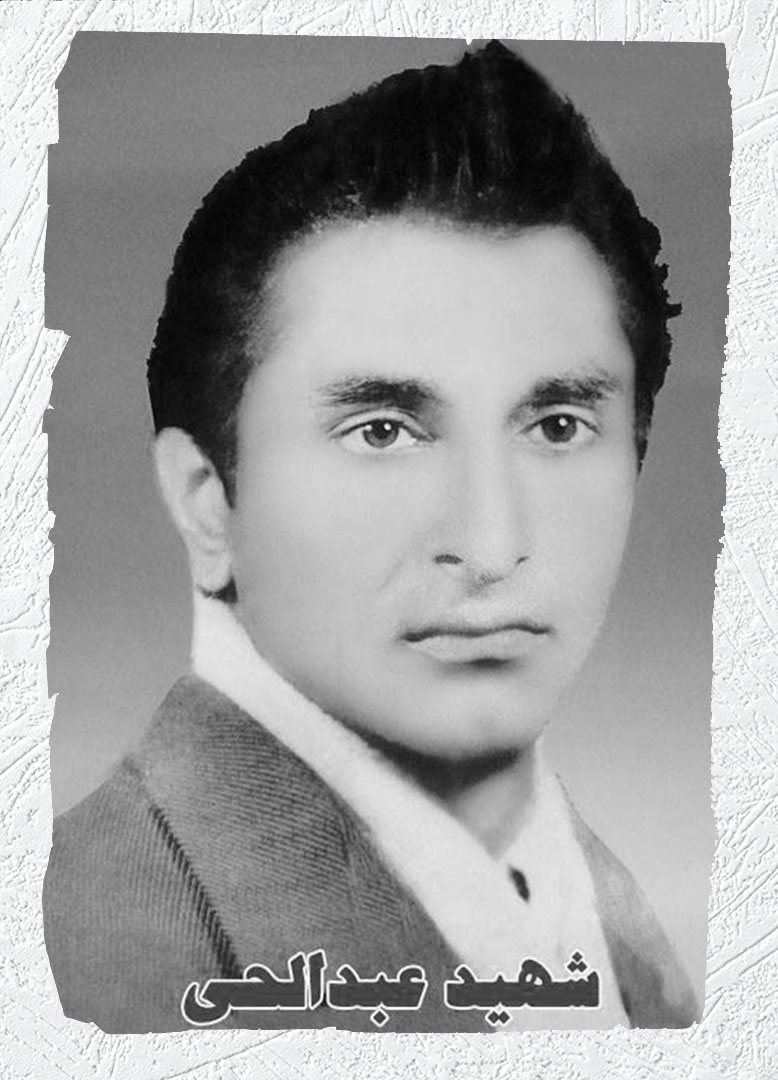
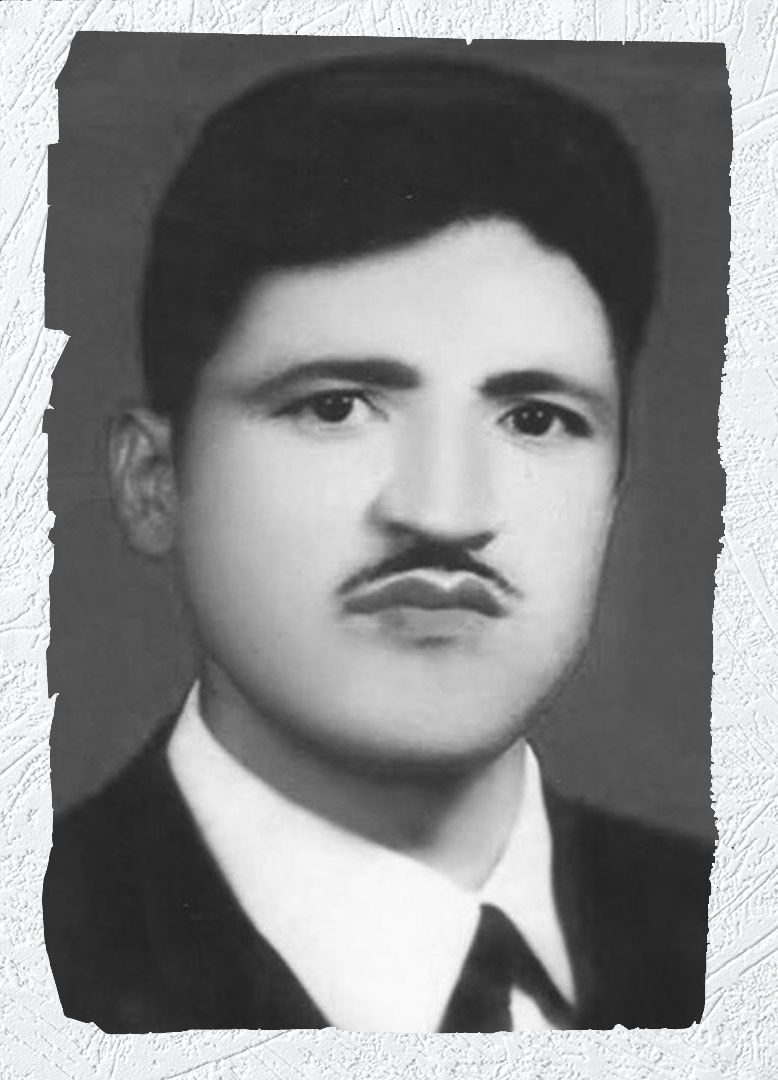
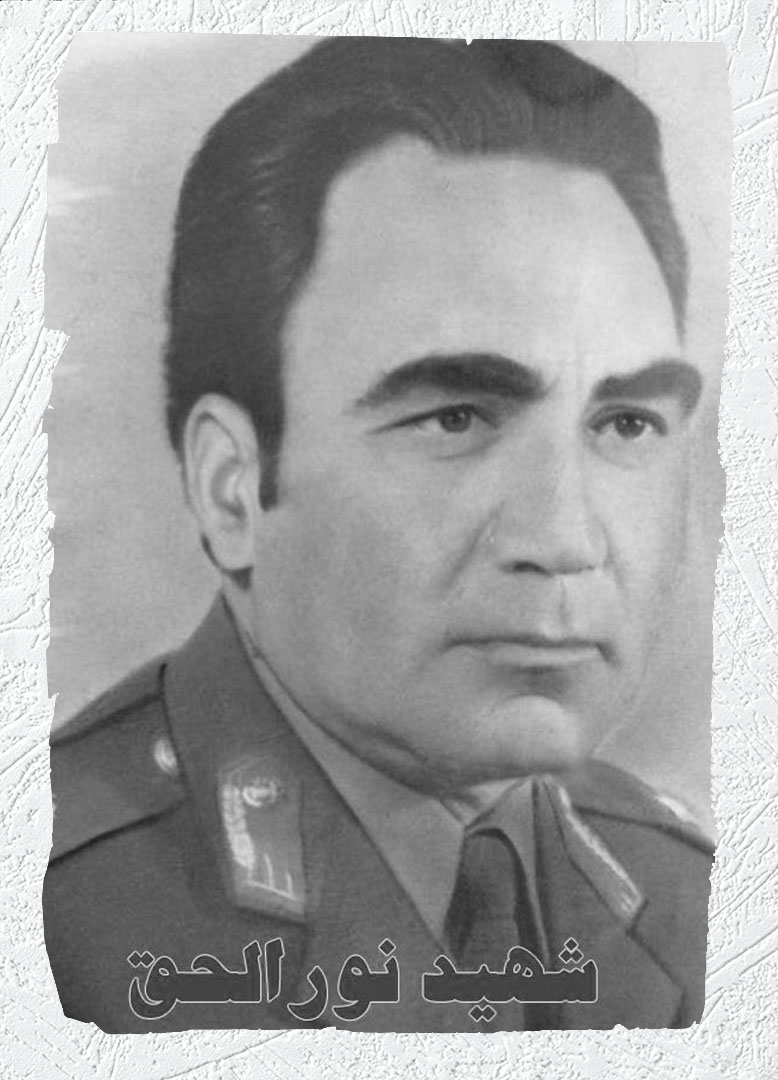
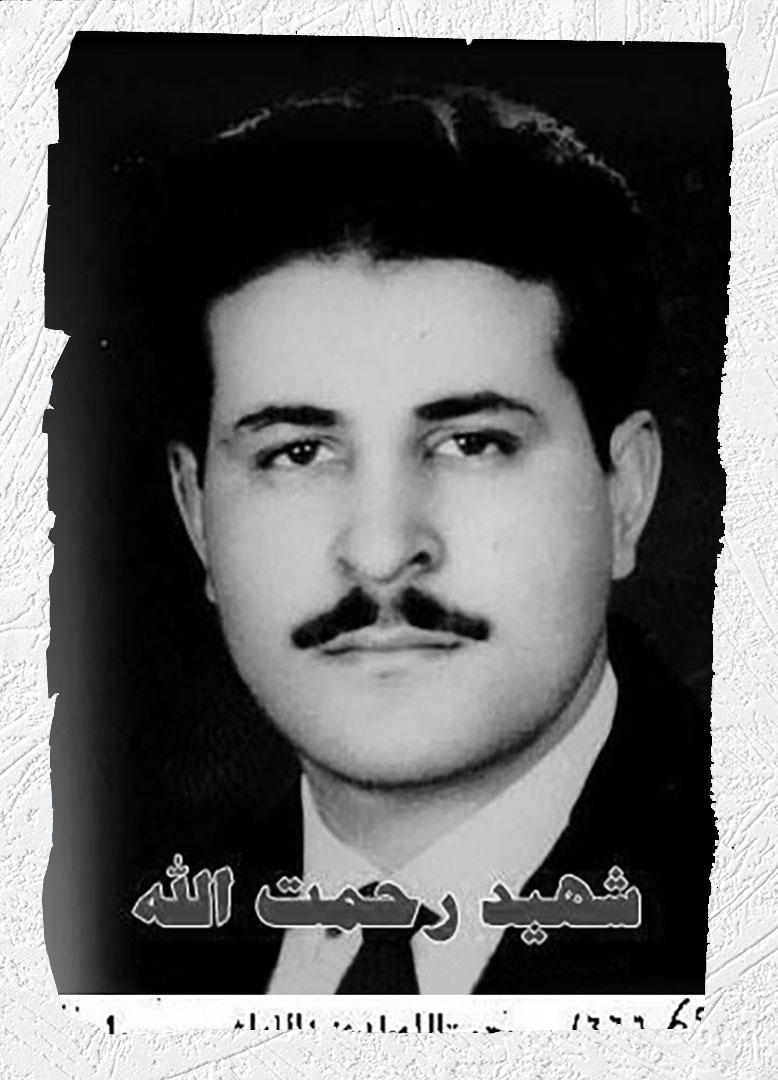
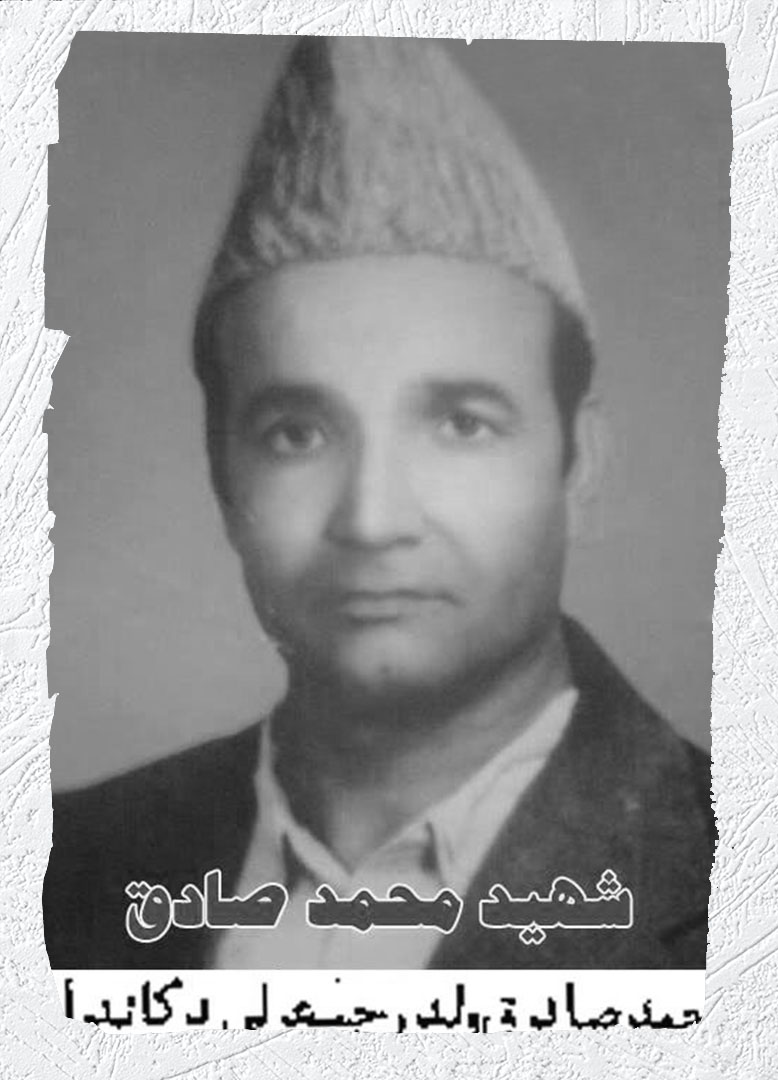
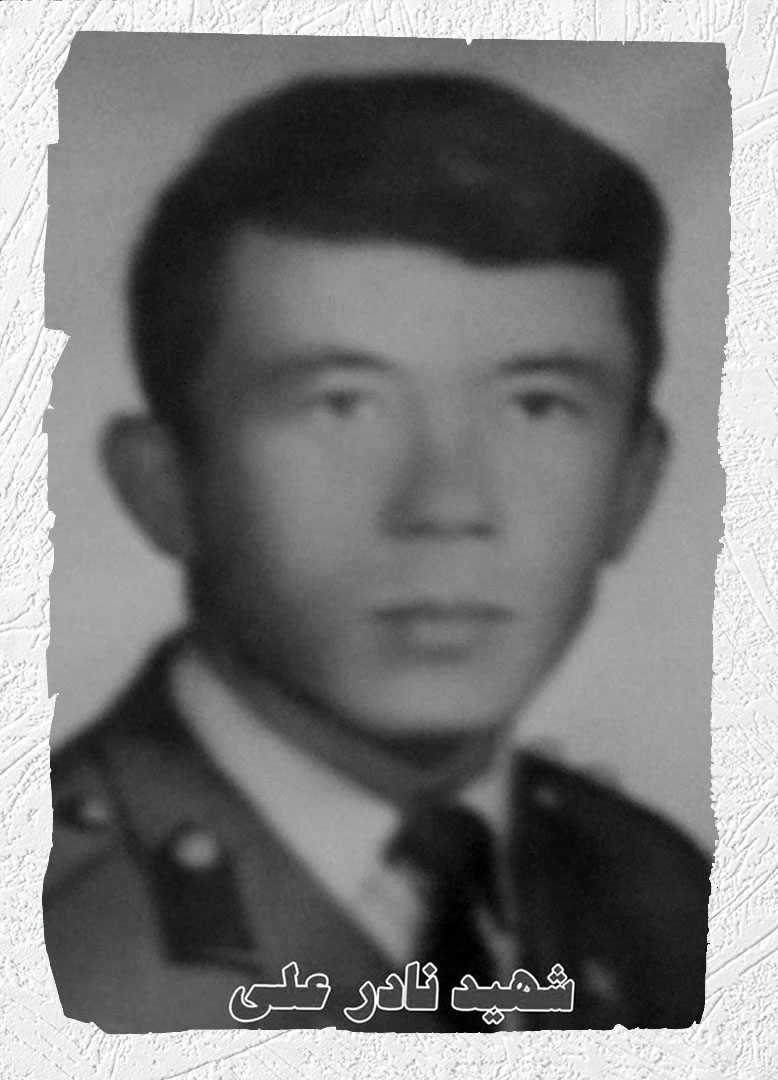
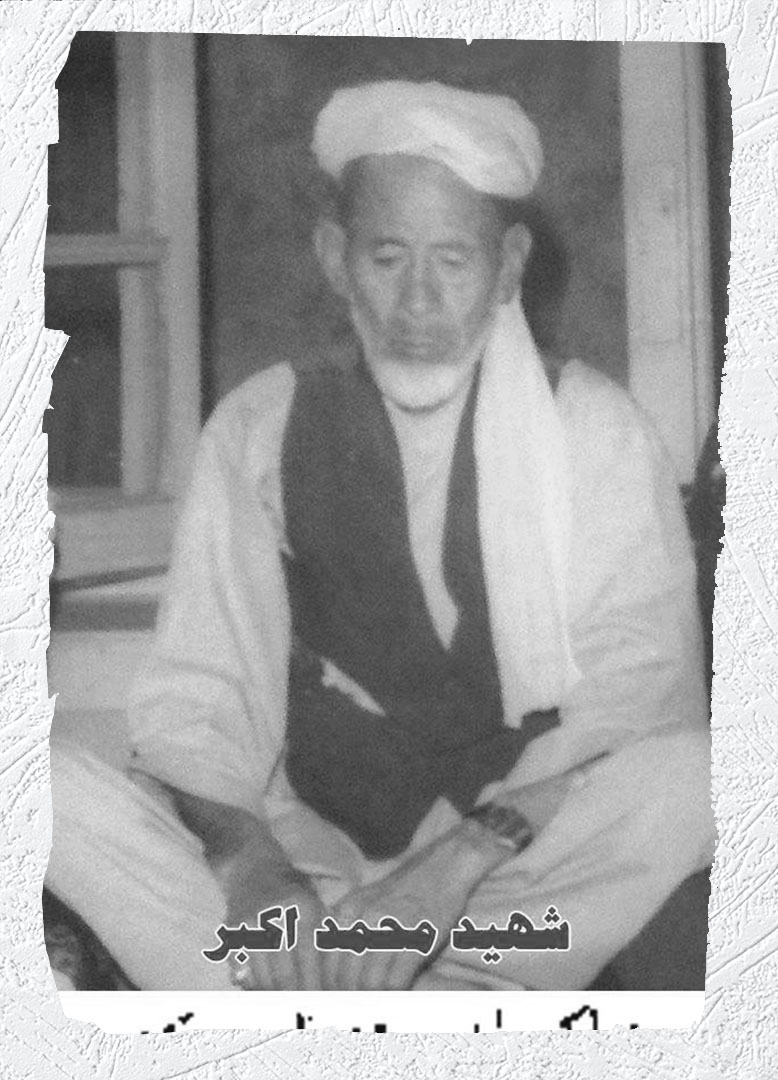
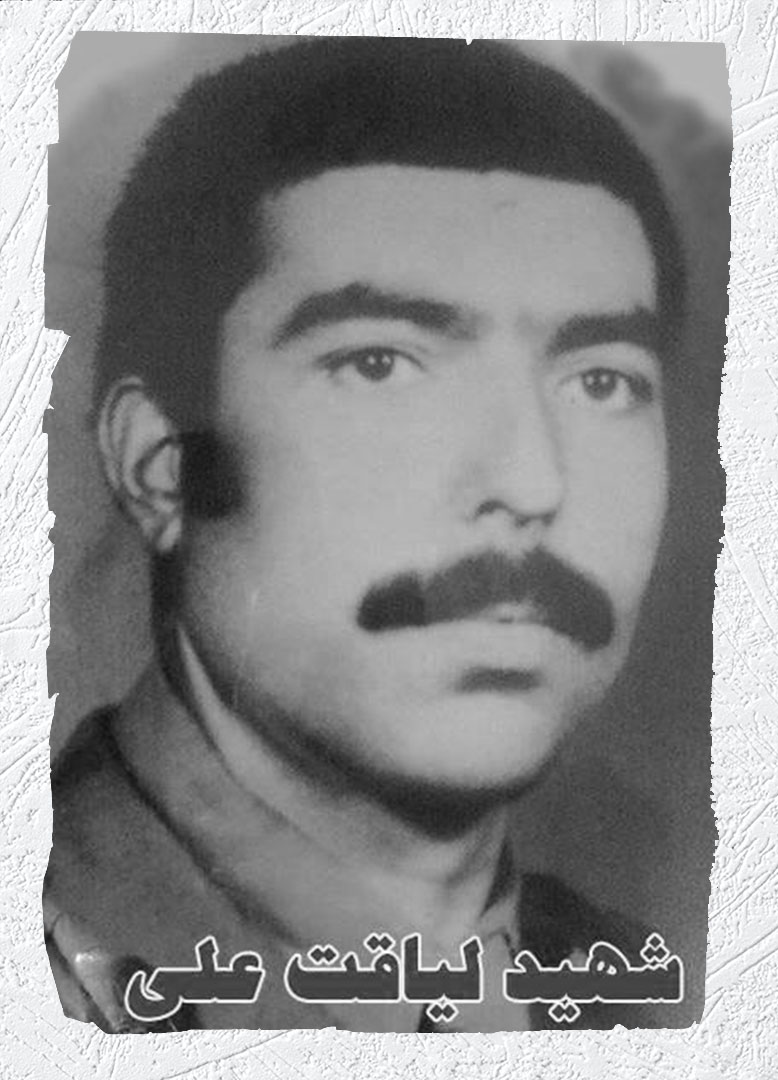
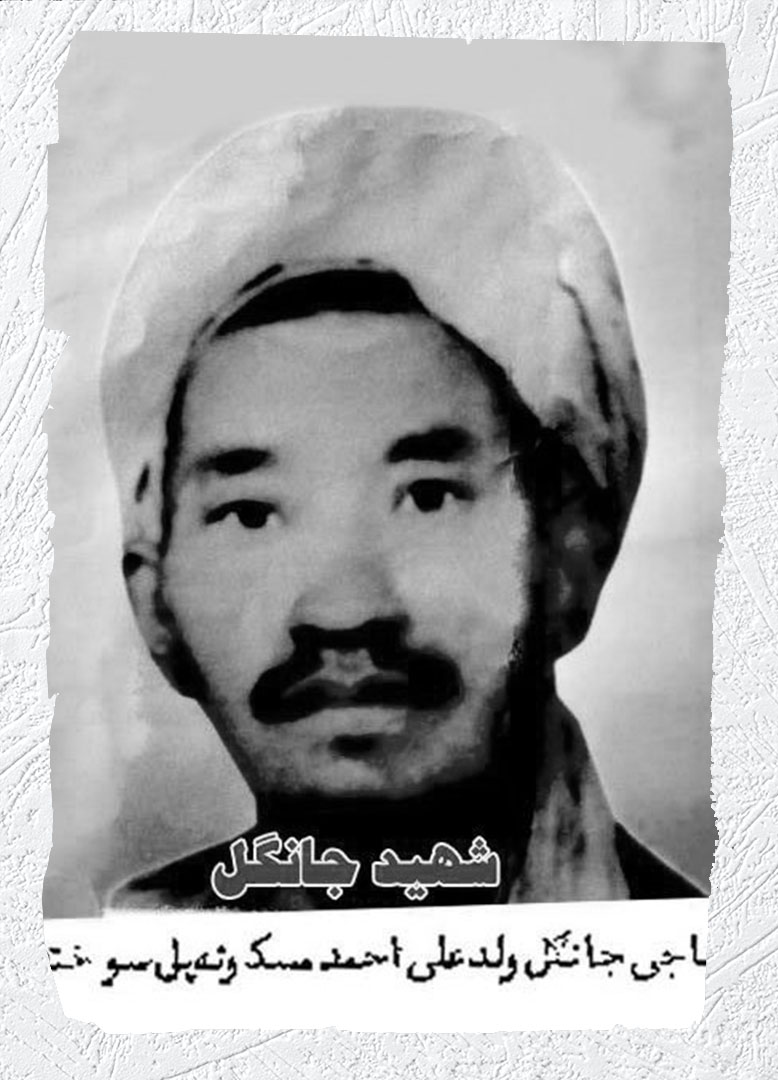
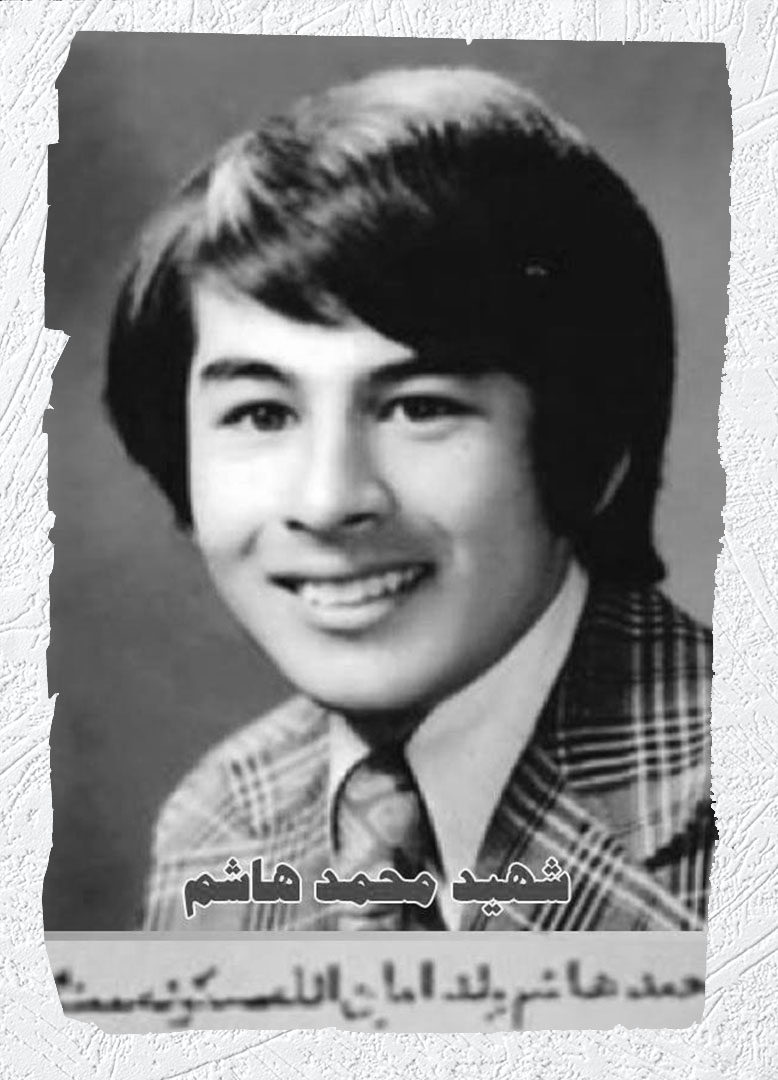
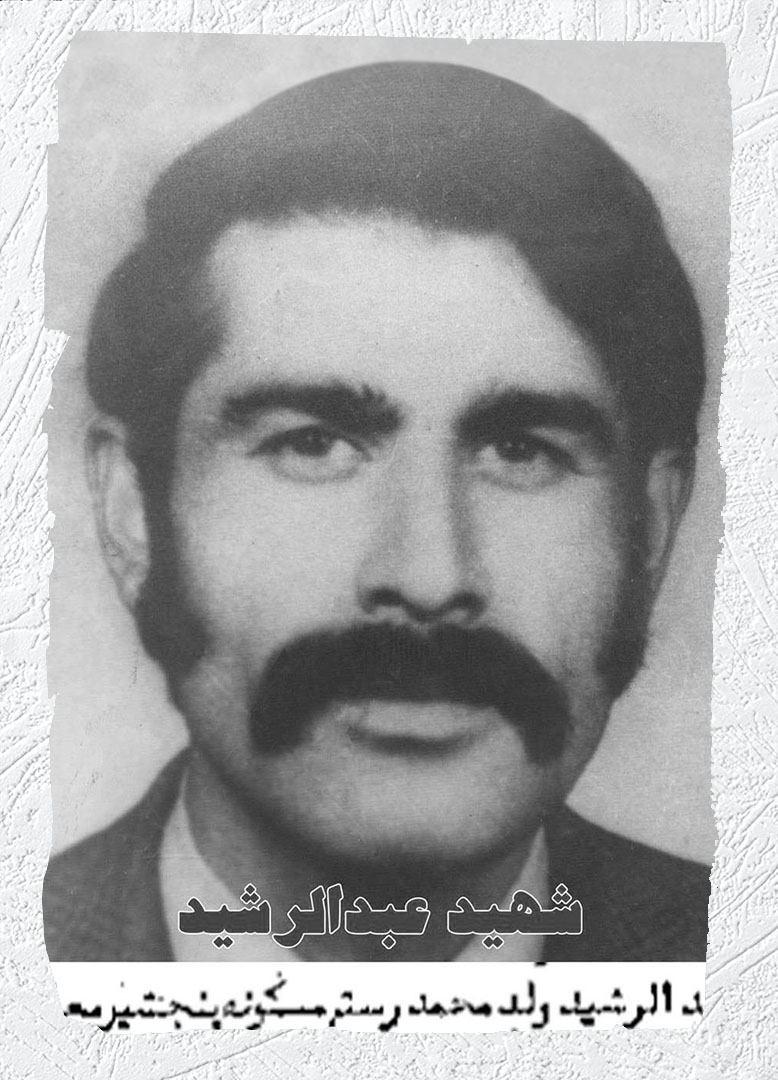
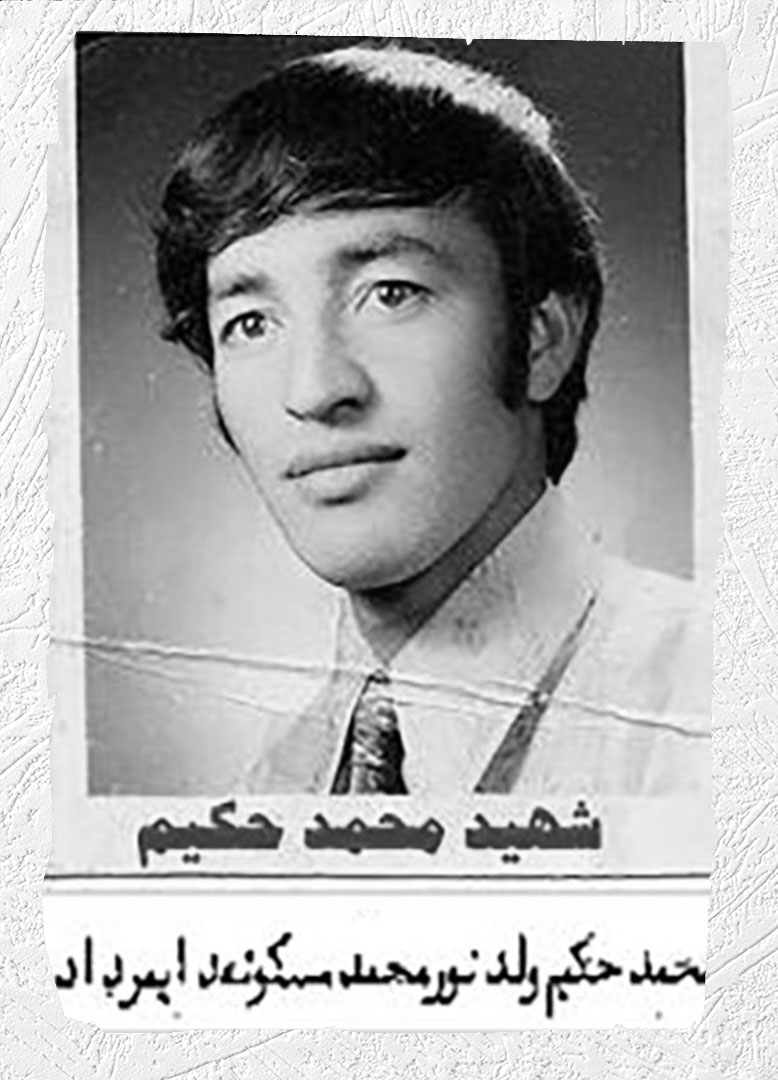
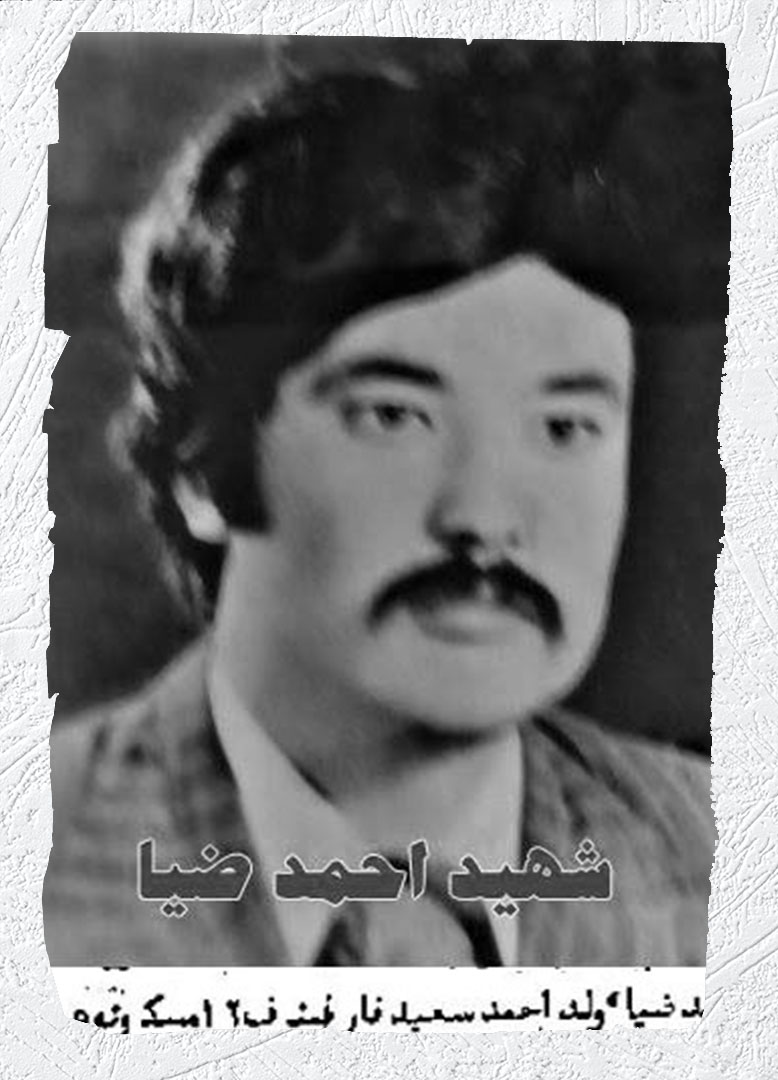
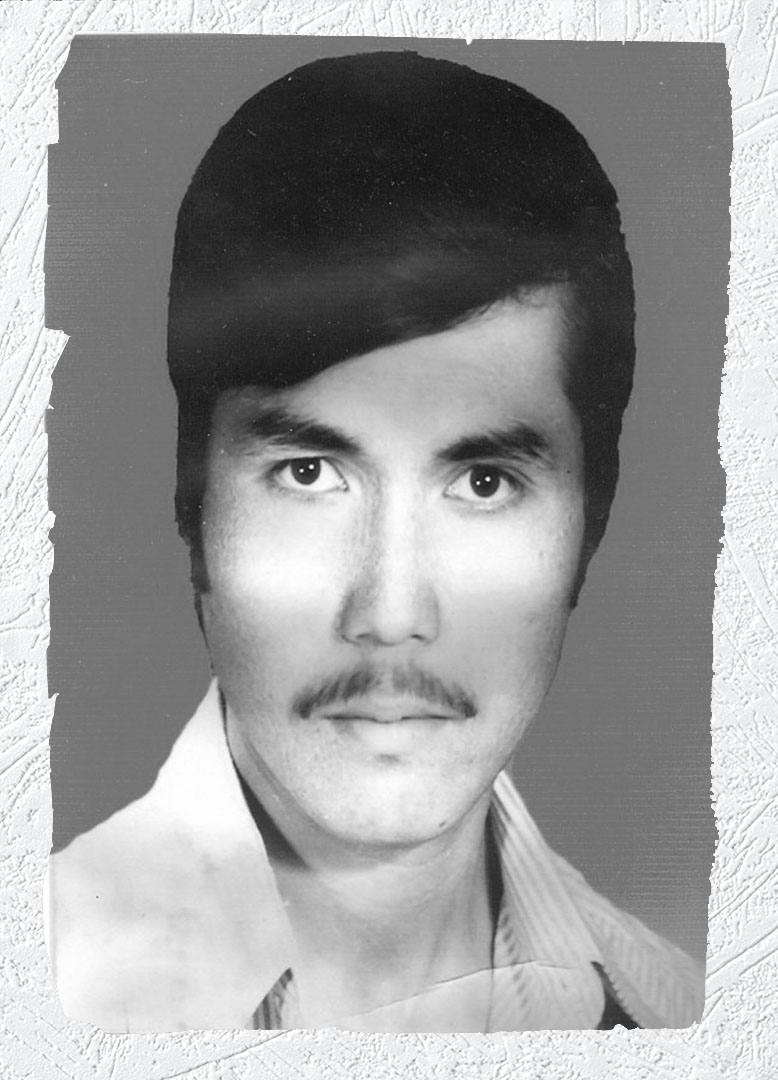
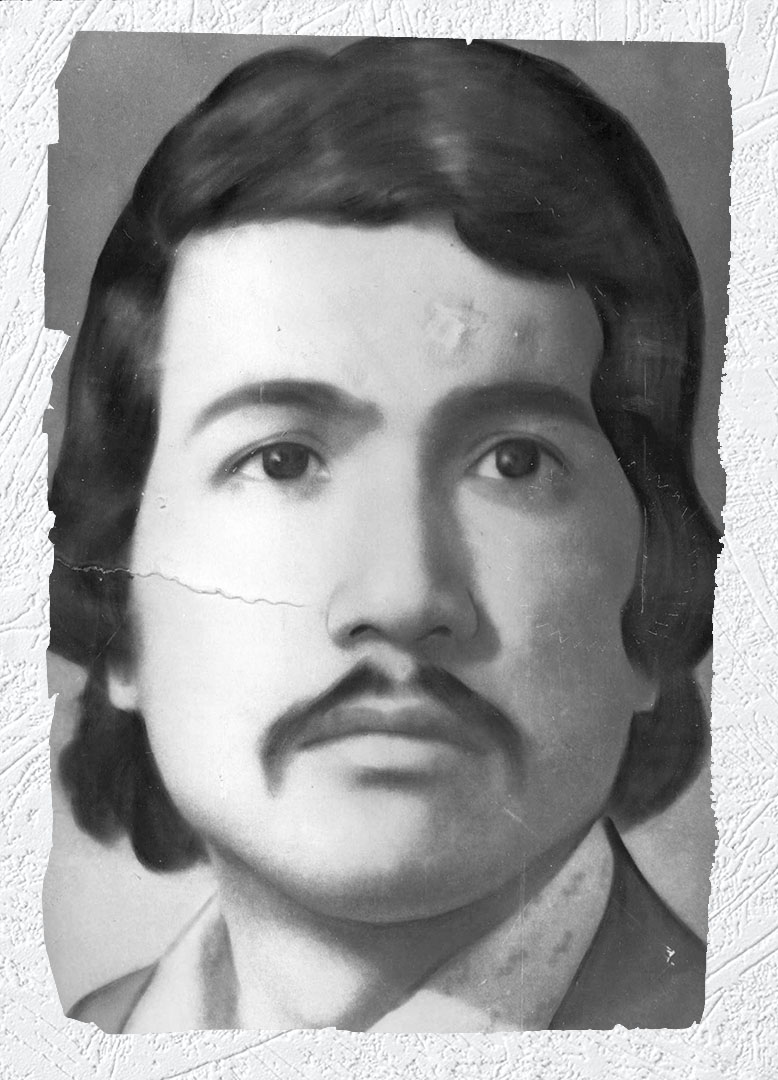
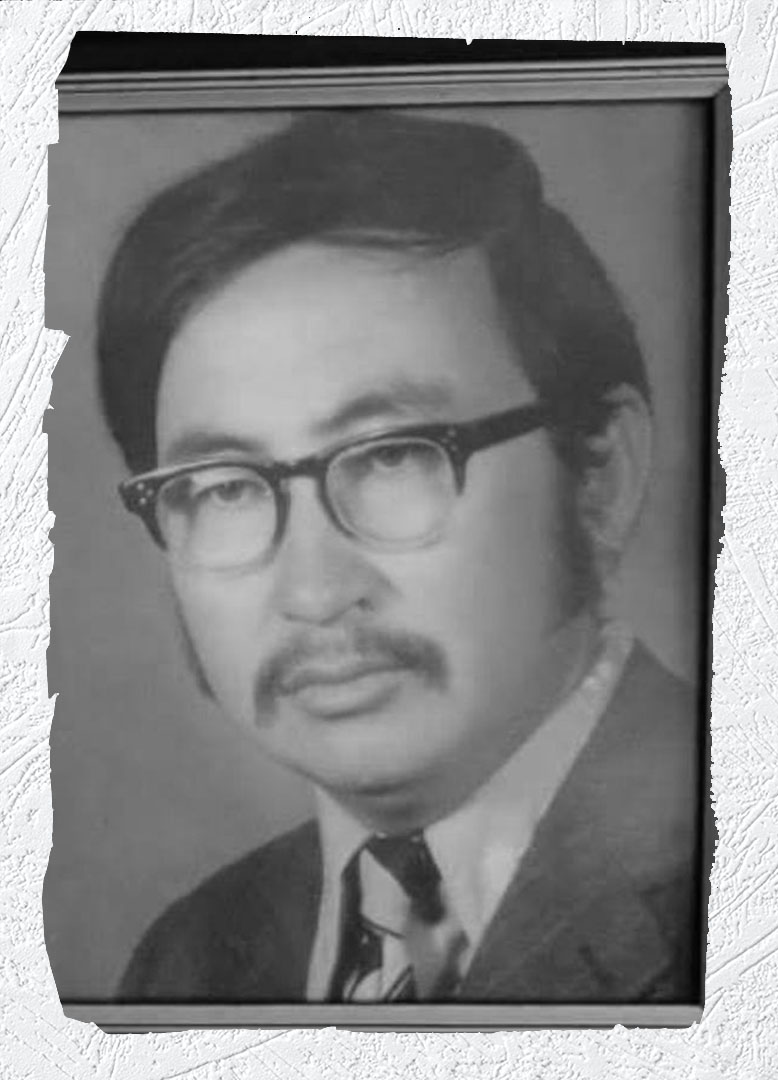
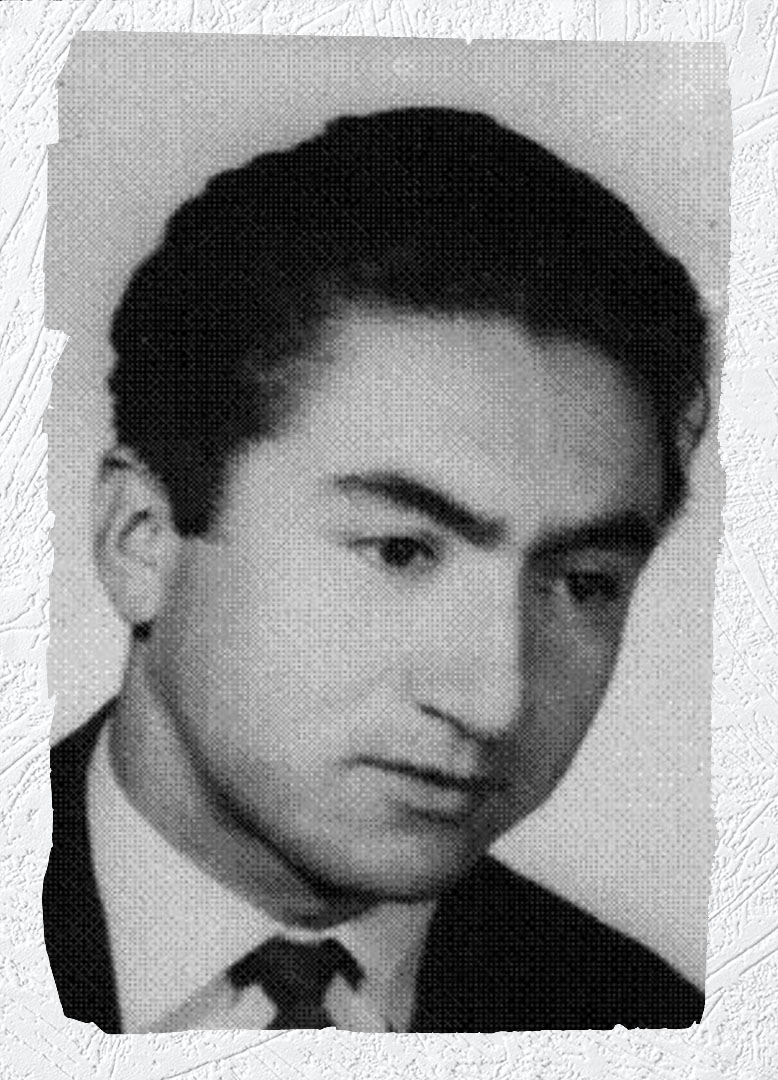
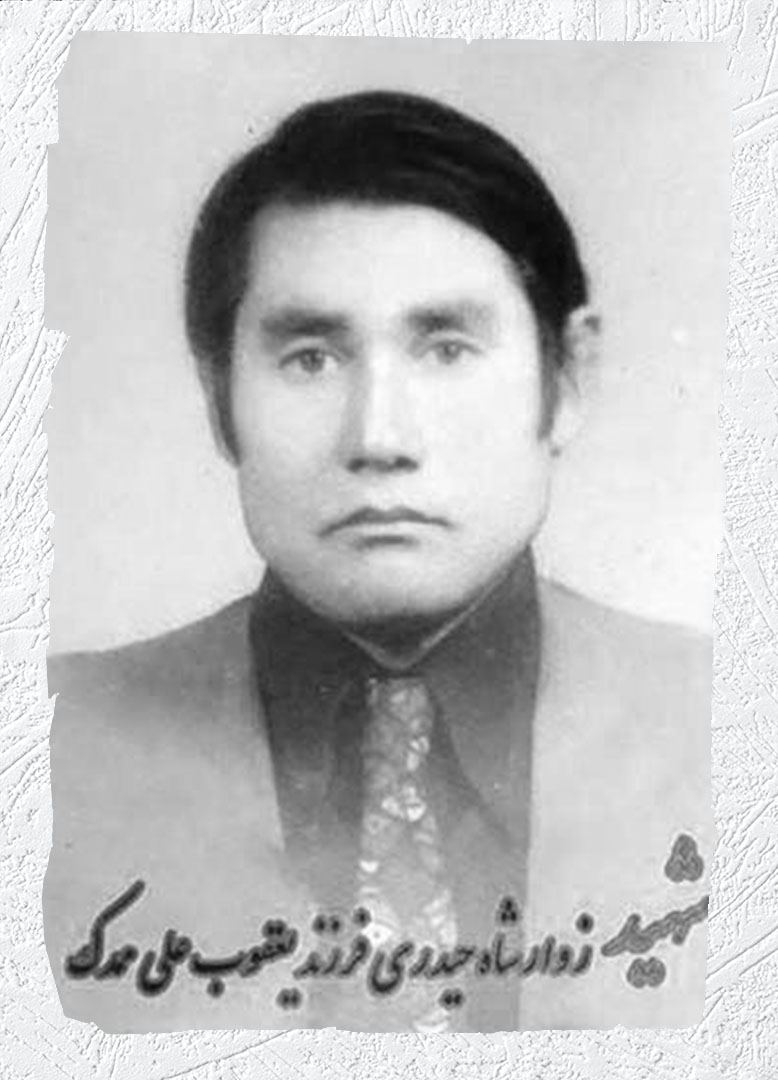
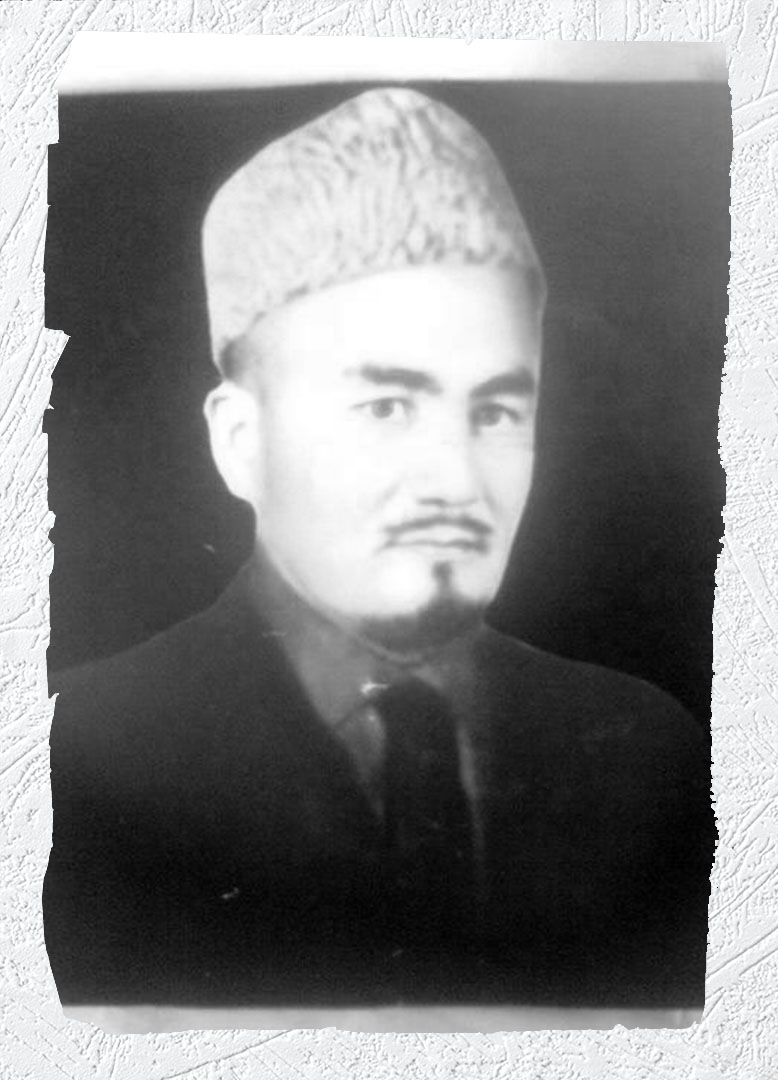
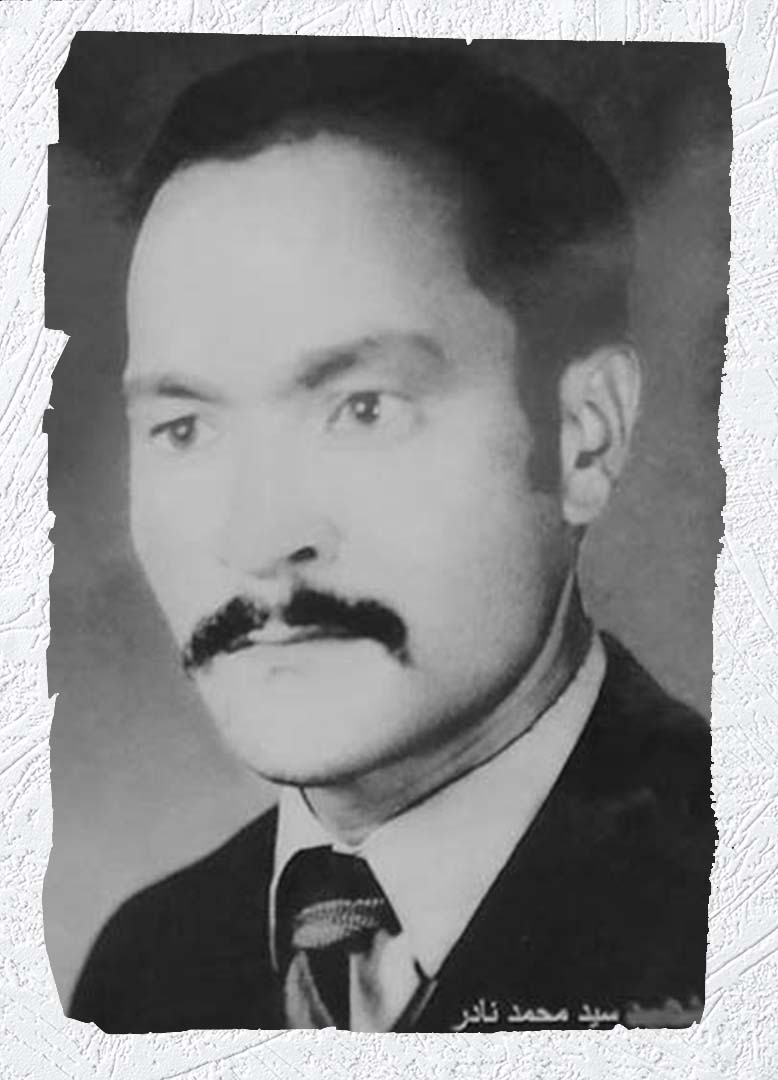
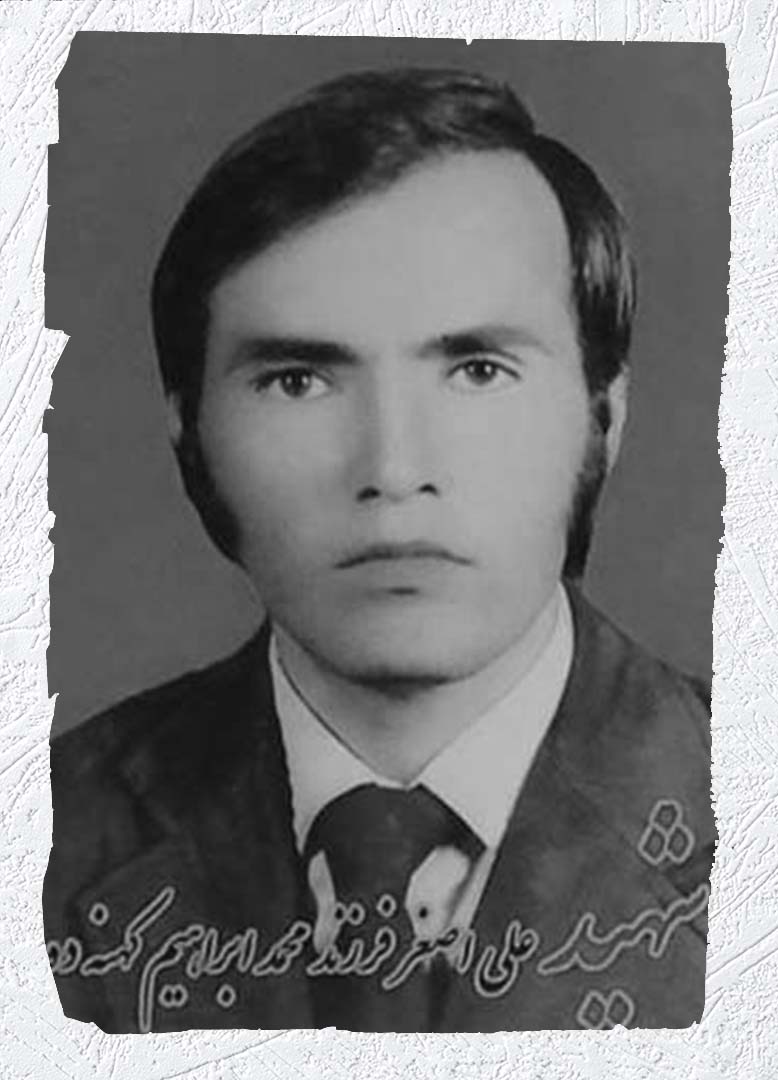
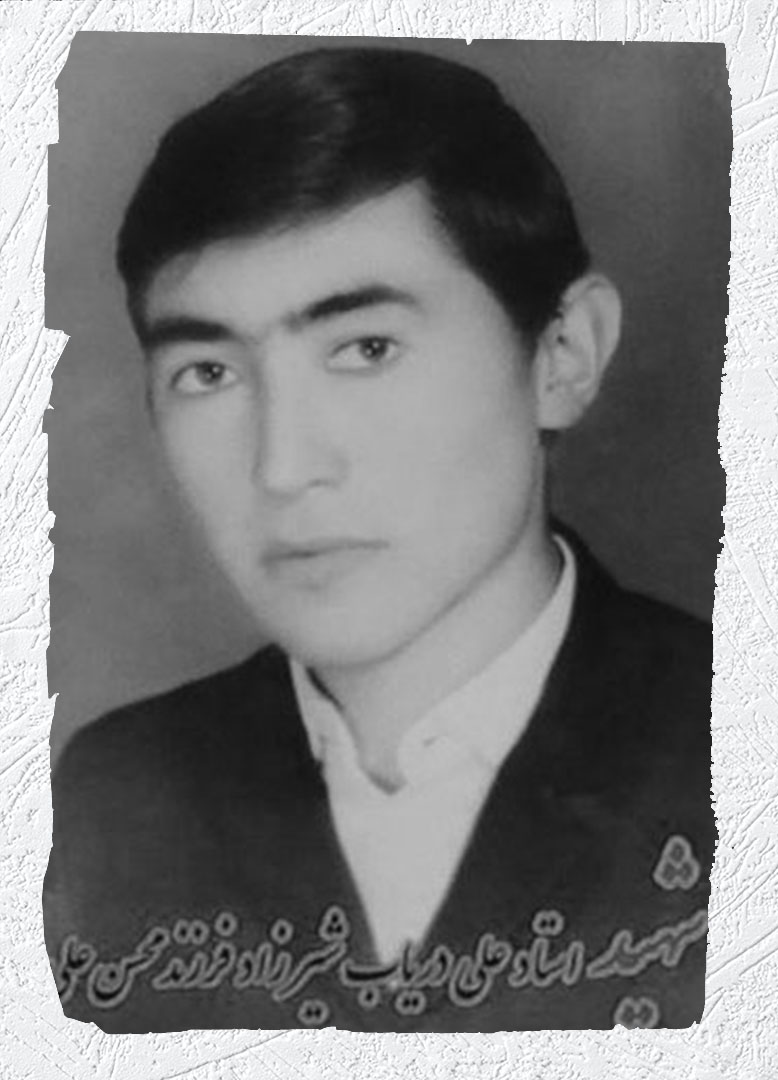
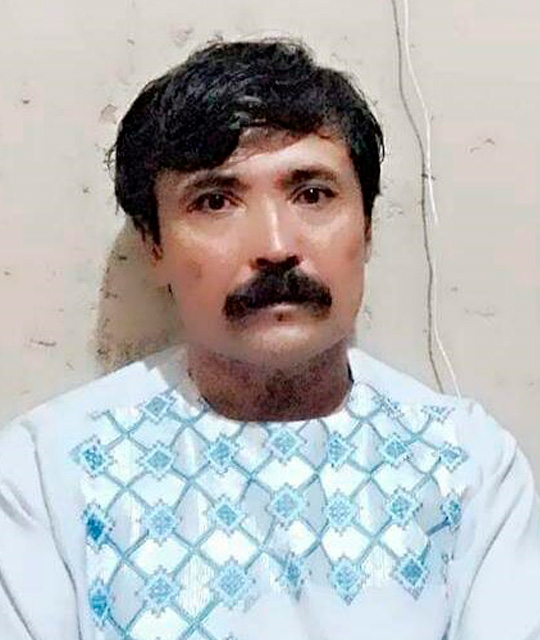
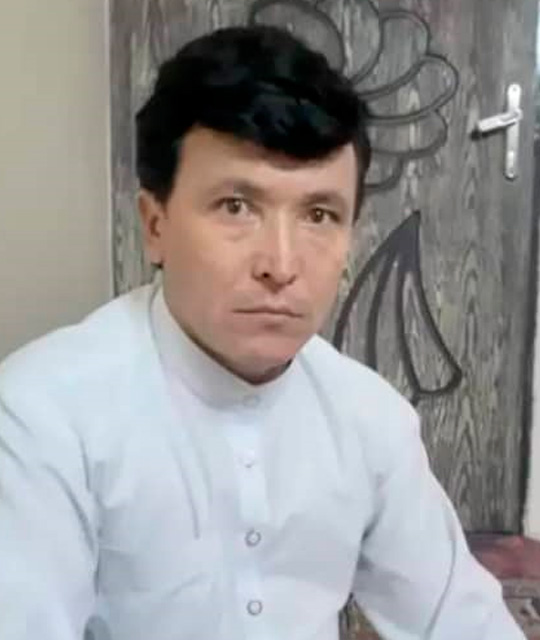
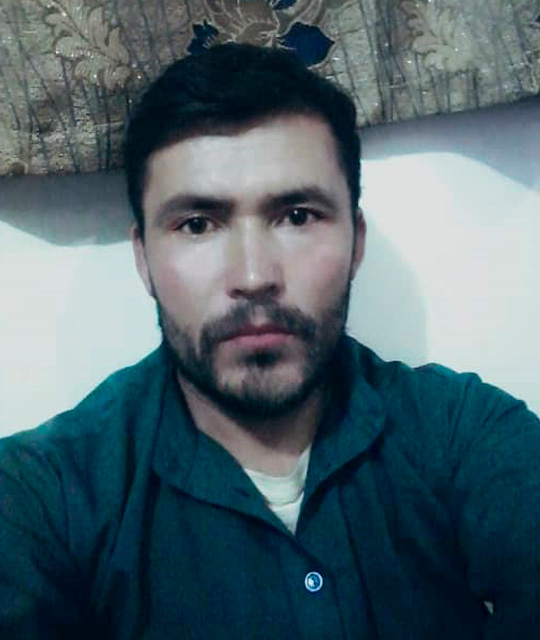
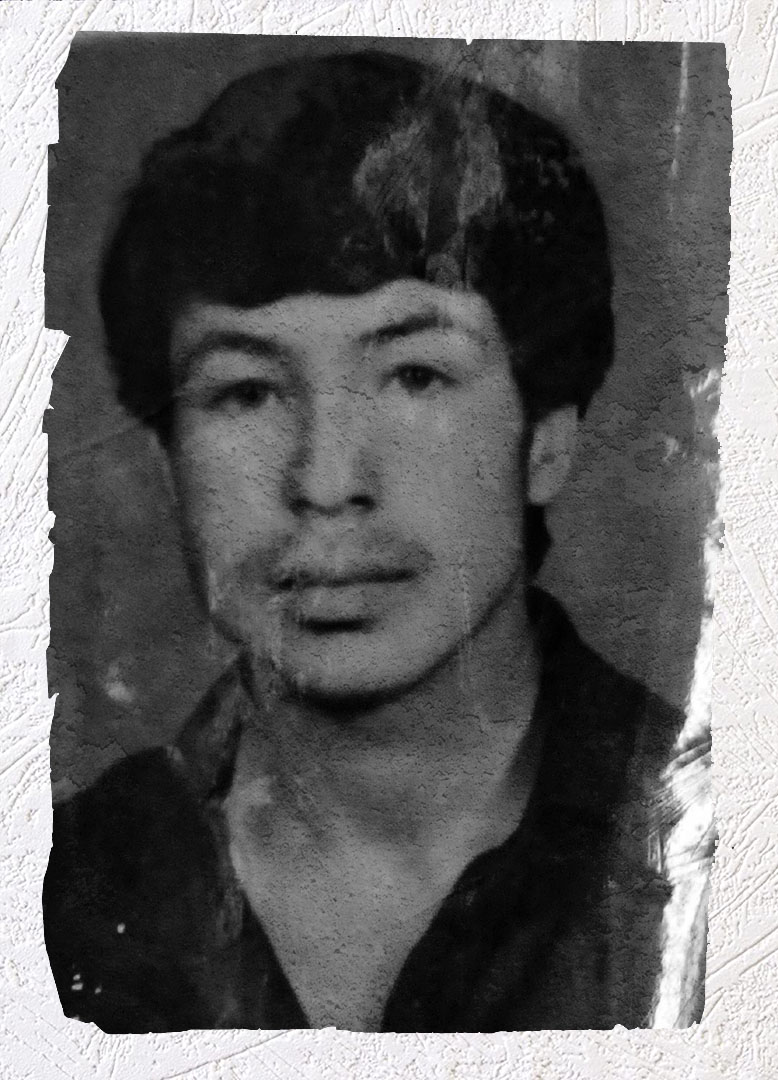
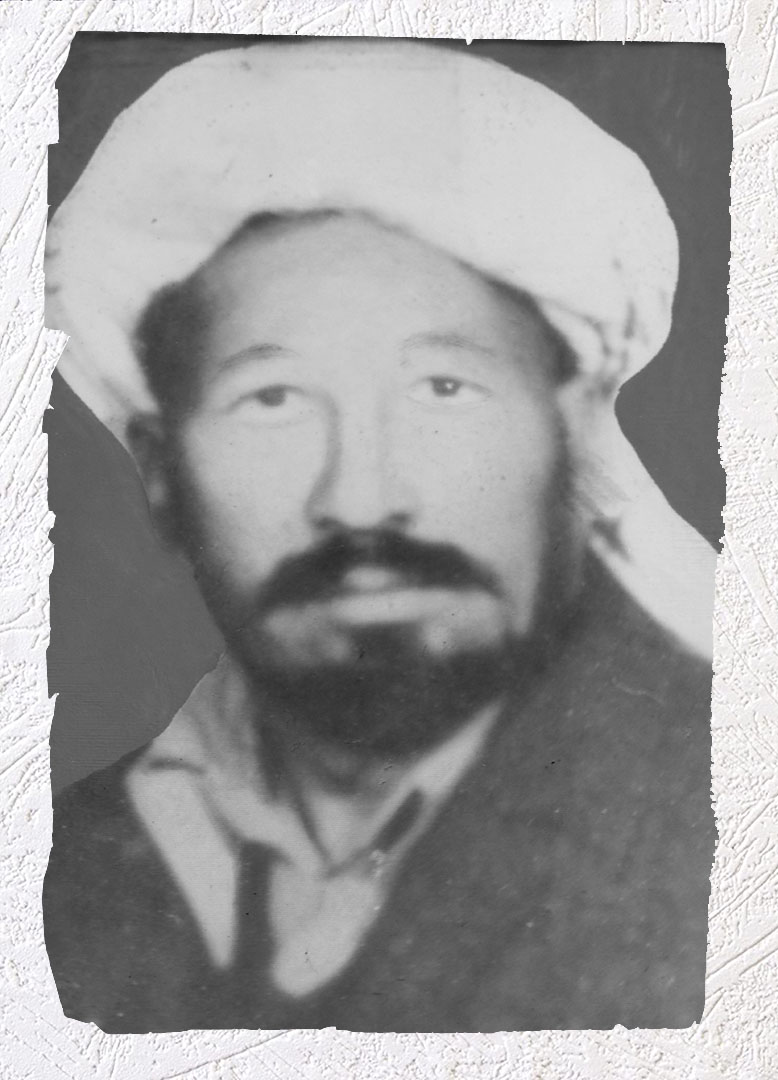
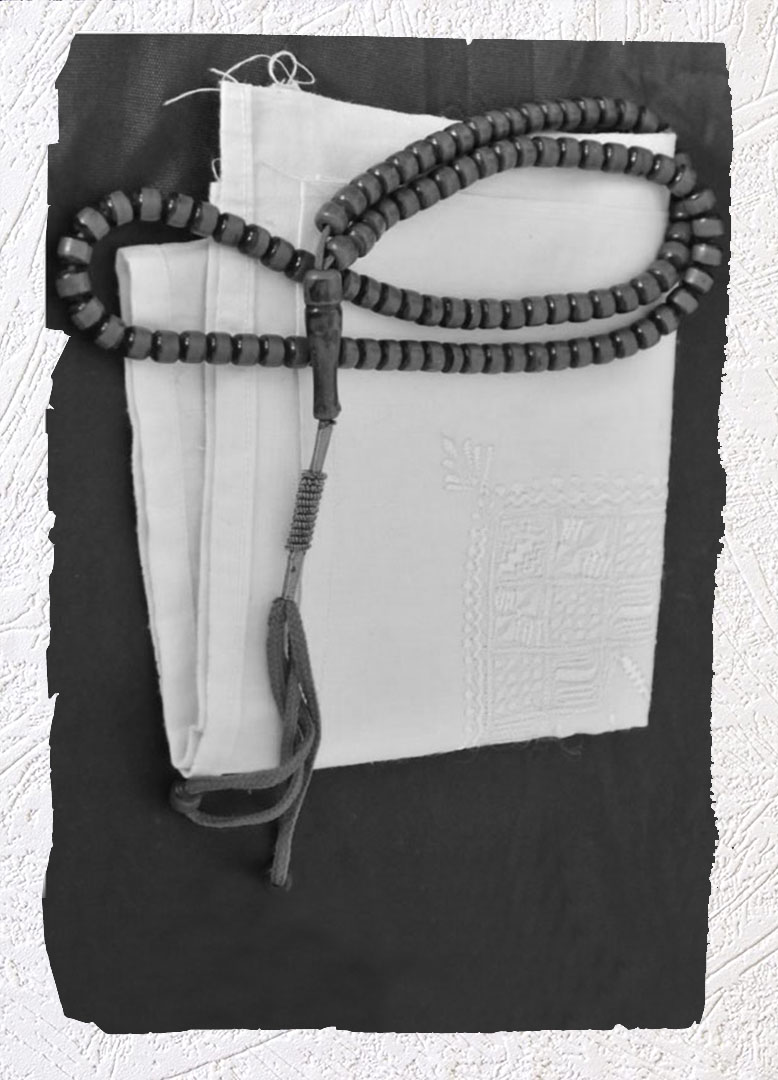
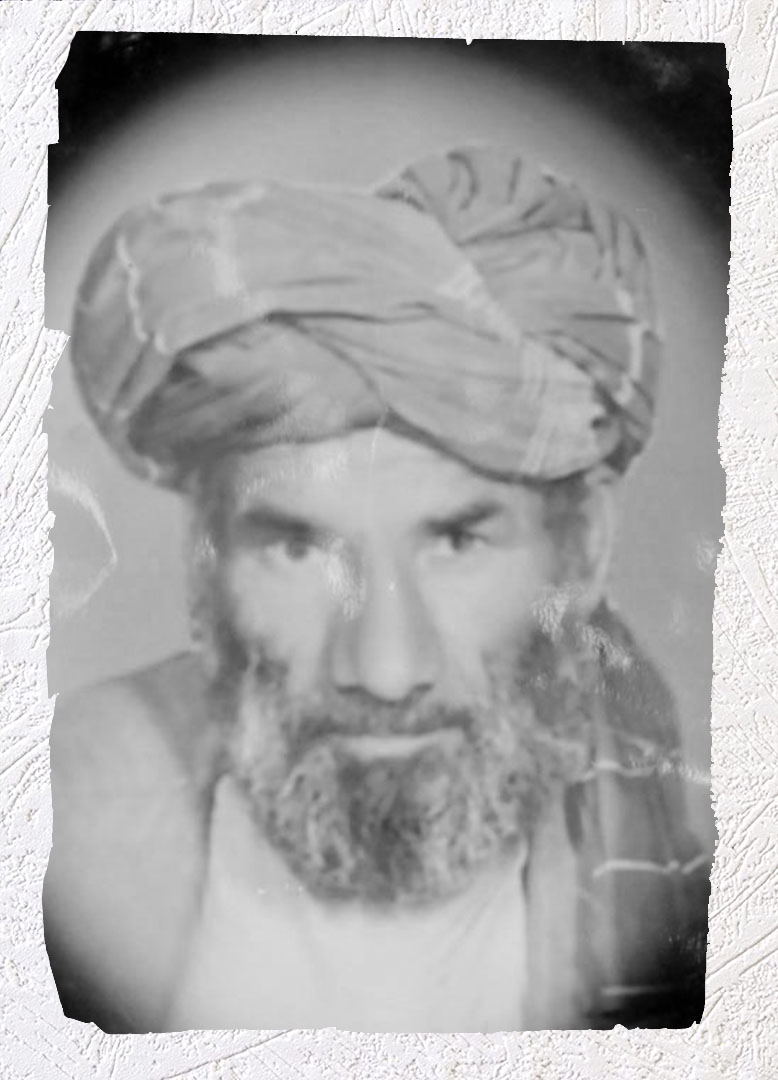
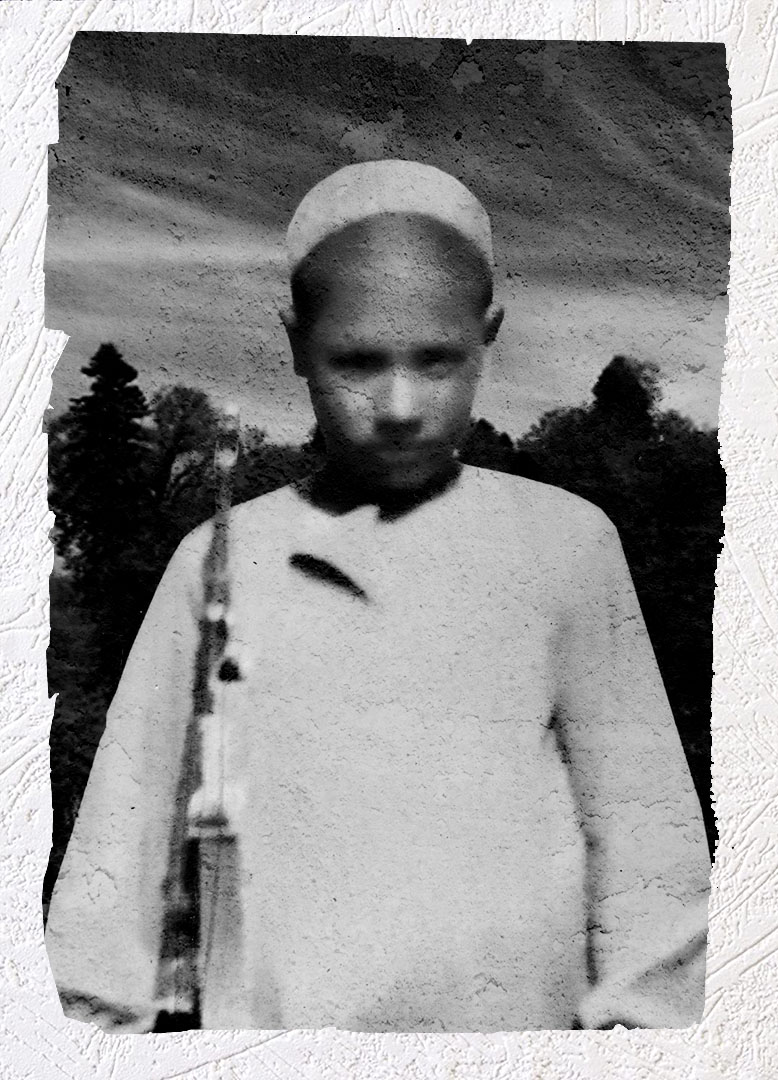
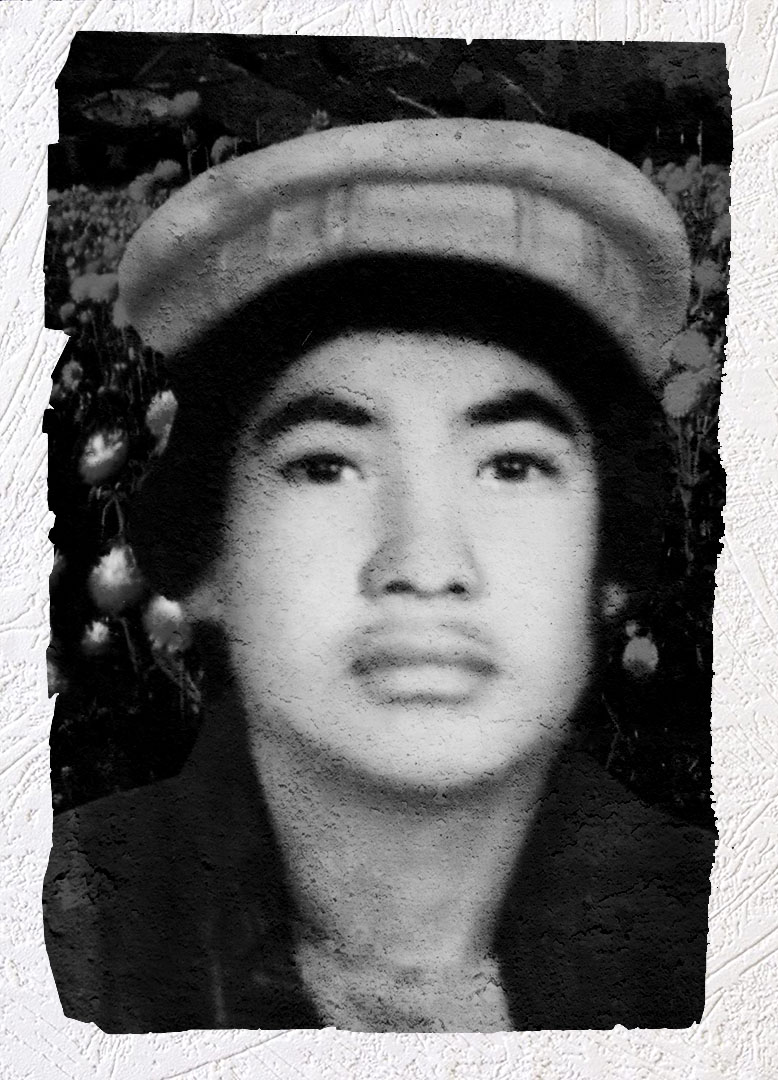
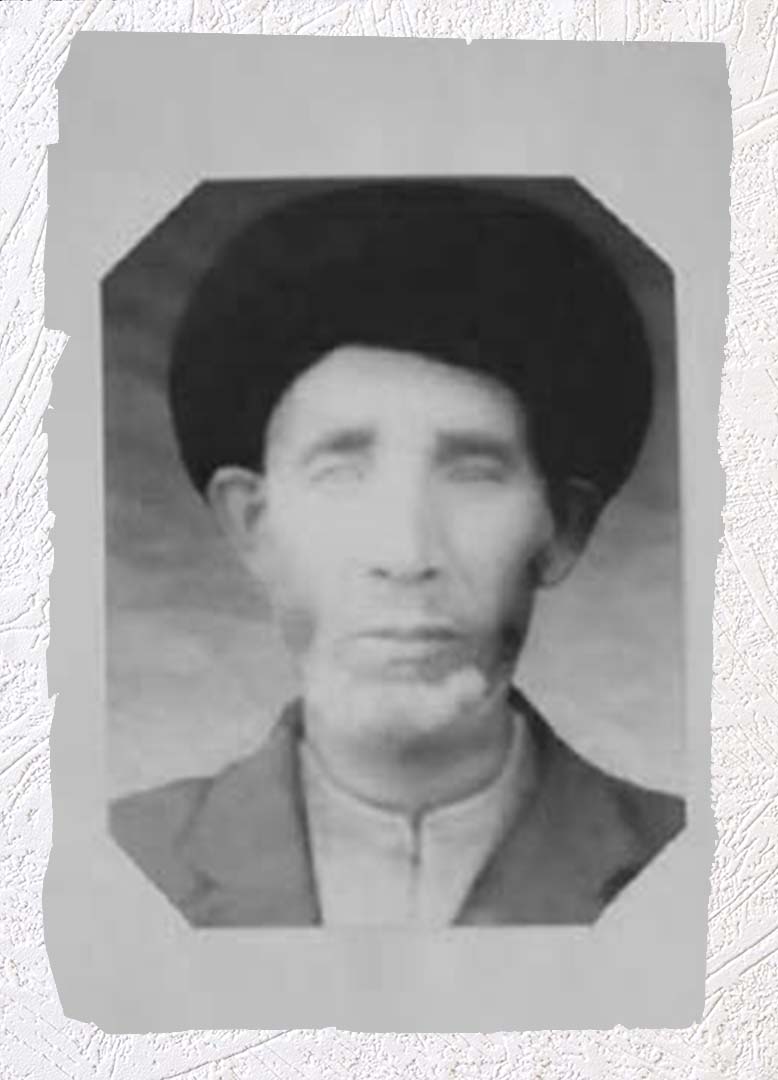
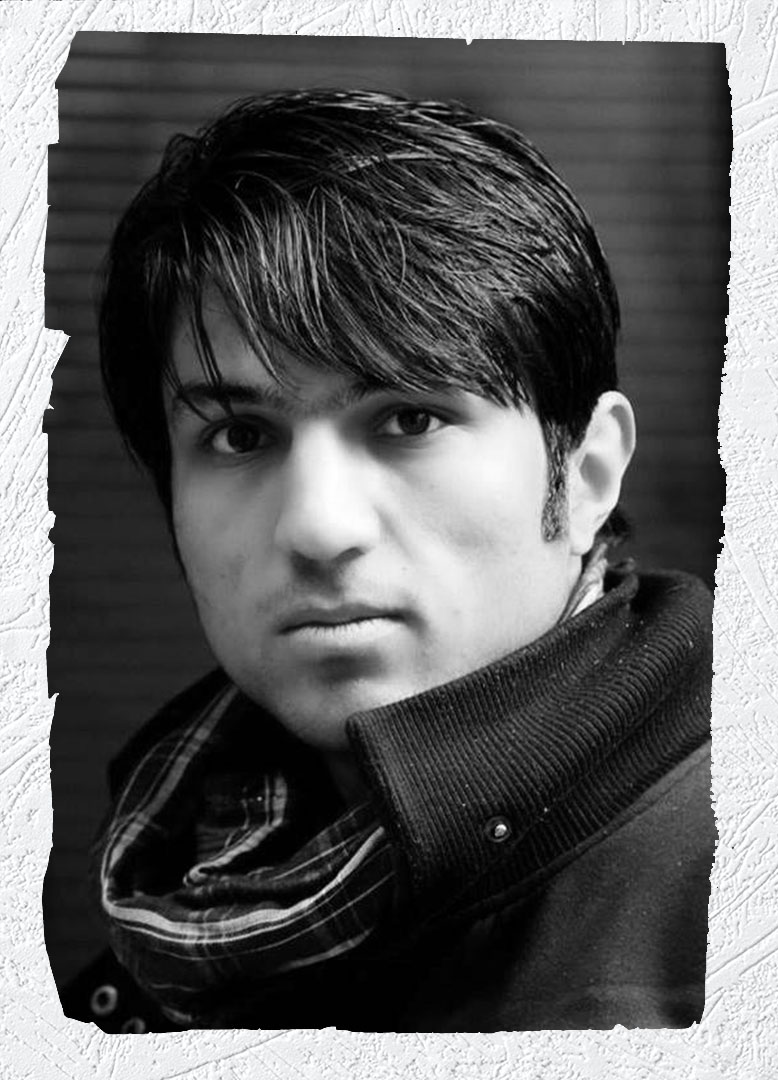
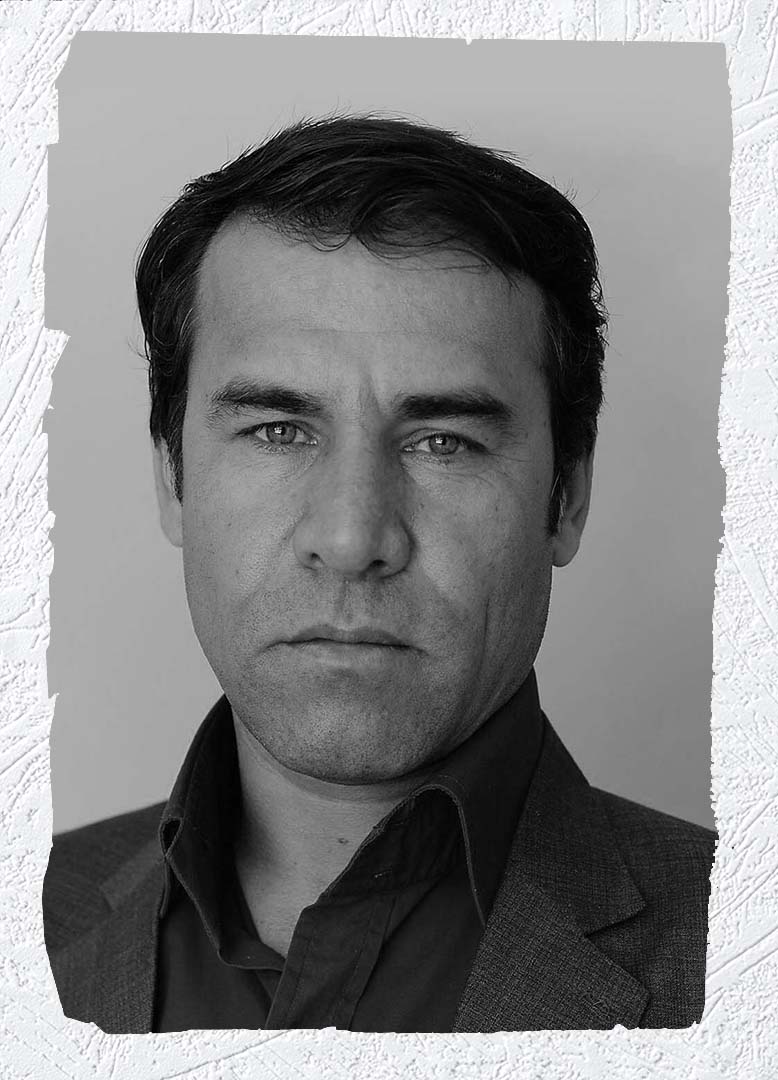
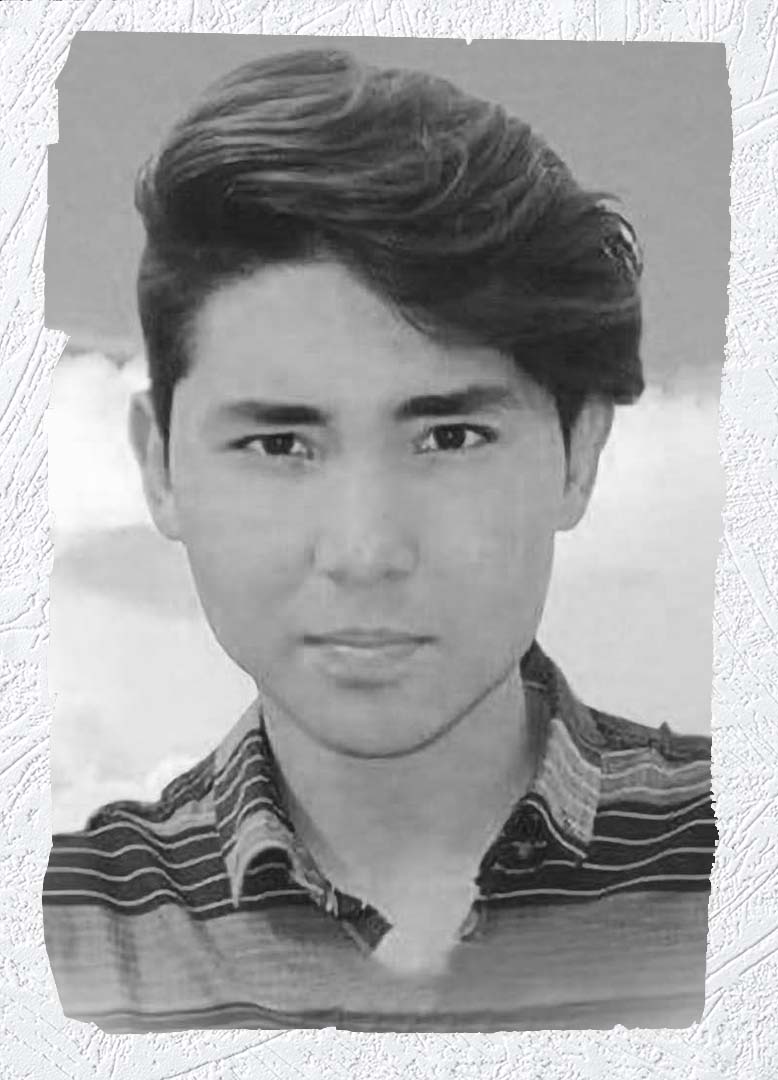
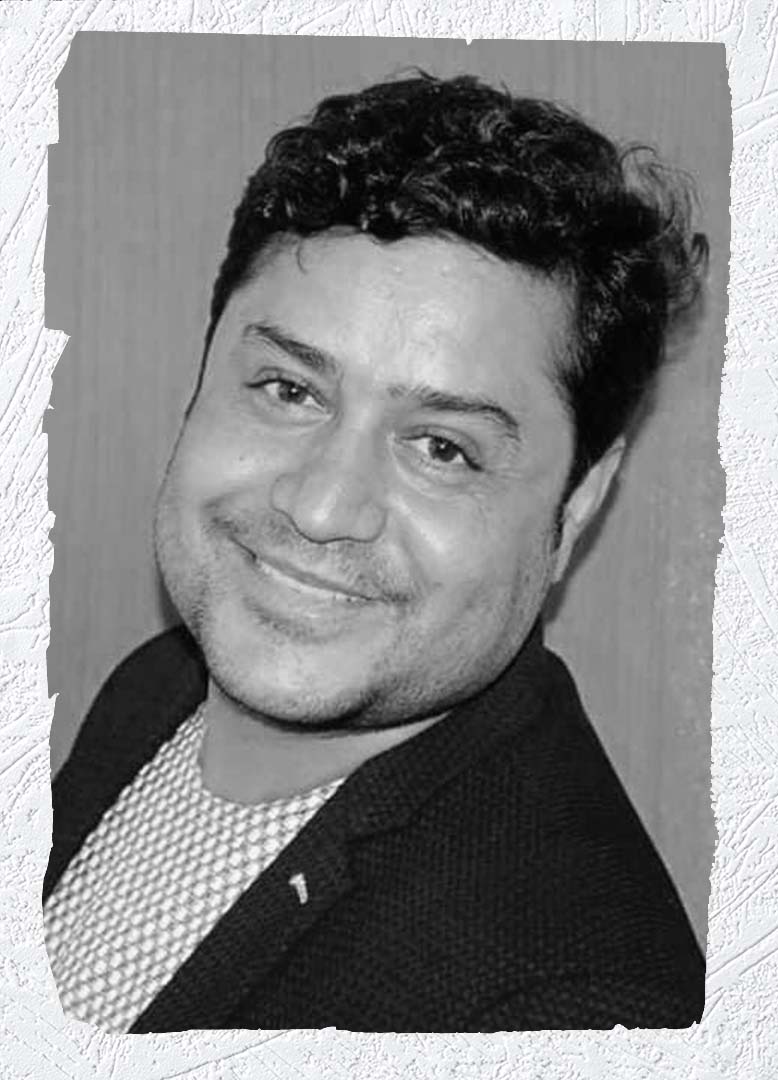
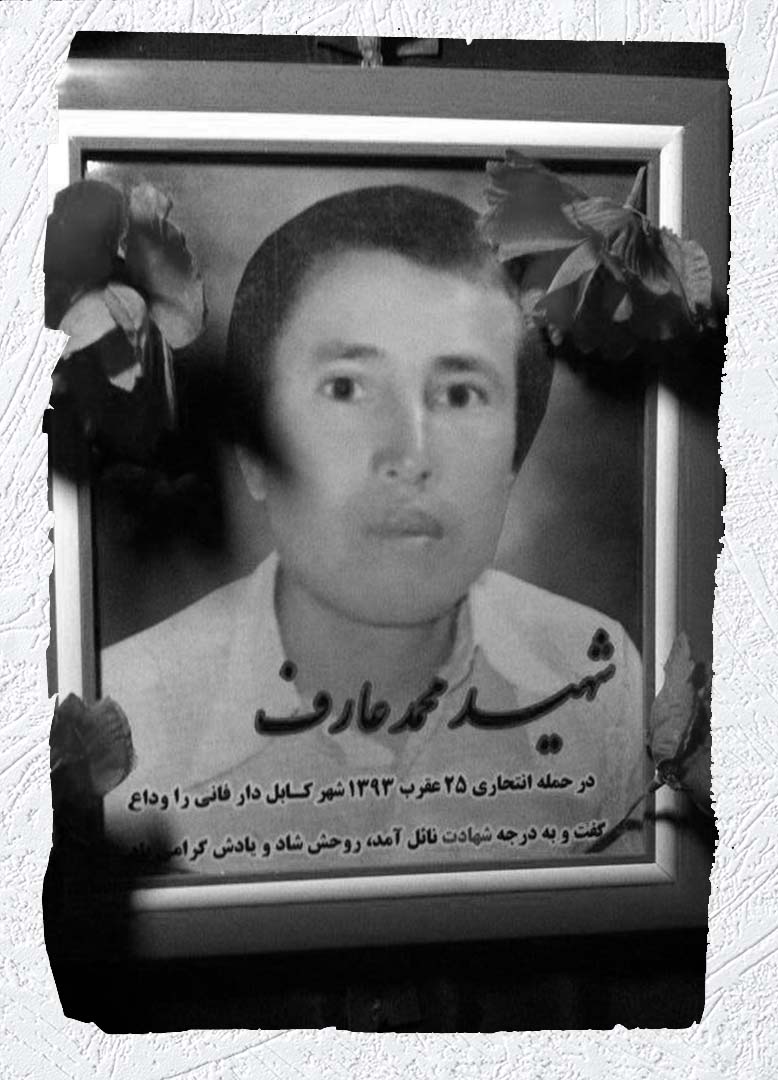
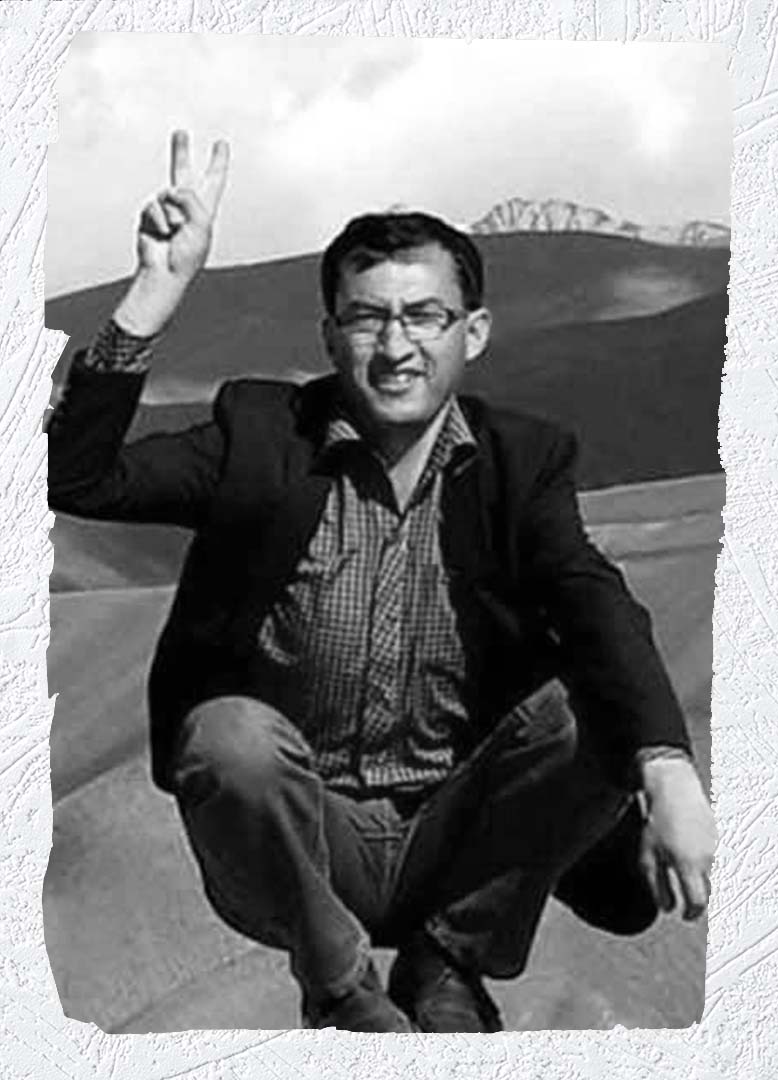
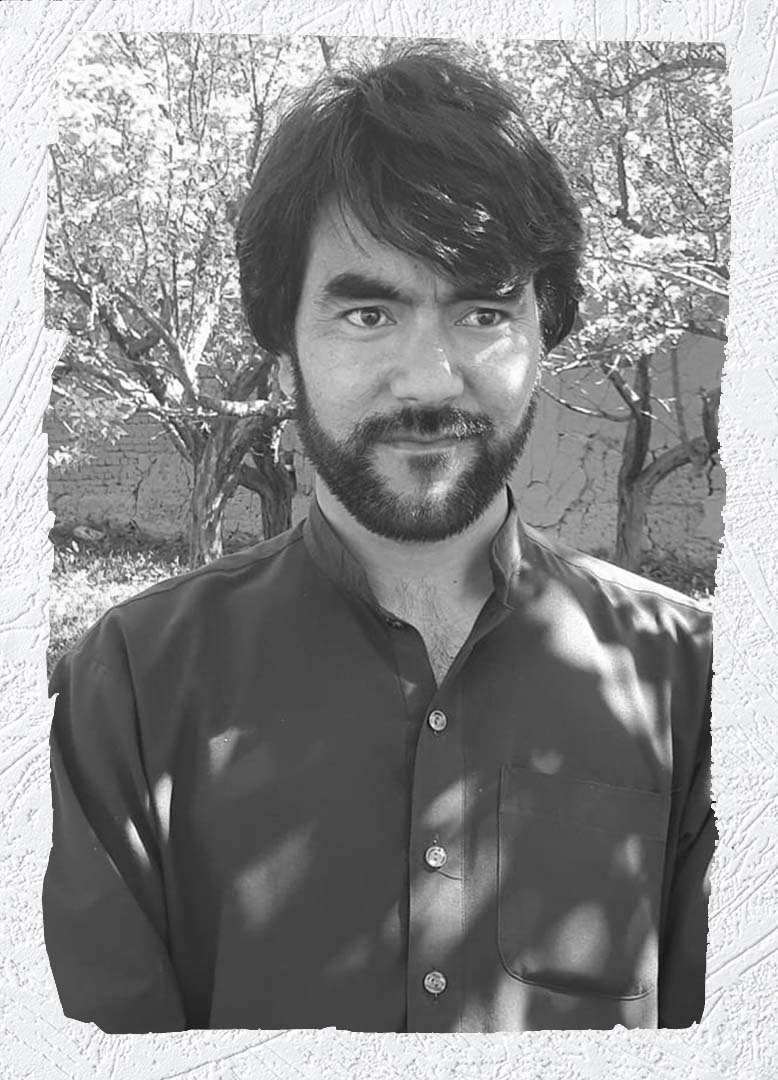
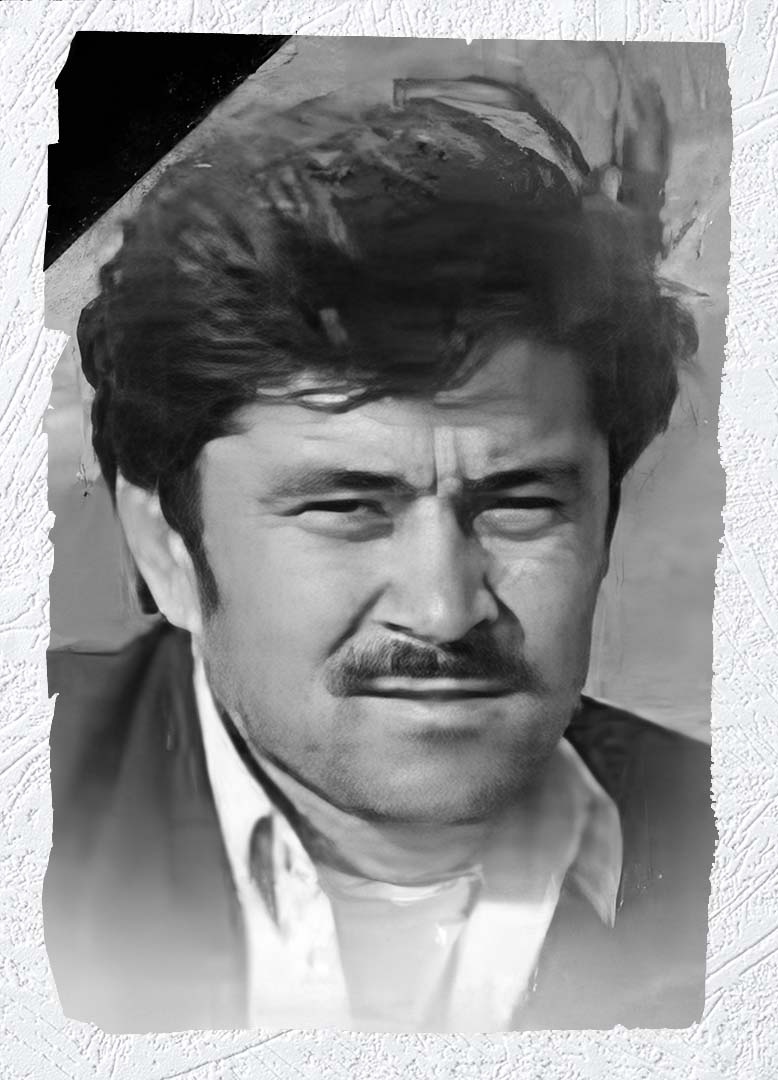
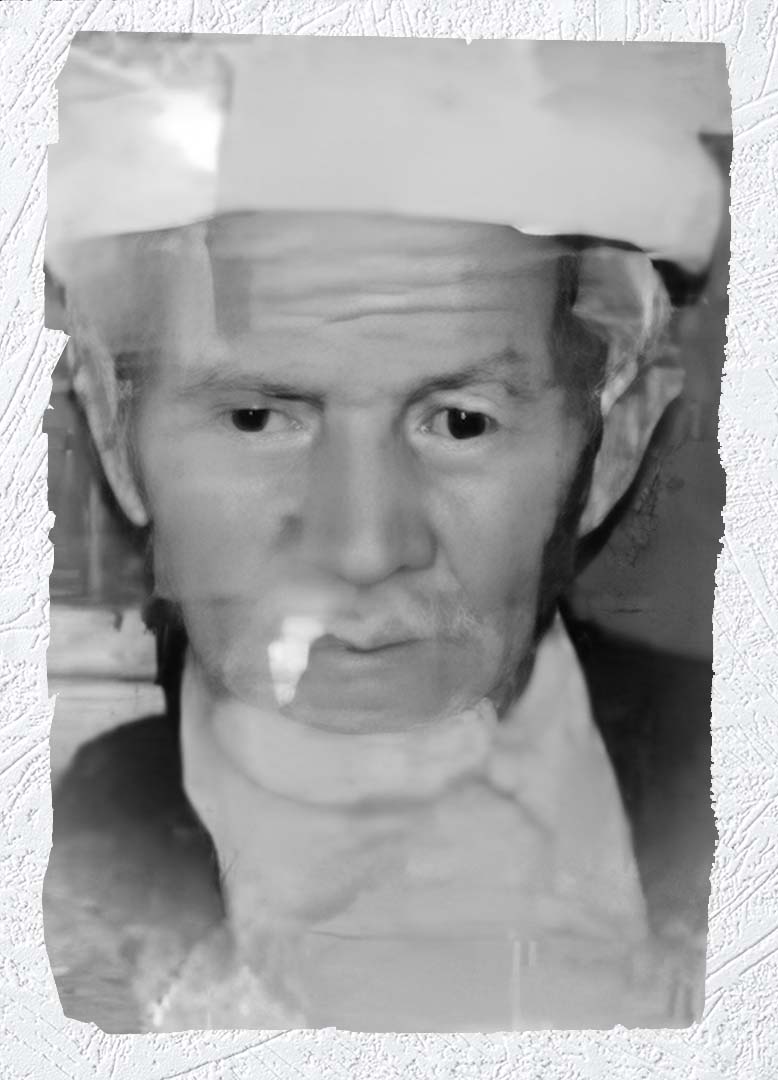
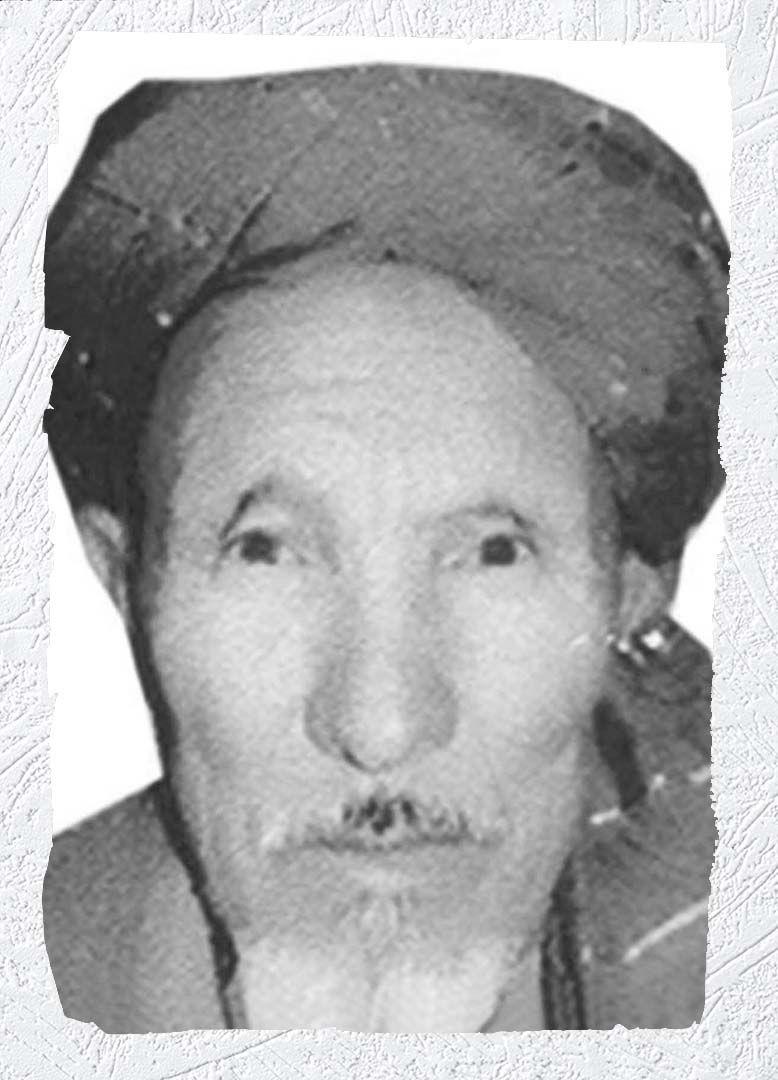
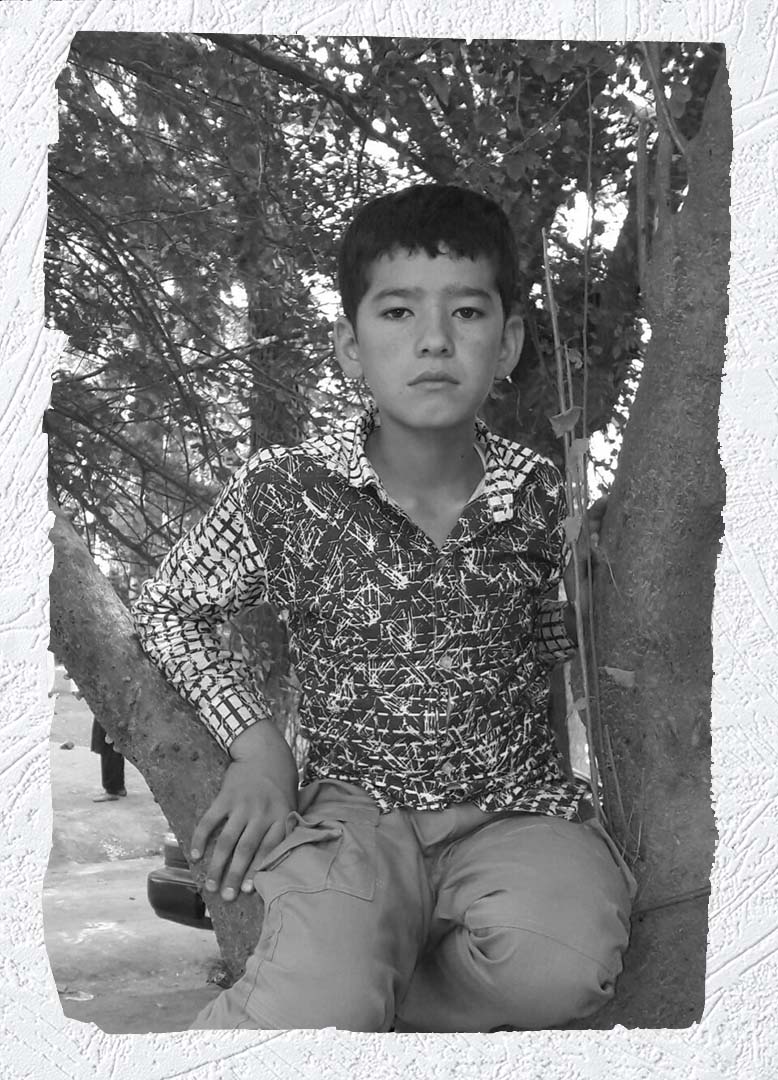
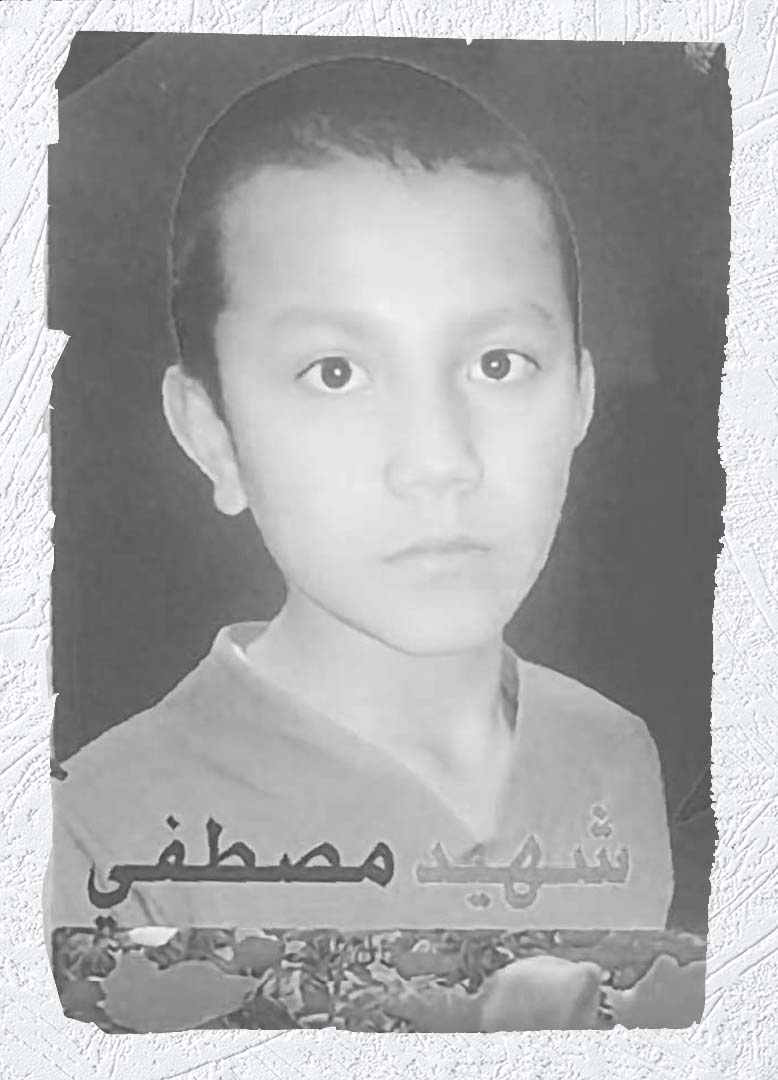
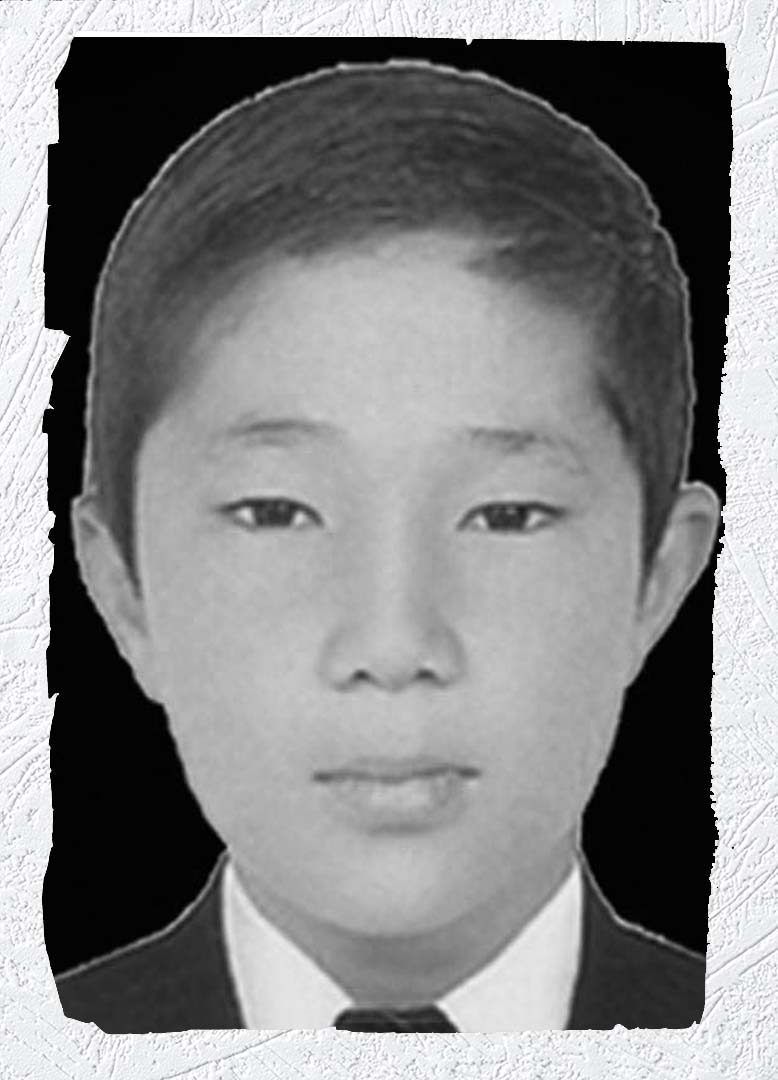
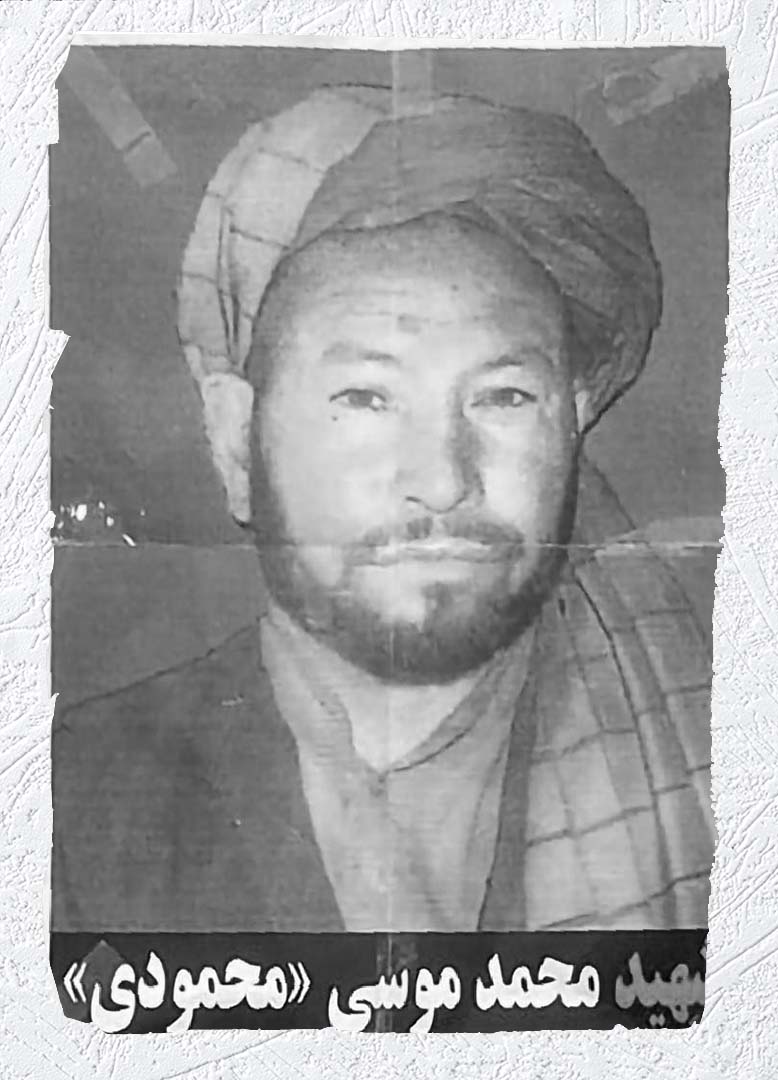
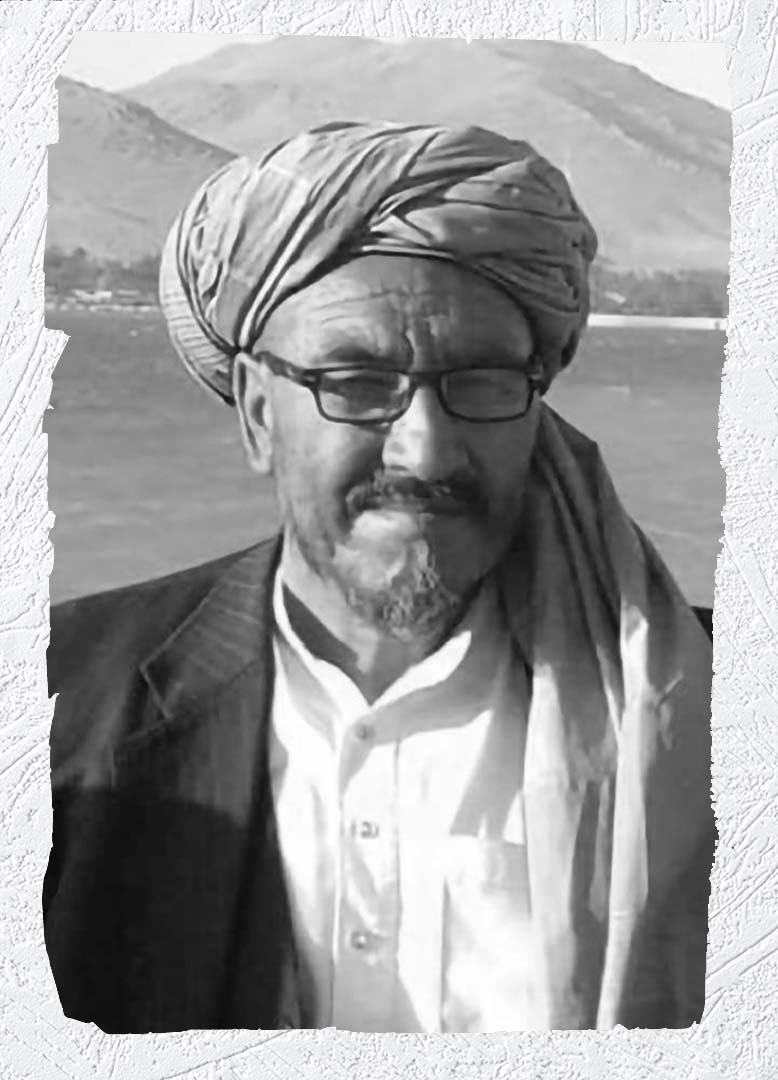
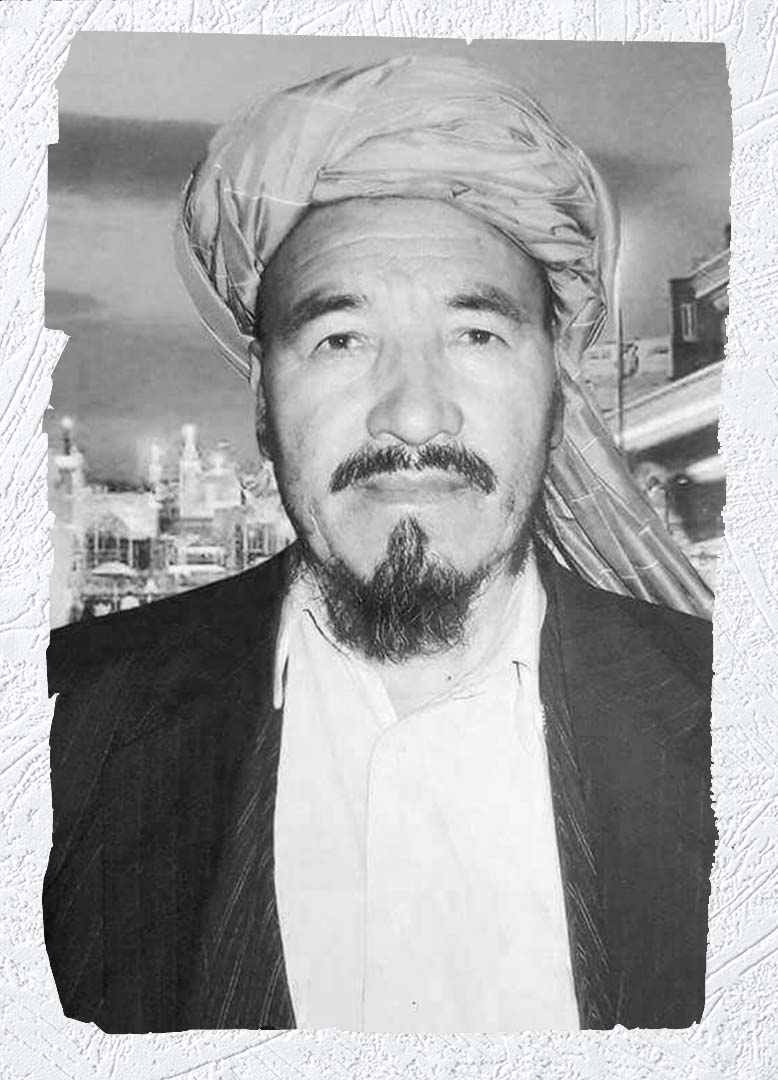
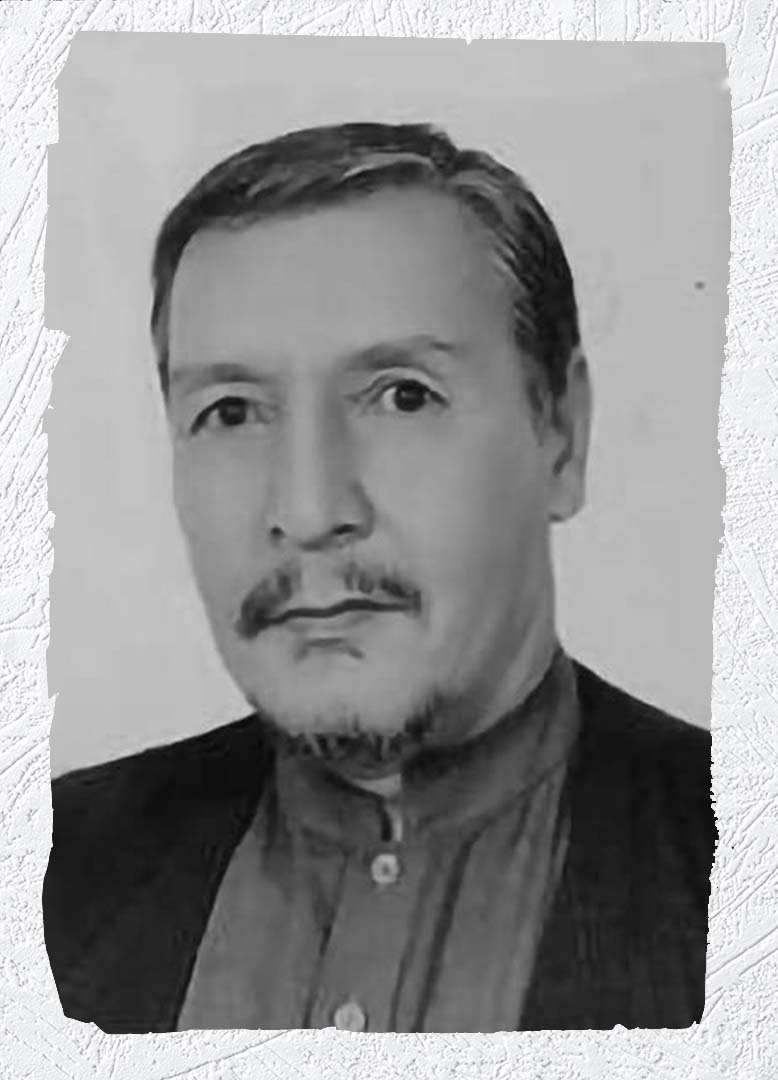
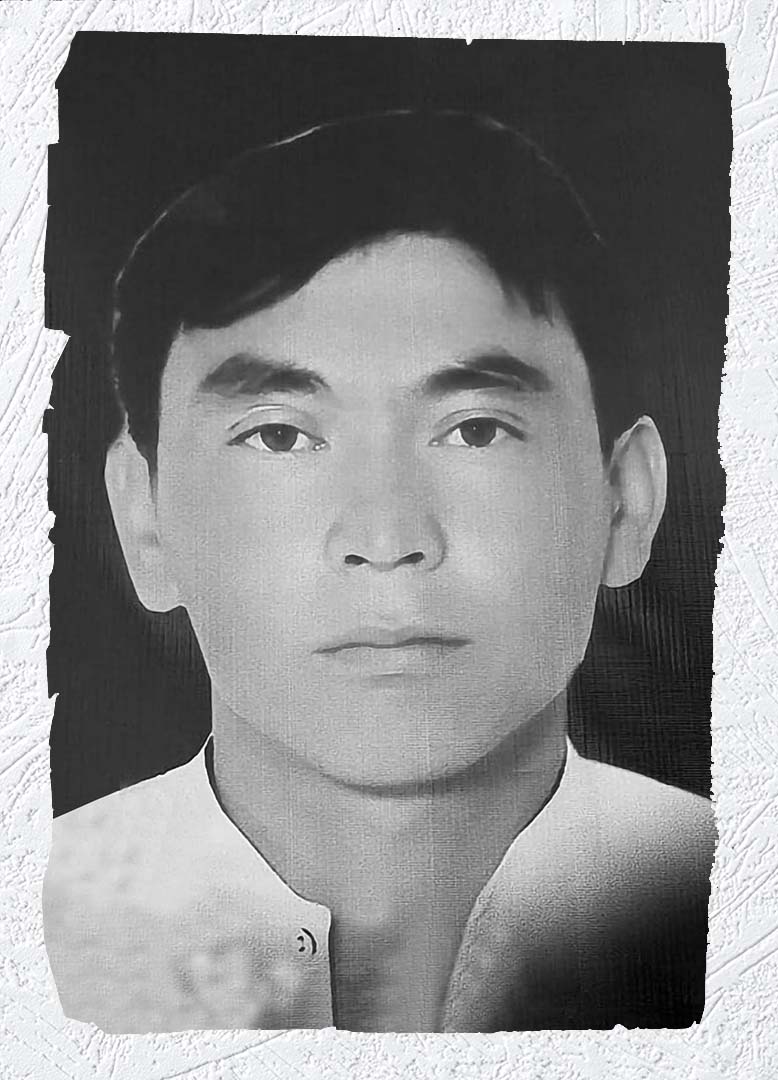
Rahmatullah
- Photo of Victim

- Gender
- Male
- Ethnicity
- Uzbek
- District geolocation of incident
- Maymana: 35° 57′ 2″ N, 64° 46′ 48″ E
- Witness/Survivor Statement
No statement
- Date added
- AP ۱۴۰۵ چنگاښ ۱
Salim Omar
- Photo of Victim

- Gender
- Male
- Ethnicity
- Pashtun
- District geolocation of incident
- Maydan Shahr: 34° 21′ 40″ N, 68° 50′ 25″ E
- Description of incident
While Salim was shopping in the market, a group of anti‑government protesters opened fire on a passing motorcade. He was struck by the bullets and died at the scene.
- Witness/Survivor Statement
No statement
- Date added
- AP ۱۴۰۵ غبرگولی ۲۷
Muhammad Gul
- Photo of Victim

- Gender
- Male
- Ethnicity
- Tajik
- District geolocation of incident
- Kabul: 34° 31′ 1″ N, 69° 8′ 60″ E
- Date added
- AP ۱۴۰۵ غبرگولی ۲۷
Shah Khan
- Photo of Victim

- Gender
- Male
- Ethnicity
- Hazara
- District geolocation of incident
- Kabul: 34° 31′ 1″ N, 69° 8′ 60″ E
- Date added
- AP ۱۴۰۵ غبرگولی ۲۷
Mohammad Jan Haidari
- Photo of Victim

- Gender
- Male
- District geolocation of incident
- Injil: 34° 37′ 55″ N, 62° 13′ 51″ E
- Date added
- AP ۱۴۰۵ وری ۲۴
Ali Akbar Mohammadi
- Photo of Victim

- Gender
- Male
- District geolocation of incident
- Injil: 34° 37′ 55″ N, 62° 13′ 51″ E
- Date added
- AP ۱۴۰۵ وری ۲۴
Abdul Qadir Delawari
- Photo of Victim

- Gender
- Male
- District geolocation of incident
- Injil: 34° 37′ 55″ N, 62° 13′ 51″ E
- Date added
- AP ۱۴۰۵ وری ۲۴
Sultan Ahmad Akbari
- Photo of Victim

- Gender
- Male
- District geolocation of incident
- Injil: 34° 37′ 55″ N, 62° 13′ 51″ E
- Date added
- AP ۱۴۰۵ وری ۲۴
Reza Rasuli
- Photo of Victim

- Gender
- Male
- District geolocation of incident
- Injil: 34° 37′ 55″ N, 62° 13′ 51″ E
- Date added
- AP ۱۴۰۵ وری ۲۳
Amir Ali Rasuli
- Photo of Victim

- Gender
- Male
- District geolocation of incident
- Injil: 34° 37′ 55″ N, 62° 13′ 51″ E
- Date added
- AP ۱۴۰۵ وری ۲۳
Aqa Reza Akbari
- Photo of Victim

- Gender
- Male
- District geolocation of incident
- Injil: 34° 37′ 55″ N, 62° 13′ 51″ E
- Date added
- AP ۱۴۰۵ وری ۲۳
Abdul Khaliq
- Photo of Victim

- Gender
- Male
- Ethnicity
- Pashtun
- District geolocation of incident
- Bala Buluk: 33° 7′ 27″ N, 62° 39′ 47″ E
- Date added
- AP ۱۴۰۴ لیندۍ ۱۴
Najiba
- Photo of Victim

- Gender
- Female
- Ethnicity
- Pashtun
- District geolocation of incident
- Bala Buluk: 33° 7′ 27″ N, 62° 39′ 47″ E
- Description of incident
On May 4, 2009, a United States Air Force B-1 Bomber conducted an airstrike on Granai village in Bala Buluk district, Farah Province, resulting in significant civilian casualties. The incident, sometimes referred to as the Granai massacre, became one of the deadliest civilian casualty events involving international military forces in Afghanistan. The exact number of civilian deaths remains a matter of dispute among various investigative bodies. The Afghan government reported approximately 140 civilian fatalities, including 22 adult men and 93 children. Afghanistan's principal human rights organization concluded that 97 civilians were killed, with children comprising the majority of victims. Other estimates place the civilian death toll between 86 and 147 individuals. An initial investigation by the US military assessed that 20-30 civilians were killed alongside 60-65 insurgents. However, these figures were contested by Afghan authorities and international observers. A subsequent, partially released American inquiry acknowledged the limitations of the investigation, stating that a conclusive determination of the civilian casualty count would not be possible. The United States military accepted responsibility for the airstrike and admitted that significant errors occurred in its execution. Official statements acknowledged that the failure to identify the presence of civilians and to minimize collateral damage resulted in unintended civilian casualties.
- Witness/Survivor Statement
No statement
- Date added
- AP ۱۴۰۴ لیندۍ ۱۳
Malik
- Photo of Victim

- Gender
- Male
- Ethnicity
- Pashtun
- District geolocation of incident
- Bala Buluk: 33° 7′ 27″ N, 62° 39′ 47″ E
- Description of incident
On May 4, 2009, a United States Air Force B-1 Bomber conducted an airstrike on Granai village in Bala Buluk district, Farah Province, resulting in significant civilian casualties. The incident, sometimes referred to as the Granai massacre, became one of the deadliest civilian casualty events involving international military forces in Afghanistan. The exact number of civilian deaths remains a matter of dispute among various investigative bodies. The Afghan government reported approximately 140 civilian fatalities, including 22 adult men and 93 children. Afghanistan's principal human rights organization concluded that 97 civilians were killed, with children comprising the majority of victims. Other estimates place the civilian death toll between 86 and 147 individuals. An initial investigation by the US military assessed that 20-30 civilians were killed alongside 60-65 insurgents. However, these figures were contested by Afghan authorities and international observers. A subsequent, partially released American inquiry acknowledged the limitations of the investigation, stating that a conclusive determination of the civilian casualty count would not be possible. The United States military accepted responsibility for the airstrike and admitted that significant errors occurred in its execution. Official statements acknowledged that the failure to identify the presence of civilians and to minimize collateral damage resulted in unintended civilian casualties.
- Witness/Survivor Statement
No statement
- Date added
- AP ۱۴۰۴ لیندۍ ۱۳
Gulsoma
- Photo of Victim

- Gender
- Female
- Ethnicity
- Pashtun
- District geolocation of incident
- Bala Buluk: 33° 7′ 27″ N, 62° 39′ 47″ E
- Description of incident
On May 4, 2009, a United States Air Force B-1 Bomber conducted an airstrike on Granai village in Bala Buluk district, Farah Province, resulting in significant civilian casualties. The incident, sometimes referred to as the Granai massacre, became one of the deadliest civilian casualty events involving international military forces in Afghanistan. The exact number of civilian deaths remains a matter of dispute among various investigative bodies. The Afghan government reported approximately 140 civilian fatalities, including 22 adult men and 93 children. Afghanistan's principal human rights organization concluded that 97 civilians were killed, with children comprising the majority of victims. Other estimates place the civilian death toll between 86 and 147 individuals. An initial investigation by the US military assessed that 20-30 civilians were killed alongside 60-65 insurgents. However, these figures were contested by Afghan authorities and international observers. A subsequent, partially released American inquiry acknowledged the limitations of the investigation, stating that a conclusive determination of the civilian casualty count would not be possible. The United States military accepted responsibility for the airstrike and admitted that significant errors occurred in its execution. Official statements acknowledged that the failure to identify the presence of civilians and to minimize collateral damage resulted in unintended civilian casualties.
- Witness/Survivor Statement
No statement
- Date added
- AP ۱۴۰۴ لیندۍ ۱۳
Soraya
- Photo of Victim

- Gender
- Female
- Ethnicity
- Pashtun
- District geolocation of incident
- Bala Buluk: 33° 7′ 27″ N, 62° 39′ 47″ E
- Date added
- AP ۱۴۰۴ لیندۍ ۱۰
Aqila
- Photo of Victim

- Gender
- Female
- Ethnicity
- Pashtun
- District geolocation of incident
- Bala Buluk: 33° 7′ 27″ N, 62° 39′ 47″ E
- Description of incident
On May 4, 2009, a United States Air Force B-1 Bomber conducted an airstrike on Granai village in Bala Buluk district, Farah Province, resulting in significant civilian casualties. The incident, sometimes referred to as the Granai massacre, became one of the deadliest civilian casualty events involving international military forces in Afghanistan. The exact number of civilian deaths remains a matter of dispute among various investigative bodies. The Afghan government reported approximately 140 civilian fatalities, including 22 adult men and 93 children. Afghanistan's principal human rights organization concluded that 97 civilians were killed, with children comprising the majority of victims. Other estimates place the civilian death toll between 86 and 147 individuals. An initial investigation by the US military assessed that 20-30 civilians were killed alongside 60-65 insurgents. However, these figures were contested by Afghan authorities and international observers. A subsequent, partially released American inquiry acknowledged the limitations of the investigation, stating that a conclusive determination of the civilian casualty count would not be possible. The United States military accepted responsibility for the airstrike and admitted that significant errors occurred in its execution. Official statements acknowledged that the failure to identify the presence of civilians and to minimize collateral damage resulted in unintended civilian casualties.
- Witness/Survivor Statement
No statement
- Date added
- AP ۱۴۰۴ لیندۍ ۱۰
Zeba
- Photo of Victim

- Gender
- Female
- Ethnicity
- Pashtun
- District geolocation of incident
- Bala Buluk: 33° 7′ 27″ N, 62° 39′ 47″ E
- Description of incident
On May 4, 2009, a United States Air Force B-1 Bomber conducted an airstrike on Granai village in Bala Buluk district, Farah Province, resulting in significant civilian casualties. The incident, sometimes referred to as the Granai massacre, became one of the deadliest civilian casualty events involving international military forces in Afghanistan. The exact number of civilian deaths remains a matter of dispute among various investigative bodies. The Afghan government reported approximately 140 civilian fatalities, including 22 adult men and 93 children. Afghanistan's principal human rights organization concluded that 97 civilians were killed, with children comprising the majority of victims. Other estimates place the civilian death toll between 86 and 147 individuals. An initial investigation by the US military assessed that 20-30 civilians were killed alongside 60-65 insurgents. However, these figures were contested by Afghan authorities and international observers. A subsequent, partially released American inquiry acknowledged the limitations of the investigation, stating that a conclusive determination of the civilian casualty count would not be possible. The United States military accepted responsibility for the airstrike and admitted that significant errors occurred in its execution. Official statements acknowledged that the failure to identify the presence of civilians and to minimize collateral damage resulted in unintended civilian casualties.
- Witness/Survivor Statement
No statement
- Date added
- AP ۱۴۰۴ لیندۍ ۱۰
Sakina
- Photo of Victim

- Gender
- Female
- Ethnicity
- Pashtun
- District geolocation of incident
- Bala Buluk: 33° 7′ 27″ N, 62° 39′ 47″ E
- Description of incident
On May 4, 2009, a United States Air Force B-1 Bomber conducted an airstrike on Granai village in Bala Buluk district, Farah Province, resulting in significant civilian casualties. The incident, sometimes referred to as the Granai massacre, became one of the deadliest civilian casualty events involving international military forces in Afghanistan. The exact number of civilian deaths remains a matter of dispute among various investigative bodies. The Afghan government reported approximately 140 civilian fatalities, including 22 adult men and 93 children. Afghanistan's principal human rights organization concluded that 97 civilians were killed, with children comprising the majority of victims. Other estimates place the civilian death toll between 86 and 147 individuals. An initial investigation by the US military assessed that 20-30 civilians were killed alongside 60-65 insurgents. However, these figures were contested by Afghan authorities and international observers. A subsequent, partially released American inquiry acknowledged the limitations of the investigation, stating that a conclusive determination of the civilian casualty count would not be possible. The United States military accepted responsibility for the airstrike and admitted that significant errors occurred in its execution. Official statements acknowledged that the failure to identify the presence of civilians and to minimize collateral damage resulted in unintended civilian casualties.
- Date added
- AP ۱۴۰۴ لیندۍ ۱۰
Lailoma
- Photo of Victim

- Gender
- Female
- Ethnicity
- Pashtun
- District geolocation of incident
- Bala Buluk: 33° 7′ 27″ N, 62° 39′ 47″ E
- Date added
- AP ۱۴۰۴ لیندۍ ۵
Merajuddin
- Photo of Victim

- Gender
- Male
- Ethnicity
- Pashtun
- District geolocation of incident
- Bala Buluk: 33° 7′ 27″ N, 62° 39′ 47″ E
- Date added
- AP ۱۴۰۴ لیندۍ ۵
Eynuddin
- Photo of Victim

- Gender
- Male
- Ethnicity
- Pashtun
- District geolocation of incident
- Bala Buluk: 33° 7′ 27″ N, 62° 39′ 47″ E
- Description of incident
On May 4, 2009, a United States Air Force B-1 Bomber conducted an airstrike on Granai village in Bala Buluk district, Farah Province, resulting in significant civilian casualties. The incident, sometimes referred to as the Granai massacre, became one of the deadliest civilian casualty events involving international military forces in Afghanistan. The exact number of civilian deaths remains a matter of dispute among various investigative bodies. The Afghan government reported approximately 140 civilian fatalities, including 22 adult men and 93 children. Afghanistan's principal human rights organization concluded that 97 civilians were killed, with children comprising the majority of victims. Other estimates place the civilian death toll between 86 and 147 individuals. An initial investigation by the US military assessed that 20-30 civilians were killed alongside 60-65 insurgents. However, these figures were contested by Afghan authorities and international observers. A subsequent, partially released American inquiry acknowledged the limitations of the investigation, stating that a conclusive determination of the civilian casualty count would not be possible. The United States military accepted responsibility for the airstrike and admitted that significant errors occurred in its execution. Official statements acknowledged that the failure to identify the presence of civilians and to minimize collateral damage resulted in unintended civilian casualties.
- Witness/Survivor Statement
No statement
- Date added
- AP ۱۴۰۴ لیندۍ ۵
Razuddin
- Photo of Victim

- Gender
- Male
- Ethnicity
- Pashtun
- District geolocation of incident
- Bala Buluk: 33° 7′ 27″ N, 62° 39′ 47″ E
- Description of incident
On May 4, 2009, a United States Air Force B-1 Bomber conducted an airstrike on Granai village in Bala Buluk district, Farah Province, resulting in significant civilian casualties. The incident, sometimes referred to as the Granai massacre, became one of the deadliest civilian casualty events involving international military forces in Afghanistan. The exact number of civilian deaths remains a matter of dispute among various investigative bodies. The Afghan government reported approximately 140 civilian fatalities, including 22 adult men and 93 children. Afghanistan's principal human rights organization concluded that 97 civilians were killed, with children comprising the majority of victims. Other estimates place the civilian death toll between 86 and 147 individuals. An initial investigation by the US military assessed that 20-30 civilians were killed alongside 60-65 insurgents. However, these figures were contested by Afghan authorities and international observers. A subsequent, partially released American inquiry acknowledged the limitations of the investigation, stating that a conclusive determination of the civilian casualty count would not be possible. The United States military accepted responsibility for the airstrike and admitted that significant errors occurred in its execution. Official statements acknowledged that the failure to identify the presence of civilians and to minimize collateral damage resulted in unintended civilian casualties.
- Witness/Survivor Statement
No statement
- Date added
- AP ۱۴۰۴ لیندۍ ۵
Mohammad Amin
- Photo of Victim

- Gender
- Male
- Ethnicity
- Pashtun
- District geolocation of incident
- Bala Buluk: 33° 7′ 27″ N, 62° 39′ 47″ E
- Description of incident
On May 4, 2009, a United States Air Force B-1 Bomber conducted an airstrike on Granai village in Bala Buluk district, Farah Province, resulting in significant civilian casualties. The incident, sometimes referred to as the Granai massacre, became one of the deadliest civilian casualty events involving international military forces in Afghanistan. The exact number of civilian deaths remains a matter of dispute among various investigative bodies. The Afghan government reported approximately 140 civilian fatalities, including 22 adult men and 93 children. Afghanistan's principal human rights organization concluded that 97 civilians were killed, with children comprising the majority of victims. Other estimates place the civilian death toll between 86 and 147 individuals. An initial investigation by the US military assessed that 20-30 civilians were killed alongside 60-65 insurgents. However, these figures were contested by Afghan authorities and international observers. A subsequent, partially released American inquiry acknowledged the limitations of the investigation, stating that a conclusive determination of the civilian casualty count would not be possible. The United States military accepted responsibility for the airstrike and admitted that significant errors occurred in its execution. Official statements acknowledged that the failure to identify the presence of civilians and to minimize collateral damage resulted in unintended civilian casualties.
- Witness/Survivor Statement
No statement
- Date added
- AP ۱۴۰۴ لیندۍ ۴
Sahira
- Photo of Victim

- Gender
- Female
- Ethnicity
- Pashtun
- District geolocation of incident
- Bala Buluk: 33° 7′ 27″ N, 62° 39′ 47″ E
- Description of incident
On May 4, 2009, a United States Air Force B-1 Bomber conducted an airstrike on Granai village in Bala Buluk district, Farah Province, resulting in significant civilian casualties. The incident, sometimes referred to as the Granai massacre, became one of the deadliest civilian casualty events involving international military forces in Afghanistan. The exact number of civilian deaths remains a matter of dispute among various investigative bodies. The Afghan government reported approximately 140 civilian fatalities, including 22 adult men and 93 children. Afghanistan's principal human rights organization concluded that 97 civilians were killed, with children comprising the majority of victims. Other estimates place the civilian death toll between 86 and 147 individuals. An initial investigation by the US military assessed that 20-30 civilians were killed alongside 60-65 insurgents. However, these figures were contested by Afghan authorities and international observers. A subsequent, partially released American inquiry acknowledged the limitations of the investigation, stating that a conclusive determination of the civilian casualty count would not be possible. The United States military accepted responsibility for the airstrike and admitted that significant errors occurred in its execution. Official statements acknowledged that the failure to identify the presence of civilians and to minimize collateral damage resulted in unintended civilian casualties.
- Witness/Survivor Statement
No statement
- Date added
- AP ۱۴۰۴ لیندۍ ۴
Rahmuddin
- Photo of Victim

- Gender
- Male
- Ethnicity
- Pashtun
- District geolocation of incident
- Bala Buluk: 33° 7′ 27″ N, 62° 39′ 47″ E
- Description of incident
On May 4, 2009, a United States Air Force B-1 Bomber conducted an airstrike on Granai village in Bala Buluk district, Farah Province, resulting in significant civilian casualties. The incident, sometimes referred to as the Granai massacre, became one of the deadliest civilian casualty events involving international military forces in Afghanistan. The exact number of civilian deaths remains a matter of dispute among various investigative bodies. The Afghan government reported approximately 140 civilian fatalities, including 22 adult men and 93 children. Afghanistan's principal human rights organization concluded that 97 civilians were killed, with children comprising the majority of victims. Other estimates place the civilian death toll between 86 and 147 individuals. An initial investigation by the US military assessed that 20-30 civilians were killed alongside 60-65 insurgents. However, these figures were contested by Afghan authorities and international observers. A subsequent, partially released American inquiry acknowledged the limitations of the investigation, stating that a conclusive determination of the civilian casualty count would not be possible. The United States military accepted responsibility for the airstrike and admitted that significant errors occurred in its execution. Official statements acknowledged that the failure to identify the presence of civilians and to minimize collateral damage resulted in unintended civilian casualties.
- Witness/Survivor Statement
No statement
- Date added
- AP ۱۴۰۴ لیندۍ ۴
Amanullah Hasani
- Photo of Victim

- Gender
- Male
- Ethnicity
- Hazara
- District geolocation of incident
- Gizab: 33° 26′ 3″ N, 66° 12′ 53″ E
- Description of incident
On November 13, 2025, the body of Amanullah Hasani, a 65-year-old Hazara farmer, was discovered in the Dahan Yaghak area of Khalaj village in Gizab district, Uruzgan Province. According to local residents, Hasani had disappeared from his home approximately three days prior to the public report on November 14, 2025. Community members described the victim as a farmer who maintained no known conflicts or enmities with any individual or group. A village resident told Etilaatroz newspaper that armed Kochi individuals were responsible for the killing. The source further stated that several other village residents had been killed in similar circumstances in the past. According to the same source, local residents had filed multiple complaints with Taliban authorities regarding these incidents, but local officials allegedly did not respond to their grievances. The circumstances surrounding Hasani's death and the allegations regarding the perpetrators remain unconfirmed by independent sources.
- Date added
- AP ۱۴۰۴ لیندۍ ۴
Nowruz
- Photo of Victim

- Gender
- Male
- Ethnicity
- Hazara
- District geolocation of incident
- Day Mirdad: 34° 13′ 56″ N, 68° 17′ 28″ E
- Description of incident
On the morning of Friday, November 14, 2025, Nowruz, an approximately 30-year-old father of two children, was killed in an armed attack in Qoto Sofla village, DaY Mirdad district, Maidan Wardak Province. The victim was shot as he left his home. His brother, Rahmatullah, who had followed him outside, was also shot and critically injured with a head wound. Rahmatullah was transferred to Emergency Hospital in Kabul and placed in a coma under medical care. According to local residents who confirmed the incident, Nowruz was an original resident of Qoto village. He and his family had been displaced to Kabul and other villages in recent years and had only recently returned to their ancestral home. Local sources reported that the four attackers had concealed themselves the night before the assault in the neighboring village of Qoto Ulya, which is uninhabited. On the morning of the attack, they approached Qoto Sofla through a mountain route and opened fire on Nowruz as he exited his home. Taliban intelligence authorities arrested four Kochi (nomadic Pashtuns) men on suspicion of involvement in the attack. The motive for the assault remains unclear; however, local sources indicated that Kochies had conducted repeated attacks on Qoto village residents in the past, forcing them to flee. According to these sources, more than 200 families once lived in both Qoto villages, but the area became largely uninhabited over the past decade due to repeated attacks. Nowruz's family was reportedly the first to return to the village within the past two years, driven by economic difficulties in Kabul. Local residents stated that the killing appeared aimed at preventing villagers from returning to their homes.
- Date added
- AP ۱۴۰۴ لیندۍ ۴
Noorullah
- Photo of Victim

- Gender
- Male
- Ethnicity
- Hazara
- District geolocation of incident
- Day Mirdad: 34° 13′ 56″ N, 68° 17′ 28″ E
- Description of incident
On November 20, 2025, Noorullah, a 14-year-old boy from Qoto village in Day Mirdad district, Maidan Wardak Province, died following a severe trauma-related illness. Noorullah was the younger brother of Nowruz, who was killed in an armed attack on November 14, 2025, and Rahmatullah, who was critically injured in the same incident when two armed Kochi men (nomadic Pushtuns) opened fire as they were getting out of their home early morning. According to local residents, Noorullah experienced severe psychological shock immediately following the attack on his brothers. He subsequently developed physical symptoms, including progressive fever and vomiting blood. After six days of crying and deteriorating health, Noorullah died on November 20, 2025. Local residents reported that while the exact medical cause of death remains undetermined, Noorullah's condition deteriorated rapidly following the traumatic events of November 14. His death represents an indirect casualty connected to the armed attack that killed his eldest brother and left his other brother in critical condition.
- Date added
- AP ۱۴۰۴ لیندۍ ۴
Mohammad Arif Zarif
- Photo of Victim

- Gender
- Male
- Ethnicity
- Unknown
- District geolocation of incident
- Puli Khumri: 35° 56′ 49″ N, 68° 42′ 16″ E
- Description of incident
On the afternoon of November 6, 2007, at approximately 4:15 PM, an explosion occurred in Pul-e Khumri, the provincial capital of Baghlan Province. The incident took place during a visit by Afghanistan's Parliamentary Economic Commission, which had traveled to the area to attend the reopening ceremony of the newly reconstructed Baghlan Sugar Factory. According to eyewitness accounts, an individual detonated explosives among a crowd of people who had assembled to greet the parliamentary delegation. The attack resulted in between 70 and 97 fatalities, with casualty figures varying across different reports, and injured nearly 200 individuals. A substantial portion of the victims were school students who had gathered in formation to welcome the government officials. Six members of the National Economy Commission of Afghanistan's Parliament were killed in the attack, including the commission's chairman, Sayed Mustafa Kazimi. The other deceased parliamentarians represented various provinces across Afghanistan, including Takhar, Kunar, Helmand, Kunduz, and Kabul. While it was widely believed that the attack was carried out by a suicide bomber, no group claimed responsibility for the incident. The precise circumstances and motivation behind the attack were never officially confirmed. The general assessment indicated that members of the Afghan Parliament were the primary intended targets of the assault.
- Witness/Survivor Statement
No statement
- Date added
- AP ۱۴۰۴ لړم ۳۰
Nazok Mir Sarfaraz
- Photo of Victim

- Gender
- Male
- Ethnicity
- Unknown
- District geolocation of incident
- Puli Khumri: 35° 56′ 49″ N, 68° 42′ 16″ E
- Description of incident
On the afternoon of November 6, 2007, at approximately 4:15 PM, an explosion occurred in Pul-e Khumri, the provincial capital of Baghlan Province. The incident took place during a visit by Afghanistan's Parliamentary Economic Commission, which had traveled to the area to attend the reopening ceremony of the newly reconstructed Baghlan Sugar Factory. According to eyewitness accounts, an individual detonated explosives among a crowd of people who had assembled to greet the parliamentary delegation. The attack resulted in between 70 and 97 fatalities, with casualty figures varying across different reports, and injured nearly 200 individuals. A substantial portion of the victims were school students who had gathered in formation to welcome the government officials. Six members of the National Economy Commission of Afghanistan's Parliament were killed in the attack, including the commission's chairman, Sayed Mustafa Kazimi. The other deceased parliamentarians represented various provinces across Afghanistan, including Takhar, Kunar, Helmand, Kunduz, and Kabul. While it was widely believed that the attack was carried out by a suicide bomber, no group claimed responsibility for the incident. The precise circumstances and motivation behind the attack were never officially confirmed. The general assessment indicated that members of the Afghan Parliament were the primary intended targets of the assault.
- Witness/Survivor Statement
No statement
- Date added
- AP ۱۴۰۴ لړم ۳۰
Abdulmatin
- Photo of Victim

- Gender
- Male
- Ethnicity
- Pashtun
- District geolocation of incident
- Puli Khumri: 35° 56′ 49″ N, 68° 42′ 16″ E
- Description of incident
On the afternoon of November 6, 2007, at approximately 4:15 PM, an explosion occurred in Pul-e Khumri, the provincial capital of Baghlan Province. The incident took place during a visit by Afghanistan's Parliamentary Economic Commission, which had traveled to the area to attend the reopening ceremony of the newly reconstructed Baghlan Sugar Factory. According to eyewitness accounts, an individual detonated explosives among a crowd of people who had assembled to greet the parliamentary delegation. The attack resulted in between 70 and 97 fatalities, with casualty figures varying across different reports, and injured nearly 200 individuals. A substantial portion of the victims were school students who had gathered in formation to welcome the government officials. Six members of the National Economy Commission of Afghanistan's Parliament were killed in the attack, including the commission's chairman, Sayed Mustafa Kazimi. The other deceased parliamentarians represented various provinces across Afghanistan, including Takhar, Kunar, Helmand, Kunduz, and Kabul. While it was widely believed that the attack was carried out by a suicide bomber, no group claimed responsibility for the incident. The precise circumstances and motivation behind the attack were never officially confirmed. The general assessment indicated that members of the Afghan Parliament were the primary intended targets of the assault.
- Witness/Survivor Statement
No statement
- Date added
- AP ۱۴۰۴ لړم ۲۹
Saheburrahman Hemmat
- Photo of Victim

- Gender
- Male
- Ethnicity
- Pashtun
- District geolocation of incident
- Puli Khumri: 35° 56′ 49″ N, 68° 42′ 16″ E
- Description of incident
On the afternoon of November 6, 2007, at approximately 4:15 PM, an explosion occurred in Pul-e Khumri, the provincial capital of Baghlan Province. The incident took place during a visit by Afghanistan's Parliamentary Economic Commission, which had traveled to the area to attend the reopening ceremony of the newly reconstructed Baghlan Sugar Factory. According to eyewitness accounts, an individual detonated explosives among a crowd of people who had assembled to greet the parliamentary delegation. The attack resulted in between 70 and 97 fatalities, with casualty figures varying across different reports, and injured nearly 200 individuals. A substantial portion of the victims were school students who had gathered in formation to welcome the government officials. Six members of the National Economy Commission of Afghanistan's Parliament were killed in the attack, including the commission's chairman, Sayed Mustafa Kazimi. The other deceased parliamentarians represented various provinces across Afghanistan, including Takhar, Kunar, Helmand, Kunduz, and Kabul. While it was widely believed that the attack was carried out by a suicide bomber, no group claimed responsibility for the incident. The precise circumstances and motivation behind the attack were never officially confirmed. The general assessment indicated that members of the Afghan Parliament were the primary intended targets of the assault.
- Witness/Survivor Statement
No statement
- Date added
- AP ۱۴۰۴ لړم ۲۹
Sibghatullah Zaki
- Photo of Victim

- Gender
- Male
- Ethnicity
- Uzbek
- District geolocation of incident
- Puli Khumri: 35° 56′ 49″ N, 68° 42′ 16″ E
- Date added
- AP ۱۴۰۴ لړم ۲۹
Sayed Mustafa Kazimi
- Photo of Victim

- Gender
- Male
- Ethnicity
- Sadat
- District geolocation of incident
- Puli Khumri: 35° 56′ 49″ N, 68° 42′ 16″ E
- Description of incident
On the afternoon of November 6, 2007, at approximately 4:15 PM, an explosion occurred in Pul-e Khumri, the provincial capital of Baghlan Province. The incident took place during a visit by Afghanistan's Parliamentary Economic Commission, which had traveled to the area to attend the reopening ceremony of the newly reconstructed Baghlan Sugar Factory. According to eyewitness accounts, an individual detonated explosives among a crowd of people who had assembled to greet the parliamentary delegation. The attack resulted in between 70 and 97 fatalities, with casualty figures varying across different reports, and injured nearly 200 individuals. A substantial portion of the victims were school students who had gathered in formation to welcome the government officials. Six members of the National Economy Commission of Afghanistan's Parliament were killed in the attack, including the commission's chairman, Sayed Mustafa Kazimi. The other deceased parliamentarians represented various provinces across Afghanistan, including Takhar, Kunar, Helmand, Kunduz, and Kabul. While it was widely believed that the attack was carried out by a suicide bomber, no group claimed responsibility for the incident. The precise circumstances and motivation behind the attack were never officially confirmed. The general assessment indicated that members of the Afghan Parliament were the primary intended targets of the assault.
- Witness/Survivor Statement
No statement
- Date added
- AP ۱۴۰۴ لړم ۲۸
Abdul Nasir
- Photo of Victim

- Gender
- Male
- Ethnicity
- Unknown
- District geolocation of incident
- Puli Khumri: 35° 56′ 49″ N, 68° 42′ 16″ E
- Description of incident
On the afternoon of November 6, 2007, at approximately 4:15 PM, an explosion occurred in Pul-e Khumri, the provincial capital of Baghlan Province. The incident took place during a visit by Afghanistan's Parliamentary Economic Commission, which had traveled to the area to attend the reopening ceremony of the newly reconstructed Baghlan Sugar Factory. According to eyewitness accounts, an individual detonated explosives among a crowd of people who had assembled to greet the parliamentary delegation. The attack resulted in between 70 and 97 fatalities, with casualty figures varying across different reports, and injured nearly 200 individuals. A substantial portion of the victims were school students who had gathered in formation to welcome the government officials. Six members of the National Economy Commission of Afghanistan's Parliament were killed in the attack, including the commission's chairman, Sayed Mustafa Kazimi. The other deceased parliamentarians represented various provinces across Afghanistan, including Takhar, Kunar, Helmand, Kunduz, and Kabul. While it was widely believed that the attack was carried out by a suicide bomber, no group claimed responsibility for the incident. The precise circumstances and motivation behind the attack were never officially confirmed. The general assessment indicated that members of the Afghan Parliament were the primary intended targets of the assault.
- Witness/Survivor Statement
No statement
- Date added
- AP ۱۴۰۴ لړم ۲۸
Mohammad Zarif
- Photo of Victim

- Gender
- Male
- Ethnicity
- Unknown
- District geolocation of incident
- Puli Khumri: 35° 56′ 49″ N, 68° 42′ 16″ E
- Description of incident
On the afternoon of November 6, 2007, at approximately 4:15 PM, an explosion occurred in Pul-e Khumri, the provincial capital of Baghlan Province. The incident took place during a visit by Afghanistan's Parliamentary Economic Commission, which had traveled to the area to attend the reopening ceremony of the newly reconstructed Baghlan Sugar Factory. According to eyewitness accounts, an individual detonated explosives among a crowd of people who had assembled to greet the parliamentary delegation. The attack resulted in between 70 and 97 fatalities, with casualty figures varying across different reports, and injured nearly 200 individuals. A substantial portion of the victims were school students who had gathered in formation to welcome the government officials. Six members of the National Economy Commission of Afghanistan's Parliament were killed in the attack, including the commission's chairman, Sayed Mustafa Kazimi. The other deceased parliamentarians represented various provinces across Afghanistan, including Takhar, Kunar, Helmand, Kunduz, and Kabul. While it was widely believed that the attack was carried out by a suicide bomber, no group claimed responsibility for the incident. The precise circumstances and motivation behind the attack were never officially confirmed. The general assessment indicated that members of the Afghan Parliament were the primary intended targets of the assault.
- Witness/Survivor Statement
No statement
- Date added
- AP ۱۴۰۴ لړم ۲۸
Qutbuddin
- Photo of Victim

- Gender
- Male
- Ethnicity
- Unknown
- District geolocation of incident
- Puli Khumri: 35° 56′ 49″ N, 68° 42′ 16″ E
- Description of incident
On the afternoon of November 6, 2007, at approximately 4:15 PM, an explosion occurred in Pul-e Khumri, the provincial capital of Baghlan Province. The incident took place during a visit by Afghanistan's Parliamentary Economic Commission, which had traveled to the area to attend the reopening ceremony of the newly reconstructed Baghlan Sugar Factory. According to eyewitness accounts, an individual detonated explosives among a crowd of people who had assembled to greet the parliamentary delegation. The attack resulted in between 70 and 97 fatalities, with casualty figures varying across different reports, and injured nearly 200 individuals. A substantial portion of the victims were school students who had gathered in formation to welcome the government officials. Six members of the National Economy Commission of Afghanistan's Parliament were killed in the attack, including the commission's chairman, Sayed Mustafa Kazimi. The other deceased parliamentarians represented various provinces across Afghanistan, including Takhar, Kunar, Helmand, Kunduz, and Kabul. While it was widely believed that the attack was carried out by a suicide bomber, no group claimed responsibility for the incident. The precise circumstances and motivation behind the attack were never officially confirmed. The general assessment indicated that members of the Afghan Parliament were the primary intended targets of the assault.
- Witness/Survivor Statement
No statement
- Date added
- AP ۱۴۰۴ لړم ۲۸
Asadullah
- Photo of Victim

- Gender
- Male
- Ethnicity
- Unknown
- District geolocation of incident
- Puli Khumri: 35° 56′ 49″ N, 68° 42′ 16″ E
- Description of incident
On the afternoon of November 6, 2007, at approximately 4:15 PM, an explosion occurred in Pul-e Khumri, the provincial capital of Baghlan Province. The incident took place during a visit by Afghanistan's Parliamentary Economic Commission, which had traveled to the area to attend the reopening ceremony of the newly reconstructed Baghlan Sugar Factory. According to eyewitness accounts, an individual detonated explosives among a crowd of people who had assembled to greet the parliamentary delegation. The attack resulted in between 70 and 97 fatalities, with casualty figures varying across different reports, and injured nearly 200 individuals. A substantial portion of the victims were school students who had gathered in formation to welcome the government officials. Six members of the National Economy Commission of Afghanistan's Parliament were killed in the attack, including the commission's chairman, Sayed Mustafa Kazimi. The other deceased parliamentarians represented various provinces across Afghanistan, including Takhar, Kunar, Helmand, Kunduz, and Kabul. While it was widely believed that the attack was carried out by a suicide bomber, no group claimed responsibility for the incident. The precise circumstances and motivation behind the attack were never officially confirmed. The general assessment indicated that members of the Afghan Parliament were the primary intended targets of the assault.
- Witness/Survivor Statement
No statement
- Date added
- AP ۱۴۰۴ لړم ۲۸
Mohammad Yaqub
- Photo of Victim

- Gender
- Male
- Ethnicity
- Unknown
- District geolocation of incident
- Puli Khumri: 35° 56′ 49″ N, 68° 42′ 16″ E
- Description of incident
On the afternoon of November 6, 2007, at approximately 4:15 PM, an explosion occurred in Pul-e Khumri, the provincial capital of Baghlan Province. The incident took place during a visit by Afghanistan's Parliamentary Economic Commission, which had traveled to the area to attend the reopening ceremony of the newly reconstructed Baghlan Sugar Factory. According to eyewitness accounts, an individual detonated explosives among a crowd of people who had assembled to greet the parliamentary delegation. The attack resulted in between 70 and 97 fatalities, with casualty figures varying across different reports, and injured nearly 200 individuals. A substantial portion of the victims were school students who had gathered in formation to welcome the government officials. Six members of the National Economy Commission of Afghanistan's Parliament were killed in the attack, including the commission's chairman, Sayed Mustafa Kazimi. The other deceased parliamentarians represented various provinces across Afghanistan, including Takhar, Kunar, Helmand, Kunduz, and Kabul. While it was widely believed that the attack was carried out by a suicide bomber, no group claimed responsibility for the incident. The precise circumstances and motivation behind the attack were never officially confirmed. The general assessment indicated that members of the Afghan Parliament were the primary intended targets of the assault.
- Witness/Survivor Statement
No statement
- Date added
- AP ۱۴۰۴ لړم ۲۸
Mohammad Sadiq
- Photo of Victim

- Gender
- Male
- Ethnicity
- Unknown
- District geolocation of incident
- Puli Khumri: 35° 56′ 49″ N, 68° 42′ 16″ E
- Description of incident
On the afternoon of November 6, 2007, at approximately 4:15 PM, an explosion occurred in Pul-e Khumri, the provincial capital of Baghlan Province. The incident took place during a visit by Afghanistan's Parliamentary Economic Commission, which had traveled to the area to attend the reopening ceremony of the newly reconstructed Baghlan Sugar Factory. According to eyewitness accounts, an individual detonated explosives among a crowd of people who had assembled to greet the parliamentary delegation. The attack resulted in between 70 and 97 fatalities, with casualty figures varying across different reports, and injured nearly 200 individuals. A substantial portion of the victims were school students who had gathered in formation to welcome the government officials. Six members of the National Economy Commission of Afghanistan's Parliament were killed in the attack, including the commission's chairman, Sayed Mustafa Kazimi. The other deceased parliamentarians represented various provinces across Afghanistan, including Takhar, Kunar, Helmand, Kunduz, and Kabul. While it was widely believed that the attack was carried out by a suicide bomber, no group claimed responsibility for the incident. The precise circumstances and motivation behind the attack were never officially confirmed. The general assessment indicated that members of the Afghan Parliament were the primary intended targets of the assault.
- Witness/Survivor Statement
No statement
- Date added
- AP ۱۴۰۴ لړم ۲۸
Khairullah
- Photo of Victim

- Gender
- Male
- Ethnicity
- Unknown
- District geolocation of incident
- Puli Khumri: 35° 56′ 49″ N, 68° 42′ 16″ E
- Description of incident
On the afternoon of November 6, 2007, at approximately 4:15 PM, an explosion occurred in Pul-e Khumri, the provincial capital of Baghlan Province. The incident took place during a visit by Afghanistan's Parliamentary Economic Commission, which had traveled to the area to attend the reopening ceremony of the newly reconstructed Baghlan Sugar Factory. According to eyewitness accounts, an individual detonated explosives among a crowd of people who had assembled to greet the parliamentary delegation. The attack resulted in between 70 and 97 fatalities, with casualty figures varying across different reports, and injured nearly 200 individuals. A substantial portion of the victims were school students who had gathered in formation to welcome the government officials. Six members of the National Economy Commission of Afghanistan's Parliament were killed in the attack, including the commission's chairman, Sayed Mustafa Kazimi. The other deceased parliamentarians represented various provinces across Afghanistan, including Takhar, Kunar, Helmand, Kunduz, and Kabul. While it was widely believed that the attack was carried out by a suicide bomber, no group claimed responsibility for the incident. The precise circumstances and motivation behind the attack were never officially confirmed. The general assessment indicated that members of the Afghan Parliament were the primary intended targets of the assault.
- Witness/Survivor Statement
No statement
- Date added
- AP ۱۴۰۴ لړم ۲۸
Mohammad Hashim
- Photo of Victim

- Gender
- Male
- Ethnicity
- Unknown
- District geolocation of incident
- Puli Khumri: 35° 56′ 49″ N, 68° 42′ 16″ E
- Description of incident
On the afternoon of November 6, 2007, at approximately 4:15 PM, an explosion occurred in Pul-e Khumri, the provincial capital of Baghlan Province. The incident took place during a visit by Afghanistan's Parliamentary Economic Commission, which had traveled to the area to attend the reopening ceremony of the newly reconstructed Baghlan Sugar Factory. According to eyewitness accounts, an individual detonated explosives among a crowd of people who had assembled to greet the parliamentary delegation. The attack resulted in between 70 and 97 fatalities, with casualty figures varying across different reports, and injured nearly 200 individuals. A substantial portion of the victims were school students who had gathered in formation to welcome the government officials. Six members of the National Economy Commission of Afghanistan's Parliament were killed in the attack, including the commission's chairman, Sayed Mustafa Kazimi. The other deceased parliamentarians represented various provinces across Afghanistan, including Takhar, Kunar, Helmand, Kunduz, and Kabul. While it was widely believed that the attack was carried out by a suicide bomber, no group claimed responsibility for the incident. The precise circumstances and motivation behind the attack were never officially confirmed. The general assessment indicated that members of the Afghan Parliament were the primary intended targets of the assault.
- Witness/Survivor Statement
No statement
- Date added
- AP ۱۴۰۴ لړم ۲۸
Abdullah
- Photo of Victim

- Gender
- Male
- Ethnicity
- Unknown
- District geolocation of incident
- Puli Khumri: 35° 56′ 49″ N, 68° 42′ 16″ E
- Description of incident
On the afternoon of November 6, 2007, at approximately 4:15 PM, an explosion occurred in Pul-e Khumri, the provincial capital of Baghlan Province. The incident took place during a visit by Afghanistan's Parliamentary Economic Commission, which had traveled to the area to attend the reopening ceremony of the newly reconstructed Baghlan Sugar Factory. According to eyewitness accounts, an individual detonated explosives among a crowd of people who had assembled to greet the parliamentary delegation. The attack resulted in between 70 and 97 fatalities, with casualty figures varying across different reports, and injured nearly 200 individuals. A substantial portion of the victims were school students who had gathered in formation to welcome the government officials. Six members of the National Economy Commission of Afghanistan's Parliament were killed in the attack, including the commission's chairman, Sayed Mustafa Kazimi. The other deceased parliamentarians represented various provinces across Afghanistan, including Takhar, Kunar, Helmand, Kunduz, and Kabul. While it was widely believed that the attack was carried out by a suicide bomber, no group claimed responsibility for the incident. The precise circumstances and motivation behind the attack were never officially confirmed. The general assessment indicated that members of the Afghan Parliament were the primary intended targets of the assault.
- Witness/Survivor Statement
No statement
- Date added
- AP ۱۴۰۴ لړم ۲۷
Jamal Khan
- Photo of Victim

- Gender
- Male
- Ethnicity
- Unknown
- District geolocation of incident
- Puli Khumri: 35° 56′ 49″ N, 68° 42′ 16″ E
- Description of incident
On the afternoon of November 6, 2007, at approximately 4:15 PM, an explosion occurred in Pul-e Khumri, the provincial capital of Baghlan Province. The incident took place during a visit by Afghanistan's Parliamentary Economic Commission, which had traveled to the area to attend the reopening ceremony of the newly reconstructed Baghlan Sugar Factory. According to eyewitness accounts, an individual detonated explosives among a crowd of people who had assembled to greet the parliamentary delegation. The attack resulted in between 70 and 97 fatalities, with casualty figures varying across different reports, and injured nearly 200 individuals. A substantial portion of the victims were school students who had gathered in formation to welcome the government officials. Six members of the National Economy Commission of Afghanistan's Parliament were killed in the attack, including the commission's chairman, Sayed Mustafa Kazimi. The other deceased parliamentarians represented various provinces across Afghanistan, including Takhar, Kunar, Helmand, Kunduz, and Kabul. While it was widely believed that the attack was carried out by a suicide bomber, no group claimed responsibility for the incident. The precise circumstances and motivation behind the attack were never officially confirmed. The general assessment indicated that members of the Afghan Parliament were the primary intended targets of the assault.
- Witness/Survivor Statement
No statement
- Date added
- AP ۱۴۰۴ لړم ۲۷
Mohammad Nazir
- Photo of Victim

- Gender
- Male
- Ethnicity
- Unknown
- District geolocation of incident
- Puli Khumri: 35° 56′ 49″ N, 68° 42′ 16″ E
- Description of incident
On the afternoon of November 6, 2007, at approximately 4:15 PM, an explosion occurred in Pul-e Khumri, the provincial capital of Baghlan Province. The incident took place during a visit by Afghanistan's Parliamentary Economic Commission, which had traveled to the area to attend the reopening ceremony of the newly reconstructed Baghlan Sugar Factory. According to eyewitness accounts, an individual detonated explosives among a crowd of people who had assembled to greet the parliamentary delegation. The attack resulted in between 70 and 97 fatalities, with casualty figures varying across different reports, and injured nearly 200 individuals. A substantial portion of the victims were school students who had gathered in formation to welcome the government officials. Six members of the National Economy Commission of Afghanistan's Parliament were killed in the attack, including the commission's chairman, Sayed Mustafa Kazimi. The other deceased parliamentarians represented various provinces across Afghanistan, including Takhar, Kunar, Helmand, Kunduz, and Kabul. While it was widely believed that the attack was carried out by a suicide bomber, no group claimed responsibility for the incident. The precise circumstances and motivation behind the attack were never officially confirmed. The general assessment indicated that members of the Afghan Parliament were the primary intended targets of the assault.
- Witness/Survivor Statement
No statement
- Date added
- AP ۱۴۰۴ لړم ۲۷
Mohammad Sarwar
- Photo of Victim

- Gender
- Male
- Ethnicity
- Unknown
- District geolocation of incident
- Puli Khumri: 35° 56′ 49″ N, 68° 42′ 16″ E
- Description of incident
On the afternoon of November 6, 2007, at approximately 4:15 PM, an explosion occurred in Pul-e Khumri, the provincial capital of Baghlan Province. The incident took place during a visit by Afghanistan's Parliamentary Economic Commission, which had traveled to the area to attend the reopening ceremony of the newly reconstructed Baghlan Sugar Factory. According to eyewitness accounts, an individual detonated explosives among a crowd of people who had assembled to greet the parliamentary delegation. The attack resulted in between 70 and 97 fatalities, with casualty figures varying across different reports, and injured nearly 200 individuals. A substantial portion of the victims were school students who had gathered in formation to welcome the government officials. Six members of the National Economy Commission of Afghanistan's Parliament were killed in the attack, including the commission's chairman, Sayed Mustafa Kazimi. The other deceased parliamentarians represented various provinces across Afghanistan, including Takhar, Kunar, Helmand, Kunduz, and Kabul. While it was widely believed that the attack was carried out by a suicide bomber, no group claimed responsibility for the incident. The precise circumstances and motivation behind the attack were never officially confirmed. The general assessment indicated that members of the Afghan Parliament were the primary intended targets of the assault.
- Witness/Survivor Statement
No statement
- Date added
- AP ۱۴۰۴ لړم ۲۷
Abdurrazaq
- Photo of Victim

- Gender
- Male
- Ethnicity
- Unknown
- District geolocation of incident
- Puli Khumri: 35° 56′ 49″ N, 68° 42′ 16″ E
- Description of incident
On the afternoon of November 6, 2007, at approximately 4:15 PM, an explosion occurred in Pul-e Khumri, the provincial capital of Baghlan Province. The incident took place during a visit by Afghanistan's Parliamentary Economic Commission, which had traveled to the area to attend the reopening ceremony of the newly reconstructed Baghlan Sugar Factory. According to eyewitness accounts, an individual detonated explosives among a crowd of people who had assembled to greet the parliamentary delegation. The attack resulted in between 70 and 97 fatalities, with casualty figures varying across different reports, and injured nearly 200 individuals. A substantial portion of the victims were school students who had gathered in formation to welcome the government officials. Six members of the National Economy Commission of Afghanistan's Parliament were killed in the attack, including the commission's chairman, Sayed Mustafa Kazimi. The other deceased parliamentarians represented various provinces across Afghanistan, including Takhar, Kunar, Helmand, Kunduz, and Kabul. While it was widely believed that the attack was carried out by a suicide bomber, no group claimed responsibility for the incident. The precise circumstances and motivation behind the attack were never officially confirmed. The general assessment indicated that members of the Afghan Parliament were the primary intended targets of the assault.
- Witness/Survivor Statement
No statement
- Date added
- AP ۱۴۰۴ لړم ۲۷
Merajuddin
- Photo of Victim

- Gender
- Male
- Ethnicity
- Unknown
- District geolocation of incident
- Puli Khumri: 35° 56′ 49″ N, 68° 42′ 16″ E
- Description of incident
On the afternoon of November 6, 2007, at approximately 4:15 PM, an explosion occurred in Pul-e Khumri, the provincial capital of Baghlan Province. The incident took place during a visit by Afghanistan's Parliamentary Economic Commission, which had traveled to the area to attend the reopening ceremony of the newly reconstructed Baghlan Sugar Factory. According to eyewitness accounts, an individual detonated explosives among a crowd of people who had assembled to greet the parliamentary delegation. The attack resulted in between 70 and 97 fatalities, with casualty figures varying across different reports, and injured nearly 200 individuals. A substantial portion of the victims were school students who had gathered in formation to welcome the government officials. Six members of the National Economy Commission of Afghanistan's Parliament were killed in the attack, including the commission's chairman, Sayed Mustafa Kazimi. The other deceased parliamentarians represented various provinces across Afghanistan, including Takhar, Kunar, Helmand, Kunduz, and Kabul. While it was widely believed that the attack was carried out by a suicide bomber, no group claimed responsibility for the incident. The precise circumstances and motivation behind the attack were never officially confirmed. The general assessment indicated that members of the Afghan Parliament were the primary intended targets of the assault.
- Witness/Survivor Statement
No statement
- Date added
- AP ۱۴۰۴ لړم ۲۷
Sayed Mustafa
- Photo of Victim

- Gender
- Male
- Ethnicity
- Sadat
- District geolocation of incident
- Puli Khumri: 35° 56′ 49″ N, 68° 42′ 16″ E
- Description of incident
On the afternoon of November 6, 2007, at approximately 4:15 PM, an explosion occurred in Pul-e Khumri, the provincial capital of Baghlan Province. The incident took place during a visit by Afghanistan's Parliamentary Economic Commission, which had traveled to the area to attend the reopening ceremony of the newly reconstructed Baghlan Sugar Factory. According to eyewitness accounts, an individual detonated explosives among a crowd of people who had assembled to greet the parliamentary delegation. The attack resulted in between 70 and 97 fatalities, with casualty figures varying across different reports, and injured nearly 200 individuals. A substantial portion of the victims were school students who had gathered in formation to welcome the government officials. Six members of the National Economy Commission of Afghanistan's Parliament were killed in the attack, including the commission's chairman, Sayed Mustafa Kazimi. The other deceased parliamentarians represented various provinces across Afghanistan, including Takhar, Kunar, Helmand, Kunduz, and Kabul. While it was widely believed that the attack was carried out by a suicide bomber, no group claimed responsibility for the incident. The precise circumstances and motivation behind the attack were never officially confirmed. The general assessment indicated that members of the Afghan Parliament were the primary intended targets of the assault.
- Witness/Survivor Statement
No statement
- Date added
- AP ۱۴۰۴ لړم ۲۶
Mohammad Hakim
- Photo of Victim

- Gender
- Male
- Ethnicity
- Uzbek
- District geolocation of incident
- Puli Khumri: 35° 56′ 49″ N, 68° 42′ 16″ E
- Description of incident
On the afternoon of November 6, 2007, at approximately 4:15 PM, an explosion occurred in Pul-e Khumri, the provincial capital of Baghlan Province. The incident took place during a visit by Afghanistan's Parliamentary Economic Commission, which had traveled to the area to attend the reopening ceremony of the newly reconstructed Baghlan Sugar Factory. According to eyewitness accounts, an individual detonated explosives among a crowd of people who had assembled to greet the parliamentary delegation. The attack resulted in between 70 and 97 fatalities, with casualty figures varying across different reports, and injured nearly 200 individuals. A substantial portion of the victims were school students who had gathered in formation to welcome the government officials. Six members of the National Economy Commission of Afghanistan's Parliament were killed in the attack, including the commission's chairman, Sayed Mustafa Kazimi. The other deceased parliamentarians represented various provinces across Afghanistan, including Takhar, Kunar, Helmand, Kunduz, and Kabul. While it was widely believed that the attack was carried out by a suicide bomber, no group claimed responsibility for the incident. The precise circumstances and motivation behind the attack were never officially confirmed. The general assessment indicated that members of the Afghan Parliament were the primary intended targets of the assault.
- Witness/Survivor Statement
No statement
- Date added
- AP ۱۴۰۴ لړم ۲۶
Azizullah
- Photo of Victim

- Gender
- Male
- Ethnicity
- Unknown
- District geolocation of incident
- Puli Khumri: 35° 56′ 49″ N, 68° 42′ 16″ E
- Description of incident
On the afternoon of November 6, 2007, at approximately 4:15 PM, an explosion occurred in Pul-e Khumri, the provincial capital of Baghlan Province. The incident took place during a visit by Afghanistan's Parliamentary Economic Commission, which had traveled to the area to attend the reopening ceremony of the newly reconstructed Baghlan Sugar Factory. According to eyewitness accounts, an individual detonated explosives among a crowd of people who had assembled to greet the parliamentary delegation. The attack resulted in between 70 and 97 fatalities, with casualty figures varying across different reports, and injured nearly 200 individuals. A substantial portion of the victims were school students who had gathered in formation to welcome the government officials. Six members of the National Economy Commission of Afghanistan's Parliament were killed in the attack, including the commission's chairman, Sayed Mustafa Kazimi. The other deceased parliamentarians represented various provinces across Afghanistan, including Takhar, Kunar, Helmand, Kunduz, and Kabul. While it was widely believed that the attack was carried out by a suicide bomber, no group claimed responsibility for the incident. The precise circumstances and motivation behind the attack were never officially confirmed. The general assessment indicated that members of the Afghan Parliament were the primary intended targets of the assault.
- Witness/Survivor Statement
No statement
- Date added
- AP ۱۴۰۴ لړم ۲۶
Burhanuddin
- Photo of Victim

- Gender
- Male
- Ethnicity
- Unknown
- District geolocation of incident
- Puli Khumri: 35° 56′ 49″ N, 68° 42′ 16″ E
- Description of incident
On the afternoon of November 6, 2007, at approximately 4:15 PM, an explosion occurred in Pul-e Khumri, the provincial capital of Baghlan Province. The incident took place during a visit by Afghanistan's Parliamentary Economic Commission, which had traveled to the area to attend the reopening ceremony of the newly reconstructed Baghlan Sugar Factory. According to eyewitness accounts, an individual detonated explosives among a crowd of people who had assembled to greet the parliamentary delegation. The attack resulted in between 70 and 97 fatalities, with casualty figures varying across different reports, and injured nearly 200 individuals. A substantial portion of the victims were school students who had gathered in formation to welcome the government officials. Six members of the National Economy Commission of Afghanistan's Parliament were killed in the attack, including the commission's chairman, Sayed Mustafa Kazimi. The other deceased parliamentarians represented various provinces across Afghanistan, including Takhar, Kunar, Helmand, Kunduz, and Kabul. While it was widely believed that the attack was carried out by a suicide bomber, no group claimed responsibility for the incident. The precise circumstances and motivation behind the attack were never officially confirmed. The general assessment indicated that members of the Afghan Parliament were the primary intended targets of the assault.
- Witness/Survivor Statement
No statement
- Date added
- AP ۱۴۰۴ لړم ۲۶
Mohammad Naeim
- Photo of Victim

- Gender
- Male
- Ethnicity
- Unknown
- District geolocation of incident
- Puli Khumri: 35° 56′ 49″ N, 68° 42′ 16″ E
- Description of incident
On the afternoon of November 6, 2007, at approximately 4:15 PM, an explosion occurred in Pul-e Khumri, the provincial capital of Baghlan Province. The incident took place during a visit by Afghanistan's Parliamentary Economic Commission, which had traveled to the area to attend the reopening ceremony of the newly reconstructed Baghlan Sugar Factory. According to eyewitness accounts, an individual detonated explosives among a crowd of people who had assembled to greet the parliamentary delegation. The attack resulted in between 70 and 97 fatalities, with casualty figures varying across different reports, and injured nearly 200 individuals. A substantial portion of the victims were school students who had gathered in formation to welcome the government officials. Six members of the National Economy Commission of Afghanistan's Parliament were killed in the attack, including the commission's chairman, Sayed Mustafa Kazimi. The other deceased parliamentarians represented various provinces across Afghanistan, including Takhar, Kunar, Helmand, Kunduz, and Kabul. While it was widely believed that the attack was carried out by a suicide bomber, no group claimed responsibility for the incident. The precise circumstances and motivation behind the attack were never officially confirmed. The general assessment indicated that members of the Afghan Parliament were the primary intended targets of the assault.
- Witness/Survivor Statement
No statement
- Date added
- AP ۱۴۰۴ لړم ۲۶
Norullah
- Photo of Victim

- Gender
- Male
- Ethnicity
- Unknown
- District geolocation of incident
- Puli Khumri: 35° 56′ 49″ N, 68° 42′ 16″ E
- Description of incident
On the afternoon of November 6, 2007, at approximately 4:15 PM, an explosion occurred in Pul-e Khumri, the provincial capital of Baghlan Province. The incident took place during a visit by Afghanistan's Parliamentary Economic Commission, which had traveled to the area to attend the reopening ceremony of the newly reconstructed Baghlan Sugar Factory. According to eyewitness accounts, an individual detonated explosives among a crowd of people who had assembled to greet the parliamentary delegation. The attack resulted in between 70 and 97 fatalities, with casualty figures varying across different reports, and injured nearly 200 individuals. A substantial portion of the victims were school students who had gathered in formation to welcome the government officials. Six members of the National Economy Commission of Afghanistan's Parliament were killed in the attack, including the commission's chairman, Sayed Mustafa Kazimi. The other deceased parliamentarians represented various provinces across Afghanistan, including Takhar, Kunar, Helmand, Kunduz, and Kabul. While it was widely believed that the attack was carried out by a suicide bomber, no group claimed responsibility for the incident. The precise circumstances and motivation behind the attack were never officially confirmed. The general assessment indicated that members of the Afghan Parliament were the primary intended targets of the assault.
- Witness/Survivor Statement
No statement
- Date added
- AP ۱۴۰۴ لړم ۲۳
Mohammad Rahim
- Photo of Victim

- Gender
- Male
- Ethnicity
- Unknown
- District geolocation of incident
- Puli Khumri: 35° 56′ 49″ N, 68° 42′ 16″ E
- Description of incident
On the afternoon of November 6, 2007, at approximately 4:15 PM, an explosion occurred in Pul-e Khumri, the provincial capital of Baghlan Province. The incident took place during a visit by Afghanistan's Parliamentary Economic Commission, which had traveled to the area to attend the reopening ceremony of the newly reconstructed Baghlan Sugar Factory. According to eyewitness accounts, an individual detonated explosives among a crowd of people who had assembled to greet the parliamentary delegation. The attack resulted in between 70 and 97 fatalities, with casualty figures varying across different reports, and injured nearly 200 individuals. A substantial portion of the victims were school students who had gathered in formation to welcome the government officials. Six members of the National Economy Commission of Afghanistan's Parliament were killed in the attack, including the commission's chairman, Sayed Mustafa Kazimi. The other deceased parliamentarians represented various provinces across Afghanistan, including Takhar, Kunar, Helmand, Kunduz, and Kabul. While it was widely believed that the attack was carried out by a suicide bomber, no group claimed responsibility for the incident. The precise circumstances and motivation behind the attack were never officially confirmed. The general assessment indicated that members of the Afghan Parliament were the primary intended targets of the assault.
- Witness/Survivor Statement
No statement
- Date added
- AP ۱۴۰۴ لړم ۲۳
Mohammad Nasir
- Photo of Victim

- Gender
- Male
- Ethnicity
- Unknown
- District geolocation of incident
- Puli Khumri: 35° 56′ 49″ N, 68° 42′ 16″ E
- Description of incident
On the afternoon of November 6, 2007, at approximately 4:15 PM, an explosion occurred in Pul-e Khumri, the provincial capital of Baghlan Province. The incident took place during a visit by Afghanistan's Parliamentary Economic Commission, which had traveled to the area to attend the reopening ceremony of the newly reconstructed Baghlan Sugar Factory. According to eyewitness accounts, an individual detonated explosives among a crowd of people who had assembled to greet the parliamentary delegation. The attack resulted in between 70 and 97 fatalities, with casualty figures varying across different reports, and injured nearly 200 individuals. A substantial portion of the victims were school students who had gathered in formation to welcome the government officials. Six members of the National Economy Commission of Afghanistan's Parliament were killed in the attack, including the commission's chairman, Sayed Mustafa Kazimi. The other deceased parliamentarians represented various provinces across Afghanistan, including Takhar, Kunar, Helmand, Kunduz, and Kabul. While it was widely believed that the attack was carried out by a suicide bomber, no group claimed responsibility for the incident. The precise circumstances and motivation behind the attack were never officially confirmed. The general assessment indicated that members of the Afghan Parliament were the primary intended targets of the assault.
- Witness/Survivor Statement
No statement
- Date added
- AP ۱۴۰۴ لړم ۲۳
Nuro Rahman
- Photo of Victim

- Gender
- Male
- Ethnicity
- Unknown
- District geolocation of incident
- Puli Khumri: 35° 56′ 49″ N, 68° 42′ 16″ E
- Description of incident
On the afternoon of November 6, 2007, at approximately 4:15 PM, an explosion occurred in Pul-e Khumri, the provincial capital of Baghlan Province. The incident took place during a visit by Afghanistan's Parliamentary Economic Commission, which had traveled to the area to attend the reopening ceremony of the newly reconstructed Baghlan Sugar Factory. According to eyewitness accounts, an individual detonated explosives among a crowd of people who had assembled to greet the parliamentary delegation. The attack resulted in between 70 and 97 fatalities, with casualty figures varying across different reports, and injured nearly 200 individuals. A substantial portion of the victims were school students who had gathered in formation to welcome the government officials. Six members of the National Economy Commission of Afghanistan's Parliament were killed in the attack, including the commission's chairman, Sayed Mustafa Kazimi. The other deceased parliamentarians represented various provinces across Afghanistan, including Takhar, Kunar, Helmand, Kunduz, and Kabul. While it was widely believed that the attack was carried out by a suicide bomber, no group claimed responsibility for the incident. The precise circumstances and motivation behind the attack were never officially confirmed. The general assessment indicated that members of the Afghan Parliament were the primary intended targets of the assault.
- Witness/Survivor Statement
No statement
- Date added
- AP ۱۴۰۴ لړم ۲۳
Ghulam Ali
- Photo of Victim

- Gender
- Male
- Ethnicity
- Unknown
- District geolocation of incident
- Puli Khumri: 35° 56′ 49″ N, 68° 42′ 16″ E
- Description of incident
On the afternoon of November 6, 2007, at approximately 4:15 PM, an explosion occurred in Pul-e Khumri, the provincial capital of Baghlan Province. The incident took place during a visit by Afghanistan's Parliamentary Economic Commission, which had traveled to the area to attend the reopening ceremony of the newly reconstructed Baghlan Sugar Factory. According to eyewitness accounts, an individual detonated explosives among a crowd of people who had assembled to greet the parliamentary delegation. The attack resulted in between 70 and 97 fatalities, with casualty figures varying across different reports, and injured nearly 200 individuals. A substantial portion of the victims were school students who had gathered in formation to welcome the government officials. Six members of the National Economy Commission of Afghanistan's Parliament were killed in the attack, including the commission's chairman, Sayed Mustafa Kazimi. The other deceased parliamentarians represented various provinces across Afghanistan, including Takhar, Kunar, Helmand, Kunduz, and Kabul. While it was widely believed that the attack was carried out by a suicide bomber, no group claimed responsibility for the incident. The precise circumstances and motivation behind the attack were never officially confirmed. The general assessment indicated that members of the Afghan Parliament were the primary intended targets of the assault.
- Witness/Survivor Statement
No statement
- Date added
- AP ۱۴۰۴ لړم ۲۳
Mohammad Rateb
- Photo of Victim

- Gender
- Male
- Ethnicity
- Unknown
- District geolocation of incident
- Puli Khumri: 35° 56′ 49″ N, 68° 42′ 16″ E
- Description of incident
On the afternoon of November 6, 2007, at approximately 4:15 PM, an explosion occurred in Pul-e Khumri, the provincial capital of Baghlan Province. The incident took place during a visit by Afghanistan's Parliamentary Economic Commission, which had traveled to the area to attend the reopening ceremony of the newly reconstructed Baghlan Sugar Factory. According to eyewitness accounts, an individual detonated explosives among a crowd of people who had assembled to greet the parliamentary delegation. The attack resulted in between 70 and 97 fatalities, with casualty figures varying across different reports, and injured nearly 200 individuals. A substantial portion of the victims were school students who had gathered in formation to welcome the government officials. Six members of the National Economy Commission of Afghanistan's Parliament were killed in the attack, including the commission's chairman, Sayed Mustafa Kazimi. The other deceased parliamentarians represented various provinces across Afghanistan, including Takhar, Kunar, Helmand, Kunduz, and Kabul. While it was widely believed that the attack was carried out by a suicide bomber, no group claimed responsibility for the incident. The precise circumstances and motivation behind the attack were never officially confirmed. The general assessment indicated that members of the Afghan Parliament were the primary intended targets of the assault.
- Witness/Survivor Statement
No statement
- Date added
- AP ۱۴۰۴ لړم ۲۳
Mohammad Bilal
- Photo of Victim

- Gender
- Male
- Ethnicity
- Unknown
- District geolocation of incident
- Puli Khumri: 35° 56′ 49″ N, 68° 42′ 16″ E
- Description of incident
On the afternoon of November 6, 2007, at approximately 4:15 PM, an explosion occurred in Pul-e Khumri, the provincial capital of Baghlan Province. The incident took place during a visit by Afghanistan's Parliamentary Economic Commission, which had traveled to the area to attend the reopening ceremony of the newly reconstructed Baghlan Sugar Factory. According to eyewitness accounts, an individual detonated explosives among a crowd of people who had assembled to greet the parliamentary delegation. The attack resulted in between 70 and 97 fatalities, with casualty figures varying across different reports, and injured nearly 200 individuals. A substantial portion of the victims were school students who had gathered in formation to welcome the government officials. Six members of the National Economy Commission of Afghanistan's Parliament were killed in the attack, including the commission's chairman, Sayed Mustafa Kazimi. The other deceased parliamentarians represented various provinces across Afghanistan, including Takhar, Kunar, Helmand, Kunduz, and Kabul. While it was widely believed that the attack was carried out by a suicide bomber, no group claimed responsibility for the incident. The precise circumstances and motivation behind the attack were never officially confirmed. The general assessment indicated that members of the Afghan Parliament were the primary intended targets of the assault.
- Witness/Survivor Statement
No statement
- Date added
- AP ۱۴۰۴ لړم ۲۳
Sameullah
- Photo of Victim

- Gender
- Male
- Ethnicity
- Unknown
- District geolocation of incident
- Puli Khumri: 35° 56′ 49″ N, 68° 42′ 16″ E
- Description of incident
On the afternoon of November 6, 2007, at approximately 4:15 PM, an explosion occurred in Pul-e Khumri, the provincial capital of Baghlan Province. The incident took place during a visit by Afghanistan's Parliamentary Economic Commission, which had traveled to the area to attend the reopening ceremony of the newly reconstructed Baghlan Sugar Factory. According to eyewitness accounts, an individual detonated explosives among a crowd of people who had assembled to greet the parliamentary delegation. The attack resulted in between 70 and 97 fatalities, with casualty figures varying across different reports, and injured nearly 200 individuals. A substantial portion of the victims were school students who had gathered in formation to welcome the government officials. Six members of the National Economy Commission of Afghanistan's Parliament were killed in the attack, including the commission's chairman, Sayed Mustafa Kazimi. The other deceased parliamentarians represented various provinces across Afghanistan, including Takhar, Kunar, Helmand, Kunduz, and Kabul. While it was widely believed that the attack was carried out by a suicide bomber, no group claimed responsibility for the incident. The precise circumstances and motivation behind the attack were never officially confirmed. The general assessment indicated that members of the Afghan Parliament were the primary intended targets of the assault.
- Witness/Survivor Statement
No statement
- Date added
- AP ۱۴۰۴ لړم ۲۲
Shamsuddin
- Photo of Victim

- Gender
- Male
- Ethnicity
- Unknown
- District geolocation of incident
- Puli Khumri: 35° 56′ 49″ N, 68° 42′ 16″ E
- Description of incident
On the afternoon of November 6, 2007, at approximately 4:15 PM, an explosion occurred in Pul-e Khumri, the provincial capital of Baghlan Province. The incident took place during a visit by Afghanistan's Parliamentary Economic Commission, which had traveled to the area to attend the reopening ceremony of the newly reconstructed Baghlan Sugar Factory. According to eyewitness accounts, an individual detonated explosives among a crowd of people who had assembled to greet the parliamentary delegation. The attack resulted in between 70 and 97 fatalities, with casualty figures varying across different reports, and injured nearly 200 individuals. A substantial portion of the victims were school students who had gathered in formation to welcome the government officials. Six members of the National Economy Commission of Afghanistan's Parliament were killed in the attack, including the commission's chairman, Sayed Mustafa Kazimi. The other deceased parliamentarians represented various provinces across Afghanistan, including Takhar, Kunar, Helmand, Kunduz, and Kabul. While it was widely believed that the attack was carried out by a suicide bomber, no group claimed responsibility for the incident. The precise circumstances and motivation behind the attack were never officially confirmed. The general assessment indicated that members of the Afghan Parliament were the primary intended targets of the assault.
- Witness/Survivor Statement
No statement
- Date added
- AP ۱۴۰۴ لړم ۲۲
Omid
- Photo of Victim

- Gender
- Male
- Ethnicity
- Unknown
- District geolocation of incident
- Puli Khumri: 35° 56′ 49″ N, 68° 42′ 16″ E
- Description of incident
On the afternoon of November 6, 2007, at approximately 4:15 PM, an explosion occurred in Pul-e Khumri, the provincial capital of Baghlan Province. The incident took place during a visit by Afghanistan's Parliamentary Economic Commission, which had traveled to the area to attend the reopening ceremony of the newly reconstructed Baghlan Sugar Factory. According to eyewitness accounts, an individual detonated explosives among a crowd of people who had assembled to greet the parliamentary delegation. The attack resulted in between 70 and 97 fatalities, with casualty figures varying across different reports, and injured nearly 200 individuals. A substantial portion of the victims were school students who had gathered in formation to welcome the government officials. Six members of the National Economy Commission of Afghanistan's Parliament were killed in the attack, including the commission's chairman, Sayed Mustafa Kazimi. The other deceased parliamentarians represented various provinces across Afghanistan, including Takhar, Kunar, Helmand, Kunduz, and Kabul. While it was widely believed that the attack was carried out by a suicide bomber, no group claimed responsibility for the incident. The precise circumstances and motivation behind the attack were never officially confirmed. The general assessment indicated that members of the Afghan Parliament were the primary intended targets of the assault.
- Witness/Survivor Statement
No statement
- Date added
- AP ۱۴۰۴ لړم ۲۲
Abdul Jamil
- Photo of Victim

- Gender
- Male
- Ethnicity
- Unknown
- District geolocation of incident
- Puli Khumri: 35° 56′ 49″ N, 68° 42′ 16″ E
- Description of incident
On the afternoon of November 6, 2007, at approximately 4:15 PM, an explosion occurred in Pul-e Khumri, the provincial capital of Baghlan Province. The incident took place during a visit by Afghanistan's Parliamentary Economic Commission, which had traveled to the area to attend the reopening ceremony of the newly reconstructed Baghlan Sugar Factory. According to eyewitness accounts, an individual detonated explosives among a crowd of people who had assembled to greet the parliamentary delegation. The attack resulted in between 70 and 97 fatalities, with casualty figures varying across different reports, and injured nearly 200 individuals. A substantial portion of the victims were school students who had gathered in formation to welcome the government officials. Six members of the National Economy Commission of Afghanistan's Parliament were killed in the attack, including the commission's chairman, Sayed Mustafa Kazimi. The other deceased parliamentarians represented various provinces across Afghanistan, including Takhar, Kunar, Helmand, Kunduz, and Kabul. While it was widely believed that the attack was carried out by a suicide bomber, no group claimed responsibility for the incident. The precise circumstances and motivation behind the attack were never officially confirmed. The general assessment indicated that members of the Afghan Parliament were the primary intended targets of the assault.
- Witness/Survivor Statement
No statement
- Date added
- AP ۱۴۰۴ لړم ۲۲
Zaidullah
- Photo of Victim

- Gender
- Male
- Ethnicity
- Unknown
- District geolocation of incident
- Puli Khumri: 35° 56′ 49″ N, 68° 42′ 16″ E
- Description of incident
On the afternoon of November 6, 2007, at approximately 4:15 PM, an explosion occurred in Pul-e Khumri, the provincial capital of Baghlan Province. The incident took place during a visit by Afghanistan's Parliamentary Economic Commission, which had traveled to the area to attend the reopening ceremony of the newly reconstructed Baghlan Sugar Factory. According to eyewitness accounts, an individual detonated explosives among a crowd of people who had assembled to greet the parliamentary delegation. The attack resulted in between 70 and 97 fatalities, with casualty figures varying across different reports, and injured nearly 200 individuals. A substantial portion of the victims were school students who had gathered in formation to welcome the government officials. Six members of the National Economy Commission of Afghanistan's Parliament were killed in the attack, including the commission's chairman, Sayed Mustafa Kazimi. The other deceased parliamentarians represented various provinces across Afghanistan, including Takhar, Kunar, Helmand, Kunduz, and Kabul. While it was widely believed that the attack was carried out by a suicide bomber, no group claimed responsibility for the incident. The precise circumstances and motivation behind the attack were never officially confirmed. The general assessment indicated that members of the Afghan Parliament were the primary intended targets of the assault.
- Witness/Survivor Statement
No statement
- Date added
- AP ۱۴۰۴ لړم ۲۲
Mohammad Ajmal
- Photo of Victim

- Gender
- Male
- Ethnicity
- Unknown
- District geolocation of incident
- Puli Khumri: 35° 56′ 49″ N, 68° 42′ 16″ E
- Description of incident
On the afternoon of November 6, 2007, at approximately 4:15 PM, an explosion occurred in Pul-e Khumri, the provincial capital of Baghlan Province. The incident took place during a visit by Afghanistan's Parliamentary Economic Commission, which had traveled to the area to attend the reopening ceremony of the newly reconstructed Baghlan Sugar Factory. According to eyewitness accounts, an individual detonated explosives among a crowd of people who had assembled to greet the parliamentary delegation. The attack resulted in between 70 and 97 fatalities, with casualty figures varying across different reports, and injured nearly 200 individuals. A substantial portion of the victims were school students who had gathered in formation to welcome the government officials. Six members of the National Economy Commission of Afghanistan's Parliament were killed in the attack, including the commission's chairman, Sayed Mustafa Kazimi. The other deceased parliamentarians represented various provinces across Afghanistan, including Takhar, Kunar, Helmand, Kunduz, and Kabul. While it was widely believed that the attack was carried out by a suicide bomber, no group claimed responsibility for the incident. The precise circumstances and motivation behind the attack were never officially confirmed. The general assessment indicated that members of the Afghan Parliament were the primary intended targets of the assault.
- Witness/Survivor Statement
No statement
- Date added
- AP ۱۴۰۴ لړم ۲۲
Ruhollah
- Photo of Victim

- Gender
- Male
- Ethnicity
- Unknown
- District geolocation of incident
- Puli Khumri: 35° 56′ 49″ N, 68° 42′ 16″ E
- Description of incident
On the afternoon of November 6, 2007, at approximately 4:15 PM, an explosion occurred in Pul-e Khumri, the provincial capital of Baghlan Province. The incident took place during a visit by Afghanistan's Parliamentary Economic Commission, which had traveled to the area to attend the reopening ceremony of the newly reconstructed Baghlan Sugar Factory. According to eyewitness accounts, an individual detonated explosives among a crowd of people who had assembled to greet the parliamentary delegation. The attack resulted in between 70 and 97 fatalities, with casualty figures varying across different reports, and injured nearly 200 individuals. A substantial portion of the victims were school students who had gathered in formation to welcome the government officials. Six members of the National Economy Commission of Afghanistan's Parliament were killed in the attack, including the commission's chairman, Sayed Mustafa Kazimi. The other deceased parliamentarians represented various provinces across Afghanistan, including Takhar, Kunar, Helmand, Kunduz, and Kabul. While it was widely believed that the attack was carried out by a suicide bomber, no group claimed responsibility for the incident. The precise circumstances and motivation behind the attack were never officially confirmed. The general assessment indicated that members of the Afghan Parliament were the primary intended targets of the assault.
- Witness/Survivor Statement
No statement
- Date added
- AP ۱۴۰۴ لړم ۲۲
Amrullah
- Photo of Victim

- Gender
- Male
- Ethnicity
- Unknown
- District geolocation of incident
- Puli Khumri: 35° 56′ 49″ N, 68° 42′ 16″ E
- Description of incident
On the afternoon of November 6, 2007, at approximately 4:15 PM, an explosion occurred in Pul-e Khumri, the provincial capital of Baghlan Province. The incident took place during a visit by Afghanistan's Parliamentary Economic Commission, which had traveled to the area to attend the reopening ceremony of the newly reconstructed Baghlan Sugar Factory. According to eyewitness accounts, an individual detonated explosives among a crowd of people who had assembled to greet the parliamentary delegation. The attack resulted in between 70 and 97 fatalities, with casualty figures varying across different reports, and injured nearly 200 individuals. A substantial portion of the victims were school students who had gathered in formation to welcome the government officials. Six members of the National Economy Commission of Afghanistan's Parliament were killed in the attack, including the commission's chairman, Sayed Mustafa Kazimi. The other deceased parliamentarians represented various provinces across Afghanistan, including Takhar, Kunar, Helmand, Kunduz, and Kabul. While it was widely believed that the attack was carried out by a suicide bomber, no group claimed responsibility for the incident. The precise circumstances and motivation behind the attack were never officially confirmed. The general assessment indicated that members of the Afghan Parliament were the primary intended targets of the assault.
- Witness/Survivor Statement
No statement
- Date added
- AP ۱۴۰۴ لړم ۲۲
Mohammad Nasir
- Photo of Victim

- Gender
- Male
- Ethnicity
- Unknown
- District geolocation of incident
- Puli Khumri: 35° 56′ 49″ N, 68° 42′ 16″ E
- Description of incident
On the afternoon of November 6, 2007, at approximately 4:15 PM, an explosion occurred in Pul-e Khumri, the provincial capital of Baghlan Province. The incident took place during a visit by Afghanistan's Parliamentary Economic Commission, which had traveled to the area to attend the reopening ceremony of the newly reconstructed Baghlan Sugar Factory. According to eyewitness accounts, an individual detonated explosives among a crowd of people who had assembled to greet the parliamentary delegation. The attack resulted in between 70 and 97 fatalities, with casualty figures varying across different reports, and injured nearly 200 individuals. A substantial portion of the victims were school students who had gathered in formation to welcome the government officials. Six members of the National Economy Commission of Afghanistan's Parliament were killed in the attack, including the commission's chairman, Sayed Mustafa Kazimi. The other deceased parliamentarians represented various provinces across Afghanistan, including Takhar, Kunar, Helmand, Kunduz, and Kabul. While it was widely believed that the attack was carried out by a suicide bomber, no group claimed responsibility for the incident. The precise circumstances and motivation behind the attack were never officially confirmed. The general assessment indicated that members of the Afghan Parliament were the primary intended targets of the assault.
- Witness/Survivor Statement
No statement
- Date added
- AP ۱۴۰۴ لړم ۲۲
Sayed Solaiman
- Photo of Victim

- Gender
- Male
- Ethnicity
- Sadat
- District geolocation of incident
- Puli Khumri: 35° 56′ 49″ N, 68° 42′ 16″ E
- Description of incident
On the afternoon of November 6, 2007, at approximately 4:15 PM, an explosion occurred in Pul-e Khumri, the provincial capital of Baghlan Province. The incident took place during a visit by Afghanistan's Parliamentary Economic Commission, which had traveled to the area to attend the reopening ceremony of the newly reconstructed Baghlan Sugar Factory. According to eyewitness accounts, an individual detonated explosives among a crowd of people who had assembled to greet the parliamentary delegation. The attack resulted in between 70 and 97 fatalities, with casualty figures varying across different reports, and injured nearly 200 individuals. A substantial portion of the victims were school students who had gathered in formation to welcome the government officials. Six members of the National Economy Commission of Afghanistan's Parliament were killed in the attack, including the commission's chairman, Sayed Mustafa Kazimi. The other deceased parliamentarians represented various provinces across Afghanistan, including Takhar, Kunar, Helmand, Kunduz, and Kabul. While it was widely believed that the attack was carried out by a suicide bomber, no group claimed responsibility for the incident. The precise circumstances and motivation behind the attack were never officially confirmed. The general assessment indicated that members of the Afghan Parliament were the primary intended targets of the assault.
- Witness/Survivor Statement
No statement
- Date added
- AP ۱۴۰۴ لړم ۲۲
Mohammad Mujeb
- Photo of Victim

- Gender
- Male
- Ethnicity
- Unknown
- District geolocation of incident
- Puli Khumri: 35° 56′ 49″ N, 68° 42′ 16″ E
- Description of incident
On the afternoon of November 6, 2007, at approximately 4:15 PM, an explosion occurred in Pul-e Khumri, the provincial capital of Baghlan Province. The incident took place during a visit by Afghanistan's Parliamentary Economic Commission, which had traveled to the area to attend the reopening ceremony of the newly reconstructed Baghlan Sugar Factory. According to eyewitness accounts, an individual detonated explosives among a crowd of people who had assembled to greet the parliamentary delegation. The attack resulted in between 70 and 97 fatalities, with casualty figures varying across different reports, and injured nearly 200 individuals. A substantial portion of the victims were school students who had gathered in formation to welcome the government officials. Six members of the National Economy Commission of Afghanistan's Parliament were killed in the attack, including the commission's chairman, Sayed Mustafa Kazimi. The other deceased parliamentarians represented various provinces across Afghanistan, including Takhar, Kunar, Helmand, Kunduz, and Kabul. While it was widely believed that the attack was carried out by a suicide bomber, no group claimed responsibility for the incident. The precise circumstances and motivation behind the attack were never officially confirmed. The general assessment indicated that members of the Afghan Parliament were the primary intended targets of the assault.
- Witness/Survivor Statement
No statement
- Date added
- AP ۱۴۰۴ لړم ۲۱
Mohammad Ebrahim
- Photo of Victim

- Gender
- Male
- Ethnicity
- Unknown
- District geolocation of incident
- Puli Khumri: 35° 56′ 49″ N, 68° 42′ 16″ E
- Description of incident
On the afternoon of November 6, 2007, at approximately 4:15 PM, an explosion occurred in Pul-e Khumri, the provincial capital of Baghlan Province. The incident took place during a visit by Afghanistan's Parliamentary Economic Commission, which had traveled to the area to attend the reopening ceremony of the newly reconstructed Baghlan Sugar Factory. According to eyewitness accounts, an individual detonated explosives among a crowd of people who had assembled to greet the parliamentary delegation. The attack resulted in between 70 and 97 fatalities, with casualty figures varying across different reports, and injured nearly 200 individuals. A substantial portion of the victims were school students who had gathered in formation to welcome the government officials. Six members of the National Economy Commission of Afghanistan's Parliament were killed in the attack, including the commission's chairman, Sayed Mustafa Kazimi. The other deceased parliamentarians represented various provinces across Afghanistan, including Takhar, Kunar, Helmand, Kunduz, and Kabul. While it was widely believed that the attack was carried out by a suicide bomber, no group claimed responsibility for the incident. The precise circumstances and motivation behind the attack were never officially confirmed. The general assessment indicated that members of the Afghan Parliament were the primary intended targets of the assault.
- Witness/Survivor Statement
No statment
- Date added
- AP ۱۴۰۴ لړم ۲۱
Qudratullah
- Photo of Victim

- Gender
- Male
- Ethnicity
- Unknown
- District geolocation of incident
- Puli Khumri: 35° 56′ 49″ N, 68° 42′ 16″ E
- Description of incident
On the afternoon of November 6, 2007, at approximately 4:15 PM, an explosion occurred in Pul-e Khumri, the provincial capital of Baghlan Province. The incident took place during a visit by Afghanistan's Parliamentary Economic Commission, which had traveled to the area to attend the reopening ceremony of the newly reconstructed Baghlan Sugar Factory. According to eyewitness accounts, an individual detonated explosives among a crowd of people who had assembled to greet the parliamentary delegation. The attack resulted in between 70 and 97 fatalities, with casualty figures varying across different reports, and injured nearly 200 individuals. A substantial portion of the victims were school students who had gathered in formation to welcome the government officials. Six members of the National Economy Commission of Afghanistan's Parliament were killed in the attack, including the commission's chairman, Sayed Mustafa Kazimi. The other deceased parliamentarians represented various provinces across Afghanistan, including Takhar, Kunar, Helmand, Kunduz, and Kabul. While it was widely believed that the attack was carried out by a suicide bomber, no group claimed responsibility for the incident. The precise circumstances and motivation behind the attack were never officially confirmed. The general assessment indicated that members of the Afghan Parliament were the primary intended targets of the assault.
- Witness/Survivor Statement
No statement
- Date added
- AP ۱۴۰۴ لړم ۲۱
Heshmatullah
- Photo of Victim

- Gender
- Male
- Ethnicity
- Unknown
- District geolocation of incident
- Puli Khumri: 35° 56′ 49″ N, 68° 42′ 16″ E
- Description of incident
On the afternoon of November 6, 2007, at approximately 4:15 PM, an explosion occurred in Pul-e Khumri, the provincial capital of Baghlan Province. The incident took place during a visit by Afghanistan's Parliamentary Economic Commission, which had traveled to the area to attend the reopening ceremony of the newly reconstructed Baghlan Sugar Factory. According to eyewitness accounts, an individual detonated explosives among a crowd of people who had assembled to greet the parliamentary delegation. The attack resulted in between 70 and 97 fatalities, with casualty figures varying across different reports, and injured nearly 200 individuals. A substantial portion of the victims were school students who had gathered in formation to welcome the government officials. Six members of the National Economy Commission of Afghanistan's Parliament were killed in the attack, including the commission's chairman, Sayed Mustafa Kazimi. The other deceased parliamentarians represented various provinces across Afghanistan, including Takhar, Kunar, Helmand, Kunduz, and Kabul. While it was widely believed that the attack was carried out by a suicide bomber, no group claimed responsibility for the incident. The precise circumstances and motivation behind the attack were never officially confirmed. The general assessment indicated that members of the Afghan Parliament were the primary intended targets of the assault.
- Witness/Survivor Statement
No statement
- Date added
- AP ۱۴۰۴ لړم ۲۱
Mohammad Wesal
- Photo of Victim

- Gender
- Male
- Ethnicity
- Unknown
- District geolocation of incident
- Puli Khumri: 35° 56′ 49″ N, 68° 42′ 16″ E
- Description of incident
On the afternoon of November 6, 2007, at approximately 4:15 PM, an explosion occurred in Pul-e Khumri, the provincial capital of Baghlan Province. The incident took place during a visit by Afghanistan's Parliamentary Economic Commission, which had traveled to the area to attend the reopening ceremony of the newly reconstructed Baghlan Sugar Factory. According to eyewitness accounts, an individual detonated explosives among a crowd of people who had assembled to greet the parliamentary delegation. The attack resulted in between 70 and 97 fatalities, with casualty figures varying across different reports, and injured nearly 200 individuals. A substantial portion of the victims were school students who had gathered in formation to welcome the government officials. Six members of the National Economy Commission of Afghanistan's Parliament were killed in the attack, including the commission's chairman, Sayed Mustafa Kazimi. The other deceased parliamentarians represented various provinces across Afghanistan, including Takhar, Kunar, Helmand, Kunduz, and Kabul. While it was widely believed that the attack was carried out by a suicide bomber, no group claimed responsibility for the incident. The precise circumstances and motivation behind the attack were never officially confirmed. The general assessment indicated that members of the Afghan Parliament were the primary intended targets of the assault.
- Witness/Survivor Statement
No statement
- Date added
- AP ۱۴۰۴ لړم ۲۱
Mohammad Tahir
- Photo of Victim

- Gender
- Male
- Ethnicity
- Unknown
- District geolocation of incident
- Puli Khumri: 35° 56′ 49″ N, 68° 42′ 16″ E
- Description of incident
On the afternoon of November 6, 2007, at approximately 4:15 PM, an explosion occurred in Pul-e Khumri, the provincial capital of Baghlan Province. The incident took place during a visit by Afghanistan's Parliamentary Economic Commission, which had traveled to the area to attend the reopening ceremony of the newly reconstructed Baghlan Sugar Factory. According to eyewitness accounts, an individual detonated explosives among a crowd of people who had assembled to greet the parliamentary delegation. The attack resulted in between 70 and 97 fatalities, with casualty figures varying across different reports, and injured nearly 200 individuals. A substantial portion of the victims were school students who had gathered in formation to welcome the government officials. Six members of the National Economy Commission of Afghanistan's Parliament were killed in the attack, including the commission's chairman, Sayed Mustafa Kazimi. The other deceased parliamentarians represented various provinces across Afghanistan, including Takhar, Kunar, Helmand, Kunduz, and Kabul. While it was widely believed that the attack was carried out by a suicide bomber, no group claimed responsibility for the incident. The precise circumstances and motivation behind the attack were never officially confirmed. The general assessment indicated that members of the Afghan Parliament were the primary intended targets of the assault.
- Witness/Survivor Statement
No statement
- Date added
- AP ۱۴۰۴ لړم ۲۱
Mohammad Zahir
- Photo of Victim

- Gender
- Male
- Ethnicity
- Unknown
- District geolocation of incident
- Puli Khumri: 35° 56′ 49″ N, 68° 42′ 16″ E
- Description of incident
On the afternoon of November 6, 2007, at approximately 4:15 PM, an explosion occurred in Pul-e Khumri, the provincial capital of Baghlan Province. The incident took place during a visit by Afghanistan's Parliamentary Economic Commission, which had traveled to the area to attend the reopening ceremony of the newly reconstructed Baghlan Sugar Factory. According to eyewitness accounts, an individual detonated explosives among a crowd of people who had assembled to greet the parliamentary delegation. The attack resulted in between 70 and 97 fatalities, with casualty figures varying across different reports, and injured nearly 200 individuals. A substantial portion of the victims were school students who had gathered in formation to welcome the government officials. Six members of the National Economy Commission of Afghanistan's Parliament were killed in the attack, including the commission's chairman, Sayed Mustafa Kazimi. The other deceased parliamentarians represented various provinces across Afghanistan, including Takhar, Kunar, Helmand, Kunduz, and Kabul. While it was widely believed that the attack was carried out by a suicide bomber, no group claimed responsibility for the incident. The precise circumstances and motivation behind the attack were never officially confirmed. The general assessment indicated that members of the Afghan Parliament were the primary intended targets of the assault.
- Witness/Survivor Statement
No statement
- Date added
- AP ۱۴۰۴ لړم ۲۱
Hamid Ahmad
- Photo of Victim

- Gender
- Male
- Ethnicity
- Unknown
- District geolocation of incident
- Puli Khumri: 35° 56′ 49″ N, 68° 42′ 16″ E
- Description of incident
On the afternoon of November 6, 2007, at approximately 4:15 PM, an explosion occurred in Pul-e Khumri, the provincial capital of Baghlan Province. The incident took place during a visit by Afghanistan's Parliamentary Economic Commission, which had traveled to the area to attend the reopening ceremony of the newly reconstructed Baghlan Sugar Factory. According to eyewitness accounts, an individual detonated explosives among a crowd of people who had assembled to greet the parliamentary delegation. The attack resulted in between 70 and 97 fatalities, with casualty figures varying across different reports, and injured nearly 200 individuals. A substantial portion of the victims were school students who had gathered in formation to welcome the government officials. Six members of the National Economy Commission of Afghanistan's Parliament were killed in the attack, including the commission's chairman, Sayed Mustafa Kazimi. The other deceased parliamentarians represented various provinces across Afghanistan, including Takhar, Kunar, Helmand, Kunduz, and Kabul. While it was widely believed that the attack was carried out by a suicide bomber, no group claimed responsibility for the incident. The precise circumstances and motivation behind the attack were never officially confirmed. The general assessment indicated that members of the Afghan Parliament were the primary intended targets of the assault.
- Witness/Survivor Statement
No statement
- Date added
- AP ۱۴۰۴ لړم ۲۱
Mohammad Sherzai
- Photo of Victim

- Gender
- Male
- Ethnicity
- Unknown
- District geolocation of incident
- Puli Khumri: 35° 56′ 49″ N, 68° 42′ 16″ E
- Description of incident
On the afternoon of November 6, 2007, at approximately 4:15 PM, an explosion occurred in Pul-e Khumri, the provincial capital of Baghlan Province. The incident took place during a visit by Afghanistan's Parliamentary Economic Commission, which had traveled to the area to attend the reopening ceremony of the newly reconstructed Baghlan Sugar Factory. According to eyewitness accounts, an individual detonated explosives among a crowd of people who had assembled to greet the parliamentary delegation. The attack resulted in between 70 and 97 fatalities, with casualty figures varying across different reports, and injured nearly 200 individuals. A substantial portion of the victims were school students who had gathered in formation to welcome the government officials. Six members of the National Economy Commission of Afghanistan's Parliament were killed in the attack, including the commission's chairman, Sayed Mustafa Kazimi. The other deceased parliamentarians represented various provinces across Afghanistan, including Takhar, Kunar, Helmand, Kunduz, and Kabul. While it was widely believed that the attack was carried out by a suicide bomber, no group claimed responsibility for the incident. The precise circumstances and motivation behind the attack were never officially confirmed. The general assessment indicated that members of the Afghan Parliament were the primary intended targets of the assault.
- Witness/Survivor Statement
No statement
- Date added
- AP ۱۴۰۴ لړم ۲۱
Sultan Mohammad
- Photo of Victim

- Gender
- Male
- Ethnicity
- Unknown
- District geolocation of incident
- Puli Khumri: 35° 56′ 49″ N, 68° 42′ 16″ E
- Description of incident
On the afternoon of November 6, 2007, at approximately 4:15 PM, an explosion occurred in Pul-e Khumri, the provincial capital of Baghlan Province. The incident took place during a visit by Afghanistan's Parliamentary Economic Commission, which had traveled to the area to attend the reopening ceremony of the newly reconstructed Baghlan Sugar Factory. According to eyewitness accounts, an individual detonated explosives among a crowd of people who had assembled to greet the parliamentary delegation. The attack resulted in between 70 and 97 fatalities, with casualty figures varying across different reports, and injured nearly 200 individuals. A substantial portion of the victims were school students who had gathered in formation to welcome the government officials. Six members of the National Economy Commission of Afghanistan's Parliament were killed in the attack, including the commission's chairman, Sayed Mustafa Kazimi. The other deceased parliamentarians represented various provinces across Afghanistan, including Takhar, Kunar, Helmand, Kunduz, and Kabul. While it was widely believed that the attack was carried out by a suicide bomber, no group claimed responsibility for the incident. The precise circumstances and motivation behind the attack were never officially confirmed. The general assessment indicated that members of the Afghan Parliament were the primary intended targets of the assault.
- Witness/Survivor Statement
No statement
- Date added
- AP ۱۴۰۴ لړم ۲۱
Mohammad Osman
- Photo of Victim

- Gender
- Male
- Ethnicity
- Unknown
- District geolocation of incident
- Puli Khumri: 35° 56′ 49″ N, 68° 42′ 16″ E
- Description of incident
On the afternoon of November 6, 2007, at approximately 4:15 PM, an explosion occurred in Pul-e Khumri, the provincial capital of Baghlan Province. The incident took place during a visit by Afghanistan's Parliamentary Economic Commission, which had traveled to the area to attend the reopening ceremony of the newly reconstructed Baghlan Sugar Factory. According to eyewitness accounts, an individual detonated explosives among a crowd of people who had assembled to greet the parliamentary delegation. The attack resulted in between 70 and 97 fatalities, with casualty figures varying across different reports, and injured nearly 200 individuals. A substantial portion of the victims were school students who had gathered in formation to welcome the government officials. Six members of the National Economy Commission of Afghanistan's Parliament were killed in the attack, including the commission's chairman, Sayed Mustafa Kazimi. The other deceased parliamentarians represented various provinces across Afghanistan, including Takhar, Kunar, Helmand, Kunduz, and Kabul. While it was widely believed that the attack was carried out by a suicide bomber, no group claimed responsibility for the incident. The precise circumstances and motivation behind the attack were never officially confirmed. The general assessment indicated that members of the Afghan Parliament were the primary intended targets of the assault.
- Witness/Survivor Statement
No statement
- Date added
- AP ۱۴۰۴ لړم ۲۰
Mohammad Ayob
- Photo of Victim

- Gender
- Male
- Ethnicity
- Unknown
- District geolocation of incident
- Puli Khumri: 35° 56′ 49″ N, 68° 42′ 16″ E
- Description of incident
On the afternoon of November 6, 2007, at approximately 4:15 PM, an explosion occurred in Pul-e Khumri, the provincial capital of Baghlan Province. The incident took place during a visit by Afghanistan's Parliamentary Economic Commission, which had traveled to the area to attend the reopening ceremony of the newly reconstructed Baghlan Sugar Factory. According to eyewitness accounts, an individual detonated explosives among a crowd of people who had assembled to greet the parliamentary delegation. The attack resulted in between 70 and 97 fatalities, with casualty figures varying across different reports, and injured nearly 200 individuals. A substantial portion of the victims were school students who had gathered in formation to welcome the government officials. Six members of the National Economy Commission of Afghanistan's Parliament were killed in the attack, including the commission's chairman, Sayed Mustafa Kazimi. The other deceased parliamentarians represented various provinces across Afghanistan, including Takhar, Kunar, Helmand, Kunduz, and Kabul. While it was widely believed that the attack was carried out by a suicide bomber, no group claimed responsibility for the incident. The precise circumstances and motivation behind the attack were never officially confirmed. The general assessment indicated that members of the Afghan Parliament were the primary intended targets of the assault.
- Witness/Survivor Statement
No statment
- Date added
- AP ۱۴۰۴ لړم ۲۰
Zarkai
- Photo of Victim

- Gender
- Male
- Ethnicity
- Unknown
- District geolocation of incident
- Puli Khumri: 35° 56′ 49″ N, 68° 42′ 16″ E
- Description of incident
On the afternoon of November 6, 2007, at approximately 4:15 PM, an explosion occurred in Pul-e Khumri, the provincial capital of Baghlan Province. The incident took place during a visit by Afghanistan's Parliamentary Economic Commission, which had traveled to the area to attend the reopening ceremony of the newly reconstructed Baghlan Sugar Factory. According to eyewitness accounts, an individual detonated explosives among a crowd of people who had assembled to greet the parliamentary delegation. The attack resulted in between 70 and 97 fatalities, with casualty figures varying across different reports, and injured nearly 200 individuals. A substantial portion of the victims were school students who had gathered in formation to welcome the government officials. Six members of the National Economy Commission of Afghanistan's Parliament were killed in the attack, including the commission's chairman, Sayed Mustafa Kazimi. The other deceased parliamentarians represented various provinces across Afghanistan, including Takhar, Kunar, Helmand, Kunduz, and Kabul. While it was widely believed that the attack was carried out by a suicide bomber, no group claimed responsibility for the incident. The precise circumstances and motivation behind the attack were never officially confirmed. The general assessment indicated that members of the Afghan Parliament were the primary intended targets of the assault.
- Witness/Survivor Statement
No statement
- Date added
- AP ۱۴۰۴ لړم ۲۰
Mohammad Firoz
- Photo of Victim

- Gender
- Male
- Ethnicity
- Unknown
- District geolocation of incident
- Puli Khumri: 35° 56′ 49″ N, 68° 42′ 16″ E
- Description of incident
On the afternoon of November 6, 2007, at approximately 4:15 PM, an explosion occurred in Pul-e Khumri, the provincial capital of Baghlan Province. The incident took place during a visit by Afghanistan's Parliamentary Economic Commission, which had traveled to the area to attend the reopening ceremony of the newly reconstructed Baghlan Sugar Factory. According to eyewitness accounts, an individual detonated explosives among a crowd of people who had assembled to greet the parliamentary delegation. The attack resulted in between 70 and 97 fatalities, with casualty figures varying across different reports, and injured nearly 200 individuals. A substantial portion of the victims were school students who had gathered in formation to welcome the government officials. Six members of the National Economy Commission of Afghanistan's Parliament were killed in the attack, including the commission's chairman, Sayed Mustafa Kazimi. The other deceased parliamentarians represented various provinces across Afghanistan, including Takhar, Kunar, Helmand, Kunduz, and Kabul. While it was widely believed that the attack was carried out by a suicide bomber, no group claimed responsibility for the incident. The precise circumstances and motivation behind the attack were never officially confirmed. The general assessment indicated that members of the Afghan Parliament were the primary intended targets of the assault.
- Witness/Survivor Statement
No statement
- Date added
- AP ۱۴۰۴ لړم ۲۰
Mohammad Parwiz
- Photo of Victim

- Gender
- Male
- Ethnicity
- Unknown
- District geolocation of incident
- Puli Khumri: 35° 56′ 49″ N, 68° 42′ 16″ E
- Description of incident
On the afternoon of November 6, 2007, at approximately 4:15 PM, an explosion occurred in Pul-e Khumri, the provincial capital of Baghlan Province. The incident took place during a visit by Afghanistan's Parliamentary Economic Commission, which had traveled to the area to attend the reopening ceremony of the newly reconstructed Baghlan Sugar Factory. According to eyewitness accounts, an individual detonated explosives among a crowd of people who had assembled to greet the parliamentary delegation. The attack resulted in between 70 and 97 fatalities, with casualty figures varying across different reports, and injured nearly 200 individuals. A substantial portion of the victims were school students who had gathered in formation to welcome the government officials. Six members of the National Economy Commission of Afghanistan's Parliament were killed in the attack, including the commission's chairman, Sayed Mustafa Kazimi. The other deceased parliamentarians represented various provinces across Afghanistan, including Takhar, Kunar, Helmand, Kunduz, and Kabul. While it was widely believed that the attack was carried out by a suicide bomber, no group claimed responsibility for the incident. The precise circumstances and motivation behind the attack were never officially confirmed. The general assessment indicated that members of the Afghan Parliament were the primary intended targets of the assault.
- Witness/Survivor Statement
No statement
- Date added
- AP ۱۴۰۴ لړم ۲۰
Mohammad Nazir
- Photo of Victim

- Gender
- Male
- Ethnicity
- Unknown
- District geolocation of incident
- Puli Khumri: 35° 56′ 49″ N, 68° 42′ 16″ E
- Description of incident
On the afternoon of November 6, 2007, at approximately 4:15 PM, an explosion occurred in Pul-e Khumri, the provincial capital of Baghlan Province. The incident took place during a visit by Afghanistan's Parliamentary Economic Commission, which had traveled to the area to attend the reopening ceremony of the newly reconstructed Baghlan Sugar Factory. According to eyewitness accounts, an individual detonated explosives among a crowd of people who had assembled to greet the parliamentary delegation. The attack resulted in between 70 and 97 fatalities, with casualty figures varying across different reports, and injured nearly 200 individuals. A substantial portion of the victims were school students who had gathered in formation to welcome the government officials. Six members of the National Economy Commission of Afghanistan's Parliament were killed in the attack, including the commission's chairman, Sayed Mustafa Kazimi. The other deceased parliamentarians represented various provinces across Afghanistan, including Takhar, Kunar, Helmand, Kunduz, and Kabul. While it was widely believed that the attack was carried out by a suicide bomber, no group claimed responsibility for the incident. The precise circumstances and motivation behind the attack were never officially confirmed. The general assessment indicated that members of the Afghan Parliament were the primary intended targets of the assault.
- Witness/Survivor Statement
No statement
- Date added
- AP ۱۴۰۴ لړم ۲۰
Gulmohammad
- Photo of Victim

- Gender
- Male
- Ethnicity
- Unknown
- District geolocation of incident
- Puli Khumri: 35° 56′ 49″ N, 68° 42′ 16″ E
- Description of incident
On Tuesday, November 6, 2007, Pul-e-Khumri, the capital of Baghlan province, witnessed one of the deadliest suicide attacks in Afghanistan’s history. The assault occurred during the visit of a parliamentary economic delegation led by Sayed Mustafa Kazemi, Chairman of the National Economic Commission, who had arrived to inaugurate the newly reconstructed Baghlan Industrial enterprise.
The attack claimed the lives and wounded approximately 200 Afghan citizens. Among the victims were 57 students from the “Martyrs of Baghlan Industrial High School” and six members of the National Economic Commission. This tragic event stands as a stark reminder of the profound human cost of violence and the vulnerability of those striving to rebuild and serve their nation.
- Witness/Survivor Statement
No statement
- Date added
- AP ۱۴۰۴ لړم ۱۹
Mohammad Bashir
- Photo of Victim

- Gender
- Male
- Ethnicity
- Unknown
- District geolocation of incident
- Puli Khumri: 35° 56′ 49″ N, 68° 42′ 16″ E
- Description of incident
On Tuesday, November 6, 2007, Pul-e-Khumri, the capital of Baghlan province, witnessed one of the deadliest suicide attacks in Afghanistan’s history. The assault occurred during the visit of a parliamentary economic delegation led by Sayed Mustafa Kazemi, Chairman of the National Economic Commission, who had arrived to inaugurate the newly reconstructed Baghlan Industrial enterprise.
The attack claimed the lives and wounded approximately 200 Afghan citizens. Among the victims were 57 students from the “Martyrs of Baghlan Industrial High School” and six members of the National Economic Commission. This tragic event stands as a stark reminder of the profound human cost of violence and the vulnerability of those striving to rebuild and serve their nation.
- Witness/Survivor Statement
No statement
- Date added
- AP ۱۴۰۴ لړم ۱۹
Ewaz Khan
- Photo of Victim

- Gender
- Male
- Ethnicity
- Unknown
- District geolocation of incident
- Puli Khumri: 35° 56′ 49″ N, 68° 42′ 16″ E
- Description of incident
On Tuesday, November 6, 2007, Pul-e-Khumri, the capital of Baghlan province, witnessed one of the deadliest suicide attacks in Afghanistan’s history. The assault occurred during the visit of a parliamentary economic delegation led by Sayed Mustafa Kazemi, Chairman of the National Economic Commission, who had arrived to inaugurate the newly reconstructed Baghlan Industrial enterprise.
The attack claimed the lives and wounded approximately 200 Afghan citizens. Among the victims were 57 students from the “Martyrs of Baghlan Industrial High School” and six members of the National Economic Commission. This tragic event stands as a stark reminder of the profound human cost of violence and the vulnerability of those striving to rebuild and serve their nation.
- Witness/Survivor Statement
No statement
- Date added
- AP ۱۴۰۴ لړم ۱۹
Nasrullah
- Photo of Victim

- Gender
- Male
- Ethnicity
- Unknown
- District geolocation of incident
- Puli Khumri: 35° 56′ 49″ N, 68° 42′ 16″ E
- Description of incident
On Tuesday, November 6, 2007, Pul-e-Khumri, the capital of Baghlan province, witnessed one of the deadliest suicide attacks in Afghanistan’s history. The assault occurred during the visit of a parliamentary economic delegation led by Sayed Mustafa Kazemi, Chairman of the National Economic Commission, who had arrived to inaugurate the newly reconstructed Baghlan Industrial enterprise.
The attack claimed the lives and wounded approximately 200 Afghan citizens. Among the victims were 57 students from the “Martyrs of Baghlan Industrial High School” and six members of the National Economic Commission. This tragic event stands as a stark reminder of the profound human cost of violence and the vulnerability of those striving to rebuild and serve their nation.
- Witness/Survivor Statement
No statement
- Date added
- AP ۱۴۰۴ لړم ۱۹
Mohammad Ehsan
- Photo of Victim

- Gender
- Male
- Ethnicity
- Unknown
- District geolocation of incident
- Puli Khumri: 35° 56′ 49″ N, 68° 42′ 16″ E
- Description of incident
On Tuesday, November 6, 2007, Pul-e-Khumri, the capital of Baghlan province, witnessed one of the deadliest suicide attacks in Afghanistan’s history. The assault occurred during the visit of a parliamentary economic delegation led by Sayed Mustafa Kazemi, Chairman of the National Economic Commission, who had arrived to inaugurate the newly reconstructed Baghlan Industrial enterprise.
The attack claimed the lives and wounded approximately 200 Afghan citizens. Among the victims were 57 students from the “Martyrs of Baghlan Industrial High School” and six members of the National Economic Commission. This tragic event stands as a stark reminder of the profound human cost of violence and the vulnerability of those striving to rebuild and serve their nation.
- Witness/Survivor Statement
No statement
- Date added
- AP ۱۴۰۴ لړم ۱۹
Arif Khan
- Photo of Victim

- Gender
- Male
- Ethnicity
- Unknown
- District geolocation of incident
- Puli Khumri: 35° 56′ 49″ N, 68° 42′ 16″ E
- Description of incident
On Tuesday, November 6, 2007, Pul-e-Khumri, the capital of Baghlan province, witnessed one of the deadliest suicide attacks in Afghanistan’s history. The assault occurred during the visit of a parliamentary economic delegation led by Sayed Mustafa Kazemi, Chairman of the National Economic Commission, who had arrived to inaugurate the newly reconstructed Baghlan Industrial enterprise.
The attack claimed the lives and wounded approximately 200 Afghan citizens. Among the victims were 57 students from the “Martyrs of Baghlan Industrial High School” and six members of the National Economic Commission. This tragic event stands as a stark reminder of the profound human cost of violence and the vulnerability of those striving to rebuild and serve their nation.
- Witness/Survivor Statement
No statement
- Date added
- AP ۱۴۰۴ لړم ۱۹
Mohammad
- Photo of Victim

- Gender
- Male
- Ethnicity
- Unknown
- District geolocation of incident
- Puli Khumri: 35° 56′ 49″ N, 68° 42′ 16″ E
- Description of incident
At 4:15 AM on Tuesday, Aqrab 15, 1386 in the Solar Hijri calendar (November 6, 2007), one of the deadliest suicide attacks in Afghanistan’s history took place in Pul-e-Khumri, the capital of Baghlan province. The incident occurred as a parliamentary economic delegation, led by Sayed Mustafa Kazemi, Chairman of the National Economic Commission of Afghanistan’s Parliament, had arrived to inaugurate the newly reconstructed Baghlan Industrial enterprise.
This tragic event resulted in the death and injury of approximately 200 Afghan citizens, including 57 students from the “Martyrs of Baghlan Industrial High School” and six members of the National Economic Commission.
- Date added
- AP ۱۴۰۴ لړم ۱۹
Viky Komar
- Photo of Victim

- Gender
- Male
- Ethnicity
- Afghan Hindus and Sikhs
- District geolocation of incident
- Jalalabad: 34° 27′ 19″ N, 70° 27′ 7″ E
- Description of incident
On July 1, 2018, Islamic State Khorasan Province (ISKP) attacked a delegation from Afghanistan's minority Hindu and Sikh communities that was meeting with the governor in Jalalabad City. The attack killed 19 people, with 10 of the victims being members of Afghanistan's Sikh community, including the country's sole Sikh parliamentary candidate. This deliberate targeting of religious minorities represents systematic persecution of non-Muslim communities in Afghanistan.
- Witness/Survivor Statement
No statement
- Date added
- AP ۱۴۰۴ لړم ۱۶
Narinder Sing
- Photo of Victim

- Gender
- Male
- Ethnicity
- Afghan Hindus and Sikhs
- District geolocation of incident
- Jalalabad: 34° 27′ 19″ N, 70° 27′ 7″ E
- Description of incident
On July 1, 2018, Islamic State Khorasan Province (ISKP) attacked a delegation from Afghanistan's minority Hindu and Sikh communities that was meeting with the governor in Jalalabad City. The attack killed 19 people, with 10 of the victims being members of Afghanistan's Sikh community, including the country's sole Sikh parliamentary candidate. This deliberate targeting of religious minorities represents systematic persecution of non-Muslim communities in Afghanistan.
- Witness/Survivor Statement
No statement
- Date added
- AP ۱۴۰۴ لړم ۱۶
Mir Sing
- Photo of Victim

- Gender
- Male
- Ethnicity
- Afghan Hindus and Sikhs
- District geolocation of incident
- Jalalabad: 34° 27′ 19″ N, 70° 27′ 7″ E
- Description of incident
On July 1, 2018, Islamic State Khorasan Province (ISKP) attacked a delegation from Afghanistan's minority Hindu and Sikh communities that was meeting with the governor in Jalalabad City. The attack killed 19 people, with 10 of the victims being members of Afghanistan's Sikh community, including the country's sole Sikh parliamentary candidate. This deliberate targeting of religious minorities represents systematic persecution of non-Muslim communities in Afghanistan.
- Witness/Survivor Statement
No statement
- Date added
- AP ۱۴۰۴ لړم ۱۶
Manit Sing
- Photo of Victim

- Gender
- Male
- Ethnicity
- Afghan Hindus and Sikhs
- District geolocation of incident
- Jalalabad: 34° 27′ 19″ N, 70° 27′ 7″ E
- Description of incident
On July 1, 2018, Islamic State Khorasan Province (ISKP) attacked a delegation from Afghanistan's minority Hindu and Sikh communities that was meeting with the governor in Jalalabad City. The attack killed 19 people, with 10 of the victims being members of Afghanistan's Sikh community, including the country's sole Sikh parliamentary candidate. This deliberate targeting of religious minorities represents systematic persecution of non-Muslim communities in Afghanistan.
- Witness/Survivor Statement
No statement
- Date added
- AP ۱۴۰۴ لړم ۱۵
Rail Sing
- Photo of Victim

- Gender
- Male
- Ethnicity
- Afghan Hindus and Sikhs
- District geolocation of incident
- Jalalabad: 34° 27′ 19″ N, 70° 27′ 7″ E
- Description of incident
On July 1, 2018, Islamic State Khorasan Province (ISKP) attacked a delegation from Afghanistan's minority Hindu and Sikh communities that was meeting with the governor in Jalalabad City. The attack killed 19 people, with 10 of the victims being members of Afghanistan's Sikh community, including the country's sole Sikh parliamentary candidate. This deliberate targeting of religious minorities represents systematic persecution of non-Muslim communities in Afghanistan.
- Witness/Survivor Statement
No statement
- Date added
- AP ۱۴۰۴ لړم ۱۵
Rajo Sing Delnawaz
- Photo of Victim

- Gender
- Male
- Ethnicity
- Afghan Hindus and Sikhs
- District geolocation of incident
- Jalalabad: 34° 27′ 19″ N, 70° 27′ 7″ E
- Description of incident
On July 1, 2018, Islamic State Khorasan Province (ISKP) attacked a delegation from Afghanistan's minority Hindu and Sikh communities that was meeting with the governor in Jalalabad City. The attack killed 19 people, with 10 of the victims being members of Afghanistan's Sikh community, including the country's sole Sikh parliamentary candidate. This deliberate targeting of religious minorities represents systematic persecution of non-Muslim communities in Afghanistan.
- Witness/Survivor Statement
No statement
- Date added
- AP ۱۴۰۴ لړم ۱۵
Taranjet Sing
- Photo of Victim

- Gender
- Male
- Ethnicity
- Afghan Hindus and Sikhs
- District geolocation of incident
- Jalalabad: 34° 27′ 19″ N, 70° 27′ 7″ E
- Description of incident
On July 1, 2018, Islamic State Khorasan Province (ISKP) attacked a delegation from Afghanistan's minority Hindu and Sikh communities that was meeting with the governor in Jalalabad City. The attack killed 19 people, with 10 of the victims being members of Afghanistan's Sikh community, including the country's sole Sikh parliamentary candidate. This deliberate targeting of religious minorities represents systematic persecution of non-Muslim communities in Afghanistan.
- Witness/Survivor Statement
No statement
- Date added
- AP ۱۴۰۴ لړم ۱۵
Beljet Sing
- Photo of Victim

- Gender
- Male
- Ethnicity
- Afghan Hindus and Sikhs
- District geolocation of incident
- Jalalabad: 34° 27′ 19″ N, 70° 27′ 7″ E
- Date added
- AP ۱۴۰۴ لړم ۱۵
Enderjet Sing
- Photo of Victim

- Gender
- Male
- Ethnicity
- Afghan Hindus and Sikhs
- District geolocation of incident
- Jalalabad: 34° 27′ 19″ N, 70° 27′ 7″ E
- Description of incident
On July 1, 2018, Islamic State Khorasan Province (ISKP) attacked a delegation from Afghanistan's minority Hindu and Sikh communities that was meeting with the governor in Jalalabad City. The attack killed 19 people, with 10 of the victims being members of Afghanistan's Sikh community, including the country's sole Sikh parliamentary candidate. This deliberate targeting of religious minorities represents systematic persecution of non-Muslim communities in Afghanistan.
- Witness/Survivor Statement
No statement
- Date added
- AP ۱۴۰۴ لړم ۱۴
Awtar Singh Khalsa
- Photo of Victim

- Gender
- Male
- Ethnicity
- Afghan Hindus and Sikhs
- District geolocation of incident
- Jalalabad: 34° 27′ 19″ N, 70° 27′ 7″ E
- Description of incident
On July 1, 2018, Islamic State Khorasan Province (ISKP) attacked a delegation from Afghanistan's minority Hindu and Sikh communities that was meeting with the governor in Jalalabad City. The attack killed 19 people, with 10 of the victims being members of Afghanistan's Sikh community, including the country's sole Sikh parliamentary candidate. This deliberate targeting of religious minorities represents systematic persecution of non-Muslim communities in Afghanistan.
- Witness/Survivor Statement
No statement
- Date added
- AP ۱۴۰۴ لړم ۱۴
Anof Seng
- Photo of Victim

- Gender
- Male
- Ethnicity
- Afghan Hindus and Sikhs
- District geolocation of incident
- Jalalabad: 34° 27′ 19″ N, 70° 27′ 7″ E
- Description of incident
On July 1, 2018, Islamic State Khorasan Province (ISKP) attacked a delegation from Afghanistan's minority Hindu and Sikh communities that was meeting with the governor in Jalalabad City. The attack killed 19 people, with 10 of the victims being members of Afghanistan's Sikh community, including the country's sole Sikh parliamentary candidate. This deliberate targeting of religious minorities represents systematic persecution of non-Muslim communities in Afghanistan.
- Witness/Survivor Statement
No statement
- Date added
- AP ۱۴۰۴ لړم ۱۴
Anop Seng
- Photo of Victim

- Gender
- Male
- Ethnicity
- Afghan Hindus and Sikhs
- District geolocation of incident
- Jalalabad: 34° 27′ 19″ N, 70° 27′ 7″ E
- Description of incident
On July 1, 2018, Islamic State Khorasan Province (ISKP) attacked a delegation from Afghanistan's minority Hindu and Sikh communities that was meeting with the governor in Jalalabad City. The attack killed 19 people, with 10 of the victims being members of Afghanistan's Sikh community, including the country's sole Sikh parliamentary candidate. This deliberate targeting of religious minorities represents systematic persecution of non-Muslim communities in Afghanistan.
- Witness/Survivor Statement
No statement
- Date added
- AP ۱۴۰۴ لړم ۱۴
Americ Seng
- Photo of Victim

- Gender
- Male
- Ethnicity
- Afghan Hindus and Sikhs
- District geolocation of incident
- Jalalabad: 34° 27′ 19″ N, 70° 27′ 7″ E
- Description of incident
On July 1, 2018, Islamic State Khorasan Province (ISKP) attacked a delegation from Afghanistan's minority Hindu and Sikh communities that was meeting with the governor in Jalalabad City. The attack killed 19 people, with 10 of the victims being members of Afghanistan's Sikh community, including the country's sole Sikh parliamentary candidate. This deliberate targeting of religious minorities represents systematic persecution of non-Muslim communities in Afghanistan.
- Witness/Survivor Statement
No statement
- Date added
- AP ۱۴۰۴ لړم ۱۴
Swinder Seng
- Photo of Victim

- Gender
- Male
- Ethnicity
- Afghan Hindus and Sikhs
- District geolocation of incident
- Kabul: 34° 31′ 1″ N, 69° 8′ 60″ E
- Description of incident
On 25 March 2020, an attack was carried out on worshippers at a Sikh-Hindu temple in Kabul, Kabul Province. The attack killed 26 civilians and injured 11 more.
- Witness/Survivor Statement
No statement
- Date added
- AP ۱۴۰۴ لړم ۱۲
Normal Seng
- Photo of Victim

- Gender
- Male
- Ethnicity
- Afghan Hindus and Sikhs
- District geolocation of incident
- Kabul: 34° 31′ 1″ N, 69° 8′ 60″ E
- Description of incident
On 25 March 2020, an attack was carried out on worshippers at a Sikh-Hindu temple in Kabul, Kabul Province. The attack killed 26 civilians and injured 11 more.
- Witness/Survivor Statement
No statement
- Date added
- AP ۱۴۰۴ لړم ۱۲
Tania
- Photo of Victim

- Gender
- Female
- Ethnicity
- Afghan Hindus and Sikhs
- District geolocation of incident
- Kabul: 34° 31′ 1″ N, 69° 8′ 60″ E
- Description of incident
On 25 March 2020, an attack was carried out on worshippers at a Sikh-Hindu temple in Kabul, Kabul Province. The attack killed 26 civilians and injured 11 more.
- Witness/Survivor Statement
No statement
- Date added
- AP ۱۴۰۴ لړم ۱۲
Talok Seng
- Photo of Victim

- Gender
- Male
- Ethnicity
- Afghan Hindus and Sikhs
- District geolocation of incident
- Kabul: 34° 31′ 1″ N, 69° 8′ 60″ E
- Description of incident
On 25 March 2020, an attack was carried out on worshippers at a Sikh-Hindu temple in Kabul, Kabul Province. The attack killed 26 civilians and injured 11 more.
- Witness/Survivor Statement
No statement
- Date added
- AP ۱۴۰۴ لړم ۱۲
Eqbal Seng Wife
- Photo of Victim

- Gender
- Female
- Ethnicity
- Afghan Hindus and Sikhs
- District geolocation of incident
- Kabul: 34° 31′ 1″ N, 69° 8′ 60″ E
- Description of incident
On 25 March 2020, an attack was carried out on worshippers at a Sikh-Hindu temple in Kabul, Kabul Province. The attack killed 26 civilians and injured 11 more.
- Witness/Survivor Statement
No statement
- Date added
- AP ۱۴۰۴ لړم ۱۲
Kalondar Seng
- Photo of Victim

- Gender
- Male
- Ethnicity
- Afghan Hindus and Sikhs
- District geolocation of incident
- Kabul: 34° 31′ 1″ N, 69° 8′ 60″ E
- Description of incident
On 25 March 2020, an attack was carried out on worshippers at a Sikh-Hindu temple in Kabul, Kabul Province. The attack killed 26 civilians and injured 11 more.
- Witness/Survivor Statement
No statement
- Date added
- AP ۱۴۰۴ لړم ۱۲
Jago Seng
- Photo of Victim

- Gender
- Male
- Ethnicity
- Afghan Hindus and Sikhs
- District geolocation of incident
- Kabul: 34° 31′ 1″ N, 69° 8′ 60″ E
- Description of incident
On 25 March 2020, an attack was carried out on worshippers at a Sikh-Hindu temple in Kabul, Kabul Province. The attack killed 26 civilians and injured 11 more.
- Witness/Survivor Statement
No statement
- Date added
- AP ۱۴۰۴ لړم ۱۲
Eqbal Seng
- Photo of Victim

- Gender
- Male
- Ethnicity
- Afghan Hindus and Sikhs
- District geolocation of incident
- Kabul: 34° 31′ 1″ N, 69° 8′ 60″ E
- Description of incident
On 25 March 2020, an attack was carried out on worshippers at a Sikh-Hindu temple in Kabul, Kabul Province. The attack killed 26 civilians and injured 11 more.
- Witness/Survivor Statement
No statement
- Date added
- AP ۱۴۰۴ لړم ۱۲
Sohail Sediqi
- Photo of Victim

- Gender
- Male
- Ethnicity
- Tajik
- District geolocation of incident
- Mazar-e Sharif: 36° 41′ 38″ N, 67° 6′ 48″ E
- Description of incident
On 11 March 2023, an explosive device detonated inside the Tabyan Center, in Mazar-e-Sharif. The blast resulted in the deaths of 2 journalists and injuries to another 18 people. All the victims were civilians, primarily belonging to the Hazara ethnic group. The Islamic State of Iraq and the Levant-Khorasan Province (ISIL-KP) claimed responsibility for the attack.
- Witness/Survivor Statement
No statement
- Date added
- AP ۱۴۰۴ لړم ۶
Hussain Nadiri
- Photo of Victim

- Gender
- Male
- Ethnicity
- Uzbek
- District geolocation of incident
- Mazar-e Sharif: 36° 41′ 38″ N, 67° 6′ 48″ E
- Description of incident
On 11 March 2023, an explosive device detonated inside the Tabyan Center, in Mazar-e-Sharif. The blast resulted in the deaths of 2 journalists and injuries to another 18 people. All the victims were civilians, primarily belonging to the Hazara ethnic group. The Islamic State of Iraq and the Levant-Khorasan Province (ISIL-KP) claimed responsibility for the attack.
- Witness/Survivor Statement
No statement
- Date added
- AP ۱۴۰۴ لړم ۶
Akmal Nazari
- Photo of Victim

- Gender
- Male
- Ethnicity
- Hazara
- District geolocation of incident
- Mazar-e Sharif: 36° 41′ 38″ N, 67° 6′ 48″ E
- Description of incident
On 11 March 2023, an explosive device detonated inside the Tabyan Center, in Mazar-e-Sharif. The blast resulted in the deaths of 2 journalists and injuries to another 18 people. All the victims were civilians, primarily belonging to the Hazara ethnic group. The Islamic State of Iraq and the Levant-Khorasan Province (ISIL-KP) claimed responsibility for the attack.
- Witness/Survivor Statement
No statement
- Date added
- AP ۱۴۰۴ لړم ۶
Sayed Ali Sajjad Omrani
- Photo of Victim

- Gender
- Male
- Ethnicity
- Sadat
- District geolocation of incident
- Kabul: 34° 31′ 1″ N, 69° 8′ 60″ E
- Description of incident
On December 28, 2017, a suicide bomber detonated an explosive device inside the Tabyan Center, a religious and cultural gathering place in Dasht-e-Barchi, located to the west of Kabul. The blast resulted in the deaths of 41 individuals and injuries to another 84 people. Among those killed were at least two children and four women, while eight women were among the injured. All the victims were civilians, primarily belonging to the Hazara ethnic group. The Islamic State of Iraq and the Levant-Khorasan Province (ISIL-KP) claimed responsibility for the attack.
- Witness/Survivor Statement
No statement
- Date added
- AP ۱۴۰۴ تله ۲۴
Ghulam Rasol Nori
- Photo of Victim

- Gender
- Male
- Ethnicity
- Hazara
- District geolocation of incident
- Kabul: 34° 31′ 1″ N, 69° 8′ 60″ E
- Description of incident
On December 28, 2017, a suicide bomber detonated an explosive device inside the Tabyan Center, a religious and cultural gathering place in Dasht-e-Barchi, located to the west of Kabul. The blast resulted in the deaths of 41 individuals and injuries to another 84 people. Among those killed were at least two children and four women, while eight women were among the injured. All the victims were civilians, primarily belonging to the Hazara ethnic group. The Islamic State of Iraq and the Levant-Khorasan Province (ISIL-KP) claimed responsibility for the attack.
- Witness/Survivor Statement
No statement
- Date added
- AP ۱۴۰۴ تله ۲۴
Ali asghar Hassani
- Photo of Victim

- Gender
- Male
- Ethnicity
- Hazara
- District geolocation of incident
- Kabul: 34° 31′ 1″ N, 69° 8′ 60″ E
- Description of incident
On December 28, 2017, a suicide bomber detonated an explosive device inside the Tabyan Center, a religious and cultural gathering place in Dasht-e-Barchi, located to the west of Kabul. The blast resulted in the deaths of 41 individuals and injuries to another 84 people. Among those killed were at least two children and four women, while eight women were among the injured. All the victims were civilians, primarily belonging to the Hazara ethnic group. The Islamic State of Iraq and the Levant-Khorasan Province (ISIL-KP) claimed responsibility for the attack.
- Witness/Survivor Statement
No statement
- Date added
- AP ۱۴۰۴ تله ۲۴
Alidad Khani
- Photo of Victim

- Gender
- Male
- Ethnicity
- Hazara
- District geolocation of incident
- Kabul: 34° 31′ 1″ N, 69° 8′ 60″ E
- Description of incident
On December 28, 2017, a suicide bomber detonated an explosive device inside the Tabyan Center, a religious and cultural gathering place in Dasht-e-Barchi, located to the west of Kabul. The blast resulted in the deaths of 41 individuals and injuries to another 84 people. Among those killed were at least two children and four women, while eight women were among the injured. All the victims were civilians, primarily belonging to the Hazara ethnic group. The Islamic State of Iraq and the Levant-Khorasan Province (ISIL-KP) claimed responsibility for the attack.
- Witness/Survivor Statement
No statement
- Date added
- AP ۱۴۰۴ تله ۲۴
Mohammad Hussaini
- Photo of Victim

- Gender
- Male
- Ethnicity
- Hazara
- District geolocation of incident
- Kabul: 34° 31′ 1″ N, 69° 8′ 60″ E
- Description of incident
On December 28, 2017, a suicide bomber detonated an explosive device inside the Tabyan Center, a religious and cultural gathering place in Dasht-e-Barchi, located to the west of Kabul. The blast resulted in the deaths of 41 individuals and injuries to another 84 people. Among those killed were at least two children and four women, while eight women were among the injured. All the victims were civilians, primarily belonging to the Hazara ethnic group. The Islamic State of Iraq and the Levant-Khorasan Province (ISIL-KP) claimed responsibility for the attack.
- Witness/Survivor Statement
No statement
- Date added
- AP ۱۴۰۴ تله ۲۴
Hamid Hussaini
- Photo of Victim

- Gender
- Male
- Ethnicity
- Hazara
- District geolocation of incident
- Kabul: 34° 31′ 1″ N, 69° 8′ 60″ E
- Description of incident
On December 28, 2017, a suicide bomber detonated an explosive device inside the Tabyan Center, a religious and cultural gathering place in Dasht-e-Barchi, located to the west of Kabul. The blast resulted in the deaths of 41 individuals and injuries to another 84 people. Among those killed were at least two children and four women, while eight women were among the injured. All the victims were civilians, primarily belonging to the Hazara ethnic group. The Islamic State of Iraq and the Levant-Khorasan Province (ISIL-KP) claimed responsibility for the attack.
- Witness/Survivor Statement
No statement
- Date added
- AP ۱۴۰۴ تله ۲۴
Fazlullah Hussaini (Zahidi)
- Photo of Victim

- Gender
- Male
- Ethnicity
- Hazara
- District geolocation of incident
- Kabul: 34° 31′ 1″ N, 69° 8′ 60″ E
- Description of incident
On December 28, 2017, a suicide bomber detonated an explosive device inside the Tabyan Center, a religious and cultural gathering place in Dasht-e-Barchi, located to the west of Kabul. The blast resulted in the deaths of 41 individuals and injuries to another 84 people. Among those killed were at least two children and four women, while eight women were among the injured. All the victims were civilians, primarily belonging to the Hazara ethnic group. The Islamic State of Iraq and the Levant-Khorasan Province (ISIL-KP) claimed responsibility for the attack.
- Witness/Survivor Statement
No statement
- Date added
- AP ۱۴۰۴ تله ۲۴
Sayed Andalib Ziaei
- Photo of Victim

- Gender
- Male
- Ethnicity
- Sadat
- District geolocation of incident
- Kabul: 34° 31′ 1″ N, 69° 8′ 60″ E
- Description of incident
On December 28, 2017, a suicide bomber detonated an explosive device inside the Tabyan Center, a religious and cultural gathering place in Dasht-e-Barchi, located to the west of Kabul. The blast resulted in the deaths of 41 individuals and injuries to another 84 people. Among those killed were at least two children and four women, while eight women were among the injured. All the victims were civilians, primarily belonging to the Hazara ethnic group. The Islamic State of Iraq and the Levant-Khorasan Province (ISIL-KP) claimed responsibility for the attack.
- Witness/Survivor Statement
No statement
- Date added
- AP ۱۴۰۴ تله ۱۸
Sayed Khadim Hussain Hashimi
- Photo of Victim

- Gender
- Male
- Ethnicity
- Sadat
- District geolocation of incident
- Kabul: 34° 31′ 1″ N, 69° 8′ 60″ E
- Date added
- AP ۱۴۰۴ تله ۱۸
Sayed Khodadad Ahmadi
- Photo of Victim

- Gender
- Male
- Ethnicity
- Sadat
- District geolocation of incident
- Kabul: 34° 31′ 1″ N, 69° 8′ 60″ E
- Description of incident
On December 28, 2017, a suicide bomber detonated an explosive device inside the Tabyan Center, a religious and cultural gathering place in Dasht-e-Barchi, located to the west of Kabul. The blast resulted in the deaths of 41 individuals and injuries to another 84 people. Among those killed were at least two children and four women, while eight women were among the injured. All the victims were civilians, primarily belonging to the Hazara ethnic group. The Islamic State of Iraq and the Levant-Khorasan Province (ISIL-KP) claimed responsibility for the attack.
- Witness/Survivor Statement
No statement
- Date added
- AP ۱۴۰۴ تله ۱۸
Mohammad Reza Bahrami
- Gender
- Male
- Ethnicity
- Hazara
- District geolocation of incident
- Kabul: 34° 31′ 1″ N, 69° 8′ 60″ E
- Date added
- AP ۱۴۰۴ تله ۱۸
Akhtar Ali Nazari
- Photo of Victim

- Gender
- Male
- Ethnicity
- Hazara
- District geolocation of incident
- Kabul: 34° 31′ 1″ N, 69° 8′ 60″ E
- Description of incident
On December 28, 2017, a suicide bomber detonated an explosive device inside the Tabyan Center, a religious and cultural gathering place in Dasht-e-Barchi, located to the west of Kabul. The blast resulted in the deaths of 41 individuals and injuries to another 84 people. Among those killed were at least two children and four women, while eight women were among the injured. All the victims were civilians, primarily belonging to the Hazara ethnic group. The Islamic State of Iraq and the Levant-Khorasan Province (ISIL-KP) claimed responsibility for the attack.
- Witness/Survivor Statement
No statement
- Date added
- AP ۱۴۰۴ تله ۱۸
AbdurRaouf Mahdawi
- Photo of Victim

- Gender
- Male
- Ethnicity
- Hazara
- District geolocation of incident
- Kabul: 34° 31′ 1″ N, 69° 8′ 60″ E
- Description of incident
On December 28, 2017, a suicide bomber detonated an explosive device inside the Tabyan Center, a religious and cultural gathering place in Dasht-e-Barchi, located to the west of Kabul. The blast resulted in the deaths of 41 individuals and injuries to another 84 people. Among those killed were at least two children and four women, while eight women were among the injured. All the victims were civilians, primarily belonging to the Hazara ethnic group. The Islamic State of Iraq and the Levant-Khorasan Province (ISIL-KP) claimed responsibility for the attack.
- Date added
- AP ۱۴۰۴ تله ۱۸
Khalilullah Rezaei
- Photo of Victim

- Gender
- Male
- Ethnicity
- Hazara
- District geolocation of incident
- Kabul: 34° 31′ 1″ N, 69° 8′ 60″ E
- Description of incident
On December 28, 2017, a suicide bomber detonated an explosive device inside the Tabyan Center, a religious and cultural gathering place in Dasht-e-Barchi, located to the west of Kabul. The blast resulted in the deaths of 41 individuals and injuries to another 84 people. Among those killed were at least two children and four women, while eight women were among the injured. All the victims were civilians, primarily belonging to the Hazara ethnic group. The Islamic State of Iraq and the Levant-Khorasan Province (ISIL-KP) claimed responsibility for the attack.
- Witness/Survivor Statement
No statement
- Date added
- AP ۱۴۰۴ تله ۱۷
Ghulam Reza Zheyan
- Photo of Victim

- Gender
- Male
- Ethnicity
- Hazara
- District geolocation of incident
- Kabul: 34° 31′ 1″ N, 69° 8′ 60″ E
- Description of incident
On December 28, 2017, a suicide bomber detonated an explosive device inside the Tabyan Center, a religious and cultural gathering place in Dasht-e-Barchi, located to the west of Kabul. The blast resulted in the deaths of 41 individuals and injuries to another 84 people. Among those killed were at least two children and four women, while eight women were among the injured. All the victims were civilians, primarily belonging to the Hazara ethnic group. The Islamic State of Iraq and the Levant-Khorasan Province (ISIL-KP) claimed responsibility for the attack.
- Date added
- AP ۱۴۰۴ تله ۱۷
Sayed Hussain Hassani
- Photo of Victim

- Gender
- Male
- Ethnicity
- Sadat
- District geolocation of incident
- Kabul: 34° 31′ 1″ N, 69° 8′ 60″ E
- Description of incident
On December 28, 2017, a suicide bomber detonated an explosive device inside the Tabyan Center, a religious and cultural gathering place in Dasht-e-Barchi, located to the west of Kabul. The blast resulted in the deaths of 41 individuals and injuries to another 84 people. Among those killed were at least two children and four women, while eight women were among the injured. All the victims were civilians, primarily belonging to the Hazara ethnic group. The Islamic State of Iraq and the Levant-Khorasan Province (ISIL-KP) claimed responsibility for the attack.
- Witness/Survivor Statement
No statement
- Date added
- AP ۱۴۰۴ تله ۱۷
Sabor Maqsudi
- Photo of Victim

- Gender
- Male
- Ethnicity
- Hazara
- District geolocation of incident
- Kabul: 34° 31′ 1″ N, 69° 8′ 60″ E
- Description of incident
On December 28, 2017, a suicide bomber detonated an explosive device inside the Tabyan Center, a religious and cultural gathering place in Dasht-e-Barchi, located to the west of Kabul. The blast resulted in the deaths of 41 individuals and injuries to another 84 people. Among those killed were at least two children and four women, while eight women were among the injured. All the victims were civilians, primarily belonging to the Hazara ethnic group. The Islamic State of Iraq and the Levant-Khorasan Province (ISIL-KP) claimed responsibility for the attack.
- Witness/Survivor Statement
No statement
- Date added
- AP ۱۴۰۴ تله ۱۷
Elaha Hassani
- Photo of Victim

- Gender
- Female
- Ethnicity
- Hazara
- District geolocation of incident
- Kabul: 34° 31′ 1″ N, 69° 8′ 60″ E
- Description of incident
On December 28, 2017, a suicide bomber detonated an explosive device inside the Tabyan Center, a religious and cultural gathering place in Dasht-e-Barchi, located to the west of Kabul. The blast resulted in the deaths of 41 individuals and injuries to another 84 people. Among those killed were at least two children and four women, while eight women were among the injured. All the victims were civilians, primarily belonging to the Hazara ethnic group. The Islamic State of Iraq and the Levant-Khorasan Province (ISIL-KP) claimed responsibility for the attack.
- Witness/Survivor Statement
No statement
- Date added
- AP ۱۴۰۴ تله ۱۷
Samira Yaqobi
- Photo of Victim

- Gender
- Female
- Ethnicity
- Hazara
- District geolocation of incident
- Kabul: 34° 31′ 1″ N, 69° 8′ 60″ E
- Description of incident
On December 28, 2017, a suicide bomber detonated an explosive device inside the Tabyan Center, a religious and cultural gathering place in Dasht-e-Barchi, located to the west of Kabul. The blast resulted in the deaths of 41 individuals and injuries to another 84 people. Among those killed were at least two children and four women, while eight women were among the injured. All the victims were civilians, primarily belonging to the Hazara ethnic group. The Islamic State of Iraq and the Levant-Khorasan Province (ISIL-KP) claimed responsibility for the attack.
- Witness/Survivor Statement
No statement
- Date added
- AP ۱۴۰۴ تله ۱۷
Frishta FatimiNia
- Photo of Victim

- Gender
- Female
- Ethnicity
- Sadat
- District geolocation of incident
- Kabul: 34° 31′ 1″ N, 69° 8′ 60″ E
- Description of incident
On December 28, 2017, a suicide bomber detonated an explosive device inside the Tabyan Center, a religious and cultural gathering place in Dasht-e-Barchi, located to the west of Kabul. The blast resulted in the deaths of 41 individuals and injuries to another 84 people. Among those killed were at least two children and four women, while eight women were among the injured. All the victims were civilians, primarily belonging to the Hazara ethnic group. The Islamic State of Iraq and the Levant-Khorasan Province (ISIL-KP) claimed responsibility for the attack.
- Witness/Survivor Statement
No statement
- Date added
- AP ۱۴۰۴ تله ۱۶
Kamila Karimi
- Photo of Victim

- Gender
- Female
- Ethnicity
- Hazara
- District geolocation of incident
- Kabul: 34° 31′ 1″ N, 69° 8′ 60″ E
- Description of incident
On December 28, 2017, a suicide bomber detonated an explosive device inside the Tabyan Center, a religious and cultural gathering place in Dasht-e-Barchi, located to the west of Kabul. The blast resulted in the deaths of 41 individuals and injuries to another 84 people. Among those killed were at least two children and four women, while eight women were among the injured. All the victims were civilians, primarily belonging to the Hazara ethnic group. The Islamic State of Iraq and the Levant-Khorasan Province (ISIL-KP) claimed responsibility for the attack.
- Witness/Survivor Statement
No statement
- Date added
- AP ۱۴۰۴ تله ۱۶
Shakila Karimi
- Photo of Victim

- Gender
- Female
- Ethnicity
- Hazara
- District geolocation of incident
- Kabul: 34° 31′ 1″ N, 69° 8′ 60″ E
- Description of incident
On December 28, 2017, a suicide bomber detonated an explosive device inside the Tabyan Center, a religious and cultural gathering place in Dasht-e-Barchi, located to the west of Kabul. The blast resulted in the deaths of 41 individuals and injuries to another 84 people. Among those killed were at least two children and four women, while eight women were among the injured. All the victims were civilians, primarily belonging to the Hazara ethnic group. The Islamic State of Iraq and the Levant-Khorasan Province (ISIL-KP) claimed responsibility for the attack.
- Witness/Survivor Statement
No statement
- Date added
- AP ۱۴۰۴ تله ۱۶
Sayed Hussain Hussaini
- Photo of Victim

- Gender
- Male
- Ethnicity
- Sadat
- District geolocation of incident
- Kabul: 34° 31′ 1″ N, 69° 8′ 60″ E
- Description of incident
On December 28, 2017, a suicide bomber detonated an explosive device inside the Tabyan Center, a religious and cultural gathering place in Dasht-e-Barchi, located to the west of Kabul. The blast resulted in the deaths of 41 individuals and injuries to another 84 people. Among those killed were at least two children and four women, while eight women were among the injured. All the victims were civilians, primarily belonging to the Hazara ethnic group. The Islamic State of Iraq and the Levant-Khorasan Province (ISIL-KP) claimed responsibility for the attack.
- Witness/Survivor Statement
No statement
- Date added
- AP ۱۴۰۴ تله ۱۶
Mohammad Sharif Akhlaqi
- Photo of Victim

- Gender
- Male
- Ethnicity
- Hazara
- District geolocation of incident
- Kabul: 34° 31′ 1″ N, 69° 8′ 60″ E
- Description of incident
On December 28, 2017, a suicide bomber detonated an explosive device inside the Tabyan Center, a religious and cultural gathering place in Dasht-e-Barchi, located to the west of Kabul. The blast resulted in the deaths of 41 individuals and injuries to another 84 people. Among those killed were at least two children and four women, while eight women were among the injured. All the victims were civilians, primarily belonging to the Hazara ethnic group. The Islamic State of Iraq and the Levant-Khorasan Province (ISIL-KP) claimed responsibility for the attack.
- Witness/Survivor Statement
No statement
- Date added
- AP ۱۴۰۴ تله ۱۶
Sayed Yasser Shahidzada
- Photo of Victim

- Gender
- Male
- Ethnicity
- Sadat
- District geolocation of incident
- Kabul: 34° 31′ 1″ N, 69° 8′ 60″ E
- Description of incident
On December 28, 2017, a suicide bomber detonated an explosive device inside the Tabyan Center, a religious and cultural gathering place in Dasht-e-Barchi, located to the west of Kabul. The blast resulted in the deaths of 41 individuals and injuries to another 84 people. Among those killed were at least two children and four women, while eight women were among the injured. All the victims were civilians, primarily belonging to the Hazara ethnic group. The Islamic State of Iraq and the Levant-Khorasan Province (ISIL-KP) claimed responsibility for the attack.
- Witness/Survivor Statement
No statement
- Date added
- AP ۱۴۰۴ تله ۱۵
Abdulwae Movahidi Hassanzada
- Photo of Victim

- Gender
- Male
- Ethnicity
- Hazara
- District geolocation of incident
- Kabul: 34° 31′ 1″ N, 69° 8′ 60″ E
- Description of incident
On December 28, 2017, a suicide bomber detonated an explosive device inside the Tabyan Center, a religious and cultural gathering place in Dasht-e-Barchi, located to the west of Kabul. The blast resulted in the deaths of 41 individuals and injuries to another 84 people. Among those killed were at least two children and four women, while eight women were among the injured. All the victims were civilians, primarily belonging to the Hazara ethnic group. The Islamic State of Iraq and the Levant-Khorasan Province (ISIL-KP) claimed responsibility for the attack.
- Witness/Survivor Statement
No statement
- Date added
- AP ۱۴۰۴ تله ۱۵
Mehdi Alizada
- Photo of Victim

- Gender
- Male
- Ethnicity
- Hazara
- District geolocation of incident
- Kabul: 34° 31′ 1″ N, 69° 8′ 60″ E
- Description of incident
On December 28, 2017, a suicide bomber detonated an explosive device inside the Tabyan Center, a religious and cultural gathering place in Dasht-e-Barchi, located to the west of Kabul. The blast resulted in the deaths of 41 individuals and injuries to another 84 people. Among those killed were at least two children and four women, while eight women were among the injured. All the victims were civilians, primarily belonging to the Hazara ethnic group. The Islamic State of Iraq and the Levant-Khorasan Province (ISIL-KP) claimed responsibility for the attack.
- Witness/Survivor Statement
No statement
- Date added
- AP ۱۴۰۴ تله ۱۵
Nematullah Aminy
- Photo of Victim

- Gender
- Male
- Ethnicity
- Hazara
- District geolocation of incident
- Kabul: 34° 31′ 1″ N, 69° 8′ 60″ E
- Description of incident
On December 28, 2017, a suicide bomber detonated an explosive device inside the Tabyan Center, a religious and cultural gathering place in Dasht-e-Barchi, located to the west of Kabul. The blast resulted in the deaths of 41 individuals and injuries to another 84 people. Among those killed were at least two children and four women, while eight women were among the injured. All the victims were civilians, primarily belonging to the Hazara ethnic group. The Islamic State of Iraq and the Levant-Khorasan Province (ISIL-KP) claimed responsibility for the attack.
- Witness/Survivor Statement
No statement
- Date added
- AP ۱۴۰۴ تله ۱۵
Mohammad Ali Alizada
- Photo of Victim

- Gender
- Male
- Ethnicity
- Hazara
- District geolocation of incident
- Kabul: 34° 31′ 1″ N, 69° 8′ 60″ E
- Description of incident
On December 28, 2017, a suicide bomber detonated an explosive device inside the Tabyan Center, a religious and cultural gathering place in Dasht-e-Barchi, located to the west of Kabul. The blast resulted in the deaths of 41 individuals and injuries to another 84 people. Among those killed were at least two children and four women, while eight women were among the injured. All the victims were civilians, primarily belonging to the Hazara ethnic group. The Islamic State of Iraq and the Levant-Khorasan Province (ISIL-KP) claimed responsibility for the attack.
- Witness/Survivor Statement
No statement
- Date added
- AP ۱۴۰۴ تله ۱۵
Sayed Arif Hassani
- Photo of Victim

- Gender
- Male
- Ethnicity
- Sadat
- District geolocation of incident
- Kabul: 34° 31′ 1″ N, 69° 8′ 60″ E
- Description of incident
On December 28, 2017, a suicide bomber detonated an explosive device inside the Tabyan Center, a religious and cultural gathering place in Dasht-e-Barchi, located to the west of Kabul. The blast resulted in the deaths of 41 individuals and injuries to another 84 people. Among those killed were at least two children and four women, while eight women were among the injured. All the victims were civilians, primarily belonging to the Hazara ethnic group. The Islamic State of Iraq and the Levant-Khorasan Province (ISIL-KP) claimed responsibility for the attack.
- Witness/Survivor Statement
No statement
- Date added
- AP ۱۴۰۴ تله ۱۵
Abdur Rhaman Andishwar
- Photo of Victim

- Gender
- Male
- Ethnicity
- Hazara
- District geolocation of incident
- Kabul: 34° 31′ 1″ N, 69° 8′ 60″ E
- Description of incident
On December 28, 2017, a suicide bomber detonated an explosive device inside the Tabyan Center, a religious and cultural gathering place in Dasht-e-Barchi, located to the west of Kabul. The blast resulted in the deaths of 41 individuals and injuries to another 84 people. Among those killed were at least two children and four women, while eight women were among the injured. All the victims were civilians, primarily belonging to the Hazara ethnic group. The Islamic State of Iraq and the Levant-Khorasan Province (ISIL-KP) claimed responsibility for the attack.
- Witness/Survivor Statement
No statement
- Date added
- AP ۱۴۰۴ تله ۱۴
Mohammad Yasen Ebrahimi
- Photo of Victim

- Gender
- Male
- Ethnicity
- Hazara
- District geolocation of incident
- Kabul: 34° 31′ 1″ N, 69° 8′ 60″ E
- Description of incident
On December 28, 2017, a suicide bomber detonated an explosive device inside the Tabyan Center, a religious and cultural gathering place in Dasht-e-Barchi, located to the west of Kabul. The blast resulted in the deaths of 41 individuals and injuries to another 84 people. Among those killed were at least two children and four women, while eight women were among the injured. All the victims were civilians, primarily belonging to the Hazara ethnic group. The Islamic State of Iraq and the Levant-Khorasan Province (ISIL-KP) claimed responsibility for the attack.
- Witness/Survivor Statement
No statement
- Date added
- AP ۱۴۰۴ تله ۱۴
Sayed Mahdi Hossaini
- Photo of Victim

- Gender
- Male
- Ethnicity
- Sadat
- District geolocation of incident
- Kabul: 34° 31′ 1″ N, 69° 8′ 60″ E
- Description of incident
On December 28, 2017, a suicide bomber detonated an explosive device inside the Tabyan Center, a religious and cultural gathering place in Dasht-e-Barchi, located to the west of Kabul. The blast resulted in the deaths of 41 individuals and injuries to another 84 people. Among those killed were at least two children and four women, while eight women were among the injured. All the victims were civilians, primarily belonging to the Hazara ethnic group. The Islamic State of Iraq and the Levant-Khorasan Province (ISIL-KP) claimed responsibility for the attack.
- Witness/Survivor Statement
No statement
- Date added
- AP ۱۴۰۴ تله ۱۴
Sayed Rahmatullah Arifi
- Photo of Victim

- Gender
- Male
- Ethnicity
- Sadat
- District geolocation of incident
- Kabul: 34° 31′ 1″ N, 69° 8′ 60″ E
- Description of incident
On December 28, 2017, a suicide bomber detonated an explosive device inside the Tabyan Center, a religious and cultural gathering place in Dasht-e-Barchi, located to the west of Kabul. The blast resulted in the deaths of 41 individuals and injuries to another 84 people. Among those killed were at least two children and four women, while eight women were among the injured. All the victims were civilians, primarily belonging to the Hazara ethnic group. The Islamic State of Iraq and the Levant-Khorasan Province (ISIL-KP) claimed responsibility for the attack.
- Witness/Survivor Statement
No statement
- Date added
- AP ۱۴۰۴ تله ۱۴
Reza Qasimi
- Photo of Victim

- Gender
- Male
- Ethnicity
- Hazara
- District geolocation of incident
- Kabul: 34° 31′ 1″ N, 69° 8′ 60″ E
- Description of incident
On December 28, 2017, a suicide bomber detonated an explosive device inside the Tabyan Center, a religious and cultural gathering place in Dasht-e-Barchi, located to the west of Kabul. The blast resulted in the deaths of 41 individuals and injuries to another 84 people. Among those killed were at least two children and four women, while eight women were among the injured. All the victims were civilians, primarily belonging to the Hazara ethnic group. The Islamic State of Iraq and the Levant-Khorasan Province (ISIL-KP) claimed responsibility for the attack.
- Witness/Survivor Statement
No statement
- Date added
- AP ۱۴۰۴ تله ۱۴
Mohammad Hadi Ebrahimi
- Photo of Victim

- Gender
- Male
- Ethnicity
- Hazara
- District geolocation of incident
- Kabul: 34° 31′ 1″ N, 69° 8′ 60″ E
- Description of incident
On December 28, 2017, a suicide bomber detonated an explosive device inside the Tabyan Center, a religious and cultural gathering place in Dasht-e-Barchi, located to the west of Kabul. The blast resulted in the deaths of 41 individuals and injuries to another 84 people. Among those killed were at least two children and four women, while eight women were among the injured. All the victims were civilians, primarily belonging to the Hazara ethnic group. The Islamic State of Iraq and the Levant-Khorasan Province (ISIL-KP) claimed responsibility for the attack.
- Date added
- AP ۱۴۰۴ وږی ۲۶
Aliullah Ahmadi
- Photo of Victim

- Gender
- Male
- Ethnicity
- Hazara
- District geolocation of incident
- Kabul: 34° 31′ 1″ N, 69° 8′ 60″ E
- Description of incident
On December 28, 2017, a suicide bomber detonated an explosive device inside the Tabyan Center, a religious and cultural gathering place in Dasht-e-Barchi, located to the west of Kabul. The blast resulted in the deaths of 41 individuals and injuries to another 84 people. Among those killed were at least two children and four women, while eight women were among the injured. All the victims were civilians, primarily belonging to the Hazara ethnic group. The Islamic State of Iraq and the Levant-Khorasan Province (ISIL-KP) claimed responsibility for the attack.
- Witness/Survivor Statement
No statement
- Date added
- AP ۱۴۰۴ وږی ۲۶
Mohammad Mahdi Samadi
- Photo of Victim

- Gender
- Male
- Ethnicity
- Hazara
- District geolocation of incident
- Kabul: 34° 31′ 1″ N, 69° 8′ 60″ E
- Description of incident
On December 28, 2017, a suicide bomber detonated an explosive device inside the Tabyan Center, a religious and cultural gathering place in Dasht-e-Barchi, located to the west of Kabul. The blast resulted in the deaths of 41 individuals and injuries to another 84 people. Among those killed were at least two children and four women, while eight women were among the injured. All the victims were civilians, primarily belonging to the Hazara ethnic group. The Islamic State of Iraq and the Levant-Khorasan Province (ISIL-KP) claimed responsibility for the attack.
- Date added
- AP ۱۴۰۴ وږی ۲۶
Mir Hussain
- Photo of Victim

- Gender
- Male
- Ethnicity
- Hazara
- District geolocation of incident
- Kabul: 34° 31′ 1″ N, 69° 8′ 60″ E
- Description of incident
On December 28, 2017, a suicide bomber detonated an explosive device inside the Tabyan Center, a religious and cultural gathering place in Dasht-e-Barchi, located to the west of Kabul. The blast resulted in the deaths of 41 individuals and injuries to another 84 people. Among those killed were at least two children and four women, while eight women were among the injured. All the victims were civilians, primarily belonging to the Hazara ethnic group. The Islamic State of Iraq and the Levant-Khorasan Province (ISIL-KP) claimed responsibility for the attack.
- Date added
- AP ۱۴۰۴ وږی ۲۶
Sajjad
- Photo of Victim

- Gender
- Male
- Ethnicity
- Hazara
- District geolocation of incident
- Jalrez: 34° 37′ 46″ N, 68° 39′ 29″ E
- Description of incident
On October 20, 2020, two Flank Kouch minibusses, transporting passengers from Kabul to the Waras district in Bamyan province, were struck by a roadside bomb planted by the Taliban. The explosion occurred in the Kota-e-Ashro area of Jalrez district in Maidan Wardak province, resulting in the tragic loss of 11 lives and injuries to four others. Among the victims were women and children, all part of the same family from the Waras District of Bamyan. They were traveling from Kabul to visit their relatives in Waras.
- Witness/Survivor Statement
No statement
- Date added
- AP ۱۴۰۴ وږی ۲۵
Zahra
- Photo of Victim

- Gender
- Female
- District geolocation of incident
- Jalrez: 34° 37′ 46″ N, 68° 39′ 29″ E
- Description of incident
On October 20, 2020, two Flank Kouch minibusses, transporting passengers from Kabul to the Waras district in Bamyan province, were struck by a roadside bomb planted by the Taliban. The explosion occurred in the Kota-e-Ashro area of Jalrez district in Maidan Wardak province, resulting in the tragic loss of 11 lives and injuries to four others. Among the victims were women and children, all part of the same family from the Waras District of Bamyan. They were traveling from Kabul to visit their relatives in Waras.
- Witness/Survivor Statement
No statement
- Date added
- AP ۱۴۰۴ وږی ۲۵
Salima
- Photo of Victim

- Gender
- Female
- Ethnicity
- Hazara
- District geolocation of incident
- Jalrez: 34° 37′ 46″ N, 68° 39′ 29″ E
- Description of incident
On October 20, 2020, two Flank Kouch minibusses, transporting passengers from Kabul to the Waras district in Bamyan province, were struck by a roadside bomb planted by the Taliban. The explosion occurred in the Kota-e-Ashro area of Jalrez district in Maidan Wardak province, resulting in the tragic loss of 11 lives and injuries to four others. Among the victims were women and children, all part of the same family from the Waras District of Bamyan. They were traveling from Kabul to visit their relatives in Waras.
- Witness/Survivor Statement
No statement
- Date added
- AP ۱۴۰۴ وږی ۲۵
Fatima
- Photo of Victim

- Gender
- Female
- Ethnicity
- Hazara
- District geolocation of incident
- Jalrez: 34° 37′ 46″ N, 68° 39′ 29″ E
- Description of incident
On October 20, 2020, two Flank Kouch minibusses, transporting passengers from Kabul to the Waras district in Bamyan province, were struck by a roadside bomb planted by the Taliban. The explosion occurred in the Kota-e-Ashro area of Jalrez district in Maidan Wardak province, resulting in the tragic loss of 11 lives and injuries to four others. Among the victims were women and children, all part of the same family from the Waras District of Bamyan. They were traveling from Kabul to visit their relatives in Waras.
- Witness/Survivor Statement
No statement
- Date added
- AP ۱۴۰۴ وږی ۲۵
Khairullah
- Photo of Victim

- Gender
- Male
- Ethnicity
- Hazara
- District geolocation of incident
- Jalrez: 34° 37′ 46″ N, 68° 39′ 29″ E
- Description of incident
On October 20, 2020, two Flank Kouch minibusses, transporting passengers from Kabul to the Waras district in Bamyan province, were struck by a roadside bomb planted by the Taliban. The explosion occurred in the Kota-e-Ashro area of Jalrez district in Maidan Wardak province, resulting in the tragic loss of 11 lives and injuries to four others. Among the victims were women and children, all part of the same family from the Waras District of Bamyan. They were traveling from Kabul to visit their relatives in Waras.
- Witness/Survivor Statement
No statement
- Date added
- AP ۱۴۰۴ وږی ۲۵
Zahra
- Photo of Victim

- Gender
- Female
- Ethnicity
- Hazara
- District geolocation of incident
- Jalrez: 34° 37′ 46″ N, 68° 39′ 29″ E
- Description of incident
On October 20, 2020, two Flank Kouch minibusses, transporting passengers from Kabul to the Waras district in Bamyan province, were struck by a roadside bomb planted by the Taliban. The explosion occurred in the Kota-e-Ashro area of Jalrez district in Maidan Wardak province, resulting in the tragic loss of 11 lives and injuries to four others. Among the victims were women and children, all part of the same family from the Waras District of Bamyan. They were traveling from Kabul to visit their relatives in Waras.
- Witness/Survivor Statement
No statment
- Date added
- AP ۱۴۰۴ وږی ۲۴
Ismaeil
- Photo of Victim

- Gender
- Male
- Ethnicity
- Hazara
- District geolocation of incident
- Jalrez: 34° 37′ 46″ N, 68° 39′ 29″ E
- Description of incident
On October 20, 2020, two Flank Kouch minibusses, transporting passengers from Kabul to the Waras district in Bamyan province, were struck by a roadside bomb planted by the Taliban. The explosion occurred in the Kota-e-Ashro area of Jalrez district in Maidan Wardak province, resulting in the tragic loss of 11 lives and injuries to four others. Among the victims were women and children, all part of the same family from the Waras District of Bamyan. They were traveling from Kabul to visit their relatives in Waras.
- Witness/Survivor Statement
No statement
- Date added
- AP ۱۴۰۴ وږی ۲۴
Ali Hussain
- Photo of Victim

- Gender
- Male
- Ethnicity
- Hazara
- District geolocation of incident
- Jalrez: 34° 37′ 46″ N, 68° 39′ 29″ E
- Description of incident
On October 20, 2020, two Flank Kouch minibusses, transporting passengers from Kabul to the Waras district in Bamyan province, were struck by a roadside bomb planted by the Taliban. The explosion occurred in the Kota-e-Ashro area of Jalrez district in Maidan Wardak province, resulting in the tragic loss of 11 lives and injuries to four others. Among the victims were women and children, all part of the same family from the Waras District of Bamyan. They were traveling from Kabul to visit their relatives in Waras.
- Witness/Survivor Statement
No statement
- Date added
- AP ۱۴۰۴ وږی ۲۴
Hakim
- Photo of Victim

- Gender
- Male
- Ethnicity
- Hazara
- District geolocation of incident
- Jalrez: 34° 37′ 46″ N, 68° 39′ 29″ E
- Description of incident
On October 20, 2020, two Flank Kouch minibusses, transporting passengers from Kabul to the Waras district in Bamyan province, were struck by a roadside bomb planted by the Taliban. The explosion occurred in the Kota-e-Ashro area of Jalrez district in Maidan Wardak province, resulting in the tragic loss of 11 lives and injuries to four others. Among the victims were women and children, all part of the same family from the Waras District of Bamyan. They were traveling from Kabul to visit their relatives in Waras.
- Witness/Survivor Statement
No statement
- Date added
- AP ۱۴۰۴ وږی ۲۴
Haji Hassan
- Photo of Victim

- Gender
- Male
- Ethnicity
- Hazara
- District geolocation of incident
- Jalrez: 34° 37′ 46″ N, 68° 39′ 29″ E
- Description of incident
On October 20, 2020, two Flank Kouch minibusses, transporting passengers from Kabul to the Waras district in Bamyan province, were struck by a roadside bomb planted by the Taliban. The explosion occurred in the Kota-e-Ashro area of Jalrez district in Maidan Wardak province, resulting in the tragic loss of 11 lives and injuries to four others. Among the victims were women and children, all part of the same family from the Waras District of Bamyan. They were traveling from Kabul to visit their relatives in Waras.
- Witness/Survivor Statement
No statement
- Date added
- AP ۱۴۰۴ وږی ۲۱
Erfanullah
- Photo of Victim

- Gender
- Male
- Ethnicity
- Hazara
- District geolocation of incident
- Bamyan: 34° 48′ 44″ N, 67° 49′ 14″ E
- Description of incident
On November 24, 2020, two remote-controlled explosive devices detonated in the main bazaar of Bamyan City, resulting in 20 fatalities and over 60 injuries. In two decades, this incident marked the first such occurrence in the city, known for its safety. Following the event, at least six individuals were detained and subsequently admitted to executing the explosions. Despite these confessions, the former government and Bamyan's governor, Ala Rahmati, attributed the orchestration of the attacks to the Haqqani network.
- Witness/Survivor Statement
No statement
- Date added
- AP ۱۴۰۴ وږی ۲۱
Mohammad Ali
- Photo of Victim

- Gender
- Male
- Ethnicity
- Hazara
- District geolocation of incident
- Bamyan: 34° 48′ 44″ N, 67° 49′ 14″ E
- Description of incident
On November 24, 2020, two remote-controlled explosive devices detonated in the main bazaar of Bamyan City, resulting in 20 fatalities and over 60 injuries. In two decades, this incident marked the first such occurrence in the city, known for its safety. Following the event, at least six individuals were detained and subsequently admitted to executing the explosions. Despite these confessions, the former government and Bamyan's governor, Ala Rahmati, attributed the orchestration of the attacks to the Haqqani network.
- Witness/Survivor Statement
No statement
- Date added
- AP ۱۴۰۴ وږی ۲۱
Fazlahmad
- Photo of Victim

- Gender
- Male
- Ethnicity
- Hazara
- District geolocation of incident
- Bamyan: 34° 48′ 44″ N, 67° 49′ 14″ E
- Description of incident
On November 24, 2020, two remote-controlled explosive devices detonated in the main bazaar of Bamyan City, resulting in 20 fatalities and over 60 injuries. In two decades, this incident marked the first such occurrence in the city, known for its safety. Following the event, at least six individuals were detained and subsequently admitted to executing the explosions. Despite these confessions, the former government and Bamyan's governor, Ala Rahmati, attributed the orchestration of the attacks to the Haqqani network.
- Witness/Survivor Statement
No statement
- Date added
- AP ۱۴۰۴ وږی ۲۱
Qadir
- Photo of Victim

- Gender
- Male
- Ethnicity
- Hazara
- District geolocation of incident
- Bamyan: 34° 48′ 44″ N, 67° 49′ 14″ E
- Description of incident
On November 24, 2020, two remote-controlled explosive devices detonated in the main bazaar of Bamyan City, resulting in 20 fatalities and over 60 injuries. In two decades, this incident marked the first such occurrence in the city, known for its safety. Following the event, at least six individuals were detained and subsequently admitted to executing the explosions. Despite these confessions, the former government and Bamyan's governor, Ala Rahmati, attributed the orchestration of the attacks to the Haqqani network.
- Witness/Survivor Statement
No statement
- Date added
- AP ۱۴۰۴ وږی ۲۱
Mohammad Sharif
- Photo of Victim

- Gender
- Male
- Ethnicity
- Hazara
- District geolocation of incident
- Bamyan: 34° 48′ 44″ N, 67° 49′ 14″ E
- Description of incident
On November 24, 2020, two remote-controlled explosive devices detonated in the main bazaar of Bamyan City, resulting in 20 fatalities and over 60 injuries. In two decades, this incident marked the first such occurrence in the city, known for its safety. Following the event, at least six individuals were detained and subsequently admitted to executing the explosions. Despite these confessions, the former government and Bamyan's governor, Ala Rahmati, attributed the orchestration of the attacks to the Haqqani network.
- Witness/Survivor Statement
No statement
- Date added
- AP ۱۴۰۴ وږی ۲۱
Naqibullah
- Photo of Victim

- Gender
- Male
- Ethnicity
- Hazara
- District geolocation of incident
- Bamyan: 34° 48′ 44″ N, 67° 49′ 14″ E
- Description of incident
On November 24, 2020, two remote-controlled explosive devices detonated in the main bazaar of Bamyan City, resulting in 20 fatalities and over 60 injuries. In two decades, this incident marked the first such occurrence in the city, known for its safety. Following the event, at least six individuals were detained and subsequently admitted to executing the explosions. Despite these confessions, the former government and Bamyan's governor, Ala Rahmati, attributed the orchestration of the attacks to the Haqqani network.
- Witness/Survivor Statement
No statement
- Date added
- AP ۱۴۰۴ وږی ۲۰
Mohammad Arif
- Photo of Victim

- Gender
- Male
- Ethnicity
- Hazara
- District geolocation of incident
- Bamyan: 34° 48′ 44″ N, 67° 49′ 14″ E
- Description of incident
On November 24, 2020, two remote-controlled explosive devices detonated in the main bazaar of Bamyan City, resulting in 20 fatalities and over 60 injuries. In two decades, this incident marked the first such occurrence in the city, known for its safety. Following the event, at least six individuals were detained and subsequently admitted to executing the explosions. Despite these confessions, the former government and Bamyan's governor, Ala Rahmati, attributed the orchestration of the attacks to the Haqqani network.
- Witness/Survivor Statement
No statement
- Date added
- AP ۱۴۰۴ وږی ۲۰
Niaz Ali
- Photo of Victim

- Gender
- Male
- Ethnicity
- Hazara
- District geolocation of incident
- Bamyan: 34° 48′ 44″ N, 67° 49′ 14″ E
- Description of incident
On November 24, 2020, two remote-controlled explosive devices detonated in the main bazaar of Bamyan City, resulting in 20 fatalities and over 60 injuries. In two decades, this incident marked the first such occurrence in the city, known for its safety. Following the event, at least six individuals were detained and subsequently admitted to executing the explosions. Despite these confessions, the former government and Bamyan's governor, Ala Rahmati, attributed the orchestration of the attacks to the Haqqani network.
- Witness/Survivor Statement
No statement
- Date added
- AP ۱۴۰۴ وږی ۲۰
Mohammad son of Mohammad Zahir
- Photo of Victim

- Gender
- Male
- Ethnicity
- Hazara
- District geolocation of incident
- Bamyan: 34° 48′ 44″ N, 67° 49′ 14″ E
- Description of incident
On November 24, 2020, two remote-controlled explosive devices detonated in the main bazaar of Bamyan City, resulting in 20 fatalities and over 60 injuries. In two decades, this incident marked the first such occurrence in the city, known for its safety. Following the event, at least six individuals were detained and subsequently admitted to executing the explosions. Despite these confessions, the former government and Bamyan's governor, Ala Rahmati, attributed the orchestration of the attacks to the Haqqani network.
- Witness/Survivor Statement
No statement
- Date added
- AP ۱۴۰۴ وږی ۲۰
Hassan Ali
- Photo of Victim

- Gender
- Male
- Ethnicity
- Hazara
- District geolocation of incident
- Bamyan: 34° 48′ 44″ N, 67° 49′ 14″ E
- Description of incident
On November 24, 2020, two remote-controlled explosive devices detonated in the main bazaar of Bamyan City, resulting in 20 fatalities and over 60 injuries. In two decades, this incident marked the first such occurrence in the city, known for its safety. Following the event, at least six individuals were detained and subsequently admitted to executing the explosions. Despite these confessions, the former government and Bamyan's governor, Ala Rahmati, attributed the orchestration of the attacks to the Haqqani network.
- Witness/Survivor Statement
No statement
- Date added
- AP ۱۴۰۴ وږی ۲۰
Alikhan
- Photo of Victim

- Gender
- Male
- Ethnicity
- Hazara
- District geolocation of incident
- Bamyan: 34° 48′ 44″ N, 67° 49′ 14″ E
- Description of incident
On November 24, 2020, two remote-controlled explosive devices detonated in the main bazaar of Bamyan City, resulting in 20 fatalities and over 60 injuries. In two decades, this incident marked the first such occurrence in the city, known for its safety. Following the event, at least six individuals were detained and subsequently admitted to executing the explosions. Despite these confessions, the former government and Bamyan's governor, Ala Rahmati, attributed the orchestration of the attacks to the Haqqani network.
- Witness/Survivor Statement
No statement
- Date added
- AP ۱۴۰۴ وږی ۲۰
Sayed Ali Aqa Hussaini
- Photo of Victim

- Gender
- Male
- Ethnicity
- Sadat
- District geolocation of incident
- Bamyan: 34° 48′ 44″ N, 67° 49′ 14″ E
- Description of incident
On November 24, 2020, two remote-controlled explosive devices detonated in the main bazaar of Bamyan City, resulting in 20 fatalities and over 60 injuries. In two decades, this incident marked the first such occurrence in the city, known for its safety. Following the event, at least six individuals were detained and subsequently admitted to executing the explosions. Despite these confessions, the former government and Bamyan's governor, Ala Rahmati, attributed the orchestration of the attacks to the Haqqani network.
- Witness/Survivor Statement
No statement
- Date added
- AP ۱۴۰۴ وږی ۱۹
Mohammad Nori
- Photo of Victim

- Gender
- Male
- Ethnicity
- Hazara
- District geolocation of incident
- Bamyan: 34° 48′ 44″ N, 67° 49′ 14″ E
- Date added
- AP ۱۴۰۴ وږی ۱۹
Nawroz Ali Nori
- Photo of Victim

- Gender
- Male
- Ethnicity
- Hazara
- District geolocation of incident
- Bamyan: 34° 48′ 44″ N, 67° 49′ 14″ E
- Description of incident
On November 24, 2020, two remote-controlled explosive devices detonated in the main bazaar of Bamyan City, resulting in 20 fatalities and over 60 injuries. In two decades, this incident marked the first such occurrence in the city, known for its safety. Following the event, at least six individuals were detained and subsequently admitted to executing the explosions. Despite these confessions, the former government and Bamyan's governor, Ala Rahmati, attributed the orchestration of the attacks to the Haqqani network.
- Witness/Survivor Statement
No statement
- Date added
- AP ۱۴۰۴ وږی ۱۹
Murtaza
- Photo of Victim

- Gender
- Male
- Ethnicity
- Hazara
- District geolocation of incident
- Bamyan: 34° 48′ 44″ N, 67° 49′ 14″ E
- Description of incident
On November 24, 2020, two remote-controlled explosive devices detonated in the main bazaar of Bamyan City, resulting in 20 fatalities and over 60 injuries. In two decades, this incident marked the first such occurrence in the city, known for its safety. Following the event, at least six individuals were detained and subsequently admitted to executing the explosions. Despite these confessions, the former government and Bamyan's governor, Ala Rahmati, attributed the orchestration of the attacks to the Haqqani network.
- Witness/Survivor Statement
No statement
- Date added
- AP ۱۴۰۴ وږی ۱۹
Mohammad Ali
- Photo of Victim

- Gender
- Male
- Ethnicity
- Hazara
- District geolocation of incident
- Bamyan: 34° 48′ 44″ N, 67° 49′ 14″ E
- Description of incident
On November 24, 2020, two remote-controlled explosive devices detonated in the main bazaar of Bamyan City, resulting in 20 fatalities and over 60 injuries. In two decades, this incident marked the first such occurrence in the city, known for its safety. Following the event, at least six individuals were detained and subsequently admitted to executing the explosions. Despite these confessions, the former government and Bamyan's governor, Ala Rahmati, attributed the orchestration of the attacks to the Haqqani network.
- Witness/Survivor Statement
No statement
- Date added
- AP ۱۴۰۴ وږی ۱۹
Mohammad Rafe
- Photo of Victim

- Gender
- Male
- Ethnicity
- Hazara
- District geolocation of incident
- Bamyan: 34° 48′ 44″ N, 67° 49′ 14″ E
- Description of incident
On November 24, 2020, two remote-controlled explosive devices detonated in the main bazaar of Bamyan City, resulting in 20 fatalities and over 60 injuries. In two decades, this incident marked the first such occurrence in the city, known for its safety. Following the event, at least six individuals were detained and subsequently admitted to executing the explosions. Despite these confessions, the former government and Bamyan's governor, Ala Rahmati, attributed the orchestration of the attacks to the Haqqani network.
- Witness/Survivor Statement
No statement
- Date added
- AP ۱۴۰۴ وږی ۱۹
Mohammad Anwar
- Photo of Victim

- Gender
- Male
- Ethnicity
- Hazara
- District geolocation of incident
- Bamyan: 34° 48′ 44″ N, 67° 49′ 14″ E
- Description of incident
On November 24, 2020, two remote-controlled explosive devices detonated in the main bazaar of Bamyan City, resulting in 20 fatalities and over 60 injuries. In two decades, this incident marked the first such occurrence in the city, known for its safety. Following the event, at least six individuals were detained and subsequently admitted to executing the explosions. Despite these confessions, the former government and Bamyan's governor, Ala Rahmati, attributed the orchestration of the attacks to the Haqqani network.
- Witness/Survivor Statement
No statement
- Date added
- AP ۱۴۰۴ وږی ۱۹
Zafa Ali
- Photo of Victim

- Gender
- Male
- Ethnicity
- Hazara
- District geolocation of incident
- Bamyan: 34° 48′ 44″ N, 67° 49′ 14″ E
- Description of incident
On November 24, 2020, two remote-controlled explosive devices detonated in the main bazaar of Bamyan City, resulting in 20 fatalities and over 60 injuries. In two decades, this incident marked the first such occurrence in the city, known for its safety. Following the event, at least six individuals were detained and subsequently admitted to executing the explosions. Despite these confessions, the former government and Bamyan's governor, Ala Rahmati, attributed the orchestration of the attacks to the Haqqani network.
- Date added
- AP ۱۴۰۴ وږی ۱۸
Asif
- Photo of Victim

- Gender
- Male
- Ethnicity
- Hazara
- District geolocation of incident
- Bamyan: 34° 48′ 44″ N, 67° 49′ 14″ E
- Description of incident
On November 24, 2020, two remote-controlled explosive devices detonated in the main bazaar of Bamyan City, resulting in 20 fatalities and over 60 injuries. In two decades, this incident marked the first such occurrence in the city, known for its safety. Following the event, at least six individuals were detained and subsequently admitted to executing the explosions. Despite these confessions, the former government and Bamyan's governor, Ala Rahmati, attributed the orchestration of the attacks to the Haqqani network.
- Date added
- AP ۱۴۰۴ وږی ۱۸
Maryam Noorzad
- Photo of Victim

- Gender
- Female
- Ethnicity
- Hazara
- District geolocation of incident
- Kabul: 34° 31′ 1″ N, 69° 8′ 60″ E
- Date added
- AP ۱۴۰۴ وږی ۱۲
Latifa Faqiri
- Photo of Victim

- Gender
- Female
- Ethnicity
- Hazara
- District geolocation of incident
- Kabul: 34° 31′ 1″ N, 69° 8′ 60″ E
- Description of incident
On May 12, 2020, three attackers wearing Afghan national security forces uniforms and armed with AK-47 rifles and hand grenades conducted an assault on the maternity ward of Dasht-e-Barchi hospital. After shooting and killing a security guard at the hospital entrance, the attackers entered the facility and proceeded directly to the maternity ward, where 28 women were present at the time. The attackers moved systematically from room to room, firing on patients and throwing hand grenades. The attack resulted in twenty-four deaths, including nineteen women, three children, and one female healthcare worker. Twenty-three people were injured, including twelve women, two children, and one newborn. Following the attack on June 15, 2020, Médecins Sans Frontières (MSF), which operated the maternity ward at Dasht-e-Barchi maternity hospital, announced its decision to end activities and withdraw from the hospital.
- Date added
- AP ۱۴۰۴ وږی ۱۲
Gulmaki Azizi
- Photo of Victim

- Gender
- Female
- Ethnicity
- Pashtun
- District geolocation of incident
- Kabul: 34° 31′ 1″ N, 69° 8′ 60″ E
- Description of incident
On May 12, 2020, three attackers wearing Afghan national security forces uniforms and armed with AK-47 rifles and hand grenades conducted an assault on the maternity ward of Dasht-e-Barchi hospital. After shooting and killing a security guard at the hospital entrance, the attackers entered the facility and proceeded directly to the maternity ward, where 28 women were present at the time. The attackers moved systematically from room to room, firing on patients and throwing hand grenades. The attack resulted in twenty-four deaths, including nineteen women, three children, and one female healthcare worker. Twenty-three people were injured, including twelve women, two children, and one newborn. Following the attack on June 15, 2020, Médecins Sans Frontières (MSF), which operated the maternity ward at Dasht-e-Barchi maternity hospital, announced its decision to end activities and withdraw from the hospital.
- Date added
- AP ۱۴۰۴ وږی ۱۲
Alia Rozi
- Photo of Victim

- Gender
- Female
- Ethnicity
- Hazara
- District geolocation of incident
- Kabul: 34° 31′ 1″ N, 69° 8′ 60″ E
- Date added
- AP ۱۴۰۴ وږی ۱۲
Tahira
- Photo of Victim

- Gender
- Female
- Ethnicity
- Hazara
- District geolocation of incident
- Kabul: 34° 31′ 1″ N, 69° 8′ 60″ E
- Description of incident
On May 12, 2020, three attackers wearing Afghan national security forces uniforms and armed with AK-47 rifles and hand grenades conducted an assault on the maternity ward of Dasht-e-Barchi hospital. After shooting and killing a security guard at the hospital entrance, the attackers entered the facility and proceeded directly to the maternity ward, where 28 women were present at the time. The attackers moved systematically from room to room, firing on patients and throwing hand grenades. The attack resulted in twenty-four deaths, including nineteen women, three children, and one female healthcare worker. Twenty-three people were injured, including twelve women, two children, and one newborn. Following the attack on June 15, 2020, Médecins Sans Frontières (MSF), which operated the maternity ward at Dasht-e-Barchi maternity hospital, announced its decision to end activities and withdraw from the hospital.
- Witness/Survivor Statement
No statement
- Date added
- AP ۱۴۰۴ وږی ۱۲
Razia Hussaini
- Photo of Victim

- Gender
- Female
- Ethnicity
- Hazara
- District geolocation of incident
- Kabul: 34° 31′ 1″ N, 69° 8′ 60″ E
- Description of incident
On May 12, 2020, three attackers wearing Afghan national security forces uniforms and armed with AK-47 rifles and hand grenades conducted an assault on the maternity ward of Dasht-e-Barchi hospital. After shooting and killing a security guard at the hospital entrance, the attackers entered the facility and proceeded directly to the maternity ward, where 28 women were present at the time. The attackers moved systematically from room to room, firing on patients and throwing hand grenades. The attack resulted in twenty-four deaths, including nineteen women, three children, and one female healthcare worker. Twenty-three people were injured, including twelve women, two children, and one newborn. Following the attack on June 15, 2020, Médecins Sans Frontières (MSF), which operated the maternity ward at Dasht-e-Barchi maternity hospital, announced its decision to end activities and withdraw from the hospital.
- Date added
- AP ۱۴۰۴ وږی ۱۱
Sediqa
- Photo of Victim

- Gender
- Female
- Ethnicity
- Hazara
- District geolocation of incident
- Kabul: 34° 31′ 1″ N, 69° 8′ 60″ E
- Description of incident
On May 12, 2020, three attackers wearing Afghan national security forces uniforms and armed with AK-47 rifles and hand grenades conducted an assault on the maternity ward of Dasht-e-Barchi hospital. After shooting and killing a security guard at the hospital entrance, the attackers entered the facility and proceeded directly to the maternity ward, where 28 women were present at the time. The attackers moved systematically from room to room, firing on patients and throwing hand grenades. The attack resulted in twenty-four deaths, including nineteen women, three children, and one female healthcare worker. Twenty-three people were injured, including twelve women, two children, and one newborn. Following the attack on June 15, 2020, Médecins Sans Frontières (MSF), which operated the maternity ward at Dasht-e-Barchi maternity hospital, announced its decision to end activities and withdraw from the hospital.
- Witness/Survivor Statement
No statement
- Date added
- AP ۱۴۰۴ وږی ۱۱
Halima
- Photo of Victim

- Gender
- Female
- Ethnicity
- Hazara
- District geolocation of incident
- Kabul: 34° 31′ 1″ N, 69° 8′ 60″ E
- Description of incident
On May 12, 2020, three attackers wearing Afghan national security forces uniforms and armed with AK-47 rifles and hand grenades conducted an assault on the maternity ward of Dasht-e-Barchi hospital. After shooting and killing a security guard at the hospital entrance, the attackers entered the facility and proceeded directly to the maternity ward, where 28 women were present at the time. The attackers moved systematically from room to room, firing on patients and throwing hand grenades. The attack resulted in twenty-four deaths, including nineteen women, three children, and one female healthcare worker. Twenty-three people were injured, including twelve women, two children, and one newborn. Following the attack on June 15, 2020, Médecins Sans Frontières (MSF), which operated the maternity ward at Dasht-e-Barchi maternity hospital, announced its decision to end activities and withdraw from the hospital.
- Witness/Survivor Statement
No statement
- Date added
- AP ۱۴۰۴ وږی ۱۱
Chaman
- Photo of Victim

- Gender
- Female
- Ethnicity
- Hazara
- District geolocation of incident
- Kabul: 34° 31′ 1″ N, 69° 8′ 60″ E
- Date added
- AP ۱۴۰۴ وږی ۱۱
Zakira Malikzada
- Photo of Victim

- Gender
- Female
- Ethnicity
- Tajik
- District geolocation of incident
- Kabul: 34° 31′ 1″ N, 69° 8′ 60″ E
- Description of incident
On May 12, 2020, three attackers wearing Afghan national security forces uniforms and armed with AK-47 rifles and hand grenades conducted an assault on the maternity ward of Dasht-e-Barchi hospital. After shooting and killing a security guard at the hospital entrance, the attackers entered the facility and proceeded directly to the maternity ward, where 28 women were present at the time. The attackers moved systematically from room to room, firing on patients and throwing hand grenades. The attack resulted in twenty-four deaths, including nineteen women, three children, and one female healthcare worker. Twenty-three people were injured, including twelve women, two children, and one newborn. Following the attack on June 15, 2020, Médecins Sans Frontières (MSF), which operated the maternity ward at Dasht-e-Barchi maternity hospital, announced its decision to end activities and withdraw from the hospital.
- Date added
- AP ۱۴۰۴ وږی ۱۱
Sakinah Katibzadah
- Photo of Victim

- Gender
- Female
- Ethnicity
- Hazara
- District geolocation of incident
- Kabul: 34° 31′ 1″ N, 69° 8′ 60″ E
- Date added
- AP ۱۴۰۴ وږی ۷
Nasimah Qaderi
- Photo of Victim

- Gender
- Female
- Ethnicity
- Hazara
- District geolocation of incident
- Kabul: 34° 31′ 1″ N, 69° 8′ 60″ E
- Description of incident
On May 12, 2020, three attackers wearing Afghan national security forces uniforms and armed with AK-47 rifles and hand grenades conducted an assault on the maternity ward of Dasht-e-Barchi hospital. After shooting and killing a security guard at the hospital entrance, the attackers entered the facility and proceeded directly to the maternity ward, where 28 women were present at the time. The attackers moved systematically from room to room, firing on patients and throwing hand grenades. The attack resulted in twenty-four deaths, including nineteen women, three children, and one female healthcare worker. Twenty-three people were injured, including twelve women, two children, and one newborn. Following the attack on June 15, 2020, Médecins Sans Frontières (MSF), which operated the maternity ward at Dasht-e-Barchi maternity hospital, announced its decision to end activities and withdraw from the hospital.
- Witness/Survivor Statement
No statement
- Date added
- AP ۱۴۰۴ وږی ۷
Soghra Rezaie
- Photo of Victim

- Gender
- Female
- Ethnicity
- Hazara
- District geolocation of incident
- Kabul: 34° 31′ 1″ N, 69° 8′ 60″ E
- Description of incident
On May 12, 2020, three attackers wearing Afghan national security forces uniforms and armed with AK-47 rifles and hand grenades conducted an assault on the maternity ward of Dasht-e-Barchi hospital. After shooting and killing a security guard at the hospital entrance, the attackers entered the facility and proceeded directly to the maternity ward, where 28 women were present at the time. The attackers moved systematically from room to room, firing on patients and throwing hand grenades. The attack resulted in twenty-four deaths, including nineteen women, three children, and one female healthcare worker. Twenty-three people were injured, including twelve women, two children, and one newborn. Following the attack on June 15, 2020, Médecins Sans Frontières (MSF), which operated the maternity ward at Dasht-e-Barchi maternity hospital, announced its decision to end activities and withdraw from the hospital.
- Witness/Survivor Statement
No statement
- Date added
- AP ۱۴۰۴ وږی ۶
Zamira Hussani
- Photo of Victim

- Gender
- Female
- Ethnicity
- Hazara
- District geolocation of incident
- Kabul: 34° 31′ 1″ N, 69° 8′ 60″ E
- Date added
- AP ۱۴۰۴ وږی ۶
Sha Zalmi
- Photo of Victim

- Gender
- Male
- Ethnicity
- Pashtun
- District geolocation of incident
- Kabul: 34° 31′ 1″ N, 69° 8′ 60″ E
- Date added
- AP ۱۴۰۴ وږی ۶
Amin Yaqobi
- Photo of Victim

- Gender
- Female
- Ethnicity
- Sadat
- District geolocation of incident
- Kabul: 34° 31′ 1″ N, 69° 8′ 60″ E
- Description of incident
On May 12, 2020, three attackers wearing Afghan national security forces uniforms and armed with AK-47 rifles and hand grenades conducted an assault on the maternity ward of Dasht-e-Barchi hospital. After shooting and killing a security guard at the hospital entrance, the attackers entered the facility and proceeded directly to the maternity ward, where 28 women were present at the time. The attackers moved systematically from room to room, firing on patients and throwing hand grenades. The attack resulted in twenty-four deaths, including nineteen women, three children, and one female healthcare worker. Twenty-three people were injured, including twelve women, two children, and one newborn. Following the attack on June 15, 2020, Médecins Sans Frontières (MSF), which operated the maternity ward at Dasht-e-Barchi maternity hospital, announced its decision to end activities and withdraw from the hospital.
- Witness/Survivor Statement
No statement
- Date added
- AP ۱۴۰۴ وږی ۶
Fatima
- Photo of Victim

- Gender
- Female
- Ethnicity
- Hazara
- District geolocation of incident
- Kabul: 34° 31′ 1″ N, 69° 8′ 60″ E
- Description of incident
On May 12, 2020, three attackers wearing Afghan national security forces uniforms and armed with AK-47 rifles and hand grenades conducted an assault on the maternity ward of Dasht-e-Barchi hospital. After shooting and killing a security guard at the hospital entrance, the attackers entered the facility and proceeded directly to the maternity ward, where 28 women were present at the time. The attackers moved systematically from room to room, firing on patients and throwing hand grenades. The attack resulted in twenty-four deaths, including nineteen women, three children, and one female healthcare worker. Twenty-three people were injured, including twelve women, two children, and one newborn. Following the attack on June 15, 2020, Médecins Sans Frontières (MSF), which operated the maternity ward at Dasht-e-Barchi maternity hospital, announced its decision to end activities and withdraw from the hospital.
- Witness/Survivor Statement
No statement
- Date added
- AP ۱۴۰۴ وږی ۶
Noria Najafi
- Photo of Victim

- Gender
- Female
- Ethnicity
- Hazara
- District geolocation of incident
- Kabul: 34° 31′ 1″ N, 69° 8′ 60″ E
- Description of incident
On May 12, 2020, three attackers wearing Afghan national security forces uniforms and armed with AK-47 rifles and hand grenades conducted an assault on the maternity ward of Dasht-e-Barchi hospital. After shooting and killing a security guard at the hospital entrance, the attackers entered the facility and proceeded directly to the maternity ward, where 28 women were present at the time. The attackers moved systematically from room to room, firing on patients and throwing hand grenades. The attack resulted in twenty-four deaths, including nineteen women, three children, and one female healthcare worker. Twenty-three people were injured, including twelve women, two children, and one newborn. Following the attack on June 15, 2020, Médecins Sans Frontières (MSF), which operated the maternity ward at Dasht-e-Barchi maternity hospital, announced its decision to end activities and withdraw from the hospital.
- Date added
- AP ۱۴۰۴ وږی ۶
Mahdi Zakiri
- Photo of Victim

- Gender
- Male
- Ethnicity
- Hazara
- District geolocation of incident
- Kabul: 34° 31′ 1″ N, 69° 8′ 60″ E
- Description of incident
On May 12, 2020, three attackers wearing Afghan national security forces uniforms and armed with AK-47 rifles and hand grenades conducted an assault on the maternity ward of Dasht-e-Barchi hospital. After shooting and killing a security guard at the hospital entrance, the attackers entered the facility and proceeded directly to the maternity ward, where 28 women were present at the time. The attackers moved systematically from room to room, firing on patients and throwing hand grenades. The attack resulted in twenty-four deaths, including nineteen women, three children, and one female healthcare worker. Twenty-three people were injured, including twelve women, two children, and one newborn. Following the attack on June 15, 2020, Médecins Sans Frontières (MSF), which operated the maternity ward at Dasht-e-Barchi maternity hospital, announced its decision to end activities and withdraw from the hospital.
- Witness/Survivor Statement
No statement
- Date added
- AP ۱۴۰۴ وږی ۵
Soria Ibrahimi
- Photo of Victim

- Gender
- Female
- Ethnicity
- Hazara
- District geolocation of incident
- Kabul: 34° 31′ 1″ N, 69° 8′ 60″ E
- Description of incident
On May 12, 2020, three attackers wearing Afghan national security forces uniforms and armed with AK-47 rifles and hand grenades conducted an assault on the maternity ward of Dasht-e-Barchi hospital. After shooting and killing a security guard at the hospital entrance, the attackers entered the facility and proceeded directly to the maternity ward, where 28 women were present at the time. The attackers moved systematically from room to room, firing on patients and throwing hand grenades. The attack resulted in twenty-four deaths, including nineteen women, three children, and one female healthcare worker. Twenty-three people were injured, including twelve women, two children, and one newborn. Following the attack on June 15, 2020, Médecins Sans Frontières (MSF), which operated the maternity ward at Dasht-e-Barchi maternity hospital, announced its decision to end activities and withdraw from the hospital.
- Date added
- AP ۱۴۰۴ وږی ۵
Roqeiya
- Photo of Victim

- Gender
- Female
- Ethnicity
- Hazara
- District geolocation of incident
- Kabul: 34° 31′ 1″ N, 69° 8′ 60″ E
- Date added
- AP ۱۴۰۴ وږی ۵
Hajar Yaqobi
- Photo of Victim

- Gender
- Female
- Ethnicity
- Hazara
- District geolocation of incident
- Kabul: 34° 31′ 1″ N, 69° 8′ 60″ E
- Date added
- AP ۱۴۰۴ وږی ۵
Fahim
- Photo of Victim

- Gender
- Male
- Ethnicity
- Hazara
- District geolocation of incident
- Kabul: 34° 31′ 1″ N, 69° 8′ 60″ E
- Description of incident
On April 22, 2018, a suicide bomber detonated his explosive device amidst a large gathering of civilians seeking to obtain electronic identification (e-ID) cards in the Mahtab Qala area of Dasht-e-Barchi, located west of Kabul. The explosion resulted in the deaths of at least 69 civilians, with an additional 120 individuals sustaining injuries. According to official reports, among the victims were 22 women, 17 children, and individuals with disabilities. Furthermore, the injured comprised 52 women, 50 men, and 17 children. The Islamic State of Iraq and the Levant–Khorasan Province (ISIL-KP) claimed responsibility for the attack, stating that they targeted the Hazara-Shia community.
- Date added
- AP ۱۴۰۴ وږی ۴
Fatima
- Photo of Victim

- Gender
- Female
- Ethnicity
- Hazara
- District geolocation of incident
- Kabul: 34° 31′ 1″ N, 69° 8′ 60″ E
- Description of incident
On April 22, 2018, a suicide bomber detonated his explosive device amidst a large gathering of civilians seeking to obtain electronic identification (e-ID) cards in the Mahtab Qala area of Dasht-e-Barchi, located west of Kabul. The explosion resulted in the deaths of at least 69 civilians, with an additional 120 individuals sustaining injuries. According to official reports, among the victims were 22 women, 17 children, and individuals with disabilities. Furthermore, the injured comprised 52 women, 50 men, and 17 children. The Islamic State of Iraq and the Levant–Khorasan Province (ISIL-KP) claimed responsibility for the attack, stating that they targeted the Hazara-Shia community.
- Witness/Survivor Statement
No statement
- Date added
- AP ۱۴۰۴ وږی ۴
Nigar
- Photo of Victim

- Gender
- Female
- Ethnicity
- Hazara
- District geolocation of incident
- Kabul: 34° 31′ 1″ N, 69° 8′ 60″ E
- Description of incident
On April 22, 2018, a suicide bomber detonated his explosive device amidst a large gathering of civilians seeking to obtain electronic identification (e-ID) cards in the Mahtab Qala area of Dasht-e-Barchi, located west of Kabul. The explosion resulted in the deaths of at least 69 civilians, with an additional 120 individuals sustaining injuries. According to official reports, among the victims were 22 women, 17 children, and individuals with disabilities. Furthermore, the injured comprised 52 women, 50 men, and 17 children. The Islamic State of Iraq and the Levant–Khorasan Province (ISIL-KP) claimed responsibility for the attack, stating that they targeted the Hazara-Shia community.
- Witness/Survivor Statement
No statement
- Date added
- AP ۱۴۰۴ زمری ۳۱
Milad
- Photo of Victim

- Gender
- Male
- Ethnicity
- Hazara
- District geolocation of incident
- Kabul: 34° 31′ 1″ N, 69° 8′ 60″ E
- Description of incident
On April 22, 2018, a suicide bomber detonated his explosive device amidst a large gathering of civilians seeking to obtain electronic identification (e-ID) cards in the Mahtab Qala area of Dasht-e-Barchi, located west of Kabul. The explosion resulted in the deaths of at least 69 civilians, with an additional 120 individuals sustaining injuries. According to official reports, among the victims were 22 women, 17 children, and individuals with disabilities. Furthermore, the injured comprised 52 women, 50 men, and 17 children. The Islamic State of Iraq and the Levant–Khorasan Province (ISIL-KP) claimed responsibility for the attack, stating that they targeted the Hazara-Shia community.
- Witness/Survivor Statement
No statement
- Date added
- AP ۱۴۰۴ زمری ۳۱
Masuma Haidari
- Photo of Victim

- Gender
- Female
- Ethnicity
- Hazara
- District geolocation of incident
- Kabul: 34° 31′ 1″ N, 69° 8′ 60″ E
- Description of incident
On April 22, 2018, a suicide bomber detonated his explosive device amidst a large gathering of civilians seeking to obtain electronic identification (e-ID) cards in the Mahtab Qala area of Dasht-e-Barchi, located west of Kabul. The explosion resulted in the deaths of at least 69 civilians, with an additional 120 individuals sustaining injuries. According to official reports, among the victims were 22 women, 17 children, and individuals with disabilities. Furthermore, the injured comprised 52 women, 50 men, and 17 children. The Islamic State of Iraq and the Levant–Khorasan Province (ISIL-KP) claimed responsibility for the attack, stating that they targeted the Hazara-Shia community.
- Date added
- AP ۱۴۰۴ زمری ۳۱
Mohammad Munir Farahmand
- Photo of Victim

- Gender
- Male
- Ethnicity
- Hazara
- District geolocation of incident
- Kabul: 34° 31′ 1″ N, 69° 8′ 60″ E
- Date added
- AP ۱۴۰۴ زمری ۳۱
Mohammad Mahfoz
- Photo of Victim

- Gender
- Male
- Ethnicity
- Tajik
- District geolocation of incident
- Kabul: 34° 31′ 1″ N, 69° 8′ 60″ E
- Description of incident
On April 22, 2018, a suicide bomber detonated his explosive device amidst a large gathering of civilians seeking to obtain electronic identification (e-ID) cards in the Mahtab Qala area of Dasht-e-Barchi, located west of Kabul. The explosion resulted in the deaths of at least 69 civilians, with an additional 120 individuals sustaining injuries. According to official reports, among the victims were 22 women, 17 children, and individuals with disabilities. Furthermore, the injured comprised 52 women, 50 men, and 17 children. The Islamic State of Iraq and the Levant–Khorasan Province (ISIL-KP) claimed responsibility for the attack, stating that they targeted the Hazara-Shia community.
- Witness/Survivor Statement
No statement
- Date added
- AP ۱۴۰۴ زمری ۳۱
Mohammad Ali Haidari
- Photo of Victim

- Gender
- Male
- Ethnicity
- Hazara
- District geolocation of incident
- Kabul: 34° 31′ 1″ N, 69° 8′ 60″ E
- Description of incident
On April 22, 2018, a suicide bomber detonated his explosive device amidst a large gathering of civilians seeking to obtain electronic identification (e-ID) cards in the Mahtab Qala area of Dasht-e-Barchi, located west of Kabul. The explosion resulted in the deaths of at least 69 civilians, with an additional 120 individuals sustaining injuries. According to official reports, among the victims were 22 women, 17 children, and individuals with disabilities. Furthermore, the injured comprised 52 women, 50 men, and 17 children. The Islamic State of Iraq and the Levant–Khorasan Province (ISIL-KP) claimed responsibility for the attack, stating that they targeted the Hazara-Shia community.
- Date added
- AP ۱۴۰۴ زمری ۳۱
Mohammad Arif Maqsodi
- Photo of Victim

- Gender
- Male
- Ethnicity
- Hazara
- District geolocation of incident
- Kabul: 34° 31′ 1″ N, 69° 8′ 60″ E
- Description of incident
On April 22, 2018, a suicide bomber detonated his explosive device amidst a large gathering of civilians seeking to obtain electronic identification (e-ID) cards in the Mahtab Qala area of Dasht-e-Barchi, located west of Kabul. The explosion resulted in the deaths of at least 69 civilians, with an additional 120 individuals sustaining injuries. According to official reports, among the victims were 22 women, 17 children, and individuals with disabilities. Furthermore, the injured comprised 52 women, 50 men, and 17 children. The Islamic State of Iraq and the Levant–Khorasan Province (ISIL-KP) claimed responsibility for the attack, stating that they targeted the Hazara-Shia community.
- Witness/Survivor Statement
No statement
- Date added
- AP ۱۴۰۴ زمری ۳۰
Mohammad Hussain Allahdad
- Photo of Victim

- Gender
- Male
- Ethnicity
- Hazara
- District geolocation of incident
- Kabul: 34° 31′ 1″ N, 69° 8′ 60″ E
- Description of incident
On April 22, 2018, a suicide bomber detonated his explosive device amidst a large gathering of civilians seeking to obtain electronic identification (e-ID) cards in the Mahtab Qala area of Dasht-e-Barchi, located west of Kabul. The explosion resulted in the deaths of at least 69 civilians, with an additional 120 individuals sustaining injuries. According to official reports, among the victims were 22 women, 17 children, and individuals with disabilities. Furthermore, the injured comprised 52 women, 50 men, and 17 children. The Islamic State of Iraq and the Levant–Khorasan Province (ISIL-KP) claimed responsibility for the attack, stating that they targeted the Hazara-Shia community.
- Witness/Survivor Statement
No statement
- Date added
- AP ۱۴۰۴ زمری ۳۰
Mohammad Jawad
- Photo of Victim

- Gender
- Male
- Ethnicity
- Hazara
- District geolocation of incident
- Kabul: 34° 31′ 1″ N, 69° 8′ 60″ E
- Description of incident
On April 22, 2018, a suicide bomber detonated his explosive device amidst a large gathering of civilians seeking to obtain electronic identification (e-ID) cards in the Mahtab Qala area of Dasht-e-Barchi, located west of Kabul. The explosion resulted in the deaths of at least 69 civilians, with an additional 120 individuals sustaining injuries. According to official reports, among the victims were 22 women, 17 children, and individuals with disabilities. Furthermore, the injured comprised 52 women, 50 men, and 17 children. The Islamic State of Iraq and the Levant–Khorasan Province (ISIL-KP) claimed responsibility for the attack, stating that they targeted the Hazara-Shia community.
- Witness/Survivor Statement
No statement
- Date added
- AP ۱۴۰۴ زمری ۲۹
Mohammad Ashraf
- Photo of Victim

- Gender
- Male
- Ethnicity
- Hazara
- District geolocation of incident
- Kabul: 34° 31′ 1″ N, 69° 8′ 60″ E
- Description of incident
On April 22, 2018, a suicide bomber detonated his explosive device amidst a large gathering of civilians seeking to obtain electronic identification (e-ID) cards in the Mahtab Qala area of Dasht-e-Barchi, located west of Kabul. The explosion resulted in the deaths of at least 69 civilians, with an additional 120 individuals sustaining injuries. According to official reports, among the victims were 22 women, 17 children, and individuals with disabilities. Furthermore, the injured comprised 52 women, 50 men, and 17 children. The Islamic State of Iraq and the Levant–Khorasan Province (ISIL-KP) claimed responsibility for the attack, stating that they targeted the Hazara-Shia community.
- Witness/Survivor Statement
No statement
- Date added
- AP ۱۴۰۴ زمری ۲۹
Ghulam Nabi Ahmadi
- Photo of Victim

- Gender
- Male
- Ethnicity
- Hazara
- District geolocation of incident
- Kabul: 34° 31′ 1″ N, 69° 8′ 60″ E
- Description of incident
On April 22, 2018, a suicide bomber detonated his explosive device amidst a large gathering of civilians seeking to obtain electronic identification (e-ID) cards in the Mahtab Qala area of Dasht-e-Barchi, located west of Kabul. The explosion resulted in the deaths of at least 69 civilians, with an additional 120 individuals sustaining injuries. According to official reports, among the victims were 22 women, 17 children, and individuals with disabilities. Furthermore, the injured comprised 52 women, 50 men, and 17 children. The Islamic State of Iraq and the Levant–Khorasan Province (ISIL-KP) claimed responsibility for the attack, stating that they targeted the Hazara-Shia community.
- Witness/Survivor Statement
No statement
- Date added
- AP ۱۴۰۴ زمری ۲۹
Ghulam Sakhi Alladad
- Photo of Victim

- Gender
- Male
- Ethnicity
- Hazara
- District geolocation of incident
- Kabul: 34° 31′ 1″ N, 69° 8′ 60″ E
- Date added
- AP ۱۴۰۴ زمری ۲۹
Ghulam Sakhi
- Photo of Victim

- Gender
- Male
- Ethnicity
- Hazara
- District geolocation of incident
- Kabul: 34° 31′ 1″ N, 69° 8′ 60″ E
- Description of incident
On April 22, 2018, a suicide bomber detonated his explosive device amidst a large gathering of civilians seeking to obtain electronic identification (e-ID) cards in the Mahtab Qala area of Dasht-e-Barchi, located west of Kabul. The explosion resulted in the deaths of at least 69 civilians, with an additional 120 individuals sustaining injuries. According to official reports, among the victims were 22 women, 17 children, and individuals with disabilities. Furthermore, the injured comprised 52 women, 50 men, and 17 children. The Islamic State of Iraq and the Levant–Khorasan Province (ISIL-KP) claimed responsibility for the attack, stating that they targeted the Hazara-Shia community.
- Date added
- AP ۱۴۰۴ زمری ۲۹
Ali Abbas
- Photo of Victim

- Gender
- Male
- Ethnicity
- Hazara
- District geolocation of incident
- Kabul: 34° 31′ 1″ N, 69° 8′ 60″ E
- Description of incident
On April 22, 2018, a suicide bomber detonated his explosive device amidst a large gathering of civilians seeking to obtain electronic identification (e-ID) cards in the Mahtab Qala area of Dasht-e-Barchi, located west of Kabul. The explosion resulted in the deaths of at least 69 civilians, with an additional 120 individuals sustaining injuries. According to official reports, among the victims were 22 women, 17 children, and individuals with disabilities. Furthermore, the injured comprised 52 women, 50 men, and 17 children. The Islamic State of Iraq and the Levant–Khorasan Province (ISIL-KP) claimed responsibility for the attack, stating that they targeted the Hazara-Shia community.
- Witness/Survivor Statement
No statement
- Date added
- AP ۱۴۰۴ زمری ۲۸
Ali Sina
- Photo of Victim

- Gender
- Male
- Ethnicity
- Hazara
- District geolocation of incident
- Kabul: 34° 31′ 1″ N, 69° 8′ 60″ E
- Description of incident
On April 22, 2018, a suicide bomber detonated his explosive device amidst a large gathering of civilians seeking to obtain electronic identification (e-ID) cards in the Mahtab Qala area of Dasht-e-Barchi, located west of Kabul. The explosion resulted in the deaths of at least 69 civilians, with an additional 120 individuals sustaining injuries. According to official reports, among the victims were 22 women, 17 children, and individuals with disabilities. Furthermore, the injured comprised 52 women, 50 men, and 17 children. The Islamic State of Iraq and the Levant–Khorasan Province (ISIL-KP) claimed responsibility for the attack, stating that they targeted the Hazara-Shia community.
- Witness/Survivor Statement
No statement
- Date added
- AP ۱۴۰۴ زمری ۲۸
Shukria
- Photo of Victim

- Gender
- Female
- Ethnicity
- Hazara
- District geolocation of incident
- Kabul: 34° 31′ 1″ N, 69° 8′ 60″ E
- Description of incident
On April 22, 2018, a suicide bomber detonated his explosive device amidst a large gathering of civilians seeking to obtain electronic identification (e-ID) cards in the Mahtab Qala area of Dasht-e-Barchi, located west of Kabul. The explosion resulted in the deaths of at least 69 civilians, with an additional 120 individuals sustaining injuries. According to official reports, among the victims were 22 women, 17 children, and individuals with disabilities. Furthermore, the injured comprised 52 women, 50 men, and 17 children. The Islamic State of Iraq and the Levant–Khorasan Province (ISIL-KP) claimed responsibility for the attack, stating that they targeted the Hazara-Shia community.
- Witness/Survivor Statement
No statement
- Date added
- AP ۱۴۰۴ زمری ۲۸
Sayed Ahmad Rashid Alawy
- Photo of Victim

- Gender
- Male
- Ethnicity
- Sadat
- District geolocation of incident
- Kabul: 34° 31′ 1″ N, 69° 8′ 60″ E
- Description of incident
On April 22, 2018, a suicide bomber detonated his explosive device amidst a large gathering of civilians seeking to obtain electronic identification (e-ID) cards in the Mahtab Qala area of Dasht-e-Barchi, located west of Kabul. The explosion resulted in the deaths of at least 69 civilians, with an additional 120 individuals sustaining injuries. According to official reports, among the victims were 22 women, 17 children, and individuals with disabilities. Furthermore, the injured comprised 52 women, 50 men, and 17 children. The Islamic State of Iraq and the Levant–Khorasan Province (ISIL-KP) claimed responsibility for the attack, stating that they targeted the Hazara-Shia community.
- Witness/Survivor Statement
No statement
- Date added
- AP ۱۴۰۴ زمری ۲۸
Sayed Ahmad Hussain
- Photo of Victim

- Gender
- Male
- Ethnicity
- Sadat
- District geolocation of incident
- Kabul: 34° 31′ 1″ N, 69° 8′ 60″ E
- Description of incident
On April 22, 2018, a suicide bomber detonated his explosive device amidst a large gathering of civilians seeking to obtain electronic identification (e-ID) cards in the Mahtab Qala area of Dasht-e-Barchi, located west of Kabul. The explosion resulted in the deaths of at least 69 civilians, with an additional 120 individuals sustaining injuries. According to official reports, among the victims were 22 women, 17 children, and individuals with disabilities. Furthermore, the injured comprised 52 women, 50 men, and 17 children. The Islamic State of Iraq and the Levant–Khorasan Province (ISIL-KP) claimed responsibility for the attack, stating that they targeted the Hazara-Shia community.
- Witness/Survivor Statement
No statement
- Date added
- AP ۱۴۰۴ زمری ۲۸
Sakina Amiri
- Photo of Victim

- Gender
- Female
- Ethnicity
- Hazara
- District geolocation of incident
- Kabul: 34° 31′ 1″ N, 69° 8′ 60″ E
- Description of incident
On April 22, 2018, a suicide bomber detonated his explosive device amidst a large gathering of civilians seeking to obtain electronic identification (e-ID) cards in the Mahtab Qala area of Dasht-e-Barchi, located west of Kabul. The explosion resulted in the deaths of at least 69 civilians, with an additional 120 individuals sustaining injuries. According to official reports, among the victims were 22 women, 17 children, and individuals with disabilities. Furthermore, the injured comprised 52 women, 50 men, and 17 children. The Islamic State of Iraq and the Levant–Khorasan Province (ISIL-KP) claimed responsibility for the attack, stating that they targeted the Hazara-Shia community.
- Witness/Survivor Statement
No statement
- Date added
- AP ۱۴۰۴ زمری ۲۸
Zainab Hussaini
- Photo of Victim

- Gender
- Female
- Ethnicity
- Hazara
- District geolocation of incident
- Kabul: 34° 31′ 1″ N, 69° 8′ 60″ E
- Description of incident
On April 22, 2018, a suicide bomber detonated his explosive device amidst a large gathering of civilians seeking to obtain electronic identification (e-ID) cards in the Mahtab Qala area of Dasht-e-Barchi, located west of Kabul. The explosion resulted in the deaths of at least 69 civilians, with an additional 120 individuals sustaining injuries. According to official reports, among the victims were 22 women, 17 children, and individuals with disabilities. Furthermore, the injured comprised 52 women, 50 men, and 17 children. The Islamic State of Iraq and the Levant–Khorasan Province (ISIL-KP) claimed responsibility for the attack, stating that they targeted the Hazara-Shia community.
- Witness/Survivor Statement
No statement
- Date added
- AP ۱۴۰۴ زمری ۲۸
Zahra Nazari
- Photo of Victim

- Gender
- Female
- Ethnicity
- Hazara
- District geolocation of incident
- Kabul: 34° 31′ 1″ N, 69° 8′ 60″ E
- Date added
- AP ۱۴۰۴ زمری ۲۸
Zahra
- Photo of Victim

- Gender
- Female
- Ethnicity
- Hazara
- District geolocation of incident
- Kabul: 34° 31′ 1″ N, 69° 8′ 60″ E
- Date added
- AP ۱۴۰۴ زمری ۲۷
Roqeia Ahamdi
- Photo of Victim

- Gender
- Female
- Ethnicity
- Hazara
- District geolocation of incident
- Kabul: 34° 31′ 1″ N, 69° 8′ 60″ E
- Description of incident
On April 22, 2018, a suicide bomber detonated his explosive device amidst a large gathering of civilians seeking to obtain electronic identification (e-ID) cards in the Mahtab Qala area of Dasht-e-Barchi, located west of Kabul. The explosion resulted in the deaths of at least 69 civilians, with an additional 120 individuals sustaining injuries. According to official reports, among the victims were 22 women, 17 children, and individuals with disabilities. Furthermore, the injured comprised 52 women, 50 men, and 17 children. The Islamic State of Iraq and the Levant–Khorasan Province (ISIL-KP) claimed responsibility for the attack, stating that they targeted the Hazara-Shia community.
- Witness/Survivor Statement
No statement
- Date added
- AP ۱۴۰۴ زمری ۲۷
Rahmatullah Khaliqi
- Photo of Victim

- Gender
- Male
- Ethnicity
- Hazara
- District geolocation of incident
- Kabul: 34° 31′ 1″ N, 69° 8′ 60″ E
- Description of incident
On April 22, 2018, a suicide bomber detonated his explosive device amidst a large gathering of civilians seeking to obtain electronic identification (e-ID) cards in the Mahtab Qala area of Dasht-e-Barchi, located west of Kabul. The explosion resulted in the deaths of at least 69 civilians, with an additional 120 individuals sustaining injuries. According to official reports, among the victims were 22 women, 17 children, and individuals with disabilities. Furthermore, the injured comprised 52 women, 50 men, and 17 children. The Islamic State of Iraq and the Levant–Khorasan Province (ISIL-KP) claimed responsibility for the attack, stating that they targeted the Hazara-Shia community.
- Witness/Survivor Statement
No statement
- Date added
- AP ۱۴۰۴ زمری ۲۷
Rahila Hayati
- Photo of Victim

- Gender
- Female
- Ethnicity
- Hazara
- District geolocation of incident
- Kabul: 34° 31′ 1″ N, 69° 8′ 60″ E
- Date added
- AP ۱۴۰۴ زمری ۲۷
Khadija Yosofi
- Photo of Victim

- Gender
- Female
- Ethnicity
- Hazara
- District geolocation of incident
- Kabul: 34° 31′ 1″ N, 69° 8′ 60″ E
- Date added
- AP ۱۴۰۴ زمری ۲۷
Khodadad Amiri
- Photo of Victim

- Gender
- Male
- Ethnicity
- Hazara
- District geolocation of incident
- Kabul: 34° 31′ 1″ N, 69° 8′ 60″ E
- Date added
- AP ۱۴۰۴ زمری ۲۷
Khanoom Gul
- Photo of Victim

- Gender
- Female
- Ethnicity
- Hazara
- District geolocation of incident
- Kabul: 34° 31′ 1″ N, 69° 8′ 60″ E
- Date added
- AP ۱۴۰۴ زمری ۲۶
Hayatullah
- Photo of Victim

- Gender
- Male
- Ethnicity
- Hazara
- District geolocation of incident
- Kabul: 34° 31′ 1″ N, 69° 8′ 60″ E
- Date added
- AP ۱۴۰۴ زمری ۲۴
Hamza Khedri
- Photo of Victim

- Gender
- Male
- Ethnicity
- Hazara
- District geolocation of incident
- Kabul: 34° 31′ 1″ N, 69° 8′ 60″ E
- Description of incident
On April 22, 2018, a suicide bomber detonated his explosive device amidst a large gathering of civilians seeking to obtain electronic identification (e-ID) cards in the Mahtab Qala area of Dasht-e-Barchi, located west of Kabul. The explosion resulted in the deaths of at least 69 civilians, with an additional 120 individuals sustaining injuries. According to official reports, among the victims were 22 women, 17 children, and individuals with disabilities. Furthermore, the injured comprised 52 women, 50 men, and 17 children. The Islamic State of Iraq and the Levant–Khorasan Province (ISIL-KP) claimed responsibility for the attack, stating that they targeted the Hazara-Shia community.
- Witness/Survivor Statement
No statement
- Date added
- AP ۱۴۰۴ زمری ۲۳
Kamila Haidari
- Photo of Victim

- Gender
- Female
- Ethnicity
- Hazara
- District geolocation of incident
- Kabul: 34° 31′ 1″ N, 69° 8′ 60″ E
- Description of incident
On April 22, 2018, a suicide bomber detonated his explosive device amidst a large gathering of civilians seeking to obtain electronic identification (e-ID) cards in the Mahtab Qala area of Dasht-e-Barchi, located west of Kabul. The explosion resulted in the deaths of at least 69 civilians, with an additional 120 individuals sustaining injuries. According to official reports, among the victims were 22 women, 17 children, and individuals with disabilities. Furthermore, the injured comprised 52 women, 50 men, and 17 children. The Islamic State of Iraq and the Levant–Khorasan Province (ISIL-KP) claimed responsibility for the attack, stating that they targeted the Hazara-Shia community.
- Witness/Survivor Statement
No statement
- Date added
- AP ۱۴۰۴ زمری ۲۳
Hafiza Haidari
- Photo of Victim

- Gender
- Female
- Ethnicity
- Hazara
- District geolocation of incident
- Kabul: 34° 31′ 1″ N, 69° 8′ 60″ E
- Description of incident
On April 22, 2018, a suicide bomber detonated his explosive device amidst a large gathering of civilians seeking to obtain electronic identification (e-ID) cards in the Mahtab Qala area of Dasht-e-Barchi, located west of Kabul. The explosion resulted in the deaths of at least 69 civilians, with an additional 120 individuals sustaining injuries. According to official reports, among the victims were 22 women, 17 children, and individuals with disabilities. Furthermore, the injured comprised 52 women, 50 men, and 17 children. The Islamic State of Iraq and the Levant–Khorasan Province (ISIL-KP) claimed responsibility for the attack, stating that they targeted the Hazara-Shia community.
- Witness/Survivor Statement
No statement
- Date added
- AP ۱۴۰۴ زمری ۲۳
Hafiza
- Photo of Victim

- Gender
- Female
- Ethnicity
- Hazara
- District geolocation of incident
- Kabul: 34° 31′ 1″ N, 69° 8′ 60″ E
- Description of incident
On April 22, 2018, a suicide bomber detonated his explosive device amidst a large gathering of civilians seeking to obtain electronic identification (e-ID) cards in the Mahtab Qala area of Dasht-e-Barchi, located west of Kabul. The explosion resulted in the deaths of at least 69 civilians, with an additional 120 individuals sustaining injuries. According to official reports, among the victims were 22 women, 17 children, and individuals with disabilities. Furthermore, the injured comprised 52 women, 50 men, and 17 children. The Islamic State of Iraq and the Levant–Khorasan Province (ISIL-KP) claimed responsibility for the attack, stating that they targeted the Hazara-Shia community.
- Witness/Survivor Statement
No statement
- Date added
- AP ۱۴۰۴ زمری ۲۳
Hussain Karbalaei
- Photo of Victim

- Gender
- Male
- Ethnicity
- Hazara
- District geolocation of incident
- Kabul: 34° 31′ 1″ N, 69° 8′ 60″ E
- Description of incident
On April 22, 2018, a suicide bomber detonated his explosive device amidst a large gathering of civilians seeking to obtain electronic identification (e-ID) cards in the Mahtab Qala area of Dasht-e-Barchi, located west of Kabul. The explosion resulted in the deaths of at least 69 civilians, with an additional 120 individuals sustaining injuries. According to official reports, among the victims were 22 women, 17 children, and individuals with disabilities. Furthermore, the injured comprised 52 women, 50 men, and 17 children. The Islamic State of Iraq and the Levant–Khorasan Province (ISIL-KP) claimed responsibility for the attack, stating that they targeted the Hazara-Shia community.
- Witness/Survivor Statement
No statement
- Date added
- AP ۱۴۰۴ زمری ۲۳
Bas Bigum
- Photo of Victim

- Gender
- Female
- Ethnicity
- Hazara
- District geolocation of incident
- Kabul: 34° 31′ 1″ N, 69° 8′ 60″ E
- Description of incident
On April 22, 2018, a suicide bomber detonated his explosive device amidst a large gathering of civilians seeking to obtain electronic identification (e-ID) cards in the Mahtab Qala area of Dasht-e-Barchi, located west of Kabul. The explosion resulted in the deaths of at least 69 civilians, with an additional 120 individuals sustaining injuries. According to official reports, among the victims were 22 women, 17 children, and individuals with disabilities. Furthermore, the injured comprised 52 women, 50 men, and 17 children. The Islamic State of Iraq and the Levant–Khorasan Province (ISIL-KP) claimed responsibility for the attack, stating that they targeted the Hazara-Shia community.
- Witness/Survivor Statement
No statement
- Date added
- AP ۱۴۰۴ زمری ۲۲
Hussain Bakhsh Rezaei
- Photo of Victim

- Gender
- Male
- Ethnicity
- Hazara
- District geolocation of incident
- Kabul: 34° 31′ 1″ N, 69° 8′ 60″ E
- Description of incident
On April 22, 2018, a suicide bomber detonated his explosive device amidst a large gathering of civilians seeking to obtain electronic identification (e-ID) cards in the Mahtab Qala area of Dasht-e-Barchi, located west of Kabul. The explosion resulted in the deaths of at least 69 civilians, with an additional 120 individuals sustaining injuries. According to official reports, among the victims were 22 women, 17 children, and individuals with disabilities. Furthermore, the injured comprised 52 women, 50 men, and 17 children. The Islamic State of Iraq and the Levant–Khorasan Province (ISIL-KP) claimed responsibility for the attack, stating that they targeted the Hazara-Shia community.
- Witness/Survivor Statement
No statement
- Date added
- AP ۱۴۰۴ زمری ۲۲
Amir Mohammad Rezaei
- Photo of Victim

- Gender
- Male
- Ethnicity
- Hazara
- District geolocation of incident
- Kabul: 34° 31′ 1″ N, 69° 8′ 60″ E
- Date added
- AP ۱۴۰۴ زمری ۲۲
Reza Ashori
- Photo of Victim

- Gender
- Male
- Ethnicity
- Hazara
- District geolocation of incident
- Kabul: 34° 31′ 1″ N, 69° 8′ 60″ E
- Description of incident
On the evening of October 26, 2023, at approximately 7:35 PM, a powerful explosion occurred at the Mellat Boxing Club located in the Pol-e-Khoshk, Dasht-e-Barchi area of west Kabul. At the time of the incident, twenty-six athletes were training at the facility in preparation for a competition scheduled for the following day. The Barchi area is predominantly inhabited by the Hazara ethnic group, a community that has been frequently targeted in attacks. The explosion resulted in the deaths of six to eight athletes and injuries to five others. Additionally, one of the club's trainers lost his hearing due to the intensity of the blast. The bodies of the victims were identified and released at three different hospitals in Kabul. ISIS Khorasan Province claimed responsibility for the attack.
- Witness/Survivor Statement
No statement
- Date added
- AP ۱۴۰۴ زمری ۲۲
Mitra Faqiri
- Photo of Victim

- Gender
- Female
- Ethnicity
- Hazara
- District geolocation of incident
- Kabul: 34° 31′ 1″ N, 69° 8′ 60″ E
- Description of incident
On April 22, 2018, a suicide bomber detonated his explosive device amidst a large gathering of civilians seeking to obtain electronic identification (e-ID) cards in the Mahtab Qala area of Dasht-e-Barchi, located west of Kabul. The explosion resulted in the deaths of at least 69 civilians, with an additional 120 individuals sustaining injuries. According to official reports, among the victims were 22 women, 17 children, and individuals with disabilities. Furthermore, the injured comprised 52 women, 50 men, and 17 children. The Islamic State of Iraq and the Levant–Khorasan Province (ISIL-KP) claimed responsibility for the attack, stating that they targeted the Hazara-Shia community.
- Witness/Survivor Statement
No statement
- Date added
- AP ۱۴۰۴ زمری ۲۱
Wakil Hussain Allah Dad
- Photo of Victim

- Gender
- Male
- Ethnicity
- Hazara
- District geolocation of incident
- Kabul: 34° 31′ 1″ N, 69° 8′ 60″ E
- Description of incident
On April 22, 2018, a suicide bomber detonated his explosive device amidst a large gathering of civilians seeking to obtain electronic identification (e-ID) cards in the Mahtab Qala area of Dasht-e-Barchi, located west of Kabul. The explosion resulted in the deaths of at least 69 civilians, with an additional 120 individuals sustaining injuries. According to official reports, among the victims were 22 women, 17 children, and individuals with disabilities. Furthermore, the injured comprised 52 women, 50 men, and 17 children. The Islamic State of Iraq and the Levant–Khorasan Province (ISIL-KP) claimed responsibility for the attack, stating that they targeted the Hazara-Shia community.
- Date added
- AP ۱۴۰۴ زمری ۲۱
Najibullah Haidari
- Photo of Victim

- Gender
- Male
- Ethnicity
- Hazara
- District geolocation of incident
- Kabul: 34° 31′ 1″ N, 69° 8′ 60″ E
- Date added
- AP ۱۴۰۴ زمری ۱۷
Sayed Alisina Hussaini
- Photo of Victim

- Gender
- Male
- District geolocation of incident
- Kabul: 34° 31′ 1″ N, 69° 8′ 60″ E
- Date added
- AP ۱۴۰۴ زمری ۱۷
Sayed Zulfiqar Hussaini
- Photo of Victim

- Gender
- Male
- Ethnicity
- Sadat
- District geolocation of incident
- Kabul: 34° 31′ 1″ N, 69° 8′ 60″ E
- Date added
- AP ۱۴۰۴ زمری ۱۷
Sayed Ahmad Zia Sadat
- Photo of Victim

- Gender
- Male
- Ethnicity
- Sadat
- District geolocation of incident
- Kabul: 34° 31′ 1″ N, 69° 8′ 60″ E
- Date added
- AP ۱۴۰۴ زمری ۱۷
Najebullah Qadiri
- Photo of Victim

- Gender
- Male
- Ethnicity
- Hazara
- District geolocation of incident
- Kabul: 34° 31′ 1″ N, 69° 8′ 60″ E
- Description of incident
On September 5, 2015, a devastating twin suicide bombing struck the Maiwand Wrestling Club in Dasht-e-Barchi, a predominantly Hazara neighborhood in western Kabul, Afghanistan. The first explosion occurred inside the wrestling club during the early evening hours. As first responders and civilians gathered to assist the victims, a second blast detonated, causing even greater casualties. The attacks resulted in the deaths of at least 30 civilians, including two journalists, Samim Framarz and Ramiz Ahmadi. More than 103 others were injured in the incident. The Islamic State Khorasan Province (ISIL-KP) claimed responsibility for the bombings, stating they specifically targeted the Shia-Hazara community.
- Witness/Survivor Statement
No statement
- Date added
- AP ۱۴۰۴ زمری ۱۴
Mohammad Hashim Yaqobi
- Photo of Victim

- Gender
- Male
- Ethnicity
- Hazara
- District geolocation of incident
- Kabul: 34° 31′ 1″ N, 69° 8′ 60″ E
- Description of incident
On September 5, 2015, a devastating twin suicide bombing struck the Maiwand Wrestling Club in Dasht-e-Barchi, a predominantly Hazara neighborhood in western Kabul, Afghanistan. The first explosion occurred inside the wrestling club during the early evening hours. As first responders and civilians gathered to assist the victims, a second blast detonated, causing even greater casualties. The attacks resulted in the deaths of at least 30 civilians, including two journalists, Samim Framarz and Ramiz Ahmadi. More than 103 others were injured in the incident. The Islamic State Khorasan Province (ISIL-KP) claimed responsibility for the bombings, stating they specifically targeted the Shia-Hazara community.
- Witness/Survivor Statement
No statement
- Date added
- AP ۱۴۰۴ زمری ۱۴
Mohammad Ali Bahmani
- Photo of Victim

- Gender
- Male
- Ethnicity
- Hazara
- District geolocation of incident
- Kabul: 34° 31′ 1″ N, 69° 8′ 60″ E
- Description of incident
On September 5, 2015, a devastating twin suicide bombing struck the Maiwand Wrestling Club in Dasht-e-Barchi, a predominantly Hazara neighborhood in western Kabul, Afghanistan. The first explosion occurred inside the wrestling club during the early evening hours. As first responders and civilians gathered to assist the victims, a second blast detonated, causing even greater casualties. The attacks resulted in the deaths of at least 30 civilians, including two journalists, Samim Framarz and Ramiz Ahmadi. More than 103 others were injured in the incident. The Islamic State Khorasan Province (ISIL-KP) claimed responsibility for the bombings, stating they specifically targeted the Shia-Hazara community.
- Witness/Survivor Statement
No statement
- Date added
- AP ۱۴۰۴ زمری ۱۴
Mohammad Ali Ayoubi
- Photo of Victim

- Gender
- Male
- Ethnicity
- Hazara
- District geolocation of incident
- Kabul: 34° 31′ 1″ N, 69° 8′ 60″ E
- Description of incident
On September 5, 2015, a devastating twin suicide bombing struck the Maiwand Wrestling Club in Dasht-e-Barchi, a predominantly Hazara neighborhood in western Kabul, Afghanistan. The first explosion occurred inside the wrestling club during the early evening hours. As first responders and civilians gathered to assist the victims, a second blast detonated, causing even greater casualties. The attacks resulted in the deaths of at least 30 civilians, including two journalists, Samim Framarz and Ramiz Ahmadi. More than 103 others were injured in the incident. The Islamic State Khorasan Province (ISIL-KP) claimed responsibility for the bombings, stating they specifically targeted the Shia-Hazara community.
- Witness/Survivor Statement
No statement
- Date added
- AP ۱۴۰۴ زمری ۱۰
Mohammad Taher Khedri
- Photo of Victim

- Gender
- Male
- Ethnicity
- Hazara
- District geolocation of incident
- Kabul: 34° 31′ 1″ N, 69° 8′ 60″ E
- Description of incident
On September 5, 2015, a devastating twin suicide bombing struck the Maiwand Wrestling Club in Dasht-e-Barchi, a predominantly Hazara neighborhood in western Kabul, Afghanistan. The first explosion occurred inside the wrestling club during the early evening hours. As first responders and civilians gathered to assist the victims, a second blast detonated, causing even greater casualties. The attacks resulted in the deaths of at least 30 civilians, including two journalists, Samim Framarz and Ramiz Ahmadi. More than 103 others were injured in the incident. The Islamic State Khorasan Province (ISIL-KP) claimed responsibility for the bombings, stating they specifically targeted the Shia-Hazara community.
- Witness/Survivor Statement
No statement
- Date added
- AP ۱۴۰۴ زمری ۱۰
Mohammad Hasan Khani
- Photo of Victim

- Gender
- Male
- Ethnicity
- Hazara
- District geolocation of incident
- Kabul: 34° 31′ 1″ N, 69° 8′ 60″ E
- Description of incident
On September 5, 2015, a devastating twin suicide bombing struck the Maiwand Wrestling Club in Dasht-e-Barchi, a predominantly Hazara neighborhood in western Kabul, Afghanistan. The first explosion occurred inside the wrestling club during the early evening hours. As first responders and civilians gathered to assist the victims, a second blast detonated, causing even greater casualties. The attacks resulted in the deaths of at least 30 civilians, including two journalists, Samim Framarz and Ramiz Ahmadi. More than 103 others were injured in the incident. The Islamic State Khorasan Province (ISIL-KP) claimed responsibility for the bombings, stating they specifically targeted the Shia-Hazara community.
- Witness/Survivor Statement
No statement
- Date added
- AP ۱۴۰۴ زمری ۱۰
Mojtaba Hashimi
- Photo of Victim

- Gender
- Male
- Ethnicity
- Hazara
- District geolocation of incident
- Kabul: 34° 31′ 1″ N, 69° 8′ 60″ E
- Description of incident
On September 5, 2015, a devastating twin suicide bombing struck the Maiwand Wrestling Club in Dasht-e-Barchi, a predominantly Hazara neighborhood in western Kabul, Afghanistan. The first explosion occurred inside the wrestling club during the early evening hours. As first responders and civilians gathered to assist the victims, a second blast detonated, causing even greater casualties. The attacks resulted in the deaths of at least 30 civilians, including two journalists, Samim Framarz and Ramiz Ahmadi. More than 103 others were injured in the incident. The Islamic State Khorasan Province (ISIL-KP) claimed responsibility for the bombings, stating they specifically targeted the Shia-Hazara community.
- Witness/Survivor Statement
No statement
- Date added
- AP ۱۴۰۴ زمری ۱۰
Alidad Hasani
- Photo of Victim

- Gender
- Male
- Ethnicity
- Hazara
- District geolocation of incident
- Kabul: 34° 31′ 1″ N, 69° 8′ 60″ E
- Description of incident
On September 5, 2015, a devastating twin suicide bombing struck the Maiwand Wrestling Club in Dasht-e-Barchi, a predominantly Hazara neighborhood in western Kabul, Afghanistan. The first explosion occurred inside the wrestling club during the early evening hours. As first responders and civilians gathered to assist the victims, a second blast detonated, causing even greater casualties. The attacks resulted in the deaths of at least 30 civilians, including two journalists, Samim Framarz and Ramiz Ahmadi. More than 103 others were injured in the incident. The Islamic State Khorasan Province (ISIL-KP) claimed responsibility for the bombings, stating they specifically targeted the Shia-Hazara community.
- Witness/Survivor Statement
No statement
- Date added
- AP ۱۴۰۴ زمری ۱۰
Alisina Kazimi
- Photo of Victim

- Gender
- Male
- Ethnicity
- Hazara
- District geolocation of incident
- Kabul: 34° 31′ 1″ N, 69° 8′ 60″ E
- Description of incident
On September 5, 2015, a devastating twin suicide bombing struck the Maiwand Wrestling Club in Dasht-e-Barchi, a predominantly Hazara neighborhood in western Kabul, Afghanistan. The first explosion occurred inside the wrestling club during the early evening hours. As first responders and civilians gathered to assist the victims, a second blast detonated, causing even greater casualties. The attacks resulted in the deaths of at least 30 civilians, including two journalists, Samim Framarz and Ramiz Ahmadi. More than 103 others were injured in the incident. The Islamic State Khorasan Province (ISIL-KP) claimed responsibility for the bombings, stating they specifically targeted the Shia-Hazara community.
- Witness/Survivor Statement
No statement
- Date added
- AP ۱۴۰۴ زمری ۱۰
Abdulhussain Ayobi
- Photo of Victim

- Gender
- Male
- Ethnicity
- Hazara
- District geolocation of incident
- Kabul: 34° 31′ 1″ N, 69° 8′ 60″ E
- Description of incident
On September 5, 2015, a devastating twin suicide bombing struck the Maiwand Wrestling Club in Dasht-e-Barchi, a predominantly Hazara neighborhood in western Kabul, Afghanistan. The first explosion occurred inside the wrestling club during the early evening hours. As first responders and civilians gathered to assist the victims, a second blast detonated, causing even greater casualties. The attacks resulted in the deaths of at least 30 civilians, including two journalists, Samim Framarz and Ramiz Ahmadi. More than 103 others were injured in the incident. The Islamic State Khorasan Province (ISIL-KP) claimed responsibility for the bombings, stating they specifically targeted the Shia-Hazara community.
- Date added
- AP ۱۴۰۴ زمری ۹
Safar Ali
- Photo of Victim

- Gender
- Male
- Ethnicity
- Hazara
- District geolocation of incident
- Kabul: 34° 31′ 1″ N, 69° 8′ 60″ E
- Description of incident
On September 5, 2015, a devastating twin suicide bombing struck the Maiwand Wrestling Club in Dasht-e-Barchi, a predominantly Hazara neighborhood in western Kabul, Afghanistan. The first explosion occurred inside the wrestling club during the early evening hours. As first responders and civilians gathered to assist the victims, a second blast detonated, causing even greater casualties. The attacks resulted in the deaths of at least 30 civilians, including two journalists, Samim Framarz and Ramiz Ahmadi. More than 103 others were injured in the incident. The Islamic State Khorasan Province (ISIL-KP) claimed responsibility for the bombings, stating they specifically targeted the Shia-Hazara community
- Witness/Survivor Statement
No statement
- Date added
- AP ۱۴۰۴ زمری ۹
Sadiq Samim
- Photo of Victim

- Gender
- Male
- Ethnicity
- Hazara
- District geolocation of incident
- Kabul: 34° 31′ 1″ N, 69° 8′ 60″ E
- Description of incident
On September 5, 2015, a devastating twin suicide bombing struck the Maiwand Wrestling Club in Dasht-e-Barchi, a predominantly Hazara neighborhood in western Kabul, Afghanistan. The first explosion occurred inside the wrestling club during the early evening hours. As first responders and civilians gathered to assist the victims, a second blast detonated, causing even greater casualties. The attacks resulted in the deaths of at least 30 civilians, including two journalists, Samim Framarz and Ramiz Ahmadi. More than 103 others were injured in the incident. The Islamic State Khorasan Province (ISIL-KP) claimed responsibility for the bombings, stating they specifically targeted the Shia-Hazara community.
- Date added
- AP ۱۴۰۴ زمری ۹
Sayed Yadullah
- Photo of Victim

- Gender
- Male
- Ethnicity
- Sadat
- District geolocation of incident
- Kabul: 34° 31′ 1″ N, 69° 8′ 60″ E
- Description of incident
On September 5, 2015, a devastating twin suicide bombing struck the Maiwand Wrestling Club in Dasht-e-Barchi, a predominantly Hazara neighborhood in western Kabul, Afghanistan. The first explosion occurred inside the wrestling club during the early evening hours. As first responders and civilians gathered to assist the victims, a second blast detonated, causing even greater casualties. The attacks resulted in the deaths of at least 30 civilians, including two journalists, Samim Framarz and Ramiz Ahmadi. More than 103 others were injured in the incident. The Islamic State Khorasan Province (ISIL-KP) claimed responsibility for the bombings, stating they specifically targeted the Shia-Hazara community.
- Witness/Survivor Statement
No statement
- Date added
- AP ۱۴۰۴ زمری ۹
Sayed Ali
- Photo of Victim

- Gender
- Male
- Ethnicity
- Sadat
- District geolocation of incident
- Kabul: 34° 31′ 1″ N, 69° 8′ 60″ E
- Description of incident
On September 5, 2015, a devastating twin suicide bombing struck the Maiwand Wrestling Club in Dasht-e-Barchi, a predominantly Hazara neighborhood in western Kabul, Afghanistan. The first explosion occurred inside the wrestling club during the early evening hours. As first responders and civilians gathered to assist the victims, a second blast detonated, causing even greater casualties. The attacks resulted in the deaths of at least 30 civilians, including two journalists, Samim Framarz and Ramiz Ahmadi. More than 103 others were injured in the incident. The Islamic State Khorasan Province (ISIL-KP) claimed responsibility for the bombings, stating they specifically targeted the Shia-Hazara community.
- Witness/Survivor Statement
No statement
- Date added
- AP ۱۴۰۴ زمری ۸
Rohullah Nabizada
- Photo of Victim

- Gender
- Male
- Ethnicity
- Hazara
- District geolocation of incident
- Kabul: 34° 31′ 1″ N, 69° 8′ 60″ E
- Date added
- AP ۱۴۰۴ زمری ۸
Mohammad Reza Tawfeq
- Photo of Victim

- Gender
- Male
- Ethnicity
- Hazara
- District geolocation of incident
- Kabul: 34° 31′ 1″ N, 69° 8′ 60″ E
- Description of incident
On September 5, 2015, a devastating twin suicide bombing struck the Maiwand Wrestling Club in Dasht-e-Barchi, a predominantly Hazara neighborhood in western Kabul, Afghanistan. The first explosion occurred inside the wrestling club during the early evening hours. As first responders and civilians gathered to assist the victims, a second blast detonated, causing even greater casualties. The attacks resulted in the deaths of at least 30 civilians, including two journalists, Samim Framarz and Ramiz Ahmadi. More than 103 others were injured in the incident. The Islamic State Khorasan Province (ISIL-KP) claimed responsibility for the bombings, stating they specifically targeted the Shia-Hazara community.
- Witness/Survivor Statement
No statement
- Date added
- AP ۱۴۰۴ زمری ۸
Zakria Nazari
- Photo of Victim

- Gender
- Male
- Ethnicity
- Hazara
- District geolocation of incident
- Kabul: 34° 31′ 1″ N, 69° 8′ 60″ E
- Description of incident
On September 5, 2015, a devastating twin suicide bombing struck the Maiwand Wrestling Club in Dasht-e-Barchi, a predominantly Hazara neighborhood in western Kabul, Afghanistan. The first explosion occurred inside the wrestling club during the early evening hours. As first responders and civilians gathered to assist the victims, a second blast detonated, causing even greater casualties. The attacks resulted in the deaths of at least 30 civilians, including two journalists, Samim Framarz and Ramiz Ahmadi. More than 103 others were injured in the incident. The Islamic State Khorasan Province (ISIL-KP) claimed responsibility for the bombings, stating they specifically targeted the Shia-Hazara community.
- Date added
- AP ۱۴۰۴ زمری ۷
Civilian Killed in Taliban Suicide Vehicle Attack - Kabul (2015)
- Date added
- AP ۱۴۰۴ چنگاښ ۲۷
Women and Children Injured in Afghan Army Mortar Strike on Home - Helmand (2015)
- Date added
- AP ۱۴۰۴ چنگاښ ۲۷
Civilians Killed in Attack Near Spanish Embassy - Kabul (2015)
- Date added
- AP ۱۴۰۴ چنگاښ ۲۷
Civilian Abducted and Killed in Revenge for Taliban Commander's Death - Ghor (2015)
- Date added
- AP ۱۴۰۴ چنگاښ ۲۷
Civilians Killed in Taliban Attack on Kandahar Airport - Kandahar (2015)
- Date added
- AP ۱۴۰۴ چنگاښ ۲۷
Civilians Including Boys Killed in Afghan Army Strike on Mosque - Maidan Wardak (2015)
- Date added
- AP ۱۴۰۴ چنگاښ ۲۷
Children and Man Killed by Explosive Remnant of War While Playing - Baghlan (2015)
- Date added
- AP ۱۴۰۴ چنگاښ ۲۷
Boy Killed by Explosive Remnant of War Grenade - Herat (2015)
- Date added
- AP ۱۴۰۴ چنگاښ ۲۶
Woman Sentenced to Death by Stoning for Alleged Escape - Ghor (2015)
- Date added
- AP ۱۴۰۴ چنگاښ ۲۶
Children Killed by Explosive Remnant of War While Playing - Kabul (2015)
- Date added
- AP ۱۴۰۴ چنگاښ ۲۶
Civilians Including Boy Killed in Crossfire During Armed Clash - Ghor (2015)
- Date added
- AP ۱۴۰۴ چنگاښ ۲۶
Discharged Soldier and Wife Killed in Khost Protection Force Night Raid - Khost (2015)
- Date added
- AP ۱۴۰۴ چنگاښ ۲۶
Woman Dies After Public Lashing for Alleged Running Away - Ghor (2015)
- Date added
- AP ۱۴۰۴ چنگاښ ۲۶
Boys Killed in Afghan Army Mortar Strike on Civilian Home - Faryab (2015)
- Date added
- AP ۱۴۰۴ چنگاښ ۲۶
Civilians Killed in Taliban Suicide Vehicle Attack on International Forces - Helmand (2015)
- Date added
- AP ۱۴۰۴ چنگاښ ۲۶
Man and Nephew Killed in Khost Protection Force Raid - Khost (2015)
- Date added
- AP ۱۴۰۴ چنگاښ ۲۶
Civilian Abducted and Killed After Family Unable to Pay Ransom - Faryab (2015)
- Date added
- AP ۱۴۰۴ چنگاښ ۲۶
Civilian Killed in Afghan Army Helicopter Strike Due to GPS Malfunction - Kunduz (2015)
- Date added
- AP ۱۴۰۴ چنگاښ ۲۵
Girl Killed by Taliban IED in Family Home After Retreat - Kunduz (2015)
- Date added
- AP ۱۴۰۴ چنگاښ ۲۵
Children Killed in Government Helicopter Strike on Cart - Kunduz (2015)
- Date added
- AP ۱۴۰۴ چنگاښ ۲۵
Boys Killed in Mortar Strike on Mosque During Fighting - Nangarhar (2015)
- Date added
- AP ۱۴۰۴ چنگاښ ۲۵
Teenage Boy Injured by IED While Returning to Abandoned Home - Helmand (2015)
- Date added
- AP ۱۴۰۴ چنگاښ ۲۴
Teenage Girl Stoned to Death for Alleged Adultery - Ghor (2015)
- Date added
- AP ۱۴۰۴ چنگاښ ۲۴
Children and Woman Killed in Afghan Army Mortar Strike on Home - Helmand (2015)
- Date added
- AP ۱۴۰۴ چنگاښ ۲۴
Civilians Killed in Taliban Mortar Attack on Kabul-Ghazni Highway - Maidan Wardak (2015)
- Date added
- AP ۱۴۰۴ چنگاښ ۲۴
Civilian Killed in Magnetic IED Attack at Mobile Phone Shop - Kabul (2015)
- Date added
- AP ۱۴۰۴ چنگاښ ۲۴
UNAMA Staff Member Shot and Killed by Gunman - Kandahar (2015)
- Date added
- AP ۱۴۰۴ چنگاښ ۲۴
Family Killed in Taliban IED Attack on Motorcycle - Kunduz (2015)
- Date added
- AP ۱۴۰۴ چنگاښ ۲۴
Girl Killed in Afghan Army Helicopter Airstrike on House - Kunduz (2015)
- Date added
- AP ۱۴۰۴ چنگاښ ۲۴
Afghan Journalists Detained for Reporting on Government Claims - Kunduz (2015)
- Date added
- AP ۱۴۰۴ چنگاښ ۲۴
Women Injured in Taliban RPG Attack on Civilian Home - Kunduz (2015)
- Date added
- AP ۱۴۰۴ چنگاښ ۲۴
Medical Personnel and Patients Killed in US Airstrike on MSF Hospital - Kunduz (2015)
- Date added
- AP ۱۴۰۴ چنگاښ ۲۴
Civilians Shot Dead in Streets During Fighting - Kunduz (2015)
- Date added
- AP ۱۴۰۴ چنگاښ ۲۱
Civilian Shot in Crossfire While Seeking Water During Taliban Occupation - Kunduz (2015)
- Date added
- AP ۱۴۰۴ چنگاښ ۲۱
Children and Women Killed in IED Attack on Transportation Vehicle - Kunduz (2015)
- Date added
- AP ۱۴۰۴ چنگاښ ۲۱
Parents Killed by Khost Protection Force in Night Raid - Khost (2015)
- Date added
- AP ۱۴۰۴ چنگاښ ۲۱
Mass Displacement and Human Rights Violations by ISIS-K - Nangarhar (2015)
- Date added
- AP ۱۴۰۴ چنگاښ ۲۱
Civilian Killed in IED Attack While Fleeing Fighting - Nangarhar (2015)
- Date added
- AP ۱۴۰۴ چنگاښ ۲۱
Khalil Alizada
- Photo of Victim

- Gender
- Male
- Ethnicity
- Hazara
- District geolocation of incident
- Kabul: 34° 31′ 1″ N, 69° 8′ 60″ E
- Description of incident
On September 5, 2015, a devastating twin suicide bombing struck the Maiwand Wrestling Club in Dasht-e-Barchi, a predominantly Hazara neighborhood in western Kabul, Afghanistan. The first explosion occurred inside the wrestling club during the early evening hours. As first responders and civilians gathered to assist the victims, a second blast detonated, causing even greater casualties. The attacks resulted in the deaths of at least 30 civilians, including two journalists, Samim Framarz and Ramiz Ahmadi. More than 103 others were injured in the incident. The Islamic State Khorasan Province (ISIL-KP) claimed responsibility for the bombings, stating they specifically targeted the Shia-Hazara community.
- Witness/Survivor Statement
No statemen
- Date added
- AP ۱۴۰۴ چنگاښ ۲۰
Hamid Yari
- Photo of Victim

- Gender
- Male
- Ethnicity
- Hazara
- District geolocation of incident
- Kabul: 34° 31′ 1″ N, 69° 8′ 60″ E
- Description of incident
On September 5, 2015, a devastating twin suicide bombing struck the Maiwand Wrestling Club in Dasht-e-Barchi, a predominantly Hazara neighborhood in western Kabul, Afghanistan. The first explosion occurred inside the wrestling club during the early evening hours. As first responders and civilians gathered to assist the victims, a second blast detonated, causing even greater casualties. The attacks resulted in the deaths of at least 30 civilians, including two journalists, Samim Framarz and Ramiz Ahmadi. More than 103 others were injured in the incident. The Islamic State Khorasan Province (ISIL-KP) claimed responsibility for the bombings, stating they specifically targeted the Shia-Hazara community.
- Witness/Survivor Statement
No statement
- Date added
- AP ۱۴۰۴ چنگاښ ۲۰
Hussain Ali Karimi
- Photo of Victim

- Gender
- Male
- Ethnicity
- Hazara
- District geolocation of incident
- Kabul: 34° 31′ 1″ N, 69° 8′ 60″ E
- Description of incident
On September 5, 2015, a devastating twin suicide bombing struck the Maiwand Wrestling Club in Dasht-e-Barchi, a predominantly Hazara neighborhood in western Kabul, Afghanistan. The first explosion occurred inside the wrestling club during the early evening hours. As first responders and civilians gathered to assist the victims, a second blast detonated, causing even greater casualties. The attacks resulted in the deaths of at least 30 civilians, including two journalists, Samim Framarz and Ramiz Ahmadi. More than 103 others were injured in the incident. The Islamic State Khorasan Province (ISIL-KP) claimed responsibility for the bombings, stating they specifically targeted the Shia-Hazara community.
- Date added
- AP ۱۴۰۴ چنگاښ ۲۰
Market Attack Kills 23 People in Mortar Strike - Helmand (2020)
- Date added
- AP ۱۴۰۴ چنگاښ ۱۹
Human Rights Workers Killed in Vehicle Bomb Attack - Kabul (2020)
- Date added
- AP ۱۴۰۴ چنگاښ ۱۹
Family Killed in Afghan Air Force Bombing of House - Balkh (2020)
- Date added
- AP ۱۴۰۴ چنگاښ ۱۹
Writer's Wife and Daughter Killed in Magnetic Bomb Attack - Kabul (2020)
- Date added
- AP ۱۴۰۴ چنگاښ ۱۹
Village Leader Killed by Taliban for Refusing Ransom Payment - Faryab (2020)
- Date added
- AP ۱۴۰۴ چنگاښ ۱۹
Students Killed in Mortar Shell Explosion at Religious School - Takhar (2020)
- Date added
- AP ۱۴۰۴ چنگاښ ۱۹
Four Children Killed in Mortar Shell Explosion - Ghazni (2020)
- Date added
- AP ۱۴۰۴ چنگاښ ۱۹
Parliamentary Candidate and Others Killed by Gunmen - Khost (2020)
- Date added
- AP ۱۴۰۴ چنگاښ ۱۹
Worshippers Killed in Mosque Explosion During Friday Prayers - Kabul (2020)
- Date added
- AP ۱۴۰۴ چنگاښ ۱۹
Prayer Leader and Worshipper Killed in Islamic State Mosque Bombing - Kabul (2020)
- Date added
- AP ۱۴۰۴ چنگاښ ۱۸
Laborers Killed and Wounded in Explosion on Truck - Kunduz (2020)
- Date added
- AP ۱۴۰۴ چنگاښ ۱۸
TV Station Employees Killed in Islamic State Roadside Bombing - Kabul (2020)
- Date added
- AP ۱۴۰۴ چنگاښ ۱۸
Children Killed in Afghan Air Force Bombing of Taliban Gathering - Zabul (2020)
- Date added
- AP ۱۴۰۴ چنگاښ ۱۸
Three Children Killed in Taliban Bomb Explosion - Badghis (2020)
- Date added
- AP ۱۴۰۴ چنگاښ ۱۸
Mother and Children Killed in Roadside Bomb Attack on Truck - Uruzgan (2020)
- Date added
- AP ۱۴۰۴ چنگاښ ۱۸
Four Young Children Killed in Mortar Strike on House - Laghman (2020)
- Date added
- AP ۱۴۰۴ چنگاښ ۱۸
Civilians Including Children Killed in Afghan Air Force Bombing - Jowzjan (2020)
- Date added
- AP ۱۴۰۴ چنگاښ ۱۸
Healthcare Workers Abducted by Taliban Over Salary Dispute - Takhar (2020)
- Date added
- AP ۱۴۰۴ چنگاښ ۱۸
Civilians Including Newly Married Woman Killed in Afghan Air Force Strike - Kunduz (2020)
- Date added
- AP ۱۴۰۴ چنگاښ ۱۸
Worshippers Killed and Wounded in Mosque Attack - Parwan (2020)
- Date added
- AP ۱۴۰۴ چنگاښ ۱۸
People Killed and Child Wounded in Mosque Attack - Khost (2020)
- Date added
- AP ۱۴۰۴ چنگاښ ۱۸
Civilians and Health Workers Killed and Wounded in Airstrike on Health Clinic - Kunduz (2020)
- Date added
- AP ۱۴۰۴ چنگاښ ۱۸
Civilian and Police Officer Killed in Bicycle Bomb Attack - Kunduz (2020)
- Date added
- AP ۱۴۰۴ چنگاښ ۱۸
Civilians Killed in Taliban Roadside Bomb Attack on Vehicle - Zabul (2020)
- Date added
- AP ۱۴۰۴ چنگاښ ۱۸
Soldier and Civilian Killed in Taliban Convoy Ambush - Herat (2020)
- Date added
- AP ۱۴۰۴ چنگاښ ۱۸
Civilians and Police Officers Killed and Bodies Burned by Taliban - Ghazni (2020)
- Date added
- AP ۱۴۰۴ چنگاښ ۱۸
Healthcare Worker and Patients Injured in Taliban Attack on Police Checkpoint - Farah (2020)
- Date added
- AP ۱۴۰۴ چنگاښ ۱۸
Civilians Including Women and Children Killed in Roadside Bomb Attack - Kandahar (2020)
- Date added
- AP ۱۴۰۴ چنگاښ ۱۸
People Killed in Taliban Truck Bomb Attack Near Military Court - Paktia (2020)
- Date added
- AP ۱۴۰۴ چنگاښ ۱۸
Civilian Killed in Roadside Bomb Attack on Police Patrol - Kandahar (2020)
- Date added
- AP ۱۴۰۴ چنگاښ ۱۸
Woman Killed in Taliban Attack on Security Checkpoint - Herat (2020)
- Date added
- AP ۱۴۰۴ چنگاښ ۱۸
Security Forces and Civilian Killed in Taliban Attack on Outpost - Balkh (2020)
- Date added
- AP ۱۴۰۴ چنگاښ ۱۸
Militia Members and Civilians Killed in Taliban Village Attack - Jowzjan (2020)
- Date added
- AP ۱۴۰۴ چنگاښ ۱۸
Police Officer and Civilian Shot and Killed by Gunmen - Paktika (2020)
- Date added
- AP ۱۴۰۴ چنگاښ ۱۸
Security Forces and Civilians Killed in Taliban Attack on Vehicle - Paktia (2020)
- Date added
- AP ۱۴۰۴ چنگاښ ۱۸
Civilians Killed in Suicide Attack at Funeral Ceremony - Nangarhar (2020)
- Date added
- AP ۱۴۰۴ چنگاښ ۱۸
Security Outpost Cook Shot and Killed by Taliban - Kandahar (2020)
- Date added
- AP ۱۴۰۴ چنگاښ ۱۷
Civilians Killed in Afghan Airstrike After Taliban Forces Road Destruction - Balkh (2020)
- Date added
- AP ۱۴۰۴ چنگاښ ۱۷
Civilians Killed by Taliban After Returning from Mosque - Paktika (2020)
- Date added
- AP ۱۴۰۴ چنگاښ ۱۷
Three Children Killed in Mortar Strike on House - Farah (2020)
- Date added
- AP ۱۴۰۴ چنگاښ ۱۷
Soldier Killed and Civilian Wounded in Armed Attack on Security Forces - Helmand (2020)
- Date added
- AP ۱۴۰۴ چنگاښ ۱۷
Agriculture Department Employee Kidnapped and Killed by Taliban - Ghor (2020)
- Date added
- AP ۱۴۰۴ چنگاښ ۱۷
Civilian and Soldier Killed in Taliban Ambush on Food Transport - Kunduz (2020)
- Date added
- AP ۱۴۰۴ چنگاښ ۱۷
Civilians Killed in Motorcycle Bomb Attack at Provincial Prison - Laghman (2020)
- Date added
- AP ۱۴۰۴ چنگاښ ۱۶
Security Forces and Civilian Killed in Taliban Attack on District Headquarters - Balkh (2020)
- Date added
- AP ۱۴۰۴ چنگاښ ۱۶
Provincial Court Judge Shot and Killed by Gunmen - Herat (2020)
- Date added
- AP ۱۴۰۴ چنگاښ ۱۶
Family Killed in Roadside Bomb Attack on Vehicle - Ghazni (2020)
- Date added
- AP ۱۴۰۴ چنگاښ ۱۶
Soldier and Woman Killed in Taliban Attack on District Center - Faryab (2020)
- Date added
- AP ۱۴۰۴ چنگاښ ۱۶
Civilians Including Former Commander Abducted and Killed by Taliban - Faryab (2020)
- Date added
- AP ۱۴۰۴ چنگاښ ۱۶
Soldier and Civilian Killed in Taliban Attack on District Center - Faryab (2020)
- Date added
- AP ۱۴۰۴ چنگاښ ۱۶
Woman Killed in Taliban Mortar Strike on House - Badghis (2020)
- Date added
- AP ۱۴۰۴ چنگاښ ۱۶
Police Officer's Brother Killed in Taliban Attack on House - Ghor (2020)
- Date added
- AP ۱۴۰۴ چنگاښ ۱۶
Civilians and Doctor Wounded in Taliban Bomb Attack on Pharmacy - Nangarhar (2020)
- Date added
- AP ۱۴۰۴ چنگاښ ۱۶
Civilians and Police Officer Killed in Armed Attack on Mosque - Helmand (2020)
- Date added
- AP ۱۴۰۴ چنگاښ ۱۶
Taxi Driver Killed in Taliban Roadside Bomb Attack - Paktia (2020)
- Date added
- AP ۱۴۰۴ چنگاښ ۱۶
Base Workers Killed in Gunmen Attack Near Bagram Airbase - Parwan (2020)
- Date added
- AP ۱۴۰۴ چنگاښ ۱۶
Women Killed in Taliban Mortar Strike on House - Paktia (2020)
- Date added
- AP ۱۴۰۴ چنگاښ ۱۶
Civilian Killed at Taliban Checkpoint for Defying Stop Order - Badghis (2020)
- Date added
- AP ۱۴۰۴ چنگاښ ۱۶
Tribal Elder Killed in Roadside Bomb Attack on Vehicle - Nangarhar (2020)
- Date added
- AP ۱۴۰۴ چنگاښ ۱۶
Civilians Killed in Roadside Bomb at Picnic Site - Kandahar (2020)
- Date added
- AP ۱۴۰۴ چنگاښ ۱۴
Central Bank Employees Kidnapped and Killed by Taliban - Herat (2020)
- Date added
- AP ۱۴۰۴ چنگاښ ۱۴
Civilians Abducted and Killed by Taliban After Shooting Incident - Balkh (2020)
- Date added
- AP ۱۴۰۴ چنگاښ ۱۴
Children Killed in Mortar Strike While Playing - Kandahar (2020)
- Date added
- AP ۱۴۰۴ چنگاښ ۱۴
Tribal Elder Abducted and Beheaded by Taliban - Takhar (2020)
- Date added
- AP ۱۴۰۴ چنگاښ ۱۴
Civilians Killed in Air Force Strike Following Taliban Convoy Ambush - Baghlan (2020)
- Date added
- AP ۱۴۰۴ چنگاښ ۱۴
Children Killed in Rocket Strike During Taliban Attack - Faryab (2020)
- Date added
- AP ۱۴۰۴ چنگاښ ۱۴
Civilians Including Children Killed in Taliban Roadside Bomb Attack - Helmand (2020)
- Date added
- AP ۱۴۰۴ چنگاښ ۱۴
Police Officers Killed in Taliban Attack on Outpost - Daykundi (2020)
- Date added
- AP ۱۴۰۴ چنگاښ ۱۴
Child Killed in Taliban Roadside Bomb While Playing - Paktia (2020)
- Date added
- AP ۱۴۰۴ چنگاښ ۱۴
Religious Scholar and Son Killed in Vehicle Bomb Attack - Nangarhar (2020)
- Date added
- AP ۱۴۰۴ چنگاښ ۱۴
Worshippers Killed in Attack on Sikh-Hindu Temple - Kabul (2020)
- Date added
- AP ۱۴۰۴ چنگاښ ۱۴
Civilians Including Women and Children Killed in Roadside Bomb Attack - Helmand (2020)
- Date added
- AP ۱۴۰۴ چنگاښ ۱۴
Civilians and Police Officer Killed in Taliban Attack on Vehicle - Kapisa (2020)
- Date added
- AP ۱۴۰۴ چنگاښ ۱۴
Boy Killed and Hospital Damaged in Fighting Between Taliban and Security Forces - Takhar (2020)
- Date added
- AP ۱۴۰۴ چنگاښ ۱۴
Police Officer and Woman Killed During Taliban Attack - Faryab (2020)
- Date added
- AP ۱۴۰۴ چنگاښ ۱۴
Government Employees Kidnapped and Killed by Taliban - Kunduz (2020)
- Date added
- AP ۱۴۰۴ چنگاښ ۱۴
Parliament Member's Nephews Shot and Killed by Gunman - Helmand (2020)
- Date added
- AP ۱۴۰۴ چنگاښ ۱۴
Police Officers and Civilian Killed in Taliban Roadside Bomb Attack - Ghazni (2020)
- Date added
- AP ۱۴۰۴ چنگاښ ۱۴
Rickshaw Driver and Police Officers Killed in Taliban Attack - Kunduz (2020)
- Date added
- AP ۱۴۰۴ چنگاښ ۱۴
Civilian Killed in Crossfire During Taliban Attack on Outpost - Kunduz (2020)
- Date added
- AP ۱۴۰۴ چنگاښ ۱۴
Civilians Killed in Crossfire During Taliban Attack on Outpost - Sare Pol (2020)
- Date added
- AP ۱۴۰۴ چنگاښ ۱۴
Civilians Killed in Bombing During Taliban Attack on Military Base - Kunduz (2020)
- Date added
- AP ۱۴۰۴ چنگاښ ۱۴
Civilians Killed in Airstrike on House During Taliban Attack - Kunduz (2020)
- Date added
- AP ۱۴۰۴ چنگاښ ۱۴
Healthcare Workers Abducted by Taliban and Later Released - Kunar (2020)
- Date added
- AP ۱۴۰۴ چنگاښ ۱۴
Civilians Killed in Airstrike Targeting Taliban - Kunduz (2020)
- Date added
- AP ۱۴۰۴ چنگاښ ۱۴
Civilian Shot and Killed by Taliban on Spying Accusation - Badghis (2020)
- Date added
- AP ۱۴۰۴ چنگاښ ۱۴
Civilians Killed in Accidental Taliban Bomb Explosion - Takhar (2020)
- Date added
- AP ۱۴۰۴ چنگاښ ۱۴
Civilian Killed in Crossfire During Taliban Attack on Outpost - Herat (2020)
- Date added
- AP ۱۴۰۴ چنگاښ ۱۴
Civilian Killed in Taliban Roadside Bomb Attack on Vehicle - Ghor (2020)
- Date added
- AP ۱۴۰۴ چنگاښ ۱۴
Police Officer and Civilian Killed in Taliban Convoy Ambush - Balkh (2020)
- Date added
- AP ۱۴۰۴ چنگاښ ۱۴
Shepherd Child Killed by Taliban Roadside Bomb - Badghis (2020)
- Date added
- AP ۱۴۰۴ چنگاښ ۱۴
Militia Members and Civilians Killed in Taliban Attack - Kunduz (2020)
- Date added
- AP ۱۴۰۴ چنگاښ ۱۴
Police Officer Killed in Motorcycle Bomb Attack - Balkh (2020)
- Date added
- AP ۱۴۰۴ چنگاښ ۱۴
Civilians Killed in Afghan Army Artillery Strike - Kunduz (2020)
- Date added
- AP ۱۴۰۴ چنگاښ ۱۴
Police Officer Killed and Civilians Taken Prisoner at Taliban Checkpoint - Kunduz (2020)
- Date added
- AP ۱۴۰۴ چنگاښ ۱۴
Child Killed in Unexploded Mortar Shell Explosion - Logar (2020)
- Date added
- AP ۱۴۰۴ چنگاښ ۱۴
Military Base Cook Kidnapped and Killed by Taliban - Takhar (2020)
- Date added
- AP ۱۴۰۴ چنگاښ ۱۴
Provincial Council Member and Bodyguards Killed by Gunmen - Kabul (2020)
- Date added
- AP ۱۴۰۴ چنگاښ ۱۴
Militia Member and Civilians Killed in Taliban Attack and Kidnapping - Herat (2020)
- Date added
- AP ۱۴۰۴ چنگاښ ۱۴
Teacher and Six Other Men Abducted and Killed by Taliban - Herat (2020)
- Date added
- AP ۱۴۰۴ چنگاښ ۱۴
Civilians and Police Officer Shot and Killed by Taliban - Zabul (2020)
- Date added
- AP ۱۴۰۴ چنگاښ ۱۴
Civilian Killed by Taliban on Robbery Accusation - Herat (2020)
- Date added
- AP ۱۴۰۴ چنگاښ ۱۴
Civilians Killed in Roadside Bomb Attack on Vehicle - Ghor (2020)
- Date added
- AP ۱۴۰۴ چنگاښ ۱۴
Shepherd Killed by Taliban Fighter Over Personal Dispute - Faryab (2020)
- Date added
- AP ۱۴۰۴ چنگاښ ۱۴
Hussainbakhsh
- Photo of Victim

- Gender
- Male
- Ethnicity
- Hazara
- District geolocation of incident
- Kabul: 34° 31′ 1″ N, 69° 8′ 60″ E
- Date added
- AP ۱۴۰۴ چنگاښ ۱۳
Habiburhman Mosakhil Zafari
- Photo of Victim

- Gender
- Male
- Ethnicity
- Hazara
- District geolocation of incident
- Kabul: 34° 31′ 1″ N, 69° 8′ 60″ E
- Description of incident
On September 5, 2015, a devastating twin suicide bombing struck the Maiwand Wrestling Club in Dasht-e-Barchi, a predominantly Hazara neighborhood in western Kabul, Afghanistan. The first explosion occurred inside the wrestling club during the early evening hours. As first responders and civilians gathered to assist the victims, a second blast detonated, causing even greater casualties. The attacks resulted in the deaths of at least 30 civilians, including two journalists, Samim Framarz and Ramiz Ahmadi. More than 103 others were injured in the incident. The Islamic State Khorasan Province (ISIL-KP) claimed responsibility for the bombings, stating they specifically targeted the Shia-Hazara community.
- Witness/Survivor Statement
No statement
- Date added
- AP ۱۴۰۴ چنگاښ ۱۳
Ehsan Rezaei
- Photo of Victim

- Gender
- Male
- Ethnicity
- Hazara
- District geolocation of incident
- Kabul: 34° 31′ 1″ N, 69° 8′ 60″ E
- Description of incident
On September 5, 2015, a devastating twin suicide bombing struck the Maiwand Wrestling Club in Dasht-e-Barchi, a predominantly Hazara neighborhood in western Kabul, Afghanistan. The first explosion occurred inside the wrestling club during the early evening hours. As first responders and civilians gathered to assist the victims, a second blast detonated, causing even greater casualties. The attacks resulted in the deaths of at least 30 civilians, including two journalists, Samim Framarz and Ramiz Ahmadi. More than 103 others were injured in the incident. The Islamic State Khorasan Province (ISIL-KP) claimed responsibility for the bombings, stating they specifically targeted the Shia-Hazara community.
- Witness/Survivor Statement
No statement
- Date added
- AP ۱۴۰۴ چنگاښ ۱۳
Former Soldier Shot and Killed by Taliban on Public Transport - Herat (2020)
- Date added
- AP ۱۴۰۴ چنگاښ ۱۳
Tribal Elder Shot and Killed on Way to Mosque - Paktika (2020)
- Date added
- AP ۱۴۰۴ چنگاښ ۱۳
Civilians Killed in Motorcycle Bomb at Football Field - Khost (2020)
- Date added
- AP ۱۴۰۴ چنگاښ ۱۳
Public Uprising Forces and Civilians Killed in Taliban Attack - Balkh (2020)
- Date added
- AP ۱۴۰۴ چنگاښ ۱۳
Security Forces and Civilian Killed in Taliban Attack - Balkh (2020)
- Date added
- AP ۱۴۰۴ چنگاښ ۱۳
Civilians Killed in Crossfire During Taliban Attack on Outposts - Badghis (2020)
- Date added
- AP ۱۴۰۴ چنگاښ ۱۳
Retired Police Officer Killed in Bomb Explosion at House - Helmand (2020)
- Date added
- AP ۱۴۰۴ چنگاښ ۱۳
Child Killed in Taliban Mortar Strike on House - Kunduz (2020)
- Date added
- AP ۱۴۰۴ چنگاښ ۱۳
Child Killed in Taliban Attack on Houses and Military Bases - Sare Pol (2020)
- Date added
- AP ۱۴۰۴ چنگاښ ۱۳
Civilian Killed in Roadside Bomb Attack on Vehicle - Badghis (2020)
- Date added
- AP ۱۴۰۴ چنگاښ ۱۳
Civilians Killed in International Forces Airstrike - Herat (2020)
- Date added
- AP ۱۴۰۴ چنگاښ ۱۲
Civilians Including Former Taliban Members Killed in House Attack - Sare Pol (2020)
- Date added
- AP ۱۴۰۴ چنگاښ ۱۲
Civilians Killed in US Airstrike While Returning from Picnic - Nangarhar (2020)
- Date added
- AP ۱۴۰۴ چنگاښ ۱۲
Truck Driver Killed and Civilians Taken Prisoner in Taliban Highway Attack - Baghlan (2020)
- Date added
- AP ۱۴۰۴ چنگاښ ۱۲
Civilians and Military Personnel Killed in Suicide Attack Near Academy - Kabul (2020)
- Date added
- AP ۱۴۰۴ چنگاښ ۱۲
Child and Shopkeeper Killed During Taliban Attack - Takhar (2020)
- Date added
- AP ۱۴۰۴ چنگاښ ۱۲
Couple Killed in Crossfire During Taliban Attack on Outpost - Kunduz (2020)
- Date added
- AP ۱۴۰۴ چنگاښ ۱۲
Civilians Killed in Afghan Army Mortar Strike on Residential Area - Zari (2020)
- Date added
- AP ۱۴۰۴ چنگاښ ۱۲
Child Killed by Unexploded Ordnance at Former Outpost - Darzab (2020)
- Date added
- AP ۱۴۰۴ چنگاښ ۱۱
Education Employee and Former Commander Kidnapped and Killed by Taliban - Kunduz (2020)
- Date added
- AP ۱۴۰۴ چنگاښ ۱۱
Civilian Shot and Killed in Mosque During Prayer - Kohsan (2020)
- Date added
- AP ۱۴۰۴ چنگاښ ۱۱
Children Killed in Mortar Strike During Taliban Attack - Faryab(2020)
- Date added
- AP ۱۴۰۴ چنگاښ ۱۱
Civilian Shot and Killed by Taliban After Prayer - Morghab (2020)
- Date added
- AP ۱۴۰۴ چنگاښ ۱۱
Child Killed in Crossfire During Taliban Attack on Outpost - Qaisar (2020)
- Date added
- AP ۱۴۰۴ چنگاښ ۱۱
Civilians Killed in Coalition Airstrike on House - Balkh (2020)
- Date added
- AP ۱۴۰۴ چنگاښ ۱۱
Child and Father Killed by Afghan Soldiers - Shah Wali Kot (2020)
- Date added
- AP ۱۴۰۴ چنگاښ ۱۱
Civilian Killed in Hand Grenade Attack on Pharmacy - Dawlat Abad (2020)
- Date added
- AP ۱۴۰۴ چنگاښ ۱۱
Six Family Members Including Women and Children Killed in Home Invasion - Faryab (2020)
- Date added
- AP ۱۴۰۴ چنگاښ ۱۱
Five Electrical Workers Killed by Roadside Bomb - Zabul (2020)
- Date added
- AP ۱۴۰۴ چنگاښ ۱۱
Two Children Killed in Explosion, Seven More Wounded in Secondary Blast - Balkh (2020)
- Date added
- AP ۱۴۰۴ چنگاښ ۱۱
Young Girl Among Three Civilians Killed When Mortar Hits House - Balkh (2020)
- Date added
- AP ۱۴۰۴ چنگاښ ۱۱
Mohammad Anwar
- Photo of Victim

- Gender
- Male
- Ethnicity
- Hazara
- District geolocation of incident
- Jaghuri: 33° 24′ 37″ N, 67° 29′ 51″ E
- Date added
- AP ۱۴۰۴ چنگاښ ۱۱
Mohammad Baqer Karimi
- Photo of Victim

- Gender
- Male
- Ethnicity
- Hazara
- District geolocation of incident
- Jaghuri: 33° 24′ 37″ N, 67° 29′ 51″ E
- Date added
- AP ۱۴۰۴ چنگاښ ۱۱
Nasrullah Mohammadi
- Photo of Victim

- Gender
- Male
- Ethnicity
- Hazara
- District geolocation of incident
- Jaghuri: 33° 24′ 37″ N, 67° 29′ 51″ E
- Description of incident
Between November 5, 2018, and November 15, 2018, the Taliban executed a large-scale assault on the Jaghuri and Malistan districts from multiple directions. Tragically, during this conflict, 30-60 civilians lost their lives according to different secures, primarily due to Taliban actions. Additionally, over 50 individuals sustained injuries, and hundreds of families were forcibly displaced from their homes.
- Witness/Survivor Statement
No statement
- Date added
- AP ۱۴۰۴ چنگاښ ۱۱
Nawaz
- Photo of Victim

- Gender
- Male
- Ethnicity
- Hazara
- District geolocation of incident
- Jaghuri: 33° 24′ 37″ N, 67° 29′ 51″ E
- Description of incident
Between November 5, 2018, and November 15, 2018, the Taliban executed a large-scale assault on the Jaghuri and Malistan districts from multiple directions. Tragically, during this conflict, 30-60 civilians lost their lives according to different secures, primarily due to Taliban actions. Additionally, over 50 individuals sustained injuries, and hundreds of families were forcibly displaced from their homes.
- Date added
- AP ۱۴۰۴ چنگاښ ۱۱
Khadim Ali
- Photo of Victim

- Gender
- Male
- Ethnicity
- Hazara
- District geolocation of incident
- Jaghuri: 33° 24′ 37″ N, 67° 29′ 51″ E
- Date added
- AP ۱۴۰۴ چنگاښ ۱۱
Abdulhamid
- Photo of Victim

- Gender
- Male
- Ethnicity
- Hazara
- District geolocation of incident
- Jaghuri: 33° 24′ 37″ N, 67° 29′ 51″ E
- Date added
- AP ۱۴۰۴ چنگاښ ۱۱
Mohammad Mahdi
- Photo of Victim

- Gender
- Male
- Ethnicity
- Hazara
- District geolocation of incident
- Jaghuri: 33° 24′ 37″ N, 67° 29′ 51″ E
- Date added
- AP ۱۴۰۴ چنگاښ ۱۱
Alikhan
- Photo of Victim

- Gender
- Male
- Ethnicity
- Hazara
- District geolocation of incident
- Jaghuri: 33° 24′ 37″ N, 67° 29′ 51″ E
- Date added
- AP ۱۴۰۴ چنگاښ ۱۱
Mohammad Taqi
- Photo of Victim

- Gender
- Male
- Ethnicity
- Hazara
- District geolocation of incident
- Jaghuri: 33° 24′ 37″ N, 67° 29′ 51″ E
- Description of incident
Between November 5, 2018, and November 15, 2018, the Taliban executed a large-scale assault on the Jaghuri and Malistan districts from multiple directions. Tragically, during this conflict, 30-60 civilians lost their lives according to different secures, primarily due to Taliban actions. Additionally, over 50 individuals sustained injuries, and hundreds of families were forcibly displaced from their homes.
- Witness/Survivor Statement
No statement
- Date added
- AP ۱۴۰۴ چنگاښ ۱۰
Karbalaei Mohammad
- Photo of Victim

- Gender
- Male
- Ethnicity
- Hazara
- District geolocation of incident
- Jaghuri: 33° 24′ 37″ N, 67° 29′ 51″ E
- Description of incident
Between November 5, 2018, and November 15, 2018, the Taliban executed a large-scale assault on the Jaghuri and Malistan districts from multiple directions. Tragically, during this conflict, 30-60 civilians lost their lives according to different secures, primarily due to Taliban actions. Additionally, over 50 individuals sustained injuries, and hundreds of families were forcibly displaced from their homes.
- Witness/Survivor Statement
No statement
- Date added
- AP ۱۴۰۴ چنگاښ ۱۰
Mohammad Jawad
- Photo of Victim

- Gender
- Male
- Ethnicity
- Hazara
- District geolocation of incident
- Jaghuri: 33° 24′ 37″ N, 67° 29′ 51″ E
- Description of incident
Between November 5, 2018, and November 15, 2018, the Taliban executed a large-scale assault on the Jaghuri and Malistan districts from multiple directions. Tragically, during this conflict, 30-60 civilians lost their lives according to different secures, primarily due to Taliban actions. Additionally, over 50 individuals sustained injuries, and hundreds of families were forcibly displaced from their homes.
- Witness/Survivor Statement
No statement
- Date added
- AP ۱۴۰۴ چنگاښ ۱۰
Alisha
- Photo of Victim

- Gender
- Male
- Ethnicity
- Hazara
- District geolocation of incident
- Jaghuri: 33° 24′ 37″ N, 67° 29′ 51″ E
- Description of incident
Between November 5, 2018, and November 15, 2018, the Taliban executed a large-scale assault on the Jaghuri and Malistan districts from multiple directions. Tragically, during this conflict, 30-60 civilians lost their lives according to different secures, primarily due to Taliban actions. Additionally, over 50 individuals sustained injuries, and hundreds of families were forcibly displaced from their homes.
- Witness/Survivor Statement
No statement
- Date added
- AP ۱۴۰۴ چنگاښ ۱۰
Mohammad Ibrahim
- Photo of Victim

- Gender
- Male
- Ethnicity
- Hazara
- District geolocation of incident
- Jaghuri: 33° 24′ 37″ N, 67° 29′ 51″ E
- Description of incident
Between November 5, 2018, and November 15, 2018, the Taliban executed a large-scale assault on the Jaghuri and Malistan districts from multiple directions. Tragically, during this conflict, 30-60 civilians lost their lives according to different secures, primarily due to Taliban actions. Additionally, over 50 individuals sustained injuries, and hundreds of families were forcibly displaced from their homes.
- Witness/Survivor Statement
No statement
- Date added
- AP ۱۴۰۴ چنگاښ ۹
Mohammad Jan
- Photo of Victim

- Gender
- Male
- Ethnicity
- Hazara
- District geolocation of incident
- Jaghuri: 33° 24′ 37″ N, 67° 29′ 51″ E
- Description of incident
Between November 5, 2018, and November 15, 2018, the Taliban executed a large-scale assault on the Jaghuri and Malistan districts from multiple directions. Tragically, during this conflict, 30-60 civilians lost their lives according to different secures, primarily due to Taliban actions. Additionally, over 50 individuals sustained injuries, and hundreds of families were forcibly displaced from their homes.
- Witness/Survivor Statement
No statement
- Date added
- AP ۱۴۰۴ چنگاښ ۹
Jumakhan
- Photo of Victim

- Gender
- Male
- Ethnicity
- Hazara
- District geolocation of incident
- Jaghuri: 33° 24′ 37″ N, 67° 29′ 51″ E
- Description of incident
Between November 5, 2018, and November 15, 2018, the Taliban executed a large-scale assault on the Jaghuri and Malistan districts from multiple directions. Tragically, during this conflict, 30-60 civilians lost their lives according to different secures, primarily due to Taliban actions. Additionally, over 50 individuals sustained injuries, and hundreds of families were forcibly displaced from their homes.
- Witness/Survivor Statement
No statement
- Date added
- AP ۱۴۰۴ چنگاښ ۹
Mohammad Ali Jafari
- Photo of Victim

- Gender
- Male
- Ethnicity
- Hazara
- District geolocation of incident
- Jaghuri: 33° 24′ 37″ N, 67° 29′ 51″ E
- Description of incident
Between November 5, 2018, and November 15, 2018, the Taliban executed a large-scale assault on the Jaghuri and Malistan districts from multiple directions. Tragically, during this conflict, 30-60 civilians lost their lives according to different secures, primarily due to Taliban actions. Additionally, over 50 individuals sustained injuries, and hundreds of families were forcibly displaced from their homes.
- Witness/Survivor Statement
No statement
- Date added
- AP ۱۴۰۴ چنگاښ ۹
Ramazan Ali Nori
- Photo of Victim

- Gender
- Male
- Ethnicity
- Hazara
- District geolocation of incident
- Jaghuri: 33° 24′ 37″ N, 67° 29′ 51″ E
- Description of incident
Between November 5, 2018, and November 15, 2018, the Taliban executed a large-scale assault on the Jaghuri and Malistan districts from multiple directions. Tragically, during this conflict, 30-60 civilians lost their lives according to different secures, primarily due to Taliban actions. Additionally, over 50 individuals sustained injuries, and hundreds of families were forcibly displaced from their homes.
- Witness/Survivor Statement
No statement
- Date added
- AP ۱۴۰۴ چنگاښ ۹
Teenage Girl Killed When Taliban Rocket Hits House - Takhar (2020)
- Date added
- AP ۱۴۰۴ چنگاښ ۷
Two Civilians Killed and Bodies Left in Street by Taliban - Samangan (2020)
- Date added
- AP ۱۴۰۴ چنگاښ ۷
Radio Station Technician Tortured and Shot Multiple Times - Helmand (2020)
- Date added
- AP ۱۴۰۴ چنگاښ ۷
Taliban Target Telecommunications Workers and Users in Multiple Incidents - All Provinces (2019)
- Date added
- AP ۱۴۰۴ چنگاښ ۷
Twelve Family Members Killed in US Airstrike After Joint Raid - Maidan Wardak (2019)
- Date added
- AP ۱۴۰۴ چنگاښ ۷
Ten Children Among Thirteen Civilians Killed in Airstrike on House - Kunduz (2019)
- Date added
- AP ۱۴۰۴ چنگاښ ۷
Pregnant Woman Sold to Taliban Commander, Child Tortured and Killed - Bādghīs (2019)
- Date added
- AP ۱۴۰۴ چنگاښ ۷
Family with Three Children Killed in Night Operation - Maidan Wardak (2020)
- Date added
- AP ۱۴۰۴ چنگاښ ۷
Mother and Son Among Civilians Killed in Bombing Targeting Health Director - Uruzgan (2019)
- Date added
- AP ۱۴۰۴ چنگاښ ۷
Three Civilians Killed in Bombing During Funeral - Laghman (2019)
- Date added
- AP ۱۴۰۴ چنگاښ ۷
Two Civilians Killed in Airstrike on Mosque Where Taliban Were Hiding - Takhar (2019)
- Date added
- AP ۱۴۰۴ چنگاښ ۷
Four Civilians Killed in Taliban-Government Forces Clash - Faryab (2019)
- Date added
- AP ۱۴۰۴ چنگاښ ۷
Civilian Killed in Roadside Bomb Explosion in Capital - Kabul (2019)
- Date added
- AP ۱۴۰۴ چنگاښ ۷
Ramazan Ali Sarwari
- Photo of Victim

- Gender
- Male
- Ethnicity
- Hazara
- District geolocation of incident
- Jaghuri: 33° 24′ 37″ N, 67° 29′ 51″ E
- Description of incident
Between November 5, 2018, and November 15, 2018, the Taliban executed a large-scale assault on the Jaghuri and Malistan districts from multiple directions. Tragically, during this conflict, 30-60 civilians lost their lives according to different secures, primarily due to Taliban actions. Additionally, over 50 individuals sustained injuries, and hundreds of families were forcibly displaced from their homes.
- Witness/Survivor Statement
No statement
- Date added
- AP ۱۴۰۴ چنگاښ ۶
Nasrullah Shojaei
- Photo of Victim

- Gender
- Male
- Ethnicity
- Hazara
- District geolocation of incident
- Jaghuri: 33° 24′ 37″ N, 67° 29′ 51″ E
- Description of incident
Between November 5, 2018, and November 15, 2018, the Taliban executed a large-scale assault on the Jaghuri and Malistan districts from multiple directions. Tragically, during this conflict, 30-60 civilians lost their lives according to different secures, primarily due to Taliban actions. Additionally, over 50 individuals sustained injuries, and hundreds of families were forcibly displaced from their homes.
- Witness/Survivor Statement
No statement
- Date added
- AP ۱۴۰۴ چنگاښ ۶
Khalifa Mohammad Ali
- Photo of Victim

- Gender
- Male
- Ethnicity
- Hazara
- District geolocation of incident
- Jaghuri: 33° 24′ 37″ N, 67° 29′ 51″ E
- Description of incident
Between November 5, 2018, and November 15, 2018, the Taliban executed a large-scale assault on the Jaghuri and Malistan districts from multiple directions. Tragically, during this conflict, 30-60 civilians lost their lives according to different secures, primarily due to Taliban actions. Additionally, over 50 individuals sustained injuries, and hundreds of families were forcibly displaced from their homes.
- Witness/Survivor Statement
No statement
- Date added
- AP ۱۴۰۴ چنگاښ ۶
Ten Civilians Including Women and Children Killed by Roadside Bomb - Khost (2019)
- Date added
- AP ۱۴۰۴ چنگاښ ۶
Afghan Gas Company Employee Killed in Roadside Bombing - Jowzjan (2019)
- Date added
- AP ۱۴۰۴ چنگاښ ۶
Eight Children Injured Playing with Unexploded Rocket-Propelled Grenade - Kunduz (2019)
- Date added
- AP ۱۴۰۴ چنگاښ ۶
Four Civilians Wounded in Attack on Police in Tenth District - Herat (2019)
- Date added
- AP ۱۴۰۴ چنگاښ ۶
Electoral Commission Employee Shot Dead in Office Compound - Herat (2019)
- Date added
- AP ۱۴۰۴ چنگاښ ۶
Ten Civilians Including Children Killed When Minibus Hits IED - Ghazni (2019)
- Date added
- AP ۱۴۰۴ چنگاښ ۶
Civilians Killed in Complex Attack on Medical Facility at Bagram Airfield - Parwān (2019)
- Date added
- AP ۱۴۰۴ چنگاښ ۶
Gunman Opens Fire on Worshippers Heading to Evening Prayer - Badakhshan (2019)
- Date added
- AP ۱۴۰۴ چنگاښ ۶
Child and Elderly Man Killed When Taliban Explosive Vehicle Detonates Early - Helmand (2019)
- Date added
- AP ۱۴۰۴ چنگاښ ۶
Police Commander's Relative Killed in Taliban Attack During Father's Funeral - Balkh (2019)
- Date added
- AP ۱۴۰۴ چنگاښ ۵
Family Including Woman and Child Killed by Roadside Bomb - Helmand (2019)
- Date added
- AP ۱۴۰۴ چنگاښ ۵
Japanese Doctor and Five Staff Killed in Attack on Medical NGO - Nangarhār (2019)
- Date added
- AP ۱۴۰۴ چنگاښ ۵
District Governor's Brother and Son Killed in Taliban Attack on Home - Sar-e Pul (2019)
- Date added
- AP ۱۴۰۴ چنگاښ ۵
Taliban Open Fire on Protesters Who Rejected Market Relocation Demand - Sare Pul (2019)
- Date added
- AP ۱۴۰۴ چنگاښ ۵
School Principal and Two Young Sons Killed by Gunmen - Baghlan (2019)
- Date added
- AP ۱۴۰۴ چنگاښ ۵
New Mother and Family Killed in US Drone Strike - Khost (2019)
- Date added
- AP ۱۴۰۴ چنگاښ ۵
Fifteen Civilians Wounded When NDS Targets Taliban Explosive Vehicle - Sar-e Pul (2019)
- Date added
- AP ۱۴۰۴ چنگاښ ۵
Family with Young Children Killed by Roadside Bomb on Way to Wedding - Kunduz (2019)
- Date added
- AP ۱۴۰۴ چنگاښ ۵
Healthcare Worker and Civilians Shot in Police Retaliation Attack - Baghlan (2019)
- Date added
- AP ۱۴۰۴ چنگاښ ۵
Haji Iqbal Ali
- Photo of Victim

- Gender
- Male
- Ethnicity
- Hazara
- District geolocation of incident
- Jaghuri: 33° 24′ 37″ N, 67° 29′ 51″ E
- Description of incident
Between November 5, 2018, and November 15, 2018, the Taliban executed a large-scale assault on the Jaghuri and Malistan districts from multiple directions. Tragically, during this conflict, 30-60 civilians lost their lives according to different secures, primarily due to Taliban actions. Additionally, over 50 individuals sustained injuries, and hundreds of families were forcibly displaced from their homes.
- Witness/Survivor Statement
No statement
- Date added
- AP ۱۴۰۴ چنگاښ ۵
Mohammad Zaman
- Photo of Victim

- Gender
- Male
- Ethnicity
- Hazara
- District geolocation of incident
- Jaghuri: 33° 24′ 37″ N, 67° 29′ 51″ E
- Description of incident
Between November 5, 2018, and November 15, 2018, the Taliban executed a large-scale assault on the Jaghuri and Malistan districts from multiple directions. Tragically, during this conflict, 30-60 civilians lost their lives according to different secures, primarily due to Taliban actions. Additionally, over 50 individuals sustained injuries, and hundreds of families were forcibly displaced from their homes.
- Witness/Survivor Statement
No statement
- Date added
- AP ۱۴۰۴ چنگاښ ۵
Esmatullah Rasoli
- Photo of Victim

- Gender
- Male
- Ethnicity
- Hazara
- District geolocation of incident
- Jaghuri: 33° 24′ 37″ N, 67° 29′ 51″ E
- Description of incident
Between November 5, 2018, and November 15, 2018, the Taliban executed a large-scale assault on the Jaghuri and Malistan districts from multiple directions. Tragically, during this conflict, 30-60 civilians lost their lives according to different secures, primarily due to Taliban actions. Additionally, over 50 individuals sustained injuries, and hundreds of families were forcibly displaced from their homes.
- Witness/Survivor Statement
No statement
- Date added
- AP ۱۴۰۴ چنگاښ ۵
Two Women Among Civilians Killed When Afghan Army Mortar Hits House - Baghlan (2019)
- Date added
- AP ۱۴۰۴ چنگاښ ۵
Woman Executed by Taliban After Seeking Government Help for Marital Dispute - Faryab (2019)
- Date added
- AP ۱۴۰۴ چنگاښ ۵
Civilian Wounded in Flowerpot Bomb Attack on Police Officer - Khost (2019)
- Date added
- AP ۱۴۰۴ چنگاښ ۵
Three Civilians Killed in US Airstrike on House Used by Taliban - Faryab (2019)
- Date added
- AP ۱۴۰۴ چنگاښ ۵
Provincial Prosecutor and Brother Shot by Unknown Gunmen - Ghazni (2019)
- Date added
- AP ۱۴۰۴ چنگاښ ۵
Child Killed and Others Wounded in Taliban Mortar Attack During Election Protest - Kunduz (2019)
- Date added
- AP ۱۴۰۴ چنگاښ ۵
Magnetic Bomb on Police Vehicle Injures Civilians Near Market - Herat (2019)
- Date added
- AP ۱۴۰۴ چنگاښ ۵
Two Prosecutors Shot While Traveling to Parwan Province - Kabul (2019)
- Date added
- AP ۱۴۰۴ چنگاښ ۵
Three Civilians Killed When Vehicle Hits Taliban Roadside Bomb - Helmand (2019)
- Date added
- AP ۱۴۰۴ چنگاښ ۵
Car Bombing Kills 12 Civilians Including Children - Kabul (2019)
- Date added
- AP ۱۴۰۴ چنگاښ ۵
Woman Killed and Child Injured by Army Mortar Targeting Taliban in Homes - Zabul (2019)
- Date added
- AP ۱۴۰۴ چنگاښ ۵
Family Returning from Funeral Killed in Airstrike - Paktia (2019)
- Date added
- AP ۱۴۰۴ چنگاښ ۴
Two Civilians Kidnapped and Killed for Alleged Government Cooperation - Ghōr (2019)
- Date added
- AP ۱۴۰۴ چنگاښ ۴
Civilian Killed When Vehicle Hits Roadside Bomb - Khost (2019)
- Date added
- AP ۱۴۰۴ چنگاښ ۴
Civilian Killed in Taliban Ambush of Security Forces - Ghōr (2019)
- Date added
- AP ۱۴۰۴ چنگاښ ۴
Women and Children Killed in Airstrike on Taliban Commander's House - Bādghīs (2019)
- Date added
- AP ۱۴۰۴ چنگاښ ۴
Three Judges and Court Staff Killed by Taliban While Traveling - Logar (2019)
- Date added
- AP ۱۴۰۴ چنگاښ ۴
University Teacher Abducted and Killed While Traveling - Baghlan (2019)
- Date added
- AP ۱۴۰۴ چنگاښ ۴
Women and Children Among Eight Civilians Killed by Taliban Roadside Bomb - Baghlan (2019)
- Date added
- AP ۱۴۰۴ چنگاښ ۴
Six Villagers Killed in Drone Strike While Herding Cattle - Paktia (2019)
- Date added
- AP ۱۴۰۴ چنگاښ ۴
Kazim Ali Rasoli
- Photo of Victim

- Gender
- Male
- Ethnicity
- Hazara
- District geolocation of incident
- Jaghuri: 33° 24′ 37″ N, 67° 29′ 51″ E
- Description of incident
Between November 5, 2018, and November 15, 2018, the Taliban executed a large-scale assault on the Jaghuri and Malistan districts from multiple directions. Tragically, during this conflict, 30-60 civilians lost their lives according to different secures, primarily due to Taliban actions. Additionally, over 50 individuals sustained injuries, and hundreds of families were forcibly displaced from their homes.
- Witness/Survivor Statement
No statement
- Date added
- AP ۱۴۰۴ چنگاښ ۴
Mohammad Rahim Rasoli
- Photo of Victim

- Gender
- Male
- Ethnicity
- Hazara
- District geolocation of incident
- Jaghuri: 33° 24′ 37″ N, 67° 29′ 51″ E
- Description of incident
Between November 5, 2018, and November 15, 2018, the Taliban executed a large-scale assault on the Jaghuri and Malistan districts from multiple directions. Tragically, during this conflict, 30-60 civilians lost their lives according to different secures, primarily due to Taliban actions. Additionally, over 50 individuals sustained injuries, and hundreds of families were forcibly displaced from their homes.
- Witness/Survivor Statement
No statement
- Date added
- AP ۱۴۰۴ چنگاښ ۴
Mohammad Sadiq
- Photo of Victim

- Gender
- Male
- Ethnicity
- Hazara
- District geolocation of incident
- Jaghuri: 33° 24′ 37″ N, 67° 29′ 51″ E
- Description of incident
Between November 5, 2018, and November 15, 2018, the Taliban executed a large-scale assault on the Jaghuri and Malistan districts from multiple directions. Tragically, during this conflict, 30-60 civilians lost their lives according to different secures, primarily due to Taliban actions. Additionally, over 50 individuals sustained injuries, and hundreds of families were forcibly displaced from their homes.
- Witness/Survivor Statement
No statement
- Date added
- AP ۱۴۰۴ چنگاښ ۴
Five Children Killed by Taliban Roadside Bomb Targeting Security Forces - Takhar (2019)
- Date added
- AP ۱۴۰۴ چنگاښ ۴
Family Among Seven Civilians Killed by Roadside Bomb - Paktika (2019)
- Date added
- AP ۱۴۰۴ چنگاښ ۴
Civilians Wounded in Shooting That Killed Police Officer - Herat (2019)
- Date added
- AP ۱۴۰۴ چنگاښ ۴
Driver Killed in Taliban Attack on Officials' Convoy - Bādghīs (2019)
- Date added
- AP ۱۴۰۴ چنگاښ ۴
Truck Driver Killed by Police for Refusing to Pay Bribe - Zabul (2019)
- Date added
- AP ۱۴۰۴ چنگاښ ۴
Retired Army Officer Killed by Motorcycle Gunmen - Herat (2019)
- Date added
- AP ۱۴۰۴ چنگاښ ۴
Two Men Killed When Vehicle Hits Taliban Roadside Bomb - Zabul (2019)
- Date added
- AP ۱۴۰۴ چنگاښ ۴
Suicide Bomber Targets Shia Worship Place, Kills Passerby - Herat (2019)
- Date added
- AP ۱۴۰۴ چنگاښ ۴
Hospital Patients Killed When Taliban Occupy Medical Facility - Jowzjan (2019)
- Date added
- AP ۱۴۰۴ چنگاښ ۴
Five Children Killed Collecting War Remnants After Taliban Attack - Faryab (2019)
- Date added
- AP ۱۴۰۴ چنگاښ ۴
Civilians Wounded in Roadside Bomb Attack on Checkpoint - Nangarhār (2019)
- Date added
- AP ۱۴۰۴ چنگاښ ۳
Civilians Killed in Suicide Attack on NDS Convoy - Nangarhār (2019)
- Date added
- AP ۱۴۰۴ چنگاښ ۳
Afghan Civilians Wounded in Taliban Rocket Attack on US Base - Helmand (2019)
- Date added
- AP ۱۴۰۴ چنگاښ ۳
Woman Killed While Sleeping in Taliban Mortar Attack - Ghōr (2019)
- Date added
- AP ۱۴۰۴ چنگاښ ۳
Police Officer's Two Sons Killed in Taliban Attack on Home - Balkh (2019)
- Date added
- AP ۱۴۰۴ چنگاښ ۳
NDS Deputy's Son Wounded in Ambush That Killed Father - Takhar (2019)
- Date added
- AP ۱۴۰۴ چنگاښ ۳
Woman and Children Killed in Taliban Rocket Attack on Convoy - Zabul (2019)
- Date added
- AP ۱۴۰۴ چنگاښ ۳
Former Police Commander and Tribal Elder Killed by Gunmen - Paktia (2019)
- Date added
- AP ۱۴۰۴ چنگاښ ۳
Government Employees Killed in Governor Convoy Bombing - Maidan Wardak (2019)
- Date added
- AP ۱۴۰۴ چنگاښ ۳
Suicide Attack Kills 61 Including 20 Children - Nangarhār (2019)
- Date added
- AP ۱۴۰۴ چنگاښ ۳
Vehicle Attacked by Taliban Due to Errant Intelligence - Herat (2019)
- Date added
- AP ۱۴۰۴ چنگاښ ۳
Two Young Men on Motorcycle Killed by Roadside Bomb - Kandahār (2019)
- Date added
- AP ۱۴۰۴ چنگاښ ۳
Students Wounded in Car Bombing at Police Headquarters - Laghman (2019)
- Date added
- AP ۱۴۰۴ چنگاښ ۳
Two Women Killed by Roadside Bomb While Traveling - Ghōr (2019)
- Date added
- AP ۱۴۰۴ چنگاښ ۳
Children Among Civilians Killed in Airstrike - Badakhshan (2019)
- Date added
- AP ۱۴۰۴ چنگاښ ۳
Public Ear Amputation Carried Out by ISIL-KP Shadow Court - Kunar (2019)
- Date added
- AP ۱۴۰۴ چنگاښ ۳
Secondary Bomb Targets Ambulance After Initial Civilian Casualties - Ghōr (2019)
- Date added
- AP ۱۴۰۴ چنگاښ ۳
Three Civilians Killed in NDS Special Forces Operation - Laghman (2019)
- Date added
- AP ۱۴۰۴ چنگاښ ۳
Election Commission Employee Kidnapped and Killed by Taliban - Sar-e Pul (2019)
- Date added
- AP ۱۴۰۴ چنگاښ ۳
Female Students Killed in ISIL-KP University Classroom Bombing - Ghazni (2019)
- Date added
- AP ۱۴۰۴ چنگاښ ۳
Child Among Civilians Killed in Bomb Attack Near Military Shuttle - Nangarhār (2019)
- Date added
- AP ۱۴۰۴ چنگاښ ۲
Ex-Jihadi Commander and TV Owner's Father Shot by Unknown Gunmen - Herat (2019)
- Date added
- AP ۱۴۰۴ چنگاښ ۲
Vehicle Bomb Kills Civilian and Injures Child - Nangarhār (2019)
- Date added
- AP ۱۴۰۴ چنگاښ ۲
Women and Children Killed in Taliban Attack on Vehicle - Herat (2019)
- Date added
- AP ۱۴۰۴ چنگاښ ۲
Civilian Killed During Taliban Attack on District Center - Herat (2019)
- Date added
- AP ۱۴۰۴ غبرگولی ۳۱
Civilians Killed in Crossfire During Taliban Attack on Outpost - Ghōr (2019)
- Date added
- AP ۱۴۰۴ غبرگولی ۳۱
Imam Killed by Taliban Pressure-Plate IED Despite Road Warning - Balkh (2019)
- Date added
- AP ۱۴۰۴ غبرگولی ۳۱
Civilian Shot While Transporting Ballot Boxes - Paktia (2019)
- Date added
- AP ۱۴۰۴ غبرگولی ۳۱
Women and Child Killed in Taliban Village Attack - Baghlan (2019)
- Date added
- AP ۱۴۰۴ غبرگولی ۳۱
Children and Woman Killed in Mortar Attack on Home - Faryab (2019)
- Date added
- AP ۱۴۰۴ غبرگولی ۳۱
Two Civilians Killed in Separate Taliban Roadside Bombings - Herat (2019)
- Date added
- AP ۱۴۰۴ غبرگولی ۳۱
Father and Son Abducted, Son Killed for Alleged NATO Cooperation - Ghōr (2019)
- Date added
- AP ۱۴۰۴ غبرگولی ۳۱
Civilians Wounded in Taliban Attacks Across Province - Takhar (2019)
- Date added
- AP ۱۴۰۴ غبرگولی ۳۱
Taliban Attack Polling Sites Across Province - Sar-e Pul (2019)
- Date added
- AP ۱۴۰۴ غبرگولی ۳۱
Civilians Wounded in Taliban Attack on Village - Baghlan (2019)
- Date added
- AP ۱۴۰۴ غبرگولی ۳۱
Civilian Killed in Taliban Attack on Polling Center - Herat (2019)
- Date added
- AP ۱۴۰۴ غبرگولی ۳۱
Remote-Controlled Bomb Injures Voters at Polling Center - Kandahār (2019)
- Date added
- AP ۱۴۰۴ غبرگولی ۳۱
Woman Killed in Taliban Attack on District Center - Faryab (2019)
- Date added
- AP ۱۴۰۴ غبرگولی ۳۱
Civilian Killed by Roadside Bomb in Provincial Capital - Ghōr (2019)
- Date added
- AP ۱۴۰۴ غبرگولی ۳۱
Children and Journalist Killed in Bombing at Campaign Office - Kandahār (2019)
- Date added
- AP ۱۴۰۴ غبرگولی ۳۰
Children Killed Playing with Unexploded Mortar Shell - Baghlan (2019)
- Date added
- AP ۱۴۰۴ غبرگولی ۳۰
Wedding Party Killed by Helicopter Fire During Night Raid - Helmand (2019)
- Date added
- AP ۱۴۰۴ غبرگولی ۳۰
Civilians and Border Forces Killed by Roadside Bomb - Paktia (2019)
- Date added
- AP ۱۴۰۴ غبرگولی ۳۰
Car Bomb Kills Civilian in Fourth Police District - Nangarhār (2019)
- Date added
- AP ۱۴۰۴ غبرگولی ۳۰
Teacher Killed by Taliban After Warning to Quit Job - Ghōr (2019)
- Date added
- AP ۱۴۰۴ غبرگولی ۳۰
Wedding Party Vehicles Hit in Joint Operation Airstrikes - Helmand (2019)
- Date added
- AP ۱۴۰۴ غبرگولی ۳۰
Worshippers Killed in Bombing After Friday Prayers - Logar (2019)
- Date added
- AP ۱۴۰۴ غبرگولی ۳۰
Family with Six-Year-Old Child Killed by Roadside Bomb - Takhar (2019)
- Date added
- AP ۱۴۰۴ غبرگولی ۳۰
Soldier's Relatives Killed and Civilian Abducted by Taliban - Faryab (2019)
- Date added
- AP ۱۴۰۴ غبرگولی ۳۰
Civilian Laborers Killed in US Airstrikes Despite Advance Notice - Nangarhār (2019)
- Date added
- AP ۱۴۰۴ غبرگولی ۳۰
Hospital Patients and Staff Killed in Taliban Truck Bombing - Zabul (2019)
- Date added
- AP ۱۴۰۴ غبرگولی ۳۰
Election Office Attack Kills Civilians Applying for ID Cards - Nangarhār (2019)
- Date added
- AP ۱۴۰۴ غبرگولی ۳۰
Two Young Men Killed in Airstrike on Houses - Takhar (2019)
- Date added
- AP ۱۴۰۴ غبرگولی ۳۰
Three Civilian Brothers Killed by Taliban for Alleged Government Links - Ghōr (2019)
- Date added
- AP ۱۴۰۴ غبرگولی ۳۰
Taliban Suicide Bomber Kills 22 at Defense Ministry - Kabul (2019)
- Date added
- AP ۱۴۰۴ غبرگولی ۳۰
Taliban Suicide Attack Kills 30 at Election Rally - Parwān (2019)
- Date added
- AP ۱۴۰۴ غبرگولی ۳۰
Teenage Guard Killed by Taliban at Telecommunications Compound - Kandahār (2019)
- Date added
- AP ۱۴۰۴ غبرگولی ۳۰
Religious Scholar and Madrasa Owner Killed by Taliban - Kandahār (2019)
- Date added
- AP ۱۴۰۴ غبرگولی ۳۰
Appellate Court Judge Killed in Home Invasion - Logar (2019)
- Date added
- AP ۱۴۰۴ غبرگولی ۳۰
Civilians Killed in Taliban-Government Clash - Kunduz (2019)
- Date added
- AP ۱۴۰۴ غبرگولی ۳۰
Family Killed in Airstrike While Hiding from Fighting - Kunduz (2019)
- Date added
- AP ۱۴۰۴ غبرگولی ۳۰
Four Brothers Killed in Special Forces Operation - Nangarhār (2019)
- Date added
- AP ۱۴۰۴ غبرگولی ۳۰
Taliban Car Bomb Kills Ten Civilians in Capital - Kabul (2019)
- Date added
- AP ۱۴۰۴ غبرگولی ۳۰
Human Rights Official Abducted and Killed by Taliban - Ghōr (2019)
- Date added
- AP ۱۴۰۴ غبرگولی ۲۹
Truck Bomb Kills Over 30 at Foreign Contractor Compound - Kabul (2019)
- Date added
- AP ۱۴۰۴ غبرگولی ۲۹
Man Shot by Taliban on Way to Morning Prayers - Helmand (2019)
- Date added
- AP ۱۴۰۴ غبرگولی ۲۹
Police Chief's Family Killed by Roadside Bomb - Farah (2019)
- Date added
- AP ۱۴۰۴ غبرگولی ۲۹
Thirteen Civilians Killed in Airstrike on House - Faryab (2019)
- Date added
- AP ۱۴۰۴ غبرگولی ۲۹
Multiple Bombings Kill Civilians in Provincial Capital - Ghōr (2019)
- Date added
- AP ۱۴۰۴ غبرگولی ۲۹
Family Killed in Taliban Mortar Attack on Home - Laghman (2019)
- Date added
- AP ۱۴۰۴ غبرگولی ۲۹
Children Killed by Taliban Rocket During Convoy Ambush - Faryab (2019)
- Date added
- AP ۱۴۰۴ غبرگولی ۲۹
Taliban Attack on Provincial Capital Kills Eleven Civilians - Baghlan (2019)
- Date added
- AP ۱۴۰۴ غبرگولی ۲۹
Civilians Killed in Taliban Attack on Security Conference - Kunduz (2019)
- Date added
- AP ۱۴۰۴ غبرگولی ۲۹
Government Employee Shot While Returning Home - Paktia (2019)
- Date added
- AP ۱۴۰۴ غبرگولی ۲۹
Provincial Council Member Abducted and Killed on Highway - Baghlan (2019)
- Date added
- AP ۱۴۰۴ غبرگولی ۲۹
Father and Son Killed by Roadside Bomb on Motorcycle - Ghōr (2019)
- Date added
- AP ۱۴۰۴ غبرگولی ۲۹
Government Official Kidnapped and Killed by Taliban - Baghlan (2019)
- Date added
- AP ۱۴۰۴ غبرگولی ۲۹
Family Killed When Mortar Misses Taliban Target - Kunduz (2019)
- Date added
- AP ۱۴۰۴ غبرگولی ۲۹
Village Elder Captured and Killed by Taliban - Herat (2019)
- Date added
- AP ۱۴۰۴ غبرگولی ۲۹
Child Killed in Taliban Mortar Attack on Village - Faryab (2019)
- Date added
- AP ۱۴۰۴ غبرگولی ۲۹
Civilian Killed by Taliban for Unclear Motive - Herat (2019)
- Date added
- AP ۱۴۰۴ غبرگولی ۲۹
Civilian Vehicle Bombing Kills One in Capital - Kabul (2019)
- Date added
- AP ۱۴۰۴ غبرگولی ۲۹
Abdulaziz Nazari
- Photo of Victim

- Gender
- Male
- Ethnicity
- Hazara
- District geolocation of incident
- Jaghuri: 33° 24′ 37″ N, 67° 29′ 51″ E
- Description of incident
Between November 5, 2018, and November 15, 2018, the Taliban executed a large-scale assault on the Jaghuri and Malistan districts from multiple directions. Tragically, during this conflict, 30-60 civilians lost their lives according to different secures, primarily due to Taliban actions. Additionally, over 50 individuals sustained injuries, and hundreds of families were forcibly displaced from their homes.
- Witness/Survivor Statement
No statement
- Date added
- AP ۱۴۰۴ غبرگولی ۲۸
Ramazan Ali
- Photo of Victim

- Gender
- Male
- Ethnicity
- Hazara
- District geolocation of incident
- Jaghuri: 33° 24′ 37″ N, 67° 29′ 51″ E
- Description of incident
Between November 5, 2018, and November 15, 2018, the Taliban executed a large-scale assault on the Jaghuri and Malistan districts from multiple directions. Tragically, during this conflict, 30-60 civilians lost their lives according to different secures, primarily due to Taliban actions. Additionally, over 50 individuals sustained injuries, and hundreds of families were forcibly displaced from their homes.
- Witness/Survivor Statement
No statement
- Date added
- AP ۱۴۰۴ غبرگولی ۲۸
Ghulam Reza
- Photo of Victim

- Gender
- Male
- Ethnicity
- Hazara
- District geolocation of incident
- Jaghuri: 33° 24′ 37″ N, 67° 29′ 51″ E
- Description of incident
Between November 5, 2018, and November 15, 2018, the Taliban executed a large-scale assault on the Jaghuri and Malistan districts from multiple directions. Tragically, during this conflict, 30-60 civilians lost their lives according to different secures, primarily due to Taliban actions. Additionally, over 50 individuals sustained injuries, and hundreds of families were forcibly displaced from their homes.
- Witness/Survivor Statement
No statement
- Date added
- AP ۱۴۰۴ غبرگولی ۲۸
Ramazan Ali
- Photo of Victim

- Gender
- Male
- Ethnicity
- Hazara
- District geolocation of incident
- Jaghuri: 33° 24′ 37″ N, 67° 29′ 51″ E
- Description of incident
Between November 5, 2018, and November 15, 2018, the Taliban executed a large-scale assault on the Jaghuri and Malistan districts from multiple directions. Tragically, during this conflict, 30-60 civilians lost their lives according to different secures, primarily due to Taliban actions. Additionally, over 50 individuals sustained injuries, and hundreds of families were forcibly displaced from their homes.
- Witness/Survivor Statement
No statement
- Date added
- AP ۱۴۰۴ غبرگولی ۲۸
Ramazan Ali
- Photo of Victim

- Gender
- Male
- Ethnicity
- Hazara
- District geolocation of incident
- Jaghuri: 33° 24′ 37″ N, 67° 29′ 51″ E
- Description of incident
Between November 5, 2018, and November 15, 2018, the Taliban executed a large-scale assault on the Jaghuri and Malistan districts from multiple directions. Tragically, during this conflict, 30-60 civilians lost their lives according to different secures, primarily due to Taliban actions. Additionally, over 50 individuals sustained injuries, and hundreds of families were forcibly displaced from their homes.
- Date added
- AP ۱۴۰۴ غبرگولی ۲۸
Haji Ramazan Ali
- Photo of Victim

- Gender
- Male
- Ethnicity
- Hazara
- District geolocation of incident
- Jaghuri: 33° 24′ 37″ N, 67° 29′ 51″ E
- Description of incident
Between November 5, 2018, and November 15, 2018, the Taliban executed a large-scale assault on the Jaghuri and Malistan districts from multiple directions. Tragically, during this conflict, 30-60 civilians lost their lives according to different secures, primarily due to Taliban actions. Additionally, over 50 individuals sustained injuries, and hundreds of families were forcibly displaced from their homes.
- Witness/Survivor Statement
No statement
- Date added
- AP ۱۴۰۴ غبرگولی ۲۸
Jawid
- Photo of Victim

- Gender
- Male
- Ethnicity
- Hazara
- District geolocation of incident
- Jaghuri: 33° 24′ 37″ N, 67° 29′ 51″ E
- Description of incident
Between November 5, 2018, and November 15, 2018, the Taliban executed a large-scale assault on the Jaghuri and Malistan districts from multiple directions. Tragically, during this conflict, 30-60 civilians lost their lives according to different secures, primarily due to Taliban actions. Additionally, over 50 individuals sustained injuries, and hundreds of families were forcibly displaced from their homes.
- Witness/Survivor Statement
No statement
- Date added
- AP ۱۴۰۴ غبرگولی ۲۸
Esmaeal
- Photo of Victim

- Gender
- Male
- Ethnicity
- Hazara
- District geolocation of incident
- Jaghuri: 33° 24′ 37″ N, 67° 29′ 51″ E
- Description of incident
Between November 5, 2018, and November 15, 2018, the Taliban executed a large-scale assault on the Jaghuri and Malistan districts from multiple directions. Tragically, during this conflict, 30-60 civilians lost their lives according to different secures, primarily due to Taliban actions. Additionally, over 50 individuals sustained injuries, and hundreds of families were forcibly displaced from their homes.
- Witness/Survivor Statement
No statement
- Date added
- AP ۱۴۰۴ غبرگولی ۲۸
Taxi Driver Killed by Taliban Due to Brother's Military Role - Kunduz (2019)
- Date added
- AP ۱۴۰۴ غبرگولی ۲۸
Civilians Killed in Heavy Weapons Clash Between Militias - Takhar (2019)
- Date added
- AP ۱۴۰۴ غبرگولی ۲۸
Motorcycle Bomb Kills Civilians in Provincial Capital - Herat (2019)
- Date added
- AP ۱۴۰۴ غبرگولی ۲۸
Woman Killed by Taliban for Engagement to Soldier - Bādghīs (2019)
- Date added
- AP ۱۴۰۴ غبرگولی ۲۸
Children and Women Killed in Taliban Rocket Attack on Market - Kandahār (2019)
- Date added
- AP ۱۴۰۴ غبرگولی ۲۸
Civilian Killed When Afghan Soldiers Fire on Private Vehicle - Faryab (2019)
- Date added
- AP ۱۴۰۴ غبرگولی ۲۸
Civilian Killed by Taliban for Alleged Government Spying - Badakhshan (2019)
- Date added
- AP ۱۴۰۴ غبرگولی ۲۸
Brothers Killed in Drone Strike While Seeking Phone Signal - Faryab (2019)
- Date added
- AP ۱۴۰۴ غبرگولی ۲۷
TV Station Employees Targeted in ISIL-KP Bicycle Bombing - Kabul (2019)
- Date added
- AP ۱۴۰۴ غبرگولی ۲۷
District Governor Killed in Roadside Bombing - Herat (2019)
- Date added
- AP ۱۴۰۴ غبرگولی ۲۷
Wedding Guests Killed After Taliban Targeted in Airstrike - Kunduz (2019)
- Date added
- AP ۱۴۰۴ غبرگولی ۲۷
Child and Civilians Killed in Market Motorcycle Bombing - Kandahār (2019)
- Date added
- AP ۱۴۰۴ غبرگولی ۲۷
Civilian Killed in Crossfire During Taliban Attack - Herat (2019)
- Date added
- AP ۱۴۰۴ غبرگولی ۲۷
Civilian Guests Killed in Taliban Attack on Outpost - Kunduz (2019)
- Date added
- AP ۱۴۰۴ غبرگولی ۲۷
Civilians Killed in Attack on Political Party Office - Kabul (2019)
- Date added
- AP ۱۴۰۴ غبرگولی ۲۷
Tribal Elder and Civilians Killed in Airstrike After Taliban Meeting - Bādghīs (2019)
- Date added
- AP ۱۴۰۴ غبرگولی ۲۷
Civilians Killed in Motorcycle Bomb Attack on Security Convoy - Khost (2019)
- Date added
- AP ۱۴۰۴ غبرگولی ۲۷
Civilian Killed in Police-Military Firefight - Uruzgan (2019)
- Date added
- AP ۱۴۰۴ غبرگولی ۲۷
Women and Child Killed in Taliban Attack on Capital - Kabul (2019)
- Date added
- AP ۱۴۰۴ غبرگولی ۲۷
Wedding Party Family Killed by Roadside Bomb - Nangarhār (2019)
- Date added
- AP ۱۴۰۴ غبرگولی ۲۷
Child and Civilian Killed in Car Bomb Targeting Police Commander - Paktika (2019)
- Date added
- AP ۱۴۰۴ غبرگولی ۲۷
High School Teacher Killed in Helicopter Strike - Bādghīs (2019)
- Date added
- AP ۱۴۰۴ غبرگولی ۲۷
Mohammad Zia Farahmand
- Photo of Victim

- Gender
- Male
- Ethnicity
- Hazara
- District geolocation of incident
- Kabul: 34° 31′ 1″ N, 69° 8′ 60″ E
- Description of incident
On July 24, 2017, a car bomb struck a government bus transporting employees of the Ministry of Mines and Petroleum, resulting in the deaths of at least 35 individuals and injuring 40 others. The victims were all civilians, mostly of Hazara ethnicity employed by the Afghanistan Ministry of Mines. The explosion took place in the Sar-e-Kariz area of District 3 in western Kabul. Taliban spokesman Zabihullah Mujahid claimed responsibility for the attack, stating that the group had targeted employees of the National Directorate of Security.
- Witness/Survivor Statement
No statement
- Date added
- AP ۱۴۰۴ غبرگولی ۲۷
Ghulam Nabi Khedri
- Photo of Victim

- Gender
- Male
- Ethnicity
- Hazara
- District geolocation of incident
- Kabul: 34° 31′ 1″ N, 69° 8′ 60″ E
- Description of incident
On July 24, 2017, a car bomb struck a government bus transporting employees of the Ministry of Mines and Petroleum, resulting in the deaths of at least 35 individuals and injuring 40 others. The victims were all civilians, mostly of Hazara ethnicity employed by the Afghanistan Ministry of Mines. The explosion took place in the Sar-e-Kariz area of District 3 in western Kabul. Taliban spokesman Zabihullah Mujahid claimed responsibility for the attack, stating that the group had targeted employees of the National Directorate of Security.
- Witness/Survivor Statement
No statement
- Date added
- AP ۱۴۰۴ غبرگولی ۲۷
Abbas Qasimi
- Photo of Victim

- Gender
- Male
- Ethnicity
- Hazara
- District geolocation of incident
- Kabul: 34° 31′ 1″ N, 69° 8′ 60″ E
- Description of incident
On July 24, 2017, a car bomb struck a government bus transporting employees of the Ministry of Mines and Petroleum, resulting in the deaths of at least 35 individuals and injuring 40 others. The victims were all civilians, mostly of Hazara ethnicity employed by the Afghanistan Ministry of Mines. The explosion took place in the Sar-e-Kariz area of District 3 in western Kabul. Taliban spokesman Zabihullah Mujahid claimed responsibility for the attack, stating that the group had targeted employees of the National Directorate of Security.
- Witness/Survivor Statement
No statement
- Date added
- AP ۱۴۰۴ غبرگولی ۲۷
Shaukat Ali Yari
- Photo of Victim

- Gender
- Male
- Ethnicity
- Hazara
- District geolocation of incident
- Kabul: 34° 31′ 1″ N, 69° 8′ 60″ E
- Description of incident
On July 24, 2017, a car bomb struck a government bus transporting employees of the Ministry of Mines and Petroleum, resulting in the deaths of at least 35 individuals and injuring 40 others. The victims were all civilians, mostly of Hazara ethnicity employed by the Afghanistan Ministry of Mines. The explosion took place in the Sar-e-Kariz area of District 3 in western Kabul. Taliban spokesman Zabihullah Mujahid claimed responsibility for the attack, stating that the group had targeted employees of the National Directorate of Security.
- Witness/Survivor Statement
No statement
- Date added
- AP ۱۴۰۴ غبرگولی ۲۷
Sayed Zahirsha
- Photo of Victim

- Gender
- Male
- Ethnicity
- Sadat
- District geolocation of incident
- Kabul: 34° 31′ 1″ N, 69° 8′ 60″ E
- Description of incident
On July 24, 2017, a car bomb struck a government bus transporting employees of the Ministry of Mines and Petroleum, resulting in the deaths of at least 35 individuals and injuring 40 others. The victims were all civilians, mostly of Hazara ethnicity employed by the Afghanistan Ministry of Mines. The explosion took place in the Sar-e-Kariz area of District 3 in western Kabul. Taliban spokesman Zabihullah Mujahid claimed responsibility for the attack, stating that the group had targeted employees of the National Directorate of Security.
- Witness/Survivor Statement
No statement
- Date added
- AP ۱۴۰۴ غبرگولی ۲۶
Ramazan Ali
- Photo of Victim

- Gender
- Male
- Ethnicity
- Hazara
- District geolocation of incident
- Kabul: 34° 31′ 1″ N, 69° 8′ 60″ E
- Date added
- AP ۱۴۰۴ غبرگولی ۲۶
Roqia Mostafawi
- Photo of Victim

- Gender
- Male
- Ethnicity
- Sadat
- District geolocation of incident
- Kabul: 34° 31′ 1″ N, 69° 8′ 60″ E
- Description of incident
On July 24, 2017, a car bomb struck a government bus transporting employees of the Ministry of Mines and Petroleum, resulting in the deaths of at least 35 individuals and injuring 40 others. The victims were all civilians, mostly of Hazara ethnicity employed by the Afghanistan Ministry of Mines. The explosion took place in the Sar-e-Kariz area of District 3 in western Kabul. Taliban spokesman Zabihullah Mujahid claimed responsibility for the attack, stating that the group had targeted employees of the National Directorate of Security.
- Witness/Survivor Statement
No statement
- Date added
- AP ۱۴۰۴ غبرگولی ۲۶
Zabihullah
- Photo of Victim

- Gender
- Male
- Ethnicity
- Hazara
- District geolocation of incident
- Kabul: 34° 31′ 1″ N, 69° 8′ 60″ E
- Description of incident
On July 24, 2017, a car bomb struck a government bus transporting employees of the Ministry of Mines and Petroleum, resulting in the deaths of at least 35 individuals and injuring 40 others. The victims were all civilians, mostly of Hazara ethnicity employed by the Afghanistan Ministry of Mines. The explosion took place in the Sar-e-Kariz area of District 3 in western Kabul. Taliban spokesman Zabihullah Mujahid claimed responsibility for the attack, stating that the group had targeted employees of the National Directorate of Security.
- Witness/Survivor Statement
No statement
- Date added
- AP ۱۴۰۴ غبرگولی ۲۶
Civilian Killed in Bomb Targeting District Officials - Ghōr 2019
- Date added
- AP ۱۴۰۴ غبرگولی ۲۴
Civilians Killed in Failed Attack on Police - Kandahār 2019
- Date added
- AP ۱۴۰۴ غبرگولی ۲۴
Law Students Killed in Suicide Bombing at University - Kabul 2019
- Date added
- AP ۱۴۰۴ غبرگولی ۲۴
Civilians Killed in Taliban Attack on Police Headquarters - Kandahār 2019
- Date added
- AP ۱۴۰۴ غبرگولی ۲۴
Family Killed by Roadside Bomb While Traveling - Herat 2019
- Date added
- AP ۱۴۰۴ غبرگولی ۲۴
Civilians Killed as Taliban Use Homes for Cover - Bādghīs 2019
- Date added
- AP ۱۴۰۴ غبرگولی ۲۴
Civilian Killed During Taliban Attack on Outpost - Khost 2019
- Date added
- AP ۱۴۰۴ غبرگولی ۲۴
Families Killed by Taliban IED on Pilgrimage - Kandahār 2019
- Date added
- AP ۱۴۰۴ غبرگولی ۲۴
Wedding Party Bombed by Child Suicide Attacker - Nangarhār 2019
- Date added
- AP ۱۴۰۴ غبرگولی ۲۴
Farmers Killed by Taliban for Refusing to Pay Taxes - Sar-e Pul 2019
- Date added
- AP ۱۴۰۴ غبرگولی ۲۴
Three Civilians Killed by Taliban Roadside Bomb - Ghōr 2019
- Date added
- AP ۱۴۰۴ غبرگولی ۲۴
Family Killed in Airstrike Away from Battlefield - Baghlan 2019
- Date added
- AP ۱۴۰۴ غبرگولی ۲۴
Car Bomb Kills Civilians and Injures Over 100 Children - Ghazni 2019
- Date added
- AP ۱۴۰۴ غبرگولی ۲۳
Civilians Killed in Taliban Mortar Attack on Market - Faryab 2019
- Date added
- AP ۱۴۰۴ غبرگولی ۲۳
Civilian Killed in Taliban Attack on Militia Office - Ghōr 2019
- Date added
- AP ۱۴۰۴ غبرگولی ۲۳
Asadullah Hussaini
- Photo of Victim

- Gender
- Male
- Ethnicity
- Hazara
- District geolocation of incident
- Kabul: 34° 31′ 1″ N, 69° 8′ 60″ E
- Description of incident
On July 24, 2017, a car bomb struck a government bus transporting employees of the Ministry of Mines and Petroleum, resulting in the deaths of at least 35 individuals and injuring 40 others. The victims were all civilians, mostly of Hazara ethnicity employed by the Afghanistan Ministry of Mines. The explosion took place in the Sar-e-Kariz area of District 3 in western Kabul. Taliban spokesman Zabihullah Mujahid claimed responsibility for the attack, stating that the group had targeted employees of the National Directorate of Security.
- Witness/Survivor Statement
No statement
- Date added
- AP ۱۴۰۴ غبرگولی ۲۳
Ahmad Hussain Rahimi
- Photo of Victim

- Gender
- Male
- Ethnicity
- Hazara
- District geolocation of incident
- Kabul: 34° 31′ 1″ N, 69° 8′ 60″ E
- Description of incident
On July 24, 2017, a car bomb struck a government bus transporting employees of the Ministry of Mines and Petroleum, resulting in the deaths of at least 35 individuals and injuring 40 others. The victims were all civilians, mostly of Hazara ethnicity employed by the Afghanistan Ministry of Mines. The explosion took place in the Sar-e-Kariz area of District 3 in western Kabul. Taliban spokesman Zabihullah Mujahid claimed responsibility for the attack, stating that the group had targeted employees of the National Directorate of Security.
- Witness/Survivor Statement
No statement
- Date added
- AP ۱۴۰۴ غبرگولی ۲۳
Sultan Ali Nabizada
- Photo of Victim

- Gender
- Male
- Ethnicity
- Hazara
- District geolocation of incident
- Kabul: 34° 31′ 1″ N, 69° 8′ 60″ E
- Description of incident
On January 11, 2024, an explosion occurred at the public entrance of this bustling shopping mall, Barchi City Center, in the Hazara neighborhood of Dasht-e-Barchi. According to available sources, the casualty count ranged from 2 to 10 fatalities, with an additional 12 individuals sustaining injuries. The Barchi City Center, frequented by thousands of visitors daily, is a hub of activity in the area. No group or individual has claimed responsibility for the attack.
- Witness/Survivor Statement
No statement
- Date added
- AP ۱۴۰۴ غبرگولی ۲۳
Children and Civilians Killed in Taliban Attack Near Defense Ministry - Kabul 2019
- Date added
- AP ۱۴۰۴ غبرگولی ۲۲
Civilian Killed by Roadside Bomb Near Police Headquarters - Kandahār 2019
- Date added
- AP ۱۴۰۴ غبرگولی ۲۲
Election Commission Employees Killed in Taliban Base Attack - Kandahār 2019
- Date added
- AP ۱۴۰۴ غبرگولی ۲۲
Religious Affairs Official Assassinated by ISIL-KP - Nangarhār 2019
- Date added
- AP ۱۴۰۴ غبرگولی ۲۲
Engineers Building School Killed in Taliban Ambush - Logar 2019
- Date added
- AP ۱۴۰۴ غبرگولی ۲۲
Protester Killed by District Governor's Guards - Herat 2019
- Date added
- AP ۱۴۰۴ غبرگولی ۲۲
Civilians Killed During Taliban-Government Forces Clash - Balkh 2019
- Date added
- AP ۱۴۰۴ غبرگولی ۲۲
Family Members Killed in Taliban Revenge Attack - Badakhshan 2019
- Date added
- AP ۱۴۰۴ غبرگولی ۲۱
Civilians Killed in Airstrikes During Fighting - Takhar 2019
- Date added
- AP ۱۴۰۴ غبرگولی ۲۱
Children and Civilians Wounded in Suicide Attack - Nangarhār 2019
- Date added
- AP ۱۴۰۴ غبرگولی ۲۱
Religious Scholar Killed on Way to Morning Prayer - Nangarhār 2019
- Date added
- AP ۱۴۰۴ غبرگولی ۲۱
University Student Kidnapped and Killed by Taliban - Ghazni 2019
- Date added
- AP ۱۴۰۴ غبرگولی ۲۱
Four Civilians Killed by Taliban Roadside Bomb - Logar 2019
- Date added
- AP ۱۴۰۴ غبرگولی ۲۱
Worshippers Killed in Motorcycle Bombing After Eid Prayer - Baghlan 2019
- Date added
- AP ۱۴۰۴ غبرگولی ۲۱
Child Vendor and Civilians Killed in ISIL-KP Multiple Bomb Attack - Kabul 2019
- Date added
- AP ۱۴۰۴ غبرگولی ۲۱
Civilians Killed in Car Bomb Attack on US Convoy - Kabul 2019
- Date added
- AP ۱۴۰۴ غبرگولی ۲۱
Children Killed When Explosive Vehicle Hit by Rocket - Ghazni 2019
- Date added
- AP ۱۴۰۴ غبرگولی ۲۱
Coordinated Roadside Bombings Kill Civilians - Nangarhār 2019
- Date added
- AP ۱۴۰۴ غبرگولی ۲۱
Former Journalist and Parliament Employee Assassinated - Kabul 2019
- Date added
- AP ۱۴۰۴ غبرگولی ۲۰
Women and Children Killed in Taliban RPG Attack - Samangan 2019
- Date added
- AP ۱۴۰۴ غبرگولی ۲۰
Teachers and Civilians Killed in CIA-Backed Operation - Nangarhār 2019
- Date added
- AP ۱۴۰۴ غبرگولی ۲۰
Family Killed and Man Abducted in Taliban Attack - Herat 2019
- Date added
- AP ۱۴۰۴ غبرگولی ۲۰
Civilian Killed in Police-Jihadi Commander Clash - Balkh 2019
- Date added
- AP ۱۴۰۴ غبرگولی ۲۰
Civilians Wounded in Taliban Attack on Police Headquarters - Baghlan 2019
- Date added
- AP ۱۴۰۴ غبرگولی ۲۰
CIA-Backed Strike Force Kills Civilians Including Child - Logar 2019
- Date added
- AP ۱۴۰۴ غبرگولی ۲۰
Civilian Workers and Highway Travelers Killed - Ghazni 2019
- Date added
- AP ۱۴۰۴ غبرگولی ۲۰
Civilian Killed in Taliban Attack on Police Checkpoint - Herat 2019
- Date added
- AP ۱۴۰۴ غبرگولی ۲۰
Protester Killed by Security Forces During Election Demonstration - Baghlan 2019
- Date added
- AP ۱۴۰۴ غبرگولی ۲۰
Civilians Killed in Uncoordinated US Operation - Khost 2019
- Date added
- AP ۱۴۰۴ غبرگولی ۲۰
Civilians Killed in Taliban Attack on Kunduz City - Kunduz 2019
- Date added
- AP ۱۴۰۴ غبرگولی ۱۹
Child Killed by Police Fire at Wedding Convoy - Ghazni 2019
- Date added
- AP ۱۴۰۴ غبرگولی ۱۹
School Principal Killed in Strike Force Raid - Kandahār 2019
- Date added
- AP ۱۴۰۴ غبرگولی ۱۹
Driver Killed at Taliban Checkpoint for Refusing Payment - Ghazni 2019
- Date added
- AP ۱۴۰۴ غبرگولی ۱۹
Roadside Bomb Kills Civilian and Police Officer - Nangarhār 2019
- Date added
- AP ۱۴۰۴ غبرگولی ۱۹
Children Killed by Taliban Rocket During Joint Operation - Faryab 2019
- Date added
- AP ۱۴۰۴ غبرگولی ۱۷
Family Killed in CIA-Backed Strike Force Operation - Nangarhār 2019
- Date added
- AP ۱۴۰۴ غبرگولی ۱۷
Child Killed by Unexploded Device in Flood Waters - Farah 2019
- Date added
- AP ۱۴۰۴ غبرگولی ۱۶
Father and Three Sons Killed in US Night Raid - Paktia 2019
- Date added
- AP ۱۴۰۴ غبرگولی ۱۶
Five Family Members Executed During Search Operation - Paktia 2019
- Date added
- AP ۱۴۰۴ غبرگولی ۱۶
Education Director and Brother Killed by Security Forces - Helmand 2019
- Date added
- AP ۱۴۰۴ غبرگولی ۱۶
Government Official Assassinated by Unknown Gunmen - Farah 2019
- Date added
- AP ۱۴۰۴ غبرگولی ۱۶
Civilian Vehicle Fired Upon by Foreign Troops - Kandahār 2019
- Date added
- AP ۱۴۰۴ غبرگولی ۱۶
Two Families Killed in Airstrike During Search Operation - Nangarhār 2019
- Date added
- AP ۱۴۰۴ غبرگولی ۱۶
Civilian Killed in Military Helicopter Strike - Kunduz 2019
- Date added
- AP ۱۴۰۴ غبرگولی ۱۶
Parliamentary Candidate Killed in Vehicle Bombing - Kandahār 2019
- Date added
- AP ۱۴۰۴ غبرگولی ۱۵
Fuel Tanker Driver Killed at Taliban Checkpoint - Jowzjan 2019
- Date added
- AP ۱۴۰۴ غبرگولی ۱۵
Attack on Government Employees at Border Crossing - Nangarhār 2019
- Date added
- AP ۱۴۰۴ غبرگولی ۱۵
Civilian Vehicle Targeted in Roadside Bombing - Laghman 2019
- Date added
- AP ۱۴۰۴ غبرگولی ۱۵
Civilian Casualties During Military Operation - Takhar 2019
- Date added
- AP ۱۴۰۴ غبرگولی ۱۵
Hand Grenade Explosion Kills One Child and Wounds Two Siblings in Sare Pol City (2019)
- Date added
- AP ۱۴۰۴ غبرگولی ۱۵
United States Military Airstrikes Kill Ten Civilians in Sangin, Helmand (2019)
- Date added
- AP ۱۴۰۴ غبرگولی ۱۵
Mine in Mosque Heater Kills One Civilian in Saydabad, Maidan Wardak (2019)
- Date added
- AP ۱۴۰۴ غبرگولی ۱۵
Afghan Government Forces Helicopter Attack Kills 2 Children in Sangin, Helmand (2019)
- Date added
- AP ۱۴۰۴ غبرگولی ۱۵
Gunmen Kill Two Journalists at Radio Station in Taluqan City, Takhar (2019)
- Date added
- AP ۱۴۰۴ غبرگولی ۱۴
Taliban Assassinate Deputy District Governor in Gosfandi, Sar-e Pul (2019)
- Date added
- AP ۱۴۰۴ غبرگولی ۱۴
Mine Explosion Kills Two Children in Pur Chaman, Farah (2019)
- Date added
- AP ۱۴۰۴ غبرگولی ۱۴
Magnetic Bomb on Military Vehicle Kills One Civilian in Gerishk, Helmand (2019)
- Date added
- AP ۱۴۰۴ غبرگولی ۱۴
Vehicle Bomb Kills One Civilian in Jalalabad City, Nangarhar (2019)
- Date added
- AP ۱۴۰۴ غبرگولی ۱۴
IED in Volleyball Field Kills Three Civilians in Barfak, Tala wa Barfak, Baghlan (2019)
- Date added
- AP ۱۴۰۴ غبرگولی ۱۴
US Airstrikes on Taliban-Occupied House Kill 15 Civilians in Sangin, Helmand (2019)
- Date added
- AP ۱۴۰۴ غبرگولی ۱۴
Joint Afghan-US Military Operation Kills Sixteen Civilians in Sangin, Helmand (2019)
- Date added
- AP ۱۴۰۴ غبرگولی ۱۴
Taliban Rocket Strikes House Killing One Civilian in Tepa Qishlaq, Faryab (2019)
- Date added
- AP ۱۴۰۴ غبرگولی ۱۴
Taliban Execute Man by Hanging After Shadow Court Trial in Herat (2019)
- Date added
- AP ۱۴۰۴ غبرگولی ۱۴
Gunfight Between Afghan Soldiers and Police Kills Three in Nangarhar (2019)
- Date added
- AP ۱۴۰۴ غبرگولی ۱۴
Taliban Kill Three Civilians of Pro-Government Militia in Faryab (2019)
- Date added
- AP ۱۴۰۴ غبرگولی ۱۴
KSF Rockets Kill Five Civilians Including Three Children in Kandahar (2019)
- Date added
- AP ۱۴۰۴ غبرگولی ۱۴
Gunmen Storm Police Station Killing Five People in Herat City (2019)
- Date added
- AP ۱۴۰۴ غبرگولی ۱۴
Motorcycle Bomb Near Main Mosque Kills Two Civilians in Khost City (2019)
- Date added
- AP ۱۴۰۴ غبرگولی ۱۴
Roadside Bomb Explodes While Residents Attempt to Move It in Paktika (2019)
- Date added
- AP ۱۴۰۴ غبرگولی ۱۴
US Drone Strike on Taliban Commander's House Kills Five Civilians in Faryab (2019)
- Date added
- AP ۱۴۰۴ غبرگولی ۱۴
Taliban Execute Government Employee and Radio Journalist in Farah City (2019)
- Date added
- AP ۱۴۰۴ غبرگولی ۱۴
Unknown Gunmen Assassinate Provincial Court Employee in Kandahar City (2019)
- Date added
- AP ۱۴۰۴ غبرگولی ۱۴
ALP Commander Abducts and Sexually Exploits Girl in Baghlan Province (2018)
- Date added
- AP ۱۴۰۴ غبرگولی ۱۳
American Gunship Attack on House Kills Five Civilians in Faryab (2018)
- Date added
- AP ۱۴۰۴ غبرگولی ۱۳
Taliban Execute Man Accused of ISIS Cooperation in Dik Sar, Qush Tepa, Jowzjan (2018)
- Date added
- AP ۱۴۰۴ غبرگولی ۱۳
American Airstrike During Joint Operation Kills Five Civilians in Paktia (2018)
- Date added
- AP ۱۴۰۴ غبرگولی ۱۳
Afghan and US Forces Night Raid in Sulemanzi Village, Dih Yak, Ghazni (2018)
- Date added
- AP ۱۴۰۴ غبرگولی ۱۳
KPF Executed Peace Council Member and Five Family Members in Paktia (2018)
- Date added
- AP ۱۴۰۴ غبرگولی ۱۳
Taliban Kidnap and Execute Female Activist for Alleged Adultery in Takhar (2018)
- Date added
- AP ۱۴۰۴ غبرگولی ۱۳
Civilian Vehicle Hits Roadside Bomb Killing Two in Ghazni Province (2018)
- Date added
- AP ۱۴۰۴ غبرگولی ۱۳
Premature Suicide Bomber Detonation Kills Two Civilians in Aino Mena City, Kandahar (2018)
- Date added
- AP ۱۴۰۴ غبرگولی ۱۳
Militants Storm Government Offices After Car Bomb Kills 43 in Kabul (2018)
- Date added
- AP ۱۴۰۴ غبرگولی ۱۳
Roadside Bomb Kills Three Family Members in Ainak Area, Nawa, Helmand (2018)
- Date added
- AP ۱۴۰۴ غبرگولی ۱۳
Taliban Rocket Strike on Home and Kills Three Civilians in Gardez, Paktia (2018)
- Date added
- AP ۱۴۰۴ غبرگولی ۱۳
Roadside Mine Kills Three Civilians in Hotqul Area, Jaghuri, Ghazni (2018)
- Date added
- AP ۱۴۰۴ غبرگولی ۱۳
Taliban Fighter Opens Fire on Funeral Ceremony Killing 4 Civilians in Balkh (2018)
- Date added
- AP ۱۴۰۴ غبرگولی ۱۳
Airstrike on Civilian Vehicle Kills Four in Sangin, Helmand (2018)
- Date added
- AP ۱۴۰۴ غبرگولی ۱۳
NDS Search Operations with International Air Support Cause Civilian Casualties in Kunar (2018)
- Date added
- AP ۱۴۰۴ غبرگولی ۱۳
Roadside Bomb Kills Three Family Members in Kort, Guzara, Herat (2018)
- Date added
- AP ۱۴۰۴ غبرگولی ۱۳
Afghan National Army Raid Kills Two Civilians in Khogyani, Nangarhar (2018)
- Date added
- AP ۱۴۰۴ غبرگولی ۱۳
International Forces and Afghan Commandos Kill Villager in Andar, Ghazni (2018)
- Date added
- AP ۱۴۰۴ غبرگولی ۱۳
Coalition Air and Ground Attacks on ISIS Kill Four Civilians in Chawkay, Kunar (2018)
- Date added
- AP ۱۴۰۴ غبرگولی ۱۲
Taliban Attack on G4S Security Company Kills Ten People in Kabul City (2018)
- Date added
- AP ۱۴۰۴ غبرگولی ۱۲
International Military Forces Airstrike Kills 23 Civilians in Helmand (2018)
- Date added
- AP ۱۴۰۴ غبرگولی ۱۲
Afghan Forces Helicopter Attack Kills Two Civilians Sheltering Taliban in Helmand (2018)
- Date added
- AP ۱۴۰۴ غبرگولی ۱۲
Coalition Airstrike Targeting Taliban Kills Two Civilians in Uruzgan (2018)
- Date added
- AP ۱۴۰۴ غبرگولی ۱۲
Accidental Bomb Explosion During NDS Operation Kills 3 Civilians in Parwan (2018)
- Date added
- AP ۱۴۰۴ غبرگولی ۱۲
NDS Operation Against ISIS Kills Four Civilians in Nangarhar (2018)
- Date added
- AP ۱۴۰۴ غبرگولی ۱۲
National Directorate of Security Raid Kills Eight Civilians in Logar (2018)
- Date added
- AP ۱۴۰۴ غبرگولی ۱۲
Suicide Bombing at Religious Gathering Kills 55 Civilians in Kabul (2018)
- Date added
- AP ۱۴۰۴ غبرگولی ۱۲
Rocket Strike on a House Kills Two Civilians in Jalrez, Maidan Wardak (2018)
- Date added
- AP ۱۴۰۴ غبرگولی ۱۲
Taliban Kill Civilian for Brother's Militia Affiliation in Khan Abad, Kunduz (2018)
- Date added
- AP ۱۴۰۴ غبرگولی ۱۰
Taliban Capture Police Outpost Killing Two Civilians in Baghlan (2018)
- Date added
- AP ۱۴۰۴ غبرگولی ۱۰
Suicide Attack Targeting Protesters Kills Five Civilians in Kabul City (2018)
- Date added
- AP ۱۴۰۴ غبرگولی ۱۰
Taliban Assault on Security Outposts Kills Three Civilians in Burka, Baghlan (2018)
- Date added
- AP ۱۴۰۴ غبرگولی ۱۰
Governor's Bodyguards Accidentally Kill Two Civilians with RPG in Herat (2018)
- Date added
- AP ۱۴۰۴ غبرگولی ۱۰
Taliban Attack on Police Checkpoints Kills Eight Civilians in Farah (2018)
- Date added
- AP ۱۴۰۴ غبرگولی ۱۰
Afghan Paramilitary Force Kills Five Family Members in Rodat, Nangarhar (2018)
- Date added
- AP ۱۴۰۴ غبرگولی ۱۰
Taliban Gunmen Kill District Statistics Director in Shahrak, Ghor (2018)
- Date added
- AP ۱۴۰۴ غبرگولی ۱۰
NDS-02 Operation Kills Five Civilian Men in Nangarhar (2018)
- Date added
- AP ۱۴۰۴ غبرگولی ۱۰
Taliban Abduct Shopkeeper and Cut Off Finger for Voting in Helmand (2018)
- Date added
- AP ۱۴۰۴ غبرگولی ۱۰
Remote-Controlled IEDs at School Polling Center Injure Fourteen in Laghman (2018)
- Date added
- AP ۱۴۰۴ غبرگولی ۱۰
Anti-Government Elements Mortar Attack on District Center Kills One Civilian in Baghlan (2018)
- Date added
- AP ۱۴۰۴ غبرگولی ۱۰
ISIS-KP Suicide Attack at Polling Center Kills Thirteen in Kabul City (2018)
- Date added
- AP ۱۴۰۴ غبرگولی ۱۰
Taliban Attack Kills Five Civilians Including Three Girls in Ishkamish, Takhar (2018)
- Date added
- AP ۱۴۰۴ غبرگولی ۱۰
Taliban IED Attack Outside Hospital Kills Woman in Daykundi (2018)
- Date added
- AP ۱۴۰۴ غبرگولی ۱۰
Taliban Kill Elder and Abduct Seven Others in Jowzjan (2018)
- Date added
- AP ۱۴۰۴ غبرگولی ۱۰
Armed Attack on Election Office Kills Seven-Year-Old Child in Injil, Herat (2018)
- Date added
- AP ۱۴۰۴ غبرگولی ۱۰
Explosion at Election Rally Kills Twenty-One Civilians in Rustaq, Takhar (2018)
- Date added
- AP ۱۴۰۴ غبرگولی ۱۰
Explosion at Political Rally Kills Eight Civilians in Lashkargah, Helmand (2018)
- Date added
- AP ۱۴۰۴ غبرگولی ۱۰
Improvised Explosive Device Kills One Civilian in Kabul City (2018)
- Date added
- AP ۱۴۰۴ غبرگولی ۱۰
Taliban Lash Two Women for Alleged Immoral Activities in Darzab, Jowzjan (2018)
- Date added
- AP ۱۴۰۴ غبرگولی ۱۰
Khost Protection Force Mortar Attack on Market Kills 10 Civilians in Paktia (2018)
- Date added
- AP ۱۴۰۴ غبرگولی ۱۰
Clashes Between Afghan Forces and Local Militia Kill 7 Civilians in Ghor (2018)
- Date added
- AP ۱۴۰۴ غبرگولی ۱۰
Improvised Explosive Device Kills Two Civilians in Home in Khost (2018)
- Date added
- AP ۱۴۰۴ غبرگولی ۱۰
Taliban Rocket Attack on Police Outpost Kills Four Civilians in Kandahar (2018)
- Date added
- AP ۱۴۰۴ غبرگولی ۱۰
Roadside Bomb Kills Two Teenage Girls in Civilian Van in Kandahar (2018)
- Date added
- AP ۱۴۰۴ غبرگولی ۱۰
Bombing at Government Office Kills Two Employees in Nangarhar (2018)
- Date added
- AP ۱۴۰۴ غبرگولی ۱۰
Army Mortar Strike Kills 3 Children During Convoy Ambush in Jowzjan (2018)
- Date added
- AP ۱۴۰۴ غبرگولی ۱۰
Hand Grenade Attack on a House Kills 3 Civilians in Samangan (2018)
- Date added
- AP ۱۴۰۴ غبرگولی ۱۰
Suicide Attack on Election Rally Kills Fourteen Civilians in Kama, Nangarhar (2018)
- Date added
- AP ۱۴۰۴ غبرگولی ۱۰
Roadside Bomb Kills Eight-Year-Old Child in Khwaja Sabz Posh, Faryab (2018)
- Date added
- AP ۱۴۰۴ غبرگولی ۱۰
Pro-Government Militia Mortar Strike Kills Three Civilians in Faryab (2018)
- Date added
- AP ۱۴۰۴ غبرگولی ۱۰
Unknown Gunmen Kill 2 Civilians Before Taliban-Government Clash in Takhar (2018)
- Date added
- AP ۱۴۰۴ غبرگولی ۱۰
Armed Men Kill Taliban Defector and Civilian in Farah City (2018)
- Date added
- AP ۱۴۰۴ غبرگولی ۱۰
Taliban Assassination of Parliamentary Candidate in Kandahar (2018)
- Date added
- AP ۱۴۰۴ غبرگولی ۱۰
Unexploded Ordnance Kills Nine Children in Shirin Tagab, Faryab (2018)
- Date added
- AP ۱۴۰۴ غبرگولی ۱۰
NDS-02 and International Forces Operation Kills 15 Civilians in Nangarhar (2018)
- Date added
- AP ۱۴۰۴ غبرگولی ۱۰
Pakistani Military Mortar Strike Kills Two Civilians in Sirkanay, Kunar (2018)
- Date added
- AP ۱۴۰۴ غبرگولی ۱۰
Taliban Attack on Ghazni City Causes 262 Civilian Casualties (2018)
- Date added
- AP ۱۴۰۴ غبرگولی ۱۰
Taliban Pressure-Plate IED Kills 8 Civilians Including 4 Children in Sholgara, Balkh (2018)
- Date added
- AP ۱۴۰۴ غبرگولی ۱۰
ISKP Attack on Refugee Office Kills Thirteen in Nangarhar Province (2018)
- Date added
- AP ۱۴۰۴ غبرگولی ۱۰
ISIS-KP Executes Four Men After Two-Month Captivity in Kunar (2018)
- Date added
- AP ۱۴۰۴ غبرگولی ۱۰
International Military Forces Airstrike Kills 14 Women and Children in Kunduz (2018)
- Date added
- AP ۱۴۰۴ غبرگولی ۱۰
ISIS-KP Attack on Provincial Education Office Kills Eleven in Jalalabad City (2018)
- Date added
- AP ۱۴۰۴ غبرگولی ۱۰
ISKP Attack on Hindu and Sikh Delegation Kills 19 in Jalalabad City (2018)
- Date added
- AP ۱۴۰۴ غبرگولی ۱۰
Assassination of Prominent Shia Cleric Sheikh Jafar Tawakkoli in Herat City (2018)
- Date added
- AP ۱۴۰۴ غبرگولی ۱۰
Taliban Killed Acting District Governor Subhanullah Khetab in Nangarhar (2018)
- Date added
- AP ۱۴۰۴ غبرگولی ۱۰
Bombing Near Governor's Office Kills 18 in Jalalabad City (2018)
- Date added
- AP ۱۴۰۴ غبرگولی ۱۰
ISIS-KP Suicide Bombing at Eid Celebration Kills 30 Civilians in Nangarhar (2018)
- Date added
- AP ۱۴۰۴ غبرگولی ۱۰
AAF Airstrike Causes 79 Child Casualties in Dasht-e-Archi, Kunduz (2018)
- Date added
- AP ۱۴۰۴ غبرگولی ۹
Police Kill Twelve-Year-Old Boy and Fellow Officers in Omna, Paktika (2018)
- Date added
- AP ۱۴۰۴ غبرگولی ۹
KPF Kills Three Civilians Including Ninth-Grade Student in Sabari (2018)
- Date added
- AP ۱۴۰۴ غبرگولی ۹
Taliban Attack on Farah City Kills Hundreds Including Five Civilians (2018)
- Date added
- AP ۱۴۰۴ غبرگولی ۹
ANA Mortar Attack Injures 15 Civilians During Taliban Engagement in Zabul (2018)
- Date added
- AP ۱۴۰۴ غبرگولی ۹
ISKP Bombing at Voter Registration Center Kills 14 Civilians in Khost City (2018)
- Date added
- AP ۱۴۰۴ غبرگولی ۹
Taliban Abduct Twenty Election Staff Members in Jowzjan (2018)
- Date added
- AP ۱۴۰۴ غبرگولی ۹
Taliban Assassinations Kill Nine People in Ghazni City and Districts (2018)
- Date added
- AP ۱۴۰۴ غبرگولی ۹
Assassination of BBC Reporter Ahmad Shah in Khost City (2018)
- Date added
- AP ۱۴۰۴ غبرگولی ۹
Taliban Attack on NATO Convoy Kills Eleven Children at Nearby School in Kandahar (2018)
- Date added
- AP ۱۴۰۴ غبرگولی ۹
ISIS-KP Double Suicide Attack Targeting Journalists and First Responders in Kabul (2018)
- Date added
- AP ۱۴۰۴ غبرگولی ۹
Taliban Target and Kill Anti-Taliban Mullah at Wedding Party in Samangan (2018)
- Date added
- AP ۱۴۰۴ غبرگولی ۹
Pro-Government Armed Group Commander Beats 75 Year Old Man to Death in Faryab (2018)
- Date added
- AP ۱۴۰۴ غبرگولی ۹
AAF Attack on Religious Ceremony Kills 30 Civilians, Including 79 Children in Kunduz (2018)
- Date added
- AP ۱۴۰۴ غبرگولی ۹
NDS Helicopter Units Kill Eight Farmers in Chaparhar, Nangarhar (2018)
- Date added
- AP ۱۴۰۴ غبرگولی ۹
ISIS-KP Member Beheads Thirteen-Year-Old Orphan in Darzab, Jowzjan (2018)
- Date added
- AP ۱۴۰۴ غبرگولی ۹
Afghan Paramilitary Forces Kill NGO Worker's Brother During Night Raid (2018)
- Date added
- AP ۱۴۰۴ غبرگولی ۹
KPF Kills Three Adults and Burns Child Alive During House Search in Khost (2018)
- Date added
- AP ۱۴۰۴ غبرگولی ۹
Suicide Attack Near Stadium Kills Four People in Lashkargah, Helmand (2018)
- Date added
- AP ۱۴۰۴ غبرگولی ۸
Taliban Execute Man and Woman for Alleged Adultery in Badakhshan (2018)
- Date added
- AP ۱۴۰۴ غبرگولی ۸
Afghan Special Forces Allegedly Execute 20 Civilians During Raid in Kandahar (2018)
- Date added
- AP ۱۴۰۴ غبرگولی ۸
Taliban Ambulance Bomb Attack Outside M.O.I killed 114 Civilians in Kabul City (2018)
- Date added
- AP ۱۴۰۴ غبرگولی ۸
Taliban Suicide Attack on Police Vehicle Kills Four in Kandahar City (2018)
- Date added
- AP ۱۴۰۴ غبرگولی ۸
Afghan National Army Mortar Injures Woman During Taliban Attack in Faryab (2018)
- Date added
- AP ۱۴۰۴ غبرگولی ۸
ISKP Attack on Save The Children Office Kills Five in Nangarhar (2018)
- Date added
- AP ۱۴۰۴ غبرگولی ۸
Taliban-ANA Clash Force Over Seven Thousand Families to Flee in Farah (2018)
- Date added
- AP ۱۴۰۴ غبرگولی ۸
Taliban Attack on Kabul Continental Hotel Kills Forty People (2018)
- Date added
- AP ۱۴۰۴ غبرگولی ۸
Taliban Coordinated Humvee Suicide Attacks Across Multiple Provinces Killing Over 100 (2017)
- Date added
- AP ۱۴۰۴ غبرگولی ۷
Taliban Kidnap Three Army Recruits on Farah-Farah Rod Road (2017)
- Date added
- AP ۱۴۰۴ غبرگولی ۷
Afghan Police Kill Civilian Driver and Wound Two Others in Herat (2017)
- Date added
- AP ۱۴۰۴ غبرگولی ۷
Roadside Bomb Kills Six Civilians in Flour Truck in Kandahar (2017)
- Date added
- AP ۱۴۰۴ غبرگولی ۶
Two Separate Bombings Kill Intelligence Agent and Civilian in Laghman (2017)
- Date added
- AP ۱۴۰۴ غبرگولی ۶
Taliban Kill Two Civilians with No Government Connection in Nangarhar (2017)
- Date added
- AP ۱۴۰۴ غبرگولی ۶
ISIS Attack on Shamshad Television Station Kills Two in Kabul (2017)
- Date added
- AP ۱۴۰۴ غبرگولی ۶
ISIL-KP Bombing Near Diplomatic Green Zone Kills Ten Civilians in Kabul (2017)
- Date added
- AP ۱۴۰۴ غبرگولی ۵
Armed Attack on Mosque Kills Thirty People in Du Layna, Ghor (2017)
- Date added
- AP ۱۴۰۴ غبرگولی ۵
Pressure-Plate IED Injures Fifteen-Year-Old Boy in Kunduz Village (2017)
- Date added
- AP ۱۴۰۴ غبرگولی ۵
Taliban Complex Attack on Police Training Center in Gardez, Paktia (2017)
- Date added
- AP ۱۴۰۴ غبرگولی ۵
Anti-Government Elements Kill Healthcare Professional in Khost (2017)
- Date added
- AP ۱۴۰۴ غبرگولی ۵
Bomb in Rickshaw Kills Civilian Driver in Gorgak, Anar Dara, Farah (2017)
- Date added
- AP ۱۴۰۴ غبرگولی ۵
Taliban Gunmen Kill 3 Civilians in Attack on Police Vehicle in Logar (2017)
- Date added
- AP ۱۴۰۴ غبرگولی ۵
Suspected Daesh Bombing Near Pamir Cinema Kills Three in Kabul (2017)
- Date added
- AP ۱۴۰۴ غبرگولی ۵
Afghan Special Forces Mistakenly Raid Wrong Home Killing 3 Civilians in Nangarhar(2017)
- Date added
- AP ۱۴۰۴ غبرگولی ۵
Afghan Special Forces Operation Kills Three Civilians in Kandahar (2017)
- Date added
- AP ۱۴۰۴ غبرگولی ۵
Pro-Government Armed Group Kills Father and Two Children in Land Dispute (2017)
- Date added
- AP ۱۴۰۴ غبرگولی ۵
Landmine Explosion at Vegetable Shop Kills One Civilian in Nangarhar (2017)
- Date added
- AP ۱۴۰۴ غبرگولی ۵
Shooting Death of International Red Cross Staff Member in Balkh Province (2017)
- Date added
- AP ۱۴۰۴ غبرگولی ۵
Afghan Special Forces Operation Kills Three Civilians in Nangarhar (2017)
- Date added
- AP ۱۴۰۴ غبرگولی ۵
Anti-Government Elements Murder Deminer and Two Civilians in Aghro, Nangarhar (2017)
- Date added
- AP ۱۴۰۴ غبرگولی ۵
Rival Commander Gunmen Clash Kills Two Civilians in Samangan (2017)
- Date added
- AP ۱۴۰۴ غبرگولی ۵
US Airstrike Kills Eleven Civilians During Joint Operation in Logar (2017)
- Date added
- AP ۱۴۰۴ غبرگولی ۴
NATO Airstrike Kills Fifteen Civilians in Bakhtabad, Herat (2017)
- Date added
- AP ۱۴۰۴ غبرگولی ۴
Taliban Suicide Bombing at Bank Near US Embassy in Kabul (2017)
- Date added
- AP ۱۴۰۴ غبرگولی ۴
Suicide Bombing Targeting Security Forces Kills 13 in Helmand (2017)
- Date added
- AP ۱۴۰۴ غبرگولی ۴
Roadside Bombing Kills Two Policemen and Civilian in Soor, Farah (2017)
- Date added
- AP ۱۴۰۴ غبرگولی ۴
Taliban Suicide Car Bombing of Kills 7 in Lashkargah, Helmand (2017)
- Date added
- AP ۱۴۰۴ غبرگولی ۴
Two Weeks of Violence Kills Ten Civilians in Multiple Districts of Logar (2017)
- Date added
- AP ۱۴۰۴ غبرگولی ۴
Taliban Suicide Attack Thwarted by Afghan Forces Kills 3 Civilians in Helmand (2017)
- Date added
- AP ۱۴۰۴ غبرگولی ۴
Attack on Catholic Relief Services Workers Kills Three in Ghor (2017)
- Date added
- AP ۱۴۰۴ غبرگولی ۴
Afghan Security Forces Operation Kills Civilians in Pul-i-Alam, Logar (2017)
- Date added
- AP ۱۴۰۴ غبرگولی ۴
Roadside Bombing Kills Civilian in Khali Area, Shah Joy, Zabul (2017)
- Date added
- AP ۱۴۰۴ غبرگولی ۴
Magnetic Bomb Attack on Intelligence Personnel in Gardez, Paktia (2017)
- Date added
- AP ۱۴۰۴ غبرگولی ۴
Taliban Suicide Attack on Ministry Employees' Minibus in Kart-e-Seh, Kabul (2017)
- Date added
- AP ۱۴۰۴ غبرگولی ۴
ISKP Kills Local Imam for Alleged Sorcery in Sare Pol (2017)
- Date added
- AP ۱۴۰۴ غبرگولی ۳
Taliban Simultaneous Attacks on a District Headquarters in Baghlan (2017)
- Date added
- AP ۱۴۰۴ غبرگولی ۳
Taliban Mine Blasts Wound Eight People in Puli Khumri, Baghlan (2017)
- Date added
- AP ۱۴۰۴ غبرگولی ۳
Afghan Special Forces Night Raid Kills Six Civilians in Uruzgan (2017)
- Date added
- AP ۱۴۰۴ غبرگولی ۳
Rocket Strike Kills Woman and Child in Family Home in Kabul (2017)
- Date added
- AP ۱۴۰۴ غبرگولی ۳
Roadside Bomb Kills Six Civilians Including Children in Farah (2017)
- Date added
- AP ۱۴۰۴ غبرگولی ۳
Roadside Mine Kills Four Civilians Including Two Women in Farah (2017)
- Date added
- AP ۱۴۰۴ غبرگولی ۳
Suspected Taliban Mass Shooting of Thirteen Youth in Mosque in Balkh (2017)
- Date added
- AP ۱۴۰۴ غبرگولی ۳
Suspected ISIS Roadside Bomb Kills Seven Civilians in Nangarhar (2017)
- Date added
- AP ۱۴۰۴ غبرگولی ۳
Taliban Assassination of Deputy Director of Islamic Education in Kapisa (2017)
- Date added
- AP ۱۴۰۴ غبرگولی ۳
Taliban Car Bomb at New Kabul Bank Kills Thirty-Four in Helmand (2017)
- Date added
- AP ۱۴۰۴ غبرگولی ۳
Afghan Security Forces Kill Protester During Blockade Removal in Kabul (2017)
- Date added
- AP ۱۴۰۴ غبرگولی ۳
Taliban Complex Attack on Police Headquarters in Gardez, Paktia (2017)
- Date added
- AP ۱۴۰۴ غبرگولی ۳
Roadside Bomb Kills Four Construction Workers in Laghman (2017)
- Date added
- AP ۱۴۰۴ غبرگولی ۳
Motorcycle Bomb Kills Civilian in Ghazni Provincial Capital (2017)
- Date added
- AP ۱۴۰۴ غبرگولی ۳
Afghan National Army Mortar Strike Kills 3 Children in Nangarhar (2017
- Date added
- AP ۱۴۰۴ غبرگولی ۳
ANA Artillery Strike Wounds Six Family Members in Mazaar Village, Farah (2017)
- Date added
- AP ۱۴۰۴ غبرگولی ۳
Triple Bombing at Funeral Service Kills Seven Civilians in Kabul (2017)
- Date added
- AP ۱۴۰۴ غبرگولی ۳
Police Open Fire on Protesters Following May 31st Bombing in Kabul (2017)
- Date added
- AP ۱۴۰۴ غبرگولی ۳
Massive Bombing Near Presidential Palace in Wazir Akbar Khan District, Kabul (2017)
- Date added
- AP ۱۴۰۴ غبرگولی ۳
Taliban Car Bomb Near Football Field Kills Fourteen in Khost (2017)
- Date added
- AP ۱۴۰۴ غبرگولی ۳
Crossfire Between ANA and Anti-Government Elements Injures Boy in Baghlan (2017)
- Date added
- AP ۱۴۰۴ غبرگولی ۳
Landmine Blast Kills Three Civilians in Maywand, Kandahar (2017)
- Date added
- AP ۱۴۰۴ غبرگولی ۳
Suspected Taliban Assassination of Deputy Ulema Council Head in Logar (2017)
- Date added
- AP ۱۴۰۴ غبرگولی ۳
8-Year-Old Girl Killed in Anti-Government Faction Fighting in Herat (2017)
- Date added
- AP ۱۴۰۴ غبرگولی ۳
Anti-Government Elements Mortar Wounds 7 Civilians in Laghman (2017)
- Date added
- AP ۱۴۰۴ غبرگولی ۳
Afghan Forces Mortar Strike Kills Two Women in Mihtarlam, Laghman (2017)
- Date added
- AP ۱۴۰۴ غبرگولی ۳
Taliban Remote-Controlled IED Attack on Police Kills One Civilian in Kandahar (2017)
- Date added
- AP ۱۴۰۴ غبرگولی ۳
Suspected Taliban Mortar Strike Kills Two Women in Alingar, Laghman (2017)
- Date added
- AP ۱۴۰۴ غبرگولی ۳
Afghan Forces Mortar Strike Kills Two Girls in Pashtun Kot, Faryab (2017)
- Date added
- AP ۱۴۰۴ غبرگولی ۲
Taliban IED Attack Kills Ulema Chief and Six Children in Parwan (2017)
- Date added
- AP ۱۴۰۴ غبرگولی ۲
Roadside Bomb Kills Civilian Seeking Medical Treatment in Khost (2017)
- Date added
- AP ۱۴۰۴ غبرگولی ۲
Assassination of Cleric and Government Media Adviser in Kandahar (2017)
- Date added
- AP ۱۴۰۴ غبرگولی ۲
Anti-Government Elements Mortar Strike Kills 4 Civilians in Takhar (2017)
- Date added
- AP ۱۴۰۴ غبرگولی ۲
Taliban Mortar Strike Kills Three Civilians During Clash in Andar, Ghazni (2017)
- Date added
- AP ۱۴۰۴ غبرگولی ۲
Taliban Roadside Mine Kills Eleven Civilians in Helmand (2017)
- Date added
- AP ۱۴۰۴ غبرگولی ۲
Pressure-Plate IED Kills Family of Three in Ahmad Aba, Paktia (2017)
- Date added
- AP ۱۴۰۴ غبرگولی ۲
Anti-Government Elements Execute Five Family Members in Sar-e Pul (2017)
- Date added
- AP ۱۴۰۴ غبرگولی ۲
Anti-Government Elements Abduct and Execute Two Men in Naish, Kandahar (2017)
- Date added
- AP ۱۴۰۴ غبرگولی ۱
Khost Protection Force Kills Two Civilians Returning from Market in Khost (2017)
- Date added
- AP ۱۴۰۴ غبرگولی ۱
Anti-Government Fighter Sexually Assaults Woman in Dushi, Baghlan (2017)
- Date added
- AP ۱۴۰۴ غبرگولی ۱
Afghan Commando Raid Kills 9 Family Members in Helmand (2017)
- Date added
- AP ۱۴۰۴ غبرگولی ۱
Suspected Taliban Mortar Strike Kills 5 Family Members Takhar (2017)
- Date added
- AP ۱۴۰۴ غبرگولی ۱
Afghan Local Police Commander Kills Three Civilians in Takhar (2017)
- Date added
- AP ۱۴۰۴ غبرگولی ۱
ISIS-K Abduction of Family Following Tribal Dispute in Ghor (2017)
- Date added
- AP ۱۴۰۴ غبرگولی ۱
ISIS-K Fighters Kill Civilian for Refusing to Pay Tax in Sayyad, Sar-e Pul (2017)
- Date added
- AP ۱۴۰۴ غبرگولی ۱
Afghan Local Police Shoot Civilians at Checkpoint in Darzab, Jowzjan (2017)
- Date added
- AP ۱۴۰۴ غبرگولی ۱
Remote-Controlled IED Attack on Roshan Company Bus in Kabul (2017)
- Date added
- AP ۱۴۰۴ غبرگولی ۱
Anti-Government Elements Execute Four Men in Nesh, Kandahar (2017)
- Date added
- AP ۱۴۰۴ غبرگولی ۱
Anti-Government Elements Shoot Civilian in Lashkargah, Helmand (2017)
- Date added
- AP ۱۴۰۴ غبرگولی ۱
Anti-Government Elements Execute Six Civilians in Kandahar (2017)
- Date added
- AP ۱۴۰۴ غبرگولی ۱
Afghan Air Force Helicopter Strikes Kill Seven Children in Farah (2017)
- Date added
- AP ۱۴۰۴ غویی ۳۱
Unexploded Ordnance Kills Three-Year-Old Boy in Gardez, Paktia (2017)
- Date added
- AP ۱۴۰۴ غویی ۳۱
Taliban Attack on National Directorate for Security in Kabul (2017)
- Date added
- AP ۱۴۰۴ غویی ۳۱
Taliban Attack on Mosque During Friday Prayers Kills 12 in Jowzjan (2017)
- Date added
- AP ۱۴۰۴ غویی ۳۱
Anti-Government Elements Abduct and Execute Two Drivers in Kunar (2017)
- Date added
- AP ۱۴۰۴ غویی ۳۱
Pressure-Plate IED Kills Twelve People Returning in Paktika (2017)
- Date added
- AP ۱۴۰۴ غویی ۳۱
International Security Forces Airstrikes 26 Civilians in Helmand (2017)
- Date added
- AP ۱۴۰۴ غویی ۳۱
Taliban Suicide Attack at New Kabul Bank in Lashkar Gah, Helmand (2017)
- Date added
- AP ۱۴۰۴ غویی ۳۱
Islamic State Attack on Red Cross Workers in Qush Tepah, Jowzjan (2017)
- Date added
- AP ۱۴۰۴ غویی ۳۱
ISIL Suicide Bombing Outside Supreme Court Kills Female Employees in Kabul (2017)
- Date added
- AP ۱۴۰۴ غویی ۳۱
Unexploded Helicopter Shell Kills Two Children at Wedding in Kabul (2017)
- Date added
- AP ۱۴۰۴ غویی ۳۱
ANA Soldier Shoots Two Civilians at Checkpoint in Shindand, Herat (2017)
- Date added
- AP ۱۴۰۴ غویی ۳۰
Khost Protection Force Kills Boy During Search Operation in Khost (2017)
- Date added
- AP ۱۴۰۴ غویی ۳۰
Anti-Government Elements Kill Five Passengers in Khanabad, Kunduz (2017)
- Date added
- AP ۱۴۰۴ غویی ۳۰
Bombing After Buzkashi Match Kills Three in Khulm, Balkh (2017)
- Date added
- AP ۱۴۰۴ غویی ۳۰
Bombing at Kandahar Governor's Residence Kills Diplomats and Civilians (2017)
- Date added
- AP ۱۴۰۴ غویی ۳۰
Taliban Double Suicide Bombing Near Parliament in Kabul (2017)
- Date added
- AP ۱۴۰۴ غویی ۳۰
Magnetic Bomb Attacks in Jalalabad and Charikar Kill One Civilian and Wound Seven (2017)
- Date added
- AP ۱۴۰۴ غویی ۳۰
Assassination of Sikh Community Leader Narmang Singh in Kunduz (2016)
- Date added
- AP ۱۴۰۴ غویی ۲۹
Bombing Injures Parliamentarian Fakuri Behishti in Dashti Barchi, Kabul (2016)
- Date added
- AP ۱۴۰۴ غویی ۲۹
Hedayatullah Amiri
- Photo of Victim

- Gender
- Male
- Ethnicity
- Hazara
- District geolocation of incident
- Khan Abad: 36° 41′ 49″ N, 69° 6′ 48″ E
- Description of incident
A suicide bomber detonated an explosive device among Hazara-Shia worshipers at the Sayed Abad Mosque in Kunduz province on Friday, October 8, 2021. The attack resulted in the death of at least 150 people and injuries to 250 more. The casualties were all civilians, predominantly from the Hazara Shia ethnic group. The Islamic State of Iraq and Levant-Khorasan Province claimed responsibility for the attack, identifying a Chinese Uygur national as the suicide bomber and stating the group targeted Hazara Shias.
- Witness/Survivor Statement
No statement
- Date added
- AP ۱۴۰۴ غویی ۲۹
Ali Sajjad Yaqobi
- Photo of Victim

- Gender
- Male
- Ethnicity
- Hazara
- District geolocation of incident
- Khan Abad: 36° 41′ 49″ N, 69° 6′ 48″ E
- Description of incident
A suicide bomber detonated an explosive device among Hazara-Shia worshipers at the Sayed Abad Mosque in Kunduz province on Friday, October 8, 2021. The attack resulted in the death of at least 150 people and injuries to 250 more. The casualties were all civilians, predominantly from the Hazara Shia ethnic group. The Islamic State of Iraq and Levant-Khorasan Province claimed responsibility for the attack, identifying a Chinese Uygur national as the suicide bomber and stating the group targeted Hazara Shias.
- Witness/Survivor Statement
No statement
- Date added
- AP ۱۴۰۴ غویی ۲۹
Taliban Attack on Parliament Member Mir Wali's Home in Kabul (2016)
- Date added
- AP ۱۴۰۴ غویی ۲۹
Assassination of Five Female Airport Employees and Driver in Kandahar (2016)
- Date added
- AP ۱۴۰۴ غویی ۲۹
Roadside Bomb Kills Two Civilians on Motorcycle in Zabul (2016)
- Date added
- AP ۱۴۰۴ غویی ۲۹
Roadside Mine Kills Seven Civilians in Tambakol Area, Shahwali-Kot, Kandahar (2016)
- Date added
- AP ۱۴۰۴ غویی ۲۸
Sticky Bomb Attack on Bati Kot District Chief's Vehicle in Nangarhar (2016)
- Date added
- AP ۱۴۰۴ غویی ۲۸
Roadside Bomb Kills Journalist Naimatullah Zaheer in Helmand (2016)
- Date added
- AP ۱۴۰۴ غویی ۲۸
Roadside Bomb Targeting Wedding Party Kills Eleven in Faryab (2016)
- Date added
- AP ۱۴۰۴ غویی ۲۸
US Air Strikes Kill Thirty-Two Civilians in Buz-e-Kandahari, Kunduz (2016)
- Date added
- AP ۱۴۰۴ غویی ۲۸
Suicide Bombing at Tribal Elders' Meeting in Jalalabad, Nangarhar (2016)
- Date added
- AP ۱۴۰۴ غویی ۲۸
Journalist Yaqoob Sharafat Shot Dead Outside Clinic in Qalat, Zabul (2016)
- Date added
- AP ۱۴۰۴ غویی ۲۸
Bombing of Shia Mosque During Ashura in Khoja Gholak, Balkh (2016)
- Date added
- AP ۱۴۰۴ غویی ۲۸
Taliban Offensive Forces Civilian Displacement in Kunduz (2016)
- Date added
- AP ۱۴۰۴ غویی ۲۸
Complex Attack on American University on Darulaman Road, Kabul (2016)
- Date added
- AP ۱۴۰۴ غویی ۲۷
Mortar Attack on Market During Independence Day in Kunar (2016)
- Date added
- AP ۱۴۰۴ غویی ۲۷
ISIS-K Commander Pressures Wife to Become Suicide Bomber in Jowzjan (2016)
- Date added
- AP ۱۴۰۴ غویی ۲۷
Sticky Bomb Attack on Military Vehicle Near US Embassy in Kabul (2016)
- Date added
- AP ۱۴۰۴ غویی ۲۷
Two Roadside Bombs Kill Ten Civilians in Chamkani, Paktia (2016)
- Date added
- AP ۱۴۰۴ غویی ۲۷
Roadside Bomb Kills Five Civilians in Azra District, Logar (2016)
- Date added
- AP ۱۴۰۴ غویی ۲۶
Suicide Bombing of Tribal Leader's Family Car in Sare Pol (2016)
- Date added
- AP ۱۴۰۴ غویی ۲۶
Suicide Bombing at Anti-Taliban Militia Leader's in Jalalabad (2016)
- Date added
- AP ۱۴۰۴ غویی ۲۶
ISIS-K Attack Causes Multiple Civilian Casualties in Nangarhar (2016)
- Date added
- AP ۱۴۰۴ غویی ۲۶
Taliban Kidnapping and Release of Passengers in Helmand (2016)
- Date added
- AP ۱۴۰۴ غویی ۲۶
Taliban Bombing Targeting Provincial Council Member in Kabul (2016)
- Date added
- AP ۱۴۰۴ غویی ۲۶
Taliban Suicide Attack on Minibus Carrying Nepalese Security Guards in Kabul (2016)
- Date added
- AP ۱۴۰۴ غویی ۲۶
Market Bombing Kills Ten Civilians Including Children in Badakhshan (2016)
- Date added
- AP ۱۴۰۴ غویی ۲۶
Mosque Explosion Kills Four and Wounds Dozens in Rodat, Nangarhar (2016)
- Date added
- AP ۱۴۰۴ غویی ۲۶
Taliban Execution of Eleven Kidnapped Bus Passengers in Andar, Ghazni (2016)
- Date added
- AP ۱۴۰۴ غویی ۲۶
Taliban Abduction of Forty Bus Passengers near Kunduz Capital (2016)
- Date added
- AP ۱۴۰۴ غویی ۲۶
Title: NPR Journalist and Translator Killed During Taliban Attack in Marjah, Helmand (2016)
- Date added
- AP ۱۴۰۴ غویی ۲۶
Bomb Explosion Kills Parliament Member Sher Wali Wardak (2016)
- Date added
- AP ۱۴۰۴ غویی ۲۶
Taliban Attack on Courthouse Kills Chief Prosecutor in Logar (2016)
- Date added
- AP ۱۴۰۴ غویی ۲۶
Taliban Kidnapping and Release of Seventeen Hazara Civilians in Sangcharak District (2016)
- Date added
- AP ۱۴۰۴ غویی ۲۶
Three Aid Workers Shot Dead in Shekh Ali District, Parwan Province (2016)
- Date added
- AP ۱۴۰۴ غویی ۲۶
Roadside Bombing Kills Two Civilians in Laghman Province (2016)
- Date added
- AP ۱۴۰۴ غویی ۲۶
Taliban Abduction and Killing of Bus Passengers in Chahar Dara District, Kunduz (2016)
- Date added
- AP ۱۴۰۴ غویی ۲۵
Remote-Controlled Bicycle Bomb Kills Civilian in Ghazni Province (2016)
- Date added
- AP ۱۴۰۴ غویی ۲۵
Suspected Taliban Militants Ambush Passenger Buses in Northern Afghanistan (2016)
- Date added
- AP ۱۴۰۴ غویی ۲۵
Suicide Bombing Kills Ten Including Court Workers Near Kabul (2016)
- Date added
- AP ۱۴۰۴ غویی ۲۵
Roadside Bomb Kills Five Civilians in Southern Afghanistan (2016)
- Date added
- AP ۱۴۰۴ غویی ۲۵
Suicide Bombing Targeting NATO Convoy Wounds Two Civilians in Parwan Province (2016)
- Date added
- AP ۱۴۰۴ غویی ۲۵
Roadside Bomb Kills Eleven Members of Same Family in Northern Afghanistan (2016)
- Date added
- AP ۱۴۰۴ غویی ۲۵
Car Bomb Attack Kills Eleven People in Nangarhar Province (2016)
- Date added
- AP ۱۴۰۴ غویی ۲۵
Roadside Bomb Kills Four Children from Same Family in Zabul Province (2016)
- Date added
- AP ۱۴۰۴ غویی ۲۵
Taliban Rocket Attack Misses Bagram Air Field and Injures Two Civilians (2016)
- Date added
- AP ۱۴۰۴ غویی ۲۵
Roadside Bomb Kills Five Civilians in Qadis District, Badghis Province (2016)
- Date added
- AP ۱۴۰۴ غویی ۲۵
Taliban Attak and Suicide Car Bombing at Security Agency Office in Kabul (2016)
- Date added
- AP ۱۴۰۴ غویی ۲۵
Taliban Killing of Highway Police Commander Qahar Khurm Aabi and Other Civilians (2016)
- Date added
- AP ۱۴۰۴ غویی ۲۵
Bomb Attack on Education Ministry Employees' Bus in Kabul (2016)
- Date added
- AP ۱۴۰۴ غویی ۲۵
At least 17 people were killed (including an unspecified number of civilians) - 2016
- Date added
- AP ۱۴۰۴ غویی ۲۵
Suicide Bomb Attack Kills Six People in Parwan Province (2016)
- Date added
- AP ۱۴۰۴ غویی ۲۵
Bomb Attack Targeting Police Results in Civilian Casualties (2016)
- Date added
- AP ۱۴۰۴ غویی ۲۵
Bomb Explosion Behind Police Headquarters Kills Two Children in Zabul (2016)
- Date added
- AP ۱۴۰۴ غویی ۲۵
Taliban Ambush and Killing of Provincial Judge on Kabul-Ghazni Road (2016)
- Date added
- AP ۱۴۰۴ غویی ۲۵
Taliban Assassination of Army General Khan Agha in Kandahar (2016)
- Date added
- AP ۱۴۰۴ غویی ۲۵
Suicide Attack Targets Indian Diplomatic Compound in Jalalabad (2016)
- Date added
- AP ۱۴۰۴ غویی ۲۴
Suicide Bombing Near Defense Ministry Compound Kills 12 (2016)
- Date added
- AP ۱۴۰۴ غویی ۲۴
Suicide Bombing Targeting Police Commander Kills Thirteen in Parwan (2016)
- Date added
- AP ۱۴۰۴ غویی ۲۴
Improvised Explosive Device Kills Six Family Members in Waza Khwa District (2016)
- Date added
- AP ۱۴۰۴ غویی ۲۴
Afghan Forces Raid on Swedish NGO Clinic in Maidan Wardak (2016)
- Date added
- AP ۱۴۰۴ غویی ۲۴
Taliban Execution of Woman for Alleged Adultery in Ghor (2016)
- Date added
- AP ۱۴۰۴ غویی ۲۴
Taliban Attack on Tolo TV Journalists' Vehicle in Kabul (2016)
- Date added
- AP ۱۴۰۴ غویی ۲۴
Pro-Government Armed Groups Clash Civilian Casualties - Kunduz (2015)
- Date added
- AP ۱۴۰۴ غویی ۲۳
Esmatullah Qambari
- Photo of Victim

- Gender
- Male
- Ethnicity
- Hazara
- District geolocation of incident
- Khan Abad: 36° 41′ 49″ N, 69° 6′ 48″ E
- Description of incident
A suicide bomber detonated an explosive device among Hazara-Shia worshipers at the Sayed Abad Mosque in Kunduz province on Friday, October 8, 2021. The attack resulted in the death of at least 150 people and injuries to 250 more. The casualties were all civilians, predominantly from the Hazara Shia ethnic group. The Islamic State of Iraq and Levant-Khorasan Province claimed responsibility for the attack, identifying a Chinese Uygur national as the suicide bomber and stating the group targeted Hazara Shias.
- Witness/Survivor Statement
No statement
- Date added
- AP ۱۴۰۴ غویی ۱۷
Abdulwahid Mohammadi
- Photo of Victim

- Gender
- Male
- Ethnicity
- Hazara
- District geolocation of incident
- Khan Abad: 36° 41′ 49″ N, 69° 6′ 48″ E
- Description of incident
A suicide bomber detonated an explosive device among Hazara-Shia worshipers at the Sayed Abad Mosque in Kunduz province on Friday, October 8, 2021. The attack resulted in the death of at least 150 people and injuries to 250 more. The casualties were all civilians, predominantly from the Hazara Shia ethnic group. The Islamic State of Iraq and Levant-Khorasan Province claimed responsibility for the attack, identifying a Chinese Uygur national as the suicide bomber and stating the group targeted Hazara Shias.
- Witness/Survivor Statement
No statement
- Date added
- AP ۱۴۰۴ غویی ۱۶
Abdul Hamid Ameri
- Photo of Victim

- Gender
- Male
- Ethnicity
- Qizilbash
- District geolocation of incident
- Khan Abad: 36° 41′ 49″ N, 69° 6′ 48″ E
- Description of incident
A suicide bomber detonated an explosive device among Hazara-Shia worshipers at the Sayed Abad Mosque in Kunduz province on Friday, October 8, 2021. The attack resulted in the death of at least 150 people and injuries to 250 more. The casualties were all civilians, predominantly from the Hazara Shia ethnic group. The Islamic State of Iraq and Levant-Khorasan Province claimed responsibility for the attack, identifying a Chinese Uygur national as the suicide bomber and stating the group targeted Hazara Shias.
- Witness/Survivor Statement
No statement
- Date added
- AP ۱۴۰۴ غویی ۱۶
Sayed Hussain Shah
- Photo of Victim

- Gender
- Male
- Ethnicity
- Sadat
- District geolocation of incident
- Khan Abad: 36° 41′ 49″ N, 69° 6′ 48″ E
- Description of incident
A suicide bomber detonated an explosive device among Hazara-Shia worshipers at the Sayed Abad Mosque in Kunduz province on Friday, October 8, 2021. The attack resulted in the death of at least 150 people and injuries to 250 more. The casualties were all civilians, predominantly from the Hazara Shia ethnic group. The Islamic State of Iraq and Levant-Khorasan Province claimed responsibility for the attack, identifying a Chinese Uygur national as the suicide bomber and stating the group targeted Hazara Shias.
- Witness/Survivor Statement
No statement
- Date added
- AP ۱۴۰۴ غویی ۱۶
Nematullah Ekhlaqi
- Photo of Victim

- Gender
- Male
- Ethnicity
- Hazara
- District geolocation of incident
- Khan Abad: 36° 41′ 49″ N, 69° 6′ 48″ E
- Description of incident
A suicide bomber detonated an explosive device among Hazara-Shia worshipers at the Sayed Abad Mosque in Kunduz province on Friday, October 8, 2021. The attack resulted in the death of at least 150 people and injuries to 250 more. The casualties were all civilians, predominantly from the Hazara Shia ethnic group. The Islamic State of Iraq and Levant-Khorasan Province claimed responsibility for the attack, identifying a Chinese Uygur national as the suicide bomber and stating the group targeted Hazara Shias.
- Witness/Survivor Statement
No statement
- Date added
- AP ۱۴۰۴ غویی ۱۶
Ahmad Farid Hussaini
- Photo of Victim

- Gender
- Male
- Ethnicity
- Bayat
- District geolocation of incident
- Khan Abad: 36° 41′ 49″ N, 69° 6′ 48″ E
- Description of incident
A suicide bomber detonated an explosive device among Hazara-Shia worshipers at the Sayed Abad Mosque in Kunduz province on Friday, October 8, 2021. The attack resulted in the death of at least 150 people and injuries to 250 more. The casualties were all civilians, predominantly from the Hazara Shia ethnic group. The Islamic State of Iraq and Levant-Khorasan Province claimed responsibility for the attack, identifying a Chinese Uygur national as the suicide bomber and stating the group targeted Hazara Shias.
- Witness/Survivor Statement
No statement
- Date added
- AP ۱۴۰۴ غویی ۱۶
Ahmad Wahid Hussaini
- Photo of Victim

- Gender
- Male
- Ethnicity
- Bayat
- District geolocation of incident
- Khan Abad: 36° 41′ 49″ N, 69° 6′ 48″ E
- Description of incident
A suicide bomber detonated an explosive device among Hazara-Shia worshipers at the Sayed Abad Mosque in Kunduz province on Friday, October 8, 2021. The attack resulted in the death of at least 150 people and injuries to 250 more. The casualties were all civilians, predominantly from the Hazara Shia ethnic group. The Islamic State of Iraq and Levant-Khorasan Province claimed responsibility for the attack, identifying a Chinese Uygur national as the suicide bomber and stating the group targeted Hazara Shias.
- Witness/Survivor Statement
No statement
- Date added
- AP ۱۴۰۴ غویی ۱۶
Fawad Mohammadi
- Photo of Victim

- Gender
- Male
- Ethnicity
- Hazara
- District geolocation of incident
- Khan Abad: 36° 41′ 49″ N, 69° 6′ 48″ E
- Description of incident
A suicide bomber detonated an explosive device among Hazara-Shia worshipers at the Sayed Abad Mosque in Kunduz province on Friday, October 8, 2021. The attack resulted in the death of at least 150 people and injuries to 250 more. The casualties were all civilians, predominantly from the Hazara Shia ethnic group. The Islamic State of Iraq and Levant-Khorasan Province claimed responsibility for the attack, identifying a Chinese Uygur national as the suicide bomber and stating the group targeted Hazara Shias.
- Witness/Survivor Statement
No statement
- Date added
- AP ۱۴۰۴ غویی ۱۵
Ali Sina Naemi
- Photo of Victim

- Gender
- Male
- Ethnicity
- Hazara
- District geolocation of incident
- Khan Abad: 36° 41′ 49″ N, 69° 6′ 48″ E
- Description of incident
A suicide bomber detonated an explosive device among Hazara-Shia worshipers at the Sayed Abad Mosque in Kunduz province on Friday, October 8, 2021. The attack resulted in the death of at least 150 people and injuries to 250 more. The casualties were all civilians, predominantly from the Hazara Shia ethnic group. The Islamic State of Iraq and Levant-Khorasan Province claimed responsibility for the attack, identifying a Chinese Uygur national as the suicide bomber and stating the group targeted Hazara Shias.
- Witness/Survivor Statement
No statement
- Date added
- AP ۱۴۰۴ غویی ۱۵
Sayed Hassan Reza Mosawi
- Photo of Victim

- Gender
- Male
- Ethnicity
- Sadat
- District geolocation of incident
- Khan Abad: 36° 41′ 49″ N, 69° 6′ 48″ E
- Description of incident
A suicide bomber detonated an explosive device among Hazara-Shia worshipers at the Sayed Abad Mosque in Kunduz province on Friday, October 8, 2021. The attack resulted in the death of at least 150 people and injuries to 250 more. The casualties were all civilians, predominantly from the Hazara Shia ethnic group. The Islamic State of Iraq and Levant-Khorasan Province claimed responsibility for the attack, identifying a Chinese Uygur national as the suicide bomber and stating the group targeted Hazara Shias.
- Witness/Survivor Statement
No statement
- Date added
- AP ۱۴۰۴ غویی ۱۵
Ghulam Sarwar
- Photo of Victim

- Gender
- Male
- Ethnicity
- Bayat
- District geolocation of incident
- Khan Abad: 36° 41′ 49″ N, 69° 6′ 48″ E
- Description of incident
A suicide bomber detonated an explosive device among Hazara-Shia worshipers at the Sayed Abad Mosque in Kunduz province on Friday, October 8, 2021. The attack resulted in the death of at least 150 people and injuries to 250 more. The casualties were all civilians, predominantly from the Hazara Shia ethnic group. The Islamic State of Iraq and Levant-Khorasan Province claimed responsibility for the attack, identifying a Chinese Uygur national as the suicide bomber and stating the group targeted Hazara Shias.
- Witness/Survivor Statement
No statement
- Date added
- AP ۱۴۰۴ غویی ۱۵
Ezatullah Rajabi
- Photo of Victim

- Gender
- Male
- Ethnicity
- Hazara
- District geolocation of incident
- Khan Abad: 36° 41′ 49″ N, 69° 6′ 48″ E
- Description of incident
A suicide bomber detonated an explosive device among Hazara-Shia worshipers at the Sayed Abad Mosque in Kunduz province on Friday, October 8, 2021. The attack resulted in the death of at least 150 people and injuries to 250 more. The casualties were all civilians, predominantly from the Hazara Shia ethnic group. The Islamic State of Iraq and Levant-Khorasan Province claimed responsibility for the attack, identifying a Chinese Uygur national as the suicide bomber and stating the group targeted Hazara Shias.
- Witness/Survivor Statement
No statement
- Date added
- AP ۱۴۰۴ غویی ۱۵
ISKP Forced Educational Institutions Closure - Nangarhar (2015)
- Date added
- AP ۱۴۰۴ غویی ۱۴
Wall-Toppling Execution by Taliban Parallel Court - Ghor (2015)
- Date added
- AP ۱۴۰۴ غویی ۱۴
ALP Violence and Civilian Casualties in Ghorband - Parwan (2015)
- Date added
- AP ۱۴۰۴ غویی ۱۲
Pro-Government Militia Unlawful Detentions of Civilian - Kunduz (2015)
- Date added
- AP ۱۴۰۴ غویی ۱۲
Najibullah Herati
- Photo of Victim

- Gender
- Male
- Ethnicity
- Tajik
- District geolocation of incident
- Khan Abad: 36° 41′ 49″ N, 69° 6′ 48″ E
- Description of incident
A suicide bomber detonated an explosive device among Hazara-Shia worshipers at the Sayed Abad Mosque in Kunduz province on Friday, October 8, 2021. The attack resulted in the death of at least 150 people and injuries to 250 more. The casualties were all civilians, predominantly from the Hazara Shia ethnic group. The Islamic State of Iraq and Levant-Khorasan Province claimed responsibility for the attack, identifying a Chinese Uygur national as the suicide bomber and stating the group targeted Hazara Shias.
- Witness/Survivor Statement
No statement
- Date added
- AP ۱۴۰۴ غویی ۱۱
Ghulam Rasol Naemi
- Photo of Victim

- Gender
- Male
- Ethnicity
- Hazara
- District geolocation of incident
- Khan Abad: 36° 41′ 49″ N, 69° 6′ 48″ E
- Description of incident
A suicide bomber detonated an explosive device among Hazara-Shia worshipers at the Sayed Abad Mosque in Kunduz province on Friday, October 8, 2021. The attack resulted in the death of at least 150 people and injuries to 250 more. The casualties were all civilians, predominantly from the Hazara Shia ethnic group. The Islamic State of Iraq and Levant-Khorasan Province claimed responsibility for the attack, identifying a Chinese Uygur national as the suicide bomber and stating the group targeted Hazara Shias.
- Witness/Survivor Statement
No statement
- Date added
- AP ۱۴۰۴ غویی ۱۱
Ali Sajjad Ahmadi
- Photo of Victim

- Gender
- Male
- Ethnicity
- Hazara
- District geolocation of incident
- Khan Abad: 36° 41′ 49″ N, 69° 6′ 48″ E
- Description of incident
A suicide bomber detonated an explosive device among Hazara-Shia worshipers at the Sayed Abad Mosque in Kunduz province on Friday, October 8, 2021. The attack resulted in the death of at least 150 people and injuries to 250 more. The casualties were all civilians, predominantly from the Hazara Shia ethnic group. The Islamic State of Iraq and Levant-Khorasan Province claimed responsibility for the attack, identifying a Chinese Uygur national as the suicide bomber and stating the group targeted Hazara Shias.
- Witness/Survivor Statement
No statement
- Date added
- AP ۱۴۰۴ غویی ۱۱
Sayed Gul Mohammad Eskandari
- Photo of Victim

- Gender
- Male
- Ethnicity
- Sadat
- District geolocation of incident
- Khan Abad: 36° 41′ 49″ N, 69° 6′ 48″ E
- Description of incident
A suicide bomber detonated an explosive device among Hazara-Shia worshipers at the Sayed Abad Mosque in Kunduz province on Friday, October 8, 2021. The attack resulted in the death of at least 150 people and injuries to 250 more. The casualties were all civilians, predominantly from the Hazara Shia ethnic group. The Islamic State of Iraq and Levant-Khorasan Province claimed responsibility for the attack, identifying a Chinese Uygur national as the suicide bomber and stating the group targeted Hazara Shias.
- Witness/Survivor Statement
No statement
- Date added
- AP ۱۴۰۴ غویی ۱۱
Sayed Ghulam Hussain Musavi
- Photo of Victim

- Gender
- Male
- Ethnicity
- Sadat
- District geolocation of incident
- Khan Abad: 36° 41′ 49″ N, 69° 6′ 48″ E
- Description of incident
A suicide bomber detonated an explosive device among Hazara-Shia worshipers at the Sayed Abad Mosque in Kunduz province on Friday, October 8, 2021. The attack resulted in the death of at least 150 people and injuries to 250 more. The casualties were all civilians, predominantly from the Hazara Shia ethnic group. The Islamic State of Iraq and Levant-Khorasan Province claimed responsibility for the attack, identifying a Chinese Uygur national as the suicide bomber and stating the group targeted Hazara Shias.
- Witness/Survivor Statement
No statement
- Date added
- AP ۱۴۰۴ غویی ۱۱
Ajmal Abbasi
- Photo of Victim

- Gender
- Male
- Ethnicity
- Sadat
- District geolocation of incident
- Khan Abad: 36° 41′ 49″ N, 69° 6′ 48″ E
- Description of incident
A suicide bomber detonated an explosive device among Hazara-Shia worshipers at the Sayed Abad Mosque in Kunduz province on Friday, October 8, 2021. The attack resulted in the death of at least 150 people and injuries to 250 more. The casualties were all civilians, predominantly from the Hazara Shia ethnic group. The Islamic State of Iraq and Levant-Khorasan Province claimed responsibility for the attack, identifying a Chinese Uygur national as the suicide bomber and stating the group targeted Hazara Shias.
- Witness/Survivor Statement
No statement
- Date added
- AP ۱۴۰۴ غویی ۱۰
Ali Ebrahimi
- Photo of Victim

- Gender
- Male
- Ethnicity
- Hazara
- District geolocation of incident
- Khan Abad: 36° 41′ 49″ N, 69° 6′ 48″ E
- Description of incident
A suicide bomber detonated an explosive device among Hazara-Shia worshipers at the Sayed Abad Mosque in Kunduz province on Friday, October 8, 2021. The attack resulted in the death of at least 150 people and injuries to 250 more. The casualties were all civilians, predominantly from the Hazara Shia ethnic group. The Islamic State of Iraq and Levant-Khorasan Province claimed responsibility for the attack, identifying a Chinese Uygur national as the suicide bomber and stating the group targeted Hazara Shias.
- Witness/Survivor Statement
No statement
- Date added
- AP ۱۴۰۴ غویی ۱۰
Charagh Ali Ebrahimi
- Photo of Victim

- Gender
- Male
- Ethnicity
- Hazara
- District geolocation of incident
- Khan Abad: 36° 41′ 49″ N, 69° 6′ 48″ E
- Description of incident
A suicide bomber detonated an explosive device among Hazara-Shia worshipers at the Sayed Abad Mosque in Kunduz province on Friday, October 8, 2021. The attack resulted in the death of at least 150 people and injuries to 250 more. The casualties were all civilians, predominantly from the Hazara Shia ethnic group. The Islamic State of Iraq and Levant-Khorasan Province claimed responsibility for the attack, identifying a Chinese Uygur national as the suicide bomber and stating the group targeted Hazara Shias.
- Witness/Survivor Statement
No statement
- Date added
- AP ۱۴۰۴ غویی ۱۰
Ghiyasudin Qasemi
- Photo of Victim

- Gender
- Male
- Ethnicity
- Bayat
- District geolocation of incident
- Khan Abad: 36° 41′ 49″ N, 69° 6′ 48″ E
- Description of incident
A suicide bomber detonated an explosive device among Hazara-Shia worshipers at the Sayed Abad Mosque in Kunduz province on Friday, October 8, 2021. The attack resulted in the death of at least 150 people and injuries to 250 more. The casualties were all civilians, predominantly from the Hazara Shia ethnic group. The Islamic State of Iraq and Levant-Khorasan Province claimed responsibility for the attack, identifying a Chinese Uygur national as the suicide bomber and stating the group targeted Hazara Shias.
- Witness/Survivor Statement
No statement
- Date added
- AP ۱۴۰۴ غویی ۱۰
Ali Hussain Mirzae
- Photo of Victim

- Gender
- Male
- Ethnicity
- Hazara
- District geolocation of incident
- Khan Abad: 36° 41′ 49″ N, 69° 6′ 48″ E
- Description of incident
A suicide bomber detonated an explosive device among Hazara-Shia worshipers at the Sayed Abad Mosque in Kunduz province on Friday, October 8, 2021. The attack resulted in the death of at least 150 people and injuries to 250 more. The casualties were all civilians, predominantly from the Hazara Shia ethnic group. The Islamic State of Iraq and Levant-Khorasan Province claimed responsibility for the attack, identifying a Chinese Uygur national as the suicide bomber and stating the group targeted Hazara Shias.
- Witness/Survivor Statement
No statement
- Date added
- AP ۱۴۰۴ غویی ۱۰
Alinazar Nazari
- Photo of Victim

- Gender
- Male
- Ethnicity
- Hazara
- District geolocation of incident
- Khan Abad: 36° 41′ 49″ N, 69° 6′ 48″ E
- Description of incident
A suicide bomber detonated an explosive device among Hazara-Shia worshipers at the Sayed Abad Mosque in Kunduz province on Friday, October 8, 2021. The attack resulted in the death of at least 150 people and injuries to 250 more. The casualties were all civilians, predominantly from the Hazara Shia ethnic group. The Islamic State of Iraq and Levant-Khorasan Province claimed responsibility for the attack, identifying a Chinese Uygur national as the suicide bomber and stating the group targeted Hazara Shias.
- Witness/Survivor Statement
No statement
- Date added
- AP ۱۴۰۴ غویی ۱۰
Abdulraziq Amiri
- Photo of Victim

- Gender
- Male
- Ethnicity
- Hazara
- District geolocation of incident
- Khan Abad: 36° 41′ 49″ N, 69° 6′ 48″ E
- Description of incident
A suicide bomber detonated an explosive device among Hazara-Shia worshipers at the Sayed Abad Mosque in Kunduz province on Friday, October 8, 2021. The attack resulted in the death of at least 150 people and injuries to 250 more. The casualties were all civilians, predominantly from the Hazara Shia ethnic group. The Islamic State of Iraq and Levant-Khorasan Province claimed responsibility for the attack, identifying a Chinese Uygur national as the suicide bomber and stating the group targeted Hazara Shias.
- Witness/Survivor Statement
No statement
- Date added
- AP ۱۴۰۴ غویی ۱۰
Shadab Ghazanfari
- Photo of Victim

- Gender
- Male
- Ethnicity
- Hazara
- District geolocation of incident
- Khan Abad: 36° 41′ 49″ N, 69° 6′ 48″ E
- Description of incident
A suicide bomber detonated an explosive device among Hazara-Shia worshipers at the Sayed Abad Mosque in Kunduz province on Friday, October 8, 2021. The attack resulted in the death of at least 150 people and injuries to 250 more. The casualties were all civilians, predominantly from the Hazara Shia ethnic group. The Islamic State of Iraq and Levant-Khorasan Province claimed responsibility for the attack, identifying a Chinese Uygur national as the suicide bomber and stating the group targeted Hazara Shias.
- Witness/Survivor Statement
No statement
- Date added
- AP ۱۴۰۴ غویی ۹
Sayed MirHussain
- Photo of Victim

- Gender
- Male
- Ethnicity
- Sadat
- District geolocation of incident
- Khan Abad: 36° 41′ 49″ N, 69° 6′ 48″ E
- Description of incident
A suicide bomber detonated an explosive device among Hazara-Shia worshipers at the Sayed Abad Mosque in Kunduz province on Friday, October 8, 2021. The attack resulted in the death of at least 150 people and injuries to 250 more. The casualties were all civilians, predominantly from the Hazara Shia ethnic group. The Islamic State of Iraq and Levant-Khorasan Province claimed responsibility for the attack, identifying a Chinese Uygur national as the suicide bomber and stating the group targeted Hazara Shias.
- Witness/Survivor Statement
No statement
- Date added
- AP ۱۴۰۴ غویی ۹
Milad Amiri
- Photo of Victim

- Gender
- Male
- Ethnicity
- Hazara
- District geolocation of incident
- Khan Abad: 36° 41′ 49″ N, 69° 6′ 48″ E
- Description of incident
A suicide bomber detonated an explosive device among Hazara-Shia worshipers at the Sayed Abad Mosque in Kunduz province on Friday, October 8, 2021. The attack resulted in the death of at least 150 people and injuries to 250 more. The casualties were all civilians, predominantly from the Hazara Shia ethnic group. The Islamic State of Iraq and Levant-Khorasan Province claimed responsibility for the attack, identifying a Chinese Uygur national as the suicide bomber and stating the group targeted Hazara Shias.
- Witness/Survivor Statement
No statement
- Date added
- AP ۱۴۰۴ غویی ۹
Eltaf Hussain Nazari
- Photo of Victim

- Gender
- Male
- Ethnicity
- Hazara
- District geolocation of incident
- Khan Abad: 36° 41′ 49″ N, 69° 6′ 48″ E
- Description of incident
A suicide bomber detonated an explosive device among Hazara-Shia worshipers at the Sayed Abad Mosque in Kunduz province on Friday, October 8, 2021. The attack resulted in the death of at least 150 people and injuries to 250 more. The casualties were all civilians, predominantly from the Hazara Shia ethnic group. The Islamic State of Iraq and Levant-Khorasan Province claimed responsibility for the attack, identifying a Chinese Uygur national as the suicide bomber and stating the group targeted Hazara Shias.
- Witness/Survivor Statement
No statement
- Date added
- AP ۱۴۰۴ غویی ۹
Ahmad Amiri
- Photo of Victim

- Gender
- Male
- Ethnicity
- Hazara
- District geolocation of incident
- Khan Abad: 36° 41′ 49″ N, 69° 6′ 48″ E
- Description of incident
A suicide bomber detonated an explosive device among Hazara-Shia worshipers at the Sayed Abad Mosque in Kunduz province on Friday, October 8, 2021. The attack resulted in the death of at least 150 people and injuries to 250 more. The casualties were all civilians, predominantly from the Hazara Shia ethnic group. The Islamic State of Iraq and Levant-Khorasan Province claimed responsibility for the attack, identifying a Chinese Uygur national as the suicide bomber and stating the group targeted Hazara Shias.
- Witness/Survivor Statement
No statement
- Date added
- AP ۱۴۰۴ غویی ۹
Ahmad Mojtab Mohebzada
- Photo of Victim

- Gender
- Male
- Ethnicity
- Hazara
- District geolocation of incident
- Khan Abad: 36° 41′ 49″ N, 69° 6′ 48″ E
- Description of incident
A suicide bomber detonated an explosive device among Hazara-Shia worshipers at the Sayed Abad Mosque in Kunduz province on Friday, October 8, 2021. The attack resulted in the death of at least 150 people and injuries to 250 more. The casualties were all civilians, predominantly from the Hazara Shia ethnic group. The Islamic State of Iraq and Levant-Khorasan Province claimed responsibility for the attack, identifying a Chinese Uygur national as the suicide bomber and stating the group targeted Hazara Shias.
- Witness/Survivor Statement
No statement
- Date added
- AP ۱۴۰۴ غویی ۹
Ruhullah Nabizada
- Photo of Victim

- Gender
- Male
- Ethnicity
- Hazara
- District geolocation of incident
- Khan Abad: 36° 41′ 49″ N, 69° 6′ 48″ E
- Description of incident
A suicide bomber detonated an explosive device among Hazara-Shia worshipers at the Sayed Abad Mosque in Kunduz province on Friday, October 8, 2021. The attack resulted in the death of at least 150 people and injuries to 250 more. The casualties were all civilians, predominantly from the Hazara Shia ethnic group. The Islamic State of Iraq and Levant-Khorasan Province claimed responsibility for the attack, identifying a Chinese Uygur national as the suicide bomber and stating the group targeted Hazara Shias.
- Witness/Survivor Statement
No statement
- Date added
- AP ۱۴۰۴ غویی ۸
Zafa Ali Naderi
- Photo of Victim

- Gender
- Male
- Ethnicity
- Bayat
- District geolocation of incident
- Khan Abad: 36° 41′ 49″ N, 69° 6′ 48″ E
- Description of incident
A suicide bomber detonated an explosive device among Hazara-Shia worshipers at the Sayed Abad Mosque in Kunduz province on Friday, October 8, 2021. The attack resulted in the death of at least 150 people and injuries to 250 more. The casualties were all civilians, predominantly from the Hazara Shia ethnic group. The Islamic State of Iraq and Levant-Khorasan Province claimed responsibility for the attack, identifying a Chinese Uygur national as the suicide bomber and stating the group targeted Hazara Shias.
- Witness/Survivor Statement
No statement
- Date added
- AP ۱۴۰۴ غویی ۸
Haji Abdulahad Erfani
- Photo of Victim

- Gender
- Male
- Ethnicity
- Hazara
- District geolocation of incident
- Khan Abad: 36° 41′ 49″ N, 69° 6′ 48″ E
- Description of incident
A suicide bomber detonated an explosive device among Hazara-Shia worshipers at the Sayed Abad Mosque in Kunduz province on Friday, October 8, 2021. The attack resulted in the death of at least 150 people and injuries to 250 more. The casualties were all civilians, predominantly from the Hazara Shia ethnic group. The Islamic State of Iraq and Levant-Khorasan Province claimed responsibility for the attack, identifying a Chinese Uygur national as the suicide bomber and stating the group targeted Hazara Shias.
- Witness/Survivor Statement
No statement
- Date added
- AP ۱۴۰۴ غویی ۸
Mohammad Jan Nehali
- Photo of Victim

- Gender
- Male
- Ethnicity
- Hazara
- District geolocation of incident
- Khan Abad: 36° 41′ 49″ N, 69° 6′ 48″ E
- Description of incident
A suicide bomber detonated an explosive device among Hazara-Shia worshipers at the Sayed Abad Mosque in Kunduz province on Friday, October 8, 2021. The attack resulted in the death of at least 150 people and injuries to 250 more. The casualties were all civilians, predominantly from the Hazara Shia ethnic group. The Islamic State of Iraq and Levant-Khorasan Province claimed responsibility for the attack, identifying a Chinese Uygur national as the suicide bomber and stating the group targeted Hazara Shias.
- Witness/Survivor Statement
No statement
- Date added
- AP ۱۴۰۴ غویی ۸
Sayed Rezwan Hussaini
- Photo of Victim

- Gender
- Male
- Ethnicity
- Sadat
- District geolocation of incident
- Khan Abad: 36° 41′ 49″ N, 69° 6′ 48″ E
- Description of incident
A suicide bomber detonated an explosive device among Hazara-Shia worshipers at the Sayed Abad Mosque in Kunduz province on Friday, October 8, 2021. The attack resulted in the death of at least 150 people and injuries to 250 more. The casualties were all civilians, predominantly from the Hazara Shia ethnic group. The Islamic State of Iraq and Levant-Khorasan Province claimed responsibility for the attack, identifying a Chinese Uygur national as the suicide bomber and stating the group targeted Hazara Shias.
- Witness/Survivor Statement
No statement
- Date added
- AP ۱۴۰۴ غویی ۸
Mustafa Safdari
- Photo of Victim

- Gender
- Male
- Ethnicity
- Hazara
- District geolocation of incident
- Khan Abad: 36° 41′ 49″ N, 69° 6′ 48″ E
- Description of incident
A suicide bomber detonated an explosive device among Hazara-Shia worshipers at the Sayed Abad Mosque in Kunduz province on Friday, October 8, 2021. The attack resulted in the death of at least 150 people and injuries to 250 more. The casualties were all civilians, predominantly from the Hazara Shia ethnic group. The Islamic State of Iraq and Levant-Khorasan Province claimed responsibility for the attack, identifying a Chinese Uygur national as the suicide bomber and stating the group targeted Hazara Shias.
- Witness/Survivor Statement
No statement
- Date added
- AP ۱۴۰۴ غویی ۸
Mohammad Amin Ebrahimi
- Photo of Victim

- Gender
- Male
- Ethnicity
- Hazara
- District geolocation of incident
- Khan Abad: 36° 41′ 49″ N, 69° 6′ 48″ E
- Description of incident
A suicide bomber detonated an explosive device among Hazara-Shia worshipers at the Sayed Abad Mosque in Kunduz province on Friday, October 8, 2021. The attack resulted in the death of at least 150 people and injuries to 250 more. The casualties were all civilians, predominantly from the Hazara Shia ethnic group. The Islamic State of Iraq and Levant-Khorasan Province claimed responsibility for the attack, identifying a Chinese Uygur national as the suicide bomber and stating the group targeted Hazara Shias.
- Witness/Survivor Statement
No statement
- Date added
- AP ۱۴۰۴ غویی ۸
Ahmad Musawar Mohebi
- Photo of Victim

- Gender
- Male
- Ethnicity
- Hazara
- District geolocation of incident
- Khan Abad: 36° 41′ 49″ N, 69° 6′ 48″ E
- Description of incident
A suicide bomber detonated an explosive device among Hazara-Shia worshipers at the Sayed Abad Mosque in Kunduz province on Friday, October 8, 2021. The attack resulted in the death of at least 150 people and injuries to 250 more. The casualties were all civilians, predominantly from the Hazara Shia ethnic group. The Islamic State of Iraq and Levant-Khorasan Province claimed responsibility for the attack, identifying a Chinese Uygur national as the suicide bomber and stating the group targeted Hazara Shias.
- Witness/Survivor Statement
No statement
- Date added
- AP ۱۴۰۴ غویی ۸
Haji Nezamuddin Nazari
- Photo of Victim

- Gender
- Male
- Ethnicity
- Hazara
- District geolocation of incident
- Khan Abad: 36° 41′ 49″ N, 69° 6′ 48″ E
- Description of incident
A suicide bomber detonated an explosive device among Hazara-Shia worshipers at the Sayed Abad Mosque in Kunduz province on Friday, October 8, 2021. The attack resulted in the death of at least 150 people and injuries to 250 more. The casualties were all civilians, predominantly from the Hazara Shia ethnic group. The Islamic State of Iraq and Levant-Khorasan Province claimed responsibility for the attack, identifying a Chinese Uygur national as the suicide bomber and stating the group targeted Hazara Shias.
- Witness/Survivor Statement
No statement
- Date added
- AP ۱۴۰۴ غویی ۵
Alimohammad Nazari
- Photo of Victim

- Gender
- Male
- Ethnicity
- Hazara
- District geolocation of incident
- Khan Abad: 36° 41′ 49″ N, 69° 6′ 48″ E
- Description of incident
A suicide bomber detonated an explosive device among Hazara-Shia worshipers at the Sayed Abad Mosque in Kunduz province on Friday, October 8, 2021. The attack resulted in the death of at least 150 people and injuries to 250 more. The casualties were all civilians, predominantly from the Hazara Shia ethnic group. The Islamic State of Iraq and Levant-Khorasan Province claimed responsibility for the attack, identifying a Chinese Uygur national as the suicide bomber and stating the group targeted Hazara Shias.
- Witness/Survivor Statement
No statement
- Date added
- AP ۱۴۰۴ غویی ۵
Sayed Abbas Mosawi
- Photo of Victim

- Gender
- Male
- Ethnicity
- Sadat
- District geolocation of incident
- Khan Abad: 36° 41′ 49″ N, 69° 6′ 48″ E
- Date added
- AP ۱۴۰۴ غویی ۵
Muzammil Ahmadyar
- Photo of Victim

- Gender
- Male
- Ethnicity
- Hazara
- District geolocation of incident
- Khan Abad: 36° 41′ 49″ N, 69° 6′ 48″ E
- Description of incident
A suicide bomber detonated an explosive device among Hazara-Shia worshipers at the Sayed Abad Mosque in Kunduz province on Friday, October 8, 2021. The attack resulted in the death of at least 150 people and injuries to 250 more. The casualties were all civilians, predominantly from the Hazara Shia ethnic group. The Islamic State of Iraq and Levant-Khorasan Province claimed responsibility for the attack, identifying a Chinese Uygur national as the suicide bomber and stating the group targeted Hazara Shias.
- Witness/Survivor Statement
No statement
- Date added
- AP ۱۴۰۴ غویی ۵
Sayed Mahdi Mozafari
- Photo of Victim

- Gender
- Male
- Ethnicity
- Sadat
- District geolocation of incident
- Khan Abad: 36° 41′ 49″ N, 69° 6′ 48″ E
- Description of incident
A suicide bomber detonated an explosive device among Hazara-Shia worshipers at the Sayed Abad Mosque in Kunduz province on Friday, October 8, 2021. The attack resulted in the death of at least 150 people and injuries to 250 more. The casualties were all civilians, predominantly from the Hazara Shia ethnic group. The Islamic State of Iraq and Levant-Khorasan Province claimed responsibility for the attack, identifying a Chinese Uygur national as the suicide bomber and stating the group targeted Hazara Shias.
- Witness/Survivor Statement
No statement
- Date added
- AP ۱۴۰۴ غویی ۵
Sayed Najebullah Mosawi
- Photo of Victim

- Gender
- Male
- Ethnicity
- Sadat
- District geolocation of incident
- Khan Abad: 36° 41′ 49″ N, 69° 6′ 48″ E
- Description of incident
A suicide bomber detonated an explosive device among Hazara-Shia worshipers at the Sayed Abad Mosque in Kunduz province on Friday, October 8, 2021. The attack resulted in the death of at least 150 people and injuries to 250 more. The casualties were all civilians, predominantly from the Hazara Shia ethnic group. The Islamic State of Iraq and Levant-Khorasan Province claimed responsibility for the attack, identifying a Chinese Uygur national as the suicide bomber and stating the group targeted Hazara Shias.
- Witness/Survivor Statement
No statement
- Date added
- AP ۱۴۰۴ غویی ۵
Hussaindad Ebrahimi
- Photo of Victim

- Gender
- Male
- Ethnicity
- Hazara
- District geolocation of incident
- Khan Abad: 36° 41′ 49″ N, 69° 6′ 48″ E
- Description of incident
A suicide bomber detonated an explosive device among Hazara-Shia worshipers at the Sayed Abad Mosque in Kunduz province on Friday, October 8, 2021. The attack resulted in the death of at least 150 people and injuries to 250 more. The casualties were all civilians, predominantly from the Hazara Shia ethnic group. The Islamic State of Iraq and Levant-Khorasan Province claimed responsibility for the attack, identifying a Chinese Uygur national as the suicide bomber and stating the group targeted Hazara Shias.
- Witness/Survivor Statement
No statement
- Date added
- AP ۱۴۰۴ غویی ۵
Sayed Shaker Mozafari
- Photo of Victim

- Gender
- Male
- Ethnicity
- Sadat
- District geolocation of incident
- Khan Abad: 36° 41′ 49″ N, 69° 6′ 48″ E
- Description of incident
A suicide bomber detonated an explosive device among Hazara-Shia worshipers at the Sayed Abad Mosque in Kunduz province on Friday, October 8, 2021. The attack resulted in the death of at least 150 people and injuries to 250 more. The casualties were all civilians, predominantly from the Hazara Shia ethnic group. The Islamic State of Iraq and Levant-Khorasan Province claimed responsibility for the attack, identifying a Chinese Uygur national as the suicide bomber and stating the group targeted Hazara Shias.
- Witness/Survivor Statement
No statement
- Date added
- AP ۱۴۰۴ غویی ۴
Kayhan Ahmadyar
- Photo of Victim

- Gender
- Male
- Ethnicity
- Hazara
- District geolocation of incident
- Khan Abad: 36° 41′ 49″ N, 69° 6′ 48″ E
- Description of incident
A suicide bomber detonated an explosive device among Hazara-Shia worshipers at the Sayed Abad Mosque in Kunduz province on Friday, October 8, 2021. The attack resulted in the death of at least 150 people and injuries to 250 more. The casualties were all civilians, predominantly from the Hazara Shia ethnic group. The Islamic State of Iraq and Levant-Khorasan Province claimed responsibility for the attack, identifying a Chinese Uygur national as the suicide bomber and stating the group targeted Hazara Shias.
- Witness/Survivor Statement
No statement
- Date added
- AP ۱۴۰۴ غویی ۴
Ali Sajjad Mohammadi
- Photo of Victim

- Gender
- Male
- Ethnicity
- Hazara
- District geolocation of incident
- Khan Abad: 36° 41′ 49″ N, 69° 6′ 48″ E
- Description of incident
A suicide bomber detonated an explosive device among Hazara-Shia worshipers at the Sayed Abad Mosque in Kunduz province on Friday, October 8, 2021. The attack resulted in the death of at least 150 people and injuries to 250 more. The casualties were all civilians, predominantly from the Hazara Shia ethnic group. The Islamic State of Iraq and Levant-Khorasan Province claimed responsibility for the attack, identifying a Chinese Uygur national as the suicide bomber and stating the group targeted Hazara Shias.
- Witness/Survivor Statement
No statement
- Date added
- AP ۱۴۰۴ غویی ۴
Sayed Shahya Hashimi
- Photo of Victim

- Gender
- Male
- Ethnicity
- Sadat
- District geolocation of incident
- Khan Abad: 36° 41′ 49″ N, 69° 6′ 48″ E
- Description of incident
A suicide bomber detonated an explosive device among Hazara-Shia worshipers at the Sayed Abad Mosque in Kunduz province on Friday, October 8, 2021. The attack resulted in the death of at least 150 people and injuries to 250 more. The casualties were all civilians, predominantly from the Hazara Shia ethnic group. The Islamic State of Iraq and Levant-Khorasan Province claimed responsibility for the attack, identifying a Chinese Uygur national as the suicide bomber and stating the group targeted Hazara Shias.
- Witness/Survivor Statement
No statement
- Date added
- AP ۱۴۰۴ غویی ۳
Sayed Qand Agha
- Photo of Victim

- Gender
- Male
- Ethnicity
- Sadat
- District geolocation of incident
- Khan Abad: 36° 41′ 49″ N, 69° 6′ 48″ E
- Description of incident
A suicide bomber detonated an explosive device among Hazara-Shia worshipers at the Sayed Abad Mosque in Kunduz province on Friday, October 8, 2021. The attack resulted in the death of at least 150 people and injuries to 250 more. The casualties were all civilians, predominantly from the Hazara Shia ethnic group. The Islamic State of Iraq and Levant-Khorasan Province claimed responsibility for the attack, identifying a Chinese Uygur national as the suicide bomber and stating the group targeted Hazara Shias.
- Witness/Survivor Statement
No statement
- Date added
- AP ۱۴۰۴ غویی ۳
Khodadad Ebrahimi
- Photo of Victim

- Gender
- Male
- Ethnicity
- Hazara
- District geolocation of incident
- Khan Abad: 36° 41′ 49″ N, 69° 6′ 48″ E
- Description of incident
A suicide bomber detonated an explosive device among Hazara-Shia worshipers at the Sayed Abad Mosque in Kunduz province on Friday, October 8, 2021. The attack resulted in the death of at least 150 people and injuries to 250 more. The casualties were all civilians, predominantly from the Hazara Shia ethnic group. The Islamic State of Iraq and Levant-Khorasan Province claimed responsibility for the attack, identifying a Chinese Uygur national as the suicide bomber and stating the group targeted Hazara Shias.
- Witness/Survivor Statement
No statement
- Date added
- AP ۱۴۰۴ غویی ۳
Sayed AbdulSalam Mohseni
- Photo of Victim

- Gender
- Male
- Ethnicity
- Sadat
- District geolocation of incident
- Khan Abad: 36° 41′ 49″ N, 69° 6′ 48″ E
- Description of incident
A suicide bomber detonated an explosive device among Hazara-Shia worshipers at the Sayed Abad Mosque in Kunduz province on Friday, October 8, 2021. The attack resulted in the death of at least 150 people and injuries to 250 more. The casualties were all civilians, predominantly from the Hazara Shia ethnic group. The Islamic State of Iraq and Levant-Khorasan Province claimed responsibility for the attack, identifying a Chinese Uygur national as the suicide bomber and stating the group targeted Hazara Shias.
- Witness/Survivor Statement
No statement
- Date added
- AP ۱۴۰۴ غویی ۳
Sayed Reshad Mozafari
- Photo of Victim

- Gender
- Male
- Ethnicity
- Sadat
- District geolocation of incident
- Khan Abad: 36° 41′ 49″ N, 69° 6′ 48″ E
- Description of incident
A suicide bomber detonated an explosive device among Hazara-Shia worshipers at the Sayed Abad Mosque in Kunduz province on Friday, October 8, 2021. The attack resulted in the death of at least 150 people and injuries to 250 more. The casualties were all civilians, predominantly from the Hazara Shia ethnic group. The Islamic State of Iraq and Levant-Khorasan Province claimed responsibility for the attack, identifying a Chinese Uygur national as the suicide bomber and stating the group targeted Hazara Shias.
- Witness/Survivor Statement
No statement
- Date added
- AP ۱۴۰۴ غویی ۳
Mahdi Nehali
- Photo of Victim

- Gender
- Male
- Ethnicity
- Hazara
- District geolocation of incident
- Khan Abad: 36° 41′ 49″ N, 69° 6′ 48″ E
- Description of incident
A suicide bomber detonated an explosive device among Hazara-Shia worshipers at the Sayed Abad Mosque in Kunduz province on Friday, October 8, 2021. The attack resulted in the death of at least 150 people and injuries to 250 more. The casualties were all civilians, predominantly from the Hazara Shia ethnic group. The Islamic State of Iraq and Levant-Khorasan Province claimed responsibility for the attack, identifying a Chinese Uygur national as the suicide bomber and stating the group targeted Hazara Shias.
- Date added
- AP ۱۴۰۴ غویی ۳
Dr. Mohmmad Shafiq Ebrahimi
- Photo of Victim

- Gender
- Male
- Ethnicity
- Hazara
- District geolocation of incident
- Khan Abad: 36° 41′ 49″ N, 69° 6′ 48″ E
- Description of incident
A suicide bomber detonated an explosive device among Hazara-Shia worshipers at the Sayed Abad Mosque in Kunduz province on Friday, October 8, 2021. The attack resulted in the death of at least 150 people and injuries to 250 more. The casualties were all civilians, predominantly from the Hazara Shia ethnic group. The Islamic State of Iraq and Levant-Khorasan Province claimed responsibility for the attack, identifying a Chinese Uygur national as the suicide bomber and stating the group targeted Hazara Shias.
- Witness/Survivor Statement
No statement
- Date added
- AP ۱۴۰۴ غویی ۳
Janali Ahmadi
- Photo of Victim

- Gender
- Male
- Ethnicity
- Hazara
- District geolocation of incident
- Khan Abad: 36° 41′ 49″ N, 69° 6′ 48″ E
- Description of incident
A suicide bomber detonated an explosive device among Hazara-Shia worshipers at the Sayed Abad Mosque in Kunduz province on Friday, October 8, 2021. The attack resulted in the death of at least 150 people and injuries to 250 more. The casualties were all civilians, predominantly from the Hazara Shia ethnic group. The Islamic State of Iraq and Levant-Khorasan Province claimed responsibility for the attack, identifying a Chinese Uygur national as the suicide bomber and stating the group targeted Hazara Shias.
- Witness/Survivor Statement
No statement
- Date added
- AP ۱۴۰۴ غویی ۲
Ahmad Nawid zerak
- Photo of Victim

- Gender
- Male
- Ethnicity
- Hazara
- District geolocation of incident
- Khan Abad: 36° 41′ 49″ N, 69° 6′ 48″ E
- Description of incident
A suicide bomber detonated an explosive device among Hazara-Shia worshipers at the Sayed Abad Mosque in Kunduz province on Friday, October 8, 2021. The attack resulted in the death of at least 150 people and injuries to 250 more. The casualties were all civilians, predominantly from the Hazara Shia ethnic group. The Islamic State of Iraq and Levant-Khorasan Province claimed responsibility for the attack, identifying a Chinese Uygur national as the suicide bomber and stating the group targeted Hazara Shias.
- Witness/Survivor Statement
No statement
- Date added
- AP ۱۴۰۴ غویی ۲
Sayed Star Skandari
- Photo of Victim

- Gender
- Male
- Ethnicity
- Sadat
- District geolocation of incident
- Khan Abad: 36° 41′ 49″ N, 69° 6′ 48″ E
- Description of incident
A suicide bomber detonated an explosive device among Hazara-Shia worshipers at the Sayed Abad Mosque in Kunduz province on Friday, October 8, 2021. The attack resulted in the death of at least 150 people and injuries to 250 more. The casualties were all civilians, predominantly from the Hazara Shia ethnic group. The Islamic State of Iraq and Levant-Khorasan Province claimed responsibility for the attack, identifying a Chinese Uygur national as the suicide bomber and stating the group targeted Hazara Shias.
- Date added
- AP ۱۴۰۴ غویی ۲
Mohammad Hashim Temori
- Photo of Victim

- Gender
- Male
- Ethnicity
- Hazara
- District geolocation of incident
- Kabul: 34° 31′ 1″ N, 69° 8′ 60″ E
- Date added
- AP ۱۴۰۴ غویی ۱
Massoud
- Photo of Victim

- Gender
- Male
- Ethnicity
- Tajik
- District geolocation of incident
- Kabul: 34° 31′ 1″ N, 69° 8′ 60″ E
- Date added
- AP ۱۴۰۴ غویی ۱
Abdulqader
- Photo of Victim

- Gender
- Male
- Ethnicity
- Hazara
- District geolocation of incident
- Kabul: 34° 31′ 1″ N, 69° 8′ 60″ E
- Date added
- AP ۱۴۰۴ غویی ۱
Ghulam Yahya Skandary
- Photo of Victim

- Gender
- Male
- Ethnicity
- Hazara
- District geolocation of incident
- Kabul: 34° 31′ 1″ N, 69° 8′ 60″ E
- Description of incident
On August 17, 2019, a suicide bomber detonated explosives at the Shahr-e-Dubai wedding hall on Faiz Mohammad Kateb Road, also known as Charqala Road. The attack resulted in 63-93,(including 15 children) fatalities and 182 injuries. The wedding ceremony was predominantly attended by members of the Shia-Hazara community. The Islamic State of Iraq and Levant-Khorasan Province (ISIL-KP) claimed responsibility for the attack, stating it targeted individuals they refer to as "Rafida," a term used by some extremist groups to denote those who do not follow Sunni Islam.
- Witness/Survivor Statement
No statement
- Date added
- AP ۱۴۰۴ غویی ۱
Jawid Sherzad
- Photo of Victim

- Gender
- Male
- Ethnicity
- Hazara
- District geolocation of incident
- Kabul: 34° 31′ 1″ N, 69° 8′ 60″ E
- Description of incident
On August 17, 2019, a suicide bomber detonated explosives at the Shahr-e-Dubai wedding hall on Faiz Mohammad Kateb Road, also known as Charqala Road. The attack resulted in 63-93,(including 15 children) fatalities and 182 injuries. The wedding ceremony was predominantly attended by members of the Shia-Hazara community. The Islamic State of Iraq and Levant-Khorasan Province (ISIL-KP) claimed responsibility for the attack, stating it targeted individuals they refer to as "Rafida," a term used by some extremist groups to denote those who do not follow Sunni Islam.
- Witness/Survivor Statement
No statement
- Date added
- AP ۱۴۰۴ غویی ۱
Mohammad Amin
- Photo of Victim

- Gender
- Male
- Ethnicity
- Hazara
- District geolocation of incident
- Kabul: 34° 31′ 1″ N, 69° 8′ 60″ E
- Date added
- AP ۱۴۰۴ وری ۲۹
Massoud Serat
- Photo of Victim

- Gender
- Male
- Ethnicity
- Qizilbash
- District geolocation of incident
- Kabul: 34° 31′ 1″ N, 69° 8′ 60″ E
- Description of incident
On August 17, 2019, a suicide bomber detonated explosives at the Shahr-e-Dubai wedding hall on Faiz Mohammad Kateb Road, also known as Charqala Road. The attack resulted in 63-93,(including 15 children) fatalities and 182 injuries. The wedding ceremony was predominantly attended by members of the Shia-Hazara community. The Islamic State of Iraq and Levant-Khorasan Province (ISIL-KP) claimed responsibility for the attack, stating it targeted individuals they refer to as "Rafida," a term used by some extremist groups to denote those who do not follow Sunni Islam.
- Witness/Survivor Statement
No statement
- Date added
- AP ۱۴۰۴ وری ۲۹
Karim Sherzad
- Photo of Victim

- Gender
- Male
- Ethnicity
- Hazara
- District geolocation of incident
- Kabul: 34° 31′ 1″ N, 69° 8′ 60″ E
- Description of incident
On August 17, 2019, a suicide bomber detonated explosives at the Shahr-e-Dubai wedding hall on Faiz Mohammad Kateb Road, also known as Charqala Road. The attack resulted in 63-93,(including 15 children) fatalities and 182 injuries. The wedding ceremony was predominantly attended by members of the Shia-Hazara community. The Islamic State of Iraq and Levant-Khorasan Province (ISIL-KP) claimed responsibility for the attack, stating it targeted individuals they refer to as "Rafida," a term used by some extremist groups to denote those who do not follow Sunni Islam.
- Witness/Survivor Statement
No statement
- Date added
- AP ۱۴۰۴ وری ۲۹
Dawodsha
- Photo of Victim

- Gender
- Male
- Ethnicity
- Tajik
- District geolocation of incident
- Kabul: 34° 31′ 1″ N, 69° 8′ 60″ E
- Description of incident
On August 17, 2019, a suicide bomber detonated explosives at the Shahr-e-Dubai wedding hall on Faiz Mohammad Kateb Road, also known as Charqala Road. The attack resulted in 63-93,(including 15 children) fatalities and 182 injuries. The wedding ceremony was predominantly attended by members of the Shia-Hazara community. The Islamic State of Iraq and Levant-Khorasan Province (ISIL-KP) claimed responsibility for the attack, stating it targeted individuals they refer to as "Rafida," a term used by some extremist groups to denote those who do not follow Sunni Islam.
- Witness/Survivor Statement
No statement
- Date added
- AP ۱۴۰۴ وری ۲۹
Haron Walizada
- Photo of Victim

- Gender
- Male
- Ethnicity
- Qizilbash
- District geolocation of incident
- Kabul: 34° 31′ 1″ N, 69° 8′ 60″ E
- Description of incident
On August 17, 2019, a suicide bomber detonated explosives at the Shahr-e-Dubai wedding hall on Faiz Mohammad Kateb Road, also known as Charqala Road. The attack resulted in 63-93,(including 15 children) fatalities and 182 injuries. The wedding ceremony was predominantly attended by members of the Shia-Hazara community. The Islamic State of Iraq and Levant-Khorasan Province (ISIL-KP) claimed responsibility for the attack, stating it targeted individuals they refer to as "Rafida," a term used by some extremist groups to denote those who do not follow Sunni Islam.
- Witness/Survivor Statement
No statement
- Date added
- AP ۱۴۰۴ وری ۲۹
Edris Qizilbash
- Photo of Victim

- Gender
- Male
- Ethnicity
- Qizilbash
- District geolocation of incident
- Kabul: 34° 31′ 1″ N, 69° 8′ 60″ E
- Description of incident
On August 17, 2019, a suicide bomber detonated explosives at the Shahr-e-Dubai wedding hall on Faiz Mohammad Kateb Road, also known as Charqala Road. The attack resulted in 63-93,(including 15 children) fatalities and 182 injuries. The wedding ceremony was predominantly attended by members of the Shia-Hazara community. The Islamic State of Iraq and Levant-Khorasan Province (ISIL-KP) claimed responsibility for the attack, stating it targeted individuals they refer to as "Rafida," a term used by some extremist groups to denote those who do not follow Sunni Islam.
- Witness/Survivor Statement
No statement
- Date added
- AP ۱۴۰۴ وری ۲۹
Zabehullah Ebadi
- Photo of Victim

- Gender
- Male
- Ethnicity
- Qizilbash
- District geolocation of incident
- Kabul: 34° 31′ 1″ N, 69° 8′ 60″ E
- Description of incident
On August 17, 2019, a suicide bomber detonated explosives at the Shahr-e-Dubai wedding hall on Faiz Mohammad Kateb Road, also known as Charqala Road. The attack resulted in 63-93,(including 15 children) fatalities and 182 injuries. The wedding ceremony was predominantly attended by members of the Shia-Hazara community. The Islamic State of Iraq and Levant-Khorasan Province (ISIL-KP) claimed responsibility for the attack, stating it targeted individuals they refer to as "Rafida," a term used by some extremist groups to denote those who do not follow Sunni Islam.
- Witness/Survivor Statement
No statement
- Date added
- AP ۱۴۰۴ وری ۲۸
Hussain Hakimi
- Photo of Victim

- Gender
- Male
- Ethnicity
- Hazara
- District geolocation of incident
- Kabul: 34° 31′ 1″ N, 69° 8′ 60″ E
- Description of incident
On August 17, 2019, a suicide bomber detonated explosives at the Shahr-e-Dubai wedding hall on Faiz Mohammad Kateb Road, also known as Charqala Road. The attack resulted in 63-93,(including 15 children) fatalities and 182 injuries. The wedding ceremony was predominantly attended by members of the Shia-Hazara community. The Islamic State of Iraq and Levant-Khorasan Province (ISIL-KP) claimed responsibility for the attack, stating it targeted individuals they refer to as "Rafida," a term used by some extremist groups to denote those who do not follow Sunni Islam.
- Witness/Survivor Statement
No statement
- Date added
- AP ۱۴۰۴ وری ۲۸
Shafea Osmani
- Photo of Victim

- Gender
- Male
- Ethnicity
- Tajik
- District geolocation of incident
- Kabul: 34° 31′ 1″ N, 69° 8′ 60″ E
- Description of incident
On August 17, 2019, a suicide bomber detonated explosives at the Shahr-e-Dubai wedding hall on Faiz Mohammad Kateb Road, also known as Charqala Road. The attack resulted in 63-93,(including 15 children) fatalities and 182 injuries. The wedding ceremony was predominantly attended by members of the Shia-Hazara community. The Islamic State of Iraq and Levant-Khorasan Province (ISIL-KP) claimed responsibility for the attack, stating it targeted individuals they refer to as "Rafida," a term used by some extremist groups to denote those who do not follow Sunni Islam.
- Witness/Survivor Statement
No statement
- Date added
- AP ۱۴۰۴ وری ۲۸
Jawid
- Photo of Victim

- Gender
- Male
- Ethnicity
- Hazara
- District geolocation of incident
- Kabul: 34° 31′ 1″ N, 69° 8′ 60″ E
- Description of incident
On August 17, 2019, a suicide bomber detonated explosives at the Shahr-e-Dubai wedding hall on Faiz Mohammad Kateb Road, also known as Charqala Road. The attack resulted in 63-93,(including 15 children) fatalities and 182 injuries. The wedding ceremony was predominantly attended by members of the Shia-Hazara community. The Islamic State of Iraq and Levant-Khorasan Province (ISIL-KP) claimed responsibility for the attack, stating it targeted individuals they refer to as "Rafida," a term used by some extremist groups to denote those who do not follow Sunni Islam.
- Witness/Survivor Statement
No statement
- Date added
- AP ۱۴۰۴ وری ۲۸
Mohammad Abas
- Photo of Victim

- Gender
- Male
- Ethnicity
- Qizilbash
- District geolocation of incident
- Kabul: 34° 31′ 1″ N, 69° 8′ 60″ E
- Description of incident
On August 17, 2019, a suicide bomber detonated explosives at the Shahr-e-Dubai wedding hall on Faiz Mohammad Kateb Road, also known as Charqala Road. The attack resulted in 63-93,(including 15 children) fatalities and 182 injuries. The wedding ceremony was predominantly attended by members of the Shia-Hazara community. The Islamic State of Iraq and Levant-Khorasan Province (ISIL-KP) claimed responsibility for the attack, stating it targeted individuals they refer to as "Rafida," a term used by some extremist groups to denote those who do not follow Sunni Islam.
- Witness/Survivor Statement
No statement
- Date added
- AP ۱۴۰۴ وری ۲۸
Mustafa Afghanzada
- Photo of Victim

- Gender
- Male
- Ethnicity
- Qizilbash
- District geolocation of incident
- Kabul: 34° 31′ 1″ N, 69° 8′ 60″ E
- Description of incident
On August 17, 2019, a suicide bomber detonated explosives at the Shahr-e-Dubai wedding hall on Faiz Mohammad Kateb Road, also known as Charqala Road. The attack resulted in 63-93,(including 15 children) fatalities and 182 injuries. The wedding ceremony was predominantly attended by members of the Shia-Hazara community. The Islamic State of Iraq and Levant-Khorasan Province (ISIL-KP) claimed responsibility for the attack, stating it targeted individuals they refer to as "Rafida," a term used by some extremist groups to denote those who do not follow Sunni Islam.
- Witness/Survivor Statement
No statement
- Date added
- AP ۱۴۰۴ وری ۲۸
Sayed Farid Mery
- Photo of Victim

- Gender
- Male
- Ethnicity
- Sadat
- District geolocation of incident
- Kabul: 34° 31′ 1″ N, 69° 8′ 60″ E
- Description of incident
On August 17, 2019, a suicide bomber detonated explosives at the Shahr-e-Dubai wedding hall on Faiz Mohammad Kateb Road, also known as Charqala Road. The attack resulted in 63-93,(including 15 children) fatalities and 182 injuries. The wedding ceremony was predominantly attended by members of the Shia-Hazara community. The Islamic State of Iraq and Levant-Khorasan Province (ISIL-KP) claimed responsibility for the attack, stating it targeted individuals they refer to as "Rafida," a term used by some extremist groups to denote those who do not follow Sunni Islam.
- Witness/Survivor Statement
No statement
- Date added
- AP ۱۴۰۴ وری ۲۸
Omid
- Photo of Victim

- Gender
- Male
- Ethnicity
- Qizilbash
- District geolocation of incident
- Kabul: 34° 31′ 1″ N, 69° 8′ 60″ E
- Description of incident
On August 17, 2019, a suicide bomber detonated explosives at the Shahr-e-Dubai wedding hall on Faiz Mohammad Kateb Road, also known as Charqala Road. The attack resulted in 63-93,(including 15 children) fatalities and 182 injuries. The wedding ceremony was predominantly attended by members of the Shia-Hazara community. The Islamic State of Iraq and Levant-Khorasan Province (ISIL-KP) claimed responsibility for the attack, stating it targeted individuals they refer to as "Rafida," a term used by some extremist groups to denote those who do not follow Sunni Islam.
- Witness/Survivor Statement
No statement
- Date added
- AP ۱۴۰۴ وری ۲۷
Mohammad Hanif Alimi
- Photo of Victim

- Gender
- Male
- Ethnicity
- Qizilbash
- District geolocation of incident
- Kabul: 34° 31′ 1″ N, 69° 8′ 60″ E
- Description of incident
On August 17, 2019, a suicide bomber detonated explosives at the Shahr-e-Dubai wedding hall on Faiz Mohammad Kateb Road, also known as Charqala Road. The attack resulted in 63-93,(including 15 children) fatalities and 182 injuries. The wedding ceremony was predominantly attended by members of the Shia-Hazara community. The Islamic State of Iraq and Levant-Khorasan Province (ISIL-KP) claimed responsibility for the attack, stating it targeted individuals they refer to as "Rafida," a term used by some extremist groups to denote those who do not follow Sunni Islam.
- Witness/Survivor Statement
No statement
- Date added
- AP ۱۴۰۴ وری ۲۷
Sayed Ahmad Farid
- Photo of Victim

- Gender
- Male
- Ethnicity
- Sadat
- District geolocation of incident
- Kabul: 34° 31′ 1″ N, 69° 8′ 60″ E
- Date added
- AP ۱۴۰۴ وری ۲۷
Najibullah
- Photo of Victim

- Gender
- Male
- Ethnicity
- Bayat
- District geolocation of incident
- Kabul: 34° 31′ 1″ N, 69° 8′ 60″ E
- Description of incident
On August 17, 2019, a suicide bomber detonated explosives at the Shahr-e-Dubai wedding hall on Faiz Mohammad Kateb Road, also known as Charqala Road. The attack resulted in 63-93,(including 15 children) fatalities and 182 injuries. The wedding ceremony was predominantly attended by members of the Shia-Hazara community. The Islamic State of Iraq and Levant-Khorasan Province (ISIL-KP) claimed responsibility for the attack, stating it targeted individuals they refer to as "Rafida," a term used by some extremist groups to denote those who do not follow Sunni Islam.
- Witness/Survivor Statement
No statement
- Date added
- AP ۱۴۰۴ وری ۲۷
Satar Mohammadi
- Photo of Victim

- Gender
- Male
- Ethnicity
- Hazara
- District geolocation of incident
- Kabul: 34° 31′ 1″ N, 69° 8′ 60″ E
- Description of incident
On August 17, 2019, a suicide bomber detonated explosives at the Shahr-e-Dubai wedding hall on Faiz Mohammad Kateb Road, also known as Charqala Road. The attack resulted in 63-93,(including 15 children) fatalities and 182 injuries. The wedding ceremony was predominantly attended by members of the Shia-Hazara community. The Islamic State of Iraq and Levant-Khorasan Province (ISIL-KP) claimed responsibility for the attack, stating it targeted individuals they refer to as "Rafida," a term used by some extremist groups to denote those who do not follow Sunni Islam.
- Witness/Survivor Statement
No statement
- Date added
- AP ۱۴۰۴ وری ۲۷
Mustafa
- Photo of Victim

- Gender
- Male
- Ethnicity
- Hazara
- District geolocation of incident
- Kabul: 34° 31′ 1″ N, 69° 8′ 60″ E
- Description of incident
On August 17, 2019, a suicide bomber detonated explosives at the Shahr-e-Dubai wedding hall on Faiz Mohammad Kateb Road, also known as Charqala Road. The attack resulted in 63-93,(including 15 children) fatalities and 182 injuries. The wedding ceremony was predominantly attended by members of the Shia-Hazara community. The Islamic State of Iraq and Levant-Khorasan Province (ISIL-KP) claimed responsibility for the attack, stating it targeted individuals they refer to as "Rafida," a term used by some extremist groups to denote those who do not follow Sunni Islam.
- Witness/Survivor Statement
No statement
- Date added
- AP ۱۴۰۴ وری ۲۶
Jafar
- Photo of Victim

- Gender
- Male
- Ethnicity
- Hazara
- District geolocation of incident
- Kabul: 34° 31′ 1″ N, 69° 8′ 60″ E
- Description of incident
On August 17, 2019, a suicide bomber detonated explosives at the Shahr-e-Dubai wedding hall on Faiz Mohammad Kateb Road, also known as Charqala Road. The attack resulted in 63-93,(including 15 children) fatalities and 182 injuries. The wedding ceremony was predominantly attended by members of the Shia-Hazara community. The Islamic State of Iraq and Levant-Khorasan Province (ISIL-KP) claimed responsibility for the attack, stating it targeted individuals they refer to as "Rafida," a term used by some extremist groups to denote those who do not follow Sunni Islam.
- Witness/Survivor Statement
No statement
- Date added
- AP ۱۴۰۴ وری ۲۶
Mohammad Ali
- Photo of Victim

- Gender
- Male
- Ethnicity
- Hazara
- District geolocation of incident
- Kabul: 34° 31′ 1″ N, 69° 8′ 60″ E
- Description of incident
On August 17, 2019, a suicide bomber detonated explosives at the Shahr-e-Dubai wedding hall on Faiz Mohammad Kateb Road, also known as Charqala Road. The attack resulted in 63-93,(including 15 children) fatalities and 182 injuries. The wedding ceremony was predominantly attended by members of the Shia-Hazara community. The Islamic State of Iraq and Levant-Khorasan Province (ISIL-KP) claimed responsibility for the attack, stating it targeted individuals they refer to as "Rafida," a term used by some extremist groups to denote those who do not follow Sunni Islam.
- Witness/Survivor Statement
No statement
- Date added
- AP ۱۴۰۴ وری ۲۶
Murtaza
- Photo of Victim

- Gender
- Male
- Ethnicity
- Hazara
- District geolocation of incident
- Mazar-e Sharif: 36° 41′ 38″ N, 67° 6′ 48″ E
- Description of incident
On April 21, 2022, an explosion occurred at the Seh Dokan Mosque during a time when approximately 200 individuals were present for prayers. The incident resulted in at least 37 fatalities, with more than 60 individuals sustaining significant injuries. Additional reports indicate that the death toll may exceed 50, with up to 100 people injured. The Islamic State of Iraq and Levant-Khorasan Province (ISIL-KP) has asserted responsibility for the attack and claimed the group has targeted Hazara and Shia prayers.
- Witness/Survivor Statement
No statement
- Date added
- AP ۱۴۰۴ وری ۲۵
Naqebullah Rashidi
- Photo of Victim

- Gender
- Male
- Ethnicity
- Hazara
- District geolocation of incident
- Mazar-e Sharif: 36° 41′ 38″ N, 67° 6′ 48″ E
- Description of incident
On April 21, 2022, an explosion occurred at the Seh Dokan Mosque during a time when approximately 200 individuals were present for prayers. The incident resulted in at least 37 fatalities, with more than 60 individuals sustaining significant injuries. Additional reports indicate that the death toll may exceed 50, with up to 100 people injured. The Islamic State of Iraq and Levant-Khorasan Province (ISIL-KP) has asserted responsibility for the attack and claimed the group has targeted Hazara and Shia prayers.
- Witness/Survivor Statement
No statement
- Date added
- AP ۱۴۰۴ وری ۲۵
Nematullah Hashimi
- Photo of Victim

- Gender
- Male
- Ethnicity
- Hazara
- District geolocation of incident
- Mazar-e Sharif: 36° 41′ 38″ N, 67° 6′ 48″ E
- Description of incident
On April 21, 2022, an explosion occurred at the Seh Dokan Mosque during a time when approximately 200 individuals were present for prayers. The incident resulted in at least 37 fatalities, with more than 60 individuals sustaining significant injuries. Additional reports indicate that the death toll may exceed 50, with up to 100 people injured. The Islamic State of Iraq and Levant-Khorasan Province (ISIL-KP) has asserted responsibility for the attack and claimed the group has targeted Hazara and Shia prayers.
- Witness/Survivor Statement
No statement
- Date added
- AP ۱۴۰۴ وری ۲۵
Mohammad Mahdi Afzali
- Photo of Victim

- Gender
- Male
- Ethnicity
- Hazara
- District geolocation of incident
- Mazar-e Sharif: 36° 41′ 38″ N, 67° 6′ 48″ E
- Description of incident
On April 21, 2022, an explosion occurred at the Seh Dokan Mosque during a time when approximately 200 individuals were present for prayers. The incident resulted in at least 37 fatalities, with more than 60 individuals sustaining significant injuries. Additional reports indicate that the death toll may exceed 50, with up to 100 people injured. The Islamic State of Iraq and Levant-Khorasan Province (ISIL-KP) has asserted responsibility for the attack and claimed the group has targeted Hazara and Shia prayers.
- Witness/Survivor Statement
No statement
- Date added
- AP ۱۴۰۴ وری ۲۵
Mohammad Reza
- Photo of Victim

- Gender
- Male
- Ethnicity
- Hazara
- District geolocation of incident
- Mazar-e Sharif: 36° 41′ 38″ N, 67° 6′ 48″ E
- Description of incident
On April 21, 2022, an explosion occurred at the Seh Dokan Mosque during a time when approximately 200 individuals were present for prayers. The incident resulted in at least 37 fatalities, with more than 60 individuals sustaining significant injuries. Additional reports indicate that the death toll may exceed 50, with up to 100 people injured. The Islamic State of Iraq and Levant-Khorasan Province (ISIL-KP) has asserted responsibility for the attack and claimed the group has targeted Hazara and Shia prayers.
- Witness/Survivor Statement
No statement
- Date added
- AP ۱۴۰۴ وری ۲۵
Hussain Sarwari
- Photo of Victim

- Gender
- Male
- Ethnicity
- Hazara
- District geolocation of incident
- Mazar-e Sharif: 36° 41′ 38″ N, 67° 6′ 48″ E
- Description of incident
On April 21, 2022, an explosion occurred at the Seh Dokan Mosque during a time when approximately 200 individuals were present for prayers. The incident resulted in at least 37 fatalities, with more than 60 individuals sustaining significant injuries. Additional reports indicate that the death toll may exceed 50, with up to 100 people injured. The Islamic State of Iraq and Levant-Khorasan Province (ISIL-KP) has asserted responsibility for the attack and claimed the group has targeted Hazara and Shia prayers.
- Witness/Survivor Statement
No statement
- Date added
- AP ۱۴۰۴ وری ۲۵
Mohammad Akbar
- Photo of Victim

- Gender
- Male
- Ethnicity
- Hazara
- District geolocation of incident
- Mazar-e Sharif: 36° 41′ 38″ N, 67° 6′ 48″ E
- Description of incident
On April 21, 2022, an explosion occurred at the Seh Dokan Mosque during a time when approximately 200 individuals were present for prayers. The incident resulted in at least 37 fatalities, with more than 60 individuals sustaining significant injuries. Additional reports indicate that the death toll may exceed 50, with up to 100 people injured. The Islamic State of Iraq and Levant-Khorasan Province (ISIL-KP) has asserted responsibility for the attack and claimed the group has targeted Hazara and Shia prayers.
- Witness/Survivor Statement
No statement
- Date added
- AP ۱۴۰۴ وری ۲۵
Safiullah Ahmadi
- Photo of Victim

- Gender
- Male
- Ethnicity
- Hazara
- District geolocation of incident
- Mazar-e Sharif: 36° 41′ 38″ N, 67° 6′ 48″ E
- Description of incident
On April 21, 2022, an explosion occurred at the Seh Dokan Mosque during a time when approximately 200 individuals were present for prayers. The incident resulted in at least 37 fatalities, with more than 60 individuals sustaining significant injuries. Additional reports indicate that the death toll may exceed 50, with up to 100 people injured. The Islamic State of Iraq and Levant-Khorasan Province (ISIL-KP) has asserted responsibility for the attack and claimed the group has targeted Hazara and Shia prayers.
- Witness/Survivor Statement
No statement
- Date added
- AP ۱۴۰۴ وری ۲۵
GulAhmad Alizada
- Photo of Victim

- Gender
- Male
- Ethnicity
- Kurds
- District geolocation of incident
- Mazar-e Sharif: 36° 41′ 38″ N, 67° 6′ 48″ E
- Description of incident
On April 21, 2022, an explosion occurred at the Seh Dokan Mosque during a time when approximately 200 individuals were present for prayers. The incident resulted in at least 37 fatalities, with more than 60 individuals sustaining significant injuries. Additional reports indicate that the death toll may exceed 50, with up to 100 people injured. The Islamic State of Iraq and Levant-Khorasan Province (ISIL-KP) has asserted responsibility for the attack and claimed the group has targeted Hazara and Shia prayers.
- Witness/Survivor Statement
No statement
- Date added
- AP ۱۴۰۴ وری ۲۲
Qasim Zawar
- Photo of Victim

- Gender
- Male
- Ethnicity
- Hazara
- District geolocation of incident
- Mazar-e Sharif: 36° 41′ 38″ N, 67° 6′ 48″ E
- Description of incident
On April 21, 2022, an explosion occurred at the Seh Dokan Mosque during a time when approximately 200 individuals were present for prayers. The incident resulted in at least 37 fatalities, with more than 60 individuals sustaining significant injuries. Additional reports indicate that the death toll may exceed 50, with up to 100 people injured. The Islamic State of Iraq and Levant-Khorasan Province (ISIL-KP) has asserted responsibility for the attack and claimed the group has targeted Hazara and Shia prayers.
- Witness/Survivor Statement
No statement
- Date added
- AP ۱۴۰۴ وری ۲۲
Qari Mahdi
- Photo of Victim

- Gender
- Male
- Ethnicity
- Hazara
- District geolocation of incident
- Mazar-e Sharif: 36° 41′ 38″ N, 67° 6′ 48″ E
- Description of incident
On April 21, 2022, an explosion occurred at the Seh Dokan Mosque during a time when approximately 200 individuals were present for prayers. The incident resulted in at least 37 fatalities, with more than 60 individuals sustaining significant injuries. Additional reports indicate that the death toll may exceed 50, with up to 100 people injured. The Islamic State of Iraq and Levant-Khorasan Province (ISIL-KP) has asserted responsibility for the attack and claimed the group has targeted Hazara and Shia prayers.
- Witness/Survivor Statement
No statement
- Date added
- AP ۱۴۰۴ وری ۲۲
Ghulam Abbas Alizada
- Photo of Victim

- Gender
- Male
- Ethnicity
- Hazara
- District geolocation of incident
- Mazar-e Sharif: 36° 41′ 38″ N, 67° 6′ 48″ E
- Description of incident
On April 21, 2022, an explosion occurred at the Seh Dokan Mosque during a time when approximately 200 individuals were present for prayers. The incident resulted in at least 37 fatalities, with more than 60 individuals sustaining significant injuries. Additional reports indicate that the death toll may exceed 50, with up to 100 people injured. The Islamic State of Iraq and Levant-Khorasan Province (ISIL-KP) has asserted responsibility for the attack and claimed the group has targeted Hazara and Shia prayers.
- Witness/Survivor Statement
No statement
- Date added
- AP ۱۴۰۴ وری ۲۲
Aliaqa Montazar
- Photo of Victim

- Gender
- Male
- Ethnicity
- Hazara
- District geolocation of incident
- Mazar-e Sharif: 36° 41′ 38″ N, 67° 6′ 48″ E
- Description of incident
On April 21, 2022, an explosion occurred at the Seh Dokan Mosque during a time when approximately 200 individuals were present for prayers. The incident resulted in at least 37 fatalities, with more than 60 individuals sustaining significant injuries. Additional reports indicate that the death toll may exceed 50, with up to 100 people injured. The Islamic State of Iraq and Levant-Khorasan Province (ISIL-KP) has asserted responsibility for the attack and claimed the group has targeted Hazara and Shia prayers.
- Witness/Survivor Statement
No statement
- Date added
- AP ۱۴۰۴ وری ۲۲
Sher Mohammad Faizi
- Photo of Victim

- Gender
- Male
- Ethnicity
- Hazara
- District geolocation of incident
- Mazar-e Sharif: 36° 41′ 38″ N, 67° 6′ 48″ E
- Description of incident
On April 21, 2022, an explosion occurred at the Seh Dokan Mosque during a time when approximately 200 individuals were present for prayers. The incident resulted in at least 37 fatalities, with more than 60 individuals sustaining significant injuries. Additional reports indicate that the death toll may exceed 50, with up to 100 people injured. The Islamic State of Iraq and Levant-Khorasan Province (ISIL-KP) has asserted responsibility for the attack and claimed the group has targeted Hazara and Shia prayers.
- Witness/Survivor Statement
No statement
- Date added
- AP ۱۴۰۴ وری ۲۲
Sayed Mohammad Aqa
- Photo of Victim

- Gender
- Male
- Ethnicity
- Sadat
- District geolocation of incident
- Mazar-e Sharif: 36° 41′ 38″ N, 67° 6′ 48″ E
- Description of incident
On April 21, 2022, an explosion occurred at the Seh Dokan Mosque during a time when approximately 200 individuals were present for prayers. The incident resulted in at least 37 fatalities, with more than 60 individuals sustaining significant injuries. Additional reports indicate that the death toll may exceed 50, with up to 100 people injured. The Islamic State of Iraq and Levant-Khorasan Province (ISIL-KP) has asserted responsibility for the attack and claimed the group has targeted Hazara and Shia prayers.
- Witness/Survivor Statement
No statement
- Date added
- AP ۱۴۰۴ وری ۲۲
Sayed Mohammad
- Photo of Victim

- Gender
- Male
- Ethnicity
- Sadat
- District geolocation of incident
- Mazar-e Sharif: 36° 41′ 38″ N, 67° 6′ 48″ E
- Description of incident
On April 21, 2022, an explosion occurred at the Seh Dokan Mosque during a time when approximately 200 individuals were present for prayers. The incident resulted in at least 37 fatalities, with more than 60 individuals sustaining significant injuries. Additional reports indicate that the death toll may exceed 50, with up to 100 people injured. The Islamic State of Iraq and Levant-Khorasan Province (ISIL-KP) has asserted responsibility for the attack and claimed the group has targeted Hazara and Shia prayers.
- Witness/Survivor Statement
No statement
- Date added
- AP ۱۴۰۴ وری ۲۲
Sayed Sarwar
- Photo of Victim

- Gender
- Male
- Ethnicity
- Sadat
- District geolocation of incident
- Mazar-e Sharif: 36° 41′ 38″ N, 67° 6′ 48″ E
- Description of incident
On April 21, 2022, an explosion occurred at the Seh Dokan Mosque during a time when approximately 200 individuals were present for prayers. The incident resulted in at least 37 fatalities, with more than 60 individuals sustaining significant injuries. Additional reports indicate that the death toll may exceed 50, with up to 100 people injured. The Islamic State of Iraq and Levant-Khorasan Province (ISIL-KP) has asserted responsibility for the attack and claimed the group has targeted Hazara and Shia prayers.
- Witness/Survivor Statement
No statement
- Date added
- AP ۱۴۰۴ وری ۲۲
Sayed Jalil Rezaey
- Photo of Victim

- Gender
- Male
- Ethnicity
- Sadat
- District geolocation of incident
- Mazar-e Sharif: 36° 41′ 38″ N, 67° 6′ 48″ E
- Description of incident
On April 21, 2022, an explosion occurred at the Seh Dokan Mosque during a time when approximately 200 individuals were present for prayers. The incident resulted in at least 37 fatalities, with more than 60 individuals sustaining significant injuries. Additional reports indicate that the death toll may exceed 50, with up to 100 people injured. The Islamic State of Iraq and Levant-Khorasan Province (ISIL-KP) has asserted responsibility for the attack and claimed the group has targeted Hazara and Shia prayers.
- Witness/Survivor Statement
No statement
- Date added
- AP ۱۴۰۴ وری ۲۱
Ruhollah
- Photo of Victim

- Gender
- Male
- District geolocation of incident
- Mazar-e Sharif: 36° 41′ 38″ N, 67° 6′ 48″ E
- Description of incident
On April 21, 2022, an explosion occurred at the Seh Dokan Mosque during a time when approximately 200 individuals were present for prayers. The incident resulted in at least 37 fatalities, with more than 60 individuals sustaining significant injuries. Additional reports indicate that the death toll may exceed 50, with up to 100 people injured. The Islamic State of Iraq and Levant-Khorasan Province (ISIL-KP) has asserted responsibility for the attack and claimed the group has targeted Hazara and Shia prayers.
- Witness/Survivor Statement
No statement
- Date added
- AP ۱۴۰۴ وری ۲۱
Naqibullah
- Photo of Victim

- Gender
- Male
- Ethnicity
- Hazara
- District geolocation of incident
- Mazar-e Sharif: 36° 41′ 38″ N, 67° 6′ 48″ E
- Date added
- AP ۱۴۰۴ وری ۲۰
Abdur Rahaman
- Photo of Victim

- Gender
- Male
- Ethnicity
- Pashtun
- District geolocation of incident
- Shindand: 33° 18′ 28″ N, 62° 8′ 12″ E
- Description of incident
On August 22, 2008, the United States Air Force conducted an airstrike on Azizabad village in Shindand district, Herat Province. The attack resulted in the deaths of ninety-two civilians, including sixty children and fifteen women. Numerous structures in the village, including homes, were damaged or destroyed. American officials stated that the airstrike was conducted after Afghan soldiers were ambushed while pursuing a Taliban commander named Mullah Siddiq, claiming that Taliban attackers fled to Azizabad.
- Witness/Survivor Statement
No statement
- Date added
- AP ۱۴۰۴ وری ۱۹
Aqa Saidojan
- Photo of Victim

- Gender
- Male
- Ethnicity
- Pashtun
- District geolocation of incident
- Shindand: 33° 18′ 28″ N, 62° 8′ 12″ E
- Description of incident
On August 22, 2008, the United States Air Force conducted an airstrike on Azizabad village in Shindand district, Herat Province. The attack resulted in the deaths of ninety-two civilians, including sixty children and fifteen women. Numerous structures in the village, including homes, were damaged or destroyed. American officials stated that the airstrike was conducted after Afghan soldiers were ambushed while pursuing a Taliban commander named Mullah Siddiq, claiming that Taliban attackers fled to Azizabad.
- Witness/Survivor Statement
No statement
- Date added
- AP ۱۴۰۴ وری ۱۹
Babu AbdurRhaman
- Photo of Victim

- Gender
- Male
- Ethnicity
- Pashtun
- District geolocation of incident
- Shindand: 33° 18′ 28″ N, 62° 8′ 12″ E
- Description of incident
On August 22, 2008, the United States Air Force conducted an airstrike on Azizabad village in Shindand district, Herat Province. The attack resulted in the deaths of ninety-two civilians, including sixty children and fifteen women. Numerous structures in the village, including homes, were damaged or destroyed. American officials stated that the airstrike was conducted after Afghan soldiers were ambushed while pursuing a Taliban commander named Mullah Siddiq, claiming that Taliban attackers fled to Azizabad.
- Witness/Survivor Statement
No statement
- Date added
- AP ۱۴۰۴ وری ۱۹
Aqa Del
- Photo of Victim

- Gender
- Male
- Ethnicity
- Pashtun
- District geolocation of incident
- Shindand: 33° 18′ 28″ N, 62° 8′ 12″ E
- Description of incident
On August 22, 2008, the United States Air Force conducted an airstrike on Azizabad village in Shindand district, Herat Province. The attack resulted in the deaths of ninety-two civilians, including sixty children and fifteen women. Numerous structures in the village, including homes, were damaged or destroyed. American officials stated that the airstrike was conducted after Afghan soldiers were ambushed while pursuing a Taliban commander named Mullah Siddiq, claiming that Taliban attackers fled to Azizabad.
- Witness/Survivor Statement
No statement
- Date added
- AP ۱۴۰۴ وری ۱۹
Mullah Naeam
- Photo of Victim

- Gender
- Male
- Ethnicity
- Pashtun
- District geolocation of incident
- Shindand: 33° 18′ 28″ N, 62° 8′ 12″ E
- Description of incident
On August 22, 2008, the United States Air Force conducted an airstrike on Azizabad village in Shindand district, Herat Province. The attack resulted in the deaths of ninety-two civilians, including sixty children and fifteen women. Numerous structures in the village, including homes, were damaged or destroyed. American officials stated that the airstrike was conducted after Afghan soldiers were ambushed while pursuing a Taliban commander named Mullah Siddiq, claiming that Taliban attackers fled to Azizabad.
- Witness/Survivor Statement
No statement
- Date added
- AP ۱۴۰۴ وری ۱۹
Maazullah
- Photo of Victim

- Gender
- Male
- Ethnicity
- Pashtun
- District geolocation of incident
- Shindand: 33° 18′ 28″ N, 62° 8′ 12″ E
- Description of incident
On August 22, 2008, the United States Air Force conducted an airstrike on Azizabad village in Shindand district, Herat Province. The attack resulted in the deaths of ninety-two civilians, including sixty children and fifteen women. Numerous structures in the village, including homes, were damaged or destroyed. American officials stated that the airstrike was conducted after Afghan soldiers were ambushed while pursuing a Taliban commander named Mullah Siddiq, claiming that Taliban attackers fled to Azizabad.
- Witness/Survivor Statement
No statement
- Date added
- AP ۱۴۰۴ وری ۱۹
Mardan
- Photo of Victim

- Gender
- Male
- Ethnicity
- Pashtun
- District geolocation of incident
- Shindand: 33° 18′ 28″ N, 62° 8′ 12″ E
- Description of incident
On August 22, 2008, the United States Air Force conducted an airstrike on Azizabad village in Shindand district, Herat Province. The attack resulted in the deaths of ninety-two civilians, including sixty children and fifteen women. Numerous structures in the village, including homes, were damaged or destroyed. American officials stated that the airstrike was conducted after Afghan soldiers were ambushed while pursuing a Taliban commander named Mullah Siddiq, claiming that Taliban attackers fled to Azizabad.
- Witness/Survivor Statement
No statement
- Date added
- AP ۱۴۰۴ وری ۱۹
Mahmood
- Photo of Victim

- Gender
- Male
- Ethnicity
- Pashtun
- District geolocation of incident
- Shindand: 33° 18′ 28″ N, 62° 8′ 12″ E
- Description of incident
On August 22, 2008, the United States Air Force conducted an airstrike on Azizabad village in Shindand district, Herat Province. The attack resulted in the deaths of ninety-two civilians, including sixty children and fifteen women. Numerous structures in the village, including homes, were damaged or destroyed. American officials stated that the airstrike was conducted after Afghan soldiers were ambushed while pursuing a Taliban commander named Mullah Siddiq, claiming that Taliban attackers fled to Azizabad.
- Witness/Survivor Statement
No statement
- Date added
- AP ۱۴۰۴ وری ۱۹
Ghafor
- Photo of Victim

- Gender
- Male
- Ethnicity
- Pashtun
- District geolocation of incident
- Shindand: 33° 18′ 28″ N, 62° 8′ 12″ E
- Description of incident
On August 22, 2008, the United States Air Force conducted an airstrike on Azizabad village in Shindand district, Herat Province. The attack resulted in the deaths of ninety-two civilians, including sixty children and fifteen women. Numerous structures in the village, including homes, were damaged or destroyed. American officials stated that the airstrike was conducted after Afghan soldiers were ambushed while pursuing a Taliban commander named Mullah Siddiq, claiming that Taliban attackers fled to Azizabad.
- Witness/Survivor Statement
No statement
- Date added
- AP ۱۴۰۴ وری ۱۸
Moallem Abaulaziz
- Photo of Victim

- Gender
- Male
- Ethnicity
- Pashtun
- District geolocation of incident
- Shindand: 33° 18′ 28″ N, 62° 8′ 12″ E
- Description of incident
On August 22, 2008, the United States Air Force conducted an airstrike on Azizabad village in Shindand district, Herat Province. The attack resulted in the deaths of ninety-two civilians, including sixty children and fifteen women. Numerous structures in the village, including homes, were damaged or destroyed. American officials stated that the airstrike was conducted after Afghan soldiers were ambushed while pursuing a Taliban commander named Mullah Siddiq, claiming that Taliban attackers fled to Azizabad.
- Witness/Survivor Statement
No statement
- Date added
- AP ۱۴۰۴ وری ۱۸
Samira
- Photo of Victim

- Gender
- Female
- Ethnicity
- Pashtun
- District geolocation of incident
- Shindand: 33° 18′ 28″ N, 62° 8′ 12″ E
- Description of incident
On August 22, 2008, the United States Air Force conducted an airstrike on Azizabad village in Shindand district, Herat Province. The attack resulted in the deaths of ninety-two civilians, including sixty children and fifteen women. Numerous structures in the village, including homes, were damaged or destroyed. American officials stated that the airstrike was conducted after Afghan soldiers were ambushed while pursuing a Taliban commander named Mullah Siddiq, claiming that Taliban attackers fled to Azizabad.
- Witness/Survivor Statement
No statement
- Date added
- AP ۱۴۰۴ وری ۱۸
Sattar
- Photo of Victim

- Gender
- Male
- Ethnicity
- Pashtun
- District geolocation of incident
- Shindand: 33° 18′ 28″ N, 62° 8′ 12″ E
- Description of incident
On August 22, 2008, the United States Air Force conducted an airstrike on Azizabad village in Shindand district, Herat Province. The attack resulted in the deaths of ninety-two civilians, including sixty children and fifteen women. Numerous structures in the village, including homes, were damaged or destroyed. American officials stated that the airstrike was conducted after Afghan soldiers were ambushed while pursuing a Taliban commander named Mullah Siddiq, claiming that Taliban attackers fled to Azizabad.
- Witness/Survivor Statement
No statement
- Date added
- AP ۱۴۰۴ وری ۱۸
Faroq Khan
- Photo of Victim

- Gender
- Male
- Ethnicity
- Pashtun
- District geolocation of incident
- Shindand: 33° 18′ 28″ N, 62° 8′ 12″ E
- Description of incident
On August 22, 2008, the United States Air Force conducted an airstrike on Azizabad village in Shindand district, Herat Province. The attack resulted in the deaths of ninety-two civilians, including sixty children and fifteen women. Numerous structures in the village, including homes, were damaged or destroyed. American officials stated that the airstrike was conducted after Afghan soldiers were ambushed while pursuing a Taliban commander named Mullah Siddiq, claiming that Taliban attackers fled to Azizabad.
- Witness/Survivor Statement
No statement
- Date added
- AP ۱۴۰۴ وری ۱۸
Ghulam Ahmad
- Photo of Victim

- Gender
- Male
- Ethnicity
- Pashtun
- District geolocation of incident
- Shindand: 33° 18′ 28″ N, 62° 8′ 12″ E
- Description of incident
On August 22, 2008, the United States Air Force conducted an airstrike on Azizabad village in Shindand district, Herat Province. The attack resulted in the deaths of ninety-two civilians, including sixty children and fifteen women. Numerous structures in the village, including homes, were damaged or destroyed. American officials stated that the airstrike was conducted after Afghan soldiers were ambushed while pursuing a Taliban commander named Mullah Siddiq, claiming that Taliban attackers fled to Azizabad.
- Witness/Survivor Statement
No statement
- Date added
- AP ۱۴۰۴ وری ۱۸
Ghulam Nabi
- Photo of Victim

- Gender
- Male
- Ethnicity
- Pashtun
- District geolocation of incident
- Shindand: 33° 18′ 28″ N, 62° 8′ 12″ E
- Description of incident
On August 22, 2008, the United States Air Force conducted an airstrike on Azizabad village in Shindand district, Herat Province. The attack resulted in the deaths of ninety-two civilians, including sixty children and fifteen women. Numerous structures in the village, including homes, were damaged or destroyed. American officials stated that the airstrike was conducted after Afghan soldiers were ambushed while pursuing a Taliban commander named Mullah Siddiq, claiming that Taliban attackers fled to Azizabad.
- Witness/Survivor Statement
No statement
- Date added
- AP ۱۴۰۴ وری ۱۵
Toryalai
- Photo of Victim

- Gender
- Male
- Ethnicity
- Pashtun
- District geolocation of incident
- Shindand: 33° 18′ 28″ N, 62° 8′ 12″ E
- Description of incident
On August 22, 2008, the United States Air Force conducted an airstrike on Azizabad village in Shindand district, Herat Province. The attack resulted in the deaths of ninety-two civilians, including sixty children and fifteen women. Numerous structures in the village, including homes, were damaged or destroyed. American officials stated that the airstrike was conducted after Afghan soldiers were ambushed while pursuing a Taliban commander named Mullah Siddiq, claiming that Taliban attackers fled to Azizabad.
- Witness/Survivor Statement
No statement
- Date added
- AP ۱۴۰۴ وری ۱۵
Shima
- Photo of Victim

- Gender
- Female
- Ethnicity
- Pashtun
- District geolocation of incident
- Shindand: 33° 18′ 28″ N, 62° 8′ 12″ E
- Description of incident
On August 22, 2008, the United States Air Force conducted an airstrike on Azizabad village in Shindand district, Herat Province. The attack resulted in the deaths of ninety-two civilians, including sixty children and fifteen women. Numerous structures in the village, including homes, were damaged or destroyed. American officials stated that the airstrike was conducted after Afghan soldiers were ambushed while pursuing a Taliban commander named Mullah Siddiq, claiming that Taliban attackers fled to Azizabad.
- Witness/Survivor Statement
No statement
- Date added
- AP ۱۴۰۴ وری ۱۵
Gawhar
- Photo of Victim

- Gender
- Female
- Ethnicity
- Pashtun
- District geolocation of incident
- Shindand: 33° 18′ 28″ N, 62° 8′ 12″ E
- Description of incident
On August 22, 2008, the United States Air Force conducted an airstrike on Azizabad village in Shindand district, Herat Province. The attack resulted in the deaths of ninety-two civilians, including sixty children and fifteen women. Numerous structures in the village, including homes, were damaged or destroyed. American officials stated that the airstrike was conducted after Afghan soldiers were ambushed while pursuing a Taliban commander named Mullah Siddiq, claiming that Taliban attackers fled to Azizabad.
- Witness/Survivor Statement
No statement
- Date added
- AP ۱۴۰۴ وری ۱۵
Nisar Chopan
- Photo of Victim

- Gender
- Male
- Ethnicity
- Pashtun
- District geolocation of incident
- Shindand: 33° 18′ 28″ N, 62° 8′ 12″ E
- Description of incident
On August 22, 2008, the United States Air Force conducted an airstrike on Azizabad village in Shindand district, Herat Province. The attack resulted in the deaths of ninety-two civilians, including sixty children and fifteen women. Numerous structures in the village, including homes, were damaged or destroyed. American officials stated that the airstrike was conducted after Afghan soldiers were ambushed while pursuing a Taliban commander named Mullah Siddiq, claiming that Taliban attackers fled to Azizabad.
- Witness/Survivor Statement
No statement
- Date added
- AP ۱۴۰۴ وری ۱۵
Mohammad Ghaos
- Photo of Victim

- Gender
- Male
- Ethnicity
- Pashtun
- District geolocation of incident
- Shindand: 33° 18′ 28″ N, 62° 8′ 12″ E
- Description of incident
On August 22, 2008, the United States Air Force conducted an airstrike on Azizabad village in Shindand district, Herat Province. The attack resulted in the deaths of ninety-two civilians, including sixty children and fifteen women. Numerous structures in the village, including homes, were damaged or destroyed. American officials stated that the airstrike was conducted after Afghan soldiers were ambushed while pursuing a Taliban commander named Mullah Siddiq, claiming that Taliban attackers fled to Azizabad.
- Witness/Survivor Statement
No statement
- Date added
- AP ۱۴۰۴ وری ۱۵
Faizullah Khan
- Photo of Victim

- Gender
- Male
- Ethnicity
- Pashtun
- District geolocation of incident
- Shindand: 33° 18′ 28″ N, 62° 8′ 12″ E
- Description of incident
On August 22, 2008, the United States Air Force conducted an airstrike on Azizabad village in Shindand district, Herat Province. The attack resulted in the deaths of ninety-two civilians, including sixty children and fifteen women. Numerous structures in the village, including homes, were damaged or destroyed. American officials stated that the airstrike was conducted after Afghan soldiers were ambushed while pursuing a Taliban commander named Mullah Siddiq, claiming that Taliban attackers fled to Azizabad.
- Witness/Survivor Statement
No statement
- Date added
- AP ۱۴۰۴ وری ۱۴
Akhtar Mohammad
- Photo of Victim

- Gender
- Male
- Ethnicity
- Pashtun
- District geolocation of incident
- Shindand: 33° 18′ 28″ N, 62° 8′ 12″ E
- Description of incident
On August 22, 2008, the United States Air Force conducted an airstrike on Azizabad village in Shindand district, Herat Province. The attack resulted in the deaths of ninety-two civilians, including sixty children and fifteen women. Numerous structures in the village, including homes, were damaged or destroyed. American officials stated that the airstrike was conducted after Afghan soldiers were ambushed while pursuing a Taliban commander named Mullah Siddiq, claiming that Taliban attackers fled to Azizabad.
- Witness/Survivor Statement
No statemetn
- Date added
- AP ۱۴۰۴ وری ۱۴
Habibullah
- Photo of Victim

- Gender
- Male
- Ethnicity
- Pashtun
- District geolocation of incident
- Shindand: 33° 18′ 28″ N, 62° 8′ 12″ E
- Description of incident
On August 22, 2008, the United States Air Force conducted an airstrike on Azizabad village in Shindand district, Herat Province. The attack resulted in the deaths of ninety-two civilians, including sixty children and fifteen women. Numerous structures in the village, including homes, were damaged or destroyed. American officials stated that the airstrike was conducted after Afghan soldiers were ambushed while pursuing a Taliban commander named Mullah Siddiq, claiming that Taliban attackers fled to Azizabad.
- Witness/Survivor Statement
No statement
- Date added
- AP ۱۴۰۴ وری ۱۴
Haji Nader
- Photo of Victim

- Gender
- Male
- Ethnicity
- Pashtun
- District geolocation of incident
- Shindand: 33° 18′ 28″ N, 62° 8′ 12″ E
- Description of incident
On August 22, 2008, the United States Air Force conducted an airstrike on Azizabad village in Shindand district, Herat Province. The attack resulted in the deaths of ninety-two civilians, including sixty children and fifteen women. Numerous structures in the village, including homes, were damaged or destroyed. American officials stated that the airstrike was conducted after Afghan soldiers were ambushed while pursuing a Taliban commander named Mullah Siddiq, claiming that Taliban attackers fled to Azizabad.
- Witness/Survivor Statement
No statement
- Date added
- AP ۱۴۰۴ وری ۱۴
Ruhollah Khan
- Photo of Victim

- Gender
- Male
- Ethnicity
- Pashtun
- District geolocation of incident
- Shindand: 33° 18′ 28″ N, 62° 8′ 12″ E
- Description of incident
On August 22, 2008, the United States Air Force conducted an airstrike on Azizabad village in Shindand district, Herat Province. The attack resulted in the deaths of ninety-two civilians, including sixty children and fifteen women. Numerous structures in the village, including homes, were damaged or destroyed. American officials stated that the airstrike was conducted after Afghan soldiers were ambushed while pursuing a Taliban commander named Mullah Siddiq, claiming that Taliban attackers fled to Azizabad.
- Witness/Survivor Statement
No statement
- Date added
- AP ۱۴۰۴ وری ۱۴
Fatima
- Photo of Victim

- Gender
- Female
- Ethnicity
- Pashtun
- District geolocation of incident
- Shindand: 33° 18′ 28″ N, 62° 8′ 12″ E
- Description of incident
On August 22, 2008, the United States Air Force conducted an airstrike on Azizabad village in Shindand district, Herat Province. The attack resulted in the deaths of ninety-two civilians, including sixty children and fifteen women. Numerous structures in the village, including homes, were damaged or destroyed. American officials stated that the airstrike was conducted after Afghan soldiers were ambushed while pursuing a Taliban commander named Mullah Siddiq, claiming that Taliban attackers fled to Azizabad.
- Witness/Survivor Statement
No statement
- Date added
- AP ۱۴۰۴ وری ۱۴
Abdul
- Photo of Victim

- Gender
- Male
- Ethnicity
- Pashtun
- District geolocation of incident
- Shindand: 33° 18′ 28″ N, 62° 8′ 12″ E
- Description of incident
On August 22, 2008, the United States Air Force conducted an airstrike on Azizabad village in Shindand district, Herat Province. The attack resulted in the deaths of ninety-two civilians, including sixty children and fifteen women. Numerous structures in the village, including homes, were damaged or destroyed. American officials stated that the airstrike was conducted after Afghan soldiers were ambushed while pursuing a Taliban commander named Mullah Siddiq, claiming that Taliban attackers fled to Azizabad.
- Witness/Survivor Statement
No statement
- Date added
- AP ۱۴۰۴ وری ۱۳
AbdulQaum
- Photo of Victim

- Gender
- Male
- Ethnicity
- Pashtun
- District geolocation of incident
- Shindand: 33° 18′ 28″ N, 62° 8′ 12″ E
- Description of incident
On August 22, 2008, the United States Air Force conducted an airstrike on Azizabad village in Shindand district, Herat Province. The attack resulted in the deaths of ninety-two civilians, including sixty children and fifteen women. Numerous structures in the village, including homes, were damaged or destroyed. American officials stated that the airstrike was conducted after Afghan soldiers were ambushed while pursuing a Taliban commander named Mullah Siddiq, claiming that Taliban attackers fled to Azizabad.
- Witness/Survivor Statement
No statement
- Date added
- AP ۱۴۰۴ وری ۱۳
Zabit Delbar
- Photo of Victim

- Gender
- Male
- Ethnicity
- Pashtun
- District geolocation of incident
- Shindand: 33° 18′ 28″ N, 62° 8′ 12″ E
- Description of incident
On August 22, 2008, the United States Air Force conducted an airstrike on Azizabad village in Shindand district, Herat Province. The attack resulted in the deaths of ninety-two civilians, including sixty children and fifteen women. Numerous structures in the village, including homes, were damaged or destroyed. American officials stated that the airstrike was conducted after Afghan soldiers were ambushed while pursuing a Taliban commander named Mullah Siddiq, claiming that Taliban attackers fled to Azizabad.
- Witness/Survivor Statement
No statement
- Date added
- AP ۱۴۰۴ وری ۱۳
Sofi Ayaz
- Photo of Victim

- Gender
- Male
- Ethnicity
- Pashtun
- District geolocation of incident
- Shindand: 33° 18′ 28″ N, 62° 8′ 12″ E
- Description of incident
On August 22, 2008, the United States Air Force conducted an airstrike on Azizabad village in Shindand district, Herat Province. The attack resulted in the deaths of ninety-two civilians, including sixty children and fifteen women. Numerous structures in the village, including homes, were damaged or destroyed. American officials stated that the airstrike was conducted after Afghan soldiers were ambushed while pursuing a Taliban commander named Mullah Siddiq, claiming that Taliban attackers fled to Azizabad.
- Witness/Survivor Statement
No statement
- Date added
- AP ۱۴۰۴ وری ۱۳
Sher Alam
- Photo of Victim

- Gender
- Male
- Ethnicity
- Pashtun
- District geolocation of incident
- Shindand: 33° 18′ 28″ N, 62° 8′ 12″ E
- Description of incident
On August 22, 2008, the United States Air Force conducted an airstrike on Azizabad village in Shindand district, Herat Province. The attack resulted in the deaths of ninety-two civilians, including sixty children and fifteen women. Numerous structures in the village, including homes, were damaged or destroyed. American officials stated that the airstrike was conducted after Afghan soldiers were ambushed while pursuing a Taliban commander named Mullah Siddiq, claiming that Taliban attackers fled to Azizabad.
- Witness/Survivor Statement
No statement
- Date added
- AP ۱۴۰۴ وری ۱۳
Sofi Rahman
- Photo of Victim

- Gender
- Male
- Ethnicity
- Pashtun
- District geolocation of incident
- Shindand: 33° 18′ 28″ N, 62° 8′ 12″ E
- Description of incident
On August 22, 2008, the United States Air Force conducted an airstrike on Azizabad village in Shindand district, Herat Province. The attack resulted in the deaths of ninety-two civilians, including sixty children and fifteen women. Numerous structures in the village, including homes, were damaged or destroyed. American officials stated that the airstrike was conducted after Afghan soldiers were ambushed while pursuing a Taliban commander named Mullah Siddiq, claiming that Taliban attackers fled to Azizabad.
- Witness/Survivor Statement
No statement
- Date added
- AP ۱۴۰۴ وری ۱۳
Bahram
- Photo of Victim

- Gender
- Male
- Ethnicity
- Pashtun
- District geolocation of incident
- Shindand: 33° 18′ 28″ N, 62° 8′ 12″ E
- Description of incident
On August 22, 2008, the United States Air Force conducted an airstrike on Azizabad village in Shindand district, Herat Province. The attack resulted in the deaths of ninety-two civilians, including sixty children and fifteen women. Numerous structures in the village, including homes, were damaged or destroyed. American officials stated that the airstrike was conducted after Afghan soldiers were ambushed while pursuing a Taliban commander named Mullah Siddiq, claiming that Taliban attackers fled to Azizabad.
- Witness/Survivor Statement
No statement
- Date added
- AP ۱۴۰۴ وری ۱۲
Omid
- Photo of Victim

- Gender
- Male
- Ethnicity
- Pashtun
- District geolocation of incident
- Shindand: 33° 18′ 28″ N, 62° 8′ 12″ E
- Description of incident
On August 22, 2008, the United States Air Force conducted an airstrike on Azizabad village in Shindand district, Herat Province. The attack resulted in the deaths of ninety-two civilians, including sixty children and fifteen women. Numerous structures in the village, including homes, were damaged or destroyed. American officials stated that the airstrike was conducted after Afghan soldiers were ambushed while pursuing a Taliban commander named Mullah Siddiq, claiming that Taliban attackers fled to Azizabad.
- Witness/Survivor Statement
No statement
- Date added
- AP ۱۴۰۴ وری ۱۲
Moalem Akhtar Mohammad
- Photo of Victim

- Gender
- Male
- Ethnicity
- Pashtun
- District geolocation of incident
- Shindand: 33° 18′ 28″ N, 62° 8′ 12″ E
- Description of incident
On August 22, 2008, the United States Air Force conducted an airstrike on Azizabad village in Shindand district, Herat Province. The attack resulted in the deaths of ninety-two civilians, including sixty children and fifteen women. Numerous structures in the village, including homes, were damaged or destroyed. American officials stated that the airstrike was conducted after Afghan soldiers were ambushed while pursuing a Taliban commander named Mullah Siddiq, claiming that Taliban attackers fled to Azizabad.
- Witness/Survivor Statement
No statement
- Date added
- AP ۱۴۰۴ وری ۱۲
Kaka Delbar
- Photo of Victim

- Gender
- Male
- Ethnicity
- Pashtun
- District geolocation of incident
- Shindand: 33° 18′ 28″ N, 62° 8′ 12″ E
- Description of incident
On August 22, 2008, the United States Air Force conducted an airstrike on Azizabad village in Shindand district, Herat Province. The attack resulted in the deaths of ninety-two civilians, including sixty children and fifteen women. Numerous structures in the village, including homes, were damaged or destroyed. American officials stated that the airstrike was conducted after Afghan soldiers were ambushed while pursuing a Taliban commander named Mullah Siddiq, claiming that Taliban attackers fled to Azizabad.
- Witness/Survivor Statement
No statement
- Date added
- AP ۱۴۰۴ وری ۱۲
Ayesha
- Photo of Victim

- Gender
- Female
- Ethnicity
- Pashtun
- District geolocation of incident
- Shindand: 33° 18′ 28″ N, 62° 8′ 12″ E
- Description of incident
On August 22, 2008, the United States Air Force conducted an airstrike on Azizabad village in Shindand district, Herat Province. The attack resulted in the deaths of ninety-two civilians, including sixty children and fifteen women. Numerous structures in the village, including homes, were damaged or destroyed. American officials stated that the airstrike was conducted after Afghan soldiers were ambushed while pursuing a Taliban commander named Mullah Siddiq, claiming that Taliban attackers fled to Azizabad.
- Witness/Survivor Statement
No statement
- Date added
- AP ۱۴۰۴ وری ۱۲
Najibullah
- Photo of Victim

- Gender
- Male
- Ethnicity
- Pashtun
- District geolocation of incident
- Shindand: 33° 18′ 28″ N, 62° 8′ 12″ E
- Description of incident
On August 22, 2008, the United States Air Force conducted an airstrike on Azizabad village in Shindand district, Herat Province. The attack resulted in the deaths of ninety-two civilians, including sixty children and fifteen women. Numerous structures in the village, including homes, were damaged or destroyed. American officials stated that the airstrike was conducted after Afghan soldiers were ambushed while pursuing a Taliban commander named Mullah Siddiq, claiming that Taliban attackers fled to Azizabad.
- Witness/Survivor Statement
No statement
- Date added
- AP ۱۴۰۴ وری ۱۲
Ghulam Akbar
- Photo of Victim

- Gender
- Male
- Ethnicity
- Pashtun
- District geolocation of incident
- Shindand: 33° 18′ 28″ N, 62° 8′ 12″ E
- Description of incident
On August 22, 2008, the United States Air Force conducted an airstrike on Azizabad village in Shindand district, Herat Province. The attack resulted in the deaths of ninety-two civilians, including sixty children and fifteen women. Numerous structures in the village, including homes, were damaged or destroyed. American officials stated that the airstrike was conducted after Afghan soldiers were ambushed while pursuing a Taliban commander named Mullah Siddiq, claiming that Taliban attackers fled to Azizabad.
- Witness/Survivor Statement
No statement
- Date added
- AP ۱۴۰۴ وری ۱۱
Moalem Yosof
- Photo of Victim

- Gender
- Male
- Ethnicity
- Pashtun
- District geolocation of incident
- Shindand: 33° 18′ 28″ N, 62° 8′ 12″ E
- Description of incident
On August 22, 2008, the United States Air Force conducted an airstrike on Azizabad village in Shindand district, Herat Province. The attack resulted in the deaths of ninety-two civilians, including sixty children and fifteen women. Numerous structures in the village, including homes, were damaged or destroyed. American officials stated that the airstrike was conducted after Afghan soldiers were ambushed while pursuing a Taliban commander named Mullah Siddiq, claiming that Taliban attackers fled to Azizabad.
- Witness/Survivor Statement
No statement
- Date added
- AP ۱۴۰۴ وری ۱۱
Mullah Mohammad
- Photo of Victim

- Gender
- Male
- Ethnicity
- Pashtun
- District geolocation of incident
- Shindand: 33° 18′ 28″ N, 62° 8′ 12″ E
- Description of incident
On August 22, 2008, the United States Air Force conducted an airstrike on Azizabad village in Shindand district, Herat Province. The attack resulted in the deaths of ninety-two civilians, including sixty children and fifteen women. Numerous structures in the village, including homes, were damaged or destroyed. American officials stated that the airstrike was conducted after Afghan soldiers were ambushed while pursuing a Taliban commander named Mullah Siddiq, claiming that Taliban attackers fled to Azizabad.
- Witness/Survivor Statement
No statement
- Date added
- AP ۱۴۰۴ وری ۱۱
Agha Mohammad
- Photo of Victim

- Gender
- Male
- Ethnicity
- Tajik
- District geolocation of incident
- Kabul: Bagrami: 34° 31′ 10″ N, 69° 16′ 39″ E
- Description of incident
Known as the "Killing of AGSA," it refers to the collective murder of opponents of the People's Democratic Party of Afghanistan in the Pul-e-Charkhi Prison in Kabul between 1978 and 1979. The Afghan Intelligence Office, or AGSA (Afghan Agency for Safeguarding National Interest), led by Asadullah Sarwari, had arrested nearly 150,000 people, out of which an estimated number of 27,000 political prisoners were put to death without a single trial, probe, or even allegation. Many Afghan families had no idea where their loved ones had disappeared in the latter part of 1978 and early 1979. A list of those slain that included 5,000 victims of AGSA mass executions was made public by the Dutch Prosecutor's Office in 2013.
- Witness/Survivor Statement
No statement
- Date added
- AP ۱۴۰۴ وری ۷
GulNabi
- Photo of Victim

- Gender
- Male
- Ethnicity
- Tajik
- District geolocation of incident
- Kabul: Bagrami: 34° 31′ 10″ N, 69° 16′ 39″ E
- Description of incident
Known as the "Killing of AGSA," it refers to the collective murder of opponents of the People's Democratic Party of Afghanistan in the Pul-e-Charkhi Prison in Kabul between 1978 and 1979. The Afghan Intelligence Office, or AGSA (Afghan Agency for Safeguarding National Interest), led by Asadullah Sarwari, had arrested nearly 150,000 people, out of which an estimated number of 27,000 political prisoners were put to death without a single trial, probe, or even allegation. Many Afghan families had no idea where their loved ones had disappeared in the latter part of 1978 and early 1979. A list of those slain that included 5,000 victims of AGSA mass executions was made public by the Dutch Prosecutor's Office in 2013.
- Witness/Survivor Statement
No statement
- Date added
- AP ۱۴۰۴ وری ۷
Haji Aqamir Khan-B.jpg
- Photo of Victim

- Gender
- Male
- Ethnicity
- Tajik
- District geolocation of incident
- Kabul: Bagrami: 34° 31′ 10″ N, 69° 16′ 39″ E
- Description of incident
Known as the "Killing of AGSA," it refers to the collective murder of opponents of the People's Democratic Party of Afghanistan in the Pul-e-Charkhi Prison in Kabul between 1978 and 1979. The Afghan Intelligence Office, or AGSA (Afghan Agency for Safeguarding National Interest), led by Asadullah Sarwari, had arrested nearly 150,000 people, out of which an estimated number of 27,000 political prisoners were put to death without a single trial, probe, or even allegation. Many Afghan families had no idea where their loved ones had disappeared in the latter part of 1978 and early 1979. A list of those slain that included 5,000 victims of AGSA mass executions was made public by the Dutch Prosecutor's Office in 2013.
- Witness/Survivor Statement
No statement
- Date added
- AP ۱۴۰۴ وری ۷
Abdurrahman Khan Noristani
- Photo of Victim

- Gender
- Male
- Ethnicity
- Nuristani
- District geolocation of incident
- Kabul: Bagrami: 34° 31′ 10″ N, 69° 16′ 39″ E
- Description of incident
Known as the "Killing of AGSA," it refers to the collective murder of opponents of the People's Democratic Party of Afghanistan in the Pul-e-Charkhi Prison in Kabul between 1978 and 1979. The Afghan Intelligence Office, or AGSA (Afghan Agency for Safeguarding National Interest), led by Asadullah Sarwari, had arrested nearly 150,000 people, out of which an estimated number of 27,000 political prisoners were put to death without a single trial, probe, or even allegation. Many Afghan families had no idea where their loved ones had disappeared in the latter part of 1978 and early 1979. A list of those slain that included 5,000 victims of AGSA mass executions was made public by the Dutch Prosecutor's Office in 2013.
- Witness/Survivor Statement
No statement
- Date added
- AP ۱۴۰۴ وری ۷
Najiburrahman
- Photo of Victim

- Gender
- Male
- Ethnicity
- Tajik
- District geolocation of incident
- Kabul: Bagrami: 34° 31′ 10″ N, 69° 16′ 39″ E
- Description of incident
Known as the "Killing of AGSA," it refers to the collective murder of opponents of the People's Democratic Party of Afghanistan in the Pul-e-Charkhi Prison in Kabul between 1978 and 1979. The Afghan Intelligence Office, or AGSA (Afghan Agency for Safeguarding National Interest), led by Asadullah Sarwari, had arrested nearly 150,000 people, out of which an estimated number of 27,000 political prisoners were put to death without a single trial, probe, or even allegation. Many Afghan families had no idea where their loved ones had disappeared in the latter part of 1978 and early 1979. A list of those slain that included 5,000 victims of AGSA mass executions was made public by the Dutch Prosecutor's Office in 2013.
- Witness/Survivor Statement
No statement
- Date added
- AP ۱۴۰۴ وری ۷
Eqbal Sha
- Photo of Victim

- Gender
- Male
- Ethnicity
- Uzbek
- District geolocation of incident
- Kabul: Bagrami: 34° 31′ 10″ N, 69° 16′ 39″ E
- Description of incident
Known as the "Killing of AGSA," it refers to the collective murder of opponents of the People's Democratic Party of Afghanistan in the Pul-e-Charkhi Prison in Kabul between 1978 and 1979. The Afghan Intelligence Office, or AGSA (Afghan Agency for Safeguarding National Interest), led by Asadullah Sarwari, had arrested nearly 150,000 people, out of which an estimated number of 27,000 political prisoners were put to death without a single trial, probe, or even allegation. Many Afghan families had no idea where their loved ones had disappeared in the latter part of 1978 and early 1979. A list of those slain that included 5,000 victims of AGSA mass executions was made public by the Dutch Prosecutor's Office in 2013.
- Witness/Survivor Statement
No statement
- Date added
- AP ۱۴۰۴ وری ۶
Haji TazaMir Khan
- Photo of Victim

- Gender
- Male
- Ethnicity
- Tajik
- District geolocation of incident
- Kabul: Bagrami: 34° 31′ 10″ N, 69° 16′ 39″ E
- Description of incident
Known as the "Killing of AGSA," it refers to the collective murder of opponents of the People's Democratic Party of Afghanistan in the Pul-e-Charkhi Prison in Kabul between 1978 and 1979. The Afghan Intelligence Office, or AGSA (Afghan Agency for Safeguarding National Interest), led by Asadullah Sarwari, had arrested nearly 150,000 people, out of which an estimated number of 27,000 political prisoners were put to death without a single trial, probe, or even allegation. Many Afghan families had no idea where their loved ones had disappeared in the latter part of 1978 and early 1979. A list of those slain that included 5,000 victims of AGSA mass executions was made public by the Dutch Prosecutor's Office in 2013.
- Witness/Survivor Statement
No statement
- Date added
- AP ۱۴۰۴ وری ۶
Feda Mohammad
- Photo of Victim

- Gender
- Male
- Ethnicity
- Tajik
- District geolocation of incident
- Kabul: Bagrami: 34° 31′ 10″ N, 69° 16′ 39″ E
- Description of incident
Known as the "Killing of AGSA," it refers to the collective murder of opponents of the People's Democratic Party of Afghanistan in the Pul-e-Charkhi Prison in Kabul between 1978 and 1979. The Afghan Intelligence Office, or AGSA (Afghan Agency for Safeguarding National Interest), led by Asadullah Sarwari, had arrested nearly 150,000 people, out of which an estimated number of 27,000 political prisoners were put to death without a single trial, probe, or even allegation. Many Afghan families had no idea where their loved ones had disappeared in the latter part of 1978 and early 1979. A list of those slain that included 5,000 victims of AGSA mass executions was made public by the Dutch Prosecutor's Office in 2013.
- Witness/Survivor Statement
No statement
- Date added
- AP ۱۴۰۴ وری ۶
Sakhidad
- Photo of Victim

- Gender
- Male
- Ethnicity
- Hazara
- District geolocation of incident
- Kabul: Bagrami: 34° 31′ 10″ N, 69° 16′ 39″ E
- Description of incident
Known as the "Killing of AGSA," it refers to the collective murder of opponents of the People's Democratic Party of Afghanistan in the Pul-e-Charkhi Prison in Kabul between 1978 and 1979. The Afghan Intelligence Office, or AGSA (Afghan Agency for Safeguarding National Interest), led by Asadullah Sarwari, had arrested nearly 150,000 people, out of which an estimated number of 27,000 political prisoners were put to death without a single trial, probe, or even allegation. Many Afghan families had no idea where their loved ones had disappeared in the latter part of 1978 and early 1979. A list of those slain that included 5,000 victims of AGSA mass executions was made public by the Dutch Prosecutor's Office in 2013.
- Witness/Survivor Statement
No statement
- Date added
- AP ۱۴۰۴ وری ۶
Sayed Mohammad Sarwar Waaez
- Photo of Victim

- Gender
- Male
- Ethnicity
- Sadat
- District geolocation of incident
- Kabul: Bagrami: 34° 31′ 10″ N, 69° 16′ 39″ E
- Description of incident
Known as the "Killing of AGSA," it refers to the collective murder of opponents of the People's Democratic Party of Afghanistan in the Pul-e-Charkhi Prison in Kabul between 1978 and 1979. The Afghan Intelligence Office, or AGSA (Afghan Agency for Safeguarding National Interest), led by Asadullah Sarwari, had arrested nearly 150,000 people, out of which an estimated number of 27,000 political prisoners were put to death without a single trial, probe, or even allegation. Many Afghan families had no idea where their loved ones had disappeared in the latter part of 1978 and early 1979. A list of those slain that included 5,000 victims of AGSA mass executions was made public by the Dutch Prosecutor's Office in 2013.
- Witness/Survivor Statement
No statement
- Date added
- AP ۱۴۰۴ وری ۵
Haji Mohammad Rasol
- Photo of Victim

- Gender
- Male
- Ethnicity
- Hazara
- District geolocation of incident
- Kabul: Bagrami: 34° 31′ 10″ N, 69° 16′ 39″ E
- Description of incident
Known as the "Killing of AGSA," it refers to the collective murder of opponents of the People's Democratic Party of Afghanistan in the Pul-e-Charkhi Prison in Kabul between 1978 and 1979. The Afghan Intelligence Office, or AGSA (Afghan Agency for Safeguarding National Interest), led by Asadullah Sarwari, had arrested nearly 150,000 people, out of which an estimated number of 27,000 political prisoners were put to death without a single trial, probe, or even allegation. Many Afghan families had no idea where their loved ones had disappeared in the latter part of 1978 and early 1979. A list of those slain that included 5,000 victims of AGSA mass executions was made public by the Dutch Prosecutor's Office in 2013.
- Witness/Survivor Statement
No statement
- Date added
- AP ۱۴۰۴ وری ۵
Mohammad Eshaq
- Photo of Victim

- Gender
- Male
- Ethnicity
- Hazara
- District geolocation of incident
- Kabul: Bagrami: 34° 31′ 10″ N, 69° 16′ 39″ E
- Description of incident
Known as the "Killing of AGSA," it refers to the collective murder of opponents of the People's Democratic Party of Afghanistan in the Pul-e-Charkhi Prison in Kabul between 1978 and 1979. The Afghan Intelligence Office, or AGSA (Afghan Agency for Safeguarding National Interest), led by Asadullah Sarwari, had arrested nearly 150,000 people, out of which an estimated number of 27,000 political prisoners were put to death without a single trial, probe, or even allegation. Many Afghan families had no idea where their loved ones had disappeared in the latter part of 1978 and early 1979. A list of those slain that included 5,000 victims of AGSA mass executions was made public by the Dutch Prosecutor's Office in 2013.
- Witness/Survivor Statement
No statement
- Date added
- AP ۱۴۰۴ وری ۵
Abdul Shakor Yari
- Photo of Victim

- Gender
- Male
- Ethnicity
- Hazara
- District geolocation of incident
- Kabul: Bagrami: 34° 31′ 10″ N, 69° 16′ 39″ E
- Description of incident
Known as the "Killing of AGSA," it refers to the collective murder of opponents of the People's Democratic Party of Afghanistan in the Pul-e-Charkhi Prison in Kabul between 1978 and 1979. The Afghan Intelligence Office, or AGSA (Afghan Agency for Safeguarding National Interest), led by Asadullah Sarwari, had arrested nearly 150,000 people, out of which an estimated number of 27,000 political prisoners were put to death without a single trial, probe, or even allegation. Many Afghan families had no idea where their loved ones had disappeared in the latter part of 1978 and early 1979. A list of those slain that included 5,000 victims of AGSA mass executions was made public by the Dutch Prosecutor's Office in 2013.
- Witness/Survivor Statement
No statement
- Date added
- AP ۱۴۰۴ وری ۵
Sayed Ebrahim
- Photo of Victim

- Gender
- Male
- Ethnicity
- Sadat
- District geolocation of incident
- Kabul: Bagrami: 34° 31′ 10″ N, 69° 16′ 39″ E
- Description of incident
Known as the "Killing of AGSA," it refers to the collective murder of opponents of the People's Democratic Party of Afghanistan in the Pul-e-Charkhi Prison in Kabul between 1978 and 1979. The Afghan Intelligence Office, or AGSA (Afghan Agency for Safeguarding National Interest), led by Asadullah Sarwari, had arrested nearly 150,000 people, out of which an estimated number of 27,000 political prisoners were put to death without a single trial, probe, or even allegation. Many Afghan families had no idea where their loved ones had disappeared in the latter part of 1978 and early 1979. A list of those slain that included 5,000 victims of AGSA mass executions was made public by the Dutch Prosecutor's Office in 2013.
- Witness/Survivor Statement
No statement
- Date added
- AP ۱۴۰۴ وری ۱
Nadir
- Photo of Victim

- Gender
- Male
- Ethnicity
- Pashtun
- District geolocation of incident
- Kabul: Bagrami: 34° 31′ 10″ N, 69° 16′ 39″ E
- Description of incident
Known as the "Killing of AGSA," it refers to the collective murder of opponents of the People's Democratic Party of Afghanistan in the Pul-e-Charkhi Prison in Kabul between 1978 and 1979. The Afghan Intelligence Office, or AGSA (Afghan Agency for Safeguarding National Interest), led by Asadullah Sarwari, had arrested nearly 150,000 people, out of which an estimated number of 27,000 political prisoners were put to death without a single trial, probe, or even allegation. Many Afghan families had no idea where their loved ones had disappeared in the latter part of 1978 and early 1979. A list of those slain that included 5,000 victims of AGSA mass executions was made public by the Dutch Prosecutor's Office in 2013.
- Witness/Survivor Statement
No statement
- Date added
- AP ۱۴۰۴ وری ۱
Mohammad Dawod
- Photo of Victim

- Gender
- Male
- Ethnicity
- Hazara
- District geolocation of incident
- Kabul: Bagrami: 34° 31′ 10″ N, 69° 16′ 39″ E
- Description of incident
Known as the "Killing of AGSA," it refers to the collective murder of opponents of the People's Democratic Party of Afghanistan in the Pul-e-Charkhi Prison in Kabul between 1978 and 1979. The Afghan Intelligence Office, or AGSA (Afghan Agency for Safeguarding National Interest), led by Asadullah Sarwari, had arrested nearly 150,000 people, out of which an estimated number of 27,000 political prisoners were put to death without a single trial, probe, or even allegation. Many Afghan families had no idea where their loved ones had disappeared in the latter part of 1978 and early 1979. A list of those slain that included 5,000 victims of AGSA mass executions was made public by the Dutch Prosecutor's Office in 2013.
- Witness/Survivor Statement
No statement
- Date added
- AP ۱۴۰۳ کب ۳۰
Masbahullah
- Photo of Victim

- Gender
- Male
- Ethnicity
- Pashtun
- District geolocation of incident
- Kabul: Bagrami: 34° 31′ 10″ N, 69° 16′ 39″ E
- Description of incident
Known as the "Killing of AGSA," it refers to the collective murder of opponents of the People's Democratic Party of Afghanistan in the Pul-e-Charkhi Prison in Kabul between 1978 and 1979. The Afghan Intelligence Office, or AGSA (Afghan Agency for Safeguarding National Interest), led by Asadullah Sarwari, had arrested nearly 150,000 people, out of which an estimated number of 27,000 political prisoners were put to death without a single trial, probe, or even allegation. Many Afghan families had no idea where their loved ones had disappeared in the latter part of 1978 and early 1979. A list of those slain that included 5,000 victims of AGSA mass executions was made public by the Dutch Prosecutor's Office in 2013.
- Witness/Survivor Statement
No statement
- Date added
- AP ۱۴۰۳ کب ۳۰
Khan Dawran
- Photo of Victim

- Gender
- Male
- Ethnicity
- Hazara
- District geolocation of incident
- Kabul: Bagrami: 34° 31′ 10″ N, 69° 16′ 39″ E
- Description of incident
Known as the "Killing of AGSA," it refers to the collective murder of opponents of the People's Democratic Party of Afghanistan in the Pul-e-Charkhi Prison in Kabul between 1978 and 1979. The Afghan Intelligence Office, or AGSA (Afghan Agency for Safeguarding National Interest), led by Asadullah Sarwari, had arrested nearly 150,000 people, out of which an estimated number of 27,000 political prisoners were put to death without a single trial, probe, or even allegation. Many Afghan families had no idea where their loved ones had disappeared in the latter part of 1978 and early 1979. A list of those slain that included 5,000 victims of AGSA mass executions was made public by the Dutch Prosecutor's Office in 2013.
- Witness/Survivor Statement
No statement
- Date added
- AP ۱۴۰۳ کب ۳۰
Sayed Baqersha
- Photo of Victim

- Gender
- Male
- Ethnicity
- Sadat
- District geolocation of incident
- Kabul: Bagrami: 34° 31′ 10″ N, 69° 16′ 39″ E
- Description of incident
Known as the "Killing of AGSA," it refers to the collective murder of opponents of the People's Democratic Party of Afghanistan in the Pul-e-Charkhi Prison in Kabul between 1978 and 1979. The Afghan Intelligence Office, or AGSA (Afghan Agency for Safeguarding National Interest), led by Asadullah Sarwari, had arrested nearly 150,000 people, out of which an estimated number of 27,000 political prisoners were put to death without a single trial, probe, or even allegation. Many Afghan families had no idea where their loved ones had disappeared in the latter part of 1978 and early 1979. A list of those slain that included 5,000 victims of AGSA mass executions was made public by the Dutch Prosecutor's Office in 2013.
- Witness/Survivor Statement
No statement
- Date added
- AP ۱۴۰۳ کب ۳۰
Amanudin
- Photo of Victim

- Gender
- Male
- Ethnicity
- Tajik
- District geolocation of incident
- Kabul: Bagrami: 34° 31′ 10″ N, 69° 16′ 39″ E
- Description of incident
Known as the "Killing of AGSA," it refers to the collective murder of opponents of the People's Democratic Party of Afghanistan in the Pul-e-Charkhi Prison in Kabul between 1978 and 1979. The Afghan Intelligence Office, or AGSA (Afghan Agency for Safeguarding National Interest), led by Asadullah Sarwari, had arrested nearly 150,000 people, out of which an estimated number of 27,000 political prisoners were put to death without a single trial, probe, or even allegation. Many Afghan families had no idea where their loved ones had disappeared in the latter part of 1978 and early 1979. A list of those slain that included 5,000 victims of AGSA mass executions was made public by the Dutch Prosecutor's Office in 2013.
- Witness/Survivor Statement
No statement
- Date added
- AP ۱۴۰۳ کب ۲۹
Khalilullah
- Photo of Victim

- Gender
- Male
- Ethnicity
- Tajik
- District geolocation of incident
- Kabul: Bagrami: 34° 31′ 10″ N, 69° 16′ 39″ E
- Description of incident
Known as the "Killing of AGSA," it refers to the collective murder of opponents of the People's Democratic Party of Afghanistan in the Pul-e-Charkhi Prison in Kabul between 1978 and 1979. The Afghan Intelligence Office, or AGSA (Afghan Agency for Safeguarding National Interest), led by Asadullah Sarwari, had arrested nearly 150,000 people, out of which an estimated number of 27,000 political prisoners were put to death without a single trial, probe, or even allegation. Many Afghan families had no idea where their loved ones had disappeared in the latter part of 1978 and early 1979. A list of those slain that included 5,000 victims of AGSA mass executions was made public by the Dutch Prosecutor's Office in 2013.
- Witness/Survivor Statement
No statement
- Date added
- AP ۱۴۰۳ کب ۲۹
Abdulhi
- Photo of Victim

- Gender
- Male
- Ethnicity
- Tajik
- District geolocation of incident
- Kabul: Bagrami: 34° 31′ 10″ N, 69° 16′ 39″ E
- Description of incident
Known as the "Killing of AGSA," it refers to the collective murder of opponents of the People's Democratic Party of Afghanistan in the Pul-e-Charkhi Prison in Kabul between 1978 and 1979. The Afghan Intelligence Office, or AGSA (Afghan Agency for Safeguarding National Interest), led by Asadullah Sarwari, had arrested nearly 150,000 people, out of which an estimated number of 27,000 political prisoners were put to death without a single trial, probe, or even allegation. Many Afghan families had no idea where their loved ones had disappeared in the latter part of 1978 and early 1979. A list of those slain that included 5,000 victims of AGSA mass executions was made public by the Dutch Prosecutor's Office in 2013.
- Witness/Survivor Statement
No statement
- Date added
- AP ۱۴۰۳ کب ۲۹
Hayatullah (Gulagha)
- Photo of Victim

- Gender
- Male
- Ethnicity
- Tajik
- District geolocation of incident
- Kabul: Bagrami: 34° 31′ 10″ N, 69° 16′ 39″ E
- Description of incident
Known as the "Killing of AGSA," it refers to the collective murder of opponents of the People's Democratic Party of Afghanistan in the Pul-e-Charkhi Prison in Kabul between 1978 and 1979. The Afghan Intelligence Office, or AGSA (Afghan Agency for Safeguarding National Interest), led by Asadullah Sarwari, had arrested nearly 150,000 people, out of which an estimated number of 27,000 political prisoners were put to death without a single trial, probe, or even allegation. Many Afghan families had no idea where their loved ones had disappeared in the latter part of 1978 and early 1979. A list of those slain that included 5,000 victims of AGSA mass executions was made public by the Dutch Prosecutor's Office in 2013.
- Witness/Survivor Statement
No statement
- Date added
- AP ۱۴۰۳ کب ۲۹
Mohammad Nasim Saiyar
- Photo of Victim

- Gender
- Male
- Ethnicity
- Pashtun
- District geolocation of incident
- Kabul: Bagrami: 34° 31′ 10″ N, 69° 16′ 39″ E
- Description of incident
Known as the "Killing of AGSA," it refers to the collective murder of opponents of the People's Democratic Party of Afghanistan in the Pul-e-Charkhi Prison in Kabul between 1978 and 1979. The Afghan Intelligence Office, or AGSA (Afghan Agency for Safeguarding National Interest), led by Asadullah Sarwari, had arrested nearly 150,000 people, out of which an estimated number of 27,000 political prisoners were put to death without a single trial, probe, or even allegation. Many Afghan families had no idea where their loved ones had disappeared in the latter part of 1978 and early 1979. A list of those slain that included 5,000 victims of AGSA mass executions was made public by the Dutch Prosecutor's Office in 2013.
- Witness/Survivor Statement
No statement
- Date added
- AP ۱۴۰۳ کب ۲۹
Mir Mahfoz
- Photo of Victim

- Gender
- Male
- Ethnicity
- Pashtun
- District geolocation of incident
- Kabul: Bagrami: 34° 31′ 10″ N, 69° 16′ 39″ E
- Description of incident
Known as the "Killing of AGSA," it refers to the collective murder of opponents of the People's Democratic Party of Afghanistan in the Pul-e-Charkhi Prison in Kabul between 1978 and 1979. The Afghan Intelligence Office, or AGSA (Afghan Agency for Safeguarding National Interest), led by Asadullah Sarwari, had arrested nearly 150,000 people, out of which an estimated number of 27,000 political prisoners were put to death without a single trial, probe, or even allegation. Many Afghan families had no idea where their loved ones had disappeared in the latter part of 1978 and early 1979. A list of those slain that included 5,000 victims of AGSA mass executions was made public by the Dutch Prosecutor's Office in 2013.
- Witness/Survivor Statement
No statement
- Date added
- AP ۱۴۰۳ کب ۲۹
Mohammadudin
- Photo of Victim

- Gender
- Male
- Ethnicity
- Tajik
- District geolocation of incident
- Kabul: Bagrami: 34° 31′ 10″ N, 69° 16′ 39″ E
- Description of incident
Known as the "Killing of AGSA," it refers to the collective murder of opponents of the People's Democratic Party of Afghanistan in the Pul-e-Charkhi Prison in Kabul between 1978 and 1979. The Afghan Intelligence Office, or AGSA (Afghan Agency for Safeguarding National Interest), led by Asadullah Sarwari, had arrested nearly 150,000 people, out of which an estimated number of 27,000 political prisoners were put to death without a single trial, probe, or even allegation. Many Afghan families had no idea where their loved ones had disappeared in the latter part of 1978 and early 1979. A list of those slain that included 5,000 victims of AGSA mass executions was made public by the Dutch Prosecutor's Office in 2013.
- Witness/Survivor Statement
No statement
- Date added
- AP ۱۴۰۳ کب ۲۸
Sekandar Saiqal
- Photo of Victim

- Gender
- Male
- Ethnicity
- Hazara
- District geolocation of incident
- Tala Wa Barfak: 35° 27′ 44″ N, 68° 31′ 53″ E
- Witness/Survivor Statement
No statement
- Date added
- AP ۱۴۰۳ کب ۲۸
Amanullah Hakimzada
- Photo of Victim

- Gender
- Male
- Ethnicity
- Tajik
- District geolocation of incident
- Kabul: Bagrami: 34° 31′ 10″ N, 69° 16′ 39″ E
- Description of incident
Known as the "Killing of AGSA," it refers to the collective murder of opponents of the People's Democratic Party of Afghanistan in the Pul-e-Charkhi Prison in Kabul between 1978 and 1979. The Afghan Intelligence Office, or AGSA (Afghan Agency for Safeguarding National Interest), led by Asadullah Sarwari, had arrested nearly 150,000 people, out of which an estimated number of 27,000 political prisoners were put to death without a single trial, probe, or even allegation. Many Afghan families had no idea where their loved ones had disappeared in the latter part of 1978 and early 1979. A list of those slain that included 5,000 victims of AGSA mass executions was made public by the Dutch Prosecutor's Office in 2013.
- Witness/Survivor Statement
No statement
- Date added
- AP ۱۴۰۳ کب ۲۸
Khaja Serajudin
- Photo of Victim

- Gender
- Male
- Ethnicity
- Pashtun
- District geolocation of incident
- Kabul: Bagrami: 34° 31′ 10″ N, 69° 16′ 39″ E
- Description of incident
Known as the "Killing of AGSA," it refers to the collective murder of opponents of the People's Democratic Party of Afghanistan in the Pul-e-Charkhi Prison in Kabul between 1978 and 1979. The Afghan Intelligence Office, or AGSA (Afghan Agency for Safeguarding National Interest), led by Asadullah Sarwari, had arrested nearly 150,000 people, out of which an estimated number of 27,000 political prisoners were put to death without a single trial, probe, or even allegation. Many Afghan families had no idea where their loved ones had disappeared in the latter part of 1978 and early 1979. A list of those slain that included 5,000 victims of AGSA mass executions was made public by the Dutch Prosecutor's Office in 2013.
- Witness/Survivor Statement
No statement
- Date added
- AP ۱۴۰۳ کب ۲۸
Mohammad Alam
- Photo of Victim

- Gender
- Male
- Ethnicity
- Tajik
- District geolocation of incident
- Kabul: Bagrami: 34° 31′ 10″ N, 69° 16′ 39″ E
- Description of incident
Known as the "Killing of AGSA," it refers to the collective murder of opponents of the People's Democratic Party of Afghanistan in the Pul-e-Charkhi Prison in Kabul between 1978 and 1979. The Afghan Intelligence Office, or AGSA (Afghan Agency for Safeguarding National Interest), led by Asadullah Sarwari, had arrested nearly 150,000 people, out of which an estimated number of 27,000 political prisoners were put to death without a single trial, probe, or even allegation. Many Afghan families had no idea where their loved ones had disappeared in the latter part of 1978 and early 1979. A list of those slain that included 5,000 victims of AGSA mass executions was made public by the Dutch Prosecutor's Office in 2013.
- Witness/Survivor Statement
No statement
- Date added
- AP ۱۴۰۳ کب ۲۸
Ghulam Hazrat Elmi
- Photo of Victim

- Gender
- Male
- Ethnicity
- Pashtun
- District geolocation of incident
- Kabul: Bagrami: 34° 31′ 10″ N, 69° 16′ 39″ E
- Description of incident
Known as the "Killing of AGSA," it refers to the collective murder of opponents of the People's Democratic Party of Afghanistan in the Pul-e-Charkhi Prison in Kabul between 1978 and 1979. The Afghan Intelligence Office, or AGSA (Afghan Agency for Safeguarding National Interest), led by Asadullah Sarwari, had arrested nearly 150,000 people, out of which an estimated number of 27,000 political prisoners were put to death without a single trial, probe, or even allegation. Many Afghan families had no idea where their loved ones had disappeared in the latter part of 1978 and early 1979. A list of those slain that included 5,000 victims of AGSA mass executions was made public by the Dutch Prosecutor's Office in 2013.
- Witness/Survivor Statement
No statement
- Date added
- AP ۱۴۰۳ کب ۲۸
Rahmatullah Elmi
- Photo of Victim

- Gender
- Male
- Ethnicity
- Pashtun
- District geolocation of incident
- Kabul: Bagrami: 34° 31′ 10″ N, 69° 16′ 39″ E
- Description of incident
Known as the "Killing of AGSA," it refers to the collective murder of opponents of the People's Democratic Party of Afghanistan in the Pul-e-Charkhi Prison in Kabul between 1978 and 1979. The Afghan Intelligence Office, or AGSA (Afghan Agency for Safeguarding National Interest), led by Asadullah Sarwari, had arrested nearly 150,000 people, out of which an estimated number of 27,000 political prisoners were put to death without a single trial, probe, or even allegation. Many Afghan families had no idea where their loved ones had disappeared in the latter part of 1978 and early 1979. A list of those slain that included 5,000 victims of AGSA mass executions was made public by the Dutch Prosecutor's Office in 2013.
- Witness/Survivor Statement
No statement
- Date added
- AP ۱۴۰۳ کب ۲۸
Ghulam Ali Elmi
- Photo of Victim

- Gender
- Male
- Ethnicity
- Pashtun
- District geolocation of incident
- Kabul: 34° 31′ 1″ N, 69° 8′ 60″ E
- Description of incident
Known as the "Killing of AGSA," it refers to the collective murder of opponents of the People's Democratic Party of Afghanistan in the Pul-e-Charkhi Prison in Kabul between 1978 and 1979. The Afghan Intelligence Office, or AGSA (Afghan Agency for Safeguarding National Interest), led by Asadullah Sarwari, had arrested nearly 150,000 people, out of which an estimated number of 27,000 political prisoners were put to death without a single trial, probe, or even allegation. Many Afghan families had no idea where their loved ones had disappeared in the latter part of 1978 and early 1979. A list of those slain that included 5,000 victims of AGSA mass executions was made public by the Dutch Prosecutor's Office in 2013.
- Witness/Survivor Statement
No statement
- Date added
- AP ۱۴۰۳ کب ۲۷
Niko
- Photo of Victim

- Gender
- Male
- Ethnicity
- Tajik
- District geolocation of incident
- Kabul: 34° 31′ 1″ N, 69° 8′ 60″ E
- Description of incident
Known as the "Killing of AGSA," it refers to the collective murder of opponents of the People's Democratic Party of Afghanistan in the Pul-e-Charkhi Prison in Kabul between 1978 and 1979. The Afghan Intelligence Office, or AGSA (Afghan Agency for Safeguarding National Interest), led by Asadullah Sarwari, had arrested nearly 150,000 people, out of which an estimated number of 27,000 political prisoners were put to death without a single trial, probe, or even allegation. Many Afghan families had no idea where their loved ones had disappeared in the latter part of 1978 and early 1979. A list of those slain that included 5,000 victims of AGSA mass executions was made public by the Dutch Prosecutor's Office in 2013.
- Witness/Survivor Statement
No statement
- Date added
- AP ۱۴۰۳ کب ۲۷
Sha Mohammad Pordel
- Photo of Victim

- Gender
- Male
- Ethnicity
- Tajik
- District geolocation of incident
- Bagram: 34° 57′ 13″ N, 69° 15′ 15″ E
- Witness/Survivor Statement
No statement
- Date added
- AP ۱۴۰۳ کب ۲۷
Ghulam Sakhi Rasoli
- Photo of Victim

- Gender
- Male
- Ethnicity
- Hazara
- District geolocation of incident
- Kabul: 34° 31′ 1″ N, 69° 8′ 60″ E
- Witness/Survivor Statement
No statement
- Date added
- AP ۱۴۰۳ کب ۲۷
District Governor Vehicle Magnetic Bomb Attack - Nangarhar (2015)
- Date added
- AP ۱۴۰۳ کب ۹
Abdul Latif
- Photo of Victim

- Gender
- Male
- Ethnicity
- Tajik
- District geolocation of incident
- Kabul: 34° 31′ 1″ N, 69° 8′ 60″ E
- Description of incident
Known as the "Killing of AGSA," it refers to the collective murder of opponents of the People's Democratic Party of Afghanistan in the Pul-e-Charkhi Prison in Kabul between 1978 and 1979. The Afghan Intelligence Office, or AGSA (Afghan Agency for Safeguarding National Interest), led by Asadullah Sarwari, had arrested nearly 150,000 people, out of which an estimated number of 27,000 political prisoners were put to death without a single trial, probe, or even allegation. Many Afghan families had no idea where their loved ones had disappeared in the latter part of 1978 and early 1979. A list of those slain that included 5,000 victims of AGSA mass executions was made public by the Dutch Prosecutor's Office in 2013.
- Witness/Survivor Statement
No statement
- Date added
- AP ۱۴۰۳ لیندۍ ۳۰
Shaikh Ahmad
- Photo of Victim

- Gender
- Male
- Ethnicity
- Hazara
- District geolocation of incident
- Kabul: 34° 31′ 1″ N, 69° 8′ 60″ E
- Description of incident
Known as the "Killing of AGSA," it refers to the collective murder of opponents of the People's Democratic Party of Afghanistan in the Pul-e-Charkhi Prison in Kabul between 1978 and 1979. The Afghan Intelligence Office, or AGSA (Afghan Agency for Safeguarding National Interest), led by Asadullah Sarwari, had arrested nearly 150,000 people, out of which an estimated number of 27,000 political prisoners were put to death without a single trial, probe, or even allegation. Many Afghan families had no idea where their loved ones had disappeared in the latter part of 1978 and early 1979. A list of those slain that included 5,000 victims of AGSA mass executions was made public by the Dutch Prosecutor's Office in 2013.
- Witness/Survivor Statement
No statement
- Date added
- AP ۱۴۰۳ لیندۍ ۳۰
Jamaludin
- Photo of Victim

- Gender
- Male
- Ethnicity
- Tajik
- District geolocation of incident
- Kabul: 34° 31′ 1″ N, 69° 8′ 60″ E
- Description of incident
Known as the "Killing of AGSA," it refers to the collective murder of opponents of the People's Democratic Party of Afghanistan in the Pul-e-Charkhi Prison in Kabul between 1978 and 1979. The Afghan Intelligence Office, or AGSA (Afghan Agency for Safeguarding National Interest), led by Asadullah Sarwari, had arrested nearly 150,000 people, out of which an estimated number of 27,000 political prisoners were put to death without a single trial, probe, or even allegation. Many Afghan families had no idea where their loved ones had disappeared in the latter part of 1978 and early 1979. A list of those slain that included 5,000 victims of AGSA mass executions was made public by the Dutch Prosecutor's Office in 2013.
- Witness/Survivor Statement
No statement
- Date added
- AP ۱۴۰۳ لیندۍ ۲۳
Mohammad Amin
- Photo of Victim

- Gender
- Male
- Ethnicity
- Baloch
- District geolocation of incident
- Kabul: 34° 31′ 1″ N, 69° 8′ 60″ E
- Description of incident
Known as the "Killing of AGSA," it refers to the collective murder of opponents of the People's Democratic Party of Afghanistan in the Pul-e-Charkhi Prison in Kabul between 1978 and 1979. The Afghan Intelligence Office, or AGSA (Afghan Agency for Safeguarding National Interest), led by Asadullah Sarwari, had arrested nearly 150,000 people, out of which an estimated number of 27,000 political prisoners were put to death without a single trial, probe, or even allegation. Many Afghan families had no idea where their loved ones had disappeared in the latter part of 1978 and early 1979. A list of those slain that included 5,000 victims of AGSA mass executions was made public by the Dutch Prosecutor's Office in 2013.
- Witness/Survivor Statement
No statement
- Date added
- AP ۱۴۰۳ لیندۍ ۲۳
Haji Mohammad Naem
- Photo of Victim

- Gender
- Male
- Ethnicity
- Uzbek
- District geolocation of incident
- Kabul: 34° 31′ 1″ N, 69° 8′ 60″ E
- Description of incident
Known as the "Killing of AGSA," it refers to the collective murder of opponents of the People's Democratic Party of Afghanistan in the Pul-e-Charkhi Prison in Kabul between 1978 and 1979. The Afghan Intelligence Office, or AGSA (Afghan Agency for Safeguarding National Interest), led by Asadullah Sarwari, had arrested nearly 150,000 people, out of which an estimated number of 27,000 political prisoners were put to death without a single trial, probe, or even allegation. Many Afghan families had no idea where their loved ones had disappeared in the latter part of 1978 and early 1979. A list of those slain that included 5,000 victims of AGSA mass executions was made public by the Dutch Prosecutor's Office in 2013.
- Witness/Survivor Statement
No statement
- Date added
- AP ۱۴۰۳ لیندۍ ۲۳
Mohammad Karim
- Photo of Victim

- Gender
- Male
- Ethnicity
- Hazara
- District geolocation of incident
- Kabul: 34° 31′ 1″ N, 69° 8′ 60″ E
- Description of incident
Known as the "Killing of AGSA," it refers to the collective murder of opponents of the People's Democratic Party of Afghanistan in the Pul-e-Charkhi Prison in Kabul between 1978 and 1979. The Afghan Intelligence Office, or AGSA (Afghan Agency for Safeguarding National Interest), led by Asadullah Sarwari, had arrested nearly 150,000 people, out of which an estimated number of 27,000 political prisoners were put to death without a single trial, probe, or even allegation. Many Afghan families had no idea where their loved ones had disappeared in the latter part of 1978 and early 1979. A list of those slain that included 5,000 victims of AGSA mass executions was made public by the Dutch Prosecutor's Office in 2013.
- Witness/Survivor Statement
No statement
- Date added
- AP ۱۴۰۳ لیندۍ ۲۳
Reza Bakhsh
- Photo of Victim

- Gender
- Male
- Ethnicity
- Hazara
- District geolocation of incident
- Kabul: 34° 31′ 1″ N, 69° 8′ 60″ E
- Description of incident
Known as the "Killing of AGSA," it refers to the collective murder of opponents of the People's Democratic Party of Afghanistan in the Pul-e-Charkhi Prison in Kabul between 1978 and 1979. The Afghan Intelligence Office, or AGSA (Afghan Agency for Safeguarding National Interest), led by Asadullah Sarwari, had arrested nearly 150,000 people, out of which an estimated number of 27,000 political prisoners were put to death without a single trial, probe, or even allegation. Many Afghan families had no idea where their loved ones had disappeared in the latter part of 1978 and early 1979. A list of those slain that included 5,000 victims of AGSA mass executions was made public by the Dutch Prosecutor's Office in 2013.
- Witness/Survivor Statement
No statement
- Date added
- AP ۱۴۰۳ لیندۍ ۲۳
Abdul Momen
- Photo of Victim

- Gender
- Male
- Ethnicity
- Tajik
- District geolocation of incident
- Kabul: 34° 31′ 1″ N, 69° 8′ 60″ E
- Description of incident
Known as the "Killing of AGSA," it refers to the collective murder of opponents of the People's Democratic Party of Afghanistan in the Pul-e-Charkhi Prison in Kabul between 1978 and 1979. The Afghan Intelligence Office, or AGSA (Afghan Agency for Safeguarding National Interest), led by Asadullah Sarwari, had arrested nearly 150,000 people, out of which an estimated number of 27,000 political prisoners were put to death without a single trial, probe, or even allegation. Many Afghan families had no idea where their loved ones had disappeared in the latter part of 1978 and early 1979. A list of those slain that included 5,000 victims of AGSA mass executions was made public by the Dutch Prosecutor's Office in 2013.
- Witness/Survivor Statement
No statement
- Date added
- AP ۱۴۰۳ لیندۍ ۲۳
Mohammad Mohsen
- Photo of Victim

- Gender
- Male
- Ethnicity
- Hazara
- District geolocation of incident
- Kabul: 34° 31′ 1″ N, 69° 8′ 60″ E
- Description of incident
Known as the "Killing of AGSA," it refers to the collective murder of opponents of the People's Democratic Party of Afghanistan in the Pul-e-Charkhi Prison in Kabul between 1978 and 1979. The Afghan Intelligence Office, or AGSA (Afghan Agency for Safeguarding National Interest), led by Asadullah Sarwari, had arrested nearly 150,000 people, out of which an estimated number of 27,000 political prisoners were put to death without a single trial, probe, or even allegation. Many Afghan families had no idea where their loved ones had disappeared in the latter part of 1978 and early 1979. A list of those slain that included 5,000 victims of AGSA mass executions was made public by the Dutch Prosecutor's Office in 2013.
- Witness/Survivor Statement
No statement
- Date added
- AP ۱۴۰۳ لیندۍ ۲۲
Mohammad Ali
- Photo of Victim

- Gender
- Male
- Ethnicity
- Hazara
- District geolocation of incident
- Kabul: 34° 31′ 1″ N, 69° 8′ 60″ E
- Description of incident
Known as the "Killing of AGSA," it refers to the collective murder of opponents of the People's Democratic Party of Afghanistan in the Pul-e-Charkhi Prison in Kabul between 1978 and 1979. The Afghan Intelligence Office, or AGSA (Afghan Agency for Safeguarding National Interest), led by Asadullah Sarwari, had arrested nearly 150,000 people, out of which an estimated number of 27,000 political prisoners were put to death without a single trial, probe, or even allegation. Many Afghan families had no idea where their loved ones had disappeared in the latter part of 1978 and early 1979. A list of those slain that included 5,000 victims of AGSA mass executions was made public by the Dutch Prosecutor's Office in 2013.
- Witness/Survivor Statement
No statement
- Date added
- AP ۱۴۰۳ لیندۍ ۲۲
Mohammad Hussain
- Photo of Victim

- Gender
- Male
- Ethnicity
- Hazara
- District geolocation of incident
- Kabul: 34° 31′ 1″ N, 69° 8′ 60″ E
- Description of incident
Known as the "Killing of AGSA," it refers to the collective murder of opponents of the People's Democratic Party of Afghanistan in the Pul-e-Charkhi Prison in Kabul between 1978 and 1979. The Afghan Intelligence Office, or AGSA (Afghan Agency for Safeguarding National Interest), led by Asadullah Sarwari, had arrested nearly 150,000 people, out of which an estimated number of 27,000 political prisoners were put to death without a single trial, probe, or even allegation. Many Afghan families had no idea where their loved ones had disappeared in the latter part of 1978 and early 1979. A list of those slain that included 5,000 victims of AGSA mass executions was made public by the Dutch Prosecutor's Office in 2013.
- Witness/Survivor Statement
No statement
- Date added
- AP ۱۴۰۳ لیندۍ ۲۲
Sardar
- Photo of Victim

- Gender
- Male
- Ethnicity
- Tajik
- District geolocation of incident
- Kabul: 34° 31′ 1″ N, 69° 8′ 60″ E
- Description of incident
Known as the "Killing of AGSA," it refers to the collective murder of opponents of the People's Democratic Party of Afghanistan in the Pul-e-Charkhi Prison in Kabul between 1978 and 1979. The Afghan Intelligence Office, or AGSA (Afghan Agency for Safeguarding National Interest), led by Asadullah Sarwari, had arrested nearly 150,000 people, out of which an estimated number of 27,000 political prisoners were put to death without a single trial, probe, or even allegation. Many Afghan families had no idea where their loved ones had disappeared in the latter part of 1978 and early 1979. A list of those slain that included 5,000 victims of AGSA mass executions was made public by the Dutch Prosecutor's Office in 2013.
- Witness/Survivor Statement
No statement
- Date added
- AP ۱۴۰۳ لیندۍ ۲۲
Mohammad Khetab
- Photo of Victim

- Gender
- Male
- Ethnicity
- Pashtun
- District geolocation of incident
- Kabul: 34° 31′ 1″ N, 69° 8′ 60″ E
- Description of incident
Known as the "Killing of AGSA," it refers to the collective murder of opponents of the People's Democratic Party of Afghanistan in the Pul-e-Charkhi Prison in Kabul between 1978 and 1979. The Afghan Intelligence Office, or AGSA (Afghan Agency for Safeguarding National Interest), led by Asadullah Sarwari, had arrested nearly 150,000 people, out of which an estimated number of 27,000 political prisoners were put to death without a single trial, probe, or even allegation. Many Afghan families had no idea where their loved ones had disappeared in the latter part of 1978 and early 1979. A list of those slain that included 5,000 victims of AGSA mass executions was made public by the Dutch Prosecutor's Office in 2013.
- Witness/Survivor Statement
No statement
- Date added
- AP ۱۴۰۳ لیندۍ ۲۲
Mohammad Bashir
- Photo of Victim

- Gender
- Male
- Ethnicity
- Tajik
- District geolocation of incident
- Kabul: 34° 31′ 1″ N, 69° 8′ 60″ E
- Description of incident
Known as the "Killing of AGSA," it refers to the collective murder of opponents of the People's Democratic Party of Afghanistan in the Pul-e-Charkhi Prison in Kabul between 1978 and 1979. The Afghan Intelligence Office, or AGSA (Afghan Agency for Safeguarding National Interest), led by Asadullah Sarwari, had arrested nearly 150,000 people, out of which an estimated number of 27,000 political prisoners were put to death without a single trial, probe, or even allegation. Many Afghan families had no idea where their loved ones had disappeared in the latter part of 1978 and early 1979. A list of those slain that included 5,000 victims of AGSA mass executions was made public by the Dutch Prosecutor's Office in 2013.
- Witness/Survivor Statement
No statement
- Date added
- AP ۱۴۰۳ لیندۍ ۲۱
Mohammad Ashraf
- Photo of Victim

- Gender
- Male
- Ethnicity
- Qizilbash
- District geolocation of incident
- Kabul: 34° 31′ 1″ N, 69° 8′ 60″ E
- Description of incident
Known as the "Killing of AGSA," it refers to the collective murder of opponents of the People's Democratic Party of Afghanistan in the Pul-e-Charkhi Prison in Kabul between 1978 and 1979. The Afghan Intelligence Office, or AGSA (Afghan Agency for Safeguarding National Interest), led by Asadullah Sarwari, had arrested nearly 150,000 people, out of which an estimated number of 27,000 political prisoners were put to death without a single trial, probe, or even allegation. Many Afghan families had no idea where their loved ones had disappeared in the latter part of 1978 and early 1979. A list of those slain that included 5,000 victims of AGSA mass executions was made public by the Dutch Prosecutor's Office in 2013.
- Witness/Survivor Statement
No statement
- Date added
- AP ۱۴۰۳ لیندۍ ۲۱
Ghulam Jelani Hashimi
- Photo of Victim

- Gender
- Male
- Ethnicity
- Tajik
- District geolocation of incident
- Kabul: 34° 31′ 1″ N, 69° 8′ 60″ E
- Description of incident
Known as the "Killing of AGSA," it refers to the collective murder of opponents of the People's Democratic Party of Afghanistan in the Pul-e-Charkhi Prison in Kabul between 1978 and 1979. The Afghan Intelligence Office, or AGSA (Afghan Agency for Safeguarding National Interest), led by Asadullah Sarwari, had arrested nearly 150,000 people, out of which an estimated number of 27,000 political prisoners were put to death without a single trial, probe, or even allegation. Many Afghan families had no idea where their loved ones had disappeared in the latter part of 1978 and early 1979. A list of those slain that included 5,000 victims of AGSA mass executions was made public by the Dutch Prosecutor's Office in 2013.
- Witness/Survivor Statement
No statement
- Date added
- AP ۱۴۰۳ لیندۍ ۲۱
Mohammad Kazim
- Photo of Victim

- Gender
- Male
- Ethnicity
- Tajik
- District geolocation of incident
- Kabul: 34° 31′ 1″ N, 69° 8′ 60″ E
- Description of incident
Known as the "Killing of AGSA," it refers to the collective murder of opponents of the People's Democratic Party of Afghanistan in the Pul-e-Charkhi Prison in Kabul between 1978 and 1979. The Afghan Intelligence Office, or AGSA (Afghan Agency for Safeguarding National Interest), led by Asadullah Sarwari, had arrested nearly 150,000 people, out of which an estimated number of 27,000 political prisoners were put to death without a single trial, probe, or even allegation. Many Afghan families had no idea where their loved ones had disappeared in the latter part of 1978 and early 1979. A list of those slain that included 5,000 victims of AGSA mass executions was made public by the Dutch Prosecutor's Office in 2013.
- Witness/Survivor Statement
No statement
- Date added
- AP ۱۴۰۳ لیندۍ ۲۱
Abdulhadi
- Photo of Victim

- Gender
- Male
- Ethnicity
- Qizilbash
- District geolocation of incident
- Kabul: 34° 31′ 1″ N, 69° 8′ 60″ E
- Description of incident
Known as the "Killing of AGSA," it refers to the collective murder of opponents of the People's Democratic Party of Afghanistan in the Pul-e-Charkhi Prison in Kabul between 1978 and 1979. The Afghan Intelligence Office, or AGSA (Afghan Agency for Safeguarding National Interest), led by Asadullah Sarwari, had arrested nearly 150,000 people, out of which an estimated number of 27,000 political prisoners were put to death without a single trial, probe, or even allegation. Many Afghan families had no idea where their loved ones had disappeared in the latter part of 1978 and early 1979. A list of those slain that included 5,000 victims of AGSA mass executions was made public by the Dutch Prosecutor's Office in 2013.
- Witness/Survivor Statement
No statement
- Date added
- AP ۱۴۰۳ لیندۍ ۲۰
Mohammad Yahya
- Photo of Victim

- Gender
- Male
- Ethnicity
- Tajik
- District geolocation of incident
- Kabul: 34° 31′ 1″ N, 69° 8′ 60″ E
- Description of incident
Known as the "Killing of AGSA," it refers to the collective murder of opponents of the People's Democratic Party of Afghanistan in the Pul-e-Charkhi Prison in Kabul between 1978 and 1979. The Afghan Intelligence Office, or AGSA (Afghan Agency for Safeguarding National Interest), led by Asadullah Sarwari, had arrested nearly 150,000 people, out of which an estimated number of 27,000 political prisoners were put to death without a single trial, probe, or even allegation. Many Afghan families had no idea where their loved ones had disappeared in the latter part of 1978 and early 1979. A list of those slain that included 5,000 victims of AGSA mass executions was made public by the Dutch Prosecutor's Office in 2013.
- Witness/Survivor Statement
No statement
- Date added
- AP ۱۴۰۳ لیندۍ ۲۰
Sha Abdul
- Photo of Victim

- Gender
- Male
- Ethnicity
- Tajik
- District geolocation of incident
- Kabul: 34° 31′ 1″ N, 69° 8′ 60″ E
- Description of incident
Known as the "Killing of AGSA," it refers to the collective murder of opponents of the People's Democratic Party of Afghanistan in the Pul-e-Charkhi Prison in Kabul between 1978 and 1979. The Afghan Intelligence Office, or AGSA (Afghan Agency for Safeguarding National Interest), led by Asadullah Sarwari, had arrested nearly 150,000 people, out of which an estimated number of 27,000 political prisoners were put to death without a single trial, probe, or even allegation. Many Afghan families had no idea where their loved ones had disappeared in the latter part of 1978 and early 1979. A list of those slain that included 5,000 victims of AGSA mass executions was made public by the Dutch Prosecutor's Office in 2013.
- Witness/Survivor Statement
No statement
- Date added
- AP ۱۴۰۳ لیندۍ ۲۰
Ghulam Dasger
- Photo of Victim

- Gender
- Male
- Ethnicity
- Tajik
- District geolocation of incident
- Kabul: 34° 31′ 1″ N, 69° 8′ 60″ E
- Description of incident
Known as the "Killing of AGSA," it refers to the collective murder of opponents of the People's Democratic Party of Afghanistan in the Pul-e-Charkhi Prison in Kabul between 1978 and 1979. The Afghan Intelligence Office, or AGSA (Afghan Agency for Safeguarding National Interest), led by Asadullah Sarwari, had arrested nearly 150,000 people, out of which an estimated number of 27,000 political prisoners were put to death without a single trial, probe, or even allegation. Many Afghan families had no idea where their loved ones had disappeared in the latter part of 1978 and early 1979. A list of those slain that included 5,000 victims of AGSA mass executions was made public by the Dutch Prosecutor's Office in 2013.
- Witness/Survivor Statement
No statement
- Date added
- AP ۱۴۰۳ لیندۍ ۲۰
Sayed Dawod
- Photo of Victim

- Gender
- Male
- Ethnicity
- Sadat
- District geolocation of incident
- Kabul: 34° 31′ 1″ N, 69° 8′ 60″ E
- Description of incident
Known as the "Killing of AGSA," it refers to the collective murder of opponents of the People's Democratic Party of Afghanistan in the Pul-e-Charkhi Prison in Kabul between 1978 and 1979. The Afghan Intelligence Office, or AGSA (Afghan Agency for Safeguarding National Interest), led by Asadullah Sarwari, had arrested nearly 150,000 people, out of which an estimated number of 27,000 political prisoners were put to death without a single trial, probe, or even allegation. Many Afghan families had no idea where their loved ones had disappeared in the latter part of 1978 and early 1979. A list of those slain that included 5,000 victims of AGSA mass executions was made public by the Dutch Prosecutor's Office in 2013.
- Witness/Survivor Statement
No statement
- Date added
- AP ۱۴۰۳ لیندۍ ۲۰
Omerkhan Rahimi
- Photo of Victim

- Gender
- Male
- Ethnicity
- Pashtun
- District geolocation of incident
- Kabul: 34° 31′ 1″ N, 69° 8′ 60″ E
- Description of incident
Known as the "Killing of AGSA," it refers to the collective murder of opponents of the People's Democratic Party of Afghanistan in the Pul-e-Charkhi Prison in Kabul between 1978 and 1979. The Afghan Intelligence Office, or AGSA (Afghan Agency for Safeguarding National Interest), led by Asadullah Sarwari, had arrested nearly 150,000 people, out of which an estimated number of 27,000 political prisoners were put to death without a single trial, probe, or even allegation. Many Afghan families had no idea where their loved ones had disappeared in the latter part of 1978 and early 1979. A list of those slain that included 5,000 victims of AGSA mass executions was made public by the Dutch Prosecutor's Office in 2013.
- Witness/Survivor Statement
No statement
- Date added
- AP ۱۴۰۳ لیندۍ ۱۹
Abdulhadi
- Photo of Victim

- Gender
- Male
- Ethnicity
- Sadat
- District geolocation of incident
- Kabul: 34° 31′ 1″ N, 69° 8′ 60″ E
- Description of incident
Known as the "Killing of AGSA," it refers to the collective murder of opponents of the People's Democratic Party of Afghanistan in the Pul-e-Charkhi Prison in Kabul between 1978 and 1979. The Afghan Intelligence Office, or AGSA (Afghan Agency for Safeguarding National Interest), led by Asadullah Sarwari, had arrested nearly 150,000 people, out of which an estimated number of 27,000 political prisoners were put to death without a single trial, probe, or even allegation. Many Afghan families had no idea where their loved ones had disappeared in the latter part of 1978 and early 1979. A list of those slain that included 5,000 victims of AGSA mass executions was made public by the Dutch Prosecutor's Office in 2013.
- Witness/Survivor Statement
No statement
- Date added
- AP ۱۴۰۳ لیندۍ ۱۹
Abdulhamid
- Photo of Victim

- Gender
- Male
- Ethnicity
- Sadat
- District geolocation of incident
- Kabul: 34° 31′ 1″ N, 69° 8′ 60″ E
- Description of incident
Known as the "Killing of AGSA," it refers to the collective murder of opponents of the People's Democratic Party of Afghanistan in the Pul-e-Charkhi Prison in Kabul between 1978 and 1979. The Afghan Intelligence Office, or AGSA (Afghan Agency for Safeguarding National Interest), led by Asadullah Sarwari, had arrested nearly 150,000 people, out of which an estimated number of 27,000 political prisoners were put to death without a single trial, probe, or even allegation. Many Afghan families had no idea where their loved ones had disappeared in the latter part of 1978 and early 1979. A list of those slain that included 5,000 victims of AGSA mass executions was made public by the Dutch Prosecutor's Office in 2013.
- Witness/Survivor Statement
No statement
- Date added
- AP ۱۴۰۳ لیندۍ ۱۹
Fazlahmad
- Photo of Victim

- Gender
- Male
- Ethnicity
- Tajik
- District geolocation of incident
- Kabul: 34° 31′ 1″ N, 69° 8′ 60″ E
- Description of incident
Known as the "Killing of AGSA," it refers to the collective murder of opponents of the People's Democratic Party of Afghanistan in the Pul-e-Charkhi Prison in Kabul between 1978 and 1979. The Afghan Intelligence Office, or AGSA (Afghan Agency for Safeguarding National Interest), led by Asadullah Sarwari, had arrested nearly 150,000 people, out of which an estimated number of 27,000 political prisoners were put to death without a single trial, probe, or even allegation. Many Afghan families had no idea where their loved ones had disappeared in the latter part of 1978 and early 1979. A list of those slain that included 5,000 victims of AGSA mass executions was made public by the Dutch Prosecutor's Office in 2013.
- Witness/Survivor Statement
No statement
- Date added
- AP ۱۴۰۳ لیندۍ ۱۹
Ghulam Habib Gran
- Photo of Victim

- Gender
- Male
- Ethnicity
- Pashtun
- District geolocation of incident
- Kabul: 34° 31′ 1″ N, 69° 8′ 60″ E
- Description of incident
Known as the "Killing of AGSA," it refers to the collective murder of opponents of the People's Democratic Party of Afghanistan in the Pul-e-Charkhi Prison in Kabul between 1978 and 1979. The Afghan Intelligence Office, or AGSA (Afghan Agency for Safeguarding National Interest), led by Asadullah Sarwari, had arrested nearly 150,000 people, out of which an estimated number of 27,000 political prisoners were put to death without a single trial, probe, or even allegation. Many Afghan families had no idea where their loved ones had disappeared in the latter part of 1978 and early 1979. A list of those slain that included 5,000 victims of AGSA mass executions was made public by the Dutch Prosecutor's Office in 2013.
- Witness/Survivor Statement
No statement
- Date added
- AP ۱۴۰۳ لیندۍ ۱۶
Abdul Rawof
- Photo of Victim

- Gender
- Male
- Ethnicity
- Uzbek
- District geolocation of incident
- Kabul: 34° 31′ 1″ N, 69° 8′ 60″ E
- Description of incident
Known as the "Killing of AGSA," it refers to the collective murder of opponents of the People's Democratic Party of Afghanistan in the Pul-e-Charkhi Prison in Kabul between 1978 and 1979. The Afghan Intelligence Office, or AGSA (Afghan Agency for Safeguarding National Interest), led by Asadullah Sarwari, had arrested nearly 150,000 people, out of which an estimated number of 27,000 political prisoners were put to death without a single trial, probe, or even allegation. Many Afghan families had no idea where their loved ones had disappeared in the latter part of 1978 and early 1979. A list of those slain that included 5,000 victims of AGSA mass executions was made public by the Dutch Prosecutor's Office in 2013.
- Witness/Survivor Statement
No statement
- Date added
- AP ۱۴۰۳ لیندۍ ۱۶
Sultan Ali
- Photo of Victim

- Gender
- Male
- Ethnicity
- Hazara
- District geolocation of incident
- Kabul: 34° 31′ 1″ N, 69° 8′ 60″ E
- Description of incident
Known as the "Killing of AGSA," it refers to the collective murder of opponents of the People's Democratic Party of Afghanistan in the Pul-e-Charkhi Prison in Kabul between 1978 and 1979. The Afghan Intelligence Office, or AGSA (Afghan Agency for Safeguarding National Interest), led by Asadullah Sarwari, had arrested nearly 150,000 people, out of which an estimated number of 27,000 political prisoners were put to death without a single trial, probe, or even allegation. Many Afghan families had no idea where their loved ones had disappeared in the latter part of 1978 and early 1979. A list of those slain that included 5,000 victims of AGSA mass executions was made public by the Dutch Prosecutor's Office in 2013.
- Witness/Survivor Statement
No statement
- Date added
- AP ۱۴۰۳ لیندۍ ۱۶
Aminullah
- Photo of Victim

- Gender
- Male
- Ethnicity
- Tajik
- Description of incident
Known as the "Killing of AGSA," it refers to the collective murder of opponents of the People's Democratic Party of Afghanistan in the Pul-e-Charkhi Prison in Kabul between 1978 and 1979. The Afghan Intelligence Office, or AGSA (Afghan Agency for Safeguarding National Interest), led by Asadullah Sarwari, had arrested nearly 150,000 people, out of which an estimated number of 27,000 political prisoners were put to death without a single trial, probe, or even allegation. Many Afghan families had no idea where their loved ones had disappeared in the latter part of 1978 and early 1979. A list of those slain that included 5,000 victims of AGSA mass executions was made public by the Dutch Prosecutor's Office in 2013.
- Witness/Survivor Statement
No statement
- Date added
- AP ۱۴۰۳ لیندۍ ۱۶
Ata Mohammad
- Photo of Victim

- Gender
- Male
- Ethnicity
- Tajik
- District geolocation of incident
- Kabul: Bagrami: 34° 31′ 10″ N, 69° 16′ 39″ E
- Description of incident
Known as the "Killing of AGSA," it refers to the collective murder of opponents of the People's Democratic Party of Afghanistan in the Pul-e-Charkhi Prison in Kabul between 1978 and 1979. The Afghan Intelligence Office, or AGSA (Afghan Agency for Safeguarding National Interest), led by Asadullah Sarwari, had arrested nearly 150,000 people, out of which an estimated number of 27,000 political prisoners were put to death without a single trial, probe, or even allegation. Many Afghan families had no idea where their loved ones had disappeared in the latter part of 1978 and early 1979. A list of those slain that included 5,000 victims of AGSA mass executions was made public by the Dutch Prosecutor's Office in 2013.
- Witness/Survivor Statement
No statement
- Date added
- AP ۱۴۰۳ لیندۍ ۱۵
Ali Dad
- Photo of Victim

- Gender
- Male
- Ethnicity
- Hazara
- District geolocation of incident
- Kabul: Bagrami: 34° 31′ 10″ N, 69° 16′ 39″ E
- Description of incident
Known as the "Killing of AGSA," it refers to the collective murder of opponents of the People's Democratic Party of Afghanistan in the Pul-e-Charkhi Prison in Kabul between 1978 and 1979. The Afghan Intelligence Office, or AGSA (Afghan Agency for Safeguarding National Interest), led by Asadullah Sarwari, had arrested nearly 150,000 people, out of which an estimated number of 27,000 political prisoners were put to death without a single trial, probe, or even allegation. Many Afghan families had no idea where their loved ones had disappeared in the latter part of 1978 and early 1979. A list of those slain that included 5,000 victims of AGSA mass executions was made public by the Dutch Prosecutor's Office in 2013.
- Witness/Survivor Statement
No statement
- Date added
- AP ۱۴۰۳ لیندۍ ۱۵
Asadullah
- Photo of Victim

- Gender
- Male
- Ethnicity
- Hazara
- District geolocation of incident
- Kabul: Bagrami: 34° 31′ 10″ N, 69° 16′ 39″ E
- Description of incident
Known as the "Killing of AGSA," it refers to the collective murder of opponents of the People's Democratic Party of Afghanistan in the Pul-e-Charkhi Prison in Kabul between 1978 and 1979. The Afghan Intelligence Office, or AGSA (Afghan Agency for Safeguarding National Interest), led by Asadullah Sarwari, had arrested nearly 150,000 people, out of which an estimated number of 27,000 political prisoners were put to death without a single trial, probe, or even allegation. Many Afghan families had no idea where their loved ones had disappeared in the latter part of 1978 and early 1979. A list of those slain that included 5,000 victims of AGSA mass executions was made public by the Dutch Prosecutor's Office in 2013.
- Witness/Survivor Statement
No statement
- Date added
- AP ۱۴۰۳ لیندۍ ۱۵
SadDen
- Photo of Victim

- Gender
- Male
- Ethnicity
- Tajik
- District geolocation of incident
- Kabul: Bagrami: 34° 31′ 10″ N, 69° 16′ 39″ E
- Description of incident
Known as the "Killing of AGSA," it refers to the collective murder of opponents of the People's Democratic Party of Afghanistan in the Pul-e-Charkhi Prison in Kabul between 1978 and 1979. The Afghan Intelligence Office, or AGSA (Afghan Agency for Safeguarding National Interest), led by Asadullah Sarwari, had arrested nearly 150,000 people, out of which an estimated number of 27,000 political prisoners were put to death without a single trial, probe, or even allegation. Many Afghan families had no idea where their loved ones had disappeared in the latter part of 1978 and early 1979. A list of those slain that included 5,000 victims of AGSA mass executions was made public by the Dutch Prosecutor's Office in 2013.
- Witness/Survivor Statement
No statement
- Date added
- AP ۱۴۰۳ لیندۍ ۱۵
Eqbal Ali
- Photo of Victim

- Gender
- Male
- Ethnicity
- Hazara
- District geolocation of incident
- Kabul: Bagrami: 34° 31′ 10″ N, 69° 16′ 39″ E
- Description of incident
Known as the "Killing of AGSA," it refers to the collective murder of opponents of the People's Democratic Party of Afghanistan in the Pul-e-Charkhi Prison in Kabul between 1978 and 1979. The Afghan Intelligence Office, or AGSA (Afghan Agency for Safeguarding National Interest), led by Asadullah Sarwari, had arrested nearly 150,000 people, out of which an estimated number of 27,000 political prisoners were put to death without a single trial, probe, or even allegation. Many Afghan families had no idea where their loved ones had disappeared in the latter part of 1978 and early 1979. A list of those slain that included 5,000 victims of AGSA mass executions was made public by the Dutch Prosecutor's Office in 2013.
- Witness/Survivor Statement
No statement
- Date added
- AP ۱۴۰۳ لیندۍ ۱۴
Malik Ghulam Dastger
- Photo of Victim

- Gender
- Male
- Ethnicity
- Turkmen
- District geolocation of incident
- Kabul: Bagrami: 34° 31′ 10″ N, 69° 16′ 39″ E
- Description of incident
Known as the "Killing of AGSA," it refers to the collective murder of opponents of the People's Democratic Party of Afghanistan in the Pul-e-Charkhi Prison in Kabul between 1978 and 1979. The Afghan Intelligence Office, or AGSA (Afghan Agency for Safeguarding National Interest), led by Asadullah Sarwari, had arrested nearly 150,000 people, out of which an estimated number of 27,000 political prisoners were put to death without a single trial, probe, or even allegation. Many Afghan families had no idea where their loved ones had disappeared in the latter part of 1978 and early 1979. A list of those slain that included 5,000 victims of AGSA mass executions was made public by the Dutch Prosecutor's Office in 2013.
- Witness/Survivor Statement
No statement
- Date added
- AP ۱۴۰۳ لیندۍ ۱۴
Mohammad Yosof Binish
- Photo of Victim

- Gender
- Male
- Ethnicity
- Qizilbash
- District geolocation of incident
- Kabul: Bagrami: 34° 31′ 10″ N, 69° 16′ 39″ E
- Description of incident
Known as the "Killing of AGSA," it refers to the collective murder of opponents of the People's Democratic Party of Afghanistan in the Pul-e-Charkhi Prison in Kabul between 1978 and 1979. The Afghan Intelligence Office, or AGSA (Afghan Agency for Safeguarding National Interest), led by Asadullah Sarwari, had arrested nearly 150,000 people, out of which an estimated number of 27,000 political prisoners were put to death without a single trial, probe, or even allegation. Many Afghan families had no idea where their loved ones had disappeared in the latter part of 1978 and early 1979. A list of those slain that included 5,000 victims of AGSA mass executions was made public by the Dutch Prosecutor's Office in 2013.
- Witness/Survivor Statement
No statement
- Date added
- AP ۱۴۰۳ لیندۍ ۱۴
Akhtar Mohammad
- Photo of Victim

- Gender
- Male
- Ethnicity
- Tajik
- District geolocation of incident
- Kabul: Bagrami: 34° 31′ 10″ N, 69° 16′ 39″ E
- Description of incident
Known as the "Killing of AGSA," it refers to the collective murder of opponents of the People's Democratic Party of Afghanistan in the Pul-e-Charkhi Prison in Kabul between 1978 and 1979. The Afghan Intelligence Office, or AGSA (Afghan Agency for Safeguarding National Interest), led by Asadullah Sarwari, had arrested nearly 150,000 people, out of which an estimated number of 27,000 political prisoners were put to death without a single trial, probe, or even allegation. Many Afghan families had no idea where their loved ones had disappeared in the latter part of 1978 and early 1979. A list of those slain that included 5,000 victims of AGSA mass executions was made public by the Dutch Prosecutor's Office in 2013.
- Witness/Survivor Statement
No statement
- Date added
- AP ۱۴۰۳ لیندۍ ۱۳
Ali Asghar
- Photo of Victim

- Gender
- Male
- Ethnicity
- Hazara
- District geolocation of incident
- Kabul: Bagrami: 34° 31′ 10″ N, 69° 16′ 39″ E
- Description of incident
Known as the "Killing of AGSA," it refers to the collective murder of opponents of the People's Democratic Party of Afghanistan in the Pul-e-Charkhi Prison in Kabul between 1978 and 1979. The Afghan Intelligence Office, or AGSA (Afghan Agency for Safeguarding National Interest), led by Asadullah Sarwari, had arrested nearly 150,000 people, out of which an estimated number of 27,000 political prisoners were put to death without a single trial, probe, or even allegation. Many Afghan families had no idea where their loved ones had disappeared in the latter part of 1978 and early 1979. A list of those slain that included 5,000 victims of AGSA mass executions was made public by the Dutch Prosecutor's Office in 2013.
- Witness/Survivor Statement
No statement
- Date added
- AP ۱۴۰۳ لیندۍ ۱۳
Abdulkarim
- Photo of Victim

- Gender
- Male
- Ethnicity
- Hazara
- District geolocation of incident
- Kabul: Bagrami: 34° 31′ 10″ N, 69° 16′ 39″ E
- Description of incident
Known as the "Killing of AGSA," it refers to the collective murder of opponents of the People's Democratic Party of Afghanistan in the Pul-e-Charkhi Prison in Kabul between 1978 and 1979. The Afghan Intelligence Office, or AGSA (Afghan Agency for Safeguarding National Interest), led by Asadullah Sarwari, had arrested nearly 150,000 people, out of which an estimated number of 27,000 political prisoners were put to death without a single trial, probe, or even allegation. Many Afghan families had no idea where their loved ones had disappeared in the latter part of 1978 and early 1979. A list of those slain that included 5,000 victims of AGSA mass executions was made public by the Dutch Prosecutor's Office in 2013.
- Witness/Survivor Statement
No statement
- Date added
- AP ۱۴۰۳ لیندۍ ۱۳
Abdulhai
- Photo of Victim

- Gender
- Male
- Ethnicity
- Pashtun
- District geolocation of incident
- Kabul: Bagrami: 34° 31′ 10″ N, 69° 16′ 39″ E
- Description of incident
Known as the "Killing of AGSA," it refers to the collective murder of opponents of the People's Democratic Party of Afghanistan in the Pul-e-Charkhi Prison in Kabul between 1978 and 1979. The Afghan Intelligence Office, or AGSA (Afghan Agency for Safeguarding National Interest), led by Asadullah Sarwari, had arrested nearly 150,000 people, out of which an estimated number of 27,000 political prisoners were put to death without a single trial, probe, or even allegation. Many Afghan families had no idea where their loved ones had disappeared in the latter part of 1978 and early 1979. A list of those slain that included 5,000 victims of AGSA mass executions was made public by the Dutch Prosecutor's Office in 2013.
- Witness/Survivor Statement
No statement
- Date added
- AP ۱۴۰۳ لیندۍ ۱۳
Mohammad Jafar Tahiri
- Photo of Victim

- Gender
- Male
- Ethnicity
- Hazara
- District geolocation of incident
- Kabul: Bagrami: 34° 31′ 10″ N, 69° 16′ 39″ E
- Description of incident
Known as the "Killing of AGSA," it refers to the collective murder of opponents of the People's Democratic Party of Afghanistan in the Pul-e-Charkhi Prison in Kabul between 1978 and 1979. The Afghan Intelligence Office, or AGSA (Afghan Agency for Safeguarding National Interest), led by Asadullah Sarwari, had arrested nearly 150,000 people, out of which an estimated number of 27,000 political prisoners were put to death without a single trial, probe, or even allegation. Many Afghan families had no idea where their loved ones had disappeared in the latter part of 1978 and early 1979. A list of those slain that included 5,000 victims of AGSA mass executions was made public by the Dutch Prosecutor's Office in 2013.
- Witness/Survivor Statement
No statement
- Date added
- AP ۱۴۰۳ لیندۍ ۱۳
Mohammad Husain Nahzat
- Photo of Victim

- Gender
- Male
- Ethnicity
- Hazara
- District geolocation of incident
- Kabul: Bagrami: 34° 31′ 10″ N, 69° 16′ 39″ E
- Description of incident
Known as the "Killing of AGSA," it refers to the collective murder of opponents of the People's Democratic Party of Afghanistan in the Pul-e-Charkhi Prison in Kabul between 1978 and 1979. The Afghan Intelligence Office, or AGSA (Afghan Agency for Safeguarding National Interest), led by Asadullah Sarwari, had arrested nearly 150,000 people, out of which an estimated number of 27,000 political prisoners were put to death without a single trial, probe, or even allegation. Many Afghan families had no idea where their loved ones had disappeared in the latter part of 1978 and early 1979. A list of those slain that included 5,000 victims of AGSA mass executions was made public by the Dutch Prosecutor's Office in 2013.
- Witness/Survivor Statement
No statement
- Date added
- AP ۱۴۰۳ لیندۍ ۹
Mohammad Habib Daqiq
- Photo of Victim

- Gender
- Male
- Ethnicity
- Tajik
- District geolocation of incident
- Kabul: Bagrami: 34° 31′ 10″ N, 69° 16′ 39″ E
- Description of incident
Known as the "Killing of AGSA," it refers to the collective murder of opponents of the People's Democratic Party of Afghanistan in the Pul-e-Charkhi Prison in Kabul between 1978 and 1979. The Afghan Intelligence Office, or AGSA (Afghan Agency for Safeguarding National Interest), led by Asadullah Sarwari, had arrested nearly 150,000 people, out of which an estimated number of 27,000 political prisoners were put to death without a single trial, probe, or even allegation. Many Afghan families had no idea where their loved ones had disappeared in the latter part of 1978 and early 1979. A list of those slain that included 5,000 victims of AGSA mass executions was made public by the Dutch Prosecutor's Office in 2013.
- Witness/Survivor Statement
No statement
- Date added
- AP ۱۴۰۳ لیندۍ ۹
Abdulaziz Alimi
- Photo of Victim

- Gender
- Male
- Ethnicity
- Hazara
- District geolocation of incident
- Kabul: Bagrami: 34° 31′ 10″ N, 69° 16′ 39″ E
- Description of incident
Known as the "Killing of AGSA," it refers to the collective murder of opponents of the People's Democratic Party of Afghanistan in the Pul-e-Charkhi Prison in Kabul between 1978 and 1979. The Afghan Intelligence Office, or AGSA (Afghan Agency for Safeguarding National Interest), led by Asadullah Sarwari, had arrested nearly 150,000 people, out of which an estimated number of 27,000 political prisoners were put to death without a single trial, probe, or even allegation. Many Afghan families had no idea where their loved ones had disappeared in the latter part of 1978 and early 1979. A list of those slain that included 5,000 victims of AGSA mass executions was made public by the Dutch Prosecutor's Office in 2013.
- Witness/Survivor Statement
No statement
- Date added
- AP ۱۴۰۳ لیندۍ ۶
Abdulmannan
- Photo of Victim

- Gender
- Male
- Ethnicity
- Tajik
- District geolocation of incident
- Kabul: Bagrami: 34° 31′ 10″ N, 69° 16′ 39″ E
- Description of incident
Known as the "Killing of AGSA," it refers to the collective murder of opponents of the People's Democratic Party of Afghanistan in the Pul-e-Charkhi Prison in Kabul between 1978 and 1979. The Afghan Intelligence Office, or AGSA (Afghan Agency for Safeguarding National Interest), led by Asadullah Sarwari, had arrested nearly 150,000 people, out of which an estimated number of 27,000 political prisoners were put to death without a single trial, probe, or even allegation. Many Afghan families had no idea where their loved ones had disappeared in the latter part of 1978 and early 1979. A list of those slain that included 5,000 victims of AGSA mass executions was made public by the Dutch Prosecutor's Office in 2013.
- Witness/Survivor Statement
No statement
- Date added
- AP ۱۴۰۳ لیندۍ ۶
NorulHaq
- Photo of Victim

- Gender
- Male
- Ethnicity
- Pashtun
- District geolocation of incident
- Kabul: Bagrami: 34° 31′ 10″ N, 69° 16′ 39″ E
- Description of incident
Known as the "Killing of AGSA," it refers to the collective murder of opponents of the People's Democratic Party of Afghanistan in the Pul-e-Charkhi Prison in Kabul between 1978 and 1979. The Afghan Intelligence Office, or AGSA (Afghan Agency for Safeguarding National Interest), led by Asadullah Sarwari, had arrested nearly 150,000 people, out of which an estimated number of 27,000 political prisoners were put to death without a single trial, probe, or even allegation. Many Afghan families had no idea where their loved ones had disappeared in the latter part of 1978 and early 1979. A list of those slain that included 5,000 victims of AGSA mass executions was made public by the Dutch Prosecutor's Office in 2013.
- Witness/Survivor Statement
No statement
- Date added
- AP ۱۴۰۳ لیندۍ ۶
Asadulla
- Photo of Victim

- Gender
- Male
- Ethnicity
- Tajik
- District geolocation of incident
- Kabul: Bagrami: 34° 31′ 10″ N, 69° 16′ 39″ E
- Description of incident
Known as the "Killing of AGSA," it refers to the collective murder of opponents of the People's Democratic Party of Afghanistan in the Pul-e-Charkhi Prison in Kabul between 1978 and 1979. The Afghan Intelligence Office, or AGSA (Afghan Agency for Safeguarding National Interest), led by Asadullah Sarwari, had arrested nearly 150,000 people, out of which an estimated number of 27,000 political prisoners were put to death without a single trial, probe, or even allegation. Many Afghan families had no idea where their loved ones had disappeared in the latter part of 1978 and early 1979. A list of those slain that included 5,000 victims of AGSA mass executions was made public by the Dutch Prosecutor's Office in 2013.
- Witness/Survivor Statement
No statement
- Date added
- AP ۱۴۰۳ لیندۍ ۵
Abdul Latif
- Photo of Victim

- Gender
- Male
- Ethnicity
- Tajik
- District geolocation of incident
- Kabul: Bagrami: 34° 31′ 10″ N, 69° 16′ 39″ E
- Description of incident
Known as the "Killing of AGSA," it refers to the collective murder of opponents of the People's Democratic Party of Afghanistan in the Pul-e-Charkhi Prison in Kabul between 1978 and 1979. The Afghan Intelligence Office, or AGSA (Afghan Agency for Safeguarding National Interest), led by Asadullah Sarwari, had arrested nearly 150,000 people, out of which an estimated number of 27,000 political prisoners were put to death without a single trial, probe, or even allegation. Many Afghan families had no idea where their loved ones had disappeared in the latter part of 1978 and early 1979. A list of those slain that included 5,000 victims of AGSA mass executions was made public by the Dutch Prosecutor's Office in 2013.
- Witness/Survivor Statement
No statement
- Date added
- AP ۱۴۰۳ لیندۍ ۵
Abdul Latif
- Photo of Victim

- Gender
- Male
- Ethnicity
- Pashtun
- District geolocation of incident
- Chamkani: 33° 48′ 10″ N, 69° 49′ 56″ E
- Description of incident
Abdul Latif was in ninth grade when he was called for military service during Dr. Najibullah’s rule. He tried to escape many times but failed. After completing his training, he was sent to the frontline. The last time he fought was in ta battle between the Mujahideen and the government in Paktia Province. A rocket hit their trench during the operation killing and injuring many soldiers. My brother lost his life due to severe head injuries. He was only 22 years old. His death changed everything, but it affected my parents the most. With him, we lost all our hope. My mother lost her sight and grief replaced her happiness until she passed away a few months later.
- Witness/Survivor Statement
Abdul Latif was a kind and hardworking young man and he had only two dreams, first to continue his studies and second to help us, especially my father in providing a better livelihood for the family. We had a difficult life, but Abdul Latif was considered our family’s hope for a brighter future. His promises of a better future after graduation from the engineering faculty always excited my parents. He also encouraged our siblings to continue their studies because that was the only way to a better future. He himself always wanted to be an engineer but was not made to realize his dreams. Abdul Latif was in ninth grade when he was called for military service during Dr. Najibullah’s rule. He tried to escape many times but failed. After completing his training, he was sent to the frontline. The last time he fought was in ta battle between the Mujahideen and the government in Paktia Province. A rocket hit their trench during the operation killing and injuring many soldiers. My brother lost his life due to severe head injuries. He was only 22 years old. His death changed everything, but it affected my parents the most. With him, we lost all our hope. My mother lost her sight and grief replaced her happiness until she passed away a few months later. When Dr. Najibullah’s government collapsed, the Civil War between the Mujahideen groups intensified in Kabul. A rocket hit and destroyed our only home. We lost every single thing we had and had to run for our lives. During the Taliban rule, our only goal was to survive so we left the country in despair and disappointment. Living in refugee camp was no better than the ruins of Kabul but we had to bear it to stay alive. Before joining the military, Abdul Latif assisted my father and provided half of the little income we had. After him, my father protected and supported us until he married us all off. He is now alone, suffering in pain and grief of losing both my brother and my mother. We cannot do anything to heal his grief and remove his sorrows. I just wish this war comes to an end and no other father has to ever bury his loved ones and end up alone.
- Date added
- AP ۱۴۰۳ لړم ۲۳
Mohammad Hashim
- Photo of Victim

- Gender
- Male
- Ethnicity
- Tajik
- District geolocation of incident
- Kabul: Bagrami: 34° 31′ 10″ N, 69° 16′ 39″ E
- Description of incident
Known as the "Killing of AGSA," it refers to the collective murder of opponents of the People's Democratic Party of Afghanistan in the Pul-e-Charkhi Prison in Kabul between 1978 and 1979. The Afghan Intelligence Office, or AGSA (Afghan Agency for Safeguarding National Interest), led by Asadullah Sarwari, had arrested nearly 150,000 people, out of which an estimated number of 27,000 political prisoners were put to death without a single trial, probe, or even allegation. Many Afghan families had no idea where their loved ones had disappeared in the latter part of 1978 and early 1979. A list of those slain that included 5,000 victims of AGSA mass executions was made public by the Dutch Prosecutor's Office in 2013.
- Witness/Survivor Statement
No statement
- Date added
- AP ۱۴۰۳ لړم ۱۸
Rahmatullah
- Photo of Victim

- Gender
- Male
- Ethnicity
- Pashtun
- District geolocation of incident
- Kabul: Bagrami: 34° 31′ 10″ N, 69° 16′ 39″ E
- Description of incident
Known as the "Killing of AGSA," it refers to the collective murder of opponents of the People's Democratic Party of Afghanistan in the Pul-e-Charkhi Prison in Kabul between 1978 and 1979. The Afghan Intelligence Office, or AGSA (Afghan Agency for Safeguarding National Interest), led by Asadullah Sarwari, had arrested nearly 150,000 people, out of which an estimated number of 27,000 political prisoners were put to death without a single trial, probe, or even allegation. Many Afghan families had no idea where their loved ones had disappeared in the latter part of 1978 and early 1979. A list of those slain that included 5,000 victims of AGSA mass executions was made public by the Dutch Prosecutor's Office in 2013.
- Witness/Survivor Statement
No statement
- Date added
- AP ۱۴۰۳ لړم ۱۸
Abdulwadood
- Photo of Victim

- Gender
- Male
- Ethnicity
- Pashtun
- District geolocation of incident
- Kabul: Bagrami: 34° 31′ 10″ N, 69° 16′ 39″ E
- Description of incident
Known as the "Killing of AGSA," it refers to the collective murder of opponents of the People's Democratic Party of Afghanistan in the Pul-e-Charkhi Prison in Kabul between 1978 and 1979. The Afghan Intelligence Office, or AGSA (Afghan Agency for Safeguarding National Interest), led by Asadullah Sarwari, had arrested nearly 150,000 people, out of which an estimated number of 27,000 political prisoners were put to death without a single trial, probe, or even allegation. Many Afghan families had no idea where their loved ones had disappeared in the latter part of 1978 and early 1979. A list of those slain that included 5,000 victims of AGSA mass executions was made public by the Dutch Prosecutor's Office in 2013.
- Witness/Survivor Statement
No statement
- Date added
- AP ۱۴۰۳ لړم ۱۸
Abdulhakim
- Photo of Victim

- Gender
- Male
- Ethnicity
- Tajik
- District geolocation of incident
- Kabul: Bagrami: 34° 31′ 10″ N, 69° 16′ 39″ E
- Description of incident
Known as the "Killing of AGSA," it refers to the collective murder of opponents of the People's Democratic Party of Afghanistan in the Pul-e-Charkhi Prison in Kabul between 1978 and 1979. The Afghan Intelligence Office, or AGSA (Afghan Agency for Safeguarding National Interest), led by Asadullah Sarwari, had arrested nearly 150,000 people, out of which an estimated number of 27,000 political prisoners were put to death without a single trial, probe, or even allegation. Many Afghan families had no idea where their loved ones had disappeared in the latter part of 1978 and early 1979. A list of those slain that included 5,000 victims of AGSA mass executions was made public by the Dutch Prosecutor's Office in 2013.
- Witness/Survivor Statement
No statement
- Date added
- AP ۱۴۰۳ لړم ۱۸
Mohammad Rahim
- Photo of Victim

- Gender
- Male
- Ethnicity
- Uzbek
- District geolocation of incident
- Kabul: Bagrami: 34° 31′ 10″ N, 69° 16′ 39″ E
- Description of incident
Known as the "Killing of AGSA," it refers to the collective murder of opponents of the People's Democratic Party of Afghanistan in the Pul-e-Charkhi Prison in Kabul between 1978 and 1979. The Afghan Intelligence Office, or AGSA (Afghan Agency for Safeguarding National Interest), led by Asadullah Sarwari, had arrested nearly 150,000 people, out of which an estimated number of 27,000 political prisoners were put to death without a single trial, probe, or even allegation. Many Afghan families had no idea where their loved ones had disappeared in the latter part of 1978 and early 1979. A list of those slain that included 5,000 victims of AGSA mass executions was made public by the Dutch Prosecutor's Office in 2013.
- Witness/Survivor Statement
No statement
- Date added
- AP ۱۴۰۳ لړم ۱۸
Sadiq Ali Yari
- Photo of Victim

- Gender
- Male
- Ethnicity
- Hazara
- District geolocation of incident
- Kabul: Bagrami: 34° 31′ 10″ N, 69° 16′ 39″ E
- Description of incident
Known as the "Killing of AGSA," it refers to the collective murder of opponents of the People's Democratic Party of Afghanistan in the Pul-e-Charkhi Prison in Kabul between 1978 and 1979. The Afghan Intelligence Office, or AGSA (Afghan Agency for Safeguarding National Interest), led by Asadullah Sarwari, had arrested nearly 150,000 people, out of which an estimated number of 27,000 political prisoners were put to death without a single trial, probe, or even allegation. Many Afghan families had no idea where their loved ones had disappeared in the latter part of 1978 and early 1979. A list of those slain that included 5,000 victims of AGSA mass executions was made public by the Dutch Prosecutor's Office in 2013.
- Witness/Survivor Statement
No statement
- Date added
- AP ۱۴۰۳ لړم ۱۷
Mohammad Khan
- Photo of Victim

- Gender
- Male
- Ethnicity
- Tajik
- District geolocation of incident
- Kabul: Bagrami: 34° 31′ 10″ N, 69° 16′ 39″ E
- Description of incident
Known as the "Killing of AGSA," it refers to the collective murder of opponents of the People's Democratic Party of Afghanistan in the Pul-e-Charkhi Prison in Kabul between 1978 and 1979. The Afghan Intelligence Office, or AGSA (Afghan Agency for Safeguarding National Interest), led by Asadullah Sarwari, had arrested nearly 150,000 people, out of which an estimated number of 27,000 political prisoners were put to death without a single trial, probe, or even allegation. Many Afghan families had no idea where their loved ones had disappeared in the latter part of 1978 and early 1979. A list of those slain that included 5,000 victims of AGSA mass executions was made public by the Dutch Prosecutor's Office in 2013.
- Witness/Survivor Statement
No statement
- Date added
- AP ۱۴۰۳ لړم ۱۷
Sayed Askar Sha
- Photo of Victim

- Gender
- Male
- Ethnicity
- Sadat
- District geolocation of incident
- Kabul: Bagrami: 34° 31′ 10″ N, 69° 16′ 39″ E
- Description of incident
Known as the "Killing of AGSA," it refers to the collective murder of opponents of the People's Democratic Party of Afghanistan in the Pul-e-Charkhi Prison in Kabul between 1978 and 1979. The Afghan Intelligence Office, or AGSA (Afghan Agency for Safeguarding National Interest), led by Asadullah Sarwari, had arrested nearly 150,000 people, out of which an estimated number of 27,000 political prisoners were put to death without a single trial, probe, or even allegation. Many Afghan families had no idea where their loved ones had disappeared in the latter part of 1978 and early 1979. A list of those slain that included 5,000 victims of AGSA mass executions was made public by the Dutch Prosecutor's Office in 2013.
- Witness/Survivor Statement
No statement
- Date added
- AP ۱۴۰۳ لړم ۱۷
Sayed Mozafarudin
- Photo of Victim

- Gender
- Male
- Ethnicity
- Sadat
- District geolocation of incident
- Kabul: Bagrami: 34° 31′ 10″ N, 69° 16′ 39″ E
- Description of incident
Known as the "Killing of AGSA," it refers to the collective murder of opponents of the People's Democratic Party of Afghanistan in the Pul-e-Charkhi Prison in Kabul between 1978 and 1979. The Afghan Intelligence Office, or AGSA (Afghan Agency for Safeguarding National Interest), led by Asadullah Sarwari, had arrested nearly 150,000 people, out of which an estimated number of 27,000 political prisoners were put to death without a single trial, probe, or even allegation. Many Afghan families had no idea where their loved ones had disappeared in the latter part of 1978 and early 1979. A list of those slain that included 5,000 victims of AGSA mass executions was made public by the Dutch Prosecutor's Office in 2013.
- Witness/Survivor Statement
No statement
- Date added
- AP ۱۴۰۳ لړم ۱۷
Fakhruudin
- Photo of Victim

- Gender
- Male
- Ethnicity
- Tajik
- District geolocation of incident
- Kabul: Bagrami: 34° 31′ 10″ N, 69° 16′ 39″ E
- Description of incident
Known as the "Killing of AGSA," it refers to the collective murder of opponents of the People's Democratic Party of Afghanistan in the Pul-e-Charkhi Prison in Kabul between 1978 and 1979. The Afghan Intelligence Office, or AGSA (Afghan Agency for Safeguarding National Interest), led by Asadullah Sarwari, had arrested nearly 150,000 people, out of which an estimated number of 27,000 political prisoners were put to death without a single trial, probe, or even allegation. Many Afghan families had no idea where their loved ones had disappeared in the latter part of 1978 and early 1979. A list of those slain that included 5,000 victims of AGSA mass executions was made public by the Dutch Prosecutor's Office in 2013.
- Witness/Survivor Statement
No statement
- Date added
- AP ۱۴۰۳ لړم ۱۶
AbdulHannan
- Photo of Victim

- Gender
- Male
- Ethnicity
- Tajik
- District geolocation of incident
- Kabul: Bagrami: 34° 31′ 10″ N, 69° 16′ 39″ E
- Description of incident
Known as the "Killing of AGSA," it refers to the collective murder of opponents of the People's Democratic Party of Afghanistan in the Pul-e-Charkhi Prison in Kabul between 1978 and 1979. The Afghan Intelligence Office, or AGSA (Afghan Agency for Safeguarding National Interest), led by Asadullah Sarwari, had arrested nearly 150,000 people, out of which an estimated number of 27,000 political prisoners were put to death without a single trial, probe, or even allegation. Many Afghan families had no idea where their loved ones had disappeared in the latter part of 1978 and early 1979. A list of those slain that included 5,000 victims of AGSA mass executions was made public by the Dutch Prosecutor's Office in 2013.
- Witness/Survivor Statement
No statement
- Date added
- AP ۱۴۰۳ لړم ۱۵
Per Mohammad
- Photo of Victim

- Gender
- Male
- Ethnicity
- Tajik
- District geolocation of incident
- Kabul: Bagrami: 34° 31′ 10″ N, 69° 16′ 39″ E
- Description of incident
Known as the "Killing of AGSA," it refers to the collective murder of opponents of the People's Democratic Party of Afghanistan in the Pul-e-Charkhi Prison in Kabul between 1978 and 1979. The Afghan Intelligence Office, or AGSA (Afghan Agency for Safeguarding National Interest), led by Asadullah Sarwari, had arrested nearly 150,000 people, out of which an estimated number of 27,000 political prisoners were put to death without a single trial, probe, or even allegation. Many Afghan families had no idea where their loved ones had disappeared in the latter part of 1978 and early 1979. A list of those slain that included 5,000 victims of AGSA mass executions was made public by the Dutch Prosecutor's Office in 2013.
- Witness/Survivor Statement
No statement
- Date added
- AP ۱۴۰۳ لړم ۱۵
Haji AbdulGhafar
- Photo of Victim

- Gender
- Male
- Ethnicity
- Tajik
- District geolocation of incident
- Kabul: Bagrami: 34° 31′ 10″ N, 69° 16′ 39″ E
- Description of incident
Known as the "Killing of AGSA," it refers to the collective murder of opponents of the People's Democratic Party of Afghanistan in the Pul-e-Charkhi Prison in Kabul between 1978 and 1979. The Afghan Intelligence Office, or AGSA (Afghan Agency for Safeguarding National Interest), led by Asadullah Sarwari, had arrested nearly 150,000 people, out of which an estimated number of 27,000 political prisoners were put to death without a single trial, probe, or even allegation. Many Afghan families had no idea where their loved ones had disappeared in the latter part of 1978 and early 1979. A list of those slain that included 5,000 victims of AGSA mass executions was made public by the Dutch Prosecutor's Office in 2013.
- Witness/Survivor Statement
No statement
- Date added
- AP ۱۴۰۳ لړم ۱۵
Dawlat Mohammad
- Photo of Victim

- Gender
- Male
- Ethnicity
- Hazara
- District geolocation of incident
- Kabul: Bagrami: 34° 31′ 10″ N, 69° 16′ 39″ E
- Description of incident
Known as the "Killing of AGSA," it refers to the collective murder of opponents of the People's Democratic Party of Afghanistan in the Pul-e-Charkhi Prison in Kabul between 1978 and 1979. The Afghan Intelligence Office, or AGSA (Afghan Agency for Safeguarding National Interest), led by Asadullah Sarwari, had arrested nearly 150,000 people, out of which an estimated number of 27,000 political prisoners were put to death without a single trial, probe, or even allegation. Many Afghan families had no idea where their loved ones had disappeared in the latter part of 1978 and early 1979. A list of those slain that included 5,000 victims of AGSA mass executions was made public by the Dutch Prosecutor's Office in 2013.
- Witness/Survivor Statement
No statement
- Date added
- AP ۱۴۰۳ لړم ۱۵
Ziaullah
- Photo of Victim

- Gender
- Male
- Ethnicity
- Pashtun
- District geolocation of incident
- Kabul: Bagrami: 34° 31′ 10″ N, 69° 16′ 39″ E
- Description of incident
Known as the "Killing of AGSA," it refers to the collective murder of opponents of the People's Democratic Party of Afghanistan in the Pul-e-Charkhi Prison in Kabul between 1978 and 1979. The Afghan Intelligence Office, or AGSA (Afghan Agency for Safeguarding National Interest), led by Asadullah Sarwari, had arrested nearly 150,000 people, out of which an estimated number of 27,000 political prisoners were put to death without a single trial, probe, or even allegation. Many Afghan families had no idea where their loved ones had disappeared in the latter part of 1978 and early 1979. A list of those slain that included 5,000 victims of AGSA mass executions was made public by the Dutch Prosecutor's Office in 2013.
- Witness/Survivor Statement
No statement
- Date added
- AP ۱۴۰۳ لړم ۱۵
Rafeullah
- Photo of Victim

- Gender
- Male
- Ethnicity
- Pashtun
- District geolocation of incident
- Kabul: Bagrami: 34° 31′ 10″ N, 69° 16′ 39″ E
- Description of incident
Known as the "Killing of AGSA," it refers to the collective murder of opponents of the People's Democratic Party of Afghanistan in the Pul-e-Charkhi Prison in Kabul between 1978 and 1979. The Afghan Intelligence Office, or AGSA (Afghan Agency for Safeguarding National Interest), led by Asadullah Sarwari, had arrested nearly 150,000 people, out of which an estimated number of 27,000 political prisoners were put to death without a single trial, probe, or even allegation. Many Afghan families had no idea where their loved ones had disappeared in the latter part of 1978 and early 1979. A list of those slain that included 5,000 victims of AGSA mass executions was made public by the Dutch Prosecutor's Office in 2013.
- Witness/Survivor Statement
No statement
- Date added
- AP ۱۴۰۳ لړم ۱۵
Ghulam Dawod
- Photo of Victim

- Gender
- Male
- Ethnicity
- Pashtun
- District geolocation of incident
- Kabul: Bagrami: 34° 31′ 10″ N, 69° 16′ 39″ E
- Description of incident
Known as the "Killing of AGSA," it refers to the collective murder of opponents of the People's Democratic Party of Afghanistan in the Pul-e-Charkhi Prison in Kabul between 1978 and 1979. The Afghan Intelligence Office, or AGSA (Afghan Agency for Safeguarding National Interest), led by Asadullah Sarwari, had arrested nearly 150,000 people, out of which an estimated number of 27,000 political prisoners were put to death without a single trial, probe, or even allegation. Many Afghan families had no idea where their loved ones had disappeared in the latter part of 1978 and early 1979. A list of those slain that included 5,000 victims of AGSA mass executions was made public by the Dutch Prosecutor's Office in 2013.
- Witness/Survivor Statement
No statement
- Date added
- AP ۱۴۰۳ لړم ۱۵
Mohammad Mahdi
- Photo of Victim

- Gender
- Male
- Ethnicity
- Pashtun
- District geolocation of incident
- Kabul: Bagrami: 34° 31′ 10″ N, 69° 16′ 39″ E
- Description of incident
Known as the "Killing of AGSA," it refers to the collective murder of opponents of the People's Democratic Party of Afghanistan in the Pul-e-Charkhi Prison in Kabul between 1978 and 1979. The Afghan Intelligence Office, or AGSA (Afghan Agency for Safeguarding National Interest), led by Asadullah Sarwari, had arrested nearly 150,000 people, out of which an estimated number of 27,000 political prisoners were put to death without a single trial, probe, or even allegation. Many Afghan families had no idea where their loved ones had disappeared in the latter part of 1978 and early 1979. A list of those slain that included 5,000 victims of AGSA mass executions was made public by the Dutch Prosecutor's Office in 2013.
- Witness/Survivor Statement
No statement
- Date added
- AP ۱۴۰۳ لړم ۱۴
Mohammad Yosof Khaksari
- Photo of Victim

- Gender
- Male
- Ethnicity
- Tajik
- District geolocation of incident
- Kabul: Bagrami: 34° 31′ 10″ N, 69° 16′ 39″ E
- Description of incident
Known as the "Killing of AGSA," it refers to the collective murder of opponents of the People's Democratic Party of Afghanistan in the Pul-e-Charkhi Prison in Kabul between 1978 and 1979. The Afghan Intelligence Office, or AGSA (Afghan Agency for Safeguarding National Interest), led by Asadullah Sarwari, had arrested nearly 150,000 people, out of which an estimated number of 27,000 political prisoners were put to death without a single trial, probe, or even allegation. Many Afghan families had no idea where their loved ones had disappeared in the latter part of 1978 and early 1979. A list of those slain that included 5,000 victims of AGSA mass executions was made public by the Dutch Prosecutor's Office in 2013.
- Witness/Survivor Statement
No statement
- Date added
- AP ۱۴۰۳ لړم ۱۴
Mohammad Sadiq
- Photo of Victim

- Gender
- Male
- Ethnicity
- Hazara
- District geolocation of incident
- Kabul: Bagrami: 34° 31′ 10″ N, 69° 16′ 39″ E
- Description of incident
Known as the "Killing of AGSA," it refers to the collective murder of opponents of the People's Democratic Party of Afghanistan in the Pul-e-Charkhi Prison in Kabul between 1978 and 1979. The Afghan Intelligence Office, or AGSA (Afghan Agency for Safeguarding National Interest), led by Asadullah Sarwari, had arrested nearly 150,000 people, out of which an estimated number of 27,000 political prisoners were put to death without a single trial, probe, or even allegation. Many Afghan families had no idea where their loved ones had disappeared in the latter part of 1978 and early 1979. A list of those slain that included 5,000 victims of AGSA mass executions was made public by the Dutch Prosecutor's Office in 2013.
- Witness/Survivor Statement
No statement
- Date added
- AP ۱۴۰۳ لړم ۱۴
Nader Ali
- Photo of Victim

- Gender
- Male
- Ethnicity
- Hazara
- District geolocation of incident
- Kabul: Bagrami: 34° 31′ 10″ N, 69° 16′ 39″ E
- Description of incident
Known as the "Killing of AGSA," it refers to the collective murder of opponents of the People's Democratic Party of Afghanistan in the Pul-e-Charkhi Prison in Kabul between 1978 and 1979. The Afghan Intelligence Office, or AGSA (Afghan Agency for Safeguarding National Interest), led by Asadullah Sarwari, had arrested nearly 150,000 people, out of which an estimated number of 27,000 political prisoners were put to death without a single trial, probe, or even allegation. Many Afghan families had no idea where their loved ones had disappeared in the latter part of 1978 and early 1979. A list of those slain that included 5,000 victims of AGSA mass executions was made public by the Dutch Prosecutor's Office in 2013.
- Witness/Survivor Statement
No statement
- Date added
- AP ۱۴۰۳ لړم ۱۱
Mohammad Akbar
- Photo of Victim

- Gender
- Male
- Ethnicity
- Hazara
- District geolocation of incident
- Kabul: Bagrami: 34° 31′ 10″ N, 69° 16′ 39″ E
- Description of incident
Known as the "Killing of AGSA," it refers to the collective murder of opponents of the People's Democratic Party of Afghanistan in the Pul-e-Charkhi Prison in Kabul between 1978 and 1979. The Afghan Intelligence Office, or AGSA (Afghan Agency for Safeguarding National Interest), led by Asadullah Sarwari, had arrested nearly 150,000 people, out of which an estimated number of 27,000 political prisoners were put to death without a single trial, probe, or even allegation. Many Afghan families had no idea where their loved ones had disappeared in the latter part of 1978 and early 1979. A list of those slain that included 5,000 victims of AGSA mass executions was made public by the Dutch Prosecutor's Office in 2013.
- Witness/Survivor Statement
No statement
- Date added
- AP ۱۴۰۳ لړم ۱۱
Nasrullah Haidari
- Photo of Victim

- Gender
- Male
- Ethnicity
- Pashtun
- District geolocation of incident
- Kabul: Bagrami: 34° 31′ 10″ N, 69° 16′ 39″ E
- Description of incident
Known as the "Killing of AGSA," it refers to the collective murder of opponents of the People's Democratic Party of Afghanistan in the Pul-e-Charkhi Prison in Kabul between 1978 and 1979. The Afghan Intelligence Office, or AGSA (Afghan Agency for Safeguarding National Interest), led by Asadullah Sarwari, had arrested nearly 150,000 people, out of which an estimated number of 27,000 political prisoners were put to death without a single trial, probe, or even allegation. Many Afghan families had no idea where their loved ones had disappeared in the latter part of 1978 and early 1979. A list of those slain that included 5,000 victims of AGSA mass executions was made public by the Dutch Prosecutor's Office in 2013.
- Witness/Survivor Statement
No statement
- Date added
- AP ۱۴۰۳ لړم ۱۱
Sayed Leiaqat Ali Baqery
- Photo of Victim

- Gender
- Male
- Ethnicity
- Sadat
- District geolocation of incident
- Kabul: Bagrami: 34° 31′ 10″ N, 69° 16′ 39″ E
- Description of incident
Known as the "Killing of AGSA," it refers to the collective murder of opponents of the People's Democratic Party of Afghanistan in the Pul-e-Charkhi Prison in Kabul between 1978 and 1979. The Afghan Intelligence Office, or AGSA (Afghan Agency for Safeguarding National Interest), led by Asadullah Sarwari, had arrested nearly 150,000 people, out of which an estimated number of 27,000 political prisoners were put to death without a single trial, probe, or even allegation. Many Afghan families had no idea where their loved ones had disappeared in the latter part of 1978 and early 1979. A list of those slain that included 5,000 victims of AGSA mass executions was made public by the Dutch Prosecutor's Office in 2013.
- Witness/Survivor Statement
No statement
- Date added
- AP ۱۴۰۳ لړم ۱۱
Tora Khan
- Photo of Victim

- Gender
- Male
- Ethnicity
- Tajik
- District geolocation of incident
- Kabul: Bagrami: 34° 31′ 10″ N, 69° 16′ 39″ E
- Description of incident
Known as the "Killing of AGSA," it refers to the collective murder of opponents of the People's Democratic Party of Afghanistan in the Pul-e-Charkhi Prison in Kabul between 1978 and 1979. The Afghan Intelligence Office, or AGSA (Afghan Agency for Safeguarding National Interest), led by Asadullah Sarwari, had arrested nearly 150,000 people, out of which an estimated number of 27,000 political prisoners were put to death without a single trial, probe, or even allegation. Many Afghan families had no idea where their loved ones had disappeared in the latter part of 1978 and early 1979. A list of those slain that included 5,000 victims of AGSA mass executions was made public by the Dutch Prosecutor's Office in 2013.
- Witness/Survivor Statement
No statement
- Date added
- AP ۱۴۰۳ لړم ۱۱
Haji Ali Hossain
- Photo of Victim

- Gender
- Male
- Ethnicity
- Hazara
- District geolocation of incident
- Kabul: Bagrami: 34° 31′ 10″ N, 69° 16′ 39″ E
- Description of incident
Known as the "Killing of AGSA," it refers to the collective murder of opponents of the People's Democratic Party of Afghanistan in the Pul-e-Charkhi Prison in Kabul between 1978 and 1979. The Afghan Intelligence Office, or AGSA (Afghan Agency for Safeguarding National Interest), led by Asadullah Sarwari, had arrested nearly 150,000 people, out of which an estimated number of 27,000 political prisoners were put to death without a single trial, probe, or even allegation. Many Afghan families had no idea where their loved ones had disappeared in the latter part of 1978 and early 1979. A list of those slain that included 5,000 victims of AGSA mass executions was made public by the Dutch Prosecutor's Office in 2013.
- Witness/Survivor Statement
No statement
- Date added
- AP ۱۴۰۳ لړم ۱۱
Sayed Shiren
- Photo of Victim

- Gender
- Male
- Ethnicity
- Pashtun
- District geolocation of incident
- Kabul: Bagrami: 34° 31′ 10″ N, 69° 16′ 39″ E
- Description of incident
Known as the "Killing of AGSA," it refers to the collective murder of opponents of the People's Democratic Party of Afghanistan in the Pul-e-Charkhi Prison in Kabul between 1978 and 1979. The Afghan Intelligence Office, or AGSA (Afghan Agency for Safeguarding National Interest), led by Asadullah Sarwari, had arrested nearly 150,000 people, out of which an estimated number of 27,000 political prisoners were put to death without a single trial, probe, or even allegation. Many Afghan families had no idea where their loved ones had disappeared in the latter part of 1978 and early 1979. A list of those slain that included 5,000 victims of AGSA mass executions was made public by the Dutch Prosecutor's Office in 2013.
- Witness/Survivor Statement
No statement
- Date added
- AP ۱۴۰۳ لړم ۱۰
Sayed Ebrahim
- Photo of Victim

- Gender
- Male
- Ethnicity
- Sadat
- District geolocation of incident
- Kabul: Bagrami: 34° 31′ 10″ N, 69° 16′ 39″ E
- Description of incident
Known as the "Killing of AGSA," it refers to the collective murder of opponents of the People's Democratic Party of Afghanistan in the Pul-e-Charkhi Prison in Kabul between 1978 and 1979. The Afghan Intelligence Office, or AGSA (Afghan Agency for Safeguarding National Interest), led by Asadullah Sarwari, had arrested nearly 150,000 people, out of which an estimated number of 27,000 political prisoners were put to death without a single trial, probe, or even allegation. Many Afghan families had no idea where their loved ones had disappeared in the latter part of 1978 and early 1979. A list of those slain that included 5,000 victims of AGSA mass executions was made public by the Dutch Prosecutor's Office in 2013.
- Witness/Survivor Statement
No statement
- Date added
- AP ۱۴۰۳ لړم ۱۰
Sayed Qasim
- Photo of Victim

- Gender
- Male
- Ethnicity
- Sadat
- District geolocation of incident
- Kabul: Bagrami: 34° 31′ 10″ N, 69° 16′ 39″ E
- Description of incident
Known as the "Killing of AGSA," it refers to the collective murder of opponents of the People's Democratic Party of Afghanistan in the Pul-e-Charkhi Prison in Kabul between 1978 and 1979. The Afghan Intelligence Office, or AGSA (Afghan Agency for Safeguarding National Interest), led by Asadullah Sarwari, had arrested nearly 150,000 people, out of which an estimated number of 27,000 political prisoners were put to death without a single trial, probe, or even allegation. Many Afghan families had no idea where their loved ones had disappeared in the latter part of 1978 and early 1979. A list of those slain that included 5,000 victims of AGSA mass executions was made public by the Dutch Prosecutor's Office in 2013.
- Witness/Survivor Statement
No statement
- Date added
- AP ۱۴۰۳ لړم ۱۰
MirAqa Faroq
- Photo of Victim

- Gender
- Male
- Ethnicity
- Sadat
- District geolocation of incident
- Kabul: Bagrami: 34° 31′ 10″ N, 69° 16′ 39″ E
- Description of incident
Known as the "Killing of AGSA," it refers to the collective murder of opponents of the People's Democratic Party of Afghanistan in the Pul-e-Charkhi Prison in Kabul between 1978 and 1979. The Afghan Intelligence Office, or AGSA (Afghan Agency for Safeguarding National Interest), led by Asadullah Sarwari, had arrested nearly 150,000 people, out of which an estimated number of 27,000 political prisoners were put to death without a single trial, probe, or even allegation. Many Afghan families had no idea where their loved ones had disappeared in the latter part of 1978 and early 1979. A list of those slain that included 5,000 victims of AGSA mass executions was made public by the Dutch Prosecutor's Office in 2013.
- Witness/Survivor Statement
No statement
- Date added
- AP ۱۴۰۳ لړم ۱۰
Bismillah
- Photo of Victim

- Gender
- Male
- Ethnicity
- Tajik
- District geolocation of incident
- Kabul: Bagrami: 34° 31′ 10″ N, 69° 16′ 39″ E
- Description of incident
Known as the "Killing of AGSA," it refers to the collective murder of opponents of the People's Democratic Party of Afghanistan in the Pul-e-Charkhi Prison in Kabul between 1978 and 1979. The Afghan Intelligence Office, or AGSA (Afghan Agency for Safeguarding National Interest), led by Asadullah Sarwari, had arrested nearly 150,000 people, out of which an estimated number of 27,000 political prisoners were put to death without a single trial, probe, or even allegation. Many Afghan families had no idea where their loved ones had disappeared in the latter part of 1978 and early 1979. A list of those slain that included 5,000 victims of AGSA mass executions was made public by the Dutch Prosecutor's Office in 2013.
- Witness/Survivor Statement
No statement
- Date added
- AP ۱۴۰۳ لړم ۱۰
MirzaMir
- Photo of Victim

- Gender
- Male
- Ethnicity
- Tajik
- District geolocation of incident
- Kabul: Bagrami: 34° 31′ 10″ N, 69° 16′ 39″ E
- Description of incident
Known as the "Killing of AGSA," it refers to the collective murder of opponents of the People's Democratic Party of Afghanistan in the Pul-e-Charkhi Prison in Kabul between 1978 and 1979. The Afghan Intelligence Office, or AGSA (Afghan Agency for Safeguarding National Interest), led by Asadullah Sarwari, had arrested nearly 150,000 people, out of which an estimated number of 27,000 political prisoners were put to death without a single trial, probe, or even allegation. Many Afghan families had no idea where their loved ones had disappeared in the latter part of 1978 and early 1979. A list of those slain that included 5,000 victims of AGSA mass executions was made public by the Dutch Prosecutor's Office in 2013.
- Witness/Survivor Statement
No statement
- Date added
- AP ۱۴۰۳ لړم ۱۰
Mahram Ali Akbarzada
- Photo of Victim

- Gender
- Male
- Ethnicity
- Hazara
- District geolocation of incident
- Kabul: Bagrami: 34° 31′ 10″ N, 69° 16′ 39″ E
- Description of incident
Known as the "Killing of AGSA," it refers to the collective murder of opponents of the People's Democratic Party of Afghanistan in the Pul-e-Charkhi Prison in Kabul between 1978 and 1979. The Afghan Intelligence Office, or AGSA (Afghan Agency for Safeguarding National Interest), led by Asadullah Sarwari, had arrested nearly 150,000 people, out of which an estimated number of 27,000 political prisoners were put to death without a single trial, probe, or even allegation. Many Afghan families had no idea where their loved ones had disappeared in the latter part of 1978 and early 1979. A list of those slain that included 5,000 victims of AGSA mass executions was made public by the Dutch Prosecutor's Office in 2013.
- Witness/Survivor Statement
No statement
- Date added
- AP ۱۴۰۳ لړم ۹
AbdulGhafor
- Photo of Victim

- Gender
- Male
- Ethnicity
- Tajik
- District geolocation of incident
- Kabul: Bagrami: 34° 31′ 10″ N, 69° 16′ 39″ E
- Description of incident
Known as the "Killing of AGSA," it refers to the collective murder of opponents of the People's Democratic Party of Afghanistan in the Pul-e-Charkhi Prison in Kabul between 1978 and 1979. The Afghan Intelligence Office, or AGSA (Afghan Agency for Safeguarding National Interest), led by Asadullah Sarwari, had arrested nearly 150,000 people, out of which an estimated number of 27,000 political prisoners were put to death without a single trial, probe, or even allegation. Many Afghan families had no idea where their loved ones had disappeared in the latter part of 1978 and early 1979. A list of those slain that included 5,000 victims of AGSA mass executions was made public by the Dutch Prosecutor's Office in 2013.
- Witness/Survivor Statement
No statement
- Date added
- AP ۱۴۰۳ لړم ۹
Mosafer
- Photo of Victim

- Gender
- Male
- Ethnicity
- Pashtun
- District geolocation of incident
- Kabul: Bagrami: 34° 31′ 10″ N, 69° 16′ 39″ E
- Description of incident
Known as the "Killing of AGSA," it refers to the collective murder of opponents of the People's Democratic Party of Afghanistan in the Pul-e-Charkhi Prison in Kabul between 1978 and 1979. The Afghan Intelligence Office, or AGSA (Afghan Agency for Safeguarding National Interest), led by Asadullah Sarwari, had arrested nearly 150,000 people, out of which an estimated number of 27,000 political prisoners were put to death without a single trial, probe, or even allegation. Many Afghan families had no idea where their loved ones had disappeared in the latter part of 1978 and early 1979. A list of those slain that included 5,000 victims of AGSA mass executions was made public by the Dutch Prosecutor's Office in 2013.
- Witness/Survivor Statement
No statement
- Date added
- AP ۱۴۰۳ لړم ۹
AbdulWahid
- Photo of Victim

- Gender
- Male
- Ethnicity
- Tajik
- District geolocation of incident
- Kabul: Bagrami: 34° 31′ 10″ N, 69° 16′ 39″ E
- Description of incident
Known as the "Killing of AGSA," it refers to the collective murder of opponents of the People's Democratic Party of Afghanistan in the Pul-e-Charkhi Prison in Kabul between 1978 and 1979. The Afghan Intelligence Office, or AGSA (Afghan Agency for Safeguarding National Interest), led by Asadullah Sarwari, had arrested nearly 150,000 people, out of which an estimated number of 27,000 political prisoners were put to death without a single trial, probe, or even allegation. Many Afghan families had no idea where their loved ones had disappeared in the latter part of 1978 and early 1979. A list of those slain that included 5,000 victims of AGSA mass executions was made public by the Dutch Prosecutor's Office in 2013.
- Witness/Survivor Statement
No statement
- Date added
- AP ۱۴۰۳ لړم ۹
Sayed Reza Asghari
- Photo of Victim

- Gender
- Male
- Ethnicity
- Sadat
- District geolocation of incident
- Kabul: Bagrami: 34° 31′ 10″ N, 69° 16′ 39″ E
- Description of incident
Known as the "Killing of AGSA," it refers to the collective murder of opponents of the People's Democratic Party of Afghanistan in the Pul-e-Charkhi Prison in Kabul between 1978 and 1979. The Afghan Intelligence Office, or AGSA (Afghan Agency for Safeguarding National Interest), led by Asadullah Sarwari, had arrested nearly 150,000 people, out of which an estimated number of 27,000 political prisoners were put to death without a single trial, probe, or even allegation. Many Afghan families had no idea where their loved ones had disappeared in the latter part of 1978 and early 1979. A list of those slain that included 5,000 victims of AGSA mass executions was made public by the Dutch Prosecutor's Office in 2013.
- Witness/Survivor Statement
No statement
- Date added
- AP ۱۴۰۳ لړم ۹
Mohammad Qasim Sherzad
- Photo of Victim

- Gender
- Male
- Ethnicity
- Baloch
- District geolocation of incident
- Kabul: Bagrami: 34° 31′ 10″ N, 69° 16′ 39″ E
- Description of incident
Known as the "Killing of AGSA," it refers to the collective murder of opponents of the People's Democratic Party of Afghanistan in the Pul-e-Charkhi Prison in Kabul between 1978 and 1979. The Afghan Intelligence Office, or AGSA (Afghan Agency for Safeguarding National Interest), led by Asadullah Sarwari, had arrested nearly 150,000 people, out of which an estimated number of 27,000 political prisoners were put to death without a single trial, probe, or even allegation. Many Afghan families had no idea where their loved ones had disappeared in the latter part of 1978 and early 1979. A list of those slain that included 5,000 victims of AGSA mass executions was made public by the Dutch Prosecutor's Office in 2013.
- Witness/Survivor Statement
No statement
- Date added
- AP ۱۴۰۳ لړم ۸
Mohammad Yonos
- Photo of Victim

- Gender
- Male
- Ethnicity
- Baloch
- District geolocation of incident
- Kabul: Bagrami: 34° 31′ 10″ N, 69° 16′ 39″ E
- Description of incident
Known as the "Killing of AGSA," it refers to the collective murder of opponents of the People's Democratic Party of Afghanistan in the Pul-e-Charkhi Prison in Kabul between 1978 and 1979. The Afghan Intelligence Office, or AGSA (Afghan Agency for Safeguarding National Interest), led by Asadullah Sarwari, had arrested nearly 150,000 people, out of which an estimated number of 27,000 political prisoners were put to death without a single trial, probe, or even allegation. Many Afghan families had no idea where their loved ones had disappeared in the latter part of 1978 and early 1979. A list of those slain that included 5,000 victims of AGSA mass executions was made public by the Dutch Prosecutor's Office in 2013.
- Witness/Survivor Statement
No statement
- Date added
- AP ۱۴۰۳ لړم ۸
Haji SherMohammad
- Photo of Victim

- Gender
- Male
- Ethnicity
- Baloch
- District geolocation of incident
- Kabul: Bagrami: 34° 31′ 10″ N, 69° 16′ 39″ E
- Description of incident
Known as the "Killing of AGSA," it refers to the collective murder of opponents of the People's Democratic Party of Afghanistan in the Pul-e-Charkhi Prison in Kabul between 1978 and 1979. The Afghan Intelligence Office, or AGSA (Afghan Agency for Safeguarding National Interest), led by Asadullah Sarwari, had arrested nearly 150,000 people, out of which an estimated number of 27,000 political prisoners were put to death without a single trial, probe, or even allegation. Many Afghan families had no idea where their loved ones had disappeared in the latter part of 1978 and early 1979. A list of those slain that included 5,000 victims of AGSA mass executions was made public by the Dutch Prosecutor's Office in 2013.
- Witness/Survivor Statement
No statement
- Date added
- AP ۱۴۰۳ لړم ۸
AbdulHai
- Photo of Victim

- Gender
- Male
- Ethnicity
- Tajik
- District geolocation of incident
- Kabul: Bagrami: 34° 31′ 10″ N, 69° 16′ 39″ E
- Description of incident
Known as the "Killing of AGSA," it refers to the collective murder of opponents of the People's Democratic Party of Afghanistan in the Pul-e-Charkhi Prison in Kabul between 1978 and 1979. The Afghan Intelligence Office, or AGSA (Afghan Agency for Safeguarding National Interest), led by Asadullah Sarwari, had arrested nearly 150,000 people, out of which an estimated number of 27,000 political prisoners were put to death without a single trial, probe, or even allegation. Many Afghan families had no idea where their loved ones had disappeared in the latter part of 1978 and early 1979. A list of those slain that included 5,000 victims of AGSA mass executions was made public by the Dutch Prosecutor's Office in 2013.
- Witness/Survivor Statement
No statement
- Date added
- AP ۱۴۰۳ لړم ۸
Dawod Sarmad
- Photo of Victim

- Gender
- Male
- Ethnicity
- Hazara
- District geolocation of incident
- Kabul: Bagrami: 34° 31′ 10″ N, 69° 16′ 39″ E
- Description of incident
Known as the "Killing of AGSA," it refers to the collective murder of opponents of the People's Democratic Party of Afghanistan in the Pul-e-Charkhi Prison in Kabul between 1978 and 1979. The Afghan Intelligence Office, or AGSA (Afghan Agency for Safeguarding National Interest), led by Asadullah Sarwari, had arrested nearly 150,000 people, out of which an estimated number of 27,000 political prisoners were put to death without a single trial, probe, or even allegation. Many Afghan families had no idea where their loved ones had disappeared in the latter part of 1978 and early 1979. A list of those slain that included 5,000 victims of AGSA mass executions was made public by the Dutch Prosecutor's Office in 2013.
- Witness/Survivor Statement
No statement
- Date added
- AP ۱۴۰۳ لړم ۸
Mohammad Eshaq Ahmad Parwani
- Photo of Victim

- Gender
- Male
- Ethnicity
- Tajik
- District geolocation of incident
- Kabul: Bagrami: 34° 31′ 10″ N, 69° 16′ 39″ E
- Description of incident
Known as the "Killing of AGSA," it refers to the collective murder of opponents of the People's Democratic Party of Afghanistan in the Pul-e-Charkhi Prison in Kabul between 1978 and 1979. The Afghan Intelligence Office, or AGSA (Afghan Agency for Safeguarding National Interest), led by Asadullah Sarwari, had arrested nearly 150,000 people, out of which an estimated number of 27,000 political prisoners were put to death without a single trial, probe, or even allegation. Many Afghan families had no idea where their loved ones had disappeared in the latter part of 1978 and early 1979. A list of those slain that included 5,000 victims of AGSA mass executions was made public by the Dutch Prosecutor's Office in 2013.
- Witness/Survivor Statement
No statement
- Date added
- AP ۱۴۰۳ لړم ۸
Haji Jangal
- Photo of Victim

- Gender
- Male
- Ethnicity
- Hazara
- District geolocation of incident
- Kabul: Bagrami: 34° 31′ 10″ N, 69° 16′ 39″ E
- Description of incident
Known as the "Killing of AGSA," it refers to the collective murder of opponents of the People's Democratic Party of Afghanistan in the Pul-e-Charkhi Prison in Kabul between 1978 and 1979. The Afghan Intelligence Office, or AGSA (Afghan Agency for Safeguarding National Interest), led by Asadullah Sarwari, had arrested nearly 150,000 people, out of which an estimated number of 27,000 political prisoners were put to death without a single trial, probe, or even allegation. Many Afghan families had no idea where their loved ones had disappeared in the latter part of 1978 and early 1979. A list of those slain that included 5,000 victims of AGSA mass executions was made public by the Dutch Prosecutor's Office in 2013.
- Witness/Survivor Statement
No statement
- Date added
- AP ۱۴۰۳ لړم ۸
Mohammad Hashim Mouj
- Photo of Victim

- Gender
- Male
- Ethnicity
- Uzbek
- District geolocation of incident
- Kabul: Bagrami: 34° 31′ 10″ N, 69° 16′ 39″ E
- Description of incident
Known as the "Killing of AGSA," it refers to the collective murder of opponents of the People's Democratic Party of Afghanistan in the Pul-e-Charkhi Prison in Kabul between 1978 and 1979. The Afghan Intelligence Office, or AGSA (Afghan Agency for Safeguarding National Interest), led by Asadullah Sarwari, had arrested nearly 150,000 people, out of which an estimated number of 27,000 political prisoners were put to death without a single trial, probe, or even allegation. Many Afghan families had no idea where their loved ones had disappeared in the latter part of 1978 and early 1979. A list of those slain that included 5,000 victims of AGSA mass executions was made public by the Dutch Prosecutor's Office in 2013.
- Witness/Survivor Statement
No statement
- Date added
- AP ۱۴۰۳ لړم ۷
Aziz Toghyan
- Photo of Victim

- Gender
- Male
- Ethnicity
- Hazara
- District geolocation of incident
- Kabul: Bagrami: 34° 31′ 10″ N, 69° 16′ 39″ E
- Witness/Survivor Statement
No statement
- Date added
- AP ۱۴۰۳ لړم ۷
Haji Ghulam Haidar
- Photo of Victim

- Gender
- Male
- Ethnicity
- Tajik
- District geolocation of incident
- Kabul: Bagrami: 34° 31′ 10″ N, 69° 16′ 39″ E
- Description of incident
Known as the "Killing of AGSA," it refers to the collective murder of opponents of the People's Democratic Party of Afghanistan in the Pul-e-Charkhi Prison in Kabul between 1978 and 1979. The Afghan Intelligence Office, or AGSA (Afghan Agency for Safeguarding National Interest), led by Asadullah Sarwari, had arrested nearly 150,000 people, out of which an estimated number of 27,000 political prisoners were put to death without a single trial, probe, or even allegation. Many Afghan families had no idea where their loved ones had disappeared in the latter part of 1978 and early 1979. A list of those slain that included 5,000 victims of AGSA mass executions was made public by the Dutch Prosecutor's Office in 2013.
- Witness/Survivor Statement
No statement
- Date added
- AP ۱۴۰۳ لړم ۷
Mohammad Akram Azher
- Photo of Victim

- Gender
- Male
- Ethnicity
- Hazara
- District geolocation of incident
- Kabul: Bagrami: 34° 31′ 10″ N, 69° 16′ 39″ E
- Description of incident
Known as the "Killing of AGSA," it refers to the collective murder of opponents of the People's Democratic Party of Afghanistan in the Pul-e-Charkhi Prison in Kabul between 1978 and 1979. The Afghan Intelligence Office, or AGSA (Afghan Agency for Safeguarding National Interest), led by Asadullah Sarwari, had arrested nearly 150,000 people, out of which an estimated number of 27,000 political prisoners were put to death without a single trial, probe, or even allegation. Many Afghan families had no idea where their loved ones had disappeared in the latter part of 1978 and early 1979. A list of those slain that included 5,000 victims of AGSA mass executions was made public by the Dutch Prosecutor's Office in 2013.
- Witness/Survivor Statement
No statement
- Date added
- AP ۱۴۰۳ لړم ۷
Kalbi Abbas
- Photo of Victim

- Gender
- Male
- Ethnicity
- Hazara
- District geolocation of incident
- Kabul: Bagrami: 34° 31′ 10″ N, 69° 16′ 39″ E
- Description of incident
Known as the "Killing of AGSA," it refers to the collective murder of opponents of the People's Democratic Party of Afghanistan in the Pul-e-Charkhi Prison in Kabul between 1978 and 1979. The Afghan Intelligence Office, or AGSA (Afghan Agency for Safeguarding National Interest), led by Asadullah Sarwari, had arrested nearly 150,000 people, out of which an estimated number of 27,000 political prisoners were put to death without a single trial, probe, or even allegation. Many Afghan families had no idea where their loved ones had disappeared in the latter part of 1978 and early 1979. A list of those slain that included 5,000 victims of AGSA mass executions was made public by the Dutch Prosecutor's Office in 2013.
- Witness/Survivor Statement
No statement
- Date added
- AP ۱۴۰۳ لړم ۷
Abdul Rashid
- Photo of Victim

- Gender
- Male
- Ethnicity
- Tajik
- District geolocation of incident
- Kabul: Bagrami: 34° 31′ 10″ N, 69° 16′ 39″ E
- Description of incident
Known as the "Killing of AGSA," it refers to the collective murder of opponents of the People's Democratic Party of Afghanistan in the Pul-e-Charkhi Prison in Kabul between 1978 and 1979. The Afghan Intelligence Office, or AGSA (Afghan Agency for Safeguarding National Interest), led by Asadullah Sarwari, had arrested nearly 150,000 people, out of which an estimated number of 27,000 political prisoners were put to death without a single trial, probe, or even allegation. Many Afghan families had no idea where their loved ones had disappeared in the latter part of 1978 and early 1979. A list of those slain that included 5,000 victims of AGSA mass executions was made public by the Dutch Prosecutor's Office in 2013.
- Witness/Survivor Statement
No statement
- Date added
- AP ۱۴۰۳ لړم ۴
Mohammad Hakim
- Photo of Victim

- Gender
- Male
- Ethnicity
- Hazara
- District geolocation of incident
- Kabul: Bagrami: 34° 31′ 10″ N, 69° 16′ 39″ E
- Description of incident
Known as the "Killing of AGSA," it refers to the collective murder of opponents of the People's Democratic Party of Afghanistan in the Pul-e-Charkhi Prison in Kabul between 1978 and 1979. The Afghan Intelligence Office, or AGSA (Afghan Agency for Safeguarding National Interest), led by Asadullah Sarwari, had arrested nearly 150,000 people, out of which an estimated number of 27,000 political prisoners were put to death without a single trial, probe, or even allegation. Many Afghan families had no idea where their loved ones had disappeared in the latter part of 1978 and early 1979. A list of those slain that included 5,000 victims of AGSA mass executions was made public by the Dutch Prosecutor's Office in 2013.
- Witness/Survivor Statement
No statement
- Date added
- AP ۱۴۰۳ لړم ۴
Mohammad Rasol Jorat
- Photo of Victim

- Gender
- Male
- Ethnicity
- Uzbek
- District geolocation of incident
- Kabul: Bagrami: 34° 31′ 10″ N, 69° 16′ 39″ E
- Description of incident
Known as the "Killing of AGSA," it refers to the collective murder of opponents of the People's Democratic Party of Afghanistan in the Pul-e-Charkhi Prison in Kabul between 1978 and 1979. The Afghan Intelligence Office, or AGSA (Afghan Agency for Safeguarding National Interest), led by Asadullah Sarwari, had arrested nearly 150,000 people, out of which an estimated number of 27,000 political prisoners were put to death without a single trial, probe, or even allegation. Many Afghan families had no idea where their loved ones had disappeared in the latter part of 1978 and early 1979. A list of those slain that included 5,000 victims of AGSA mass executions was made public by the Dutch Prosecutor's Office in 2013.
- Witness/Survivor Statement
No statement
- Date added
- AP ۱۴۰۳ لړم ۴
Mir Ghulam Haidar
- Photo of Victim

- Gender
- Male
- Ethnicity
- Sadat
- District geolocation of incident
- Kabul: Bagrami: 34° 31′ 10″ N, 69° 16′ 39″ E
- Description of incident
Known as the "Killing of AGSA," it refers to the collective murder of opponents of the People's Democratic Party of Afghanistan in the Pul-e-Charkhi Prison in Kabul between 1978 and 1979. The Afghan Intelligence Office, or AGSA (Afghan Agency for Safeguarding National Interest), led by Asadullah Sarwari, had arrested nearly 150,000 people, out of which an estimated number of 27,000 political prisoners were put to death without a single trial, probe, or even allegation. Many Afghan families had no idea where their loved ones had disappeared in the latter part of 1978 and early 1979. A list of those slain that included 5,000 victims of AGSA mass executions was made public by the Dutch Prosecutor's Office in 2013.
- Witness/Survivor Statement
No statement
- Date added
- AP ۱۴۰۳ لړم ۴
Ahmad Zia
- Photo of Victim

- Gender
- Male
- Ethnicity
- Tajik
- District geolocation of incident
- Kabul: Bagrami: 34° 31′ 10″ N, 69° 16′ 39″ E
- Description of incident
Known as the "Killing of AGSA," it refers to the collective murder of opponents of the People's Democratic Party of Afghanistan in the Pul-e-Charkhi Prison in Kabul between 1978 and 1979. The Afghan Intelligence Office, or AGSA (Afghan Agency for Safeguarding National Interest), led by Asadullah Sarwari, had arrested nearly 150,000 people, out of which an estimated number of 27,000 political prisoners were put to death without a single trial, probe, or even allegation. Many Afghan families had no idea where their loved ones had disappeared in the latter part of 1978 and early 1979. A list of those slain that included 5,000 victims of AGSA mass executions was made public by the Dutch Prosecutor's Office in 2013.
- Witness/Survivor Statement
No statement
- Date added
- AP ۱۴۰۳ لړم ۴
Khadim Hussain
- Photo of Victim

- Gender
- Male
- Ethnicity
- Hazara
- District geolocation of incident
- Kabul: Bagrami: 34° 31′ 10″ N, 69° 16′ 39″ E
- Description of incident
Known as the "Killing of AGSA," it refers to the collective murder of opponents of the People's Democratic Party of Afghanistan in the Pul-e-Charkhi Prison in Kabul between 1978 and 1979. The Afghan Intelligence Office, or AGSA (Afghan Agency for Safeguarding National Interest), led by Asadullah Sarwari, had arrested nearly 150,000 people, out of which an estimated number of 27,000 political prisoners were put to death without a single trial, probe, or even allegation. Many Afghan families had no idea where their loved ones had disappeared in the latter part of 1978 and early 1979. A list of those slain that included 5,000 victims of AGSA mass executions was made public by the Dutch Prosecutor's Office in 2013.
- Witness/Survivor Statement
No statement
- Date added
- AP ۱۴۰۳ لړم ۴
GhulamShah
- Photo of Victim

- Gender
- Male
- Ethnicity
- Hazara
- District geolocation of incident
- Kabul: Bagrami: 34° 31′ 10″ N, 69° 16′ 39″ E
- Description of incident
Known as the "Killing of AGSA," it refers to the collective murder of opponents of the People's Democratic Party of Afghanistan in the Pul-e-Charkhi Prison in Kabul between 1978 and 1979. The Afghan Intelligence Office, or AGSA (Afghan Agency for Safeguarding National Interest), led by Asadullah Sarwari, had arrested nearly 150,000 people, out of which an estimated number of 27,000 political prisoners were put to death without a single trial, probe, or even allegation. Many Afghan families had no idea where their loved ones had disappeared in the latter part of 1978 and early 1979. A list of those slain that included 5,000 victims of AGSA mass executions was made public by the Dutch Prosecutor's Office in 2013.
- Witness/Survivor Statement
No statement
- Date added
- AP ۱۴۰۳ لړم ۴
Mohammad Aman
- Photo of Victim

- Gender
- Male
- Ethnicity
- Hazara
- District geolocation of incident
- Kabul: Bagrami: 34° 31′ 10″ N, 69° 16′ 39″ E
- Description of incident
Known as the "Killing of AGSA," it refers to the collective murder of opponents of the People's Democratic Party of Afghanistan in the Pul-e-Charkhi Prison in Kabul between 1978 and 1979. The Afghan Intelligence Office, or AGSA (Afghan Agency for Safeguarding National Interest), led by Asadullah Sarwari, had arrested nearly 150,000 people, out of which an estimated number of 27,000 political prisoners were put to death without a single trial, probe, or even allegation. Many Afghan families had no idea where their loved ones had disappeared in the latter part of 1978 and early 1979. A list of those slain that included 5,000 victims of AGSA mass executions was made public by the Dutch Prosecutor's Office in 2013.
- Witness/Survivor Statement
No statement
- Date added
- AP ۱۴۰۳ لړم ۳
Mohammad Ali
- Photo of Victim

- Gender
- Male
- Ethnicity
- Hazara
- District geolocation of incident
- Kabul: Bagrami: 34° 31′ 10″ N, 69° 16′ 39″ E
- Description of incident
Known as the "Killing of AGSA," it refers to the collective murder of opponents of the People's Democratic Party of Afghanistan in the Pul-e-Charkhi Prison in Kabul between 1978 and 1979. The Afghan Intelligence Office, or AGSA (Afghan Agency for Safeguarding National Interest), led by Asadullah Sarwari, had arrested nearly 150,000 people, out of which an estimated number of 27,000 political prisoners were put to death without a single trial, probe, or even allegation. Many Afghan families had no idea where their loved ones had disappeared in the latter part of 1978 and early 1979. A list of those slain that included 5,000 victims of AGSA mass executions was made public by the Dutch Prosecutor's Office in 2013.
- Witness/Survivor Statement
No statement
- Date added
- AP ۱۴۰۳ لړم ۳
Khadim Hussain Akbari
- Photo of Victim

- Gender
- Male
- Ethnicity
- Hazara
- District geolocation of incident
- Kabul: Bagrami: 34° 31′ 10″ N, 69° 16′ 39″ E
- Description of incident
Known as the "Killing of AGSA," it refers to the collective murder of opponents of the People's Democratic Party of Afghanistan in the Pul-e-Charkhi Prison in Kabul between 1978 and 1979. The Afghan Intelligence Office, or AGSA (Afghan Agency for Safeguarding National Interest), led by Asadullah Sarwari, had arrested nearly 150,000 people, out of which an estimated number of 27,000 political prisoners were put to death without a single trial, probe, or even allegation. Many Afghan families had no idea where their loved ones had disappeared in the latter part of 1978 and early 1979. A list of those slain that included 5,000 victims of AGSA mass executions was made public by the Dutch Prosecutor's Office in 2013.
- Witness/Survivor Statement
No statement
- Date added
- AP ۱۴۰۳ لړم ۳
Fazlahmad
- Photo of Victim

- Gender
- Male
- Ethnicity
- Tajik
- District geolocation of incident
- Kabul: Bagrami: 34° 31′ 10″ N, 69° 16′ 39″ E
- Description of incident
Known as the "Killing of AGSA," it refers to the collective murder of opponents of the People's Democratic Party of Afghanistan in the Pul-e-Charkhi Prison in Kabul between 1978 and 1979. The Afghan Intelligence Office, or AGSA (Afghan Agency for Safeguarding National Interest), led by Asadullah Sarwari, had arrested nearly 150,000 people, out of which an estimated number of 27,000 political prisoners were put to death without a single trial, probe, or even allegation. Many Afghan families had no idea where their loved ones had disappeared in the latter part of 1978 and early 1979. A list of those slain that included 5,000 victims of AGSA mass executions was made public by the Dutch Prosecutor's Office in 2013.
- Witness/Survivor Statement
No statement
- Date added
- AP ۱۴۰۳ لړم ۲
Besmillah
- Photo of Victim

- Gender
- Male
- Ethnicity
- Tajik
- District geolocation of incident
- Hirat: 34° 20′ 58″ N, 62° 11′ 21″ E
- Description of incident
Known as the "Killing of AGSA," it refers to the collective murder of opponents of the People's Democratic Party of Afghanistan in the Pul-e-Charkhi Prison in Kabul between 1978 and 1979. The Afghan Intelligence Office, or AGSA (Afghan Agency for Safeguarding National Interest), led by Asadullah Sarwari, had arrested nearly 150,000 people, out of which an estimated number of 27,000 political prisoners were put to death without a single trial, probe, or even allegation. Many Afghan families had no idea where their loved ones had disappeared in the latter part of 1978 and early 1979. A list of those slain that included 5,000 victims of AGSA mass executions was made public by the Dutch Prosecutor's Office in 2013.
- Witness/Survivor Statement
No statement
- Date added
- AP ۱۴۰۳ لړم ۲
Mohammad Hashim
- Photo of Victim

- Gender
- Male
- Ethnicity
- Tajik
- District geolocation of incident
- Hirat: 34° 20′ 58″ N, 62° 11′ 21″ E
- Description of incident
Known as the "Killing of AGSA," it refers to the collective murder of opponents of the People's Democratic Party of Afghanistan in the Pul-e-Charkhi Prison in Kabul between 1978 and 1979. The Afghan Intelligence Office, or AGSA (Afghan Agency for Safeguarding National Interest), led by Asadullah Sarwari, had arrested nearly 150,000 people, out of which an estimated number of 27,000 political prisoners were put to death without a single trial, probe, or even allegation. Many Afghan families had no idea where their loved ones had disappeared in the latter part of 1978 and early 1979. A list of those slain that included 5,000 victims of AGSA mass executions was made public by the Dutch Prosecutor's Office in 2013.
- Witness/Survivor Statement
No statement
- Date added
- AP ۱۴۰۳ لړم ۲
Mohammad Akram Sultani
- Photo of Victim

- Gender
- Male
- Ethnicity
- Hazara
- District geolocation of incident
- Kabul: Bagrami: 34° 31′ 10″ N, 69° 16′ 39″ E
- Description of incident
Known as the "Killing of AGSA," it refers to the collective murder of opponents of the People's Democratic Party of Afghanistan in the Pul-e-Charkhi Prison in Kabul between 1978 and 1979. The Afghan Intelligence Office, or AGSA (Afghan Agency for Safeguarding National Interest), led by Asadullah Sarwari, had arrested nearly 150,000 people, out of which an estimated number of 27,000 political prisoners were put to death without a single trial, probe, or even allegation. Many Afghan families had no idea where their loved ones had disappeared in the latter part of 1978 and early 1979. A list of those slain that included 5,000 victims of AGSA mass executions was made public by the Dutch Prosecutor's Office in 2013.
- Witness/Survivor Statement
No statement
- Date added
- AP ۱۴۰۳ لړم ۲
Akram Yary
- Photo of Victim

- Gender
- Male
- Ethnicity
- Hazara
- District geolocation of incident
- Kabul: Bagrami: 34° 31′ 10″ N, 69° 16′ 39″ E
- Description of incident
Known as the "Killing of AGSA," it refers to the collective murder of opponents of the People's Democratic Party of Afghanistan in the Pul-e-Charkhi Prison in Kabul between 1978 and 1979. The Afghan Intelligence Office, or AGSA (Afghan Agency for Safeguarding National Interest), led by Asadullah Sarwari, had arrested nearly 150,000 people, out of which an estimated number of 27,000 political prisoners were put to death without a single trial, probe, or even allegation. Many Afghan families had no idea where their loved ones had disappeared in the latter part of 1978 and early 1979. A list of those slain that included 5,000 victims of AGSA mass executions was made public by the Dutch Prosecutor's Office in 2013.
- Witness/Survivor Statement
No statement
- Date added
- AP ۱۴۰۳ لړم ۲
Zawarsha Haidari
- Photo of Victim

- Gender
- Male
- Ethnicity
- Hazara
- District geolocation of incident
- Kabul: Bagrami: 34° 31′ 10″ N, 69° 16′ 39″ E
- Description of incident
Known as the "Killing of AGSA," it refers to the collective murder of opponents of the People's Democratic Party of Afghanistan in the Pul-e-Charkhi Prison in Kabul between 1978 and 1979. The Afghan Intelligence Office, or AGSA (Afghan Agency for Safeguarding National Interest), led by Asadullah Sarwari, had arrested nearly 150,000 people, out of which an estimated number of 27,000 political prisoners were put to death without a single trial, probe, or even allegation. Many Afghan families had no idea where their loved ones had disappeared in the latter part of 1978 and early 1979. A list of those slain that included 5,000 victims of AGSA mass executions was made public by the Dutch Prosecutor's Office in 2013.
- Witness/Survivor Statement
No statement
- Date added
- AP ۱۴۰۳ لړم ۲
Ali Reza
- Photo of Victim

- Gender
- Male
- Ethnicity
- Hazara
- District geolocation of incident
- Kabul: Bagrami: 34° 31′ 10″ N, 69° 16′ 39″ E
- Description of incident
Known as the "Killing of AGSA," it refers to the collective murder of opponents of the People's Democratic Party of Afghanistan in the Pul-e-Charkhi Prison in Kabul between 1978 and 1979. The Afghan Intelligence Office, or AGSA (Afghan Agency for Safeguarding National Interest), led by Asadullah Sarwari, had arrested nearly 150,000 people, out of which an estimated number of 27,000 political prisoners were put to death without a single trial, probe, or even allegation. Many Afghan families had no idea where their loved ones had disappeared in the latter part of 1978 and early 1979. A list of those slain that included 5,000 victims of AGSA mass executions was made public by the Dutch Prosecutor's Office in 2013.
- Witness/Survivor Statement
No Statement
- Date added
- AP ۱۴۰۳ لړم ۱
Ramazan Ali Sharifi
- Photo of Victim

- Gender
- Male
- Ethnicity
- Hazara
- District geolocation of incident
- Kabul: Bagrami: 34° 31′ 10″ N, 69° 16′ 39″ E
- Description of incident
Known as the "Killing of AGSA," it refers to the collective murder of opponents of the People's Democratic Party of Afghanistan in the Pul-e-Charkhi Prison in Kabul between 1978 and 1979. The Afghan Intelligence Office, or AGSA (Afghan Agency for Safeguarding National Interest), led by Asadullah Sarwari, had arrested nearly 150,000 people, out of which an estimated number of 27,000 political prisoners were put to death without a single trial, probe, or even allegation. Many Afghan families had no idea where their loved ones had disappeared in the latter part of 1978 and early 1979. A list of those slain that included 5,000 victims of AGSA mass executions was made public by the Dutch Prosecutor's Office in 2013.
- Witness/Survivor Statement
No Statement
- Date added
- AP ۱۴۰۳ تله ۳۰
Qanbar Ali
- Photo of Victim

- Gender
- Male
- Ethnicity
- Hazara
- District geolocation of incident
- Kabul: Bagrami: 34° 31′ 10″ N, 69° 16′ 39″ E
- Description of incident
Known as the "Killing of AGSA," it refers to the collective murder of opponents of the People's Democratic Party of Afghanistan in the Pul-e-Charkhi Prison in Kabul between 1978 and 1979. The Afghan Intelligence Office, or AGSA (Afghan Agency for Safeguarding National Interest), led by Asadullah Sarwari, had arrested nearly 150,000 people, out of which an estimated number of 27,000 political prisoners were put to death without a single trial, probe, or even allegation. Many Afghan families had no idea where their loved ones had disappeared in the latter part of 1978 and early 1979. A list of those slain that included 5,000 victims of AGSA mass executions was made public by the Dutch Prosecutor's Office in 2013.
- Witness/Survivor Statement
No Statement
- Date added
- AP ۱۴۰۳ تله ۳۰
Hussain Ali Arbab
- Photo of Victim

- Gender
- Male
- Ethnicity
- Hazara
- District geolocation of incident
- Kabul: Bagrami: 34° 31′ 10″ N, 69° 16′ 39″ E
- Description of incident
Known as the "Killing of AGSA," it refers to the collective murder of opponents of the People's Democratic Party of Afghanistan in the Pul-e-Charkhi Prison in Kabul between 1978 and 1979. The Afghan Intelligence Office, or AGSA (Afghan Agency for Safeguarding National Interest), led by Asadullah Sarwari, had arrested nearly 150,000 people, out of which an estimated number of 27,000 political prisoners were put to death without a single trial, probe, or even allegation. Many Afghan families had no idea where their loved ones had disappeared in the latter part of 1978 and early 1979. A list of those slain that included 5,000 victims of AGSA mass executions was made public by the Dutch Prosecutor's Office in 2013.
- Witness/Survivor Statement
No Statement
- Date added
- AP ۱۴۰۳ تله ۳۰
Hussain Ali
- Photo of Victim

- Gender
- Male
- Ethnicity
- Hazara
- District geolocation of incident
- Kabul: Bagrami: 34° 31′ 10″ N, 69° 16′ 39″ E
- Description of incident
Known as the "Killing of AGSA," it refers to the collective murder of opponents of the People's Democratic Party of Afghanistan in the Pul-e-Charkhi Prison in Kabul between 1978 and 1979. The Afghan Intelligence Office, or AGSA (Afghan Agency for Safeguarding National Interest), led by Asadullah Sarwari, had arrested nearly 150,000 people, out of which an estimated number of 27,000 political prisoners were put to death without a single trial, probe, or even allegation. Many Afghan families had no idea where their loved ones had disappeared in the latter part of 1978 and early 1979. A list of those slain that included 5,000 victims of AGSA mass executions was made public by the Dutch Prosecutor's Office in 2013.
- Witness/Survivor Statement
No Statement
- Date added
- AP ۱۴۰۳ تله ۳۰
Sayed Mohammad Nadir
- Photo of Victim

- Gender
- Male
- Ethnicity
- Sadat
- District geolocation of incident
- Kabul: Bagrami: 34° 31′ 10″ N, 69° 16′ 39″ E
- Description of incident
Known as the "Killing of AGSA," it refers to the collective murder of opponents of the People's Democratic Party of Afghanistan in the Pul-e-Charkhi Prison in Kabul between 1978 and 1979. The Afghan Intelligence Office, or AGSA (Afghan Agency for Safeguarding National Interest), led by Asadullah Sarwari, had arrested nearly 150,000 people, out of which an estimated number of 27,000 political prisoners were put to death without a single trial, probe, or even allegation. Many Afghan families had no idea where their loved ones had disappeared in the latter part of 1978 and early 1979. A list of those slain that included 5,000 victims of AGSA mass executions was made public by the Dutch Prosecutor's Office in 2013.
- Witness/Survivor Statement
No Statement
- Date added
- AP ۱۴۰۳ تله ۳۰
SarwarAli Rajabi
- Photo of Victim

- Gender
- Male
- Ethnicity
- Hazara
- District geolocation of incident
- Kabul: Bagrami: 34° 31′ 10″ N, 69° 16′ 39″ E
- Description of incident
Known as the "Killing of AGSA," it refers to the collective murder of opponents of the People's Democratic Party of Afghanistan in the Pul-e-Charkhi Prison in Kabul between 1978 and 1979. The Afghan Intelligence Office, or AGSA (Afghan Agency for Safeguarding National Interest), led by Asadullah Sarwari, had arrested nearly 150,000 people, out of which an estimated number of 27,000 political prisoners were put to death without a single trial, probe, or even allegation. Many Afghan families had no idea where their loved ones had disappeared in the latter part of 1978 and early 1979. A list of those slain that included 5,000 victims of AGSA mass executions was made public by the Dutch Prosecutor's Office in 2013.
- Witness/Survivor Statement
No statement
- Date added
- AP ۱۴۰۳ تله ۳۰
Ali Asghar
- Photo of Victim

- Gender
- Male
- Ethnicity
- Hazara
- District geolocation of incident
- Kabul: Bagrami: 34° 31′ 10″ N, 69° 16′ 39″ E
- Description of incident
Known as the "Killing of AGSA," it refers to the collective murder of opponents of the People's Democratic Party of Afghanistan in the Pul-e-Charkhi Prison in Kabul between 1978 and 1979. The Afghan Intelligence Office, or AGSA (Afghan Agency for Safeguarding National Interest), led by Asadullah Sarwari, had arrested nearly 150,000 people, out of which an estimated number of 27,000 political prisoners were put to death without a single trial, probe, or even allegation. Many Afghan families had no idea where their loved ones had disappeared in the latter part of 1978 and early 1979. A list of those slain that included 5,000 victims of AGSA mass executions was made public by the Dutch Prosecutor's Office in 2013.
- Witness/Survivor Statement
No statement
- Date added
- AP ۱۴۰۳ تله ۳۰
Ali Daryab Sherzad
- Photo of Victim

- Gender
- Male
- Ethnicity
- Hazara
- District geolocation of incident
- Kabul: Bagrami: 34° 31′ 10″ N, 69° 16′ 39″ E
- Description of incident
Known as the "Killing of AGSA," it refers to the collective murder of opponents of the People's Democratic Party of Afghanistan in the Pul-e-Charkhi Prison in Kabul between 1978 and 1979. The Afghan Intelligence Office, or AGSA (Afghan Agency for Safeguarding National Interest), led by Asadullah Sarwari, had arrested nearly 150,000 people, out of which an estimated number of 27,000 political prisoners were put to death without a single trial, probe, or even allegation. Many Afghan families had no idea where their loved ones had disappeared in the latter part of 1978 and early 1979. A list of those slain that included 5,000 victims of AGSA mass executions was made public by the Dutch Prosecutor's Office in 2013.
- Witness/Survivor Statement
No statement
- Date added
- AP ۱۴۰۳ تله ۳۰
Provincial Peace Council Member Assassination - Kandahar (2015)
- Date added
- AP ۱۴۰۳ تله ۲۷
Car Bomb Attack on Provincial Council Member - Nangarhar (2015)
- Date added
- AP ۱۴۰۳ تله ۲۷
Shooting Incident at Kabul Camp Mosque, Rodat District, Nangarhar
- Date added
- AP ۱۴۰۳ تله ۲۵
Humanitarian Organization Employees Kidnapped in Faryab Province (2015)
- Date added
- AP ۱۴۰۳ تله ۲۵
Roadside Mine Kills and Injures Civilians in Washer District, Helmand (2015)
- Date added
- AP ۱۴۰۳ تله ۲۵
IED Killing and Funeral Suicide Attack in Mehtarlam, Laghman Province
- Date added
- AP ۱۴۰۳ تله ۲۵
Spinghar Radio Journalist Shot Dead in Batikot, Nangarhar (2015)
- Date added
- AP ۱۴۰۳ تله ۲۴
Multiple Attacks on UN Road Missions in Herat and Nangarhar Provinces (2015)
- Date added
- AP ۱۴۰۳ تله ۲۲
Prosecutor of Nangarhar Appeals Court Shot in Jalalabad City (2015)
- Date added
- AP ۱۴۰۳ تله ۲۲
Afghan Local Police Member Shot Truck Driver and Child in Sangir District, Helmand (2015)
- Date added
- AP ۱۴۰۳ تله ۲۲
Mine Explosion Killed and Injured Children in Giro District, Ghazni Province (2015)
- Date added
- AP ۱۴۰۳ تله ۲۲
IED Explosion Killing Laghman Appeal Court Judge and Injuring His Daughters in Jalalabad City, Nangarhar (2015)
- Date added
- AP ۱۴۰۳ تله ۲۲
Unexploded Ordnance Explosion Injuring Students in Shah Wali Kot District, Kandahar Province (2015)
- Date added
- AP ۱۴۰۳ تله ۲۲
Mortar Attack on Residential House Causing Civilian Casualties in Nawzad District, Helmand Province (2015)
- Date added
- AP ۱۴۰۳ تله ۲۲
Mortar Shelling on Residential House Killed and Injured Civilian in Grishk District, Helmand Province (2015)
- Date added
- AP ۱۴۰۳ تله ۲۱
Remote-Controlled Mine Explosion Killing Bank Employees and Police Officer in Lashkargah, Helmand Province (2015)
- Date added
- AP ۱۴۰۳ تله ۲۱
Targeted Killing of Government Employee in Khawaja Umari District, Ghazni Province (2015)
- Date added
- AP ۱۴۰۳ تله ۲۱
Killing of Local Shura Deputy Head in Dih Yak District, Ghazni Province (2015)
- Date added
- AP ۱۴۰۳ تله ۲۱
Killing of Tribal Elders, Teacher, and Student in Baghlan-e-Jadid District, Baghlan Province (2015)
- Date added
- AP ۱۴۰۳ تله ۲۱
Killing of Tribal Elders in Zana Khan District, Ghazni Province
- Date added
- AP ۱۴۰۳ تله ۲۱
Abul Manan Azimi s/o Abdul Qadir
- Gender
- Male
- Ethnicity
- Hazara
- District geolocation of incident
- Dawlat Yar: 34° 33′ 29″ N, 65° 45′ 59″ ESangtakht: 34° 28′ 3″ N, 65° 44′ 33″ E
- Description of incident
Incident Date: September 21, 2024 Location: Near Sarpahlu Sang village, Dawlat Yar district, Ghor province, Afghanistan (bordering Daykundi province) Victims: 13 residents of Qariwdal village, Sang-e-Takht district, Daykundi province, One passerby from Palon Sang village, Ghor province, Four severely wounded survivors Perpetrators: Four armed individuals, later claimed by ISIL-Khorasan Province Incident Summary: On September 21, 2024, at approximately 1:00 PM, a group of 17 residents from the small village of Qariwdal in Daykundi province were en route to welcome two fellow villagers returning from a pilgrimage to Karbala, Iraq. As they approached the border area between Daykundi and Ghor provinces, near the small village of Sarpahlu Sang in the Dowlat Yar district of Ghor, they encountered four armed men on motorcycles. The armed individuals identified themselves as security forces [of the Taliban] and assured the group that they were searching for a suspicious person, telling them not to worry. The assailants then instructed the villagers to line up, ostensibly for a commemorative photograph. One attacker began taking photos while another started filming. Without warning, the other two opened fire on the group from both sides. The attack resulted in the immediate deaths of 13 Hazaras, all from the Qariwdal village. Four others were severely wounded. Additionally, a traveler from Palon Sang village in Ghor, who happened to be passing through the area during the shooting, was killed while attempting to flee. The day following the attack, ISIL-Khorasan Province claimed responsibility for the massacre in an official statement.
- Date added
- AP ۱۴۰۳ تله ۱۵
Mahdi Jafari s/o Mohammad Alam Jafari
- Photo of Victim

- Gender
- Male
- Ethnicity
- Hazara
- District geolocation of incident
- Nili: 33° 43′ 0″ N, 66° 10′ 2″ E
- Description of incident
On the night of November 23, 2022, forces from the Taliban Security Command and the General Directorate of Intelligence (GDI) conducted an operation in the village of Sare-e-Siwak, located in the central district of Nili, Daykundi province. The operation began with the encirclement of the village, focusing on particular residences. In the early hours of the following morning, as residents prepared for morning prayers, nine individuals from two families, including four minors, were fatally shot, and two sustained injuries. Additionally, five individuals were detained, with one subsequently reported missing. Reports suggest that the operation was initiated based on erroneous information attributed to a local commander and his associates, stemming from previous disputes and personal animosity, alleging insurgent activities by the victims.
- Date added
- AP ۱۴۰۳ تله ۱۵
Mohammad Alam Jafari s/o Mohammad Dad
- Photo of Victim

- Gender
- Male
- Ethnicity
- Hazara
- District geolocation of incident
- Nili: 33° 43′ 0″ N, 66° 10′ 2″ E
- Description of incident
On the night of November 23, 2022, forces from the Taliban Security Command and the General Directorate of Intelligence (GDI) conducted an operation in the village of Sare-e-Siwak, located in the central district of Nili, Daykundi province. The operation began with the encirclement of the village, focusing on particular residences. In the early hours of the following morning, as residents prepared for morning prayers, nine individuals from two families, including four minors, were fatally shot, and two sustained injuries. Additionally, five individuals were detained, with one subsequently reported missing. Reports suggest that the operation was initiated based on erroneous information attributed to a local commander and his associates, stemming from previous disputes and personal animosity, alleging insurgent activities by the victims.
- Date added
- AP ۱۴۰۳ تله ۱۵
Enayat Jafari s/o Amir Jafari
- Photo of Victim

- Gender
- Male
- Ethnicity
- Hazara
- District geolocation of incident
- Nili: 33° 43′ 0″ N, 66° 10′ 2″ E
- Description of incident
On the night of November 23, 2022, forces from the Taliban Security Command and the General Directorate of Intelligence (GDI) conducted an operation in the village of Sare-e-Siwak, located in the central district of Nili, Daykundi province. The operation began with the encirclement of the village, focusing on particular residences. In the early hours of the following morning, as residents prepared for morning prayers, nine individuals from two families, including four minors, were fatally shot, and two sustained injuries. Additionally, five individuals were detained, with one subsequently reported missing. Reports suggest that the operation was initiated based on erroneous information attributed to a local commander and his associates, stemming from previous disputes and personal animosity, alleging insurgent activities by the victims.
- Date added
- AP ۱۴۰۳ تله ۱۵
Amir Jafari s/o Mohammad Dad
- Photo of Victim

- Gender
- Male
- Ethnicity
- Hazara
- District geolocation of incident
- Nili: 33° 43′ 0″ N, 66° 10′ 2″ E
- Description of incident
On the night of November 23, 2022, forces from the Taliban Security Command and the General Directorate of Intelligence (GDI) conducted an operation in the village of Sare-e-Siwak, located in the central district of Nili, Daykundi province. The operation began with the encirclement of the village, focusing on particular residences. In the early hours of the following morning, as residents prepared for morning prayers, nine individuals from two families, including four minors, were fatally shot, and two sustained injuries. Additionally, five individuals were detained, with one subsequently reported missing. Reports suggest that the operation was initiated based on erroneous information attributed to a local commander and his associates, stemming from previous disputes and personal animosity, alleging insurgent activities by the victims.
- Date added
- AP ۱۴۰۳ تله ۱۵
Mohammad Jafari s/o Shermohammad Jafari
- Photo of Victim

- Gender
- Male
- Ethnicity
- Hazara
- District geolocation of incident
- Nili: 33° 43′ 0″ N, 66° 10′ 2″ E
- Description of incident
On the night of November 23, 2022, forces from the Taliban Security Command and the General Directorate of Intelligence (GDI) conducted an operation in the village of Sare-e-Siwak, located in the central district of Nili, Daykundi province. The operation began with the encirclement of the village, focusing on particular residences. In the early hours of the following morning, as residents prepared for morning prayers, nine individuals from two families, including four minors, were fatally shot, and two sustained injuries. Additionally, five individuals were detained, with one subsequently reported missing. Reports suggest that the operation was initiated based on erroneous information attributed to a local commander and his associates, stemming from previous disputes and personal animosity, alleging insurgent activities by the victims.
- Date added
- AP ۱۴۰۳ تله ۱۵
Sher Mohammad Jafar s/o Mohammad Dad
- Photo of Victim

- Gender
- Male
- Ethnicity
- Hazara
- District geolocation of incident
- Nili: 33° 43′ 0″ N, 66° 10′ 2″ E
- Description of incident
On the night of November 23, 2022, forces from the Taliban Security Command and the General Directorate of Intelligence (GDI) conducted an operation in the village of Sare-e-Siwak, located in the central district of Nili, Daykundi province. The operation began with the encirclement of the village, focusing on particular residences. In the early hours of the following morning, as residents prepared for morning prayers, nine individuals from two families, including four minors, were fatally shot, and two sustained injuries. Additionally, five individuals were detained, with one subsequently reported missing. Reports suggest that the operation was initiated based on erroneous information attributed to a local commander and his associates, stemming from previous disputes and personal animosity, alleging insurgent activities by the victims.
- Date added
- AP ۱۴۰۳ تله ۱۵
Ebrahim Yaqoobi s/o Hashim Khan
- Photo of Victim

- Gender
- Male
- Ethnicity
- Hazara
- District geolocation of incident
- Nili: 33° 43′ 0″ N, 66° 10′ 2″ E
- Description of incident
On the night of November 23, 2022, forces from the Taliban Security Command and the General Directorate of Intelligence (GDI) conducted an operation in the village of Sare-e-Siwak, located in the central district of Nili, Daikundi province. The operation began with the encirclement of the village, focusing on particular residences. In the early hours of the following morning, as residents prepared for morning prayers, nine individuals from two families, including four minors, were fatally shot, and two sustained injuries. Additionally, five individuals were detained, with one subsequently reported missing. Reports suggest that the operation was initiated based on erroneous information attributed to a local commander and his associates, stemming from previous disputes and personal animosity, alleging insurgent activities by the victims.
- Date added
- AP ۱۴۰۳ تله ۱۴
Aminullah Mali s/o Mohammad Hakim
- Photo of Victim

- Gender
- Male
- Ethnicity
- Hazara
- District geolocation of incident
- Nili: 33° 43′ 0″ N, 66° 10′ 2″ E
- Description of incident
On the night of November 23, 2022, forces from the Taliban Security Command and the General Directorate of Intelligence (GDI) conducted an operation in the village of Sare-e-Siwak, located in the central district of Nili, Daikundi province. The operation began with the encirclement of the village, focusing on particular residences. In the early hours of the following morning, as residents prepared for morning prayers, nine individuals from two families, including four minors, were fatally shot, and two sustained injuries. Additionally, five individuals were detained, with one subsequently reported missing. Reports suggest that the operation was initiated based on erroneous information attributed to a local commander and his associates, stemming from previous disputes and personal animosity, alleging insurgent activities by the victims.
- Date added
- AP ۱۴۰۳ تله ۱۴
Waisodin
- Photo of Victim

- Gender
- Male
- Ethnicity
- Unknown
- District geolocation of incident
- Kabul: 34° 31′ 1″ N, 69° 8′ 60″ E
- Description of incident
On August 24, 2016, suspected Taliban attackers stormed the American University of Afghanistan in Kabul using a car bomb and automatic weapons. The assault resulted in the deaths of sixteen people, including eight university students, one university policeman, and three security guards. Additionally, fifty to fifty-three individuals were injured, some critically. Afghan Special Forces killed three of the attackers. This incident marked the first direct attack on the university, although two professors had been kidnapped just outside the campus a few weeks earlier. Both Taliban and ISIL-KP were suspected though no group or individual claimed the responsibility for the attack.
- Witness/Survivor Statement
Waisodin worked as an AUAF Security Guard since 2012. Waisodin was born in 1986 in Maidan Wardak, Afghanistan and had recently started his first year as an ITCS student at Alama University. After completing his education, his hope was to get a job in the IT department at AUAF and work to improve lives of his fellow Afghans. He planned on getting married after his graduation.
- Date added
- AP ۱۴۰۳ تله ۱۴
Zubair,
- Photo of Victim

- Gender
- Male
- Ethnicity
- Unknown
- District geolocation of incident
- Kabul: 34° 31′ 1″ N, 69° 8′ 60″ E
- Description of incident
On August 24, 2016, suspected Taliban attackers stormed the American University of Afghanistan in Kabul using a car bomb and automatic weapons. The assault resulted in the deaths of sixteen people, including eight university students, one university policeman, and three security guards. Additionally, fifty to fifty-three individuals were injured, some critically. Afghan Special Forces killed three of the attackers. This incident marked the first direct attack on the university, although two professors had been kidnapped just outside the campus a few weeks earlier. Both Taliban and ISIL-KP were suspected though no group or individual claimed the responsibility for the attack.
- Witness/Survivor Statement
Zubair, 28, born in Kabul was studying Political Science at AUAF. Zubair was working at the Etisalat communications company during the day to support his family and going to class at night. Zubair frequently led students as an imam in communal prayers at the university and was described by friends as humble, well respected and well liked.
- Date added
- AP ۱۴۰۳ تله ۱۴
Mohammad Alem
- Photo of Victim

- Gender
- Male
- Ethnicity
- Tajik
- District geolocation of incident
- Kabul: 34° 31′ 1″ N, 69° 8′ 60″ E
- Description of incident
On August 24, 2016, suspected Taliban attackers stormed the American University of Afghanistan in Kabul using a car bomb and automatic weapons. The assault resulted in the deaths of sixteen people, including eight university students, one university policeman, and three security guards. Additionally, fifty to fifty-three individuals were injured, some critically. Afghan Special Forces killed three of the attackers. This incident marked the first direct attack on the university, although two professors had been kidnapped just outside the campus a few weeks earlier. Both Taliban and ISIL-KP were suspected though no group or individual claimed the responsibility for the attack.
- Witness/Survivor Statement
Mohammad Alem worked as an AUAF Security Guard since 2008. Born in 1974 in Panjshir, Afghanistan, he attended school until 6th grade but was forced to stop due to the civil war. Mohammad Alem left behind four children, aged seven, five, four, and eight months. He was working hard for the future of his family and saving to buy a home.
- Date added
- AP ۱۴۰۳ تله ۱۴
Naqib Khpulwak,
- Photo of Victim

- Gender
- Male
- Ethnicity
- Pashtun
- District geolocation of incident
- Kabul: 34° 31′ 1″ N, 69° 8′ 60″ E
- Description of incident
On August 24, 2016, suspected Taliban attackers stormed the American University of Afghanistan in Kabul using a car bomb and automatic weapons. The assault resulted in the deaths of sixteen people, including eight university students, one university policeman, and three security guards. Additionally, fifty to fifty-three individuals were injured, some critically. Afghan Special Forces killed three of the attackers. This incident marked the first direct attack on the university, although two professors had been kidnapped just outside the campus a few weeks earlier. Both Taliban and ISIL-KP were suspected though no group or individual claimed the responsibility for the attack.
- Witness/Survivor Statement
" Naqib Khpulwak, 32, was a Fulbright Scholar at Old Dominion University and Middlebury Institute for International Studies with a Bachelor of Law & Political Science from Nangarhar University. As a research fellow at Stanford Law School in 2013, Naqib worked on Stanford’s Afghanistan Legal Education Project, developing portions of Afghanistan’s first legal education curriculum that he later taught in the AUAF classroom. Naqib also managed the rule of law program in Afghanistan sponsored by the United States Institute of Peace, which included initiatives to strengthen the ability of civil society organizations to serve as observers in community courts and to analyze and advocate on constitutional issues. He was a popular teacher and mentor at AUAF, a leader in the Afghan legal community, and deeply dedicated to his students. Naqib was preparing to further his education at Oxford University in the Spring. He had already been accepted, paid his fees and even bought his textbooks.
- Date added
- AP ۱۴۰۳ تله ۱۴
Jamshid
- Gender
- Male
- Ethnicity
- Tajik
- District geolocation of incident
- Kabul: 34° 31′ 1″ N, 69° 8′ 60″ E
- Description of incident
On August 24, 2016, suspected Taliban attackers stormed the American University of Afghanistan in Kabul using a car bomb and automatic weapons. The assault resulted in the deaths of sixteen people, including eight university students, one university policeman, and three security guards. Additionally, fifty to fifty-three individuals were injured, some critically. Afghan Special Forces killed three of the attackers. This incident marked the first direct attack on the university, although two professors had been kidnapped just outside the campus a few weeks earlier. Both Taliban and ISIL-KP were suspected though no group or individual claimed the responsibility for the attack.
- Witness/Survivor Statement
Jamshid, 23, just entered his final semester of his law program at AUAF. Before enrolling at the university, he attended high school in the United States through the YES Program (the Kennedy-Lugar Youth Exchange and Study program). Jamshid was an activist and a member of the advisory board of a newly established national civil society organization called Roshna (Dari for Brightness). According to his classmate Safia Jamal, Jamshid “wanted to be a good politician and help the people of our country.”
- Date added
- AP ۱۴۰۳ تله ۱۳
Abdul Walid
- Photo of Victim

- Gender
- Male
- Ethnicity
- Unknown
- District geolocation of incident
- Kabul: 34° 31′ 1″ N, 69° 8′ 60″ E
- Description of incident
On August 24, 2016, suspected Taliban attackers stormed the American University of Afghanistan in Kabul using a car bomb and automatic weapons. The assault resulted in the deaths of sixteen people, including eight university students, one university policeman, and three security guards. Additionally, fifty to fifty-three individuals were injured, some critically. Afghan Special Forces killed three of the attackers. This incident marked the first direct attack on the university, although two professors had been kidnapped just outside the campus a few weeks earlier. Both Taliban and ISIL-KP were suspected though no group or individual claimed the responsibility for the attack.
- Witness/Survivor Statement
Abdul Walid, was 26 and had just begun studying Business Administration at AUAF. During the day, Walid was the Director of Afghanistan Libre, an NGO that focuses primarily on education. According to a tribute on the ACBAR website, “Walid had been working for Afghanistan Libre for more than 10 years. He had met the founder, Mrs. Shekeba Hashemi as a young adult and committed his life entirely to education, let it be women’s education, young girls’ or his own.”
- Date added
- AP ۱۴۰۳ تله ۱۳
Jamila,
- Photo of Victim

- Gender
- Female
- Ethnicity
- Hazara
- District geolocation of incident
- Kabul: 34° 31′ 1″ N, 69° 8′ 60″ E
- Description of incident
On August 24, 2016, suspected Taliban attackers stormed the American University of Afghanistan in Kabul using a car bomb and automatic weapons. The assault resulted in the deaths of sixteen people, including eight university students, one university policeman, and three security guards. Additionally, fifty to fifty-three individuals were injured, some critically. Afghan Special Forces killed three of the attackers. This incident marked the first direct attack on the university, although two professors had been kidnapped just outside the campus a few weeks earlier. Both Taliban and ISIL-KP were suspected though no group or individual claimed the responsibility for the attack.
- Witness/Survivor Statement
Jamila, 26, was a senior majoring in Finance and Business Administration. Originally from Mazar-e Sharif, she moved to Pakistan during the Taliban regime. She completed her primary education in Pakistan and upon returning to Afghanistan attended Rokhshana High School in Kabul from which she graduated in 2009. Having already completed a degree in computer science at Kabul University, she joined to pursue an additional degree in management. Jamila wanted to help women set up small businesses to improve their lives and have a positive effect on the economy of the country. “My sister was very hardworking and extremely intelligent,” said Murtaza Ismailzada, the victim’s brother.
- Date added
- AP ۱۴۰۳ تله ۱۳
Abdul Wakil
- Photo of Victim

- Gender
- Male
- Ethnicity
- Unknown
- District geolocation of incident
- Kabul: 34° 31′ 1″ N, 69° 8′ 60″ E
- Description of incident
On August 24, 2016, suspected Taliban attackers stormed the American University of Afghanistan in Kabul using a car bomb and automatic weapons. The assault resulted in the deaths of sixteen people, including eight university students, one university policeman, and three security guards. Additionally, fifty to fifty-three individuals were injured, some critically. Afghan Special Forces killed three of the attackers. This incident marked the first direct attack on the university, although two professors had been kidnapped just outside the campus a few weeks earlier. Both Taliban and ISIL-KP were suspected though no group or individual claimed the responsibility for the attack.
- Witness/Survivor Statement
Abdul Wakil worked as an AUAF Security Guard since 2008. Abdul Wakil was born in 1976 in Logar, Afghanistan and attended school until 11th grade but was forced to stop due to the civil war. Abdul Wakil left behind three children, aged nine, seven, and a newborn baby. The wellbeing of his family was always at the forefront of his thoughts and ambitions. He was saving money to send his mother on Hajj pilgrimage and to cover the medical expenses for one of his sons, who has a mental disability.
- Date added
- AP ۱۴۰۳ تله ۱۳
Mujtaba
- Photo of Victim

- Gender
- Male
- Ethnicity
- Tajik
- District geolocation of incident
- Kabul: 34° 31′ 1″ N, 69° 8′ 60″ E
- Description of incident
On August 24, 2016, suspected Taliban attackers stormed the American University of Afghanistan in Kabul using a car bomb and automatic weapons. The assault resulted in the deaths of sixteen people, including eight university students, one university policeman, and three security guards. Additionally, fifty to fifty-three individuals were injured, some critically. Afghan Special Forces killed three of the attackers. This incident marked the first direct attack on the university, although two professors had been kidnapped just outside the campus a few weeks earlier. Both Taliban and ISIL-KP were suspected though no group or individual claimed the responsibility for the attack.
- Witness/Survivor Statement
Mujtaba, originally from Panjsher, he began his studies at AUAF after graduating from Naderia High School in Kabul. He was a third year student studying Business Administration and always believed in giving back to the community. Last year, Mujtaba raised $4,000 for the victims of the avalanches that struck his home province. During Eid, his university friends launched a campaign to collect clothes and books as an Eid gift (Eidi) for street children. Mujtaba always dreamt of becoming a pilot. He was 22 years old.
- Date added
- AP ۱۴۰۳ تله ۱۳
Elnaz
- Photo of Victim

- Gender
- Female
- Ethnicity
- Unknown
- District geolocation of incident
- Kabul: 34° 31′ 1″ N, 69° 8′ 60″ E
- Description of incident
On August 24, 2016, suspected Taliban attackers stormed the American University of Afghanistan in Kabul using a car bomb and automatic weapons. The assault resulted in the deaths of sixteen people, including eight university students, one university policeman, and three security guards. Additionally, fifty to fifty-three individuals were injured, some critically. Afghan Special Forces killed three of the attackers. This incident marked the first direct attack on the university, although two professors had been kidnapped just outside the campus a few weeks earlier. Both Taliban and ISIL-KP were suspected though no group or individual claimed the responsibility for the attack.
- Witness/Survivor Statement
Elnaz, 18, known as Alina by her friends and family was the oldest child of a street-vendor. As a scholarship student she was studying for a BA in Political Science and Public Administration. Alina spent most of her life in Karachi, Pakistan, as a refugee. Her dream had been to study in a prestigious university such as AUAF and then to get a job to help support her family.
- Date added
- AP ۱۴۰۳ تله ۱۳
Samiullah
- Photo of Victim

- Gender
- Male
- Ethnicity
- Unknown
- District geolocation of incident
- Kabul: 34° 31′ 1″ N, 69° 8′ 60″ E
- Date added
- AP ۱۴۰۳ تله ۱۳
Detention and Alleged Torture of Abbas in Behsud on Weapons Possession Suspicion (2022)
- Date added
- AP ۱۴۰۳ تله ۵
Mass Detention and Extortion of Hazara Residents in Jalrez District Over Missing Livestock Dispute (2023)
- Date added
- AP ۱۴۰۳ تله ۵
Detention of Seven Hazara Residents in Jalrez District Amid Land Dispute, Maidan Wardak (2022)
- Date added
- AP ۱۴۰۳ تله ۵
Dead Bodies Discovered in Sayed Abad District, Maidan Wardak Province (2022)
- Date added
- AP ۱۴۰۳ تله ۵
Mass Detentions and Alleged Torture in Behsud, Maidan Wardak Province (2021-2022)
- Date added
- AP ۱۴۰۳ تله ۴
Detentions and Alleged Torture in Jalriz District Following Taliban Takeover, Maidan Wardak (2021-2022)
- Date added
- AP ۱۴۰۳ تله ۴
Attack on Hazara Civilians in Ghor-Daykundi Border Region, Ghor (2024)
- Date added
- AP ۱۴۰۳ تله ۴
Fatal Shooting of 22-Year-Old Father in Daykundi-Ghor Border, Daykundi (2023)
- Date added
- AP ۱۴۰۳ تله ۴
Detention of Former Police Chief's Relatives in Daykundi Province (2022)
- Date added
- AP ۱۴۰۳ تله ۴
Detention of Family Members Associated with Former Provincial Council Member in Daykundi (2022)
- Date added
- AP ۱۴۰۳ تله ۲
Arbitrary Detention of Former U.S. Forces Collaborator in Daykundi (2022)
- Date added
- AP ۱۴۰۳ تله ۲
Arbitrary Detention and Torture of Former National Security Personnel, Bamyan (2022)
- Date added
- AP ۱۴۰۳ تله ۲
Arbitrary Detention and Torture of Ali Juma Yasa by Taliban Intelligence, Bamyan
- Date added
- AP ۱۴۰۳ تله ۲
Arrest of Sattar Baig: Taliban Intelligence Detains Former Hazara Member's in Bamyan
- Date added
- AP ۱۴۰۳ تله ۲
Chaman Zawar s/o Sakhidad
- Photo of Victim

- Gender
- Male
- Ethnicity
- Hazara
- District geolocation of incident
- Sangtakht: 34° 28′ 3″ N, 65° 44′ 33″ EDawlat Yar: 34° 33′ 29″ N, 65° 45′ 59″ E
- Description of incident
Incident Date: September 21, 2024
Location: Near Sarpahlu Sang village, Dawlat Yar district, Ghor province, Afghanistan (bordering Daykundi province)
Victims: 13 residents of Qariwdal village, Sang-e-Takht district, Daykundi province, One passerby from Palon Sang village, Ghor province, Four severely wounded survivors
Perpetrators: Four armed individuals, later claimed by ISIL-Khorasan Province
Incident Summary:
On September 21, 2024, at approximately 1:00 PM, a group of 17 residents from the small village of Qariwdal in Daykundi province were en route to welcome two fellow villagers returning from a pilgrimage to Karbala, Iraq. As they approached the border area between Daykundi and Ghor provinces, near the small village of Sarpahlu Sang in the Dawlat Yar district of Ghor, they encountered four armed men on motorcycles. The armed individuals identified themselves as security forces [of the Taliban] and assured the group that they were searching for a suspicious person, telling them not to worry. The assailants then instructed the villagers to line up, ostensibly for a commemorative photograph. One attacker began taking photos while another started filming. Without warning, the other two opened fire on the group from both sides. The attack resulted in the immediate deaths of 13 Hazaras, all from the Qariwdal village. Four others were severely wounded. Additionally, a traveler from Palon Sang village in Ghor, who happened to be passing through the area during the shooting, was killed while attempting to flee. The day following the attack, ISIL-Khorasan Province claimed responsibility for the massacre in an official statement.
- Date added
- AP ۱۴۰۳ وږی ۲۷
Ali Amiri s/o Dor Mohammad
- Gender
- Male
- Ethnicity
- Hazara
- District geolocation of incident
- Sangtakht: 34° 28′ 3″ N, 65° 44′ 33″ EDawlat Yar: 34° 33′ 29″ N, 65° 45′ 59″ E
- Description of incident
Incident Date: September 21, 2024
Location: Near Sarpahlu Sang village, Dawlat Yar district, Ghor province, Afghanistan (bordering Daykundi province)
Victims: 13 residents of Qariwdal village, Sang-e-Takht district, Daykundi province, One passerby from Palon Sang village, Ghor province, Four severely wounded survivors
Perpetrators: Four armed individuals, later claimed by ISIL-Khorasan Province
Incident Summary:
On September 21, 2024, at approximately 1:00 PM, a group of 17 residents from the small village of Qariwdal in Daykundi province were en route to welcome two fellow villagers returning from a pilgrimage to Karbala, Iraq. As they approached the border area between Daykundi and Ghor provinces, near the small village of Sarpahlu Sang in the Dawlat Yar district of Ghor, they encountered four armed men on motorcycles. The armed individuals identified themselves as security forces [of the Taliban] and assured the group that they were searching for a suspicious person, telling them not to worry. The assailants then instructed the villagers to line up, ostensibly for a commemorative photograph. One attacker began taking photos while another started filming. Without warning, the other two opened fire on the group from both sides. The attack resulted in the immediate deaths of 13 Hazaras, all from the Qariwdal village. Four others were severely wounded. Additionally, a traveler from Palon Sang village in Ghor, who happened to be passing through the area during the shooting, was killed while attempting to flee. The day following the attack, ISIL-Khorasan Province claimed responsibility for the massacre in an official statement.
- Date added
- AP ۱۴۰۳ وږی ۲۷
Ebrahim Bahrami s/o Arzi
- Photo of Victim

- Gender
- Male
- Ethnicity
- Hazara
- District geolocation of incident
- Sangtakht: 34° 28′ 3″ N, 65° 44′ 33″ EDawlat Yar: 34° 33′ 29″ N, 65° 45′ 59″ E
- Description of incident
Incident Date: September 21, 2024
Location: Near Sarpahlu Sang village, Dawlat Yar district, Ghor province, Afghanistan (bordering Daykundi province)
Victims: 13 residents of Qariwdal village, Sang-e-Takht district, Daykundi province, One passerby from Palon Sang village, Ghor province, Four severely wounded survivors
Perpetrators: Four armed individuals, later claimed by ISIL-Khorasan Province
Incident Summary:
On September 21, 2024, at approximately 1:00 PM, a group of 17 residents from the small village of Qariwdal in Daykundi province were en route to welcome two fellow villagers returning from a pilgrimage to Karbala, Iraq. As they approached the border area between Daykundi and Ghor provinces, near the small village of Sarpahlu Sang in the Dawlat Yar district of Ghor, they encountered four armed men on motorcycles. The armed individuals identified themselves as security forces [of the Taliban] and assured the group that they were searching for a suspicious person, telling them not to worry. The assailants then instructed the villagers to line up, ostensibly for a commemorative photograph. One attacker began taking photos while another started filming. Without warning, the other two opened fire on the group from both sides. The attack resulted in the immediate deaths of 13 Hazaras, all from the Qariwdal village. Four others were severely wounded. Additionally, a traveler from Palon Sang village in Ghor, who happened to be passing through the area during the shooting, was killed while attempting to flee. The day following the attack, ISIL-Khorasan Province claimed responsibility for the massacre in an official statement.
- Date added
- AP ۱۴۰۳ وږی ۲۷
Sayid Hakim s/o Mohammad Hassan
- Photo of Victim

- Gender
- Male
- District geolocation of incident
- Sangtakht: 34° 28′ 3″ N, 65° 44′ 33″ EDawlat Yar: 34° 33′ 29″ N, 65° 45′ 59″ E
- Description of incident
Incident Date: September 21, 2024
Location: Near Sarpahlu Sang village, Dawlat Yar district, Ghor province, Afghanistan (bordering Daykundi province)
Victims: 13 residents of Qariwdal village, Sang-e-Takht district, Daykundi province, One passerby from Palon Sang village, Ghor province, Four severely wounded survivors
Perpetrators: Four armed individuals, later claimed by ISIL-Khorasan Province
Incident Summary:
On September 21, 2024, at approximately 1:00 PM, a group of 17 residents from the small village of Qariwdal in Daykundi province were en route to welcome two fellow villagers returning from a pilgrimage to Karbala, Iraq. As they approached the border area between Daykundi and Ghor provinces, near the small village of Sarpahlu Sang in the Dawlat Yar district of Ghor, they encountered four armed men on motorcycles. The armed individuals identified themselves as security forces [of the Taliban] and assured the group that they were searching for a suspicious person, telling them not to worry. The assailants then instructed the villagers to line up, ostensibly for a commemorative photograph. One attacker began taking photos while another started filming. Without warning, the other two opened fire on the group from both sides. The attack resulted in the immediate deaths of 13 Hazaras, all from the Qariwdal village. Four others were severely wounded. Additionally, a traveler from Palon Sang village in Ghor, who happened to be passing through the area during the shooting, was killed while attempting to flee. The day following the attack, ISIL-Khorasan Province claimed responsibility for the massacre in an official statement.
- Date added
- AP ۱۴۰۳ وږی ۲۷
Mohammad Hassan Rajabi s/o Hussain Dad
- Photo of Victim

- Gender
- Male
- Ethnicity
- Hazara
- District geolocation of incident
- Sangtakht: 34° 28′ 3″ N, 65° 44′ 33″ EDawlat Yar: 34° 33′ 29″ N, 65° 45′ 59″ E
- Description of incident
Incident Date: September 21, 2024
Location: Near Sarpahlu Sang village, Dawlat Yar district, Ghor province, Afghanistan (bordering Daykundi province)
Victims: 13 residents of Qariwdal village, Sang-e-Takht district, Daykundi province, One passerby from Palon Sang village, Ghor province, Four severely wounded survivors
Perpetrators: Four armed individuals, later claimed by ISIL-Khorasan Province
Incident Summary:
On September 21, 2024, at approximately 1:00 PM, a group of 17 residents from the small village of Qariwdal in Daykundi province were en route to welcome two fellow villagers returning from a pilgrimage to Karbala, Iraq. As they approached the border area between Daykundi and Ghor provinces, near the small village of Sarpahlu Sang in the Dawlat Yar district of Ghor, they encountered four armed men on motorcycles. The armed individuals identified themselves as security forces [of the Taliban] and assured the group that they were searching for a suspicious person, telling them not to worry. The assailants then instructed the villagers to line up, ostensibly for a commemorative photograph. One attacker began taking photos while another started filming. Without warning, the other two opened fire on the group from both sides. The attack resulted in the immediate deaths of 13 Hazaras, all from the Qariwdal village. Four others were severely wounded. Additionally, a traveler from Palon Sang village in Ghor, who happened to be passing through the area during the shooting, was killed while attempting to flee. The day following the attack, ISIL-Khorasan Province claimed responsibility for the massacre in an official statement.
- Date added
- AP ۱۴۰۳ وږی ۲۷
Noor Ali Rajabi s/o Ewaz
- Photo of Victim

- Gender
- Male
- Ethnicity
- Hazara
- District geolocation of incident
- Dawlat Yar: 34° 33′ 29″ N, 65° 45′ 59″ ESangtakht: 34° 28′ 3″ N, 65° 44′ 33″ E
- Description of incident
Incident Date: September 21, 2024
Location: Near Sarpahlu Sang village, Dawlat Yar district, Ghor province, Afghanistan (bordering Daykundi province)
Victims: 13 residents of Qariwdal village, Sang-e-Takht district, Daykundi province, One passerby from Palon Sang village, Ghor province, Four severely wounded survivors
Perpetrators: Four armed individuals, later claimed by ISIL-Khorasan Province
Incident Summary:
On September 21, 2024, at approximately 1:00 PM, a group of 17 residents from the small village of Qariwdal in Daykundi province were en route to welcome two fellow villagers returning from a pilgrimage to Karbala, Iraq. As they approached the border area between Daykundi and Ghor provinces, near the small village of Sarpahlu Sang in the Dawlat Yar district of Ghor, they encountered four armed men on motorcycles. The armed individuals identified themselves as security forces [of the Taliban] and assured the group that they were searching for a suspicious person, telling them not to worry. The assailants then instructed the villagers to line up, ostensibly for a commemorative photograph. One attacker began taking photos while another started filming. Without warning, the other two opened fire on the group from both sides. The attack resulted in the immediate deaths of 13 Hazaras, all from the Qariwdal village. Four others were severely wounded. Additionally, a traveler from Palon Sang village in Ghor, who happened to be passing through the area during the shooting, was killed while attempting to flee. The day following the attack, ISIL-Khorasan Province claimed responsibility for the massacre in an official statement.
- Date added
- AP ۱۴۰۳ وږی ۲۷
Ali Hussain Hussani s/o Ghulam Hassan
- Photo of Victim

- Gender
- Male
- Ethnicity
- Hazara
- District geolocation of incident
- Sangtakht: 34° 28′ 3″ N, 65° 44′ 33″ EDawlat Yar: 34° 33′ 29″ N, 65° 45′ 59″ E
- Description of incident
Incident Date: September 21, 2024
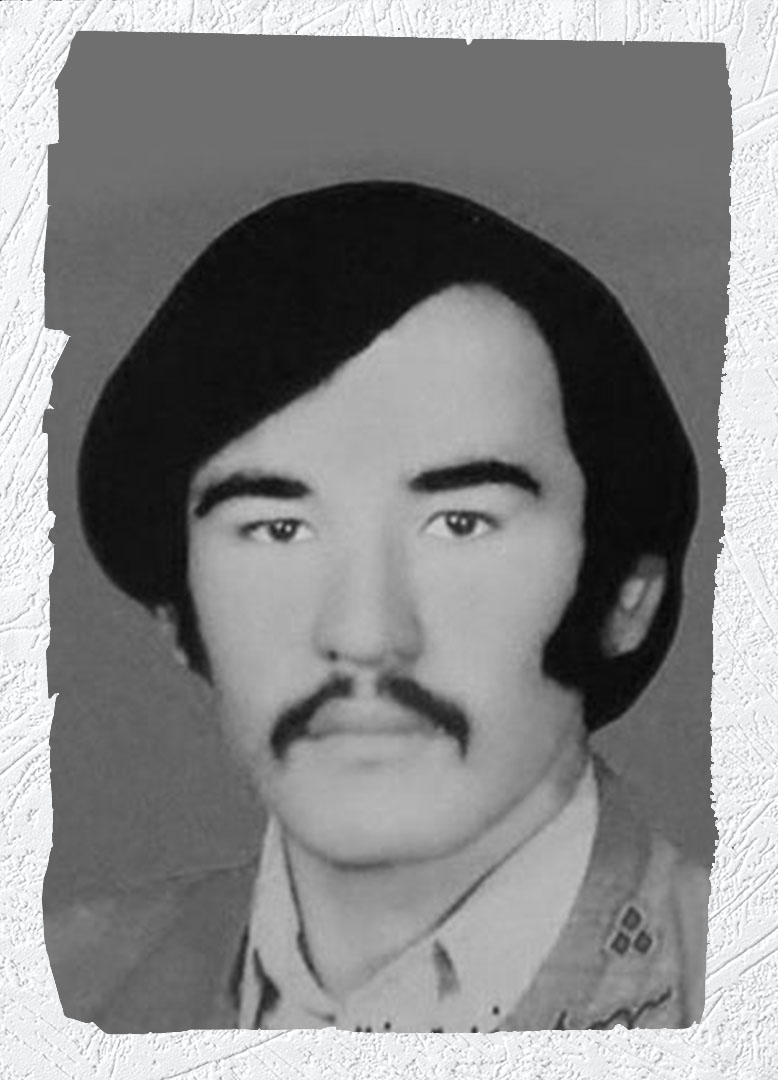
Location: Near Sarpahlu Sang village, Dawlat Yar district, Ghor province, Afghanistan (bordering Daykundi province)
Victims: 13 residents of Qariwdal village, Sang-e-Takht district, Daykundi province, One passerby from Palon Sang village, Ghor province, Four severely wounded survivors
Perpetrators: Four armed individuals, later claimed by ISIL-Khorasan Province
Incident Summary:
On September 21, 2024, at approximately 1:00 PM, a group of 17 residents from the small village of Qariwdal in Daykundi province were en route to welcome two fellow villagers returning from a pilgrimage to Karbala, Iraq. As they approached the border area between Daykundi and Ghor provinces, near the small village of Sarpahlu Sang in the Dawlat Yar district of Ghor, they encountered four armed men on motorcycles. The armed individuals identified themselves as security forces [of the Taliban] and assured the group that they were searching for a suspicious person, telling them not to worry. The assailants then instructed the villagers to line up, ostensibly for a commemorative photograph. One attacker began taking photos while another started filming. Without warning, the other two opened fire on the group from both sides. The attack resulted in the immediate deaths of 13 Hazaras, all from the Qariwdal village. Four others were severely wounded. Additionally, a traveler from Palon Sang village in Ghor, who happened to be passing through the area during the shooting, was killed while attempting to flee. The day following the attack, ISIL-Khorasan Province claimed responsibility for the massacre in an official statement.
- Date added
- AP ۱۴۰۳ وږی ۲۷
Esmat Naeibi s/o Yaqob
- Gender
- Male
- Ethnicity
- Hazara
- District geolocation of incident
- Sangtakht: 34° 28′ 3″ N, 65° 44′ 33″ EDawlat Yar: 34° 33′ 29″ N, 65° 45′ 59″ E
- Description of incident
Incident Date: September 21, 2024
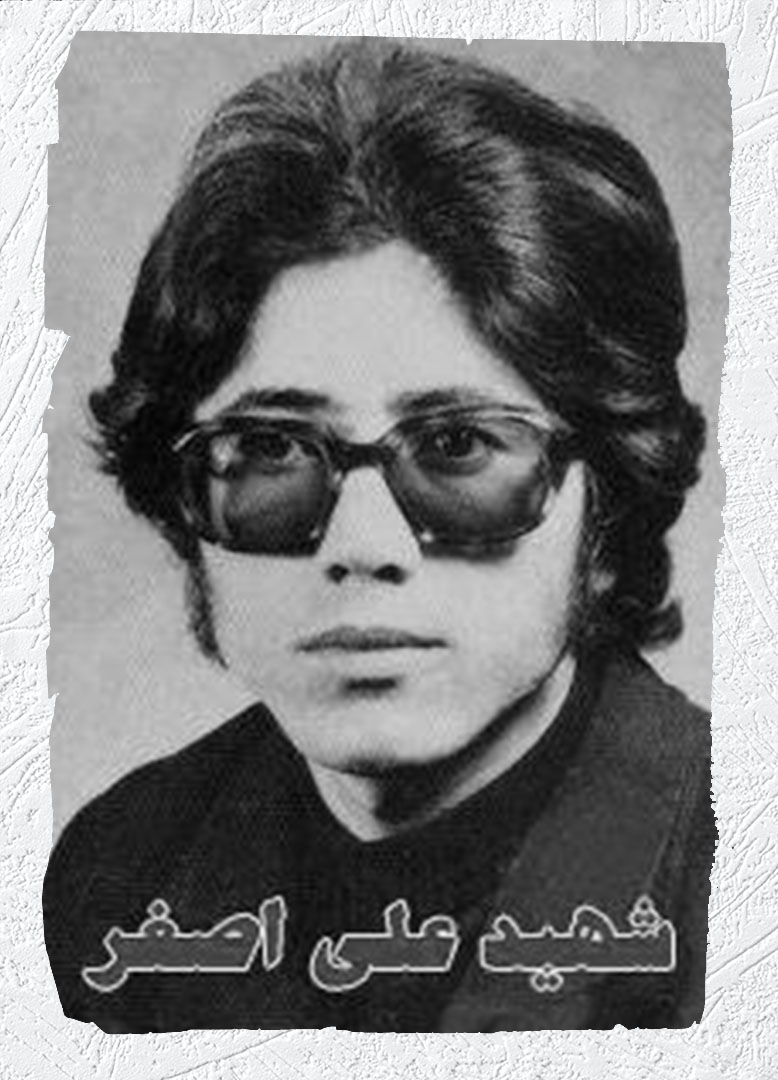
Location: Near Sarpahlu Sang village, Dawlat Yar district, Ghor province, Afghanistan (bordering Daykundi province)
Victims: 13 residents of Qariwdal village, Sang-e-Takht district, Daykundi province, One passerby from Palon Sang village, Ghor province, Four severely wounded survivors
Perpetrators: Four armed individuals, later claimed by ISIL-Khorasan Province
Incident Summary:
On September 21, 2024, at approximately 1:00 PM, a group of 17 residents from the small village of Qariwdal in Daykundi province were en route to welcome two fellow villagers returning from a pilgrimage to Karbala, Iraq. As they approached the border area between Daykundi and Ghor provinces, near the small village of Sarpahlu Sang in the Dawlat Yar district of Ghor, they encountered four armed men on motorcycles. The armed individuals identified themselves as security forces [of the Taliban] and assured the group that they were searching for a suspicious person, telling them not to worry. The assailants then instructed the villagers to line up, ostensibly for a commemorative photograph. One attacker began taking photos while another started filming. Without warning, the other two opened fire on the group from both sides. The attack resulted in the immediate deaths of 13 Hazaras, all from the Qariwdal village. Four others were severely wounded. Additionally, a traveler from Palon Sang village in Ghor, who happened to be passing through the area during the shooting, was killed while attempting to flee. The day following the attack, ISIL-Khorasan Province claimed responsibility for the massacre in an official statement.
- Date added
- AP ۱۴۰۳ وږی ۲۷
Ewaz s/o Sayid Chopaan
- Gender
- Male
- Ethnicity
- Hazara
- District geolocation of incident
- Sangtakht: 34° 28′ 3″ N, 65° 44′ 33″ EDawlat Yar: 34° 33′ 29″ N, 65° 45′ 59″ E
- Description of incident
ncident Date: September 21, 2024
Location: Near Sarpahlu Sang village, Dawlat Yar district, Ghor province, Afghanistan (bordering Daykundi province)
Victims: 13 residents of Qariwdal village, Sang-e-Takht district, Daykundi province, One passerby from Palon Sang village, Ghor province, Four severely wounded survivors
Perpetrators: Four armed individuals, later claimed by ISIL-Khorasan Province
Incident Summary:
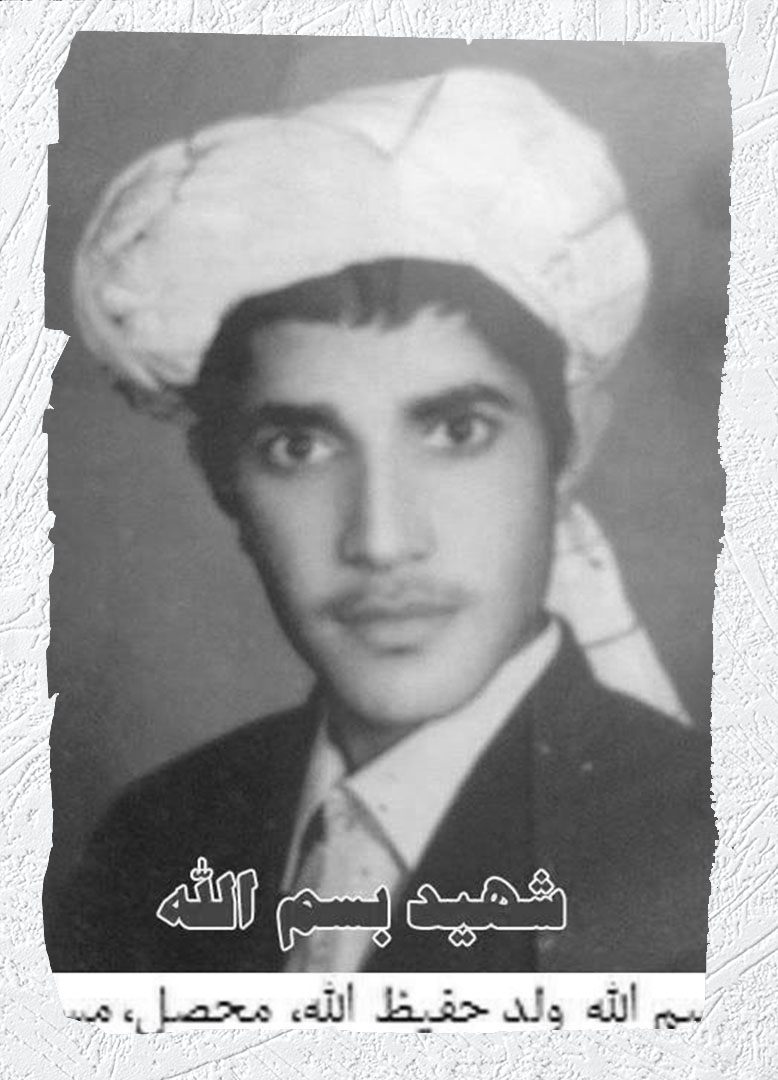
On September 21, 2024, at approximately 1:00 PM, a group of 17 residents from the small village of Qariwdal in Daykundi province were en route to welcome two fellow villagers returning from a pilgrimage to Karbala, Iraq. As they approached the border area between Daykundi and Ghor provinces, near the small village of Sarpahlu Sang in the Dawlat Yar district of Ghor, they encountered four armed men on motorcycles. The armed individuals identified themselves as security forces [of the Taliban] and assured the group that they were searching for a suspicious person, telling them not to worry. The assailants then instructed the villagers to line up, ostensibly for a commemorative photograph. One attacker began taking photos while another started filming. Without warning, the other two opened fire on the group from both sides. The attack resulted in the immediate deaths of 13 Hazaras, all from the Qariwdal village. Four others were severely wounded. Additionally, a traveler from Palon Sang village in Ghor, who happened to be passing through the area during the shooting, was killed while attempting to flee. The day following the attack, ISIL-Khorasan Province claimed responsibility for the massacre in an official statement.
- Date added
- AP ۱۴۰۳ وږی ۲۵
Anwar s/o Qasim
- Ethnicity
- Hazara
- District geolocation of incident
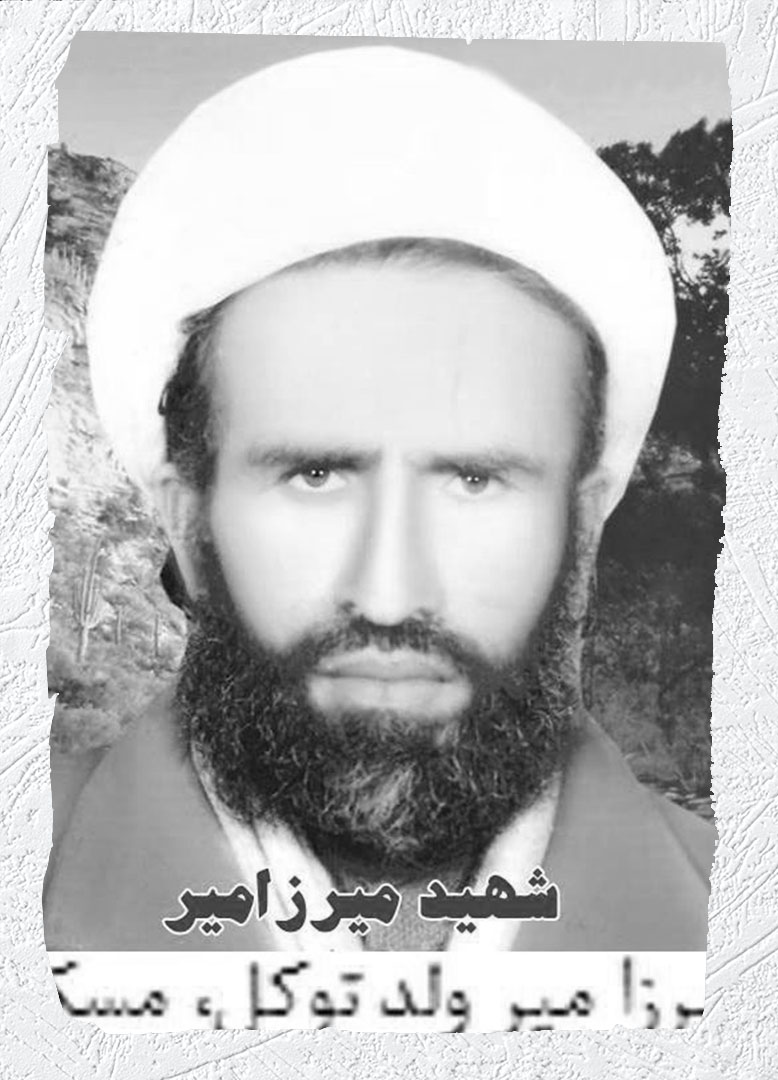
- Sangtakht: 34° 28′ 3″ N, 65° 44′ 33″ EDawlat Yar: 34° 33′ 29″ N, 65° 45′ 59″ E
- Description of incident
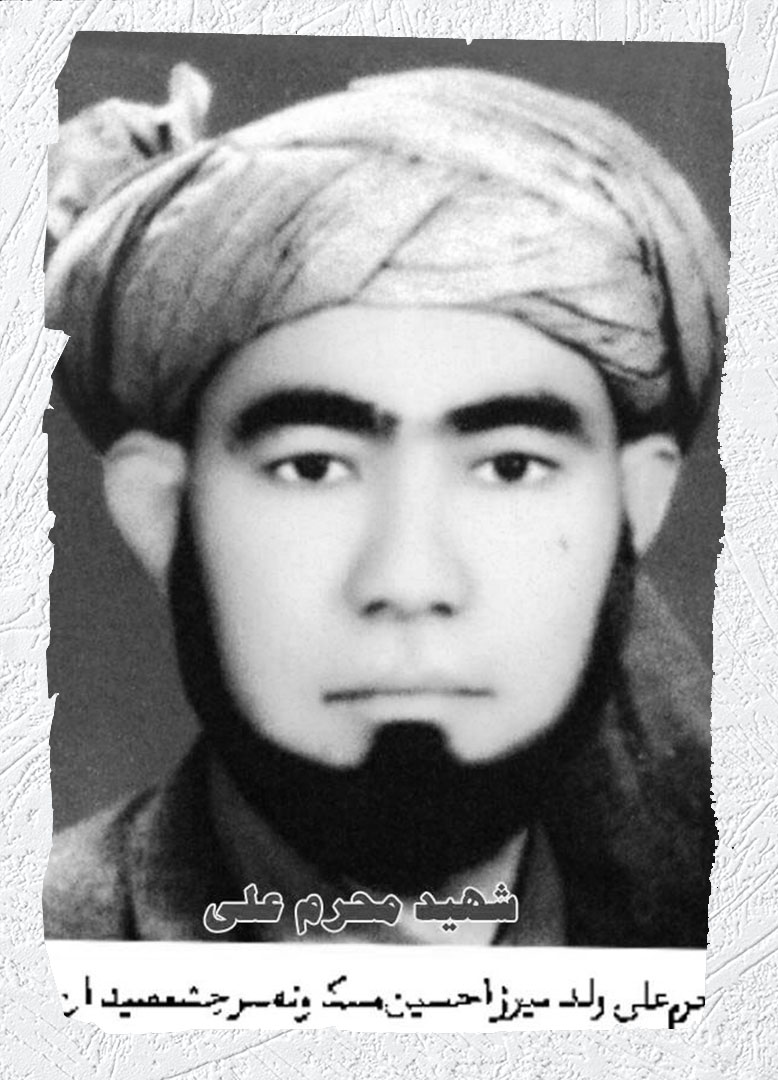
ncident Date: September 21, 2024
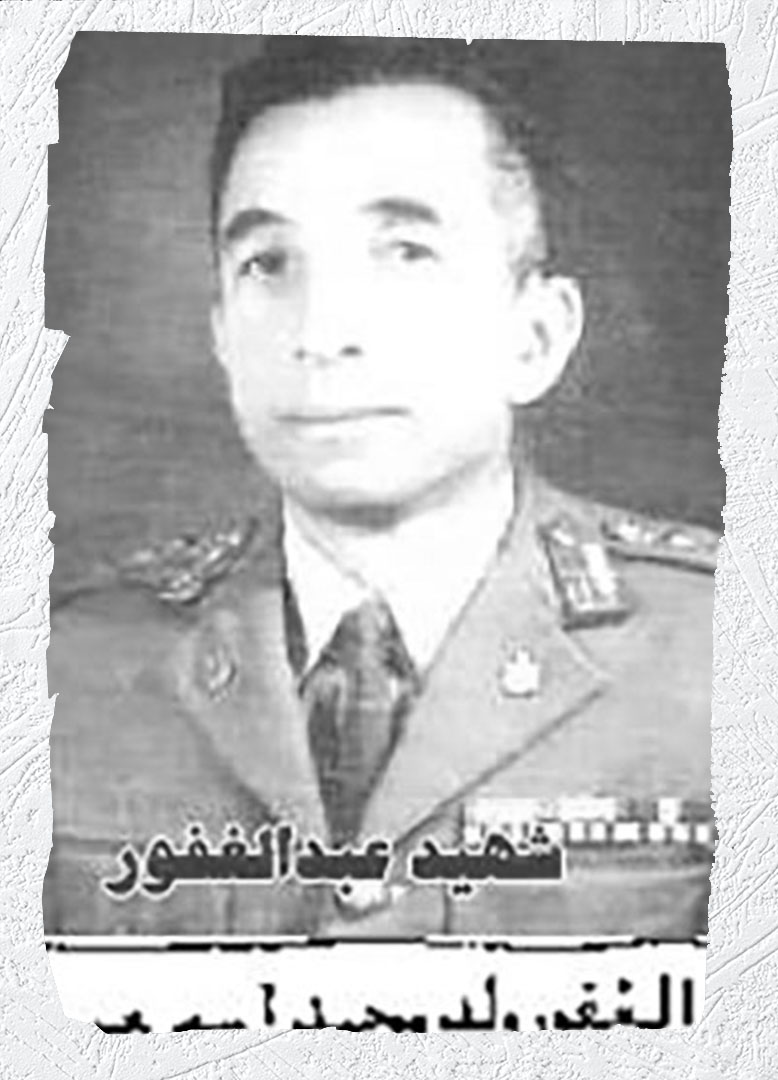
Location: Near Sarpahlu Sang village, Dawlat Yar district, Ghor province, Afghanistan (bordering Daykundi province)
Victims: 13 residents of Qariwdal village, Sang-e-Takht district, Daykundi province, One passerby from Palon Sang village, Ghor province, Four severely wounded survivors
Perpetrators: Four armed individuals, later claimed by ISIL-Khorasan Province
Incident Summary:
On September 21, 2024, at approximately 1:00 PM, a group of 17 residents from the small village of Qariwdal in Daykundi province were en route to welcome two fellow villagers returning from a pilgrimage to Karbala, Iraq. As they approached the border area between Daykundi and Ghor provinces, near the small village of Sarpahlu Sang in the Dawlat Yar district of Ghor, they encountered four armed men on motorcycles. The armed individuals identified themselves as security forces [of the Taliban] and assured the group that they were searching for a suspicious person, telling them not to worry. The assailants then instructed the villagers to line up, ostensibly for a commemorative photograph. One attacker began taking photos while another started filming. Without warning, the other two opened fire on the group from both sides. The attack resulted in the immediate deaths of 13 Hazaras, all from the Qariwdal village. Four others were severely wounded. Additionally, a traveler from Palon Sang village in Ghor, who happened to be passing through the area during the shooting, was killed while attempting to flee. The day following the attack, ISIL-Khorasan Province claimed responsibility for the massacre in an official statement.
- Date added
- AP ۱۴۰۳ وږی ۲۵
Dorr Mohammad s/o Amir Mohammad
- Gender
- Male
- Ethnicity
- Hazara
- District geolocation of incident
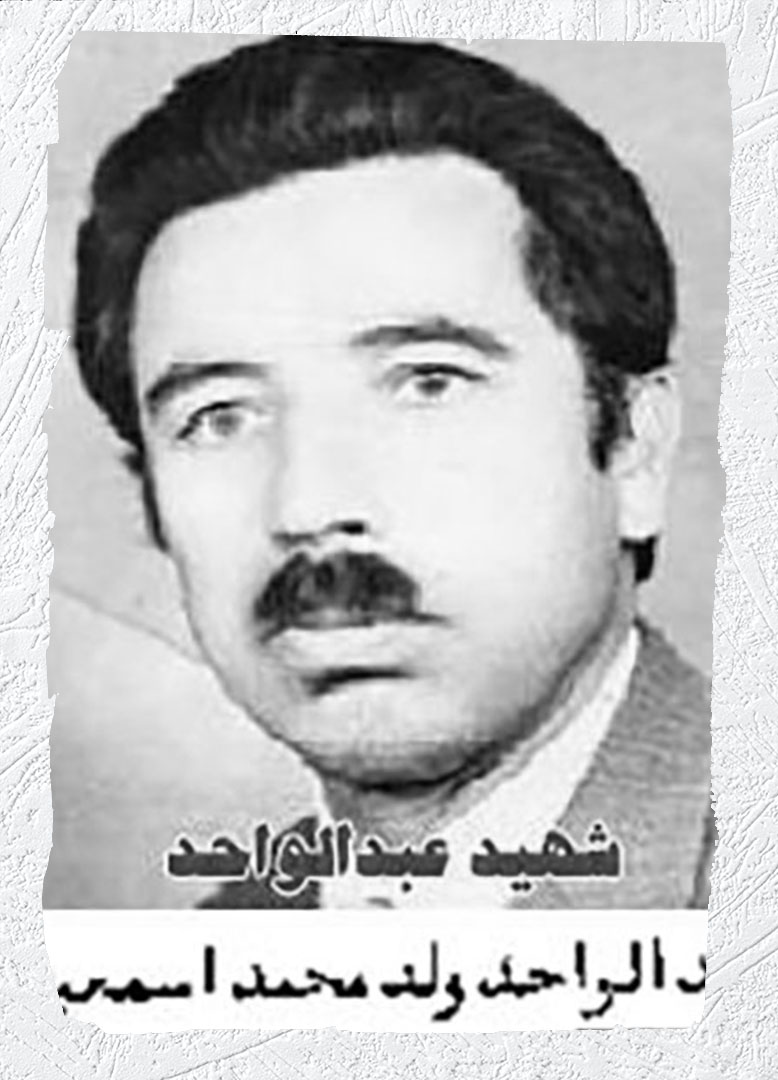
- Sangtakht: 34° 28′ 3″ N, 65° 44′ 33″ EDawlat Yar: 34° 33′ 29″ N, 65° 45′ 59″ E
- Description of incident
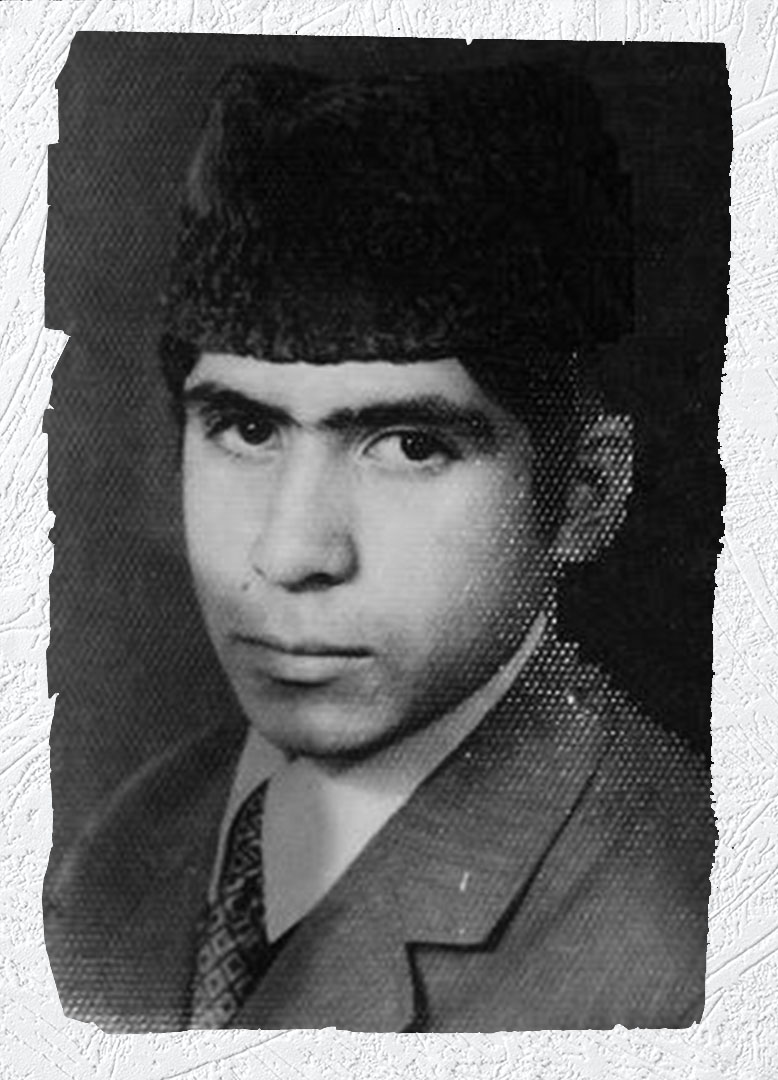
ncident Date: September 21, 2024
Location: Near Sarpahlu Sang village, Dawlat Yar district, Ghor province, Afghanistan (bordering Daykundi province)
Victims: 13 residents of Qariwdal village, Sang-e-Takht district, Daykundi province, One passerby from Palon Sang village, Ghor province, Four severely wounded survivors
Perpetrators: Four armed individuals, later claimed by ISIL-Khorasan Province
Incident Summary:
On September 21, 2024, at approximately 1:00 PM, a group of 17 residents from the small village of Qariwdal in Daykundi province were en route to welcome two fellow villagers returning from a pilgrimage to Karbala, Iraq. As they approached the border area between Daykundi and Ghor provinces, near the small village of Sarpahlu Sang in the Dawlat Yar district of Ghor, they encountered four armed men on motorcycles. The armed individuals identified themselves as security forces [of the Taliban] and assured the group that they were searching for a suspicious person, telling them not to worry. The assailants then instructed the villagers to line up, ostensibly for a commemorative photograph. One attacker began taking photos while another started filming. Without warning, the other two opened fire on the group from both sides. The attack resulted in the immediate deaths of 13 Hazaras, all from the Qariwdal village. Four others were severely wounded. Additionally, a traveler from Palon Sang village in Ghor, who happened to be passing through the area during the shooting, was killed while attempting to flee. The day following the attack, ISIL-Khorasan Province claimed responsibility for the massacre in an official statement.
- Date added
- AP ۱۴۰۳ وږی ۲۵
Ishaq s/o Chaman
- Gender
- Male
- Ethnicity
- Hazara
- District geolocation of incident
- Dawlat Yar: 34° 33′ 29″ N, 65° 45′ 59″ ESangtakht: 34° 28′ 3″ N, 65° 44′ 33″ E
- Description of incident
ncident Date: September 21, 2024
Location: Near Sarpahlu Sang village, Dawlat Yar district, Ghor province, Afghanistan (bordering Daykundi province)
Victims: 13 residents of Qariwdal village, Sang-e-Takht district, Daykundi province, One passerby from Palon Sang village, Ghor province, Four severely wounded survivors
Perpetrators: Four armed individuals, later claimed by ISIL-Khorasan Province
Incident Summary:
On September 21, 2024, at approximately 1:00 PM, a group of 17 residents from the small village of Qariwdal in Daykundi province were en route to welcome two fellow villagers returning from a pilgrimage to Karbala, Iraq. As they approached the border area between Daykundi and Ghor provinces, near the small village of Sarpahlu Sang in the Dawlat Yar district of Ghor, they encountered four armed men on motorcycles. The armed individuals identified themselves as security forces [of the Taliban] and assured the group that they were searching for a suspicious person, telling them not to worry. The assailants then instructed the villagers to line up, ostensibly for a commemorative photograph. One attacker began taking photos while another started filming. Without warning, the other two opened fire on the group from both sides. The attack resulted in the immediate deaths of 13 Hazaras, all from the Qariwdal village. Four others were severely wounded. Additionally, a traveler from Palon Sang village in Ghor, who happened to be passing through the area during the shooting, was killed while attempting to flee. The day following the attack, ISIL-Khorasan Province claimed responsibility for the massacre in an official statement.
- Date added
- AP ۱۴۰۳ وږی ۲۵
Nemat S/O Chaman
- Gender
- Male
- Ethnicity
- Hazara
- District geolocation of incident
- Sangtakht: 34° 28′ 3″ N, 65° 44′ 33″ EDawlat Yar: 34° 33′ 29″ N, 65° 45′ 59″ E
- Description of incident
ncident Date: September 21, 2024
Location: Near Sarpahlu Sang village, Dawlat Yar district, Ghor province, Afghanistan (bordering Daykundi province)
Victims: 13 residents of Qariwdal village, Sang-e-Takht district, Daykundi province, One passerby from Palon Sang village, Ghor province, Four severely wounded survivors
Perpetrators: Four armed individuals, later claimed by ISIL-Khorasan Province
Incident Summary:
On September 21, 2024, at approximately 1:00 PM, a group of 17 residents from the small village of Qariwdal in Daykundi province were en route to welcome two fellow villagers returning from a pilgrimage to Karbala, Iraq. As they approached the border area between Daykundi and Ghor provinces, near the small village of Sarpahlu Sang in the Dowlat Yar district of Ghor, they encountered four armed men on motorcycles. The armed individuals identified themselves as security forces [of the Taliban] and assured the group that they were searching for a suspicious person, telling them not to worry. The assailants then instructed the villagers to line up, ostensibly for a commemorative photograph. One attacker began taking photos while another started filming. Without warning, the other two opened fire on the group from both sides. The attack resulted in the immediate deaths of 13 Hazaras, all from the Qariwdal village. Four others were severely wounded. Additionally, a traveler from Palon Sang village in Ghor, who happened to be passing through the area during the shooting, was killed while attempting to flee. The day following the attack, ISIL-Khorasan Province claimed responsibility for the massacre in an official statement.
- Witness/Survivor Statement
No
- Date added
- AP ۱۴۰۳ وږی ۲۵
Target Killing Claims 14 Lives in Daykundi-Ghor Border, Ghor(2022)
- Date added
- AP ۱۴۰۳ وږی ۲۵
Mysterious Murder of Abdul Rahman: A Young Man's Life Cut Short in Bamyan
- Date added
- AP ۱۴۰۳ وږی ۲۰
Kidnapping and Detention of Three Brothers from Jaghuri, (2022)
- Date added
- AP ۱۴۰۳ وږی ۲۰
Wrongful Arrest and Torture of Watchmen in Jaghuri District, Ghazni (2022)
- Date added
- AP ۱۴۰۳ وږی ۲۰
Series of Uninvestigated Murders in Jaghouri, Ghazni (2021-2023)
- Date added
- AP ۱۴۰۳ زمری ۲۶
Arrest and Detention of Elderly and Teachers in Jaghouri, Ghazni (2022)
- Date added
- AP ۱۴۰۳ زمری ۲۶
Detention and Torture of Villagers by Taliban in Ghazni (2022)
- Date added
- AP ۱۴۰۳ زمری ۲۴
Arbitrary Detention and Extortion of Haji Zahir, Ghazni (2021)
- Date added
- AP ۱۴۰۳ زمری ۲۴
Title: Systematic Arrests and Torture by Taliban in Angoori, Jaghuri, Ghazni (2022)
- Date added
- AP ۱۴۰۳ زمری ۲۴
Arbitrary Arrest and Extortion by Taliban Forces, Ghazni (2022)
- Date added
- AP ۱۴۰۳ زمری ۲۴
Murder of Amanatullah Sadeghi in Tashkan District, Badakhshan (2024)
- Date added
- AP ۱۴۰۳ زمری ۲۳
Arrest and Torture of Mohammad Ali in Jaghori District, Ghazni (2022)
- Date added
- AP ۱۴۰۳ زمری ۲۲
Killing of Vegetable Seller at Cinema Intersection in Ghazni (2022)
- Date added
- AP ۱۴۰۳ زمری ۲۲
Discovery of Hazara Travelers’ Bodies in Qarabagh District, Ghazni (2021)
- Date added
- AP ۱۴۰۳ زمری ۲۱
Violent Attack on Khodadad Ahmadi in Malestan District, Ghazni (2021)
- Date added
- AP ۱۴۰۳ زمری ۲۱
Hazara Traveler Publicly Shamed and Humiliated for Breaking His Fasting, Ghor (2022)
- Date added
- AP ۱۴۰۳ زمری ۲۱
Torture During House-to-House Raid in Taywara District, Ghor (2021)
- Date added
- AP ۱۴۰۳ زمری ۲۰
The Arrest and Torture of Mohammad Osman Malekzadeh and Relatives, Ghor (2022)
- Date added
- AP ۱۴۰۳ زمری ۲۰
Six People Arrested and Disappeared, Accused Affiliation with NRF in Lal and Sarjangal, Ghor (2022)
- Date added
- AP ۱۴۰۳ زمری ۱۳
The Arrest and Torture of Journalists and Officials in Ghor (2022)
- Date added
- AP ۱۴۰۳ زمری ۱۳
The Massacre of Five Family Members in Khwaja Sarma, Injil, Herat (2022)
- Date added
- AP ۱۴۰۳ زمری ۱۲
The Mysterious Killing of an Elderly Man and His Grandson, Ghor (2022)
- Date added
- AP ۱۴۰۳ زمری ۱۲
The Tragic Death of a Young Girl in Dawlat_Yar District, Ghor (2021)
- Date added
- AP ۱۴۰۳ زمری ۱۲
SalmanAli Hussaini
- Photo of Victim

- Gender
- Male
- Ethnicity
- Hazara
- District geolocation of incident
- Malistan: 33° 20′ 48″ N, 67° 12′ 13″ E
- Date added
- AP ۱۴۰۳ زمری ۵
Khodadad Mozafari
- Photo of Victim

- Gender
- Male
- Ethnicity
- Hazara
- District geolocation of incident
- Malistan: 33° 20′ 48″ N, 67° 12′ 13″ E
- Date added
- AP ۱۴۰۳ زمری ۵
Haiatullah Ahmadi
- Photo of Victim

- Gender
- Male
- Ethnicity
- Hazara
- District geolocation of incident
- Malistan: 33° 20′ 48″ N, 67° 12′ 13″ E
- Date added
- AP ۱۴۰۳ زمری ۵
Janali Akhlaqi
- Photo of Victim

- Gender
- Male
- Ethnicity
- Hazara
- District geolocation of incident
- Malistan: 33° 20′ 48″ N, 67° 12′ 13″ E
- Date added
- AP ۱۴۰۳ زمری ۵
Zia Marefat
- Photo of Victim

- Gender
- Male
- Ethnicity
- Hazara
- District geolocation of incident
- Malistan: 33° 20′ 48″ N, 67° 12′ 13″ E
- Description of incident
Hundreds of Taliban fighters stormed Malistan District in Ghazni province at the end of July 2021. Taliban fighters seized control of the district following hours of combat with government forces at the time. They immediately initiated search operations, arbitrary detentions, and summary executions of civilians. At least forty civilians, including children and women, were reportedly murdered, and dozens more were arrested and tortured by Taliban combatants throughout the conflict, according to multiple sources, including locals and eyewitnesses.
- Witness/Survivor Statement
No statement
- Date added
- AP ۱۴۰۳ زمری ۳
Sayed Abdulhakim Mosawi
- Photo of Victim

- Gender
- Male
- Ethnicity
- Sadat
- District geolocation of incident
- Malistan: 33° 20′ 48″ N, 67° 12′ 13″ E
- Description of incident
Hundreds of Taliban fighters stormed Malistan District in Ghazni province at the end of July 2021. Taliban fighters seized control of the district following hours of combat with government forces at the time. They immediately initiated search operations, arbitrary detentions, and summary executions of civilians. At least forty civilians, including children and women, were reportedly murdered, and dozens more were arrested and tortured by Taliban combatants throughout the conflict, according to multiple sources, including locals and eyewitnesses.
- Date added
- AP ۱۴۰۳ زمری ۳
Sayed Ahmad Ansari
- Photo of Victim

- Gender
- Male
- Ethnicity
- Sadat
- District geolocation of incident
- Malistan: 33° 20′ 48″ N, 67° 12′ 13″ E
- Description of incident
Hundreds of Taliban fighters stormed Malistan District in Ghazni province at the end of July 2021. Taliban fighters seized control of the district following hours of combat with government forces at the time. They immediately initiated search operations, arbitrary detentions, and summary executions of civilians. At least forty civilians, including children and women, were reportedly murdered, and dozens more were arrested and tortured by Taliban combatants throughout the conflict, according to multiple sources, including locals and eyewitnesses.
- Witness/Survivor Statement
No statement
- Date added
- AP ۱۴۰۳ زمری ۳
Zawarshah Amini
- Photo of Victim

- Gender
- Male
- Ethnicity
- Hazara
- District geolocation of incident
- Malistan: 33° 20′ 48″ N, 67° 12′ 13″ E
- Description of incident
Hundreds of Taliban fighters stormed Malistan District in Ghazni province at the end of July 2021. Taliban fighters seized control of the district following hours of combat with government forces at the time. They immediately initiated search operations, arbitrary detentions, and summary executions of civilians. At least forty civilians, including children and women, were reportedly murdered, and dozens more were arrested and tortured by Taliban combatants throughout the conflict, according to multiple sources, including locals and eyewitnesses.
- Witness/Survivor Statement
No statement
- Date added
- AP ۱۴۰۳ زمری ۲
HussainAli Sultani
- Photo of Victim

- Gender
- Male
- Ethnicity
- Hazara
- District geolocation of incident
- Malistan: 33° 20′ 48″ N, 67° 12′ 13″ E
- Date added
- AP ۱۴۰۳ زمری ۲
Jafar Rahimi
- Photo of Victim

- Gender
- Male
- Ethnicity
- Hazara
- District geolocation of incident
- Malistan: 33° 20′ 48″ N, 67° 12′ 13″ E
- Description of incident
Hundreds of Taliban fighters stormed Malistan District in Ghazni province at the end of July 2021. Taliban fighters seized control of the district following hours of combat with government forces at the time. They immediately initiated search operations, arbitrary detentions, and summary executions of civilians. At least forty civilians, including children and women, were reportedly murdered, and dozens more were arrested and tortured by Taliban combatants throughout the conflict, according to multiple sources, including locals and eyewitnesses.
- Witness/Survivor Statement
No statement
- Date added
- AP ۱۴۰۳ زمری ۲
Razia Nazari
- Photo of Victim

- Gender
- Female
- Ethnicity
- Hazara
- District geolocation of incident
- Malistan: 33° 20′ 48″ N, 67° 12′ 13″ E
- Description of incident
Hundreds of Taliban fighters stormed Malistan District in Ghazni province at the end of July 2021. Taliban fighters seized control of the district following hours of combat with government forces at the time. They immediately initiated search operations, arbitrary detentions, and summary executions of civilians. At least forty civilians, including children and women, were reportedly murdered, and dozens more were arrested and tortured by Taliban combatants throughout the conflict, according to multiple sources, including locals and eyewitnesses.
- Witness/Survivor Statement
No statement
- Date added
- AP ۱۴۰۳ زمری ۲
Killing, Destruction, and Forced Displacement of Hazaras by Kochies (nomads) in Wardak (2010)
- Date added
- AP ۱۴۰۳ زمری ۱
Killing Hazara Man following strict Muharram Restriction in Herat (2024)
- Date added
- AP ۱۴۰۳ چنگاښ ۳۰
Ghulam Haidar Amiri
- Photo of Victim

- Gender
- Male
- Ethnicity
- Hazara
- District geolocation of incident
- Kabul: 34° 31′ 1″ N, 69° 8′ 60″ E
- Description of incident
On September 5, 2018, a horrific twin suicide bombing struck the Maiwand Wrestling Club in Dasht-e-Barchi, a predominantly Hazara neighborhood in western Kabul, Afghanistan. The first blast ripped through the wrestling club in the early evening, followed by a second explosion targeting first responders and civilians who had gathered to assist the victims. This secondary attack caused even greater casualties. The attacks resulted in the deaths of at least 30 civilians, including two journalists Samim Framarz and Ramiz Ahmadi, and injured over 103 others. The Islamic State Khorasan Province (ISIL-KP) claimed responsibility for the bombings, stating they targeted Shia-Hazaras.
- Witness/Survivor Statement
No
- Date added
- AP ۱۴۰۳ چنگاښ ۳۰
Ramiz Ahmadi
- Photo of Victim

- Gender
- Male
- Ethnicity
- Unknown
- District geolocation of incident
- Kabul: 34° 31′ 1″ N, 69° 8′ 60″ E
- Description of incident
On September 5, 2018, a horrific twin suicide bombing struck the Maiwand Wrestling Club in Dasht-e-Barchi, a predominantly Hazara neighborhood in western Kabul, Afghanistan. The first blast ripped through the wrestling club in the early evening, followed by a second explosion targeting first responders and civilians who had gathered to assist the victims. This secondary attack caused even greater casualties. The attacks resulted in the deaths of at least 30 civilians, including two journalists Samim Framarz and Ramiz Ahmadi, and injured over 103 others. The Islamic State Khorasan Province (ISIL-KP) claimed responsibility for the bombings, stating they targeted Shia-Hazaras.
- Witness/Survivor Statement
No
- Date added
- AP ۱۴۰۳ چنگاښ ۳۰
Samim Faramarz
- Photo of Victim

- Gender
- Male
- Ethnicity
- Tajik
- District geolocation of incident
- Kabul: 34° 31′ 1″ N, 69° 8′ 60″ E
- Description of incident
On September 5, 2018, a horrific twin suicide bombing struck the Maiwand Wrestling Club in Dasht-e-Barchi, a predominantly Hazara neighborhood in western Kabul, Afghanistan. The first blast ripped through the wrestling club in the early evening, followed by a second explosion targeting first responders and civilians who had gathered to assist the victims. This secondary attack caused even greater casualties. The attacks resulted in the deaths of at least 30 civilians, including two journalists Samim Framarz and Ramiz Ahmadi, and injured over 103 others. The Islamic State Khorasan Province (ISIL-KP) claimed responsibility for the bombings, stating they targeted Shia-Hazaras.
- Witness/Survivor Statement
No
- Date added
- AP ۱۴۰۳ چنگاښ ۳۰
Samad Amini
- Photo of Victim

- Gender
- Male
- Ethnicity
- Hazara
- District geolocation of incident
- Malistan: 33° 20′ 48″ N, 67° 12′ 13″ E
- Description of incident
Hundreds of Taliban fighters stormed Malistan District in Ghazni province at the end of July 2021. Taliban fighters seized control of the district following hours of combat with government forces at the time. They immediately initiated search operations, arbitrary detentions, and summary executions of civilians. At least forty civilians, including children and women, were reportedly murdered, and dozens more were arrested and tortured by Taliban combatants throughout the conflict, according to multiple sources, including locals and eyewitnesses.
- Witness/Survivor Statement
No statement
- Date added
- AP ۱۴۰۳ چنگاښ ۲۹
Alimadad Saberi
- Photo of Victim

- Gender
- Male
- Ethnicity
- Hazara
- District geolocation of incident
- Malistan: 33° 20′ 48″ N, 67° 12′ 13″ E
- Description of incident
Between November 5, 2018, and November 15, 2018, the Taliban executed a large-scale assault on the Jaghuri and Malistan districts from multiple directions. Tragically, during this conflict, 30-60 civilians lost their lives according to different secures, primarily due to Taliban actions. Additionally, over 50 individuals sustained injuries, and hundreds of families were forcibly displaced from their homes.
- Witness/Survivor Statement
No statement
- Date added
- AP ۱۴۰۳ چنگاښ ۲۹
KarimBakhsh
- Photo of Victim

- Gender
- Male
- Ethnicity
- Hazara
- District geolocation of incident
- Malistan: 33° 20′ 48″ N, 67° 12′ 13″ E
- Description of incident
Between November 5, 2018, and November 15, 2018, the Taliban executed a large-scale assault on the Jaghuri and Malistan districts from multiple directions. Tragically, during this conflict, 30-60 civilians lost their lives according to different secures, primarily due to Taliban actions. Additionally, over 50 individuals sustained injuries, and hundreds of families were forcibly displaced from their homes.
- Witness/Survivor Statement
No statement
- Date added
- AP ۱۴۰۳ چنگاښ ۲۸
AbdulAziz Rezwani
- Photo of Victim

- Gender
- Male
- Ethnicity
- Hazara
- District geolocation of incident
- Malistan: 33° 20′ 48″ N, 67° 12′ 13″ E
- Description of incident
Between November 5, 2018, and November 15, 2018, the Taliban executed a large-scale assault on the Jaghuri and Malistan districts from multiple directions. Tragically, during this conflict, 30-60 civilians lost their lives according to different secures, primarily due to Taliban actions. Additionally, over 50 individuals sustained injuries, and hundreds of families were forcibly displaced from their homes.
- Witness/Survivor Statement
No statement
- Date added
- AP ۱۴۰۳ چنگاښ ۲۸
Hadi Jafari
- Photo of Victim

- Gender
- Male
- Ethnicity
- Hazara
- District geolocation of incident
- Malistan: 33° 20′ 48″ N, 67° 12′ 13″ E
- Description of incident
Between November 5, 2018, and November 15, 2018, the Taliban executed a large-scale assault on the Jaghuri and Malistan districts from multiple directions. Tragically, during this conflict, 30-60 civilians lost their lives according to different secures, primarily due to Taliban actions. Additionally, over 50 individuals sustained injuries, and hundreds of families were forcibly displaced from their homes.
- Witness/Survivor Statement
No statement
- Date added
- AP ۱۴۰۳ چنگاښ ۸
Salman Jafari
- Photo of Victim

- Gender
- Male
- Ethnicity
- Hazara
- District geolocation of incident
- Malistan: 33° 20′ 48″ N, 67° 12′ 13″ E
- Description of incident
Between November 5, 2018, and November 15, 2018, the Taliban executed a large-scale assault on the Jaghuri and Malistan districts from multiple directions. Tragically, during this conflict, 30-60 civilians lost their lives according to different secures, primarily due to Taliban actions. Additionally, over 50 individuals sustained injuries, and hundreds of families were forcibly displaced from their homes.
- Witness/Survivor Statement
No statement
- Date added
- AP ۱۴۰۳ چنگاښ ۸
Ramazan Mohammadi
- Photo of Victim

- Gender
- Male
- Ethnicity
- Hazara
- District geolocation of incident
- Malistan: 33° 20′ 48″ N, 67° 12′ 13″ E
- Description of incident
Between November 5, 2018, and November 15, 2018, the Taliban executed a large-scale assault on the Jaghuri and Malistan districts from multiple directions. Tragically, during this conflict, 30-60 civilians lost their lives according to different secures, primarily due to Taliban actions. Additionally, over 50 individuals sustained injuries, and hundreds of families were forcibly displaced from their homes.
- Witness/Survivor Statement
No statement
- Date added
- AP ۱۴۰۳ چنگاښ ۸
Khodabakhsh Akbari
- Photo of Victim

- Gender
- Male
- Ethnicity
- Hazara
- District geolocation of incident
- Malistan: 33° 20′ 48″ N, 67° 12′ 13″ E
- Description of incident
Between November 5, 2018, and November 15, 2018, the Taliban executed a large-scale assault on the Jaghuri and Malistan districts from multiple directions. Tragically, during this conflict, 30-60 civilians lost their lives according to different secures, primarily due to Taliban actions. Additionally, over 50 individuals sustained injuries, and hundreds of families were forcibly displaced from their homes.
- Witness/Survivor Statement
No statement
- Date added
- AP ۱۴۰۳ چنگاښ ۸
Jan Mohammad
- Photo of Victim

- Gender
- Male
- Ethnicity
- Hazara
- District geolocation of incident
- Malistan: 33° 20′ 48″ N, 67° 12′ 13″ E
- Description of incident
Between November 5, 2018, and November 15, 2018, the Taliban executed a large-scale assault on the Jaghuri and Malistan districts from multiple directions. Tragically, during this conflict, 30-60 civilians lost their lives according to different secures, primarily due to Taliban actions. Additionally, over 50 individuals sustained injuries, and hundreds of families were forcibly displaced from their homes.
- Witness/Survivor Statement
No statement
- Date added
- AP ۱۴۰۳ چنگاښ ۷
Baba Ali Rahmani
- Photo of Victim

- Gender
- Male
- Ethnicity
- Hazara
- District geolocation of incident
- Malistan: 33° 20′ 48″ N, 67° 12′ 13″ E
- Description of incident
Between November 5, 2018, and November 15, 2018, the Taliban executed a large-scale assault on the Jaghuri and Malistan districts from multiple directions. Tragically, during this conflict, 30-60 civilians lost their lives according to different secures, primarily due to Taliban actions. Additionally, over 50 individuals sustained injuries, and hundreds of families were forcibly displaced from their homes.
- Witness/Survivor Statement
No statement
- Date added
- AP ۱۴۰۳ چنگاښ ۷
Eshaq Mohammadi
- Photo of Victim

- Gender
- Male
- Ethnicity
- Hazara
- District geolocation of incident
- Malistan: 33° 20′ 48″ N, 67° 12′ 13″ E
- Description of incident
Between November 5, 2018, and November 15, 2018, the Taliban executed a large-scale assault on the Jaghuri and Malistan districts from multiple directions. Tragically, during this conflict, 30-60 civilians lost their lives according to different secures, primarily due to Taliban actions. Additionally, over 50 individuals sustained injuries, and hundreds of families were forcibly displaced from their homes.
- Witness/Survivor Statement
No statement
- Date added
- AP ۱۴۰۳ چنگاښ ۷
Ahmad Guqmani
- Photo of Victim

- Gender
- Male
- Ethnicity
- Hazara
- District geolocation of incident
- Malistan: 33° 20′ 48″ N, 67° 12′ 13″ E
- Description of incident
Between November 5, 2018, and November 15, 2018, the Taliban executed a large-scale assault on the Jaghuri and Malistan districts from multiple directions. Tragically, during this conflict, 30-60 civilians lost their lives according to different secures, primarily due to Taliban actions. Additionally, over 50 individuals sustained injuries, and hundreds of families were forcibly displaced from their homes.
- Witness/Survivor Statement
No statement
- Date added
- AP ۱۴۰۳ چنگاښ ۷
Rahmatullah Qasimi
- Photo of Victim

- Gender
- Male
- Ethnicity
- Hazara
- District geolocation of incident
- Ajristan: 33° 49′ 11″ N, 67° 12′ 53″ E
- Description of incident
On April 18, 2015, 14 Hazara men who were traveling from the Malistan District to the Ajristan District in Ghazni, now part of Daikundi Province, to purchase livestock were abducted by Taliban fighters. Initially, the Taliban demanded that the government release their fighters who were detained and imprisoned by the Ghazni Department of Intelligence. After the government did not comply with their demands, the captives were subjected to several days of severe torture and subsequently four of them beheaded by their captors and other 10 were released later.
- Witness/Survivor Statement
No statement
- Date added
- AP ۱۴۰۳ چنگاښ ۷
Dawod Qasimi
- Photo of Victim

- Gender
- Male
- Ethnicity
- Hazara
- District geolocation of incident
- Ajristan: 33° 49′ 11″ N, 67° 12′ 53″ E
- Description of incident
On April 18, 2015, 14 Hazara men who were traveling from the Malistan District to the Ajristan District in Ghazni, now part of Daikundi Province, to purchase livestock were abducted by Taliban fighters. Initially, the Taliban demanded that the government release their fighters who were detained and imprisoned by the Ghazni Department of Intelligence. After the government did not comply with their demands, the captives were subjected to several days of severe torture and subsequently four of them beheaded by their captors and other 10 were released later.
- Witness/Survivor Statement
No statement
- Date added
- AP ۱۴۰۳ چنگاښ ۷
Ebrahim Yazdani
- Photo of Victim

- Gender
- Male
- Ethnicity
- Hazara
- District geolocation of incident
- Ajristan: 33° 49′ 11″ N, 67° 12′ 53″ E
- Description of incident
On April 18, 2015, 14 Hazara men who were traveling from the Malistan District to the Ajristan District in Ghazni, now part of Daikundi Province, to purchase livestock were abducted by Taliban fighters. Initially, the Taliban demanded that the government release their fighters who were detained and imprisoned by the Ghazni Department of Intelligence. After the government did not comply with their demands, the captives were subjected to several days of severe torture and subsequently four of them beheaded by their captors and other 10 were released later.
- Witness/Survivor Statement
No statement
- Date added
- AP ۱۴۰۳ چنگاښ ۶
Aziz Ghulami
- Photo of Victim

- Gender
- Male
- Ethnicity
- Hazara
- District geolocation of incident
- Ajristan: 33° 49′ 11″ N, 67° 12′ 53″ E
- Description of incident
On April 18, 2015, 14 Hazara men who were traveling from the Malistan District to the Ajristan District in Ghazni, now part of Daikundi Province, to purchase livestock were abducted by Taliban fighters. Initially, the Taliban demanded that the government release their fighters who were detained and imprisoned by the Ghazni Department of Intelligence. After the government did not comply with their demands, the captives were subjected to several days of severe torture and subsequently four of them beheaded by their captors and other 10 were released later.
- Witness/Survivor Statement
No statement
- Date added
- AP ۱۴۰۳ چنگاښ ۶
Nasrin Naderi
- Photo of Victim

- Gender
- Female
- Ethnicity
- Hazara
- District geolocation of incident
- Kabul: 34° 31′ 1″ N, 69° 8′ 60″ E
- Witness/Survivor Statement
Narrator: Nasrin Naderi
Victim: Nasrin Naderi
Date of the incident: 24 October 2020
Location of the incident: District 13, Kabul City, Pul-e Khoshk, Dasht-e Barchi, Kausar Danesh Educational Center
In the name of God I am Nasreen Naderi, the daughter of Mohammad Aman Naderi from Maidan Wardak province, Daymirdad district. I am 18 years old and have graduated from school. However, due to the coronavirus situation, I have not yet been able to take the university entrance exam. At the moment, I am busy with social activities. Our family resides in Maidan Wardak, but I am in Kabul for my education. We have rented a room here. In Daimirdad district, Naqshi village, Due to the lack of facilities and insecurity, we have left our village of Naqshi in the Daimirdad district,. Every year, we are attacked by nomadic tribes; I don't know their motive, whether political, ethnic, or otherwise, but we are attacked by them annually. These attacks cause us both human and financial losses. When they occur, all villagers flee to the mountains or elsewhere. Upon returning to their homes, they find their animal supplies and food materials burned, along with their schools and houses. It has been a few years now since my parents left. Initially, they were here with me, but once quarantine was introduced, they returned to Maidan Wardak and have remained there until now. It's been about two years since they left; my father is farming, and I have been here for approximately five or six years.
Unfortunately, I sustained injuries. The first incident took place at Kawsar Danesh in February 2018. Human rights activists certainly know that the incident - it was the first incident that happened to Afghanistan's education center- had a serious impact on educational programs. In this incident, my hand was wounded by shrapnel. The attacker was carrying a hand grenade, and I was only one or two meters away from him. It was the first time I saw the explosion of a human being with my eyes. No one was killed, but many were wounded, most of them girls because they were sitting in the front row. The second incident happened in 2019. I witnessed an incident at Mauood that impacted heavily on my mental health and I was obliged to take a break from my studies for a year. After Mauood was hit, we lost confidence but we carried on. Once the Kawsar educationa center was thriving again, we went back there and enrolled in the preparation course for the university entrance exam. Once again, there was an explosion at Kawsar Danesh alley last year in the fall. I don't recall the incident accurately; I think it was on the 29th October. We were in the alley, and I was injured in the back by shrapnel. It penetrated deeply and reached close to my spinal cord. Due to the serious risk, the doctors in Kabul did not want to take responsibility for such a complex operation. A neurologist was needed, an expert in such surgery, but there was no such person.
Unfortunately, due to financial constraints and my father's self-employment as a farmer or street vendor, we've been unable to afford the expenses of surgery in private hospitals or seek medical treatment outside Afghanistan. Walking poses significant challenges for me. Every few steps I take, the wound area becomes bruised, leading to subsequent internal bleeding. Although the doctors have extracted the shrapnel, my injuries persist. The damage is situated on my spine, suggesting severe internal trauma. The shrapnel was only removed from my body about fifteen or sixteen days after the incident, by which time it had shifted 15 millimeters. I'm enduring immense suffering as a result of this ordeal. Despite being a victim, I reject such a label; I am averse to the term 'victim.' In my view, no one is a victim if they possess the determination and resolve to fight. I am committed to ensuring that no one else experiences the pain and suffering I have endured.
Perhaps I lack all the details; even if I once knew them, they've slipped from memory. It was around 4:00 pm when our class was dismissed, and we were on our way to a chemistry session when the explosion rocked the alley. Our class at Kausar is large; at least 800 students attend. As we moved to another class, my friend Shukria Hussaini and I were reviewing our lessons when we noticed a young boy carrying a large sport shoulder bag, a rare sight given the center's rules. Another institution, Afghan IT, shared the same alley, so we didn't find his presence suspicious. Despite what we'd been taught about the signs of a suicide bomber, we saw no indication of such in him. My friend nudged me, pointing out the boy's bag size. When I turned, dust and smoke filled the air. Though close, we heard no sound, only saw blood everywhere, and people covered in it calling for aid. It was terrifying. I realized my clothes were drenched in blood, my fresh wound throbbing. Shukria had passed out, and I felt paralyzed, unsure of what action to take. I'm uncertain who transported me or how I reached home, or who relayed the news. When I came to, we were at Dar al-Salam hospital, where I spent days. With no adequate medical facilities, my condition worsened; the shrapnel had caused intense bleeding at the back of my head. Though it wasn't a major blood vessel, the risk was severe.
I hope to survive the adversities faced at such a young age; by international standards, we're still children. Let's transform these hardships into energy for our ambition, refusing to succumb to despair or isolation. We shouldn't see ourselves as just victims of Afghan conflict; instead, let's aspire to compete globally in science and art.
Well, as I mentioned before, not all my classmates were close friends. It is difficult to have close friends in a classroom with 800 students. I loved all of them; we raised our voices together, studied together to understand derivative and integral and electric currents. There was only one friend whose death hit me hard, Miss Maleka Ibrahimi. I was truly hurt by losing her. She was a girl with beautiful political and economic ideas; a lady whose loss you can not ignore. <…pause..> We didn't spend much time together but looking at our strong friendship, it hurts to have lost her. I lost another friend in 2017 in Mauood, Miss Rahela. Miss Rahela and I were in the same English class; we completed our English course together and we attended other courses together. Rahela was determined to take the entrance exam. Since I lost them, I have tried to forget them, but it's difficult. You can’t forget such individuals. Losing such talents is a great loss for society.
- Date added
- AP ۱۴۰۳ چنگاښ ۴
Suicide Attack in Kabul’s Shah-e-Sheed Area Targeted Lawmaker (2015)
- Date added
- AP ۱۴۰۳ غبرگولی ۲۴
The Abduction and Killing of Hazara Passengers in Zabul (2015)
- Date added
- AP ۱۴۰۳ غویی ۱۶
The Killing of 13 Passengers in Sayed Abad, Maidan Wardak (2015)
- Date added
- AP ۱۴۰۳ غویی ۱۶
On April 18, 2015, four Hazara civilians who were traveling from the Malistan District to the Ajristan District in Ghazni, now part of Daikundi Province, to purchase livestock were abducted by Taliban fighters. Initially, the Taliban demanded that the government release their fighters who were detained and imprisoned by the Ghazni Department of Intelligence. After the government did not comply with their demands, the captives were subjected to several days of severe torture and subsequently beheaded by their captors.
- Date added
- AP ۱۴۰۳ غویی ۱۶
Abduction and Killing of Four Passengers in Muqur, Ghazni (2015)
- Date added
- AP ۱۴۰۳ غویی ۱۶
The Massacre of Hazara Passengers in Zari District, Balkh (2015)
- Date added
- AP ۱۴۰۳ غویی ۱۶
Abduction and Killing of Shukria Tabassum and Six Hazara Civilians in Zabul (2015)
- Date added
- AP ۱۴۰۳ غویی ۱۵
Car Bomb Hits Bus Carrying Ministry of Mine and Petroleum Employees (2017)
- Date added
- AP ۱۴۰۳ غویی ۱۴
Attack on Mazari Commemoration in Mosallae-i-Mazari, Dasht-e-Barchi. (2018)
- Date added
- AP ۱۴۰۳ غویی ۱۳
Suicide Attack on Nowruz Gathering, Sakhi Sherin, Kabul. (2018)
- Date added
- AP ۱۴۰۳ غویی ۱۳
Suicide Attack on Tazkira (ID Card) Distribution Center, Dasht-e-Barchi. (2018)
- Date added
- AP ۱۴۰۳ غویی ۱۳
Suicide Attack in Malik-Ashgar Square Targeted Hazara Protesters (2018)
- Date added
- AP ۱۴۰۳ غویی ۹
Suppression of Mass Protests Against Alipur Detention by NDS (2018).
- Date added
- AP ۱۴۰۳ غویی ۹
Bombings in Nawruz Celebration, Karta-e-Sakhi, Western Kabul (2019)
- Date added
- AP ۱۴۰۳ غویی ۸
On June 3, 209, a series of bombings occurred on Silo Road in western Kabul. The initial blast targeted a minibus transporting students from Kabul Polytechnical University. Later in the evening, two additional explosions from magnetic bombs targeted other vehicles. These tragic events resulted in at least two fatalities and injuries to 27 individuals. To date, no group or individual has claimed responsibility for the attacks.
- Date added
- AP ۱۴۰۳ غویی ۸
Attack on Mazari Commemoration in Mosallae-i-Mazari, Dasht-e-Barchi (2020)
- Date added
- AP ۱۴۰۳ غویی ۷
Seven Hazaras Civilians Abducted and Killed in Sholgara, Balkh (2020)
- Date added
- AP ۱۴۰۳ غویی ۵
Deadly Crackdown of Demonstrators Against Police Sexual Assault in Jaghori. (2020)
- Date added
- AP ۱۴۰۳ غویی ۵
Taliban Killed and Lynched Five Hazaras in Jaghatoo, Ghazni (2020)
- Date added
- AP ۱۴۰۳ غویی ۵
Roadside Bomb Killed 11 Passengers in Jalriz, Maidan Wardak. (2020)
- Date added
- AP ۱۴۰۳ غویی ۵
Rockets Hit Residential Area in Nawabad, Ghazni Province (2020)
- Date added
- AP ۱۴۰۳ غویی ۵
Killing and Injuring Protesters in Bihsud District, Maidan Wardak (2021)
- Date added
- AP ۱۴۰۳ غویی ۲
Killing 7 Hazara Laborers in a Plaster Factory in Sorkh Road, Nangarhar (2021)
- Date added
- AP ۱۴۰۳ غویی ۲
Deadly Raid and Shelling of Residential Area, Jibraeil, Herat (2021)
- Date added
- AP ۱۴۰۳ غویی ۲
The Mass Killing of 14 Hazara Passngers in Ghor Province (2014)
- Date added
- AP ۱۴۰۳ غویی ۲
Killing of “Halo Trust’s” Hazara Employees in Shaikh Jalal, Baghlan (2021)
- Date added
- AP ۱۴۰۳ وری ۳۱
Sayed Murtaza Sadat
- Photo of Victim

- Gender
- Male
- Ethnicity
- Sadat
- District geolocation of incident
- Kabul: 34° 31′ 1″ N, 69° 8′ 60″ E
- Description of incident
On June 12, 2021, two explosions occurred in succession within the Mahatab Qala and Sar-e-Pul regions of Dasht-e-Barchi. These incidents led to seven fatalities and injuries to six individuals. Among the victims were Afghan Film employees Fatima Mohammadi, Tayeba Mosavi, and social activist Murtaza Sadat. The source of the explosions was identified as explosive devices located in commonly used passenger minivans. No group or individual has claimed of responsibility for these attacks so far.
- Date added
- AP ۱۴۰۳ وری ۳۱
Tayeba Mosavi
- Photo of Victim

- Gender
- Female
- Ethnicity
- Sadat
- District geolocation of incident
- Kabul: 34° 31′ 1″ N, 69° 8′ 60″ E
- Description of incident
On June 12, 2021, two explosions occurred in succession within the Mahatab Qala and Sar-e-Pul regions of Dasht-e-Barchi. These incidents led to seven fatalities and injuries to six individuals. Among the victims were Afghan Film employees Fatima Mohammadi, Tayeba Mosavi, and social activist Murtaza Sadat. The source of the explosions was identified as explosive devices located in commonly used passenger minivans. No group or individual has claimed of responsibility for these attacks so far.
- Witness/Survivor Statement
No
- Date added
- AP ۱۴۰۳ وری ۳۱
Fatima Mohmmadi
- Gender
- Female
- Ethnicity
- Hazara
- District geolocation of incident
- Kabul: 34° 31′ 1″ N, 69° 8′ 60″ E
- Description of incident
On June 12, 2021, two explosions occurred in succession within the Mahatab Qala and Sar-e-Pul regions of Dasht-e-Barchi. These incidents led to seven fatalities and injuries to six individuals. Among the victims were Afghan Film employees Fatima Mohammadi, Tayeba Mosavi, and social activist Murtaza Sadat. The source of the explosions was identified as explosive devices located in commonly used passenger minivans. No group or individual has claimed of responsibility for these attacks so far.
- Witness/Survivor Statement
No
- Date added
- AP ۱۴۰۳ وری ۳۱
Two consecutive explosions in Matab Qala and Sar-e-Pul Area, Dashte-Barchi (2021)
- Date added
- AP ۱۴۰۳ وری ۳۱
The Killing of Nine Hazara Civilians in Malistan District (2021)
- Date added
- AP ۱۴۰۳ وری ۳۰
Explosion at Population ID and Distribution Branch, Dasht-e-Barchi, Kabul (2022)
- Date added
- AP ۱۴۰۳ وری ۲۹
Consecutive Explosions at Abdurahim Shahid High School and Mumtaz Educational Center (2022)
- Date added
- AP ۱۴۰۳ وری ۱۷
Gul Bai (Gulabai) Son of Qurban
- Gender
- Male
- Ethnicity
- Hazara
- District geolocation of incident
- Gosfandi: 36° 13′ 18″ N, 65° 55′ 40″ ESangcharak: 36° 20′ 14″ N, 66° 26′ 6″ E
- Description of incident
In early 2000, six elders from Ismail village in Gosfandi District of Sar-e-Pol province met with the Taliban after the retreat of the Union Front forces. A patrol of Taliban fighters was encountered in the village. The mullah was shot dead immediately after introducing himself. Five more men were interrogated. The individuals identifying as Hazara were immediately killed. Baz Mohammed, son of Murad, and Gul Bai, son of Qurban, were the two victims. The other three individuals identified as Syeds or Tajiks were spared and released later.
- Date added
- AP ۱۴۰۲ کب ۲۱
Baz Mohammad son of Murad
- Gender
- Male
- Ethnicity
- Hazara
- District geolocation of incident
- Gosfandi: 36° 13′ 18″ N, 65° 55′ 40″ ESangcharak: 36° 20′ 14″ N, 66° 26′ 6″ E
- Description of incident
In early 2000, six elders from Ismail village in Gosfandi District of Sar-e-Pol province met with the Taliban after the retreat of the Union Front forces. A patrol of Taliban fighters was encountered in the village. The mullah was shot dead immediately after introducing himself. Five more men were interrogated. The individuals identifying as Hazara were immediately killed. Baz Mohammed, son of Murad, and Gul Bai, son of Qurban, were the two victims. The other three individuals identified as Syeds or Tajiks were spared and released later.
- Witness/Survivor Statement
NO
- Date added
- AP ۱۴۰۲ کب ۲۱
Conflict, Destruction, Summary Execution and Forced Displacement in Shamail (1996-2001)
- Date added
- AP ۱۴۰۲ کب ۱۸
Mohammad Asghar Son of Rahmdel
- Gender
- Male
- Ethnicity
- Tajik
- District geolocation of incident
- Kabul: 34° 31′ 1″ N, 69° 8′ 60″ E
- Description of incident
Known as the "Killing of AGSA," it refers to the collective murder of opponents of the People's Democratic Party of Afghanistan in the Pul-e-Charkhi Prison in Kabul between 1978 and 1979. The Afghan Intelligence Office, or AGSA (Afghan Agency for Safeguarding National Interest), led by Asadullah Sarwari, had arrested nearly 150,000 people, out of which an estimated number of 27,000 political prisoners were put to death without a single trial, probe, or even allegation. Many Afghan families had no idea where their loved ones had disappeared in the latter part of 1978 and early 1979. A list of those slain that included 5,000 victims of AGSA mass executions was made public by the Dutch Prosecutor's Office in 2013.
Mohammad Asghar was arrested in Panjshir Province in late 1978 and taken to Pul-e-Charkhi prison and since than disappeared.
- Witness/Survivor Statement
No
- Date added
- AP ۱۴۰۲ کب ۱۸
Noor Mohammad Son of Dawrish Khan
- Gender
- Male
- Ethnicity
- Tajik
- District geolocation of incident
- Anaba: 35° 13′ 58″ N, 69° 20′ 48″ EKhenj: 35° 25′ 30″ N, 69° 43′ 26″ EShotul: 35° 19′ 55″ N, 69° 18′ 48″ E
- Description of incident
Known as the "Killing of AGSA," it refers to the collective murder of opponents of the People's Democratic Party of Afghanistan in the Pul-e-Charkhi Prison in Kabul between 1978 and 1979. The Afghan Intelligence Office, or AGSA (Afghan Agency for Safeguarding National Interest), led by Asadullah Sarwari, had arrested nearly 150,000 people, out of which an estimated number of 27,000 political prisoners were put to death without a single trial, probe, or even allegation. Many Afghan families had no idea where their loved ones had disappeared in the latter part of 1978 and early 1979. A list of those slain that included 5,000 victims of AGSA mass executions was made public by the Dutch Prosecutor's Office in 2013.
Noor Mohammad Was arrest in Panjishir and disappeared after he was transferred to Pul-e-Charkhi Prison in late 1978.
- Witness/Survivor Statement
NO
- Date added
- AP ۱۴۰۲ کب ۱۸
Nurullah Yaqobi
- Photo of Victim

- Gender
- Male
- Ethnicity
- Tajik
- District geolocation of incident
- Hirat: 34° 20′ 58″ N, 62° 11′ 21″ EAdraskan: 33° 38′ 39″ N, 62° 16′ 5″ E
- Description of incident
On August 1, 2017, a Shaia mosque in Herat, Afghanistan, was attacked, killing 33 people and injuring 66 others. Two guys carried out the attack, one carrying a suicide vest and the other armed with a rifle. They entered the "Jawadia" mosque during an evening prayer session where approximately 300 people had gathered to worship. The first attacker flung bombs into the crowd before detonating their vests. The second attacker also discharged his rifle into the crowd before blowing himself up. The Islamic State of Khorasan Province (ISKP) claimed responsibility for the attack.
- Witness/Survivor Statement
No statement
- Date added
- AP ۱۴۰۲ کب ۴
Nasersha Rahimi
- Photo of Victim

- Gender
- Male
- Ethnicity
- Tajik
- District geolocation of incident
- Hirat: 34° 20′ 58″ N, 62° 11′ 21″ E
- Description of incident
On August 1, 2017, a Shaia mosque in Herat, Afghanistan, was attacked, killing 33 people and injuring 66 others. Two guys carried out the attack, one carrying a suicide vest and the other armed with a rifle. They entered the "Jawadia" mosque during an evening prayer session where approximately 300 people had gathered to worship. The first attacker flung bombs into the crowd before detonating their vests. The second attacker also discharged his rifle into the crowd before blowing himself up. The Islamic State of Khorasan Province (ISKP) claimed responsibility for the attack.
- Witness/Survivor Statement
No statement
- Date added
- AP ۱۴۰۲ کب ۴
Mahmod Rahimi
- Photo of Victim

- Gender
- Male
- Ethnicity
- Tajik
- District geolocation of incident
- Hirat: 34° 20′ 58″ N, 62° 11′ 21″ E
- Description of incident
On August 1, 2017, a Shaia mosque in Herat, Afghanistan, was attacked, killing 33 people and injuring 66 others. Two guys carried out the attack, one carrying a suicide vest and the other armed with a rifle. They entered the "Jawadia" mosque during an evening prayer session where approximately 300 people had gathered to worship. The first attacker flung bombs into the crowd before detonating their vests. The second attacker also discharged his rifle into the crowd before blowing himself up. The Islamic State of Khorasan Province (ISKP) claimed responsibility for the attack.
- Witness/Survivor Statement
No statement
- Date added
- AP ۱۴۰۲ کب ۴
Mohammad Mirsad Abbasi
- Photo of Victim

- Gender
- Male
- Ethnicity
- Tajik
- District geolocation of incident
- Hirat: 34° 20′ 58″ N, 62° 11′ 21″ E
- Description of incident
On August 1, 2017, a Shaia mosque in Herat, Afghanistan, was attacked, killing 33 people and injuring 66 others. Two guys carried out the attack, one carrying a suicide vest and the other armed with a rifle. They entered the "Jawadia" mosque during an evening prayer session where approximately 300 people had gathered to worship. The first attacker flung bombs into the crowd before detonating their vests. The second attacker also discharged his rifle into the crowd before blowing himself up. The Islamic State of Khorasan Province (ISKP) claimed responsibility for the attack.
- Witness/Survivor Statement
No statement
- Date added
- AP ۱۴۰۲ کب ۳
Mohammad Karim Sultani
- Photo of Victim

- Gender
- Male
- Ethnicity
- Tajik
- District geolocation of incident
- Hirat: 34° 20′ 58″ N, 62° 11′ 21″ E
- Description of incident
On August 1, 2017, a Shaia mosque in Herat, Afghanistan, was attacked, killing 33 people and injuring 66 others. Two guys carried out the attack, one carrying a suicide vest and the other armed with a rifle. They entered the "Jawadia" mosque during an evening prayer session where approximately 300 people had gathered to worship. The first attacker flung bombs into the crowd before detonating their vests. The second attacker also discharged his rifle into the crowd before blowing himself up. The Islamic State of Khorasan Province (ISKP) claimed responsibility for the attack.
- Witness/Survivor Statement
No statement
- Date added
- AP ۱۴۰۲ کب ۳
Mohammad Qadir Baradaran
- Photo of Victim

- Gender
- Male
- Ethnicity
- Tajik
- District geolocation of incident
- Hirat: 34° 20′ 58″ N, 62° 11′ 21″ E
- Description of incident
On August 1, 2017, a Shaia mosque in Herat, Afghanistan, was attacked, killing 33 people and injuring 66 others. Two guys carried out the attack, one carrying a suicide vest and the other armed with a rifle. They entered the "Jawadia" mosque during an evening prayer session where approximately 300 people had gathered to worship. The first attacker flung bombs into the crowd before detonating their vests. The second attacker also discharged his rifle into the crowd before blowing himself up. The Islamic State of Khorasan Province (ISKP) claimed responsibility for the attack.
- Witness/Survivor Statement
No statement
- Date added
- AP ۱۴۰۲ کب ۳
Mohammad Zaher Jawahiri
- Photo of Victim

- Gender
- Male
- Ethnicity
- Tajik
- District geolocation of incident
- Hirat: 34° 20′ 58″ N, 62° 11′ 21″ E
- Description of incident
On August 1, 2017, a Shaia mosque in Herat, Afghanistan, was attacked, killing 33 people and injuring 66 others. Two guys carried out the attack, one carrying a suicide vest and the other armed with a rifle. They entered the "Jawadia" mosque during an evening prayer session where approximately 300 people had gathered to worship. The first attacker flung bombs into the crowd before detonating their vests. The second attacker also discharged his rifle into the crowd before blowing himself up. The Islamic State of Khorasan Province (ISKP) claimed responsibility for the attack.
- Witness/Survivor Statement
No statement
- Date added
- AP ۱۴۰۲ کب ۳
Mohammad Rahim Akbari
- Photo of Victim

- Gender
- Male
- Ethnicity
- Tajik
- District geolocation of incident
- Hirat: 34° 20′ 58″ N, 62° 11′ 21″ E
- Description of incident
On August 1, 2017, a Shaia mosque in Herat, Afghanistan, was attacked, killing 33 people and injuring 66 others. Two guys carried out the attack, one carrying a suicide vest and the other armed with a rifle. They entered the "Jawadia" mosque during an evening prayer session where approximately 300 people had gathered to worship. The first attacker flung bombs into the crowd before detonating their vests. The second attacker also discharged his rifle into the crowd before blowing himself up. The Islamic State of Khorasan Province (ISKP) claimed responsibility for the attack.
- Witness/Survivor Statement
No statement
- Date added
- AP ۱۴۰۲ کب ۳
Mohammad Hossain Karimi
- Photo of Victim

- Gender
- Male
- Ethnicity
- Tajik
- District geolocation of incident
- Hirat: 34° 20′ 58″ N, 62° 11′ 21″ E
- Description of incident
On August 1, 2017, a Shaia mosque in Herat, Afghanistan, was attacked, killing 33 people and injuring 66 others. Two guys carried out the attack, one carrying a suicide vest and the other armed with a rifle. They entered the "Jawadia" mosque during an evening prayer session where approximately 300 people had gathered to worship. The first attacker flung bombs into the crowd before detonating their vests. The second attacker also discharged his rifle into the crowd before blowing himself up. The Islamic State of Khorasan Province (ISKP) claimed responsibility for the attack.
- Witness/Survivor Statement
No statement
- Date added
- AP ۱۴۰۲ کب ۳
Mohammad Jawad Abasi
- Photo of Victim

- Gender
- Male
- Ethnicity
- Tajik
- District geolocation of incident
- Hirat: 34° 20′ 58″ N, 62° 11′ 21″ E
- Description of incident
On August 1, 2017, a Shaia mosque in Herat, Afghanistan, was attacked, killing 33 people and injuring 66 others. Two guys carried out the attack, one carrying a suicide vest and the other armed with a rifle. They entered the "Jawadia" mosque during an evening prayer session where approximately 300 people had gathered to worship. The first attacker flung bombs into the crowd before detonating their vests. The second attacker also discharged his rifle into the crowd before blowing himself up. The Islamic State of Khorasan Province (ISKP) claimed responsibility for the attack.
- Witness/Survivor Statement
No statement
- Date added
- AP ۱۴۰۲ کب ۳
Mohammad Jawad Ebrahimi
- Photo of Victim

- Gender
- Male
- Ethnicity
- Hazara
- District geolocation of incident
- Hirat: 34° 20′ 58″ N, 62° 11′ 21″ E
- Description of incident
On August 1, 2017, a Shaia mosque in Herat, Afghanistan, was attacked, killing 33 people and injuring 66 others. Two guys carried out the attack, one carrying a suicide vest and the other armed with a rifle. They entered the "Jawadia" mosque during an evening prayer session where approximately 300 people had gathered to worship. The first attacker flung bombs into the crowd before detonating their vests. The second attacker also discharged his rifle into the crowd before blowing himself up. The Islamic State of Khorasan Province (ISKP) claimed responsibility for the attack.
- Witness/Survivor Statement
No statement
- Date added
- AP ۱۴۰۲ کب ۲
Mohammad Asif Yaqobi
- Photo of Victim

- Gender
- Male
- Ethnicity
- Tajik
- District geolocation of incident
- Hirat: 34° 20′ 58″ N, 62° 11′ 21″ E
- Description of incident
On August 1, 2017, a Shaia mosque in Herat, Afghanistan, was attacked, killing 33 people and injuring 66 others. Two guys carried out the attack, one carrying a suicide vest and the other armed with a rifle. They entered the "Jawadia" mosque during an evening prayer session where approximately 300 people had gathered to worship. The first attacker flung bombs into the crowd before detonating their vests. The second attacker also discharged his rifle into the crowd before blowing himself up. The Islamic State of Khorasan Province (ISKP) claimed responsibility for the attack.
- Witness/Survivor Statement
No statement
- Date added
- AP ۱۴۰۲ کب ۲
Mohammad Eshaq Rezae
- Photo of Victim

- Gender
- Male
- Ethnicity
- Tajik
- District geolocation of incident
- Hirat: 34° 20′ 58″ N, 62° 11′ 21″ E
- Description of incident
On August 1, 2017, a Shaia mosque in Herat, Afghanistan, was attacked, killing 33 people and injuring 66 others. Two guys carried out the attack, one carrying a suicide vest and the other armed with a rifle. They entered the "Jawadia" mosque during an evening prayer session where approximately 300 people had gathered to worship. The first attacker flung bombs into the crowd before detonating their vests. The second attacker also discharged his rifle into the crowd before blowing himself up. The Islamic State of Khorasan Province (ISKP) claimed responsibility for the attack.
- Witness/Survivor Statement
No statement
- Date added
- AP ۱۴۰۲ کب ۲
Mohammad Ebrahim Azimi
- Photo of Victim

- Gender
- Male
- Ethnicity
- Tajik
- District geolocation of incident
- Hirat: 34° 20′ 58″ N, 62° 11′ 21″ E
- Description of incident
On August 1, 2017, a Shaia mosque in Herat, Afghanistan, was attacked, killing 33 people and injuring 66 others. Two guys carried out the attack, one carrying a suicide vest and the other armed with a rifle. They entered the "Jawadia" mosque during an evening prayer session where approximately 300 people had gathered to worship. The first attacker flung bombs into the crowd before detonating their vests. The second attacker also discharged his rifle into the crowd before blowing himself up. The Islamic State of Khorasan Province (ISKP) claimed responsibility for the attack.
- Witness/Survivor Statement
No statement
- Date added
- AP ۱۴۰۲ کب ۲
Mohsen Rasoli
- Photo of Victim

- Gender
- Male
- Ethnicity
- Tajik
- District geolocation of incident
- Hirat: 34° 20′ 58″ N, 62° 11′ 21″ E
- Description of incident
On August 1, 2017, a Shaia mosque in Herat, Afghanistan, was attacked, killing 33 people and injuring 66 others. Two guys carried out the attack, one carrying a suicide vest and the other armed with a rifle. They entered the "Jawadia" mosque during an evening prayer session where approximately 300 people had gathered to worship. The first attacker flung bombs into the crowd before detonating their vests. The second attacker also discharged his rifle into the crowd before blowing himself up. The Islamic State of Khorasan Province (ISKP) claimed responsibility for the attack.
- Witness/Survivor Statement
No statement
- Date added
- AP ۱۴۰۲ کب ۲
Mojtaba Amiri
- Photo of Victim

- Gender
- Male
- Ethnicity
- Tajik
- District geolocation of incident
- Hirat: 34° 20′ 58″ N, 62° 11′ 21″ E
- Description of incident
On August 1, 2017, a Shaia mosque in Herat, Afghanistan, was attacked, killing 33 people and injuring 66 others. Two guys carried out the attack, one carrying a suicide vest and the other armed with a rifle. They entered the "Jawadia" mosque during an evening prayer session where approximately 300 people had gathered to worship. The first attacker flung bombs into the crowd before detonating their vests. The second attacker also discharged his rifle into the crowd before blowing himself up. The Islamic State of Khorasan Province (ISKP) claimed responsibility for the attack.
- Witness/Survivor Statement
No statement
- Date added
- AP ۱۴۰۲ کب ۱
Ali Komail Hasanzada
- Photo of Victim

- Gender
- Male
- Ethnicity
- Tajik
- District geolocation of incident
- Hirat: 34° 20′ 58″ N, 62° 11′ 21″ E
- Description of incident
On August 1, 2017, a Shaia mosque in Herat, Afghanistan, was attacked, killing 33 people and injuring 66 others. Two guys carried out the attack, one carrying a suicide vest and the other armed with a rifle. They entered the "Jawadia" mosque during an evening prayer session where approximately 300 people had gathered to worship. The first attacker flung bombs into the crowd before detonating their vests. The second attacker also discharged his rifle into the crowd before blowing himself up. The Islamic State of Khorasan Province (ISKP) claimed responsibility for the attack.
- Witness/Survivor Statement
No statement
- Date added
- AP ۱۴۰۲ کب ۱
Ali Sina Hasanzada
- Photo of Victim

- Gender
- Male
- Ethnicity
- Tajik
- District geolocation of incident
- Hirat: 34° 20′ 58″ N, 62° 11′ 21″ E
- Description of incident
On August 1, 2017, a Shaia mosque in Herat, Afghanistan, was attacked, killing 33 people and injuring 66 others. Two guys carried out the attack, one carrying a suicide vest and the other armed with a rifle. They entered the "Jawadia" mosque during an evening prayer session where approximately 300 people had gathered to worship. The first attacker flung bombs into the crowd before detonating their vests. The second attacker also discharged his rifle into the crowd before blowing himself up. The Islamic State of Khorasan Province (ISKP) claimed responsibility for the attack.
- Witness/Survivor Statement
No statement
- Date added
- AP ۱۴۰۲ کب ۱
AmirReza Nawrozi
- Photo of Victim

- Gender
- Male
- Ethnicity
- Hazara
- District geolocation of incident
- Hirat: 34° 20′ 58″ N, 62° 11′ 21″ E
- Description of incident
On August 1, 2017, a Shaia mosque in Herat, Afghanistan, was attacked, killing 33 people and injuring 66 others. Two guys carried out the attack, one carrying a suicide vest and the other armed with a rifle. They entered the "Jawadia" mosque during an evening prayer session where approximately 300 people had gathered to worship. The first attacker flung bombs into the crowd before detonating their vests. The second attacker also discharged his rifle into the crowd before blowing himself up. The Islamic State of Khorasan Province (ISKP) claimed responsibility for the attack.
- Witness/Survivor Statement
No statement
- Date added
- AP ۱۴۰۲ کب ۱
Alireza Merzadosti
- Photo of Victim

- Gender
- Male
- Ethnicity
- Tajik
- District geolocation of incident
- Hirat: 34° 20′ 58″ N, 62° 11′ 21″ E
- Description of incident
On August 1, 2017, a Shaia mosque in Herat, Afghanistan, was attacked, killing 33 people and injuring 66 others. Two guys carried out the attack, one carrying a suicide vest and the other armed with a rifle. They entered the "Jawadia" mosque during an evening prayer session where approximately 300 people had gathered to worship. The first attacker flung bombs into the crowd before detonating their vests. The second attacker also discharged his rifle into the crowd before blowing himself up. The Islamic State of Khorasan Province (ISKP) claimed responsibility for the attack.
- Witness/Survivor Statement
No statement
- Date added
- AP ۱۴۰۲ کب ۱
Alireza Rahimi
- Photo of Victim

- Gender
- Male
- Ethnicity
- Tajik
- District geolocation of incident
- Hirat: 34° 20′ 58″ N, 62° 11′ 21″ E
- Description of incident
On August 1, 2017, a Shaia mosque in Herat, Afghanistan, was attacked, killing 33 people and injuring 66 others. Two guys carried out the attack, one carrying a suicide vest and the other armed with a rifle. They entered the "Jawadia" mosque during an evening prayer session where approximately 300 people had gathered to worship. The first attacker flung bombs into the crowd before detonating their vests. The second attacker also discharged his rifle into the crowd before blowing himself up. The Islamic State of Khorasan Province (ISKP) claimed responsibility for the attack.
- Witness/Survivor Statement
No statement
- Date added
- AP ۱۴۰۲ سلواغه ۲۷
Aliahmad Mohammadi
- Photo of Victim

- Gender
- Male
- Ethnicity
- Tajik
- District geolocation of incident
- Hirat: 34° 20′ 58″ N, 62° 11′ 21″ E
- Description of incident
On August 1, 2017, a Shaia mosque in Herat, Afghanistan, was attacked, killing 33 people and injuring 66 others. Two guys carried out the attack, one carrying a suicide vest and the other armed with a rifle. They entered the "Jawadia" mosque during an evening prayer session where approximately 300 people had gathered to worship. The first attacker flung bombs into the crowd before detonating their vests. The second attacker also discharged his rifle into the crowd before blowing himself up. The Islamic State of Khorasan Province (ISKP) claimed responsibility for the attack.
- Witness/Survivor Statement
No statement
- Date added
- AP ۱۴۰۲ سلواغه ۲۷
Abdulghafar Sadeqzada
- Photo of Victim

- Gender
- Male
- Ethnicity
- Tajik
- District geolocation of incident
- Hirat: 34° 20′ 58″ N, 62° 11′ 21″ E
- Description of incident
On August 1, 2017, a Shaia mosque in Herat, Afghanistan, was attacked, killing 33 people and injuring 66 others. Two guys carried out the attack, one carrying a suicide vest and the other armed with a rifle. They entered the "Jawadia" mosque during an evening prayer session where approximately 300 people had gathered to worship. The first attacker flung bombs into the crowd before detonating their vests. The second attacker also discharged his rifle into the crowd before blowing himself up. The Islamic State of Khorasan Province (ISKP) claimed responsibility for the attack.
- Witness/Survivor Statement
No statement
- Date added
- AP ۱۴۰۲ سلواغه ۲۷
Sayed Ahmad Hashimi
- Photo of Victim

- Gender
- Male
- Ethnicity
- Sadat
- District geolocation of incident
- Hirat: 34° 20′ 58″ N, 62° 11′ 21″ E
- Description of incident
On August 1, 2017, a Shaia mosque in Herat, Afghanistan, was attacked, killing 33 people and injuring 66 others. Two guys carried out the attack, one carrying a suicide vest and the other armed with a rifle. They entered the "Jawadia" mosque during an evening prayer session where approximately 300 people had gathered to worship. The first attacker flung bombs into the crowd before detonating their vests. The second attacker also discharged his rifle into the crowd before blowing himself up. The Islamic State of Khorasan Province (ISKP) claimed responsibility for the attack.
- Witness/Survivor Statement
No statement
- Date added
- AP ۱۴۰۲ سلواغه ۲۷
AmirHussain
- Photo of Victim

- Gender
- Male
- Ethnicity
- Hazara
- District geolocation of incident
- Hirat: 34° 20′ 58″ N, 62° 11′ 21″ E
- Description of incident
On August 1, 2017, a Shaia mosque in Herat, Afghanistan, was attacked, killing 33 people and injuring 66 others. Two guys carried out the attack, one carrying a suicide vest and the other armed with a rifle. They entered the "Jawadia" mosque during an evening prayer session where approximately 300 people had gathered to worship. The first attacker flung bombs into the crowd before detonating their vests. The second attacker also discharged his rifle into the crowd before blowing himself up. The Islamic State of Khorasan Province (ISKP) claimed responsibility for the attack.
- Witness/Survivor Statement
No statement
- Date added
- AP ۱۴۰۲ سلواغه ۲۷
MohammadAli Mohammadian
- Photo of Victim

- Gender
- Male
- Ethnicity
- Tajik
- District geolocation of incident
- Hirat: 34° 20′ 58″ N, 62° 11′ 21″ E
- Description of incident
On August 1, 2017, a Shaia mosque in Herat, Afghanistan, was attacked, killing 33 people and injuring 66 others. Two guys carried out the attack, one carrying a suicide vest and the other armed with a rifle. They entered the "Jawadia" mosque during an evening prayer session where approximately 300 people had gathered to worship. The first attacker flung bombs into the crowd before detonating their vests. The second attacker also discharged his rifle into the crowd before blowing himself up. The Islamic State of Khorasan Province (ISKP) claimed responsibility for the attack.
- Witness/Survivor Statement
No statement
- Date added
- AP ۱۴۰۲ سلواغه ۲۶
M.Asif Qaderyan
- Photo of Victim

- Gender
- Male
- Ethnicity
- Tajik
- District geolocation of incident
- Hirat: 34° 20′ 58″ N, 62° 11′ 21″ E
- Description of incident
On August 1, 2017, a Shaia mosque in Herat, Afghanistan, was attacked, killing 33 people and injuring 66 others. Two guys carried out the attack, one carrying a suicide vest and the other armed with a rifle. They entered the "Jawadia" mosque during an evening prayer session where approximately 300 people had gathered to worship. The first attacker flung bombs into the crowd before detonating their vests. The second attacker also discharged his rifle into the crowd before blowing himself up. The Islamic State of Khorasan Province (ISKP) claimed responsibility for the attack.
- Witness/Survivor Statement
No statemetn
- Date added
- AP ۱۴۰۲ سلواغه ۲۶
Azizullah Hussaini
- Photo of Victim

- Gender
- Male
- Ethnicity
- Tajik
- District geolocation of incident
- Hirat: 34° 20′ 58″ N, 62° 11′ 21″ E
- Description of incident
On August 1, 2017, a Shaia mosque in Herat, Afghanistan, was attacked, killing 33 people and injuring 66 others. Two guys carried out the attack, one carrying a suicide vest and the other armed with a rifle. They entered the "Jawadia" mosque during an evening prayer session where approximately 300 people had gathered to worship. The first attacker flung bombs into the crowd before detonating their vests. The second attacker also discharged his rifle into the crowd before blowing himself up. The Islamic State of Khorasan Province (ISKP) claimed responsibility for the attack.
- Witness/Survivor Statement
No statement
- Date added
- AP ۱۴۰۲ سلواغه ۲۶
BaratAli Mohammadi
- Photo of Victim

- Gender
- Male
- Ethnicity
- Hazara
- District geolocation of incident
- Hirat: 34° 20′ 58″ N, 62° 11′ 21″ E
- Description of incident
On August 1, 2017, a Shaia mosque in Herat, Afghanistan, was attacked, killing 33 people and injuring 66 others. Two guys carried out the attack, one carrying a suicide vest and the other armed with a rifle. They entered the "Jawadia" mosque during an evening prayer session where approximately 300 people had gathered to worship. The first attacker flung bombs into the crowd before detonating their vests. The second attacker also discharged his rifle into the crowd before blowing himself up. The Islamic State of Khorasan Province (ISKP) claimed responsibility for the attack.
- Witness/Survivor Statement
No statement
- Date added
- AP ۱۴۰۲ سلواغه ۲۶
Amanullah Ebrahimpor
- Photo of Victim

- Gender
- Male
- Ethnicity
- Tajik
- District geolocation of incident
- Hirat: 34° 20′ 58″ N, 62° 11′ 21″ E
- Description of incident
On August 1, 2017, a Shaia mosque in Herat, Afghanistan, was attacked, killing 33 people and injuring 66 others. Two guys carried out the attack, one carrying a suicide vest and the other armed with a rifle. They entered the "Jawadia" mosque during an evening prayer session where approximately 300 people had gathered to worship. The first attacker flung bombs into the crowd before detonating their vests. The second attacker also discharged his rifle into the crowd before blowing himself up. The Islamic State of Khorasan Province (ISKP) claimed responsibility for the attack.
- Witness/Survivor Statement
No statement
- Date added
- AP ۱۴۰۲ سلواغه ۲۶
M.Yaqob Rohparwar
- Photo of Victim

- Gender
- Male
- Ethnicity
- Tajik
- District geolocation of incident
- Hirat: 34° 20′ 58″ N, 62° 11′ 21″ E
- Description of incident
On August 1, 2017, a Shaia mosque in Herat, Afghanistan, was attacked, killing 33 people and injuring 66 others. Two guys carried out the attack, one carrying a suicide vest and the other armed with a rifle. They entered the "Jawadia" mosque during an evening prayer session where approximately 300 people had gathered to worship. The first attacker flung bombs into the crowd before detonating their vests. The second attacker also discharged his rifle into the crowd before blowing himself up. The Islamic State of Khorasan Province (ISKP) claimed responsibility for the attack.
- Witness/Survivor Statement
No statement
- Date added
- AP ۱۴۰۲ سلواغه ۲۶
Parwiz Rahimi
- Photo of Victim

- Gender
- Male
- Ethnicity
- Tajik
- District geolocation of incident
- Hirat: 34° 20′ 58″ N, 62° 11′ 21″ E
- Description of incident
On August 1, 2017, a Shaia mosque in Herat, Afghanistan, was attacked, killing 33 people and injuring 66 others. Two guys carried out the attack, one carrying a suicide vest and the other armed with a rifle. They entered the "Jawadia" mosque during an evening prayer session where approximately 300 people had gathered to worship. The first attacker flung bombs into the crowd before detonating their vests. The second attacker also discharged his rifle into the crowd before blowing himself up. The Islamic State of Khorasan Province (ISKP) claimed responsibility for the attack.
- Witness/Survivor Statement
No statement
- Date added
- AP ۱۴۰۲ سلواغه ۲۶
Basirahmad Jafarzada
- Photo of Victim

- Gender
- Male
- Ethnicity
- Tajik
- District geolocation of incident
- Hirat: 34° 20′ 58″ N, 62° 11′ 21″ E
- Description of incident
On August 1, 2017, a Shaia mosque in Herat, Afghanistan, was attacked, killing 33 people and injuring 66 others. Two guys carried out the attack, one carrying a suicide vest and the other armed with a rifle. They entered the "Jawadia" mosque during an evening prayer session where approximately 300 people had gathered to worship. The first attacker flung bombs into the crowd before detonating their vests. The second attacker also discharged his rifle into the crowd before blowing himself up. The Islamic State of Khorasan Province (ISKP) claimed responsibility for the attack.
- Witness/Survivor Statement
No statement
- Date added
- AP ۱۴۰۲ سلواغه ۲۶
Aminullah Nawrozi
- Photo of Victim

- Gender
- Male
- Ethnicity
- Tajik
- District geolocation of incident
- Hirat: 34° 20′ 58″ N, 62° 11′ 21″ E
- Description of incident
On August 1, 2017, a Shaia mosque in Herat, Afghanistan, was attacked, killing 33 people and injuring 66 others. Two guys carried out the attack, one carrying a suicide vest and the other armed with a rifle. They entered the "Jawadia" mosque during an evening prayer session where approximately 300 people had gathered to worship. The first attacker flung bombs into the crowd before detonating their vests. The second attacker also discharged his rifle into the crowd before blowing himself up. The Islamic State of Khorasan Province (ISKP) claimed responsibility for the attack.
- Witness/Survivor Statement
No statement
- Date added
- AP ۱۴۰۲ سلواغه ۲۶
Omid Mahmodi
- Photo of Victim

- Gender
- Male
- Ethnicity
- Tajik
- District geolocation of incident
- Hirat: 34° 20′ 58″ N, 62° 11′ 21″ E
- Description of incident
On August 1, 2017, a Shaia mosque in Herat, Afghanistan, was attacked, killing 33 people and injuring 66 others. Two guys carried out the attack, one carrying a suicide vest and the other armed with a rifle. They entered the "Jawadia" mosque during an evening prayer session where approximately 300 people had gathered to worship. The first attacker flung bombs into the crowd before detonating their vests. The second attacker also discharged his rifle into the crowd before blowing himself up. The Islamic State of Khorasan Province (ISKP) claimed responsibility for the attack.
- Witness/Survivor Statement
No statement
- Date added
- AP ۱۴۰۲ سلواغه ۲۵
Omid Mohammadi
- Photo of Victim

- Gender
- Male
- Ethnicity
- Tajik
- District geolocation of incident
- Hirat: 34° 20′ 58″ N, 62° 11′ 21″ E
- Description of incident
On August 1, 2017, a Shaia mosque in Herat, Afghanistan, was attacked, killing 33 people and injuring 66 others. Two guys carried out the attack, one carrying a suicide vest and the other armed with a rifle. They entered the "Jawadia" mosque during an evening prayer session where approximately 300 people had gathered to worship. The first attacker flung bombs into the crowd before detonating their vests. The second attacker also discharged his rifle into the crowd before blowing himself up. The Islamic State of Khorasan Province (ISKP) claimed responsibility for the attack.
- Witness/Survivor Statement
No statement
- Date added
- AP ۱۴۰۲ سلواغه ۲۵
AhmadAqa Abbaszada
- Photo of Victim

- Gender
- Male
- Ethnicity
- Tajik
- District geolocation of incident
- Hirat: 34° 20′ 58″ N, 62° 11′ 21″ E
- Description of incident
On August 1, 2017, a Shaia mosque in Herat, Afghanistan, was attacked, killing 33 people and injuring 66 others. Two guys carried out the attack, one carrying a suicide vest and the other armed with a rifle. They entered the "Jawadia" mosque during an evening prayer session where approximately 300 people had gathered to worship. The first attacker flung bombs into the crowd before detonating their vests. The second attacker also discharged his rifle into the crowd before blowing himself up. The Islamic State of Khorasan Province (ISKP) claimed responsibility for the attack.
- Witness/Survivor Statement
No statement
- Date added
- AP ۱۴۰۲ سلواغه ۲۵
Abulfazl Najafzada
- Photo of Victim

- Gender
- Male
- Ethnicity
- Hazara
- District geolocation of incident
- Hirat: 34° 20′ 58″ N, 62° 11′ 21″ E
- Description of incident
On August 1, 2017, a Shaia mosque in Herat, Afghanistan, was attacked, killing 33 people and injuring 66 others. Two guys carried out the attack, one carrying a suicide vest and the other armed with a rifle. They entered the "Jawadia" mosque during an evening prayer session where approximately 300 people had gathered to worship. The first attacker flung bombs into the crowd before detonating their vests. The second attacker also discharged his rifle into the crowd before blowing himself up. The Islamic State of Khorasan Province (ISKP) claimed responsibility for the attack.
- Witness/Survivor Statement
No statement
- Date added
- AP ۱۴۰۲ سلواغه ۲۵
Hussaindad Amiri
- Photo of Victim

- Gender
- Male
- Ethnicity
- Hazara
- District geolocation of incident
- Guzara: 34° 11′ 55″ N, 62° 13′ 10″ E
- Description of incident
Hossein Dad Amiri was shot and killed on December 10, 2023, in the Guzereh district of Herat on the ring road of this city. His relatives say he was from the Punjab district of Bamyan province and had lived in Herat with his family for several years. According to his relatives, Hossein Dad Amiri was a honey seller and had received a call to sell honey the day before. He left his home and then went missing. His body was found the next day on the ring road (Sarak-e-Halqavi) of the Gozrah district of Herat province. No one has been arrested for this murder yet.
- Witness/Survivor Statement
No statement
- Date added
- AP ۱۴۰۲ سلواغه ۶
Najiba
- Photo of Victim

- Gender
- Female
- Ethnicity
- Hazara
- District geolocation of incident
- Hirat: 34° 20′ 58″ N, 62° 11′ 21″ E
- Description of incident
On December 1, 2023, a “Rickshaw” tricycle was attacked by unknown gunmen in the Kora Melli area of western Herat City. The attack claimed the lives of six people, including two religious scholars, women, and children, and injured several others. Local sources reported that the attack was aimed at Hazara civilians and religious figures. No group has acknowledged responsibility for the attack.
- Witness/Survivor Statement
No statement
- Date added
- AP ۱۴۰۲ سلواغه ۶
Hakima
- Photo of Victim

- Gender
- Female
- Ethnicity
- Hazara
- District geolocation of incident
- Hirat: 34° 20′ 58″ N, 62° 11′ 21″ E
- Description of incident
On December 1, 2023, a “Rickshaw” tricycle was attacked by unknown gunmen in the Kora Melli area of western Herat City. The attack claimed the lives of six people, including two religious scholars, women, and children, and injured several others. Local sources reported that the attack was aimed at Hazara civilians and religious figures. No group has acknowledged responsibility for the attack.
- Witness/Survivor Statement
No statement
- Date added
- AP ۱۴۰۲ سلواغه ۶
Ewazdad Ghulami
- Photo of Victim

- Gender
- Male
- Ethnicity
- Hazara
- District geolocation of incident
- Hirat: 34° 20′ 58″ N, 62° 11′ 21″ E
- Description of incident
On December 1, 2023, a “Rickshaw” tricycle was attacked by unknown gunmen in the Kora Melli area of western Herat City. The attack claimed the lives of six people, including two religious scholars, women, and children, and injured several others. Local sources reported that the attack was aimed at Hazara civilians and religious figures. No group has acknowledged responsibility for the attack.
- Witness/Survivor Statement
No statement
- Date added
- AP ۱۴۰۲ سلواغه ۶
Sakhidad Ghulami
- Photo of Victim

- Gender
- Male
- Ethnicity
- Hazara
- District geolocation of incident
- Hirat: 34° 20′ 58″ N, 62° 11′ 21″ E
- Description of incident
On December 1, 2023, a “Rickshaw” tricycle was attacked by unknown gunmen in the Kora Melli area of western Herat City. The attack claimed the lives of six people, including two religious scholars, women, and children, and injured several others. Local sources reported that the attack was aimed at Hazara civilians and religious figures. No group has acknowledged responsibility for the attack.
- Witness/Survivor Statement
No statement
- Date added
- AP ۱۴۰۲ سلواغه ۵
Mohammad Taqi Sadiqi
- Photo of Victim

- Gender
- Male
- Ethnicity
- Hazara
- District geolocation of incident
- Hirat: 34° 20′ 58″ N, 62° 11′ 21″ E
- Description of incident
On December 1, 2023, a “Rickshaw” tricycle was attacked by unknown gunmen in the Kora Melli area of western Herat City. The attack claimed the lives of six people, including two religious scholars, women, and children, and injured several others. Local sources reported that the attack was aimed at Hazara civilians and religious figures. No group has acknowledged responsibility for the attack.
- Witness/Survivor Statement
No statement
- Date added
- AP ۱۴۰۲ سلواغه ۵
Mohammad Mohsen Hamedi
- Photo of Victim

- Gender
- Male
- Ethnicity
- Hazara
- District geolocation of incident
- Hirat: 34° 20′ 58″ N, 62° 11′ 21″ E
- Description of incident
On December 1, 2023, a “Rickshaw” tricycle was attacked by unknown gunmen in the Kora Melli area of western Herat City. The attack claimed the lives of six people, including two religious scholars, women, and children, and injured several others. Local sources reported that the attack was aimed at Hazara civilians and religious figures. No group has acknowledged responsibility for the attack.
- Witness/Survivor Statement
No statement
- Date added
- AP ۱۴۰۲ سلواغه ۵
Eid Mohammad Etimadi
- Photo of Victim

- Gender
- Male
- Ethnicity
- Hazara
- District geolocation of incident
- Injil: 34° 37′ 55″ N, 62° 13′ 51″ E
- Description of incident
Eid Mohammad Etimadi was abducted and murdered by unknown armed men on Sunday, October 22, 2023. He had gone to a relative’s funeral in Kamarklagh neighborhood of Herat city. On his return, his car was intercepted by the armed men in the Khashrood area of the Injil district of the province. They searched the passengers’ cell phones to identify them and took Etimadi with them. They claimed that they would take him to a nearby Taliban Security Post. However, when his relatives went to the Taliban security posts, they were told that the Taliban had no information about him. His family and relatives looked for him everywhere, but they only found his corpse in the Ghorian district on Monday, October 23.
- Witness/Survivor Statement
No statement
- Date added
- AP ۱۴۰۲ سلواغه ۵
Khadim Hussain Hedayati
- Photo of Victim

- Gender
- Male
- Ethnicity
- Hazara
- District geolocation of incident
- Hirat: 34° 20′ 58″ N, 62° 11′ 21″ E
- Description of incident
Two Shia clerics, Rajab Akhlaqi and Khadim Hossein Hedayati, were shot and killed by unknown gunmen on motorcycles on Thursday, November 23, 2023. The shooting took place in Etifaq Avenue of Jibrail town in Herat, an area where most Hazaras live. The two victims were members of the Herat Shia Ulema Council and came from the Lal and Sarjangal districts in Ghor province. No group or individual has claimed the assassination of the Hazara clerics so far.
- Witness/Survivor Statement
No statement
- Date added
- AP ۱۴۰۲ سلواغه ۵
Rajab Akhlaqi
- Photo of Victim

- Gender
- Male
- Ethnicity
- Hazara
- District geolocation of incident
- Hirat: 34° 20′ 58″ N, 62° 11′ 21″ E
- Description of incident
Two Shia clerics, Rajab Akhlaqi and Khadim Hossein Hedayati, were shot and killed by unknown gunmen on motorcycles on Thursday, November 23, 2023. The shooting took place in Etifaq Avenue of Jibrail town in Herat, an area where most Hazaras live. The two victims were members of the Herat Shia Ulema Council and came from the Lal and Sarjangal districts in Ghor province. No group or individual has claimed the assassination of the Hazara clerics so far.
- Witness/Survivor Statement
No statement
- Date added
- AP ۱۴۰۲ سلواغه ۵
Nurullah Khanzada
- Photo of Victim

- Gender
- Male
- Ethnicity
- Hazara
- District geolocation of incident
- Puli Khumri: 35° 56′ 49″ N, 68° 42′ 16″ E
- Description of incident
A deadly blast rocked a Shia mosque in Pul-e-Khumri City, Baghlan Province, on October 13, 2023, killing and injuring dozens of people. The Imam Zaman Shiite mosque in the second district of the city was packed with worshippers for Friday prayers when the explosion happened. Witnesses told local media that the blast was caused by explosives hidden inside the mosque, but some residents claimed that it was a suicide attack aimed at the Hazara and Shia communities. The attack left at least 20 people dead and 66 others wounded, according to ground records conducted by AHRDO.
- Witness/Survivor Statement
No statement
- Date added
- AP ۱۴۰۲ مرغومی ۲۹
Monajatsha Karimi
- Photo of Victim

- Gender
- Male
- Ethnicity
- Hazara
- District geolocation of incident
- Puli Khumri: 35° 56′ 49″ N, 68° 42′ 16″ E
- Description of incident
A deadly blast rocked a Shia mosque in Pul-e-Khumri City, Baghlan Province, on October 13, 2023, killing and injuring dozens of people. The Imam Zaman Shiite mosque in the second district of the city was packed with worshippers for Friday prayers when the explosion happened. Witnesses told local media that the blast was caused by explosives hidden inside the mosque, but some residents claimed that it was a suicide attack aimed at the Hazara and Shia communities. The attack left at least 20 people dead and 66 others wounded, according to ground records conducted by AHRDO.
- Witness/Survivor Statement
No statement
- Date added
- AP ۱۴۰۲ مرغومی ۲۹
Habibullah Wafaei
- Photo of Victim

- Gender
- Male
- Ethnicity
- Hazara
- District geolocation of incident
- Puli Khumri: 35° 56′ 49″ N, 68° 42′ 16″ E
- Description of incident
A deadly blast rocked a Shia mosque in Pul-e-Khumri City, Baghlan Province, on October 13, 2023, killing and injuring dozens of people. The Imam Zaman Shiite mosque in the second district of the city was packed with worshippers for Friday prayers when the explosion happened. Witnesses told local media that the blast was caused by explosives hidden inside the mosque, but some residents claimed that it was a suicide attack aimed at the Hazara and Shia communities. The attack left at least 20 people dead and 66 others wounded, according to ground records conducted by AHRDO.
- Witness/Survivor Statement
No statement
- Date added
- AP ۱۴۰۲ مرغومی ۲۹
Mohammad Reza Qadiri
- Photo of Victim

- Gender
- Male
- Ethnicity
- Hazara
- District geolocation of incident
- Puli Khumri: 35° 56′ 49″ N, 68° 42′ 16″ E
- Description of incident
A deadly blast rocked a Shia mosque in Pul-e-Khumri City, Baghlan Province, on October 13, 2023, killing and injuring dozens of people. The Imam Zaman Shiite mosque in the second district of the city was packed with worshippers for Friday prayers when the explosion happened. Witnesses told local media that the blast was caused by explosives hidden inside the mosque, but some residents claimed that it was a suicide attack aimed at the Hazara and Shia communities. The attack left at least 20 people dead and 66 others wounded, according to ground records conducted by AHRDO.
- Witness/Survivor Statement
No statement
- Date added
- AP ۱۴۰۲ مرغومی ۲۹
Mohammad Juma Akbari
- Photo of Victim

- Gender
- Male
- Ethnicity
- Hazara
- District geolocation of incident
- Puli Khumri: 35° 56′ 49″ N, 68° 42′ 16″ E
- Description of incident
A deadly blast rocked a Shia mosque in Pul-e-Khumri City, Baghlan Province, on October 13, 2023, killing and injuring dozens of people. The Imam Zaman Shiite mosque in the second district of the city was packed with worshippers for Friday prayers when the explosion happened. Witnesses told local media that the blast was caused by explosives hidden inside the mosque, but some residents claimed that it was a suicide attack aimed at the Hazara and Shia communities. The attack left at least 20 people dead and 66 others wounded, according to ground records conducted by AHRDO.
- Witness/Survivor Statement
No statement
- Date added
- AP ۱۴۰۲ مرغومی ۲۹
Mohammad Naieb Naderi
- Photo of Victim

- Gender
- Male
- Ethnicity
- Hazara
- District geolocation of incident
- Puli Khumri: 35° 56′ 49″ N, 68° 42′ 16″ E
- Description of incident
A deadly blast rocked a Shia mosque in Pul-e-Khumri City, Baghlan Province, on October 13, 2023, killing and injuring dozens of people. The Imam Zaman Shiite mosque in the second district of the city was packed with worshippers for Friday prayers when the explosion happened. Witnesses told local media that the blast was caused by explosives hidden inside the mosque, but some residents claimed that it was a suicide attack aimed at the Hazara and Shia communities. The attack left at least 20 people dead and 66 others wounded, according to ground records conducted by AHRDO.
- Witness/Survivor Statement
No statement
- Date added
- AP ۱۴۰۲ مرغومی ۲۹
Alimadad Jafari
- Photo of Victim

- Gender
- Male
- Ethnicity
- Hazara
- District geolocation of incident
- Puli Khumri: 35° 56′ 49″ N, 68° 42′ 16″ E
- Description of incident
A deadly blast rocked a Shia mosque in Pul-e-Khumri City, Baghlan Province, on October 13, 2023, killing and injuring dozens of people. The Imam Zaman Shiite mosque in the second district of the city was packed with worshippers for Friday prayers when the explosion happened. Witnesses told local media that the blast was caused by explosives hidden inside the mosque, but some residents claimed that it was a suicide attack aimed at the Hazara and Shia communities. The attack left at least 20 people dead and 66 others wounded, according to ground records conducted by AHRDO.
- Witness/Survivor Statement
No statement
- Date added
- AP ۱۴۰۲ مرغومی ۲۹
ShaHusain Anwari
- Photo of Victim

- Gender
- Male
- Ethnicity
- Hazara
- District geolocation of incident
- Puli Khumri: 35° 56′ 49″ N, 68° 42′ 16″ E
- Description of incident
A deadly blast rocked a Shia mosque in Pul-e-Khumri City, Baghlan Province, on October 13, 2023, killing and injuring dozens of people. The Imam Zaman Shiite mosque in the second district of the city was packed with worshippers for Friday prayers when the explosion happened. Witnesses told local media that the blast was caused by explosives hidden inside the mosque, but some residents claimed that it was a suicide attack aimed at the Hazara and Shia communities. The attack left at least 20 people dead and 66 others wounded, according to ground records conducted by AHRDO.
- Witness/Survivor Statement
No statement
- Date added
- AP ۱۴۰۲ مرغومی ۲۹
Sayed GhulamSakhi Karbalaei
- Photo of Victim

- Gender
- Male
- Ethnicity
- Sadat
- District geolocation of incident
- Puli Khumri: 35° 56′ 49″ N, 68° 42′ 16″ E
- Description of incident
A deadly blast rocked a Shia mosque in Pul-e-Khumri City, Baghlan Province, on October 13, 2023, killing and injuring dozens of people. The Imam Zaman Shiite mosque in the second district of the city was packed with worshippers for Friday prayers when the explosion happened. Witnesses told local media that the blast was caused by explosives hidden inside the mosque, but some residents claimed that it was a suicide attack aimed at the Hazara and Shia communities. The attack left at least 20 people dead and 66 others wounded, according to ground records conducted by AHRDO.
- Witness/Survivor Statement
No statement
- Date added
- AP ۱۴۰۲ مرغومی ۲۹
Sayed Aliakbar Husaini
- Photo of Victim

- Gender
- Male
- Ethnicity
- Sadat
- District geolocation of incident
- Puli Khumri: 35° 56′ 49″ N, 68° 42′ 16″ E
- Description of incident
A deadly blast rocked a Shia mosque in Pul-e-Khumri City, Baghlan Province, on October 13, 2023, killing and injuring dozens of people. The Imam Zaman Shiite mosque in the second district of the city was packed with worshippers for Friday prayers when the explosion happened. Witnesses told local media that the blast was caused by explosives hidden inside the mosque, but some residents claimed that it was a suicide attack aimed at the Hazara and Shia communities. The attack left at least 20 people dead and 66 others wounded, according to ground records conducted by AHRDO.
- Witness/Survivor Statement
No statement
- Date added
- AP ۱۴۰۲ مرغومی ۲۹
Sayed AbdulHusain Husaini
- Photo of Victim

- Gender
- Male
- Ethnicity
- Sadat
- District geolocation of incident
- Puli Khumri: 35° 56′ 49″ N, 68° 42′ 16″ E
- Description of incident
A deadly blast rocked a Shia mosque in Pul-e-Khumri City, Baghlan Province, on October 13, 2023, killing and injuring dozens of people. The Imam Zaman Shiite mosque in the second district of the city was packed with worshippers for Friday prayers when the explosion happened. Witnesses told local media that the blast was caused by explosives hidden inside the mosque, but some residents claimed that it was a suicide attack aimed at the Hazara and Shia communities. The attack left at least 20 people dead and 66 others wounded, according to ground records conducted by AHRDO.
- Witness/Survivor Statement
No statement
- Date added
- AP ۱۴۰۲ مرغومی ۲۹
Sayed Sakhiurahman Sayedi
- Photo of Victim

- Gender
- Male
- Ethnicity
- Sadat
- District geolocation of incident
- Puli Khumri: 35° 56′ 49″ N, 68° 42′ 16″ E
- Description of incident
A deadly blast rocked a Shia mosque in Pul-e-Khumri City, Baghlan Province, on October 13, 2023, killing and injuring dozens of people. The Imam Zaman Shiite mosque in the second district of the city was packed with worshippers for Friday prayers when the explosion happened. Witnesses told local media that the blast was caused by explosives hidden inside the mosque, but some residents claimed that it was a suicide attack aimed at the Hazara and Shia communities. The attack left at least 20 people dead and 66 others wounded, according to ground records conducted by AHRDO.
- Witness/Survivor Statement
No statement
- Date added
- AP ۱۴۰۲ مرغومی ۲۹
Sayed Sajad Rahmati
- Photo of Victim

- Gender
- Male
- Ethnicity
- Sadat
- District geolocation of incident
- Puli Khumri: 35° 56′ 49″ N, 68° 42′ 16″ E
- Description of incident
A deadly blast rocked a Shia mosque in Pul-e-Khumri City, Baghlan Province, on October 13, 2023, killing and injuring dozens of people. The Imam Zaman Shiite mosque in the second district of the city was packed with worshippers for Friday prayers when the explosion happened. Witnesses told local media that the blast was caused by explosives hidden inside the mosque, but some residents claimed that it was a suicide attack aimed at the Hazara and Shia communities. The attack left at least 20 people dead and 66 others wounded, according to ground records conducted by AHRDO.
- Witness/Survivor Statement
No statement
- Date added
- AP ۱۴۰۲ مرغومی ۲۹
Sayed Rahmatullah Temori
- Photo of Victim

- Gender
- Male
- Ethnicity
- Sadat
- District geolocation of incident
- Puli Khumri: 35° 56′ 49″ N, 68° 42′ 16″ E
- Description of incident
A deadly blast rocked a Shia mosque in Pul-e-Khumri City, Baghlan Province, on October 13, 2023, killing and injuring dozens of people. The Imam Zaman Shiite mosque in the second district of the city was packed with worshippers for Friday prayers when the explosion happened. Witnesses told local media that the blast was caused by explosives hidden inside the mosque, but some residents claimed that it was a suicide attack aimed at the Hazara and Shia communities. The attack left at least 20 people dead and 66 others wounded, according to ground records conducted by AHRDO.
- Witness/Survivor Statement
No statement
- Date added
- AP ۱۴۰۲ مرغومی ۲۹
Sayed Damsha Hassanzada
- Photo of Victim

- Gender
- Male
- Ethnicity
- Sadat
- District geolocation of incident
- Puli Khumri: 35° 56′ 49″ N, 68° 42′ 16″ E
- Description of incident
A deadly blast rocked a Shia mosque in Pul-e-Khumri City, Baghlan Province, on October 13, 2023, killing and injuring dozens of people. The Imam Zaman Shiite mosque in the second district of the city was packed with worshippers for Friday prayers when the explosion happened. Witnesses told local media that the blast was caused by explosives hidden inside the mosque, but some residents claimed that it was a suicide attack aimed at the Hazara and Shia communities. The attack left at least 20 people dead and 66 others wounded, according to ground records conducted by AHRDO.
- Witness/Survivor Statement
No statement
- Date added
- AP ۱۴۰۲ مرغومی ۲۸
Sayed Hesam Meraj
- Photo of Victim

- Gender
- Male
- Ethnicity
- Sadat
- District geolocation of incident
- Puli Khumri: 35° 56′ 49″ N, 68° 42′ 16″ E
- Description of incident
A deadly blast rocked a Shia mosque in Pul-e-Khumri City, Baghlan Province, on October 13, 2023, killing and injuring dozens of people. The Imam Zaman Shiite mosque in the second district of the city was packed with worshippers for Friday prayers when the explosion happened. Witnesses told local media that the blast was caused by explosives hidden inside the mosque, but some residents claimed that it was a suicide attack aimed at the Hazara and Shia communities. The attack left at least 20 people dead and 66 others wounded, according to ground records conducted by AHRDO.
- Witness/Survivor Statement
No statement
- Date added
- AP ۱۴۰۲ مرغومی ۲۸
Sayed Jawid Mosawi
- Photo of Victim

- Gender
- Male
- Ethnicity
- Sadat
- District geolocation of incident
- Puli Khumri: 35° 56′ 49″ N, 68° 42′ 16″ E
- Description of incident
A deadly blast rocked a Shia mosque in Pul-e-Khumri City, Baghlan Province, on October 13, 2023, killing and injuring dozens of people. The Imam Zaman Shiite mosque in the second district of the city was packed with worshippers for Friday prayers when the explosion happened. Witnesses told local media that the blast was caused by explosives hidden inside the mosque, but some residents claimed that it was a suicide attack aimed at the Hazara and Shia communities. The attack left at least 20 people dead and 66 others wounded, according to ground records conducted by AHRDO.
- Witness/Survivor Statement
No statement
- Date added
- AP ۱۴۰۲ مرغومی ۲۸
Salim Saheb Nazar
- Photo of Victim

- Gender
- Male
- Ethnicity
- Hazara
- District geolocation of incident
- Puli Khumri: 35° 56′ 49″ N, 68° 42′ 16″ E
- Description of incident
A deadly blast rocked a Shia mosque in Pul-e-Khumri City, Baghlan Province, on October 13, 2023, killing and injuring dozens of people. The Imam Zaman Shiite mosque in the second district of the city was packed with worshippers for Friday prayers when the explosion happened. Witnesses told local media that the blast was caused by explosives hidden inside the mosque, but some residents claimed that it was a suicide attack aimed at the Hazara and Shia communities. The attack left at least 20 people dead and 66 others wounded, according to ground records conducted by AHRDO.
- Witness/Survivor Statement
No statement
- Date added
- AP ۱۴۰۲ مرغومی ۲۸
Dr. Ahmad Reshad Latifi
- Photo of Victim

- Gender
- Male
- Ethnicity
- Hazara
- District geolocation of incident
- Puli Khumri: 35° 56′ 49″ N, 68° 42′ 16″ E
- Description of incident
The explosion in the Shia mosque in Pul Khumri city, Baghlan Province, north of Kabul, left a number of dead and injured. According to reports, the explosion occurred during Friday prayers in the Imam Zaman Shiite mosque in the second district of Pul Khomri city. Local media quoted witnesses as saying that explosives planted inside the mosque exploded during prayers. Video images after the explosion show that the place of the explosion was apparently in the line of worshipers. This attack was a "suicide" attack and left at least "20 dead and 66 wounded".
- Witness/Survivor Statement
No statement
- Date added
- AP ۱۴۰۲ مرغومی ۲۷
Abozar Rasoli
- Photo of Victim

- Gender
- Male
- Ethnicity
- Hazara
- District geolocation of incident
- Puli Khumri: 35° 56′ 49″ N, 68° 42′ 16″ E
- Description of incident
The explosion in the Shia mosque in Pul Khumri city, Baghlan Province, north of Kabul, left a number of dead and injured. According to reports, the explosion occurred during Friday prayers in the Imam Zaman Shiite mosque in the second district of Pul Khomri city. Local media quoted witnesses as saying that explosives planted inside the mosque exploded during prayers. Video images after the explosion show that the place of the explosion was apparently in the line of worshipers. This attack was a "suicide" attack and left at least "20 dead and 66 wounded".
- Witness/Survivor Statement
No statement
- Date added
- AP ۱۴۰۲ مرغومی ۲۷
Mehrali Safdari
- Photo of Victim

- Gender
- Male
- Ethnicity
- Hazara
- District geolocation of incident
- Kabul: 34° 31′ 1″ N, 69° 8′ 60″ E
- Description of incident
On November 07, 2023 the ISKP group targeted a bus in the west of Kabul, as a result of which seven people were killed and more than 20 others were injured.
- Witness/Survivor Statement
No statement
- Date added
- AP ۱۴۰۲ لیندۍ ۳۰
Mustafa Haidari
- Photo of Victim

- Gender
- Male
- Ethnicity
- Hazara
- District geolocation of incident
- Kabul: 34° 31′ 1″ N, 69° 8′ 60″ E
- Description of incident
On November 07, 2023 the ISKP group targeted a bus in the west of Kabul, as a result of which seven people were killed and more than 20 others were injured.
- Witness/Survivor Statement
No statement
- Date added
- AP ۱۴۰۲ لیندۍ ۳۰
Mohammad Nasim Haidari
- Photo of Victim

- Gender
- Male
- Ethnicity
- Hazara
- District geolocation of incident
- Kabul: 34° 31′ 1″ N, 69° 8′ 60″ E
- Description of incident
On November 07, 2023 the ISKP group targeted a bus in the west of Kabul, as a result of which seven people were killed and more than 20 others were injured.
- Witness/Survivor Statement
No statement
- Date added
- AP ۱۴۰۲ لیندۍ ۳۰
M.Dawod Hasani
- Photo of Victim

- Gender
- Male
- Ethnicity
- Hazara
- District geolocation of incident
- Kabul: 34° 31′ 1″ N, 69° 8′ 60″ E
- Description of incident
On November 07, 2023 the ISKP group targeted a bus in the west of Kabul, as a result of which seven people were killed and more than 20 others were injured.
- Witness/Survivor Statement
No statement
- Date added
- AP ۱۴۰۲ لیندۍ ۳۰
M.Eshaq Hedaiaty
- Photo of Victim

- Gender
- Male
- Ethnicity
- Hazara
- District geolocation of incident
- Kabul: 34° 31′ 1″ N, 69° 8′ 60″ E
- Description of incident
On November 07, 2023 the ISKP group targeted a bus in the west of Kabul, as a result of which seven people were killed and more than 20 others were injured.
- Witness/Survivor Statement
No statement
- Date added
- AP ۱۴۰۲ لیندۍ ۳۰
GhulamReza Ataie
- Photo of Victim

- Gender
- Male
- Ethnicity
- Hazara
- District geolocation of incident
- Kabul: 34° 31′ 1″ N, 69° 8′ 60″ E
- Description of incident
On November 07, 2023 the ISKP group targeted a bus in the west of Kabul, as a result of which seven people were killed and more than 20 others were injured.
- Witness/Survivor Statement
No statement
- Date added
- AP ۱۴۰۲ لیندۍ ۳۰
Bahador Afkari
- Photo of Victim

- Gender
- Male
- Ethnicity
- Hazara
- District geolocation of incident
- Kabul: 34° 31′ 1″ N, 69° 8′ 60″ E
- Description of incident
On November 07, 2023 the ISKP group targeted a bus in the west of Kabul, as a result of which seven people were killed and more than 20 others were injured.
- Witness/Survivor Statement
No statement
- Date added
- AP ۱۴۰۲ لیندۍ ۲۹
Afghanistan: A Victim-Centred Approach to Durable Peace-Building
- Author/s
- AHRDO
- Preview

- Year of publication
- 2018
- Date added
- AP ۱۴۰۲ لیندۍ ۱۸
The role and participation of IDPs and returnees in an inclusive peace-building
- Author/s
- AHRDO
- Preview

- Year of publication
- 2020
- Date added
- AP ۱۴۰۲ لیندۍ ۱۸
Afghan Women after the Taliban: Will History Repeat Itself?
- Author/s
- AHRDO
- Preview

- Year of publication
- 2012
- Date added
- AP ۱۴۰۲ لیندۍ ۱۸
Building a Lasting Peace in Afghanistan: Participation of Victims of War in Peace Negotiations
- Author/s
- AHRDO
- Preview

- Year of publication
- 2020
- Date added
- AP ۱۴۰۲ لیندۍ ۱۸
Women in the eyes of men: tackling the structural roots of women's problems in Afghanistan
- Author/s
- AHRDO
- Preview

- Year of publication
- 2015
- Date added
- AP ۱۴۰۲ لیندۍ ۱۸
I Had Not Wished to See Him Turn into Ashes, 14 short stories by 14 young emerging writers
- Author/s
- AHRDO
- Preview

- Year of publication
- 2020
- Date added
- AP ۱۴۰۲ لیندۍ ۱۸
In Between Two Blasts, 52 poems by 16 young poets
- Author/s
- AHRDO
- Preview

- Year of publication
- 2021
- Date added
- AP ۱۴۰۲ لیندۍ ۱۸
Lal Jan
- Photo of Victim

- Gender
- Male
- Ethnicity
- Pashtun
- District geolocation of incident
- Mandozai: 33° 19′ 33″ N, 69° 46′ 58″ E
- Description of incident
My father was born in 1947 and finished his primary school at the Said Jamaluddin High School. Due to severe poverty, he could not continue high school so he joined the Military School to earn a livelihood for the family. He became junior officer and started working with the army. In 1965, he was sent to Khost Division where he worked until he disappeared 14 years later in 1979.
- Witness/Survivor Statement
The Story of Rahmatullah Safi (son)
Victim’s Name: Lal Jan
Date of Incident: 1979
Place of Incident: Khost Province
My name is Rahmatulalh. Lal Jan was my father. I was born in 1976, three years before he disappeared. We are from the village of Qala-e-Tak in Shiwa district of the Province of Nangarhar province. My father was born in 1947 and finished his primary school at the Said Jamaluddin High School. Due to severe poverty, he could not continue high school so he joined the Military School to earn a livelihood for the family. He became junior officer and started working with the army. In 1965, he was sent to Khost Division where he worked until he disappeared 14 years later in 1979.
He was a critic of People’s Democratic Party of Afghanistan and denounced the regime for torturing and killing innocent civilians and its political opponents. One day, after he had finished his prayers and left the mosque, my faher was arrested by the AGSA agents waiting outside the mosque. We waited until late at night for his return. In the early morning, my grandfather went to the Division to find out more but there was no sign of him. We had to leave Khost and return to the Shiwa District in the Province of Nangarhar. My grandfather went to Kabul, visited officials in the Ministry of Interior, the Ministry of Defense and the AGSA to find him but failed. He tried all viable options and sought help from the PDPA officials but it didn’t work.
My father was 32 years old, the only son, and the greatest supporter of our family. After he disappeared, we sold our ten acres of agricultural land to keep searching for him and to provide living for the family. We had nothing left after that and struggled with extreme poverty as we were merely children. My grandfather could not accept his son’s death so he kept waiting for him until his last breath. Extreme poverty and the absence of our father also profoundly affected my two younger brothers. Due to economic and psychological pressures, they lost their patience and became mentally ill. They would always ask about him and suffered from having to live a destitute and starving life. My mother got depressed and ill after my father’s disappearance and suffered terribly from seeing our situation.
I added my father’s remaining belongings to the Memory Box to keep his memories alive and to let everyone know that killing the father in a family is actually no less than massacring the entire family.
- Date added
- AP ۱۴۰۲ لیندۍ ۱۷
Zarkhan (Khawazak) Ahmadzai
- Photo of Victim

- Gender
- Male
- Ethnicity
- Pashtun
- District geolocation of incident
- Mohammad Agha: 34° 13′ 5″ N, 69° 5′ 56″ E
- Date added
- AP ۱۴۰۲ لیندۍ ۱۷
On 12 April 1986, between 800 and 1,000 civilians were killed by soldiers in the Andkhoy District of Faryab Province during a bombing raid.
- Date added
- AP ۱۴۰۲ لیندۍ ۱۷
Abdul-Qayum Malistani
- Photo of Victim

- Gender
- Male
- Ethnicity
- Hazara
- District geolocation of incident
- Kabul: 34° 31′ 1″ N, 69° 8′ 60″ E
- Description of incident
My father was disappeared in April 1979. He was working with the Department of Disaster Prevention when he was arrested by the Communist Regime. Since then we do not know whether he is alive or dead.
- Witness/Survivor Statement
The Story of Asif Malistani (son)
Victim’s Name: Abdul-Qayum Malistani
Date of Incident: 1979
Place of Incident: Pul-i-charkhi, Kabul
My father was disappeared in April 1979. He was working with the Department of Disaster Prevention when he was arrested by the Communist Regime. Since then we do not know whether he is alive or dead. Until 1966, my father lived in Malistan. He studied Islamic Theology and Sharia there and had handwritten a famous Shiite epic poetry book called Hamla-e-Haidari. Completing his military service by 1966, he then moved to Kabul with his family. Since he was educated, he was hired as a junior staff at the Ministry of Defense. In 1973, he was transferred to the Department of Disaster Prevention where he had to travel to Zabul, Farah and other provinces and report on the situation of homeless and poor families.
In April 1978, the Saur Revolution occurred and in early 1979 my father was arrested. I was still a child and could not understand the political and social situation, so I do not remember much but my elder brother still remembers the incident with details. I just remember that we were living in Khushhal Khan area (PD-5). One day, around 12:00 noon, one of my friends whom I met on the street told me that my father had gone to Mazar-e-Sharif (Balkh Province). I was surprised and did not understand why he would had left so suddenly and without informing us. Once home, I felt the situation was different from normal. My family was consulting each other whether or not listening to BBC Radio, as it could have been considered a crime by the regime. The People’s Democratic Party of Afghanistan (PDPA) hated the broadcasting corporation and could warrant arrest or even eliminate those identified as listening to the radio. I then realized that my father was taken by the PDPA intelligence service.
My family did everything to find information and searched through every possibility. They went to the Ministry of Interior Affairs, the Pol-e-Charkhi Prison and Detention Center and many other places to find him but he was nowhere to be found. We suffered a lot because we had no one to support us. Despite being a child, I had to work after school. I used to make and sell paper bags in Kabul’s streets, earning just 40 cents per day. It took many years for my brother to finish his military service and go to Pakistan where he joined an NGO working for Afghan refugees. Together, it was easier to support the family. With the onset of the civil war in Kabul between Mujahideen groups, we had to leave Kabul and go back to Malistan where we lived for almost 20 years. In 2010, we were able to come back to Kabul. I hope the day never comes that we become displaced again and leave everything behind.
From the day, my father was arrested, I have many unanswered questions. Where is my father? Why was he arrested? What was his crime or fault? Who is responsible or accountable for such countless massacres and disappearances? Whenever I visit the Polygon area of Pul-e-Charkhi Prison, I ask myself whether my father is among the thousands who were executed there for no reason.
- Date added
- AP ۱۴۰۲ لیندۍ ۱۷
Sayed Abedin
- Photo of Victim

- Gender
- Male
- Ethnicity
- Sadat
- District geolocation of incident
- Kabul: 34° 31′ 1″ N, 69° 8′ 60″ E
- Description of incident
On April 30, 2018, I lost my 58-year-old husband in a suicide attack in Kabul. It happened just a few weeks after he had been recruited as a driver for the Afghanistan National Radio and Television.
- Witness/Survivor Statement
The Story of nabila (wife)
Victim’s Name: Sayed Abedin
Dte of event: April 30, 2018
Place of Incident: Shashdarak, Kabul
On April 30, 2018, I lost my 58-year-old husband. It happened just a few weeks after he had been recruited as a driver for the Afghanistan National Radio and Television. On the day of the incident, my daughter and I were at home. In the morning, I called him many times, but he did not pick up his phone. I switched the T.V. on and found that a suicide attack had happened in Shashdarak area. I was worried so I called him again. Everyone in the family kept calling him but no one picked until his brother called us from Wazir Akbar Khan Hospital and informed us that Abedin had been killed in the suicide attack.
I will never be able to forget that day. Everyone amoung the family and relatives gathered for the funeral and shared their condolences. Abedin was buried in Kolangar Village of Logar Province where he was born. As a young man, he had finished his school but was unable to attend university due to poverty and lack of support. I was only 18 years old when we got married. Abedin was kind and caring. We loved each other and we lived together for 15 years, a time made of a lot of good memories, and we have a daughter together, Hasana, who is now studying in third grade at school. Hasana cried for three months asking for her father.
His death took our happiness away. Without him is hard, as I did not just lose my husband but also lost our only breadwinner. I went through difficult times and faced numerous problems. We were living in Khair Khanna when he was alive but had to move to Chehil Sutun to live with my uncle’s family. I had to work to support my only daughter.
According to our traditions, I had to givemy husband’s belongings to charity. I added the very few remaining objects to the Memory Box to keep his memories alive. There is no law to punish those who kill innocents. I only pray to God to do justice and punish them for their crimes.
- Date added
- AP ۱۴۰۲ لیندۍ ۱۶
Abdul Jalil
- Photo of Victim

- Gender
- Male
- Ethnicity
- Tajik
- District geolocation of incident
- Kabul: 34° 31′ 1″ N, 69° 8′ 60″ E
- Description of incident
Abdul Jalil, my elder brother, was born in 1977 in the Panjshir Province. He used to work as a guard in Sarai Ahmadzai in the Shah Shaheed area. One summer night, when Abdul Jalil was sleeping in his room, a huge explosion occurred and destroyed the entire market, and killed and injured many people. He was severely injured when we took him out of the debris of the shattered building but lost his life on the way to the hospital. We took his body to his birthplace in Panjshir and buried him there.
- Witness/Survivor Statement
The Story of Fazl Ahmad Khan (brother)
Victim’s Name: Abdul Jalil
Date of Incident: July 8, 2015
Place of Incident: Shah Shaheed, Kabul
Abdul Jalil, my elder brother, was born in 1977 in the Panjshir Province. He used to work as a guard in Sarai Ahmadzai in the Shah Shaheed area. One summer night, when Abdul Jalil was sleeping in his room, a huge explosion occurred and destroyed the entire market, and killed and injured many people. He was severely injured when we took him out of the debris of the shattered building but lost his life on the way to the hospital. We took his body to his birthplace in Panjshir and buried him there.
Abdul Jalil was only 38 years old when he was killed. He had gotten married just a few years back and left behind his young wife and a three-year-old son who are now living with us. His wife is now suffering from depression since his death. Abdul Jalil was the only breadwinner of his family. I do everything I can to take care of and protect his son but he still feels his father’s absence. The older he gets, the more he feels the void. It will probably take him a very long time to accept his father’s death. I will always try to help and support them but I don’t think I will ever be able to fill Abdul Jalil’s empty place. His death and absence will never be forgotten.
- Date added
- AP ۱۴۰۲ لیندۍ ۱۶
Rabb Khan
- Photo of Victim

- Gender
- Male
- Ethnicity
- Tajik
- District geolocation of incident
- Kabul: 34° 31′ 1″ N, 69° 8′ 60″ E
- Description of incident
I felt very sad that night and could not sleep until very late. I only came to know the next day that Rabb Khan had been killed in what was a suicide attack. I felt like the world had ended for me, everything had turned grey and I could not stand on my feet.
- Witness/Survivor Statement
The Story of Ezat Mir (brother)
Victim’s Name: Rabb Khan
Date of the Incident: August 7, 2015
Place of the Incident: Sarai Ahmadzai, Shah Shaheed, Kabul
We lost our mother when we were very little. My father was a kind, supportive, and caring man and struggled a lot to provide us a living and to make us not feel our mother’s absence. Unfortunately, after three years of hard work his legs were paralyzed. Despite my brother doing all he could for his treatment and taking him to Pakistan with borrowed money, he did not recover and passed away in Pakistan.
My brother Rabb Khan who was only 16 years old had to take over my father’s job as a night guard in Shah Shaheed area to take care of us. He would guard the market from early morning to 1:00pm every day and his assistant would take over.
One day, after finishing his shift, he returns to his room when a huge explosion occurs and destroyed the entire market. His assistant said that he had been blown away and everything had gone dark and when he returned to the building to look for Rab Khan and his guest in the room, he had found both dead because the entire building had crumbled into dust.
I felt very sad that night and could not sleep until very late. I only came to know the next day that Rabb Khan had been killed in what was a suicide attack. I felt like the world had ended for me, everything had turned grey and I could not stand on my feet. But I had to stay strong to take care of nine younger siblings and since there was no better job out there, I had to continue and replace my late brother in his job. I bore the anger, difficulties, and misbehaviors of others or else my family would go hungry.
My brother was only 22 years old when he was killed. I added his remaining belongings to the Memory Box to keep his memories alive and to let everyone know war destroys families and that by killing their breadwinners, it kills the entire family.
- Date added
- AP ۱۴۰۲ لیندۍ ۱۶
Shirin Agha
- Photo of Victim

- Gender
- Male
- Ethnicity
- Tajik
- District geolocation of incident
- Kabul: 34° 31′ 1″ N, 69° 8′ 60″ E
- Description of incident
I rushed to the Shah Shahid area after the explosion that Friday and found their room crumbled to dust. I went to search for them at the Emergency Hospital, NDS Hospital, and many other public hospitals but couldn’t find them, so I returned. The area was surrounded by security forces because the Defence and Interior Ministers had visited the area. They prevented us from entering the perimeter until the Minister of Defence heard the story and allowed us to search for our martyrs. We searched under the rubbles with excavators but found nothing except a book, a shoe, and a mattress. That distressed me even more because everyone from family and relatives kept calling to know if they were found or not.
- Witness/Survivor Statement
The Stories of Del Agha (brother)
Victims’ Names: Abdul Mateen and Shirin Agha
Date of Incident: August 7, 2015
Place of Incident: Sarai Ahmadzai, Shah Shahid, Kabul
I lost my brother, Abdul Mateen and nephew, Shirin Agha in the Shah Shahid incident on 7 August 2015. At the age of 32 and 23 years old, they were both the only breadwinners of their families and had rented a room in Sarai Ahmadzai to be able to work and live in Kabul. Mateen was married and had two daughters of fourteen and eight years old. Shirin Agha was working with the Afghan National Army and due to the work load had not been able to visit his mother and two sisters for a very long time. As he finally got some free time during the first weekend after Eid, he decided to visit his uncle on the Thursday, his family on Friday, and then get back to work on Saturday.
Unfortunately, his plans were left unfulfilled. I rushed to the Shah Shahid area after the explosion that Friday and found their room crumbled to dust. I went to search for them at the Emergency Hospital, NDS Hospital, and many other public hospitals but couldn’t find them, so I returned. The area was surrounded by security forces because the Defence and Interior Ministers had visited the area. They prevented us from entering the perimeter until the Minister of Defence heard the story and allowed us to search for our martyrs. We searched under the rubbles with excavators but found nothing except a book, a shoe, and a mattress. That distressed me even more because everyone from family and relatives kept calling to know if they were found or not.
Finally, Mateen’s body was found in the NDS Hospital and Shirin Agha’s body was found in Wazir Akbar Khan Hospital. Shirin Agha was working with the Ministry of Defense so his body was taken to Sardar Dawood Khan Military Hospital and then delivered to us. My nephew was appreciated for his work with the Afghan Military but we did not even get a mere condolence message for losing Mateen. The Government has disappointed and failed us not only in preventing violence and terror but also in supporting and caring for the victims.
With them we buried part of our lives and happiness. I added the few objects they had left behind to the Memory Box to let their memories live for longer and let others know how war and violence is to killing and destroying.
- Date added
- AP ۱۴۰۲ لیندۍ ۱۶
Abdul Mateen
- Photo of Victim

- Gender
- Male
- Ethnicity
- Tajik
- District geolocation of incident
- Kabul: 34° 31′ 1″ N, 69° 8′ 60″ E
- Date added
- AP ۱۴۰۲ لیندۍ ۱۶
Mohammad Tahir
- Photo of Victim

- Gender
- Male
- Ethnicity
- Hazara
- District geolocation of incident
- Ghazni City: 33° 33′ 13″ N, 68° 25′ 50″ E
- Date added
- AP ۱۴۰۲ لیندۍ ۱۴
Saima
- Photo of Victim

- Gender
- Female
- Ethnicity
- Hazara
- District geolocation of incident
- Kabul: 34° 31′ 1″ N, 69° 8′ 60″ E
- Description of incident
The explosives attached to the gas canisters killed and injured dozens of people. Saima’s hand and leg were cut off and we couldn’t find her leg. The shrapnel had pierced her younger brother’s abdomen extruding his intestines and kidney.
- Witness/Survivor Statement
The Story of M. Musa (father)
Victims’ Names: Mohammad Sadiq and Saima
Date of Incident: April 21, 2015
Place of Incident: Darulaman Road, Kabul
I was at home when the explosion occurred. Muhammad Sadiq was swinging when his sister asked him to get her children from school. As they were walking on the pavement, Sadiq noticed a truck carrying six big gas containers getting closer. As the truck passed them, a few meters away it turns towards the old parliament building and exploded. The explosives attached to the gas canisters killed and injured dozens of people. Saima’s hand and leg were cut off and we couldn’t find her leg. The shrapnel had pierced her younger brother’s abdomen extruding his intestines and kidney. Mohammad Sadiq had pushed his nephew in the street gutter to save his life and had then managed to walk to a blacksmith and asked to take him out of the gutter. Though Sadiq lost his life due to major burns, he saved his nephew’s life that day.
I took them to Istiqlal Hospital. My son, Sadiq was transferred to the burn injuries section and my grandson was in my arms as I held his kidney and intestines in my hand. First the doctors refused to admit him but when he opened his eyes and started moaning, they realised he was alive so they took him to the emergency section for surgery which took three days to complete. When we took my son and nephew to the hospital, we found Saima missing. Everyone started looking for her until we found her body in the Forensic Medicine Department. It was difficult to identify her because her entire body had been burned and been injured by shrapnel. One of her legs had been cut off which we never found.
My son was alive for five days but had difficulty in breathing because of major burns. When we were at the mosque for Saima’s funeral, Sadiq passed away in the hospital. We buried Sadiq on 5th of Ramadan, just a few days after Saima. He was only 27 years old when he was killed. He was our only breadwinner and was working as a freelance tailor. He used to buy fabrics to sew clothes and distribute in the market. He was married and left behind a daughter and a young wife who are now living with us. I gave his belongings for charity but left a few objects which I have decided to add to the Memory Box to keep his memories alive.
- Date added
- AP ۱۴۰۲ لیندۍ ۱۴
Mohammad Sadiq
- Photo of Victim

- Gender
- Male
- Ethnicity
- Hazara
- District geolocation of incident
- Kabul: 34° 31′ 1″ N, 69° 8′ 60″ E
- Description of incident
My son was alive for five days but had difficulty in breathing because of major burns. When we were at the mosque for Saima’s funeral, Sadiq passed away in the hospital. We buried Sadiq on 5th of Ramadan, just a few days after Saima.
- Witness/Survivor Statement
The Story of M. Musa (father)
Victims’ Names: Mohammad Sadiq and Saima
Date of Incident: April 21, 2015
Place of Incident: Darulaman Road, Kabul
I was at home when the explosion occurred. Muhammad Sadiq was swinging when his sister asked him to get her children from school. As they were walking on the pavement, Sadiq noticed a truck carrying six big gas containers getting closer. As the truck passed them, a few meters away it turns towards the old parliament building and exploded. The explosives attached to the gas canisters killed and injured dozens of people. Saima’s hand and leg were cut off and we couldn’t find her leg. The shrapnel had pierced her younger brother’s abdomen extruding his intestines and kidney. Mohammad Sadiq had pushed his nephew in the street gutter to save his life and had then managed to walk to a blacksmith and asked to take him out of the gutter. Though Sadiq lost his life due to major burns, he saved his nephew’s life that day.
I took them to Istiqlal Hospital. My son, Sadiq was transferred to the burn injuries section and my grandson was in my arms as I held his kidney and intestines in my hand. First the doctors refused to admit him but when he opened his eyes and started moaning, they realised he was alive so they took him to the emergency section for surgery which took three days to complete. When we took my son and nephew to the hospital, we found Saima missing. Everyone started looking for her until we found her body in the Forensic Medicine Department. It was difficult to identify her because her entire body had been burned and been injured by shrapnel. One of her legs had been cut off which we never found.
My son was alive for five days but had difficulty in breathing because of major burns. When we were at the mosque for Saima’s funeral, Sadiq passed away in the hospital. We buried Sadiq on 5th of Ramadan, just a few days after Saima. He was only 27 years old when he was killed. He was our only breadwinner and was working as a freelance tailor. He used to buy fabrics to sew clothes and distribute in the market. He was married and left behind a daughter and a young wife who are now living with us. I gave his belongings for charity but left a few objects which I have decided to add to the Memory Box to keep his memories alive.
- Date added
- AP ۱۴۰۲ لیندۍ ۱۴
Abdul Hashim
- Photo of Victim

- Gender
- Male
- Ethnicity
- Tajik
- District geolocation of incident
- Kabul: 34° 31′ 1″ N, 69° 8′ 60″ E
- Description of incident
On the night of the incident, he finished work and went to a wedding he was invited to, where he was until midnight. On the exact moment he returned to his home at the Ahmadzai market to sleep, a suicide-bomber detonated his deadly truck at a nearby army camp. It destroyed the entire market. Hashim was killed, along with 14 others. More than 280 people were injured in this incident.
- Witness/Survivor Statement
The Story of Zarbaig Sarwary (Mother-in-law)
Victim’s Name: Abdul Hashim
Place of Incident: Siasang Shah Shahid, Ahmadzai Market, Kabul
Date of Incident: 06 August 2015
“Abdul Hashim was only 23 when he was killed. He was my son-in-law, but he was much more than that to me. I had raised him after he lost his mother in childhood. He was my son too. I did all that I could to raise him to be a good and useful person in our society. He was a calm, peaceful and faithful person. On the night of the incident, he finished work and went to a wedding he was invited to, where he was until midnight. On the exact moment he returned to his home at the Ahmadzai market to sleep, a suicide-bomber detonated his deadly truck at a nearby army camp. It destroyed the entire market. Hashim was killed, along with 14 others. More than 280 people were injured in this incident.
When Hashim was killed, I had to take care of my daughter and her two year-old child. I also have to support my widowed sister, who is living in a tent in my backyard with her children, and I support my mother. They have no one else to protect or to support them. Whatever I earn I share with everyone at home so that we can survive. We are all suffering.
My daughter has had mental disorders since her husband was killed. She is always sad, and she is suffering from anemia. She and her child live a hard life. I do all I can for them, but I have little to offer as I was disabled during the civil war in 1993.
The government has done nothing for us despite the fact that I went to different government offices for support. I asked them to come and visit my home to see the conditions of the victims’ families but no one from the government ever bothered to come and check. It is disappointing.”
- Date added
- AP ۱۴۰۲ لیندۍ ۱۳
Sakhidad Hedayat
- Photo of Victim

- Gender
- Male
- Ethnicity
- Hazara
- District geolocation of incident
- Kabul: 34° 31′ 1″ N, 69° 8′ 60″ E
- Description of incident
Hedayat was imprisoned there for six months. Then we were told that they would release him in exchange for 350,000 Afghani. I did my best to find the money. I sold our house. I borrowed money from my brother and took money from people promising them to pay the money back with interest. I finally gathered the money and paid the authorities. They promised to release him the following Sunday but several Sundays passed without his release. After forty days I went there again and asked two guards, Shah Wali and Mudir Abdurraham, whether Hedayat would be released today. They said that they did know now and asked me to wait. Shortly after, the gate was opened and a body was brought out on a footstool. I thought that someone had fainted but it was Hedayat’s body. I began to scream and curse at everyone and threw away my chadari. I was totally out of my mind.
- Witness/Survivor Statement
A Story of Never Ending Pain Narrator: Nargis Victim’s Name: Sakhidad Hedayat Date of Incident: November 22, 1999 Location of the Incident: Kabul city If there had been no war, Nargis could have been one of the happiest women on earth. She is a strong and good woman full of courage and determination who, in spite of all the difficulties that she has faced, always has a smile on her lips. At the same time, she is dejected and disillusioned by all the things that happened to her over the years: Successive displacements, homelessness and, most of all, the death of her husband, Sakhidad. When the Taliban arrested him, she was forced to sell her house in order to bribe the Taliban to release Sakhidad, but all she received in return was his dead body. She alone had to transport the corpse all the way from the eastern part of Kabul to Dasht-e- Barchi. Since then, her life seems like a never ending journey of suffering, in which Nargis plays the role of both father and mother for her five children for whom she hopes that a better tomorrow will eventually arrive.
The Story of Nargis My name is Nargis and I am 40 years old. I live in Dasht-e- Barchi. I am originally from Bamyan province. When we lived in Bamyan, we had a decent life as my father-in-law had a great deal of land. My husband Sakhidad known as Hedayat was the only son of his family. When the Taliban attacked Bamyan, they looted our properties and we were displaced to Kabul. We had to walk all the way and my youngest child was only 40 days old. Once in Kabul, my husband opened a shop in Sar-e Kariz. However, some people did not like my husband and reported to the Taliban that he was a member of the opposition. The Taliban came and arrested him in May 2000. When we learned that he had been arrested, my cousin searched everywhere but could not find him. After four days, we came to know that he had been detained in Department No. 11 but that no one was allowed to meet him. He was first taken to the Intelligence Department and then to Department No.6 where he was detained for six months. We know that the Taliban tortured him daily without giving him any food. When my cousin tried to deliver food for him he was not allowed to meet my husband. One day I was sitting at home when my cousin came. It was early morning and I was very worried that something might have happened to Hedayat. When I saw him, I was full of fear because he usually did not visit us in the morning. He held a letter in his hand and told me not to worry. He said that Hedayat had sent a letter through the ICRC and that we were now ensured that he was alive and where he was held captive. After a great deal of effort, I found out that Mawlawi Abdul Haq was the director of Department No. 3. I asked him to give me permission to visit Hedayat in prison and after paying him a huge amount of oney, he allowed me to meet my husband. From then on, every two weeks my youngest son and I visited him in prison, even though sometimes the Taliban were making excuses and denied us entry. Every time on the way to the prison, I prayed to be granted permission to see my husband. Every time I went to see him, I had to walk all the way from Cinema Pamir to Department No. 3 with my child on my arms and food and clothes in my hand hoping to meet my husband. Every time I saw him, he gave me little gifts for the children in return. Hedayat was imprisoned there for six months. Then we were told that they would release him in exchange for 350,000 Afghani. I did my best to find the money. I sold our house. I borrowed money from my brother and took money from people promising them to pay the money back with interest. I finally gathered the money and paid the authorities. They promised to release him the following Sunday but several Sundays passed without his release. After forty days I went there again and asked two guards, Shah Wali and Mudir Abdurraham, whether Hedayat would be released today. They said that they did know now and asked me to wait. Shortly after, the gate was opened and a body was brought out on a footstool. I thought that someone had fainted but it was Hedayat’s body. I began to scream and curse at everyone and threw away my chadari. I was totally out of my mind. I was running around like mad until I found a taxi. I told the taxi driver to take us home. He accepted and put my husband’s body inside the car. When my brothers saw me in the car, they thought that Hedayat had been released. They all came to my home. I told them that the Taliban had informed me that Hedayat was dead but I still thought that he might be unconscious. I asked my brothers to fetch a doctor. He eventually came and said that Hedayat had passed away a long time ago. We then buried him in Tap-e Shuhada. When my husband died, he was 33 years old and I was 28. We had nothing left at home as I had sold everything to pay for the release of Hedayat. We had five children and my oldest son was only 10 years old, with the youngest no older than 8 months. After my husband’s death we had a very hard life. No one helped us. We lived in a tent as no one was willing to rent out his home to a widowed woman. I was indebted and the government did nothing to address my suffering. Today, no one listens to our stories of sadness. I voted for Karzai to help the victims’ families but he has done nothing so far. I also voted during the parliamentary elections, hoping that the members of the parliament would do something for us but they have not done anything either. As soon as they reach a position of power, they forget us. They just make vague promises and then do nothing. No official has ever asked us about our problems or listened to us. Earlier, I used to receive 300 Afghani but this year they have removed the names of my sons from the list of beneficiaries. My husband’s most valuable souvenirs are his five children. The most important object that he left for us is his blanket. It is the same blanket with which we covered his coffin. Another object is the letter that he sent us from prison as well as some gifts that he had given us. Most importantly, I have kept the veil that he gave me for our wedding ceremony. Finally, there are some photos and clothes of him that help me to always remember him. I have included these objects in my Memory Box so as to make my husband’s memory live forever. I wanted to share his story with the wider public. I also hope that in the future the government will use these objects to build a museum so that the people become aware of the pain and suffering our county has endured and to finally learn how to live in peace.
- Date added
- AP ۱۴۰۲ لیندۍ ۹
Bibi Zulaikha
- Photo of Victim

- Gender
- Female
- Ethnicity
- Pashtun
- District geolocation of incident
- Kabul: 34° 31′ 1″ N, 69° 8′ 60″ E
- Description of incident
I lost my mother-in-law. She was at home when a rocket hit our house and killed her. My husband went to see what was going on and saw his mother’s head shattered and spread all over.
- Date added
- AP ۱۴۰۲ لیندۍ ۹
Abdul Wahid
- Photo of Victim

- Gender
- Male
- Ethnicity
- Pashtun
- Description of incident
One of my sons was killed in Chehil Sutun and the other one in Logar province. I had not seen the latter for three years when I was finally told to go to Logar to see him. I was taken to a cemetery and informed that my son was buried there. As I could not afford to transfer his body to another graveyard, I accepted for him to remain there.
- Witness/Survivor Statement
About The Futility of Using Words to Describe War
Narrator: Mah Jan
Victims: Abdurrafi, Abdul Wahid
Date of the incident: 1992-1996 (Estimated)
Location of the incident: Kabul City and Logar
War is full of irrationality. It causes deep injuries to the hearts of mothers and fathers and makes them eternally grieve for their lost children. It takes away a happy and prosperous life and replaces it with pain and suffering. Afghanistan is the country of pain, torment and injustice. Its people have become prisoners of the inhumane logic of violence. Here, horrendous atrocities have occurred one after another for many years in every corner of this country, subsequently breaking the spirit of its population and causing serious, unhealed wounds in people’s hearts. With every day that passes, more people lose their lives while the hope for a better future dies a painful death. Why is this happening to this beautiful country? The secret of this puzzle is yet to be found and the dark cloud that has cast its shadow over the population has yet to be removed.
The story of war in Afghanistan is the story of pain and suffering. One of the people who understand this intimately is Mah Jan. She is the perfect image of a war victim. She has lost everything and her mind is like an archive of the endless suffering of the Afghan people. An archive as thick as an encyclopedia that contains every existing story of war ever told.
Mah Jan could be considered the perfect and complete Afghan. She has experienced it all and only people like her know exactly what tragedy means and what kind of life war brings about. Only people like her can distinguish whether war is something good or bad. She is the face of the Afghan people. She hardly speaks about her pain because she does not trust anyone is interested in listening to her. However, in the few moments when she does speak out, it is not just words that come out. Mah Jan takes you to another world where the word loses its intermediate role. She makes you encounter the naked truth. The words in her mouth lose its verbal nature and her entire body speaks with you. Her face of sadness reveals all the hidden secrets. There is not even a need for her to open her mouth. Her facial lines and languished hands, her hollowed eyes and crushed spirit they all speak to you. She speaks in thousands of languages to About The Futility Of Using Words To Describe War you about her pain. The words are limited exclusively to express her suffering.
Her disturbed soul does not fit into the framework of words. In her speech words do not connote any meaning beyond their most basic implications. Her story resembles the metaphor of the ‘speechless dreamer and the deaf’. Neither is she capable of communicating her painful story nor do we have the ability to truly absorb it.
The Story of Mah Jan
My name is Mah Jan. During the war, I lost two of my sons, my husband, my brother-inlaw and a number of my cousins. I lost everything. I was living in Chehil Sutun, Kabul. Later we were displaced to Logar and Khair Kahan. We could not afford to leave the country. One of my sons was killed in Chehil Sutun and the other one in Logar province. I had not seen the latter for three years when I was finally told to go to Logar to see him. I was taken to a cemetery and informed that my son was buried there. As I could not afford to transfer his body to another graveyard, I accepted for him to remain there.
My first son, Abdurrafi was killed in 1997 and the second one was killed the following year. When I came back from Logar, we first moved to Shiwaki but later we returned to my home in Chehil Sutun, as I loved my home. When we moved back we saw that nothing was left. Everything had been taken including the doors and windows. Apparently, the people from the checkpoint took them. It was during the Taliban time. One day, I decided to clean the home. I had yet to finish my cleaning when a rocket landed. I became worried about my son as I had just sent him out to buy some things. A few minutes later, my neighbor came and told me that my son had been injured and that I should go to the hospital. It was in the afternoon. I saw my older son on the street and he asked me what had happened. I told him that Abdul Wahid had been injured. He began to cry and the two of us went to the hospital in Allawoddin. As we entered the main corridor of the hospital, I saw a dead body. I stopped and uncovered his face. His shoes were placed under his head. I realized that it was my son. I cleaned his blood with my chadari and we took him home. It was late afternoon. The whole night I cried and cried. I lost two of my sons. Two months later my brother-in-law was killed in Ghazni. He was working there. My husband buried his sons and brother. He was going every now and then to cry over their graves until he got paralyzed. For six years he could not move until he finally died. I took care of him. I washed him two times a week and gave him food every day. I lost two of my sons, my husband and my brother-in-law. A widowed woman married my third son and then they disappeared.
I never saw him again. I now have only one son with whom I currently live. He has a shop. Every day he works hard to feed us. I used to work in other people’s homes as cleaner and care taker. I did all kind of work to support my family. My first son was 18 or 19-year-old when he was killed. The second was only 16 years old. The younger one used to work in a shop and sometimes he collected food from the trash cans and brought it home for us to eat. After coming back to our home, we used to live in a home without doors and windows. We were in Chehil Sutun when the war intensified. There were checkpoints everywhere therefore we went to Shiwaki.
My situation further deteriorated when my husband was handicapped after he suffered a paralysis. In his last days, I swear to God that we had nothing to eat. Once I cleaned the flour bag and prepared some bread for him. I mixed it with oil and put in his mouth. Now there are three people left in our home, my son, my daughter and myself.
There are very few things left behind from my sons. An old shoe from my older son, which is very valuable to me. I have also kept his hat. One of my sons did not even have proper clothes. I am not lying. When he was killed, I bought 7 meters of fabric to cover his body. I took it everywhere but no one accepted to sew it. His clothes were full of blood. When the people took it, he was totally naked.
- Date added
- AP ۱۴۰۲ لیندۍ ۸
Abdurrafi
- Photo of Victim

- Gender
- Male
- Ethnicity
- Pashtun
- District geolocation of incident
- Kabul: 34° 31′ 1″ N, 69° 8′ 60″ E
- Description of incident
One of my sons was killed in Chehil Sutun and the other one in Logar province. I had not seen the latter for three years when I was finally told to go to Logar to see him. I was taken to a cemetery and informed that my son was buried there. As I could not afford to transfer his body to another graveyard, I accepted for him to remain there.
- Witness/Survivor Statement
About The Futility of Using Words to Describe War
Narrator: Mah Jan
Victims: Abdurrafi, Abdul Wahid
Date of the incident: 1992-1996 (Estimated)
Location of the incident: Kabul City and Logar
War is full of irrationality. It causes deep injuries to the hearts of mothers and fathers and makes them eternally grieve for their lost children. It takes away a happy and prosperous life and replaces it with pain and suffering. Afghanistan is the country of pain, torment and injustice. Its people have become prisoners of the inhumane logic of violence. Here, horrendous atrocities have occurred one after another for many years in every corner of this country, subsequently breaking the spirit of its population and causing serious, unhealed wounds in people’s hearts. With every day that passes, more people lose their lives while the hope for a better future dies a painful death. Why is this happening to this beautiful country? The secret of this puzzle is yet to be found and the dark cloud that has cast its shadow over the population has yet to be removed.
The story of war in Afghanistan is the story of pain and suffering. One of the people who understand this intimately is Mah Jan. She is the perfect image of a war victim. She has lost everything and her mind is like an archive of the endless suffering of the Afghan people. An archive as thick as an encyclopedia that contains every existing story of war ever told.
Mah Jan could be considered the perfect and complete Afghan. She has experienced it all and only people like her know exactly what tragedy means and what kind of life war brings about. Only people like her can distinguish whether war is something good or bad. She is the face of the Afghan people. She hardly speaks about her pain because she does not trust anyone is interested in listening to her. However, in the few moments when she does speak out, it is not just words that come out. Mah Jan takes you to another world where the word loses its intermediate role. She makes you encounter the naked truth. The words in her mouth lose its verbal nature and her entire body speaks with you. Her face of sadness reveals all the hidden secrets. There is not even a need for her to open her mouth. Her facial lines and languished hands, her hollowed eyes and crushed spirit they all speak to you. She speaks in thousands of languages to About The Futility Of Using Words To Describe War you about her pain. The words are limited exclusively to express her suffering.
Her disturbed soul does not fit into the framework of words. In her speech words do not connote any meaning beyond their most basic implications. Her story resembles the metaphor of the ‘speechless dreamer and the deaf’. Neither is she capable of communicating her painful story nor do we have the ability to truly absorb it.
The Story of Mah Jan
My name is Mah Jan. During the war, I lost two of my sons, my husband, my brother-inlaw and a number of my cousins. I lost everything. I was living in Chehil Sutun, Kabul. Later we were displaced to Logar and Khair Kahan. We could not afford to leave the country. One of my sons was killed in Chehil Sutun and the other one in Logar province. I had not seen the latter for three years when I was finally told to go to Logar to see him. I was taken to a cemetery and informed that my son was buried there. As I could not afford to transfer his body to another graveyard, I accepted for him to remain there.
My first son, Abdurrafi was killed in 1997 and the second one was killed the following year. When I came back from Logar, we first moved to Shiwaki but later we returned to my home in Chehil Sutun, as I loved my home. When we moved back we saw that nothing was left. Everything had been taken including the doors and windows. Apparently, the people from the checkpoint took them. It was during the Taliban time. One day, I decided to clean the home. I had yet to finish my cleaning when a rocket landed. I became worried about my son as I had just sent him out to buy some things. A few minutes later, my neighbor came and told me that my son had been injured and that I should go to the hospital. It was in the afternoon. I saw my older son on the street and he asked me what had happened. I told him that Abdul Wahid had been injured. He began to cry and the two of us went to the hospital in Allawoddin. As we entered the main corridor of the hospital, I saw a dead body. I stopped and uncovered his face. His shoes were placed under his head. I realized that it was my son. I cleaned his blood with my chadari and we took him home. It was late afternoon. The whole night I cried and cried. I lost two of my sons. Two months later my brother-in-law was killed in Ghazni. He was working there. My husband buried his sons and brother. He was going every now and then to cry over their graves until he got paralyzed. For six years he could not move until he finally died. I took care of him. I washed him two times a week and gave him food every day. I lost two of my sons, my husband and my brother-in-law. A widowed woman married my third son and then they disappeared.
I never saw him again. I now have only one son with whom I currently live. He has a shop. Every day he works hard to feed us. I used to work in other people’s homes as cleaner and care taker. I did all kind of work to support my family. My first son was 18 or 19-year-old when he was killed. The second was only 16 years old. The younger one used to work in a shop and sometimes he collected food from the trash cans and brought it home for us to eat. After coming back to our home, we used to live in a home without doors and windows. We were in Chehil Sutun when the war intensified. There were checkpoints everywhere therefore we went to Shiwaki.
My situation further deteriorated when my husband was handicapped after he suffered a paralysis. In his last days, I swear to God that we had nothing to eat. Once I cleaned the flour bag and prepared some bread for him. I mixed it with oil and put in his mouth. Now there are three people left in our home, my son, my daughter and myself.
There are very few things left behind from my sons. An old shoe from my older son, which is very valuable to me. I have also kept his hat. One of my sons did not even have proper clothes. I am not lying. When he was killed, I bought 7 meters of fabric to cover his body. I took it everywhere but no one accepted to sew it. His clothes were full of blood. When the people took it, he was totally naked.
- Date added
- AP ۱۴۰۲ لیندۍ ۸
Hizb-i Wahdat forces stopped a bus and killed around 7 civilians
- Date added
- AP ۱۴۰۲ لیندۍ ۸
On November 17, 1993, four aircraft controlled by Shura-i Nazar bombed the bazaar of Sarobi (a town in the east of Kabul Province). This attack killed and wounded many of the shopkeepers of Sarobi and destroyed one mosque.
- Date added
- AP ۱۴۰۲ لیندۍ ۸
On March 9, 1993, heavy rocketing in Kabul left tens of victims dead and wounded. The Ministry of Defence blamed Hizb-i Wahdat for the attack and in response launched a heavy weapons bombardment of residential areas controlled by Hizb-i Wahdat, causing heavy casualties and destruction of buildings.
- Date added
- AP ۱۴۰۲ لیندۍ ۸
In the conflict of June/July 1992, Shura-i Nazar bombarded Hizb-i Wahdat positions in Kart-iSakhi, Khushhal Khan Mina, Darulaman, Kart-e Seh, and Kart-iChar, causing heavy casualties and destruction of houses.
- Date added
- AP ۱۴۰۲ لیندۍ ۸
On June 5, 1992, during a conflict between forces of Ittihad and Hizb-i Wahdat in west Kabul both sides used heavy artillery, destroying houses and killing civilians
- Date added
- AP ۱۴۰۲ لیندۍ ۸
On June 3, 1992, heavy fighting between forces of Ittihad-i Islami and Hizb-i Wahdat in west Kabul. Both sides used rockets, killing and injuring civilians.
- Date added
- AP ۱۴۰۲ لیندۍ ۸
On May 30, 1992, during fighting between the forces of Junbish-i Milli and Hizb-i Islami in the southeast of Kabul, both sides used artillery and rockets killing and injuring an unknown number of civilians.
- Date added
- AP ۱۴۰۲ لیندۍ ۸
Mohammad Shafi
- Photo of Victim

- Gender
- Male
- Ethnicity
- Pashtun
- District geolocation of incident
- Jalalabad: 34° 27′ 19″ N, 70° 27′ 7″ E
- Description of incident
One day, he told us that he would be going to Jalalabad to fetch car spare parts. Just before he left we even joked about his trip. My brother loved jokes. We advised him not to go there but he insisted that he had nothing left to sell in his shop. He spent one night with my sister and her family in Waisal Abad and then went on to Jalalabad. We later learned that he was taken out of the car and killed in the Kaj Sher area of Jalalabad. The driver attempted to stop the murderers but failed.
- Witness/Survivor Statement
About Crime and Punishment
Narrator: Mah Parwar
Victim: Mohammad Shafi
Date of the incident: 1992-1996
Location of the incident: Kajsher, Jalalabad, Nangarhar
The nature of war is inherently unjust, unequal and unfair. In war, one of the most problematic relationships is between crime and punishment. More often that not people are punished without having committed any crime while those who took part in crimes are never called to account.
This sad fact is clear to almost everyone in Afghanistan and there is no need to consult the books of history to prove this. The destruction of Kabul city and the suffering of its residents are overwhelmingly evident even today, with both victims and perpetrators living side by side in this city formerly praised by kings and emperors for its immense beauty.
The truth is that committing crimes in Afghanistan has been a deeply rewarding endeavor, generally resulting in higher social status and admiration, effectively transforming the war criminal into a hero to be revered.
Committing crimes brings more wealth and prosperity. On the other hand, there are those who have been punished in spite of their innocence. It is a paradox. The ones who kill and create pain and destruction enjoy better, more affluent lives, proudly posing in their mansions full of expensive luxuries. The ones who committed no crime live under the bridge, on the streets or in the ruins of their former homes, their children begging for a piece of bread. There are thousands of such stories, with many more secrets hiding under the broken skin of this decaying city. Each of those secrets tells a part of the “unjust situation”.
One of the most obvious examples of this “unjust situation” is the story of Mohammad Shafi. He is a person who quit his studies due to poverty and was forced to work in order to support his family. One day, he was killed on the way to Jalalabad without any apparent reason. Until today the death of Shafi is a mystery for his family. What they know is that Shafi had nothing to do with other people’s dirty business. On the contrary, he was busy trying to put food on the table for his family when unknown people took him out of a vehicle on his way to Jalalabad. Shortly after his dead body was sent home to his family. What crime did Shafi commit? What was he punished for? How long shall these forms of arbitrary punishment continue in the capital of Afghanistan? These are the questions that the people of this city ask themselves day after day.
So far, no one of those in power has felt the need to answer these simple questions. In the meantime, crimes continue to go unpunished and the people’s dream for the sun of justice to finally rise are slowly withering away. One thing is certain: Something must be done and the campaign for the promotion of justice in Afghanistan should be accelerated and intensified. The Memory Box project is one small step towards the realization of this dream. It is an attempt to bring the victims of injustice to the center of attention when Afghanistan’s past, present and future is being discussed. It is a step towards the prevention of further crimes and tragedies.
The Story of Mah Parwar
My name is Mah Parwar and I am 40 years old. I live in Chehil Sutun, Kabul. Before the war, we used to live in Chardehi. I was 20 years old when violence broke out. We did not have a good life at that time but it became even worse once my brother was killed.
One day, he told us that he would be going to Jalalabad to fetch car spare parts. Just before he left we even joked about his trip. My brother loved jokes. We advised him not to go there but he insisted that he had nothing left to sell in his shop. He spent one night with my sister and her family in Waisal Abad and then went on to Jalalabad. We later learned that he was taken out of the car and killed in the Kaj Sher area of Jalalabad. The driver attempted to stop the murderers but failed. It was him who reported the murder of my brother to the 60th Battalion.
It was Eid night and my mother had gone to my uncle’s home. My mother told them that Shafi had gone to Jalalabad when shortly after they were informed that Shafi had been injured and was brought to the Chardehi mosque. My mother and uncle immediately went there but could not find him. They then went from hospital to hospital and eventually found his dead body in the Ali Abad hospital. I later went to my uncle’s home where I saw the dead body of my brother.
- Date added
- AP ۱۴۰۲ لیندۍ ۸
Hafiz
- Photo of Victim

- Gender
- Male
- Ethnicity
- Hazara
- District geolocation of incident
- Kabul: 34° 31′ 1″ N, 69° 8′ 60″ E
- Description of incident
I can recall only that some people with their faces covered broke into our house and took my father away. They did not even let my father change his clothes and put on his shoes. After he disappeared, we did not know what happened to him. My mother searched everywhere but could not find him. We assume that Hizb-e Islami abducted him as they were against those working for the government of the time. I remember, it was almost midnight when we heard a knock on our door.
- Witness/Survivor Statement
The Tearful Eyes of a Young Woman
Narrator: Karima
Victim: Hafiz
Date of the incident: 1992-1996
Location of the incident: Kabul City
Karima was very young when her father Hafiz was taken away from home. At that time no one knew what was going on. Suddenly, a number of people with their faces covered entered the house and took Hafiz. They did not even allow Hafiz to change his clothes and put on his shoes. Afterwards, the abductors never contacted Hafiz’ family and they remained in the dark about the reasons for his forced departure. Shortly after, the family came to know that the people who abducted Hafiz were from one of the Mujahidin groups. Hafiz’ only crime had been that he was working for the government. Until today, his family does not know what happened to him but he never returned.
After Hafiz’ abduction, his family lived in absolute misery. His only son was forced to work during the early days of his childhood. He later lost his sanity due to a number of serious psychological problems while Karima’s mother suffered a heart attack during the time of the Taliban. As the Taliban banned treatment of female patients by male physicians, she later lost her life in the hospital. Karima was a witness to all these painful events.
She is now 30 years old and never shows any signs of energy and happiness. She cannot stop crying. Karima got used to suffering from her early days and the endless cycle of violent incidents in her life has turned this suffering into a routine experience. She does not know what she did to deserve this fate but strongly believes that she has suffered more than any one else in this world. Are those who ignited the fire of war even thinking of the burned life of Karima? The Memory Box project aims to document stories of people like Karima and make them part of the official history of Afghanistan. The Memory Box project is a window into the lives of victims who tell their stories as they have experienced them. Without making an effort to look at the consequences of war through the lens of the victims, it will be difficult to truly grasp the hidden realities of war. Hence, we need to clean our eyes, look through their lens and listen to their suffering and countless pains.
The history of Afghanistan has so far been written without the voices of the victims. These voices need to be made heard. Stories like the one of Karima reflect but a small part of everything that Afghan victims have endured in recent decades.
The Story of Karima
My name is Karima and I am 30 years old. I lost my father during the war. I was only 4 years old when my father disappeared. I cannot remember it in detail. I can recall only that some people with their faces covered broke into our house and took my father away. They did not even let my father change his clothes and put on his shoes. After he disappeared, we did not know what happened to him. My mother searched everywhere but could not find him. We assume that Hizb-e Islami abducted him as they were against those working for the government of the time. I remember, it was almost midnight when we heard a knock on our door.
My mother opened it and these masked men came in and took my father still dressed in his pajamas. There were people all over the house including on the roof. After his disappearance we experienced a great deal of difficulties. My brother, who was in grade six at the time had to start working to feed us. Soon after, he began to suffer from depression.
Today he is absolutely mad but still asks for my father. He believes that my father is still alive. Later on my mother died during the Taliban regime. This was the worst moment of my life (Karima cries). My mother was suffering from heart problems and later had a heart attack.
We took her to different hospitals but there was no female doctor. The Taliban had banned male hysicians from treating female patients. As a result, my mother died in Jamhuriat hospital. I cannot forget these terrible moments in my life. Therefore, I hate the Taliban.
Today, I work and feed my family. My sister works as a teacher though she does not have a permanent contract. My sister, my sick brother and I live together. One of my other sisters lives in Mazar-e- Sharif.
I fully support the Memory Box initiative. I want to keep my father’s memory alive. I will not allow for him to be forgotten. Those who have killed my father must know that someone from his family is still alive and thinking of him. This initiative is dedicated to people like my dear father (Karima cries). People are telling me that I had a very handsome and kind father. My relatives told me they saw his Memory Box on TV. I am very pleased to see my father’s memories alive.
- Date added
- AP ۱۴۰۲ لیندۍ ۸
Mohammad Sarwar
- Photo of Victim

- Gender
- Male
- Ethnicity
- Tajik
- District geolocation of incident
- Salang: 35° 30′ 20″ N, 69° 29′ 44″ E
- Description of incident
My son was only 18 years old when he was taken to military service under Babrag Karmal’s rule. He was killed a year later. First, he used to serve in Kabul and then transferred to the Panjshir valley. He spent two months there and then got killed. During a year of military service, he came home only once. He always reassured us that one day his service would end and he would come back home. Two days before the official end of service, he got killed. He was buried in Khaja Bughra before we even came to know about his death. Later, we opened his grave and saw him one last time.
- Witness/Survivor Statement
A Wedding Ceremony That Never Took Place
Narrator: Kobra
Victim: Mohammad Sarwar
Date of the incident: 1979-1980
Location of the incident: Salang, Parwan
When war becomes widespread, no one is immune to it. War reserves a share for everyone and those who survive it have many stories to tell. What all these stories have in common is that they happened in a situation of absolute emergency.
In those times nothing is normal and chaos reigns. At the same time, people’s pains and suffering are not fully equal. Similarities can be drawn but each victim of violence has his or her own distinctive story. Some are hurt because their children were killed while others were subjected to forced displacement. Yet others are left behind without any support, suffering in solitude. War retains a different fate for different people.
The story of Mohammad Sarwar is that of all those young men and women whose wedding ceremony never took place. Mohammad Sarwar was 20 years old when he was forcibly conscripted during the government of the last communist president, Dr. Najibullah. He was deployed to Panjsher valley. There he served for a year and later came back home to spend his holidays with his family. During the visit, Sarwar got engaged. He happily returned to military duty hoping to come back soon and hold his wedding party. He even bought all the things needed for the ceremony. Exactly 20 days after he had reassumed his military duty, his family was informed of his death. It was shocking news for everyone. His father later fell off the roof of his house and remained severely handicapped for the rest of his life. Hence, his mother was forced to carry the pain of both her deceased son and her handicapped husband. Ever since, the death of her young son has occupied her entire being and she never again attended any wedding party of friends or family members as these reminded her of her son’s premature death.
The Story of Sarwar’s Mother
My son was only 18 years old when he was taken to military service under Babrag Karmal’s rule. He was killed a year later. First, he used to serve in Kabul and then transferred to the Panjshir valley. He spent two months there and then got killed. During a year of military service, he came home only once. He always reassured us that one day his service would end and he would come back home. Two days before the official end of service, he got killed. He was buried in Khaja Bughra before we even came to know about his death. Later, we opened his grave and saw him one last time.
The death of Sarwar has severely affected our lives as he was our only son and breadwinner. We have suffered a great deal and I have been crying for my son day and night ever since he died. For a while, my husband was able to work and sustain the family but he had to stop working 9 years ago due to old age. Now, we have no one to support us.
I still hold on to my son’s spoon and plate as well as his old blanket, a watch and a ring. I have kept these objects to remember my son, especially the ring. When his clothes were returned to us after his death, his ring was attached to them.
- Date added
- AP ۱۴۰۲ لیندۍ ۸
On May 5-6, 1992, Hizb-i Islami subjected Kabul to a heavy artillery bombardment, killing and injuring an unknown number of civilians.
- Date added
- AP ۱۴۰۲ لیندۍ ۸
All the areas of Kart-i Nau were destroyed by indiscriminate rockets of Gulbuddin. One of these rockets hit a house injuring a child.
- Date added
- AP ۱۴۰۲ لیندۍ ۸
A twelve-year-old child was killed by a rocket that landed in the street.
- Date added
- AP ۱۴۰۲ لیندۍ ۷
A resident of Zarghon Shahr, Logar, claimed that some soldiers came and detained 45 people from Zarghon Shahr, and some of them disappeared
- Date added
- AP ۱۴۰۲ لیندۍ ۷
In 1979, five civilians were arrested and subsequently disappeared after being taken into custody by the intelligence services
- Date added
- AP ۱۴۰۲ لیندۍ ۷
The arrest and disappearance of family members of Ahmad Shah Ahmadzai
- Date added
- AP ۱۴۰۲ لیندۍ ۷
Qudrartullah
- Photo of Victim

- Gender
- Male
- Ethnicity
- Tajik
- District geolocation of incident
- Kabul: 34° 31′ 1″ N, 69° 8′ 60″ E
- Description of incident
He was killed during the fighting between the forces of Dr. Najibullah and the Mujahidin. He was 18 years old and in 12th grade when he was conscripted into the army to fight the insurgents. One day, somebody came and informed us that Qudaratullah had been injured and that he was in a hospital nearby. We quickly ran to the hospital, but it was too late. We took his dead body and buried him in Chehil Sutun.
- Witness/Survivor Statement
A Mother's Vision Blurred by Death
Narrator: Farida
Victim: Qudrartullah
Date of the incident: 1987
Location of the incident: Kabul city, Deh-e Sabz
Farida’s brother in-law, Qudratullah, was an 18 years-old student living in the Chehil Suton area of Kabul when he was forcibly conscripted during the government of Dr. Najibullah. He was dispatched to fight the Mujahidin insurgents and in one of the battles between the Afghan army and the Mujahidin in Deh Sabz, Kabul, Qudratullah was killed. Qudratullah was the fourth son of his family. Even while he was still at school, he was financially supporting them through part time work. He wished to become an engineer but war and violence did not allow for his dream to come true, in the process shattering the life of his entire family.
His death was costly for his mother more than for anyone else. The death of her young son opened up a deep wound that severely damaged her spirit. For a long time, his mother cried and mourned day in, day out. She could not accept that Qudratullah was gone and would never come back. The constant crying eventually began to blur her vision. The world had come to an end for her and nothing would ever change that. Naturally, the death of Qudratullah also had a deep impact on his father. His father was already old and frail but the death of his young son further damaged his body and soul. Unlike his wife, he did not carry his pain on the outside but he gradually lost his capacity to work and soon passed away.
As a result, poverty and hunger overcame the family. Later, the family of Qudratullah yet again suffered from the violence of war when their home came under rocket attack and they were forcibly displaced. Today, after years of suffering, they managed to return to a life remotely resembling normalcy. Yet, the horrors of war continue to cast a huge, disturbing shadow over them.
The Story of Farida
My name is Farida. I am 40 years old. I live in Chehil Sutun where we have spent the past 20 years. We did not have a good life at the time my brother inlaw Qudratullah was killed in 1988.
He was killed during the fighting between the forces of Dr. Najibullah and the Mujahidin. He was 18 years old and in 12th grade when he was conscripted into the army to fight the insurgents. One day, somebody came and informed us that Qudaratullah had been injured and that he was in a hospital nearby. We quickly ran to the hospital, but it was too late. We took his dead body and buried him in Chehil Sutun.
Another brother-in-law of mine, Hayatullah, was also handicapped during the war. After heavy fighting broke out in the capital we were displaced to Logar province where we lived in a tent for a while. When we finally came back to Kabul our house was totally destroyed as a result of the fighting among various Mujahidin factions. We then migrated to Iran because of the Taliban and only returned home after their regime had collapsed.
Upon arrival we were told that the government would provide us with a new home and land but so far nothing has been given to returnees and the families of the victims. The government must provide some form of support to the returnees. If not, how will they survive? People have lost everything during the war. I have a handicapped brother-in-law. I have daughters and a son and we are poor. Most importantly, the memories of our loved ones should be preserved and respected. Their memories should serve as a lesson for others.
- Date added
- AP ۱۴۰۲ لیندۍ ۳
Zawar Ali
- Photo of Victim

- Gender
- Male
- Ethnicity
- Hazara
- District geolocation of incident
- Markazi Bihsud: 34° 23′ 23″ N, 67° 55′ 13″ E
- Witness/Survivor Statement
The Girl Who Took on The Role of Her Father Narrator: Alia Victim: Zawar Ali son of Sher Mohammad Date of the incident: 1996 Location of the incident: Markaz-e Behsod, Maidanwordak Alia was only 10 years old when her father was killed. Her father was a clergy with a great deal of influence at the local level. He was known as a peace-loving person and thoroughly rejected the notion of war as a means to resolve conflict. Not only did he not participate in any war, but he actively tried to prevent people from resorting to any form of violence. In his view, war was the source of destruction and brutalities and hence unjustifiable both from a religious as well as rational perspective. According to him, no society could ever be built by war, which is why he actively carried out campaigns against war by reciting verses of the Quran and conducting religious rituals. When the Taliban attacked the Hazarajat region of Afghanistan, Alia’s father once again tried to raise the flag of peace. He gathered the local elders and other influential people to negotiate a settlement with the Taliban. They literally raised a white flag as they approached them. But the Taliban paid no attention to their call for peace and did not even allow them to put forward their requests. On the contrary, they fired and killed all of them including Alia’s father. Later, his body was found with his ring finger cut off. Alia’s father left behind four daughters and a son. Alia was the eldest of them. Naturally, none of them were old enough to work in order satisfy their basic human needs. Later, during the patriarchal regime of the Taliban, it was almost impossible for women and girls to work outside the house. As a result, Alia and her sisters suffered a great deal as they had no regular income and were hence trapped in chronic poverty. Eventually they migrated to Pakistan, where they started to work in a carpet factory. With the money they earned they went to Iran, where they spent a few years before finally returning to Afghanistan. Alia’s sisters got married and so did her brother while Alia assumed the role of her father, giving Quran lessons to meet her and her mother’s financial needs.
The Story of Alia My father went to negotiate a peace agreement with the Taliban when they shot and killed him along with my uncle. Some of the people from the area had begun to fight the Taliban in order to defend themselves and their properties. Other people fled the area as they were fearful of them. Some women even left their children behind and escaped the area without them. Most of the younger people finally left as well and only the elders remained. The war soon spread everywhere and we were forced to migrate to Pakistan where we worked in a carpet factory for a while. Then we went to Iran where my uncle paid for our expenses. My sisters and I went to school there. My brother got a job. When my three sisters eventually got married and returned to Afghanistan with their husbands, I joined them too. Later, my brother got married as well. After the wedding, he and his wife did not stay with us, which affected my mother a great deal. Now my mother does not have a happy life. There are only a few things that remain from my father. I would like to include one of his books, a ring and an overcoat for the Memory Box project. I am including all these things so that the officials and people know that we have not forgotten our loved ones. When the first Memory Box exhibition took place, I was excited to stand next to my father’s box, tell his story and share my pain with my fellow countrymen and women.
- Date added
- AP ۱۴۰۲ لیندۍ ۲
The Memory Box Initiative: Seeking to Break the Cycle of Violence and Tragedy in Afghanistan
- Author/s
- AHRDO
- Preview

- Year of publication
- 2013
- Date added
- AP ۱۴۰۲ لیندۍ ۲
Deportation to Afghanistan: A Challenge to State Legitimacy and Stability?
- Author/s
- AHRDO
- Preview

- Year of publication
- 2019
- Date added
- AP ۱۴۰۲ لیندۍ ۲
Transitional Justice In Peace Settlements: Lessons for Afghanistan
- Image

- Date of event
- AP ۱۳۹۹ کب ۱۸
- Date added
- AP ۱۴۰۲ لیندۍ ۱
Non-state Armed Groups and International Humanitarian Law: Obligations and Liabilities
- Image

- Date of event
- AP ۱۳۹۹ وږی ۳
- Date added
- AP ۱۴۰۲ لیندۍ ۱
Afghanistan Center for Memory and Dialogue’s Inauguration
- Author/s
- AHRDO
- Year of publication
- 2019
- Date added
- AP ۱۴۰۲ لیندۍ ۱
Scars of War- Images of the Afghan Anatomy
- Author/s
- AHRDO
- Year of publication
- 2019
- Date added
- AP ۱۴۰۲ لیندۍ ۱
Haji Ewaz
- Photo of Victim

- Gender
- Male
- Ethnicity
- Hazara
- District geolocation of incident
- Kabul: 34° 31′ 1″ N, 69° 8′ 60″ E
- Description of incident
My father-in-law Haji Ewaz used to be a Mujahid. One day, unknown people came and inspected our home and took my uncle away. He was imprisoned in Sedarat for six months and then spent another year in Puli Charki prison. Later we were informed that he had been executed and we should come and get his clothes.
- Witness/Survivor Statement
There Is Nothing Holy about War
Narrator: Safura
Victim: Haji Ewaz
Date of the incident: 1985
Location of the incident: Kabul City
Haji Ewaz was excited about Jihad. For him, Jihad was a form of holy struggle that cleans the spirit of the individual and society at large. Haji Ewaz knew that Jihad must first take place inside oneself before it can spread to the outside world. Hence, he was preaching Jihad in order to fight the regime. From his point of view, Jihad was good and those who engaged in it, the Mujahidin, were the best people in the world. The truth is that he was not involved in Jihad for his personal benefit but as a result of his faith and deep convictions.
Haji Ewaz sacrificed his life for Jihad but he did not live long enough to witness its final results: The destruction of Kabul, the pain and suffering it generated, the destruction of thousands of homes and the burial of women and children under the collapsed walls and roofs of their own residencies.
Neither did Haji Ewaz live long enough to witness how the Mujahidin wiped out an entire city and its dwellers. He had an idealized image of Jihad in mind. He felt that Jihad is the source of life and that only through Jihad the country could be saved. But he did not live long enough to see how Jihad produced only destruction and suffering for the people of Afghanistan.
Haji Ewaz engaged in Jihad and sacrificed his life for it but what was holy and emancipatory for him soon turned into an evil for his children as the Mujahidin did not only not follow his model but later killed two of his sons.
The Story of Safura
My name is Safura. I lost my father-in-law during the war. I also lost my brother-in-law. We used to have shops and properties before the war began. When my father-in-law was killed, there was no one in our home to take care of us.
My father-in-law Haji Ewaz used to be a Mujahid. One day, unknown people came and inspected our home and took my uncle away. He was imprisoned in Sedarat for six months and then spent another year in Puli Charki prison. Later we were informed that he had been executed and we should come and get his clothes.
Among the things that they gave me, there was a blanket, a pair of scissors, a mirror and a bed sheet. His bed sheet was full of blood. I asked them why his bed sheet was full of blood but they did not answer. My husband was in Herat at that time. Later two of my brother-in-laws were killed. Nader Ali, 30 years old, and Dawood, 14. My husband was shattered when he learned about the death of his father and two brothers. Since then, our life has been very difficult.
I brought a number of things to contribute to the Memory Box project. These objects were left behind by my father-in-law and brother-in-laws. There are a turban, a blanket, a scissor and a measurement tape. I hope their memories will remain alive forever.
- Date added
- AP ۱۴۰۲ لیندۍ ۱
Aziz Gul
- Photo of Victim

- Gender
- Male
- Ethnicity
- Pashtun
- District geolocation of incident
- Kabul: 34° 31′ 1″ N, 69° 8′ 60″ E
- Description of incident
Our life was relatively good when Aziz Gul was still alive. It was during the time of the Soviet invasion that my son was killed. We were at home when our neighbor informed us about his murder. He had gone outside to water the field when a rocket struck. His father, brother and sisters started to cry immediately as we went to see his dead body lying on a wheelbarrow.
- Witness/Survivor Statement
One Fateful Day
Narrator: Pashtun
Victim: Aziz Gul
Date of the incident: 1981-1989
Location of the incident: Kabul City
The story of Aziz Gul’s death is neither unique nor exclusive. Totally unexpected deaths like his have ruined the lives of countless families in Afghanistan. Stories like his have been told in each corner of the country, though the sad truth is that people like Aziz Gul are never remembered by those who benefit from the existence of war. It is them who do not care about the suffering that war inflicts on its victims. These men enjoy igniting the fire of war and playing with it. They have chosen war as their way of life. The death of Aziz Gul was an absolute tragedy. For his family whose wishes and hopes for the future were inseparably linked with the fate of Aziz Gul, his sudden death meant the end of the world for them. When Aziz Gul died, all their dreams melted and the hell of misery and desolation opened its mouth to devour them.
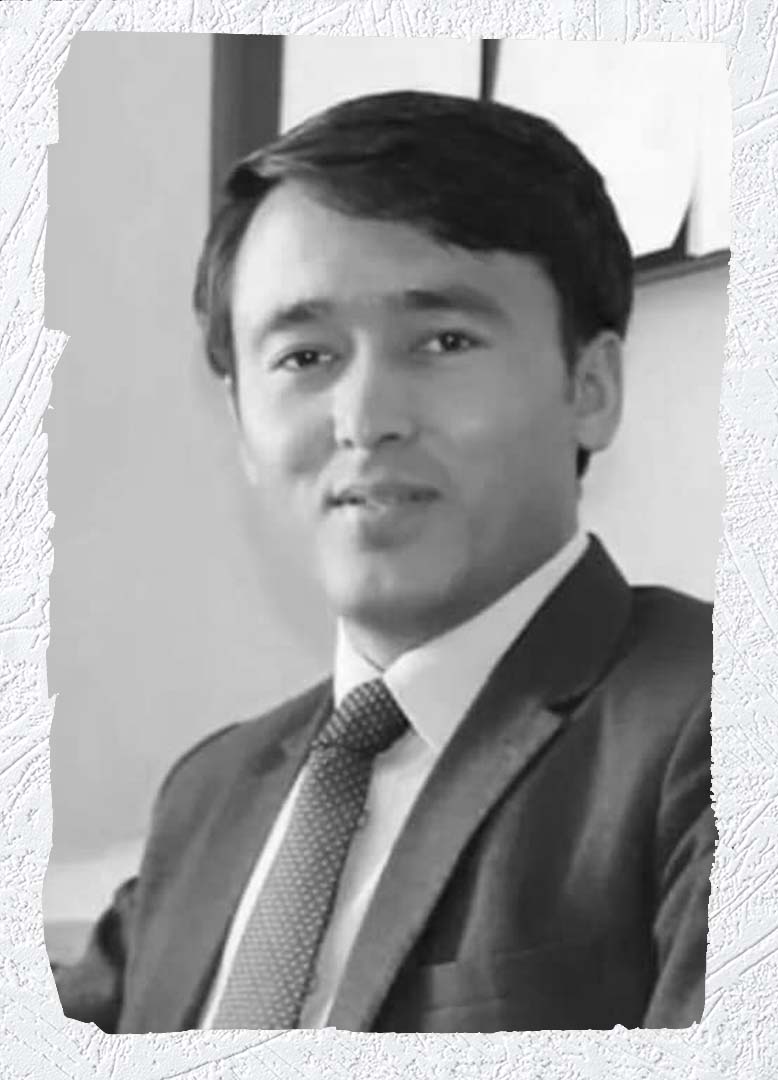
Aziz Gul was 15 years-old and already helped his aging father in his work. His father was happy that he would eventually become the main breadwinner in the family. One day, Aziz was watering his father’s field in Shamali, North of Kabul when a rocket struck and killed him. His father never came to terms with the death of his son and after years of struggling with the tragedy and its repercussions, finally died too.
This in turn marked the beginning of the end for his mother, Pashtun, who was left behind with three children. In order to provide for them, she cleaned and washed other people’s clothes. Sometimes, in order to put food on the table she collected leftovers from wastebaskets. Other times, she and her children spent their days without eating at all. Until today, Pashtun cannot find words to describe her miserable fate.
The Story of Pashtun
Our life was relatively good when Aziz Gul was still alive. It was during the time of the Soviet invasion that my son was killed. We were at home when our neighbor informed us about his murder. He had gone outside to water the field when a rocket struck. His father, brother and sisters started to cry immediately as we went to see his dead body lying on a wheelbarrow.
Later on, my husband could not cope with his son’s death and eventually stopped working. He died five years later. After his death our lives got even worse. We lived in an abandoned house. At times, we even ate leftovers from the wastebaskets of others. I worked as a cleaner. Later on, my younger son started to work in the streets. Our survival was dependent on his income. When the Taliban burned my house in Shamali we moved to Kabul. I still work as cleaner today.
My life is as bad as it was before. Consequently, I have psychological problems. I’ll never forget those days of being abandoned by everyone and left without food. Whenever food rations were distributed, I went and took them home. Those were the only times we could eat properly. Today, I am very sick, but cannot afford to go and see a doctor. My son is twenty years old, but thin and weak. We now live in a rental house. I will never forget Aziz Gul. It is very strange because he was my stepson. His mother had left him. Aziz Gul suffered a lot and finally died at a young age.
- Date added
- AP ۱۴۰۲ لیندۍ ۱
War Victim Families Voice Views and Demands on Afghan Peace Process
- Author/s
- AHRDO
- Year of publication
- 2020
- Date added
- AP ۱۴۰۲ لیندۍ ۱
Shirin Gul
- Photo of Victim

- Gender
- Female
- Ethnicity
- Hazara
- District geolocation of incident
- Kabul: 34° 31′ 1″ N, 69° 8′ 60″ E
- Description of incident
During the war, I lost three members of my family: My mother, my cousin and my brotherin-law. My whole family including my son-in-law and my cousins were in our home when a rocket hit our house and killed them. I was not personally present when the incident happened.
- Witness/Survivor Statement
When Homes Turn into Graveyards
Narrator: Safia
Victim: Shirin Gul
Date of the incident: 1993-1996
Location of the incident: Kabul city, Dash-e Barchi
Shirin Gul is not the only woman whose house was destroyed over the past three decades of war in Afghanistan though all houses destroyed in Kabul resemble that of Shirin Gul. The injuries visible to the walls of the houses mirror the injuries inflicted onto the bodies of its residents.
During the various conflicts, in particular the one between the different Mujahidin factions, the houses in Kabul were no longer people’s shelters but rather their graves prepared in advance -albeit on the surface. There was always the possibility of a rocket or artillery shelling destroying people’s homes. None of the houses were beyond the reach of violence and neither were they durable enough to protect their inhabitants against the persistent attacks. These ruined houses became a refuge for death, making his home among the many people buried in the rubble of their own homes. The whole of Kabul was turned into a gigantic graveyard.
Shirin Gul was one of those people whose house was bombed and took her life during the civil war in the 1990s. It happened on an evening where she attempted to defy the terror of war, by holding a small reception to bring back the happiness of former times to what had by then become a city of ghosts. She did not expect that her home would one day become a slaughterhouse and that her reception would end in terrible tragedy. Shirin Gul had invited her son-in-law and brother-in-law to an evening reception. They had just begun their supper when a stray rocket fired by the Taliban hit the exact room where the reception was taking place, immediately killing Shirin Gul and her two guests. The death of Shirin Gul marked the end of happiness for her children. Her husband did not marry again and dedicated himself to take care of his mother-less children.
The Story of Shirin Gul
My name is Safia and I am 42 years old. I am living in Dugh Abad area of Dasht-e- Barchi. During the war, I lost three members of my family: My mother, my cousin and my brotherin-law. My whole family including my son-in-law and my cousins were in our home when a rocket hit our house and killed them. I was not personally present when the incident happened.
According to my family members, their bodies were ripped to pieces and it was almost impossible to identify them. My cousin had a two-month old child who died soon after his father’ untimely death. His wife had no option but to return to her father’s home. My mother left behind six children, 2 sons and four girls. Today, my father is old and my sisters are mentally unstable. One of my sisters left her husband and children because of these mental problems.
Now she does not recognize anyone anymore. I am not mentally stable either. I was desperate after the death of my mother. She loved me a lot.
The worst moment in my life was when I heard about the death of my mother. After she died, no one ever properly welcomed me in my father’s home anymore and this made me so disappointed.
- Date added
- AP ۱۴۰۲ لیندۍ ۱
Ramazan Ali Sangar
- Photo of Victim

- Gender
- Male
- Ethnicity
- Hazara
- District geolocation of incident
- Kabul: 34° 31′ 1″ N, 69° 8′ 60″ E
- Description of incident
After we received his letter, I went to Puli Charkhi prison on several occasions. Every time, the prison officials told me that nobody with his name was imprisoned there. Then, the last time I went there, they told me that my husband had been executed and handed over his personal belongings to me. We never saw his dead body.
- Witness/Survivor Statement
Victims of Jihad
Narrator: Rahima
Victim: Ramazan Ali Sangar
Date of the incident: 1993
Location of the incident: Kabul, Pul-e-Charkhi prison
Ramazan Ali was very excited about Jihad. He felt that Jihad is fighting for the way of God, a way that leads to happiness. He would call himself a true follower of God. Rahima was supporting her husband because of her love for him. She did know much about Jihad. She came to know about it through her husband and wanted to help her husband in this “holy violence”. But taking part in Jihad had severe consequences for Ramazan. He was imprisoned because of his ideology, was badly tortured and eventually gave his life without having been prepared for martyrdom.
No one knows how he was killed. Perhaps, he died from the effects of torture. After Ramazan Ali’s death, his wife and three children were left behind without any support or financial means. From morning to night and night to dawn they were in search of a piece of bread. Rahima knocked on door after door to find work as she did not want to see her children living in chronic poverty. But no one seemed to care. No one invited them to their wedding parties and though people easily talked of compassion their lack of such mercy in practice came down on Rahima like a hammer on her head. She sacrificed her entire life to provide for her children.
It is this aspect of holy war that Ramazan seems to have failed to consider. His excitement about taking part in Jihad turned him blind to its severe implications for the rest of his family. If he were alive today, he could listen to the suffering of his wife and children. He could intimately familiarize himself with their untold story. If he was alive today, perhaps, he would choose another way of attaining prosperity.
The Story of Ramazan Ali
It was the last year of Dr. Najibullah’s government. During the month of Ramadan. Shortly after dinner my husband began praying. We did not know that our house was under surveillance. Suddenly, we heard suspicious movements. When we came out of the house, the yard was full of people. More than 50 soldiers came into our house. They started to beat my husband.
The reason was that he was a Mujahid. They arrested him and took him way. He was detained in Sadarat and we were not allowed to meet him. We could go there only to deliver his clothes. I went to Sadarat and waited for days to see my husband but they did not allow me to see him. I even begged each and every soldier and officer to make an exception but to no avail.
After six months, he was transferred to Puli Charkhi prison where he spent another year. Once again I was not allowed to see him. After one year, he wrote us a letter and sent us his ring and some other things. In that letter, he mentioned that he had been transferred from the second floor of Block 2 to Block 3. He also indicated in his letter that if he was no longer found in Block 3, we should stop looking for him. He suggested that his children should be sent to learn the holy Quran.
After we received his letter, I went to Puli Charkhi prison on several occasions. Every time, the prison officials told me that nobody with his name was imprisoned there. Then, the last time I went there, they told me that my husband had been executed and handed over his personal belongings to me. We never saw his dead body. He was killed seven years after our marriage. It was after his death when our truly bad days began and I was obliged to do all kinds of hard work including cleaning, washing and ironing to support my family and children. We also lived for 13 years as refugees in Iran.
I still preserve my memories of Ramazan, the worst being when I was told that he had been executed. Coming back home, I was so desperate and sad. My younger daughter asked me what happened and I told her that her father was no longer alive. She began to shout and cry for a long time. Since then, I have never seen her cry again. In those days, I was working day and night while continuing to mourn the death of my husband. Some nights my younger son and I cried together. Sometimes my son cleaned my tears and told me that I could be his father too.
Another sad moment in my life was the day when my husband was arrested and he was handcuffed. There was a place in our home where he hid but the soldiers found him. He was handcuffed and beaten up in front of me and the children. My husband told me not to worry and that nothing would happen to him. When he was taken away, I saw the tears in his eyes. Afterwards, I never saw him again. I will never forget that moment.
- Date added
- AP ۱۴۰۲ لړم ۲۶
Ghulam Hazarat
- Photo of Victim

- Gender
- Male
- Ethnicity
- Tajik
- District geolocation of incident
- Kabul: 34° 31′ 1″ N, 69° 8′ 60″ E
- Description of incident
I went out and saw two soldiers standing at the main door. They inquired if this house belonged to Hazarat Khan and when my father-in-law affirmed, the soldiers told him that Hazarat Khan had been injured and hospitalized. Together they went to the hospital where they discovered that Hazarat Khan had died.
- Witness/Survivor Statement
About Happiness
Narrator: Halima
Victim: Ghulam Hazarat
Date of the incident: 1992-1996
Location of the incident: Kabul
Halima’s list of dreams is neither very long nor very ambitious. Her dream is to be happy. Certainly many people in war-torn societies like Afghanistan have similar dreams of happiness. For them, happiness is not about prosperity, wealth and power. Neither is it about having stylish and luxurious mansions, or expensive cars. In short, they do not have as sophisticated an understanding of happiness as ordinary people in other countries have.
On the contrary, their world is extremely small and their expectations are very modest. For Halima and people liker her, happiness means bread. It means being able to provide a piece of bread for their children to sleep at night with their bellies full so that they can dream of other things than something to eat. At best, happiness means having a home and that one’s children sleep under a roof, in which they can grow up in peace. In addition, for people like Halima happiness means being looked upon as a normal member of society. As long as the community does not humiliate her and her sons and they can live without fear and intimidation, she is content.
Halima does not desire much more than these simple things. Unfortunately, war has denied her even the simplest of dreams. Six years after getting married, she lost her husband and was left alone with four children, with the fourth one being born six months after the death of Ghulam Hazarat. For three years they survived thanks to the assistance of the Najibullah government. However, after the Mujahidin took power in Kabul, the situation changed and government funding was no longer available for them. As a result, Halima had to sell her home utensils one after another in order to feed her children. When there was nothing left to sell, she had no option but to wash and clean people’s clothes and homes. Other times, she worked as a sewer. She remembers many days when she could only provide dry bread for her children. Today she is 45 years old, has a heart disease and can no longer operate the sewing machine. The nightmare of poverty has returned. She does not know whether a day will come when she can finally feed her children properly. If such a day were to arrive, she would finally consider herself happy. Such is Halima’s modest understanding of happiness.
The Story of Halima
When I first got married, it was my father-in-law who was the main breadwinner for our family. He was a carpenter. Later on, my father-in-law stopped working due to old age. Therefore, my husband joined the army as an ordinary soldier. My husband did not have a good salary. Since he was deployed in another province, it was difficult to send money home. In those days, together with my sister-in-law, we were doing embroidery work at home and then sold it at the local market. Eight months later, my husband returned on home leave and with the small salary he brought, we bought flour and oil. He stayed with us for a few days and then went back to the barracks. After eight months, he once again sent money to us through one of our relatives. Then, after two years my husband finally came back and we had two more children. He began working at a bakery. In those days, our living conditions were relatively good.
After a while, he was recalled by the army. Eighteen months later he was killed, just a few days before his home leave. We waited for him to come home but he did not come. On the 18th day, I woke up and told his mother that I was going to prepare bulani for her son today. I prepared everything and then fell asleep. My mother-in-law came and woke me up and I returned to my preparations. I had prepared only three bulani when I heard someone crying outside the house. I went out and saw two soldiers standing at the main door. They inquired if this house belonged to Hazarat Khan and when my father-in-law affirmed, the soldiers told him that Hazarat Khan had been injured and hospitalized.
Together they went to the hospital where they discovered that Hazarat Khan had died. They came back home around 4pm. I was calling my father-in-law Baba, so I asked Baba how Hazarat Khan was. He answered that he was slightly injured and that he would bring him home the day after. My younger son did not sleep the whole night and and asked to go and see his father. That night a lot of people came to our home. They brought big dishes. I heard my uncle asking for the Quran. I told my father-inlaw that he was trying to hide something from me and that perhaps Hazarat Khan had died. I began to cry. My mother-in-law tried to make me understand that they needed the Quran for a different purpose.
The next morning, my father-in-law asked me to clean my room saying that he and his friends would like to sit there. I went and cleaned the room. Later on, my sister-in-laws came in. They hugged me and said that Hazarat Khan had passed away. I was six months pregnant. After the news, I fainted and remained unconscious for a long time. Later, when I regained consciousness, I saw a coffin covered with red cloth. My sixyear old daughter came and asked me who she should call father from now on. She hid under the bed and began to cry.
Over the next few weeks, the fire of war spread everywhere including Chihil Sotun where we resided. Everyone was forced to leave their homes and we moved to Shur Bazaar. There, my mother-in-law died. Then, I went to live in my father’s home in Jade- Asmayi where we had nothing to eat. Next, I stayed with my sister-in-law for three months before we finally found a place to stay, though we did not even have a carpet to sit on.
Later, someone donated military blankets and a bag of flour but I had no utensils to make bread for my children and I was forced to borrow a small cooking pan from my neighbor.
My children slept most of the time, as there was nothing for them to eat. In the evenings, we had nothing to light and heat our home with. We spent three months like this. When the fighting finally came to a halt I borrowed a sewing machine from my father and began sewing for others in order to feed my children. Gradually, I managed to buy little things for home including three cups, spoons and a plastic blanket.
The worst moments were those days that I had no food to give to my children except a piece of bread. Nowadays, I wash clothes and tailor. Although this is increasingly difficult to do as I have a heart problem.
- Date added
- AP ۱۴۰۲ لړم ۲۶
Haidar Khan
- Photo of Victim

- Gender
- Male
- Ethnicity
- Pashtun
- District geolocation of incident
- Balkh: 36° 45′ 19″ N, 66° 53′ 48″ E
- Description of incident
It was the night of Eid and my poor husband and son were out looking for work when they were killed. My husband used to work as a day laborer in Hairatan. He usually came back home after 15-20 days. That night, when they were coming home the Taliban fired on them. Their bodies were totally mutilated.
- Witness/Survivor Statement
Questions About the Nature of War Rahima’s Story
Narrator: Rahima
Victim: Haidar Khan
Date of the incident: 1998
Location of the incident: Hairatan, Mazari Sharif
The translation of painful experiences into words is very difficult. Words have many limitations, especially when trying to express pain. Pain is a strong feeling and a word a mere, insufficient means to describe it. There is a huge gap between the feeling and its interpretation. Therefore, the assumption of making the experience of war understandable through verbal expression is fundamentally flawed. The tragedy of war is deeply linked to personal experiences and what war imposed on Rahima is indescribable.
Rahima is the victim of the fate that war imposed on her. She does not understand what war means and why human beings go to war. Yet, she certainly understands the horrible consequences of war. Hence, for Rahima war is the most evil kind of action humankind can engage in. What could possibly justify the killing of one human being by another? Why do houses and properties of people have to be destroyed?
Why, instead of generating pain and suffering for millions, should one not think of prosperity and happiness for all? Why do those involved in war not think about its devastating consequences? Why do they not think of all the children who lose their parents through violent means? Why does an oppressed person like Rahima who has nothing except the sky she lives under has to be further disturbed by war? Why are the perpetrators of violence not scared of the blood on their hands? Is there no alternative to violent conflict resolution?
These and other questions often disturb Rahima. And since nobody seems to be willing to answer these questions, she has begun to find her own answers. She knows that victims of war will always live on the margins of history and that no one looks at the world through the lens of the victims. She knows that no one puts himself/herself in the shoes of victims in order to truly understand the experiences and suffering they have endured.
Rahima has also thought of potential solutions. For her, the solution is to tell, recall preserve and protect the memories of the victims. Memories are the only things people like Rahima possess. These memories are not meant to be preserved to wage further war nor are they aimed at taking revenge. On the contrary, people like Rahima use them to make their own contributions to stop and prevent war.
According to her, the memories preserved by the victims are the only instrument that reveals their endless pain and suffering. They awaken the human consciousness and ultimately contribute to the prevention of further atrocities.
Rahima’s Story
My name is Rahima and I am 50 years old. I have lost four of my family members during the Taliban time.
It has been 17 years now that my husband and my 10-year old son were killed. There was war in Kabul and we eventually fled to Mazar-e- Sharif, which is where we were when our home was looted back in Kabul. Three years later my husband was killed. Afterwards, we lived for another three years in Mazar-e- Sharif and from there we moved to Jalalabad. Later on, we came back to Kabul.
It was the night of Eid and my poor husband and son were out looking for work when they were killed. My husband used to work as a day laborer in Hairatan. He usually came back home after 15-20 days. That night, when they were coming home the Taliban fired on them. Their bodies were totally mutilated.
At the time my husband was killed, I had five children. After his death we faced a lot of problems. I started to work as a tailor and my daughter and son were working in an educational center. My eldest son was 14 years old and I had two more children of 3 years and 3 months. When we lived in Jalalabad the situation further deteriorated. There was no work and we lived in a rented house. If we were unable to find a piece of bread during the day then we had nothing to eat during the night.
Besides, we had no one to look after us. I worked in the house of a Hindu as a cleaner and we finally moved back to Kabul, even though the Taliban were in power. Back in Kabul, not a single moment passed without hardship. It was difficult to eat properly as the little money we had was spent on renting the house.
My children were still too small and they often asked how their father was killed. They missed their father a lot. Sometimes, I sat down with them and told them stories about their father. My husband’s name was Haidar Khan. He was 58 years old when he was killed. My son was only 10 years old when he got killed. I was his second wife. He was an ordinary person and had nothing to do with politics. Now all I can do is to look after my children.
Unfortunately, nothing is left behind from my son. However, I have kept my husband’s spoon, his plate and a photo of him. These objects are all very important to me. I am giving these things to you to let thers know about the difficulties we have faced in our lives and that the situation is still not improving. The weather is already cold and we have no heater. My son is jobless. My children cannot go to school because we are poor.
- Date added
- AP ۱۴۰۲ لړم ۲۵
Qand Agha
- Photo of Victim

- Gender
- Male
- Ethnicity
- Tajik
- District geolocation of incident
- Kabul: 34° 31′ 1″ N, 69° 8′ 60″ E
- Witness/Survivor Statement
The Trauma of Rebuilding a Shattered Existence
Narrator: Negar
Victim: Qand Agha
Date of the incident: May 31, 2017
Location of the incident: Zanbaq Square, Kabul city
One of the main tragedies of war is that it makes all kinds of atrocities possible. When a war begins, repeated catastrophic events eventually lead to an endless cycle of violence and suffering, depriving the people of any kind of prosperity and joy. War transforms suffering into a daily routine, thereby destroying the dreams of even the simplest of lives. Everything evaporates except war, destruction and suffering and life itself loses its inherent meaning and begins to resemble a hollow ditch that opens its mouth to devour everything.
Even when war finally comes to an end, the trauma of rebuilding one’s life casts a huge shadow and further prevents a return to normality. In Afghanistan, generation after generation have grown up under the dark shadow of war. For many, war has by now been accepted as a way of living, thereby giving further life to the rule of swords, guns and suicide attacks and a society full of hatred and violence. Consequently, violence is no longer bound by time and space while the legacy of conflict is so overwhelming that postconflict life is often more difficult than life during the violent event itself.
Qand Agha, the son of Negar is one of the victims of senseless war. He was not killed during the time of the civil war nor during the Taliban regime but as a result of a suicide attack under the current regime of president Karzai. He is the victim of a cycle of violence initiated decades before and likely to continue for years to come as the thousands of innocent deaths since 2001 prove that the roots of violence have not yet been totally wiped out. It seems that the dragons of death are not yet satisfied and that every now and then the city of Kabul must fill its stomach with more victims. The death of Qand Agha constitutes an explicit warning that the possibility of a return to fullfledged war and its tragedies should not be underestimated.
The Memory Box project is an explicit statement against the return of tragedy. It aims to shake the human consciousness and expose the tragic nature of violent conflict.
The Story of Negar
My name is Negar and I am 40 years old. Four years ago my son was killed in a suicide attack in Charahi Zanbaq in the city of Kabul. I now live in Chehil Sutun in very difficult circumstances. In the past, my life was much better, especially since my son was working.
One day, my son was asleep when I woke him up and told him to go to work as it was getting late. He asked me to let him sleep and covered himself with a blanket. After a while I sent my other son to go and remind him. He refused again but eventually someone called him on his mobile and he finally got up. He had not eaten well the night before and I brought him fresh rice to eat. Then, he took his jacket and left the house. It was late afternoon and he never came back. I borrowed my neighbor’s cell phone and gave it to my younger son to call him. When my son called somebody else answered his telephone and informed us that Qand Agha had been injured. Later my husband came home and confirmed that he was injured. My son was hospitalized for one month. Every time I visited him at the hospital, he asked me not to cry, ensuring me that he would recover soon. After a month, he passed away and his dead body was returned home.
My son was a really funny person. He was working somewhere as a security guard but I don’t know exactly where. I do not remember which month he was killed but I do remember it was winter. He had received his salary only once and was waiting for his second salary when he died. Before, he used to work as a street seller and later he became a bus conductor. His father was old and could not fully support the family.
My son was always telling me that one day he would buy a house for us. Whenever he saw the car of a newly wed couple covered with flowers, he jokingly promised he would get married soon. I remember that I cooked rice that day when he was injured. He ate but left home hungry and often complained of hunger during his month in the hospital. His cloth was torn into pieces. I still keep it as a memory of him. I want you to use his stuff for the Memory Box exhibition.
- Date added
- AP ۱۴۰۲ لړم ۲۵
Abdul Hamid
- Photo of Victim

- Gender
- Male
- Ethnicity
- Hazara
- District geolocation of incident
- Kabul: 34° 31′ 1″ N, 69° 8′ 60″ E
- Description of incident
My name is Nik Bakht and I am almost 60 years old. I am originally from Bamiyan but have been living in Kabul for a long time. Our life was good before the war but then I lost two of my sons. One of them was killed in Deh Mazang and the other one in Kote- Sangi. Ramazan was killed in Kote-Sangi though I do not exactly know how it happened… a bullet was stuck in his head and his eyes bulged.
- Witness/Survivor Statement
When Only Photographs Remain
Narrator: Nik Bakht
Victims: Ramazan (21 years old), Abdul Hamid (19 years old)
Date of the incident: 1993-1996
Location of the incident: Kabul City
Nik Bakht is the symbol of a victimized generation struggling to deal with the trauma of never ending war. The dragons of war devoured her two sons within a short period of time and by now it hardly matters who was responsible for their murders. What is important is the infinite injury inflicted upon her heart. Years after her sons’ departure, she and her aging husband are living an existence between life and death, their lives, in the aftermath of their sons’ murder, restricted only to the “ sphere of pain”. This couple spent most of their years grieving their lost sons. Now they are old and the chains of poverty and helplessness have invaded them once and for all. There is no more energy left in her husband’s body to work as a porter to make ends meet. The “storm of poverty” has destroyed their lives. They can do nothing except to watch other people’s happiness with broken hearts and sad eyes. Every time they look into the face of a young man, they remember their own young sons at the time of their early death: Ramazan was 21 years old and Abdul Hamid 19 when they were killed.
If the war did not take the lives of Ramazan and Abdul Hamid, perhaps today everything would be different. They might even be feeling the prosperity, joy and happiness of being grandparents. Unfortunately, for Nik Bakht and her husband to smile has become a meaningless act as they are constantly disturbed by the tragic deaths of Ramazan and Abdul Hamid. For them, every moment of their lives has turned into a terrible nightmare and their only solace are the photographs of Ramazan and Abdul Hamid, who continue to live in their memories until the day their souls will go to rest. A journey into the painful life of Nik Bakht can open our eyes to the hidden realities of war. War is not just a passing episode in the history of a country. When it occurs, it takes away the peace and wellbeing of the people forever.
The Story of Nik Bakht
My name is Nik Bakht and I am almost 60 years old. I am originally from Bamiyan but have been living in Kabul for a long time. Our life was good before the war but then I lost two of my sons. One of them was killed in Deh Mazang and the other one in Kote- Sangi. Ramazan was killed in Kote-Sangi though I do not exactly know how it happened… a bullet was stuck in his head and his eyes bulged.
My second son was called Abdul Hamid. He was two years younger than Ramazan. He died only a month after Ramazan’s murder. It happened during the holy month of Ramadan and Abdul Hamid had gone to the bakery to buy bread. We did not know that he had been shot. Later we learned that after he was shot, he was taken to the hospital and that he was still alive when they took him. When he finally died, his body was brought to the local mosque, which is where we were informed about his death.
During the war everyone we knew left and fled the city and we were asked to take care of people’s homes. However, the bullets were coming from all sides and we were unable to go anywhere.
In those days, my husband worked as a porter and it was very hard for us to make ends meet. Today, it is even more challenging as my husband can no longer work. He suffers from psychological problems and keeps talking to himself. Of course, I am not very stable either. On the contrary, I feel completely shattered and abandoned.
There are only very few things left from my sons. These objects are very dear to me as they remind me of them. I am including them in the Memory Box to make my sons’ memories last. I want to keep them until the day I can finally ask the perpetrators for what reason they killed my innocent sons.
I suffer a great deal because of their deaths. If they were alive today, I would certainly have many grandchildren. In fact, shortly before his deaths my elder son had just got engaged and we were preparing everything for their marriage. The wedding never happened.
- Date added
- AP ۱۴۰۲ لړم ۲۵
Ramazan
- Photo of Victim

- Gender
- Male
- Ethnicity
- Hazara
- District geolocation of incident
- Kabul: 34° 31′ 1″ N, 69° 8′ 60″ E
- Description of incident
My name is Nik Bakht and I am almost 60 years old. I am originally from Bamiyan but have been living in Kabul for a long time. Our life was good before the war but then I lost two of my sons. One of them was killed in Deh Mazang and the other one in Kote- Sangi. Ramazan was killed in Kote-Sangi though I do not exactly know how it happened… a bullet was stuck in his head and his eyes bulged.
- Witness/Survivor Statement
When Only Photographs Remain
Narrator: Nik Bakht
Victims: Ramazan (21 years old), Abdul Hamid (19 years old)
Date of the incident: 1993-1996
Location of the incident: Kabul City
Nik Bakht is the symbol of a victimized generation struggling to deal with the trauma of never ending war. The dragons of war devoured her two sons within a short period of time and by now it hardly matters who was responsible for their murders. What is important is the infinite injury inflicted upon her heart. Years after her sons’ departure, she and her aging husband are living an existence between life and death, their lives, in the aftermath of their sons’ murder, restricted only to the “ sphere of pain”. This couple spent most of their years grieving their lost sons. Now they are old and the chains of poverty and helplessness have invaded them once and for all. There is no more energy left in her husband’s body to work as a porter to make ends meet. The “storm of poverty” has destroyed their lives. They can do nothing except to watch other people’s happiness with broken hearts and sad eyes. Every time they look into the face of a young man, they remember their own young sons at the time of their early death: Ramazan was 21 years old and Abdul Hamid 19 when they were killed.
If the war did not take the lives of Ramazan and Abdul Hamid, perhaps today everything would be different. They might even be feeling the prosperity, joy and happiness of being grandparents. Unfortunately, for Nik Bakht and her husband to smile has become a meaningless act as they are constantly disturbed by the tragic deaths of Ramazan and Abdul Hamid. For them, every moment of their lives has turned into a terrible nightmare and their only solace are the photographs of Ramazan and Abdul Hamid, who continue to live in their memories until the day their souls will go to rest. A journey into the painful life of Nik Bakht can open our eyes to the hidden realities of war. War is not just a passing episode in the history of a country. When it occurs, it takes away the peace and wellbeing of the people forever.
The Story of Nik Bakht
My name is Nik Bakht and I am almost 60 years old. I am originally from Bamiyan but have been living in Kabul for a long time. Our life was good before the war but then I lost two of my sons. One of them was killed in Deh Mazang and the other one in Kote- Sangi. Ramazan was killed in Kote-Sangi though I do not exactly know how it happened… a bullet was stuck in his head and his eyes bulged.
My second son was called Abdul Hamid. He was two years younger than Ramazan. He died only a month after Ramazan’s murder. It happened during the holy month of Ramadan and Abdul Hamid had gone to the bakery to buy bread. We did not know that he had been shot. Later we learned that after he was shot, he was taken to the hospital and that he was still alive when they took him. When he finally died, his body was brought to the local mosque, which is where we were informed about his death.
During the war everyone we knew left and fled the city and we were asked to take care of people’s homes. However, the bullets were coming from all sides and we were unable to go anywhere.
In those days, my husband worked as a porter and it was very hard for us to make ends meet. Today, it is even more challenging as my husband can no longer work. He suffers from psychological problems and keeps talking to himself. Of course, I am not very stable either. On the contrary, I feel completely shattered and abandoned.
There are only very few things left from my sons. These objects are very dear to me as they remind me of them. I am including them in the Memory Box to make my sons’ memories last. I want to keep them until the day I can finally ask the perpetrators for what reason they killed my innocent sons.
I suffer a great deal because of their deaths. If they were alive today, I would certainly have many grandchildren. In fact, shortly before his deaths my elder son had just got engaged and we were preparing everything for their marriage. The wedding never happened.
- Date added
- AP ۱۴۰۲ لړم ۲۵
Sayed Shah Ibrahim
- Photo of Victim

- Gender
- Male
- Ethnicity
- Sadat
- District geolocation of incident
- Kabul: 34° 31′ 1″ N, 69° 8′ 60″ E
- Description of incident
Sayed Ibrahim Shah was both my uncle and father-in-law. He was killed during the civil war in Kabul, during which he and my husband remained in the city while the rest of the family was sent to Behsud. One day, he had just left his home when one of the warring factions arrested him and then took him to Company area, where he was locked up in a private jail. He was detained together with his friend and spent three months there. He was then murdered and buried. We never saw his dead body.
- Witness/Survivor Statement
The Well of Death Narrator: Pari Gul Victim: Sayed Shah Ibrahim Date of the incident: 1992 Location of the incident: Kabul City War is the most egotistical and brutal manifestation of humankind. It does not produce anything except horror and destruction. It does not distinguish between old or young, men, women or children. The lashes of war hurt everyone’s body. At the same time, not everyone suffers equally from war. Some suffer more, some less. But it is those who did not actively partake in the creation of war that usually bear the brunt of all the suffering. It is them who are victimized by a fate designed by others. The story of Sayed Ibrahim Shah’s murder uncovers one such catastrophic consequences of war. He was an ordinary citizen with no links to the world of politics. His only crime was that he lived in Dasht-e- Barchi, a neighborhood of Kabul that had become synonymous with suffering. Here, every day there existed a strong likelihood that a rocket or stray bullet could kill someone. It seems that the lives of its population were not regarded as worthy of living. It appears that those who unleashed the violence were doing it for the pleasure of seeing the people of Dasht-e- Barchi suffer. Yet, Sayed Ibrahim Shah had no other place to live. Dasht-e- Barchi was his only and final refuge. Living in an environment of constant terror, Sayed Ibrahim Shah was well aware that he had the responsibility to protect his family. He therefore sent them to far-away Behsud district while he and one of his sons remained to look after his home and belongings. It was the last time his family members would ever see him. One day he was walking the streets when he was apprehended by his own countrymen and taken to the Company area of Kabul. First, his family did not know about his whereabouts but later they found out that the he had been arrested by a local commander, detaining him in his own private jail. Sayed Ibrahim Shah’s family paid a number of bribes to secure his release but all they received in return were a turban, a hat as well as a toothbrush and toothpaste. There are different stories about how he was killed. According to one of them, the militias threw him down a well which is where local residents later found him. Pari Gul is one of his family members. She tells the story of Sayed Ibrahim Shah as follows:
The Story of Pari Gul Sayed Ibrahim Shah was both my uncle and father-in-law. He was killed during the civil war in Kabul, during which he and my husband remained in the city while the rest of the family was sent to Behsud. One day, he had just left his home when one of the warring factions arrested him and then took him to Company area, where he was locked up in a private jail. He was detained together with his friend and spent three months there. He was then murdered and buried. We never saw his dead body. In fact, we only came to know about his murder after we received his turban, hat and toothbrush. The man who brought his possessions told us how the militias had tortured him. With his feet in chains, he supplied water to the militia base every day. Eventually his dead body was found in a well. Later on, the people from the area took him out of the well and gave him a proper burial. All what is left from him are his turban, hat and toothbrush. I now want to show these objects to other people so they understand that the militias killed a 70 years old man!
- Date added
- AP ۱۴۰۲ لړم ۲۲
Matiuallah
- Photo of Victim

- Gender
- Male
- Ethnicity
- Tajik
- District geolocation of incident
- Kabul: 34° 31′ 1″ N, 69° 8′ 60″ E
- Description of incident
No one understood what was happening. A thunderous sound followed by a huge explosion blurred the atmosphere. The blue sky and clear sunshine were suddenly gone. Basira can perfectly recall the tragic event but she cannot precisely explain what happened that day. After the explosion, Basira says, “I got up and saw that all my family members were lying on the ground. I was confused, wandering around not knowing what to do. I heard Zakia screaming and calling for me. She asked for water. When I returned with the water Zakia was no longer speaking. I touched her body but it was already cold. Her eyes were open, staring at me. I put her down and ran towards Matiuallah. I was so happy when I realized he was still alive. I hugged him. Suddenly, he stopped crying and I felt something cold and wet in my hand. I saw his belly ripped open and all his intestines coming out.
- Witness/Survivor Statement
Tears Of Joy, Tears of Pain
Narrator: Basira
Victim: Zakia and Matiuallah
Date of the incident: January 25, 1993
Location of the incident: Kabul City
For Basira, her life began to unravel on one bloody afternoon. The cold February weather brought everyone to the yard of the house. A clear sky and plenty of sunlight provided an opportunity for the children to play. Zakia, 6 years old, brought her little brother Matiuallah to the yard to enjoy the sun. Everyone was ready for a beautiful day. The joy and happiness was evident on the faces of all, especially on Zakia’s face.
She was speaking to her little brother as if she were an adult. In her sweet and innocent accent, she told her brother about the light of the sun, the hardships of winter and the good future that lay ahead of them. She showed her toys to her brother and promised him to buy a good toy for him, too.
She took Matiuallah’s hands, rubbed them together, sang a song and then kissed her little brother. Zakia was wearing a red coat. With the reflection of the sunlight and the snowy background, she looked almost purple. Her brownish hair was dancing on her red coat as she was jumping up and down.
Her face was shining and her eyes were hidden under the thickness of her black eyelashes. The big world outside was also very exciting for Matiuallah. He loved laughing, playing and sometimes shouting at his older sister Zakia. Matiullah had fleshy white skin, thick hair and blue eyes. When he smiled, everyone was enchanted.
Watching such a memorable scene in a city where nothing except the sound of guns, rockets and bullets could he heard, made Basira very happy. While watching her children play, she prayed to God to protect them in these difficult times. What she did not realize is that happiness in times of violence is not sustainable and that even a mother’s prayer cannot halt the brutal power of war. That day, a reception was prepared and they were invited to a feast in their beautiful yard. Everything was ready for Basira and her children to forget the horrors of war for a brief moment. Yet, this moment quickly transformed into unspeakable tragedy.
No one understood what was happening. A thunderous sound followed by a huge explosion blurred the atmosphere. The blue sky and clear sunshine were suddenly gone. Basira can perfectly recall the tragic event but she cannot precisely explain what happened that day. After the explosion, Basira says, “I got up and saw that all my family members were lying on the ground. I was confused, wandering around not knowing what to do. I heard Zakia screaming and calling for me. She asked for water. When I returned with the water Zakia was no longer speaking. I touched her body but it was already cold. Her eyes were open, staring at me. I put her down and ran towards Matiuallah. I was so happy when I realized he was still alive. I hugged him. Suddenly, he stopped crying and I felt something cold and wet in my hand. I saw his belly ripped open and all his intestines coming out.
I understood that he was dead just like Zakia. I cried and cried and cried! I was screaming and running around. After that, I cannot remember what happened.” Until today, Basira cannot talk much about that tragic moment. When she speaks about Zakia and Matiuallah, the color of her face changes. Tears flow uncontrollably from her eyes. Sometimes, she cries so much that her headscarf is soaking wet. She says,“I feel that I have a deep wound in my chest. A wound that continuously spits out blood. I’m sure one day I will drown in my own blood.”
- Date added
- AP ۱۴۰۲ لړم ۲۲
Zakia
- Photo of Victim

- Gender
- Female
- Ethnicity
- Tajik
- District geolocation of incident
- Kabul: 34° 31′ 1″ N, 69° 8′ 60″ E
- Description of incident
No one understood what was happening. A thunderous sound followed by a huge explosion blurred the atmosphere. The blue sky and clear sunshine were suddenly gone. Basira can perfectly recall the tragic event but she cannot precisely explain what happened that day. After the explosion, Basira says, “I got up and saw that all my family members were lying on the ground. I was confused, wandering around not knowing what to do. I heard Zakia screaming and calling for me. She asked for water. When I returned with the water Zakia was no longer speaking. I touched her body but it was already cold. Her eyes were open, staring at me. I put her down and ran towards Matiuallah. I was so happy when I realized he was still alive. I hugged him. Suddenly, he stopped crying and I felt something cold and wet in my hand. I saw his belly ripped open and all his intestines coming out.
- Witness/Survivor Statement
Tears Of Joy, Tears of Pain
Narrator: Basira
Victim: Zakia and Matiuallah
Date of the incident: January 25, 1993
Location of the incident: Kabul City
For Basira, her life began to unravel on one bloody afternoon. The cold February weather brought everyone to the yard of the house. A clear sky and plenty of sunlight provided an opportunity for the children to play. Zakia, 6 years old, brought her little brother Matiuallah to the yard to enjoy the sun. Everyone was ready for a beautiful day. The joy and happiness was evident on the faces of all, especially on Zakia’s face.
She was speaking to her little brother as if she were an adult. In her sweet and innocent accent, she told her brother about the light of the sun, the hardships of winter and the good future that lay ahead of them. She showed her toys to her brother and promised him to buy a good toy for him, too.
She took Matiuallah’s hands, rubbed them together, sang a song and then kissed her little brother. Zakia was wearing a red coat. With the reflection of the sunlight and the snowy background, she looked almost purple. Her brownish hair was dancing on her red coat as she was jumping up and down.
Her face was shining and her eyes were hidden under the thickness of her black eyelashes. The big world outside was also very exciting for Matiuallah. He loved laughing, playing and sometimes shouting at his older sister Zakia. Matiullah had fleshy white skin, thick hair and blue eyes. When he smiled, everyone was enchanted.
Watching such a memorable scene in a city where nothing except the sound of guns, rockets and bullets could he heard, made Basira very happy. While watching her children play, she prayed to God to protect them in these difficult times. What she did not realize is that happiness in times of violence is not sustainable and that even a mother’s prayer cannot halt the brutal power of war. That day, a reception was prepared and they were invited to a feast in their beautiful yard. Everything was ready for Basira and her children to forget the horrors of war for a brief moment. Yet, this moment quickly transformed into unspeakable tragedy.
No one understood what was happening. A thunderous sound followed by a huge explosion blurred the atmosphere. The blue sky and clear sunshine were suddenly gone. Basira can perfectly recall the tragic event but she cannot precisely explain what happened that day. After the explosion, Basira says, “I got up and saw that all my family members were lying on the ground. I was confused, wandering around not knowing what to do. I heard Zakia screaming and calling for me. She asked for water. When I returned with the water Zakia was no longer speaking. I touched her body but it was already cold. Her eyes were open, staring at me. I put her down and ran towards Matiuallah. I was so happy when I realized he was still alive. I hugged him. Suddenly, he stopped crying and I felt something cold and wet in my hand. I saw his belly ripped open and all his intestines coming out.
I understood that he was dead just like Zakia. I cried and cried and cried! I was screaming and running around. After that, I cannot remember what happened.” Until today, Basira cannot talk much about that tragic moment. When she speaks about Zakia and Matiuallah, the color of her face changes. Tears flow uncontrollably from her eyes. Sometimes, she cries so much that her headscarf is soaking wet. She says,“I feel that I have a deep wound in my chest. A wound that continuously spits out blood. I’m sure one day I will drown in my own blood.”
- Date added
- AP ۱۴۰۲ لړم ۲۲
Allah Mohammad
- Photo of Victim

- Gender
- Male
- Ethnicity
- Tajik
- District geolocation of incident
- Kabul: 34° 31′ 1″ N, 69° 8′ 60″ E
- Description of incident
The killing of AGSA is the political massacre of the Democratic Party of Afghanistan Opponents in the Pulcharkhi Prison in Kabul between years of 1978-1979, which the Afghan Intelligence Office, or AGSA, led by Asadullah Sarwari which five thousand people had been executed. Thousands of Afghan families had no news of the death or life of their relatives during this time, but the Dutch Prosecutor's Office published a list of victims of the killing of the AGSA in the last six months of 1978 and the first six months of 1979.
- Witness/Survivor Statement
Happiness Lost
The violence in the aftermath of the 1978 Saur revolution has forever destroyed Afghani’s happiness. Before the coup she lived a joyful life with her husband Allah Mohammad. Everything was going well. The result of their happy marriage were two healthy children, a boy and a girl. Afghani was proud of her husband, who was known to be well educated and intellectual. They lived in comfortable economic conditions. They were pleased with their lives and did not feel that anyone could ever take away their satisfaction and happiness.
But suddenly everything changed. Allah Mohammad was arrested by the government and taken to Puli Charkhi prison. He was never convicted of any crime and until today no one knows what happened to him.
The disappearance of Allah Mohammad radically altered the life of Afghani. Soon after, an endless cycle of trouble and suffering began. Looking everywhere for her husband, she did not manage to find him. Later, she lost her father, a brother and her father-in-law. As she became increasingly helpless and with rising violence in Kabul, she eventually migrated to Peshawar. Along with her brother and two young children, she walked all the way to Jaji and Parachinar and finally reached Peshawar. However, in Peshawar she could not afford the cost of living and shortly after took her children and returned to Afghanistan, where she eventually settled in Shamali, north of the capital Kabul.
In Shamali, she worked as vintager. Knowing that she was a widow, all the men stared at her in inappropriate ways. But Afghani was strong enough to resist the patriarchal structure of society and despite the mounting challenges, raised her two children on her own. Finally, one of the commanders in the area forced her to marry him. After two years of marriage, the commander was killed and she remained alone with what by then had become three children. Since then Afghani has done everything in her power to raise her children. She is now approximately fifty-five years old and has lost the strength to continue struggling for a better life. More than thirty years after the death of Allah Mohammad, no sign of joy and happiness is visible in her tenacious face. A world of untold stories are archived in her decrepit body.
The Story Of Afghani
Narrator: Afghani
Victim: Allah Mohammad
Date of the incident: 1978-1979
Location of the incident: Kabul, Pul-e-Charkhi prison
My husband Allah Mohammad had just finished high school when we moved from Shamali to Kabul city. One day, he went out and said that he was going to the university to take an exam. He was arrested along with another person who was fighting against the Soviet army close to Block Twelve of the Old Macroyan. I was just over 20 years old when Allah Mohammad disappeared.
At that time we were living in Qala-e-Wahid, near Kote- Sangi. Our living conditions were good. We had a house and property. But after the death of my husband, our lives were ruined. I migrated to Pakistan with my two small children. When I realized that I could not afford living in Pakistan, we went back to Afghanistan.
My husband was arrested during the time of the Khalq and Parcham regime. I personally could not follow his case but my mother-in- law made several inquires about his whereabouts without any results. Then, my mother-in-law went to Sadarat where she was informed that her son was imprisoned in Puli Charkhi. In Puli Charkhi she was told that her son was no longer detained there and that she should pray for his soul. My mother-in- law returned back home in tears.
Later on when some political prisoners were released, he was not among them, which is when we were finally convinced that he was no longer alive. As the regime was looking after me too, I walked twelve days and nights all the way through the Safi Mountain to Jaji and Parachinar to get to Peshawar. One of my brothers accompanied me in this long and risky journey. When we finally got to Peshawar, my brother began to work in a shop. However, as it was very difficult to live there, I soon came back to Afghanistan while my brother went to Iran.
In Afghanistan, I moved to Shamali and began working in a grape field to feed my children. Twelve years later a commander forced me to marry him. I now have a 19 year-old boy from him. Two years after our marriage, my second husband was killed.
Among the things left from my first husband is his picture and a book. His photo and book are very special to me because they remind me of our beautiful times together. I am including these two important objects in my Memory Box so that my husband’s memory remains alive. I hope that these objects will help others to distinguish between those who are open-minded and progressive and those who kill other human beings.
- Date added
- AP ۱۴۰۲ لړم ۱۹
Taliban attack on the employees of a demining institute in Herat
- Date added
- AP ۱۴۰۲ لړم ۱۱
Sayed Hassan Hussaini
- Photo of Victim

- Gender
- Male
- Ethnicity
- Sadat
- District geolocation of incident
- Yakawlang: 34° 44′ 50″ N, 66° 56′ 40″ E
- Date added
- AP ۱۴۰۲ زمری ۲۶
Hussainali Qasimi
- Photo of Victim

- Gender
- Male
- Ethnicity
- Hazara
- District geolocation of incident
- Yakawlang: 34° 44′ 50″ N, 66° 56′ 40″ E
- Date added
- AP ۱۴۰۲ زمری ۲۶
Hassan
- Photo of Victim

- Gender
- Male
- Ethnicity
- Hazara
- District geolocation of incident
- Balkh: 36° 45′ 19″ N, 66° 53′ 48″ E
- Description of incident
آنطوریکه راوی داستان حسین یعنی خدیجه عزیزی میگوید حادثه برای آنها نامعلوم است و قبر حسن هم نامعلوم است.
- Witness/Survivor Statement
مردگیش درگ نداره راوی: خدیجه عزیزی (دختر کاکا) قربانی: حسن زمان حادثه: ۱۳۷۷ مکان حادثه: مزار شریف [نامم] جدیجه [و تخلصم] عزیزی [است] آری. [شهید نامش] حسن [است]. پسر کاکایم میشد و ایورم. یگان ۲۵ ساله بود که شهید شد. در خود یکاولنگ، در قریه زارین متولد شده بود. [حسن] غریب کار بود دهقانی نمیکرد، گاهی وقت دهقانی هم میکرد، مقصد کار میکرد در شهر ملکها کار میکرد. گاهی به مزار میرفت گاهی به کابل، بامیان [برای کار کردن میرفت]. [محل شهادتش] مزار [شریف است]. حسن وقتی که به شهادت رسید همرایش یک بچه خالهاش و یک بچه عمه من یک بچه تغه/طغه من هم بود همهاش در مزار غرق شدند. 1 [در حمله طالبان به مزارشریف] شهید شد. کارگری، آری در مزار برای کارگری رفته بود. [حادثه] سرِبهار بود، آری سربهار. [همان سال ۱۳۷۷] البته، من آنقدرش را نمیفهمم. نه، درس نخوانده بود فقط یک سیاهی خوان بود، درس نخوانده بود. آری [خانهاش در] سرآسیاب بود. نه، نه قبرش سرگُم رفت ما ندیدیم. (نامفهوم) ما دیدیم که شهید شد، خیلی کسان [دیگر هم شهید شد] همان بچه خالهشی همین بچه عمه من همینها هیچ مردگیاش درک ندارد. خیلی دیر بعد قومها جمع شد گفت ما به چشم خود دیدیم کشته شد. آری گفتند طالبها کشته بچُوم که چه رقم کشته. خبر داشتیم یک عکس سیاه و سفید از کابل روان کرده بود، همینطور یگان نشانی روان میکرد احوالش را یگان دکاندار میآورد، گاهی خودش میآمد. تیرماه [خبر شدیم] و پدر و مادرش را شنواندیم. مادرش سهو شد از آن پس خیلی دیوانگی میکرد، گپهای ایله کاله میگفت بیچاره. آری از خاطر همان [مرگ نوجوانش] آب یخ میخورد دیگر چیزی خورده نمیتوانست. بیخی شب در خانه نمیآمد روز تا بیگاه و شب تا صبح را میگشت و میگفت دلم سرخ میآید؛ همینطور میگشت بیچاره. پدرش خوب بود، غنیمت بود به اندازهٔ مادرش کُوتو نمیکرد. [وقتی پدر و مادرش را خبر کردند بعد از آن آنها هیچ سرقبرش نرفتند چون] او گم شد، هیچ قبر نداشت. خیلی آدم خوبی بود، کارگر بود، زحمتکش بود، یگان کَرَد میآورد، ما خیلی... آنطور که... گاه چیز نبود یک روغن نباتی ایلفی بود در همان دوره، برنج پرمل بود، کار که میکرد از آنها به ما میآورد، خوب بود، خیلی بچه قاشواز بود. خانه نمینشست. آنجا کار کردن میرفت، گاهی غزنی میرفت، گاهی کابل گاهی بامیان. آری مجرد بود، خانه دار نبود. دایم او را ازبک میگفت، سید و هزاره به نام اوزبک میشناخت، قد بنلد داشت و خوبشی بود. او دایم کوله پکول سر میکرد. پَک گُم شد. یکدانه قاشق داشت، قاشق قدیمی ارمنه که از او بود. یک ساعتش تا بعدها بود [اما] خراب، اگر بچهها بیرون نینداخته باشند. [پدرش] آری دو سال شده فوت کرده، مادرش یک دو سال پیش [از پدرش فوت کرد] یعنی چهار سال میشود. آری [مادرش تا آخر عمر] یادش را میکرد. مادرش از همان خاطر مریض شد، پای درد شد، کم فکر شد، خیلی کم فکر شد. آری [وقتی زنده بود با پدرش خرج خانه را فراهم میکردند]. پدرش که ماند هم در گردن او(شوهر خدیجه عزیزی) بود و مادرش هم. زیاد نفر که قتل شد هیچ کس هم جستجو نتوانست که پیدا شود، از هیچ کس پیدا نشد. نه، نه هیچ چیزی نگفت [روزی که طرف مزار میرفت] او که میرفت از دشت میرفت و هیچ در قصهاش هم نبود که خبر کنم یا نکنم هیچ در غمش نبود، میرفت همانطور. آری [نترس بود] هیچ در غمش نبود. ما آنجا را ندیدیم، میگفتیم کجایه؟ [میگفتند] کابله! کابل را ندیدیم، مزار را همین حالا هم ندیدهام، کابل را هم آنطور ندیدیم یک بار همانطور گذری رفتیم. میرفت همانجا، ما دیگه سیاسریم ندیدیم که کجا میرود یا نمیرود. باز میآمد، میرفت، قدیم یک خط میآمد. تلفن نبود، نه برق بود نه تلفن بود هیچ چیز هم نبود. در اول [حکومت] کرزی جنراتور پیدا شد که برق آمد. خانه که میآمد هیچ قصه نمیکرد، هیچ چیز نمیگفت.
- Date added
- AP ۱۴۰۲ زمری ۱۸
Qambar
- Photo of Victim

- Gender
- Male
- Ethnicity
- Hazara
- District geolocation of incident
- Bamyan: 34° 48′ 44″ N, 67° 49′ 14″ E
- Date added
- AP ۱۴۰۲ زمری ۱۱
Sayed Ghulam Hassan
- Photo of Victim

- Gender
- Male
- Ethnicity
- Sadat
- District geolocation of incident
- Yakawlang: 34° 44′ 50″ N, 66° 56′ 40″ E
- Description of incident
On January 7, 2001, the Taliban attacked the Yakaolang district of Bamiyan province and massacred hundreds of Hazara civilians. Many of those who managed to escape and take refuge on the mountains froze to death. On the 8th of January, Taliban members began a house-to-house search across the district. The massacre of Hazaras continued through the 9th, 10th, 11th, and 12th of January. At least 300 Hazaras were either summerly executed or deliberately killed by the Taliban.
- Date added
- AP ۱۴۰۲ زمری ۹
Mina Tarakhil
- Photo of Victim

- Gender
- Female
- Ethnicity
- Pashtun
- District geolocation of incident
- Kunduz: 36° 47′ 50″ N, 68° 51′ 27″ E
- Date added
- AP ۱۴۰۲ زمری ۴
Sameer Tarakhil
- Photo of Victim

- Gender
- Male
- Ethnicity
- Pashtun
- District geolocation of incident
- Kunduz: 36° 47′ 50″ N, 68° 51′ 27″ E
- Date added
- AP ۱۴۰۲ زمری ۲
Mohammad Hassan
- Photo of Victim

- Gender
- Male
- Ethnicity
- Bayat
- District geolocation of incident
- Kabul: 34° 31′ 1″ N, 69° 8′ 60″ E
- Date added
- AP ۱۴۰۲ چنگاښ ۳۰
Kabalsha Aghajan
- Photo of Victim

- Gender
- Male
- Ethnicity
- Tajik
- District geolocation of incident
- Nadir Shah Kot: 33° 18′ 58″ N, 69° 41′ 55″ E
- Date added
- AP ۱۴۰۲ چنگاښ ۳۰
Unknown people set fire to a military doctor of the former government in Herat
- Date added
- AP ۱۴۰۲ چنگاښ ۱۳
A midwife was shot by the Taliban in the city of Mazar-i-Sharif
- Date added
- AP ۱۴۰۲ چنگاښ ۱۳
A young woman died due to Taliban shooting in the west of Kabul
- Date added
- AP ۱۴۰۲ چنگاښ ۱۳
On the evening of November 13, 2021 an explosion occurred in "Gulai Mehtab Qala" in "Dasht Barchi" area in the west of Kabul killed a person and wounded many others and a car was burnt.
- Date added
- AP ۱۴۰۲ چنگاښ ۱۳
A suicide attack in Darlaman Street killed three people and wounded 35 others.
- Date added
- AP ۱۴۰۲ چنگاښ ۱۳
Bismillah Adel Imaq, a journalist and civil activist was assassinated in Ghor
- Date added
- AP ۱۴۰۲ چنگاښ ۱۳
Ilyas Daei, a journalist of Radio Azadi, was killed in southern Afghanistan
- Date added
- AP ۱۴۰۲ چنگاښ ۱۳
The murder of Malala Mivand, a local TV reporter in Jalalabad
- Date added
- AP ۱۴۰۲ چنگاښ ۱۳
Mina Khairi, the reporter of Ariana TV, was killed in an explosion in the Pul-e Sokhta of Kabul city.
- Date added
- AP ۱۴۰۲ چنگاښ ۱۳
Rahmatullah Nikzad, an independent journalist, was assassinated in Ghazni
- Date added
- AP ۱۴۰۲ چنگاښ ۱۳
Nine journalists and cameramen were killed in an ISIS attack in Kabul
- Date added
- AP ۱۴۰۲ چنگاښ ۱۲
Ahmad Shah, a 29-year-old reporter with the BBC’s Afghan service, was shot dead by unknown gunmen in Khost province
- Date added
- AP ۱۴۰۲ چنگاښ ۱۲
Aziz Ahmad Aref
- Photo of Victim

- Gender
- Male
- Ethnicity
- Pashtun
- District geolocation of incident
- Kuz Kunar: 34° 35′ 46″ N, 70° 34′ 30″ E
- Description of incident
When I was freed from jail in 1984, I was persuaded that living in Kabul was impossible for me anymore. I left Kabul for my home village, Khiwa, in Nangarhar province in eastern Afghanistan. Our district in Nangarhar was not yet occupied by the government and Soviet forces. The time of peace did not last long. Pro-government forces attacked our home in a late night in the fall of 1984. In the night that attack happened, I was at home with my brothers, one of whom were killed and the other and I were injured. I was 20 or 21 years old at that time. It was night time and I couldn’t recognize the type of gun I was injured with. But it was obvious that we were killed and injured by Russian guns, because, all pro-government forces used Russian weaponry.
- Date added
- AP ۱۴۰۲ چنگاښ ۷
Farkhonda Malikzad
- Photo of Victim

- Gender
- Female
- Ethnicity
- Tajik
- District geolocation of incident
- Kabul: 34° 31′ 1″ N, 69° 8′ 60″ E
- Description of incident
Farkhunda Malekzadeh, who is usually called Farkhunda in the media, was a 27-year-old woman who was publicly lynched by hundreds of angry men in Kabul, the capital of Afghanistan, on March 19, 2015. A large crowd in the streets around her in Shahe Do Shamshera claimed that she had burned the Quran, and for this reason, her accusers declared that they should immediately "send her to hell".
- Date added
- AP ۱۴۰۲ چنگاښ ۵
Ahmad Sardar
- Photo of Victim

- Gender
- Male
- Ethnicity
- Tajik
- District geolocation of incident
- Kabul: 34° 31′ 1″ N, 69° 8′ 60″ E
- Description of incident
Sardar Ahmad, a journalist at AFP’s Kabul bureau, was killed Thursday along with his wife and two of their children in an attack on the city’s Serena hotel. His youngest son was seriously injured in the attack.
- Date added
- AP ۱۴۰۲ چنگاښ ۵
Carsten Thomassen
- Photo of Victim

- Gender
- Male
- Ethnicity
- Norwegian
- District geolocation of incident
- Kabul: 34° 31′ 1″ N, 69° 8′ 60″ E
- Description of incident
On 14 January 2008, Thomassen was covering Norwegian Foreign Minister Jonas Gahr Støre's visit to Kabul. Støre and his entourage were staying in the Serena Hotel, as were several foreign reporters and diplomats. While Thomassen was waiting to meet Støre in the lobby, at least two Talibani militants forced their way into the Serena Hotel by killing the guards posted outside the main entrance using hand grenades. At least one of the militants was dressed in an Afghan police uniform, which may have delayed the reaction of the PST bodyguards inside the hotel.
- Date added
- AP ۱۴۰۲ چنگاښ ۵
Abdul Manan Arghand
- Photo of Victim

- Gender
- Male
- Ethnicity
- Pashtun
- District geolocation of incident
- Kandahar: 31° 37′ 52″ N, 65° 44′ 31″ E
- Description of incident
Abdulmanan Arghand, a local reporter of Kabul News TV, was shot by unknown armed men on April 25, 2018 in Kandahar province when he was on his way to his workplace.
- Date added
- AP ۱۴۰۲ چنگاښ ۵
Ahmadsha Matanwal
- Photo of Victim

- Gender
- Male
- Ethnicity
- Pashtun
- District geolocation of incident
- Khost (Matun): 33° 21′ 54″ N, 69° 56′ 33″ E
- Description of incident
Nine journalists were killed in suicide bombings in the capital, Kabul. Shah Marai of Agence France Presse was among a group of journalists who died when a bomber disguised as a TV cameraman detonated a second bomb at the site of an earlier explosion. Both attacks were claimed by Islamic State.
In a separate incident, Ahmad Shah, a 29-year-old reporter with the BBC’s Afghan service, was shot dead by unknown gunmen in Khost province, the BBC said. Najib Sharifi, director of the Afghan Journalists Safety Committee, said Shah was on his way home when the attack took place.
- Date added
- AP ۱۴۰۲ چنگاښ ۵
Frishta Mahram Durani
- Photo of Victim

- Gender
- Female
- Ethnicity
- Pashtun
- District geolocation of incident
- Kabul: 34° 31′ 1″ N, 69° 8′ 60″ E
- Description of incident
Two deadly terrorist attacks attributed to the ISIS group in Kabul on April 30, 2018 left 26 dead and 49 injured, marking the deadliest attack on journalists in the past fifteen years in Afghanistan. These attacks took place in the Sheshderak area of the 9th police district of Kabul city.
- Date added
- AP ۱۴۰۲ چنگاښ ۵
Sabawon Kakar
- Photo of Victim

- Gender
- Male
- Ethnicity
- Pashtun
- District geolocation of incident
- Kabul: 34° 31′ 1″ N, 69° 8′ 60″ E
- Description of incident
Two deadly terrorist attacks attributed to the ISIS group in Kabul on April 30, 2018 left 26 dead and 49 injured, marking the deadliest attack on journalists in the past fifteen years in Afghanistan. These attacks took place in the Sheshderak area of the 9th police district of Kabul city.
- Date added
- AP ۱۴۰۲ چنگاښ ۵
Ebadullah Hannanzai
- Photo of Victim

- Gender
- Male
- Ethnicity
- Pashtun
- District geolocation of incident
- Kabul: 34° 31′ 1″ N, 69° 8′ 60″ E
- Description of incident
Two deadly terrorist attacks attributed to the ISIS group in Kabul on April 30, 2018 left 26 dead and 49 injured, marking the deadliest attack on journalists in the past fifteen years in Afghanistan. These attacks took place in the Sheshderak area of the 9th police district of Kabul city.
- Date added
- AP ۱۴۰۲ چنگاښ ۵
Ghazi Rasuli
- Photo of Victim

- Gender
- Male
- Ethnicity
- Tajik
- District geolocation of incident
- Kabul: 34° 31′ 1″ N, 69° 8′ 60″ E
- Description of incident
Two deadly terrorist attacks attributed to the ISIS group in Kabul on April 30, 2018 left 26 dead and 49 injured, marking the deadliest attack on journalists in the past fifteen years in Afghanistan. These attacks took place in the Sheshderak area of the 9th police district of Kabul city.
- Date added
- AP ۱۴۰۲ چنگاښ ۵
Nawroz Ali Rajabi
- Photo of Victim

- Gender
- Male
- Ethnicity
- Hazara
- District geolocation of incident
- Kabul: 34° 31′ 1″ N, 69° 8′ 60″ E
- Description of incident
Two deadly terrorist attacks attributed to the ISIS group in Kabul on April 30, 2018 left 26 dead and 49 injured, marking the deadliest attack on journalists in the past fifteen years in Afghanistan. These attacks took place in the Sheshderak area of the 9th police district of Kabul city.
- Date added
- AP ۱۴۰۲ چنگاښ ۵
Shamiri Faizi
- Photo of Victim

- Gender
- Male
- Ethnicity
- Tajik
- District geolocation of incident
- Kabul: 34° 31′ 1″ N, 69° 8′ 60″ E
- Description of incident
Two deadly terrorist attacks attributed to the ISIS group in Kabul on April 30, 2018 left 26 dead and 49 injured, marking the deadliest attack on journalists in the past fifteen years in Afghanistan. These attacks took place in the Sheshderak area of the 9th police district of Kabul city.
- Date added
- AP ۱۴۰۲ چنگاښ ۲
Yarmohammad Tokhi
- Photo of Victim

- Gender
- Male
- Ethnicity
- Tajik
- District geolocation of incident
- Kabul: 34° 31′ 1″ N, 69° 8′ 60″ E
- Description of incident
Two deadly terrorist attacks attributed to the ISIS group in Kabul on April 30, 2018 left 26 dead and 49 injured, marking the deadliest attack on journalists in the past fifteen years in Afghanistan. These attacks took place in the Sheshderak area of the 9th police district of Kabul city.
- Date added
- AP ۱۴۰۲ چنگاښ ۲
Ali Salimi
- Photo of Victim

- Gender
- Male
- Ethnicity
- Hazara
- District geolocation of incident
- Kabul: 34° 31′ 1″ N, 69° 8′ 60″ E
- Description of incident
Two deadly terrorist attacks attributed to the ISIS group in Kabul on April 30, 2018 left 26 dead and 49 injured, marking the deadliest attack on journalists in the past fifteen years in Afghanistan. These attacks took place in the Sheshderak area of the 9th police district of Kabul city.
- Date added
- AP ۱۴۰۲ چنگاښ ۲
Salim Talash
- Photo of Victim

- Gender
- Male
- Ethnicity
- Tajik
- District geolocation of incident
- Kabul: 34° 31′ 1″ N, 69° 8′ 60″ E
- Description of incident
Two deadly terrorist attacks attributed to the ISIS group in Kabul on April 30, 2018 left 26 dead and 49 injured, marking the deadliest attack on journalists in the past fifteen years in Afghanistan. These attacks took place in the Sheshderak area of the 9th police district of Kabul city.
- Date added
- AP ۱۴۰۲ چنگاښ ۲
Rahmatullah Nikzad
- Photo of Victim

- Gender
- Male
- Ethnicity
- Tajik
- District geolocation of incident
- Ghazni City: 33° 33′ 13″ N, 68° 25′ 50″ E
- Description of incident
Rahmatullah Nikzad, a freelance journalist, was killed in Ghazni province in southern Afghanistan, this evening (December 21, 2020) as a result of shooting by unknown gunmen.
- Date added
- AP ۱۴۰۲ چنگاښ ۲
Hasnia Khairi
- Photo of Victim

- Gender
- Female
- Ethnicity
- Hazara
- District geolocation of incident
- Kabul: 34° 31′ 1″ N, 69° 8′ 60″ E
- Description of incident
Hasnia Khairi, the sister of Ariana TV reporter Mina Khairi, died in the hospital due to severe injuries.
- Date added
- AP ۱۴۰۲ چنگاښ ۲
Mina Khairi
- Photo of Victim

- Gender
- Female
- Ethnicity
- Hazara
- District geolocation of incident
- Kabul: 34° 31′ 1″ N, 69° 8′ 60″ E
- Description of incident
In the explosion on Thursday, June 03, 2021 in Kabul, the capital of Afghanistan, a journalist of Ariana TV was also killed. Ariana TV announced that the DNA test of the victims of the explosion in the area of the Pol-e sokhta in Kabul confirms that Mina Khairi, the announcer of Ariananews and Ariana radios, died in this event with her mother.
- Date added
- AP ۱۴۰۲ چنگاښ ۲
Malala Maiwand
- Photo of Victim

- Gender
- Female
- Ethnicity
- Pashtun
- District geolocation of incident
- Jalalabad: 34° 27′ 19″ N, 70° 27′ 7″ E
- Description of incident
Journalist Malala Miwand and her driver Mohammad Taher were targeted by a terrorist attack in Nangarhar province on December 10, 2020. Journalists and human rights activists are usually subjected to targeted attacks and no one or group takes responsibility for the attack. Targeted killing attacks are one of the bloodiest war tactics in the current conflict; In the first six months of 2020, this tactic has killed more Afghan citizens than any other war tactic.
- Date added
- AP ۱۴۰۲ چنگاښ ۲
Yama Seyawash
- Photo of Victim

- Gender
- Male
- Ethnicity
- Tajik
- District geolocation of incident
- Kabul: 34° 31′ 1″ N, 69° 8′ 60″ E
- Description of incident
On the morning of November 06, 2020 around 7:45 an explosion occurred in Makrorian 4th area of Kabul. Yema Siavash, former presenter of Tolo private TV, was killed in this incident. The explosion happened in the 9th district of Kabul city and the dead were three civilians. According to the police, this incident was caused by the explosion of a magnetic mine.
- Date added
- AP ۱۴۰۲ چنگاښ ۱
Elyas Daei
- Photo of Victim

- Gender
- Male
- Ethnicity
- Pashtun
- District geolocation of incident
- Lashkargah: 31° 36′ 39″ N, 64° 24′ 23″ E
- Description of incident
Omar Zwak, the spokesman of the Helmand governor, told the BBC that Mr. Da'ei died on Thursday morning, November 12, 2020, when he was going from home to his office, due to the explosion of a magnetic mine in his car.
- Date added
- AP ۱۴۰۲ چنگاښ ۱
Bismellah Adil Aimaq
- Photo of Victim

- Gender
- Male
- Ethnicity
- Aimaq
- District geolocation of incident
- Chaghcharan: 34° 31′ 56″ N, 65° 14′ 49″ E
- Description of incident
Bismellah Adel Imaq, the manager of Sade Gho Radio, was assassinated on 01 January 2021 by unknown armed men in Barahkhane area in the west of Firuzkoh city, the capital of Ghor province.
- Date added
- AP ۱۴۰۲ چنگاښ ۱
Mohammad Arif
- Photo of Victim

- Gender
- Male
- Ethnicity
- Hazara
- District geolocation of incident
- Kabul: 34° 31′ 1″ N, 69° 8′ 60″ E
- Description of incident
He was killed in a suicide attack on 16th of November 2014 in Kabul city.
- Date added
- AP ۱۴۰۲ چنگاښ ۱
Habibullah Yosofi
- Photo of Victim

- Gender
- Male
- Ethnicity
- Hazara
- District geolocation of incident
- Kabul: 34° 31′ 1″ N, 69° 8′ 60″ E
- Description of incident
He was martyred on the 15th of November, 2021, as a result of an explosion in Mehtab Qala in Dasht Barchi.
- Date added
- AP ۱۴۰۲ چنگاښ ۱
Zainab Abdullahi
- Photo of Victim

- Gender
- Female
- Ethnicity
- Hazara
- District geolocation of incident
- Kabul: 34° 31′ 1″ N, 69° 8′ 60″ E
- Description of incident
The forces of the Taliban group shot and killed a young woman in a checkpoint in the "Dasht Barchi" area. This incident happened on Thursday evening, 14th of January 2022 in "Golaei" area, of the 13th district of Kabul city. The victim of this event has been mentioned as Zainab Abdullahi.
- Date added
- AP ۱۴۰۲ چنگاښ ۱
Nigar
- Photo of Victim

- Gender
- Female
- Ethnicity
- Hazara
- District geolocation of incident
- Chaghcharan: 34° 31′ 56″ N, 65° 14′ 49″ E
- Description of incident
People's sources in Ghor Province confirm that a former female police member was shot by Taliban forces in this province. This event took place on Saturday evening, 05 September 2021 in Firuzkoh city, the capital of this province.
- Date added
- AP ۱۴۰۲ غبرگولی ۳۱
Nafisa
- Photo of Victim

- Gender
- Female
- Ethnicity
- Hazara
- District geolocation of incident
- Mazar-e Sharif: 36° 41′ 38″ N, 67° 6′ 48″ E
- Description of incident
A young girl named Nafisa, who was a midwife, was brutally tortured by the Taliban and then killed by 12 bullets. "Nafisa was working at the Ali Choupan clinic and on evening (02 April 2022) she was going home from her place of work with her sister's child and a colleague, when the Taliban asked her at the checkpoint what is her relationship with this man, she said he is my colleague The Taliban said why did you ride in the same car with a non-mahram.
- Date added
- AP ۱۴۰۲ غبرگولی ۳۱
Hassan Qanoni
- Photo of Victim

- Gender
- Male
- Ethnicity
- Sadat
- District geolocation of incident
- Hirat: 34° 20′ 58″ N, 62° 11′ 21″ E
- Description of incident
Hasan Qanoni, a young Hazara doctor who was a military doctor in the government of Ashraf Ghani Ahmadzai and worked with the National Army, went missing on 28 March 2021 from the city of Herat and his burnt body was found on 30 March 2021 in this city. The terrorist Taliban killed him after a lot of torture and then burned his body.
- Date added
- AP ۱۴۰۲ غبرگولی ۳۱
M. Ibrahim Hussaini
- Photo of Victim

- Gender
- Male
- Ethnicity
- Hazara
- District geolocation of incident
- Kabul: 34° 31′ 1″ N, 69° 8′ 60″ E
- Description of incident
Around 6:45 a.m. on Monday 24 July 2017, a suicide bomber detonated his explosives in the Sarikariz area of the third district and a few steps from the house of Mohammad Mohaghegh, the second deputy of the executive directorate, as a result of which 24 people died and 40 people were injured. Others have been wounded.
- Date added
- AP ۱۴۰۲ غبرگولی ۳۱
SherAhmad Sarabi
- Photo of Victim

- Gender
- Male
- Ethnicity
- Hazara
- District geolocation of incident
- Kabul: 34° 31′ 1″ N, 69° 8′ 60″ E
- Description of incident
Around 6:45 a.m. on Monday 24 July 2017, a suicide bomber detonated his explosives in the Sarikariz area of the third district and a few steps from the house of Mohammad Mohaghegh, the second deputy of the executive directorate, as a result of which 24 people died and 40 people were injured. Others have been wounded.
- Date added
- AP ۱۴۰۲ غبرگولی ۳۱
AliDost Shams
- Photo of Victim

- Gender
- Male
- Ethnicity
- Hazara
- District geolocation of incident
- Khwaja Umari: 33° 41′ 20″ N, 68° 24′ 4″ E
- Description of incident
The terrorist group of Taliban, on the morning of Thursday, 12 April 2018, in a bloody attack on the district center of Khwaja Umari, Ghazni province, Ali Doost Shams, the educated district governor of Khwaja Umari, and 20 brave soldiers were martyred and 12 other soldiers were wounded.
- Date added
- AP ۱۴۰۲ غبرگولی ۳۱
Firouzkoh's Bride
- Photo of Victim

- Gender
- Female
- Ethnicity
- Hazara
- District geolocation of incident
- Chaghcharan: 34° 31′ 56″ N, 65° 14′ 49″ E
- Description of incident
The Taliban on July 24, 2014 have shot and killed fourteen minibus passengers, including a bride, her sister, mother, and son-in-law. Ghor Governor Anwar Rahmati added that the Taliban stopped three minibuses carrying passengers from the city of Firuzkoh (Chaghcheran), the capital of Ghor province, to Kabul in the "Badgah" area, 25 km from Firozkoh. According to him, the Taliban divided the passengers into two groups based on their identity documents and separated those belonging to the "Hazara" tribe, tied their hands and shot them, and released the rest.
- Date added
- AP ۱۴۰۲ غبرگولی ۳۰
Amir Mohammad Ansari Baloch
- Photo of Victim

- Gender
- Male
- Ethnicity
- Baloch
- District geolocation of incident
- Kandahar: 31° 37′ 52″ N, 65° 44′ 31″ E
- Date added
- AP ۱۴۰۲ غبرگولی ۱۸
Shafeullah Nasiri
- Photo of Victim

- Gender
- Male
- Ethnicity
- Pashtun
- District geolocation of incident
- Jalalabad: 34° 27′ 19″ N, 70° 27′ 7″ E
- Description of incident
The spokesman of the Afghanistan Independent Human Rights Commission announced that two employees of the Afghanistan Human Rights Commission were killed and six others were injured due to the explosion of a roadside mine in Jalalabad city, the capital of Nangarhar province on October 26, 2015.
- Date added
- AP ۱۴۰۲ غبرگولی ۱۸
Omran Aziz
- Photo of Victim

- Gender
- Male
- Ethnicity
- Pashtun
- District geolocation of incident
- Jalalabad: 34° 27′ 19″ N, 70° 27′ 7″ E
- Description of incident
The spokesman of the Afghanistan Independent Human Rights Commission announced that two employees of the Afghanistan Human Rights Commission were killed and six others were injured due to the explosion of a roadside mine in Jalalabad city, the capital of Nangarhar province on October 26, 2015.
- Date added
- AP ۱۴۰۲ غبرگولی ۱۸
Ahmad Jawid Folad
- Photo of Victim

- Gender
- Male
- Ethnicity
- Hazara
- District geolocation of incident
- Kabul: 34° 31′ 1″ N, 69° 8′ 60″ E
- Description of incident
On June 27, 2020, an explosion caused by a magnetic mine in Kabul killed 24-year-old Fatima Khalil and her colleague Ahmad Javid Foulad. Mrs. Khalil graduated from the American University of Central Asia and was an employee of the Afghanistan Independent Human Rights Commission.
- Date added
- AP ۱۴۰۲ غبرگولی ۱۸
Fatima Natasha Khalil
- Photo of Victim

- Gender
- Female
- Ethnicity
- Tajik
- District geolocation of incident
- Kabul: 34° 31′ 1″ N, 69° 8′ 60″ E
- Description of incident
On June 27, 2020, an explosion caused by a magnetic mine in Kabul killed 24-year-old Fatima Khalil and her colleague Ahmad Javid Foulad. Mrs. Khalil graduated from the American University of Central Asia and was an employee of the Afghanistan Independent Human Rights Commission.
- Date added
- AP ۱۴۰۲ غبرگولی ۱۸
Hamida Barmaki
- Photo of Victim

- Gender
- Female
- Ethnicity
- Tajik
- District geolocation of incident
- Kabul: 34° 31′ 1″ N, 69° 8′ 60″ EAjristan: 33° 49′ 11″ N, 67° 12′ 53″ E
- Description of incident
On January 28, 2011, Hamida Barmaki, her husband Masoud Yama (1965), a doctor at Sardar Mohammad Daud Khan Hospital and an employee of the Ministry of Finance, along with their four children, Narun Dunya (1997), Vira Sahar (1998), Marghna Nila (2000) ) and Ahmad Bilal (2007) died in a suicide attack in Finest Supermarket in Kabul.
- Date added
- AP ۱۴۰۲ غبرگولی ۱۸
Abdulsamad Amiri
- Photo of Victim

- Gender
- Male
- Ethnicity
- Hazara
- District geolocation of incident
- Jalrez: 34° 37′ 46″ N, 68° 39′ 29″ E
- Description of incident
The Taliban group kidnapped Abdul Samad Amiri in Jalriz district of Maidan Wardak province on the morning of Tuesday, 3th of september 2018 and then brutally shot him to death on Thursday, 5th of september 2018.
- Date added
- AP ۱۴۰۲ غبرگولی ۱۸
Abdulqaum Shafaee
- Photo of Victim

- Gender
- Male
- Ethnicity
- Hazara
- District geolocation of incident
- Kabul: 34° 31′ 1″ N, 69° 8′ 60″ E
- Description of incident
This explosion took place on November 11, 2018 when thousands of Kabul residents protested what they called "the government's inaction in preventing the attack of the Taliban group on Malistan and Jaghouri districts in Ghazni province and Khas Uruzgan district in Uruzgan province". They started a march and gathered near the presidential palace. The rally continued until dawn on Monday, when President Ghani accepted some of the protesters' demands through a phone call. After that, people were leaving the gathering place when a suicide attack took place.
- Date added
- AP ۱۴۰۲ غبرگولی ۱۷
Gulchehra Sadaf Qasimi
- Photo of Victim

- Gender
- Female
- Ethnicity
- Hazara
- District geolocation of incident
- Kabul: 34° 31′ 1″ N, 69° 8′ 60″ E
- Description of incident
This explosion took place on November 11, 2018 when thousands of Kabul residents protested what they called "the government's inaction in preventing the attack of the Taliban group on Malistan and Jaghouri districts in Ghazni province and Khas Uruzgan district in Uruzgan province". They started a march and gathered near the presidential palace. The rally continued until dawn on Monday, when President Ghani accepted some of the protesters' demands through a phone call. After that, people were leaving the gathering place when a suicide attack took place.
- Date added
- AP ۱۴۰۲ غبرگولی ۱۷
Freshta Akbari Hazaristani
- Photo of Victim

- Gender
- Female
- Ethnicity
- Hazara
- District geolocation of incident
- Kabul: 34° 31′ 1″ N, 69° 8′ 60″ E
- Description of incident
This explosion took place on November 11, 2018 when thousands of Kabul residents protested what they called "the government's inaction in preventing the attack of the Taliban group on Malistan and Jaghouri districts in Ghazni province and Khas Uruzgan district in Uruzgan province". They started a march and gathered near the presidential palace. The rally continued until dawn on Monday, when President Ghani accepted some of the protesters' demands through a phone call. After that, people were leaving the gathering place when a suicide attack took place.
- Date added
- AP ۱۴۰۲ غبرگولی ۱۷
Fatima Batul Sultani
- Photo of Victim

- Gender
- Female
- Ethnicity
- Hazara
- District geolocation of incident
- Kabul: 34° 31′ 1″ N, 69° 8′ 60″ E
- Description of incident
This explosion took place on November 11, 2018 when thousands of Kabul residents protested what they called "the government's inaction in preventing the attack of the Taliban group on Malistan and Jaghouri districts in Ghazni province and Khas Uruzgan district in Uruzgan province". They started a march and gathered near the presidential palace. The rally continued until dawn on Monday, when President Ghani accepted some of the protesters' demands through a phone call. After that, people were leaving the gathering place when a suicide attack took place.
- Date added
- AP ۱۴۰۲ غبرگولی ۱۷
Ismaeal BasharDost
- Photo of Victim

- Gender
- Male
- Ethnicity
- Hazara
- District geolocation of incident
- Kabul: 34° 31′ 1″ N, 69° 8′ 60″ E
- Description of incident
This explosion took place on November 11, 2018 when thousands of Kabul residents protested what they called "the government's inaction in preventing the attack of the Taliban group on Malistan and Jaghouri districts in Ghazni province and Khas Uruzgan district in Uruzgan province". They started a march and gathered near the presidential palace. The rally continued until dawn on Monday, when President Ghani accepted some of the protesters' demands through a phone call. After that, people were leaving the gathering place when a suicide attack took place.
- Date added
- AP ۱۴۰۲ غبرگولی ۱۷
Madina Lali
- Photo of Victim

- Gender
- Female
- Ethnicity
- Hazara
- District geolocation of incident
- Kabul: 34° 31′ 1″ N, 69° 8′ 60″ E
- Date added
- AP ۱۴۰۲ غبرگولی ۹
A pro-government militia commander and eight civilians were killed and 14 others were wounded in a suicide attack
- Date added
- AP ۱۴۰۲ غبرگولی ۴
Three farmers were killed by a Taliban rocket when they refused to pay taxes to the Taliban
- Date added
- AP ۱۴۰۲ غبرگولی ۴
A woman and two men were killed when a roadside bomb hit their motorcycle
- Date added
- AP ۱۴۰۲ غبرگولی ۴
Two employees of the provincial court were shot and killed by unknown gunmen in Jalalabad
- Date added
- AP ۱۴۰۲ غبرگولی ۴
An airstrike hit a house located three miles away from the battlefield killing seven civilians from the same family
- Date added
- AP ۱۴۰۲ غبرگولی ۴
Afghan special forces carried out a raid on an NGO clinic taking the doctor in charge to an undisclosed location
- Date added
- AP ۱۴۰۲ غبرگولی ۴
A bomb placed in a private health facility exploded, killing one civilian doctor and wounding two other civilians
- Date added
- AP ۱۴۰۲ غبرگولی ۴
A roadside bomb hit a vehicle belonging to the National Directorate of Security killing 2 members of the directorate and wounding 2 others
- Date added
- AP ۱۴۰۲ غبرگولی ۴
ISIL-KP detonated a remote-controlled IED inside of a Shi'a mosque killing 24 civilian people
- Date added
- AP ۱۴۰۲ غبرگولی ۴
The Taliban attacked the center of the Khwaja Sabz Posh District with mortar shells killing 9 civilians and injuring 33 others
- Date added
- AP ۱۴۰۲ غبرگولی ۴
The Taliban killed Abdul Qayyum Ansari, a Shiite religious scholar
- Date added
- AP ۱۴۰۲ غبرگولی ۴
Mohammad Khan
- Photo of Victim

- Gender
- Male
- Ethnicity
- Hazara
- District geolocation of incident
- Arghandab: 31° 39′ 3″ N, 65° 38′ 59″ E
- Description of incident
The hostage taking of seven Hazara passengers and then beheading them on November 9, 2015 by Daesh took place in Zabul province located in the southeast of Afghanistan. Shukria Tabssum, a 9-year-old Hazara child, was also a victim of this massacre.
- Date added
- AP ۱۴۰۲ غبرگولی ۴
Mohib Ali
- Photo of Victim

- Gender
- Male
- Ethnicity
- Hazara
- District geolocation of incident
- Arghandab: 31° 39′ 3″ N, 65° 38′ 59″ E
- Description of incident
The hostage taking of seven Hazara passengers and then beheading them on November 9, 2015 by Daesh took place in Zabul province located in the southeast of Afghanistan. Shukria Tabssum, a 9-year-old Hazara child, was also a victim of this massacre.
- Date added
- AP ۱۴۰۲ غبرگولی ۴
The Taliban attacked an office of the local pro-government militia kiling one civilian and wounding another
- Date added
- AP ۱۴۰۲ غبرگولی ۳
An airstrike hit a home killing two women and wounding three children
- Date added
- AP ۱۴۰۲ غبرگولی ۳
An explosive went off in Kunduz City’s Third Police District killing one civilian and wounding three others
- Date added
- AP ۱۴۰۲ غبرگولی ۳
A roadside bomb went off near a police headquarter killing one civilian
- Date added
- AP ۱۴۰۲ غبرگولی ۳
The Taliban conducted an attack on a military base killing 45 police officers and 8 Independent Election Commission of Afghanistan employees
- Date added
- AP ۱۴۰۲ غبرگولی ۳
A local police officer killed a farmer and wounded his brother after the farmer refused to pay a tax to the local police
- Date added
- AP ۱۴۰۲ غبرگولی ۳
Afghan forces carried out an operation killing two civilians
- Date added
- AP ۱۴۰۲ غبرگولی ۳
Sadiq Ali
- Photo of Victim

- Gender
- Male
- Ethnicity
- Hazara
- District geolocation of incident
- Arghandab: 31° 39′ 3″ N, 65° 38′ 59″ E
- Description of incident
The hostage taking of seven Hazara passengers and then beheading them on November 9, 2015 by Daesh took place in Zabul province located in the southeast of Afghanistan. Shukria Tabssum, a 9-year-old Hazara child, was also a victim of this massacre.
- Date added
- AP ۱۴۰۲ غبرگولی ۳
Shawkat Ali
- Photo of Victim

- Gender
- Male
- Ethnicity
- Hazara
- District geolocation of incident
- Arghandab: 31° 39′ 3″ N, 65° 38′ 59″ E
- Description of incident
The hostage taking of seven Hazara passengers and then beheading them on November 9, 2015 by Daesh took place in Zabul province located in the southeast of Afghanistan. Shukria Tabssum, a 9-year-old Hazara child, was also a victim of this massacre.
- Date added
- AP ۱۴۰۲ غبرگولی ۳
Sardaro Ali
- Photo of Victim

- Gender
- Female
- Ethnicity
- Hazara
- District geolocation of incident
- Arghandab: 31° 39′ 3″ N, 65° 38′ 59″ E
- Description of incident
The hostage taking of seven Hazara passengers and then beheading them on November 9, 2015 by Daesh took place in Zabul province located in the southeast of Afghanistan. Shukria Tabssum, a 9-year-old Hazara child, was also a victim of this massacre.
- Date added
- AP ۱۴۰۲ غبرگولی ۳
GulPari
- Photo of Victim

- Gender
- Female
- Ethnicity
- Hazara
- District geolocation of incident
- Arghandab: 31° 39′ 3″ N, 65° 38′ 59″ E
- Description of incident
The hostage taking of seven Hazara passengers and then beheading them on November 9, 2015 by Daesh took place in Zabul province located in the southeast of Afghanistan. Shukria Tabssum, a 9-year-old Hazara child, was also a victim of this massacre.
- Date added
- AP ۱۴۰۲ غبرگولی ۳
Shukria Tabassum
- Photo of Victim

- Gender
- Female
- Ethnicity
- Hazara
- District geolocation of incident
- Arghandab: 31° 39′ 3″ N, 65° 38′ 59″ E
- Description of incident
The hostage taking and then beheading of 7 Hazara people on November 9, 2015 by Daesh took place in Zabul province located in the southeast of Afghanistan. Shukrieh Tabsem, a 9-year-old Hazara child, was also a victim of this massacre.
- Date added
- AP ۱۴۰۲ غبرگولی ۳
Nazar Ali Muradi
- Photo of Victim

- Gender
- Male
- Ethnicity
- Hazara
- District geolocation of incident
- Kabul: 34° 31′ 1″ N, 69° 8′ 60″ E
- Description of incident
A suicide attack on october 20, 2017, took place in the Imam Zaman Mosque located in Dasht Barchi, which is the Hazara area of Kabul, when people were there for prayers. As a result of this terrorist attack, 56 people were killed and 55 others were injured.
- Date added
- AP ۱۴۰۲ غبرگولی ۲
Nastojan Melati
- Photo of Victim

- Gender
- Male
- Ethnicity
- Hazara
- District geolocation of incident
- Kabul: 34° 31′ 1″ N, 69° 8′ 60″ E
- Description of incident
A suicide attack on october 20, 2017, took place in the Imam Zaman Mosque located in Dasht Barchi, which is the Hazara area of Kabul, when people were there for prayers. As a result of this terrorist attack, 56 people were killed and 55 others were injured.
- Date added
- AP ۱۴۰۲ غبرگولی ۲
Mirza Hussain Ramazani
- Photo of Victim

- Gender
- Male
- Ethnicity
- Hazara
- District geolocation of incident
- Kabul: 34° 31′ 1″ N, 69° 8′ 60″ E
- Description of incident
A suicide attack on october 20, 2017, took place in the Imam Zaman Mosque located in Dasht Barchi, which is the Hazara area of Kabul, when people were there for prayers. As a result of this terrorist attack, 56 people were killed and 55 others were injured.
- Date added
- AP ۱۴۰۲ غبرگولی ۲
Mustafa Hussaini
- Photo of Victim

- Gender
- Male
- Ethnicity
- Hazara
- District geolocation of incident
- Kabul: 34° 31′ 1″ N, 69° 8′ 60″ E
- Description of incident
A suicide attack on october 20, 2017, took place in the Imam Zaman Mosque located in Dasht Barchi, which is the Hazara area of Kabul, when people were there for prayers. As a result of this terrorist attack, 56 people were killed and 55 others were injured.
- Date added
- AP ۱۴۰۲ غبرگولی ۲
Mohammad Nasim Gawhari
- Photo of Victim

- Gender
- Male
- Ethnicity
- Hazara
- District geolocation of incident
- Kabul: 34° 31′ 1″ N, 69° 8′ 60″ E
- Description of incident
A suicide attack on october 20, 2017, took place in the Imam Zaman Mosque located in Dasht Barchi, which is the Hazara area of Kabul, when people were there for prayers. As a result of this terrorist attack, 56 people were killed and 55 others were injured.
- Date added
- AP ۱۴۰۲ غبرگولی ۲
Mohammad Musa Mahmodi
- Photo of Victim

- Gender
- Male
- Ethnicity
- Hazara
- District geolocation of incident
- Kabul: 34° 31′ 1″ N, 69° 8′ 60″ E
- Description of incident
A suicide attack on october 20, 2017, took place in the Imam Zaman Mosque located in Dasht Barchi, which is the Hazara area of Kabul, when people were there for prayers. As a result of this terrorist attack, 56 people were killed and 55 others were injured.
- Date added
- AP ۱۴۰۲ غبرگولی ۱
Mohammad Ali Nori
- Photo of Victim

- Gender
- Male
- Ethnicity
- Hazara
- District geolocation of incident
- Kabul: 34° 31′ 1″ N, 69° 8′ 60″ E
- Description of incident
A suicide attack on october 20, 2017, took place in the Imam Zaman Mosque located in Dasht Barchi, which is the Hazara area of Kabul, when people were there for prayers. As a result of this terrorist attack, 56 people were killed and 55 others were injured.
- Date added
- AP ۱۴۰۲ غبرگولی ۱
Mohammad Ali Khan
- Photo of Victim

- Gender
- Male
- Ethnicity
- Hazara
- District geolocation of incident
- Kabul: 34° 31′ 1″ N, 69° 8′ 60″ E
- Description of incident
A suicide attack on october 20, 2017, took place in the Imam Zaman Mosque located in Dasht Barchi, which is the Hazara area of Kabul, when people were there for prayers. As a result of this terrorist attack, 56 people were killed and 55 others were injured.
- Date added
- AP ۱۴۰۲ غبرگولی ۱
Mohammad Ali Hassani
- Photo of Victim

- Gender
- Male
- Ethnicity
- Hazara
- District geolocation of incident
- Kabul: 34° 31′ 1″ N, 69° 8′ 60″ E
- Description of incident
A suicide attack on october 20, 2017, took place in the Imam Zaman Mosque located in Dasht Barchi, which is the Hazara area of Kabul, when people were there for prayers. As a result of this terrorist attack, 56 people were killed and 55 others were injured.
- Date added
- AP ۱۴۰۲ غبرگولی ۱
Mohammad Arif Rezaee
- Photo of Victim

- Gender
- Male
- Ethnicity
- Hazara
- District geolocation of incident
- Kabul: 34° 31′ 1″ N, 69° 8′ 60″ E
- Description of incident
A suicide attack on october 20, 2017, took place in the Imam Zaman Mosque located in Dasht Barchi, which is the Hazara area of Kabul, when people were there for prayers. As a result of this terrorist attack, 56 people were killed and 55 others were injured.
- Date added
- AP ۱۴۰۲ غبرگولی ۱
A civilian vehicle was hit by a roadside bomb, which killed two civilians and wounded four others
- Date added
- AP ۱۴۰۲ غویی ۲۸
Two engineers working for the Ministry of Labor and Social Affairs were killed in a Taliban ambush
- Date added
- AP ۱۴۰۲ غویی ۲۸
One civilian was killed and two others were wounded by the district governor's security guards
- Date added
- AP ۱۴۰۲ غویی ۲۸
Two civilians, including a child, were killed in the clashes between Taliban and Afghan security forces
- Date added
- AP ۱۴۰۲ غویی ۲۸
Two civilians killed and 20 civilians wounded when an explosive attached to a private vehicle went off
- Date added
- AP ۱۴۰۲ غویی ۲۸
Afghan Air Force carried out several airstrikes killing four civilians were and wounding three others
- Date added
- AP ۱۴۰۲ غویی ۲۸
Tribal leader Lala Jan was killed and two civilians were wounded when an explosive attached to Lala Jan's vehicle went off
- Date added
- AP ۱۴۰۲ غویی ۲۸
A vehicle hit a Taliban-planted roadside bomb, killing one civilian
- Date added
- AP ۱۴۰۲ غویی ۲۸
A suicide attacker targeted a police vehicle wounding 12 people, including three children and three police officers
- Date added
- AP ۱۴۰۲ غویی ۲۸
Two Taliban fighters on a motorcycle shot and killed an Afghan soldier. Two civilians were also wounded in the fighting
- Date added
- AP ۱۴۰۲ غویی ۲۸
One civilian and two local milita members were killed in clashes between two armed groups.
- Date added
- AP ۱۴۰۲ غویی ۲۸
A religious scholar was killed by armed men while he was on his way to the mosque for morning prayer.
- Date added
- AP ۱۴۰۲ غویی ۲۸
A police vehicle was blown up by a roadside bomb, killing one civilian and wounding three police officers
- Date added
- AP ۱۴۰۲ غویی ۲۸
Two women, two men, and two children were killed when a roadside bomb hit their vehicle
- Date added
- AP ۱۴۰۲ غویی ۲۸
The Taliban stopped a car then kidnapped and killed a university student
- Date added
- AP ۱۴۰۲ غویی ۲۸
Roadside bomb planted by the Taliban killed two women and two men.
- Date added
- AP ۱۴۰۲ غویی ۲۶
(Priv & Conf) - Mapping of Incidents- 2015-2020 (Priv & Conf) - Mapping of Incidents- 2015-2020 100% 10 A157 An explosive attached to a motorcycle went off while people were leaving a mosque after Eid prayer. One civilian was killed and seven civilians were wounded. An explosive attached to a motorcycle went off while people were leaving a mosque after Eid prayer. One civilian was killed and seven civilians were wounded. Turn on screen reader support To enable screen reader support, press ⌘+Option+Z To learn about keyboard shortcuts, press ⌘slash
- Date added
- AP ۱۴۰۲ غویی ۲۶
An explosive attached to a shuttle bus transporting government employees killed five civilians and wounded ten others
- Date added
- AP ۱۴۰۲ غویی ۲۶
ISIL-KP detonated three magnetic IEDs killing and wounding several civilians
- Date added
- AP ۱۴۰۲ غویی ۲۶
The Taliban opened fire on a vehicle killing three civilians and wounding two others
- Date added
- AP ۱۴۰۲ غویی ۲۶
United States military conducted airstrikes on alleged drug-processing facilities, resulting in civilian casualties
- Date added
- AP ۱۴۰۲ غویی ۲۶
A car bomb targeted the entrance of a police reserve unit, killing five officers and wounding seven police officers and four civilians
- Date added
- AP ۱۴۰۲ غویی ۲۶
A convoy of American forces was targeted by a car bomb wounding four Americans and killing four Afghan civilians
- Date added
- AP ۱۴۰۲ غویی ۲۶
Americans and Afghan Special Forces killed two farmers who were working in a wheat field
- Date added
- AP ۱۴۰۲ غویی ۲۶
The Taliban attacked a security outpost, killing two local police officers. One civilian was killed and another was wounded in the crossfire
- Date added
- AP ۱۴۰۲ غویی ۲۵
During the clashes between Taliban and Afghan army, a rocket fired by the army hit a house killing a 13-year-old girl was killed and wounding three civilians
- Date added
- AP ۱۴۰۲ غویی ۲۵
Swat Gul, a tribal elder and former director of the Ministry of Refugees and Repatriation, was shot and killed by unknown gunmen
- Date added
- AP ۱۴۰۲ غویی ۲۵
One civilian was killed and five others were wounded when a roadside bomb hit their vehicle
- Date added
- AP ۱۴۰۲ غویی ۲۵
The Taliban attacked the village of Bara Khana, killing 18 people and wounding 17 others
- Date added
- AP ۱۴۰۲ غویی ۲۵
The Taliban kidnapped and killed a military prosecutor and a Zabul government official
- Date added
- AP ۱۴۰۲ غویی ۲۵
Noor Mohammad Arab, the adviser for Afghan Chief Executive Abdullah Abdullah, was assassinated by unknown armed men
- Date added
- AP ۱۴۰۲ غویی ۲۵
The Taliban attacked two security outposts killing three pro-government militia members and taking three militia members and three civilians prisoners
- Date added
- AP ۱۴۰۲ غویی ۲۵
The Taliban attacked the center of Dawlat Abad District, killing three civilians
- Date added
- AP ۱۴۰۲ غویی ۲۵
A parked motorcycle packed with explosives blew up. The blast killed one civilian and wounded three others
- Date added
- AP ۱۴۰۲ غویی ۲۵
wo men were shot by unknown gunmen in the Second Police District of Kandahar City
- Date added
- AP ۱۴۰۲ غویی ۲۵
A building housing a nongovernmental organization was hit by a drone strike in Shib Koh District, killing two employees
- Date added
- AP ۱۴۰۲ غویی ۲۵
Remote-controlled IED placed inside the Al-Taqwa mosque detonated while over 700 people were gathered for Friday prayers. Rayhan and two other civilians were killed. 34 civilians were injured.
- Date added
- AP ۱۴۰۲ غویی ۲۵
Five civilians were killed during a military operation by a C.I.A.-backed Afghan strike force
- Date added
- AP ۱۴۰۲ غویی ۲۵
Afghan and American forces carried out a military operation kililng ten civilians during the operation
- Date added
- AP ۱۴۰۲ غویی ۲۵
Samiullah Rayhan, a popular Afghan religious scholar was killed in a bombing at a mosque in Kabul
- Date added
- AP ۱۴۰۲ غویی ۲۲
Two children and two members of the security forces were killed by a Taliban rocket
- Date added
- AP ۱۴۰۲ غویی ۲۲
A motorcycle was hit by a roadside bomb, killing one child, two women and a man
- Date added
- AP ۱۴۰۲ غویی ۲۲
At least three civilians were killed during a military raid by Afghan and American forces
- Date added
- AP ۱۴۰۲ غویی ۲۲
A bomb placed on a motorcycle went off killing three people and wounding 20 others, including Rahmuddin Sarwarzai, the district governor of Aobe
- Date added
- AP ۱۴۰۲ غویی ۲۲
An explosive attached to a government vehicle exploded, killing one civilian and wounded another
- Date added
- AP ۱۴۰۲ غویی ۲۲
One civilian was killed and three more got injured when an I.E.D. attached to his vehicle went off
- Date added
- AP ۱۴۰۲ غویی ۲۲
Four civilians were killed and 17 others wounded by the exlosion of four roadside bombs
- Date added
- AP ۱۴۰۲ غویی ۲۲
The Taliban attacked a neighborhood populated by the Hazara minority killing five civilians and wounding 12 others
- Date added
- AP ۱۴۰۲ غویی ۲۱
The Taliban launched rocket attacks against the house of a pro-government militia commander killing five members of his family
- Date added
- AP ۱۴۰۲ غویی ۲۱
Meena Mangal, a former journalist and employee of the Afghan parliament was assassinated by unknown gunmen
- Date added
- AP ۱۴۰۲ غویی ۲۱
United Nations Assistance Mission in Afghanistan, 2019 Report, pg. 22, available at https://unama.unmissions.org/sites/default/files/afghanistan_protection_of_civilians_annual_report_2019_-_22_february.pdf
- Date added
- AP ۱۴۰۲ غویی ۱۵
Two children and three women were killed by a propelled grenade attack
- Date added
- AP ۱۴۰۲ غویی ۱۵
A C.I.A.-backed Afghan strike force launched an operation, killing four civilians and wounding two others
- Date added
- AP ۱۴۰۲ غویی ۱۵
Taliban suicide bombers attacked an NGO killing 9 people and wounding 20 others
- Date added
- AP ۱۴۰۲ غویی ۱۵
A home was hit by airstrikes from a foreign aircraft during a joint operation, killing six members of the same family.
- Date added
- AP ۱۴۰۲ غویی ۱۵
The Taliban attacked a tribal elder’s house, killing three members of a family and abducting a man who lived there
- Date added
- AP ۱۴۰۲ غویی ۱۵
During a clash between local police and local jihadi commanders, one civilian and one militia member were killed and five people, including three civilians, were wounded
- Date added
- AP ۱۴۰۲ غویی ۱۵
The Taliban attacked a village, killing 14 civilians and five pro-government militia members
- Date added
- AP ۱۴۰۲ غویی ۱۵
Unknown gunmen killed the head of the Department of Work and Social Affairs
- Date added
- AP ۱۴۰۲ غویی ۱۵
Mohammad Hassan Rezaee
- Photo of Victim

- Gender
- Male
- Ethnicity
- Hazara
- District geolocation of incident
- Kabul: 34° 31′ 1″ N, 69° 8′ 60″ E
- Description of incident
A suicide attack on october 20, 2017, took place in the Imam Zaman Mosque located in Dasht Barchi, which is the Hazara area of Kabul, when people were there for prayers. As a result of this terrorist attack, 56 people were killed and 55 others were injured.
- Date added
- AP ۱۴۰۲ غویی ۱۵
Mohammad Anwar Nori
- Photo of Victim

- Gender
- Male
- Ethnicity
- Hazara
- District geolocation of incident
- Kabul: 34° 31′ 1″ N, 69° 8′ 60″ E
- Description of incident
A suicide attack on october 20, 2017, took place in the Imam Zaman Mosque located in Dasht Barchi, which is the Hazara area of Kabul, when people were there for prayers. As a result of this terrorist attack, 56 people were killed and 55 others were injured.
- Date added
- AP ۱۴۰۲ غویی ۱۵
Mohammad Anwar Amiri
- Photo of Victim

- Gender
- Male
- Ethnicity
- Hazara
- District geolocation of incident
- Kabul: 34° 31′ 1″ N, 69° 8′ 60″ E
- Description of incident
A suicide attack on october 20, 2017, took place in the Imam Zaman Mosque located in Dasht Barchi, which is the Hazara area of Kabul, when people were there for prayers. As a result of this terrorist attack, 56 people were killed and 55 others were injured.
- Date added
- AP ۱۴۰۲ غویی ۱۵
Qurban Ali
- Photo of Victim

- Gender
- Male
- Ethnicity
- Hazara
- District geolocation of incident
- Kabul: 34° 31′ 1″ N, 69° 8′ 60″ E
- Description of incident
A suicide attack on october 20, 2017, took place in the Imam Zaman Mosque located in Dasht Barchi, which is the Hazara area of Kabul, when people were there for prayers. As a result of this terrorist attack, 56 people were killed and 55 others were injured.
- Date added
- AP ۱۴۰۲ غویی ۱۵
Qadam Ali Khedri
- Photo of Victim

- Gender
- Male
- Ethnicity
- Hazara
- District geolocation of incident
- Kabul: 34° 31′ 1″ N, 69° 8′ 60″ E
- Description of incident
A suicide attack on october 20, 2017, took place in the Imam Zaman Mosque located in Dasht Barchi, which is the Hazara area of Kabul, when people were there for prayers. As a result of this terrorist attack, 56 people were killed and 55 others were injured.
- Date added
- AP ۱۴۰۲ غویی ۱۵
Qasim Ali Faizi
- Photo of Victim

- Gender
- Male
- Ethnicity
- Hazara
- District geolocation of incident
- Kabul: 34° 31′ 1″ N, 69° 8′ 60″ E
- Description of incident
A suicide attack on october 20, 2017, took place in the Imam Zaman Mosque located in Dasht Barchi, which is the Hazara area of Kabul, when people were there for prayers. As a result of this terrorist attack, 56 people were killed and 55 others were injured.
- Date added
- AP ۱۴۰۲ غویی ۱۵