Rahmatullah
- Photo of Victim

- Gender
- Male
- Ethnicity
- Uzbek
- District geolocation of incident
- Maymana: 35° 57′ 2″ N, 64° 46′ 48″ E
- Witness/Survivor Statement
No statement
- Date added
- Jun 22, 2026
Salim Omar
- Photo of Victim

- Gender
- Male
- Ethnicity
- Pashtun
- District geolocation of incident
- Maydan Shahr: 34° 21′ 40″ N, 68° 50′ 25″ E
- Description of incident
While Salim was shopping in the market, a group of anti‑government protesters opened fire on a passing motorcade. He was struck by the bullets and died at the scene.
- Witness/Survivor Statement
No statement
- Date added
- Jun 17, 2026
Muhammad Gul
- Photo of Victim

- Gender
- Male
- Ethnicity
- Tajik
- District geolocation of incident
- Kabul: 34° 31′ 1″ N, 69° 8′ 60″ E
- Date added
- Jun 17, 2026
Shah Khan
- Photo of Victim

- Gender
- Male
- Ethnicity
- Hazara
- District geolocation of incident
- Kabul: 34° 31′ 1″ N, 69° 8′ 60″ E
- Date added
- Jun 17, 2026
Mohammad Jan Haidari
- Photo of Victim

- Gender
- Male
- District geolocation of incident
- Injil: 34° 37′ 55″ N, 62° 13′ 51″ E
- Date added
- Apr 13, 2026
Ali Akbar Mohammadi
- Photo of Victim

- Gender
- Male
- District geolocation of incident
- Injil: 34° 37′ 55″ N, 62° 13′ 51″ E
- Date added
- Apr 13, 2026
Abdul Qadir Delawari
- Photo of Victim

- Gender
- Male
- District geolocation of incident
- Injil: 34° 37′ 55″ N, 62° 13′ 51″ E
- Date added
- Apr 13, 2026
Sultan Ahmad Akbari
- Photo of Victim

- Gender
- Male
- District geolocation of incident
- Injil: 34° 37′ 55″ N, 62° 13′ 51″ E
- Date added
- Apr 13, 2026
Reza Rasuli
- Photo of Victim

- Gender
- Male
- District geolocation of incident
- Injil: 34° 37′ 55″ N, 62° 13′ 51″ E
- Date added
- Apr 12, 2026
Amir Ali Rasuli
- Photo of Victim

- Gender
- Male
- District geolocation of incident
- Injil: 34° 37′ 55″ N, 62° 13′ 51″ E
- Date added
- Apr 12, 2026
Aqa Reza Akbari
- Photo of Victim

- Gender
- Male
- District geolocation of incident
- Injil: 34° 37′ 55″ N, 62° 13′ 51″ E
- Date added
- Apr 12, 2026
Abdul Khaliq
- Photo of Victim

- Gender
- Male
- Ethnicity
- Pashtun
- District geolocation of incident
- Bala Buluk: 33° 7′ 27″ N, 62° 39′ 47″ E
- Description of incident
On May 4, 2009, a United States Air Force B-1 Bomber conducted an airstrike on Granai village in Bala Buluk district, Farah Province, resulting in significant civilian casualties. The incident, sometimes referred to as the Granai massacre, became one of the deadliest civilian casualty events involving international military forces in Afghanistan. The exact number of civilian deaths remains a matter of dispute among various investigative bodies. The Afghan government reported approximately 140 civilian fatalities, including 22 adult men and 93 children. Afghanistan's principal human rights organization concluded that 97 civilians were killed, with children comprising the majority of victims. Other estimates place the civilian death toll between 86 and 147 individuals. An initial investigation by the US military assessed that 20-30 civilians were killed alongside 60-65 insurgents. However, these figures were contested by Afghan authorities and international observers. A subsequent, partially released American inquiry acknowledged the limitations of the investigation, stating that a conclusive determination of the civilian casualty count would not be possible. The United States military accepted responsibility for the airstrike and admitted that significant errors occurred in its execution. Official statements acknowledged that the failure to identify the presence of civilians and to minimize collateral damage resulted in unintended civilian casualties.
- Witness/Survivor Statement
No statement
- Date added
- Dec 5, 2025
Najiba
- Photo of Victim

- Gender
- Female
- Ethnicity
- Pashtun
- District geolocation of incident
- Bala Buluk: 33° 7′ 27″ N, 62° 39′ 47″ E
- Description of incident
On May 4, 2009, a United States Air Force B-1 Bomber conducted an airstrike on Granai village in Bala Buluk district, Farah Province, resulting in significant civilian casualties. The incident, sometimes referred to as the Granai massacre, became one of the deadliest civilian casualty events involving international military forces in Afghanistan. The exact number of civilian deaths remains a matter of dispute among various investigative bodies. The Afghan government reported approximately 140 civilian fatalities, including 22 adult men and 93 children. Afghanistan's principal human rights organization concluded that 97 civilians were killed, with children comprising the majority of victims. Other estimates place the civilian death toll between 86 and 147 individuals. An initial investigation by the US military assessed that 20-30 civilians were killed alongside 60-65 insurgents. However, these figures were contested by Afghan authorities and international observers. A subsequent, partially released American inquiry acknowledged the limitations of the investigation, stating that a conclusive determination of the civilian casualty count would not be possible. The United States military accepted responsibility for the airstrike and admitted that significant errors occurred in its execution. Official statements acknowledged that the failure to identify the presence of civilians and to minimize collateral damage resulted in unintended civilian casualties.
- Witness/Survivor Statement
No statement
- Date added
- Dec 4, 2025
Malik
- Photo of Victim

- Gender
- Male
- Ethnicity
- Pashtun
- District geolocation of incident
- Bala Buluk: 33° 7′ 27″ N, 62° 39′ 47″ E
- Description of incident
On May 4, 2009, a United States Air Force B-1 Bomber conducted an airstrike on Granai village in Bala Buluk district, Farah Province, resulting in significant civilian casualties. The incident, sometimes referred to as the Granai massacre, became one of the deadliest civilian casualty events involving international military forces in Afghanistan. The exact number of civilian deaths remains a matter of dispute among various investigative bodies. The Afghan government reported approximately 140 civilian fatalities, including 22 adult men and 93 children. Afghanistan's principal human rights organization concluded that 97 civilians were killed, with children comprising the majority of victims. Other estimates place the civilian death toll between 86 and 147 individuals. An initial investigation by the US military assessed that 20-30 civilians were killed alongside 60-65 insurgents. However, these figures were contested by Afghan authorities and international observers. A subsequent, partially released American inquiry acknowledged the limitations of the investigation, stating that a conclusive determination of the civilian casualty count would not be possible. The United States military accepted responsibility for the airstrike and admitted that significant errors occurred in its execution. Official statements acknowledged that the failure to identify the presence of civilians and to minimize collateral damage resulted in unintended civilian casualties.
- Witness/Survivor Statement
No statement
- Date added
- Dec 4, 2025
Gulsoma
- Photo of Victim

- Gender
- Female
- Ethnicity
- Pashtun
- District geolocation of incident
- Bala Buluk: 33° 7′ 27″ N, 62° 39′ 47″ E
- Description of incident
On May 4, 2009, a United States Air Force B-1 Bomber conducted an airstrike on Granai village in Bala Buluk district, Farah Province, resulting in significant civilian casualties. The incident, sometimes referred to as the Granai massacre, became one of the deadliest civilian casualty events involving international military forces in Afghanistan. The exact number of civilian deaths remains a matter of dispute among various investigative bodies. The Afghan government reported approximately 140 civilian fatalities, including 22 adult men and 93 children. Afghanistan's principal human rights organization concluded that 97 civilians were killed, with children comprising the majority of victims. Other estimates place the civilian death toll between 86 and 147 individuals. An initial investigation by the US military assessed that 20-30 civilians were killed alongside 60-65 insurgents. However, these figures were contested by Afghan authorities and international observers. A subsequent, partially released American inquiry acknowledged the limitations of the investigation, stating that a conclusive determination of the civilian casualty count would not be possible. The United States military accepted responsibility for the airstrike and admitted that significant errors occurred in its execution. Official statements acknowledged that the failure to identify the presence of civilians and to minimize collateral damage resulted in unintended civilian casualties.
- Witness/Survivor Statement
No statement
- Date added
- Dec 4, 2025
Soraya
- Photo of Victim

- Gender
- Female
- Ethnicity
- Pashtun
- District geolocation of incident
- Bala Buluk: 33° 7′ 27″ N, 62° 39′ 47″ E
- Description of incident
On May 4, 2009, a United States Air Force B-1 Bomber conducted an airstrike on Granai village in Bala Buluk district, Farah Province, resulting in significant civilian casualties. The incident, sometimes referred to as the Granai massacre, became one of the deadliest civilian casualty events involving international military forces in Afghanistan. The exact number of civilian deaths remains a matter of dispute among various investigative bodies. The Afghan government reported approximately 140 civilian fatalities, including 22 adult men and 93 children. Afghanistan's principal human rights organization concluded that 97 civilians were killed, with children comprising the majority of victims. Other estimates place the civilian death toll between 86 and 147 individuals. An initial investigation by the US military assessed that 20-30 civilians were killed alongside 60-65 insurgents. However, these figures were contested by Afghan authorities and international observers. A subsequent, partially released American inquiry acknowledged the limitations of the investigation, stating that a conclusive determination of the civilian casualty count would not be possible. The United States military accepted responsibility for the airstrike and admitted that significant errors occurred in its execution. Official statements acknowledged that the failure to identify the presence of civilians and to minimize collateral damage resulted in unintended civilian casualties.
- Witness/Survivor Statement
No statement
- Date added
- Dec 1, 2025
Aqila
- Photo of Victim

- Gender
- Female
- Ethnicity
- Pashtun
- District geolocation of incident
- Bala Buluk: 33° 7′ 27″ N, 62° 39′ 47″ E
- Description of incident
On May 4, 2009, a United States Air Force B-1 Bomber conducted an airstrike on Granai village in Bala Buluk district, Farah Province, resulting in significant civilian casualties. The incident, sometimes referred to as the Granai massacre, became one of the deadliest civilian casualty events involving international military forces in Afghanistan. The exact number of civilian deaths remains a matter of dispute among various investigative bodies. The Afghan government reported approximately 140 civilian fatalities, including 22 adult men and 93 children. Afghanistan's principal human rights organization concluded that 97 civilians were killed, with children comprising the majority of victims. Other estimates place the civilian death toll between 86 and 147 individuals. An initial investigation by the US military assessed that 20-30 civilians were killed alongside 60-65 insurgents. However, these figures were contested by Afghan authorities and international observers. A subsequent, partially released American inquiry acknowledged the limitations of the investigation, stating that a conclusive determination of the civilian casualty count would not be possible. The United States military accepted responsibility for the airstrike and admitted that significant errors occurred in its execution. Official statements acknowledged that the failure to identify the presence of civilians and to minimize collateral damage resulted in unintended civilian casualties.
- Witness/Survivor Statement
No statement
- Date added
- Dec 1, 2025
Zeba
- Photo of Victim

- Gender
- Female
- Ethnicity
- Pashtun
- District geolocation of incident
- Bala Buluk: 33° 7′ 27″ N, 62° 39′ 47″ E
- Description of incident
On May 4, 2009, a United States Air Force B-1 Bomber conducted an airstrike on Granai village in Bala Buluk district, Farah Province, resulting in significant civilian casualties. The incident, sometimes referred to as the Granai massacre, became one of the deadliest civilian casualty events involving international military forces in Afghanistan. The exact number of civilian deaths remains a matter of dispute among various investigative bodies. The Afghan government reported approximately 140 civilian fatalities, including 22 adult men and 93 children. Afghanistan's principal human rights organization concluded that 97 civilians were killed, with children comprising the majority of victims. Other estimates place the civilian death toll between 86 and 147 individuals. An initial investigation by the US military assessed that 20-30 civilians were killed alongside 60-65 insurgents. However, these figures were contested by Afghan authorities and international observers. A subsequent, partially released American inquiry acknowledged the limitations of the investigation, stating that a conclusive determination of the civilian casualty count would not be possible. The United States military accepted responsibility for the airstrike and admitted that significant errors occurred in its execution. Official statements acknowledged that the failure to identify the presence of civilians and to minimize collateral damage resulted in unintended civilian casualties.
- Witness/Survivor Statement
No statement
- Date added
- Dec 1, 2025
Sakina
- Photo of Victim

- Gender
- Female
- Ethnicity
- Pashtun
- District geolocation of incident
- Bala Buluk: 33° 7′ 27″ N, 62° 39′ 47″ E
- Description of incident
On May 4, 2009, a United States Air Force B-1 Bomber conducted an airstrike on Granai village in Bala Buluk district, Farah Province, resulting in significant civilian casualties. The incident, sometimes referred to as the Granai massacre, became one of the deadliest civilian casualty events involving international military forces in Afghanistan. The exact number of civilian deaths remains a matter of dispute among various investigative bodies. The Afghan government reported approximately 140 civilian fatalities, including 22 adult men and 93 children. Afghanistan's principal human rights organization concluded that 97 civilians were killed, with children comprising the majority of victims. Other estimates place the civilian death toll between 86 and 147 individuals. An initial investigation by the US military assessed that 20-30 civilians were killed alongside 60-65 insurgents. However, these figures were contested by Afghan authorities and international observers. A subsequent, partially released American inquiry acknowledged the limitations of the investigation, stating that a conclusive determination of the civilian casualty count would not be possible. The United States military accepted responsibility for the airstrike and admitted that significant errors occurred in its execution. Official statements acknowledged that the failure to identify the presence of civilians and to minimize collateral damage resulted in unintended civilian casualties.
- Witness/Survivor Statement
No statement
- Date added
- Dec 1, 2025
Lailoma
- Photo of Victim

- Gender
- Female
- Ethnicity
- Pashtun
- District geolocation of incident
- Bala Buluk: 33° 7′ 27″ N, 62° 39′ 47″ E
- Description of incident
On May 4, 2009, a United States Air Force B-1 Bomber conducted an airstrike on Granai village in Bala Buluk district, Farah Province, resulting in significant civilian casualties. The incident, sometimes referred to as the Granai massacre, became one of the deadliest civilian casualty events involving international military forces in Afghanistan. The exact number of civilian deaths remains a matter of dispute among various investigative bodies. The Afghan government reported approximately 140 civilian fatalities, including 22 adult men and 93 children. Afghanistan's principal human rights organization concluded that 97 civilians were killed, with children comprising the majority of victims. Other estimates place the civilian death toll between 86 and 147 individuals. An initial investigation by the US military assessed that 20-30 civilians were killed alongside 60-65 insurgents. However, these figures were contested by Afghan authorities and international observers. A subsequent, partially released American inquiry acknowledged the limitations of the investigation, stating that a conclusive determination of the civilian casualty count would not be possible. The United States military accepted responsibility for the airstrike and admitted that significant errors occurred in its execution. Official statements acknowledged that the failure to identify the presence of civilians and to minimize collateral damage resulted in unintended civilian casualties.
- Witness/Survivor Statement
No statement
- Date added
- Nov 26, 2025
Merajuddin
- Photo of Victim

- Gender
- Male
- Ethnicity
- Pashtun
- District geolocation of incident
- Bala Buluk: 33° 7′ 27″ N, 62° 39′ 47″ E
- Description of incident
On May 4, 2009, a United States Air Force B-1 Bomber conducted an airstrike on Granai village in Bala Buluk district, Farah Province, resulting in significant civilian casualties. The incident, sometimes referred to as the Granai massacre, became one of the deadliest civilian casualty events involving international military forces in Afghanistan. The exact number of civilian deaths remains a matter of dispute among various investigative bodies. The Afghan government reported approximately 140 civilian fatalities, including 22 adult men and 93 children. Afghanistan's principal human rights organization concluded that 97 civilians were killed, with children comprising the majority of victims. Other estimates place the civilian death toll between 86 and 147 individuals. An initial investigation by the US military assessed that 20-30 civilians were killed alongside 60-65 insurgents. However, these figures were contested by Afghan authorities and international observers. A subsequent, partially released American inquiry acknowledged the limitations of the investigation, stating that a conclusive determination of the civilian casualty count would not be possible. The United States military accepted responsibility for the airstrike and admitted that significant errors occurred in its execution. Official statements acknowledged that the failure to identify the presence of civilians and to minimize collateral damage resulted in unintended civilian casualties.
- Witness/Survivor Statement
No statement
- Date added
- Nov 26, 2025
Eynuddin
- Photo of Victim

- Gender
- Male
- Ethnicity
- Pashtun
- District geolocation of incident
- Bala Buluk: 33° 7′ 27″ N, 62° 39′ 47″ E
- Description of incident
On May 4, 2009, a United States Air Force B-1 Bomber conducted an airstrike on Granai village in Bala Buluk district, Farah Province, resulting in significant civilian casualties. The incident, sometimes referred to as the Granai massacre, became one of the deadliest civilian casualty events involving international military forces in Afghanistan. The exact number of civilian deaths remains a matter of dispute among various investigative bodies. The Afghan government reported approximately 140 civilian fatalities, including 22 adult men and 93 children. Afghanistan's principal human rights organization concluded that 97 civilians were killed, with children comprising the majority of victims. Other estimates place the civilian death toll between 86 and 147 individuals. An initial investigation by the US military assessed that 20-30 civilians were killed alongside 60-65 insurgents. However, these figures were contested by Afghan authorities and international observers. A subsequent, partially released American inquiry acknowledged the limitations of the investigation, stating that a conclusive determination of the civilian casualty count would not be possible. The United States military accepted responsibility for the airstrike and admitted that significant errors occurred in its execution. Official statements acknowledged that the failure to identify the presence of civilians and to minimize collateral damage resulted in unintended civilian casualties.
- Witness/Survivor Statement
No statement
- Date added
- Nov 26, 2025
Razuddin
- Photo of Victim

- Gender
- Male
- Ethnicity
- Pashtun
- District geolocation of incident
- Bala Buluk: 33° 7′ 27″ N, 62° 39′ 47″ E
- Description of incident
On May 4, 2009, a United States Air Force B-1 Bomber conducted an airstrike on Granai village in Bala Buluk district, Farah Province, resulting in significant civilian casualties. The incident, sometimes referred to as the Granai massacre, became one of the deadliest civilian casualty events involving international military forces in Afghanistan. The exact number of civilian deaths remains a matter of dispute among various investigative bodies. The Afghan government reported approximately 140 civilian fatalities, including 22 adult men and 93 children. Afghanistan's principal human rights organization concluded that 97 civilians were killed, with children comprising the majority of victims. Other estimates place the civilian death toll between 86 and 147 individuals. An initial investigation by the US military assessed that 20-30 civilians were killed alongside 60-65 insurgents. However, these figures were contested by Afghan authorities and international observers. A subsequent, partially released American inquiry acknowledged the limitations of the investigation, stating that a conclusive determination of the civilian casualty count would not be possible. The United States military accepted responsibility for the airstrike and admitted that significant errors occurred in its execution. Official statements acknowledged that the failure to identify the presence of civilians and to minimize collateral damage resulted in unintended civilian casualties.
- Witness/Survivor Statement
No statement
- Date added
- Nov 26, 2025
Mohammad Amin
- Photo of Victim

- Gender
- Male
- Ethnicity
- Pashtun
- District geolocation of incident
- Bala Buluk: 33° 7′ 27″ N, 62° 39′ 47″ E
- Description of incident
On May 4, 2009, a United States Air Force B-1 Bomber conducted an airstrike on Granai village in Bala Buluk district, Farah Province, resulting in significant civilian casualties. The incident, sometimes referred to as the Granai massacre, became one of the deadliest civilian casualty events involving international military forces in Afghanistan. The exact number of civilian deaths remains a matter of dispute among various investigative bodies. The Afghan government reported approximately 140 civilian fatalities, including 22 adult men and 93 children. Afghanistan's principal human rights organization concluded that 97 civilians were killed, with children comprising the majority of victims. Other estimates place the civilian death toll between 86 and 147 individuals. An initial investigation by the US military assessed that 20-30 civilians were killed alongside 60-65 insurgents. However, these figures were contested by Afghan authorities and international observers. A subsequent, partially released American inquiry acknowledged the limitations of the investigation, stating that a conclusive determination of the civilian casualty count would not be possible. The United States military accepted responsibility for the airstrike and admitted that significant errors occurred in its execution. Official statements acknowledged that the failure to identify the presence of civilians and to minimize collateral damage resulted in unintended civilian casualties.
- Witness/Survivor Statement
No statement
- Date added
- Nov 25, 2025
Sahira
- Photo of Victim

- Gender
- Female
- Ethnicity
- Pashtun
- District geolocation of incident
- Bala Buluk: 33° 7′ 27″ N, 62° 39′ 47″ E
- Description of incident
On May 4, 2009, a United States Air Force B-1 Bomber conducted an airstrike on Granai village in Bala Buluk district, Farah Province, resulting in significant civilian casualties. The incident, sometimes referred to as the Granai massacre, became one of the deadliest civilian casualty events involving international military forces in Afghanistan. The exact number of civilian deaths remains a matter of dispute among various investigative bodies. The Afghan government reported approximately 140 civilian fatalities, including 22 adult men and 93 children. Afghanistan's principal human rights organization concluded that 97 civilians were killed, with children comprising the majority of victims. Other estimates place the civilian death toll between 86 and 147 individuals. An initial investigation by the US military assessed that 20-30 civilians were killed alongside 60-65 insurgents. However, these figures were contested by Afghan authorities and international observers. A subsequent, partially released American inquiry acknowledged the limitations of the investigation, stating that a conclusive determination of the civilian casualty count would not be possible. The United States military accepted responsibility for the airstrike and admitted that significant errors occurred in its execution. Official statements acknowledged that the failure to identify the presence of civilians and to minimize collateral damage resulted in unintended civilian casualties.
- Witness/Survivor Statement
No statement
- Date added
- Nov 25, 2025
Rahmuddin
- Photo of Victim

- Gender
- Male
- Ethnicity
- Pashtun
- District geolocation of incident
- Bala Buluk: 33° 7′ 27″ N, 62° 39′ 47″ E
- Description of incident
On May 4, 2009, a United States Air Force B-1 Bomber conducted an airstrike on Granai village in Bala Buluk district, Farah Province, resulting in significant civilian casualties. The incident, sometimes referred to as the Granai massacre, became one of the deadliest civilian casualty events involving international military forces in Afghanistan. The exact number of civilian deaths remains a matter of dispute among various investigative bodies. The Afghan government reported approximately 140 civilian fatalities, including 22 adult men and 93 children. Afghanistan's principal human rights organization concluded that 97 civilians were killed, with children comprising the majority of victims. Other estimates place the civilian death toll between 86 and 147 individuals. An initial investigation by the US military assessed that 20-30 civilians were killed alongside 60-65 insurgents. However, these figures were contested by Afghan authorities and international observers. A subsequent, partially released American inquiry acknowledged the limitations of the investigation, stating that a conclusive determination of the civilian casualty count would not be possible. The United States military accepted responsibility for the airstrike and admitted that significant errors occurred in its execution. Official statements acknowledged that the failure to identify the presence of civilians and to minimize collateral damage resulted in unintended civilian casualties.
- Witness/Survivor Statement
No statement
- Date added
- Nov 25, 2025
Amanullah Hasani
- Photo of Victim

- Gender
- Male
- Ethnicity
- Hazara
- District geolocation of incident
- Gizab: 33° 26′ 3″ N, 66° 12′ 53″ E
- Description of incident
On November 13, 2025, the body of Amanullah Hasani, a 65-year-old Hazara farmer, was discovered in the Dahan Yaghak area of Khalaj village in Gizab district, Uruzgan Province. According to local residents, Hasani had disappeared from his home approximately three days prior to the public report on November 14, 2025. Community members described the victim as a farmer who maintained no known conflicts or enmities with any individual or group. A village resident told Etilaatroz newspaper that armed Kochi individuals were responsible for the killing. The source further stated that several other village residents had been killed in similar circumstances in the past. According to the same source, local residents had filed multiple complaints with Taliban authorities regarding these incidents, but local officials allegedly did not respond to their grievances. The circumstances surrounding Hasani's death and the allegations regarding the perpetrators remain unconfirmed by independent sources.
- Date added
- Nov 25, 2025
Nowruz
- Photo of Victim

- Gender
- Male
- Ethnicity
- Hazara
- District geolocation of incident
- Day Mirdad: 34° 13′ 56″ N, 68° 17′ 28″ E
- Description of incident
On the morning of Friday, November 14, 2025, Nowruz, an approximately 30-year-old father of two children, was killed in an armed attack in Qoto Sofla village, DaY Mirdad district, Maidan Wardak Province. The victim was shot as he left his home. His brother, Rahmatullah, who had followed him outside, was also shot and critically injured with a head wound. Rahmatullah was transferred to Emergency Hospital in Kabul and placed in a coma under medical care. According to local residents who confirmed the incident, Nowruz was an original resident of Qoto village. He and his family had been displaced to Kabul and other villages in recent years and had only recently returned to their ancestral home. Local sources reported that the four attackers had concealed themselves the night before the assault in the neighboring village of Qoto Ulya, which is uninhabited. On the morning of the attack, they approached Qoto Sofla through a mountain route and opened fire on Nowruz as he exited his home. Taliban intelligence authorities arrested four Kochi (nomadic Pashtuns) men on suspicion of involvement in the attack. The motive for the assault remains unclear; however, local sources indicated that Kochies had conducted repeated attacks on Qoto village residents in the past, forcing them to flee. According to these sources, more than 200 families once lived in both Qoto villages, but the area became largely uninhabited over the past decade due to repeated attacks. Nowruz's family was reportedly the first to return to the village within the past two years, driven by economic difficulties in Kabul. Local residents stated that the killing appeared aimed at preventing villagers from returning to their homes.
- Date added
- Nov 25, 2025
Noorullah
- Photo of Victim

- Gender
- Male
- Ethnicity
- Hazara
- District geolocation of incident
- Day Mirdad: 34° 13′ 56″ N, 68° 17′ 28″ E
- Description of incident
On November 20, 2025, Noorullah, a 14-year-old boy from Qoto village in Day Mirdad district, Maidan Wardak Province, died following a severe trauma-related illness. Noorullah was the younger brother of Nowruz, who was killed in an armed attack on November 14, 2025, and Rahmatullah, who was critically injured in the same incident when two armed Kochi men (nomadic Pushtuns) opened fire as they were getting out of their home early morning. According to local residents, Noorullah experienced severe psychological shock immediately following the attack on his brothers. He subsequently developed physical symptoms, including progressive fever and vomiting blood. After six days of crying and deteriorating health, Noorullah died on November 20, 2025. Local residents reported that while the exact medical cause of death remains undetermined, Noorullah's condition deteriorated rapidly following the traumatic events of November 14. His death represents an indirect casualty connected to the armed attack that killed his eldest brother and left his other brother in critical condition.
- Date added
- Nov 25, 2025
Mohammad Arif Zarif
- Photo of Victim

- Gender
- Male
- Ethnicity
- Unknown
- District geolocation of incident
- Puli Khumri: 35° 56′ 49″ N, 68° 42′ 16″ E
- Description of incident
On the afternoon of November 6, 2007, at approximately 4:15 PM, an explosion occurred in Pul-e Khumri, the provincial capital of Baghlan Province. The incident took place during a visit by Afghanistan's Parliamentary Economic Commission, which had traveled to the area to attend the reopening ceremony of the newly reconstructed Baghlan Sugar Factory. According to eyewitness accounts, an individual detonated explosives among a crowd of people who had assembled to greet the parliamentary delegation. The attack resulted in between 70 and 97 fatalities, with casualty figures varying across different reports, and injured nearly 200 individuals. A substantial portion of the victims were school students who had gathered in formation to welcome the government officials. Six members of the National Economy Commission of Afghanistan's Parliament were killed in the attack, including the commission's chairman, Sayed Mustafa Kazimi. The other deceased parliamentarians represented various provinces across Afghanistan, including Takhar, Kunar, Helmand, Kunduz, and Kabul. While it was widely believed that the attack was carried out by a suicide bomber, no group claimed responsibility for the incident. The precise circumstances and motivation behind the attack were never officially confirmed. The general assessment indicated that members of the Afghan Parliament were the primary intended targets of the assault.
- Witness/Survivor Statement
No statement
- Date added
- Nov 21, 2025
Nazok Mir Sarfaraz
- Photo of Victim

- Gender
- Male
- Ethnicity
- Unknown
- District geolocation of incident
- Puli Khumri: 35° 56′ 49″ N, 68° 42′ 16″ E
- Description of incident
On the afternoon of November 6, 2007, at approximately 4:15 PM, an explosion occurred in Pul-e Khumri, the provincial capital of Baghlan Province. The incident took place during a visit by Afghanistan's Parliamentary Economic Commission, which had traveled to the area to attend the reopening ceremony of the newly reconstructed Baghlan Sugar Factory. According to eyewitness accounts, an individual detonated explosives among a crowd of people who had assembled to greet the parliamentary delegation. The attack resulted in between 70 and 97 fatalities, with casualty figures varying across different reports, and injured nearly 200 individuals. A substantial portion of the victims were school students who had gathered in formation to welcome the government officials. Six members of the National Economy Commission of Afghanistan's Parliament were killed in the attack, including the commission's chairman, Sayed Mustafa Kazimi. The other deceased parliamentarians represented various provinces across Afghanistan, including Takhar, Kunar, Helmand, Kunduz, and Kabul. While it was widely believed that the attack was carried out by a suicide bomber, no group claimed responsibility for the incident. The precise circumstances and motivation behind the attack were never officially confirmed. The general assessment indicated that members of the Afghan Parliament were the primary intended targets of the assault.
- Witness/Survivor Statement
No statement
- Date added
- Nov 21, 2025
Abdulmatin
- Photo of Victim

- Gender
- Male
- Ethnicity
- Pashtun
- District geolocation of incident
- Puli Khumri: 35° 56′ 49″ N, 68° 42′ 16″ E
- Description of incident
On the afternoon of November 6, 2007, at approximately 4:15 PM, an explosion occurred in Pul-e Khumri, the provincial capital of Baghlan Province. The incident took place during a visit by Afghanistan's Parliamentary Economic Commission, which had traveled to the area to attend the reopening ceremony of the newly reconstructed Baghlan Sugar Factory. According to eyewitness accounts, an individual detonated explosives among a crowd of people who had assembled to greet the parliamentary delegation. The attack resulted in between 70 and 97 fatalities, with casualty figures varying across different reports, and injured nearly 200 individuals. A substantial portion of the victims were school students who had gathered in formation to welcome the government officials. Six members of the National Economy Commission of Afghanistan's Parliament were killed in the attack, including the commission's chairman, Sayed Mustafa Kazimi. The other deceased parliamentarians represented various provinces across Afghanistan, including Takhar, Kunar, Helmand, Kunduz, and Kabul. While it was widely believed that the attack was carried out by a suicide bomber, no group claimed responsibility for the incident. The precise circumstances and motivation behind the attack were never officially confirmed. The general assessment indicated that members of the Afghan Parliament were the primary intended targets of the assault.
- Witness/Survivor Statement
No statement
- Date added
- Nov 20, 2025
Saheburrahman Hemmat
- Photo of Victim

- Gender
- Male
- Ethnicity
- Pashtun
- District geolocation of incident
- Puli Khumri: 35° 56′ 49″ N, 68° 42′ 16″ E
- Description of incident
On the afternoon of November 6, 2007, at approximately 4:15 PM, an explosion occurred in Pul-e Khumri, the provincial capital of Baghlan Province. The incident took place during a visit by Afghanistan's Parliamentary Economic Commission, which had traveled to the area to attend the reopening ceremony of the newly reconstructed Baghlan Sugar Factory. According to eyewitness accounts, an individual detonated explosives among a crowd of people who had assembled to greet the parliamentary delegation. The attack resulted in between 70 and 97 fatalities, with casualty figures varying across different reports, and injured nearly 200 individuals. A substantial portion of the victims were school students who had gathered in formation to welcome the government officials. Six members of the National Economy Commission of Afghanistan's Parliament were killed in the attack, including the commission's chairman, Sayed Mustafa Kazimi. The other deceased parliamentarians represented various provinces across Afghanistan, including Takhar, Kunar, Helmand, Kunduz, and Kabul. While it was widely believed that the attack was carried out by a suicide bomber, no group claimed responsibility for the incident. The precise circumstances and motivation behind the attack were never officially confirmed. The general assessment indicated that members of the Afghan Parliament were the primary intended targets of the assault.
- Witness/Survivor Statement
No statement
- Date added
- Nov 20, 2025
Sibghatullah Zaki
- Photo of Victim

- Gender
- Male
- Ethnicity
- Uzbek
- District geolocation of incident
- Puli Khumri: 35° 56′ 49″ N, 68° 42′ 16″ E
- Description of incident
On the afternoon of November 6, 2007, at approximately 4:15 PM, an explosion occurred in Pul-e Khumri, the provincial capital of Baghlan Province. The incident took place during a visit by Afghanistan's Parliamentary Economic Commission, which had traveled to the area to attend the reopening ceremony of the newly reconstructed Baghlan Sugar Factory. According to eyewitness accounts, an individual detonated explosives among a crowd of people who had assembled to greet the parliamentary delegation. The attack resulted in between 70 and 97 fatalities, with casualty figures varying across different reports, and injured nearly 200 individuals. A substantial portion of the victims were school students who had gathered in formation to welcome the government officials. Six members of the National Economy Commission of Afghanistan's Parliament were killed in the attack, including the commission's chairman, Sayed Mustafa Kazimi. The other deceased parliamentarians represented various provinces across Afghanistan, including Takhar, Kunar, Helmand, Kunduz, and Kabul. While it was widely believed that the attack was carried out by a suicide bomber, no group claimed responsibility for the incident. The precise circumstances and motivation behind the attack were never officially confirmed. The general assessment indicated that members of the Afghan Parliament were the primary intended targets of the assault.
- Witness/Survivor Statement
No statement
- Date added
- Nov 20, 2025
Sayed Mustafa Kazimi
- Photo of Victim

- Gender
- Male
- Ethnicity
- Sadat
- District geolocation of incident
- Puli Khumri: 35° 56′ 49″ N, 68° 42′ 16″ E
- Description of incident
On the afternoon of November 6, 2007, at approximately 4:15 PM, an explosion occurred in Pul-e Khumri, the provincial capital of Baghlan Province. The incident took place during a visit by Afghanistan's Parliamentary Economic Commission, which had traveled to the area to attend the reopening ceremony of the newly reconstructed Baghlan Sugar Factory. According to eyewitness accounts, an individual detonated explosives among a crowd of people who had assembled to greet the parliamentary delegation. The attack resulted in between 70 and 97 fatalities, with casualty figures varying across different reports, and injured nearly 200 individuals. A substantial portion of the victims were school students who had gathered in formation to welcome the government officials. Six members of the National Economy Commission of Afghanistan's Parliament were killed in the attack, including the commission's chairman, Sayed Mustafa Kazimi. The other deceased parliamentarians represented various provinces across Afghanistan, including Takhar, Kunar, Helmand, Kunduz, and Kabul. While it was widely believed that the attack was carried out by a suicide bomber, no group claimed responsibility for the incident. The precise circumstances and motivation behind the attack were never officially confirmed. The general assessment indicated that members of the Afghan Parliament were the primary intended targets of the assault.
- Witness/Survivor Statement
No statement
- Date added
- Nov 19, 2025
Abdul Nasir
- Photo of Victim

- Gender
- Male
- Ethnicity
- Unknown
- District geolocation of incident
- Puli Khumri: 35° 56′ 49″ N, 68° 42′ 16″ E
- Description of incident
On the afternoon of November 6, 2007, at approximately 4:15 PM, an explosion occurred in Pul-e Khumri, the provincial capital of Baghlan Province. The incident took place during a visit by Afghanistan's Parliamentary Economic Commission, which had traveled to the area to attend the reopening ceremony of the newly reconstructed Baghlan Sugar Factory. According to eyewitness accounts, an individual detonated explosives among a crowd of people who had assembled to greet the parliamentary delegation. The attack resulted in between 70 and 97 fatalities, with casualty figures varying across different reports, and injured nearly 200 individuals. A substantial portion of the victims were school students who had gathered in formation to welcome the government officials. Six members of the National Economy Commission of Afghanistan's Parliament were killed in the attack, including the commission's chairman, Sayed Mustafa Kazimi. The other deceased parliamentarians represented various provinces across Afghanistan, including Takhar, Kunar, Helmand, Kunduz, and Kabul. While it was widely believed that the attack was carried out by a suicide bomber, no group claimed responsibility for the incident. The precise circumstances and motivation behind the attack were never officially confirmed. The general assessment indicated that members of the Afghan Parliament were the primary intended targets of the assault.
- Witness/Survivor Statement
No statement
- Date added
- Nov 19, 2025
Mohammad Zarif
- Photo of Victim

- Gender
- Male
- Ethnicity
- Unknown
- District geolocation of incident
- Puli Khumri: 35° 56′ 49″ N, 68° 42′ 16″ E
- Description of incident
On the afternoon of November 6, 2007, at approximately 4:15 PM, an explosion occurred in Pul-e Khumri, the provincial capital of Baghlan Province. The incident took place during a visit by Afghanistan's Parliamentary Economic Commission, which had traveled to the area to attend the reopening ceremony of the newly reconstructed Baghlan Sugar Factory. According to eyewitness accounts, an individual detonated explosives among a crowd of people who had assembled to greet the parliamentary delegation. The attack resulted in between 70 and 97 fatalities, with casualty figures varying across different reports, and injured nearly 200 individuals. A substantial portion of the victims were school students who had gathered in formation to welcome the government officials. Six members of the National Economy Commission of Afghanistan's Parliament were killed in the attack, including the commission's chairman, Sayed Mustafa Kazimi. The other deceased parliamentarians represented various provinces across Afghanistan, including Takhar, Kunar, Helmand, Kunduz, and Kabul. While it was widely believed that the attack was carried out by a suicide bomber, no group claimed responsibility for the incident. The precise circumstances and motivation behind the attack were never officially confirmed. The general assessment indicated that members of the Afghan Parliament were the primary intended targets of the assault.
- Witness/Survivor Statement
No statement
- Date added
- Nov 19, 2025
Qutbuddin
- Photo of Victim

- Gender
- Male
- Ethnicity
- Unknown
- District geolocation of incident
- Puli Khumri: 35° 56′ 49″ N, 68° 42′ 16″ E
- Description of incident
On the afternoon of November 6, 2007, at approximately 4:15 PM, an explosion occurred in Pul-e Khumri, the provincial capital of Baghlan Province. The incident took place during a visit by Afghanistan's Parliamentary Economic Commission, which had traveled to the area to attend the reopening ceremony of the newly reconstructed Baghlan Sugar Factory. According to eyewitness accounts, an individual detonated explosives among a crowd of people who had assembled to greet the parliamentary delegation. The attack resulted in between 70 and 97 fatalities, with casualty figures varying across different reports, and injured nearly 200 individuals. A substantial portion of the victims were school students who had gathered in formation to welcome the government officials. Six members of the National Economy Commission of Afghanistan's Parliament were killed in the attack, including the commission's chairman, Sayed Mustafa Kazimi. The other deceased parliamentarians represented various provinces across Afghanistan, including Takhar, Kunar, Helmand, Kunduz, and Kabul. While it was widely believed that the attack was carried out by a suicide bomber, no group claimed responsibility for the incident. The precise circumstances and motivation behind the attack were never officially confirmed. The general assessment indicated that members of the Afghan Parliament were the primary intended targets of the assault.
- Witness/Survivor Statement
No statement
- Date added
- Nov 19, 2025
Asadullah
- Photo of Victim

- Gender
- Male
- Ethnicity
- Unknown
- District geolocation of incident
- Puli Khumri: 35° 56′ 49″ N, 68° 42′ 16″ E
- Description of incident
On the afternoon of November 6, 2007, at approximately 4:15 PM, an explosion occurred in Pul-e Khumri, the provincial capital of Baghlan Province. The incident took place during a visit by Afghanistan's Parliamentary Economic Commission, which had traveled to the area to attend the reopening ceremony of the newly reconstructed Baghlan Sugar Factory. According to eyewitness accounts, an individual detonated explosives among a crowd of people who had assembled to greet the parliamentary delegation. The attack resulted in between 70 and 97 fatalities, with casualty figures varying across different reports, and injured nearly 200 individuals. A substantial portion of the victims were school students who had gathered in formation to welcome the government officials. Six members of the National Economy Commission of Afghanistan's Parliament were killed in the attack, including the commission's chairman, Sayed Mustafa Kazimi. The other deceased parliamentarians represented various provinces across Afghanistan, including Takhar, Kunar, Helmand, Kunduz, and Kabul. While it was widely believed that the attack was carried out by a suicide bomber, no group claimed responsibility for the incident. The precise circumstances and motivation behind the attack were never officially confirmed. The general assessment indicated that members of the Afghan Parliament were the primary intended targets of the assault.
- Witness/Survivor Statement
No statement
- Date added
- Nov 19, 2025
Mohammad Yaqub
- Photo of Victim

- Gender
- Male
- Ethnicity
- Unknown
- District geolocation of incident
- Puli Khumri: 35° 56′ 49″ N, 68° 42′ 16″ E
- Description of incident
On the afternoon of November 6, 2007, at approximately 4:15 PM, an explosion occurred in Pul-e Khumri, the provincial capital of Baghlan Province. The incident took place during a visit by Afghanistan's Parliamentary Economic Commission, which had traveled to the area to attend the reopening ceremony of the newly reconstructed Baghlan Sugar Factory. According to eyewitness accounts, an individual detonated explosives among a crowd of people who had assembled to greet the parliamentary delegation. The attack resulted in between 70 and 97 fatalities, with casualty figures varying across different reports, and injured nearly 200 individuals. A substantial portion of the victims were school students who had gathered in formation to welcome the government officials. Six members of the National Economy Commission of Afghanistan's Parliament were killed in the attack, including the commission's chairman, Sayed Mustafa Kazimi. The other deceased parliamentarians represented various provinces across Afghanistan, including Takhar, Kunar, Helmand, Kunduz, and Kabul. While it was widely believed that the attack was carried out by a suicide bomber, no group claimed responsibility for the incident. The precise circumstances and motivation behind the attack were never officially confirmed. The general assessment indicated that members of the Afghan Parliament were the primary intended targets of the assault.
- Witness/Survivor Statement
No statement
- Date added
- Nov 19, 2025
Mohammad Sadiq
- Photo of Victim

- Gender
- Male
- Ethnicity
- Unknown
- District geolocation of incident
- Puli Khumri: 35° 56′ 49″ N, 68° 42′ 16″ E
- Description of incident
On the afternoon of November 6, 2007, at approximately 4:15 PM, an explosion occurred in Pul-e Khumri, the provincial capital of Baghlan Province. The incident took place during a visit by Afghanistan's Parliamentary Economic Commission, which had traveled to the area to attend the reopening ceremony of the newly reconstructed Baghlan Sugar Factory. According to eyewitness accounts, an individual detonated explosives among a crowd of people who had assembled to greet the parliamentary delegation. The attack resulted in between 70 and 97 fatalities, with casualty figures varying across different reports, and injured nearly 200 individuals. A substantial portion of the victims were school students who had gathered in formation to welcome the government officials. Six members of the National Economy Commission of Afghanistan's Parliament were killed in the attack, including the commission's chairman, Sayed Mustafa Kazimi. The other deceased parliamentarians represented various provinces across Afghanistan, including Takhar, Kunar, Helmand, Kunduz, and Kabul. While it was widely believed that the attack was carried out by a suicide bomber, no group claimed responsibility for the incident. The precise circumstances and motivation behind the attack were never officially confirmed. The general assessment indicated that members of the Afghan Parliament were the primary intended targets of the assault.
- Witness/Survivor Statement
No statement
- Date added
- Nov 19, 2025
Khairullah
- Photo of Victim

- Gender
- Male
- Ethnicity
- Unknown
- District geolocation of incident
- Puli Khumri: 35° 56′ 49″ N, 68° 42′ 16″ E
- Description of incident
On the afternoon of November 6, 2007, at approximately 4:15 PM, an explosion occurred in Pul-e Khumri, the provincial capital of Baghlan Province. The incident took place during a visit by Afghanistan's Parliamentary Economic Commission, which had traveled to the area to attend the reopening ceremony of the newly reconstructed Baghlan Sugar Factory. According to eyewitness accounts, an individual detonated explosives among a crowd of people who had assembled to greet the parliamentary delegation. The attack resulted in between 70 and 97 fatalities, with casualty figures varying across different reports, and injured nearly 200 individuals. A substantial portion of the victims were school students who had gathered in formation to welcome the government officials. Six members of the National Economy Commission of Afghanistan's Parliament were killed in the attack, including the commission's chairman, Sayed Mustafa Kazimi. The other deceased parliamentarians represented various provinces across Afghanistan, including Takhar, Kunar, Helmand, Kunduz, and Kabul. While it was widely believed that the attack was carried out by a suicide bomber, no group claimed responsibility for the incident. The precise circumstances and motivation behind the attack were never officially confirmed. The general assessment indicated that members of the Afghan Parliament were the primary intended targets of the assault.
- Witness/Survivor Statement
No statement
- Date added
- Nov 19, 2025
Mohammad Hashim
- Photo of Victim

- Gender
- Male
- Ethnicity
- Unknown
- District geolocation of incident
- Puli Khumri: 35° 56′ 49″ N, 68° 42′ 16″ E
- Description of incident
On the afternoon of November 6, 2007, at approximately 4:15 PM, an explosion occurred in Pul-e Khumri, the provincial capital of Baghlan Province. The incident took place during a visit by Afghanistan's Parliamentary Economic Commission, which had traveled to the area to attend the reopening ceremony of the newly reconstructed Baghlan Sugar Factory. According to eyewitness accounts, an individual detonated explosives among a crowd of people who had assembled to greet the parliamentary delegation. The attack resulted in between 70 and 97 fatalities, with casualty figures varying across different reports, and injured nearly 200 individuals. A substantial portion of the victims were school students who had gathered in formation to welcome the government officials. Six members of the National Economy Commission of Afghanistan's Parliament were killed in the attack, including the commission's chairman, Sayed Mustafa Kazimi. The other deceased parliamentarians represented various provinces across Afghanistan, including Takhar, Kunar, Helmand, Kunduz, and Kabul. While it was widely believed that the attack was carried out by a suicide bomber, no group claimed responsibility for the incident. The precise circumstances and motivation behind the attack were never officially confirmed. The general assessment indicated that members of the Afghan Parliament were the primary intended targets of the assault.
- Witness/Survivor Statement
No statement
- Date added
- Nov 19, 2025
Abdullah
- Photo of Victim

- Gender
- Male
- Ethnicity
- Unknown
- District geolocation of incident
- Puli Khumri: 35° 56′ 49″ N, 68° 42′ 16″ E
- Description of incident
On the afternoon of November 6, 2007, at approximately 4:15 PM, an explosion occurred in Pul-e Khumri, the provincial capital of Baghlan Province. The incident took place during a visit by Afghanistan's Parliamentary Economic Commission, which had traveled to the area to attend the reopening ceremony of the newly reconstructed Baghlan Sugar Factory. According to eyewitness accounts, an individual detonated explosives among a crowd of people who had assembled to greet the parliamentary delegation. The attack resulted in between 70 and 97 fatalities, with casualty figures varying across different reports, and injured nearly 200 individuals. A substantial portion of the victims were school students who had gathered in formation to welcome the government officials. Six members of the National Economy Commission of Afghanistan's Parliament were killed in the attack, including the commission's chairman, Sayed Mustafa Kazimi. The other deceased parliamentarians represented various provinces across Afghanistan, including Takhar, Kunar, Helmand, Kunduz, and Kabul. While it was widely believed that the attack was carried out by a suicide bomber, no group claimed responsibility for the incident. The precise circumstances and motivation behind the attack were never officially confirmed. The general assessment indicated that members of the Afghan Parliament were the primary intended targets of the assault.
- Witness/Survivor Statement
No statement
- Date added
- Nov 18, 2025
Jamal Khan
- Photo of Victim

- Gender
- Male
- Ethnicity
- Unknown
- District geolocation of incident
- Puli Khumri: 35° 56′ 49″ N, 68° 42′ 16″ E
- Description of incident
On the afternoon of November 6, 2007, at approximately 4:15 PM, an explosion occurred in Pul-e Khumri, the provincial capital of Baghlan Province. The incident took place during a visit by Afghanistan's Parliamentary Economic Commission, which had traveled to the area to attend the reopening ceremony of the newly reconstructed Baghlan Sugar Factory. According to eyewitness accounts, an individual detonated explosives among a crowd of people who had assembled to greet the parliamentary delegation. The attack resulted in between 70 and 97 fatalities, with casualty figures varying across different reports, and injured nearly 200 individuals. A substantial portion of the victims were school students who had gathered in formation to welcome the government officials. Six members of the National Economy Commission of Afghanistan's Parliament were killed in the attack, including the commission's chairman, Sayed Mustafa Kazimi. The other deceased parliamentarians represented various provinces across Afghanistan, including Takhar, Kunar, Helmand, Kunduz, and Kabul. While it was widely believed that the attack was carried out by a suicide bomber, no group claimed responsibility for the incident. The precise circumstances and motivation behind the attack were never officially confirmed. The general assessment indicated that members of the Afghan Parliament were the primary intended targets of the assault.
- Witness/Survivor Statement
No statement
- Date added
- Nov 18, 2025
Mohammad Nazir
- Photo of Victim

- Gender
- Male
- Ethnicity
- Unknown
- District geolocation of incident
- Puli Khumri: 35° 56′ 49″ N, 68° 42′ 16″ E
- Description of incident
On the afternoon of November 6, 2007, at approximately 4:15 PM, an explosion occurred in Pul-e Khumri, the provincial capital of Baghlan Province. The incident took place during a visit by Afghanistan's Parliamentary Economic Commission, which had traveled to the area to attend the reopening ceremony of the newly reconstructed Baghlan Sugar Factory. According to eyewitness accounts, an individual detonated explosives among a crowd of people who had assembled to greet the parliamentary delegation. The attack resulted in between 70 and 97 fatalities, with casualty figures varying across different reports, and injured nearly 200 individuals. A substantial portion of the victims were school students who had gathered in formation to welcome the government officials. Six members of the National Economy Commission of Afghanistan's Parliament were killed in the attack, including the commission's chairman, Sayed Mustafa Kazimi. The other deceased parliamentarians represented various provinces across Afghanistan, including Takhar, Kunar, Helmand, Kunduz, and Kabul. While it was widely believed that the attack was carried out by a suicide bomber, no group claimed responsibility for the incident. The precise circumstances and motivation behind the attack were never officially confirmed. The general assessment indicated that members of the Afghan Parliament were the primary intended targets of the assault.
- Witness/Survivor Statement
No statement
- Date added
- Nov 18, 2025
Mohammad Sarwar
- Photo of Victim

- Gender
- Male
- Ethnicity
- Unknown
- District geolocation of incident
- Puli Khumri: 35° 56′ 49″ N, 68° 42′ 16″ E
- Description of incident
On the afternoon of November 6, 2007, at approximately 4:15 PM, an explosion occurred in Pul-e Khumri, the provincial capital of Baghlan Province. The incident took place during a visit by Afghanistan's Parliamentary Economic Commission, which had traveled to the area to attend the reopening ceremony of the newly reconstructed Baghlan Sugar Factory. According to eyewitness accounts, an individual detonated explosives among a crowd of people who had assembled to greet the parliamentary delegation. The attack resulted in between 70 and 97 fatalities, with casualty figures varying across different reports, and injured nearly 200 individuals. A substantial portion of the victims were school students who had gathered in formation to welcome the government officials. Six members of the National Economy Commission of Afghanistan's Parliament were killed in the attack, including the commission's chairman, Sayed Mustafa Kazimi. The other deceased parliamentarians represented various provinces across Afghanistan, including Takhar, Kunar, Helmand, Kunduz, and Kabul. While it was widely believed that the attack was carried out by a suicide bomber, no group claimed responsibility for the incident. The precise circumstances and motivation behind the attack were never officially confirmed. The general assessment indicated that members of the Afghan Parliament were the primary intended targets of the assault.
- Witness/Survivor Statement
No statement
- Date added
- Nov 18, 2025
Abdurrazaq
- Photo of Victim

- Gender
- Male
- Ethnicity
- Unknown
- District geolocation of incident
- Puli Khumri: 35° 56′ 49″ N, 68° 42′ 16″ E
- Description of incident
On the afternoon of November 6, 2007, at approximately 4:15 PM, an explosion occurred in Pul-e Khumri, the provincial capital of Baghlan Province. The incident took place during a visit by Afghanistan's Parliamentary Economic Commission, which had traveled to the area to attend the reopening ceremony of the newly reconstructed Baghlan Sugar Factory. According to eyewitness accounts, an individual detonated explosives among a crowd of people who had assembled to greet the parliamentary delegation. The attack resulted in between 70 and 97 fatalities, with casualty figures varying across different reports, and injured nearly 200 individuals. A substantial portion of the victims were school students who had gathered in formation to welcome the government officials. Six members of the National Economy Commission of Afghanistan's Parliament were killed in the attack, including the commission's chairman, Sayed Mustafa Kazimi. The other deceased parliamentarians represented various provinces across Afghanistan, including Takhar, Kunar, Helmand, Kunduz, and Kabul. While it was widely believed that the attack was carried out by a suicide bomber, no group claimed responsibility for the incident. The precise circumstances and motivation behind the attack were never officially confirmed. The general assessment indicated that members of the Afghan Parliament were the primary intended targets of the assault.
- Witness/Survivor Statement
No statement
- Date added
- Nov 18, 2025
Merajuddin
- Photo of Victim

- Gender
- Male
- Ethnicity
- Unknown
- District geolocation of incident
- Puli Khumri: 35° 56′ 49″ N, 68° 42′ 16″ E
- Description of incident
On the afternoon of November 6, 2007, at approximately 4:15 PM, an explosion occurred in Pul-e Khumri, the provincial capital of Baghlan Province. The incident took place during a visit by Afghanistan's Parliamentary Economic Commission, which had traveled to the area to attend the reopening ceremony of the newly reconstructed Baghlan Sugar Factory. According to eyewitness accounts, an individual detonated explosives among a crowd of people who had assembled to greet the parliamentary delegation. The attack resulted in between 70 and 97 fatalities, with casualty figures varying across different reports, and injured nearly 200 individuals. A substantial portion of the victims were school students who had gathered in formation to welcome the government officials. Six members of the National Economy Commission of Afghanistan's Parliament were killed in the attack, including the commission's chairman, Sayed Mustafa Kazimi. The other deceased parliamentarians represented various provinces across Afghanistan, including Takhar, Kunar, Helmand, Kunduz, and Kabul. While it was widely believed that the attack was carried out by a suicide bomber, no group claimed responsibility for the incident. The precise circumstances and motivation behind the attack were never officially confirmed. The general assessment indicated that members of the Afghan Parliament were the primary intended targets of the assault.
- Witness/Survivor Statement
No statement
- Date added
- Nov 18, 2025
Sayed Mustafa
- Photo of Victim

- Gender
- Male
- Ethnicity
- Sadat
- District geolocation of incident
- Puli Khumri: 35° 56′ 49″ N, 68° 42′ 16″ E
- Description of incident
On the afternoon of November 6, 2007, at approximately 4:15 PM, an explosion occurred in Pul-e Khumri, the provincial capital of Baghlan Province. The incident took place during a visit by Afghanistan's Parliamentary Economic Commission, which had traveled to the area to attend the reopening ceremony of the newly reconstructed Baghlan Sugar Factory. According to eyewitness accounts, an individual detonated explosives among a crowd of people who had assembled to greet the parliamentary delegation. The attack resulted in between 70 and 97 fatalities, with casualty figures varying across different reports, and injured nearly 200 individuals. A substantial portion of the victims were school students who had gathered in formation to welcome the government officials. Six members of the National Economy Commission of Afghanistan's Parliament were killed in the attack, including the commission's chairman, Sayed Mustafa Kazimi. The other deceased parliamentarians represented various provinces across Afghanistan, including Takhar, Kunar, Helmand, Kunduz, and Kabul. While it was widely believed that the attack was carried out by a suicide bomber, no group claimed responsibility for the incident. The precise circumstances and motivation behind the attack were never officially confirmed. The general assessment indicated that members of the Afghan Parliament were the primary intended targets of the assault.
- Witness/Survivor Statement
No statement
- Date added
- Nov 17, 2025
Mohammad Hakim
- Photo of Victim

- Gender
- Male
- Ethnicity
- Uzbek
- District geolocation of incident
- Puli Khumri: 35° 56′ 49″ N, 68° 42′ 16″ E
- Description of incident
On the afternoon of November 6, 2007, at approximately 4:15 PM, an explosion occurred in Pul-e Khumri, the provincial capital of Baghlan Province. The incident took place during a visit by Afghanistan's Parliamentary Economic Commission, which had traveled to the area to attend the reopening ceremony of the newly reconstructed Baghlan Sugar Factory. According to eyewitness accounts, an individual detonated explosives among a crowd of people who had assembled to greet the parliamentary delegation. The attack resulted in between 70 and 97 fatalities, with casualty figures varying across different reports, and injured nearly 200 individuals. A substantial portion of the victims were school students who had gathered in formation to welcome the government officials. Six members of the National Economy Commission of Afghanistan's Parliament were killed in the attack, including the commission's chairman, Sayed Mustafa Kazimi. The other deceased parliamentarians represented various provinces across Afghanistan, including Takhar, Kunar, Helmand, Kunduz, and Kabul. While it was widely believed that the attack was carried out by a suicide bomber, no group claimed responsibility for the incident. The precise circumstances and motivation behind the attack were never officially confirmed. The general assessment indicated that members of the Afghan Parliament were the primary intended targets of the assault.
- Witness/Survivor Statement
No statement
- Date added
- Nov 17, 2025
Azizullah
- Photo of Victim

- Gender
- Male
- Ethnicity
- Unknown
- District geolocation of incident
- Puli Khumri: 35° 56′ 49″ N, 68° 42′ 16″ E
- Description of incident
On the afternoon of November 6, 2007, at approximately 4:15 PM, an explosion occurred in Pul-e Khumri, the provincial capital of Baghlan Province. The incident took place during a visit by Afghanistan's Parliamentary Economic Commission, which had traveled to the area to attend the reopening ceremony of the newly reconstructed Baghlan Sugar Factory. According to eyewitness accounts, an individual detonated explosives among a crowd of people who had assembled to greet the parliamentary delegation. The attack resulted in between 70 and 97 fatalities, with casualty figures varying across different reports, and injured nearly 200 individuals. A substantial portion of the victims were school students who had gathered in formation to welcome the government officials. Six members of the National Economy Commission of Afghanistan's Parliament were killed in the attack, including the commission's chairman, Sayed Mustafa Kazimi. The other deceased parliamentarians represented various provinces across Afghanistan, including Takhar, Kunar, Helmand, Kunduz, and Kabul. While it was widely believed that the attack was carried out by a suicide bomber, no group claimed responsibility for the incident. The precise circumstances and motivation behind the attack were never officially confirmed. The general assessment indicated that members of the Afghan Parliament were the primary intended targets of the assault.
- Witness/Survivor Statement
No statement
- Date added
- Nov 17, 2025
Burhanuddin
- Photo of Victim

- Gender
- Male
- Ethnicity
- Unknown
- District geolocation of incident
- Puli Khumri: 35° 56′ 49″ N, 68° 42′ 16″ E
- Description of incident
On the afternoon of November 6, 2007, at approximately 4:15 PM, an explosion occurred in Pul-e Khumri, the provincial capital of Baghlan Province. The incident took place during a visit by Afghanistan's Parliamentary Economic Commission, which had traveled to the area to attend the reopening ceremony of the newly reconstructed Baghlan Sugar Factory. According to eyewitness accounts, an individual detonated explosives among a crowd of people who had assembled to greet the parliamentary delegation. The attack resulted in between 70 and 97 fatalities, with casualty figures varying across different reports, and injured nearly 200 individuals. A substantial portion of the victims were school students who had gathered in formation to welcome the government officials. Six members of the National Economy Commission of Afghanistan's Parliament were killed in the attack, including the commission's chairman, Sayed Mustafa Kazimi. The other deceased parliamentarians represented various provinces across Afghanistan, including Takhar, Kunar, Helmand, Kunduz, and Kabul. While it was widely believed that the attack was carried out by a suicide bomber, no group claimed responsibility for the incident. The precise circumstances and motivation behind the attack were never officially confirmed. The general assessment indicated that members of the Afghan Parliament were the primary intended targets of the assault.
- Witness/Survivor Statement
No statement
- Date added
- Nov 17, 2025
Mohammad Naeim
- Photo of Victim

- Gender
- Male
- Ethnicity
- Unknown
- District geolocation of incident
- Puli Khumri: 35° 56′ 49″ N, 68° 42′ 16″ E
- Description of incident
On the afternoon of November 6, 2007, at approximately 4:15 PM, an explosion occurred in Pul-e Khumri, the provincial capital of Baghlan Province. The incident took place during a visit by Afghanistan's Parliamentary Economic Commission, which had traveled to the area to attend the reopening ceremony of the newly reconstructed Baghlan Sugar Factory. According to eyewitness accounts, an individual detonated explosives among a crowd of people who had assembled to greet the parliamentary delegation. The attack resulted in between 70 and 97 fatalities, with casualty figures varying across different reports, and injured nearly 200 individuals. A substantial portion of the victims were school students who had gathered in formation to welcome the government officials. Six members of the National Economy Commission of Afghanistan's Parliament were killed in the attack, including the commission's chairman, Sayed Mustafa Kazimi. The other deceased parliamentarians represented various provinces across Afghanistan, including Takhar, Kunar, Helmand, Kunduz, and Kabul. While it was widely believed that the attack was carried out by a suicide bomber, no group claimed responsibility for the incident. The precise circumstances and motivation behind the attack were never officially confirmed. The general assessment indicated that members of the Afghan Parliament were the primary intended targets of the assault.
- Witness/Survivor Statement
No statement
- Date added
- Nov 17, 2025
Norullah
- Photo of Victim

- Gender
- Male
- Ethnicity
- Unknown
- District geolocation of incident
- Puli Khumri: 35° 56′ 49″ N, 68° 42′ 16″ E
- Description of incident
On the afternoon of November 6, 2007, at approximately 4:15 PM, an explosion occurred in Pul-e Khumri, the provincial capital of Baghlan Province. The incident took place during a visit by Afghanistan's Parliamentary Economic Commission, which had traveled to the area to attend the reopening ceremony of the newly reconstructed Baghlan Sugar Factory. According to eyewitness accounts, an individual detonated explosives among a crowd of people who had assembled to greet the parliamentary delegation. The attack resulted in between 70 and 97 fatalities, with casualty figures varying across different reports, and injured nearly 200 individuals. A substantial portion of the victims were school students who had gathered in formation to welcome the government officials. Six members of the National Economy Commission of Afghanistan's Parliament were killed in the attack, including the commission's chairman, Sayed Mustafa Kazimi. The other deceased parliamentarians represented various provinces across Afghanistan, including Takhar, Kunar, Helmand, Kunduz, and Kabul. While it was widely believed that the attack was carried out by a suicide bomber, no group claimed responsibility for the incident. The precise circumstances and motivation behind the attack were never officially confirmed. The general assessment indicated that members of the Afghan Parliament were the primary intended targets of the assault.
- Witness/Survivor Statement
No statement
- Date added
- Nov 14, 2025
Mohammad Rahim
- Photo of Victim

- Gender
- Male
- Ethnicity
- Unknown
- District geolocation of incident
- Puli Khumri: 35° 56′ 49″ N, 68° 42′ 16″ E
- Description of incident
On the afternoon of November 6, 2007, at approximately 4:15 PM, an explosion occurred in Pul-e Khumri, the provincial capital of Baghlan Province. The incident took place during a visit by Afghanistan's Parliamentary Economic Commission, which had traveled to the area to attend the reopening ceremony of the newly reconstructed Baghlan Sugar Factory. According to eyewitness accounts, an individual detonated explosives among a crowd of people who had assembled to greet the parliamentary delegation. The attack resulted in between 70 and 97 fatalities, with casualty figures varying across different reports, and injured nearly 200 individuals. A substantial portion of the victims were school students who had gathered in formation to welcome the government officials. Six members of the National Economy Commission of Afghanistan's Parliament were killed in the attack, including the commission's chairman, Sayed Mustafa Kazimi. The other deceased parliamentarians represented various provinces across Afghanistan, including Takhar, Kunar, Helmand, Kunduz, and Kabul. While it was widely believed that the attack was carried out by a suicide bomber, no group claimed responsibility for the incident. The precise circumstances and motivation behind the attack were never officially confirmed. The general assessment indicated that members of the Afghan Parliament were the primary intended targets of the assault.
- Witness/Survivor Statement
No statement
- Date added
- Nov 14, 2025
Mohammad Nasir
- Photo of Victim

- Gender
- Male
- Ethnicity
- Unknown
- District geolocation of incident
- Puli Khumri: 35° 56′ 49″ N, 68° 42′ 16″ E
- Description of incident
On the afternoon of November 6, 2007, at approximately 4:15 PM, an explosion occurred in Pul-e Khumri, the provincial capital of Baghlan Province. The incident took place during a visit by Afghanistan's Parliamentary Economic Commission, which had traveled to the area to attend the reopening ceremony of the newly reconstructed Baghlan Sugar Factory. According to eyewitness accounts, an individual detonated explosives among a crowd of people who had assembled to greet the parliamentary delegation. The attack resulted in between 70 and 97 fatalities, with casualty figures varying across different reports, and injured nearly 200 individuals. A substantial portion of the victims were school students who had gathered in formation to welcome the government officials. Six members of the National Economy Commission of Afghanistan's Parliament were killed in the attack, including the commission's chairman, Sayed Mustafa Kazimi. The other deceased parliamentarians represented various provinces across Afghanistan, including Takhar, Kunar, Helmand, Kunduz, and Kabul. While it was widely believed that the attack was carried out by a suicide bomber, no group claimed responsibility for the incident. The precise circumstances and motivation behind the attack were never officially confirmed. The general assessment indicated that members of the Afghan Parliament were the primary intended targets of the assault.
- Witness/Survivor Statement
No statement
- Date added
- Nov 14, 2025
Nuro Rahman
- Photo of Victim

- Gender
- Male
- Ethnicity
- Unknown
- District geolocation of incident
- Puli Khumri: 35° 56′ 49″ N, 68° 42′ 16″ E
- Description of incident
On the afternoon of November 6, 2007, at approximately 4:15 PM, an explosion occurred in Pul-e Khumri, the provincial capital of Baghlan Province. The incident took place during a visit by Afghanistan's Parliamentary Economic Commission, which had traveled to the area to attend the reopening ceremony of the newly reconstructed Baghlan Sugar Factory. According to eyewitness accounts, an individual detonated explosives among a crowd of people who had assembled to greet the parliamentary delegation. The attack resulted in between 70 and 97 fatalities, with casualty figures varying across different reports, and injured nearly 200 individuals. A substantial portion of the victims were school students who had gathered in formation to welcome the government officials. Six members of the National Economy Commission of Afghanistan's Parliament were killed in the attack, including the commission's chairman, Sayed Mustafa Kazimi. The other deceased parliamentarians represented various provinces across Afghanistan, including Takhar, Kunar, Helmand, Kunduz, and Kabul. While it was widely believed that the attack was carried out by a suicide bomber, no group claimed responsibility for the incident. The precise circumstances and motivation behind the attack were never officially confirmed. The general assessment indicated that members of the Afghan Parliament were the primary intended targets of the assault.
- Witness/Survivor Statement
No statement
- Date added
- Nov 14, 2025
Ghulam Ali
- Photo of Victim

- Gender
- Male
- Ethnicity
- Unknown
- District geolocation of incident
- Puli Khumri: 35° 56′ 49″ N, 68° 42′ 16″ E
- Description of incident
On the afternoon of November 6, 2007, at approximately 4:15 PM, an explosion occurred in Pul-e Khumri, the provincial capital of Baghlan Province. The incident took place during a visit by Afghanistan's Parliamentary Economic Commission, which had traveled to the area to attend the reopening ceremony of the newly reconstructed Baghlan Sugar Factory. According to eyewitness accounts, an individual detonated explosives among a crowd of people who had assembled to greet the parliamentary delegation. The attack resulted in between 70 and 97 fatalities, with casualty figures varying across different reports, and injured nearly 200 individuals. A substantial portion of the victims were school students who had gathered in formation to welcome the government officials. Six members of the National Economy Commission of Afghanistan's Parliament were killed in the attack, including the commission's chairman, Sayed Mustafa Kazimi. The other deceased parliamentarians represented various provinces across Afghanistan, including Takhar, Kunar, Helmand, Kunduz, and Kabul. While it was widely believed that the attack was carried out by a suicide bomber, no group claimed responsibility for the incident. The precise circumstances and motivation behind the attack were never officially confirmed. The general assessment indicated that members of the Afghan Parliament were the primary intended targets of the assault.
- Witness/Survivor Statement
No statement
- Date added
- Nov 14, 2025
Mohammad Rateb
- Photo of Victim

- Gender
- Male
- Ethnicity
- Unknown
- District geolocation of incident
- Puli Khumri: 35° 56′ 49″ N, 68° 42′ 16″ E
- Description of incident
On the afternoon of November 6, 2007, at approximately 4:15 PM, an explosion occurred in Pul-e Khumri, the provincial capital of Baghlan Province. The incident took place during a visit by Afghanistan's Parliamentary Economic Commission, which had traveled to the area to attend the reopening ceremony of the newly reconstructed Baghlan Sugar Factory. According to eyewitness accounts, an individual detonated explosives among a crowd of people who had assembled to greet the parliamentary delegation. The attack resulted in between 70 and 97 fatalities, with casualty figures varying across different reports, and injured nearly 200 individuals. A substantial portion of the victims were school students who had gathered in formation to welcome the government officials. Six members of the National Economy Commission of Afghanistan's Parliament were killed in the attack, including the commission's chairman, Sayed Mustafa Kazimi. The other deceased parliamentarians represented various provinces across Afghanistan, including Takhar, Kunar, Helmand, Kunduz, and Kabul. While it was widely believed that the attack was carried out by a suicide bomber, no group claimed responsibility for the incident. The precise circumstances and motivation behind the attack were never officially confirmed. The general assessment indicated that members of the Afghan Parliament were the primary intended targets of the assault.
- Witness/Survivor Statement
No statement
- Date added
- Nov 14, 2025
Mohammad Bilal
- Photo of Victim

- Gender
- Male
- Ethnicity
- Unknown
- District geolocation of incident
- Puli Khumri: 35° 56′ 49″ N, 68° 42′ 16″ E
- Description of incident
On the afternoon of November 6, 2007, at approximately 4:15 PM, an explosion occurred in Pul-e Khumri, the provincial capital of Baghlan Province. The incident took place during a visit by Afghanistan's Parliamentary Economic Commission, which had traveled to the area to attend the reopening ceremony of the newly reconstructed Baghlan Sugar Factory. According to eyewitness accounts, an individual detonated explosives among a crowd of people who had assembled to greet the parliamentary delegation. The attack resulted in between 70 and 97 fatalities, with casualty figures varying across different reports, and injured nearly 200 individuals. A substantial portion of the victims were school students who had gathered in formation to welcome the government officials. Six members of the National Economy Commission of Afghanistan's Parliament were killed in the attack, including the commission's chairman, Sayed Mustafa Kazimi. The other deceased parliamentarians represented various provinces across Afghanistan, including Takhar, Kunar, Helmand, Kunduz, and Kabul. While it was widely believed that the attack was carried out by a suicide bomber, no group claimed responsibility for the incident. The precise circumstances and motivation behind the attack were never officially confirmed. The general assessment indicated that members of the Afghan Parliament were the primary intended targets of the assault.
- Witness/Survivor Statement
No statement
- Date added
- Nov 14, 2025
Sameullah
- Photo of Victim

- Gender
- Male
- Ethnicity
- Unknown
- District geolocation of incident
- Puli Khumri: 35° 56′ 49″ N, 68° 42′ 16″ E
- Description of incident
On the afternoon of November 6, 2007, at approximately 4:15 PM, an explosion occurred in Pul-e Khumri, the provincial capital of Baghlan Province. The incident took place during a visit by Afghanistan's Parliamentary Economic Commission, which had traveled to the area to attend the reopening ceremony of the newly reconstructed Baghlan Sugar Factory. According to eyewitness accounts, an individual detonated explosives among a crowd of people who had assembled to greet the parliamentary delegation. The attack resulted in between 70 and 97 fatalities, with casualty figures varying across different reports, and injured nearly 200 individuals. A substantial portion of the victims were school students who had gathered in formation to welcome the government officials. Six members of the National Economy Commission of Afghanistan's Parliament were killed in the attack, including the commission's chairman, Sayed Mustafa Kazimi. The other deceased parliamentarians represented various provinces across Afghanistan, including Takhar, Kunar, Helmand, Kunduz, and Kabul. While it was widely believed that the attack was carried out by a suicide bomber, no group claimed responsibility for the incident. The precise circumstances and motivation behind the attack were never officially confirmed. The general assessment indicated that members of the Afghan Parliament were the primary intended targets of the assault.
- Witness/Survivor Statement
No statement
- Date added
- Nov 13, 2025
Shamsuddin
- Photo of Victim

- Gender
- Male
- Ethnicity
- Unknown
- District geolocation of incident
- Puli Khumri: 35° 56′ 49″ N, 68° 42′ 16″ E
- Description of incident
On the afternoon of November 6, 2007, at approximately 4:15 PM, an explosion occurred in Pul-e Khumri, the provincial capital of Baghlan Province. The incident took place during a visit by Afghanistan's Parliamentary Economic Commission, which had traveled to the area to attend the reopening ceremony of the newly reconstructed Baghlan Sugar Factory. According to eyewitness accounts, an individual detonated explosives among a crowd of people who had assembled to greet the parliamentary delegation. The attack resulted in between 70 and 97 fatalities, with casualty figures varying across different reports, and injured nearly 200 individuals. A substantial portion of the victims were school students who had gathered in formation to welcome the government officials. Six members of the National Economy Commission of Afghanistan's Parliament were killed in the attack, including the commission's chairman, Sayed Mustafa Kazimi. The other deceased parliamentarians represented various provinces across Afghanistan, including Takhar, Kunar, Helmand, Kunduz, and Kabul. While it was widely believed that the attack was carried out by a suicide bomber, no group claimed responsibility for the incident. The precise circumstances and motivation behind the attack were never officially confirmed. The general assessment indicated that members of the Afghan Parliament were the primary intended targets of the assault.
- Witness/Survivor Statement
No statement
- Date added
- Nov 13, 2025
Omid
- Photo of Victim

- Gender
- Male
- Ethnicity
- Unknown
- District geolocation of incident
- Puli Khumri: 35° 56′ 49″ N, 68° 42′ 16″ E
- Description of incident
On the afternoon of November 6, 2007, at approximately 4:15 PM, an explosion occurred in Pul-e Khumri, the provincial capital of Baghlan Province. The incident took place during a visit by Afghanistan's Parliamentary Economic Commission, which had traveled to the area to attend the reopening ceremony of the newly reconstructed Baghlan Sugar Factory. According to eyewitness accounts, an individual detonated explosives among a crowd of people who had assembled to greet the parliamentary delegation. The attack resulted in between 70 and 97 fatalities, with casualty figures varying across different reports, and injured nearly 200 individuals. A substantial portion of the victims were school students who had gathered in formation to welcome the government officials. Six members of the National Economy Commission of Afghanistan's Parliament were killed in the attack, including the commission's chairman, Sayed Mustafa Kazimi. The other deceased parliamentarians represented various provinces across Afghanistan, including Takhar, Kunar, Helmand, Kunduz, and Kabul. While it was widely believed that the attack was carried out by a suicide bomber, no group claimed responsibility for the incident. The precise circumstances and motivation behind the attack were never officially confirmed. The general assessment indicated that members of the Afghan Parliament were the primary intended targets of the assault.
- Witness/Survivor Statement
No statement
- Date added
- Nov 13, 2025
Abdul Jamil
- Photo of Victim

- Gender
- Male
- Ethnicity
- Unknown
- District geolocation of incident
- Puli Khumri: 35° 56′ 49″ N, 68° 42′ 16″ E
- Description of incident
On the afternoon of November 6, 2007, at approximately 4:15 PM, an explosion occurred in Pul-e Khumri, the provincial capital of Baghlan Province. The incident took place during a visit by Afghanistan's Parliamentary Economic Commission, which had traveled to the area to attend the reopening ceremony of the newly reconstructed Baghlan Sugar Factory. According to eyewitness accounts, an individual detonated explosives among a crowd of people who had assembled to greet the parliamentary delegation. The attack resulted in between 70 and 97 fatalities, with casualty figures varying across different reports, and injured nearly 200 individuals. A substantial portion of the victims were school students who had gathered in formation to welcome the government officials. Six members of the National Economy Commission of Afghanistan's Parliament were killed in the attack, including the commission's chairman, Sayed Mustafa Kazimi. The other deceased parliamentarians represented various provinces across Afghanistan, including Takhar, Kunar, Helmand, Kunduz, and Kabul. While it was widely believed that the attack was carried out by a suicide bomber, no group claimed responsibility for the incident. The precise circumstances and motivation behind the attack were never officially confirmed. The general assessment indicated that members of the Afghan Parliament were the primary intended targets of the assault.
- Witness/Survivor Statement
No statement
- Date added
- Nov 13, 2025
Zaidullah
- Photo of Victim

- Gender
- Male
- Ethnicity
- Unknown
- District geolocation of incident
- Puli Khumri: 35° 56′ 49″ N, 68° 42′ 16″ E
- Description of incident
On the afternoon of November 6, 2007, at approximately 4:15 PM, an explosion occurred in Pul-e Khumri, the provincial capital of Baghlan Province. The incident took place during a visit by Afghanistan's Parliamentary Economic Commission, which had traveled to the area to attend the reopening ceremony of the newly reconstructed Baghlan Sugar Factory. According to eyewitness accounts, an individual detonated explosives among a crowd of people who had assembled to greet the parliamentary delegation. The attack resulted in between 70 and 97 fatalities, with casualty figures varying across different reports, and injured nearly 200 individuals. A substantial portion of the victims were school students who had gathered in formation to welcome the government officials. Six members of the National Economy Commission of Afghanistan's Parliament were killed in the attack, including the commission's chairman, Sayed Mustafa Kazimi. The other deceased parliamentarians represented various provinces across Afghanistan, including Takhar, Kunar, Helmand, Kunduz, and Kabul. While it was widely believed that the attack was carried out by a suicide bomber, no group claimed responsibility for the incident. The precise circumstances and motivation behind the attack were never officially confirmed. The general assessment indicated that members of the Afghan Parliament were the primary intended targets of the assault.
- Witness/Survivor Statement
No statement
- Date added
- Nov 13, 2025
Mohammad Ajmal
- Photo of Victim

- Gender
- Male
- Ethnicity
- Unknown
- District geolocation of incident
- Puli Khumri: 35° 56′ 49″ N, 68° 42′ 16″ E
- Description of incident
On the afternoon of November 6, 2007, at approximately 4:15 PM, an explosion occurred in Pul-e Khumri, the provincial capital of Baghlan Province. The incident took place during a visit by Afghanistan's Parliamentary Economic Commission, which had traveled to the area to attend the reopening ceremony of the newly reconstructed Baghlan Sugar Factory. According to eyewitness accounts, an individual detonated explosives among a crowd of people who had assembled to greet the parliamentary delegation. The attack resulted in between 70 and 97 fatalities, with casualty figures varying across different reports, and injured nearly 200 individuals. A substantial portion of the victims were school students who had gathered in formation to welcome the government officials. Six members of the National Economy Commission of Afghanistan's Parliament were killed in the attack, including the commission's chairman, Sayed Mustafa Kazimi. The other deceased parliamentarians represented various provinces across Afghanistan, including Takhar, Kunar, Helmand, Kunduz, and Kabul. While it was widely believed that the attack was carried out by a suicide bomber, no group claimed responsibility for the incident. The precise circumstances and motivation behind the attack were never officially confirmed. The general assessment indicated that members of the Afghan Parliament were the primary intended targets of the assault.
- Witness/Survivor Statement
No statement
- Date added
- Nov 13, 2025
Ruhollah
- Photo of Victim

- Gender
- Male
- Ethnicity
- Unknown
- District geolocation of incident
- Puli Khumri: 35° 56′ 49″ N, 68° 42′ 16″ E
- Description of incident
On the afternoon of November 6, 2007, at approximately 4:15 PM, an explosion occurred in Pul-e Khumri, the provincial capital of Baghlan Province. The incident took place during a visit by Afghanistan's Parliamentary Economic Commission, which had traveled to the area to attend the reopening ceremony of the newly reconstructed Baghlan Sugar Factory. According to eyewitness accounts, an individual detonated explosives among a crowd of people who had assembled to greet the parliamentary delegation. The attack resulted in between 70 and 97 fatalities, with casualty figures varying across different reports, and injured nearly 200 individuals. A substantial portion of the victims were school students who had gathered in formation to welcome the government officials. Six members of the National Economy Commission of Afghanistan's Parliament were killed in the attack, including the commission's chairman, Sayed Mustafa Kazimi. The other deceased parliamentarians represented various provinces across Afghanistan, including Takhar, Kunar, Helmand, Kunduz, and Kabul. While it was widely believed that the attack was carried out by a suicide bomber, no group claimed responsibility for the incident. The precise circumstances and motivation behind the attack were never officially confirmed. The general assessment indicated that members of the Afghan Parliament were the primary intended targets of the assault.
- Witness/Survivor Statement
No statement
- Date added
- Nov 13, 2025
Amrullah
- Photo of Victim

- Gender
- Male
- Ethnicity
- Unknown
- District geolocation of incident
- Puli Khumri: 35° 56′ 49″ N, 68° 42′ 16″ E
- Description of incident
On the afternoon of November 6, 2007, at approximately 4:15 PM, an explosion occurred in Pul-e Khumri, the provincial capital of Baghlan Province. The incident took place during a visit by Afghanistan's Parliamentary Economic Commission, which had traveled to the area to attend the reopening ceremony of the newly reconstructed Baghlan Sugar Factory. According to eyewitness accounts, an individual detonated explosives among a crowd of people who had assembled to greet the parliamentary delegation. The attack resulted in between 70 and 97 fatalities, with casualty figures varying across different reports, and injured nearly 200 individuals. A substantial portion of the victims were school students who had gathered in formation to welcome the government officials. Six members of the National Economy Commission of Afghanistan's Parliament were killed in the attack, including the commission's chairman, Sayed Mustafa Kazimi. The other deceased parliamentarians represented various provinces across Afghanistan, including Takhar, Kunar, Helmand, Kunduz, and Kabul. While it was widely believed that the attack was carried out by a suicide bomber, no group claimed responsibility for the incident. The precise circumstances and motivation behind the attack were never officially confirmed. The general assessment indicated that members of the Afghan Parliament were the primary intended targets of the assault.
- Witness/Survivor Statement
No statement
- Date added
- Nov 13, 2025
Mohammad Nasir
- Photo of Victim

- Gender
- Male
- Ethnicity
- Unknown
- District geolocation of incident
- Puli Khumri: 35° 56′ 49″ N, 68° 42′ 16″ E
- Description of incident
On the afternoon of November 6, 2007, at approximately 4:15 PM, an explosion occurred in Pul-e Khumri, the provincial capital of Baghlan Province. The incident took place during a visit by Afghanistan's Parliamentary Economic Commission, which had traveled to the area to attend the reopening ceremony of the newly reconstructed Baghlan Sugar Factory. According to eyewitness accounts, an individual detonated explosives among a crowd of people who had assembled to greet the parliamentary delegation. The attack resulted in between 70 and 97 fatalities, with casualty figures varying across different reports, and injured nearly 200 individuals. A substantial portion of the victims were school students who had gathered in formation to welcome the government officials. Six members of the National Economy Commission of Afghanistan's Parliament were killed in the attack, including the commission's chairman, Sayed Mustafa Kazimi. The other deceased parliamentarians represented various provinces across Afghanistan, including Takhar, Kunar, Helmand, Kunduz, and Kabul. While it was widely believed that the attack was carried out by a suicide bomber, no group claimed responsibility for the incident. The precise circumstances and motivation behind the attack were never officially confirmed. The general assessment indicated that members of the Afghan Parliament were the primary intended targets of the assault.
- Witness/Survivor Statement
No statement
- Date added
- Nov 13, 2025
Sayed Solaiman
- Photo of Victim

- Gender
- Male
- Ethnicity
- Sadat
- District geolocation of incident
- Puli Khumri: 35° 56′ 49″ N, 68° 42′ 16″ E
- Description of incident
On the afternoon of November 6, 2007, at approximately 4:15 PM, an explosion occurred in Pul-e Khumri, the provincial capital of Baghlan Province. The incident took place during a visit by Afghanistan's Parliamentary Economic Commission, which had traveled to the area to attend the reopening ceremony of the newly reconstructed Baghlan Sugar Factory. According to eyewitness accounts, an individual detonated explosives among a crowd of people who had assembled to greet the parliamentary delegation. The attack resulted in between 70 and 97 fatalities, with casualty figures varying across different reports, and injured nearly 200 individuals. A substantial portion of the victims were school students who had gathered in formation to welcome the government officials. Six members of the National Economy Commission of Afghanistan's Parliament were killed in the attack, including the commission's chairman, Sayed Mustafa Kazimi. The other deceased parliamentarians represented various provinces across Afghanistan, including Takhar, Kunar, Helmand, Kunduz, and Kabul. While it was widely believed that the attack was carried out by a suicide bomber, no group claimed responsibility for the incident. The precise circumstances and motivation behind the attack were never officially confirmed. The general assessment indicated that members of the Afghan Parliament were the primary intended targets of the assault.
- Witness/Survivor Statement
No statement
- Date added
- Nov 13, 2025
Mohammad Mujeb
- Photo of Victim

- Gender
- Male
- Ethnicity
- Unknown
- District geolocation of incident
- Puli Khumri: 35° 56′ 49″ N, 68° 42′ 16″ E
- Description of incident
On the afternoon of November 6, 2007, at approximately 4:15 PM, an explosion occurred in Pul-e Khumri, the provincial capital of Baghlan Province. The incident took place during a visit by Afghanistan's Parliamentary Economic Commission, which had traveled to the area to attend the reopening ceremony of the newly reconstructed Baghlan Sugar Factory. According to eyewitness accounts, an individual detonated explosives among a crowd of people who had assembled to greet the parliamentary delegation. The attack resulted in between 70 and 97 fatalities, with casualty figures varying across different reports, and injured nearly 200 individuals. A substantial portion of the victims were school students who had gathered in formation to welcome the government officials. Six members of the National Economy Commission of Afghanistan's Parliament were killed in the attack, including the commission's chairman, Sayed Mustafa Kazimi. The other deceased parliamentarians represented various provinces across Afghanistan, including Takhar, Kunar, Helmand, Kunduz, and Kabul. While it was widely believed that the attack was carried out by a suicide bomber, no group claimed responsibility for the incident. The precise circumstances and motivation behind the attack were never officially confirmed. The general assessment indicated that members of the Afghan Parliament were the primary intended targets of the assault.
- Witness/Survivor Statement
No statement
- Date added
- Nov 12, 2025
Mohammad Ebrahim
- Photo of Victim

- Gender
- Male
- Ethnicity
- Unknown
- District geolocation of incident
- Puli Khumri: 35° 56′ 49″ N, 68° 42′ 16″ E
- Description of incident
On the afternoon of November 6, 2007, at approximately 4:15 PM, an explosion occurred in Pul-e Khumri, the provincial capital of Baghlan Province. The incident took place during a visit by Afghanistan's Parliamentary Economic Commission, which had traveled to the area to attend the reopening ceremony of the newly reconstructed Baghlan Sugar Factory. According to eyewitness accounts, an individual detonated explosives among a crowd of people who had assembled to greet the parliamentary delegation. The attack resulted in between 70 and 97 fatalities, with casualty figures varying across different reports, and injured nearly 200 individuals. A substantial portion of the victims were school students who had gathered in formation to welcome the government officials. Six members of the National Economy Commission of Afghanistan's Parliament were killed in the attack, including the commission's chairman, Sayed Mustafa Kazimi. The other deceased parliamentarians represented various provinces across Afghanistan, including Takhar, Kunar, Helmand, Kunduz, and Kabul. While it was widely believed that the attack was carried out by a suicide bomber, no group claimed responsibility for the incident. The precise circumstances and motivation behind the attack were never officially confirmed. The general assessment indicated that members of the Afghan Parliament were the primary intended targets of the assault.
- Witness/Survivor Statement
No statment
- Date added
- Nov 12, 2025
Qudratullah
- Photo of Victim

- Gender
- Male
- Ethnicity
- Unknown
- District geolocation of incident
- Puli Khumri: 35° 56′ 49″ N, 68° 42′ 16″ E
- Description of incident
On the afternoon of November 6, 2007, at approximately 4:15 PM, an explosion occurred in Pul-e Khumri, the provincial capital of Baghlan Province. The incident took place during a visit by Afghanistan's Parliamentary Economic Commission, which had traveled to the area to attend the reopening ceremony of the newly reconstructed Baghlan Sugar Factory. According to eyewitness accounts, an individual detonated explosives among a crowd of people who had assembled to greet the parliamentary delegation. The attack resulted in between 70 and 97 fatalities, with casualty figures varying across different reports, and injured nearly 200 individuals. A substantial portion of the victims were school students who had gathered in formation to welcome the government officials. Six members of the National Economy Commission of Afghanistan's Parliament were killed in the attack, including the commission's chairman, Sayed Mustafa Kazimi. The other deceased parliamentarians represented various provinces across Afghanistan, including Takhar, Kunar, Helmand, Kunduz, and Kabul. While it was widely believed that the attack was carried out by a suicide bomber, no group claimed responsibility for the incident. The precise circumstances and motivation behind the attack were never officially confirmed. The general assessment indicated that members of the Afghan Parliament were the primary intended targets of the assault.
- Witness/Survivor Statement
No statement
- Date added
- Nov 12, 2025
Heshmatullah
- Photo of Victim

- Gender
- Male
- Ethnicity
- Unknown
- District geolocation of incident
- Puli Khumri: 35° 56′ 49″ N, 68° 42′ 16″ E
- Description of incident
On the afternoon of November 6, 2007, at approximately 4:15 PM, an explosion occurred in Pul-e Khumri, the provincial capital of Baghlan Province. The incident took place during a visit by Afghanistan's Parliamentary Economic Commission, which had traveled to the area to attend the reopening ceremony of the newly reconstructed Baghlan Sugar Factory. According to eyewitness accounts, an individual detonated explosives among a crowd of people who had assembled to greet the parliamentary delegation. The attack resulted in between 70 and 97 fatalities, with casualty figures varying across different reports, and injured nearly 200 individuals. A substantial portion of the victims were school students who had gathered in formation to welcome the government officials. Six members of the National Economy Commission of Afghanistan's Parliament were killed in the attack, including the commission's chairman, Sayed Mustafa Kazimi. The other deceased parliamentarians represented various provinces across Afghanistan, including Takhar, Kunar, Helmand, Kunduz, and Kabul. While it was widely believed that the attack was carried out by a suicide bomber, no group claimed responsibility for the incident. The precise circumstances and motivation behind the attack were never officially confirmed. The general assessment indicated that members of the Afghan Parliament were the primary intended targets of the assault.
- Witness/Survivor Statement
No statement
- Date added
- Nov 12, 2025
Mohammad Wesal
- Photo of Victim

- Gender
- Male
- Ethnicity
- Unknown
- District geolocation of incident
- Puli Khumri: 35° 56′ 49″ N, 68° 42′ 16″ E
- Description of incident
On the afternoon of November 6, 2007, at approximately 4:15 PM, an explosion occurred in Pul-e Khumri, the provincial capital of Baghlan Province. The incident took place during a visit by Afghanistan's Parliamentary Economic Commission, which had traveled to the area to attend the reopening ceremony of the newly reconstructed Baghlan Sugar Factory. According to eyewitness accounts, an individual detonated explosives among a crowd of people who had assembled to greet the parliamentary delegation. The attack resulted in between 70 and 97 fatalities, with casualty figures varying across different reports, and injured nearly 200 individuals. A substantial portion of the victims were school students who had gathered in formation to welcome the government officials. Six members of the National Economy Commission of Afghanistan's Parliament were killed in the attack, including the commission's chairman, Sayed Mustafa Kazimi. The other deceased parliamentarians represented various provinces across Afghanistan, including Takhar, Kunar, Helmand, Kunduz, and Kabul. While it was widely believed that the attack was carried out by a suicide bomber, no group claimed responsibility for the incident. The precise circumstances and motivation behind the attack were never officially confirmed. The general assessment indicated that members of the Afghan Parliament were the primary intended targets of the assault.
- Witness/Survivor Statement
No statement
- Date added
- Nov 12, 2025
Mohammad Tahir
- Photo of Victim

- Gender
- Male
- Ethnicity
- Unknown
- District geolocation of incident
- Puli Khumri: 35° 56′ 49″ N, 68° 42′ 16″ E
- Description of incident
On the afternoon of November 6, 2007, at approximately 4:15 PM, an explosion occurred in Pul-e Khumri, the provincial capital of Baghlan Province. The incident took place during a visit by Afghanistan's Parliamentary Economic Commission, which had traveled to the area to attend the reopening ceremony of the newly reconstructed Baghlan Sugar Factory. According to eyewitness accounts, an individual detonated explosives among a crowd of people who had assembled to greet the parliamentary delegation. The attack resulted in between 70 and 97 fatalities, with casualty figures varying across different reports, and injured nearly 200 individuals. A substantial portion of the victims were school students who had gathered in formation to welcome the government officials. Six members of the National Economy Commission of Afghanistan's Parliament were killed in the attack, including the commission's chairman, Sayed Mustafa Kazimi. The other deceased parliamentarians represented various provinces across Afghanistan, including Takhar, Kunar, Helmand, Kunduz, and Kabul. While it was widely believed that the attack was carried out by a suicide bomber, no group claimed responsibility for the incident. The precise circumstances and motivation behind the attack were never officially confirmed. The general assessment indicated that members of the Afghan Parliament were the primary intended targets of the assault.
- Witness/Survivor Statement
No statement
- Date added
- Nov 12, 2025
Mohammad Zahir
- Photo of Victim

- Gender
- Male
- Ethnicity
- Unknown
- District geolocation of incident
- Puli Khumri: 35° 56′ 49″ N, 68° 42′ 16″ E
- Description of incident
On the afternoon of November 6, 2007, at approximately 4:15 PM, an explosion occurred in Pul-e Khumri, the provincial capital of Baghlan Province. The incident took place during a visit by Afghanistan's Parliamentary Economic Commission, which had traveled to the area to attend the reopening ceremony of the newly reconstructed Baghlan Sugar Factory. According to eyewitness accounts, an individual detonated explosives among a crowd of people who had assembled to greet the parliamentary delegation. The attack resulted in between 70 and 97 fatalities, with casualty figures varying across different reports, and injured nearly 200 individuals. A substantial portion of the victims were school students who had gathered in formation to welcome the government officials. Six members of the National Economy Commission of Afghanistan's Parliament were killed in the attack, including the commission's chairman, Sayed Mustafa Kazimi. The other deceased parliamentarians represented various provinces across Afghanistan, including Takhar, Kunar, Helmand, Kunduz, and Kabul. While it was widely believed that the attack was carried out by a suicide bomber, no group claimed responsibility for the incident. The precise circumstances and motivation behind the attack were never officially confirmed. The general assessment indicated that members of the Afghan Parliament were the primary intended targets of the assault.
- Witness/Survivor Statement
No statement
- Date added
- Nov 12, 2025
Hamid Ahmad
- Photo of Victim

- Gender
- Male
- Ethnicity
- Unknown
- District geolocation of incident
- Puli Khumri: 35° 56′ 49″ N, 68° 42′ 16″ E
- Description of incident
On the afternoon of November 6, 2007, at approximately 4:15 PM, an explosion occurred in Pul-e Khumri, the provincial capital of Baghlan Province. The incident took place during a visit by Afghanistan's Parliamentary Economic Commission, which had traveled to the area to attend the reopening ceremony of the newly reconstructed Baghlan Sugar Factory. According to eyewitness accounts, an individual detonated explosives among a crowd of people who had assembled to greet the parliamentary delegation. The attack resulted in between 70 and 97 fatalities, with casualty figures varying across different reports, and injured nearly 200 individuals. A substantial portion of the victims were school students who had gathered in formation to welcome the government officials. Six members of the National Economy Commission of Afghanistan's Parliament were killed in the attack, including the commission's chairman, Sayed Mustafa Kazimi. The other deceased parliamentarians represented various provinces across Afghanistan, including Takhar, Kunar, Helmand, Kunduz, and Kabul. While it was widely believed that the attack was carried out by a suicide bomber, no group claimed responsibility for the incident. The precise circumstances and motivation behind the attack were never officially confirmed. The general assessment indicated that members of the Afghan Parliament were the primary intended targets of the assault.
- Witness/Survivor Statement
No statement
- Date added
- Nov 12, 2025
Mohammad Sherzai
- Photo of Victim

- Gender
- Male
- Ethnicity
- Unknown
- District geolocation of incident
- Puli Khumri: 35° 56′ 49″ N, 68° 42′ 16″ E
- Description of incident
On the afternoon of November 6, 2007, at approximately 4:15 PM, an explosion occurred in Pul-e Khumri, the provincial capital of Baghlan Province. The incident took place during a visit by Afghanistan's Parliamentary Economic Commission, which had traveled to the area to attend the reopening ceremony of the newly reconstructed Baghlan Sugar Factory. According to eyewitness accounts, an individual detonated explosives among a crowd of people who had assembled to greet the parliamentary delegation. The attack resulted in between 70 and 97 fatalities, with casualty figures varying across different reports, and injured nearly 200 individuals. A substantial portion of the victims were school students who had gathered in formation to welcome the government officials. Six members of the National Economy Commission of Afghanistan's Parliament were killed in the attack, including the commission's chairman, Sayed Mustafa Kazimi. The other deceased parliamentarians represented various provinces across Afghanistan, including Takhar, Kunar, Helmand, Kunduz, and Kabul. While it was widely believed that the attack was carried out by a suicide bomber, no group claimed responsibility for the incident. The precise circumstances and motivation behind the attack were never officially confirmed. The general assessment indicated that members of the Afghan Parliament were the primary intended targets of the assault.
- Witness/Survivor Statement
No statement
- Date added
- Nov 12, 2025
Sultan Mohammad
- Photo of Victim

- Gender
- Male
- Ethnicity
- Unknown
- District geolocation of incident
- Puli Khumri: 35° 56′ 49″ N, 68° 42′ 16″ E
- Description of incident
On the afternoon of November 6, 2007, at approximately 4:15 PM, an explosion occurred in Pul-e Khumri, the provincial capital of Baghlan Province. The incident took place during a visit by Afghanistan's Parliamentary Economic Commission, which had traveled to the area to attend the reopening ceremony of the newly reconstructed Baghlan Sugar Factory. According to eyewitness accounts, an individual detonated explosives among a crowd of people who had assembled to greet the parliamentary delegation. The attack resulted in between 70 and 97 fatalities, with casualty figures varying across different reports, and injured nearly 200 individuals. A substantial portion of the victims were school students who had gathered in formation to welcome the government officials. Six members of the National Economy Commission of Afghanistan's Parliament were killed in the attack, including the commission's chairman, Sayed Mustafa Kazimi. The other deceased parliamentarians represented various provinces across Afghanistan, including Takhar, Kunar, Helmand, Kunduz, and Kabul. While it was widely believed that the attack was carried out by a suicide bomber, no group claimed responsibility for the incident. The precise circumstances and motivation behind the attack were never officially confirmed. The general assessment indicated that members of the Afghan Parliament were the primary intended targets of the assault.
- Witness/Survivor Statement
No statement
- Date added
- Nov 12, 2025
Mohammad Osman
- Photo of Victim

- Gender
- Male
- Ethnicity
- Unknown
- District geolocation of incident
- Puli Khumri: 35° 56′ 49″ N, 68° 42′ 16″ E
- Description of incident
On the afternoon of November 6, 2007, at approximately 4:15 PM, an explosion occurred in Pul-e Khumri, the provincial capital of Baghlan Province. The incident took place during a visit by Afghanistan's Parliamentary Economic Commission, which had traveled to the area to attend the reopening ceremony of the newly reconstructed Baghlan Sugar Factory. According to eyewitness accounts, an individual detonated explosives among a crowd of people who had assembled to greet the parliamentary delegation. The attack resulted in between 70 and 97 fatalities, with casualty figures varying across different reports, and injured nearly 200 individuals. A substantial portion of the victims were school students who had gathered in formation to welcome the government officials. Six members of the National Economy Commission of Afghanistan's Parliament were killed in the attack, including the commission's chairman, Sayed Mustafa Kazimi. The other deceased parliamentarians represented various provinces across Afghanistan, including Takhar, Kunar, Helmand, Kunduz, and Kabul. While it was widely believed that the attack was carried out by a suicide bomber, no group claimed responsibility for the incident. The precise circumstances and motivation behind the attack were never officially confirmed. The general assessment indicated that members of the Afghan Parliament were the primary intended targets of the assault.
- Witness/Survivor Statement
No statement
- Date added
- Nov 11, 2025
Mohammad Ayob
- Photo of Victim

- Gender
- Male
- Ethnicity
- Unknown
- District geolocation of incident
- Puli Khumri: 35° 56′ 49″ N, 68° 42′ 16″ E
- Description of incident
On the afternoon of November 6, 2007, at approximately 4:15 PM, an explosion occurred in Pul-e Khumri, the provincial capital of Baghlan Province. The incident took place during a visit by Afghanistan's Parliamentary Economic Commission, which had traveled to the area to attend the reopening ceremony of the newly reconstructed Baghlan Sugar Factory. According to eyewitness accounts, an individual detonated explosives among a crowd of people who had assembled to greet the parliamentary delegation. The attack resulted in between 70 and 97 fatalities, with casualty figures varying across different reports, and injured nearly 200 individuals. A substantial portion of the victims were school students who had gathered in formation to welcome the government officials. Six members of the National Economy Commission of Afghanistan's Parliament were killed in the attack, including the commission's chairman, Sayed Mustafa Kazimi. The other deceased parliamentarians represented various provinces across Afghanistan, including Takhar, Kunar, Helmand, Kunduz, and Kabul. While it was widely believed that the attack was carried out by a suicide bomber, no group claimed responsibility for the incident. The precise circumstances and motivation behind the attack were never officially confirmed. The general assessment indicated that members of the Afghan Parliament were the primary intended targets of the assault.
- Witness/Survivor Statement
No statment
- Date added
- Nov 11, 2025
Zarkai
- Photo of Victim

- Gender
- Male
- Ethnicity
- Unknown
- District geolocation of incident
- Puli Khumri: 35° 56′ 49″ N, 68° 42′ 16″ E
- Description of incident
On the afternoon of November 6, 2007, at approximately 4:15 PM, an explosion occurred in Pul-e Khumri, the provincial capital of Baghlan Province. The incident took place during a visit by Afghanistan's Parliamentary Economic Commission, which had traveled to the area to attend the reopening ceremony of the newly reconstructed Baghlan Sugar Factory. According to eyewitness accounts, an individual detonated explosives among a crowd of people who had assembled to greet the parliamentary delegation. The attack resulted in between 70 and 97 fatalities, with casualty figures varying across different reports, and injured nearly 200 individuals. A substantial portion of the victims were school students who had gathered in formation to welcome the government officials. Six members of the National Economy Commission of Afghanistan's Parliament were killed in the attack, including the commission's chairman, Sayed Mustafa Kazimi. The other deceased parliamentarians represented various provinces across Afghanistan, including Takhar, Kunar, Helmand, Kunduz, and Kabul. While it was widely believed that the attack was carried out by a suicide bomber, no group claimed responsibility for the incident. The precise circumstances and motivation behind the attack were never officially confirmed. The general assessment indicated that members of the Afghan Parliament were the primary intended targets of the assault.
- Witness/Survivor Statement
No statement
- Date added
- Nov 11, 2025
Mohammad Firoz
- Photo of Victim

- Gender
- Male
- Ethnicity
- Unknown
- District geolocation of incident
- Puli Khumri: 35° 56′ 49″ N, 68° 42′ 16″ E
- Description of incident
On the afternoon of November 6, 2007, at approximately 4:15 PM, an explosion occurred in Pul-e Khumri, the provincial capital of Baghlan Province. The incident took place during a visit by Afghanistan's Parliamentary Economic Commission, which had traveled to the area to attend the reopening ceremony of the newly reconstructed Baghlan Sugar Factory. According to eyewitness accounts, an individual detonated explosives among a crowd of people who had assembled to greet the parliamentary delegation. The attack resulted in between 70 and 97 fatalities, with casualty figures varying across different reports, and injured nearly 200 individuals. A substantial portion of the victims were school students who had gathered in formation to welcome the government officials. Six members of the National Economy Commission of Afghanistan's Parliament were killed in the attack, including the commission's chairman, Sayed Mustafa Kazimi. The other deceased parliamentarians represented various provinces across Afghanistan, including Takhar, Kunar, Helmand, Kunduz, and Kabul. While it was widely believed that the attack was carried out by a suicide bomber, no group claimed responsibility for the incident. The precise circumstances and motivation behind the attack were never officially confirmed. The general assessment indicated that members of the Afghan Parliament were the primary intended targets of the assault.
- Witness/Survivor Statement
No statement
- Date added
- Nov 11, 2025
Mohammad Parwiz
- Photo of Victim

- Gender
- Male
- Ethnicity
- Unknown
- District geolocation of incident
- Puli Khumri: 35° 56′ 49″ N, 68° 42′ 16″ E
- Description of incident
On the afternoon of November 6, 2007, at approximately 4:15 PM, an explosion occurred in Pul-e Khumri, the provincial capital of Baghlan Province. The incident took place during a visit by Afghanistan's Parliamentary Economic Commission, which had traveled to the area to attend the reopening ceremony of the newly reconstructed Baghlan Sugar Factory. According to eyewitness accounts, an individual detonated explosives among a crowd of people who had assembled to greet the parliamentary delegation. The attack resulted in between 70 and 97 fatalities, with casualty figures varying across different reports, and injured nearly 200 individuals. A substantial portion of the victims were school students who had gathered in formation to welcome the government officials. Six members of the National Economy Commission of Afghanistan's Parliament were killed in the attack, including the commission's chairman, Sayed Mustafa Kazimi. The other deceased parliamentarians represented various provinces across Afghanistan, including Takhar, Kunar, Helmand, Kunduz, and Kabul. While it was widely believed that the attack was carried out by a suicide bomber, no group claimed responsibility for the incident. The precise circumstances and motivation behind the attack were never officially confirmed. The general assessment indicated that members of the Afghan Parliament were the primary intended targets of the assault.
- Witness/Survivor Statement
No statement
- Date added
- Nov 11, 2025
Mohammad Nazir
- Photo of Victim

- Gender
- Male
- Ethnicity
- Unknown
- District geolocation of incident
- Puli Khumri: 35° 56′ 49″ N, 68° 42′ 16″ E
- Description of incident
On the afternoon of November 6, 2007, at approximately 4:15 PM, an explosion occurred in Pul-e Khumri, the provincial capital of Baghlan Province. The incident took place during a visit by Afghanistan's Parliamentary Economic Commission, which had traveled to the area to attend the reopening ceremony of the newly reconstructed Baghlan Sugar Factory. According to eyewitness accounts, an individual detonated explosives among a crowd of people who had assembled to greet the parliamentary delegation. The attack resulted in between 70 and 97 fatalities, with casualty figures varying across different reports, and injured nearly 200 individuals. A substantial portion of the victims were school students who had gathered in formation to welcome the government officials. Six members of the National Economy Commission of Afghanistan's Parliament were killed in the attack, including the commission's chairman, Sayed Mustafa Kazimi. The other deceased parliamentarians represented various provinces across Afghanistan, including Takhar, Kunar, Helmand, Kunduz, and Kabul. While it was widely believed that the attack was carried out by a suicide bomber, no group claimed responsibility for the incident. The precise circumstances and motivation behind the attack were never officially confirmed. The general assessment indicated that members of the Afghan Parliament were the primary intended targets of the assault.
- Witness/Survivor Statement
No statement
- Date added
- Nov 11, 2025
Gulmohammad
- Photo of Victim

- Gender
- Male
- Ethnicity
- Unknown
- District geolocation of incident
- Puli Khumri: 35° 56′ 49″ N, 68° 42′ 16″ E
- Description of incident
On the afternoon of November 6, 2007, at approximately 4:15 PM, an explosion occurred in Pul-e Khumri, the provincial capital of Baghlan Province. The incident took place during a visit by Afghanistan's Parliamentary Economic Commission, which had traveled to the area to attend the reopening ceremony of the newly reconstructed Baghlan Sugar Factory. According to eyewitness accounts, an individual detonated explosives among a crowd of people who had assembled to greet the parliamentary delegation. The attack resulted in between 70 and 97 fatalities, with casualty figures varying across different reports, and injured nearly 200 individuals. A substantial portion of the victims were school students who had gathered in formation to welcome the government officials. Six members of the National Economy Commission of Afghanistan's Parliament were killed in the attack, including the commission's chairman, Sayed Mustafa Kazimi. The other deceased parliamentarians represented various provinces across Afghanistan, including Takhar, Kunar, Helmand, Kunduz, and Kabul. While it was widely believed that the attack was carried out by a suicide bomber, no group claimed responsibility for the incident. The precise circumstances and motivation behind the attack were never officially confirmed. The general assessment indicated that members of the Afghan Parliament were the primary intended targets of the assault.
- Witness/Survivor Statement
No statement
- Date added
- Nov 10, 2025
Mohammad Bashir
- Photo of Victim

- Gender
- Male
- Ethnicity
- Unknown
- District geolocation of incident
- Puli Khumri: 35° 56′ 49″ N, 68° 42′ 16″ E
- Description of incident
On the afternoon of November 6, 2007, at approximately 4:15 PM, an explosion occurred in Pul-e Khumri, the provincial capital of Baghlan Province. The incident took place during a visit by Afghanistan's Parliamentary Economic Commission, which had traveled to the area to attend the reopening ceremony of the newly reconstructed Baghlan Sugar Factory. According to eyewitness accounts, an individual detonated explosives among a crowd of people who had assembled to greet the parliamentary delegation. The attack resulted in between 70 and 97 fatalities, with casualty figures varying across different reports, and injured nearly 200 individuals. A substantial portion of the victims were school students who had gathered in formation to welcome the government officials. Six members of the National Economy Commission of Afghanistan's Parliament were killed in the attack, including the commission's chairman, Sayed Mustafa Kazimi. The other deceased parliamentarians represented various provinces across Afghanistan, including Takhar, Kunar, Helmand, Kunduz, and Kabul. While it was widely believed that the attack was carried out by a suicide bomber, no group claimed responsibility for the incident. The precise circumstances and motivation behind the attack were never officially confirmed. The general assessment indicated that members of the Afghan Parliament were the primary intended targets of the assault.
- Witness/Survivor Statement
No statement
- Date added
- Nov 10, 2025
Ewaz Khan
- Photo of Victim

- Gender
- Male
- Ethnicity
- Unknown
- District geolocation of incident
- Puli Khumri: 35° 56′ 49″ N, 68° 42′ 16″ E
- Description of incident
On the afternoon of November 6, 2007, at approximately 4:15 PM, an explosion occurred in Pul-e Khumri, the provincial capital of Baghlan Province. The incident took place during a visit by Afghanistan's Parliamentary Economic Commission, which had traveled to the area to attend the reopening ceremony of the newly reconstructed Baghlan Sugar Factory. According to eyewitness accounts, an individual detonated explosives among a crowd of people who had assembled to greet the parliamentary delegation. The attack resulted in between 70 and 97 fatalities, with casualty figures varying across different reports, and injured nearly 200 individuals. A substantial portion of the victims were school students who had gathered in formation to welcome the government officials. Six members of the National Economy Commission of Afghanistan's Parliament were killed in the attack, including the commission's chairman, Sayed Mustafa Kazimi. The other deceased parliamentarians represented various provinces across Afghanistan, including Takhar, Kunar, Helmand, Kunduz, and Kabul. While it was widely believed that the attack was carried out by a suicide bomber, no group claimed responsibility for the incident. The precise circumstances and motivation behind the attack were never officially confirmed. The general assessment indicated that members of the Afghan Parliament were the primary intended targets of the assault.
- Witness/Survivor Statement
No statement
- Date added
- Nov 10, 2025
Nasrullah
- Photo of Victim

- Gender
- Male
- Ethnicity
- Unknown
- District geolocation of incident
- Puli Khumri: 35° 56′ 49″ N, 68° 42′ 16″ E
- Description of incident
On the afternoon of November 6, 2007, at approximately 4:15 PM, an explosion occurred in Pul-e Khumri, the provincial capital of Baghlan Province. The incident took place during a visit by Afghanistan's Parliamentary Economic Commission, which had traveled to the area to attend the reopening ceremony of the newly reconstructed Baghlan Sugar Factory. According to eyewitness accounts, an individual detonated explosives among a crowd of people who had assembled to greet the parliamentary delegation. The attack resulted in between 70 and 97 fatalities, with casualty figures varying across different reports, and injured nearly 200 individuals. A substantial portion of the victims were school students who had gathered in formation to welcome the government officials. Six members of the National Economy Commission of Afghanistan's Parliament were killed in the attack, including the commission's chairman, Sayed Mustafa Kazimi. The other deceased parliamentarians represented various provinces across Afghanistan, including Takhar, Kunar, Helmand, Kunduz, and Kabul. While it was widely believed that the attack was carried out by a suicide bomber, no group claimed responsibility for the incident. The precise circumstances and motivation behind the attack were never officially confirmed. The general assessment indicated that members of the Afghan Parliament were the primary intended targets of the assault.
- Witness/Survivor Statement
No statement
- Date added
- Nov 10, 2025
Mohammad Ehsan
- Photo of Victim

- Gender
- Male
- Ethnicity
- Unknown
- District geolocation of incident
- Puli Khumri: 35° 56′ 49″ N, 68° 42′ 16″ E
- Description of incident
On the afternoon of November 6, 2007, at approximately 4:15 PM, an explosion occurred in Pul-e Khumri, the provincial capital of Baghlan Province. The incident took place during a visit by Afghanistan's Parliamentary Economic Commission, which had traveled to the area to attend the reopening ceremony of the newly reconstructed Baghlan Sugar Factory. According to eyewitness accounts, an individual detonated explosives among a crowd of people who had assembled to greet the parliamentary delegation. The attack resulted in between 70 and 97 fatalities, with casualty figures varying across different reports, and injured nearly 200 individuals. A substantial portion of the victims were school students who had gathered in formation to welcome the government officials. Six members of the National Economy Commission of Afghanistan's Parliament were killed in the attack, including the commission's chairman, Sayed Mustafa Kazimi. The other deceased parliamentarians represented various provinces across Afghanistan, including Takhar, Kunar, Helmand, Kunduz, and Kabul. While it was widely believed that the attack was carried out by a suicide bomber, no group claimed responsibility for the incident. The precise circumstances and motivation behind the attack were never officially confirmed. The general assessment indicated that members of the Afghan Parliament were the primary intended targets of the assault.
- Witness/Survivor Statement
No statement
- Date added
- Nov 10, 2025
Arif Khan
- Photo of Victim

- Gender
- Male
- Ethnicity
- Unknown
- District geolocation of incident
- Puli Khumri: 35° 56′ 49″ N, 68° 42′ 16″ E
- Description of incident
On the afternoon of November 6, 2007, at approximately 4:15 PM, an explosion occurred in Pul-e Khumri, the provincial capital of Baghlan Province. The incident took place during a visit by Afghanistan's Parliamentary Economic Commission, which had traveled to the area to attend the reopening ceremony of the newly reconstructed Baghlan Sugar Factory. According to eyewitness accounts, an individual detonated explosives among a crowd of people who had assembled to greet the parliamentary delegation. The attack resulted in between 70 and 97 fatalities, with casualty figures varying across different reports, and injured nearly 200 individuals. A substantial portion of the victims were school students who had gathered in formation to welcome the government officials. Six members of the National Economy Commission of Afghanistan's Parliament were killed in the attack, including the commission's chairman, Sayed Mustafa Kazimi. The other deceased parliamentarians represented various provinces across Afghanistan, including Takhar, Kunar, Helmand, Kunduz, and Kabul. While it was widely believed that the attack was carried out by a suicide bomber, no group claimed responsibility for the incident. The precise circumstances and motivation behind the attack were never officially confirmed. The general assessment indicated that members of the Afghan Parliament were the primary intended targets of the assault.
- Witness/Survivor Statement
No statement
- Date added
- Nov 10, 2025
Mohammad
- Photo of Victim

- Gender
- Male
- Ethnicity
- Unknown
- District geolocation of incident
- Puli Khumri: 35° 56′ 49″ N, 68° 42′ 16″ E
- Description of incident
On the afternoon of November 6, 2007, at approximately 4:15 PM, an explosion occurred in Pul-e Khumri, the provincial capital of Baghlan Province. The incident took place during a visit by Afghanistan's Parliamentary Economic Commission, which had traveled to the area to attend the reopening ceremony of the newly reconstructed Baghlan Sugar Factory. According to eyewitness accounts, an individual detonated explosives among a crowd of people who had assembled to greet the parliamentary delegation. The attack resulted in between 70 and 97 fatalities, with casualty figures varying across different reports, and injured nearly 200 individuals. A substantial portion of the victims were school students who had gathered in formation to welcome the government officials. Six members of the National Economy Commission of Afghanistan's Parliament were killed in the attack, including the commission's chairman, Sayed Mustafa Kazimi. The other deceased parliamentarians represented various provinces across Afghanistan, including Takhar, Kunar, Helmand, Kunduz, and Kabul. While it was widely believed that the attack was carried out by a suicide bomber, no group claimed responsibility for the incident. The precise circumstances and motivation behind the attack were never officially confirmed. The general assessment indicated that members of the Afghan Parliament were the primary intended targets of the assault.
- Witness/Survivor Statement
No statement
- Date added
- Nov 10, 2025
Viky Komar
- Photo of Victim

- Gender
- Male
- Ethnicity
- Afghan Hindus and Sikhs
- District geolocation of incident
- Jalalabad: 34° 27′ 19″ N, 70° 27′ 7″ E
- Description of incident
On July 1, 2018, Islamic State Khorasan Province (ISKP) attacked a delegation from Afghanistan's minority Hindu and Sikh communities that was meeting with the governor in Jalalabad City. The attack killed 19 people, with 10 of the victims being members of Afghanistan's Sikh community, including the country's sole Sikh parliamentary candidate. This deliberate targeting of religious minorities represents systematic persecution of non-Muslim communities in Afghanistan.
- Witness/Survivor Statement
No statement
- Date added
- Nov 7, 2025
Narinder Sing
- Photo of Victim

- Gender
- Male
- Ethnicity
- Afghan Hindus and Sikhs
- District geolocation of incident
- Jalalabad: 34° 27′ 19″ N, 70° 27′ 7″ E
- Description of incident
On July 1, 2018, Islamic State Khorasan Province (ISKP) attacked a delegation from Afghanistan's minority Hindu and Sikh communities that was meeting with the governor in Jalalabad City. The attack killed 19 people, with 10 of the victims being members of Afghanistan's Sikh community, including the country's sole Sikh parliamentary candidate. This deliberate targeting of religious minorities represents systematic persecution of non-Muslim communities in Afghanistan.
- Witness/Survivor Statement
No statement
- Date added
- Nov 7, 2025
Mir Sing
- Photo of Victim

- Gender
- Male
- Ethnicity
- Afghan Hindus and Sikhs
- District geolocation of incident
- Jalalabad: 34° 27′ 19″ N, 70° 27′ 7″ E
- Description of incident
On July 1, 2018, Islamic State Khorasan Province (ISKP) attacked a delegation from Afghanistan's minority Hindu and Sikh communities that was meeting with the governor in Jalalabad City. The attack killed 19 people, with 10 of the victims being members of Afghanistan's Sikh community, including the country's sole Sikh parliamentary candidate. This deliberate targeting of religious minorities represents systematic persecution of non-Muslim communities in Afghanistan.
- Witness/Survivor Statement
No statement
- Date added
- Nov 7, 2025
Manit Sing
- Photo of Victim

- Gender
- Male
- Ethnicity
- Afghan Hindus and Sikhs
- District geolocation of incident
- Jalalabad: 34° 27′ 19″ N, 70° 27′ 7″ E
- Description of incident
On July 1, 2018, Islamic State Khorasan Province (ISKP) attacked a delegation from Afghanistan's minority Hindu and Sikh communities that was meeting with the governor in Jalalabad City. The attack killed 19 people, with 10 of the victims being members of Afghanistan's Sikh community, including the country's sole Sikh parliamentary candidate. This deliberate targeting of religious minorities represents systematic persecution of non-Muslim communities in Afghanistan.
- Witness/Survivor Statement
No statement
- Date added
- Nov 6, 2025
Rail Sing
- Photo of Victim

- Gender
- Male
- Ethnicity
- Afghan Hindus and Sikhs
- District geolocation of incident
- Jalalabad: 34° 27′ 19″ N, 70° 27′ 7″ E
- Description of incident
On July 1, 2018, Islamic State Khorasan Province (ISKP) attacked a delegation from Afghanistan's minority Hindu and Sikh communities that was meeting with the governor in Jalalabad City. The attack killed 19 people, with 10 of the victims being members of Afghanistan's Sikh community, including the country's sole Sikh parliamentary candidate. This deliberate targeting of religious minorities represents systematic persecution of non-Muslim communities in Afghanistan.
- Witness/Survivor Statement
No statement
- Date added
- Nov 6, 2025
Rajo Sing Delnawaz
- Photo of Victim

- Gender
- Male
- Ethnicity
- Afghan Hindus and Sikhs
- District geolocation of incident
- Jalalabad: 34° 27′ 19″ N, 70° 27′ 7″ E
- Description of incident
On July 1, 2018, Islamic State Khorasan Province (ISKP) attacked a delegation from Afghanistan's minority Hindu and Sikh communities that was meeting with the governor in Jalalabad City. The attack killed 19 people, with 10 of the victims being members of Afghanistan's Sikh community, including the country's sole Sikh parliamentary candidate. This deliberate targeting of religious minorities represents systematic persecution of non-Muslim communities in Afghanistan.
- Witness/Survivor Statement
No statement
- Date added
- Nov 6, 2025
Taranjet Sing
- Photo of Victim

- Gender
- Male
- Ethnicity
- Afghan Hindus and Sikhs
- District geolocation of incident
- Jalalabad: 34° 27′ 19″ N, 70° 27′ 7″ E
- Description of incident
On July 1, 2018, Islamic State Khorasan Province (ISKP) attacked a delegation from Afghanistan's minority Hindu and Sikh communities that was meeting with the governor in Jalalabad City. The attack killed 19 people, with 10 of the victims being members of Afghanistan's Sikh community, including the country's sole Sikh parliamentary candidate. This deliberate targeting of religious minorities represents systematic persecution of non-Muslim communities in Afghanistan.
- Witness/Survivor Statement
No statement
- Date added
- Nov 6, 2025
Beljet Sing
- Photo of Victim

- Gender
- Male
- Ethnicity
- Afghan Hindus and Sikhs
- District geolocation of incident
- Jalalabad: 34° 27′ 19″ N, 70° 27′ 7″ E
- Description of incident
On July 1, 2018, Islamic State Khorasan Province (ISKP) attacked a delegation from Afghanistan's minority Hindu and Sikh communities that was meeting with the governor in Jalalabad City. The attack killed 19 people, with 10 of the victims being members of Afghanistan's Sikh community, including the country's sole Sikh parliamentary candidate. This deliberate targeting of religious minorities represents systematic persecution of non-Muslim communities in Afghanistan.
- Witness/Survivor Statement
No statement
- Date added
- Nov 6, 2025
Enderjet Sing
- Photo of Victim

- Gender
- Male
- Ethnicity
- Afghan Hindus and Sikhs
- District geolocation of incident
- Jalalabad: 34° 27′ 19″ N, 70° 27′ 7″ E
- Description of incident
On July 1, 2018, Islamic State Khorasan Province (ISKP) attacked a delegation from Afghanistan's minority Hindu and Sikh communities that was meeting with the governor in Jalalabad City. The attack killed 19 people, with 10 of the victims being members of Afghanistan's Sikh community, including the country's sole Sikh parliamentary candidate. This deliberate targeting of religious minorities represents systematic persecution of non-Muslim communities in Afghanistan.
- Witness/Survivor Statement
No statement
- Date added
- Nov 5, 2025
Awtar Singh Khalsa
- Photo of Victim

- Gender
- Male
- Ethnicity
- Afghan Hindus and Sikhs
- District geolocation of incident
- Jalalabad: 34° 27′ 19″ N, 70° 27′ 7″ E
- Description of incident
On July 1, 2018, Islamic State Khorasan Province (ISKP) attacked a delegation from Afghanistan's minority Hindu and Sikh communities that was meeting with the governor in Jalalabad City. The attack killed 19 people, with 10 of the victims being members of Afghanistan's Sikh community, including the country's sole Sikh parliamentary candidate. This deliberate targeting of religious minorities represents systematic persecution of non-Muslim communities in Afghanistan.
- Witness/Survivor Statement
No statement
- Date added
- Nov 5, 2025
Anof Sing
- Photo of Victim

- Gender
- Male
- Ethnicity
- Afghan Hindus and Sikhs
- District geolocation of incident
- Jalalabad: 34° 27′ 19″ N, 70° 27′ 7″ E
- Description of incident
On July 1, 2018, Islamic State Khorasan Province (ISKP) attacked a delegation from Afghanistan's minority Hindu and Sikh communities that was meeting with the governor in Jalalabad City. The attack killed 19 people, with 10 of the victims being members of Afghanistan's Sikh community, including the country's sole Sikh parliamentary candidate. This deliberate targeting of religious minorities represents systematic persecution of non-Muslim communities in Afghanistan.
- Witness/Survivor Statement
No statement
- Date added
- Nov 5, 2025
Anop Sing
- Photo of Victim

- Gender
- Male
- Ethnicity
- Afghan Hindus and Sikhs
- District geolocation of incident
- Jalalabad: 34° 27′ 19″ N, 70° 27′ 7″ E
- Description of incident
On July 1, 2018, Islamic State Khorasan Province (ISKP) attacked a delegation from Afghanistan's minority Hindu and Sikh communities that was meeting with the governor in Jalalabad City. The attack killed 19 people, with 10 of the victims being members of Afghanistan's Sikh community, including the country's sole Sikh parliamentary candidate. This deliberate targeting of religious minorities represents systematic persecution of non-Muslim communities in Afghanistan.
- Witness/Survivor Statement
No statement
- Date added
- Nov 5, 2025
Americ Sing
- Photo of Victim

- Gender
- Male
- Ethnicity
- Afghan Hindus and Sikhs
- District geolocation of incident
- Jalalabad: 34° 27′ 19″ N, 70° 27′ 7″ E
- Description of incident
On July 1, 2018, Islamic State Khorasan Province (ISKP) attacked a delegation from Afghanistan's minority Hindu and Sikh communities that was meeting with the governor in Jalalabad City. The attack killed 19 people, with 10 of the victims being members of Afghanistan's Sikh community, including the country's sole Sikh parliamentary candidate. This deliberate targeting of religious minorities represents systematic persecution of non-Muslim communities in Afghanistan.
- Witness/Survivor Statement
No statement
- Date added
- Nov 5, 2025
Swinder Sing
- Photo of Victim

- Gender
- Male
- Ethnicity
- Afghan Hindus and Sikhs
- District geolocation of incident
- Kabul: 34° 31′ 1″ N, 69° 8′ 60″ E
- Description of incident
On 25 March 2020, an attack was carried out on worshippers at a Sikh-Hindu temple in Kabul, Kabul Province. The attack killed 26 civilians and injured 11 more.
- Witness/Survivor Statement
No statement
- Date added
- Nov 3, 2025
Normal Sing
- Photo of Victim

- Gender
- Male
- Ethnicity
- Afghan Hindus and Sikhs
- District geolocation of incident
- Kabul: 34° 31′ 1″ N, 69° 8′ 60″ E
- Description of incident
On 25 March 2020, an attack was carried out on worshippers at a Sikh-Hindu temple in Kabul, Kabul Province. The attack killed 26 civilians and injured 11 more.
- Witness/Survivor Statement
No statement
- Date added
- Nov 3, 2025
Tania
- Photo of Victim

- Gender
- Female
- Ethnicity
- Afghan Hindus and Sikhs
- District geolocation of incident
- Kabul: 34° 31′ 1″ N, 69° 8′ 60″ E
- Description of incident
On 25 March 2020, an attack was carried out on worshippers at a Sikh-Hindu temple in Kabul, Kabul Province. The attack killed 26 civilians and injured 11 more.
- Witness/Survivor Statement
No statement
- Date added
- Nov 3, 2025
Talok Sing
- Photo of Victim

- Gender
- Male
- Ethnicity
- Afghan Hindus and Sikhs
- District geolocation of incident
- Kabul: 34° 31′ 1″ N, 69° 8′ 60″ E
- Description of incident
On 25 March 2020, an attack was carried out on worshippers at a Sikh-Hindu temple in Kabul, Kabul Province. The attack killed 26 civilians and injured 11 more.
- Witness/Survivor Statement
No statement
- Date added
- Nov 3, 2025
Eqbal Sing Wife
- Photo of Victim

- Gender
- Female
- Ethnicity
- Afghan Hindus and Sikhs
- District geolocation of incident
- Kabul: 34° 31′ 1″ N, 69° 8′ 60″ E
- Description of incident
On 25 March 2020, an attack was carried out on worshippers at a Sikh-Hindu temple in Kabul, Kabul Province. The attack killed 26 civilians and injured 11 more.
- Witness/Survivor Statement
No statement
- Date added
- Nov 3, 2025
Kalondar Sing
- Photo of Victim

- Gender
- Male
- Ethnicity
- Afghan Hindus and Sikhs
- District geolocation of incident
- Kabul: 34° 31′ 1″ N, 69° 8′ 60″ E
- Description of incident
On 25 March 2020, an attack was carried out on worshippers at a Sikh-Hindu temple in Kabul, Kabul Province. The attack killed 26 civilians and injured 11 more.
- Witness/Survivor Statement
No statement
- Date added
- Nov 3, 2025
Jago Sing
- Photo of Victim

- Gender
- Male
- Ethnicity
- Afghan Hindus and Sikhs
- District geolocation of incident
- Kabul: 34° 31′ 1″ N, 69° 8′ 60″ E
- Description of incident
On 25 March 2020, an attack was carried out on worshippers at a Sikh-Hindu temple in Kabul, Kabul Province. The attack killed 26 civilians and injured 11 more.
- Witness/Survivor Statement
No statement
- Date added
- Nov 3, 2025
Eqbal Sing
- Photo of Victim

- Gender
- Male
- Ethnicity
- Afghan Hindus and Sikhs
- District geolocation of incident
- Kabul: 34° 31′ 1″ N, 69° 8′ 60″ E
- Description of incident
On 25 March 2020, an attack was carried out on worshippers at a Sikh-Hindu temple in Kabul, Kabul Province. The attack killed 26 civilians and injured 11 more.
- Witness/Survivor Statement
No statement
- Date added
- Nov 3, 2025
Sohail Sediqi
- Photo of Victim

- Gender
- Male
- Ethnicity
- Tajik
- District geolocation of incident
- Mazar-e Sharif: 36° 41′ 38″ N, 67° 6′ 48″ E
- Description of incident
On 11 March 2023, an explosive device detonated inside the Tabyan Center, in Mazar-e-Sharif. The blast resulted in the deaths of 2 journalists and injuries to another 18 people. All the victims were civilians, primarily belonging to the Hazara ethnic group. The Islamic State of Iraq and the Levant-Khorasan Province (ISIL-KP) claimed responsibility for the attack.
- Witness/Survivor Statement
No statement
- Date added
- Oct 28, 2025
Hussain Nadiri
- Photo of Victim

- Gender
- Male
- Ethnicity
- Uzbek
- District geolocation of incident
- Mazar-e Sharif: 36° 41′ 38″ N, 67° 6′ 48″ E
- Description of incident
On 11 March 2023, an explosive device detonated inside the Tabyan Center, in Mazar-e-Sharif. The blast resulted in the deaths of 2 journalists and injuries to another 18 people. All the victims were civilians, primarily belonging to the Hazara ethnic group. The Islamic State of Iraq and the Levant-Khorasan Province (ISIL-KP) claimed responsibility for the attack.
- Witness/Survivor Statement
No statement
- Date added
- Oct 28, 2025
Akmal Nazari
- Photo of Victim

- Gender
- Male
- Ethnicity
- Hazara
- District geolocation of incident
- Mazar-e Sharif: 36° 41′ 38″ N, 67° 6′ 48″ E
- Description of incident
On 11 March 2023, an explosive device detonated inside the Tabyan Center, in Mazar-e-Sharif. The blast resulted in the deaths of 2 journalists and injuries to another 18 people. All the victims were civilians, primarily belonging to the Hazara ethnic group. The Islamic State of Iraq and the Levant-Khorasan Province (ISIL-KP) claimed responsibility for the attack.
- Witness/Survivor Statement
No statement
- Date added
- Oct 28, 2025
Sayed Ali Sajjad Omrani
- Photo of Victim

- Gender
- Male
- Ethnicity
- Sadat
- District geolocation of incident
- Kabul: 34° 31′ 1″ N, 69° 8′ 60″ E
- Description of incident
On December 28, 2017, a suicide bomber detonated an explosive device inside the Tabyan Center, a religious and cultural gathering place in Dasht-e-Barchi, located to the west of Kabul. The blast resulted in the deaths of 41 individuals and injuries to another 84 people. Among those killed were at least two children and four women, while eight women were among the injured. All the victims were civilians, primarily belonging to the Hazara ethnic group. The Islamic State of Iraq and the Levant-Khorasan Province (ISIL-KP) claimed responsibility for the attack.
- Witness/Survivor Statement
No statement
- Date added
- Oct 16, 2025
Ghulam Rasol Nori
- Photo of Victim

- Gender
- Male
- Ethnicity
- Hazara
- District geolocation of incident
- Kabul: 34° 31′ 1″ N, 69° 8′ 60″ E
- Description of incident
On December 28, 2017, a suicide bomber detonated an explosive device inside the Tabyan Center, a religious and cultural gathering place in Dasht-e-Barchi, located to the west of Kabul. The blast resulted in the deaths of 41 individuals and injuries to another 84 people. Among those killed were at least two children and four women, while eight women were among the injured. All the victims were civilians, primarily belonging to the Hazara ethnic group. The Islamic State of Iraq and the Levant-Khorasan Province (ISIL-KP) claimed responsibility for the attack.
- Witness/Survivor Statement
No statement
- Date added
- Oct 16, 2025
Ali Asghar Hassani
- Photo of Victim

- Gender
- Male
- Ethnicity
- Hazara
- District geolocation of incident
- Kabul: 34° 31′ 1″ N, 69° 8′ 60″ E
- Description of incident
On December 28, 2017, a suicide bomber detonated an explosive device inside the Tabyan Center, a religious and cultural gathering place in Dasht-e-Barchi, located to the west of Kabul. The blast resulted in the deaths of 41 individuals and injuries to another 84 people. Among those killed were at least two children and four women, while eight women were among the injured. All the victims were civilians, primarily belonging to the Hazara ethnic group. The Islamic State of Iraq and the Levant-Khorasan Province (ISIL-KP) claimed responsibility for the attack.
- Witness/Survivor Statement
No statement
- Date added
- Oct 16, 2025
Alidad Khani
- Photo of Victim

- Gender
- Male
- Ethnicity
- Hazara
- District geolocation of incident
- Kabul: 34° 31′ 1″ N, 69° 8′ 60″ E
- Description of incident
On December 28, 2017, a suicide bomber detonated an explosive device inside the Tabyan Center, a religious and cultural gathering place in Dasht-e-Barchi, located to the west of Kabul. The blast resulted in the deaths of 41 individuals and injuries to another 84 people. Among those killed were at least two children and four women, while eight women were among the injured. All the victims were civilians, primarily belonging to the Hazara ethnic group. The Islamic State of Iraq and the Levant-Khorasan Province (ISIL-KP) claimed responsibility for the attack.
- Witness/Survivor Statement
No statement
- Date added
- Oct 16, 2025
Mohammad Hussaini
- Photo of Victim

- Gender
- Male
- Ethnicity
- Hazara
- District geolocation of incident
- Kabul: 34° 31′ 1″ N, 69° 8′ 60″ E
- Description of incident
On December 28, 2017, a suicide bomber detonated an explosive device inside the Tabyan Center, a religious and cultural gathering place in Dasht-e-Barchi, located to the west of Kabul. The blast resulted in the deaths of 41 individuals and injuries to another 84 people. Among those killed were at least two children and four women, while eight women were among the injured. All the victims were civilians, primarily belonging to the Hazara ethnic group. The Islamic State of Iraq and the Levant-Khorasan Province (ISIL-KP) claimed responsibility for the attack.
- Witness/Survivor Statement
No statement
- Date added
- Oct 16, 2025
Hamid Hussaini
- Photo of Victim

- Gender
- Male
- Ethnicity
- Hazara
- District geolocation of incident
- Kabul: 34° 31′ 1″ N, 69° 8′ 60″ E
- Description of incident
On December 28, 2017, a suicide bomber detonated an explosive device inside the Tabyan Center, a religious and cultural gathering place in Dasht-e-Barchi, located to the west of Kabul. The blast resulted in the deaths of 41 individuals and injuries to another 84 people. Among those killed were at least two children and four women, while eight women were among the injured. All the victims were civilians, primarily belonging to the Hazara ethnic group. The Islamic State of Iraq and the Levant-Khorasan Province (ISIL-KP) claimed responsibility for the attack.
- Witness/Survivor Statement
No statement
- Date added
- Oct 16, 2025
Fazlullah Hussaini (Zahidi)
- Photo of Victim

- Gender
- Male
- Ethnicity
- Hazara
- District geolocation of incident
- Kabul: 34° 31′ 1″ N, 69° 8′ 60″ E
- Description of incident
On December 28, 2017, a suicide bomber detonated an explosive device inside the Tabyan Center, a religious and cultural gathering place in Dasht-e-Barchi, located to the west of Kabul. The blast resulted in the deaths of 41 individuals and injuries to another 84 people. Among those killed were at least two children and four women, while eight women were among the injured. All the victims were civilians, primarily belonging to the Hazara ethnic group. The Islamic State of Iraq and the Levant-Khorasan Province (ISIL-KP) claimed responsibility for the attack.
- Witness/Survivor Statement
No statement
- Date added
- Oct 16, 2025
Sayed Andalib Ziaei
- Photo of Victim

- Gender
- Male
- Ethnicity
- Sadat
- District geolocation of incident
- Kabul: 34° 31′ 1″ N, 69° 8′ 60″ E
- Description of incident
On December 28, 2017, a suicide bomber detonated an explosive device inside the Tabyan Center, a religious and cultural gathering place in Dasht-e-Barchi, located to the west of Kabul. The blast resulted in the deaths of 41 individuals and injuries to another 84 people. Among those killed were at least two children and four women, while eight women were among the injured. All the victims were civilians, primarily belonging to the Hazara ethnic group. The Islamic State of Iraq and the Levant-Khorasan Province (ISIL-KP) claimed responsibility for the attack.
- Witness/Survivor Statement
No statement
- Date added
- Oct 10, 2025
Sayed Khadim Hussain Hashimi
- Photo of Victim

- Gender
- Male
- Ethnicity
- Sadat
- District geolocation of incident
- Kabul: 34° 31′ 1″ N, 69° 8′ 60″ E
- Description of incident
On December 28, 2017, a suicide bomber detonated an explosive device inside the Tabyan Center, a religious and cultural gathering place in Dasht-e-Barchi, located to the west of Kabul. The blast resulted in the deaths of 41 individuals and injuries to another 84 people. Among those killed were at least two children and four women, while eight women were among the injured. All the victims were civilians, primarily belonging to the Hazara ethnic group. The Islamic State of Iraq and the Levant-Khorasan Province (ISIL-KP) claimed responsibility for the attack.
- Witness/Survivor Statement
No statement
- Date added
- Oct 10, 2025
Sayed Khodadad Ahmadi
- Photo of Victim

- Gender
- Male
- Ethnicity
- Sadat
- District geolocation of incident
- Kabul: 34° 31′ 1″ N, 69° 8′ 60″ E
- Description of incident
On December 28, 2017, a suicide bomber detonated an explosive device inside the Tabyan Center, a religious and cultural gathering place in Dasht-e-Barchi, located to the west of Kabul. The blast resulted in the deaths of 41 individuals and injuries to another 84 people. Among those killed were at least two children and four women, while eight women were among the injured. All the victims were civilians, primarily belonging to the Hazara ethnic group. The Islamic State of Iraq and the Levant-Khorasan Province (ISIL-KP) claimed responsibility for the attack.
- Witness/Survivor Statement
No statement
- Date added
- Oct 10, 2025
Mohammad Reza Bahrami
- Photo of Victim

- Gender
- Male
- Ethnicity
- Hazara
- District geolocation of incident
- Kabul: 34° 31′ 1″ N, 69° 8′ 60″ E
- Description of incident
On December 28, 2017, a suicide bomber detonated an explosive device inside the Tabyan Center, a religious and cultural gathering place in Dasht-e-Barchi, located to the west of Kabul. The blast resulted in the deaths of 41 individuals and injuries to another 84 people. Among those killed were at least two children and four women, while eight women were among the injured. All the victims were civilians, primarily belonging to the Hazara ethnic group. The Islamic State of Iraq and the Levant-Khorasan Province (ISIL-KP) claimed responsibility for the attack.
- Witness/Survivor Statement
No statement
- Date added
- Oct 10, 2025
Akhtar Ali Nazari
- Photo of Victim

- Gender
- Male
- Ethnicity
- Hazara
- District geolocation of incident
- Kabul: 34° 31′ 1″ N, 69° 8′ 60″ E
- Description of incident
On December 28, 2017, a suicide bomber detonated an explosive device inside the Tabyan Center, a religious and cultural gathering place in Dasht-e-Barchi, located to the west of Kabul. The blast resulted in the deaths of 41 individuals and injuries to another 84 people. Among those killed were at least two children and four women, while eight women were among the injured. All the victims were civilians, primarily belonging to the Hazara ethnic group. The Islamic State of Iraq and the Levant-Khorasan Province (ISIL-KP) claimed responsibility for the attack.
- Witness/Survivor Statement
No statement
- Date added
- Oct 10, 2025
Abdur Raouf Mahdawi
- Photo of Victim

- Gender
- Male
- Ethnicity
- Hazara
- District geolocation of incident
- Kabul: 34° 31′ 1″ N, 69° 8′ 60″ E
- Description of incident
On December 28, 2017, a suicide bomber detonated an explosive device inside the Tabyan Center, a religious and cultural gathering place in Dasht-e-Barchi, located to the west of Kabul. The blast resulted in the deaths of 41 individuals and injuries to another 84 people. Among those killed were at least two children and four women, while eight women were among the injured. All the victims were civilians, primarily belonging to the Hazara ethnic group. The Islamic State of Iraq and the Levant-Khorasan Province (ISIL-KP) claimed responsibility for the attack.
- Witness/Survivor Statement
No statement
- Date added
- Oct 10, 2025
Khalilullah Rezaei
- Photo of Victim

- Gender
- Male
- Ethnicity
- Hazara
- District geolocation of incident
- Kabul: 34° 31′ 1″ N, 69° 8′ 60″ E
- Description of incident
On December 28, 2017, a suicide bomber detonated an explosive device inside the Tabyan Center, a religious and cultural gathering place in Dasht-e-Barchi, located to the west of Kabul. The blast resulted in the deaths of 41 individuals and injuries to another 84 people. Among those killed were at least two children and four women, while eight women were among the injured. All the victims were civilians, primarily belonging to the Hazara ethnic group. The Islamic State of Iraq and the Levant-Khorasan Province (ISIL-KP) claimed responsibility for the attack.
- Witness/Survivor Statement
No statement
- Date added
- Oct 9, 2025
Ghulam Reza Zheyan
- Photo of Victim

- Gender
- Male
- Ethnicity
- Hazara
- District geolocation of incident
- Kabul: 34° 31′ 1″ N, 69° 8′ 60″ E
- Description of incident
On December 28, 2017, a suicide bomber detonated an explosive device inside the Tabyan Center, a religious and cultural gathering place in Dasht-e-Barchi, located to the west of Kabul. The blast resulted in the deaths of 41 individuals and injuries to another 84 people. Among those killed were at least two children and four women, while eight women were among the injured. All the victims were civilians, primarily belonging to the Hazara ethnic group. The Islamic State of Iraq and the Levant-Khorasan Province (ISIL-KP) claimed responsibility for the attack.
- Witness/Survivor Statement
No statement
- Date added
- Oct 9, 2025
Sayed Hussain Hassani
- Photo of Victim

- Gender
- Male
- Ethnicity
- Sadat
- District geolocation of incident
- Kabul: 34° 31′ 1″ N, 69° 8′ 60″ E
- Description of incident
On December 28, 2017, a suicide bomber detonated an explosive device inside the Tabyan Center, a religious and cultural gathering place in Dasht-e-Barchi, located to the west of Kabul. The blast resulted in the deaths of 41 individuals and injuries to another 84 people. Among those killed were at least two children and four women, while eight women were among the injured. All the victims were civilians, primarily belonging to the Hazara ethnic group. The Islamic State of Iraq and the Levant-Khorasan Province (ISIL-KP) claimed responsibility for the attack.
- Witness/Survivor Statement
No statement
- Date added
- Oct 9, 2025
Sabor Maqsudi
- Photo of Victim

- Gender
- Male
- Ethnicity
- Hazara
- District geolocation of incident
- Kabul: 34° 31′ 1″ N, 69° 8′ 60″ E
- Description of incident
On December 28, 2017, a suicide bomber detonated an explosive device inside the Tabyan Center, a religious and cultural gathering place in Dasht-e-Barchi, located to the west of Kabul. The blast resulted in the deaths of 41 individuals and injuries to another 84 people. Among those killed were at least two children and four women, while eight women were among the injured. All the victims were civilians, primarily belonging to the Hazara ethnic group. The Islamic State of Iraq and the Levant-Khorasan Province (ISIL-KP) claimed responsibility for the attack.
- Witness/Survivor Statement
No statement
- Date added
- Oct 9, 2025
Elaha Hassani
- Photo of Victim

- Gender
- Female
- Ethnicity
- Hazara
- District geolocation of incident
- Kabul: 34° 31′ 1″ N, 69° 8′ 60″ E
- Description of incident
On December 28, 2017, a suicide bomber detonated an explosive device inside the Tabyan Center, a religious and cultural gathering place in Dasht-e-Barchi, located to the west of Kabul. The blast resulted in the deaths of 41 individuals and injuries to another 84 people. Among those killed were at least two children and four women, while eight women were among the injured. All the victims were civilians, primarily belonging to the Hazara ethnic group. The Islamic State of Iraq and the Levant-Khorasan Province (ISIL-KP) claimed responsibility for the attack.
- Witness/Survivor Statement
No statement
- Date added
- Oct 9, 2025
Samira Yaqobi
- Photo of Victim

- Gender
- Female
- Ethnicity
- Hazara
- District geolocation of incident
- Kabul: 34° 31′ 1″ N, 69° 8′ 60″ E
- Description of incident
On December 28, 2017, a suicide bomber detonated an explosive device inside the Tabyan Center, a religious and cultural gathering place in Dasht-e-Barchi, located to the west of Kabul. The blast resulted in the deaths of 41 individuals and injuries to another 84 people. Among those killed were at least two children and four women, while eight women were among the injured. All the victims were civilians, primarily belonging to the Hazara ethnic group. The Islamic State of Iraq and the Levant-Khorasan Province (ISIL-KP) claimed responsibility for the attack.
- Witness/Survivor Statement
No statement
- Date added
- Oct 9, 2025
Frishta FatimiNia
- Photo of Victim

- Gender
- Female
- Ethnicity
- Sadat
- District geolocation of incident
- Kabul: 34° 31′ 1″ N, 69° 8′ 60″ E
- Description of incident
On December 28, 2017, a suicide bomber detonated an explosive device inside the Tabyan Center, a religious and cultural gathering place in Dasht-e-Barchi, located to the west of Kabul. The blast resulted in the deaths of 41 individuals and injuries to another 84 people. Among those killed were at least two children and four women, while eight women were among the injured. All the victims were civilians, primarily belonging to the Hazara ethnic group. The Islamic State of Iraq and the Levant-Khorasan Province (ISIL-KP) claimed responsibility for the attack.
- Witness/Survivor Statement
No statement
- Date added
- Oct 8, 2025
Kamila Karimi
- Photo of Victim

- Gender
- Female
- Ethnicity
- Hazara
- District geolocation of incident
- Kabul: 34° 31′ 1″ N, 69° 8′ 60″ E
- Description of incident
On December 28, 2017, a suicide bomber detonated an explosive device inside the Tabyan Center, a religious and cultural gathering place in Dasht-e-Barchi, located to the west of Kabul. The blast resulted in the deaths of 41 individuals and injuries to another 84 people. Among those killed were at least two children and four women, while eight women were among the injured. All the victims were civilians, primarily belonging to the Hazara ethnic group. The Islamic State of Iraq and the Levant-Khorasan Province (ISIL-KP) claimed responsibility for the attack.
- Witness/Survivor Statement
No statement
- Date added
- Oct 8, 2025
Shakila Karimi
- Photo of Victim

- Gender
- Female
- Ethnicity
- Hazara
- District geolocation of incident
- Kabul: 34° 31′ 1″ N, 69° 8′ 60″ E
- Description of incident
On December 28, 2017, a suicide bomber detonated an explosive device inside the Tabyan Center, a religious and cultural gathering place in Dasht-e-Barchi, located to the west of Kabul. The blast resulted in the deaths of 41 individuals and injuries to another 84 people. Among those killed were at least two children and four women, while eight women were among the injured. All the victims were civilians, primarily belonging to the Hazara ethnic group. The Islamic State of Iraq and the Levant-Khorasan Province (ISIL-KP) claimed responsibility for the attack.
- Witness/Survivor Statement
No statement
- Date added
- Oct 8, 2025
Sayed Hussain Hussaini
- Photo of Victim

- Gender
- Male
- Ethnicity
- Sadat
- District geolocation of incident
- Kabul: 34° 31′ 1″ N, 69° 8′ 60″ E
- Description of incident
On December 28, 2017, a suicide bomber detonated an explosive device inside the Tabyan Center, a religious and cultural gathering place in Dasht-e-Barchi, located to the west of Kabul. The blast resulted in the deaths of 41 individuals and injuries to another 84 people. Among those killed were at least two children and four women, while eight women were among the injured. All the victims were civilians, primarily belonging to the Hazara ethnic group. The Islamic State of Iraq and the Levant-Khorasan Province (ISIL-KP) claimed responsibility for the attack.
- Witness/Survivor Statement
No statement
- Date added
- Oct 8, 2025
Mohammad Sharif Akhlaqi
- Photo of Victim

- Gender
- Male
- Ethnicity
- Hazara
- District geolocation of incident
- Kabul: 34° 31′ 1″ N, 69° 8′ 60″ E
- Description of incident
On December 28, 2017, a suicide bomber detonated an explosive device inside the Tabyan Center, a religious and cultural gathering place in Dasht-e-Barchi, located to the west of Kabul. The blast resulted in the deaths of 41 individuals and injuries to another 84 people. Among those killed were at least two children and four women, while eight women were among the injured. All the victims were civilians, primarily belonging to the Hazara ethnic group. The Islamic State of Iraq and the Levant-Khorasan Province (ISIL-KP) claimed responsibility for the attack.
- Witness/Survivor Statement
No statement
- Date added
- Oct 8, 2025
Sayed Yasser Shahidzada
- Photo of Victim

- Gender
- Male
- Ethnicity
- Sadat
- District geolocation of incident
- Kabul: 34° 31′ 1″ N, 69° 8′ 60″ E
- Description of incident
On December 28, 2017, a suicide bomber detonated an explosive device inside the Tabyan Center, a religious and cultural gathering place in Dasht-e-Barchi, located to the west of Kabul. The blast resulted in the deaths of 41 individuals and injuries to another 84 people. Among those killed were at least two children and four women, while eight women were among the injured. All the victims were civilians, primarily belonging to the Hazara ethnic group. The Islamic State of Iraq and the Levant-Khorasan Province (ISIL-KP) claimed responsibility for the attack.
- Witness/Survivor Statement
No statement
- Date added
- Oct 7, 2025
Abdulwase Movahidi (Hassanzada)
- Photo of Victim

- Gender
- Male
- Ethnicity
- Hazara
- District geolocation of incident
- Kabul: 34° 31′ 1″ N, 69° 8′ 60″ E
- Description of incident
On December 28, 2017, a suicide bomber detonated an explosive device inside the Tabyan Center, a religious and cultural gathering place in Dasht-e-Barchi, located to the west of Kabul. The blast resulted in the deaths of 41 individuals and injuries to another 84 people. Among those killed were at least two children and four women, while eight women were among the injured. All the victims were civilians, primarily belonging to the Hazara ethnic group. The Islamic State of Iraq and the Levant-Khorasan Province (ISIL-KP) claimed responsibility for the attack.
- Witness/Survivor Statement
No statement
- Date added
- Oct 7, 2025
Mahdi Alizada
- Photo of Victim

- Gender
- Male
- Ethnicity
- Hazara
- District geolocation of incident
- Kabul: 34° 31′ 1″ N, 69° 8′ 60″ E
- Description of incident
On December 28, 2017, a suicide bomber detonated an explosive device inside the Tabyan Center, a religious and cultural gathering place in Dasht-e-Barchi, located to the west of Kabul. The blast resulted in the deaths of 41 individuals and injuries to another 84 people. Among those killed were at least two children and four women, while eight women were among the injured. All the victims were civilians, primarily belonging to the Hazara ethnic group. The Islamic State of Iraq and the Levant-Khorasan Province (ISIL-KP) claimed responsibility for the attack.
- Witness/Survivor Statement
No statement
- Date added
- Oct 7, 2025
Nematullah Aminy
- Photo of Victim

- Gender
- Male
- Ethnicity
- Hazara
- District geolocation of incident
- Kabul: 34° 31′ 1″ N, 69° 8′ 60″ E
- Description of incident
On December 28, 2017, a suicide bomber detonated an explosive device inside the Tabyan Center, a religious and cultural gathering place in Dasht-e-Barchi, located to the west of Kabul. The blast resulted in the deaths of 41 individuals and injuries to another 84 people. Among those killed were at least two children and four women, while eight women were among the injured. All the victims were civilians, primarily belonging to the Hazara ethnic group. The Islamic State of Iraq and the Levant-Khorasan Province (ISIL-KP) claimed responsibility for the attack.
- Witness/Survivor Statement
No statement
- Date added
- Oct 7, 2025
Mohammad Ali Alizada
- Photo of Victim

- Gender
- Male
- Ethnicity
- Hazara
- District geolocation of incident
- Kabul: 34° 31′ 1″ N, 69° 8′ 60″ E
- Description of incident
On December 28, 2017, a suicide bomber detonated an explosive device inside the Tabyan Center, a religious and cultural gathering place in Dasht-e-Barchi, located to the west of Kabul. The blast resulted in the deaths of 41 individuals and injuries to another 84 people. Among those killed were at least two children and four women, while eight women were among the injured. All the victims were civilians, primarily belonging to the Hazara ethnic group. The Islamic State of Iraq and the Levant-Khorasan Province (ISIL-KP) claimed responsibility for the attack.
- Witness/Survivor Statement
No statement
- Date added
- Oct 7, 2025
Sayed Arif Hassani
- Photo of Victim

- Gender
- Male
- Ethnicity
- Sadat
- District geolocation of incident
- Kabul: 34° 31′ 1″ N, 69° 8′ 60″ E
- Description of incident
On December 28, 2017, a suicide bomber detonated an explosive device inside the Tabyan Center, a religious and cultural gathering place in Dasht-e-Barchi, located to the west of Kabul. The blast resulted in the deaths of 41 individuals and injuries to another 84 people. Among those killed were at least two children and four women, while eight women were among the injured. All the victims were civilians, primarily belonging to the Hazara ethnic group. The Islamic State of Iraq and the Levant-Khorasan Province (ISIL-KP) claimed responsibility for the attack.
- Witness/Survivor Statement
No statement
- Date added
- Oct 7, 2025
Abdur Rhaman Andishwar
- Photo of Victim

- Gender
- Male
- Ethnicity
- Hazara
- District geolocation of incident
- Kabul: 34° 31′ 1″ N, 69° 8′ 60″ E
- Description of incident
On December 28, 2017, a suicide bomber detonated an explosive device inside the Tabyan Center, a religious and cultural gathering place in Dasht-e-Barchi, located to the west of Kabul. The blast resulted in the deaths of 41 individuals and injuries to another 84 people. Among those killed were at least two children and four women, while eight women were among the injured. All the victims were civilians, primarily belonging to the Hazara ethnic group. The Islamic State of Iraq and the Levant-Khorasan Province (ISIL-KP) claimed responsibility for the attack.
- Witness/Survivor Statement
No statement
- Date added
- Oct 6, 2025
Mohammad Yasen Ebrahimi
- Photo of Victim

- Gender
- Male
- Ethnicity
- Hazara
- District geolocation of incident
- Kabul: 34° 31′ 1″ N, 69° 8′ 60″ E
- Description of incident
On December 28, 2017, a suicide bomber detonated an explosive device inside the Tabyan Center, a religious and cultural gathering place in Dasht-e-Barchi, located to the west of Kabul. The blast resulted in the deaths of 41 individuals and injuries to another 84 people. Among those killed were at least two children and four women, while eight women were among the injured. All the victims were civilians, primarily belonging to the Hazara ethnic group. The Islamic State of Iraq and the Levant-Khorasan Province (ISIL-KP) claimed responsibility for the attack.
- Witness/Survivor Statement
No statement
- Date added
- Oct 6, 2025
Sayed Mahdi Hossaini
- Photo of Victim

- Gender
- Male
- Ethnicity
- Sadat
- District geolocation of incident
- Kabul: 34° 31′ 1″ N, 69° 8′ 60″ E
- Description of incident
On December 28, 2017, a suicide bomber detonated an explosive device inside the Tabyan Center, a religious and cultural gathering place in Dasht-e-Barchi, located to the west of Kabul. The blast resulted in the deaths of 41 individuals and injuries to another 84 people. Among those killed were at least two children and four women, while eight women were among the injured. All the victims were civilians, primarily belonging to the Hazara ethnic group. The Islamic State of Iraq and the Levant-Khorasan Province (ISIL-KP) claimed responsibility for the attack.
- Witness/Survivor Statement
No statement
- Date added
- Oct 6, 2025
Sayed Rahmatullah Arifi
- Photo of Victim

- Gender
- Male
- Ethnicity
- Sadat
- District geolocation of incident
- Kabul: 34° 31′ 1″ N, 69° 8′ 60″ E
- Description of incident
On December 28, 2017, a suicide bomber detonated an explosive device inside the Tabyan Center, a religious and cultural gathering place in Dasht-e-Barchi, located to the west of Kabul. The blast resulted in the deaths of 41 individuals and injuries to another 84 people. Among those killed were at least two children and four women, while eight women were among the injured. All the victims were civilians, primarily belonging to the Hazara ethnic group. The Islamic State of Iraq and the Levant-Khorasan Province (ISIL-KP) claimed responsibility for the attack.
- Witness/Survivor Statement
No statement
- Date added
- Oct 6, 2025
Reza Qasimi
- Photo of Victim

- Gender
- Male
- Ethnicity
- Hazara
- District geolocation of incident
- Kabul: 34° 31′ 1″ N, 69° 8′ 60″ E
- Description of incident
On December 28, 2017, a suicide bomber detonated an explosive device inside the Tabyan Center, a religious and cultural gathering place in Dasht-e-Barchi, located to the west of Kabul. The blast resulted in the deaths of 41 individuals and injuries to another 84 people. Among those killed were at least two children and four women, while eight women were among the injured. All the victims were civilians, primarily belonging to the Hazara ethnic group. The Islamic State of Iraq and the Levant-Khorasan Province (ISIL-KP) claimed responsibility for the attack.
- Witness/Survivor Statement
No statement
- Date added
- Oct 6, 2025
Mohammad Hadi Ebrahimi
- Photo of Victim

- Gender
- Male
- Ethnicity
- Hazara
- District geolocation of incident
- Kabul: 34° 31′ 1″ N, 69° 8′ 60″ E
- Description of incident
On December 28, 2017, a suicide bomber detonated an explosive device inside the Tabyan Center, a religious and cultural gathering place in Dasht-e-Barchi, located to the west of Kabul. The blast resulted in the deaths of 41 individuals and injuries to another 84 people. Among those killed were at least two children and four women, while eight women were among the injured. All the victims were civilians, primarily belonging to the Hazara ethnic group. The Islamic State of Iraq and the Levant-Khorasan Province (ISIL-KP) claimed responsibility for the attack.
- Witness/Survivor Statement
No statement
- Date added
- Sep 17, 2025
Aliullah Ahmadi
- Photo of Victim

- Gender
- Male
- Ethnicity
- Hazara
- District geolocation of incident
- Kabul: 34° 31′ 1″ N, 69° 8′ 60″ E
- Description of incident
On December 28, 2017, a suicide bomber detonated an explosive device inside the Tabyan Center, a religious and cultural gathering place in Dasht-e-Barchi, located to the west of Kabul. The blast resulted in the deaths of 41 individuals and injuries to another 84 people. Among those killed were at least two children and four women, while eight women were among the injured. All the victims were civilians, primarily belonging to the Hazara ethnic group. The Islamic State of Iraq and the Levant-Khorasan Province (ISIL-KP) claimed responsibility for the attack.
- Witness/Survivor Statement
No statement
- Date added
- Sep 17, 2025
Mohammad Mahdi Samadi
- Photo of Victim

- Gender
- Male
- Ethnicity
- Hazara
- District geolocation of incident
- Kabul: 34° 31′ 1″ N, 69° 8′ 60″ E
- Description of incident
On December 28, 2017, a suicide bomber detonated an explosive device inside the Tabyan Center, a religious and cultural gathering place in Dasht-e-Barchi, located to the west of Kabul. The blast resulted in the deaths of 41 individuals and injuries to another 84 people. Among those killed were at least two children and four women, while eight women were among the injured. All the victims were civilians, primarily belonging to the Hazara ethnic group. The Islamic State of Iraq and the Levant-Khorasan Province (ISIL-KP) claimed responsibility for the attack.
- Witness/Survivor Statement
No statement
- Date added
- Sep 17, 2025
Mir Hussain
- Photo of Victim

- Gender
- Male
- Ethnicity
- Hazara
- District geolocation of incident
- Kabul: 34° 31′ 1″ N, 69° 8′ 60″ E
- Description of incident
On December 28, 2017, a suicide bomber detonated an explosive device inside the Tabyan Center, a religious and cultural gathering place in Dasht-e-Barchi, located to the west of Kabul. The blast resulted in the deaths of 41 individuals and injuries to another 84 people. Among those killed were at least two children and four women, while eight women were among the injured. All the victims were civilians, primarily belonging to the Hazara ethnic group. The Islamic State of Iraq and the Levant-Khorasan Province (ISIL-KP) claimed responsibility for the attack.
- Witness/Survivor Statement
No statement
- Date added
- Sep 17, 2025
Sajjad
- Photo of Victim

- Gender
- Male
- Ethnicity
- Hazara
- District geolocation of incident
- Jalrez: 34° 37′ 46″ N, 68° 39′ 29″ E
- Description of incident
On October 20, 2020, two Flank Kouch minibusses, transporting passengers from Kabul to the Waras district in Bamyan province, were struck by a roadside bomb planted by the Taliban. The explosion occurred in the Kota-e-Ashro area of Jalrez district in Maidan Wardak province, resulting in the tragic loss of 11 lives and injuries to four others. Among the victims were women and children, all part of the same family from the Waras District of Bamyan. They were traveling from Kabul to visit their relatives in Waras.
- Witness/Survivor Statement
No statement
- Date added
- Sep 16, 2025
Zahra
- Photo of Victim

- Gender
- Female
- District geolocation of incident
- Jalrez: 34° 37′ 46″ N, 68° 39′ 29″ E
- Description of incident
On October 20, 2020, two Flank Kouch minibusses, transporting passengers from Kabul to the Waras district in Bamyan province, were struck by a roadside bomb planted by the Taliban. The explosion occurred in the Kota-e-Ashro area of Jalrez district in Maidan Wardak province, resulting in the tragic loss of 11 lives and injuries to four others. Among the victims were women and children, all part of the same family from the Waras District of Bamyan. They were traveling from Kabul to visit their relatives in Waras.
- Witness/Survivor Statement
No statement
- Date added
- Sep 16, 2025
Salima
- Photo of Victim

- Gender
- Female
- Ethnicity
- Hazara
- District geolocation of incident
- Jalrez: 34° 37′ 46″ N, 68° 39′ 29″ E
- Description of incident
On October 20, 2020, two Flank Kouch minibusses, transporting passengers from Kabul to the Waras district in Bamyan province, were struck by a roadside bomb planted by the Taliban. The explosion occurred in the Kota-e-Ashro area of Jalrez district in Maidan Wardak province, resulting in the tragic loss of 11 lives and injuries to four others. Among the victims were women and children, all part of the same family from the Waras District of Bamyan. They were traveling from Kabul to visit their relatives in Waras.
- Witness/Survivor Statement
No statement
- Date added
- Sep 16, 2025
Fatima
- Photo of Victim

- Gender
- Female
- Ethnicity
- Hazara
- District geolocation of incident
- Jalrez: 34° 37′ 46″ N, 68° 39′ 29″ E
- Description of incident
On October 20, 2020, two Flank Kouch minibusses, transporting passengers from Kabul to the Waras district in Bamyan province, were struck by a roadside bomb planted by the Taliban. The explosion occurred in the Kota-e-Ashro area of Jalrez district in Maidan Wardak province, resulting in the tragic loss of 11 lives and injuries to four others. Among the victims were women and children, all part of the same family from the Waras District of Bamyan. They were traveling from Kabul to visit their relatives in Waras.
- Witness/Survivor Statement
No statement
- Date added
- Sep 16, 2025
Khairullah
- Photo of Victim

- Gender
- Male
- Ethnicity
- Hazara
- District geolocation of incident
- Jalrez: 34° 37′ 46″ N, 68° 39′ 29″ E
- Description of incident
On October 20, 2020, two Flank Kouch minibusses, transporting passengers from Kabul to the Waras district in Bamyan province, were struck by a roadside bomb planted by the Taliban. The explosion occurred in the Kota-e-Ashro area of Jalrez district in Maidan Wardak province, resulting in the tragic loss of 11 lives and injuries to four others. Among the victims were women and children, all part of the same family from the Waras District of Bamyan. They were traveling from Kabul to visit their relatives in Waras.
- Witness/Survivor Statement
No statement
- Date added
- Sep 16, 2025
Zahra
- Photo of Victim

- Gender
- Female
- Ethnicity
- Hazara
- District geolocation of incident
- Jalrez: 34° 37′ 46″ N, 68° 39′ 29″ E
- Description of incident
On October 20, 2020, two Flank Kouch minibusses, transporting passengers from Kabul to the Waras district in Bamyan province, were struck by a roadside bomb planted by the Taliban. The explosion occurred in the Kota-e-Ashro area of Jalrez district in Maidan Wardak province, resulting in the tragic loss of 11 lives and injuries to four others. Among the victims were women and children, all part of the same family from the Waras District of Bamyan. They were traveling from Kabul to visit their relatives in Waras.
- Witness/Survivor Statement
No statment
- Date added
- Sep 15, 2025
Ismaeil
- Photo of Victim

- Gender
- Male
- Ethnicity
- Hazara
- District geolocation of incident
- Jalrez: 34° 37′ 46″ N, 68° 39′ 29″ E
- Description of incident
On October 20, 2020, two Flank Kouch minibusses, transporting passengers from Kabul to the Waras district in Bamyan province, were struck by a roadside bomb planted by the Taliban. The explosion occurred in the Kota-e-Ashro area of Jalrez district in Maidan Wardak province, resulting in the tragic loss of 11 lives and injuries to four others. Among the victims were women and children, all part of the same family from the Waras District of Bamyan. They were traveling from Kabul to visit their relatives in Waras.
- Witness/Survivor Statement
No statement
- Date added
- Sep 15, 2025
Ali Hussain
- Photo of Victim

- Gender
- Male
- Ethnicity
- Hazara
- District geolocation of incident
- Jalrez: 34° 37′ 46″ N, 68° 39′ 29″ E
- Description of incident
On October 20, 2020, two Flank Kouch minibusses, transporting passengers from Kabul to the Waras district in Bamyan province, were struck by a roadside bomb planted by the Taliban. The explosion occurred in the Kota-e-Ashro area of Jalrez district in Maidan Wardak province, resulting in the tragic loss of 11 lives and injuries to four others. Among the victims were women and children, all part of the same family from the Waras District of Bamyan. They were traveling from Kabul to visit their relatives in Waras.
- Witness/Survivor Statement
No statement
- Date added
- Sep 15, 2025
Hakim
- Photo of Victim

- Gender
- Male
- Ethnicity
- Hazara
- District geolocation of incident
- Jalrez: 34° 37′ 46″ N, 68° 39′ 29″ E
- Description of incident
On October 20, 2020, two Flank Kouch minibusses, transporting passengers from Kabul to the Waras district in Bamyan province, were struck by a roadside bomb planted by the Taliban. The explosion occurred in the Kota-e-Ashro area of Jalrez district in Maidan Wardak province, resulting in the tragic loss of 11 lives and injuries to four others. Among the victims were women and children, all part of the same family from the Waras District of Bamyan. They were traveling from Kabul to visit their relatives in Waras.
- Witness/Survivor Statement
No statement
- Date added
- Sep 15, 2025
Haji Hassan
- Photo of Victim

- Gender
- Male
- Ethnicity
- Hazara
- District geolocation of incident
- Jalrez: 34° 37′ 46″ N, 68° 39′ 29″ E
- Description of incident
On October 20, 2020, two Flank Kouch minibusses, transporting passengers from Kabul to the Waras district in Bamyan province, were struck by a roadside bomb planted by the Taliban. The explosion occurred in the Kota-e-Ashro area of Jalrez district in Maidan Wardak province, resulting in the tragic loss of 11 lives and injuries to four others. Among the victims were women and children, all part of the same family from the Waras District of Bamyan. They were traveling from Kabul to visit their relatives in Waras.
- Witness/Survivor Statement
No statement
- Date added
- Sep 12, 2025
Erfanullah
- Photo of Victim

- Gender
- Male
- Ethnicity
- Hazara
- District geolocation of incident
- Bamyan: 34° 48′ 44″ N, 67° 49′ 14″ E
- Description of incident
On November 24, 2020, two remote-controlled explosive devices detonated in the main bazaar of Bamyan City, resulting in 20 fatalities and over 60 injuries. In two decades, this incident marked the first such occurrence in the city, known for its safety. Following the event, at least six individuals were detained and subsequently admitted to executing the explosions. Despite these confessions, the former government and Bamyan's governor, Ala Rahmati, attributed the orchestration of the attacks to the Haqqani network.
- Witness/Survivor Statement
No statement
- Date added
- Sep 12, 2025
Mohammad Ali
- Photo of Victim

- Gender
- Male
- Ethnicity
- Hazara
- District geolocation of incident
- Bamyan: 34° 48′ 44″ N, 67° 49′ 14″ E
- Description of incident
On November 24, 2020, two remote-controlled explosive devices detonated in the main bazaar of Bamyan City, resulting in 20 fatalities and over 60 injuries. In two decades, this incident marked the first such occurrence in the city, known for its safety. Following the event, at least six individuals were detained and subsequently admitted to executing the explosions. Despite these confessions, the former government and Bamyan's governor, Ala Rahmati, attributed the orchestration of the attacks to the Haqqani network.
- Witness/Survivor Statement
No statement
- Date added
- Sep 12, 2025
Fazlahmad
- Photo of Victim

- Gender
- Male
- Ethnicity
- Hazara
- District geolocation of incident
- Bamyan: 34° 48′ 44″ N, 67° 49′ 14″ E
- Description of incident
On November 24, 2020, two remote-controlled explosive devices detonated in the main bazaar of Bamyan City, resulting in 20 fatalities and over 60 injuries. In two decades, this incident marked the first such occurrence in the city, known for its safety. Following the event, at least six individuals were detained and subsequently admitted to executing the explosions. Despite these confessions, the former government and Bamyan's governor, Ala Rahmati, attributed the orchestration of the attacks to the Haqqani network.
- Witness/Survivor Statement
No statement
- Date added
- Sep 12, 2025
Qadir
- Photo of Victim

- Gender
- Male
- Ethnicity
- Hazara
- District geolocation of incident
- Bamyan: 34° 48′ 44″ N, 67° 49′ 14″ E
- Description of incident
On November 24, 2020, two remote-controlled explosive devices detonated in the main bazaar of Bamyan City, resulting in 20 fatalities and over 60 injuries. In two decades, this incident marked the first such occurrence in the city, known for its safety. Following the event, at least six individuals were detained and subsequently admitted to executing the explosions. Despite these confessions, the former government and Bamyan's governor, Ala Rahmati, attributed the orchestration of the attacks to the Haqqani network.
- Witness/Survivor Statement
No statement
- Date added
- Sep 12, 2025
Mohammad Sharif
- Photo of Victim

- Gender
- Male
- Ethnicity
- Hazara
- District geolocation of incident
- Bamyan: 34° 48′ 44″ N, 67° 49′ 14″ E
- Description of incident
On November 24, 2020, two remote-controlled explosive devices detonated in the main bazaar of Bamyan City, resulting in 20 fatalities and over 60 injuries. In two decades, this incident marked the first such occurrence in the city, known for its safety. Following the event, at least six individuals were detained and subsequently admitted to executing the explosions. Despite these confessions, the former government and Bamyan's governor, Ala Rahmati, attributed the orchestration of the attacks to the Haqqani network.
- Witness/Survivor Statement
No statement
- Date added
- Sep 12, 2025
Naqibullah
- Photo of Victim

- Gender
- Male
- Ethnicity
- Hazara
- District geolocation of incident
- Bamyan: 34° 48′ 44″ N, 67° 49′ 14″ E
- Description of incident
On November 24, 2020, two remote-controlled explosive devices detonated in the main bazaar of Bamyan City, resulting in 20 fatalities and over 60 injuries. In two decades, this incident marked the first such occurrence in the city, known for its safety. Following the event, at least six individuals were detained and subsequently admitted to executing the explosions. Despite these confessions, the former government and Bamyan's governor, Ala Rahmati, attributed the orchestration of the attacks to the Haqqani network.
- Witness/Survivor Statement
No statement
- Date added
- Sep 11, 2025
Mohammad Arif
- Photo of Victim

- Gender
- Male
- Ethnicity
- Hazara
- District geolocation of incident
- Bamyan: 34° 48′ 44″ N, 67° 49′ 14″ E
- Description of incident
On November 24, 2020, two remote-controlled explosive devices detonated in the main bazaar of Bamyan City, resulting in 20 fatalities and over 60 injuries. In two decades, this incident marked the first such occurrence in the city, known for its safety. Following the event, at least six individuals were detained and subsequently admitted to executing the explosions. Despite these confessions, the former government and Bamyan's governor, Ala Rahmati, attributed the orchestration of the attacks to the Haqqani network.
- Witness/Survivor Statement
No statement
- Date added
- Sep 11, 2025
Niaz Ali
- Photo of Victim

- Gender
- Male
- Ethnicity
- Hazara
- District geolocation of incident
- Bamyan: 34° 48′ 44″ N, 67° 49′ 14″ E
- Description of incident
On November 24, 2020, two remote-controlled explosive devices detonated in the main bazaar of Bamyan City, resulting in 20 fatalities and over 60 injuries. In two decades, this incident marked the first such occurrence in the city, known for its safety. Following the event, at least six individuals were detained and subsequently admitted to executing the explosions. Despite these confessions, the former government and Bamyan's governor, Ala Rahmati, attributed the orchestration of the attacks to the Haqqani network.
- Witness/Survivor Statement
No statement
- Date added
- Sep 11, 2025
Mohammad son of Mohammad Zahir
- Photo of Victim

- Gender
- Male
- Ethnicity
- Hazara
- District geolocation of incident
- Bamyan: 34° 48′ 44″ N, 67° 49′ 14″ E
- Description of incident
On November 24, 2020, two remote-controlled explosive devices detonated in the main bazaar of Bamyan City, resulting in 20 fatalities and over 60 injuries. In two decades, this incident marked the first such occurrence in the city, known for its safety. Following the event, at least six individuals were detained and subsequently admitted to executing the explosions. Despite these confessions, the former government and Bamyan's governor, Ala Rahmati, attributed the orchestration of the attacks to the Haqqani network.
- Witness/Survivor Statement
No statement
- Date added
- Sep 11, 2025
Hassan Ali
- Photo of Victim

- Gender
- Male
- Ethnicity
- Hazara
- District geolocation of incident
- Bamyan: 34° 48′ 44″ N, 67° 49′ 14″ E
- Description of incident
On November 24, 2020, two remote-controlled explosive devices detonated in the main bazaar of Bamyan City, resulting in 20 fatalities and over 60 injuries. In two decades, this incident marked the first such occurrence in the city, known for its safety. Following the event, at least six individuals were detained and subsequently admitted to executing the explosions. Despite these confessions, the former government and Bamyan's governor, Ala Rahmati, attributed the orchestration of the attacks to the Haqqani network.
- Witness/Survivor Statement
No statement
- Date added
- Sep 11, 2025
Alikhan
- Photo of Victim

- Gender
- Male
- Ethnicity
- Hazara
- District geolocation of incident
- Bamyan: 34° 48′ 44″ N, 67° 49′ 14″ E
- Description of incident
On November 24, 2020, two remote-controlled explosive devices detonated in the main bazaar of Bamyan City, resulting in 20 fatalities and over 60 injuries. In two decades, this incident marked the first such occurrence in the city, known for its safety. Following the event, at least six individuals were detained and subsequently admitted to executing the explosions. Despite these confessions, the former government and Bamyan's governor, Ala Rahmati, attributed the orchestration of the attacks to the Haqqani network.
- Witness/Survivor Statement
No statement
- Date added
- Sep 11, 2025
Sayed Ali Aqa Hussaini
- Photo of Victim

- Gender
- Male
- Ethnicity
- Sadat
- District geolocation of incident
- Bamyan: 34° 48′ 44″ N, 67° 49′ 14″ E
- Description of incident
On November 24, 2020, two remote-controlled explosive devices detonated in the main bazaar of Bamyan City, resulting in 20 fatalities and over 60 injuries. In two decades, this incident marked the first such occurrence in the city, known for its safety. Following the event, at least six individuals were detained and subsequently admitted to executing the explosions. Despite these confessions, the former government and Bamyan's governor, Ala Rahmati, attributed the orchestration of the attacks to the Haqqani network.
- Witness/Survivor Statement
No statement
- Date added
- Sep 10, 2025
Mohammad Nori
- Photo of Victim

- Gender
- Male
- Ethnicity
- Hazara
- District geolocation of incident
- Bamyan: 34° 48′ 44″ N, 67° 49′ 14″ E
- Description of incident
On November 24, 2020, two remote-controlled explosive devices detonated in the main bazaar of Bamyan City, resulting in 20 fatalities and over 60 injuries. In two decades, this incident marked the first such occurrence in the city, known for its safety. Following the event, at least six individuals were detained and subsequently admitted to executing the explosions. Despite these confessions, the former government and Bamyan's governor, Ala Rahmati, attributed the orchestration of the attacks to the Haqqani network.
- Witness/Survivor Statement
No statement
- Date added
- Sep 10, 2025
Nawroz Ali Nori
- Photo of Victim

- Gender
- Male
- Ethnicity
- Hazara
- District geolocation of incident
- Bamyan: 34° 48′ 44″ N, 67° 49′ 14″ E
- Description of incident
On November 24, 2020, two remote-controlled explosive devices detonated in the main bazaar of Bamyan City, resulting in 20 fatalities and over 60 injuries. In two decades, this incident marked the first such occurrence in the city, known for its safety. Following the event, at least six individuals were detained and subsequently admitted to executing the explosions. Despite these confessions, the former government and Bamyan's governor, Ala Rahmati, attributed the orchestration of the attacks to the Haqqani network.
- Witness/Survivor Statement
No statement
- Date added
- Sep 10, 2025
Murtaza
- Photo of Victim

- Gender
- Male
- Ethnicity
- Hazara
- District geolocation of incident
- Bamyan: 34° 48′ 44″ N, 67° 49′ 14″ E
- Description of incident
On November 24, 2020, two remote-controlled explosive devices detonated in the main bazaar of Bamyan City, resulting in 20 fatalities and over 60 injuries. In two decades, this incident marked the first such occurrence in the city, known for its safety. Following the event, at least six individuals were detained and subsequently admitted to executing the explosions. Despite these confessions, the former government and Bamyan's governor, Ala Rahmati, attributed the orchestration of the attacks to the Haqqani network.
- Witness/Survivor Statement
No statement
- Date added
- Sep 10, 2025
Mohammad Ali
- Photo of Victim

- Gender
- Male
- Ethnicity
- Hazara
- District geolocation of incident
- Bamyan: 34° 48′ 44″ N, 67° 49′ 14″ E
- Description of incident
On November 24, 2020, two remote-controlled explosive devices detonated in the main bazaar of Bamyan City, resulting in 20 fatalities and over 60 injuries. In two decades, this incident marked the first such occurrence in the city, known for its safety. Following the event, at least six individuals were detained and subsequently admitted to executing the explosions. Despite these confessions, the former government and Bamyan's governor, Ala Rahmati, attributed the orchestration of the attacks to the Haqqani network.
- Witness/Survivor Statement
No statement
- Date added
- Sep 10, 2025
Mohammad Rafe
- Photo of Victim

- Gender
- Male
- Ethnicity
- Hazara
- District geolocation of incident
- Bamyan: 34° 48′ 44″ N, 67° 49′ 14″ E
- Description of incident
On November 24, 2020, two remote-controlled explosive devices detonated in the main bazaar of Bamyan City, resulting in 20 fatalities and over 60 injuries. In two decades, this incident marked the first such occurrence in the city, known for its safety. Following the event, at least six individuals were detained and subsequently admitted to executing the explosions. Despite these confessions, the former government and Bamyan's governor, Ala Rahmati, attributed the orchestration of the attacks to the Haqqani network.
- Witness/Survivor Statement
No statement
- Date added
- Sep 10, 2025
Mohammad Anwar
- Photo of Victim

- Gender
- Male
- Ethnicity
- Hazara
- District geolocation of incident
- Bamyan: 34° 48′ 44″ N, 67° 49′ 14″ E
- Description of incident
On November 24, 2020, two remote-controlled explosive devices detonated in the main bazaar of Bamyan City, resulting in 20 fatalities and over 60 injuries. In two decades, this incident marked the first such occurrence in the city, known for its safety. Following the event, at least six individuals were detained and subsequently admitted to executing the explosions. Despite these confessions, the former government and Bamyan's governor, Ala Rahmati, attributed the orchestration of the attacks to the Haqqani network.
- Witness/Survivor Statement
No statement
- Date added
- Sep 10, 2025
Zafa Ali
- Photo of Victim

- Gender
- Male
- Ethnicity
- Hazara
- District geolocation of incident
- Bamyan: 34° 48′ 44″ N, 67° 49′ 14″ E
- Description of incident
On November 24, 2020, two remote-controlled explosive devices detonated in the main bazaar of Bamyan City, resulting in 20 fatalities and over 60 injuries. In two decades, this incident marked the first such occurrence in the city, known for its safety. Following the event, at least six individuals were detained and subsequently admitted to executing the explosions. Despite these confessions, the former government and Bamyan's governor, Ala Rahmati, attributed the orchestration of the attacks to the Haqqani network.
- Witness/Survivor Statement
No statement
- Date added
- Sep 9, 2025
Asif
- Photo of Victim

- Gender
- Male
- Ethnicity
- Hazara
- District geolocation of incident
- Bamyan: 34° 48′ 44″ N, 67° 49′ 14″ E
- Description of incident
On November 24, 2020, two remote-controlled explosive devices detonated in the main bazaar of Bamyan City, resulting in 20 fatalities and over 60 injuries. In two decades, this incident marked the first such occurrence in the city, known for its safety. Following the event, at least six individuals were detained and subsequently admitted to executing the explosions. Despite these confessions, the former government and Bamyan's governor, Ala Rahmati, attributed the orchestration of the attacks to the Haqqani network.
- Witness/Survivor Statement
No statement
- Date added
- Sep 9, 2025
Maryam Noorzad
- Photo of Victim

- Gender
- Female
- Ethnicity
- Hazara
- District geolocation of incident
- Kabul: 34° 31′ 1″ N, 69° 8′ 60″ E
- Description of incident
On May 12, 2020, three attackers wearing Afghan national security forces uniforms and armed with AK-47 rifles and hand grenades conducted an assault on the maternity ward of Dasht-e-Barchi hospital. After shooting and killing a security guard at the hospital entrance, the attackers entered the facility and proceeded directly to the maternity ward, where 28 women were present at the time. The attackers moved systematically from room to room, firing on patients and throwing hand grenades. The attack resulted in twenty-four deaths, including nineteen women, three children, and one female healthcare worker. Twenty-three people were injured, including twelve women, two children, and one newborn. Following the attack on June 15, 2020, Médecins Sans Frontières (MSF), which operated the maternity ward at Dasht-e-Barchi maternity hospital, announced its decision to end activities and withdraw from the hospital.
- Witness/Survivor Statement
بالکل سوخته بود راوی: محرمعلی نبیزاده قربانی: مریم نورزاد زمان حادثه: ۲۳ ثور ۱۳۹۹ مکان حادثه: شهر کابل، دشت برچی، شفاخانه صدبستر بسم الله الرحمن الرحیم از اینکه برای ما وقت دادید یک جهان سپاس و تشکری میکنم از تک تک شما، دوما سلام و درود به روان پاک شهدای افغانستان خصوصا همین سال جاری که یک تعداد زیاد مردم افغانستان به شهادت رسید. خوب، هرچند سخت است واقعاً... <..مکث..> اگر هر وقت که یاد کنیم درد آنقدر زیاد است که به مغز استخوان آدم شاید برسد، حس کند انسان [این درد را] اما باید یاد کنیم روح شهدا باید از ما شاد باشد، نامشان را جاویدان نگاه کنیم چون شهدای نام گم نباشند برای ما، برای مردم افغانستان. بخشش باشد که من اول خود را معرفی نکردم؛ محرمعلی نبیزاده هستم شوهر شهید مریم که در ۲۳ ثور سال جاری (۱۳۹۹) در شفاخانه صد بستر شهید شدند. خوب زیاد وقتتان را نمیگیرم فقط از روز حادثه برای شما یاد میکنم یک چند لحظه مقصد تشکر که وقت میدهید برای ما. من در جریان وظیفه شهید مریم چون ماه مبارک رمضان بود هر روز -خانهٔ ما از شفاخانه زیاد دور نیست، تقریبا در پای پیاده ده/ دوازده دقیقه راه باشد- میرساندم همکاری میکردم، همراهی میکردم تا خود شفاخانه را چون ماه مبارک رمضان بود روزه داشتم دیگه میگفتم یک انرژی برای [انجام] وظیفه برایش داده باشم [که] خسته نشوند. طبق معمول همان روز هم که روز سهشنبه بود ۲۳ ثور او را پیش شفاخانه رساندم، -صبح پانزده کم هفت همانقدرها بود- خدا حافظی کردیم به امید اینکه بعدازظهر باز برای من زنگ میزند باز پشتش بروم، دیگه پس خانه آمدم برای من گفتند که چون عید نزدیک است لباس خود را که گرفتی به خیاطی ببر که دوخته شود. همان روزی که... همان لحظهای که آمدم خانه حدوداً یک ساعت/ یکونیم ساعت گذشت پس رفتم طرف سرک نزدیک شفاخانه که پشت سرک یک جر است در آنجا رسیده بودم که مردم بسیار سراسیمه میدوند طرف خانههای خود بسیار وحشتزده. خوب پرسان کردم چه گپ است؟ گفتند انتحاری داخل شفاخانه شده هیچ کس هم نیست که دفاع کند. خوب واقعا خیلی دردآورد است که در آنجا در شفاخانه بیآزارترین قشر جامعه بودند؛ طفل نوزاد، خانمی که برای ولادت رفته بود یا مریضان و نرس و قابلهای که در آنجا برای خدمت مردم بود برای خدمت به انسانیت؛ یعنی داکتران بدون مرز آنها همین رقم که شعارشان است که بدون مرز هستند، داکتران بدون سرحد برای آنها انسانیت مهم است دیگه هیچ چیزی دیگر ندارند فقط برای انسانیت خدمت میکنند. خوب در آن وقت واقعا دلم تکان خورد چون من همان شناختی که از شهید مریم خانم خود داشتم برای مریض خود بسیار دلسوز بود، گفتم اگر انتحاری داخل شود و اگر در حین تداوی مریض باشد شاید که دیگه... چون خبر داشتم (سیف روم) دارند گفتم شاید سیف روم هم نروند، شاید کنار مریض خود بنشیند واقعا دلم همانجا تکان خورد. خوب رفتم بسیار وحشتزده سون شفاخانه دویدم که... خو متأسفانه نیروهای دولتی هم که به خاطر چک پاینت بودند شاهدهای عینی که قصه میکنند که در آنجا دو سه رنجر بودند، دو تا رنجر بودند که به خاطر وضعیت کرونا موترها را چک میکردند که بیروبار نباشد، آنها فرار کرده بودند در آن صحنه. خوب، مردم بسیار وحشتزده بودند بسیار خشمگین بودند سر نیروهای امنیتی که میگفتند یا ما را سلاح بدهند یا بروند داخل شفاخانه دفاع کنند که آنجا هیچکس برای دفاع نیست. کلش طفل نوزاد است، خانمی که برای ولادت رفته یا مریضانی هستند که در بستر هستند. خوب بودیم همانجا کسانی که مرا دل میدادند میگفتند غصه نکو آنها سیف روم دارند؛ خوب چقدر سیف روم باشد که بسته چند صد نفر را در آنجا، چقدر نفر در سیف روم جای شود. ماندیم تقریبا تا ساعتهای دو بجه یا سه بجه همانجا بودیم روز برای من... هیچ نمیفهمیدم مثل روز قیامت بود برای من. خوب نیروهای امنیتی وقتی گفتند پاکسازی شده تا آن وقت بعض شهدا را، زخمیها را که میکشیدند کمک میشدیم یگانه خواست من این بود که باید اولین کسی که بروم داخل شفاخانه شوم یا زخمی خانم خود را یا که مثلا ده... هرچه باشد من باید زودتر خود را برسانم اما موفق نشدم تا وقتی که نیروهای امنیتی گفتند ما پاکسازی کردیم ساحه را کسی دیگه از انتحاری نمانده شما بروید از پشت سر شفاخانه که آنجا مهمان خانه داکتران بدون سرحد از خارجیها بودند آنجا بروید ما داکتران را از آن طرف بیرون کشیدیم یعنی [در] امن است کلشان صحت دارند چیزی نشده آنها را. متأسفانه آنجا که رفتم نیافتم خانم خود را. همان همکارانشان میگفتند که هستند چون خبر داشتند یا هر رقمی که بود برای دلداری من میگفتند؛ [میگفتند] مریم است ما دیدیم در فلانی سیف روم بود یا همراه من بود خو نیافتمش. من پس آمدم خانه موتر را گرفتم همراه دوستانی که قوم و خویش بود تقسیم شدیم در بسته شفاخانههای کابل تا یازده بجه شب را هر شفاخانه را شاید ما سه دفعه چهار دفعه جستجو کرده باشیم که شاید پیدا شود اما متأسفانه پیدا نشد که در بین راه بودیم یکی از دوستان برای مه زنگ زدند گفت در کجا هستی گفتم طرف شفاخانه میروم باید بپالیم که پیدا شود یا زخمیاش یا هر رقم... خو باید بپالیم که پیدا شود گفتند شما یک بار طب عدلی را بروید سیل کنید چون آنها خبر شده بودند. متأسفانه طب عدلی ساعتهای یازدهونیم بجه شب بود که رفتیم ما در آن وقت سه تا شهید را دیدیم در طب عدلی که از شهدای شفاخانه بودند دیگرانش تعدادشان زیاد بود وارثانشان برده بودند. خوب برای ما گفتند اگر آمادگیاش را دارید داخل سردخانه میبریم شما را نشان میدهیم اگر ندارید نه؛ گفتیم ما مجبور هستیم که باید سیل کنیم. وقتی رفتیم یعنی مه وقتی خانم خود را دیدم نشناختم سه تا شهید بودند که دو تایشان در روی خود مرمی خورده بودند دیگه خانم مه سوخته بود که هیچ نشناختم آن وقت، بالکل سوخته بود. گفتند یکی از داکتران سوخته که دیگرانشان مریض بودند یک تا داکتر سوخته. گفتم نه او مریم نیست. باز آمدیم خانه شب خانه بودیم که نه سحری را فهمیدیم در ماه مبارک رمضان تا صبح را بیدار نشستیم. صبح وقتی که باز دوستان تقسیم شدند کلگی رفتند طرف شفاخانه و حوزه کلگی، ما رفتیم طرف طب عدلی که مادر... پدر شهید مریم خسرم تلفن خود را سیل کرد در فیس بوک یک چیزی را دید که به نام مریم بخاطر مریم یک نفر پُست مانده بود که قابله مریم مریض خود را در عین [حمله] انتحاری رها نکرده دوستانش گفته بروید داخل سیف روم اِی مریض زیر دستش بوده در حال ولادت گفتند که من اگر مریض خود را رها کنم جان میدهد مریضم یعنی بسیار وضع مریضش خوب نبوده. در آن وقت تا این مریض خود را ولادت میدهد طفل را نجات میدهد مادر را نجات میدهد که سیف روم بسته شده وقتی سیف روم بسته شده اِی مریض را نجات میدهد میخواهد که سیف روم برود میبیند که سیف روم بسته است. طرف حویلی که میدوند انتحاری در مغزش، به سرش شلیک کرده بود که همانجا پهلوی موتر افتاده بود باز بالای موتر هم نارنجک انداخته بود موتر که در گرفته بود سوخته بود بالکل. همین پست را که دیدیم بازهم باور نکردم گفتم نه مریم ما زنده است. طب عدلی رفتیم داخل حویلی بودیم که از شفاخانه برای ما زنگ زد دوستان که بیایید یک دفعه پس شفاخانه صدبستر بیایید. گفتم چه شده؟ گفتند با عجله بیاید. ما فکر کردیم که حتما یافت شده مریم شهید نیست زنده است، یافت شده برای ما گفت بیایید عجله بیایید چه میکنید در آنجا. آنجا رفتیم که متأسفانه -آن روز را کاشکی هیچ نمیدیدم- پهلوی موتر سوخته فقط از آثاری که مانده بود موبایل سوخته بود، عینکِ... شیشه عینکهایش مانده بود که چوکاتش بالکل سوخته بود یک تا گوشوارهاش مانده بود که یک تا گوشش... بالکل مغزش سوراخ شده بود مرمی سوراخ کرده بود یعنی آن را که یافتیم گوشواره را دیدم مثلا [شیشه] عینکها را دیدم، موبایل سوخته تنها تختش مانده بود آن وقت فهمیدیم که این سوختهٔ همان شهیدی [است] که شب در طب عدلی دیدیم او خانم من بود. دیگه یعنی واقعا خانم قهرمانی بود که سیف روم... یعنی آدم چه بگوید چه رقم بیان کند من درد خود را اصلا بیان نمیتوانم برای شما. کسی که شهید دیدهاند شاید درک کنند کسی که ندیده آرزو میکنم که این را تجربه نکنند، اِی را جای ما تجربه نکنند مثل مه واری. یعنی در حادثه شفاخانه ما از دو زاویه، دو بعد میبینیم یک طرف نهایت جنایت، یک طرف نهایت کینه ببین طفلی که تازه تولد شده، طفلی که هنوز در شکم مادر خود بود مرمی خورده، طفلی که تازه تولد شده شاهدان عینی میگویند ما وقتی که رفتیم طفل را کشال کرده بود از پایش گرفته بود به دیوار زده بود طفل نوزاد را آنجا یعنی مادرش را با برچه گلویش را بریده بود دیگه او طرف که مریم در صورتیکه در اتاقهای پهلویش مردم مرمی میخورده شهید میشده این بسیار با جسارت بسیار با مهربانی مریض را ولادت میدهد طفلش را نجات میدهد یعنی امیدهایش، اولادهایش در خانه یک طرف اما نجات یک مریض برایش بسیار مهم بود نجات یک انسان یعنی ما میبینیم اگر انسان طرف انسانیت برود واقعا از [مقام] انسانی بالا میرود و به فرشتگی میرسد اگر انسان بد شود از حیوان کرده پستتر [میشود] نام یک حیوان را سرش مانده نمیتوانیم که در آن شفاخانه ما دو زاویه را میبینیم دو جهت را که یک طرف شهید مریم مریض را نجات داده در حین که جانش در خطر بود، امیدهایش بود تمام آرزوهایش باز میفهمید که -ما خوب دیدیم سالها در اینجا ما کلان شدیم در افغانستان متولد شدیم که انتحاری وقتی یک جایی میرود فقط قتل میکند و میکشد- اما او در آن وقت در آن زمان مریض خود را نجات داد، طفل را نجات داد انتحاری آمد همان مادر را همان طفل را و همین داکتری که -مریم که مریض و طفل را نجات داد- اینها را شهید کرد. یعنی این بیانش برای من بسیار این رقم ساده میگویم اگر آن صحنه را مجسم کنید چقدر یک صحنهای است که واقعا دردآور است. تشکر از توجه شما.
- Date added
- Sep 3, 2025
Latifa Faqiri
- Photo of Victim

- Gender
- Female
- Ethnicity
- Hazara
- District geolocation of incident
- Kabul: 34° 31′ 1″ N, 69° 8′ 60″ E
- Description of incident
On May 12, 2020, three attackers wearing Afghan national security forces uniforms and armed with AK-47 rifles and hand grenades conducted an assault on the maternity ward of Dasht-e-Barchi hospital. After shooting and killing a security guard at the hospital entrance, the attackers entered the facility and proceeded directly to the maternity ward, where 28 women were present at the time. The attackers moved systematically from room to room, firing on patients and throwing hand grenades. The attack resulted in twenty-four deaths, including nineteen women, three children, and one female healthcare worker. Twenty-three people were injured, including twelve women, two children, and one newborn. Following the attack on June 15, 2020, Médecins Sans Frontières (MSF), which operated the maternity ward at Dasht-e-Barchi maternity hospital, announced its decision to end activities and withdraw from the hospital.
- Witness/Survivor Statement
No statement
- Date added
- Sep 3, 2025
Gulmaki Azizi
- Photo of Victim

- Gender
- Female
- Ethnicity
- Pashtun
- District geolocation of incident
- Kabul: 34° 31′ 1″ N, 69° 8′ 60″ E
- Description of incident
On May 12, 2020, three attackers wearing Afghan national security forces uniforms and armed with AK-47 rifles and hand grenades conducted an assault on the maternity ward of Dasht-e-Barchi hospital. After shooting and killing a security guard at the hospital entrance, the attackers entered the facility and proceeded directly to the maternity ward, where 28 women were present at the time. The attackers moved systematically from room to room, firing on patients and throwing hand grenades. The attack resulted in twenty-four deaths, including nineteen women, three children, and one female healthcare worker. Twenty-three people were injured, including twelve women, two children, and one newborn. Following the attack on June 15, 2020, Médecins Sans Frontières (MSF), which operated the maternity ward at Dasht-e-Barchi maternity hospital, announced its decision to end activities and withdraw from the hospital.
- Witness/Survivor Statement
No statement
- Date added
- Sep 3, 2025
Alia Rozi
- Photo of Victim

- Gender
- Female
- Ethnicity
- Hazara
- District geolocation of incident
- Kabul: 34° 31′ 1″ N, 69° 8′ 60″ E
- Description of incident
On May 12, 2020, three attackers wearing Afghan national security forces uniforms and armed with AK-47 rifles and hand grenades conducted an assault on the maternity ward of Dasht-e-Barchi hospital. After shooting and killing a security guard at the hospital entrance, the attackers entered the facility and proceeded directly to the maternity ward, where 28 women were present at the time. The attackers moved systematically from room to room, firing on patients and throwing hand grenades. The attack resulted in twenty-four deaths, including nineteen women, three children, and one female healthcare worker. Twenty-three people were injured, including twelve women, two children, and one newborn. Following the attack on June 15, 2020, Médecins Sans Frontières (MSF), which operated the maternity ward at Dasht-e-Barchi maternity hospital, announced its decision to end activities and withdraw from the hospital.
- Witness/Survivor Statement
No statement
- Date added
- Sep 3, 2025
Tahira
- Photo of Victim

- Gender
- Female
- Ethnicity
- Hazara
- District geolocation of incident
- Kabul: 34° 31′ 1″ N, 69° 8′ 60″ E
- Description of incident
On May 12, 2020, three attackers wearing Afghan national security forces uniforms and armed with AK-47 rifles and hand grenades conducted an assault on the maternity ward of Dasht-e-Barchi hospital. After shooting and killing a security guard at the hospital entrance, the attackers entered the facility and proceeded directly to the maternity ward, where 28 women were present at the time. The attackers moved systematically from room to room, firing on patients and throwing hand grenades. The attack resulted in twenty-four deaths, including nineteen women, three children, and one female healthcare worker. Twenty-three people were injured, including twelve women, two children, and one newborn. Following the attack on June 15, 2020, Médecins Sans Frontières (MSF), which operated the maternity ward at Dasht-e-Barchi maternity hospital, announced its decision to end activities and withdraw from the hospital.
- Witness/Survivor Statement
No statement
- Date added
- Sep 3, 2025
Razia Hussaini
- Photo of Victim

- Gender
- Female
- Ethnicity
- Hazara
- District geolocation of incident
- Kabul: 34° 31′ 1″ N, 69° 8′ 60″ E
- Description of incident
On May 12, 2020, three attackers wearing Afghan national security forces uniforms and armed with AK-47 rifles and hand grenades conducted an assault on the maternity ward of Dasht-e-Barchi hospital. After shooting and killing a security guard at the hospital entrance, the attackers entered the facility and proceeded directly to the maternity ward, where 28 women were present at the time. The attackers moved systematically from room to room, firing on patients and throwing hand grenades. The attack resulted in twenty-four deaths, including nineteen women, three children, and one female healthcare worker. Twenty-three people were injured, including twelve women, two children, and one newborn. Following the attack on June 15, 2020, Médecins Sans Frontières (MSF), which operated the maternity ward at Dasht-e-Barchi maternity hospital, announced its decision to end activities and withdraw from the hospital.
- Witness/Survivor Statement
No statement
- Date added
- Sep 2, 2025
Sediqa
- Photo of Victim

- Gender
- Female
- Ethnicity
- Hazara
- District geolocation of incident
- Kabul: 34° 31′ 1″ N, 69° 8′ 60″ E
- Description of incident
On May 12, 2020, three attackers wearing Afghan national security forces uniforms and armed with AK-47 rifles and hand grenades conducted an assault on the maternity ward of Dasht-e-Barchi hospital. After shooting and killing a security guard at the hospital entrance, the attackers entered the facility and proceeded directly to the maternity ward, where 28 women were present at the time. The attackers moved systematically from room to room, firing on patients and throwing hand grenades. The attack resulted in twenty-four deaths, including nineteen women, three children, and one female healthcare worker. Twenty-three people were injured, including twelve women, two children, and one newborn. Following the attack on June 15, 2020, Médecins Sans Frontières (MSF), which operated the maternity ward at Dasht-e-Barchi maternity hospital, announced its decision to end activities and withdraw from the hospital.
- Witness/Survivor Statement
No statement
- Date added
- Sep 2, 2025
Halima
- Photo of Victim

- Gender
- Female
- Ethnicity
- Hazara
- District geolocation of incident
- Kabul: 34° 31′ 1″ N, 69° 8′ 60″ E
- Description of incident
On May 12, 2020, three attackers wearing Afghan national security forces uniforms and armed with AK-47 rifles and hand grenades conducted an assault on the maternity ward of Dasht-e-Barchi hospital. After shooting and killing a security guard at the hospital entrance, the attackers entered the facility and proceeded directly to the maternity ward, where 28 women were present at the time. The attackers moved systematically from room to room, firing on patients and throwing hand grenades. The attack resulted in twenty-four deaths, including nineteen women, three children, and one female healthcare worker. Twenty-three people were injured, including twelve women, two children, and one newborn. Following the attack on June 15, 2020, Médecins Sans Frontières (MSF), which operated the maternity ward at Dasht-e-Barchi maternity hospital, announced its decision to end activities and withdraw from the hospital.
- Witness/Survivor Statement
No statement
- Date added
- Sep 2, 2025
Chaman
- Photo of Victim

- Gender
- Female
- Ethnicity
- Hazara
- District geolocation of incident
- Kabul: 34° 31′ 1″ N, 69° 8′ 60″ E
- Description of incident
On May 12, 2020, three attackers wearing Afghan national security forces uniforms and armed with AK-47 rifles and hand grenades conducted an assault on the maternity ward of Dasht-e-Barchi hospital. After shooting and killing a security guard at the hospital entrance, the attackers entered the facility and proceeded directly to the maternity ward, where 28 women were present at the time. The attackers moved systematically from room to room, firing on patients and throwing hand grenades. The attack resulted in twenty-four deaths, including nineteen women, three children, and one female healthcare worker. Twenty-three people were injured, including twelve women, two children, and one newborn. Following the attack on June 15, 2020, Médecins Sans Frontières (MSF), which operated the maternity ward at Dasht-e-Barchi maternity hospital, announced its decision to end activities and withdraw from the hospital.
- Witness/Survivor Statement
No statement
- Date added
- Sep 2, 2025
Zakira Malikzada
- Photo of Victim

- Gender
- Female
- Ethnicity
- Tajik
- District geolocation of incident
- Kabul: 34° 31′ 1″ N, 69° 8′ 60″ E
- Description of incident
On May 12, 2020, three attackers wearing Afghan national security forces uniforms and armed with AK-47 rifles and hand grenades conducted an assault on the maternity ward of Dasht-e-Barchi hospital. After shooting and killing a security guard at the hospital entrance, the attackers entered the facility and proceeded directly to the maternity ward, where 28 women were present at the time. The attackers moved systematically from room to room, firing on patients and throwing hand grenades. The attack resulted in twenty-four deaths, including nineteen women, three children, and one female healthcare worker. Twenty-three people were injured, including twelve women, two children, and one newborn. Following the attack on June 15, 2020, Médecins Sans Frontières (MSF), which operated the maternity ward at Dasht-e-Barchi maternity hospital, announced its decision to end activities and withdraw from the hospital.
- Witness/Survivor Statement
No statement
- Date added
- Sep 2, 2025
Sakinah Katibzadah
- Photo of Victim

- Gender
- Female
- Ethnicity
- Hazara
- District geolocation of incident
- Kabul: 34° 31′ 1″ N, 69° 8′ 60″ E
- Description of incident
On May 12, 2020, three attackers wearing Afghan national security forces uniforms and armed with AK-47 rifles and hand grenades conducted an assault on the maternity ward of Dasht-e-Barchi hospital. After shooting and killing a security guard at the hospital entrance, the attackers entered the facility and proceeded directly to the maternity ward, where 28 women were present at the time. The attackers moved systematically from room to room, firing on patients and throwing hand grenades. The attack resulted in twenty-four deaths, including nineteen women, three children, and one female healthcare worker. Twenty-three people were injured, including twelve women, two children, and one newborn. Following the attack on June 15, 2020, Médecins Sans Frontières (MSF), which operated the maternity ward at Dasht-e-Barchi maternity hospital, announced its decision to end activities and withdraw from the hospital.
- Witness/Survivor Statement
No statement
- Date added
- Aug 29, 2025
Nasimah Qaderi
- Photo of Victim

- Gender
- Female
- Ethnicity
- Hazara
- District geolocation of incident
- Kabul: 34° 31′ 1″ N, 69° 8′ 60″ E
- Description of incident
On May 12, 2020, three attackers wearing Afghan national security forces uniforms and armed with AK-47 rifles and hand grenades conducted an assault on the maternity ward of Dasht-e-Barchi hospital. After shooting and killing a security guard at the hospital entrance, the attackers entered the facility and proceeded directly to the maternity ward, where 28 women were present at the time. The attackers moved systematically from room to room, firing on patients and throwing hand grenades. The attack resulted in twenty-four deaths, including nineteen women, three children, and one female healthcare worker. Twenty-three people were injured, including twelve women, two children, and one newborn. Following the attack on June 15, 2020, Médecins Sans Frontières (MSF), which operated the maternity ward at Dasht-e-Barchi maternity hospital, announced its decision to end activities and withdraw from the hospital.
- Witness/Survivor Statement
No statement
- Date added
- Aug 29, 2025
Soghra Rezaie
- Photo of Victim

- Gender
- Female
- Ethnicity
- Hazara
- District geolocation of incident
- Kabul: 34° 31′ 1″ N, 69° 8′ 60″ E
- Description of incident
On May 12, 2020, three attackers wearing Afghan national security forces uniforms and armed with AK-47 rifles and hand grenades conducted an assault on the maternity ward of Dasht-e-Barchi hospital. After shooting and killing a security guard at the hospital entrance, the attackers entered the facility and proceeded directly to the maternity ward, where 28 women were present at the time. The attackers moved systematically from room to room, firing on patients and throwing hand grenades. The attack resulted in twenty-four deaths, including nineteen women, three children, and one female healthcare worker. Twenty-three people were injured, including twelve women, two children, and one newborn. Following the attack on June 15, 2020, Médecins Sans Frontières (MSF), which operated the maternity ward at Dasht-e-Barchi maternity hospital, announced its decision to end activities and withdraw from the hospital.
- Witness/Survivor Statement
No statement
- Date added
- Aug 28, 2025
Zamira Hussani
- Photo of Victim

- Gender
- Female
- Ethnicity
- Hazara
- District geolocation of incident
- Kabul: 34° 31′ 1″ N, 69° 8′ 60″ E
- Description of incident
On May 12, 2020, three attackers wearing Afghan national security forces uniforms and armed with AK-47 rifles and hand grenades conducted an assault on the maternity ward of Dasht-e-Barchi hospital. After shooting and killing a security guard at the hospital entrance, the attackers entered the facility and proceeded directly to the maternity ward, where 28 women were present at the time. The attackers moved systematically from room to room, firing on patients and throwing hand grenades. The attack resulted in twenty-four deaths, including nineteen women, three children, and one female healthcare worker. Twenty-three people were injured, including twelve women, two children, and one newborn. Following the attack on June 15, 2020, Médecins Sans Frontières (MSF), which operated the maternity ward at Dasht-e-Barchi maternity hospital, announced its decision to end activities and withdraw from the hospital.
- Witness/Survivor Statement
No statement
- Date added
- Aug 28, 2025
Sha Zalmi (Shah Izmaray Alkozai)
- Photo of Victim

- Gender
- Male
- Ethnicity
- Pashtun
- District geolocation of incident
- Kabul: 34° 31′ 1″ N, 69° 8′ 60″ E
- Description of incident
On May 12, 2020, three attackers wearing Afghan national security forces uniforms and armed with AK-47 rifles and hand grenades conducted an assault on the maternity ward of Dasht-e-Barchi hospital. After shooting and killing a security guard at the hospital entrance, the attackers entered the facility and proceeded directly to the maternity ward, where 28 women were present at the time. The attackers moved systematically from room to room, firing on patients and throwing hand grenades. The attack resulted in twenty-four deaths, including nineteen women, three children, and one female healthcare worker. Twenty-three people were injured, including twelve women, two children, and one newborn. Following the attack on June 15, 2020, Médecins Sans Frontières (MSF), which operated the maternity ward at Dasht-e-Barchi maternity hospital, announced its decision to end activities and withdraw from the hospital.
- Witness/Survivor Statement
No statement
- Date added
- Aug 28, 2025
Amin Yaqobi
- Photo of Victim

- Gender
- Female
- Ethnicity
- Sadat
- District geolocation of incident
- Kabul: 34° 31′ 1″ N, 69° 8′ 60″ E
- Description of incident
On May 12, 2020, three attackers wearing Afghan national security forces uniforms and armed with AK-47 rifles and hand grenades conducted an assault on the maternity ward of Dasht-e-Barchi hospital. After shooting and killing a security guard at the hospital entrance, the attackers entered the facility and proceeded directly to the maternity ward, where 28 women were present at the time. The attackers moved systematically from room to room, firing on patients and throwing hand grenades. The attack resulted in twenty-four deaths, including nineteen women, three children, and one female healthcare worker. Twenty-three people were injured, including twelve women, two children, and one newborn. Following the attack on June 15, 2020, Médecins Sans Frontières (MSF), which operated the maternity ward at Dasht-e-Barchi maternity hospital, announced its decision to end activities and withdraw from the hospital.
- Witness/Survivor Statement
No statement
- Date added
- Aug 28, 2025
Fatima
- Photo of Victim

- Gender
- Female
- Ethnicity
- Hazara
- District geolocation of incident
- Kabul: 34° 31′ 1″ N, 69° 8′ 60″ E
- Description of incident
On May 12, 2020, three attackers wearing Afghan national security forces uniforms and armed with AK-47 rifles and hand grenades conducted an assault on the maternity ward of Dasht-e-Barchi hospital. After shooting and killing a security guard at the hospital entrance, the attackers entered the facility and proceeded directly to the maternity ward, where 28 women were present at the time. The attackers moved systematically from room to room, firing on patients and throwing hand grenades. The attack resulted in twenty-four deaths, including nineteen women, three children, and one female healthcare worker. Twenty-three people were injured, including twelve women, two children, and one newborn. Following the attack on June 15, 2020, Médecins Sans Frontières (MSF), which operated the maternity ward at Dasht-e-Barchi maternity hospital, announced its decision to end activities and withdraw from the hospital.
- Witness/Survivor Statement
No statement
- Date added
- Aug 28, 2025
Noria Najafi
- Photo of Victim

- Gender
- Female
- Ethnicity
- Hazara
- District geolocation of incident
- Kabul: 34° 31′ 1″ N, 69° 8′ 60″ E
- Description of incident
On May 12, 2020, three attackers wearing Afghan national security forces uniforms and armed with AK-47 rifles and hand grenades conducted an assault on the maternity ward of Dasht-e-Barchi hospital. After shooting and killing a security guard at the hospital entrance, the attackers entered the facility and proceeded directly to the maternity ward, where 28 women were present at the time. The attackers moved systematically from room to room, firing on patients and throwing hand grenades. The attack resulted in twenty-four deaths, including nineteen women, three children, and one female healthcare worker. Twenty-three people were injured, including twelve women, two children, and one newborn. Following the attack on June 15, 2020, Médecins Sans Frontières (MSF), which operated the maternity ward at Dasht-e-Barchi maternity hospital, announced its decision to end activities and withdraw from the hospital.
- Witness/Survivor Statement
No statement
- Date added
- Aug 28, 2025
Mahdi Zakiri
- Photo of Victim

- Gender
- Male
- Ethnicity
- Hazara
- District geolocation of incident
- Kabul: 34° 31′ 1″ N, 69° 8′ 60″ E
- Description of incident
On May 12, 2020, three attackers wearing Afghan national security forces uniforms and armed with AK-47 rifles and hand grenades conducted an assault on the maternity ward of Dasht-e-Barchi hospital. After shooting and killing a security guard at the hospital entrance, the attackers entered the facility and proceeded directly to the maternity ward, where 28 women were present at the time. The attackers moved systematically from room to room, firing on patients and throwing hand grenades. The attack resulted in twenty-four deaths, including nineteen women, three children, and one female healthcare worker. Twenty-three people were injured, including twelve women, two children, and one newborn. Following the attack on June 15, 2020, Médecins Sans Frontières (MSF), which operated the maternity ward at Dasht-e-Barchi maternity hospital, announced its decision to end activities and withdraw from the hospital.
- Witness/Survivor Statement
No statement
- Date added
- Aug 27, 2025
Soria Ibrahimi
- Photo of Victim

- Gender
- Female
- Ethnicity
- Hazara
- District geolocation of incident
- Kabul: 34° 31′ 1″ N, 69° 8′ 60″ E
- Description of incident
On May 12, 2020, three attackers wearing Afghan national security forces uniforms and armed with AK-47 rifles and hand grenades conducted an assault on the maternity ward of Dasht-e-Barchi hospital. After shooting and killing a security guard at the hospital entrance, the attackers entered the facility and proceeded directly to the maternity ward, where 28 women were present at the time. The attackers moved systematically from room to room, firing on patients and throwing hand grenades. The attack resulted in twenty-four deaths, including nineteen women, three children, and one female healthcare worker. Twenty-three people were injured, including twelve women, two children, and one newborn. Following the attack on June 15, 2020, Médecins Sans Frontières (MSF), which operated the maternity ward at Dasht-e-Barchi maternity hospital, announced its decision to end activities and withdraw from the hospital.
- Witness/Survivor Statement
No statement
- Date added
- Aug 27, 2025
Roqeiya
- Photo of Victim

- Gender
- Female
- Ethnicity
- Hazara
- District geolocation of incident
- Kabul: 34° 31′ 1″ N, 69° 8′ 60″ E
- Description of incident
On May 12, 2020, three attackers wearing Afghan national security forces uniforms and armed with AK-47 rifles and hand grenades conducted an assault on the maternity ward of Dasht-e-Barchi hospital. After shooting and killing a security guard at the hospital entrance, the attackers entered the facility and proceeded directly to the maternity ward, where 28 women were present at the time. The attackers moved systematically from room to room, firing on patients and throwing hand grenades. The attack resulted in twenty-four deaths, including nineteen women, three children, and one female healthcare worker. Twenty-three people were injured, including twelve women, two children, and one newborn. Following the attack on June 15, 2020, Médecins Sans Frontières (MSF), which operated the maternity ward at Dasht-e-Barchi maternity hospital, announced its decision to end activities and withdraw from the hospital.
- Witness/Survivor Statement
No statement
- Date added
- Aug 27, 2025
Hajar Yaqobi
- Photo of Victim

- Gender
- Female
- Ethnicity
- Hazara
- District geolocation of incident
- Kabul: 34° 31′ 1″ N, 69° 8′ 60″ E
- Description of incident
On May 12, 2020, three attackers wearing Afghan national security forces uniforms and armed with AK-47 rifles and hand grenades conducted an assault on the maternity ward of Dasht-e-Barchi hospital. After shooting and killing a security guard at the hospital entrance, the attackers entered the facility and proceeded directly to the maternity ward, where 28 women were present at the time. The attackers moved systematically from room to room, firing on patients and throwing hand grenades. The attack resulted in twenty-four deaths, including nineteen women, three children, and one female healthcare worker. Twenty-three people were injured, including twelve women, two children, and one newborn. Following the attack on June 15, 2020, Médecins Sans Frontières (MSF), which operated the maternity ward at Dasht-e-Barchi maternity hospital, announced its decision to end activities and withdraw from the hospital.
- Witness/Survivor Statement
No statement
- Date added
- Aug 27, 2025
Fahim
- Photo of Victim

- Gender
- Male
- Ethnicity
- Hazara
- District geolocation of incident
- Kabul: 34° 31′ 1″ N, 69° 8′ 60″ E
- Description of incident
On April 22, 2018, a suicide bomber detonated his explosive device amidst a large gathering of civilians seeking to obtain electronic identification (e-ID) cards in the Mahtab Qala area of Dasht-e-Barchi, located west of Kabul. The explosion resulted in the deaths of at least 69 civilians, with an additional 120 individuals sustaining injuries. According to official reports, among the victims were 22 women, 17 children, and individuals with disabilities. Furthermore, the injured comprised 52 women, 50 men, and 17 children. The Islamic State of Iraq and the Levant–Khorasan Province (ISIL-KP) claimed responsibility for the attack, stating that they targeted the Hazara-Shia community.
- Witness/Survivor Statement
No statement
- Date added
- Aug 26, 2025
Fatima
- Photo of Victim

- Gender
- Female
- Ethnicity
- Hazara
- District geolocation of incident
- Kabul: 34° 31′ 1″ N, 69° 8′ 60″ E
- Description of incident
On April 22, 2018, a suicide bomber detonated his explosive device amidst a large gathering of civilians seeking to obtain electronic identification (e-ID) cards in the Mahtab Qala area of Dasht-e-Barchi, located west of Kabul. The explosion resulted in the deaths of at least 69 civilians, with an additional 120 individuals sustaining injuries. According to official reports, among the victims were 22 women, 17 children, and individuals with disabilities. Furthermore, the injured comprised 52 women, 50 men, and 17 children. The Islamic State of Iraq and the Levant–Khorasan Province (ISIL-KP) claimed responsibility for the attack, stating that they targeted the Hazara-Shia community.
- Witness/Survivor Statement
No statement
- Date added
- Aug 26, 2025
Nigar
- Photo of Victim

- Gender
- Female
- Ethnicity
- Hazara
- District geolocation of incident
- Kabul: 34° 31′ 1″ N, 69° 8′ 60″ E
- Description of incident
On April 22, 2018, a suicide bomber detonated his explosive device amidst a large gathering of civilians seeking to obtain electronic identification (e-ID) cards in the Mahtab Qala area of Dasht-e-Barchi, located west of Kabul. The explosion resulted in the deaths of at least 69 civilians, with an additional 120 individuals sustaining injuries. According to official reports, among the victims were 22 women, 17 children, and individuals with disabilities. Furthermore, the injured comprised 52 women, 50 men, and 17 children. The Islamic State of Iraq and the Levant–Khorasan Province (ISIL-KP) claimed responsibility for the attack, stating that they targeted the Hazara-Shia community.
- Witness/Survivor Statement
No statement
- Date added
- Aug 22, 2025
Milad
- Photo of Victim

- Gender
- Male
- Ethnicity
- Hazara
- District geolocation of incident
- Kabul: 34° 31′ 1″ N, 69° 8′ 60″ E
- Description of incident
On April 22, 2018, a suicide bomber detonated his explosive device amidst a large gathering of civilians seeking to obtain electronic identification (e-ID) cards in the Mahtab Qala area of Dasht-e-Barchi, located west of Kabul. The explosion resulted in the deaths of at least 69 civilians, with an additional 120 individuals sustaining injuries. According to official reports, among the victims were 22 women, 17 children, and individuals with disabilities. Furthermore, the injured comprised 52 women, 50 men, and 17 children. The Islamic State of Iraq and the Levant–Khorasan Province (ISIL-KP) claimed responsibility for the attack, stating that they targeted the Hazara-Shia community.
- Witness/Survivor Statement
No statement
- Date added
- Aug 22, 2025
Masuma Haidari
- Photo of Victim

- Gender
- Female
- Ethnicity
- Hazara
- District geolocation of incident
- Kabul: 34° 31′ 1″ N, 69° 8′ 60″ E
- Description of incident
On April 22, 2018, a suicide bomber detonated his explosive device amidst a large gathering of civilians seeking to obtain electronic identification (e-ID) cards in the Mahtab Qala area of Dasht-e-Barchi, located west of Kabul. The explosion resulted in the deaths of at least 69 civilians, with an additional 120 individuals sustaining injuries. According to official reports, among the victims were 22 women, 17 children, and individuals with disabilities. Furthermore, the injured comprised 52 women, 50 men, and 17 children. The Islamic State of Iraq and the Levant–Khorasan Province (ISIL-KP) claimed responsibility for the attack, stating that they targeted the Hazara-Shia community.
- Witness/Survivor Statement
No statement
- Date added
- Aug 22, 2025
Mohammad Munir Farahmand
- Photo of Victim

- Gender
- Male
- Ethnicity
- Hazara
- District geolocation of incident
- Kabul: 34° 31′ 1″ N, 69° 8′ 60″ E
- Description of incident
On April 22, 2018, a suicide bomber detonated his explosive device amidst a large gathering of civilians seeking to obtain electronic identification (e-ID) cards in the Mahtab Qala area of Dasht-e-Barchi, located west of Kabul. The explosion resulted in the deaths of at least 69 civilians, with an additional 120 individuals sustaining injuries. According to official reports, among the victims were 22 women, 17 children, and individuals with disabilities. Furthermore, the injured comprised 52 women, 50 men, and 17 children. The Islamic State of Iraq and the Levant–Khorasan Province (ISIL-KP) claimed responsibility for the attack, stating that they targeted the Hazara-Shia community.
- Witness/Survivor Statement
No statement
- Date added
- Aug 22, 2025
Mohammad Mahfoz
- Photo of Victim

- Gender
- Male
- Ethnicity
- Tajik
- District geolocation of incident
- Kabul: 34° 31′ 1″ N, 69° 8′ 60″ E
- Description of incident
On April 22, 2018, a suicide bomber detonated his explosive device amidst a large gathering of civilians seeking to obtain electronic identification (e-ID) cards in the Mahtab Qala area of Dasht-e-Barchi, located west of Kabul. The explosion resulted in the deaths of at least 69 civilians, with an additional 120 individuals sustaining injuries. According to official reports, among the victims were 22 women, 17 children, and individuals with disabilities. Furthermore, the injured comprised 52 women, 50 men, and 17 children. The Islamic State of Iraq and the Levant–Khorasan Province (ISIL-KP) claimed responsibility for the attack, stating that they targeted the Hazara-Shia community.
- Witness/Survivor Statement
No statement
- Date added
- Aug 22, 2025
Mohammad Ali Haidari
- Photo of Victim

- Gender
- Male
- Ethnicity
- Hazara
- District geolocation of incident
- Kabul: 34° 31′ 1″ N, 69° 8′ 60″ E
- Description of incident
On April 22, 2018, a suicide bomber detonated his explosive device amidst a large gathering of civilians seeking to obtain electronic identification (e-ID) cards in the Mahtab Qala area of Dasht-e-Barchi, located west of Kabul. The explosion resulted in the deaths of at least 69 civilians, with an additional 120 individuals sustaining injuries. According to official reports, among the victims were 22 women, 17 children, and individuals with disabilities. Furthermore, the injured comprised 52 women, 50 men, and 17 children. The Islamic State of Iraq and the Levant–Khorasan Province (ISIL-KP) claimed responsibility for the attack, stating that they targeted the Hazara-Shia community.
- Witness/Survivor Statement
No statement
- Date added
- Aug 22, 2025
Mohammad Arif Maqsodi
- Photo of Victim

- Gender
- Male
- Ethnicity
- Hazara
- District geolocation of incident
- Kabul: 34° 31′ 1″ N, 69° 8′ 60″ E
- Description of incident
On April 22, 2018, a suicide bomber detonated his explosive device amidst a large gathering of civilians seeking to obtain electronic identification (e-ID) cards in the Mahtab Qala area of Dasht-e-Barchi, located west of Kabul. The explosion resulted in the deaths of at least 69 civilians, with an additional 120 individuals sustaining injuries. According to official reports, among the victims were 22 women, 17 children, and individuals with disabilities. Furthermore, the injured comprised 52 women, 50 men, and 17 children. The Islamic State of Iraq and the Levant–Khorasan Province (ISIL-KP) claimed responsibility for the attack, stating that they targeted the Hazara-Shia community.
- Witness/Survivor Statement
No statement
- Date added
- Aug 21, 2025
Mohammad Hussain Allahdad
- Photo of Victim

- Gender
- Male
- Ethnicity
- Hazara
- District geolocation of incident
- Kabul: 34° 31′ 1″ N, 69° 8′ 60″ E
- Description of incident
On April 22, 2018, a suicide bomber detonated his explosive device amidst a large gathering of civilians seeking to obtain electronic identification (e-ID) cards in the Mahtab Qala area of Dasht-e-Barchi, located west of Kabul. The explosion resulted in the deaths of at least 69 civilians, with an additional 120 individuals sustaining injuries. According to official reports, among the victims were 22 women, 17 children, and individuals with disabilities. Furthermore, the injured comprised 52 women, 50 men, and 17 children. The Islamic State of Iraq and the Levant–Khorasan Province (ISIL-KP) claimed responsibility for the attack, stating that they targeted the Hazara-Shia community.
- Witness/Survivor Statement
No statement
- Date added
- Aug 21, 2025
Mohammad Jawad
- Photo of Victim

- Gender
- Male
- Ethnicity
- Hazara
- District geolocation of incident
- Kabul: 34° 31′ 1″ N, 69° 8′ 60″ E
- Description of incident
On April 22, 2018, a suicide bomber detonated his explosive device amidst a large gathering of civilians seeking to obtain electronic identification (e-ID) cards in the Mahtab Qala area of Dasht-e-Barchi, located west of Kabul. The explosion resulted in the deaths of at least 69 civilians, with an additional 120 individuals sustaining injuries. According to official reports, among the victims were 22 women, 17 children, and individuals with disabilities. Furthermore, the injured comprised 52 women, 50 men, and 17 children. The Islamic State of Iraq and the Levant–Khorasan Province (ISIL-KP) claimed responsibility for the attack, stating that they targeted the Hazara-Shia community.
- Witness/Survivor Statement
No statement
- Date added
- Aug 20, 2025
Mohammad Ashraf
- Photo of Victim

- Gender
- Male
- Ethnicity
- Hazara
- District geolocation of incident
- Kabul: 34° 31′ 1″ N, 69° 8′ 60″ E
- Description of incident
On April 22, 2018, a suicide bomber detonated his explosive device amidst a large gathering of civilians seeking to obtain electronic identification (e-ID) cards in the Mahtab Qala area of Dasht-e-Barchi, located west of Kabul. The explosion resulted in the deaths of at least 69 civilians, with an additional 120 individuals sustaining injuries. According to official reports, among the victims were 22 women, 17 children, and individuals with disabilities. Furthermore, the injured comprised 52 women, 50 men, and 17 children. The Islamic State of Iraq and the Levant–Khorasan Province (ISIL-KP) claimed responsibility for the attack, stating that they targeted the Hazara-Shia community.
- Witness/Survivor Statement
No statement
- Date added
- Aug 20, 2025
Ghulam Nabi Ahmadi
- Photo of Victim

- Gender
- Male
- Ethnicity
- Hazara
- District geolocation of incident
- Kabul: 34° 31′ 1″ N, 69° 8′ 60″ E
- Description of incident
On April 22, 2018, a suicide bomber detonated his explosive device amidst a large gathering of civilians seeking to obtain electronic identification (e-ID) cards in the Mahtab Qala area of Dasht-e-Barchi, located west of Kabul. The explosion resulted in the deaths of at least 69 civilians, with an additional 120 individuals sustaining injuries. According to official reports, among the victims were 22 women, 17 children, and individuals with disabilities. Furthermore, the injured comprised 52 women, 50 men, and 17 children. The Islamic State of Iraq and the Levant–Khorasan Province (ISIL-KP) claimed responsibility for the attack, stating that they targeted the Hazara-Shia community.
- Witness/Survivor Statement
No statement
- Date added
- Aug 20, 2025
Ghulam Sakhi Alladad
- Photo of Victim

- Gender
- Male
- Ethnicity
- Hazara
- District geolocation of incident
- Kabul: 34° 31′ 1″ N, 69° 8′ 60″ E
- Description of incident
On April 22, 2018, a suicide bomber detonated his explosive device amidst a large gathering of civilians seeking to obtain electronic identification (e-ID) cards in the Mahtab Qala area of Dasht-e-Barchi, located west of Kabul. The explosion resulted in the deaths of at least 69 civilians, with an additional 120 individuals sustaining injuries. According to official reports, among the victims were 22 women, 17 children, and individuals with disabilities. Furthermore, the injured comprised 52 women, 50 men, and 17 children. The Islamic State of Iraq and the Levant–Khorasan Province (ISIL-KP) claimed responsibility for the attack, stating that they targeted the Hazara-Shia community.
- Witness/Survivor Statement
No statement
- Date added
- Aug 20, 2025
Ghulam Sakhi
- Photo of Victim

- Gender
- Male
- Ethnicity
- Hazara
- District geolocation of incident
- Kabul: 34° 31′ 1″ N, 69° 8′ 60″ E
- Description of incident
On April 22, 2018, a suicide bomber detonated his explosive device amidst a large gathering of civilians seeking to obtain electronic identification (e-ID) cards in the Mahtab Qala area of Dasht-e-Barchi, located west of Kabul. The explosion resulted in the deaths of at least 69 civilians, with an additional 120 individuals sustaining injuries. According to official reports, among the victims were 22 women, 17 children, and individuals with disabilities. Furthermore, the injured comprised 52 women, 50 men, and 17 children. The Islamic State of Iraq and the Levant–Khorasan Province (ISIL-KP) claimed responsibility for the attack, stating that they targeted the Hazara-Shia community.
- Witness/Survivor Statement
No statement
- Date added
- Aug 20, 2025
Ali Abbas
- Photo of Victim

- Gender
- Male
- Ethnicity
- Hazara
- District geolocation of incident
- Kabul: 34° 31′ 1″ N, 69° 8′ 60″ E
- Description of incident
On April 22, 2018, a suicide bomber detonated his explosive device amidst a large gathering of civilians seeking to obtain electronic identification (e-ID) cards in the Mahtab Qala area of Dasht-e-Barchi, located west of Kabul. The explosion resulted in the deaths of at least 69 civilians, with an additional 120 individuals sustaining injuries. According to official reports, among the victims were 22 women, 17 children, and individuals with disabilities. Furthermore, the injured comprised 52 women, 50 men, and 17 children. The Islamic State of Iraq and the Levant–Khorasan Province (ISIL-KP) claimed responsibility for the attack, stating that they targeted the Hazara-Shia community.
- Witness/Survivor Statement
No statement
- Date added
- Aug 19, 2025
Ali Sina
- Photo of Victim

- Gender
- Male
- Ethnicity
- Hazara
- District geolocation of incident
- Kabul: 34° 31′ 1″ N, 69° 8′ 60″ E
- Description of incident
On April 22, 2018, a suicide bomber detonated his explosive device amidst a large gathering of civilians seeking to obtain electronic identification (e-ID) cards in the Mahtab Qala area of Dasht-e-Barchi, located west of Kabul. The explosion resulted in the deaths of at least 69 civilians, with an additional 120 individuals sustaining injuries. According to official reports, among the victims were 22 women, 17 children, and individuals with disabilities. Furthermore, the injured comprised 52 women, 50 men, and 17 children. The Islamic State of Iraq and the Levant–Khorasan Province (ISIL-KP) claimed responsibility for the attack, stating that they targeted the Hazara-Shia community.
- Witness/Survivor Statement
No statement
- Date added
- Aug 19, 2025
Shukria
- Photo of Victim

- Gender
- Female
- Ethnicity
- Hazara
- District geolocation of incident
- Kabul: 34° 31′ 1″ N, 69° 8′ 60″ E
- Description of incident
On April 22, 2018, a suicide bomber detonated his explosive device amidst a large gathering of civilians seeking to obtain electronic identification (e-ID) cards in the Mahtab Qala area of Dasht-e-Barchi, located west of Kabul. The explosion resulted in the deaths of at least 69 civilians, with an additional 120 individuals sustaining injuries. According to official reports, among the victims were 22 women, 17 children, and individuals with disabilities. Furthermore, the injured comprised 52 women, 50 men, and 17 children. The Islamic State of Iraq and the Levant–Khorasan Province (ISIL-KP) claimed responsibility for the attack, stating that they targeted the Hazara-Shia community.
- Witness/Survivor Statement
No statement
- Date added
- Aug 19, 2025
Sayed Ahmad Rashid Alawy
- Photo of Victim

- Gender
- Male
- Ethnicity
- Sadat
- District geolocation of incident
- Kabul: 34° 31′ 1″ N, 69° 8′ 60″ E
- Description of incident
On April 22, 2018, a suicide bomber detonated his explosive device amidst a large gathering of civilians seeking to obtain electronic identification (e-ID) cards in the Mahtab Qala area of Dasht-e-Barchi, located west of Kabul. The explosion resulted in the deaths of at least 69 civilians, with an additional 120 individuals sustaining injuries. According to official reports, among the victims were 22 women, 17 children, and individuals with disabilities. Furthermore, the injured comprised 52 women, 50 men, and 17 children. The Islamic State of Iraq and the Levant–Khorasan Province (ISIL-KP) claimed responsibility for the attack, stating that they targeted the Hazara-Shia community.
- Witness/Survivor Statement
No statement
- Date added
- Aug 19, 2025
Sayed Ahmad Hussain
- Photo of Victim

- Gender
- Male
- Ethnicity
- Sadat
- District geolocation of incident
- Kabul: 34° 31′ 1″ N, 69° 8′ 60″ E
- Description of incident
On April 22, 2018, a suicide bomber detonated his explosive device amidst a large gathering of civilians seeking to obtain electronic identification (e-ID) cards in the Mahtab Qala area of Dasht-e-Barchi, located west of Kabul. The explosion resulted in the deaths of at least 69 civilians, with an additional 120 individuals sustaining injuries. According to official reports, among the victims were 22 women, 17 children, and individuals with disabilities. Furthermore, the injured comprised 52 women, 50 men, and 17 children. The Islamic State of Iraq and the Levant–Khorasan Province (ISIL-KP) claimed responsibility for the attack, stating that they targeted the Hazara-Shia community.
- Witness/Survivor Statement
No statement
- Date added
- Aug 19, 2025
Sakina Amiri
- Photo of Victim

- Gender
- Female
- Ethnicity
- Hazara
- District geolocation of incident
- Kabul: 34° 31′ 1″ N, 69° 8′ 60″ E
- Description of incident
On April 22, 2018, a suicide bomber detonated his explosive device amidst a large gathering of civilians seeking to obtain electronic identification (e-ID) cards in the Mahtab Qala area of Dasht-e-Barchi, located west of Kabul. The explosion resulted in the deaths of at least 69 civilians, with an additional 120 individuals sustaining injuries. According to official reports, among the victims were 22 women, 17 children, and individuals with disabilities. Furthermore, the injured comprised 52 women, 50 men, and 17 children. The Islamic State of Iraq and the Levant–Khorasan Province (ISIL-KP) claimed responsibility for the attack, stating that they targeted the Hazara-Shia community.
- Witness/Survivor Statement
No statement
- Date added
- Aug 19, 2025
Zainab Hussaini
- Photo of Victim

- Gender
- Female
- Ethnicity
- Hazara
- District geolocation of incident
- Kabul: 34° 31′ 1″ N, 69° 8′ 60″ E
- Description of incident
On April 22, 2018, a suicide bomber detonated his explosive device amidst a large gathering of civilians seeking to obtain electronic identification (e-ID) cards in the Mahtab Qala area of Dasht-e-Barchi, located west of Kabul. The explosion resulted in the deaths of at least 69 civilians, with an additional 120 individuals sustaining injuries. According to official reports, among the victims were 22 women, 17 children, and individuals with disabilities. Furthermore, the injured comprised 52 women, 50 men, and 17 children. The Islamic State of Iraq and the Levant–Khorasan Province (ISIL-KP) claimed responsibility for the attack, stating that they targeted the Hazara-Shia community.
- Witness/Survivor Statement
No statement
- Date added
- Aug 19, 2025
Zahra Nazari
- Photo of Victim

- Gender
- Female
- Ethnicity
- Hazara
- District geolocation of incident
- Kabul: 34° 31′ 1″ N, 69° 8′ 60″ E
- Description of incident
On April 22, 2018, a suicide bomber detonated his explosive device amidst a large gathering of civilians seeking to obtain electronic identification (e-ID) cards in the Mahtab Qala area of Dasht-e-Barchi, located west of Kabul. The explosion resulted in the deaths of at least 69 civilians, with an additional 120 individuals sustaining injuries. According to official reports, among the victims were 22 women, 17 children, and individuals with disabilities. Furthermore, the injured comprised 52 women, 50 men, and 17 children. The Islamic State of Iraq and the Levant–Khorasan Province (ISIL-KP) claimed responsibility for the attack, stating that they targeted the Hazara-Shia community.
- Witness/Survivor Statement
No statement
- Date added
- Aug 19, 2025
Zahra
- Photo of Victim

- Gender
- Female
- Ethnicity
- Hazara
- District geolocation of incident
- Kabul: 34° 31′ 1″ N, 69° 8′ 60″ E
- Description of incident
On April 22, 2018, a suicide bomber detonated his explosive device amidst a large gathering of civilians seeking to obtain electronic identification (e-ID) cards in the Mahtab Qala area of Dasht-e-Barchi, located west of Kabul. The explosion resulted in the deaths of at least 69 civilians, with an additional 120 individuals sustaining injuries. According to official reports, among the victims were 22 women, 17 children, and individuals with disabilities. Furthermore, the injured comprised 52 women, 50 men, and 17 children. The Islamic State of Iraq and the Levant–Khorasan Province (ISIL-KP) claimed responsibility for the attack, stating that they targeted the Hazara-Shia community.
- Witness/Survivor Statement
No statement
- Date added
- Aug 18, 2025
Roqeia Ahamdi
- Photo of Victim

- Gender
- Female
- Ethnicity
- Hazara
- District geolocation of incident
- Kabul: 34° 31′ 1″ N, 69° 8′ 60″ E
- Description of incident
On April 22, 2018, a suicide bomber detonated his explosive device amidst a large gathering of civilians seeking to obtain electronic identification (e-ID) cards in the Mahtab Qala area of Dasht-e-Barchi, located west of Kabul. The explosion resulted in the deaths of at least 69 civilians, with an additional 120 individuals sustaining injuries. According to official reports, among the victims were 22 women, 17 children, and individuals with disabilities. Furthermore, the injured comprised 52 women, 50 men, and 17 children. The Islamic State of Iraq and the Levant–Khorasan Province (ISIL-KP) claimed responsibility for the attack, stating that they targeted the Hazara-Shia community.
- Witness/Survivor Statement
No statement
- Date added
- Aug 18, 2025
Rahmatullah Khaliqi
- Photo of Victim

- Gender
- Male
- Ethnicity
- Hazara
- District geolocation of incident
- Kabul: 34° 31′ 1″ N, 69° 8′ 60″ E
- Description of incident
On April 22, 2018, a suicide bomber detonated his explosive device amidst a large gathering of civilians seeking to obtain electronic identification (e-ID) cards in the Mahtab Qala area of Dasht-e-Barchi, located west of Kabul. The explosion resulted in the deaths of at least 69 civilians, with an additional 120 individuals sustaining injuries. According to official reports, among the victims were 22 women, 17 children, and individuals with disabilities. Furthermore, the injured comprised 52 women, 50 men, and 17 children. The Islamic State of Iraq and the Levant–Khorasan Province (ISIL-KP) claimed responsibility for the attack, stating that they targeted the Hazara-Shia community.
- Witness/Survivor Statement
No statement
- Date added
- Aug 18, 2025
Rahila Hayati
- Photo of Victim

- Gender
- Female
- Ethnicity
- Hazara
- District geolocation of incident
- Kabul: 34° 31′ 1″ N, 69° 8′ 60″ E
- Description of incident
On April 22, 2018, a suicide bomber detonated his explosive device amidst a large gathering of civilians seeking to obtain electronic identification (e-ID) cards in the Mahtab Qala area of Dasht-e-Barchi, located west of Kabul. The explosion resulted in the deaths of at least 69 civilians, with an additional 120 individuals sustaining injuries. According to official reports, among the victims were 22 women, 17 children, and individuals with disabilities. Furthermore, the injured comprised 52 women, 50 men, and 17 children. The Islamic State of Iraq and the Levant–Khorasan Province (ISIL-KP) claimed responsibility for the attack, stating that they targeted the Hazara-Shia community.
- Witness/Survivor Statement
No statement
- Date added
- Aug 18, 2025
Khadija Yosofi
- Photo of Victim

- Gender
- Female
- Ethnicity
- Hazara
- District geolocation of incident
- Kabul: 34° 31′ 1″ N, 69° 8′ 60″ E
- Description of incident
On April 22, 2018, a suicide bomber detonated his explosive device amidst a large gathering of civilians seeking to obtain electronic identification (e-ID) cards in the Mahtab Qala area of Dasht-e-Barchi, located west of Kabul. The explosion resulted in the deaths of at least 69 civilians, with an additional 120 individuals sustaining injuries. According to official reports, among the victims were 22 women, 17 children, and individuals with disabilities. Furthermore, the injured comprised 52 women, 50 men, and 17 children. The Islamic State of Iraq and the Levant–Khorasan Province (ISIL-KP) claimed responsibility for the attack, stating that they targeted the Hazara-Shia community.
- Witness/Survivor Statement
No statement
- Date added
- Aug 18, 2025
Khodadad Amiri
- Photo of Victim

- Gender
- Male
- Ethnicity
- Hazara
- District geolocation of incident
- Kabul: 34° 31′ 1″ N, 69° 8′ 60″ E
- Description of incident
On April 22, 2018, a suicide bomber detonated his explosive device amidst a large gathering of civilians seeking to obtain electronic identification (e-ID) cards in the Mahtab Qala area of Dasht-e-Barchi, located west of Kabul. The explosion resulted in the deaths of at least 69 civilians, with an additional 120 individuals sustaining injuries. According to official reports, among the victims were 22 women, 17 children, and individuals with disabilities. Furthermore, the injured comprised 52 women, 50 men, and 17 children. The Islamic State of Iraq and the Levant–Khorasan Province (ISIL-KP) claimed responsibility for the attack, stating that they targeted the Hazara-Shia community.
- Witness/Survivor Statement
No statement
- Date added
- Aug 18, 2025
Khanoom Gul
- Photo of Victim

- Gender
- Female
- Ethnicity
- Hazara
- District geolocation of incident
- Kabul: 34° 31′ 1″ N, 69° 8′ 60″ E
- Description of incident
On April 22, 2018, a suicide bomber detonated his explosive device amidst a large gathering of civilians seeking to obtain electronic identification (e-ID) cards in the Mahtab Qala area of Dasht-e-Barchi, located west of Kabul. The explosion resulted in the deaths of at least 69 civilians, with an additional 120 individuals sustaining injuries. According to official reports, among the victims were 22 women, 17 children, and individuals with disabilities. Furthermore, the injured comprised 52 women, 50 men, and 17 children. The Islamic State of Iraq and the Levant–Khorasan Province (ISIL-KP) claimed responsibility for the attack, stating that they targeted the Hazara-Shia community.
- Witness/Survivor Statement
No statement
- Date added
- Aug 17, 2025
Hayatullah
- Photo of Victim

- Gender
- Male
- Ethnicity
- Hazara
- District geolocation of incident
- Kabul: 34° 31′ 1″ N, 69° 8′ 60″ E
- Description of incident
On April 22, 2018, a suicide bomber detonated his explosive device amidst a large gathering of civilians seeking to obtain electronic identification (e-ID) cards in the Mahtab Qala area of Dasht-e-Barchi, located west of Kabul. The explosion resulted in the deaths of at least 69 civilians, with an additional 120 individuals sustaining injuries. According to official reports, among the victims were 22 women, 17 children, and individuals with disabilities. Furthermore, the injured comprised 52 women, 50 men, and 17 children. The Islamic State of Iraq and the Levant–Khorasan Province (ISIL-KP) claimed responsibility for the attack, stating that they targeted the Hazara-Shia community.
- Witness/Survivor Statement
No statement
- Date added
- Aug 15, 2025
Hamza Khedri
- Photo of Victim

- Gender
- Male
- Ethnicity
- Hazara
- District geolocation of incident
- Kabul: 34° 31′ 1″ N, 69° 8′ 60″ E
- Description of incident
On April 22, 2018, a suicide bomber detonated his explosive device amidst a large gathering of civilians seeking to obtain electronic identification (e-ID) cards in the Mahtab Qala area of Dasht-e-Barchi, located west of Kabul. The explosion resulted in the deaths of at least 69 civilians, with an additional 120 individuals sustaining injuries. According to official reports, among the victims were 22 women, 17 children, and individuals with disabilities. Furthermore, the injured comprised 52 women, 50 men, and 17 children. The Islamic State of Iraq and the Levant–Khorasan Province (ISIL-KP) claimed responsibility for the attack, stating that they targeted the Hazara-Shia community.
- Witness/Survivor Statement
No statement
- Date added
- Aug 14, 2025
Kamila Haidari
- Photo of Victim

- Gender
- Female
- Ethnicity
- Hazara
- District geolocation of incident
- Kabul: 34° 31′ 1″ N, 69° 8′ 60″ E
- Description of incident
On April 22, 2018, a suicide bomber detonated his explosive device amidst a large gathering of civilians seeking to obtain electronic identification (e-ID) cards in the Mahtab Qala area of Dasht-e-Barchi, located west of Kabul. The explosion resulted in the deaths of at least 69 civilians, with an additional 120 individuals sustaining injuries. According to official reports, among the victims were 22 women, 17 children, and individuals with disabilities. Furthermore, the injured comprised 52 women, 50 men, and 17 children. The Islamic State of Iraq and the Levant–Khorasan Province (ISIL-KP) claimed responsibility for the attack, stating that they targeted the Hazara-Shia community.
- Witness/Survivor Statement
No statement
- Date added
- Aug 14, 2025
Hafiza Haidari
- Photo of Victim

- Gender
- Female
- Ethnicity
- Hazara
- District geolocation of incident
- Kabul: 34° 31′ 1″ N, 69° 8′ 60″ E
- Description of incident
On April 22, 2018, a suicide bomber detonated his explosive device amidst a large gathering of civilians seeking to obtain electronic identification (e-ID) cards in the Mahtab Qala area of Dasht-e-Barchi, located west of Kabul. The explosion resulted in the deaths of at least 69 civilians, with an additional 120 individuals sustaining injuries. According to official reports, among the victims were 22 women, 17 children, and individuals with disabilities. Furthermore, the injured comprised 52 women, 50 men, and 17 children. The Islamic State of Iraq and the Levant–Khorasan Province (ISIL-KP) claimed responsibility for the attack, stating that they targeted the Hazara-Shia community.
- Witness/Survivor Statement
No statement
- Date added
- Aug 14, 2025
Hafiza
- Photo of Victim

- Gender
- Female
- Ethnicity
- Hazara
- District geolocation of incident
- Kabul: 34° 31′ 1″ N, 69° 8′ 60″ E
- Description of incident
On April 22, 2018, a suicide bomber detonated his explosive device amidst a large gathering of civilians seeking to obtain electronic identification (e-ID) cards in the Mahtab Qala area of Dasht-e-Barchi, located west of Kabul. The explosion resulted in the deaths of at least 69 civilians, with an additional 120 individuals sustaining injuries. According to official reports, among the victims were 22 women, 17 children, and individuals with disabilities. Furthermore, the injured comprised 52 women, 50 men, and 17 children. The Islamic State of Iraq and the Levant–Khorasan Province (ISIL-KP) claimed responsibility for the attack, stating that they targeted the Hazara-Shia community.
- Witness/Survivor Statement
No statement
- Date added
- Aug 14, 2025
Hussain Karbalaei
- Photo of Victim

- Gender
- Male
- Ethnicity
- Hazara
- District geolocation of incident
- Kabul: 34° 31′ 1″ N, 69° 8′ 60″ E
- Description of incident
On April 22, 2018, a suicide bomber detonated his explosive device amidst a large gathering of civilians seeking to obtain electronic identification (e-ID) cards in the Mahtab Qala area of Dasht-e-Barchi, located west of Kabul. The explosion resulted in the deaths of at least 69 civilians, with an additional 120 individuals sustaining injuries. According to official reports, among the victims were 22 women, 17 children, and individuals with disabilities. Furthermore, the injured comprised 52 women, 50 men, and 17 children. The Islamic State of Iraq and the Levant–Khorasan Province (ISIL-KP) claimed responsibility for the attack, stating that they targeted the Hazara-Shia community.
- Witness/Survivor Statement
No statement
- Date added
- Aug 14, 2025
Bas Bigum
- Photo of Victim

- Gender
- Female
- Ethnicity
- Hazara
- District geolocation of incident
- Kabul: 34° 31′ 1″ N, 69° 8′ 60″ E
- Description of incident
On April 22, 2018, a suicide bomber detonated his explosive device amidst a large gathering of civilians seeking to obtain electronic identification (e-ID) cards in the Mahtab Qala area of Dasht-e-Barchi, located west of Kabul. The explosion resulted in the deaths of at least 69 civilians, with an additional 120 individuals sustaining injuries. According to official reports, among the victims were 22 women, 17 children, and individuals with disabilities. Furthermore, the injured comprised 52 women, 50 men, and 17 children. The Islamic State of Iraq and the Levant–Khorasan Province (ISIL-KP) claimed responsibility for the attack, stating that they targeted the Hazara-Shia community.
- Witness/Survivor Statement
No statement
- Date added
- Aug 13, 2025
Hussain Bakhsh Rezaei
- Photo of Victim

- Gender
- Male
- Ethnicity
- Hazara
- District geolocation of incident
- Kabul: 34° 31′ 1″ N, 69° 8′ 60″ E
- Description of incident
On April 22, 2018, a suicide bomber detonated his explosive device amidst a large gathering of civilians seeking to obtain electronic identification (e-ID) cards in the Mahtab Qala area of Dasht-e-Barchi, located west of Kabul. The explosion resulted in the deaths of at least 69 civilians, with an additional 120 individuals sustaining injuries. According to official reports, among the victims were 22 women, 17 children, and individuals with disabilities. Furthermore, the injured comprised 52 women, 50 men, and 17 children. The Islamic State of Iraq and the Levant–Khorasan Province (ISIL-KP) claimed responsibility for the attack, stating that they targeted the Hazara-Shia community.
- Witness/Survivor Statement
No statement
- Date added
- Aug 13, 2025
Amir Mohammad Rezaei
- Photo of Victim

- Gender
- Male
- Ethnicity
- Hazara
- District geolocation of incident
- Kabul: 34° 31′ 1″ N, 69° 8′ 60″ E
- Description of incident
On April 22, 2018, a suicide bomber detonated his explosive device amidst a large gathering of civilians seeking to obtain electronic identification (e-ID) cards in the Mahtab Qala area of Dasht-e-Barchi, located west of Kabul. The explosion resulted in the deaths of at least 69 civilians, with an additional 120 individuals sustaining injuries. According to official reports, among the victims were 22 women, 17 children, and individuals with disabilities. Furthermore, the injured comprised 52 women, 50 men, and 17 children. The Islamic State of Iraq and the Levant–Khorasan Province (ISIL-KP) claimed responsibility for the attack, stating that they targeted the Hazara-Shia community.
- Witness/Survivor Statement
No statement
- Date added
- Aug 13, 2025
Reza Ashori
- Photo of Victim

- Gender
- Male
- Ethnicity
- Hazara
- District geolocation of incident
- Kabul: 34° 31′ 1″ N, 69° 8′ 60″ E
- Description of incident
On the evening of October 26, 2023, at approximately 7:35 PM, a powerful explosion occurred at the Mellat Boxing Club located in the Pol-e-Khoshk, Dasht-e-Barchi area of west Kabul. At the time of the incident, twenty-six athletes were training at the facility in preparation for a competition scheduled for the following day. The Barchi area is predominantly inhabited by the Hazara ethnic group, a community that has been frequently targeted in attacks. The explosion resulted in the deaths of six to eight athletes and injuries to five others. Additionally, one of the club's trainers lost his hearing due to the intensity of the blast. The bodies of the victims were identified and released at three different hospitals in Kabul. ISIS Khorasan Province claimed responsibility for the attack.
- Witness/Survivor Statement
No statement
- Date added
- Aug 13, 2025
Mitra Faqiri
- Photo of Victim

- Gender
- Female
- Ethnicity
- Hazara
- District geolocation of incident
- Kabul: 34° 31′ 1″ N, 69° 8′ 60″ E
- Description of incident
On April 22, 2018, a suicide bomber detonated his explosive device amidst a large gathering of civilians seeking to obtain electronic identification (e-ID) cards in the Mahtab Qala area of Dasht-e-Barchi, located west of Kabul. The explosion resulted in the deaths of at least 69 civilians, with an additional 120 individuals sustaining injuries. According to official reports, among the victims were 22 women, 17 children, and individuals with disabilities. Furthermore, the injured comprised 52 women, 50 men, and 17 children. The Islamic State of Iraq and the Levant–Khorasan Province (ISIL-KP) claimed responsibility for the attack, stating that they targeted the Hazara-Shia community.
- Witness/Survivor Statement
No statement
- Date added
- Aug 12, 2025
Wakil Hussain Allah Dad
- Photo of Victim

- Gender
- Male
- Ethnicity
- Hazara
- District geolocation of incident
- Kabul: 34° 31′ 1″ N, 69° 8′ 60″ E
- Description of incident
On April 22, 2018, a suicide bomber detonated his explosive device amidst a large gathering of civilians seeking to obtain electronic identification (e-ID) cards in the Mahtab Qala area of Dasht-e-Barchi, located west of Kabul. The explosion resulted in the deaths of at least 69 civilians, with an additional 120 individuals sustaining injuries. According to official reports, among the victims were 22 women, 17 children, and individuals with disabilities. Furthermore, the injured comprised 52 women, 50 men, and 17 children. The Islamic State of Iraq and the Levant–Khorasan Province (ISIL-KP) claimed responsibility for the attack, stating that they targeted the Hazara-Shia community.
- Witness/Survivor Statement
No statement
- Date added
- Aug 12, 2025
Najibullah Haidari
- Photo of Victim

- Gender
- Male
- Ethnicity
- Hazara
- District geolocation of incident
- Kabul: 34° 31′ 1″ N, 69° 8′ 60″ E
- Description of incident
On the evening of October 26, 2023, at approximately 7:35 PM, a powerful explosion occurred at the Mellat Boxing Club located in the Pol-e-Khoshk, Dasht-e-Barchi area of west Kabul. At the time of the incident, twenty-six athletes were training at the facility in preparation for a competition scheduled for the following day. The Barchi area is predominantly inhabited by the Hazara ethnic group, a community that has been frequently targeted in attacks. The explosion resulted in the deaths of six to eight athletes and injuries to five others. Additionally, one of the club's trainers lost his hearing due to the intensity of the blast. The bodies of the victims were identified and released at three different hospitals in Kabul. ISIS Khorasan Province claimed responsibility for the attack.
- Witness/Survivor Statement
No statement
- Date added
- Aug 8, 2025
Sayed Alisina Hussaini
- Photo of Victim

- Gender
- Male
- District geolocation of incident
- Kabul: 34° 31′ 1″ N, 69° 8′ 60″ E
- Description of incident
On the evening of October 26, 2023, at approximately 7:35 PM, a powerful explosion occurred at the Mellat Boxing Club located in the Pol-e-Khoshk, Dasht-e-Barchi area of west Kabul. At the time of the incident, twenty-six athletes were training at the facility in preparation for a competition scheduled for the following day. The Barchi area is predominantly inhabited by the Hazara ethnic group, a community that has been frequently targeted in attacks. The explosion resulted in the deaths of six to eight athletes and injuries to five others. Additionally, one of the club's trainers lost his hearing due to the intensity of the blast. The bodies of the victims were identified and released at three different hospitals in Kabul. ISIS Khorasan Province claimed responsibility for the attack.
- Witness/Survivor Statement
No statement
- Date added
- Aug 8, 2025
Sayed Zulfiqar Hussaini
- Photo of Victim

- Gender
- Male
- Ethnicity
- Sadat
- District geolocation of incident
- Kabul: 34° 31′ 1″ N, 69° 8′ 60″ E
- Description of incident
On the evening of October 26, 2023, at approximately 7:35 PM, a powerful explosion occurred at the Mellat Boxing Club located in the Pol-e-Khoshk, Dasht-e-Barchi area of west Kabul. At the time of the incident, twenty-six athletes were training at the facility in preparation for a competition scheduled for the following day. The Barchi area is predominantly inhabited by the Hazara ethnic group, a community that has been frequently targeted in attacks. The explosion resulted in the deaths of six to eight athletes and injuries to five others. Additionally, one of the club's trainers lost his hearing due to the intensity of the blast. The bodies of the victims were identified and released at three different hospitals in Kabul. ISIS Khorasan Province claimed responsibility for the attack.
- Witness/Survivor Statement
No statement
- Date added
- Aug 8, 2025
Sayed Ahmad Zia Sadat
- Photo of Victim

- Gender
- Male
- Ethnicity
- Sadat
- District geolocation of incident
- Kabul: 34° 31′ 1″ N, 69° 8′ 60″ E
- Description of incident
On the evening of October 26, 2023, at approximately 7:35 PM, a powerful explosion occurred at the Mellat Boxing Club located in the Pol-e-Khoshk, Dasht-e-Barchi area of west Kabul. At the time of the incident, twenty-six athletes were training at the facility in preparation for a competition scheduled for the following day. The Barchi area is predominantly inhabited by the Hazara ethnic group, a community that has been frequently targeted in attacks. The explosion resulted in the deaths of six to eight athletes and injuries to five others. Additionally, one of the club's trainers lost his hearing due to the intensity of the blast. The bodies of the victims were identified and released at three different hospitals in Kabul. ISIS Khorasan Province claimed responsibility for the attack.
- Witness/Survivor Statement
No statement
- Date added
- Aug 8, 2025
Najebullah Qadiri
- Photo of Victim

- Gender
- Male
- Ethnicity
- Hazara
- District geolocation of incident
- Kabul: 34° 31′ 1″ N, 69° 8′ 60″ E
- Description of incident
On September 5, 2015, a devastating twin suicide bombing struck the Maiwand Wrestling Club in Dasht-e-Barchi, a predominantly Hazara neighborhood in western Kabul, Afghanistan. The first explosion occurred inside the wrestling club during the early evening hours. As first responders and civilians gathered to assist the victims, a second blast detonated, causing even greater casualties. The attacks resulted in the deaths of at least 30 civilians, including two journalists, Samim Framarz and Ramiz Ahmadi. More than 103 others were injured in the incident. The Islamic State Khorasan Province (ISIL-KP) claimed responsibility for the bombings, stating they specifically targeted the Shia-Hazara community.
- Witness/Survivor Statement
No statement
- Date added
- Aug 5, 2025
Mohammad Hashim Yaqobi
- Photo of Victim

- Gender
- Male
- Ethnicity
- Hazara
- District geolocation of incident
- Kabul: 34° 31′ 1″ N, 69° 8′ 60″ E
- Description of incident
On September 5, 2015, a devastating twin suicide bombing struck the Maiwand Wrestling Club in Dasht-e-Barchi, a predominantly Hazara neighborhood in western Kabul, Afghanistan. The first explosion occurred inside the wrestling club during the early evening hours. As first responders and civilians gathered to assist the victims, a second blast detonated, causing even greater casualties. The attacks resulted in the deaths of at least 30 civilians, including two journalists, Samim Framarz and Ramiz Ahmadi. More than 103 others were injured in the incident. The Islamic State Khorasan Province (ISIL-KP) claimed responsibility for the bombings, stating they specifically targeted the Shia-Hazara community.
- Witness/Survivor Statement
No statement
- Date added
- Aug 5, 2025
Mohammad Ali Bahmani
- Photo of Victim

- Gender
- Male
- Ethnicity
- Hazara
- District geolocation of incident
- Kabul: 34° 31′ 1″ N, 69° 8′ 60″ E
- Description of incident
On September 5, 2015, a devastating twin suicide bombing struck the Maiwand Wrestling Club in Dasht-e-Barchi, a predominantly Hazara neighborhood in western Kabul, Afghanistan. The first explosion occurred inside the wrestling club during the early evening hours. As first responders and civilians gathered to assist the victims, a second blast detonated, causing even greater casualties. The attacks resulted in the deaths of at least 30 civilians, including two journalists, Samim Framarz and Ramiz Ahmadi. More than 103 others were injured in the incident. The Islamic State Khorasan Province (ISIL-KP) claimed responsibility for the bombings, stating they specifically targeted the Shia-Hazara community.
- Witness/Survivor Statement
No statement
- Date added
- Aug 5, 2025
Mohammad Ali Ayoubi
- Photo of Victim

- Gender
- Male
- Ethnicity
- Hazara
- District geolocation of incident
- Kabul: 34° 31′ 1″ N, 69° 8′ 60″ E
- Description of incident
On September 5, 2015, a devastating twin suicide bombing struck the Maiwand Wrestling Club in Dasht-e-Barchi, a predominantly Hazara neighborhood in western Kabul, Afghanistan. The first explosion occurred inside the wrestling club during the early evening hours. As first responders and civilians gathered to assist the victims, a second blast detonated, causing even greater casualties. The attacks resulted in the deaths of at least 30 civilians, including two journalists, Samim Framarz and Ramiz Ahmadi. More than 103 others were injured in the incident. The Islamic State Khorasan Province (ISIL-KP) claimed responsibility for the bombings, stating they specifically targeted the Shia-Hazara community.
- Witness/Survivor Statement
No statement
- Date added
- Aug 1, 2025
Mohammad Taher Khedri
- Photo of Victim

- Gender
- Male
- Ethnicity
- Hazara
- District geolocation of incident
- Kabul: 34° 31′ 1″ N, 69° 8′ 60″ E
- Description of incident
On September 5, 2015, a devastating twin suicide bombing struck the Maiwand Wrestling Club in Dasht-e-Barchi, a predominantly Hazara neighborhood in western Kabul, Afghanistan. The first explosion occurred inside the wrestling club during the early evening hours. As first responders and civilians gathered to assist the victims, a second blast detonated, causing even greater casualties. The attacks resulted in the deaths of at least 30 civilians, including two journalists, Samim Framarz and Ramiz Ahmadi. More than 103 others were injured in the incident. The Islamic State Khorasan Province (ISIL-KP) claimed responsibility for the bombings, stating they specifically targeted the Shia-Hazara community.
- Witness/Survivor Statement
No statement
- Date added
- Aug 1, 2025
Mohammad Hasan Khani
- Photo of Victim

- Gender
- Male
- Ethnicity
- Hazara
- District geolocation of incident
- Kabul: 34° 31′ 1″ N, 69° 8′ 60″ E
- Description of incident
On September 5, 2015, a devastating twin suicide bombing struck the Maiwand Wrestling Club in Dasht-e-Barchi, a predominantly Hazara neighborhood in western Kabul, Afghanistan. The first explosion occurred inside the wrestling club during the early evening hours. As first responders and civilians gathered to assist the victims, a second blast detonated, causing even greater casualties. The attacks resulted in the deaths of at least 30 civilians, including two journalists, Samim Framarz and Ramiz Ahmadi. More than 103 others were injured in the incident. The Islamic State Khorasan Province (ISIL-KP) claimed responsibility for the bombings, stating they specifically targeted the Shia-Hazara community.
- Witness/Survivor Statement
No statement
- Date added
- Aug 1, 2025
Mojtaba Hashimi
- Photo of Victim

- Gender
- Male
- Ethnicity
- Hazara
- District geolocation of incident
- Kabul: 34° 31′ 1″ N, 69° 8′ 60″ E
- Description of incident
On September 5, 2015, a devastating twin suicide bombing struck the Maiwand Wrestling Club in Dasht-e-Barchi, a predominantly Hazara neighborhood in western Kabul, Afghanistan. The first explosion occurred inside the wrestling club during the early evening hours. As first responders and civilians gathered to assist the victims, a second blast detonated, causing even greater casualties. The attacks resulted in the deaths of at least 30 civilians, including two journalists, Samim Framarz and Ramiz Ahmadi. More than 103 others were injured in the incident. The Islamic State Khorasan Province (ISIL-KP) claimed responsibility for the bombings, stating they specifically targeted the Shia-Hazara community.
- Witness/Survivor Statement
No statement
- Date added
- Aug 1, 2025
Alidad Hasani
- Photo of Victim

- Gender
- Male
- Ethnicity
- Hazara
- District geolocation of incident
- Kabul: 34° 31′ 1″ N, 69° 8′ 60″ E
- Description of incident
On September 5, 2015, a devastating twin suicide bombing struck the Maiwand Wrestling Club in Dasht-e-Barchi, a predominantly Hazara neighborhood in western Kabul, Afghanistan. The first explosion occurred inside the wrestling club during the early evening hours. As first responders and civilians gathered to assist the victims, a second blast detonated, causing even greater casualties. The attacks resulted in the deaths of at least 30 civilians, including two journalists, Samim Framarz and Ramiz Ahmadi. More than 103 others were injured in the incident. The Islamic State Khorasan Province (ISIL-KP) claimed responsibility for the bombings, stating they specifically targeted the Shia-Hazara community.
- Witness/Survivor Statement
No statement
- Date added
- Aug 1, 2025
Alisina Kazimi
- Photo of Victim

- Gender
- Male
- Ethnicity
- Hazara
- District geolocation of incident
- Kabul: 34° 31′ 1″ N, 69° 8′ 60″ E
- Description of incident
On September 5, 2015, a devastating twin suicide bombing struck the Maiwand Wrestling Club in Dasht-e-Barchi, a predominantly Hazara neighborhood in western Kabul, Afghanistan. The first explosion occurred inside the wrestling club during the early evening hours. As first responders and civilians gathered to assist the victims, a second blast detonated, causing even greater casualties. The attacks resulted in the deaths of at least 30 civilians, including two journalists, Samim Framarz and Ramiz Ahmadi. More than 103 others were injured in the incident. The Islamic State Khorasan Province (ISIL-KP) claimed responsibility for the bombings, stating they specifically targeted the Shia-Hazara community.
- Witness/Survivor Statement
No statement
- Date added
- Aug 1, 2025
Abdulhussain Ayobi
- Photo of Victim

- Gender
- Male
- Ethnicity
- Hazara
- District geolocation of incident
- Kabul: 34° 31′ 1″ N, 69° 8′ 60″ E
- Description of incident
On September 5, 2015, a devastating twin suicide bombing struck the Maiwand Wrestling Club in Dasht-e-Barchi, a predominantly Hazara neighborhood in western Kabul, Afghanistan. The first explosion occurred inside the wrestling club during the early evening hours. As first responders and civilians gathered to assist the victims, a second blast detonated, causing even greater casualties. The attacks resulted in the deaths of at least 30 civilians, including two journalists, Samim Framarz and Ramiz Ahmadi. More than 103 others were injured in the incident. The Islamic State Khorasan Province (ISIL-KP) claimed responsibility for the bombings, stating they specifically targeted the Shia-Hazara community.
- Witness/Survivor Statement
No statement
- Date added
- Jul 31, 2025
Safar Ali
- Photo of Victim

- Gender
- Male
- Ethnicity
- Hazara
- District geolocation of incident
- Kabul: 34° 31′ 1″ N, 69° 8′ 60″ E
- Description of incident
On September 5, 2015, a devastating twin suicide bombing struck the Maiwand Wrestling Club in Dasht-e-Barchi, a predominantly Hazara neighborhood in western Kabul, Afghanistan. The first explosion occurred inside the wrestling club during the early evening hours. As first responders and civilians gathered to assist the victims, a second blast detonated, causing even greater casualties. The attacks resulted in the deaths of at least 30 civilians, including two journalists, Samim Framarz and Ramiz Ahmadi. More than 103 others were injured in the incident. The Islamic State Khorasan Province (ISIL-KP) claimed responsibility for the bombings, stating they specifically targeted the Shia-Hazara community
- Witness/Survivor Statement
No statement
- Date added
- Jul 31, 2025
Sadiq Samim
- Photo of Victim

- Gender
- Male
- Ethnicity
- Hazara
- District geolocation of incident
- Kabul: 34° 31′ 1″ N, 69° 8′ 60″ E
- Description of incident
On September 5, 2015, a devastating twin suicide bombing struck the Maiwand Wrestling Club in Dasht-e-Barchi, a predominantly Hazara neighborhood in western Kabul, Afghanistan. The first explosion occurred inside the wrestling club during the early evening hours. As first responders and civilians gathered to assist the victims, a second blast detonated, causing even greater casualties. The attacks resulted in the deaths of at least 30 civilians, including two journalists, Samim Framarz and Ramiz Ahmadi. More than 103 others were injured in the incident. The Islamic State Khorasan Province (ISIL-KP) claimed responsibility for the bombings, stating they specifically targeted the Shia-Hazara community.
- Witness/Survivor Statement
No statement
- Date added
- Jul 31, 2025
Sayed Yadullah
- Photo of Victim

- Gender
- Male
- Ethnicity
- Sadat
- District geolocation of incident
- Kabul: 34° 31′ 1″ N, 69° 8′ 60″ E
- Description of incident
On September 5, 2015, a devastating twin suicide bombing struck the Maiwand Wrestling Club in Dasht-e-Barchi, a predominantly Hazara neighborhood in western Kabul, Afghanistan. The first explosion occurred inside the wrestling club during the early evening hours. As first responders and civilians gathered to assist the victims, a second blast detonated, causing even greater casualties. The attacks resulted in the deaths of at least 30 civilians, including two journalists, Samim Framarz and Ramiz Ahmadi. More than 103 others were injured in the incident. The Islamic State Khorasan Province (ISIL-KP) claimed responsibility for the bombings, stating they specifically targeted the Shia-Hazara community.
- Witness/Survivor Statement
No statement
- Date added
- Jul 31, 2025
Sayed Ali
- Photo of Victim

- Gender
- Male
- Ethnicity
- Sadat
- District geolocation of incident
- Kabul: 34° 31′ 1″ N, 69° 8′ 60″ E
- Description of incident
On September 5, 2015, a devastating twin suicide bombing struck the Maiwand Wrestling Club in Dasht-e-Barchi, a predominantly Hazara neighborhood in western Kabul, Afghanistan. The first explosion occurred inside the wrestling club during the early evening hours. As first responders and civilians gathered to assist the victims, a second blast detonated, causing even greater casualties. The attacks resulted in the deaths of at least 30 civilians, including two journalists, Samim Framarz and Ramiz Ahmadi. More than 103 others were injured in the incident. The Islamic State Khorasan Province (ISIL-KP) claimed responsibility for the bombings, stating they specifically targeted the Shia-Hazara community.
- Witness/Survivor Statement
No statement
- Date added
- Jul 30, 2025
Rohullah Nabizada
- Photo of Victim

- Gender
- Male
- Ethnicity
- Hazara
- District geolocation of incident
- Kabul: 34° 31′ 1″ N, 69° 8′ 60″ E
- Description of incident
On September 5, 2015, a devastating twin suicide bombing struck the Maiwand Wrestling Club in Dasht-e-Barchi, a predominantly Hazara neighborhood in western Kabul, Afghanistan. The first explosion occurred inside the wrestling club during the early evening hours. As first responders and civilians gathered to assist the victims, a second blast detonated, causing even greater casualties. The attacks resulted in the deaths of at least 30 civilians, including two journalists, Samim Framarz and Ramiz Ahmadi. More than 103 others were injured in the incident. The Islamic State Khorasan Province (ISIL-KP) claimed responsibility for the bombings, stating they specifically targeted the Shia-Hazara community.
- Witness/Survivor Statement
No statement
- Date added
- Jul 30, 2025
Mohammad Reza Tawfeq
- Photo of Victim

- Gender
- Male
- Ethnicity
- Hazara
- District geolocation of incident
- Kabul: 34° 31′ 1″ N, 69° 8′ 60″ E
- Description of incident
On September 5, 2015, a devastating twin suicide bombing struck the Maiwand Wrestling Club in Dasht-e-Barchi, a predominantly Hazara neighborhood in western Kabul, Afghanistan. The first explosion occurred inside the wrestling club during the early evening hours. As first responders and civilians gathered to assist the victims, a second blast detonated, causing even greater casualties. The attacks resulted in the deaths of at least 30 civilians, including two journalists, Samim Framarz and Ramiz Ahmadi. More than 103 others were injured in the incident. The Islamic State Khorasan Province (ISIL-KP) claimed responsibility for the bombings, stating they specifically targeted the Shia-Hazara community.
- Witness/Survivor Statement
No statement
- Date added
- Jul 30, 2025
Zakria Nazari
- Photo of Victim

- Gender
- Male
- Ethnicity
- Hazara
- District geolocation of incident
- Kabul: 34° 31′ 1″ N, 69° 8′ 60″ E
- Description of incident
On September 5, 2015, a devastating twin suicide bombing struck the Maiwand Wrestling Club in Dasht-e-Barchi, a predominantly Hazara neighborhood in western Kabul, Afghanistan. The first explosion occurred inside the wrestling club during the early evening hours. As first responders and civilians gathered to assist the victims, a second blast detonated, causing even greater casualties. The attacks resulted in the deaths of at least 30 civilians, including two journalists, Samim Framarz and Ramiz Ahmadi. More than 103 others were injured in the incident. The Islamic State Khorasan Province (ISIL-KP) claimed responsibility for the bombings, stating they specifically targeted the Shia-Hazara community.
- Witness/Survivor Statement
No statement
- Date added
- Jul 29, 2025
Women and Children Injured in Afghan Army Mortar Strike on Home - Helmand (2015)
- Date added
- Jul 18, 2025
Civilian Abducted and Killed in Revenge for Taliban Commander's Death - Ghor (2015)
- Date added
- Jul 18, 2025
Civilians Killed in Taliban Attack on Kandahar Airport - Kandahar (2015)
- Date added
- Jul 18, 2025
Civilians Including Boys Killed in Afghan Army Strike on Mosque - Maidan Wardak (2015)
- Date added
- Jul 18, 2025
Children and Man Killed by Explosive Remnant of War While Playing - Baghlan (2015)
- Date added
- Jul 18, 2025
Woman Sentenced to Death by Stoning for Alleged Escape - Ghor (2015)
- Date added
- Jul 17, 2025
Children Killed by Explosive Remnant of War While Playing - Kabul (2015)
- Date added
- Jul 17, 2025
Civilians Including Boy Killed in Crossfire During Armed Clash - Ghor (2015)
- Date added
- Jul 17, 2025
Discharged Soldier and Wife Killed in Khost Protection Force Night Raid - Khost (2015)
- Date added
- Jul 17, 2025
Woman Dies After Public Lashing for Alleged Running Away - Ghor (2015)
- Date added
- Jul 17, 2025
Boys Killed in Afghan Army Mortar Strike on Civilian Home - Faryab (2015)
- Date added
- Jul 17, 2025
Civilians Killed in Taliban Suicide Vehicle Attack on International Forces - Helmand (2015)
- Date added
- Jul 17, 2025
Man and Nephew Killed in Khost Protection Force Raid - Khost (2015)
- Date added
- Jul 17, 2025
Civilian Abducted and Killed After Family Unable to Pay Ransom - Faryab (2015)
- Date added
- Jul 17, 2025
Civilian Killed in Afghan Army Helicopter Strike Due to GPS Malfunction - Kunduz (2015)
- Date added
- Jul 16, 2025
Girl Killed by Taliban IED in Family Home After Retreat - Kunduz (2015)
- Date added
- Jul 16, 2025
Children Killed in Government Helicopter Strike on Cart - Kunduz (2015)
- Date added
- Jul 16, 2025
Boys Killed in Mortar Strike on Mosque During Fighting - Nangarhar (2015)
- Date added
- Jul 16, 2025
Teenage Boy Injured by IED While Returning to Abandoned Home - Helmand (2015)
- Date added
- Jul 15, 2025
Children and Woman Killed in Afghan Army Mortar Strike on Home - Helmand (2015)
- Date added
- Jul 15, 2025
Civilians Killed in Taliban Mortar Attack on Kabul-Ghazni Highway - Maidan Wardak (2015)
- Date added
- Jul 15, 2025
Civilian Killed in Magnetic IED Attack at Mobile Phone Shop - Kabul (2015)
- Date added
- Jul 15, 2025
Family Killed in Taliban IED Attack on Motorcycle - Kunduz (2015)
- Date added
- Jul 15, 2025
Girl Killed in Afghan Army Helicopter Airstrike on House - Kunduz (2015)
- Date added
- Jul 15, 2025
Afghan Journalists Detained for Reporting on Government Claims - Kunduz (2015)
- Date added
- Jul 15, 2025
Women Injured in Taliban RPG Attack on Civilian Home - Kunduz (2015)
- Date added
- Jul 15, 2025
Medical Personnel and Patients Killed in US Airstrike on MSF Hospital - Kunduz (2015)
- Date added
- Jul 15, 2025
Civilian Shot in Crossfire While Seeking Water During Taliban Occupation - Kunduz (2015)
- Date added
- Jul 12, 2025
Children and Women Killed in IED Attack on Transportation Vehicle - Kunduz (2015)
- Date added
- Jul 12, 2025
Parents Killed by Khost Protection Force in Night Raid - Khost (2015)
- Date added
- Jul 12, 2025
Mass Displacement and Human Rights Violations by ISIS-K - Nangarhar (2015)
- Date added
- Jul 12, 2025
Civilian Killed in IED Attack While Fleeing Fighting - Nangarhar (2015)
- Date added
- Jul 12, 2025
Khalil Alizada
- Photo of Victim

- Gender
- Male
- Ethnicity
- Hazara
- District geolocation of incident
- Kabul: 34° 31′ 1″ N, 69° 8′ 60″ E
- Description of incident
On September 5, 2015, a devastating twin suicide bombing struck the Maiwand Wrestling Club in Dasht-e-Barchi, a predominantly Hazara neighborhood in western Kabul, Afghanistan. The first explosion occurred inside the wrestling club during the early evening hours. As first responders and civilians gathered to assist the victims, a second blast detonated, causing even greater casualties. The attacks resulted in the deaths of at least 30 civilians, including two journalists, Samim Framarz and Ramiz Ahmadi. More than 103 others were injured in the incident. The Islamic State Khorasan Province (ISIL-KP) claimed responsibility for the bombings, stating they specifically targeted the Shia-Hazara community.
- Witness/Survivor Statement
No statemen
- Date added
- Jul 11, 2025
Hamid Yari
- Photo of Victim

- Gender
- Male
- Ethnicity
- Hazara
- District geolocation of incident
- Kabul: 34° 31′ 1″ N, 69° 8′ 60″ E
- Description of incident
On September 5, 2015, a devastating twin suicide bombing struck the Maiwand Wrestling Club in Dasht-e-Barchi, a predominantly Hazara neighborhood in western Kabul, Afghanistan. The first explosion occurred inside the wrestling club during the early evening hours. As first responders and civilians gathered to assist the victims, a second blast detonated, causing even greater casualties. The attacks resulted in the deaths of at least 30 civilians, including two journalists, Samim Framarz and Ramiz Ahmadi. More than 103 others were injured in the incident. The Islamic State Khorasan Province (ISIL-KP) claimed responsibility for the bombings, stating they specifically targeted the Shia-Hazara community.
- Witness/Survivor Statement
No statement
- Date added
- Jul 11, 2025
Hussain Ali Karimi
- Photo of Victim

- Gender
- Male
- Ethnicity
- Hazara
- District geolocation of incident
- Kabul: 34° 31′ 1″ N, 69° 8′ 60″ E
- Description of incident
On September 5, 2015, a devastating twin suicide bombing struck the Maiwand Wrestling Club in Dasht-e-Barchi, a predominantly Hazara neighborhood in western Kabul, Afghanistan. The first explosion occurred inside the wrestling club during the early evening hours. As first responders and civilians gathered to assist the victims, a second blast detonated, causing even greater casualties. The attacks resulted in the deaths of at least 30 civilians, including two journalists, Samim Framarz and Ramiz Ahmadi. More than 103 others were injured in the incident. The Islamic State Khorasan Province (ISIL-KP) claimed responsibility for the bombings, stating they specifically targeted the Shia-Hazara community.
- Witness/Survivor Statement
No statement
- Date added
- Jul 11, 2025
Human Rights Workers Killed in Vehicle Bomb Attack - Kabul (2020)
- Date added
- Jul 10, 2025
Family Killed in Afghan Air Force Bombing of House - Balkh (2020)
- Date added
- Jul 10, 2025
Writer's Wife and Daughter Killed in Magnetic Bomb Attack - Kabul (2020)
- Date added
- Jul 10, 2025
Village Leader Killed by Taliban for Refusing Ransom Payment - Faryab (2020)
- Date added
- Jul 10, 2025
Students Killed in Mortar Shell Explosion at Religious School - Takhar (2020)
- Date added
- Jul 10, 2025
Parliamentary Candidate and Others Killed by Gunmen - Khost (2020)
- Date added
- Jul 10, 2025
Worshippers Killed in Mosque Explosion During Friday Prayers - Kabul (2020)
- Date added
- Jul 10, 2025
Prayer Leader and Worshipper Killed in Islamic State Mosque Bombing - Kabul (2020)
- Date added
- Jul 9, 2025
TV Station Employees Killed in Islamic State Roadside Bombing - Kabul (2020)
- Date added
- Jul 9, 2025
Children Killed in Afghan Air Force Bombing of Taliban Gathering - Zabul (2020)
- Date added
- Jul 9, 2025
Mother and Children Killed in Roadside Bomb Attack on Truck - Uruzgan (2020)
- Date added
- Jul 9, 2025
Four Young Children Killed in Mortar Strike on House - Laghman (2020)
- Date added
- Jul 9, 2025
Civilians Including Children Killed in Afghan Air Force Bombing - Jowzjan (2020)
- Date added
- Jul 9, 2025
Healthcare Workers Abducted by Taliban Over Salary Dispute - Takhar (2020)
- Date added
- Jul 9, 2025
Civilians Including Newly Married Woman Killed in Afghan Air Force Strike - Kunduz (2020)
- Date added
- Jul 9, 2025
Civilians and Health Workers Killed and Wounded in Airstrike on Health Clinic - Kunduz (2020)
- Date added
- Jul 9, 2025
Civilian and Police Officer Killed in Bicycle Bomb Attack - Kunduz (2020)
- Date added
- Jul 9, 2025
Civilians Killed in Taliban Roadside Bomb Attack on Vehicle - Zabul (2020)
- Date added
- Jul 9, 2025
Soldier and Civilian Killed in Taliban Convoy Ambush - Herat (2020)
- Date added
- Jul 9, 2025
Civilians and Police Officers Killed and Bodies Burned by Taliban - Ghazni (2020)
- Date added
- Jul 9, 2025
Healthcare Worker and Patients Injured in Taliban Attack on Police Checkpoint - Farah (2020)
- Date added
- Jul 9, 2025
Civilians Including Women and Children Killed in Roadside Bomb Attack - Kandahar (2020)
- Date added
- Jul 9, 2025
People Killed in Taliban Truck Bomb Attack Near Military Court - Paktia (2020)
- Date added
- Jul 9, 2025
Civilian Killed in Roadside Bomb Attack on Police Patrol - Kandahar (2020)
- Date added
- Jul 9, 2025
Woman Killed in Taliban Attack on Security Checkpoint - Herat (2020)
- Date added
- Jul 9, 2025
Security Forces and Civilian Killed in Taliban Attack on Outpost - Balkh (2020)
- Date added
- Jul 9, 2025
Militia Members and Civilians Killed in Taliban Village Attack - Jowzjan (2020)
- Date added
- Jul 9, 2025
Police Officer and Civilian Shot and Killed by Gunmen - Paktika (2020)
- Date added
- Jul 9, 2025
Security Forces and Civilians Killed in Taliban Attack on Vehicle - Paktia (2020)
- Date added
- Jul 9, 2025
Civilians Killed in Suicide Attack at Funeral Ceremony - Nangarhar (2020)
- Date added
- Jul 9, 2025
Security Outpost Cook Shot and Killed by Taliban - Kandahar (2020)
- Date added
- Jul 8, 2025
Civilians Killed in Afghan Airstrike After Taliban Forces Road Destruction - Balkh (2020)
- Date added
- Jul 8, 2025
Civilians Killed by Taliban After Returning from Mosque - Paktika (2020)
- Date added
- Jul 8, 2025
Soldier Killed and Civilian Wounded in Armed Attack on Security Forces - Helmand (2020)
- Date added
- Jul 8, 2025
Agriculture Department Employee Kidnapped and Killed by Taliban - Ghor (2020)
- Date added
- Jul 8, 2025
Civilian and Soldier Killed in Taliban Ambush on Food Transport - Kunduz (2020)
- Date added
- Jul 8, 2025
Civilians Killed in Motorcycle Bomb Attack at Provincial Prison - Laghman (2020)
- Date added
- Jul 7, 2025
Security Forces and Civilian Killed in Taliban Attack on District Headquarters - Balkh (2020)
- Date added
- Jul 7, 2025
Soldier and Woman Killed in Taliban Attack on District Center - Faryab (2020)
- Date added
- Jul 7, 2025
Civilians Including Former Commander Abducted and Killed by Taliban - Faryab (2020)
- Date added
- Jul 7, 2025
Soldier and Civilian Killed in Taliban Attack on District Center - Faryab (2020)
- Date added
- Jul 7, 2025
Police Officer's Brother Killed in Taliban Attack on House - Ghor (2020)
- Date added
- Jul 7, 2025
Civilians and Doctor Wounded in Taliban Bomb Attack on Pharmacy - Nangarhar (2020)
- Date added
- Jul 7, 2025
Civilians and Police Officer Killed in Armed Attack on Mosque - Helmand (2020)
- Date added
- Jul 7, 2025
Taxi Driver Killed in Taliban Roadside Bomb Attack - Paktia (2020)
- Date added
- Jul 7, 2025
Base Workers Killed in Gunmen Attack Near Bagram Airbase - Parwan (2020)
- Date added
- Jul 7, 2025
Civilian Killed at Taliban Checkpoint for Defying Stop Order - Badghis (2020)
- Date added
- Jul 7, 2025
Tribal Elder Killed in Roadside Bomb Attack on Vehicle - Nangarhar (2020)
- Date added
- Jul 7, 2025
Civilians Killed in Roadside Bomb at Picnic Site - Kandahar (2020)
- Date added
- Jul 5, 2025
Central Bank Employees Kidnapped and Killed by Taliban - Herat (2020)
- Date added
- Jul 5, 2025
Civilians Abducted and Killed by Taliban After Shooting Incident - Balkh (2020)
- Date added
- Jul 5, 2025
Civilians Killed in Air Force Strike Following Taliban Convoy Ambush - Baghlan (2020)
- Date added
- Jul 5, 2025
Children Killed in Rocket Strike During Taliban Attack - Faryab (2020)
- Date added
- Jul 5, 2025
Civilians Including Children Killed in Taliban Roadside Bomb Attack - Helmand (2020)
- Date added
- Jul 5, 2025
Police Officers Killed in Taliban Attack on Outpost - Daykundi (2020)
- Date added
- Jul 5, 2025
Child Killed in Taliban Roadside Bomb While Playing - Paktia (2020)
- Date added
- Jul 5, 2025
Religious Scholar and Son Killed in Vehicle Bomb Attack - Nangarhar (2020)
- Date added
- Jul 5, 2025
Civilians Including Women and Children Killed in Roadside Bomb Attack - Helmand (2020)
- Date added
- Jul 5, 2025
Civilians and Police Officer Killed in Taliban Attack on Vehicle - Kapisa (2020)
- Date added
- Jul 5, 2025
Boy Killed and Hospital Damaged in Fighting Between Taliban and Security Forces - Takhar (2020)
- Date added
- Jul 5, 2025
Police Officer and Woman Killed During Taliban Attack - Faryab (2020)
- Date added
- Jul 5, 2025
Government Employees Kidnapped and Killed by Taliban - Kunduz (2020)
- Date added
- Jul 5, 2025
Parliament Member's Nephews Shot and Killed by Gunman - Helmand (2020)
- Date added
- Jul 5, 2025
Police Officers and Civilian Killed in Taliban Roadside Bomb Attack - Ghazni (2020)
- Date added
- Jul 5, 2025
Rickshaw Driver and Police Officers Killed in Taliban Attack - Kunduz (2020)
- Date added
- Jul 5, 2025
Civilian Killed in Crossfire During Taliban Attack on Outpost - Kunduz (2020)
- Date added
- Jul 5, 2025
Civilians Killed in Crossfire During Taliban Attack on Outpost - Sare Pol (2020)
- Date added
- Jul 5, 2025
Civilians Killed in Bombing During Taliban Attack on Military Base - Kunduz (2020)
- Date added
- Jul 5, 2025
Civilians Killed in Airstrike on House During Taliban Attack - Kunduz (2020)
- Date added
- Jul 5, 2025
Healthcare Workers Abducted by Taliban and Later Released - Kunar (2020)
- Date added
- Jul 5, 2025
Civilian Shot and Killed by Taliban on Spying Accusation - Badghis (2020)
- Date added
- Jul 5, 2025
Civilians Killed in Accidental Taliban Bomb Explosion - Takhar (2020)
- Date added
- Jul 5, 2025
Civilian Killed in Crossfire During Taliban Attack on Outpost - Herat (2020)
- Date added
- Jul 5, 2025
Civilian Killed in Taliban Roadside Bomb Attack on Vehicle - Ghor (2020)
- Date added
- Jul 5, 2025
Police Officer and Civilian Killed in Taliban Convoy Ambush - Balkh (2020)
- Date added
- Jul 5, 2025
Militia Members and Civilians Killed in Taliban Attack - Kunduz (2020)
- Date added
- Jul 5, 2025
Police Officer Killed and Civilians Taken Prisoner at Taliban Checkpoint - Kunduz (2020)
- Date added
- Jul 5, 2025
Military Base Cook Kidnapped and Killed by Taliban - Takhar (2020)
- Date added
- Jul 5, 2025
Provincial Council Member and Bodyguards Killed by Gunmen - Kabul (2020)
- Date added
- Jul 5, 2025
Militia Member and Civilians Killed in Taliban Attack and Kidnapping - Herat (2020)
- Date added
- Jul 5, 2025
Teacher and Six Other Men Abducted and Killed by Taliban - Herat (2020)
- Date added
- Jul 5, 2025
Civilians and Police Officer Shot and Killed by Taliban - Zabul (2020)
- Date added
- Jul 5, 2025
Shepherd Killed by Taliban Fighter Over Personal Dispute - Faryab (2020)
- Date added
- Jul 5, 2025
Hussainbakhsh
- Photo of Victim

- Gender
- Male
- Ethnicity
- Hazara
- District geolocation of incident
- Kabul: 34° 31′ 1″ N, 69° 8′ 60″ E
- Description of incident
On September 5, 2015, a devastating twin suicide bombing struck the Maiwand Wrestling Club in Dasht-e-Barchi, a predominantly Hazara neighborhood in western Kabul, Afghanistan. The first explosion occurred inside the wrestling club during the early evening hours. As first responders and civilians gathered to assist the victims, a second blast detonated, causing even greater casualties. The attacks resulted in the deaths of at least 30 civilians, including two journalists, Samim Framarz and Ramiz Ahmadi. More than 103 others were injured in the incident. The Islamic State Khorasan Province (ISIL-KP) claimed responsibility for the bombings, stating they specifically targeted the Shia-Hazara community.
- Witness/Survivor Statement
No statement
- Date added
- Jul 4, 2025
Habiburhman Mosakhil Zafari
- Photo of Victim

- Gender
- Male
- Ethnicity
- Hazara
- District geolocation of incident
- Kabul: 34° 31′ 1″ N, 69° 8′ 60″ E
- Description of incident
On September 5, 2015, a devastating twin suicide bombing struck the Maiwand Wrestling Club in Dasht-e-Barchi, a predominantly Hazara neighborhood in western Kabul, Afghanistan. The first explosion occurred inside the wrestling club during the early evening hours. As first responders and civilians gathered to assist the victims, a second blast detonated, causing even greater casualties. The attacks resulted in the deaths of at least 30 civilians, including two journalists, Samim Framarz and Ramiz Ahmadi. More than 103 others were injured in the incident. The Islamic State Khorasan Province (ISIL-KP) claimed responsibility for the bombings, stating they specifically targeted the Shia-Hazara community.
- Witness/Survivor Statement
No statement
- Date added
- Jul 4, 2025
Ehsan Rezaei
- Photo of Victim

- Gender
- Male
- Ethnicity
- Hazara
- District geolocation of incident
- Kabul: 34° 31′ 1″ N, 69° 8′ 60″ E
- Description of incident
On September 5, 2015, a devastating twin suicide bombing struck the Maiwand Wrestling Club in Dasht-e-Barchi, a predominantly Hazara neighborhood in western Kabul, Afghanistan. The first explosion occurred inside the wrestling club during the early evening hours. As first responders and civilians gathered to assist the victims, a second blast detonated, causing even greater casualties. The attacks resulted in the deaths of at least 30 civilians, including two journalists, Samim Framarz and Ramiz Ahmadi. More than 103 others were injured in the incident. The Islamic State Khorasan Province (ISIL-KP) claimed responsibility for the bombings, stating they specifically targeted the Shia-Hazara community.
- Witness/Survivor Statement
No statement
- Date added
- Jul 4, 2025
Former Soldier Shot and Killed by Taliban on Public Transport - Herat (2020)
- Date added
- Jul 4, 2025
Civilians Killed in Motorcycle Bomb at Football Field - Khost (2020)
- Date added
- Jul 4, 2025
Public Uprising Forces and Civilians Killed in Taliban Attack - Balkh (2020)
- Date added
- Jul 4, 2025
Security Forces and Civilian Killed in Taliban Attack - Balkh (2020)
- Date added
- Jul 4, 2025
Civilians Killed in Crossfire During Taliban Attack on Outposts - Badghis (2020)
- Date added
- Jul 4, 2025
Retired Police Officer Killed in Bomb Explosion at House - Helmand (2020)
- Date added
- Jul 4, 2025
Child Killed in Taliban Attack on Houses and Military Bases - Sare Pol (2020)
- Date added
- Jul 4, 2025
Civilian Killed in Roadside Bomb Attack on Vehicle - Badghis (2020)
- Date added
- Jul 4, 2025
Civilians Including Former Taliban Members Killed in House Attack - Sare Pol (2020)
- Date added
- Jul 3, 2025
Civilians Killed in US Airstrike While Returning from Picnic - Nangarhar (2020)
- Date added
- Jul 3, 2025
Truck Driver Killed and Civilians Taken Prisoner in Taliban Highway Attack - Baghlan (2020)
- Date added
- Jul 3, 2025
Civilians and Military Personnel Killed in Suicide Attack Near Academy - Kabul (2020)
- Date added
- Jul 3, 2025
Couple Killed in Crossfire During Taliban Attack on Outpost - Kunduz (2020)
- Date added
- Jul 3, 2025
Civilians Killed in Afghan Army Mortar Strike on Residential Area - Zari (2020)
- Date added
- Jul 3, 2025
Child Killed by Unexploded Ordnance at Former Outpost - Darzab (2020)
- Date added
- Jul 2, 2025
Education Employee and Former Commander Kidnapped and Killed by Taliban - Kunduz (2020)
- Date added
- Jul 2, 2025
Children Killed in Mortar Strike During Taliban Attack - Faryab(2020)
- Date added
- Jul 2, 2025
Child Killed in Crossfire During Taliban Attack on Outpost - Qaisar (2020)
- Date added
- Jul 2, 2025
Civilian Killed in Hand Grenade Attack on Pharmacy - Dawlat Abad (2020)
- Date added
- Jul 2, 2025
Six Family Members Including Women and Children Killed in Home Invasion - Faryab (2020)
- Date added
- Jul 2, 2025
Two Children Killed in Explosion, Seven More Wounded in Secondary Blast - Balkh (2020)
- Date added
- Jul 2, 2025
Young Girl Among Three Civilians Killed When Mortar Hits House - Balkh (2020)
- Date added
- Jul 2, 2025
Mohammad Anwar
- Photo of Victim

- Gender
- Male
- Ethnicity
- Hazara
- District geolocation of incident
- Jaghuri: 33° 24′ 37″ N, 67° 29′ 51″ E
- Description of incident
Between November 5, 2018, and November 15, 2018, the Taliban executed a large-scale assault on the Jaghuri and Malistan districts from multiple directions. Tragically, during this conflict, 30-60 civilians lost their lives according to different secures, primarily due to Taliban actions. Additionally, over 50 individuals sustained injuries, and hundreds of families were forcibly displaced from their homes.
- Witness/Survivor Statement
No statement
- Date added
- Jul 2, 2025
Mohammad Baqer Karimi
- Photo of Victim

- Gender
- Male
- Ethnicity
- Hazara
- District geolocation of incident
- Jaghuri: 33° 24′ 37″ N, 67° 29′ 51″ E
- Description of incident
Between November 5, 2018, and November 15, 2018, the Taliban executed a large-scale assault on the Jaghuri and Malistan districts from multiple directions. Tragically, during this conflict, 30-60 civilians lost their lives according to different secures, primarily due to Taliban actions. Additionally, over 50 individuals sustained injuries, and hundreds of families were forcibly displaced from their homes.
- Witness/Survivor Statement
No statement
- Date added
- Jul 2, 2025
Nasrullah Mohammadi
- Photo of Victim

- Gender
- Male
- Ethnicity
- Hazara
- District geolocation of incident
- Jaghuri: 33° 24′ 37″ N, 67° 29′ 51″ E
- Description of incident
Between November 5, 2018, and November 15, 2018, the Taliban executed a large-scale assault on the Jaghuri and Malistan districts from multiple directions. Tragically, during this conflict, 30-60 civilians lost their lives according to different secures, primarily due to Taliban actions. Additionally, over 50 individuals sustained injuries, and hundreds of families were forcibly displaced from their homes.
- Witness/Survivor Statement
No statement
- Date added
- Jul 2, 2025
Nawaz
- Photo of Victim

- Gender
- Male
- Ethnicity
- Hazara
- District geolocation of incident
- Jaghuri: 33° 24′ 37″ N, 67° 29′ 51″ E
- Description of incident
Between November 5, 2018, and November 15, 2018, the Taliban executed a large-scale assault on the Jaghuri and Malistan districts from multiple directions. Tragically, during this conflict, 30-60 civilians lost their lives according to different secures, primarily due to Taliban actions. Additionally, over 50 individuals sustained injuries, and hundreds of families were forcibly displaced from their homes.
- Witness/Survivor Statement
No statement
- Date added
- Jul 2, 2025
Khadim Ali
- Photo of Victim

- Gender
- Male
- Ethnicity
- Hazara
- District geolocation of incident
- Jaghuri: 33° 24′ 37″ N, 67° 29′ 51″ E
- Description of incident
Between November 5, 2018, and November 15, 2018, the Taliban executed a large-scale assault on the Jaghuri and Malistan districts from multiple directions. Tragically, during this conflict, 30-60 civilians lost their lives according to different secures, primarily due to Taliban actions. Additionally, over 50 individuals sustained injuries, and hundreds of families were forcibly displaced from their homes.
- Witness/Survivor Statement
No statement
- Date added
- Jul 2, 2025
Abdulhamid
- Photo of Victim

- Gender
- Male
- Ethnicity
- Hazara
- District geolocation of incident
- Jaghuri: 33° 24′ 37″ N, 67° 29′ 51″ E
- Description of incident
Between November 5, 2018, and November 15, 2018, the Taliban executed a large-scale assault on the Jaghuri and Malistan districts from multiple directions. Tragically, during this conflict, 30-60 civilians lost their lives according to different secures, primarily due to Taliban actions. Additionally, over 50 individuals sustained injuries, and hundreds of families were forcibly displaced from their homes.
- Witness/Survivor Statement
No statement
- Date added
- Jul 2, 2025
Mohammad Mahdi
- Photo of Victim

- Gender
- Male
- Ethnicity
- Hazara
- District geolocation of incident
- Jaghuri: 33° 24′ 37″ N, 67° 29′ 51″ E
- Description of incident
Between November 5, 2018, and November 15, 2018, the Taliban executed a large-scale assault on the Jaghuri and Malistan districts from multiple directions. Tragically, during this conflict, 30-60 civilians lost their lives according to different secures, primarily due to Taliban actions. Additionally, over 50 individuals sustained injuries, and hundreds of families were forcibly displaced from their homes.
- Witness/Survivor Statement
No statement
- Date added
- Jul 2, 2025
Alikhan
- Photo of Victim

- Gender
- Male
- Ethnicity
- Hazara
- District geolocation of incident
- Jaghuri: 33° 24′ 37″ N, 67° 29′ 51″ E
- Description of incident
Between November 5, 2018, and November 15, 2018, the Taliban executed a large-scale assault on the Jaghuri and Malistan districts from multiple directions. Tragically, during this conflict, 30-60 civilians lost their lives according to different secures, primarily due to Taliban actions. Additionally, over 50 individuals sustained injuries, and hundreds of families were forcibly displaced from their homes.
- Witness/Survivor Statement
No statement
- Date added
- Jul 2, 2025
Mohammad Taqi
- Photo of Victim

- Gender
- Male
- Ethnicity
- Hazara
- District geolocation of incident
- Jaghuri: 33° 24′ 37″ N, 67° 29′ 51″ E
- Description of incident
Between November 5, 2018, and November 15, 2018, the Taliban executed a large-scale assault on the Jaghuri and Malistan districts from multiple directions. Tragically, during this conflict, 30-60 civilians lost their lives according to different secures, primarily due to Taliban actions. Additionally, over 50 individuals sustained injuries, and hundreds of families were forcibly displaced from their homes.
- Witness/Survivor Statement
No statement
- Date added
- Jul 1, 2025
Karbalaei Mohammad
- Photo of Victim

- Gender
- Male
- Ethnicity
- Hazara
- District geolocation of incident
- Jaghuri: 33° 24′ 37″ N, 67° 29′ 51″ E
- Description of incident
Between November 5, 2018, and November 15, 2018, the Taliban executed a large-scale assault on the Jaghuri and Malistan districts from multiple directions. Tragically, during this conflict, 30-60 civilians lost their lives according to different secures, primarily due to Taliban actions. Additionally, over 50 individuals sustained injuries, and hundreds of families were forcibly displaced from their homes.
- Witness/Survivor Statement
No statement
- Date added
- Jul 1, 2025
Mohammad Jawad
- Photo of Victim

- Gender
- Male
- Ethnicity
- Hazara
- District geolocation of incident
- Jaghuri: 33° 24′ 37″ N, 67° 29′ 51″ E
- Description of incident
Between November 5, 2018, and November 15, 2018, the Taliban executed a large-scale assault on the Jaghuri and Malistan districts from multiple directions. Tragically, during this conflict, 30-60 civilians lost their lives according to different secures, primarily due to Taliban actions. Additionally, over 50 individuals sustained injuries, and hundreds of families were forcibly displaced from their homes.
- Witness/Survivor Statement
No statement
- Date added
- Jul 1, 2025
Alisha
- Photo of Victim

- Gender
- Male
- Ethnicity
- Hazara
- District geolocation of incident
- Jaghuri: 33° 24′ 37″ N, 67° 29′ 51″ E
- Description of incident
Between November 5, 2018, and November 15, 2018, the Taliban executed a large-scale assault on the Jaghuri and Malistan districts from multiple directions. Tragically, during this conflict, 30-60 civilians lost their lives according to different secures, primarily due to Taliban actions. Additionally, over 50 individuals sustained injuries, and hundreds of families were forcibly displaced from their homes.
- Witness/Survivor Statement
No statement
- Date added
- Jul 1, 2025
Mohammad Ibrahim
- Photo of Victim

- Gender
- Male
- Ethnicity
- Hazara
- District geolocation of incident
- Jaghuri: 33° 24′ 37″ N, 67° 29′ 51″ E
- Description of incident
Between November 5, 2018, and November 15, 2018, the Taliban executed a large-scale assault on the Jaghuri and Malistan districts from multiple directions. Tragically, during this conflict, 30-60 civilians lost their lives according to different secures, primarily due to Taliban actions. Additionally, over 50 individuals sustained injuries, and hundreds of families were forcibly displaced from their homes.
- Witness/Survivor Statement
No statement
- Date added
- Jun 30, 2025
Mohammad Jan
- Photo of Victim

- Gender
- Male
- Ethnicity
- Hazara
- District geolocation of incident
- Jaghuri: 33° 24′ 37″ N, 67° 29′ 51″ E
- Description of incident
Between November 5, 2018, and November 15, 2018, the Taliban executed a large-scale assault on the Jaghuri and Malistan districts from multiple directions. Tragically, during this conflict, 30-60 civilians lost their lives according to different secures, primarily due to Taliban actions. Additionally, over 50 individuals sustained injuries, and hundreds of families were forcibly displaced from their homes.
- Witness/Survivor Statement
No statement
- Date added
- Jun 30, 2025
Jumakhan
- Photo of Victim

- Gender
- Male
- Ethnicity
- Hazara
- District geolocation of incident
- Jaghuri: 33° 24′ 37″ N, 67° 29′ 51″ E
- Description of incident
Between November 5, 2018, and November 15, 2018, the Taliban executed a large-scale assault on the Jaghuri and Malistan districts from multiple directions. Tragically, during this conflict, 30-60 civilians lost their lives according to different secures, primarily due to Taliban actions. Additionally, over 50 individuals sustained injuries, and hundreds of families were forcibly displaced from their homes.
- Witness/Survivor Statement
No statement
- Date added
- Jun 30, 2025
Mohammad Ali Jafari
- Photo of Victim

- Gender
- Male
- Ethnicity
- Hazara
- District geolocation of incident
- Jaghuri: 33° 24′ 37″ N, 67° 29′ 51″ E
- Description of incident
Between November 5, 2018, and November 15, 2018, the Taliban executed a large-scale assault on the Jaghuri and Malistan districts from multiple directions. Tragically, during this conflict, 30-60 civilians lost their lives according to different secures, primarily due to Taliban actions. Additionally, over 50 individuals sustained injuries, and hundreds of families were forcibly displaced from their homes.
- Witness/Survivor Statement
No statement
- Date added
- Jun 30, 2025
Ramazan Ali Nori
- Photo of Victim

- Gender
- Male
- Ethnicity
- Hazara
- District geolocation of incident
- Jaghuri: 33° 24′ 37″ N, 67° 29′ 51″ E
- Description of incident
Between November 5, 2018, and November 15, 2018, the Taliban executed a large-scale assault on the Jaghuri and Malistan districts from multiple directions. Tragically, during this conflict, 30-60 civilians lost their lives according to different secures, primarily due to Taliban actions. Additionally, over 50 individuals sustained injuries, and hundreds of families were forcibly displaced from their homes.
- Witness/Survivor Statement
No statement
- Date added
- Jun 30, 2025
Teenage Girl Killed When Taliban Rocket Hits House - Takhar (2020)
- Date added
- Jun 28, 2025
Two Civilians Killed and Bodies Left in Street by Taliban - Samangan (2020)
- Date added
- Jun 28, 2025
Radio Station Technician Tortured and Shot Multiple Times - Helmand (2020)
- Date added
- Jun 28, 2025
Taliban Target Telecommunications Workers and Users in Multiple Incidents - All Provinces (2019)
- Date added
- Jun 28, 2025
Twelve Family Members Killed in US Airstrike After Joint Raid - Maidan Wardak (2019)
- Date added
- Jun 28, 2025
Ten Children Among Thirteen Civilians Killed in Airstrike on House - Kunduz (2019)
- Date added
- Jun 28, 2025
Pregnant Woman Sold to Taliban Commander, Child Tortured and Killed - Bādghīs (2019)
- Date added
- Jun 28, 2025
Family with Three Children Killed in Night Operation - Maidan Wardak (2020)
- Date added
- Jun 28, 2025
Mother and Son Among Civilians Killed in Bombing Targeting Health Director - Uruzgan (2019)
- Date added
- Jun 28, 2025
Three Civilians Killed in Bombing During Funeral - Laghman (2019)
- Date added
- Jun 28, 2025
Two Civilians Killed in Airstrike on Mosque Where Taliban Were Hiding - Takhar (2019)
- Date added
- Jun 28, 2025
Four Civilians Killed in Taliban-Government Forces Clash - Faryab (2019)
- Date added
- Jun 28, 2025
Civilian Killed in Roadside Bomb Explosion in Capital - Kabul (2019)
- Date added
- Jun 28, 2025
Ramazan Ali Sarwari
- Photo of Victim

- Gender
- Male
- Ethnicity
- Hazara
- District geolocation of incident
- Jaghuri: 33° 24′ 37″ N, 67° 29′ 51″ E
- Description of incident
Between November 5, 2018, and November 15, 2018, the Taliban executed a large-scale assault on the Jaghuri and Malistan districts from multiple directions. Tragically, during this conflict, 30-60 civilians lost their lives according to different secures, primarily due to Taliban actions. Additionally, over 50 individuals sustained injuries, and hundreds of families were forcibly displaced from their homes.
- Witness/Survivor Statement
No statement
- Date added
- Jun 27, 2025
Nasrullah Shojaei
- Photo of Victim

- Gender
- Male
- Ethnicity
- Hazara
- District geolocation of incident
- Jaghuri: 33° 24′ 37″ N, 67° 29′ 51″ E
- Description of incident
Between November 5, 2018, and November 15, 2018, the Taliban executed a large-scale assault on the Jaghuri and Malistan districts from multiple directions. Tragically, during this conflict, 30-60 civilians lost their lives according to different secures, primarily due to Taliban actions. Additionally, over 50 individuals sustained injuries, and hundreds of families were forcibly displaced from their homes.
- Witness/Survivor Statement
No statement
- Date added
- Jun 27, 2025
Khalifa Mohammad Ali
- Photo of Victim

- Gender
- Male
- Ethnicity
- Hazara
- District geolocation of incident
- Jaghuri: 33° 24′ 37″ N, 67° 29′ 51″ E
- Description of incident
Between November 5, 2018, and November 15, 2018, the Taliban executed a large-scale assault on the Jaghuri and Malistan districts from multiple directions. Tragically, during this conflict, 30-60 civilians lost their lives according to different secures, primarily due to Taliban actions. Additionally, over 50 individuals sustained injuries, and hundreds of families were forcibly displaced from their homes.
- Witness/Survivor Statement
No statement
- Date added
- Jun 27, 2025
Ten Civilians Including Women and Children Killed by Roadside Bomb - Khost (2019)
- Date added
- Jun 27, 2025
Afghan Gas Company Employee Killed in Roadside Bombing - Jowzjan (2019)
- Date added
- Jun 27, 2025
Eight Children Injured Playing with Unexploded Rocket-Propelled Grenade - Kunduz (2019)
- Date added
- Jun 27, 2025
Four Civilians Wounded in Attack on Police in Tenth District - Herat (2019)
- Date added
- Jun 27, 2025
Electoral Commission Employee Shot Dead in Office Compound - Herat (2019)
- Date added
- Jun 27, 2025
Ten Civilians Including Children Killed When Minibus Hits IED - Ghazni (2019)
- Date added
- Jun 27, 2025
Civilians Killed in Complex Attack on Medical Facility at Bagram Airfield - Parwān (2019)
- Date added
- Jun 27, 2025
Gunman Opens Fire on Worshippers Heading to Evening Prayer - Badakhshan (2019)
- Date added
- Jun 27, 2025
Child and Elderly Man Killed When Taliban Explosive Vehicle Detonates Early - Helmand (2019)
- Date added
- Jun 27, 2025
Police Commander's Relative Killed in Taliban Attack During Father's Funeral - Balkh (2019)
- Date added
- Jun 26, 2025
Family Including Woman and Child Killed by Roadside Bomb - Helmand (2019)
- Date added
- Jun 26, 2025
Japanese Doctor and Five Staff Killed in Attack on Medical NGO - Nangarhār (2019)
- Date added
- Jun 26, 2025
District Governor's Brother and Son Killed in Taliban Attack on Home - Sar-e Pul (2019)
- Date added
- Jun 26, 2025
Taliban Open Fire on Protesters Who Rejected Market Relocation Demand - Sare Pul (2019)
- Date added
- Jun 26, 2025
School Principal and Two Young Sons Killed by Gunmen - Baghlan (2019)
- Date added
- Jun 26, 2025
Fifteen Civilians Wounded When NDS Targets Taliban Explosive Vehicle - Sar-e Pul (2019)
- Date added
- Jun 26, 2025
Family with Young Children Killed by Roadside Bomb on Way to Wedding - Kunduz (2019)
- Date added
- Jun 26, 2025
Healthcare Worker and Civilians Shot in Police Retaliation Attack - Baghlan (2019)
- Date added
- Jun 26, 2025
Haji Iqbal Ali
- Photo of Victim

- Gender
- Male
- Ethnicity
- Hazara
- District geolocation of incident
- Jaghuri: 33° 24′ 37″ N, 67° 29′ 51″ E
- Description of incident
Between November 5, 2018, and November 15, 2018, the Taliban executed a large-scale assault on the Jaghuri and Malistan districts from multiple directions. Tragically, during this conflict, 30-60 civilians lost their lives according to different secures, primarily due to Taliban actions. Additionally, over 50 individuals sustained injuries, and hundreds of families were forcibly displaced from their homes.
- Witness/Survivor Statement
No statement
- Date added
- Jun 26, 2025
Mohammad Zaman
- Photo of Victim

- Gender
- Male
- Ethnicity
- Hazara
- District geolocation of incident
- Jaghuri: 33° 24′ 37″ N, 67° 29′ 51″ E
- Description of incident
Between November 5, 2018, and November 15, 2018, the Taliban executed a large-scale assault on the Jaghuri and Malistan districts from multiple directions. Tragically, during this conflict, 30-60 civilians lost their lives according to different secures, primarily due to Taliban actions. Additionally, over 50 individuals sustained injuries, and hundreds of families were forcibly displaced from their homes.
- Witness/Survivor Statement
No statement
- Date added
- Jun 26, 2025
Esmatullah Rasoli
- Photo of Victim

- Gender
- Male
- Ethnicity
- Hazara
- District geolocation of incident
- Jaghuri: 33° 24′ 37″ N, 67° 29′ 51″ E
- Description of incident
Between November 5, 2018, and November 15, 2018, the Taliban executed a large-scale assault on the Jaghuri and Malistan districts from multiple directions. Tragically, during this conflict, 30-60 civilians lost their lives according to different secures, primarily due to Taliban actions. Additionally, over 50 individuals sustained injuries, and hundreds of families were forcibly displaced from their homes.
- Witness/Survivor Statement
No statement
- Date added
- Jun 26, 2025
Two Women Among Civilians Killed When Afghan Army Mortar Hits House - Baghlan (2019)
- Date added
- Jun 26, 2025
Woman Executed by Taliban After Seeking Government Help for Marital Dispute - Faryab (2019)
- Date added
- Jun 26, 2025
Civilian Wounded in Flowerpot Bomb Attack on Police Officer - Khost (2019)
- Date added
- Jun 26, 2025
Three Civilians Killed in US Airstrike on House Used by Taliban - Faryab (2019)
- Date added
- Jun 26, 2025
Provincial Prosecutor and Brother Shot by Unknown Gunmen - Ghazni (2019)
- Date added
- Jun 26, 2025
Child Killed and Others Wounded in Taliban Mortar Attack During Election Protest - Kunduz (2019)
- Date added
- Jun 26, 2025
Magnetic Bomb on Police Vehicle Injures Civilians Near Market - Herat (2019)
- Date added
- Jun 26, 2025
Two Prosecutors Shot While Traveling to Parwan Province - Kabul (2019)
- Date added
- Jun 26, 2025
Three Civilians Killed When Vehicle Hits Taliban Roadside Bomb - Helmand (2019)
- Date added
- Jun 26, 2025
Woman Killed and Child Injured by Army Mortar Targeting Taliban in Homes - Zabul (2019)
- Date added
- Jun 26, 2025
Family Returning from Funeral Killed in Airstrike - Paktia (2019)
- Date added
- Jun 25, 2025
Two Civilians Kidnapped and Killed for Alleged Government Cooperation - Ghōr (2019)
- Date added
- Jun 25, 2025
Civilian Killed in Taliban Ambush of Security Forces - Ghōr (2019)
- Date added
- Jun 25, 2025
Women and Children Killed in Airstrike on Taliban Commander's House - Bādghīs (2019)
- Date added
- Jun 25, 2025
Three Judges and Court Staff Killed by Taliban While Traveling - Logar (2019)
- Date added
- Jun 25, 2025
University Teacher Abducted and Killed While Traveling - Baghlan (2019)
- Date added
- Jun 25, 2025
Women and Children Among Eight Civilians Killed by Taliban Roadside Bomb - Baghlan (2019)
- Date added
- Jun 25, 2025
Six Villagers Killed in Drone Strike While Herding Cattle - Paktia (2019)
- Date added
- Jun 25, 2025
Kazim Ali Rasoli
- Photo of Victim

- Gender
- Male
- Ethnicity
- Hazara
- District geolocation of incident
- Jaghuri: 33° 24′ 37″ N, 67° 29′ 51″ E
- Description of incident
Between November 5, 2018, and November 15, 2018, the Taliban executed a large-scale assault on the Jaghuri and Malistan districts from multiple directions. Tragically, during this conflict, 30-60 civilians lost their lives according to different secures, primarily due to Taliban actions. Additionally, over 50 individuals sustained injuries, and hundreds of families were forcibly displaced from their homes.
- Witness/Survivor Statement
No statement
- Date added
- Jun 25, 2025
Mohammad Rahim Rasoli
- Photo of Victim

- Gender
- Male
- Ethnicity
- Hazara
- District geolocation of incident
- Jaghuri: 33° 24′ 37″ N, 67° 29′ 51″ E
- Description of incident
Between November 5, 2018, and November 15, 2018, the Taliban executed a large-scale assault on the Jaghuri and Malistan districts from multiple directions. Tragically, during this conflict, 30-60 civilians lost their lives according to different secures, primarily due to Taliban actions. Additionally, over 50 individuals sustained injuries, and hundreds of families were forcibly displaced from their homes.
- Witness/Survivor Statement
No statement
- Date added
- Jun 25, 2025
Mohammad Sadiq
- Photo of Victim

- Gender
- Male
- Ethnicity
- Hazara
- District geolocation of incident
- Jaghuri: 33° 24′ 37″ N, 67° 29′ 51″ E
- Description of incident
Between November 5, 2018, and November 15, 2018, the Taliban executed a large-scale assault on the Jaghuri and Malistan districts from multiple directions. Tragically, during this conflict, 30-60 civilians lost their lives according to different secures, primarily due to Taliban actions. Additionally, over 50 individuals sustained injuries, and hundreds of families were forcibly displaced from their homes.
- Witness/Survivor Statement
No statement
- Date added
- Jun 25, 2025
Five Children Killed by Taliban Roadside Bomb Targeting Security Forces - Takhar (2019)
- Date added
- Jun 25, 2025
Family Among Seven Civilians Killed by Roadside Bomb - Paktika (2019)
- Date added
- Jun 25, 2025
Civilians Wounded in Shooting That Killed Police Officer - Herat (2019)
- Date added
- Jun 25, 2025
Driver Killed in Taliban Attack on Officials' Convoy - Bādghīs (2019)
- Date added
- Jun 25, 2025
Truck Driver Killed by Police for Refusing to Pay Bribe - Zabul (2019)
- Date added
- Jun 25, 2025
Two Men Killed When Vehicle Hits Taliban Roadside Bomb - Zabul (2019)
- Date added
- Jun 25, 2025
Suicide Bomber Targets Shia Worship Place, Kills Passerby - Herat (2019)
- Date added
- Jun 25, 2025
Hospital Patients Killed When Taliban Occupy Medical Facility - Jowzjan (2019)
- Date added
- Jun 25, 2025
Five Children Killed Collecting War Remnants After Taliban Attack - Faryab (2019)
- Date added
- Jun 25, 2025
Civilians Wounded in Roadside Bomb Attack on Checkpoint - Nangarhār (2019)
- Date added
- Jun 24, 2025
Civilians Killed in Suicide Attack on NDS Convoy - Nangarhār (2019)
- Date added
- Jun 24, 2025
Afghan Civilians Wounded in Taliban Rocket Attack on US Base - Helmand (2019)
- Date added
- Jun 24, 2025
Woman Killed While Sleeping in Taliban Mortar Attack - Ghōr (2019)
- Date added
- Jun 24, 2025
Police Officer's Two Sons Killed in Taliban Attack on Home - Balkh (2019)
- Date added
- Jun 24, 2025
NDS Deputy's Son Wounded in Ambush That Killed Father - Takhar (2019)
- Date added
- Jun 24, 2025
Woman and Children Killed in Taliban Rocket Attack on Convoy - Zabul (2019)
- Date added
- Jun 24, 2025
Former Police Commander and Tribal Elder Killed by Gunmen - Paktia (2019)
- Date added
- Jun 24, 2025
Government Employees Killed in Governor Convoy Bombing - Maidan Wardak (2019)
- Date added
- Jun 24, 2025
Vehicle Attacked by Taliban Due to Errant Intelligence - Herat (2019)
- Date added
- Jun 24, 2025
Two Young Men on Motorcycle Killed by Roadside Bomb - Kandahār (2019)
- Date added
- Jun 24, 2025
Students Wounded in Car Bombing at Police Headquarters - Laghman (2019)
- Date added
- Jun 24, 2025
Public Ear Amputation Carried Out by ISIL-KP Shadow Court - Kunar (2019)
- Date added
- Jun 24, 2025
Secondary Bomb Targets Ambulance After Initial Civilian Casualties - Ghōr (2019)
- Date added
- Jun 24, 2025
Three Civilians Killed in NDS Special Forces Operation - Laghman (2019)
- Date added
- Jun 24, 2025
Election Commission Employee Kidnapped and Killed by Taliban - Sar-e Pul (2019)
- Date added
- Jun 24, 2025
Female Students Killed in ISIL-KP University Classroom Bombing - Ghazni (2019)
- Date added
- Jun 24, 2025
Child Among Civilians Killed in Bomb Attack Near Military Shuttle - Nangarhār (2019)
- Date added
- Jun 23, 2025
Ex-Jihadi Commander and TV Owner's Father Shot by Unknown Gunmen - Herat (2019)
- Date added
- Jun 23, 2025
Women and Children Killed in Taliban Attack on Vehicle - Herat (2019)
- Date added
- Jun 23, 2025
Civilian Killed During Taliban Attack on District Center - Herat (2019)
- Date added
- Jun 21, 2025
Civilians Killed in Crossfire During Taliban Attack on Outpost - Ghōr (2019)
- Date added
- Jun 21, 2025
Imam Killed by Taliban Pressure-Plate IED Despite Road Warning - Balkh (2019)
- Date added
- Jun 21, 2025
Women and Child Killed in Taliban Village Attack - Baghlan (2019)
- Date added
- Jun 21, 2025
Children and Woman Killed in Mortar Attack on Home - Faryab (2019)
- Date added
- Jun 21, 2025
Two Civilians Killed in Separate Taliban Roadside Bombings - Herat (2019)
- Date added
- Jun 21, 2025
Father and Son Abducted, Son Killed for Alleged NATO Cooperation - Ghōr (2019)
- Date added
- Jun 21, 2025
Civilians Wounded in Taliban Attacks Across Province - Takhar (2019)
- Date added
- Jun 21, 2025
Civilian Killed in Taliban Attack on Polling Center - Herat (2019)
- Date added
- Jun 21, 2025
Remote-Controlled Bomb Injures Voters at Polling Center - Kandahār (2019)
- Date added
- Jun 21, 2025
Woman Killed in Taliban Attack on District Center - Faryab (2019)
- Date added
- Jun 21, 2025
Civilian Killed by Roadside Bomb in Provincial Capital - Ghōr (2019)
- Date added
- Jun 21, 2025
Children and Journalist Killed in Bombing at Campaign Office - Kandahār (2019)
- Date added
- Jun 20, 2025
Children Killed Playing with Unexploded Mortar Shell - Baghlan (2019)
- Date added
- Jun 20, 2025
Wedding Party Killed by Helicopter Fire During Night Raid - Helmand (2019)
- Date added
- Jun 20, 2025
Civilians and Border Forces Killed by Roadside Bomb - Paktia (2019)
- Date added
- Jun 20, 2025
Car Bomb Kills Civilian in Fourth Police District - Nangarhār (2019)
- Date added
- Jun 20, 2025
Teacher Killed by Taliban After Warning to Quit Job - Ghōr (2019)
- Date added
- Jun 20, 2025
Wedding Party Vehicles Hit in Joint Operation Airstrikes - Helmand (2019)
- Date added
- Jun 20, 2025
Worshippers Killed in Bombing After Friday Prayers - Logar (2019)
- Date added
- Jun 20, 2025
Family with Six-Year-Old Child Killed by Roadside Bomb - Takhar (2019)
- Date added
- Jun 20, 2025
Soldier's Relatives Killed and Civilian Abducted by Taliban - Faryab (2019)
- Date added
- Jun 20, 2025
Civilian Laborers Killed in US Airstrikes Despite Advance Notice - Nangarhār (2019)
- Date added
- Jun 20, 2025
Hospital Patients and Staff Killed in Taliban Truck Bombing - Zabul (2019)
- Date added
- Jun 20, 2025
Election Office Attack Kills Civilians Applying for ID Cards - Nangarhār (2019)
- Date added
- Jun 20, 2025
Three Civilian Brothers Killed by Taliban for Alleged Government Links - Ghōr (2019)
- Date added
- Jun 20, 2025
Taliban Suicide Bomber Kills 22 at Defense Ministry - Kabul (2019)
- Date added
- Jun 20, 2025
Taliban Suicide Attack Kills 30 at Election Rally - Parwān (2019)
- Date added
- Jun 20, 2025
Teenage Guard Killed by Taliban at Telecommunications Compound - Kandahār (2019)
- Date added
- Jun 20, 2025
Religious Scholar and Madrasa Owner Killed by Taliban - Kandahār (2019)
- Date added
- Jun 20, 2025
Family Killed in Airstrike While Hiding from Fighting - Kunduz (2019)
- Date added
- Jun 20, 2025
Four Brothers Killed in Special Forces Operation - Nangarhār (2019)
- Date added
- Jun 20, 2025
Human Rights Official Abducted and Killed by Taliban - Ghōr (2019)
- Date added
- Jun 19, 2025
Truck Bomb Kills Over 30 at Foreign Contractor Compound - Kabul (2019)
- Date added
- Jun 19, 2025
Multiple Bombings Kill Civilians in Provincial Capital - Ghōr (2019)
- Date added
- Jun 19, 2025
Children Killed by Taliban Rocket During Convoy Ambush - Faryab (2019)
- Date added
- Jun 19, 2025
Taliban Attack on Provincial Capital Kills Eleven Civilians - Baghlan (2019)
- Date added
- Jun 19, 2025
Civilians Killed in Taliban Attack on Security Conference - Kunduz (2019)
- Date added
- Jun 19, 2025
Provincial Council Member Abducted and Killed on Highway - Baghlan (2019)
- Date added
- Jun 19, 2025
Father and Son Killed by Roadside Bomb on Motorcycle - Ghōr (2019)
- Date added
- Jun 19, 2025
Government Official Kidnapped and Killed by Taliban - Baghlan (2019)
- Date added
- Jun 19, 2025
Abdulaziz Nazari
- Photo of Victim

- Gender
- Male
- Ethnicity
- Hazara
- District geolocation of incident
- Jaghuri: 33° 24′ 37″ N, 67° 29′ 51″ E
- Description of incident
Between November 5, 2018, and November 15, 2018, the Taliban executed a large-scale assault on the Jaghuri and Malistan districts from multiple directions. Tragically, during this conflict, 30-60 civilians lost their lives according to different secures, primarily due to Taliban actions. Additionally, over 50 individuals sustained injuries, and hundreds of families were forcibly displaced from their homes.
- Witness/Survivor Statement
No statement
- Date added
- Jun 18, 2025
Ramazan Ali
- Photo of Victim

- Gender
- Male
- Ethnicity
- Hazara
- District geolocation of incident
- Jaghuri: 33° 24′ 37″ N, 67° 29′ 51″ E
- Description of incident
Between November 5, 2018, and November 15, 2018, the Taliban executed a large-scale assault on the Jaghuri and Malistan districts from multiple directions. Tragically, during this conflict, 30-60 civilians lost their lives according to different secures, primarily due to Taliban actions. Additionally, over 50 individuals sustained injuries, and hundreds of families were forcibly displaced from their homes.
- Witness/Survivor Statement
No statement
- Date added
- Jun 18, 2025
Ghulam Reza
- Photo of Victim

- Gender
- Male
- Ethnicity
- Hazara
- District geolocation of incident
- Jaghuri: 33° 24′ 37″ N, 67° 29′ 51″ E
- Description of incident
Between November 5, 2018, and November 15, 2018, the Taliban executed a large-scale assault on the Jaghuri and Malistan districts from multiple directions. Tragically, during this conflict, 30-60 civilians lost their lives according to different secures, primarily due to Taliban actions. Additionally, over 50 individuals sustained injuries, and hundreds of families were forcibly displaced from their homes.
- Witness/Survivor Statement
No statement
- Date added
- Jun 18, 2025
Ramazan Ali
- Photo of Victim
- Gender
- Male
- Ethnicity
- Hazara
- District geolocation of incident
- Jaghuri: 33° 24′ 37″ N, 67° 29′ 51″ E
- Description of incident
Between November 5, 2018, and November 15, 2018, the Taliban executed a large-scale assault on the Jaghuri and Malistan districts from multiple directions. Tragically, during this conflict, 30-60 civilians lost their lives according to different secures, primarily due to Taliban actions. Additionally, over 50 individuals sustained injuries, and hundreds of families were forcibly displaced from their homes.
- Witness/Survivor Statement
No statement
- Date added
- Jun 18, 2025
Ramazan Ali
- Photo of Victim
- Gender
- Male
- Ethnicity
- Hazara
- District geolocation of incident
- Jaghuri: 33° 24′ 37″ N, 67° 29′ 51″ E
- Description of incident
Between November 5, 2018, and November 15, 2018, the Taliban executed a large-scale assault on the Jaghuri and Malistan districts from multiple directions. Tragically, during this conflict, 30-60 civilians lost their lives according to different secures, primarily due to Taliban actions. Additionally, over 50 individuals sustained injuries, and hundreds of families were forcibly displaced from their homes.
- Witness/Survivor Statement
No statement
- Date added
- Jun 18, 2025
Haji Ramazan Ali
- Photo of Victim
- Gender
- Male
- Ethnicity
- Hazara
- District geolocation of incident
- Jaghuri: 33° 24′ 37″ N, 67° 29′ 51″ E
- Description of incident
Between November 5, 2018, and November 15, 2018, the Taliban executed a large-scale assault on the Jaghuri and Malistan districts from multiple directions. Tragically, during this conflict, 30-60 civilians lost their lives according to different secures, primarily due to Taliban actions. Additionally, over 50 individuals sustained injuries, and hundreds of families were forcibly displaced from their homes.
- Witness/Survivor Statement
No statement
- Date added
- Jun 18, 2025
Jawid
- Photo of Victim

- Gender
- Male
- Ethnicity
- Hazara
- District geolocation of incident
- Jaghuri: 33° 24′ 37″ N, 67° 29′ 51″ E
- Description of incident
Between November 5, 2018, and November 15, 2018, the Taliban executed a large-scale assault on the Jaghuri and Malistan districts from multiple directions. Tragically, during this conflict, 30-60 civilians lost their lives according to different secures, primarily due to Taliban actions. Additionally, over 50 individuals sustained injuries, and hundreds of families were forcibly displaced from their homes.
- Witness/Survivor Statement
No statement
- Date added
- Jun 18, 2025
Esmaeal
- Photo of Victim
- Gender
- Male
- Ethnicity
- Hazara
- District geolocation of incident
- Jaghuri: 33° 24′ 37″ N, 67° 29′ 51″ E
- Description of incident
Between November 5, 2018, and November 15, 2018, the Taliban executed a large-scale assault on the Jaghuri and Malistan districts from multiple directions. Tragically, during this conflict, 30-60 civilians lost their lives according to different secures, primarily due to Taliban actions. Additionally, over 50 individuals sustained injuries, and hundreds of families were forcibly displaced from their homes.
- Witness/Survivor Statement
No statement
- Date added
- Jun 18, 2025
Taxi Driver Killed by Taliban Due to Brother's Military Role - Kunduz (2019)
- Date added
- Jun 18, 2025
Civilians Killed in Heavy Weapons Clash Between Militias - Takhar (2019)
- Date added
- Jun 18, 2025
Motorcycle Bomb Kills Civilians in Provincial Capital - Herat (2019)
- Date added
- Jun 18, 2025
Woman Killed by Taliban for Engagement to Soldier - Bādghīs (2019)
- Date added
- Jun 18, 2025
Children and Women Killed in Taliban Rocket Attack on Market - Kandahār (2019)
- Date added
- Jun 18, 2025
Civilian Killed When Afghan Soldiers Fire on Private Vehicle - Faryab (2019)
- Date added
- Jun 18, 2025
Civilian Killed by Taliban for Alleged Government Spying - Badakhshan (2019)
- Date added
- Jun 18, 2025
Brothers Killed in Drone Strike While Seeking Phone Signal - Faryab (2019)
- Date added
- Jun 17, 2025
TV Station Employees Targeted in ISIL-KP Bicycle Bombing - Kabul (2019)
- Date added
- Jun 17, 2025
Wedding Guests Killed After Taliban Targeted in Airstrike - Kunduz (2019)
- Date added
- Jun 17, 2025
Child and Civilians Killed in Market Motorcycle Bombing - Kandahār (2019)
- Date added
- Jun 17, 2025
Civilian Killed in Crossfire During Taliban Attack - Herat (2019)
- Date added
- Jun 17, 2025
Civilian Guests Killed in Taliban Attack on Outpost - Kunduz (2019)
- Date added
- Jun 17, 2025
Civilians Killed in Attack on Political Party Office - Kabul (2019)
- Date added
- Jun 17, 2025
Tribal Elder and Civilians Killed in Airstrike After Taliban Meeting - Bādghīs (2019)
- Date added
- Jun 17, 2025
Civilians Killed in Motorcycle Bomb Attack on Security Convoy - Khost (2019)
- Date added
- Jun 17, 2025
Women and Child Killed in Taliban Attack on Capital - Kabul (2019)
- Date added
- Jun 17, 2025
Child and Civilian Killed in Car Bomb Targeting Police Commander - Paktika (2019)
- Date added
- Jun 17, 2025
Mohammad Zia Farahmand
- Photo of Victim

- Gender
- Male
- Ethnicity
- Hazara
- District geolocation of incident
- Kabul: 34° 31′ 1″ N, 69° 8′ 60″ E
- Description of incident
On July 24, 2017, a car bomb struck a government bus transporting employees of the Ministry of Mines and Petroleum, resulting in the deaths of at least 35 individuals and injuring 40 others. The victims were all civilians, mostly of Hazara ethnicity employed by the Afghanistan Ministry of Mines. The explosion took place in the Sar-e-Kariz area of District 3 in western Kabul. Taliban spokesman Zabihullah Mujahid claimed responsibility for the attack, stating that the group had targeted employees of the National Directorate of Security.
- Witness/Survivor Statement
No statement
- Date added
- Jun 17, 2025
Ghulam Nabi Khedri
- Photo of Victim

- Gender
- Male
- Ethnicity
- Hazara
- District geolocation of incident
- Kabul: 34° 31′ 1″ N, 69° 8′ 60″ E
- Description of incident
On July 24, 2017, a car bomb struck a government bus transporting employees of the Ministry of Mines and Petroleum, resulting in the deaths of at least 35 individuals and injuring 40 others. The victims were all civilians, mostly of Hazara ethnicity employed by the Afghanistan Ministry of Mines. The explosion took place in the Sar-e-Kariz area of District 3 in western Kabul. Taliban spokesman Zabihullah Mujahid claimed responsibility for the attack, stating that the group had targeted employees of the National Directorate of Security.
- Witness/Survivor Statement
No statement
- Date added
- Jun 17, 2025
Abbas Qasimi
- Photo of Victim

- Gender
- Male
- Ethnicity
- Hazara
- District geolocation of incident
- Kabul: 34° 31′ 1″ N, 69° 8′ 60″ E
- Description of incident
On July 24, 2017, a car bomb struck a government bus transporting employees of the Ministry of Mines and Petroleum, resulting in the deaths of at least 35 individuals and injuring 40 others. The victims were all civilians, mostly of Hazara ethnicity employed by the Afghanistan Ministry of Mines. The explosion took place in the Sar-e-Kariz area of District 3 in western Kabul. Taliban spokesman Zabihullah Mujahid claimed responsibility for the attack, stating that the group had targeted employees of the National Directorate of Security.
- Witness/Survivor Statement
No statement
- Date added
- Jun 17, 2025
Shaukat Ali Yari
- Photo of Victim

- Gender
- Male
- Ethnicity
- Hazara
- District geolocation of incident
- Kabul: 34° 31′ 1″ N, 69° 8′ 60″ E
- Description of incident
On July 24, 2017, a car bomb struck a government bus transporting employees of the Ministry of Mines and Petroleum, resulting in the deaths of at least 35 individuals and injuring 40 others. The victims were all civilians, mostly of Hazara ethnicity employed by the Afghanistan Ministry of Mines. The explosion took place in the Sar-e-Kariz area of District 3 in western Kabul. Taliban spokesman Zabihullah Mujahid claimed responsibility for the attack, stating that the group had targeted employees of the National Directorate of Security.
- Witness/Survivor Statement
No statement
- Date added
- Jun 17, 2025
Sayed Zahirsha
- Photo of Victim

- Gender
- Male
- Ethnicity
- Sadat
- District geolocation of incident
- Kabul: 34° 31′ 1″ N, 69° 8′ 60″ E
- Description of incident
On July 24, 2017, a car bomb struck a government bus transporting employees of the Ministry of Mines and Petroleum, resulting in the deaths of at least 35 individuals and injuring 40 others. The victims were all civilians, mostly of Hazara ethnicity employed by the Afghanistan Ministry of Mines. The explosion took place in the Sar-e-Kariz area of District 3 in western Kabul. Taliban spokesman Zabihullah Mujahid claimed responsibility for the attack, stating that the group had targeted employees of the National Directorate of Security.
- Witness/Survivor Statement
No statement
- Date added
- Jun 16, 2025
Ramazan Ali
- Photo of Victim

- Gender
- Male
- Ethnicity
- Hazara
- District geolocation of incident
- Kabul: 34° 31′ 1″ N, 69° 8′ 60″ E
- Description of incident
On July 24, 2017, a car bomb struck a government bus transporting employees of the Ministry of Mines and Petroleum, resulting in the deaths of at least 35 individuals and injuring 40 others. The victims were all civilians, mostly of Hazara ethnicity employed by the Afghanistan Ministry of Mines. The explosion took place in the Sar-e-Kariz area of District 3 in western Kabul. Taliban spokesman Zabihullah Mujahid claimed responsibility for the attack, stating that the group had targeted employees of the National Directorate of Security.
- Witness/Survivor Statement
No statement
- Date added
- Jun 16, 2025
Roqia Mostafawi
- Photo of Victim

- Gender
- Male
- Ethnicity
- Sadat
- District geolocation of incident
- Kabul: 34° 31′ 1″ N, 69° 8′ 60″ E
- Description of incident
On July 24, 2017, a car bomb struck a government bus transporting employees of the Ministry of Mines and Petroleum, resulting in the deaths of at least 35 individuals and injuring 40 others. The victims were all civilians, mostly of Hazara ethnicity employed by the Afghanistan Ministry of Mines. The explosion took place in the Sar-e-Kariz area of District 3 in western Kabul. Taliban spokesman Zabihullah Mujahid claimed responsibility for the attack, stating that the group had targeted employees of the National Directorate of Security.
- Witness/Survivor Statement
No statement
- Date added
- Jun 16, 2025
Zabihullah
- Photo of Victim

- Gender
- Male
- Ethnicity
- Hazara
- District geolocation of incident
- Kabul: 34° 31′ 1″ N, 69° 8′ 60″ E
- Description of incident
On July 24, 2017, a car bomb struck a government bus transporting employees of the Ministry of Mines and Petroleum, resulting in the deaths of at least 35 individuals and injuring 40 others. The victims were all civilians, mostly of Hazara ethnicity employed by the Afghanistan Ministry of Mines. The explosion took place in the Sar-e-Kariz area of District 3 in western Kabul. Taliban spokesman Zabihullah Mujahid claimed responsibility for the attack, stating that the group had targeted employees of the National Directorate of Security.
- Witness/Survivor Statement
No statement
- Date added
- Jun 16, 2025
Law Students Killed in Suicide Bombing at University - Kabul 2019
- Date added
- Jun 14, 2025
Civilians Killed in Taliban Attack on Police Headquarters - Kandahār 2019
- Date added
- Jun 14, 2025
Farmers Killed by Taliban for Refusing to Pay Taxes - Sar-e Pul 2019
- Date added
- Jun 14, 2025
Car Bomb Kills Civilians and Injures Over 100 Children - Ghazni 2019
- Date added
- Jun 13, 2025
Civilians Killed in Taliban Mortar Attack on Market - Faryab 2019
- Date added
- Jun 13, 2025
Asadullah Hussaini
- Photo of Victim

- Gender
- Male
- Ethnicity
- Hazara
- District geolocation of incident
- Kabul: 34° 31′ 1″ N, 69° 8′ 60″ E
- Description of incident
On July 24, 2017, a car bomb struck a government bus transporting employees of the Ministry of Mines and Petroleum, resulting in the deaths of at least 35 individuals and injuring 40 others. The victims were all civilians, mostly of Hazara ethnicity employed by the Afghanistan Ministry of Mines. The explosion took place in the Sar-e-Kariz area of District 3 in western Kabul. Taliban spokesman Zabihullah Mujahid claimed responsibility for the attack, stating that the group had targeted employees of the National Directorate of Security.
- Witness/Survivor Statement
No statement
- Date added
- Jun 13, 2025
Ahmad Hussain Rahimi
- Photo of Victim

- Gender
- Male
- Ethnicity
- Hazara
- District geolocation of incident
- Kabul: 34° 31′ 1″ N, 69° 8′ 60″ E
- Description of incident
On July 24, 2017, a car bomb struck a government bus transporting employees of the Ministry of Mines and Petroleum, resulting in the deaths of at least 35 individuals and injuring 40 others. The victims were all civilians, mostly of Hazara ethnicity employed by the Afghanistan Ministry of Mines. The explosion took place in the Sar-e-Kariz area of District 3 in western Kabul. Taliban spokesman Zabihullah Mujahid claimed responsibility for the attack, stating that the group had targeted employees of the National Directorate of Security.
- Witness/Survivor Statement
No statement
- Date added
- Jun 13, 2025
Sultan Ali Nabizada
- Photo of Victim

- Gender
- Male
- Ethnicity
- Hazara
- District geolocation of incident
- Kabul: 34° 31′ 1″ N, 69° 8′ 60″ E
- Description of incident
On January 11, 2024, an explosion occurred at the public entrance of this bustling shopping mall, Barchi City Center, in the Hazara neighborhood of Dasht-e-Barchi. According to available sources, the casualty count ranged from 2 to 10 fatalities, with an additional 12 individuals sustaining injuries. The Barchi City Center, frequented by thousands of visitors daily, is a hub of activity in the area. No group or individual has claimed responsibility for the attack.
- Witness/Survivor Statement
No statement
- Date added
- Jun 13, 2025
Children and Civilians Killed in Taliban Attack Near Defense Ministry - Kabul 2019
- Date added
- Jun 12, 2025
Civilian Killed by Roadside Bomb Near Police Headquarters - Kandahār 2019
- Date added
- Jun 12, 2025
Election Commission Employees Killed in Taliban Base Attack - Kandahār 2019
- Date added
- Jun 12, 2025
Religious Affairs Official Assassinated by ISIL-KP - Nangarhār 2019
- Date added
- Jun 12, 2025
Civilians Killed During Taliban-Government Forces Clash - Balkh 2019
- Date added
- Jun 12, 2025
Family Members Killed in Taliban Revenge Attack - Badakhshan 2019
- Date added
- Jun 11, 2025
Children and Civilians Wounded in Suicide Attack - Nangarhār 2019
- Date added
- Jun 11, 2025
Religious Scholar Killed on Way to Morning Prayer - Nangarhār 2019
- Date added
- Jun 11, 2025
Worshippers Killed in Motorcycle Bombing After Eid Prayer - Baghlan 2019
- Date added
- Jun 11, 2025
Child Vendor and Civilians Killed in ISIL-KP Multiple Bomb Attack - Kabul 2019
- Date added
- Jun 11, 2025
Children Killed When Explosive Vehicle Hit by Rocket - Ghazni 2019
- Date added
- Jun 11, 2025
Former Journalist and Parliament Employee Assassinated - Kabul 2019
- Date added
- Jun 10, 2025
Teachers and Civilians Killed in CIA-Backed Operation - Nangarhār 2019
- Date added
- Jun 10, 2025
Civilians Wounded in Taliban Attack on Police Headquarters - Baghlan 2019
- Date added
- Jun 10, 2025
CIA-Backed Strike Force Kills Civilians Including Child - Logar 2019
- Date added
- Jun 10, 2025
Civilian Killed in Taliban Attack on Police Checkpoint - Herat 2019
- Date added
- Jun 10, 2025
Protester Killed by Security Forces During Election Demonstration - Baghlan 2019
- Date added
- Jun 10, 2025
Driver Killed at Taliban Checkpoint for Refusing Payment - Ghazni 2019
- Date added
- Jun 9, 2025
Children Killed by Taliban Rocket During Joint Operation - Faryab 2019
- Date added
- Jun 7, 2025
Family Killed in CIA-Backed Strike Force Operation - Nangarhār 2019
- Date added
- Jun 7, 2025
Five Family Members Executed During Search Operation - Paktia 2019
- Date added
- Jun 6, 2025
Education Director and Brother Killed by Security Forces - Helmand 2019
- Date added
- Jun 6, 2025
Two Families Killed in Airstrike During Search Operation - Nangarhār 2019
- Date added
- Jun 6, 2025
Attack on Government Employees at Border Crossing - Nangarhār 2019
- Date added
- Jun 5, 2025
Hand Grenade Explosion Kills One Child and Wounds Two Siblings in Sare Pol City (2019)
- Date added
- Jun 5, 2025
United States Military Airstrikes Kill Ten Civilians in Sangin, Helmand (2019)
- Date added
- Jun 5, 2025
Mine in Mosque Heater Kills One Civilian in Saydabad, Maidan Wardak (2019)
- Date added
- Jun 5, 2025
Afghan Government Forces Helicopter Attack Kills 2 Children in Sangin, Helmand (2019)
- Date added
- Jun 5, 2025
Gunmen Kill Two Journalists at Radio Station in Taluqan City, Takhar (2019)
- Date added
- Jun 4, 2025
Taliban Assassinate Deputy District Governor in Gosfandi, Sar-e Pul (2019)
- Date added
- Jun 4, 2025
Magnetic Bomb on Military Vehicle Kills One Civilian in Gerishk, Helmand (2019)
- Date added
- Jun 4, 2025
Vehicle Bomb Kills One Civilian in Jalalabad City, Nangarhar (2019)
- Date added
- Jun 4, 2025
IED in Volleyball Field Kills Three Civilians in Barfak, Tala wa Barfak, Baghlan (2019)
- Date added
- Jun 4, 2025
US Airstrikes on Taliban-Occupied House Kill 15 Civilians in Sangin, Helmand (2019)
- Date added
- Jun 4, 2025
Joint Afghan-US Military Operation Kills Sixteen Civilians in Sangin, Helmand (2019)
- Date added
- Jun 4, 2025
Taliban Rocket Strikes House Killing One Civilian in Tepa Qishlaq, Faryab (2019)
- Date added
- Jun 4, 2025
Taliban Execute Man by Hanging After Shadow Court Trial in Herat (2019)
- Date added
- Jun 4, 2025
Gunfight Between Afghan Soldiers and Police Kills Three in Nangarhar (2019)
- Date added
- Jun 4, 2025
Taliban Kill Three Civilians of Pro-Government Militia in Faryab (2019)
- Date added
- Jun 4, 2025
KSF Rockets Kill Five Civilians Including Three Children in Kandahar (2019)
- Date added
- Jun 4, 2025
Gunmen Storm Police Station Killing Five People in Herat City (2019)
- Date added
- Jun 4, 2025
Motorcycle Bomb Near Main Mosque Kills Two Civilians in Khost City (2019)
- Date added
- Jun 4, 2025
Roadside Bomb Explodes While Residents Attempt to Move It in Paktika (2019)
- Date added
- Jun 4, 2025
US Drone Strike on Taliban Commander's House Kills Five Civilians in Faryab (2019)
- Date added
- Jun 4, 2025
Taliban Execute Government Employee and Radio Journalist in Farah City (2019)
- Date added
- Jun 4, 2025
Unknown Gunmen Assassinate Provincial Court Employee in Kandahar City (2019)
- Date added
- Jun 4, 2025
ALP Commander Abducts and Sexually Exploits Girl in Baghlan Province (2018)
- Date added
- Jun 3, 2025
American Gunship Attack on House Kills Five Civilians in Faryab (2018)
- Date added
- Jun 3, 2025
Taliban Execute Man Accused of ISIS Cooperation in Dik Sar, Qush Tepa, Jowzjan (2018)
- Date added
- Jun 3, 2025
American Airstrike During Joint Operation Kills Five Civilians in Paktia (2018)
- Date added
- Jun 3, 2025
Afghan and US Forces Night Raid in Sulemanzi Village, Dih Yak, Ghazni (2018)
- Date added
- Jun 3, 2025
KPF Executed Peace Council Member and Five Family Members in Paktia (2018)
- Date added
- Jun 3, 2025
Taliban Kidnap and Execute Female Activist for Alleged Adultery in Takhar (2018)
- Date added
- Jun 3, 2025
Civilian Vehicle Hits Roadside Bomb Killing Two in Ghazni Province (2018)
- Date added
- Jun 3, 2025
Premature Suicide Bomber Detonation Kills Two Civilians in Aino Mena City, Kandahar (2018)
- Date added
- Jun 3, 2025
Militants Storm Government Offices After Car Bomb Kills 43 in Kabul (2018)
- Date added
- Jun 3, 2025
Roadside Bomb Kills Three Family Members in Ainak Area, Nawa, Helmand (2018)
- Date added
- Jun 3, 2025
Taliban Rocket Strike on Home and Kills Three Civilians in Gardez, Paktia (2018)
- Date added
- Jun 3, 2025
Roadside Mine Kills Three Civilians in Hotqul Area, Jaghuri, Ghazni (2018)
- Date added
- Jun 3, 2025
Taliban Fighter Opens Fire on Funeral Ceremony Killing 4 Civilians in Balkh (2018)
- Date added
- Jun 3, 2025
Airstrike on Civilian Vehicle Kills Four in Sangin, Helmand (2018)
- Date added
- Jun 3, 2025
NDS Search Operations with International Air Support Cause Civilian Casualties in Kunar (2018)
- Date added
- Jun 3, 2025
Roadside Bomb Kills Three Family Members in Kort, Guzara, Herat (2018)
- Date added
- Jun 3, 2025
Afghan National Army Raid Kills Two Civilians in Khogyani, Nangarhar (2018)
- Date added
- Jun 3, 2025
International Forces and Afghan Commandos Kill Villager in Andar, Ghazni (2018)
- Date added
- Jun 3, 2025
Coalition Air and Ground Attacks on ISIS Kill Four Civilians in Chawkay, Kunar (2018)
- Date added
- Jun 2, 2025
Taliban Attack on G4S Security Company Kills Ten People in Kabul City (2018)
- Date added
- Jun 2, 2025
International Military Forces Airstrike Kills 23 Civilians in Helmand (2018)
- Date added
- Jun 2, 2025
Afghan Forces Helicopter Attack Kills Two Civilians Sheltering Taliban in Helmand (2018)
- Date added
- Jun 2, 2025
Coalition Airstrike Targeting Taliban Kills Two Civilians in Uruzgan (2018)
- Date added
- Jun 2, 2025
Accidental Bomb Explosion During NDS Operation Kills 3 Civilians in Parwan (2018)
- Date added
- Jun 2, 2025
NDS Operation Against ISIS Kills Four Civilians in Nangarhar (2018)
- Date added
- Jun 2, 2025
National Directorate of Security Raid Kills Eight Civilians in Logar (2018)
- Date added
- Jun 2, 2025
Suicide Bombing at Religious Gathering Kills 55 Civilians in Kabul (2018)
- Date added
- Jun 2, 2025
Rocket Strike on a House Kills Two Civilians in Jalrez, Maidan Wardak (2018)
- Date added
- Jun 2, 2025
Taliban Kill Civilian for Brother's Militia Affiliation in Khan Abad, Kunduz (2018)
- Date added
- May 31, 2025
Taliban Capture Police Outpost Killing Two Civilians in Baghlan (2018)
- Date added
- May 31, 2025
Suicide Attack Targeting Protesters Kills Five Civilians in Kabul City (2018)
- Date added
- May 31, 2025
Taliban Assault on Security Outposts Kills Three Civilians in Burka, Baghlan (2018)
- Date added
- May 31, 2025
Governor's Bodyguards Accidentally Kill Two Civilians with RPG in Herat (2018)
- Date added
- May 31, 2025
Taliban Attack on Police Checkpoints Kills Eight Civilians in Farah (2018)
- Date added
- May 31, 2025
Afghan Paramilitary Force Kills Five Family Members in Rodat, Nangarhar (2018)
- Date added
- May 31, 2025
Taliban Gunmen Kill District Statistics Director in Shahrak, Ghor (2018)
- Date added
- May 31, 2025
Taliban Abduct Shopkeeper and Cut Off Finger for Voting in Helmand (2018)
- Date added
- May 31, 2025
Remote-Controlled IEDs at School Polling Center Injure Fourteen in Laghman (2018)
- Date added
- May 31, 2025
Anti-Government Elements Mortar Attack on District Center Kills One Civilian in Baghlan (2018)
- Date added
- May 31, 2025
ISIS-KP Suicide Attack at Polling Center Kills Thirteen in Kabul City (2018)
- Date added
- May 31, 2025
Taliban Attack Kills Five Civilians Including Three Girls in Ishkamish, Takhar (2018)
- Date added
- May 31, 2025
Taliban IED Attack Outside Hospital Kills Woman in Daykundi (2018)
- Date added
- May 31, 2025
Armed Attack on Election Office Kills Seven-Year-Old Child in Injil, Herat (2018)
- Date added
- May 31, 2025
Explosion at Election Rally Kills Twenty-One Civilians in Rustaq, Takhar (2018)
- Date added
- May 31, 2025
Explosion at Political Rally Kills Eight Civilians in Lashkargah, Helmand (2018)
- Date added
- May 31, 2025
Improvised Explosive Device Kills One Civilian in Kabul City (2018)
- Date added
- May 31, 2025
Taliban Lash Two Women for Alleged Immoral Activities in Darzab, Jowzjan (2018)
- Date added
- May 31, 2025
Khost Protection Force Mortar Attack on Market Kills 10 Civilians in Paktia (2018)
- Date added
- May 31, 2025
Clashes Between Afghan Forces and Local Militia Kill 7 Civilians in Ghor (2018)
- Date added
- May 31, 2025
Improvised Explosive Device Kills Two Civilians in Home in Khost (2018)
- Date added
- May 31, 2025
Taliban Rocket Attack on Police Outpost Kills Four Civilians in Kandahar (2018)
- Date added
- May 31, 2025
Roadside Bomb Kills Two Teenage Girls in Civilian Van in Kandahar (2018)
- Date added
- May 31, 2025
Bombing at Government Office Kills Two Employees in Nangarhar (2018)
- Date added
- May 31, 2025
Army Mortar Strike Kills 3 Children During Convoy Ambush in Jowzjan (2018)
- Date added
- May 31, 2025
Hand Grenade Attack on a House Kills 3 Civilians in Samangan (2018)
- Date added
- May 31, 2025
Suicide Attack on Election Rally Kills Fourteen Civilians in Kama, Nangarhar (2018)
- Date added
- May 31, 2025
Roadside Bomb Kills Eight-Year-Old Child in Khwaja Sabz Posh, Faryab (2018)
- Date added
- May 31, 2025
Pro-Government Militia Mortar Strike Kills Three Civilians in Faryab (2018)
- Date added
- May 31, 2025
Unknown Gunmen Kill 2 Civilians Before Taliban-Government Clash in Takhar (2018)
- Date added
- May 31, 2025
Armed Men Kill Taliban Defector and Civilian in Farah City (2018)
- Date added
- May 31, 2025
Taliban Assassination of Parliamentary Candidate in Kandahar (2018)
- Date added
- May 31, 2025
Unexploded Ordnance Kills Nine Children in Shirin Tagab, Faryab (2018)
- Date added
- May 31, 2025
NDS-02 and International Forces Operation Kills 15 Civilians in Nangarhar (2018)
- Date added
- May 31, 2025
Pakistani Military Mortar Strike Kills Two Civilians in Sirkanay, Kunar (2018)
- Date added
- May 31, 2025
Taliban Attack on Ghazni City Causes 262 Civilian Casualties (2018)
- Date added
- May 31, 2025
Taliban Pressure-Plate IED Kills 8 Civilians Including 4 Children in Sholgara, Balkh (2018)
- Date added
- May 31, 2025
ISKP Attack on Refugee Office Kills Thirteen in Nangarhar Province (2018)
- Date added
- May 31, 2025
ISIS-KP Executes Four Men After Two-Month Captivity in Kunar (2018)
- Date added
- May 31, 2025
International Military Forces Airstrike Kills 14 Women and Children in Kunduz (2018)
- Date added
- May 31, 2025
ISIS-KP Attack on Provincial Education Office Kills Eleven in Jalalabad City (2018)
- Date added
- May 31, 2025
ISKP Attack on Hindu and Sikh Delegation Kills 19 in Jalalabad City (2018)
- Date added
- May 31, 2025
Assassination of Prominent Shia Cleric Sheikh Jafar Tawakkoli in Herat City (2018)
- Date added
- May 31, 2025
Taliban Killed Acting District Governor Subhanullah Khetab in Nangarhar (2018)
- Date added
- May 31, 2025
ISIS-KP Suicide Bombing at Eid Celebration Kills 30 Civilians in Nangarhar (2018)
- Date added
- May 31, 2025
AAF Airstrike Causes 79 Child Casualties in Dasht-e-Archi, Kunduz (2018)
- Date added
- May 30, 2025
Police Kill Twelve-Year-Old Boy and Fellow Officers in Omna, Paktika (2018)
- Date added
- May 30, 2025
KPF Kills Three Civilians Including Ninth-Grade Student in Sabari (2018)
- Date added
- May 30, 2025
Taliban Attack on Farah City Kills Hundreds Including Five Civilians (2018)
- Date added
- May 30, 2025
ANA Mortar Attack Injures 15 Civilians During Taliban Engagement in Zabul (2018)
- Date added
- May 30, 2025
ISKP Bombing at Voter Registration Center Kills 14 Civilians in Khost City (2018)
- Date added
- May 30, 2025
Taliban Assassinations Kill Nine People in Ghazni City and Districts (2018)
- Date added
- May 30, 2025
Taliban Attack on NATO Convoy Kills Eleven Children at Nearby School in Kandahar (2018)
- Date added
- May 30, 2025
ISIS-KP Double Suicide Attack Targeting Journalists and First Responders in Kabul (2018)
- Date added
- May 30, 2025
Taliban Target and Kill Anti-Taliban Mullah at Wedding Party in Samangan (2018)
- Date added
- May 30, 2025
Pro-Government Armed Group Commander Beats 75 Year Old Man to Death in Faryab (2018)
- Date added
- May 30, 2025
AAF Attack on Religious Ceremony Kills 30 Civilians, Including 79 Children in Kunduz (2018)
- Date added
- May 30, 2025
NDS Helicopter Units Kill Eight Farmers in Chaparhar, Nangarhar (2018)
- Date added
- May 30, 2025
ISIS-KP Member Beheads Thirteen-Year-Old Orphan in Darzab, Jowzjan (2018)
- Date added
- May 30, 2025
Afghan Paramilitary Forces Kill NGO Worker's Brother During Night Raid (2018)
- Date added
- May 30, 2025
KPF Kills Three Adults and Burns Child Alive During House Search in Khost (2018)
- Date added
- May 30, 2025
Suicide Attack Near Stadium Kills Four People in Lashkargah, Helmand (2018)
- Date added
- May 29, 2025
Taliban Execute Man and Woman for Alleged Adultery in Badakhshan (2018)
- Date added
- May 29, 2025
Afghan Special Forces Allegedly Execute 20 Civilians During Raid in Kandahar (2018)
- Date added
- May 29, 2025
Taliban Ambulance Bomb Attack Outside M.O.I killed 114 Civilians in Kabul City (2018)
- Date added
- May 29, 2025
Taliban Suicide Attack on Police Vehicle Kills Four in Kandahar City (2018)
- Date added
- May 29, 2025
Afghan National Army Mortar Injures Woman During Taliban Attack in Faryab (2018)
- Date added
- May 29, 2025
ISKP Attack on Save The Children Office Kills Five in Nangarhar (2018)
- Date added
- May 29, 2025
Taliban-ANA Clash Force Over Seven Thousand Families to Flee in Farah (2018)
- Date added
- May 29, 2025
Taliban Attack on Kabul Continental Hotel Kills Forty People (2018)
- Date added
- May 29, 2025
Taliban Coordinated Humvee Suicide Attacks Across Multiple Provinces Killing Over 100 (2017)
- Date added
- May 28, 2025
Taliban Kidnap Three Army Recruits on Farah-Farah Rod Road (2017)
- Date added
- May 28, 2025
Afghan Police Kill Civilian Driver and Wound Two Others in Herat (2017)
- Date added
- May 28, 2025
Roadside Bomb Kills Six Civilians in Flour Truck in Kandahar (2017)
- Date added
- May 27, 2025
Two Separate Bombings Kill Intelligence Agent and Civilian in Laghman (2017)
- Date added
- May 27, 2025
Taliban Kill Two Civilians with No Government Connection in Nangarhar (2017)
- Date added
- May 27, 2025
ISIS Attack on Shamshad Television Station Kills Two in Kabul (2017)
- Date added
- May 27, 2025
ISIL-KP Bombing Near Diplomatic Green Zone Kills Ten Civilians in Kabul (2017)
- Date added
- May 26, 2025
Armed Attack on Mosque Kills Thirty People in Du Layna, Ghor (2017)
- Date added
- May 26, 2025
Pressure-Plate IED Injures Fifteen-Year-Old Boy in Kunduz Village (2017)
- Date added
- May 26, 2025
Taliban Complex Attack on Police Training Center in Gardez, Paktia (2017)
- Date added
- May 26, 2025
Anti-Government Elements Kill Healthcare Professional in Khost (2017)
- Date added
- May 26, 2025
Bomb in Rickshaw Kills Civilian Driver in Gorgak, Anar Dara, Farah (2017)
- Date added
- May 26, 2025
Taliban Gunmen Kill 3 Civilians in Attack on Police Vehicle in Logar (2017)
- Date added
- May 26, 2025
Suspected Daesh Bombing Near Pamir Cinema Kills Three in Kabul (2017)
- Date added
- May 26, 2025
Afghan Special Forces Mistakenly Raid Wrong Home Killing 3 Civilians in Nangarhar(2017)
- Date added
- May 26, 2025
Afghan Special Forces Operation Kills Three Civilians in Kandahar (2017)
- Date added
- May 26, 2025
Pro-Government Armed Group Kills Father and Two Children in Land Dispute (2017)
- Date added
- May 26, 2025
Landmine Explosion at Vegetable Shop Kills One Civilian in Nangarhar (2017)
- Date added
- May 26, 2025
Shooting Death of International Red Cross Staff Member in Balkh Province (2017)
- Date added
- May 26, 2025
Afghan Special Forces Operation Kills Three Civilians in Nangarhar (2017)
- Date added
- May 26, 2025
Anti-Government Elements Murder Deminer and Two Civilians in Aghro, Nangarhar (2017)
- Date added
- May 26, 2025
Rival Commander Gunmen Clash Kills Two Civilians in Samangan (2017)
- Date added
- May 26, 2025
US Airstrike Kills Eleven Civilians During Joint Operation in Logar (2017)
- Date added
- May 25, 2025
NATO Airstrike Kills Fifteen Civilians in Bakhtabad, Herat (2017)
- Date added
- May 25, 2025
Suicide Bombing Targeting Security Forces Kills 13 in Helmand (2017)
- Date added
- May 25, 2025
Roadside Bombing Kills Two Policemen and Civilian in Soor, Farah (2017)
- Date added
- May 25, 2025
Taliban Suicide Car Bombing of Kills 7 in Lashkargah, Helmand (2017)
- Date added
- May 25, 2025
Two Weeks of Violence Kills Ten Civilians in Multiple Districts of Logar (2017)
- Date added
- May 25, 2025
Taliban Suicide Attack Thwarted by Afghan Forces Kills 3 Civilians in Helmand (2017)
- Date added
- May 25, 2025
Attack on Catholic Relief Services Workers Kills Three in Ghor (2017)
- Date added
- May 25, 2025
Afghan Security Forces Operation Kills Civilians in Pul-i-Alam, Logar (2017)
- Date added
- May 25, 2025
Roadside Bombing Kills Civilian in Khali Area, Shah Joy, Zabul (2017)
- Date added
- May 25, 2025
Magnetic Bomb Attack on Intelligence Personnel in Gardez, Paktia (2017)
- Date added
- May 25, 2025
Taliban Suicide Attack on Ministry Employees' Minibus in Kabul (2017)
- Date added
- May 25, 2025
Taliban Simultaneous Attacks on a District Headquarters in Baghlan (2017)
- Date added
- May 24, 2025
Taliban Mine Blasts Wound Eight People in Puli Khumri, Baghlan (2017)
- Date added
- May 24, 2025
Afghan Special Forces Night Raid Kills Six Civilians in Uruzgan (2017)
- Date added
- May 24, 2025
Rocket Strike Kills Woman and Child in Family Home in Kabul (2017)
- Date added
- May 24, 2025
Roadside Bomb Kills Six Civilians Including Children in Farah (2017)
- Date added
- May 24, 2025
Roadside Mine Kills Four Civilians Including Two Women in Farah (2017)
- Date added
- May 24, 2025
Suspected Taliban Mass Shooting of Thirteen Youth in Mosque in Balkh (2017)
- Date added
- May 24, 2025
Suspected ISIS Roadside Bomb Kills Seven Civilians in Nangarhar (2017)
- Date added
- May 24, 2025
Taliban Assassination of Deputy Director of Islamic Education in Kapisa (2017)
- Date added
- May 24, 2025
Taliban Car Bomb at New Kabul Bank Kills Thirty-Four in Helmand (2017)
- Date added
- May 24, 2025
Afghan Security Forces Kill Protester During Blockade Removal in Kabul (2017)
- Date added
- May 24, 2025
Taliban Complex Attack on Police Headquarters in Gardez, Paktia (2017)
- Date added
- May 24, 2025
Motorcycle Bomb Kills Civilian in Ghazni Provincial Capital (2017)
- Date added
- May 24, 2025
Afghan National Army Mortar Strike Kills 3 Children in Nangarhar (2017
- Date added
- May 24, 2025
ANA Artillery Strike Wounds Six Family Members in Mazaar Village, Farah (2017)
- Date added
- May 24, 2025
Triple Bombing at Funeral Service Kills Seven Civilians in Kabul (2017)
- Date added
- May 24, 2025
Police Open Fire on Protesters Following May 31st Bombing in Kabul (2017)
- Date added
- May 24, 2025
Massive Bombing Near Presidential Palace in Wazir Akbar Khan District, Kabul (2017)
- Date added
- May 24, 2025
Taliban Car Bomb Near Football Field Kills Fourteen in Khost (2017)
- Date added
- May 24, 2025
Crossfire Between ANA and Anti-Government Elements Injures Boy in Baghlan (2017)
- Date added
- May 24, 2025
Suspected Taliban Assassination of Deputy Ulema Council Head in Logar (2017)
- Date added
- May 24, 2025
8-Year-Old Girl Killed in Anti-Government Faction Fighting in Herat (2017)
- Date added
- May 24, 2025
Anti-Government Elements Mortar Wounds 7 Civilians in Laghman (2017)
- Date added
- May 24, 2025
Afghan Forces Mortar Strike Kills Two Women in Mihtarlam, Laghman (2017)
- Date added
- May 24, 2025
Taliban Remote-Controlled IED Attack on Police Kills One Civilian in Kandahar (2017)
- Date added
- May 24, 2025
Suspected Taliban Mortar Strike Kills Two Women in Alingar, Laghman (2017)
- Date added
- May 24, 2025
Afghan Forces Mortar Strike Kills Two Girls in Pashtun Kot, Faryab (2017)
- Date added
- May 23, 2025
Taliban IED Attack Kills Ulema Chief and Six Children in Parwan (2017)
- Date added
- May 23, 2025
Roadside Bomb Kills Civilian Seeking Medical Treatment in Khost (2017)
- Date added
- May 23, 2025
Assassination of Cleric and Government Media Adviser in Kandahar (2017)
- Date added
- May 23, 2025
Anti-Government Elements Mortar Strike Kills 4 Civilians in Takhar (2017)
- Date added
- May 23, 2025
Taliban Mortar Strike Kills Three Civilians During Clash in Andar, Ghazni (2017)
- Date added
- May 23, 2025
Pressure-Plate IED Kills Family of Three in Ahmad Aba, Paktia (2017)
- Date added
- May 23, 2025
Anti-Government Elements Execute Five Family Members in Sar-e Pul (2017)
- Date added
- May 23, 2025
Anti-Government Elements Abduct and Execute Two Men in Naish, Kandahar (2017)
- Date added
- May 22, 2025
Khost Protection Force Kills Two Civilians Returning from Market in Khost (2017)
- Date added
- May 22, 2025
Anti-Government Fighter Sexually Assaults Woman in Dushi, Baghlan (2017)
- Date added
- May 22, 2025
Suspected Taliban Mortar Strike Kills 5 Family Members Takhar (2017)
- Date added
- May 22, 2025
Afghan Local Police Commander Kills Three Civilians in Takhar (2017)
- Date added
- May 22, 2025
ISIS-K Abduction of Family Following Tribal Dispute in Ghor (2017)
- Date added
- May 22, 2025
ISIS-K Fighters Kill Civilian for Refusing to Pay Tax in Sayyad, Sar-e Pul (2017)
- Date added
- May 22, 2025
Afghan Local Police Shoot Civilians at Checkpoint in Darzab, Jowzjan (2017)
- Date added
- May 22, 2025
Remote-Controlled IED Attack on Roshan Company Bus in Kabul (2017)
- Date added
- May 22, 2025
Anti-Government Elements Execute Four Men in Nesh, Kandahar (2017)
- Date added
- May 22, 2025
Anti-Government Elements Shoot Civilian in Lashkargah, Helmand (2017)
- Date added
- May 22, 2025
Anti-Government Elements Execute Six Civilians in Kandahar (2017)
- Date added
- May 22, 2025
Afghan Air Force Helicopter Strikes Kill Seven Children in Farah (2017)
- Date added
- May 21, 2025
Unexploded Ordnance Kills Three-Year-Old Boy in Gardez, Paktia (2017)
- Date added
- May 21, 2025
Taliban Attack on National Directorate for Security in Kabul (2017)
- Date added
- May 21, 2025
Taliban Attack on Mosque During Friday Prayers Kills 12 in Jowzjan (2017)
- Date added
- May 21, 2025
Anti-Government Elements Abduct and Execute Two Drivers in Kunar (2017)
- Date added
- May 21, 2025
Pressure-Plate IED Kills Twelve People Returning in Paktika (2017)
- Date added
- May 21, 2025
International Security Forces Airstrikes 26 Civilians in Helmand (2017)
- Date added
- May 21, 2025
Taliban Suicide Attack at New Kabul Bank in Lashkar Gah, Helmand (2017)
- Date added
- May 21, 2025
Islamic State Attack on Red Cross Workers in Qush Tepah, Jowzjan (2017)
- Date added
- May 21, 2025
ISIL Suicide Bombing Outside Supreme Court Kills Female Employees in Kabul (2017)
- Date added
- May 21, 2025
Unexploded Helicopter Shell Kills Two Children at Wedding in Kabul (2017)
- Date added
- May 21, 2025
ANA Soldier Shoots Two Civilians at Checkpoint in Shindand, Herat (2017)
- Date added
- May 20, 2025
Khost Protection Force Kills Boy During Search Operation in Khost (2017)
- Date added
- May 20, 2025
Anti-Government Elements Kill Five Passengers in Khanabad, Kunduz (2017)
- Date added
- May 20, 2025
Bombing at Kandahar Governor's Residence Kills Diplomats and Civilians (2017)
- Date added
- May 20, 2025
Magnetic Bomb Attacks in Two Provinces Kill 1 Civilian and Wound 7 Others(2017)
- Date added
- May 20, 2025
Assassination of Sikh Community Leader Narmang Singh in Kunduz (2016)
- Date added
- May 19, 2025
Bombing Injures Parliamentarian Fakuri Behishti in Dashti Barchi, Kabul (2016)
- Date added
- May 19, 2025
Hedayatullah Amiri
- Photo of Victim
- Gender
- Male
- Ethnicity
- Hazara
- District geolocation of incident
- Khan Abad: 36° 41′ 49″ N, 69° 6′ 48″ E
- Description of incident
A suicide bomber detonated an explosive device among Hazara-Shia worshipers at the Sayed Abad Mosque in Kunduz province on Friday, October 8, 2021. The attack resulted in the death of at least 150 people and injuries to 250 more. The casualties were all civilians, predominantly from the Hazara Shia ethnic group. The Islamic State of Iraq and Levant-Khorasan Province claimed responsibility for the attack, identifying a Chinese Uygur national as the suicide bomber and stating the group targeted Hazara Shias.
- Witness/Survivor Statement
No statement
- Date added
- May 19, 2025
Ali Sajjad Yaqobi
- Photo of Victim

- Gender
- Male
- Ethnicity
- Hazara
- District geolocation of incident
- Khan Abad: 36° 41′ 49″ N, 69° 6′ 48″ E
- Description of incident
A suicide bomber detonated an explosive device among Hazara-Shia worshipers at the Sayed Abad Mosque in Kunduz province on Friday, October 8, 2021. The attack resulted in the death of at least 150 people and injuries to 250 more. The casualties were all civilians, predominantly from the Hazara Shia ethnic group. The Islamic State of Iraq and Levant-Khorasan Province claimed responsibility for the attack, identifying a Chinese Uygur national as the suicide bomber and stating the group targeted Hazara Shias.
- Witness/Survivor Statement
No statement
- Date added
- May 19, 2025
Taliban Attack on Parliament Member Mir Wali's Home in Kabul (2016)
- Date added
- May 19, 2025
Assassination of Five Female Airport Employees and Driver in Kandahar (2016)
- Date added
- May 19, 2025
Sticky Bomb Attack on Bati Kot District Chief's Vehicle in Nangarhar (2016)
- Date added
- May 18, 2025
Roadside Bomb Kills Journalist Naimatullah Zaheer in Helmand (2016)
- Date added
- May 18, 2025
Roadside Bomb Targeting Wedding Party Kills Eleven in Faryab (2016)
- Date added
- May 18, 2025
US Air Strikes Kill Thirty-Two Civilians in Buz-e-Kandahari, Kunduz (2016)
- Date added
- May 18, 2025
Suicide Bombing at Tribal Elders' Meeting in Jalalabad, Nangarhar (2016)
- Date added
- May 18, 2025
Journalist Yaqoob Sharafat Shot Dead Outside Clinic in Qalat, Zabul (2016)
- Date added
- May 18, 2025
Bombing of Shia Mosque During Ashura in Khoja Gholak, Balkh (2016)
- Date added
- May 18, 2025
ISIS-K Commander Pressures Wife to Become Suicide Bomber in Jowzjan (2016)
- Date added
- May 17, 2025
Sticky Bomb Attack on Military Vehicle Near US Embassy in Kabul (2016)
- Date added
- May 17, 2025
Roadside Bomb Kills Five Civilians in Azra District, Logar (2016)
- Date added
- May 16, 2025
ISIS-K Suicide Bombing of Hazaras Enlightenment Movement Protest in Kabul (2016)
- Date added
- May 16, 2025
Suicide Bombing at Anti-Taliban Militia Leader's in Jalalabad (2016)
- Date added
- May 16, 2025
ISIS-K Attack Causes Multiple Civilian Casualties in Nangarhar (2016)
- Date added
- May 16, 2025
Taliban Bombing Targeting Provincial Council Member in Kabul (2016)
- Date added
- May 16, 2025
Taliban Suicide Attack on Minibus Carrying Nepalese Security Guards in Kabul (2016)
- Date added
- May 16, 2025
Market Bombing Kills Ten Civilians Including Children in Badakhshan (2016)
- Date added
- May 16, 2025
Mosque Explosion Kills Four and Wounds Dozens in Rodat, Nangarhar (2016)
- Date added
- May 16, 2025
Taliban Execution of Eleven Kidnapped Bus Passengers in Andar, Ghazni (2016)
- Date added
- May 16, 2025
Taliban Abduction of Forty Bus Passengers near Kunduz Capital (2016)
- Date added
- May 16, 2025
Title: NPR Journalist and Translator Killed During Taliban Attack in Marjah, Helmand (2016)
- Date added
- May 16, 2025
Taliban Attack on Courthouse Kills Chief Prosecutor in Logar (2016)
- Date added
- May 16, 2025
Taliban Kidnapping and Release of Seventeen Hazara Civilians in Sangcharak District (2016)
- Date added
- May 16, 2025
Three Aid Workers Shot Dead in Shekh Ali District, Parwan Province (2016)
- Date added
- May 16, 2025
Taliban Abduction and Killing of Bus Passengers in Chahar Dara District, Kunduz (2016)
- Date added
- May 15, 2025
Remote-Controlled Bicycle Bomb Kills Civilian in Ghazni Province (2016)
- Date added
- May 15, 2025
Suspected Taliban Militants Ambush Passenger Buses in Northern Afghanistan (2016)
- Date added
- May 15, 2025
Suicide Bombing Kills Ten Including Court Workers Near Kabul (2016)
- Date added
- May 15, 2025
Roadside Bomb Kills Five Civilians in Southern Afghanistan (2016)
- Date added
- May 15, 2025
Suicide Bombing Targeting NATO Convoy Wounds Two Civilians in Parwan Province (2016)
- Date added
- May 15, 2025
Roadside Bomb Kills Eleven Members of Same Family in Northern Afghanistan (2016)
- Date added
- May 15, 2025
Roadside Bomb Kills Four Children from Same Family in Zabul Province (2016)
- Date added
- May 15, 2025
Taliban Rocket Attack Misses Bagram Air Field and Injures Two Civilians (2016)
- Date added
- May 15, 2025
Roadside Bomb Kills Five Civilians in Qadis District, Badghis Province (2016)
- Date added
- May 15, 2025
Taliban Attak and Suicide Car Bombing at Security Agency Office in Kabul (2016)
- Date added
- May 15, 2025
Taliban Killing of Highway Police Commander Qahar Khurm Aabi and Other Civilians (2016)
- Date added
- May 15, 2025
At least 17 people were killed (including an unspecified number of civilians) - 2016
- Date added
- May 15, 2025
Bomb Attack Targeting Police Results in Civilian Casualties (2016)
- Date added
- May 15, 2025
Bomb Explosion Behind Police Headquarters Kills Two Children in Zabul (2016)
- Date added
- May 15, 2025
Taliban Ambush and Killing of Provincial Judge on Kabul-Ghazni Road (2016)
- Date added
- May 15, 2025
Taliban Assassination of Army General Khan Agha in Kandahar (2016)
- Date added
- May 15, 2025
Suicide Attack Targets Indian Diplomatic Compound in Jalalabad (2016)
- Date added
- May 14, 2025
Suicide Bombing Near Defense Ministry Compound Kills at Least 23 (2016)
- Date added
- May 14, 2025
Suicide Bombing Targeting Police Commander Kills Thirteen in Parwan (2016)
- Date added
- May 14, 2025
Improvised Explosive Device Kills Six Family Members in Waza Khwa District (2016)
- Date added
- May 14, 2025
Pro-Government Armed Groups Clash Civilian Casualties - Kunduz (2015)
- Date added
- May 13, 2025
Esmatullah Qambari
- Photo of Victim

- Gender
- Male
- Ethnicity
- Hazara
- District geolocation of incident
- Khan Abad: 36° 41′ 49″ N, 69° 6′ 48″ E
- Description of incident
A suicide bomber detonated an explosive device among Hazara-Shia worshipers at the Sayed Abad Mosque in Kunduz province on Friday, October 8, 2021. The attack resulted in the death of at least 150 people and injuries to 250 more. The casualties were all civilians, predominantly from the Hazara Shia ethnic group. The Islamic State of Iraq and Levant-Khorasan Province claimed responsibility for the attack, identifying a Chinese Uygur national as the suicide bomber and stating the group targeted Hazara Shias.
- Witness/Survivor Statement
No statement
- Date added
- May 7, 2025
Abdulwahid Mohammadi
- Photo of Victim

- Gender
- Male
- Ethnicity
- Hazara
- District geolocation of incident
- Khan Abad: 36° 41′ 49″ N, 69° 6′ 48″ E
- Description of incident
A suicide bomber detonated an explosive device among Hazara-Shia worshipers at the Sayed Abad Mosque in Kunduz province on Friday, October 8, 2021. The attack resulted in the death of at least 150 people and injuries to 250 more. The casualties were all civilians, predominantly from the Hazara Shia ethnic group. The Islamic State of Iraq and Levant-Khorasan Province claimed responsibility for the attack, identifying a Chinese Uygur national as the suicide bomber and stating the group targeted Hazara Shias.
- Witness/Survivor Statement
No statement
- Date added
- May 6, 2025
Abdul Hamid Ameri
- Photo of Victim

- Gender
- Male
- Ethnicity
- Qizilbash
- District geolocation of incident
- Khan Abad: 36° 41′ 49″ N, 69° 6′ 48″ E
- Description of incident
A suicide bomber detonated an explosive device among Hazara-Shia worshipers at the Sayed Abad Mosque in Kunduz province on Friday, October 8, 2021. The attack resulted in the death of at least 150 people and injuries to 250 more. The casualties were all civilians, predominantly from the Hazara Shia ethnic group. The Islamic State of Iraq and Levant-Khorasan Province claimed responsibility for the attack, identifying a Chinese Uygur national as the suicide bomber and stating the group targeted Hazara Shias.
- Witness/Survivor Statement
No statement
- Date added
- May 6, 2025
Sayed Hussain Shah
- Photo of Victim

- Gender
- Male
- Ethnicity
- Sadat
- District geolocation of incident
- Khan Abad: 36° 41′ 49″ N, 69° 6′ 48″ E
- Description of incident
A suicide bomber detonated an explosive device among Hazara-Shia worshipers at the Sayed Abad Mosque in Kunduz province on Friday, October 8, 2021. The attack resulted in the death of at least 150 people and injuries to 250 more. The casualties were all civilians, predominantly from the Hazara Shia ethnic group. The Islamic State of Iraq and Levant-Khorasan Province claimed responsibility for the attack, identifying a Chinese Uygur national as the suicide bomber and stating the group targeted Hazara Shias.
- Witness/Survivor Statement
No statement
- Date added
- May 6, 2025
Nematullah Ekhlaqi
- Photo of Victim

- Gender
- Male
- Ethnicity
- Hazara
- District geolocation of incident
- Khan Abad: 36° 41′ 49″ N, 69° 6′ 48″ E
- Description of incident
A suicide bomber detonated an explosive device among Hazara-Shia worshipers at the Sayed Abad Mosque in Kunduz province on Friday, October 8, 2021. The attack resulted in the death of at least 150 people and injuries to 250 more. The casualties were all civilians, predominantly from the Hazara Shia ethnic group. The Islamic State of Iraq and Levant-Khorasan Province claimed responsibility for the attack, identifying a Chinese Uygur national as the suicide bomber and stating the group targeted Hazara Shias.
- Witness/Survivor Statement
No statement
- Date added
- May 6, 2025
Ahmad Farid Hussaini
- Photo of Victim

- Gender
- Male
- Ethnicity
- Bayat
- District geolocation of incident
- Khan Abad: 36° 41′ 49″ N, 69° 6′ 48″ E
- Description of incident
A suicide bomber detonated an explosive device among Hazara-Shia worshipers at the Sayed Abad Mosque in Kunduz province on Friday, October 8, 2021. The attack resulted in the death of at least 150 people and injuries to 250 more. The casualties were all civilians, predominantly from the Hazara Shia ethnic group. The Islamic State of Iraq and Levant-Khorasan Province claimed responsibility for the attack, identifying a Chinese Uygur national as the suicide bomber and stating the group targeted Hazara Shias.
- Witness/Survivor Statement
No statement
- Date added
- May 6, 2025
Ahmad Wahid Hussaini
- Photo of Victim

- Gender
- Male
- Ethnicity
- Bayat
- District geolocation of incident
- Khan Abad: 36° 41′ 49″ N, 69° 6′ 48″ E
- Description of incident
A suicide bomber detonated an explosive device among Hazara-Shia worshipers at the Sayed Abad Mosque in Kunduz province on Friday, October 8, 2021. The attack resulted in the death of at least 150 people and injuries to 250 more. The casualties were all civilians, predominantly from the Hazara Shia ethnic group. The Islamic State of Iraq and Levant-Khorasan Province claimed responsibility for the attack, identifying a Chinese Uygur national as the suicide bomber and stating the group targeted Hazara Shias.
- Witness/Survivor Statement
No statement
- Date added
- May 6, 2025
Fawad Mohammadi
- Photo of Victim

- Gender
- Male
- Ethnicity
- Hazara
- District geolocation of incident
- Khan Abad: 36° 41′ 49″ N, 69° 6′ 48″ E
- Description of incident
A suicide bomber detonated an explosive device among Hazara-Shia worshipers at the Sayed Abad Mosque in Kunduz province on Friday, October 8, 2021. The attack resulted in the death of at least 150 people and injuries to 250 more. The casualties were all civilians, predominantly from the Hazara Shia ethnic group. The Islamic State of Iraq and Levant-Khorasan Province claimed responsibility for the attack, identifying a Chinese Uygur national as the suicide bomber and stating the group targeted Hazara Shias.
- Witness/Survivor Statement
No statement
- Date added
- May 5, 2025
Ali Sina Naemi
- Photo of Victim

- Gender
- Male
- Ethnicity
- Hazara
- District geolocation of incident
- Khan Abad: 36° 41′ 49″ N, 69° 6′ 48″ E
- Description of incident
A suicide bomber detonated an explosive device among Hazara-Shia worshipers at the Sayed Abad Mosque in Kunduz province on Friday, October 8, 2021. The attack resulted in the death of at least 150 people and injuries to 250 more. The casualties were all civilians, predominantly from the Hazara Shia ethnic group. The Islamic State of Iraq and Levant-Khorasan Province claimed responsibility for the attack, identifying a Chinese Uygur national as the suicide bomber and stating the group targeted Hazara Shias.
- Witness/Survivor Statement
No statement
- Date added
- May 5, 2025
Sayed Hassan Reza Mosawi
- Photo of Victim

- Gender
- Male
- Ethnicity
- Sadat
- District geolocation of incident
- Khan Abad: 36° 41′ 49″ N, 69° 6′ 48″ E
- Description of incident
A suicide bomber detonated an explosive device among Hazara-Shia worshipers at the Sayed Abad Mosque in Kunduz province on Friday, October 8, 2021. The attack resulted in the death of at least 150 people and injuries to 250 more. The casualties were all civilians, predominantly from the Hazara Shia ethnic group. The Islamic State of Iraq and Levant-Khorasan Province claimed responsibility for the attack, identifying a Chinese Uygur national as the suicide bomber and stating the group targeted Hazara Shias.
- Witness/Survivor Statement
No statement
- Date added
- May 5, 2025
Ghulam Sarwar
- Photo of Victim

- Gender
- Male
- Ethnicity
- Bayat
- District geolocation of incident
- Khan Abad: 36° 41′ 49″ N, 69° 6′ 48″ E
- Description of incident
A suicide bomber detonated an explosive device among Hazara-Shia worshipers at the Sayed Abad Mosque in Kunduz province on Friday, October 8, 2021. The attack resulted in the death of at least 150 people and injuries to 250 more. The casualties were all civilians, predominantly from the Hazara Shia ethnic group. The Islamic State of Iraq and Levant-Khorasan Province claimed responsibility for the attack, identifying a Chinese Uygur national as the suicide bomber and stating the group targeted Hazara Shias.
- Witness/Survivor Statement
No statement
- Date added
- May 5, 2025
Ezatullah Rajabi
- Photo of Victim

- Gender
- Male
- Ethnicity
- Hazara
- District geolocation of incident
- Khan Abad: 36° 41′ 49″ N, 69° 6′ 48″ E
- Description of incident
A suicide bomber detonated an explosive device among Hazara-Shia worshipers at the Sayed Abad Mosque in Kunduz province on Friday, October 8, 2021. The attack resulted in the death of at least 150 people and injuries to 250 more. The casualties were all civilians, predominantly from the Hazara Shia ethnic group. The Islamic State of Iraq and Levant-Khorasan Province claimed responsibility for the attack, identifying a Chinese Uygur national as the suicide bomber and stating the group targeted Hazara Shias.
- Witness/Survivor Statement
No statement
- Date added
- May 5, 2025
Pro-Government Militia Unlawful Detentions of Civilian - Kunduz (2015)
- Date added
- May 2, 2025
Najibullah Herati
- Photo of Victim

- Gender
- Male
- Ethnicity
- Tajik
- District geolocation of incident
- Khan Abad: 36° 41′ 49″ N, 69° 6′ 48″ E
- Description of incident
A suicide bomber detonated an explosive device among Hazara-Shia worshipers at the Sayed Abad Mosque in Kunduz province on Friday, October 8, 2021. The attack resulted in the death of at least 150 people and injuries to 250 more. The casualties were all civilians, predominantly from the Hazara Shia ethnic group. The Islamic State of Iraq and Levant-Khorasan Province claimed responsibility for the attack, identifying a Chinese Uygur national as the suicide bomber and stating the group targeted Hazara Shias.
- Witness/Survivor Statement
No statement
- Date added
- May 1, 2025
Ghulam Rasol Naemi
- Photo of Victim

- Gender
- Male
- Ethnicity
- Hazara
- District geolocation of incident
- Khan Abad: 36° 41′ 49″ N, 69° 6′ 48″ E
- Description of incident
A suicide bomber detonated an explosive device among Hazara-Shia worshipers at the Sayed Abad Mosque in Kunduz province on Friday, October 8, 2021. The attack resulted in the death of at least 150 people and injuries to 250 more. The casualties were all civilians, predominantly from the Hazara Shia ethnic group. The Islamic State of Iraq and Levant-Khorasan Province claimed responsibility for the attack, identifying a Chinese Uygur national as the suicide bomber and stating the group targeted Hazara Shias.
- Witness/Survivor Statement
No statement
- Date added
- May 1, 2025
Ali Sajjad Ahmadi
- Photo of Victim

- Gender
- Male
- Ethnicity
- Hazara
- District geolocation of incident
- Khan Abad: 36° 41′ 49″ N, 69° 6′ 48″ E
- Description of incident
A suicide bomber detonated an explosive device among Hazara-Shia worshipers at the Sayed Abad Mosque in Kunduz province on Friday, October 8, 2021. The attack resulted in the death of at least 150 people and injuries to 250 more. The casualties were all civilians, predominantly from the Hazara Shia ethnic group. The Islamic State of Iraq and Levant-Khorasan Province claimed responsibility for the attack, identifying a Chinese Uygur national as the suicide bomber and stating the group targeted Hazara Shias.
- Witness/Survivor Statement
No statement
- Date added
- May 1, 2025
Sayed Gul Mohammad Eskandari
- Photo of Victim

- Gender
- Male
- Ethnicity
- Sadat
- District geolocation of incident
- Khan Abad: 36° 41′ 49″ N, 69° 6′ 48″ E
- Description of incident
A suicide bomber detonated an explosive device among Hazara-Shia worshipers at the Sayed Abad Mosque in Kunduz province on Friday, October 8, 2021. The attack resulted in the death of at least 150 people and injuries to 250 more. The casualties were all civilians, predominantly from the Hazara Shia ethnic group. The Islamic State of Iraq and Levant-Khorasan Province claimed responsibility for the attack, identifying a Chinese Uygur national as the suicide bomber and stating the group targeted Hazara Shias.
- Witness/Survivor Statement
No statement
- Date added
- May 1, 2025
Sayed Ghulam Hussain Musavi
- Photo of Victim

- Gender
- Male
- Ethnicity
- Sadat
- District geolocation of incident
- Khan Abad: 36° 41′ 49″ N, 69° 6′ 48″ E
- Description of incident
A suicide bomber detonated an explosive device among Hazara-Shia worshipers at the Sayed Abad Mosque in Kunduz province on Friday, October 8, 2021. The attack resulted in the death of at least 150 people and injuries to 250 more. The casualties were all civilians, predominantly from the Hazara Shia ethnic group. The Islamic State of Iraq and Levant-Khorasan Province claimed responsibility for the attack, identifying a Chinese Uygur national as the suicide bomber and stating the group targeted Hazara Shias.
- Witness/Survivor Statement
No statement
- Date added
- May 1, 2025
Ajmal Abbasi
- Photo of Victim

- Gender
- Male
- Ethnicity
- Sadat
- District geolocation of incident
- Khan Abad: 36° 41′ 49″ N, 69° 6′ 48″ E
- Description of incident
A suicide bomber detonated an explosive device among Hazara-Shia worshipers at the Sayed Abad Mosque in Kunduz province on Friday, October 8, 2021. The attack resulted in the death of at least 150 people and injuries to 250 more. The casualties were all civilians, predominantly from the Hazara Shia ethnic group. The Islamic State of Iraq and Levant-Khorasan Province claimed responsibility for the attack, identifying a Chinese Uygur national as the suicide bomber and stating the group targeted Hazara Shias.
- Witness/Survivor Statement
No statement
- Date added
- Apr 30, 2025
Ali Ebrahimi
- Photo of Victim

- Gender
- Male
- Ethnicity
- Hazara
- District geolocation of incident
- Khan Abad: 36° 41′ 49″ N, 69° 6′ 48″ E
- Description of incident
A suicide bomber detonated an explosive device among Hazara-Shia worshipers at the Sayed Abad Mosque in Kunduz province on Friday, October 8, 2021. The attack resulted in the death of at least 150 people and injuries to 250 more. The casualties were all civilians, predominantly from the Hazara Shia ethnic group. The Islamic State of Iraq and Levant-Khorasan Province claimed responsibility for the attack, identifying a Chinese Uygur national as the suicide bomber and stating the group targeted Hazara Shias.
- Witness/Survivor Statement
No statement
- Date added
- Apr 30, 2025
Charagh Ali Ebrahimi
- Photo of Victim

- Gender
- Male
- Ethnicity
- Hazara
- District geolocation of incident
- Khan Abad: 36° 41′ 49″ N, 69° 6′ 48″ E
- Description of incident
A suicide bomber detonated an explosive device among Hazara-Shia worshipers at the Sayed Abad Mosque in Kunduz province on Friday, October 8, 2021. The attack resulted in the death of at least 150 people and injuries to 250 more. The casualties were all civilians, predominantly from the Hazara Shia ethnic group. The Islamic State of Iraq and Levant-Khorasan Province claimed responsibility for the attack, identifying a Chinese Uygur national as the suicide bomber and stating the group targeted Hazara Shias.
- Witness/Survivor Statement
No statement
- Date added
- Apr 30, 2025
Ghiyasudin Qasemi
- Photo of Victim

- Gender
- Male
- Ethnicity
- Bayat
- District geolocation of incident
- Khan Abad: 36° 41′ 49″ N, 69° 6′ 48″ E
- Description of incident
A suicide bomber detonated an explosive device among Hazara-Shia worshipers at the Sayed Abad Mosque in Kunduz province on Friday, October 8, 2021. The attack resulted in the death of at least 150 people and injuries to 250 more. The casualties were all civilians, predominantly from the Hazara Shia ethnic group. The Islamic State of Iraq and Levant-Khorasan Province claimed responsibility for the attack, identifying a Chinese Uygur national as the suicide bomber and stating the group targeted Hazara Shias.
- Witness/Survivor Statement
No statement
- Date added
- Apr 30, 2025
Ali Hussain Mirzae
- Photo of Victim

- Gender
- Male
- Ethnicity
- Hazara
- District geolocation of incident
- Khan Abad: 36° 41′ 49″ N, 69° 6′ 48″ E
- Description of incident
A suicide bomber detonated an explosive device among Hazara-Shia worshipers at the Sayed Abad Mosque in Kunduz province on Friday, October 8, 2021. The attack resulted in the death of at least 150 people and injuries to 250 more. The casualties were all civilians, predominantly from the Hazara Shia ethnic group. The Islamic State of Iraq and Levant-Khorasan Province claimed responsibility for the attack, identifying a Chinese Uygur national as the suicide bomber and stating the group targeted Hazara Shias.
- Witness/Survivor Statement
No statement
- Date added
- Apr 30, 2025
Alinazar Nazari
- Photo of Victim

- Gender
- Male
- Ethnicity
- Hazara
- District geolocation of incident
- Khan Abad: 36° 41′ 49″ N, 69° 6′ 48″ E
- Description of incident
A suicide bomber detonated an explosive device among Hazara-Shia worshipers at the Sayed Abad Mosque in Kunduz province on Friday, October 8, 2021. The attack resulted in the death of at least 150 people and injuries to 250 more. The casualties were all civilians, predominantly from the Hazara Shia ethnic group. The Islamic State of Iraq and Levant-Khorasan Province claimed responsibility for the attack, identifying a Chinese Uygur national as the suicide bomber and stating the group targeted Hazara Shias.
- Witness/Survivor Statement
No statement
- Date added
- Apr 30, 2025
Abdulraziq Amiri
- Photo of Victim

- Gender
- Male
- Ethnicity
- Hazara
- District geolocation of incident
- Khan Abad: 36° 41′ 49″ N, 69° 6′ 48″ E
- Description of incident
A suicide bomber detonated an explosive device among Hazara-Shia worshipers at the Sayed Abad Mosque in Kunduz province on Friday, October 8, 2021. The attack resulted in the death of at least 150 people and injuries to 250 more. The casualties were all civilians, predominantly from the Hazara Shia ethnic group. The Islamic State of Iraq and Levant-Khorasan Province claimed responsibility for the attack, identifying a Chinese Uygur national as the suicide bomber and stating the group targeted Hazara Shias.
- Witness/Survivor Statement
No statement
- Date added
- Apr 30, 2025
Shadab Ghazanfari
- Photo of Victim

- Gender
- Male
- Ethnicity
- Hazara
- District geolocation of incident
- Khan Abad: 36° 41′ 49″ N, 69° 6′ 48″ E
- Description of incident
A suicide bomber detonated an explosive device among Hazara-Shia worshipers at the Sayed Abad Mosque in Kunduz province on Friday, October 8, 2021. The attack resulted in the death of at least 150 people and injuries to 250 more. The casualties were all civilians, predominantly from the Hazara Shia ethnic group. The Islamic State of Iraq and Levant-Khorasan Province claimed responsibility for the attack, identifying a Chinese Uygur national as the suicide bomber and stating the group targeted Hazara Shias.
- Witness/Survivor Statement
No statement
- Date added
- Apr 29, 2025
Sayed MirHussain
- Photo of Victim

- Gender
- Male
- Ethnicity
- Sadat
- District geolocation of incident
- Khan Abad: 36° 41′ 49″ N, 69° 6′ 48″ E
- Description of incident
A suicide bomber detonated an explosive device among Hazara-Shia worshipers at the Sayed Abad Mosque in Kunduz province on Friday, October 8, 2021. The attack resulted in the death of at least 150 people and injuries to 250 more. The casualties were all civilians, predominantly from the Hazara Shia ethnic group. The Islamic State of Iraq and Levant-Khorasan Province claimed responsibility for the attack, identifying a Chinese Uygur national as the suicide bomber and stating the group targeted Hazara Shias.
- Witness/Survivor Statement
No statement
- Date added
- Apr 29, 2025
Milad Amiri
- Photo of Victim

- Gender
- Male
- Ethnicity
- Hazara
- District geolocation of incident
- Khan Abad: 36° 41′ 49″ N, 69° 6′ 48″ E
- Description of incident
A suicide bomber detonated an explosive device among Hazara-Shia worshipers at the Sayed Abad Mosque in Kunduz province on Friday, October 8, 2021. The attack resulted in the death of at least 150 people and injuries to 250 more. The casualties were all civilians, predominantly from the Hazara Shia ethnic group. The Islamic State of Iraq and Levant-Khorasan Province claimed responsibility for the attack, identifying a Chinese Uygur national as the suicide bomber and stating the group targeted Hazara Shias.
- Witness/Survivor Statement
No statement
- Date added
- Apr 29, 2025
Eltaf Hussain Nazari
- Photo of Victim

- Gender
- Male
- Ethnicity
- Hazara
- District geolocation of incident
- Khan Abad: 36° 41′ 49″ N, 69° 6′ 48″ E
- Description of incident
A suicide bomber detonated an explosive device among Hazara-Shia worshipers at the Sayed Abad Mosque in Kunduz province on Friday, October 8, 2021. The attack resulted in the death of at least 150 people and injuries to 250 more. The casualties were all civilians, predominantly from the Hazara Shia ethnic group. The Islamic State of Iraq and Levant-Khorasan Province claimed responsibility for the attack, identifying a Chinese Uygur national as the suicide bomber and stating the group targeted Hazara Shias.
- Witness/Survivor Statement
No statement
- Date added
- Apr 29, 2025
Ahmad Amiri
- Photo of Victim

- Gender
- Male
- Ethnicity
- Hazara
- District geolocation of incident
- Khan Abad: 36° 41′ 49″ N, 69° 6′ 48″ E
- Description of incident
A suicide bomber detonated an explosive device among Hazara-Shia worshipers at the Sayed Abad Mosque in Kunduz province on Friday, October 8, 2021. The attack resulted in the death of at least 150 people and injuries to 250 more. The casualties were all civilians, predominantly from the Hazara Shia ethnic group. The Islamic State of Iraq and Levant-Khorasan Province claimed responsibility for the attack, identifying a Chinese Uygur national as the suicide bomber and stating the group targeted Hazara Shias.
- Witness/Survivor Statement
No statement
- Date added
- Apr 29, 2025
Ahmad Mojtab Mohebzada
- Photo of Victim

- Gender
- Male
- Ethnicity
- Hazara
- District geolocation of incident
- Khan Abad: 36° 41′ 49″ N, 69° 6′ 48″ E
- Description of incident
A suicide bomber detonated an explosive device among Hazara-Shia worshipers at the Sayed Abad Mosque in Kunduz province on Friday, October 8, 2021. The attack resulted in the death of at least 150 people and injuries to 250 more. The casualties were all civilians, predominantly from the Hazara Shia ethnic group. The Islamic State of Iraq and Levant-Khorasan Province claimed responsibility for the attack, identifying a Chinese Uygur national as the suicide bomber and stating the group targeted Hazara Shias.
- Witness/Survivor Statement
No statement
- Date added
- Apr 29, 2025
Ruhullah Nabizada
- Photo of Victim

- Gender
- Male
- Ethnicity
- Hazara
- District geolocation of incident
- Khan Abad: 36° 41′ 49″ N, 69° 6′ 48″ E
- Description of incident
A suicide bomber detonated an explosive device among Hazara-Shia worshipers at the Sayed Abad Mosque in Kunduz province on Friday, October 8, 2021. The attack resulted in the death of at least 150 people and injuries to 250 more. The casualties were all civilians, predominantly from the Hazara Shia ethnic group. The Islamic State of Iraq and Levant-Khorasan Province claimed responsibility for the attack, identifying a Chinese Uygur national as the suicide bomber and stating the group targeted Hazara Shias.
- Witness/Survivor Statement
No statement
- Date added
- Apr 28, 2025
Zafa Ali Naderi
- Photo of Victim

- Gender
- Male
- Ethnicity
- Bayat
- District geolocation of incident
- Khan Abad: 36° 41′ 49″ N, 69° 6′ 48″ E
- Description of incident
A suicide bomber detonated an explosive device among Hazara-Shia worshipers at the Sayed Abad Mosque in Kunduz province on Friday, October 8, 2021. The attack resulted in the death of at least 150 people and injuries to 250 more. The casualties were all civilians, predominantly from the Hazara Shia ethnic group. The Islamic State of Iraq and Levant-Khorasan Province claimed responsibility for the attack, identifying a Chinese Uygur national as the suicide bomber and stating the group targeted Hazara Shias.
- Witness/Survivor Statement
No statement
- Date added
- Apr 28, 2025
Haji Abdulahad Erfani
- Photo of Victim

- Gender
- Male
- Ethnicity
- Hazara
- District geolocation of incident
- Khan Abad: 36° 41′ 49″ N, 69° 6′ 48″ E
- Description of incident
A suicide bomber detonated an explosive device among Hazara-Shia worshipers at the Sayed Abad Mosque in Kunduz province on Friday, October 8, 2021. The attack resulted in the death of at least 150 people and injuries to 250 more. The casualties were all civilians, predominantly from the Hazara Shia ethnic group. The Islamic State of Iraq and Levant-Khorasan Province claimed responsibility for the attack, identifying a Chinese Uygur national as the suicide bomber and stating the group targeted Hazara Shias.
- Witness/Survivor Statement
No statement
- Date added
- Apr 28, 2025
Mohammad Jan Nehali
- Photo of Victim

- Gender
- Male
- Ethnicity
- Hazara
- District geolocation of incident
- Khan Abad: 36° 41′ 49″ N, 69° 6′ 48″ E
- Description of incident
A suicide bomber detonated an explosive device among Hazara-Shia worshipers at the Sayed Abad Mosque in Kunduz province on Friday, October 8, 2021. The attack resulted in the death of at least 150 people and injuries to 250 more. The casualties were all civilians, predominantly from the Hazara Shia ethnic group. The Islamic State of Iraq and Levant-Khorasan Province claimed responsibility for the attack, identifying a Chinese Uygur national as the suicide bomber and stating the group targeted Hazara Shias.
- Witness/Survivor Statement
No statement
- Date added
- Apr 28, 2025
Sayed Rezwan Hussaini
- Photo of Victim

- Gender
- Male
- Ethnicity
- Sadat
- District geolocation of incident
- Khan Abad: 36° 41′ 49″ N, 69° 6′ 48″ E
- Description of incident
A suicide bomber detonated an explosive device among Hazara-Shia worshipers at the Sayed Abad Mosque in Kunduz province on Friday, October 8, 2021. The attack resulted in the death of at least 150 people and injuries to 250 more. The casualties were all civilians, predominantly from the Hazara Shia ethnic group. The Islamic State of Iraq and Levant-Khorasan Province claimed responsibility for the attack, identifying a Chinese Uygur national as the suicide bomber and stating the group targeted Hazara Shias.
- Witness/Survivor Statement
No statement
- Date added
- Apr 28, 2025
Mustafa Safdari
- Photo of Victim

- Gender
- Male
- Ethnicity
- Hazara
- District geolocation of incident
- Khan Abad: 36° 41′ 49″ N, 69° 6′ 48″ E
- Description of incident
A suicide bomber detonated an explosive device among Hazara-Shia worshipers at the Sayed Abad Mosque in Kunduz province on Friday, October 8, 2021. The attack resulted in the death of at least 150 people and injuries to 250 more. The casualties were all civilians, predominantly from the Hazara Shia ethnic group. The Islamic State of Iraq and Levant-Khorasan Province claimed responsibility for the attack, identifying a Chinese Uygur national as the suicide bomber and stating the group targeted Hazara Shias.
- Witness/Survivor Statement
No statement
- Date added
- Apr 28, 2025
Mohammad Amin Ebrahimi
- Photo of Victim

- Gender
- Male
- Ethnicity
- Hazara
- District geolocation of incident
- Khan Abad: 36° 41′ 49″ N, 69° 6′ 48″ E
- Description of incident
A suicide bomber detonated an explosive device among Hazara-Shia worshipers at the Sayed Abad Mosque in Kunduz province on Friday, October 8, 2021. The attack resulted in the death of at least 150 people and injuries to 250 more. The casualties were all civilians, predominantly from the Hazara Shia ethnic group. The Islamic State of Iraq and Levant-Khorasan Province claimed responsibility for the attack, identifying a Chinese Uygur national as the suicide bomber and stating the group targeted Hazara Shias.
- Witness/Survivor Statement
No statement
- Date added
- Apr 28, 2025
Ahmad Musawar Mohebi
- Photo of Victim

- Gender
- Male
- Ethnicity
- Hazara
- District geolocation of incident
- Khan Abad: 36° 41′ 49″ N, 69° 6′ 48″ E
- Description of incident
A suicide bomber detonated an explosive device among Hazara-Shia worshipers at the Sayed Abad Mosque in Kunduz province on Friday, October 8, 2021. The attack resulted in the death of at least 150 people and injuries to 250 more. The casualties were all civilians, predominantly from the Hazara Shia ethnic group. The Islamic State of Iraq and Levant-Khorasan Province claimed responsibility for the attack, identifying a Chinese Uygur national as the suicide bomber and stating the group targeted Hazara Shias.
- Witness/Survivor Statement
No statement
- Date added
- Apr 28, 2025
Haji Nezamuddin Nazari
- Photo of Victim

- Gender
- Male
- Ethnicity
- Hazara
- District geolocation of incident
- Khan Abad: 36° 41′ 49″ N, 69° 6′ 48″ E
- Description of incident
A suicide bomber detonated an explosive device among Hazara-Shia worshipers at the Sayed Abad Mosque in Kunduz province on Friday, October 8, 2021. The attack resulted in the death of at least 150 people and injuries to 250 more. The casualties were all civilians, predominantly from the Hazara Shia ethnic group. The Islamic State of Iraq and Levant-Khorasan Province claimed responsibility for the attack, identifying a Chinese Uygur national as the suicide bomber and stating the group targeted Hazara Shias.
- Witness/Survivor Statement
No statement
- Date added
- Apr 25, 2025
Alimohammad Nazari
- Photo of Victim

- Gender
- Male
- Ethnicity
- Hazara
- District geolocation of incident
- Khan Abad: 36° 41′ 49″ N, 69° 6′ 48″ E
- Description of incident
A suicide bomber detonated an explosive device among Hazara-Shia worshipers at the Sayed Abad Mosque in Kunduz province on Friday, October 8, 2021. The attack resulted in the death of at least 150 people and injuries to 250 more. The casualties were all civilians, predominantly from the Hazara Shia ethnic group. The Islamic State of Iraq and Levant-Khorasan Province claimed responsibility for the attack, identifying a Chinese Uygur national as the suicide bomber and stating the group targeted Hazara Shias.
- Witness/Survivor Statement
No statement
- Date added
- Apr 25, 2025
Sayed Abbas Mosawi
- Photo of Victim

- Gender
- Male
- Ethnicity
- Sadat
- District geolocation of incident
- Khan Abad: 36° 41′ 49″ N, 69° 6′ 48″ E
- Description of incident
A suicide bomber detonated an explosive device among Hazara-Shia worshipers at the Sayed Abad Mosque in Kunduz province on Friday, October 8, 2021. The attack resulted in the death of at least 150 people and injuries to 250 more. The casualties were all civilians, predominantly from the Hazara Shia ethnic group. The Islamic State of Iraq and Levant-Khorasan Province claimed responsibility for the attack, identifying a Chinese Uygur national as the suicide bomber and stating the group targeted Hazara Shias.
- Witness/Survivor Statement
No statement
- Date added
- Apr 25, 2025
Muzammil Ahmadyar
- Photo of Victim

- Gender
- Male
- Ethnicity
- Hazara
- District geolocation of incident
- Khan Abad: 36° 41′ 49″ N, 69° 6′ 48″ E
- Description of incident
A suicide bomber detonated an explosive device among Hazara-Shia worshipers at the Sayed Abad Mosque in Kunduz province on Friday, October 8, 2021. The attack resulted in the death of at least 150 people and injuries to 250 more. The casualties were all civilians, predominantly from the Hazara Shia ethnic group. The Islamic State of Iraq and Levant-Khorasan Province claimed responsibility for the attack, identifying a Chinese Uygur national as the suicide bomber and stating the group targeted Hazara Shias.
- Witness/Survivor Statement
No statement
- Date added
- Apr 25, 2025
Sayed Mahdi Mozafari
- Photo of Victim

- Gender
- Male
- Ethnicity
- Sadat
- District geolocation of incident
- Khan Abad: 36° 41′ 49″ N, 69° 6′ 48″ E
- Description of incident
A suicide bomber detonated an explosive device among Hazara-Shia worshipers at the Sayed Abad Mosque in Kunduz province on Friday, October 8, 2021. The attack resulted in the death of at least 150 people and injuries to 250 more. The casualties were all civilians, predominantly from the Hazara Shia ethnic group. The Islamic State of Iraq and Levant-Khorasan Province claimed responsibility for the attack, identifying a Chinese Uygur national as the suicide bomber and stating the group targeted Hazara Shias.
- Witness/Survivor Statement
No statement
- Date added
- Apr 25, 2025
Sayed Najebullah Mosawi
- Photo of Victim

- Gender
- Male
- Ethnicity
- Sadat
- District geolocation of incident
- Khan Abad: 36° 41′ 49″ N, 69° 6′ 48″ E
- Description of incident
A suicide bomber detonated an explosive device among Hazara-Shia worshipers at the Sayed Abad Mosque in Kunduz province on Friday, October 8, 2021. The attack resulted in the death of at least 150 people and injuries to 250 more. The casualties were all civilians, predominantly from the Hazara Shia ethnic group. The Islamic State of Iraq and Levant-Khorasan Province claimed responsibility for the attack, identifying a Chinese Uygur national as the suicide bomber and stating the group targeted Hazara Shias.
- Witness/Survivor Statement
No statement
- Date added
- Apr 25, 2025
Hussaindad Ebrahimi
- Photo of Victim

- Gender
- Male
- Ethnicity
- Hazara
- District geolocation of incident
- Khan Abad: 36° 41′ 49″ N, 69° 6′ 48″ E
- Description of incident
A suicide bomber detonated an explosive device among Hazara-Shia worshipers at the Sayed Abad Mosque in Kunduz province on Friday, October 8, 2021. The attack resulted in the death of at least 150 people and injuries to 250 more. The casualties were all civilians, predominantly from the Hazara Shia ethnic group. The Islamic State of Iraq and Levant-Khorasan Province claimed responsibility for the attack, identifying a Chinese Uygur national as the suicide bomber and stating the group targeted Hazara Shias.
- Witness/Survivor Statement
No statement
- Date added
- Apr 25, 2025
Sayed Shaker Mozafari
- Photo of Victim

- Gender
- Male
- Ethnicity
- Sadat
- District geolocation of incident
- Khan Abad: 36° 41′ 49″ N, 69° 6′ 48″ E
- Description of incident
A suicide bomber detonated an explosive device among Hazara-Shia worshipers at the Sayed Abad Mosque in Kunduz province on Friday, October 8, 2021. The attack resulted in the death of at least 150 people and injuries to 250 more. The casualties were all civilians, predominantly from the Hazara Shia ethnic group. The Islamic State of Iraq and Levant-Khorasan Province claimed responsibility for the attack, identifying a Chinese Uygur national as the suicide bomber and stating the group targeted Hazara Shias.
- Witness/Survivor Statement
No statement
- Date added
- Apr 24, 2025
Kayhan Ahmadyar
- Photo of Victim

- Gender
- Male
- Ethnicity
- Hazara
- District geolocation of incident
- Khan Abad: 36° 41′ 49″ N, 69° 6′ 48″ E
- Description of incident
A suicide bomber detonated an explosive device among Hazara-Shia worshipers at the Sayed Abad Mosque in Kunduz province on Friday, October 8, 2021. The attack resulted in the death of at least 150 people and injuries to 250 more. The casualties were all civilians, predominantly from the Hazara Shia ethnic group. The Islamic State of Iraq and Levant-Khorasan Province claimed responsibility for the attack, identifying a Chinese Uygur national as the suicide bomber and stating the group targeted Hazara Shias.
- Witness/Survivor Statement
No statement
- Date added
- Apr 24, 2025
Ali Sajjad Mohammadi
- Photo of Victim

- Gender
- Male
- Ethnicity
- Hazara
- District geolocation of incident
- Khan Abad: 36° 41′ 49″ N, 69° 6′ 48″ E
- Description of incident
A suicide bomber detonated an explosive device among Hazara-Shia worshipers at the Sayed Abad Mosque in Kunduz province on Friday, October 8, 2021. The attack resulted in the death of at least 150 people and injuries to 250 more. The casualties were all civilians, predominantly from the Hazara Shia ethnic group. The Islamic State of Iraq and Levant-Khorasan Province claimed responsibility for the attack, identifying a Chinese Uygur national as the suicide bomber and stating the group targeted Hazara Shias.
- Witness/Survivor Statement
No statement
- Date added
- Apr 24, 2025
Sayed Shahya Hashimi
- Photo of Victim

- Gender
- Male
- Ethnicity
- Sadat
- District geolocation of incident
- Khan Abad: 36° 41′ 49″ N, 69° 6′ 48″ E
- Description of incident
A suicide bomber detonated an explosive device among Hazara-Shia worshipers at the Sayed Abad Mosque in Kunduz province on Friday, October 8, 2021. The attack resulted in the death of at least 150 people and injuries to 250 more. The casualties were all civilians, predominantly from the Hazara Shia ethnic group. The Islamic State of Iraq and Levant-Khorasan Province claimed responsibility for the attack, identifying a Chinese Uygur national as the suicide bomber and stating the group targeted Hazara Shias.
- Witness/Survivor Statement
No statement
- Date added
- Apr 23, 2025
Sayed Qand Agha
- Photo of Victim

- Gender
- Male
- Ethnicity
- Sadat
- District geolocation of incident
- Khan Abad: 36° 41′ 49″ N, 69° 6′ 48″ E
- Description of incident
A suicide bomber detonated an explosive device among Hazara-Shia worshipers at the Sayed Abad Mosque in Kunduz province on Friday, October 8, 2021. The attack resulted in the death of at least 150 people and injuries to 250 more. The casualties were all civilians, predominantly from the Hazara Shia ethnic group. The Islamic State of Iraq and Levant-Khorasan Province claimed responsibility for the attack, identifying a Chinese Uygur national as the suicide bomber and stating the group targeted Hazara Shias.
- Witness/Survivor Statement
No statement
- Date added
- Apr 23, 2025
Khodadad Ebrahimi
- Photo of Victim

- Gender
- Male
- Ethnicity
- Hazara
- District geolocation of incident
- Khan Abad: 36° 41′ 49″ N, 69° 6′ 48″ E
- Description of incident
A suicide bomber detonated an explosive device among Hazara-Shia worshipers at the Sayed Abad Mosque in Kunduz province on Friday, October 8, 2021. The attack resulted in the death of at least 150 people and injuries to 250 more. The casualties were all civilians, predominantly from the Hazara Shia ethnic group. The Islamic State of Iraq and Levant-Khorasan Province claimed responsibility for the attack, identifying a Chinese Uygur national as the suicide bomber and stating the group targeted Hazara Shias.
- Witness/Survivor Statement
No statement
- Date added
- Apr 23, 2025
Sayed AbdulSalam Mohseni
- Photo of Victim

- Gender
- Male
- Ethnicity
- Sadat
- District geolocation of incident
- Khan Abad: 36° 41′ 49″ N, 69° 6′ 48″ E
- Description of incident
A suicide bomber detonated an explosive device among Hazara-Shia worshipers at the Sayed Abad Mosque in Kunduz province on Friday, October 8, 2021. The attack resulted in the death of at least 150 people and injuries to 250 more. The casualties were all civilians, predominantly from the Hazara Shia ethnic group. The Islamic State of Iraq and Levant-Khorasan Province claimed responsibility for the attack, identifying a Chinese Uygur national as the suicide bomber and stating the group targeted Hazara Shias.
- Witness/Survivor Statement
No statement
- Date added
- Apr 23, 2025
Sayed Reshad Mozafari
- Photo of Victim

- Gender
- Male
- Ethnicity
- Sadat
- District geolocation of incident
- Khan Abad: 36° 41′ 49″ N, 69° 6′ 48″ E
- Description of incident
A suicide bomber detonated an explosive device among Hazara-Shia worshipers at the Sayed Abad Mosque in Kunduz province on Friday, October 8, 2021. The attack resulted in the death of at least 150 people and injuries to 250 more. The casualties were all civilians, predominantly from the Hazara Shia ethnic group. The Islamic State of Iraq and Levant-Khorasan Province claimed responsibility for the attack, identifying a Chinese Uygur national as the suicide bomber and stating the group targeted Hazara Shias.
- Witness/Survivor Statement
No statement
- Date added
- Apr 23, 2025
Mahdi Nehali
- Photo of Victim

- Gender
- Male
- Ethnicity
- Hazara
- District geolocation of incident
- Khan Abad: 36° 41′ 49″ N, 69° 6′ 48″ E
- Description of incident
A suicide bomber detonated an explosive device among Hazara-Shia worshipers at the Sayed Abad Mosque in Kunduz province on Friday, October 8, 2021. The attack resulted in the death of at least 150 people and injuries to 250 more. The casualties were all civilians, predominantly from the Hazara Shia ethnic group. The Islamic State of Iraq and Levant-Khorasan Province claimed responsibility for the attack, identifying a Chinese Uygur national as the suicide bomber and stating the group targeted Hazara Shias.
- Witness/Survivor Statement
No statement
- Date added
- Apr 23, 2025
Dr. Mohmmad Shafiq Ebrahimi
- Photo of Victim

- Gender
- Male
- Ethnicity
- Hazara
- District geolocation of incident
- Khan Abad: 36° 41′ 49″ N, 69° 6′ 48″ E
- Description of incident
A suicide bomber detonated an explosive device among Hazara-Shia worshipers at the Sayed Abad Mosque in Kunduz province on Friday, October 8, 2021. The attack resulted in the death of at least 150 people and injuries to 250 more. The casualties were all civilians, predominantly from the Hazara Shia ethnic group. The Islamic State of Iraq and Levant-Khorasan Province claimed responsibility for the attack, identifying a Chinese Uygur national as the suicide bomber and stating the group targeted Hazara Shias.
- Witness/Survivor Statement
No statement
- Date added
- Apr 23, 2025
Janali Ahmadi
- Photo of Victim

- Gender
- Male
- Ethnicity
- Hazara
- District geolocation of incident
- Khan Abad: 36° 41′ 49″ N, 69° 6′ 48″ E
- Description of incident
A suicide bomber detonated an explosive device among Hazara-Shia worshipers at the Sayed Abad Mosque in Kunduz province on Friday, October 8, 2021. The attack resulted in the death of at least 150 people and injuries to 250 more. The casualties were all civilians, predominantly from the Hazara Shia ethnic group. The Islamic State of Iraq and Levant-Khorasan Province claimed responsibility for the attack, identifying a Chinese Uygur national as the suicide bomber and stating the group targeted Hazara Shias.
- Witness/Survivor Statement
No statement
- Date added
- Apr 22, 2025
Ahmad Nawid zerak
- Photo of Victim

- Gender
- Male
- Ethnicity
- Hazara
- District geolocation of incident
- Khan Abad: 36° 41′ 49″ N, 69° 6′ 48″ E
- Description of incident
A suicide bomber detonated an explosive device among Hazara-Shia worshipers at the Sayed Abad Mosque in Kunduz province on Friday, October 8, 2021. The attack resulted in the death of at least 150 people and injuries to 250 more. The casualties were all civilians, predominantly from the Hazara Shia ethnic group. The Islamic State of Iraq and Levant-Khorasan Province claimed responsibility for the attack, identifying a Chinese Uygur national as the suicide bomber and stating the group targeted Hazara Shias.
- Witness/Survivor Statement
No statement
- Date added
- Apr 22, 2025
Sayed Star Skandari
- Photo of Victim

- Gender
- Male
- Ethnicity
- Sadat
- District geolocation of incident
- Khan Abad: 36° 41′ 49″ N, 69° 6′ 48″ E
- Description of incident
A suicide bomber detonated an explosive device among Hazara-Shia worshipers at the Sayed Abad Mosque in Kunduz province on Friday, October 8, 2021. The attack resulted in the death of at least 150 people and injuries to 250 more. The casualties were all civilians, predominantly from the Hazara Shia ethnic group. The Islamic State of Iraq and Levant-Khorasan Province claimed responsibility for the attack, identifying a Chinese Uygur national as the suicide bomber and stating the group targeted Hazara Shias.
- Witness/Survivor Statement
No statement
- Date added
- Apr 22, 2025
Mohammad Hashim Temori
- Photo of Victim

- Gender
- Male
- Ethnicity
- Hazara
- District geolocation of incident
- Kabul: 34° 31′ 1″ N, 69° 8′ 60″ E
- Description of incident
On August 17, 2019, a suicide bomber detonated explosives at the Shahr-e-Dubai wedding hall on Faiz Mohammad Kateb Road, also known as Charqala Road. The attack resulted in 63-93,(including 15 children) fatalities and 182 injuries. The wedding ceremony was predominantly attended by members of the Shia-Hazara community. The Islamic State of Iraq and Levant-Khorasan Province (ISIL-KP) claimed responsibility for the attack, stating it targeted individuals they refer to as "Rafida," a term used by some extremist groups to denote those who do not follow Sunni Islam.
- Witness/Survivor Statement
No statement
- Date added
- Apr 21, 2025
Massoud
- Photo of Victim

- Gender
- Male
- Ethnicity
- Tajik
- District geolocation of incident
- Kabul: 34° 31′ 1″ N, 69° 8′ 60″ E
- Description of incident
On August 17, 2019, a suicide bomber detonated explosives at the Shahr-e-Dubai wedding hall on Faiz Mohammad Kateb Road, also known as Charqala Road. The attack resulted in 63-93,(including 15 children) fatalities and 182 injuries. The wedding ceremony was predominantly attended by members of the Shia-Hazara community. The Islamic State of Iraq and Levant-Khorasan Province (ISIL-KP) claimed responsibility for the attack, stating it targeted individuals they refer to as "Rafida," a term used by some extremist groups to denote those who do not follow Sunni Islam.
- Witness/Survivor Statement
No statement
- Date added
- Apr 21, 2025
Abdulqader
- Photo of Victim

- Gender
- Male
- Ethnicity
- Hazara
- District geolocation of incident
- Kabul: 34° 31′ 1″ N, 69° 8′ 60″ E
- Description of incident
On August 17, 2019, a suicide bomber detonated explosives at the Shahr-e-Dubai wedding hall on Faiz Mohammad Kateb Road, also known as Charqala Road. The attack resulted in 63-93,(including 15 children) fatalities and 182 injuries. The wedding ceremony was predominantly attended by members of the Shia-Hazara community. The Islamic State of Iraq and Levant-Khorasan Province (ISIL-KP) claimed responsibility for the attack, stating it targeted individuals they refer to as "Rafida," a term used by some extremist groups to denote those who do not follow Sunni Islam.
- Witness/Survivor Statement
No statement
- Date added
- Apr 21, 2025
Ghulam Yahya Skandary
- Photo of Victim

- Gender
- Male
- Ethnicity
- Hazara
- District geolocation of incident
- Kabul: 34° 31′ 1″ N, 69° 8′ 60″ E
- Description of incident
On August 17, 2019, a suicide bomber detonated explosives at the Shahr-e-Dubai wedding hall on Faiz Mohammad Kateb Road, also known as Charqala Road. The attack resulted in 63-93,(including 15 children) fatalities and 182 injuries. The wedding ceremony was predominantly attended by members of the Shia-Hazara community. The Islamic State of Iraq and Levant-Khorasan Province (ISIL-KP) claimed responsibility for the attack, stating it targeted individuals they refer to as "Rafida," a term used by some extremist groups to denote those who do not follow Sunni Islam.
- Witness/Survivor Statement
No statement
- Date added
- Apr 21, 2025
Jawid Sherzad
- Photo of Victim

- Gender
- Male
- Ethnicity
- Hazara
- District geolocation of incident
- Kabul: 34° 31′ 1″ N, 69° 8′ 60″ E
- Description of incident
On August 17, 2019, a suicide bomber detonated explosives at the Shahr-e-Dubai wedding hall on Faiz Mohammad Kateb Road, also known as Charqala Road. The attack resulted in 63-93,(including 15 children) fatalities and 182 injuries. The wedding ceremony was predominantly attended by members of the Shia-Hazara community. The Islamic State of Iraq and Levant-Khorasan Province (ISIL-KP) claimed responsibility for the attack, stating it targeted individuals they refer to as "Rafida," a term used by some extremist groups to denote those who do not follow Sunni Islam.
- Witness/Survivor Statement
No statement
- Date added
- Apr 21, 2025
Mohammad Amin
- Photo of Victim

- Gender
- Male
- Ethnicity
- Hazara
- District geolocation of incident
- Kabul: 34° 31′ 1″ N, 69° 8′ 60″ E
- Description of incident
On August 17, 2019, a suicide bomber detonated explosives at the Shahr-e-Dubai wedding hall on Faiz Mohammad Kateb Road, also known as Charqala Road. The attack resulted in 63-93,(including 15 children) fatalities and 182 injuries. The wedding ceremony was predominantly attended by members of the Shia-Hazara community. The Islamic State of Iraq and Levant-Khorasan Province (ISIL-KP) claimed responsibility for the attack, stating it targeted individuals they refer to as "Rafida," a term used by some extremist groups to denote those who do not follow Sunni Islam.
- Witness/Survivor Statement
No statement
- Date added
- Apr 18, 2025
Massoud Serat
- Photo of Victim

- Gender
- Male
- Ethnicity
- Qizilbash
- District geolocation of incident
- Kabul: 34° 31′ 1″ N, 69° 8′ 60″ E
- Description of incident
On August 17, 2019, a suicide bomber detonated explosives at the Shahr-e-Dubai wedding hall on Faiz Mohammad Kateb Road, also known as Charqala Road. The attack resulted in 63-93,(including 15 children) fatalities and 182 injuries. The wedding ceremony was predominantly attended by members of the Shia-Hazara community. The Islamic State of Iraq and Levant-Khorasan Province (ISIL-KP) claimed responsibility for the attack, stating it targeted individuals they refer to as "Rafida," a term used by some extremist groups to denote those who do not follow Sunni Islam.
- Witness/Survivor Statement
No statement
- Date added
- Apr 18, 2025
Karim Sherzad
- Photo of Victim

- Gender
- Male
- Ethnicity
- Hazara
- District geolocation of incident
- Kabul: 34° 31′ 1″ N, 69° 8′ 60″ E
- Description of incident
On August 17, 2019, a suicide bomber detonated explosives at the Shahr-e-Dubai wedding hall on Faiz Mohammad Kateb Road, also known as Charqala Road. The attack resulted in 63-93,(including 15 children) fatalities and 182 injuries. The wedding ceremony was predominantly attended by members of the Shia-Hazara community. The Islamic State of Iraq and Levant-Khorasan Province (ISIL-KP) claimed responsibility for the attack, stating it targeted individuals they refer to as "Rafida," a term used by some extremist groups to denote those who do not follow Sunni Islam.
- Witness/Survivor Statement
No statement
- Date added
- Apr 18, 2025
Dawodsha
- Photo of Victim

- Gender
- Male
- Ethnicity
- Tajik
- District geolocation of incident
- Kabul: 34° 31′ 1″ N, 69° 8′ 60″ E
- Description of incident
On August 17, 2019, a suicide bomber detonated explosives at the Shahr-e-Dubai wedding hall on Faiz Mohammad Kateb Road, also known as Charqala Road. The attack resulted in 63-93,(including 15 children) fatalities and 182 injuries. The wedding ceremony was predominantly attended by members of the Shia-Hazara community. The Islamic State of Iraq and Levant-Khorasan Province (ISIL-KP) claimed responsibility for the attack, stating it targeted individuals they refer to as "Rafida," a term used by some extremist groups to denote those who do not follow Sunni Islam.
- Witness/Survivor Statement
No statement
- Date added
- Apr 18, 2025
Haron Walizada
- Photo of Victim

- Gender
- Male
- Ethnicity
- Qizilbash
- District geolocation of incident
- Kabul: 34° 31′ 1″ N, 69° 8′ 60″ E
- Description of incident
On August 17, 2019, a suicide bomber detonated explosives at the Shahr-e-Dubai wedding hall on Faiz Mohammad Kateb Road, also known as Charqala Road. The attack resulted in 63-93,(including 15 children) fatalities and 182 injuries. The wedding ceremony was predominantly attended by members of the Shia-Hazara community. The Islamic State of Iraq and Levant-Khorasan Province (ISIL-KP) claimed responsibility for the attack, stating it targeted individuals they refer to as "Rafida," a term used by some extremist groups to denote those who do not follow Sunni Islam.
- Witness/Survivor Statement
No statement
- Date added
- Apr 18, 2025
Edris Qizilbash
- Photo of Victim

- Gender
- Male
- Ethnicity
- Qizilbash
- District geolocation of incident
- Kabul: 34° 31′ 1″ N, 69° 8′ 60″ E
- Description of incident
On August 17, 2019, a suicide bomber detonated explosives at the Shahr-e-Dubai wedding hall on Faiz Mohammad Kateb Road, also known as Charqala Road. The attack resulted in 63-93,(including 15 children) fatalities and 182 injuries. The wedding ceremony was predominantly attended by members of the Shia-Hazara community. The Islamic State of Iraq and Levant-Khorasan Province (ISIL-KP) claimed responsibility for the attack, stating it targeted individuals they refer to as "Rafida," a term used by some extremist groups to denote those who do not follow Sunni Islam.
- Witness/Survivor Statement
No statement
- Date added
- Apr 18, 2025
Zabehullah Ebadi
- Photo of Victim

- Gender
- Male
- Ethnicity
- Qizilbash
- District geolocation of incident
- Kabul: 34° 31′ 1″ N, 69° 8′ 60″ E
- Description of incident
On August 17, 2019, a suicide bomber detonated explosives at the Shahr-e-Dubai wedding hall on Faiz Mohammad Kateb Road, also known as Charqala Road. The attack resulted in 63-93,(including 15 children) fatalities and 182 injuries. The wedding ceremony was predominantly attended by members of the Shia-Hazara community. The Islamic State of Iraq and Levant-Khorasan Province (ISIL-KP) claimed responsibility for the attack, stating it targeted individuals they refer to as "Rafida," a term used by some extremist groups to denote those who do not follow Sunni Islam.
- Witness/Survivor Statement
No statement
- Date added
- Apr 17, 2025
Hussain Hakimi
- Photo of Victim

- Gender
- Male
- Ethnicity
- Hazara
- District geolocation of incident
- Kabul: 34° 31′ 1″ N, 69° 8′ 60″ E
- Description of incident
On August 17, 2019, a suicide bomber detonated explosives at the Shahr-e-Dubai wedding hall on Faiz Mohammad Kateb Road, also known as Charqala Road. The attack resulted in 63-93,(including 15 children) fatalities and 182 injuries. The wedding ceremony was predominantly attended by members of the Shia-Hazara community. The Islamic State of Iraq and Levant-Khorasan Province (ISIL-KP) claimed responsibility for the attack, stating it targeted individuals they refer to as "Rafida," a term used by some extremist groups to denote those who do not follow Sunni Islam.
- Witness/Survivor Statement
No statement
- Date added
- Apr 17, 2025
Shafea Osmani
- Photo of Victim

- Gender
- Male
- Ethnicity
- Tajik
- District geolocation of incident
- Kabul: 34° 31′ 1″ N, 69° 8′ 60″ E
- Description of incident
On August 17, 2019, a suicide bomber detonated explosives at the Shahr-e-Dubai wedding hall on Faiz Mohammad Kateb Road, also known as Charqala Road. The attack resulted in 63-93,(including 15 children) fatalities and 182 injuries. The wedding ceremony was predominantly attended by members of the Shia-Hazara community. The Islamic State of Iraq and Levant-Khorasan Province (ISIL-KP) claimed responsibility for the attack, stating it targeted individuals they refer to as "Rafida," a term used by some extremist groups to denote those who do not follow Sunni Islam.
- Witness/Survivor Statement
No statement
- Date added
- Apr 17, 2025
Jawid
- Photo of Victim

- Gender
- Male
- Ethnicity
- Hazara
- District geolocation of incident
- Kabul: 34° 31′ 1″ N, 69° 8′ 60″ E
- Description of incident
On August 17, 2019, a suicide bomber detonated explosives at the Shahr-e-Dubai wedding hall on Faiz Mohammad Kateb Road, also known as Charqala Road. The attack resulted in 63-93,(including 15 children) fatalities and 182 injuries. The wedding ceremony was predominantly attended by members of the Shia-Hazara community. The Islamic State of Iraq and Levant-Khorasan Province (ISIL-KP) claimed responsibility for the attack, stating it targeted individuals they refer to as "Rafida," a term used by some extremist groups to denote those who do not follow Sunni Islam.
- Witness/Survivor Statement
No statement
- Date added
- Apr 17, 2025
Mohammad Abas
- Photo of Victim

- Gender
- Male
- Ethnicity
- Qizilbash
- District geolocation of incident
- Kabul: 34° 31′ 1″ N, 69° 8′ 60″ E
- Description of incident
On August 17, 2019, a suicide bomber detonated explosives at the Shahr-e-Dubai wedding hall on Faiz Mohammad Kateb Road, also known as Charqala Road. The attack resulted in 63-93,(including 15 children) fatalities and 182 injuries. The wedding ceremony was predominantly attended by members of the Shia-Hazara community. The Islamic State of Iraq and Levant-Khorasan Province (ISIL-KP) claimed responsibility for the attack, stating it targeted individuals they refer to as "Rafida," a term used by some extremist groups to denote those who do not follow Sunni Islam.
- Witness/Survivor Statement
No statement
- Date added
- Apr 17, 2025
Mustafa Afghanzada
- Photo of Victim

- Gender
- Male
- Ethnicity
- Qizilbash
- District geolocation of incident
- Kabul: 34° 31′ 1″ N, 69° 8′ 60″ E
- Description of incident
On August 17, 2019, a suicide bomber detonated explosives at the Shahr-e-Dubai wedding hall on Faiz Mohammad Kateb Road, also known as Charqala Road. The attack resulted in 63-93,(including 15 children) fatalities and 182 injuries. The wedding ceremony was predominantly attended by members of the Shia-Hazara community. The Islamic State of Iraq and Levant-Khorasan Province (ISIL-KP) claimed responsibility for the attack, stating it targeted individuals they refer to as "Rafida," a term used by some extremist groups to denote those who do not follow Sunni Islam.
- Witness/Survivor Statement
No statement
- Date added
- Apr 17, 2025
Sayed Farid Mery
- Photo of Victim

- Gender
- Male
- Ethnicity
- Sadat
- District geolocation of incident
- Kabul: 34° 31′ 1″ N, 69° 8′ 60″ E
- Description of incident
On August 17, 2019, a suicide bomber detonated explosives at the Shahr-e-Dubai wedding hall on Faiz Mohammad Kateb Road, also known as Charqala Road. The attack resulted in 63-93,(including 15 children) fatalities and 182 injuries. The wedding ceremony was predominantly attended by members of the Shia-Hazara community. The Islamic State of Iraq and Levant-Khorasan Province (ISIL-KP) claimed responsibility for the attack, stating it targeted individuals they refer to as "Rafida," a term used by some extremist groups to denote those who do not follow Sunni Islam.
- Witness/Survivor Statement
No statement
- Date added
- Apr 17, 2025
Omid
- Photo of Victim

- Gender
- Male
- Ethnicity
- Qizilbash
- District geolocation of incident
- Kabul: 34° 31′ 1″ N, 69° 8′ 60″ E
- Description of incident
On August 17, 2019, a suicide bomber detonated explosives at the Shahr-e-Dubai wedding hall on Faiz Mohammad Kateb Road, also known as Charqala Road. The attack resulted in 63-93,(including 15 children) fatalities and 182 injuries. The wedding ceremony was predominantly attended by members of the Shia-Hazara community. The Islamic State of Iraq and Levant-Khorasan Province (ISIL-KP) claimed responsibility for the attack, stating it targeted individuals they refer to as "Rafida," a term used by some extremist groups to denote those who do not follow Sunni Islam.
- Witness/Survivor Statement
No statement
- Date added
- Apr 16, 2025
Mohammad Hanif Alimi
- Photo of Victim

- Gender
- Male
- Ethnicity
- Qizilbash
- District geolocation of incident
- Kabul: 34° 31′ 1″ N, 69° 8′ 60″ E
- Description of incident
On August 17, 2019, a suicide bomber detonated explosives at the Shahr-e-Dubai wedding hall on Faiz Mohammad Kateb Road, also known as Charqala Road. The attack resulted in 63-93,(including 15 children) fatalities and 182 injuries. The wedding ceremony was predominantly attended by members of the Shia-Hazara community. The Islamic State of Iraq and Levant-Khorasan Province (ISIL-KP) claimed responsibility for the attack, stating it targeted individuals they refer to as "Rafida," a term used by some extremist groups to denote those who do not follow Sunni Islam.
- Witness/Survivor Statement
No statement
- Date added
- Apr 16, 2025
Sayed Ahmad Farid
- Photo of Victim

- Gender
- Male
- Ethnicity
- Sadat
- District geolocation of incident
- Kabul: 34° 31′ 1″ N, 69° 8′ 60″ E
- Description of incident
On August 17, 2019, a suicide bomber detonated explosives at the Shahr-e-Dubai wedding hall on Faiz Mohammad Kateb Road, also known as Charqala Road. The attack resulted in 63-93,(including 15 children) fatalities and 182 injuries. The wedding ceremony was predominantly attended by members of the Shia-Hazara community. The Islamic State of Iraq and Levant-Khorasan Province (ISIL-KP) claimed responsibility for the attack, stating it targeted individuals they refer to as "Rafida," a term used by some extremist groups to denote those who do not follow Sunni Islam.
- Witness/Survivor Statement
No statement
- Date added
- Apr 16, 2025
Najibullah
- Photo of Victim

- Gender
- Male
- Ethnicity
- Bayat
- District geolocation of incident
- Kabul: 34° 31′ 1″ N, 69° 8′ 60″ E
- Description of incident
On August 17, 2019, a suicide bomber detonated explosives at the Shahr-e-Dubai wedding hall on Faiz Mohammad Kateb Road, also known as Charqala Road. The attack resulted in 63-93,(including 15 children) fatalities and 182 injuries. The wedding ceremony was predominantly attended by members of the Shia-Hazara community. The Islamic State of Iraq and Levant-Khorasan Province (ISIL-KP) claimed responsibility for the attack, stating it targeted individuals they refer to as "Rafida," a term used by some extremist groups to denote those who do not follow Sunni Islam.
- Witness/Survivor Statement
No statement
- Date added
- Apr 16, 2025
Satar Mohammadi
- Photo of Victim

- Gender
- Male
- Ethnicity
- Hazara
- District geolocation of incident
- Kabul: 34° 31′ 1″ N, 69° 8′ 60″ E
- Description of incident
On August 17, 2019, a suicide bomber detonated explosives at the Shahr-e-Dubai wedding hall on Faiz Mohammad Kateb Road, also known as Charqala Road. The attack resulted in 63-93,(including 15 children) fatalities and 182 injuries. The wedding ceremony was predominantly attended by members of the Shia-Hazara community. The Islamic State of Iraq and Levant-Khorasan Province (ISIL-KP) claimed responsibility for the attack, stating it targeted individuals they refer to as "Rafida," a term used by some extremist groups to denote those who do not follow Sunni Islam.
- Witness/Survivor Statement
No statement
- Date added
- Apr 16, 2025
Mustafa
- Photo of Victim

- Gender
- Male
- Ethnicity
- Hazara
- District geolocation of incident
- Kabul: 34° 31′ 1″ N, 69° 8′ 60″ E
- Description of incident
On August 17, 2019, a suicide bomber detonated explosives at the Shahr-e-Dubai wedding hall on Faiz Mohammad Kateb Road, also known as Charqala Road. The attack resulted in 63-93,(including 15 children) fatalities and 182 injuries. The wedding ceremony was predominantly attended by members of the Shia-Hazara community. The Islamic State of Iraq and Levant-Khorasan Province (ISIL-KP) claimed responsibility for the attack, stating it targeted individuals they refer to as "Rafida," a term used by some extremist groups to denote those who do not follow Sunni Islam.
- Witness/Survivor Statement
No statement
- Date added
- Apr 15, 2025
Jafar
- Photo of Victim

- Gender
- Male
- Ethnicity
- Hazara
- District geolocation of incident
- Kabul: 34° 31′ 1″ N, 69° 8′ 60″ E
- Description of incident
On August 17, 2019, a suicide bomber detonated explosives at the Shahr-e-Dubai wedding hall on Faiz Mohammad Kateb Road, also known as Charqala Road. The attack resulted in 63-93,(including 15 children) fatalities and 182 injuries. The wedding ceremony was predominantly attended by members of the Shia-Hazara community. The Islamic State of Iraq and Levant-Khorasan Province (ISIL-KP) claimed responsibility for the attack, stating it targeted individuals they refer to as "Rafida," a term used by some extremist groups to denote those who do not follow Sunni Islam.
- Witness/Survivor Statement
No statement
- Date added
- Apr 15, 2025
Mohammad Ali
- Photo of Victim

- Gender
- Male
- Ethnicity
- Hazara
- District geolocation of incident
- Kabul: 34° 31′ 1″ N, 69° 8′ 60″ E
- Description of incident
On August 17, 2019, a suicide bomber detonated explosives at the Shahr-e-Dubai wedding hall on Faiz Mohammad Kateb Road, also known as Charqala Road. The attack resulted in 63-93,(including 15 children) fatalities and 182 injuries. The wedding ceremony was predominantly attended by members of the Shia-Hazara community. The Islamic State of Iraq and Levant-Khorasan Province (ISIL-KP) claimed responsibility for the attack, stating it targeted individuals they refer to as "Rafida," a term used by some extremist groups to denote those who do not follow Sunni Islam.
- Witness/Survivor Statement
No statement
- Date added
- Apr 15, 2025
Murtaza
- Photo of Victim

- Gender
- Male
- Ethnicity
- Hazara
- District geolocation of incident
- Mazar-e Sharif: 36° 41′ 38″ N, 67° 6′ 48″ E
- Description of incident
On April 21, 2022, an explosion occurred at the Seh Dokan Mosque during a time when approximately 200 individuals were present for prayers. The incident resulted in at least 37 fatalities, with more than 60 individuals sustaining significant injuries. Additional reports indicate that the death toll may exceed 50, with up to 100 people injured. The Islamic State of Iraq and Levant-Khorasan Province (ISIL-KP) has asserted responsibility for the attack and claimed the group has targeted Hazara and Shia prayers.
- Witness/Survivor Statement
No statement
- Date added
- Apr 14, 2025
Naqebullah Rashidi
- Photo of Victim

- Gender
- Male
- Ethnicity
- Hazara
- District geolocation of incident
- Mazar-e Sharif: 36° 41′ 38″ N, 67° 6′ 48″ E
- Description of incident
On April 21, 2022, an explosion occurred at the Seh Dokan Mosque during a time when approximately 200 individuals were present for prayers. The incident resulted in at least 37 fatalities, with more than 60 individuals sustaining significant injuries. Additional reports indicate that the death toll may exceed 50, with up to 100 people injured. The Islamic State of Iraq and Levant-Khorasan Province (ISIL-KP) has asserted responsibility for the attack and claimed the group has targeted Hazara and Shia prayers.
- Witness/Survivor Statement
No statement
- Date added
- Apr 14, 2025
Nematullah Hashimi
- Photo of Victim

- Gender
- Male
- Ethnicity
- Hazara
- District geolocation of incident
- Mazar-e Sharif: 36° 41′ 38″ N, 67° 6′ 48″ E
- Description of incident
On April 21, 2022, an explosion occurred at the Seh Dokan Mosque during a time when approximately 200 individuals were present for prayers. The incident resulted in at least 37 fatalities, with more than 60 individuals sustaining significant injuries. Additional reports indicate that the death toll may exceed 50, with up to 100 people injured. The Islamic State of Iraq and Levant-Khorasan Province (ISIL-KP) has asserted responsibility for the attack and claimed the group has targeted Hazara and Shia prayers.
- Witness/Survivor Statement
No statement
- Date added
- Apr 14, 2025
Mohammad Mahdi Afzali
- Photo of Victim

- Gender
- Male
- Ethnicity
- Hazara
- District geolocation of incident
- Mazar-e Sharif: 36° 41′ 38″ N, 67° 6′ 48″ E
- Description of incident
On April 21, 2022, an explosion occurred at the Seh Dokan Mosque during a time when approximately 200 individuals were present for prayers. The incident resulted in at least 37 fatalities, with more than 60 individuals sustaining significant injuries. Additional reports indicate that the death toll may exceed 50, with up to 100 people injured. The Islamic State of Iraq and Levant-Khorasan Province (ISIL-KP) has asserted responsibility for the attack and claimed the group has targeted Hazara and Shia prayers.
- Witness/Survivor Statement
No statement
- Date added
- Apr 14, 2025
Mohammad Reza
- Photo of Victim

- Gender
- Male
- Ethnicity
- Hazara
- District geolocation of incident
- Mazar-e Sharif: 36° 41′ 38″ N, 67° 6′ 48″ E
- Description of incident
On April 21, 2022, an explosion occurred at the Seh Dokan Mosque during a time when approximately 200 individuals were present for prayers. The incident resulted in at least 37 fatalities, with more than 60 individuals sustaining significant injuries. Additional reports indicate that the death toll may exceed 50, with up to 100 people injured. The Islamic State of Iraq and Levant-Khorasan Province (ISIL-KP) has asserted responsibility for the attack and claimed the group has targeted Hazara and Shia prayers.
- Witness/Survivor Statement
No statement
- Date added
- Apr 14, 2025
Hussain Sarwari
- Photo of Victim

- Gender
- Male
- Ethnicity
- Hazara
- District geolocation of incident
- Mazar-e Sharif: 36° 41′ 38″ N, 67° 6′ 48″ E
- Description of incident
On April 21, 2022, an explosion occurred at the Seh Dokan Mosque during a time when approximately 200 individuals were present for prayers. The incident resulted in at least 37 fatalities, with more than 60 individuals sustaining significant injuries. Additional reports indicate that the death toll may exceed 50, with up to 100 people injured. The Islamic State of Iraq and Levant-Khorasan Province (ISIL-KP) has asserted responsibility for the attack and claimed the group has targeted Hazara and Shia prayers.
- Witness/Survivor Statement
No statement
- Date added
- Apr 14, 2025
Mohammad Akbar
- Photo of Victim

- Gender
- Male
- Ethnicity
- Hazara
- District geolocation of incident
- Mazar-e Sharif: 36° 41′ 38″ N, 67° 6′ 48″ E
- Description of incident
On April 21, 2022, an explosion occurred at the Seh Dokan Mosque during a time when approximately 200 individuals were present for prayers. The incident resulted in at least 37 fatalities, with more than 60 individuals sustaining significant injuries. Additional reports indicate that the death toll may exceed 50, with up to 100 people injured. The Islamic State of Iraq and Levant-Khorasan Province (ISIL-KP) has asserted responsibility for the attack and claimed the group has targeted Hazara and Shia prayers.
- Witness/Survivor Statement
No statement
- Date added
- Apr 14, 2025
Safiullah Ahmadi
- Photo of Victim

- Gender
- Male
- Ethnicity
- Hazara
- District geolocation of incident
- Mazar-e Sharif: 36° 41′ 38″ N, 67° 6′ 48″ E
- Description of incident
On April 21, 2022, an explosion occurred at the Seh Dokan Mosque during a time when approximately 200 individuals were present for prayers. The incident resulted in at least 37 fatalities, with more than 60 individuals sustaining significant injuries. Additional reports indicate that the death toll may exceed 50, with up to 100 people injured. The Islamic State of Iraq and Levant-Khorasan Province (ISIL-KP) has asserted responsibility for the attack and claimed the group has targeted Hazara and Shia prayers.
- Witness/Survivor Statement
No statement
- Date added
- Apr 14, 2025
GulAhmad Alizada
- Photo of Victim

- Gender
- Male
- Ethnicity
- Kurds
- District geolocation of incident
- Mazar-e Sharif: 36° 41′ 38″ N, 67° 6′ 48″ E
- Description of incident
On April 21, 2022, an explosion occurred at the Seh Dokan Mosque during a time when approximately 200 individuals were present for prayers. The incident resulted in at least 37 fatalities, with more than 60 individuals sustaining significant injuries. Additional reports indicate that the death toll may exceed 50, with up to 100 people injured. The Islamic State of Iraq and Levant-Khorasan Province (ISIL-KP) has asserted responsibility for the attack and claimed the group has targeted Hazara and Shia prayers.
- Witness/Survivor Statement
No statement
- Date added
- Apr 11, 2025
Qasim Zawar
- Photo of Victim

- Gender
- Male
- Ethnicity
- Hazara
- District geolocation of incident
- Mazar-e Sharif: 36° 41′ 38″ N, 67° 6′ 48″ E
- Description of incident
On April 21, 2022, an explosion occurred at the Seh Dokan Mosque during a time when approximately 200 individuals were present for prayers. The incident resulted in at least 37 fatalities, with more than 60 individuals sustaining significant injuries. Additional reports indicate that the death toll may exceed 50, with up to 100 people injured. The Islamic State of Iraq and Levant-Khorasan Province (ISIL-KP) has asserted responsibility for the attack and claimed the group has targeted Hazara and Shia prayers.
- Witness/Survivor Statement
No statement
- Date added
- Apr 11, 2025
Qari Mahdi
- Photo of Victim

- Gender
- Male
- Ethnicity
- Hazara
- District geolocation of incident
- Mazar-e Sharif: 36° 41′ 38″ N, 67° 6′ 48″ E
- Description of incident
On April 21, 2022, an explosion occurred at the Seh Dokan Mosque during a time when approximately 200 individuals were present for prayers. The incident resulted in at least 37 fatalities, with more than 60 individuals sustaining significant injuries. Additional reports indicate that the death toll may exceed 50, with up to 100 people injured. The Islamic State of Iraq and Levant-Khorasan Province (ISIL-KP) has asserted responsibility for the attack and claimed the group has targeted Hazara and Shia prayers.
- Witness/Survivor Statement
No statement
- Date added
- Apr 11, 2025
Ghulam Abbas Alizada
- Photo of Victim

- Gender
- Male
- Ethnicity
- Hazara
- District geolocation of incident
- Mazar-e Sharif: 36° 41′ 38″ N, 67° 6′ 48″ E
- Description of incident
On April 21, 2022, an explosion occurred at the Seh Dokan Mosque during a time when approximately 200 individuals were present for prayers. The incident resulted in at least 37 fatalities, with more than 60 individuals sustaining significant injuries. Additional reports indicate that the death toll may exceed 50, with up to 100 people injured. The Islamic State of Iraq and Levant-Khorasan Province (ISIL-KP) has asserted responsibility for the attack and claimed the group has targeted Hazara and Shia prayers.
- Witness/Survivor Statement
No statement
- Date added
- Apr 11, 2025
Aliaqa Montazar
- Photo of Victim

- Gender
- Male
- Ethnicity
- Hazara
- District geolocation of incident
- Mazar-e Sharif: 36° 41′ 38″ N, 67° 6′ 48″ E
- Description of incident
On April 21, 2022, an explosion occurred at the Seh Dokan Mosque during a time when approximately 200 individuals were present for prayers. The incident resulted in at least 37 fatalities, with more than 60 individuals sustaining significant injuries. Additional reports indicate that the death toll may exceed 50, with up to 100 people injured. The Islamic State of Iraq and Levant-Khorasan Province (ISIL-KP) has asserted responsibility for the attack and claimed the group has targeted Hazara and Shia prayers.
- Witness/Survivor Statement
No statement
- Date added
- Apr 11, 2025
Sher Mohammad Faizi
- Photo of Victim

- Gender
- Male
- Ethnicity
- Hazara
- District geolocation of incident
- Mazar-e Sharif: 36° 41′ 38″ N, 67° 6′ 48″ E
- Description of incident
On April 21, 2022, an explosion occurred at the Seh Dokan Mosque during a time when approximately 200 individuals were present for prayers. The incident resulted in at least 37 fatalities, with more than 60 individuals sustaining significant injuries. Additional reports indicate that the death toll may exceed 50, with up to 100 people injured. The Islamic State of Iraq and Levant-Khorasan Province (ISIL-KP) has asserted responsibility for the attack and claimed the group has targeted Hazara and Shia prayers.
- Witness/Survivor Statement
No statement
- Date added
- Apr 11, 2025
Sayed Mohammad Aqa
- Photo of Victim

- Gender
- Male
- Ethnicity
- Sadat
- District geolocation of incident
- Mazar-e Sharif: 36° 41′ 38″ N, 67° 6′ 48″ E
- Description of incident
On April 21, 2022, an explosion occurred at the Seh Dokan Mosque during a time when approximately 200 individuals were present for prayers. The incident resulted in at least 37 fatalities, with more than 60 individuals sustaining significant injuries. Additional reports indicate that the death toll may exceed 50, with up to 100 people injured. The Islamic State of Iraq and Levant-Khorasan Province (ISIL-KP) has asserted responsibility for the attack and claimed the group has targeted Hazara and Shia prayers.
- Witness/Survivor Statement
No statement
- Date added
- Apr 11, 2025
Sayed Mohammad
- Photo of Victim

- Gender
- Male
- Ethnicity
- Sadat
- District geolocation of incident
- Mazar-e Sharif: 36° 41′ 38″ N, 67° 6′ 48″ E
- Description of incident
On April 21, 2022, an explosion occurred at the Seh Dokan Mosque during a time when approximately 200 individuals were present for prayers. The incident resulted in at least 37 fatalities, with more than 60 individuals sustaining significant injuries. Additional reports indicate that the death toll may exceed 50, with up to 100 people injured. The Islamic State of Iraq and Levant-Khorasan Province (ISIL-KP) has asserted responsibility for the attack and claimed the group has targeted Hazara and Shia prayers.
- Witness/Survivor Statement
No statement
- Date added
- Apr 11, 2025
Sayed Sarwar
- Photo of Victim

- Gender
- Male
- Ethnicity
- Sadat
- District geolocation of incident
- Mazar-e Sharif: 36° 41′ 38″ N, 67° 6′ 48″ E
- Description of incident
On April 21, 2022, an explosion occurred at the Seh Dokan Mosque during a time when approximately 200 individuals were present for prayers. The incident resulted in at least 37 fatalities, with more than 60 individuals sustaining significant injuries. Additional reports indicate that the death toll may exceed 50, with up to 100 people injured. The Islamic State of Iraq and Levant-Khorasan Province (ISIL-KP) has asserted responsibility for the attack and claimed the group has targeted Hazara and Shia prayers.
- Witness/Survivor Statement
No statement
- Date added
- Apr 11, 2025
Sayed Jalil Rezaey
- Photo of Victim

- Gender
- Male
- Ethnicity
- Sadat
- District geolocation of incident
- Mazar-e Sharif: 36° 41′ 38″ N, 67° 6′ 48″ E
- Description of incident
On April 21, 2022, an explosion occurred at the Seh Dokan Mosque during a time when approximately 200 individuals were present for prayers. The incident resulted in at least 37 fatalities, with more than 60 individuals sustaining significant injuries. Additional reports indicate that the death toll may exceed 50, with up to 100 people injured. The Islamic State of Iraq and Levant-Khorasan Province (ISIL-KP) has asserted responsibility for the attack and claimed the group has targeted Hazara and Shia prayers.
- Witness/Survivor Statement
No statement
- Date added
- Apr 10, 2025
Ruhollah
- Photo of Victim

- Gender
- Male
- District geolocation of incident
- Mazar-e Sharif: 36° 41′ 38″ N, 67° 6′ 48″ E
- Description of incident
On April 21, 2022, an explosion occurred at the Seh Dokan Mosque during a time when approximately 200 individuals were present for prayers. The incident resulted in at least 37 fatalities, with more than 60 individuals sustaining significant injuries. Additional reports indicate that the death toll may exceed 50, with up to 100 people injured. The Islamic State of Iraq and Levant-Khorasan Province (ISIL-KP) has asserted responsibility for the attack and claimed the group has targeted Hazara and Shia prayers.
- Witness/Survivor Statement
No statement
- Date added
- Apr 10, 2025
Naqibullah
- Photo of Victim

- Gender
- Male
- Ethnicity
- Hazara
- District geolocation of incident
- Mazar-e Sharif: 36° 41′ 38″ N, 67° 6′ 48″ E
- Description of incident
On April 21, 2022, an explosion occurred at the Seh Dokan Mosque during a time when approximately 200 individuals were present for prayers. The incident resulted in at least 37 fatalities, with more than 60 individuals sustaining significant injuries. Additional reports indicate that the death toll may exceed 50, with up to 100 people injured. The Islamic State of Iraq and Levant-Khorasan Province (ISIL-KP) has asserted responsibility for the attack and claimed the group has targeted Hazara and Shia prayers.
- Witness/Survivor Statement
No statement
- Date added
- Apr 9, 2025
Abdur Rahaman
- Photo of Victim

- Gender
- Male
- Ethnicity
- Pashtun
- District geolocation of incident
- Shindand: 33° 18′ 28″ N, 62° 8′ 12″ E
- Description of incident
On August 22, 2008, the United States Air Force conducted an airstrike on Azizabad village in Shindand district, Herat Province. The attack resulted in the deaths of ninety-two civilians, including sixty children and fifteen women. Numerous structures in the village, including homes, were damaged or destroyed. American officials stated that the airstrike was conducted after Afghan soldiers were ambushed while pursuing a Taliban commander named Mullah Siddiq, claiming that Taliban attackers fled to Azizabad.
- Witness/Survivor Statement
No statement
- Date added
- Apr 8, 2025
Aqa Saidojan
- Photo of Victim

- Gender
- Male
- Ethnicity
- Pashtun
- District geolocation of incident
- Shindand: 33° 18′ 28″ N, 62° 8′ 12″ E
- Description of incident
On August 22, 2008, the United States Air Force conducted an airstrike on Azizabad village in Shindand district, Herat Province. The attack resulted in the deaths of ninety-two civilians, including sixty children and fifteen women. Numerous structures in the village, including homes, were damaged or destroyed. American officials stated that the airstrike was conducted after Afghan soldiers were ambushed while pursuing a Taliban commander named Mullah Siddiq, claiming that Taliban attackers fled to Azizabad.
- Witness/Survivor Statement
No statement
- Date added
- Apr 8, 2025
Babu Abdur Rahman
- Photo of Victim

- Gender
- Male
- Ethnicity
- Pashtun
- District geolocation of incident
- Shindand: 33° 18′ 28″ N, 62° 8′ 12″ E
- Description of incident
On August 22, 2008, the United States Air Force conducted an airstrike on Azizabad village in Shindand district, Herat Province. The attack resulted in the deaths of ninety-two civilians, including sixty children and fifteen women. Numerous structures in the village, including homes, were damaged or destroyed. American officials stated that the airstrike was conducted after Afghan soldiers were ambushed while pursuing a Taliban commander named Mullah Siddiq, claiming that Taliban attackers fled to Azizabad.
- Witness/Survivor Statement
No statement
- Date added
- Apr 8, 2025
Aqa Del
- Photo of Victim

- Gender
- Male
- Ethnicity
- Pashtun
- District geolocation of incident
- Shindand: 33° 18′ 28″ N, 62° 8′ 12″ E
- Description of incident
On August 22, 2008, the United States Air Force conducted an airstrike on Azizabad village in Shindand district, Herat Province. The attack resulted in the deaths of ninety-two civilians, including sixty children and fifteen women. Numerous structures in the village, including homes, were damaged or destroyed. American officials stated that the airstrike was conducted after Afghan soldiers were ambushed while pursuing a Taliban commander named Mullah Siddiq, claiming that Taliban attackers fled to Azizabad.
- Witness/Survivor Statement
No statement
- Date added
- Apr 8, 2025
Mullah Naeam
- Photo of Victim

- Gender
- Male
- Ethnicity
- Pashtun
- District geolocation of incident
- Shindand: 33° 18′ 28″ N, 62° 8′ 12″ E
- Description of incident
On August 22, 2008, the United States Air Force conducted an airstrike on Azizabad village in Shindand district, Herat Province. The attack resulted in the deaths of ninety-two civilians, including sixty children and fifteen women. Numerous structures in the village, including homes, were damaged or destroyed. American officials stated that the airstrike was conducted after Afghan soldiers were ambushed while pursuing a Taliban commander named Mullah Siddiq, claiming that Taliban attackers fled to Azizabad.
- Witness/Survivor Statement
No statement
- Date added
- Apr 8, 2025
Maazullah
- Photo of Victim

- Gender
- Male
- Ethnicity
- Pashtun
- District geolocation of incident
- Shindand: 33° 18′ 28″ N, 62° 8′ 12″ E
- Description of incident
On August 22, 2008, the United States Air Force conducted an airstrike on Azizabad village in Shindand district, Herat Province. The attack resulted in the deaths of ninety-two civilians, including sixty children and fifteen women. Numerous structures in the village, including homes, were damaged or destroyed. American officials stated that the airstrike was conducted after Afghan soldiers were ambushed while pursuing a Taliban commander named Mullah Siddiq, claiming that Taliban attackers fled to Azizabad.
- Witness/Survivor Statement
No statement
- Date added
- Apr 8, 2025
Mardan
- Photo of Victim

- Gender
- Male
- Ethnicity
- Pashtun
- District geolocation of incident
- Shindand: 33° 18′ 28″ N, 62° 8′ 12″ E
- Description of incident
On August 22, 2008, the United States Air Force conducted an airstrike on Azizabad village in Shindand district, Herat Province. The attack resulted in the deaths of ninety-two civilians, including sixty children and fifteen women. Numerous structures in the village, including homes, were damaged or destroyed. American officials stated that the airstrike was conducted after Afghan soldiers were ambushed while pursuing a Taliban commander named Mullah Siddiq, claiming that Taliban attackers fled to Azizabad.
- Witness/Survivor Statement
No statement
- Date added
- Apr 8, 2025
Mahmood
- Photo of Victim

- Gender
- Male
- Ethnicity
- Pashtun
- District geolocation of incident
- Shindand: 33° 18′ 28″ N, 62° 8′ 12″ E
- Description of incident
On August 22, 2008, the United States Air Force conducted an airstrike on Azizabad village in Shindand district, Herat Province. The attack resulted in the deaths of ninety-two civilians, including sixty children and fifteen women. Numerous structures in the village, including homes, were damaged or destroyed. American officials stated that the airstrike was conducted after Afghan soldiers were ambushed while pursuing a Taliban commander named Mullah Siddiq, claiming that Taliban attackers fled to Azizabad.
- Witness/Survivor Statement
No statement
- Date added
- Apr 8, 2025
Ghafor
- Photo of Victim

- Gender
- Male
- Ethnicity
- Pashtun
- District geolocation of incident
- Shindand: 33° 18′ 28″ N, 62° 8′ 12″ E
- Description of incident
On August 22, 2008, the United States Air Force conducted an airstrike on Azizabad village in Shindand district, Herat Province. The attack resulted in the deaths of ninety-two civilians, including sixty children and fifteen women. Numerous structures in the village, including homes, were damaged or destroyed. American officials stated that the airstrike was conducted after Afghan soldiers were ambushed while pursuing a Taliban commander named Mullah Siddiq, claiming that Taliban attackers fled to Azizabad.
- Witness/Survivor Statement
No statement
- Date added
- Apr 7, 2025
Moallem Abaulaziz
- Photo of Victim

- Gender
- Male
- Ethnicity
- Pashtun
- District geolocation of incident
- Shindand: 33° 18′ 28″ N, 62° 8′ 12″ E
- Description of incident
On August 22, 2008, the United States Air Force conducted an airstrike on Azizabad village in Shindand district, Herat Province. The attack resulted in the deaths of ninety-two civilians, including sixty children and fifteen women. Numerous structures in the village, including homes, were damaged or destroyed. American officials stated that the airstrike was conducted after Afghan soldiers were ambushed while pursuing a Taliban commander named Mullah Siddiq, claiming that Taliban attackers fled to Azizabad.
- Witness/Survivor Statement
No statement
- Date added
- Apr 7, 2025
Samira
- Photo of Victim

- Gender
- Female
- Ethnicity
- Pashtun
- District geolocation of incident
- Shindand: 33° 18′ 28″ N, 62° 8′ 12″ E
- Description of incident
On August 22, 2008, the United States Air Force conducted an airstrike on Azizabad village in Shindand district, Herat Province. The attack resulted in the deaths of ninety-two civilians, including sixty children and fifteen women. Numerous structures in the village, including homes, were damaged or destroyed. American officials stated that the airstrike was conducted after Afghan soldiers were ambushed while pursuing a Taliban commander named Mullah Siddiq, claiming that Taliban attackers fled to Azizabad.
- Witness/Survivor Statement
No statement
- Date added
- Apr 7, 2025
Sattar
- Photo of Victim

- Gender
- Male
- Ethnicity
- Pashtun
- District geolocation of incident
- Shindand: 33° 18′ 28″ N, 62° 8′ 12″ E
- Description of incident
On August 22, 2008, the United States Air Force conducted an airstrike on Azizabad village in Shindand district, Herat Province. The attack resulted in the deaths of ninety-two civilians, including sixty children and fifteen women. Numerous structures in the village, including homes, were damaged or destroyed. American officials stated that the airstrike was conducted after Afghan soldiers were ambushed while pursuing a Taliban commander named Mullah Siddiq, claiming that Taliban attackers fled to Azizabad.
- Witness/Survivor Statement
No statement
- Date added
- Apr 7, 2025
Faroq Khan
- Photo of Victim

- Gender
- Male
- Ethnicity
- Pashtun
- District geolocation of incident
- Shindand: 33° 18′ 28″ N, 62° 8′ 12″ E
- Description of incident
On August 22, 2008, the United States Air Force conducted an airstrike on Azizabad village in Shindand district, Herat Province. The attack resulted in the deaths of ninety-two civilians, including sixty children and fifteen women. Numerous structures in the village, including homes, were damaged or destroyed. American officials stated that the airstrike was conducted after Afghan soldiers were ambushed while pursuing a Taliban commander named Mullah Siddiq, claiming that Taliban attackers fled to Azizabad.
- Witness/Survivor Statement
No statement
- Date added
- Apr 7, 2025
Ghulam Ahmad
- Photo of Victim

- Gender
- Male
- Ethnicity
- Pashtun
- District geolocation of incident
- Shindand: 33° 18′ 28″ N, 62° 8′ 12″ E
- Description of incident
On August 22, 2008, the United States Air Force conducted an airstrike on Azizabad village in Shindand district, Herat Province. The attack resulted in the deaths of ninety-two civilians, including sixty children and fifteen women. Numerous structures in the village, including homes, were damaged or destroyed. American officials stated that the airstrike was conducted after Afghan soldiers were ambushed while pursuing a Taliban commander named Mullah Siddiq, claiming that Taliban attackers fled to Azizabad.
- Witness/Survivor Statement
No statement
- Date added
- Apr 7, 2025
Ghulam Nabi
- Photo of Victim

- Gender
- Male
- Ethnicity
- Pashtun
- District geolocation of incident
- Shindand: 33° 18′ 28″ N, 62° 8′ 12″ E
- Description of incident
On August 22, 2008, the United States Air Force conducted an airstrike on Azizabad village in Shindand district, Herat Province. The attack resulted in the deaths of ninety-two civilians, including sixty children and fifteen women. Numerous structures in the village, including homes, were damaged or destroyed. American officials stated that the airstrike was conducted after Afghan soldiers were ambushed while pursuing a Taliban commander named Mullah Siddiq, claiming that Taliban attackers fled to Azizabad.
- Witness/Survivor Statement
No statement
- Date added
- Apr 4, 2025
Toryalai
- Photo of Victim

- Gender
- Male
- Ethnicity
- Pashtun
- District geolocation of incident
- Shindand: 33° 18′ 28″ N, 62° 8′ 12″ E
- Description of incident
On August 22, 2008, the United States Air Force conducted an airstrike on Azizabad village in Shindand district, Herat Province. The attack resulted in the deaths of ninety-two civilians, including sixty children and fifteen women. Numerous structures in the village, including homes, were damaged or destroyed. American officials stated that the airstrike was conducted after Afghan soldiers were ambushed while pursuing a Taliban commander named Mullah Siddiq, claiming that Taliban attackers fled to Azizabad.
- Witness/Survivor Statement
No statement
- Date added
- Apr 4, 2025
Shima
- Photo of Victim

- Gender
- Female
- Ethnicity
- Pashtun
- District geolocation of incident
- Shindand: 33° 18′ 28″ N, 62° 8′ 12″ E
- Description of incident
On August 22, 2008, the United States Air Force conducted an airstrike on Azizabad village in Shindand district, Herat Province. The attack resulted in the deaths of ninety-two civilians, including sixty children and fifteen women. Numerous structures in the village, including homes, were damaged or destroyed. American officials stated that the airstrike was conducted after Afghan soldiers were ambushed while pursuing a Taliban commander named Mullah Siddiq, claiming that Taliban attackers fled to Azizabad.
- Witness/Survivor Statement
No statement
- Date added
- Apr 4, 2025
Gawhar
- Photo of Victim

- Gender
- Female
- Ethnicity
- Pashtun
- District geolocation of incident
- Shindand: 33° 18′ 28″ N, 62° 8′ 12″ E
- Description of incident
On August 22, 2008, the United States Air Force conducted an airstrike on Azizabad village in Shindand district, Herat Province. The attack resulted in the deaths of ninety-two civilians, including sixty children and fifteen women. Numerous structures in the village, including homes, were damaged or destroyed. American officials stated that the airstrike was conducted after Afghan soldiers were ambushed while pursuing a Taliban commander named Mullah Siddiq, claiming that Taliban attackers fled to Azizabad.
- Witness/Survivor Statement
No statement
- Date added
- Apr 4, 2025
Nisar Chopan
- Photo of Victim

- Gender
- Male
- Ethnicity
- Pashtun
- District geolocation of incident
- Shindand: 33° 18′ 28″ N, 62° 8′ 12″ E
- Description of incident
On August 22, 2008, the United States Air Force conducted an airstrike on Azizabad village in Shindand district, Herat Province. The attack resulted in the deaths of ninety-two civilians, including sixty children and fifteen women. Numerous structures in the village, including homes, were damaged or destroyed. American officials stated that the airstrike was conducted after Afghan soldiers were ambushed while pursuing a Taliban commander named Mullah Siddiq, claiming that Taliban attackers fled to Azizabad.
- Witness/Survivor Statement
No statement
- Date added
- Apr 4, 2025
Mohammad Ghaos
- Photo of Victim

- Gender
- Male
- Ethnicity
- Pashtun
- District geolocation of incident
- Shindand: 33° 18′ 28″ N, 62° 8′ 12″ E
- Description of incident
On August 22, 2008, the United States Air Force conducted an airstrike on Azizabad village in Shindand district, Herat Province. The attack resulted in the deaths of ninety-two civilians, including sixty children and fifteen women. Numerous structures in the village, including homes, were damaged or destroyed. American officials stated that the airstrike was conducted after Afghan soldiers were ambushed while pursuing a Taliban commander named Mullah Siddiq, claiming that Taliban attackers fled to Azizabad.
- Witness/Survivor Statement
No statement
- Date added
- Apr 4, 2025
Faizullah Khan
- Photo of Victim

- Gender
- Male
- Ethnicity
- Pashtun
- District geolocation of incident
- Shindand: 33° 18′ 28″ N, 62° 8′ 12″ E
- Description of incident
On August 22, 2008, the United States Air Force conducted an airstrike on Azizabad village in Shindand district, Herat Province. The attack resulted in the deaths of ninety-two civilians, including sixty children and fifteen women. Numerous structures in the village, including homes, were damaged or destroyed. American officials stated that the airstrike was conducted after Afghan soldiers were ambushed while pursuing a Taliban commander named Mullah Siddiq, claiming that Taliban attackers fled to Azizabad.
- Witness/Survivor Statement
No statement
- Date added
- Apr 3, 2025
Akhtar Mohammad
- Photo of Victim

- Gender
- Male
- Ethnicity
- Pashtun
- District geolocation of incident
- Shindand: 33° 18′ 28″ N, 62° 8′ 12″ E
- Description of incident
On August 22, 2008, the United States Air Force conducted an airstrike on Azizabad village in Shindand district, Herat Province. The attack resulted in the deaths of ninety-two civilians, including sixty children and fifteen women. Numerous structures in the village, including homes, were damaged or destroyed. American officials stated that the airstrike was conducted after Afghan soldiers were ambushed while pursuing a Taliban commander named Mullah Siddiq, claiming that Taliban attackers fled to Azizabad.
- Witness/Survivor Statement
No statemetn
- Date added
- Apr 3, 2025
Habibullah
- Photo of Victim

- Gender
- Male
- Ethnicity
- Pashtun
- District geolocation of incident
- Shindand: 33° 18′ 28″ N, 62° 8′ 12″ E
- Description of incident
On August 22, 2008, the United States Air Force conducted an airstrike on Azizabad village in Shindand district, Herat Province. The attack resulted in the deaths of ninety-two civilians, including sixty children and fifteen women. Numerous structures in the village, including homes, were damaged or destroyed. American officials stated that the airstrike was conducted after Afghan soldiers were ambushed while pursuing a Taliban commander named Mullah Siddiq, claiming that Taliban attackers fled to Azizabad.
- Witness/Survivor Statement
No statement
- Date added
- Apr 3, 2025
Haji Nader
- Photo of Victim

- Gender
- Male
- Ethnicity
- Pashtun
- District geolocation of incident
- Shindand: 33° 18′ 28″ N, 62° 8′ 12″ E
- Description of incident
On August 22, 2008, the United States Air Force conducted an airstrike on Azizabad village in Shindand district, Herat Province. The attack resulted in the deaths of ninety-two civilians, including sixty children and fifteen women. Numerous structures in the village, including homes, were damaged or destroyed. American officials stated that the airstrike was conducted after Afghan soldiers were ambushed while pursuing a Taliban commander named Mullah Siddiq, claiming that Taliban attackers fled to Azizabad.
- Witness/Survivor Statement
No statement
- Date added
- Apr 3, 2025
Ruhollah Khan
- Photo of Victim

- Gender
- Male
- Ethnicity
- Pashtun
- District geolocation of incident
- Shindand: 33° 18′ 28″ N, 62° 8′ 12″ E
- Description of incident
On August 22, 2008, the United States Air Force conducted an airstrike on Azizabad village in Shindand district, Herat Province. The attack resulted in the deaths of ninety-two civilians, including sixty children and fifteen women. Numerous structures in the village, including homes, were damaged or destroyed. American officials stated that the airstrike was conducted after Afghan soldiers were ambushed while pursuing a Taliban commander named Mullah Siddiq, claiming that Taliban attackers fled to Azizabad.
- Witness/Survivor Statement
No statement
- Date added
- Apr 3, 2025
Fatima
- Photo of Victim

- Gender
- Female
- Ethnicity
- Pashtun
- District geolocation of incident
- Shindand: 33° 18′ 28″ N, 62° 8′ 12″ E
- Description of incident
On August 22, 2008, the United States Air Force conducted an airstrike on Azizabad village in Shindand district, Herat Province. The attack resulted in the deaths of ninety-two civilians, including sixty children and fifteen women. Numerous structures in the village, including homes, were damaged or destroyed. American officials stated that the airstrike was conducted after Afghan soldiers were ambushed while pursuing a Taliban commander named Mullah Siddiq, claiming that Taliban attackers fled to Azizabad.
- Witness/Survivor Statement
No statement
- Date added
- Apr 3, 2025
Abdul
- Photo of Victim

- Gender
- Male
- Ethnicity
- Pashtun
- District geolocation of incident
- Shindand: 33° 18′ 28″ N, 62° 8′ 12″ E
- Description of incident
On August 22, 2008, the United States Air Force conducted an airstrike on Azizabad village in Shindand district, Herat Province. The attack resulted in the deaths of ninety-two civilians, including sixty children and fifteen women. Numerous structures in the village, including homes, were damaged or destroyed. American officials stated that the airstrike was conducted after Afghan soldiers were ambushed while pursuing a Taliban commander named Mullah Siddiq, claiming that Taliban attackers fled to Azizabad.
- Witness/Survivor Statement
No statement
- Date added
- Apr 2, 2025
Abdul Qayum
- Photo of Victim

- Gender
- Male
- Ethnicity
- Pashtun
- District geolocation of incident
- Shindand: 33° 18′ 28″ N, 62° 8′ 12″ E
- Description of incident
On August 22, 2008, the United States Air Force conducted an airstrike on Azizabad village in Shindand district, Herat Province. The attack resulted in the deaths of ninety-two civilians, including sixty children and fifteen women. Numerous structures in the village, including homes, were damaged or destroyed. American officials stated that the airstrike was conducted after Afghan soldiers were ambushed while pursuing a Taliban commander named Mullah Siddiq, claiming that Taliban attackers fled to Azizabad.
- Witness/Survivor Statement
No statement
- Date added
- Apr 2, 2025
Zabit Delbar
- Photo of Victim

- Gender
- Male
- Ethnicity
- Pashtun
- District geolocation of incident
- Shindand: 33° 18′ 28″ N, 62° 8′ 12″ E
- Description of incident
On August 22, 2008, the United States Air Force conducted an airstrike on Azizabad village in Shindand district, Herat Province. The attack resulted in the deaths of ninety-two civilians, including sixty children and fifteen women. Numerous structures in the village, including homes, were damaged or destroyed. American officials stated that the airstrike was conducted after Afghan soldiers were ambushed while pursuing a Taliban commander named Mullah Siddiq, claiming that Taliban attackers fled to Azizabad.
- Witness/Survivor Statement
No statement
- Date added
- Apr 2, 2025
Sofi Ayaz
- Photo of Victim

- Gender
- Male
- Ethnicity
- Pashtun
- District geolocation of incident
- Shindand: 33° 18′ 28″ N, 62° 8′ 12″ E
- Description of incident
On August 22, 2008, the United States Air Force conducted an airstrike on Azizabad village in Shindand district, Herat Province. The attack resulted in the deaths of ninety-two civilians, including sixty children and fifteen women. Numerous structures in the village, including homes, were damaged or destroyed. American officials stated that the airstrike was conducted after Afghan soldiers were ambushed while pursuing a Taliban commander named Mullah Siddiq, claiming that Taliban attackers fled to Azizabad.
- Witness/Survivor Statement
No statement
- Date added
- Apr 2, 2025
Sher Alam
- Photo of Victim

- Gender
- Male
- Ethnicity
- Pashtun
- District geolocation of incident
- Shindand: 33° 18′ 28″ N, 62° 8′ 12″ E
- Description of incident
On August 22, 2008, the United States Air Force conducted an airstrike on Azizabad village in Shindand district, Herat Province. The attack resulted in the deaths of ninety-two civilians, including sixty children and fifteen women. Numerous structures in the village, including homes, were damaged or destroyed. American officials stated that the airstrike was conducted after Afghan soldiers were ambushed while pursuing a Taliban commander named Mullah Siddiq, claiming that Taliban attackers fled to Azizabad.
- Witness/Survivor Statement
No statement
- Date added
- Apr 2, 2025
Sofi Rahman
- Photo of Victim

- Gender
- Male
- Ethnicity
- Pashtun
- District geolocation of incident
- Shindand: 33° 18′ 28″ N, 62° 8′ 12″ E
- Description of incident
On August 22, 2008, the United States Air Force conducted an airstrike on Azizabad village in Shindand district, Herat Province. The attack resulted in the deaths of ninety-two civilians, including sixty children and fifteen women. Numerous structures in the village, including homes, were damaged or destroyed. American officials stated that the airstrike was conducted after Afghan soldiers were ambushed while pursuing a Taliban commander named Mullah Siddiq, claiming that Taliban attackers fled to Azizabad.
- Witness/Survivor Statement
No statement
- Date added
- Apr 2, 2025
Bahram
- Photo of Victim

- Gender
- Male
- Ethnicity
- Pashtun
- District geolocation of incident
- Shindand: 33° 18′ 28″ N, 62° 8′ 12″ E
- Description of incident
On August 22, 2008, the United States Air Force conducted an airstrike on Azizabad village in Shindand district, Herat Province. The attack resulted in the deaths of ninety-two civilians, including sixty children and fifteen women. Numerous structures in the village, including homes, were damaged or destroyed. American officials stated that the airstrike was conducted after Afghan soldiers were ambushed while pursuing a Taliban commander named Mullah Siddiq, claiming that Taliban attackers fled to Azizabad.
- Witness/Survivor Statement
No statement
- Date added
- Apr 1, 2025
Omid
- Photo of Victim

- Gender
- Male
- Ethnicity
- Pashtun
- District geolocation of incident
- Shindand: 33° 18′ 28″ N, 62° 8′ 12″ E
- Description of incident
On August 22, 2008, the United States Air Force conducted an airstrike on Azizabad village in Shindand district, Herat Province. The attack resulted in the deaths of ninety-two civilians, including sixty children and fifteen women. Numerous structures in the village, including homes, were damaged or destroyed. American officials stated that the airstrike was conducted after Afghan soldiers were ambushed while pursuing a Taliban commander named Mullah Siddiq, claiming that Taliban attackers fled to Azizabad.
- Witness/Survivor Statement
No statement
- Date added
- Apr 1, 2025
Moalem Akhtar Mohammad
- Photo of Victim

- Gender
- Male
- Ethnicity
- Pashtun
- District geolocation of incident
- Shindand: 33° 18′ 28″ N, 62° 8′ 12″ E
- Description of incident
On August 22, 2008, the United States Air Force conducted an airstrike on Azizabad village in Shindand district, Herat Province. The attack resulted in the deaths of ninety-two civilians, including sixty children and fifteen women. Numerous structures in the village, including homes, were damaged or destroyed. American officials stated that the airstrike was conducted after Afghan soldiers were ambushed while pursuing a Taliban commander named Mullah Siddiq, claiming that Taliban attackers fled to Azizabad.
- Witness/Survivor Statement
No statement
- Date added
- Apr 1, 2025
Kaka Delbar
- Photo of Victim

- Gender
- Male
- Ethnicity
- Pashtun
- District geolocation of incident
- Shindand: 33° 18′ 28″ N, 62° 8′ 12″ E
- Description of incident
On August 22, 2008, the United States Air Force conducted an airstrike on Azizabad village in Shindand district, Herat Province. The attack resulted in the deaths of ninety-two civilians, including sixty children and fifteen women. Numerous structures in the village, including homes, were damaged or destroyed. American officials stated that the airstrike was conducted after Afghan soldiers were ambushed while pursuing a Taliban commander named Mullah Siddiq, claiming that Taliban attackers fled to Azizabad.
- Witness/Survivor Statement
No statement
- Date added
- Apr 1, 2025
Ayesha
- Photo of Victim

- Gender
- Female
- Ethnicity
- Pashtun
- District geolocation of incident
- Shindand: 33° 18′ 28″ N, 62° 8′ 12″ E
- Description of incident
On August 22, 2008, the United States Air Force conducted an airstrike on Azizabad village in Shindand district, Herat Province. The attack resulted in the deaths of ninety-two civilians, including sixty children and fifteen women. Numerous structures in the village, including homes, were damaged or destroyed. American officials stated that the airstrike was conducted after Afghan soldiers were ambushed while pursuing a Taliban commander named Mullah Siddiq, claiming that Taliban attackers fled to Azizabad.
- Witness/Survivor Statement
No statement
- Date added
- Apr 1, 2025
Najibullah
- Photo of Victim

- Gender
- Male
- Ethnicity
- Pashtun
- District geolocation of incident
- Shindand: 33° 18′ 28″ N, 62° 8′ 12″ E
- Description of incident
On August 22, 2008, the United States Air Force conducted an airstrike on Azizabad village in Shindand district, Herat Province. The attack resulted in the deaths of ninety-two civilians, including sixty children and fifteen women. Numerous structures in the village, including homes, were damaged or destroyed. American officials stated that the airstrike was conducted after Afghan soldiers were ambushed while pursuing a Taliban commander named Mullah Siddiq, claiming that Taliban attackers fled to Azizabad.
- Witness/Survivor Statement
No statement
- Date added
- Apr 1, 2025
Ghulam Akbar
- Photo of Victim

- Gender
- Male
- Ethnicity
- Pashtun
- District geolocation of incident
- Shindand: 33° 18′ 28″ N, 62° 8′ 12″ E
- Description of incident
On August 22, 2008, the United States Air Force conducted an airstrike on Azizabad village in Shindand district, Herat Province. The attack resulted in the deaths of ninety-two civilians, including sixty children and fifteen women. Numerous structures in the village, including homes, were damaged or destroyed. American officials stated that the airstrike was conducted after Afghan soldiers were ambushed while pursuing a Taliban commander named Mullah Siddiq, claiming that Taliban attackers fled to Azizabad.
- Witness/Survivor Statement
No statement
- Date added
- Mar 31, 2025
Moalem Yosof
- Photo of Victim

- Gender
- Male
- Ethnicity
- Pashtun
- District geolocation of incident
- Shindand: 33° 18′ 28″ N, 62° 8′ 12″ E
- Description of incident
On August 22, 2008, the United States Air Force conducted an airstrike on Azizabad village in Shindand district, Herat Province. The attack resulted in the deaths of ninety-two civilians, including sixty children and fifteen women. Numerous structures in the village, including homes, were damaged or destroyed. American officials stated that the airstrike was conducted after Afghan soldiers were ambushed while pursuing a Taliban commander named Mullah Siddiq, claiming that Taliban attackers fled to Azizabad.
- Witness/Survivor Statement
No statement
- Date added
- Mar 31, 2025
Mullah Mohammad
- Photo of Victim

- Gender
- Male
- Ethnicity
- Pashtun
- District geolocation of incident
- Shindand: 33° 18′ 28″ N, 62° 8′ 12″ E
- Description of incident
On August 22, 2008, the United States Air Force conducted an airstrike on Azizabad village in Shindand district, Herat Province. The attack resulted in the deaths of ninety-two civilians, including sixty children and fifteen women. Numerous structures in the village, including homes, were damaged or destroyed. American officials stated that the airstrike was conducted after Afghan soldiers were ambushed while pursuing a Taliban commander named Mullah Siddiq, claiming that Taliban attackers fled to Azizabad.
- Witness/Survivor Statement
No statement
- Date added
- Mar 31, 2025
Agha Mohammad
- Photo of Victim

- Gender
- Male
- Ethnicity
- Tajik
- District geolocation of incident
- Bagrami: 34° 31′ 10″ N, 69° 16′ 39″ E
- Description of incident
Known as the "Killing of AGSA," it refers to the collective murder of opponents of the People's Democratic Party of Afghanistan in the Pul-e-Charkhi Prison in Kabul between 1978 and 1979. The Afghan Intelligence Office, or AGSA (Afghan Agency for Safeguarding National Interest), led by Asadullah Sarwari, had arrested nearly 150,000 people, out of which an estimated number of 27,000 political prisoners were put to death without a single trial, probe, or even allegation. Many Afghan families had no idea where their loved ones had disappeared in the latter part of 1978 and early 1979. A list of those slain that included 5,000 victims of AGSA mass executions was made public by the Dutch Prosecutor's Office in 2013.
- Witness/Survivor Statement
No statement
- Date added
- Mar 27, 2025
GulNabi
- Photo of Victim

- Gender
- Male
- Ethnicity
- Tajik
- District geolocation of incident
- Bagrami: 34° 31′ 10″ N, 69° 16′ 39″ E
- Description of incident
Known as the "Killing of AGSA," it refers to the collective murder of opponents of the People's Democratic Party of Afghanistan in the Pul-e-Charkhi Prison in Kabul between 1978 and 1979. The Afghan Intelligence Office, or AGSA (Afghan Agency for Safeguarding National Interest), led by Asadullah Sarwari, had arrested nearly 150,000 people, out of which an estimated number of 27,000 political prisoners were put to death without a single trial, probe, or even allegation. Many Afghan families had no idea where their loved ones had disappeared in the latter part of 1978 and early 1979. A list of those slain that included 5,000 victims of AGSA mass executions was made public by the Dutch Prosecutor's Office in 2013.
- Witness/Survivor Statement
No statement
- Date added
- Mar 27, 2025
Haji Aqamir Khan
- Photo of Victim

- Gender
- Male
- Ethnicity
- Tajik
- District geolocation of incident
- Bagrami: 34° 31′ 10″ N, 69° 16′ 39″ E
- Description of incident
Known as the "Killing of AGSA," it refers to the collective murder of opponents of the People's Democratic Party of Afghanistan in the Pul-e-Charkhi Prison in Kabul between 1978 and 1979. The Afghan Intelligence Office, or AGSA (Afghan Agency for Safeguarding National Interest), led by Asadullah Sarwari, had arrested nearly 150,000 people, out of which an estimated number of 27,000 political prisoners were put to death without a single trial, probe, or even allegation. Many Afghan families had no idea where their loved ones had disappeared in the latter part of 1978 and early 1979. A list of those slain that included 5,000 victims of AGSA mass executions was made public by the Dutch Prosecutor's Office in 2013.
- Witness/Survivor Statement
No statement
- Date added
- Mar 27, 2025
Abdurrahman Khan Noristani
- Photo of Victim

- Gender
- Male
- Ethnicity
- Nuristani
- District geolocation of incident
- Bagrami: 34° 31′ 10″ N, 69° 16′ 39″ E
- Description of incident
Known as the "Killing of AGSA," it refers to the collective murder of opponents of the People's Democratic Party of Afghanistan in the Pul-e-Charkhi Prison in Kabul between 1978 and 1979. The Afghan Intelligence Office, or AGSA (Afghan Agency for Safeguarding National Interest), led by Asadullah Sarwari, had arrested nearly 150,000 people, out of which an estimated number of 27,000 political prisoners were put to death without a single trial, probe, or even allegation. Many Afghan families had no idea where their loved ones had disappeared in the latter part of 1978 and early 1979. A list of those slain that included 5,000 victims of AGSA mass executions was made public by the Dutch Prosecutor's Office in 2013.
- Witness/Survivor Statement
No statement
- Date added
- Mar 27, 2025
Najiburrahman
- Photo of Victim

- Gender
- Male
- Ethnicity
- Tajik
- District geolocation of incident
- Bagrami: 34° 31′ 10″ N, 69° 16′ 39″ E
- Description of incident
Known as the "Killing of AGSA," it refers to the collective murder of opponents of the People's Democratic Party of Afghanistan in the Pul-e-Charkhi Prison in Kabul between 1978 and 1979. The Afghan Intelligence Office, or AGSA (Afghan Agency for Safeguarding National Interest), led by Asadullah Sarwari, had arrested nearly 150,000 people, out of which an estimated number of 27,000 political prisoners were put to death without a single trial, probe, or even allegation. Many Afghan families had no idea where their loved ones had disappeared in the latter part of 1978 and early 1979. A list of those slain that included 5,000 victims of AGSA mass executions was made public by the Dutch Prosecutor's Office in 2013.
- Witness/Survivor Statement
No statement
- Date added
- Mar 27, 2025
Eqbal Sha
- Photo of Victim

- Gender
- Male
- Ethnicity
- Uzbek
- District geolocation of incident
- Bagrami: 34° 31′ 10″ N, 69° 16′ 39″ E
- Description of incident
Known as the "Killing of AGSA," it refers to the collective murder of opponents of the People's Democratic Party of Afghanistan in the Pul-e-Charkhi Prison in Kabul between 1978 and 1979. The Afghan Intelligence Office, or AGSA (Afghan Agency for Safeguarding National Interest), led by Asadullah Sarwari, had arrested nearly 150,000 people, out of which an estimated number of 27,000 political prisoners were put to death without a single trial, probe, or even allegation. Many Afghan families had no idea where their loved ones had disappeared in the latter part of 1978 and early 1979. A list of those slain that included 5,000 victims of AGSA mass executions was made public by the Dutch Prosecutor's Office in 2013.
- Witness/Survivor Statement
No statement
- Date added
- Mar 26, 2025
Haji TazaMir Khan
- Photo of Victim

- Gender
- Male
- Ethnicity
- Tajik
- District geolocation of incident
- Bagrami: 34° 31′ 10″ N, 69° 16′ 39″ E
- Description of incident
Known as the "Killing of AGSA," it refers to the collective murder of opponents of the People's Democratic Party of Afghanistan in the Pul-e-Charkhi Prison in Kabul between 1978 and 1979. The Afghan Intelligence Office, or AGSA (Afghan Agency for Safeguarding National Interest), led by Asadullah Sarwari, had arrested nearly 150,000 people, out of which an estimated number of 27,000 political prisoners were put to death without a single trial, probe, or even allegation. Many Afghan families had no idea where their loved ones had disappeared in the latter part of 1978 and early 1979. A list of those slain that included 5,000 victims of AGSA mass executions was made public by the Dutch Prosecutor's Office in 2013.
- Witness/Survivor Statement
No statement
- Date added
- Mar 26, 2025
Feda Mohammad
- Photo of Victim

- Gender
- Male
- Ethnicity
- Tajik
- District geolocation of incident
- Bagrami: 34° 31′ 10″ N, 69° 16′ 39″ E
- Description of incident
Known as the "Killing of AGSA," it refers to the collective murder of opponents of the People's Democratic Party of Afghanistan in the Pul-e-Charkhi Prison in Kabul between 1978 and 1979. The Afghan Intelligence Office, or AGSA (Afghan Agency for Safeguarding National Interest), led by Asadullah Sarwari, had arrested nearly 150,000 people, out of which an estimated number of 27,000 political prisoners were put to death without a single trial, probe, or even allegation. Many Afghan families had no idea where their loved ones had disappeared in the latter part of 1978 and early 1979. A list of those slain that included 5,000 victims of AGSA mass executions was made public by the Dutch Prosecutor's Office in 2013.
- Witness/Survivor Statement
No statement
- Date added
- Mar 26, 2025
Sakhidad
- Photo of Victim

- Gender
- Male
- Ethnicity
- Hazara
- District geolocation of incident
- Bagrami: 34° 31′ 10″ N, 69° 16′ 39″ E
- Description of incident
Known as the "Killing of AGSA," it refers to the collective murder of opponents of the People's Democratic Party of Afghanistan in the Pul-e-Charkhi Prison in Kabul between 1978 and 1979. The Afghan Intelligence Office, or AGSA (Afghan Agency for Safeguarding National Interest), led by Asadullah Sarwari, had arrested nearly 150,000 people, out of which an estimated number of 27,000 political prisoners were put to death without a single trial, probe, or even allegation. Many Afghan families had no idea where their loved ones had disappeared in the latter part of 1978 and early 1979. A list of those slain that included 5,000 victims of AGSA mass executions was made public by the Dutch Prosecutor's Office in 2013.
- Witness/Survivor Statement
No statement
- Date added
- Mar 26, 2025
Sayed Mohammad Sarwar Waaez
- Photo of Victim

- Gender
- Male
- Ethnicity
- Sadat
- District geolocation of incident
- Bagrami: 34° 31′ 10″ N, 69° 16′ 39″ E
- Description of incident
Known as the "Killing of AGSA," it refers to the collective murder of opponents of the People's Democratic Party of Afghanistan in the Pul-e-Charkhi Prison in Kabul between 1978 and 1979. The Afghan Intelligence Office, or AGSA (Afghan Agency for Safeguarding National Interest), led by Asadullah Sarwari, had arrested nearly 150,000 people, out of which an estimated number of 27,000 political prisoners were put to death without a single trial, probe, or even allegation. Many Afghan families had no idea where their loved ones had disappeared in the latter part of 1978 and early 1979. A list of those slain that included 5,000 victims of AGSA mass executions was made public by the Dutch Prosecutor's Office in 2013.
- Witness/Survivor Statement
No statement
- Date added
- Mar 25, 2025
Haji Mohammad Rasol
- Photo of Victim

- Gender
- Male
- Ethnicity
- Hazara
- District geolocation of incident
- Bagrami: 34° 31′ 10″ N, 69° 16′ 39″ E
- Description of incident
Known as the "Killing of AGSA," it refers to the collective murder of opponents of the People's Democratic Party of Afghanistan in the Pul-e-Charkhi Prison in Kabul between 1978 and 1979. The Afghan Intelligence Office, or AGSA (Afghan Agency for Safeguarding National Interest), led by Asadullah Sarwari, had arrested nearly 150,000 people, out of which an estimated number of 27,000 political prisoners were put to death without a single trial, probe, or even allegation. Many Afghan families had no idea where their loved ones had disappeared in the latter part of 1978 and early 1979. A list of those slain that included 5,000 victims of AGSA mass executions was made public by the Dutch Prosecutor's Office in 2013.
- Witness/Survivor Statement
No statement
- Date added
- Mar 25, 2025
Mohammad Eshaq
- Photo of Victim

- Gender
- Male
- Ethnicity
- Hazara
- District geolocation of incident
- Bagrami: 34° 31′ 10″ N, 69° 16′ 39″ E
- Description of incident
Known as the "Killing of AGSA," it refers to the collective murder of opponents of the People's Democratic Party of Afghanistan in the Pul-e-Charkhi Prison in Kabul between 1978 and 1979. The Afghan Intelligence Office, or AGSA (Afghan Agency for Safeguarding National Interest), led by Asadullah Sarwari, had arrested nearly 150,000 people, out of which an estimated number of 27,000 political prisoners were put to death without a single trial, probe, or even allegation. Many Afghan families had no idea where their loved ones had disappeared in the latter part of 1978 and early 1979. A list of those slain that included 5,000 victims of AGSA mass executions was made public by the Dutch Prosecutor's Office in 2013.
- Witness/Survivor Statement
No statement
- Date added
- Mar 25, 2025
Abdul Shakor Yari
- Photo of Victim

- Gender
- Male
- Ethnicity
- Hazara
- District geolocation of incident
- Bagrami: 34° 31′ 10″ N, 69° 16′ 39″ E
- Description of incident
Known as the "Killing of AGSA," it refers to the collective murder of opponents of the People's Democratic Party of Afghanistan in the Pul-e-Charkhi Prison in Kabul between 1978 and 1979. The Afghan Intelligence Office, or AGSA (Afghan Agency for Safeguarding National Interest), led by Asadullah Sarwari, had arrested nearly 150,000 people, out of which an estimated number of 27,000 political prisoners were put to death without a single trial, probe, or even allegation. Many Afghan families had no idea where their loved ones had disappeared in the latter part of 1978 and early 1979. A list of those slain that included 5,000 victims of AGSA mass executions was made public by the Dutch Prosecutor's Office in 2013.
- Witness/Survivor Statement
No statement
- Date added
- Mar 25, 2025
Sayed Ebrahim
- Photo of Victim

- Gender
- Male
- Ethnicity
- Sadat
- District geolocation of incident
- Bagrami: 34° 31′ 10″ N, 69° 16′ 39″ E
- Description of incident
Known as the "Killing of AGSA," it refers to the collective murder of opponents of the People's Democratic Party of Afghanistan in the Pul-e-Charkhi Prison in Kabul between 1978 and 1979. The Afghan Intelligence Office, or AGSA (Afghan Agency for Safeguarding National Interest), led by Asadullah Sarwari, had arrested nearly 150,000 people, out of which an estimated number of 27,000 political prisoners were put to death without a single trial, probe, or even allegation. Many Afghan families had no idea where their loved ones had disappeared in the latter part of 1978 and early 1979. A list of those slain that included 5,000 victims of AGSA mass executions was made public by the Dutch Prosecutor's Office in 2013.
- Witness/Survivor Statement
No statement
- Date added
- Mar 21, 2025
Nadir
- Photo of Victim

- Gender
- Male
- Ethnicity
- Pashtun
- District geolocation of incident
- Bagrami: 34° 31′ 10″ N, 69° 16′ 39″ E
- Description of incident
Known as the "Killing of AGSA," it refers to the collective murder of opponents of the People's Democratic Party of Afghanistan in the Pul-e-Charkhi Prison in Kabul between 1978 and 1979. The Afghan Intelligence Office, or AGSA (Afghan Agency for Safeguarding National Interest), led by Asadullah Sarwari, had arrested nearly 150,000 people, out of which an estimated number of 27,000 political prisoners were put to death without a single trial, probe, or even allegation. Many Afghan families had no idea where their loved ones had disappeared in the latter part of 1978 and early 1979. A list of those slain that included 5,000 victims of AGSA mass executions was made public by the Dutch Prosecutor's Office in 2013.
- Witness/Survivor Statement
No statement
- Date added
- Mar 21, 2025
Mohammad Dawod
- Photo of Victim

- Gender
- Male
- Ethnicity
- Hazara
- District geolocation of incident
- Bagrami: 34° 31′ 10″ N, 69° 16′ 39″ E
- Description of incident
Known as the "Killing of AGSA," it refers to the collective murder of opponents of the People's Democratic Party of Afghanistan in the Pul-e-Charkhi Prison in Kabul between 1978 and 1979. The Afghan Intelligence Office, or AGSA (Afghan Agency for Safeguarding National Interest), led by Asadullah Sarwari, had arrested nearly 150,000 people, out of which an estimated number of 27,000 political prisoners were put to death without a single trial, probe, or even allegation. Many Afghan families had no idea where their loved ones had disappeared in the latter part of 1978 and early 1979. A list of those slain that included 5,000 victims of AGSA mass executions was made public by the Dutch Prosecutor's Office in 2013.
- Witness/Survivor Statement
No statement
- Date added
- Mar 20, 2025
Masbahullah
- Photo of Victim

- Gender
- Male
- Ethnicity
- Pashtun
- District geolocation of incident
- Bagrami: 34° 31′ 10″ N, 69° 16′ 39″ E
- Description of incident
Known as the "Killing of AGSA," it refers to the collective murder of opponents of the People's Democratic Party of Afghanistan in the Pul-e-Charkhi Prison in Kabul between 1978 and 1979. The Afghan Intelligence Office, or AGSA (Afghan Agency for Safeguarding National Interest), led by Asadullah Sarwari, had arrested nearly 150,000 people, out of which an estimated number of 27,000 political prisoners were put to death without a single trial, probe, or even allegation. Many Afghan families had no idea where their loved ones had disappeared in the latter part of 1978 and early 1979. A list of those slain that included 5,000 victims of AGSA mass executions was made public by the Dutch Prosecutor's Office in 2013.
- Witness/Survivor Statement
No statement
- Date added
- Mar 20, 2025
Khan Dawran
- Photo of Victim

- Gender
- Male
- Ethnicity
- Hazara
- District geolocation of incident
- Bagrami: 34° 31′ 10″ N, 69° 16′ 39″ E
- Description of incident
Known as the "Killing of AGSA," it refers to the collective murder of opponents of the People's Democratic Party of Afghanistan in the Pul-e-Charkhi Prison in Kabul between 1978 and 1979. The Afghan Intelligence Office, or AGSA (Afghan Agency for Safeguarding National Interest), led by Asadullah Sarwari, had arrested nearly 150,000 people, out of which an estimated number of 27,000 political prisoners were put to death without a single trial, probe, or even allegation. Many Afghan families had no idea where their loved ones had disappeared in the latter part of 1978 and early 1979. A list of those slain that included 5,000 victims of AGSA mass executions was made public by the Dutch Prosecutor's Office in 2013.
- Witness/Survivor Statement
No statement
- Date added
- Mar 20, 2025
Sayed Baqersha
- Photo of Victim

- Gender
- Male
- Ethnicity
- Sadat
- District geolocation of incident
- Bagrami: 34° 31′ 10″ N, 69° 16′ 39″ E
- Description of incident
Known as the "Killing of AGSA," it refers to the collective murder of opponents of the People's Democratic Party of Afghanistan in the Pul-e-Charkhi Prison in Kabul between 1978 and 1979. The Afghan Intelligence Office, or AGSA (Afghan Agency for Safeguarding National Interest), led by Asadullah Sarwari, had arrested nearly 150,000 people, out of which an estimated number of 27,000 political prisoners were put to death without a single trial, probe, or even allegation. Many Afghan families had no idea where their loved ones had disappeared in the latter part of 1978 and early 1979. A list of those slain that included 5,000 victims of AGSA mass executions was made public by the Dutch Prosecutor's Office in 2013.
- Witness/Survivor Statement
No statement
- Date added
- Mar 20, 2025
Amanudin
- Photo of Victim

- Gender
- Male
- Ethnicity
- Tajik
- District geolocation of incident
- Bagrami: 34° 31′ 10″ N, 69° 16′ 39″ E
- Description of incident
Known as the "Killing of AGSA," it refers to the collective murder of opponents of the People's Democratic Party of Afghanistan in the Pul-e-Charkhi Prison in Kabul between 1978 and 1979. The Afghan Intelligence Office, or AGSA (Afghan Agency for Safeguarding National Interest), led by Asadullah Sarwari, had arrested nearly 150,000 people, out of which an estimated number of 27,000 political prisoners were put to death without a single trial, probe, or even allegation. Many Afghan families had no idea where their loved ones had disappeared in the latter part of 1978 and early 1979. A list of those slain that included 5,000 victims of AGSA mass executions was made public by the Dutch Prosecutor's Office in 2013.
- Witness/Survivor Statement
No statement
- Date added
- Mar 19, 2025
Khalilullah
- Photo of Victim

- Gender
- Male
- Ethnicity
- Tajik
- District geolocation of incident
- Bagrami: 34° 31′ 10″ N, 69° 16′ 39″ E
- Description of incident
Known as the "Killing of AGSA," it refers to the collective murder of opponents of the People's Democratic Party of Afghanistan in the Pul-e-Charkhi Prison in Kabul between 1978 and 1979. The Afghan Intelligence Office, or AGSA (Afghan Agency for Safeguarding National Interest), led by Asadullah Sarwari, had arrested nearly 150,000 people, out of which an estimated number of 27,000 political prisoners were put to death without a single trial, probe, or even allegation. Many Afghan families had no idea where their loved ones had disappeared in the latter part of 1978 and early 1979. A list of those slain that included 5,000 victims of AGSA mass executions was made public by the Dutch Prosecutor's Office in 2013.
- Witness/Survivor Statement
No statement
- Date added
- Mar 19, 2025
Abdulhi
- Photo of Victim

- Gender
- Male
- Ethnicity
- Tajik
- District geolocation of incident
- Bagrami: 34° 31′ 10″ N, 69° 16′ 39″ E
- Description of incident
Known as the "Killing of AGSA," it refers to the collective murder of opponents of the People's Democratic Party of Afghanistan in the Pul-e-Charkhi Prison in Kabul between 1978 and 1979. The Afghan Intelligence Office, or AGSA (Afghan Agency for Safeguarding National Interest), led by Asadullah Sarwari, had arrested nearly 150,000 people, out of which an estimated number of 27,000 political prisoners were put to death without a single trial, probe, or even allegation. Many Afghan families had no idea where their loved ones had disappeared in the latter part of 1978 and early 1979. A list of those slain that included 5,000 victims of AGSA mass executions was made public by the Dutch Prosecutor's Office in 2013.
- Witness/Survivor Statement
No statement
- Date added
- Mar 19, 2025
Hayatullah (Gulagha)
- Photo of Victim

- Gender
- Male
- Ethnicity
- Tajik
- District geolocation of incident
- Bagrami: 34° 31′ 10″ N, 69° 16′ 39″ E
- Description of incident
Known as the "Killing of AGSA," it refers to the collective murder of opponents of the People's Democratic Party of Afghanistan in the Pul-e-Charkhi Prison in Kabul between 1978 and 1979. The Afghan Intelligence Office, or AGSA (Afghan Agency for Safeguarding National Interest), led by Asadullah Sarwari, had arrested nearly 150,000 people, out of which an estimated number of 27,000 political prisoners were put to death without a single trial, probe, or even allegation. Many Afghan families had no idea where their loved ones had disappeared in the latter part of 1978 and early 1979. A list of those slain that included 5,000 victims of AGSA mass executions was made public by the Dutch Prosecutor's Office in 2013.
- Witness/Survivor Statement
No statement
- Date added
- Mar 19, 2025
Mohammad Nasim Saiyar
- Photo of Victim

- Gender
- Male
- Ethnicity
- Pashtun
- District geolocation of incident
- Bagrami: 34° 31′ 10″ N, 69° 16′ 39″ E
- Description of incident
Known as the "Killing of AGSA," it refers to the collective murder of opponents of the People's Democratic Party of Afghanistan in the Pul-e-Charkhi Prison in Kabul between 1978 and 1979. The Afghan Intelligence Office, or AGSA (Afghan Agency for Safeguarding National Interest), led by Asadullah Sarwari, had arrested nearly 150,000 people, out of which an estimated number of 27,000 political prisoners were put to death without a single trial, probe, or even allegation. Many Afghan families had no idea where their loved ones had disappeared in the latter part of 1978 and early 1979. A list of those slain that included 5,000 victims of AGSA mass executions was made public by the Dutch Prosecutor's Office in 2013.
- Witness/Survivor Statement
No statement
- Date added
- Mar 19, 2025
Mir Mahfoz
- Photo of Victim

- Gender
- Male
- Ethnicity
- Pashtun
- District geolocation of incident
- Bagrami: 34° 31′ 10″ N, 69° 16′ 39″ E
- Description of incident
Known as the "Killing of AGSA," it refers to the collective murder of opponents of the People's Democratic Party of Afghanistan in the Pul-e-Charkhi Prison in Kabul between 1978 and 1979. The Afghan Intelligence Office, or AGSA (Afghan Agency for Safeguarding National Interest), led by Asadullah Sarwari, had arrested nearly 150,000 people, out of which an estimated number of 27,000 political prisoners were put to death without a single trial, probe, or even allegation. Many Afghan families had no idea where their loved ones had disappeared in the latter part of 1978 and early 1979. A list of those slain that included 5,000 victims of AGSA mass executions was made public by the Dutch Prosecutor's Office in 2013.
- Witness/Survivor Statement
No statement
- Date added
- Mar 19, 2025
Mohammadudin
- Photo of Victim

- Gender
- Male
- Ethnicity
- Tajik
- District geolocation of incident
- Bagrami: 34° 31′ 10″ N, 69° 16′ 39″ E
- Description of incident
Known as the "Killing of AGSA," it refers to the collective murder of opponents of the People's Democratic Party of Afghanistan in the Pul-e-Charkhi Prison in Kabul between 1978 and 1979. The Afghan Intelligence Office, or AGSA (Afghan Agency for Safeguarding National Interest), led by Asadullah Sarwari, had arrested nearly 150,000 people, out of which an estimated number of 27,000 political prisoners were put to death without a single trial, probe, or even allegation. Many Afghan families had no idea where their loved ones had disappeared in the latter part of 1978 and early 1979. A list of those slain that included 5,000 victims of AGSA mass executions was made public by the Dutch Prosecutor's Office in 2013.
- Witness/Survivor Statement
No statement
- Date added
- Mar 18, 2025
Sekandar Saiqal
- Photo of Victim

- Gender
- Male
- Ethnicity
- Hazara
- District geolocation of incident
- Tala Wa Barfak: 35° 27′ 44″ N, 68° 31′ 53″ E
- Witness/Survivor Statement
No statement
- Date added
- Mar 18, 2025
Amanullah Hakimzada
- Photo of Victim

- Gender
- Male
- Ethnicity
- Tajik
- District geolocation of incident
- Bagrami: 34° 31′ 10″ N, 69° 16′ 39″ E
- Description of incident
Known as the "Killing of AGSA," it refers to the collective murder of opponents of the People's Democratic Party of Afghanistan in the Pul-e-Charkhi Prison in Kabul between 1978 and 1979. The Afghan Intelligence Office, or AGSA (Afghan Agency for Safeguarding National Interest), led by Asadullah Sarwari, had arrested nearly 150,000 people, out of which an estimated number of 27,000 political prisoners were put to death without a single trial, probe, or even allegation. Many Afghan families had no idea where their loved ones had disappeared in the latter part of 1978 and early 1979. A list of those slain that included 5,000 victims of AGSA mass executions was made public by the Dutch Prosecutor's Office in 2013.
- Witness/Survivor Statement
No statement
- Date added
- Mar 18, 2025
Khaja Serajudin
- Photo of Victim

- Gender
- Male
- Ethnicity
- Pashtun
- District geolocation of incident
- Bagrami: 34° 31′ 10″ N, 69° 16′ 39″ E
- Description of incident
Known as the "Killing of AGSA," it refers to the collective murder of opponents of the People's Democratic Party of Afghanistan in the Pul-e-Charkhi Prison in Kabul between 1978 and 1979. The Afghan Intelligence Office, or AGSA (Afghan Agency for Safeguarding National Interest), led by Asadullah Sarwari, had arrested nearly 150,000 people, out of which an estimated number of 27,000 political prisoners were put to death without a single trial, probe, or even allegation. Many Afghan families had no idea where their loved ones had disappeared in the latter part of 1978 and early 1979. A list of those slain that included 5,000 victims of AGSA mass executions was made public by the Dutch Prosecutor's Office in 2013.
- Witness/Survivor Statement
No statement
- Date added
- Mar 18, 2025
Mohammad Alam
- Photo of Victim

- Gender
- Male
- Ethnicity
- Tajik
- District geolocation of incident
- Bagrami: 34° 31′ 10″ N, 69° 16′ 39″ E
- Description of incident
Known as the "Killing of AGSA," it refers to the collective murder of opponents of the People's Democratic Party of Afghanistan in the Pul-e-Charkhi Prison in Kabul between 1978 and 1979. The Afghan Intelligence Office, or AGSA (Afghan Agency for Safeguarding National Interest), led by Asadullah Sarwari, had arrested nearly 150,000 people, out of which an estimated number of 27,000 political prisoners were put to death without a single trial, probe, or even allegation. Many Afghan families had no idea where their loved ones had disappeared in the latter part of 1978 and early 1979. A list of those slain that included 5,000 victims of AGSA mass executions was made public by the Dutch Prosecutor's Office in 2013.
- Witness/Survivor Statement
No statement
- Date added
- Mar 18, 2025
Ghulam Hazrat Elmi
- Photo of Victim

- Gender
- Male
- Ethnicity
- Pashtun
- District geolocation of incident
- Bagrami: 34° 31′ 10″ N, 69° 16′ 39″ E
- Description of incident
Known as the "Killing of AGSA," it refers to the collective murder of opponents of the People's Democratic Party of Afghanistan in the Pul-e-Charkhi Prison in Kabul between 1978 and 1979. The Afghan Intelligence Office, or AGSA (Afghan Agency for Safeguarding National Interest), led by Asadullah Sarwari, had arrested nearly 150,000 people, out of which an estimated number of 27,000 political prisoners were put to death without a single trial, probe, or even allegation. Many Afghan families had no idea where their loved ones had disappeared in the latter part of 1978 and early 1979. A list of those slain that included 5,000 victims of AGSA mass executions was made public by the Dutch Prosecutor's Office in 2013.
- Witness/Survivor Statement
No statement
- Date added
- Mar 18, 2025
Rahmatullah Elmi
- Photo of Victim

- Gender
- Male
- Ethnicity
- Pashtun
- District geolocation of incident
- Bagrami: 34° 31′ 10″ N, 69° 16′ 39″ E
- Description of incident
Known as the "Killing of AGSA," it refers to the collective murder of opponents of the People's Democratic Party of Afghanistan in the Pul-e-Charkhi Prison in Kabul between 1978 and 1979. The Afghan Intelligence Office, or AGSA (Afghan Agency for Safeguarding National Interest), led by Asadullah Sarwari, had arrested nearly 150,000 people, out of which an estimated number of 27,000 political prisoners were put to death without a single trial, probe, or even allegation. Many Afghan families had no idea where their loved ones had disappeared in the latter part of 1978 and early 1979. A list of those slain that included 5,000 victims of AGSA mass executions was made public by the Dutch Prosecutor's Office in 2013.
- Witness/Survivor Statement
No statement
- Date added
- Mar 18, 2025
Ghulam Ali Elmi
- Photo of Victim

- Gender
- Male
- Ethnicity
- Pashtun
- District geolocation of incident
- Kabul: 34° 31′ 1″ N, 69° 8′ 60″ E
- Description of incident
Known as the "Killing of AGSA," it refers to the collective murder of opponents of the People's Democratic Party of Afghanistan in the Pul-e-Charkhi Prison in Kabul between 1978 and 1979. The Afghan Intelligence Office, or AGSA (Afghan Agency for Safeguarding National Interest), led by Asadullah Sarwari, had arrested nearly 150,000 people, out of which an estimated number of 27,000 political prisoners were put to death without a single trial, probe, or even allegation. Many Afghan families had no idea where their loved ones had disappeared in the latter part of 1978 and early 1979. A list of those slain that included 5,000 victims of AGSA mass executions was made public by the Dutch Prosecutor's Office in 2013.
- Witness/Survivor Statement
No statement
- Date added
- Mar 17, 2025
Niko
- Photo of Victim

- Gender
- Male
- Ethnicity
- Tajik
- District geolocation of incident
- Kabul: 34° 31′ 1″ N, 69° 8′ 60″ E
- Description of incident
Known as the "Killing of AGSA," it refers to the collective murder of opponents of the People's Democratic Party of Afghanistan in the Pul-e-Charkhi Prison in Kabul between 1978 and 1979. The Afghan Intelligence Office, or AGSA (Afghan Agency for Safeguarding National Interest), led by Asadullah Sarwari, had arrested nearly 150,000 people, out of which an estimated number of 27,000 political prisoners were put to death without a single trial, probe, or even allegation. Many Afghan families had no idea where their loved ones had disappeared in the latter part of 1978 and early 1979. A list of those slain that included 5,000 victims of AGSA mass executions was made public by the Dutch Prosecutor's Office in 2013.
- Witness/Survivor Statement
No statement
- Date added
- Mar 17, 2025
Sha Mohammad Pordel
- Photo of Victim

- Gender
- Male
- Ethnicity
- Tajik
- District geolocation of incident
- Bagram: 34° 57′ 13″ N, 69° 15′ 15″ E
- Witness/Survivor Statement
No statement
- Date added
- Mar 17, 2025
Ghulam Sakhi Rasoli
- Photo of Victim

- Gender
- Male
- Ethnicity
- Hazara
- District geolocation of incident
- Kabul: 34° 31′ 1″ N, 69° 8′ 60″ E
- Witness/Survivor Statement
No statement
- Date added
- Mar 17, 2025
District Governor Vehicle Magnetic Bomb Attack - Nangarhar (2015)
- Date added
- Feb 27, 2025
Abdul Latif
- Photo of Victim

- Gender
- Male
- Ethnicity
- Tajik
- District geolocation of incident
- Kabul: 34° 31′ 1″ N, 69° 8′ 60″ E
- Description of incident
Known as the "Killing of AGSA," it refers to the collective murder of opponents of the People's Democratic Party of Afghanistan in the Pul-e-Charkhi Prison in Kabul between 1978 and 1979. The Afghan Intelligence Office, or AGSA (Afghan Agency for Safeguarding National Interest), led by Asadullah Sarwari, had arrested nearly 150,000 people, out of which an estimated number of 27,000 political prisoners were put to death without a single trial, probe, or even allegation. Many Afghan families had no idea where their loved ones had disappeared in the latter part of 1978 and early 1979. A list of those slain that included 5,000 victims of AGSA mass executions was made public by the Dutch Prosecutor's Office in 2013.
- Witness/Survivor Statement
No statement
- Date added
- Dec 20, 2024
Shaikh Ahmad
- Photo of Victim

- Gender
- Male
- Ethnicity
- Hazara
- District geolocation of incident
- Kabul: 34° 31′ 1″ N, 69° 8′ 60″ E
- Description of incident
Known as the "Killing of AGSA," it refers to the collective murder of opponents of the People's Democratic Party of Afghanistan in the Pul-e-Charkhi Prison in Kabul between 1978 and 1979. The Afghan Intelligence Office, or AGSA (Afghan Agency for Safeguarding National Interest), led by Asadullah Sarwari, had arrested nearly 150,000 people, out of which an estimated number of 27,000 political prisoners were put to death without a single trial, probe, or even allegation. Many Afghan families had no idea where their loved ones had disappeared in the latter part of 1978 and early 1979. A list of those slain that included 5,000 victims of AGSA mass executions was made public by the Dutch Prosecutor's Office in 2013.
- Witness/Survivor Statement
No statement
- Date added
- Dec 20, 2024
Jamaludin
- Photo of Victim

- Gender
- Male
- Ethnicity
- Tajik
- District geolocation of incident
- Kabul: 34° 31′ 1″ N, 69° 8′ 60″ E
- Description of incident
Known as the "Killing of AGSA," it refers to the collective murder of opponents of the People's Democratic Party of Afghanistan in the Pul-e-Charkhi Prison in Kabul between 1978 and 1979. The Afghan Intelligence Office, or AGSA (Afghan Agency for Safeguarding National Interest), led by Asadullah Sarwari, had arrested nearly 150,000 people, out of which an estimated number of 27,000 political prisoners were put to death without a single trial, probe, or even allegation. Many Afghan families had no idea where their loved ones had disappeared in the latter part of 1978 and early 1979. A list of those slain that included 5,000 victims of AGSA mass executions was made public by the Dutch Prosecutor's Office in 2013.
- Witness/Survivor Statement
No statement
- Date added
- Dec 13, 2024
Mohammad Amin
- Photo of Victim

- Gender
- Male
- Ethnicity
- Baloch
- District geolocation of incident
- Kabul: 34° 31′ 1″ N, 69° 8′ 60″ E
- Description of incident
Known as the "Killing of AGSA," it refers to the collective murder of opponents of the People's Democratic Party of Afghanistan in the Pul-e-Charkhi Prison in Kabul between 1978 and 1979. The Afghan Intelligence Office, or AGSA (Afghan Agency for Safeguarding National Interest), led by Asadullah Sarwari, had arrested nearly 150,000 people, out of which an estimated number of 27,000 political prisoners were put to death without a single trial, probe, or even allegation. Many Afghan families had no idea where their loved ones had disappeared in the latter part of 1978 and early 1979. A list of those slain that included 5,000 victims of AGSA mass executions was made public by the Dutch Prosecutor's Office in 2013.
- Witness/Survivor Statement
No statement
- Date added
- Dec 13, 2024
Haji Mohammad Naem
- Photo of Victim

- Gender
- Male
- Ethnicity
- Uzbek
- District geolocation of incident
- Kabul: 34° 31′ 1″ N, 69° 8′ 60″ E
- Description of incident
Known as the "Killing of AGSA," it refers to the collective murder of opponents of the People's Democratic Party of Afghanistan in the Pul-e-Charkhi Prison in Kabul between 1978 and 1979. The Afghan Intelligence Office, or AGSA (Afghan Agency for Safeguarding National Interest), led by Asadullah Sarwari, had arrested nearly 150,000 people, out of which an estimated number of 27,000 political prisoners were put to death without a single trial, probe, or even allegation. Many Afghan families had no idea where their loved ones had disappeared in the latter part of 1978 and early 1979. A list of those slain that included 5,000 victims of AGSA mass executions was made public by the Dutch Prosecutor's Office in 2013.
- Witness/Survivor Statement
No statement
- Date added
- Dec 13, 2024
Mohammad Karim
- Photo of Victim

- Gender
- Male
- Ethnicity
- Hazara
- District geolocation of incident
- Kabul: 34° 31′ 1″ N, 69° 8′ 60″ E
- Description of incident
Known as the "Killing of AGSA," it refers to the collective murder of opponents of the People's Democratic Party of Afghanistan in the Pul-e-Charkhi Prison in Kabul between 1978 and 1979. The Afghan Intelligence Office, or AGSA (Afghan Agency for Safeguarding National Interest), led by Asadullah Sarwari, had arrested nearly 150,000 people, out of which an estimated number of 27,000 political prisoners were put to death without a single trial, probe, or even allegation. Many Afghan families had no idea where their loved ones had disappeared in the latter part of 1978 and early 1979. A list of those slain that included 5,000 victims of AGSA mass executions was made public by the Dutch Prosecutor's Office in 2013.
- Witness/Survivor Statement
No statement
- Date added
- Dec 13, 2024
Reza Bakhsh
- Photo of Victim

- Gender
- Male
- Ethnicity
- Hazara
- District geolocation of incident
- Kabul: 34° 31′ 1″ N, 69° 8′ 60″ E
- Description of incident
Known as the "Killing of AGSA," it refers to the collective murder of opponents of the People's Democratic Party of Afghanistan in the Pul-e-Charkhi Prison in Kabul between 1978 and 1979. The Afghan Intelligence Office, or AGSA (Afghan Agency for Safeguarding National Interest), led by Asadullah Sarwari, had arrested nearly 150,000 people, out of which an estimated number of 27,000 political prisoners were put to death without a single trial, probe, or even allegation. Many Afghan families had no idea where their loved ones had disappeared in the latter part of 1978 and early 1979. A list of those slain that included 5,000 victims of AGSA mass executions was made public by the Dutch Prosecutor's Office in 2013.
- Witness/Survivor Statement
No statement
- Date added
- Dec 13, 2024
Abdul Momen
- Photo of Victim

- Gender
- Male
- Ethnicity
- Tajik
- District geolocation of incident
- Kabul: 34° 31′ 1″ N, 69° 8′ 60″ E
- Description of incident
Known as the "Killing of AGSA," it refers to the collective murder of opponents of the People's Democratic Party of Afghanistan in the Pul-e-Charkhi Prison in Kabul between 1978 and 1979. The Afghan Intelligence Office, or AGSA (Afghan Agency for Safeguarding National Interest), led by Asadullah Sarwari, had arrested nearly 150,000 people, out of which an estimated number of 27,000 political prisoners were put to death without a single trial, probe, or even allegation. Many Afghan families had no idea where their loved ones had disappeared in the latter part of 1978 and early 1979. A list of those slain that included 5,000 victims of AGSA mass executions was made public by the Dutch Prosecutor's Office in 2013.
- Witness/Survivor Statement
No statement
- Date added
- Dec 13, 2024
Mohammad Mohsen
- Photo of Victim

- Gender
- Male
- Ethnicity
- Hazara
- District geolocation of incident
- Kabul: 34° 31′ 1″ N, 69° 8′ 60″ E
- Description of incident
Known as the "Killing of AGSA," it refers to the collective murder of opponents of the People's Democratic Party of Afghanistan in the Pul-e-Charkhi Prison in Kabul between 1978 and 1979. The Afghan Intelligence Office, or AGSA (Afghan Agency for Safeguarding National Interest), led by Asadullah Sarwari, had arrested nearly 150,000 people, out of which an estimated number of 27,000 political prisoners were put to death without a single trial, probe, or even allegation. Many Afghan families had no idea where their loved ones had disappeared in the latter part of 1978 and early 1979. A list of those slain that included 5,000 victims of AGSA mass executions was made public by the Dutch Prosecutor's Office in 2013.
- Witness/Survivor Statement
No statement
- Date added
- Dec 12, 2024
Mohammad Ali
- Photo of Victim

- Gender
- Male
- Ethnicity
- Hazara
- District geolocation of incident
- Kabul: 34° 31′ 1″ N, 69° 8′ 60″ E
- Description of incident
Known as the "Killing of AGSA," it refers to the collective murder of opponents of the People's Democratic Party of Afghanistan in the Pul-e-Charkhi Prison in Kabul between 1978 and 1979. The Afghan Intelligence Office, or AGSA (Afghan Agency for Safeguarding National Interest), led by Asadullah Sarwari, had arrested nearly 150,000 people, out of which an estimated number of 27,000 political prisoners were put to death without a single trial, probe, or even allegation. Many Afghan families had no idea where their loved ones had disappeared in the latter part of 1978 and early 1979. A list of those slain that included 5,000 victims of AGSA mass executions was made public by the Dutch Prosecutor's Office in 2013.
- Witness/Survivor Statement
No statement
- Date added
- Dec 12, 2024
Mohammad Hussain
- Photo of Victim

- Gender
- Male
- Ethnicity
- Hazara
- District geolocation of incident
- Kabul: 34° 31′ 1″ N, 69° 8′ 60″ E
- Description of incident
Known as the "Killing of AGSA," it refers to the collective murder of opponents of the People's Democratic Party of Afghanistan in the Pul-e-Charkhi Prison in Kabul between 1978 and 1979. The Afghan Intelligence Office, or AGSA (Afghan Agency for Safeguarding National Interest), led by Asadullah Sarwari, had arrested nearly 150,000 people, out of which an estimated number of 27,000 political prisoners were put to death without a single trial, probe, or even allegation. Many Afghan families had no idea where their loved ones had disappeared in the latter part of 1978 and early 1979. A list of those slain that included 5,000 victims of AGSA mass executions was made public by the Dutch Prosecutor's Office in 2013.
- Witness/Survivor Statement
No statement
- Date added
- Dec 12, 2024
Sardar
- Photo of Victim

- Gender
- Male
- Ethnicity
- Tajik
- District geolocation of incident
- Kabul: 34° 31′ 1″ N, 69° 8′ 60″ E
- Description of incident
Known as the "Killing of AGSA," it refers to the collective murder of opponents of the People's Democratic Party of Afghanistan in the Pul-e-Charkhi Prison in Kabul between 1978 and 1979. The Afghan Intelligence Office, or AGSA (Afghan Agency for Safeguarding National Interest), led by Asadullah Sarwari, had arrested nearly 150,000 people, out of which an estimated number of 27,000 political prisoners were put to death without a single trial, probe, or even allegation. Many Afghan families had no idea where their loved ones had disappeared in the latter part of 1978 and early 1979. A list of those slain that included 5,000 victims of AGSA mass executions was made public by the Dutch Prosecutor's Office in 2013.
- Witness/Survivor Statement
No statement
- Date added
- Dec 12, 2024
Mohammad Khetab
- Photo of Victim

- Gender
- Male
- Ethnicity
- Pashtun
- District geolocation of incident
- Kabul: 34° 31′ 1″ N, 69° 8′ 60″ E
- Description of incident
Known as the "Killing of AGSA," it refers to the collective murder of opponents of the People's Democratic Party of Afghanistan in the Pul-e-Charkhi Prison in Kabul between 1978 and 1979. The Afghan Intelligence Office, or AGSA (Afghan Agency for Safeguarding National Interest), led by Asadullah Sarwari, had arrested nearly 150,000 people, out of which an estimated number of 27,000 political prisoners were put to death without a single trial, probe, or even allegation. Many Afghan families had no idea where their loved ones had disappeared in the latter part of 1978 and early 1979. A list of those slain that included 5,000 victims of AGSA mass executions was made public by the Dutch Prosecutor's Office in 2013.
- Witness/Survivor Statement
No statement
- Date added
- Dec 12, 2024
Mohammad Bashir Akhondzada
- Photo of Victim

- Gender
- Male
- Ethnicity
- Tajik
- District geolocation of incident
- Kabul: 34° 31′ 1″ N, 69° 8′ 60″ E
- Description of incident
Known as the "Killing of AGSA," it refers to the collective murder of opponents of the People's Democratic Party of Afghanistan in the Pul-e-Charkhi Prison in Kabul between 1978 and 1979. The Afghan Intelligence Office, or AGSA (Afghan Agency for Safeguarding National Interest), led by Asadullah Sarwari, had arrested nearly 150,000 people, out of which an estimated number of 27,000 political prisoners were put to death without a single trial, probe, or even allegation. Many Afghan families had no idea where their loved ones had disappeared in the latter part of 1978 and early 1979. A list of those slain that included 5,000 victims of AGSA mass executions was made public by the Dutch Prosecutor's Office in 2013.
- Witness/Survivor Statement
No statement
- Date added
- Dec 11, 2024
Mohammad Ashraf
- Photo of Victim

- Gender
- Male
- Ethnicity
- Qizilbash
- District geolocation of incident
- Kabul: 34° 31′ 1″ N, 69° 8′ 60″ E
- Description of incident
Known as the "Killing of AGSA," it refers to the collective murder of opponents of the People's Democratic Party of Afghanistan in the Pul-e-Charkhi Prison in Kabul between 1978 and 1979. The Afghan Intelligence Office, or AGSA (Afghan Agency for Safeguarding National Interest), led by Asadullah Sarwari, had arrested nearly 150,000 people, out of which an estimated number of 27,000 political prisoners were put to death without a single trial, probe, or even allegation. Many Afghan families had no idea where their loved ones had disappeared in the latter part of 1978 and early 1979. A list of those slain that included 5,000 victims of AGSA mass executions was made public by the Dutch Prosecutor's Office in 2013.
- Witness/Survivor Statement
No statement
- Date added
- Dec 11, 2024
Ghulam Jelani Hashimi
- Photo of Victim

- Gender
- Male
- Ethnicity
- Tajik
- District geolocation of incident
- Kabul: 34° 31′ 1″ N, 69° 8′ 60″ E
- Description of incident
Known as the "Killing of AGSA," it refers to the collective murder of opponents of the People's Democratic Party of Afghanistan in the Pul-e-Charkhi Prison in Kabul between 1978 and 1979. The Afghan Intelligence Office, or AGSA (Afghan Agency for Safeguarding National Interest), led by Asadullah Sarwari, had arrested nearly 150,000 people, out of which an estimated number of 27,000 political prisoners were put to death without a single trial, probe, or even allegation. Many Afghan families had no idea where their loved ones had disappeared in the latter part of 1978 and early 1979. A list of those slain that included 5,000 victims of AGSA mass executions was made public by the Dutch Prosecutor's Office in 2013.
- Witness/Survivor Statement
No statement
- Date added
- Dec 11, 2024
Mohammad Kazim Hashimi
- Photo of Victim

- Gender
- Male
- Ethnicity
- Tajik
- District geolocation of incident
- Kabul: 34° 31′ 1″ N, 69° 8′ 60″ E
- Description of incident
Known as the "Killing of AGSA," it refers to the collective murder of opponents of the People's Democratic Party of Afghanistan in the Pul-e-Charkhi Prison in Kabul between 1978 and 1979. The Afghan Intelligence Office, or AGSA (Afghan Agency for Safeguarding National Interest), led by Asadullah Sarwari, had arrested nearly 150,000 people, out of which an estimated number of 27,000 political prisoners were put to death without a single trial, probe, or even allegation. Many Afghan families had no idea where their loved ones had disappeared in the latter part of 1978 and early 1979. A list of those slain that included 5,000 victims of AGSA mass executions was made public by the Dutch Prosecutor's Office in 2013.
- Witness/Survivor Statement
No statement
- Date added
- Dec 11, 2024
Abdulhadi
- Photo of Victim

- Gender
- Male
- Ethnicity
- Qizilbash
- District geolocation of incident
- Kabul: 34° 31′ 1″ N, 69° 8′ 60″ E
- Description of incident
Known as the "Killing of AGSA," it refers to the collective murder of opponents of the People's Democratic Party of Afghanistan in the Pul-e-Charkhi Prison in Kabul between 1978 and 1979. The Afghan Intelligence Office, or AGSA (Afghan Agency for Safeguarding National Interest), led by Asadullah Sarwari, had arrested nearly 150,000 people, out of which an estimated number of 27,000 political prisoners were put to death without a single trial, probe, or even allegation. Many Afghan families had no idea where their loved ones had disappeared in the latter part of 1978 and early 1979. A list of those slain that included 5,000 victims of AGSA mass executions was made public by the Dutch Prosecutor's Office in 2013.
- Witness/Survivor Statement
No statement
- Date added
- Dec 10, 2024
Mohammad Yahya
- Photo of Victim

- Gender
- Male
- Ethnicity
- Tajik
- District geolocation of incident
- Kabul: 34° 31′ 1″ N, 69° 8′ 60″ E
- Description of incident
Known as the "Killing of AGSA," it refers to the collective murder of opponents of the People's Democratic Party of Afghanistan in the Pul-e-Charkhi Prison in Kabul between 1978 and 1979. The Afghan Intelligence Office, or AGSA (Afghan Agency for Safeguarding National Interest), led by Asadullah Sarwari, had arrested nearly 150,000 people, out of which an estimated number of 27,000 political prisoners were put to death without a single trial, probe, or even allegation. Many Afghan families had no idea where their loved ones had disappeared in the latter part of 1978 and early 1979. A list of those slain that included 5,000 victims of AGSA mass executions was made public by the Dutch Prosecutor's Office in 2013.
- Witness/Survivor Statement
No statement
- Date added
- Dec 10, 2024
Sha Abdul
- Photo of Victim

- Gender
- Male
- Ethnicity
- Tajik
- District geolocation of incident
- Kabul: 34° 31′ 1″ N, 69° 8′ 60″ E
- Description of incident
Known as the "Killing of AGSA," it refers to the collective murder of opponents of the People's Democratic Party of Afghanistan in the Pul-e-Charkhi Prison in Kabul between 1978 and 1979. The Afghan Intelligence Office, or AGSA (Afghan Agency for Safeguarding National Interest), led by Asadullah Sarwari, had arrested nearly 150,000 people, out of which an estimated number of 27,000 political prisoners were put to death without a single trial, probe, or even allegation. Many Afghan families had no idea where their loved ones had disappeared in the latter part of 1978 and early 1979. A list of those slain that included 5,000 victims of AGSA mass executions was made public by the Dutch Prosecutor's Office in 2013.
- Witness/Survivor Statement
No statement
- Date added
- Dec 10, 2024
Ghulam Dasger
- Photo of Victim

- Gender
- Male
- Ethnicity
- Tajik
- District geolocation of incident
- Kabul: 34° 31′ 1″ N, 69° 8′ 60″ E
- Description of incident
Known as the "Killing of AGSA," it refers to the collective murder of opponents of the People's Democratic Party of Afghanistan in the Pul-e-Charkhi Prison in Kabul between 1978 and 1979. The Afghan Intelligence Office, or AGSA (Afghan Agency for Safeguarding National Interest), led by Asadullah Sarwari, had arrested nearly 150,000 people, out of which an estimated number of 27,000 political prisoners were put to death without a single trial, probe, or even allegation. Many Afghan families had no idea where their loved ones had disappeared in the latter part of 1978 and early 1979. A list of those slain that included 5,000 victims of AGSA mass executions was made public by the Dutch Prosecutor's Office in 2013.
- Witness/Survivor Statement
No statement
- Date added
- Dec 10, 2024
Sayed Dawod
- Photo of Victim

- Gender
- Male
- Ethnicity
- Sadat
- District geolocation of incident
- Kabul: 34° 31′ 1″ N, 69° 8′ 60″ E
- Description of incident
Known as the "Killing of AGSA," it refers to the collective murder of opponents of the People's Democratic Party of Afghanistan in the Pul-e-Charkhi Prison in Kabul between 1978 and 1979. The Afghan Intelligence Office, or AGSA (Afghan Agency for Safeguarding National Interest), led by Asadullah Sarwari, had arrested nearly 150,000 people, out of which an estimated number of 27,000 political prisoners were put to death without a single trial, probe, or even allegation. Many Afghan families had no idea where their loved ones had disappeared in the latter part of 1978 and early 1979. A list of those slain that included 5,000 victims of AGSA mass executions was made public by the Dutch Prosecutor's Office in 2013.
- Witness/Survivor Statement
No statement
- Date added
- Dec 10, 2024
Omerkhan Rahimi
- Photo of Victim

- Gender
- Male
- Ethnicity
- Pashtun
- District geolocation of incident
- Kabul: 34° 31′ 1″ N, 69° 8′ 60″ E
- Description of incident
Known as the "Killing of AGSA," it refers to the collective murder of opponents of the People's Democratic Party of Afghanistan in the Pul-e-Charkhi Prison in Kabul between 1978 and 1979. The Afghan Intelligence Office, or AGSA (Afghan Agency for Safeguarding National Interest), led by Asadullah Sarwari, had arrested nearly 150,000 people, out of which an estimated number of 27,000 political prisoners were put to death without a single trial, probe, or even allegation. Many Afghan families had no idea where their loved ones had disappeared in the latter part of 1978 and early 1979. A list of those slain that included 5,000 victims of AGSA mass executions was made public by the Dutch Prosecutor's Office in 2013.
- Witness/Survivor Statement
No statement
- Date added
- Dec 9, 2024
Abdulhadi
- Photo of Victim

- Gender
- Male
- Ethnicity
- Sadat
- District geolocation of incident
- Kabul: 34° 31′ 1″ N, 69° 8′ 60″ E
- Description of incident
Known as the "Killing of AGSA," it refers to the collective murder of opponents of the People's Democratic Party of Afghanistan in the Pul-e-Charkhi Prison in Kabul between 1978 and 1979. The Afghan Intelligence Office, or AGSA (Afghan Agency for Safeguarding National Interest), led by Asadullah Sarwari, had arrested nearly 150,000 people, out of which an estimated number of 27,000 political prisoners were put to death without a single trial, probe, or even allegation. Many Afghan families had no idea where their loved ones had disappeared in the latter part of 1978 and early 1979. A list of those slain that included 5,000 victims of AGSA mass executions was made public by the Dutch Prosecutor's Office in 2013.
- Witness/Survivor Statement
No statement
- Date added
- Dec 9, 2024
Abdulhamid
- Photo of Victim

- Gender
- Male
- Ethnicity
- Sadat
- District geolocation of incident
- Kabul: 34° 31′ 1″ N, 69° 8′ 60″ E
- Description of incident
Known as the "Killing of AGSA," it refers to the collective murder of opponents of the People's Democratic Party of Afghanistan in the Pul-e-Charkhi Prison in Kabul between 1978 and 1979. The Afghan Intelligence Office, or AGSA (Afghan Agency for Safeguarding National Interest), led by Asadullah Sarwari, had arrested nearly 150,000 people, out of which an estimated number of 27,000 political prisoners were put to death without a single trial, probe, or even allegation. Many Afghan families had no idea where their loved ones had disappeared in the latter part of 1978 and early 1979. A list of those slain that included 5,000 victims of AGSA mass executions was made public by the Dutch Prosecutor's Office in 2013.
- Witness/Survivor Statement
No statement
- Date added
- Dec 9, 2024
Fazlahmad
- Photo of Victim

- Gender
- Male
- Ethnicity
- Tajik
- District geolocation of incident
- Kabul: 34° 31′ 1″ N, 69° 8′ 60″ E
- Description of incident
Known as the "Killing of AGSA," it refers to the collective murder of opponents of the People's Democratic Party of Afghanistan in the Pul-e-Charkhi Prison in Kabul between 1978 and 1979. The Afghan Intelligence Office, or AGSA (Afghan Agency for Safeguarding National Interest), led by Asadullah Sarwari, had arrested nearly 150,000 people, out of which an estimated number of 27,000 political prisoners were put to death without a single trial, probe, or even allegation. Many Afghan families had no idea where their loved ones had disappeared in the latter part of 1978 and early 1979. A list of those slain that included 5,000 victims of AGSA mass executions was made public by the Dutch Prosecutor's Office in 2013.
- Witness/Survivor Statement
No statement
- Date added
- Dec 9, 2024
Ghulam Habib Gran
- Photo of Victim

- Gender
- Male
- Ethnicity
- Pashtun
- District geolocation of incident
- Kabul: 34° 31′ 1″ N, 69° 8′ 60″ E
- Description of incident
Known as the "Killing of AGSA," it refers to the collective murder of opponents of the People's Democratic Party of Afghanistan in the Pul-e-Charkhi Prison in Kabul between 1978 and 1979. The Afghan Intelligence Office, or AGSA (Afghan Agency for Safeguarding National Interest), led by Asadullah Sarwari, had arrested nearly 150,000 people, out of which an estimated number of 27,000 political prisoners were put to death without a single trial, probe, or even allegation. Many Afghan families had no idea where their loved ones had disappeared in the latter part of 1978 and early 1979. A list of those slain that included 5,000 victims of AGSA mass executions was made public by the Dutch Prosecutor's Office in 2013.
- Witness/Survivor Statement
No statement
- Date added
- Dec 6, 2024
Abdul Rawof
- Photo of Victim

- Gender
- Male
- Ethnicity
- Uzbek
- District geolocation of incident
- Kabul: 34° 31′ 1″ N, 69° 8′ 60″ E
- Description of incident
Known as the "Killing of AGSA," it refers to the collective murder of opponents of the People's Democratic Party of Afghanistan in the Pul-e-Charkhi Prison in Kabul between 1978 and 1979. The Afghan Intelligence Office, or AGSA (Afghan Agency for Safeguarding National Interest), led by Asadullah Sarwari, had arrested nearly 150,000 people, out of which an estimated number of 27,000 political prisoners were put to death without a single trial, probe, or even allegation. Many Afghan families had no idea where their loved ones had disappeared in the latter part of 1978 and early 1979. A list of those slain that included 5,000 victims of AGSA mass executions was made public by the Dutch Prosecutor's Office in 2013.
- Witness/Survivor Statement
No statement
- Date added
- Dec 6, 2024
Sultan Ali
- Photo of Victim

- Gender
- Male
- Ethnicity
- Hazara
- District geolocation of incident
- Kabul: 34° 31′ 1″ N, 69° 8′ 60″ E
- Description of incident
Known as the "Killing of AGSA," it refers to the collective murder of opponents of the People's Democratic Party of Afghanistan in the Pul-e-Charkhi Prison in Kabul between 1978 and 1979. The Afghan Intelligence Office, or AGSA (Afghan Agency for Safeguarding National Interest), led by Asadullah Sarwari, had arrested nearly 150,000 people, out of which an estimated number of 27,000 political prisoners were put to death without a single trial, probe, or even allegation. Many Afghan families had no idea where their loved ones had disappeared in the latter part of 1978 and early 1979. A list of those slain that included 5,000 victims of AGSA mass executions was made public by the Dutch Prosecutor's Office in 2013.
- Witness/Survivor Statement
No statement
- Date added
- Dec 6, 2024
Aminullah
- Photo of Victim

- Gender
- Male
- Ethnicity
- Tajik
- Description of incident
Known as the "Killing of AGSA," it refers to the collective murder of opponents of the People's Democratic Party of Afghanistan in the Pul-e-Charkhi Prison in Kabul between 1978 and 1979. The Afghan Intelligence Office, or AGSA (Afghan Agency for Safeguarding National Interest), led by Asadullah Sarwari, had arrested nearly 150,000 people, out of which an estimated number of 27,000 political prisoners were put to death without a single trial, probe, or even allegation. Many Afghan families had no idea where their loved ones had disappeared in the latter part of 1978 and early 1979. A list of those slain that included 5,000 victims of AGSA mass executions was made public by the Dutch Prosecutor's Office in 2013.
- Witness/Survivor Statement
No statement
- Date added
- Dec 6, 2024
Ata Mohammad
- Photo of Victim
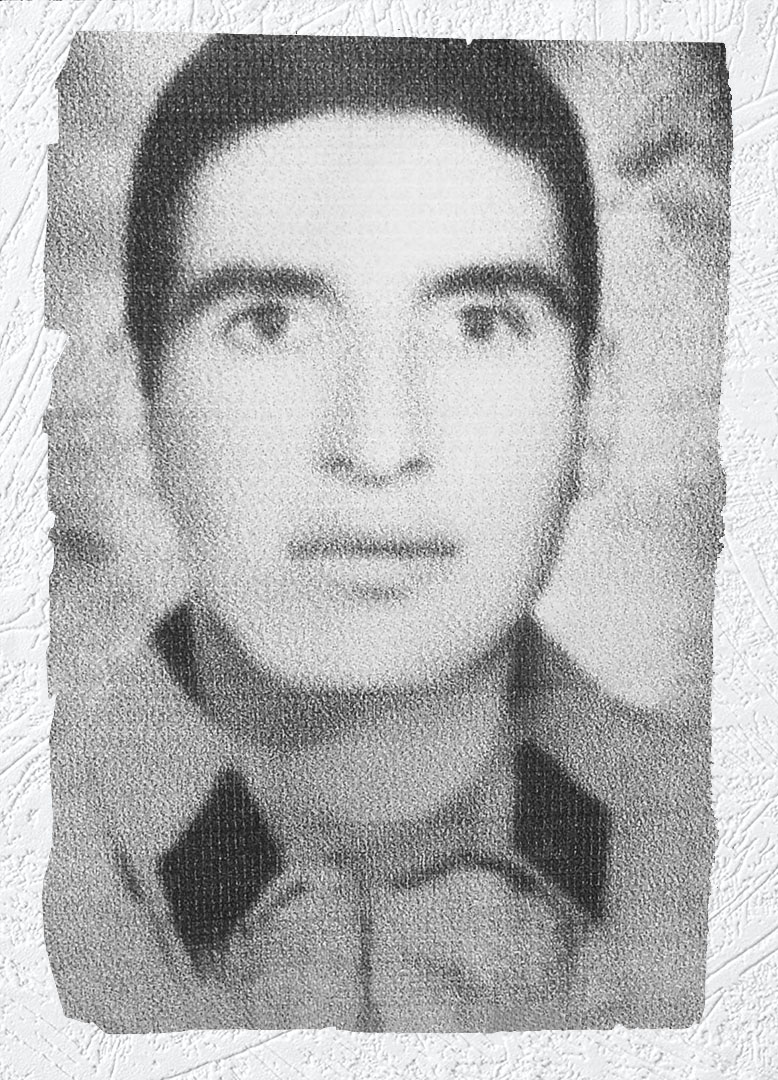
- Gender
- Male
- Ethnicity
- Tajik
- District geolocation of incident
- Bagrami: 34° 31′ 10″ N, 69° 16′ 39″ E
- Description of incident
Known as the "Killing of AGSA," it refers to the collective murder of opponents of the People's Democratic Party of Afghanistan in the Pul-e-Charkhi Prison in Kabul between 1978 and 1979. The Afghan Intelligence Office, or AGSA (Afghan Agency for Safeguarding National Interest), led by Asadullah Sarwari, had arrested nearly 150,000 people, out of which an estimated number of 27,000 political prisoners were put to death without a single trial, probe, or even allegation. Many Afghan families had no idea where their loved ones had disappeared in the latter part of 1978 and early 1979. A list of those slain that included 5,000 victims of AGSA mass executions was made public by the Dutch Prosecutor's Office in 2013.
- Witness/Survivor Statement
No statement
- Date added
- Dec 5, 2024
Ali Dad
- Photo of Victim
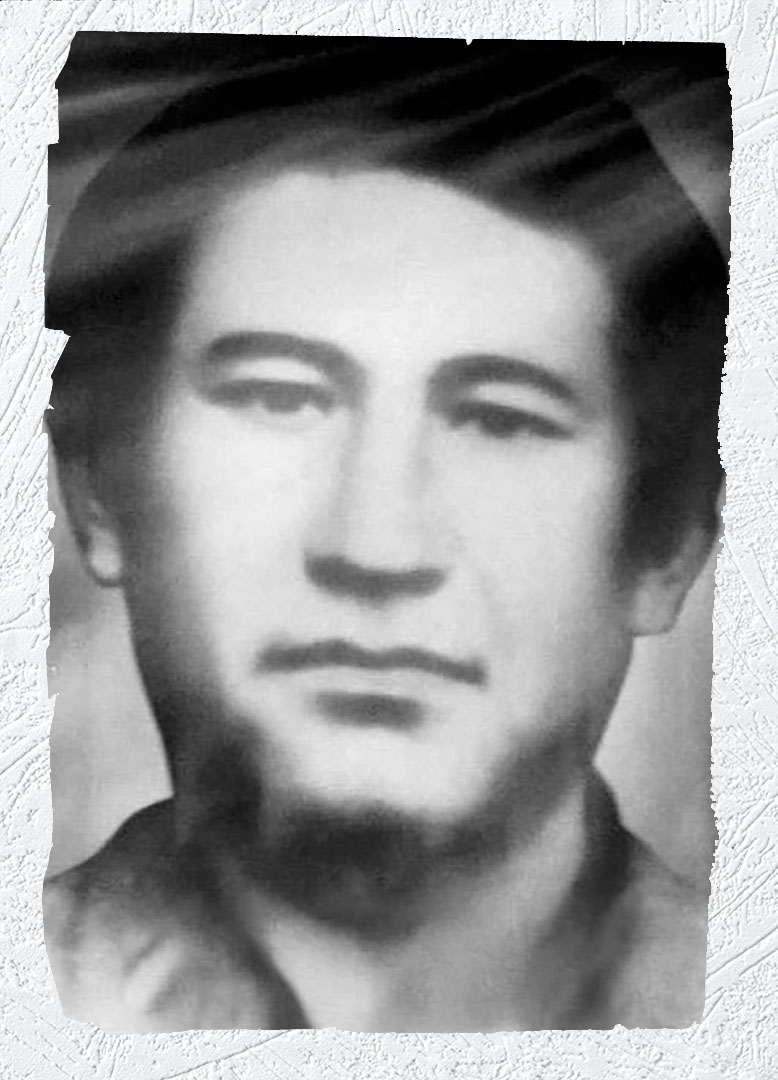
- Gender
- Male
- Ethnicity
- Hazara
- District geolocation of incident
- Bagrami: 34° 31′ 10″ N, 69° 16′ 39″ E
- Description of incident
Known as the "Killing of AGSA," it refers to the collective murder of opponents of the People's Democratic Party of Afghanistan in the Pul-e-Charkhi Prison in Kabul between 1978 and 1979. The Afghan Intelligence Office, or AGSA (Afghan Agency for Safeguarding National Interest), led by Asadullah Sarwari, had arrested nearly 150,000 people, out of which an estimated number of 27,000 political prisoners were put to death without a single trial, probe, or even allegation. Many Afghan families had no idea where their loved ones had disappeared in the latter part of 1978 and early 1979. A list of those slain that included 5,000 victims of AGSA mass executions was made public by the Dutch Prosecutor's Office in 2013.
- Witness/Survivor Statement
No statement
- Date added
- Dec 5, 2024
Asadullah
- Photo of Victim
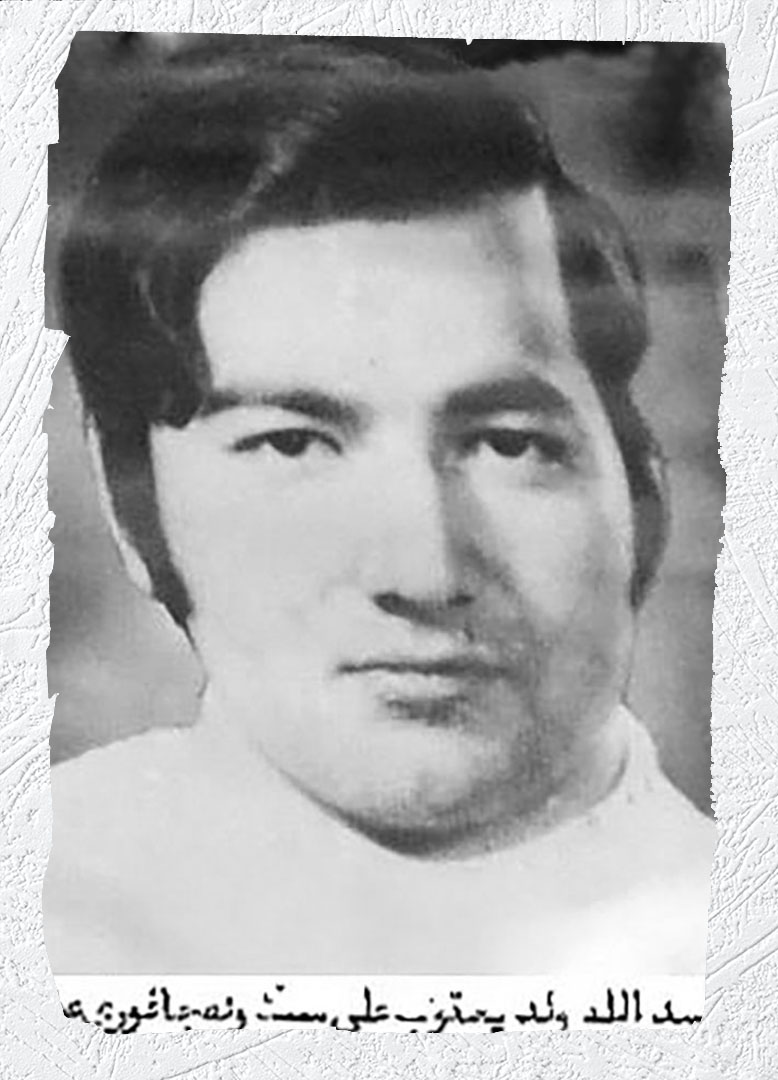
- Gender
- Male
- Ethnicity
- Hazara
- District geolocation of incident
- Bagrami: 34° 31′ 10″ N, 69° 16′ 39″ E
- Description of incident
Known as the "Killing of AGSA," it refers to the collective murder of opponents of the People's Democratic Party of Afghanistan in the Pul-e-Charkhi Prison in Kabul between 1978 and 1979. The Afghan Intelligence Office, or AGSA (Afghan Agency for Safeguarding National Interest), led by Asadullah Sarwari, had arrested nearly 150,000 people, out of which an estimated number of 27,000 political prisoners were put to death without a single trial, probe, or even allegation. Many Afghan families had no idea where their loved ones had disappeared in the latter part of 1978 and early 1979. A list of those slain that included 5,000 victims of AGSA mass executions was made public by the Dutch Prosecutor's Office in 2013.
- Witness/Survivor Statement
No statement
- Date added
- Dec 5, 2024
SadDen
- Photo of Victim
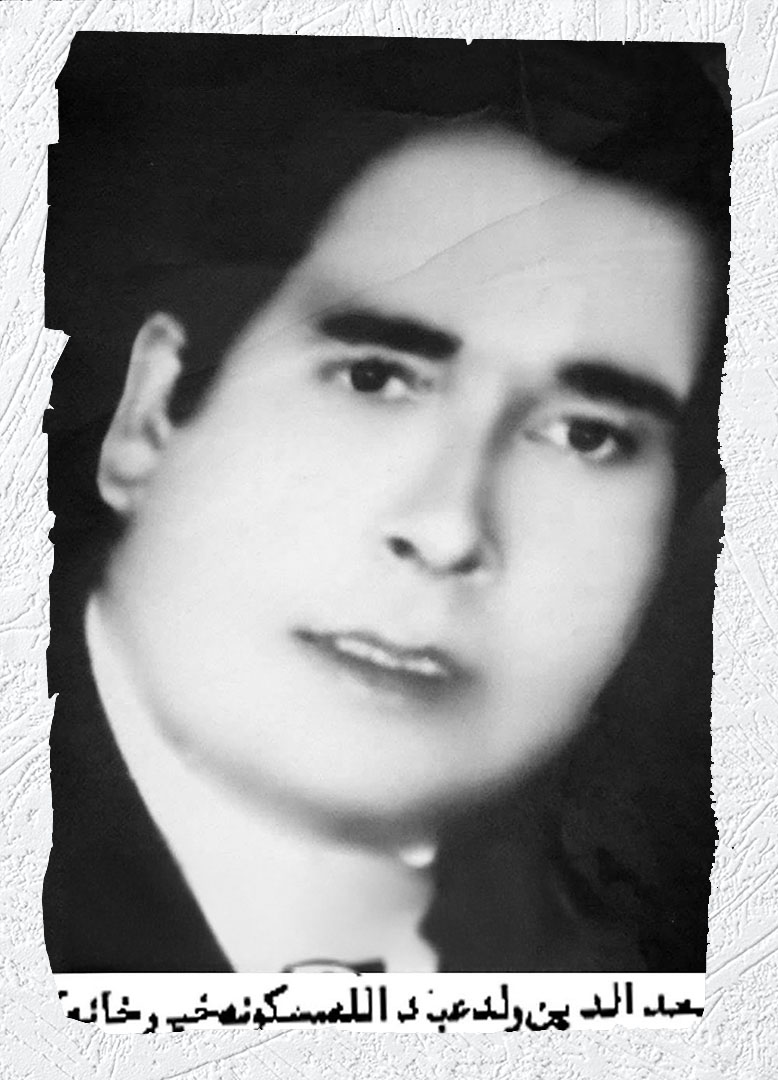
- Gender
- Male
- Ethnicity
- Tajik
- District geolocation of incident
- Bagrami: 34° 31′ 10″ N, 69° 16′ 39″ E
- Description of incident
Known as the "Killing of AGSA," it refers to the collective murder of opponents of the People's Democratic Party of Afghanistan in the Pul-e-Charkhi Prison in Kabul between 1978 and 1979. The Afghan Intelligence Office, or AGSA (Afghan Agency for Safeguarding National Interest), led by Asadullah Sarwari, had arrested nearly 150,000 people, out of which an estimated number of 27,000 political prisoners were put to death without a single trial, probe, or even allegation. Many Afghan families had no idea where their loved ones had disappeared in the latter part of 1978 and early 1979. A list of those slain that included 5,000 victims of AGSA mass executions was made public by the Dutch Prosecutor's Office in 2013.
- Witness/Survivor Statement
No statement
- Date added
- Dec 5, 2024
Eqbal Ali
- Photo of Victim
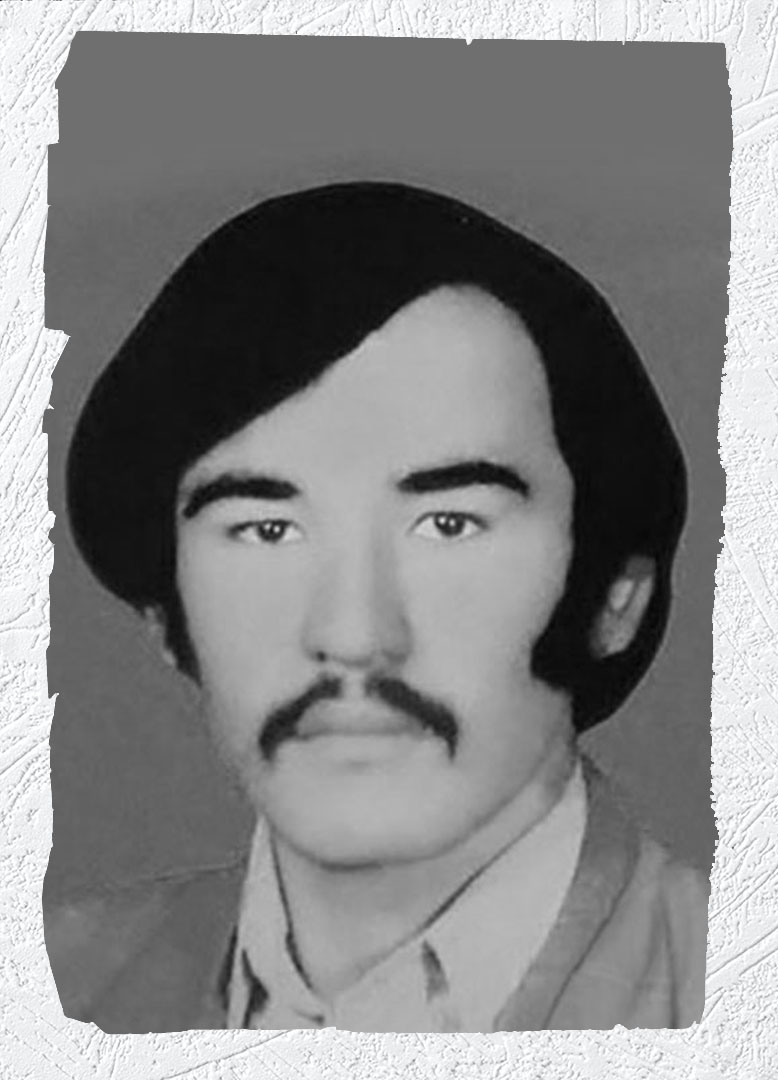
- Gender
- Male
- Ethnicity
- Hazara
- District geolocation of incident
- Bagrami: 34° 31′ 10″ N, 69° 16′ 39″ E
- Description of incident
Known as the "Killing of AGSA," it refers to the collective murder of opponents of the People's Democratic Party of Afghanistan in the Pul-e-Charkhi Prison in Kabul between 1978 and 1979. The Afghan Intelligence Office, or AGSA (Afghan Agency for Safeguarding National Interest), led by Asadullah Sarwari, had arrested nearly 150,000 people, out of which an estimated number of 27,000 political prisoners were put to death without a single trial, probe, or even allegation. Many Afghan families had no idea where their loved ones had disappeared in the latter part of 1978 and early 1979. A list of those slain that included 5,000 victims of AGSA mass executions was made public by the Dutch Prosecutor's Office in 2013.
- Witness/Survivor Statement
No statement
- Date added
- Dec 4, 2024
Malik Ghulam Dastger
- Photo of Victim
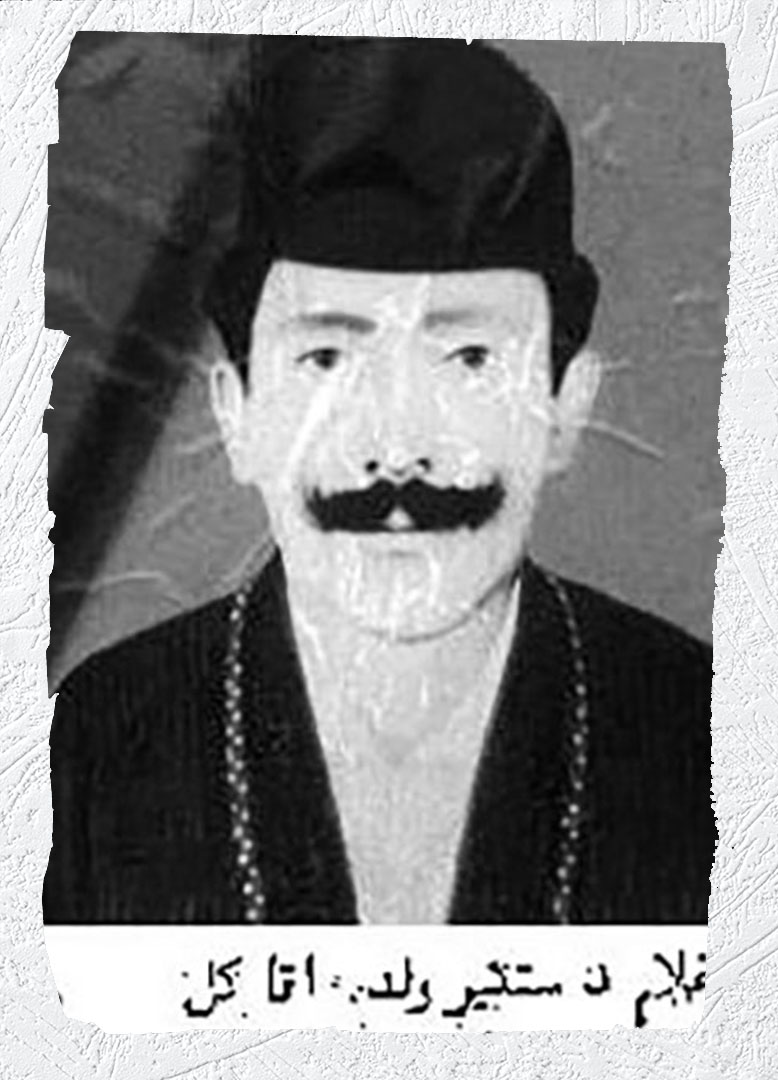
- Gender
- Male
- Ethnicity
- Turkmen
- District geolocation of incident
- Bagrami: 34° 31′ 10″ N, 69° 16′ 39″ E
- Description of incident
Known as the "Killing of AGSA," it refers to the collective murder of opponents of the People's Democratic Party of Afghanistan in the Pul-e-Charkhi Prison in Kabul between 1978 and 1979. The Afghan Intelligence Office, or AGSA (Afghan Agency for Safeguarding National Interest), led by Asadullah Sarwari, had arrested nearly 150,000 people, out of which an estimated number of 27,000 political prisoners were put to death without a single trial, probe, or even allegation. Many Afghan families had no idea where their loved ones had disappeared in the latter part of 1978 and early 1979. A list of those slain that included 5,000 victims of AGSA mass executions was made public by the Dutch Prosecutor's Office in 2013.
- Witness/Survivor Statement
No statement
- Date added
- Dec 4, 2024
Mohammad Yosof Binish
- Photo of Victim

- Gender
- Male
- Ethnicity
- Qizilbash
- District geolocation of incident
- Bagrami: 34° 31′ 10″ N, 69° 16′ 39″ E
- Description of incident
Known as the "Killing of AGSA," it refers to the collective murder of opponents of the People's Democratic Party of Afghanistan in the Pul-e-Charkhi Prison in Kabul between 1978 and 1979. The Afghan Intelligence Office, or AGSA (Afghan Agency for Safeguarding National Interest), led by Asadullah Sarwari, had arrested nearly 150,000 people, out of which an estimated number of 27,000 political prisoners were put to death without a single trial, probe, or even allegation. Many Afghan families had no idea where their loved ones had disappeared in the latter part of 1978 and early 1979. A list of those slain that included 5,000 victims of AGSA mass executions was made public by the Dutch Prosecutor's Office in 2013.
- Witness/Survivor Statement
No statement
- Date added
- Dec 4, 2024
Akhtar Mohammad
- Photo of Victim

- Gender
- Male
- Ethnicity
- Tajik
- District geolocation of incident
- Bagrami: 34° 31′ 10″ N, 69° 16′ 39″ E
- Description of incident
Known as the "Killing of AGSA," it refers to the collective murder of opponents of the People's Democratic Party of Afghanistan in the Pul-e-Charkhi Prison in Kabul between 1978 and 1979. The Afghan Intelligence Office, or AGSA (Afghan Agency for Safeguarding National Interest), led by Asadullah Sarwari, had arrested nearly 150,000 people, out of which an estimated number of 27,000 political prisoners were put to death without a single trial, probe, or even allegation. Many Afghan families had no idea where their loved ones had disappeared in the latter part of 1978 and early 1979. A list of those slain that included 5,000 victims of AGSA mass executions was made public by the Dutch Prosecutor's Office in 2013.
- Witness/Survivor Statement
No statement
- Date added
- Dec 3, 2024
Ali Asghar
- Photo of Victim

- Gender
- Male
- Ethnicity
- Hazara
- District geolocation of incident
- Bagrami: 34° 31′ 10″ N, 69° 16′ 39″ E
- Description of incident
Known as the "Killing of AGSA," it refers to the collective murder of opponents of the People's Democratic Party of Afghanistan in the Pul-e-Charkhi Prison in Kabul between 1978 and 1979. The Afghan Intelligence Office, or AGSA (Afghan Agency for Safeguarding National Interest), led by Asadullah Sarwari, had arrested nearly 150,000 people, out of which an estimated number of 27,000 political prisoners were put to death without a single trial, probe, or even allegation. Many Afghan families had no idea where their loved ones had disappeared in the latter part of 1978 and early 1979. A list of those slain that included 5,000 victims of AGSA mass executions was made public by the Dutch Prosecutor's Office in 2013.
- Witness/Survivor Statement
No statement
- Date added
- Dec 3, 2024
Abdulkarim
- Photo of Victim

- Gender
- Male
- Ethnicity
- Hazara
- District geolocation of incident
- Bagrami: 34° 31′ 10″ N, 69° 16′ 39″ E
- Description of incident
Known as the "Killing of AGSA," it refers to the collective murder of opponents of the People's Democratic Party of Afghanistan in the Pul-e-Charkhi Prison in Kabul between 1978 and 1979. The Afghan Intelligence Office, or AGSA (Afghan Agency for Safeguarding National Interest), led by Asadullah Sarwari, had arrested nearly 150,000 people, out of which an estimated number of 27,000 political prisoners were put to death without a single trial, probe, or even allegation. Many Afghan families had no idea where their loved ones had disappeared in the latter part of 1978 and early 1979. A list of those slain that included 5,000 victims of AGSA mass executions was made public by the Dutch Prosecutor's Office in 2013.
- Witness/Survivor Statement
No statement
- Date added
- Dec 3, 2024
Abdulhai
- Photo of Victim
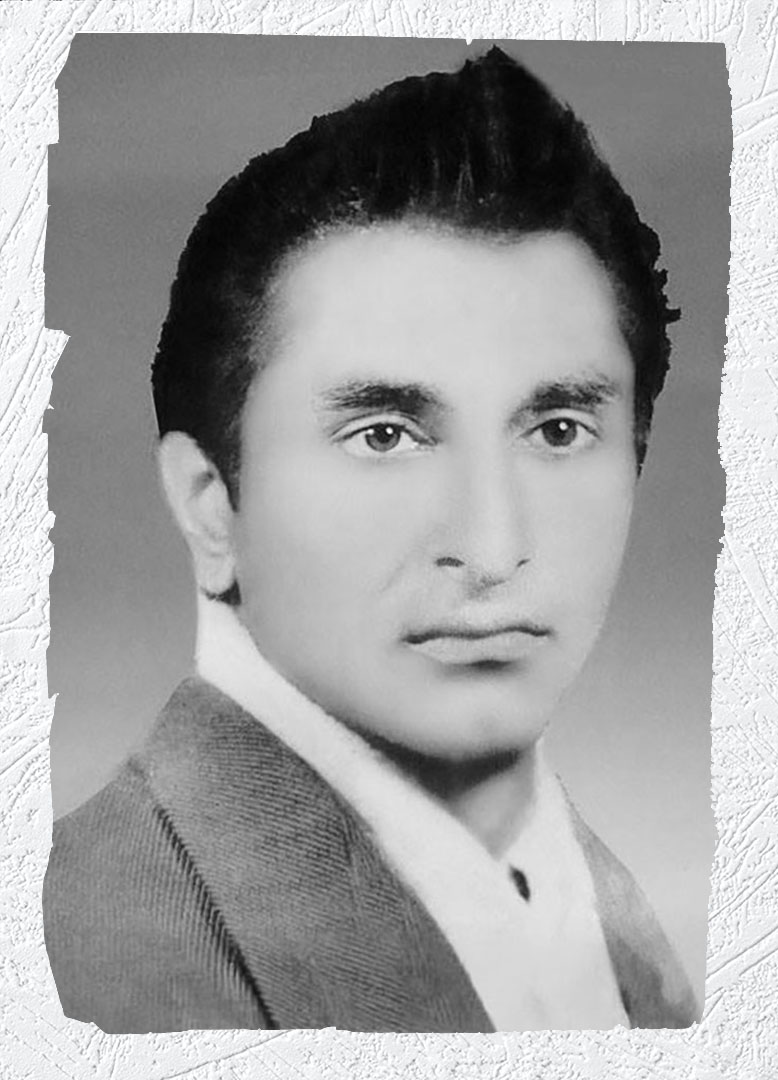
- Gender
- Male
- Ethnicity
- Pashtun
- District geolocation of incident
- Bagrami: 34° 31′ 10″ N, 69° 16′ 39″ E
- Description of incident
Known as the "Killing of AGSA," it refers to the collective murder of opponents of the People's Democratic Party of Afghanistan in the Pul-e-Charkhi Prison in Kabul between 1978 and 1979. The Afghan Intelligence Office, or AGSA (Afghan Agency for Safeguarding National Interest), led by Asadullah Sarwari, had arrested nearly 150,000 people, out of which an estimated number of 27,000 political prisoners were put to death without a single trial, probe, or even allegation. Many Afghan families had no idea where their loved ones had disappeared in the latter part of 1978 and early 1979. A list of those slain that included 5,000 victims of AGSA mass executions was made public by the Dutch Prosecutor's Office in 2013.
- Witness/Survivor Statement
No statement
- Date added
- Dec 3, 2024
Mohammad Jafar Tahiri
- Photo of Victim
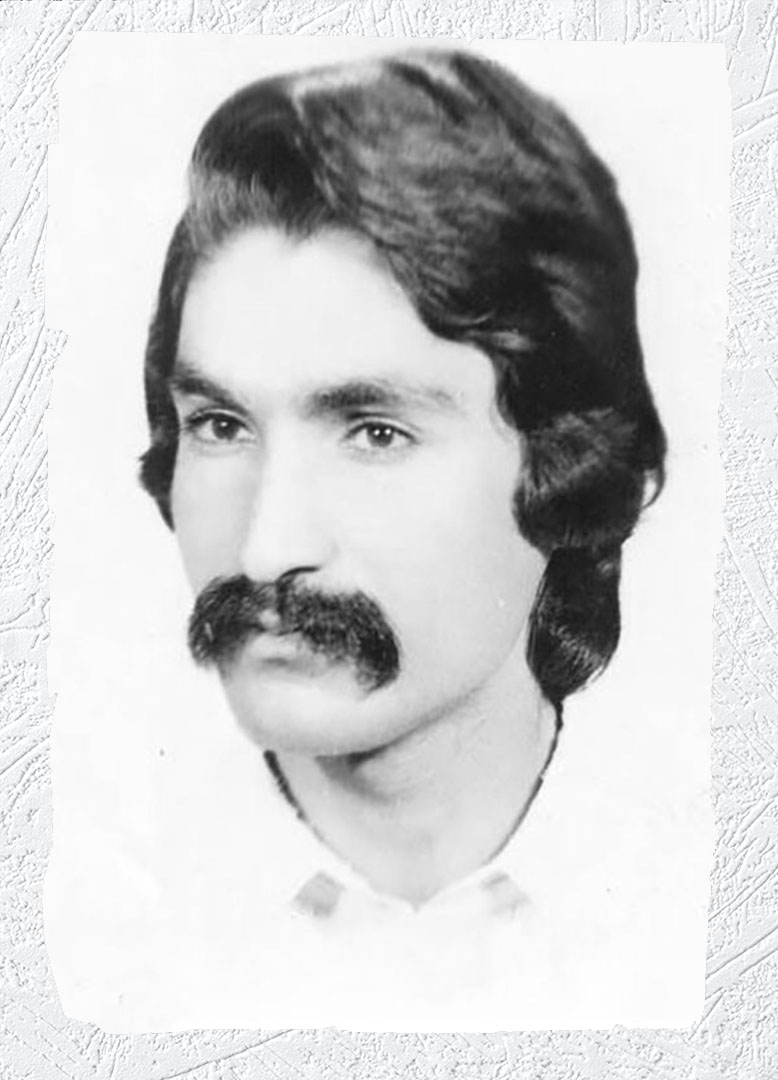
- Gender
- Male
- Ethnicity
- Hazara
- District geolocation of incident
- Bagrami: 34° 31′ 10″ N, 69° 16′ 39″ E
- Description of incident
Known as the "Killing of AGSA," it refers to the collective murder of opponents of the People's Democratic Party of Afghanistan in the Pul-e-Charkhi Prison in Kabul between 1978 and 1979. The Afghan Intelligence Office, or AGSA (Afghan Agency for Safeguarding National Interest), led by Asadullah Sarwari, had arrested nearly 150,000 people, out of which an estimated number of 27,000 political prisoners were put to death without a single trial, probe, or even allegation. Many Afghan families had no idea where their loved ones had disappeared in the latter part of 1978 and early 1979. A list of those slain that included 5,000 victims of AGSA mass executions was made public by the Dutch Prosecutor's Office in 2013.
- Witness/Survivor Statement
No statement
- Date added
- Dec 3, 2024
Mohammad Husain Nahzat
- Photo of Victim
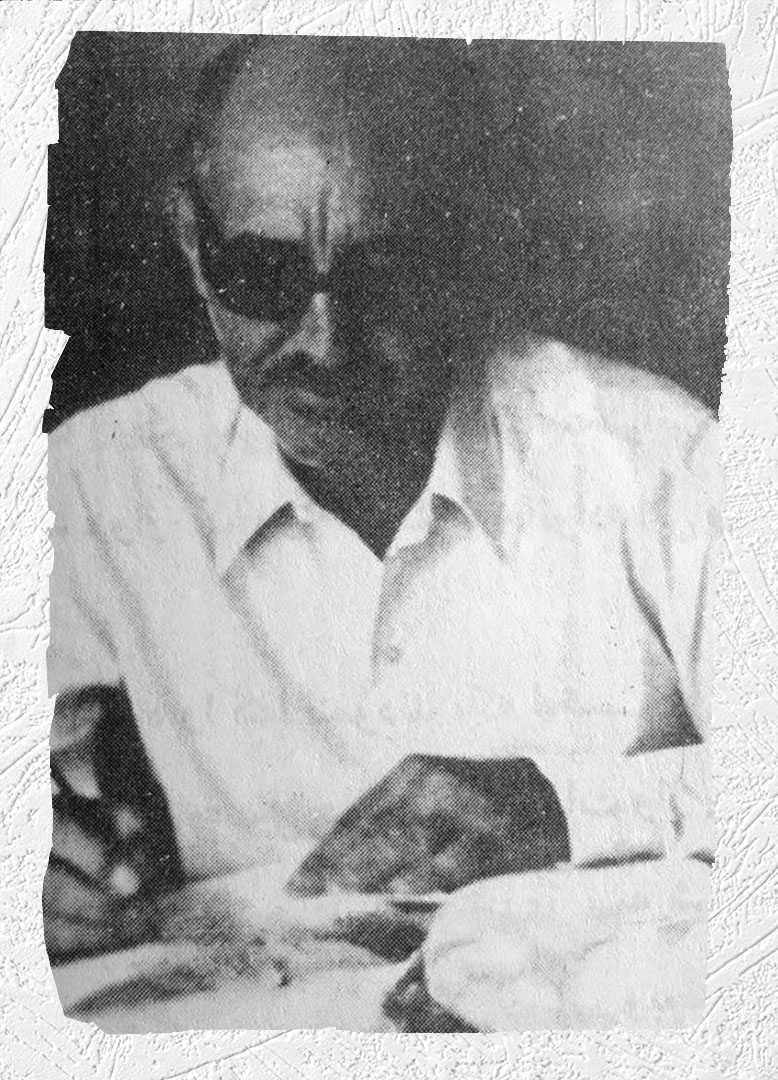
- Gender
- Male
- Ethnicity
- Hazara
- District geolocation of incident
- Bagrami: 34° 31′ 10″ N, 69° 16′ 39″ E
- Description of incident
Known as the "Killing of AGSA," it refers to the collective murder of opponents of the People's Democratic Party of Afghanistan in the Pul-e-Charkhi Prison in Kabul between 1978 and 1979. The Afghan Intelligence Office, or AGSA (Afghan Agency for Safeguarding National Interest), led by Asadullah Sarwari, had arrested nearly 150,000 people, out of which an estimated number of 27,000 political prisoners were put to death without a single trial, probe, or even allegation. Many Afghan families had no idea where their loved ones had disappeared in the latter part of 1978 and early 1979. A list of those slain that included 5,000 victims of AGSA mass executions was made public by the Dutch Prosecutor's Office in 2013.
- Witness/Survivor Statement
No statement
- Date added
- Nov 29, 2024
Mohammad Habib Daqiq
- Photo of Victim

- Gender
- Male
- Ethnicity
- Tajik
- District geolocation of incident
- Bagrami: 34° 31′ 10″ N, 69° 16′ 39″ E
- Description of incident
Known as the "Killing of AGSA," it refers to the collective murder of opponents of the People's Democratic Party of Afghanistan in the Pul-e-Charkhi Prison in Kabul between 1978 and 1979. The Afghan Intelligence Office, or AGSA (Afghan Agency for Safeguarding National Interest), led by Asadullah Sarwari, had arrested nearly 150,000 people, out of which an estimated number of 27,000 political prisoners were put to death without a single trial, probe, or even allegation. Many Afghan families had no idea where their loved ones had disappeared in the latter part of 1978 and early 1979. A list of those slain that included 5,000 victims of AGSA mass executions was made public by the Dutch Prosecutor's Office in 2013.
- Witness/Survivor Statement
No statement
- Date added
- Nov 29, 2024
Abdulaziz Alimi
- Photo of Victim
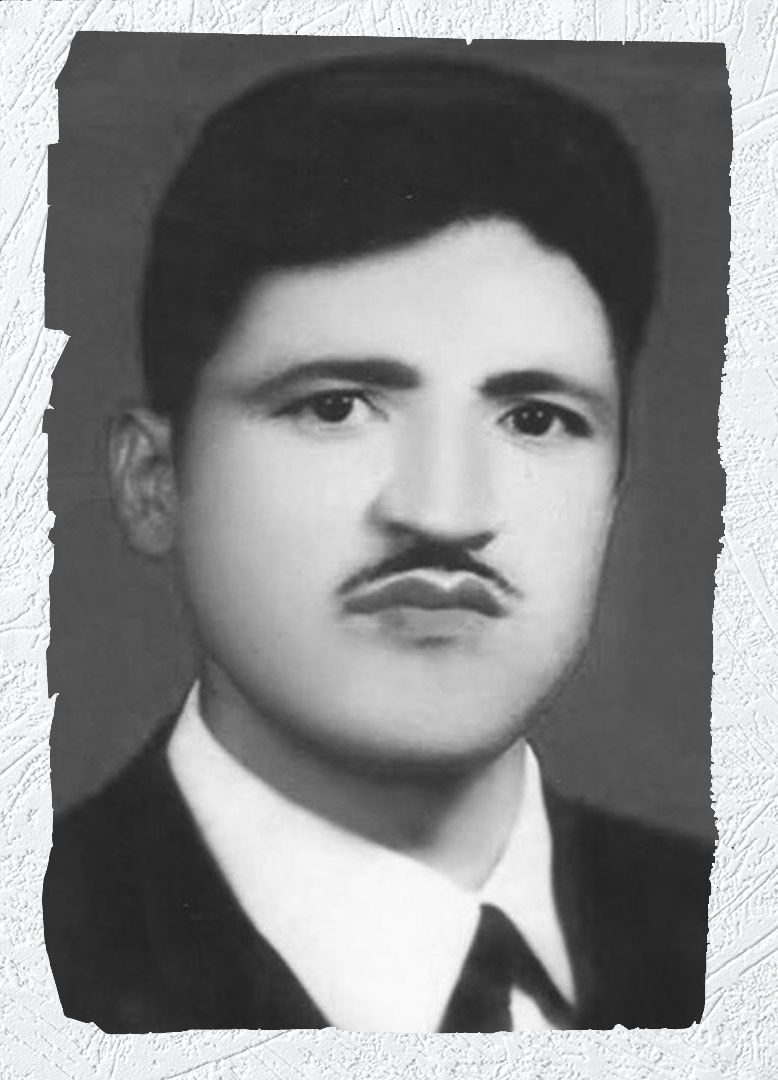
- Gender
- Male
- Ethnicity
- Hazara
- District geolocation of incident
- Bagrami: 34° 31′ 10″ N, 69° 16′ 39″ E
- Description of incident
Known as the "Killing of AGSA," it refers to the collective murder of opponents of the People's Democratic Party of Afghanistan in the Pul-e-Charkhi Prison in Kabul between 1978 and 1979. The Afghan Intelligence Office, or AGSA (Afghan Agency for Safeguarding National Interest), led by Asadullah Sarwari, had arrested nearly 150,000 people, out of which an estimated number of 27,000 political prisoners were put to death without a single trial, probe, or even allegation. Many Afghan families had no idea where their loved ones had disappeared in the latter part of 1978 and early 1979. A list of those slain that included 5,000 victims of AGSA mass executions was made public by the Dutch Prosecutor's Office in 2013.
- Witness/Survivor Statement
No statement
- Date added
- Nov 26, 2024
Abdulmannan
- Photo of Victim
- Gender
- Male
- Ethnicity
- Tajik
- District geolocation of incident
- Bagrami: 34° 31′ 10″ N, 69° 16′ 39″ E
- Description of incident
Known as the "Killing of AGSA," it refers to the collective murder of opponents of the People's Democratic Party of Afghanistan in the Pul-e-Charkhi Prison in Kabul between 1978 and 1979. The Afghan Intelligence Office, or AGSA (Afghan Agency for Safeguarding National Interest), led by Asadullah Sarwari, had arrested nearly 150,000 people, out of which an estimated number of 27,000 political prisoners were put to death without a single trial, probe, or even allegation. Many Afghan families had no idea where their loved ones had disappeared in the latter part of 1978 and early 1979. A list of those slain that included 5,000 victims of AGSA mass executions was made public by the Dutch Prosecutor's Office in 2013.
- Witness/Survivor Statement
No statement
- Date added
- Nov 26, 2024
NorulHaq
- Photo of Victim
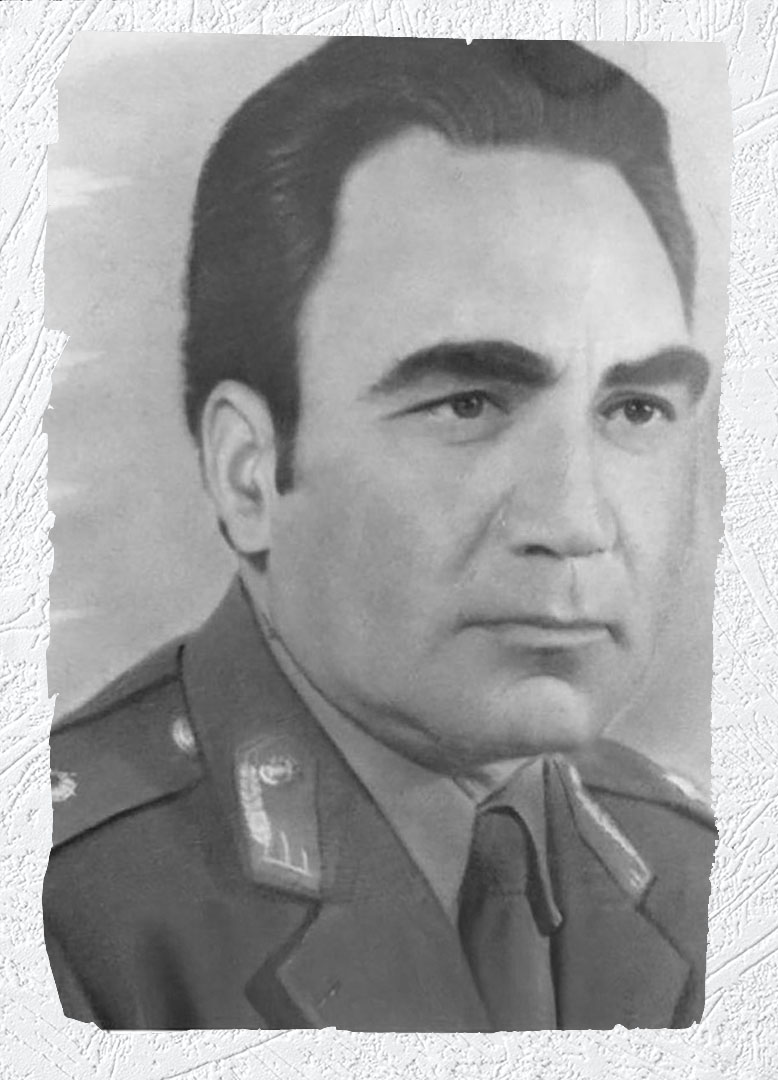
- Gender
- Male
- Ethnicity
- Pashtun
- District geolocation of incident
- Bagrami: 34° 31′ 10″ N, 69° 16′ 39″ E
- Description of incident
Known as the "Killing of AGSA," it refers to the collective murder of opponents of the People's Democratic Party of Afghanistan in the Pul-e-Charkhi Prison in Kabul between 1978 and 1979. The Afghan Intelligence Office, or AGSA (Afghan Agency for Safeguarding National Interest), led by Asadullah Sarwari, had arrested nearly 150,000 people, out of which an estimated number of 27,000 political prisoners were put to death without a single trial, probe, or even allegation. Many Afghan families had no idea where their loved ones had disappeared in the latter part of 1978 and early 1979. A list of those slain that included 5,000 victims of AGSA mass executions was made public by the Dutch Prosecutor's Office in 2013.
- Witness/Survivor Statement
No statement
- Date added
- Nov 26, 2024
Asadulla
- Photo of Victim

- Gender
- Male
- Ethnicity
- Tajik
- District geolocation of incident
- Bagrami: 34° 31′ 10″ N, 69° 16′ 39″ E
- Description of incident
Known as the "Killing of AGSA," it refers to the collective murder of opponents of the People's Democratic Party of Afghanistan in the Pul-e-Charkhi Prison in Kabul between 1978 and 1979. The Afghan Intelligence Office, or AGSA (Afghan Agency for Safeguarding National Interest), led by Asadullah Sarwari, had arrested nearly 150,000 people, out of which an estimated number of 27,000 political prisoners were put to death without a single trial, probe, or even allegation. Many Afghan families had no idea where their loved ones had disappeared in the latter part of 1978 and early 1979. A list of those slain that included 5,000 victims of AGSA mass executions was made public by the Dutch Prosecutor's Office in 2013.
- Witness/Survivor Statement
No statement
- Date added
- Nov 25, 2024
Abdul Latif
- Photo of Victim
- Gender
- Male
- Ethnicity
- Tajik
- District geolocation of incident
- Bagrami: 34° 31′ 10″ N, 69° 16′ 39″ E
- Description of incident
Known as the "Killing of AGSA," it refers to the collective murder of opponents of the People's Democratic Party of Afghanistan in the Pul-e-Charkhi Prison in Kabul between 1978 and 1979. The Afghan Intelligence Office, or AGSA (Afghan Agency for Safeguarding National Interest), led by Asadullah Sarwari, had arrested nearly 150,000 people, out of which an estimated number of 27,000 political prisoners were put to death without a single trial, probe, or even allegation. Many Afghan families had no idea where their loved ones had disappeared in the latter part of 1978 and early 1979. A list of those slain that included 5,000 victims of AGSA mass executions was made public by the Dutch Prosecutor's Office in 2013.
- Witness/Survivor Statement
No statement
- Date added
- Nov 25, 2024
Abdul Latif
- Photo of Victim

- Gender
- Male
- Ethnicity
- Pashtun
- District geolocation of incident
- Chamkani: 33° 48′ 10″ N, 69° 49′ 56″ E
- Description of incident
Abdul Latif was in ninth grade when he was called for military service during Dr. Najibullah’s rule. He tried to escape many times but failed. After completing his training, he was sent to the frontline. The last time he fought was in ta battle between the Mujahideen and the government in Paktia Province. A rocket hit their trench during the operation killing and injuring many soldiers. My brother lost his life due to severe head injuries. He was only 22 years old. His death changed everything, but it affected my parents the most. With him, we lost all our hope. My mother lost her sight and grief replaced her happiness until she passed away a few months later.
- Witness/Survivor Statement
Abdul Latif was a kind and hardworking young man and he had only two dreams, first to continue his studies and second to help us, especially my father in providing a better livelihood for the family. We had a difficult life, but Abdul Latif was considered our family’s hope for a brighter future. His promises of a better future after graduation from the engineering faculty always excited my parents. He also encouraged our siblings to continue their studies because that was the only way to a better future. He himself always wanted to be an engineer but was not made to realize his dreams. Abdul Latif was in ninth grade when he was called for military service during Dr. Najibullah’s rule. He tried to escape many times but failed. After completing his training, he was sent to the frontline. The last time he fought was in ta battle between the Mujahideen and the government in Paktia Province. A rocket hit their trench during the operation killing and injuring many soldiers. My brother lost his life due to severe head injuries. He was only 22 years old. His death changed everything, but it affected my parents the most. With him, we lost all our hope. My mother lost her sight and grief replaced her happiness until she passed away a few months later. When Dr. Najibullah’s government collapsed, the Civil War between the Mujahideen groups intensified in Kabul. A rocket hit and destroyed our only home. We lost every single thing we had and had to run for our lives. During the Taliban rule, our only goal was to survive so we left the country in despair and disappointment. Living in refugee camp was no better than the ruins of Kabul but we had to bear it to stay alive. Before joining the military, Abdul Latif assisted my father and provided half of the little income we had. After him, my father protected and supported us until he married us all off. He is now alone, suffering in pain and grief of losing both my brother and my mother. We cannot do anything to heal his grief and remove his sorrows. I just wish this war comes to an end and no other father has to ever bury his loved ones and end up alone.
- Date added
- Nov 13, 2024
Mohammad Hashim
- Photo of Victim

- Gender
- Male
- Ethnicity
- Tajik
- District geolocation of incident
- Bagrami: 34° 31′ 10″ N, 69° 16′ 39″ E
- Description of incident
Known as the "Killing of AGSA," it refers to the collective murder of opponents of the People's Democratic Party of Afghanistan in the Pul-e-Charkhi Prison in Kabul between 1978 and 1979. The Afghan Intelligence Office, or AGSA (Afghan Agency for Safeguarding National Interest), led by Asadullah Sarwari, had arrested nearly 150,000 people, out of which an estimated number of 27,000 political prisoners were put to death without a single trial, probe, or even allegation. Many Afghan families had no idea where their loved ones had disappeared in the latter part of 1978 and early 1979. A list of those slain that included 5,000 victims of AGSA mass executions was made public by the Dutch Prosecutor's Office in 2013.
- Witness/Survivor Statement
No statement
- Date added
- Nov 8, 2024
Rahmatullah
- Photo of Victim
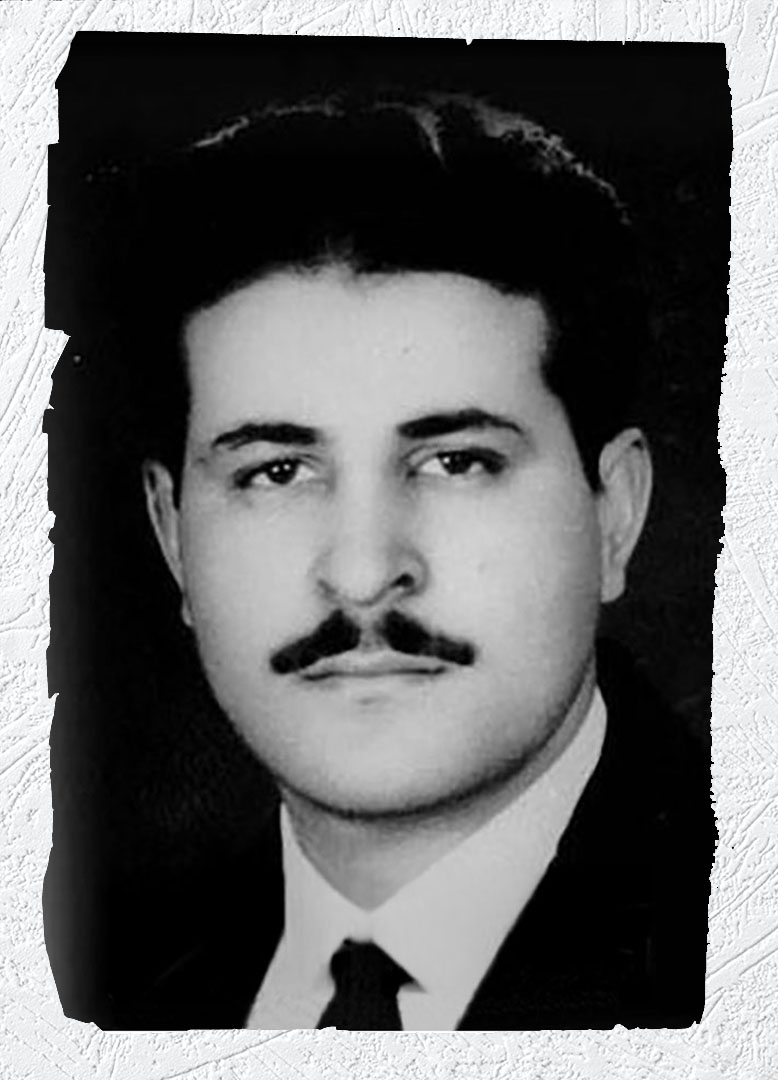
- Gender
- Male
- Ethnicity
- Pashtun
- District geolocation of incident
- Bagrami: 34° 31′ 10″ N, 69° 16′ 39″ E
- Description of incident
Known as the "Killing of AGSA," it refers to the collective murder of opponents of the People's Democratic Party of Afghanistan in the Pul-e-Charkhi Prison in Kabul between 1978 and 1979. The Afghan Intelligence Office, or AGSA (Afghan Agency for Safeguarding National Interest), led by Asadullah Sarwari, had arrested nearly 150,000 people, out of which an estimated number of 27,000 political prisoners were put to death without a single trial, probe, or even allegation. Many Afghan families had no idea where their loved ones had disappeared in the latter part of 1978 and early 1979. A list of those slain that included 5,000 victims of AGSA mass executions was made public by the Dutch Prosecutor's Office in 2013.
- Witness/Survivor Statement
No statement
- Date added
- Nov 8, 2024
Abdulwadood
- Photo of Victim

- Gender
- Male
- Ethnicity
- Pashtun
- District geolocation of incident
- Bagrami: 34° 31′ 10″ N, 69° 16′ 39″ E
- Description of incident
Known as the "Killing of AGSA," it refers to the collective murder of opponents of the People's Democratic Party of Afghanistan in the Pul-e-Charkhi Prison in Kabul between 1978 and 1979. The Afghan Intelligence Office, or AGSA (Afghan Agency for Safeguarding National Interest), led by Asadullah Sarwari, had arrested nearly 150,000 people, out of which an estimated number of 27,000 political prisoners were put to death without a single trial, probe, or even allegation. Many Afghan families had no idea where their loved ones had disappeared in the latter part of 1978 and early 1979. A list of those slain that included 5,000 victims of AGSA mass executions was made public by the Dutch Prosecutor's Office in 2013.
- Witness/Survivor Statement
No statement
- Date added
- Nov 8, 2024
Abdulhakim
- Photo of Victim
- Gender
- Male
- Ethnicity
- Tajik
- District geolocation of incident
- Bagrami: 34° 31′ 10″ N, 69° 16′ 39″ E
- Description of incident
Known as the "Killing of AGSA," it refers to the collective murder of opponents of the People's Democratic Party of Afghanistan in the Pul-e-Charkhi Prison in Kabul between 1978 and 1979. The Afghan Intelligence Office, or AGSA (Afghan Agency for Safeguarding National Interest), led by Asadullah Sarwari, had arrested nearly 150,000 people, out of which an estimated number of 27,000 political prisoners were put to death without a single trial, probe, or even allegation. Many Afghan families had no idea where their loved ones had disappeared in the latter part of 1978 and early 1979. A list of those slain that included 5,000 victims of AGSA mass executions was made public by the Dutch Prosecutor's Office in 2013.
- Witness/Survivor Statement
No statement
- Date added
- Nov 8, 2024
Mohammad Rahim
- Photo of Victim

- Gender
- Male
- Ethnicity
- Uzbek
- District geolocation of incident
- Bagrami: 34° 31′ 10″ N, 69° 16′ 39″ E
- Description of incident
Known as the "Killing of AGSA," it refers to the collective murder of opponents of the People's Democratic Party of Afghanistan in the Pul-e-Charkhi Prison in Kabul between 1978 and 1979. The Afghan Intelligence Office, or AGSA (Afghan Agency for Safeguarding National Interest), led by Asadullah Sarwari, had arrested nearly 150,000 people, out of which an estimated number of 27,000 political prisoners were put to death without a single trial, probe, or even allegation. Many Afghan families had no idea where their loved ones had disappeared in the latter part of 1978 and early 1979. A list of those slain that included 5,000 victims of AGSA mass executions was made public by the Dutch Prosecutor's Office in 2013.
- Witness/Survivor Statement
No statement
- Date added
- Nov 8, 2024
Sadiq Ali Yari
- Photo of Victim
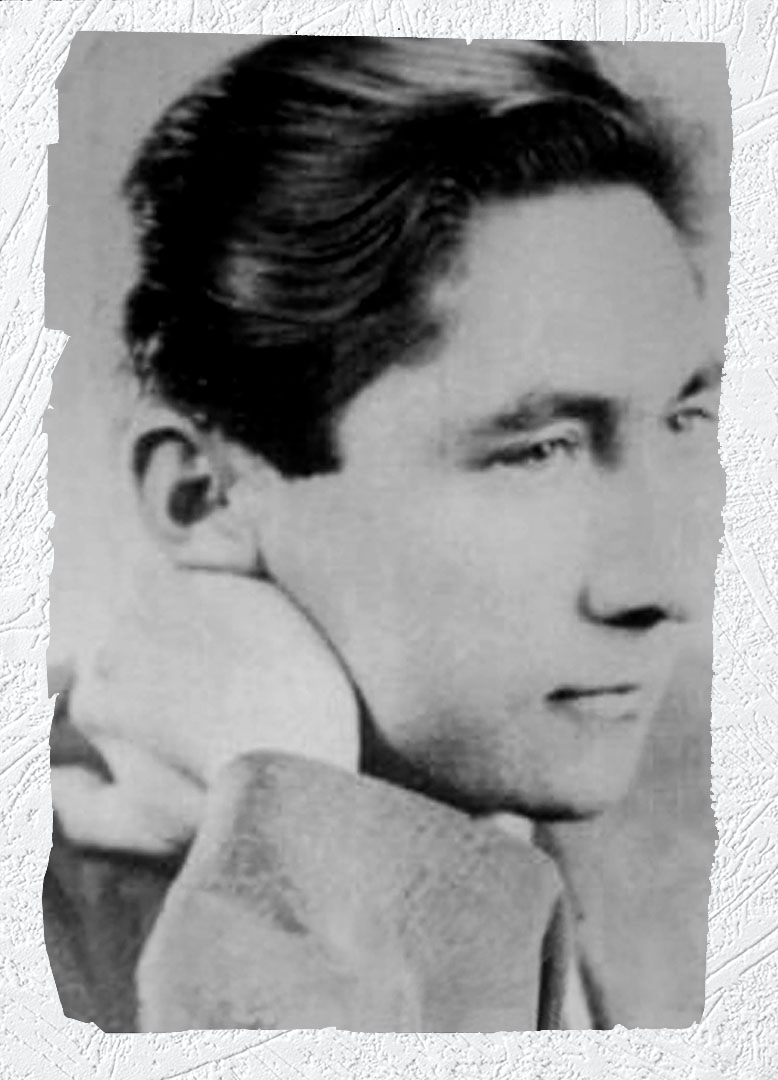
- Gender
- Male
- Ethnicity
- Hazara
- District geolocation of incident
- Bagrami: 34° 31′ 10″ N, 69° 16′ 39″ E
- Description of incident
Known as the "Killing of AGSA," it refers to the collective murder of opponents of the People's Democratic Party of Afghanistan in the Pul-e-Charkhi Prison in Kabul between 1978 and 1979. The Afghan Intelligence Office, or AGSA (Afghan Agency for Safeguarding National Interest), led by Asadullah Sarwari, had arrested nearly 150,000 people, out of which an estimated number of 27,000 political prisoners were put to death without a single trial, probe, or even allegation. Many Afghan families had no idea where their loved ones had disappeared in the latter part of 1978 and early 1979. A list of those slain that included 5,000 victims of AGSA mass executions was made public by the Dutch Prosecutor's Office in 2013.
- Witness/Survivor Statement
No statement
- Date added
- Nov 7, 2024
Mohammad Khan
- Photo of Victim
- Gender
- Male
- Ethnicity
- Tajik
- District geolocation of incident
- Bagrami: 34° 31′ 10″ N, 69° 16′ 39″ E
- Description of incident
Known as the "Killing of AGSA," it refers to the collective murder of opponents of the People's Democratic Party of Afghanistan in the Pul-e-Charkhi Prison in Kabul between 1978 and 1979. The Afghan Intelligence Office, or AGSA (Afghan Agency for Safeguarding National Interest), led by Asadullah Sarwari, had arrested nearly 150,000 people, out of which an estimated number of 27,000 political prisoners were put to death without a single trial, probe, or even allegation. Many Afghan families had no idea where their loved ones had disappeared in the latter part of 1978 and early 1979. A list of those slain that included 5,000 victims of AGSA mass executions was made public by the Dutch Prosecutor's Office in 2013.
- Witness/Survivor Statement
No statement
- Date added
- Nov 7, 2024
Sayed Askar Sha
- Photo of Victim
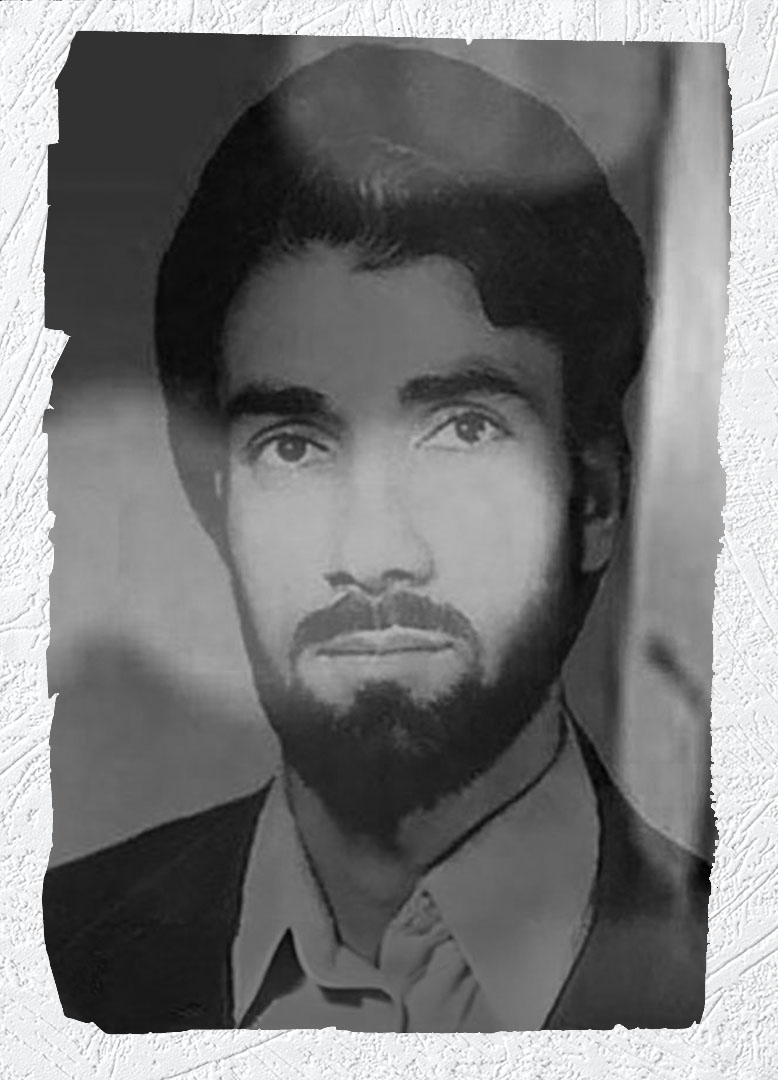
- Gender
- Male
- Ethnicity
- Sadat
- District geolocation of incident
- Bagrami: 34° 31′ 10″ N, 69° 16′ 39″ E
- Description of incident
Known as the "Killing of AGSA," it refers to the collective murder of opponents of the People's Democratic Party of Afghanistan in the Pul-e-Charkhi Prison in Kabul between 1978 and 1979. The Afghan Intelligence Office, or AGSA (Afghan Agency for Safeguarding National Interest), led by Asadullah Sarwari, had arrested nearly 150,000 people, out of which an estimated number of 27,000 political prisoners were put to death without a single trial, probe, or even allegation. Many Afghan families had no idea where their loved ones had disappeared in the latter part of 1978 and early 1979. A list of those slain that included 5,000 victims of AGSA mass executions was made public by the Dutch Prosecutor's Office in 2013.
- Witness/Survivor Statement
No statement
- Date added
- Nov 7, 2024
Sayed Mozafarudin Sha
- Photo of Victim

- Gender
- Male
- Ethnicity
- Sadat
- District geolocation of incident
- Bagrami: 34° 31′ 10″ N, 69° 16′ 39″ E
- Description of incident
Known as the "Killing of AGSA," it refers to the collective murder of opponents of the People's Democratic Party of Afghanistan in the Pul-e-Charkhi Prison in Kabul between 1978 and 1979. The Afghan Intelligence Office, or AGSA (Afghan Agency for Safeguarding National Interest), led by Asadullah Sarwari, had arrested nearly 150,000 people, out of which an estimated number of 27,000 political prisoners were put to death without a single trial, probe, or even allegation. Many Afghan families had no idea where their loved ones had disappeared in the latter part of 1978 and early 1979. A list of those slain that included 5,000 victims of AGSA mass executions was made public by the Dutch Prosecutor's Office in 2013.
- Witness/Survivor Statement
No statement
- Date added
- Nov 7, 2024
Fakhruudin
- Photo of Victim
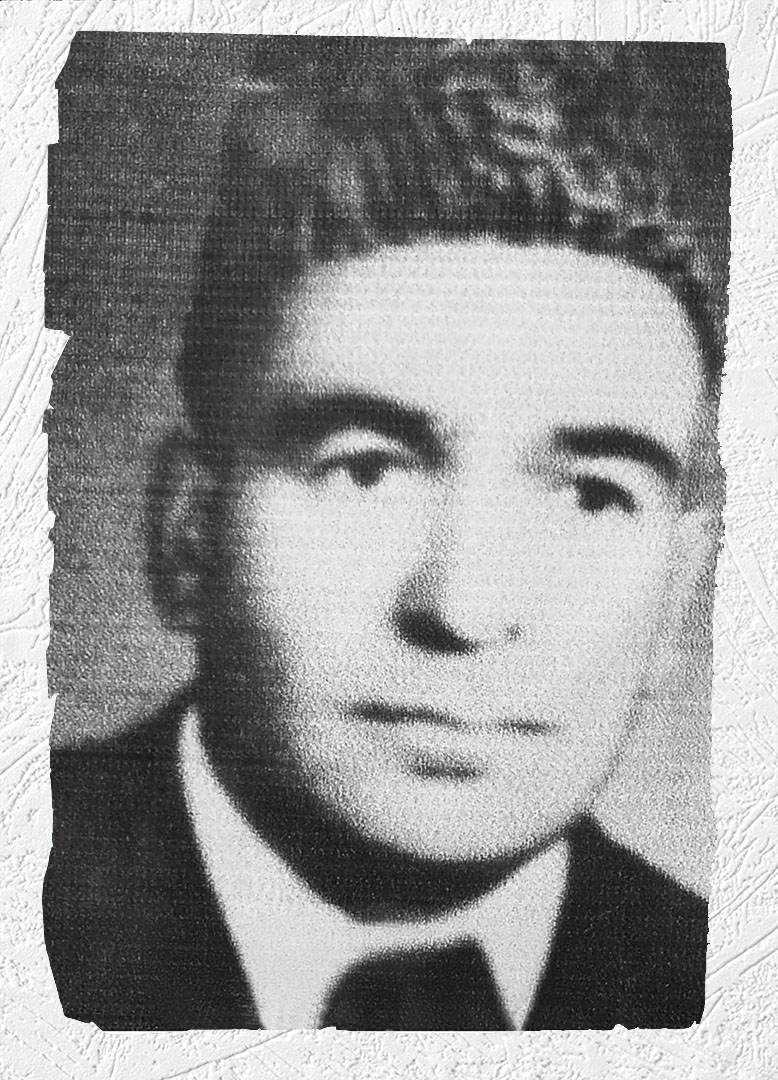
- Gender
- Male
- Ethnicity
- Tajik
- District geolocation of incident
- Bagrami: 34° 31′ 10″ N, 69° 16′ 39″ E
- Description of incident
Known as the "Killing of AGSA," it refers to the collective murder of opponents of the People's Democratic Party of Afghanistan in the Pul-e-Charkhi Prison in Kabul between 1978 and 1979. The Afghan Intelligence Office, or AGSA (Afghan Agency for Safeguarding National Interest), led by Asadullah Sarwari, had arrested nearly 150,000 people, out of which an estimated number of 27,000 political prisoners were put to death without a single trial, probe, or even allegation. Many Afghan families had no idea where their loved ones had disappeared in the latter part of 1978 and early 1979. A list of those slain that included 5,000 victims of AGSA mass executions was made public by the Dutch Prosecutor's Office in 2013.
- Witness/Survivor Statement
No statement
- Date added
- Nov 6, 2024
AbdulHannan
- Photo of Victim

- Gender
- Male
- Ethnicity
- Tajik
- District geolocation of incident
- Bagrami: 34° 31′ 10″ N, 69° 16′ 39″ E
- Description of incident
Known as the "Killing of AGSA," it refers to the collective murder of opponents of the People's Democratic Party of Afghanistan in the Pul-e-Charkhi Prison in Kabul between 1978 and 1979. The Afghan Intelligence Office, or AGSA (Afghan Agency for Safeguarding National Interest), led by Asadullah Sarwari, had arrested nearly 150,000 people, out of which an estimated number of 27,000 political prisoners were put to death without a single trial, probe, or even allegation. Many Afghan families had no idea where their loved ones had disappeared in the latter part of 1978 and early 1979. A list of those slain that included 5,000 victims of AGSA mass executions was made public by the Dutch Prosecutor's Office in 2013.
- Witness/Survivor Statement
No statement
- Date added
- Nov 5, 2024
Per Mohammad
- Photo of Victim
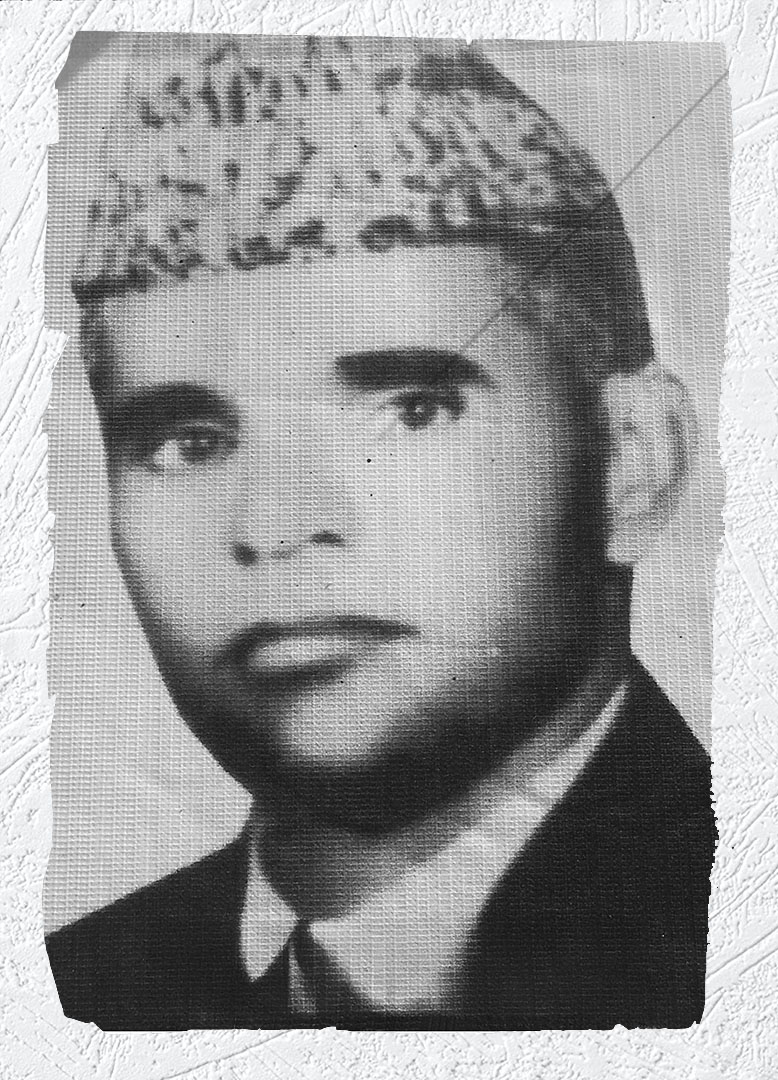
- Gender
- Male
- Ethnicity
- Tajik
- District geolocation of incident
- Bagrami: 34° 31′ 10″ N, 69° 16′ 39″ E
- Description of incident
Known as the "Killing of AGSA," it refers to the collective murder of opponents of the People's Democratic Party of Afghanistan in the Pul-e-Charkhi Prison in Kabul between 1978 and 1979. The Afghan Intelligence Office, or AGSA (Afghan Agency for Safeguarding National Interest), led by Asadullah Sarwari, had arrested nearly 150,000 people, out of which an estimated number of 27,000 political prisoners were put to death without a single trial, probe, or even allegation. Many Afghan families had no idea where their loved ones had disappeared in the latter part of 1978 and early 1979. A list of those slain that included 5,000 victims of AGSA mass executions was made public by the Dutch Prosecutor's Office in 2013.
- Witness/Survivor Statement
No statement
- Date added
- Nov 5, 2024
Haji AbdulGhafar
- Photo of Victim
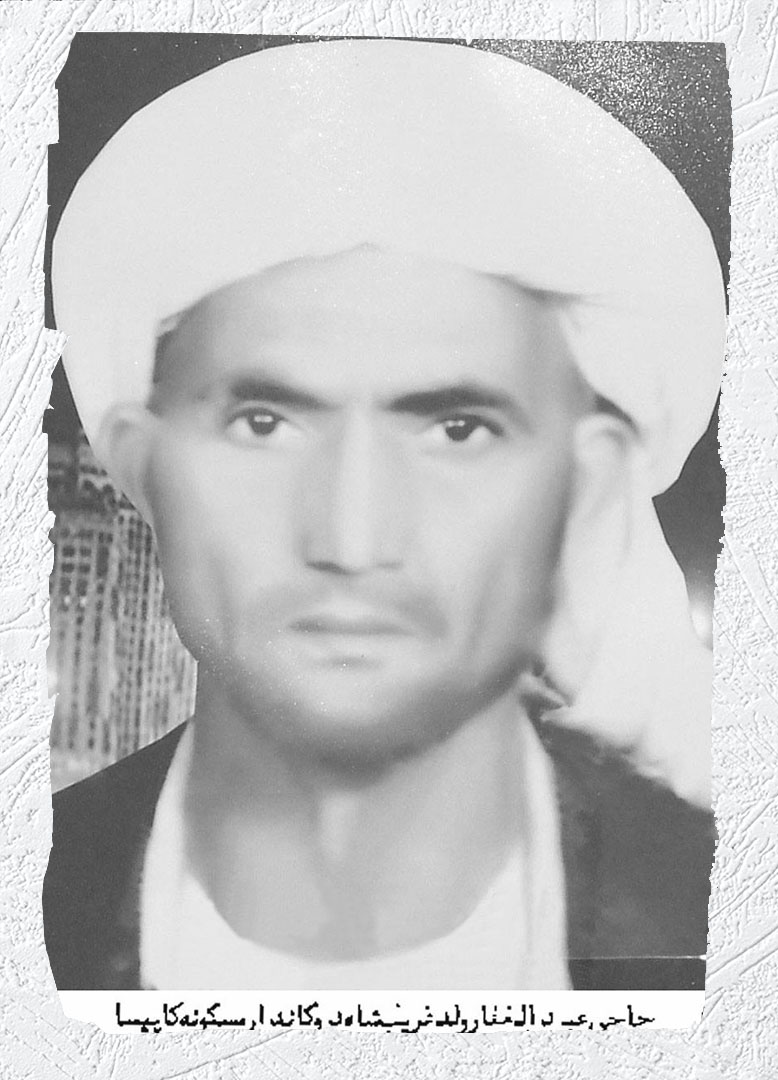
- Gender
- Male
- Ethnicity
- Tajik
- District geolocation of incident
- Bagrami: 34° 31′ 10″ N, 69° 16′ 39″ E
- Description of incident
Known as the "Killing of AGSA," it refers to the collective murder of opponents of the People's Democratic Party of Afghanistan in the Pul-e-Charkhi Prison in Kabul between 1978 and 1979. The Afghan Intelligence Office, or AGSA (Afghan Agency for Safeguarding National Interest), led by Asadullah Sarwari, had arrested nearly 150,000 people, out of which an estimated number of 27,000 political prisoners were put to death without a single trial, probe, or even allegation. Many Afghan families had no idea where their loved ones had disappeared in the latter part of 1978 and early 1979. A list of those slain that included 5,000 victims of AGSA mass executions was made public by the Dutch Prosecutor's Office in 2013.
- Witness/Survivor Statement
No statement
- Date added
- Nov 5, 2024
Dawlat Mohammad
- Photo of Victim
- Gender
- Male
- Ethnicity
- Hazara
- District geolocation of incident
- Bagrami: 34° 31′ 10″ N, 69° 16′ 39″ E
- Description of incident
Known as the "Killing of AGSA," it refers to the collective murder of opponents of the People's Democratic Party of Afghanistan in the Pul-e-Charkhi Prison in Kabul between 1978 and 1979. The Afghan Intelligence Office, or AGSA (Afghan Agency for Safeguarding National Interest), led by Asadullah Sarwari, had arrested nearly 150,000 people, out of which an estimated number of 27,000 political prisoners were put to death without a single trial, probe, or even allegation. Many Afghan families had no idea where their loved ones had disappeared in the latter part of 1978 and early 1979. A list of those slain that included 5,000 victims of AGSA mass executions was made public by the Dutch Prosecutor's Office in 2013.
- Witness/Survivor Statement
No statement
- Date added
- Nov 5, 2024
Ziaullah
- Photo of Victim

- Gender
- Male
- Ethnicity
- Pashtun
- District geolocation of incident
- Bagrami: 34° 31′ 10″ N, 69° 16′ 39″ E
- Description of incident
Known as the "Killing of AGSA," it refers to the collective murder of opponents of the People's Democratic Party of Afghanistan in the Pul-e-Charkhi Prison in Kabul between 1978 and 1979. The Afghan Intelligence Office, or AGSA (Afghan Agency for Safeguarding National Interest), led by Asadullah Sarwari, had arrested nearly 150,000 people, out of which an estimated number of 27,000 political prisoners were put to death without a single trial, probe, or even allegation. Many Afghan families had no idea where their loved ones had disappeared in the latter part of 1978 and early 1979. A list of those slain that included 5,000 victims of AGSA mass executions was made public by the Dutch Prosecutor's Office in 2013.
- Witness/Survivor Statement
No statement
- Date added
- Nov 5, 2024
Rafeullah
- Photo of Victim
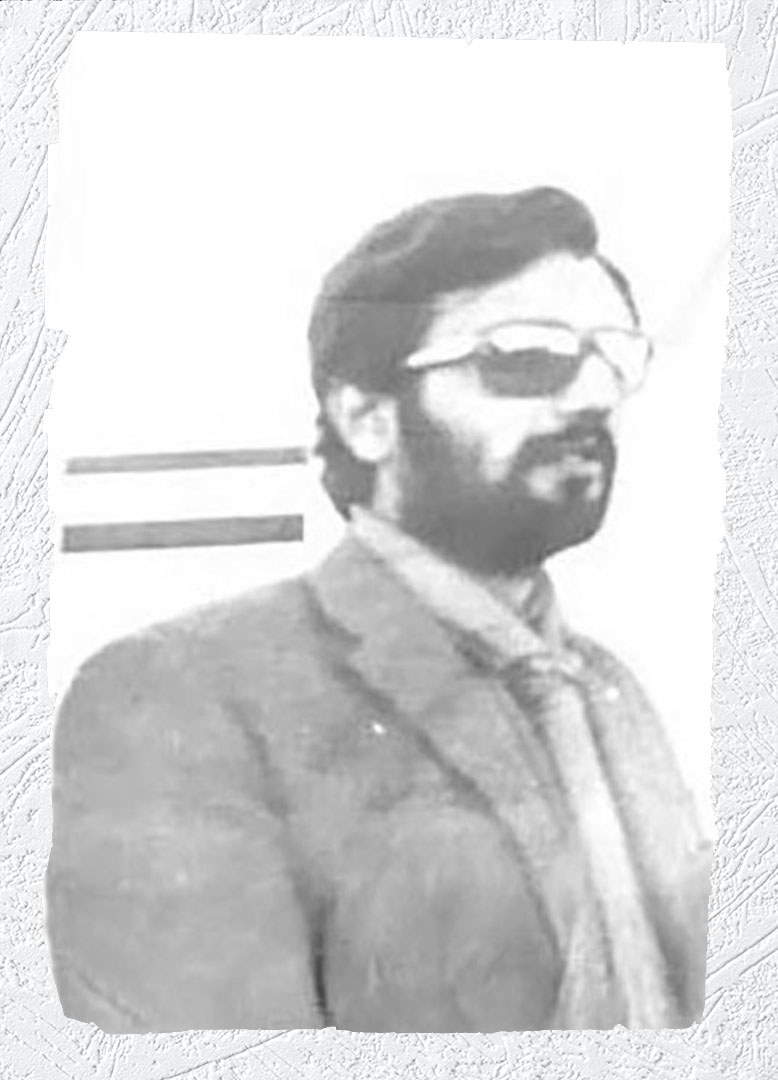
- Gender
- Male
- Ethnicity
- Pashtun
- District geolocation of incident
- Bagrami: 34° 31′ 10″ N, 69° 16′ 39″ E
- Description of incident
Known as the "Killing of AGSA," it refers to the collective murder of opponents of the People's Democratic Party of Afghanistan in the Pul-e-Charkhi Prison in Kabul between 1978 and 1979. The Afghan Intelligence Office, or AGSA (Afghan Agency for Safeguarding National Interest), led by Asadullah Sarwari, had arrested nearly 150,000 people, out of which an estimated number of 27,000 political prisoners were put to death without a single trial, probe, or even allegation. Many Afghan families had no idea where their loved ones had disappeared in the latter part of 1978 and early 1979. A list of those slain that included 5,000 victims of AGSA mass executions was made public by the Dutch Prosecutor's Office in 2013.
- Witness/Survivor Statement
No statement
- Date added
- Nov 5, 2024
Ghulam Dawod
- Photo of Victim
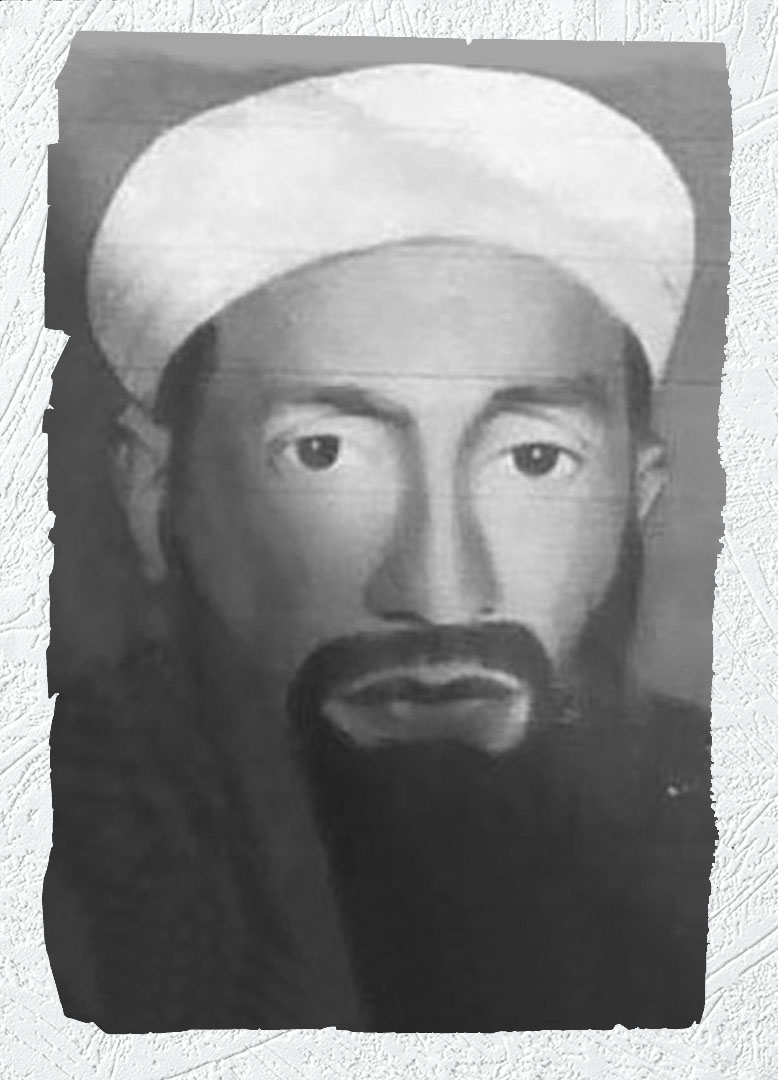
- Gender
- Male
- Ethnicity
- Pashtun
- District geolocation of incident
- Bagrami: 34° 31′ 10″ N, 69° 16′ 39″ E
- Description of incident
Known as the "Killing of AGSA," it refers to the collective murder of opponents of the People's Democratic Party of Afghanistan in the Pul-e-Charkhi Prison in Kabul between 1978 and 1979. The Afghan Intelligence Office, or AGSA (Afghan Agency for Safeguarding National Interest), led by Asadullah Sarwari, had arrested nearly 150,000 people, out of which an estimated number of 27,000 political prisoners were put to death without a single trial, probe, or even allegation. Many Afghan families had no idea where their loved ones had disappeared in the latter part of 1978 and early 1979. A list of those slain that included 5,000 victims of AGSA mass executions was made public by the Dutch Prosecutor's Office in 2013.
- Witness/Survivor Statement
No statement
- Date added
- Nov 5, 2024
Mohammad Mahdi
- Photo of Victim
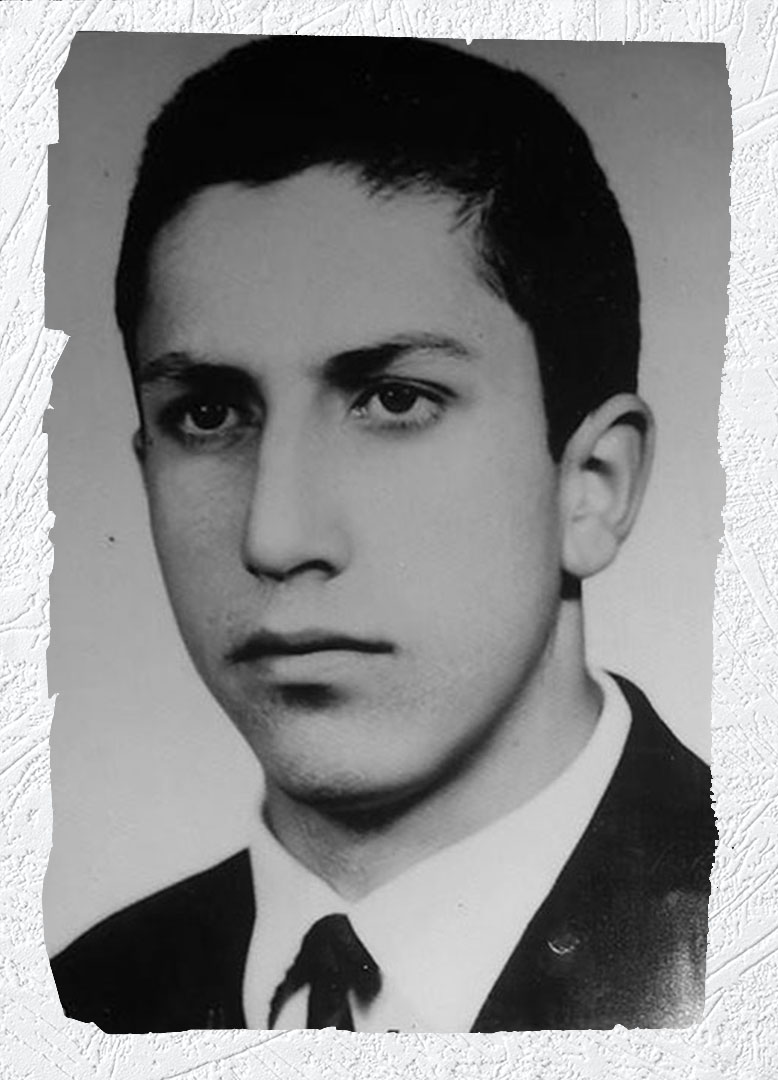
- Gender
- Male
- Ethnicity
- Pashtun
- District geolocation of incident
- Bagrami: 34° 31′ 10″ N, 69° 16′ 39″ E
- Description of incident
Known as the "Killing of AGSA," it refers to the collective murder of opponents of the People's Democratic Party of Afghanistan in the Pul-e-Charkhi Prison in Kabul between 1978 and 1979. The Afghan Intelligence Office, or AGSA (Afghan Agency for Safeguarding National Interest), led by Asadullah Sarwari, had arrested nearly 150,000 people, out of which an estimated number of 27,000 political prisoners were put to death without a single trial, probe, or even allegation. Many Afghan families had no idea where their loved ones had disappeared in the latter part of 1978 and early 1979. A list of those slain that included 5,000 victims of AGSA mass executions was made public by the Dutch Prosecutor's Office in 2013.
- Witness/Survivor Statement
No statement
- Date added
- Nov 4, 2024
Mohammad Yosof Khaksari
- Photo of Victim
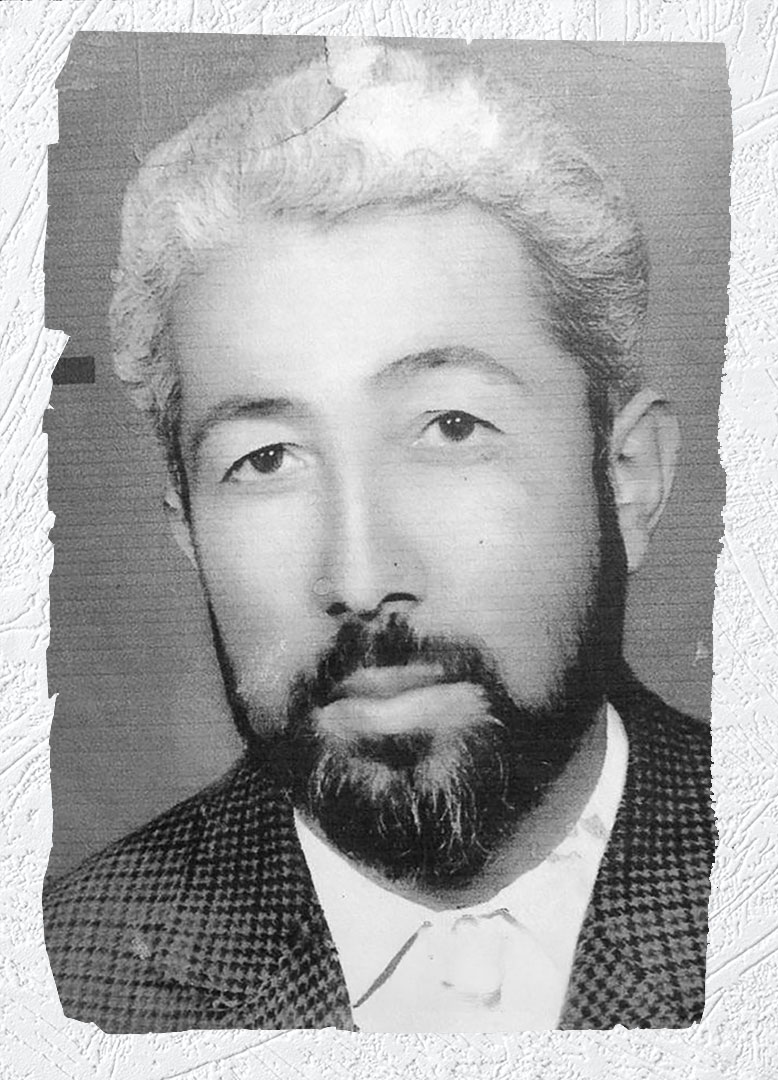
- Gender
- Male
- Ethnicity
- Tajik
- District geolocation of incident
- Bagrami: 34° 31′ 10″ N, 69° 16′ 39″ E
- Description of incident
Known as the "Killing of AGSA," it refers to the collective murder of opponents of the People's Democratic Party of Afghanistan in the Pul-e-Charkhi Prison in Kabul between 1978 and 1979. The Afghan Intelligence Office, or AGSA (Afghan Agency for Safeguarding National Interest), led by Asadullah Sarwari, had arrested nearly 150,000 people, out of which an estimated number of 27,000 political prisoners were put to death without a single trial, probe, or even allegation. Many Afghan families had no idea where their loved ones had disappeared in the latter part of 1978 and early 1979. A list of those slain that included 5,000 victims of AGSA mass executions was made public by the Dutch Prosecutor's Office in 2013.
- Witness/Survivor Statement
No statement
- Date added
- Nov 4, 2024
Mohammad Sadiq
- Photo of Victim

- Gender
- Male
- Ethnicity
- Hazara
- District geolocation of incident
- Bagrami: 34° 31′ 10″ N, 69° 16′ 39″ E
- Description of incident
Known as the "Killing of AGSA," it refers to the collective murder of opponents of the People's Democratic Party of Afghanistan in the Pul-e-Charkhi Prison in Kabul between 1978 and 1979. The Afghan Intelligence Office, or AGSA (Afghan Agency for Safeguarding National Interest), led by Asadullah Sarwari, had arrested nearly 150,000 people, out of which an estimated number of 27,000 political prisoners were put to death without a single trial, probe, or even allegation. Many Afghan families had no idea where their loved ones had disappeared in the latter part of 1978 and early 1979. A list of those slain that included 5,000 victims of AGSA mass executions was made public by the Dutch Prosecutor's Office in 2013.
- Witness/Survivor Statement
No statement
- Date added
- Nov 4, 2024
Nader Ali
- Photo of Victim
- Gender
- Male
- Ethnicity
- Hazara
- District geolocation of incident
- Bagrami: 34° 31′ 10″ N, 69° 16′ 39″ E
- Description of incident
Known as the "Killing of AGSA," it refers to the collective murder of opponents of the People's Democratic Party of Afghanistan in the Pul-e-Charkhi Prison in Kabul between 1978 and 1979. The Afghan Intelligence Office, or AGSA (Afghan Agency for Safeguarding National Interest), led by Asadullah Sarwari, had arrested nearly 150,000 people, out of which an estimated number of 27,000 political prisoners were put to death without a single trial, probe, or even allegation. Many Afghan families had no idea where their loved ones had disappeared in the latter part of 1978 and early 1979. A list of those slain that included 5,000 victims of AGSA mass executions was made public by the Dutch Prosecutor's Office in 2013.
- Witness/Survivor Statement
No statement
- Date added
- Nov 1, 2024
Mohammad Akbar
- Photo of Victim
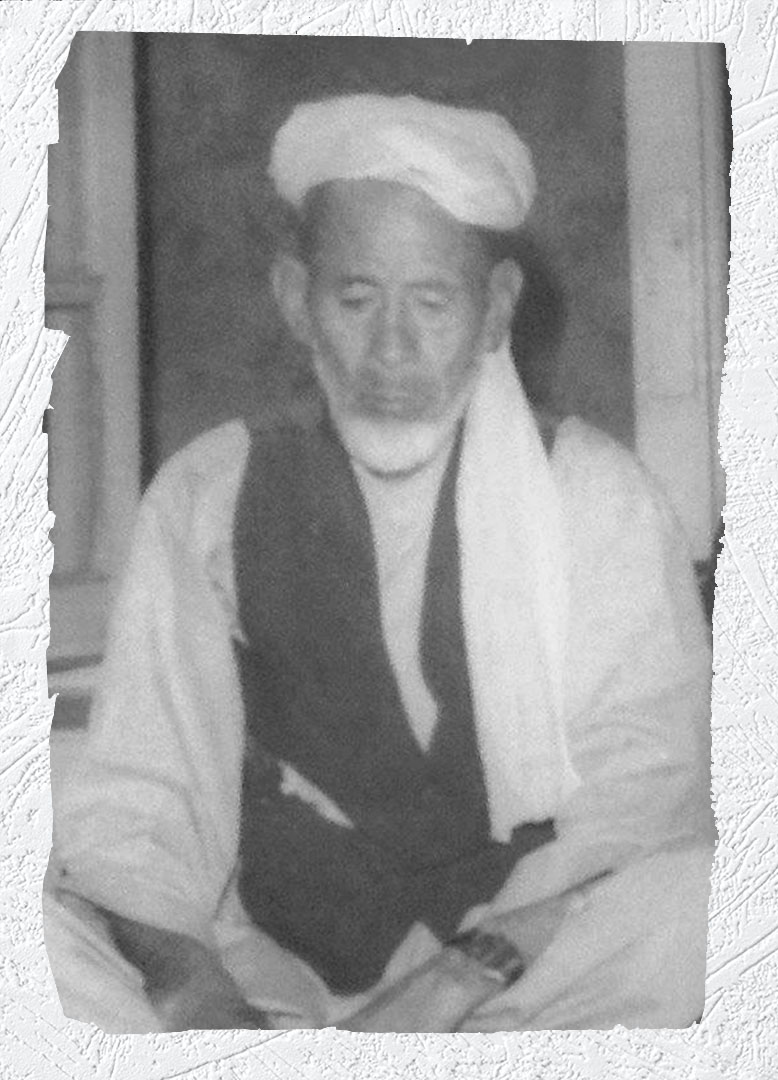
- Gender
- Male
- Ethnicity
- Hazara
- District geolocation of incident
- Bagrami: 34° 31′ 10″ N, 69° 16′ 39″ E
- Description of incident
Known as the "Killing of AGSA," it refers to the collective murder of opponents of the People's Democratic Party of Afghanistan in the Pul-e-Charkhi Prison in Kabul between 1978 and 1979. The Afghan Intelligence Office, or AGSA (Afghan Agency for Safeguarding National Interest), led by Asadullah Sarwari, had arrested nearly 150,000 people, out of which an estimated number of 27,000 political prisoners were put to death without a single trial, probe, or even allegation. Many Afghan families had no idea where their loved ones had disappeared in the latter part of 1978 and early 1979. A list of those slain that included 5,000 victims of AGSA mass executions was made public by the Dutch Prosecutor's Office in 2013.
- Witness/Survivor Statement
No statement
- Date added
- Nov 1, 2024
Nasrullah Haidari
- Photo of Victim
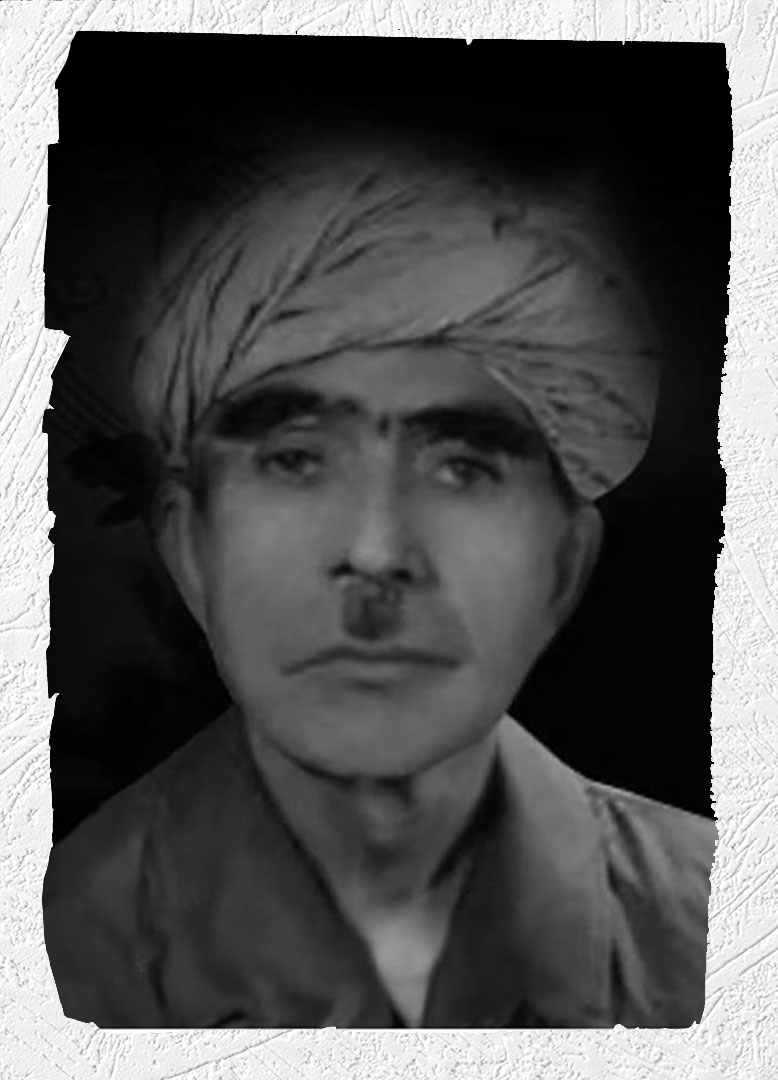
- Gender
- Male
- Ethnicity
- Pashtun
- District geolocation of incident
- Bagrami: 34° 31′ 10″ N, 69° 16′ 39″ E
- Description of incident
Known as the "Killing of AGSA," it refers to the collective murder of opponents of the People's Democratic Party of Afghanistan in the Pul-e-Charkhi Prison in Kabul between 1978 and 1979. The Afghan Intelligence Office, or AGSA (Afghan Agency for Safeguarding National Interest), led by Asadullah Sarwari, had arrested nearly 150,000 people, out of which an estimated number of 27,000 political prisoners were put to death without a single trial, probe, or even allegation. Many Afghan families had no idea where their loved ones had disappeared in the latter part of 1978 and early 1979. A list of those slain that included 5,000 victims of AGSA mass executions was made public by the Dutch Prosecutor's Office in 2013.
- Witness/Survivor Statement
No statement
- Date added
- Nov 1, 2024
Sayed Leiaqat Ali Baqery
- Photo of Victim

- Gender
- Male
- Ethnicity
- Sadat
- District geolocation of incident
- Bagrami: 34° 31′ 10″ N, 69° 16′ 39″ E
- Description of incident
Known as the "Killing of AGSA," it refers to the collective murder of opponents of the People's Democratic Party of Afghanistan in the Pul-e-Charkhi Prison in Kabul between 1978 and 1979. The Afghan Intelligence Office, or AGSA (Afghan Agency for Safeguarding National Interest), led by Asadullah Sarwari, had arrested nearly 150,000 people, out of which an estimated number of 27,000 political prisoners were put to death without a single trial, probe, or even allegation. Many Afghan families had no idea where their loved ones had disappeared in the latter part of 1978 and early 1979. A list of those slain that included 5,000 victims of AGSA mass executions was made public by the Dutch Prosecutor's Office in 2013.
- Witness/Survivor Statement
No statement
- Date added
- Nov 1, 2024
Tora Khan
- Photo of Victim

- Gender
- Male
- Ethnicity
- Tajik
- District geolocation of incident
- Bagrami: 34° 31′ 10″ N, 69° 16′ 39″ E
- Description of incident
Known as the "Killing of AGSA," it refers to the collective murder of opponents of the People's Democratic Party of Afghanistan in the Pul-e-Charkhi Prison in Kabul between 1978 and 1979. The Afghan Intelligence Office, or AGSA (Afghan Agency for Safeguarding National Interest), led by Asadullah Sarwari, had arrested nearly 150,000 people, out of which an estimated number of 27,000 political prisoners were put to death without a single trial, probe, or even allegation. Many Afghan families had no idea where their loved ones had disappeared in the latter part of 1978 and early 1979. A list of those slain that included 5,000 victims of AGSA mass executions was made public by the Dutch Prosecutor's Office in 2013.
- Witness/Survivor Statement
No statement
- Date added
- Nov 1, 2024
Haji Ali Hossain
- Photo of Victim

- Gender
- Male
- Ethnicity
- Hazara
- District geolocation of incident
- Bagrami: 34° 31′ 10″ N, 69° 16′ 39″ E
- Description of incident
Known as the "Killing of AGSA," it refers to the collective murder of opponents of the People's Democratic Party of Afghanistan in the Pul-e-Charkhi Prison in Kabul between 1978 and 1979. The Afghan Intelligence Office, or AGSA (Afghan Agency for Safeguarding National Interest), led by Asadullah Sarwari, had arrested nearly 150,000 people, out of which an estimated number of 27,000 political prisoners were put to death without a single trial, probe, or even allegation. Many Afghan families had no idea where their loved ones had disappeared in the latter part of 1978 and early 1979. A list of those slain that included 5,000 victims of AGSA mass executions was made public by the Dutch Prosecutor's Office in 2013.
- Witness/Survivor Statement
No statement
- Date added
- Nov 1, 2024
Sayed Shiren
- Photo of Victim
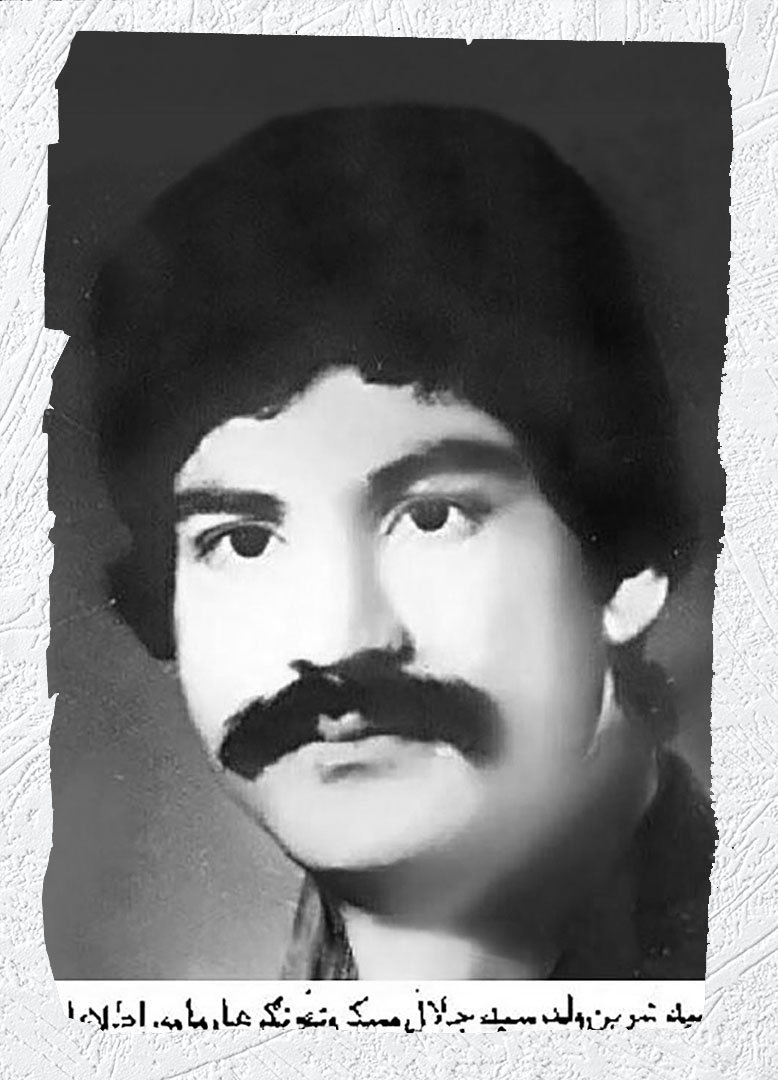
- Gender
- Male
- Ethnicity
- Pashtun
- District geolocation of incident
- Bagrami: 34° 31′ 10″ N, 69° 16′ 39″ E
- Description of incident
Known as the "Killing of AGSA," it refers to the collective murder of opponents of the People's Democratic Party of Afghanistan in the Pul-e-Charkhi Prison in Kabul between 1978 and 1979. The Afghan Intelligence Office, or AGSA (Afghan Agency for Safeguarding National Interest), led by Asadullah Sarwari, had arrested nearly 150,000 people, out of which an estimated number of 27,000 political prisoners were put to death without a single trial, probe, or even allegation. Many Afghan families had no idea where their loved ones had disappeared in the latter part of 1978 and early 1979. A list of those slain that included 5,000 victims of AGSA mass executions was made public by the Dutch Prosecutor's Office in 2013.
- Witness/Survivor Statement
No statement
- Date added
- Oct 31, 2024
Sayed Ebrahim
- Photo of Victim
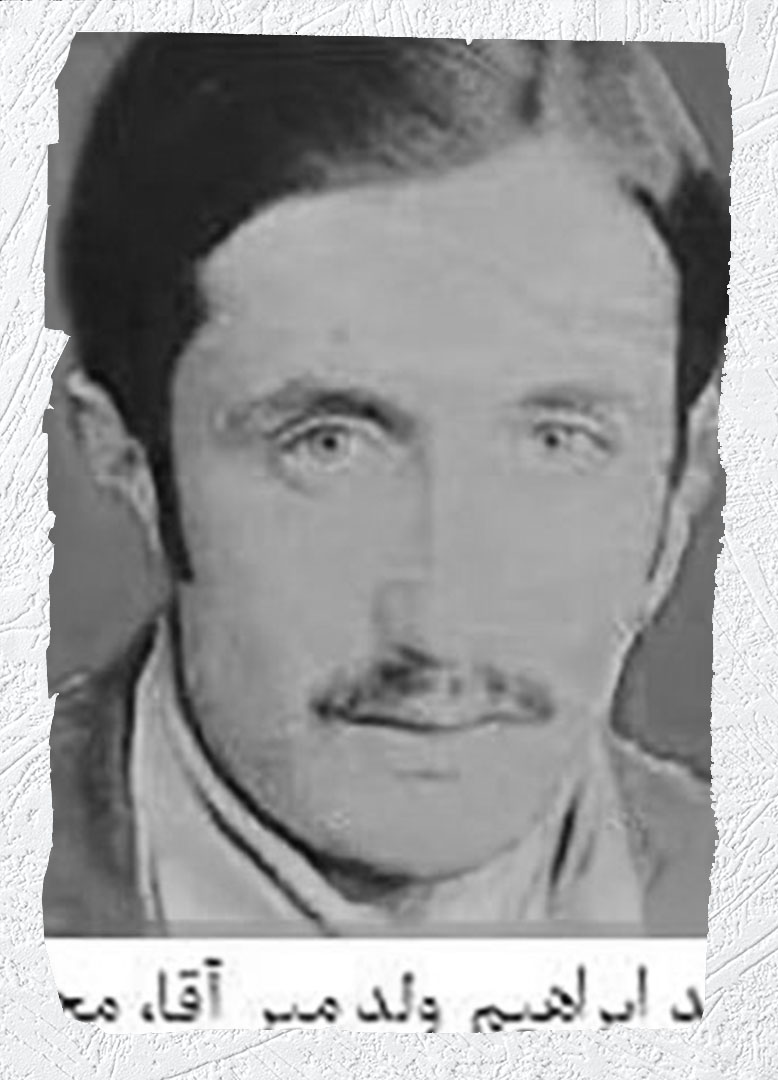
- Gender
- Male
- Ethnicity
- Sadat
- District geolocation of incident
- Bagrami: 34° 31′ 10″ N, 69° 16′ 39″ E
- Description of incident
Known as the "Killing of AGSA," it refers to the collective murder of opponents of the People's Democratic Party of Afghanistan in the Pul-e-Charkhi Prison in Kabul between 1978 and 1979. The Afghan Intelligence Office, or AGSA (Afghan Agency for Safeguarding National Interest), led by Asadullah Sarwari, had arrested nearly 150,000 people, out of which an estimated number of 27,000 political prisoners were put to death without a single trial, probe, or even allegation. Many Afghan families had no idea where their loved ones had disappeared in the latter part of 1978 and early 1979. A list of those slain that included 5,000 victims of AGSA mass executions was made public by the Dutch Prosecutor's Office in 2013.
- Witness/Survivor Statement
No statement
- Date added
- Oct 31, 2024
Sayed Qasim
- Photo of Victim
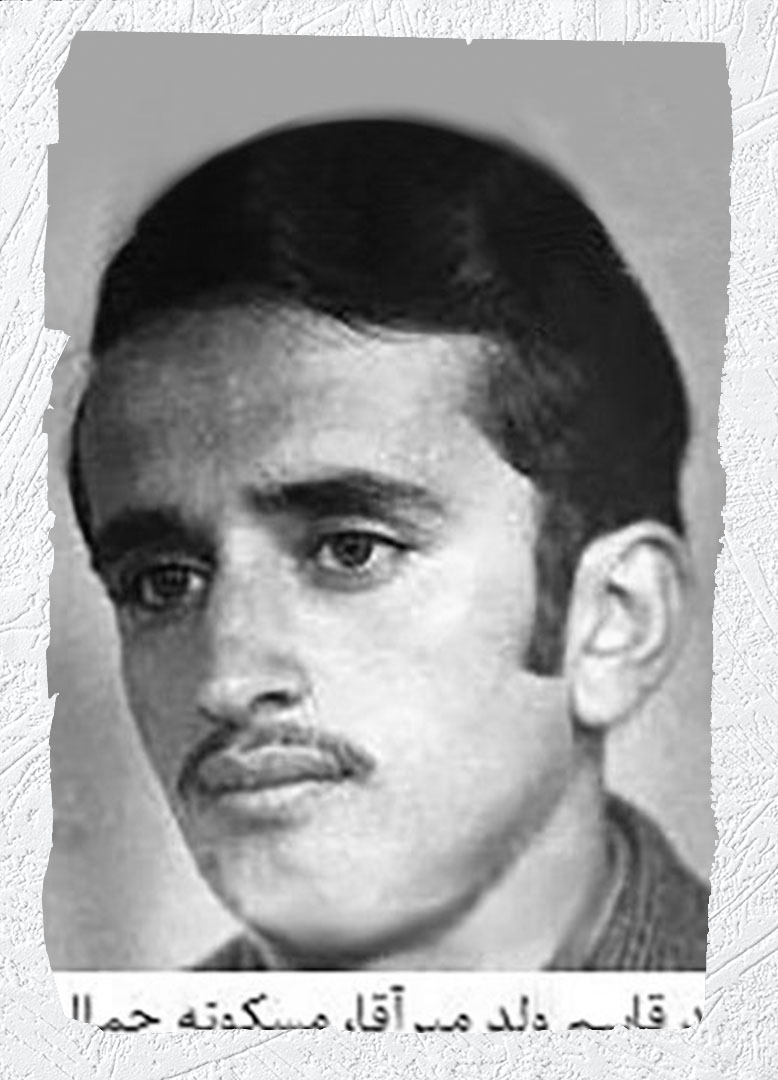
- Gender
- Male
- Ethnicity
- Sadat
- District geolocation of incident
- Bagrami: 34° 31′ 10″ N, 69° 16′ 39″ E
- Description of incident
Known as the "Killing of AGSA," it refers to the collective murder of opponents of the People's Democratic Party of Afghanistan in the Pul-e-Charkhi Prison in Kabul between 1978 and 1979. The Afghan Intelligence Office, or AGSA (Afghan Agency for Safeguarding National Interest), led by Asadullah Sarwari, had arrested nearly 150,000 people, out of which an estimated number of 27,000 political prisoners were put to death without a single trial, probe, or even allegation. Many Afghan families had no idea where their loved ones had disappeared in the latter part of 1978 and early 1979. A list of those slain that included 5,000 victims of AGSA mass executions was made public by the Dutch Prosecutor's Office in 2013.
- Witness/Survivor Statement
No statement
- Date added
- Oct 31, 2024
MirAqa Faroq
- Photo of Victim
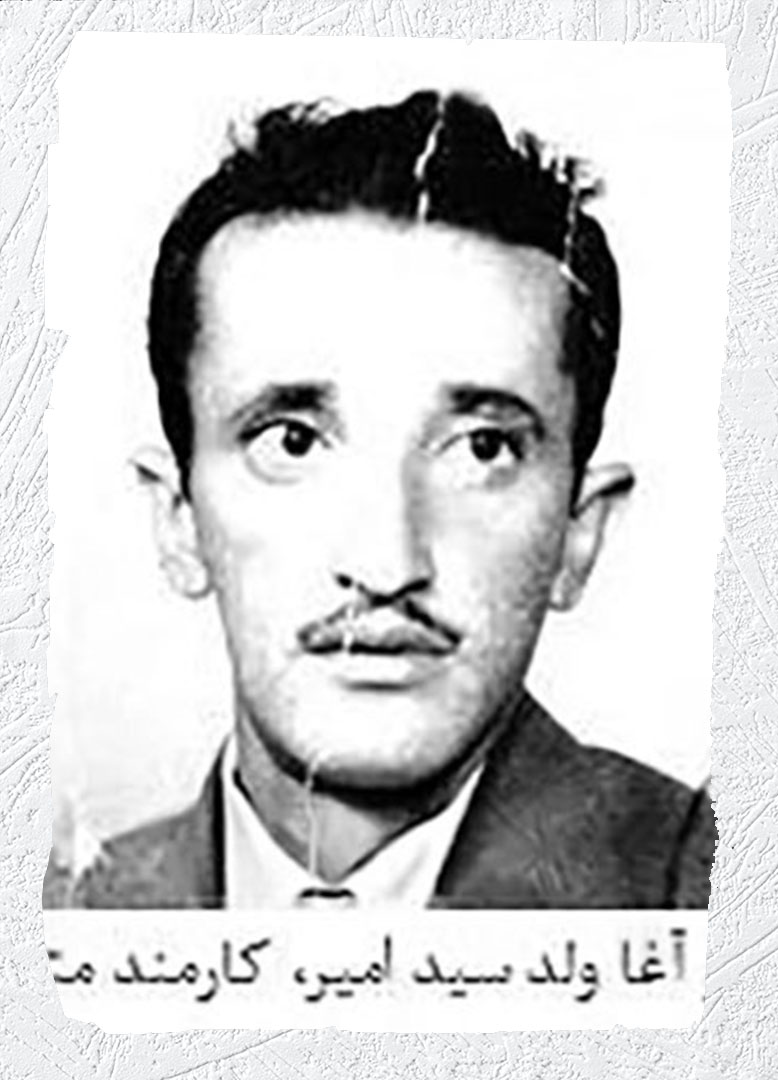
- Gender
- Male
- Ethnicity
- Sadat
- District geolocation of incident
- Bagrami: 34° 31′ 10″ N, 69° 16′ 39″ E
- Description of incident
Known as the "Killing of AGSA," it refers to the collective murder of opponents of the People's Democratic Party of Afghanistan in the Pul-e-Charkhi Prison in Kabul between 1978 and 1979. The Afghan Intelligence Office, or AGSA (Afghan Agency for Safeguarding National Interest), led by Asadullah Sarwari, had arrested nearly 150,000 people, out of which an estimated number of 27,000 political prisoners were put to death without a single trial, probe, or even allegation. Many Afghan families had no idea where their loved ones had disappeared in the latter part of 1978 and early 1979. A list of those slain that included 5,000 victims of AGSA mass executions was made public by the Dutch Prosecutor's Office in 2013.
- Witness/Survivor Statement
No statement
- Date added
- Oct 31, 2024
Bismillah
- Photo of Victim

- Gender
- Male
- Ethnicity
- Tajik
- District geolocation of incident
- Bagrami: 34° 31′ 10″ N, 69° 16′ 39″ E
- Description of incident
Known as the "Killing of AGSA," it refers to the collective murder of opponents of the People's Democratic Party of Afghanistan in the Pul-e-Charkhi Prison in Kabul between 1978 and 1979. The Afghan Intelligence Office, or AGSA (Afghan Agency for Safeguarding National Interest), led by Asadullah Sarwari, had arrested nearly 150,000 people, out of which an estimated number of 27,000 political prisoners were put to death without a single trial, probe, or even allegation. Many Afghan families had no idea where their loved ones had disappeared in the latter part of 1978 and early 1979. A list of those slain that included 5,000 victims of AGSA mass executions was made public by the Dutch Prosecutor's Office in 2013.
- Witness/Survivor Statement
No statement
- Date added
- Oct 31, 2024
MirzaMir
- Photo of Victim
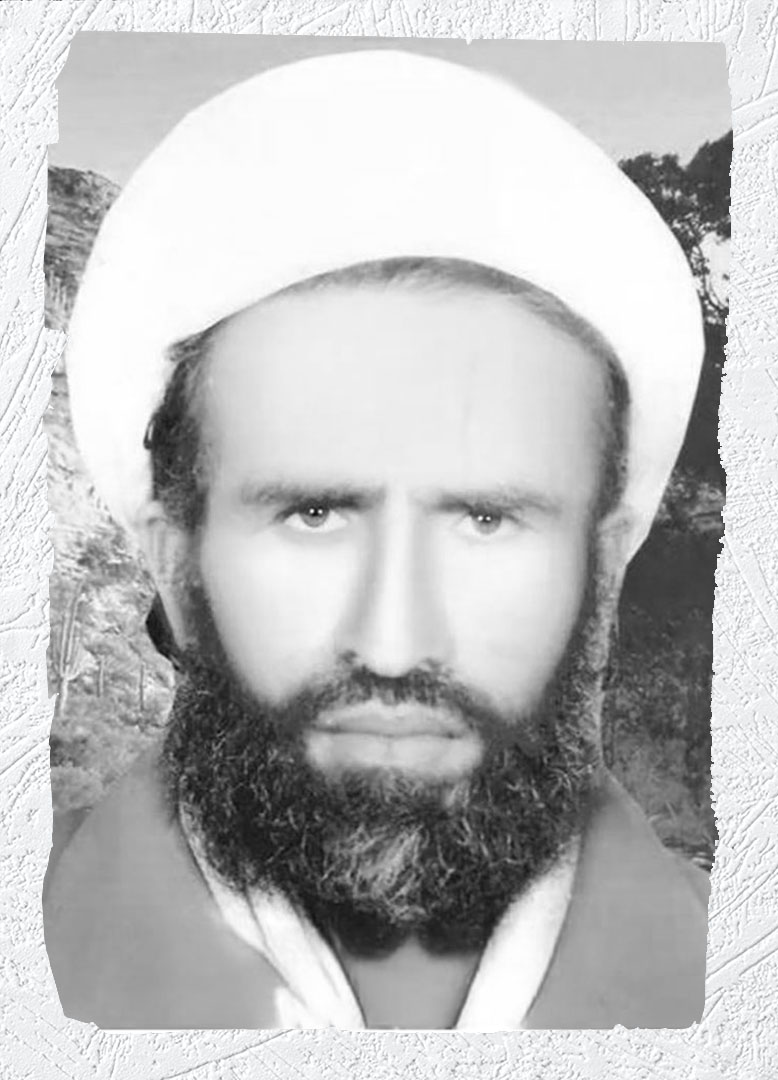
- Gender
- Male
- Ethnicity
- Tajik
- District geolocation of incident
- Bagrami: 34° 31′ 10″ N, 69° 16′ 39″ E
- Description of incident
Known as the "Killing of AGSA," it refers to the collective murder of opponents of the People's Democratic Party of Afghanistan in the Pul-e-Charkhi Prison in Kabul between 1978 and 1979. The Afghan Intelligence Office, or AGSA (Afghan Agency for Safeguarding National Interest), led by Asadullah Sarwari, had arrested nearly 150,000 people, out of which an estimated number of 27,000 political prisoners were put to death without a single trial, probe, or even allegation. Many Afghan families had no idea where their loved ones had disappeared in the latter part of 1978 and early 1979. A list of those slain that included 5,000 victims of AGSA mass executions was made public by the Dutch Prosecutor's Office in 2013.
- Witness/Survivor Statement
No statement
- Date added
- Oct 31, 2024
Mahram Ali Akbarzada
- Photo of Victim
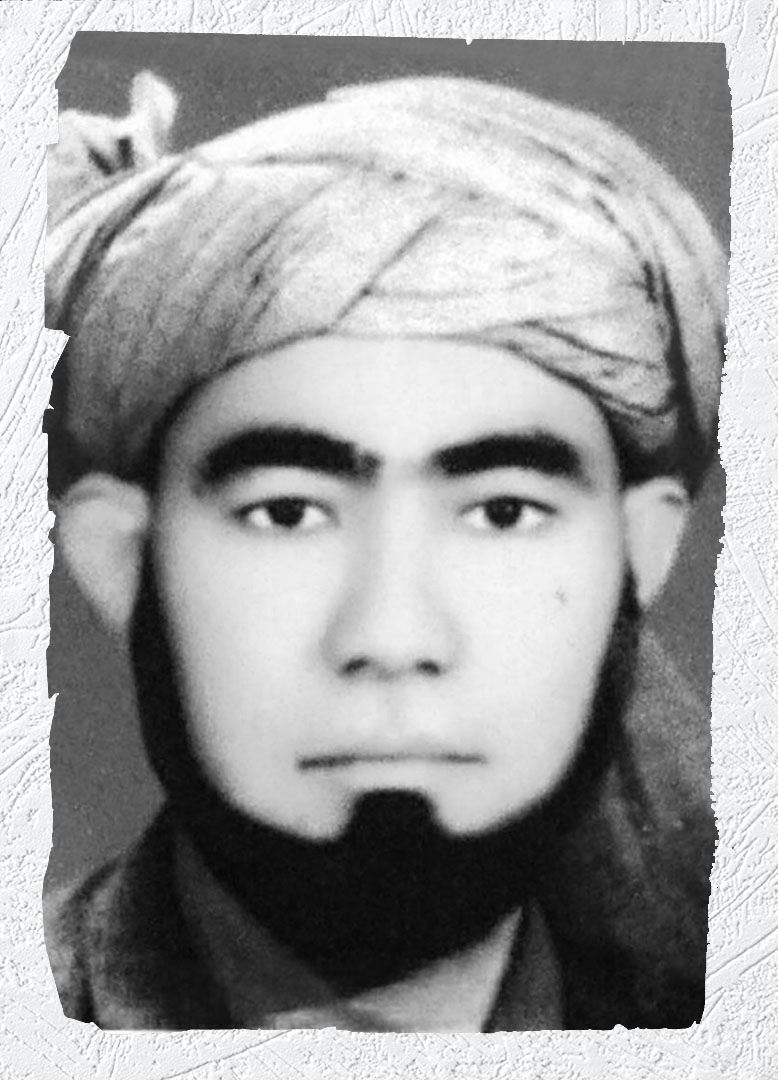
- Gender
- Male
- Ethnicity
- Hazara
- District geolocation of incident
- Bagrami: 34° 31′ 10″ N, 69° 16′ 39″ E
- Description of incident
Known as the "Killing of AGSA," it refers to the collective murder of opponents of the People's Democratic Party of Afghanistan in the Pul-e-Charkhi Prison in Kabul between 1978 and 1979. The Afghan Intelligence Office, or AGSA (Afghan Agency for Safeguarding National Interest), led by Asadullah Sarwari, had arrested nearly 150,000 people, out of which an estimated number of 27,000 political prisoners were put to death without a single trial, probe, or even allegation. Many Afghan families had no idea where their loved ones had disappeared in the latter part of 1978 and early 1979. A list of those slain that included 5,000 victims of AGSA mass executions was made public by the Dutch Prosecutor's Office in 2013.
- Witness/Survivor Statement
No statement
- Date added
- Oct 30, 2024
AbdulGhafor
- Photo of Victim
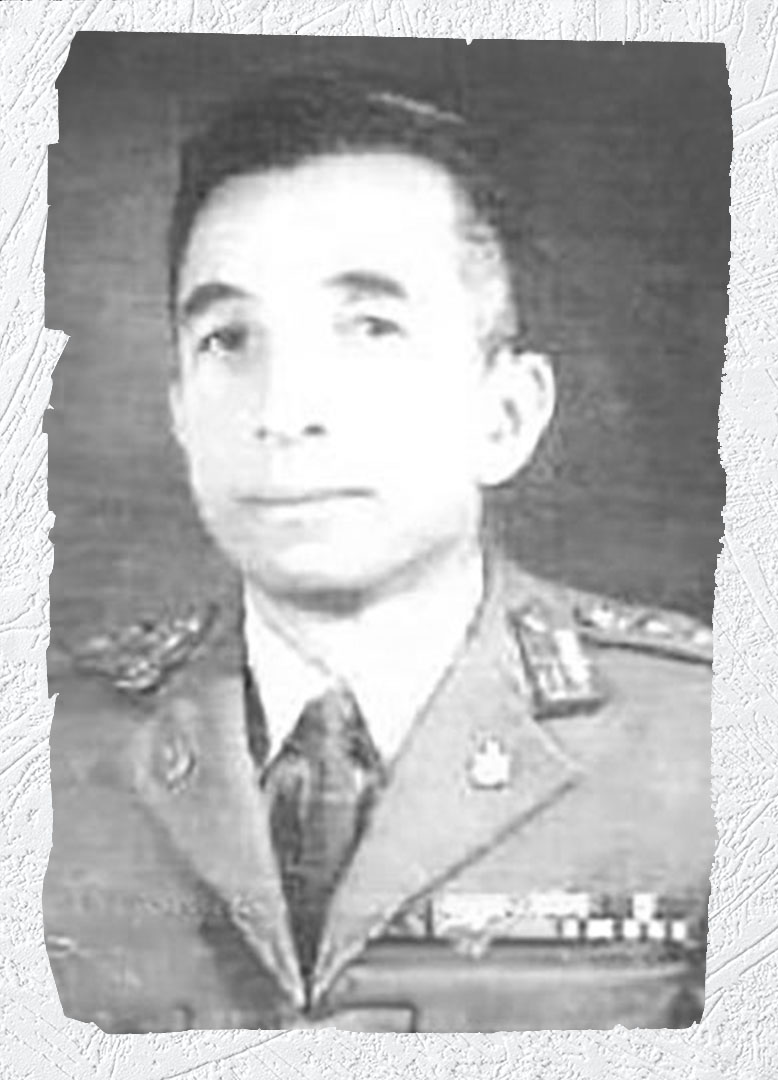
- Gender
- Male
- Ethnicity
- Tajik
- District geolocation of incident
- Bagrami: 34° 31′ 10″ N, 69° 16′ 39″ E
- Description of incident
Known as the "Killing of AGSA," it refers to the collective murder of opponents of the People's Democratic Party of Afghanistan in the Pul-e-Charkhi Prison in Kabul between 1978 and 1979. The Afghan Intelligence Office, or AGSA (Afghan Agency for Safeguarding National Interest), led by Asadullah Sarwari, had arrested nearly 150,000 people, out of which an estimated number of 27,000 political prisoners were put to death without a single trial, probe, or even allegation. Many Afghan families had no idea where their loved ones had disappeared in the latter part of 1978 and early 1979. A list of those slain that included 5,000 victims of AGSA mass executions was made public by the Dutch Prosecutor's Office in 2013.
- Witness/Survivor Statement
No statement
- Date added
- Oct 30, 2024
Mosafer
- Photo of Victim

- Gender
- Male
- Ethnicity
- Pashtun
- District geolocation of incident
- Bagrami: 34° 31′ 10″ N, 69° 16′ 39″ E
- Description of incident
Known as the "Killing of AGSA," it refers to the collective murder of opponents of the People's Democratic Party of Afghanistan in the Pul-e-Charkhi Prison in Kabul between 1978 and 1979. The Afghan Intelligence Office, or AGSA (Afghan Agency for Safeguarding National Interest), led by Asadullah Sarwari, had arrested nearly 150,000 people, out of which an estimated number of 27,000 political prisoners were put to death without a single trial, probe, or even allegation. Many Afghan families had no idea where their loved ones had disappeared in the latter part of 1978 and early 1979. A list of those slain that included 5,000 victims of AGSA mass executions was made public by the Dutch Prosecutor's Office in 2013.
- Witness/Survivor Statement
No statement
- Date added
- Oct 30, 2024
AbdulWahid
- Photo of Victim
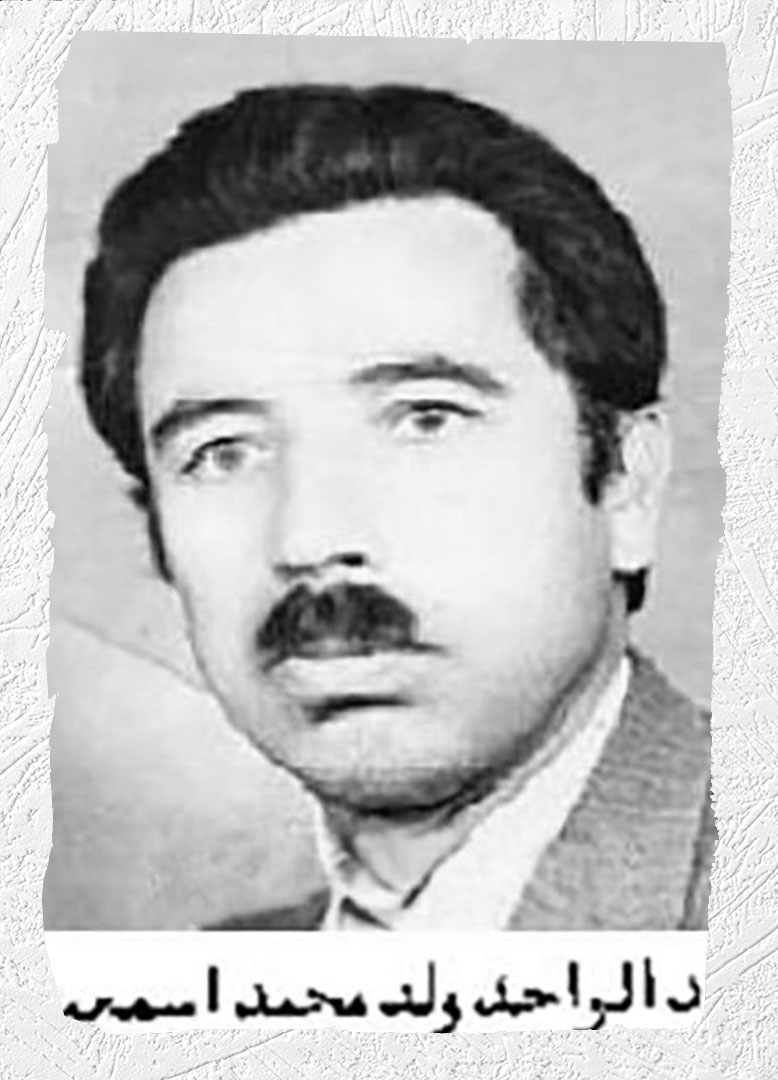
- Gender
- Male
- Ethnicity
- Tajik
- District geolocation of incident
- Bagrami: 34° 31′ 10″ N, 69° 16′ 39″ E
- Description of incident
Known as the "Killing of AGSA," it refers to the collective murder of opponents of the People's Democratic Party of Afghanistan in the Pul-e-Charkhi Prison in Kabul between 1978 and 1979. The Afghan Intelligence Office, or AGSA (Afghan Agency for Safeguarding National Interest), led by Asadullah Sarwari, had arrested nearly 150,000 people, out of which an estimated number of 27,000 political prisoners were put to death without a single trial, probe, or even allegation. Many Afghan families had no idea where their loved ones had disappeared in the latter part of 1978 and early 1979. A list of those slain that included 5,000 victims of AGSA mass executions was made public by the Dutch Prosecutor's Office in 2013.
- Witness/Survivor Statement
No statement
- Date added
- Oct 30, 2024
Sayed Reza Asghari
- Photo of Victim
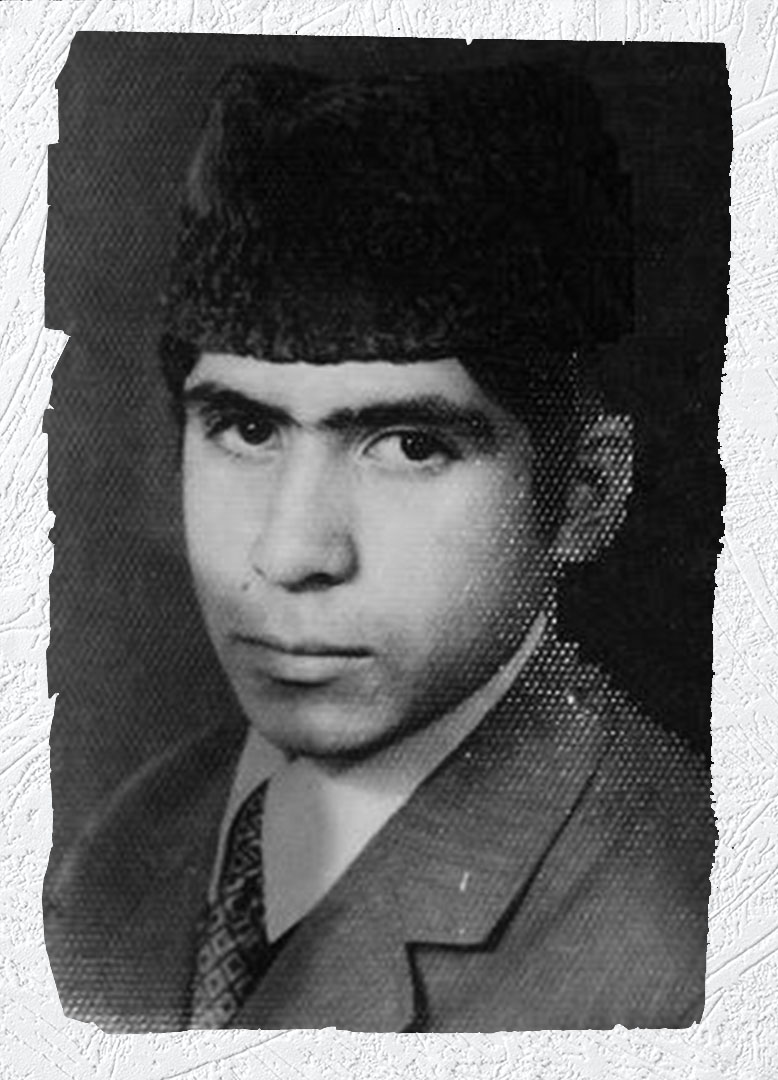
- Gender
- Male
- Ethnicity
- Sadat
- District geolocation of incident
- Bagrami: 34° 31′ 10″ N, 69° 16′ 39″ E
- Description of incident
Known as the "Killing of AGSA," it refers to the collective murder of opponents of the People's Democratic Party of Afghanistan in the Pul-e-Charkhi Prison in Kabul between 1978 and 1979. The Afghan Intelligence Office, or AGSA (Afghan Agency for Safeguarding National Interest), led by Asadullah Sarwari, had arrested nearly 150,000 people, out of which an estimated number of 27,000 political prisoners were put to death without a single trial, probe, or even allegation. Many Afghan families had no idea where their loved ones had disappeared in the latter part of 1978 and early 1979. A list of those slain that included 5,000 victims of AGSA mass executions was made public by the Dutch Prosecutor's Office in 2013.
- Witness/Survivor Statement
No statement
- Date added
- Oct 30, 2024
Mohammad Qasim Sherzad
- Photo of Victim

- Gender
- Male
- Ethnicity
- Baloch
- District geolocation of incident
- Bagrami: 34° 31′ 10″ N, 69° 16′ 39″ E
- Description of incident
Known as the "Killing of AGSA," it refers to the collective murder of opponents of the People's Democratic Party of Afghanistan in the Pul-e-Charkhi Prison in Kabul between 1978 and 1979. The Afghan Intelligence Office, or AGSA (Afghan Agency for Safeguarding National Interest), led by Asadullah Sarwari, had arrested nearly 150,000 people, out of which an estimated number of 27,000 political prisoners were put to death without a single trial, probe, or even allegation. Many Afghan families had no idea where their loved ones had disappeared in the latter part of 1978 and early 1979. A list of those slain that included 5,000 victims of AGSA mass executions was made public by the Dutch Prosecutor's Office in 2013.
- Witness/Survivor Statement
No statement
- Date added
- Oct 29, 2024
Mohammad Yonos Sherzad
- Photo of Victim

- Gender
- Male
- Ethnicity
- Baloch
- District geolocation of incident
- Bagrami: 34° 31′ 10″ N, 69° 16′ 39″ E
- Description of incident
Known as the "Killing of AGSA," it refers to the collective murder of opponents of the People's Democratic Party of Afghanistan in the Pul-e-Charkhi Prison in Kabul between 1978 and 1979. The Afghan Intelligence Office, or AGSA (Afghan Agency for Safeguarding National Interest), led by Asadullah Sarwari, had arrested nearly 150,000 people, out of which an estimated number of 27,000 political prisoners were put to death without a single trial, probe, or even allegation. Many Afghan families had no idea where their loved ones had disappeared in the latter part of 1978 and early 1979. A list of those slain that included 5,000 victims of AGSA mass executions was made public by the Dutch Prosecutor's Office in 2013.
- Witness/Survivor Statement
No statement
- Date added
- Oct 29, 2024
Haji SherMohammad
- Photo of Victim

- Gender
- Male
- Ethnicity
- Baloch
- District geolocation of incident
- Bagrami: 34° 31′ 10″ N, 69° 16′ 39″ E
- Description of incident
Known as the "Killing of AGSA," it refers to the collective murder of opponents of the People's Democratic Party of Afghanistan in the Pul-e-Charkhi Prison in Kabul between 1978 and 1979. The Afghan Intelligence Office, or AGSA (Afghan Agency for Safeguarding National Interest), led by Asadullah Sarwari, had arrested nearly 150,000 people, out of which an estimated number of 27,000 political prisoners were put to death without a single trial, probe, or even allegation. Many Afghan families had no idea where their loved ones had disappeared in the latter part of 1978 and early 1979. A list of those slain that included 5,000 victims of AGSA mass executions was made public by the Dutch Prosecutor's Office in 2013.
- Witness/Survivor Statement
No statement
- Date added
- Oct 29, 2024
AbdulHai
- Photo of Victim
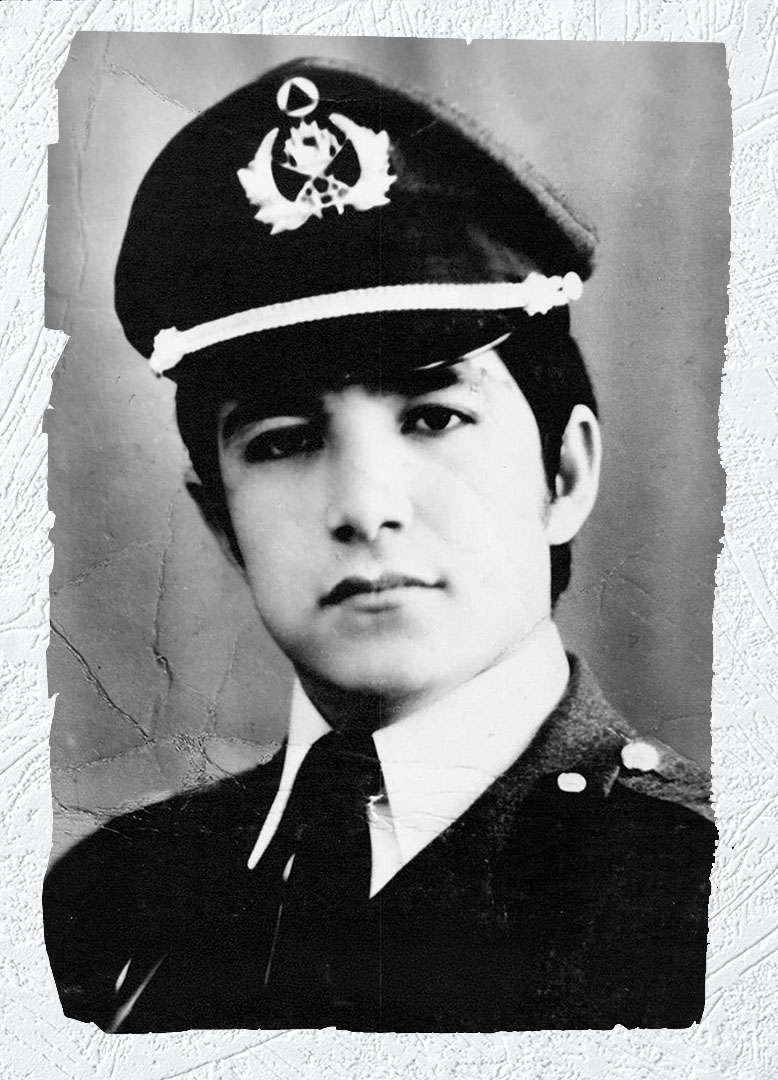
- Gender
- Male
- Ethnicity
- Tajik
- District geolocation of incident
- Bagrami: 34° 31′ 10″ N, 69° 16′ 39″ E
- Description of incident
Known as the "Killing of AGSA," it refers to the collective murder of opponents of the People's Democratic Party of Afghanistan in the Pul-e-Charkhi Prison in Kabul between 1978 and 1979. The Afghan Intelligence Office, or AGSA (Afghan Agency for Safeguarding National Interest), led by Asadullah Sarwari, had arrested nearly 150,000 people, out of which an estimated number of 27,000 political prisoners were put to death without a single trial, probe, or even allegation. Many Afghan families had no idea where their loved ones had disappeared in the latter part of 1978 and early 1979. A list of those slain that included 5,000 victims of AGSA mass executions was made public by the Dutch Prosecutor's Office in 2013.
- Witness/Survivor Statement
No statement
- Date added
- Oct 29, 2024
Dawod Sarmad
- Photo of Victim
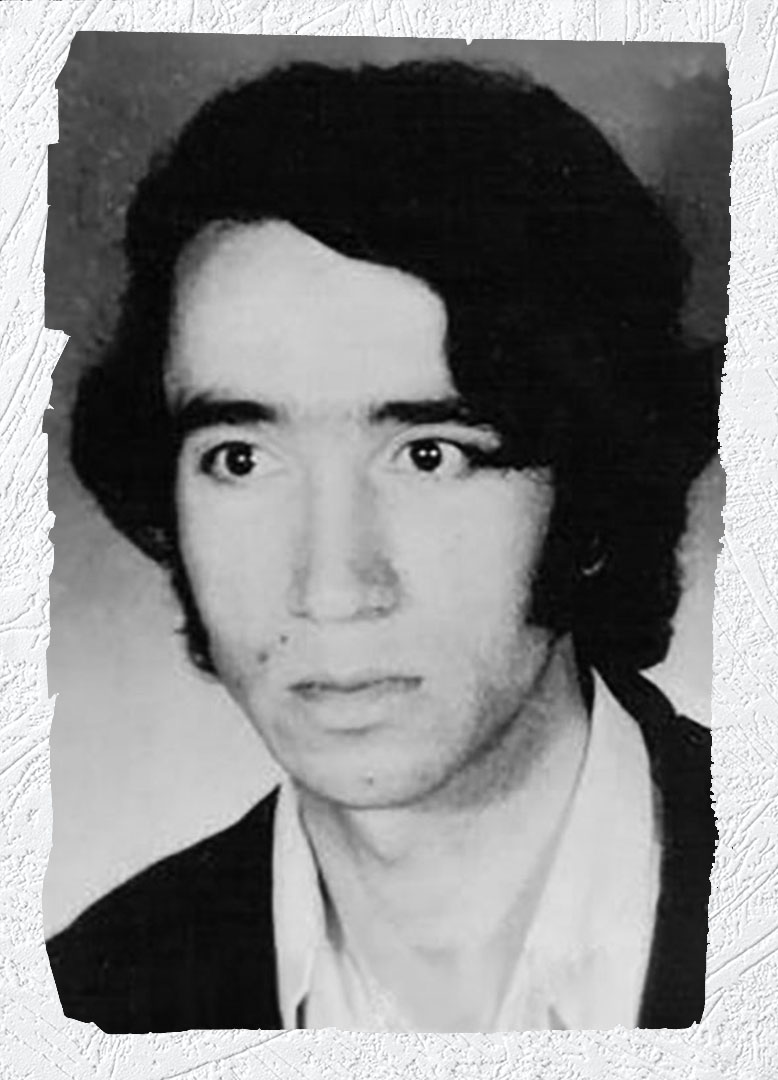
- Gender
- Male
- Ethnicity
- Hazara
- District geolocation of incident
- Bagrami: 34° 31′ 10″ N, 69° 16′ 39″ E
- Description of incident
Known as the "Killing of AGSA," it refers to the collective murder of opponents of the People's Democratic Party of Afghanistan in the Pul-e-Charkhi Prison in Kabul between 1978 and 1979. The Afghan Intelligence Office, or AGSA (Afghan Agency for Safeguarding National Interest), led by Asadullah Sarwari, had arrested nearly 150,000 people, out of which an estimated number of 27,000 political prisoners were put to death without a single trial, probe, or even allegation. Many Afghan families had no idea where their loved ones had disappeared in the latter part of 1978 and early 1979. A list of those slain that included 5,000 victims of AGSA mass executions was made public by the Dutch Prosecutor's Office in 2013.
- Witness/Survivor Statement
No statement
- Date added
- Oct 29, 2024
Mohammad Eshaq Ahmad Parwani
- Photo of Victim
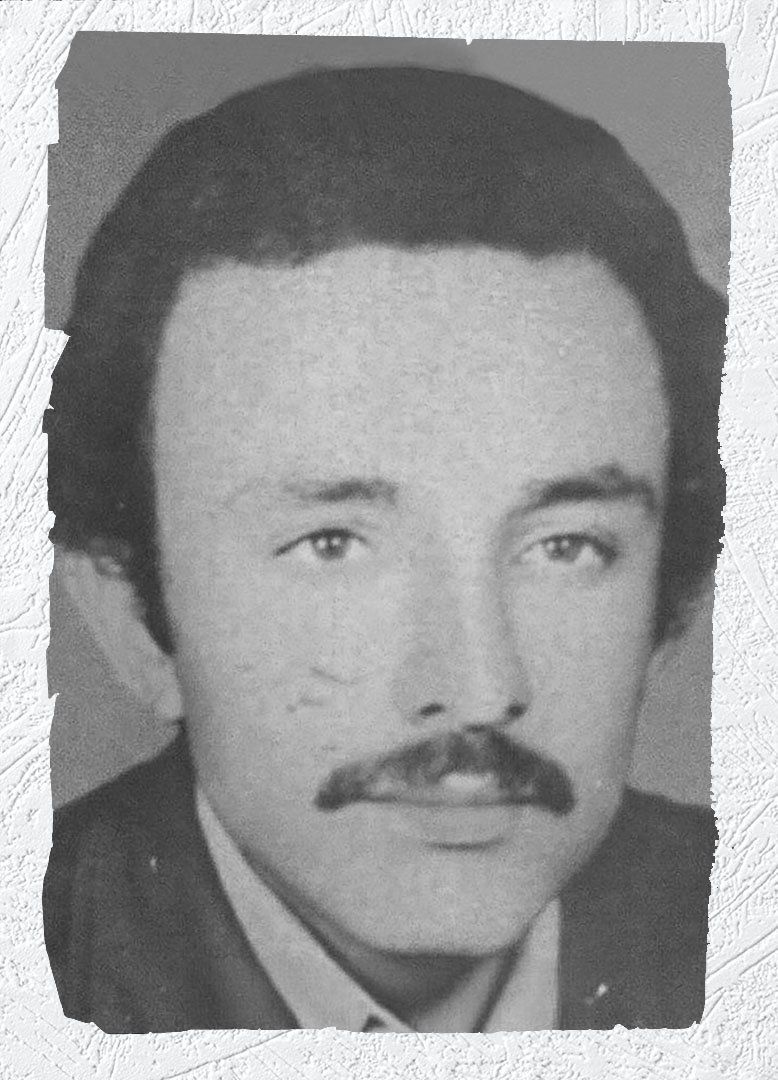
- Gender
- Male
- Ethnicity
- Tajik
- District geolocation of incident
- Bagrami: 34° 31′ 10″ N, 69° 16′ 39″ E
- Description of incident
Known as the "Killing of AGSA," it refers to the collective murder of opponents of the People's Democratic Party of Afghanistan in the Pul-e-Charkhi Prison in Kabul between 1978 and 1979. The Afghan Intelligence Office, or AGSA (Afghan Agency for Safeguarding National Interest), led by Asadullah Sarwari, had arrested nearly 150,000 people, out of which an estimated number of 27,000 political prisoners were put to death without a single trial, probe, or even allegation. Many Afghan families had no idea where their loved ones had disappeared in the latter part of 1978 and early 1979. A list of those slain that included 5,000 victims of AGSA mass executions was made public by the Dutch Prosecutor's Office in 2013.
- Witness/Survivor Statement
No statement
- Date added
- Oct 29, 2024
Haji Jangol
- Photo of Victim

- Gender
- Male
- Ethnicity
- Hazara
- District geolocation of incident
- Bagrami: 34° 31′ 10″ N, 69° 16′ 39″ E
- Description of incident
Known as the "Killing of AGSA," it refers to the collective murder of opponents of the People's Democratic Party of Afghanistan in the Pul-e-Charkhi Prison in Kabul between 1978 and 1979. The Afghan Intelligence Office, or AGSA (Afghan Agency for Safeguarding National Interest), led by Asadullah Sarwari, had arrested nearly 150,000 people, out of which an estimated number of 27,000 political prisoners were put to death without a single trial, probe, or even allegation. Many Afghan families had no idea where their loved ones had disappeared in the latter part of 1978 and early 1979. A list of those slain that included 5,000 victims of AGSA mass executions was made public by the Dutch Prosecutor's Office in 2013.
- Witness/Survivor Statement
No statement
- Date added
- Oct 29, 2024
Mohammad Hashim Mouj
- Photo of Victim
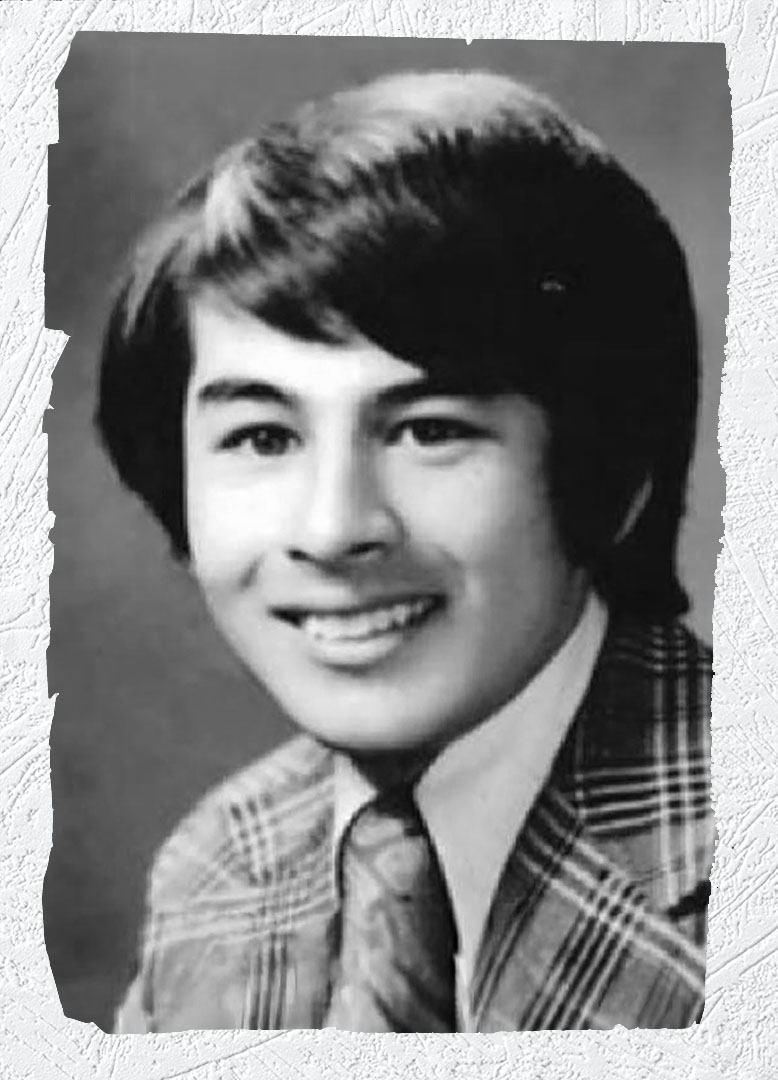
- Gender
- Male
- Ethnicity
- Uzbek
- District geolocation of incident
- Bagrami: 34° 31′ 10″ N, 69° 16′ 39″ E
- Description of incident
Known as the "Killing of AGSA," it refers to the collective murder of opponents of the People's Democratic Party of Afghanistan in the Pul-e-Charkhi Prison in Kabul between 1978 and 1979. The Afghan Intelligence Office, or AGSA (Afghan Agency for Safeguarding National Interest), led by Asadullah Sarwari, had arrested nearly 150,000 people, out of which an estimated number of 27,000 political prisoners were put to death without a single trial, probe, or even allegation. Many Afghan families had no idea where their loved ones had disappeared in the latter part of 1978 and early 1979. A list of those slain that included 5,000 victims of AGSA mass executions was made public by the Dutch Prosecutor's Office in 2013.
- Witness/Survivor Statement
No statement
- Date added
- Oct 28, 2024
Aziz Toghyan
- Photo of Victim

- Gender
- Male
- Ethnicity
- Hazara
- District geolocation of incident
- Bagrami: 34° 31′ 10″ N, 69° 16′ 39″ E
- Description of incident
On September 14, 1978, in Kabul, Afghanistan, Aziz Toghian was compelled to defend himself against a planned arrest attempt by government forces. The incident occurred at "Artel Bridge," where Toghian engaged in a brief skirmish with military personnel, resulting in the deaths of five soldiers before he was killed.
- Witness/Survivor Statement
No statement
- Date added
- Oct 28, 2024
Haji Ghulam Haidar
- Photo of Victim

- Gender
- Male
- Ethnicity
- Tajik
- District geolocation of incident
- Bagrami: 34° 31′ 10″ N, 69° 16′ 39″ E
- Description of incident
Known as the "Killing of AGSA," it refers to the collective murder of opponents of the People's Democratic Party of Afghanistan in the Pul-e-Charkhi Prison in Kabul between 1978 and 1979. The Afghan Intelligence Office, or AGSA (Afghan Agency for Safeguarding National Interest), led by Asadullah Sarwari, had arrested nearly 150,000 people, out of which an estimated number of 27,000 political prisoners were put to death without a single trial, probe, or even allegation. Many Afghan families had no idea where their loved ones had disappeared in the latter part of 1978 and early 1979. A list of those slain that included 5,000 victims of AGSA mass executions was made public by the Dutch Prosecutor's Office in 2013.
- Witness/Survivor Statement
No statement
- Date added
- Oct 28, 2024
Mohammad Akram Azher
- Photo of Victim

- Gender
- Male
- Ethnicity
- Hazara
- District geolocation of incident
- Bagrami: 34° 31′ 10″ N, 69° 16′ 39″ E
- Description of incident
Known as the "Killing of AGSA," it refers to the collective murder of opponents of the People's Democratic Party of Afghanistan in the Pul-e-Charkhi Prison in Kabul between 1978 and 1979. The Afghan Intelligence Office, or AGSA (Afghan Agency for Safeguarding National Interest), led by Asadullah Sarwari, had arrested nearly 150,000 people, out of which an estimated number of 27,000 political prisoners were put to death without a single trial, probe, or even allegation. Many Afghan families had no idea where their loved ones had disappeared in the latter part of 1978 and early 1979. A list of those slain that included 5,000 victims of AGSA mass executions was made public by the Dutch Prosecutor's Office in 2013.
- Witness/Survivor Statement
No statement
- Date added
- Oct 28, 2024
Kalbi Abbas
- Photo of Victim
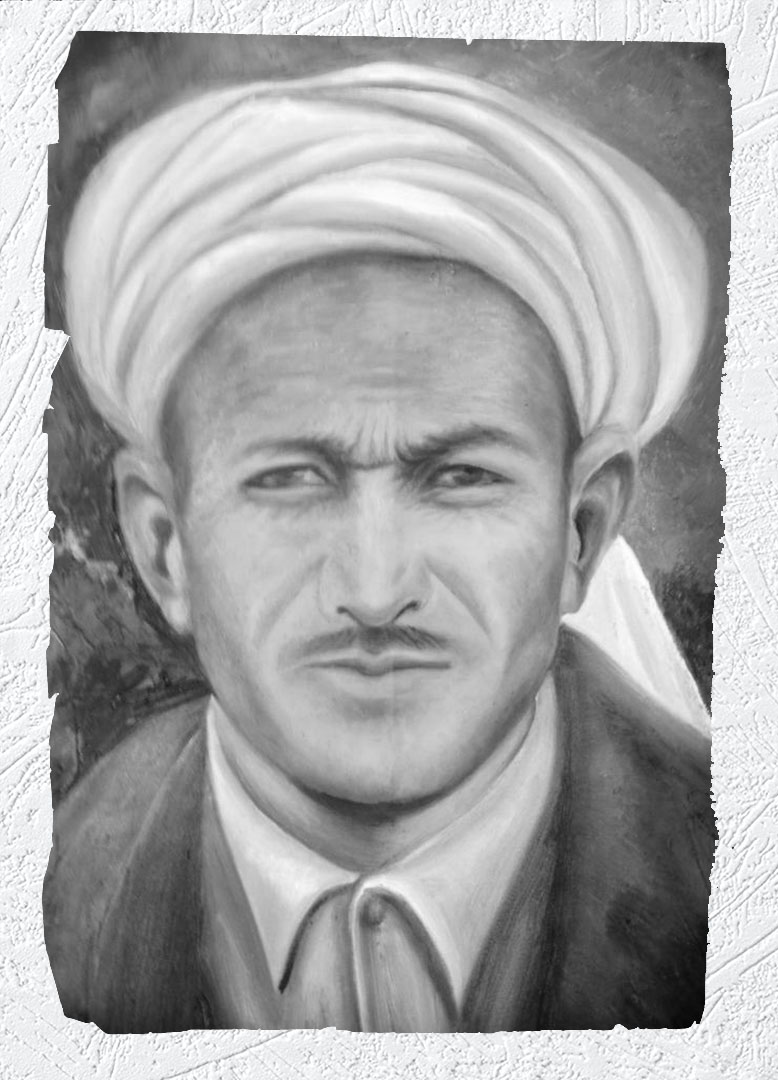
- Gender
- Male
- Ethnicity
- Hazara
- District geolocation of incident
- Bagrami: 34° 31′ 10″ N, 69° 16′ 39″ E
- Description of incident
Known as the "Killing of AGSA," it refers to the collective murder of opponents of the People's Democratic Party of Afghanistan in the Pul-e-Charkhi Prison in Kabul between 1978 and 1979. The Afghan Intelligence Office, or AGSA (Afghan Agency for Safeguarding National Interest), led by Asadullah Sarwari, had arrested nearly 150,000 people, out of which an estimated number of 27,000 political prisoners were put to death without a single trial, probe, or even allegation. Many Afghan families had no idea where their loved ones had disappeared in the latter part of 1978 and early 1979. A list of those slain that included 5,000 victims of AGSA mass executions was made public by the Dutch Prosecutor's Office in 2013.
- Witness/Survivor Statement
No statement
- Date added
- Oct 28, 2024
Abdul Rashid
- Photo of Victim

- Gender
- Male
- Ethnicity
- Tajik
- District geolocation of incident
- Bagrami: 34° 31′ 10″ N, 69° 16′ 39″ E
- Description of incident
Known as the "Killing of AGSA," it refers to the collective murder of opponents of the People's Democratic Party of Afghanistan in the Pul-e-Charkhi Prison in Kabul between 1978 and 1979. The Afghan Intelligence Office, or AGSA (Afghan Agency for Safeguarding National Interest), led by Asadullah Sarwari, had arrested nearly 150,000 people, out of which an estimated number of 27,000 political prisoners were put to death without a single trial, probe, or even allegation. Many Afghan families had no idea where their loved ones had disappeared in the latter part of 1978 and early 1979. A list of those slain that included 5,000 victims of AGSA mass executions was made public by the Dutch Prosecutor's Office in 2013.
- Witness/Survivor Statement
No statement
- Date added
- Oct 25, 2024
Mohammad Hakim
- Photo of Victim
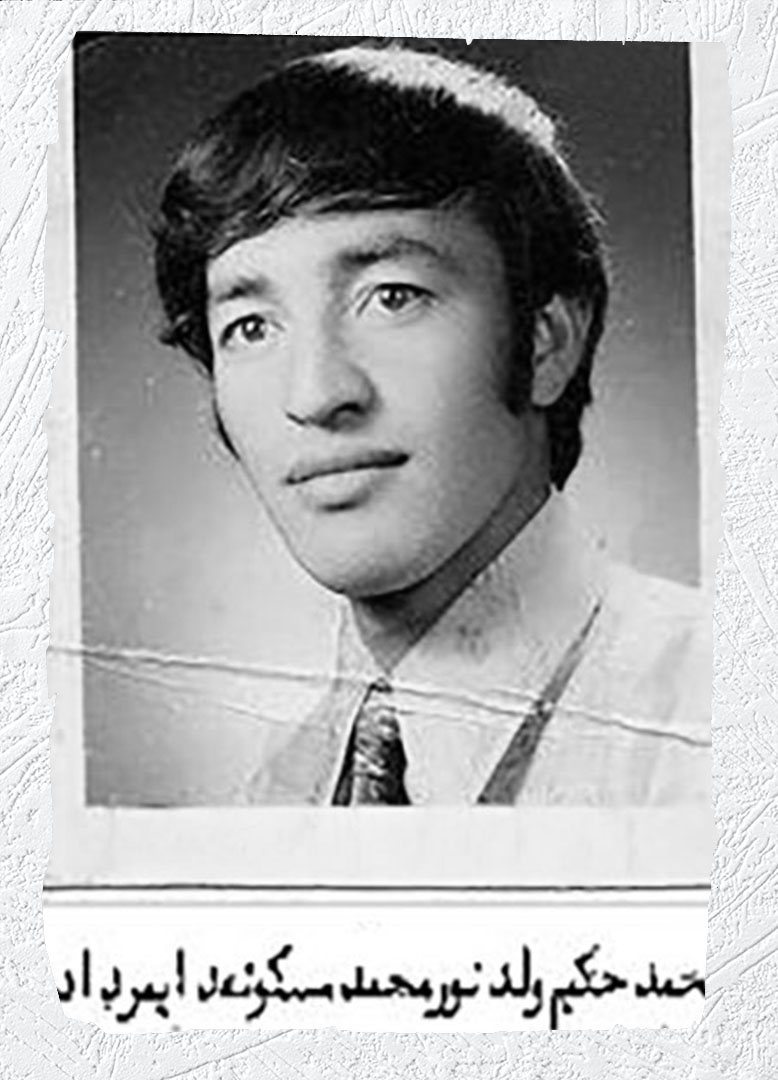
- Gender
- Male
- Ethnicity
- Hazara
- District geolocation of incident
- Bagrami: 34° 31′ 10″ N, 69° 16′ 39″ E
- Description of incident
Known as the "Killing of AGSA," it refers to the collective murder of opponents of the People's Democratic Party of Afghanistan in the Pul-e-Charkhi Prison in Kabul between 1978 and 1979. The Afghan Intelligence Office, or AGSA (Afghan Agency for Safeguarding National Interest), led by Asadullah Sarwari, had arrested nearly 150,000 people, out of which an estimated number of 27,000 political prisoners were put to death without a single trial, probe, or even allegation. Many Afghan families had no idea where their loved ones had disappeared in the latter part of 1978 and early 1979. A list of those slain that included 5,000 victims of AGSA mass executions was made public by the Dutch Prosecutor's Office in 2013.
- Witness/Survivor Statement
No statement
- Date added
- Oct 25, 2024
Mohammad Rasol Jorat
- Photo of Victim

- Gender
- Male
- Ethnicity
- Uzbek
- District geolocation of incident
- Bagrami: 34° 31′ 10″ N, 69° 16′ 39″ E
- Description of incident
Known as the "Killing of AGSA," it refers to the collective murder of opponents of the People's Democratic Party of Afghanistan in the Pul-e-Charkhi Prison in Kabul between 1978 and 1979. The Afghan Intelligence Office, or AGSA (Afghan Agency for Safeguarding National Interest), led by Asadullah Sarwari, had arrested nearly 150,000 people, out of which an estimated number of 27,000 political prisoners were put to death without a single trial, probe, or even allegation. Many Afghan families had no idea where their loved ones had disappeared in the latter part of 1978 and early 1979. A list of those slain that included 5,000 victims of AGSA mass executions was made public by the Dutch Prosecutor's Office in 2013.
- Witness/Survivor Statement
No statement
- Date added
- Oct 25, 2024
Mir Ghulam Haidar
- Photo of Victim
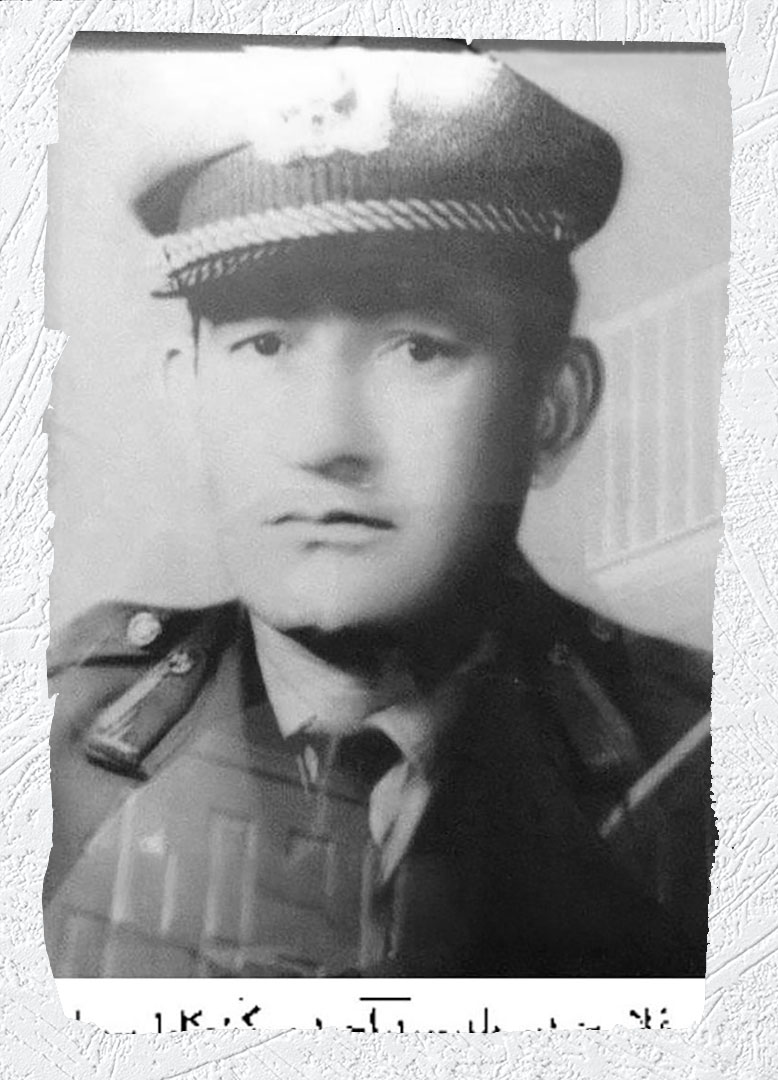
- Gender
- Male
- Ethnicity
- Sadat
- District geolocation of incident
- Bagrami: 34° 31′ 10″ N, 69° 16′ 39″ E
- Description of incident
Known as the "Killing of AGSA," it refers to the collective murder of opponents of the People's Democratic Party of Afghanistan in the Pul-e-Charkhi Prison in Kabul between 1978 and 1979. The Afghan Intelligence Office, or AGSA (Afghan Agency for Safeguarding National Interest), led by Asadullah Sarwari, had arrested nearly 150,000 people, out of which an estimated number of 27,000 political prisoners were put to death without a single trial, probe, or even allegation. Many Afghan families had no idea where their loved ones had disappeared in the latter part of 1978 and early 1979. A list of those slain that included 5,000 victims of AGSA mass executions was made public by the Dutch Prosecutor's Office in 2013.
- Witness/Survivor Statement
No statement
- Date added
- Oct 25, 2024
Ahmad Zia
- Photo of Victim
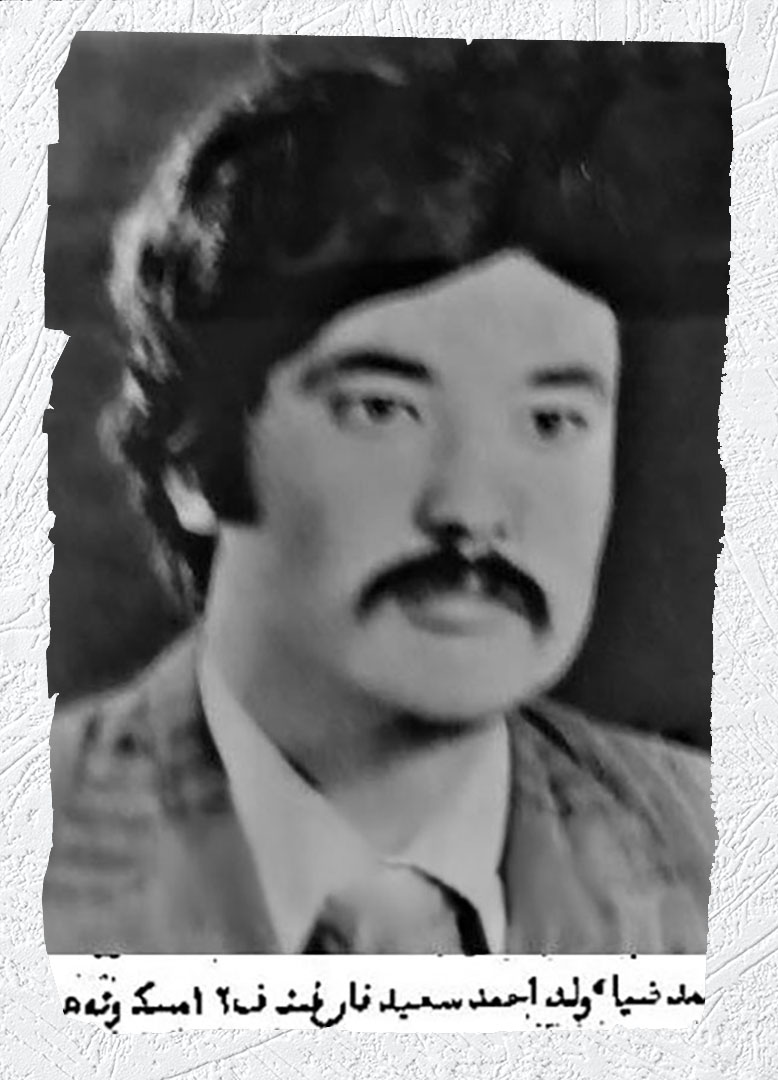
- Gender
- Male
- Ethnicity
- Tajik
- District geolocation of incident
- Bagrami: 34° 31′ 10″ N, 69° 16′ 39″ E
- Description of incident
Known as the "Killing of AGSA," it refers to the collective murder of opponents of the People's Democratic Party of Afghanistan in the Pul-e-Charkhi Prison in Kabul between 1978 and 1979. The Afghan Intelligence Office, or AGSA (Afghan Agency for Safeguarding National Interest), led by Asadullah Sarwari, had arrested nearly 150,000 people, out of which an estimated number of 27,000 political prisoners were put to death without a single trial, probe, or even allegation. Many Afghan families had no idea where their loved ones had disappeared in the latter part of 1978 and early 1979. A list of those slain that included 5,000 victims of AGSA mass executions was made public by the Dutch Prosecutor's Office in 2013.
- Witness/Survivor Statement
No statement
- Date added
- Oct 25, 2024
Khadim Hussain
- Photo of Victim

- Gender
- Male
- Ethnicity
- Hazara
- District geolocation of incident
- Bagrami: 34° 31′ 10″ N, 69° 16′ 39″ E
- Description of incident
Known as the "Killing of AGSA," it refers to the collective murder of opponents of the People's Democratic Party of Afghanistan in the Pul-e-Charkhi Prison in Kabul between 1978 and 1979. The Afghan Intelligence Office, or AGSA (Afghan Agency for Safeguarding National Interest), led by Asadullah Sarwari, had arrested nearly 150,000 people, out of which an estimated number of 27,000 political prisoners were put to death without a single trial, probe, or even allegation. Many Afghan families had no idea where their loved ones had disappeared in the latter part of 1978 and early 1979. A list of those slain that included 5,000 victims of AGSA mass executions was made public by the Dutch Prosecutor's Office in 2013.
- Witness/Survivor Statement
No statement
- Date added
- Oct 25, 2024
GhulamShah
- Photo of Victim

- Gender
- Male
- Ethnicity
- Hazara
- District geolocation of incident
- Bagrami: 34° 31′ 10″ N, 69° 16′ 39″ E
- Description of incident
Known as the "Killing of AGSA," it refers to the collective murder of opponents of the People's Democratic Party of Afghanistan in the Pul-e-Charkhi Prison in Kabul between 1978 and 1979. The Afghan Intelligence Office, or AGSA (Afghan Agency for Safeguarding National Interest), led by Asadullah Sarwari, had arrested nearly 150,000 people, out of which an estimated number of 27,000 political prisoners were put to death without a single trial, probe, or even allegation. Many Afghan families had no idea where their loved ones had disappeared in the latter part of 1978 and early 1979. A list of those slain that included 5,000 victims of AGSA mass executions was made public by the Dutch Prosecutor's Office in 2013.
- Witness/Survivor Statement
No statement
- Date added
- Oct 25, 2024
Mohammad Aman
- Photo of Victim

- Gender
- Male
- Ethnicity
- Hazara
- District geolocation of incident
- Bagrami: 34° 31′ 10″ N, 69° 16′ 39″ E
- Description of incident
Known as the "Killing of AGSA," it refers to the collective murder of opponents of the People's Democratic Party of Afghanistan in the Pul-e-Charkhi Prison in Kabul between 1978 and 1979. The Afghan Intelligence Office, or AGSA (Afghan Agency for Safeguarding National Interest), led by Asadullah Sarwari, had arrested nearly 150,000 people, out of which an estimated number of 27,000 political prisoners were put to death without a single trial, probe, or even allegation. Many Afghan families had no idea where their loved ones had disappeared in the latter part of 1978 and early 1979. A list of those slain that included 5,000 victims of AGSA mass executions was made public by the Dutch Prosecutor's Office in 2013.
- Witness/Survivor Statement
No statement
- Date added
- Oct 24, 2024
Mohammad Ali
- Photo of Victim
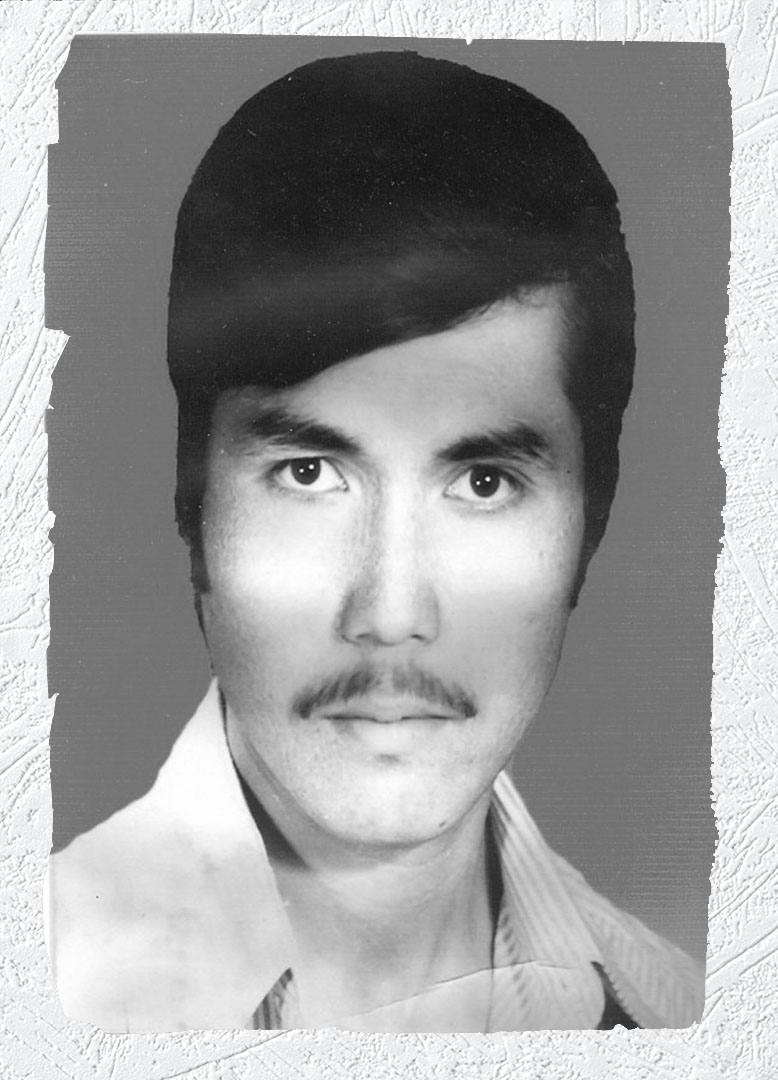
- Gender
- Male
- Ethnicity
- Hazara
- District geolocation of incident
- Bagrami: 34° 31′ 10″ N, 69° 16′ 39″ E
- Description of incident
Known as the "Killing of AGSA," it refers to the collective murder of opponents of the People's Democratic Party of Afghanistan in the Pul-e-Charkhi Prison in Kabul between 1978 and 1979. The Afghan Intelligence Office, or AGSA (Afghan Agency for Safeguarding National Interest), led by Asadullah Sarwari, had arrested nearly 150,000 people, out of which an estimated number of 27,000 political prisoners were put to death without a single trial, probe, or even allegation. Many Afghan families had no idea where their loved ones had disappeared in the latter part of 1978 and early 1979. A list of those slain that included 5,000 victims of AGSA mass executions was made public by the Dutch Prosecutor's Office in 2013.
- Witness/Survivor Statement
No statement
- Date added
- Oct 24, 2024
Khadim Hussain Akbari
- Photo of Victim

- Gender
- Male
- Ethnicity
- Hazara
- District geolocation of incident
- Bagrami: 34° 31′ 10″ N, 69° 16′ 39″ E
- Description of incident
Known as the "Killing of AGSA," it refers to the collective murder of opponents of the People's Democratic Party of Afghanistan in the Pul-e-Charkhi Prison in Kabul between 1978 and 1979. The Afghan Intelligence Office, or AGSA (Afghan Agency for Safeguarding National Interest), led by Asadullah Sarwari, had arrested nearly 150,000 people, out of which an estimated number of 27,000 political prisoners were put to death without a single trial, probe, or even allegation. Many Afghan families had no idea where their loved ones had disappeared in the latter part of 1978 and early 1979. A list of those slain that included 5,000 victims of AGSA mass executions was made public by the Dutch Prosecutor's Office in 2013.
- Witness/Survivor Statement
No statement
- Date added
- Oct 24, 2024
Fazlahmad
- Photo of Victim
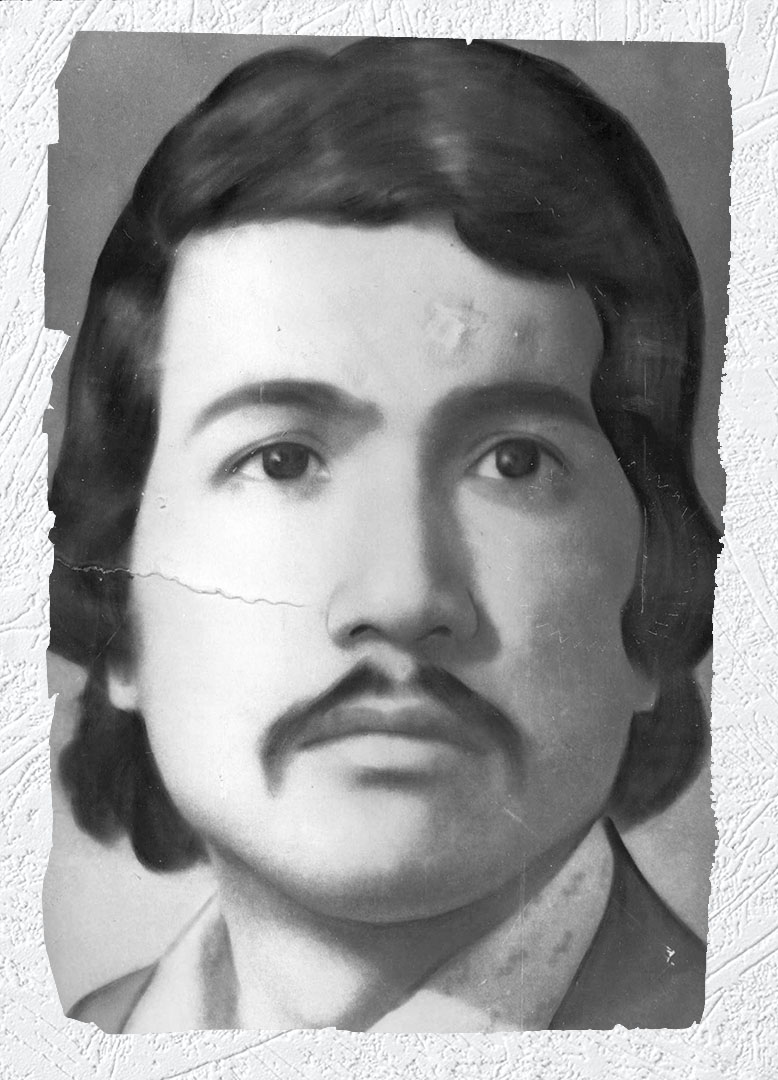
- Gender
- Male
- Ethnicity
- Tajik
- District geolocation of incident
- Bagrami: 34° 31′ 10″ N, 69° 16′ 39″ E
- Description of incident
Known as the "Killing of AGSA," it refers to the collective murder of opponents of the People's Democratic Party of Afghanistan in the Pul-e-Charkhi Prison in Kabul between 1978 and 1979. The Afghan Intelligence Office, or AGSA (Afghan Agency for Safeguarding National Interest), led by Asadullah Sarwari, had arrested nearly 150,000 people, out of which an estimated number of 27,000 political prisoners were put to death without a single trial, probe, or even allegation. Many Afghan families had no idea where their loved ones had disappeared in the latter part of 1978 and early 1979. A list of those slain that included 5,000 victims of AGSA mass executions was made public by the Dutch Prosecutor's Office in 2013.
- Witness/Survivor Statement
No statement
- Date added
- Oct 23, 2024
Besmillah
- Photo of Victim

- Gender
- Male
- Ethnicity
- Tajik
- District geolocation of incident
- Herat City: 34° 20′ 58″ N, 62° 11′ 21″ E
- Description of incident
Known as the "Killing of AGSA," it refers to the collective murder of opponents of the People's Democratic Party of Afghanistan in the Pul-e-Charkhi Prison in Kabul between 1978 and 1979. The Afghan Intelligence Office, or AGSA (Afghan Agency for Safeguarding National Interest), led by Asadullah Sarwari, had arrested nearly 150,000 people, out of which an estimated number of 27,000 political prisoners were put to death without a single trial, probe, or even allegation. Many Afghan families had no idea where their loved ones had disappeared in the latter part of 1978 and early 1979. A list of those slain that included 5,000 victims of AGSA mass executions was made public by the Dutch Prosecutor's Office in 2013.
- Witness/Survivor Statement
No statement
- Date added
- Oct 23, 2024
Mohammad Hashim
- Photo of Victim

- Gender
- Male
- Ethnicity
- Tajik
- District geolocation of incident
- Herat City: 34° 20′ 58″ N, 62° 11′ 21″ E
- Description of incident
Known as the "Killing of AGSA," it refers to the collective murder of opponents of the People's Democratic Party of Afghanistan in the Pul-e-Charkhi Prison in Kabul between 1978 and 1979. The Afghan Intelligence Office, or AGSA (Afghan Agency for Safeguarding National Interest), led by Asadullah Sarwari, had arrested nearly 150,000 people, out of which an estimated number of 27,000 political prisoners were put to death without a single trial, probe, or even allegation. Many Afghan families had no idea where their loved ones had disappeared in the latter part of 1978 and early 1979. A list of those slain that included 5,000 victims of AGSA mass executions was made public by the Dutch Prosecutor's Office in 2013.
- Witness/Survivor Statement
No statement
- Date added
- Oct 23, 2024
Mohammad Akram Sultani
- Photo of Victim
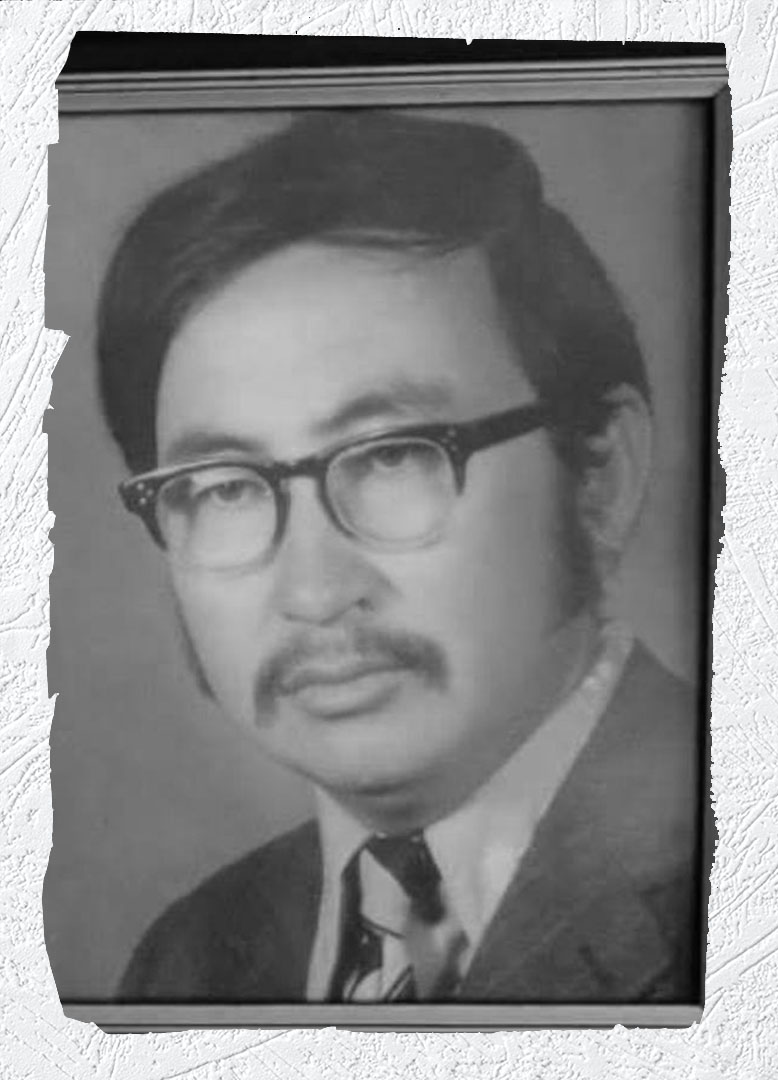
- Gender
- Male
- Ethnicity
- Hazara
- District geolocation of incident
- Bagrami: 34° 31′ 10″ N, 69° 16′ 39″ E
- Description of incident
Known as the "Killing of AGSA," it refers to the collective murder of opponents of the People's Democratic Party of Afghanistan in the Pul-e-Charkhi Prison in Kabul between 1978 and 1979. The Afghan Intelligence Office, or AGSA (Afghan Agency for Safeguarding National Interest), led by Asadullah Sarwari, had arrested nearly 150,000 people, out of which an estimated number of 27,000 political prisoners were put to death without a single trial, probe, or even allegation. Many Afghan families had no idea where their loved ones had disappeared in the latter part of 1978 and early 1979. A list of those slain that included 5,000 victims of AGSA mass executions was made public by the Dutch Prosecutor's Office in 2013.
- Witness/Survivor Statement
No statement
- Date added
- Oct 23, 2024
Akram Yary
- Photo of Victim
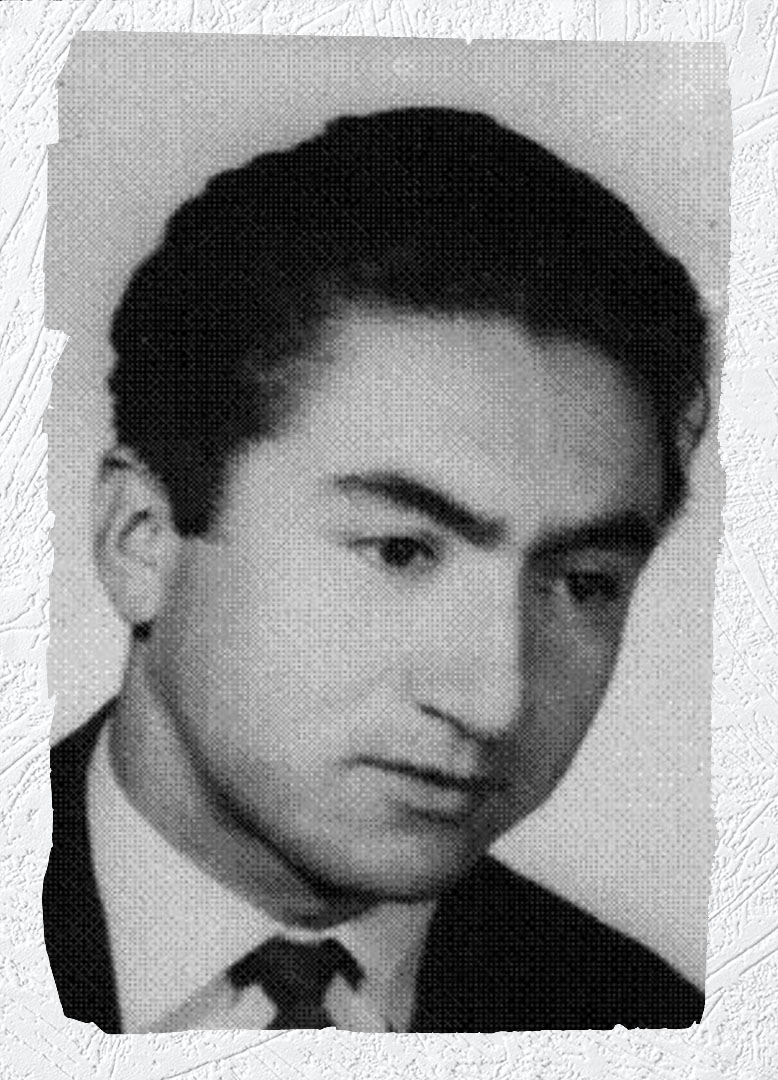
- Gender
- Male
- Ethnicity
- Hazara
- District geolocation of incident
- Bagrami: 34° 31′ 10″ N, 69° 16′ 39″ E
- Description of incident
Known as the "Killing of AGSA," it refers to the collective murder of opponents of the People's Democratic Party of Afghanistan in the Pul-e-Charkhi Prison in Kabul between 1978 and 1979. The Afghan Intelligence Office, or AGSA (Afghan Agency for Safeguarding National Interest), led by Asadullah Sarwari, had arrested nearly 150,000 people, out of which an estimated number of 27,000 political prisoners were put to death without a single trial, probe, or even allegation. Many Afghan families had no idea where their loved ones had disappeared in the latter part of 1978 and early 1979. A list of those slain that included 5,000 victims of AGSA mass executions was made public by the Dutch Prosecutor's Office in 2013.
- Witness/Survivor Statement
No statement
- Date added
- Oct 23, 2024
Zawarsha Haidari
- Photo of Victim

- Gender
- Male
- Ethnicity
- Hazara
- District geolocation of incident
- Bagrami: 34° 31′ 10″ N, 69° 16′ 39″ E
- Description of incident
Known as the "Killing of AGSA," it refers to the collective murder of opponents of the People's Democratic Party of Afghanistan in the Pul-e-Charkhi Prison in Kabul between 1978 and 1979. The Afghan Intelligence Office, or AGSA (Afghan Agency for Safeguarding National Interest), led by Asadullah Sarwari, had arrested nearly 150,000 people, out of which an estimated number of 27,000 political prisoners were put to death without a single trial, probe, or even allegation. Many Afghan families had no idea where their loved ones had disappeared in the latter part of 1978 and early 1979. A list of those slain that included 5,000 victims of AGSA mass executions was made public by the Dutch Prosecutor's Office in 2013.
- Witness/Survivor Statement
No statement
- Date added
- Oct 23, 2024
Ali Reza
- Photo of Victim
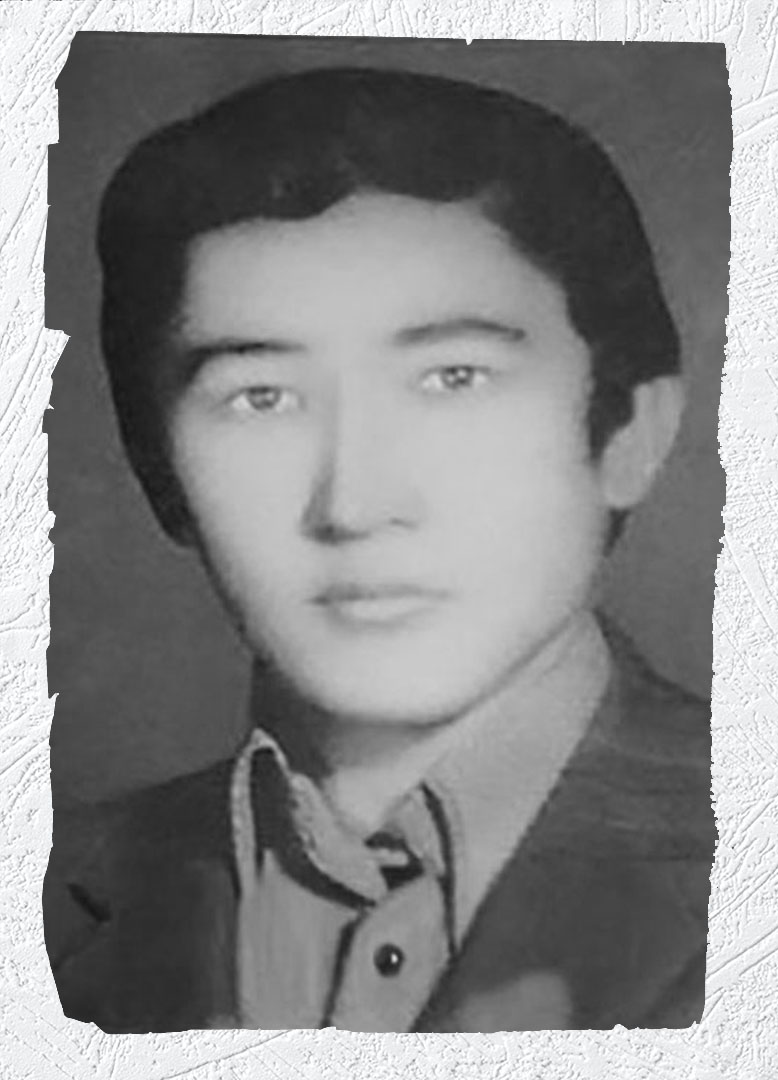
- Gender
- Male
- Ethnicity
- Hazara
- District geolocation of incident
- Bagrami: 34° 31′ 10″ N, 69° 16′ 39″ E
- Description of incident
Known as the "Killing of AGSA," it refers to the collective murder of opponents of the People's Democratic Party of Afghanistan in the Pul-e-Charkhi Prison in Kabul between 1978 and 1979. The Afghan Intelligence Office, or AGSA (Afghan Agency for Safeguarding National Interest), led by Asadullah Sarwari, had arrested nearly 150,000 people, out of which an estimated number of 27,000 political prisoners were put to death without a single trial, probe, or even allegation. Many Afghan families had no idea where their loved ones had disappeared in the latter part of 1978 and early 1979. A list of those slain that included 5,000 victims of AGSA mass executions was made public by the Dutch Prosecutor's Office in 2013.
- Witness/Survivor Statement
No Statement
- Date added
- Oct 22, 2024
Ramazan Ali Sharifi
- Photo of Victim
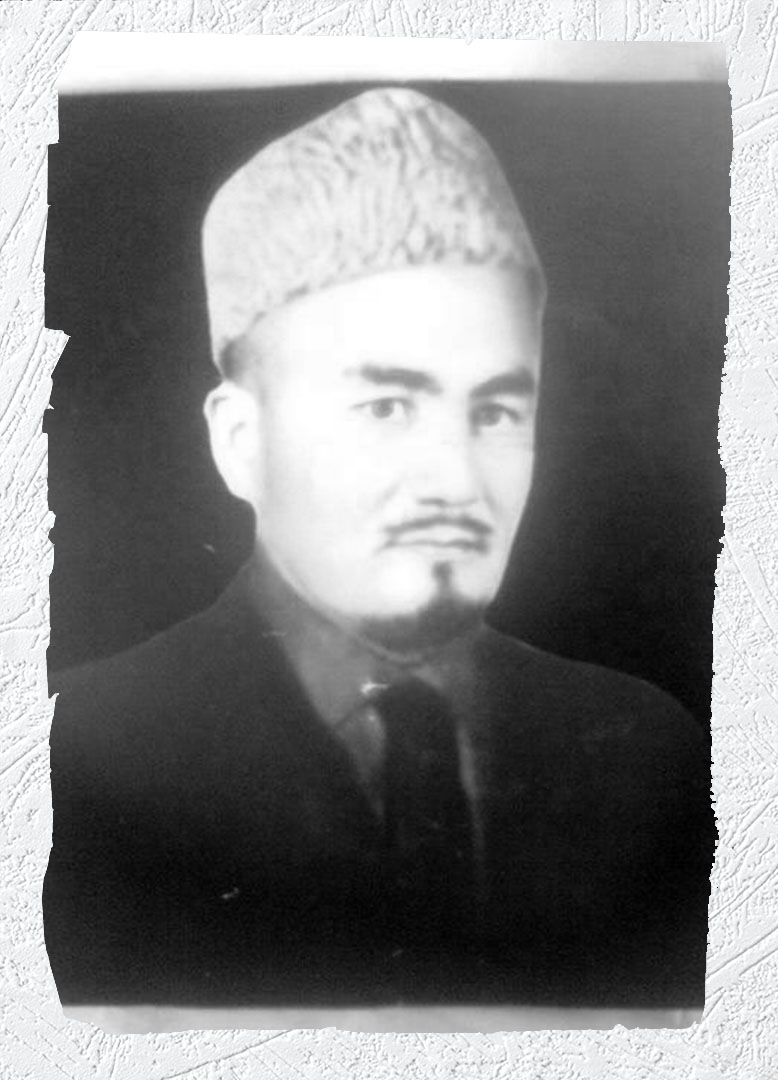
- Gender
- Male
- Ethnicity
- Hazara
- District geolocation of incident
- Bagrami: 34° 31′ 10″ N, 69° 16′ 39″ E
- Description of incident
Known as the "Killing of AGSA," it refers to the collective murder of opponents of the People's Democratic Party of Afghanistan in the Pul-e-Charkhi Prison in Kabul between 1978 and 1979. The Afghan Intelligence Office, or AGSA (Afghan Agency for Safeguarding National Interest), led by Asadullah Sarwari, had arrested nearly 150,000 people, out of which an estimated number of 27,000 political prisoners were put to death without a single trial, probe, or even allegation. Many Afghan families had no idea where their loved ones had disappeared in the latter part of 1978 and early 1979. A list of those slain that included 5,000 victims of AGSA mass executions was made public by the Dutch Prosecutor's Office in 2013.
- Witness/Survivor Statement
No Statement
- Date added
- Oct 21, 2024
Qanbar Ali
- Photo of Victim
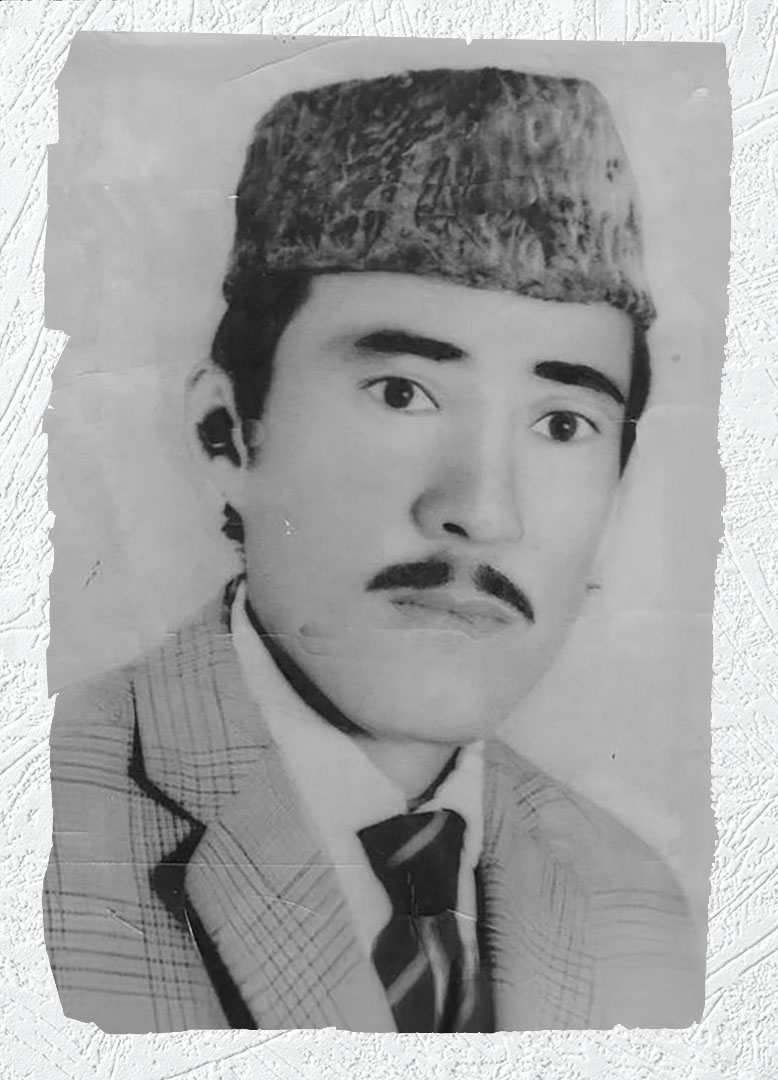
- Gender
- Male
- Ethnicity
- Hazara
- District geolocation of incident
- Bagrami: 34° 31′ 10″ N, 69° 16′ 39″ E
- Description of incident
Known as the "Killing of AGSA," it refers to the collective murder of opponents of the People's Democratic Party of Afghanistan in the Pul-e-Charkhi Prison in Kabul between 1978 and 1979. The Afghan Intelligence Office, or AGSA (Afghan Agency for Safeguarding National Interest), led by Asadullah Sarwari, had arrested nearly 150,000 people, out of which an estimated number of 27,000 political prisoners were put to death without a single trial, probe, or even allegation. Many Afghan families had no idea where their loved ones had disappeared in the latter part of 1978 and early 1979. A list of those slain that included 5,000 victims of AGSA mass executions was made public by the Dutch Prosecutor's Office in 2013.
- Witness/Survivor Statement
No Statement
- Date added
- Oct 21, 2024
Hussain Ali Arbab
- Photo of Victim
- Gender
- Male
- Ethnicity
- Hazara
- District geolocation of incident
- Bagrami: 34° 31′ 10″ N, 69° 16′ 39″ E
- Description of incident
Known as the "Killing of AGSA," it refers to the collective murder of opponents of the People's Democratic Party of Afghanistan in the Pul-e-Charkhi Prison in Kabul between 1978 and 1979. The Afghan Intelligence Office, or AGSA (Afghan Agency for Safeguarding National Interest), led by Asadullah Sarwari, had arrested nearly 150,000 people, out of which an estimated number of 27,000 political prisoners were put to death without a single trial, probe, or even allegation. Many Afghan families had no idea where their loved ones had disappeared in the latter part of 1978 and early 1979. A list of those slain that included 5,000 victims of AGSA mass executions was made public by the Dutch Prosecutor's Office in 2013.
- Witness/Survivor Statement
No Statement
- Date added
- Oct 21, 2024
Hussain Ali
- Photo of Victim

- Gender
- Male
- Ethnicity
- Hazara
- District geolocation of incident
- Bagrami: 34° 31′ 10″ N, 69° 16′ 39″ E
- Description of incident
Known as the "Killing of AGSA," it refers to the collective murder of opponents of the People's Democratic Party of Afghanistan in the Pul-e-Charkhi Prison in Kabul between 1978 and 1979. The Afghan Intelligence Office, or AGSA (Afghan Agency for Safeguarding National Interest), led by Asadullah Sarwari, had arrested nearly 150,000 people, out of which an estimated number of 27,000 political prisoners were put to death without a single trial, probe, or even allegation. Many Afghan families had no idea where their loved ones had disappeared in the latter part of 1978 and early 1979. A list of those slain that included 5,000 victims of AGSA mass executions was made public by the Dutch Prosecutor's Office in 2013.
- Witness/Survivor Statement
No Statement
- Date added
- Oct 21, 2024
Sayed Mohammad Nadir
- Photo of Victim
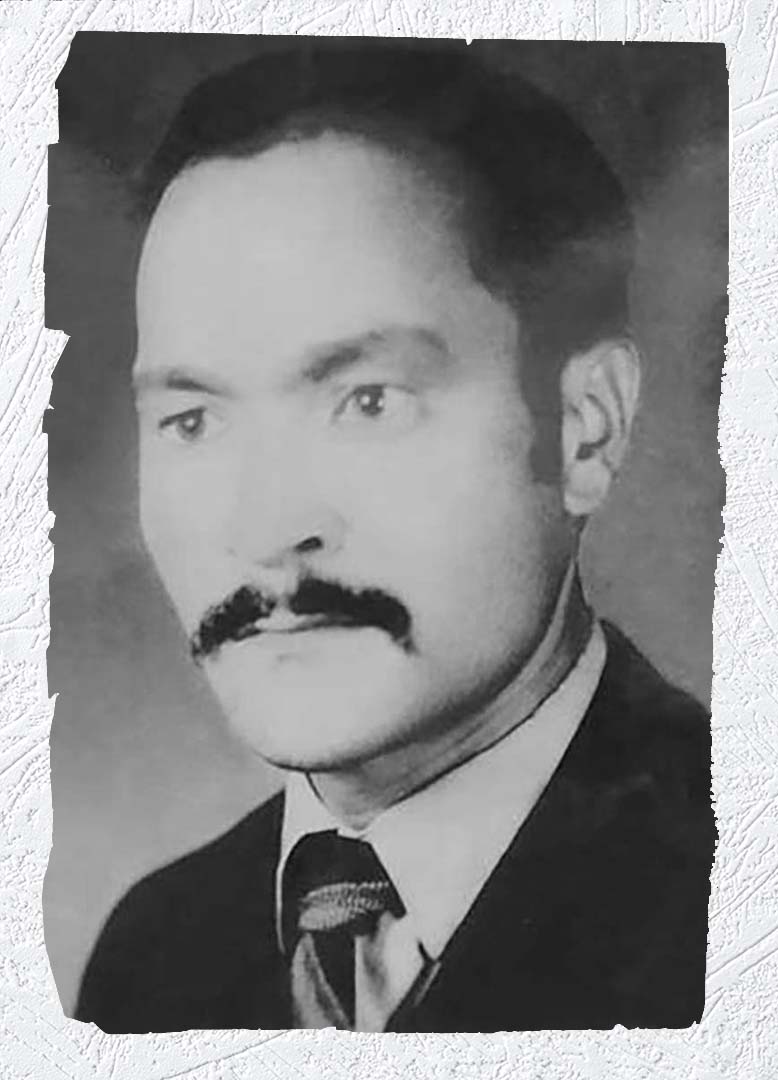
- Gender
- Male
- Ethnicity
- Sadat
- District geolocation of incident
- Bagrami: 34° 31′ 10″ N, 69° 16′ 39″ E
- Description of incident
Known as the "Killing of AGSA," it refers to the collective murder of opponents of the People's Democratic Party of Afghanistan in the Pul-e-Charkhi Prison in Kabul between 1978 and 1979. The Afghan Intelligence Office, or AGSA (Afghan Agency for Safeguarding National Interest), led by Asadullah Sarwari, had arrested nearly 150,000 people, out of which an estimated number of 27,000 political prisoners were put to death without a single trial, probe, or even allegation. Many Afghan families had no idea where their loved ones had disappeared in the latter part of 1978 and early 1979. A list of those slain that included 5,000 victims of AGSA mass executions was made public by the Dutch Prosecutor's Office in 2013.
- Witness/Survivor Statement
No Statement
- Date added
- Oct 21, 2024
SarwarAli Rajabi
- Photo of Victim
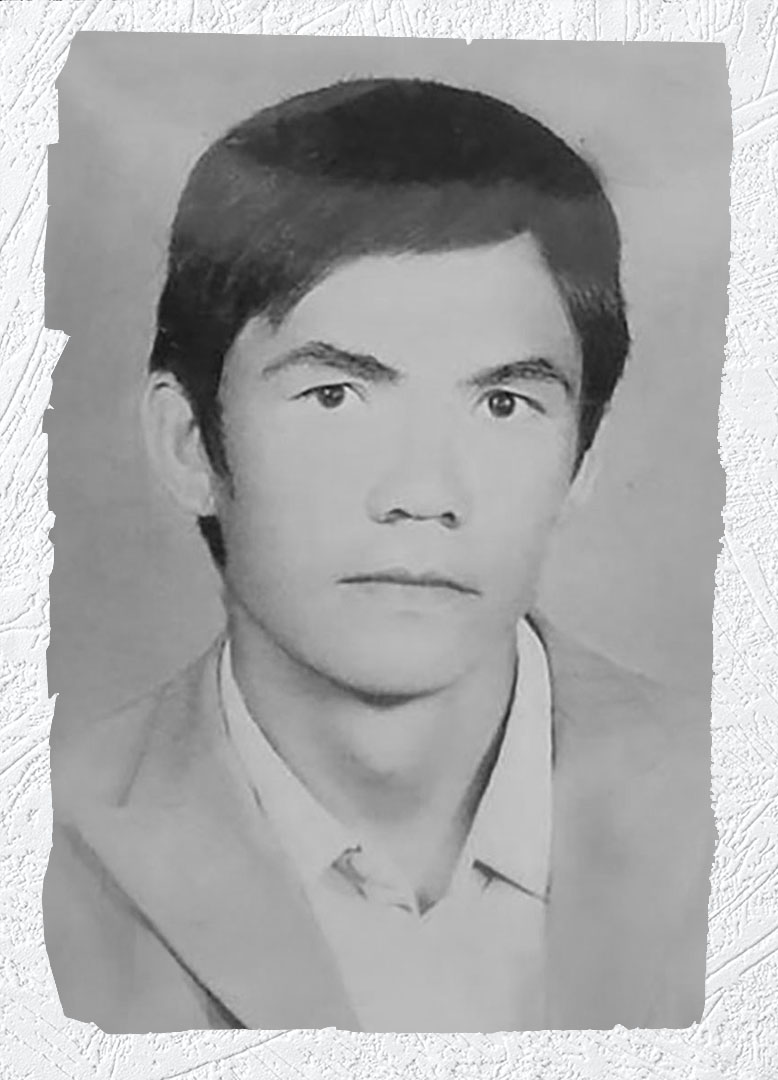
- Gender
- Male
- Ethnicity
- Hazara
- District geolocation of incident
- Bagrami: 34° 31′ 10″ N, 69° 16′ 39″ E
- Description of incident
Known as the "Killing of AGSA," it refers to the collective murder of opponents of the People's Democratic Party of Afghanistan in the Pul-e-Charkhi Prison in Kabul between 1978 and 1979. The Afghan Intelligence Office, or AGSA (Afghan Agency for Safeguarding National Interest), led by Asadullah Sarwari, had arrested nearly 150,000 people, out of which an estimated number of 27,000 political prisoners were put to death without a single trial, probe, or even allegation. Many Afghan families had no idea where their loved ones had disappeared in the latter part of 1978 and early 1979. A list of those slain that included 5,000 victims of AGSA mass executions was made public by the Dutch Prosecutor's Office in 2013.
- Witness/Survivor Statement
No statement
- Date added
- Oct 21, 2024
Ali Asghar
- Photo of Victim
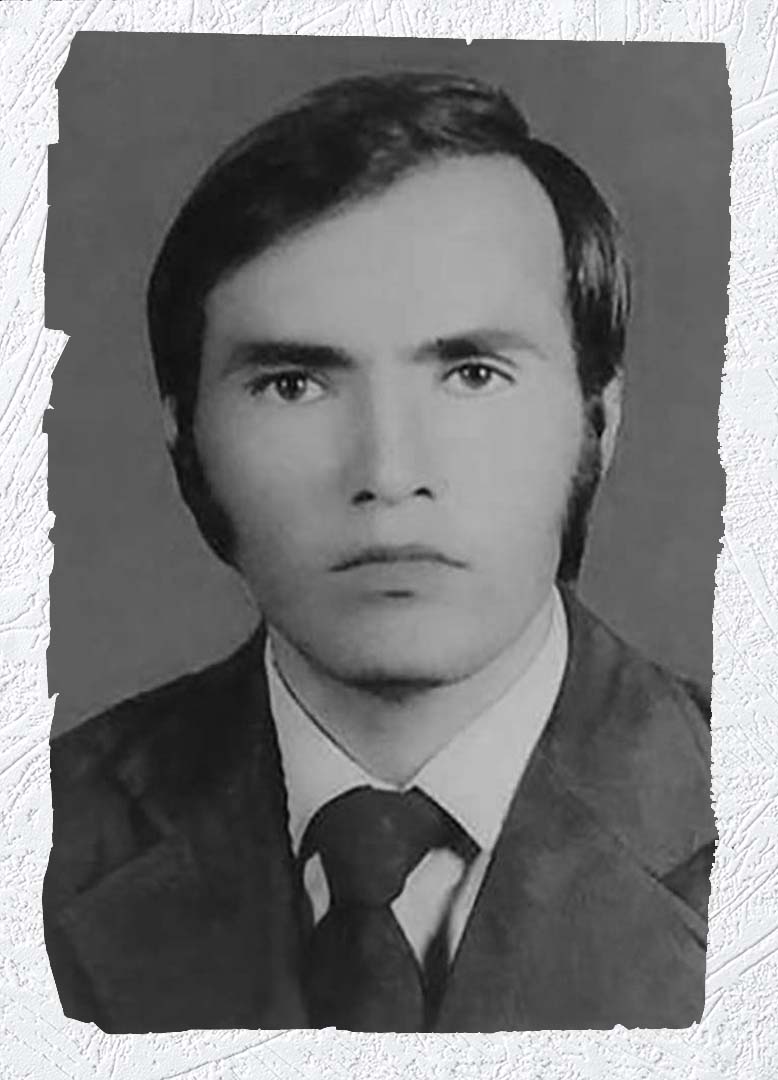
- Gender
- Male
- Ethnicity
- Hazara
- District geolocation of incident
- Bagrami: 34° 31′ 10″ N, 69° 16′ 39″ E
- Description of incident
Known as the "Killing of AGSA," it refers to the collective murder of opponents of the People's Democratic Party of Afghanistan in the Pul-e-Charkhi Prison in Kabul between 1978 and 1979. The Afghan Intelligence Office, or AGSA (Afghan Agency for Safeguarding National Interest), led by Asadullah Sarwari, had arrested nearly 150,000 people, out of which an estimated number of 27,000 political prisoners were put to death without a single trial, probe, or even allegation. Many Afghan families had no idea where their loved ones had disappeared in the latter part of 1978 and early 1979. A list of those slain that included 5,000 victims of AGSA mass executions was made public by the Dutch Prosecutor's Office in 2013.
- Witness/Survivor Statement
No statement
- Date added
- Oct 21, 2024
Ali Daryab Sherzad
- Photo of Victim

- Gender
- Male
- Ethnicity
- Hazara
- District geolocation of incident
- Bagrami: 34° 31′ 10″ N, 69° 16′ 39″ E
- Description of incident
Known as the "Killing of AGSA," it refers to the collective murder of opponents of the People's Democratic Party of Afghanistan in the Pul-e-Charkhi Prison in Kabul between 1978 and 1979. The Afghan Intelligence Office, or AGSA (Afghan Agency for Safeguarding National Interest), led by Asadullah Sarwari, had arrested nearly 150,000 people, out of which an estimated number of 27,000 political prisoners were put to death without a single trial, probe, or even allegation. Many Afghan families had no idea where their loved ones had disappeared in the latter part of 1978 and early 1979. A list of those slain that included 5,000 victims of AGSA mass executions was made public by the Dutch Prosecutor's Office in 2013.
- Witness/Survivor Statement
No statement
- Date added
- Oct 21, 2024
Shooting Incident at Kabul Camp Mosque, Rodat District, Nangarhar (2015)
- Date added
- Oct 16, 2024
Humanitarian Organization Employees Kidnapped in Faryab Province (2015)
- Date added
- Oct 16, 2024
Roadside Mine Kills and Injures Civilians in Washer District, Helmand (2015)
- Date added
- Oct 16, 2024
IED Killing and Funeral Suicide Attack in Mehtarlam, Laghman Province (2015)
- Date added
- Oct 16, 2024
Multiple Attacks on UN Road Missions in Herat and Nangarhar Provinces (2015)
- Date added
- Oct 13, 2024
Prosecutor of Nangarhar Appeals Court Shot in Jalalabad City (2015)
- Date added
- Oct 13, 2024
Suicide Attack at Funeral in Mehtarlam City, Laghman Province (2015)
- Date added
- Oct 13, 2024
Afghan Local Police Member Shot Truck Driver and Child in Sangin District, Helmand (2015)
- Date added
- Oct 13, 2024
Mine Explosion Killed and Injured Children in Giro District, Ghazni Province (2015)
- Date added
- Oct 13, 2024
IED Explosion Killing Laghman Appeal Court Judge and Injuring His Daughters in Jalalabad City, Nangarhar (2015)
- Date added
- Oct 13, 2024
Unexploded Ordnance Explosion Injuring Students in Shah Wali Kot District, Kandahar Province (2015)
- Date added
- Oct 13, 2024
Mortar Attack on Residential House Causing Civilian Casualties in Nawzad District, Helmand Province (2015)
- Date added
- Oct 13, 2024
Mortar Shelling on Residential House Killed and Injured Civilian in Grishk District, Helmand Province (2015)
- Date added
- Oct 12, 2024
Remote-Controlled Mine Explosion Killing Bank Employees and Police Officer in Lashkargah, Helmand Province (2015)
- Date added
- Oct 12, 2024
Targeted Killing of Government Employee in Khawaja Umari District, Ghazni Province (2015)
- Date added
- Oct 12, 2024
Killing of Local Shura Deputy Head in Dih Yak District, Ghazni Province (2015)
- Date added
- Oct 12, 2024
Killing of Tribal Elders, Teacher, and Student in Baghlan-e-Jadid District, Baghlan Province (2015)
- Date added
- Oct 12, 2024
Killing of Tribal Elders in Zana Khan District, Ghazni Province (2015)
- Date added
- Oct 12, 2024
Abul Manan Azimi s/o Abdul Qadir
- Photo of Victim

- Gender
- Male
- Ethnicity
- Hazara
- District geolocation of incident
- Dawlat Yar: 34° 33′ 29″ N, 65° 45′ 59″ ESangtakht: 34° 28′ 3″ N, 65° 44′ 33″ E
- Description of incident
Incident Date: September 21, 2024
Location: Near Sarpahlu Sang village, Dawlat Yar district, Ghor province, Afghanistan (bordering Daykundi province)
Victims: 13 residents of Qariwdal village, Sang-e-Takht district, Daykundi province, One passerby from Palon Sang village, Ghor province, Four severely wounded survivorsPerpetrators: Four armed individuals, later claimed by ISIL-Khorasan Province
Incident Summary:
On September 21, 2024, at approximately 1:00 PM, a group of 17 residents from the small village of Qariwdal in Daykundi province were en route to welcome two fellow villagers returning from a pilgrimage to Karbala, Iraq. As they approached the border area between Daykundi and Ghor provinces, near the small village of Sarpahlu Sang in the Dowlat Yar district of Ghor, they encountered four armed men on motorcycles. The armed individuals identified themselves as security forces [of the Taliban] and assured the group that they were searching for a suspicious person, telling them not to worry. The assailants then instructed the villagers to line up, ostensibly for a commemorative photograph. One attacker began taking photos while another started filming. Without warning, the other two opened fire on the group from both sides. The attack resulted in the immediate deaths of 13 Hazaras, all from the Qariwdal village. Four others were severely wounded. Additionally, a traveler from Palon Sang village in Ghor, who happened to be passing through the area during the shooting, was killed while attempting to flee. The day following the attack, ISIL-Khorasan Province claimed responsibility for the massacre in an official statement.
- Date added
- Oct 6, 2024
Mahdi Jafari s/o Mohammad Alam Jafari
- Photo of Victim

- Gender
- Male
- Ethnicity
- Hazara
- District geolocation of incident
- Nili: 33° 43′ 0″ N, 66° 10′ 2″ E
- Description of incident
On the night of November 23, 2022, forces from the Taliban Security Command and the General Directorate of Intelligence (GDI) conducted an operation in the village of Sare-e-Siwak, located in the central district of Nili, Daykundi province. The operation began with the encirclement of the village, focusing on particular residences. In the early hours of the following morning, as residents prepared for morning prayers, nine individuals from two families, including four minors, were fatally shot, and two sustained injuries. Additionally, five individuals were detained, with one subsequently reported missing. Reports suggest that the operation was initiated based on erroneous information attributed to a local commander and his associates, stemming from previous disputes and personal animosity, alleging insurgent activities by the victims.
- Date added
- Oct 6, 2024
Mohammad Alam Jafari s/o Mohammad Dad
- Photo of Victim

- Gender
- Male
- Ethnicity
- Hazara
- District geolocation of incident
- Nili: 33° 43′ 0″ N, 66° 10′ 2″ E
- Description of incident
On the night of November 23, 2022, forces from the Taliban Security Command and the General Directorate of Intelligence (GDI) conducted an operation in the village of Sare-e-Siwak, located in the central district of Nili, Daykundi province. The operation began with the encirclement of the village, focusing on particular residences. In the early hours of the following morning, as residents prepared for morning prayers, nine individuals from two families, including four minors, were fatally shot, and two sustained injuries. Additionally, five individuals were detained, with one subsequently reported missing. Reports suggest that the operation was initiated based on erroneous information attributed to a local commander and his associates, stemming from previous disputes and personal animosity, alleging insurgent activities by the victims.
- Date added
- Oct 6, 2024
Enayat Jafari s/o Amir Jafari
- Photo of Victim
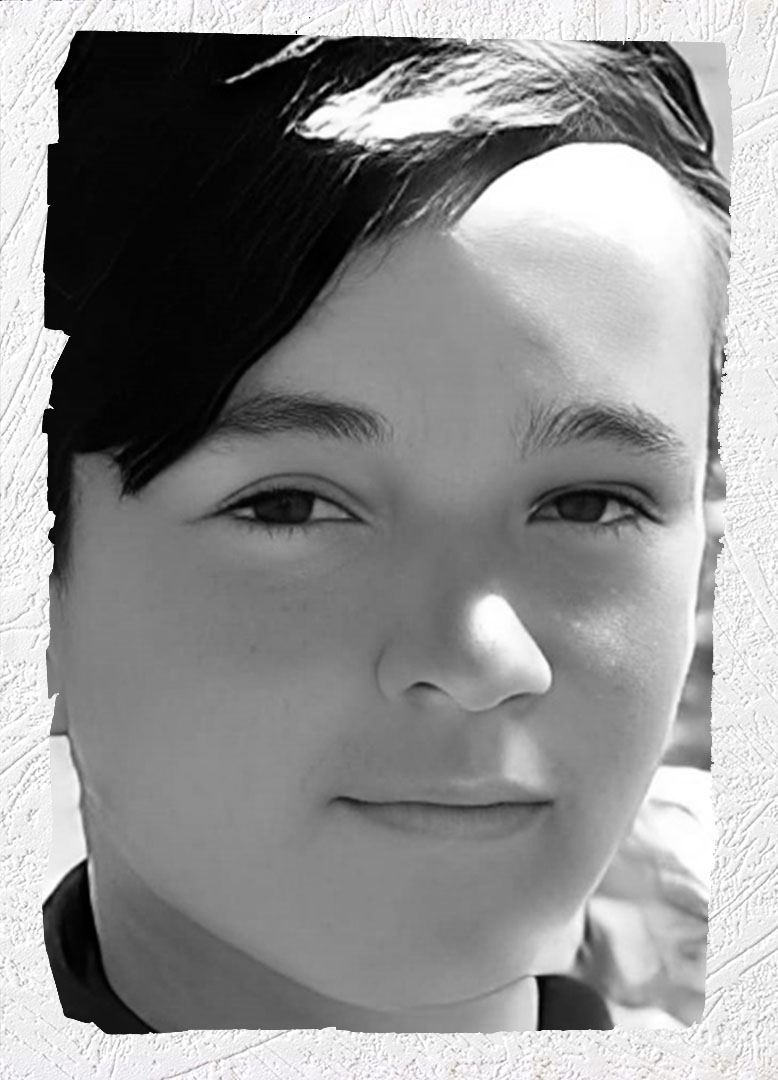
- Gender
- Male
- Ethnicity
- Hazara
- District geolocation of incident
- Nili: 33° 43′ 0″ N, 66° 10′ 2″ E
- Description of incident
On the night of November 23, 2022, forces from the Taliban Security Command and the General Directorate of Intelligence (GDI) conducted an operation in the village of Sare-e-Siwak, located in the central district of Nili, Daykundi province. The operation began with the encirclement of the village, focusing on particular residences. In the early hours of the following morning, as residents prepared for morning prayers, nine individuals from two families, including four minors, were fatally shot, and two sustained injuries. Additionally, five individuals were detained, with one subsequently reported missing. Reports suggest that the operation was initiated based on erroneous information attributed to a local commander and his associates, stemming from previous disputes and personal animosity, alleging insurgent activities by the victims.
- Date added
- Oct 6, 2024
Amir Jafari s/o Mohammad Dad
- Photo of Victim
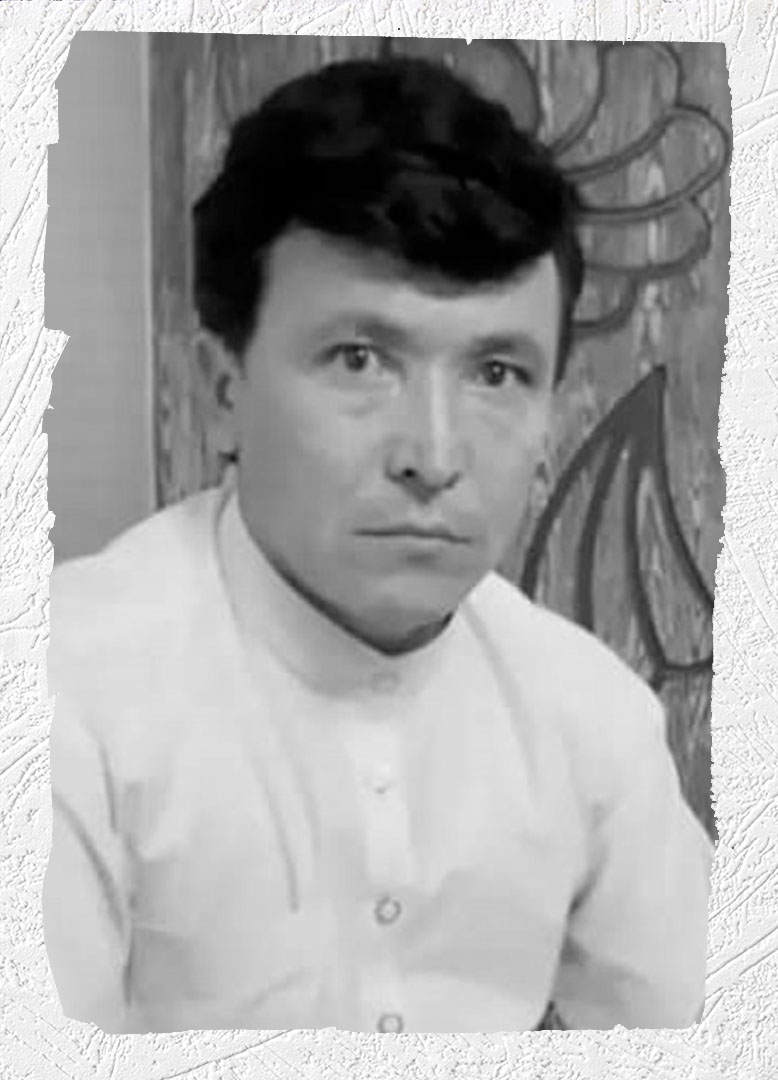
- Gender
- Male
- Ethnicity
- Hazara
- District geolocation of incident
- Nili: 33° 43′ 0″ N, 66° 10′ 2″ E
- Description of incident
On the night of November 23, 2022, forces from the Taliban Security Command and the General Directorate of Intelligence (GDI) conducted an operation in the village of Sare-e-Siwak, located in the central district of Nili, Daykundi province. The operation began with the encirclement of the village, focusing on particular residences. In the early hours of the following morning, as residents prepared for morning prayers, nine individuals from two families, including four minors, were fatally shot, and two sustained injuries. Additionally, five individuals were detained, with one subsequently reported missing. Reports suggest that the operation was initiated based on erroneous information attributed to a local commander and his associates, stemming from previous disputes and personal animosity, alleging insurgent activities by the victims.
- Date added
- Oct 6, 2024
Mohammad Jafari s/o Shermohammad Jafari
- Photo of Victim
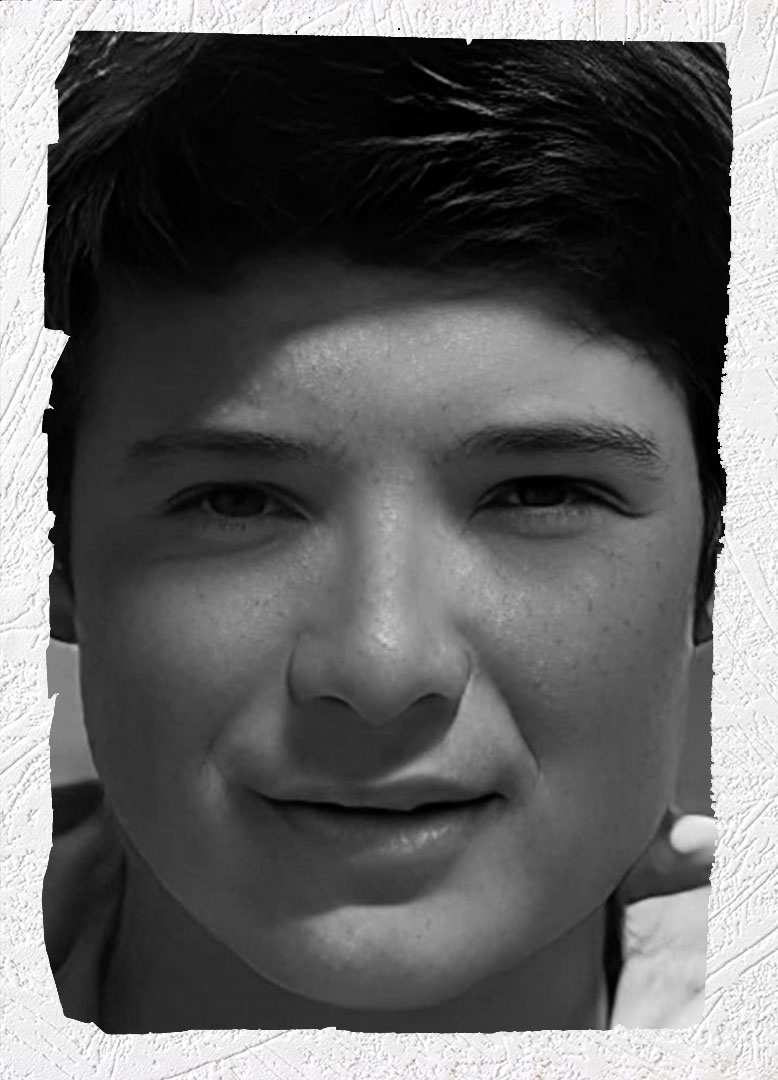
- Gender
- Male
- Ethnicity
- Hazara
- District geolocation of incident
- Nili: 33° 43′ 0″ N, 66° 10′ 2″ E
- Description of incident
On the night of November 23, 2022, forces from the Taliban Security Command and the General Directorate of Intelligence (GDI) conducted an operation in the village of Sare-e-Siwak, located in the central district of Nili, Daykundi province. The operation began with the encirclement of the village, focusing on particular residences. In the early hours of the following morning, as residents prepared for morning prayers, nine individuals from two families, including four minors, were fatally shot, and two sustained injuries. Additionally, five individuals were detained, with one subsequently reported missing. Reports suggest that the operation was initiated based on erroneous information attributed to a local commander and his associates, stemming from previous disputes and personal animosity, alleging insurgent activities by the victims.
- Date added
- Oct 6, 2024
Sher Mohammad Jafar s/o Mohammad Dad
- Photo of Victim

- Gender
- Male
- Ethnicity
- Hazara
- District geolocation of incident
- Nili: 33° 43′ 0″ N, 66° 10′ 2″ E
- Description of incident
On the night of November 23, 2022, forces from the Taliban Security Command and the General Directorate of Intelligence (GDI) conducted an operation in the village of Sare-e-Siwak, located in the central district of Nili, Daykundi province. The operation began with the encirclement of the village, focusing on particular residences. In the early hours of the following morning, as residents prepared for morning prayers, nine individuals from two families, including four minors, were fatally shot, and two sustained injuries. Additionally, five individuals were detained, with one subsequently reported missing. Reports suggest that the operation was initiated based on erroneous information attributed to a local commander and his associates, stemming from previous disputes and personal animosity, alleging insurgent activities by the victims.
- Date added
- Oct 6, 2024
Ebrahim Yaqoobi s/o Hashim Khan
- Photo of Victim
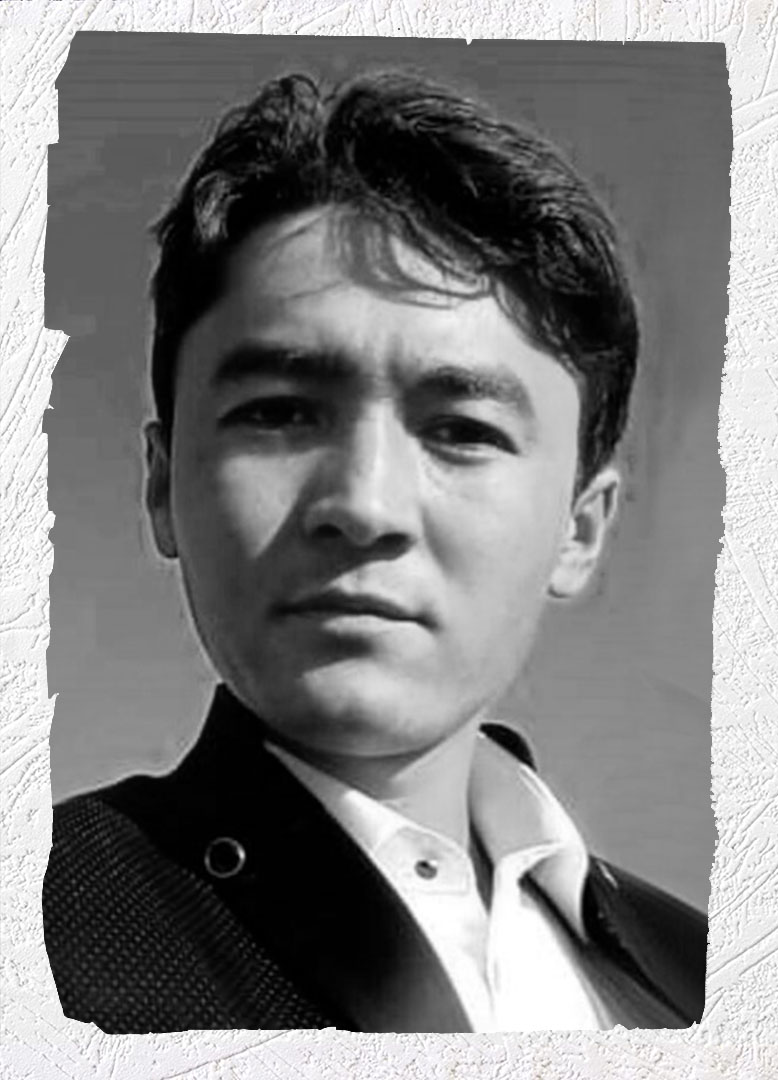
- Gender
- Male
- Ethnicity
- Hazara
- District geolocation of incident
- Nili: 33° 43′ 0″ N, 66° 10′ 2″ E
- Description of incident
On the night of November 23, 2022, forces from the Taliban Security Command and the General Directorate of Intelligence (GDI) conducted an operation in the village of Sare-e-Siwak, located in the central district of Nili, Daikundi province. The operation began with the encirclement of the village, focusing on particular residences. In the early hours of the following morning, as residents prepared for morning prayers, nine individuals from two families, including four minors, were fatally shot, and two sustained injuries. Additionally, five individuals were detained, with one subsequently reported missing. Reports suggest that the operation was initiated based on erroneous information attributed to a local commander and his associates, stemming from previous disputes and personal animosity, alleging insurgent activities by the victims.
- Date added
- Oct 5, 2024
Aminullah Mali s/o Mohammad Hakim
- Photo of Victim

- Gender
- Male
- Ethnicity
- Hazara
- District geolocation of incident
- Nili: 33° 43′ 0″ N, 66° 10′ 2″ E
- Description of incident
On the night of November 23, 2022, forces from the Taliban Security Command and the General Directorate of Intelligence (GDI) conducted an operation in the village of Sare-e-Siwak, located in the central district of Nili, Daikundi province. The operation began with the encirclement of the village, focusing on particular residences. In the early hours of the following morning, as residents prepared for morning prayers, nine individuals from two families, including four minors, were fatally shot, and two sustained injuries. Additionally, five individuals were detained, with one subsequently reported missing. Reports suggest that the operation was initiated based on erroneous information attributed to a local commander and his associates, stemming from previous disputes and personal animosity, alleging insurgent activities by the victims.
- Date added
- Oct 5, 2024
Waisodin
- Photo of Victim

- Gender
- Male
- Ethnicity
- Unknown
- District geolocation of incident
- Kabul: 34° 31′ 1″ N, 69° 8′ 60″ E
- Description of incident
On August 24, 2016, suspected Taliban attackers stormed the American University of Afghanistan in Kabul using a car bomb and automatic weapons. The assault resulted in the deaths of sixteen people, including eight university students, one university policeman, and three security guards. Additionally, fifty to fifty-three individuals were injured, some critically. Afghan Special Forces killed three of the attackers. This incident marked the first direct attack on the university, although two professors had been kidnapped just outside the campus a few weeks earlier. Both Taliban and ISIL-KP were suspected though no group or individual claimed the responsibility for the attack.
- Witness/Survivor Statement
Waisodin worked as an AUAF Security Guard since 2012. Waisodin was born in 1986 in Maidan Wardak, Afghanistan and had recently started his first year as an ITCS student at Alama University. After completing his education, his hope was to get a job in the IT department at AUAF and work to improve lives of his fellow Afghans. He planned on getting married after his graduation.
- Date added
- Oct 5, 2024
Zubair,
- Photo of Victim

- Gender
- Male
- Ethnicity
- Unknown
- District geolocation of incident
- Kabul: 34° 31′ 1″ N, 69° 8′ 60″ E
- Description of incident
On August 24, 2016, suspected Taliban attackers stormed the American University of Afghanistan in Kabul using a car bomb and automatic weapons. The assault resulted in the deaths of sixteen people, including eight university students, one university policeman, and three security guards. Additionally, fifty to fifty-three individuals were injured, some critically. Afghan Special Forces killed three of the attackers. This incident marked the first direct attack on the university, although two professors had been kidnapped just outside the campus a few weeks earlier. Both Taliban and ISIL-KP were suspected though no group or individual claimed the responsibility for the attack.
- Witness/Survivor Statement
Zubair, 28, born in Kabul was studying Political Science at AUAF. Zubair was working at the Etisalat communications company during the day to support his family and going to class at night. Zubair frequently led students as an imam in communal prayers at the university and was described by friends as humble, well respected and well liked.
- Date added
- Oct 5, 2024
Mohammad Alem
- Photo of Victim

- Gender
- Male
- Ethnicity
- Tajik
- District geolocation of incident
- Kabul: 34° 31′ 1″ N, 69° 8′ 60″ E
- Description of incident
On August 24, 2016, suspected Taliban attackers stormed the American University of Afghanistan in Kabul using a car bomb and automatic weapons. The assault resulted in the deaths of sixteen people, including eight university students, one university policeman, and three security guards. Additionally, fifty to fifty-three individuals were injured, some critically. Afghan Special Forces killed three of the attackers. This incident marked the first direct attack on the university, although two professors had been kidnapped just outside the campus a few weeks earlier. Both Taliban and ISIL-KP were suspected though no group or individual claimed the responsibility for the attack.
- Witness/Survivor Statement
Mohammad Alem worked as an AUAF Security Guard since 2008. Born in 1974 in Panjshir, Afghanistan, he attended school until 6th grade but was forced to stop due to the civil war. Mohammad Alem left behind four children, aged seven, five, four, and eight months. He was working hard for the future of his family and saving to buy a home.
- Date added
- Oct 5, 2024
Naqib Khpulwak,
- Photo of Victim

- Gender
- Male
- Ethnicity
- Pashtun
- District geolocation of incident
- Kabul: 34° 31′ 1″ N, 69° 8′ 60″ E
- Description of incident
On August 24, 2016, suspected Taliban attackers stormed the American University of Afghanistan in Kabul using a car bomb and automatic weapons. The assault resulted in the deaths of sixteen people, including eight university students, one university policeman, and three security guards. Additionally, fifty to fifty-three individuals were injured, some critically. Afghan Special Forces killed three of the attackers. This incident marked the first direct attack on the university, although two professors had been kidnapped just outside the campus a few weeks earlier. Both Taliban and ISIL-KP were suspected though no group or individual claimed the responsibility for the attack.
- Witness/Survivor Statement
" Naqib Khpulwak, 32, was a Fulbright Scholar at Old Dominion University and Middlebury Institute for International Studies with a Bachelor of Law & Political Science from Nangarhar University. As a research fellow at Stanford Law School in 2013, Naqib worked on Stanford’s Afghanistan Legal Education Project, developing portions of Afghanistan’s first legal education curriculum that he later taught in the AUAF classroom. Naqib also managed the rule of law program in Afghanistan sponsored by the United States Institute of Peace, which included initiatives to strengthen the ability of civil society organizations to serve as observers in community courts and to analyze and advocate on constitutional issues. He was a popular teacher and mentor at AUAF, a leader in the Afghan legal community, and deeply dedicated to his students. Naqib was preparing to further his education at Oxford University in the Spring. He had already been accepted, paid his fees and even bought his textbooks.
- Date added
- Oct 5, 2024
Jamshid
- Photo of Victim

- Gender
- Male
- Ethnicity
- Tajik
- District geolocation of incident
- Kabul: 34° 31′ 1″ N, 69° 8′ 60″ E
- Description of incident
On August 24, 2016, suspected Taliban attackers stormed the American University of Afghanistan in Kabul using a car bomb and automatic weapons. The assault resulted in the deaths of sixteen people, including eight university students, one university policeman, and three security guards. Additionally, fifty to fifty-three individuals were injured, some critically. Afghan Special Forces killed three of the attackers. This incident marked the first direct attack on the university, although two professors had been kidnapped just outside the campus a few weeks earlier. Both Taliban and ISIL-KP were suspected though no group or individual claimed the responsibility for the attack.
- Witness/Survivor Statement
Jamshid, 23, just entered his final semester of his law program at AUAF. Before enrolling at the university, he attended high school in the United States through the YES Program (the Kennedy-Lugar Youth Exchange and Study program). Jamshid was an activist and a member of the advisory board of a newly established national civil society organization called Roshna (Dari for Brightness). According to his classmate Safia Jamal, Jamshid “wanted to be a good politician and help the people of our country.”
- Date added
- Oct 4, 2024
Abdul Walid
- Photo of Victim

- Gender
- Male
- Ethnicity
- Unknown
- District geolocation of incident
- Kabul: 34° 31′ 1″ N, 69° 8′ 60″ E
- Description of incident
On August 24, 2016, suspected Taliban attackers stormed the American University of Afghanistan in Kabul using a car bomb and automatic weapons. The assault resulted in the deaths of sixteen people, including eight university students, one university policeman, and three security guards. Additionally, fifty to fifty-three individuals were injured, some critically. Afghan Special Forces killed three of the attackers. This incident marked the first direct attack on the university, although two professors had been kidnapped just outside the campus a few weeks earlier. Both Taliban and ISIL-KP were suspected though no group or individual claimed the responsibility for the attack.
- Witness/Survivor Statement
Abdul Walid, was 26 and had just begun studying Business Administration at AUAF. During the day, Walid was the Director of Afghanistan Libre, an NGO that focuses primarily on education. According to a tribute on the ACBAR website, “Walid had been working for Afghanistan Libre for more than 10 years. He had met the founder, Mrs. Shekeba Hashemi as a young adult and committed his life entirely to education, let it be women’s education, young girls’ or his own.”
- Date added
- Oct 4, 2024
Jamila,
- Photo of Victim

- Gender
- Female
- Ethnicity
- Hazara
- District geolocation of incident
- Kabul: 34° 31′ 1″ N, 69° 8′ 60″ E
- Description of incident
On August 24, 2016, suspected Taliban attackers stormed the American University of Afghanistan in Kabul using a car bomb and automatic weapons. The assault resulted in the deaths of sixteen people, including eight university students, one university policeman, and three security guards. Additionally, fifty to fifty-three individuals were injured, some critically. Afghan Special Forces killed three of the attackers. This incident marked the first direct attack on the university, although two professors had been kidnapped just outside the campus a few weeks earlier. Both Taliban and ISIL-KP were suspected though no group or individual claimed the responsibility for the attack.
- Witness/Survivor Statement
Jamila, 26, was a senior majoring in Finance and Business Administration. Originally from Mazar-e Sharif, she moved to Pakistan during the Taliban regime. She completed her primary education in Pakistan and upon returning to Afghanistan attended Rokhshana High School in Kabul from which she graduated in 2009. Having already completed a degree in computer science at Kabul University, she joined to pursue an additional degree in management. Jamila wanted to help women set up small businesses to improve their lives and have a positive effect on the economy of the country. “My sister was very hardworking and extremely intelligent,” said Murtaza Ismailzada, the victim’s brother.
- Date added
- Oct 4, 2024
Abdul Wakil
- Photo of Victim

- Gender
- Male
- Ethnicity
- Unknown
- District geolocation of incident
- Kabul: 34° 31′ 1″ N, 69° 8′ 60″ E
- Description of incident
On August 24, 2016, suspected Taliban attackers stormed the American University of Afghanistan in Kabul using a car bomb and automatic weapons. The assault resulted in the deaths of sixteen people, including eight university students, one university policeman, and three security guards. Additionally, fifty to fifty-three individuals were injured, some critically. Afghan Special Forces killed three of the attackers. This incident marked the first direct attack on the university, although two professors had been kidnapped just outside the campus a few weeks earlier. Both Taliban and ISIL-KP were suspected though no group or individual claimed the responsibility for the attack.
- Witness/Survivor Statement
Abdul Wakil worked as an AUAF Security Guard since 2008. Abdul Wakil was born in 1976 in Logar, Afghanistan and attended school until 11th grade but was forced to stop due to the civil war. Abdul Wakil left behind three children, aged nine, seven, and a newborn baby. The wellbeing of his family was always at the forefront of his thoughts and ambitions. He was saving money to send his mother on Hajj pilgrimage and to cover the medical expenses for one of his sons, who has a mental disability.
- Date added
- Oct 4, 2024
Mujtaba
- Photo of Victim

- Gender
- Male
- Ethnicity
- Tajik
- District geolocation of incident
- Kabul: 34° 31′ 1″ N, 69° 8′ 60″ E
- Description of incident
On August 24, 2016, suspected Taliban attackers stormed the American University of Afghanistan in Kabul using a car bomb and automatic weapons. The assault resulted in the deaths of sixteen people, including eight university students, one university policeman, and three security guards. Additionally, fifty to fifty-three individuals were injured, some critically. Afghan Special Forces killed three of the attackers. This incident marked the first direct attack on the university, although two professors had been kidnapped just outside the campus a few weeks earlier. Both Taliban and ISIL-KP were suspected though no group or individual claimed the responsibility for the attack.
- Witness/Survivor Statement
Mujtaba, originally from Panjsher, he began his studies at AUAF after graduating from Naderia High School in Kabul. He was a third year student studying Business Administration and always believed in giving back to the community. Last year, Mujtaba raised $4,000 for the victims of the avalanches that struck his home province. During Eid, his university friends launched a campaign to collect clothes and books as an Eid gift (Eidi) for street children. Mujtaba always dreamt of becoming a pilot. He was 22 years old.
- Date added
- Oct 4, 2024
Elnaz
- Photo of Victim

- Gender
- Female
- Ethnicity
- Unknown
- District geolocation of incident
- Kabul: 34° 31′ 1″ N, 69° 8′ 60″ E
- Description of incident
On August 24, 2016, suspected Taliban attackers stormed the American University of Afghanistan in Kabul using a car bomb and automatic weapons. The assault resulted in the deaths of sixteen people, including eight university students, one university policeman, and three security guards. Additionally, fifty to fifty-three individuals were injured, some critically. Afghan Special Forces killed three of the attackers. This incident marked the first direct attack on the university, although two professors had been kidnapped just outside the campus a few weeks earlier. Both Taliban and ISIL-KP were suspected though no group or individual claimed the responsibility for the attack.
- Witness/Survivor Statement
Elnaz, 18, known as Alina by her friends and family was the oldest child of a street-vendor. As a scholarship student she was studying for a BA in Political Science and Public Administration. Alina spent most of her life in Karachi, Pakistan, as a refugee. Her dream had been to study in a prestigious university such as AUAF and then to get a job to help support her family.
- Date added
- Oct 4, 2024
Samiullah
- Photo of Victim
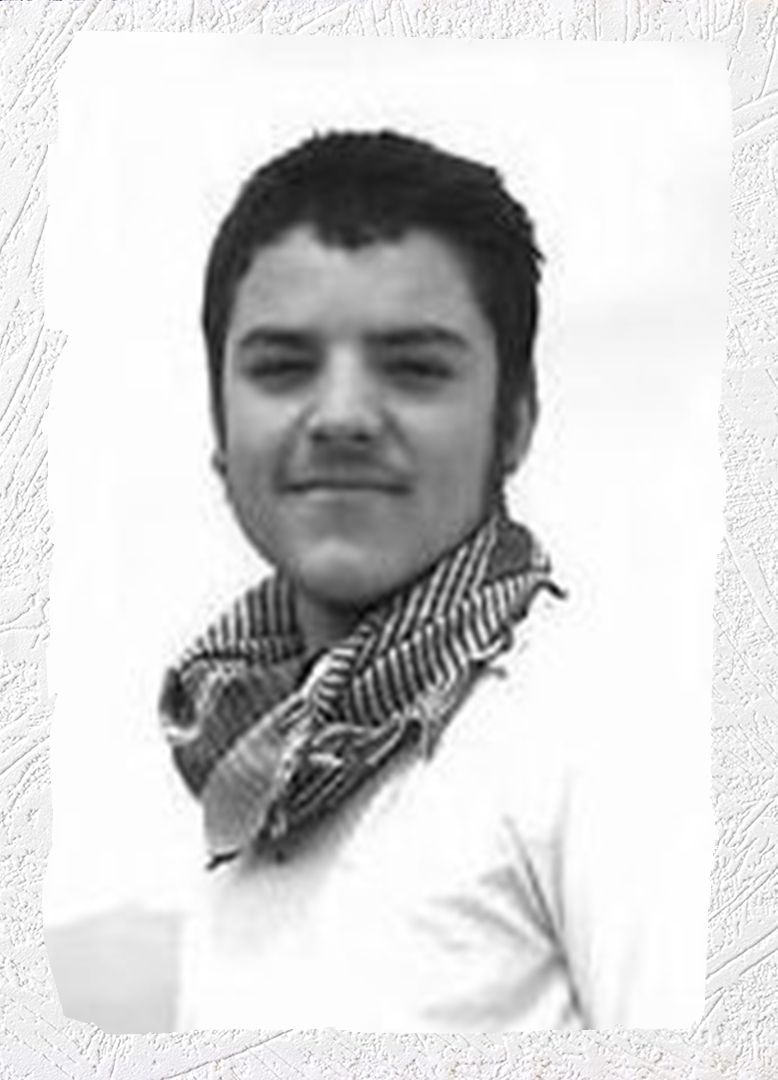
- Gender
- Male
- Ethnicity
- Unknown
- District geolocation of incident
- Kabul: 34° 31′ 1″ N, 69° 8′ 60″ E
- Description of incident
On August 24, 2016, suspected Taliban attackers stormed the American University of Afghanistan in Kabul using a car bomb and automatic weapons. The assault resulted in the deaths of sixteen people, including eight university students, one university policeman, and three security guards. Additionally, fifty to fifty-three individuals were injured, some critically. Afghan Special Forces killed three of the attackers. This incident marked the first direct attack on the university, although two professors had been kidnapped just outside the campus a few weeks earlier. Both Taliban and ISIL-KP were suspected though no group or individual claimed the responsibility for the attack.
- Witness/Survivor Statement
Samiullah was an 18 year old talented musician who won a scholarship to study at AUAF. Samiullah attended Afghanistan’s only music institute, Afghanistan National Institute of Music (ANIM) and performed at the Kennedy Center in Washington, DC and Carnegie Hall. The day before the attack, Samiullah posted “Looking forward to a beautiful and bright future”. He was killed on his second day of class.
- Date added
- Oct 4, 2024
Detention and Alleged Torture of Abbas in Behsud on Weapons Possession Suspicion (2022)
- Date added
- Sep 26, 2024
Mass Detention and Extortion of Hazara Residents in Jalrez District Over Missing Livestock Dispute (2023)
- Date added
- Sep 26, 2024
Detention of Seven Hazara Residents in Jalrez District Amid Land Dispute, Maidan Wardak (2022)
- Date added
- Sep 26, 2024
Dead Bodies Discovered in Sayed Abad District, Maidan Wardak Province (2022)
- Date added
- Sep 26, 2024
Mass Detentions and Alleged Torture in Behsud, Maidan Wardak Province (2021-2022)
- Date added
- Sep 25, 2024
Detentions and Alleged Torture in Jalriz District Following Taliban Takeover, Maidan Wardak (2021-2022)
- Date added
- Sep 25, 2024
Attack on Hazara Civilians in Ghor-Daykundi Border Region, Ghor (2024)
- Date added
- Sep 25, 2024
Fatal Shooting of 22-Year-Old Father in Daykundi-Ghor Border, Daykundi (2024)
- Date added
- Sep 25, 2024
Detention of Former Police Chief's Relatives in Daykundi Province (2022)
- Date added
- Sep 25, 2024
Detention of Family Members Associated with Former Provincial Council Member in Daykundi (2022)
- Date added
- Sep 23, 2024
Arbitrary Detention of Former U.S. Forces Collaborator in Daykundi (2022)
- Date added
- Sep 23, 2024
Arbitrary Detention and Torture of Former National Security Personnel, Bamyan (2022)
- Date added
- Sep 23, 2024
Arbitrary Detention and Torture of Ali Juma Yasa by Taliban Intelligence, Bamyan (2022)
- Date added
- Sep 23, 2024
Arrest of Sattar Baig: Taliban Intelligence Detains Former Hazara Member's in Bamyan (2022)
- Date added
- Sep 23, 2024
Chaman Zawar s/o Sakhidad
- Photo of Victim

- Gender
- Male
- Ethnicity
- Hazara
- District geolocation of incident
- Sangtakht: 34° 28′ 3″ N, 65° 44′ 33″ EDawlat Yar: 34° 33′ 29″ N, 65° 45′ 59″ E
- Description of incident
Incident Date: September 21, 2024
Location: Near Sarpahlu Sang village, Dawlat Yar district, Ghor province, Afghanistan (bordering Daykundi province)
Victims: 13 residents of Qariwdal village, Sang-e-Takht district, Daykundi province, One passerby from Palon Sang village, Ghor province, Four severely wounded survivors
Perpetrators: Four armed individuals, later claimed by ISIL-Khorasan Province
Incident Summary:
On September 21, 2024, at approximately 1:00 PM, a group of 17 residents from the small village of Qariwdal in Daykundi province were en route to welcome two fellow villagers returning from a pilgrimage to Karbala, Iraq. As they approached the border area between Daykundi and Ghor provinces, near the small village of Sarpahlu Sang in the Dawlat Yar district of Ghor, they encountered four armed men on motorcycles. The armed individuals identified themselves as security forces [of the Taliban] and assured the group that they were searching for a suspicious person, telling them not to worry. The assailants then instructed the villagers to line up, ostensibly for a commemorative photograph. One attacker began taking photos while another started filming. Without warning, the other two opened fire on the group from both sides. The attack resulted in the immediate deaths of 13 Hazaras, all from the Qariwdal village. Four others were severely wounded. Additionally, a traveler from Palon Sang village in Ghor, who happened to be passing through the area during the shooting, was killed while attempting to flee. The day following the attack, ISIL-Khorasan Province claimed responsibility for the massacre in an official statement.
- Date added
- Sep 17, 2024
Ali Amiri s/o Dor Mohammad
- Photo of Victim

- Gender
- Male
- Ethnicity
- Hazara
- District geolocation of incident
- Sangtakht: 34° 28′ 3″ N, 65° 44′ 33″ EDawlat Yar: 34° 33′ 29″ N, 65° 45′ 59″ E
- Description of incident
Incident Date: September 21, 2024
Location: Near Sarpahlu Sang village, Dawlat Yar district, Ghor province, Afghanistan (bordering Daykundi province)
Victims: 13 residents of Qariwdal village, Sang-e-Takht district, Daykundi province, One passerby from Palon Sang village, Ghor province, Four severely wounded survivors
Perpetrators: Four armed individuals, later claimed by ISIL-Khorasan Province
Incident Summary:
On September 21, 2024, at approximately 1:00 PM, a group of 17 residents from the small village of Qariwdal in Daykundi province were en route to welcome two fellow villagers returning from a pilgrimage to Karbala, Iraq. As they approached the border area between Daykundi and Ghor provinces, near the small village of Sarpahlu Sang in the Dawlat Yar district of Ghor, they encountered four armed men on motorcycles. The armed individuals identified themselves as security forces [of the Taliban] and assured the group that they were searching for a suspicious person, telling them not to worry. The assailants then instructed the villagers to line up, ostensibly for a commemorative photograph. One attacker began taking photos while another started filming. Without warning, the other two opened fire on the group from both sides. The attack resulted in the immediate deaths of 13 Hazaras, all from the Qariwdal village. Four others were severely wounded. Additionally, a traveler from Palon Sang village in Ghor, who happened to be passing through the area during the shooting, was killed while attempting to flee. The day following the attack, ISIL-Khorasan Province claimed responsibility for the massacre in an official statement.
- Witness/Survivor Statement
No statement
- Date added
- Sep 17, 2024
Ebrahim Bahrami s/o Arzi
- Photo of Victim

- Gender
- Male
- Ethnicity
- Hazara
- District geolocation of incident
- Sangtakht: 34° 28′ 3″ N, 65° 44′ 33″ EDawlat Yar: 34° 33′ 29″ N, 65° 45′ 59″ E
- Description of incident
Incident Date: September 21, 2024
Location: Near Sarpahlu Sang village, Dawlat Yar district, Ghor province, Afghanistan (bordering Daykundi province)
Victims: 13 residents of Qariwdal village, Sang-e-Takht district, Daykundi province, One passerby from Palon Sang village, Ghor province, Four severely wounded survivors
Perpetrators: Four armed individuals, later claimed by ISIL-Khorasan Province
Incident Summary:
On September 21, 2024, at approximately 1:00 PM, a group of 17 residents from the small village of Qariwdal in Daykundi province were en route to welcome two fellow villagers returning from a pilgrimage to Karbala, Iraq. As they approached the border area between Daykundi and Ghor provinces, near the small village of Sarpahlu Sang in the Dawlat Yar district of Ghor, they encountered four armed men on motorcycles. The armed individuals identified themselves as security forces [of the Taliban] and assured the group that they were searching for a suspicious person, telling them not to worry. The assailants then instructed the villagers to line up, ostensibly for a commemorative photograph. One attacker began taking photos while another started filming. Without warning, the other two opened fire on the group from both sides. The attack resulted in the immediate deaths of 13 Hazaras, all from the Qariwdal village. Four others were severely wounded. Additionally, a traveler from Palon Sang village in Ghor, who happened to be passing through the area during the shooting, was killed while attempting to flee. The day following the attack, ISIL-Khorasan Province claimed responsibility for the massacre in an official statement.
- Date added
- Sep 17, 2024
Sayid Hakim s/o Mohammad Hassan
- Photo of Victim

- Gender
- Male
- District geolocation of incident
- Sangtakht: 34° 28′ 3″ N, 65° 44′ 33″ EDawlat Yar: 34° 33′ 29″ N, 65° 45′ 59″ E
- Description of incident
Incident Date: September 21, 2024
Location: Near Sarpahlu Sang village, Dawlat Yar district, Ghor province, Afghanistan (bordering Daykundi province)
Victims: 13 residents of Qariwdal village, Sang-e-Takht district, Daykundi province, One passerby from Palon Sang village, Ghor province, Four severely wounded survivors
Perpetrators: Four armed individuals, later claimed by ISIL-Khorasan Province
Incident Summary:
On September 21, 2024, at approximately 1:00 PM, a group of 17 residents from the small village of Qariwdal in Daykundi province were en route to welcome two fellow villagers returning from a pilgrimage to Karbala, Iraq. As they approached the border area between Daykundi and Ghor provinces, near the small village of Sarpahlu Sang in the Dawlat Yar district of Ghor, they encountered four armed men on motorcycles. The armed individuals identified themselves as security forces [of the Taliban] and assured the group that they were searching for a suspicious person, telling them not to worry. The assailants then instructed the villagers to line up, ostensibly for a commemorative photograph. One attacker began taking photos while another started filming. Without warning, the other two opened fire on the group from both sides. The attack resulted in the immediate deaths of 13 Hazaras, all from the Qariwdal village. Four others were severely wounded. Additionally, a traveler from Palon Sang village in Ghor, who happened to be passing through the area during the shooting, was killed while attempting to flee. The day following the attack, ISIL-Khorasan Province claimed responsibility for the massacre in an official statement.
- Date added
- Sep 17, 2024
Mohammad Hassan Rajabi s/o Hussain Dad
- Photo of Victim

- Gender
- Male
- Ethnicity
- Hazara
- District geolocation of incident
- Sangtakht: 34° 28′ 3″ N, 65° 44′ 33″ EDawlat Yar: 34° 33′ 29″ N, 65° 45′ 59″ E
- Description of incident
Incident Date: September 21, 2024
Location: Near Sarpahlu Sang village, Dawlat Yar district, Ghor province, Afghanistan (bordering Daykundi province)
Victims: 13 residents of Qariwdal village, Sang-e-Takht district, Daykundi province, One passerby from Palon Sang village, Ghor province, Four severely wounded survivors
Perpetrators: Four armed individuals, later claimed by ISIL-Khorasan Province
Incident Summary:
On September 21, 2024, at approximately 1:00 PM, a group of 17 residents from the small village of Qariwdal in Daykundi province were en route to welcome two fellow villagers returning from a pilgrimage to Karbala, Iraq. As they approached the border area between Daykundi and Ghor provinces, near the small village of Sarpahlu Sang in the Dawlat Yar district of Ghor, they encountered four armed men on motorcycles. The armed individuals identified themselves as security forces [of the Taliban] and assured the group that they were searching for a suspicious person, telling them not to worry. The assailants then instructed the villagers to line up, ostensibly for a commemorative photograph. One attacker began taking photos while another started filming. Without warning, the other two opened fire on the group from both sides. The attack resulted in the immediate deaths of 13 Hazaras, all from the Qariwdal village. Four others were severely wounded. Additionally, a traveler from Palon Sang village in Ghor, who happened to be passing through the area during the shooting, was killed while attempting to flee. The day following the attack, ISIL-Khorasan Province claimed responsibility for the massacre in an official statement.
- Date added
- Sep 17, 2024
Noor Ali Rajabi s/o Ewaz
- Photo of Victim

- Gender
- Male
- Ethnicity
- Hazara
- District geolocation of incident
- Dawlat Yar: 34° 33′ 29″ N, 65° 45′ 59″ ESangtakht: 34° 28′ 3″ N, 65° 44′ 33″ E
- Description of incident
Incident Date: September 21, 2024
Location: Near Sarpahlu Sang village, Dawlat Yar district, Ghor province, Afghanistan (bordering Daykundi province)
Victims: 13 residents of Qariwdal village, Sang-e-Takht district, Daykundi province, One passerby from Palon Sang village, Ghor province, Four severely wounded survivors
Perpetrators: Four armed individuals, later claimed by ISIL-Khorasan Province
Incident Summary:
On September 21, 2024, at approximately 1:00 PM, a group of 17 residents from the small village of Qariwdal in Daykundi province were en route to welcome two fellow villagers returning from a pilgrimage to Karbala, Iraq. As they approached the border area between Daykundi and Ghor provinces, near the small village of Sarpahlu Sang in the Dawlat Yar district of Ghor, they encountered four armed men on motorcycles. The armed individuals identified themselves as security forces [of the Taliban] and assured the group that they were searching for a suspicious person, telling them not to worry. The assailants then instructed the villagers to line up, ostensibly for a commemorative photograph. One attacker began taking photos while another started filming. Without warning, the other two opened fire on the group from both sides. The attack resulted in the immediate deaths of 13 Hazaras, all from the Qariwdal village. Four others were severely wounded. Additionally, a traveler from Palon Sang village in Ghor, who happened to be passing through the area during the shooting, was killed while attempting to flee. The day following the attack, ISIL-Khorasan Province claimed responsibility for the massacre in an official statement.
- Date added
- Sep 17, 2024
Ali Hussain Hussani s/o Ghulam Hassan
- Photo of Victim

- Gender
- Male
- Ethnicity
- Hazara
- District geolocation of incident
- Sangtakht: 34° 28′ 3″ N, 65° 44′ 33″ EDawlat Yar: 34° 33′ 29″ N, 65° 45′ 59″ E
- Description of incident
Incident Date: September 21, 2024
Location: Near Sarpahlu Sang village, Dawlat Yar district, Ghor province, Afghanistan (bordering Daykundi province)
Victims: 13 residents of Qariwdal village, Sang-e-Takht district, Daykundi province, One passerby from Palon Sang village, Ghor province, Four severely wounded survivors
Perpetrators: Four armed individuals, later claimed by ISIL-Khorasan Province
Incident Summary:
On September 21, 2024, at approximately 1:00 PM, a group of 17 residents from the small village of Qariwdal in Daykundi province were en route to welcome two fellow villagers returning from a pilgrimage to Karbala, Iraq. As they approached the border area between Daykundi and Ghor provinces, near the small village of Sarpahlu Sang in the Dawlat Yar district of Ghor, they encountered four armed men on motorcycles. The armed individuals identified themselves as security forces [of the Taliban] and assured the group that they were searching for a suspicious person, telling them not to worry. The assailants then instructed the villagers to line up, ostensibly for a commemorative photograph. One attacker began taking photos while another started filming. Without warning, the other two opened fire on the group from both sides. The attack resulted in the immediate deaths of 13 Hazaras, all from the Qariwdal village. Four others were severely wounded. Additionally, a traveler from Palon Sang village in Ghor, who happened to be passing through the area during the shooting, was killed while attempting to flee. The day following the attack, ISIL-Khorasan Province claimed responsibility for the massacre in an official statement.
- Date added
- Sep 17, 2024
Esmat Naeibi s/o Yaqob
- Photo of Victim

- Gender
- Male
- Ethnicity
- Hazara
- District geolocation of incident
- Sangtakht: 34° 28′ 3″ N, 65° 44′ 33″ EDawlat Yar: 34° 33′ 29″ N, 65° 45′ 59″ E
- Description of incident
Incident Date: September 21, 2024
Location: Near Sarpahlu Sang village, Dawlat Yar district, Ghor province, Afghanistan (bordering Daykundi province)
Victims: 13 residents of Qariwdal village, Sang-e-Takht district, Daykundi province, One passerby from Palon Sang village, Ghor province, Four severely wounded survivors
Perpetrators: Four armed individuals, later claimed by ISIL-Khorasan Province
Incident Summary:
On September 21, 2024, at approximately 1:00 PM, a group of 17 residents from the small village of Qariwdal in Daykundi province were en route to welcome two fellow villagers returning from a pilgrimage to Karbala, Iraq. As they approached the border area between Daykundi and Ghor provinces, near the small village of Sarpahlu Sang in the Dawlat Yar district of Ghor, they encountered four armed men on motorcycles. The armed individuals identified themselves as security forces [of the Taliban] and assured the group that they were searching for a suspicious person, telling them not to worry. The assailants then instructed the villagers to line up, ostensibly for a commemorative photograph. One attacker began taking photos while another started filming. Without warning, the other two opened fire on the group from both sides. The attack resulted in the immediate deaths of 13 Hazaras, all from the Qariwdal village. Four others were severely wounded. Additionally, a traveler from Palon Sang village in Ghor, who happened to be passing through the area during the shooting, was killed while attempting to flee. The day following the attack, ISIL-Khorasan Province claimed responsibility for the massacre in an official statement.
- Date added
- Sep 17, 2024
Hussain Haidari s/o Haidar Ali
- Photo of Victim

- Gender
- Male
- Ethnicity
- Hazara
- District geolocation of incident
- Sangtakht: 34° 28′ 3″ N, 65° 44′ 33″ EDawlat Yar: 34° 33′ 29″ N, 65° 45′ 59″ E
- Description of incident
ncident Date: September 21, 2024
Location: Near Sarpahlu Sang village, Dawlat Yar district, Ghor province, Afghanistan (bordering Daykundi province)
Victims: 13 residents of Qariwdal village, Sang-e-Takht district, Daykundi province, One passerby from Palon Sang village, Ghor province, Four severely wounded survivors
Perpetrators: Four armed individuals, later claimed by ISIL-Khorasan Province
Incident Summary:
On September 21, 2024, at approximately 1:00 PM, a group of 17 residents from the small village of Qariwdal in Daykundi province were en route to welcome two fellow villagers returning from a pilgrimage to Karbala, Iraq. As they approached the border area between Daykundi and Ghor provinces, near the small village of Sarpahlu Sang in the Dawlat Yar district of Ghor, they encountered four armed men on motorcycles. The armed individuals identified themselves as security forces [of the Taliban] and assured the group that they were searching for a suspicious person, telling them not to worry. The assailants then instructed the villagers to line up, ostensibly for a commemorative photograph. One attacker began taking photos while another started filming. Without warning, the other two opened fire on the group from both sides. The attack resulted in the immediate deaths of 13 Hazaras, all from the Qariwdal village. Four others were severely wounded. Additionally, a traveler from Palon Sang village in Ghor, who happened to be passing through the area during the shooting, was killed while attempting to flee. The day following the attack, ISIL-Khorasan Province claimed responsibility for the massacre in an official statement.
- Date added
- Sep 15, 2024
Anwar Rezaie s/o Qasim
- Photo of Victim
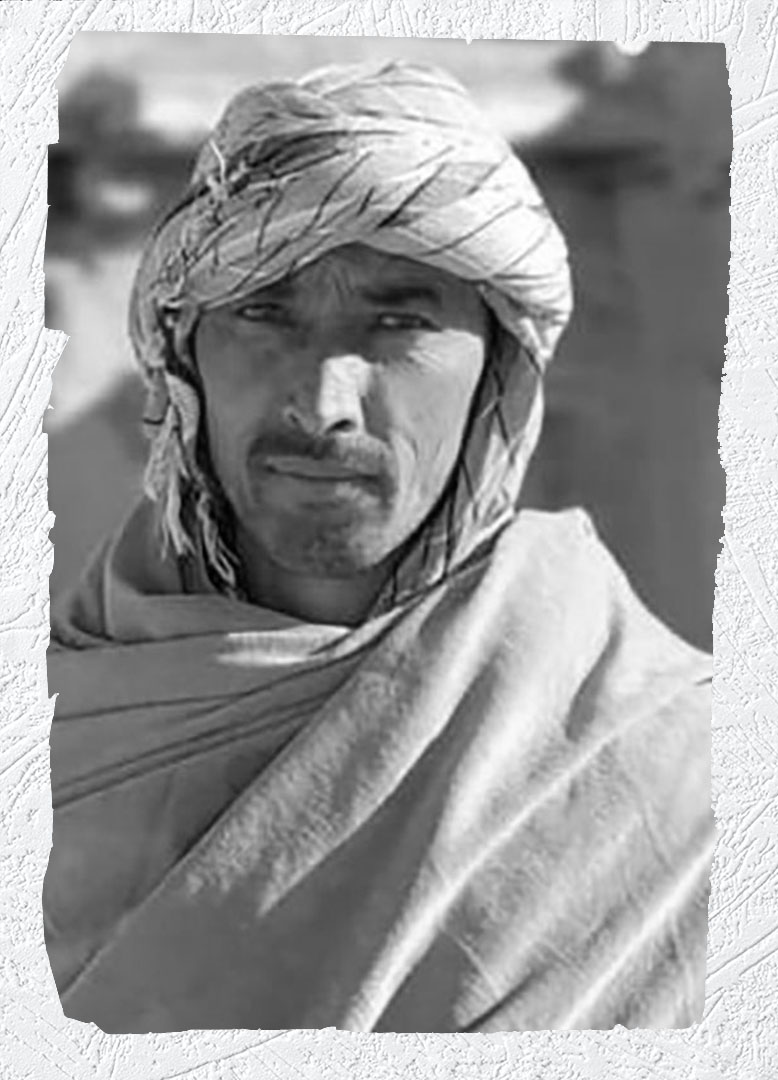
- Ethnicity
- Hazara
- District geolocation of incident
- Sangtakht: 34° 28′ 3″ N, 65° 44′ 33″ EDawlat Yar: 34° 33′ 29″ N, 65° 45′ 59″ E
- Description of incident
ncident Date: September 21, 2024
Location: Near Sarpahlu Sang village, Dawlat Yar district, Ghor province, Afghanistan (bordering Daykundi province)
Victims: 13 residents of Qariwdal village, Sang-e-Takht district, Daykundi province, One passerby from Palon Sang village, Ghor province, Four severely wounded survivors
Perpetrators: Four armed individuals, later claimed by ISIL-Khorasan Province
Incident Summary:
On September 21, 2024, at approximately 1:00 PM, a group of 17 residents from the small village of Qariwdal in Daykundi province were en route to welcome two fellow villagers returning from a pilgrimage to Karbala, Iraq. As they approached the border area between Daykundi and Ghor provinces, near the small village of Sarpahlu Sang in the Dawlat Yar district of Ghor, they encountered four armed men on motorcycles. The armed individuals identified themselves as security forces [of the Taliban] and assured the group that they were searching for a suspicious person, telling them not to worry. The assailants then instructed the villagers to line up, ostensibly for a commemorative photograph. One attacker began taking photos while another started filming. Without warning, the other two opened fire on the group from both sides. The attack resulted in the immediate deaths of 13 Hazaras, all from the Qariwdal village. Four others were severely wounded. Additionally, a traveler from Palon Sang village in Ghor, who happened to be passing through the area during the shooting, was killed while attempting to flee. The day following the attack, ISIL-Khorasan Province claimed responsibility for the massacre in an official statement.
- Date added
- Sep 15, 2024
Dorr Mohammad Amiri s/o Amir Mohammad
- Photo of Victim

- Gender
- Male
- Ethnicity
- Hazara
- District geolocation of incident
- Sangtakht: 34° 28′ 3″ N, 65° 44′ 33″ EDawlat Yar: 34° 33′ 29″ N, 65° 45′ 59″ E
- Description of incident
ncident Date: September 21, 2024
Location: Near Sarpahlu Sang village, Dawlat Yar district, Ghor province, Afghanistan (bordering Daykundi province)
Victims: 13 residents of Qariwdal village, Sang-e-Takht district, Daykundi province, One passerby from Palon Sang village, Ghor province, Four severely wounded survivors
Perpetrators: Four armed individuals, later claimed by ISIL-Khorasan Province
Incident Summary:
On September 21, 2024, at approximately 1:00 PM, a group of 17 residents from the small village of Qariwdal in Daykundi province were en route to welcome two fellow villagers returning from a pilgrimage to Karbala, Iraq. As they approached the border area between Daykundi and Ghor provinces, near the small village of Sarpahlu Sang in the Dawlat Yar district of Ghor, they encountered four armed men on motorcycles. The armed individuals identified themselves as security forces [of the Taliban] and assured the group that they were searching for a suspicious person, telling them not to worry. The assailants then instructed the villagers to line up, ostensibly for a commemorative photograph. One attacker began taking photos while another started filming. Without warning, the other two opened fire on the group from both sides. The attack resulted in the immediate deaths of 13 Hazaras, all from the Qariwdal village. Four others were severely wounded. Additionally, a traveler from Palon Sang village in Ghor, who happened to be passing through the area during the shooting, was killed while attempting to flee. The day following the attack, ISIL-Khorasan Province claimed responsibility for the massacre in an official statement.
- Date added
- Sep 15, 2024
Nematullah Rajabi s/o Chaman
- Photo of Victim

- Gender
- Male
- Ethnicity
- Hazara
- District geolocation of incident
- Dawlat Yar: 34° 33′ 29″ N, 65° 45′ 59″ ESangtakht: 34° 28′ 3″ N, 65° 44′ 33″ E
- Description of incident
ncident Date: September 21, 2024
Location: Near Sarpahlu Sang village, Dawlat Yar district, Ghor province, Afghanistan (bordering Daykundi province)
Victims: 13 residents of Qariwdal village, Sang-e-Takht district, Daykundi province, One passerby from Palon Sang village, Ghor province, Four severely wounded survivors
Perpetrators: Four armed individuals, later claimed by ISIL-Khorasan Province
Incident Summary:
On September 21, 2024, at approximately 1:00 PM, a group of 17 residents from the small village of Qariwdal in Daykundi province were en route to welcome two fellow villagers returning from a pilgrimage to Karbala, Iraq. As they approached the border area between Daykundi and Ghor provinces, near the small village of Sarpahlu Sang in the Dawlat Yar district of Ghor, they encountered four armed men on motorcycles. The armed individuals identified themselves as security forces [of the Taliban] and assured the group that they were searching for a suspicious person, telling them not to worry. The assailants then instructed the villagers to line up, ostensibly for a commemorative photograph. One attacker began taking photos while another started filming. Without warning, the other two opened fire on the group from both sides. The attack resulted in the immediate deaths of 13 Hazaras, all from the Qariwdal village. Four others were severely wounded. Additionally, a traveler from Palon Sang village in Ghor, who happened to be passing through the area during the shooting, was killed while attempting to flee. The day following the attack, ISIL-Khorasan Province claimed responsibility for the massacre in an official statement.
- Date added
- Sep 15, 2024
Eshaq Ali Rajabi s/o Chaman
- Photo of Victim

- Gender
- Male
- Ethnicity
- Hazara
- District geolocation of incident
- Sangtakht: 34° 28′ 3″ N, 65° 44′ 33″ EDawlat Yar: 34° 33′ 29″ N, 65° 45′ 59″ E
- Description of incident
ncident Date: September 21, 2024
Location: Near Sarpahlu Sang village, Dawlat Yar district, Ghor province, Afghanistan (bordering Daykundi province)
Victims: 13 residents of Qariwdal village, Sang-e-Takht district, Daykundi province, One passerby from Palon Sang village, Ghor province, Four severely wounded survivors
Perpetrators: Four armed individuals, later claimed by ISIL-Khorasan Province
Incident Summary:
On September 21, 2024, at approximately 1:00 PM, a group of 17 residents from the small village of Qariwdal in Daykundi province were en route to welcome two fellow villagers returning from a pilgrimage to Karbala, Iraq. As they approached the border area between Daykundi and Ghor provinces, near the small village of Sarpahlu Sang in the Dowlat Yar district of Ghor, they encountered four armed men on motorcycles. The armed individuals identified themselves as security forces [of the Taliban] and assured the group that they were searching for a suspicious person, telling them not to worry. The assailants then instructed the villagers to line up, ostensibly for a commemorative photograph. One attacker began taking photos while another started filming. Without warning, the other two opened fire on the group from both sides. The attack resulted in the immediate deaths of 13 Hazaras, all from the Qariwdal village. Four others were severely wounded. Additionally, a traveler from Palon Sang village in Ghor, who happened to be passing through the area during the shooting, was killed while attempting to flee. The day following the attack, ISIL-Khorasan Province claimed responsibility for the massacre in an official statement.
- Witness/Survivor Statement
No
- Date added
- Sep 15, 2024
Target Killing Claims 14 Lives in Daykundi-Ghor Border, Ghor (2024)
- Date added
- Sep 15, 2024
Wrongful Arrest and Torture of Watchmen in Jaghuri District, Ghazni (2022)
- Date added
- Sep 10, 2024
Arrest and Detention of Elderly and Teachers in Jaghuri, Ghazni (2022)
- Date added
- Aug 16, 2024
Systematic Arrests and Torture by Taliban in Angoori, Jaghuri, Ghazni (2022)
- Date added
- Aug 14, 2024
Murder of Amanatullah Sadeghi in Tashkan District, Badakhshan (2024)
- Date added
- Aug 13, 2024
Arrest and Torture of Mohammad Ali in Jaghori District, Ghazni (2022)
- Date added
- Aug 12, 2024
Killing of Vegetable Seller at Cinema Intersection in Ghazni (2022)
- Date added
- Aug 12, 2024
Discovery of Hazara Travelers’ Bodies in Qarabagh District, Ghazni (2021)
- Date added
- Aug 11, 2024
Violent Attack on Khodadad Ahmadi in Malestan District, Ghazni (2021)
- Date added
- Aug 11, 2024
Hazara Traveler Publicly Shamed and Humiliated for Breaking His Fasting, Ghor (2022)
- Date added
- Aug 11, 2024
Torture During House-to-House Raid in Taywara District, Ghor (2021)
- Date added
- Aug 10, 2024
The Arrest and Torture of Mohammad Osman Malekzadeh and Relatives, Ghor (2022)
- Date added
- Aug 10, 2024
Six People Arrested and Disappeared, Accused Off Affiliation with NRF in Lal and Sarjangal, Ghor (2022)
- Date added
- Aug 3, 2024
The Arrest and Torture of Journalists and Officials in Ghor (2022)
- Date added
- Aug 3, 2024
The Massacre of Five Family Members in Khwaja Sarma, Injil, Herat (2022)
- Date added
- Aug 2, 2024
The Mysterious Killing of an Elderly Man and His Grandson, Ghor (2022)
- Date added
- Aug 2, 2024
The Tragic Death of a Young Girl in Dawlat_Yar District, Ghor (2021)
- Date added
- Aug 2, 2024
SalmanAli Hussaini
- Photo of Victim

- Gender
- Male
- Ethnicity
- Hazara
- District geolocation of incident
- Malistan: 33° 20′ 48″ N, 67° 12′ 13″ E
- Description of incident
Hundreds of Taliban fighters stormed Malistan District in Ghazni province at the end of July 2021. Taliban fighters seized control of the district following hours of combat with government forces at the time. They immediately initiated search operations, arbitrary detentions, and summary executions of civilians. At least forty civilians, including children and women, were reportedly murdered. Dozens more were arrested and tortured by Taliban combatants throughout the conflict, according to multiple sources including locals and eyewitnesses.
- Witness/Survivor Statement
No statement
- Date added
- Jul 26, 2024
Khodadad Mozafari
- Photo of Victim

- Gender
- Male
- Ethnicity
- Hazara
- District geolocation of incident
- Malistan: 33° 20′ 48″ N, 67° 12′ 13″ E
- Description of incident
Hundreds of Taliban fighters stormed Malistan District in Ghazni province at the end of July 2021. Taliban fighters seized control of the district following hours of combat with government forces at the time. They immediately initiated search operations, arbitrary detentions, and summary executions of civilians. At least forty civilians, including children and women, were reportedly murdered. Dozens more were arrested and tortured by Taliban combatants throughout the conflict, according to multiple sources including locals and eyewitnesses.
- Witness/Survivor Statement
No statement
- Date added
- Jul 26, 2024
Haiatullah Ahmadi
- Photo of Victim

- Gender
- Male
- Ethnicity
- Hazara
- District geolocation of incident
- Malistan: 33° 20′ 48″ N, 67° 12′ 13″ E
- Description of incident
Hundreds of Taliban fighters stormed Malistan District in Ghazni province at the end of July 2021. Taliban fighters seized control of the district following hours of combat with government forces at the time. They immediately initiated search operations, arbitrary detentions, and summary executions of civilians. At least forty civilians, including children and women, were reportedly murdered. Dozens more were arrested and tortured by Taliban combatants throughout the conflict, according to multiple sources including locals and eyewitnesses.
- Witness/Survivor Statement
No statement
- Date added
- Jul 26, 2024
Janali Akhlaqi
- Photo of Victim

- Gender
- Male
- Ethnicity
- Hazara
- District geolocation of incident
- Malistan: 33° 20′ 48″ N, 67° 12′ 13″ E
- Description of incident
Hundreds of Taliban fighters stormed Malistan District in Ghazni province at the end of July 2021. Taliban fighters seized control of the district following hours of combat with government forces at the time. They immediately initiated search operations, arbitrary detentions, and summary executions of civilians. At least forty civilians, including children and women, were reportedly murdered, and dozens more were arrested and tortured by Taliban combatants throughout the conflict, according to multiple sources, including locals and eyewitnesses.
- Witness/Survivor Statement
No statement
- Date added
- Jul 26, 2024
Zia Marefat
- Photo of Victim

- Gender
- Male
- Ethnicity
- Hazara
- District geolocation of incident
- Malistan: 33° 20′ 48″ N, 67° 12′ 13″ E
- Description of incident
Hundreds of Taliban fighters stormed Malistan District in Ghazni province at the end of July 2021. Taliban fighters seized control of the district following hours of combat with government forces at the time. They immediately initiated search operations, arbitrary detentions, and summary executions of civilians. At least forty civilians, including children and women, were reportedly murdered, and dozens more were arrested and tortured by Taliban combatants throughout the conflict, according to multiple sources, including locals and eyewitnesses.
- Witness/Survivor Statement
No statement
- Date added
- Jul 24, 2024
Sayed Abdulhakim Mosawi
- Photo of Victim

- Gender
- Male
- Ethnicity
- Sadat
- District geolocation of incident
- Malistan: 33° 20′ 48″ N, 67° 12′ 13″ E
- Description of incident
Hundreds of Taliban fighters stormed Malistan District in Ghazni province at the end of July 2021. Taliban fighters seized control of the district following hours of combat with government forces at the time. They immediately initiated search operations, arbitrary detentions, and summary executions of civilians. At least forty civilians, including children and women, were reportedly murdered, and dozens more were arrested and tortured by Taliban combatants throughout the conflict, according to multiple sources, including locals and eyewitnesses.
- Witness/Survivor Statement
No statement
- Date added
- Jul 24, 2024
Sayed Ahmad Ansari
- Photo of Victim

- Gender
- Male
- Ethnicity
- Sadat
- District geolocation of incident
- Malistan: 33° 20′ 48″ N, 67° 12′ 13″ E
- Description of incident
Hundreds of Taliban fighters stormed Malistan District in Ghazni province at the end of July 2021. Taliban fighters seized control of the district following hours of combat with government forces at the time. They immediately initiated search operations, arbitrary detentions, and summary executions of civilians. At least forty civilians, including children and women, were reportedly murdered, and dozens more were arrested and tortured by Taliban combatants throughout the conflict, according to multiple sources, including locals and eyewitnesses.
- Witness/Survivor Statement
No statement
- Date added
- Jul 24, 2024
Zawarshah Amini
- Photo of Victim

- Gender
- Male
- Ethnicity
- Hazara
- District geolocation of incident
- Malistan: 33° 20′ 48″ N, 67° 12′ 13″ E
- Description of incident
Hundreds of Taliban fighters stormed Malistan District in Ghazni province at the end of July 2021. Taliban fighters seized control of the district following hours of combat with government forces at the time. They immediately initiated search operations, arbitrary detentions, and summary executions of civilians. At least forty civilians, including children and women, were reportedly murdered, and dozens more were arrested and tortured by Taliban combatants throughout the conflict, according to multiple sources, including locals and eyewitnesses.
- Witness/Survivor Statement
No statement
- Date added
- Jul 23, 2024
HussainAli Sultani
- Photo of Victim

- Gender
- Male
- Ethnicity
- Hazara
- District geolocation of incident
- Malistan: 33° 20′ 48″ N, 67° 12′ 13″ E
- Description of incident
Hundreds of Taliban fighters stormed Malistan District in Ghazni province at the end of July 2021. Taliban fighters seized control of the district following hours of combat with government forces at the time. They immediately initiated search operations, arbitrary detentions, and summary executions of civilians. At least forty civilians, including children and women, were reportedly murdered, and dozens more were arrested and tortured by Taliban combatants throughout the conflict, according to multiple sources, including locals and eyewitnesses.
- Witness/Survivor Statement
No statement
- Date added
- Jul 23, 2024
Jafar Rahimi
- Photo of Victim

- Gender
- Male
- Ethnicity
- Hazara
- District geolocation of incident
- Malistan: 33° 20′ 48″ N, 67° 12′ 13″ E
- Description of incident
Hundreds of Taliban fighters stormed Malistan District in Ghazni province at the end of July 2021. Taliban fighters seized control of the district following hours of combat with government forces at the time. They immediately initiated search operations, arbitrary detentions, and summary executions of civilians. At least forty civilians, including children and women, were reportedly murdered, and dozens more were arrested and tortured by Taliban combatants throughout the conflict, according to multiple sources, including locals and eyewitnesses.
- Witness/Survivor Statement
No statement
- Date added
- Jul 23, 2024
Razia Nazari
- Photo of Victim

- Gender
- Female
- Ethnicity
- Hazara
- District geolocation of incident
- Malistan: 33° 20′ 48″ N, 67° 12′ 13″ E
- Description of incident
Hundreds of Taliban fighters stormed Malistan District in Ghazni province at the end of July 2021. Taliban fighters seized control of the district following hours of combat with government forces at the time. They immediately initiated search operations, arbitrary detentions, and summary executions of civilians. At least forty civilians, including children and women, were reportedly murdered, and dozens more were arrested and tortured by Taliban combatants throughout the conflict, according to multiple sources, including locals and eyewitnesses.
- Witness/Survivor Statement
No statement
- Date added
- Jul 23, 2024
Killing, Destruction, and Forced Displacement of Hazaras by Kochies (nomads) in Wardak (2010)
- Date added
- Jul 22, 2024
Killing Hazara Man following strict Muharram Restriction in Herat (2024)
- Date added
- Jul 20, 2024
Ghulam Haidar Amiri
- Photo of Victim

- Gender
- Male
- Ethnicity
- Hazara
- District geolocation of incident
- Kabul: 34° 31′ 1″ N, 69° 8′ 60″ E
- Description of incident
On September 5, 2018, a horrific twin suicide bombing struck the Maiwand Wrestling Club in Dasht-e-Barchi, a predominantly Hazara neighborhood in western Kabul, Afghanistan. The first blast ripped through the wrestling club in the early evening, followed by a second explosion targeting first responders and civilians who had gathered to assist the victims. This secondary attack caused even greater casualties. The attacks resulted in the deaths of at least 30 civilians, including two journalists, Samim Framarz and Ramiz Ahmadi. It injured over 103 others. The Islamic State Khorasan Province (ISIL-KP) claimed responsibility for the bombings, stating they targeted Shia-Hazaras.
- Witness/Survivor Statement
No
- Date added
- Jul 20, 2024
Ramiz Ahmadi
- Photo of Victim

- Gender
- Male
- Ethnicity
- Unknown
- District geolocation of incident
- Kabul: 34° 31′ 1″ N, 69° 8′ 60″ E
- Description of incident
On September 5, 2015, a devastating twin suicide bombing struck the Maiwand Wrestling Club in Dasht-e-Barchi, a predominantly Hazara neighborhood in western Kabul, Afghanistan. The first explosion occurred inside the wrestling club during the early evening hours. As first responders and civilians gathered to assist the victims, a second blast detonated, causing even greater casualties. The attacks resulted in the deaths of at least 30 civilians, including two journalists, Samim Framarz and Ramiz Ahmadi. More than 103 others were injured in the incident. The Islamic State Khorasan Province (ISIL-KP) claimed responsibility for the bombings, stating they specifically targeted the Shia-Hazara community.
- Witness/Survivor Statement
No statement
- Date added
- Jul 20, 2024
Samim Faramarz
- Photo of Victim

- Gender
- Male
- Ethnicity
- Tajik
- District geolocation of incident
- Kabul: 34° 31′ 1″ N, 69° 8′ 60″ E
- Description of incident
On September 5, 2018, a horrific twin suicide bombing struck the Maiwand Wrestling Club in Dasht-e-Barchi, a predominantly Hazara neighborhood in western Kabul, Afghanistan. The first blast ripped through the wrestling club in the early evening, followed by a second explosion targeting first responders and civilians who had gathered to assist the victims. This secondary attack caused even greater casualties. The attacks resulted in the deaths of at least 30 civilians, including two journalists, Samim Framarz and Ramiz Ahmadi. It also injured over 103 others. The Islamic State Khorasan Province (ISIL-KP) claimed responsibility for the bombings, stating they targeted Shia-Hazaras.
- Witness/Survivor Statement
No statement
- Date added
- Jul 20, 2024
Samad Amini
- Photo of Victim

- Gender
- Male
- Ethnicity
- Hazara
- District geolocation of incident
- Malistan: 33° 20′ 48″ N, 67° 12′ 13″ E
- Description of incident
Hundreds of Taliban fighters stormed Malistan District in Ghazni province at the end of July 2021. Taliban fighters seized control of the district following hours of combat with government forces at the time. They immediately initiated search operations, arbitrary detentions, and summary executions of civilians. At least forty civilians, including children and women, were reportedly murdered, and dozens more were arrested and tortured by Taliban combatants throughout the conflict, according to multiple sources, including locals and eyewitnesses.
- Witness/Survivor Statement
No statement
- Date added
- Jul 19, 2024
Alimadad Saberi
- Photo of Victim

- Gender
- Male
- Ethnicity
- Hazara
- District geolocation of incident
- Malistan: 33° 20′ 48″ N, 67° 12′ 13″ E
- Description of incident
Hundreds of Taliban fighters stormed Malistan District in Ghazni province at the end of July 2021. Taliban fighters seized control of the district following hours of combat with government forces at the time. They immediately initiated search operations, arbitrary detentions, and summary executions of civilians. At least forty civilians, including children and women, were reportedly murdered, and dozens more were arrested and tortured by Taliban combatants throughout the conflict, according to multiple sources, including locals and eyewitnesses.
- Witness/Survivor Statement
No statement
- Date added
- Jul 19, 2024
KarimBakhsh Haidari
- Photo of Victim

- Gender
- Male
- Ethnicity
- Hazara
- District geolocation of incident
- Malistan: 33° 20′ 48″ N, 67° 12′ 13″ E
- Description of incident
Hundreds of Taliban fighters stormed Malistan District in Ghazni province at the end of July 2021. Taliban fighters seized control of the district following hours of combat with government forces at the time. They immediately initiated search operations, arbitrary detentions, and summary executions of civilians. At least forty civilians, including children and women, were reportedly murdered, and dozens more were arrested and tortured by Taliban combatants throughout the conflict, according to multiple sources, including locals and eyewitnesses.
- Witness/Survivor Statement
No statement
- Date added
- Jul 18, 2024
AbdulAziz Rezwani
- Photo of Victim

- Gender
- Male
- Ethnicity
- Hazara
- District geolocation of incident
- Malistan: 33° 20′ 48″ N, 67° 12′ 13″ E
- Description of incident
Hundreds of Taliban fighters stormed Malistan District in Ghazni province at the end of July 2021. Taliban fighters seized control of the district following hours of combat with government forces at the time. They immediately initiated search operations, arbitrary detentions, and summary executions of civilians. At least forty civilians, including children and women, were reportedly murdered, and dozens more were arrested and tortured by Taliban combatants throughout the conflict, according to multiple sources, including locals and eyewitnesses.
- Witness/Survivor Statement
No statement
- Date added
- Jul 18, 2024
Hadi Jafari
- Photo of Victim

- Gender
- Male
- Ethnicity
- Hazara
- District geolocation of incident
- Malistan: 33° 20′ 48″ N, 67° 12′ 13″ E
- Description of incident
Hundreds of Taliban fighters stormed Malistan District in Ghazni province at the end of July 2021. Taliban fighters seized control of the district following hours of combat with government forces at the time. They immediately initiated search operations, arbitrary detentions, and summary executions of civilians. At least forty civilians, including children and women, were reportedly murdered, and dozens more were arrested and tortured by Taliban combatants throughout the conflict, according to multiple sources, including locals and eyewitnesses.
- Witness/Survivor Statement
No statement
- Date added
- Jun 28, 2024
Salman Jafari
- Photo of Victim

- Gender
- Male
- Ethnicity
- Hazara
- District geolocation of incident
- Malistan: 33° 20′ 48″ N, 67° 12′ 13″ E
- Description of incident
Hundreds of Taliban fighters stormed Malistan District in Ghazni province at the end of July 2021. Taliban fighters seized control of the district following hours of combat with government forces at the time. They immediately initiated search operations, arbitrary detentions, and summary executions of civilians. At least forty civilians, including children and women, were reportedly murdered, and dozens more were arrested and tortured by Taliban combatants throughout the conflict, according to multiple sources, including locals and eyewitnesses.
- Witness/Survivor Statement
No statement
- Date added
- Jun 28, 2024
Ramazan Mohammadi
- Photo of Victim

- Gender
- Male
- Ethnicity
- Hazara
- District geolocation of incident
- Malistan: 33° 20′ 48″ N, 67° 12′ 13″ E
- Description of incident
Hundreds of Taliban fighters stormed Malistan District in Ghazni province at the end of July 2021. Taliban fighters seized control of the district following hours of combat with government forces at the time. They immediately initiated search operations, arbitrary detentions, and summary executions of civilians. At least forty civilians, including children and women, were reportedly murdered, and dozens more were arrested and tortured by Taliban combatants throughout the conflict, according to multiple sources, including locals and eyewitnesses.
- Witness/Survivor Statement
No statement
- Date added
- Jun 28, 2024
Khodabakhsh Akbari
- Photo of Victim

- Gender
- Male
- Ethnicity
- Hazara
- District geolocation of incident
- Malistan: 33° 20′ 48″ N, 67° 12′ 13″ E
- Description of incident
Hundreds of Taliban fighters stormed Malistan District in Ghazni province at the end of July 2021. Taliban fighters seized control of the district following hours of combat with government forces at the time. They immediately initiated search operations, arbitrary detentions, and summary executions of civilians. At least forty civilians, including children and women, were reportedly murdered, and dozens more were arrested and tortured by Taliban combatants throughout the conflict, according to multiple sources, including locals and eyewitnesses.
- Witness/Survivor Statement
No statement
- Date added
- Jun 28, 2024
Jan Mohammad Ghulami
- Photo of Victim

- Gender
- Male
- Ethnicity
- Hazara
- District geolocation of incident
- Malistan: 33° 20′ 48″ N, 67° 12′ 13″ E
- Description of incident
Hundreds of Taliban fighters stormed Malistan District in Ghazni province at the end of July 2021. Taliban fighters seized control of the district following hours of combat with government forces at the time. They immediately initiated search operations, arbitrary detentions, and summary executions of civilians. At least forty civilians, including children and women, were reportedly murdered, and dozens more were arrested and tortured by Taliban combatants throughout the conflict, according to multiple sources, including locals and eyewitnesses.
- Witness/Survivor Statement
No statement
- Date added
- Jun 27, 2024
Baba Ali Rahmani
- Photo of Victim

- Gender
- Male
- Ethnicity
- Hazara
- District geolocation of incident
- Malistan: 33° 20′ 48″ N, 67° 12′ 13″ E
- Description of incident
Hundreds of Taliban fighters stormed Malistan District in Ghazni province at the end of July 2021. Taliban fighters seized control of the district following hours of combat with government forces at the time. They immediately initiated search operations, arbitrary detentions, and summary executions of civilians. At least forty civilians, including children and women, were reportedly murdered, and dozens more were arrested and tortured by Taliban combatants throughout the conflict, according to multiple sources, including locals and eyewitnesses.
- Witness/Survivor Statement
No statement
- Date added
- Jun 27, 2024
Eshaq Mohammadi
- Photo of Victim

- Gender
- Male
- Ethnicity
- Hazara
- District geolocation of incident
- Malistan: 33° 20′ 48″ N, 67° 12′ 13″ E
- Description of incident
Hundreds of Taliban fighters stormed Malistan District in Ghazni province at the end of July 2021. Taliban fighters seized control of the district following hours of combat with government forces at the time. They immediately initiated search operations, arbitrary detentions, and summary executions of civilians. At least forty civilians, including children and women, were reportedly murdered, and dozens more were arrested and tortured by Taliban combatants throughout the conflict, according to multiple sources, including locals and eyewitnesses.
- Witness/Survivor Statement
No statement
- Date added
- Jun 27, 2024
Ahmad Loqmani
- Photo of Victim

- Gender
- Male
- Ethnicity
- Hazara
- District geolocation of incident
- Malistan: 33° 20′ 48″ N, 67° 12′ 13″ E
- Description of incident
Hundreds of Taliban fighters stormed Malistan District in Ghazni province at the end of July 2021. Taliban fighters seized control of the district following hours of combat with government forces at the time. They immediately initiated search operations, arbitrary detentions, and summary executions of civilians. At least forty civilians, including children and women, were reportedly murdered, and dozens more were arrested and tortured by Taliban combatants throughout the conflict, according to multiple sources, including locals and eyewitnesses.
- Witness/Survivor Statement
No statement
- Date added
- Jun 27, 2024
Rahmatullah Qasimi
- Photo of Victim

- Gender
- Male
- Ethnicity
- Hazara
- District geolocation of incident
- Ajristan: 33° 49′ 11″ N, 67° 12′ 53″ E
- Description of incident
On April 18, 2015, fourteen Hazara men were traveling from the Malistan District to the Ajristan District in Ghazni, now part of Daikundi Province, to purchase livestock when they were abducted by Taliban fighters. The Taliban demanded that the government release their fighters who were detained and imprisoned by the Ghazni Department of Intelligence. After the government did not comply with their demands, the captives were subjected to several days of severe torture. Subsequently, four of them were beheaded by their captors and the other ten were later released.
- Witness/Survivor Statement
No statement
- Date added
- Jun 27, 2024
Dawod Qasimi
- Photo of Victim

- Gender
- Male
- Ethnicity
- Hazara
- District geolocation of incident
- Ajristan: 33° 49′ 11″ N, 67° 12′ 53″ E
- Description of incident
On April 18, 2015, fourteen Hazara men were traveling from the Malistan District to the Ajristan District in Ghazni, now part of Daikundi Province, to purchase livestock when they were abducted by Taliban fighters. The Taliban demanded that the government release their fighters who were detained and imprisoned by the Ghazni Department of Intelligence. After the government did not comply with their demands, the captives were subjected to several days of severe torture. Subsequently, four of them were beheaded by their captors and the other ten were later released.
- Witness/Survivor Statement
No statement
- Date added
- Jun 27, 2024
Ebrahim Yazdani
- Photo of Victim

- Gender
- Male
- Ethnicity
- Hazara
- District geolocation of incident
- Ajristan: 33° 49′ 11″ N, 67° 12′ 53″ E
- Description of incident
On April 18, 2015, fourteen Hazara men were traveling from the Malistan District to the Ajristan District in Ghazni, now part of Daikundi Province, to purchase livestock when they were abducted by Taliban fighters. The Taliban demanded that the government release their fighters who were detained and imprisoned by the Ghazni Department of Intelligence. After the government did not comply with their demands, the captives were subjected to several days of severe torture. Subsequently, four of them were beheaded by their captors and the other ten were later released.
- Witness/Survivor Statement
No statement
- Date added
- Jun 26, 2024
Aziz Ghulami
- Photo of Victim

- Gender
- Male
- Ethnicity
- Hazara
- District geolocation of incident
- Ajristan: 33° 49′ 11″ N, 67° 12′ 53″ E
- Description of incident
On April 18, 2015, fourteen Hazara men were traveling from the Malistan District to the Ajristan District in Ghazni, now part of Daikundi Province, to purchase livestock when they were abducted by Taliban fighters. The Taliban demanded that the government release their fighters who were detained and imprisoned by the Ghazni Department of Intelligence. After the government did not comply with their demands, the captives were subjected to several days of severe torture. Subsequently, four of them were beheaded by their captors and the other ten were later released.
- Witness/Survivor Statement
No statement
- Date added
- Jun 26, 2024
Nasrin Naderi
- Photo of Victim

- Gender
- Female
- Ethnicity
- Hazara
- District geolocation of incident
- Kabul: 34° 31′ 1″ N, 69° 8′ 60″ E
- Description of incident
Around 4:30 p.m. on October 24, 2020, a suicide bomber detonated his explosive device inside the Kawsar-e Danish Educational Center in the western portion of Kabul City's PD-13 neighborhood in the Pol-e-Khoshk district. The educational institute provided coaching for high school students preparing for university entrance exams. This attack resulted in at least 43 students being killed and 72 more being injured. The attack happened in a primarily Hazara neighborhood in Dasht-e-Barch, where the majority of the high school students attending the tuition center were Hazara. The Islamic State of Khorasan Province (IS-KP) claimed responsibility for the attack.
- Witness/Survivor Statement
Narrator: Nasrin Naderi
Victim: Nasrin Naderi
Date of the incident: 24 October 2020
Location of the incident: District 13, Kabul City, Pul-e Khoshk, Dasht-e Barchi, Kausar Danesh Educational Center
In the name of God, I am Nasrin Naderi, the daughter of Mohammad Aman Naderi from Maidan Wardak province, Daymirdad district. I am 18-years-old and have graduated from school. However, due to the coronavirus situation, I have not yet been able to take the university entrance exam. At the moment, I am busy with social activities. Our family resides in Maidan Wardak, but I am in Kabul for my education. We have rented a room here. Due to the lack of facilities and insecurity, we have left our village of Naqshi in the Daimirdad district. Every year, we are attacked by nomadic tribes. I don't know their motive, whether political, ethnic, or otherwise, but we are attacked by them annually. These attacks cause us both human and financial losses. When they occur, all villagers flee to the mountains or elsewhere. Upon returning to their homes, they find their animal supplies and food materials burned, along with their schools and houses. It has been a few years now since my parents left. Initially, they were here with me, but once quarantine was introduced, they returned to Maidan Wardak and have remained there until now. It's been about two years since they left. My father is farming, and I have been here for approximately five or six years.
Unfortunately, I sustained injuries. The first incident took place at Kawsar Danesh in February 2018. Human rights activists certainly know that the incident; it was the first incident that happened to Afghanistan's education center and it had a serious impact on educational programs. In this incident, my hand was wounded by shrapnel. The attacker was carrying a hand grenade, and I was only one or two meters away from him. It was the first time I saw the explosion of a human being with my eyes. No one was killed, but many were wounded, most of them girls because they were sitting in the front row. The second incident happened in 2019. I witnessed an incident at Mauood that impacted heavily on my mental health and I was obliged to take a break from my studies for a year. After Mauood was hit, we lost confidence but we carried on. Once the Kawsar educational center was thriving again, we went back there and enrolled in the preparation course for the university entrance exam. Once again, there was an explosion at Kawsar Danesh alley last year in the fall. I don't recall the incident accurately; I think it was on the 29th of October. We were in the alley, and I was injured in the back by shrapnel. It penetrated deeply and reached close to my spinal cord. Due to the serious risk, the doctors in Kabul did not want to take responsibility for such a complex operation. A neurologist was needed, an expert in such surgery, but there was no such person.
Unfortunately, due to financial constraints and my father's self-employment as a farmer or street vendor, we've been unable to afford the expenses of surgery in private hospitals or seek medical treatment outside Afghanistan. Walking poses significant challenges for me. Every few steps I take, the wound area becomes bruised, leading to subsequent internal bleeding. Although the doctors have extracted the shrapnel, my injuries persist. The damage is situated on my spine, suggesting severe internal trauma. The shrapnel was only removed from my body about fifteen or sixteen days after the incident, by which time it had shifted 15 millimeters. I'm enduring immense suffering as a result of this ordeal. Despite being a victim, I reject such a label; I am averse to the term 'victim.' In my view, no one is a victim if they possess the determination and resolve to fight. I am committed to ensuring that no one else experiences the pain and suffering I have endured.
Perhaps I lack all the details; even if I once knew them, they've slipped from my memory. It was around 4:00 pm when our class was dismissed, and we were on our way to a chemistry session when the explosion rocked the alley. Our class at Kausar is large; at least 800 students attend. As we moved to another class, my friend Shukria Hussaini and I were reviewing our lessons when we noticed a young boy carrying a large sport shoulder bag, a rare sight given the center's rules. Another institution, Afghan IT, shared the same alley, so we didn't find his presence suspicious. Despite what we'd been taught about the signs of a suicide bomber, we saw no indication of such in him. My friend nudged me, pointing out the boy's bag size. When I turned, dust and smoke filled the air. Though close, we heard no sound, only saw blood everywhere, and people covered in it calling for aid. It was terrifying. I realized my clothes were drenched in blood, my fresh wound throbbing. Shukria had passed out, and I felt paralyzed, unsure of what action to take. I'm uncertain who transported me or how I reached home, or who relayed the news. When I came to, we were at Dar al-Salam hospital, where I spent days. With no adequate medical facilities, my condition worsened. The shrapnel had caused intense bleeding at the back of my head. Though it wasn't a major blood vessel, the risk was severe.
I hope to survive these adversities faced at such a young age. By international standards, we're still children. Let's transform these hardships into energy for our ambition, refusing to succumb to despair or isolation. We shouldn't see ourselves as just victims of Afghan conflict. Instead, let's aspire to compete globally in science and art.
Well, as I mentioned before, not all my classmates were close friends. It is difficult to have close friends in a classroom with 800 students. I loved all of them; we raised our voices together, studied together to understand derivative and integral and electric currents. There was only one friend whose death hit me hard, Miss Maleka Ibrahimi. I was truly hurt by losing her. She was a girl with beautiful political and economic ideas; a lady whose loss you can not ignore. We didn't spend much time together but looking at our strong friendship, it hurts to have lost her. I lost another friend in 2017 in Mauood, Miss Rahela. Miss Rahela and I were in the same English class; we completed our English course together and we attended other courses together. Rahela was determined to take the entrance exam. Since I lost them, I have tried to forget them, but it's difficult. You can’t forget such individuals. Losing such talents is a great loss for society.
- Date added
- Jun 24, 2024
Suicide Attack in Kabul’s Shah-e-Sheed Area Targeted Lawmaker (2015)
- Date added
- Jun 13, 2024
Abduction and Killing of Shukria Tabassum and Six Hazara Civilians in Zabul (2015)
- Date added
- May 4, 2024
Car Bomb Hits Bus Carrying Ministry of Mine and Petroleum Employees (2017)
- Date added
- May 3, 2024
Attack on Mazari Commemoration in Mosallae-i-Mazari, Dasht-e-Barchi. (2018)
- Date added
- May 2, 2024
Suicide Attack on Tazkira (ID Card) Distribution Center, Dasht-e-Barchi. (2018)
- Date added
- May 2, 2024
Suicide Attack in Malik-Ashgar Square Targeted Hazara Protesters (2018)
- Date added
- Apr 28, 2024
Suppression of Mass Protests Against Alipur Detention by NDS (2018).
- Date added
- Apr 28, 2024
Bombings in Nawruz Celebration, Karta-e-Sakhi, Western Kabul (2019)
- Date added
- Apr 27, 2024
Attack on Mazari Commemoration in Mosallae-i-Mazari, Dasht-e-Barchi (2020)
- Date added
- Apr 26, 2024
Seven Hazaras Civilians Abducted and Killed in Sholgara, Balkh (2020)
- Date added
- Apr 24, 2024
Deadly Crackdown on Demonstration Against Police Sexual Assault in Jaghori. (2020)
- Date added
- Apr 24, 2024
Taliban Killed and Lynched Five Hazaras in Jaghatoo, Ghazni (2020)
- Date added
- Apr 24, 2024
Roadside Bomb Killed 11 Passengers in Jalrez, Maidan Wardak. (2020)
- Date added
- Apr 24, 2024
Killing and Injuring Protesters in Bihsud District, Maidan Wardak (2021)
- Date added
- Apr 21, 2024
Killing 7 Hazara Laborers in a Plaster Factory in Sorkh Road, Nangarhar (2021)
- Date added
- Apr 21, 2024
Deadly Raid and Shelling of Residential Area, Jibraeil, Herat (2021)
- Date added
- Apr 21, 2024
Killing Hazara Emplyees of “Halo Trust’s” in Shaikh Jalal, Baghlan (2021)
- Date added
- Apr 19, 2024
Sayed Murtaza Sadat
- Photo of Victim

- Gender
- Male
- Ethnicity
- Sadat
- District geolocation of incident
- Kabul: 34° 31′ 1″ N, 69° 8′ 60″ E
- Description of incident
On June 12, 2021, two explosions occurred in succession within the Mahatab Qala and Sar-e Pol regions of Dasht-e-Barchi. These incidents led to seven fatalities and injuries to six individuals. Among the victims were Afghan Film employees Fatima Mohammadi, Tayeba Mosavi, and social activist Murtaza Sadat. The source of the explosions was identified as explosive devices located in commonly used passenger minivans. No group or individual has claimed of responsibility for these attacks so far.
- Witness/Survivor Statement
No statement
- Date added
- Apr 19, 2024
Tayeba Mosavi
- Photo of Victim

- Gender
- Female
- Ethnicity
- Sadat
- District geolocation of incident
- Kabul: 34° 31′ 1″ N, 69° 8′ 60″ E
- Description of incident
On June 12, 2021, two explosions occurred in succession within the Mahatab Qala and Sar-e Pol regions of Dasht-e-Barchi. These incidents led to seven fatalities and injuries to six individuals. Among the victims were Afghan Film employees Fatima Mohammadi, Tayeba Mosavi, and social activist Murtaza Sadat. The source of the explosions was identified as explosive devices located in commonly used passenger minivans. No group or individual has claimed of responsibility for these attacks so far.
- Witness/Survivor Statement
No statement
- Date added
- Apr 19, 2024
Fatima Mohmmadi
- Photo of Victim

- Gender
- Female
- Ethnicity
- Hazara
- District geolocation of incident
- Kabul: 34° 31′ 1″ N, 69° 8′ 60″ E
- Description of incident
On June 12, 2021, two explosions occurred in succession within the Mahatab Qala and Sar-e Pol regions of Dasht-e-Barchi. These incidents led to seven fatalities and injuries to six individuals. Among the victims were Afghan Film employees Fatima Mohammadi, Tayeba Mosavi, and social activist Murtaza Sadat. The source of the explosions was identified as explosive devices located in commonly used passenger minivans. No group or individual has claimed of responsibility for these attacks so far.
- Witness/Survivor Statement
No statement
- Date added
- Apr 19, 2024
Two consecutive explosions in Matab Qala and Sar-e-Pul Area, Dashte-Barchi (2021)
- Date added
- Apr 19, 2024
Explosion at Population ID and Distribution Branch, Dasht-e-Barchi, Kabul (2022)
- Date added
- Apr 17, 2024
Suicide Attack at Gozar-e-Sayed Abad Masque, Kunduz Province (2021)
- Date added
- Apr 17, 2024
Consecutive Explosions at Abdurahim Shahid High School and Mumtaz Educational Center (2022)
- Date added
- Apr 5, 2024
Gul Bai (Gulabai), son of Qurban
- Photo of Victim
- Gender
- Male
- Ethnicity
- Hazara
- District geolocation of incident
- Gosfandi: 36° 13′ 18″ N, 65° 55′ 40″ ESangcharak: 36° 20′ 14″ N, 66° 26′ 6″ E
- Description of incident
In early 2000, six elders from Ismail Village in Gosfandi District of Sar-e Pol Province met with the Taliban after the retreat of the Union Front forces. A patrol of Taliban fighters were encountered in the village. The mullah was shot dead immediately after introducing himself. Five more men were interrogated. The individuals identifying as Hazara were immediately killed. Baz Mohammed, son of Murad, and Gul Bai, son of Qurban, were the two victims. The other three individuals, identified as Syeds or Tajiks, were spared and released later.
- Witness/Survivor Statement
No statement
- Date added
- Mar 11, 2024
Baz Mohammad, son of Murad
- Photo of Victim

- Gender
- Male
- Ethnicity
- Hazara
- District geolocation of incident
- Gosfandi: 36° 13′ 18″ N, 65° 55′ 40″ ESangcharak: 36° 20′ 14″ N, 66° 26′ 6″ E
- Description of incident
In early 2000, six elders from Ismail Village in Gosfandi District of Sar-e Pol Province met with the Taliban after the retreat of the Union Front forces. A patrol of Taliban fighters were encountered in the village. The mullah was shot dead immediately after introducing himself. Five more men were interrogated. The individuals identifying as Hazara were immediately killed. Baz Mohammed, son of Murad, and Gul Bai, son of Qurban, were the two victims. The other three individuals, identified as Syeds or Tajiks, were spared and released later.
- Witness/Survivor Statement
NO
- Date added
- Mar 11, 2024
Destruction, Summary Execution, and Forced Displacement in Shamali (1996-2001)
- Date added
- Mar 8, 2024
Mohammad Asghar, son of Rahmdel
- Photo of Victim
- Gender
- Male
- Ethnicity
- Tajik
- District geolocation of incident
- Kabul: 34° 31′ 1″ N, 69° 8′ 60″ E
- Description of incident
'The Killing of AGSA' refers to the collective murder of opponents of the People's Democratic Party of Afghanistan between 1978 and 1979, in the Pul-e-Charkhi Prison in Kabul. The Afghan Intelligence Office, or AGSA (Afghan Agency for Safeguarding National Interest), led by Asadullah Sarwari, had arrested nearly 150,000 people, out of which an estimated 27,000 political prisoners were put to death without a single trial, probe, or even allegation. Many Afghan families had no idea where their loved ones had disappeared to. A list of those slain, including 5,000 victims of AGSA mass executions, was made public by the Dutch Prosecutor's Office in 2013.
Mohammad Asghar was arrested in Panjshir Province in late 1978 and taken to Pul-e-Charkhi prison. He has not been seen since then.
- Witness/Survivor Statement
No statement
- Date added
- Mar 8, 2024
Noor Mohammad, son of Dawrish Khan
- Photo of Victim
- Gender
- Male
- Ethnicity
- Tajik
- District geolocation of incident
- Anaba: 35° 13′ 58″ N, 69° 20′ 48″ EKhenj: 35° 25′ 30″ N, 69° 43′ 26″ EShotul: 35° 19′ 55″ N, 69° 18′ 48″ E
- Description of incident
'The Killing of AGSA' refers to the collective murder of opponents of the People's Democratic Party of Afghanistan between 1978 and 1979, in the Pul-e-Charkhi Prison in Kabul. The Afghan Intelligence Office, or AGSA (Afghan Agency for Safeguarding National Interest), led by Asadullah Sarwari, had arrested nearly 150,000 people, out of which an estimated 27,000 political prisoners were put to death without a single trial, probe, or even allegation. Many Afghan families had no idea where their loved ones had disappeared to. A list of those slain, including 5,000 victims of AGSA mass executions, was made public by the Dutch Prosecutor's Office in 2013.
Noor Mohammad was arrested in Panjishir and disappeared after he was transferred to Pul-e-Charkhi Prison in late 1978.
- Witness/Survivor Statement
NO statement
- Date added
- Mar 8, 2024
Nurullah Yaqobi
- Photo of Victim

- Gender
- Male
- Ethnicity
- Tajik
- District geolocation of incident
- Herat City: 34° 20′ 58″ N, 62° 11′ 21″ EAdraskan: 33° 38′ 39″ N, 62° 16′ 5″ E
- Description of incident
On August 1, 2017, a Shia mosque in Herat, Afghanistan, was attacked. 33 people were killed and 66 others were injured. Two men carried out the attack. One carried a suicide vest and the other was armed with a rifle. They entered the Jawadia mosque during an evening prayer session where approximately 300 people had gathered to worship. The first attacker flung bombs into the crowd before detonating his vest. The second attacker also discharged his rifle into the crowd before blowing himself up. The Islamic State of Khorasan Province (ISKP) claimed responsibility for the attack.
- Witness/Survivor Statement
No statement
- Date added
- Feb 23, 2024
Nasersha Rahimi
- Photo of Victim

- Gender
- Male
- Ethnicity
- Tajik
- District geolocation of incident
- Herat City: 34° 20′ 58″ N, 62° 11′ 21″ E
- Description of incident
On August 1, 2017, a Shia mosque in Herat, Afghanistan, was attacked. 33 people were killed and 66 others were injured. Two men carried out the attack. One carried a suicide vest and the other was armed with a rifle. They entered the Jawadia mosque during an evening prayer session where approximately 300 people had gathered to worship. The first attacker flung bombs into the crowd before detonating his vest. The second attacker also discharged his rifle into the crowd before blowing himself up. The Islamic State of Khorasan Province (ISKP) claimed responsibility for the attack.
- Witness/Survivor Statement
No statement
- Date added
- Feb 23, 2024
Mahmod Rahimi
- Photo of Victim

- Gender
- Male
- Ethnicity
- Tajik
- District geolocation of incident
- Herat City: 34° 20′ 58″ N, 62° 11′ 21″ E
- Description of incident
On August 1, 2017, a Shia mosque in Herat, Afghanistan, was attacked. 33 people were killed and 66 others were injured. Two men carried out the attack. One carried a suicide vest and the other was armed with a rifle. They entered the Jawadia mosque during an evening prayer session where approximately 300 people had gathered to worship. The first attacker flung bombs into the crowd before detonating his vest. The second attacker also discharged his rifle into the crowd before blowing himself up. The Islamic State of Khorasan Province (ISKP) claimed responsibility for the attack.
- Witness/Survivor Statement
No statement
- Date added
- Feb 23, 2024
Mohammad Mirsad Abbasi
- Photo of Victim

- Gender
- Male
- Ethnicity
- Tajik
- District geolocation of incident
- Herat City: 34° 20′ 58″ N, 62° 11′ 21″ E
- Description of incident
On August 1, 2017, a Shia mosque in Herat, Afghanistan, was attacked. 33 people were killed and 66 others were injured. Two men carried out the attack. One carried a suicide vest and the other was armed with a rifle. They entered the Jawadia mosque during an evening prayer session where approximately 300 people had gathered to worship. The first attacker flung bombs into the crowd before detonating his vest. The second attacker also discharged his rifle into the crowd before blowing himself up. The Islamic State of Khorasan Province (ISKP) claimed responsibility for the attack.
- Witness/Survivor Statement
No statement
- Date added
- Feb 22, 2024
Mohammad Karim Sultani
- Photo of Victim

- Gender
- Male
- Ethnicity
- Tajik
- District geolocation of incident
- Herat City: 34° 20′ 58″ N, 62° 11′ 21″ E
- Description of incident
On August 1, 2017, a Shia mosque in Herat, Afghanistan, was attacked. 33 people were killed and 66 others were injured. Two men carried out the attack. One carried a suicide vest and the other was armed with a rifle. They entered the Jawadia mosque during an evening prayer session where approximately 300 people had gathered to worship. The first attacker flung bombs into the crowd before detonating his vest. The second attacker also discharged his rifle into the crowd before blowing himself up. The Islamic State of Khorasan Province (ISKP) claimed responsibility for the attack.
- Witness/Survivor Statement
No statement
- Date added
- Feb 22, 2024
Mohammad Qadir Baradaran
- Photo of Victim

- Gender
- Male
- Ethnicity
- Tajik
- District geolocation of incident
- Herat City: 34° 20′ 58″ N, 62° 11′ 21″ E
- Description of incident
On August 1, 2017, a Shia mosque in Herat, Afghanistan, was attacked. 33 people were killed and 66 others were injured. Two men carried out the attack. One carried a suicide vest and the other was armed with a rifle. They entered the Jawadia mosque during an evening prayer session where approximately 300 people had gathered to worship. The first attacker flung bombs into the crowd before detonating his vest. The second attacker also discharged his rifle into the crowd before blowing himself up. The Islamic State of Khorasan Province (ISKP) claimed responsibility for the attack.
- Witness/Survivor Statement
No statement
- Date added
- Feb 22, 2024
Mohammad Zaher Jawahiri
- Photo of Victim

- Gender
- Male
- Ethnicity
- Tajik
- District geolocation of incident
- Herat City: 34° 20′ 58″ N, 62° 11′ 21″ E
- Description of incident
On August 1, 2017, a Shia mosque in Herat, Afghanistan, was attacked. 33 people were killed and 66 others were injured. Two men carried out the attack. One carried a suicide vest and the other was armed with a rifle. They entered the Jawadia mosque during an evening prayer session where approximately 300 people had gathered to worship. The first attacker flung bombs into the crowd before detonating his vest. The second attacker also discharged his rifle into the crowd before blowing himself up. The Islamic State of Khorasan Province (ISKP) claimed responsibility for the attack.
- Witness/Survivor Statement
No statement
- Date added
- Feb 22, 2024
Mohammad Rahim Akbari
- Photo of Victim

- Gender
- Male
- Ethnicity
- Tajik
- District geolocation of incident
- Herat City: 34° 20′ 58″ N, 62° 11′ 21″ E
- Description of incident
On August 1, 2017, a Shia mosque in Herat, Afghanistan, was attacked. 33 people were killed and 66 others were injured. Two men carried out the attack. One carried a suicide vest and the other was armed with a rifle. They entered the Jawadia mosque during an evening prayer session where approximately 300 people had gathered to worship. The first attacker flung bombs into the crowd before detonating his vest. The second attacker also discharged his rifle into the crowd before blowing himself up. The Islamic State of Khorasan Province (ISKP) claimed responsibility for the attack.
- Witness/Survivor Statement
No statement
- Date added
- Feb 22, 2024
Mohammad Hossain Karimi
- Photo of Victim

- Gender
- Male
- Ethnicity
- Tajik
- District geolocation of incident
- Herat City: 34° 20′ 58″ N, 62° 11′ 21″ E
- Description of incident
On August 1, 2017, a Shia mosque in Herat, Afghanistan, was attacked. 33 people were killed and 66 others were injured. Two men carried out the attack. One carried a suicide vest and the other was armed with a rifle. They entered the Jawadia mosque during an evening prayer session where approximately 300 people had gathered to worship. The first attacker flung bombs into the crowd before detonating his vest. The second attacker also discharged his rifle into the crowd before blowing himself up. The Islamic State of Khorasan Province (ISKP) claimed responsibility for the attack.
- Witness/Survivor Statement
No statement
- Date added
- Feb 22, 2024
Mohammad Jawad Abasi
- Photo of Victim

- Gender
- Male
- Ethnicity
- Tajik
- District geolocation of incident
- Herat City: 34° 20′ 58″ N, 62° 11′ 21″ E
- Description of incident
On August 1, 2017, a Shia mosque in Herat, Afghanistan, was attacked. 33 people were killed and 66 others were injured. Two men carried out the attack. One carried a suicide vest and the other was armed with a rifle. They entered the Jawadia mosque during an evening prayer session where approximately 300 people had gathered to worship. The first attacker flung bombs into the crowd before detonating his vest. The second attacker also discharged his rifle into the crowd before blowing himself up. The Islamic State of Khorasan Province (ISKP) claimed responsibility for the attack.
- Witness/Survivor Statement
No statement
- Date added
- Feb 22, 2024
Mohammad Jawad Ebrahimi
- Photo of Victim

- Gender
- Male
- Ethnicity
- Hazara
- District geolocation of incident
- Herat City: 34° 20′ 58″ N, 62° 11′ 21″ E
- Description of incident
On August 1, 2017, a Shia mosque in Herat, Afghanistan, was attacked. 33 people were killed and 66 others were injured. Two men carried out the attack. One carried a suicide vest and the other was armed with a rifle. They entered the Jawadia mosque during an evening prayer session where approximately 300 people had gathered to worship. The first attacker flung bombs into the crowd before detonating his vest. The second attacker also discharged his rifle into the crowd before blowing himself up. The Islamic State of Khorasan Province (ISKP) claimed responsibility for the attack.
- Witness/Survivor Statement
No statement
- Date added
- Feb 21, 2024
Mohammad Asif Yaqobi
- Photo of Victim

- Gender
- Male
- Ethnicity
- Tajik
- District geolocation of incident
- Herat City: 34° 20′ 58″ N, 62° 11′ 21″ E
- Description of incident
On August 1, 2017, a Shia mosque in Herat, Afghanistan, was attacked. 33 people were killed and 66 others were injured. Two men carried out the attack. One carried a suicide vest and the other was armed with a rifle. They entered the Jawadia mosque during an evening prayer session where approximately 300 people had gathered to worship. The first attacker flung bombs into the crowd before detonating his vest. The second attacker also discharged his rifle into the crowd before blowing himself up. The Islamic State of Khorasan Province (ISKP) claimed responsibility for the attack.
- Witness/Survivor Statement
No statement
- Date added
- Feb 21, 2024
Mohammad Eshaq Rezae
- Photo of Victim

- Gender
- Male
- Ethnicity
- Tajik
- District geolocation of incident
- Herat City: 34° 20′ 58″ N, 62° 11′ 21″ E
- Description of incident
On August 1, 2017, a Shia mosque in Herat, Afghanistan, was attacked. 33 people were killed and 66 others were injured. Two men carried out the attack. One carried a suicide vest and the other was armed with a rifle. They entered the Jawadia mosque during an evening prayer session where approximately 300 people had gathered to worship. The first attacker flung bombs into the crowd before detonating his vest. The second attacker also discharged his rifle into the crowd before blowing himself up. The Islamic State of Khorasan Province (ISKP) claimed responsibility for the attack.
- Witness/Survivor Statement
No statement
- Date added
- Feb 21, 2024
Mohammad Ebrahim Azimi
- Photo of Victim

- Gender
- Male
- Ethnicity
- Tajik
- District geolocation of incident
- Herat City: 34° 20′ 58″ N, 62° 11′ 21″ E
- Description of incident
On August 1, 2017, a Shia mosque in Herat, Afghanistan, was attacked. 33 people were killed and 66 others were injured. Two men carried out the attack. One carried a suicide vest and the other was armed with a rifle. They entered the Jawadia mosque during an evening prayer session where approximately 300 people had gathered to worship. The first attacker flung bombs into the crowd before detonating his vest. The second attacker also discharged his rifle into the crowd before blowing himself up. The Islamic State of Khorasan Province (ISKP) claimed responsibility for the attack.
- Witness/Survivor Statement
No statement
- Date added
- Feb 21, 2024
Mohsen Rasoli
- Photo of Victim

- Gender
- Male
- Ethnicity
- Tajik
- District geolocation of incident
- Herat City: 34° 20′ 58″ N, 62° 11′ 21″ E
- Description of incident
On August 1, 2017, a Shia mosque in Herat, Afghanistan, was attacked. 33 people were killed and 66 others were injured. Two men carried out the attack. One carried a suicide vest and the other was armed with a rifle. They entered the Jawadia mosque during an evening prayer session where approximately 300 people had gathered to worship. The first attacker flung bombs into the crowd before detonating his vest. The second attacker also discharged his rifle into the crowd before blowing himself up. The Islamic State of Khorasan Province (ISKP) claimed responsibility for the attack.
- Witness/Survivor Statement
No statement
- Date added
- Feb 21, 2024
Mojtaba Amiri
- Photo of Victim

- Gender
- Male
- Ethnicity
- Tajik
- District geolocation of incident
- Herat City: 34° 20′ 58″ N, 62° 11′ 21″ E
- Description of incident
On August 1, 2017, a Shia mosque in Herat, Afghanistan, was attacked. 33 people were killed and 66 others were injured. Two men carried out the attack. One carried a suicide vest and the other was armed with a rifle. They entered the Jawadia mosque during an evening prayer session where approximately 300 people had gathered to worship. The first attacker flung bombs into the crowd before detonating his vest. The second attacker also discharged his rifle into the crowd before blowing himself up. The Islamic State of Khorasan Province (ISKP) claimed responsibility for the attack.
- Witness/Survivor Statement
No statement
- Date added
- Feb 20, 2024
Ali Komail Hasanzada
- Photo of Victim

- Gender
- Male
- Ethnicity
- Tajik
- District geolocation of incident
- Herat City: 34° 20′ 58″ N, 62° 11′ 21″ E
- Description of incident
On August 1, 2017, a Shia mosque in Herat, Afghanistan, was attacked. 33 people were killed and 66 others were injured. Two men carried out the attack. One carried a suicide vest and the other was armed with a rifle. They entered the Jawadia mosque during an evening prayer session where approximately 300 people had gathered to worship. The first attacker flung bombs into the crowd before detonating his vest. The second attacker also discharged his rifle into the crowd before blowing himself up. The Islamic State of Khorasan Province (ISKP) claimed responsibility for the attack.
- Witness/Survivor Statement
No statement
- Date added
- Feb 20, 2024
Ali Sina Hasanzada
- Photo of Victim

- Gender
- Male
- Ethnicity
- Tajik
- District geolocation of incident
- Herat City: 34° 20′ 58″ N, 62° 11′ 21″ E
- Description of incident
On August 1, 2017, a Shia mosque in Herat, Afghanistan, was attacked. 33 people were killed and 66 others were injured. Two men carried out the attack. One carried a suicide vest and the other was armed with a rifle. They entered the Jawadia mosque during an evening prayer session where approximately 300 people had gathered to worship. The first attacker flung bombs into the crowd before detonating his vest. The second attacker also discharged his rifle into the crowd before blowing himself up. The Islamic State of Khorasan Province (ISKP) claimed responsibility for the attack.
- Witness/Survivor Statement
No statement
- Date added
- Feb 20, 2024
AmirReza Nawrozi
- Photo of Victim

- Gender
- Male
- Ethnicity
- Hazara
- District geolocation of incident
- Herat City: 34° 20′ 58″ N, 62° 11′ 21″ E
- Description of incident
On August 1, 2017, a Shia mosque in Herat, Afghanistan, was attacked. 33 people were killed and 66 others were injured. Two men carried out the attack. One carried a suicide vest and the other was armed with a rifle. They entered the Jawadia mosque during an evening prayer session where approximately 300 people had gathered to worship. The first attacker flung bombs into the crowd before detonating his vest. The second attacker also discharged his rifle into the crowd before blowing himself up. The Islamic State of Khorasan Province (ISKP) claimed responsibility for the attack.
- Witness/Survivor Statement
No statement
- Date added
- Feb 20, 2024
Alireza Merzadosti
- Photo of Victim

- Gender
- Male
- Ethnicity
- Tajik
- District geolocation of incident
- Herat City: 34° 20′ 58″ N, 62° 11′ 21″ E
- Description of incident
On August 1, 2017, a Shia mosque in Herat, Afghanistan, was attacked. 33 people were killed and 66 others were injured. Two men carried out the attack. One carried a suicide vest and the other was armed with a rifle. They entered the Jawadia mosque during an evening prayer session where approximately 300 people had gathered to worship. The first attacker flung bombs into the crowd before detonating his vest. The second attacker also discharged his rifle into the crowd before blowing himself up. The Islamic State of Khorasan Province (ISKP) claimed responsibility for the attack.
- Witness/Survivor Statement
No statement
- Date added
- Feb 20, 2024
Alireza Rahimi
- Photo of Victim

- Gender
- Male
- Ethnicity
- Tajik
- District geolocation of incident
- Herat City: 34° 20′ 58″ N, 62° 11′ 21″ E
- Description of incident
On August 1, 2017, a Shia mosque in Herat, Afghanistan, was attacked. 33 people were killed and 66 others were injured. Two men carried out the attack. One carried a suicide vest and the other was armed with a rifle. They entered the Jawadia mosque during an evening prayer session where approximately 300 people had gathered to worship. The first attacker flung bombs into the crowd before detonating his vest. The second attacker also discharged his rifle into the crowd before blowing himself up. The Islamic State of Khorasan Province (ISKP) claimed responsibility for the attack.
- Witness/Survivor Statement
No statement
- Date added
- Feb 16, 2024
Aliahmad Mohammadi
- Photo of Victim

- Gender
- Male
- Ethnicity
- Tajik
- District geolocation of incident
- Herat City: 34° 20′ 58″ N, 62° 11′ 21″ E
- Description of incident
On August 1, 2017, a Shia mosque in Herat, Afghanistan, was attacked. 33 people were killed and 66 others were injured. Two men carried out the attack. One carried a suicide vest and the other was armed with a rifle. They entered the Jawadia mosque during an evening prayer session where approximately 300 people had gathered to worship. The first attacker flung bombs into the crowd before detonating his vest. The second attacker also discharged his rifle into the crowd before blowing himself up. The Islamic State of Khorasan Province (ISKP) claimed responsibility for the attack.
- Witness/Survivor Statement
No statement
- Date added
- Feb 16, 2024
Abdulghafar Sadeqzada
- Photo of Victim

- Gender
- Male
- Ethnicity
- Tajik
- District geolocation of incident
- Herat City: 34° 20′ 58″ N, 62° 11′ 21″ E
- Description of incident
On August 1, 2017, a Shia mosque in Herat, Afghanistan, was attacked. 33 people were killed and 66 others were injured. Two men carried out the attack. One carried a suicide vest and the other was armed with a rifle. They entered the Jawadia mosque during an evening prayer session where approximately 300 people had gathered to worship. The first attacker flung bombs into the crowd before detonating his vest. The second attacker also discharged his rifle into the crowd before blowing himself up. The Islamic State of Khorasan Province (ISKP) claimed responsibility for the attack.
- Witness/Survivor Statement
No statement
- Date added
- Feb 16, 2024
Sayed Ahmad Hashimi
- Photo of Victim

- Gender
- Male
- Ethnicity
- Sadat
- District geolocation of incident
- Herat City: 34° 20′ 58″ N, 62° 11′ 21″ E
- Description of incident
On August 1, 2017, a Shia mosque in Herat, Afghanistan, was attacked. 33 people were killed and 66 others were injured. Two men carried out the attack. One carried a suicide vest and the other was armed with a rifle. They entered the Jawadia mosque during an evening prayer session where approximately 300 people had gathered to worship. The first attacker flung bombs into the crowd before detonating his vest. The second attacker also discharged his rifle into the crowd before blowing himself up. The Islamic State of Khorasan Province (ISKP) claimed responsibility for the attack.
- Witness/Survivor Statement
No statement
- Date added
- Feb 16, 2024
AmirHussain
- Photo of Victim

- Gender
- Male
- Ethnicity
- Hazara
- District geolocation of incident
- Herat City: 34° 20′ 58″ N, 62° 11′ 21″ E
- Description of incident
On August 1, 2017, a Shia mosque in Herat, Afghanistan, was attacked. 33 people were killed and 66 others were injured. Two men carried out the attack. One carried a suicide vest and the other was armed with a rifle. They entered the Jawadia mosque during an evening prayer session where approximately 300 people had gathered to worship. The first attacker flung bombs into the crowd before detonating his vest. The second attacker also discharged his rifle into the crowd before blowing himself up. The Islamic State of Khorasan Province (ISKP) claimed responsibility for the attack.
- Witness/Survivor Statement
No statement
- Date added
- Feb 16, 2024
MohammadAli Mohammadian
- Photo of Victim

- Gender
- Male
- Ethnicity
- Tajik
- District geolocation of incident
- Herat City: 34° 20′ 58″ N, 62° 11′ 21″ E
- Description of incident
On August 1, 2017, a Shia mosque in Herat, Afghanistan, was attacked. 33 people were killed and 66 others were injured. Two men carried out the attack. One carried a suicide vest and the other was armed with a rifle. They entered the Jawadia mosque during an evening prayer session where approximately 300 people had gathered to worship. The first attacker flung bombs into the crowd before detonating his vest. The second attacker also discharged his rifle into the crowd before blowing himself up. The Islamic State of Khorasan Province (ISKP) claimed responsibility for the attack.
- Witness/Survivor Statement
No statement
- Date added
- Feb 15, 2024
M.Asif Qaderyan
- Photo of Victim

- Gender
- Male
- Ethnicity
- Tajik
- District geolocation of incident
- Herat City: 34° 20′ 58″ N, 62° 11′ 21″ E
- Description of incident
On August 1, 2017, a Shia mosque in Herat, Afghanistan, was attacked. 33 people were killed and 66 others were injured. Two men carried out the attack. One carried a suicide vest and the other was armed with a rifle. They entered the Jawadia mosque during an evening prayer session where approximately 300 people had gathered to worship. The first attacker flung bombs into the crowd before detonating his vest. The second attacker also discharged his rifle into the crowd before blowing himself up. The Islamic State of Khorasan Province (ISKP) claimed responsibility for the attack.
- Witness/Survivor Statement
No statemetn
- Date added
- Feb 15, 2024
Azizullah Hussaini
- Photo of Victim

- Gender
- Male
- Ethnicity
- Tajik
- District geolocation of incident
- Herat City: 34° 20′ 58″ N, 62° 11′ 21″ E
- Description of incident
On August 1, 2017, a Shia mosque in Herat, Afghanistan, was attacked. 33 people were killed and 66 others were injured. Two men carried out the attack. One carried a suicide vest and the other was armed with a rifle. They entered the Jawadia mosque during an evening prayer session where approximately 300 people had gathered to worship. The first attacker flung bombs into the crowd before detonating his vest. The second attacker also discharged his rifle into the crowd before blowing himself up. The Islamic State of Khorasan Province (ISKP) claimed responsibility for the attack.
- Witness/Survivor Statement
No statement
- Date added
- Feb 15, 2024
BaratAli Mohammadi
- Photo of Victim

- Gender
- Male
- Ethnicity
- Hazara
- District geolocation of incident
- Herat City: 34° 20′ 58″ N, 62° 11′ 21″ E
- Description of incident
On August 1, 2017, a Shia mosque in Herat, Afghanistan, was attacked. 33 people were killed and 66 others were injured. Two men carried out the attack. One carried a suicide vest and the other was armed with a rifle. They entered the Jawadia mosque during an evening prayer session where approximately 300 people had gathered to worship. The first attacker flung bombs into the crowd before detonating his vest. The second attacker also discharged his rifle into the crowd before blowing himself up. The Islamic State of Khorasan Province (ISKP) claimed responsibility for the attack.
- Witness/Survivor Statement
No statement
- Date added
- Feb 15, 2024
Amanullah Ebrahimpor
- Photo of Victim

- Gender
- Male
- Ethnicity
- Tajik
- District geolocation of incident
- Herat City: 34° 20′ 58″ N, 62° 11′ 21″ E
- Description of incident
On August 1, 2017, a Shia mosque in Herat, Afghanistan, was attacked. 33 people were killed and 66 others were injured. Two men carried out the attack. One carried a suicide vest and the other was armed with a rifle. They entered the Jawadia mosque during an evening prayer session where approximately 300 people had gathered to worship. The first attacker flung bombs into the crowd before detonating his vest. The second attacker also discharged his rifle into the crowd before blowing himself up. The Islamic State of Khorasan Province (ISKP) claimed responsibility for the attack.
- Witness/Survivor Statement
No statement
- Date added
- Feb 15, 2024
M.Yaqob Rohparwar
- Photo of Victim

- Gender
- Male
- Ethnicity
- Tajik
- District geolocation of incident
- Herat City: 34° 20′ 58″ N, 62° 11′ 21″ E
- Description of incident
On August 1, 2017, a Shia mosque in Herat, Afghanistan, was attacked. 33 people were killed and 66 others were injured. Two men carried out the attack. One carried a suicide vest and the other was armed with a rifle. They entered the Jawadia mosque during an evening prayer session where approximately 300 people had gathered to worship. The first attacker flung bombs into the crowd before detonating his vest. The second attacker also discharged his rifle into the crowd before blowing himself up. The Islamic State of Khorasan Province (ISKP) claimed responsibility for the attack.
- Witness/Survivor Statement
No statement
- Date added
- Feb 15, 2024
Parwiz Rahimi
- Photo of Victim

- Gender
- Male
- Ethnicity
- Tajik
- District geolocation of incident
- Herat City: 34° 20′ 58″ N, 62° 11′ 21″ E
- Description of incident
On August 1, 2017, a Shia mosque in Herat, Afghanistan, was attacked. 33 people were killed and 66 others were injured. Two men carried out the attack. One carried a suicide vest and the other was armed with a rifle. They entered the Jawadia mosque during an evening prayer session where approximately 300 people had gathered to worship. The first attacker flung bombs into the crowd before detonating his vest. The second attacker also discharged his rifle into the crowd before blowing himself up. The Islamic State of Khorasan Province (ISKP) claimed responsibility for the attack.
- Witness/Survivor Statement
No statement
- Date added
- Feb 15, 2024
Basirahmad Jafarzada
- Photo of Victim

- Gender
- Male
- Ethnicity
- Tajik
- District geolocation of incident
- Herat City: 34° 20′ 58″ N, 62° 11′ 21″ E
- Description of incident
On August 1, 2017, a Shia mosque in Herat, Afghanistan, was attacked. 33 people were killed and 66 others were injured. Two men carried out the attack. One carried a suicide vest and the other was armed with a rifle. They entered the Jawadia mosque during an evening prayer session where approximately 300 people had gathered to worship. The first attacker flung bombs into the crowd before detonating his vest. The second attacker also discharged his rifle into the crowd before blowing himself up. The Islamic State of Khorasan Province (ISKP) claimed responsibility for the attack.
- Witness/Survivor Statement
No statement
- Date added
- Feb 15, 2024
Aminullah Nawrozi
- Photo of Victim

- Gender
- Male
- Ethnicity
- Tajik
- District geolocation of incident
- Herat City: 34° 20′ 58″ N, 62° 11′ 21″ E
- Description of incident
On August 1, 2017, a Shia mosque in Herat, Afghanistan, was attacked. 33 people were killed and 66 others were injured. Two men carried out the attack. One carried a suicide vest and the other was armed with a rifle. They entered the Jawadia mosque during an evening prayer session where approximately 300 people had gathered to worship. The first attacker flung bombs into the crowd before detonating his vest. The second attacker also discharged his rifle into the crowd before blowing himself up. The Islamic State of Khorasan Province (ISKP) claimed responsibility for the attack.
- Witness/Survivor Statement
No statement
- Date added
- Feb 15, 2024
Omid Mahmodi
- Photo of Victim

- Gender
- Male
- Ethnicity
- Tajik
- District geolocation of incident
- Herat City: 34° 20′ 58″ N, 62° 11′ 21″ E
- Description of incident
On August 1, 2017, a Shia mosque in Herat, Afghanistan, was attacked. 33 people were killed and 66 others were injured. Two men carried out the attack. One carried a suicide vest and the other was armed with a rifle. They entered the Jawadia mosque during an evening prayer session where approximately 300 people had gathered to worship. The first attacker flung bombs into the crowd before detonating his vest. The second attacker also discharged his rifle into the crowd before blowing himself up. The Islamic State of Khorasan Province (ISKP) claimed responsibility for the attack.
- Witness/Survivor Statement
No statement
- Date added
- Feb 14, 2024
Omid Mohammadi
- Photo of Victim

- Gender
- Male
- Ethnicity
- Tajik
- District geolocation of incident
- Herat City: 34° 20′ 58″ N, 62° 11′ 21″ E
- Description of incident
On August 1, 2017, a Shia mosque in Herat, Afghanistan, was attacked. 33 people were killed and 66 others were injured. Two men carried out the attack. One carried a suicide vest and the other was armed with a rifle. They entered the Jawadia mosque during an evening prayer session where approximately 300 people had gathered to worship. The first attacker flung bombs into the crowd before detonating his vest. The second attacker also discharged his rifle into the crowd before blowing himself up. The Islamic State of Khorasan Province (ISKP) claimed responsibility for the attack.
- Witness/Survivor Statement
No statement
- Date added
- Feb 14, 2024
AhmadAqa Abbaszada
- Photo of Victim

- Gender
- Male
- Ethnicity
- Tajik
- District geolocation of incident
- Herat City: 34° 20′ 58″ N, 62° 11′ 21″ E
- Description of incident
On August 1, 2017, a Shia mosque in Herat, Afghanistan, was attacked. 33 people were killed and 66 others were injured. Two men carried out the attack. One carried a suicide vest and the other was armed with a rifle. They entered the Jawadia mosque during an evening prayer session where approximately 300 people had gathered to worship. The first attacker flung bombs into the crowd before detonating his vest. The second attacker also discharged his rifle into the crowd before blowing himself up. The Islamic State of Khorasan Province (ISKP) claimed responsibility for the attack.
- Witness/Survivor Statement
No statement
- Date added
- Feb 14, 2024
Abulfazl Najafzada
- Photo of Victim

- Gender
- Male
- Ethnicity
- Hazara
- District geolocation of incident
- Herat City: 34° 20′ 58″ N, 62° 11′ 21″ E
- Description of incident
On August 1, 2017, a Shia mosque in Herat, Afghanistan, was attacked. 33 people were killed and 66 others were injured. Two men carried out the attack. One carried a suicide vest and the other was armed with a rifle. They entered the Jawadia mosque during an evening prayer session where approximately 300 people had gathered to worship. The first attacker flung bombs into the crowd before detonating his vest. The second attacker also discharged his rifle into the crowd before blowing himself up. The Islamic State of Khorasan Province (ISKP) claimed responsibility for the attack.
- Witness/Survivor Statement
No statement
- Date added
- Feb 14, 2024
Hussaindad Amiri
- Photo of Victim

- Gender
- Male
- Ethnicity
- Hazara
- District geolocation of incident
- Guzara: 34° 11′ 55″ N, 62° 13′ 10″ E
- Description of incident
Hussaindad Amiri was shot and killed on December 10, 2023, in the Guzereh district of Herat on the ring road of the city. His relatives say he was from the Punjab district of Bamyan province and had lived in Herat with his family for several years. Hussaindad Amiri was a honey seller and had received a call to sell honey the day before. He left his home and then went missing. His body was found the next day on the ring road (Sarak-e-Halqavi) of the Gozrah District of Herat Province. No one has been arrested for his murder.
- Witness/Survivor Statement
No statement
- Date added
- Jan 26, 2024
Najiba
- Photo of Victim

- Gender
- Female
- Ethnicity
- Hazara
- District geolocation of incident
- Herat City: 34° 20′ 58″ N, 62° 11′ 21″ E
- Description of incident
On December 1, 2023, a rickshaw tricycle was attacked by unknown gunmen in the Kora Melli area of western Herat City. The attack claimed the lives of six people, including two religious scholars, women, and children. Several others were injured. Local sources reported that the attack was aimed at Hazara civilians and religious figures. No group has claimed responsibility for the attack.
- Witness/Survivor Statement
No statement
- Date added
- Jan 26, 2024
Hakima
- Photo of Victim

- Gender
- Female
- Ethnicity
- Hazara
- District geolocation of incident
- Herat City: 34° 20′ 58″ N, 62° 11′ 21″ E
- Description of incident
On December 1, 2023, a rickshaw tricycle was attacked by unknown gunmen in the Kora Melli area of western Herat City. The attack claimed the lives of six people, including two religious scholars, women, and children. Several others were injured. Local sources reported that the attack was aimed at Hazara civilians and religious figures. No group has claimed responsibility for the attack.
- Witness/Survivor Statement
No statement
- Date added
- Jan 26, 2024
Ewazdad Ghulami
- Photo of Victim

- Gender
- Male
- Ethnicity
- Hazara
- District geolocation of incident
- Herat City: 34° 20′ 58″ N, 62° 11′ 21″ E
- Description of incident
On December 1, 2023, a rickshaw tricycle was attacked by unknown gunmen in the Kora Melli area of western Herat City. The attack claimed the lives of six people, including two religious scholars, women, and children. Several others were injured. Local sources reported that the attack was aimed at Hazara civilians and religious figures. No group has claimed responsibility for the attack.
- Witness/Survivor Statement
No statement
- Date added
- Jan 26, 2024
Sakhidad Ghulami
- Photo of Victim

- Gender
- Male
- Ethnicity
- Hazara
- District geolocation of incident
- Herat City: 34° 20′ 58″ N, 62° 11′ 21″ E
- Description of incident
On December 1, 2023, a rickshaw tricycle was attacked by unknown gunmen in the Kora Melli area of western Herat City. The attack claimed the lives of six people, including two religious scholars, women, and children. Several others were injured. Local sources reported that the attack was aimed at Hazara civilians and religious figures. No group has claimed responsibility for the attack.
- Witness/Survivor Statement
No statement
- Date added
- Jan 25, 2024
Mohammad Taqi Sadiqi
- Photo of Victim

- Gender
- Male
- Ethnicity
- Hazara
- District geolocation of incident
- Herat City: 34° 20′ 58″ N, 62° 11′ 21″ E
- Description of incident
On December 1, 2023, a rickshaw tricycle was attacked by unknown gunmen in the Kora Melli area of western Herat City. The attack claimed the lives of six people, including two religious scholars, women, and children. Several others were injured. Local sources reported that the attack was aimed at Hazara civilians and religious figures. No group has claimed responsibility for the attack.
- Witness/Survivor Statement
No statement
- Date added
- Jan 25, 2024
Mohammad Mohsen Hamedi
- Photo of Victim

- Gender
- Male
- Ethnicity
- Hazara
- District geolocation of incident
- Herat City: 34° 20′ 58″ N, 62° 11′ 21″ E
- Description of incident
On December 1, 2023, a rickshaw tricycle was attacked by unknown gunmen in the Kora Melli area of western Herat City. The attack claimed the lives of six people, including two religious scholars, women, and children. Several others were injured. Local sources reported that the attack was aimed at Hazara civilians and religious figures. No group has claimed responsibility for the attack.
- Witness/Survivor Statement
No statement
- Date added
- Jan 25, 2024
Eid Mohammad Etimadi
- Photo of Victim

- Gender
- Male
- Ethnicity
- Hazara
- District geolocation of incident
- Injil: 34° 37′ 55″ N, 62° 13′ 51″ E
- Description of incident
Eid Mohammad Etimadi was abducted and murdered by unknown armed men on Sunday, October 22, 2023. He had gone to a relative’s funeral in the Kamarklagh neighborhood of Herat City. While returning home, his car was intercepted by armed men in the Khashrood area of the Injil District of the province. They searched the passengers’ cell phones to identify them and took Etimadi with them. They claimed that they would take him to a nearby Taliban security post. However, when his relatives went to the Taliban security posts, they were told that the Taliban had no information about him. His family and relatives looked for him everywhere. On Monday, October 23, they found his corpse in the Ghorian District.
- Witness/Survivor Statement
No statement
- Date added
- Jan 25, 2024
Khadim Hussain Hedayati
- Photo of Victim

- Gender
- Male
- Ethnicity
- Hazara
- District geolocation of incident
- Herat City: 34° 20′ 58″ N, 62° 11′ 21″ E
- Description of incident
Two Shia clerics, Rajab Akhlaqi and Khadim Hussain Hedayati, were shot and killed by unknown gunmen on motorcycles on Thursday, November 23, 2023. The shooting took place in Etifaq Avenue of Jibrail Town in Herat, an area with a mostly Hazara population. The two victims were members of the Herat Shia Ulema Council and came from the Lal and Sarjangal districts in Ghor Province. No group or individuals have claimed responsibility for the assassination of the Hazara clerics.
- Witness/Survivor Statement
No statement
- Date added
- Jan 25, 2024
Rajab Akhlaqi
- Photo of Victim

- Gender
- Male
- Ethnicity
- Hazara
- District geolocation of incident
- Herat City: 34° 20′ 58″ N, 62° 11′ 21″ E
- Description of incident
Two Shia clerics, Rajab Akhlaqi and Khadim Hussain Hedayati, were shot and killed by unknown gunmen on motorcycles on Thursday, November 23, 2023. The shooting took place in Etifaq Avenue of Jibrail Town in Herat, an area with a mostly Hazara population. The two victims were members of the Herat Shia Ulema Council and came from the Lal and Sarjangal districts in Ghor Province. No group or individuals have claimed responsibility for the assassination of the Hazara clerics.
- Witness/Survivor Statement
No statement
- Date added
- Jan 25, 2024
Nurullah Khanzada
- Photo of Victim

- Gender
- Male
- Ethnicity
- Hazara
- District geolocation of incident
- Puli Khumri: 35° 56′ 49″ N, 68° 42′ 16″ E
- Description of incident
A deadly blast rocked a Shia mosque in Puli Khumri City, Baghlan Province, on October 13, 2023, killing and injuring dozens of people. The Imam Zaman Shiite mosque in the second district of the city was packed with worshippers for Friday prayers when the explosion happened. Witnesses told local media that the blast was caused by explosives hidden inside the mosque. Some residents claimed that it was a suicide attack aimed at the Shia and Hazara communities. The attack left at least 20 people dead and 66 others wounded, according to ground records conducted by AHRDO.
- Witness/Survivor Statement
No statement
- Date added
- Jan 19, 2024
Monajatsha Karimi
- Photo of Victim

- Gender
- Male
- Ethnicity
- Hazara
- District geolocation of incident
- Puli Khumri: 35° 56′ 49″ N, 68° 42′ 16″ E
- Description of incident
A deadly blast rocked a Shia mosque in Puli Khumri City, Baghlan Province, on October 13, 2023, killing and injuring dozens of people. The Imam Zaman Shiite mosque in the second district of the city was packed with worshippers for Friday prayers when the explosion happened. Witnesses told local media that the blast was caused by explosives hidden inside the mosque. Some residents claimed that it was a suicide attack aimed at the Shia and Hazara communities. The attack left at least 20 people dead and 66 others wounded, according to ground records conducted by AHRDO.
- Witness/Survivor Statement
No statement
- Date added
- Jan 19, 2024
Habibullah Wafaei
- Photo of Victim

- Gender
- Male
- Ethnicity
- Hazara
- District geolocation of incident
- Puli Khumri: 35° 56′ 49″ N, 68° 42′ 16″ E
- Description of incident
A deadly blast rocked a Shia mosque in Puli Khumri City, Baghlan Province, on October 13, 2023, killing and injuring dozens of people. The Imam Zaman Shiite mosque in the second district of the city was packed with worshippers for Friday prayers when the explosion happened. Witnesses told local media that the blast was caused by explosives hidden inside the mosque. Some residents claimed that it was a suicide attack aimed at the Shia and Hazara communities. The attack left at least 20 people dead and 66 others wounded, according to ground records conducted by AHRDO.
- Witness/Survivor Statement
No statement
- Date added
- Jan 19, 2024
Mohammad Reza Qadiri
- Photo of Victim

- Gender
- Male
- Ethnicity
- Hazara
- District geolocation of incident
- Puli Khumri: 35° 56′ 49″ N, 68° 42′ 16″ E
- Description of incident
A deadly blast rocked a Shia mosque in Puli Khumri City, Baghlan Province, on October 13, 2023, killing and injuring dozens of people. The Imam Zaman Shiite mosque in the second district of the city was packed with worshippers for Friday prayers when the explosion happened. Witnesses told local media that the blast was caused by explosives hidden inside the mosque. Some residents claimed that it was a suicide attack aimed at the Shia and Hazara communities. The attack left at least 20 people dead and 66 others wounded, according to ground records conducted by AHRDO.
- Witness/Survivor Statement
No statement
- Date added
- Jan 19, 2024
Mohammad Juma Akbari
- Photo of Victim

- Gender
- Male
- Ethnicity
- Hazara
- District geolocation of incident
- Puli Khumri: 35° 56′ 49″ N, 68° 42′ 16″ E
- Description of incident
A deadly blast rocked a Shia mosque in Puli Khumri City, Baghlan Province, on October 13, 2023, killing and injuring dozens of people. The Imam Zaman Shiite mosque in the second district of the city was packed with worshippers for Friday prayers when the explosion happened. Witnesses told local media that the blast was caused by explosives hidden inside the mosque. Some residents claimed that it was a suicide attack aimed at the Shia and Hazara communities. The attack left at least 20 people dead and 66 others wounded, according to ground records conducted by AHRDO.
- Witness/Survivor Statement
No statement
- Date added
- Jan 19, 2024
Mohammad Naieb Naderi
- Photo of Victim

- Gender
- Male
- Ethnicity
- Hazara
- District geolocation of incident
- Puli Khumri: 35° 56′ 49″ N, 68° 42′ 16″ E
- Description of incident
A deadly blast rocked a Shia mosque in Puli Khumri City, Baghlan Province, on October 13, 2023, killing and injuring dozens of people. The Imam Zaman Shiite mosque in the second district of the city was packed with worshippers for Friday prayers when the explosion happened. Witnesses told local media that the blast was caused by explosives hidden inside the mosque. Some residents claimed that it was a suicide attack aimed at the Shia and Hazara communities. The attack left at least 20 people dead and 66 others wounded, according to ground records conducted by AHRDO.
- Witness/Survivor Statement
No statement
- Date added
- Jan 19, 2024
Alimadad Jafari
- Photo of Victim

- Gender
- Male
- Ethnicity
- Hazara
- District geolocation of incident
- Puli Khumri: 35° 56′ 49″ N, 68° 42′ 16″ E
- Description of incident
A deadly blast rocked a Shia mosque in Puli Khumri City, Baghlan Province, on October 13, 2023, killing and injuring dozens of people. The Imam Zaman Shiite mosque in the second district of the city was packed with worshippers for Friday prayers when the explosion happened. Witnesses told local media that the blast was caused by explosives hidden inside the mosque. Some residents claimed that it was a suicide attack aimed at the Shia and Hazara communities. The attack left at least 20 people dead and 66 others wounded, according to ground records conducted by AHRDO.
- Witness/Survivor Statement
No statement
- Date added
- Jan 19, 2024
Sha Husain Anwari
- Photo of Victim

- Gender
- Male
- Ethnicity
- Hazara
- District geolocation of incident
- Puli Khumri: 35° 56′ 49″ N, 68° 42′ 16″ E
- Description of incident
A deadly blast rocked a Shia mosque in Puli Khumri City, Baghlan Province, on October 13, 2023, killing and injuring dozens of people. The Imam Zaman Shiite mosque in the second district of the city was packed with worshippers for Friday prayers when the explosion happened. Witnesses told local media that the blast was caused by explosives hidden inside the mosque. Some residents claimed that it was a suicide attack aimed at the Shia and Hazara communities. The attack left at least 20 people dead and 66 others wounded, according to ground records conducted by AHRDO.
- Witness/Survivor Statement
No statement
- Date added
- Jan 19, 2024
Sayed Ghulam Sakhi Karbalaei
- Photo of Victim

- Gender
- Male
- Ethnicity
- Sadat
- District geolocation of incident
- Puli Khumri: 35° 56′ 49″ N, 68° 42′ 16″ E
- Description of incident
A deadly blast rocked a Shia mosque in Puli Khumri City, Baghlan Province, on October 13, 2023, killing and injuring dozens of people. The Imam Zaman Shiite mosque in the second district of the city was packed with worshippers for Friday prayers when the explosion happened. Witnesses told local media that the blast was caused by explosives hidden inside the mosque. Some residents claimed that it was a suicide attack aimed at the Shia and Hazara communities. The attack left at least 20 people dead and 66 others wounded, according to ground records conducted by AHRDO.
- Witness/Survivor Statement
No statement
- Date added
- Jan 19, 2024
Sayed Aliakbar Husaini
- Photo of Victim

- Gender
- Male
- Ethnicity
- Sadat
- District geolocation of incident
- Puli Khumri: 35° 56′ 49″ N, 68° 42′ 16″ E
- Description of incident
A deadly blast rocked a Shia mosque in Puli Khumri City, Baghlan Province, on October 13, 2023, killing and injuring dozens of people. The Imam Zaman Shiite mosque in the second district of the city was packed with worshippers for Friday prayers when the explosion happened. Witnesses told local media that the blast was caused by explosives hidden inside the mosque. Some residents claimed that it was a suicide attack aimed at the Shia and Hazara communities. The attack left at least 20 people dead and 66 others wounded, according to ground records conducted by AHRDO.
- Witness/Survivor Statement
No statement
- Date added
- Jan 19, 2024
Sayed Abdul Husain Husaini
- Photo of Victim

- Gender
- Male
- Ethnicity
- Sadat
- District geolocation of incident
- Puli Khumri: 35° 56′ 49″ N, 68° 42′ 16″ E
- Description of incident
A deadly blast rocked a Shia mosque in Puli Khumri City, Baghlan Province, on October 13, 2023, killing and injuring dozens of people. The Imam Zaman Shiite mosque in the second district of the city was packed with worshippers for Friday prayers when the explosion happened. Witnesses told local media that the blast was caused by explosives hidden inside the mosque. Some residents claimed that it was a suicide attack aimed at the Shia and Hazara communities. The attack left at least 20 people dead and 66 others wounded, according to ground records conducted by AHRDO.
- Witness/Survivor Statement
No statement
- Date added
- Jan 19, 2024
Sayed Sakhiurahman Sayedi
- Photo of Victim

- Gender
- Male
- Ethnicity
- Sadat
- District geolocation of incident
- Puli Khumri: 35° 56′ 49″ N, 68° 42′ 16″ E
- Description of incident
A deadly blast rocked a Shia mosque in Puli Khumri City, Baghlan Province, on October 13, 2023, killing and injuring dozens of people. The Imam Zaman Shiite mosque in the second district of the city was packed with worshippers for Friday prayers when the explosion happened. Witnesses told local media that the blast was caused by explosives hidden inside the mosque. Some residents claimed that it was a suicide attack aimed at the Shia and Hazara communities. The attack left at least 20 people dead and 66 others wounded, according to ground records conducted by AHRDO.
- Witness/Survivor Statement
No statement
- Date added
- Jan 19, 2024
Sayed Sajad Rahmati
- Photo of Victim

- Gender
- Male
- Ethnicity
- Sadat
- District geolocation of incident
- Puli Khumri: 35° 56′ 49″ N, 68° 42′ 16″ E
- Description of incident
A deadly blast rocked a Shia mosque in Puli Khumri City, Baghlan Province, on October 13, 2023, killing and injuring dozens of people. The Imam Zaman Shiite mosque in the second district of the city was packed with worshippers for Friday prayers when the explosion happened. Witnesses told local media that the blast was caused by explosives hidden inside the mosque. Some residents claimed that it was a suicide attack aimed at the Shia and Hazara communities. The attack left at least 20 people dead and 66 others wounded, according to ground records conducted by AHRDO.
- Witness/Survivor Statement
No statement
- Date added
- Jan 19, 2024
Sayed Rahmatullah Temori
- Photo of Victim

- Gender
- Male
- Ethnicity
- Sadat
- District geolocation of incident
- Puli Khumri: 35° 56′ 49″ N, 68° 42′ 16″ E
- Description of incident
A deadly blast rocked a Shia mosque in Puli Khumri City, Baghlan Province, on October 13, 2023, killing and injuring dozens of people. The Imam Zaman Shiite mosque in the second district of the city was packed with worshippers for Friday prayers when the explosion happened. Witnesses told local media that the blast was caused by explosives hidden inside the mosque. Some residents claimed that it was a suicide attack aimed at the Shia and Hazara communities. The attack left at least 20 people dead and 66 others wounded, according to ground records conducted by AHRDO.
- Witness/Survivor Statement
No statement
- Date added
- Jan 19, 2024
Sayed Damsha Hassanzada
- Photo of Victim

- Gender
- Male
- Ethnicity
- Sadat
- District geolocation of incident
- Puli Khumri: 35° 56′ 49″ N, 68° 42′ 16″ E
- Description of incident
A deadly blast rocked a Shia mosque in Puli Khumri City, Baghlan Province, on October 13, 2023, killing and injuring dozens of people. The Imam Zaman Shiite mosque in the second district of the city was packed with worshippers for Friday prayers when the explosion happened. Witnesses told local media that the blast was caused by explosives hidden inside the mosque. Some residents claimed that it was a suicide attack aimed at the Shia and Hazara communities. The attack left at least 20 people dead and 66 others wounded, according to ground records conducted by AHRDO.
- Witness/Survivor Statement
No statement
- Date added
- Jan 18, 2024
Sayed Hesam Meraj
- Photo of Victim

- Gender
- Male
- Ethnicity
- Sadat
- District geolocation of incident
- Puli Khumri: 35° 56′ 49″ N, 68° 42′ 16″ E
- Description of incident
A deadly blast rocked a Shia mosque in Puli Khumri City, Baghlan Province, on October 13, 2023, killing and injuring dozens of people. The Imam Zaman Shiite mosque in the second district of the city was packed with worshippers for Friday prayers when the explosion happened. Witnesses told local media that the blast was caused by explosives hidden inside the mosque. Some residents claimed that it was a suicide attack aimed at the Shia and Hazara communities. The attack left at least 20 people dead and 66 others wounded, according to ground records conducted by AHRDO.
- Witness/Survivor Statement
No statement
- Date added
- Jan 18, 2024
Sayed Jawid Mosawi
- Photo of Victim

- Gender
- Male
- Ethnicity
- Sadat
- District geolocation of incident
- Puli Khumri: 35° 56′ 49″ N, 68° 42′ 16″ E
- Description of incident
A deadly blast rocked a Shia mosque in Puli Khumri City, Baghlan Province, on October 13, 2023, killing and injuring dozens of people. The Imam Zaman Shiite mosque in the second district of the city was packed with worshippers for Friday prayers when the explosion happened. Witnesses told local media that the blast was caused by explosives hidden inside the mosque. Some residents claimed that it was a suicide attack aimed at the Shia and Hazara communities. The attack left at least 20 people dead and 66 others wounded, according to ground records conducted by AHRDO.
- Witness/Survivor Statement
No statement
- Date added
- Jan 18, 2024
Salim Saheb Nazar
- Photo of Victim

- Gender
- Male
- Ethnicity
- Hazara
- District geolocation of incident
- Puli Khumri: 35° 56′ 49″ N, 68° 42′ 16″ E
- Description of incident
A deadly blast rocked a Shia mosque in Puli Khumri City, Baghlan Province, on October 13, 2023, killing and injuring dozens of people. The Imam Zaman Shiite mosque in the second district of the city was packed with worshippers for Friday prayers when the explosion happened. Witnesses told local media that the blast was caused by explosives hidden inside the mosque. Some residents claimed that it was a suicide attack aimed at the Shia and Hazara communities. The attack left at least 20 people dead and 66 others wounded, according to ground records conducted by AHRDO.
- Witness/Survivor Statement
No statement
- Date added
- Jan 18, 2024
Dr. Ahmad Reshad Latifi
- Photo of Victim

- Gender
- Male
- Ethnicity
- Hazara
- District geolocation of incident
- Puli Khumri: 35° 56′ 49″ N, 68° 42′ 16″ E
- Description of incident
A deadly blast rocked a Shia mosque in Puli Khumri City, Baghlan Province, on October 13, 2023, killing and injuring dozens of people. The Imam Zaman Shiite mosque in the second district of the city was packed with worshippers for Friday prayers when the explosion happened. Witnesses told local media that the blast was caused by explosives hidden inside the mosque. Some residents claimed that it was a suicide attack aimed at the Shia and Hazara communities. The attack left at least 20 people dead and 66 others wounded, according to ground records conducted by AHRDO.
- Witness/Survivor Statement
No statement
- Date added
- Jan 17, 2024
Abozar Rasoli
- Photo of Victim

- Gender
- Male
- Ethnicity
- Hazara
- District geolocation of incident
- Puli Khumri: 35° 56′ 49″ N, 68° 42′ 16″ E
- Description of incident
A deadly blast rocked a Shia mosque in Puli Khumri City, Baghlan Province, on October 13, 2023, killing and injuring dozens of people. The Imam Zaman Shiite mosque in the second district of the city was packed with worshippers for Friday prayers when the explosion happened. Witnesses told local media that the blast was caused by explosives hidden inside the mosque. Some residents claimed that it was a suicide attack aimed at the Shia and Hazara communities. The attack left at least 20 people dead and 66 others wounded, according to ground records conducted by AHRDO.
- Witness/Survivor Statement
No statement
- Date added
- Jan 17, 2024
Explosion at the Imam Zaman Masque in Pul-e-Khumri, Baghlan Province (2023)
- Date added
- Jan 17, 2024
Mehrali Safdari
- Photo of Victim

- Gender
- Male
- Ethnicity
- Hazara
- District geolocation of incident
- Kabul: 34° 31′ 1″ N, 69° 8′ 60″ E
- Description of incident
On November 07, 2023, an explosion targeted a minibus (a common medium of public transport in Kabul) in the Mahtab Qala area of Dasht-e-Barchi in West Kabul, killing seven and injuring twenty others. The Islamic State of Khorasan Province, the regional branch of the Islamic State operating in Pakistan and Afghanistan, claimed responsibility and said its members detonated an explosive device on the bus carrying Shia Muslims.
- Witness/Survivor Statement
No statement
- Date added
- Dec 21, 2023
Mustafa Haidari
- Photo of Victim

- Gender
- Male
- Ethnicity
- Hazara
- District geolocation of incident
- Kabul: 34° 31′ 1″ N, 69° 8′ 60″ E
- Description of incident
On November 07, 2023, an explosion targeted a minibus (a common medium of public transport in Kabul) in the Mahtab Qala area of Dasht-e-Barchi in West Kabul, killing seven and injuring twenty others. The Islamic State of Khorasan Province, the regional branch of the Islamic State operating in Pakistan and Afghanistan, claimed responsibility and said its members detonated an explosive device on the bus carrying Shia Muslims.
- Witness/Survivor Statement
No statement
- Date added
- Dec 21, 2023
Mohammad Nasim Haidari
- Photo of Victim
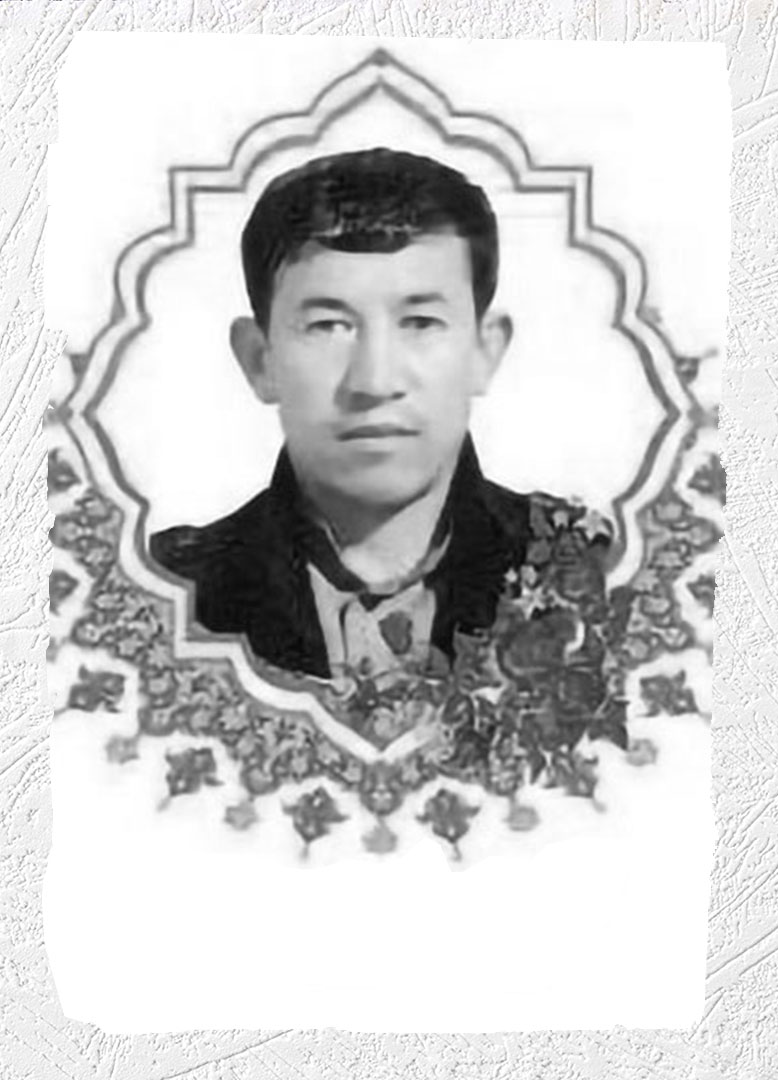
- Gender
- Male
- Ethnicity
- Hazara
- District geolocation of incident
- Kabul: 34° 31′ 1″ N, 69° 8′ 60″ E
- Description of incident
On November 07, 2023, an explosion targeted a minibus (a common medium of public transport in Kabul) in the Mahtab Qala area of Dasht-e-Barchi in West Kabul, killing seven and injuring twenty others. The Islamic State of Khorasan Province, the regional branch of the Islamic State operating in Pakistan and Afghanistan, claimed responsibility and said its members detonated an explosive device on the bus carrying Shia Muslims.
- Witness/Survivor Statement
No statement
- Date added
- Dec 21, 2023
M.Dawod Hasani
- Photo of Victim

- Gender
- Male
- Ethnicity
- Hazara
- District geolocation of incident
- Kabul: 34° 31′ 1″ N, 69° 8′ 60″ E
- Description of incident
On November 07, 2023, an explosion targeted a minibus (a common medium of public transport in Kabul) in the Mahtab Qala area of Dasht-e-Barchi in West Kabul, killing seven and injuring twenty others. The Islamic State of Khorasan Province, the regional branch of the Islamic State operating in Pakistan and Afghanistan, claimed responsibility and said its members detonated an explosive device on the bus carrying Shia Muslims.
- Witness/Survivor Statement
No statement
- Date added
- Dec 21, 2023
M.Eshaq Hedaiaty
- Photo of Victim

- Gender
- Male
- Ethnicity
- Hazara
- District geolocation of incident
- Kabul: 34° 31′ 1″ N, 69° 8′ 60″ E
- Description of incident
On November 07, 2023, an explosion targeted a minibus (a common medium of public transport in Kabul) in the Mahtab Qala area of Dasht-e-Barchi in West Kabul, killing seven and injuring twenty others. The Islamic State of Khorasan Province, the regional branch of the Islamic State operating in Pakistan and Afghanistan, claimed responsibility and said its members detonated an explosive device on the bus carrying Shia Muslims.
- Witness/Survivor Statement
No statement
- Date added
- Dec 21, 2023
Ghulam Reza Ataie
- Photo of Victim

- Gender
- Male
- Ethnicity
- Hazara
- District geolocation of incident
- Kabul: 34° 31′ 1″ N, 69° 8′ 60″ E
- Description of incident
On November 07, 2023, an explosion targeted a minibus (a common medium of public transport in Kabul) in the Mahtab Qala area of Dasht-e-Barchi in West Kabul, killing seven and injuring twenty others. The Islamic State of Khorasan Province, the regional branch of the Islamic State operating in Pakistan and Afghanistan, claimed responsibility and said its members detonated an explosive device on the bus carrying Shia Muslims.
- Witness/Survivor Statement
No statement
- Date added
- Dec 21, 2023
Bahador Afkari
- Photo of Victim

- Gender
- Male
- Ethnicity
- Hazara
- District geolocation of incident
- Kabul: 34° 31′ 1″ N, 69° 8′ 60″ E
- Description of incident
On November 07, 2023, an explosion targeted a minibus (a common medium of public transport in Kabul) in the Mahtab Qala area of Dasht-e-Barchi in West Kabul, killing seven and injuring twenty others. The Islamic State of Khorasan Province, the regional branch of the Islamic State operating in Pakistan and Afghanistan, claimed responsibility and said its members detonated an explosive device on the bus carrying Shia Muslims.
- Witness/Survivor Statement
No statement
- Date added
- Dec 20, 2023
Afghanistan: A Victim-Centred Approach to Durable Peace-Building
- Author/s
- AHRDO
- Preview

- Year of publication
- 2018
- Date added
- Dec 9, 2023
The role and participation of IDPs and returnees in an inclusive peace-building
- Author/s
- AHRDO
- Preview

- Year of publication
- 2020
- Date added
- Dec 9, 2023
Afghan Women after the Taliban: Will History Repeat Itself?
- Author/s
- AHRDO
- Preview

- Year of publication
- 2012
- Date added
- Dec 9, 2023
Building a Lasting Peace in Afghanistan: Participation of Victims of War in Peace Negotiations
- Author/s
- AHRDO
- Preview

- Year of publication
- 2020
- Date added
- Dec 9, 2023
Women in the eyes of men: tackling the structural roots of women's problems in Afghanistan
- Author/s
- AHRDO
- Preview

- Year of publication
- 2015
- Date added
- Dec 9, 2023
I Had Not Wished to See Him Turn into Ashes, 14 short stories by 14 young emerging writers
- Author/s
- AHRDO
- Preview

- Year of publication
- 2020
- Date added
- Dec 9, 2023
In Between Two Blasts, 52 poems by 16 young poets
- Author/s
- AHRDO
- Preview

- Year of publication
- 2021
- Date added
- Dec 9, 2023
Lal Jan
- Photo of Victim

- Gender
- Male
- Ethnicity
- Pashtun
- District geolocation of incident
- Mandozai: 33° 19′ 33″ N, 69° 46′ 58″ E
- Description of incident
My father was born in 1947 and finished his primary school at the Said Jamaluddin High School. Due to severe poverty, he could not continue high school so he joined Military School to earn a livelihood for the family. He became a junior officer and started working with the army. In 1965, he was sent to the Khost Division where he worked until he disappeared 14 years later in 1979.
- Witness/Survivor Statement
The Story of Rahmatullah Safi (son)
Victim’s Name: Lal Jan
Date of Incident: 1979
Place of Incident: Khost Province
My name is Rahmatulalh. Lal Jan was my father. I was born in 1976, three years before he disappeared. We are from the village of Qala-e-Tak in the Shiwa District of Nangarhar Province. My father was born in 1947 and finished his primary school at Said Jamaluddin High School. Due to severe poverty, he could not continue high school so he joined the Military School to earn a livelihood for the family. He became junior officer and started working with the army. In 1965, he was sent to Khost Division where he worked until he disappeared 14 years later in 1979.
He was a critic of the People’s Democratic Party of Afghanistan and denounced the regime for torturing and killing innocent civilians and political opponents. One day, after he had finished his prayers and left the mosque, my father was arrested by AGSA agents waiting outside the mosque. We waited until late at night for his return. In the early morning, my grandfather went to the Division to find out more, but there was no sign of him. We had to leave Khost and return to the Shiwa District in the Province of Nangarhar. My grandfather went to Kabul. He visited officials in the Ministry of Interior, Ministry of Defense, and the AGSA to find my father, but failed. He tried all viable options and sought help from the PDPA officials but it didn’t work.
My father was 32-years-old, the only son, and the greatest supporter of our family. After he disappeared, we sold our ten acres of agricultural land to keep searching for him and to provide a living for the family. We had nothing left after that and struggled with extreme poverty as we were merely children. My grandfather could not accept his son’s death; he kept waiting for him until his last breath. Extreme poverty and the absence of our father also profoundly affected my two younger brothers. Due to economic and psychological pressures, they lost their patience and became mentally ill. They would always ask about him and suffered from having to live a destitute and starving life. My mother got depressed and ill after my father’s disappearance and suffered terribly from seeing our situation.
I added my father’s remaining belongings to the Memory Box to keep his memories alive and to let everyone know that killing the father in a family is actually no less than massacring the entire family.
- Date added
- Dec 8, 2023
Zarkhan (Khawazak) Ahmadzai
- Photo of Victim

- Gender
- Male
- Ethnicity
- Pashtun
- District geolocation of incident
- Mohammad Agha: 34° 13′ 5″ N, 69° 5′ 56″ E
- Description of incident
I was only six-months-old when my father and uncle were arrested by the People’s Democratic Party of Afghanistan Regime. One night, AGSA agents attacked our home and took away my father and uncle. They were accused of being Maoist and Akhwani (Muslim Brotherhood) members. My father was a nurse and my uncle was just a farmer. Both had no political affiliations.
- Witness/Survivor Statement
The Story of Abbas Ahmadzai (son)
Victims’ Names: Zarkhan and Gulab (Khawazak) Ahmadzai
Date of Incident: 1979
Place of Incident: Zayd-Abad, Mohammad Agha District, Logar Province
I was only six-months-old when my father and uncle were arrested by the People’s Democratic Party of Afghanistan Regime. One night, AGSA agents attacked our home and took away my father and uncle. They were accused of being Maoist and Akhwani (Muslim Brotherhood) members. My father was a nurse and my uncle was just a farmer. Both had no political affiliations. Since there was no evidence or proof against them, we were hopeful they would be released within days. Only six years had passed from my parents’ wedding when my father disappeared.
To prevent any further arrests, my grandfather and uncle avoided taking food or clothes to my father and uncle. They sent my youngest uncle instead. The last time my uncle visited them at the Logar Detention Center, my father had explained that they will be transferred to Kabul for further investigation and would be released after a few days. Unfortunately, when they were transferred to Kabul, after eight days they disappeared forever. My uncle was 45 and my father was only 33-years-old. After my father disappeared, my mother started working as a tailor to support us. She never married again, waiting for my father’s return and taking care of us. My eldest sister was 5-years-old, I was six-months-old, and my youngest sister was born only six months after my father disappeared. My maternal uncle helped a lot in the process and never gave up on us until we grew up.
To save my uncles from a similar fate, my grandfather took us to Pakistan. My uncle had left behind four children and we used to live together until nine years ago when we separated into two families. For 35 years, we lived in Pakistan. We suffered and struggled just to get daily food. Despite ongoing conflicts and continuing insecurity, we had to return to Afghanistan in 2013. Just a few months after our return, I heard that the Kingdom of the Netherlands had published a list of 5,000 victims executed by the PDPA regime between 1978 and 1979. I unfortunately found my uncle and father’s names on the list. I felt like I had lost my father all over again; the little hope we had for their return was shattered forever. But I had to stay strong to support and protect my mother, who waited for almost 40 years for my father to return alive. In order to remember and revive their memories, I went to the Polygon area where their bodies are possibly buried in mass graves.
I added a few of their remaining belongings to the Memory Box to keep their memories alive and to let everyone know that we will never be able to forget our loved ones who disappeared and were killed by blind violence and political rivalry between just a few groups or individuals.
- Date added
- Dec 8, 2023
Soviet Forces Gas Civilians in the Cave, Nangarhar Province (1985)
- Date added
- Dec 8, 2023
Abdul-Qayum Malistani
- Photo of Victim

- Gender
- Male
- Ethnicity
- Hazara
- District geolocation of incident
- Kabul: 34° 31′ 1″ N, 69° 8′ 60″ E
- Description of incident
My father disappeared in April 1979. He was working with the Department of Disaster Prevention when he was arrested by the Communist Regime. Since then, we do not know whether he is alive or dead.
- Witness/Survivor Statement
The Story of Asif Malistani (son)
Victim’s Name: Abdul-Qayum Malistani
Date of Incident: 1979
Place of Incident: Pul-e-Charkhi, Kabul
My father disappeared in April 1979. He was working with the Department of Disaster Prevention when he was arrested by the Communist Regime. Since then, we do not know whether he is alive or dead. Until 1966, my father lived in Malistan. He studied Islamic Theology and Sharia there and had handwritten a famous Shiite epic poetry book called Hamla-e-Haidari. He completed his military service in 1966 and then moved to Kabul with his family. Since he was educated, he was hired as junior staff at the Ministry of Defense. In 1973, he was transferred to the Department of Disaster Prevention where he had to travel to Zabul, Farah and other provinces to report on the situation of homeless and poor families.
In April 1978, the Saur Revolution occurred and in early 1979, my father was arrested. I was still a child and could not understand the political and social situation, so I do not remember much but my elder brother still remembers the incident in detail. I just remember that we were living in Khushhal Khan area (PD-5). One day, around 12:00 noon, one of my friends whom I met on the street told me that my father had gone to Mazar-e-Sharif in Balkh Province. I was surprised and did not understand why he would have left so suddenly and without informing us. Once home, I felt the situation was different from normal. My family was consulting each other on whether or not they should listen to BBC Radio, as it could have been considered a crime by the regime. The People’s Democratic Party of Afghanistan (PDPA) hated the broadcasting corporation and could warrant arrests or even eliminate those identified as listening to the radio. I then realized that my father was taken by the PDPA intelligence service.
My family did everything to find information and searched through every possibility. They went to the Ministry of Interior Affairs, the Pul-e-Charkhi Prison and Detention Center, and many other places to find him but he was nowhere to be found. We suffered a lot because we had no one to support us. Despite being a child, I had to work after school. I used to make and sell paper bags in Kabul’s streets, earning just 40 cents per day. It took many years for my brother to finish his military service and go to Pakistan where he joined an NGO working for Afghan refugees. Together, it was easier to support the family. With the onset of the civil war in Kabul between Mujahideen groups, we had to leave Kabul and go back to Malistan, where we lived for almost 20 years. In 2010, we were able to come back to Kabul. I hope the day never comes that we become displaced again and leave everything behind.
From the day my father was arrested, I have many unanswered questions. Where is my father? Why was he arrested? What was his crime or fault? Who is responsible or accountable for such countless massacres and disappearances? Whenever I visit the Polygon area of Pul-e-Charkhi Prison, I ask myself whether my father is among the thousands who were executed there for no reason.
- Date added
- Dec 8, 2023
Sayed Abedin
- Photo of Victim

- Gender
- Male
- Ethnicity
- Sadat
- District geolocation of incident
- Kabul: 34° 31′ 1″ N, 69° 8′ 60″ E
- Description of incident
On April 30, 2018, I lost my 58-year-old husband in a suicide attack in Kabul. It happened just a few weeks after he had been recruited as a driver for the Afghanistan National Radio and Television.
- Witness/Survivor Statement
The Story of Nabila (wife)
Victim’s Name: Sayed Abedin
Dte of event: April 30, 2018
Place of Incident: Shashdarak, Kabul
On April 30, 2018, I lost my 58-year-old husband. It happened just a few weeks after he had been recruited as a driver for the Afghanistan National Radio and Television. On the day of the incident, my daughter and I were at home. In the morning, I called him many times, but he did not pick up his phone. I switched the T.V. on and learned that a suicide attack had happened in Shashdarak area. I was worried so I called him again. Everyone in the family kept calling him but no one picked up. Later, his brother called us from Wazir Akbar Khan Hospital and informed us that Abedin had been killed in the suicide attack.
I will never be able to forget that day. Everyone among the family and relatives gathered for the funeral and shared their condolences. Abedin was buried in Kolangar Village of Logar Province where he was born. As a young man, he had finished his school but was unable to attend university due to poverty and lack of support. I was only 18-years-old when we got married. Abedin was kind and caring. We loved each other and we lived together for 15 years. In that time, we made of a lot of good memories. We have a daughter together, Hasana, who is now studying third grade at school. Hasana cried for three months asking for her father.
His death took our happiness away. Without him life is hard, as I did not just lose my husband but also our only breadwinner. I went through difficult times and faced numerous problems. We were living in Khair Khanna when he was alive but had to move to Chehil Sutun to live with my uncle’s family. I had to work to support my only daughter.
According to our traditions, I had to give my husband’s belongings to charity. I added the very few remaining objects to the Memory Box to keep his memories alive. There is no law to punish those who kill innocents. I only pray to God to do justice and punish them for their crimes.
- Date added
- Dec 7, 2023
Abdul Jalil
- Photo of Victim

- Gender
- Male
- Ethnicity
- Tajik
- District geolocation of incident
- Kabul: 34° 31′ 1″ N, 69° 8′ 60″ E
- Description of incident
Abdul Jalil, my elder brother, was born in 1977 in the Panjshir Province. He used to work as a guard in Sarai Ahmadzai in the Shah Shaheed area. One summer night, when Abdul Jalil was sleeping in his room, a huge explosion occurred and destroyed the entire market. It killed and injured many people. He was severely injured when we took him out of the debris of the shattered building, but he lost his life on the way to the hospital. We took his body to his birthplace in Panjshir and buried him there.
- Witness/Survivor Statement
The Story of Fazl Ahmad Khan (brother)
Victim’s Name: Abdul Jalil
Date of Incident: July 8, 2015
Place of Incident: Shah Shaheed, Kabul
Abdul Jalil, my elder brother, was born in 1977 in the Panjshir Province. He used to work as a guard in Sarai Ahmadzai in the Shah Shaheed area. One summer night, when Abdul Jalil was sleeping in his room, a huge explosion occurred and destroyed the entire market. It killed and injured many people. He was severely injured when we took him out of the debris of the shattered building, but he lost his life on the way to the hospital. We took his body to his birthplace in Panjshir and buried him there.
Abdul Jalil was only 38-years-old when he was killed. He had gotten married just a few years back and left behind his young wife and a three-year-old son who are now living with us. His wife is now suffering from depression since his death. Abdul Jalil was the only breadwinner of his family. I do everything I can to take care of and protect his son but he still feels his father’s absence. The older he gets, the more he feels the void. It will probably take him a very long time to accept his father’s death. I will always try to help and support them, but I don’t think I will ever be able to fill Abdul Jalil’s empty place. His death and absence will never be forgotten.
- Date added
- Dec 7, 2023
Rabb Khan
- Photo of Victim

- Gender
- Male
- Ethnicity
- Tajik
- District geolocation of incident
- Kabul: 34° 31′ 1″ N, 69° 8′ 60″ E
- Description of incident
I felt very sad that night and could not sleep until very late. I only came to know the next day that Rabb Khan had been killed in a suicide attack. I felt like the world had ended for me; everything had turned grey and I could not stand on my feet.
- Witness/Survivor Statement
The Story of Ezat Mir (brother)
Victim’s Name: Rabb Khan
Date of the Incident: August 7, 2015
Place of the Incident: Sarai Ahmadzai, Shah Shaheed, Kabul
We lost our mother when we were very little. My father was a kind, supportive, and caring man. He struggled a lot to provide us with a living and to make us not feel our mother’s absence. Unfortunately, after three years of hard work, his legs were paralyzed. Despite my brother doing all he could for his treatment and taking him to Pakistan with borrowed money, he did not recover and passed away in Pakistan.
My brother Rabb Khan, who was only 16-years-old, had to take over my father’s job as a night guard in Shah Shaheed area to take care of us. He would guard the market from early morning to 1:00pm every day and then his assistant would take over.
One day, after finishing his shift, he returned to his room when a huge explosion occurred and destroyed the entire market. His assistant said that he had been blown away and everything had gone dark. When he returned to the building to look for Rab Khan and his guest in the room, he found them both dead because the entire building had crumbled into dust.
I felt very sad that night and could not sleep until very late. I only came to know the next day that Rabb Khan had been killed in what was a suicide attack. I felt like the world had ended for me; everything had turned grey and I could not stand on my feet. But I had to stay strong to take care of my nine younger siblings. Since there was no better job out there, I had to continue and replace my late brother in his job. I bore the anger, difficulties, and misbehaviors of others or else my family would go hungry.
My brother was only 22-years-old when he was killed. I added his remaining belongings to the Memory Box to keep his memories alive and to let everyone know that war destroys families and that by killing their breadwinners, it kills the entire family.
- Date added
- Dec 7, 2023
Shirin Agha
- Photo of Victim

- Gender
- Male
- Ethnicity
- Tajik
- District geolocation of incident
- Kabul: 34° 31′ 1″ N, 69° 8′ 60″ E
- Description of incident
I rushed to the Shah Shahid area after the explosion that Friday and found their room crumbled to dust. I went to search for them at the Emergency Hospital, NDS Hospital, and many other public hospitals, but couldn’t find them so I returned. The area was surrounded by security forces because the Defense and Interior Ministers had visited the area. They prevented us from entering the perimeter until the Minister of Defense heard the story and allowed us to search for our martyrs. We searched under the rubble with excavators but found nothing except a book, a shoe, and a mattress. That distressed me even more because family and relatives kept calling to know if they were found or not.
- Witness/Survivor Statement
The Stories of Del Agha (brother)
Victims’ Names: Abdul Mateen and Shirin Agha
Date of Incident: August 7, 2015
Place of Incident: Sarai Ahmadzai, Shah Shahid, Kabul
I lost my brother, Abdul Mateen, and nephew, Shirin Agha, in the Shah Shahid incident on 7 August 2015. At the age of 32 and 23-years-old, they were both the only breadwinners of their families. They had rented a room in Sarai Ahmadzai to be able to work and live in Kabul. Mateen was married and had two daughters of fourteen and eight-years-old. Shirin Agha was working with the Afghan National Army and due to the work load, had not been able to visit his mother and two sisters for a very long time. As he finally got some free time during the first weekend after Eid, he decided to visit his uncle on the Thursday, his family on Friday, and then get back to work on Saturday.
Unfortunately, his plans were left unfulfilled. I rushed to the Shah Shahid area after the explosion that Friday and found their room crumbled to dust. I went to search for them at the Emergency Hospital, NDS Hospital, and many other public hospitals, but couldn’t find them so I returned. The area was surrounded by security forces because the Defense and Interior Ministers had visited the area. They prevented us from entering the perimeter until the Minister of Defense heard the story and allowed us to search for our martyrs. We searched under the rubble with excavators but found nothing except a book, a shoe, and a mattress. That distressed me even more because family and relatives kept calling to know if they were found or not.
Finally, Mateen’s body was found in the NDS Hospital and Shirin Agha’s body was found in Wazir Akbar Khan Hospital. Shirin Agha was working with the Ministry of Defense so his body was taken to Sardar Dawood Khan Military Hospital and then delivered to us. My nephew was appreciated for his work with the Afghan Military but we did not even get a mere condolence message for losing Mateen. The government has disappointed and failed us not only in preventing violence and terror, but also in supporting and caring for the victims.
With them, we buried part of our lives and happiness. I added the few objects they left behind to the Memory Box to let their memories live for longer and to let others know how war and violence is killing and destroying.
- Date added
- Dec 7, 2023
Abdul Mateen
- Photo of Victim

- Gender
- Male
- Ethnicity
- Tajik
- District geolocation of incident
- Kabul: 34° 31′ 1″ N, 69° 8′ 60″ E
- Description of incident
I rushed to the Shah Shahid area after the explosion that Friday and found their room crumbled to dust. I went to search for them at the Emergency Hospital, NDS Hospital, and many other public hospitals, but couldn’t find them so I returned. The area was surrounded by security forces because the Defense and Interior Ministers had visited the area. They prevented us from entering the perimeter until the Minister of Defense heard the story and allowed us to search for our martyrs. We searched under the rubble with excavators but found nothing except a book, a shoe, and a mattress. That distressed me even more because family and relatives kept calling to know if they were found or not.
- Witness/Survivor Statement
The Stories of Del Agha (brother)
Victims’ Names: Abdul Mateen and Shirin Agha
Date of Incident: August 7, 2015
Place of Incident: Sarai Ahmadzai, Shah Shahid, Kabul
I lost my brother, Abdul Mateen, and nephew, Shirin Agha, in the Shah Shahid incident on 7 August 2015. At the age of 32 and 23-years-old, they were both the only breadwinners of their families. They had rented a room in Sarai Ahmadzai to be able to work and live in Kabul. Mateen was married and had two daughters of fourteen and eight-years-old. Shirin Agha was working with the Afghan National Army and due to the work load, had not been able to visit his mother and two sisters for a very long time. As he finally got some free time during the first weekend after Eid, he decided to visit his uncle on the Thursday, his family on Friday, and then get back to work on Saturday.
Unfortunately, his plans were left unfulfilled. I rushed to the Shah Shahid area after the explosion that Friday and found their room crumbled to dust. I went to search for them at the Emergency Hospital, NDS Hospital, and many other public hospitals, but couldn’t find them so I returned. The area was surrounded by security forces because the Defense and Interior Ministers had visited the area. They prevented us from entering the perimeter until the Minister of Defense heard the story and allowed us to search for our martyrs. We searched under the rubble with excavators but found nothing except a book, a shoe, and a mattress. That distressed me even more because family and relatives kept calling to know if they were found or not.
Finally, Mateen’s body was found in the NDS Hospital and Shirin Agha’s body was found in Wazir Akbar Khan Hospital. Shirin Agha was working with the Ministry of Defense so his body was taken to Sardar Dawood Khan Military Hospital and then delivered to us. My nephew was appreciated for his work with the Afghan Military but we did not even get a mere condolence message for losing Mateen. The government has disappointed and failed us not only in preventing violence and terror, but also in supporting and caring for the victims.
With them, we buried part of our lives and happiness. I added the few objects they left behind to the Memory Box to let their memories live for longer and to let others know how war and violence is killing and destroying.
- Date added
- Dec 7, 2023
Mohammad Tahir
- Photo of Victim

- Gender
- Male
- Ethnicity
- Hazara
- District geolocation of incident
- Ghazni City: 33° 33′ 13″ N, 68° 25′ 50″ E
- Description of incident
On the way, their vehicle was attacked by the Taliban in Maidan Wardak, and he was shot in the head.
- Witness/Survivor Statement
The Story of Taher
Victim’s Name: Mohammad Taher
Date of Incident: 2001-2013
Place of Incident: Maidan Wardak
My husband was shot dead five years ago during the Karzai government. He couldn’t work alone due to sickness, so he decided to work with his cousin in Ghazni Province. On the way, in Maidan Wardak, their vehicle was attacked by the Taliban and he was shot in the head. When they brought his body, I could not bring myself to see his face. I only saw his blood-soaked coffin.
He was a daily laborer so he somehow managed to relieve me of the breadwinning burden. Once he was gone, I had to bear all the sadness and misery of life, as well as make a living for my three children who were just three, one-year-old, and the last was born after his father was martyred.
We are currently living in an old rented house. It scares me but there is nothing I can do about it. I have suffered worse in my life. I lost my father and my younger brother when I was just a teenager. When I got married, I lost my father and brothers in-law during Dr. Najibullah’s rule. I do not know whom I should tell about the loss of my loved ones and ask for help. We are living in severe poverty but no one has ever asked about our living conditions, even though it is unrealistic to expect any help for the widows or orphans in this society.
- Date added
- Dec 5, 2023
Saima
- Photo of Victim

- Gender
- Female
- Ethnicity
- Hazara
- District geolocation of incident
- Kabul: 34° 31′ 1″ N, 69° 8′ 60″ E
- Description of incident
The explosives attached to the gas canisters killed and injured dozens of people. Saima’s hand and leg were cut off and we couldn’t find her leg. The shrapnel had pierced her younger brother’s abdomen, extruding his intestines and kidney.
- Witness/Survivor Statement
The Story of M. Musa (father)
Victims’ Names: Mohammad Sadiq and Saima
Date of Incident: April 21, 2015
Place of Incident: Darulaman Road, Kabul
I was at home when the explosion occurred. Muhammad Sadiq was swinging when his sister asked him to get her children from school. As they were walking on the pavement, Sadiq noticed a truck carrying six big gas containers getting closer. A few meters after the truck passed them, it turned toward the old parliament building and exploded. The explosives attached to the gas canisters killed and injured dozens of people. Saima’s hand and leg were cut off and we couldn’t find her leg. The shrapnel had pierced her younger brother’s abdomen, extruding his intestines and kidney. Mohammad Sadiq had pushed his nephew in the street gutter to save his life. He then managed to walk to a blacksmith and asked him to take his nephew out of the gutter. Though Sadiq lost his life due to major burns, he saved his nephew’s life that day.
I took them to Istiqlal Hospital. My son, Sadiq, was transferred to the burn injuries section and my grandson was in my arms as I held his kidney and intestines in my hand. First the doctors refused to admit him, but when he opened his eyes and started moaning, they realized he was alive and took him to the emergency section for surgery. The surgery took three days to complete. When we took my son and nephew to the hospital, we found Saima missing. Everyone started looking for her until we found her body in the Forensic Medicine Department. It was difficult to identify her because her entire body had been burned and injured by shrapnel. One of her legs had been cut off, which we never found.
My son was alive for five days but had difficulty breathing because of major burns. When we were at the mosque for Saima’s funeral, Sadiq passed away in the hospital. We buried Sadiq on the 5th of Ramadan, just a few days after Saima. He was only 27-years-old when he was killed. He was our only breadwinner and was working as a freelance tailor. He used to buy fabrics to sew clothes and distribute in the market. He was married and left behind a daughter and a young wife who are now living with us. I gave his belongings to charity but left a few objects which I have decided to add to the Memory Box to keep his memories alive.
- Date added
- Dec 5, 2023
Mohammad Sadiq
- Photo of Victim

- Gender
- Male
- Ethnicity
- Hazara
- District geolocation of incident
- Kabul: 34° 31′ 1″ N, 69° 8′ 60″ E
- Description of incident
My son was alive for five days but had difficulty breathing because of major burns. When we were at the mosque for Saima’s funeral, Sadiq passed away in the hospital. We buried Sadiq on the 5th of Ramadan, just a few days after Saima.
- Witness/Survivor Statement
The Story of M. Musa (father)
Victims’ Names: Mohammad Sadiq and Saima
Date of Incident: April 21, 2015
Place of Incident: Darulaman Road, Kabul
I was at home when the explosion occurred. Muhammad Sadiq was swinging when his sister asked him to get her children from school. As they were walking on the pavement, Sadiq noticed a truck carrying six big gas containers getting closer. A few meters after the truck passed them, it turned toward the old parliament building and exploded. The explosives attached to the gas canisters killed and injured dozens of people. Saima’s hand and leg were cut off and we couldn’t find her leg. The shrapnel had pierced her younger brother’s abdomen, extruding his intestines and kidney. Mohammad Sadiq had pushed his nephew in the street gutter to save his life. He then managed to walk to a blacksmith and asked him to take his nephew out of the gutter. Though Sadiq lost his life due to major burns, he saved his nephew’s life that day.
I took them to Istiqlal Hospital. My son, Sadiq, was transferred to the burn injuries section and my grandson was in my arms as I held his kidney and intestines in my hand. First the doctors refused to admit him, but when he opened his eyes and started moaning, they realized he was alive and took him to the emergency section for surgery. The surgery took three days to complete. When we took my son and nephew to the hospital, we found Saima missing. Everyone started looking for her until we found her body in the Forensic Medicine Department. It was difficult to identify her because her entire body had been burned and injured by shrapnel. One of her legs had been cut off, which we never found.
My son was alive for five days but had difficulty breathing because of major burns. When we were at the mosque for Saima’s funeral, Sadiq passed away in the hospital. We buried Sadiq on the 5th of Ramadan, just a few days after Saima. He was only 27-years-old when he was killed. He was our only breadwinner and was working as a freelance tailor. He used to buy fabrics to sew clothes and distribute in the market. He was married and left behind a daughter and a young wife who are now living with us. I gave his belongings to charity but left a few objects which I have decided to add to the Memory Box to keep his memories alive.
- Date added
- Dec 5, 2023
Abdul Hashim
- Photo of Victim

- Gender
- Male
- Ethnicity
- Tajik
- District geolocation of incident
- Kabul: 34° 31′ 1″ N, 69° 8′ 60″ E
- Description of incident
On the night of the incident, he finished work and went to a wedding he was invited to, where he was until midnight. At the exact moment he returned to his home in the Ahmadzai market to sleep, a suicide-bomber detonated his truck at a nearby army camp. It destroyed the entire market. Hashim was killed, along with 14 others. More than 280 people were injured in this incident.
- Witness/Survivor Statement
The Story of Zarbaig Sarwary (Mother in-law)
Victim’s Name: Abdul Hashim
Place of Incident: Siasang Shah Shahid, Ahmadzai Market, Kabul
Date of Incident: 06 August 2015
Abdul Hashim was only 23 when he was killed. He was my son in-law, but he was much more than that to me. I had raised him after he lost his mother in childhood. He was my son too. I did all that I could to raise him to be a good and useful person in our society. He was a calm, peaceful, and faithful person. On the night of the incident, he finished work and went to a wedding he was invited to, where he was until midnight. At the exact moment he returned to his home at the Ahmadzai market to sleep, a suicide-bomber detonated his truck at a nearby army camp. It destroyed the entire market. Hashim was killed, along with 14 others. More than 280 people were injured in this incident.
When Hashim was killed, I had to take care of my daughter and her two-year-old child. I also have to support my widowed sister, who is living in a tent in my backyard with her children, and I support my mother. They have no one else to protect or to support them. Whatever I earn, I share with everyone at home so that we can survive. We are all suffering.
My daughter has had mental disorders since her husband was killed. She is always sad, and she is suffering from anemia. She and her child live a hard life. I do all I can for them, but I have little to offer as I was disabled during the civil war in 1993.
The government has done nothing for us despite the fact that I went to different government offices for support. I asked them to come and visit my home to see the conditions of the victims’ families, but no one from the government ever bothered to come and check. It is disappointing.
- Date added
- Dec 4, 2023

Sakhidad Hedayat
- Photo of Victim

- Gender
- Male
- Ethnicity
- Hazara
- District geolocation of incident
- Kabul: 34° 31′ 1″ N, 69° 8′ 60″ E
- Description of incident
Hedayat was imprisoned for six months. Then we were told that they would release him in exchange for 350,000 Afghani. I did my best to find the money. I sold our house. I borrowed money from my brother and took money from people, promising to pay the money back with interest. I finally gathered the money and paid the authorities. They promised to release him the following Sunday but several Sundays passed without his release. After forty days, I went there again and asked two guards, Shah Wali and Mudir Abdurraham, whether Hedayat would be released today. They said that they did know now and asked me to wait. Shortly after, the gate was opened and a body was brought out on a footstool. I thought that someone had fainted but it was Hedayat’s body. I began to scream and curse at everyone and threw away my chadari. I was totally out of my mind.
- Witness/Survivor Statement
A Story of Never Ending Pain
Narrator: Nargis
Victim’s Name: Sakhidad Hedayat
Date of Incident: November 22, 1999
Location of the Incident: Kabul City
If there had been no war, Nargis could have been one of the happiest women on earth. She is a strong and good woman, full of courage and determination. In spite of all the difficulties that she has faced, she always has a smile on her lips. At the same time, she is dejected and disillusioned by all the things that happened to her over the years: successive displacements, homelessness, and most of all, the death of her husband, Sakhidad. When the Taliban arrested him, she was forced to sell her house in order to bribe the Taliban to release Sakhidad, but all she received in return was his dead body. She alone had to transport the corpse all the way from the eastern part of Kabul to Dasht-e-Barchi. Since then, her life seems like a never ending journey of suffering, in which Nargis plays the role of both father and mother for her five children for whom she hopes that a better tomorrow will eventually arrive.
The Story of Nargis
My name is Nargis and I am 40-years-old. I live in Dasht-e-Barchi. I am originally from Bamyan Province. When we lived in Bamyan, we had a decent life as my father in-law had a great deal of land. My husband Sakhidad, known as Hedayat, was the only son of his family. When the Taliban attacked Bamyan, they looted our properties and we were displaced to Kabul. We had to walk all the way and my youngest child was only 40-days-old. Once in Kabul, my husband opened a shop in Sar-e Kariz. However, some people did not like my husband and reported to the Taliban that he was a member of the opposition.
The Taliban came and arrested him in May 2000. When we learned that he had been arrested, my cousin searched everywhere but could not find him. After four days, we came to learn that he had been detained in Department No. 11 but that no one was allowed to meet him. He was first taken to the Intelligence Department and then to Department No. 6 where he was detained for six months.
We know that the Taliban tortured him daily without giving him any food. When my cousin tried to deliver food for him, he was not allowed to meet my husband.
One day, I was sitting at home when my cousin came. It was early morning and I was very worried that something might have happened to Hedayat. When I saw him, I was full of fear because he usually did not visit us in the morning. He held a letter in his hand and told me not to worry. He said that Hedayat had sent a letter through the ICRC and that we were now ensured that he was alive and where he was held captive.
After a great deal of effort, I found out that Mawlawi Abdul Haq was the director of Department No. 3. I asked him to give me permission to visit Hedayat in prison and after paying him a huge amount of money, he allowed me to meet my husband. From then on, every two weeks my youngest son and I visited him in prison, even though sometimes the Taliban made excuses and denied us entry. Every time we went to the prison, I prayed to be granted permission to see my husband. Every time I went to see him, I had to walk all the way from Cinema Pamir to Department No. 3 with my child in my arms and food and clothes in my hands, hoping to meet my husband. Every time I saw him, he gave me little gifts for the children.
Hedayat was imprisoned there for six months. Then we were told that they would release him in exchange for 350,000 Afghani. I did my best to find the money. I sold our house. I borrowed money from my brother and took money from people, promising to pay the money back with interest. I finally gathered the money and paid the authorities. They promised to release him the following Sunday, but several Sundays passed without his release. After forty days, I went there again and asked two guards, Shah Wali and Mudir Abdurraham, whether Hedayat would be released today. They said that they did know now and asked me to wait.
Shortly after, the gate was opened and a body was brought out on a footstool. I thought that someone had fainted but it was Hedayat’s body. I began to scream and curse at everyone and threw away my chadari. I was totally out of my mind.
I was running around like mad until I found a taxi. I told the taxi driver to take us home. He accepted and put my husband’s body inside the car. When my brothers saw me in the car, they thought that Hedayat had been released. They all came to my home. I told them that the Taliban had informed me that Hedayat was dead but I still thought that he might be unconscious.
I asked my brothers to fetch a doctor. He eventually came and said that Hedayat had passed away a long time ago. We then buried him in Tap-e Shuhada.
When my husband died, he was 33-years-old and I was 28. We had nothing left at home as I had sold everything to pay for the release of Hedayat. We had five children and my oldest son was only 10-years-old, with the youngest no older than 8 months. After my husband’s death, we had a very hard life. No one helped us. We lived in a tent as no one was willing to rent out his home to a widowed woman. I was indebted and the government did nothing to address my suffering.
Today, no one listens to our stories of sadness. I voted for Karzai to help the victims’ families but he has done nothing so far. I also voted during the parliamentary elections, hoping that the Members of Parliament would do something for us but they have not done anything either. As soon as they reach a position of power, they forget us. They just make vague promises and then do nothing. No official has ever asked us about our problems or listened to us.
Earlier, I used to receive 300 Afghani. This year, they have removed the names of my sons from the list of beneficiaries.
My husband’s most valuable souvenirs are his five children. The most important object that he left for us is his blanket. It is the same blanket with which we covered his coffin. Another object is the letter that he sent us from prison, as well as some gifts that he had given us. Most importantly, I have kept the veil that he gave me for our wedding ceremony. Finally, there are some photos and clothes of him that help me to always remember him.
I have included these objects in my Memory Box so as to make my husband’s memory live forever. I wanted to share his story with the wider public. I also hope that in the future, the government will use these objects to build a museum so that the people become aware of the pain and suffering our county has endured, and to finally learn how to live in peace.
- Date added
- Nov 30, 2023
Bibi Zulaikha
- Photo of Victim

- Gender
- Female
- Ethnicity
- Pashtun
- District geolocation of incident
- Kabul: 34° 31′ 1″ N, 69° 8′ 60″ E
- Description of incident
I lost my mother in-law. She was at home when a rocket hit our house and killed her. My husband went to see what was going on and saw his mother’s head shattered and spread all over.
- Witness/Survivor Statement
Hope Betrayed
Narrator: Mahnaz (daughter in-law)
Victim’s Name: Bibi Zulaikha
Date of Incident: 1997
Location of the Incident: Cinema Baharistan, Karte Pawan, Kabul
Periods of war are possibly the worst chapter in the thick history book of humankind. Generally, nothing affects the human spirit more then when the blood of a fellow being is innocently shed. But for some people, these moments of terrible violence increase their appetite for bloodshed and the killing of others turns into frenetic, orgasmic excitement. For these people, the hunger for destruction and looting never diminishes, eventually turning the taking of another person’s life into an almost daily routine. What is more, the mere act of killing no longer satisfies the murderers. Hence, they begin to resort to different forms of torture, thereby constantly transforming the nature of violence as violent conflict continues over time.
One of these tragic deaths is the one of Bibi Zulikha. At the time of her murder, she was 45-years-old and lived in Karte Parwan, Kabul. She was a kind mother and a reputable woman in the area. Everyone liked her and she was living a happy life with her family. Although she was concerned about the war and its consequences, she did not leave Kabul to take refuge in another place. She remained home hoping that the war would not come after her and her family. Unfortunately, things did not turn out that way.
One day, her house was destroyed and Bibi Zulikha was killed. The war between the Taliban and the government of Rabbani was intensifying when a rocket hit Bibi Zulikha’s house, painting the walls red with with her blood and flesh. Her tragic death severely shocked her family, particularly her younger son, who began suffering severe psychotic problems that are still ongoing.
The Story of Mahnaz
My name is Mahnaz and I am 27-years-old. During the war, I lost my mother in-law. She was at home when a rocket hit our house and killed her. My husband went to see what was going on and saw his mother’s head shattered and spread all over. This tragic incident severely affected my husband. Immediately after the mourning ceremony, we left Afghanistan. Today, my husband still suffers from mental problems. I can say that he lost control of his mind. This all happened after the death of his mother.
- Date added
- Nov 30, 2023
Abdul Wahid
- Photo of Victim

- Gender
- Male
- Ethnicity
- Pashtun
- Description of incident
One of my sons was killed in Chehil Sutun and the other one in Logar Province. I had not seen the latter for three years when I was finally told to go to Logar to see him. I was taken to a cemetery and informed that my son was buried there. As I could not afford to transfer his body to another graveyard, I accepted for him to remain there.
- Witness/Survivor Statement
About The Futility of Using Words to Describe War
Narrator: Mah Jan
Victims: Abdurrafi, Abdul Wahid
Date of the incident: 1992-1996 (Estimated)
Location of the incident: Kabul City and Logar
War is full of irrationality. It causes deep injuries to the hearts of mothers and fathers, and makes them eternally grieve for their lost children. It takes away a happy and prosperous life and replaces it with pain and suffering. Afghanistan is the country of pain, torment, and injustice. Its people have become prisoners of the inhumane logic of violence. Here, horrendous atrocities have occurred one after another for many years in every corner of this country, subsequently breaking the spirit of its population and causing serious, unhealed wounds in people’s hearts. With every day that passes, more people lose their lives while the hope for a better future dies a painful death. Why is this happening to this beautiful country? The secret of this puzzle is yet to be found and the dark cloud that has cast its shadow over the population has yet to be removed.
The story of war in Afghanistan is the story of pain and suffering. One of the people who understands this intimately is Mah Jan. She is the perfect image of a war victim. She has lost everything and her mind is like an archive of the endless suffering of the Afghan people. An archive as thick as an encyclopedia that contains every existing story of war ever told.
Mah Jan could be considered the perfect and complete Afghan. She has experienced it all. Only people like her know exactly what tragedy means and what kind of life war brings about. Only people like her can distinguish whether war is something good or bad. She is the face of the Afghan people. She hardly speaks about her pain because she does not trust anyone is interested in listening to her. However, in the few moments when she does speak out, it is not just words that come out. Mah Jan takes you to another world where the word loses its intermediate role. She makes you encounter the naked truth. The words in her mouth lose their verbal nature and her entire body speaks with you. Her face of sadness reveals all the hidden secrets. There is not even a need for her to open her mouth. Her facial lines and languished hands, her hollowed eyes and crushed spirit, they all speak to you. She speaks in thousands of languages to tell you about her pain. The words are limited exclusively to express her suffering.
Her disturbed soul does not fit into the framework of words. In her speech, words do not connote any meaning beyond their most basic implications. Her story resembles the metaphor of the ‘speechless dreamer and the deaf.’ Neither is she capable of communicating her painful story nor do we have the ability to truly absorb it.
The Story of Mah Jan
My name is Mah Jan. During the war, I lost two of my sons, my husband, my brother in-law and a number of my cousins. I lost everything. I was living in Chehil Sutun, Kabul. Later we were displaced to Logar and Khair Kahan. We could not afford to leave the country. One of my sons was killed in Chehil Sutun and the other one in Logar Province. I had not seen the latter for three years when I was finally told to go to Logar to see him. I was taken to a cemetery and informed that my son was buried there. As I could not afford to transfer his body to another graveyard, I accepted for him to remain there.
My first son, Abdurrafi, was killed in 1997 and the second one was killed the following year. When I came back from Logar, we first moved to Shiwaki but later we returned to my home in Chehil Sutun, as I loved my home. When we moved back, we saw that nothing was left. Everything had been taken including the doors and windows. Apparently, the people from the checkpoint took them. It was during the Taliban time. One day, I decided to clean the home. I had yet to finish my cleaning when a rocket landed. I became worried about my son as I had just sent him out to buy some things. A few minutes later, my neighbor came and told me that my son had been injured and that I should go to the hospital. It was in the afternoon. I saw my older son on the street and he asked me what had happened. I told him that Abdul Wahid had been injured. He began to cry and the two of us went to the hospital in Allawoddin. As we entered the main corridor of the hospital, I saw a dead body. I stopped and uncovered his face. His shoes were placed under his head. I realized that it was my son. I cleaned his blood with my chadari and we took him home. It was late afternoon. The whole night I cried and cried. I lost two of my sons. Two months later my brother in-law was killed in Ghazni. He was working there. My husband buried his sons and brother. He was going every now and then to cry over their graves until he got paralyzed. For six years he could not move until he finally died. I took care of him. I washed him two times a week and gave him food every day. I lost two of my sons, my husband, and my brother in-law. A widowed woman married my third son and then they disappeared.
I never saw him again. I now have only one son with whom I currently live. He has a shop. Every day he works hard to feed us. I used to work in other people’s homes as cleaner and caretaker. I did all kind of work to support my family. My first son was 18 or 19-year-old when he was killed. The second was only 16-years-old. The younger one used to work in a shop and sometimes he collected food from the trash cans and brought it home for us to eat. After coming back to our home, we used to live in a home without doors and windows. We were in Chehil Sutun when the war intensified. There were checkpoints everywhere. Therefore, we went to Shiwaki.
My situation further deteriorated when my husband was handicapped after he suffered a paralysis. In his last days, I swear to God that we had nothing to eat. Once I cleaned the flour bag and prepared some bread for him. I mixed it with oil and put in his mouth. Now there are three people left in our home, my son, my daughter, and myself.
There are very few things left behind from my sons. An old shoe from my older son, which is very valuable to me. I have also kept his hat. One of my sons did not even have proper clothes. I am not lying. When he was killed, I bought 7 meters of fabric to cover his body. I took it everywhere but no one accepted to sew it. His clothes were full of blood. When the people took it, he was totally naked.
- Date added
- Nov 29, 2023
Abdurrafi
- Photo of Victim

- Gender
- Male
- Ethnicity
- Pashtun
- District geolocation of incident
- Kabul: 34° 31′ 1″ N, 69° 8′ 60″ E
- Description of incident
One of my sons was killed in Chehil Sutun and the other one in Logar Province. I had not seen the latter for three years when I was finally told to go to Logar to see him. I was taken to a cemetery and informed that my son was buried there. As I could not afford to transfer his body to another graveyard, I accepted for him to remain there.
- Witness/Survivor Statement
About The Futility of Using Words to Describe War
Narrator: Mah Jan
Victims: Abdurrafi, Abdul Wahid
Date of the incident: 1992-1996 (Estimated)
Location of the incident: Kabul City and Logar
War is full of irrationality. It causes deep injuries to the hearts of mothers and fathers, and makes them eternally grieve for their lost children. It takes away a happy and prosperous life and replaces it with pain and suffering. Afghanistan is the country of pain, torment, and injustice. Its people have become prisoners of the inhumane logic of violence. Here, horrendous atrocities have occurred one after another for many years in every corner of this country, subsequently breaking the spirit of its population and causing serious, unhealed wounds in people’s hearts. With every day that passes, more people lose their lives while the hope for a better future dies a painful death. Why is this happening to this beautiful country? The secret of this puzzle is yet to be found and the dark cloud that has cast its shadow over the population has yet to be removed.
The story of war in Afghanistan is the story of pain and suffering. One of the people who understands this intimately is Mah Jan. She is the perfect image of a war victim. She has lost everything and her mind is like an archive of the endless suffering of the Afghan people. An archive as thick as an encyclopedia that contains every existing story of war ever told.
Mah Jan could be considered the perfect and complete Afghan. She has experienced it all. Only people like her know exactly what tragedy means and what kind of life war brings about. Only people like her can distinguish whether war is something good or bad. She is the face of the Afghan people. She hardly speaks about her pain because she does not trust anyone is interested in listening to her. However, in the few moments when she does speak out, it is not just words that come out. Mah Jan takes you to another world where the word loses its intermediate role. She makes you encounter the naked truth. The words in her mouth lose their verbal nature and her entire body speaks with you. Her face of sadness reveals all the hidden secrets. There is not even a need for her to open her mouth. Her facial lines and languished hands, her hollowed eyes and crushed spirit, they all speak to you. She speaks in thousands of languages to tell you about her pain. The words are limited exclusively to express her suffering.
Her disturbed soul does not fit into the framework of words. In her speech, words do not connote any meaning beyond their most basic implications. Her story resembles the metaphor of the ‘speechless dreamer and the deaf.’ Neither is she capable of communicating her painful story nor do we have the ability to truly absorb it.
The Story of Mah Jan
My name is Mah Jan. During the war, I lost two of my sons, my husband, my brother in-law and a number of my cousins. I lost everything. I was living in Chehil Sutun, Kabul. Later we were displaced to Logar and Khair Kahan. We could not afford to leave the country. One of my sons was killed in Chehil Sutun and the other one in Logar Province. I had not seen the latter for three years when I was finally told to go to Logar to see him. I was taken to a cemetery and informed that my son was buried there. As I could not afford to transfer his body to another graveyard, I accepted for him to remain there.
My first son, Abdurrafi, was killed in 1997 and the second one was killed the following year. When I came back from Logar, we first moved to Shiwaki but later we returned to my home in Chehil Sutun, as I loved my home. When we moved back, we saw that nothing was left. Everything had been taken including the doors and windows. Apparently, the people from the checkpoint took them. It was during the Taliban time. One day, I decided to clean the home. I had yet to finish my cleaning when a rocket landed. I became worried about my son as I had just sent him out to buy some things. A few minutes later, my neighbor came and told me that my son had been injured and that I should go to the hospital. It was in the afternoon. I saw my older son on the street and he asked me what had happened. I told him that Abdul Wahid had been injured. He began to cry and the two of us went to the hospital in Allawoddin. As we entered the main corridor of the hospital, I saw a dead body. I stopped and uncovered his face. His shoes were placed under his head. I realized that it was my son. I cleaned his blood with my chadari and we took him home. It was late afternoon. The whole night I cried and cried. I lost two of my sons. Two months later my brother in-law was killed in Ghazni. He was working there. My husband buried his sons and brother. He was going every now and then to cry over their graves until he got paralyzed. For six years he could not move until he finally died. I took care of him. I washed him two times a week and gave him food every day. I lost two of my sons, my husband, and my brother in-law. A widowed woman married my third son and then they disappeared.
I never saw him again. I now have only one son with whom I currently live. He has a shop. Every day he works hard to feed us. I used to work in other people’s homes as cleaner and caretaker. I did all kind of work to support my family. My first son was 18 or 19-year-old when he was killed. The second was only 16-years-old. The younger one used to work in a shop and sometimes he collected food from the trash cans and brought it home for us to eat. After coming back to our home, we used to live in a home without doors and windows. We were in Chehil Sutun when the war intensified. There were checkpoints everywhere. Therefore, we went to Shiwaki.
My situation further deteriorated when my husband was handicapped after he suffered a paralysis. In his last days, I swear to God that we had nothing to eat. Once I cleaned the flour bag and prepared some bread for him. I mixed it with oil and put in his mouth. Now there are three people left in our home, my son, my daughter, and myself.
There are very few things left behind from my sons. An old shoe from my older son, which is very valuable to me. I have also kept his hat. One of my sons did not even have proper clothes. I am not lying. When he was killed, I bought 7 meters of fabric to cover his body. I took it everywhere but no one accepted to sew it. His clothes were full of blood. When the people took it, he was totally naked.
- Date added
- Nov 29, 2023
On November 17, 1993, four aircraft controlled by Shura-i Nazar bombed the bazaar of Sarobi (a town in the east of Kabul Province). This attack killed and wounded many of the shopkeepers of Sarobi and destroyed one mosque.
- Date added
- Nov 29, 2023
On March 9, 1993, heavy rocketing in Kabul left tens of victims dead and wounded. The Ministry of Defence blamed Hizb-i Wahdat for the attack and in response launched a heavy weapons bombardment of residential areas controlled by Hizb-i Wahdat, causing heavy casualties and destruction of buildings.
- Date added
- Nov 29, 2023
In the conflict of June/July 1992, Shura-i Nazar bombarded Hizb-i Wahdat positions in Kart-iSakhi, Khushhal Khan Mina, Darulaman, Kart-e Seh, and Kart-iChar, causing heavy casualties and destruction of houses.
- Date added
- Nov 29, 2023
On June 5, 1992, during a conflict between forces of Ittihad and Hizb-i Wahdat in west Kabul both sides used heavy artillery, destroying houses and killing civilians
- Date added
- Nov 29, 2023
On June 3, 1992, heavy fighting between forces of Ittihad-i Islami and Hizb-i Wahdat in west Kabul. Both sides used rockets, killing and injuring civilians.
- Date added
- Nov 29, 2023
On May 30, 1992, during fighting between the forces of Junbish-i Milli and Hizb-i Islami in the southeast of Kabul, both sides used artillery and rockets killing and injuring an unknown number of civilians.
- Date added
- Nov 29, 2023
Mohammad Shafi
- Photo of Victim

- Gender
- Male
- Ethnicity
- Pashtun
- District geolocation of incident
- Jalalabad: 34° 27′ 19″ N, 70° 27′ 7″ E
- Description of incident
One day, he told us that he would be going to Jalalabad to fetch spare car parts. Just before he left, we even joked about his trip. My brother loved jokes. We advised him not to go there but he insisted that he had nothing left to sell in his shop. He spent one night with my sister and her family in Waisal Abad and then went on to Jalalabad. We later learned that he was taken out of the car and killed in the Kaj Sher area of Jalalabad. The driver attempted to stop the murderers but failed.
- Witness/Survivor Statement
About Crime and Punishment
Narrator: Mah Parwar
Victim: Mohammad Shafi
Date of the incident: 1992-1996
Location of the incident: Kajsher, Jalalabad, Nangarhar
The nature of war is inherently unjust, unequal, and unfair. In war, one of the most problematic relationships is between crime and punishment. More often than not, people are punished without having committed any crime while those who took part in crimes are never called to account.
This sad fact is clear to almost everyone in Afghanistan and there is no need to consult the books of history to prove this. The destruction of Kabul city and the suffering of its residents are overwhelmingly evident even today, with both victims and perpetrators living side by side in this city formerly praised by kings and emperors for its immense beauty.
The truth is that committing crimes in Afghanistan has been a deeply rewarding endeavor, generally resulting in higher social status and admiration, effectively transforming the war criminal into a hero to be revered.
Committing crimes brings more wealth and prosperity. On the other hand, there are people who have been punished in spite of their innocence. It is a paradox. The ones who kill and create pain and destruction enjoy better, more affluent lives, proudly posing in their mansions full of expensive luxuries. The ones who have committed no crimes live under the bridge, on the streets, or in the ruins of their former homes, their children begging for a piece of bread. There are thousands of such stories, with many more secrets hiding under the broken skin of this decaying city. Each of those secrets tells a part of the “unjust situation”.
One of the most obvious examples of this “unjust situation” is the story of Mohammad Shafi. He is a person who quit his studies due to poverty and was forced to work in order to support his family. One day, he was killed on the way to Jalalabad without any apparent reason. Today, the death of Shafi remains a mystery to his family. What they know is that Shafi had nothing to do with other people’s dirty business. On the contrary, he was busy trying to put food on the table for his family when unknown people took him out of a vehicle on his way to Jalalabad. Shortly after, his dead body was sent home to his family. What crime did Shafi commit? What was he punished for? How long shall these forms of arbitrary punishment continue in the capital of Afghanistan? These are the questions that the people of this city ask themselves day after day.
So far, not one person in power has felt the need to answer these simple questions. In the meantime, crimes continue to go unpunished and the people’s dream for the sun of justice to finally rise are slowly withering away. One thing is certain: Something must be done and the campaign for the promotion of justice in Afghanistan should be accelerated and intensified. The Memory Box project is one small step towards the realization of this dream. It is an attempt to bring the victims of injustice to the center of attention when Afghanistan’s past, present, and future is being discussed. It is a step towards the prevention of further crimes and tragedies.
The Story of Mah Parwar
My name is Mah Parwar and I am 40-years-old. I live in Chehil Sutun, Kabul. Before the war, we used to live in Chardehi. I was 20-years-old when violence broke out. We did not have a good life at that time but it became even worse once my brother was killed.
One day, he told us that he would be going to Jalalabad to fetch spare car parts. Just before he left, we even joked about his trip. My brother loved jokes. We advised him not to go there but he insisted that he had nothing left to sell in his shop. He spent one night with my sister and her family in Waisal Abad and then went on to Jalalabad. We later learned that he was taken out of the car and killed in the Kaj Sher area of Jalalabad. The driver attempted to stop the murderers but failed. It was him who reported the murder of my brother to the 60th Battalion.
It was Eid night and my mother had gone to my uncle’s home. My mother told them that Shafi had gone to Jalalabad. They were soon informed that Shafi had been injured and was brought to the Chardehi mosque. My mother and uncle immediately went there but could not find him. They then went from hospital to hospital and eventually found his dead body in the Ali Abad hospital. I later went to my uncle’s home where I saw the dead body of my brother.
- Date added
- Nov 29, 2023
Hafiz
- Photo of Victim

- Gender
- Male
- Ethnicity
- Hazara
- District geolocation of incident
- Kabul: 34° 31′ 1″ N, 69° 8′ 60″ E
- Description of incident
I can recall only that some people with their faces covered broke into our house and took my father away. They did not even let my father change his clothes and put on his shoes. After he disappeared, we did not know what happened to him. My mother searched everywhere but could not find him. We assume that Hizb-e Islami abducted him as they were against those working for the government of the time. I remember, it was almost midnight when we heard a knock on our door.
- Witness/Survivor Statement
The Tearful Eyes of a Young Woman
Narrator: Karima
Victim: Hafiz
Date of the incident: 1992-1996
Location of the incident: Kabul City
Karima was very young when her father Hafiz was taken from home. At that time, no one knew what was going on. Suddenly, a number of people with their faces covered entered the house and took Hafiz. They did not even allow Hafiz to change his clothes and put on his shoes. Afterwards, the abductors never contacted Hafiz’s family; they remained in the dark about the reasons for his forced departure. Shortly after, the family came to know that the people who abducted Hafiz were from one of the Mujahidin groups. Hafiz’s only crime had been that he was working for the government. Today, his family still does not know what happened to Hafiz, but he never returned.
After Hafiz’s abduction, his family lived in absolute misery. His only son was forced to work during the early days of his childhood. His son later lost his sanity due to a number of serious psychological problems, while Karima’s mother suffered a heart attack during the time of the Taliban. As the Taliban banned treatment of female patients by male physicians, she later lost her life in the hospital. Karima was a witness to all these painful events.
She is now 30-years-old and never shows any signs of energy and happiness. She cannot stop crying. Karima got used to suffering from her early days. The endless cycle of violent incidents in her life has turned suffering into a routine experience. She does not know what she did to deserve this fate but strongly believes that she has suffered more than anyone else in this world. Are those who ignited the fire of war even thinking of the burned life of Karima? The Memory Box project aims to document stories of people like Karima and make them part of the official history of Afghanistan. The Memory Box project is a window into the lives of victims who tell their stories as they have experienced them. Without making an effort to look at the consequences of war through the lens of the victims, it will be difficult to truly grasp the hidden realities of war. Hence, we need to clean our eyes, look through their lens, and listen to their suffering and countless pains.
The history of Afghanistan has so far been written without the voices of the victims. These voices need to be heard. Stories like the one of Karima reflect but a small part of everything that Afghan victims have endured in recent decades.
The Story of Karima
My name is Karima and I am 30-years-old. I lost my father during the war. I was only 4-years-old when my father disappeared. I cannot remember it in detail. I can recall only that some people with their faces covered broke into our house and took my father away. They did not even let my father change his clothes and put on his shoes. After he disappeared, we did not know what happened to him. My mother searched everywhere but could not find him. We assume that Hizb-e Islami abducted him as they were against those working for the government of the time. I remember it was almost midnight when we heard a knock on our door.
My mother opened it and these masked men came in and took my father still dressed in his pajamas. There were people all over the house including on the roof. After his disappearance, we experienced a great deal of difficulties. My brother, who was in grade six at the time, had to start working to feed us. Soon after, he began to suffer from depression.
Today, he is absolutely mad but still asks for my father. He believes that my father is still alive. Later on, my mother died during the Taliban regime. This was the worst moment of my life (Karima cries). My mother was suffering from heart problems and later had a heart attack.
We took her to different hospitals but there was no female doctor. The Taliban had banned male physicians from treating female patients. As a result, my mother died in Jamhuriat hospital. I cannot forget these terrible moments in my life. Therefore, I hate the Taliban.
Today, I work and feed my family. My sister works as a teacher though she does not have a permanent contract. My sister, my sick brother and I live together. One of my other sisters lives in Mazar-e- Sharif.
I fully support the Memory Box initiative. I want to keep my father’s memory alive. I will not allow for him to be forgotten. Those who have killed my father must know that someone from his family is still alive and thinking of him. This initiative is dedicated to people like my dear father (Karima cries). People are telling me that I had a very handsome and kind father. My relatives told me they saw his Memory Box on TV. I am very pleased to see my father’s memories alive.
- Date added
- Nov 29, 2023
Mohammad Sarwar
- Photo of Victim

- Gender
- Male
- Ethnicity
- Tajik
- District geolocation of incident
- Salang: 35° 30′ 20″ N, 69° 29′ 44″ E
- Description of incident
My son was only 18-years-old when he was taken to military service under Babrag Karmal’s rule. He was killed a year later. First, he used to serve in Kabul and then transferred to the Panjshir Valley. He spent two months there and was then killed. During a year of military service, he came home only once. He always reassured us that one day his service would end and he would come back home. Two days before his official end of service, he was killed. He was buried in Khaja Bughra before we even came to know about his death. Later, we opened his grave and saw him one last time.
- Witness/Survivor Statement
A Wedding Ceremony That Never Took Place
Narrator: Kobra
Victim: Mohammad Sarwar
Date of the incident: 1979-1980
Location of the incident: Salang, Parwan
When war becomes widespread, no one is immune to it. War reserves a share for everyone and those who survive it have many stories to tell. What all these stories have in common is that they happened in a situation of absolute emergency.
In those times, nothing is normal and chaos reigns. At the same time, people’s pains and suffering are not fully equal. Similarities can be drawn but each victim of violence has their own distinctive story. Some are hurt because their children were killed, while others were subjected to forced displacement. Many are left behind without any support, suffering in solitude. War retains a different fate for different people.
The story of Mohammad Sarwar is that of all those young men and women whose wedding ceremony never took place. Mohammad Sarwar was 20-years-old when he was forcibly conscripted during the government of the last communist president, Dr. Najibullah. He was deployed to Panjsher Valley. There he served for a year and later came back home to spend his holidays with his family. During the visit, Sarwar got engaged. He happily returned to military duty hoping to come back soon and hold his wedding party. He even bought all the things needed for the ceremony. Exactly 20 days after he had reassumed his military duty, his family was informed of his death. It was shocking news for everyone. His father later fell off the roof of his house and remained severely handicapped for the rest of his life. Hence, his mother was forced to carry the pain of both her deceased son and her handicapped husband. Ever since, the death of her young son has occupied her entire being and she never again attended any wedding party of friends or family members as these reminded her of her son’s premature death.
The Story of Sarwar’s Mother
My son was only 18 years old when he was taken to military service under Babrag Karmal’s rule. He was killed a year later. He first served in Kabul and was later transferred to the Panjshir Valley. He spent two months there before he was killed. During a year of military service, he came home only once. He always reassured us that one day his service would end and he would come back home. Two days before his official end of service, he was killed. He was buried in Khaja Bughra before we even came to know about his death. Later, we opened his grave and saw him one last time.
The death of Sarwar has severely affected our lives as he was our only son and breadwinner. We have suffered a great deal and I have been crying for my son day and night ever since he died. For a while, my husband was able to work and sustain the family but he had to stop working 9 years ago due to old age. Now, we have no one to support us.
I still hold on to my son’s spoon and plate as well as his old blanket, a watch, and a ring. I have kept these objects to remember my son, especially the ring. When his clothes were returned to us after his death, his ring was attached to them.
- Date added
- Nov 29, 2023
On May 5-6, 1992, Hizb-i Islami subjected Kabul to a heavy artillery bombardment, killing and injuring an unknown number of civilians.
- Date added
- Nov 29, 2023
All the areas of Kart-i Nau were destroyed by indiscriminate rockets of Gulbuddin. One of these rockets hit a house injuring a child.
- Date added
- Nov 29, 2023
A twelve-year-old child was killed by a rocket that landed in the street.
- Date added
- Nov 28, 2023
A resident of Zarghon Shahr, Logar, claimed that some soldiers came and detained 45 people from Zarghon Shahr, and some of them disappeared
- Date added
- Nov 28, 2023
In 1979, five civilians were arrested and subsequently disappeared after being taken into custody by the intelligence services
- Date added
- Nov 28, 2023
The arrest and disappearance of family members of Ahmad Shah Ahmadzai
- Date added
- Nov 28, 2023

Qudrartullah
- Photo of Victim
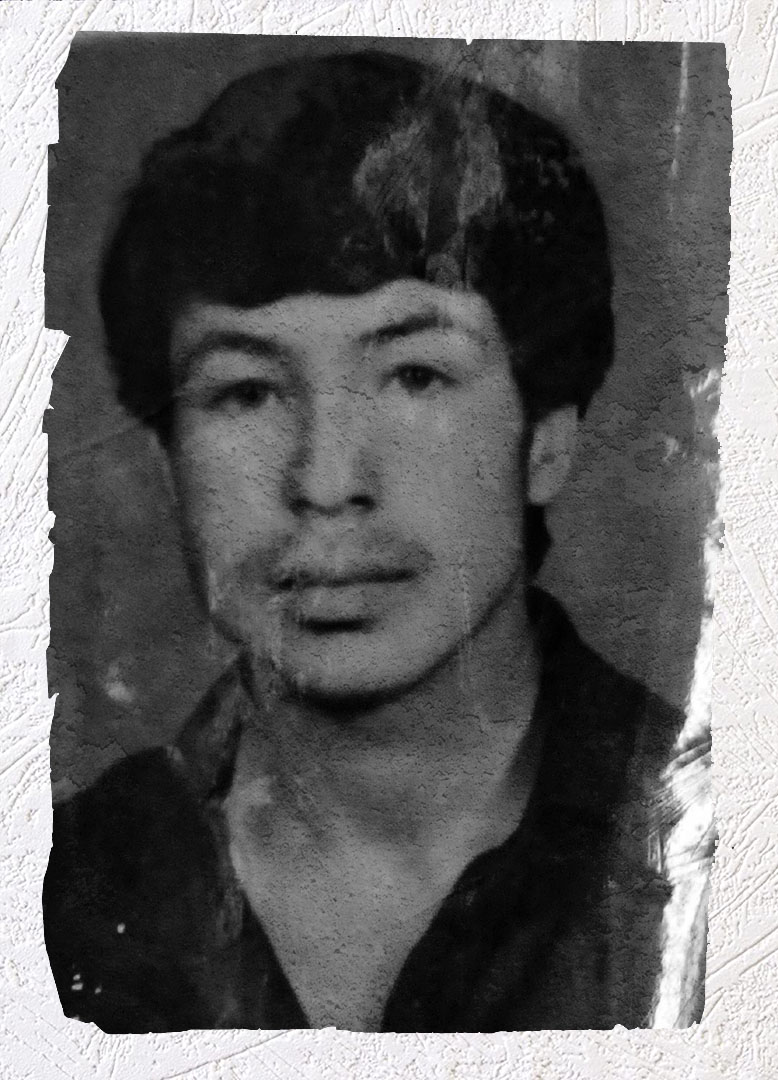
- Gender
- Male
- Ethnicity
- Tajik
- District geolocation of incident
- Kabul: 34° 31′ 1″ N, 69° 8′ 60″ E
- Description of incident
He was killed during the fighting between the forces of Dr. Najibullah and the Mujahidin. He was 18-years-old and in 12th grade when he was conscripted into the army to fight the insurgents. One day, somebody came and informed us that Qudaratullah had been injured and that he was in a hospital nearby. We quickly ran to the hospital, but it was too late. We took his dead body and buried him in Chehil Sutun.
- Witness/Survivor Statement
A Mother's Vision Blurred by Death
Narrator: Farida
Victim: Qudrartullah
Date of the incident: 1987
Location of the incident: Kabul city, Deh-e Sabz
Farida’s brother in-law, Qudratullah, was an 18-year-old student living in the Chehil Suton area of Kabul when he was forcibly conscripted under the government of Dr. Najibullah. He was dispatched to fight the Mujahidin insurgents. In one of the battles between the Afghan army and the Mujahidin in Deh Sabz, Kabul, Qudratullah was killed. Qudratullah was the fourth son of his family. Even while he was still at school, he was financially supporting them through part-time work. He wished to become an engineer but war and violence did not allow for his dream to come true, instead shattering the life of his entire family.
His death was costly for his mother more than anyone else. The death of her young son opened up a deep wound that severely damaged her spirit. For a long time, day in and day out, his mother cried and mourned. She could not accept that Qudratullah was gone and would never come back. The constant crying eventually began to blur her vision. The world had come to an end for her and nothing would ever change that. Naturally, the death of Qudratullah also had a deep impact on his father. His father was already old and frail, but the death of his young son further damaged his body and soul. Unlike his wife, he did not carry his pain on the outside but he gradually lost his capacity to work and soon passed away.
As a result, poverty and hunger overcame the family. Later, the family of Qudratullah yet again suffered from the violence of war when their home was destroyed by a rocket attack and they were forcibly displaced. Today, after years of suffering, they managed to return to a life remotely resembling normalcy. Yet, the horrors of war continue to cast a huge, disturbing shadow over them.
The Story of Farida
My name is Farida. I am 40-years-old. I live in Chehil Sutun where we have spent the past 20 years. We did not have a good life at the time my brother in-law Qudratullah was killed, in 1988.
He was killed during the fighting between the forces of Dr. Najibullah and the Mujahidin. He was 18-years-old and in 12th grade when he was conscripted into the army to fight the insurgents. One day, somebody came and informed us that Qudaratullah had been injured and that he was in a hospital nearby. We quickly ran to the hospital, but it was too late. We took his dead body and buried him in Chehil Sutun.
Another brother-in-law of mine, Hayatullah, was also handicapped during the war. After heavy fighting broke out in the capital, we were displaced to Logar province where we lived in a tent for a while. When we finally came back to Kabul, our house was completely destroyed as a result of the fighting among various Mujahidin factions. We then migrated to Iran because of the Taliban, and only returned home after their regime had collapsed.
Upon arrival, we were told that the government would provide us with a new home and land. Yet so far, nothing has been given to returnees and the families of the victims. The government must provide some form of support to the returnees. If not, how will they survive? People have lost everything during the war. I have a handicapped brother-in-law. I have daughters and a son and we are poor. Most importantly, the memories of our loved ones should be preserved and respected. Their memories should serve as a lesson for others.
- Date added
- Nov 24, 2023
Zawar Ali
- Photo of Victim

- Gender
- Male
- Ethnicity
- Hazara
- District geolocation of incident
- Markazi Bihsud (Hesa-I-Dowom-e-Behsod): 34° 23′ 23″ N, 67° 55′ 13″ E
- Description of incident
In Maidan Wardak Province's Bihsud areas, Zawar Ali was a well-known cleric. Despite his considerable social impact, he was neither politically nor militarily affiliated with any political or militia factions vying for supremacy across the nation. When the Taliban seized control of Kabul in the middle of 1996 and advanced on Hazarajat, Zawar Ali traveled there on behalf of his people to engage in peace talks with the Taliban. The Taliban were not prepared to listen to him, so they imprisoned and then killed him.
- Witness/Survivor Statement
The Girl Who Took on The Role of Her Father
Narrator: Alia Azimi
Victim: Zawar Ali, son of Sher Mohammad
Date of the incident: 1996
Location of the incident: Markaz-e Behsod, Maidanwordak
Alia was only 10-years-old when her father was killed. Her father was a clergy member with a great deal of influence at the local level. He was known as a peace-loving person and thoroughly rejected the notion of war as a means to resolve conflict. Not only did he not participate in any war, but he actively tried to prevent people from resorting to any form of violence. In his view, war was the source of destruction and brutalities, hence unjustifiable both from religious and rational perspectives. According to him, no society could ever be built by war, which is why he actively carried out campaigns against war by reciting verses of the Quran and conducting religious rituals.
When the Taliban attacked the Hazarajat region of Afghanistan, Alia’s father once again tried to raise the flag of peace. He gathered the local elders and other influential people to negotiate a settlement with the Taliban. They literally raised a white flag as they approached them. But the Taliban paid no attention to their call for peace and did not even allow them to put forward their requests. On the contrary, they fired and killed all of them including Alia’s father. Later, his body was found with his ring finger cut off.
Alia’s father left behind four daughters and a son. Alia was the eldest of them. Naturally, none of them were old enough to work in order satisfy their basic human needs. Later, during the patriarchal regime of the Taliban, it was almost impossible for women and girls to work outside the house. As a result, Alia and her sisters suffered a great deal as they had no regular income and were trapped in chronic poverty. Eventually they migrated to Pakistan, where they worked in a carpet factory. They used the money they earned to go to Iran, where they spent a few years before returning to Afghanistan. Alia’s sisters got married and so did her brother, while Alia assumed the role of her father, giving Quran lessons to meet her and her mother’s financial needs.
The Story of Alia
My father went to negotiate a peace agreement with the Taliban when they shot and killed him, along with my uncle. Some of the people from the area had begun to fight the Taliban in order to defend themselves and their properties. Other people fled the area as they were fearful of them. Some women even left their children behind and escaped the area without them. Most of the younger people finally left as well, and only the elders remained.
The war soon spread everywhere and we were forced to migrate to Pakistan where we worked in a carpet factory for a while. Then we went to Iran, where my uncle paid for our expenses. My sisters and I went to school there. My brother got a job. When my three sisters eventually got married and returned to Afghanistan with their husbands, I joined them too. Later, my brother got married as well. After the wedding, he and his wife did not stay with us, which affected my mother a great deal. Now, my mother does not have a happy life.
There are only a few things that remain from my father. I would like to include one of his books, a ring, and an overcoat for the Memory Box project. I am including all these things so that the officials and people know that we have not forgotten our loved ones. When the first Memory Box exhibition took place, I was excited to stand next to my father’s box, tell his story, and share my pain with my fellow countrymen and women.
- Date added
- Nov 23, 2023
The Memory Box Initiative: Seeking to Break the Cycle of Violence and Tragedy in Afghanistan
- Author/s
- AHRDO
- Preview

- Year of publication
- 2013
- Date added
- Nov 23, 2023
Deportation to Afghanistan: A Challenge to State Legitimacy and Stability?
- Author/s
- AHRDO
- Preview

- Year of publication
- 2019
- Date added
- Nov 23, 2023
Transitional Justice In Peace Settlements: Lessons for Afghanistan
- Image

- Date of event
- Mar 8, 2021
- Date added
- Nov 22, 2023
Non-state Armed Groups and International Humanitarian Law: Obligations and Liabilities
- Image

- Date of event
- Aug 24, 2020
- Date added
- Nov 22, 2023
Afghanistan Center for Memory and Dialogue’s Inauguration
- Author/s
- AHRDO
- Year of publication
- 2019
- Date added
- Nov 22, 2023
Scars of War- Images of the Afghan Anatomy
- Author/s
- AHRDO
- Year of publication
- 2019
- Date added
- Nov 22, 2023
Haji Ewaz
- Photo of Victim
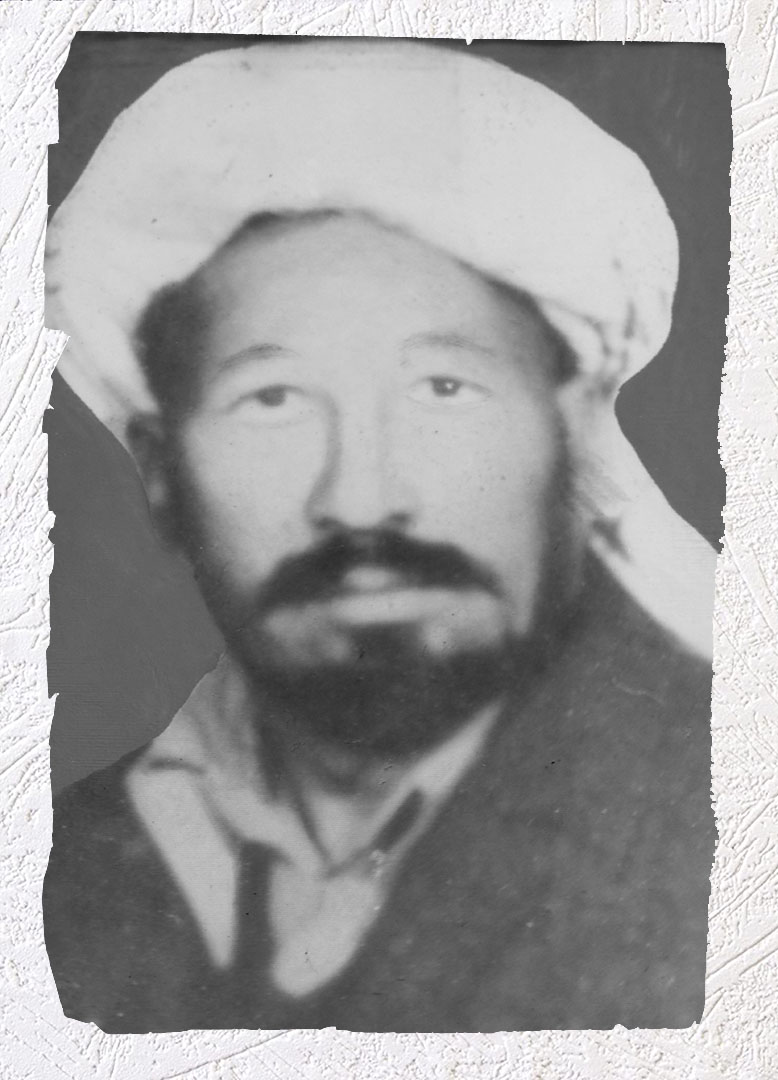
- Gender
- Male
- Ethnicity
- Hazara
- District geolocation of incident
- Kabul: 34° 31′ 1″ N, 69° 8′ 60″ E
- Description of incident
My father in-law, Haji Ewaz, used to be a Mujahid. One day, unknown people came and inspected our home and took my uncle away. He was imprisoned in Sedarat for six months and then spent another year in Puli Charki prison. Later we were informed that he had been executed and we should come and get his clothes.
- Witness/Survivor Statement
There Is Nothing Holy about War
Narrator: Safura
Victim: Haji Ewaz
Date of the incident: 1985
Location of the incident: Kabul City
Haji Ewaz was excited about Jihad. For him, Jihad was a form of holy struggle that cleans the spirit of the individual and society at large. Haji Ewaz knew that Jihad must first take place inside oneself before it can spread to the outside world. Hence, he was preaching Jihad in order to fight the regime. From his point of view, Jihad was good and those who engaged in it, the Mujahidin, were the best people in the world. The truth is that he was not involved in Jihad for his personal benefit but as a result of his faith and deep convictions.
Haji Ewaz sacrificed his life for Jihad but he did not live long enough to witness its final results: the destruction of Kabul, the pain and suffering it generated, the destruction of thousands of homes, and the burial of women and children under the collapsed walls and roofs of their own residencies.
Neither did Haji Ewaz live long enough to witness how the Mujahidin wiped out an entire city and its dwellers. He had an idealized image of Jihad in his mind. He felt that Jihad is the source of life and that only through Jihad the country could be saved. But he did not live long enough to see how Jihad produced only destruction and suffering for the people of Afghanistan.
Haji Ewaz engaged in Jihad and sacrificed his life for it, but what was holy and emancipatory for him soon turned into an evil for his children as the Mujahidin did not only not follow his model but later killed two of his sons.
The Story of Safura
My name is Safura. I lost my father in-law during the war. I also lost my brother in-law. We used to have shops and properties before the war began. When my father in-law was killed, there was no one in our home to take care of us.
My father in-law Haji Ewaz used to be a Mujahid. One day, unknown people came and inspected our home and took my uncle away. He was imprisoned in Sedarat for six months and then spent another year in Puli Charki prison. Later we were informed that he had been executed and we should come and get his clothes.
Among the things they gave me were a blanket, a pair of scissors, a mirror, and a bed sheet. His bed sheet was full of blood. I asked them why his bed sheet was full of blood but they did not answer. My husband was in Herat at that time. Later, two of my brother in-laws were killed. Nader Ali, 30-years-old, and Dawood, 14-years-old. My husband was shattered when he learned about the death of his father and two brothers. Since then, our life has been very difficult.
I brought a number of things to contribute to the Memory Box project. These objects were left behind by my father in-law and brother in-laws. There are a turban, a blanket, scissors, and a measurement tape. I hope their memories will remain alive forever.
- Date added
- Nov 22, 2023
Aziz Gul
- Photo of Victim
- Gender
- Male
- Ethnicity
- Pashtun
- District geolocation of incident
- Kabul: 34° 31′ 1″ N, 69° 8′ 60″ E
- Description of incident
Our life was relatively good when Aziz Gul was still alive. It was during the time of the Soviet invasion that my son was killed. We were at home when our neighbor informed us about his murder. He had gone outside to water the field when a rocket struck. His father, brother, and sisters started to cry immediately as we went to see his dead body lying on a wheelbarrow.
- Witness/Survivor Statement
One Fateful Day
Narrator: Pashtun
Victim: Aziz Gul
Date of the incident: 1981-1989
Location of the incident: Kabul City
The story of Aziz Gul’s death is neither unique nor exclusive. Totally unexpected deaths like his have ruined the lives of countless families in Afghanistan. Stories like his have been told in each corner of the country, though the sad truth is that people like Aziz Gul are never remembered by those who benefit from the existence of war. It is them who do not care about the suffering that war inflicts on its victims. These men enjoy igniting the fire of war and playing with it. They have chosen war as their way of life. The death of Aziz Gul was an absolute tragedy. For his family whose wishes and hopes for the future were inseparably linked with the fate of Aziz Gul, his sudden death meant the end of the world for them. When Aziz Gul died, all their dreams melted and the hell of misery and desolation opened its mouth to devour them.
Aziz Gul was 15-years-old and already helped his aging father in his work. His father was happy that he would eventually become the main breadwinner in the family. One day, Aziz was watering his father’s field in Shamali, North of Kabul when a rocket struck and killed him. His father never came to terms with the death of his son and after years of struggling with the tragedy and its repercussions, finally died too.
This in turn marked the beginning of the end for his mother, Pashtun, who was left behind with three children. In order to provide for them, she cleaned and washed other peoples' clothes. Sometimes, in order to put food on the table, she collected leftovers from wastebaskets. Other times, she and her children spent their days without eating at all. Until today, Pashtun cannot find words to describe her miserable fate.
The Story of Pashtun
Our life was relatively good when Aziz Gul was still alive. It was during the time of the Soviet invasion that my son was killed. We were at home when our neighbour informed us about his murder. He had gone outside to water the field when a rocket struck. His father, brother, and sisters started to cry immediately as we went to see his dead body lying on a wheelbarrow.
Later on, my husband could not cope with his son’s death and eventually stopped working. He died five years later. After his death, our lives got even worse. We lived in an abandoned house. At times, we even ate leftovers from the wastebaskets of others. I worked as a cleaner. Later on, my younger son started to work in the streets. Our survival was dependent on his income. When the Taliban burned my house in Shamali, we moved to Kabul. I still work as cleaner today.
My life is as bad as it was before. Consequently, I have psychological problems. I’ll never forget those days of being abandoned by everyone and left without food. Whenever food rations were distributed, I went and took them home. Those were the only times we could eat properly. Today, I am very sick, but cannot afford to go and see a doctor. My son is twenty-years-old, but thin and weak. We now live in a rental house. I will never forget Aziz Gul. It is very strange because he was my step-son. His mother had left him. Aziz Gul suffered a lot and finally died at a young age.
- Date added
- Nov 22, 2023
War Victim Families Voice Views and Demands on Afghan Peace Process
- Author/s
- AHRDO
- Year of publication
- 2020
- Date added
- Nov 22, 2023
Shirin Gul
- Photo of Victim

- Gender
- Female
- Ethnicity
- Hazara
- District geolocation of incident
- Kabul: 34° 31′ 1″ N, 69° 8′ 60″ E
- Description of incident
Many Mujahidin factions waged a civil war throughout Afghanistan in the 1990s, killing thousands of people, including women and children. Some were forced to flee their homes and subjected to various forms of violence like rape, extortion, abuse, harassment, abduction, and arbitrary detentions. Safia lost three members of her family during the bloody civil war, including her mother, her cousin, and her brother in-law, when a mortar shell was thrown into their home by the hostile group in the western suburb of Dasht-e-Barchi, Kabul.
- Witness/Survivor Statement
When Homes Turn into Graveyards
Narrator: Safia
Victim: Shirin Gul
Date of the incident: 1993-1996
Location of the incident: Kabul City, Dashte Barchi
Shirin Gul is not the only woman whose house was destroyed over the past three decades of war in Afghanistan, though all houses destroyed in Kabul resemble that of Shirin Gul. The injuries visible to the walls of the houses mirror the injuries inflicted onto the bodies of its residents.
During the various conflicts, particularly the one between the different Mujahidin factions, the houses in Kabul were no longer people’s shelters. Rather, they were their graves prepared in advance. There was always the possibility of a rocket or artillery shelling destroying someone's home. None of the houses were beyond the reach of violence, nor were they durable enough to protect their inhabitants against the persistent attacks. These ruined houses became a refuge for Death, making his home among the many people buried in the rubble of their own homes. The whole of Kabul was turned into a gigantic graveyard.
Shirin Gul was one of those people whose house was bombed and took her life during the civil war in the 1990s. It happened on an evening when she attempted to defy the terror of war by holding a small reception to bring back the happiness of former times to what had by then become a city of ghosts. She did not expect that her home would one day become a slaughterhouse, and that her reception would end in terrible tragedy. Shirin Gul had invited her son in-law and brother in-law to an evening reception. They had just begun their supper when a stray rocket fired by the Taliban hit the exact room where the reception was taking place, immediately killing Shirin Gul and her two guests. The death of Shirin Gul marked the end of happiness for her children. Her husband did not marry again and dedicated himself to taking care of his mother-less children.
The Story of Shirin Gul
My name is Safia and I am 42-years-old. I am living in the Dugh Abad area of Dashte Barchi. During the war, I lost three members of my family: my mother, my cousin, and my brother in-law. My whole family, including my son in-law and my cousins, were in our home when a rocket hit our house and killed them. I was not personally present when the incident happened.
According to my family members, their bodies were ripped to pieces and it was almost impossible to identify them. My cousin had a two-month-old child who died soon after his father’s untimely death. His wife had no option but to return to her father’s home. My mother left behind six children, two sons and four daughters. Today, my father is old and my sisters are mentally unstable. One of my sisters left her husband and children because of these mental problems.
Now she does not recognize anyone anymore. I am not mentally stable either. I was desperate after the death of my mother. She loved me a lot.
The worst moment in my life was when I heard about the death of my mother. After she died, no one ever properly welcomed me in my father’s home anymore, and this made me so disappointed.
- Date added
- Nov 22, 2023
Ramazan Ali Sangar
- Photo of Victim

- Gender
- Male
- Ethnicity
- Hazara
- District geolocation of incident
- Kabul: 34° 31′ 1″ N, 69° 8′ 60″ E
- Description of incident
Ramazan Ali Sanger was detained in the last years of Dr. Najibullah's administration due to his support for jihad in opposition to the government supported by the Soviet Union. Ramazan was married to Rahima, and the two of them had three children. In Pul-e-Charkhi jail, Ramazan was slain in early 1992 after being subjected to harsh beatings and torture by his interrogators.
- Witness/Survivor Statement
Victims of Jihad
Narrator: Rahima
Victim: Ramazan Ali Sangar
Date of the incident: 1993
Location of the incident: Kabul, Pul-e-Charkhi Prison
Ramazan Ali was very excited about Jihad. He felt that Jihad is fighting for the way of God, a way that leads to happiness. He would call himself a true follower of God. Rahima was supporting her husband because of her love for him. She did not know much about Jihad. She came to know about it through her husband and wanted to help her husband in this “holy war.” But taking part in Jihad had severe consequences for Ramazan. He was imprisoned because of his ideology, was badly tortured, and eventually gave his life without having been prepared for martyrdom.
No one knows how he was killed. Perhaps, he died from the effects of torture. After Ramazan Ali’s death, his wife and three children were left behind without any support or financial means. From morning to night and night to dawn, they were in search of a piece of bread. Rahima knocked on door after door to find work as she did not want to see her children living in chronic poverty. But no one seemed to care. No one invited them to their wedding parties. Though people easily talked of compassion, their lack of such mercy in practice came down on Rahima like a hammer on her head. She sacrificed her entire life to provide for her children.
It is this aspect of holy war that Ramazan seems to have failed to consider. His excitement about taking part in Jihad turned him blind to its severe implications for the rest of his family. If he were alive today, he could listen to the suffering of his wife and children. He could intimately familiarize himself with their untold story. If he was alive today, perhaps, he would choose another way of attaining prosperity.
The Story of Ramazan Ali
It was the last year of Dr. Najibullah’s government during the month of Ramadan. Shortly after dinner, my husband began praying. We did not know that our house was under surveillance. Suddenly, we heard suspicious movements. When we came out of the house, the yard was full of people. More than 50 soldiers came into our house. They started to beat my husband.
They beat him because he was a Mujahid. They arrested him and took him away. He was detained in Sadarat and we were not allowed to see him. We could go there only to deliver his clothes. I went to Sadarat and waited for days to see my husband but they did not allow me to see him. I even begged each and every soldier and officer to make an exception but to no avail.
After six months, he was transferred to Puli Charkhi Prison, where he spent another year. Once again, I was not allowed to see him. After one year, he wrote us a letter and sent us his ring and some other things. In that letter, he mentioned that he had been transferred from the second floor of Block 2 to Block 3. He also indicated in his letter that if he was no longer found in Block 3, we should stop looking for him. He suggested that his children should be sent to learn the holy Quran.
After we received his letter, I went to Puli Charkhi Prison on several occasions. Every time, the prison officials told me that nobody with his name was imprisoned there. Then, the last time I went there, they told me that my husband had been executed and handed over his personal belongings to me. We never saw his dead body. He was killed seven years after our marriage. It was after his death when our truly bad days began and I was obliged to do all kinds of hard work including cleaning, washing, and ironing to support my family and children. We also lived for 13 years as refugees in Iran.
I still preserve my memories of Ramazan, the worst being when I was told that he had been executed. Coming back home, I was so desperate and sad. My younger daughter asked me what happened and I told her that her father was no longer alive. She began to shout and cry for a long time. Since then, I have never seen her cry again. In those days, I was working day and night while continuing to mourn the death of my husband. Some nights, my younger son and I cried together. Sometimes my son cleaned my tears and told me that I could be his father too.
Another sad moment in my life was the day when my husband was arrested and handcuffed. There was a place in our home where he hid but the soldiers found him. He was handcuffed and beaten up in front of me and the children. My husband told me not to worry and that nothing would happen to him. When he was taken away, I saw the tears in his eyes. Afterwards, I never saw him again. I will never forget that moment.
- Date added
- Nov 17, 2023
Ghulam Hazrat
- Photo of Victim

- Gender
- Male
- Ethnicity
- Tajik
- District geolocation of incident
- Kabul: 34° 31′ 1″ N, 69° 8′ 60″ E
- Description of incident
Many Mujahidin factions waged a civil war throughout Afghanistan in the 1990s, killing thousands of people, including women and children. Some were forced to flee their homes and subjected to various forms of violence like rape, extortion, abuse, harassment, abduction, and arbitrary detention. Ghulam Hazrat was killed in the civil war between several Mujahidin groups while serving as a soldier in the Mujahidin Islamic State Government. After Ghulam Hazrat passed away, his wife Halima and their four children were left in the midst of a devastating civil war that claimed thousands of lives and uprooted millions, with no one to provide for them.
- Witness/Survivor Statement
About Happiness
Narrator: Halima
Victim: Ghulam Hazrat
Date of the incident: 1992-1996
Location of the incident: Kabul
Halima’s list of dreams is neither very long nor very ambitious. Her dream is to be happy. Certainly, many people in war torn societies like Afghanistan have similar dreams of happiness. For them, happiness is not about prosperity, wealth, and power. Neither is it about having stylish and luxurious mansions, or expensive cars. In short, they do not have as sophisticated an understanding of happiness as ordinary people in other countries have.
On the contrary, their world is extremely small and their expectations are very modest. For Halima and people like her, happiness means bread. It means being able to provide a piece of bread for their children to sleep at night with their bellies full, so that they can dream of other things than something to eat. At best, happiness means having a home and that one’s children sleep under a roof in which they can grow up in peace. In addition, for people like Halima, happiness means being looked upon as a normal member of society. As long as the community does not humiliate her and her sons and they can live without fear and intimidation, she is content.
Halima does not desire much more than these simple things. Unfortunately, war has denied her even the simplest of dreams. Six years after getting married, she lost her husband and was left alone with four children, with the fourth one being born six months after the death of Ghulam Hazarat. For three years, they survived thanks to the assistance of the Najibullah government. However, after the Mujahidin took power in Kabul, the situation changed and government funding was no longer available to them. As a result, Halima had to sell her home utensils, one after another, to feed her children. When there was nothing left to sell, she had no option but to wash and clean people’s clothes and homes. Other times, she worked as a sewer. She remembers many days when she could only provide dry bread for her children. Today she is 45-years-old, has heart disease, and can no longer operate the sewing machine. The nightmare of poverty has returned. She does not know whether a day will come when she can finally feed her children properly. If such a day were to arrive, she would finally consider herself happy. Such is Halima’s modest understanding of happiness.
The Story of Halima
When I first got married, it was my father in-law who was the main breadwinner for our family. He was a carpenter. Later on, my father in-law stopped working due to old age. Therefore, my husband joined the army as an ordinary soldier. My husband did not have a good salary. Since he was deployed in another province, it was difficult to send money home. In those days, together with my sister in-law, we were doing embroidery work at home and then sold it at the local market. Eight months later, my husband returned on home leave. With the small salary he brought, we bought flour and oil. He stayed with us for a few days and then went back to the barracks. After eight months, he once again sent money to us through one of our relatives. Then, after two years, my husband finally came back and we had two more children. He began working at a bakery. In those days, our living conditions were relatively good.
After a while, he was recalled by the army. Eighteen months later, he was killed. It was just a few days before his home leave. We waited for him to come home but he did not come. On the 18th day, I woke up and told his mother that I was going to prepare bulani for her son today. I prepared everything and then fell asleep. My mother in-law came and woke me up and I returned to my preparations. I had prepared only three bulani when I heard someone crying outside the house. I went out and saw two soldiers standing at the main door. They inquired if this house belonged to Hazrat Khan and when my father in-law affirmed, the soldiers told him that Hazrat Khan had been injured and hospitalized.
Together, they went to the hospital where they discovered that Hazrat Khan had died. They came back home around 4pm. I was calling my father in-law Baba, so I asked Baba how Hazarat Khan was. He answered that he was slightly injured and that he would bring him home the day after. My younger son did not sleep the whole night and asked to go and see his father. That night a lot of people came to our home. They brought big dishes. I heard my uncle asking for the Quran. I told my father in-law that he was trying to hide something from me and that perhaps Hazrat Khan had died. I began to cry. My mother in-law tried to make me understand that they needed the Quran for a different purpose.
The next morning, my father in-law asked me to clean my room, saying that he and his friends would like to sit there. I went and cleaned the room. Later on, my sister in-laws came in. They hugged me and said that Hazarat Khan had passed away. I was six months pregnant. After the news, I fainted and remained unconscious for a long time. Later, when I regained consciousness, I saw a coffin covered with red cloth. My six-year-old daughter came and asked me who she should call father from now on. She hid under the bed and began to cry.
Over the next few weeks, the fire of war spread everywhere, including Chihil Sotun where we resided. Everyone was forced to leave their homes and we moved to Shur Bazaar. There, my mother in-law died. Then, I went to live in my father’s home in Jade-Asmayi where we had nothing to eat. Next, I stayed with my sister in-law for three months before we finally found a place to stay, though we did not even have a carpet to sit on.
Later, someone donated military blankets and a bag of flour, but I had no utensils to make bread for my children and I was forced to borrow a small cooking pan from my neighbor.
My children slept most of the time as there was nothing for them to eat. In the evenings, we had nothing to light and heat our home with. We spent three months like this. When the fighting finally came to a halt, I borrowed a sewing machine from my father and began sewing for others in order to feed my children. Gradually, I managed to buy little things for our home including three cups, spoons, and a plastic blanket.
The worst moments were those days that I had no food to give to my children, except a piece of bread. Nowadays, I wash clothes and tailor. Although this is increasingly difficult to do as I have a heart problem.
- Date added
- Nov 17, 2023
Haidar Khan
- Photo of Victim
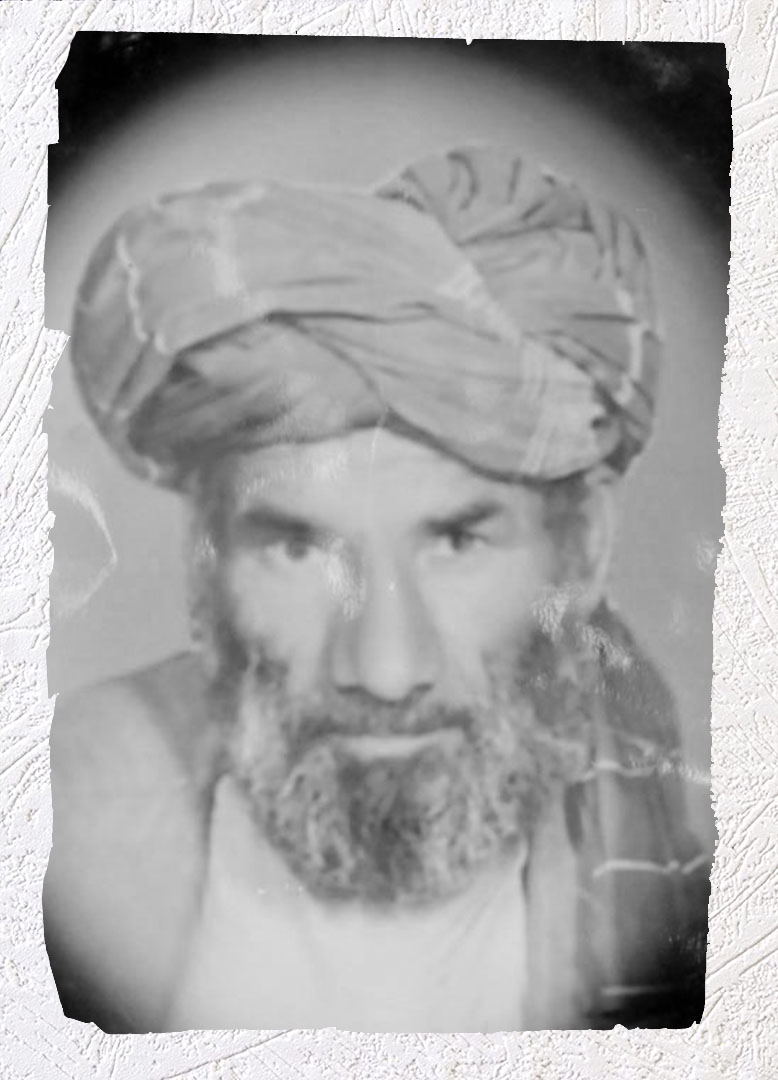
- Gender
- Male
- Ethnicity
- Pashtun
- District geolocation of incident
- Balkh: 36° 45′ 19″ N, 66° 53′ 48″ E
- Description of incident
It was the night of Eid and my poor husband and son were out looking for work when they were killed. My husband used to work as a day laborer in Hairatan. He usually came back home after 15-20 days. That night when they were coming home, the Taliban fired on them. Their bodies were totally mutilated.
- Witness/Survivor Statement
Questions About the Nature of War Rahima’s Story
Narrator: Rahima
Victim: Haidar Khan
Date of the incident: 1998
Location of the incident: Hairatan, Mazari Sharif
The translation of painful experiences into words is very difficult. Words have many limitations, especially when trying to express pain. Pain is a strong feeling and words are a mere insufficient means to describe it. There is a huge gap between the feeling and its interpretation. Therefore, the idea of making the experience of war understandable through verbal expression is fundamentally flawed. The tragedy of war is deeply linked to personal experiences, and what war imposed on Rahima is indescribable.
Rahima is the victim of the fate that war imposed on her. She does not understand what war means and why human beings go to war. Yet, she certainly understands the horrible consequences of war. Hence, for Rahima, war is the most evil kind of action humankind can engage in. What could possibly justify the killing of one human-being by another? Why do houses and properties of people have to be destroyed?
Why, instead of generating pain and suffering for millions, should one not think of prosperity and happiness for all? Why do those involved in war not think about its devastating consequences? Why do they not think of all the children who lose their parents through violent means? Why does an oppressed person like Rahima, who has nothing except the sky she lives under, have to be further disturbed by war? Why are the perpetrators of violence not scared of the blood on their hands? Is there no alternative to violent conflict resolution?
These and other questions often disturb Rahima. And since nobody seems to be willing to answer these questions, she has begun to find her own answers. She knows that victims of war will always live on the margins of history and that no one looks at the world through the lens of the victims. She knows that no one puts themself in the shoes of victims in order to truly understand the experiences and suffering they have endured.
Rahima has also thought of potential solutions. For her, the solution is to tell, recall, preserve, and protect the memories of the victims. Memories are the only things people like Rahima possess. These memories are not meant to be preserved to wage further war, nor are they aimed at taking revenge. On the contrary, people like Rahima use them to make their own contributions to stop and prevent war.
According to her, the memories preserved by victims are the only instrument that reveals their endless pain and suffering. They awaken the human consciousness and ultimately contribute to the prevention of further atrocities.
Rahima’s Story
My name is Rahima and I am 50-years-old. I have lost four of my family members during the Taliban time.
It has been 17 years now since my husband and 10-year-old son were killed. There was war in Kabul and we eventually fled to Mazar-e Sharif, which is where we were when our home was looted back in Kabul. Three years later, my husband was killed. Afterwards, we lived for another three years in Mazar-e Sharif. From there, we moved to Jalalabad. Later on, we came back to Kabul.
It was the night of Eid and my poor husband and son were out looking for work when they were killed. My husband used to work as a day laborer in Hairatan. He usually came back home after 15-20 days. That night, when they were coming home, the Taliban fired on them. Their bodies were totally mutilated.
At the time my husband was killed, I had five children. After his death, we faced a lot of problems. I started to work as a tailor and my daughter and son were working in an educational center. My eldest son was 14-years-old and I had two more children of 3 years and 3 months. When we lived in Jalalabad, the situation further deteriorated. There was no work and we lived in a rented house. If we were unable to find a piece of bread during the day then we had nothing to eat during the night.
We had no one to look after us. I worked in the house of a Hindu as a cleaner and we finally moved back to Kabul, even though the Taliban were in power. Back in Kabul, not a single moment passed without hardship. It was difficult to eat properly as the little money we had was spent on renting the house.
My children were still small and they often asked how their father was killed. They missed their father a lot. Sometimes, I sat down with them and told them stories about their father. My husband’s name was Haidar Khan. He was 58-years-old when he was killed. My son was only 10-years-old when he was killed. I was his second wife. He was an ordinary person and had nothing to do with politics. Now, all I can do is to look after my children.
Unfortunately, nothing is left behind from my son. However, I have kept my husband’s spoon, his plate, and a photo of him. These objects are all very important to me. I am giving these things to you to let others know about the difficulties we have faced in our lives and that the situation is still not improving. The weather is already cold and we have no heater. My son is jobless. My children cannot go to school because we are poor.
- Date added
- Nov 16, 2023
Qand Agha
- Photo of Victim

- Gender
- Male
- Ethnicity
- Tajik
- District geolocation of incident
- Kabul: 34° 31′ 1″ N, 69° 8′ 60″ E
- Description of incident
Qand Agha, the son of Negar, is one of the victims of senseless war. He was not killed during the time of the civil war nor during the Taliban regime, but as a result of a suicide attack under the current regime of president Karzai. He is the victim of a cycle of violence initiated decades before and likely to continue for years to come as the thousands of innocent deaths since 2001 prove that the roots of violence have not yet been totally wiped out.
- Witness/Survivor Statement
The Trauma of Rebuilding a Shattered Existence
Narrator: Negar
Victim: Qand Agha
Date of the incident: May 31, 2017
Location of the incident: Zanbaq Square, Kabul city
One of the main tragedies of war is that it makes all kinds of atrocities possible. When a war begins, repeated catastrophic events eventually lead to an endless cycle of violence and suffering, depriving the people of any kind of prosperity and joy. War transforms suffering into a daily routine, thereby destroying the dreams of even the simplest of lives. Everything evaporates except war, destruction, and suffering. Life itself loses its inherent meaning and begins to resemble a hollow ditch that opens its mouth to devour everything.
Even when war finally comes to an end, the trauma of rebuilding one’s life casts a huge shadow and further prevents a return to normality. In Afghanistan, generation after generation have grown up under the dark shadow of war. For many, war has by now been accepted as a way of living, thereby giving further life to the rule of swords, guns, suicide attacks, and a society full of hatred and violence. Consequently, violence is no longer bound by time and space while the legacy of conflict is so overwhelming that post-conflict life is often more difficult than life during the violent event itself.
Qand Agha, the son of Negar, is one of the victims of senseless war. He was not killed during the time of the civil war nor during the Taliban regime, but as a result of a suicide attack under the current regime of president Karzai. He is the victim of a cycle of violence initiated decades before and likely to continue for years to come as the thousands of innocent deaths since 2001 prove that the roots of violence have not yet been totally wiped out. It seems that the dragons of death are not yet satisfied and that every now and then the city of Kabul must fill its stomach with more victims. The death of Qand Agha constitutes an explicit warning that the possibility of a return to full-fledged war and its tragedies should not be underestimated.
The Memory Box project is an explicit statement against the return of tragedy. It aims to shake the human consciousness and expose the tragic nature of violent conflict.
The Story of Negar
My name is Negar and I am 40-years-old. Four years ago, my son was killed in a suicide attack in Charahi Zanbaq in the city of Kabul. I now live in Chehil Sutun in very difficult circumstances. In the past, my life was much better, especially since my son was working.
One day, my son was asleep when I woke him up and told him to go to work as it was getting late. He asked me to let him sleep and covered himself with a blanket. After a while I sent my other son to go and remind him. He refused again but eventually someone called him on his mobile and he finally got up. He had not eaten well the night before and I brought him fresh rice to eat. Then, he took his jacket and left the house. It was late afternoon and he never came back. I borrowed my neighbor’s cell phone and gave it to my younger son to call him. When my son called, somebody else answered his telephone and informed us that Qand Agha had been injured. Later, my husband came home and confirmed that he was injured. My son was hospitalized for one month. Every time I visited him at the hospital, he asked me not to cry, ensuring me that he would recover soon. After a month, he passed away and his dead body was returned home.
My son was a really funny person. He was working somewhere as a security guard but I don’t know exactly where. I do not remember which month he was killed but I do remember it was winter. He had received his salary only once and was waiting for his second salary when he died. Before, he used to work as a street seller and later he became a bus conductor. His father was old and could not fully support the family.
My son was always telling me that one day he would buy a house for us. Whenever he saw the car of a newly wed couple covered with flowers, he jokingly promised he would get married soon. I remember that I cooked rice that day when he was injured. He ate but left home hungry and often complained of hunger during his month in the hospital. His cloth was torn into pieces. I still keep it as a memory of him. I want you to use his stuff for the Memory Box exhibition.
- Date added
- Nov 16, 2023
Abdul Hamid
- Photo of Victim
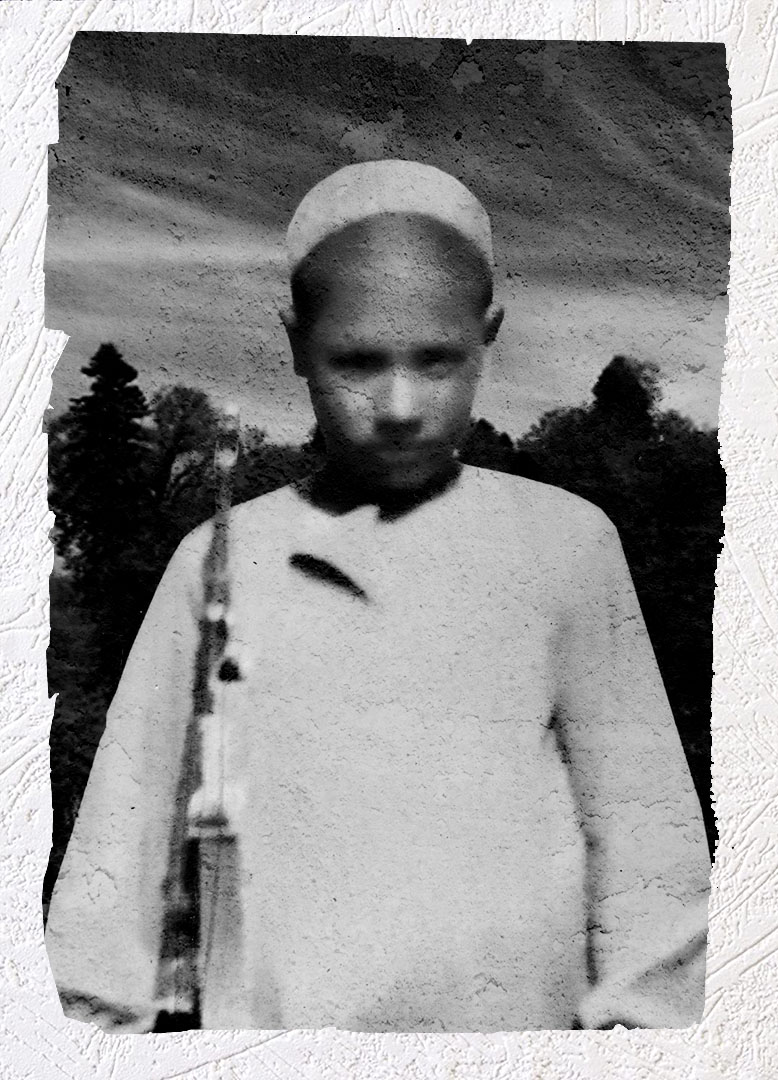
- Gender
- Male
- Ethnicity
- Hazara
- District geolocation of incident
- Kabul: 34° 31′ 1″ N, 69° 8′ 60″ E
- Description of incident
Many Mujahidin factions waged a civil war throughout Afghanistan in the 1990s, killing thousands of people, including women and children. Some were forced to flee their homes and subjected to various forms of violence like rape, extortion, abuse, harassment, abduction, and arbitrary detention. Between 1993 and 1996, Nikbakht lost both of her sons, Ramazan and Abdul Hamid. She has suffered for years, and as a result of chronic trauma and grief, her memory has degraded, making it difficult for her to recall the precise year of their passing. Ramazan and Abul Hamid were not involved with the militia or the fighting factions of the Mujahidin; they were civilians employed as porters and daily wage workers.
- Witness/Survivor Statement
When Only Photographs Remain
Narrator: Nik Bakht
Victims: Ramazan (21-years-old), Abdul Hamid (19-years-old)
Date of the incident: 1993-1996
Location of the incident: Kabul City
Nik Bakht is the symbol of a victimized generation struggling to deal with the trauma of never ending war. The dragons of war devoured her two sons within a short period of time and by now it hardly matters who was responsible for their murders. What is important is the infinite injury inflicted upon her heart. Years after her sons’ departures, she and her aging husband are living an existence between life and death. Their lives, in the aftermath of their sons’ murders, restricted only to the “sphere of pain.” This couple spent most of their years grieving their lost sons. Now they are old and the chains of poverty and helplessness have invaded them once and for all. There is no more energy left in her husband’s body to work as a porter to make ends meet. The “storm of poverty” has destroyed their lives. They can do nothing except to watch other peoples' happiness with broken hearts and sad eyes. Every time they look into the face of a young man, they remember their own young sons at the time of their early death; Ramazan was 21 years old and Abdul Hamid was 19 when they were killed.
If the war did not take the lives of Ramazan and Abdul Hamid, perhaps today everything would be different. They might even be feeling the prosperity, joy, and happiness of being grandparents. Unfortunately, for Nik Bakht and her husband to smile has become a meaningless act as they are constantly disturbed by the tragic deaths of Ramazan and Abdul Hamid. For them, every moment of their lives has turned into a terrible nightmare and their only solace are the photographs of Ramazan and Abdul Hamid, who continue to live in their memories until the day their souls will go to rest. A journey into the painful life of Nik Bakht can open our eyes to the hidden realities of war. War is not just a passing episode in the history of a country. When it occurs, it takes away the peace and wellbeing of the people forever.
The Story of Nik Bakht
My name is Nik Bakht and I am almost 60-years-old. I am originally from Bamiyan but have been living in Kabul for a long time. Our life was good before the war but then I lost two of my sons. One of them was killed in Deh Mazang and the other one in Kote-Sangi. Ramazan was killed in Kote-Sangi, though I do not exactly know how it happened… a bullet was stuck in his head and his eyes bulged.
My second son was called Abdul Hamid. He was two years younger than Ramazan. He died only a month after Ramazan’s murder. It happened during the holy month of Ramadan and Abdul Hamid had gone to the bakery to buy bread. We did not know that he had been shot. Later we learned that after he was shot, he was taken to the hospital and he was still alive when they took him. When he finally died, his body was brought to the local mosque, which is where we were informed about his death.
During the war, everyone we knew left and fled the city. We were asked to take care of peoples' homes. However, the bullets were coming from all sides and we were unable to go anywhere.
In those days, my husband worked as a porter and it was very hard for us to make ends meet. Today, it is even more challenging as my husband can no longer work. He suffers from psychological problems and keeps talking to himself. Of course, I am not very stable either. On the contrary, I feel completely shattered and abandoned.
There are only very few things left from my sons. These objects are very dear to me as they remind me of them. I am including them in the Memory Box to make my sons’ memories last. I want to keep them until the day I can finally ask the perpetrators for what reason they killed my innocent sons.
I suffer a great deal because of their deaths. If they were alive today, I would certainly have many grandchildren. In fact, shortly before his death, my elder son had just got engaged and we were preparing everything for their marriage. The wedding never happened.
- Date added
- Nov 16, 2023
Ramazan
- Photo of Victim
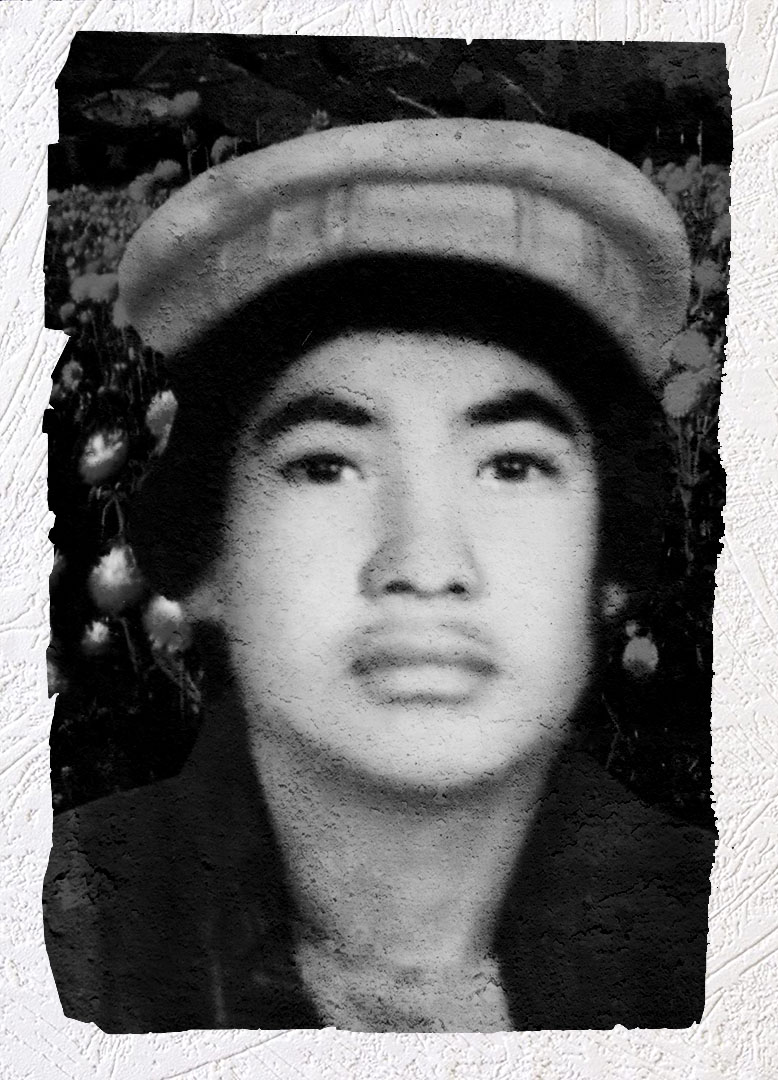
- Gender
- Male
- Ethnicity
- Hazara
- District geolocation of incident
- Kabul: 34° 31′ 1″ N, 69° 8′ 60″ E
- Description of incident
Many Mujahidin factions waged a civil war throughout Afghanistan in the 1990s, killing thousands of people, including women and children. Some were forced to flee their homes and subjected to various forms of violence like rape, extortion, abuse, harassment, abduction, and arbitrary detention. Between 1993 and 1996, Nikbakht lost both of her sons, Ramazan and Abdul Hamid. She has suffered for years, and as a result of chronic trauma and grief, her memory has degraded, making it difficult for her to recall the precise year of their passing. Ramazan and Abul Hamid were not involved with the militia or the fighting factions of the Mujahidin; they were civilians employed as porters and daily wage workers.
- Witness/Survivor Statement
When Only Photographs Remain
Narrator: Nik Bakht
Victims: Ramazan (21-years-old), Abdul Hamid (19-years-old)
Date of the incident: 1993-1996
Location of the incident: Kabul City
Nik Bakht is the symbol of a victimized generation struggling to deal with the trauma of never ending war. The dragons of war devoured her two sons within a short period of time and by now it hardly matters who was responsible for their murders. What is important is the infinite injury inflicted upon her heart. Years after her sons’ departures, she and her aging husband are living an existence between life and death. Their lives, in the aftermath of their sons’ murders, restricted only to the “sphere of pain.” This couple spent most of their years grieving their lost sons. Now they are old and the chains of poverty and helplessness have invaded them once and for all. There is no more energy left in her husband’s body to work as a porter to make ends meet. The “storm of poverty” has destroyed their lives. They can do nothing except to watch other peoples' happiness with broken hearts and sad eyes. Every time they look into the face of a young man, they remember their own young sons at the time of their early death; Ramazan was 21 years old and Abdul Hamid was 19 when they were killed.
If the war did not take the lives of Ramazan and Abdul Hamid, perhaps today everything would be different. They might even be feeling the prosperity, joy, and happiness of being grandparents. Unfortunately, for Nik Bakht and her husband to smile has become a meaningless act as they are constantly disturbed by the tragic deaths of Ramazan and Abdul Hamid. For them, every moment of their lives has turned into a terrible nightmare and their only solace are the photographs of Ramazan and Abdul Hamid, who continue to live in their memories until the day their souls will go to rest. A journey into the painful life of Nik Bakht can open our eyes to the hidden realities of war. War is not just a passing episode in the history of a country. When it occurs, it takes away the peace and wellbeing of the people forever.
The Story of Nik Bakht
My name is Nik Bakht and I am almost 60-years-old. I am originally from Bamiyan but have been living in Kabul for a long time. Our life was good before the war but then I lost two of my sons. One of them was killed in Deh Mazang and the other one in Kote-Sangi. Ramazan was killed in Kote-Sangi, though I do not exactly know how it happened… a bullet was stuck in his head and his eyes bulged.
My second son was called Abdul Hamid. He was two years younger than Ramazan. He died only a month after Ramazan’s murder. It happened during the holy month of Ramadan and Abdul Hamid had gone to the bakery to buy bread. We did not know that he had been shot. Later we learned that after he was shot, he was taken to the hospital and he was still alive when they took him. When he finally died, his body was brought to the local mosque, which is where we were informed about his death.
During the war, everyone we knew left and fled the city. We were asked to take care of peoples' homes. However, the bullets were coming from all sides and we were unable to go anywhere.
In those days, my husband worked as a porter and it was very hard for us to make ends meet. Today, it is even more challenging as my husband can no longer work. He suffers from psychological problems and keeps talking to himself. Of course, I am not very stable either. On the contrary, I feel completely shattered and abandoned.
There are only very few things left from my sons. These objects are very dear to me as they remind me of them. I am including them in the Memory Box to make my sons’ memories last. I want to keep them until the day I can finally ask the perpetrators for what reason they killed my innocent sons.
I suffer a great deal because of their deaths. If they were alive today, I would certainly have many grandchildren. In fact, shortly before his death, my elder son had just got engaged and we were preparing everything for their marriage. The wedding never happened.
- Date added
- Nov 16, 2023
Sayed Shah Ibrahim
- Photo of Victim
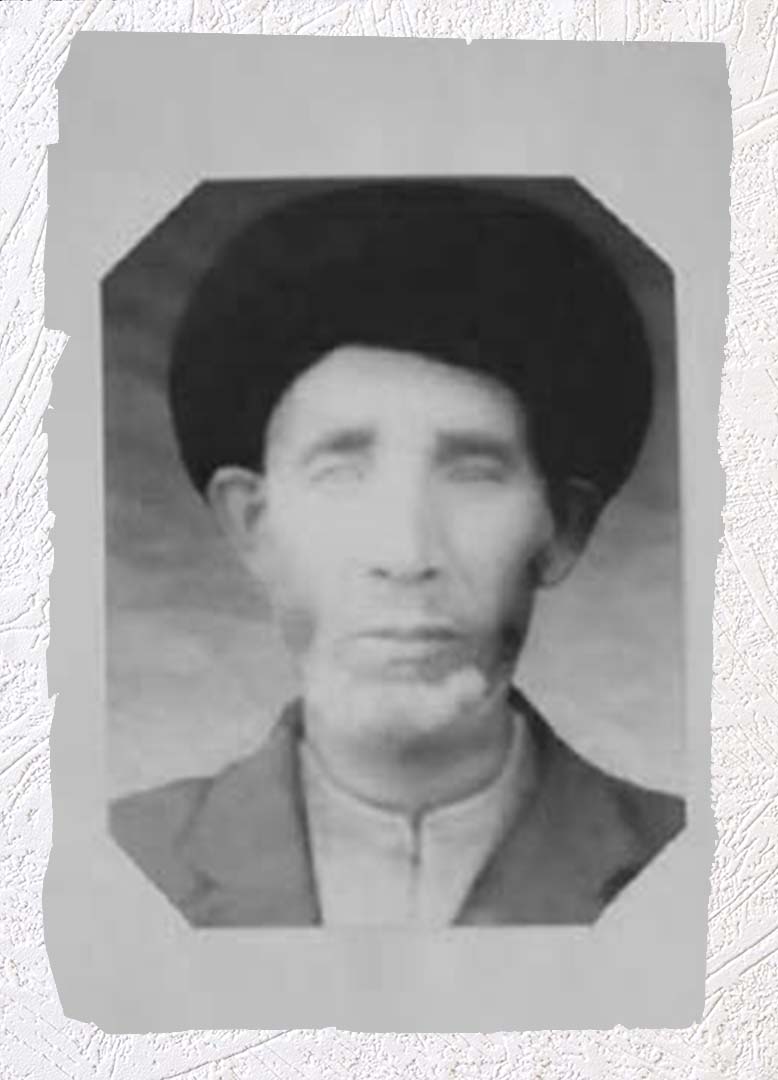
- Gender
- Male
- Ethnicity
- Sadat
- District geolocation of incident
- Kabul: 34° 31′ 1″ N, 69° 8′ 60″ E
- Description of incident
Many Mujaheddin factions waged a civil war throughout Afghanistan in the 1990s, killing thousands of people, including women and children. Some were forced to flee their homes and subjected to various forms of violence like rape, extortion, abuse, harassment, abduction, and arbitrary detention. During the height of the civil conflict in 1992, Sayed Shah Ibrahim, then 70-years-old, was kidnapped and vanished from sight. Former Maidan Province resident Sayed Shah Ibrahim was a native of Hisa-I-Awali Bihsud and had never engaged in politics or militias. His family was never able to locate his grave or find his remains.
- Witness/Survivor Statement
The Well of Death
Narrator: Pari Gul
Victim: Sayed Shah Ibrahim
Date of the incident: 1992
Location of the incident: Kabul City
War is the most egotistical and brutal manifestation of humankind. It does not produce anything except horror and destruction. It does not distinguish between old or young, men, women, or children. The lashes of war hurt everyone’s body. At the same time, not everyone suffers equally from war. Some suffer more, some less. But it is those who did not actively partake in the creation of war that usually bear the brunt of all the suffering. It is them who are victimized by a fate designed by others.
The story of Sayed Ibrahim Shah’s murder uncovers one such catastrophic consequences of war. He was an ordinary citizen with no links to the world of politics. His only crime was that he lived in Dasht-e- Barchi, a neighborhood of Kabul that had become synonymous with suffering. Here, everyday there was a strong likelihood that a rocket or stray bullet would kill someone. It seemed that the lives of its population were not regarded as worthy of living. It appears that those who unleashed the violence were doing it for the pleasure of seeing the people of Dasht-e-Barchi suffer. Sayed Ibrahim Shah had no other place to live; Dasht-e-Barchi was his only and final refuge.
Living in an environment of constant terror, Sayed Ibrahim Shah was well aware that he had a responsibility to protect his family. Therefore, he sent them far away to Behsud district while he and one of his sons remained to look after his home and belongings. It was the last time his family members would ever see him.
One day, he was walking the streets when he was apprehended by his own countrymen and taken to the Company area of Kabul. First, his family did not know about his whereabouts. Later, they found out that the he had been arrested by a local commander, detaining him in his own private jail. Sayed Ibrahim Shah’s family paid several bribes to secure his release but all they received in return was a turban, a hat, a toothbrush, and toothpaste.
There are different stories about how he was killed. According to one of them, the militias threw him down a well, which is where local residents later found him.
Pari Gul is one of his family members. She tells the story of Sayed Ibrahim Shah as follows:
The Story of Pari Gul
Sayed Ibrahim Shah was both my uncle and father in-law. He was killed during the civil war in Kabul, during which he and my husband remained in the city while the rest of the family was sent to Behsud. One day, he had just left his home when one of the warring factions arrested him and took him to Company area, where he was locked up in a private jail. He was detained together with his friend and spent three months there. He was then murdered and buried. We never saw his dead body.
In fact, we only came to know about his murder after we received his turban, hat, and toothbrush. The man who brought his possessions told us how the militias had tortured him. With his feet in chains, he supplied water to the militia base every day. Eventually, his dead body was found in a well. Later on, the people from the area took him out of the well and gave him a proper burial. All that is left from him is his turban, hat, and toothbrush. I now want to show these objects to other people so they understand that the militias killed a 70-year-old man!
- Date added
- Nov 13, 2023
Matiuallah
- Photo of Victim

- Gender
- Male
- Ethnicity
- Tajik
- District geolocation of incident
- Kabul: 34° 31′ 1″ N, 69° 8′ 60″ E
- Description of incident
Many Mujahidin factions waged a civil war throughout Afghanistan in the 1990s, killing thousands of people, including women and children. Some were forced to flee their homes and subjected to various forms of violence like rape, extortion, abuse, harassment, and arbitrary detention. On January 25, 1993, a mortar shell or blind rocket fired by Mujahidin hit an innocent family in the Chehlston area of Kabul, resulting in the death of Zakia and Matiuallah and injuring other family members.
- Witness/Survivor Statement
Tears Of Joy, Tears of Pain
Narrator: Basira
Victim: Zakia and Matiuallah
Date of the incident: January 25, 1993
Location of the incident: Kabul City
For Basira, her life began to unravel on one bloody afternoon. The cold February weather brought everyone to the yard of the house. A clear sky and plenty of sunlight provided an opportunity for the children to play. Zakia, 6-years-old, brought her little brother Matiuallah to the yard to enjoy the sun. Everyone was ready for a beautiful day. The joy and happiness was evident on the faces of all, especially on Zakia’s face.
She was speaking to her little brother as if she were an adult. In her sweet and innocent accent, she told her brother about the light of the sun, the hardships of winter, and the good future that lay ahead of them. She showed her toys to her brother and promised to buy a good toy for him, too.
She took Matiuallah’s hands, rubbed them together, sang a song, and then kissed her little brother. Zakia was wearing a red coat. With the reflection of the sunlight and the snowy background, she looked almost purple. Her brownish hair was dancing on her red coat as she was jumping up and down.
Her face was shining and her eyes were hidden under the thickness of her black eyelashes. The big world outside was also very exciting for Matiuallah. He loved laughing, playing, and sometimes shouting at his older sister Zakia. Matiuallah had fleshy white skin, thick hair, and blue eyes. When he smiled, everyone was enchanted.
Watching such a memorable scene in a city where nothing except the sound of guns, rockets, and bullets could he heard, made Basira very happy. While watching her children play, she prayed to God to protect them in these difficult times. What she did not realize is that happiness in times of violence is not sustainable and that even a mother’s prayer cannot halt the brutal power of war. That day, a reception was prepared and they were invited to a feast in their beautiful yard. Everything was ready for Basira and her children to forget the horrors of war for a brief moment. Yet, this moment quickly transformed into unspeakable tragedy.
No one understood what was happening. A thunderous sound followed by a huge explosion blurred the atmosphere. The blue sky and clear sunshine were suddenly gone. Basira can perfectly recall the tragic event but she cannot precisely explain what happened that day. After the explosion, Basira says, “I got up and saw that all my family members were lying on the ground. I was confused, wandering around not knowing what to do. I heard Zakia screaming and calling for me. She asked for water. When I returned with the water, Zakia was no longer speaking. I touched her body but it was already cold. Her eyes were open, staring at me. I put her down and ran towards Matiuallah. I was so happy when I realized he was still alive. I hugged him. Suddenly, he stopped crying and I felt something cold and wet in my hand. I saw his belly ripped open and all his intestines coming out.
I understood that he was dead just like Zakia. I cried and cried and cried! I was screaming and running around. After that, I cannot remember what happened." Basira cannot talk much about that tragic moment. When she speaks about Zakia and Matiuallah, the color of her face changes. Tears flow uncontrollably from her eyes. Sometimes, she cries so much that her headscarf is soaking wet. She says, “I feel that I have a deep wound in my chest. A wound that continuously spits out blood. I’m sure one day I will drown in my own blood.”
- Date added
- Nov 13, 2023
Zakia
- Photo of Victim

- Gender
- Female
- Ethnicity
- Tajik
- District geolocation of incident
- Kabul: 34° 31′ 1″ N, 69° 8′ 60″ E
- Description of incident
Many Mujahidin factions waged a civil war throughout Afghanistan in the 1990s, killing thousands of people, including women and children. Some were forced to flee their homes and subjected to various forms of violence like rape, extortion, abuse, harassment, and arbitrary detention. On January 25, 1993, a mortar shell or blind rocket fired by Mujahidin hit an innocent family in the Chehlston area of Kabul, resulting in the death of Zaki and Matiullah and injuring other family members.
- Witness/Survivor Statement
Tears Of Joy, Tears of Pain
Narrator: Basira
Victim: Zakia and Matiuallah
Date of the incident: January 25, 1993
Location of the incident: Kabul City
For Basira, her life began to unravel on one bloody afternoon. The cold February weather brought everyone to the yard of the house. A clear sky and plenty of sunlight provided an opportunity for the children to play. Zakia, 6-years-old, brought her little brother Matiuallah to the yard to enjoy the sun. Everyone was ready for a beautiful day. The joy and happiness was evident on the faces of all, especially on Zakia’s face.
She was speaking to her little brother as if she were an adult. In her sweet and innocent accent, she told her brother about the light of the sun, the hardships of winter, and the good future that lay ahead of them. She showed her toys to her brother and promised to buy a good toy for him, too.
She took Matiuallah’s hands, rubbed them together, sang a song, and then kissed her little brother. Zakia was wearing a red coat. With the reflection of the sunlight and the snowy background, she looked almost purple. Her brownish hair was dancing on her red coat as she was jumping up and down.
Her face was shining and her eyes were hidden under the thickness of her black eyelashes. The big world outside was also very exciting for Matiuallah. He loved laughing, playing, and sometimes shouting at his older sister Zakia. Matiuallah had fleshy white skin, thick hair, and blue eyes. When he smiled, everyone was enchanted.
Watching such a memorable scene in a city where nothing except the sound of guns, rockets, and bullets could he heard, made Basira very happy. While watching her children play, she prayed to God to protect them in these difficult times. What she did not realize is that happiness in times of violence is not sustainable and that even a mother’s prayer cannot halt the brutal power of war. That day, a reception was prepared and they were invited to a feast in their beautiful yard. Everything was ready for Basira and her children to forget the horrors of war for a brief moment. Yet, this moment quickly transformed into unspeakable tragedy.
No one understood what was happening. A thunderous sound followed by a huge explosion blurred the atmosphere. The blue sky and clear sunshine were suddenly gone. Basira can perfectly recall the tragic event but she cannot precisely explain what happened that day. After the explosion, Basira says, “I got up and saw that all my family members were lying on the ground. I was confused, wandering around not knowing what to do. I heard Zakia screaming and calling for me. She asked for water. When I returned with the water, Zakia was no longer speaking. I touched her body but it was already cold. Her eyes were open, staring at me. I put her down and ran towards Matiuallah. I was so happy when I realized he was still alive. I hugged him. Suddenly, he stopped crying and I felt something cold and wet in my hand. I saw his belly ripped open and all his intestines coming out.
I understood that he was dead just like Zakia. I cried and cried and cried! I was screaming and running around. After that, I cannot remember what happened." Basira cannot talk much about that tragic moment. When she speaks about Zakia and Matiuallah, the color of her face changes. Tears flow uncontrollably from her eyes. Sometimes, she cries so much that her headscarf is soaking wet. She says, “I feel that I have a deep wound in my chest. A wound that continuously spits out blood. I’m sure one day I will drown in my own blood.”
- Date added
- Nov 13, 2023
Allah Mohammad
- Photo of Victim

- Gender
- Male
- Ethnicity
- Tajik
- District geolocation of incident
- Kabul: 34° 31′ 1″ N, 69° 8′ 60″ E
- Description of incident
'The Killing of AGSA' refers to the collective murder of opponents of the People's Democratic Party of Afghanistan in the Pul-e-Charkhi Prison in Kabul between 1978 and 1979. The Afghan Intelligence Office, or AGSA, was led by Asadullah Sarwari. Thousands of individuals were put to death without a single trial, probe, or even allegation. In the late 1978 and early 1979, many Afghan families had no idea where their loved ones disappeared to. A list of those slain that included 5,000 victims of AGSA mass executions was made public by the Dutch Prosecutor's Office in 2013.
- Witness/Survivor Statement
Happiness Lost
My husband, Allah Mohammad, had just finished high school when we moved from Shamali to Kabul City. One day, he went out and said that he was going to the university to take an exam. He was arrested along with another person who was fighting against the Soviet army close to Block Twelve of the Old Macroyan. I was just over 20-years-old when Allah Mohammad disappeared.
At that time, we were living in Qala-e-Wahid, near Kote-Sangi. Our living conditions were good. We had a house and property. But after the death of my husband, our lives were ruined. I migrated to Pakistan with my two small children. When I realized that I could not afford living in Pakistan, we went back to Afghanistan.
My husband was arrested during the time of the Khalq and Parcham regime. I personally could not follow his case but my mother in-law made several inquires regarding his whereabouts without any results. Then my mother in-law went to Sadarat, where she was informed that her son was imprisoned in Pul-e-Charkhi. At Pul-e-Charkhi, she was told that her son was no longer detained there and that she should pray for his soul. My mother in-law returned back home in tears.
Later when some political prisoners were released, he was not among them. This is when we were finally convinced that he was no longer alive. Since the regime was looking after me too, I walked twelve days and nights all the way through the Safi Mountain to Jaji and Parachinar to get to Peshawar. One of my brothers accompanied me in this long and risky journey. When we finally got to Peshawar, my brother began to work in a shop. However, as it was very difficult to live there, I soon came back to Afghanistan while my brother went to Iran.
In Afghanistan, I moved to Shamali and began working in a grape field to feed my children. Twelve years later, a commander forced me to marry him. I now have a 19-year-old boy from him. Two years after our marriage, my second husband was killed.
Among the things left from my first husband is his picture and a book. His photo and book are very special to me because they remind me of our beautiful times together. I am including these two important objects in my Memory Box so that my husband’s memory remains alive. I hope that these objects will help others to distinguish between those who are open-minded and progressive, and those who kill other human beings.
- Date added
- Nov 10, 2023

Sayed Hassan Hussaini
- Photo of Victim

- Gender
- Male
- Ethnicity
- Sadat
- District geolocation of incident
- Yakawlang: 34° 44′ 50″ N, 66° 56′ 40″ E
- Description of incident
On January 7, 2001, the Taliban attacked the Yakaolang District of Bamiyan Province and massacred hundreds of Hazara civilians. Many of those who managed to escape and take refuge on the mountains froze to death. On the 8th of January, Taliban members began a house-to-house search across the district. The massacre of Hazaras continued through the 9th, 10th, 11th, and 12th of January. At least 300 Hazaras were executed by the Taliban.
- Witness/Survivor Statement
Confidential
- Date added
- Aug 17, 2023
Hussainali Qasimi
- Photo of Victim

- Gender
- Male
- Ethnicity
- Hazara
- District geolocation of incident
- Yakawlang: 34° 44′ 50″ N, 66° 56′ 40″ E
- Description of incident
Confidential
- Witness/Survivor Statement
Confidential
- Date added
- Aug 17, 2023
Hassan
- Photo of Victim

- Gender
- Male
- Ethnicity
- Hazara
- District geolocation of incident
- Balkh: 36° 45′ 19″ N, 66° 53′ 48″ E
- Description of incident
آنطوریکه راوی داستان حسن یعنی خدیجه عزیزی میگوید حادثه برای آنها نامعلوم است و قبر حسن هم نامعلوم است.
- Witness/Survivor Statement
مردگیش درگ نداره راوی: خدیجه عزیزی (دختر کاکا) قربانی: حسن زمان حادثه: ۱۳۷۷ مکان حادثه: مزار شریف [نامم] جدیجه [و تخلصم] عزیزی [است] آری. [شهید نامش] حسن [است]. پسر کاکایم میشد و ایورم. یگان ۲۵ ساله بود که شهید شد. در خود یکاولنگ، در قریه زارین متولد شده بود. [حسن] غریب کار بود دهقانی نمیکرد، گاهی وقت دهقانی هم میکرد، مقصد کار میکرد در شهر ملکها کار میکرد. گاهی به مزار میرفت گاهی به کابل، بامیان [برای کار کردن میرفت]. [محل شهادتش] مزار [شریف است]. حسن وقتی که به شهادت رسید همرایش یک بچه خالهاش و یک بچه عمه من یک بچه تغه/طغه من هم بود همهاش در مزار غرق شدند. 1 [در حمله طالبان به مزارشریف] شهید شد. کارگری، آری در مزار برای کارگری رفته بود. [حادثه] سرِبهار بود، آری سربهار. [همان سال ۱۳۷۷] البته، من آنقدرش را نمیفهمم. نه، درس نخوانده بود فقط یک سیاهی خوان بود، درس نخوانده بود. آری [خانهاش در] سرآسیاب بود. نه، نه قبرش سرگُم رفت ما ندیدیم. (نامفهوم) ما دیدیم که شهید شد، خیلی کسان [دیگر هم شهید شد] همان بچه خالهشی همین بچه عمه من همینها هیچ مردگیاش درک ندارد. خیلی دیر بعد قومها جمع شد گفت ما به چشم خود دیدیم کشته شد. آری گفتند طالبها کشته بچُوم که چه رقم کشته. خبر داشتیم یک عکس سیاه و سفید از کابل روان کرده بود، همینطور یگان نشانی روان میکرد احوالش را یگان دکاندار میآورد، گاهی خودش میآمد. تیرماه [خبر شدیم] و پدر و مادرش را شنواندیم. مادرش سهو شد از آن پس خیلی دیوانگی میکرد، گپهای ایله کاله میگفت بیچاره. آری از خاطر همان [مرگ نوجوانش] آب یخ میخورد دیگر چیزی خورده نمیتوانست. بیخی شب در خانه نمیآمد روز تا بیگاه و شب تا صبح را میگشت و میگفت دلم سرخ میآید؛ همینطور میگشت بیچاره. پدرش خوب بود، غنیمت بود به اندازهٔ مادرش کُوتو نمیکرد. [وقتی پدر و مادرش را خبر کردند بعد از آن آنها هیچ سرقبرش نرفتند چون] او گم شد، هیچ قبر نداشت. خیلی آدم خوبی بود، کارگر بود، زحمتکش بود، یگان کَرَد میآورد، ما خیلی... آنطور که... گاه چیز نبود یک روغن نباتی ایلفی بود در همان دوره، برنج پرمل بود، کار که میکرد از آنها به ما میآورد، خوب بود، خیلی بچه قاشواز بود. خانه نمینشست. آنجا کار کردن میرفت، گاهی غزنی میرفت، گاهی کابل گاهی بامیان. آری مجرد بود، خانه دار نبود. دایم او را ازبک میگفت، سید و هزاره به نام اوزبک میشناخت، قد بنلد داشت و خوبشی بود. او دایم کوله پکول سر میکرد. پَک گُم شد. یکدانه قاشق داشت، قاشق قدیمی ارمنه که از او بود. یک ساعتش تا بعدها بود [اما] خراب، اگر بچهها بیرون نینداخته باشند. [پدرش] آری دو سال شده فوت کرده، مادرش یک دو سال پیش [از پدرش فوت کرد] یعنی چهار سال میشود. آری [مادرش تا آخر عمر] یادش را میکرد. مادرش از همان خاطر مریض شد، پای درد شد، کم فکر شد، خیلی کم فکر شد. آری [وقتی زنده بود با پدرش خرج خانه را فراهم میکردند]. پدرش که ماند هم در گردن او(شوهر خدیجه عزیزی) بود و مادرش هم. زیاد نفر که قتل شد هیچ کس هم جستجو نتوانست که پیدا شود، از هیچ کس پیدا نشد. نه، نه هیچ چیزی نگفت [روزی که طرف مزار میرفت] او که میرفت از دشت میرفت و هیچ در قصهاش هم نبود که خبر کنم یا نکنم هیچ در غمش نبود، میرفت همانطور. آری [نترس بود] هیچ در غمش نبود. ما آنجا را ندیدیم، میگفتیم کجایه؟ [میگفتند] کابله! کابل را ندیدیم، مزار را همین حالا هم ندیدهام، کابل را هم آنطور ندیدیم یک بار همانطور گذری رفتیم. میرفت همانجا، ما دیگه سیاسریم ندیدیم که کجا میرود یا نمیرود. باز میآمد، میرفت، قدیم یک خط میآمد. تلفن نبود، نه برق بود نه تلفن بود هیچ چیز هم نبود. در اول [حکومت] کرزی جنراتور پیدا شد که برق آمد. خانه که میآمد هیچ قصه نمیکرد، هیچ چیز نمیگفت.
- Date added
- Aug 9, 2023
Qambar
- Photo of Victim

- Gender
- Male
- Ethnicity
- Hazara
- District geolocation of incident
- Bamyan: 34° 48′ 44″ N, 67° 49′ 14″ E
- Date added
- Aug 2, 2023
Sayed Ghulam Hassan
- Photo of Victim

- Gender
- Male
- Ethnicity
- Sadat
- District geolocation of incident
- Yakawlang: 34° 44′ 50″ N, 66° 56′ 40″ E
- Description of incident
The Taliban slaughtered at least 300 Sayyid and Hazara people during an attack on the Yakaolang District of Bamiyan province on January 7, 2001. Witness accounts state that once the Taliban troops retook Yakaolang, they started to arrest and ruthlessly kill individuals. In late December 2000, they had lost Yakaolang to Hezb-e Wahdat, an anti-Taliban party that claimed to be supported by the Hazara minority. Additionally, witnesses reported to Amnesty International that Hezb-e Wahdat soldiers executed at least four people in broad daylight during the few days they occupied Yakaolang in late December 2000.
- Witness/Survivor Statement
No statement
- Date added
- Jul 31, 2023
Mina Tarakhil
- Photo of Victim

- Gender
- Female
- Ethnicity
- Pashtun
- District geolocation of incident
- Kunduz: 36° 47′ 50″ N, 68° 51′ 27″ E
- Description of incident
Mina: When the rocket hit our house, I was playing in the yard with my brother, sister, and cousins. I don’t remember anything else. Everyone was crying and my foot hurt so bad. In the hospital, I found out that my younger sister had passed away.
- Witness/Survivor Statement
Men Carried the Wounded Kids and Women Stayed with the Dead Kids
Name and Last Name: Mina Tarakhel
Date of Birth: 27 September 2006
Date of Injury: 9 October 2015
Type of arm: Rocket
Mina: When the rocket hit our house, I was playing in the yard with my brother, sister, and cousins. I don’t remember anything else. Everyone was crying and my foot hurt so bad. In the hospital, I found out that my younger sister had passed away.
The girls in our village are not allowed to go to school. This is why we go to the mosque which is located in our vicinity to have religious lessons. After I was wounded, I stopped going to the mosque for religious studies.
My foot hurts sometimes now. There is shrapnel in my left foot. I went to visit the doctor again. After check-ups, they said there is no need for taking out the shrapnel.
Mina’s Aunt: It was 5 PM. Men went to the mosque to do their prayer. Women had not done their prayer yet. Mina and other kids were playing outside when the rocket hit them. I ran out and gathered the wounded and dead kids. It was a very bad situation. There were 9 kids and the fight started just then. We were all wondering in those moments. We couldn’t understand what happened so quickly. When I ran out of the room, I faced a terrible scene. All the kids were injured and we had no idea who was dead or alive. I rose up one of the kids. He was in a very bad condition. We rose up the kids one by one to make sure they were alive. My 5-year-old son was dead.
Five of them were alive and the other four kids had passed away. Mina, Sameer, and Irshad's legs were cut off. Mina and Irshad were in bad condition. Two girls passed away on the way to hospital, one was 5-years-old and the other was 6-years-old.
The fight that started between the national army and the Taliban made our family mournful. My cousins and brother took the injured to the hospital with the private car. They went under operation that night. They cut off Mina's feet right that night. When she woke up, she was screaming and crying. Now she gets out of the home pulling herself, and has become a calm and secluded girl.
The doctors told us to come back after 6 months to get a wheelchair for Mina and Irshad. But Doctors without Borders were bombarded, and Mina and Irshad don’t have wheelchairs yet.
When the kids were injured, men took them to the hospital. I and the other women were busy with the dead. When I saw my son’s dead body, the day became dark for me as if it was night. I would check the wounded kids once and came to my son’s dead body the other time. My loved one was on the ground breathless. The three of our kids who were dead were 5-years-old. When my brother came home from the hospital, he asked me whether I wanted to see the other kids or not. I said yes I want to see them! We buried our loved ones, now we have to visit them.
I lost my husband three years ago. Now I am a tailor. I sew collars and live in my father’s home with my brothers. I feed my children with the money I get from sewing. My 10-year-old son works too. We don’t have land so we could use the agricultural harvest. I try hard to feed my kids with sewing collars and my son’s wages.
- Date added
- Jul 26, 2023
Sameer Tarakhil
- Photo of Victim

- Gender
- Male
- Ethnicity
- Pashtun
- District geolocation of incident
- Kunduz: 36° 47′ 50″ N, 68° 51′ 27″ E
- Description of incident
When I was informed, I quickly went home. We took Sameer and four other children to the hospital. One of the children had been killed on the spot. We arrived at the hospital at 7 in the evening. Sameer was in surgery until 12 midnight. He needed blood. My friends who were at the hospital donated blood to Sameer. Then I returned home to arrange for the burial of other children killed. Four children were killed and five were injured.
- Witness/Survivor Statement
No Further Victimhood!
Name and Last Name: Sameer Tarakhil
Date of Birth: 6 April 2007
Date of Injury: 10 October 2015
Type of Arm: Mortar Shell (Hawan)
I’m seven-years-old but I don’t go to school. Instead, my brother and I go to a Madrassa. The Taliban do not allow us to go to school.
Sameer’s Cousin: I was in Khan Abad, 26 km east of Kunduz City and didn’t know what had happened. When I was informed, I quickly went home. We took Sameer and four other children to hospital. One of the children had been killed on the spot. We arrived at the hospital at 7 in the evening. Sameer was in surgery until 12 midnight. He needed blood. My friends who were at the hospital donated blood to Sameer. Then I returned home to arrange for the burial of other children killed. Four children were killed and five were injured. Those killed were younger than those injured. Sameer stayed in the hospital for one week. They operated on his leg twice, but his leg didn’t recover. They then sent Sameer to the Emergency Hospital for Victims of War in Kabul. After one week, they suggested to amputate Sameer’s leg.
The Kunduz hospital told us that they will give a wheelchair to Sameer after three months and will send him to Mazar-e Sharif. Three months later when I asked the hospital, they replied that the wheelchair had not been delivered to the hospital. Six months later, it was the same story. The wheelchair has still not arrived to Kunduz for Sameer. We just cannot give more lives and victims to the war.
- Date added
- Jul 24, 2023
Mohammad Hassan
- Photo of Victim

- Gender
- Male
- Ethnicity
- Bayat
- District geolocation of incident
- Kabul: 34° 31′ 1″ N, 69° 8′ 60″ E
- Description of incident
In the morning, I wanted to find someone to go to hospital with so that we were not alone if any of us got injured on the way. When I left the house, I raised my hand. There was a house close to ours. Someone from the roof of it shot me. It was 7 AM. Another person was watching me from the front house. He told me to enter the house before I get shot again. I went. He tied my hand. He said, “Uncle, the bleeding does not stop.” In that moment, my blanket (men’s scarf) slipped down. A woman ran to take it. Just then, a rocket was fired and the poor woman was killed. A boy riding his bicycle was passing by. He was killed by a Kalashnikov bullet. He had no one to look after him.
- Witness/Survivor Statement
Mechanic! The Bad Luck That I am Suffering from Happened to You Too
Name: Mohammad Hasan
Date of Birth: 2 April 1942
Date of Injury: 8 March 1994
Type of Arm: Kalashnikov
More than ten people were killed that night, my son included. We were digging a grave for my son. We were almost done when rockets started firing again. Everyone left and wished peace for my son. They said they didn't want to be killed. I was left alone. There was no one else. I wished my son was a kid so I could pick him up and put him in his grave.
I entered the alley and knocked on a door. There were many people in that house. They all refuged to a corner of the house. When I told them the story, some of them said they are no better than my son. They followed me to the mosque to take my son’s corpse to the cemetery. We buried my son in the dark.
After we were done, no one was left there. I was wondering how to go home. I returned home in the darkness. When I came home, I saw that my wife was sitting very sad with a neighbor next to her. She told me that Nilofar was wounded. None of us had seen her. A neighbor took her to the hospital. The neighbor told me that Nilofar was on the roof. When the rocket hit our house, our son was killed instantly and Nilofar was injured. She was jolting in the yard, and the neighbor took her to the hospital.
That night passed. In the morning, I wanted to find someone to go to the hospital with so that we were not alone if any of us were injured on the way. When I left the house, I raised my hand. There was a house close to ours. Someone from the roof of it shot me. It was 7 AM. Another person was watching me from the front house. He told me to enter the house before I get shot again. I went. He tied my hand. He said, “Uncle, the bleeding does not stop.” In that moment my blanket (men’s scarf) slipped down. A woman ran to take it. Just then, a rocket was fired and the poor woman was killed. A boy riding his bicycle was passing by. He was killed by a Kalashnikov bullet. He had no one to look after him.
Members of the house that I had entered told me that if the bleeding did not stop, it could kill me. He said to get up and go somewhere from the back way. I thanked him. My hand was bleeding. I stepped down the first and second stairs, but fell down the third stair and lost consciousness.
When I woke up, there were two boys next to me. The tied my hand with a piece of cloth and were giving me syrup. They told me, ”Uncle, there is fighting everywhere. We cannot find anything in the bazar. We will take you outside. You might find a car. Take yourself to a hospital.” After they took me outside, they ran back. I realized that no one was outside.
There were bullets being shot everywhere. I thought I was going to be killed. I wanted to enter an alley but I fell down. After some minutes, there was a bullet shot next to me. I tried to get up, but again my sight grew dim. Someone I knew very well was passing by. He was the District Chief of the 16th District. I told him, “Sir, help me to take myself to a hospital.” He replied, “You are about to die, and want me to get killed too.”
Just then, two young boys riding bicycles appeared. They got down and looked at me. One of them said, "There is someone killed." When I heard them told them that I am alive, helped me to get to the hospital. One of them said, "Leave him alone, we will be killed." But the other one said, “No, let’s help him. He has come out of his home and is injured.” One of them held me up to ride the bicycle.
I asked them, “Where are you taking me?” He said, “There is not a fight in the village. But in here, you can be killed by a bullet any time.” He tied the blanket around my shoulder and moved. A few steps further, I saw one of my friends. I was happy to see him. He was aware of what had happened to my family in the last two days and when he saw me, came toward me. I told the boys that he was a friend, and if it is possible leave me with him so that he helps me. The boys asked him, “Uncle, can you help him? We have to go and see how our families are.” He helped me and we entered a house.
There was food inside the house that we entered, plates were filled with rice and breads and were left untouched. When the fighting got intense, they house members had ran away without touching their food.
I asked him how he could help me. I told him that I had enough money with me, find a driver and give him as much as he wants. He left the house. After some minutes he returned and said there were no cars outside. I was wondering what to do. I gave him the address of a doctor I knew and asked him to tell the doctor that the mechanic is injured. Thankfully, he agreed and left. When he returned, he said that houses’ members have all left the house and the house was empty. He had no clue where they were.
Suddenly, I remembered a commander I knew. Almost a month ago, he lost three of his family members, his father and two of his brothers.
The person who was with me knew him too and told me that he had just seen him outside. I asked him to go out and tell the commander that mechanic is injured; he knows me.
After a few minutes, the commander came and told me, “The bad luck I am suffering from happened to you too.” I said, “Yeah, I lost my son and my three-year-old daughter is injured. I don’t know how my family is and they don’t know where I am.”
The commander called in his soldiers and they took me to a Russian Jeep. They took me to the Wazir Akbar Khan Hospital. I don’t remember anything after we got close to the hospital. I just remember that they put me on a blanket. There were three people wearing masks, one of them injected me with Anesthetic Ampoule, I was unconscious after that. When I woke up, my hand hurt. I looked around to see where I was. When I took a careful look, there were three more people on the ground and they were injured like me. We were all on the third floor and were lying on the ground so that we were safe from bullets. We were lying in the corridor. Many people were injured. I saw one of my relatives. He was injured too. I asked him to let my sister know that I am in the hospital. After three days, my sister could inform my wife about me. They had looked for me in all the nearby hospitals and could not find me.
Even now, my hand is numb. If it is wounded or burned, I don’t feel it. It took two months for my wound to get better. “Every night, I walk to my duty to find bread to feed my children, to be able to send them to school. We are a populated family.”
- Date added
- Jul 21, 2023
Kabalsha Aghajan
- Photo of Victim

- Gender
- Male
- Ethnicity
- Tajik
- District geolocation of incident
- Nadir Shah Kot: 33° 18′ 58″ N, 69° 41′ 55″ E
- Description of incident
In the dark midnight, all were sleeping. That night when the explosion took place, I imagined our home upside down. Those scenes of horror and darkness still haunt my dreams. In the dark, I tried to move and look for my family members, those who were fine and who were injured. But I couldn’t get up and move. Then, I figured out that my leg felt wet and I was injured by broken glass from my house. I had lost one leg in 1989 in a mine explosion. This time, my other leg was injured.
- Witness/Survivor Statement
The Curse of Incidents Always Hit the Poor
Name and Last Name: Kabalsha Aghajan
Date of Birth: 10 November 1968
Date of Injury: 22 March 1989
Type of Arm: Mine
In the dark midnight, all were sleeping. That night when the explosion took place, I imagined our home upside down. Those scenes of horror and darkness still haunt my dreams. In the dark, I tried to move and look for my family members, those who were fine and who were injured. But I couldn’t get up and move. Then, I figured out that my leg felt wet and I was injured by the broken glass from my house. I had lost one leg in 1989 in a mine explosion. This time, my other leg was injured.
All my family were terrified. The floor was covered with broken glass. We could not see anything in the dark.
After the first incident when I lost my leg, my family behaved and liked me like before. But it was painful for myself because I sometimes feel that I can’t do enough with disability.
When I was injured the first time, I was treated at the government hospital and also provided with other assistance. After I got out of the hospital, I was provided with monthly coupons along with 4000 Afghanis in cash. But the assistance our current government provides is not sufficient.
I ask the government to bring peace and to not forget war victims. We were disabled in this land and we are its citizens. Sometimes I hear very unfair words. They say that people like me are culprits or perpetrators. That’s we are disabled. When I hear these words, my heart breaks and it makes me sad.
- Date added
- Jul 21, 2023
Unknown people set fire to a military doctor of the former government in Herat
- Date added
- Jul 4, 2023
On the evening of November 13, 2021 an explosion occurred in "Gulai Mehtab Qala" in "Dasht Barchi" area in the west of Kabul killed a person and wounded many others and a car was burnt.
- Date added
- Jul 4, 2023
A suicide attack in Darlaman Street killed three people and wounded 35 others.
- Date added
- Jul 4, 2023
Bismillah Adel Imaq, a journalist and civil activist was assassinated in Ghor
- Date added
- Jul 4, 2023
Ilyas Daei, a journalist of Radio Azadi, was killed in southern Afghanistan
- Date added
- Jul 4, 2023
Mina Khairi, the reporter of Ariana TV, was killed in an explosion in the Pul-e Sokhta of Kabul city.
- Date added
- Jul 4, 2023
Rahmatullah Nikzad, an independent journalist, was assassinated in Ghazni
- Date added
- Jul 4, 2023
Nine journalists and cameramen were killed in an ISIS attack in Kabul
- Date added
- Jul 3, 2023
Aziz Ahmad Aref
- Photo of Victim

- Gender
- Male
- Ethnicity
- Pashtun
- District geolocation of incident
- Kuz Kunar (Khewa): 34° 35′ 46″ N, 70° 34′ 30″ E
- Description of incident
Pro-government forces attacked our home on a late night in the fall of 1984. On the night the attack happened, I was at home with my brothers, one of whom was killed while the other and I were injured. I was 20 or 21-years-old at the time. It was night time and I couldn’t recognize the type of gun I was injured with. But it was obvious that we were killed and injured by Russian guns because all pro-government forces used Russian weaponry.
- Witness/Survivor Statement
I Returned to the Country…
Name and Last Name: Aziz Ahmad Arif
Date of Birth: 25 August 1959
Date of Injury: 26 January 1984
Type of Arm: Kalashnikov bullet
I was student at Kabul University during the rule of Noor Mohammad Taraki and Hafizullah [of the Afghanistan People’s Democratic Party (PDPA) that had ceased power after a bloody coup in 1978]. Kabul University students demonstrated in opposition to the regime. Like hundred of other students, I was one of the demonstrators. In response, the government arrested about one thousand students. When freed from jail, they had to either leave the country or live a hidden life. I was put into jail several times at the time of Taraki and later when the country was occupied by the Soviet forces.
When I was freed from jail in 1984, I was persuaded that living in Kabul was impossible for me anymore. I left Kabul for my home village, Khiwa, in Nangarhar Province in eastern Afghanistan. Our district in Nangarhar was not yet occupied by the government and Soviet forces.
The time of peace did not last long. Pro-government forces attacked our home on a late night in the fall of 1984. On the night the attack happened, I was at home with my brothers, one of whom was killed while the other and I were injured. I was 20 or 21-years-old at the time. It was night time and I couldn’t recognize the type of gun I was injured with. But it was obvious that we were killed and injured by Russian guns because all pro-government forces used Russian weaponry.
The regime had created local militias who worked based on the order of the government and were advised by Russian advisors on how to carry out their military operations. They were tasked to assault places where the residents were opposing the regime. Most of these ground attacks were carried out during night time.
It was winter and the weather was very cold. Bullets had pierced my leg and I couldn’t walk. There were also bullets that tore through my chest. One of my brothers who had undergone medical emergency courses bandaged the open wounds and then they took me to Peshawar, Pakistan. We went through mountainous terrain sometimes on his back, sometimes on mule or donkey.
I was hospitalized in Peshawar in a hospital run by the International Committee of the Red Cross (ICRC) for 9 months. I suffered a lot in that hospital. It was terrible. My wounds were opened and tied so many times. The wound on my chest went under operation 13 times.
After 9 months, I was still in a critical situation. My friends helped me travel to Germany for better treatment. It took almost two-and-a-half years in Germany till I fully recovered. But those wounds affected my whole life and I still bear the scars on my body. During the recovery period, I used to play football in order to help recover like before. But, unfortunately, one of my legs never recovered fully and there is a part still numb. However, a proverb says: “Till roots reach to the water, there is a hope.” I believe while we still breathe, we have hope to live for.
When living a period of time, we experience both happy and bitter moments which form our memories of life. There are some experiences that affect your life till the end. My whole life was affected by those wounds and I never experienced a peaceful life in Afghanistan after that. That’s why I cannot forget that memory. I may forget this memory for moments, but, it is not like a pencil’s mark on paper that can be easily erased. After a while, the memory is refreshed.
When I was under treatment in Germany, all my expenses were covered by my German friends. When I recovered, doctors insisted I stay in Germany. But I did not accept and returned to my country because I felt my friends and my country need me. I preferred to return among my friends.
- Date added
- Jun 28, 2023
Farkhonda Malikzad
- Photo of Victim

- Gender
- Female
- Ethnicity
- Tajik
- District geolocation of incident
- Kabul: 34° 31′ 1″ N, 69° 8′ 60″ E
- Description of incident
Farkhunda Malekzadeh, who is usually called Farkhunda in the media, was a 27-year-old woman who was publicly lynched by hundreds of angry men in Kabul, the capital of Afghanistan, on March 19, 2015. A large crowd in the streets around her in Shahe Do Shamshera claimed that she had burned the Quran, and for this reason, her accusers declared that they should immediately "send her to hell."
- Witness/Survivor Statement
No statement
- Date added
- Jun 26, 2023
Ahmad Sardar
- Photo of Victim

- Gender
- Male
- Ethnicity
- Tajik
- District geolocation of incident
- Kabul: 34° 31′ 1″ N, 69° 8′ 60″ E
- Description of incident
Sardar Ahmad, a journalist at AFP’s Kabul bureau, was killed along with his wife and two of their children in an attack on the city’s Serena Hotel. His youngest son was seriously injured in the attack.
- Witness/Survivor Statement
No statement
- Date added
- Jun 26, 2023
Carsten Thomassen
- Photo of Victim

- Gender
- Male
- Ethnicity
- Norwegian
- District geolocation of incident
- Kabul: 34° 31′ 1″ N, 69° 8′ 60″ E
- Description of incident
On 14 January 2008, Thomassen was covering Norwegian Foreign Minister Jonas Gahr Støre's visit to Kabul. Støre and his entourage were staying in the Serena Hotel, as were several foreign reporters and diplomats. While Thomassen was waiting to meet Støre in the lobby, at least two Talibani militants forced their way into the Serena Hotel by killing the guards posted outside the main entrance using hand grenades. At least one of the militants was dressed in an Afghan police uniform, which may have delayed the reaction of the PST bodyguards inside the hotel.
- Witness/Survivor Statement
No statement
- Date added
- Jun 26, 2023
Abdul Manan Arghand
- Photo of Victim

- Gender
- Male
- Ethnicity
- Pashtun
- District geolocation of incident
- Kandahar: 31° 37′ 52″ N, 65° 44′ 31″ E
- Description of incident
Abdulmanan Arghand, a local reporter of Kabul News TV, was shot by unknown armed men on April 25, 2018 in Kandahar Province when he was on his way to his workplace.
- Witness/Survivor Statement
No statement
- Date added
- Jun 26, 2023
Ahmadsha Matanwal
- Photo of Victim

- Gender
- Male
- Ethnicity
- Pashtun
- District geolocation of incident
- Khost (Matun): 33° 21′ 54″ N, 69° 56′ 33″ E
- Description of incident
Nine journalists were killed in suicide bombings in the country's capital, Kabul. Shah Marai of Agence France Presse was among a group of journalists who died when a bomber disguised as a TV cameraman detonated a second bomb at the site of an earlier explosion. Both attacks were claimed by the Islamic State.
In a separate incident, Ahmad Shah, a 29-year-old reporter with the BBC’s Afghan service, was shot dead by unknown gunmen in Khost Province, the BBC said. Najib Sharifi, director of the Afghan Journalists Safety Committee, said Shah was on his way home when the attack took place.
- Witness/Survivor Statement
No statement
- Date added
- Jun 26, 2023
Frishta Mahram Durani
- Photo of Victim

- Gender
- Female
- Ethnicity
- Pashtun
- District geolocation of incident
- Kabul: 34° 31′ 1″ N, 69° 8′ 60″ E
- Description of incident
On April 30, 2018, two deadly terrorist attacks attributed to the ISIS group in Kabul left 26 dead and 49 injured, marking the deadliest attack on journalists in the past fifteen years in Afghanistan. These attacks took place in the Sheshderak area of the 9th police district of Kabul City.
- Witness/Survivor Statement
No statement
- Date added
- Jun 26, 2023
Sabawon Kakar
- Photo of Victim

- Gender
- Male
- Ethnicity
- Pashtun
- District geolocation of incident
- Kabul: 34° 31′ 1″ N, 69° 8′ 60″ E
- Description of incident
On April 30, 2018, two deadly terrorist attacks attributed to the ISIS group in Kabul left 26 dead and 49 injured, marking the deadliest attack on journalists in the past fifteen years in Afghanistan. These attacks took place in the Sheshderak area of the 9th police district of Kabul City.
- Witness/Survivor Statement
No statement
- Date added
- Jun 26, 2023
Ebadullah Hannanzai
- Photo of Victim

- Gender
- Male
- Ethnicity
- Pashtun
- District geolocation of incident
- Kabul: 34° 31′ 1″ N, 69° 8′ 60″ E
- Description of incident
On April 30, 2018, two deadly terrorist attacks attributed to the ISIS group in Kabul left 26 dead and 49 injured, marking the deadliest attack on journalists in the past fifteen years in Afghanistan. These attacks took place in the Sheshderak area of the 9th police district of Kabul City.
- Witness/Survivor Statement
No statement
- Date added
- Jun 26, 2023
Ghazi Rasuli
- Photo of Victim
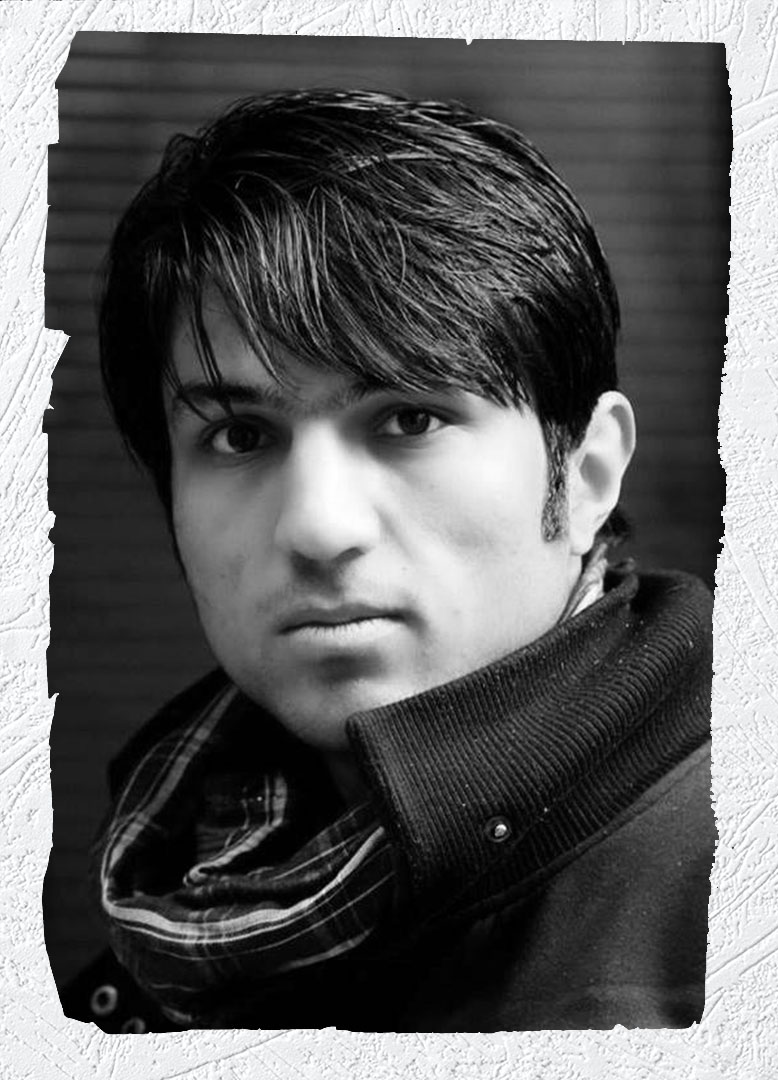
- Gender
- Male
- Ethnicity
- Tajik
- District geolocation of incident
- Kabul: 34° 31′ 1″ N, 69° 8′ 60″ E
- Description of incident
On April 30, 2018, two deadly terrorist attacks attributed to the ISIS group in Kabul left 26 dead and 49 injured, marking the deadliest attack on journalists in the past fifteen years in Afghanistan. These attacks took place in the Sheshderak area of the 9th police district of Kabul City.
- Witness/Survivor Statement
No statement
- Date added
- Jun 26, 2023
Nawroz Ali Rajabi (Khamosh)
- Photo of Victim

- Gender
- Male
- Ethnicity
- Hazara
- District geolocation of incident
- Kabul: 34° 31′ 1″ N, 69° 8′ 60″ E
- Description of incident
On April 30, 2018, two deadly terrorist attacks attributed to the ISIS group in Kabul left 26 dead and 49 injured, marking the deadliest attack on journalists in the past fifteen years in Afghanistan. These attacks took place in the Sheshderak area of the 9th police district of Kabul City.
- Witness/Survivor Statement
No statement
- Date added
- Jun 26, 2023
Shah Marai Faizi
- Photo of Victim
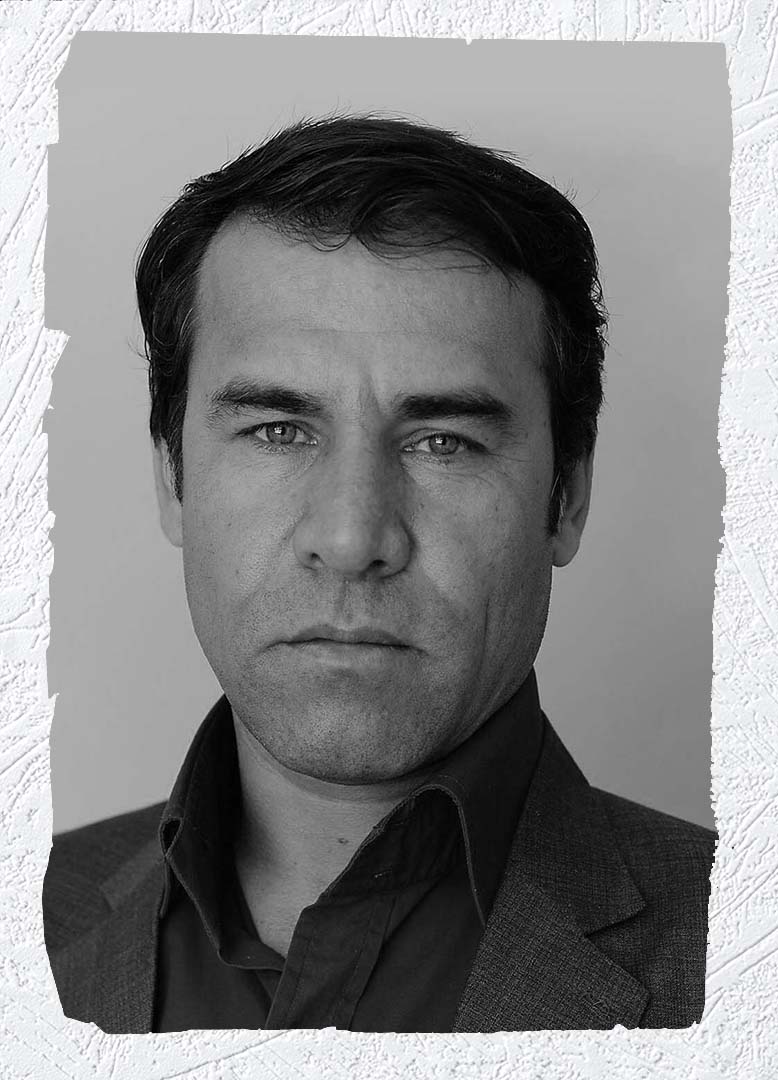
- Gender
- Male
- Ethnicity
- Tajik
- District geolocation of incident
- Kabul: 34° 31′ 1″ N, 69° 8′ 60″ E
- Description of incident
On April 30, 2018, two deadly terrorist attacks attributed to the ISIS group in Kabul left 26 dead and 49 injured, marking the deadliest attack on journalists in the past fifteen years in Afghanistan. These attacks took place in the Sheshderak area of the 9th police district of Kabul City.
- Witness/Survivor Statement
No statement
- Date added
- Jun 23, 2023
Yarmohammad Tokhi
- Photo of Victim

- Gender
- Male
- Ethnicity
- Tajik
- District geolocation of incident
- Kabul: 34° 31′ 1″ N, 69° 8′ 60″ E
- Description of incident
On April 30, 2018, two deadly terrorist attacks attributed to the ISIS group in Kabul left 26 dead and 49 injured, marking the deadliest attack on journalists in the past fifteen years in Afghanistan. These attacks took place in the Sheshderak area of the 9th police district of Kabul City.
- Witness/Survivor Statement
No statement
- Date added
- Jun 23, 2023
Ali Salimi
- Photo of Victim
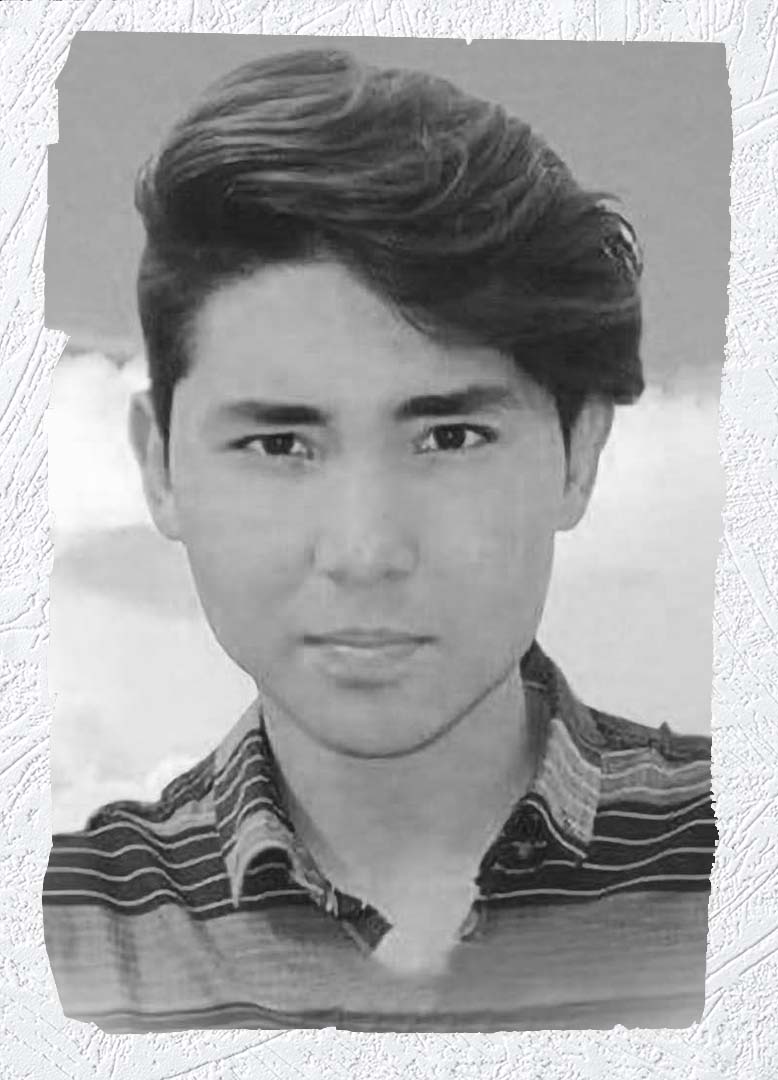
- Gender
- Male
- Ethnicity
- Hazara
- District geolocation of incident
- Kabul: 34° 31′ 1″ N, 69° 8′ 60″ E
- Description of incident
On April 30, 2018, two deadly terrorist attacks attributed to the ISIS group in Kabul left 26 dead and 49 injured, marking the deadliest attack on journalists in the past fifteen years in Afghanistan. These attacks took place in the Sheshderak area of the 9th police district of Kabul City.
- Witness/Survivor Statement
No statement
- Date added
- Jun 23, 2023
Salim Talash
- Photo of Victim
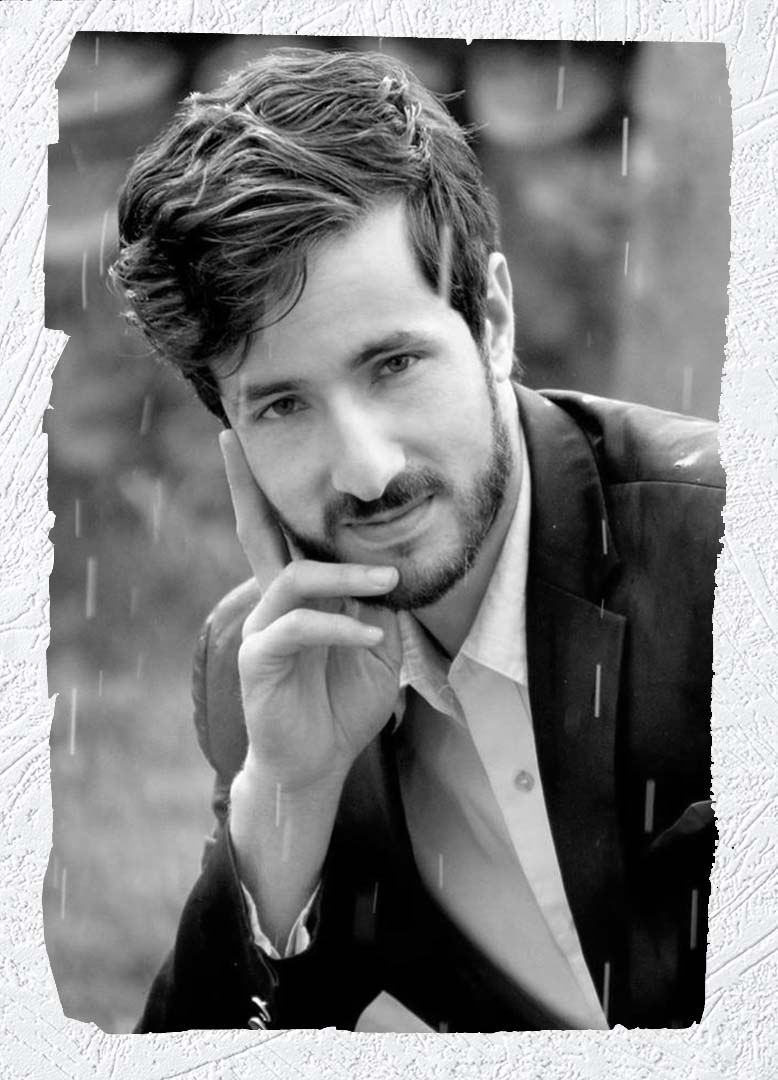
- Gender
- Male
- Ethnicity
- Tajik
- District geolocation of incident
- Kabul: 34° 31′ 1″ N, 69° 8′ 60″ E
- Description of incident
On April 30, 2018, two deadly terrorist attacks attributed to the ISIS group in Kabul left 26 dead and 49 injured, marking the deadliest attack on journalists in the past fifteen years in Afghanistan. These attacks took place in the Sheshderak area of the 9th police district of Kabul City.
- Witness/Survivor Statement
No statement
- Date added
- Jun 23, 2023
Rahmatullah Nikzad
- Photo of Victim

- Gender
- Male
- Ethnicity
- Tajik
- District geolocation of incident
- Ghazni City: 33° 33′ 13″ N, 68° 25′ 50″ E
- Description of incident
On December 21, 2020, Rahmatullah Nikzad, a freelance journalist, was shot and killed by an unknown gunman in Ghazni Province in southern Afghanistan.
- Witness/Survivor Statement
No statement
- Date added
- Jun 23, 2023
Hasnia Khairi
- Photo of Victim

- Gender
- Female
- Ethnicity
- Hazara
- District geolocation of incident
- Kabul: 34° 31′ 1″ N, 69° 8′ 60″ E
- Description of incident
Hasnia Khairi, the sister of Ariana TV reporter Mina Khairi, died in the hospital due to severe injuries.
- Witness/Survivor Statement
No statement
- Date added
- Jun 23, 2023
Mina Khairi
- Photo of Victim

- Gender
- Female
- Ethnicity
- Hazara
- District geolocation of incident
- Kabul: 34° 31′ 1″ N, 69° 8′ 60″ E
- Description of incident
On June 3, 2021, an explosion occurred in Kabul, the capital of Afghanistan. Ariana TV announced that DNA tests of the victims of the explosion in the area of Pul-e-Sokhta in Kabul confirms that Mina Khairi, the announcer of Ariananews and Ariana radios, died in the explosion along with her mother.
- Witness/Survivor Statement
No statement
- Date added
- Jun 23, 2023
Malala Maiwand
- Photo of Victim

- Gender
- Female
- Ethnicity
- Pashtun
- District geolocation of incident
- Jalalabad: 34° 27′ 19″ N, 70° 27′ 7″ E
- Description of incident
Journalist Malala Miwand and her driver, Mohammad Taher, were targeted by a terrorist attack in Nangarhar Province on December 10, 2020. Journalists and human rights activists are usually subjected to targeted attacks where no individual or group takes responsibility for the attack. Targeted killing attacks are one of the bloodiest war tactics in the current conflict. In the first six months of 2020, this tactic killed more Afghan citizens than any other war tactic.
- Witness/Survivor Statement
No statement
- Date added
- Jun 23, 2023
Yama Seyawash
- Photo of Victim

- Gender
- Male
- Ethnicity
- Tajik
- District geolocation of incident
- Kabul: 34° 31′ 1″ N, 69° 8′ 60″ E
- Description of incident
Around 7:45 am on the morning of November 6, 2020, an explosion occurred in the Makrorian 4th area of Kabul. Yema Siavash, former presenter of Tolo Private TV, was killed in the explosion. The explosion occurred in the 9th District of Kabul City. Three civilians were killed. According to the police, this incident was caused by the explosion of a magnetic mine.
- Witness/Survivor Statement
No statements
- Date added
- Jun 22, 2023
Elyas Daei
- Photo of Victim
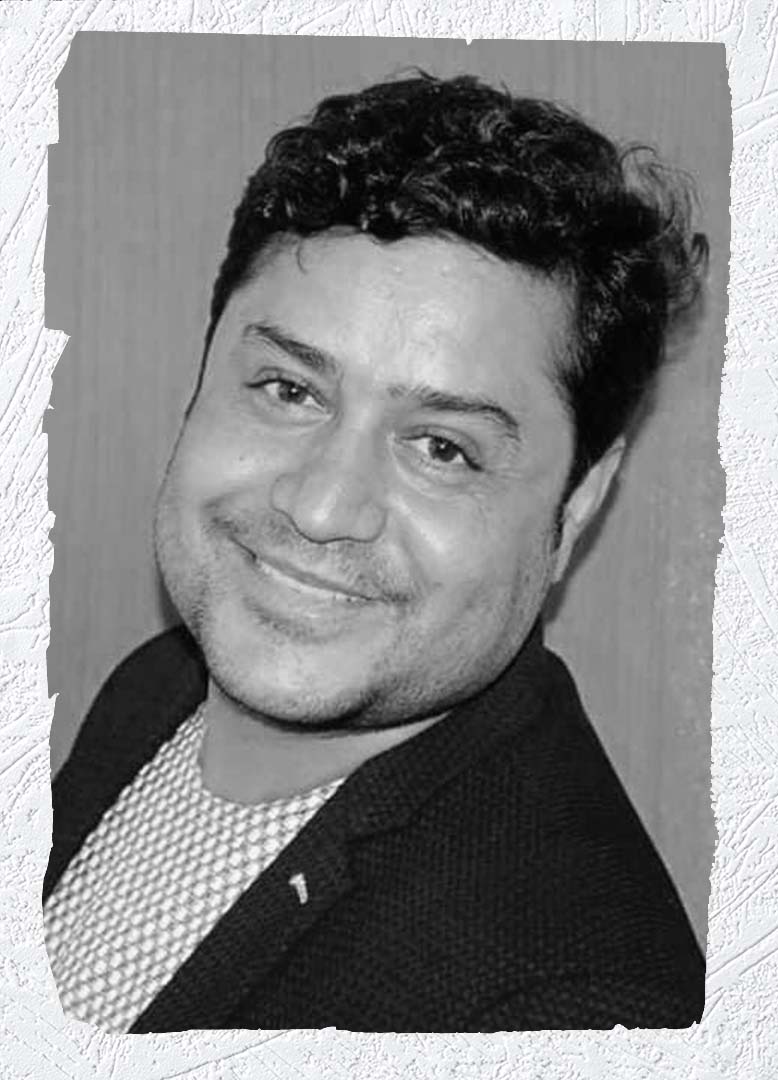
- Gender
- Male
- Ethnicity
- Pashtun
- District geolocation of incident
- Lashkargah: 31° 36′ 39″ N, 64° 24′ 23″ E
- Description of incident
Omar Zwak, the spokesman of the Helmand governor, told the BBC that Mr. Da'ei died on Thursday morning (November 12, 2020). He was going from his home to his office when a magnetic mine in his car exploded.
- Witness/Survivor Statement
No statements
- Date added
- Jun 22, 2023
Bismellah Adil Aimaq
- Photo of Victim

- Gender
- Male
- Ethnicity
- Aimaq
- District geolocation of incident
- Firozkoh (Chaghcharan): 34° 31′ 56″ N, 65° 14′ 49″ E
- Description of incident
Bismellah Adel Imaq, the manager of Sade Gho Radio, was assassinated on 1 January 2021 by unknown armed men in the Barahkhane area in the west of Firuzkoh City, the capital of Ghor Province.
- Witness/Survivor Statement
No statements
- Date added
- Jun 22, 2023
Mohammad Arif
- Photo of Victim

- Gender
- Male
- Ethnicity
- Hazara
- District geolocation of incident
- Kabul: 34° 31′ 1″ N, 69° 8′ 60″ E
- Description of incident
Mohammad Arid was killed in a suicide attack on 16th of November 2014, in Kabul City.
- Witness/Survivor Statement
No statement
- Date added
- Jun 22, 2023
Habibullah Yosofi
- Photo of Victim

- Gender
- Male
- Ethnicity
- Hazara
- District geolocation of incident
- Kabul: 34° 31′ 1″ N, 69° 8′ 60″ E
- Description of incident
He was martyred on the 15th of November, 2021, as a result of an explosion in Mehtab Qala in Dasht-e Barchi.
- Witness/Survivor Statement
No statement
- Date added
- Jun 22, 2023
Zainab Abdullahi
- Photo of Victim

- Gender
- Female
- Ethnicity
- Hazara
- District geolocation of incident
- Kabul: 34° 31′ 1″ N, 69° 8′ 60″ E
- Description of incident
On January 14, 2022, the forces of the Taliban shot and killed a young woman in a checkpoint in the Dasht-e Barchi area of Kabul City. The victim of this event has been identified as Zainab Abdullahi.
- Witness/Survivor Statement
No statement
- Date added
- Jun 22, 2023
Nigar
- Photo of Victim

- Gender
- Female
- Ethnicity
- Hazara
- District geolocation of incident
- Firozkoh (Chaghcharan): 34° 31′ 56″ N, 65° 14′ 49″ E
- Description of incident
Sources confirm that a former female police member was shot by Taliban forces in Ghor Province. This event took place on 05 September 2021, in Firuzkoh city, the capital of Ghor Province.
- Witness/Survivor Statement
No statement
- Date added
- Jun 21, 2023
Nafisa
- Photo of Victim

- Gender
- Female
- Ethnicity
- Hazara
- District geolocation of incident
- Mazar-e Sharif: 36° 41′ 38″ N, 67° 6′ 48″ E
- Description of incident
A young girl named Nafisa was brutally tortured and killed by the Taliban. They shot her 12 times. Nafisa was a midwife who worked at the Ali Choupan clinic. On April 2, 2022, she was going home from work with her sister's child and a male colleague. At a checkpoint, the Taliban asked her what her relationship was to the man she was with. When she said that he was a colleague, the Taliban questioned why she was in the same car as a non-mahram. Then, they tortured and killed her.
- Witness/Survivor Statement
No statement
- Date added
- Jun 21, 2023
Hassan Qanoni
- Photo of Victim

- Gender
- Male
- Ethnicity
- Sadat
- District geolocation of incident
- Herat City: 34° 20′ 58″ N, 62° 11′ 21″ E
- Description of incident
Hasan Qanoni was a young Hazara doctor. During the government of Ashraf Ghani Ahmadzai, he worked with the National Army. On March 28, 2021, he went missing from the city of Herat. Two days later, his burnt body was found in the city. The Taliban tortured and killed him, then burned his body.
- Witness/Survivor Statement
No statement
- Date added
- Jun 21, 2023
M. Ibrahim Hussaini
- Photo of Victim
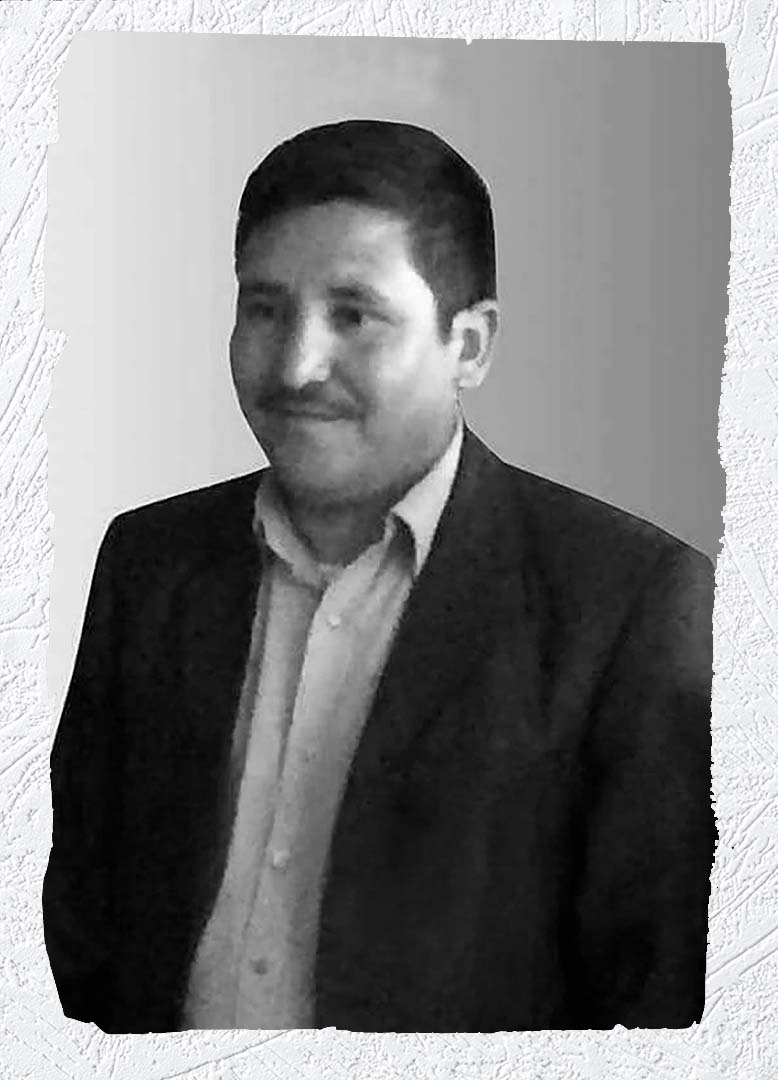
- Gender
- Male
- Ethnicity
- Hazara
- District geolocation of incident
- Kabul: 34° 31′ 1″ N, 69° 8′ 60″ E
- Description of incident
On July 24, 2017, a car bomb struck a government bus transporting employees of the Ministry of Mines and Petroleum, resulting in the deaths of at least 35 individuals and injuring 40 others. The victims were all civilians, mostly of Hazara ethnicity employed by the Afghanistan Ministry of Mines. The explosion took place in the Sar-e-Kariz area of District 3 in western Kabul. Taliban spokesman Zabihullah Mujahid claimed responsibility for the attack, stating that the group had targeted employees of the National Directorate of Security.
- Witness/Survivor Statement
No statement
- Date added
- Jun 21, 2023
Sher Ahmad Sarabi
- Photo of Victim

- Gender
- Male
- Ethnicity
- Hazara
- District geolocation of incident
- Kabul: 34° 31′ 1″ N, 69° 8′ 60″ E
- Description of incident
Around 6:45 a.m. on July 24, 2017, a suicide bomber detonated his explosives in the Sarikariz area of the Third District, a few steps from the house of Mohammad Mohaghegh, the second deputy of the executive directorate. As a result, 24 people died and 40 people were injured.
- Witness/Survivor Statement
No statement
- Date added
- Jun 21, 2023
Ali Dost Shams
- Photo of Victim

- Gender
- Male
- Ethnicity
- Hazara
- District geolocation of incident
- Khwaja Umari: 33° 41′ 20″ N, 68° 24′ 4″ E
- Description of incident
On the morning of April 12, 2018, the Taliban commenced a bloody attack on the district centre of Khwaja Umari, Ghana Province. Ali Dost Shams, the educated district governor of Khwaja Umari, and 20 brave soldiers were martyred. 12 other soldiers were wounded.
- Witness/Survivor Statement
No statement
- Date added
- Jun 21, 2023
Latifa (Firouzkoh's Bride)
- Photo of Victim

- Gender
- Female
- Ethnicity
- Hazara
- District geolocation of incident
- Firozkoh (Chaghcharan): 34° 31′ 56″ N, 65° 14′ 49″ E
- Description of incident
On July 24, 2014, the Taliban shot and killed fourteen minibus passengers, including a bride, her sister, mother, and son-in-law. The Taliban stopped three minibuses carrying passengers from the city of Firuzkoh (Chaghcheran), the capital of Ghor Province, to Kabul. The Taliban divided the passengers into two groups based on their identity documents, separating those who were Hazara. They tied the hands of the Hazaras and shot them. Everyone else was released.
- Witness/Survivor Statement
No statement
- Date added
- Jun 20, 2023
Amir Mohammad Ansari Baloch
- Photo of Victim

- Gender
- Male
- Ethnicity
- Baloch
- District geolocation of incident
- Kandahar: 31° 37′ 52″ N, 65° 44′ 31″ E
- Description of incident
In 2007, while traveling from Herat to Kandahar, Amir Mohammad Ansari Baloch was captured by the Taliban and held for ransom. In 2008, despite the Taliban's promise to release him after receiving the ransom money, they killed him.
- Witness/Survivor Statement
No statement
- Date added
- Jun 8, 2023
Shafeullah Nasiri
- Photo of Victim

- Gender
- Male
- Ethnicity
- Pashtun
- District geolocation of incident
- Jalalabad: 34° 27′ 19″ N, 70° 27′ 7″ E
- Description of incident
The spokesperson of the Afghanistan Independent Human Rights Commission announced that two of their employees were killed and six others were injured when a roadside mine exploded in Jalalabad City, the capital of Nangarhar Province on October 26, 2015.
- Witness/Survivor Statement
No statement
- Date added
- Jun 8, 2023
Omran Aziz
- Photo of Victim

- Gender
- Male
- Ethnicity
- Pashtun
- District geolocation of incident
- Jalalabad: 34° 27′ 19″ N, 70° 27′ 7″ E
- Description of incident
The spokesperson of the Afghanistan Independent Human Rights Commission announced that two of their employees were killed and six others were injured when a roadside mine exploded in Jalalabad City, the capital of Nangarhar Province on October 26, 2015.
- Witness/Survivor Statement
No statement
- Date added
- Jun 8, 2023
Ahmad Jawid Folad
- Photo of Victim

- Gender
- Male
- Ethnicity
- Hazara
- District geolocation of incident
- Kabul: 34° 31′ 1″ N, 69° 8′ 60″ E
- Description of incident
On June 27, 2020, an explosion caused by a magnetic mine in Kabul killed 24-year-old Fatima Khalil and her colleague, Ahmad Jawid Folad.
- Witness/Survivor Statement
No statement
- Date added
- Jun 8, 2023
Fatima Natasha Khalil
- Photo of Victim

- Gender
- Female
- Ethnicity
- Tajik
- District geolocation of incident
- Kabul: 34° 31′ 1″ N, 69° 8′ 60″ E
- Description of incident
On June 27, 2020, an explosion caused by a magnetic mine in Kabul killed 24-year-old Fatima Khalil and her colleague, Ahmad Jawid Folad. Mrs. Khalil graduated from the American University of Central Asia and was an employee of the Afghanistan Independent Human Rights Commission.
- Witness/Survivor Statement
No statement
- Date added
- Jun 8, 2023
Hamida Barmaki
- Photo of Victim

- Gender
- Female
- Ethnicity
- Tajik
- District geolocation of incident
- Kabul: 34° 31′ 1″ N, 69° 8′ 60″ EAjristan: 33° 49′ 11″ N, 67° 12′ 53″ E
- Description of incident
On January 28, 2011, Hamida Barmaki, a respected law professor at Kabul University School of Law and Child Rights Commissioner of the Afghan Independent Human Rights Commission (AIHRC), tragically lost her life in a suicide attack at Finest Supermarket in Kabul. Also among the victims were her husband, Masoud Yama, a doctor at Sardar Mohammad Daud Khan Hospital and an employee of the Ministry of Finance, and their four children: Narun Dunya, Vira Sahar, Marghna Nila, and Ahmad Bilal. Responsibility for the attack was claimed by the Hazb-e-Islamic (Islamic Party), led by Gulbuddin Hekmatyar.
- Witness/Survivor Statement
No statement
- Date added
- Jun 8, 2023
Abdul Samad Amiri
- Photo of Victim
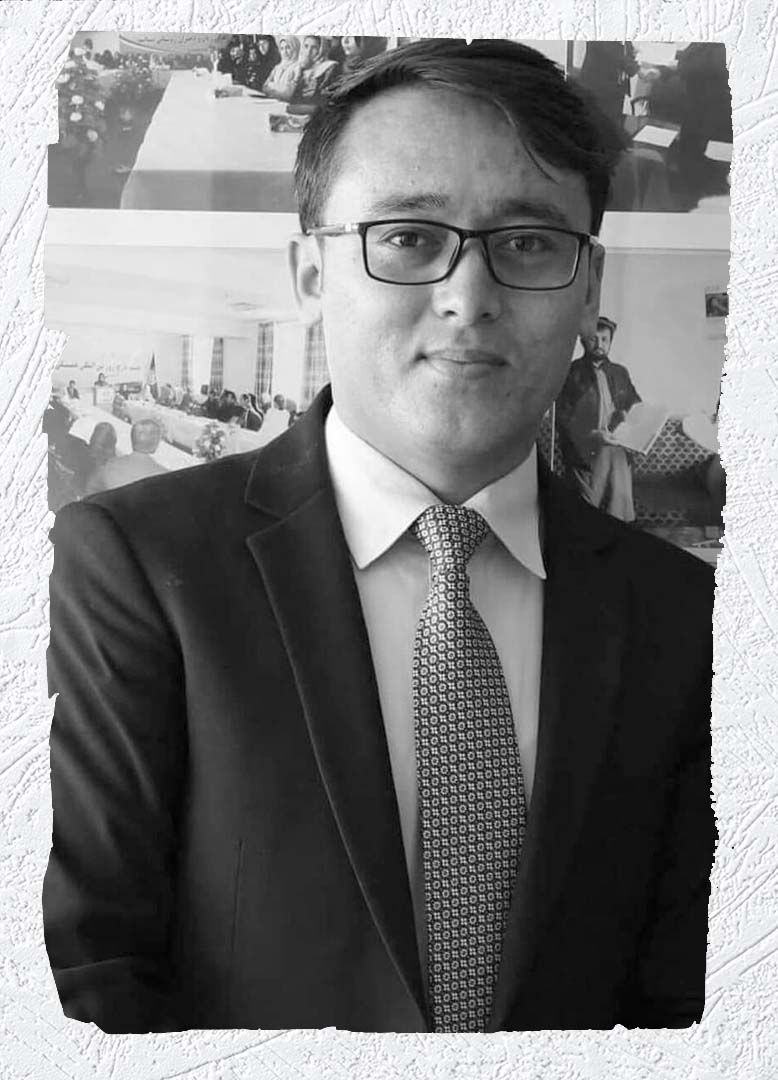
- Gender
- Male
- Ethnicity
- Hazara
- District geolocation of incident
- Jalrez: 34° 37′ 46″ N, 68° 39′ 29″ E
- Description of incident
Abdul Samad Amiri, a human rights activist and the acting director of the Afghanistan Independent Human Rights Commission (AIHRC), was kidnapped by the Taliban on September 3, 2019, while traveling to Kabul. The Taliban held Amiri captive in the Jalriz district of Maidan Wardak Province. After being imprisoned for two days, Samad was brutally shot on September 5, 2019. His body was left out in the open for two days on the side of Highway No. 2 in the Taliban-held Jalriz area.
- Witness/Survivor Statement
No statement
- Date added
- Jun 8, 2023
Abdulqaum Shafaee
- Photo of Victim

- Gender
- Male
- Ethnicity
- Hazara
- District geolocation of incident
- Kabul: 34° 31′ 1″ N, 69° 8′ 60″ E
- Description of incident
On November 11, 2018, thousands of Kabul residents protested what they called "the government's inaction in preventing the attack of the Taliban group on Malistan and Jaghouri districts in Ghazni Province and Khas Uruzgan District in Uruzgan Province." They started a march and gathered near the presidential palace. The rally continued until dawn on Monday, when President Ghani accepted some of the protesters' demands through a phone call. People were then leaving the rally when a suicide bombing took place.
- Witness/Survivor Statement
No statement
- Date added
- Jun 7, 2023
Gulchehra Sadaf Qasimi
- Photo of Victim

- Gender
- Female
- Ethnicity
- Hazara
- District geolocation of incident
- Kabul: 34° 31′ 1″ N, 69° 8′ 60″ E
- Description of incident
On November 11, 2018, thousands of Kabul residents protested what they called "the government's inaction in preventing the attack of the Taliban group on Malistan and Jaghouri districts in Ghazni Province and Khas Uruzgan District in Uruzgan Province." They started a march and gathered near the presidential palace. The rally continued until dawn on Monday, when President Ghani accepted some of the protesters' demands through a phone call. People were then leaving the rally when a suicide bombing took place.
- Witness/Survivor Statement
No statement
- Date added
- Jun 7, 2023
Freshta Akbari Hazaristani
- Photo of Victim

- Gender
- Female
- Ethnicity
- Hazara
- District geolocation of incident
- Kabul: 34° 31′ 1″ N, 69° 8′ 60″ E
- Description of incident
On November 11, 2018, thousands of Kabul residents protested what they called "the government's inaction in preventing the attack of the Taliban group on Malistan and Jaghouri districts in Ghazni Province and Khas Uruzgan District in Uruzgan Province." They started a march and gathered near the presidential palace. The rally continued until dawn on Monday, when President Ghani accepted some of the protesters' demands through a phone call. People were then leaving the rally when a suicide bombing took place.
- Witness/Survivor Statement
No statement
- Date added
- Jun 7, 2023
Fatima Batul Sultani
- Photo of Victim

- Gender
- Female
- Ethnicity
- Hazara
- District geolocation of incident
- Kabul: 34° 31′ 1″ N, 69° 8′ 60″ E
- Description of incident
On November 11, 2018, thousands of Kabul residents protested what they called "the government's inaction in preventing the attack of the Taliban group on Malistan and Jaghouri districts in Ghazni Province and Khas Uruzgan District in Uruzgan Province." They started a march and gathered near the presidential palace. The rally continued until dawn on Monday, when President Ghani accepted some of the protesters' demands through a phone call. People were then leaving the rally when a suicide bombing took place.
- Witness/Survivor Statement
No statement
- Date added
- Jun 7, 2023
Ismaeal Bashar Dost
- Photo of Victim
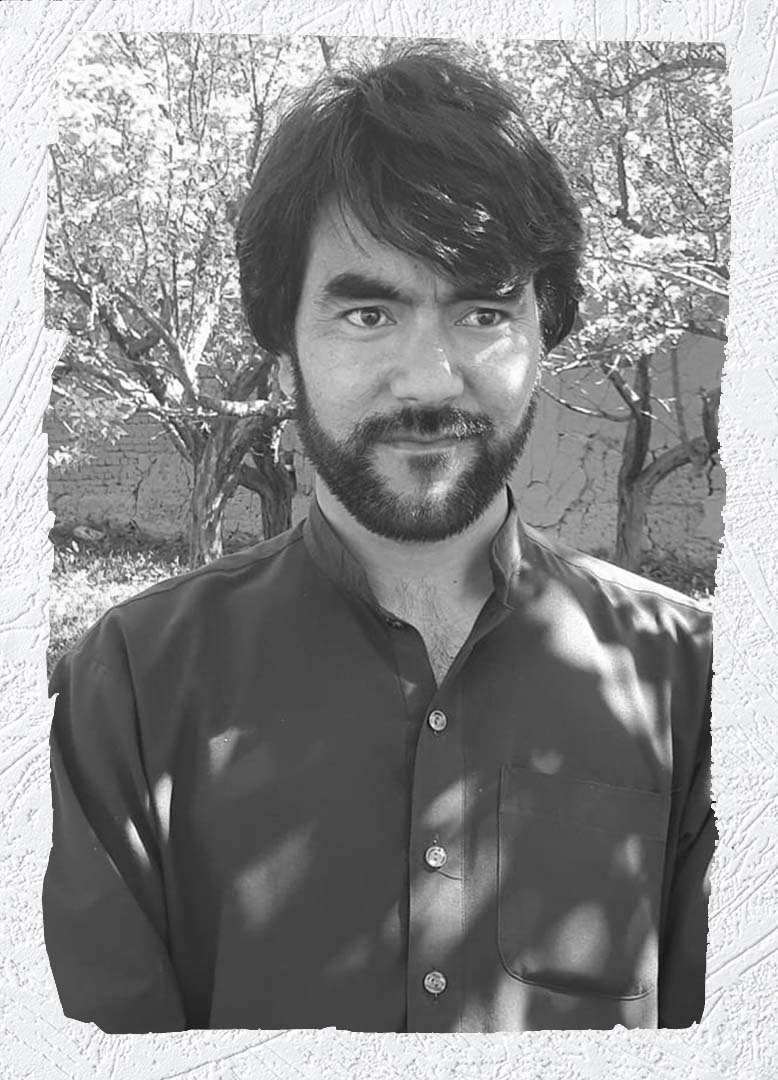
- Gender
- Male
- Ethnicity
- Hazara
- District geolocation of incident
- Kabul: 34° 31′ 1″ N, 69° 8′ 60″ E
- Description of incident
On November 11, 2018, thousands of Kabul residents protested what they called "the government's inaction in preventing the attack of the Taliban group on Malistan and Jaghouri districts in Ghazni Province and Khas Uruzgan District in Uruzgan Province." They started a march and gathered near the presidential palace. The rally continued until dawn on Monday, when President Ghani accepted some of the protesters' demands through a phone call. People were then leaving the rally when a suicide bombing took place.
- Witness/Survivor Statement
No statement
- Date added
- Jun 7, 2023
Madina Lali
- Photo of Victim

- Gender
- Female
- Ethnicity
- Hazara
- District geolocation of incident
- Kabul: 34° 31′ 1″ N, 69° 8′ 60″ E
- Description of incident
A suicide bomber detonated an explosive device inside a classroom at Mawoud Educational Academy, where over 240 students were preparing for a university entrance exam. The attack took place at approximately 4:00 pm on August 15, 2018, in the Naqash section of the Hazara-majority Dasht-e-Barchi Neighborhood, PD-18, in western Kabul. At least 50 students were killed, and 67 others were injured; some of them sustained critical injuries. The majority of casualties were high school students under the age of 20 belonging to the Hazara ethnic group. The Islamic State of Khorasan Province (ISIL-KP) asserted responsibility for the attack on Hazaras.
- Witness/Survivor Statement
No statement
- Date added
- May 30, 2023
A pro-government militia commander and eight civilians were killed and 14 others were wounded in a suicide attack
- Date added
- May 25, 2023
Three farmers were killed by a Taliban rocket when they refused to pay taxes to the Taliban
- Date added
- May 25, 2023
A woman and two men were killed when a roadside bomb hit their motorcycle
- Date added
- May 25, 2023
Two employees of the provincial court were shot and killed by unknown gunmen in Jalalabad
- Date added
- May 25, 2023
An airstrike hit a house located three miles away from the battlefield killing seven civilians from the same family
- Date added
- May 25, 2023
Afghan special forces carried out a raid on an NGO clinic taking the doctor in charge to an undisclosed location
- Date added
- May 25, 2023
A bomb placed in a private health facility exploded, killing one civilian doctor and wounding two other civilians
- Date added
- May 25, 2023
A roadside bomb hit a vehicle belonging to the National Directorate of Security killing 2 members of the directorate and wounding 2 others
- Date added
- May 25, 2023
ISIL-KP detonated a remote-controlled IED inside of a Shi'a mosque killing 24 civilian people
- Date added
- May 25, 2023
The Taliban attacked the center of the Khwaja Sabz Posh District with mortar shells killing 9 civilians and injuring 33 others
- Date added
- May 25, 2023
The Taliban killed Abdul Qayyum Ansari, a Shiite religious scholar
- Date added
- May 25, 2023
Mohammad Khan
- Photo of Victim
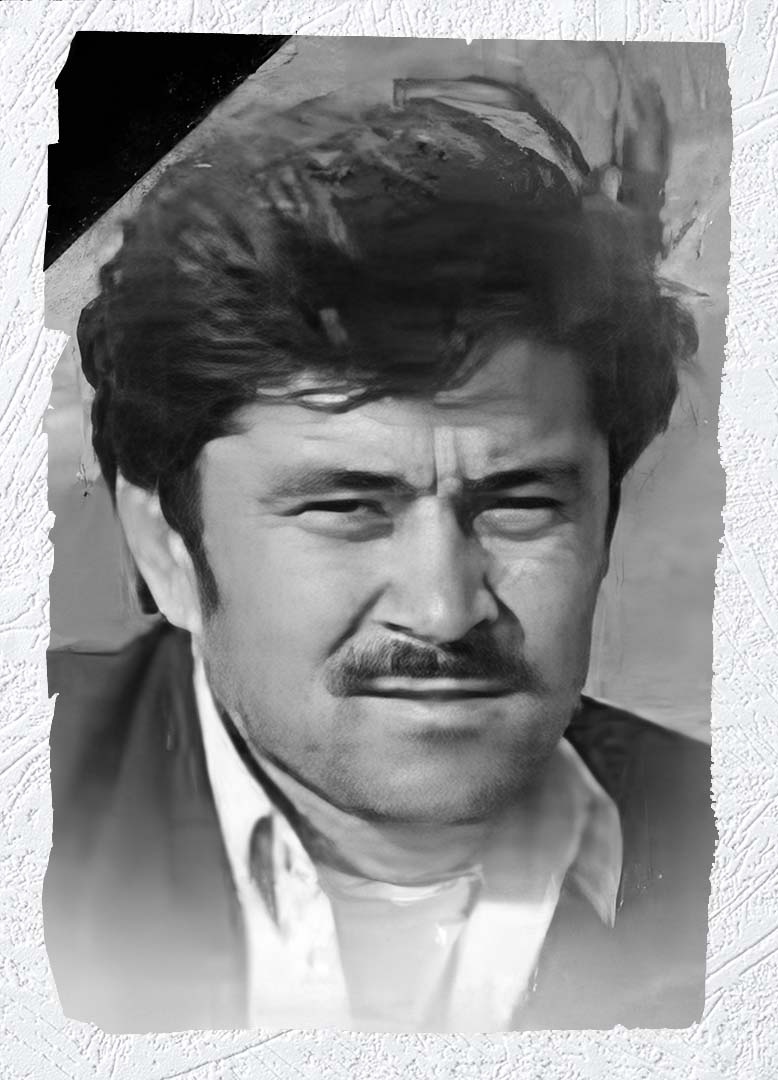
- Gender
- Male
- Ethnicity
- Hazara
- District geolocation of incident
- Arghandab: 31° 39′ 3″ N, 65° 38′ 59″ E
- Description of incident
On November 9, 2015, in Zabul Province, seven Hazara individuals were taken hostage and beheaded by the Islamic State. Among the victims was Shukria Tabassum, a nine-year-old child.
- Witness/Survivor Statement
No statement
- Date added
- May 25, 2023
Mohib Ali
- Photo of Victim
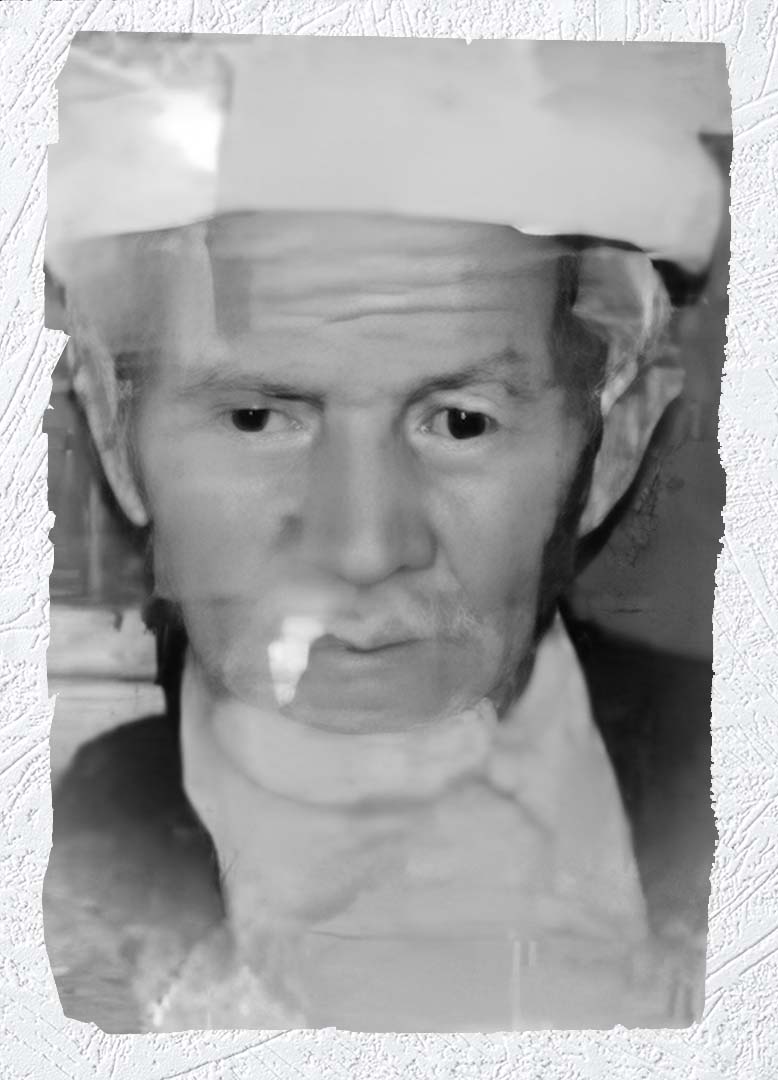
- Gender
- Male
- Ethnicity
- Hazara
- District geolocation of incident
- Arghandab: 31° 39′ 3″ N, 65° 38′ 59″ E
- Description of incident
On November 9, 2015, in Zabul Province, seven Hazara individuals were taken hostage and beheaded by the Islamic State. Among the victims was Shukria Tabassum, a nine-year-old child.
- Witness/Survivor Statement
No statement
- Date added
- May 25, 2023
The Taliban attacked an office of the local pro-government militia kiling one civilian and wounding another
- Date added
- May 24, 2023
An airstrike hit a home killing two women and wounding three children
- Date added
- May 24, 2023
An explosive went off in Kunduz City’s Third Police District killing one civilian and wounding three others
- Date added
- May 24, 2023
The Taliban conducted an attack on a military base killing 45 police officers and 8 Independent Election Commission of Afghanistan employees
- Date added
- May 24, 2023
A local police officer killed a farmer and wounded his brother after the farmer refused to pay a tax to the local police
- Date added
- May 24, 2023
Sadiq Ali
- Photo of Victim

- Gender
- Male
- Ethnicity
- Hazara
- District geolocation of incident
- Arghandab: 31° 39′ 3″ N, 65° 38′ 59″ E
- Description of incident
On November 9, 2015, in Zabul Province, seven Hazara individuals were taken hostage and beheaded by the Islamic State. Among the victims was Shukria Tabassum, a nine-year-old child.
- Witness/Survivor Statement
No statement
- Date added
- May 24, 2023
Shawkat Ali
- Photo of Victim

- Gender
- Male
- Ethnicity
- Hazara
- District geolocation of incident
- Arghandab: 31° 39′ 3″ N, 65° 38′ 59″ E
- Description of incident
On November 9, 2015, in Zabul Province, seven Hazara individuals were taken hostage and beheaded by the Islamic State. Among the victims was Shukria Tabassum, a nine-year-old child.
- Witness/Survivor Statement
No statement
- Date added
- May 24, 2023
Sardaro Ali
- Photo of Victim

- Gender
- Female
- Ethnicity
- Hazara
- District geolocation of incident
- Arghandab: 31° 39′ 3″ N, 65° 38′ 59″ E
- Description of incident
On November 9, 2015, in Zabul Province, seven Hazara individuals were taken hostage and beheaded by the Islamic State. Among the victims was Shukria Tabassum, a nine-year-old child.
- Witness/Survivor Statement
No statement
- Date added
- May 24, 2023
Gul Pari
- Photo of Victim

- Gender
- Female
- Ethnicity
- Hazara
- District geolocation of incident
- Arghandab: 31° 39′ 3″ N, 65° 38′ 59″ E
- Description of incident
On November 9, 2015, in Zabul Province, seven Hazara individuals were taken hostage and beheaded by the Islamic State. Among the victims was Shukria Tabassum, a nine-year-old child.
- Witness/Survivor Statement
No statement
- Date added
- May 24, 2023
Shukria Tabassum
- Photo of Victim

- Gender
- Female
- Ethnicity
- Hazara
- District geolocation of incident
- Arghandab: 31° 39′ 3″ N, 65° 38′ 59″ E
- Description of incident
On November 9, 2015, in Zabul Province, seven Hazara individuals were taken hostage and beheaded by the Islamic State. Among the victims was Shukria Tabassum, a nine-year-old child.
- Witness/Survivor Statement
No statement
- Date added
- May 24, 2023
Nazar Ali Muradi
- Photo of Victim
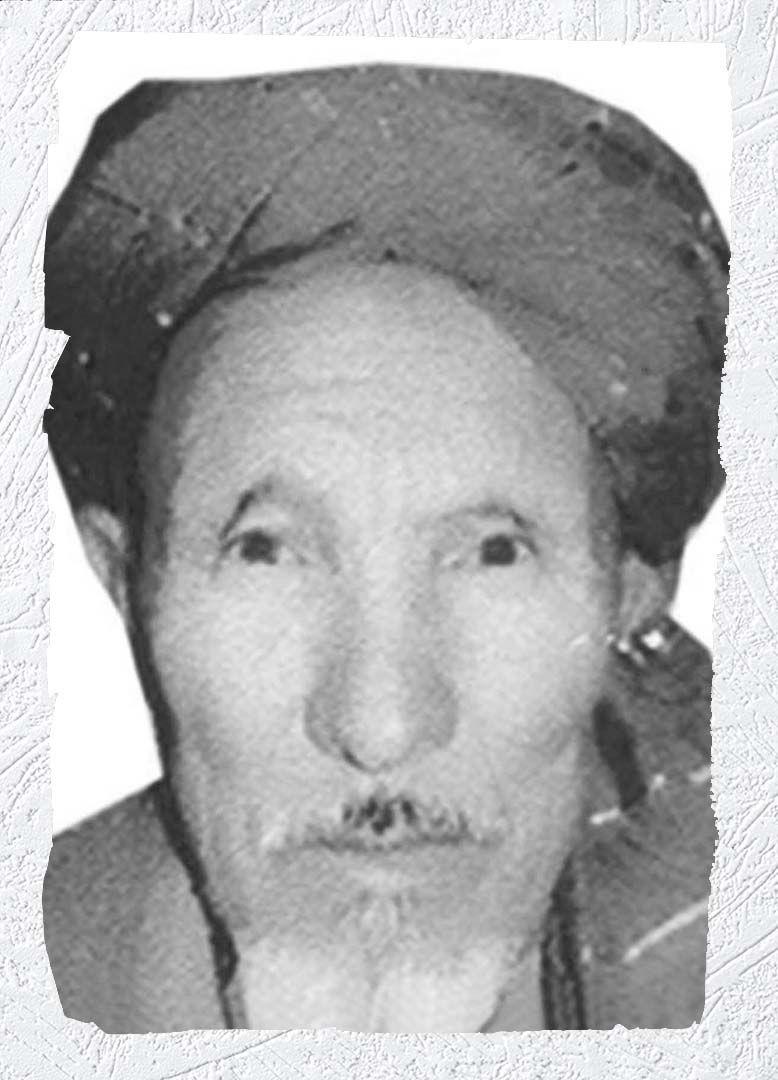
- Gender
- Male
- Ethnicity
- Hazara
- District geolocation of incident
- Kabul: 34° 31′ 1″ N, 69° 8′ 60″ E
- Description of incident
On October 20, 2017, a suicide attack took place in the Imam Zaman Mosque in Dasht-e Barchi, while people were there for prayers. Dasht-e Barchi is the Hazara area of Kabul. As a result of the terrorist attack, 56 people were killed and 55 others were injured.
- Witness/Survivor Statement
No statement
- Date added
- May 23, 2023
Nastojan Melati
- Photo of Victim
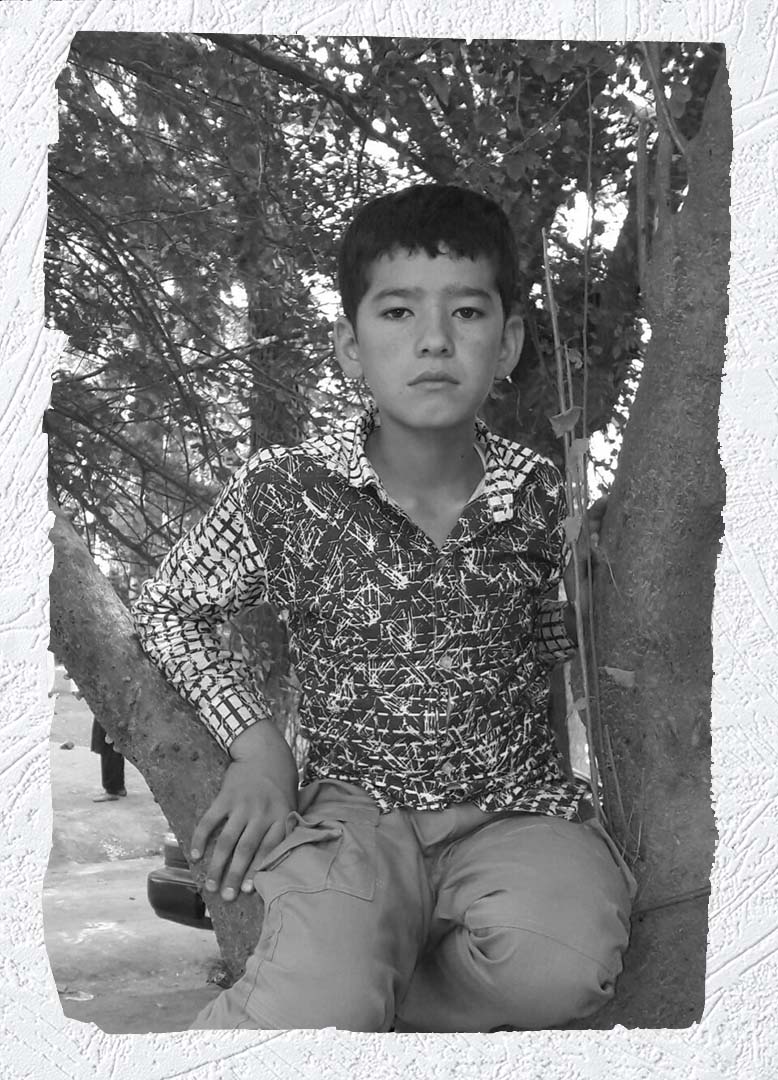
- Gender
- Male
- Ethnicity
- Hazara
- District geolocation of incident
- Kabul: 34° 31′ 1″ N, 69° 8′ 60″ E
- Description of incident
On October 20, 2017, a suicide attack took place in the Imam Zaman Mosque in Dasht-e Barchi, while people were there for prayers. Dasht-e Barchi is the Hazara area of Kabul. As a result of the terrorist attack, 56 people were killed and 55 others were injured.
- Witness/Survivor Statement
No statement
- Date added
- May 23, 2023
Mirza Hussain Ramazani
- Photo of Victim

- Gender
- Male
- Ethnicity
- Hazara
- District geolocation of incident
- Kabul: 34° 31′ 1″ N, 69° 8′ 60″ E
- Description of incident
On October 20, 2017, a suicide attack took place in the Imam Zaman Mosque in Dasht-e Barchi, while people were there for prayers. Dasht-e Barchi is the Hazara area of Kabul. As a result of the terrorist attack, 56 people were killed and 55 others were injured.
- Witness/Survivor Statement
No statement
- Date added
- May 23, 2023
Mustafa Hussaini
- Photo of Victim

- Gender
- Male
- Ethnicity
- Hazara
- District geolocation of incident
- Kabul: 34° 31′ 1″ N, 69° 8′ 60″ E
- Description of incident
On October 20, 2017, a suicide attack took place in the Imam Zaman Mosque in Dasht-e Barchi, while people were there for prayers. Dasht-e Barchi is the Hazara area of Kabul. As a result of the terrorist attack, 56 people were killed and 55 others were injured.
- Witness/Survivor Statement
No statement
- Date added
- May 23, 2023
Mohammad Nasim Gawhari
- Photo of Victim
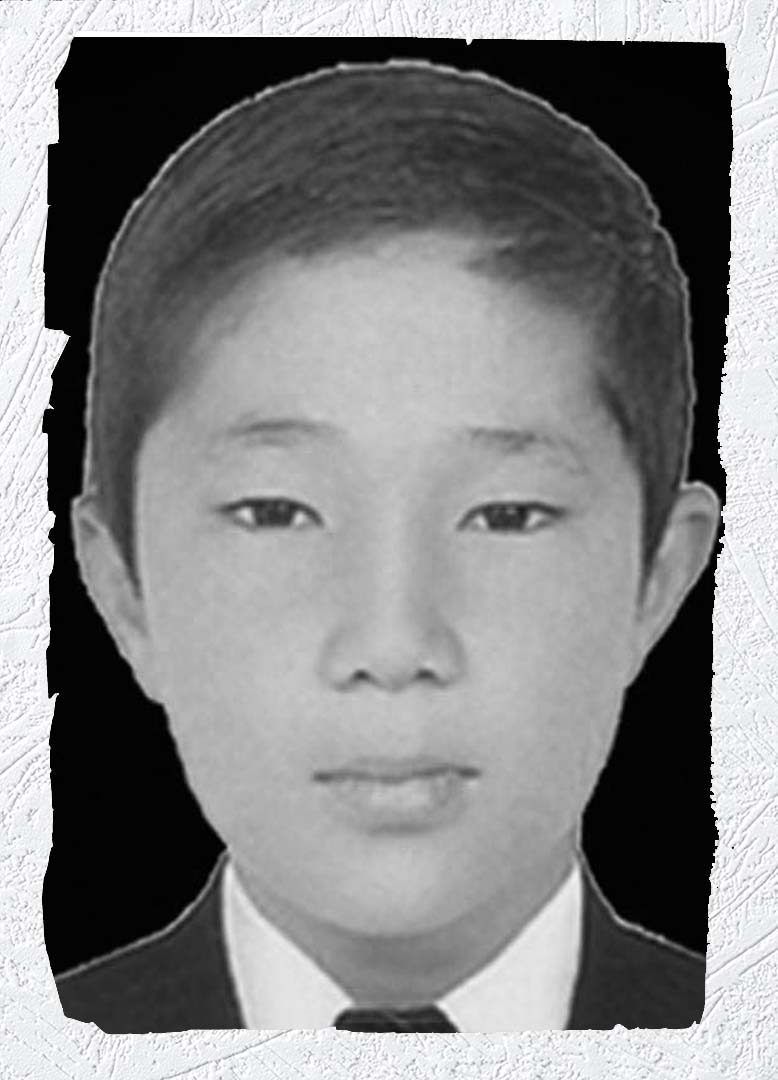
- Gender
- Male
- Ethnicity
- Hazara
- District geolocation of incident
- Kabul: 34° 31′ 1″ N, 69° 8′ 60″ E
- Description of incident
On October 20, 2017, a suicide attack took place in the Imam Zaman Mosque in Dasht-e Barchi, while people were there for prayers. Dasht-e Barchi is the Hazara area of Kabul. As a result of the terrorist attack, 56 people were killed and 55 others were injured.
- Witness/Survivor Statement
No statement
- Date added
- May 23, 2023
Mohammad Musa Mahmodi
- Photo of Victim

- Gender
- Male
- Ethnicity
- Hazara
- District geolocation of incident
- Kabul: 34° 31′ 1″ N, 69° 8′ 60″ E
- Description of incident
On October 20, 2017, a suicide attack took place in the Imam Zaman Mosque in Dasht-e Barchi, while people were there for prayers. Dasht-e Barchi is the Hazara area of Kabul. As a result of the terrorist attack, 56 people were killed and 55 others were injured.
- Witness/Survivor Statement
No statement
- Date added
- May 22, 2023
Mohammad Ali Nori
- Photo of Victim
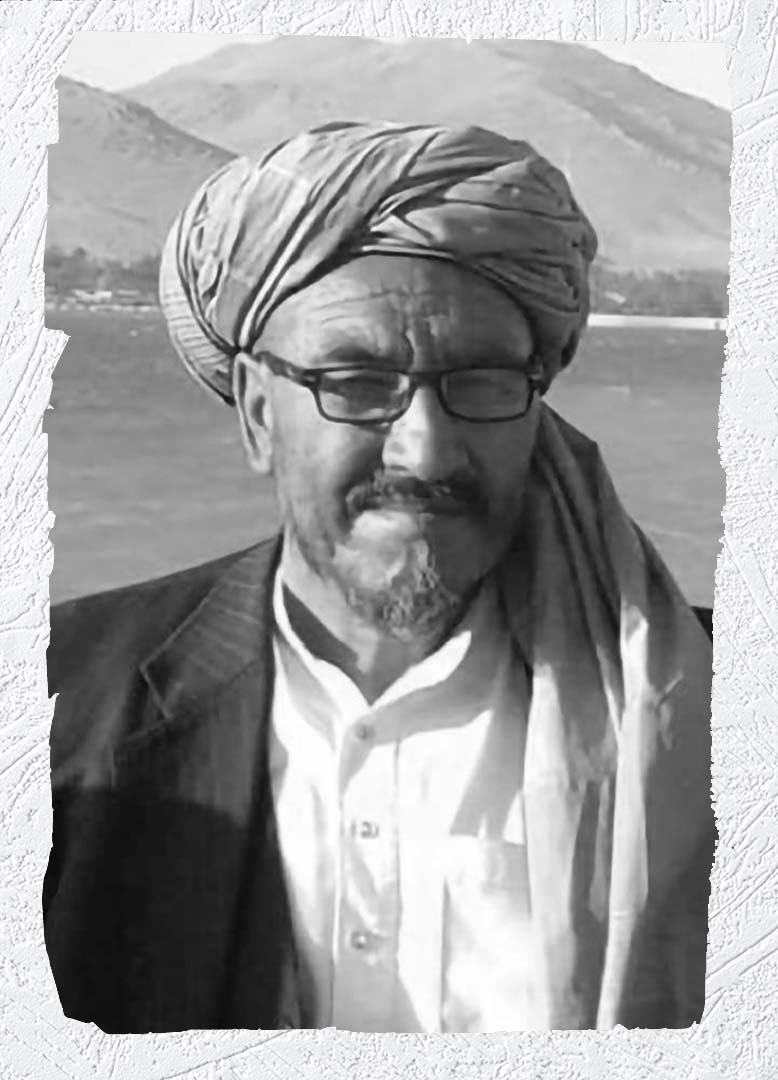
- Gender
- Male
- Ethnicity
- Hazara
- District geolocation of incident
- Kabul: 34° 31′ 1″ N, 69° 8′ 60″ E
- Description of incident
On October 20, 2017, a suicide attack took place in the Imam Zaman Mosque in Dasht-e Barchi, while people were there for prayers. Dasht-e Barchi is the Hazara area of Kabul. As a result of the terrorist attack, 56 people were killed and 55 others were injured.
- Witness/Survivor Statement
No statement
- Date added
- May 22, 2023
Mohammad Ali Khan
- Photo of Victim
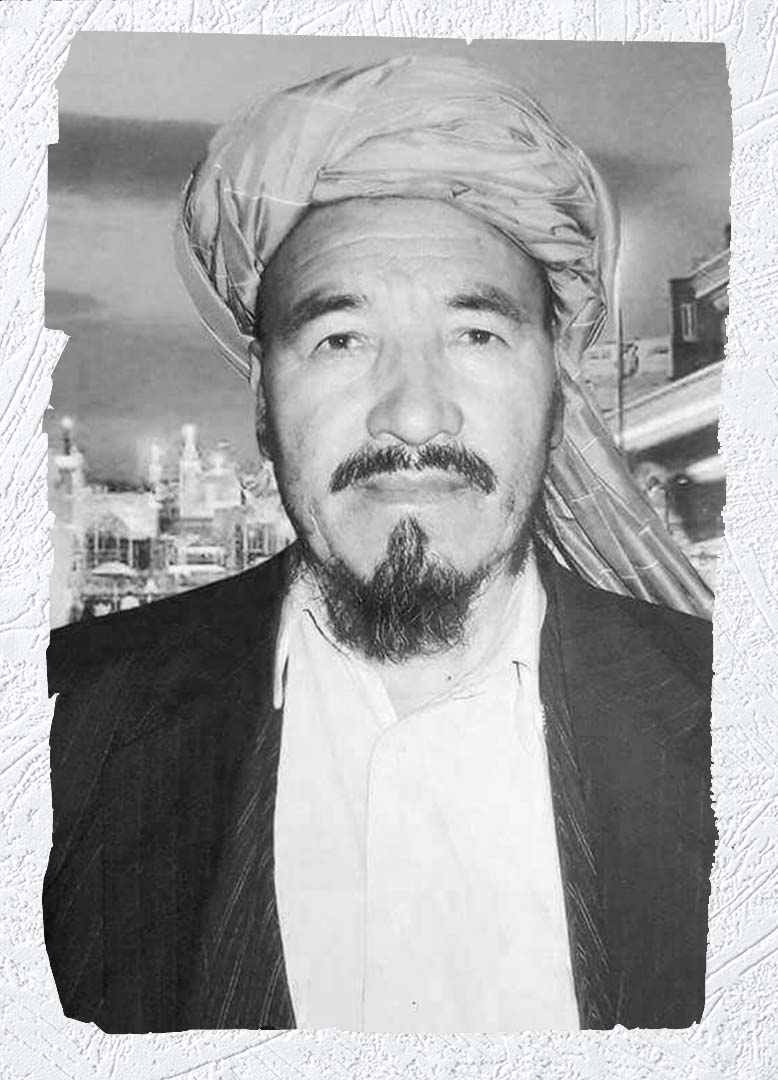
- Gender
- Male
- Ethnicity
- Hazara
- District geolocation of incident
- Kabul: 34° 31′ 1″ N, 69° 8′ 60″ E
- Description of incident
On October 20, 2017, a suicide attack took place in the Imam Zaman Mosque in Dasht-e Barchi, while people were there for prayers. Dasht-e Barchi is the Hazara area of Kabul. As a result of the terrorist attack, 56 people were killed and 55 others were injured.
- Witness/Survivor Statement
No statement
- Date added
- May 22, 2023
Mohammad Ali Hassani
- Photo of Victim

- Gender
- Male
- Ethnicity
- Hazara
- District geolocation of incident
- Kabul: 34° 31′ 1″ N, 69° 8′ 60″ E
- Description of incident
On October 20, 2017, a suicide attack took place in the Imam Zaman Mosque in Dasht-e Barchi, while people were there for prayers. Dasht-e Barchi is the Hazara area of Kabul. As a result of the terrorist attack, 56 people were killed and 55 others were injured.
- Witness/Survivor Statement
No statement
- Date added
- May 22, 2023
Mohammad Arif Rezaee
- Photo of Victim
- Gender
- Male
- Ethnicity
- Hazara
- District geolocation of incident
- Kabul: 34° 31′ 1″ N, 69° 8′ 60″ E
- Description of incident
On October 20, 2017, a suicide attack took place in the Imam Zaman Mosque in Dasht-e Barchi, while people were there for prayers. Dasht-e Barchi is the Hazara area of Kabul. As a result of the terrorist attack, 56 people were killed and 55 others were injured.
- Witness/Survivor Statement
No statement
- Date added
- May 22, 2023
A civilian vehicle was hit by a roadside bomb, which killed two civilians and wounded four others
- Date added
- May 18, 2023
Two engineers working for the Ministry of Labor and Social Affairs were killed in a Taliban ambush
- Date added
- May 18, 2023
One civilian was killed and two others were wounded by the district governor's security guards
- Date added
- May 18, 2023
Two civilians, including a child, were killed in the clashes between Taliban and Afghan security forces
- Date added
- May 18, 2023
Two civilians killed and 20 civilians wounded when an explosive attached to a private vehicle went off
- Date added
- May 18, 2023
Afghan Air Force carried out several airstrikes killing four civilians were and wounding three others
- Date added
- May 18, 2023
Tribal leader Lala Jan was killed and two civilians were wounded when an explosive attached to Lala Jan's vehicle went off
- Date added
- May 18, 2023
A vehicle hit a Taliban-planted roadside bomb, killing one civilian
- Date added
- May 18, 2023
A suicide attacker targeted a police vehicle wounding 12 people, including three children and three police officers
- Date added
- May 18, 2023
Two Taliban fighters on a motorcycle shot and killed an Afghan soldier. Two civilians were also wounded in the fighting
- Date added
- May 18, 2023
One civilian and two local milita members were killed in clashes between two armed groups.
- Date added
- May 18, 2023
A religious scholar was killed by armed men while he was on his way to the mosque for morning prayer.
- Date added
- May 18, 2023
A police vehicle was blown up by a roadside bomb, killing one civilian and wounding three police officers
- Date added
- May 18, 2023
Two women, two men, and two children were killed when a roadside bomb hit their vehicle
- Date added
- May 18, 2023
The Taliban stopped a car then kidnapped and killed a university student
- Date added
- May 18, 2023
Roadside bomb planted by the Taliban killed two women and two men.
- Date added
- May 16, 2023
An explosive attached to a motorcycle went off while people were leaving a mosque after Eid prayer. One civilian was killed and seven civilians were wounded.
- Date added
- May 16, 2023
An explosive attached to a shuttle bus transporting government employees killed five civilians and wounded ten others
- Date added
- May 16, 2023
ISIL-KP detonated three magnetic IEDs killing and wounding several civilians
- Date added
- May 16, 2023
The Taliban Opened Fire on a Civilian Vehicle Maidan Wardak (2019)
- Date added
- May 16, 2023
US Airforce Airstrikes on Alleged Drug-processing Facilities. Farah and Nimroz (2019)
- Date added
- May 16, 2023
A car bomb targeted the entrance of a police reserve unit, killing five officers and wounding seven police officers and four civilians
- Date added
- May 16, 2023
A convoy of American forces was targeted by a car bomb wounding four Americans and killing four Afghan civilians
- Date added
- May 16, 2023
Americans and Afghan Special Forces killed two farmers who were working in a wheat field
- Date added
- May 16, 2023
The Taliban attacked a security outpost, killing two local police officers. One civilian was killed and another was wounded in the crossfire
- Date added
- May 15, 2023
During the clashes between Taliban and Afghan army, a rocket fired by the army hit a house killing a 13-year-old girl was killed and wounding three civilians
- Date added
- May 15, 2023
Swat Gul, a tribal elder and former director of the Ministry of Refugees and Repatriation, was shot and killed by unknown gunmen
- Date added
- May 15, 2023
One civilian was killed and five others were wounded when a roadside bomb hit their vehicle
- Date added
- May 15, 2023
The Taliban attacked the village of Bara Khana, killing 18 people and wounding 17 others
- Date added
- May 15, 2023
The Taliban kidnapped and killed a military prosecutor and a Zabul government official
- Date added
- May 15, 2023
Noor Mohammad Arab, the adviser for Afghan Chief Executive Abdullah Abdullah, was assassinated by unknown armed men
- Date added
- May 15, 2023
The Taliban attacked two security outposts killing three pro-government militia members and taking three militia members and three civilians prisoners
- Date added
- May 15, 2023
The Taliban attacked the center of Dawlat Abad District, killing three civilians
- Date added
- May 15, 2023
A parked motorcycle packed with explosives blew up. The blast killed one civilian and wounded three others
- Date added
- May 15, 2023
Women Shot By Unknown Gunmen in the Second Police District of Kandahar City (2019)
- Date added
- May 15, 2023
A building housing a nongovernmental organization was hit by a drone strike in Shib Koh District, killing two employees
- Date added
- May 15, 2023
Remote-controlled IED placed inside the Al-Taqwa mosque detonated while over 700 people were gathered for Friday prayers. Rayhan and two other civilians were killed. 34 civilians were injured.
- Date added
- May 15, 2023
Five civilians were killed during a military operation by a C.I.A.-backed Afghan strike force
- Date added
- May 15, 2023
Afghan and American forces carried out a military operation kililng ten civilians during the operation
- Date added
- May 15, 2023
Samiullah Rayhan, a popular Afghan religious scholar was killed in a bombing at a mosque in Kabul
- Date added
- May 12, 2023
Two children and two members of the security forces were killed by a Taliban rocket
- Date added
- May 12, 2023
A motorcycle was hit by a roadside bomb, killing one child, two women and a man
- Date added
- May 12, 2023
At least three civilians were killed during a military raid by Afghan and American forces
- Date added
- May 12, 2023
A bomb placed on a motorcycle went off killing three people and wounding 20 others, including Rahmuddin Sarwarzai, the district governor of Aobe
- Date added
- May 12, 2023
An explosive attached to a government vehicle exploded, killing one civilian and wounded another
- Date added
- May 12, 2023
One civilian was killed and three more got injured when an I.E.D. attached to his vehicle went off
- Date added
- May 12, 2023
Four civilians were killed and 17 others wounded by the exlosion of four roadside bombs
- Date added
- May 12, 2023
The Taliban attacked a neighborhood populated by the Hazara minority killing five civilians and wounding 12 others
- Date added
- May 11, 2023
The Taliban launched rocket attacks against the house of a pro-government militia commander killing five members of his family
- Date added
- May 11, 2023
Meena Mangal, a former journalist and employee of the Afghan parliament was assassinated by unknown gunmen
- Date added
- May 11, 2023
United Nations Assistance Mission in Afghanistan, 2019 Report, pg. 22, available at https://unama.unmissions.org/sites/default/files/afghanistan_protection_of_civilians_annual_report_2019_-_22_february.pdf
- Date added
- May 5, 2023
Two children and three women were killed by a propelled grenade attack
- Date added
- May 5, 2023
A C.I.A.-backed Afghan strike force launched an operation, killing four civilians and wounding two others
- Date added
- May 5, 2023
Taliban suicide bombers attacked an NGO killing 9 people and wounding 20 others
- Date added
- May 5, 2023
A home was hit by airstrikes from a foreign aircraft during a joint operation, killing six members of the same family.
- Date added
- May 5, 2023
The Taliban attacked a tribal elder’s house, killing three members of a family and abducting a man who lived there
- Date added
- May 5, 2023
During a clash between local police and local jihadi commanders, one civilian and one militia member were killed and five people, including three civilians, were wounded
- Date added
- May 5, 2023
The Taliban attacked a village, killing 14 civilians and five pro-government militia members
- Date added
- May 5, 2023
Unknown gunmen killed the head of the Department of Work and Social Affairs
- Date added
- May 5, 2023
Mohammad Hassan Rezaee
- Photo of Victim

- Gender
- Male
- Ethnicity
- Hazara
- District geolocation of incident
- Kabul: 34° 31′ 1″ N, 69° 8′ 60″ E
- Description of incident
On October 20, 2017, a suicide attack took place in the Imam Zaman Mosque in Dasht-e Barchi, while people were there for prayers. Dasht-e Barchi is the Hazara area of Kabul. As a result of the terrorist attack, 56 people were killed and 55 others were injured.
- Witness/Survivor Statement
No statement
- Date added
- May 5, 2023
Mohammad Anwar Nori
- Photo of Victim

- Gender
- Male
- Ethnicity
- Hazara
- District geolocation of incident
- Kabul: 34° 31′ 1″ N, 69° 8′ 60″ E
- Description of incident
On October 20, 2017, a suicide attack took place in the Imam Zaman Mosque in Dasht-e Barchi, while people were there for prayers. Dasht-e Barchi is the Hazara area of Kabul. As a result of the terrorist attack, 56 people were killed and 55 others were injured.
- Witness/Survivor Statement
No statement
- Date added
- May 5, 2023
Mohammad Anwar Amiri
- Photo of Victim
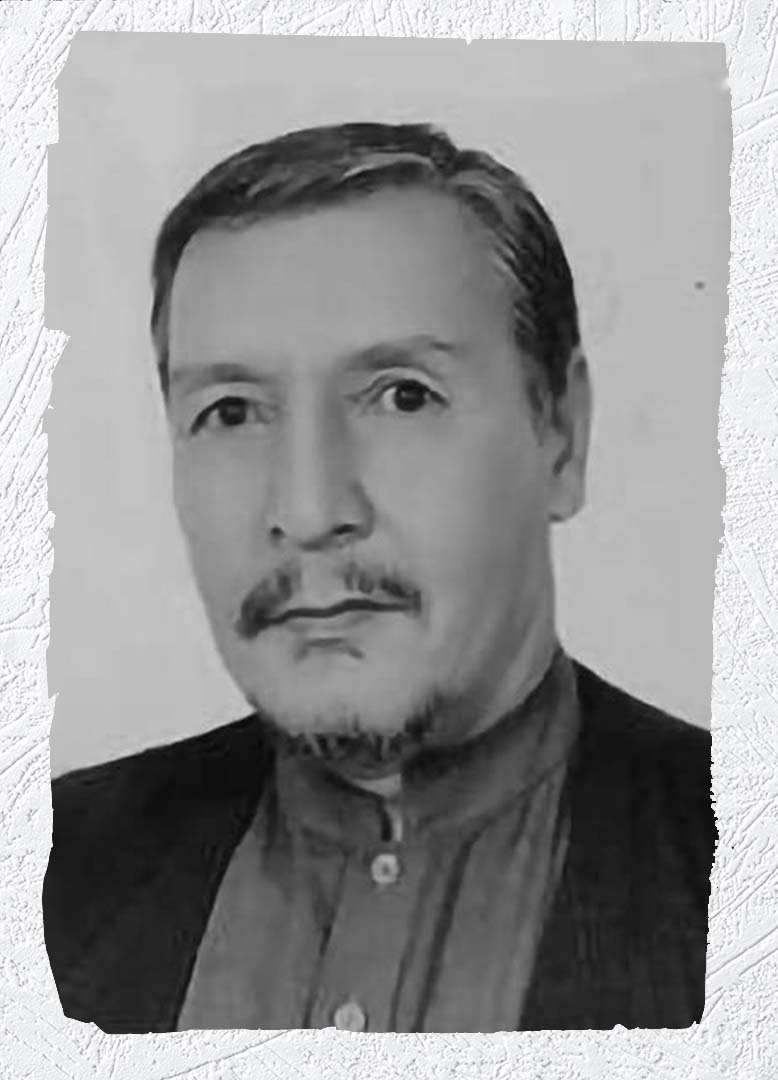
- Gender
- Male
- Ethnicity
- Hazara
- District geolocation of incident
- Kabul: 34° 31′ 1″ N, 69° 8′ 60″ E
- Description of incident
On October 20, 2017, a suicide attack took place in the Imam Zaman Mosque in Dasht-e Barchi, while people were there for prayers. Dasht-e Barchi is the Hazara area of Kabul. As a result of the terrorist attack, 56 people were killed and 55 others were injured.
- Witness/Survivor Statement
No statement
- Date added
- May 5, 2023
Qurban Ali
- Photo of Victim
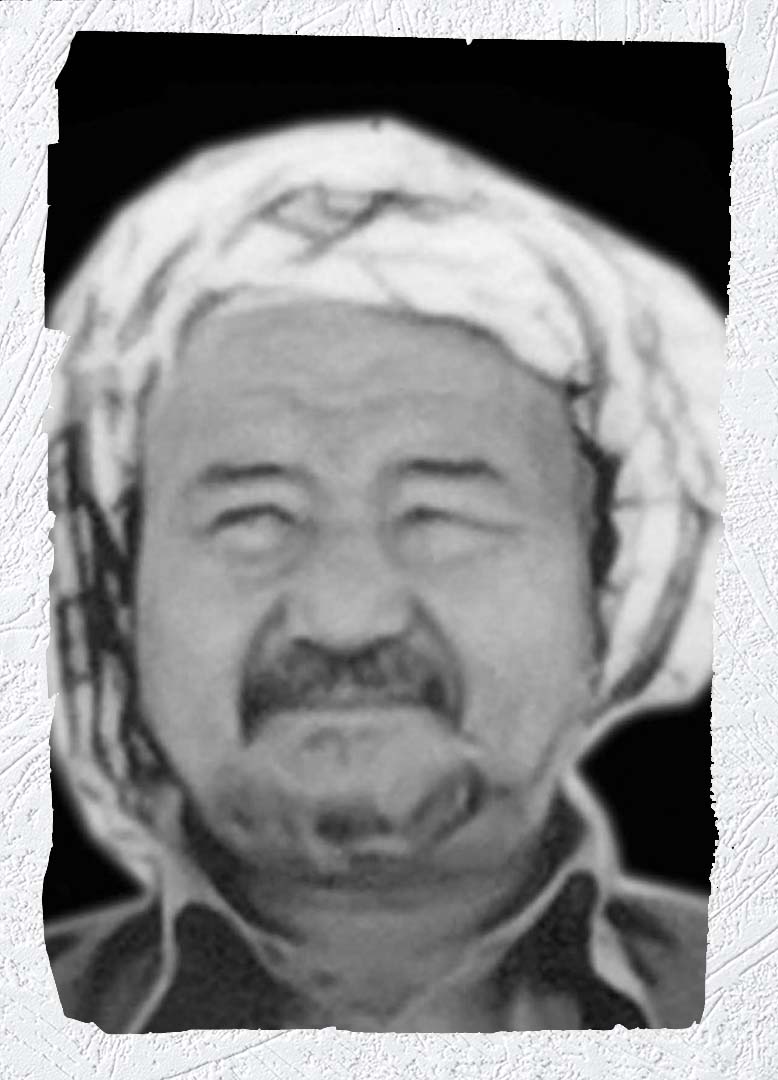
- Gender
- Male
- Ethnicity
- Hazara
- District geolocation of incident
- Kabul: 34° 31′ 1″ N, 69° 8′ 60″ E
- Description of incident
On October 20, 2017, a suicide attack took place in the Imam Zaman Mosque in Dasht-e Barchi, while people were there for prayers. Dasht-e Barchi is the Hazara area of Kabul. As a result of the terrorist attack, 56 people were killed and 55 others were injured.
- Witness/Survivor Statement
No statement
- Date added
- May 5, 2023
Qadam Ali Khedri
- Photo of Victim
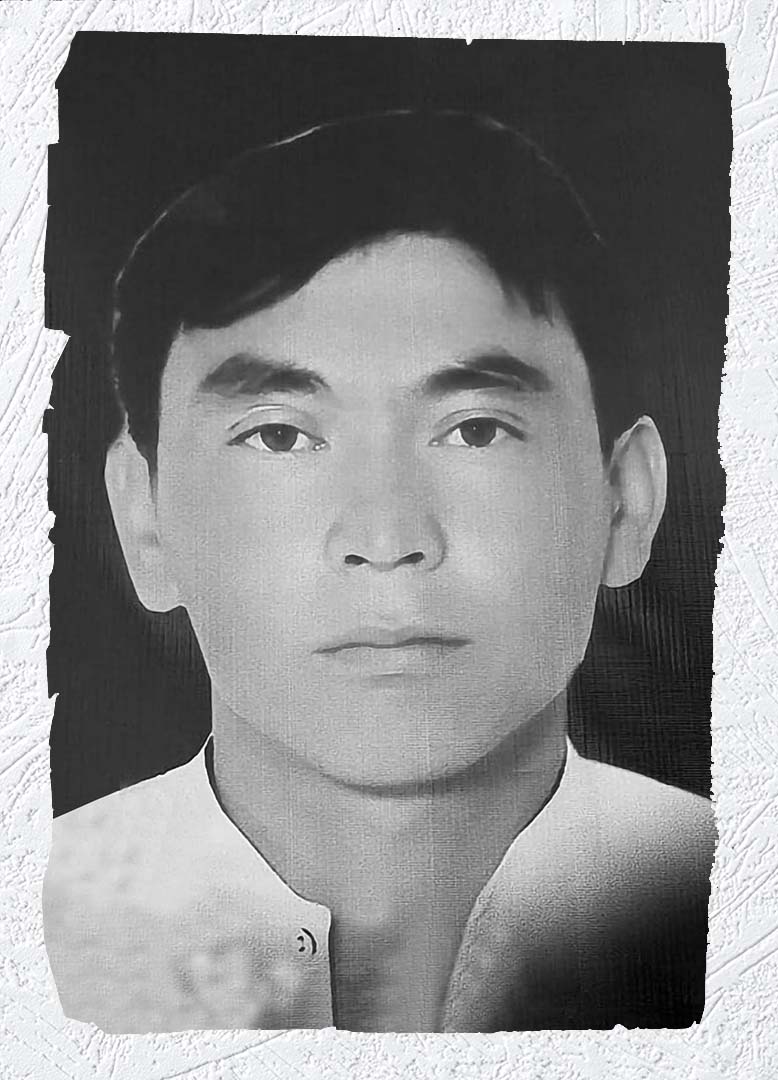
- Gender
- Male
- Ethnicity
- Hazara
- District geolocation of incident
- Kabul: 34° 31′ 1″ N, 69° 8′ 60″ E
- Description of incident
On October 20, 2017, a suicide attack took place in the Imam Zaman Mosque in Dasht-e Barchi, while people were there for prayers. Dasht-e Barchi is the Hazara area of Kabul. As a result of the terrorist attack, 56 people were killed and 55 others were injured.
- Witness/Survivor Statement
No statement
- Date added
- May 5, 2023
Qasim Ali Faizi
- Photo of Victim

- Gender
- Male
- Ethnicity
- Hazara
- District geolocation of incident
- Kabul: 34° 31′ 1″ N, 69° 8′ 60″ E
- Description of incident
On October 20, 2017, a suicide attack took place in the Imam Zaman Mosque in Dasht-e Barchi, while people were there for prayers. Dasht-e Barchi is the Hazara area of Kabul. As a result of the terrorist attack, 56 people were killed and 55 others were injured.
- Witness/Survivor Statement
No statement
- Date added
- May 5, 2023
Qasim Ashrafi
- Photo of Victim
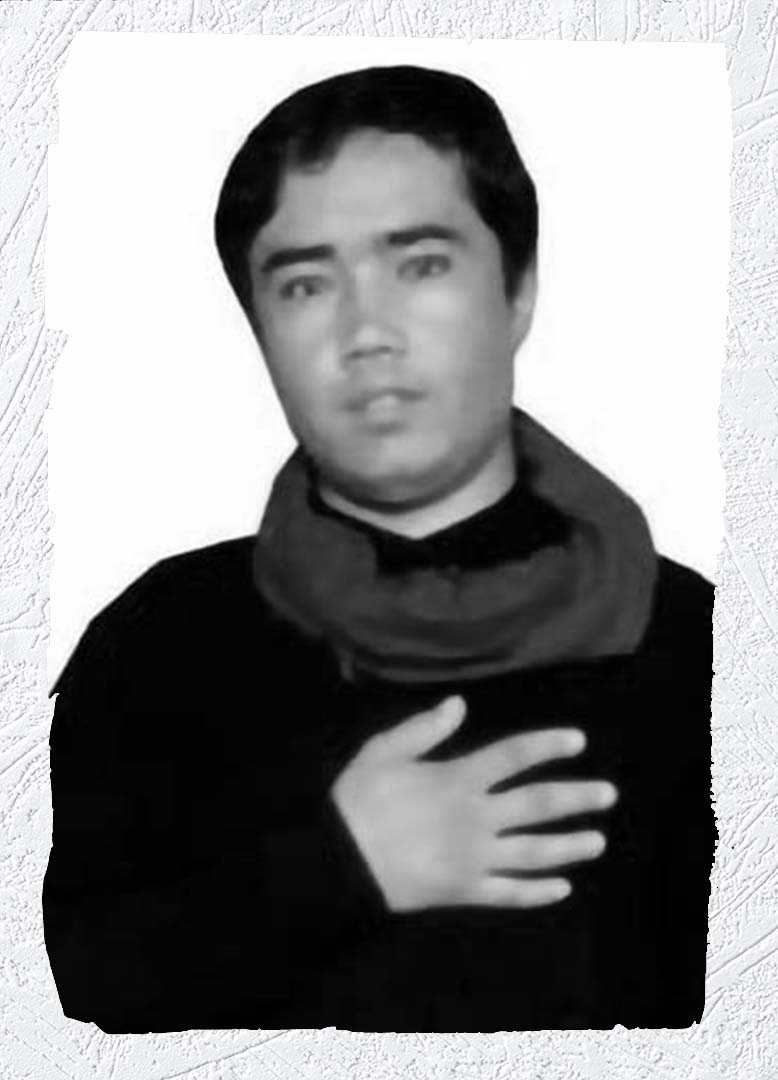
- Gender
- Male
- Ethnicity
- Hazara
- District geolocation of incident
- Kabul: 34° 31′ 1″ N, 69° 8′ 60″ E
- Description of incident
On October 20, 2017, a suicide attack took place in the Imam Zaman Mosque in Dasht-e Barchi, while people were there for prayers. Dasht-e Barchi is the Hazara area of Kabul. As a result of the terrorist attack, 56 people were killed and 55 others were injured.
- Witness/Survivor Statement
No statement
- Date added
- May 5, 2023
Farhad Amiri
- Photo of Victim
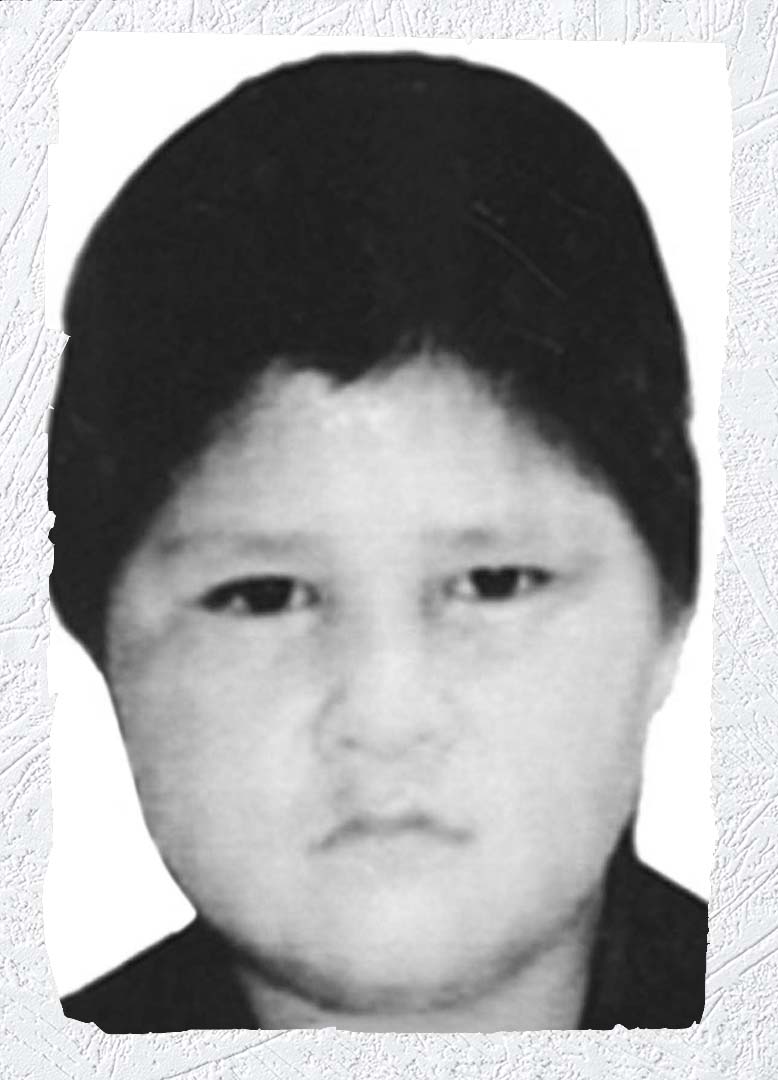
- Gender
- Male
- Ethnicity
- Hazara
- District geolocation of incident
- Kabul: 34° 31′ 1″ N, 69° 8′ 60″ E
- Description of incident
On October 20, 2017, a suicide attack took place in the Imam Zaman Mosque in Dasht-e Barchi, while people were there for prayers. Dasht-e Barchi is the Hazara area of Kabul. As a result of the terrorist attack, 56 people were killed and 55 others were injured.
- Witness/Survivor Statement
No statement
- Date added
- May 5, 2023
Ghulam Abbas Ahmadi
- Photo of Victim
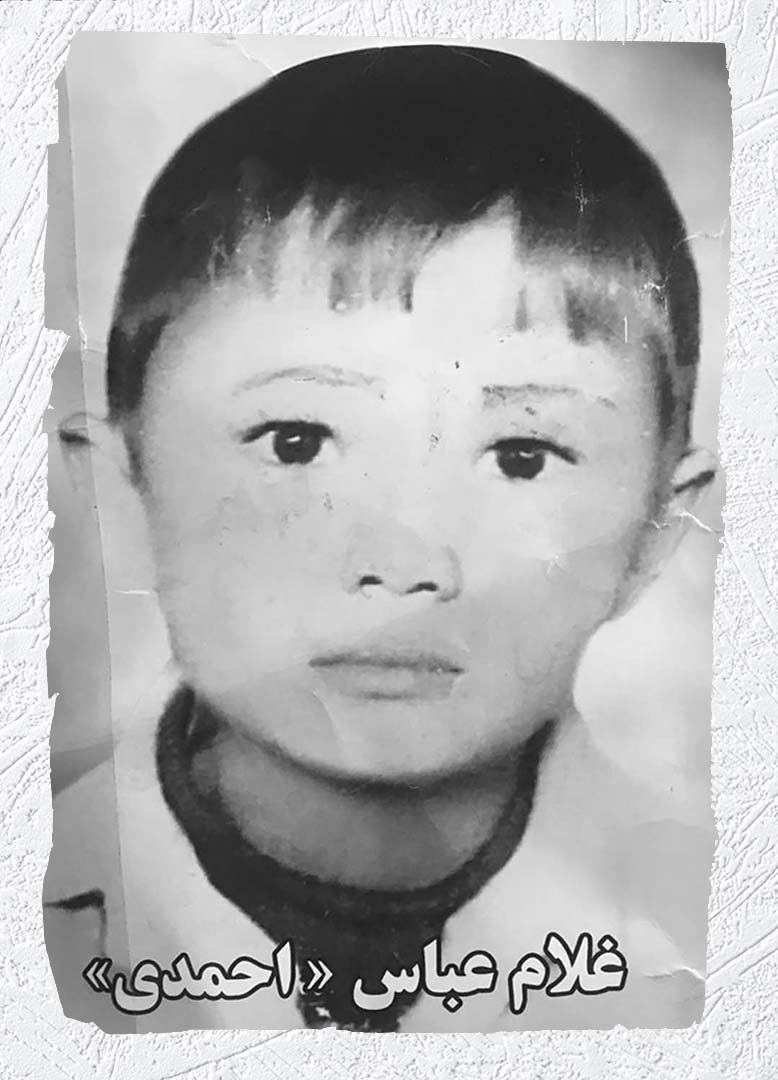
- Gender
- Male
- Ethnicity
- Hazara
- District geolocation of incident
- Kabul: 34° 31′ 1″ N, 69° 8′ 60″ E
- Description of incident
On October 20, 2017, a suicide attack took place in the Imam Zaman Mosque in Dasht-e Barchi, while people were there for prayers. Dasht-e Barchi is the Hazara area of Kabul. As a result of the terrorist attack, 56 people were killed and 55 others were injured.
- Witness/Survivor Statement
No statement
- Date added
- May 5, 2023
Haji Ghulam Hassan
- Photo of Victim
- Gender
- Male
- Ethnicity
- Hazara
- District geolocation of incident
- Kabul: 34° 31′ 1″ N, 69° 8′ 60″ E
- Description of incident
On October 20, 2017, a suicide attack took place in the Imam Zaman Mosque in Dasht-e Barchi, while people were there for prayers. Dasht-e Barchi is the Hazara area of Kabul. As a result of the terrorist attack, 56 people were killed and 55 others were injured.
- Witness/Survivor Statement
No statement
- Date added
- May 5, 2023
Alisear Nazari
- Photo of Victim

- Gender
- Male
- Ethnicity
- Hazara
- District geolocation of incident
- Kabul: 34° 31′ 1″ N, 69° 8′ 60″ E
- Description of incident
On October 20, 2017, a suicide attack took place in the Imam Zaman Mosque in Dasht-e Barchi, while people were there for prayers. Dasht-e Barchi is the Hazara area of Kabul. As a result of the terrorist attack, 56 people were killed and 55 others were injured.
- Witness/Survivor Statement
No statement
- Date added
- May 4, 2023
Alikhan Mohsini
- Photo of Victim

- Gender
- Male
- Ethnicity
- Hazara
- District geolocation of incident
- Kabul: 34° 31′ 1″ N, 69° 8′ 60″ E
- Description of incident
On October 20, 2017, a suicide attack took place in the Imam Zaman Mosque in Dasht-e Barchi, while people were there for prayers. Dasht-e Barchi is the Hazara area of Kabul. As a result of the terrorist attack, 56 people were killed and 55 others were injured.
- Witness/Survivor Statement
No statement
- Date added
- May 4, 2023
Two civilians from Paktia were killed by an unknown insurgent group. On the same day, three civilians were shot and killed on a highway by the Taliban
- Date added
- May 4, 2023
A National Directorate for Security vehicle hit a roadside bomb. The explosion killed one N.D.S. officer and injured another officer, a member of the border police and a civilian
- Date added
- May 4, 2023
The Pakistan army fired missiles at a village killing four civilians and wounding six others
- Date added
- May 4, 2023
The Taliban attacked an outpost, killing four civilians, three pro-government militia members and wounding two others
- Date added
- May 4, 2023
The Taliban attacked a village, killing six civilians and wounding nine others
- Date added
- May 4, 2023
Afghan security forces then opened fire on a crowd killing one person and wounded six others
- Date added
- May 4, 2023
A woman was killed during a military operation conducted by American Special Forces
- Date added
- May 4, 2023
Abdulkhaliq Azimi
- Photo of Victim
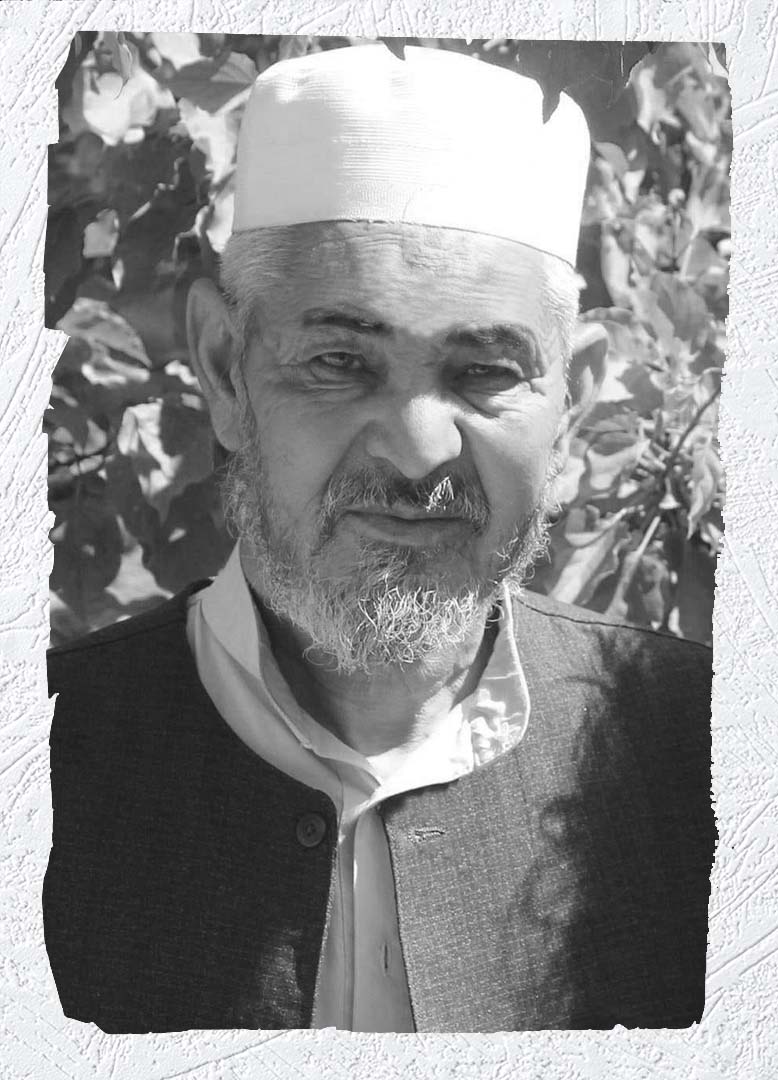
- Gender
- Male
- Ethnicity
- Hazara
- District geolocation of incident
- Kabul: 34° 31′ 1″ N, 69° 8′ 60″ E
- Description of incident
On October 20, 2017, a suicide attack took place in the Imam Zaman Mosque in Dasht-e Barchi, while people were there for prayers. Dasht-e Barchi is the Hazara area of Kabul. As a result of the terrorist attack, 56 people were killed and 55 others were injured.
- Witness/Survivor Statement
No statemetn
- Date added
- May 4, 2023
Abbas Karbalaee
- Photo of Victim
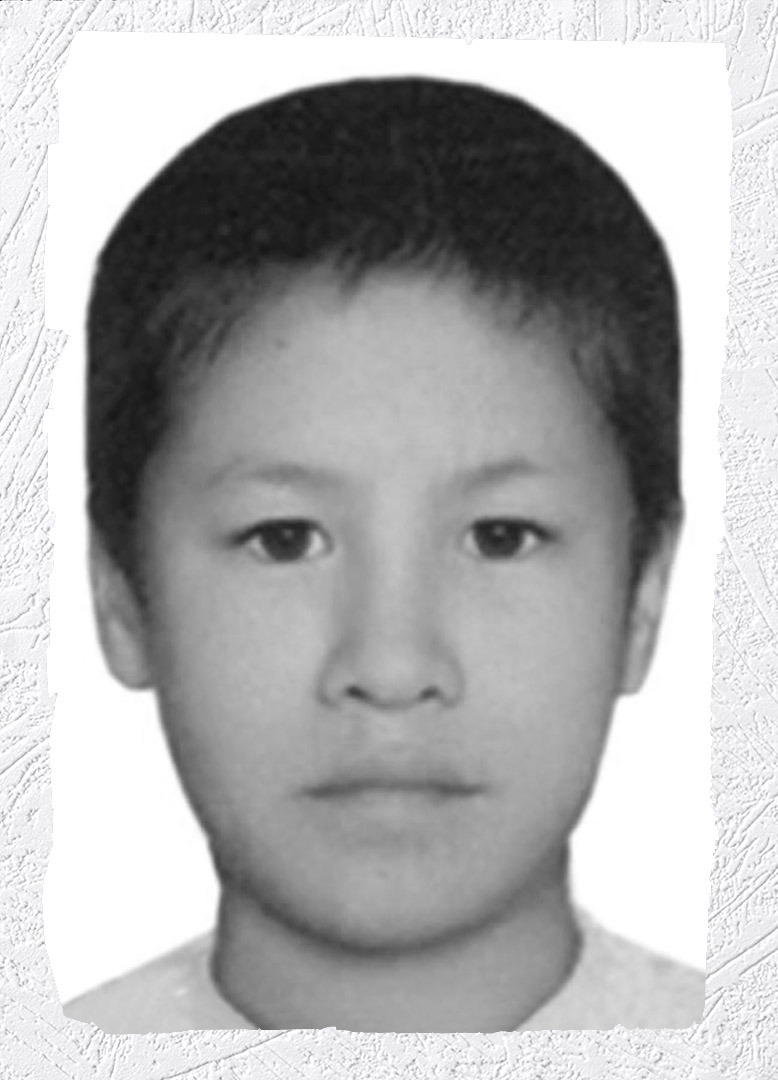
- Gender
- Male
- Ethnicity
- Hazara
- District geolocation of incident
- Kabul: 34° 31′ 1″ N, 69° 8′ 60″ E
- Description of incident
On October 20, 2017, a suicide attack took place in the Imam Zaman Mosque in Dasht-e Barchi, while people were there for prayers. Dasht-e Barchi is the Hazara area of Kabul. As a result of the terrorist attack, 56 people were killed and 55 others were injured.
- Witness/Survivor Statement
No statement
- Date added
- May 4, 2023
Zaminali Zafari
- Photo of Victim

- Gender
- Male
- Ethnicity
- Hazara
- District geolocation of incident
- Kabul: 34° 31′ 1″ N, 69° 8′ 60″ E
- Description of incident
On October 20, 2017, a suicide attack took place in the Imam Zaman Mosque in Dasht-e Barchi, while people were there for prayers. Dasht-e Barchi is the Hazara area of Kabul. As a result of the terrorist attack, 56 people were killed and 55 others were injured.
- Witness/Survivor Statement
No statement
- Date added
- May 4, 2023
Sayed Aiskandar Fatimi
- Photo of Victim

- Gender
- Male
- Ethnicity
- Sadat
- District geolocation of incident
- Kabul: 34° 31′ 1″ N, 69° 8′ 60″ E
- Description of incident
On October 20, 2017, a suicide attack took place in the Imam Zaman Mosque in Dasht-e Barchi, while people were there for prayers. Dasht-e Barchi is the Hazara area of Kabul. As a result of the terrorist attack, 56 people were killed and 55 others were injured.
- Witness/Survivor Statement
No statement
- Date added
- May 4, 2023
Sayed Asadullah Eftikhari
- Photo of Victim

- Gender
- Male
- Ethnicity
- Sadat
- District geolocation of incident
- Kabul: 34° 31′ 1″ N, 69° 8′ 60″ E
- Description of incident
On October 20, 2017, a suicide attack took place in the Imam Zaman Mosque in Dasht-e Barchi, while people were there for prayers. Dasht-e Barchi is the Hazara area of Kabul. As a result of the terrorist attack, 56 people were killed and 55 others were injured.
- Witness/Survivor Statement
No statement
- Date added
- May 4, 2023
Rahmatullah Qurbani
- Photo of Victim
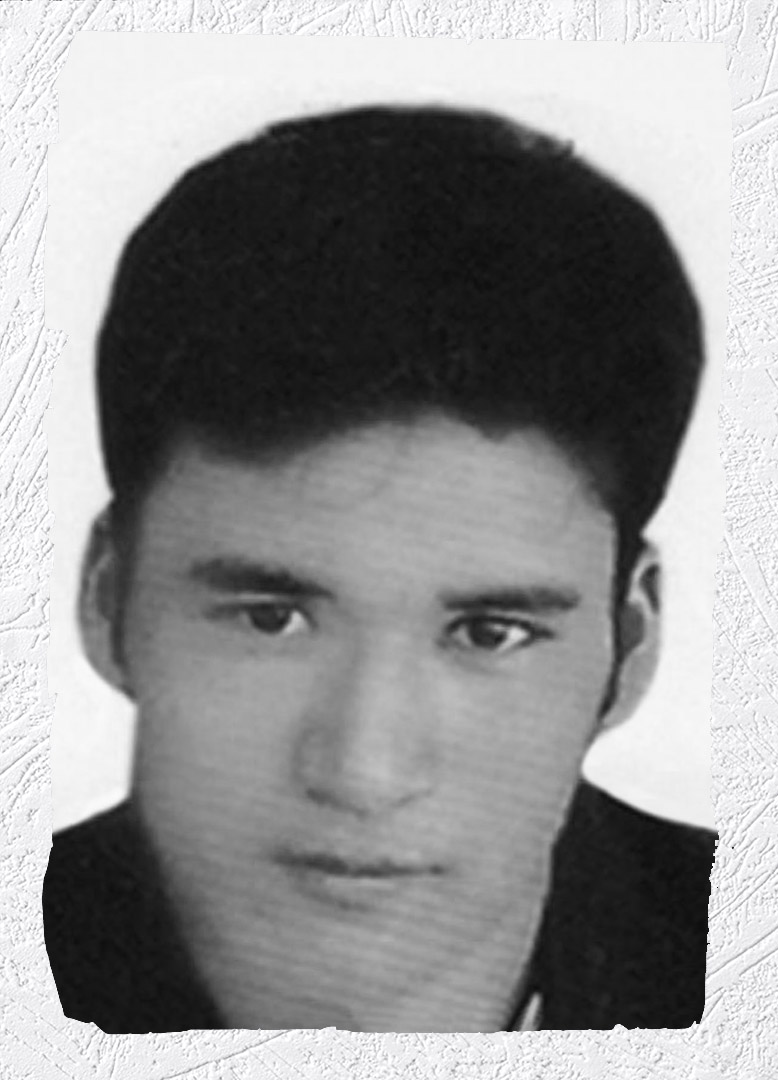
- Gender
- Male
- Ethnicity
- Hazara
- District geolocation of incident
- Kabul: 34° 31′ 1″ N, 69° 8′ 60″ E
- Description of incident
On October 20, 2017, a suicide attack took place in the Imam Zaman Mosque in Dasht-e Barchi, while people were there for prayers. Dasht-e Barchi is the Hazara area of Kabul. As a result of the terrorist attack, 56 people were killed and 55 others were injured.
- Witness/Survivor Statement
No statement
- Date added
- May 4, 2023
Zakaria Mohajer
- Photo of Victim

- Gender
- Male
- Ethnicity
- Hazara
- District geolocation of incident
- Kabul: 34° 31′ 1″ N, 69° 8′ 60″ E
- Description of incident
On October 20, 2017, a suicide attack took place in the Imam Zaman Mosque in Dasht-e Barchi, while people were there for prayers. Dasht-e Barchi is the Hazara area of Kabul. As a result of the terrorist attack, 56 people were killed and 55 others were injured.
- Witness/Survivor Statement
No statement
- Date added
- May 4, 2023
Zakaria Khaliqi
- Photo of Victim

- Gender
- Male
- Ethnicity
- Hazara
- District geolocation of incident
- Kabul: 34° 31′ 1″ N, 69° 8′ 60″ E
- Description of incident
On October 20, 2017, a suicide attack took place in the Imam Zaman Mosque in Dasht-e Barchi, while people were there for prayers. Dasht-e Barchi is the Hazara area of Kabul. As a result of the terrorist attack, 56 people were killed and 55 others were injured.
- Witness/Survivor Statement
No statement
- Date added
- May 4, 2023
Mohammad Nasim
- Photo of Victim

- Gender
- Male
- Ethnicity
- Hazara
- District geolocation of incident
- Kabul: 34° 31′ 1″ N, 69° 8′ 60″ E
- Description of incident
On October 20, 2017, a suicide attack took place in the Imam Zaman Mosque in Dasht-e Barchi, while people were there for prayers. Dasht-e Barchi is the Hazara area of Kabul. As a result of the terrorist attack, 56 people were killed and 55 others were injured.
- Witness/Survivor Statement
No statement
- Date added
- May 4, 2023
Abdur Rahman
- Photo of Victim
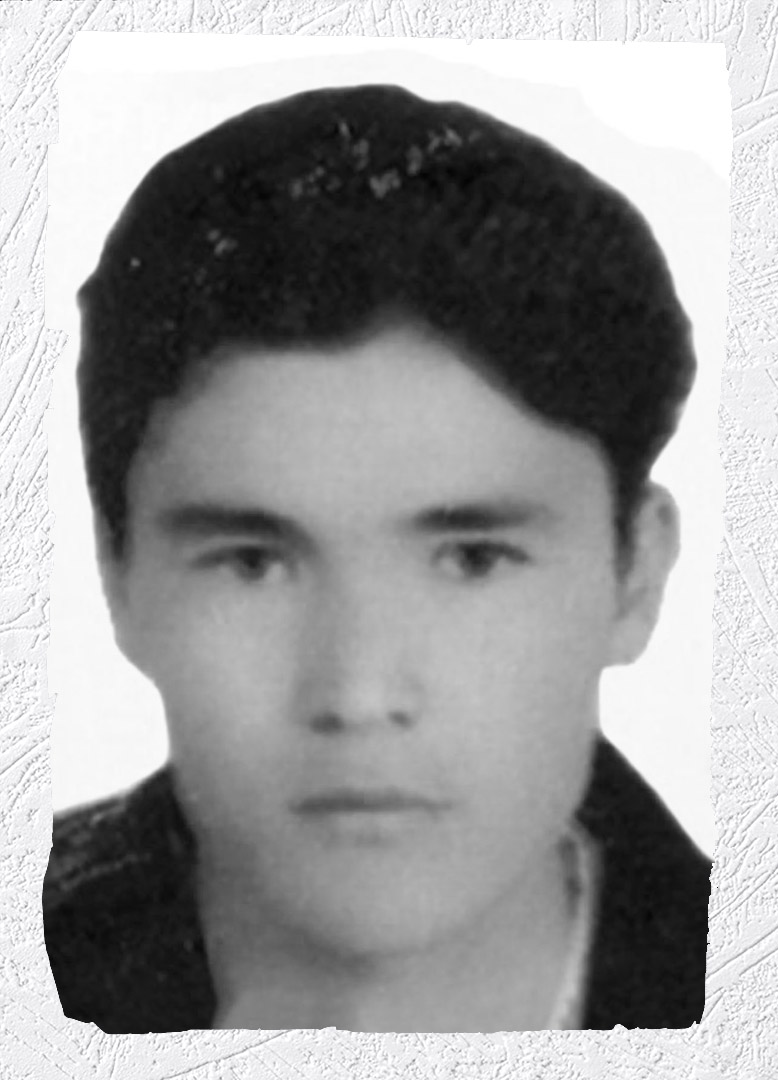
- Gender
- Male
- Ethnicity
- Hazara
- District geolocation of incident
- Kabul: 34° 31′ 1″ N, 69° 8′ 60″ E
- Description of incident
On October 20, 2017, a suicide attack took place in the Imam Zaman Mosque in Dasht-e Barchi, while people were there for prayers. Dasht-e Barchi is the Hazara area of Kabul. As a result of the terrorist attack, 56 people were killed and 55 others were injured.
- Witness/Survivor Statement
No statement
- Date added
- May 4, 2023
Hamidullah - Haji Ghulam Hassan
- Photo of Victim
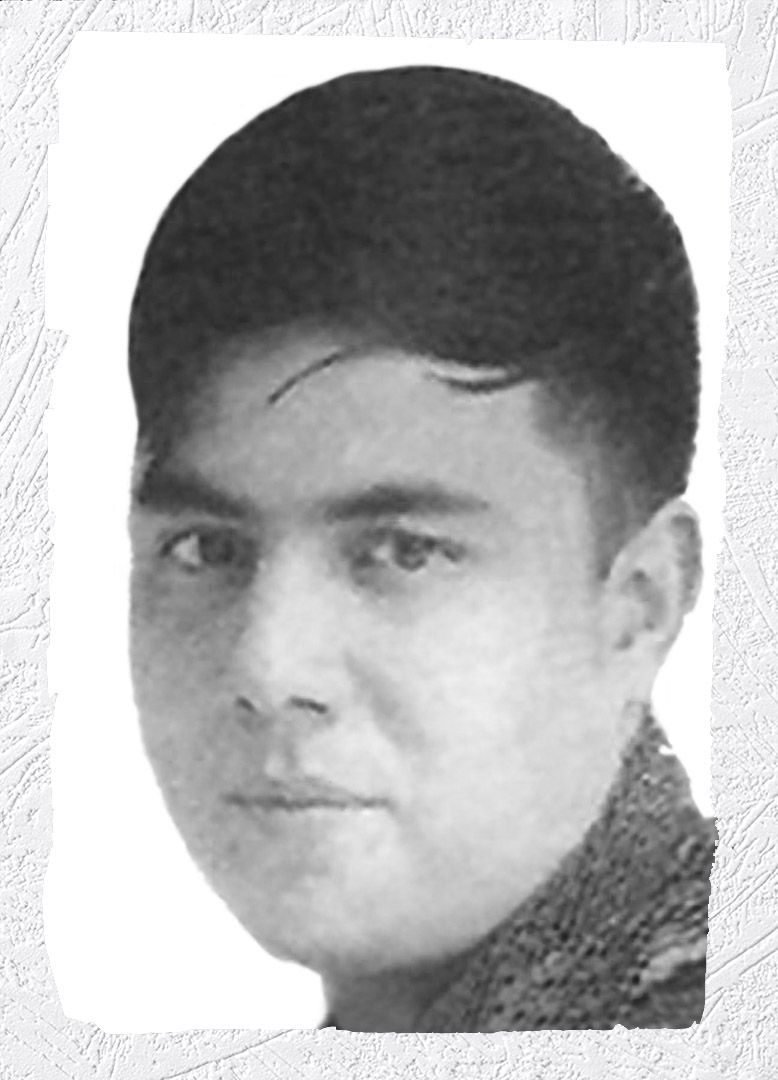
- Gender
- Male
- Ethnicity
- Hazara
- District geolocation of incident
- Kabul: 34° 31′ 1″ N, 69° 8′ 60″ E
- Description of incident
On October 20, 2017, a suicide attack took place in the Imam Zaman Mosque in Dasht-e Barchi, while people were there for prayers. Dasht-e Barchi is the Hazara area of Kabul. As a result of the terrorist attack, 56 people were killed and 55 others were injured.
- Witness/Survivor Statement
No statement
- Date added
- May 4, 2023
Ramazanali Gawhari
- Photo of Victim
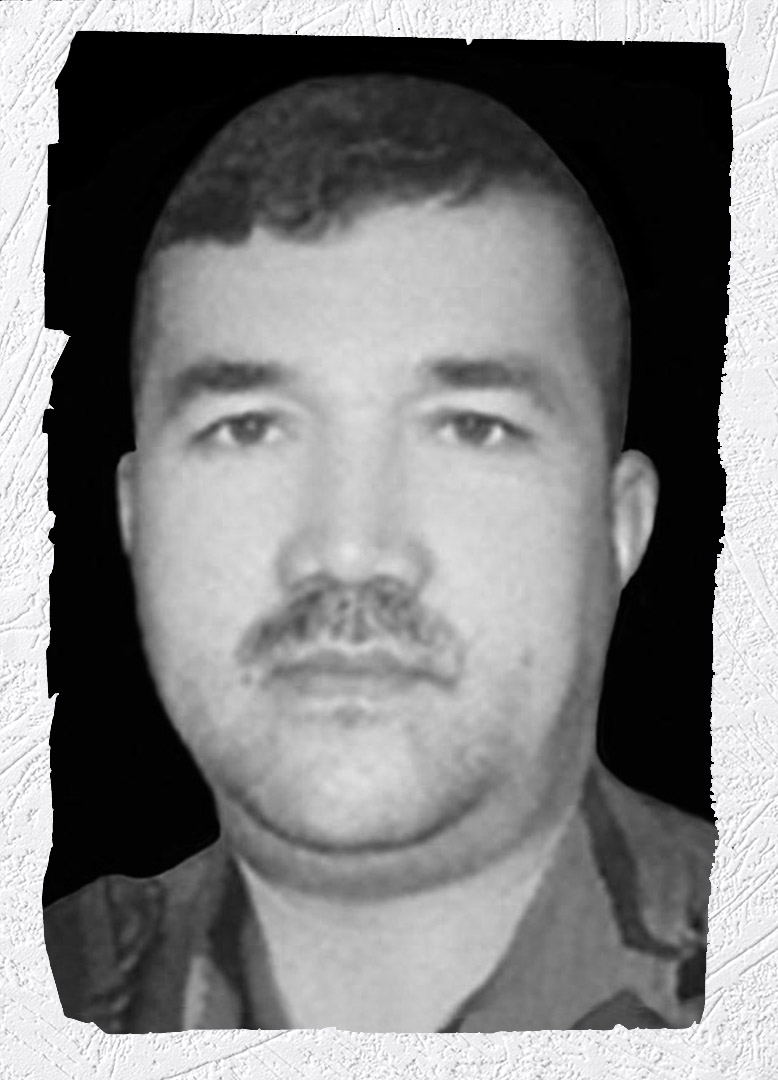
- Gender
- Male
- Ethnicity
- Hazara
- District geolocation of incident
- Kabul: 34° 31′ 1″ N, 69° 8′ 60″ E
- Description of incident
On October 20, 2017, a suicide attack took place in the Imam Zaman Mosque in Dasht-e Barchi, while people were there for prayers. Dasht-e Barchi is the Hazara area of Kabul. As a result of the terrorist attack, 56 people were killed and 55 others were injured.
- Witness/Survivor Statement
No statement
- Date added
- May 4, 2023
Khadim Hussain Behzad
- Photo of Victim
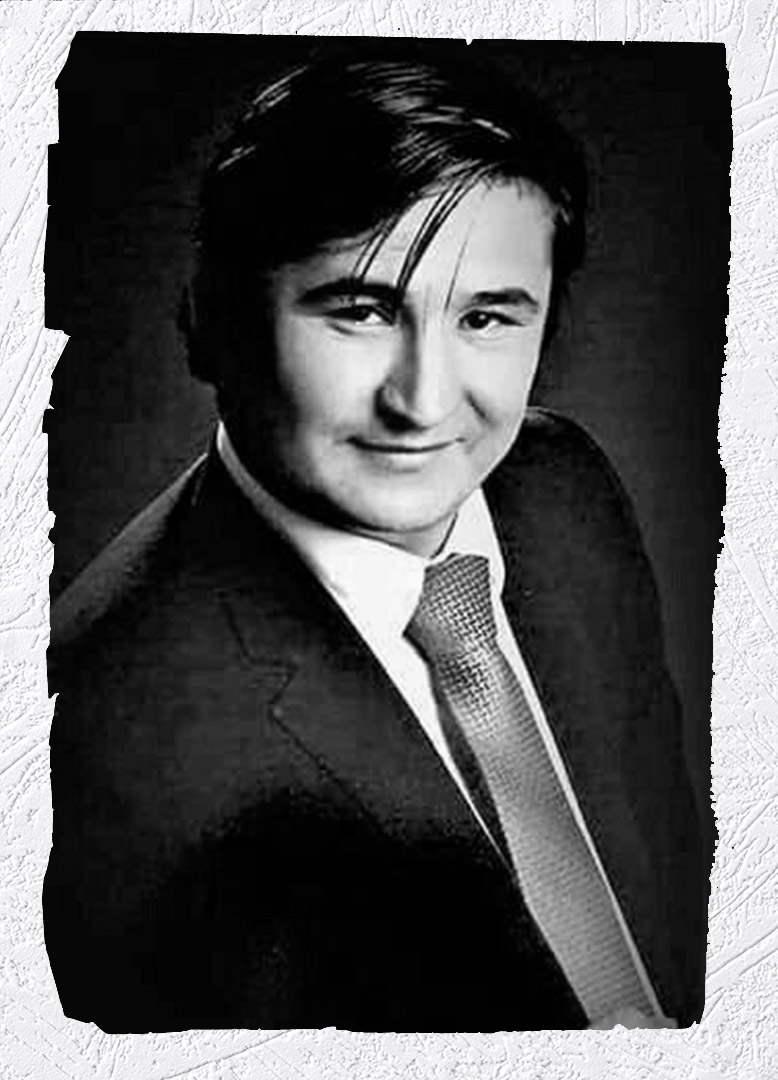
- Gender
- Male
- Ethnicity
- Hazara
- District geolocation of incident
- Kabul: 34° 31′ 1″ N, 69° 8′ 60″ E
- Description of incident
On October 20, 2017, a suicide attack took place in the Imam Zaman Mosque in Dasht-e Barchi, while people were there for prayers. Dasht-e Barchi is the Hazara area of Kabul. As a result of the terrorist attack, 56 people were killed and 55 others were injured.
- Witness/Survivor Statement
No statement
- Date added
- May 3, 2023
Mohammad Baqer Fasihi
- Photo of Victim
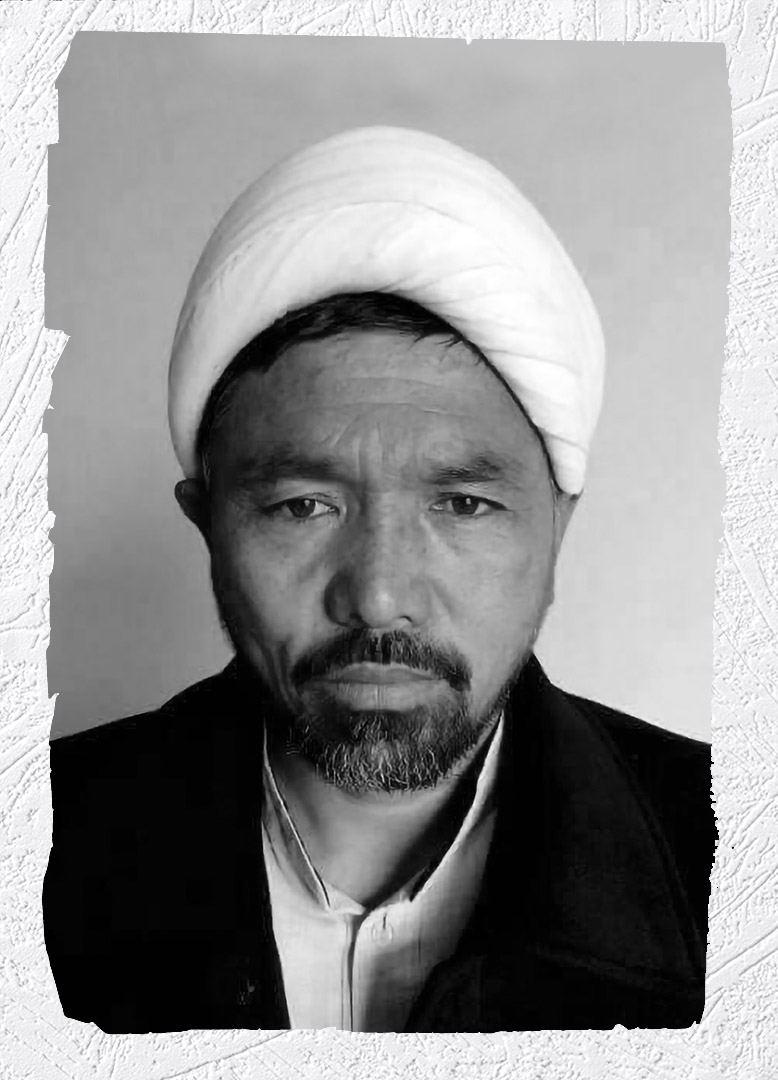
- Gender
- Male
- Ethnicity
- Hazara
- District geolocation of incident
- Kabul: 34° 31′ 1″ N, 69° 8′ 60″ E
- Description of incident
On October 20, 2017, a suicide attack took place in the Imam Zaman Mosque in Dasht-e Barchi, while people were there for prayers. Dasht-e Barchi is the Hazara area of Kabul. As a result of the terrorist attack, 56 people were killed and 55 others were injured.
- Witness/Survivor Statement
No statement
- Date added
- May 3, 2023
Baba Mohsen
- Photo of Victim
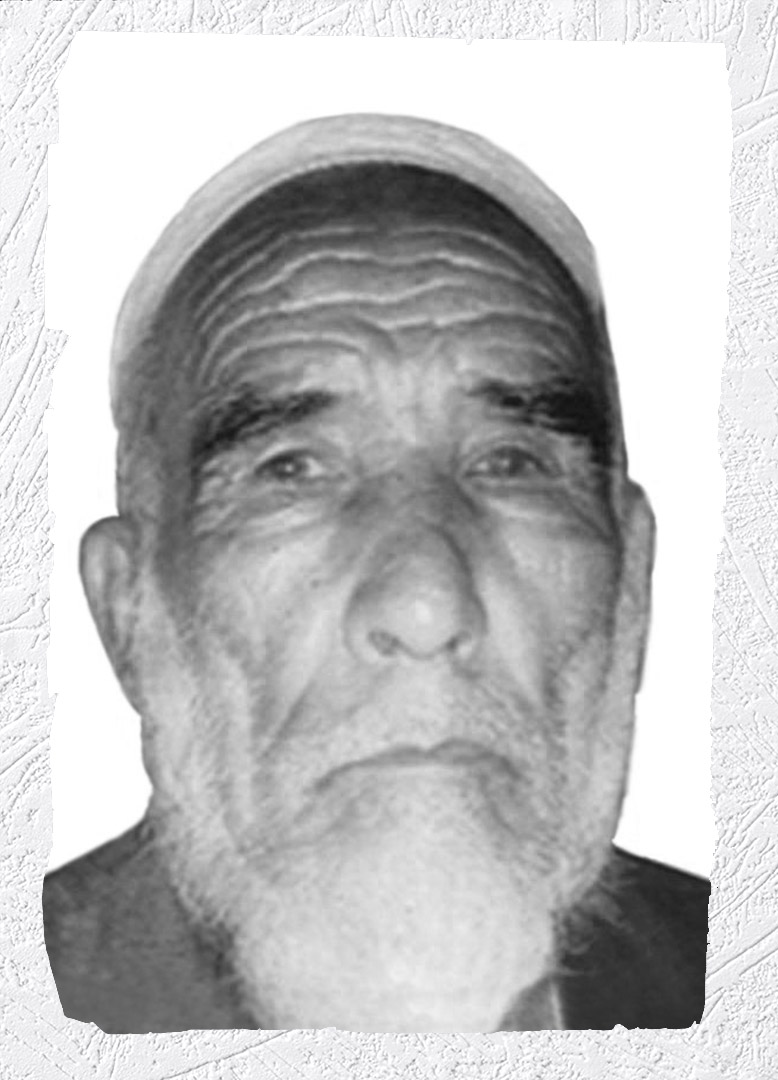
- Gender
- Male
- Ethnicity
- Hazara
- District geolocation of incident
- Kabul: 34° 31′ 1″ N, 69° 8′ 60″ E
- Description of incident
On October 20, 2017, a suicide attack took place in the Imam Zaman Mosque in Dasht-e Barchi, while people were there for prayers. Dasht-e Barchi is the Hazara area of Kabul. As a result of the terrorist attack, 56 people were killed and 55 others were injured.
- Witness/Survivor Statement
No statement
- Date added
- May 3, 2023
Ahmad Ali Salihi
- Photo of Victim

- Gender
- Male
- Ethnicity
- Hazara
- District geolocation of incident
- Kabul: 34° 31′ 1″ N, 69° 8′ 60″ E
- Description of incident
On October 20, 2017, a suicide attack took place in the Imam Zaman Mosque in Dasht-e Barchi, while people were there for prayers. Dasht-e Barchi is the Hazara area of Kabul. As a result of the terrorist attack, 56 people were killed and 55 others were injured.
- Witness/Survivor Statement
No statement
- Date added
- May 3, 2023
Ahmad Ali Rajabi
- Photo of Victim

- Gender
- Male
- Ethnicity
- Hazara
- District geolocation of incident
- Kabul: 34° 31′ 1″ N, 69° 8′ 60″ E
- Description of incident
On October 20, 2017, a suicide attack took place in the Imam Zaman Mosque in Dasht-e Barchi, while people were there for prayers. Dasht-e Barchi is the Hazara area of Kabul. As a result of the terrorist attack, 56 people were killed and 55 others were injured.
- Witness/Survivor Statement
No statement
- Date added
- May 3, 2023
Nawrozali
- Photo of Victim

- Gender
- Male
- Ethnicity
- Hazara
- District geolocation of incident
- Kabul: 34° 31′ 1″ N, 69° 8′ 60″ E
- Description of incident
A suicide bomber detonated explosives inside a Shia Mosque in the Afghan capital of Kabul. At least 53 people were killed and dozens of others were wounded. The explosion happened at the Baqir ul Olum mosque in the Darul Aman area as people gathered to mark the end of an important religious period.
- Witness/Survivor Statement
No statement
- Date added
- May 1, 2023
Maiwand
- Photo of Victim
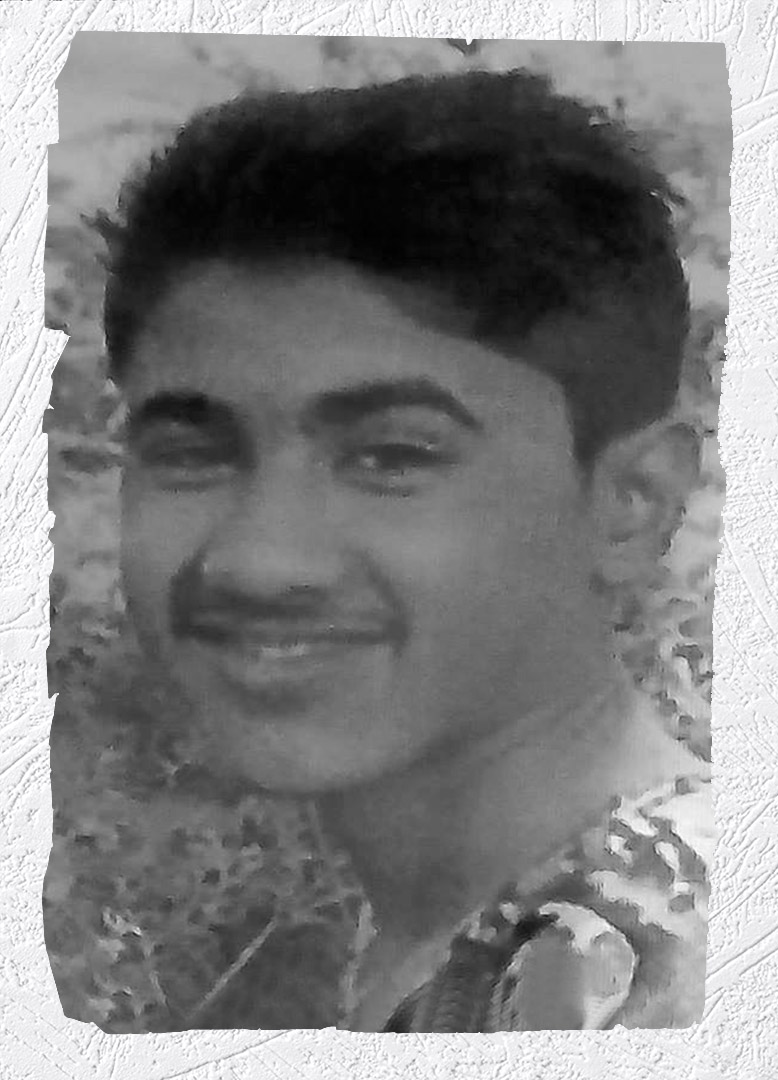
- Gender
- Male
- District geolocation of incident
- Kabul: 34° 31′ 1″ N, 69° 8′ 60″ E
- Description of incident
A suicide bomber detonated explosives inside a Shia Mosque in the Afghan capital of Kabul. At least 53 people were killed and dozens of others were wounded. The explosion happened at the Baqir ul Olum mosque in the Darul Aman area as people gathered to mark the end of an important religious period.
- Witness/Survivor Statement
No statement
- Date added
- May 1, 2023
Milad
- Photo of Victim
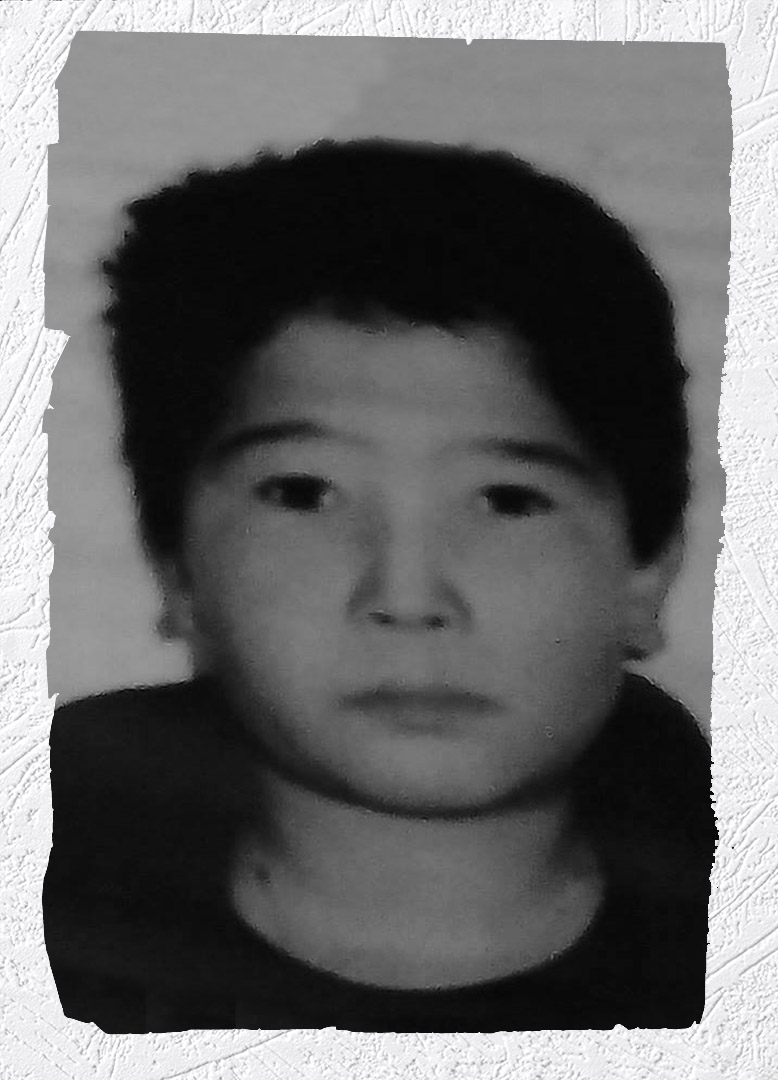
- Gender
- Male
- Ethnicity
- Hazara
- District geolocation of incident
- Kabul: 34° 31′ 1″ N, 69° 8′ 60″ E
- Description of incident
A suicide bomber detonated explosives inside a Shia Mosque in the Afghan capital of Kabul. At least 53 people were killed and dozens of others were wounded. The explosion happened at the Baqir ul Olum mosque in the Darul Aman area as people gathered to mark the end of an important religious period.
- Witness/Survivor Statement
No statement
- Date added
- May 1, 2023
Mohammad Yonos Rezaee
- Photo of Victim

- Gender
- Male
- Ethnicity
- Hazara
- District geolocation of incident
- Kabul: 34° 31′ 1″ N, 69° 8′ 60″ E
- Description of incident
A suicide bomber detonated explosives inside a Shia Mosque in the Afghan capital of Kabul. At least 53 people were killed and dozens of others were wounded. The explosion happened at the Baqir ul Olum mosque in the Darul Aman area as people gathered to mark the end of an important religious period.
- Witness/Survivor Statement
No statement
- Date added
- May 1, 2023
Mohammad Nader
- Photo of Victim

- Gender
- Male
- Ethnicity
- Hazara
- District geolocation of incident
- Kabul: 34° 31′ 1″ N, 69° 8′ 60″ E
- Description of incident
A suicide bomber detonated explosives inside a Shia Mosque in the Afghan capital of Kabul. At least 53 people were killed and dozens of others were wounded. The explosion happened at the Baqir ul Olum mosque in the Darul Aman area as people gathered to mark the end of an important religious period.
- Witness/Survivor Statement
No statement
- Date added
- May 1, 2023
Mohammad Ali
- Photo of Victim

- Gender
- Male
- Ethnicity
- Hazara
- District geolocation of incident
- Kabul: 34° 31′ 1″ N, 69° 8′ 60″ E
- Description of incident
A suicide bomber detonated explosives inside a Shia Mosque in the Afghan capital of Kabul. At least 53 people were killed and dozens of others were wounded. The explosion happened at the Baqir ul Olum mosque in the Darul Aman area as people gathered to mark the end of an important religious period.
- Witness/Survivor Statement
No statement
- Date added
- May 1, 2023
Mohammad Samim
- Photo of Victim
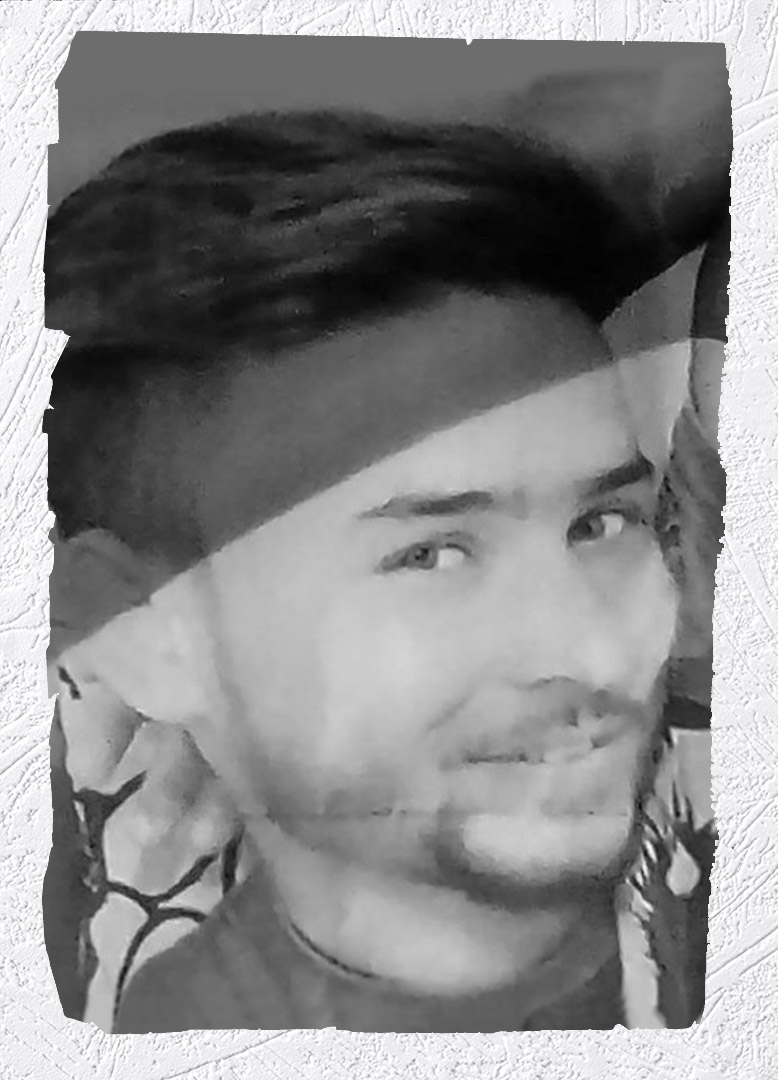
- Gender
- Male
- Ethnicity
- Hazara
- District geolocation of incident
- Kabul: 34° 31′ 1″ N, 69° 8′ 60″ E
- Description of incident
A suicide bomber detonated explosives inside a Shia Mosque in the Afghan capital of Kabul. At least 53 people were killed and dozens of others were wounded. The explosion happened at the Baqir ul Olum mosque in the Darul Aman area as people gathered to mark the end of an important religious period.
- Witness/Survivor Statement
No statement
- Date added
- May 1, 2023
Mohammad Salim
- Photo of Victim
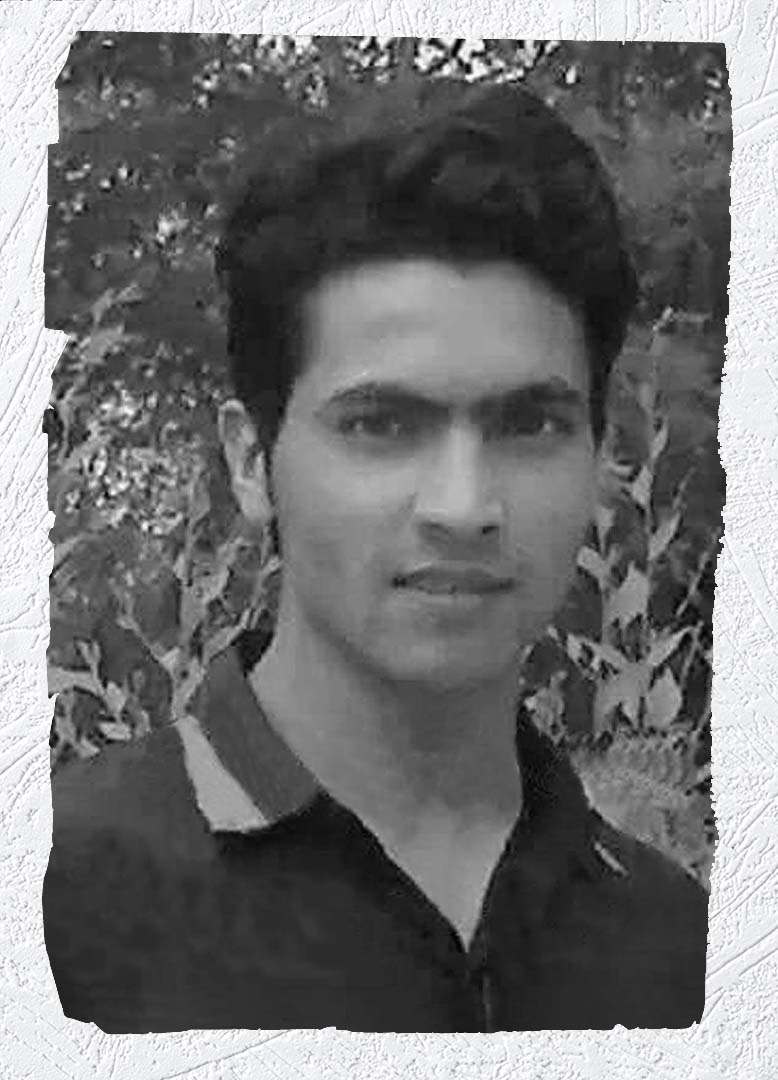
- Gender
- Male
- District geolocation of incident
- Kabul: 34° 31′ 1″ N, 69° 8′ 60″ E
- Description of incident
A suicide bomber detonated explosives inside a Shia Mosque in the Afghan capital of Kabul. At least 53 people were killed and dozens of others were wounded. The explosion happened at the Baqir ul Olum mosque in the Darul Aman area as people gathered to mark the end of an important religious period.
- Witness/Survivor Statement
No statement
- Date added
- May 1, 2023
Mohsin
- Photo of Victim

- Gender
- Male
- Ethnicity
- Hazara
- District geolocation of incident
- Kabul: 34° 31′ 1″ N, 69° 8′ 60″ E
- Description of incident
A suicide bomber detonated explosives inside a Shia Mosque in the Afghan capital of Kabul. At least 53 people were killed and dozens of others were wounded. The explosion happened at the Baqir ul Olum mosque in the Darul Aman area as people gathered to mark the end of an important religious period.
- Witness/Survivor Statement
No statement
- Date added
- May 1, 2023
Karbalaee Rasoldad
- Photo of Victim

- Gender
- Male
- Ethnicity
- Hazara
- District geolocation of incident
- Kabul: 34° 31′ 1″ N, 69° 8′ 60″ E
- Description of incident
A suicide bomber detonated explosives inside a Shia Mosque in the Afghan capital of Kabul. At least 53 people were killed and dozens of others were wounded. The explosion happened at the Baqir ul Olum mosque in the Darul Aman area as people gathered to mark the end of an important religious period.
- Witness/Survivor Statement
No statement
- Date added
- May 1, 2023
Qurban Jawadi
- Photo of Victim

- Gender
- Male
- Ethnicity
- Hazara
- District geolocation of incident
- Kabul: 34° 31′ 1″ N, 69° 8′ 60″ E
- Description of incident
A suicide bomber detonated explosives inside a Shia Mosque in the Afghan capital of Kabul. At least 53 people were killed and dozens of others were wounded. The explosion happened at the Baqir ul Olum mosque in the Darul Aman area as people gathered to mark the end of an important religious period.
- Witness/Survivor Statement
No statement
- Date added
- May 1, 2023
Faraidon
- Photo of Victim

- Gender
- Male
- Ethnicity
- Hazara
- District geolocation of incident
- Kabul: 34° 31′ 1″ N, 69° 8′ 60″ E
- Description of incident
A suicide bomber detonated explosives inside a Shia Mosque in the Afghan capital of Kabul. At least 53 people were killed and dozens of others were wounded. The explosion happened at the Baqir ul Olum mosque in the Darul Aman area as people gathered to mark the end of an important religious period.
- Witness/Survivor Statement
No statement
- Date added
- May 1, 2023
Ali Mohammad Nazari
- Photo of Victim
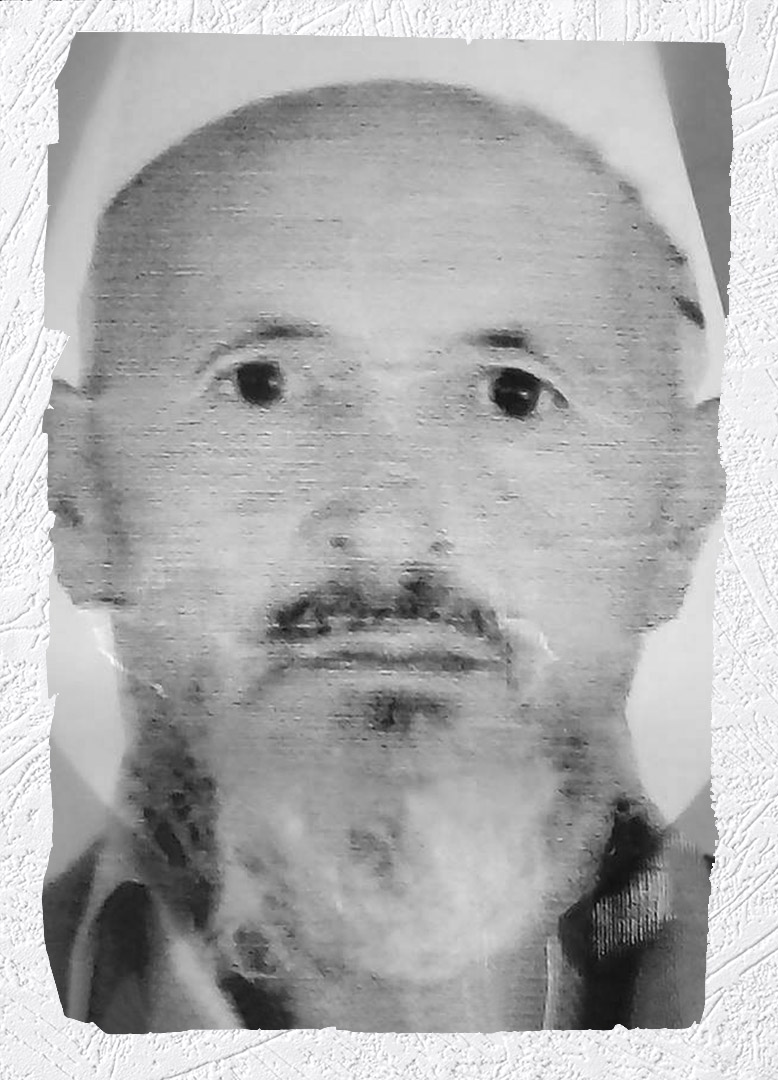
- Gender
- Male
- Ethnicity
- Hazara
- District geolocation of incident
- Kabul: 34° 31′ 1″ N, 69° 8′ 60″ E
- Description of incident
A suicide bomber detonated explosives inside a Shia Mosque in the Afghan capital of Kabul. At least 53 people were killed and dozens of others were wounded. The explosion happened at the Baqir ul Olum mosque in the Darul Aman area as people gathered to mark the end of an important religious period.
- Witness/Survivor Statement
No statement
- Date added
- May 1, 2023
Aliakbar Mansori
- Photo of Victim

- Gender
- Male
- Ethnicity
- Hazara
- District geolocation of incident
- Kabul: 34° 31′ 1″ N, 69° 8′ 60″ E
- Description of incident
A suicide bomber detonated explosives inside a Shia Mosque in the Afghan capital of Kabul. At least 53 people were killed and dozens of others were wounded. The explosion happened at the Baqir ul Olum mosque in the Darul Aman area as people gathered to mark the end of an important religious period.
- Witness/Survivor Statement
No statement
- Date added
- May 1, 2023
Ali Ahmad Parsa
- Photo of Victim

- Gender
- Male
- Ethnicity
- Hazara
- District geolocation of incident
- Kabul: 34° 31′ 1″ N, 69° 8′ 60″ E
- Description of incident
A suicide bomber detonated explosives inside a Shia Mosque in the Afghan capital of Kabul. At least 53 people were killed and dozens of others were wounded. The explosion happened at the Baqir ul Olum mosque in the Darul Aman area as people gathered to mark the end of an important religious period.
- Witness/Survivor Statement
No statement
- Date added
- May 1, 2023
Azizullah Haidari
- Photo of Victim

- Gender
- Male
- Ethnicity
- Hazara
- District geolocation of incident
- Kabul: 34° 31′ 1″ N, 69° 8′ 60″ E
- Description of incident
A suicide bomber detonated explosives inside a Shia Mosque in the Afghan capital of Kabul. At least 53 people were killed and dozens of others were wounded. The explosion happened at the Baqir ul Olum mosque in the Darul Aman area as people gathered to mark the end of an important religious period.
- Witness/Survivor Statement
No statement
- Date added
- May 1, 2023
Zia Mahmmodi
- Photo of Victim

- Gender
- Male
- Ethnicity
- Hazara
- District geolocation of incident
- Kabul: 34° 31′ 1″ N, 69° 8′ 60″ E
- Description of incident
A suicide bomber detonated explosives inside a Shia Mosque in the Afghan capital of Kabul. At least 53 people were killed and dozens of others were wounded. The explosion happened at the Baqir ul Olum mosque in the Darul Aman area as people gathered to mark the end of an important religious period.
- Witness/Survivor Statement
No statement
- Date added
- May 1, 2023
Shahram
- Photo of Victim

- Gender
- Male
- Ethnicity
- Hazara
- District geolocation of incident
- Kabul: 34° 31′ 1″ N, 69° 8′ 60″ E
- Description of incident
A suicide bomber detonated explosives inside a Shia Mosque in the Afghan capital of Kabul. At least 53 people were killed and dozens of others were wounded. The explosion happened at the Baqir ul Olum mosque in the Darul Aman area as people gathered to mark the end of an important religious period.
- Witness/Survivor Statement
No statement
- Date added
- May 1, 2023
Sayed Hadi
- Photo of Victim
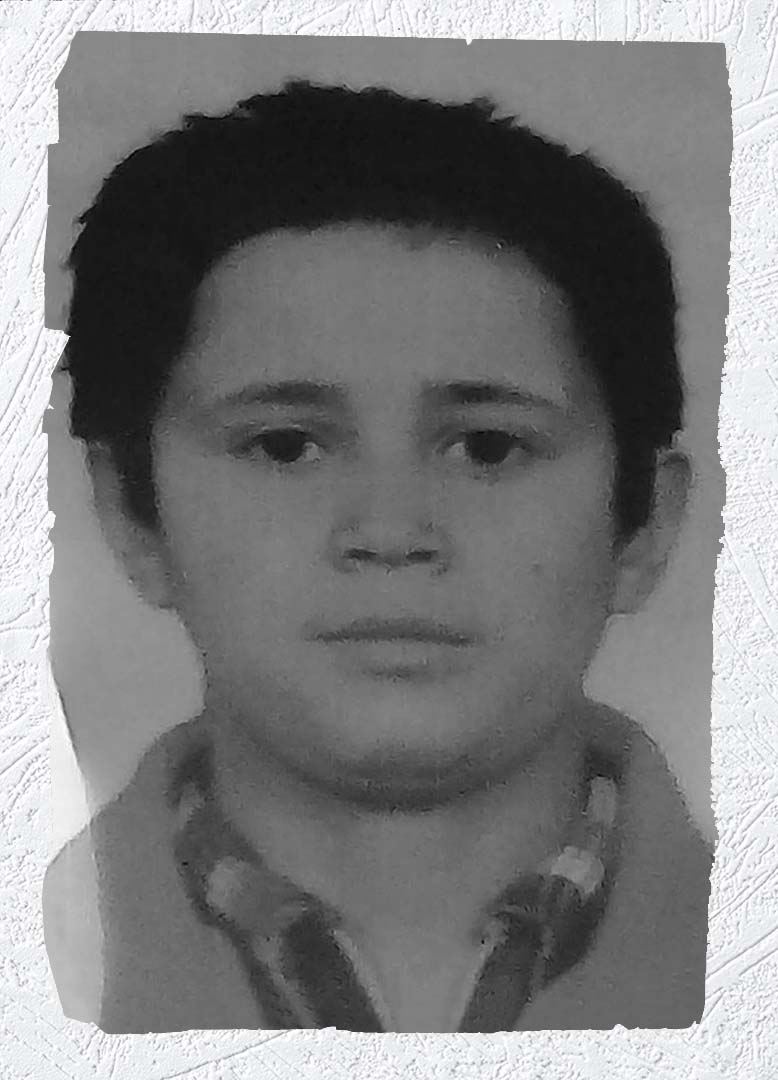
- Gender
- Male
- Ethnicity
- Sadat
- District geolocation of incident
- Kabul: 34° 31′ 1″ N, 69° 8′ 60″ E
- Description of incident
A suicide bomber detonated explosives inside a Shia Mosque in the Afghan capital of Kabul. At least 53 people were killed and dozens of others were wounded. The explosion happened at the Baqir ul Olum mosque in the Darul Aman area as people gathered to mark the end of an important religious period.
- Witness/Survivor Statement
No statement
- Date added
- May 1, 2023
Sayed Mahdi
- Photo of Victim
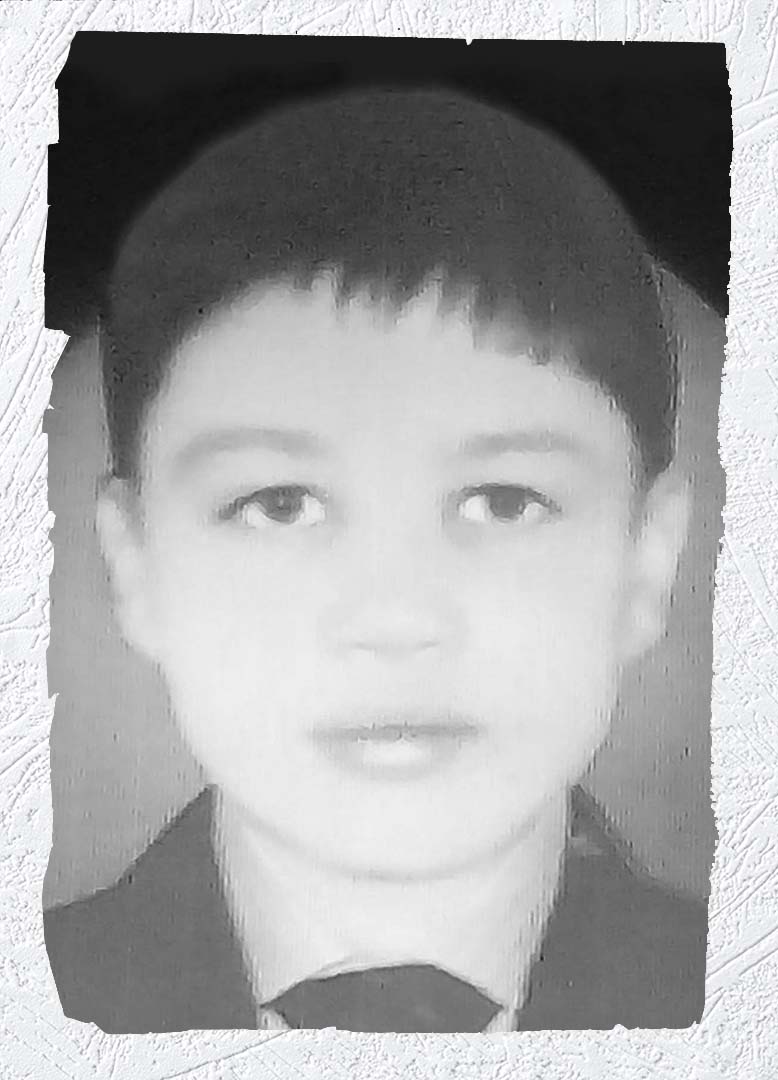
- Gender
- Male
- Ethnicity
- Sadat
- District geolocation of incident
- Kabul: 34° 31′ 1″ N, 69° 8′ 60″ E
- Description of incident
On Nov. 21, 2016, a suicide bombing ripped through a Shia Mosque in the Afghan capital, Kabul, causing immense devastation. The blast occurred at the Baqir ul Olum mosque in the Darul Aman area, targeting worshippers gathered to mark the culmination of a significant religious period. The attack resulted in the tragic loss of at least 32 lives, predominantly Hazaras. At least 64 others were injured, many with severe wounds.
- Witness/Survivor Statement
No statement
- Date added
- May 1, 2023
Sayed Qurban Mohaqqiq
- Photo of Victim
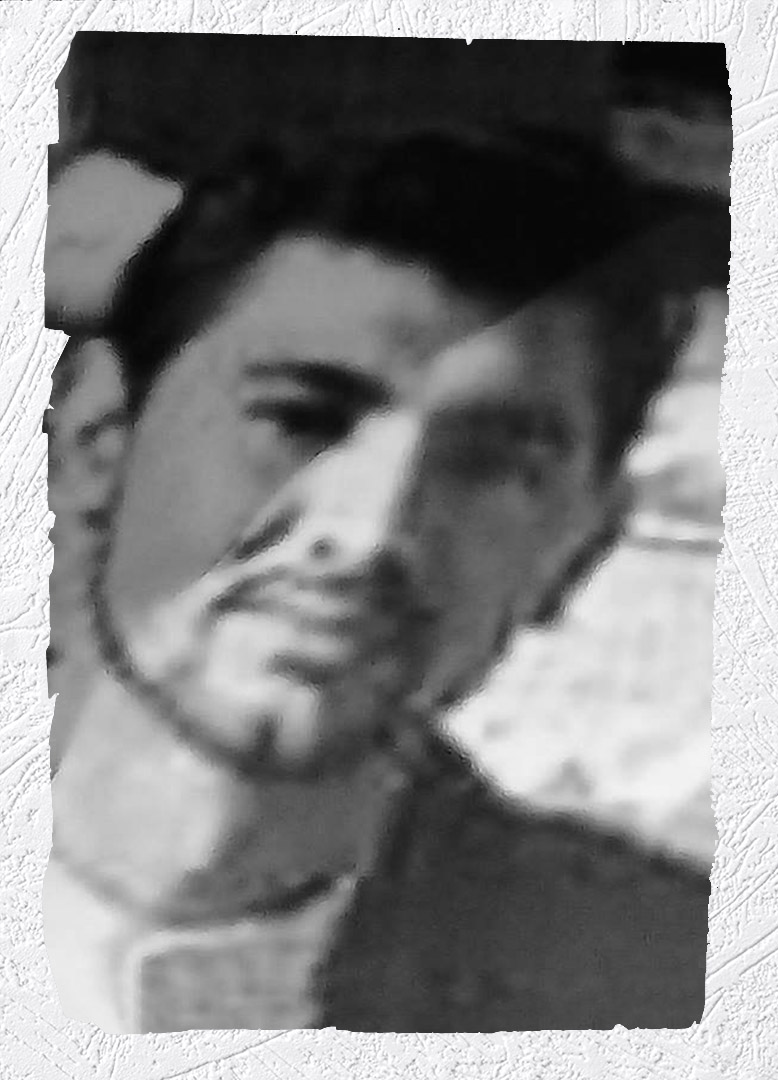
- Gender
- Male
- Ethnicity
- Sadat
- District geolocation of incident
- Kabul: 34° 31′ 1″ N, 69° 8′ 60″ E
- Description of incident
On Nov. 21, 2016, a suicide bombing ripped through a Shia Mosque in the Afghan capital, Kabul, causing immense devastation. The blast occurred at the Baqir ul Olum mosque in the Darul Aman area, targeting worshippers gathered to mark the culmination of a significant religious period. The attack resulted in the tragic loss of at least 32 lives, predominantly Hazaras. At least 64 others were injured, many with severe wounds.
- Witness/Survivor Statement
No statement
- Date added
- May 1, 2023
Sayed Del Agha Anwari
- Photo of Victim

- Gender
- Male
- Ethnicity
- Sadat
- District geolocation of incident
- Kabul: 34° 31′ 1″ N, 69° 8′ 60″ E
- Description of incident
On Nov. 21, 2016, a suicide bombing ripped through a Shia Mosque in the Afghan capital, Kabul, causing immense devastation. The blast occurred at the Baqir ul Olum mosque in the Darul Aman area, targeting worshippers gathered to mark the culmination of a significant religious period. The attack resulted in the tragic loss of at least 32 lives, predominantly Hazaras. At least 64 others were injured, many with severe wounds.
- Witness/Survivor Statement
No statement
- Date added
- May 1, 2023
Sayed Khodadad Hashimi
- Photo of Victim

- Gender
- Male
- Ethnicity
- Sadat
- District geolocation of incident
- Kabul: 34° 31′ 1″ N, 69° 8′ 60″ E
- Description of incident
On Nov. 21, 2016, a suicide bombing ripped through a Shia Mosque in the Afghan capital, Kabul, causing immense devastation. The blast occurred at the Baqir ul Olum mosque in the Darul Aman area, targeting worshippers gathered to mark the culmination of a significant religious period. The attack resulted in the tragic loss of at least 32 lives, predominantly Hazaras. At least 64 others were injured, many with severe wounds.
- Witness/Survivor Statement
No statement
- Date added
- May 1, 2023
Sayed Jalil Anwari
- Photo of Victim

- Gender
- Male
- Ethnicity
- Sadat
- District geolocation of incident
- Kabul: 34° 31′ 1″ N, 69° 8′ 60″ E
- Description of incident
On Nov. 21, 2016, a suicide bombing ripped through a Shia Mosque in the Afghan capital, Kabul, causing immense devastation. The blast occurred at the Baqir ul Olum mosque in the Darul Aman area, targeting worshippers gathered to mark the culmination of a significant religious period. The attack resulted in the tragic loss of at least 32 lives, predominantly Hazaras. At least 64 others were injured, many with severe wounds.
- Witness/Survivor Statement
No statement
- Date added
- May 1, 2023
Sayed Aghasha Alawi
- Photo of Victim

- Gender
- Male
- Ethnicity
- Sadat
- District geolocation of incident
- Kabul: 34° 31′ 1″ N, 69° 8′ 60″ E
- Description of incident
On Nov. 21, 2016, a suicide bombing ripped through a Shia Mosque in the Afghan capital, Kabul, causing immense devastation. The blast occurred at the Baqir ul Olum mosque in the Darul Aman area, targeting worshippers gathered to mark the culmination of a significant religious period. The attack resulted in the tragic loss of at least 32 lives, predominantly Hazaras. At least 64 others were injured, many with severe wounds.
- Witness/Survivor Statement
No statement
- Date added
- May 1, 2023
Ramazan Hussaini
- Photo of Victim

- Gender
- Male
- Ethnicity
- Hazara
- District geolocation of incident
- Kabul: 34° 31′ 1″ N, 69° 8′ 60″ E
- Description of incident
On Nov. 21, 2016, a suicide bombing ripped through a Shia Mosque in the Afghan capital, Kabul, causing immense devastation. The blast occurred at the Baqir ul Olum mosque in the Darul Aman area, targeting worshippers gathered to mark the culmination of a significant religious period. The attack resulted in the tragic loss of at least 32 lives, predominantly Hazaras. At least 64 others were injured, many with severe wounds.
- Witness/Survivor Statement
No statement
- Date added
- May 1, 2023
Roman
- Photo of Victim

- Gender
- Male
- Ethnicity
- Hazara
- District geolocation of incident
- Kabul: 34° 31′ 1″ N, 69° 8′ 60″ E
- Description of incident
On Nov. 21, 2016, a suicide bombing ripped through a Shia Mosque in the Afghan capital, Kabul, causing immense devastation. The blast occurred at the Baqir ul Olum mosque in the Darul Aman area, targeting worshippers gathered to mark the culmination of a significant religious period. The attack resulted in the tragic loss of at least 32 lives, predominantly Hazaras. At least 64 others were injured, many with severe wounds.
- Witness/Survivor Statement
No statement
- Date added
- May 1, 2023
Reza Ebrahimi
- Photo of Victim
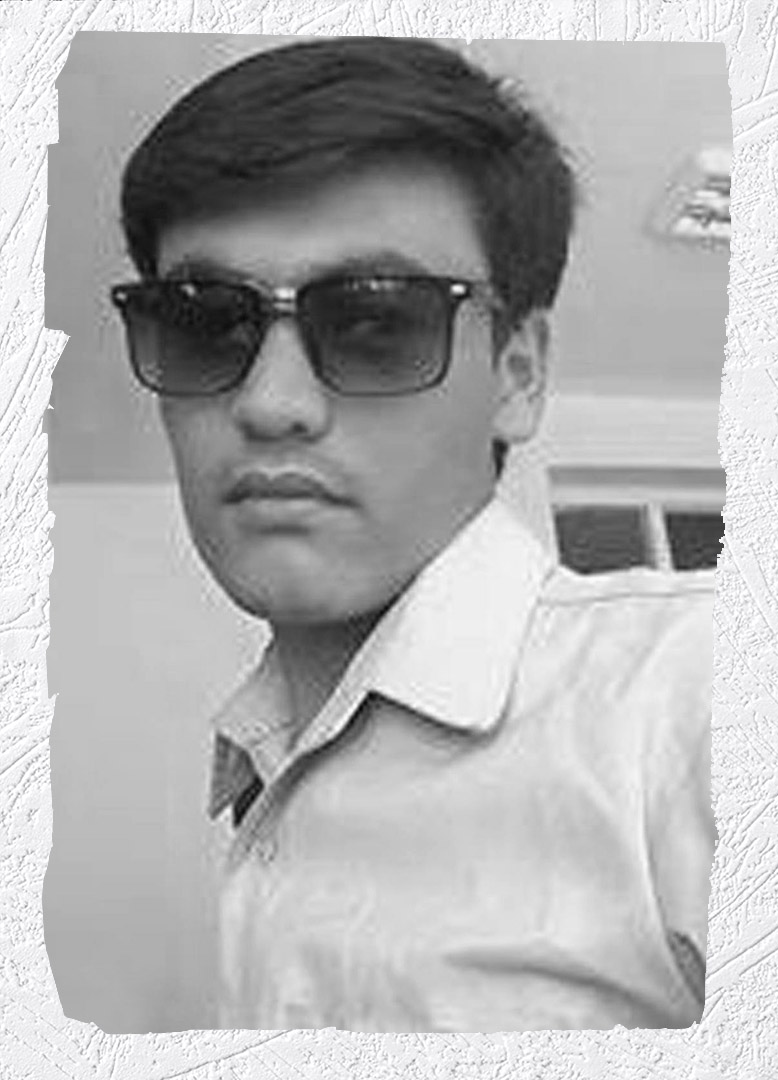
- Gender
- Male
- Ethnicity
- Hazara
- District geolocation of incident
- Kabul: 34° 31′ 1″ N, 69° 8′ 60″ E
- Description of incident
On Nov. 21, 2016, a suicide bombing ripped through a Shia Mosque in the Afghan capital, Kabul, causing immense devastation. The blast occurred at the Baqir ul Olum mosque in the Darul Aman area, targeting worshippers gathered to mark the culmination of a significant religious period. The attack resulted in the tragic loss of at least 32 lives, predominantly Hazaras. At least 64 others were injured, many with severe wounds.
- Witness/Survivor Statement
No statement
- Date added
- May 1, 2023
Hussiandad Nikzad
- Photo of Victim

- Gender
- Male
- Ethnicity
- Hazara
- District geolocation of incident
- Kabul: 34° 31′ 1″ N, 69° 8′ 60″ E
- Description of incident
On Nov. 21, 2016, a suicide bombing ripped through a Shia Mosque in the Afghan capital, Kabul, causing immense devastation. The blast occurred at the Baqir ul Olum mosque in the Darul Aman area, targeting worshippers gathered to mark the culmination of a significant religious period. The attack resulted in the tragic loss of at least 32 lives, predominantly Hazaras. At least 64 others were injured, many with severe wounds.
- Witness/Survivor Statement
No statement
- Date added
- May 1, 2023
Habibullah Kashifi
- Photo of Victim

- Gender
- Male
- Ethnicity
- Hazara
- District geolocation of incident
- Kabul: 34° 31′ 1″ N, 69° 8′ 60″ E
- Description of incident
On Nov. 21, 2016, a suicide bombing ripped through a Shia Mosque in the Afghan capital, Kabul, causing immense devastation. The blast occurred at the Baqir ul Olum mosque in the Darul Aman area, targeting worshippers gathered to mark the culmination of a significant religious period. The attack resulted in the tragic loss of at least 32 lives, predominantly Hazaras. At least 64 others were injured, many with severe wounds.
- Witness/Survivor Statement
No statement
- Date added
- Apr 28, 2023
Chaman Hussain
- Photo of Victim

- Gender
- Male
- Ethnicity
- Hazara
- District geolocation of incident
- Kabul: 34° 31′ 1″ N, 69° 8′ 60″ E
- Description of incident
On Nov. 21, 2016, a suicide bombing ripped through a Shia Mosque in the Afghan capital, Kabul, causing immense devastation. The blast occurred at the Baqir ul Olum mosque in the Darul Aman area, targeting worshippers gathered to mark the culmination of a significant religious period. The attack resulted in the tragic loss of at least 32 lives, predominantly Hazaras. At least 64 others were injured, many with severe wounds.
- Witness/Survivor Statement
No statement
- Date added
- Apr 28, 2023
Jumakhan Ataee
- Photo of Victim
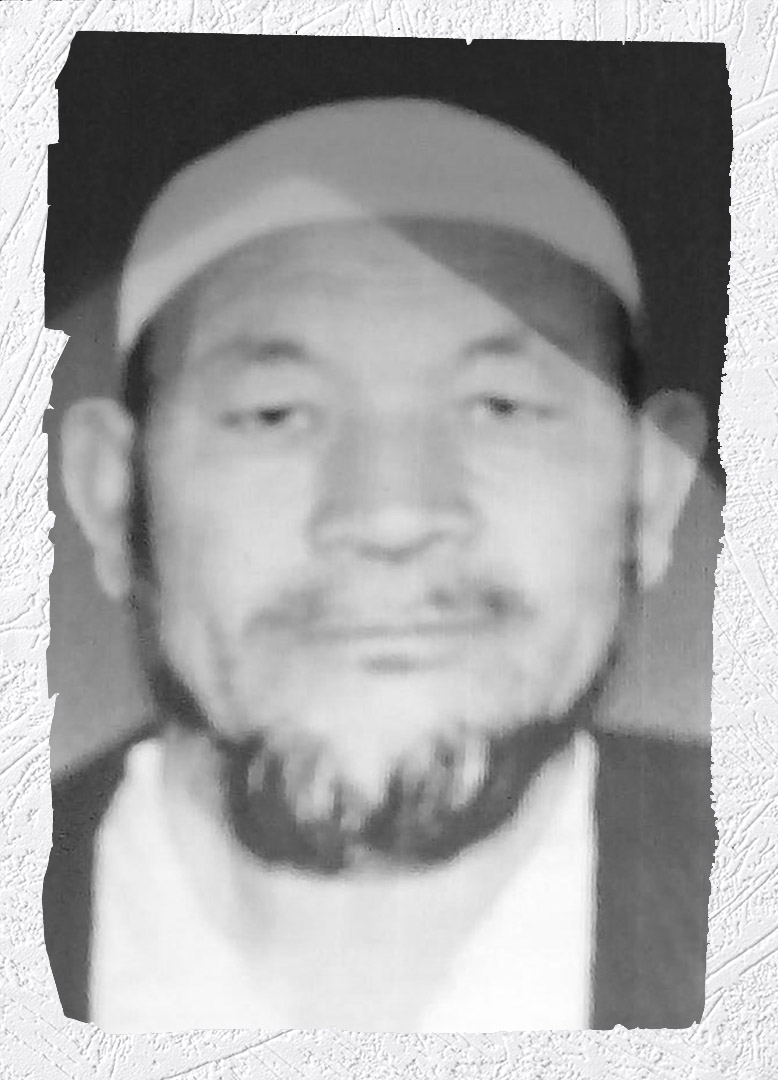
- Gender
- Male
- Ethnicity
- Hazara
- District geolocation of incident
- Kabul: 34° 31′ 1″ N, 69° 8′ 60″ E
- Description of incident
On Nov. 21, 2016, a suicide bombing ripped through a Shia Mosque in the Afghan capital, Kabul, causing immense devastation. The blast occurred at the Baqir ul Olum mosque in the Darul Aman area, targeting worshippers gathered to mark the culmination of a significant religious period. The attack resulted in the tragic loss of at least 32 lives, predominantly Hazaras. At least 64 others were injured, many with severe wounds.
- Witness/Survivor Statement
No statement
- Date added
- Apr 28, 2023
Jafar Aqa
- Photo of Victim

- Gender
- Male
- Ethnicity
- Hazara
- District geolocation of incident
- Kabul: 34° 31′ 1″ N, 69° 8′ 60″ E
- Description of incident
On Nov. 21, 2016, a suicide bombing ripped through a Shia Mosque in the Afghan capital, Kabul, causing immense devastation. The blast occurred at the Baqir ul Olum mosque in the Darul Aman area, targeting worshippers gathered to mark the culmination of a significant religious period. The attack resulted in the tragic loss of at least 32 lives, predominantly Hazaras. At least 64 others were injured, many with severe wounds.
- Witness/Survivor Statement
No statement
- Date added
- Apr 28, 2023
Jawid
- Photo of Victim
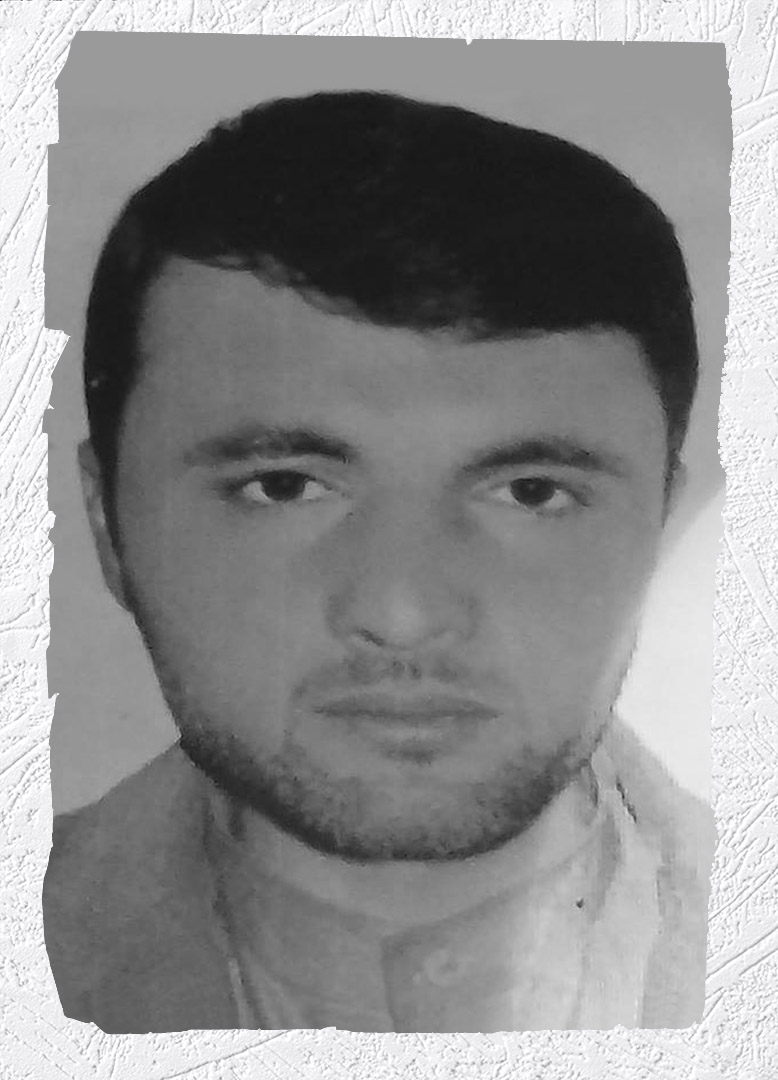
- Gender
- Male
- Ethnicity
- Hazara
- District geolocation of incident
- Kabul: 34° 31′ 1″ N, 69° 8′ 60″ E
- Description of incident
On Nov. 21, 2016, a suicide bombing ripped through a Shia Mosque in the Afghan capital, Kabul, causing immense devastation. The blast occurred at the Baqir ul Olum mosque in the Darul Aman area, targeting worshippers gathered to mark the culmination of a significant religious period. The attack resulted in the tragic loss of at least 32 lives, predominantly Hazaras. At least 64 others were injured, many with severe wounds.
- Witness/Survivor Statement
No statement
- Date added
- Apr 28, 2023
Aminullah Karbalaee
- Photo of Victim

- Gender
- Male
- Ethnicity
- Hazara
- District geolocation of incident
- Kabul: 34° 31′ 1″ N, 69° 8′ 60″ E
- Description of incident
On Nov. 21, 2016, a suicide bombing ripped through a Shia Mosque in the Afghan capital, Kabul, causing immense devastation. The blast occurred at the Baqir ul Olum mosque in the Darul Aman area, targeting worshippers gathered to mark the culmination of a significant religious period. The attack resulted in the tragic loss of at least 32 lives, predominantly Hazaras. At least 64 others were injured, many with severe wounds.
- Witness/Survivor Statement
No statement
- Date added
- Apr 28, 2023
Sayed Mir Ali
- Photo of Victim

- Gender
- Male
- Ethnicity
- Sadat
- District geolocation of incident
- Yakawlang: 34° 44′ 50″ N, 66° 56′ 40″ E
- Description of incident
The Taliban slaughtered at least 300 Sayyid and Hazara people during an attack on the Yakawlang District of Bamiyan Province on January 7, 2001. Witness accounts state that once the Taliban troops retook Yakawlang on January 7, they started to arrest and ruthlessly kill individuals. In late December 2000, they had lost Yakawlang to Hezb-e Wahdat, an anti-Taliban party that claimed to be supported by the Hazara minority. Additionally, witnesses reported to Amnesty International that Hezb-e Wahdat soldiers executed at least four people in broad daylight during the few days they occupied Yakawlang in late December 2000.
- Witness/Survivor Statement
No statement
- Date added
- Apr 27, 2023
Sayed Ewaz Karimi
- Photo of Victim

- Gender
- Male
- Ethnicity
- Sadat
- District geolocation of incident
- Yakawlang: 34° 44′ 50″ N, 66° 56′ 40″ E
- Description of incident
The Taliban slaughtered at least 300 Sayyid and Hazara people during an attack on the Yakawlang District of Bamiyan Province on January 7, 2001. Witness accounts state that once the Taliban troops retook Yakawlang on January 7, they started to arrest and ruthlessly kill individuals. In late December 2000, they had lost Yakawlang to Hezb-e Wahdat, an anti-Taliban party that claimed to be supported by the Hazara minority. Additionally, witnesses reported to Amnesty International that Hezb-e Wahdat soldiers executed at least four people in broad daylight during the few days they occupied Yakawlang in late December 2000.
- Witness/Survivor Statement
No statement
- Date added
- Apr 27, 2023
Sayed Abdulhamid
- Photo of Victim

- Gender
- Male
- Ethnicity
- Sadat
- District geolocation of incident
- Yakawlang: 34° 44′ 50″ N, 66° 56′ 40″ E
- Description of incident
The Taliban slaughtered at least 300 Sayyid and Hazara people during an attack on the Yakawlang District of Bamiyan Province on January 7, 2001. Witness accounts state that once the Taliban troops retook Yakawlang on January 7, they started to arrest and ruthlessly kill individuals. In late December 2000, they had lost Yakawlang to Hezb-e Wahdat, an anti-Taliban party that claimed to be supported by the Hazara minority. Additionally, witnesses reported to Amnesty International that Hezb-e Wahdat soldiers executed at least four people in broad daylight during the few days they occupied Yakawlang in late December 2000.
- Witness/Survivor Statement
No statement
- Date added
- Apr 27, 2023
Khodadad
- Photo of Victim

- Gender
- Male
- Ethnicity
- Hazara
- District geolocation of incident
- Yakawlang: 34° 44′ 50″ N, 66° 56′ 40″ E
- Description of incident
The Taliban slaughtered at least 300 Sayyid and Hazara people during an attack on the Yakawlang District of Bamiyan Province on January 7, 2001. Witness accounts state that once the Taliban troops retook Yakawlang on January 7, they started to arrest and ruthlessly kill individuals. In late December 2000, they had lost Yakawlang to Hezb-e Wahdat, an anti-Taliban party that claimed to be supported by the Hazara minority. Additionally, witnesses reported to Amnesty International that Hezb-e Wahdat soldiers executed at least four people in broad daylight during the few days they occupied Yakawlang in late December 2000.
- Witness/Survivor Statement
No statement
- Date added
- Apr 27, 2023
Mohammad Zawar
- Photo of Victim

- Gender
- Male
- Ethnicity
- Hazara
- District geolocation of incident
- Yakawlang: 34° 44′ 50″ N, 66° 56′ 40″ E
- Description of incident
The Taliban slaughtered at least 300 Sayyid and Hazara people during an attack on the Yakawlang District of Bamiyan Province on January 7, 2001. Witness accounts state that once the Taliban troops retook Yakawlang on January 7, they started to arrest and ruthlessly kill individuals. In late December 2000, they had lost Yakawlang to Hezb-e Wahdat, an anti-Taliban party that claimed to be supported by the Hazara minority. Additionally, witnesses reported to Amnesty International that Hezb-e Wahdat soldiers executed at least four people in broad daylight during the few days they occupied Yakawlang in late December 2000.
- Witness/Survivor Statement
No statement
- Date added
- Apr 27, 2023
Sayed Azizullah Akhlaqi
- Photo of Victim

- Gender
- Male
- Ethnicity
- Sadat
- District geolocation of incident
- Yakawlang: 34° 44′ 50″ N, 66° 56′ 40″ E
- Description of incident
The Taliban slaughtered at least 300 Sayyid and Hazara people during an attack on the Yakawlang District of Bamiyan Province on January 7, 2001. Witness accounts state that once the Taliban troops retook Yakawlang on January 7, they started to arrest and ruthlessly kill individuals. In late December 2000, they had lost Yakawlang to Hezb-e Wahdat, an anti-Taliban party that claimed to be supported by the Hazara minority. Additionally, witnesses reported to Amnesty International that Hezb-e Wahdat soldiers executed at least four people in broad daylight during the few days they occupied Yakawlang in late December 2000.
- Witness/Survivor Statement
No statement
- Date added
- Apr 27, 2023
Two civilians were killed and six others were arrested during a military operation lead by American forces
- Date added
- Apr 26, 2023
The Taliban ambushed a convoy of Afghan forces. A civilian was killed in the crossfire
- Date added
- Apr 26, 2023
At least seven civilians and three police officers were killed in an attack on the Afghan communications ministry in central Kabul
- Date added
- Apr 26, 2023
A child was killed and two civilians were wounded when the police fired into the air
- Date added
- Apr 26, 2023
Two civilians were killed and four others were wounded when their vehicle hit a roadside bomb placed by the Taliban
- Date added
- Apr 26, 2023
Kandahar Strike Force unit detained five men and took them to an undisclosed location, effectively forcibly disappearing them
- Date added
- Apr 26, 2023
A Kandahar Strike Force unit carried out a raid on a houe killing the owner
- Date added
- Apr 26, 2023
The Taliban shot and killed a driver and wounded another when the driver refused to pay money for insurgents
- Date added
- Apr 26, 2023
A police vehicle hit a roadside bomb. A police officer and one civilian were killed, and five civilians were wounded in the explosion
- Date added
- Apr 26, 2023
An American drone strike targeted a gathering of tribal elders, killing four people
- Date added
- Apr 26, 2023
Two blasts killed three civilians, including a woman. 19 others, including four women and two children, were wounded
- Date added
- Apr 26, 2023
A remote-controlled IED detonated inside a doctor's private clinic, killing him and injuring six patients
- Date added
- Apr 26, 2023
ANA soldier shot and injured three male civilians in a Coaster bus
- Date added
- Apr 26, 2023
13 civilians were killed and five others were wounded in an American airstrike
- Date added
- Apr 26, 2023
Three children were killed when a rocket fired by insurgents hit a house during a joint military operation
- Date added
- Apr 26, 2023
Sayed Sarwar
- Photo of Victim

- Gender
- Male
- Ethnicity
- Sadat
- District geolocation of incident
- Yakawlang: 34° 44′ 50″ N, 66° 56′ 40″ E
- Description of incident
The Taliban slaughtered at least 300 Sayyid and Hazara people during an attack on the Yakawlang District of Bamiyan Province on January 7, 2001. Witness accounts state that once the Taliban troops retook Yakawlang on January 7, they started to arrest and ruthlessly kill individuals. In late December 2000, they had lost Yakawlang to Hezb-e Wahdat, an anti-Taliban party that claimed to be supported by the Hazara minority. Additionally, witnesses reported to Amnesty International that Hezb-e Wahdat soldiers executed at least four people in broad daylight during the few days they occupied Yakawlang in late December 2000.
- Witness/Survivor Statement
No statement
- Date added
- Apr 26, 2023
During a ground engagement between the Afghan National Army and the Taliban, a mortar round landed on a school, causing the death of four schoolboys and a teacher
- Date added
- Apr 26, 2023
Taliban forces abducted three boys over a land dispute with their family
- Date added
- Apr 26, 2023
Sayed Anwar Sha Hussaini
- Photo of Victim

- Gender
- Male
- Ethnicity
- Sadat
- District geolocation of incident
- Yakawlang: 34° 44′ 50″ N, 66° 56′ 40″ E
- Description of incident
The Taliban slaughtered at least 300 Sayyid and Hazara people during an attack on the Yakawlang District of Bamiyan Province on January 7, 2001. Witness accounts state that once the Taliban troops retook Yakawlang on January 7, they started to arrest and ruthlessly kill individuals. In late December 2000, they had lost Yakawlang to Hezb-e Wahdat, an anti-Taliban party that claimed to be supported by the Hazara minority. Additionally, witnesses reported to Amnesty International that Hezb-e Wahdat soldiers executed at least four people in broad daylight during the few days they occupied Yakawlang in late December 2000.
- Witness/Survivor Statement
No statement
- Date added
- Apr 26, 2023
One woman was killed and four civilians were wounded in fighting between two local militia commanders
- Date added
- Apr 26, 2023
Sayed Mahdi
- Photo of Victim

- Gender
- Male
- Ethnicity
- Sadat
- District geolocation of incident
- Yakawlang: 34° 44′ 50″ N, 66° 56′ 40″ E
- Description of incident
The Taliban slaughtered at least 300 Sayyid and Hazara people during an attack on the Yakawlang District of Bamiyan Province on January 7, 2001. Witness accounts state that once the Taliban troops retook Yakawlang on January 7, they started to arrest and ruthlessly kill individuals. In late December 2000, they had lost Yakawlang to Hezb-e Wahdat, an anti-Taliban party that claimed to be supported by the Hazara minority. Additionally, witnesses reported to Amnesty International that Hezb-e Wahdat soldiers executed at least four people in broad daylight during the few days they occupied Yakawlang in late December 2000.
- Witness/Survivor Statement
No statement
- Date added
- Apr 26, 2023
Sayed Qasim Tabibi
- Photo of Victim

- Gender
- Male
- Ethnicity
- Sadat
- District geolocation of incident
- Yakawlang: 34° 44′ 50″ N, 66° 56′ 40″ E
- Description of incident
The Taliban slaughtered at least 300 Sayyid and Hazara people during an attack on the Yakawlang District of Bamiyan Province on January 7, 2001. Witness accounts state that once the Taliban troops retook Yakawlang on January 7, they started to arrest and ruthlessly kill individuals. In late December 2000, they had lost Yakawlang to Hezb-e Wahdat, an anti-Taliban party that claimed to be supported by the Hazara minority. Additionally, witnesses reported to Amnesty International that Hezb-e Wahdat soldiers executed at least four people in broad daylight during the few days they occupied Yakawlang in late December 2000.
- Witness/Survivor Statement
No statement
- Date added
- Apr 26, 2023
Sayed Dawod
- Photo of Victim

- Gender
- Male
- Ethnicity
- Sadat
- District geolocation of incident
- Yakawlang: 34° 44′ 50″ N, 66° 56′ 40″ E
- Description of incident
The Taliban slaughtered at least 300 Sayyid and Hazara people during an attack on the Yakawlang District of Bamiyan Province on January 7, 2001. Witness accounts state that once the Taliban troops retook Yakawlang on January 7, they started to arrest and ruthlessly kill individuals. In late December 2000, they had lost Yakawlang to Hezb-e Wahdat, an anti-Taliban party that claimed to be supported by the Hazara minority. Additionally, witnesses reported to Amnesty International that Hezb-e Wahdat soldiers executed at least four people in broad daylight during the few days they occupied Yakawlang in late December 2000.
- Witness/Survivor Statement
No statement
- Date added
- Apr 26, 2023
Mohammad Ali
- Photo of Victim

- Gender
- Male
- Ethnicity
- Hazara
- District geolocation of incident
- Yakawlang: 34° 44′ 50″ N, 66° 56′ 40″ E
- Description of incident
The Taliban slaughtered at least 300 Sayyid and Hazara people during an attack on the Yakawlang District of Bamiyan Province on January 7, 2001. Witness accounts state that once the Taliban troops retook Yakawlang on January 7, they started to arrest and ruthlessly kill individuals. In late December 2000, they had lost Yakawlang to Hezb-e Wahdat, an anti-Taliban party that claimed to be supported by the Hazara minority. Additionally, witnesses reported to Amnesty International that Hezb-e Wahdat soldiers executed at least four people in broad daylight during the few days they occupied Yakawlang in late December 2000.
- Witness/Survivor Statement
No statement
- Date added
- Apr 26, 2023
Sayed Hassan
- Photo of Victim

- Gender
- Male
- Ethnicity
- Sadat
- District geolocation of incident
- Yakawlang: 34° 44′ 50″ N, 66° 56′ 40″ E
- Description of incident
On January 7, 2001, the Taliban attacked the Yakawlang District of Bamiyan Province and massacred hundreds of Hazara civilians. Many of those who managed to escape and take refuge on the mountains froze to death. On January 8, Taliban members began a house-to-house search across the district. The massacre of Hazaras continued through the 9th, 10th, 11th, and 12th of January. At least 300 Hazaras were executed by the Taliban.
- Date added
- Apr 26, 2023
Mohammad Mohsen
- Photo of Victim

- Gender
- Male
- Ethnicity
- Hazara
- District geolocation of incident
- Yakawlang: 34° 44′ 50″ N, 66° 56′ 40″ E
- Description of incident
On January 7, 2001, the Taliban attacked the Yakawlang District of Bamiyan Province and massacred hundreds of Hazara civilians. Many of those who managed to escape and take refuge on the mountains froze to death. On January 8, Taliban members began a house-to-house search across the district. The massacre of Hazaras continued through the 9th, 10th, 11th, and 12th of January. At least 300 Hazaras were executed by the Taliban.
- Date added
- Apr 26, 2023
Sayed Naser
- Photo of Victim

- Gender
- Male
- Ethnicity
- Sadat
- District geolocation of incident
- Yakawlang: 34° 44′ 50″ N, 66° 56′ 40″ E
- Description of incident
On January 7, 2001, the Taliban attacked the Yakawlang District of Bamiyan Province and massacred hundreds of Hazara civilians. Many of those who managed to escape and take refuge on the mountains froze to death. On January 8, Taliban members began a house-to-house search across the district. The massacre of Hazaras continued through the 9th, 10th, 11th, and 12th of January. At least 300 Hazaras were executed by the Taliban.
- Date added
- Apr 26, 2023
At least 14 civilians, most of them women and children, were killed in an airstrike lead by American and Afghan forces
- Date added
- Apr 25, 2023
Five civilians were killed and three others were wounded in a military operation by an Afghan strike force
- Date added
- Apr 25, 2023
A civilian vehicle hit a roadside bomb, killing one civilian and wounding four others including women and children
- Date added
- Apr 25, 2023
Sayed Mosa
- Photo of Victim

- Gender
- Male
- Ethnicity
- Sadat
- District geolocation of incident
- Yakawlang: 34° 44′ 50″ N, 66° 56′ 40″ E
- Description of incident
On January 7, 2001, the Taliban attacked the Yakawlang District of Bamiyan Province and massacred hundreds of Hazara civilians. Many of those who managed to escape and take refuge on the mountains froze to death. On January 8, Taliban members began a house-to-house search across the district. The massacre of Hazaras continued through the 9th, 10th, 11th, and 12th of January. At least 300 Hazaras were executed by the Taliban.
- Date added
- Apr 25, 2023
Kandahar Strike Force unit ordered all the men in the village of Panjwai to come outside. They tied the mens' hands and took two of them away. Only one of them returned.
- Date added
- Apr 25, 2023
One civilian killed and two wounded when unknown gunmen opened fire
- Date added
- Apr 25, 2023
Two explosions at the Abdul Rahim Shaheed High school killed 17 people and injured 62 others
- Date added
- Apr 25, 2023
Suicide Attack at Sayed ul-Shuhada High School, Chehel Dokhtaraan (2021)
- Date added
- Apr 25, 2023
Twine Suicide Attack on Enlightenment Movement in Dehmazang (2016)
- Date added
- Apr 25, 2023
Sayed Nabi
- Photo of Victim

- Gender
- Male
- Ethnicity
- Sadat
- District geolocation of incident
- Yakawlang: 34° 44′ 50″ N, 66° 56′ 40″ E
- Description of incident
On January 7, 2001, the Taliban attacked the Yakawlang District of Bamiyan Province and massacred hundreds of Hazara civilians. Many of those who managed to escape and take refuge on the mountains froze to death. On January 8, Taliban members began a house-to-house search across the district. The massacre of Hazaras continued through the 9th, 10th, 11th, and 12th of January. At least 300 Hazaras were executed by the Taliban.
- Witness/Survivor Statement
On January 7, 2001, the Taliban attacked the Yakaolang district of Bamiyan province and massacred hundreds of Hazara civilians. Many of those who managed to escape and take refuge on the mountains froze to death. On the 8th of January, Taliban members began a house-to-house search across the district. The massacre of Hazaras continued through the 9th, 10th, 11th, and 12th of January. At least 300 Hazaras were either summerly executed or deliberately killed by the Taliban.
- Date added
- Apr 25, 2023
Sayed Azim
- Photo of Victim

- Gender
- Male
- Ethnicity
- Sadat
- District geolocation of incident
- Yakawlang: 34° 44′ 50″ N, 66° 56′ 40″ E
- Description of incident
On January 7, 2001, the Taliban attacked the Yakawlang District of Bamiyan Province and massacred hundreds of Hazara civilians. Many of those who managed to escape and take refuge on the mountains froze to death. On January 8, Taliban members began a house-to-house search across the district. The massacre of Hazaras continued through the 9th, 10th, 11th, and 12th of January. At least 300 Hazaras were executed by the Taliban.
- Witness/Survivor Statement
On January 7, 2001, the Taliban attacked the Yakaolang district of Bamiyan province and massacred hundreds of Hazara civilians. Many of those who managed to escape and take refuge on the mountains froze to death. On the 8th of January, Taliban members began a house-to-house search across the district. The massacre of Hazaras continued through the 9th, 10th, 11th, and 12th of January. At least 300 Hazaras were either summerly executed or deliberately killed by the Taliban.
- Date added
- Apr 25, 2023
Sayed Talib
- Photo of Victim

- Gender
- Male
- Ethnicity
- Sadat
- District geolocation of incident
- Yakawlang: 34° 44′ 50″ N, 66° 56′ 40″ E
- Description of incident
On January 7, 2001, the Taliban attacked the Yakawlang District of Bamiyan Province and massacred hundreds of Hazara civilians. Many of those who managed to escape and take refuge on the mountains froze to death. On January 8, Taliban members began a house-to-house search across the district. The massacre of Hazaras continued through the 9th, 10th, 11th, and 12th of January. At least 300 Hazaras were executed by the Taliban.
- Date added
- Apr 25, 2023
Sayed Ayob
- Photo of Victim

- Gender
- Male
- Ethnicity
- Sadat
- District geolocation of incident
- Yakawlang: 34° 44′ 50″ N, 66° 56′ 40″ E
- Description of incident
On January 7, 2001, the Taliban attacked the Yakawlang District of Bamiyan Province and massacred hundreds of Hazara civilians. Many of those who managed to escape and take refuge on the mountains froze to death. On January 8, Taliban members began a house-to-house search across the district. The massacre of Hazaras continued through the 9th, 10th, 11th, and 12th of January. At least 300 Hazaras were executed by the Taliban.
- Date added
- Apr 25, 2023
Sayed Sarwar
- Photo of Victim

- Gender
- Male
- Ethnicity
- Sadat
- District geolocation of incident
- Yakawlang: 34° 44′ 50″ N, 66° 56′ 40″ E
- Description of incident
The Taliban slaughtered at least 300 Sayyid and Hazara people during an attack on the Yakawlang District of Bamiyan Province on January 7, 2001. Witness accounts state that once the Taliban troops retook Yakawlang on January 7, they started to arrest and ruthlessly kill individuals. In late December 2000, they had lost Yakawlang to Hezb-e Wahdat, an anti-Taliban party that claimed to be supported by the Hazara minority. Additionally, witnesses reported to Amnesty International that Hezb-e Wahdat soldiers executed at least four people in broad daylight during the few days they occupied Yakawlang in late December 2000.
- Date added
- Apr 25, 2023
Sayed Reza
- Photo of Victim

- Gender
- Male
- Ethnicity
- Sadat
- District geolocation of incident
- Yakawlang: 34° 44′ 50″ N, 66° 56′ 40″ E
- Description of incident
On January 7, 2001, the Taliban attacked the Yakawlang District of Bamiyan Province and massacred hundreds of Hazara civilians. Many of those who managed to escape and take refuge on the mountains froze to death. On January 8, Taliban members began a house-to-house search across the district. The massacre of Hazaras continued through the 9th, 10th, 11th, and 12th of January. At least 300 Hazaras were executed by the Taliban.
- Date added
- Apr 25, 2023
Sayed Hashim
- Photo of Victim

- Gender
- Male
- Ethnicity
- Sadat
- District geolocation of incident
- Yakawlang: 34° 44′ 50″ N, 66° 56′ 40″ E
- Description of incident
On January 7, 2001, the Taliban attacked the Yakawlang District of Bamiyan Province and massacred hundreds of Hazara civilians. Many of those who managed to escape and take refuge on the mountains froze to death. On January 8, Taliban members began a house-to-house search across the district. The massacre of Hazaras continued through the 9th, 10th, 11th, and 12th of January. At least 300 Hazaras were executed by the Taliban.
- Date added
- Apr 25, 2023
Sayed Sha Zafar
- Photo of Victim

- Gender
- Male
- Ethnicity
- Sadat
- District geolocation of incident
- Yakawlang: 34° 44′ 50″ N, 66° 56′ 40″ E
- Description of incident
On January 7, 2001, the Taliban attacked the Yakawlang District of Bamiyan Province and massacred hundreds of Hazara civilians. Many of those who managed to escape and take refuge on the mountains froze to death. On January 8, Taliban members began a house-to-house search across the district. The massacre of Hazaras continued through the 9th, 10th, 11th, and 12th of January. At least 300 Hazaras were executed by the Taliban.
- Date added
- Apr 25, 2023
Sayed Wahid
- Photo of Victim
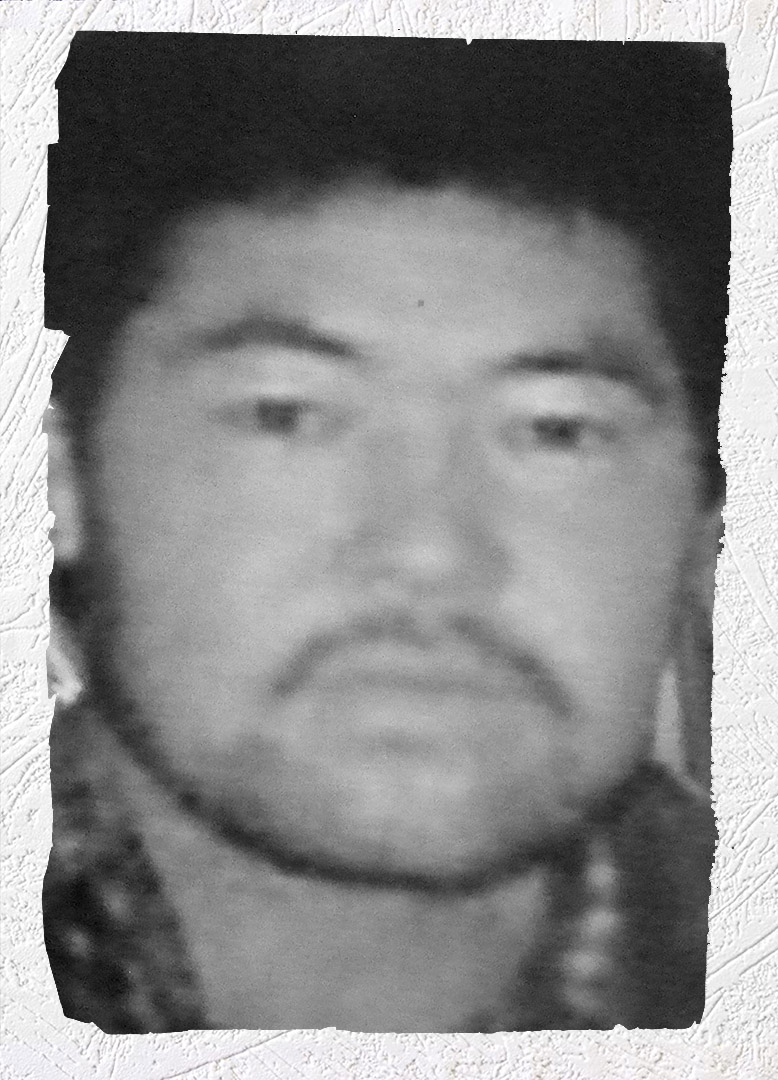
- Gender
- Male
- Ethnicity
- Sadat
- District geolocation of incident
- Yakawlang: 34° 44′ 50″ N, 66° 56′ 40″ E
- Description of incident
On January 7, 2001, the Taliban attacked the Yakawlang District of Bamiyan Province and massacred hundreds of Hazara civilians. Many of those who managed to escape and take refuge on the mountains froze to death. On January 8, Taliban members began a house-to-house search across the district. The massacre of Hazaras continued through the 9th, 10th, 11th, and 12th of January. At least 300 Hazaras were executed by the Taliban.
- Date added
- Apr 11, 2023
Mohammad
- Photo of Victim
- Gender
- Male
- Ethnicity
- Hazara
- District geolocation of incident
- Yakawlang: 34° 44′ 50″ N, 66° 56′ 40″ E
- Description of incident
On January 7, 2001, the Taliban attacked the Yakawlang District of Bamiyan Province and massacred hundreds of Hazara civilians. Many of those who managed to escape and take refuge on the mountains froze to death. On January 8, Taliban members began a house-to-house search across the district. The massacre of Hazaras continued through the 9th, 10th, 11th, and 12th of January. At least 300 Hazaras were executed by the Taliban.
- Date added
- Apr 11, 2023
Sayed Amin
- Photo of Victim

- Gender
- Male
- Ethnicity
- Sadat
- District geolocation of incident
- Yakawlang: 34° 44′ 50″ N, 66° 56′ 40″ E
- Description of incident
On January 7, 2001, the Taliban attacked the Yakawlang District of Bamiyan Province and massacred hundreds of Hazara civilians. Many of those who managed to escape and take refuge on the mountains froze to death. On January 8, Taliban members began a house-to-house search across the district. The massacre of Hazaras continued through the 9th, 10th, 11th, and 12th of January. At least 300 Hazaras were executed by the Taliban.
- Date added
- Apr 11, 2023
Abdullah
- Photo of Victim

- Gender
- Male
- Ethnicity
- Sadat
- District geolocation of incident
- Yakawlang: 34° 44′ 50″ N, 66° 56′ 40″ E
- Description of incident
On January 7, 2001, the Taliban attacked the Yakawlang District of Bamiyan Province and massacred hundreds of Hazara civilians. Many of those who managed to escape and take refuge on the mountains froze to death. On January 8, Taliban members began a house-to-house search across the district. The massacre of Hazaras continued through the 9th, 10th, 11th, and 12th of January. At least 300 Hazaras were executed by the Taliban.
- Date added
- Apr 11, 2023
Sayed Dawod
- Photo of Victim

- Gender
- Male
- Ethnicity
- Sadat
- District geolocation of incident
- Yakawlang: 34° 44′ 50″ N, 66° 56′ 40″ E
- Description of incident
On January 7, 2001, the Taliban attacked the Yakawlang District of Bamiyan Province and massacred hundreds of Hazara civilians. Many of those who managed to escape and take refuge on the mountains froze to death. On January 8, Taliban members began a house-to-house search across the district. The massacre of Hazaras continued through the 9th, 10th, 11th, and 12th of January. At least 300 Hazaras were executed by the Taliban.
- Date added
- Apr 11, 2023
Sayed Hussain
- Photo of Victim

- Gender
- Male
- Ethnicity
- Sadat
- District geolocation of incident
- Yakawlang: 34° 44′ 50″ N, 66° 56′ 40″ E
- Description of incident
On January 7, 2001, the Taliban attacked the Yakawlang District of Bamiyan Province and massacred hundreds of Hazara civilians. Many of those who managed to escape and take refuge on the mountains froze to death. On January 8, Taliban members began a house-to-house search across the district. The massacre of Hazaras continued through the 9th, 10th, 11th, and 12th of January. At least 300 Hazaras were executed by the Taliban.
- Date added
- Apr 11, 2023
Mohammad Nader
- Photo of Victim

- Gender
- Male
- Ethnicity
- Hazara
- District geolocation of incident
- Yakawlang: 34° 44′ 50″ N, 66° 56′ 40″ E
- Description of incident
On January 7, 2001, the Taliban attacked the Yakawlang District of Bamiyan Province and massacred hundreds of Hazara civilians. Many of those who managed to escape and take refuge on the mountains froze to death. On January 8, Taliban members began a house-to-house search across the district. The massacre of Hazaras continued through the 9th, 10th, 11th, and 12th of January. At least 300 Hazaras were executed by the Taliban.
- Date added
- Apr 11, 2023
Sayed Hassan
- Photo of Victim

- Gender
- Male
- Ethnicity
- Sadat
- District geolocation of incident
- Yakawlang: 34° 44′ 50″ N, 66° 56′ 40″ E
- Description of incident
On January 7, 2001, the Taliban attacked the Yakawlang District of Bamiyan Province and massacred hundreds of Hazara civilians. Many of those who managed to escape and take refuge on the mountains froze to death. On January 8, Taliban members began a house-to-house search across the district. The massacre of Hazaras continued through the 9th, 10th, 11th, and 12th of January. At least 300 Hazaras were executed by the Taliban.
- Date added
- Apr 11, 2023
Sayed Mohammad
- Photo of Victim

- Gender
- Male
- Ethnicity
- Sadat
- District geolocation of incident
- Yakawlang: 34° 44′ 50″ N, 66° 56′ 40″ E
- Description of incident
On January 7, 2001, the Taliban attacked the Yakawlang District of Bamiyan Province and massacred hundreds of Hazara civilians. Many of those who managed to escape and take refuge on the mountains froze to death. On January 8, Taliban members began a house-to-house search across the district. The massacre of Hazaras continued through the 9th, 10th, 11th, and 12th of January. At least 300 Hazaras were executed by the Taliban.
- Date added
- Apr 11, 2023
Sayed Haji Esmaeal
- Photo of Victim

- Gender
- Male
- Ethnicity
- Sadat
- District geolocation of incident
- Yakawlang: 34° 44′ 50″ N, 66° 56′ 40″ E
- Description of incident
On January 7, 2001, the Taliban attacked the Yakawlang District of Bamiyan Province and massacred hundreds of Hazara civilians. Many of those who managed to escape and take refuge on the mountains froze to death. On January 8, Taliban members began a house-to-house search across the district. The massacre of Hazaras continued through the 9th, 10th, 11th, and 12th of January. At least 300 Hazaras were executed by the Taliban.
- Date added
- Apr 11, 2023
Sayed Jawad
- Photo of Victim
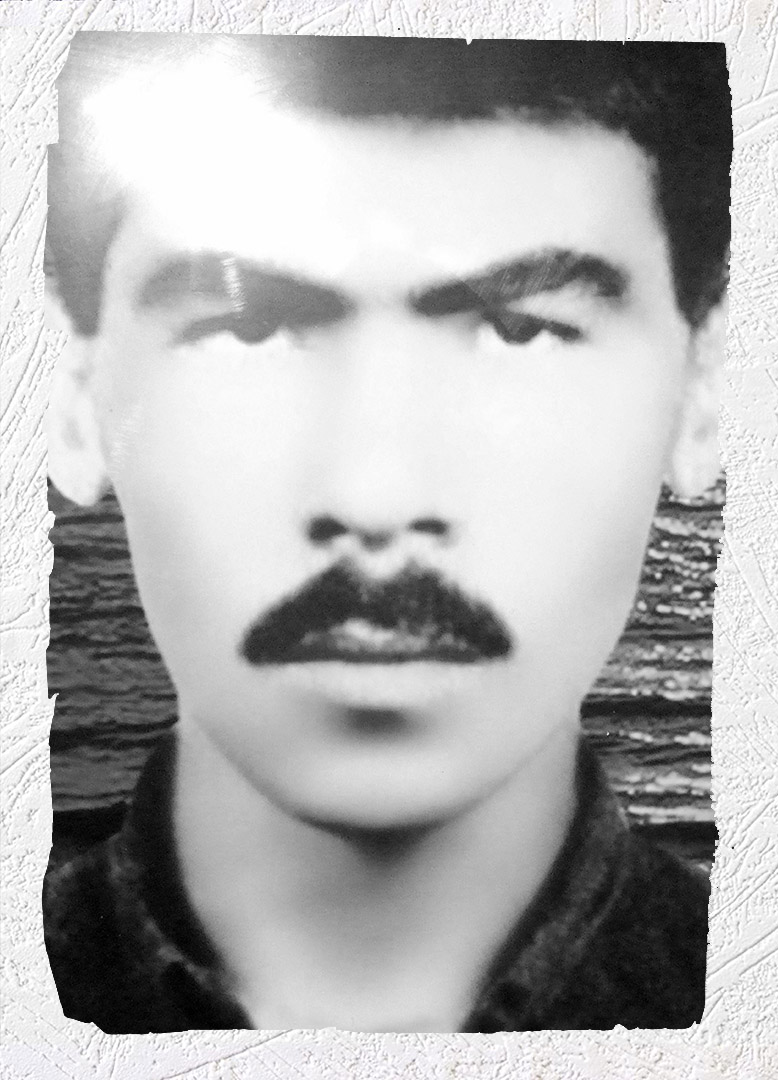
- Gender
- Male
- Ethnicity
- Sadat
- District geolocation of incident
- Yakawlang: 34° 44′ 50″ N, 66° 56′ 40″ E
- Description of incident
On January 7, 2001, the Taliban attacked the Yakawlang District of Bamiyan Province and massacred hundreds of Hazara civilians. Many of those who managed to escape and take refuge on the mountains froze to death. On January 8, Taliban members began a house-to-house search across the district. The massacre of Hazaras continued through the 9th, 10th, 11th, and 12th of January. At least 300 Hazaras were executed by the Taliban.
- Date added
- Apr 11, 2023
Sayed Mahammod Moalem
- Photo of Victim

- Gender
- Male
- Ethnicity
- Sadat
- District geolocation of incident
- Yakawlang: 34° 44′ 50″ N, 66° 56′ 40″ E
- Description of incident
On January 7, 2001, the Taliban attacked the Yakawlang District of Bamiyan Province and massacred hundreds of Hazara civilians. Many of those who managed to escape and take refuge on the mountains froze to death. On January 8, Taliban members began a house-to-house search across the district. The massacre of Hazaras continued through the 9th, 10th, 11th, and 12th of January. At least 300 Hazaras were executed by the Taliban.
- Date added
- Apr 11, 2023
Sayed Ayob Khan
- Photo of Victim

- Gender
- Male
- Ethnicity
- Sadat
- District geolocation of incident
- Yakawlang: 34° 44′ 50″ N, 66° 56′ 40″ E
- Description of incident
On January 7, 2001, the Taliban attacked the Yakawlang District of Bamiyan Province and massacred hundreds of Hazara civilians. Many of those who managed to escape and take refuge on the mountains froze to death. On January 8, Taliban members began a house-to-house search across the district. The massacre of Hazaras continued through the 9th, 10th, 11th, and 12th of January. At least 300 Hazaras were executed by the Taliban.
- Date added
- Apr 10, 2023
Sayed Habib
- Photo of Victim

- Gender
- Male
- Ethnicity
- Sadat
- District geolocation of incident
- Yakawlang: 34° 44′ 50″ N, 66° 56′ 40″ E
- Description of incident
On January 7, 2001, the Taliban attacked the Yakawlang District of Bamiyan Province and massacred hundreds of Hazara civilians. Many of those who managed to escape and take refuge on the mountains froze to death. On January 8, Taliban members began a house-to-house search across the district. The massacre of Hazaras continued through the 9th, 10th, 11th, and 12th of January. At least 300 Hazaras were executed by the Taliban.
- Date added
- Apr 10, 2023
Sayed Mahdi
- Photo of Victim

- Gender
- Male
- Ethnicity
- Sadat
- District geolocation of incident
- Yakawlang: 34° 44′ 50″ N, 66° 56′ 40″ E
- Description of incident
On January 7, 2001, the Taliban attacked the Yakawlang District of Bamiyan Province and massacred hundreds of Hazara civilians. Many of those who managed to escape and take refuge on the mountains froze to death. On January 8, Taliban members began a house-to-house search across the district. The massacre of Hazaras continued through the 9th, 10th, 11th, and 12th of January. At least 300 Hazaras were executed by the Taliban.
- Date added
- Apr 10, 2023
Sayed Mohammad Hassan
- Photo of Victim

- Gender
- Male
- Ethnicity
- Sadat
- District geolocation of incident
- Yakawlang: 34° 44′ 50″ N, 66° 56′ 40″ E
- Description of incident
On January 7, 2001, the Taliban attacked the Yakawlang District of Bamiyan Province and massacred hundreds of Hazara civilians. Many of those who managed to escape and take refuge on the mountains froze to death. On January 8, Taliban members began a house-to-house search across the district. The massacre of Hazaras continued through the 9th, 10th, 11th, and 12th of January. At least 300 Hazaras were executed by the Taliban.
- Date added
- Apr 10, 2023
Sayed Mohammad
- Photo of Victim

- Gender
- Male
- Ethnicity
- Sadat
- District geolocation of incident
- Yakawlang: 34° 44′ 50″ N, 66° 56′ 40″ E
- Description of incident
On January 7, 2001, the Taliban attacked the Yakawlang District of Bamiyan Province and massacred hundreds of Hazara civilians. Many of those who managed to escape and take refuge on the mountains froze to death. On January 8, Taliban members began a house-to-house search across the district. The massacre of Hazaras continued through the 9th, 10th, 11th, and 12th of January. At least 300 Hazaras were executed by the Taliban.
- Date added
- Apr 10, 2023
Sayed Mahdi
- Photo of Victim

- Gender
- Male
- Ethnicity
- Sadat
- District geolocation of incident
- Yakawlang: 34° 44′ 50″ N, 66° 56′ 40″ E
- Description of incident
On January 7, 2001, the Taliban attacked the Yakawlang District of Bamiyan Province and massacred hundreds of Hazara civilians. Many of those who managed to escape and take refuge on the mountains froze to death. On January 8, Taliban members began a house-to-house search across the district. The massacre of Hazaras continued through the 9th, 10th, 11th, and 12th of January. At least 300 Hazaras were executed by the Taliban.
- Date added
- Apr 10, 2023
Sayed Mohammad Ali
- Photo of Victim

- Gender
- Male
- Ethnicity
- Sadat
- District geolocation of incident
- Yakawlang: 34° 44′ 50″ N, 66° 56′ 40″ E
- Description of incident
On January 7, 2001, the Taliban attacked the Yakawlang District of Bamiyan Province and massacred hundreds of Hazara civilians. Many of those who managed to escape and take refuge on the mountains froze to death. On January 8, Taliban members began a house-to-house search across the district. The massacre of Hazaras continued through the 9th, 10th, 11th, and 12th of January. At least 300 Hazaras were executed by the Taliban.
- Date added
- Apr 10, 2023
Sayed Amin
- Photo of Victim

- Gender
- Male
- Ethnicity
- Sadat
- District geolocation of incident
- Yakawlang: 34° 44′ 50″ N, 66° 56′ 40″ E
- Description of incident
On January 7, 2001, the Taliban attacked the Yakawlang District of Bamiyan Province and massacred hundreds of Hazara civilians. Many of those who managed to escape and take refuge on the mountains froze to death. On January 8, Taliban members began a house-to-house search across the district. The massacre of Hazaras continued through the 9th, 10th, 11th, and 12th of January. At least 300 Hazaras were executed by the Taliban.
- Date added
- Apr 10, 2023
Sayed Amir
- Photo of Victim

- Gender
- Male
- Ethnicity
- Sadat
- District geolocation of incident
- Yakawlang: 34° 44′ 50″ N, 66° 56′ 40″ E
- Description of incident
On January 7, 2001, the Taliban attacked the Yakawlang District of Bamiyan Province and massacred hundreds of Hazara civilians. Many of those who managed to escape and take refuge on the mountains froze to death. On January 8, Taliban members began a house-to-house search across the district. The massacre of Hazaras continued through the 9th, 10th, 11th, and 12th of January. At least 300 Hazaras were executed by the Taliban.
- Date added
- Apr 10, 2023
Sayed Akbar
- Photo of Victim

- Gender
- Male
- Ethnicity
- Sadat
- District geolocation of incident
- Yakawlang: 34° 44′ 50″ N, 66° 56′ 40″ E
- Description of incident
On January 7, 2001, the Taliban attacked the Yakawlang District of Bamiyan Province and massacred hundreds of Hazara civilians. Many of those who managed to escape and take refuge on the mountains froze to death. On January 8, Taliban members began a house-to-house search across the district. The massacre of Hazaras continued through the 9th, 10th, 11th, and 12th of January. At least 300 Hazaras were executed by the Taliban.
- Date added
- Apr 10, 2023
Sayed Afzal
- Photo of Victim

- Gender
- Male
- Ethnicity
- Sadat
- District geolocation of incident
- Yakawlang: 34° 44′ 50″ N, 66° 56′ 40″ E
- Description of incident
On January 7, 2001, the Taliban attacked the Yakawlang District of Bamiyan Province and massacred hundreds of Hazara civilians. Many of those who managed to escape and take refuge on the mountains froze to death. On January 8, Taliban members began a house-to-house search across the district. The massacre of Hazaras continued through the 9th, 10th, 11th, and 12th of January. At least 300 Hazaras were executed by the Taliban.
- Date added
- Apr 10, 2023
Sayed Esmaeal
- Photo of Victim

- Gender
- Male
- Ethnicity
- Sadat
- District geolocation of incident
- Yakawlang: 34° 44′ 50″ N, 66° 56′ 40″ E
- Description of incident
On January 7, 2001, the Taliban attacked the Yakawlang District of Bamiyan Province and massacred hundreds of Hazara civilians. Many of those who managed to escape and take refuge on the mountains froze to death. On January 8, Taliban members began a house-to-house search across the district. The massacre of Hazaras continued through the 9th, 10th, 11th, and 12th of January. At least 300 Hazaras were executed by the Taliban.
- Date added
- Apr 10, 2023
Sayed Ahmad
- Photo of Victim

- Gender
- Male
- Ethnicity
- Sadat
- District geolocation of incident
- Yakawlang: 34° 44′ 50″ N, 66° 56′ 40″ E
- Description of incident
On January 7, 2001, the Taliban attacked the Yakawlang District of Bamiyan Province and massacred hundreds of Hazara civilians. Many of those who managed to escape and take refuge on the mountains froze to death. On January 8, Taliban members began a house-to-house search across the district. The massacre of Hazaras continued through the 9th, 10th, 11th, and 12th of January. At least 300 Hazaras were executed by the Taliban.
- Date added
- Apr 10, 2023
Sayed Ebrahim
- Photo of Victim

- Gender
- Male
- Ethnicity
- Sadat
- District geolocation of incident
- Yakawlang: 34° 44′ 50″ N, 66° 56′ 40″ E
- Description of incident
On January 7, 2001, the Taliban attacked the Yakawlang District of Bamiyan Province and massacred hundreds of Hazara civilians. Many of those who managed to escape and take refuge on the mountains froze to death. On January 8, Taliban members began a house-to-house search across the district. The massacre of Hazaras continued through the 9th, 10th, 11th, and 12th of January. At least 300 Hazaras were executed by the Taliban.
- Witness/Survivor Statement
No statement
- Date added
- Apr 10, 2023
Rahmatullah
- Photo of Victim

- Gender
- Male
- Ethnicity
- Hazara
- District geolocation of incident
- Yakawlang: 34° 44′ 50″ N, 66° 56′ 40″ E
- Description of incident
On January 7, 2001, the Taliban attacked the Yakawlang District of Bamiyan Province and massacred hundreds of Hazara civilians. Many of those who managed to escape and take refuge on the mountains froze to death. On January 8, Taliban members began a house-to-house search across the district. The massacre of Hazaras continued through the 9th, 10th, 11th, and 12th of January. At least 300 Hazaras were executed by the Taliban.
- Date added
- Apr 10, 2023
Haji Mohammad
- Photo of Victim
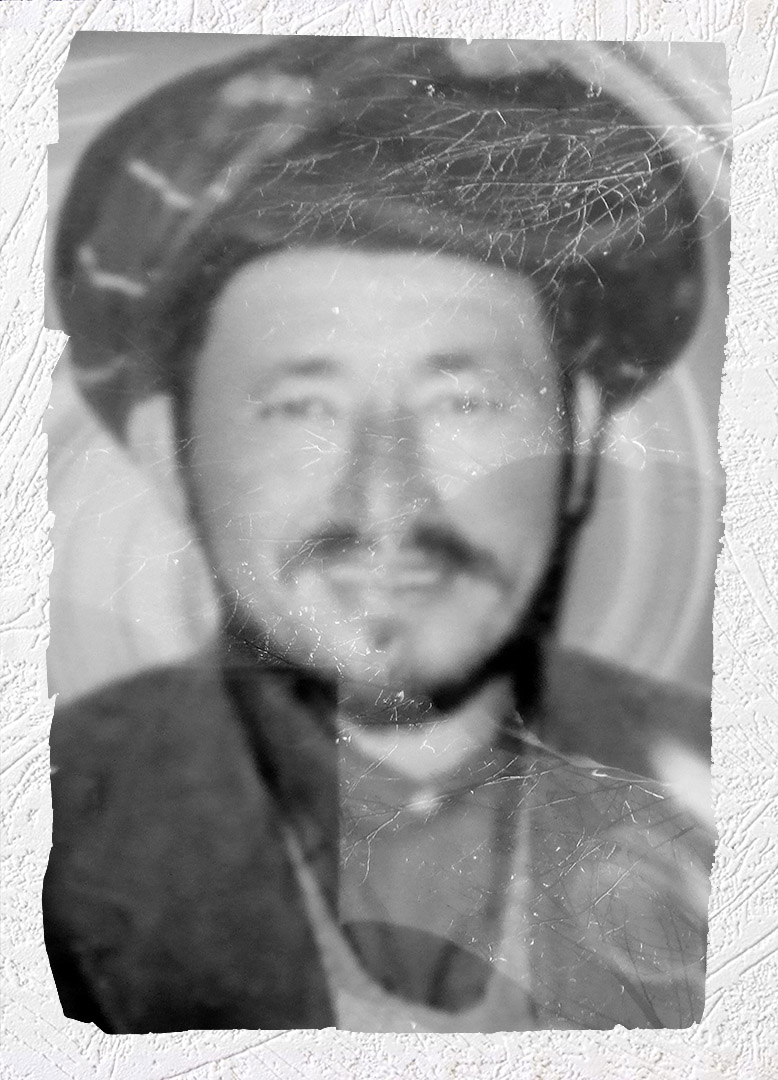
- Gender
- Male
- Ethnicity
- Hazara
- District geolocation of incident
- Yakawlang: 34° 44′ 50″ N, 66° 56′ 40″ E
- Description of incident
On January 7, 2001, the Taliban attacked the Yakawlang District of Bamiyan Province and massacred hundreds of Hazara civilians. Many of those who managed to escape and take refuge on the mountains froze to death. On January 8, Taliban members began a house-to-house search across the district. The massacre of Hazaras continued through the 9th, 10th, 11th, and 12th of January. At least 300 Hazaras were executed by the Taliban.
- Date added
- Apr 10, 2023
Sayed Esmaeal
- Photo of Victim

- Gender
- Male
- Ethnicity
- Sadat
- District geolocation of incident
- Yakawlang: 34° 44′ 50″ N, 66° 56′ 40″ E
- Description of incident
On January 7, 2001, the Taliban attacked the Yakawlang District of Bamiyan Province and massacred hundreds of Hazara civilians. Many of those who managed to escape and take refuge on the mountains froze to death. On January 8, Taliban members began a house-to-house search across the district. The massacre of Hazaras continued through the 9th, 10th, 11th, and 12th of January. At least 300 Hazaras were executed by the Taliban.
- Date added
- Apr 10, 2023
Ahmad Sha
- Photo of Victim

- Gender
- Male
- Ethnicity
- Sadat
- District geolocation of incident
- Yakawlang: 34° 44′ 50″ N, 66° 56′ 40″ E
- Description of incident
On January 7, 2001, the Taliban attacked the Yakawlang District of Bamiyan Province and massacred hundreds of Hazara civilians. Many of those who managed to escape and take refuge on the mountains froze to death. On January 8, Taliban members began a house-to-house search across the district. The massacre of Hazaras continued through the 9th, 10th, 11th, and 12th of January. At least 300 Hazaras were executed by the Taliban.
- Witness/Survivor Statement
No statement
- Date added
- Apr 10, 2023
Mohammad Hassan
- Photo of Victim

- Gender
- Male
- Ethnicity
- Hazara
- District geolocation of incident
- Yakawlang: 34° 44′ 50″ N, 66° 56′ 40″ E
- Description of incident
On January 7, 2001, the Taliban attacked the Yakawlang District of Bamiyan Province and massacred hundreds of Hazara civilians. Many of those who managed to escape and take refuge on the mountains froze to death. On January 8, Taliban members began a house-to-house search across the district. The massacre of Hazaras continued through the 9th, 10th, 11th, and 12th of January. At least 300 Hazaras were executed by the Taliban.
- Witness/Survivor Statement
No statement
- Date added
- Apr 10, 2023
Sher Shah Khushkai
- Photo of Victim
- Gender
- Male
- Ethnicity
- Tajik
- District geolocation of incident
- Kabul: 34° 31′ 1″ N, 69° 8′ 60″ E
- Description of incident
On November 2, 2020, three gunmen stormed Kabul University in Kabul, Afghanistan, resulting in the deaths of 35 individuals. 50 others were injured. The attack began around 11:00 A.M., coinciding with the anticipated arrival of government officials for the opening of an Iranian book fair on campus. The assailants were ultimately killed in a confrontation with security forces. The Islamic State of Iraq and the Levant – Khorasan Province (ISIL-KP) claimed responsibility for this tragic attack.
- Witness/Survivor Statement
No statement
- Date added
- Apr 6, 2023
Husnia Hakimullah
- Photo of Victim

- Gender
- Female
- Ethnicity
- Tajik
- District geolocation of incident
- Kabul: 34° 31′ 1″ N, 69° 8′ 60″ E
- Description of incident
On November 2, 2020, three gunmen stormed Kabul University in Kabul, Afghanistan, resulting in the deaths of 35 individuals. 50 others were injured. The attack began around 11:00 A.M., coinciding with the anticipated arrival of government officials for the opening of an Iranian book fair on campus. The assailants were ultimately killed in a confrontation with security forces. The Islamic State of Iraq and the Levant – Khorasan Province (ISIL-KP) claimed responsibility for this tragic attack.
- Witness/Survivor Statement
No statement
- Date added
- Apr 6, 2023
Ziba Asghari
- Photo of Victim

- Gender
- Female
- Ethnicity
- Hazara
- District geolocation of incident
- Kabul: 34° 31′ 1″ N, 69° 8′ 60″ E
- Description of incident
On November 2, 2020, three gunmen stormed Kabul University in Kabul, Afghanistan, resulting in the deaths of 35 individuals. 50 others were injured. The attack began around 11:00 A.M., coinciding with the anticipated arrival of government officials for the opening of an Iranian book fair on campus. The assailants were ultimately killed in a confrontation with security forces. The Islamic State of Iraq and the Levant – Khorasan Province (ISIL-KP) claimed responsibility for this tragic attack.
- Witness/Survivor Statement
No statement
- Date added
- Apr 6, 2023
Roqeia Karimi
- Photo of Victim

- Gender
- Female
- Ethnicity
- Hazara
- District geolocation of incident
- Kabul: 34° 31′ 1″ N, 69° 8′ 60″ E
- Description of incident
On November 2, 2020, three gunmen stormed Kabul University in Kabul, Afghanistan, resulting in the deaths of 35 individuals. 50 others were injured. The attack began around 11:00 A.M., coinciding with the anticipated arrival of government officials for the opening of an Iranian book fair on campus. The assailants were ultimately killed in a confrontation with security forces. The Islamic State of Iraq and the Levant – Khorasan Province (ISIL-KP) claimed responsibility for this tragic attack.
- Witness/Survivor Statement
No statement
- Date added
- Apr 6, 2023
Hedayatullah Saadat
- Photo of Victim
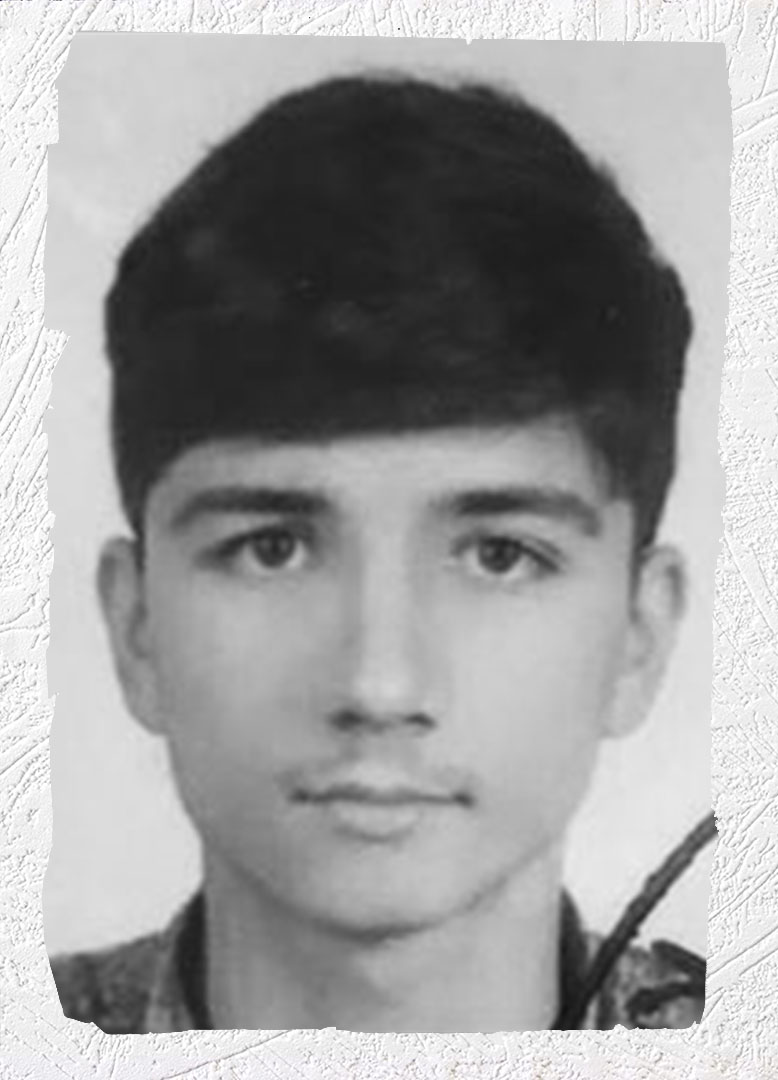
- Gender
- Male
- Ethnicity
- Sadat
- District geolocation of incident
- Kabul: 34° 31′ 1″ N, 69° 8′ 60″ E
- Description of incident
On November 2, 2020, three gunmen stormed Kabul University in Kabul, Afghanistan, resulting in the deaths of 35 individuals. 50 others were injured. The attack began around 11:00 A.M., coinciding with the anticipated arrival of government officials for the opening of an Iranian book fair on campus. The assailants were ultimately killed in a confrontation with security forces. The Islamic State of Iraq and the Levant – Khorasan Province (ISIL-KP) claimed responsibility for this tragic attack.
- Witness/Survivor Statement
No statement
- Date added
- Apr 6, 2023
Ahmad Ali Mohammad
- Photo of Victim
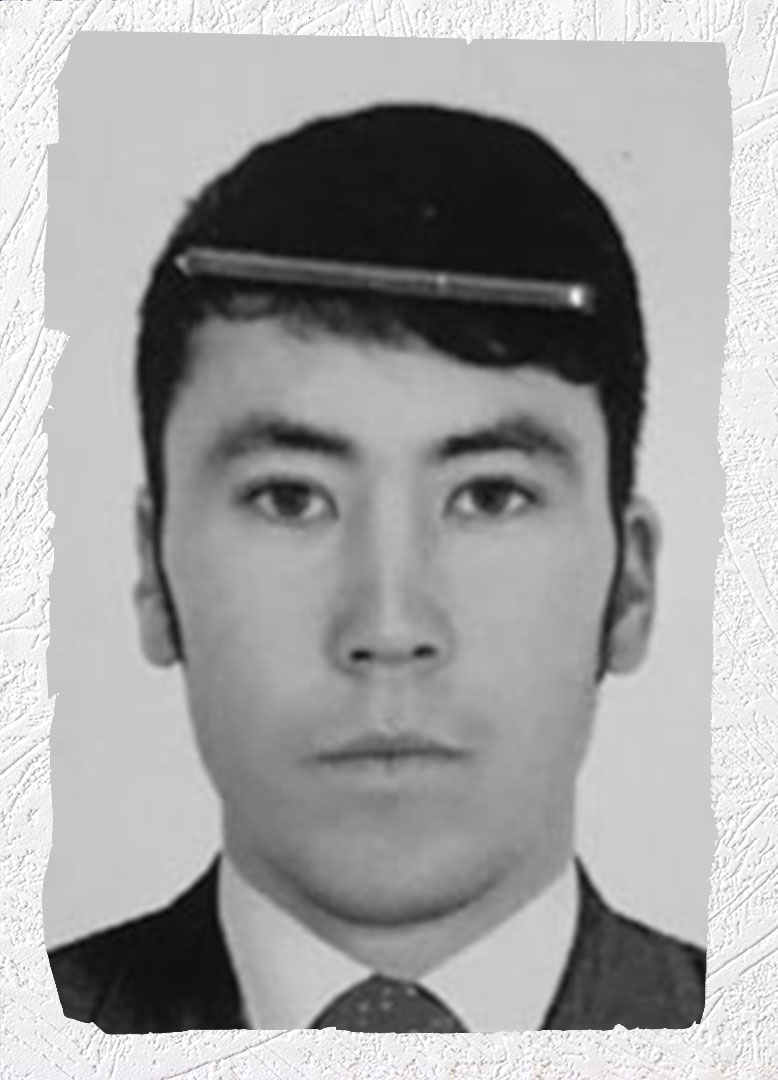
- Gender
- Male
- Ethnicity
- Hazara
- District geolocation of incident
- Kabul: 34° 31′ 1″ N, 69° 8′ 60″ E
- Description of incident
On November 2, 2020, three gunmen stormed Kabul University in Kabul, Afghanistan, resulting in the deaths of 35 individuals. 50 others were injured. The attack began around 11:00 A.M., coinciding with the anticipated arrival of government officials for the opening of an Iranian book fair on campus. The assailants were ultimately killed in a confrontation with security forces. The Islamic State of Iraq and the Levant – Khorasan Province (ISIL-KP) claimed responsibility for this tragic attack.
- Witness/Survivor Statement
No statement
- Date added
- Apr 5, 2023
Suhaila Yari
- Photo of Victim

- Gender
- Female
- Ethnicity
- Hazara
- District geolocation of incident
- Kabul: 34° 31′ 1″ N, 69° 8′ 60″ E
- Description of incident
On November 2, 2020, three gunmen stormed Kabul University in Kabul, Afghanistan, resulting in the deaths of 35 individuals. 50 others were injured. The attack began around 11:00 A.M., coinciding with the anticipated arrival of government officials for the opening of an Iranian book fair on campus. The assailants were ultimately killed in a confrontation with security forces. The Islamic State of Iraq and the Levant – Khorasan Province (ISIL-KP) claimed responsibility for this tragic attack.
- Witness/Survivor Statement
No statement
- Date added
- Apr 5, 2023
Nadima Azizi
- Photo of Victim

- Gender
- Female
- Ethnicity
- Tajik
- District geolocation of incident
- Kabul: 34° 31′ 1″ N, 69° 8′ 60″ E
- Description of incident
On November 2, 2020, three gunmen stormed Kabul University in Kabul, Afghanistan, resulting in the deaths of 35 individuals. 50 others were injured. The attack began around 11:00 A.M., coinciding with the anticipated arrival of government officials for the opening of an Iranian book fair on campus. The assailants were ultimately killed in a confrontation with security forces. The Islamic State of Iraq and the Levant – Khorasan Province (ISIL-KP) claimed responsibility for this tragic attack.
- Witness/Survivor Statement
No statement
- Date added
- Apr 5, 2023
Marzia Tahiri
- Photo of Victim

- Gender
- Female
- Ethnicity
- Tajik
- District geolocation of incident
- Kabul: 34° 31′ 1″ N, 69° 8′ 60″ E
- Description of incident
On November 2, 2020, three gunmen stormed Kabul University in Kabul, Afghanistan, resulting in the deaths of 35 individuals. 50 others were injured. The attack began around 11:00 A.M., coinciding with the anticipated arrival of government officials for the opening of an Iranian book fair on campus. The assailants were ultimately killed in a confrontation with security forces. The Islamic State of Iraq and the Levant – Khorasan Province (ISIL-KP) claimed responsibility for this tragic attack.
- Witness/Survivor Statement
No statement
- Date added
- Apr 5, 2023
Maryam Hakimi
- Photo of Victim

- Gender
- Female
- Ethnicity
- Tajik
- District geolocation of incident
- Kabul: 34° 31′ 1″ N, 69° 8′ 60″ E
- Description of incident
On November 2, 2020, three gunmen stormed Kabul University in Kabul, Afghanistan, resulting in the deaths of 35 individuals. 50 others were injured. The attack began around 11:00 A.M., coinciding with the anticipated arrival of government officials for the opening of an Iranian book fair on campus. The assailants were ultimately killed in a confrontation with security forces. The Islamic State of Iraq and the Levant – Khorasan Province (ISIL-KP) claimed responsibility for this tragic attack.
- Witness/Survivor Statement
No statement
- Date added
- Apr 5, 2023
Sara Habib
- Photo of Victim

- Gender
- Female
- Ethnicity
- Tajik
- District geolocation of incident
- Kabul: 34° 31′ 1″ N, 69° 8′ 60″ E
- Description of incident
On November 2, 2020, three gunmen stormed Kabul University in Kabul, Afghanistan, resulting in the deaths of 35 individuals. 50 others were injured. The attack began around 11:00 A.M., coinciding with the anticipated arrival of government officials for the opening of an Iranian book fair on campus. The assailants were ultimately killed in a confrontation with security forces. The Islamic State of Iraq and the Levant – Khorasan Province (ISIL-KP) claimed responsibility for this tragic attack.
- Witness/Survivor Statement
No statement
- Date added
- Apr 5, 2023
Hosna Yousufi
- Photo of Victim

- Gender
- Female
- Ethnicity
- Hazara
- District geolocation of incident
- Kabul: 34° 31′ 1″ N, 69° 8′ 60″ E
- Description of incident
On November 2, 2020, three gunmen stormed Kabul University in Kabul, Afghanistan, resulting in the deaths of 35 individuals. 50 others were injured. The attack began around 11:00 A.M., coinciding with the anticipated arrival of government officials for the opening of an Iranian book fair on campus. The assailants were ultimately killed in a confrontation with security forces. The Islamic State of Iraq and the Levant – Khorasan Province (ISIL-KP) claimed responsibility for this tragic attack.
- Witness/Survivor Statement
No statement
- Date added
- Apr 5, 2023
Hanifa Afshar
- Photo of Victim

- Gender
- Female
- Ethnicity
- Hazara
- District geolocation of incident
- Kabul: 34° 31′ 1″ N, 69° 8′ 60″ E
- Description of incident
On November 2, 2020, three gunmen stormed Kabul University in Kabul, Afghanistan, resulting in the deaths of 35 individuals. 50 others were injured. The attack began around 11:00 A.M., coinciding with the anticipated arrival of government officials for the opening of an Iranian book fair on campus. The assailants were ultimately killed in a confrontation with security forces. The Islamic State of Iraq and the Levant – Khorasan Province (ISIL-KP) claimed responsibility for this tragic attack.
- Witness/Survivor Statement
No statement
- Date added
- Apr 5, 2023
Mohammad Rahed Amin
- Photo of Victim
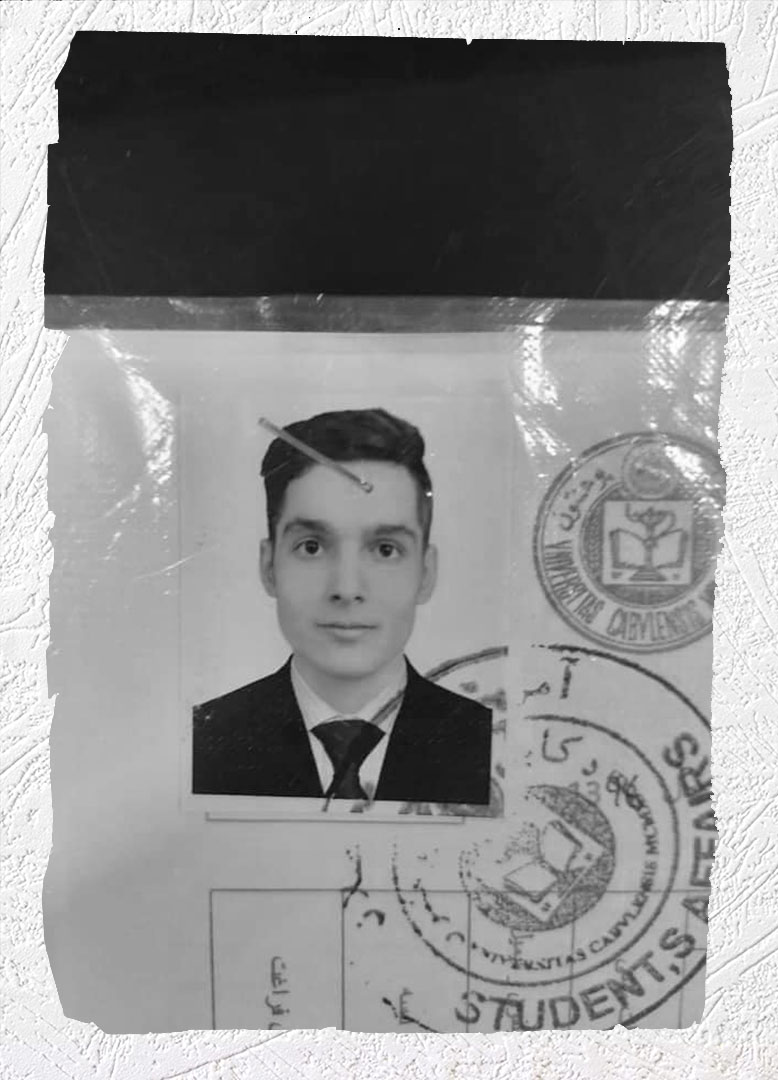
- Gender
- Male
- Ethnicity
- Tajik
- District geolocation of incident
- Kabul: 34° 31′ 1″ N, 69° 8′ 60″ E
- Description of incident
On November 2, 2020, three gunmen stormed Kabul University in Kabul, Afghanistan, resulting in the deaths of 35 individuals. 50 others were injured. The attack began around 11:00 A.M., coinciding with the anticipated arrival of government officials for the opening of an Iranian book fair on campus. The assailants were ultimately killed in a confrontation with security forces. The Islamic State of Iraq and the Levant – Khorasan Province (ISIL-KP) claimed responsibility for this tragic attack.
- Witness/Survivor Statement
No statement
- Date added
- Apr 5, 2023
Mohammad Bilal Hashemi
- Photo of Victim
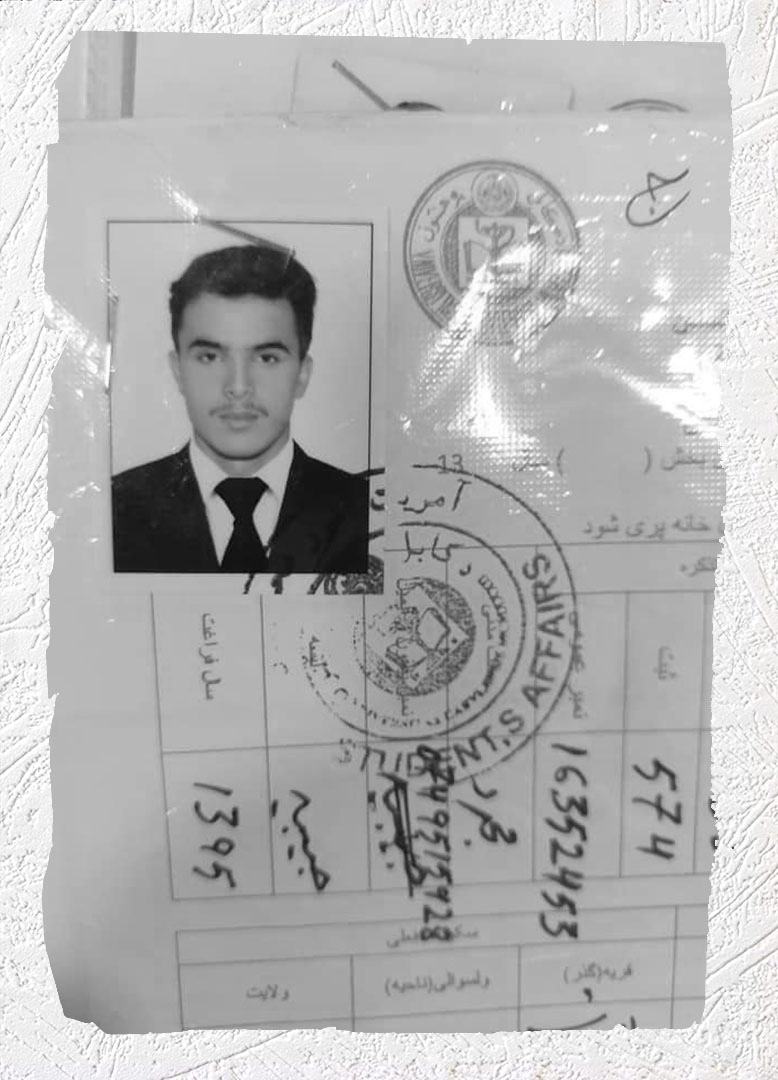
- Gender
- Male
- Ethnicity
- Tajik
- District geolocation of incident
- Kabul: 34° 31′ 1″ N, 69° 8′ 60″ E
- Description of incident
On November 2, 2020, three gunmen stormed Kabul University in Kabul, Afghanistan, resulting in the deaths of 35 individuals. 50 others were injured. The attack began around 11:00 A.M., coinciding with the anticipated arrival of government officials for the opening of an Iranian book fair on campus. The assailants were ultimately killed in a confrontation with security forces. The Islamic State of Iraq and the Levant – Khorasan Province (ISIL-KP) claimed responsibility for this tragic attack.
- Witness/Survivor Statement
No statement
- Date added
- Apr 5, 2023
Idris Azimi
- Photo of Victim
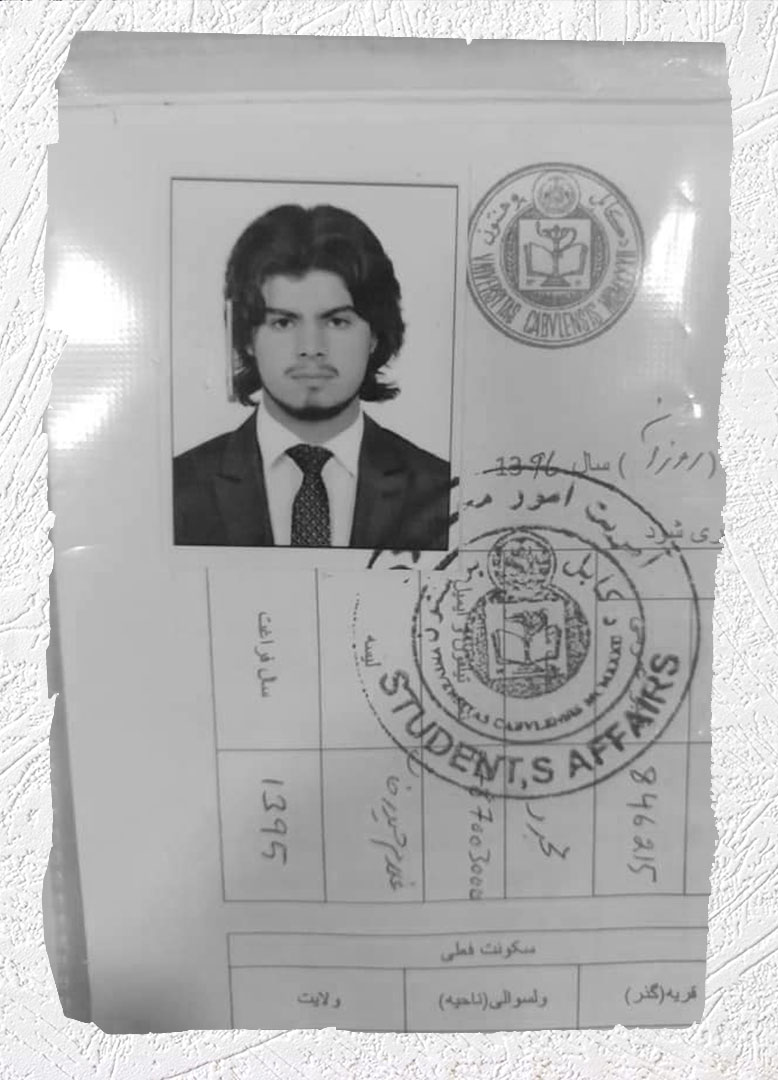
- Gender
- Male
- Ethnicity
- Tajik
- District geolocation of incident
- Kabul: 34° 31′ 1″ N, 69° 8′ 60″ E
- Description of incident
On November 2, 2020, three gunmen stormed Kabul University in Kabul, Afghanistan, resulting in the deaths of 35 individuals. 50 others were injured. The attack began around 11:00 A.M., coinciding with the anticipated arrival of government officials for the opening of an Iranian book fair on campus. The assailants were ultimately killed in a confrontation with security forces. The Islamic State of Iraq and the Levant – Khorasan Province (ISIL-KP) claimed responsibility for this tragic attack.
- Witness/Survivor Statement
No statement
- Date added
- Apr 5, 2023
Mohammad Ali Danish
- Photo of Victim
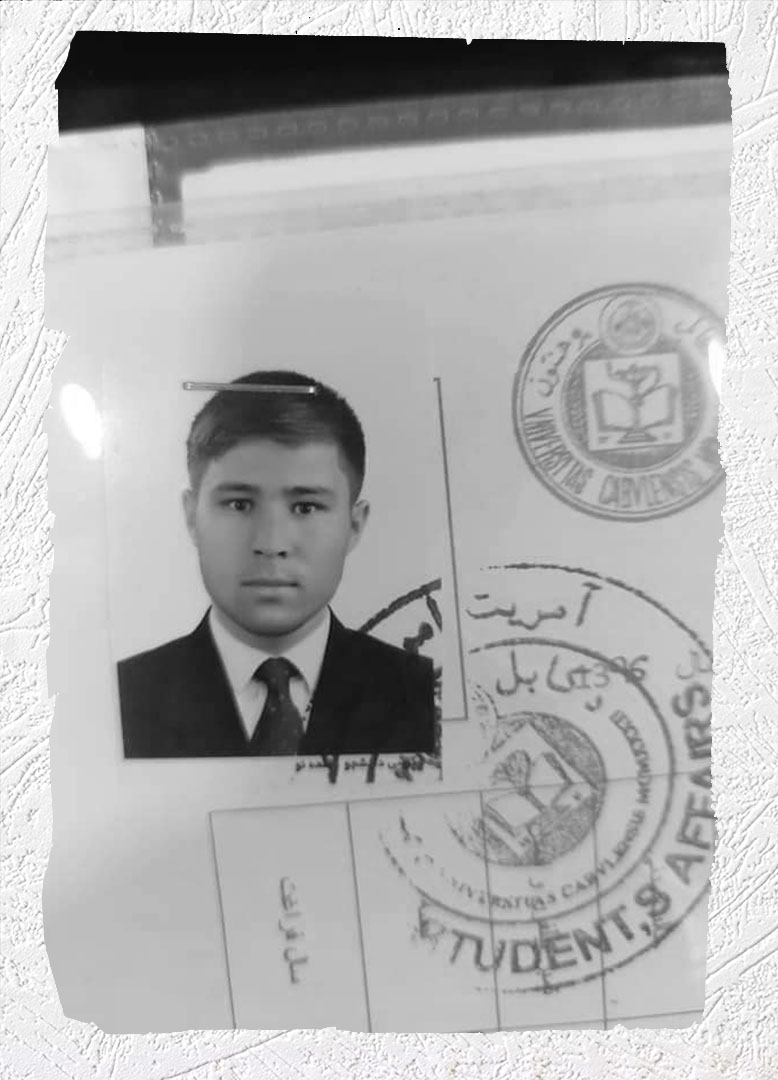
- Gender
- Male
- Ethnicity
- Hazara
- District geolocation of incident
- Kabul: 34° 31′ 1″ N, 69° 8′ 60″ E
- Description of incident
On November 2, 2020, three gunmen stormed Kabul University in Kabul, Afghanistan, resulting in the deaths of 35 individuals. 50 others were injured. The attack began around 11:00 A.M., coinciding with the anticipated arrival of government officials for the opening of an Iranian book fair on campus. The assailants were ultimately killed in a confrontation with security forces. The Islamic State of Iraq and the Levant – Khorasan Province (ISIL-KP) claimed responsibility for this tragic attack.
- Witness/Survivor Statement
No statement
- Date added
- Apr 5, 2023
Daud Eshaq
- Photo of Victim
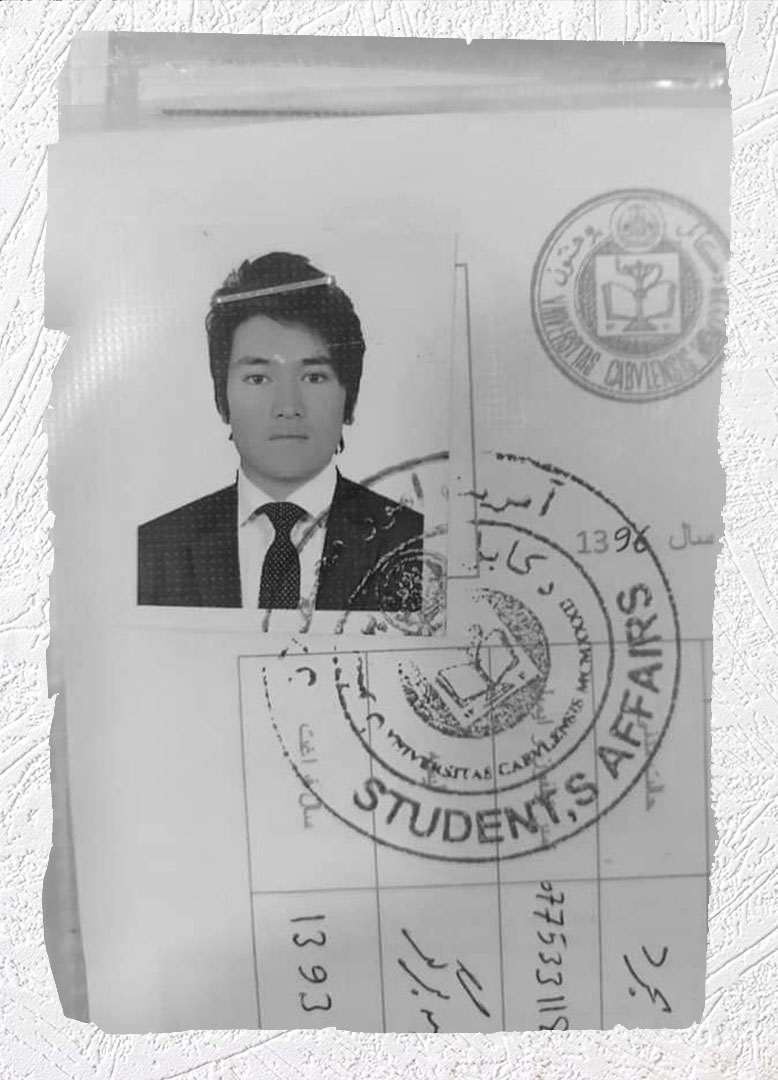
- Gender
- Male
- Ethnicity
- Hazara
- District geolocation of incident
- Kabul: 34° 31′ 1″ N, 69° 8′ 60″ E
- Description of incident
On November 2, 2020, three gunmen stormed Kabul University in Kabul, Afghanistan, resulting in the deaths of 35 individuals. 50 others were injured. The attack began around 11:00 A.M., coinciding with the anticipated arrival of government officials for the opening of an Iranian book fair on campus. The assailants were ultimately killed in a confrontation with security forces. The Islamic State of Iraq and the Levant – Khorasan Province (ISIL-KP) claimed responsibility for this tragic attack.
- Witness/Survivor Statement
No statement
- Date added
- Apr 5, 2023
Mohammad Raud Arif
- Photo of Victim
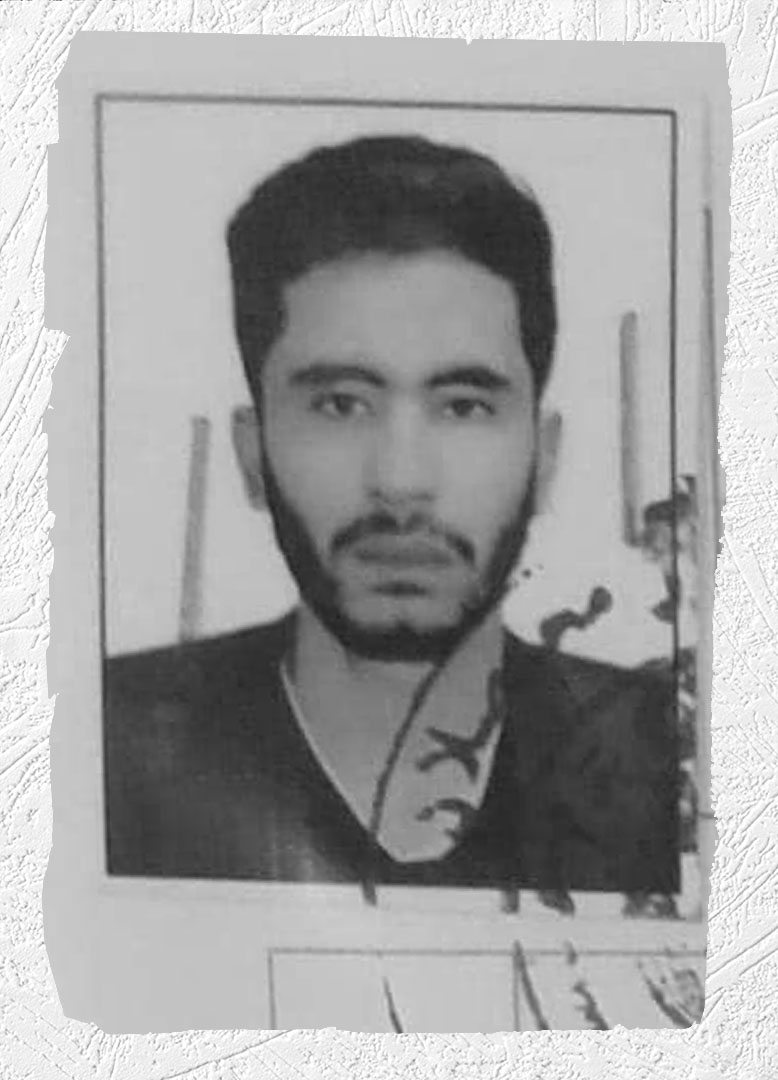
- Gender
- Male
- Ethnicity
- Tajik
- District geolocation of incident
- Kabul: 34° 31′ 1″ N, 69° 8′ 60″ E
- Description of incident
On November 2, 2020, three gunmen stormed Kabul University in Kabul, Afghanistan, resulting in the deaths of 35 individuals. 50 others were injured. The attack began around 11:00 A.M., coinciding with the anticipated arrival of government officials for the opening of an Iranian book fair on campus. The assailants were ultimately killed in a confrontation with security forces. The Islamic State of Iraq and the Levant – Khorasan Province (ISIL-KP) claimed responsibility for this tragic attack.
- Witness/Survivor Statement
No statement
- Date added
- Apr 5, 2023
Gholam Hassan
- Photo of Victim

- Gender
- Male
- Ethnicity
- Hazara
- District geolocation of incident
- Mazar-e Sharif: 36° 41′ 38″ N, 67° 6′ 48″ E
- Description of incident
On August 7, 1998, following a renewed conflict with the Northern Front, Taliban forces entered Mazar-e-Sharif in Balkh Province. In the initial days, they detained and executed thousands of civilians, primarily Hazaras. Within the first 3 days, the Taliban forces declared a general massacre targeting the city's Shia population. According to witnesses, the scale of the violence left bodies strewn across the streets. It took days to remove all the bodies. Gholam Hassan was among the civilian casualties of the Taliban's massacre.
- Witness/Survivor Statement
No statement
- Date added
- Apr 5, 2023
Sharifullah
- Photo of Victim

- Gender
- Male
- Ethnicity
- Hazara
- District geolocation of incident
- Mazar-e Sharif: 36° 41′ 38″ N, 67° 6′ 48″ E
- Description of incident
On August 7, 1998, following a renewed conflict with the Northern Front, Taliban forces entered Mazar-e-Sharif in Balkh Province. In the initial days, they detained and executed thousands of civilians, primarily Hazaras. Within the first 3 days, the Taliban forces declared a general massacre targeting the city's Shia population. According to witnesses, the scale of the violence left bodies strewn across the streets. It took days to remove all the bodies. Sharifullah was among the civilian casualties of the Taliban's massacre.
- Witness/Survivor Statement
No statement
- Date added
- Apr 5, 2023
Sayyed Musa
- Photo of Victim
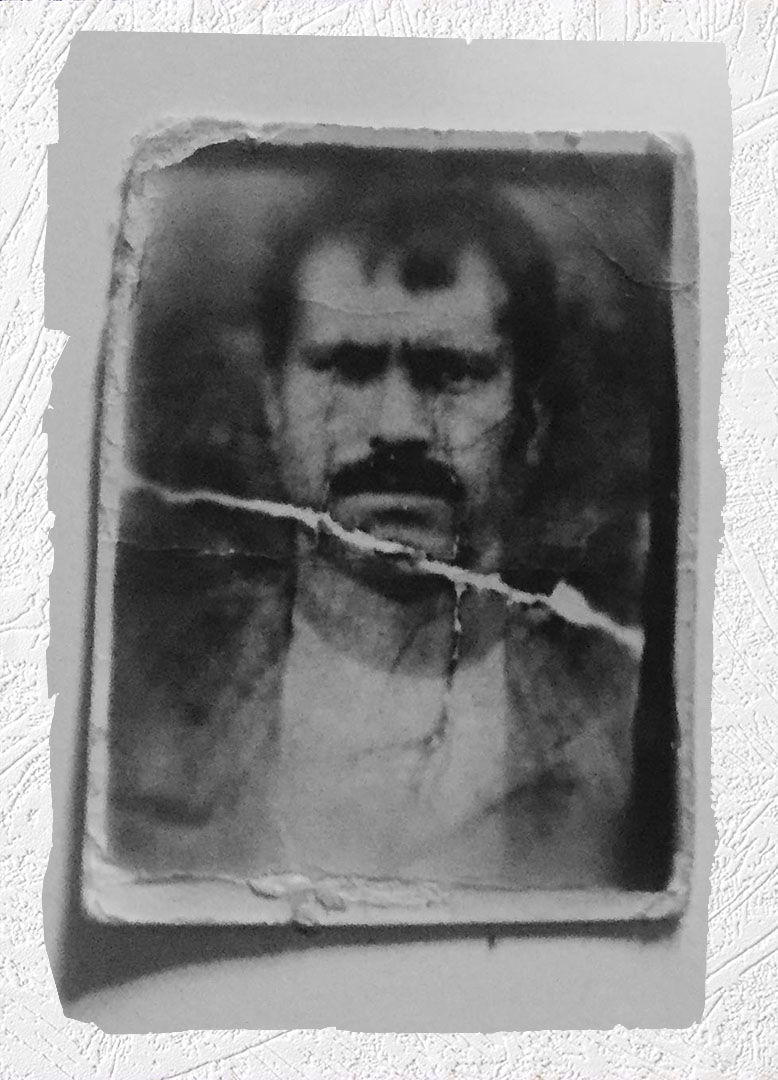
- Gender
- Male
- Ethnicity
- Sadat
- District geolocation of incident
- Mazar-e Sharif: 36° 41′ 38″ N, 67° 6′ 48″ E
- Description of incident
On August 7, 1998, following a renewed conflict with the Northern Front, Taliban forces entered Mazar-e-Sharif in Balkh Province. In the initial days, they detained and executed thousands of civilians, primarily Hazaras. Within the first 3 days, the Taliban forces declared a general massacre targeting the city's Shia population. According to witnesses, the scale of the violence left bodies strewn across the streets. It took days to remove all the bodies. Sayyed Musa was among the civilian casualties of the Taliban's massacre.
- Witness/Survivor Statement
No statement
- Date added
- Apr 5, 2023
Hekmatullah
- Photo of Victim

- Gender
- Male
- Ethnicity
- Hazara
- District geolocation of incident
- Mazar-e Sharif: 36° 41′ 38″ N, 67° 6′ 48″ E
- Description of incident
On August 7, 1998, following a renewed conflict with the Northern Front, Taliban forces entered Mazar-e-Sharif in Balkh province. In the initial days, they detained and executed thousands of On August 7, 1998, following a renewed conflict with the Northern Front, Taliban forces entered Mazar-e-Sharif in Balkh Province. In the initial days, they detained and executed thousands of civilians, primarily Hazaras. Within the first 3 days, the Taliban forces declared a general massacre targeting the city's Shia population. According to witnesses, the scale of the violence left bodies strewn across the streets. It took days to remove all the bodies. Hekmatullah was among the civilian casualties of the Taliban's massacre.
- Witness/Survivor Statement
A Survivor of The Mazar-e- Sharif Genocide
Narrator: Suhaila
Victim: Sakhidad Tahiri, Hikmatullah
Date of the incident: August 09, 1998
Location of the incident: Mazar-e-Sharif city, airport, on the flight line
Suhaila is one of the survivors of the Mazar-e- Sharif genocide carried out by the Taliban. As a result of this genocide, 13 of her family members were killed, including her father and brother while Suheila was severely beaten up. Only two of the 13 dead relatives were later found and given a proper burial. She still does not know where the rest of her family members were buried. At times, she misses her father a lot and it is in those moments of difficulty that she would like to visit her father’s grave and complain to him about the hardships of her life. But she does not even know where her father’s grave is. A fact that deeply disturbs her.
Her only solace is a pearl box that her father made for her and she never abandons even for a minute. It is her most valuable reminder of him. A way for her to keep the memory of her father alive forever. It is also a symbol of all the evils of war. An evil that takes away the lives of loved ones and separates sons and daughters from their fathers, ending the kindest of all human relationships.
Sometimes these fathers disappear and their children have no idea about their whereabouts. Other times, it is the parents who are deprived of seeing their children again. For Suheila the pearl box represents a symbol for all those children who lost their fathers during Afghanistan’s many decades of war. She wants to keep it in her own museum to let the present and future generations know about her pain and suffering. In her view, the pearl box symbolizes the rejection of violence as a means to resolve conflict.
Suhaila’s Story
My father had just finished his lunch and gone back to work on his piece of land. In those times we had a lot of land and even owned a tractor. One day, the Taliban came and asked him to get down from the tractor without turning off the engine. They then went on and handcuffed him. When my brother came to see what was going on the Taliban arrested him too. Until today, I do not know what happened to them and how they were killed. Only one of my uncles survived. He told me that my father was killed and that he buried him but I never saw my father’s dead body. What I heard later is that the Taliban killed my father and brother with one single shot as they did not want to waste any bullets.
We escaped from our house as the Taliban closed in on the area that we were living at the time. We returned back home after a few days. The Taliban had attacked our village and taken whatever they could find. All the houses in our village had been burnt. Nothing was left in our homes as the Taliban had torched them all. The only thing I found was the pearl box that my father made for me while he was imprisoned during Najibullah’s regime. Since then, I have never let go of it and I am always very cautious not to lose it since it is very valuable for me. I decided to use it for the Memory Box project. This box is the most important thing in my life as it is the only thing left from my father.
The Taliban killed 13 family members of mine including my father, brother, uncles and cousins. Only two of them were found and buried.
- Date added
- Apr 5, 2023
Sakhidad Tahiri
- Photo of Victim

- Gender
- Male
- Ethnicity
- Hazara
- District geolocation of incident
- Mazar-e Sharif: 36° 41′ 38″ N, 67° 6′ 48″ E
- Description of incident
On August 7, 1998, following a renewed conflict with the Northern Front, Taliban forces entered Mazar-e-Sharif in Balkh Province. In the initial days, they detained and executed thousands of civilians, primarily Hazaras. Within the first 3 days, the Taliban forces declared a general massacre targeting the city's Shia population. According to witnesses, the scale of the violence left bodies strewn across the streets. It took days to remove all the bodies. Sakhidad Tahiri was among the civilian casualties of the Taliban's massacre.
- Witness/Survivor Statement
A Survivor of The Mazar-e- Sharif Genocide
Narrator: Suhaila
Victim: Sakhidad Tahiri, Hikmatullah
Date of the incident: August 09, 1998
Location of the incident: Mazar-e-Sharif city, airport, on the flight line
Suhaila is one of the survivors of the Mazar-e- Sharif genocide carried out by the Taliban. As a result of this genocide, 13 of her family members were killed, including her father and brother while Suheila was severely beaten up. Only two of the 13 dead relatives were later found and given a proper burial. She still does not know where the rest of her family members were buried. At times, she misses her father a lot and it is in those moments of difficulty that she would like to visit her father’s grave and complain to him about the hardships of her life. But she does not even know where her father’s grave is. A fact that deeply disturbs her.
Her only solace is a pearl box that her father made for her and she never abandons even for a minute. It is her most valuable reminder of him. A way for her to keep the memory of her father alive forever. It is also a symbol of all the evils of war. An evil that takes away the lives of loved ones and separates sons and daughters from their fathers, ending the kindest of all human relationships.
Sometimes these fathers disappear and their children have no idea about their whereabouts. Other times, it is the parents who are deprived of seeing their children again. For Suheila the pearl box represents a symbol for all those children who lost their fathers during Afghanistan’s many decades of war. She wants to keep it in her own museum to let the present and future generations know about her pain and suffering. In her view, the pearl box symbolizes the rejection of violence as a means to resolve conflict.
Suhaila’s Story
My father had just finished his lunch and gone back to work on his piece of land. In those times we had a lot of land and even owned a tractor. One day, the Taliban came and asked him to get down from the tractor without turning off the engine. They then went on and handcuffed him. When my brother came to see what was going on the Taliban arrested him too. Until today, I do not know what happened to them and how they were killed. Only one of my uncles survived. He told me that my father was killed and that he buried him but I never saw my father’s dead body. What I heard later is that the Taliban killed my father and brother with one single shot as they did not want to waste any bullets.
We escaped from our house as the Taliban closed in on the area that we were living at the time. We returned back home after a few days. The Taliban had attacked our village and taken whatever they could find. All the houses in our village had been burnt. Nothing was left in our homes as the Taliban had torched them all. The only thing I found was the pearl box that my father made for me while he was imprisoned during Najibullah’s regime. Since then, I have never let go of it and I am always very cautious not to lose it since it is very valuable for me. I decided to use it for the Memory Box project. This box is the most important thing in my life as it is the only thing left from my father.
The Taliban killed 13 family members of mine including my father, brother, uncles and cousins. Only two of them were found and buried.
- Date added
- Apr 5, 2023
Nasir Ahmad
- Photo of Victim
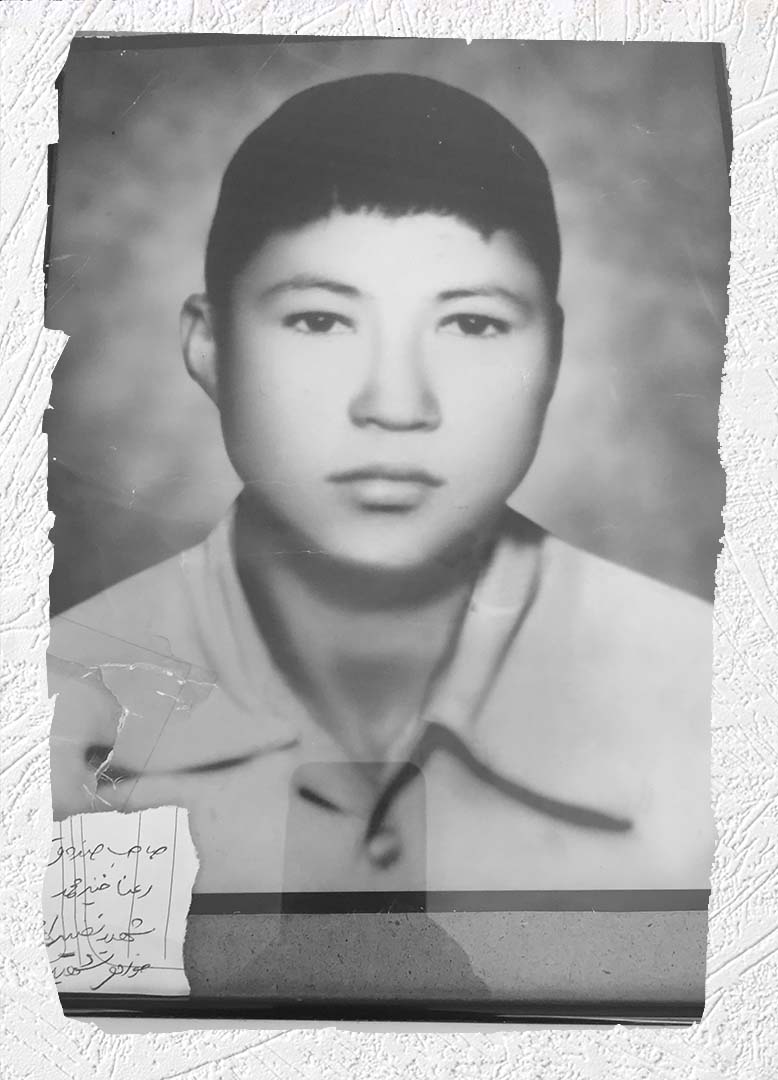
- Gender
- Male
- Ethnicity
- Hazara
- District geolocation of incident
- Mazar-e Sharif: 36° 41′ 38″ N, 67° 6′ 48″ E
- Description of incident
On August 7, 1998, following a renewed conflict with the Northern Front, Taliban forces entered Mazar-e-Sharif in Balkh Province. In the initial days, they detained and executed thousands of civilians, primarily Hazaras. Within the first 3 days, the Taliban forces declared a general massacre targeting the city's Shia population. According to witnesses, the scale of the violence left bodies strewn across the streets. It took days to remove all the bodies. Nasir Ahmad was among the civilian casualties of the Taliban's massacre.
- Witness/Survivor Statement
No statement
- Date added
- Apr 3, 2023
Khair Mohammad
- Photo of Victim

- Gender
- Male
- Ethnicity
- Hazara
- District geolocation of incident
- Mazar-e Sharif: 36° 41′ 38″ N, 67° 6′ 48″ E
- Description of incident
On August 7, 1998, following a renewed conflict with the Northern Front, Taliban forces entered Mazar-e-Sharif in Balkh Province. In the initial days, they detained and executed thousands of civilians, primarily Hazaras. Within the first 3 days, the Taliban forces declared a general massacre targeting the city's Shia population. According to witnesses, the scale of the violence left bodies strewn across the streets. It took days to remove all the bodies. Khair Mohammad was among the civilian casualties of the Taliban's actions.
- Witness/Survivor Statement
No statement
- Date added
- Apr 3, 2023
Two civilians were killed in clashes between Afghan commandos and the Taliban
- Date added
- Mar 29, 2023
Nematullah Akhalaqi
- Photo of Victim
- Gender
- Male
- Ethnicity
- Hazara
- District geolocation of incident
- Sayyad: 35° 52′ 25″ N, 68° 25′ 51″ E
- Description of incident
On August 3, 2017, anti-government groups including the Taliban and local self-proclaimed Daesh/Islamic State affiliated fighters launched an attack against Mirza Olang Village in Sayyad District, Sari Pul Province. Fighting lasted until August 5th. The village, known as ‘the gate to Sayyad,’ lies deep in a long valley. Its southern entrance is near the border of neighbouring Faryab Province and is located 20 km south of the Sayyad District administrative centre. Much of the area surrounding the administrative centre has been under the control of anti-government groups for more than one year.
- Date added
- Mar 29, 2023
Kamal - Hussaindad
- Photo of Victim
- Gender
- Male
- Ethnicity
- Hazara
- District geolocation of incident
- Sayyad: 35° 52′ 25″ N, 68° 25′ 51″ E
- Description of incident
On August 3, 2017, anti-government groups including the Taliban and local self-proclaimed Daesh/Islamic State affiliated fighters launched an attack against Mirza Olang Village in Sayyad District, Sari Pul Province. Fighting lasted until August 5th. The village, known as ‘the gate to Sayyad,’ lies deep in a long valley. Its southern entrance is near the border of neighbouring Faryab Province and is located 20 km south of the Sayyad District administrative centre. Much of the area surrounding the administrative centre has been under the control of anti-government groups for more than one year.
- Date added
- Mar 29, 2023
Mohammad Hussain - Ghulam Hussain
- Photo of Victim
- Gender
- Male
- Ethnicity
- Hazara
- District geolocation of incident
- Sayyad: 35° 52′ 25″ N, 68° 25′ 51″ E
- Description of incident
On August 3, 2017, anti-government groups including the Taliban and local self-proclaimed Daesh/Islamic State affiliated fighters launched an attack against Mirza Olang Village in Sayyad District, Sari Pul Province. Fighting lasted until August 5th. The village, known as ‘the gate to Sayyad,’ lies deep in a long valley. Its southern entrance is near the border of neighbouring Faryab Province and is located 20 km south of the Sayyad District administrative centre. Much of the area surrounding the administrative centre has been under the control of anti-government groups for more than one year.
- Date added
- Mar 29, 2023
Nazir Sofy
- Photo of Victim
- Gender
- Male
- Ethnicity
- Hazara
- District geolocation of incident
- Sayyad: 35° 52′ 25″ N, 68° 25′ 51″ E
- Description of incident
On August 3, 2017, anti-government groups including the Taliban and local self-proclaimed Daesh/Islamic State affiliated fighters launched an attack against Mirza Olang Village in Sayyad District, Sari Pul Province. Fighting lasted until August 5th. The village, known as ‘the gate to Sayyad,’ lies deep in a long valley. Its southern entrance is near the border of neighbouring Faryab Province and is located 20 km south of the Sayyad District administrative centre. Much of the area surrounding the administrative centre has been under the control of anti-government groups for more than one year.
- Date added
- Mar 29, 2023
Haji Zarif
- Photo of Victim
- Gender
- Male
- Ethnicity
- Hazara
- District geolocation of incident
- Sayyad: 35° 52′ 25″ N, 68° 25′ 51″ E
- Description of incident
On August 3, 2017, anti-government groups including the Taliban and local self-proclaimed Daesh/Islamic State affiliated fighters launched an attack against Mirza Olang Village in Sayyad District, Sari Pul Province. Fighting lasted until August 5th. The village, known as ‘the gate to Sayyad,’ lies deep in a long valley. Its southern entrance is near the border of neighbouring Faryab Province and is located 20 km south of the Sayyad District administrative centre. Much of the area surrounding the administrative centre has been under the control of anti-government groups for more than one year.
- Date added
- Mar 29, 2023
Sayed Timor
- Photo of Victim
- Gender
- Male
- Ethnicity
- Sadat
- District geolocation of incident
- Sayyad: 35° 52′ 25″ N, 68° 25′ 51″ E
- Description of incident
On August 3, 2017, anti-government groups including the Taliban and local self-proclaimed Daesh/Islamic State affiliated fighters launched an attack against Mirza Olang Village in Sayyad District, Sari Pul Province. Fighting lasted until August 5th. The village, known as ‘the gate to Sayyad,’ lies deep in a long valley. Its southern entrance is near the border of neighbouring Faryab Province and is located 20 km south of the Sayyad District administrative centre. Much of the area surrounding the administrative centre has been under the control of anti-government groups for more than one year.
- Date added
- Mar 29, 2023
Gul Chaman
- Photo of Victim

- Gender
- Female
- Ethnicity
- Hazara
- District geolocation of incident
- Sayyad: 35° 52′ 25″ N, 68° 25′ 51″ E
- Description of incident
On August 3, 2017, anti-government groups including the Taliban and local self-proclaimed Daesh/Islamic State affiliated fighters launched an attack against Mirza Olang Village in Sayyad District, Sari Pul Province. Fighting lasted until August 5th. The village, known as ‘the gate to Sayyad,’ lies deep in a long valley. Its southern entrance is near the border of neighbouring Faryab Province and is located 20 km south of the Sayyad District administrative centre. Much of the area surrounding the administrative centre has been under the control of anti-government groups for more than one year.
- Date added
- Mar 29, 2023
Nawroz Aqily
- Photo of Victim
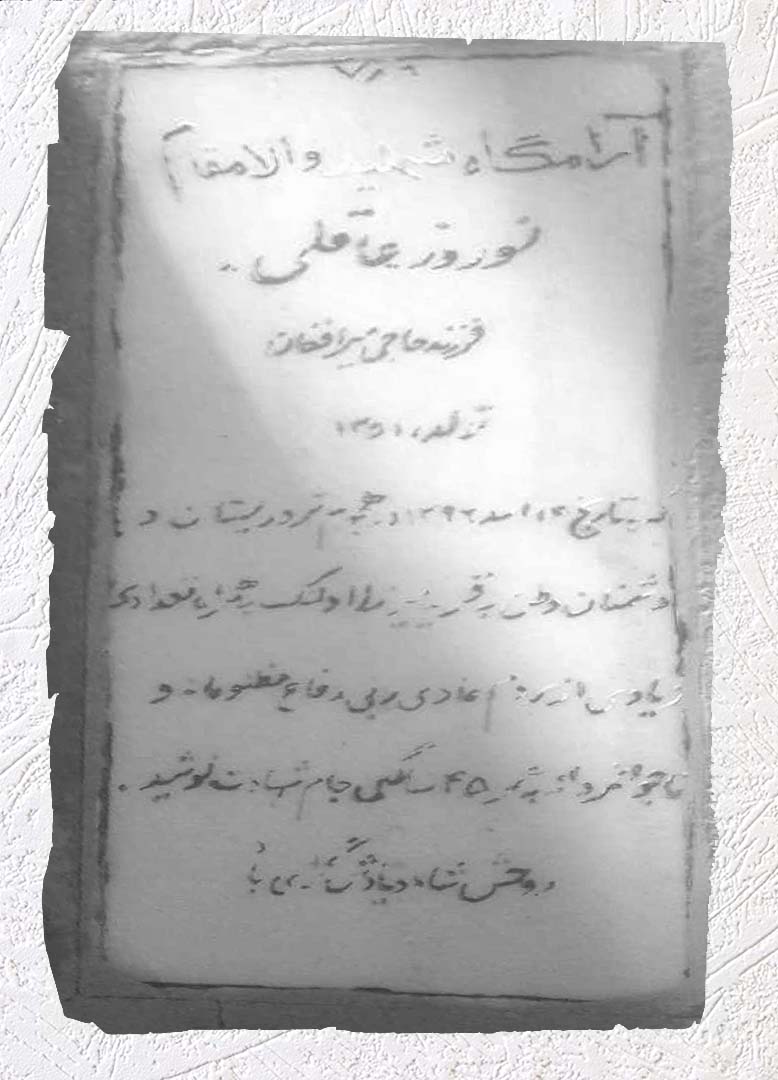
- Gender
- Male
- Ethnicity
- Hazara
- District geolocation of incident
- Sayyad: 35° 52′ 25″ N, 68° 25′ 51″ E
- Description of incident
On August 3, 2017, anti-government groups including the Taliban and local self-proclaimed Daesh/Islamic State affiliated fighters launched an attack against Mirza Olang Village in Sayyad District, Sari Pul Province. Fighting lasted until August 5th. The village, known as ‘the gate to Sayyad,’ lies deep in a long valley. Its southern entrance is near the border of neighbouring Faryab Province and is located 20 km south of the Sayyad District administrative centre. Much of the area surrounding the administrative centre has been under the control of anti-government groups for more than one year.
- Date added
- Mar 29, 2023
Mohammad Kazim Ehsani
- Photo of Victim
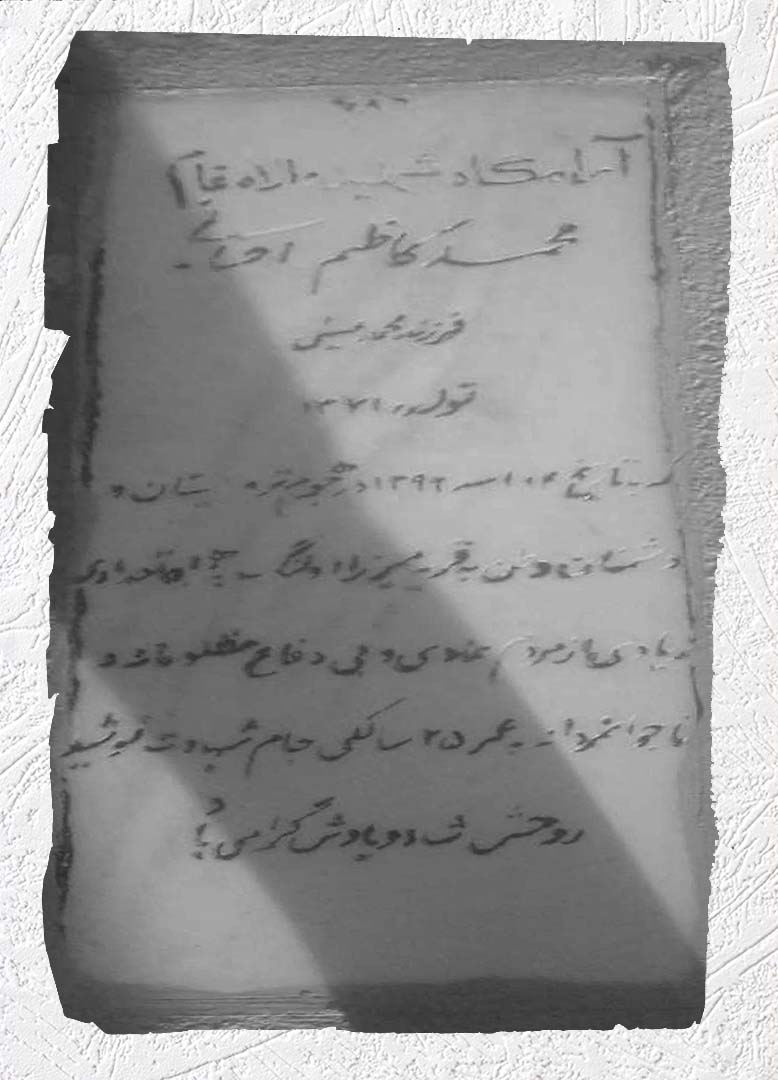
- Gender
- Male
- Ethnicity
- Hazara
- District geolocation of incident
- Sayyad: 35° 52′ 25″ N, 68° 25′ 51″ E
- Description of incident
On August 3, 2017, anti-government groups including the Taliban and local self-proclaimed Daesh/Islamic State affiliated fighters launched an attack against Mirza Olang Village in Sayyad District, Sari Pul Province. Fighting lasted until August 5th. The village, known as ‘the gate to Sayyad,’ lies deep in a long valley. Its southern entrance is near the border of neighbouring Faryab Province and is located 20 km south of the Sayyad District administrative centre. Much of the area surrounding the administrative centre has been under the control of anti-government groups for more than one year.
- Date added
- Mar 29, 2023
Mohammad Hussain Akbari
- Photo of Victim
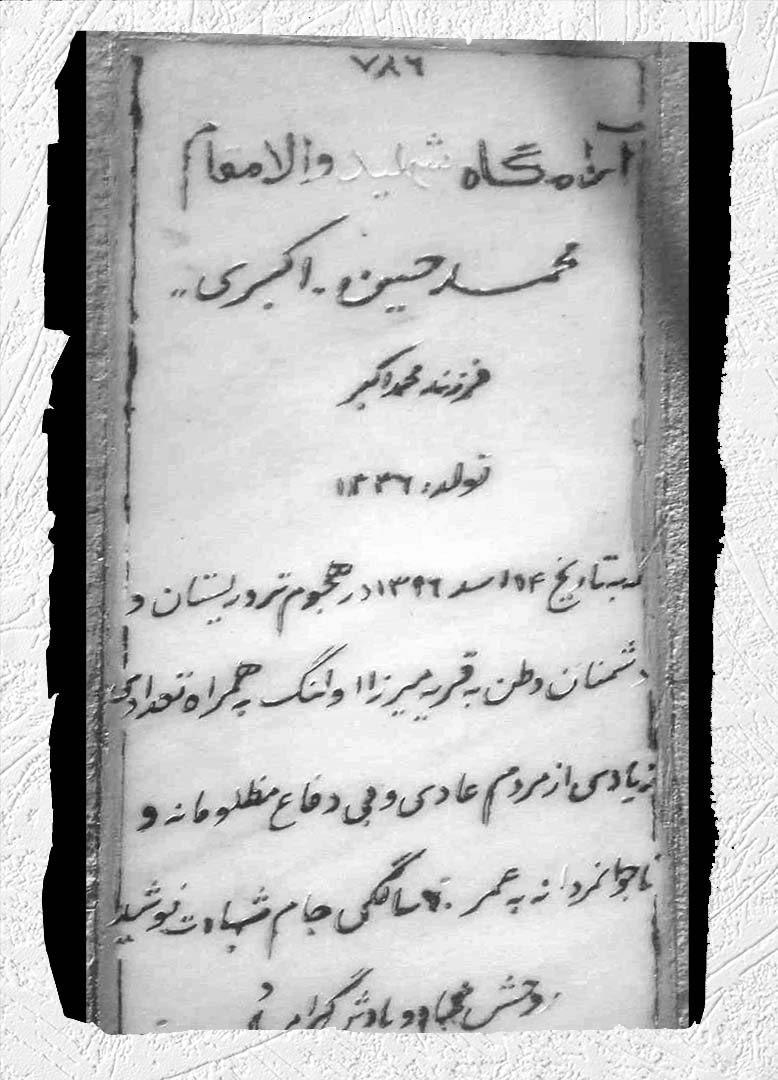
- Gender
- Male
- Ethnicity
- Hazara
- District geolocation of incident
- Sayyad: 35° 52′ 25″ N, 68° 25′ 51″ E
- Description of incident
On August 3, 2017, anti-government groups including the Taliban and local self-proclaimed Daesh/Islamic State affiliated fighters launched an attack against Mirza Olang Village in Sayyad District, Sari Pul Province. Fighting lasted until August 5th. The village, known as ‘the gate to Sayyad,’ lies deep in a long valley. Its southern entrance is near the border of neighbouring Faryab Province and is located 20 km south of the Sayyad District administrative centre. Much of the area surrounding the administrative centre has been under the control of anti-government groups for more than one year.
- Date added
- Mar 29, 2023
Mohammad Baqer Wahidi
- Photo of Victim
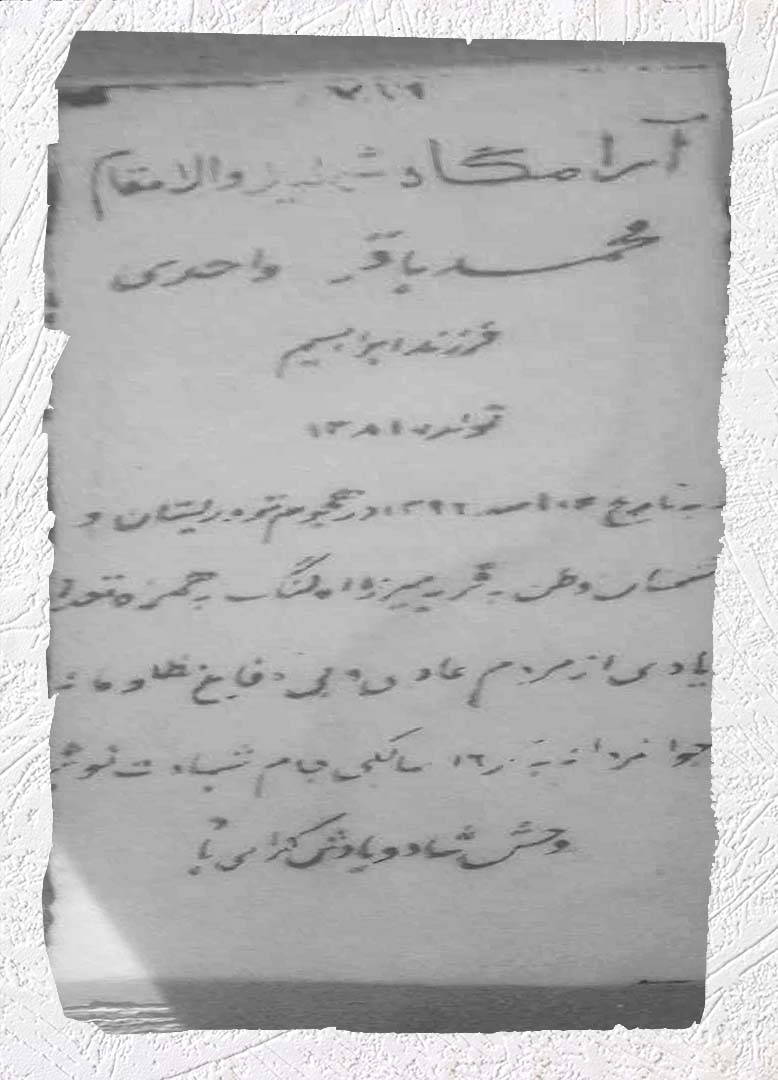
- Gender
- Male
- Ethnicity
- Hazara
- District geolocation of incident
- Sayyad: 35° 52′ 25″ N, 68° 25′ 51″ E
- Description of incident
On August 3, 2017, anti-government groups including the Taliban and local self-proclaimed Daesh/Islamic State affiliated fighters launched an attack against Mirza Olang Village in Sayyad District, Sari Pul Province. Fighting lasted until August 5th. The village, known as ‘the gate to Sayyad,’ lies deep in a long valley. Its southern entrance is near the border of neighbouring Faryab Province and is located 20 km south of the Sayyad District administrative centre. Much of the area surrounding the administrative centre has been under the control of anti-government groups for more than one year.
- Date added
- Mar 29, 2023
Mohammad Ali Sadiqi
- Photo of Victim
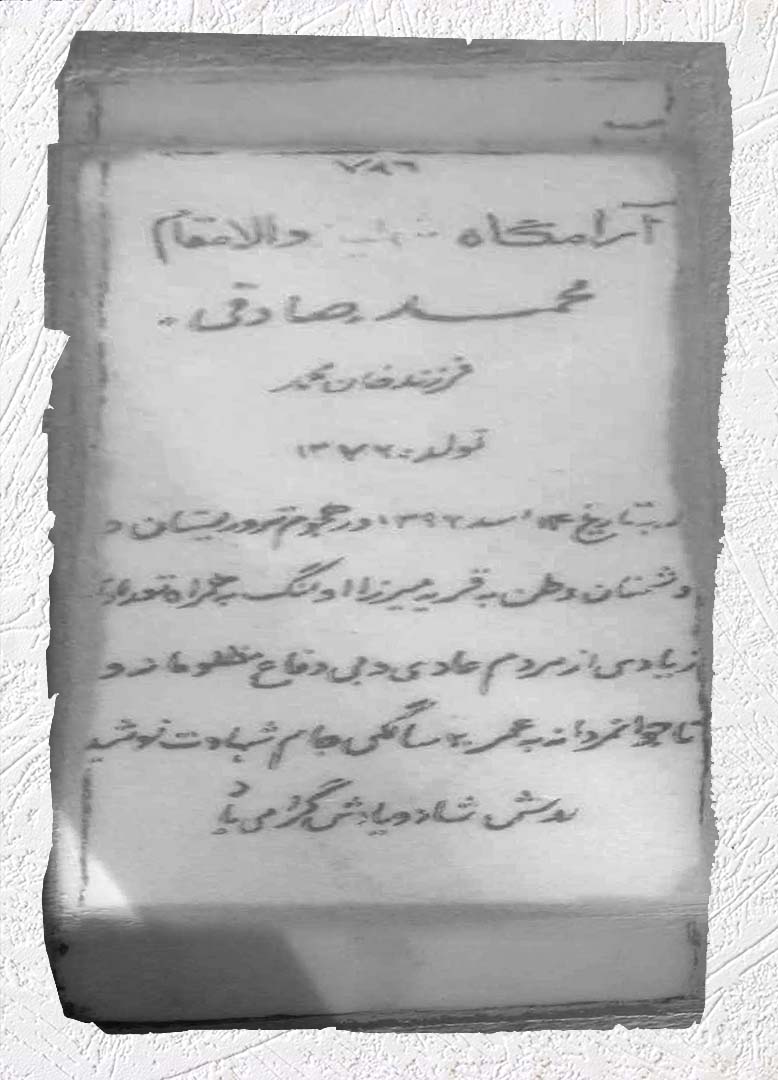
- Gender
- Male
- Ethnicity
- Hazara
- District geolocation of incident
- Sayyad: 35° 52′ 25″ N, 68° 25′ 51″ E
- Description of incident
On August 3, 2017, anti-government groups including the Taliban and local self-proclaimed Daesh/Islamic State affiliated fighters launched an attack against Mirza Olang Village in Sayyad District, Sari Pul Province. Fighting lasted until August 5th. The village, known as ‘the gate to Sayyad,’ lies deep in a long valley. Its southern entrance is near the border of neighbouring Faryab Province and is located 20 km south of the Sayyad District administrative centre. Much of the area surrounding the administrative centre has been under the control of anti-government groups for more than one year.
- Date added
- Mar 29, 2023
Mohammad Akbari
- Photo of Victim
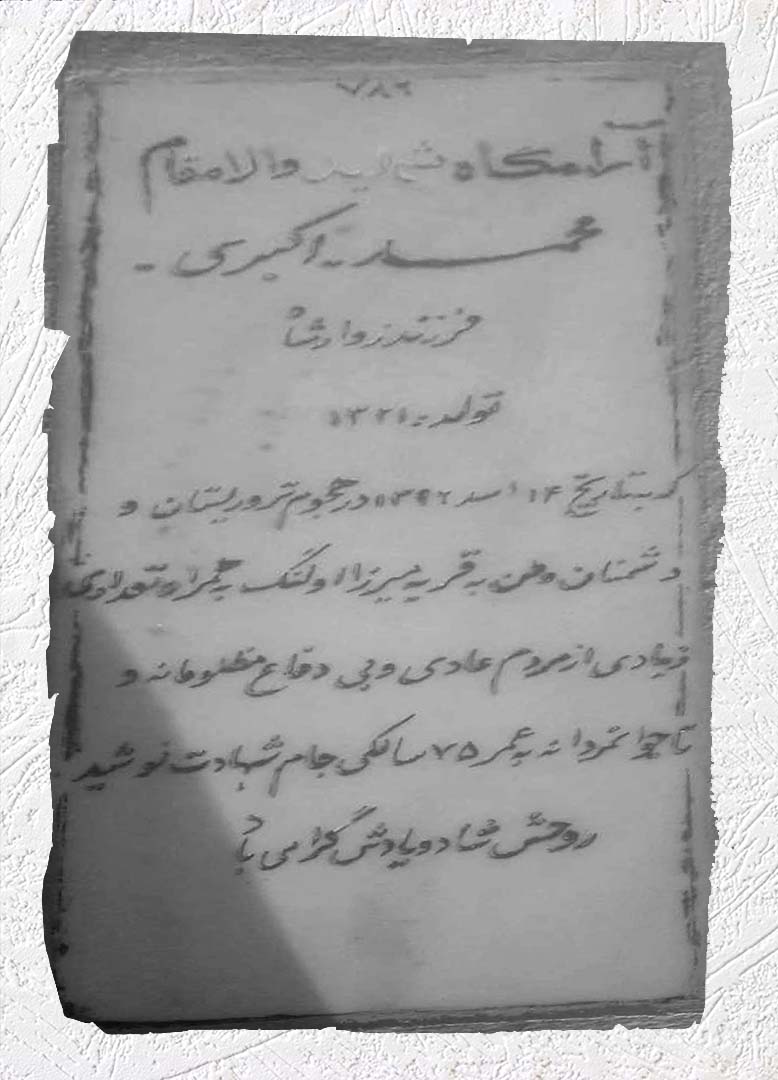
- Gender
- Male
- Ethnicity
- Hazara
- District geolocation of incident
- Sayyad: 35° 52′ 25″ N, 68° 25′ 51″ E
- Description of incident
On August 3, 2017, anti-government groups including the Taliban and local self-proclaimed Daesh/Islamic State affiliated fighters launched an attack against Mirza Olang Village in Sayyad District, Sari Pul Province. Fighting lasted until August 5th. The village, known as ‘the gate to Sayyad,’ lies deep in a long valley. Its southern entrance is near the border of neighbouring Faryab Province and is located 20 km south of the Sayyad District administrative centre. Much of the area surrounding the administrative centre has been under the control of anti-government groups for more than one year.
- Date added
- Mar 29, 2023
Karbalaee Ghafor Sadiqi
- Photo of Victim

- Gender
- Male
- Ethnicity
- Hazara
- District geolocation of incident
- Sayyad: 35° 52′ 25″ N, 68° 25′ 51″ E
- Description of incident
On August 3, 2017, anti-government groups including the Taliban and local self-proclaimed Daesh/Islamic State affiliated fighters launched an attack against Mirza Olang Village in Sayyad District, Sari Pul Province. Fighting lasted until August 5th. The village, known as ‘the gate to Sayyad,’ lies deep in a long valley. Its southern entrance is near the border of neighbouring Faryab Province and is located 20 km south of the Sayyad District administrative centre. Much of the area surrounding the administrative centre has been under the control of anti-government groups for more than one year.
- Date added
- Mar 29, 2023
Ghulam Sadiqi
- Photo of Victim

- Gender
- Male
- Ethnicity
- Hazara
- District geolocation of incident
- Sayyad: 35° 52′ 25″ N, 68° 25′ 51″ E
- Description of incident
On August 3, 2017, anti-government groups including the Taliban and local self-proclaimed Daesh/Islamic State affiliated fighters launched an attack against Mirza Olang Village in Sayyad District, Sari Pul Province. Fighting lasted until August 5th. The village, known as ‘the gate to Sayyad,’ lies deep in a long valley. Its southern entrance is near the border of neighbouring Faryab Province and is located 20 km south of the Sayyad District administrative centre. Much of the area surrounding the administrative centre has been under the control of anti-government groups for more than one year.
- Date added
- Mar 29, 2023
Ghulam Rasul Akbari
- Photo of Victim

- Gender
- Male
- Ethnicity
- Hazara
- District geolocation of incident
- Sayyad: 35° 52′ 25″ N, 68° 25′ 51″ E
- Description of incident
On August 3, 2017, anti-government groups including the Taliban and local self-proclaimed Daesh/Islamic State affiliated fighters launched an attack against Mirza Olang Village in Sayyad District, Sari Pul Province. Fighting lasted until August 5th. The village, known as ‘the gate to Sayyad,’ lies deep in a long valley. Its southern entrance is near the border of neighbouring Faryab Province and is located 20 km south of the Sayyad District administrative centre. Much of the area surrounding the administrative centre has been under the control of anti-government groups for more than one year.
- Date added
- Mar 29, 2023
Ewazby Jafari
- Photo of Victim
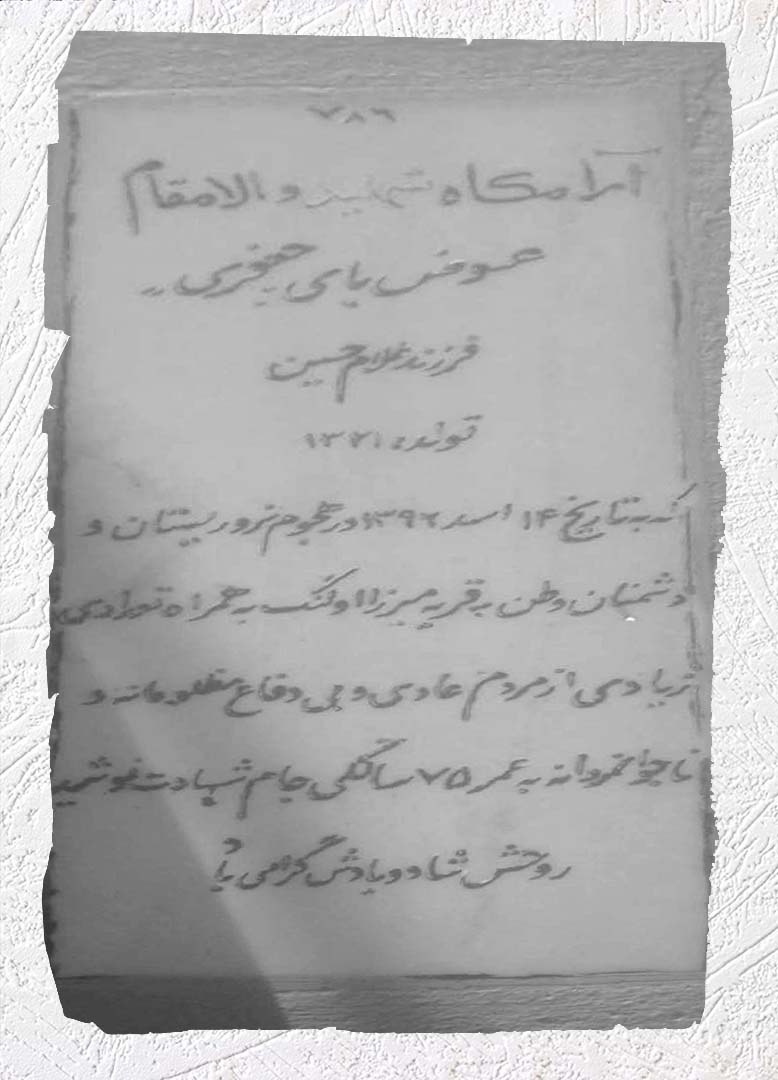
- Gender
- Male
- Ethnicity
- Hazara
- District geolocation of incident
- Sayyad: 35° 52′ 25″ N, 68° 25′ 51″ E
- Description of incident
On August 3, 2017, anti-government groups including the Taliban and local self-proclaimed Daesh/Islamic State affiliated fighters launched an attack against Mirza Olang Village in Sayyad District, Sari Pul Province. Fighting lasted until August 5th. The village, known as ‘the gate to Sayyad,’ lies deep in a long valley. Its southern entrance is near the border of neighbouring Faryab Province and is located 20 km south of the Sayyad District administrative centre. Much of the area surrounding the administrative centre has been under the control of anti-government groups for more than one year.
- Date added
- Mar 29, 2023
Alidad Akbari
- Photo of Victim

- Gender
- Male
- Ethnicity
- Hazara
- District geolocation of incident
- Sayyad: 35° 52′ 25″ N, 68° 25′ 51″ E
- Description of incident
On August 3, 2017, anti-government groups including the Taliban and local self-proclaimed Daesh/Islamic State affiliated fighters launched an attack against Mirza Olang Village in Sayyad District, Sari Pul Province. Fighting lasted until August 5th. The village, known as ‘the gate to Sayyad,’ lies deep in a long valley. Its southern entrance is near the border of neighbouring Faryab Province and is located 20 km south of the Sayyad District administrative centre. Much of the area surrounding the administrative centre has been under the control of anti-government groups for more than one year.
- Date added
- Mar 29, 2023
Abbas Sadiqi
- Photo of Victim
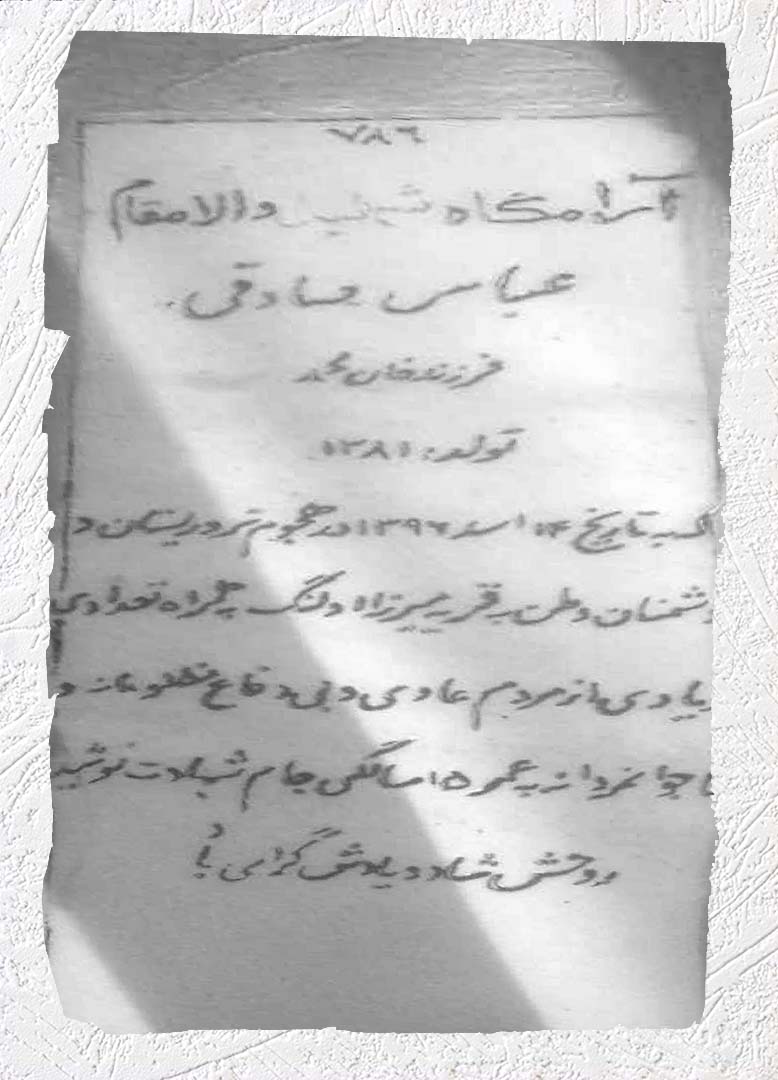
- Gender
- Male
- Ethnicity
- Hazara
- District geolocation of incident
- Sayyad: 35° 52′ 25″ N, 68° 25′ 51″ E
- Description of incident
On August 3, 2017, anti-government groups including the Taliban and local self-proclaimed Daesh/Islamic State affiliated fighters launched an attack against Mirza Olang Village in Sayyad District, Sari Pul Province. Fighting lasted until August 5th. The village, known as ‘the gate to Sayyad,’ lies deep in a long valley. Its southern entrance is near the border of neighbouring Faryab Province and is located 20 km south of the Sayyad District administrative centre. Much of the area surrounding the administrative centre has been under the control of anti-government groups for more than one year.
- Date added
- Mar 29, 2023
Safar Mohammad Muradi
- Photo of Victim

- Gender
- Male
- Ethnicity
- Hazara
- District geolocation of incident
- Sayyad: 35° 52′ 25″ N, 68° 25′ 51″ E
- Description of incident
On August 3, 2017, anti-government groups including the Taliban and local self-proclaimed Daesh/Islamic State affiliated fighters launched an attack against Mirza Olang Village in Sayyad District, Sari Pul Province. Fighting lasted until August 5th. The village, known as ‘the gate to Sayyad,’ lies deep in a long valley. Its southern entrance is near the border of neighbouring Faryab Province and is located 20 km south of the Sayyad District administrative centre. Much of the area surrounding the administrative centre has been under the control of anti-government groups for more than one year.
- Date added
- Mar 29, 2023
Safdar Jafari
- Photo of Victim
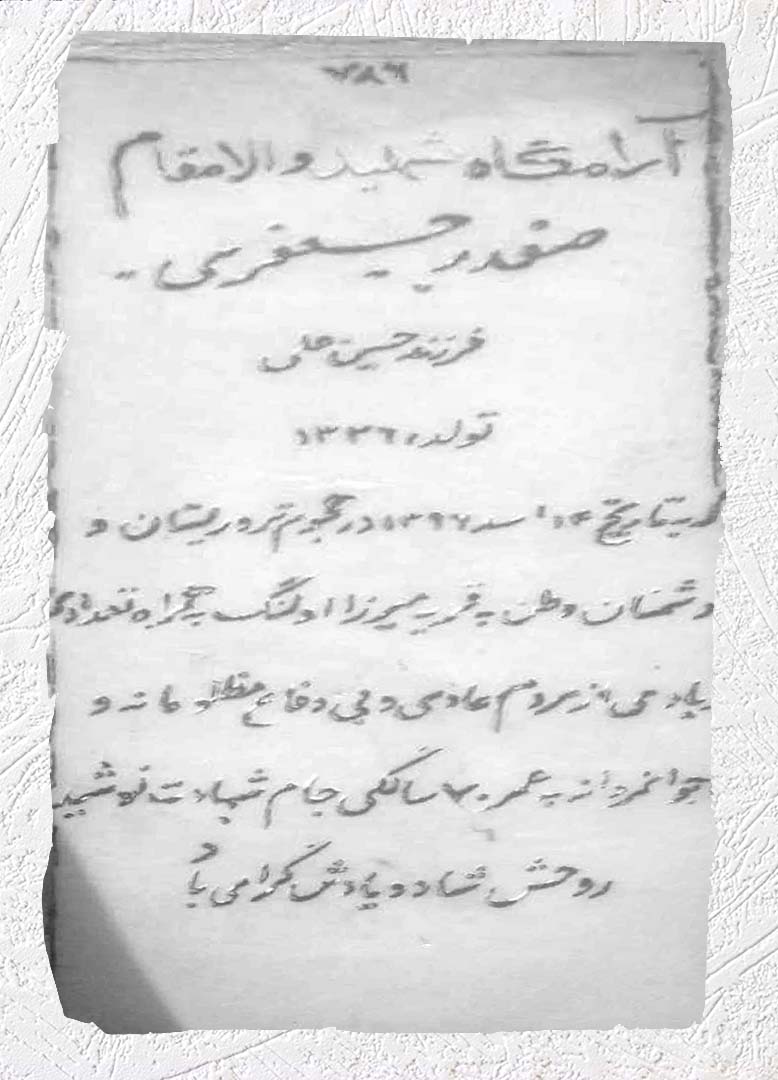
- Gender
- Male
- Ethnicity
- Hazara
- District geolocation of incident
- Sayyad: 35° 52′ 25″ N, 68° 25′ 51″ E
- Description of incident
On August 3, 2017, anti-government groups including the Taliban and local self-proclaimed Daesh/Islamic State affiliated fighters launched an attack against Mirza Olang Village in Sayyad District, Sari Pul Province. Fighting lasted until August 5th. The village, known as ‘the gate to Sayyad,’ lies deep in a long valley. Its southern entrance is near the border of neighbouring Faryab Province and is located 20 km south of the Sayyad District administrative centre. Much of the area surrounding the administrative centre has been under the control of anti-government groups for more than one year.
- Date added
- Mar 29, 2023
Sadiq Kamali
- Photo of Victim
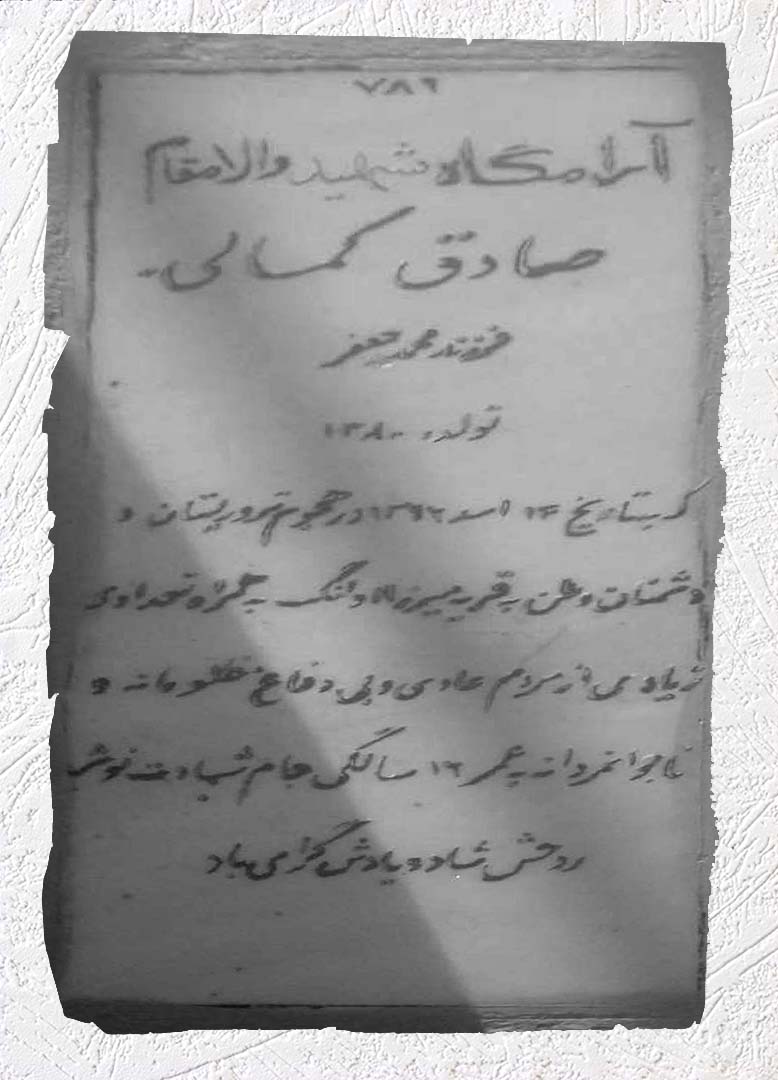
- Gender
- Male
- Ethnicity
- Hazara
- District geolocation of incident
- Sayyad: 35° 52′ 25″ N, 68° 25′ 51″ E
- Description of incident
On August 3, 2017, anti-government groups including the Taliban and local self-proclaimed Daesh/Islamic State affiliated fighters launched an attack against Mirza Olang Village in Sayyad District, Sari Pul Province. Fighting lasted until August 5th. The village, known as ‘the gate to Sayyad,’ lies deep in a long valley. Its southern entrance is near the border of neighbouring Faryab Province and is located 20 km south of the Sayyad District administrative centre. Much of the area surrounding the administrative centre has been under the control of anti-government groups for more than one year.
- Date added
- Mar 29, 2023
Sayed Mir Ahmad Ghafari
- Photo of Victim
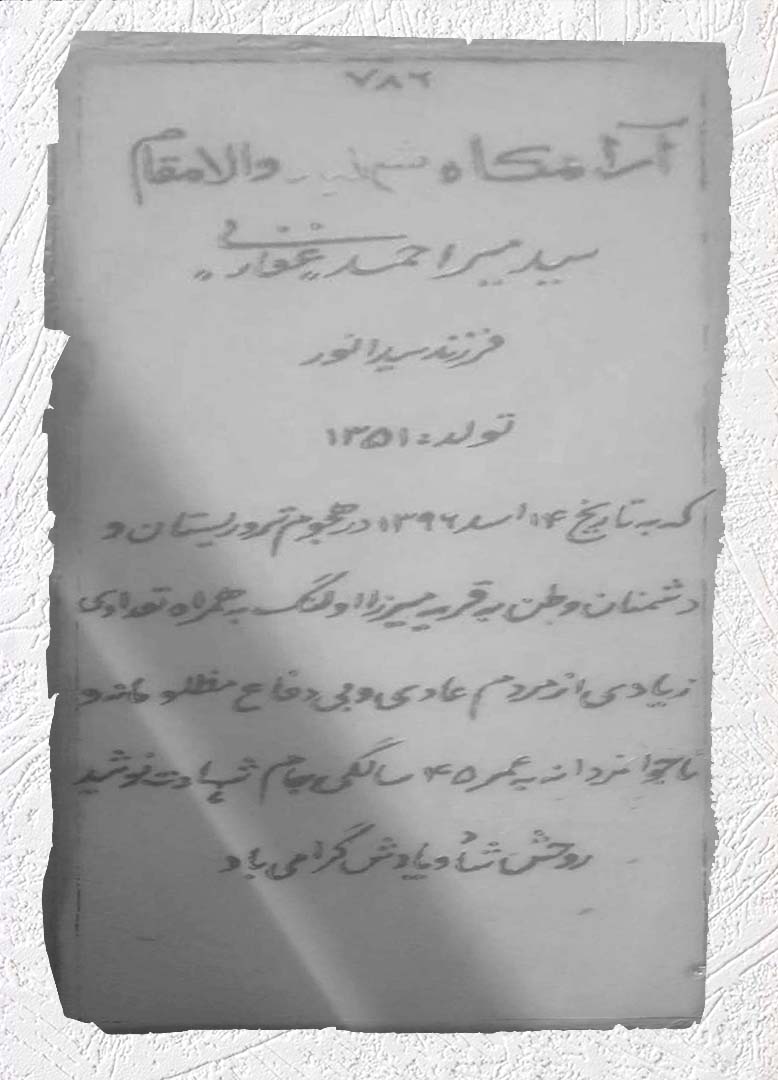
- Gender
- Male
- Ethnicity
- Sadat
- District geolocation of incident
- Sayyad: 35° 52′ 25″ N, 68° 25′ 51″ E
- Description of incident
On August 3, 2017, anti-government groups including the Taliban and local self-proclaimed Daesh/Islamic State affiliated fighters launched an attack against Mirza Olang Village in Sayyad District, Sari Pul Province. Fighting lasted until August 5th. The village, known as ‘the gate to Sayyad,’ lies deep in a long valley. Its southern entrance is near the border of neighbouring Faryab Province and is located 20 km south of the Sayyad District administrative centre. Much of the area surrounding the administrative centre has been under the control of anti-government groups for more than one year.
- Date added
- Mar 29, 2023
Sayed Musa Hussainy
- Photo of Victim
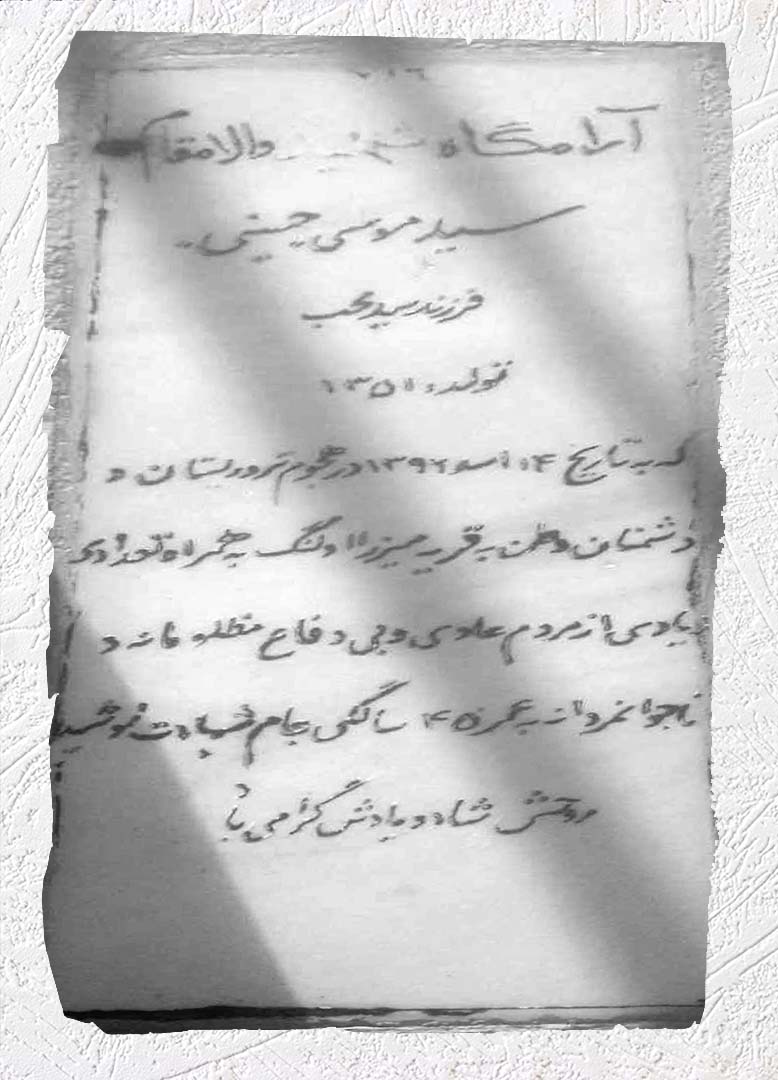
- Gender
- Male
- Ethnicity
- Sadat
- District geolocation of incident
- Sayyad: 35° 52′ 25″ N, 68° 25′ 51″ E
- Description of incident
On August 3, 2017, anti-government groups including the Taliban and local self-proclaimed Daesh/Islamic State affiliated fighters launched an attack against Mirza Olang Village in Sayyad District, Sari Pul Province. Fighting lasted until August 5th. The village, known as ‘the gate to Sayyad,’ lies deep in a long valley. Its southern entrance is near the border of neighbouring Faryab Province and is located 20 km south of the Sayyad District administrative centre. Much of the area surrounding the administrative centre has been under the control of anti-government groups for more than one year.
- Date added
- Mar 29, 2023
Sayed LaLa Mosawi
- Photo of Victim
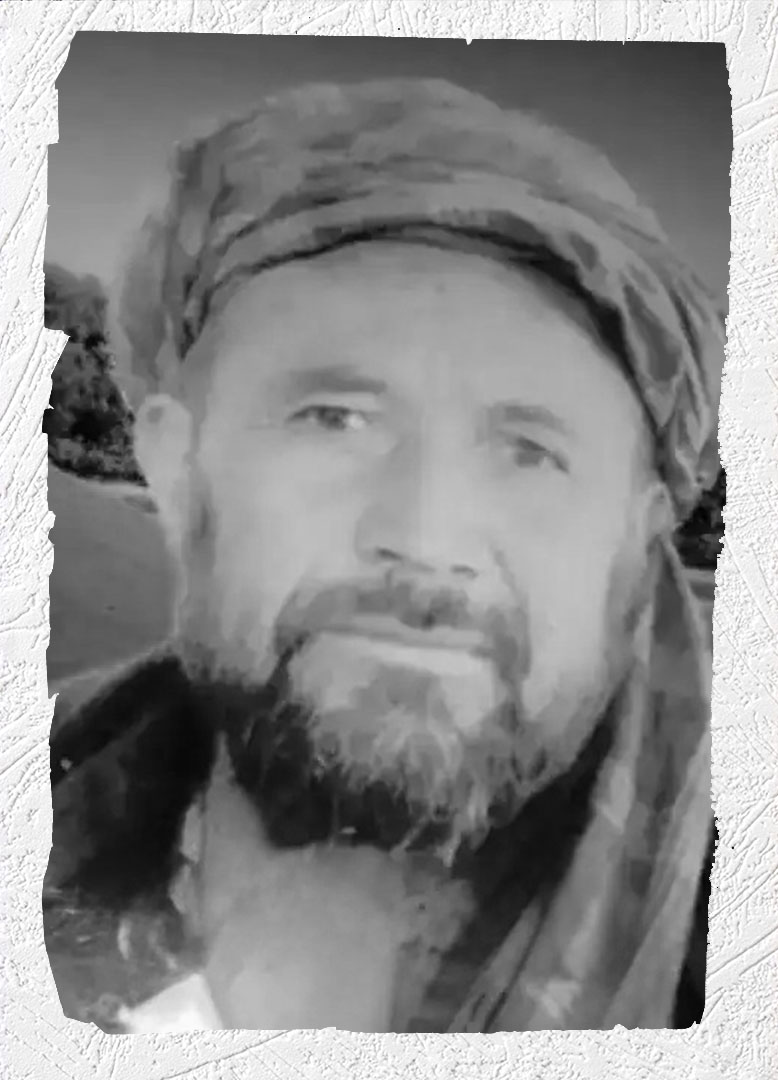
- Gender
- Male
- Ethnicity
- Sadat
- District geolocation of incident
- Sayyad: 35° 52′ 25″ N, 68° 25′ 51″ E
- Description of incident
On August 3, 2017, anti-government groups including the Taliban and local self-proclaimed Daesh/Islamic State affiliated fighters launched an attack against Mirza Olang Village in Sayyad District, Sari Pul Province. Fighting lasted until August 5th. The village, known as ‘the gate to Sayyad,’ lies deep in a long valley. Its southern entrance is near the border of neighbouring Faryab Province and is located 20 km south of the Sayyad District administrative centre. Much of the area surrounding the administrative centre has been under the control of anti-government groups for more than one year.
- Date added
- Mar 28, 2023
Sayed Rohollah Hussainy
- Photo of Victim
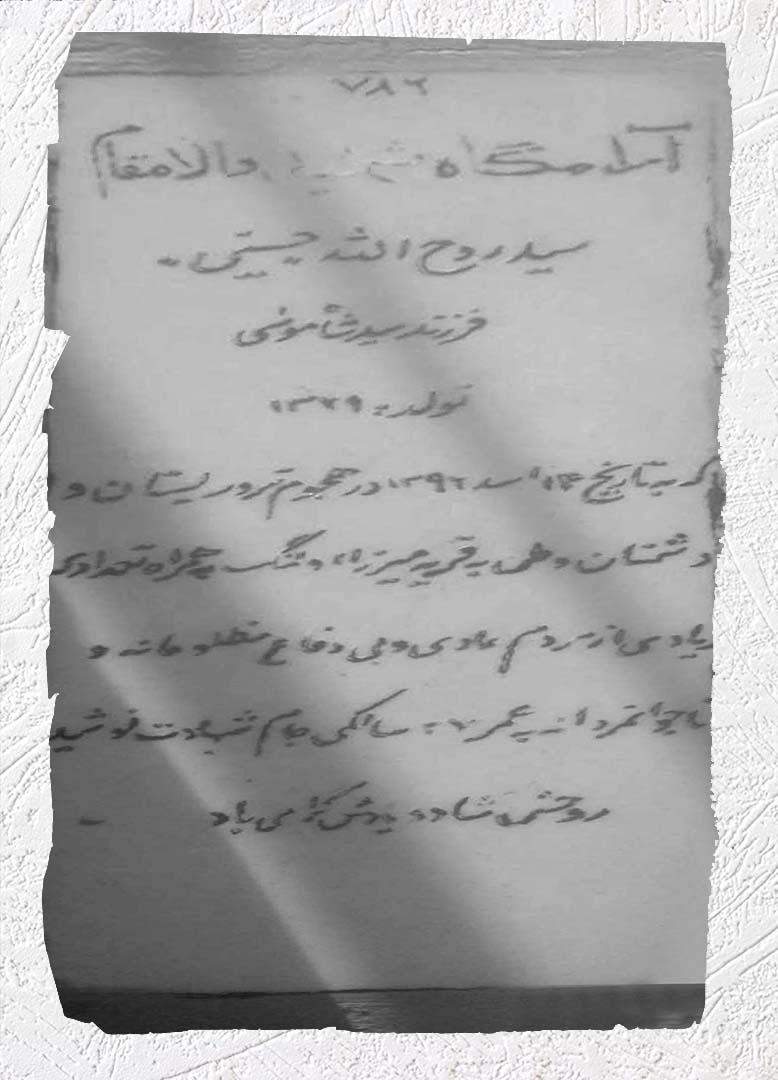
- Gender
- Male
- Ethnicity
- Sadat
- District geolocation of incident
- Sayyad: 35° 52′ 25″ N, 68° 25′ 51″ E
- Description of incident
On August 3, 2017, anti-government groups including the Taliban and local self-proclaimed Daesh/Islamic State affiliated fighters launched an attack against Mirza Olang Village in Sayyad District, Sari Pul Province. Fighting lasted until August 5th. The village, known as ‘the gate to Sayyad,’ lies deep in a long valley. Its southern entrance is near the border of neighbouring Faryab Province and is located 20 km south of the Sayyad District administrative centre. Much of the area surrounding the administrative centre has been under the control of anti-government groups for more than one year.
- Date added
- Mar 28, 2023
Sayed Hassan Hussainy
- Photo of Victim
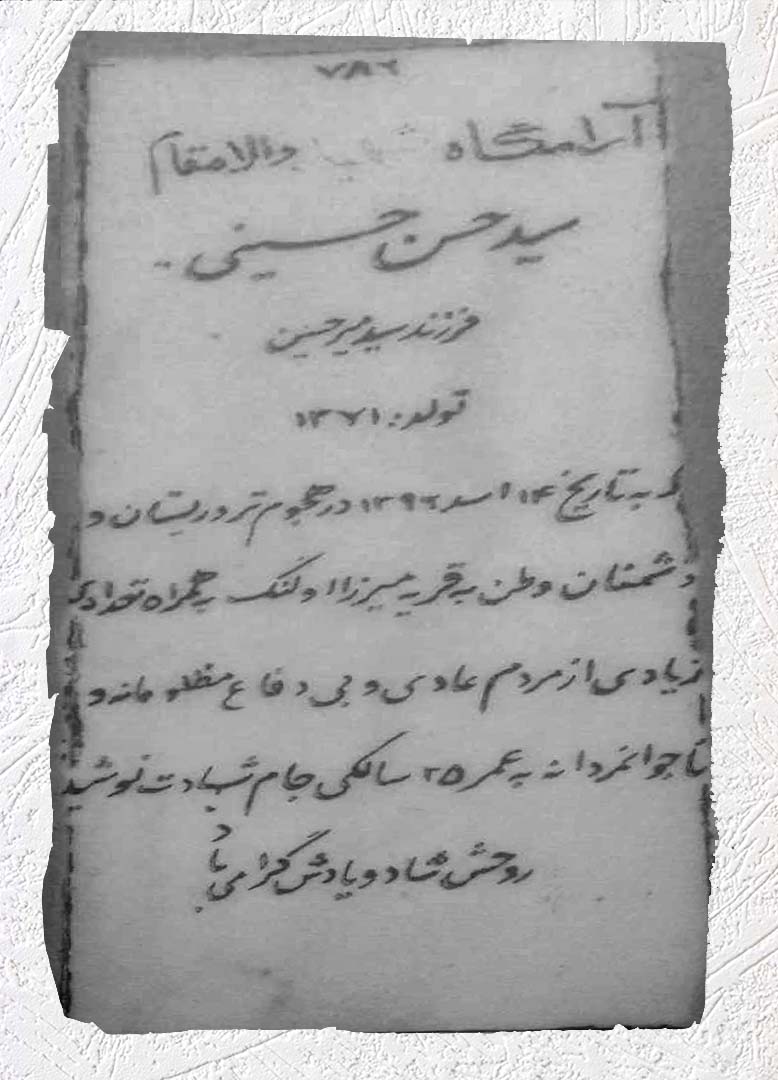
- Gender
- Male
- Ethnicity
- Sadat
- District geolocation of incident
- Sayyad: 35° 52′ 25″ N, 68° 25′ 51″ E
- Description of incident
On August 3, 2017, anti-government groups including the Taliban and local self-proclaimed Daesh/Islamic State affiliated fighters launched an attack against Mirza Olang Village in Sayyad District, Sari Pul Province. Fighting lasted until August 5th. The village, known as ‘the gate to Sayyad,’ lies deep in a long valley. Its southern entrance is near the border of neighbouring Faryab Province and is located 20 km south of the Sayyad District administrative centre. Much of the area surrounding the administrative centre has been under the control of anti-government groups for more than one year.
- Date added
- Mar 28, 2023
Sayed Baqer Hussaini
- Photo of Victim
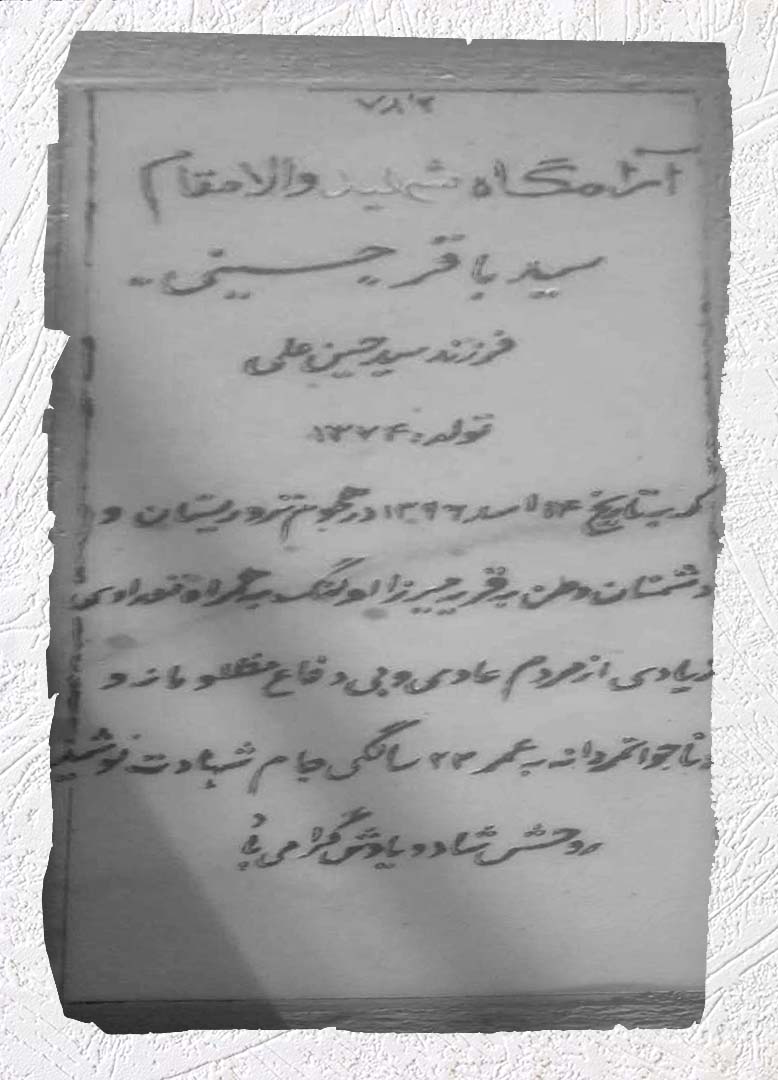
- Gender
- Male
- Ethnicity
- Sadat
- District geolocation of incident
- Sayyad: 35° 52′ 25″ N, 68° 25′ 51″ E
- Description of incident
On August 3, 2017, anti-government groups including the Taliban and local self-proclaimed Daesh/Islamic State affiliated fighters launched an attack against Mirza Olang Village in Sayyad District, Sari Pul Province. Fighting lasted until August 5th. The village, known as ‘the gate to Sayyad,’ lies deep in a long valley. Its southern entrance is near the border of neighbouring Faryab Province and is located 20 km south of the Sayyad District administrative centre. Much of the area surrounding the administrative centre has been under the control of anti-government groups for more than one year.
- Date added
- Mar 28, 2023
Khalifa Musa Rafiey
- Photo of Victim

- Gender
- Male
- Ethnicity
- Hazara
- District geolocation of incident
- Sayyad: 35° 52′ 25″ N, 68° 25′ 51″ E
- Description of incident
On August 3, 2017, anti-government groups including the Taliban and local self-proclaimed Daesh/Islamic State affiliated fighters launched an attack against Mirza Olang Village in Sayyad District, Sari Pul Province. Fighting lasted until August 5th. The village, known as ‘the gate to Sayyad,’ lies deep in a long valley. Its southern entrance is near the border of neighbouring Faryab Province and is located 20 km south of the Sayyad District administrative centre. Much of the area surrounding the administrative centre has been under the control of anti-government groups for more than one year.
- Date added
- Mar 28, 2023
Khan Mohammad Nayazi
- Photo of Victim

- Gender
- Male
- Ethnicity
- Hazara
- District geolocation of incident
- Sayyad: 35° 52′ 25″ N, 68° 25′ 51″ E
- Description of incident
On August 3, 2017, anti-government groups including the Taliban and local self-proclaimed Daesh/Islamic State affiliated fighters launched an attack against Mirza Olang Village in Sayyad District, Sari Pul Province. Fighting lasted until August 5th. The village, known as ‘the gate to Sayyad,’ lies deep in a long valley. Its southern entrance is near the border of neighbouring Faryab Province and is located 20 km south of the Sayyad District administrative centre. Much of the area surrounding the administrative centre has been under the control of anti-government groups for more than one year.
- Date added
- Mar 28, 2023
Hayatullah Wahidi
- Photo of Victim

- Gender
- Male
- Ethnicity
- Hazara
- District geolocation of incident
- Sayyad: 35° 52′ 25″ N, 68° 25′ 51″ E
- Description of incident
On August 3, 2017, anti-government groups including the Taliban and local self-proclaimed Daesh/Islamic State affiliated fighters launched an attack against Mirza Olang Village in Sayyad District, Sari Pul Province. Fighting lasted until August 5th. The village, known as ‘the gate to Sayyad,’ lies deep in a long valley. Its southern entrance is near the border of neighbouring Faryab Province and is located 20 km south of the Sayyad District administrative centre. Much of the area surrounding the administrative centre has been under the control of anti-government groups for more than one year.
- Date added
- Mar 28, 2023
Haji Mohammad Anwar
- Photo of Victim

- Gender
- Male
- Ethnicity
- Hazara
- District geolocation of incident
- Sayyad: 35° 52′ 25″ N, 68° 25′ 51″ E
- Description of incident
On August 3, 2017, anti-government groups including the Taliban and local self-proclaimed Daesh/Islamic State affiliated fighters launched an attack against Mirza Olang Village in Sayyad District, Sari Pul Province. Fighting lasted until August 5th. The village, known as ‘the gate to Sayyad,’ lies deep in a long valley. Its southern entrance is near the border of neighbouring Faryab Province and is located 20 km south of the Sayyad District administrative centre. Much of the area surrounding the administrative centre has been under the control of anti-government groups for more than one year.
- Date added
- Mar 28, 2023
Haji Ghulam Sakhi Kamali
- Photo of Victim

- Gender
- Male
- Ethnicity
- Hazara
- District geolocation of incident
- Sayyad: 35° 52′ 25″ N, 68° 25′ 51″ E
- Description of incident
On August 3, 2017, anti-government groups including the Taliban and local self-proclaimed Daesh/Islamic State affiliated fighters launched an attack against Mirza Olang Village in Sayyad District, Sari Pul Province. Fighting lasted until August 5th. The village, known as ‘the gate to Sayyad,’ lies deep in a long valley. Its southern entrance is near the border of neighbouring Faryab Province and is located 20 km south of the Sayyad District administrative centre. Much of the area surrounding the administrative centre has been under the control of anti-government groups for more than one year.
- Date added
- Mar 28, 2023
Haji Khadim Hussain Wahidi
- Photo of Victim

- Gender
- Male
- Ethnicity
- Hazara
- District geolocation of incident
- Sayyad: 35° 52′ 25″ N, 68° 25′ 51″ E
- Description of incident
On August 3, 2017, anti-government groups including the Taliban and local self-proclaimed Daesh/Islamic State affiliated fighters launched an attack against Mirza Olang Village in Sayyad District, Sari Pul Province. Fighting lasted until August 5th. The village, known as ‘the gate to Sayyad,’ lies deep in a long valley. Its southern entrance is near the border of neighbouring Faryab Province and is located 20 km south of the Sayyad District administrative centre. Much of the area surrounding the administrative centre has been under the control of anti-government groups for more than one year.
- Date added
- Mar 28, 2023
Chaman Ali Kamali
- Photo of Victim

- Gender
- Male
- Ethnicity
- Hazara
- District geolocation of incident
- Sayyad: 35° 52′ 25″ N, 68° 25′ 51″ E
- Description of incident
On August 3, 2017, anti-government groups including the Taliban and local self-proclaimed Daesh/Islamic State affiliated fighters launched an attack against Mirza Olang Village in Sayyad District, Sari Pul Province. Fighting lasted until August 5th. The village, known as ‘the gate to Sayyad,’ lies deep in a long valley. Its southern entrance is near the border of neighbouring Faryab Province and is located 20 km south of the Sayyad District administrative centre. Much of the area surrounding the administrative centre has been under the control of anti-government groups for more than one year.
- Date added
- Mar 28, 2023
Baqer Wahidy
- Photo of Victim

- Gender
- Male
- Ethnicity
- Hazara
- District geolocation of incident
- Sayyad: 35° 52′ 25″ N, 68° 25′ 51″ E
- Description of incident
On August 3, 2017, anti-government groups including the Taliban and local self-proclaimed Daesh/Islamic State affiliated fighters launched an attack against Mirza Olang Village in Sayyad District, Sari Pul Province. Fighting lasted until August 5th. The village, known as ‘the gate to Sayyad,’ lies deep in a long valley. Its southern entrance is near the border of neighbouring Faryab Province and is located 20 km south of the Sayyad District administrative centre. Much of the area surrounding the administrative centre has been under the control of anti-government groups for more than one year.
- Date added
- Mar 28, 2023
Asadullah Kamali
- Photo of Victim
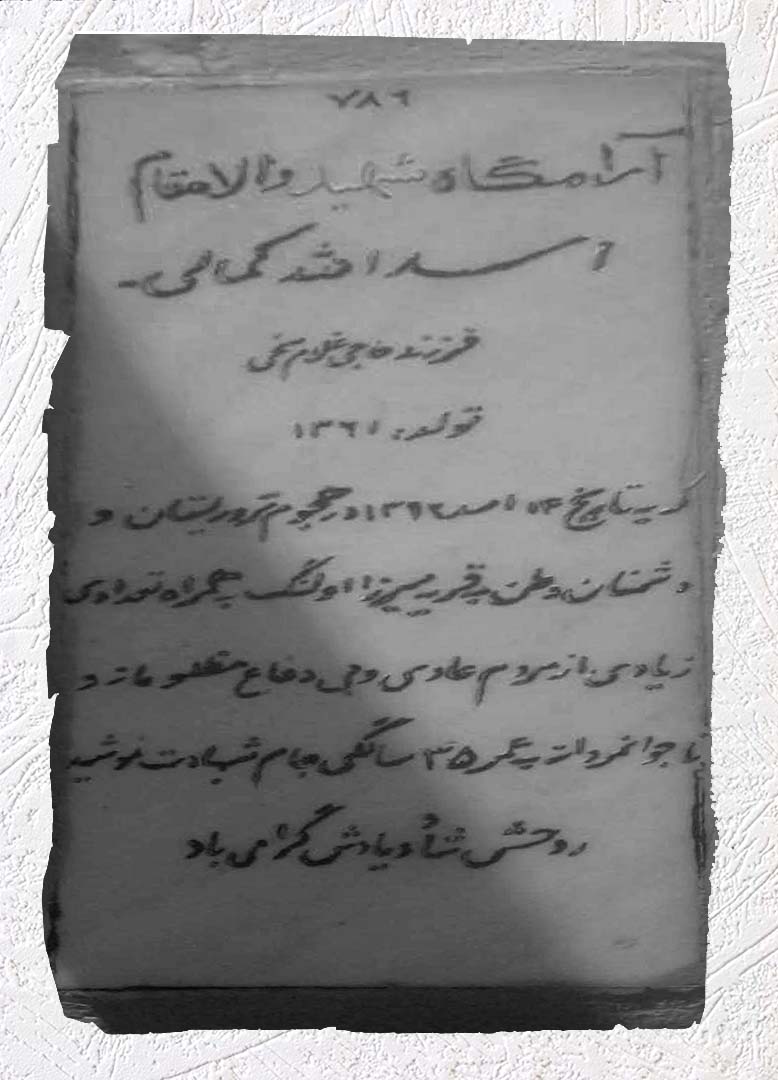
- Gender
- Male
- Ethnicity
- Hazara
- District geolocation of incident
- Sayyad: 35° 52′ 25″ N, 68° 25′ 51″ E
- Description of incident
On August 3, 2017, anti-government groups including the Taliban and local self-proclaimed Daesh/Islamic State affiliated fighters launched an attack against Mirza Olang Village in Sayyad District, Sari Pul Province. Fighting lasted until August 5th. The village, known as ‘the gate to Sayyad,’ lies deep in a long valley. Its southern entrance is near the border of neighbouring Faryab Province and is located 20 km south of the Sayyad District administrative centre. Much of the area surrounding the administrative centre has been under the control of anti-government groups for more than one year.
- Date added
- Mar 28, 2023


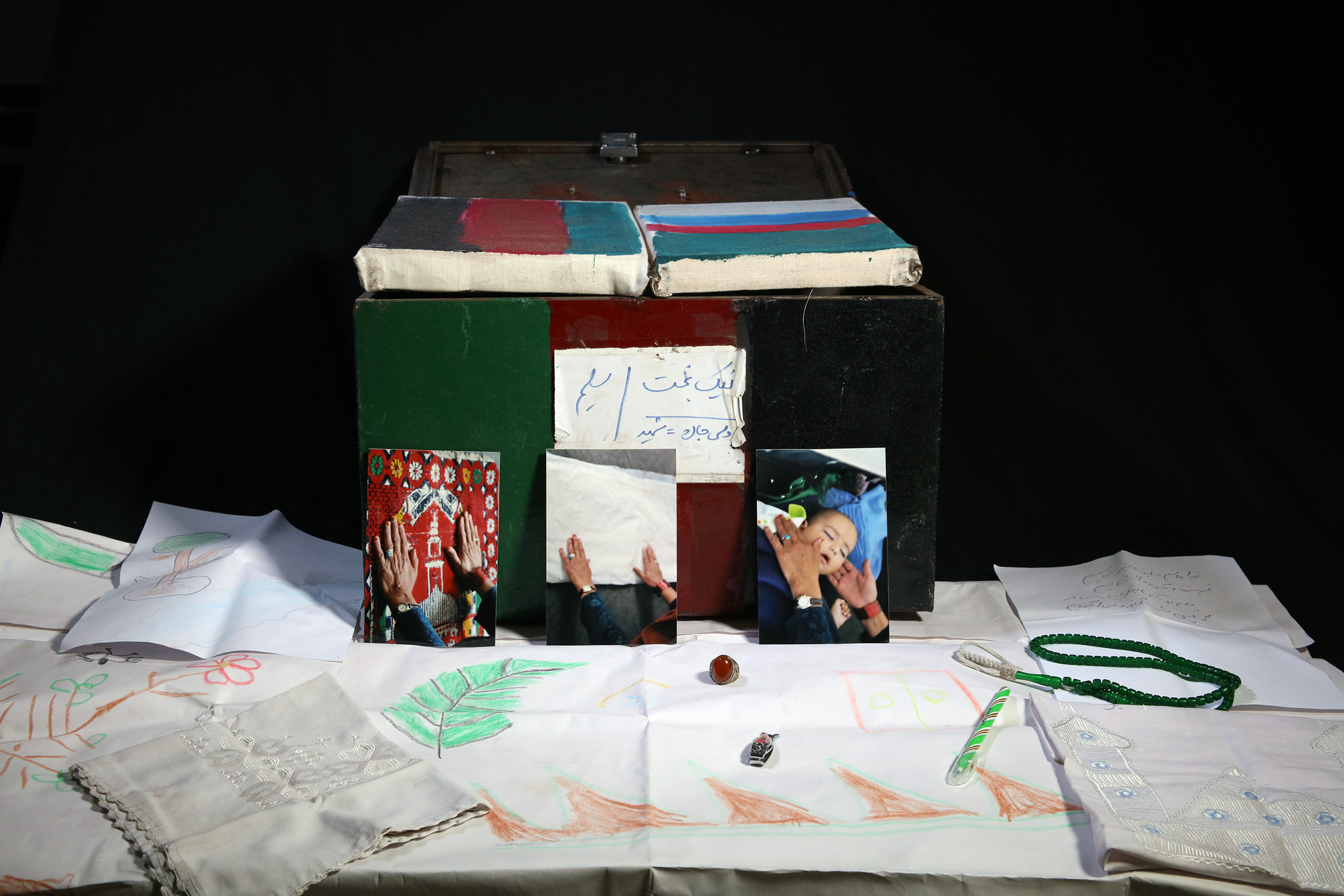

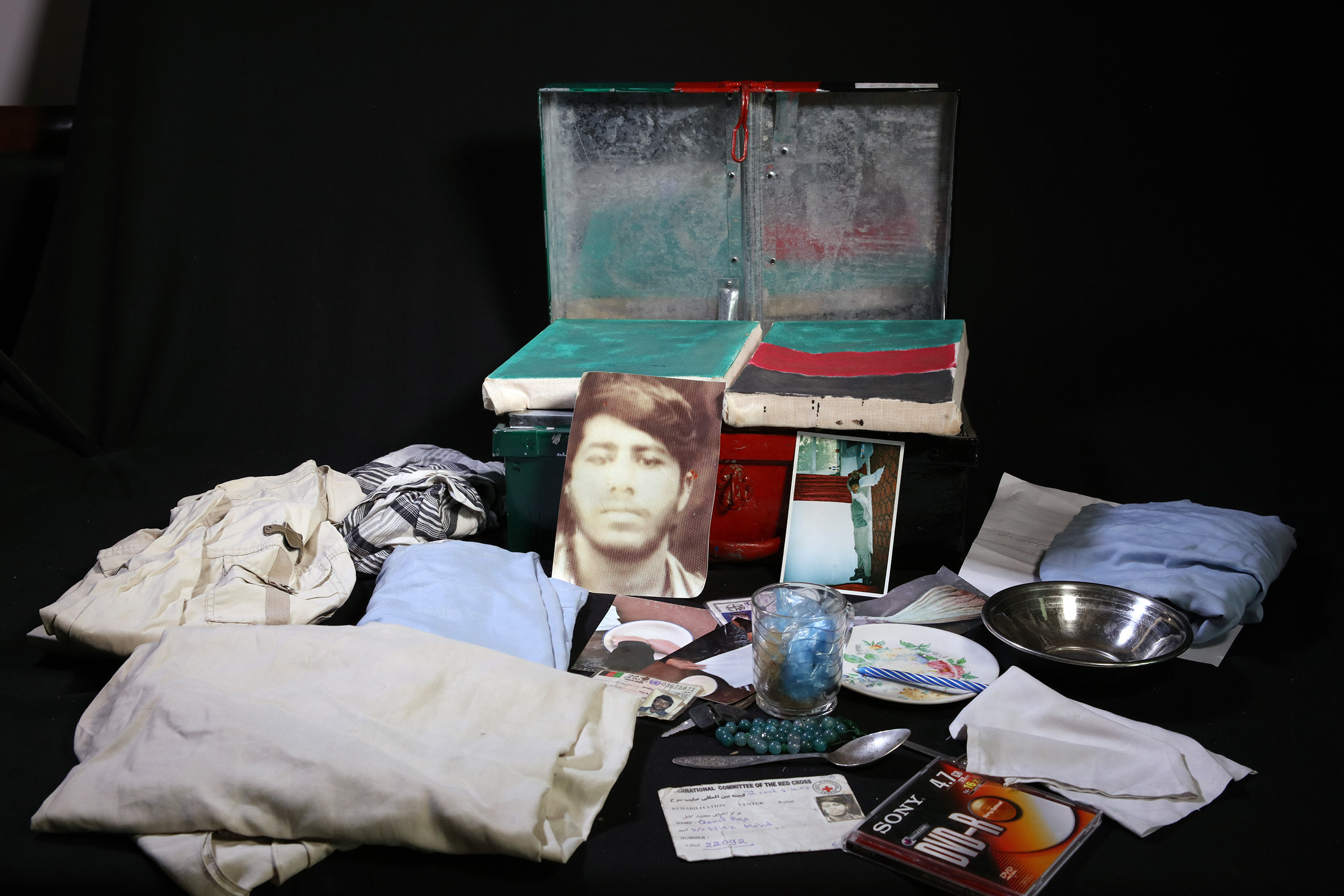
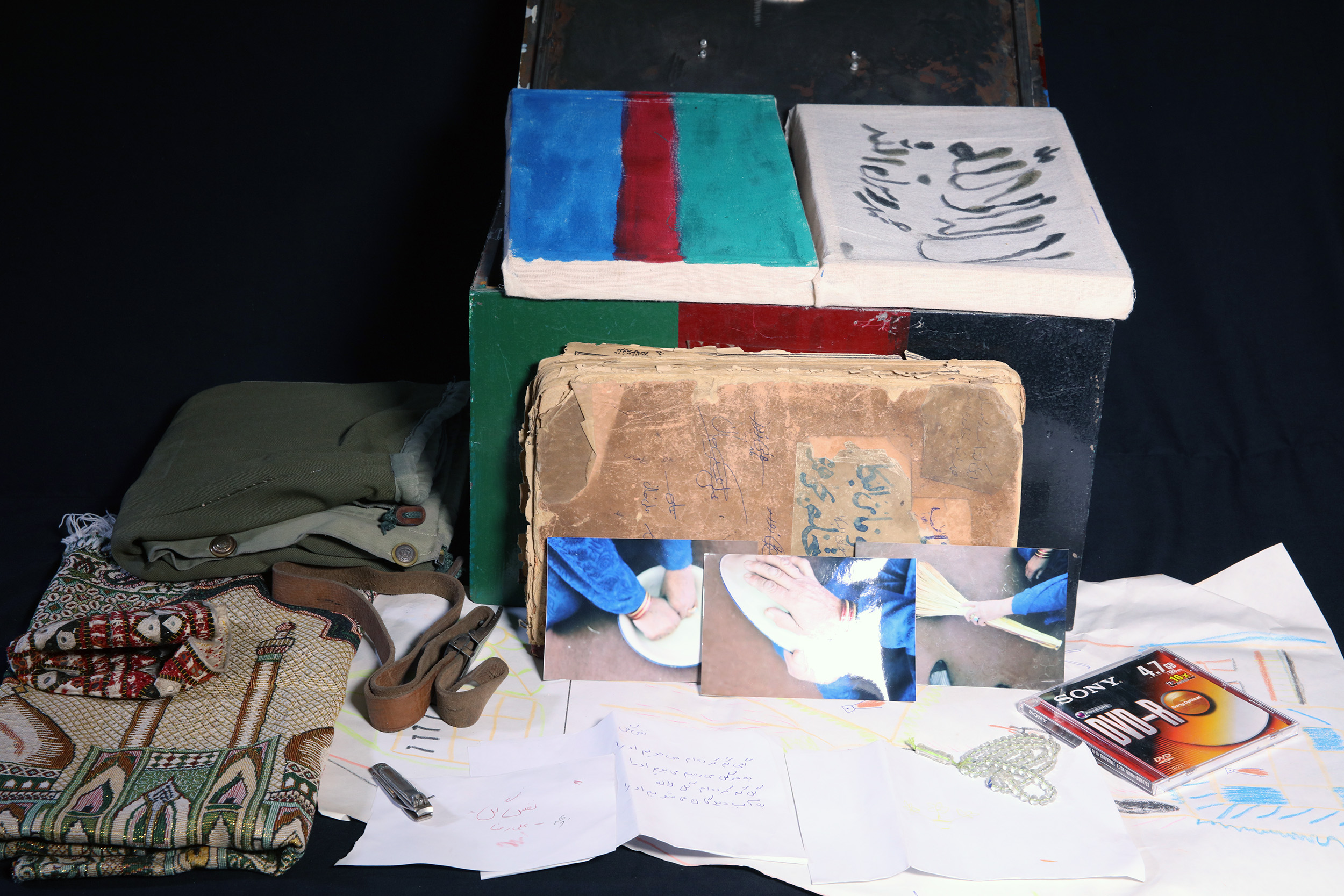


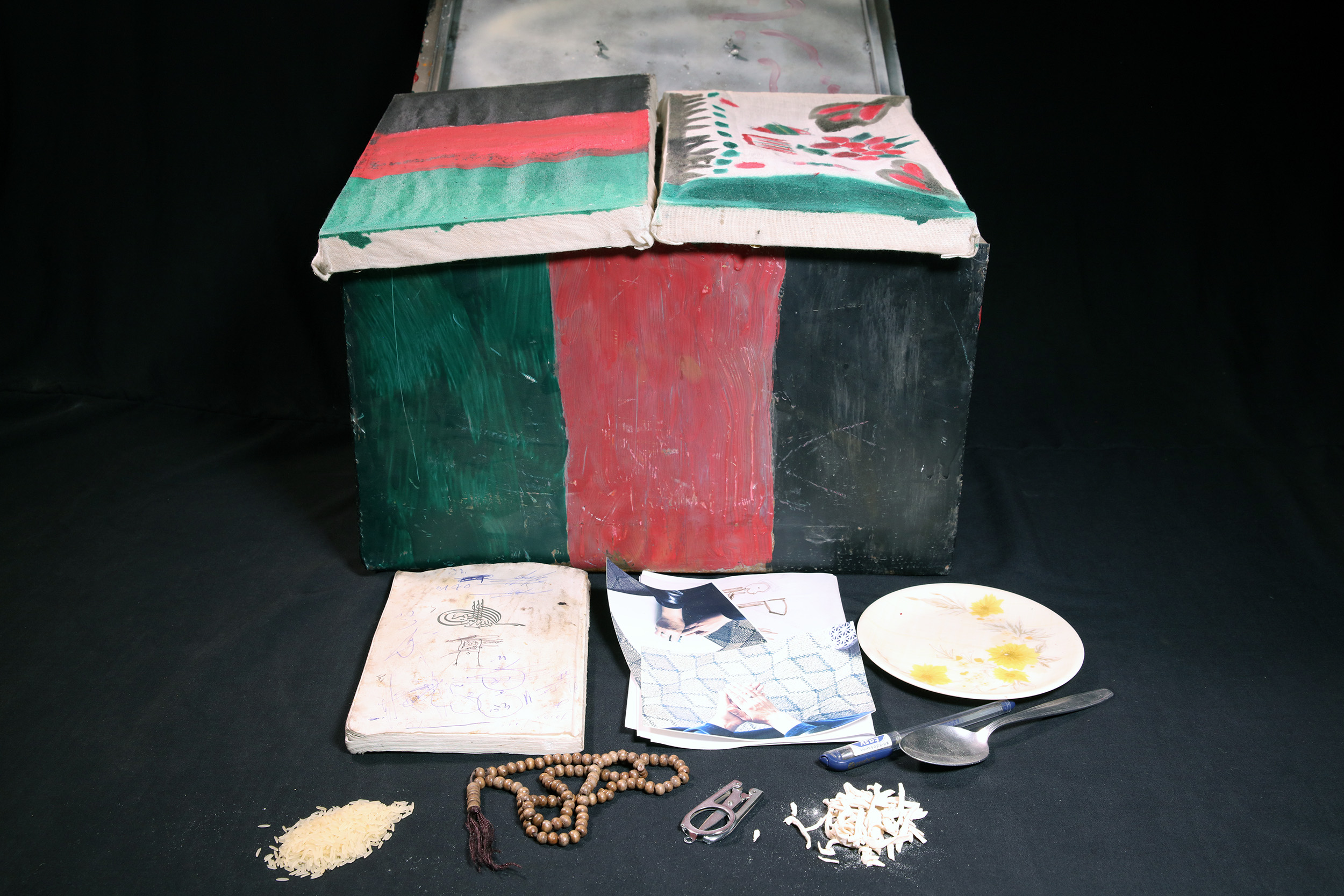


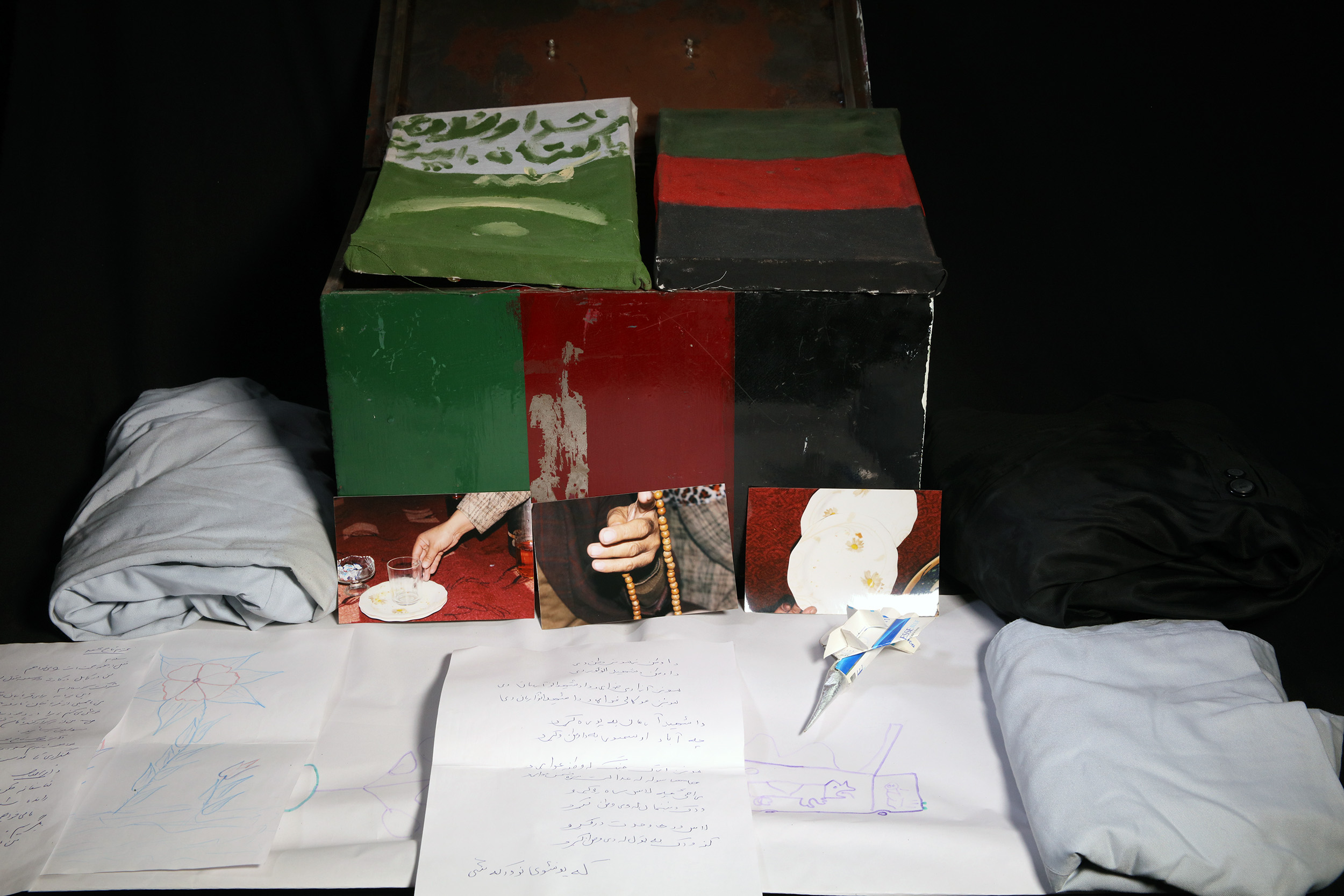


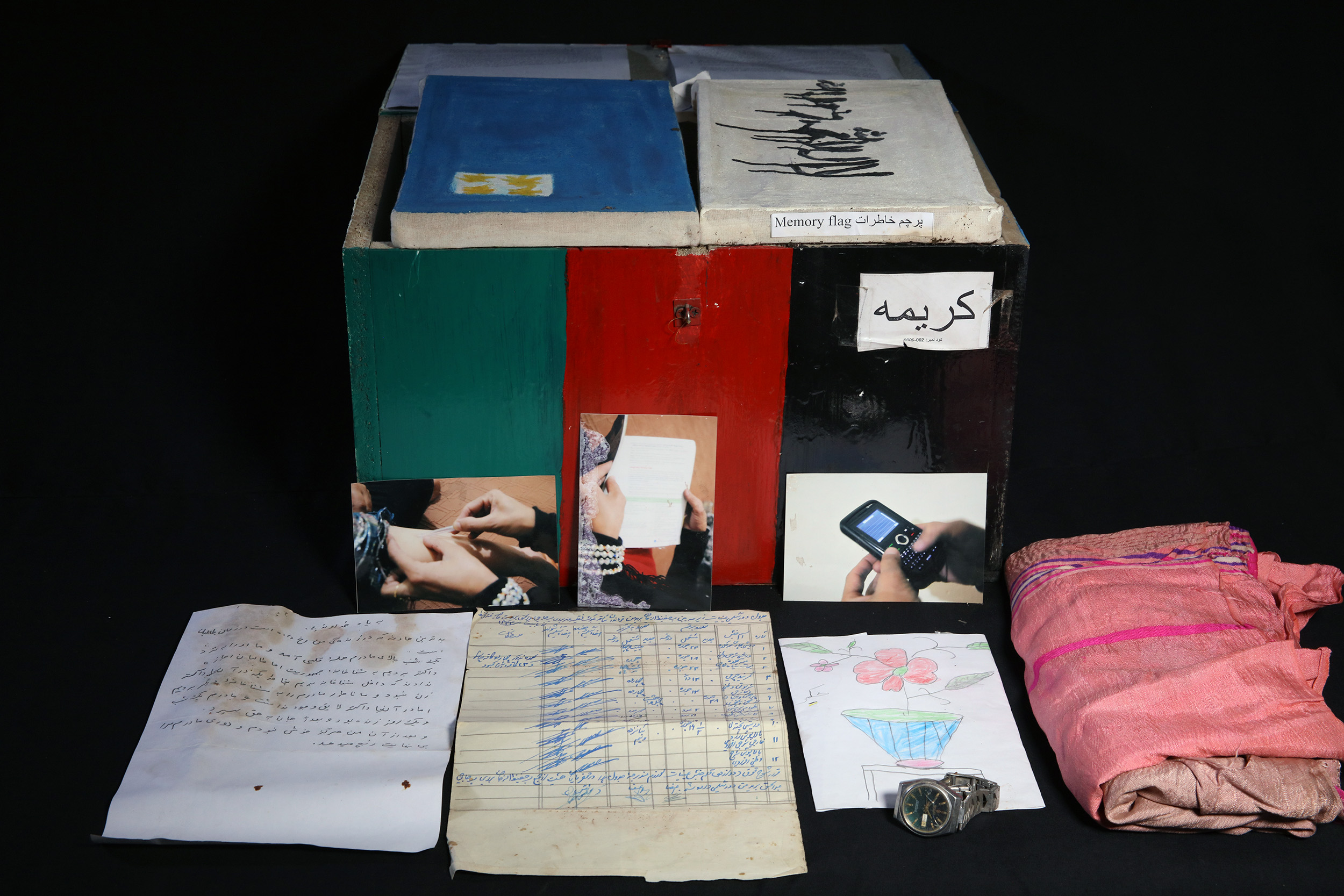


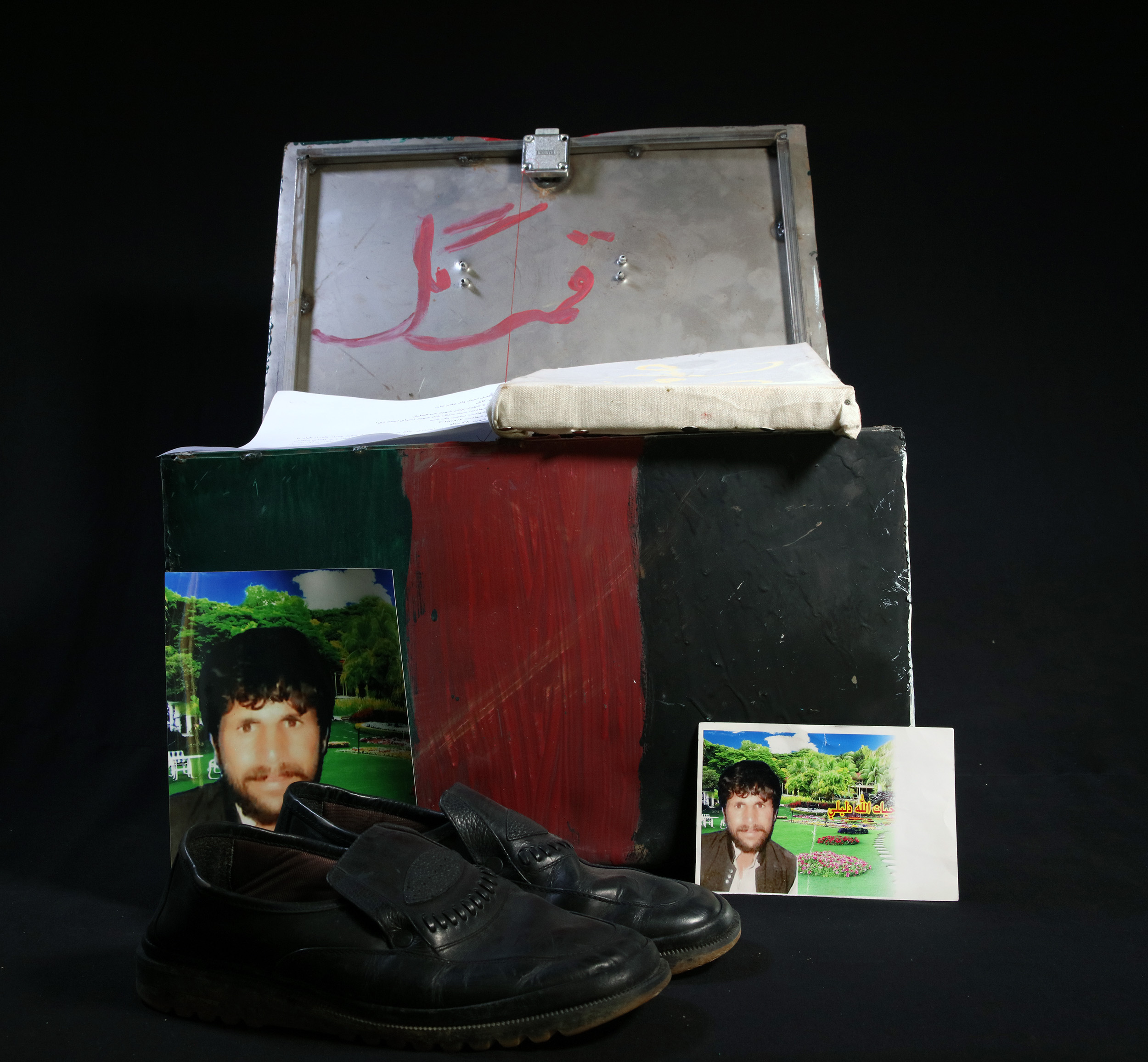
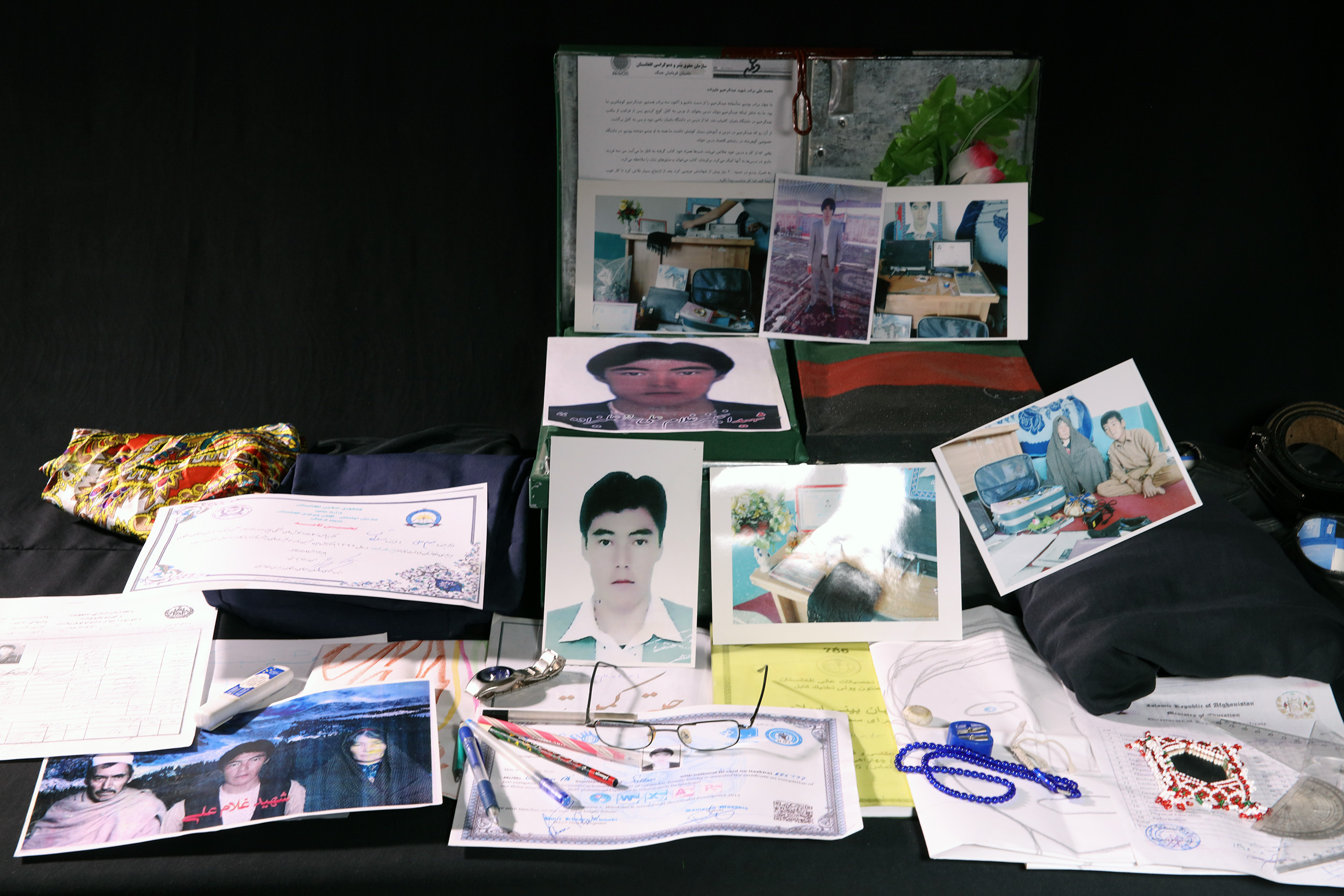
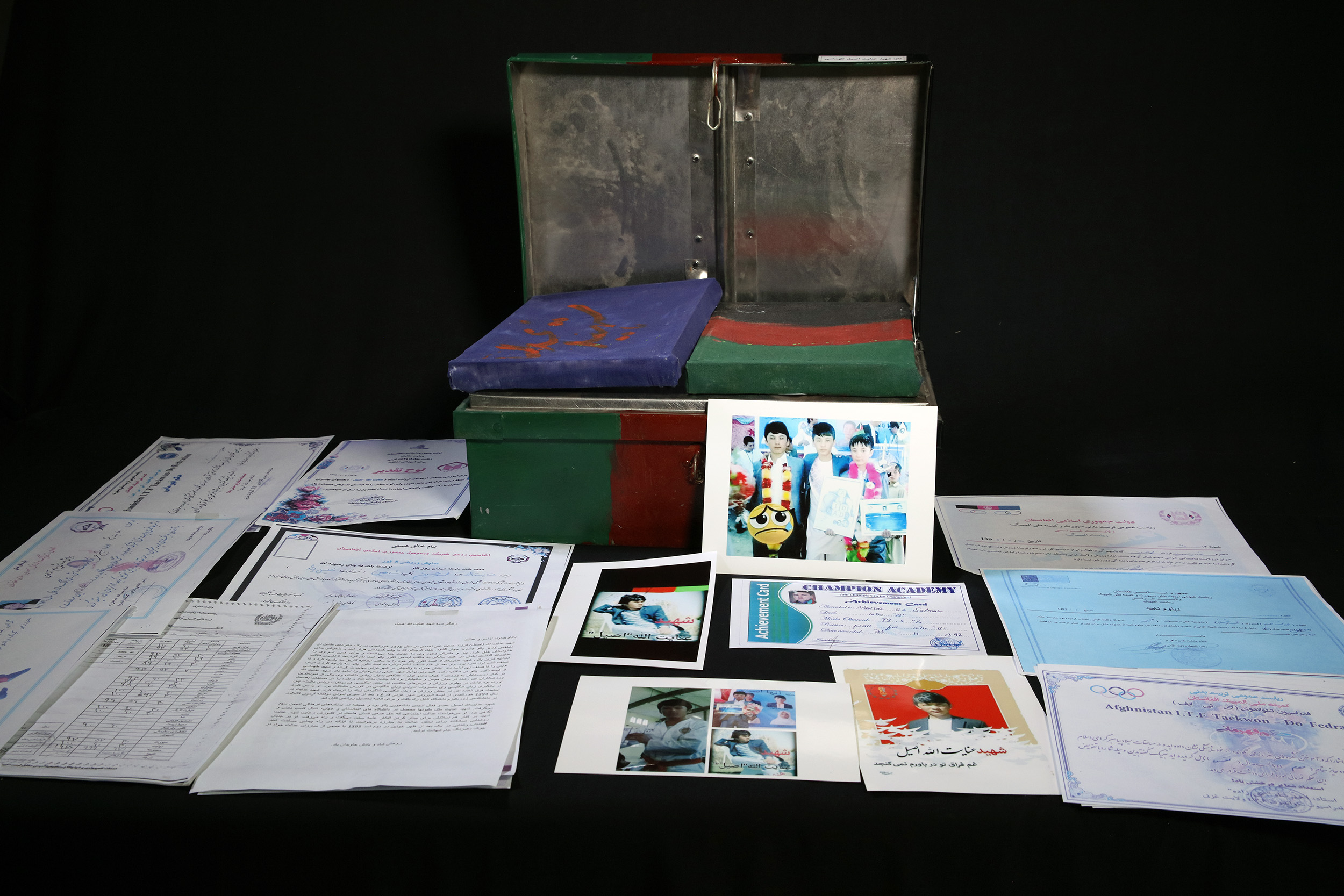

A police vehicle hit a roadside bomb killing two police officers and wounding a police officer and one civilian
- Date added
- Mar 15, 2023
An 8-year-old child was killed and four pro-government militia members and a civilian were wounded when a roadside bomb exploded
- Date added
- Mar 15, 2023
An I.E.D. attached to a private vehicle exploded, killing one civilian and wounding two others
- Date added
- Mar 15, 2023
Radside bomb Dragged in By Flash Floods Killed Children in Farah (2019)
- Date added
- Mar 15, 2023
A father and his three sons were killed by American forces during a night raid
- Date added
- Mar 15, 2023
Khost Protection Force conducted a search operation against the Taliban and during the operation killed killed five civilian
- Date added
- Mar 15, 2023
A bomb placed inside a shop exploded killing one civilian and wounding 12 others
- Date added
- Mar 15, 2023
Mohammad Salim Farahi, the acting director of public works department in Farah, was shot and killed by unknown armed men
- Date added
- Mar 15, 2023
Foreign troops opened fire on a civilian vehicle in the village of close to Kandahar Airfield, killing one civilian and wounding three others
- Date added
- Mar 15, 2023
Three civilians were killed and 11 others were wounded when their vehicle hit a roadside bomb
- Date added
- Mar 15, 2023
NDS02 called in air support after coming under fire. The strikes killed 13 civilian members of two families
- Date added
- Mar 15, 2023
A tribal elder was shot and killed by two unknown gunmen on a motorcycle
- Date added
- Mar 15, 2023
One civilian was killed during a military operation when American aircraft bombed three targets in the area
- Date added
- Mar 15, 2023
ISIL-KP fired mortar and rocket rounds towards a crowd of people killing 11 people and injuring 104 others
- Date added
- Mar 15, 2023
During a ground engagement between Afghan national security forces and the Taliban, the Afghan National Army fired a mortar hitting in residential home and killing three civilians
- Date added
- Mar 15, 2023
A rocket fired from an Afghan military chopper hit a house during a military operation, killing one civilian
- Date added
- Mar 15, 2023
At least 16 civilians were killed in a complex attack on a construction company
- Date added
- Mar 13, 2023
The Taliban attacked a security outpost. During the clashes, a rocket fired by the Taliban hit a house killing three civilians
- Date added
- Mar 13, 2023
The Taliban shot and killed a 10 year old child after he grabbed a weapon that belonged to a Taliban fighter
- Date added
- Mar 13, 2023
Parliamentary Candidate Assadullah Mashori Killed in Explosion, Kandahar (2019)
- Date added
- Mar 13, 2023
The Taliban killed a fuel tanker driver when he did not stop at an insurgent checkpoint. Three other civilians were wounded by crossfire.
- Date added
- Mar 13, 2023
Unknown gunmen opened fire on two government employees. One person was killed and another was wounded
- Date added
- Mar 13, 2023
A civilian vehicle was hit with a roadside bomb, killing six people
- Date added
- Mar 13, 2023
One civilian, a fourteen-year-old boy, was killed after he stepped on a roadside bomb placed by insurgents
- Date added
- Mar 13, 2023
Taliban rocket hit a house, killing one woman and wounding four other civilians
- Date added
- Mar 13, 2023
A rickshaw hit a roadside bomb placed by the Taliban, killing two men and a child
- Date added
- Mar 13, 2023
One civilian killed and three others wounded in a roadside explosion
- Date added
- Mar 13, 2023
One civilian was killed and three others were wounded in a roadside explosion
- Date added
- Mar 13, 2023
The Taliban attacked the commander of the Afghan National Civil Order Police while he was picknicking with his family. During the attack, his adult son was killed
- Date added
- Mar 13, 2023
Two civilians were killed and one civilian was injured in fighting between two militia groups
- Date added
- Mar 13, 2023
One woman was killed and two other civilians were wounded when a rocket fired by the Taliban hit a house
- Date added
- Mar 13, 2023
A Taliban rocket hit a house, killing one woman and two children and injuring eight other civilians
- Date added
- Mar 13, 2023
A rocket fired by the Taliban during clashes with Afghan forces hit a house, killing two civilians and wounding two others
- Date added
- Mar 13, 2023
One child was killed and two other children were wounded when a hand grenade they found exploded
- Date added
- Mar 13, 2023
National Directorate of Security Special Forces conducted an operation against the Taliban
- Date added
- Mar 13, 2023
At least 10 civilians were killed and several others were injured during United States Military airstrikes
- Date added
- Mar 13, 2023
Two children were killed by Afghan Government Forces in an airstrike
- Date added
- Mar 13, 2023
Gunmen entered a radio station and killed two journalists who worked there
- Date added
- Mar 13, 2023
The Taliban shot and killed the Gosfandi deputy district governor
- Date added
- Mar 13, 2023
A magnetic bomb attached to a military vehicle went off in the center of the district, killing one civilian, wounding four civilians and four soldiers
- Date added
- Mar 13, 2023
One civilian killed and another wouned when a bomb attached to a vehicle went off
- Date added
- Mar 13, 2023
An I.E.D. placed in a volleyball field exploded, killing three civilians and one Taliban member
- Date added
- Mar 13, 2023
USFOR-A conducted two airstrikes on a house. The strikes killed 15 civilians and injured five others
- Date added
- Mar 13, 2023
At least 16 civilians were killed during a joint military operation lead by Afghan and American forces
- Date added
- Mar 13, 2023
Taliban rocket hit a house, killing one person and wounding another
- Date added
- Mar 13, 2023
The Taliban executed a man by hanging after a Taliban shadow court sentenced him to death
- Date added
- Mar 13, 2023
Three civilians were killed by the Taliban because they were family members of pro-government militia members
- Date added
- Mar 13, 2023
Two of the Kandahar Strike Force's rockets landed on residential homes, killing five civilians
- Date added
- Mar 13, 2023
Taliban attacked the Green Village United Nations compound injuring two people
- Date added
- Mar 13, 2023
Gunmen stormed a police station killing two police officers and three civilians
- Date added
- Mar 13, 2023
A car bomb exploded in Kabul, killing 22 people and wounding 120 more.
- Date added
- Mar 13, 2023
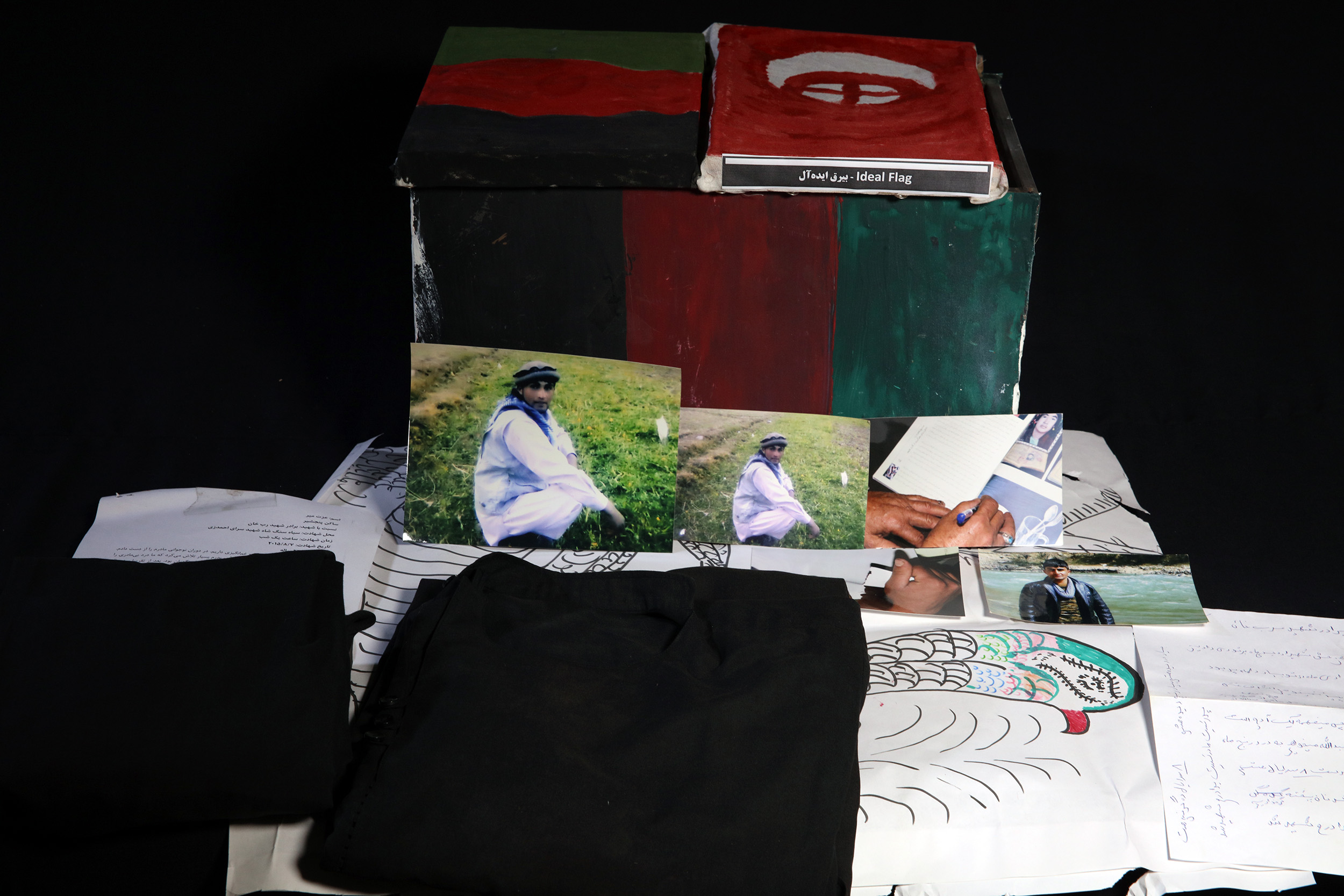
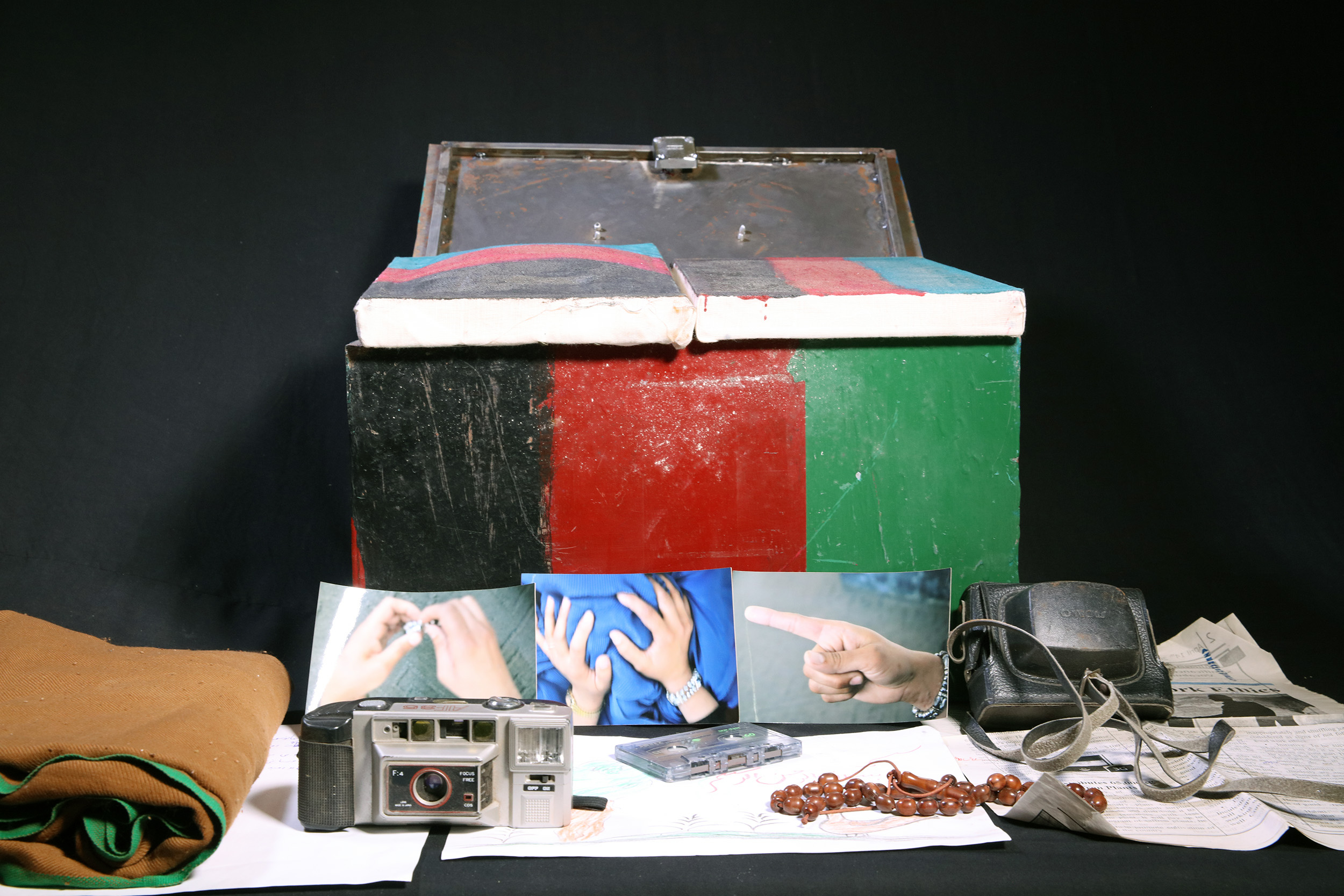
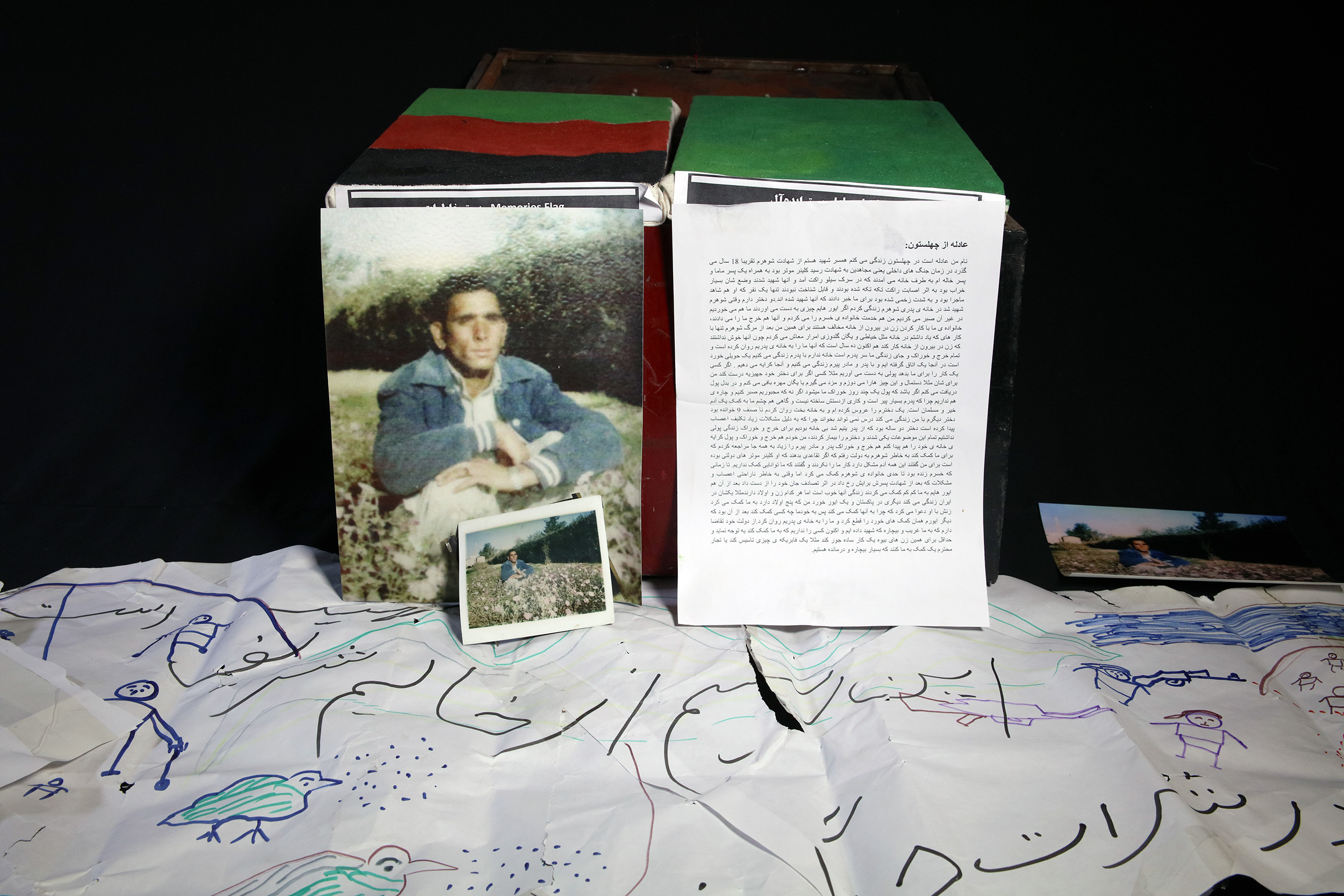
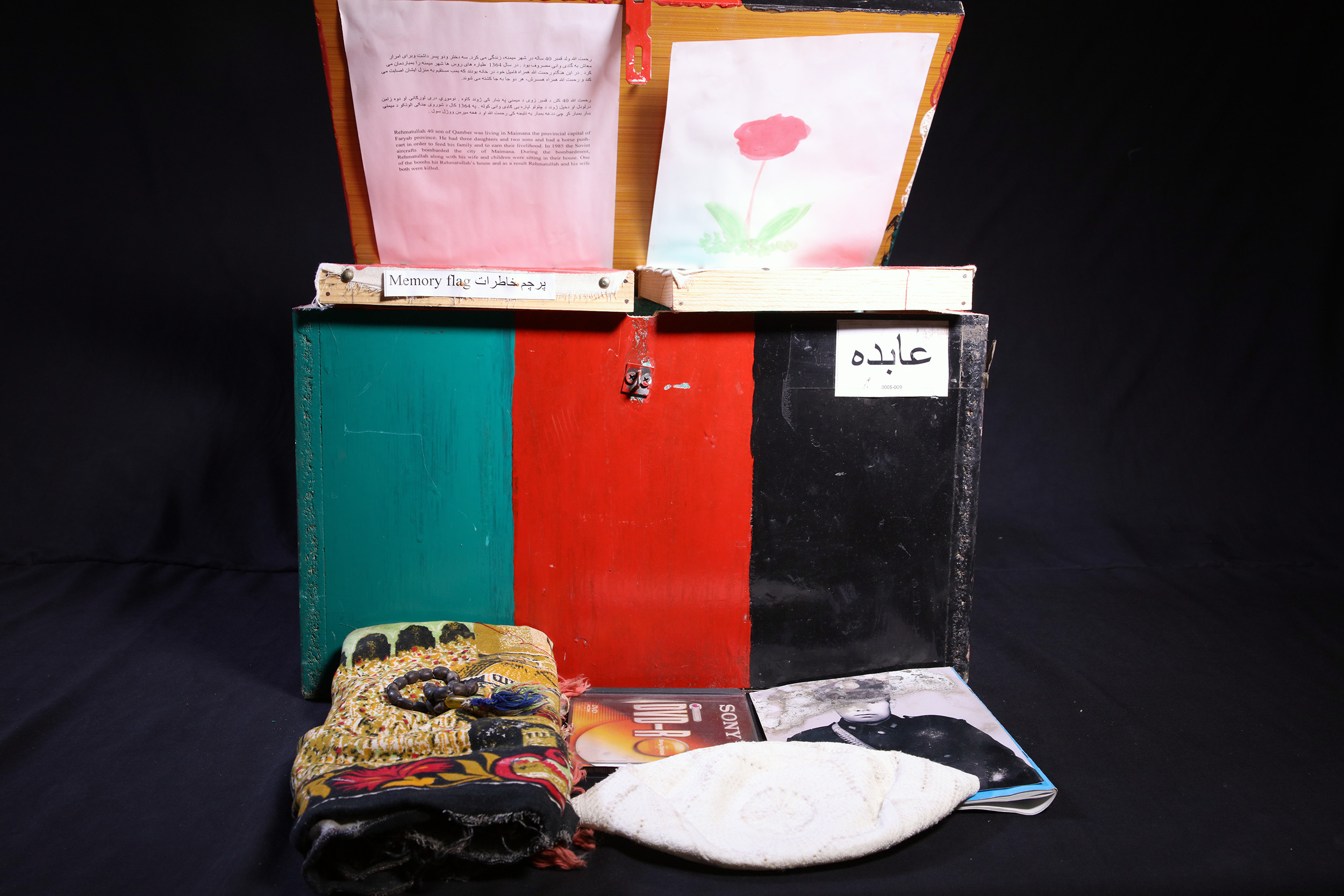


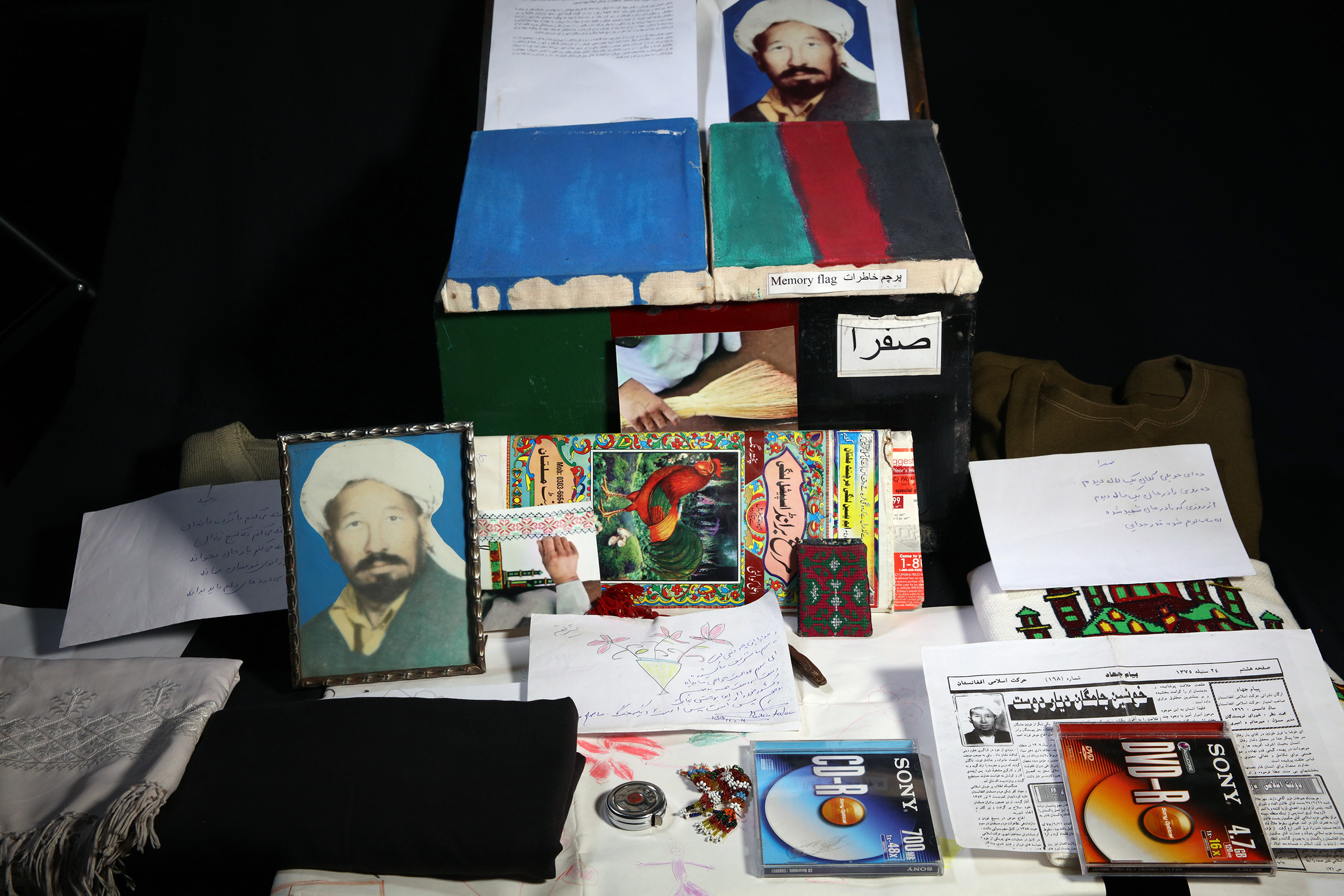
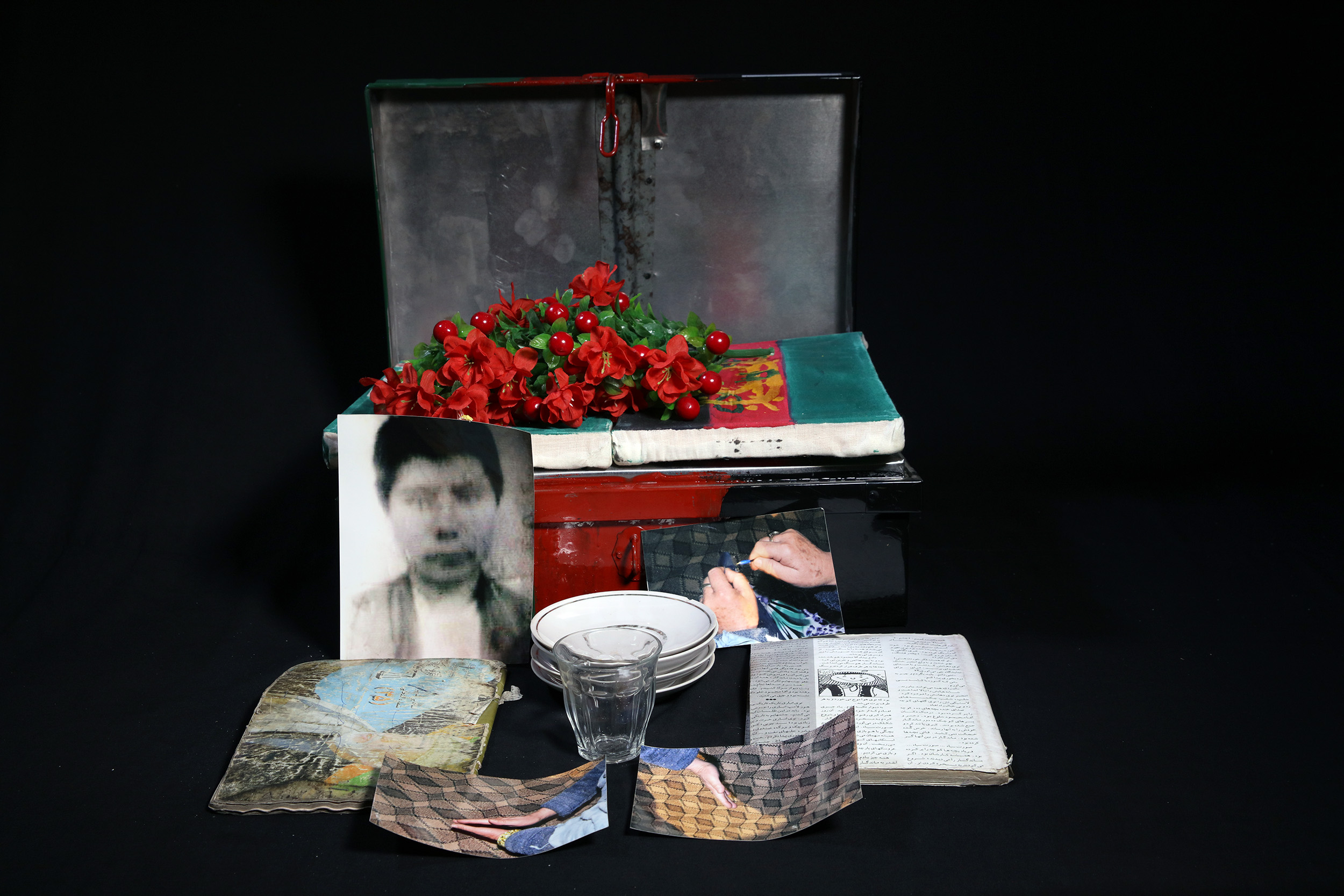
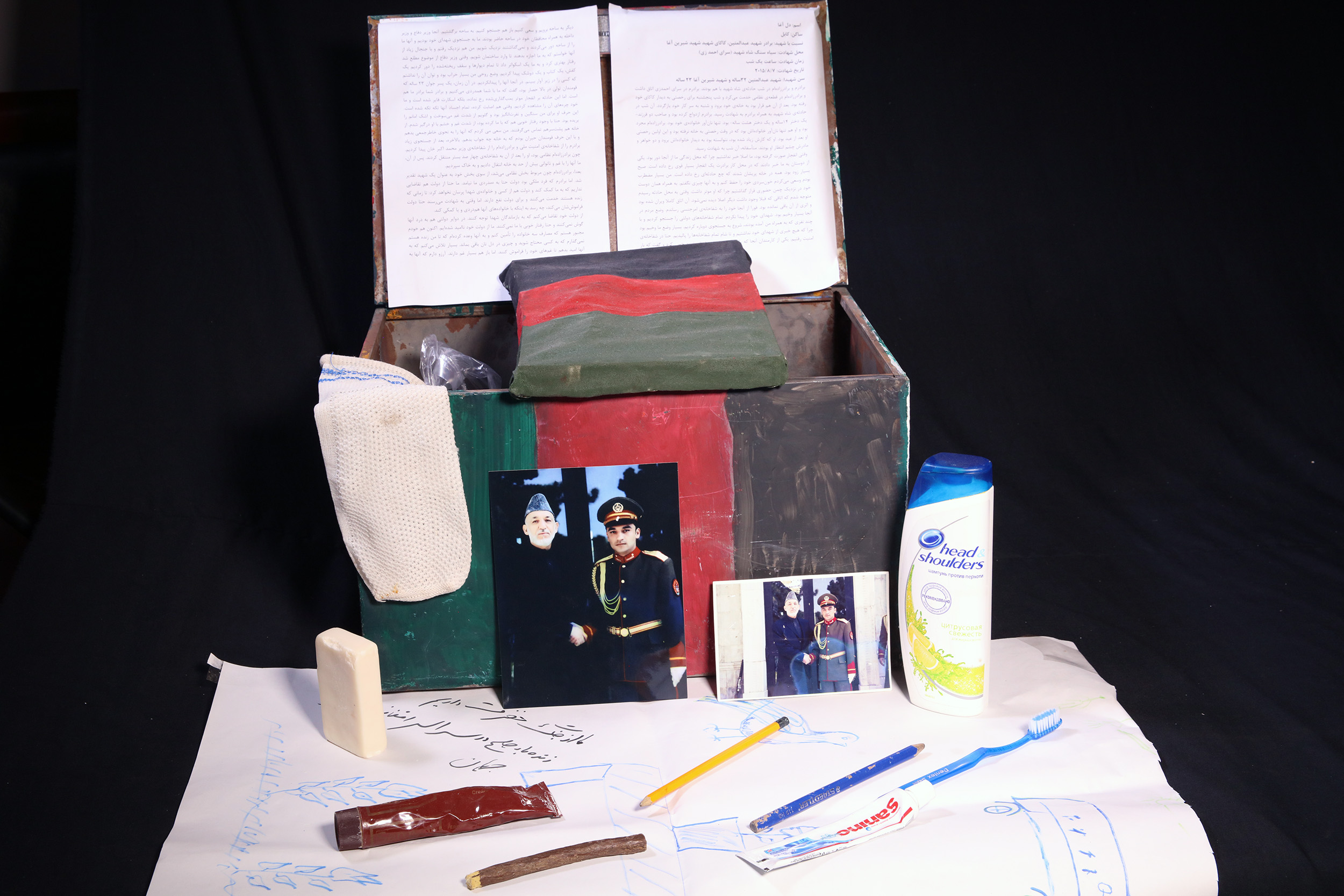
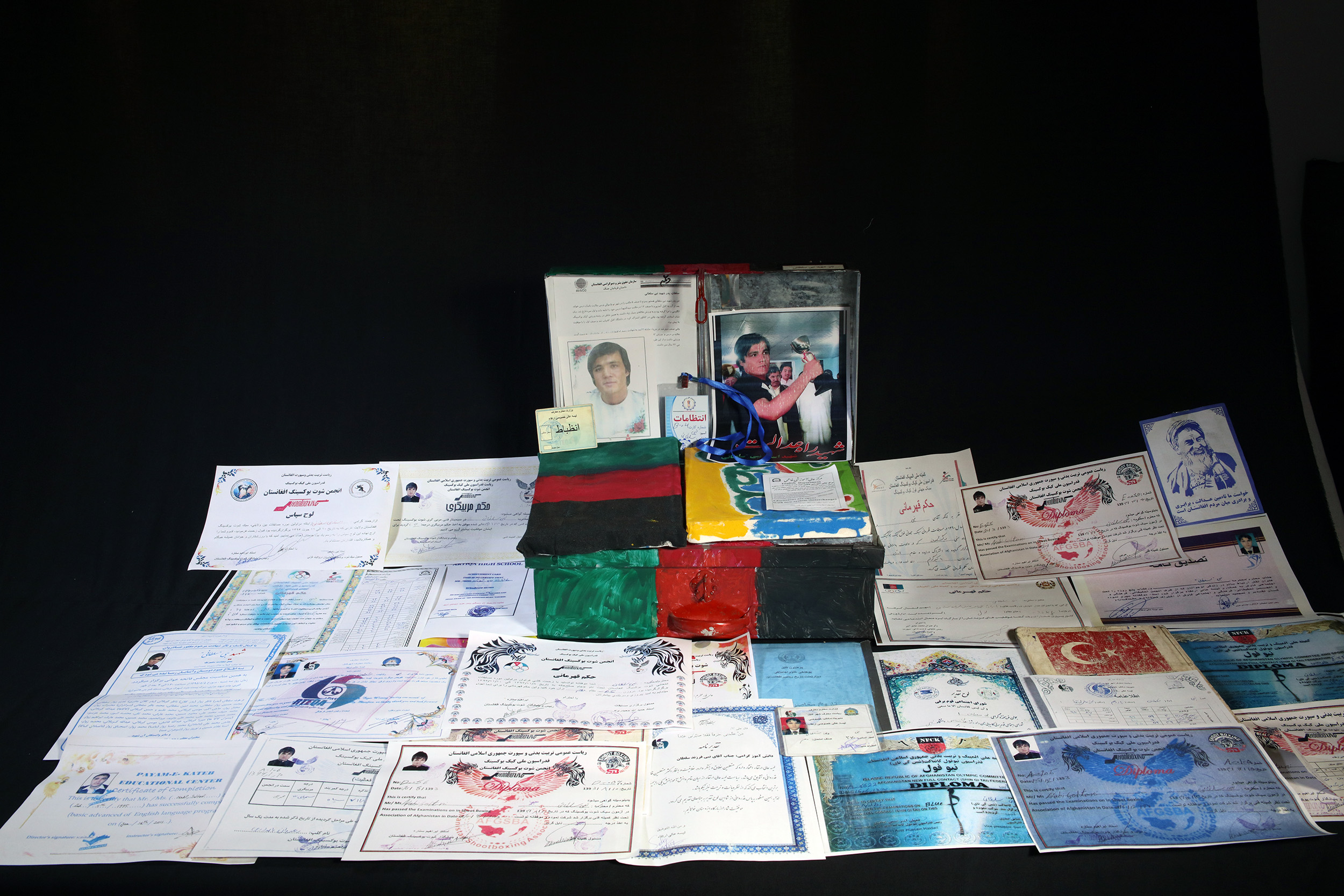
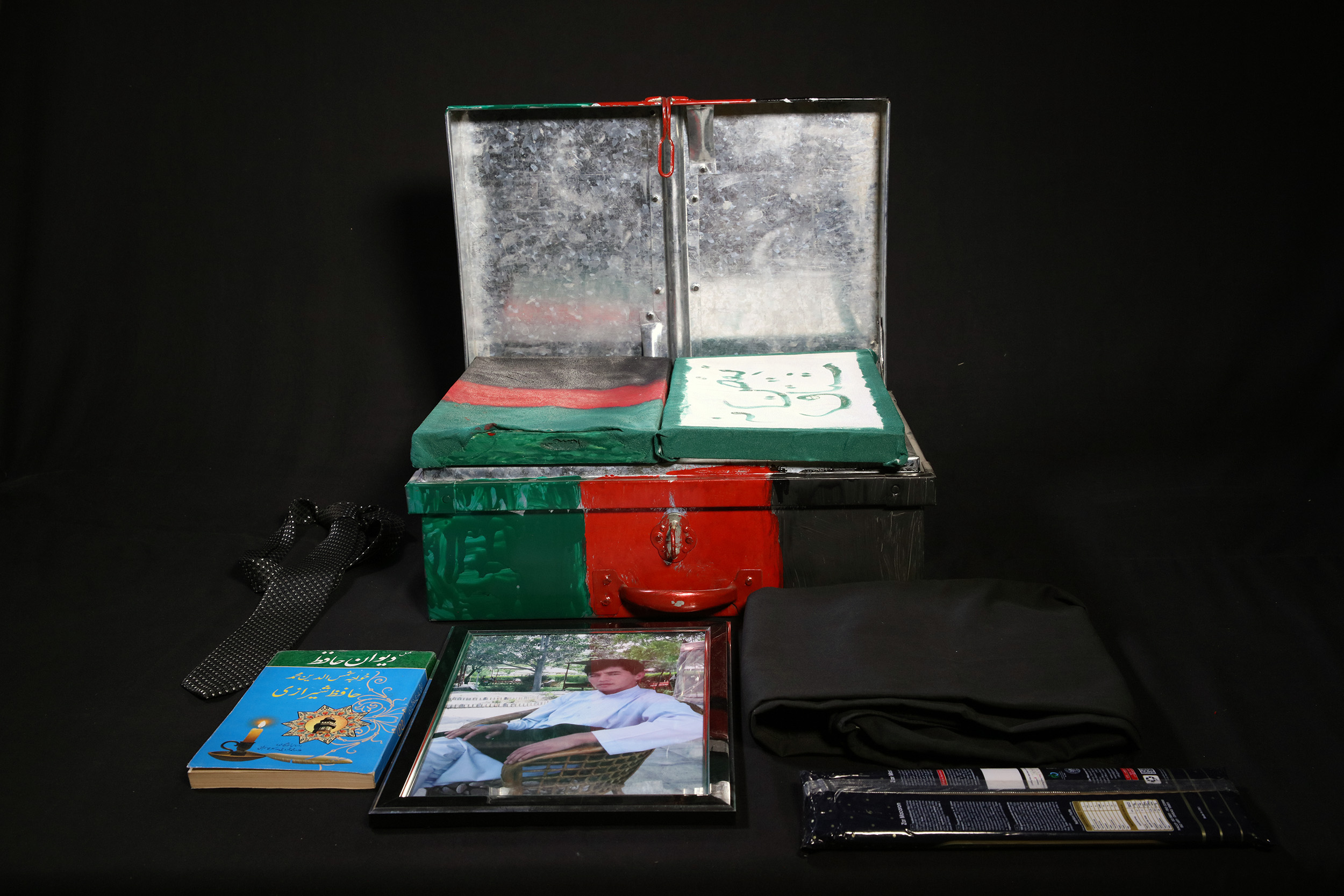

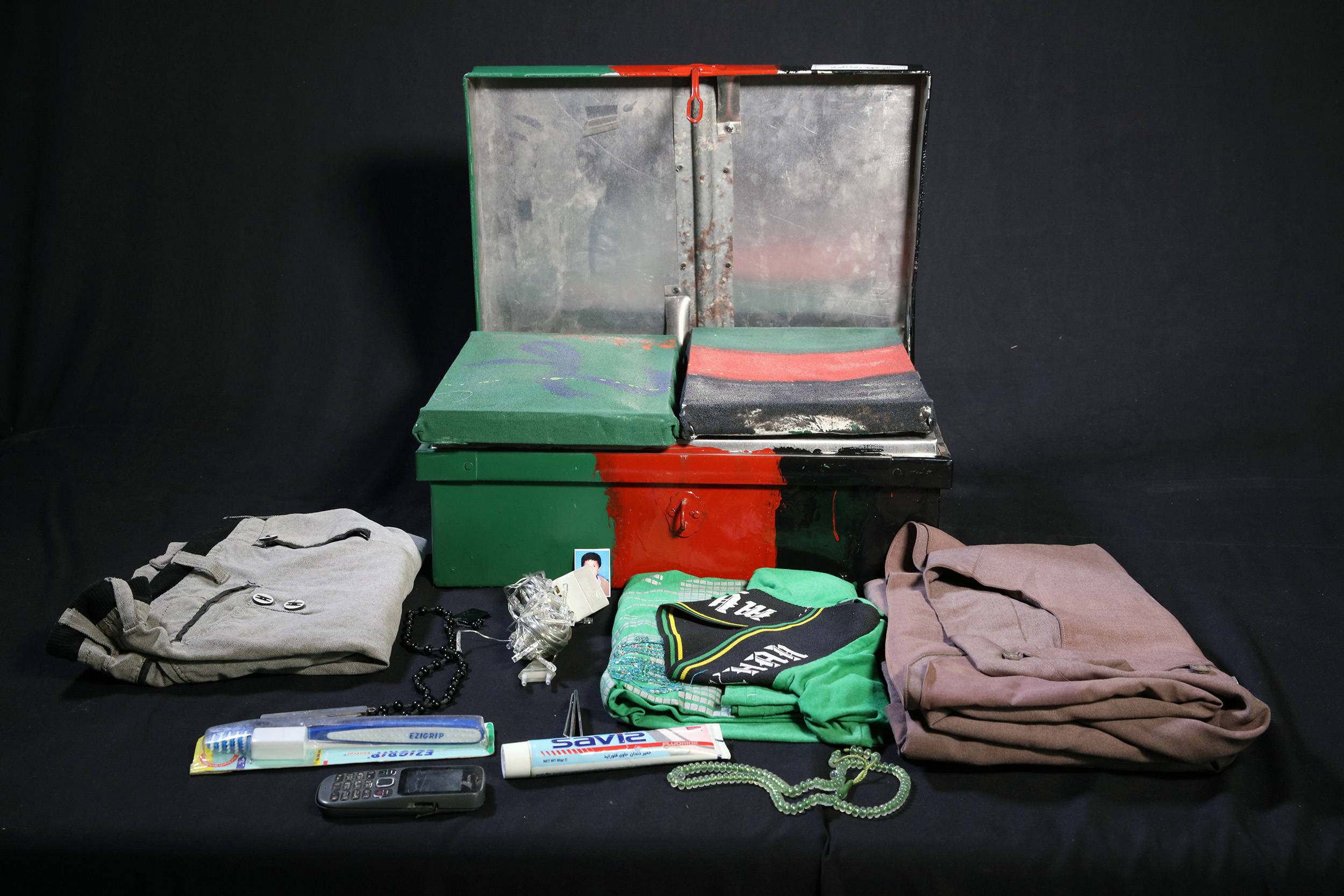
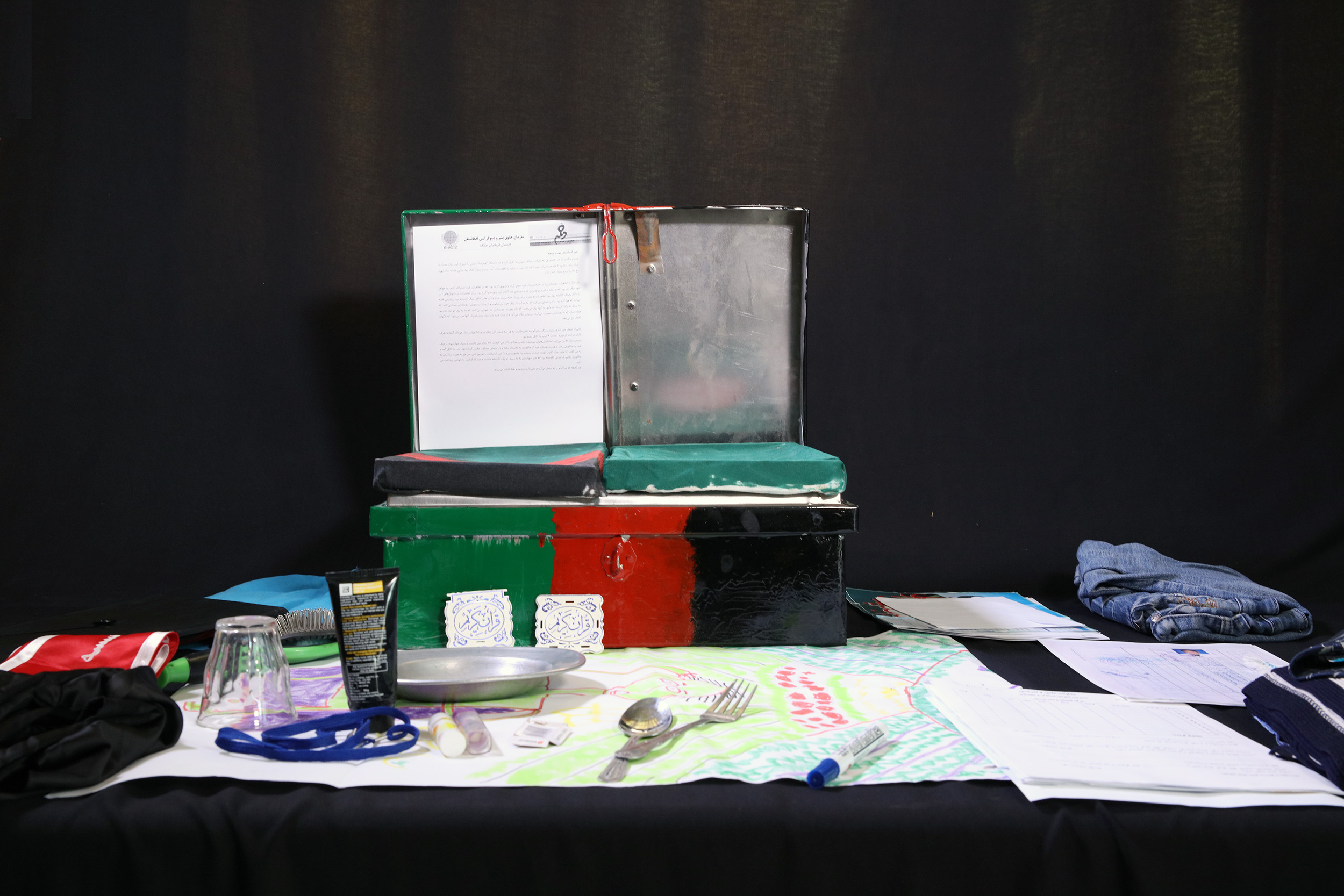
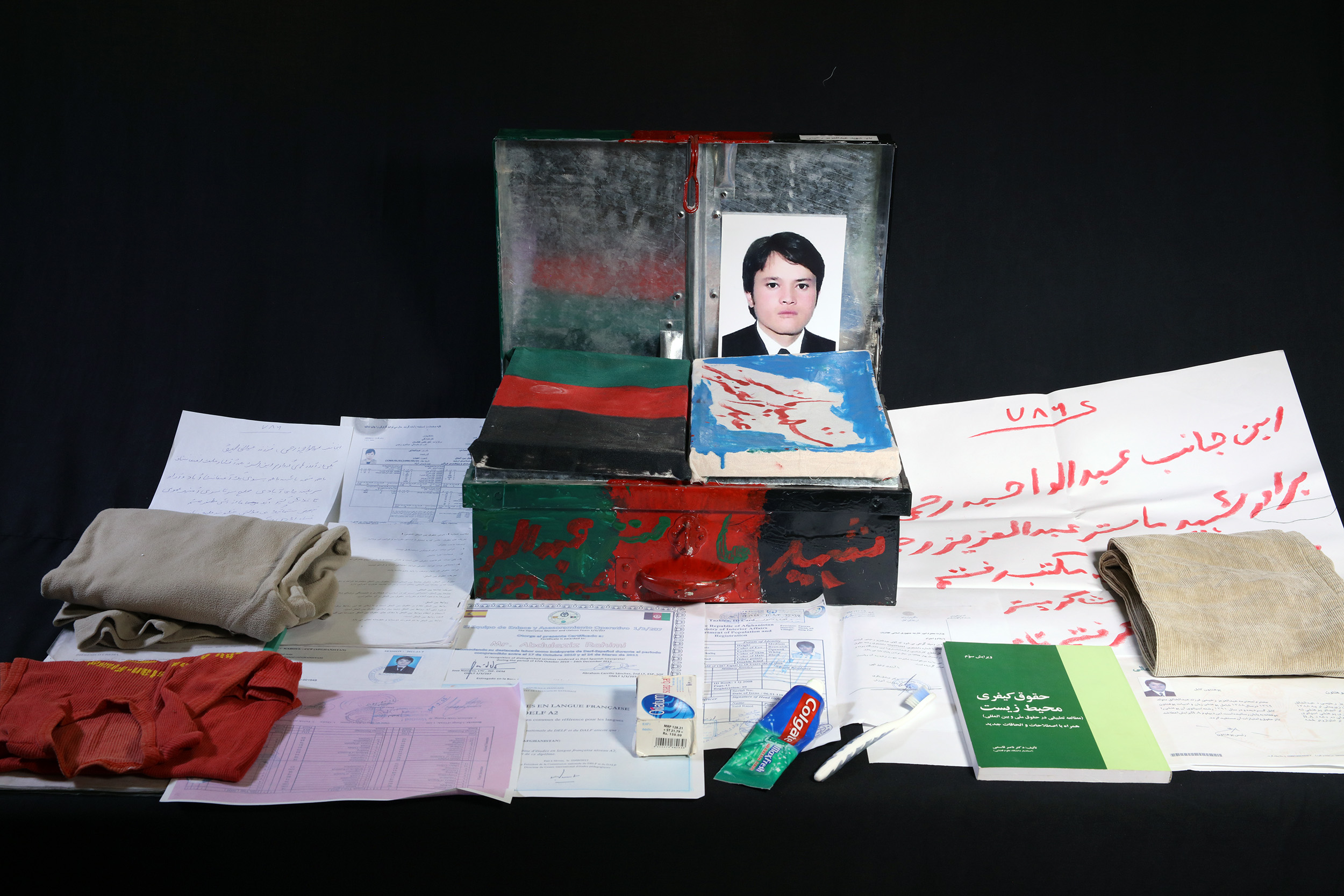


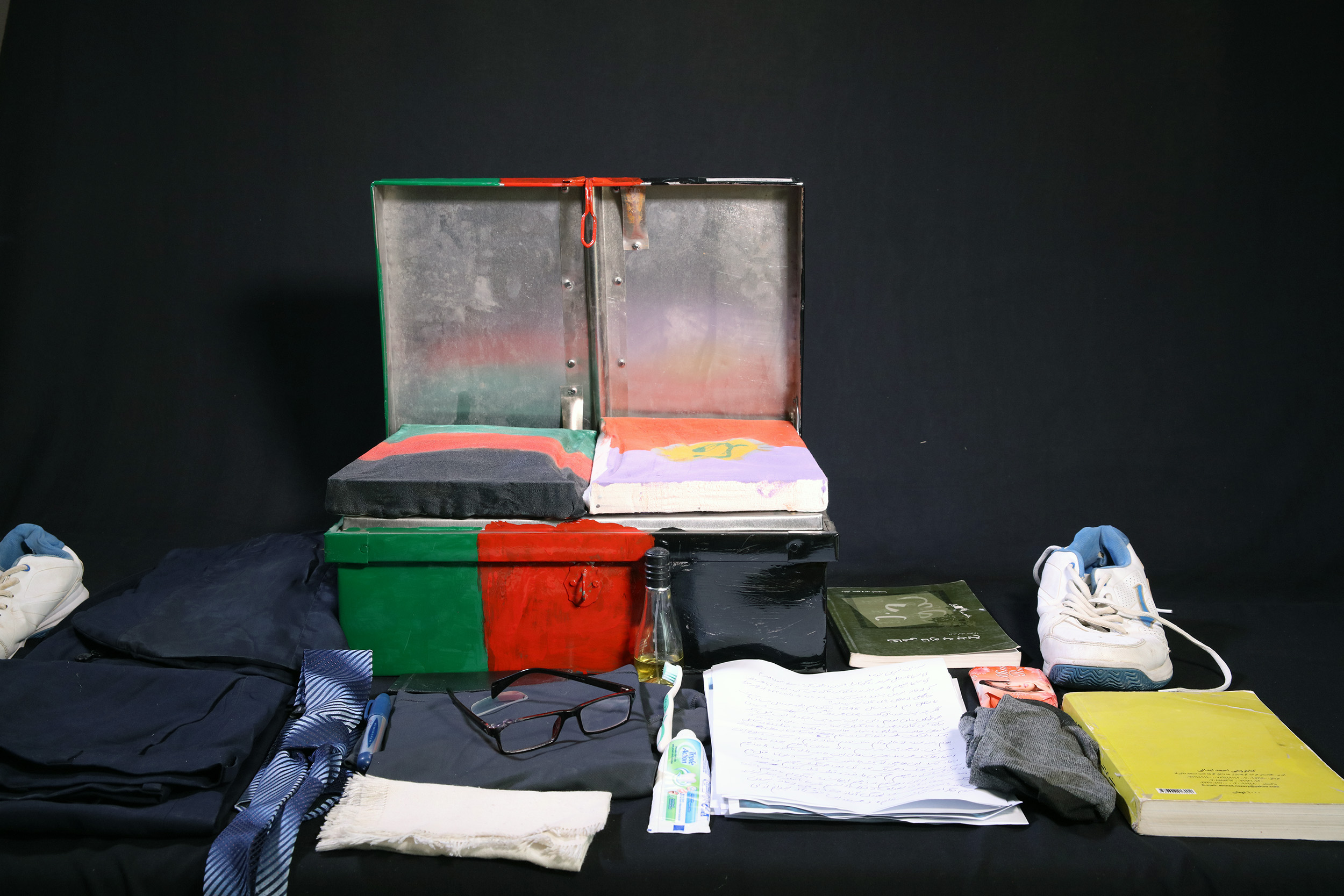

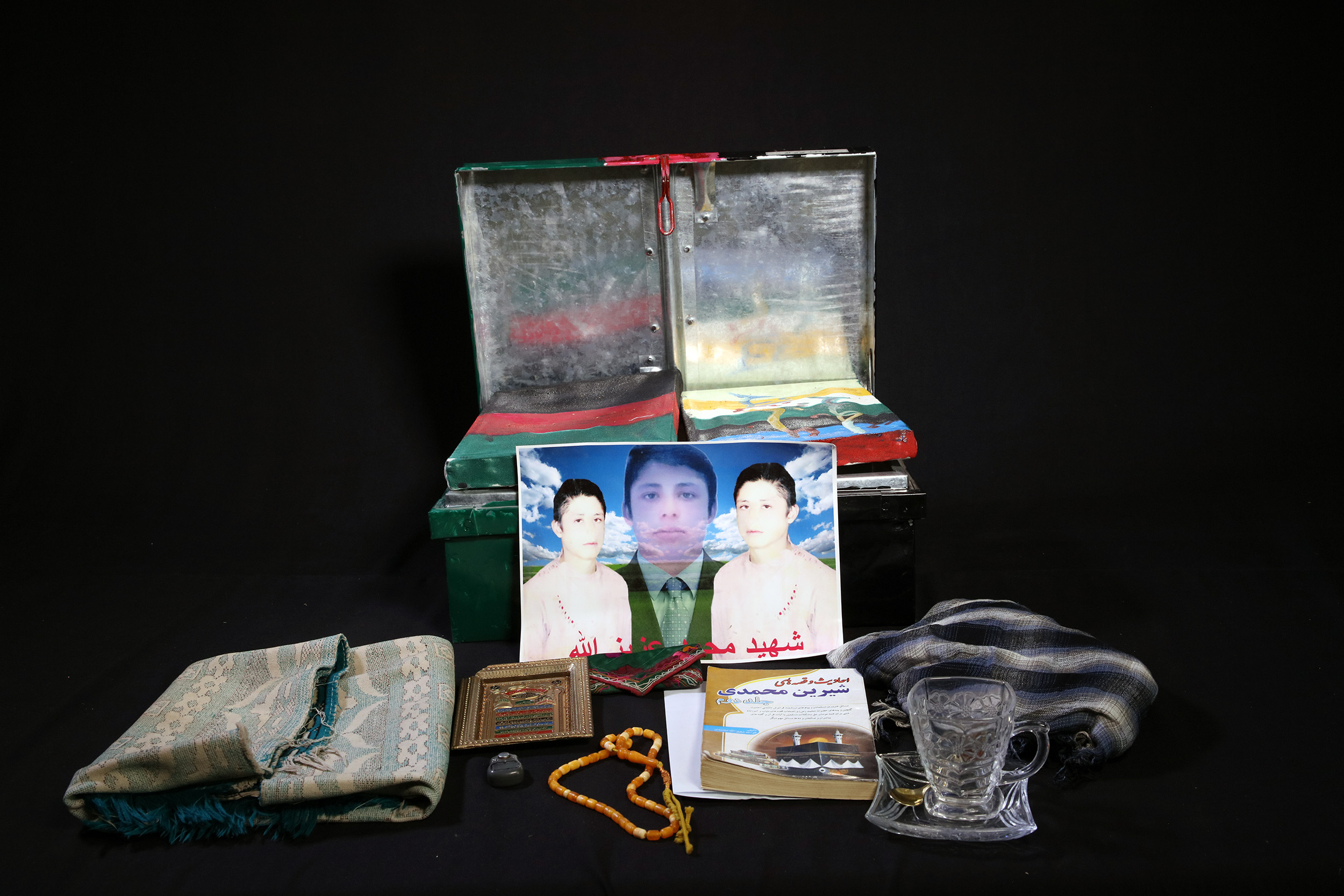

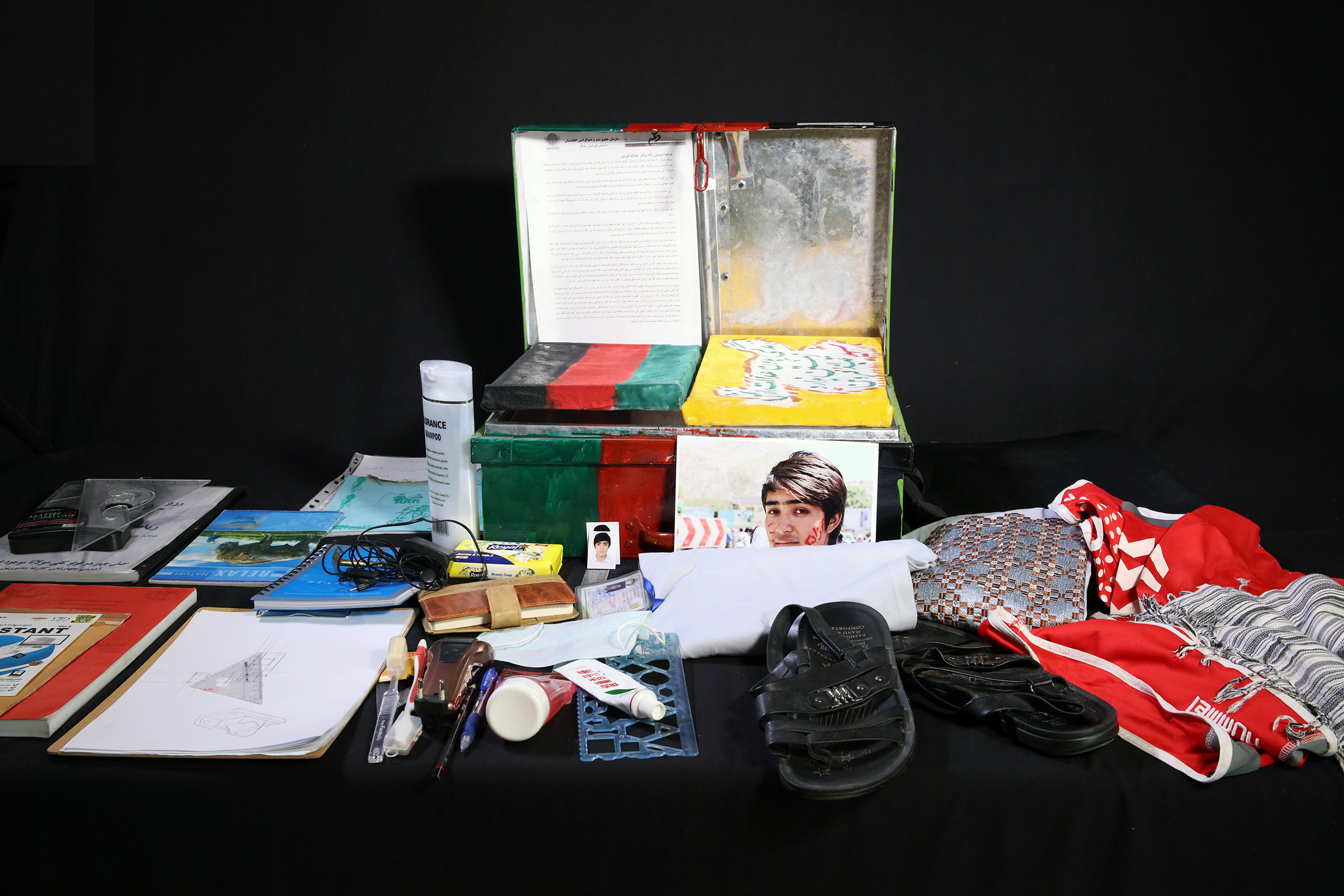
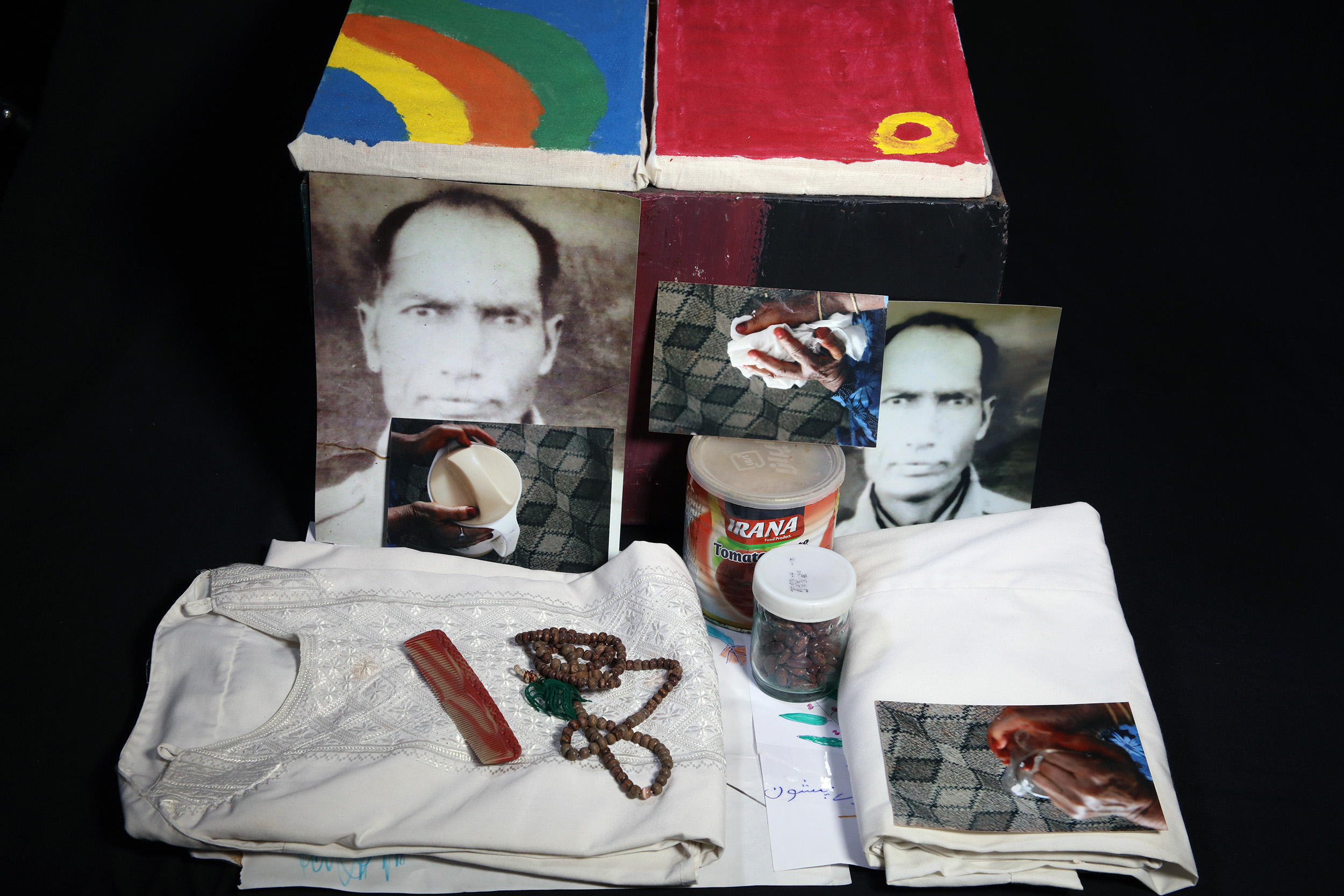
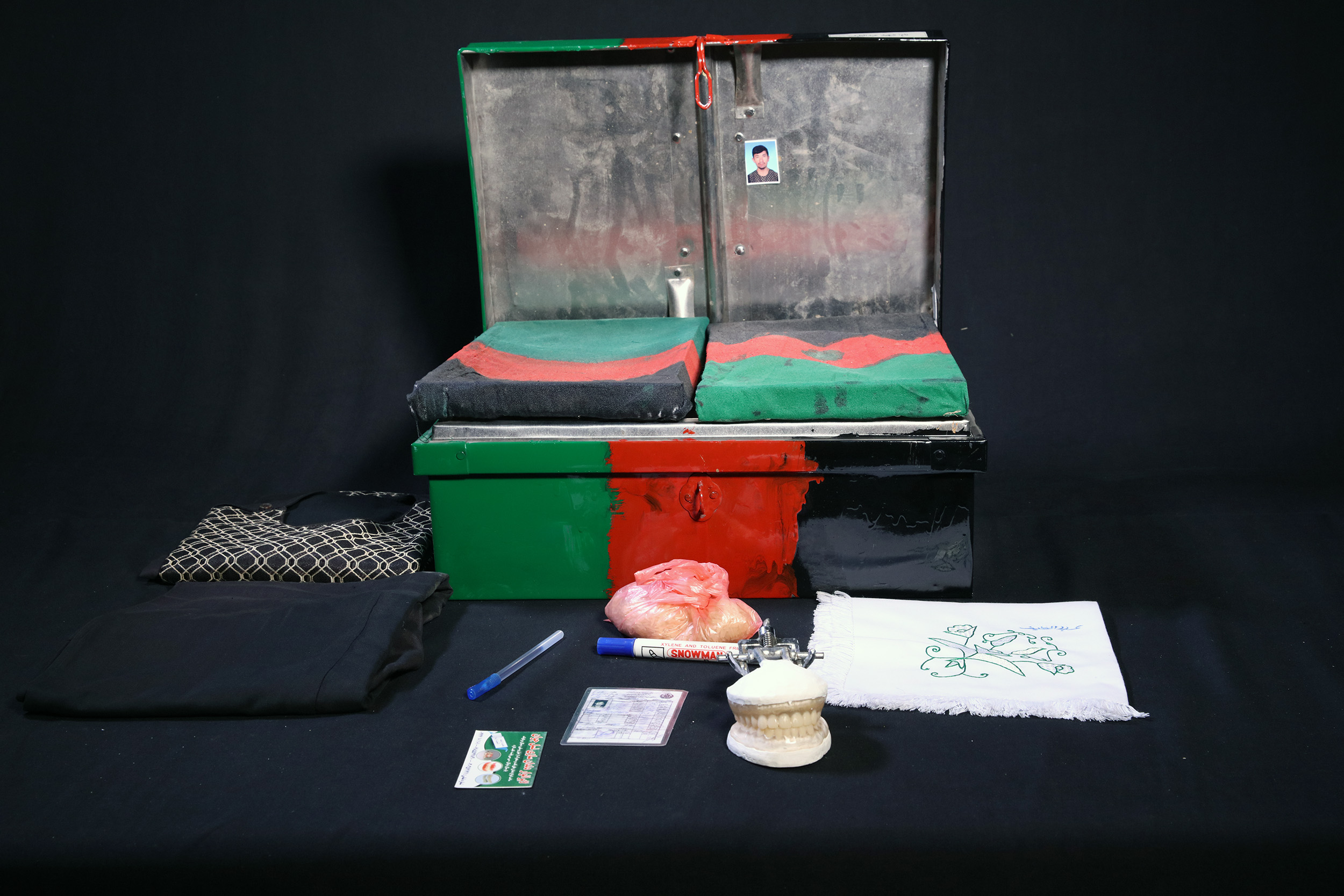

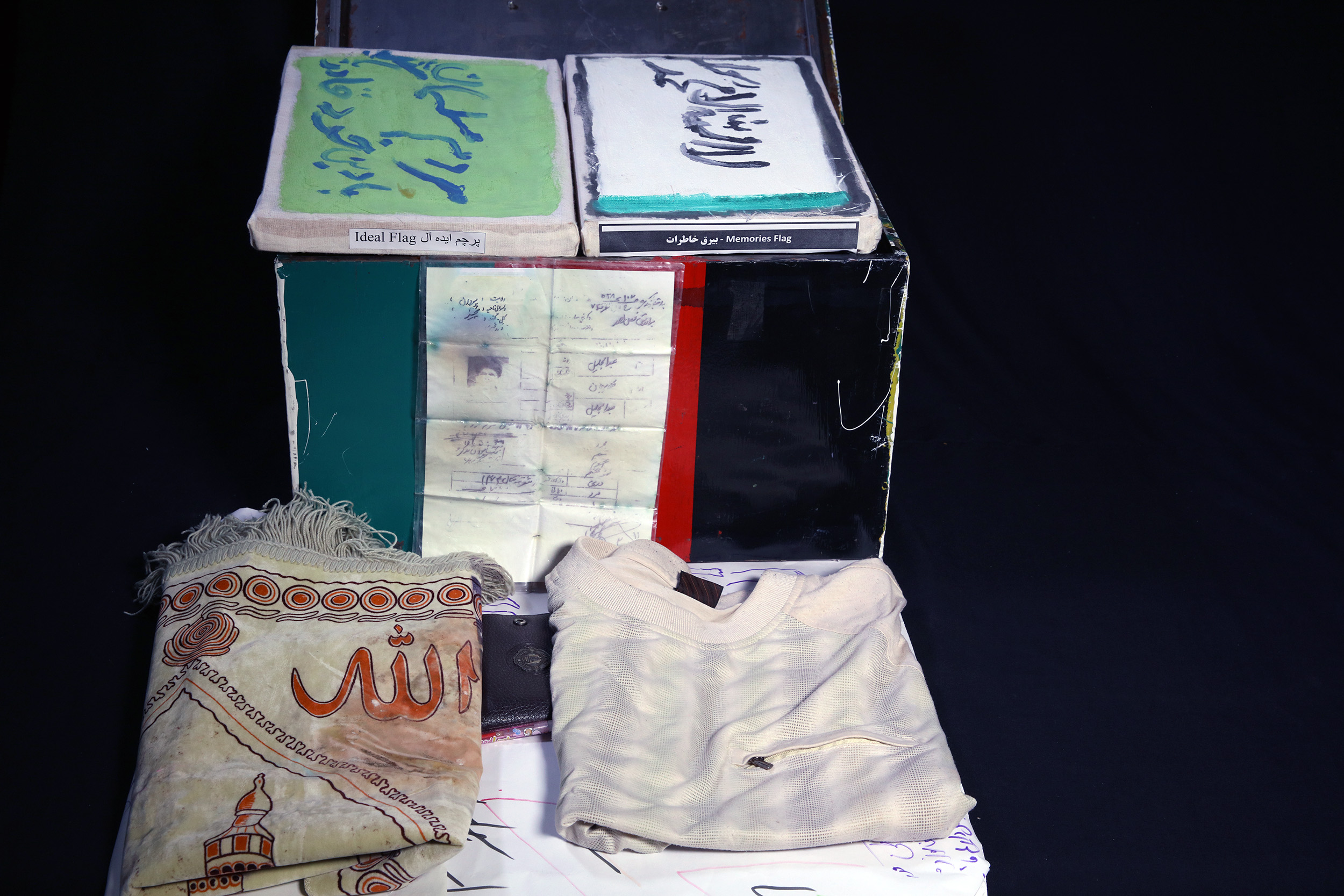
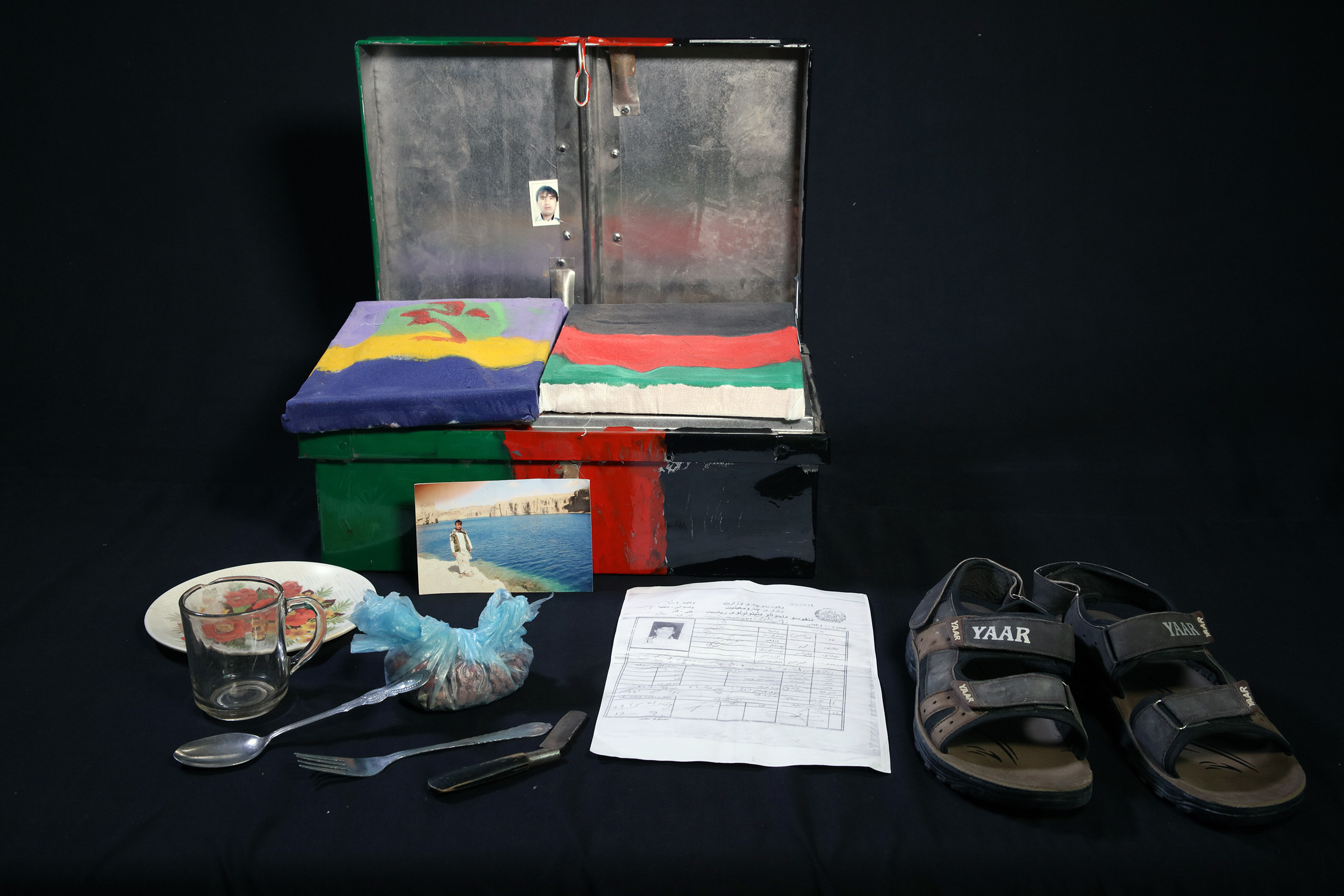
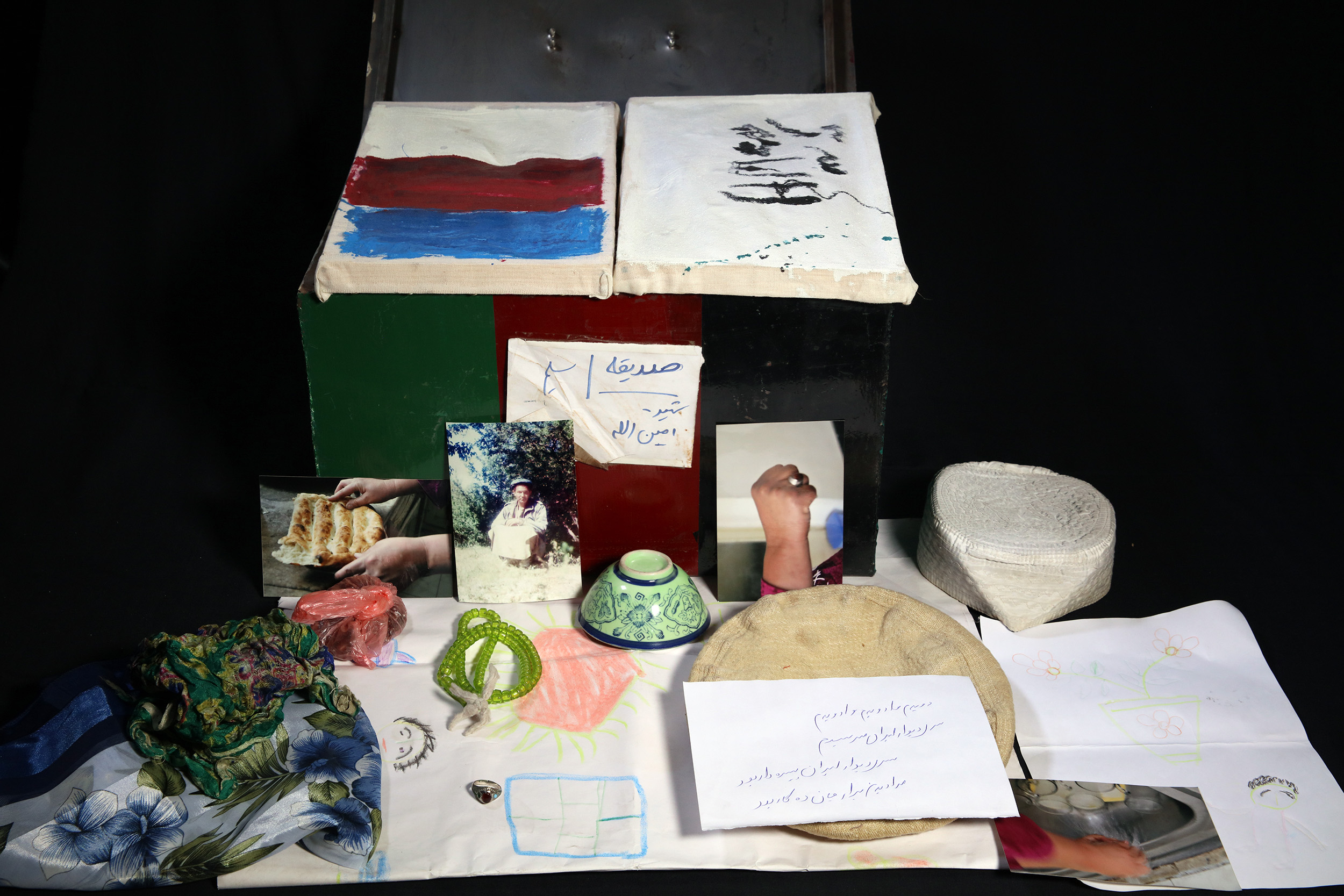
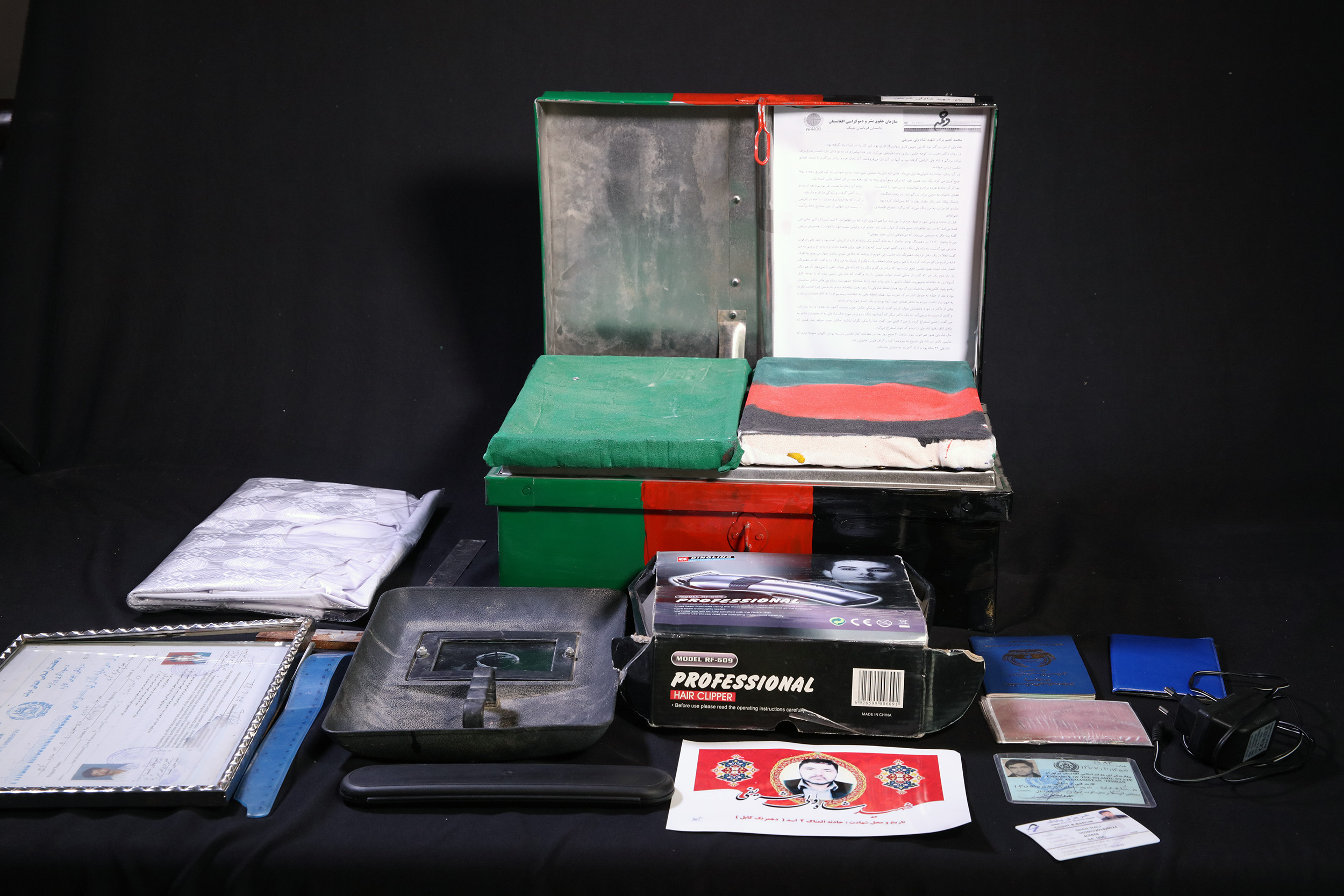
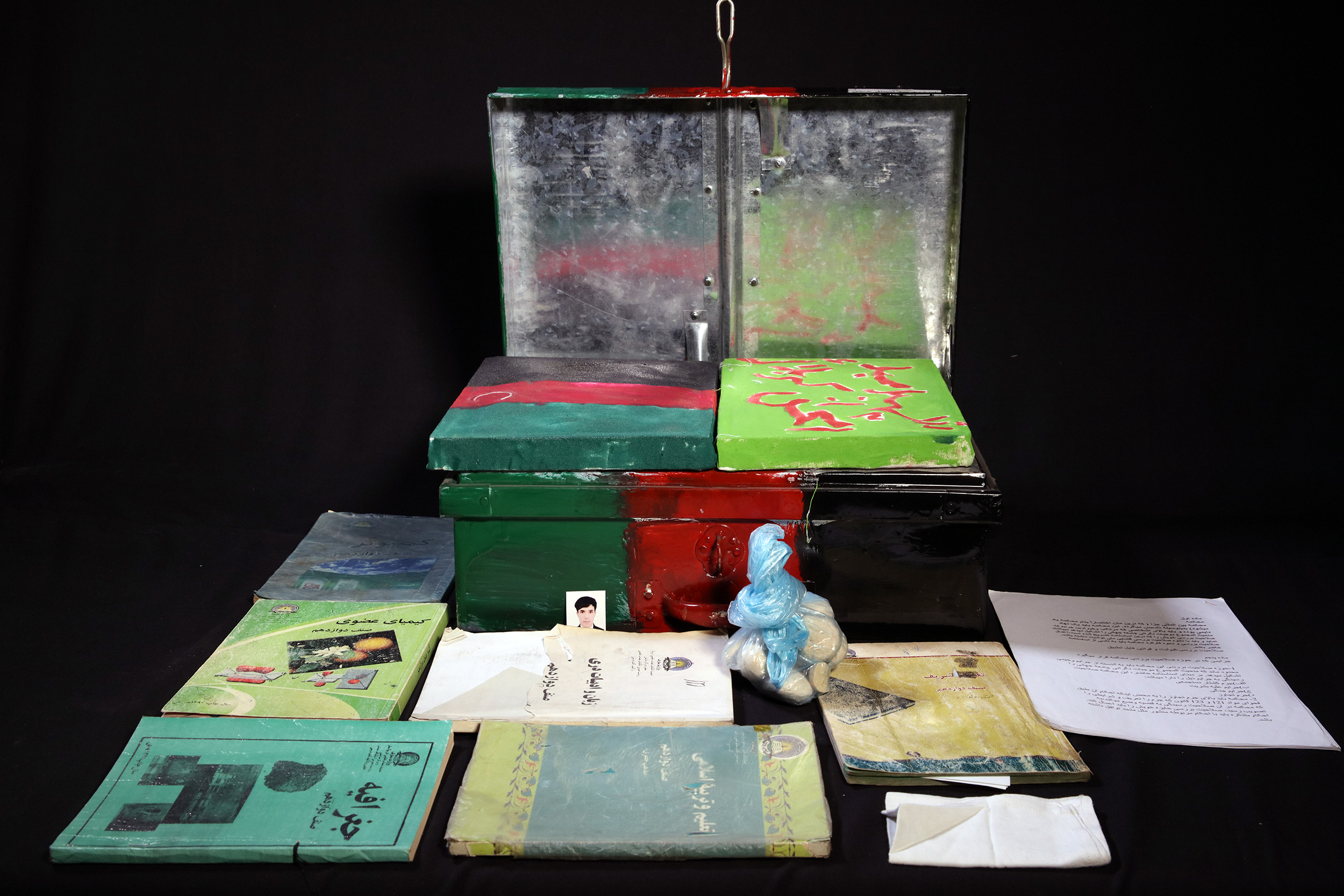
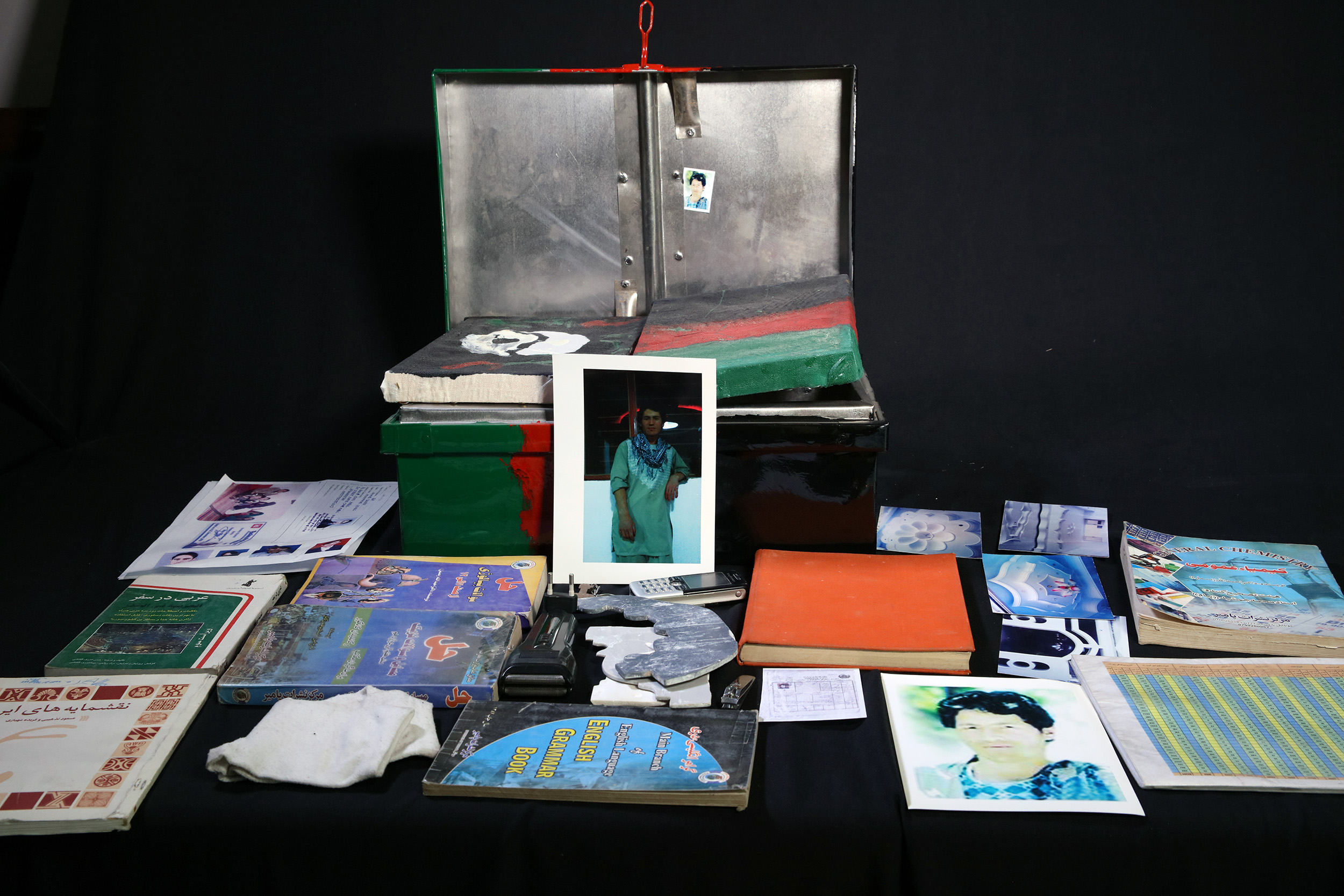
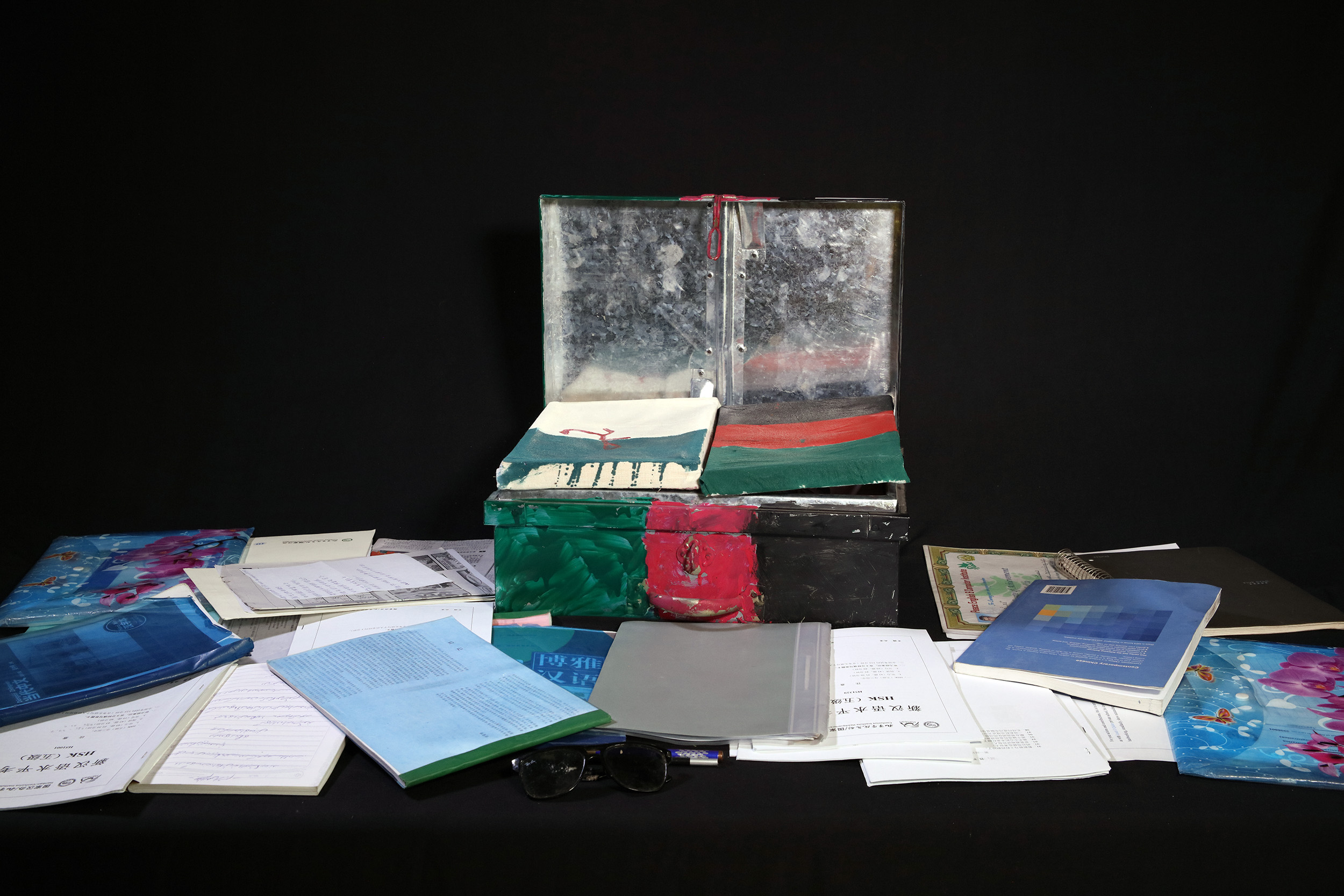
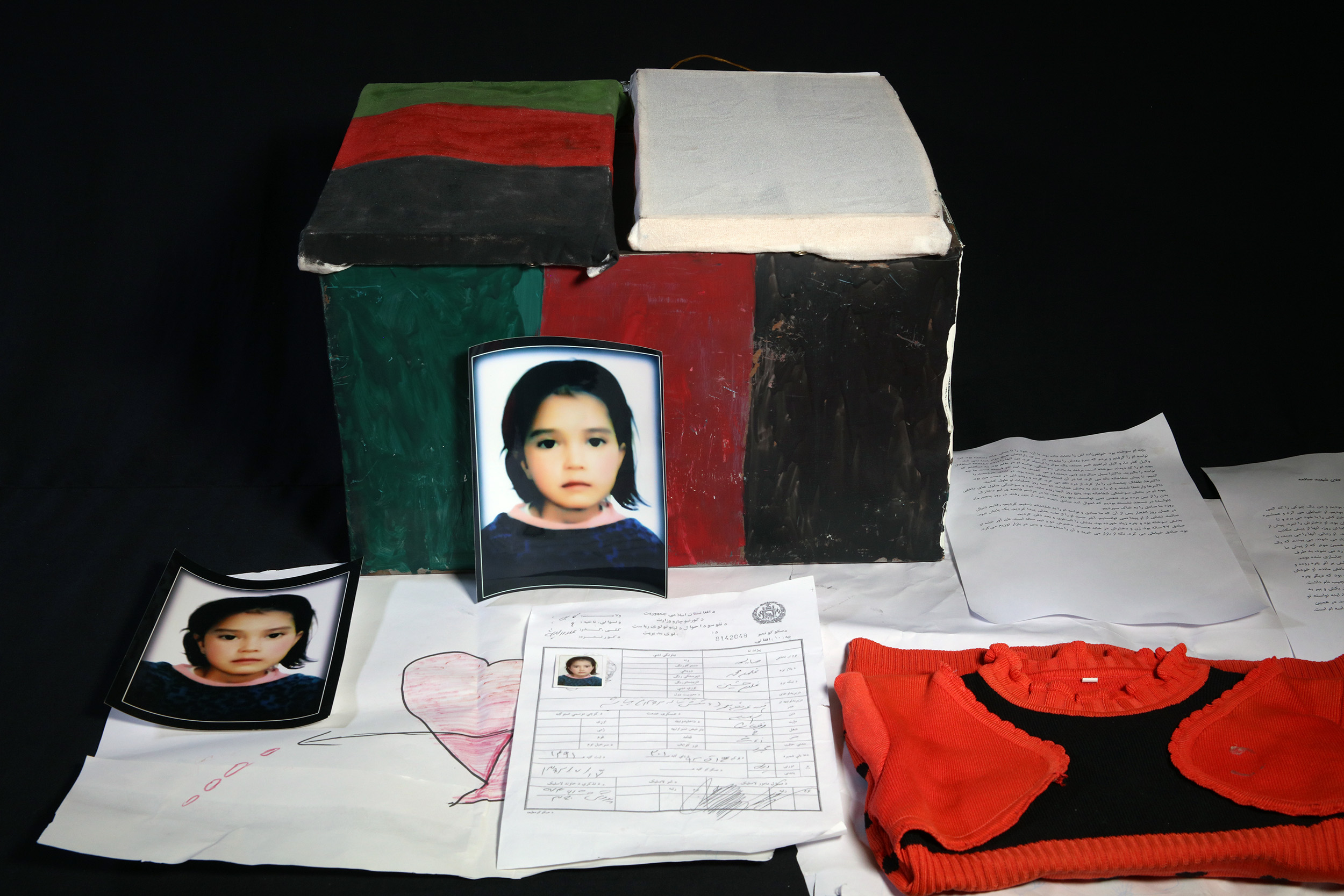


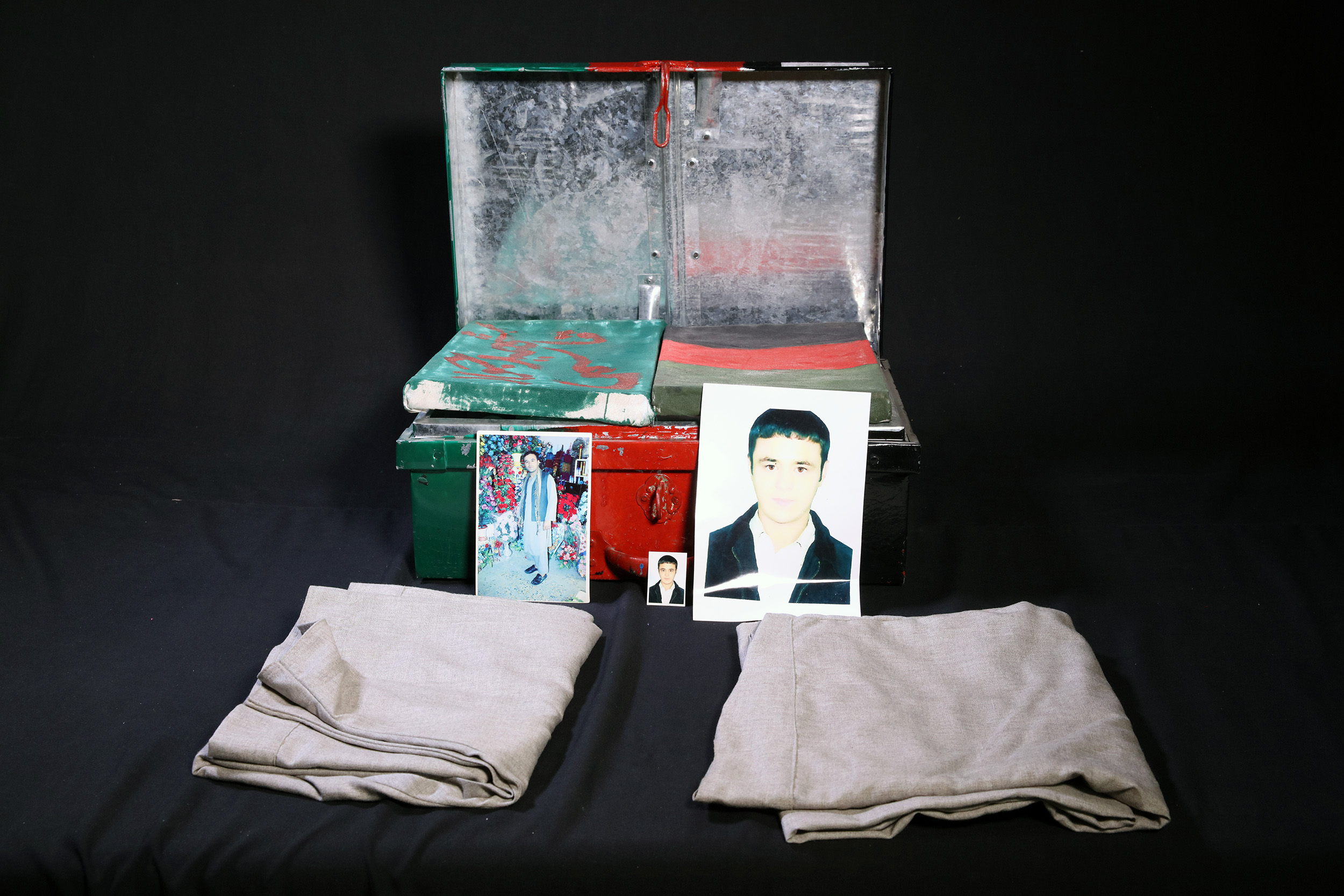
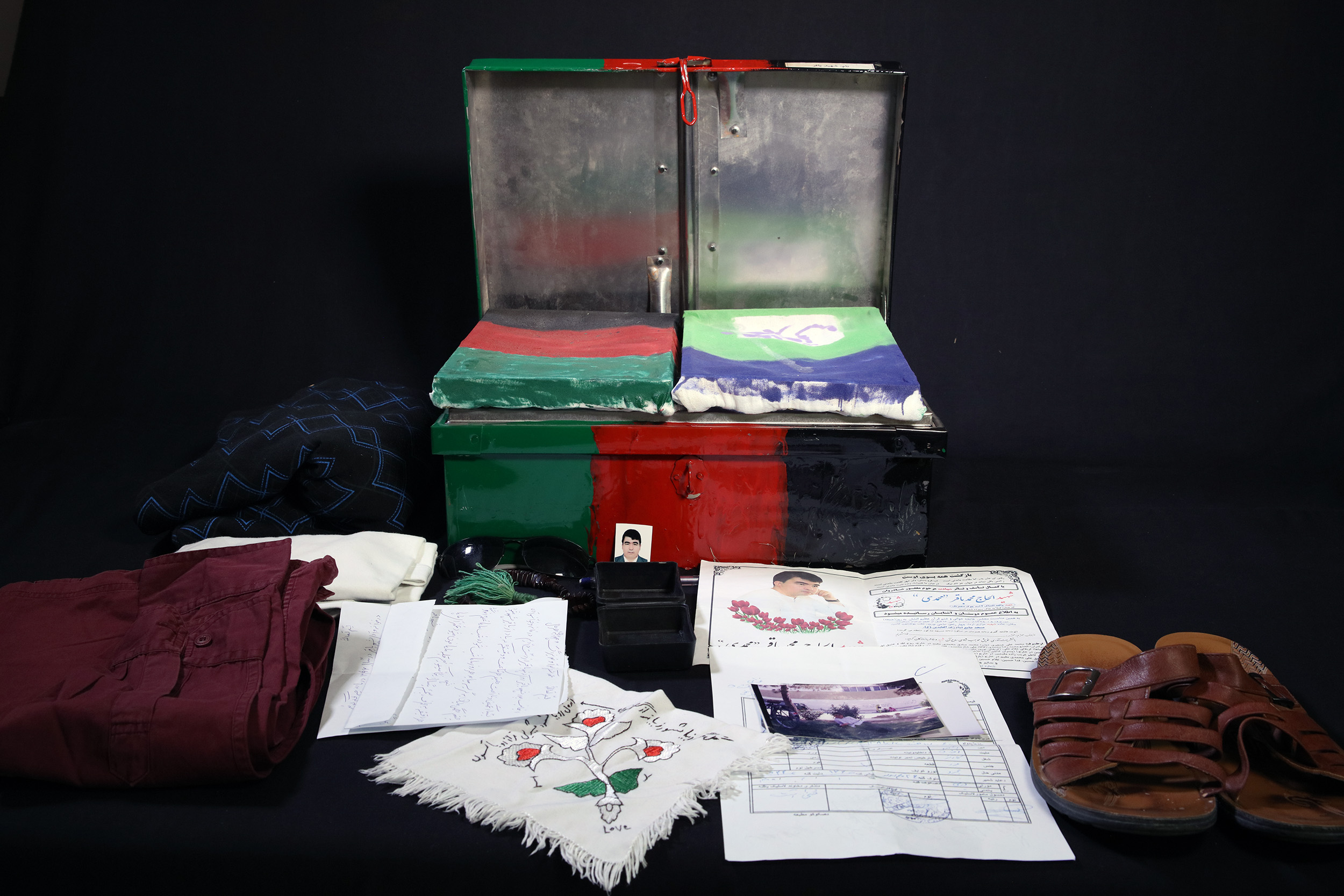
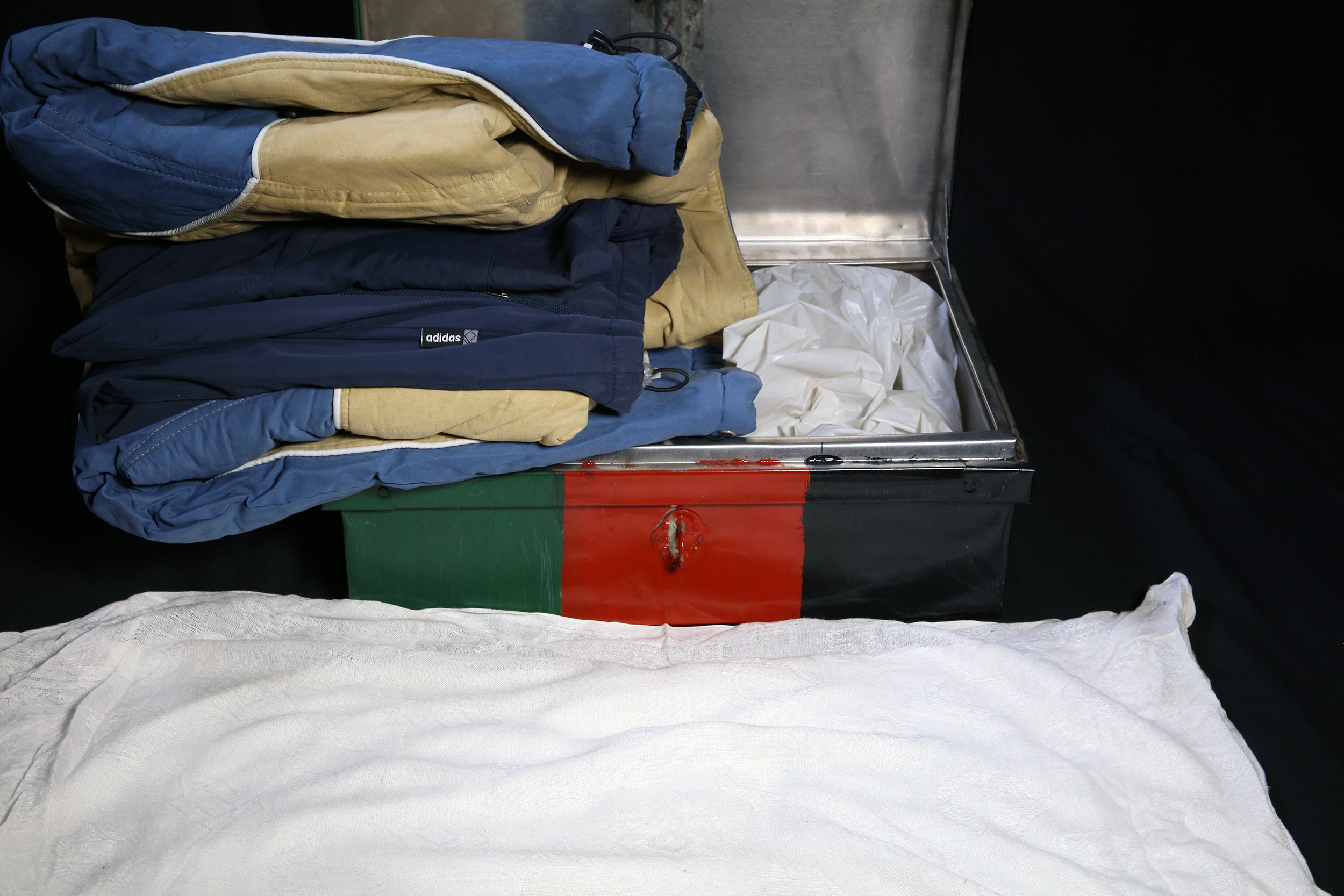

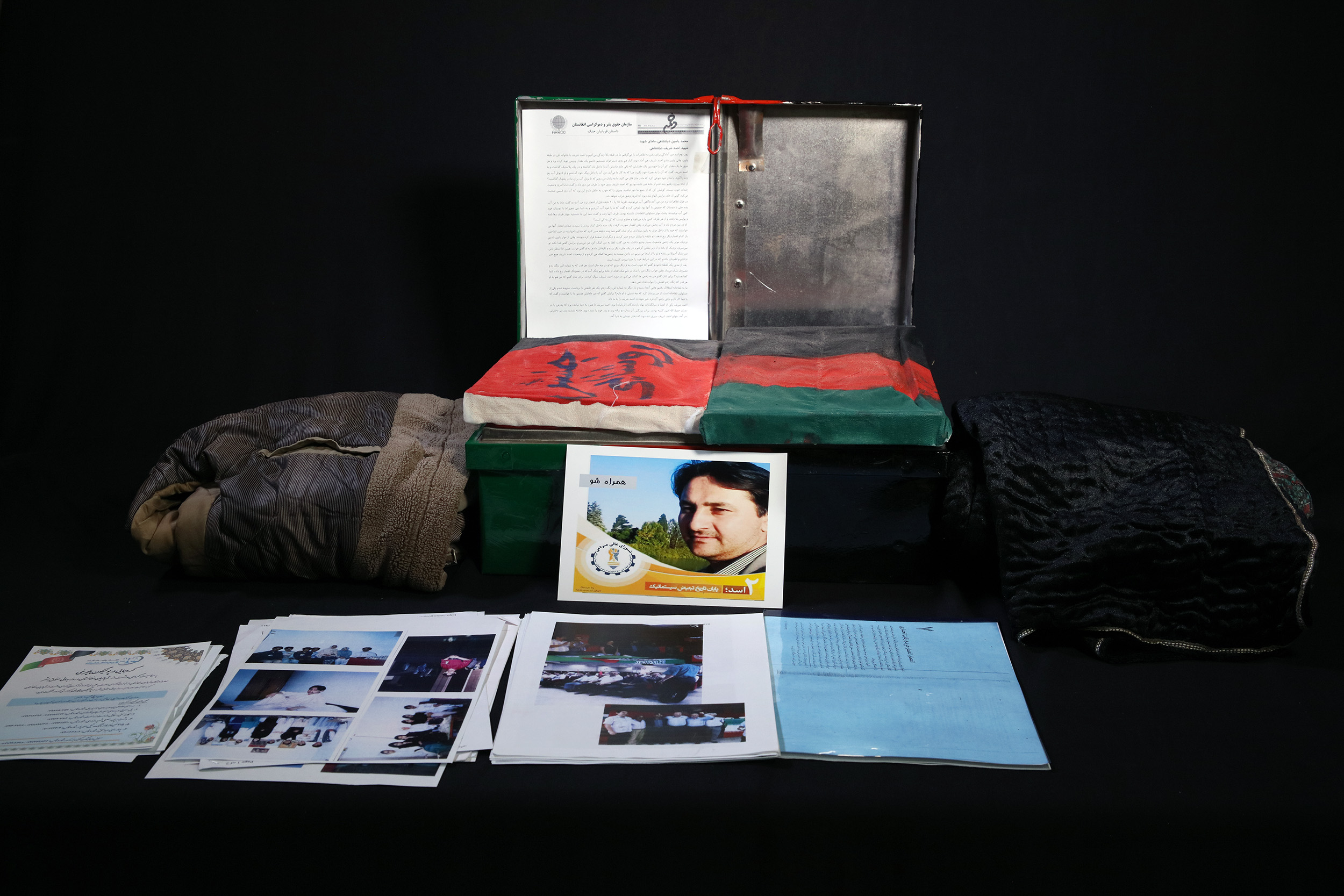
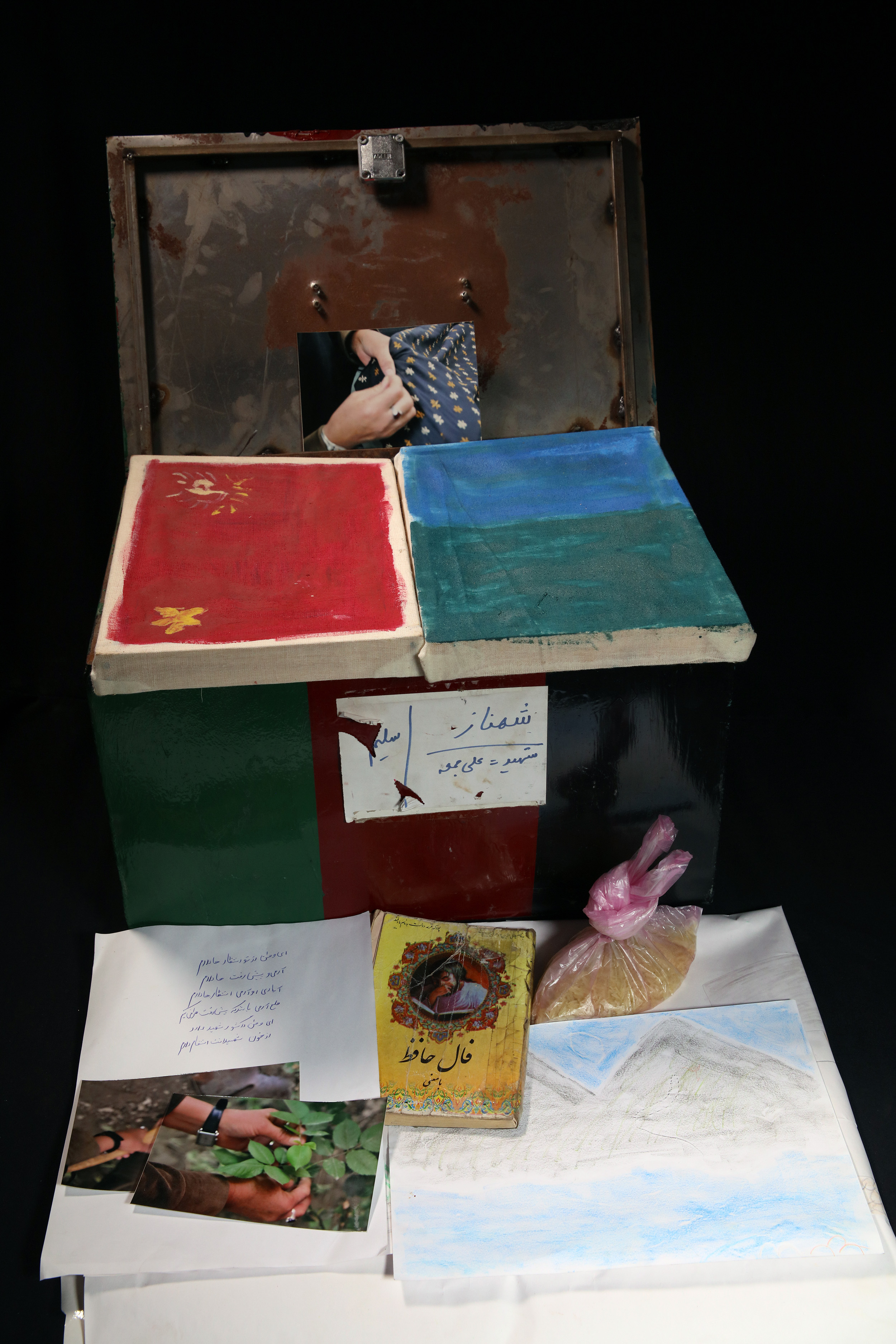

An explosives attached to a motorcycle parked near the city's main mosque killed two civilians and wounded 32 others
- Date added
- Mar 1, 2023
Six people were killed and six peopled were injured in a roadside bomb explosion
- Date added
- Feb 28, 2023
Six people were killed and six peopled were injured in a roadside bomb explosion
- Date added
- Feb 28, 2023
United States military forces were conducting drone strikes targeting the house of a Taliban commander. Five civilians were killled.
- Date added
- Feb 28, 2023
United States military forces were conducting drone strikes targeting the house of a Taliban commander. Five civilians were killled.
- Date added
- Feb 28, 2023
Thirteen people were arrested by the Taliban. Government employee and local radio journalist Javeed Noori was killed on the spot after he was recognized by the Taliban
- Date added
- Feb 28, 2023
An employee of the Kandahar provincial court was shot and killed by unknown armed men
- Date added
- Feb 28, 2023
A mortar attack on a market killed at least 23 people and injured dozens of others
- Date added
- Feb 28, 2023
A roadside bomb has killed at least six Afghan civilians and wounded two others
- Date added
- Feb 28, 2023
Two people working for Afghanistan’s human rights body were killed in a bomb attack
- Date added
- Feb 28, 2023
Aircraft belonging to the Afghan Air Force bombed a house killing a father, a mother and their two children
- Date added
- Feb 28, 2023
A magnetic bomb attached to the vehicle of a well-known Afghan writer and security expert, Asadullah Walawalji, exploded, killing his wife and daughter
- Date added
- Feb 28, 2023
The Taliban killed a village leader for refusing to pay the militants $130 as a ransom
- Date added
- Feb 28, 2023
A mortar shell has exploded inside a religious school killing at least nine students and injuring six
- Date added
- Feb 27, 2023
The explosion of a mortar shelli left four children dead, while wounding three others
- Date added
- Feb 27, 2023
An explosion in a Kabul mosque killed at least four people and wounded many more
- Date added
- Feb 27, 2023
A bomb attack inside a mosque in the Afghan capital killed two people and wounded eight others
- Date added
- Feb 27, 2023
A bomb exploded at a mosque in the Afghan capital, killing two people
- Date added
- Feb 27, 2023
An explosion struck a small truck carrying a group of laborers killing two people
- Date added
- Feb 27, 2023
A journalist and a driver were killed when a private bus carrying employees of an Afghan television station was hit by a roadside bomb
- Date added
- Feb 27, 2023
A roadside bombing against a bus belonging to a local TV station in Kabul. Two employees were killed and four others wounded
- Date added
- Feb 27, 2023
A vehicle hit a roadside bomb belonging to the minister of Hajj and Religious Affairs killing one of his bodyguards and wounding three others
- Date added
- Feb 27, 2023
A Taliban gathering was bombed by the Afghan air force killing three children
- Date added
- Feb 27, 2023
Three children were killed when a bomb planted by the Taliban detonated
- Date added
- Feb 27, 2023
A civilian truck was blown up by a roadside bomb killing a mother and her two children
- Date added
- Feb 27, 2023
Layeqa Gholami
- Photo of Victim

- Gender
- Female
- Ethnicity
- Hazara
- District geolocation of incident
- Kabul: 34° 31′ 1″ N, 69° 8′ 60″ E
- Description of incident
On September 30, 2022, a suicide attack targeted the Kaaj Educational Center in Dasht-e-Barchi, West Kabul, Afghanistan. The explosion occurred at approximately 7:30 AM and tragically resulted in the deaths of over 58 students. More than 126 others were injured. The Kaaj Center, located in a predominantly Hazara neighbourhood, served as a learning space for students preparing for university entrance exams. On the day of the attack, nearly 300 students were present, many of whom were high school girls taking a practice exam. While no group has officially claimed responsibility, the Hazara ethnic group has faced widespread violence from groups like ISIL-K and the Taliban in the past.
- Witness/Survivor Statement
No statement
- Date added
- Feb 23, 2023
Wahida Haidari
- Photo of Victim

- Gender
- Female
- Ethnicity
- Hazara
- District geolocation of incident
- Kabul: 34° 31′ 1″ N, 69° 8′ 60″ E
- Description of incident
On September 30, 2022, a suicide attack targeted the Kaaj Educational Center in Dasht-e-Barchi, West Kabul, Afghanistan. The explosion occurred at approximately 7:30 AM and tragically resulted in the deaths of over 58 students. More than 126 others were injured. The Kaaj Center, located in a predominantly Hazara neighbourhood, served as a learning space for students preparing for university entrance exams. On the day of the attack, nearly 300 students were present, many of whom were high school girls taking a practice exam. While no group has officially claimed responsibility, the Hazara ethnic group has faced widespread violence from groups like ISIL-K and the Taliban in the past.
- Witness/Survivor Statement
No statement
- Date added
- Feb 23, 2023
Hajar Mohammadi
- Photo of Victim
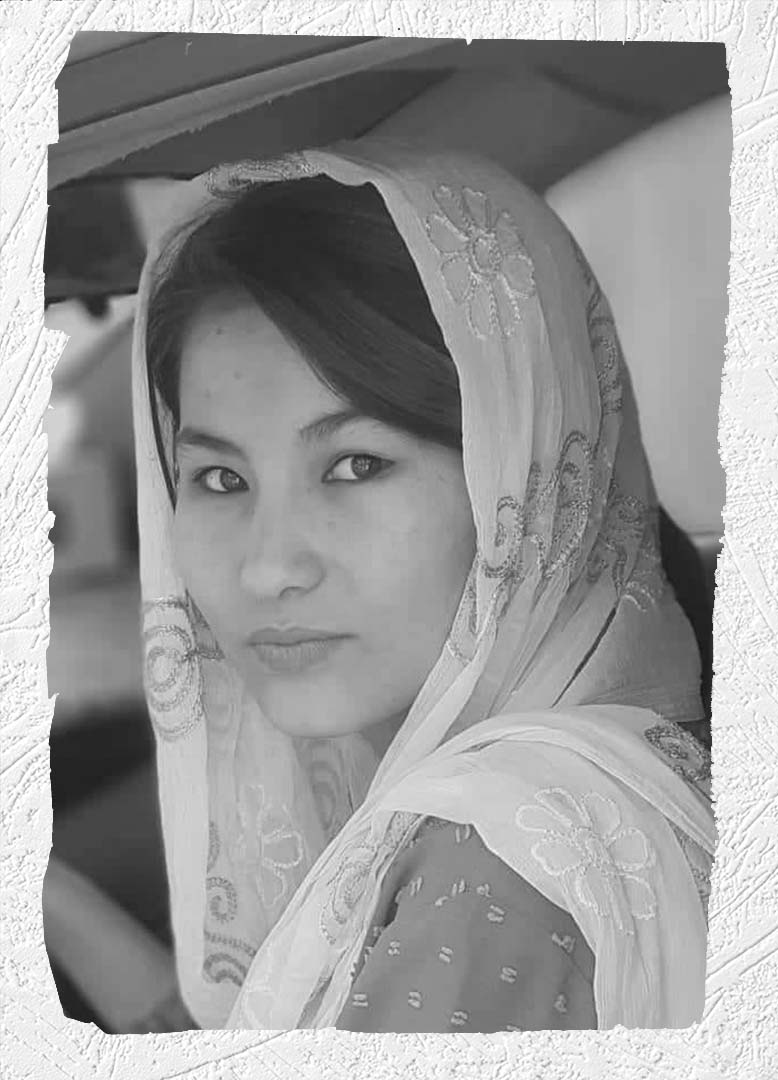
- Gender
- Female
- Ethnicity
- Hazara
- District geolocation of incident
- Kabul: 34° 31′ 1″ N, 69° 8′ 60″ E
- Description of incident
On September 30, 2022, a suicide attack targeted the Kaaj Educational Center in Dasht-e-Barchi, West Kabul, Afghanistan. The explosion occurred at approximately 7:30 AM and tragically resulted in the deaths of over 58 students. More than 126 others were injured. The Kaaj Center, located in a predominantly Hazara neighbourhood, served as a learning space for students preparing for university entrance exams. On the day of the attack, nearly 300 students were present, many of whom were high school girls taking a practice exam. While no group has officially claimed responsibility, the Hazara ethnic group has faced widespread violence from groups like ISIL-K and the Taliban in the past.
- Witness/Survivor Statement
No statement
- Date added
- Feb 23, 2023
Nilofar Moradi
- Photo of Victim

- Gender
- Female
- Ethnicity
- Hazara
- District geolocation of incident
- Kabul: 34° 31′ 1″ N, 69° 8′ 60″ E
- Description of incident
On September 30, 2022, a suicide attack targeted the Kaaj Educational Center in Dasht-e-Barchi, West Kabul, Afghanistan. The explosion occurred at approximately 7:30 AM and tragically resulted in the deaths of over 58 students. More than 126 others were injured. The Kaaj Center, located in a predominantly Hazara neighbourhood, served as a learning space for students preparing for university entrance exams. On the day of the attack, nearly 300 students were present, many of whom were high school girls taking a practice exam. While no group has officially claimed responsibility, the Hazara ethnic group has faced widespread violence from groups like ISIL-K and the Taliban in the past.
- Witness/Survivor Statement
No statement
- Date added
- Feb 23, 2023
Nasrin Gholami
- Photo of Victim

- Gender
- Female
- Ethnicity
- Hazara
- District geolocation of incident
- Kabul: 34° 31′ 1″ N, 69° 8′ 60″ E
- Description of incident
On September 30, 2022, a suicide attack targeted the Kaaj Educational Center in Dasht-e-Barchi, West Kabul, Afghanistan. The explosion occurred at approximately 7:30 AM and tragically resulted in the deaths of over 58 students. More than 126 others were injured. The Kaaj Center, located in a predominantly Hazara neighbourhood, served as a learning space for students preparing for university entrance exams. On the day of the attack, nearly 300 students were present, many of whom were high school girls taking a practice exam. While no group has officially claimed responsibility, the Hazara ethnic group has faced widespread violence from groups like ISIL-K and the Taliban in the past.
- Witness/Survivor Statement
No statement
- Date added
- Feb 23, 2023
Before joining the Taliban, a police officer killed three of his colleagues inside the police headquarters
- Date added
- Feb 23, 2023
Nargis Mohammadi
- Photo of Victim

- Gender
- Female
- Ethnicity
- Hazara
- District geolocation of incident
- Kabul: 34° 31′ 1″ N, 69° 8′ 60″ E
- Description of incident
On September 30, 2022, a suicide attack targeted the Kaaj Educational Center in Dasht-e-Barchi, West Kabul, Afghanistan. The explosion occurred at approximately 7:30 AM and tragically resulted in the deaths of over 58 students. More than 126 others were injured. The Kaaj Center, located in a predominantly Hazara neighbourhood, served as a learning space for students preparing for university entrance exams. On the day of the attack, nearly 300 students were present, many of whom were high school girls taking a practice exam. While no group has officially claimed responsibility, the Hazara ethnic group has faced widespread violence from groups like ISIL-K and the Taliban in the past.
- Witness/Survivor Statement
No statement
- Date added
- Feb 23, 2023
Najiba Safari (Adib)
- Photo of Victim

- Gender
- Female
- Ethnicity
- Hazara
- District geolocation of incident
- Kabul: 34° 31′ 1″ N, 69° 8′ 60″ E
- Description of incident
On September 30, 2022, a suicide attack targeted the Kaaj Educational Center in Dasht-e-Barchi, West Kabul, Afghanistan. The explosion occurred at approximately 7:30 AM and tragically resulted in the deaths of over 58 students. More than 126 others were injured. The Kaaj Center, located in a predominantly Hazara neighbourhood, served as a learning space for students preparing for university entrance exams. On the day of the attack, nearly 300 students were present, many of whom were high school girls taking a practice exam. While no group has officially claimed responsibility, the Hazara ethnic group has faced widespread violence from groups like ISIL-K and the Taliban in the past.
- Witness/Survivor Statement
No statement
- Date added
- Feb 22, 2023
Nazanin Kazimi
- Photo of Victim

- Gender
- Female
- Ethnicity
- Hazara
- District geolocation of incident
- Kabul: 34° 31′ 1″ N, 69° 8′ 60″ E
- Description of incident
On September 30, 2022, a suicide attack targeted the Kaaj Educational Center in Dasht-e-Barchi, West Kabul, Afghanistan. The explosion occurred at approximately 7:30 AM and tragically resulted in the deaths of over 58 students. More than 126 others were injured. The Kaaj Center, located in a predominantly Hazara neighbourhood, served as a learning space for students preparing for university entrance exams. On the day of the attack, nearly 300 students were present, many of whom were high school girls taking a practice exam. While no group has officially claimed responsibility, the Hazara ethnic group has faced widespread violence from groups like ISIL-K and the Taliban in the past.
- Witness/Survivor Statement
No statement
- Date added
- Feb 22, 2023
Nazanin Hajizada
- Photo of Victim
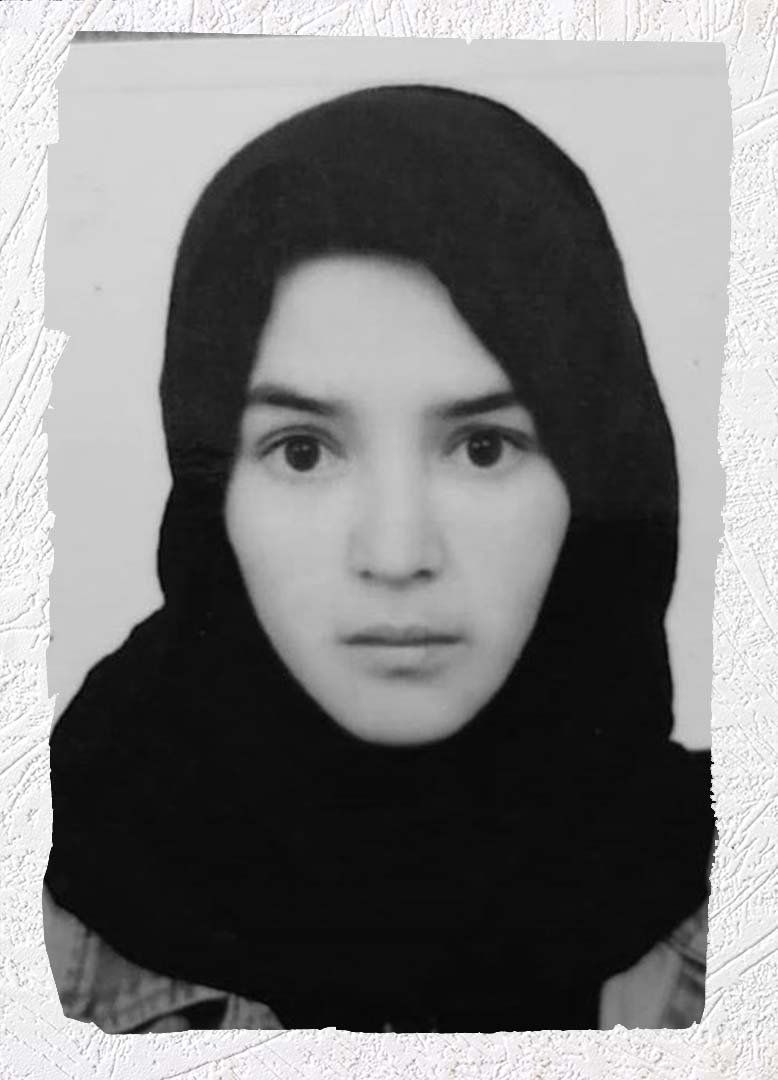
- Gender
- Female
- Ethnicity
- Hazara
- District geolocation of incident
- Kabul: 34° 31′ 1″ N, 69° 8′ 60″ E
- Description of incident
On September 30, 2022, a suicide attack targeted the Kaaj Educational Center in Dasht-e-Barchi, West Kabul, Afghanistan. The explosion occurred at approximately 7:30 AM and tragically resulted in the deaths of over 58 students. More than 126 others were injured. The Kaaj Center, located in a predominantly Hazara neighbourhood, served as a learning space for students preparing for university entrance exams. On the day of the attack, nearly 300 students were present, many of whom were high school girls taking a practice exam. While no group has officially claimed responsibility, the Hazara ethnic group has faced widespread violence from groups like ISIL-K and the Taliban in the past.
- Witness/Survivor Statement
No statement
- Date added
- Feb 22, 2023
Mahdia Alizada
- Photo of Victim

- Gender
- Female
- Ethnicity
- Hazara
- District geolocation of incident
- Kabul: 34° 31′ 1″ N, 69° 8′ 60″ E
- Description of incident
On September 30, 2022, a suicide attack targeted the Kaaj Educational Center in Dasht-e-Barchi, West Kabul, Afghanistan. The explosion occurred at approximately 7:30 AM and tragically resulted in the deaths of over 58 students. More than 126 others were injured. The Kaaj Center, located in a predominantly Hazara neighbourhood, served as a learning space for students preparing for university entrance exams. On the day of the attack, nearly 300 students were present, many of whom were high school girls taking a practice exam. While no group has officially claimed responsibility, the Hazara ethnic group has faced widespread violence from groups like ISIL-K and the Taliban in the past.
- Witness/Survivor Statement
No statement
- Date added
- Feb 22, 2023
Marwa Asghari
- Photo of Victim

- Gender
- Female
- Ethnicity
- Hazara
- District geolocation of incident
- Kabul: 34° 31′ 1″ N, 69° 8′ 60″ E
- Description of incident
On September 30, 2022, a suicide attack targeted the Kaaj Educational Center in Dasht-e-Barchi, West Kabul, Afghanistan. The explosion occurred at approximately 7:30 AM and tragically resulted in the deaths of over 58 students. More than 126 others were injured. The Kaaj Center, located in a predominantly Hazara neighbourhood, served as a learning space for students preparing for university entrance exams. On the day of the attack, nearly 300 students were present, many of whom were high school girls taking a practice exam. While no group has officially claimed responsibility, the Hazara ethnic group has faced widespread violence from groups like ISIL-K and the Taliban in the past.
- Witness/Survivor Statement
No statement
- Date added
- Feb 22, 2023
Marzia Mohammadi
- Photo of Victim

- Gender
- Female
- Ethnicity
- Hazara
- District geolocation of incident
- Kabul: 34° 31′ 1″ N, 69° 8′ 60″ E
- Description of incident
On September 30, 2022, a suicide attack targeted the Kaaj Educational Center in Dasht-e-Barchi, West Kabul, Afghanistan. The explosion occurred at approximately 7:30 AM and tragically resulted in the deaths of over 58 students. More than 126 others were injured. The Kaaj Center, located in a predominantly Hazara neighbourhood, served as a learning space for students preparing for university entrance exams. On the day of the attack, nearly 300 students were present, many of whom were high school girls taking a practice exam. While no group has officially claimed responsibility, the Hazara ethnic group has faced widespread violence from groups like ISIL-K and the Taliban in the past.
- Witness/Survivor Statement
No statement
- Date added
- Feb 22, 2023
Marzia Ataey
- Photo of Victim

- Gender
- Female
- Ethnicity
- Sadat
- District geolocation of incident
- Kabul: 34° 31′ 1″ N, 69° 8′ 60″ E
- Description of incident
On September 30, 2022, a suicide attack targeted the Kaaj Educational Center in Dasht-e-Barchi, West Kabul, Afghanistan. The explosion occurred at approximately 7:30 AM and tragically resulted in the deaths of over 58 students. More than 126 others were injured. The Kaaj Center, located in a predominantly Hazara neighbourhood, served as a learning space for students preparing for university entrance exams. On the day of the attack, nearly 300 students were present, many of whom were high school girls taking a practice exam. While no group has officially claimed responsibility, the Hazara ethnic group has faced widespread violence from groups like ISIL-K and the Taliban in the past.
- Witness/Survivor Statement
No statement
- Date added
- Feb 22, 2023
Madina Gholami
- Photo of Victim

- Gender
- Female
- Ethnicity
- Hazara
- District geolocation of incident
- Kabul: 34° 31′ 1″ N, 69° 8′ 60″ E
- Description of incident
On September 30, 2022, a suicide attack targeted the Kaaj Educational Center in Dasht-e-Barchi, West Kabul, Afghanistan. The explosion occurred at approximately 7:30 AM and tragically resulted in the deaths of over 58 students. More than 126 others were injured. The Kaaj Center, located in a predominantly Hazara neighbourhood, served as a learning space for students preparing for university entrance exams. On the day of the attack, nearly 300 students were present, many of whom were high school girls taking a practice exam. While no group has officially claimed responsibility, the Hazara ethnic group has faced widespread violence from groups like ISIL-K and the Taliban in the past.
- Witness/Survivor Statement
No statement
- Date added
- Feb 22, 2023
Mohammad Taher Khashiey
- Photo of Victim
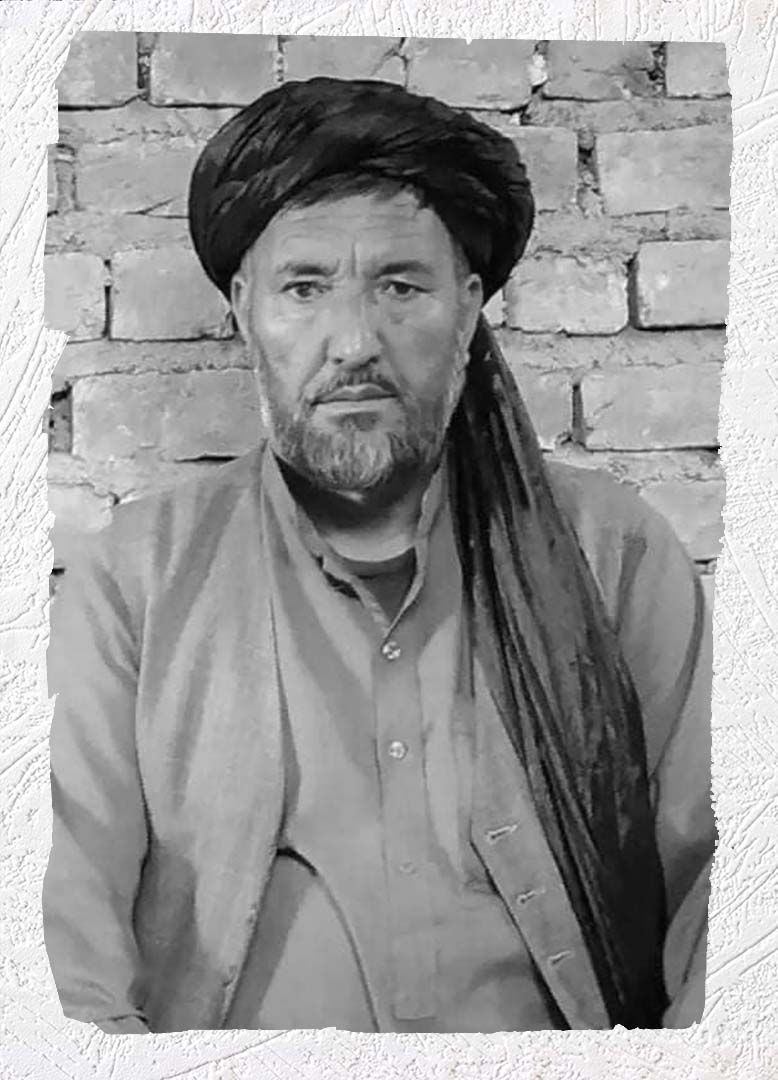
- Gender
- Male
- Ethnicity
- Hazara
- District geolocation of incident
- Kabul: 34° 31′ 1″ N, 69° 8′ 60″ E
- Description of incident
On September 30, 2022, a suicide attack targeted the Kaaj Educational Center in Dasht-e-Barchi, West Kabul, Afghanistan. The explosion occurred at approximately 7:30 AM and tragically resulted in the deaths of over 58 students. More than 126 others were injured. The Kaaj Center, located in a predominantly Hazara neighbourhood, served as a learning space for students preparing for university entrance exams. On the day of the attack, nearly 300 students were present, many of whom were high school girls taking a practice exam. While no group has officially claimed responsibility, the Hazara ethnic group has faced widespread violence from groups like ISIL-K and the Taliban in the past.
- Witness/Survivor Statement
No statement
- Date added
- Feb 22, 2023
Latifa Yosofi
- Photo of Victim

- Gender
- Female
- Ethnicity
- Hazara
- District geolocation of incident
- Kabul: 34° 31′ 1″ N, 69° 8′ 60″ E
- Description of incident
On September 30, 2022, a suicide attack targeted the Kaaj Educational Center in Dasht-e-Barchi, West Kabul, Afghanistan. The explosion occurred at approximately 7:30 AM and tragically resulted in the deaths of over 58 students. More than 126 others were injured. The Kaaj Center, located in a predominantly Hazara neighbourhood, served as a learning space for students preparing for university entrance exams. On the day of the attack, nearly 300 students were present, many of whom were high school girls taking a practice exam. While no group has officially claimed responsibility, the Hazara ethnic group has faced widespread violence from groups like ISIL-K and the Taliban in the past.
- Witness/Survivor Statement
No statement
- Date added
- Feb 21, 2023
Freshta Nawrozi
- Photo of Victim
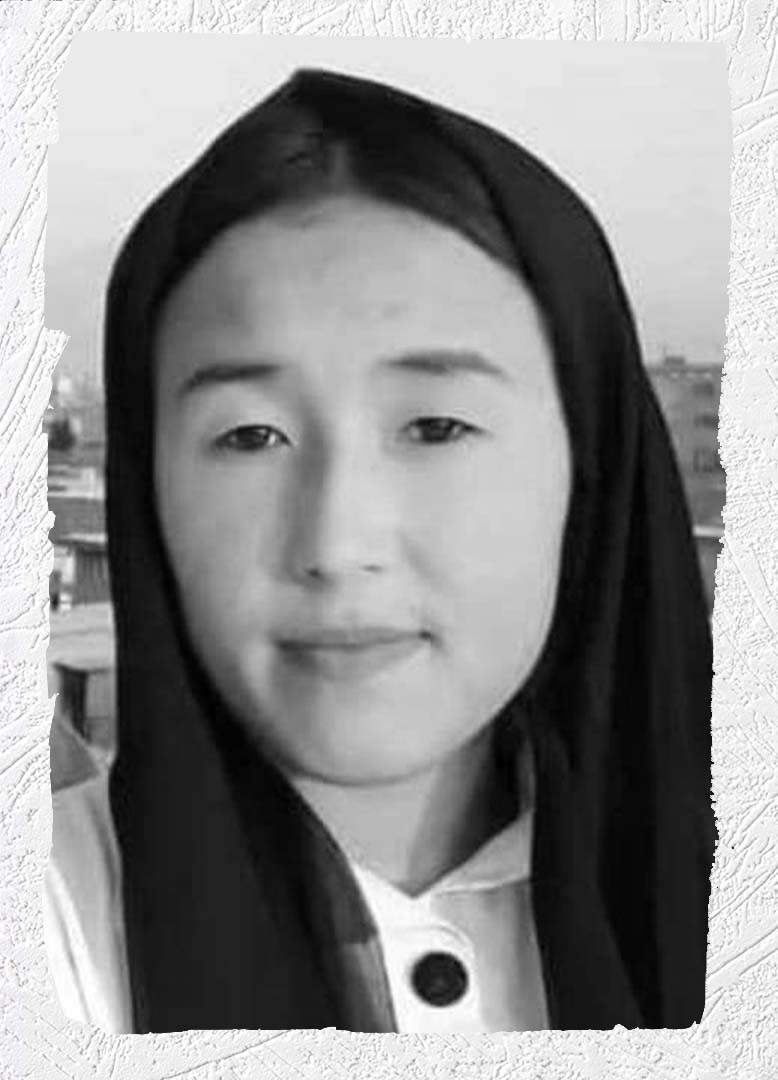
- Gender
- Female
- Ethnicity
- Hazara
- District geolocation of incident
- Kabul: 34° 31′ 1″ N, 69° 8′ 60″ E
- Description of incident
On September 30, 2022, a suicide attack targeted the Kaaj Educational Center in Dasht-e-Barchi, West Kabul, Afghanistan. The explosion occurred at approximately 7:30 AM and tragically resulted in the deaths of over 58 students. More than 126 others were injured. The Kaaj Center, located in a predominantly Hazara neighbourhood, served as a learning space for students preparing for university entrance exams. On the day of the attack, nearly 300 students were present, many of whom were high school girls taking a practice exam. While no group has officially claimed responsibility, the Hazara ethnic group has faced widespread violence from groups like ISIL-K and the Taliban in the past.
- Witness/Survivor Statement
No statement
- Date added
- Feb 21, 2023
Freshta Rezaey
- Photo of Victim

- Gender
- Female
- Ethnicity
- Hazara
- District geolocation of incident
- Kabul: 34° 31′ 1″ N, 69° 8′ 60″ E
- Description of incident
On September 30, 2022, a suicide attack targeted the Kaaj Educational Center in Dasht-e-Barchi, West Kabul, Afghanistan. The explosion occurred at approximately 7:30 AM and tragically resulted in the deaths of over 58 students. More than 126 others were injured. The Kaaj Center, located in a predominantly Hazara neighbourhood, served as a learning space for students preparing for university entrance exams. On the day of the attack, nearly 300 students were present, many of whom were high school girls taking a practice exam. While no group has officially claimed responsibility, the Hazara ethnic group has faced widespread violence from groups like ISIL-K and the Taliban in the past.
- Witness/Survivor Statement
No statement
- Date added
- Feb 21, 2023
Faeza Amiri
- Photo of Victim
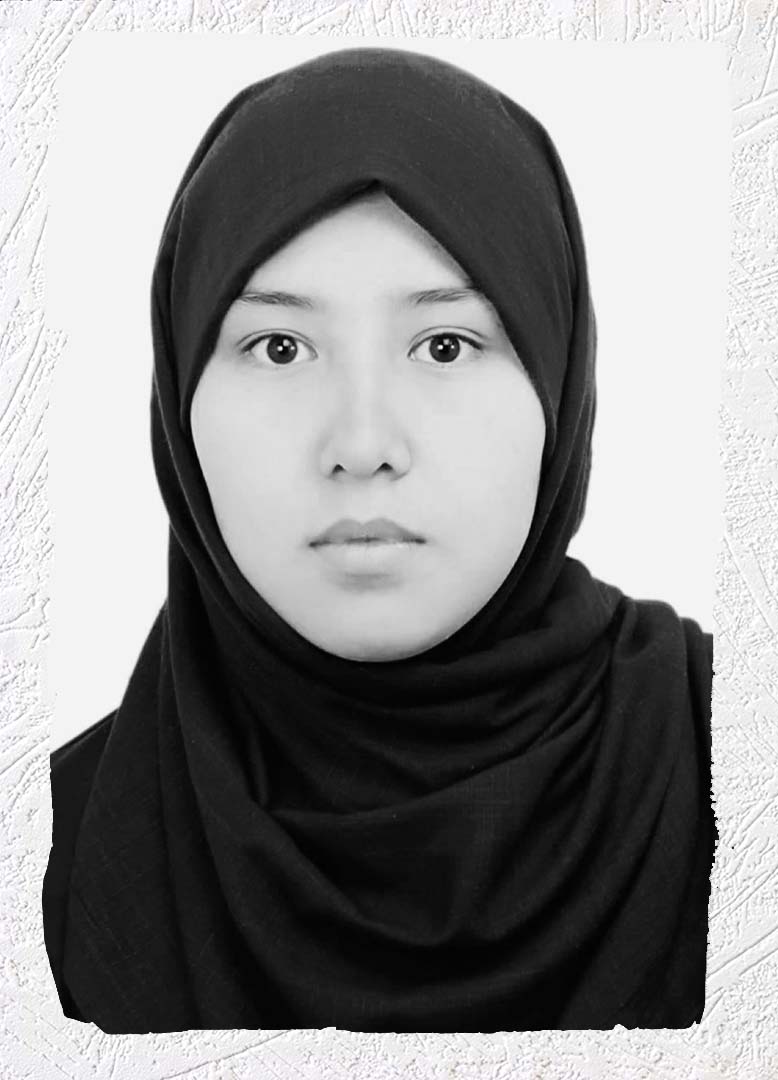
- Gender
- Female
- Ethnicity
- Hazara
- District geolocation of incident
- Kabul: 34° 31′ 1″ N, 69° 8′ 60″ E
- Description of incident
On September 30, 2022, a suicide attack targeted the Kaaj Educational Center in Dasht-e-Barchi, West Kabul, Afghanistan. The explosion occurred at approximately 7:30 AM and tragically resulted in the deaths of over 58 students. More than 126 others were injured. The Kaaj Center, located in a predominantly Hazara neighbourhood, served as a learning space for students preparing for university entrance exams. On the day of the attack, nearly 300 students were present, many of whom were high school girls taking a practice exam. While no group has officially claimed responsibility, the Hazara ethnic group has faced widespread violence from groups like ISIL-K and the Taliban in the past.
- Witness/Survivor Statement
No statement
- Date added
- Feb 21, 2023
Fatima Mohmmadi
- Photo of Victim

- Gender
- Female
- Ethnicity
- Hazara
- District geolocation of incident
- Kabul: 34° 31′ 1″ N, 69° 8′ 60″ E
- Description of incident
On September 30, 2022, a suicide attack targeted the Kaaj Educational Center in Dasht-e-Barchi, West Kabul, Afghanistan. The explosion occurred at approximately 7:30 AM and tragically resulted in the deaths of over 58 students. More than 126 others were injured. The Kaaj Center, located in a predominantly Hazara neighbourhood, served as a learning space for students preparing for university entrance exams. On the day of the attack, nearly 300 students were present, many of whom were high school girls taking a practice exam. While no group has officially claimed responsibility, the Hazara ethnic group has faced widespread violence from groups like ISIL-K and the Taliban in the past.
- Witness/Survivor Statement
No statement
- Date added
- Feb 21, 2023
Afghan air forces bombed three houses killing seven civilians, including four children
- Date added
- Feb 21, 2023
Two civilians were killed and two others were wounded when a drone targeted a house
- Date added
- Feb 21, 2023
A rocket fired by an Afghan air force helicopter hit a house killing three civilians
- Date added
- Feb 21, 2023
At least 11 people were killed and 16 were wounded in one of the mosque attacks
- Date added
- Feb 21, 2023
Three people were killed and a child was wounded in a mosque attack
- Date added
- Feb 21, 2023
An Afghan Air Force plane conducted an airstrike targeting wounded Taliban members in a vehicle just outside of a health clinic where other Taliban members were being treated. The airstrike killed at least two civilians
- Date added
- Feb 21, 2023
A bomb placed in a bicycle killed one police officer, one civilian, and wounded 18 others
- Date added
- Feb 21, 2023
Aliza Haidari
- Photo of Victim

- Gender
- Female
- Ethnicity
- Hazara
- District geolocation of incident
- Kabul: 34° 31′ 1″ N, 69° 8′ 60″ E
- Description of incident
On September 30, 2022, a suicide attack targeted the Kaaj Educational Center in Dasht-e-Barchi, West Kabul, Afghanistan. The explosion occurred at approximately 7:30 AM and tragically resulted in the deaths of over 58 students. More than 126 others were injured. The Kaaj Center, located in a predominantly Hazara neighbourhood, served as a learning space for students preparing for university entrance exams. On the day of the attack, nearly 300 students were present, many of whom were high school girls taking a practice exam. While no group has officially claimed responsibility, the Hazara ethnic group has faced widespread violence from groups like ISIL-K and the Taliban in the past.
- Witness/Survivor Statement
No statement
- Date added
- Feb 21, 2023
A civilian vehicle hit a roadside bomb planted by the Taliban killing four civilians and wounding nine others
- Date added
- Feb 21, 2023
An armed man on a motorcycle opened fire on a police chief killing him
- Date added
- Feb 21, 2023
The Taliban attacked a civilian vehicle carrying three civilians and two police officers killing all five people
- Date added
- Feb 21, 2023
Sabera Ahmadi
- Photo of Victim

- Gender
- Female
- Ethnicity
- Hazara
- District geolocation of incident
- Kabul: 34° 31′ 1″ N, 69° 8′ 60″ E
- Description of incident
On September 30, 2022, a suicide attack targeted the Kaaj Educational Center in Dasht-e-Barchi, West Kabul, Afghanistan. The explosion occurred at approximately 7:30 AM and tragically resulted in the deaths of over 58 students. More than 126 others were injured. The Kaaj Center, located in a predominantly Hazara neighbourhood, served as a learning space for students preparing for university entrance exams. On the day of the attack, nearly 300 students were present, many of whom were high school girls taking a practice exam. While no group has officially claimed responsibility, the Hazara ethnic group has faced widespread violence from groups like ISIL-K and the Taliban in the past.
- Witness/Survivor Statement
No statement
- Date added
- Feb 21, 2023
The Taliban attacked an Afghan National Police checkpoint, which resulted in an armed clash that lasted almost four hours. During the fight, the Taliban fired rocket-propelled grenades towards the Afghan National Police, which hit an NGO operated health clinic
- Date added
- Feb 21, 2023
The Taliban attacked an Afghan National Police checkpoint. An ambulance driver got injured during the clash
- Date added
- Feb 21, 2023
A roadside bomb hit a group of civilians in the Ainomena area of Kandahar City, killing three civilians and wounding five others
- Date added
- Feb 21, 2023
Shahr Bano Ahmadi
- Photo of Victim

- Gender
- Female
- Ethnicity
- Hazara
- District geolocation of incident
- Kabul: 34° 31′ 1″ N, 69° 8′ 60″ E
- Description of incident
On September 30, 2022, a suicide attack targeted the Kaaj Educational Center in Dasht-e-Barchi, West Kabul, Afghanistan. The explosion occurred at approximately 7:30 AM and tragically resulted in the deaths of over 58 students. More than 126 others were injured. The Kaaj Center, located in a predominantly Hazara neighbourhood, served as a learning space for students preparing for university entrance exams. On the day of the attack, nearly 300 students were present, many of whom were high school girls taking a practice exam. While no group has officially claimed responsibility, the Hazara ethnic group has faced widespread violence from groups like ISIL-K and the Taliban in the past.
- Date added
- Feb 21, 2023
A roadside bomb hit a police patrolling vehicle killing one civilian and wounding two police officers and a child
- Date added
- Feb 21, 2023
Taliban fighters on a motorcycle opened fire on security forces at a checkpoint killing one woman and wounding two civilians and two police officers
- Date added
- Feb 21, 2023
Shakila Sarwari
- Photo of Victim

- Gender
- Female
- Ethnicity
- Hazara
- District geolocation of incident
- Kabul: 34° 31′ 1″ N, 69° 8′ 60″ E
- Description of incident
On September 30, 2022, a suicide attack targeted the Kaaj Educational Center in Dasht-e-Barchi, West Kabul, Afghanistan. The explosion occurred at approximately 7:30 AM and tragically resulted in the deaths of over 58 students. More than 126 others were injured. The Kaaj Center, located in a predominantly Hazara neighbourhood, served as a learning space for students preparing for university entrance exams. On the day of the attack, nearly 300 students were present, many of whom were high school girls taking a practice exam. While no group has officially claimed responsibility, the Hazara ethnic group has faced widespread violence from groups like ISIL-K and the Taliban in the past.
- Witness/Survivor Statement
No statement
- Date added
- Feb 21, 2023
The Taliban attacked the Aqcha Numa village killing two pro-government militia members while wounding another four, plus two civilians
- Date added
- Feb 21, 2023
Shikeba Mohammadi
- Photo of Victim
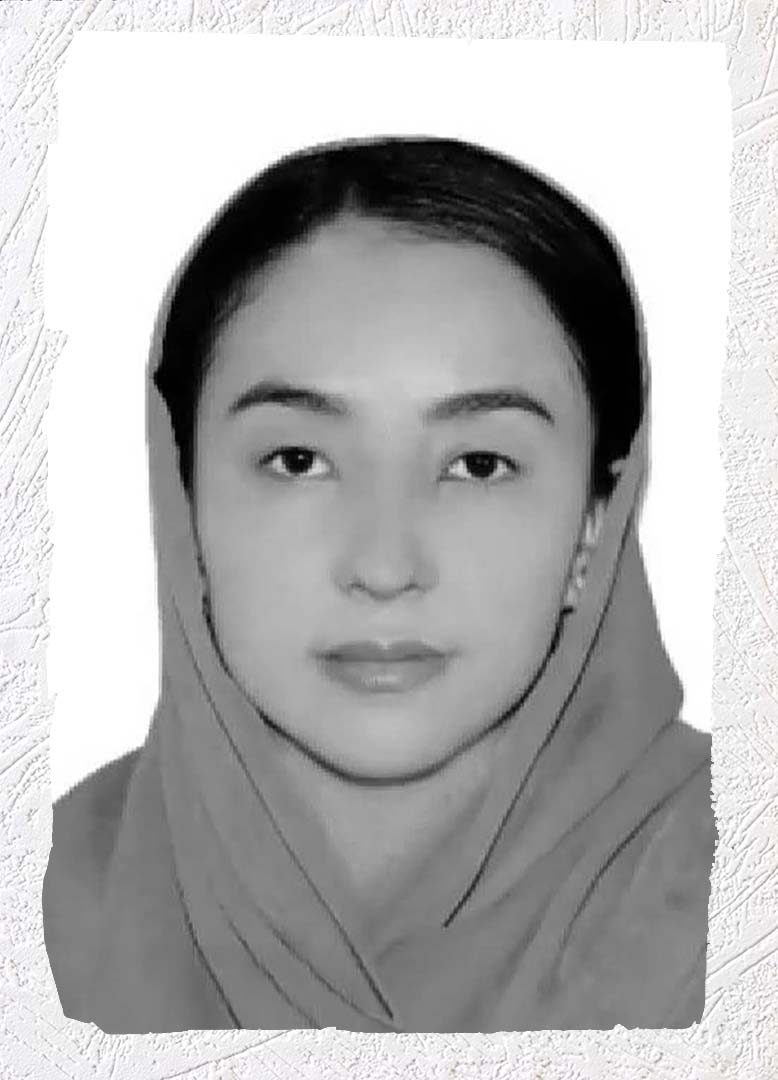
- Gender
- Female
- Ethnicity
- Hazara
- District geolocation of incident
- Kabul: 34° 31′ 1″ N, 69° 8′ 60″ E
- Description of incident
On September 30, 2022, a suicide attack targeted the Kaaj Educational Center in Dasht-e-Barchi, West Kabul, Afghanistan. The explosion occurred at approximately 7:30 AM and tragically resulted in the deaths of over 58 students. More than 126 others were injured. The Kaaj Center, located in a predominantly Hazara neighbourhood, served as a learning space for students preparing for university entrance exams. On the day of the attack, nearly 300 students were present, many of whom were high school girls taking a practice exam. While no group has officially claimed responsibility, the Hazara ethnic group has faced widespread violence from groups like ISIL-K and the Taliban in the past.
- Witness/Survivor Statement
No statement
- Date added
- Feb 21, 2023
Shikofa Sadat
- Photo of Victim
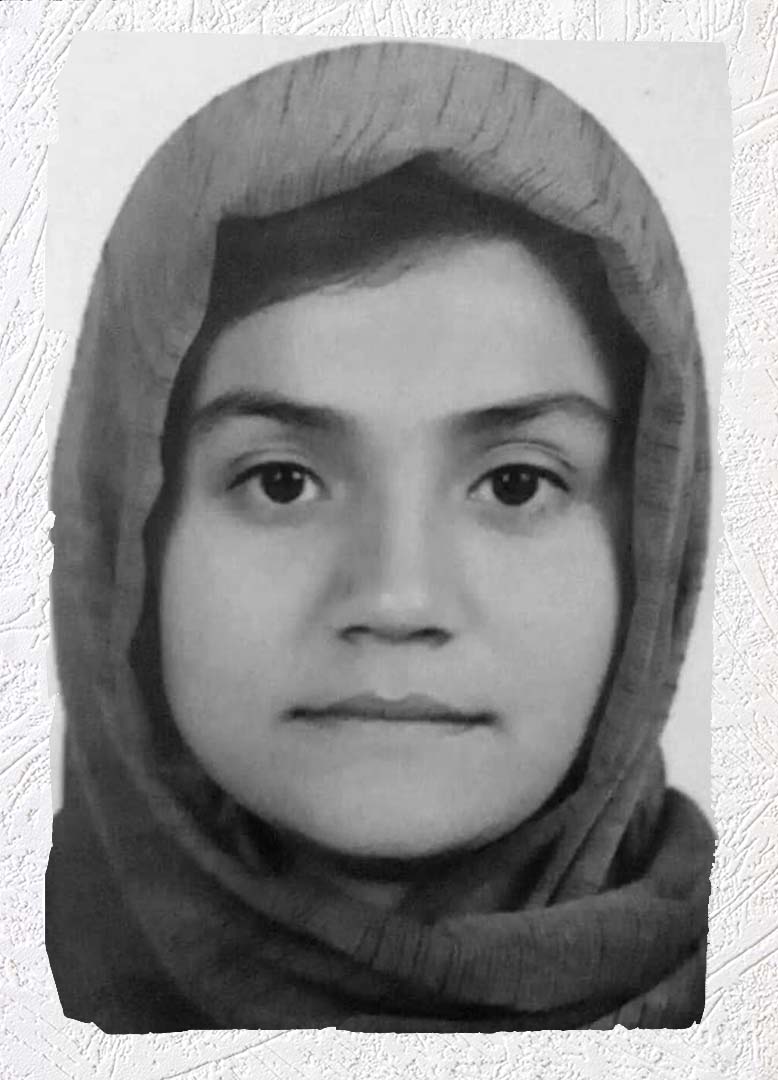
- Gender
- Female
- Ethnicity
- Sadat
- District geolocation of incident
- Kabul: 34° 31′ 1″ N, 69° 8′ 60″ E
- Description of incident
On September 30, 2022, a suicide attack targeted the Kaaj Educational Center in Dasht-e-Barchi, West Kabul, Afghanistan. The explosion occurred at approximately 7:30 AM and tragically resulted in the deaths of over 58 students. More than 126 others were injured. The Kaaj Center, located in a predominantly Hazara neighbourhood, served as a learning space for students preparing for university entrance exams. On the day of the attack, nearly 300 students were present, many of whom were high school girls taking a practice exam. While no group has officially claimed responsibility, the Hazara ethnic group has faced widespread violence from groups like ISIL-K and the Taliban in the past.
- Witness/Survivor Statement
No statement
- Date added
- Feb 21, 2023
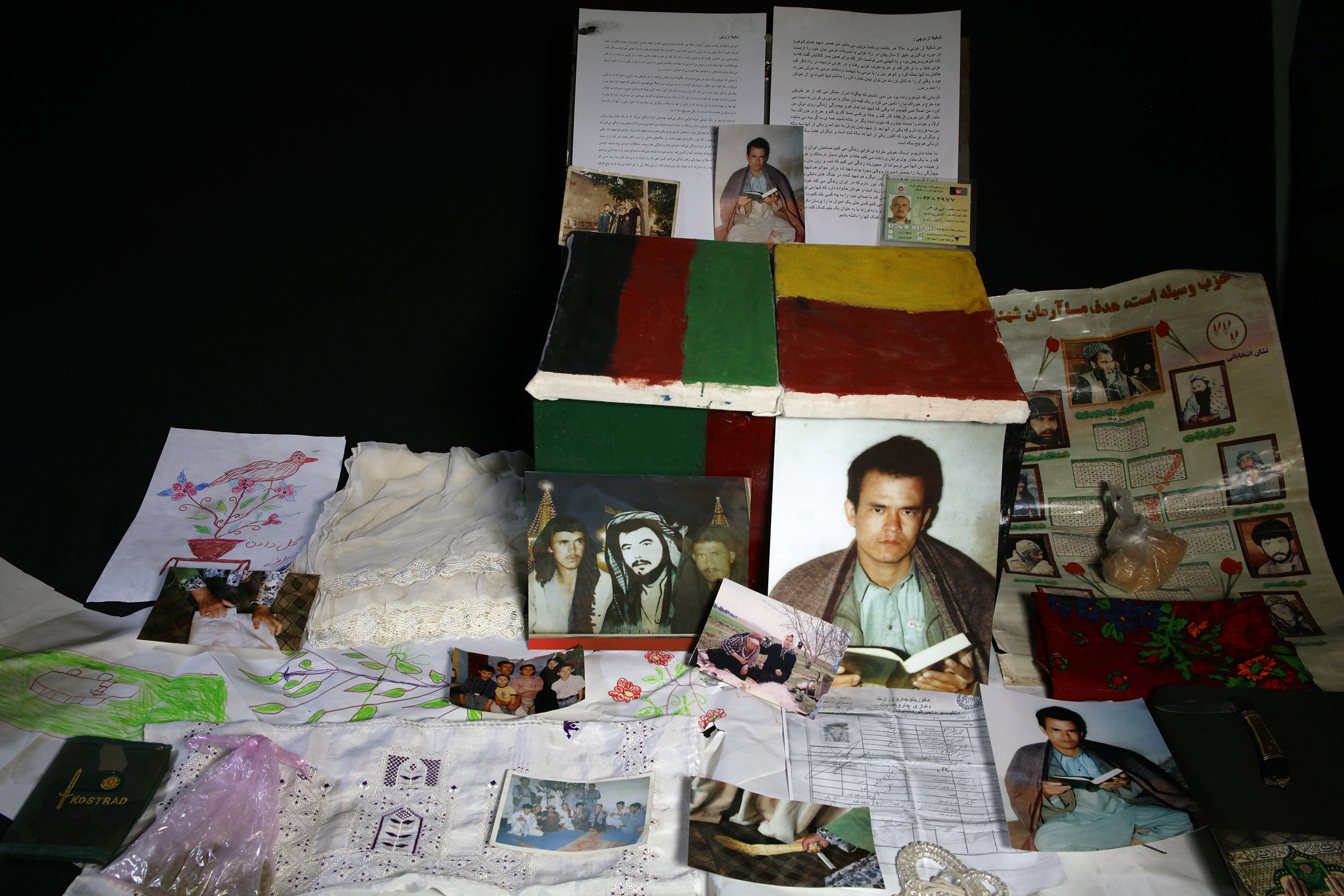
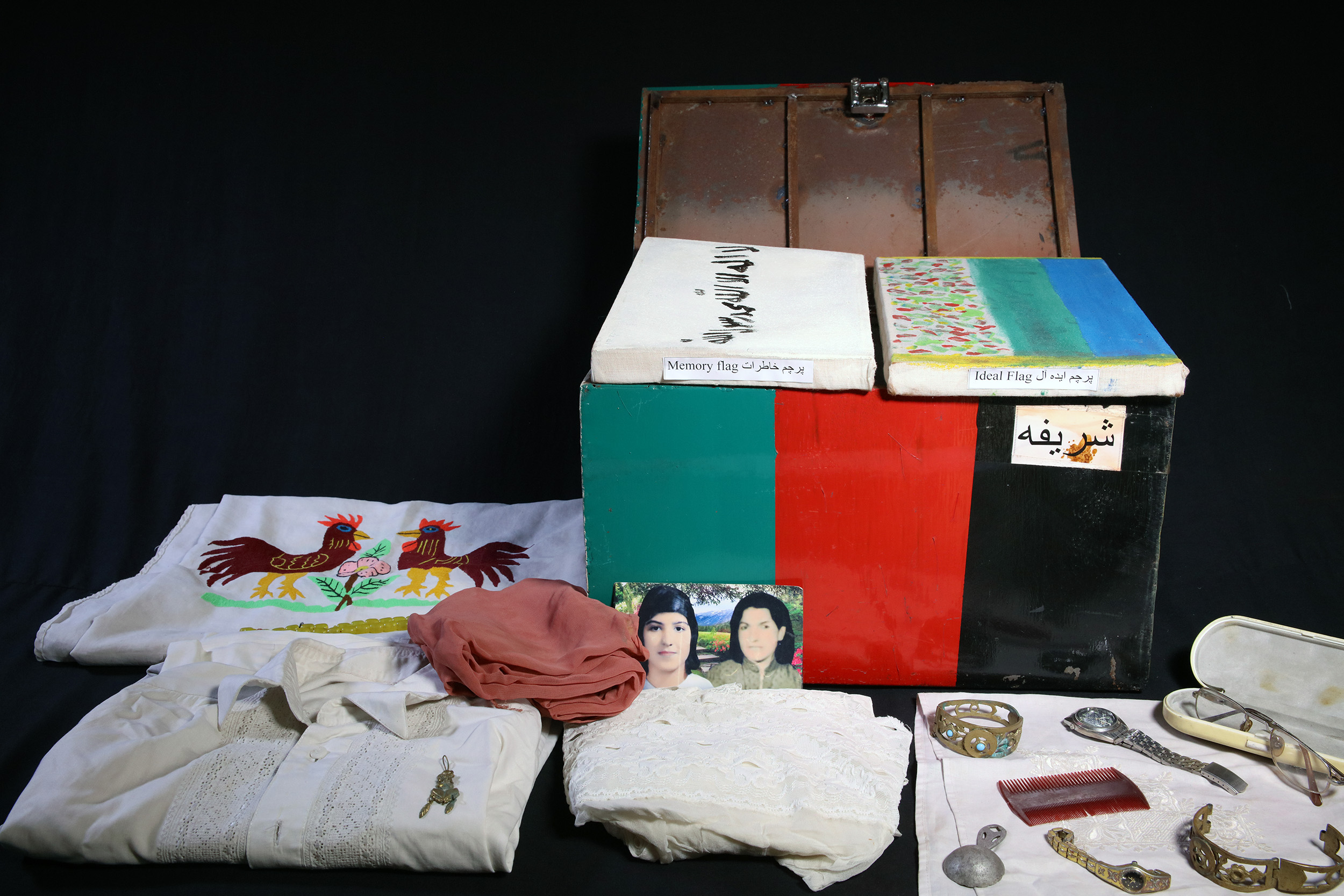

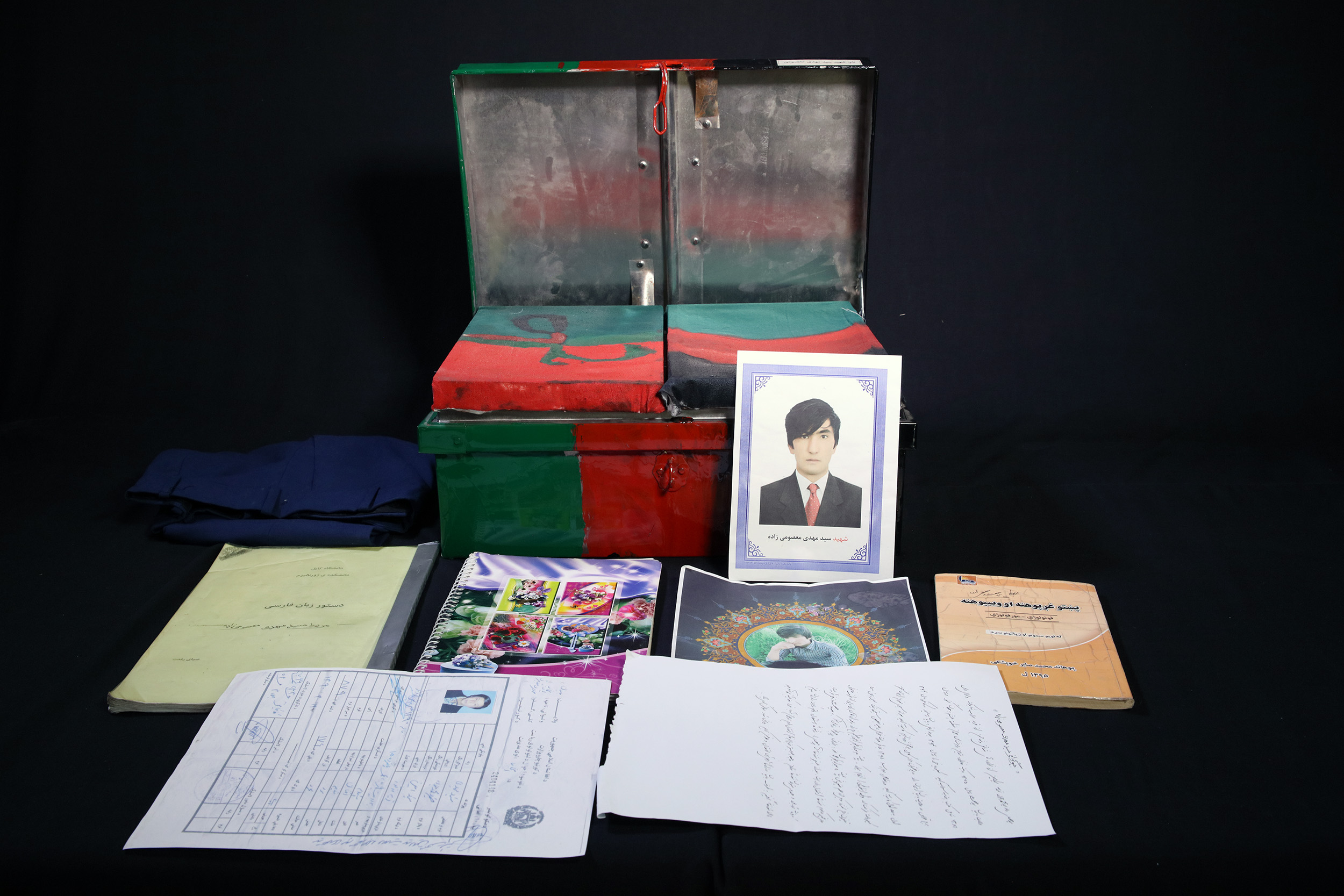
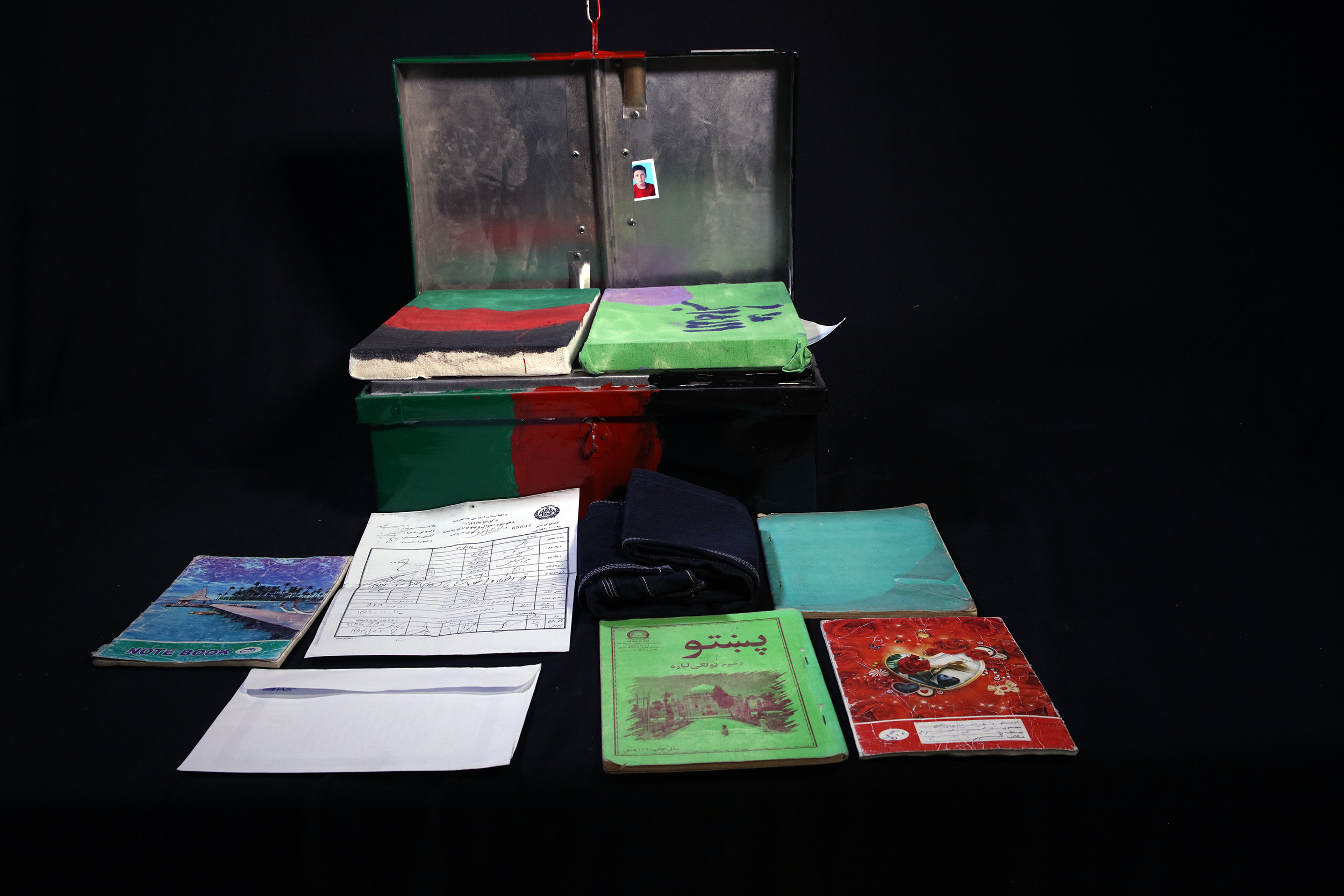
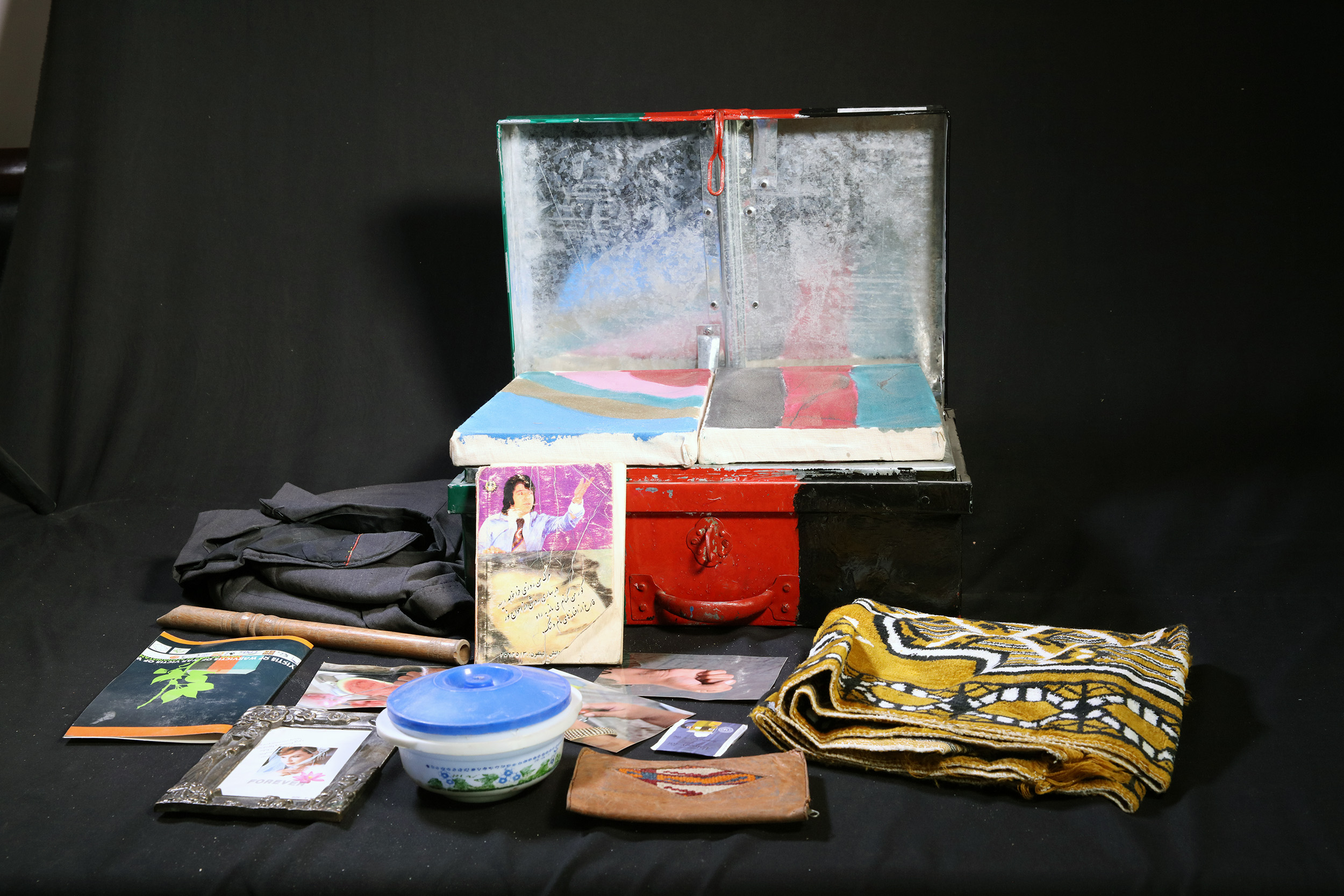
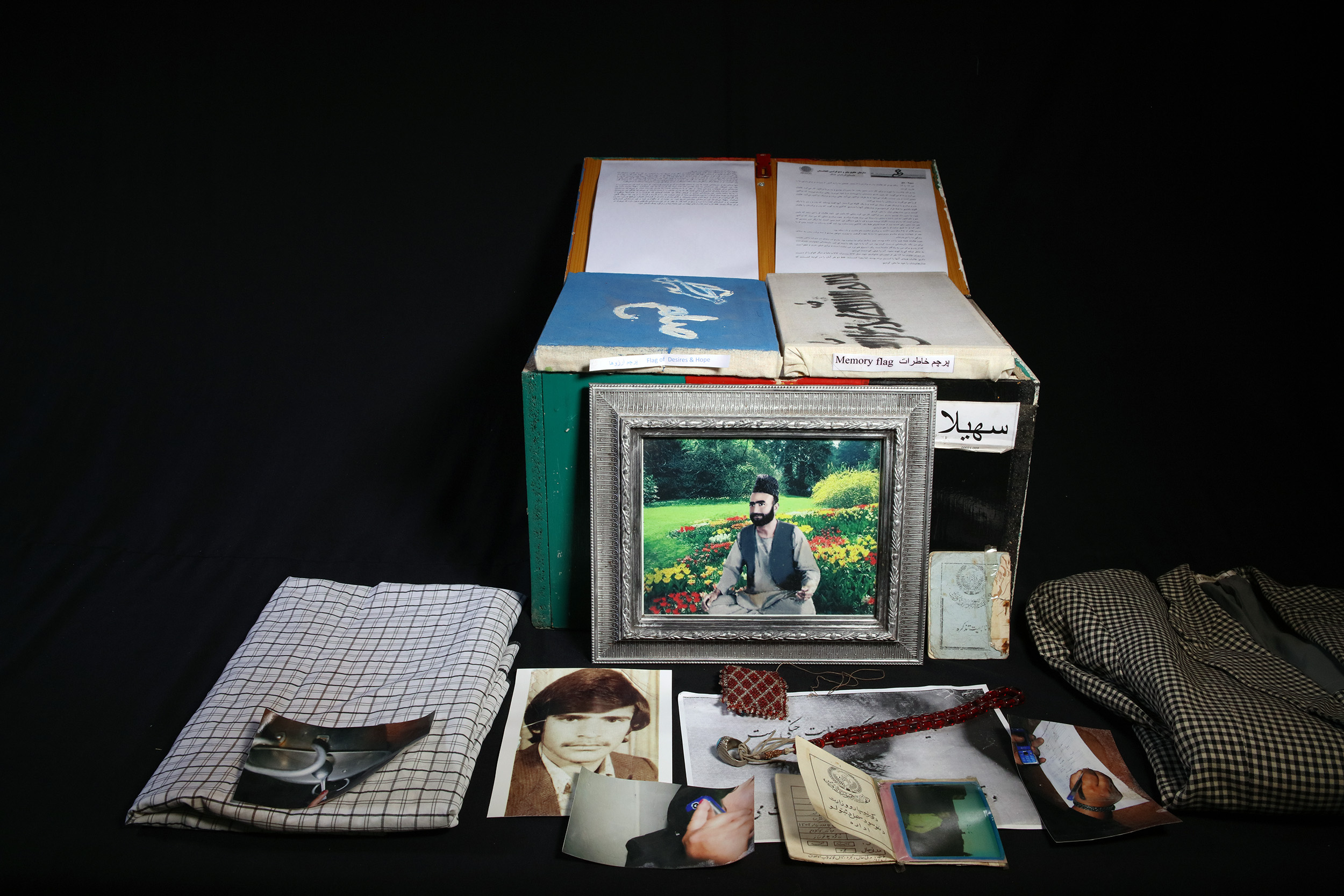

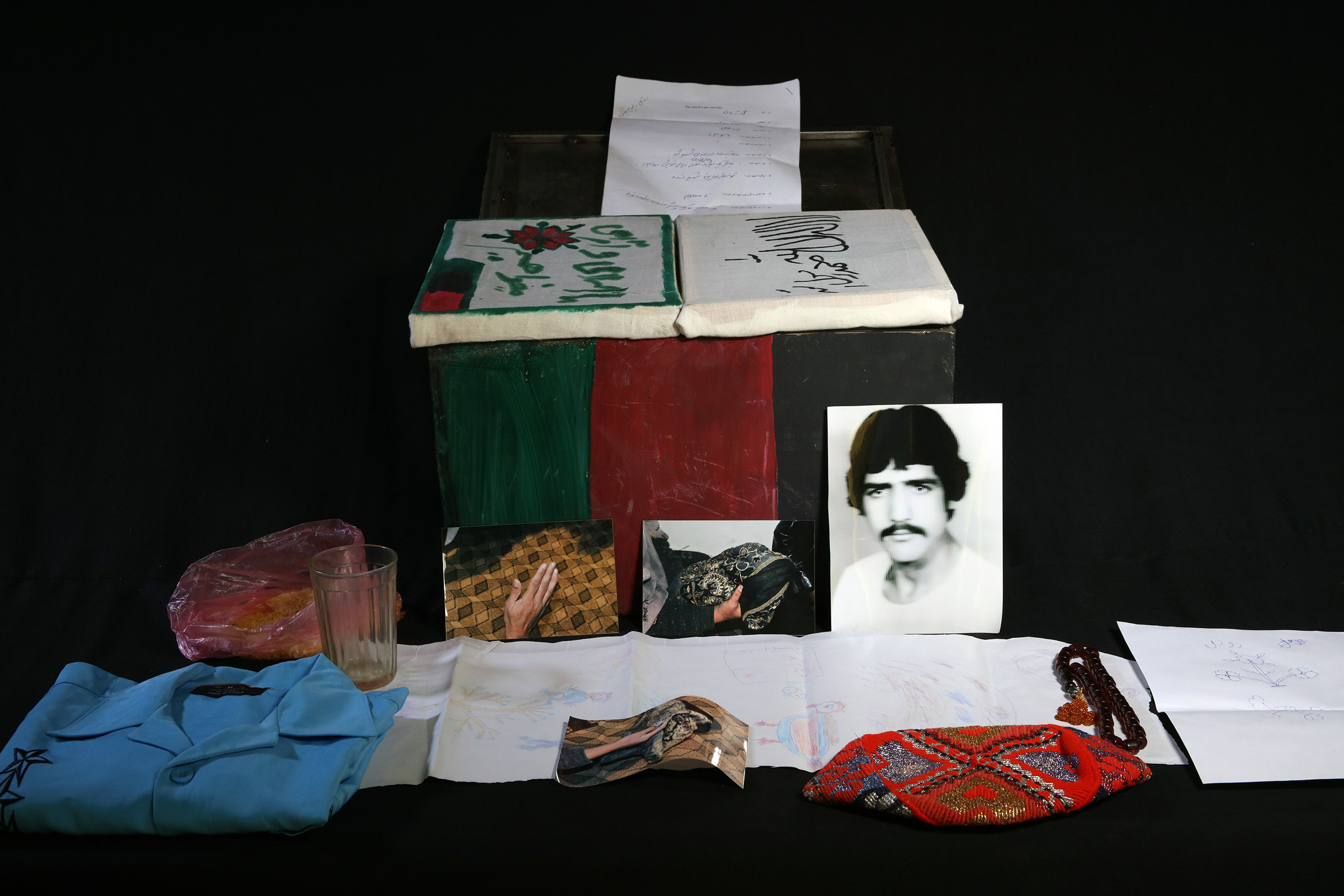

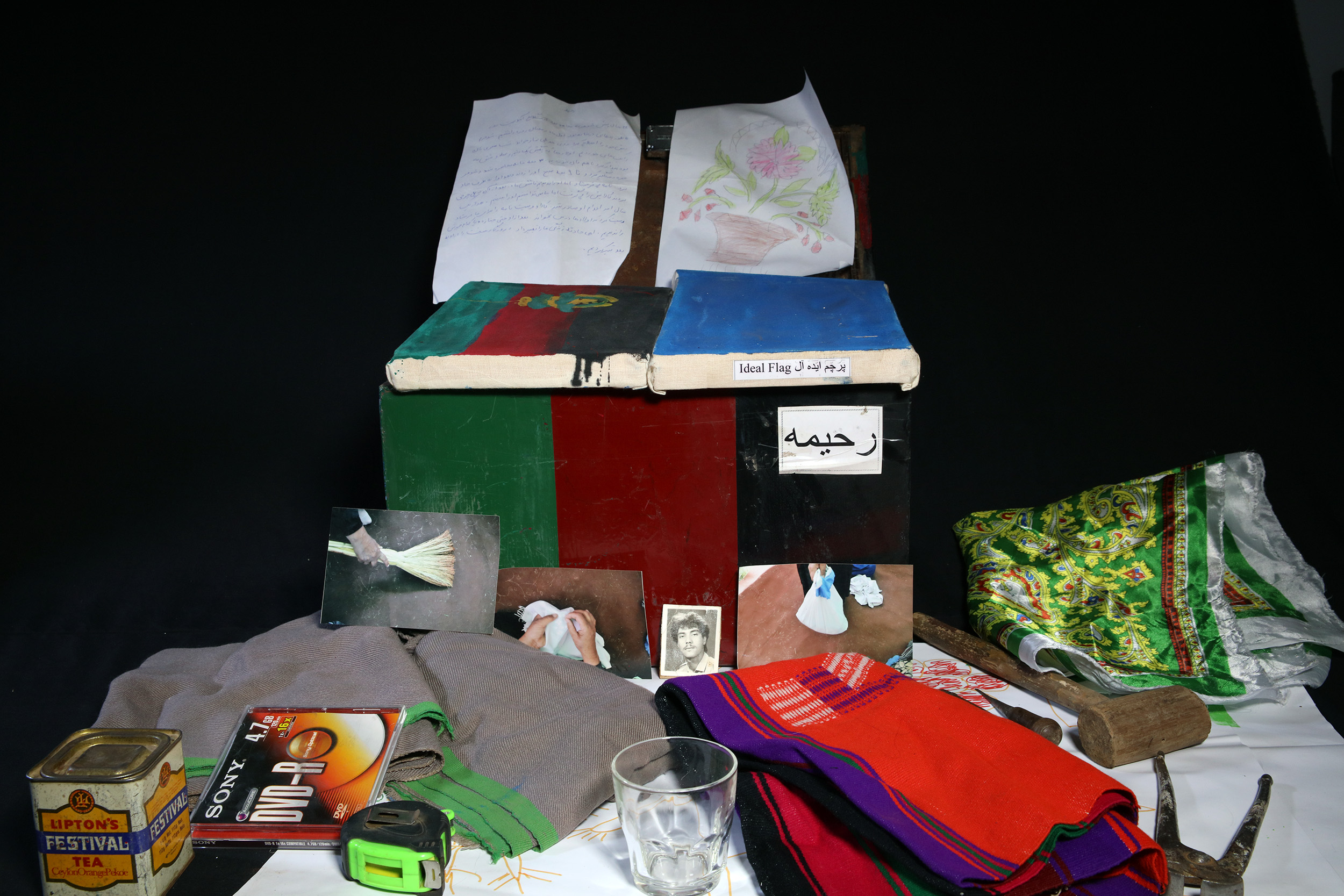


Shokria Motmaen
- Photo of Victim

- Gender
- Female
- Ethnicity
- Hazara
- District geolocation of incident
- Kabul: 34° 31′ 1″ N, 69° 8′ 60″ E
- Description of incident
On September 30, 2022, a suicide attack targeted the Kaaj Educational Center in Dasht-e-Barchi, West Kabul, Afghanistan. The explosion occurred at approximately 7:30 AM and tragically resulted in the deaths of over 58 students. More than 126 others were injured. The Kaaj Center, located in a predominantly Hazara neighbourhood, served as a learning space for students preparing for university entrance exams. On the day of the attack, nearly 300 students were present, many of whom were high school girls taking a practice exam. While no group has officially claimed responsibility, the Hazara ethnic group has faced widespread violence from groups like ISIL-K and the Taliban in the past.
- Witness/Survivor Statement
No statement
- Date added
- Feb 17, 2023
Shokria Hasani
- Photo of Victim
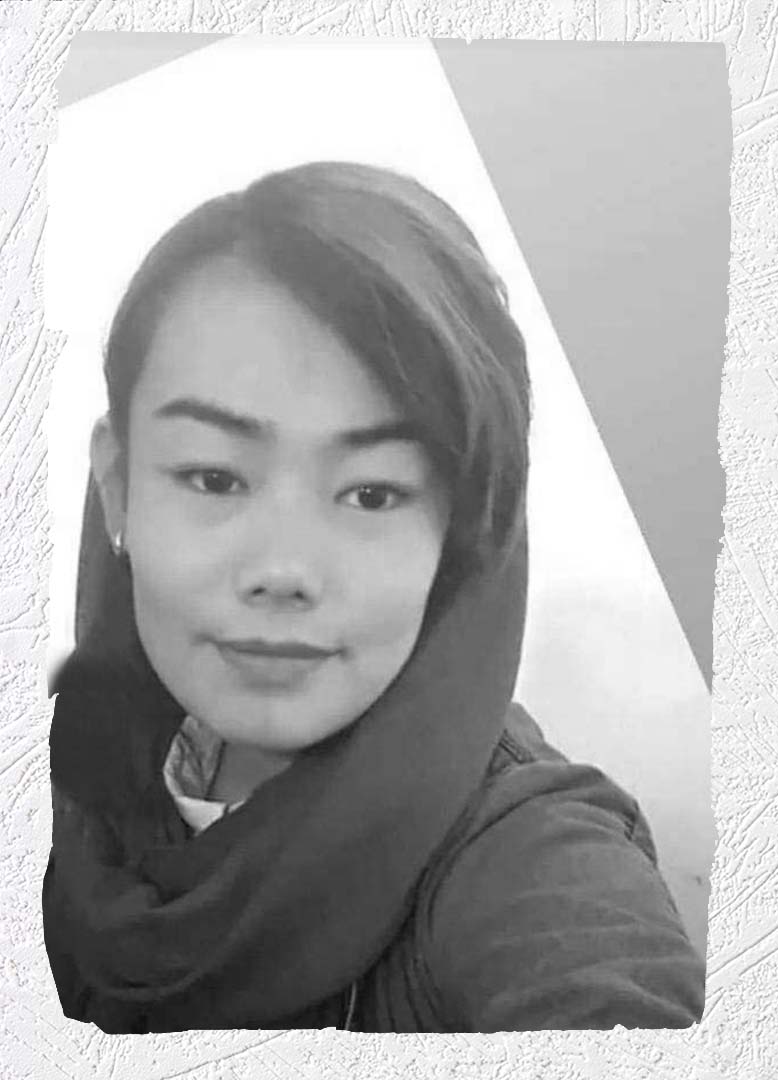
- Gender
- Female
- Ethnicity
- Hazara
- District geolocation of incident
- Kabul: 34° 31′ 1″ N, 69° 8′ 60″ E
- Description of incident
On September 30, 2022, a suicide attack targeted the Kaaj Educational Center in Dasht-e-Barchi, West Kabul, Afghanistan. The explosion occurred at approximately 7:30 AM and tragically resulted in the deaths of over 58 students. More than 126 others were injured. The Kaaj Center, located in a predominantly Hazara neighbourhood, served as a learning space for students preparing for university entrance exams. On the day of the attack, nearly 300 students were present, many of whom were high school girls taking a practice exam. While no group has officially claimed responsibility, the Hazara ethnic group has faced widespread violence from groups like ISIL-K and the Taliban in the past.
- Witness/Survivor Statement
No statement
- Date added
- Feb 17, 2023
Shabnam Bakhteiari
- Photo of Victim

- Gender
- Female
- Ethnicity
- Hazara
- District geolocation of incident
- Kabul: 34° 31′ 1″ N, 69° 8′ 60″ E
- Description of incident
On September 30, 2022, a suicide attack targeted the Kaaj Educational Center in Dasht-e-Barchi, West Kabul, Afghanistan. The explosion occurred at approximately 7:30 AM and tragically resulted in the deaths of over 58 students. More than 126 others were injured. The Kaaj Center, located in a predominantly Hazara neighbourhood, served as a learning space for students preparing for university entrance exams. On the day of the attack, nearly 300 students were present, many of whom were high school girls taking a practice exam. While no group has officially claimed responsibility, the Hazara ethnic group has faced widespread violence from groups like ISIL-K and the Taliban in the past.
- Witness/Survivor Statement
No statement
- Date added
- Feb 17, 2023
Sayed Nassim Mohammadi
- Photo of Victim

- Gender
- Male
- Ethnicity
- Sadat
- District geolocation of incident
- Kabul: 34° 31′ 1″ N, 69° 8′ 60″ E
- Description of incident
On September 30, 2022, a suicide attack targeted the Kaaj Educational Center in Dasht-e-Barchi, West Kabul, Afghanistan. The explosion occurred at approximately 7:30 AM and tragically resulted in the deaths of over 58 students. More than 126 others were injured. The Kaaj Center, located in a predominantly Hazara neighbourhood, served as a learning space for students preparing for university entrance exams. On the day of the attack, nearly 300 students were present, many of whom were high school girls taking a practice exam. While no group has officially claimed responsibility, the Hazara ethnic group has faced widespread violence from groups like ISIL-K and the Taliban in the past.
- Witness/Survivor Statement
No statement
- Date added
- Feb 17, 2023
Samira Hemati
- Photo of Victim
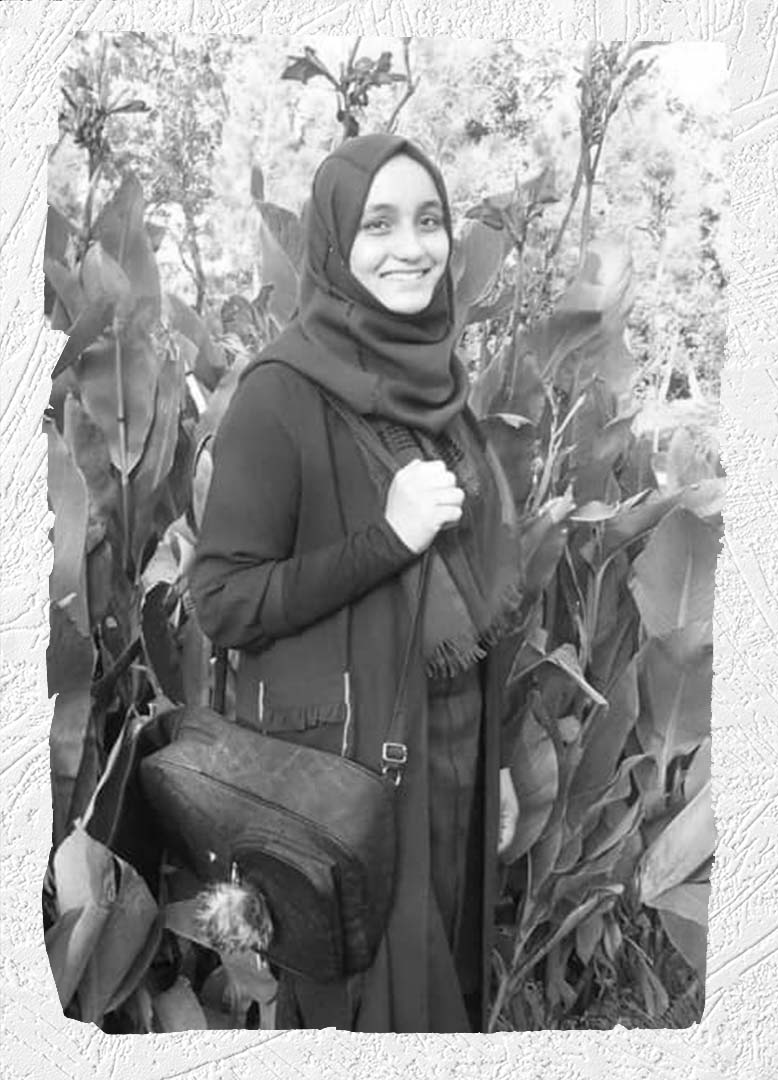
- Gender
- Female
- Ethnicity
- Hazara
- District geolocation of incident
- Kabul: 34° 31′ 1″ N, 69° 8′ 60″ E
- Description of incident
On September 30, 2022, a suicide attack targeted the Kaaj Educational Center in Dasht-e-Barchi, West Kabul, Afghanistan. The explosion occurred at approximately 7:30 AM and tragically resulted in the deaths of over 58 students. More than 126 others were injured. The Kaaj Center, located in a predominantly Hazara neighbourhood, served as a learning space for students preparing for university entrance exams. On the day of the attack, nearly 300 students were present, many of whom were high school girls taking a practice exam. While no group has officially claimed responsibility, the Hazara ethnic group has faced widespread violence from groups like ISIL-K and the Taliban in the past.
- Witness/Survivor Statement
No statement
- Date added
- Feb 17, 2023
Samira Khedri
- Photo of Victim

- Gender
- Female
- Ethnicity
- Hazara
- District geolocation of incident
- Kabul: 34° 31′ 1″ N, 69° 8′ 60″ E
- Description of incident
On September 30, 2022, a suicide attack targeted the Kaaj Educational Center in Dasht-e-Barchi, West Kabul, Afghanistan. The explosion occurred at approximately 7:30 AM and tragically resulted in the deaths of over 58 students. More than 126 others were injured. The Kaaj Center, located in a predominantly Hazara neighbourhood, served as a learning space for students preparing for university entrance exams. On the day of the attack, nearly 300 students were present, many of whom were high school girls taking a practice exam. While no group has officially claimed responsibility, the Hazara ethnic group has faced widespread violence from groups like ISIL-K and the Taliban in the past.
- Witness/Survivor Statement
No statement
- Date added
- Feb 17, 2023
Sadeia Nabizada
- Photo of Victim
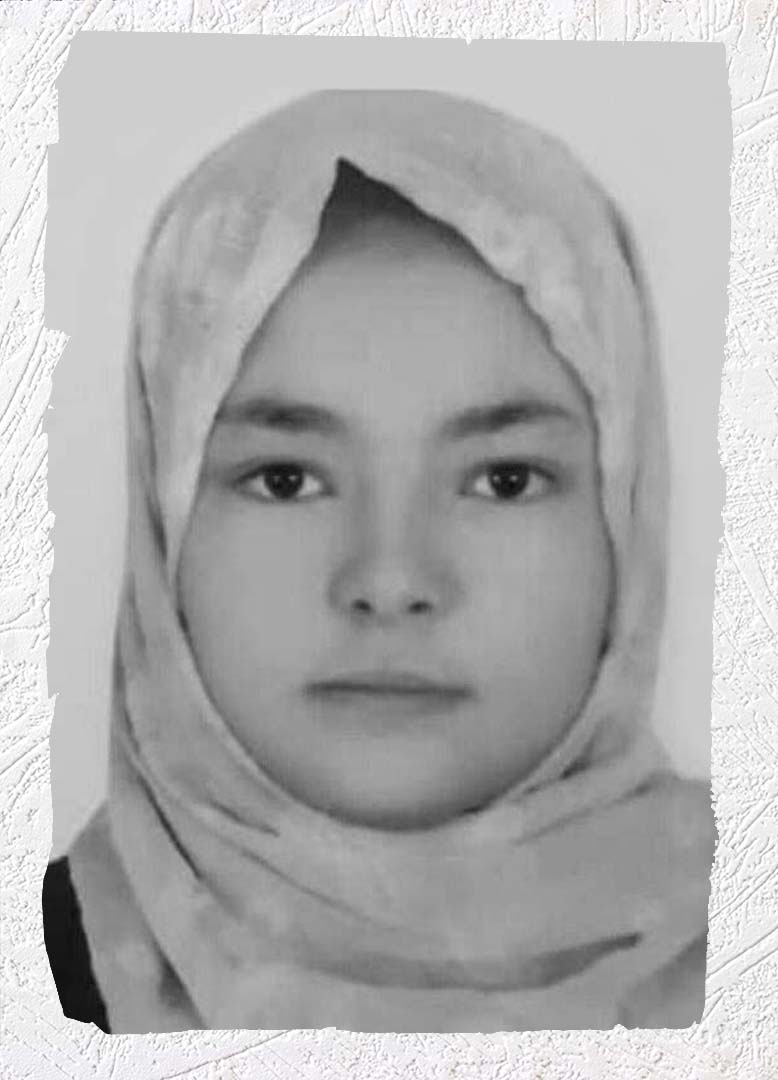
- Gender
- Female
- Ethnicity
- Hazara
- District geolocation of incident
- Kabul: 34° 31′ 1″ N, 69° 8′ 60″ E
- Description of incident
On September 30, 2022, a suicide attack targeted the Kaaj Educational Center in Dasht-e-Barchi, West Kabul, Afghanistan. The explosion occurred at approximately 7:30 AM and tragically resulted in the deaths of over 58 students. More than 126 others were injured. The Kaaj Center, located in a predominantly Hazara neighbourhood, served as a learning space for students preparing for university entrance exams. On the day of the attack, nearly 300 students were present, many of whom were high school girls taking a practice exam. While no group has officially claimed responsibility, the Hazara ethnic group has faced widespread violence from groups like ISIL-K and the Taliban in the past.
- Witness/Survivor Statement
No statement
- Date added
- Feb 17, 2023
Setara Rezaei
- Photo of Victim
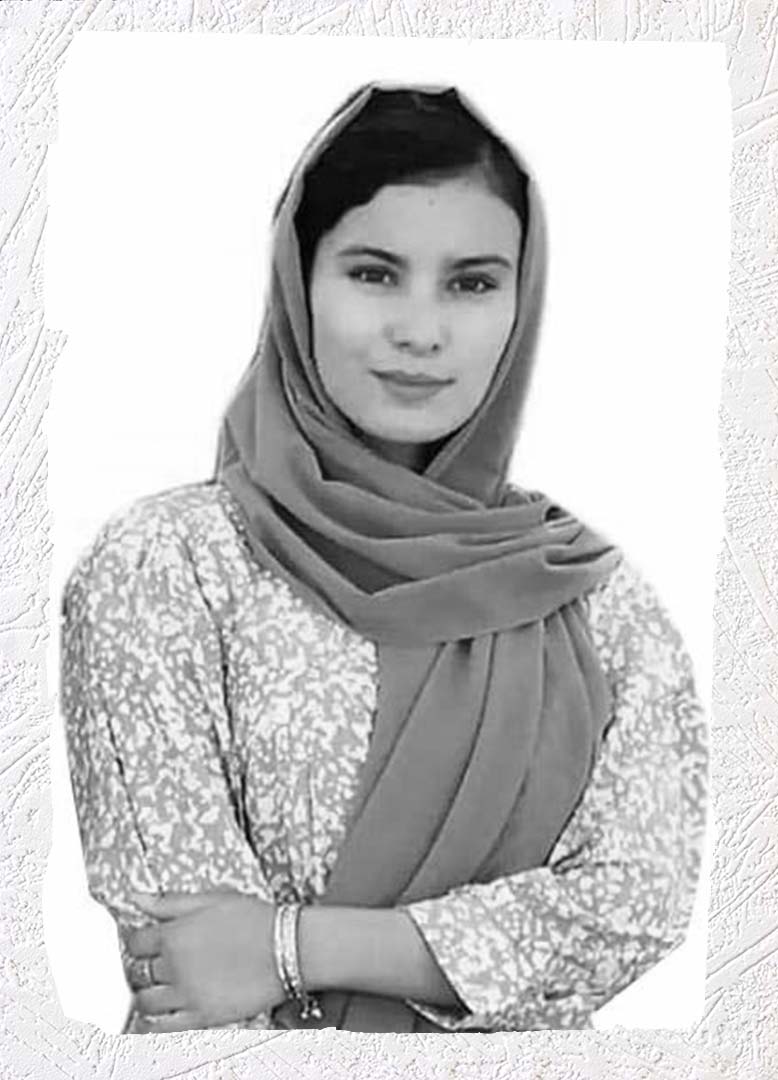
- Gender
- Female
- Ethnicity
- Hazara
- District geolocation of incident
- Kabul: 34° 31′ 1″ N, 69° 8′ 60″ E
- Description of incident
On September 30, 2022, a suicide attack targeted the Kaaj Educational Center in Dasht-e-Barchi, West Kabul, Afghanistan. The explosion occurred at approximately 7:30 AM and tragically resulted in the deaths of over 58 students. More than 126 others were injured. The Kaaj Center, located in a predominantly Hazara neighbourhood, served as a learning space for students preparing for university entrance exams. On the day of the attack, nearly 300 students were present, many of whom were high school girls taking a practice exam. While no group has officially claimed responsibility, the Hazara ethnic group has faced widespread violence from groups like ISIL-K and the Taliban in the past.
- Witness/Survivor Statement
No statement
- Date added
- Feb 17, 2023
Zainab Sherzad
- Photo of Victim

- Gender
- Female
- Ethnicity
- Hazara
- District geolocation of incident
- Kabul: 34° 31′ 1″ N, 69° 8′ 60″ E
- Description of incident
On September 30, 2022, a suicide attack targeted the Kaaj Educational Center in Dasht-e-Barchi, West Kabul, Afghanistan. The explosion occurred at approximately 7:30 AM and tragically resulted in the deaths of over 58 students. More than 126 others were injured. The Kaaj Center, located in a predominantly Hazara neighbourhood, served as a learning space for students preparing for university entrance exams. On the day of the attack, nearly 300 students were present, many of whom were high school girls taking a practice exam. While no group has officially claimed responsibility, the Hazara ethnic group has faced widespread violence from groups like ISIL-K and the Taliban in the past.
- Witness/Survivor Statement
No statement
- Date added
- Feb 17, 2023
Zahra Amiri
- Photo of Victim

- Gender
- Female
- Ethnicity
- Hazara
- District geolocation of incident
- Kabul: 34° 31′ 1″ N, 69° 8′ 60″ E
- Description of incident
On September 30, 2022, a suicide attack targeted the Kaaj Educational Center in Dasht-e-Barchi, West Kabul, Afghanistan. The explosion occurred at approximately 7:30 AM and tragically resulted in the deaths of over 58 students. More than 126 others were injured. The Kaaj Center, located in a predominantly Hazara neighbourhood, served as a learning space for students preparing for university entrance exams. On the day of the attack, nearly 300 students were present, many of whom were high school girls taking a practice exam. While no group has officially claimed responsibility, the Hazara ethnic group has faced widespread violence from groups like ISIL-K and the Taliban in the past.
- Witness/Survivor Statement
No statement
- Date added
- Feb 17, 2023
Zahra Ahmadi
- Photo of Victim
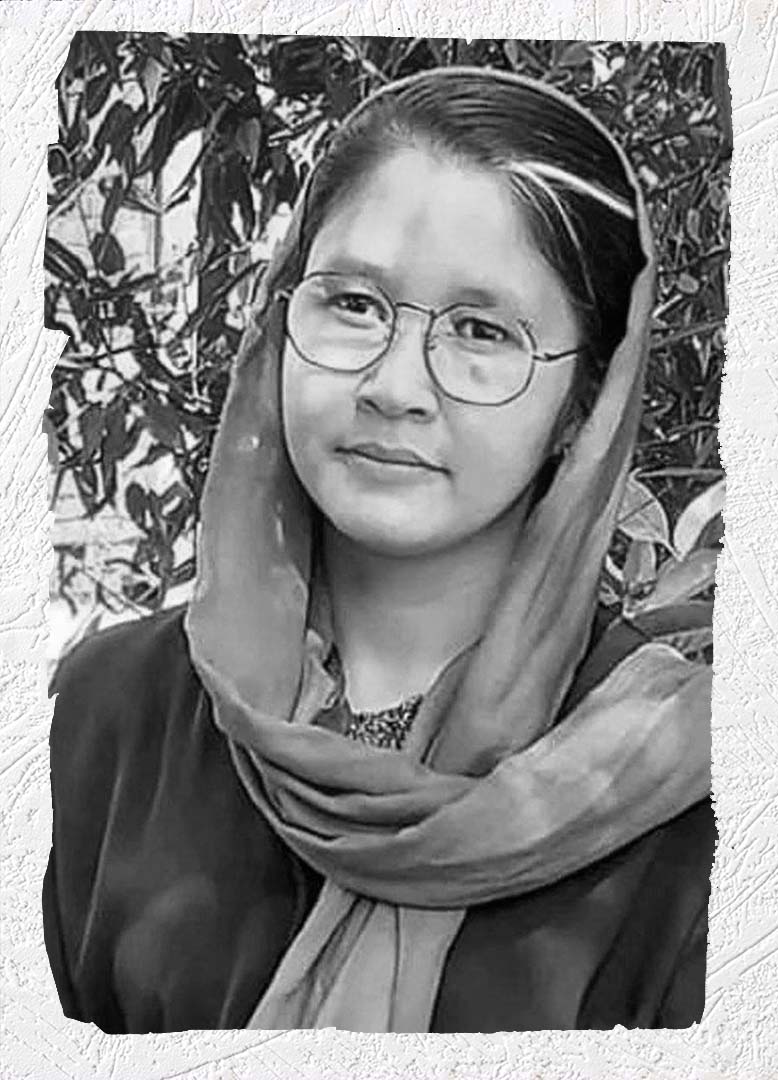
- Gender
- Female
- Ethnicity
- Hazara
- District geolocation of incident
- Kabul: 34° 31′ 1″ N, 69° 8′ 60″ E
- Description of incident
On September 30, 2022, a suicide attack targeted the Kaaj Educational Center in Dasht-e-Barchi, West Kabul, Afghanistan. The explosion occurred at approximately 7:30 AM and tragically resulted in the deaths of over 58 students. More than 126 others were injured. The Kaaj Center, located in a predominantly Hazara neighbourhood, served as a learning space for students preparing for university entrance exams. On the day of the attack, nearly 300 students were present, many of whom were high school girls taking a practice exam. While no group has officially claimed responsibility, the Hazara ethnic group has faced widespread violence from groups like ISIL-K and the Taliban in the past.
- Witness/Survivor Statement
No statement
- Date added
- Feb 15, 2023
Zahra Ahmadi
- Photo of Victim

- Gender
- Female
- Ethnicity
- Hazara
- District geolocation of incident
- Kabul: 34° 31′ 1″ N, 69° 8′ 60″ E
- Description of incident
On September 30, 2022, a suicide attack targeted the Kaaj Educational Center in Dasht-e-Barchi, West Kabul, Afghanistan. The explosion occurred at approximately 7:30 AM and tragically resulted in the deaths of over 58 students. More than 126 others were injured. The Kaaj Center, located in a predominantly Hazara neighbourhood, served as a learning space for students preparing for university entrance exams. On the day of the attack, nearly 300 students were present, many of whom were high school girls taking a practice exam. While no group has officially claimed responsibility, the Hazara ethnic group has faced widespread violence from groups like ISIL-K and the Taliban in the past.
- Witness/Survivor Statement
No statement
- Date added
- Feb 15, 2023
A police officer and a civilian were shot and killed by unknown gunmen
- Date added
- Feb 15, 2023
Unknown gunmen opened fire on people who were praying in a local mosque killing one civilian and wounding another.
- Date added
- Feb 15, 2023
Raihan Mohammadi
- Photo of Victim

- Gender
- Female
- Ethnicity
- Qizilbash
- District geolocation of incident
- Kabul: 34° 31′ 1″ N, 69° 8′ 60″ E
- Description of incident
On September 30, 2022, a suicide attack targeted the Kaaj Educational Center in Dasht-e-Barchi, West Kabul, Afghanistan. The explosion occurred at approximately 7:30 AM and tragically resulted in the deaths of over 58 students. More than 126 others were injured. The Kaaj Center, located in a predominantly Hazara neighbourhood, served as a learning space for students preparing for university entrance exams. On the day of the attack, nearly 300 students were present, many of whom were high school girls taking a practice exam. While no group has officially claimed responsibility, the Hazara ethnic group has faced widespread violence from groups like ISIL-K and the Taliban in the past.
- Witness/Survivor Statement
No statement
- Date added
- Feb 15, 2023
The Taliban opened fire on a vehicle killing two soldiers, a police officer and two other civilians
- Date added
- Feb 15, 2023
A suicide attacker exploded himself during the funeral ceremony of a former pro-government militia commander, killing 32 civilians and wounding 133 others
- Date added
- Feb 15, 2023
The Taliban shot and killed a civilian who was working as a cook in a security outpost
- Date added
- Feb 15, 2023
Rahila Alizada
- Photo of Victim

- Gender
- Female
- Ethnicity
- Hazara
- District geolocation of incident
- Kabul: 34° 31′ 1″ N, 69° 8′ 60″ E
- Description of incident
On September 30, 2022, a suicide attack targeted the Kaaj Educational Center in Dasht-e-Barchi, West Kabul, Afghanistan. The explosion occurred at approximately 7:30 AM and tragically resulted in the deaths of over 58 students. More than 126 others were injured. The Kaaj Center, located in a predominantly Hazara neighbourhood, served as a learning space for students preparing for university entrance exams. On the day of the attack, nearly 300 students were present, many of whom were high school girls taking a practice exam. While no group has officially claimed responsibility, the Hazara ethnic group has faced widespread violence from groups like ISIL-K and the Taliban in the past.
- Witness/Survivor Statement
No statement
- Date added
- Feb 15, 2023
A roadside bomb went off in the Khalbisat Bazaar area of Sabrai District, killing one civilian and wounding four others
- Date added
- Feb 15, 2023
Afghan air forces killed nine civilians and wounding seven others
- Date added
- Feb 15, 2023
The Taliban opened fire on a group of civilians who were returning from a mosque, killing a child and two adults
- Date added
- Feb 15, 2023
Homira Arshadi
- Photo of Victim

- Gender
- Female
- Ethnicity
- Hazara
- District geolocation of incident
- Kabul: 34° 31′ 1″ N, 69° 8′ 60″ E
- Description of incident
On September 30, 2022, a suicide attack targeted the Kaaj Educational Center in Dasht-e-Barchi, West Kabul, Afghanistan. The explosion occurred at approximately 7:30 AM and tragically resulted in the deaths of over 58 students. More than 126 others were injured. The Kaaj Center, located in a predominantly Hazara neighbourhood, served as a learning space for students preparing for university entrance exams. On the day of the attack, nearly 300 students were present, many of whom were high school girls taking a practice exam. While no group has officially claimed responsibility, the Hazara ethnic group has faced widespread violence from groups like ISIL-K and the Taliban in the past.
- Witness/Survivor Statement
No statement
- Date added
- Feb 15, 2023
Hosneia Azimi
- Photo of Victim

- Gender
- Female
- Ethnicity
- Hazara
- District geolocation of incident
- Kabul: 34° 31′ 1″ N, 69° 8′ 60″ E
- Description of incident
On September 30, 2022, a suicide attack targeted the Kaaj Educational Center in Dasht-e-Barchi, West Kabul, Afghanistan. The explosion occurred at approximately 7:30 AM and tragically resulted in the deaths of over 58 students. More than 126 others were injured. The Kaaj Center, located in a predominantly Hazara neighbourhood, served as a learning space for students preparing for university entrance exams. On the day of the attack, nearly 300 students were present, many of whom were high school girls taking a practice exam. While no group has officially claimed responsibility, the Hazara ethnic group has faced widespread violence from groups like ISIL-K and the Taliban in the past.
- Witness/Survivor Statement
No statement
- Date added
- Feb 15, 2023
The Taliban killed one civilian and wounding three pro-government militia members
- Date added
- Feb 15, 2023
Bahara Yaqobi (BasBiBi)
- Photo of Victim

- Gender
- Female
- Ethnicity
- Hazara
- District geolocation of incident
- Kabul: 34° 31′ 1″ N, 69° 8′ 60″ E
- Description of incident
On September 30, 2022, a suicide attack targeted the Kaaj Educational Center in Dasht-e-Barchi, West Kabul, Afghanistan. The explosion occurred at approximately 7:30 AM and tragically resulted in the deaths of over 58 students. More than 126 others were injured. The Kaaj Center, located in a predominantly Hazara neighbourhood, served as a learning space for students preparing for university entrance exams. On the day of the attack, nearly 300 students were present, many of whom were high school girls taking a practice exam. While no group has officially claimed responsibility, the Hazara ethnic group has faced widespread violence from groups like ISIL-K and the Taliban in the past.
- Witness/Survivor Statement
No statement
- Date added
- Feb 15, 2023
Belqes Yaqobi
- Photo of Victim
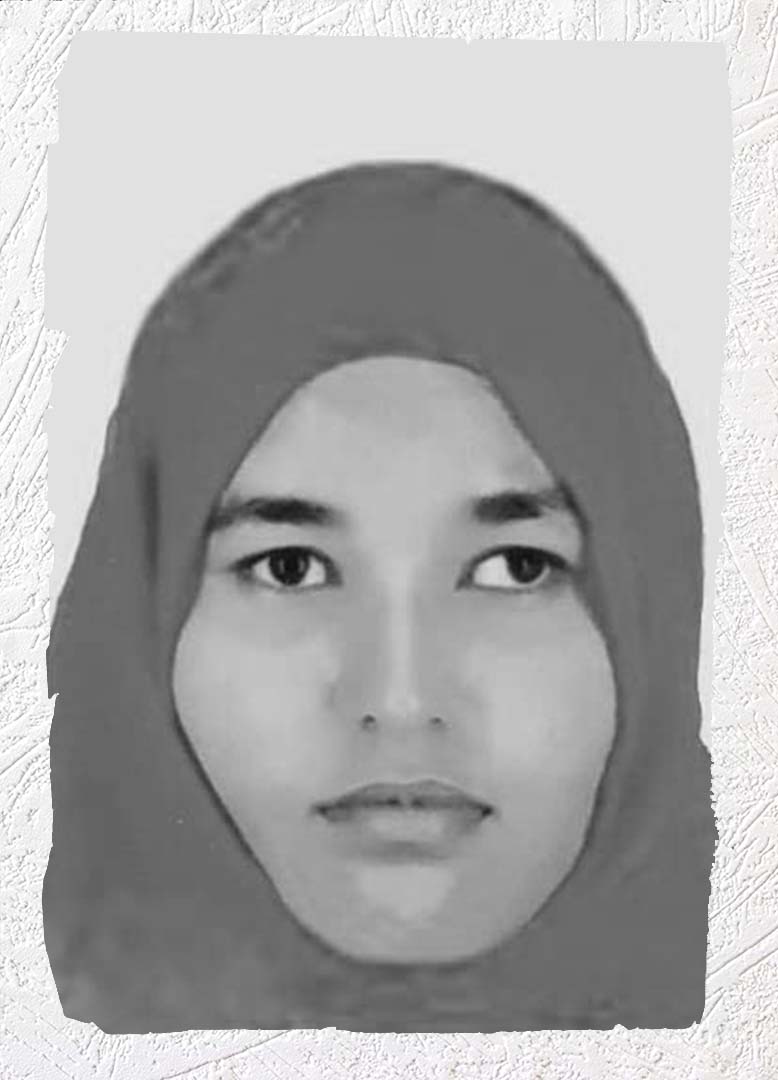
- Gender
- Female
- Ethnicity
- Hazara
- District geolocation of incident
- Kabul: 34° 31′ 1″ N, 69° 8′ 60″ E
- Description of incident
On September 30, 2022, a suicide attack targeted the Kaaj Educational Center in Dasht-e-Barchi, West Kabul, Afghanistan. The explosion occurred at approximately 7:30 AM and tragically resulted in the deaths of over 58 students. More than 126 others were injured. The Kaaj Center, located in a predominantly Hazara neighbourhood, served as a learning space for students preparing for university entrance exams. On the day of the attack, nearly 300 students were present, many of whom were high school girls taking a practice exam. While no group has officially claimed responsibility, the Hazara ethnic group has faced widespread violence from groups like ISIL-K and the Taliban in the past.
- Witness/Survivor Statement
No statement
- Date added
- Feb 15, 2023
Anisa Aslampoor
- Photo of Victim

- Gender
- Female
- Ethnicity
- Hazara
- District geolocation of incident
- Kabul: 34° 31′ 1″ N, 69° 8′ 60″ E
- Description of incident
On September 30, 2022, a suicide attack targeted the Kaaj Educational Center in Dasht-e-Barchi, West Kabul, Afghanistan. The explosion occurred at approximately 7:30 AM and tragically resulted in the deaths of over 58 students. More than 126 others were injured. The Kaaj Center, located in a predominantly Hazara neighbourhood, served as a learning space for students preparing for university entrance exams. On the day of the attack, nearly 300 students were present, many of whom were high school girls taking a practice exam. While no group has officially claimed responsibility, the Hazara ethnic group has faced widespread violence from groups like ISIL-K and the Taliban in the past.
- Witness/Survivor Statement
No statement
- Date added
- Feb 15, 2023
Ummul Banin Asghari
- Photo of Victim

- Gender
- Female
- Ethnicity
- Hazara
- District geolocation of incident
- Kabul: 34° 31′ 1″ N, 69° 8′ 60″ E
- Description of incident
On September 30, 2022, a suicide attack targeted the Kaaj Educational Center in Dasht-e-Barchi, West Kabul, Afghanistan. The explosion occurred at approximately 7:30 AM and tragically resulted in the deaths of over 58 students. More than 126 others were injured. The Kaaj Center, located in a predominantly Hazara neighbourhood, served as a learning space for students preparing for university entrance exams. On the day of the attack, nearly 300 students were present, many of whom were high school girls taking a practice exam. While no group has officially claimed responsibility, the Hazara ethnic group has faced widespread violence from groups like ISIL-K and the Taliban in the past.
- Witness/Survivor Statement
No statement
- Date added
- Feb 15, 2023
Hangama Ahmadi
- Photo of Victim

- Gender
- Female
- Ethnicity
- Hazara
- District geolocation of incident
- Kabul: 34° 31′ 1″ N, 69° 8′ 60″ EAb Kamari: 35° 15′ 58″ N, 62° 54′ 52″ E
- Description of incident
On July 23, 2016, two suicide bombers denoted their explosives among protesters at Dehmazang Square in Kabul, Afghanistan. The protesters, who were primarily Hazaras, were part of the Enlightenment Movement. They were protesting against the decision that diverted the TUTAP mega power project to bypass Hazara-dominated areas. According to multiple sources, at least 84 protesters were killed and around 260-400 people were injured. The Islamic State of Khorasan Province (IS-KP), the regional branch of ISIS, claimed responsibility for the attack. However, the same organization later refuted their involvement in the attack.
The Enlightenment Movement, also known as Junbesh-e Roshnayi-e, was a grassroots civil disobedience movement started by Hazaras in Afghanistan. It emerged in response to a change in plans of the Fichtner GmbH & Co. KG proposed Energy Supply Improvement Investment Program, unofficially called the TUTAP Project, which would cause it to bypass Hazara regions. The move was seen as perpetuating long-standing anti-Hazara discrimination. Throughout 2016 and 2017, the Enlightenment Movement involved large-scale demonstrations against discrimination both domestically in Afghanistan and abroad.
- Witness/Survivor Statement
No statement
- Date added
- Feb 15, 2023
Asma Ahmadi
- Photo of Victim
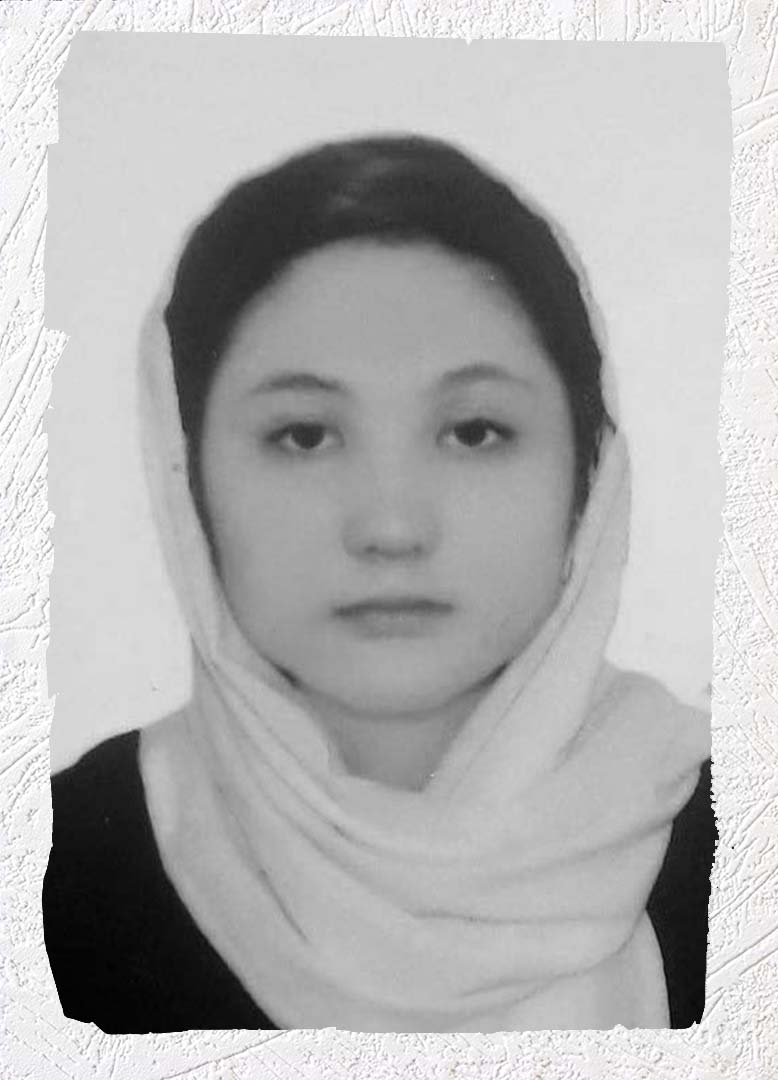
- Gender
- Female
- Ethnicity
- Hazara
- District geolocation of incident
- Kabul: 34° 31′ 1″ N, 69° 8′ 60″ E
- Description of incident
On September 30, 2022, a suicide attack targeted the Kaaj Educational Center in Dasht-e-Barchi, West Kabul, Afghanistan. The explosion occurred at approximately 7:30 AM and tragically resulted in the deaths of over 58 students. More than 126 others were injured. The Kaaj Center, located in a predominantly Hazara neighbourhood, served as a learning space for students preparing for university entrance exams. On the day of the attack, nearly 300 students were present, many of whom were high school girls taking a practice exam. While no group has officially claimed responsibility, the Hazara ethnic group has faced widespread violence from groups like ISIL-K and the Taliban in the past.
- Witness/Survivor Statement
No statement
- Date added
- Feb 15, 2023
Asadullah Khorram
- Photo of Victim

- Gender
- Male
- Ethnicity
- Hazara
- District geolocation of incident
- Kabul: 34° 31′ 1″ N, 69° 8′ 60″ E
- Description of incident
On September 30, 2022, a suicide attack targeted the Kaaj Educational Center in Dasht-e-Barchi, West Kabul, Afghanistan. The explosion occurred at approximately 7:30 AM and tragically resulted in the deaths of over 58 students. More than 126 others were injured. The Kaaj Center, located in a predominantly Hazara neighbourhood, served as a learning space for students preparing for university entrance exams. On the day of the attack, nearly 300 students were present, many of whom were high school girls taking a practice exam. While no group has officially claimed responsibility, the Hazara ethnic group has faced widespread violence from groups like ISIL-K and the Taliban in the past.
- Witness/Survivor Statement
No statement
- Date added
- Feb 15, 2023
Unknown armed men on a motorcycle opened fire on security forces killing one soldier and wounding another, as well as a civilian
- Date added
- Feb 14, 2023
One employee of the Agriculture Department was kidnapped and killed by the Taliban
- Date added
- Feb 14, 2023
The Taliban ambushed a rickshaw, which had been transferring food to a military base, killing one civilian and one soldier
- Date added
- Feb 14, 2023
At least 86 pro-government forces and 88 civilians were killed in Afghanistan during the past week
- Date added
- Feb 14, 2023
The Taliban attacked the vehicle of General Said Ahmad Babazai, the police chief on Khost Province, with a roadside bomb, killing him, his bodyguard, and his secretary
- Date added
- Feb 14, 2023
Two members of the National Directorate of Security, Afghanistan’s intelligence agency, were shot and killed
- Date added
- Feb 14, 2023
Afghan War Casualty Report: May 2020, New York Times, 28 May 2020
- Date added
- Feb 14, 2023
At least 42 pro-government forces and four civilians were killed in Afghanistan
- Date added
- Feb 14, 2023
The judge of a provincial court in the city of Herat was shot and killed by unknown gunmen on a motorcycle
- Date added
- Feb 14, 2023
Two men, two women and a child all from the same family were killed when their vehicle was blown up by a roadside bomb
- Date added
- Feb 14, 2023
Three civilians were killed and 15 others were wounded when a suicide attacker detonated his suicide vest
- Date added
- Feb 14, 2023
The Taliban attacked the center of Shirin Tagab District. One soldier and one civilian woman were killed in the attack
- Date added
- Feb 14, 2023
The Taliban abducted and killed three civilians, including a former garrison commander
- Date added
- Feb 14, 2023
The Taliban killed one soldier. One civilian was killed and three others were wounded in the crossfire
- Date added
- Feb 14, 2023
Mahdi Faizi (Dana)
- Photo of Victim

- Gender
- Male
- Ethnicity
- Hazara
- District geolocation of incident
- Kabul: 34° 31′ 1″ N, 69° 8′ 60″ E
- Description of incident
On April 19, 2022, a series of three explosions occurred at educational institutions in the Dasht-e-Barchi area of Kabul's western suburbs. The explosions resulted in more than 27 fatalities and 30 injuries. The initial blast took place at the Mamtaz Educational Center and was caused by a hand grenade thrown by an individual identified by students as Qari. Multiple people sustained critical injuries. This was followed by a suicide attack at the nearby Abdurahim Shahid High School. A remote-controlled explosive device (IED) detonated among individuals assembled for rescue efforts at the high school. The victims were all civilians, predominantly students. The Islamic State of Iraq and Levant - Khorasan Province (ISIL-KP) has claimed responsibility for the attacks, stating an intent to target the Hazara-Shia community.
- Witness/Survivor Statement
No statement
- Date added
- Feb 14, 2023
A Taliban mortar hit a house killing a woman and wounding a child
- Date added
- Feb 14, 2023
Mir Hussain Hussaini
- Photo of Victim

- Gender
- Male
- Ethnicity
- Sadat
- District geolocation of incident
- Kabul: 34° 31′ 1″ N, 69° 8′ 60″ E
- Description of incident
On April 19, 2022, a series of three explosions occurred at educational institutions in the Dasht-e-Barchi area of Kabul's western suburbs. The explosions resulted in more than 27 fatalities and 30 injuries. The initial blast took place at the Mamtaz Educational Center and was caused by a hand grenade thrown by an individual identified by students as Qari. Multiple people sustained critical injuries. This was followed by a suicide attack at the nearby Abdurahim Shahid High School. A remote-controlled explosive device (IED) detonated among individuals assembled for rescue efforts at the high school. The victims were all civilians, predominantly students. The Islamic State of Iraq and Levant - Khorasan Province (ISIL-KP) has claimed responsibility for the attacks, stating an intent to target the Hazara-Shia community.
- Witness/Survivor Statement
No statement
- Date added
- Feb 14, 2023
MirHussain Hussaini
- Photo of Victim

- Gender
- Male
- Ethnicity
- Hazara
- District geolocation of incident
- Kabul: 34° 31′ 1″ N, 69° 8′ 60″ E
- Description of incident
On April 19, 2022, a series of three explosions occurred at educational institutions in the Dasht-e-Barchi area of Kabul's western suburbs. The explosions resulted in more than 27 fatalities and 30 injuries. The initial blast took place at the Mamtaz Educational Center and was caused by a hand grenade thrown by an individual identified by students as Qari. Multiple people sustained critical injuries. This was followed by a suicide attack at the nearby Abdurahim Shahid High School. A remote-controlled explosive device (IED) detonated among individuals assembled for rescue efforts at the high school. The victims were all civilians, predominantly students. The Islamic State of Iraq and Levant - Khorasan Province (ISIL-KP) has claimed responsibility for the attacks, stating an intent to target the Hazara-Shia community.
- Witness/Survivor Statement
No statement
- Date added
- Feb 14, 2023
Parwiz Nori
- Photo of Victim

- Gender
- Male
- Ethnicity
- Hazara
- District geolocation of incident
- Kabul: 34° 31′ 1″ N, 69° 8′ 60″ E
- Description of incident
On April 19, 2022, a series of three explosions occurred at educational institutions in the Dasht-e-Barchi area of Kabul's western suburbs. The explosions resulted in more than 27 fatalities and 30 injuries. The initial blast took place at the Mamtaz Educational Center and was caused by a hand grenade thrown by an individual identified by students as Qari. Multiple people sustained critical injuries. This was followed by a suicide attack at the nearby Abdurahim Shahid High School. A remote-controlled explosive device (IED) detonated among individuals assembled for rescue efforts at the high school. The victims were all civilians, predominantly students. The Islamic State of Iraq and Levant - Khorasan Province (ISIL-KP) has claimed responsibility for the attacks, stating an intent to target the Hazara-Shia community.
- Witness/Survivor Statement
No statement
- Date added
- Feb 14, 2023
Ebrahim Ansari
- Photo of Victim

- Gender
- Male
- Ethnicity
- Hazara
- District geolocation of incident
- Kabul: 34° 31′ 1″ N, 69° 8′ 60″ E
- Description of incident
On April 19, 2022, a series of three explosions occurred at educational institutions in the Dasht-e-Barchi area of Kabul's western suburbs. The explosions resulted in more than 27 fatalities and 30 injuries. The initial blast took place at the Mamtaz Educational Center and was caused by a hand grenade thrown by an individual identified by students as Qari. Multiple people sustained critical injuries. This was followed by a suicide attack at the nearby Abdurahim Shahid High School. A remote-controlled explosive device (IED) detonated among individuals assembled for rescue efforts at the high school. The victims were all civilians, predominantly students. The Islamic State of Iraq and Levant - Khorasan Province (ISIL-KP) has claimed responsibility for the attacks, stating an intent to target the Hazara-Shia community.
- Witness/Survivor Statement
No statement
- Date added
- Feb 14, 2023
Abbas Ali Haidari
- Photo of Victim
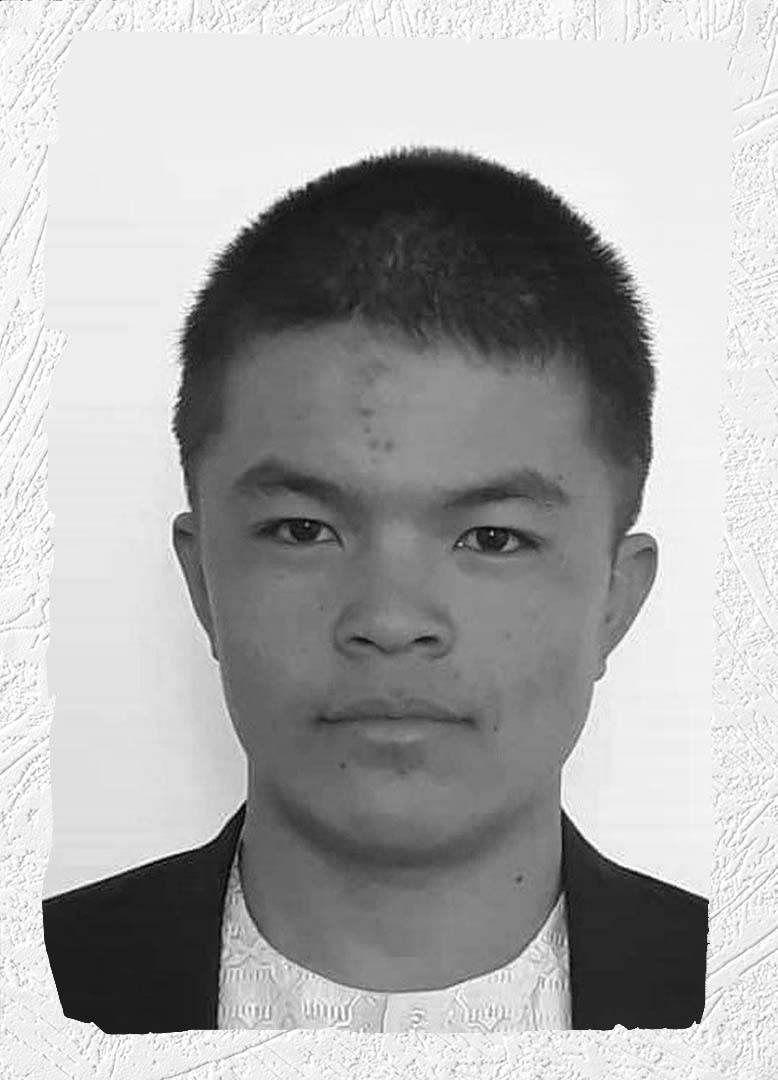
- Gender
- Male
- Ethnicity
- Hazara
- District geolocation of incident
- Kabul: 34° 31′ 1″ N, 69° 8′ 60″ E
- Description of incident
On April 19, 2022, a series of three explosions occurred at educational institutions in the Dasht-e-Barchi area of Kabul's western suburbs. The explosions resulted in more than 27 fatalities and 30 injuries. The initial blast took place at the Mamtaz Educational Center and was caused by a hand grenade thrown by an individual identified by students as Qari. Multiple people sustained critical injuries. This was followed by a suicide attack at the nearby Abdurahim Shahid High School. A remote-controlled explosive device (IED) detonated among individuals assembled for rescue efforts at the high school. The victims were all civilians, predominantly students. The Islamic State of Iraq and Levant - Khorasan Province (ISIL-KP) has claimed responsibility for the attacks, stating an intent to target the Hazara-Shia community.
- Witness/Survivor Statement
No statement
- Date added
- Feb 14, 2023
Milad Alizada
- Photo of Victim

- Gender
- Male
- Ethnicity
- Hazara
- District geolocation of incident
- Kabul: 34° 31′ 1″ N, 69° 8′ 60″ E
- Description of incident
On April 19, 2022, a series of three explosions occurred at educational institutions in the Dasht-e-Barchi area of Kabul's western suburbs. The explosions resulted in more than 27 fatalities and 30 injuries. The initial blast took place at the Mamtaz Educational Center and was caused by a hand grenade thrown by an individual identified by students as Qari. Multiple people sustained critical injuries. This was followed by a suicide attack at the nearby Abdurahim Shahid High School. A remote-controlled explosive device (IED) detonated among individuals assembled for rescue efforts at the high school. The victims were all civilians, predominantly students. The Islamic State of Iraq and Levant - Khorasan Province (ISIL-KP) has claimed responsibility for the attacks, stating an intent to target the Hazara-Shia community.
- Witness/Survivor Statement
No statement
- Date added
- Feb 14, 2023
Ali Sajad Esmael Zada
- Photo of Victim
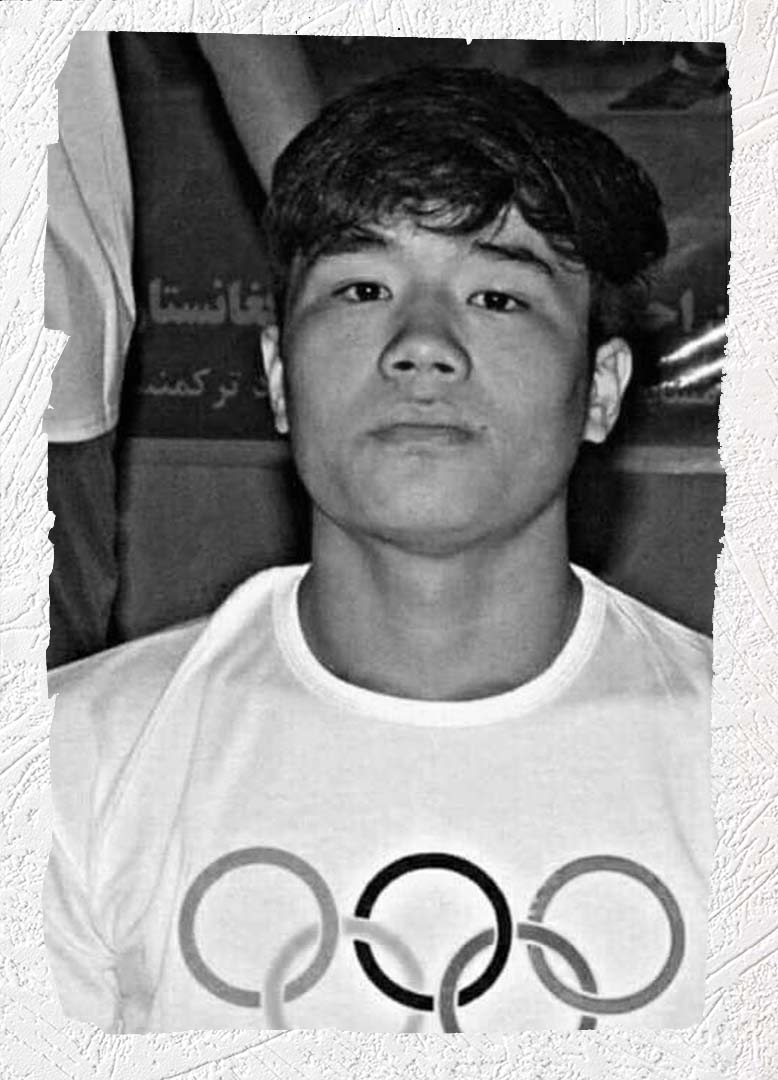
- Gender
- Male
- Ethnicity
- Hazara
- District geolocation of incident
- Kabul: 34° 31′ 1″ N, 69° 8′ 60″ E
- Description of incident
On April 19, 2022, a series of three explosions occurred at educational institutions in the Dasht-e-Barchi area of Kabul's western suburbs. The explosions resulted in more than 27 fatalities and 30 injuries. The initial blast took place at the Mamtaz Educational Center and was caused by a hand grenade thrown by an individual identified by students as Qari. Multiple people sustained critical injuries. This was followed by a suicide attack at the nearby Abdurahim Shahid High School. A remote-controlled explosive device (IED) detonated among individuals assembled for rescue efforts at the high school. The victims were all civilians, predominantly students. The Islamic State of Iraq and Levant - Khorasan Province (ISIL-KP) has claimed responsibility for the attacks, stating an intent to target the Hazara-Shia community.
- Witness/Survivor Statement
No statement
- Date added
- Feb 14, 2023
Hamidullah Hussaini
- Photo of Victim

- Gender
- Male
- Ethnicity
- Hazara
- District geolocation of incident
- Kabul: 34° 31′ 1″ N, 69° 8′ 60″ E
- Description of incident
On April 19, 2022, a series of three explosions occurred at educational institutions in the Dasht-e-Barchi area of Kabul's western suburbs. The explosions resulted in more than 27 fatalities and 30 injuries. The initial blast took place at the Mamtaz Educational Center and was caused by a hand grenade thrown by an individual identified by students as Qari. Multiple people sustained critical injuries. This was followed by a suicide attack at the nearby Abdurahim Shahid High School. A remote-controlled explosive device (IED) detonated among individuals assembled for rescue efforts at the high school. The victims were all civilians, predominantly students. The Islamic State of Iraq and Levant - Khorasan Province (ISIL-KP) has claimed responsibility for the attacks, stating an intent to target the Hazara-Shia community.
- Witness/Survivor Statement
No statement
- Date added
- Feb 14, 2023
The Taliban attacked a police officer’s house killing the officer’s brother
- Date added
- Feb 13, 2023
A remote-controlled improvised explosive device (IED) planted by the Taliban detonated inside a privately-owned pharmacy, wounding eight male civilians including a 13-year-old boy and a doctor from the district hospital
- Date added
- Feb 13, 2023
Nine pro-government militia members were killed in a Taliban attack. A child and six militia members were wounded in the fight
- Date added
- Feb 13, 2023
The Taliban stopped a bus and killed two police officers who were on the bus
- Date added
- Feb 13, 2023
Abdul Wahid Jawadi
- Photo of Victim

- Gender
- Male
- Ethnicity
- Hazara
- District geolocation of incident
- Kabul: 34° 31′ 1″ N, 69° 8′ 60″ E
- Description of incident
On May 8, 2021, a devastating suicide bombing took place at Sayed Al-Shuhada High School in Dasht-e-Barchi, a predominantly Hazara area in the western outskirts of Kabul. The attack resulted in the tragic loss of approximately 85 lives, most of whom were teenage schoolgirls. Additionally, the incident left 147 people wounded.
- Witness/Survivor Statement
No statemetn
- Date added
- Feb 13, 2023
Sara Yosofi
- Photo of Victim

- Gender
- Female
- Ethnicity
- Hazara
- District geolocation of incident
- Kabul: 34° 31′ 1″ N, 69° 8′ 60″ E
- Description of incident
Three attackers wearing Afghan national security forces uniforms and armed with AK-47s and hand grenades, attacked. After shooting and killing a security guard at the hospital entrance, they entered the hospital and headed directly to the maternity ward, moving systematically from room to room. There were 28 women in the ward at the time. The attackers fired on patients and threw hand grenades. As a result of the attack, 24 people were killed, including 19 women and three children,35 and 23 more were injured, including 12 women, two children and one newborn. A female healthcare worker was amongst those killed in the attack.
On 15 June, the organization, Médecins Sans Frontiers (MSF), who operated the maternity ward, announced its decision to end activities and withdraw from Dasht-eBarchi hospital.
- Witness/Survivor Statement
No statement
- Date added
- Feb 13, 2023
Two civilians and a police officer were killed in an attack carried out by armed men on a mosque
- Date added
- Feb 13, 2023
Nik Bakht daughter of Absulaziz
- Photo of Victim

- Gender
- Female
- Ethnicity
- Hazara
- District geolocation of incident
- Kabul: 34° 31′ 1″ N, 69° 8′ 60″ E
- Description of incident
On May 8, 2021, a devastating suicide bombing took place at Sayed Al-Shuhada High School in Dasht-e-Barchi, a predominantly Hazara area in the western outskirts of Kabul. The attack resulted in the tragic loss of approximately 85 lives, most of whom were teenage schoolgirls. Additionally, the incident left 147 people wounded.
- Witness/Survivor Statement
No statement
- Date added
- Feb 13, 2023
Noria Yosufi daughter of Mohammad Rahim
- Photo of Victim
- Gender
- Female
- Ethnicity
- Hazara
- District geolocation of incident
- Kabul: 34° 31′ 1″ N, 69° 8′ 60″ E
- Description of incident
On May 8, 2021, a devastating suicide bombing took place at Sayed Al-Shuhada High School in Dasht-e-Barchi, a predominantly Hazara area in the western outskirts of Kabul. The attack resulted in the tragic loss of approximately 85 lives, most of whom were teenage schoolgirls. Additionally, the incident left 147 people wounded.
- Witness/Survivor Statement
No statemetn
- Date added
- Feb 13, 2023
A taxi hit a roadside bomb planted by the Taliban killing the driver
- Date added
- Feb 13, 2023
Six Afghan civilians were killed and three others were wounded in a gunmen attack close to Bagram Airbase
- Date added
- Feb 13, 2023
A Taliban-fired mortar hit a house killing two women and wounding a woman and two children
- Date added
- Feb 13, 2023
The Taliban opened fire on a civilian vehicle killing one civilian
- Date added
- Feb 13, 2023
The Taliban ambushed the vehicle of an officer of the National Directorate of Security killing both the officer and his driver
- Date added
- Feb 13, 2023
A large group of prisoners were attempting to escape from the central prison leading to a clash between. Two police officers were killed and four others were wounded in the attack
- Date added
- Feb 13, 2023
Nafisa Safdari daughter of Rajab Ali
- Photo of Victim
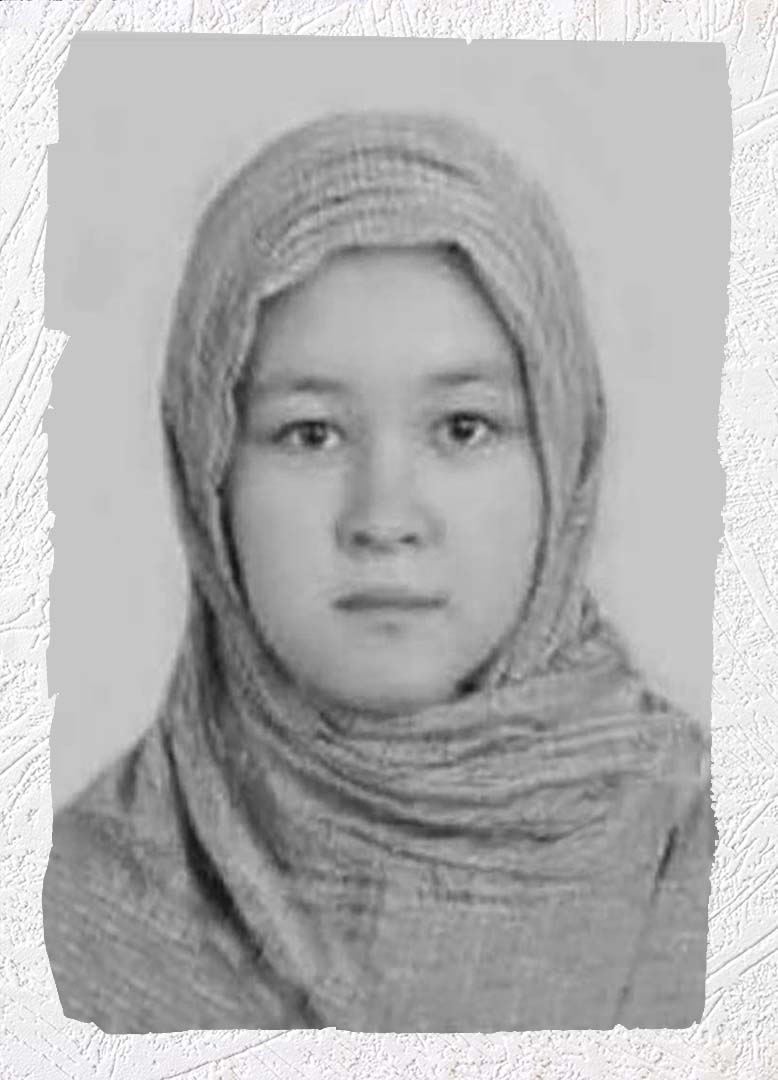
- Gender
- Female
- Ethnicity
- Hazara
- District geolocation of incident
- Kabul: 34° 31′ 1″ N, 69° 8′ 60″ E
- Description of incident
On May 8, 2021, a devastating suicide bombing took place at Sayed Al-Shuhada High School in Dasht-e-Barchi, a predominantly Hazara area in the western outskirts of Kabul. The attack resulted in the tragic loss of approximately 85 lives, most of whom were teenage schoolgirls. Additionally, the incident left 147 people wounded.
- Witness/Survivor Statement
No statemetn
- Date added
- Feb 13, 2023
Nazia daughter of Mohammad Naeim
- Photo of Victim

- Gender
- Female
- Ethnicity
- Hazara
- District geolocation of incident
- Kabul: 34° 31′ 1″ N, 69° 8′ 60″ E
- Description of incident
On May 8, 2021, a devastating suicide bombing took place at Sayed Al-Shuhada High School in Dasht-e-Barchi, a predominantly Hazara area in the western outskirts of Kabul. The attack resulted in the tragic loss of approximately 85 lives, most of whom were teenage schoolgirls. Additionally, the incident left 147 people wounded.
- Witness/Survivor Statement
No statemetn
- Date added
- Feb 13, 2023
Mahdia Khadimi
- Photo of Victim

- Gender
- Female
- Ethnicity
- Hazara
- District geolocation of incident
- Kabul: 34° 31′ 1″ N, 69° 8′ 60″ E
- Description of incident
On May 8, 2021, a devastating suicide bombing took place at Sayed Al-Shuhada High School in Dasht-e-Barchi, a predominantly Hazara area in the western outskirts of Kabul. The attack resulted in the tragic loss of approximately 85 lives, most of whom were teenage schoolgirls. Additionally, the incident left 147 people wounded.
- Witness/Survivor Statement
No statemetn
- Date added
- Feb 13, 2023
Malika
- Photo of Victim

- Gender
- Female
- Ethnicity
- Hazara
- District geolocation of incident
- Kabul: 34° 31′ 1″ N, 69° 8′ 60″ E
- Description of incident
On May 8, 2021, a devastating suicide bombing took place at Sayed Al-Shuhada High School in Dasht-e-Barchi, a predominantly Hazara area in the western outskirts of Kabul. The attack resulted in the tragic loss of approximately 85 lives, most of whom were teenage schoolgirls. Additionally, the incident left 147 people wounded.
- Witness/Survivor Statement
No statement
- Date added
- Feb 13, 2023
Masoma
- Photo of Victim

- Gender
- Female
- Ethnicity
- Hazara
- District geolocation of incident
- Kabul: 34° 31′ 1″ N, 69° 8′ 60″ E
- Description of incident
On May 8, 2021, a devastating suicide bombing took place at Sayed Al-Shuhada High School in Dasht-e-Barchi, a predominantly Hazara area in the western outskirts of Kabul. The attack resulted in the tragic loss of approximately 85 lives, most of whom were teenage schoolgirls. Additionally, the incident left 147 people wounded.
- Witness/Survivor Statement
No statement
- Date added
- Feb 13, 2023
Masoma - Ali Jan
- Photo of Victim

- Gender
- Female
- Ethnicity
- Hazara
- District geolocation of incident
- Kabul: 34° 31′ 1″ N, 69° 8′ 60″ E
- Description of incident
On May 8, 2021, a devastating suicide bombing took place at Sayed Al-Shuhada High School in Dasht-e-Barchi, a predominantly Hazara area in the western outskirts of Kabul. The attack resulted in the tragic loss of approximately 85 lives, most of whom were teenage schoolgirls. Additionally, the incident left 147 people wounded.
- Witness/Survivor Statement
No statement
- Date added
- Feb 13, 2023
Masoma - Ali Reza
- Photo of Victim

- Gender
- Female
- Ethnicity
- Hazara
- District geolocation of incident
- Kabul: 34° 31′ 1″ N, 69° 8′ 60″ E
- Description of incident
On May 8, 2021, a devastating suicide bombing took place at Sayed Al-Shuhada High School in Dasht-e-Barchi, a predominantly Hazara area in the western outskirts of Kabul. The attack resulted in the tragic loss of approximately 85 lives, most of whom were teenage schoolgirls. Additionally, the incident left 147 people wounded.
- Witness/Survivor Statement
No statement
- Date added
- Feb 13, 2023
Masoma - Sayed Qsim
- Photo of Victim

- Gender
- Female
- Ethnicity
- Sadat
- District geolocation of incident
- Kabul: 34° 31′ 1″ N, 69° 8′ 60″ E
- Description of incident
On May 8, 2021, a devastating suicide bombing took place at Sayed Al-Shuhada High School in Dasht-e-Barchi, a predominantly Hazara area in the western outskirts of Kabul. The attack resulted in the tragic loss of approximately 85 lives, most of whom were teenage schoolgirls. Additionally, the incident left 147 people wounded.
- Witness/Survivor Statement
No statement
- Date added
- Feb 13, 2023
Mokhtar Haidari
- Photo of Victim

- Gender
- Male
- Ethnicity
- Hazara
- District geolocation of incident
- Kabul: 34° 31′ 1″ N, 69° 8′ 60″ E
- Description of incident
On May 8, 2021, a devastating suicide bombing took place at Sayed Al-Shuhada High School in Dasht-e-Barchi, a predominantly Hazara area in the western outskirts of Kabul. The attack resulted in the tragic loss of approximately 85 lives, most of whom were teenage schoolgirls. Additionally, the incident left 147 people wounded.
- Witness/Survivor Statement
No statemetn
- Date added
- Feb 13, 2023
Mohammad Hashim Barati
- Photo of Victim

- Gender
- Male
- Ethnicity
- Hazara
- District geolocation of incident
- Kabul: 34° 31′ 1″ N, 69° 8′ 60″ E
- Description of incident
On May 8, 2021, a devastating suicide bombing took place at Sayed Al-Shuhada High School in Dasht-e-Barchi, a predominantly Hazara area in the western outskirts of Kabul. The attack resulted in the tragic loss of approximately 85 lives, most of whom were teenage schoolgirls. Additionally, the incident left 147 people wounded.
- Witness/Survivor Statement
No statemetn
- Date added
- Feb 13, 2023
Marina
- Photo of Victim

- Gender
- Female
- Ethnicity
- Hazara
- District geolocation of incident
- Kabul: 34° 31′ 1″ N, 69° 8′ 60″ E
- Description of incident
On May 8, 2021, a devastating suicide bombing took place at Sayed Al-Shuhada High School in Dasht-e-Barchi, a predominantly Hazara area in the western outskirts of Kabul. The attack resulted in the tragic loss of approximately 85 lives, most of whom were teenage schoolgirls. Additionally, the incident left 147 people wounded.
- Witness/Survivor Statement
No statement
- Date added
- Feb 13, 2023
Latifa
- Photo of Victim

- Gender
- Female
- Ethnicity
- Hazara
- District geolocation of incident
- Kabul: 34° 31′ 1″ N, 69° 8′ 60″ E
- Description of incident
On May 8, 2021, a devastating suicide bombing took place at Sayed Al-Shuhada High School in Dasht-e-Barchi, a predominantly Hazara area in the western outskirts of Kabul. The attack resulted in the tragic loss of approximately 85 lives, most of whom were teenage schoolgirls. Additionally, the incident left 147 people wounded.
- Witness/Survivor Statement
No statemetn
- Date added
- Feb 13, 2023
Gulsom Rahimi
- Photo of Victim

- Gender
- Female
- Ethnicity
- Hazara
- District geolocation of incident
- Kabul: 34° 31′ 1″ N, 69° 8′ 60″ E
- Description of incident
On May 8, 2021, a devastating suicide bombing took place at Sayed Al-Shuhada High School in Dasht-e-Barchi, a predominantly Hazara area in the western outskirts of Kabul. The attack resulted in the tragic loss of approximately 85 lives, most of whom were teenage schoolgirls. Additionally, the incident left 147 people wounded.
- Witness/Survivor Statement
No statemetn
- Date added
- Feb 13, 2023
Kobra Ahmadi
- Photo of Victim

- Gender
- Female
- Ethnicity
- Hazara
- District geolocation of incident
- Kabul: 34° 31′ 1″ N, 69° 8′ 60″ E
- Description of incident
On May 8, 2021, a devastating suicide bombing took place at Sayed Al-Shuhada High School in Dasht-e-Barchi, a predominantly Hazara area in the western outskirts of Kabul. The attack resulted in the tragic loss of approximately 85 lives, most of whom were teenage schoolgirls. Additionally, the incident left 147 people wounded.
- Witness/Survivor Statement
No statemetn
- Date added
- Feb 13, 2023
Kamila Sharifi
- Photo of Victim

- Gender
- Female
- Ethnicity
- Hazara
- District geolocation of incident
- Kabul: 34° 31′ 1″ N, 69° 8′ 60″ E
- Description of incident
On May 8, 2021, a devastating suicide bombing took place at Sayed Al-Shuhada High School in Dasht-e-Barchi, a predominantly Hazara area in the western outskirts of Kabul. The attack resulted in the tragic loss of approximately 85 lives, most of whom were teenage schoolgirls. Additionally, the incident left 147 people wounded.
- Witness/Survivor Statement
No statemetn
- Date added
- Feb 13, 2023
Qamar Gul Nasiri
- Photo of Victim

- Gender
- Female
- Ethnicity
- Hazara
- District geolocation of incident
- Kabul: 34° 31′ 1″ N, 69° 8′ 60″ E
- Description of incident
On May 8, 2021, a devastating suicide bombing took place at Sayed Al-Shuhada High School in Dasht-e-Barchi, a predominantly Hazara area in the western outskirts of Kabul. The attack resulted in the tragic loss of approximately 85 lives, most of whom were teenage schoolgirls. Additionally, the incident left 147 people wounded.
- Witness/Survivor Statement
No statemetn
- Date added
- Feb 13, 2023
Friba Amiri
- Photo of Victim

- Gender
- Female
- Ethnicity
- Hazara
- District geolocation of incident
- Kabul: 34° 31′ 1″ N, 69° 8′ 60″ E
- Description of incident
On May 8, 2021, a devastating suicide bombing took place at Sayed Al-Shuhada High School in Dasht-e-Barchi, a predominantly Hazara area in the western outskirts of Kabul. The attack resulted in the tragic loss of approximately 85 lives, most of whom were teenage schoolgirls. Additionally, the incident left 147 people wounded.
- Witness/Survivor Statement
No statemetn
- Date added
- Feb 10, 2023
Frishta
- Photo of Victim

- Gender
- Female
- Ethnicity
- Hazara
- District geolocation of incident
- Kabul: 34° 31′ 1″ N, 69° 8′ 60″ E
- Description of incident
On May 8, 2021, a devastating suicide bombing took place at Sayed Al-Shuhada High School in Dasht-e-Barchi, a predominantly Hazara area in the western outskirts of Kabul. The attack resulted in the tragic loss of approximately 85 lives, most of whom were teenage schoolgirls. Additionally, the incident left 147 people wounded.
- Witness/Survivor Statement
No statemetn
- Date added
- Feb 10, 2023
Frishta - Jan Ali
- Photo of Victim
- Gender
- Female
- Ethnicity
- Hazara
- District geolocation of incident
- Kabul: 34° 31′ 1″ N, 69° 8′ 60″ E
- Description of incident
On May 8, 2021, a devastating suicide bombing took place at Sayed Al-Shuhada High School in Dasht-e-Barchi, a predominantly Hazara area in the western outskirts of Kabul. The attack resulted in the tragic loss of approximately 85 lives, most of whom were teenage schoolgirls. Additionally, the incident left 147 people wounded.
- Witness/Survivor Statement
No statemetn
- Date added
- Feb 10, 2023
Farzana
- Photo of Victim

- Gender
- Female
- Ethnicity
- Hazara
- District geolocation of incident
- Kabul: 34° 31′ 1″ N, 69° 8′ 60″ E
- Description of incident
On May 8, 2021, a devastating suicide bombing took place at Sayed Al-Shuhada High School in Dasht-e-Barchi, a predominantly Hazara area in the western outskirts of Kabul. The attack resulted in the tragic loss of approximately 85 lives, most of whom were teenage schoolgirls. Additionally, the incident left 147 people wounded.
- Witness/Survivor Statement
No statemetn
- Date added
- Feb 10, 2023
Fatima - Mohammad Amir
- Photo of Victim

- Gender
- Female
- Ethnicity
- Hazara
- District geolocation of incident
- Kabul: 34° 31′ 1″ N, 69° 8′ 60″ E
- Description of incident
On May 8, 2021, a devastating suicide bombing took place at Sayed Al-Shuhada High School in Dasht-e-Barchi, a predominantly Hazara area in the western outskirts of Kabul. The attack resulted in the tragic loss of approximately 85 lives, most of whom were teenage schoolgirls. Additionally, the incident left 147 people wounded.
- Witness/Survivor Statement
No statemetn
- Date added
- Feb 10, 2023
Fatima - Hussain Ali
- Photo of Victim

- Gender
- Female
- Ethnicity
- Hazara
- District geolocation of incident
- Kabul: 34° 31′ 1″ N, 69° 8′ 60″ E
- Description of incident
On May 8, 2021, a devastating suicide bombing took place at Sayed Al-Shuhada High School in Dasht-e-Barchi, a predominantly Hazara area in the western outskirts of Kabul. The attack resulted in the tragic loss of approximately 85 lives, most of whom were teenage schoolgirls. Additionally, the incident left 147 people wounded.
- Witness/Survivor Statement
No statemetn
- Date added
- Feb 10, 2023
Aziza
- Photo of Victim

- Gender
- Female
- Ethnicity
- Hazara
- District geolocation of incident
- Kabul: 34° 31′ 1″ N, 69° 8′ 60″ E
- Description of incident
On May 8, 2021, a devastating suicide bombing took place at Sayed Al-Shuhada High School in Dasht-e-Barchi, a predominantly Hazara area in the western outskirts of Kabul. The attack resulted in the tragic loss of approximately 85 lives, most of whom were teenage schoolgirls. Additionally, the incident left 147 people wounded.
- Witness/Survivor Statement
No statement
- Date added
- Feb 10, 2023
Atifa
- Photo of Victim

- Gender
- Female
- Ethnicity
- Hazara
- District geolocation of incident
- Kabul: 34° 31′ 1″ N, 69° 8′ 60″ E
- Description of incident
On May 8, 2021, a devastating suicide bombing took place at Sayed Al-Shuhada High School in Dasht-e-Barchi, a predominantly Hazara area in the western outskirts of Kabul. The attack resulted in the tragic loss of approximately 85 lives, most of whom were teenage schoolgirls. Additionally, the incident left 147 people wounded.
- Witness/Survivor Statement
No statemetn
- Date added
- Feb 10, 2023
Arifa - Mohammad Zaki
- Photo of Victim

- Gender
- Female
- Ethnicity
- Hazara
- District geolocation of incident
- Kabul: 34° 31′ 1″ N, 69° 8′ 60″ E
- Description of incident
On May 8, 2021, a devastating suicide bombing took place at Sayed Al-Shuhada High School in Dasht-e-Barchi, a predominantly Hazara area in the western outskirts of Kabul. The attack resulted in the tragic loss of approximately 85 lives, most of whom were teenage schoolgirls. Additionally, the incident left 147 people wounded.
- Witness/Survivor Statement
No statemetn
- Date added
- Feb 10, 2023
Arifa Amiri
- Photo of Victim

- Gender
- Female
- Ethnicity
- Hazara
- District geolocation of incident
- Kabul: 34° 31′ 1″ N, 69° 8′ 60″ E
- Description of incident
On May 8, 2021, a devastating suicide bombing took place at Sayed Al-Shuhada High School in Dasht-e-Barchi, a predominantly Hazara area in the western outskirts of Kabul. The attack resulted in the tragic loss of approximately 85 lives, most of whom were teenage schoolgirls. Additionally, the incident left 147 people wounded.
- Witness/Survivor Statement
No statemetn
- Date added
- Feb 10, 2023
Adila
- Photo of Victim

- Gender
- Female
- Ethnicity
- Hazara
- District geolocation of incident
- Kabul: 34° 31′ 1″ N, 69° 8′ 60″ E
- Description of incident
On May 8, 2021, a devastating suicide bombing took place at Sayed Al-Shuhada High School in Dasht-e-Barchi, a predominantly Hazara area in the western outskirts of Kabul. The attack resulted in the tragic loss of approximately 85 lives, most of whom were teenage schoolgirls. Additionally, the incident left 147 people wounded.
- Witness/Survivor Statement
No statement
- Date added
- Feb 10, 2023
Zarifa
- Photo of Victim

- Gender
- Female
- Ethnicity
- Hazara
- District geolocation of incident
- Kabul: 34° 31′ 1″ N, 69° 8′ 60″ E
- Description of incident
On May 8, 2021, a devastating suicide bombing took place at Sayed Al-Shuhada High School in Dasht-e-Barchi, a predominantly Hazara area in the western outskirts of Kabul. The attack resulted in the tragic loss of approximately 85 lives, most of whom were teenage schoolgirls. Additionally, the incident left 147 people wounded.
- Witness/Survivor Statement
No statemetn
- Date added
- Feb 10, 2023
Taiba Mohammadi
- Photo of Victim

- Gender
- Female
- Ethnicity
- Hazara
- District geolocation of incident
- Kabul: 34° 31′ 1″ N, 69° 8′ 60″ E
- Description of incident
On May 8, 2021, a devastating suicide bombing took place at Sayed Al-Shuhada High School in Dasht-e-Barchi, a predominantly Hazara area in the western outskirts of Kabul. The attack resulted in the tragic loss of approximately 85 lives, most of whom were teenage schoolgirls. Additionally, the incident left 147 people wounded.
- Witness/Survivor Statement
No statemetn
- Date added
- Feb 10, 2023
Safia
- Photo of Victim

- Gender
- Female
- Ethnicity
- Sadat
- District geolocation of incident
- Kabul: 34° 31′ 1″ N, 69° 8′ 60″ E
- Description of incident
On May 8, 2021, a devastating suicide bombing took place at Sayed Al-Shuhada High School in Dasht-e-Barchi, a predominantly Hazara area in the western outskirts of Kabul. The attack resulted in the tragic loss of approximately 85 lives, most of whom were teenage schoolgirls. Additionally, the incident left 147 people wounded.
- Witness/Survivor Statement
No statemetn
- Date added
- Feb 10, 2023
Safia - Sayed Sha Mohammad Ali
- Photo of Victim

- Gender
- Female
- Ethnicity
- Sadat
- District geolocation of incident
- Kabul: 34° 31′ 1″ N, 69° 8′ 60″ E
- Description of incident
On May 8, 2021, a devastating suicide bombing took place at Sayed Al-Shuhada High School in Dasht-e-Barchi, a predominantly Hazara area in the western outskirts of Kabul. The attack resulted in the tragic loss of approximately 85 lives, most of whom were teenage schoolgirls. Additionally, the incident left 147 people wounded.
- Witness/Survivor Statement
No statemetn
- Date added
- Feb 10, 2023
Sidiqa Sharifi
- Photo of Victim

- Gender
- Female
- Ethnicity
- Hazara
- District geolocation of incident
- Kabul: 34° 31′ 1″ N, 69° 8′ 60″ E
- Description of incident
On May 8, 2021, a devastating suicide bombing took place at Sayed Al-Shuhada High School in Dasht-e-Barchi, a predominantly Hazara area in the western outskirts of Kabul. The attack resulted in the tragic loss of approximately 85 lives, most of whom were teenage schoolgirls. Additionally, the incident left 147 people wounded.
- Witness/Survivor Statement
No statement
- Date added
- Feb 9, 2023
Saliha
- Photo of Victim

- Gender
- Female
- Ethnicity
- Hazara
- District geolocation of incident
- Kabul: 34° 31′ 1″ N, 69° 8′ 60″ E
- Description of incident
On May 8, 2021, a devastating suicide bombing took place at Sayed Al-Shuhada High School in Dasht-e-Barchi, a predominantly Hazara area in the western outskirts of Kabul. The attack resulted in the tragic loss of approximately 85 lives, most of whom were teenage schoolgirls. Additionally, the incident left 147 people wounded.
- Witness/Survivor Statement
No statement
- Date added
- Feb 9, 2023
Saliha Hussaini
- Photo of Victim

- Gender
- Female
- Ethnicity
- Hazara
- District geolocation of incident
- Kabul: 34° 31′ 1″ N, 69° 8′ 60″ E
- Description of incident
On May 8, 2021, a devastating suicide bombing took place at Sayed Al-Shuhada High School in Dasht-e-Barchi, a predominantly Hazara area in the western outskirts of Kabul. The attack resulted in the tragic loss of approximately 85 lives, most of whom were teenage schoolgirls. Additionally, the incident left 147 people wounded.
- Witness/Survivor Statement
No statemetn
- Date added
- Feb 9, 2023
Saliha Rezaey
- Photo of Victim

- Gender
- Female
- Ethnicity
- Hazara
- District geolocation of incident
- Kabul: 34° 31′ 1″ N, 69° 8′ 60″ E
- Description of incident
On May 8, 2021, a devastating suicide bombing took place at Sayed Al-Shuhada High School in Dasht-e-Barchi, a predominantly Hazara area in the western outskirts of Kabul. The attack resulted in the tragic loss of approximately 85 lives, most of whom were teenage schoolgirls. Additionally, the incident left 147 people wounded.
- Witness/Survivor Statement
No statemetn
- Date added
- Feb 9, 2023
Shahr Bano
- Photo of Victim

- Gender
- Female
- Ethnicity
- Hazara
- District geolocation of incident
- Kabul: 34° 31′ 1″ N, 69° 8′ 60″ E
- Description of incident
On May 8, 2021, a devastating suicide bombing took place at Sayed Al-Shuhada High School in Dasht-e-Barchi, a predominantly Hazara area in the western outskirts of Kabul. The attack resulted in the tragic loss of approximately 85 lives, most of whom were teenage schoolgirls. Additionally, the incident left 147 people wounded.
- Witness/Survivor Statement
No statemetn
- Date added
- Feb 9, 2023
Shahr Bano - Ramazan Ali
- Photo of Victim

- Gender
- Female
- Ethnicity
- Hazara
- District geolocation of incident
- Kabul: 34° 31′ 1″ N, 69° 8′ 60″ E
- Description of incident
On May 8, 2021, a devastating suicide bombing took place at Sayed Al-Shuhada High School in Dasht-e-Barchi, a predominantly Hazara area in the western outskirts of Kabul. The attack resulted in the tragic loss of approximately 85 lives, most of whom were teenage schoolgirls. Additionally, the incident left 147 people wounded.
- Witness/Survivor Statement
No statemetn
- Date added
- Feb 9, 2023
Shokria - Abdullah
- Photo of Victim

- Gender
- Female
- Ethnicity
- Hazara
- District geolocation of incident
- Kabul: 34° 31′ 1″ N, 69° 8′ 60″ E
- Description of incident
On May 8, 2021, a devastating suicide bombing took place at Sayed Al-Shuhada High School in Dasht-e-Barchi, a predominantly Hazara area in the western outskirts of Kabul. The attack resulted in the tragic loss of approximately 85 lives, most of whom were teenage schoolgirls. Additionally, the incident left 147 people wounded.
- Witness/Survivor Statement
No statemetn
- Date added
- Feb 9, 2023
Shafiqa Bazargan
- Photo of Victim

- Gender
- Female
- Ethnicity
- Hazara
- District geolocation of incident
- Kabul: 34° 31′ 1″ N, 69° 8′ 60″ E
- Description of incident
The Sayed Al-Shuhada High School attack in Kabul was a devastating suicide bombing that occurred on May 8, 2021. The attack resulted in the tragic loss of approximately 85 lives, most of whom were teenage schoolgirls. Additionally, the incident left 147 people wounded. The bombing took place outside the Sayed Al-Shuhada school in the western outskirt of Kabul Hazara, the dominant area of Dash-et-Barchi.
- Witness/Survivor Statement
No statemetn
- Date added
- Feb 9, 2023
Sharifa
- Photo of Victim

- Gender
- Female
- Ethnicity
- Sadat
- District geolocation of incident
- Kabul: 34° 31′ 1″ N, 69° 8′ 60″ E
- Description of incident
The Sayed Al-Shuhada High School attack in Kabul was a devastating suicide bombing that occurred on May 8, 2021. The attack resulted in the tragic loss of approximately 85 lives, most of whom were teenage schoolgirls. Additionally, the incident left 147 people wounded. The bombing took place outside the Sayed Al-Shuhada school in the western outskirt of Kabul Hazara, the dominant area of Dash-et-Barchi.
- Witness/Survivor Statement
No statemetn
- Date added
- Feb 9, 2023
Sha Ewaz Ebrahimi
- Photo of Victim

- Gender
- Male
- Ethnicity
- Sadat
- District geolocation of incident
- Kabul: 34° 31′ 1″ N, 69° 8′ 60″ E
- Description of incident
On May 8, 2021, a devastating suicide bombing took place at Sayed Al-Shuhada High School in Dasht-e-Barchi, a predominantly Hazara area in the western outskirts of Kabul. The attack resulted in the tragic loss of approximately 85 lives, most of whom were teenage schoolgirls. Additionally, the incident left 147 people wounded.
- Witness/Survivor Statement
No statement
- Date added
- Feb 9, 2023
Sayyed Ali
- Photo of Victim

- Gender
- Male
- Ethnicity
- Sadat
- District geolocation of incident
- Kabul: 34° 31′ 1″ N, 69° 8′ 60″ E
- Description of incident
On May 8, 2021, a devastating suicide bombing took place at Sayed Al-Shuhada High School in Dasht-e-Barchi, a predominantly Hazara area in the western outskirts of Kabul. The attack resulted in the tragic loss of approximately 85 lives, most of whom were teenage schoolgirls. Additionally, the incident left 147 people wounded.
- Witness/Survivor Statement
No statemetn
- Date added
- Feb 9, 2023
Sohila
- Photo of Victim

- Gender
- Female
- Ethnicity
- Hazara
- District geolocation of incident
- Kabul: 34° 31′ 1″ N, 69° 8′ 60″ E
- Description of incident
On May 8, 2021, a devastating suicide bombing took place at Sayed Al-Shuhada High School in Dasht-e-Barchi, a predominantly Hazara area in the western outskirts of Kabul. The attack resulted in the tragic loss of approximately 85 lives, most of whom were teenage schoolgirls. Additionally, the incident left 147 people wounded.
- Witness/Survivor Statement
No statemetn
- Date added
- Feb 9, 2023
Zahra Sultani
- Photo of Victim

- Gender
- Female
- Ethnicity
- Hazara
- District geolocation of incident
- Kabul: 34° 31′ 1″ N, 69° 8′ 60″ E
- Description of incident
On May 8, 2021, a devastating suicide bombing took place at Sayed Al-Shuhada High School in Dasht-e-Barchi, a predominantly Hazara area in the western outskirts of Kabul. The attack resulted in the tragic loss of approximately 85 lives, most of whom were teenage schoolgirls. Additionally, the incident left 147 people wounded.
- Witness/Survivor Statement
No statemetn
- Date added
- Feb 9, 2023
Zahra
- Photo of Victim

- Gender
- Female
- Ethnicity
- Hazara
- District geolocation of incident
- Kabul: 34° 31′ 1″ N, 69° 8′ 60″ E
- Description of incident
On May 8, 2021, a devastating suicide bombing took place at Sayed Al-Shuhada High School in Dasht-e-Barchi, a predominantly Hazara area in the western outskirts of Kabul. The attack resulted in the tragic loss of approximately 85 lives, most of whom were teenage schoolgirls. Additionally, the incident left 147 people wounded.
- Witness/Survivor Statement
No statemetn
- Date added
- Feb 9, 2023
Zahra
- Photo of Victim

- Gender
- Female
- Ethnicity
- Hazara
- District geolocation of incident
- Kabul: 34° 31′ 1″ N, 69° 8′ 60″ E
- Description of incident
On May 8, 2021, a devastating suicide bombing took place at Sayed Al-Shuhada High School in Dasht-e-Barchi, a predominantly Hazara area in the western outskirts of Kabul. The attack resulted in the tragic loss of approximately 85 lives, most of whom were teenage schoolgirls. Additionally, the incident left 147 people wounded.
- Witness/Survivor Statement
No statemetn
- Date added
- Feb 9, 2023
Zahra
- Photo of Victim

- Gender
- Female
- Ethnicity
- Hazara
- District geolocation of incident
- Kabul: 34° 31′ 1″ N, 69° 8′ 60″ E
- Description of incident
On May 8, 2021, a devastating suicide bombing took place at Sayed Al-Shuhada High School in Dasht-e-Barchi, a predominantly Hazara area in the western outskirts of Kabul. The attack resulted in the tragic loss of approximately 85 lives, most of whom were teenage schoolgirls. Additionally, the incident left 147 people wounded.
- Witness/Survivor Statement
No statemetn
- Date added
- Feb 9, 2023
Zarghona
- Photo of Victim

- Gender
- Female
- Ethnicity
- Hazara
- District geolocation of incident
- Kabul: 34° 31′ 1″ N, 69° 8′ 60″ E
- Description of incident
On May 8, 2021, a devastating suicide bombing took place at Sayed Al-Shuhada High School in Dasht-e-Barchi, a predominantly Hazara area in the western outskirts of Kabul. The attack resulted in the tragic loss of approximately 85 lives, most of whom were teenage schoolgirls. Additionally, the incident left 147 people wounded.
- Witness/Survivor Statement
No statemetn
- Date added
- Feb 9, 2023
Raihana Asghari
- Photo of Victim

- Gender
- Female
- Ethnicity
- Hazara
- District geolocation of incident
- Kabul: 34° 31′ 1″ N, 69° 8′ 60″ E
- Description of incident
On May 8, 2021, a devastating suicide bombing took place at Sayed Al-Shuhada High School in Dasht-e-Barchi, a predominantly Hazara area in the western outskirts of Kabul. The attack resulted in the tragic loss of approximately 85 lives, most of whom were teenage schoolgirls. Additionally, the incident left 147 people wounded.
- Witness/Survivor Statement
No statemetn
- Date added
- Feb 9, 2023
Razima
- Photo of Victim

- Gender
- Female
- Ethnicity
- Hazara
- District geolocation of incident
- Kabul: 34° 31′ 1″ N, 69° 8′ 60″ E
- Description of incident
On May 8, 2021, a devastating suicide bombing took place at Sayed Al-Shuhada High School in Dasht-e-Barchi, a predominantly Hazara area in the western outskirts of Kabul. The attack resulted in the tragic loss of approximately 85 lives, most of whom were teenage schoolgirls. Additionally, the incident left 147 people wounded.
- Witness/Survivor Statement
No statemetn
- Date added
- Feb 9, 2023
Rahima
- Photo of Victim

- Gender
- Female
- Ethnicity
- Hazara
- District geolocation of incident
- Kabul: 34° 31′ 1″ N, 69° 8′ 60″ E
- Description of incident
On May 8, 2021, a devastating suicide bombing took place at Sayed Al-Shuhada High School in Dasht-e-Barchi, a predominantly Hazara area in the western outskirts of Kabul. The attack resulted in the tragic loss of approximately 85 lives, most of whom were teenage schoolgirls. Additionally, the incident left 147 people wounded.
- Witness/Survivor Statement
No statemetn
- Date added
- Feb 9, 2023
Rahima
- Photo of Victim

- Gender
- Female
- Ethnicity
- Hazara
- District geolocation of incident
- Kabul: 34° 31′ 1″ N, 69° 8′ 60″ E
- Description of incident
On May 8, 2021, a devastating suicide bombing took place at Sayed Al-Shuhada High School in Dasht-e-Barchi, a predominantly Hazara area in the western outskirts of Kabul. The attack resulted in the tragic loss of approximately 85 lives, most of whom were teenage schoolgirls. Additionally, the incident left 147 people wounded.
- Witness/Survivor Statement
No statemetn
- Date added
- Feb 9, 2023
Razia
- Photo of Victim

- Gender
- Female
- Ethnicity
- Hazara
- District geolocation of incident
- Kabul: 34° 31′ 1″ N, 69° 8′ 60″ E
- Description of incident
On May 8, 2021, a devastating suicide bombing took place at Sayed Al-Shuhada High School in Dasht-e-Barchi, a predominantly Hazara area in the western outskirts of Kabul. The attack resulted in the tragic loss of approximately 85 lives, most of whom were teenage schoolgirls. Additionally, the incident left 147 people wounded.
- Witness/Survivor Statement
No statemetn
- Date added
- Feb 9, 2023
Zakia Rezaey
- Photo of Victim

- Gender
- Female
- Ethnicity
- Hazara
- District geolocation of incident
- Kabul: 34° 31′ 1″ N, 69° 8′ 60″ E
- Description of incident
On May 8, 2021, a devastating suicide bombing took place at Sayed Al-Shuhada High School in Dasht-e-Barchi, a predominantly Hazara area in the western outskirts of Kabul. The attack resulted in the tragic loss of approximately 85 lives, most of whom were teenage schoolgirls. Additionally, the incident left 147 people wounded.
- Witness/Survivor Statement
No statemetn
- Date added
- Feb 9, 2023
Dr. Tahir Sharifi
- Photo of Victim

- Gender
- Male
- Ethnicity
- Hazara
- District geolocation of incident
- Kabul: 34° 31′ 1″ N, 69° 8′ 60″ E
- Description of incident
On May 8, 2021, a devastating suicide bombing took place at Sayed Al-Shuhada High School in Dasht-e-Barchi, a predominantly Hazara area in the western outskirts of Kabul. The attack resulted in the tragic loss of approximately 85 lives, most of whom were teenage schoolgirls. Additionally, the incident left 147 people wounded.
- Witness/Survivor Statement
No statemetn
- Date added
- Feb 9, 2023
Hanifa
- Photo of Victim

- Gender
- Female
- Ethnicity
- Hazara
- District geolocation of incident
- Kabul: 34° 31′ 1″ N, 69° 8′ 60″ E
- Description of incident
On May 8, 2021, a devastating suicide bombing took place at Sayed Al-Shuhada High School in Dasht-e-Barchi, a predominantly Hazara area in the western outskirts of Kabul. The attack resulted in the tragic loss of approximately 85 lives, most of whom were teenage schoolgirls. Additionally, the incident left 147 people wounded.
- Witness/Survivor Statement
No statemetn
- Date added
- Feb 9, 2023
Hosniya
- Photo of Victim

- Gender
- Female
- Ethnicity
- Hazara
- District geolocation of incident
- Kabul: 34° 31′ 1″ N, 69° 8′ 60″ E
- Description of incident
On May 8, 2021, a devastating suicide bombing took place at Sayed Al-Shuhada High School in Dasht-e-Barchi, a predominantly Hazara area in the western outskirts of Kabul. The attack resulted in the tragic loss of approximately 85 lives, most of whom were teenage schoolgirls. Additionally, the incident left 147 people wounded.
- Witness/Survivor Statement
No statement
- Date added
- Feb 9, 2023
Hadisa
- Photo of Victim

- Gender
- Female
- Ethnicity
- Hazara
- District geolocation of incident
- Kabul: 34° 31′ 1″ N, 69° 8′ 60″ E
- Description of incident
On May 8, 2021, a devastating suicide bombing took place at Sayed Al-Shuhada High School in Dasht-e-Barchi, a predominantly Hazara area in the western outskirts of Kabul. The attack resulted in the tragic loss of approximately 85 lives, most of whom were teenage schoolgirls. Additionally, the incident left 147 people wounded.
- Witness/Survivor Statement
No statemetn
- Date added
- Feb 9, 2023
Habiba
- Photo of Victim

- Gender
- Female
- Ethnicity
- Hazara
- District geolocation of incident
- Kabul: 34° 31′ 1″ N, 69° 8′ 60″ E
- Description of incident
On May 8, 2021, a devastating suicide bombing took place at Sayed Al-Shuhada High School in Dasht-e-Barchi, a predominantly Hazara area in the western outskirts of Kabul. The attack resulted in the tragic loss of approximately 85 lives, most of whom were teenage schoolgirls. Additionally, the incident left 147 people wounded.
- Witness/Survivor Statement
No statement
- Date added
- Feb 9, 2023
Basgul
- Photo of Victim

- Gender
- Female
- Ethnicity
- Hazara
- District geolocation of incident
- Kabul: 34° 31′ 1″ N, 69° 8′ 60″ E
- Description of incident
On May 8, 2021, a devastating suicide bombing took place at Sayed Al-Shuhada High School in Dasht-e-Barchi, a predominantly Hazara area in the western outskirts of Kabul. The attack resulted in the tragic loss of approximately 85 lives, most of whom were teenage schoolgirls. Additionally, the incident left 147 people wounded.
- Witness/Survivor Statement
No statement
- Date added
- Feb 9, 2023
Parwin Rezaie
- Photo of Victim

- Gender
- Female
- Ethnicity
- Hazara
- District geolocation of incident
- Kabul: 34° 31′ 1″ N, 69° 8′ 60″ E
- Description of incident
On May 8, 2021, a devastating suicide bombing took place at Sayed Al-Shuhada High School in Dasht-e-Barchi, a predominantly Hazara area in the western outskirts of Kabul. The attack resulted in the tragic loss of approximately 85 lives, most of whom were teenage schoolgirls. Additionally, the incident left 147 people wounded.
- Witness/Survivor Statement
No statement
- Date added
- Feb 9, 2023
Amina Razawi
- Photo of Victim

- Gender
- Female
- Ethnicity
- Hazara
- District geolocation of incident
- Kabul: 34° 31′ 1″ N, 69° 8′ 60″ E
- Description of incident
On May 8, 2021, a devastating suicide bombing took place at Sayed Al-Shuhada High School in Dasht-e-Barchi, a predominantly Hazara area in the western outskirts of Kabul. The attack resulted in the tragic loss of approximately 85 lives, most of whom were teenage schoolgirls. Additionally, the incident left 147 people wounded.
- Witness/Survivor Statement
No statemetn
- Date added
- Feb 9, 2023
Amina Zolfiqari
- Photo of Victim

- Gender
- Female
- Ethnicity
- Hazara
- District geolocation of incident
- Kabul: 34° 31′ 1″ N, 69° 8′ 60″ E
- Description of incident
On May 8, 2021, a devastating suicide bombing took place at Sayed Al-Shuhada High School in Dasht-e-Barchi, a predominantly Hazara area in the western outskirts of Kabul. The attack resulted in the tragic loss of approximately 85 lives, most of whom were teenage schoolgirls. Additionally, the incident left 147 people wounded.
- Witness/Survivor Statement
No statemetn
- Date added
- Feb 9, 2023
A roadside bomb exploded at a picnic site killing three civilians and wounding two others
- Date added
- Feb 8, 2023
Nigina Daryabi
- Photo of Victim

- Gender
- Female
- Ethnicity
- Hazara
- District geolocation of incident
- Kabul: 34° 31′ 1″ N, 69° 8′ 60″ E
- Description of incident
A suicide bomber detonated an explosive device inside a classroom at Mawoud Educational Academy, where over 240 students were preparing for a university entrance exam. The attack took place at approximately 4:00 pm on August 15, 2018, in the Naqash section of the Hazara-majority Dasht-e-Barchi neighborhood, PD-18, in western Kabul. At least 50 students were killed and 67 others were injured. The majority of casualties were high school students under the age of 20 who belonged to the Hazara ethnic group. The Islamic State of Khorasan Province (ISIL-KP) has claimed responsibility for the attack on Mawoud Educational Academy.
- Witness/Survivor Statement
No statement
- Date added
- Feb 8, 2023
Nematullah - Khodadad
- Photo of Victim

- Gender
- Male
- Ethnicity
- Hazara
- District geolocation of incident
- Kabul: 34° 31′ 1″ N, 69° 8′ 60″ E
- Description of incident
A suicide bomber detonated an explosive device inside a classroom at Mawoud Educational Academy, where over 240 students were preparing for a university entrance exam. The attack took place at approximately 4:00 pm on August 15, 2018, in the Naqash section of the Hazara-majority Dasht-e-Barchi neighborhood, PD-18, in western Kabul. At least 50 students were killed and 67 others were injured. The majority of casualties were high school students under the age of 20 who belonged to the Hazara ethnic group. The Islamic State of Khorasan Province (ISIL-KP) has claimed responsibility for the attack on Mawoud Educational Academy.
- Witness/Survivor Statement
No statement
- Date added
- Feb 8, 2023
Nematullah - Mohammad Rahim
- Photo of Victim

- Gender
- Male
- Ethnicity
- Hazara
- District geolocation of incident
- Kabul: 34° 31′ 1″ N, 69° 8′ 60″ E
- Description of incident
A suicide bomber detonated an explosive device inside a classroom at Mawoud Educational Academy, where over 240 students were preparing for a university entrance exam. The attack took place at approximately 4:00 pm on August 15, 2018, in the Naqash section of the Hazara-majority Dasht-e-Barchi neighborhood, PD-18, in western Kabul. At least 50 students were killed and 67 others were injured. The majority of casualties were high school students under the age of 20 who belonged to the Hazara ethnic group. The Islamic State of Khorasan Province (ISIL-KP) has claimed responsibility for the attack on Mawoud Educational Academy.
- Witness/Survivor Statement
No statement
- Date added
- Feb 8, 2023
Nargis
- Photo of Victim

- Gender
- Female
- Ethnicity
- Hazara
- District geolocation of incident
- Kabul: 34° 31′ 1″ N, 69° 8′ 60″ E
- Description of incident
A suicide bomber detonated an explosive device inside a classroom at Mawoud Educational Academy, where over 240 students were preparing for a university entrance exam. The attack took place at approximately 4:00 pm on August 15, 2018, in the Naqash section of the Hazara-majority Dasht-e-Barchi neighborhood, PD-18, in western Kabul. At least 50 students were killed and 67 others were injured. The majority of casualties were high school students under the age of 20 who belonged to the Hazara ethnic group. The Islamic State of Khorasan Province (ISIL-KP) has claimed responsibility for the attack on Mawoud Educational Academy.
- Witness/Survivor Statement
No statement
- Date added
- Feb 8, 2023
Mahdi Haidari
- Photo of Victim
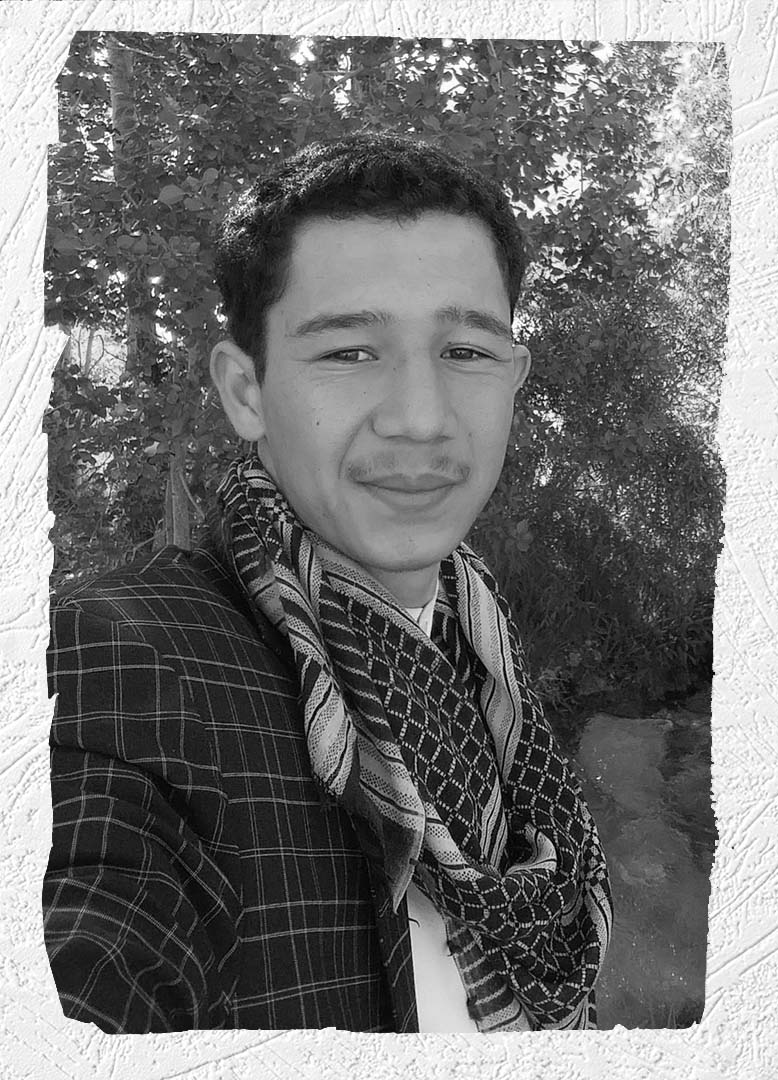
- Gender
- Male
- Ethnicity
- Hazara
- District geolocation of incident
- Kabul: 34° 31′ 1″ N, 69° 8′ 60″ E
- Description of incident
A suicide bomber detonated an explosive device inside a classroom at Mawoud Educational Academy, where over 240 students were preparing for a university entrance exam. The attack took place at approximately 4:00 pm on August 15, 2018, in the Naqash section of the Hazara-majority Dasht-e-Barchi neighborhood, PD-18, in western Kabul. At least 50 students were killed and 67 others were injured. The majority of casualties were high school students under the age of 20 who belonged to the Hazara ethnic group. The Islamic State of Khorasan Province (ISIL-KP) has claimed responsibility for the attack on Mawoud Educational Academy.
- Witness/Survivor Statement
No statement
- Date added
- Feb 8, 2023
Mahdi Ebrahimi
- Photo of Victim
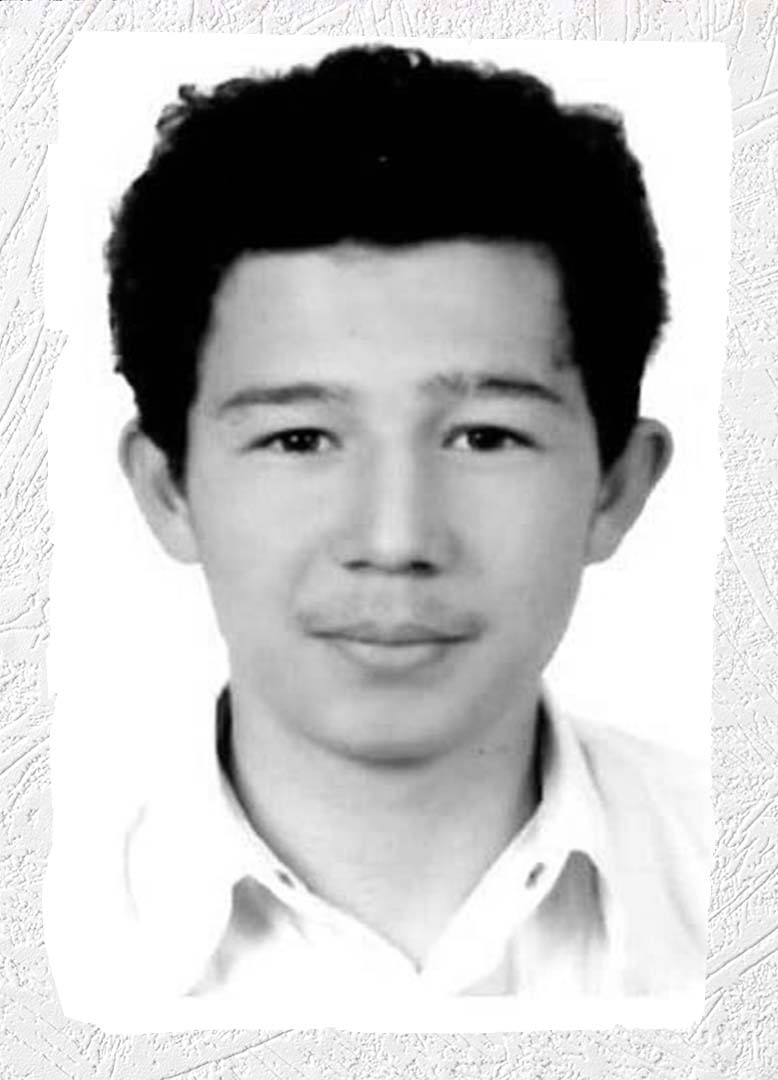
- Gender
- Male
- Ethnicity
- Hazara
- District geolocation of incident
- Kabul: 34° 31′ 1″ N, 69° 8′ 60″ E
- Description of incident
A suicide bomber detonated an explosive device inside a classroom at Mawoud Educational Academy, where over 240 students were preparing for a university entrance exam. The attack took place at approximately 4:00 pm on August 15, 2018, in the Naqash section of the Hazara-majority Dasht-e-Barchi neighborhood, PD-18, in western Kabul. At least 50 students were killed and 67 others were injured. The majority of casualties were high school students under the age of 20 who belonged to the Hazara ethnic group. The Islamic State of Khorasan Province (ISIL-KP) has claimed responsibility for the attack on Mawoud Educational Academy.
- Witness/Survivor Statement
No statement
- Date added
- Feb 8, 2023
Mohammad Ali - Hussaindad
- Photo of Victim
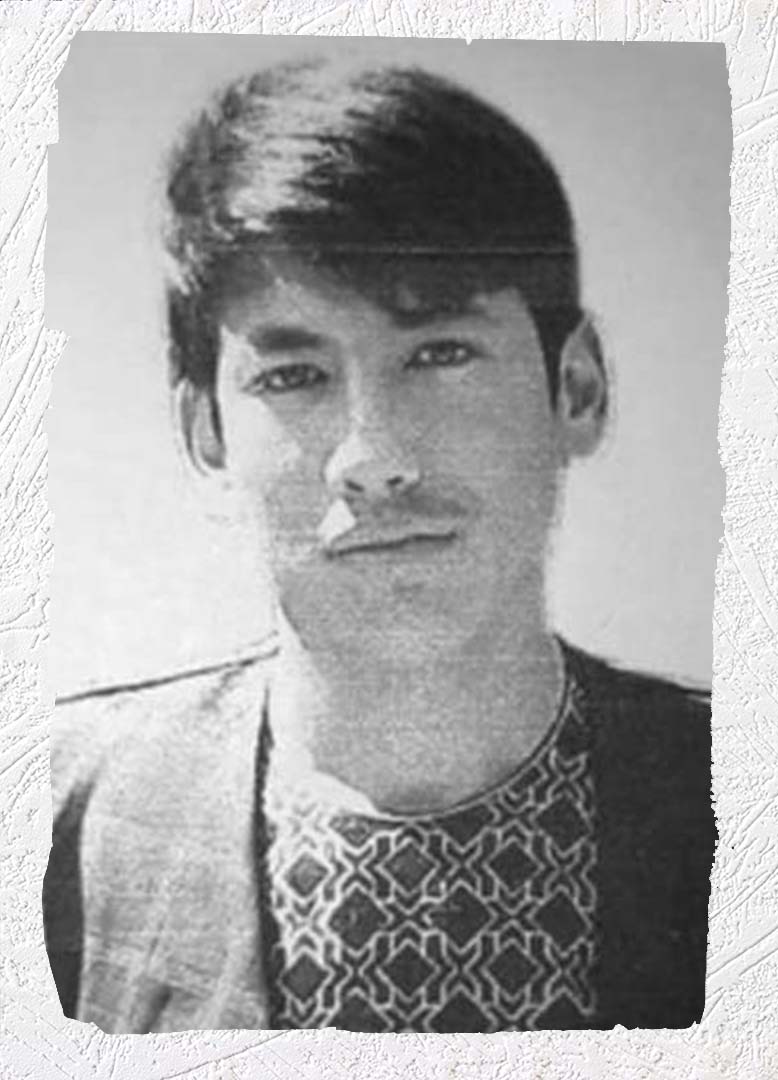
- Gender
- Male
- Ethnicity
- Hazara
- District geolocation of incident
- Kabul: 34° 31′ 1″ N, 69° 8′ 60″ E
- Description of incident
A suicide bomber detonated an explosive device inside a classroom at Mawoud Educational Academy, where over 240 students were preparing for a university entrance exam. The attack took place at approximately 4:00 pm on August 15, 2018, in the Naqash section of the Hazara-majority Dasht-e-Barchi neighborhood, PD-18, in western Kabul. At least 50 students were killed and 67 others were injured. The majority of casualties were high school students under the age of 20 who belonged to the Hazara ethnic group. The Islamic State of Khorasan Province (ISIL-KP) has claimed responsibility for the attack on Mawoud Educational Academy.
- Witness/Survivor Statement
No statement
- Date added
- Feb 8, 2023
Mohammad Amin Haidari
- Photo of Victim
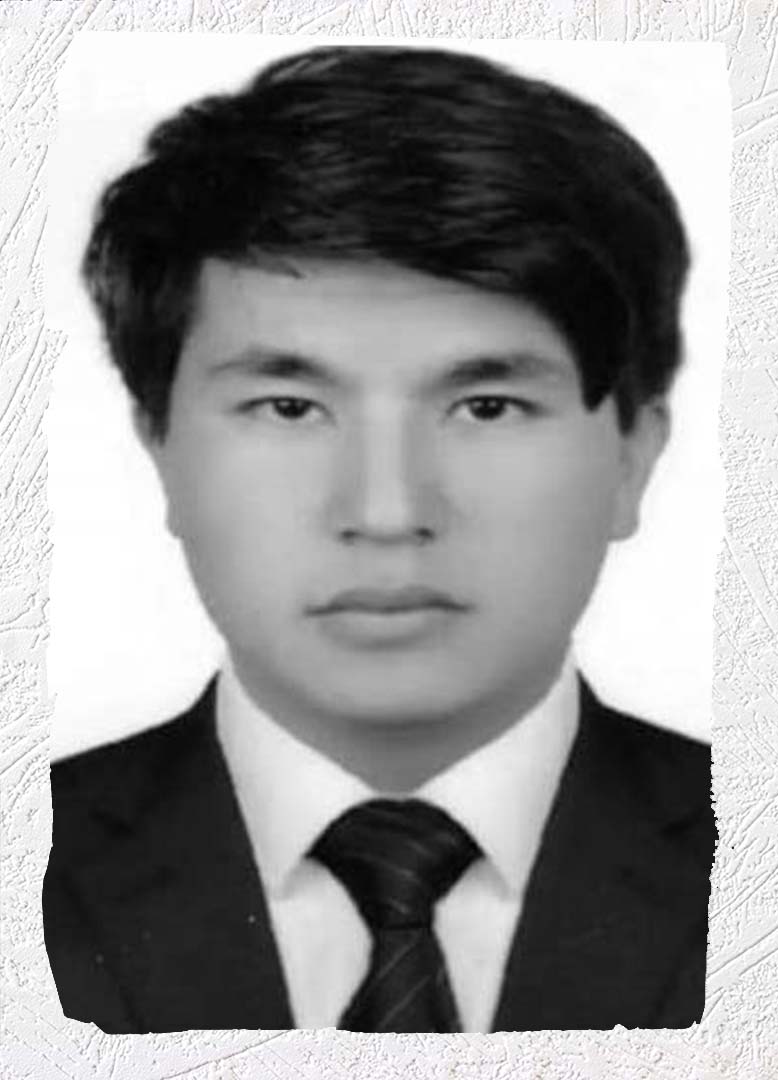
- Gender
- Male
- Ethnicity
- Hazara
- District geolocation of incident
- Kabul: 34° 31′ 1″ N, 69° 8′ 60″ E
- Description of incident
A suicide bomber detonated an explosive device inside a classroom at Mawoud Educational Academy, where over 240 students were preparing for a university entrance exam. The attack took place at approximately 4:00 pm on August 15, 2018, in the Naqash section of the Hazara-majority Dasht-e-Barchi neighborhood, PD-18, in western Kabul. At least 50 students were killed and 67 others were injured. The majority of casualties were high school students under the age of 20 who belonged to the Hazara ethnic group. The Islamic State of Khorasan Province (ISIL-KP) has claimed responsibility for the attack on Mawoud Educational Academy.
- Witness/Survivor Statement
No statement
- Date added
- Feb 8, 2023
Qasim Hashimi
- Photo of Victim
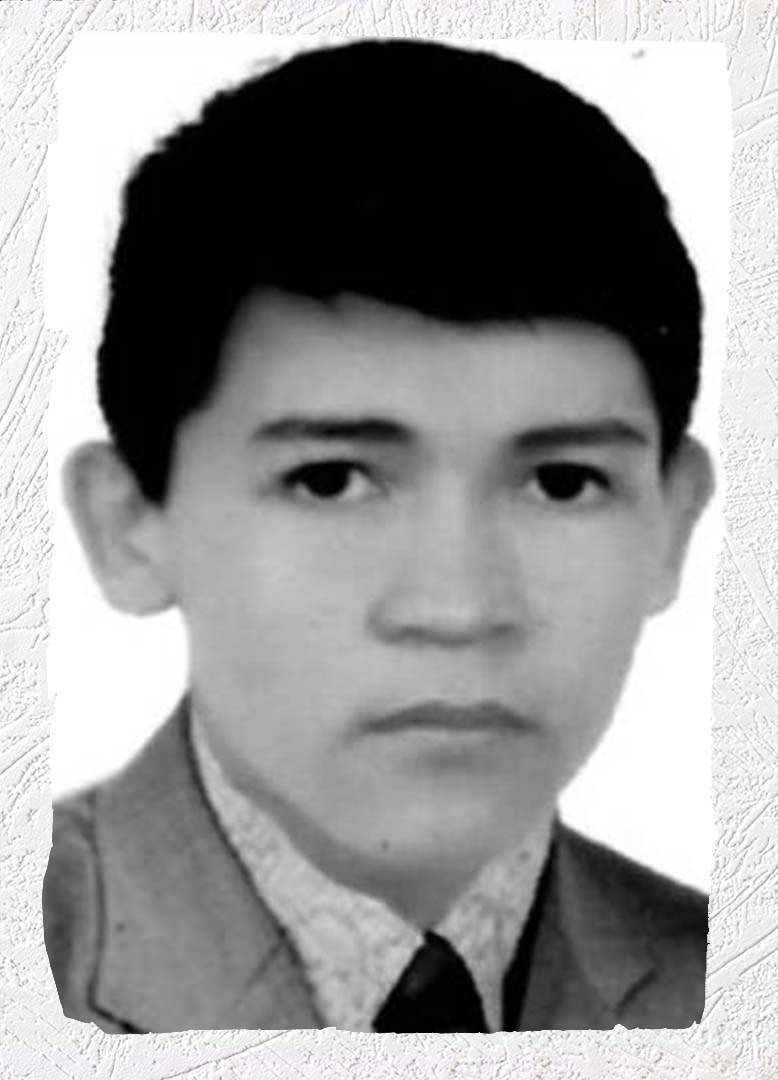
- Gender
- Male
- Ethnicity
- Hazara
- District geolocation of incident
- Kabul: 34° 31′ 1″ N, 69° 8′ 60″ E
- Description of incident
A suicide bomber detonated an explosive device inside a classroom at Mawoud Educational Academy, where over 240 students were preparing for a university entrance exam. The attack took place at approximately 4:00 pm on August 15, 2018, in the Naqash section of the Hazara-majority Dasht-e-Barchi neighborhood, PD-18, in western Kabul. At least 50 students were killed and 67 others were injured. The majority of casualties were high school students under the age of 20 who belonged to the Hazara ethnic group. The Islamic State of Khorasan Province (ISIL-KP) has claimed responsibility for the attack on Mawoud Educational Academy.
- Witness/Survivor Statement
No statement
- Date added
- Feb 8, 2023
Farzana Rahimi
- Photo of Victim

- Gender
- Female
- Ethnicity
- Hazara
- District geolocation of incident
- Kabul: 34° 31′ 1″ N, 69° 8′ 60″ E
- Description of incident
A suicide bomber detonated an explosive device inside a classroom at Mawoud Educational Academy, where over 240 students were preparing for a university entrance exam. The attack took place at approximately 4:00 pm on August 15, 2018, in the Naqash section of the Hazara-majority Dasht-e-Barchi neighborhood, PD-18, in western Kabul. At least 50 students were killed and 67 others were injured. The majority of casualties were high school students under the age of 20 who belonged to the Hazara ethnic group. The Islamic State of Khorasan Province (ISIL-KP) has claimed responsibility for the attack on Mawoud Educational Academy.
- Witness/Survivor Statement
No statement
- Date added
- Feb 8, 2023
Fardin Montazar
- Photo of Victim

- Gender
- Male
- Ethnicity
- Hazara
- District geolocation of incident
- Kabul: 34° 31′ 1″ N, 69° 8′ 60″ E
- Description of incident
A suicide bomber detonated an explosive device inside a classroom at Mawoud Educational Academy, where over 240 students were preparing for a university entrance exam. The attack took place at approximately 4:00 pm on August 15, 2018, in the Naqash section of the Hazara-majority Dasht-e-Barchi neighborhood, PD-18, in western Kabul. At least 50 students were killed and 67 others were injured. The majority of casualties were high school students under the age of 20 who belonged to the Hazara ethnic group. The Islamic State of Khorasan Province (ISIL-KP) has claimed responsibility for the attack on Mawoud Educational Academy.
- Witness/Survivor Statement
No statement
- Date added
- Feb 8, 2023
Fatima Nasrullah
- Photo of Victim

- Gender
- Female
- Ethnicity
- Hazara
- District geolocation of incident
- Kabul: 34° 31′ 1″ N, 69° 8′ 60″ E
- Description of incident
A suicide bomber detonated an explosive device inside a classroom at Mawoud Educational Academy, where over 240 students were preparing for a university entrance exam. The attack took place at approximately 4:00 pm on August 15, 2018, in the Naqash section of the Hazara-majority Dasht-e-Barchi neighborhood, PD-18, in western Kabul. At least 50 students were killed and 67 others were injured. The majority of casualties were high school students under the age of 20 who belonged to the Hazara ethnic group. The Islamic State of Khorasan Province (ISIL-KP) has claimed responsibility for the attack on Mawoud Educational Academy.
- Witness/Survivor Statement
No statement
- Date added
- Feb 8, 2023
Fatima Ahmadi
- Photo of Victim

- Gender
- Female
- Ethnicity
- Hazara
- District geolocation of incident
- Kabul: 34° 31′ 1″ N, 69° 8′ 60″ E
- Description of incident
A suicide bomber detonated an explosive device inside a classroom at Mawoud Educational Academy, where over 240 students were preparing for a university entrance exam. The attack took place at approximately 4:00 pm on August 15, 2018, in the Naqash section of the Hazara-majority Dasht-e-Barchi neighborhood, PD-18, in western Kabul. At least 50 students were killed and 67 others were injured. The majority of casualties were high school students under the age of 20 who belonged to the Hazara ethnic group. The Islamic State of Khorasan Province (ISIL-KP) has claimed responsibility for the attack on Mawoud Educational Academy.
- Witness/Survivor Statement
No statement
- Date added
- Feb 8, 2023
Alisafar Haidari
- Photo of Victim

- Gender
- Male
- Ethnicity
- Hazara
- District geolocation of incident
- Kabul: 34° 31′ 1″ N, 69° 8′ 60″ E
- Description of incident
A suicide bomber detonated an explosive device inside a classroom at Mawoud Educational Academy, where over 240 students were preparing for a university entrance exam. The attack took place at approximately 4:00 pm on August 15, 2018, in the Naqash section of the Hazara-majority Dasht-e-Barchi neighborhood, PD-18, in western Kabul. At least 50 students were killed and 67 others were injured. The majority of casualties were high school students under the age of 20 who belonged to the Hazara ethnic group. The Islamic State of Khorasan Province (ISIL-KP) has claimed responsibility for the attack on Mawoud Educational Academy.
- Witness/Survivor Statement
No statement
- Date added
- Feb 8, 2023
Ali Aslam
- Photo of Victim
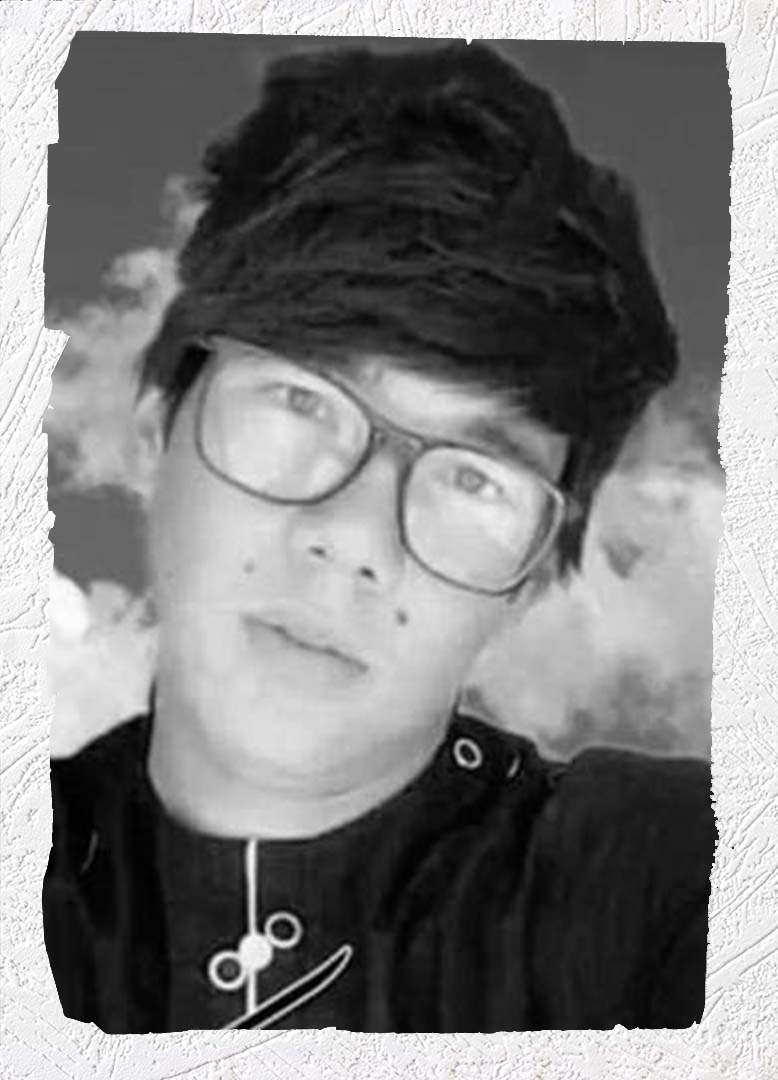
- Gender
- Male
- Ethnicity
- Hazara
- District geolocation of incident
- Kabul: 34° 31′ 1″ N, 69° 8′ 60″ E
- Description of incident
A suicide bomber detonated an explosive device inside a classroom at Mawoud Educational Academy, where over 240 students were preparing for a university entrance exam. The attack took place at approximately 4:00 pm on August 15, 2018, in the Naqash section of the Hazara-majority Dasht-e-Barchi neighborhood, PD-18, in western Kabul. At least 50 students were killed and 67 others were injured. The majority of casualties were high school students under the age of 20 who belonged to the Hazara ethnic group. The Islamic State of Khorasan Province (ISIL-KP) has claimed responsibility for the attack on Mawoud Educational Academy.
- Witness/Survivor Statement
No statement
- Date added
- Feb 8, 2023
Ataullah Rahimi
- Photo of Victim

- Gender
- Male
- Ethnicity
- Hazara
- District geolocation of incident
- Kabul: 34° 31′ 1″ N, 69° 8′ 60″ E
- Description of incident
A suicide bomber detonated an explosive device inside a classroom at Mawoud Educational Academy, where over 240 students were preparing for a university entrance exam. The attack took place at approximately 4:00 pm on August 15, 2018, in the Naqash section of the Hazara-majority Dasht-e-Barchi neighborhood, PD-18, in western Kabul. At least 50 students were killed and 67 others were injured. The majority of casualties were high school students under the age of 20 who belonged to the Hazara ethnic group. The Islamic State of Khorasan Province (ISIL-KP) has claimed responsibility for the attack on Mawoud Educational Academy.
- Witness/Survivor Statement
No statement
- Date added
- Feb 8, 2023
Azizullah Safdari
- Photo of Victim

- Gender
- Male
- Ethnicity
- Hazara
- District geolocation of incident
- Kabul: 34° 31′ 1″ N, 69° 8′ 60″ E
- Description of incident
A suicide bomber detonated an explosive device inside a classroom at Mawoud Educational Academy, where over 240 students were preparing for a university entrance exam. The attack took place at approximately 4:00 pm on August 15, 2018, in the Naqash section of the Hazara-majority Dasht-e-Barchi neighborhood, PD-18, in western Kabul. At least 50 students were killed and 67 others were injured. The majority of casualties were high school students under the age of 20 who belonged to the Hazara ethnic group. The Islamic State of Khorasan Province (ISIL-KP) has claimed responsibility for the attack on Mawoud Educational Academy.
- Witness/Survivor Statement
No statement
- Date added
- Feb 8, 2023
Ezatullah - Mohammad Amir
- Photo of Victim
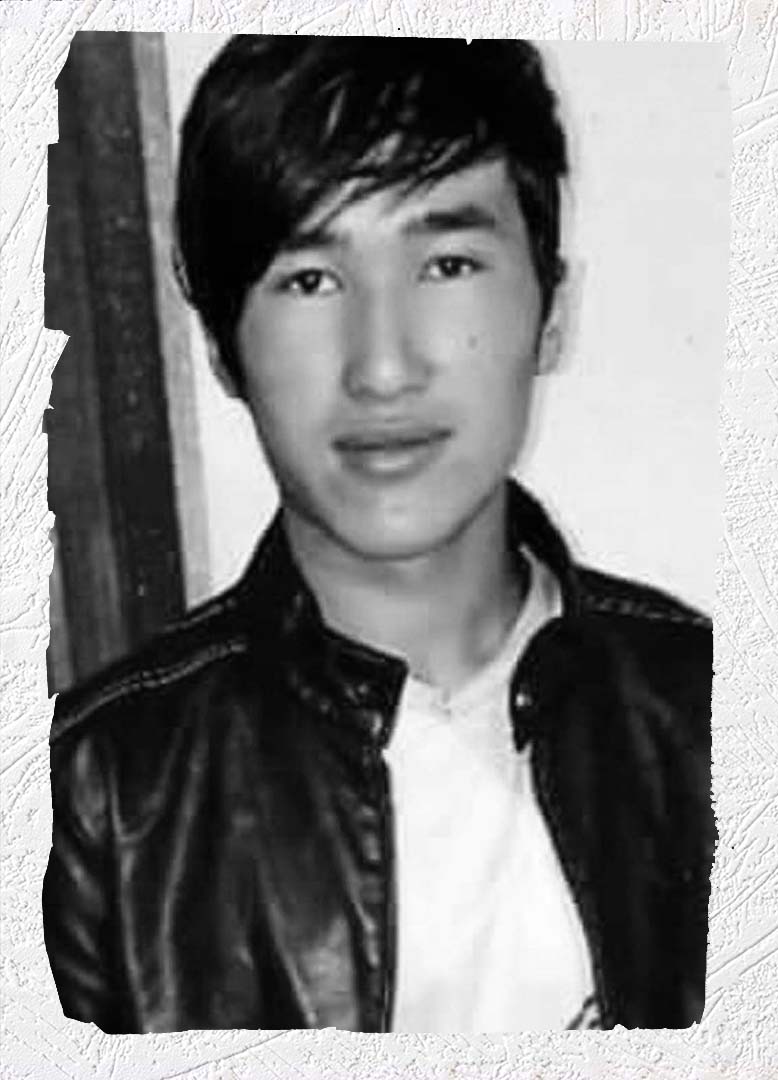
- Gender
- Male
- Ethnicity
- Hazara
- District geolocation of incident
- Kabul: 34° 31′ 1″ N, 69° 8′ 60″ E
- Description of incident
A suicide bomber detonated an explosive device inside a classroom at Mawoud Educational Academy, where over 240 students were preparing for a university entrance exam. The attack took place at approximately 4:00 pm on August 15, 2018, in the Naqash section of the Hazara-majority Dasht-e-Barchi neighborhood, PD-18, in western Kabul. At least 50 students were killed and 67 others were injured. The majority of casualties were high school students under the age of 20 who belonged to the Hazara ethnic group. The Islamic State of Khorasan Province (ISIL-KP) has claimed responsibility for the attack on Mawoud Educational Academy.
- Witness/Survivor Statement
No statement
- Date added
- Feb 8, 2023
Abdullah Faizi
- Photo of Victim

- Gender
- Male
- Ethnicity
- Hazara
- District geolocation of incident
- Kabul: 34° 31′ 1″ N, 69° 8′ 60″ E
- Description of incident
A suicide bomber detonated an explosive device inside a classroom at Mawoud Educational Academy, where over 240 students were preparing for a university entrance exam. The attack took place at approximately 4:00 pm on August 15, 2018, in the Naqash section of the Hazara-majority Dasht-e-Barchi neighborhood, PD-18, in western Kabul. At least 50 students were killed and 67 others were injured. The majority of casualties were high school students under the age of 20 who belonged to the Hazara ethnic group. The Islamic State of Khorasan Province (ISIL-KP) has claimed responsibility for the attack on Mawoud Educational Academy.
- Witness/Survivor Statement
No statement
- Date added
- Feb 8, 2023
Atifa Ataullah
- Photo of Victim

- Gender
- Female
- Ethnicity
- Hazara
- District geolocation of incident
- Kabul: 34° 31′ 1″ N, 69° 8′ 60″ E
- Description of incident
A suicide bomber detonated an explosive device inside a classroom at Mawoud Educational Academy, where over 240 students were preparing for a university entrance exam. The attack took place at approximately 4:00 pm on August 15, 2018, in the Naqash section of the Hazara-majority Dasht-e-Barchi neighborhood, PD-18, in western Kabul. At least 50 students were killed and 67 others were injured. The majority of casualties were high school students under the age of 20 who belonged to the Hazara ethnic group. The Islamic State of Khorasan Province (ISIL-KP) has claimed responsibility for the attack on Mawoud Educational Academy.
- Witness/Survivor Statement
No statement
- Date added
- Feb 8, 2023
Taha Dawood
- Photo of Victim

- Gender
- Male
- Ethnicity
- Hazara
- District geolocation of incident
- Kabul: 34° 31′ 1″ N, 69° 8′ 60″ E
- Description of incident
A suicide bomber detonated an explosive device inside a classroom at Mawoud Educational Academy, where over 240 students were preparing for a university entrance exam. The attack took place at approximately 4:00 pm on August 15, 2018, in the Naqash section of the Hazara-majority Dasht-e-Barchi neighborhood, PD-18, in western Kabul. At least 50 students were killed and 67 others were injured. The majority of casualties were high school students under the age of 20 who belonged to the Hazara ethnic group. The Islamic State of Khorasan Province (ISIL-KP) has claimed responsibility for the attack on Mawoud Educational Academy.
- Witness/Survivor Statement
No statement
- Date added
- Feb 8, 2023
Safar Mohmmad Hussaini
- Photo of Victim
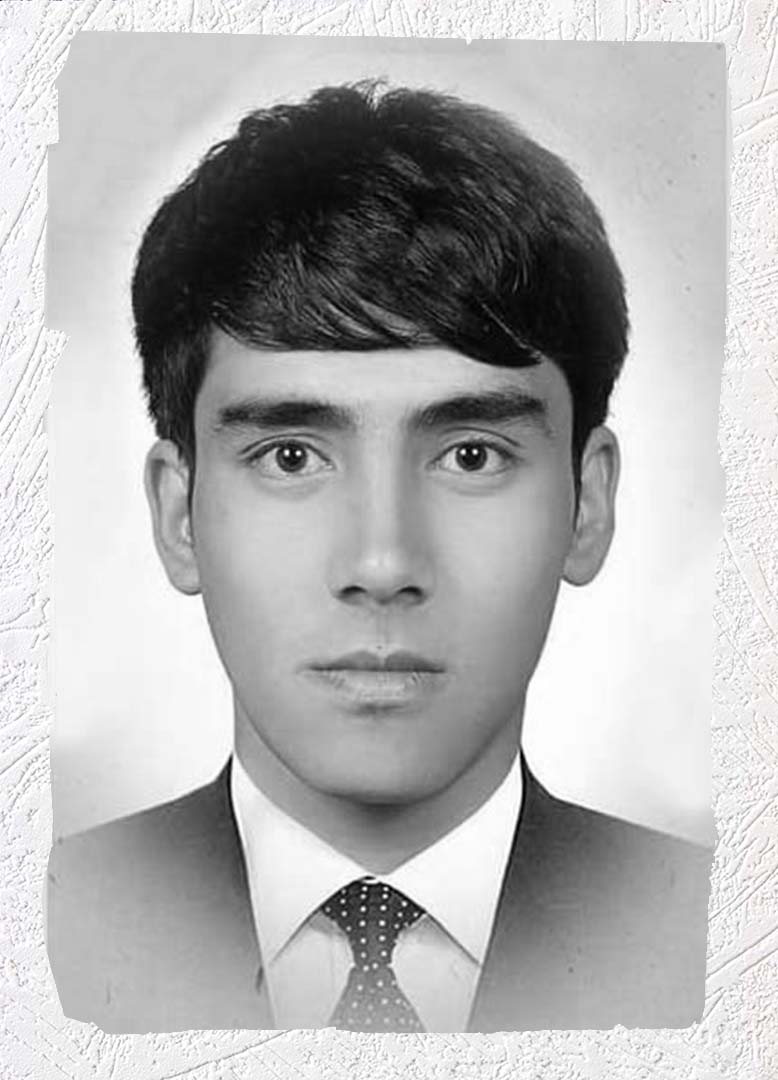
- Gender
- Male
- Ethnicity
- Hazara
- District geolocation of incident
- Kabul: 34° 31′ 1″ N, 69° 8′ 60″ E
- Description of incident
A suicide bomber detonated an explosive device inside a classroom at Mawoud Educational Academy, where over 240 students were preparing for a university entrance exam. The attack took place at approximately 4:00 pm on August 15, 2018, in the Naqash section of the Hazara-majority Dasht-e-Barchi neighborhood, PD-18, in western Kabul. At least 50 students were killed and 67 others were injured. The majority of casualties were high school students under the age of 20 who belonged to the Hazara ethnic group. The Islamic State of Khorasan Province (ISIL-KP) has claimed responsibility for the attack on Mawoud Educational Academy.
- Witness/Survivor Statement
NO statement
- Date added
- Feb 8, 2023
Sabira Mohammad Hassan
- Photo of Victim

- Gender
- Female
- Ethnicity
- Hazara
- District geolocation of incident
- Kabul: 34° 31′ 1″ N, 69° 8′ 60″ E
- Description of incident
A suicide bomber detonated an explosive device inside a classroom at Mawoud Educational Academy, where over 240 students were preparing for a university entrance exam. The attack took place at approximately 4:00 pm on August 15, 2018, in the Naqash section of the Hazara-majority Dasht-e-Barchi neighborhood, PD-18, in western Kabul. At least 50 students were killed and 67 others were injured. The majority of casualties were high school students under the age of 20 who belonged to the Hazara ethnic group. The Islamic State of Khorasan Province (ISIL-KP) has claimed responsibility for the attack on Mawoud Educational Academy.
- Witness/Survivor Statement
No statement
- Date added
- Feb 8, 2023
Shamsia Zafari
- Photo of Victim

- Gender
- Female
- Ethnicity
- Hazara
- District geolocation of incident
- Kabul: 34° 31′ 1″ N, 69° 8′ 60″ E
- Description of incident
A suicide bomber detonated an explosive device inside a classroom at Mawoud Educational Academy, where over 240 students were preparing for a university entrance exam. The attack took place at approximately 4:00 pm on August 15, 2018, in the Naqash section of the Hazara-majority Dasht-e-Barchi neighborhood, PD-18, in western Kabul. At least 50 students were killed and 67 others were injured. The majority of casualties were high school students under the age of 20 who belonged to the Hazara ethnic group. The Islamic State of Khorasan Province (ISIL-KP) has claimed responsibility for the attack on Mawoud Educational Academy.
- Witness/Survivor Statement
No statement
- Date added
- Feb 8, 2023
Shamsullah Sardar Gul
- Photo of Victim

- Gender
- Male
- Ethnicity
- Hazara
- District geolocation of incident
- Kabul: 34° 31′ 1″ N, 69° 8′ 60″ E
- Description of incident
A suicide bomber detonated an explosive device inside a classroom at Mawoud Educational Academy, where over 240 students were preparing for a university entrance exam. The attack took place at approximately 4:00 pm on August 15, 2018, in the Naqash section of the Hazara-majority Dasht-e-Barchi neighborhood, PD-18, in western Kabul. At least 50 students were killed and 67 others were injured. The majority of casualties were high school students under the age of 20 who belonged to the Hazara ethnic group. The Islamic State of Khorasan Province (ISIL-KP) has claimed responsibility for the attack on Mawoud Educational Academy.
- Witness/Survivor Statement
No statement
- Date added
- Feb 8, 2023
unknown gunmen shot and killed the National Directorate of Security’s provincial spokesman, a cameraman for the directorate, and one police officer
- Date added
- Feb 7, 2023
A mortar landed near a group of children who were playing killing three children and wounding five others
- Date added
- Feb 7, 2023
Taliban fighters abducted a tribal elder. The man was later beheaded by insurgen
- Date added
- Feb 7, 2023
An Afghan air force helicopter targeted a house wounding eight civilians, including women and children, two of whom later died of their wounds
- Date added
- Feb 7, 2023
Sayyede Mostafa
- Photo of Victim

- Gender
- Male
- Ethnicity
- Sadat
- District geolocation of incident
- Kabul: 34° 31′ 1″ N, 69° 8′ 60″ E
- Description of incident
A suicide bomber detonated an explosive device inside a classroom at Mawoud Educational Academy, where over 240 students were preparing for a university entrance exam. The attack took place at approximately 4:00 pm on August 15, 2018, in the Naqash section of the Hazara-majority Dasht-e-Barchi neighborhood, PD-18, in western Kabul. At least 50 students were killed and 67 others were injured. The majority of casualties were high school students under the age of 20 who belonged to the Hazara ethnic group. The Islamic State of Khorasan Province (ISIL-KP) has claimed responsibility for the attack on Mawoud Educational Academy.
- Witness/Survivor Statement
No statement
- Date added
- Feb 7, 2023
Sakina Merzaey
- Photo of Victim

- Gender
- Female
- Ethnicity
- Hazara
- District geolocation of incident
- Kabul: 34° 31′ 1″ N, 69° 8′ 60″ E
- Description of incident
A suicide bomber detonated an explosive device inside a classroom at Mawoud Educational Academy, where over 240 students were preparing for a university entrance exam. The attack took place at approximately 4:00 pm on August 15, 2018, in the Naqash section of the Hazara-majority Dasht-e-Barchi neighborhood, PD-18, in western Kabul. At least 50 students were killed and 67 others were injured. The majority of casualties were high school students under the age of 20 who belonged to the Hazara ethnic group. The Islamic State of Khorasan Province (ISIL-KP) has claimed responsibility for the attack on Mawoud Educational Academy.
- Witness/Survivor Statement
No statement
- Date added
- Feb 7, 2023
Zahra Nazari
- Photo of Victim

- Gender
- Female
- Ethnicity
- Hazara
- District geolocation of incident
- Kabul: 34° 31′ 1″ N, 69° 8′ 60″ E
- Description of incident
A suicide bomber detonated an explosive device inside a classroom at Mawoud Educational Academy, where over 240 students were preparing for a university entrance exam. The attack took place at approximately 4:00 pm on August 15, 2018, in the Naqash section of the Hazara-majority Dasht-e-Barchi neighborhood, PD-18, in western Kabul. At least 50 students were killed and 67 others were injured. The majority of casualties were high school students under the age of 20 who belonged to the Hazara ethnic group. The Islamic State of Khorasan Province (ISIL-KP) has claimed responsibility for the attack on Mawoud Educational Academy.
- Witness/Survivor Statement
No statement
- Date added
- Feb 7, 2023
Zahra Zafari
- Photo of Victim

- Gender
- Female
- Ethnicity
- Hazara
- District geolocation of incident
- Kabul: 34° 31′ 1″ N, 69° 8′ 60″ E
- Description of incident
A suicide bomber detonated an explosive device inside a classroom at Mawoud Educational Academy, where over 240 students were preparing for a university entrance exam. The attack took place at approximately 4:00 pm on August 15, 2018, in the Naqash section of the Hazara-majority Dasht-e-Barchi neighborhood, PD-18, in western Kabul. At least 50 students were killed and 67 others were injured. The majority of casualties were high school students under the age of 20 who belonged to the Hazara ethnic group. The Islamic State of Khorasan Province (ISIL-KP) has claimed responsibility for the attack on Mawoud Educational Academy.
- Witness/Survivor Statement
No statement
- Date added
- Feb 7, 2023
Zahra Hussaini
- Photo of Victim

- Gender
- Female
- Ethnicity
- Hazara
- District geolocation of incident
- Kabul: 34° 31′ 1″ N, 69° 8′ 60″ E
- Description of incident
A suicide bomber detonated an explosive device inside a classroom at Mawoud Educational Academy, where over 240 students were preparing for a university entrance exam. The attack took place at approximately 4:00 pm on August 15, 2018, in the Naqash section of the Hazara-majority Dasht-e-Barchi neighborhood, PD-18, in western Kabul. At least 50 students were killed and 67 others were injured. The majority of casualties were high school students under the age of 20 who belonged to the Hazara ethnic group. The Islamic State of Khorasan Province (ISIL-KP) has claimed responsibility for the attack on Mawoud Educational Academy.
- Witness/Survivor Statement
No statement
- Date added
- Feb 7, 2023
Roqia Najafi
- Photo of Victim

- Gender
- Female
- Ethnicity
- Hazara
- District geolocation of incident
- Kabul: 34° 31′ 1″ N, 69° 8′ 60″ E
- Description of incident
A suicide bomber detonated an explosive device inside a classroom at Mawoud Educational Academy, where over 240 students were preparing for a university entrance exam. The attack took place at approximately 4:00 pm on August 15, 2018, in the Naqash section of the Hazara-majority Dasht-e-Barchi neighborhood, PD-18, in western Kabul. At least 50 students were killed and 67 others were injured. The majority of casualties were high school students under the age of 20 who belonged to the Hazara ethnic group. The Islamic State of Khorasan Province (ISIL-KP) has claimed responsibility for the attack on Mawoud Educational Academy.
- Witness/Survivor Statement
No statement
- Date added
- Feb 7, 2023
Rahman Boman
- Photo of Victim

- Gender
- Male
- Ethnicity
- Hazara
- District geolocation of incident
- Kabul: 34° 31′ 1″ N, 69° 8′ 60″ E
- Description of incident
A suicide bomber detonated an explosive device inside a classroom at Mawoud Educational Academy, where over 240 students were preparing for a university entrance exam. The attack took place at approximately 4:00 pm on August 15, 2018, in the Naqash section of the Hazara-majority Dasht-e-Barchi neighborhood, PD-18, in western Kabul. At least 50 students were killed and 67 others were injured. The majority of casualties were high school students under the age of 20 who belonged to the Hazara ethnic group. The Islamic State of Khorasan Province (ISIL-KP) has claimed responsibility for the attack on Mawoud Educational Academy.
- Witness/Survivor Statement
NO statement
- Date added
- Feb 7, 2023
Rahmat Samad
- Photo of Victim

- Gender
- Male
- Ethnicity
- Hazara
- District geolocation of incident
- Kabul: 34° 31′ 1″ N, 69° 8′ 60″ E
- Description of incident
A suicide bomber detonated an explosive device inside a classroom at Mawoud Educational Academy, where over 240 students were preparing for a university entrance exam. The attack took place at approximately 4:00 pm on August 15, 2018, in the Naqash section of the Hazara-majority Dasht-e-Barchi neighborhood, PD-18, in western Kabul. At least 50 students were killed and 67 others were injured. The majority of casualties were high school students under the age of 20 who belonged to the Hazara ethnic group. The Islamic State of Khorasan Province (ISIL-KP) has claimed responsibility for the attack on Mawoud Educational Academy.
- Witness/Survivor Statement
No statement
- Date added
- Feb 7, 2023
Robaba Asim
- Photo of Victim

- Gender
- Female
- Ethnicity
- Hazara
- District geolocation of incident
- Kabul: 34° 31′ 1″ N, 69° 8′ 60″ E
- Description of incident
A suicide bomber detonated an explosive device inside a classroom at Mawoud Educational Academy, where over 240 students were preparing for a university entrance exam. The attack took place at approximately 4:00 pm on August 15, 2018, in the Naqash section of the Hazara-majority Dasht-e-Barchi neighborhood, PD-18, in western Kabul. At least 50 students were killed and 67 others were injured. The majority of casualties were high school students under the age of 20 who belonged to the Hazara ethnic group. The Islamic State of Khorasan Province (ISIL-KP) has claimed responsibility for the attack on Mawoud Educational Academy.
- Witness/Survivor Statement
NO statement
- Date added
- Feb 7, 2023
Rahila Rafi
- Photo of Victim

- Gender
- Female
- Ethnicity
- Hazara
- District geolocation of incident
- Kabul: 34° 31′ 1″ N, 69° 8′ 60″ E
- Description of incident
A suicide bomber detonated an explosive device inside a classroom at Mawoud Educational Academy, where over 240 students were preparing for a university entrance exam. The attack took place at approximately 4:00 pm on August 15, 2018, in the Naqash section of the Hazara-majority Dasht-e-Barchi neighborhood, PD-18, in western Kabul. At least 50 students were killed and 67 others were injured. The majority of casualties were high school students under the age of 20 who belonged to the Hazara ethnic group. The Islamic State of Khorasan Province (ISIL-KP) has claimed responsibility for the attack on Mawoud Educational Academy.
- Witness/Survivor Statement
No statement
- Date added
- Feb 7, 2023
Zaki Qasimi
- Photo of Victim

- Gender
- Male
- Ethnicity
- Hazara
- District geolocation of incident
- Kabul: 34° 31′ 1″ N, 69° 8′ 60″ E
- Description of incident
A suicide bomber detonated an explosive device inside a classroom at Mawoud Educational Academy, where over 240 students were preparing for a university entrance exam. The attack took place at approximately 4:00 pm on August 15, 2018, in the Naqash section of the Hazara-majority Dasht-e-Barchi neighborhood, PD-18, in western Kabul. At least 50 students were killed and 67 others were injured. The majority of casualties were high school students under the age of 20 who belonged to the Hazara ethnic group. The Islamic State of Khorasan Province (ISIL-KP) has claimed responsibility for the attack on Mawoud Educational Academy.
- Witness/Survivor Statement
No statement
- Date added
- Feb 7, 2023
Zakaria Asadullah
- Photo of Victim

- Gender
- Male
- Ethnicity
- Hazara
- District geolocation of incident
- Kabul: 34° 31′ 1″ N, 69° 8′ 60″ E
- Description of incident
A suicide bomber detonated an explosive device inside a classroom at Mawoud Educational Academy, where over 240 students were preparing for a university entrance exam. The attack took place at approximately 4:00 pm on August 15, 2018, in the Naqash section of the Hazara-majority Dasht-e-Barchi neighborhood, PD-18, in western Kabul. At least 50 students were killed and 67 others were injured. The majority of casualties were high school students under the age of 20 who belonged to the Hazara ethnic group. The Islamic State of Khorasan Province (ISIL-KP) has claimed responsibility for the attack on Mawoud Educational Academy.
- Witness/Survivor Statement
No statement
- Date added
- Feb 7, 2023
Hamid Shafaee
- Photo of Victim
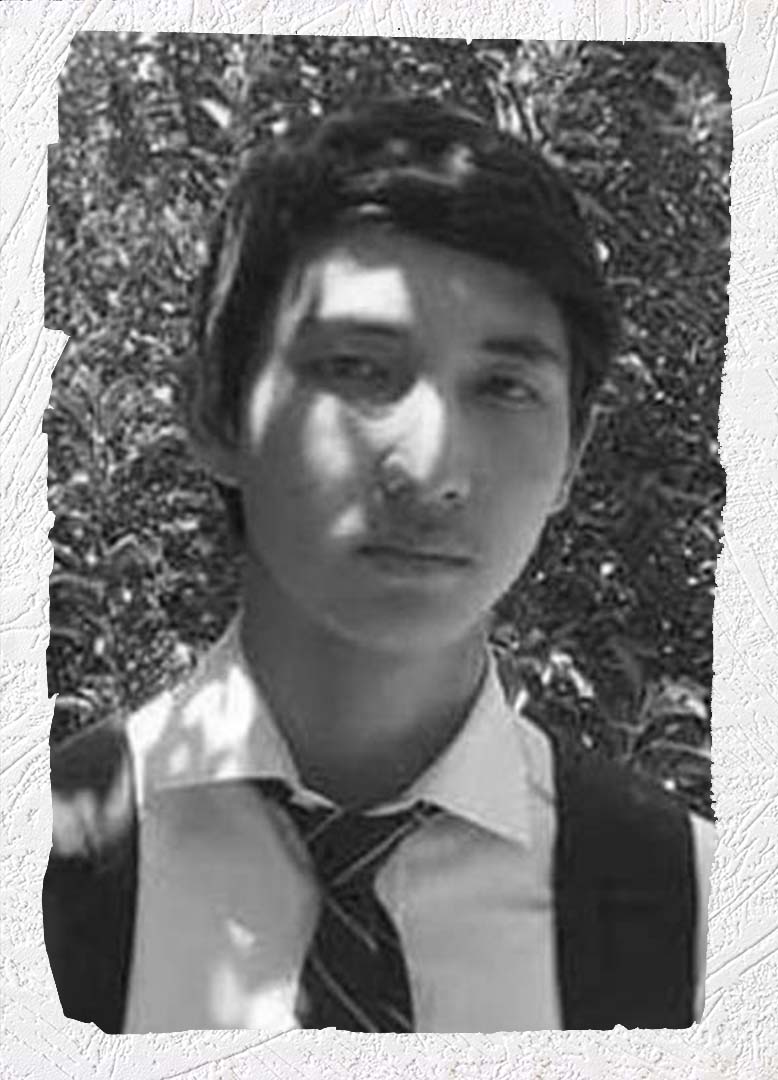
- Gender
- Male
- Ethnicity
- Hazara
- District geolocation of incident
- Kabul: 34° 31′ 1″ N, 69° 8′ 60″ E
- Description of incident
A suicide bomber detonated an explosive device inside a classroom at Mawoud Educational Academy, where over 240 students were preparing for a university entrance exam. The attack took place at approximately 4:00 pm on August 15, 2018, in the Naqash section of the Hazara-majority Dasht-e-Barchi neighborhood, PD-18, in western Kabul. At least 50 students were killed and 67 others were injured. The majority of casualties were high school students under the age of 20 who belonged to the Hazara ethnic group. The Islamic State of Khorasan Province (ISIL-KP) has claimed responsibility for the attack on Mawoud Educational Academy.
- Witness/Survivor Statement
No statement
- Date added
- Feb 7, 2023
Jaihon Naeby
- Photo of Victim
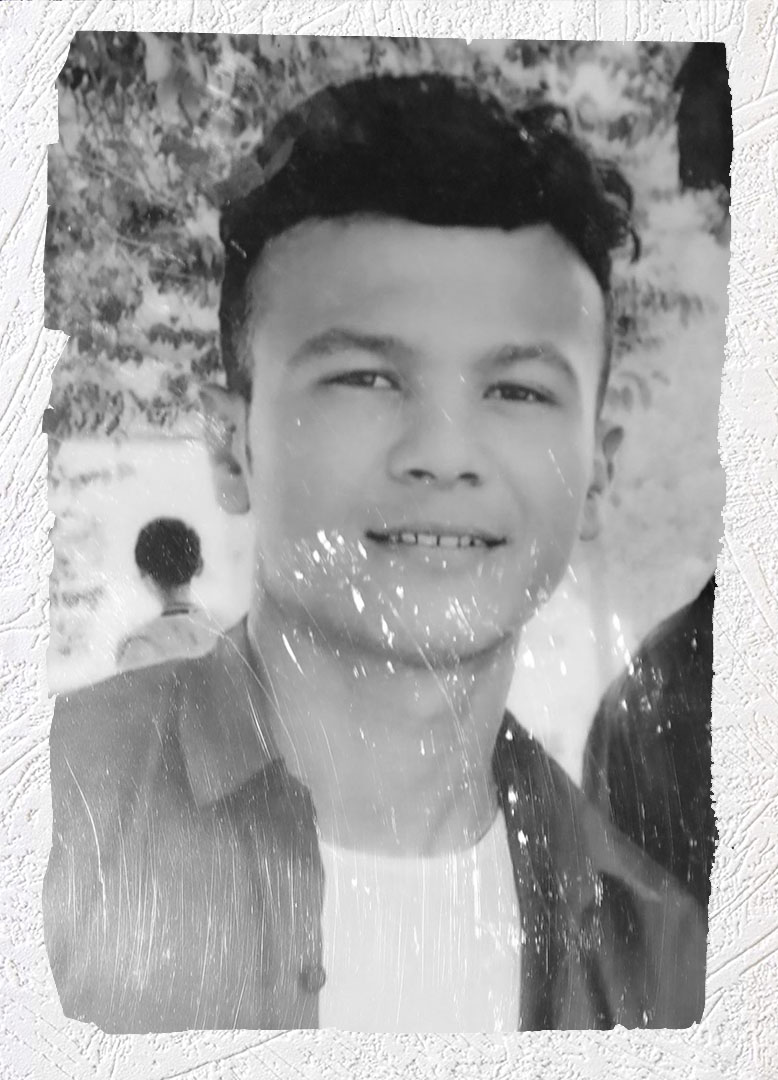
- Gender
- Male
- Ethnicity
- Hazara
- District geolocation of incident
- Kabul: 34° 31′ 1″ N, 69° 8′ 60″ E
- Description of incident
A suicide bomber detonated an explosive device inside a classroom at Mawoud Educational Academy, where over 240 students were preparing for a university entrance exam. The attack took place at approximately 4:00 pm on August 15, 2018, in the Naqash section of the Hazara-majority Dasht-e-Barchi neighborhood, PD-18, in western Kabul. At least 50 students were killed and 67 others were injured. The majority of casualties were high school students under the age of 20 who belonged to the Hazara ethnic group. The Islamic State of Khorasan Province (ISIL-KP) has claimed responsibility for the attack on Mawoud Educational Academy.
- Witness/Survivor Statement
No statement
- Date added
- Feb 7, 2023
The Taliban attacked a security outpost. During the clash, two children were killed when a rocket hit their house
- Date added
- Feb 7, 2023
Parwin Mirzahussain
- Photo of Victim

- Gender
- Female
- Ethnicity
- Hazara
- District geolocation of incident
- Kabul: 34° 31′ 1″ N, 69° 8′ 60″ E
- Description of incident
A suicide bomber detonated an explosive device inside a classroom at Mawoud Educational Academy, where over 240 students were preparing for a university entrance exam. The attack took place at approximately 4:00 pm on August 15, 2018, in the Naqash section of the Hazara-majority Dasht-e-Barchi neighborhood, PD-18, in western Kabul. At least 50 students were killed and 67 others were injured. The majority of casualties were high school students under the age of 20 who belonged to the Hazara ethnic group. The Islamic State of Khorasan Province (ISIL-KP) has claimed responsibility for the attack on Mawoud Educational Academy.
- Witness/Survivor Statement
No statement
- Date added
- Feb 7, 2023
Parwin Haqjo
- Photo of Victim

- Gender
- Female
- Ethnicity
- Hazara
- District geolocation of incident
- Kabul: 34° 31′ 1″ N, 69° 8′ 60″ E
- Description of incident
A suicide bomber detonated an explosive device inside a classroom at Mawoud Educational Academy, where over 240 students were preparing for a university entrance exam. The attack took place at approximately 4:00 pm on August 15, 2018, in the Naqash section of the Hazara-majority Dasht-e-Barchi neighborhood, PD-18, in western Kabul. At least 50 students were killed and 67 others were injured. The majority of casualties were high school students under the age of 20 who belonged to the Hazara ethnic group. The Islamic State of Khorasan Province (ISIL-KP) has claimed responsibility for the attack on Mawoud Educational Academy.
- Witness/Survivor Statement
No statement
- Date added
- Feb 7, 2023
Amina Razawi
- Photo of Victim

- Gender
- Female
- Ethnicity
- Hazara
- District geolocation of incident
- Kabul: 34° 31′ 1″ N, 69° 8′ 60″ E
- Description of incident
A suicide bomber detonated an explosive device inside a classroom at Mawoud Educational Academy, where over 240 students were preparing for a university entrance exam. The attack took place at approximately 4:00 pm on August 15, 2018, in the Naqash section of the Hazara-majority Dasht-e-Barchi neighborhood, PD-18, in western Kabul. At least 50 students were killed and 67 others were injured. The majority of casualties were high school students under the age of 20 who belonged to the Hazara ethnic group. The Islamic State of Khorasan Province (ISIL-KP) has claimed responsibility for the attack on Mawoud Educational Academy.
- Witness/Survivor Statement
No statement
- Date added
- Feb 7, 2023
Ahmad Amir Mohammad
- Photo of Victim

- Gender
- Male
- Ethnicity
- Hazara
- District geolocation of incident
- Kabul: 34° 31′ 1″ N, 69° 8′ 60″ E
- Description of incident
A suicide bomber detonated an explosive device inside a classroom at Mawoud Educational Academy, where over 240 students were preparing for a university entrance exam. The attack took place at approximately 4:00 pm on August 15, 2018, in the Naqash section of the Hazara-majority Dasht-e-Barchi neighborhood, PD-18, in western Kabul. At least 50 students were killed and 67 others were injured. The majority of casualties were high school students under the age of 20 who belonged to the Hazara ethnic group. The Islamic State of Khorasan Province (ISIL-KP) has claimed responsibility for the attack on Mawoud Educational Academy.
- Witness/Survivor Statement
No statement
- Date added
- Feb 7, 2023
A minibus hit by a roadside bomb planted by the Taliban, killing eight civilians, including six children, and wounding two others.
- Date added
- Feb 7, 2023
A group of children detonated a roadside bomb planted by the Taliban. The blast killed a six-year-old child and wounded two others.
- Date added
- Feb 7, 2023
A bomb attached to the vehicle of a religious scholar exploded killing the scholar and his young son and wounding two civilians
- Date added
- Feb 7, 2023
The Taliban attacked a security outpost killing two local police officers and wounding one civilian
- Date added
- Feb 7, 2023
An attack on a Sikh-Hindu temple killed 26 civilians and injured 11 more
- Date added
- Feb 7, 2023
A vehicle was blown up by a roadside killing eight civilians, including women and children
- Date added
- Feb 7, 2023
A rocket fired by the Taliban killed a 14-year-old boy and injured three other civilians
- Date added
- Feb 7, 2023
Two government employees were traveling from Takhar to Kunduz when they were kidnapped and later killed by the Taliban
- Date added
- Feb 7, 2023
An armed man on a motorcycle shot and killed two nephews of Karim Attal, a member of the Afghan parliament
- Date added
- Feb 7, 2023
An armed man on a motorcycle attacked and killed a female police officer
- Date added
- Feb 7, 2023
Mohammad Naem Zamani
- Photo of Victim

- Gender
- Male
- Ethnicity
- Hazara
- District geolocation of incident
- Kabul: 34° 31′ 1″ N, 69° 8′ 60″ E
- Description of incident
A suicide bomber detonated an explosive device inside a classroom at Mawoud Educational Academy, where over 240 students were preparing for a university entrance exam. The attack took place at approximately 4:00 pm on August 15, 2018, in the Naqash section of the Hazara-majority Dasht-e-Barchi neighborhood, PD-18, in western Kabul. At least 50 students were killed and 67 others were injured. The majority of casualties were high school students under the age of 20 who belonged to the Hazara ethnic group. The Islamic State of Khorasan Province (ISIL-KP) has claimed responsibility for the attack on Mawoud Educational Academy.
- Witness/Survivor Statement
No statement
- Date added
- Feb 6, 2023
Mirwis Karimi
- Photo of Victim
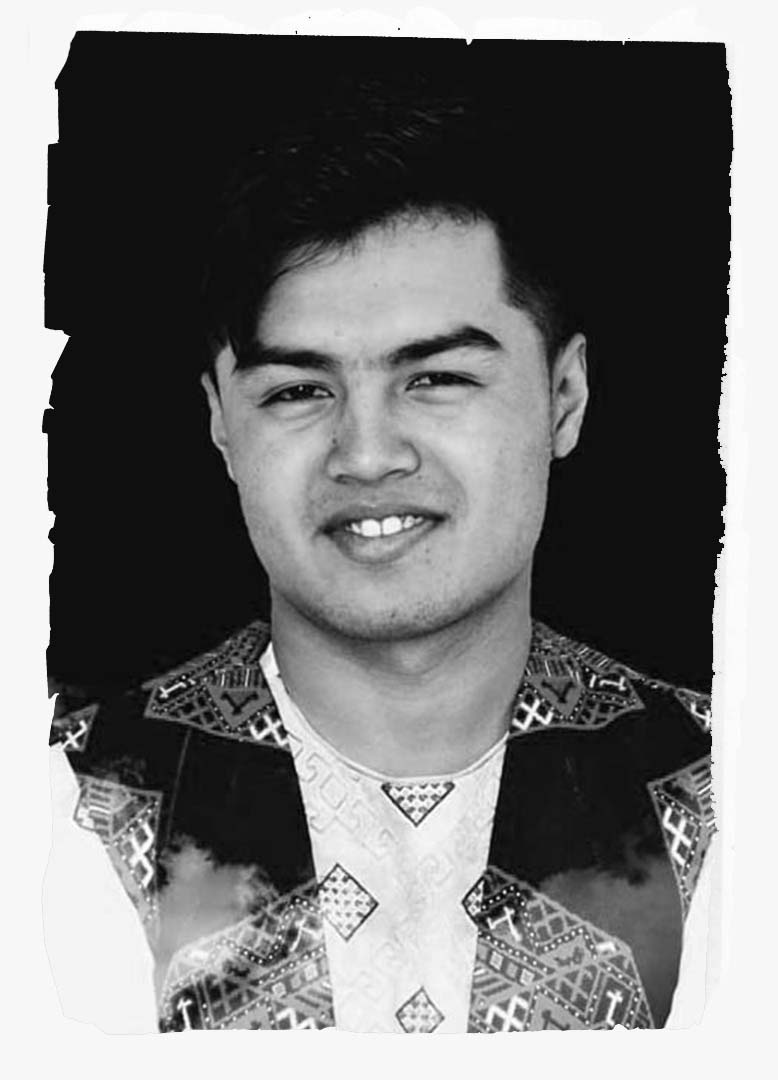
- Gender
- Male
- Ethnicity
- Hazara
- District geolocation of incident
- Kabul: 34° 31′ 1″ N, 69° 8′ 60″ E
- Description of incident
A suicide bomber detonated an explosive device inside a classroom at Mawoud Educational Academy, where over 240 students were preparing for a university entrance exam. The attack took place at approximately 4:00 pm on August 15, 2018, in the Naqash section of the Hazara-majority Dasht-e-Barchi neighborhood, PD-18, in western Kabul. At least 50 students were killed and 67 others were injured. The majority of casualties were high school students under the age of 20 who belonged to the Hazara ethnic group. The Islamic State of Khorasan Province (ISIL-KP) has claimed responsibility for the attack on Mawoud Educational Academy.
- Witness/Survivor Statement
No statement
- Date added
- Feb 6, 2023
Maisam Andisha
- Photo of Victim
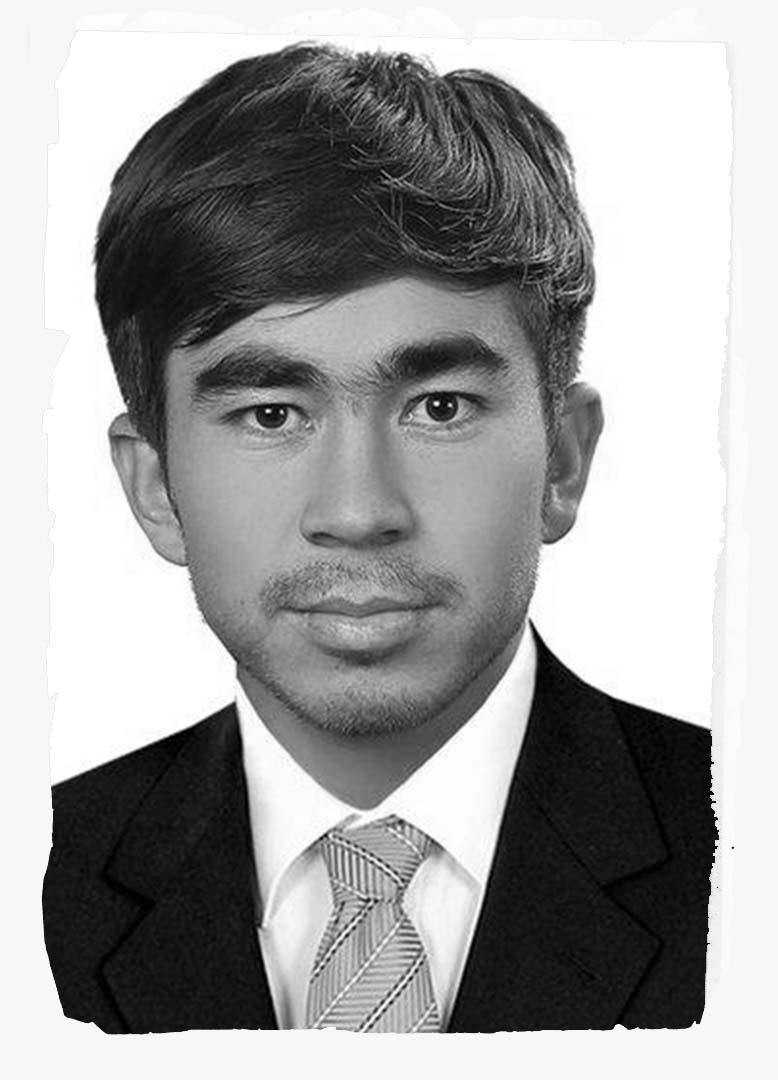
- Gender
- Male
- Ethnicity
- Hazara
- District geolocation of incident
- Kabul: 34° 31′ 1″ N, 69° 8′ 60″ E
- Description of incident
A suicide bomber detonated an explosive device inside a classroom at Mawoud Educational Academy, where over 240 students were preparing for a university entrance exam. The attack took place at approximately 4:00 pm on August 15, 2018, in the Naqash section of the Hazara-majority Dasht-e-Barchi neighborhood, PD-18, in western Kabul. At least 50 students were killed and 67 others were injured. The majority of casualties were high school students under the age of 20 who belonged to the Hazara ethnic group. The Islamic State of Khorasan Province (ISIL-KP) has claimed responsibility for the attack on Mawoud Educational Academy.
- Witness/Survivor Statement
No statement
- Date added
- Feb 6, 2023
Mostaf Eqbali
- Photo of Victim

- Gender
- Male
- Ethnicity
- Hazara
- District geolocation of incident
- Kabul: 34° 31′ 1″ N, 69° 8′ 60″ E
- Description of incident
A suicide bomber detonated an explosive device inside a classroom at Mawoud Educational Academy, where over 240 students were preparing for a university entrance exam. The attack took place at approximately 4:00 pm on August 15, 2018, in the Naqash section of the Hazara-majority Dasht-e-Barchi neighborhood, PD-18, in western Kabul. At least 50 students were killed and 67 others were injured. The majority of casualties were high school students under the age of 20 who belonged to the Hazara ethnic group. The Islamic State of Khorasan Province (ISIL-KP) has claimed responsibility for the attack on Mawoud Educational Academy.
- Witness/Survivor Statement
No statement
- Date added
- Feb 6, 2023
Mohmmad Hadi Safari
- Photo of Victim
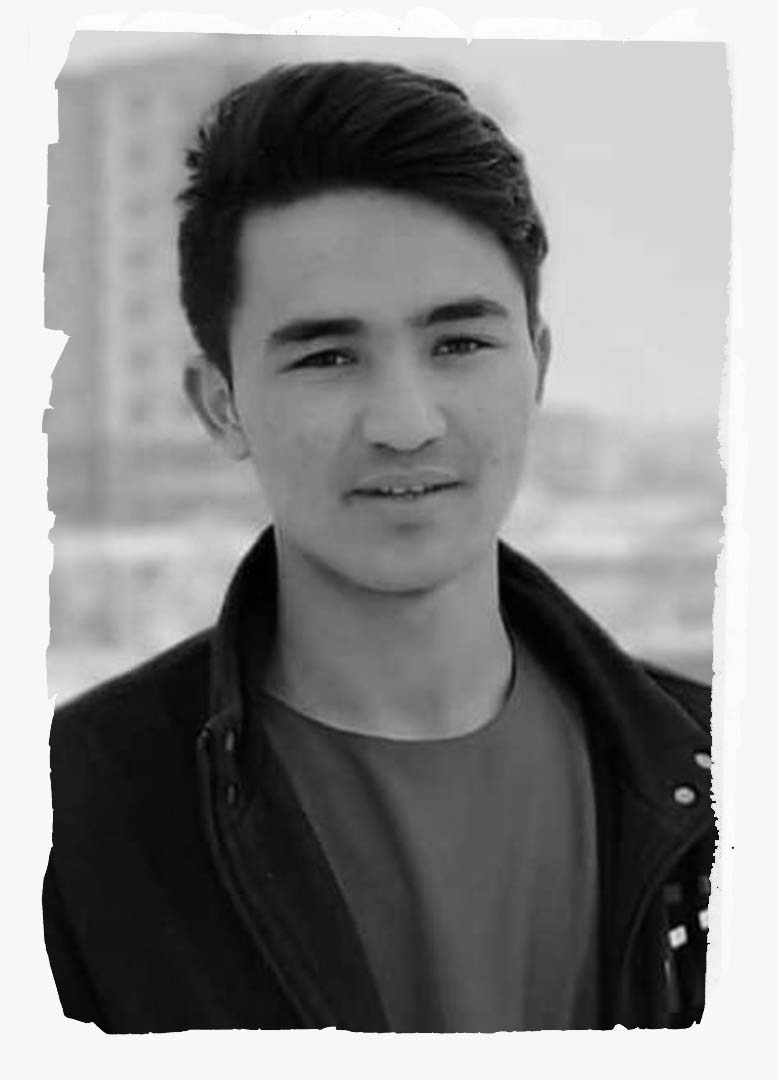
- Gender
- Male
- Ethnicity
- Hazara
- District geolocation of incident
- Kabul: 34° 31′ 1″ N, 69° 8′ 60″ E
- Description of incident
A suicide bomber detonated an explosive device inside a classroom at Mawoud Educational Academy, where over 240 students were preparing for a university entrance exam. The attack took place at approximately 4:00 pm on August 15, 2018, in the Naqash section of the Hazara-majority Dasht-e-Barchi neighborhood, PD-18, in western Kabul. At least 50 students were killed and 67 others were injured. The majority of casualties were high school students under the age of 20 who belonged to the Hazara ethnic group. The Islamic State of Khorasan Province (ISIL-KP) has claimed responsibility for the attack on Mawoud Educational Academy.
- Witness/Survivor Statement
No statemetn
- Date added
- Feb 6, 2023
Mohmmad Musa Ebrahimi
- Photo of Victim

- Gender
- Male
- Ethnicity
- Hazara
- District geolocation of incident
- Kabul: 34° 31′ 1″ N, 69° 8′ 60″ E
- Description of incident
On October 24, 2020, around 4:30 p.m., a suicide bomber detonated an explosive device inside the Kawsar-e Danish Educational Center in the western area of Kabul City's PD-13 neighbourhood in the Pol-e-Khoshk District. The educational institute provided coaching for high school students preparing for university entrance exams. The attack resulted in the deaths of at least 43 students. 72 others were injured. The attack occurred in a primarily Hazara neighbourhood in Dasht-e-Barchi; the majority of students attending the tuition centre were Hazara. The Islamic State of Khorasan Province (IS-KP) claimed responsibility for the attack.
- Witness/Survivor Statement
No statemetn
- Date added
- Feb 6, 2023
Mohammad Hussain
- Photo of Victim

- Gender
- Male
- Ethnicity
- Hazara
- District geolocation of incident
- Kabul: 34° 31′ 1″ N, 69° 8′ 60″ E
- Description of incident
On October 24, 2020, around 4:30 p.m., a suicide bomber detonated an explosive device inside the Kawsar-e Danish Educational Center in the western area of Kabul City's PD-13 neighbourhood in the Pol-e-Khoshk District. The educational institute provided coaching for high school students preparing for university entrance exams. The attack resulted in the deaths of at least 43 students. 72 others were injured. The attack occurred in a primarily Hazara neighbourhood in Dasht-e-Barchi; the majority of students attending the tuition centre were Hazara. The Islamic State of Khorasan Province (IS-KP) claimed responsibility for the attack.
- Witness/Survivor Statement
No statement
- Date added
- Feb 6, 2023
Fahima Amiri
- Photo of Victim

- Gender
- Female
- Ethnicity
- Hazara
- District geolocation of incident
- Kabul: 34° 31′ 1″ N, 69° 8′ 60″ E
- Description of incident
On October 24, 2020, around 4:30 p.m., a suicide bomber detonated an explosive device inside the Kawsar-e Danish Educational Center in the western area of Kabul City's PD-13 neighbourhood in the Pol-e-Khoshk District. The educational institute provided coaching for high school students preparing for university entrance exams. The attack resulted in the deaths of at least 43 students. 72 others were injured. The attack occurred in a primarily Hazara neighbourhood in Dasht-e-Barchi; the majority of students attending the tuition centre were Hazara. The Islamic State of Khorasan Province (IS-KP) claimed responsibility for the attack.
- Witness/Survivor Statement
No statement
- Date added
- Feb 6, 2023
Gholam Hussain
- Photo of Victim

- Gender
- Male
- Ethnicity
- Hazara
- District geolocation of incident
- Kabul: 34° 31′ 1″ N, 69° 8′ 60″ E
- Description of incident
On October 24, 2020, around 4:30 p.m., a suicide bomber detonated an explosive device inside the Kawsar-e Danish Educational Center in the western area of Kabul City's PD-13 neighbourhood in the Pol-e-Khoshk District. The educational institute provided coaching for high school students preparing for university entrance exams. The attack resulted in the deaths of at least 43 students. 72 others were injured. The attack occurred in a primarily Hazara neighbourhood in Dasht-e-Barchi; the majority of students attending the tuition centre were Hazara. The Islamic State of Khorasan Province (IS-KP) claimed responsibility for the attack.
- Witness/Survivor Statement
No statement
- Date added
- Feb 6, 2023
Alisina Amiri
- Photo of Victim
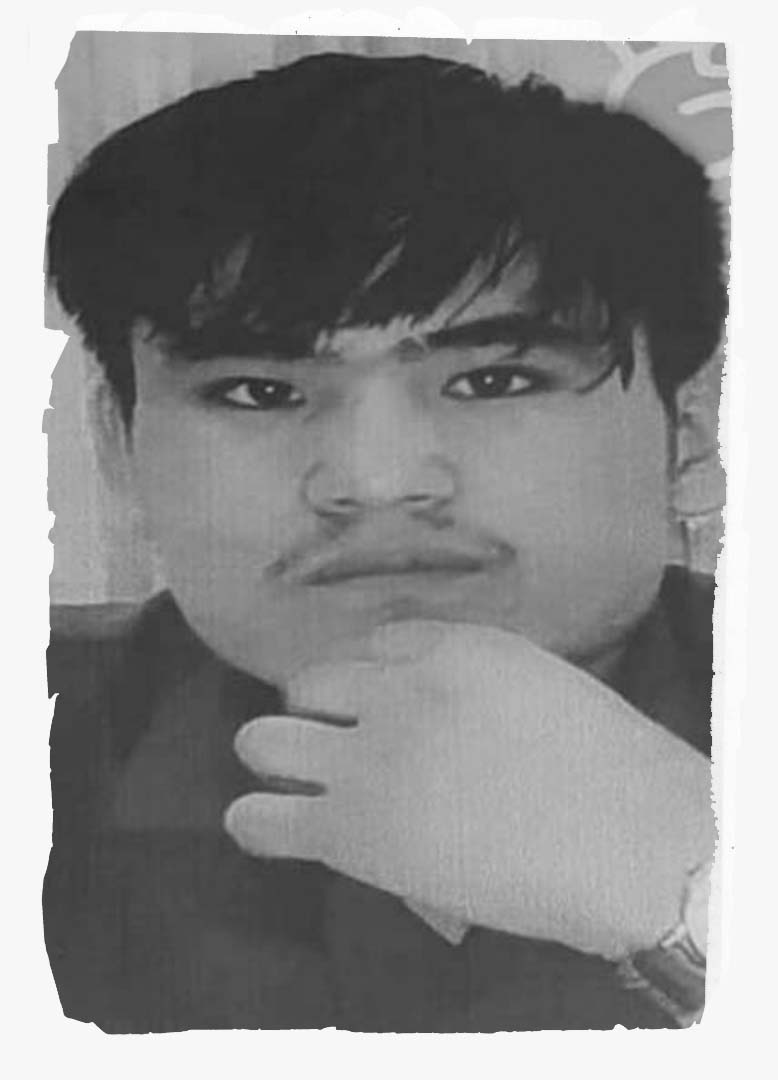
- Gender
- Male
- Ethnicity
- Hazara
- District geolocation of incident
- Kabul: 34° 31′ 1″ N, 69° 8′ 60″ E
- Description of incident
On October 24, 2020, around 4:30 p.m., a suicide bomber detonated an explosive device inside the Kawsar-e Danish Educational Center in the western area of Kabul City's PD-13 neighbourhood in the Pol-e-Khoshk District. The educational institute provided coaching for high school students preparing for university entrance exams. The attack resulted in the deaths of at least 43 students. 72 others were injured. The attack occurred in a primarily Hazara neighbourhood in Dasht-e-Barchi; the majority of students attending the tuition centre were Hazara. The Islamic State of Khorasan Province (IS-KP) claimed responsibility for the attack.
- Witness/Survivor Statement
No statement
- Date added
- Feb 6, 2023
Abdullah Pidram
- Photo of Victim

- Gender
- Male
- Ethnicity
- Hazara
- District geolocation of incident
- Kabul: 34° 31′ 1″ N, 69° 8′ 60″ E
- Description of incident
On October 24, 2020, around 4:30 p.m., a suicide bomber detonated an explosive device inside the Kawsar-e Danish Educational Center in the western area of Kabul City's PD-13 neighbourhood in the Pol-e-Khoshk District. The educational institute provided coaching for high school students preparing for university entrance exams. The attack resulted in the deaths of at least 43 students. 72 others were injured. The attack occurred in a primarily Hazara neighbourhood in Dasht-e-Barchi; the majority of students attending the tuition centre were Hazara. The Islamic State of Khorasan Province (IS-KP) claimed responsibility for the attack.
- Witness/Survivor Statement
No statement
- Date added
- Feb 6, 2023
Mohammad Arif Akbari
- Photo of Victim

- Gender
- Male
- Ethnicity
- Hazara
- District geolocation of incident
- Kabul: 34° 31′ 1″ N, 69° 8′ 60″ E
- Description of incident
On October 24, 2020, around 4:30 p.m., a suicide bomber detonated an explosive device inside the Kawsar-e Danish Educational Center in the western area of Kabul City's PD-13 neighbourhood in the Pol-e-Khoshk District. The educational institute provided coaching for high school students preparing for university entrance exams. The attack resulted in the deaths of at least 43 students. 72 others were injured. The attack occurred in a primarily Hazara neighbourhood in Dasht-e-Barchi; the majority of students attending the tuition centre were Hazara. The Islamic State of Khorasan Province (IS-KP) claimed responsibility for the attack.
- Witness/Survivor Statement
No statement
- Date added
- Feb 6, 2023
Rohullah Rahimi
- Photo of Victim
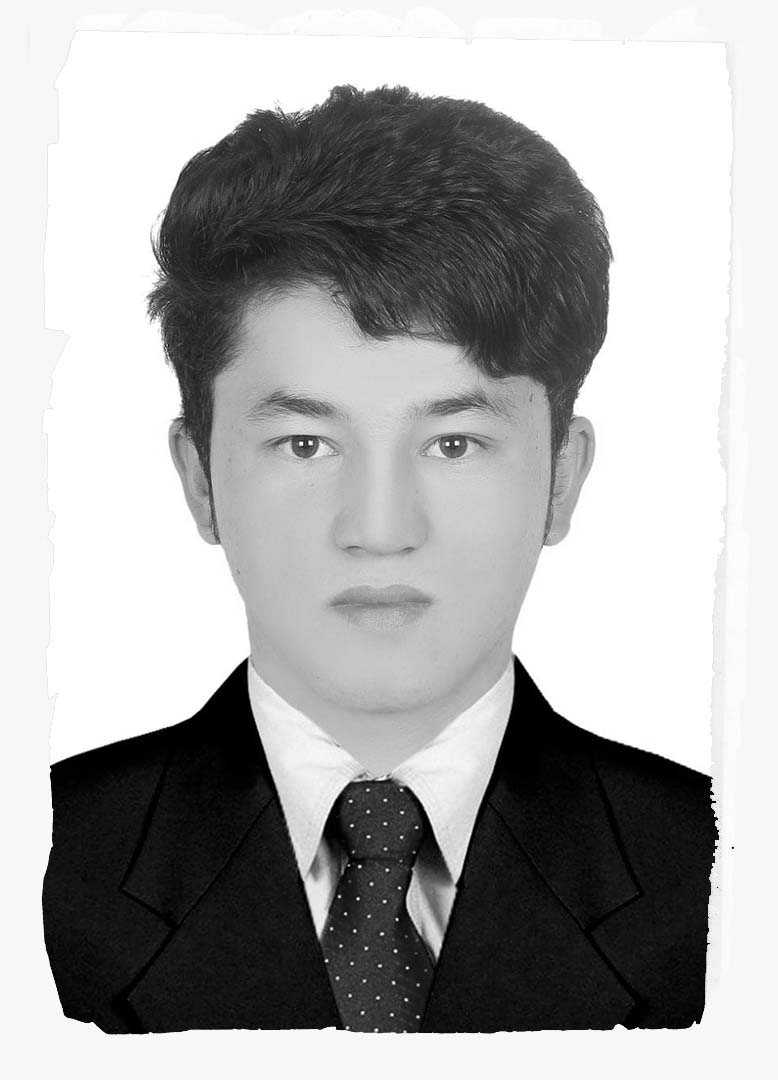
- Gender
- Male
- Ethnicity
- Hazara
- District geolocation of incident
- Kabul: 34° 31′ 1″ N, 69° 8′ 60″ E
- Description of incident
On October 24, 2020, around 4:30 p.m., a suicide bomber detonated an explosive device inside the Kawsar-e Danish Educational Center in the western area of Kabul City's PD-13 neighbourhood in the Pol-e-Khoshk District. The educational institute provided coaching for high school students preparing for university entrance exams. The attack resulted in the deaths of at least 43 students. 72 others were injured. The attack occurred in a primarily Hazara neighbourhood in Dasht-e-Barchi; the majority of students attending the tuition centre were Hazara. The Islamic State of Khorasan Province (IS-KP) claimed responsibility for the attack.
- Witness/Survivor Statement
No statement
- Date added
- Feb 6, 2023
Payinda Ali
- Photo of Victim

- Gender
- Male
- Ethnicity
- Hazara
- District geolocation of incident
- Kabul: 34° 31′ 1″ N, 69° 8′ 60″ E
- Description of incident
On October 24, 2020, around 4:30 p.m., a suicide bomber detonated an explosive device inside the Kawsar-e Danish Educational Center in the western area of Kabul City's PD-13 neighbourhood in the Pol-e-Khoshk District. The educational institute provided coaching for high school students preparing for university entrance exams. The attack resulted in the deaths of at least 43 students. 72 others were injured. The attack occurred in a primarily Hazara neighbourhood in Dasht-e-Barchi; the majority of students attending the tuition centre were Hazara. The Islamic State of Khorasan Province (IS-KP) claimed responsibility for the attack.
- Witness/Survivor Statement
No statement
- Date added
- Feb 6, 2023
Ehsan Ahmadi
- Photo of Victim

- Gender
- Male
- Ethnicity
- Hazara
- District geolocation of incident
- Kabul: 34° 31′ 1″ N, 69° 8′ 60″ E
- Description of incident
On October 24, 2020, around 4:30 p.m., a suicide bomber detonated an explosive device inside the Kawsar-e Danish Educational Center in the western area of Kabul City's PD-13 neighbourhood in the Pol-e-Khoshk District. The educational institute provided coaching for high school students preparing for university entrance exams. The attack resulted in the deaths of at least 43 students. 72 others were injured. The attack occurred in a primarily Hazara neighbourhood in Dasht-e-Barchi; the majority of students attending the tuition centre were Hazara. The Islamic State of Khorasan Province (IS-KP) claimed responsibility for the attack.
- Witness/Survivor Statement
No statement
- Date added
- Feb 6, 2023


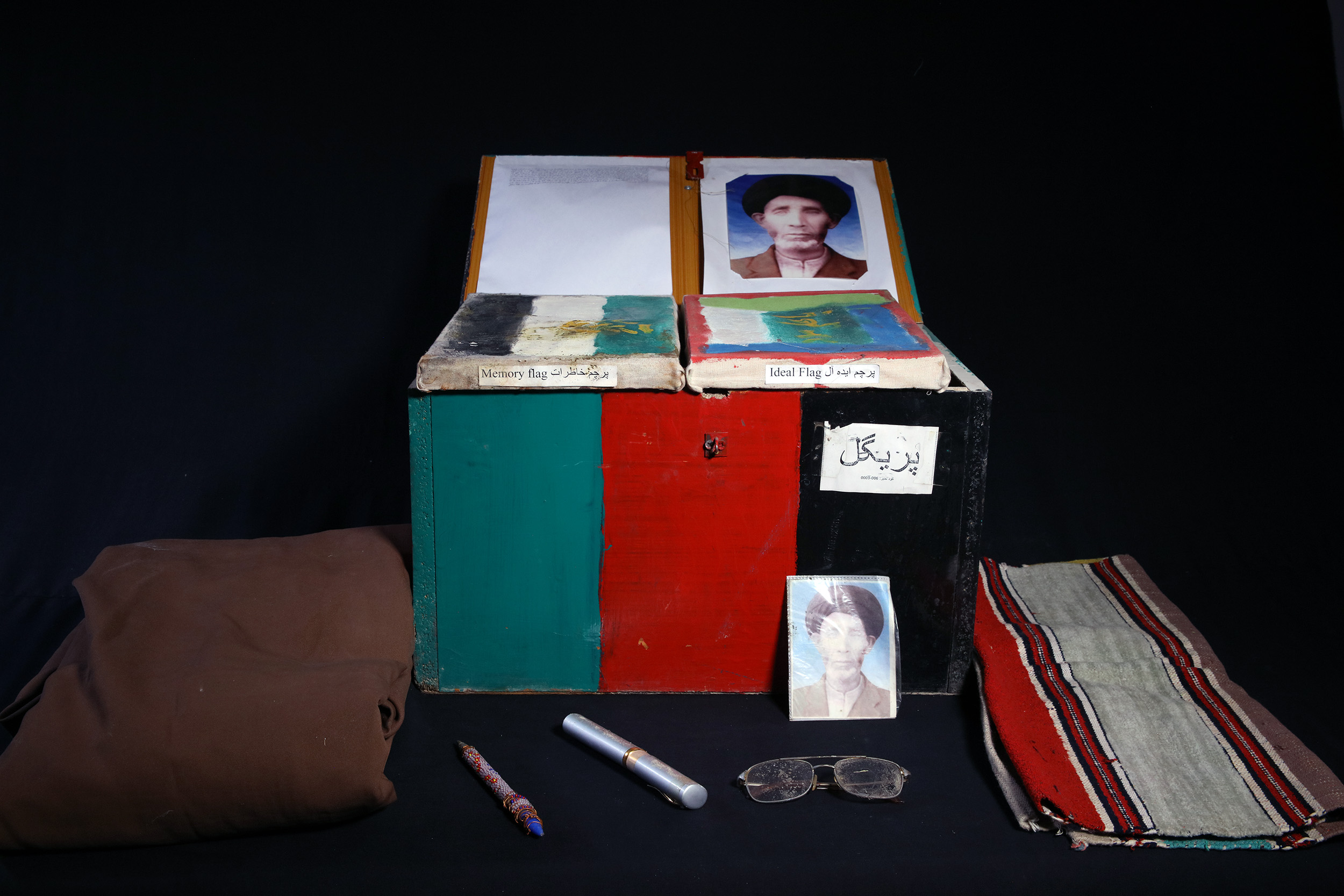


Mahdi Zafari
- Photo of Victim

- Gender
- Male
- Ethnicity
- Hazara
- District geolocation of incident
- Kabul: 34° 31′ 1″ N, 69° 8′ 60″ E
- Description of incident
On October 24, 2020, around 4:30 p.m., a suicide bomber detonated an explosive device inside the Kawsar-e Danish Educational Center in the western area of Kabul City's PD-13 neighbourhood in the Pol-e-Khoshk District. The educational institute provided coaching for high school students preparing for university entrance exams. The attack resulted in the deaths of at least 43 students. 72 others were injured. The attack occurred in a primarily Hazara neighbourhood in Dasht-e-Barchi; the majority of students attending the tuition centre were Hazara. The Islamic State of Khorasan Province (IS-KP) claimed responsibility for the attack.
- Witness/Survivor Statement
I Called Him Fifty Times; He Did Not Pick Up His Phone
Narrator: Zeba Zafari (sister)
Victim: Mahdi Zafari
Date of the incident: 24 October 2020
Location of the incident: District 13, Kabul City, Pul-e Khoshk, Dasht-e Barchi, Kawsar Danesh Educational Center
In the name of God
My name is Zeba Zafari and my father's name is Allah Bakhsh. We come from Maidan Wardak Province, Hesa-e Awal in Behsud, Oba village. I am 19 years old, a 10th-grade night shift student at Abdur Rahim Shahid School. I was born in Iran; I was three years old when we returned to Afghanistan. I don't work alongside my studies as I married two years ago, and I dont yet have children. For the moment, I'm studying and preparing for the university entrance exam.
We live in Barchi, in the "Doghabad" area. My house is there and my father's house is in "Mahdia" town. The Martyr was our elder brother, I am the second child, and my other brothers are younger than me. I have one sister, and three other brothers, besides my martyred brother, Mahdi.
Our family’s financial situation is not good; our only breadwinner is my father. Thank God, we have a large family. Mahdi was working as an apprentice in a mechanical shop and was paid five hundred or so per week. The year he finished school, he decided to prepare for the university entrance exam for a year or two, hoping he would get good results afterward. He was very skilled in mechanical and electrical work. He didn’t feel hopeful about the world, he studied for eight months. in less than four months after that, he was martyred.
[Mahdi] was born in 1999 in Iran. I don't know in which city, but we lived mostly in Tehran and Isfahan, my mother's three children were born in Iran, following which we returned to Afghanistan. My three brothers and one sister were born here (in Afghanistan).
When we returned from Iran, we lived in a rented house for a few years. As it was difficult in Afghanistan financially, my father went back to Iran to work and earn money. My brother worked very hard. He used to sell ice cream. Even though his earnings were little, he continued working. He used to sell chewing gum and did odd jobs. He used to work and attend school at the same time. As we were very poor, we did not have water or bread. Mahdi and I used to go to take out water from wells. These were his major responsibilities at home. He used to work in an automobile repair shop, selling ice cream or chewing gum. My father spent his salary on this house. He bought a mobile phone for himself. Mahdi said he needed a mobile phone and a computer if he had to study. Last year, he studied but his fate was to be martyred.
<>pHis academic performance was very good up to the sixth grade. Later, he quarreled with a teacher who then failed him three years in a row. He was discouraged but attended school up to 12th grade. He still performed well but the teacher’s attitude made him lose his interest.My cousin encouraged him to go and study, saying that studying is useful and that labor jobs will not work for long. So, he decided to study and prepare for the entrance exam. My happy memory of him is when I got first place in the class, he would cheer me on even though he didn't study. He used to pay for my tuition with his weekly income.
Because he was working, he couldn't attend school where he had to study for four or five hours every day. So, he transferred his application to the night shift school at Abdul Rahim Shahid. He used to go there. In the year when he decided to prepare for the entrance exam, he said, "I will take care of my studies well, so I don't need to attend school in person." He discussed the matter with his [school] principal and said he would visit the school twice a week to show up for attendance. The rest of his time was spent in the preparation center, from morning to evening.
His favorite field of study was electrical engineering because he was very good at electrical work. When he was at home, he installed the wiring system of the house. Interestingly, before he was killed, he had made a loudspeaker at home; it is still there.
I was at the market, it was 3.30 pm when I heard a sound, I thought it was a vehicle tire that had exploded; it was far away. Then when I went home, I saw people near our house talking to each other, I asked them what had happened, and they said an explosion had happened in that center... near the Alimi Clinic. I instantly remembered that my brother was studying there. I called him, I must have called him fifty times, but he did not pick up his phone. I remember well that I called fifty times, but he didn't answer. My mother has a neurological disorder, she suffers from seizures. I didn't want to call her. I called my dad; he was at work and he said he did not know anything. He went home and I said Mother should better not know.
I hoped my brother Mahdi might pick up his phone. No matter how many times I called him, no one answered the phone. My elder brother-in-law has a bakery. He returned home after he had transported the wounded and martyrs from the attack. When I saw his car bloodied, I was shocked and scared. They said nothing had happened to my brother. This made me suspicious, so I called my little brother. He said Mahdi was missing and my cousins were looking for him. A few minutes later, they called and said they had found Mehdi, he was just wounded, and his arm was injured. A few minutes later, I called my dad. My dad said his arm was injured and I asked to speak to my brother. Suddenly my father got emotional. I didn't understand it, I thought it might be because of other injured people.
I called my mother; she was unwell and had not been allowed to go see my brother. They kept me unaware until the next day.
They woke me up early in the morning and said, "Your mother had a seizure; they have taken her to the hospital. You should go to stay with your brothers." I prayed quickly and joined my sister-in-law and mother-in-law and got in the car. I thought they come with me because I was alone and it was still dark. When we arrived there, I saw a group of people, and my mother and I realized that we had lost Mahdi. Both of us passed out and regained consciousness by noon and saw my brother's body. I passed out again and woke up by 2 pm. <..long silence..>
I live away from my family, so, this doesn't affect me as much. But it is very difficult for my mother since she lives beside my brother’s belongings, photos, and boots. She has suffered greatly. Her hair has turned gray, and grief has worsened her neurological disorders. My mother is 37 or 38 years old, and due to our economic situation, we have not been able to provide proper treatment.
We have visited shrines, as recommended, but this has not helped. We do not usually let her attend gatherings to keep her mind calm; we don’t let her go to the mosque. When we are at a party, I make sure she doesn’t talk too much with people to avoid further mental disturbance.
When my little brothers say they dreamed [about Mahdi] and tell my mother such stories, she gets a headache and seizure. She is mostly alone, there is no other adult to help her in case of seizures. My younger brothers are now afraid of my mother, as she doesn't understand things as a result of her many seizures. God forbid, she becomes a madwoman.
Even my younger brothers are developing mental health problems. When I left to go to school, they asked me not to go as I might get killed as Mahdi did. They are very young, six or seven-year-old kids. Despite their young age, they have lost interest in school, and have never been to school.
I later learned in more detail what had happened on that terrible day of the 24th of October. My cousin was also preparing for the University entrance exams and was attending the same center as my brother. That day, my cousin and brother had lunch together, prayed, and went to the educational center. My cousin had forgotten his ID card and so went to the Iqra" library, while my brother went to the center, and was caught in the suicide attack. The attack happened at the gate of the school. The center would allow students to go out in groups of 20 people. It did not happen when the first batch came out. It happened when the second batch stepped out, including my brother. The suicide attack took place against the second batch of students. Sixty people were martyred and many more were wounded.
My cousin heard the explosion and later found my brother and took him to the hospital. They had then called my father. He was initially taken to Ali Jinnah Hospital, but as it was not well equipped for surgeries, Mahdi was transferred to the emergency hospital. There were so many dead and wounded and not enough doctors to attend to patients at Ali Jinnah. If he had been immediately taken to a hospital where he could be treated properly, he might have survived.
Mahdi must have been close to the explosion as his eyebrows, and his hair was completely burnt, and his face was wounded. He had been alive for a few minutes [after the explosion] and was still breathing until he was transferred to these two hospitals. He had lost a lot of blood and sustained a deep shrapnel wound to his heart, he did not survive. Doctors explained that the shrapnel caused serious damage and made his heart stop.
According to my cousins, when we lost my brother - he was my father's eldest son - my father put his handkerchief in his mouth and screamed a lot. My father does not want us to know his feelings as my mother gets nervous. My father has been impacted; he is always at work and is busy with people, so it may not be too difficult for him, although I have not seen it myself.
ISIS took responsibility for the attack, but nobody from the government came to visit us. The government gives one hundred thousand or two hundred thousand Afs to families of martyrs, and fifty thousand Afs to those who are wounded. That is it. I think they made a list based on the information provided by the educational center. They then called and [my father received the money]. Well, what can I say about the government that kills and then gives out money?
I don’t know if Kawsar Danesh Educational Center held a Fatiha ceremony for the martyrs but they did commemorate the 40th day after the attack.
Mahdi was the kindest among us in the family. He worked with my other cousin and a cousin of ours was his classmate. We all grew up together, and we never witnessed him quarreling or fighting with others. He was fond of electrical work. At home, he liked creating things, he even made a cooler at home. He was loved by our family. When he was martyred, our relatives gathered and made him a beautiful tomb because they loved him very much.
They didn't say anything [about why the negligence happened and the suicide attack took place]. I used to go to a sewing class, next to that center. Before the suicide bombing happened, they did not have the means to keep the place secure. There was only one policeman, and he didn't search people properly. After the suicide attack happened and people were injured and killed, they put in place more security. Now, they do a comprehensive inspection and don't let people in without ID cards. I didn't go to the center. After Kausar Danesh announced the families of martyrs could have one student free of tuition, I attended their classes for almost three months, but since the quarantine was imposed, I haven't been there. Schools are also closed due to quarantine.
Our only wish is for peace to come in Afghanistan; it is very insecure. And then, my father, talked to leaders a few times, but they think of their interests, not the interest of the people. We have no expectations from the government because it has never listened to this nation, and have not acted based on people’s demands. If peace comes, we can live peacefully. If we don't have money, we can, at least, live in peace and earn a piece of bread. We currently live in a tough situation. when I go somewhere, to our aunt's house or the market, we are not sure whether we will come back alive or dead because the security is very bad. Furthermore, the family members of the victims of this attack suffer in their mental health.
First, it is the government's fault, it should secure the borders and not let anyone into this country, and there would never be such destruction and misery in Afghanistan. Maybe this government is involved in it. Yes, we want peace [at any price]. Peace should bring people safety. It means women should no longer have to stay at home like in the old days.
I do not have much hope. I have told my husband several times to leave, what are we going to do here? In some years, when we have children, and they go to school, we will always be worried until they return home. I suggested we should leave, but he refused. With the difficult situation we have gone through, I have lost hope. I wish peace would come. [My husband] is a close relative of mine. [He is someone who encourages me to study].
I am very interested in school; I want to be able to answer the questions of my children when they grow up. In the past, when mothers could not read, they were unable to understand issues. They would not let their daughters study in some places, thinking that is a bad place. Going to school, at least, gives us the ability to think and understand things, understand society.
I am very interested in Law. God willing, I will be able to study it. I want to raise the voice of my brother who was martyred. Why are these people so indifferent, especially those who work in this government? Such indifference does not help in this country; we are losing our loved ones. I want their voices to be heard. The joy of my life is to live a peaceful life so that I can take care of myself and my children and help my mother live in peace. I don't wish for anything special.
- Date added
- Feb 3, 2023
Ahmad Farid Qurbani
- Photo of Victim

- Gender
- Male
- Ethnicity
- Hazara
- District geolocation of incident
- Kabul: 34° 31′ 1″ N, 69° 8′ 60″ E
- Description of incident
On October 24, 2020, around 4:30 p.m., a suicide bomber detonated an explosive device inside the Kawsar-e Danish Educational Center in the western area of Kabul City's PD-13 neighbourhood in the Pol-e-Khoshk District. The educational institute provided coaching for high school students preparing for university entrance exams. The attack resulted in the deaths of at least 43 students. 72 others were injured. The attack occurred in a primarily Hazara neighbourhood in Dasht-e-Barchi; the majority of students attending the tuition centre were Hazara. The Islamic State of Khorasan Province (IS-KP) claimed responsibility for the attack.
- Witness/Survivor Statement
His One Hand Was Missing, I Saw His Face, His Hair Was Burnt
Narrator: Zia Gol (Mother)
Victim: Ahmad Farid Qurbani
Date of the incident: 24 October 2020
Location of the incident: District 13, Kabul City, Pul-e Khoshk, Dasht-e Barchi, Kausar Danesh Educational Center
My name is Zia Gol. I am 45-years-old. I am the mother of seven children: four daughters, and three sons. My son Farid was killed. He was the middle child; the fifth child. He was 18-years-old.
On the day of the incident, my leg was hurting. I was at home sleeping when he came home. He used to go to school. Sometimes he would go, and sometimes he wouldn't. I asked him why he didn't go to school every day. He replied, "Mom, I can't go. I have preparation courses." That morning, I woke him up and he had breakfast. I asked him if he was going to school, and he said yes. When he came back, he made himself some food and took a bath while I went back to sleep. His sisters weren't at home. One of his sisters studies at the education university and the other sister is studying at Ghazni University. I have a six-year-old daughter, and I was at home with her. I was sleeping, and my legs were in pain. He asked, "Mom, what can I eat?" We had beans, so I told him to heat them up for himself. He warmed up the beans and ate them with a piece of bread. He said, "Mom, I'm leaving now." His little sister was beside me, and she said, "Okay, go, brother."
He left. My daughters came back from university. We sat down, had our food, and drank tea. Suddenly, an explosion was heard. My younger son was at a shoe making shop. He called me and said, “Mother, there has been a suicide attack at the Barchi Business Center.” Ten minutes later, my son in-law called and asked where Farid was. I replied, "He is at the educational center." He asked which center, and I said Kawsar Center. He informed me that that center was hit by a suicide attack. My legs were hurting. My daughter... well, she has a little baby and she handed the baby to me and said she will go look for her brother, Farid. She returned a little later with twelve warm breads and said that the police were not looking for him.
Farid’s friends kept coming to the door one after another, asking if he had returned home. Farid's cellphone was switched off. We kept calling his father to know whether he had found Farid. This went on until midnight. At midnight, our relatives, my sister's children, my husband, and others came. I was so anguished. I grabbed my husband and asked him what he did with our child. He replied that Farid was injured. I asked, "Why didn't you stay with him?" but he explained that the doctor didn't allow him to stay.
So I prepared food for everyone, but no one was able to even have a single bite. It seemed like everyone was anxious, and his father, overcome with grief, went to the storage room and started crying. Witnessing this distressing scene, I suddenly lost consciousness and fainted. Family members revived me by splashing water on my face. My heart ached for my dear son, whose clothes were completely ruined, except for a small piece of fabric on his shoulder. When they showed this fragment to my daughter and asked if it matched what Farid was wearing, she confirmed that he had a pistachio green cloth on. Upon hearing this, my husband became inconsolable, beating himself and said he was our son Farid. He couldn't believe it was him... When morning arrived, I insisted on being taken to him if he was injured. As we were about to leave in the car, our relatives called and pleaded with us not to go, fearing that I might faint again.
My son's body was brought to my house at 9 a.m. He was first in Ali Jinnah Hospital, then brought to Darul Aman to the forensic department. From there, they brought his body home. Then they took him to the mosque, that's how we found out. He was not bathed at the mosque. I saw his face; his hair was burnt. A piece of his clothes remained while the rest had burnt. It had hit his stomach; one hand was missing. I saw his mobile phone still in his hand. It had exploded from the blast. His father says he did not recognized him when he saw his body at the hospital; he couldn't accept it was Farid jan. His hair was burnt, his eyes still open as he was laid in the graveyard.
After that, they took him for burial. He was a good boy, he would pray and fast for Ramadan at age 13 or 14. Around that age, he was doing construction work with his father during Ramadan. I told him, “My son, if you get hungry, break your fast.” At noon, when we served lunch, his plate would remain untouched and he'd go pray. In the mornings when I'd go wake him up, I'd say to him, "My dear Farid, get up and pray." He'd say, “I've prayed Mother, help others wake up instead.” He was a boy inclined towards prayer and God. He never treated his father or I with disrespect; he never hurt his sisters or called them silly.
He would go to the sports club to go boxing; he had been going since the age of ten years. His trainer did not want him to pay the club fees. All his gloves and equipment are still here. In the morning, he would get up and go to the mountain to run with his friends. He was preparing for the university entrance exam, and had gotten himself enrolled in the education center. He was such a hardworking boy, he wouldn't waste a minute. God takes away the good ones.
He was very well-behaved. When my foot would hurt, he would instantly spread my bedding in the room and gather his books and go study in the other room. He never said anything rude to me, not even frowned once, such a good boy. Such a good, well-behaved boy. May God protect my other boys and girls but they don't have his manners. Right now, a big plaque is installed on our street corner, renaming it Martyr Farid Street. His friends arranged that. They visit his grave every Friday. He has so many friends from the club, the education center, and school. His friends still visit us. He was such a good, polite, and sociable boy.
Whenever a guest visited us, he would briskly get up on his feet to welcome them and he would treat everyone kindly. So sociable, so intelligent, such a good boy. God has made him a martyr now.
His two brothers come and sit at the dinner table, but we feel his absence. I feel time pass hopelessly and I am just alive. Human being is harder than stone, and more delicate than a flower. It is very difficult for me. The place where he used to sleep is now empty. During my morning prayers, I truly cry. Time just passes, it is very painful.
Every day I imagine him - with whatever clothes he wore, wherever he went, whatever conversations we had - I envision those places in my imagination. He is still before my eyes. These moments of imagination give me joy before my heart fills with longing for him. I imagine him wandering around the yard, telling stories, saying things to me. I cannot speak about this with his sisters. I imagine all the jokes and fun things he would do, such as being teased by his siters about his looks and how he was always so careful with his clothes. He was always so playful and lively. Others would have two sets of clothes, he had five. He would take them out of the suitcase and tell us we don’t fulfill his wishes, so he does it himself. Here is my attempt at translating that section: He would look at himself in the mirror and ask "Do I look good from far away or up close?" His sisters would tease him, saying, "You don't look good from either far away or up close." I would say "Don't say that, you naughties! He looks good both from a distance and up close." He would also fluff his curls over his shoulders. We used to iron his clothes but then he started ironing them himself, saying, "Mother! Why don't I wear my other clothes?" I would say "My child, you wore that yesterday." He would say, "It got a little dirty." I would say, "Go on, my child.” When I would take out clothes, he didn't like them. He would go get his own clothes, iron them, and wear them. He had his clothes for the tuition center and school. The clothes he slept in were different, more worn out, but he still wore them. He was very playful. What can I do now that he is no longer here?
We gave his clothes away to people but kept one coat about which he had said, "Mother, take this one out, it is getting cold." It was the fall season, he put it on. That coat still smells like him. I keep it wrapped in plastic in the kitchen. Whenever I go in there, I take a whiff of it and cry. I cannot even cry in front of my other kids. When I go to the back room of the house, I let it all out.
I bear this sadness alone. My one daughter is heavily impacted. She had such beautiful hair, but has lost most out of grief.
I don't tell her father anything – he is a man, goes to work during the day, and comes home at night. Sometimes when things get difficult, I wish they were not here or I could go somewhere alone and cry. Oh God, it is so difficult. The grief of losing someone young is hard. May God not show this grief to anyone. I am about 40-45 years old and until this year, God had not brought such grief upon me.
My feet have started hurting badly again as I have nerve issues. Yesterday I got my pain medication but its gotten worse instead of better. I can't sleep - even if it's 2 or 3 am. When I wake up, I'm immediately lost in thoughts again. I have no rest, my sleep is completely gone. Whenever guests come to our house it's better, but when I am alone, since I have nothing to do, time passes so painfuly slow.
Well, I am just wasting time, I have no hopes. No, I neverspeak about this with my children. If we tell stories about him, everybody gets watery eyes; it's better to not talk about it.
When my heart fills up, I feel pain in it. When I cry, I feel relieved. When I hear a preacher on TV talking nicely about the blessing of a martyr, it gives a little peace to my heart. My heart settles for a bit. But, whenever the door creaks, I think maybe it's Farid coming and it pains me a lot. Every minute, every second pains a mother. It's an unforgettable pain.
It feels like there's a burning spot in the body. If you tell ordinary people, they'll say, "There are hundreds of other kids like yours." Everyone bears their own pain; what a parent goes through seems normal for others. I wish I could forget him, if not at night, then at least during the day. If a guest visits us, my mind may be distracted but otherwise, my thoughts drift towards Farid. I used to happily go shopping for groceries but now I'm uncomfortable wherever I go. I don't enjoy gatherings anymore, I feel slightly better at home.
His absence pains me so much. Whenever I go to family gatherings, I feel Farid’s absence. Farid used to tell me about his dreams of studying law or becoming a doctor. He would say, “Mother, I have a lot of studies, I should keep reading like this without distractions.” He would say, “My father works hard to earn this money, I should study.” His days and nights were consumed with studying.
Thank God, my child was hardworking. If there was some construction work at home, he would enthusiastically work as strong as 3-4 people since he was athletic. No work seemed difficult for him - he would take a rest and say it is not a problem for him. He had been doing sports for 10 years. He would say, "Mother, when I grow up, I should at least run a sports club. My trainer said when you grow up, you can manage the club. I will persist in the club so you can live in financial peace."
When my kids leave the house, I always wish them well. On the day of the attack, I did not say to Farid, "May you stay well." Only my little daughter said, "Dear brother, stay well." I didn’t even look at him as I was in such pain.
They said 43 people had been martyred. Someone visited us from the government and gave us 100,000 Afghanis. We tried several times for him to be recognized as a martyr and get the card, but they said he was only 18-years-old so he doesn't qualify for government aid. Since then, we had to borrow money from relatives for his funeral as we gave the government money to the people. I want them to send my other two kids abroad so they can study somewhere where there is no war.
- Date added
- Feb 3, 2023
Abdulmajid Mirzaee
- Photo of Victim

- Gender
- Male
- Ethnicity
- Hazara
- District geolocation of incident
- Kabul: 34° 31′ 1″ N, 69° 8′ 60″ E
- Description of incident
On October 24, 2020, around 4:30 p.m., a suicide bomber detonated an explosive device inside the Kawsar-e Danish Educational Center in the western area of Kabul City's PD-13 neighbourhood in the Pol-e-Khoshk District. The educational institute provided coaching for high school students preparing for university entrance exams. The attack resulted in the deaths of at least 43 students. 72 others were injured. The attack occurred in a primarily Hazara neighbourhood in Dasht-e-Barchi; the majority of students attending the tuition centre were Hazara. The Islamic State of Khorasan Province (IS-KP) claimed responsibility for the attack.
- Witness/Survivor Statement
He Left the House Laughing and Healthy but in the Evening, We Brought His Dead Body Home
Narrator: Sorayya Mirzaee
Victim: Abdul Majid
Date of the incident: 24 October 2020
Location of the incident: District 13, Kabul City, Pul-e Khoshk, Dasht-e Barchi, Kausar Danesh Educational Center
My name is Sorayya Mirzaee. My father’s name is Mohammad Ismail. I am 23-years-old. I graduated from high school and I'm a first-year student at the university. I have done one semester. I graduated from Sayyed Al Shohada High School. I was born in Hesa-e 2 District in Behsud. I live in Dasht-e Barchi, 13th District. I used to live in Maidan but currently I'm living in Kabul. I came here for my education. Well, insecurity was also a concern, but we relocated mainly for the education: my education, and my brothers’ and sisters’ education. I am doing my first year in university; I study Economics at a private university called Al Mustafa.
We were five brothers, one of whom was martyred: Abdul Majid. We have three sisters. We own a house. We were in Kabul when the incident happened. His name was Abdul Majid Mirzaee. He was graduating from school... He had not finished it yet, he was in twelfth grade, his last year. He was attending a preparation course exam at Kausar Danesh Educational Center for the entrance when the incident happened.
Abdul Majid was 18-years-old; he had just turned 18. He was born on 31 July 2004, in Safid Dival village, Hesa-e 2 District in Behsud, Maidan Wardak Province. I think Majid was in 3rd or 2nd grade at school, I don’t remember. He studied his first year in Behsud at Helmand High School and then we transferred him. He was only studying, not working. The incident happened while he was busy studying on 24 Oct 2020. It happened at 4:30 p.m. when they were dismissed. Their class was from 2:30 to 4:30 p.m. When they were coming out of the classroom, the incident happened in the alley.
The suicide bomber was a person; no car or things were involved. Based on the news and people’s narrations, an individual had entered. Some of our friends who were injured said that they had seen the suicide attacker. They say when they left the center and reached the end of the alley, a creepy guy looked around and entered the alley and the explosion took place. The alley on which the center is located is a dead end. The suicide bomber entered the alley, not the center. He exploded in the alley, exactly when the students were leaving the facility. Unfortunately, he was martyred there.
Yes, his friends were with him. My brother who is older than him was back from university and was standing in the courtyard. He received a call, and someone said, “Did you arrive home? A suicide explosion happened at the Kawsar center in Pul-e-Khushk." We got the news and ran towards the center. It was not too long after the incident that we entered the center. I saw everything in the alley: martyrs, wounded, rising dust, and everything. It was a bitter, painful incident. Then we went to check the hospitals. We searched a few hospitals in Barchi but he was not there. Then my father called us and said that he was in Mohammad Ali Jinnah Hospital and Majid was injured.
When we arrived there, he had passed away. The local people had transferred the wounded and martyrs to the hospitals. I do not know how they transported them. They said local people, there were no police, they came later. They called my elder brother. A few minutes later, his friends called and said, “Majid was injured and we took him to the hospital; you must go there.” My younger sister, who was at home, said they went there. They saw that he was martyred and his friends were around him.
He was wounded mostly in the back of his shoulder, on one hand, and one of his feet was badly injured. One of his friends who lives near us survived the attack. He gave the details of how they transported him. After class was dismissed, this friend left the center a few minutes earlier. He went back to the center after the incident. When we called him, he was at home but he was not picking up the phone. When my father called him, he answered and said he was at the hospital and my father went there to see him. No, we did not call. When my brother received the call, I ran towards the center. It was not too late when I reached the center; I saw the scene in the alley: martyrs, injured, and everything, including the screaming of families and the yelling of poor mothers.
He was martyred on the spot. I think the severity of the injuries on the back of his shoulder caused his death. His hand was also injured, but his shoulder was injured badly. There was a scar on the top of his eye and his face. I think he had been bleeding. I think it caught him from behind because the back of his shoulder was damaged the most. We did not see it, but those who saw it said that the back of his shoulder was injured severely.
When we went there, the bodies of the martyrs were wrapped in blankets given by the residents and were left in the corridor of the hospital. They did not allow us to see them properly. Later, my father said that there were two dead bodies before him. “When I uncovered the face of the first and second body, I prayed ‘Oh God! please have mercy; I wish my son is injured.’ I revealed the face of the third one, it was my son.” They didn’t show it to me. At the time of burial, they showed his face to my mother, but I did not see it. I fainted; I was not able to see.
During the funeral bath, our close relatives did not allow my father to see him. The center is a private sector entity. They did well to the extent possible. They held a ceremony on the 40th day of the martyrs. They said they had not received any warning or information about the attack.
I don’t know; they have not told us about it. All I know is that a security guard at the center was also martyred in the attack. They say he saw the person and shouted that a suspected person wanted to enter; the suicide explosion happened when he tried to stop the attacker. He lost his life. My brother was single. I was with my brother in the courtyard when he received a call. I ran outside. My mother was at home. She said, “When you ran outside, she ran after you.” She said, “There was someone on the road. I asked him to take me to the Kawsar center, there has been an explosion there. He said that the students were inside the center. I became a little relaxed. I said, no, I must go! My son is there.” His father called to say that Majid was injured and was at Mohammad Ali Jinnah Hospital. She said this person took her to the hospital by motorcycle. She said, when she arrived at the hospital, she saw my father who looked terrified. She asked him where Majid was. “He did not say anything. I asked again where was my son, Majid. In which room? Is he injured? He kept silent and I understood that he was martyred”.
My poor mother was in a bad condition, and she still is. No matter what I tell her, she is the same. She is traumatized and scared. When the suicide explosion happened at Sayed-al-Shuhada school, two of my sisters were enrolled there. On that same day, my younger sister did not go to school, but the older one did. When my mother heard about the explosion, she was so restless. She could not control herself. She was laying, screaming, “Oh my God! I became lonely! My daughters are at school.”
We received his corpse from the hospital at 10 o’clock on the same day of the attack, and we buried him in Kabul the next day at 9 o’clock. We did not bury him on the hilltop over the township. We buried him on the hillside near the house.
He was very close to me. We were friendly. He was also good with this brother of mine. On the nights he was working out in the club, he would train my two little sisters after he was back home. He was very good-tempered. I'll never forget Majid’s smile. He knew that he wanted to study and live his life, his favourite subject was Economics. I see some of his stuff at home, his handouts, and books. He has written about what he wanted to score in the entrance exam. It was very hard to lose him but we will never forget him, his memories, his stories, especially his laughter. Whatever we said, he used to laugh. He was an affable person. None of his classmates at school or the center were upset with him. They always say he was a good-natured boy.
There is a memory of him that I remember and I won't forget. It's from a few nights before the attack. We were sitting together. Somehow, we were batchmates; I had started school late and we were working to solve questions. He told me that he had learned a lot about economics and was very interested in studying it, and he wanted to know my opinion. I said, "Whatever you like.” Then he wrote his favourite subject and his desired score in the entrance exam on a sheet of paper. I will never forget that. The next day was Friday. He left early because he had an exam at the center. He took the exam but his score was unknown; the scores were supposed to be announced on Saturday. This past Friday, he was awake late at night. My mother remembers, “It was 12:30 midnight and the light in Majid's bedroom was turned on. I asked him: 'haven't you slept yet?' He said that in that day’s exam, there were some questions that he didn't understand so he was reviewing them and then he would go to bed.” She said, "When I went there in the morning, he had already woken up. I said ‘How did you wake up so early?’ He said he had something to do at school. It was six o'clock when he went to school and said the school had asked for photos, photocopies of ID cards, and other things for the school diploma. It was 10:30 AM when he came back from school." My mother asked: “Majid, you did not go to the library?” Usually, he would go to the library and study there. Responding to my mother, he said, “No mother, I didn't go. I was at school today for the ID card. All of us sitting and chatting. It was cold." The cold season was approaching. He jokingly said, "Have you been to the market to see the new coats? I need to get one." We were still chatting when he said he had to go to the library.
He left the house with a smile that I will never forget and said goodbye. My mother was out shopping for groceries. Majid left the house and said, "I'm going to the library and will then go to the educational center.” My mother returned and asked where Majid was. “I didn't prepare anything for him, he did not have breakfast, where did he go?” she asked. We said he went to the library. At noon, he left the house healthy and laughing but in the evening, we brought home his dead body. He was going to Sayyid al-Shohada school. It is near our house. My elder brother and I graduated from the same school; my two sisters also attend the same school. It was Majid's last year of school, but they didn't let him finish it. Sayyid al-Shohada school is in District 13. The town and school both go by the same name. We buried Majib past the school.
Neither my father nor my mother is in good condition. My father fainted last night. I told him I met martyr Aman’s father – Aman was Majid’s friend - and he told me stories, my father then passed out. I stayed with him until late at night, he was screaming calling “take me to Majid so I see him laughing once more.”
Our message to The Taliban and Ashraf Ghani's government forces is that they should stop. How long are they going to do this? They killed so many people and hurt so many mothers; I call on both sides to stop it. We do not have any demand or expectation from the current government. Even if we did, the government has never helped us and will not help. The only thing I want them to do is to stop the war. We have given so much sacrifice; we had a lot of martyrs, a lot of mothers lost their beloved children, but the government has never helped the families of victims. The government has taken no action.
Our house is close to Sayyed Al Shohada High School. The attack happened on the other side while we were in the courtyard of our house. We heard the sound. My father was at home. One of my sisters had not gone to school but the elder one, Farzana, had. I ran towards the school. When I arrived there, I saw the whole incident. Farzana was not there so I looked around to find her. She had left the school when the incident happened; she was shocked and had to be hospitalized at a mental health center. I saw the entire thing with my own eyes: the martyrs, the wounded, the hapless mothers. Farzana said she was a few steps away from school when she heard the sound. She has been suffering from mental complications after Majid’s death; she said she didn’t realize what was happening. We went there but did not find her. My brother was already searching for her when I arrived. Then, my little sister came and said Farzana was at home. We returned home and found Farzana shouting. She kept calling the names of her friends and classmates. We took her to the doctor. She stayed in the hospital for one night. We brought her home the next day but she has not been feeling well. After the incidents at both the Kauser Center and her school, she is suffering from a mental disorder. She is being treated. Her eyesight is weakened. Her friends were martyred. She is distraught about that. She lost two of her closest friends. She says she does not want to study anymore and does not want to go to school. “If I go to school and find their chairs empty, what am I going to do?” she asks. Due to the quarantine, the school is closed for now.
She had come out of the school earlier after classes were dismissed.It was the month of Ramadan; she was fasting. She had a headache. She said, "When I left school, I had a headache. So I left the classroom early." My youngest brother is 10-years-old and my youngest sister is 14-years-old. He frequently recalls Majid. He dreams of Majid coming home. When he was younger, Majid would train my two litter sisters and my little brother at home after returning from the sports club. He used to go to a Muay Thai club. He misses him a lot. When he does something, he says he learned it from Majid. He recalls Majid telling him what to do and what not to do. My little brother misses him too much but not my little sister. He had a trainer in the gym. He used to exercise with a trainer and he used to train Farzana and Habibullah, his little brother.
He wished to enter the Faculty of Economics. He had set his desired score and said he wanted to study to get that score. He would mostly talk about his studies.
He constantly thought about the future and his plans. He was always eager to know more about the entrance exam, asking us to tell him about the exam so he could determine his fate accordingly. He did not even think of getting martyred. He used to say, “I want to take the exam and succeed in my favourite subject. I want to be someone in the future.” I don't know who took responsibility for the Kausar Danesh suicide attack. I have people saying the Taliban did not take responsibility for it; I don’t know which group did. After the incident, no government official visited our house. Neither government authorities nor executives of the educational center came here to console us. Maybe they participated in the Fatiha ceremony at the mosque, but no one came to our house.
Some people assisted the families of the martyrs. The government only provided an honorarium to the families of martyrs and the wounded, but nothing more than that. There were some families of martyrs who wanted to find out who was behind the attack. They went to some authorities but no one heard their voices. The poor father of Majid's friend said he tried very hard and ran here and there, but no one heard his voice.
Amanullah was his closest friend who was martyred too. The two of them were very close friends and both were martyred. Aman was severely injured. Majid had fewer injuries. Aman was found later because he was badly injured and his family could hardly identify him, but we quickly found Majid at the hospital. His friends did not say if they had seen the suicide attacker. Only one of the wounded, who is here today, said he saw him with his own eyes. He said he had just left the center and had arrived at the end of the alley when the suspect entered the alley. “We said look at him, he is terrified, someone must have told him something,” the wounded witness said. At that time, students were not allowed to bring bags inside the center, but there was another center in the same alley where students were allowed to carry bags. The suspect had a bag and they thought he may be a student at the other center. According to the witness, he was looking around and looked terrified. “We were looking at him when he exploded. We didn’t see what happened next,” the witness said.
They didn’t visit us at home. On the fortieth day after the martyrs, they organized a Fatiha ceremony at school and some of the martyr’s families participated. I am ready to do everything so they can study and have a better situation. We took Farzana, whose mental condition was very serious, to the doctor. I help her a lot. I never talk to her about that incident; when they talk about it, I comfort them by telling them to embrace the reality and that so many families have suffered. I tell them we can't sit idle and do nothing; they must struggle and continue their studies. Farzana is my elder sister. She is very good at school and is very interested in writing, poetry, and such things. She had lost the morale to continue her studies, but now she is doing better.
My father was there and didn’t let us see Majid’s face. I do not know why he did not allow us. Maybe because he thought I’m not strong enough to see such a scene. When we arrived home, my mother was screaming and wanted to see his face for the last time and kiss him. Before they took him to the cemetery, they showed his face to my mother, but they did not allow her to get close to him.
After the incident at Sayyid al-Shohada, Farzana did not go to school. Initially, she said she did not want to study anymore. After we talked to her, she was convinced. Later, she used to say, "Get me transferred to a different school, I'm not going to that school any longer.” My brother Majid also attended the same school. He had not graduated. His photo was posted on the school wall. She would say, “When I go to school and see Majid's photo and the photo of two other persons, it badly affects my morale. Now that my classmates and friends have been martyred in the suicide attack, I can't visit that place anymore.” She wanted us to transfer her to a different school. We transferred my youngest brother to another school, but Farzana is yet to be transferred. My youngest brother, Habibullah, is in 4th grade. After the incident, he has become withdrawn and frightened. He is easily scared. If a door shuts loudly, he thinks it was a suicide attack. He has turned anxious and introverted. He was very intelligent and held the first position at school but last year, his ranking dropped to the fifth position. After transferring him to the new school this year, his teacher says, “He is fearful. We are trying to help him forget everything about the incident.” He has a tablet on which he has installed games and some books, but he has found and set a photo of Majid on the screen. I tell him not to do that but he doesn’t respond. He is traumatized.
No, we have not taken Habibullah to the doctor. We tried to comfort him at home, and talk to him. Recently, he has been playing with other children and he is feeling better. In the beginning, it hurt him badly; he was so isolated and used to sit alone in a room. He did not play with other kids and did not join children of his age. We would tell him, “Get up Habib! Your friends are calling you; your classmates are waiting.” He is better now. Returning from university or other places, we do not like to enter the house because of my mother’s condition. She is highly depressed. I have a niece who is one and a half years old. My mom says whenever she holds her, she recalls raising Majid in the same way, falling asleep in her arms. Returning home, we know we would encounter this situation. We keep wondering if she is well and if someone has visited her and talked to her about the incident, making her distressed. We try our best so she does not recall the incident, but it doesn’t work.
- Date added
- Feb 3, 2023
Sayed Hadi Musawi
- Photo of Victim

- Gender
- Male
- Ethnicity
- Sadat
- District geolocation of incident
- Kabul: 34° 31′ 1″ N, 69° 8′ 60″ E
- Description of incident
On October 24, 2020, around 4:30 p.m., a suicide bomber detonated an explosive device inside the Kawsar-e Danish Educational Center in the western area of Kabul City's PD-13 neighbourhood in the Pol-e-Khoshk District. The educational institute provided coaching for high school students preparing for university entrance exams. The attack resulted in the deaths of at least 43 students. 72 others were injured. The attack occurred in a primarily Hazara neighbourhood in Dasht-e-Barchi; the majority of students attending the tuition centre were Hazara. The Islamic State of Khorasan Province (IS-KP) claimed responsibility for the attack.
- Witness/Survivor Statement
His Hands Were Burnt, His Face Was Burnt
Narrator: Shafiqa Ahmadi (mother) and Bibi Fatima (aunt)
Victim: Sayed Hadi Musavi
Date of the incident: 24 October 2020
Location of the incident: District 13, Kabul City, Pul-e Khoshk, Dasht-e Barchi, Kausar Danesh Educational Center
My family name is Ahmadi, and my name is Bibi Shafiqa. My husband's name is Musavi. I'm 42-years-old, born in Kabul Province, right here in Barchi. We currently live in Barchi, Pul-e Khoshk. Tragically, my son was martyred. His name was Sayed Hadi Musavi, and he had just turned 19-years-old in August. He was studying at Kawsar educational center, preparing for the university entrance exam.
It was around 4:30 p.m., twenty-five minutes before 5:00 p.m., when my son Hadi hurriedly asked for food as he was late. After hastily eating, he left the house. I was sitting idle when I heard the boom of an explosion. Panic ensued as people wondered where the suicide bombing had occurred. They said it was on the main road, at Barchi Center. Meanwhile, my other son was at the market buying groceries, and my daughter-in-law was at our house. She screamed and said, “Aunty, aren't your kids at the educational center?” As soon as the center was mentioned, I understood, and my heart shattered.
My son ran ahead, followed by his aunt, and then me. We reached the gate of the Kawsar educational center, but the police wouldn't let us go further. Frantically, I ran back home to fetch my mobile phone, and upon returning, I was informed that Hadi had been injured and taken to Alemi Hospital. Unaware of the severity of his condition, I rushed to the hospital.
It was only later I learned that Hadi had been transferred to the emergency hospital and had succumbed to his injuries. The doctors informed us that he had lost 90% of his blood, leaving little chance of survival. Subsequently, the doctors requested Hadi’s father to come and take his body home. Amidst the chaos, we realized the devastating truth: Hadi had been martyred. Oh, the agony... his body was severely burned and torn apart, with shrapnel wounds scattered across him.
Hadi has two brothers, born within short intervals. They attended school together from grade one to grade twelve. He was about to enroll in the same center as Hadi that day when the attack happened. He was walking up to the street corner when he heard the explosion. He ran and saw his brother's dead body, martyred, and he was extremely terrified. He took his brother to the hospital with the help of his other brothers. Now, he suffers from deep depression and says he won't study anymore. My son has been emotionally devastated by this.
Since the incident, life has been difficult. May God not show that day to anyone. My daughters are scared and my sons feel even worse. We have cried so desperately, but this has not brought Hadi back to us. His poor father works labor jobs; he's a driver. He drives on the Mazār route, but there is currently no work as the Taliban are not allowing vehicles to pass, and the poor drivers' hearts bleed.
Sayed Hadi would sometimes help with the house expenses and took care of his own needs too. He would contribute 100-200 AFN weekly, as he also worked as a mechanic in Barchi. The economic situation after Sayed Hadi left is not bad, and we are not complaining to God about our economic situation. But one of my sons has been taken by the government on some false accusations, and we don't know where he is. It's been three months since he was taken away, and we don't understand. The national security took him. Where was this God damn security division 40 when the attack on the educational center happened?
The little belongings left, his stuff, he loved football and sports, I'll bring his old stuff to leave here as memories. There should be accountability for the blood of poor people. I heard that Leon was behind the attack. Our government holds them accountable; it would be good. May God hold the government accountable. How can the government help us when it can’t fix itself. It sits comfortably in the palace, in a safe place. How does it care about the grief of the poor, whether they have food to eat, or are killed, martyred, or injured? Their place is good, their food is good, they enjoy all the comfort. What do they care about the poor people's hearts? What can we say to them?
The son was engaged; he had dreams. We had him engaged in Iran with his cousin's daughter, and she is still in Iran. Oh God. It's been two years since his engagement. This coming Nowruz, we were going to have his wedding. He wanted to finish his studies before getting married. The government asked no questions, and nobody came to see us. There is no accountability for poor people. Only the media said that the martyrs would be remembered in history, that's it.
My name is Bibi Fatima, and I’m Sayed Hadi's aunt. Hadi was such a good boy, young and with lots of ambitions for his education and work. He intended to get his brothers engaged and married. He was engaged and intended to marry, but God didn't allow any of it. Hadi's life was short; in one evening, he was gone. Hadi was an extremely kind boy, caring for his people and tribe. He was a Quran reciter and was skilled in everything. Hadi did sports, recited Quran, and worked as a mechanic. He would often say, "Okay, let me contribute to something." His youthfulness was evident everywhere; now, Hadi has become a grief, a cancer in my heart.
We, his grieving aunts, remember when he would come from the gate and could see us from the window. He would run to see us and gather at the front yard to meet me. It's been four months since we haven't seen Hadi in our dreams, meaning he's rested. It's only Hadi's grief that brings us here so that our pain is somewhat reduced. Nothing more can be asked.
His bones were shattered, and his kidney got a hole; right here on the chest, it was major burns where only a bit of skin was left on his clothes and had come off. Yes, he was close to the suicide bomber. His body was seriously burned on Kowsar Danesh Street.
The suicide bomber appeared suspicious to the educational center’s guard, and the other guard got into a tussle with the attacker. Just as the students came out of the center, the attacker blew himself up, blowing up my nephew and tearing him apart.
We took him to Koh-e Chehel Dokhtaran for burial. We have two other martyrs there too: my daughter-in-law’s daughter is a martyr, and my uncle’s grandson was martyred in the explosion in police district 13. My cousin was martyred that year; he was named Sayed Rohullah. Apart from Rohullah, my daughter-in-law’s son also became a martyr serving in the local police in Dar-e Maidan; the poor boy was serving there. Yes, the unlucky guy was in the military.
- Date added
- Feb 3, 2023
Sayed Omid Shahzad
- Photo of Victim

- Gender
- Male
- Ethnicity
- Sadat
- District geolocation of incident
- Kabul: 34° 31′ 1″ N, 69° 8′ 60″ E
- Description of incident
On October 24, 2020, around 4:30 p.m., a suicide bomber detonated an explosive device inside the Kawsar-e Danish Educational Center in the western area of Kabul City's PD-13 neighbourhood in the Pol-e-Khoshk District. The educational institute provided coaching for high school students preparing for university entrance exams. The attack resulted in the deaths of at least 43 students. 72 others were injured. The attack occurred in a primarily Hazara neighbourhood in Dasht-e-Barchi; the majority of students attending the tuition centre were Hazara. The Islamic State of Khorasan Province (IS-KP) claimed responsibility for the attack.
- Witness/Survivor Statement
Two More Shrapnels Hit His Heart
Narrator: Sayed Shah Wali (Victim’s father)
Victim: Sayed Omid Shahzad
Date of the incident: 24 October 2020
Location of the incident: District 13, Kabul City, Pul-e Khoshk, Dasht-e Barchi, Kausar Danesh Educational Center
I am Sayed Shah Wali, father of Martyr Sayed Omid, aged 46. I work as a self-employed laborer. I had to stop my education at third grade due to the civil war during President Najib's era, obliging us to move to the countryside. My family, originally nine members, now counts eight, with five girls and two boys. Sayed Omid, my eldest, tragically passed away aged 21, my youngest son in fourth grade.
We come from from Sanglakht Village in Orman, Jalriz District, Maidan Wardak Province, but now live in Haji Nabi township, opposite the Qaba Mosque. Sayed Omid completed sixth grade at Mir Ali Ahmed Hojjat School in Sar Rigi, an elementary institution that didn't go beyond eighth grade. So, I transferred him to Badorkhan High School, where he finished twelfth grade.
Sayed Omid wanted to simultaneously prepare for the university entrance exams while completing twelfth grade to save time and avoid loosing a year. Unfortunately, on October 24th, he was killed. The incident was far away, and we had not heard the sound of the explosion or the news. At 5pm, I first learned of it when his uncle ask if Omid had taken his phone with him, followed the news of his injury in a suicide attack on the educational center. His uncle called and said, “Sayed Omid has been injured in a suicide attack on the educational center, he was taken to Watan Hospital, are you coming, or do you want us to bring him home?”
It was already late in the day, and I asked he be brought home. I performed ablution, I had not offered evening prayer. I turned on the tv, it was six o’clock. I was watching Tolo TV, and the news hour just began. I had no idea that Sayed Omid was martyred because his uncle said he was only wounded. They brought the body of my son home at 6 pm. He was dead. It was an terrible day, our whole family was very upset.
When they brought him, Sayed Omid had one shrapnel in his left foot. It was torn apart and the shrapnel was still there. He had two more pieces of shrapnel in his heart. His mother and sisters were crying a lot. We couldn't keep Sayed Omid’s body at night. We took him to the mosque, bathed him, and shrouded him. My brother-in-law called friends. They gathered and we buried him at 10:30 p.m in the cemetery of Haji Nabi township. His mother and his sisters were so distraught, we had to act fast.
On Friday night, the evening preceding the incident, there was a wedding for his cousin. We stayed there overnight, and on Saturday morning, I returned home to Haji Nabi township for work, while he and his sisters came later. I asked him, "Son, are you going to school?" He replied that it was too late for school but that he would go to the educational center instead. I left for work, and his mother returned home later. At noon, he would ask for his lunch to ensure he made it to class on time. He had his lunch by noon and rode his bicycle to class, where unfortunately he was martyred.
I had high hopes for him. There were no educated individuals in our area or at his school. He attended school until the sixth grade in Sanglakht, where the teachers were not qualified. That's why we transferred him here, hoping he could pursue his dreams. Sadly, it didn't happen. He longed to take the entrance exam, attend university, and achieve success.
He worked alongside me, sometimes with another laborer, loading and unloading vehicles. Despite his workload, he attended school, took additional courses, and spent two or three hours working overnight at a library in Haji Nabi township, printing books. It was a tough time for us after we buried Sayed Omid and returned home. We cried and mourned until the next morning, when we visited his grave and cried again. It was an incredibly difficult day for us to endure.
Sayed Omid was my eldest son. Following him, I have four daughters, then my second son, Sayed Hamid, currently in fourth grade. After him is a daughter in second grade. I am the sole breadwinner; no one else in the family works. We had hoped, and Sayed Omid wished, that he would find a job in a few years and work alongside me. He had many dreams.
Previously, people would obtain the phone number of the educational center, and someone from there would call and offer assistance. We organized a ceremony on the 40th day after his martyrdom. His mother, sister, great-grandmother, and uncle attended. We gathered to commemorate the occasion. The government provided an honorarium of one hundred thousand AFN, but no further assistance.
I receive a monthly salary of ten thousand AFN. The house we live in is rented; we don't own anything here. We moved here for the education of Sayed Omid and his sisters, to enable them to attend school and take courses. I only completed up to the third grade; I couldn't continue my education.
It remains unclear whether this attack was carried out by the government, ISIS, or the Taliban. I blame the government, ISIS, and the Taliban, because the government does not take responsibility and is not held accountable for the security of the people, and I blame ISIS and the Taliban for the attacks.
After the attack, all the children became sad, and for a few days, they were unwilling to go to school. Afterward, I sent them back to school. Omid’s mother cries and laments whenever she remembers Sayed Omid. He was my eldest son; he used to help me with everything I asked him to do. Whether it was riding his bike to run errands or assisting with heavy work, he was always there for me. Now, day and night, remembering him is difficult and tough for me.
I have fond memories of Sayed Omid. For instance, he showed a keen interest in his studies and courses, which I encouraged. Thinking of him now fills me with sorrow. He used to assist his sisters and brother with their schoolwork, teaching them with such seriousness. Now, realizing there's no one else to help, I feel a profound sadness. Sayed Omid was dedicated to his studies, attended courses, and helped his siblings. He was a remarkable young man. It's sad to think of the dreams he had, like attending university, working, and marrying, none of which will come true.
He was also a great storyteller. He loved sharing anecdotes about his friends and classmates. He enjoyed gatherings like weddings and picnics, where he would regale his friends with tales.
The insecurity in Afghanistan is pervasive and distressing. It affects every aspect of life, from attending school to family livelihoods. We presented petitions to several authorities: Parliament, the offices of First and Second Vice-Presidents, everywhere, but no results yet. They say it takes time and they will investigate. We also presented a petition to the Attorney General’s office, but, so far, it has produced no result. It's been eight months since the incident, and we're still waiting for justice.
Sayed Omid was an exceptional young man. Like many other martyrs who had dreams and aspirations, his life has been cut short. The situation in Afghanistan is dire, with little regard for the safety and well-being of civilians by the government or other countries. The economy and security are deteriorating day by day.
A few years ago, I had a severe accident. I fell from a roof and broke my left leg. Sayed Omid provided invaluable support during my recovery, attending to my needs day and night, such as bringing me medicine and later working for me as I was bed-ridden for eight months. His absence now leaves a void that cannot be filled.
Thank you for your understanding, and I appreciate your work.
- Date added
- Feb 3, 2023
Mohammad Hussain Mofaker
- Photo of Victim

- Gender
- Male
- Ethnicity
- Hazara
- District geolocation of incident
- Kabul: 34° 31′ 1″ N, 69° 8′ 60″ E
- Description of incident
On October 24, 2020, around 4:30 p.m., a suicide bomber detonated an explosive device inside the Kawsar-e Danish Educational Center in the western area of Kabul City's PD-13 neighbourhood in the Pol-e-Khoshk District. The educational institute provided coaching for high school students preparing for university entrance exams. The attack resulted in the deaths of at least 43 students. 72 others were injured. The attack occurred in a primarily Hazara neighbourhood in Dasht-e-Barchi; the majority of students attending the tuition centre were Hazara. The Islamic State of Khorasan Province (IS-KP) claimed responsibility for the attack.
- Witness/Survivor Statement
He Was Hit By Many Shrapnels
Narrator: Rajab Ali Ahmadi (victim’s brother)
Victim: Mohammad Hussain Mofaker
Date of the incident: 24 October 2020
Location of the incident: District 13, Kabul City, Pul-e Khoshk, Dasht-e Barchi, Kawsar Danesh Educational Center
I am Rajab Ali Ahmadi, 32-years-old, from Maidan Wardak Province, Daymirdad District. Currently, I live in Kabul, past the Qalay Naw in Dasht Barchi. I am married and I have a daughter. I graduated from the Economics department.
My brother, Mohammad Hussain Mofaker, was martyred. He had just turned 19 in 2020. Mohammad Hussain was born in our hometown in Daimirdad District, and lived with us.
Mohammad Hussain attended Sayed ul-Shohada School. Let me tell you a brief biography of him. Mohammad Hussain initially attended Yusuf Bangi School in Naqash. Due to the low quality of education in public schools, he transferred to Talash Danish School, a private school in Sari-pol station. It was in 2018 that we moved and he changed schools. He was in his final years of school, and was focused on preparing for the university entrance exam. At the time of the incident, he was in grade 12 at Sayed ul-Shohda high school. He went to Kawsar Danesh educational center to prepare for university.
The incident happened on that tragic and ill-fated Saturday, the 24th of October.
The day earlier, Mohammad Hussain had successfully passed a history or geography test, and he felt confident for the university entrance exams. We had breakfast. I remember we had eggs; he was a huge fan of eggs. He then visited our shop in Shuhada Square. He took my daughter and went to my sister's house in Kata Bolandi. It seemed like those were his last moments; it was as if he wanted to say goodbye. He visited my sister, stayed in her house for about an hour or two, talked to her, and returned home.
He seemed very happy that night. He spent time with my daughter and had also brought home our niece. He had fun with them and was very happy. Like a normal night, he ate bread and prayed, and he cleared the room. He would normally live in the same room with my other brother, Nazer Hussain. After Nazer Hussain had fallen asleep, he began reading and studied until 1 or 2 am. He usually did that. My brother, Nazer Hussain, said that when he wanted to sleep, he had told him, "Mohammed Hussain, I'm very tired, I am going to sleep." He tapped on his shoulder and said, "Go to bed, I need to study." That night, he had studied until 1 or 2 am.
Normally, we ate breakfast together, but, that morning, I didn't see Mohammad Hussain, not even for prayer or during ablution. It was strange. My brother also says he did not see him, but my mother had seen him. After doing ablution and offering prayer, he went to my mother and asked her for morning tea. After having breakfast, he left for school. He was attending the morning shift at Sayed-ul-Shohada School. He would usually return from school at around 10:30. My brother and I were not at home when he came back from school, other members of the family were at home. That day, they had baked Bolani. At around 1 pm, he left for the educational center. The evening before the indicent was the last time we saw him.
As usual, I was in the store. At about 4 or 4:30 p.m., people in Shohada square started talking about an explosion in Pol-e-Khoshk. Without having access to accurate information, people say everything about such incidents. Sother said it had happened in front of Alimi Hospital.
I opened Facebook. I don’t remember whether the application opened that day. One of my uncles is in Pol-e-Khoshk. I called him to ask what was going on. Initially, it did not connect; when he said, "There has been an explosion in Kawsar Danesh educational center," I was shocked. I thought of Mohammad, who was there, and what might have happened to him.
I called Mohammad's number, and his phone rang but he had left it at home; he never carried his phone to the center. His phone was ringing but no one picked up. I became restless. My other brother came and confirmed that the explosion had hit the Kawsar Danesh Center. I quickly went home, and saw his phone at home. We then went towards Pol-e-Khoshk. My brother, Nazer Hussain, had left earlier. I tasked him to check what was going on.
I went to the Alimi Hospital. I never thought he could have been killed. So, I checked the wounded. I still had hope and kept calling home to know if Mohammad had returned. We thought he might not have returned home because he might have been scared or maybe the roads were congested. Mohammad Hussain’s name was not listed with the wounded.
I don’t recall correctly if they had posted the list of those killed. We were happy, imagining Mohammad should have left for home. We called home again. They said he had not arrived. We then walked to another hospital that is close by, Imam Zaman Hospital. Yet again, we checked lists, but his name was not on the list. Once again, we felt hopeful and anxious at the same time. Hopeful that Mohammad might have returned home. When we called home and heard the answer “no,” we got more disappointed. My brother, Nazer Hussain, my uncles Aman, Haji Hussain, Ghadir, and my cousins were all there and we all decided to search the hospitals to find him.
In Pol-e-Khoshk, we decided to split into groups so a few of us could go to Watan Hospital and others could go to Ali Jinnah Hospital. My brother, Nazer, and my uncle, Manesh, visited Watan Hospital, and we got into a vehicle and headed straight to Ali Jinnah Hospital. They reported that Mohammad was not there. We arrived at Ali Jinnah hospital and investigated the wounded section. We never imagined that Mohammad was dead.
The hospital staff were very unfriendly, and just said he was not there. We were getting increasingly anxious as we could not locate him. They said all wounded were claimed by their families; no one else was left unattended. We suddenly asked to see the dead. They were placed in a hall. As we entered, we saw that the third person in a row was my brother Mohammad. I fell to my knees. I can not describe those moments. My other brother called me to ask for an update. I could not tell him the truth, I was afraid he might get a heart attack. I said Mohammad was injured. Unfortunately, Mohammad was dead. His body was lying on the ground in front of me, covered in blood.
I think that Mohammad must have been far away from the explosion as he was hit by shrapnel. My uncles and everybody else gathered there. We decided to collect his body. We received his body and got in an ambulance. It was hard, we could not decided to take Mohammad home because we did not know how my mother would react. It is very difficult for a mother to lose her young child. There is a mosque close to our relatives, so wanted to take him there. Our father has passed away, so I called my uncle, and my uncle suggested we should take him home because the mosque was cold and our relatives would be troubled if they gathered in the mosque. We asked him how to deal with my mother. He said we had to do it and we could pretend he was injured. Anyway, we decided to take him home.
When we arrived in the alley, my brother, Nazer, said he would go home to inform our mother before we arrived. My mother loved Mohammad very much. We opened the gate. My mother was upstairs. We didn't show her the body but she had a feeling that something bad had happened. We took him directly to the basement.
Our friends, relatives, and the people in the alley heard the news. They gathered, but my mother was shocked. She might have already known despite us not showing her Mohammad's body. I was more worried about my mother, thinking about what would happen to her. We gave her mixed messages; we said he was injured. I don’t know if she knew but she passed out. We called in a doctor as she was unconscious. My brother was in a similar state. He was saying he would commit suicide; that life had become meaningless to him. I could not think about Mohammad anymore; we acknowledged he was martyred. My mother's life was important.
The doctor checked her pulse, and got an IV injection. We were too concerned about her health to tell her the whole truth. It was the darkest night of my life. It was such a horrible event that I can’t describe it. Our relatives were informed to join the funeral the next day at 9 or 9:30 am.
In the morning, we took his body to Imam Sadiq Hussainieh in Qala-e Qazi. There were two other martyrs from Daimirdad. One was Ruhollah, whose father is here today for the interview. The other one was Amanullah Shafaei. The three of them were bathed and shrouded in the same place. People gathered in the same mosque. Then, friends and relatives gathered to bury the two martyrs, Amanullah and Mohammad Hussain Mofaker, in the public cemetery of Qurigh Mountain. Since Ruhollah's house was in Zimni, in Jalrez District, his body was taken back to his province. It was a heartbreaking day.
My mother is psychologically scarred, she is in an anxious state of mind; her eyesight has weakened because she cries too much. This winter, to help relieve my mother’s sadness, we organized that she follow a Quranic class, as she is illiterate. She took the class and now she is beginning to read. As it is now the quarantine period, she is alone, life has become meaningless.
My mother recalls memories of Mohammad Hussain. She says he did not like milk for breakfast but preferred eggs. She recalls that on the morning of the incident, he had wanted to drink milk. "I brought him milk, he drank it, had his breakfast, and left for school.” My mother had seen him go to school and return home. She says they had baked Bolani for lunch.
What happened was very devastating. I didn't dare to go to work for two months. I neither had the motivation nor the courage to work. I was just not able to do it. We had a gathering for the Martyr's 40th-day ceremony at the Kawsar Danesh Center. It was mainly organised by the families. It is a pity that the center was not serious about it. One day, we were invited to a hospital by an overseas charity organization. I'm not sure if it was from America or Canada. The families of the martyrs were invited to Imam Ali Hospital in Golaee Dawakhana. I am not sure of the amount, I think it was about nine thousand or eight thousand Afghanis. They gave us some small donations. There, Mr. Haidari put forward a suggestion. He is the father of one of the martyrs, martyr Mahdi. He suggested we should organize a joint event to commemorate the 40th day of the martyrs. All the families agreed. We decided to meet at Amir ul-Muminin Mosque in Tank-e Tel. All the families met to organize the event. We have agreed to meet monthly or when needed. There has been no other assistance. We received 100 thousand Afghanis from the government as an honorarium. Sadly, there has not been any other help.
We, the families of the martyrs, called for renaming the Pol-e-Khoshk intersection after the martyrs of Kawsar Danesh. This is a long process as it has to go through the legal process; nonetheless, we have placed a temporary sign there. This should become official by the municipality and be processed at the Ministry of Culture. Unfortunately, the center does not cooperate in this regard. We hoped they would help us go to the authorities and support the process.
The families of the martyrs decided that the martyrs shall be registered with the Ministry of Martyrs and Disabled. They only register those martyrs whose Tazkira shows they are above the age of 18. The martyrs below that age are not registered. So some families are not able to have their applications processed. The government even poses hurdles to those who are 19-years-old. Well, it is the Afghan government, it is corrupt. Personally, I have been trying for over two months to get this process done, unsuccessfully.
We demanded the government launch an investigation to find the perpetrators. We submitted the petition to the National Assembly, the offices of the Vice Presidents, the office of the Attorney General, and the Supreme Court. We have submitted the petition, but we have no hope from the Afghan government. We are not hopeful for their killers to be identified. The government has double standards. Of all the events that took place in western Kabul, I am not aware of a single case where the perpetrators were caught and held accountable. If someone is a murderer, he is caught and punished. The perpetrators of the Kabul University attack were identified and arrested, but there has been no action taken in attacks against Hazaras. Look at what happened with the Enlightemenent Movement, such a huge gathering was attacked and there were so many victims. No perpetrators have been arrested or brought to justice. We rather count on the international community to do something about this.
I guess ISIS claimed the responsibility for Kowsar Danesh attack but we don’t know the truth; it is so complicated and linked to the relation between the Americans and the government. Previously, the government always blamed ISIS for the attacks. Since the Taliban's relationship with the Americans has improved and the Afghan government has been marginalized, they now blame the Taliban for the attacks.
Most importantly, we believe the Afghan government bears the responsibility. The government cannot be trusted. Mohammad Hussain had a great sense of humor. He used to joke and was very happy person. Let me tell you a story about him from last year. For the past two years, we used to visit Band Amir during the Eid al-Adha. My brother, martyr Mohammad Hussain, my cousins, some other relatives, and I would go together. We used to have fun on the way there. He used to tell stories in the car. Usually, Maidan Road was unsafe. It was easier to go, but upon return, we were often worried about going through that road, nicknamed the the 'Valley of Death.' Mohammad Hussain was brave; he did not show any fear. He would tell us to stay calm and that there was nothing to worry about. We were debating whether we had to go through the Parwan route or the Maidan route. This is because they always harass the Hazaras on this route. But he was never afraid. There are many memories, the trips to Band-e Amir were all nice memories.
- Date added
- Feb 2, 2023
A police vehicle was struck by a roadside bomb killing four police officers and one civilian
- Date added
- Feb 2, 2023
Mahdi
- Photo of Victim

- Gender
- Male
- Ethnicity
- Hazara
- District geolocation of incident
- Kabul: 34° 31′ 1″ N, 69° 8′ 60″ E
- Description of incident
On October 24, 2020, around 4:30 p.m., a suicide bomber detonated an explosive device inside the Kawsar-e Danish Educational Center in the western area of Kabul City's PD-13 neighbourhood in the Pol-e-Khoshk District. The educational institute provided coaching for high school students preparing for university entrance exams. The attack resulted in the deaths of at least 43 students. 72 others were injured. The attack occurred in a primarily Hazara neighbourhood in Dasht-e-Barchi; the majority of students attending the tuition centre were Hazara. The Islamic State of Khorasan Province (IS-KP) claimed responsibility for the attack.
- Witness/Survivor Statement
No statement
- Date added
- Feb 2, 2023
Ghulam Abbas Ramazani
- Photo of Victim
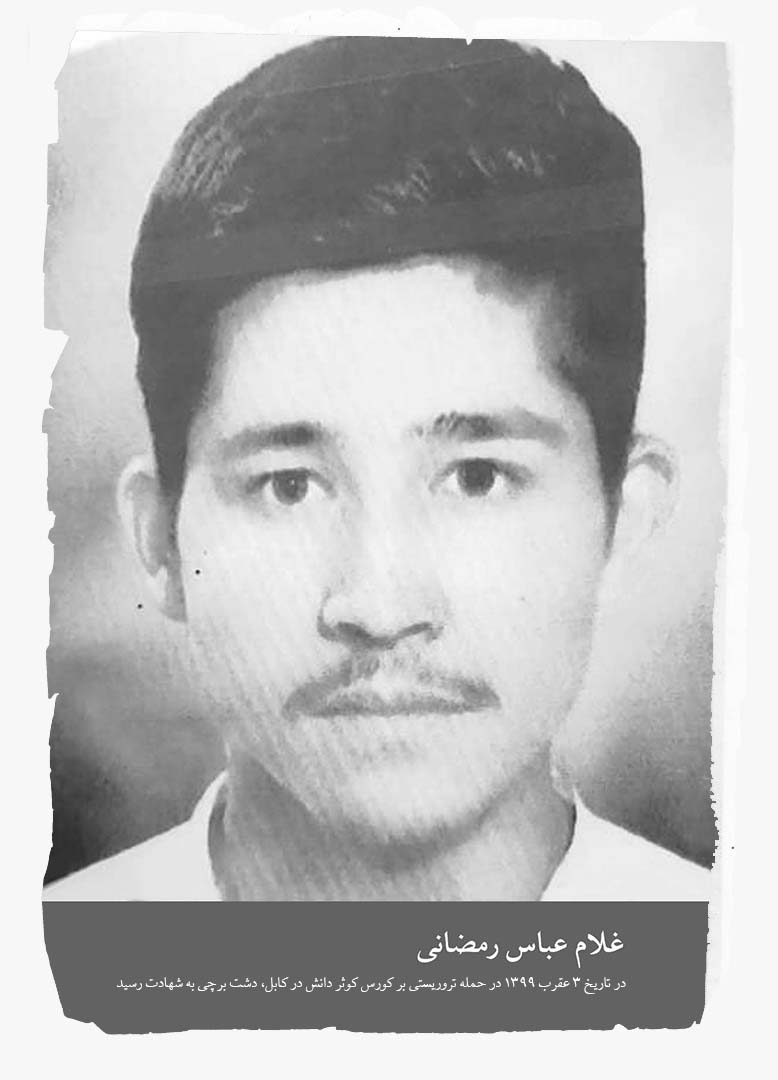
- Gender
- Male
- Ethnicity
- Hazara
- District geolocation of incident
- Kabul: 34° 31′ 1″ N, 69° 8′ 60″ E
- Description of incident
On October 24, 2020, around 4:30 p.m., a suicide bomber detonated an explosive device inside the Kawsar-e Danish Educational Center in the western area of Kabul City's PD-13 neighbourhood in the Pol-e-Khoshk District. The educational institute provided coaching for high school students preparing for university entrance exams. The attack resulted in the deaths of at least 43 students. 72 others were injured. The attack occurred in a primarily Hazara neighbourhood in Dasht-e-Barchi; the majority of students attending the tuition centre were Hazara. The Islamic State of Khorasan Province (IS-KP) claimed responsibility for the attack.
- Witness/Survivor Statement
His Fingers had Turned Green, his Eyelids were Swollen
Note: In part of his statements below, Mohammad Reza says that after the incident, "for some time I couldn’t speak properly at all, I couldn’t say what [I wanted to] say." This narrative is an accurate and objective example of the experience that many others have gone through and, like Mohammad Reza, after the incident, they have suffered from such a traumatic event. Mohammad Reza’s sentences do not end or if they do end, it seems that some of the words in the middle are irrelevant. If we look at them precisely, we realize that the verb of the sentence is omitted. By adding a verb and the abandoned words, the narrative becomes meaningful. His words were edited to make the meaning more clear.
Narrator: Mohammad Reza (victim’s brother)
Victim: Ghulam Abbas Ramazani
Date of the incident: 24 October 2020
Location of the incident: District 13, Kabul City, Pul-e Khoshk, Dasht-e Barchi, Kausar Danesh Educational Center
I'm Mohammad Reza, 21-years-old, living in Kabul right now. I live here, but originally I'm from Ghazni, Jaghori District. My brother and martyr's name was Ghulam Abbas. He would have turned 18 this year, but he hadn't reached that age yet. We studied at Abdulrahim Shaheed School. He was in the 12th grade, the top student in his class. Here at Kausar Danesh Center, he attended the 4th shift until 4:30.
The day the explosion happened, I was not there. It was our final exam at university. I had taken my calculus exam at university. About half an hour or an hour before, I called him because we wanted to go buy jackets for winter. He said he had class because Rahimi was teaching. He hung up, saying he had class and would call me back once he was done at 4:00. After the exam, I went to the front of the Kausar Center with friends, we had some soup, and then we left. It hadn't been 10 minutes before we heard the explosion.
When I got home, I called him, but his phone was on and then turned off. I don't know who picked it up. I went to the Kausar Center, but they didn't allow us inside. We searched around a lot. At the gate, there were many people. We went to Shohada Hospital and Muhammad Ali Jinnah Hospital, but Gulam Abbas wasn't found there. We came back to Alemi Hospital. His name was listed among the martyrs, but his body wasn't there. He had been taken to the emergency department with three other martyrs. Nobody knew who they were. It was evening when we finally found him there.
That night, when I went home and came back, only me... my father was paralyzed after the incident, meaning one side of his body became numb. My mother was at my cousin’s place. When my cousins found out I was at the center, they came. When I arrived, the boys had just come out of the gate. About an hour later, my mother arrived with my cousins.
At the hospital, I couldn't find any martyrs. I went through all the lists and checked all the martyrs, but there was no one named Ghulam Abbas. Then, my cousin called and said he had seen Ghulam Abbas's name on the list posted at Alemi Hospital. When I arrived at the center, the staff said that only three people had been martyred but mentioned four other names. Alemi Hospital had posted a list of ten people, with Ghulam Abbas as number one.
I saw my brother's corpse after they had washed the body. A video was shared showing my brother, captured on camera. He was hit at the back of his head with shrapnel. His body was not injured, just that one piece had hit the back of his head. His eyes were swollen, his fingertips had turned green, and blood was coming out of his right nostril, but nothing else had happened. He was visible in another video where he had fallen.
I was heading towards Mahdia Township when the explosion happened. I couldn't understand exactly where it happened but had a horrible feeling. I went home to call since I didn't have credit left on my phone. At home, my father wasn't there, my mother had gone to my cousin’s house, and it was just me and my sister. I was very anxious. I went back to the center, running and searching everywhere but couldn't find my brother. That day, I wandered aimlessly, not knowing what to do. I don't know what to say, that night was the night of Ashura for me. It was... I did not know what it was... I went on a motorbike to Muhammad Ali Jinnah Hospital, as I couldn't find a car. It was evening, and no car was available. I ran up to Sar-e Pol and went inside. I couldn't stand up at all.
At that time, I still had hope that my brother might be alive or just injured. When I found out he was gone, my mother didn't know as she cannot read or write. My cousin told her he was injured, not martyred, to prevent her from worrying. She only found out the next day. My father found out at that time, and his blood pressure rose, paralyzing his right side. It's been about seven months since 24th October, and my father's condition hasn't improved.
I'm 21 now, and we never had a Fatiha (funeral ceremony) at home before. My brother was the first one. I don't have a brother anymore, and now I'm both the oldest and the youngest brother. I have four sisters; three are married, and one is at home with me. My brother and I were the youngest in the family. We studied at Abdulrahim Shaheed School and at various educational centers like Nokhbagan and Kawsar. In this other center, down there, he would study tuition-free because he was among the top student. I was also in “Nokhbagan” and I, too, attending it without tuition. We worked very hard and studied diligently.
When we buried him, I was in a state of shock and didn't fully understand what was happening. I fainted and was incoherant and must have said strange things, because people got upset with me. My mother passed out too. It was the worst feeling, indescribable. My father managed to remain strong, but he can't work anymore due to his health.
Even though we were young, from early on my brother and I did everything together - we were enrolled in the same school, took classes together, played football together, and went to the same clubs. Even the clothes our father bought us were the same colors - shirts, pants, and jackets were all matching. My brother and I were rarely apart for more than 10 days. My brother was very serious. He always made sure to do everything properly and perfectly. He also had a very good character overall - in school as well... About memories, what can one say? Everything becomes a memory as time passes. If one remembers, that's all that remains...
Last year there was a lockdown, and this year as well. During the lockdown, we would study and exercise at home... But this year, there's no one else home. My brother and I would always talk. We talked about everything, we also read lots of books. But with the current lockdown, I've been home for almost a month. My sister is here but we barely talk, not even with my parents. I'm forgetting how to have a conversation. When I went to university, I couldn't even talk properly at first. I couldn't express what I wanted to say. Like right now, I can't exactly say what's on my mind... we don't talk about anything at home or if we do talk, it's just, "bring some tea," "bring the food." We don't talk about anything any longer.
Before my brother’s death, our conversations were centered on our studies. When we sat down to eat, my brother and me would only talk about preparing for the university entrance exams - what scholarships we could get, how we should study, where we could take courses. That's all we ever talked about, nothing else. I don't know what to say... The university entrance exams are coming up soon again. Whenever someone who's taking the exams comes home and we talk, my mother reacts, she cries as it reminds her of the conversations we used to have about the entrance exam, our studies, and how to get good marks. We had set up the hallway like a study area so they could study properly. We put our bookshelves and books there in the hallway. He was always studying there. Even now, when my mother goes in his room, she prays and cries because all his things are still there - his bookshelves and books just like he had left them. For my parents... they've aged so much in just a short time, maybe 10 years or so. Their minds can’t take it anymore. Even when there's news about the martyrs on TV - my mother cries. When they show a martyr's family on TV, my mother cries all night or all day. It is taking a toll on everyone's mental health at home.
My other sisters - three of them are married and one remains at home. Now one of my sisters lives in Jaghori and comes to visit us now and then. Because in the past, she would come... I just can't talk about it anymore.
Family do come to visit, but there is no conversation related to my brother in our home anymore. If someone tries to talk about a book or preparations for exams or anything related to my brother, my mother starts crying. So we also don't talk about those kinds of topics anymore.
My father was self-employed. He was a mason and worked hard. Now, he has fallen ill and can't do any work while at home. Now I'm the oldest son at home. We don't have a proper income source - one sister of mine who is overseas in New Zealand helps support our household expenses. My aunt and uncle also help support our household costs. There are four of us living in the house so it's not too much... we own the house, my father bought it.
My brother also drew well and had completed an English course at Mahdia City courses. He wanted to start teaching there eventually. I was an instructor there for a while, teaching math. My brother was preparing to take the university entrance exam and aimed to teach too. He was very focused on his studies and worked hard to achieve his goals. He aimed to get accepted into Nokhbagan and did. Then he wanted to get the highest scores possible, competing with his classmates, especially with a girl called Maryam. Maryam is still around, I see her at the course.
We buried him in Tapa-e Shohada the day after his funeral. I wanted to study medicine but changed my mind due to financial pressures. My brother had always been fond of medicine and believed he would get accepted. He even wrote "Dr. Ghulam Abbas" in some of his books. He was a capable and dedicated student, and we all believed in him.
- Date added
- Feb 2, 2023
Hakim Moradi
- Photo of Victim
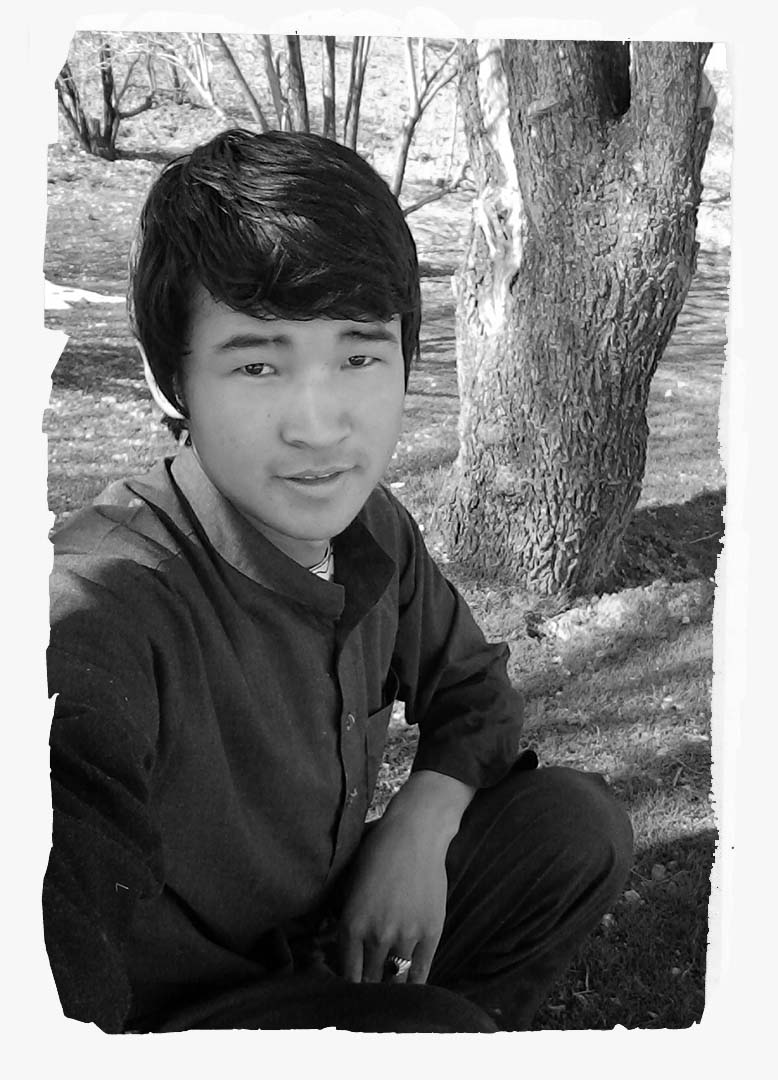
- Gender
- Male
- Ethnicity
- Hazara
- District geolocation of incident
- Kabul: 34° 31′ 1″ N, 69° 8′ 60″ E
- Description of incident
On October 24, 2020, around 4:30 p.m., a suicide bomber detonated an explosive device inside the Kawsar-e Danish Educational Center in the western area of Kabul City's PD-13 neighbourhood in the Pol-e-Khoshk District. The educational institute provided coaching for high school students preparing for university entrance exams. The attack resulted in the deaths of at least 43 students. 72 others were injured. The attack occurred in a primarily Hazara neighbourhood in Dasht-e-Barchi; the majority of students attending the tuition centre were Hazara. The Islamic State of Khorasan Province (IS-KP) claimed responsibility for the attack.
- Witness/Survivor Statement
There Is a Big Wound in His Ear and Another One on His Side
Narrator: Mohammad Hussain Pour
Victim: Hakim Moradi
Date of the incident: 24 October 2020
Location of the incident: District 13, Kabul City, Pul-e Khoshk, Dasht-e Barchi, Kausar Danesh Educational Center
Martyr Hakim was born in 2002 in Miramor District, Daikundi Province, in the small village of Naiqul in the Rabat area. His schooling began at the age of 6, and I have no recollection of him before then. From the age of six onward, he consistently ranked first or second in his class. In 2020, when I taught him in the 11th grade, he maintained the top position. He was diligent, completing his assignments thoroughly and honestly. Eventually, in 2020, he relocated to Kabul to prepare for the university entrance exam.
He dedicated a year to preparing for the exam. Whenever I encouraged him, he insisted on studying for two years, emphasizing the importance of thorough preparation. In 2020, after the quarantine, he resumed his exam preparations, diligently reviewing past lessons from 2018. Despite our encouragement, he declined to take the exam, citing his high ambitions and the need for more preparation. Therefore, in 2019, following the quarantine, he resumed his studies at the Kawsar Danesh educational center, renting a room in “Regreshan”.
While I was in Bamyan, whenever I visited Kabul, we always spent time together in his room in Regreshan. He was studying diligently until the day of the suicide attack. Coincidentally, I had traveled from Bamiyan to Kabul that day. When the tragic incident occurred at Kausar Danesh, all residents of the building were informed except for a relative of Martyr Hakim and myself. We had not heard the sound of the explosion. Approximately half an hour or 25 minutes later, someone called me and informed me about the explosion at Kawsar Danesh. They asked if I had heard from Hakim. I enquired about the timing of the explosion, and they mentioned it was at 4:30. Knowing that Hakim's class ended at 4:30 and he then headed to Hadaf center for a chemistry class, I attempted to reach him but could not get through. Eventually, I joined some of his family members, including his sister, in the search for him. Our first stop was Alimi Clinic, where some of the killed and wounded were taken, but unfortunately, Hakim was not among them.
They instructed us to go to Alimi Hospital, where we found four wounded and six killed, but Hakim was not among them. Returning at night, we were advised to visit Watan Hospital next. There, we found three killed s and two wounded, but Hakim was not present. Someone suggested checking Esteqlal and Mohammad Ali Jinnah Hospitals, but first to visit the 100-bed Barchi Hospital. Despite going to all these places, Hakim was not found. At Mohammad Ali Jinnah Hospital, we saw 18 people killed, and were told we were not allowed to view the faces of the deceased but could only look throuigh their though their belongings in order to identify him.
We were directed to the wounded in block B or D, where around 35 injured people being treated, but Hakim was not among them. The atmosphere was somber as families searched for their loved ones. We remained near Ali Jinnah Hospital. Then, a friend of mine informed us that Hakim was in Moula Ali Clinic, and that he had died. He had died in the emergency room. It was with his shoes, that I was able to recognize him, we confirmed his identity. When we uncovered his face, it was him. There was a large wound behind his ear and another big wound on his side. The doctors confirmed he passed away before reaching the clinic. After informing the village council head, we received Hakim's body from forensic medicine and took him to Daikundi.
His parents were devastated, especially his mother, who developed mental health issues. Following that, his father developed complications. Due to continued weeping, his eyes developed cataracts. He came here (Kabul) to visit a doctor but was told it was too early for surgery. His mother has become mentally ill; and is no longer able to sleep more than two hours. Martyr Hakim, was their eldest son. They have another son who is three or four years old and three daughters. Hakim, their eldest son, had aspirations, including securing a scholarship to a top university and achieving top positions in various exams, all of which he diligently pursued until his tragic end.
I was not able bring Hakim's writing. During one of our phone call, I noted down some of the goals he pursued through the two years of preparation; I have them written here. The first was getting the first position in the elite group at Kawsar Danesh center, which he had already achieved. His second goal was to get a scholarship to a top university in a developed country. His third goal was to obtain the first position in the general entrance exam of 2021, which unfortunately he did not meet. His fourth goal was to get first place in Hadaf center in the Chemistry course, where he was second. Thank you.
- Date added
- Feb 2, 2023
Mahdi Haidari
- Photo of Victim
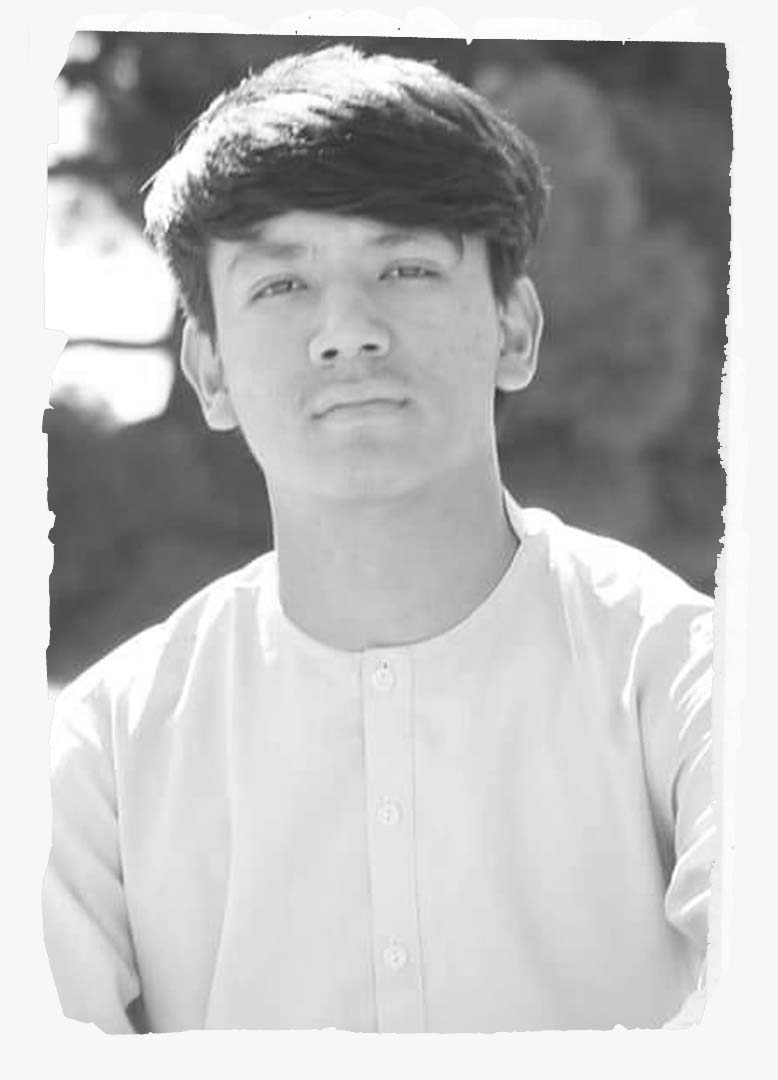
- Gender
- Male
- Ethnicity
- Hazara
- District geolocation of incident
- Kabul: 34° 31′ 1″ N, 69° 8′ 60″ E
- Description of incident
On October 24, 2020, around 4:30 p.m., a suicide bomber detonated an explosive device inside the Kawsar-e Danish Educational Center in the western area of Kabul City's PD-13 neighbourhood in the Pol-e-Khoshk District. The educational institute provided coaching for high school students preparing for university entrance exams. The attack resulted in the deaths of at least 43 students. 72 others were injured. The attack occurred in a primarily Hazara neighbourhood in Dasht-e-Barchi; the majority of students attending the tuition centre were Hazara. The Islamic State of Khorasan Province (IS-KP) claimed responsibility for the attack.
- Witness/Survivor Statement
No statement
- Date added
- Feb 2, 2023
Amanullah Shafai
- Photo of Victim
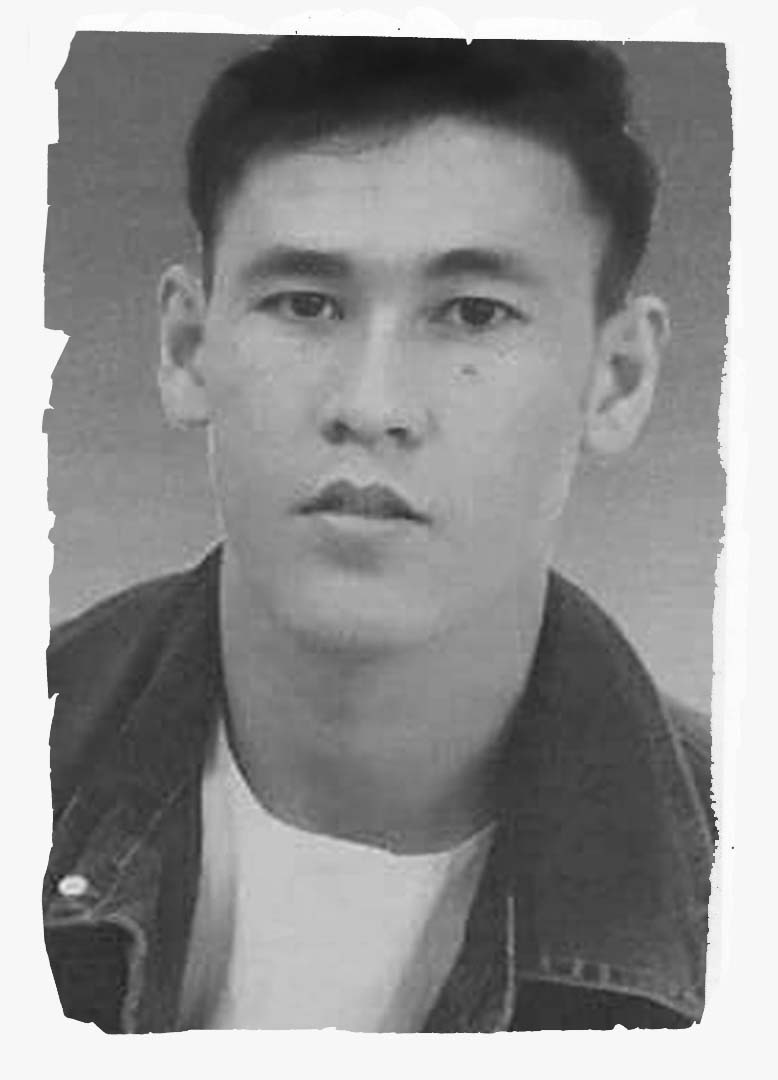
- Gender
- Male
- Ethnicity
- Hazara
- District geolocation of incident
- Kabul: 34° 31′ 1″ N, 69° 8′ 60″ E
- Description of incident
On October 24, 2020, around 4:30 p.m., a suicide bomber detonated an explosive device inside the Kawsar-e Danish Educational Center in the western area of Kabul City's PD-13 neighbourhood in the Pol-e-Khoshk District. The educational institute provided coaching for high school students preparing for university entrance exams. The attack resulted in the deaths of at least 43 students. 72 others were injured. The attack occurred in a primarily Hazara neighbourhood in Dasht-e-Barchi; the majority of students attending the tuition centre were Hazara. The Islamic State of Khorasan Province (IS-KP) claimed responsibility for the attack.
- Witness/Survivor Statement
I Poured Cold Water on Myself, but Nothing Calmed Me Down
Narrator: Mehrab Ali Shafai (father)
Victim: Amanullah Shafai
Date of the incident: 24 October 2020
Location of the incident: District 13, Kabul City, Pul-e Khoshk, Dasht-e Barchi, Kausar Danesh Educational Center
My name is Mehrab Ali Shafai, son of Ali Shafa. I am from Maidan Wardak, Chek District, Katuk region in Dai-Mirdad, Dasht-e Qador Village. We moved to Kabul in 2001; so about 19 years ago. I am 53-years-old. I am the father of martyr Amanullah. I attended school up to eighth grade... today I’m a laborer and work in a bakery.
Amanullah Shafai was 19-years-old. He used to work part-time with me in the bakery. He completed 12th grade and was taking additional classes at Kawsar Danish to prepare for the university exam. Then, unfortunately, that incident happened. It was his brother that informed me. My daughter was taking a painting class. She was at home. I was working in the bakery; the gas of the oven was on and there was a lot of noise, and I did not hear the explosion.
It was a Saturday night, a little bit crowded. At 5 pm, his mother called me and asked me to come home immediately. She did not say that there had been an explosion in Kawsar Educational Center. I thought he might have been hit by a car, or other bad news... As I arrived home, they said there had been an explosion at the Kausar Education Center. I hurriedly went to Kausar with one of my nieces but was not allowed in. One of my nephews had a van. I took it and went to Mohammad Ali Jinnah Hospital.
Typically, hospitals post the list of killed and wounded at the entrance. I checked but did not find Amanullah’s name on either list. My heart was pounding. I went in; they had laid seven bodies in a row in the corridor. I was agitated and had weak eyesight and it was 10:30 pm. The explosion happened around sunset. I looked at them and I felt I recognized a body. I asked my nephew to check if that was Amanullah. They said it was not him.
The hospital staff had made a mistake, they said they had left the belongings of the deceased, (their numbers, and ID cards) on their chests. Amanullah was not there. We then visited Esteqlal Hospital. We checked all the hospitals of the city: from Emergency to 400-bed and Jomhoriat. We searched until 2 am. Nowhere could we find him. We returned home past two o'clock in the morning, worried and desperate. I told everybody else to go home.
It is very tragic. He was young, educated, diligent, courageous, and well-mannered. His absence is very difficult for the family. I was so desperate but was unable to do anything. I kept calm so that his mother and sisters fell asleep. I went to the rooftop and poured cold water on myself, but nothing calmed me down.
At 4 o'clock, when the Mullah called for prayer, I prayed. His mother had also gotten up and with his sister, we went out to find him. We went to the Alemi Hospital and the Imam Zaman Hospital.
We then went to Kawsar Educational Center but they did not allow us in. I explained that I had searched everywhere and could not find my son, Amanullah, and begged them to let me inside to search for any clues. As I entered the center, I saw his half-burnt shoes and pieces of his booklets and books, and I understood that my son had been killed. Then, suddenly I worried, God forbid, he might have been torn into pieces. At least his body could be identified, we should confirm that it is Amanullah.
From there, I went directly to Mohammad Ali Jinnah Hospital. They said that no bodies were left there, there were only three or five people in the ICU. I asked their administrator to let me go inside ICU, but he said no one was allowed. I begged him to understand my despair, and he complied. He was a good person, and he joined me to check the ICU ward. Two girls and three boys were in very critical condition. One of them was martyr Maleka, her condition was very serious.
From there, I went into forensic medicine. Amanullah had a special sign, a mole in front of his eye. His thumbs were very short; he always said he had special fingers. That is how we identified him.
A close relative of mine was also killed in the same incident. His family were bathing him and putting on his shroud in Imam Jafar Sadiq Mosque. I called and asked them to wait because Amanullah had been killed too. We brought Amanullah. He could not be bathed because of the gravity of his injuries. From the abdomen to here, his body parts were missing; his hands were amputated up to his arm. He had lost his face... He was given the Tayammum [dry ritual purification in Islam]. Then, we buried him.
The explosion had taken place at 4:40 pm on 24 Oct 2020, at Kawsar Danesh in Pul-e Khoshk. Later on, I heard that ISIS had claimed responsibility for the attack. No more updates were provided about the perpetrators. Unfortunately, this is a government that never reveals the truth, it does not work honestly. The first time Hamid Karzai freed a suicide bomber, put a Chapan on his shoulder, and called him a disgruntled brother, he dug our people’s graves. They got used to thinking that they should go kill and harm people, and then they would be rewarded with Chapan and money. From that day onward, cemeteries were created across Afghanistan, especially in the Barchi area. From the mosque to the sports club, maternity hospital, educational centers, and schools, everything became a target of explosions.
- Date added
- Feb 2, 2023
Rohullah Qayoomi
- Photo of Victim

- Gender
- Male
- Ethnicity
- Hazara
- District geolocation of incident
- Kabul: 34° 31′ 1″ N, 69° 8′ 60″ E
- Description of incident
On October 24, 2020, around 4:30 p.m., a suicide bomber detonated an explosive device inside the Kawsar-e Danish Educational Center in the western area of Kabul City's PD-13 neighbourhood in the Pol-e-Khoshk District. The educational institute provided coaching for high school students preparing for university entrance exams. The attack resulted in the deaths of at least 43 students. 72 others were injured. The attack occurred in a primarily Hazara neighbourhood in Dasht-e-Barchi; the majority of students attending the tuition centre were Hazara. The Islamic State of Khorasan Province (IS-KP) claimed responsibility for the attack.
- Witness/Survivor Statement
Employ Every Possible Means to Save My Child
Narrator: Mahdi Valizada (father)
Victim: Rohullah Qayyumi
Date of Incident: 24 Oct 2020
Location of Incident: District 13, Kabul City, Pul-e Khokh, Dasht Barchi, Kausar Danesh Educational Center
My name is Mohammad Mahdi, the father of martyr Ruhollah Qayoumi, who lost his life in the incident at Kawsar Danesh. On the occasion of Ruhollah's martyrdom, I would like to share some details about his life. In the beginning, he attended school in Daimirdad Zimeni Village of Jalriz District in Maidan Wardak Province. He attended Ismail Khel School. Our village is called Daimirdad Zimeni. However, due to frequent conflicts between the Taliban and the government, his education was disrupted. Until security checkpoints were installed, he would attend school for some days but would miss it for several more days. Looking at the situation, I concluded he would not benefit from schooling there. Despite going through tough economic conditions, I transferred my two kids – Marty Rohullah and Moqtada – to Tamadon, a private school. They studied there for several years. While Moqtada graduated and enrolled in university, Rohullah decided to pursue 12th grade at a public school.
Rohullah attended Abdur Rahim Shahid school and wanted to enroll in tuition centers. Then, the [COVID-19] quarantine began. He moved to Behsud. For a period of two or three months, he worked at a bee farm alongside his brother. They had a bee farm in Behsud. When the quarantine measures were lifted and tuition centers resumed teaching, he returned and enrolled in a center. We never asked him about the timing or location of his studies. He said he attended two or three centers. He would take different classes at different hours and would go to the library afterward. He would study in the library; I had no idea about that. He would leave home in the morning and only return by evening. I asked him once, "You leave early in the morning without having breakfast, do you take lunch?" He replied that he did not. I insisted, "No, I won't allow you to study on an empty stomach. It's not good to be harsh with yourself."
So, I visited the market, accompanied by his sister. We purchased a lunch box for him. I wanted to buy a food container for him so that he could take a portion of the dinner the next morning, ensuring he had something to eat throughout the day. He would frequently visit this market, as one of his classmates, Martyr Mahdi, held a stall there. He was making a lot of effort; he would often urge me to work together. He used to say, “You worked hard for me; I want to become self-reliant.” He was getting an education. Apart from the quarantine period when he worked with his brother on the bee farm in the second part of Behsud, he did not engage in any other work. He graduated from Tamadon School that same year and moved there to take tuition courses in this center. I didn't visit this place since I work as a driver and had no knowledge of his study location. He would come home in the evening. In the mornings, he sometimes had breakfast before attending his classes. I never saw him wandering around in the streets.
He came to study at Kausar Danesh, and one day... two or three days ago, called to say his nephew had brought some mung beans from Behsud. Three days ago, he called me and asked, "Where is Aman? I need to go see him to receive the beans.” I told him, "Go to Shohada intersection, Bikh Tepe Market, get his number, and call him." That was his last call until today. Eventually, I went to Dareh Souf. It was around evening in Dareh Souf and I was standing with my friends in an area called Pesh-e Hamam. They knew what had happened. My nephew was with me; he was informed of the attack on the education center. Someone had called him. I was preparing dinner and chatting with my friend. I was eating and talking but food remained in the bowl. He never touched the food. I was unaware of the events. I was at the tire mechanic shop for dinner. After the dinner, they all said, "Let's go to Peshe Hamam.” It was very cold. Once in Peshe Hamam, I parked the vehicle facing the wall. I told them it was warm and we had to sleep there and get on the road the next morning. My nephew turned around in front of me and opened the door. I got mad at him and criticized him for his driving style. He got into the car. At the same moment, the night guard came and asked for the fee.
I noticed that my nephew was looking unwell. He paid my fee, looked up at me, and said, "Uncle..." He explained that there had been a suicide explosion at Rohullah’s tuition center. His words shook me to the core. I asked him, “Where is my child? Is he okay?" He replied, "No, he's injured, he's wounded.” I called my brother, Dr. Amin, to ask what was going on. He told me that Rohullah was injured and had been transferred to Imam Zaman Hospital. My mind stopped working. I told him, “Brother, employ every means possible to save my child." I told him I would give away all my possessions to ensure my child received treatment. I immediately headed towards Kabul at night. The phone signal was completely lost. I made it here.
I needed to head straight to Kabul, but it was already 9 pm, and there were no cars in this remote place. My nephew, a friend, and I started calling people to find a car. They finally found one.
There are two routes, one of which passes through the Taliban-controlled area. At this time of night, the Taliban might cause trouble. Another option is to go through Dare Souf and then Sheikh. We traveled through Kotel Qaraei and arrived at Bazar Sokhta. It was between midnight and one o'clock in the morning when we arrived there. When we reached Bazar Sokhta, we got another car at midnight, and we arrived in Mazar-Sharif. From Mazar-Sharif, we boarded a Corolla and made our way to Kabul.
When the calls came in from Kabul, they didn't reach me directly. Instead, they spoke to my cousin. As we were en-route, they repeatedly called to inquire about our whereabouts. Eventually, we arrived at Kotal-e Khairkhana. However, upon assessing the heavy traffic congestion, we decided to change, took a detour through Paghman, and eventually arrived in Kampany, where our house is located.
As I entered the front yard, I was taken aback to see my son lying beneath the tree. At that moment, I couldn't understand my surroundings. My other sons approached me and embraced me. Then, his uncle arrived. I noticed the condition of his feet. I hugged him, but I couldn't recall what happened afterward. One of my children picked me up. I was in pieces. Ruhollah's leg had been badly hurt, and his head sustained significant injuries. His body and face remained intact but were marked by numerous shrapnel wounds.
My cousin, Mr. Zamani, suggested going to Martyrs' Hill. My brothers, too, suggested burying Ruhollah on the Martyrs' Hill. But I wanted Ruhollah to be buried with his grandfathers, all buried in Maidan. I wanted to take my child to Maidan, but the route to Maidan was closed. So, we decided to go off the main road and took his body to Maidan.
So, that is how I received the news. I had never seen Kausar Danesh, its whereabouts, and where he studied. The incident here, I don’t know how and when it happened. I don’t recall the exact time or date of the incident. We took the body to Maidan and buried it there.
I have three sons and one daughter. I am 44-years-old. Ruhollah's mother has foot pain and a herniated disc. He was 19-years-old. At that age, he would wake up at night to massage his mother's feet when she was in pain. He was so kind. I used to get up [and ask him] what he was doing, and he would reply that his mother's foot was hurting. He would continue massaging until ten o'clock at night. Ruhollah's remarkable behavior will forever remain in our hearts.
He would stay up until midnight or even later to study, with his cup of tea and a book by his side. We would tell him to eat his food, he would say ok, he would eat it later. He would take a sip from his cup and resume studying. He was not the kind of boy wandering in the streets.
He had awareness of everything around him and courageously continued his studies in Maidan. He was not facing threats in Maidan. Our neighborhood, in the Jalriz district, consists of 30 houses of Hazara people. There is a group of Pashtun people living around us. Ruhollah had courage and in his studies, showed great talent, surpassing his brothers. The poor boy studied there until the sixth or seventh grade before he had to come to Kabul.
He was properly taught in grades six or seven. One day, the institute teacher summoned me during biannual exams and expressed concerns about his academic progress. I explained that it was not his fault; the ongoing war had disrupted his education, and Ruhollah would miss a month of classes. With great determination, he advanced his studies and enrolled in the Abdul Rahim Shahid School. Attending the educational center was the culmination of his relentless hard work.
He expressed a strong desire to become independent. One of his remarkable aspirations was to alleviate his mother's severe leg pain. He would say, "Mother, no matter what happens, I will be your doctor. Don't worry, I'll take care of you." Every morning at five o'clock, he would leave home, hungry and thirsty, and return by five o'clock at the end of the day. Tragically, on the day he was martyred, none of us were present at home, except for his uncles; his brothers were in Maidan where they were stranded because of road closures. His uncles, relatives, and friends gathered and took his body home. None of us were here.
Now, I am constantly on the lookout, and when the time comes for me to return home, I find myself reluctant to do so. This reveals the immense difficulty I face in living without Ruhollah, this is particularly the case for his mother. Even now, at home, I repeatedly reassure her that everything happened according to God's will and that it was his destiny to become a martyr. However, she cannot fully accept it; all her thoughts continue to revolve around him. She points to her fingers and remarks that although they may be different, they are still the same, just like our children. She reminisces about how he used to wake up and massage her feet. I can't recall ever waking up to massage my own mother's feet. If you saw my eldest child, you would notice his posture is hunched over; his sister also appears hunched, and Ruhollah's mother even more so. We have become consumed by thoughts of him, and all other matters have faded away. In the evenings, when it gets late, our eyes remain fixed on the door, eagerly awaiting Rohullah's return. He was a young man filled with patience. When his older brother was getting angry, he would remind him, "Our parents too are human beings with souls; you can do it yourself." He never issued commands to others; instead, he was a patient and understanding child.
I faced significant financial constraints. Despite the scorching heat, my son would walk from Bagh Dawood in Kampany to Tamadon school because we couldn't afford to buy him a bicycle. In those challenging circumstances, I raised him but unfortunately, heartless oppressors deprived him of his life. Our economic situation was incredibly fragile, to the extent that even purchasing a bicycle was beyond our means. I chose to send my children to Tamadon school because I believed they would receive a better education compared to public schools. I am grateful to his excellent teachers, and may God bless them for their encouragement and support. He continued to achieve greater success over time. Within the educational center, he stood out as one of the top-performing students in his class. His determination and courage were remarkable, but tragically, God took him away from us. Ruhollah had a distinctive approach to his studies. He would not lose focus or engage in leisure activities and remained dedicated to his education.
He would often say, "Dad, I can't express enough how much you've done for us." Let me share another story. He had an uncle who was killed during the attack on the Enlightenment Movement rally. That uncle had left the university to go home, but then he decided to join the protest. He took part in the Enlightenment Movement rally. At that time, he was a second-year student in the Computer Science faculty. Rohullah had a strong affection for his uncle and had a close bond with him, unlike others who only showed superficial love for their uncles. His uncle's name was Shafiqullah Zamani, and he was martyred during the attack in Demazang.
One day, as we sat together at home, he gazed at his uncle's picture and asked me, "Dad, my uncle was so... will anyone else reach this level?" It was a memorable moment. It was his fate to become martyred. He believed that not everyone could attain such a noble position, as to be martyred. I heard him saying that. And he attained that position himself.
His mother is not feeling well due to back pain. She stays indoors for twenty-four hours. We have a little child named Muslim. Since Ruhollah's martyrdom, he no longer sits in the yard. My older son stays with his mother for a maximum of two days and then calls me, saying he can't stay any longer. His mother remains in mourning and sadness, her thoughts always filled with memories of Ruhollah. I remind her that everything that comes from God. He sacrificed his life for the sake of God. He was an innocent student who became a martyr, a privilege granted to only a few. However, the weight of this grief is heavy upon us. It's particularly challenging for his mother because I am away. Whenever I return home, I find her gazing at his photos on the wall. We have a basement and an upper floor, but I don't let her spend too much time there. My children have mobile phones, and sometimes I ask them to show me photos of Rohullah. However, they have hidden them and don't show them to his mother. Ruhollah's absence is a profound and enduring pain for all of us.
Until this day, no government institution has reached out to us or offered any condolences. We have visited the educational center multiple times, hoping to establish a memorial for our children. However, our requests have gone unanswered. As the father of the martyr Ruhollah, I have not received any communication or support from the government. It is disheartening to see how little value human life holds in present-day Afghanistan. Look at the martyrs of Sayed ul-Shohada, they seem to have been forgotten. They treat us as if our children did not exist. I want to talk about the safety measures at this educational center. Why was there negligence? Why didn't they ensure security in the first place? Are there any security cameras? What really concerns me is that there is no public access road and you can see the suicide bomber easily reaching the center of this alley. How did they allow him to reach the middle of the alley? We are deeply upset about this. Who is to blame for this indifference? Is it the students, the teachers, or the government? We feel let down. After the incident, the educational center put up barriers. They are well-known, but they didn't learn from the Mawud Center incident. They were aware of the high risk. And now they have dug trenches. What is the purpose of this? It doesn't alleviate people's pain. Now we plead with the government to ensure our security.
Those responsible must be apprehended and held accountable for their actions. There is something suspicious going on, and it is clear to everyone in Afghanistan, including you and me. We strongly advocate for justice to be served, no matter how much time passes or how the government changes. We will persist in our pursuit of justice until the end. If justice is not served, our only choice is to be patient and trust in God.
It would bring us great relief if we could have a memorial in the right location, a place where we can find solace and ease our pain. Our children sacrificed their lives here, their blood was shed. We desperately need something to remember them by, to honor their bravery. The martyrs of Kawsar Danesh must always be remembered, be it through a monument, a minaret, or even a library. We humbly request the government to provide us with a plot of land where we can establish a library. Our hearts ache with sorrow, as we have lost our beloved children, and a part of our souls remains shattered. We seek a place that can bring solace to our wounded hearts. This memorial will serve as a lasting tribute to their memory. Regrettably, both the government and the educational center have neglected our pleas. We value education and knowledge, and we appreciate the efforts of teachers, but they have not addressed our needs thus far. They have made promises to us, but those promises remain unfulfilled.
We yearn for our martyrs to be remembered, and we plead for the construction of a memorial in their honor. We implore the authorities to allocate a location at any cost, to collaborate with us, so that we can establish either a library or a memorial that will eternally preserve their memory. This is our heartfelt desire, and we ask for nothing more.
- Date added
- Feb 2, 2023
Mohammad Hussain
- Photo of Victim

- Gender
- Male
- Ethnicity
- Hazara
- District geolocation of incident
- Kabul: 34° 31′ 1″ N, 69° 8′ 60″ E
- Description of incident
On October 24, 2020, around 4:30 p.m., a suicide bomber detonated an explosive device inside the Kawsar-e Danish Educational Center in the western area of Kabul City's PD-13 neighbourhood in the Pol-e-Khoshk District. The educational institute provided coaching for high school students preparing for university entrance exams. The attack resulted in the deaths of at least 43 students. 72 others were injured. The attack occurred in a primarily Hazara neighbourhood in Dasht-e-Barchi; the majority of students attending the tuition centre were Hazara. The Islamic State of Khorasan Province (IS-KP) claimed responsibility for the attack.
- Witness/Survivor Statement
He Was Hit in The Throat
Narrator: Layeqa
Victim: Mohammad Hussain
Date of the incident: 24 October 2020
Location of the incident: District 13, Kabul City, Pul-e Khoshk, Dasht-e Barchi, Kausar Danesh Educational Center
My name is Layeqa, 21. My father's name is called Chaman Ali. My surname is Ahmadi. I quit school in 10th grade. I don't work. I was born in Maidan Wardak, Daimirdad District, in the village of Zardag. Mohammad Hussain was my brother. He was 18-years-old when he was killed. He was single. It was his last year of school, twelfth grade. He was a student. He, too, was born in Daimirdad. I am Hazara. It happened on 24th October 2020 at Kawsar Educational Center.
We didn't know about the explosion at all, we were at home when people said that there was an explosion in Kawsar Danesh Center, then, my older brother came, he was outside... My brother is four years older than me. You could see on his face that he was terrified. He came through the gate of our house. My mother was upstairs, we were downstairs. My brother took off his jacket and gave it to me. I asked him where he was going, and he said, "I am going to Kawsar Danesh, there has been an explosion, I want to look for Mohammad Hussain..." I did not even think that Mohammad Hussain could have been injured.
My brother left the house. Ten minutes had passed when my other older brother came back and asked if Nazer had come home and where was he. I answered that Nazer Hussain had gone to the site of the explosion at Kawsar Danesh... He, too, ran outside to follow him. We kept waiting, hoping Mohammad Hussain would come home at any moment... I went upstairs. Seeing my face, my mother was frightened and asked, "Why are you like this?" I tried to reassure her, and asked her whether Mohammad Hussain had come home. She said not yet... he should be coming soon, maybe he was on his way. She knew nothing at all. We waited. Finally, my elder brother called to check if Mohammed Hussain had come home via Qala-e Naw. There are two alleys. He was hoping he had come through another alley, but I said no. So, we kept calling each other to see if Mohammad Hussain was found.
I think it was four o'clock. We were scattered. Finally, the night came. It was very dark. My uncle was praying. My older brother had called him to say there had been an explosion and unfortunately, we lost Mohammad Hussain. My uncle panicked, his face showed he was terrified, and he went out. I said, "Where are you going?" He replied, “They say Mohammad Hussain is injured.” He said he did not understand it but he was told to go there. Anyway, he left but didn't tell us more, but he had told my brother's wife to tidy up the house. They had already heard about the news. We were thinking about it, my poor mother was screaming, she became worried after my uncle left the house. She was screaming and calling Mohammad Hussain’s name... Anytime someone was knocking on the door, she thought it was Mohammad Hussain. I kept going upstairs and downstairs, looking through the window, hoping they would come from this or that side. My mother was restless, she was screaming. We were upstairs when an ambulance came.
Later, his classmate explained that he had been sitting in the front row on the day of the incident. They said that before that day, he would never sit in the first row, but he sat there on that day.
My older brother visited Watan Hospital first, then went to Alami Hospital in Pol-e-Khoshk. He had also searched inside the Educational Center, and people there had told him he was taken to Ali Jinah Hospital, and he was found there. It was hard to find him. My poor brother was very distressed, he has suffered too much. We lost our father twelve years ago. Finally, they found Mohammad Hussain in Ali Jinah Hospital and brought him home. When they found his name, it was on the martyrs’ list. They had initially checked the wounded list, but his name was not there. Then, they checked the martyrs’ list and found his name. I was told he had been shot in the throat; I don’t know where... I didn't see it at all. Neither did I ask my older brother about it, nor did he talked about it. He was shot in his throat and was bleeding seriously. He had been martyred on the spot. I don’t know, maybe my brothers have asked [about the perpetrators of the attack]. People say it was ISIS.
My brother Mohammad Hussain was just studying, but I don't remember when we moved to Kabul from Maidan Wardak Province. We can no longer go to our place, as its now ruined. People have taken the house beams; there is no more house.
We were three brothers, one of whom was martyred, two of us remained; now, we are two sisters and two brothers. We were in shock and our relatives did not allow us to see the corpse. He was laid to rest where we live. My mother was suffering from high cholesterol. She has now developed high blood pressure. She gets sad and her blood pressure rises. When she is at home, she screams, cries and talks to herself. She has developed a mental disorder.
- Date added
- Feb 2, 2023
Mustafa Anwari
- Photo of Victim

- Gender
- Male
- Ethnicity
- Hazara
- District geolocation of incident
- Kabul: 34° 31′ 1″ N, 69° 8′ 60″ E
- Description of incident
On October 24, 2020, around 4:30 p.m., a suicide bomber detonated an explosive device inside the Kawsar-e Danish Educational Center in the western area of Kabul City's PD-13 neighbourhood in the Pol-e-Khoshk District. The educational institute provided coaching for high school students preparing for university entrance exams. The attack resulted in the deaths of at least 43 students. 72 others were injured. The attack occurred in a primarily Hazara neighbourhood in Dasht-e-Barchi; the majority of students attending the tuition centre were Hazara. The Islamic State of Khorasan Province (IS-KP) claimed responsibility for the attack.
- Witness/Survivor Statement
The Shoes Were the Same but His Face Had Turned Pale
Narrator: Jan Ali Yousofi (victim’s cousin)
Victim: Mustafa Anwari Date of the incident: 24 October 2020
Location of the incident: District 13, Kabul City, Pul-e Khoshk, Dasht-e Barchi, Kausar Danesh Educational Center
I am Jan Ali Yousofi, cousin of martyr Mustafa, from Ghazni Province, Malestan District, Paye Jolga Village in Pashi. I spent almost my entire life with Mustafa. I believe Mustafa was born on November 3rd, 2002. Martyr Mustafa would have graduated this year from high school. He had come to Kabul to prepare for the entrance exam. Mustafa's father lived with his family in the countryside, in our village, Paye Jolga, Pashi, while my family lives in Kabul. Mustafa was considered a member of both our family and when he came to Kabul, he lived in our house.
The last time he came to prepare for the entrance exam - his initial trips to Kabul were for foundational courses since the education quality is not good in the countryside — he lived in our house while he attended classes. But lately because of the number of guests in our house, he said it would be better for him to live somewhere else to ensure he stayed focused on his studies. It had been less than two months since he rented a room for himself to live with his friends, who also attended the same classes. Mustafa would only visit our house on Thursdays and Fridays.
Coincidentally, he was at our house that last Friday, the day before the incident took place. He had been away for a long time, about two weeks, and we all missed him. When he came home, I was mad at him and jokingly slapped him on the back, asking why he hadn't visited us. I told him he had forgotten home and only cared about his studies. Mustafa had become a different person compared to his last visits. He had become handsome. He came to our home on Friday, and on that same night, a Saturday night, at around 4 pm, I was supposed to go somewhere and I noticed his hair. It was so beautiful. I could not imagine Mustafa looking like that. I picked up my mobile phone and asked him if he had found a girlfriend. It was just a joke between us. I told him to let me take a photo of him. I insisted, but he did not allow me to.
The next morning, I went to work and he stayed at our home until noon. He had helped with house chores like washing carpets. He had been reluctant to go, but did not want to miss classes even for one day. That is why he got such good marks.
He left the house at 1 pm to attend classes. It was about 4 pm on Saturday, October 24th, and I was on my way back from Kot-e Sangi where I had some business to do. On the way, I heard there has been an explosion. I thought it was an explosion somewhere far from us; nobody imagined it would impact us so much.
People said the explosion had happened at the entry of the Kawsar Danesh Educational Center. They said the suicide attack did not cause too many fatalities. I felt somewhat hopeful, not wanting to imagine the worst but my brain was frozen. I received a call from home. They asked me to call Mustafa to see why his phone did not connect. It rang but nobody picked it up. I became worried, thinking about why Mustafa would not pick up his phone when he had used this phone number for two or three years. I called and someone said it was his phone, not Mustafa’s. He told me his name and said he was a friend of Mustafa. He said Mustafa was inside the center but they were far from each other and he did not know more about Mustafa.
It took me a long time to get there; the roads were closed and I got down in Tanke Tel and walked the rest of the way up to the entrance of the Center. The situation was horrible; many cars were being used to transport the wounded and killed and many people were gathered there. I wanted to get inside but someone said there is a chance of a second explosion. So, we all ran away and then came back. My brother arrived and we decided to check the hospitals, Imam Zaman, Alimi, Imam Ali, Imam Reza, Sayed ul-Shohada, Watan Hospital, etc. We found him nowhere. In Watan hospital, we saw one of Mustafa’s friends who was wounded. He had a minor injury but it made me sad when I saw him. I kissed and comforted him. I was crying for Mustafa but was happy the boy had survived. We then visited Muhammad Ali Jinnah Hospital and checked the martyrs and wounded lists. Mustafa’s name was on none. There were some corpses left in the waiting hall. I could not imagine that Mustafa could be one of those.
I got a taxi to go to the Emergency Hospital and three or four other hospitals to check the deceased. I was arriving at the Emergency Hospital when I received a call and was told Mustafa had been located. I asked if he was okay, and they said yes. Drowned in fear and anxiety, I left. On the way back, someone called and told me to return. I asked again about Mustafa; he answered “you will know.” I was anxious and shaking. I suspected something was wrong and he might have been caught in the attack. Upon return, when I saw Mustafa, I was shocked. I could not believe it when they said it was Mustafa. The person who was with me yesterday at 4 pm was now laying on the ground. I guess it was around 8:30pm when we found Mustafa. There was another relative of ours, Martyr Maleka, you have interviewed their family members as well. They said she was in the emergency section but she was doing well.
Well, when we arrived at the hospital, we saw a scene that I could not believe. It was around 10 pm, I tried to keep our relatives searching, as my brain could not accept this was Mustafa. But his shoes were the same and his face had turned pale. Mustafa used to be brown. His hair, as we call it in Hazargi, had turned into ashes because it was burnt. In short, my mind could not accept that it was our Mustafa.
That night, we discussed what to do. The road to our village was very dangerous, most parts are controlled by the Taliban, especially Dasht-e Qarabagh, nicknamed the 'doomed desert.' We were exploring other options but his parents said he should be sent to his hometown. They didn't want to let me go with his body, as they said the road was too dangerous and I was young. Considering my education and my age, they did not allow me to join. It was three o'clock in the morning when my parents left Kabul to take our martyr to his hometown. They arrived at Mustafa’s village by 4 pm on October the 25th and buried him.
It is so hard to talk about this incident. He was 18, in 12th grade. That was a sad part of Mustafa’s life. I will share my point of view about Mustafa. When he was 10 or 12, we lived together. We lived and ate together in our village. We shared whatever we had. My uncle and my father were very close.
Mustafa began school in 7th grade. When I was at home, I was his teacher. My uncle had two sons: Mustafa and Murtaza, who was two years younger. He also has a daughter, Zahra, but she is married. So, I was homeschooling his three kids and a child of my other uncle. Apart from homeschooling, they also went to school and the mosque. So, I developed a close relationship with Mustafa. I could say there have been occasions when he would have loved me more than his father, as I was also giving him freedom when his father did not, like playing football. He was a kid and he had to do what he liked.
For instance, in April 2020, I visited the village with my family during quarantine. During this visit, I taught him how to drive a motorcycle. His father had previously not allowed him to do it, out of care and love for him. I taught him secretly during my two week stay there. When I was in the village, he spent most of his time with me. We worked together with my uncle.
So, the relationship I had with Mustafa was close. It is so painful and I am hurt to loose such a person with whom I had a sincere relationship. Mustafa had two brothers and four sisters. My uncle had seven children. Now that Mustafa is gone, two sons are left, one of his daughters is married and three daughters are at home. My uncle would take Mustafa to work after school. Parents are not be able to earn a livelihood without their children’s help. As they raise livestock and cows, it requires a lot of work. Mustafa was his father's main support; he was the one who could help his father. As a teacher, he could only earn 7 or 8 thousand AFN. Most of the time, it included payments such as overtime. This was all his monthly income and he had to feed the entire family.
Mustafa was his second child. His first child was his married daughter. Before his daughter got married, she could work. In the countryside, girls do a lot of heavy work. There is a lot to be done. He could ask Mustafa to collect the livestock feed, do that work, serve as his messenger, and so on. His father could handle the rest of his work with peace of mind. His father also served as an Imam in the winter in a village that required him to walk for two hours or more. During this period, Mustafa would be the caretaker of the house. His father served the entire winter season to earn 15 000 AFN. The job required him to stay in that remote area and could only visit home during weekends. This heavy reliance on Mustafa also explains why his death is such a huge suffering. Truly huge. His father has aged suddenly. As he is a clergy and he does not want to show his feelings. Furthermore, because he has so many people dependant on him, he does not want to show any sign of grief, but in his heart... The truth is that he is weaker now, physically and mentally.
Whenever we talk to his mother, she is crying. Mustafa’s mother and the rest of the family members, including the children, are hurt even more. For example, his younger brother does not dare visit Kabul. We ask him to come here to go to school or on vacation but he does not dare to do it. This is because residents of Kabul go through such attacks on a daily basis. Think about the attack that happened there the other day, it was some 500 meters away from my brother. This may seem normal to us but they see Kabul as a monster. A burnt child dreads the fire.
Another good thing about Mustafa was that, like me, he was passionate about teaching his mother and siblings at home. His little sister and brother are top performers at school. All children of my uncle have attended school, except the youngest one who is yet to enrol in school. She has learned Farsi well though she has not been to school. At the mosque, they study one entire book in the winter season; they have sharp minds. Mustaf had the biggest impact on the younger children. He was the home school teacher; he taught his mother who was illiterate. Now, she can read thanks to Mustafa.
In terms of mental and psychological effects, it is true that God takes away the good ones. He was a good one. He would help at home and teach family members. His father is a clergy. Clergies are very traditional-minded. He did not allow his elder daughter to go to school. Mustafa had to insist and now, she is studying at Herat University. This shows what a positive influence Mustafa was.
Well, such incidents are common in Afghanistan; we have been affected by losing my cousin and other young people. You can’t control your emotions when you lose an educated man with whom you had a close relationship. Following this incident, there is something in my mind. It may be wrong but I strongly hate the Muhammad Ali Jinnah Hospital. I know, I ask myself how this hate benefits me, the hospital has not done anything to me, this is what criminals have done to us. But I witnessed the most horrible scene of my life in that place and I cant get it out of my mind. When I pass by the hospital in a vehicle, I look away. This is because of the image it created in my mind on that particular night. I don’t remember what happened but the family members say I passed out. It was so hard for me to accept that it was Mustafa. It was only his shoes that made me think it was him but my brain could not process it. For three days, I could not believe it was Mustafa.
As an educated person, I should understand things. I have done my best to understand that such things could happen in anybody’s life. My brain tells me to admit that but it has changed my life. After the incident at Sayed ul-Shohada, I had spooky dreams for two nights in a row and I am taken back to the Kawsar Danesh attack. Before, I was not affected by such event. For instance, in the Enlightenment Movement, I lost a student, and it impacted me too. It was painful for me to be out of the country when the incident happened. Then, losing Mustafa made me suffer so much that it reminded me of my student and made me feel that I did not grieve enough for him. Now the Kawsar Danesh attack is a link that connects me to so many other attacks.
I have studied and graduated from the Chinese language and literature department at Kabul University. I got my Master’s degree from China and for about three years, I worked at Marefat High School as head of the Academy of Languages. So, my profession is education. So, when a man with a higher education degree and with work experience in the education sector goes through this level of mental pressure, how would a mother with a simple living experience cope with it? I mean, I am trying to understand the reality in Afghanistan that it is not only our Mustafa but there are hundreds of thousands of Mustafas in Afghanistan who go through the same experience every day. But a mother whose entire life is dedicated to her children, home, and living condition, how could she cope with it?
I am coping with mental pressures and I find it difficult. As an educated man, I do not expect people to come and comfort me in this situation. On the financial help matter, the government and some institutions have provided assistance. I have transferred every single penny of the assistance to my uncle, whether in cash or in goods. I have followed up on all the assistance for my uncle. This is the government’s responsibility but the government has failed to provide security for the people in Afghanistan, the same way they failed to protect Kawsar Danesh. Afghanistan Human Rights and Democracy Organization’s continued efforts have given me hope. There have been some other organizations that provided some support. More importantly, I am optimistic about the association of families of Kawsar Danesh victims; they sometimes hold meetings. There are some friends at the association of families of Kawsar Danesh victims who leave no stone unturned so people don’t forget the incident. What is significant to me is to act responsibly towards the wishes and needs of the victims and follow up on the matter. That gives me hope, even if we don’t see the fruition of our efforts. That gives me a sense of calmness. Every martyr of Kawsar Danesh incident has been like Mustafa who had high ambitions.
Well, they say they are investigating the attack. I suppose the president or someone else issues an instruction to investigate the incident; that is it. They have not told us who was behind the attack. Was it ISIS, the Taliban, a circle within the government, or someone else? They have not determined that. The government suffers from shortcomings. If the government shows us who was behind the attack, and what they did in response, for example, caught, imprisoned or hanged someone or launched an airstrike, we would be reassured; we will tell Mustafa he can rest in peace now, he is no less than a martyr who loses his life in the battlefield because he fought in the educational front and they were in the war. He did not give up and my soul is tranquil because the government took action for his loss.
The current situation could be interpreted as Mustafa growing up like a plant, a storm came and uprooted the plant, and no one asks how the storm happened or whether it was controllable. If it was not controllable, what actions are taken to prevent other plants from falling?
We come from the same clan as Maleka Ibrahimi’s family but are not closely familiar with them. We come from the same area; we hold joint ceremonies, like Fatiha, and we share the same local association. I wish no more attacks like this happen. May there be no family going through our experience. We may not have suffered so much if we had lost someone else. Looking from different aspects, I first hope the incident does not happen to anybody else and may the wickedness of perpetrators get back to their own. Enough is enough. They must keep the security of western Kabul where such incidents are happening again and again. If not more is being done, they should, at least, improve the security situation in western Kabul. Other regions do not see as many attacks; there could be some magnetic bombs as result of personal rivalries. The concern is about these incidents happening again, such as the attack on Sayed ul-Shohada High School. I wish the government and our people get the ability to restore peace and prevent such horrific attacks and people like Mustafa who have hopes and talent accomplish their dreams. Mustafa had such a unique talent that he learned three books in a winter season. We spent three to four years learning Hafiz; he completed Quran, Hafiz, and Panj Ketab in a single winter. Afghanistan should not lose such talents; we should not lose anybody, irrespective of their talent. Such incidents should never repeat themselves.
- Date added
- Feb 2, 2023
Two police officers traveling in a rickshaw were attacked by the Taliban, who killed the rickshaw driver and both officers
- Date added
- Feb 2, 2023
One police officer was killed, and another officer and a pedestrian were wounded, when a motorcycle bomb exploded near the main gate of Paktia University
- Date added
- Feb 2, 2023
The Taliban attacked a security outpost killing one civilian in the crossfire and wounding three soldiers
- Date added
- Feb 2, 2023
The Taliban attacked a security killing two civilians and wounding another in the crossfire
- Date added
- Feb 2, 2023
A Taliban commander's house was hit by an airstrike that killed nine civilians, among them four women, two children, and two insurgents
- Date added
- Feb 2, 2023
An airstrike targeting Taliban killed 11 civilians including seven children and three women
- Date added
- Feb 2, 2023
Taliban Killed Civilian Accused of Government Espionage in Qadis District's Qarchaghay Village
- Date added
- Feb 2, 2023
Bomb Explosion in Taloqan's Chonzayi Area Resulted in 2 Civilian Deaths, 10 Children Injured, and 6 Taliban Members Killed
- Date added
- Feb 2, 2023
Taliban Attack on a Security Outpost Claimed Civilian Life, Left Another Injured in Crossfire
- Date added
- Feb 2, 2023
Roadside Bombing Claimed One Civilian Life and Injures 10 Others in Vehicle Attack
- Date added
- Feb 2, 2023
Taliban Ambush on Military Convoy Led to 1 Police Officer and 1 Civilian Fatality
- Date added
- Feb 2, 2023
Taliban Attack on Security Outposts Results in 3 Police Officers, 1 Territorial Army Soldier, and 1 Civilian Killed, with 2 Security Force Members Wounded
- Date added
- Feb 2, 2023
A police officer from the criminal investigation was shot and killed by the Taliban
- Date added
- Feb 2, 2023
Sayed Hussain Nawrozi
- Photo of Victim

- Gender
- Male
- Ethnicity
- Sadat
- District geolocation of incident
- Kabul: 34° 31′ 1″ N, 69° 8′ 60″ E
- Description of incident
On October 24, 2020, around 4:30 p.m., a suicide bomber detonated an explosive device inside the Kawsar-e Danish Educational Center in the western area of Kabul City's PD-13 neighbourhood in the Pol-e-Khoshk District. The educational institute provided coaching for high school students preparing for university entrance exams. The attack resulted in the deaths of at least 43 students. 72 others were injured. The attack occurred in a primarily Hazara neighbourhood in Dasht-e-Barchi; the majority of students attending the tuition centre were Hazara. The Islamic State of Khorasan Province (IS-KP) claimed responsibility for the attack
- Witness/Survivor Statement
They Have Not Acknowledged His Death Yet; They Think Hussain Is Stuck in A Traffic Jam on His Way from The Educational Center
Narrator: Sayed Mohammad Hussain Sajjadi
Victim: Sayed Hussain Nawroozi
Date of the incident: 24 October 2020
Location of the incident: District 13, Kabul City, Pul-e Khoshk, Dasht-e Barchi, Kausar Danesh Educational Center
I am Sayed Mohammad Hussain Sajjadi, a cousin of martyr Hussain Nawroozi and his brother in-law. You may wonder why an immediate family member isn't here for the interview. In the previous session, my wife was interviewed by Miss Fatema Alavi. However, she was unable to continue due to the profound distress it caused her. As I was present in most interview sessions, I am familiar with the process.
I hold a Master’s degree in TESOL, teaching English, and am 33-years-old. I spent most of my life in Iran before moving to Kabul two years ago. I had a close relationship with Hussain Nawroozi’s family. I got married seven years ago, during which time I visited Kabul but returned to Iran. For the past seven years, I have maintained close contact with this family. I was born in Waras District in Bamyan. About 32 or 33 years ago, my family immigrated from our village to Iran. Like many other immigrants, we faced restrictions and struggled to obtain immigration cards and passports to enroll in university. After earning my Master’s degree and entering university, the situation improved.
I visited Afghanistan several times before relocating here. My first visit to Kabul was in 2011, where I stayed in search of opportunities for eight months before returning to Iran. During that time, I got to know my uncle’s daughter. In 2014, I returned for marriage, and we agreed. Subsequently, I came back in 2017. After multiple visits, I decided to move to Kabul, and I have been working in the Toefl House for two years now. I initially worked as an English Language teacher in an educational center and later became the manager of the English department in one of the branches. Currently, I serve as the academic coordinator of all branches of the Toefl House. Presently, I live on the edge of Barchi, towards Bist Metra, Qala-e Naw, near my father in-law’s house. I am blessed with two daughters.
My wife is the eldest child of the family, 22-years-old. Her family lived in Bamyan until she was seven or eight before moving to Kabul, where she completed her schooling. I believe Hussain Nawroozi began attending school in Kabul around that time.
Hussain Nawroozi spent his first 5 or 6 years in Bamyan, in Borlak village. They moved to Kabul by the time he had to enroll in school. He attended Barch schools from grade 1 until the time he was killed. The last school he attended was Homayoon Shahid. He died aged only 21. His focus was on his school activities. Besides attending school, like many youths in western Kabul, he spent day and night going to educational centers. I believe he began learning the English language when he was in 7th or 8th grade. He graduated from the Star Educational Society. I think he spent four or five years learning English, including the teacher training course.
When I got a job at Toefl House, Hussain’s family requested that I refer him as a teacher to Toefl House. We asked him to take a test. Someone else was serving as General Manager. After assessing his language capabilities, he was approved for his English skills, but it was noted that he was only 21 and needed to spend some time at the institute before taking on a teaching role. We organized a series of capacity-building classes. I was at Salim Karwan English Department of Toefl House. I invited him to join the teachers and take capacity-building courses to learn teaching methodology and other skills. He participated in a few sessions but mentioned that it conflicted with his time at Kawsar Danesh. I suggested he change his schedule. He used to get dismissed at 5:30 or 6:30, so I encouraged him to come earlier so he could attend the class at the Institute. Unfortunately, it was either the first or second day after he rescheduled his classes that the incident happened. It has been very difficult for me. I wish I had not asked him to reschedule his classes. I could not share my sense of guilt with the Hussain's family. I did not want their feelings for him to change. I shared it only with my wife. I told her I felt so guilty for asking him to change his schedule. I try to calm myself by justifying that I made the best decision under those circumstances as he needed a job, and I was trying to help him. Feelings don’t conform to logic. In a deep emotional crisis, reason fails, and emotion prevails.
I feel guilty without having fault; don’t the people who committed the crime feel guilty and sinful?
This has been bothering me. My goal in sharing this story is that Hussain was just beginning to travel the path that every young man takes to build a career. It makes it more difficult to cope as I think that he was not an ordinary person. He was a driven young man: preparing for the university entrance exam, learning English at a young age, and his struggle to get a job. The saying applies here: “nature is brutal and takes away what is best.”
On the day of the incident, I was at Salim Karawan School. My wife called me to say there had been an explosion at Kawsar Danesh, and Hussain was not picking up his phone. She asked me to call him and find out what was going on. I called him several times, but nobody picked up. I got anxious. Most teachers at Salim Karwan knew Hussain because they had become friends during capacity-building training. They, too, were worried. I had another class to teach, and I asked a substitute teacher to take over. I got a car, and along with some other teachers, we departed for Barchi.
On the way, Hussain’s father called and said he had been taken to the Alimi Hospital, Hussain was uncouncious and that I had to get there quickly. That hit me so hard. I dont remember the road we took, as we passed Bagh-e Bala, Silo Road, and Barchi. At Haji Nawrooz Square, my wife called me and said I should not worry; Hussain was fine, they had taken him home; she said he had injuries on his hands. I was happy but I could not understand why my father-in-law had said something so different. I thought to myself that he might have been under shock and given me the wrong information.
I ran from Haji Nawrooz Square to Rasoul-e Akram Mosque where their home is located. I thanked God that Hussain was okay and I was happy. As I entered the alley, I noticed the crowd. The door was open. It appeared like there was a Quran recitation ceremony going on. It dawn on me that something terrible had happened.
Hussain’s father works in the Shahrak-e Etifaq neighbourhood, at a wood and coal selling point. He said he received a call from home and was told there had been an explosion at Kawsar Danesh and that Hussain was not picking up his phone. My father-in-law, who is also my uncle, got a taxi from Shahrak-e Etifaq to go to Pol-e Khoshk. On the way, he noticed the crowd in front of the Alimi Hospital before reaching the educational center.
He got down there instead to see if he could find Hussain. But he could not find him among the wounded, and found him among the dead. He had recognized the Hussain by his shoes. Unlike other families, his father located our martyr quickly. In the meantime, his mother and siblings were on the way to the hospital. His father went to the hospital and found some relatives standing in front. He asked them to not let Hussain’s mother and siblings in, but to say that he is only injured and Hussain will be brought home. It was at the same moment that my wife called and told me Hussain was only injured. So, that is why I got two different stories.
You might wonder why I'm taking my cousin's death so seriously, considering I only lived with him for seven years and not since childhood. Hussain was related to me in several ways: first, he was my brother-in-law; second, he was my cousin, and most importantly, he was supposed to be my colleague. Working together can bring you closer than being family members. Being colleagues often leads to friendship. When I compare my life with that of his parents, I realize they're going through an even tougher time.
When I saw the martyr's body, all his body parts were intact; there were no injuries or burns. This indicated that shrapnel had hit him from the front in critical areas like his chest, kidney, and other parts. On the front, the injuries were small, about the size of shrapnel, but on the back, they left larger wounds. The shrapnel seemed to have been spinning. I believe that's what caused his death.
I heard that he was alive until he reached the hospital and was crying heavily. I wish we could go back to that moment. The most important thoughts cross our minds at that last moment. I can't imagine why Hussain was crying; surely, it wasn't because of pain, perhaps he had wishes and unfinished tasks. It could be a lot of things that made him cry.
Civilians had taken him to the nearest hospital, Alimi, before the military and doctors arrived at the scene. From the extent of the injuries, I imagine that Hussain had likely survived no more than 10 or 15 minutes after the explosion, due mainly to the wound in his heart. One of his friends, named Sadiq, is paralyzed on one side of his body and remains at home.
Hussain was laid to rest in the public cemetery located in Haji Nabi Township, and not on the hill known as Tapa Shohada where other martyrs were interred. Whether the notion of a collective burial for martyrs was discussed but poorly coordinated or simply overlooked remains uncertain. In such moments, coordination is complicated.
I'm not portraying him as a legend, but one of his aspirations was to support his father financially. He always had this goal in mind, feeling the responsibility of being the man of the household, especially since his father worked as a laborer at a wood selling point. He wanted a professional career and he likely saw my path as an example to follow. With his strong English skills, our conversations often revolved around teaching methodology and related topics. I have several photos of his writing reflecting his dreams, both in English and Dari, which I will gladly share with you. Additionally, I plan to photograph his books and notebooks, as they offer insight into his aspirations and thoughts.
Character-wise, he was always calm, although he appeared less social compared to his classmates. However, this same quality endeared him to his family members, as traditional communities prefer that over those who are more adventurous.
Our region did not witness a civil war, but like all Afghans, we were impacted by the broader conflict. However, Hussain was shielded from direct exposure to war. For our family, he marked the first casualty of war. While our fathers had experienced war during their military service, this was the first time our family felt its direct effects. Reflecting on his journey from a Hazarajat village to Kabul University prompts questions about the transformative power of education. I often tell my daughters about the importance of education, using various examples and providing them with storybooks and animations to instill the right mindset. Yet, it's perplexing how a child raised in rural areas, amidst hardships and limited amenities, develops such a strong desire for education. Observing the youth in western Kabul, one sees a profound commitment to education from an early age.
The life story I have shared resonates with many in our community. It's rare to find a young person in western Kabul who idly waits for their father to provide for the family. I would estimate that 70 to 80 percent of youth in our area are actively engaged in household chores or supporting their families financially. For instance, my uncle's wife ran a bakery, while Hussain and his siblings were involved in carpet weaving at home. This paints a vivid picture of the challenging circumstances faced by families in western Kabul.
Unfortunately, my mother-in-law developed throat issues, likely exacerbated by exposure to oven smoke. She underwent surgery in India, but the procedure near a sensitive neck nerve has left her susceptible to emotional distress.
While we often romanticize our martyrs, Hussain was an ordinary young man from western Kabul who understood the importance of providing financial support to his family. His life was not marked by revolutionary ideas. This reality makes his loss even more difficult to comprehend. Unlike those with radical ideologies, Hussain simply focused on his education and contributing to his family's well-being, only to tragically lose his life at the educational center.
Hussain had three sisters and three brothers. He was the second child of the family, and my wife is the eldest among all siblings. Hussain was always the one who fixed issues with our mobiles and computers. His interest in technology began early and flourished when he moved to Kabul. He had a passion for computer science and the English language, and he likely wanted to study computer science. Like many young men in Kabul, he applied for several scholarships, particularly for computer science programs in India. He was eagerly awaiting a response.
Hussain's father feels remorseful when he thinks about his son's ambitions and the level of support he could provide. He regrets not being able to buy his son a computer sooner or do more to support his English courses. Despite providing some support, he still feels a sense of guilt. There's always a complex dynamic between the eldest son and his father, often involving a mix of love and competition. My uncle, who is not much older than me, wishes he hadn't disagreed with Hussain, recognizing that he wasn't like other boys who might smoke cigarettes or be aggressive. Hussain was different, and today my uncle regrets their disagreements.
Hussain’s absence has undeniably affected our family. Hussains mother, as I mentioned earlier, is not in good physical health. Even before this incident, a minor argument could elevate her stress levels due to her surgery. She would experience chronic severe headaches for 2 to 3 days. Since the incident, she has become anxious.
My three-year-old daughter believes Hussain was killed by God. She recites a poem criticizing God; I'm unsure why her young mind has reached that conclusion. It's intriguing how such complex philosophical questions arise in the mind of a three-year-old child. Concepts like death and God are part of her daily conversations.
Hussain’s younger brothers, aged 4 and 7, believe Hussain is delayed returning home due to traffic. Being boys, they may take longer to grasp the reality of his absence. Thankfully, his older siblings have found a stronger motivation to pursue education. It's noteworthy that his sister, Khadija, who is two years younger, and his brother, Musa, continue attending Kawsar Danesh. Memories of Hussain sitting in those classrooms serves as a source of encouragement for them. I remind them that they should stand out from other families because they lost their brother in pursuit of education, making it a matter of identity for them.
During meetings attended by families of martyrs, the focus is often on seeking accountability. They engage with authorities, demanding explanations for the incidents. However, they have encountered challenges in urging for a thorough investigation. Unlike in some other countries where families receive support, here, the burden often falls on the families themselves. I participated in numerous coordination meetings, questioning the necessity of our constant pursuit. But this systemic apathy extends to larger corruption cases in Afghanistan, overshadowing the significance of investigating incidents like these. It's disheartening to see that the responsibility for registering such cases often falls on the families themselves. In many instances, their efforts are met with rejection, with authorities citing arbitrary criteria for recognizing martyrdom. This mockery of justice has left me disillusioned with the entire process.
Hussain was laid to rest in the public cemetery located in Haji Nabi Township, and not on the hill known as Tapa Shohada where other martyrs were interred. Whether the notion of a collective burial for martyrs was discussed but poorly coordinated or simply overlooked remains uncertain. In such moments, coordination is complicated.
To whom should I address my request? With the government's practical absence, seeking assistance from an entity that does not acknowledge our existence seems futile. Turning to the international community raises questions as to how we can effectively present our plight. One reason I continue to engage with your office is my hope that the petition for recognition of the Hazara genocide will find its way to the International Criminal Court with Mr. Marefat's guidance. It is imperative that the crimes committed by certain tribal groups are officially acknowledged and documented by an international tribunal, even if punishment remains uncertain.
My primary request is for the acknowledgment of the ongoing genocide in Afghanistan. This tragedy, dating back to the rise of certain ethnicities to power, has unfortunately become normalized. By shedding light on these atrocities, we can ensure that future generations understand the plight of our people and the need for justice.
Secondly, I seek to preserve the legacy of our martyrs. While national recognition may be elusive, local efforts, such as those of AHRDO, can help safeguard their memory. Whether through documentation on platforms like Google or the creation of books and museums, preserving their stories ensures that their sacrifices are not forgotten.
These requests are not just for us but for the generations to come. As my daughter Zainab grows up, I want her to have access to her uncle's story and to be able to share it with others. The actions we take today will have a lasting impact, shaping the future for those who come after us. Thank you for considering these critical tasks.
- Date added
- Feb 2, 2023
Malika Ebrahimi
- Photo of Victim

- Gender
- Female
- Ethnicity
- Hazara
- District geolocation of incident
- Kabul: 34° 31′ 1″ N, 69° 8′ 60″ E
- Description of incident
On October 24, 2020, around 4:30 p.m., a suicide bomber detonated an explosive device inside the Kawsar-e Danish Educational Center in the western area of Kabul City's PD-13 neighbourhood in the Pol-e-Khoshk District. The educational institute provided coaching for high school students preparing for university entrance exams. The attack resulted in the deaths of at least 43 students. 72 others were injured. The attack occurred in a primarily Hazara neighbourhood in Dasht-e-Barchi; the majority of students attending the tuition centre were Hazara. The Islamic State of Khorasan Province (IS-KP) claimed responsibility for the attack.
- Witness/Survivor Statement
No statement
- Date added
- Feb 2, 2023
Taliban Attacked Pro-Government Outpost, Resulting in 5 Militia Member Deaths and 15 Injuries, Including 5 Civilians
- Date added
- Feb 1, 2023
Motorcycle Bomb Blast Claims Police Officer's Life and Injures Four in Balkh
- Date added
- Feb 1, 2023
Eight civilians were killed, and two girls sustained injuries in Kunduz province
- Date added
- Feb 1, 2023
The Taliban shot and killed a police officer and took prisoner two civilians hostages
- Date added
- Feb 1, 2023
A group of children were killed due detonation of a mortar shell in Logar province
- Date added
- Feb 1, 2023
The Taliban kidnapped and killed a civilian who was working as a cook on a military base
- Date added
- Feb 1, 2023
A member of Logar’s provincial council and his two bodyguards were killed by unknown gunmen
- Date added
- Feb 1, 2023
One civilian was kidnapped and later killed by the Taliban in Herat
- Date added
- Feb 1, 2023
Seven adult men, including a teacher, were abducted and killed by the Taliban
- Date added
- Feb 1, 2023
An attack on 6 March at a commemoration for a Hazara leader in Kabul killed 34 civilians and injured 78 more.
- Date added
- Feb 1, 2023
A tribal elder was killed by the Taliban in the village of Toti-Chi in Golran District
- Date added
- Feb 1, 2023
A Taliban red unit killed four pro-government militia members, one soldier, and one police officer in Kunduz
- Date added
- Feb 1, 2023
Two civilians and one police officer were shot and killed by the Taliban in Qalat
- Date added
- Feb 1, 2023
The abduction of two civilians and the beheading of one police officer by the Taliban
- Date added
- Feb 1, 2023
Mohammad Hussain
- Photo of Victim

- Gender
- Male
- Ethnicity
- Hazara
- District geolocation of incident
- Kabul: 34° 31′ 1″ N, 69° 8′ 60″ E
- Description of incident
On July 23, 2016, two suicide bombers denoted their explosives among the protesters at Dehmazang Square in Kabul, the capital city of Afghanistan. The protesters, who were primarily Hazaras, were part of the Enlightenment Movement. They were protesting against the diversion of the TUTAP mega power project which would cause the project to bypass Hazara-dominated areas. At least 84 protesters lost their lives and 260-400 others were injured. The Islamic State of Khorasan Province (ISKP), the regional branch of ISIS, took credit for the attack. However, ISKP later refuted their involvement in the attack.
The Enlightenment Movement, also known as Junbesh-e Roshnayie, was a grassroots civil disobedience movement started by Hazaras in Afghanistan in response to a change in the Fichtner GmbH & Co. KG proposed Energy Supply Improvement Investment Program, unofficially called TUTAP project plans. The change in the project plans would cause it to bypass Hazara regions. The move was seen as perpetuating long-standing anti-Hazara discrimination. Throughout 2016 and 2017, the Enlightenment Movement coordinated large-scale demonstrations against discrimination both domestically in Afghanistan and abroad.
- Witness/Survivor Statement
No statement
- Date added
- Feb 1, 2023
Mohammad Zahir Meamar
- Photo of Victim
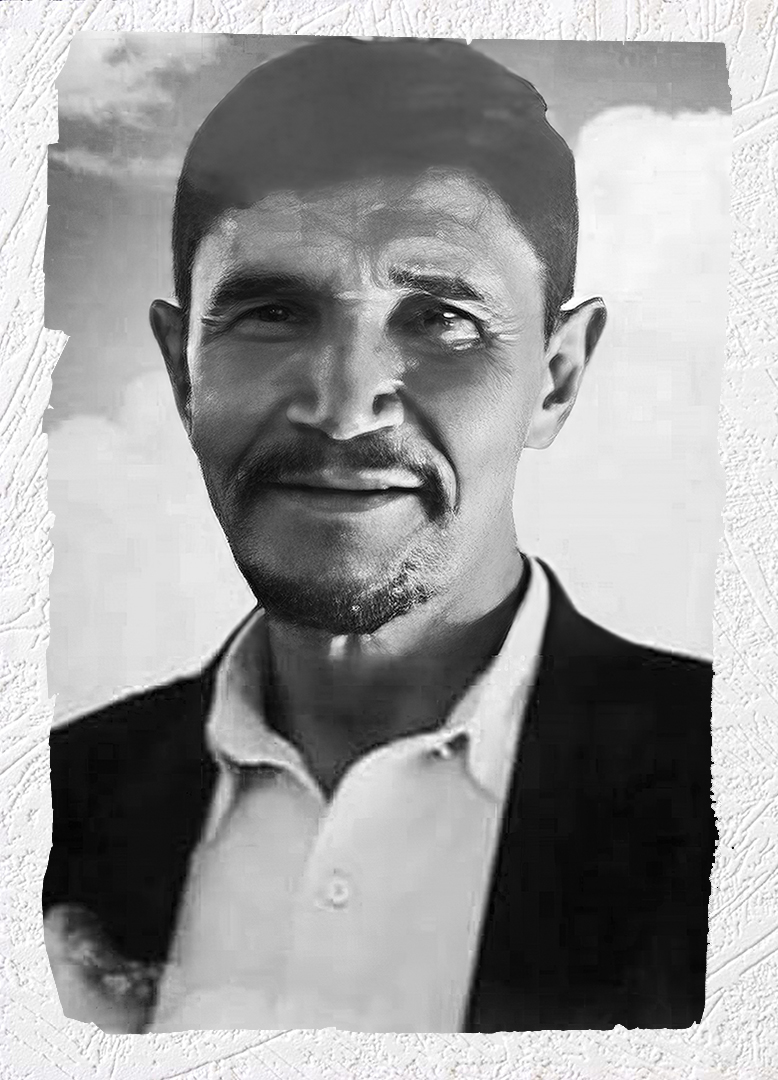
- Gender
- Male
- Ethnicity
- Hazara
- District geolocation of incident
- Kabul: 34° 31′ 1″ N, 69° 8′ 60″ E
- Description of incident
On July 23, 2016, two suicide bombers denoted their explosives among the protesters at Dehmazang Square in Kabul, the capital city of Afghanistan. The protesters, who were primarily Hazaras, were part of the Enlightenment Movement. They were protesting against the diversion of the TUTAP mega power project which would cause the project to bypass Hazara-dominated areas. At least 84 protesters lost their lives and 260-400 others were injured. The Islamic State of Khorasan Province (ISKP), the regional branch of ISIS, took credit for the attack. However, ISKP later refuted their involvement in the attack.
The Enlightenment Movement, also known as Junbesh-e Roshnayie, was a grassroots civil disobedience movement started by Hazaras in Afghanistan in response to a change in the Fichtner GmbH & Co. KG proposed Energy Supply Improvement Investment Program, unofficially called TUTAP project plans. The change in the project plans would cause it to bypass Hazara regions. The move was seen as perpetuating long-standing anti-Hazara discrimination. Throughout 2016 and 2017, the Enlightenment Movement coordinated large-scale demonstrations against discrimination both domestically in Afghanistan and abroad.
- Witness/Survivor Statement
No statement
- Date added
- Jan 31, 2023
Rahimullah
- Photo of Victim
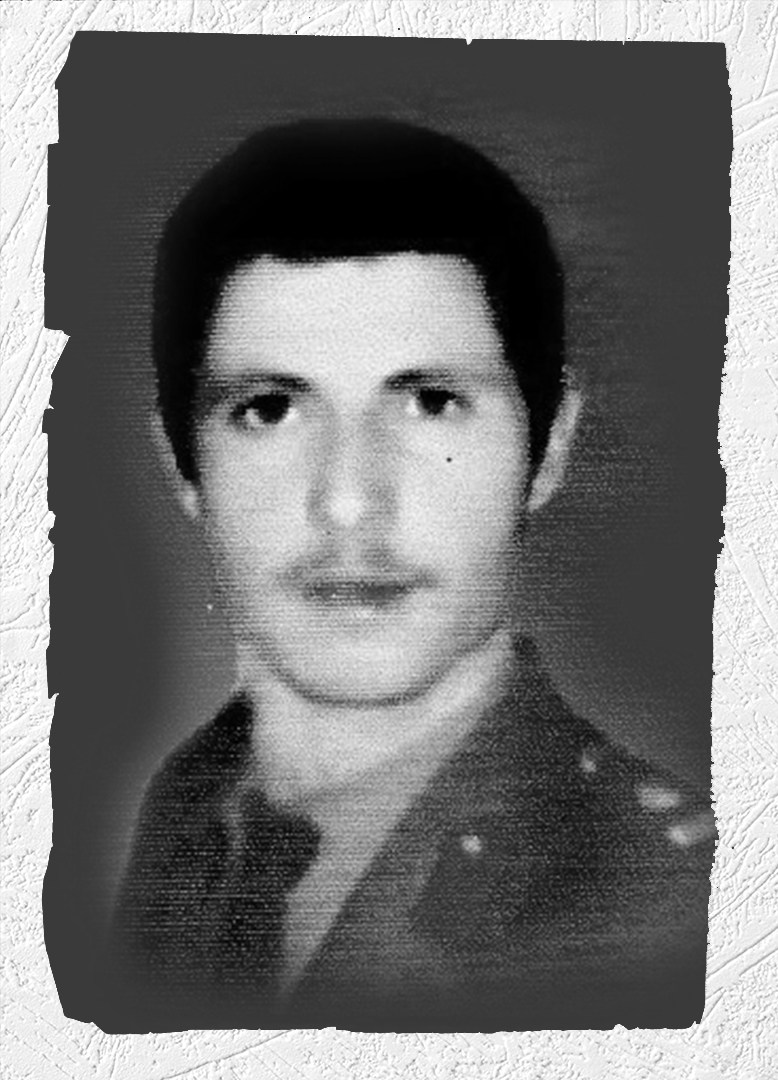
- Gender
- Male
- Ethnicity
- Tajik
- District geolocation of incident
- Kabul: 34° 31′ 1″ N, 69° 8′ 60″ E
- Description of incident
On July 23, 2016, two suicide bombers denoted their explosives among the protesters at Dehmazang Square in Kabul, the capital city of Afghanistan. The protesters, who were primarily Hazaras, were part of the Enlightenment Movement. They were protesting against the diversion of the TUTAP mega power project which would cause the project to bypass Hazara-dominated areas. At least 84 protesters lost their lives and 260-400 others were injured. The Islamic State of Khorasan Province (ISKP), the regional branch of ISIS, took credit for the attack. However, ISKP later refuted their involvement in the attack.
The Enlightenment Movement, also known as Junbesh-e Roshnayie, was a grassroots civil disobedience movement started by Hazaras in Afghanistan in response to a change in the Fichtner GmbH & Co. KG proposed Energy Supply Improvement Investment Program, unofficially called TUTAP project plans. The change in the project plans would cause it to bypass Hazara regions. The move was seen as perpetuating long-standing anti-Hazara discrimination. Throughout 2016 and 2017, the Enlightenment Movement coordinated large-scale demonstrations against discrimination both domestically in Afghanistan and abroad.
- Witness/Survivor Statement
No statement
- Date added
- Jan 31, 2023
Mehrullah Tareqat
- Photo of Victim

- Gender
- Male
- Ethnicity
- Hazara
- District geolocation of incident
- Kabul: 34° 31′ 1″ N, 69° 8′ 60″ E
- Description of incident
On July 23, 2016, two suicide bombers denoted their explosives among the protesters at Dehmazang Square in Kabul, the capital city of Afghanistan. The protesters, who were primarily Hazaras, were part of the Enlightenment Movement. They were protesting against the diversion of the TUTAP mega power project which would cause the project to bypass Hazara-dominated areas. At least 84 protesters lost their lives and 260-400 others were injured. The Islamic State of Khorasan Province (ISKP), the regional branch of ISIS, took credit for the attack. However, ISKP later refuted their involvement in the attack.
The Enlightenment Movement, also known as Junbesh-e Roshnayie, was a grassroots civil disobedience movement started by Hazaras in Afghanistan in response to a change in the Fichtner GmbH & Co. KG proposed Energy Supply Improvement Investment Program, unofficially called TUTAP project plans. The change in the project plans would cause it to bypass Hazara regions. The move was seen as perpetuating long-standing anti-Hazara discrimination. Throughout 2016 and 2017, the Enlightenment Movement coordinated large-scale demonstrations against discrimination both domestically in Afghanistan and abroad.
- Witness/Survivor Statement
No statement
- Date added
- Jan 31, 2023
Mohammad Ali Hussaini
- Photo of Victim

- Gender
- Male
- Ethnicity
- Hazara
- District geolocation of incident
- Kabul: 34° 31′ 1″ N, 69° 8′ 60″ E
- Description of incident
On July 23, 2016, two suicide bombers denoted their explosives among the protesters at Dehmazang Square in Kabul, the capital city of Afghanistan. The protesters, who were primarily Hazaras, were part of the Enlightenment Movement. They were protesting against the diversion of the TUTAP mega power project which would cause the project to bypass Hazara-dominated areas. At least 84 protesters lost their lives and 260-400 others were injured. The Islamic State of Khorasan Province (ISKP), the regional branch of ISIS, took credit for the attack. However, ISKP later refuted their involvement in the attack.
The Enlightenment Movement, also known as Junbesh-e Roshnayie, was a grassroots civil disobedience movement started by Hazaras in Afghanistan in response to a change in the Fichtner GmbH & Co. KG proposed Energy Supply Improvement Investment Program, unofficially called TUTAP project plans. The change in the project plans would cause it to bypass Hazara regions. The move was seen as perpetuating long-standing anti-Hazara discrimination. Throughout 2016 and 2017, the Enlightenment Movement coordinated large-scale demonstrations against discrimination both domestically in Afghanistan and abroad.
- Witness/Survivor Statement
No statement
- Date added
- Jan 31, 2023
Mohammad Salihi
- Photo of Victim

- Gender
- Male
- Ethnicity
- Hazara
- District geolocation of incident
- Kabul: 34° 31′ 1″ N, 69° 8′ 60″ E
- Description of incident
On July 23, 2016, two suicide bombers denoted their explosives among the protesters at Dehmazang Square in Kabul, the capital city of Afghanistan. The protesters, who were primarily Hazaras, were part of the Enlightenment Movement. They were protesting against the diversion of the TUTAP mega power project which would cause the project to bypass Hazara-dominated areas. At least 84 protesters lost their lives and 260-400 others were injured. The Islamic State of Khorasan Province (ISKP), the regional branch of ISIS, took credit for the attack. However, ISKP later refuted their involvement in the attack.
The Enlightenment Movement, also known as Junbesh-e Roshnayie, was a grassroots civil disobedience movement started by Hazaras in Afghanistan in response to a change in the Fichtner GmbH & Co. KG proposed Energy Supply Improvement Investment Program, unofficially called TUTAP project plans. The change in the project plans would cause it to bypass Hazara regions. The move was seen as perpetuating long-standing anti-Hazara discrimination. Throughout 2016 and 2017, the Enlightenment Movement coordinated large-scale demonstrations against discrimination both domestically in Afghanistan and abroad.
- Witness/Survivor Statement
No statement
- Date added
- Jan 31, 2023
Besmellah Mesbah
- Photo of Victim
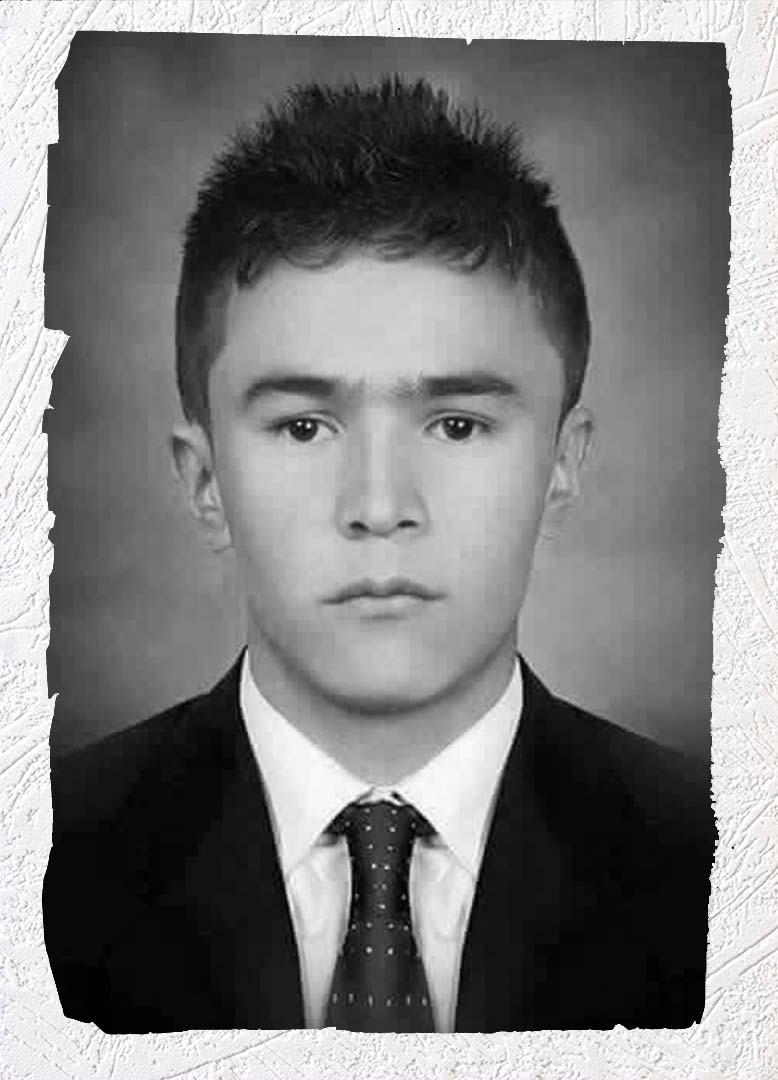
- Gender
- Male
- Ethnicity
- Hazara
- District geolocation of incident
- Kabul: 34° 31′ 1″ N, 69° 8′ 60″ E
- Description of incident
On July 23, 2016, two suicide bombers denoted their explosives among the protesters at Dehmazang Square in Kabul, the capital city of Afghanistan. The protesters, who were primarily Hazaras, were part of the Enlightenment Movement. They were protesting against the diversion of the TUTAP mega power project which would cause the project to bypass Hazara-dominated areas. At least 84 protesters lost their lives and 260-400 others were injured. The Islamic State of Khorasan Province (ISKP), the regional branch of ISIS, took credit for the attack. However, ISKP later refuted their involvement in the attack.
The Enlightenment Movement, also known as Junbesh-e Roshnayie, was a grassroots civil disobedience movement started by Hazaras in Afghanistan in response to a change in the Fichtner GmbH & Co. KG proposed Energy Supply Improvement Investment Program, unofficially called TUTAP project plans. The change in the project plans would cause it to bypass Hazara regions. The move was seen as perpetuating long-standing anti-Hazara discrimination. Throughout 2016 and 2017, the Enlightenment Movement coordinated large-scale demonstrations against discrimination both domestically in Afghanistan and abroad.
- Witness/Survivor Statement
No statement
- Date added
- Jan 31, 2023
Abdullah Zamiri
- Photo of Victim

- Gender
- Male
- Ethnicity
- Hazara
- District geolocation of incident
- Kabul: 34° 31′ 1″ N, 69° 8′ 60″ E
- Description of incident
On July 23, 2016, two suicide bombers denoted their explosives among the protesters at Dehmazang Square in Kabul, the capital city of Afghanistan. The protesters, who were primarily Hazaras, were part of the Enlightenment Movement. They were protesting against the diversion of the TUTAP mega power project which would cause the project to bypass Hazara-dominated areas. At least 84 protesters lost their lives and 260-400 others were injured. The Islamic State of Khorasan Province (ISKP), the regional branch of ISIS, took credit for the attack. However, ISKP later refuted their involvement in the attack.
The Enlightenment Movement, also known as Junbesh-e Roshnayie, was a grassroots civil disobedience movement started by Hazaras in Afghanistan in response to a change in the Fichtner GmbH & Co. KG proposed Energy Supply Improvement Investment Program, unofficially called TUTAP project plans. The change in the project plans would cause it to bypass Hazara regions. The move was seen as perpetuating long-standing anti-Hazara discrimination. Throughout 2016 and 2017, the Enlightenment Movement coordinated large-scale demonstrations against discrimination both domestically in Afghanistan and abroad.
- Witness/Survivor Statement
No statement
- Date added
- Jan 31, 2023
M.Mahdi Mohammadi
- Photo of Victim

- Gender
- Male
- Ethnicity
- Hazara
- District geolocation of incident
- Kabul: 34° 31′ 1″ N, 69° 8′ 60″ E
- Description of incident
On July 23, 2016, two suicide bombers denoted their explosives among the protesters at Dehmazang Square in Kabul, the capital city of Afghanistan. The protesters, who were primarily Hazaras, were part of the Enlightenment Movement. They were protesting against the diversion of the TUTAP mega power project which would cause the project to bypass Hazara-dominated areas. At least 84 protesters lost their lives and 260-400 others were injured. The Islamic State of Khorasan Province (ISKP), the regional branch of ISIS, took credit for the attack. However, ISKP later refuted their involvement in the attack.
The Enlightenment Movement, also known as Junbesh-e Roshnayie, was a grassroots civil disobedience movement started by Hazaras in Afghanistan in response to a change in the Fichtner GmbH & Co. KG proposed Energy Supply Improvement Investment Program, unofficially called TUTAP project plans. The change in the project plans would cause it to bypass Hazara regions. The move was seen as perpetuating long-standing anti-Hazara discrimination. Throughout 2016 and 2017, the Enlightenment Movement coordinated large-scale demonstrations against discrimination both domestically in Afghanistan and abroad.
- Witness/Survivor Statement
No statement
- Date added
- Jan 31, 2023
Rajab Hasani
- Photo of Victim

- Gender
- Male
- Ethnicity
- Hazara
- District geolocation of incident
- Kabul: 34° 31′ 1″ N, 69° 8′ 60″ E
- Description of incident
On July 23, 2016, two suicide bombers denoted their explosives among the protesters at Dehmazang Square in Kabul, the capital city of Afghanistan. The protesters, who were primarily Hazaras, were part of the Enlightenment Movement. They were protesting against the diversion of the TUTAP mega power project which would cause the project to bypass Hazara-dominated areas. At least 84 protesters lost their lives and 260-400 others were injured. The Islamic State of Khorasan Province (ISKP), the regional branch of ISIS, took credit for the attack. However, ISKP later refuted their involvement in the attack.
The Enlightenment Movement, also known as Junbesh-e Roshnayie, was a grassroots civil disobedience movement started by Hazaras in Afghanistan in response to a change in the Fichtner GmbH & Co. KG proposed Energy Supply Improvement Investment Program, unofficially called TUTAP project plans. The change in the project plans would cause it to bypass Hazara regions. The move was seen as perpetuating long-standing anti-Hazara discrimination. Throughout 2016 and 2017, the Enlightenment Movement coordinated large-scale demonstrations against discrimination both domestically in Afghanistan and abroad.
- Witness/Survivor Statement
He Spoke of a Challenging Childhood
Narrator: Zabihullah (cousin)
Victim: Rajab Hasani
Date of the incident: 23 July 2016
Location of the incident: Dehmazang, Kabul City
The martyr was born in Vatma Village of Khidir District in Daikundi Province. He lost his father when he was a child. Rajab's life was a complete tragedy; he lost his father at the age of 10 or 12 and lived with his mother for a year or two. After a while, his mother remarried and Rajab was left alone with his two sisters. He endured tough living conditions and couldn't attend school due to the lack of financial support. Since childhood, he worked at people's houses, supporting himself and his two sisters with the money he earned.
I remember him sharing the bitter memories of his life with me. He spoke of a challenging childhood. Recalling a specific memory, he said, "It had been three days since we last had bread at home. I had to eat apricot leaves to survive, but I fell severely ill and nearly died." At the age of 16, he traveled to Iran for work and stayed there for about four years. Upon returning, he found his sister married, and eventually, he also got married himself. Due to the difficult economic situation, he moved to Herat. Lacking specific skills, he worked as a laborer, digging wells. He rented a house in Herat and occasionally took up construction work. He had a son and two daughters.
A few days before the incident, he had traveled to Kabul to obtain a copy of his ID card since his previous one had been burned. He stayed in my room in Kabul for a while. One night, he seemed very sad, and when I asked him about the reason, he mentioned feeling on the verge of tears. I comforted him and reminded him that life presents many challenges, but he mustn't lose hope and should continue striving. He confided in me that he often felt a deep sadness in the evening and a sense of loneliness. I inquired about the significance of the ID card to him, and he replied, "Life is unpredictable; one can fall victim to a Taliban suicide attack any day. If a person doesn't have any identification, they will remain unknown, and if they do, some may inform their family, friends, or acquaintances."
It was during the days when preparations were underway for the July 23rd demonstration. I had university exams, which prevented me from participating in the protest. After Rajab received his ID card, he went to Dehmazang. I had heard my friends discussing a large number of people willing to join the demonstration, unaware that a tragic incident was about to unfold in Dehmazang. Rajab was facing financial difficulties and had asked his father-in-law for a loan of 1500 AFN, but they replied that they didn't have the money. He left his phone as collateral with his father-in-law and gave me the SIM card to avoid causing any worries. I inserted the SIM card into my mobile phone.
On the evening of the incident, Rajab didn't return to the room. I had an exam scheduled, but it got canceled as some of my friends weren't feeling well. Before the explosion, Rajab had visited one of his friends. Later that evening, his friend called me asking if Rajab had returned home. I rushed back home, but Rajab wasn't there. At that moment, I received a call informing me that among the belongings of the martyrs, someone had found an ID card and a contact number, along with some other items that belonged to Rajab. I hopped on my bicycle and went to meet the person. They handed me the ID card, but it was in bad condition. Initially, I had no knowledge of the explosion.
The following morning, at 11 o'clock, my uncle called me and asked me to go to Wazir Akbar Khan Hospital. I went to the 400-bed hospital, but Rajab was not among the wounded or the martyrs; the martyrs were unrecognizable. I went to other hospitals as well, but still no sign of him. I resumed my search for Rajab, but for almost a week, I failed to find him. After some time, I revisited the 400-bed hospital where five martyrs were still present. One of them had been severed at the waist, with only two legs remaining. I had seen his leg a few days before the incident, with damaged skin and an injured finger. We had a conversation in the front yard a few days prior, where Rajab said, "Cousin, I've been running around Kabul in search of my ID card, and my feet are wounded." Looking at the wound on the toe, his words echoed in my mind.
Leaving the container, I went to meet a friend named Basir Movahedi. I informed him that the feet belonged to Rajab because of his injured feet and blisters caused by long walks. His right leg was completely burned, and the upper half of his body was missing. When we identified Rajab's feet, we decided to lay him to rest in Tapa-e Shohada (Hill of Martyrs), but his sisters were very restless and requested that we take him to their hometown. I resumed my search for Rajab's upper body, checking all public and private hospitals, as well as the Ministry of Public Health, but there was no trace of Rajab. Almost a month after the incident, I received information from Forensic Medicine that they had received a half-length body from the police. With an inquiry letter in hand, my friends and I went to Forensic Medicine. I identified Rajab's upper body, his face was not too severely damaged. With the help of my friends, we buried him on the Hill of Martyrs.
Rajab's family, consisting of five members, is now without a caretaker. His step-brother, who is 50-years-old and still unmarried, is facing depression, a lack of interest in life, and unemployment, and resides in Herat. Unfortunately, he is unable to provide assistance to the family of the martyr Rajab as he himself requires support. The only support they received was a donation of 50,000 AFN from the Movement; they did not receive the government's honorarium.
Whenever I reflect on Rajab's life and destiny, I am compelled to acknowledge that life was never benevolent toward him. His journey was marred by a tempest of difficulties, spanning from his early years to adulthood. He endured the harshness of life, clinging to the hope that his circumstances would improve, but it was not meant to be. Even in death, he found no respite; his body was tragically severed in half, with his legs laid to rest in one location and his upper body in another.
His wife made tremendous efforts to obtain a registration card from the Ministry of Martyrs and Disabled. She even undertook a journey to Daikundi, hoping for a smoother application process. After completing the necessary procedures in Daikundi, she was instructed to travel to Kabul and visit the local district police department. We also sought assistance from the National Directorate of Security (NDS). Astonishingly, after a month-long endeavor, the NDS informed us that there was no record of a person named Rajab on their list.
The truth, however, is that I personally retrieved one part of Rajab's body from the 400-bed hospital, where his name was duly recorded. After a month, we finally received the other part of his body from forensic medicine, and Rajab's name was registered in both places.
I found myself entangled in a dispute with the NDS office over this matter. I made it clear to them that the local police district and the Kabul police headquarters had already verified the documents affirming Rajab's martyrdom. So why were they attempting to disregard his rightful recognition? Engaging in tireless efforts and leveraging my network, I managed to get in touch with a parliamentarian. He intervened by contacting the NDS, and eventually, they acknowledged the validity of the martyrdom documents. However, Rajab's wife is still awaiting the issuance of the card. I reached out to various organizations that I believed could offer assistance to the martyr’s family. Unfortunately, thus far, our endeavors have not yielded any significant accomplishments.
The family of the martyr currently resides in Herat. Rajab's wife is unemployed. Their main source of support comes from a settlement in Herat known as Martyrs Township, where they have found a place to live. I make every effort to ensure that his children receive an education, but as a student myself, I cannot do much to assist. The martyr used to provide me with great encouragement whenever we met; he treated me like a member of his own family. Despite our financial challenges, the emotional support we offered one another served as a ray of hope in our lives. Rajab was a hardworking, kind, and joyful person. No matter how many problems he faced, a glimmer of hope would bring a smile to his face, and he would momentarily forget his troubles.
I can relate to his family's situation as my father passed away at the age of 35. Rajab made every effort to motivate me to pursue education, emphasizing the importance of improving my life and building a bright future. We were a source of help and support for each other, but unfortunately, God took him away from us. Despite the challenging circumstances, he started a family, hoping that his life would take a turn for the better. He moved his family from Daikundi to Herat in the hopes of improving their living conditions. However, his family is now left without a provider.
I kindly appeal to you and other charitable organizations to remember Rajab's family in your endeavors. They are in great need of both spiritual and material support to ensure that the children of the martyr do not abandon their education due to poverty and can strive towards a promising future.
- Date added
- Jan 31, 2023
Qurban Ali Barati
- Photo of Victim

- Gender
- Male
- Ethnicity
- Hazara
- District geolocation of incident
- Kabul: 34° 31′ 1″ N, 69° 8′ 60″ E
- Description of incident
On July 23, 2016, two suicide bombers denoted their explosives among the protesters at Dehmazang Square in Kabul, the capital city of Afghanistan. The protesters, who were primarily Hazaras, were part of the Enlightenment Movement. They were protesting against the diversion of the TUTAP mega power project which would cause the project to bypass Hazara-dominated areas. At least 84 protesters lost their lives and 260-400 others were injured. The Islamic State of Khorasan Province (ISKP), the regional branch of ISIS, took credit for the attack. However, ISKP later refuted their involvement in the attack.
The Enlightenment Movement, also known as Junbesh-e Roshnayie, was a grassroots civil disobedience movement started by Hazaras in Afghanistan in response to a change in the Fichtner GmbH & Co. KG proposed Energy Supply Improvement Investment Program, unofficially called TUTAP project plans. The change in the project plans would cause it to bypass Hazara regions. The move was seen as perpetuating long-standing anti-Hazara discrimination. Throughout 2016 and 2017, the Enlightenment Movement coordinated large-scale demonstrations against discrimination both domestically in Afghanistan and abroad.
- Witness/Survivor Statement
No Statement
- Date added
- Jan 31, 2023
Gholam Abbas Safazada
- Photo of Victim

- Gender
- Male
- Ethnicity
- Hazara
- District geolocation of incident
- Kabul: 34° 31′ 1″ N, 69° 8′ 60″ E
- Description of incident
On July 23, 2016, two suicide bombers denoted their explosives among the protesters at Dehmazang Square in Kabul, the capital city of Afghanistan. The protesters, who were primarily Hazaras, were part of the Enlightenment Movement. They were protesting against the diversion of the TUTAP mega power project which would cause the project to bypass Hazara-dominated areas. At least 84 protesters lost their lives and 260-400 others were injured. The Islamic State of Khorasan Province (ISKP), the regional branch of ISIS, took credit for the attack. However, ISKP later refuted their involvement in the attack.
The Enlightenment Movement, also known as Junbesh-e Roshnayie, was a grassroots civil disobedience movement started by Hazaras in Afghanistan in response to a change in the Fichtner GmbH & Co. KG proposed Energy Supply Improvement Investment Program, unofficially called TUTAP project plans. The change in the project plans would cause it to bypass Hazara regions. The move was seen as perpetuating long-standing anti-Hazara discrimination. Throughout 2016 and 2017, the Enlightenment Movement coordinated large-scale demonstrations against discrimination both domestically in Afghanistan and abroad.
- Witness/Survivor Statement
No statement
- Date added
- Jan 31, 2023
Nassir Ehsani
- Photo of Victim
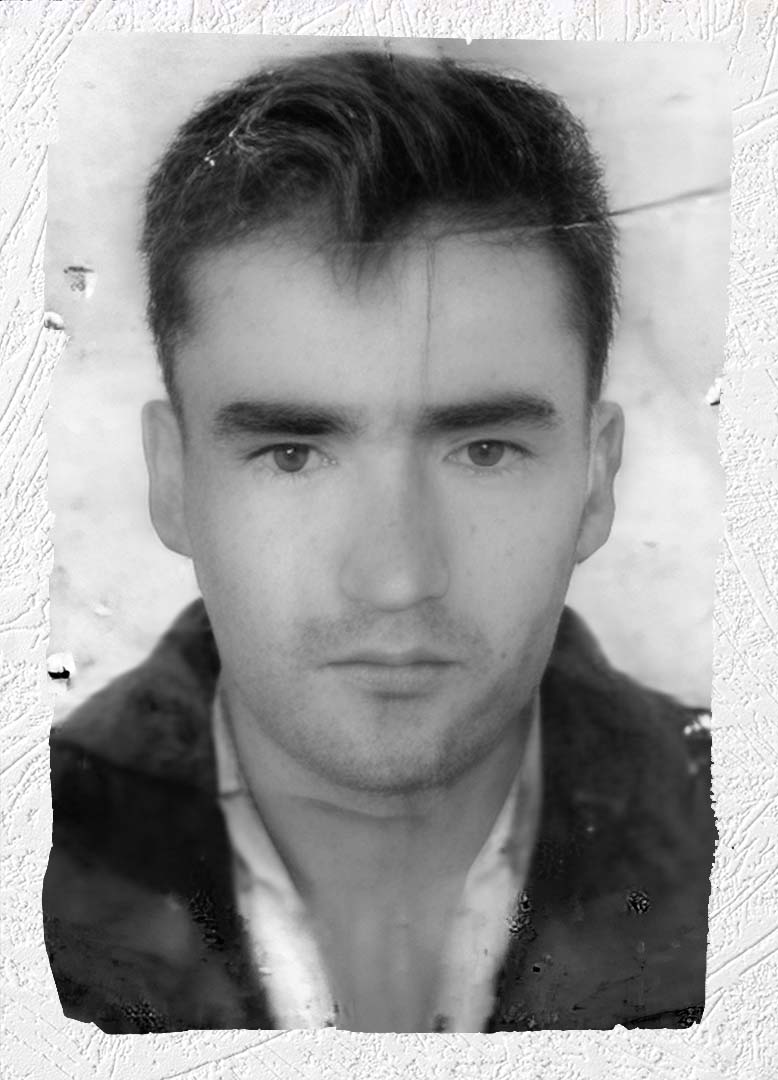
- Gender
- Male
- Ethnicity
- Hazara
- District geolocation of incident
- Kabul: 34° 31′ 1″ N, 69° 8′ 60″ E
- Description of incident
On July 23, 2016, two suicide bombers denoted their explosives among the protesters at Dehmazang Square in Kabul, the capital city of Afghanistan. The protesters, who were primarily Hazaras, were part of the Enlightenment Movement. They were protesting against the diversion of the TUTAP mega power project which would cause the project to bypass Hazara-dominated areas. At least 84 protesters lost their lives and 260-400 others were injured. The Islamic State of Khorasan Province (ISKP), the regional branch of ISIS, took credit for the attack. However, ISKP later refuted their involvement in the attack.
The Enlightenment Movement, also known as Junbesh-e Roshnayie, was a grassroots civil disobedience movement started by Hazaras in Afghanistan in response to a change in the Fichtner GmbH & Co. KG proposed Energy Supply Improvement Investment Program, unofficially called TUTAP project plans. The change in the project plans would cause it to bypass Hazara regions. The move was seen as perpetuating long-standing anti-Hazara discrimination. Throughout 2016 and 2017, the Enlightenment Movement coordinated large-scale demonstrations against discrimination both domestically in Afghanistan and abroad.
- Witness/Survivor Statement
No statement
- Date added
- Jan 31, 2023
Adel Afzali
- Photo of Victim
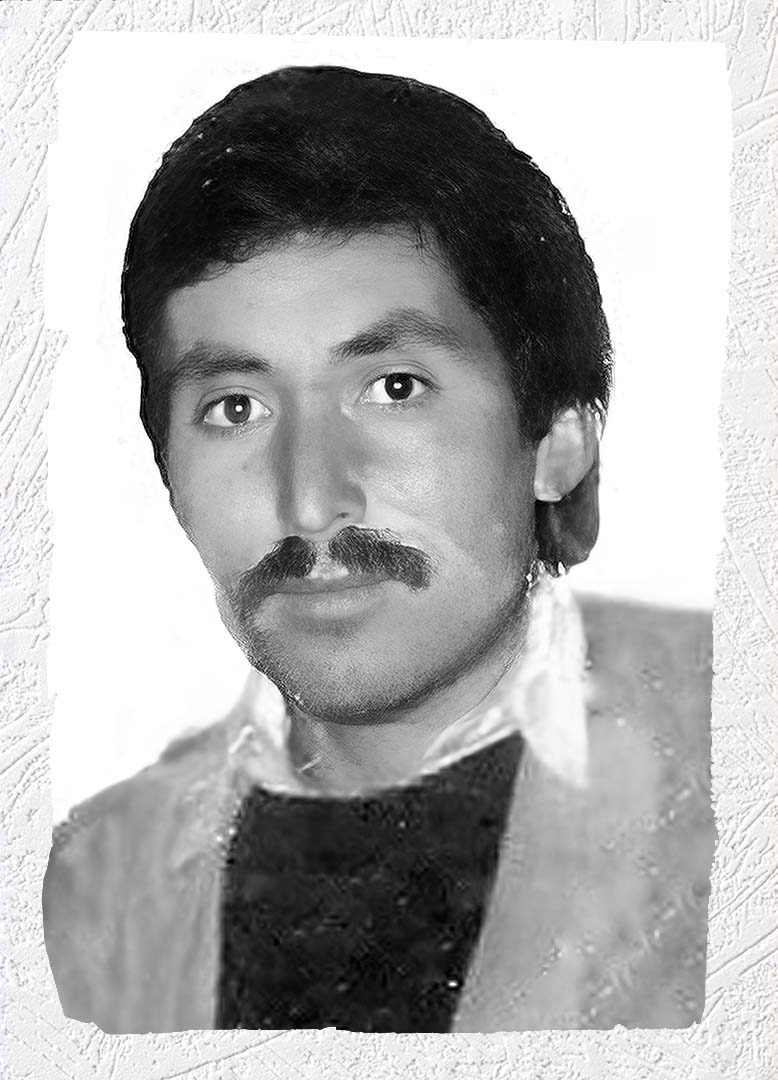
- Gender
- Male
- Ethnicity
- Hazara
- District geolocation of incident
- Kabul: 34° 31′ 1″ N, 69° 8′ 60″ E
- Description of incident
On July 23, 2016, two suicide bombers denoted their explosives among the protesters at Dehmazang Square in Kabul, the capital city of Afghanistan. The protesters, who were primarily Hazaras, were part of the Enlightenment Movement. They were protesting against the diversion of the TUTAP mega power project which would cause the project to bypass Hazara-dominated areas. At least 84 protesters lost their lives and 260-400 others were injured. The Islamic State of Khorasan Province (ISKP), the regional branch of ISIS, took credit for the attack. However, ISKP later refuted their involvement in the attack.
The Enlightenment Movement, also known as Junbesh-e Roshnayie, was a grassroots civil disobedience movement started by Hazaras in Afghanistan in response to a change in the Fichtner GmbH & Co. KG proposed Energy Supply Improvement Investment Program, unofficially called TUTAP project plans. The change in the project plans would cause it to bypass Hazara regions. The move was seen as perpetuating long-standing anti-Hazara discrimination. Throughout 2016 and 2017, the Enlightenment Movement coordinated large-scale demonstrations against discrimination both domestically in Afghanistan and abroad.
- Witness/Survivor Statement
No statement
- Date added
- Jan 31, 2023
Mohammad Sadiq Nekzad
- Photo of Victim

- Gender
- Male
- Ethnicity
- Hazara
- District geolocation of incident
- Kabul: 34° 31′ 1″ N, 69° 8′ 60″ E
- Description of incident
On July 23, 2016, two suicide bombers denoted their explosives among the protesters at Dehmazang Square in Kabul, the capital city of Afghanistan. The protesters, who were primarily Hazaras, were part of the Enlightenment Movement. They were protesting against the diversion of the TUTAP mega power project which would cause the project to bypass Hazara-dominated areas. At least 84 protesters lost their lives and 260-400 others were injured. The Islamic State of Khorasan Province (ISKP), the regional branch of ISIS, took credit for the attack. However, ISKP later refuted their involvement in the attack.
The Enlightenment Movement, also known as Junbesh-e Roshnayie, was a grassroots civil disobedience movement started by Hazaras in Afghanistan in response to a change in the Fichtner GmbH & Co. KG proposed Energy Supply Improvement Investment Program, unofficially called TUTAP project plans. The change in the project plans would cause it to bypass Hazara regions. The move was seen as perpetuating long-standing anti-Hazara discrimination. Throughout 2016 and 2017, the Enlightenment Movement coordinated large-scale demonstrations against discrimination both domestically in Afghanistan and abroad.
- Witness/Survivor Statement
No statement
- Date added
- Jan 31, 2023
Khodadad Karimi
- Photo of Victim

- Gender
- Male
- Ethnicity
- Hazara
- District geolocation of incident
- Kabul: 34° 31′ 1″ N, 69° 8′ 60″ E
- Description of incident
On July 23, 2016, two suicide bombers denoted their explosives among the protesters at Dehmazang Square in Kabul, the capital city of Afghanistan. The protesters, who were primarily Hazaras, were part of the Enlightenment Movement. They were protesting against the diversion of the TUTAP mega power project which would cause the project to bypass Hazara-dominated areas. At least 84 protesters lost their lives and 260-400 others were injured. The Islamic State of Khorasan Province (ISKP), the regional branch of ISIS, took credit for the attack. However, ISKP later refuted their involvement in the attack.
The Enlightenment Movement, also known as Junbesh-e Roshnayie, was a grassroots civil disobedience movement started by Hazaras in Afghanistan in response to a change in the Fichtner GmbH & Co. KG proposed Energy Supply Improvement Investment Program, unofficially called TUTAP project plans. The change in the project plans would cause it to bypass Hazara regions. The move was seen as perpetuating long-standing anti-Hazara discrimination. Throughout 2016 and 2017, the Enlightenment Movement coordinated large-scale demonstrations against discrimination both domestically in Afghanistan and abroad.
- Witness/Survivor Statement
Because of the Severe Shock, He Completely Lost His Nerve
Narrator: Mohammad Reza Nazar (cousin)
Victim: Khodadad Karimi
Date of the incident: 23 July 2016
Location of the incident: Dehmazang, Kabul City
On the day of the demonstration, I was unable to go to Dehmzang due to my university exams. However, after finishing my exam, I decided to join my friends who were already there. Since I had a car, I drove towards Dehmazang. However, because of the large crowd, they did not allow me to cross the main road, so I tried to take a side road instead. As I began driving, I heard a loud explosion. It frightened me, so I immediately stopped the car.
People were running and I couldn't move my car. I left the car door open to be able to escape if the situation worsened. After two explosions, the sound of bullets gradually became silent. Some people were leaving the area while others returned to help the wounded and martyrs. I joined a group of people and we made our way to the explosion site. It was a terrible day, with many people injured and killed in Dehmazang Square. I tried contacting my friends to ensure they were safe, but some of their phones were switched off. To name one, Aref Shaygan's phone was off, and Mr. Mohammed Hossein Saramed did not answer my calls. The only person who responded was Mr. Jalil Tajlil. He arrived at Degmazang and together, we went to help the wounded. I took some of the injured to the hospital in my car. Later, I went to the hospital to visit one of my friends who was injured. At that point, I had no information about the martyrdom or injuries of Khodadad Karimi. A friend of mine called to inform us that two people from Patu had been martyred and were in Aliabad Hospital. At the time, I only knew about the martyrdom of Inayatullah Asil. It was only later that I found out that Arif Shaygan had also been seriously injured.
As I was about to head to the hospital in Aliabad, I received a call from an unknown number. The caller asked, "Who are you?" I was surprised and introduced myself. The caller then asked, "What is your relationship with Khudadad Karimi?" I replied, "He is my cousin." To verify my identity, the caller gave me his details. I became very worried and asked if something had happened to him. The caller replied, "Unfortunately, he has been martyred." I was shocked to hear this news and didn't know what to do. The only thing on my mind at that moment was that he was the sole breadwinner of his poor family, and I wondered what they would do now. Together with Khaliq Azad and other friends, we headed to Aliabad Hospital. I dropped them off and then went to Imam Ali Mosque.
When the incident occurred in Dehmazang, he was seriously injured. His friends took him first to Aliabad Hospital, but unfortunately, he was martyred soon after and later taken to the mosque. My mental state was terrible; I called all my friends and acquaintances to inform them of this tragic event.
We consulted with our other friends, and we decided that it was best to inform his family because his mother had already been informed that he was seriously injured. His mother had gone to the hospital herself, but his father was seriously ill and had not noticed his son's martyrdom due to his mental and emotional problems. Two days later, he found out that Khodadad had been martyred. When his father heard the news, he cried a lot and completely lost his nerve due to the shock.
Khodadad was the sole breadwinner of his family, and his siblings were young. Additionally, his father was already disabled. After his martyrdom, his two children were enrolled in Marefat High School and Pegah High School without paying any fees. According to a person who was with Khodadad when the incident happened, it was during lunchtime, and some people had gone to eat while others were sitting in the square and enjoying their lunch. Khodadad was standing when the explosion occurred. The two people who were sitting down were safe, but unfortunately, Khodadad was martyred and his body was severely damaged. As his family did not have the financial resources, we covered the expenses of his Fatiha and memorial ceremony.
- Date added
- Jan 31, 2023
Jamaludin Amiri
- Photo of Victim

- Gender
- Male
- Ethnicity
- Hazara
- District geolocation of incident
- Kabul: 34° 31′ 1″ N, 69° 8′ 60″ E
- Description of incident
On July 23, 2016, two suicide bombers denoted their explosives among the protesters at Dehmazang Square in Kabul, the capital city of Afghanistan. The protesters, who were primarily Hazaras, were part of the Enlightenment Movement. They were protesting against the diversion of the TUTAP mega power project which would cause the project to bypass Hazara-dominated areas. At least 84 protesters lost their lives and 260-400 others were injured. The Islamic State of Khorasan Province (ISKP), the regional branch of ISIS, took credit for the attack. However, ISKP later refuted their involvement in the attack.
The Enlightenment Movement, also known as Junbesh-e Roshnayie, was a grassroots civil disobedience movement started by Hazaras in Afghanistan in response to a change in the Fichtner GmbH & Co. KG proposed Energy Supply Improvement Investment Program, unofficially called TUTAP project plans. The change in the project plans would cause it to bypass Hazara regions. The move was seen as perpetuating long-standing anti-Hazara discrimination. Throughout 2016 and 2017, the Enlightenment Movement coordinated large-scale demonstrations against discrimination both domestically in Afghanistan and abroad.
- Witness/Survivor Statement
No statement
- Date added
- Jan 31, 2023
Ali Mohammad Babaee
- Photo of Victim

- Gender
- Male
- Ethnicity
- Hazara
- District geolocation of incident
- Kabul: 34° 31′ 1″ N, 69° 8′ 60″ E
- Description of incident
On July 23, 2016, two suicide bombers denoted their explosives among the protesters at Dehmazang Square in Kabul, the capital city of Afghanistan. The protesters, who were primarily Hazaras, were part of the Enlightenment Movement. They were protesting against the diversion of the TUTAP mega power project which would cause the project to bypass Hazara-dominated areas. At least 84 protesters lost their lives and 260-400 others were injured. The Islamic State of Khorasan Province (ISKP), the regional branch of ISIS, took credit for the attack. However, ISKP later refuted their involvement in the attack.
The Enlightenment Movement, also known as Junbesh-e Roshnayie, was a grassroots civil disobedience movement started by Hazaras in Afghanistan in response to a change in the Fichtner GmbH & Co. KG proposed Energy Supply Improvement Investment Program, unofficially called TUTAP project plans. The change in the project plans would cause it to bypass Hazara regions. The move was seen as perpetuating long-standing anti-Hazara discrimination. Throughout 2016 and 2017, the Enlightenment Movement coordinated large-scale demonstrations against discrimination both domestically in Afghanistan and abroad.
- Witness/Survivor Statement
No statement
- Date added
- Jan 31, 2023
Mushtaq Rasa Saighani
- Photo of Victim
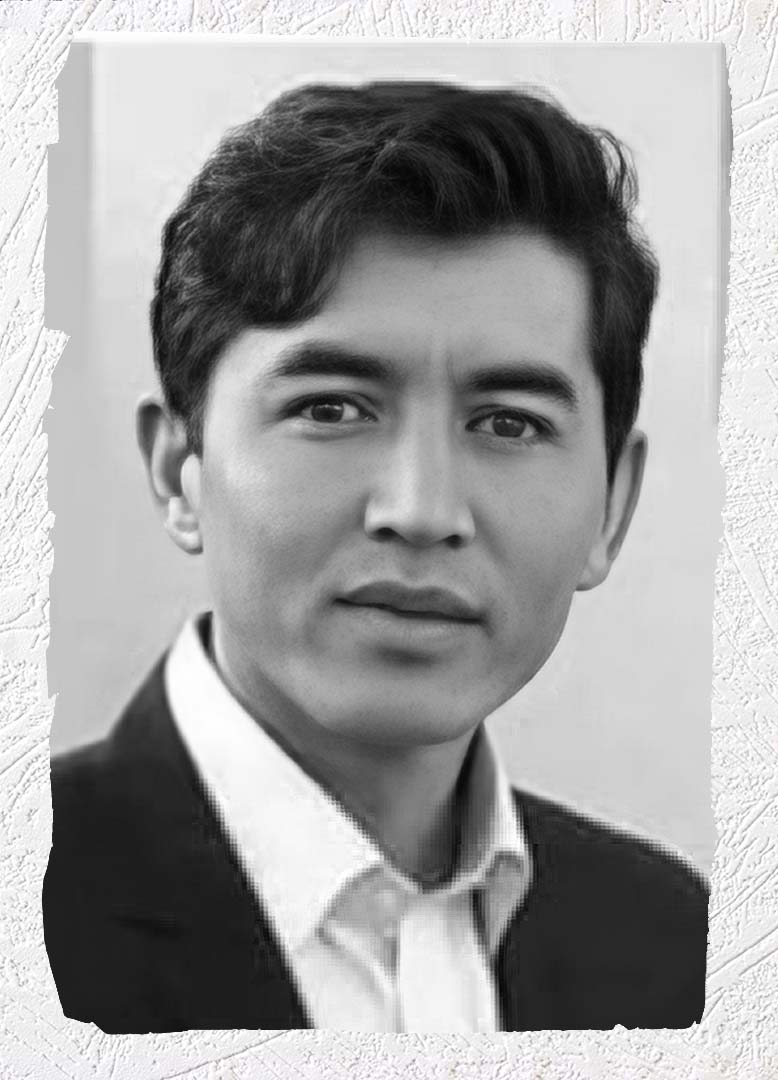
- Gender
- Male
- Ethnicity
- Hazara
- District geolocation of incident
- Kabul: 34° 31′ 1″ N, 69° 8′ 60″ E
- Description of incident
On July 23, 2016, two suicide bombers denoted their explosives among the protesters at Dehmazang Square in Kabul, the capital city of Afghanistan. The protesters, who were primarily Hazaras, were part of the Enlightenment Movement. They were protesting against the diversion of the TUTAP mega power project which would cause the project to bypass Hazara-dominated areas. At least 84 protesters lost their lives and 260-400 others were injured. The Islamic State of Khorasan Province (ISKP), the regional branch of ISIS, took credit for the attack. However, ISKP later refuted their involvement in the attack.
The Enlightenment Movement, also known as Junbesh-e Roshnayie, was a grassroots civil disobedience movement started by Hazaras in Afghanistan in response to a change in the Fichtner GmbH & Co. KG proposed Energy Supply Improvement Investment Program, unofficially called TUTAP project plans. The change in the project plans would cause it to bypass Hazara regions. The move was seen as perpetuating long-standing anti-Hazara discrimination. Throughout 2016 and 2017, the Enlightenment Movement coordinated large-scale demonstrations against discrimination both domestically in Afghanistan and abroad.
- Witness/Survivor Statement
He Went to Dehmazang to Seek Justice
Narrator: Wasiq Alavi (Niece)
Victim: Mushtaq ul-Hasan Rasa Saighani
Date of the incident: 23 July 2016
Location of the incident: Dehmazang, Kabul City
Mushtaq ul-Hasan Rasa was born in 1989 in Saighan District of Bamyan Province. He attended elementary school in his hometown, and the Garkh Avol High School. Later, he moved to Bamyan City where he completed high school at the Bamyan Central Male High School. After graduating from school, he participated in the public university entrance exam. He was admitted to Faryab University to study Dari Literature at the Department of Humanities. After graduating from university, he came to Kabul where he engaged in civic activities for a year and a half. During his time in Bamyan, he was a field observer in Saighan District for the Independent Election Commission. When he was a student, he also served as a contract-based teacher in Bamyan. He was martyred at the age of 27 on July 23, 2016, in Dehmazang, where he went seeking justice.
- Date added
- Jan 30, 2023


Amir Mohammad Rahimi
- Photo of Victim

- Gender
- Male
- Ethnicity
- Hazara
- District geolocation of incident
- Kabul: 34° 31′ 1″ N, 69° 8′ 60″ E
- Description of incident
On July 23, 2016, two suicide bombers denoted their explosives among the protesters at Dehmazang Square in Kabul, the capital city of Afghanistan. The protesters, who were primarily Hazaras, were part of the Enlightenment Movement. They were protesting against the diversion of the TUTAP mega power project which would cause the project to bypass Hazara-dominated areas. At least 84 protesters lost their lives and 260-400 others were injured. The Islamic State of Khorasan Province (ISKP), the regional branch of ISIS, took credit for the attack. However, ISKP later refuted their involvement in the attack.
The Enlightenment Movement, also known as Junbesh-e Roshnayie, was a grassroots civil disobedience movement started by Hazaras in Afghanistan in response to a change in the Fichtner GmbH & Co. KG proposed Energy Supply Improvement Investment Program, unofficially called TUTAP project plans. The change in the project plans would cause it to bypass Hazara regions. The move was seen as perpetuating long-standing anti-Hazara discrimination. Throughout 2016 and 2017, the Enlightenment Movement coordinated large-scale demonstrations against discrimination both domestically in Afghanistan and abroad.
- Witness/Survivor Statement
It Is Our People’s Right to Have Electricity
Narrator: Nasrin (wife)
Victim: Amir Mohammad Rahimi
Date of the incident: 23 July 2016
Location of the incident: Dehmazang, Kabul City
In the name of God,
I am Nasrin, the wife of the martyr Amir Mohammad. I have 5 children, two girls and three boys. We come from Bamiyan Province, in the district of Shibar, from Shanbal Village. We currently live in Kabul. Amir Mohammad was 45-years-old when he was martyred. However, I found out his age was recorded as older than that on his Tazkira (National ID Card).
Hamed, The Martyr’s Son:
My father was born in Kabul in 1970. He attended the Asif Mayil High School in Qala Nazer up to the 12th grade. My father had very good manners and morals and always encouraged us to do good deeds.
The Martyr's wife:
He studied up to the 12th grade. After that, he did not continue with his studies because of his difficult financial situation, and he started working. Sixteen years had passed since our marriage. He behaved very well with everyone and was a sociable and friendly person. He was very benevolent and calm. At home, he treated me and my children well. He always told us that we should defend our rights. Before the 23rd July demonstration, he would go to Mosala to participate in social events, especially those related to the Movement. He used to participate in the early meetings of the Movement and when he came home, he would talk about the right of our people. He used to say: “Electricity is a right of our people and we will stand up against the government if it violates our rights.”
He was self-employed. In the winter season, he worked with his cousin who had a store, selling Turkish stoves in Qala-e Nazer. My husband was literate and his cousin was illiterate, that's why he managed the finances of his cousin’s store. His cousin was the store owner and Amir Mohammad managed the store’s financial affairs. His dream was for his children to get an education. He was always kind at home and believed that there should not be a tense environment at home when life was already so difficult. When the issue of the 23rd July demonstration came up, I did not consent to him going to Dehmazang. I told him I did not want him taking part in the demonstration because an attack might happen. He answered, “We belong to this land and it is the right of our people to have access to electricity. We must defend the rights of our people and stand up against injustice.”
Hamed, The Martyr’s Son:
At first, it was decided that he would not go and take part in the demonstration. We tried to prevent my father from going, but his enthusiasm and his love for the people made him go to Dehmazang. We were watching the Dehmzang demonstration live on TV when the suicide attack happened. We immediately called my father to know where he was. He said he was in Dehmzang and had been injured. He was taken to Imam Ali Hospital. We got to the hospital. Since it was very crowded at this hospital and it was not possible for the staff to take care of all the patients, we transferred him to the Imam Zaman Hospital in Barchi.
The Martyr's wife:
His back was wounded, but he was not hurt severely. When we took him to the Imam Zaman Hospital, the doctor could not operate on him properly. At first, we didn't notice anything. But after a few days, his condition worsened. He suddenly had a seizure. We took him to the Rahel Hospital. They explained that all the fluid in his head was leaking into his body, and this was causing a problem with the lack of fluid in his brain. He was operated on again, but did not recover. The bullet had hit his back, but his spinal cord was not hurt.
Hamed, The Martyr’s Son:
First, we took him to Naser Khosrow Hospital. They told us there was a good specialist at the Imam Zaman Hospital in Barchi who could operate on the wounded, that's why we took him there and the doctor at this hospital operated on him.
The Martyr's wife:
When we visited him, Amir Mohammad said, "A police pick-up truck came in Dehmazang and I got on the back of the truck.” There were other wounded with him and that is how he got to the hospital.
Hamed, The Martyr’s Son:
At that time, his condition was not so serious. His legs were hurt, one leg was fractured, but it was not severe. In the Square, he wanted to find my cousin who was there at the demonstration, but he could not find him, and so he managed to get into the pick-up truck and get to hospital.
The Martyr's wife:
We took him to another hospital. Following the surgical operation, his legs stopped moving. Before the first operation, his leg was simply fractured due to the blast that had thrown him onto the ground. The doctor was dishonest; he didn't tell us before the operation that he didn't have the ability to perform the surgery. It would have been better if we could have transferred him to a better hospital or take him to Pakistan or India for the operation. After the operation, Amir Mohammad remained in a coma for four days. He never again opened his eyes. He repeatedly had seizures, and his brain fluid leaked through his back. He was hospitalized for four days in Rahel Hospital.
Hamed, The Martyr’s Son:
Preparations were made for taking him to India; we wanted to take him abroad for treatment, but he died before that could happen.
The Martyr's wife:
After my husband’s martyrdom/death, I went to the doctor to file a complaint. I asked him why he had performed such a critical operation when he lacked the know-how. He had nothing to say. When he met me, he held his head down; he was clearly embarrassed. I said to the doctor that he should have told us to take him to India or Pakistan for treatment. “Why did you do something that was beyond your ability?” Every time he examined my husband, he said, “It is okay, let this fluid come out of his body, because this is pus.” White fluid like milk came out of his back. Sometimes he could not straighten himself up easily; his back could sometimes not move. My husband died because of the negligence of this doctor. His leg was slightly fractured in the incident, and if the operation had not been done in that hospital, he could still be alive today.
I will never forgive this doctor because he ruined our life. After my husband’s martyrdom, my brother-in-law has been helping us because my son has to go to school; he can’t work. Now we have no other choice. God took my husband from us and we cannot do anything other than remain patient.
I ask the government to pay attention to the families of the Martyrs. The independent human rights commission should investigate this crime. My children are all young; my youngest son is just three years old. Now they are helpless. Their uncle can only help us for one year. The economic situation in the entire country is already bad without one family having to support another family for a long time. Since my children are young, I can't work and leave them alone. So, if there is any sewing or embroidery opportunity that I can do from home, I will definitely start working. My children must get an education and have a bright future.
- Date added
- Jan 30, 2023
Jamil Kohistani
- Photo of Victim

- Gender
- Male
- Ethnicity
- Hazara
- District geolocation of incident
- Kabul: 34° 31′ 1″ N, 69° 8′ 60″ E
- Description of incident
On July 23, 2016, two suicide bombers denoted their explosives among the protesters at Dehmazang Square in Kabul, the capital city of Afghanistan. The protesters, who were primarily Hazaras, were part of the Enlightenment Movement. They were protesting against the diversion of the TUTAP mega power project which would cause the project to bypass Hazara-dominated areas. At least 84 protesters lost their lives and 260-400 others were injured. The Islamic State of Khorasan Province (ISKP), the regional branch of ISIS, took credit for the attack. However, ISKP later refuted their involvement in the attack.
The Enlightenment Movement, also known as Junbesh-e Roshnayie, was a grassroots civil disobedience movement started by Hazaras in Afghanistan in response to a change in the Fichtner GmbH & Co. KG proposed Energy Supply Improvement Investment Program, unofficially called TUTAP project plans. The change in the project plans would cause it to bypass Hazara regions. The move was seen as perpetuating long-standing anti-Hazara discrimination. Throughout 2016 and 2017, the Enlightenment Movement coordinated large-scale demonstrations against discrimination both domestically in Afghanistan and abroad.
- Witness/Survivor Statement
Bullets Had Struck His Back, Heart, And Lungs
Narrator: Nader (uncle)
Victim: Jamil Kohestani
Date of the incident: 23 July 2016
Location of the incident: Dehmazang, Kabul City
Jamil Kohestani was born in 1995 in Bamyan Province, Varas District, Kohestan Village. 8 years ago, him and his family traveled to Kabul to improve their living conditions. He has four sisters and no brother. One of his sisters is married and the rest are single. Their living conditions had been very bad since his childhood, and that's why they left their province and moved to Kabul. His father worked as a laborer because he had no land to cultivate. The martyr was helping his father. They rented this house for 4,500 AFN. After Jamil's martyrdom, they have not been able to pay the rent due to poverty and unemployment. They could not even heat one room. Jamil used to work after school and earned 100 AFN per day. He attended school up to 8th grade at Sartakht school in Varas District, then came to Kabul. In Varas, he used to go to the mountains after school to collect grass. In Kabul, he was working as a porter in Chowk. Sadness and poverty had caused us to remain busy with our own lives. He didn't share his feelings with me, but he did try hard to get an education. After graduating from school, he successfully enrolled in the Geology Department at Kabul University. This year, he was doing his third year and had just turned 21.
On the day of the demonstration, his father told him he did not consent to his participation in the demonstration, but he did not listen to his father and said we should all go to Dehmzang to demand our rights. “How much longer will we stay silent, watching others take away our rights?” he asked. That day, he left home alone. He took an exam and then he went to Dehmazang. His father was at our house at the time. After the suicide attack, one of his acquaintances called his father and asked where Jamil was. This acquaintance said there had been a suicide attack in Dehmazang. I was very sick that day. My niece called and said, “Jamil is injured.” I hurriedly left the house and tried to call Jamil, but his phone was turned off. At around 2:30, we left the house for Kot-e-Sangi. First, we went to Esteqlal Hospital, but he was not there. That day, we searched all the hospitals but we could not find him. The next day, they picked up his body from the 400-Bed Hospital. There did not appear to be too much damage to his body, but bullets had hit his back, heart, and lungs. For us, his martyrdom was a horrific tragedy; we have not forgotten it, and it broke our hearts. Following that incident, his father developed nervous problems and is always depressed.
I am not educated enough to do something for my brother's family; there are plenty of problems that Jamil's family is facing. When he was alive, he helped his family with the small amounts of money that he earned and he was a good support for his elderly parents. Due to poverty, his father, even though he is old, still has to work so that his family does not starve. He earns just 6,000 AFN a month. Due to severe economic problems, he has missed rent payments for several months. Jamil was a calm, good-natured, and kind young man. The local people loved him very much because he didn't hurt anyone. At home, he always helped his two younger sisters with their homework. He encouraged them to get an education and he himself did his best to do the same. He also loved football and played with his friends.
I have nothing more to say. I wish our leaders supported the families of the martyrs because some families of victims of this incident are going through very tough times; sometimes they don't even have enough to eat.
- Date added
- Jan 30, 2023
Enayatullah Asil Tahmasi
- Photo of Victim
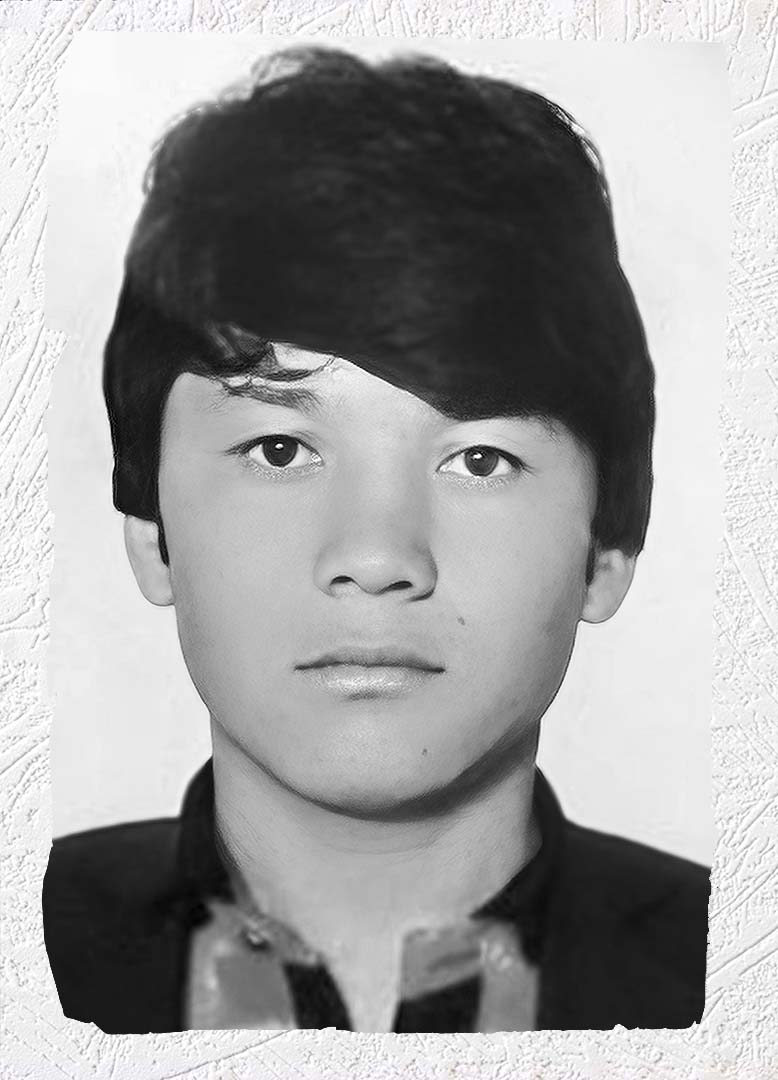
- Gender
- Male
- Ethnicity
- Hazara
- District geolocation of incident
- Kabul: 34° 31′ 1″ N, 69° 8′ 60″ E
- Description of incident
On July 23, 2016, two suicide bombers denoted their explosives among the protesters at Dehmazang Square in Kabul, the capital city of Afghanistan. The protesters, who were primarily Hazaras, were part of the Enlightenment Movement. They were protesting against the diversion of the TUTAP mega power project which would cause the project to bypass Hazara-dominated areas. At least 84 protesters lost their lives and 260-400 others were injured. The Islamic State of Khorasan Province (ISKP), the regional branch of ISIS, took credit for the attack. However, ISKP later refuted their involvement in the attack.
The Enlightenment Movement, also known as Junbesh-e Roshnayie, was a grassroots civil disobedience movement started by Hazaras in Afghanistan in response to a change in the Fichtner GmbH & Co. KG proposed Energy Supply Improvement Investment Program, unofficially called TUTAP project plans. The change in the project plans would cause it to bypass Hazara regions. The move was seen as perpetuating long-standing anti-Hazara discrimination. Throughout 2016 and 2017, the Enlightenment Movement coordinated large-scale demonstrations against discrimination both domestically in Afghanistan and abroad.
- Witness/Survivor Statement
His Goal Was to Raise His Voice for Justice and Peace
Narrator: Mahdi (grandson of uncle)
Victim: Enayatullah Asil Tahmasi
Date of the incident: 23 July 2016
Location of the incident: Dehmazang, Kabul City
I am the grandson of martyr Enayatullah Asil's uncle. His immediate family lives in Ghazni. Because they could not participate in the Memory Box program, I consider it my duty to participate. Enayatullah was born in 1997. He completed his secondary education at Kariz Patu school, in Jaghori District of Ghazni Province. When he passed the university entrance exam, he got a good mark and was admitted to the Faculty of Journalism. He was only in his first semester when death took away his dreams. He was a very active and sociable person. He had won many awards during his school time. He was going to send me his biography, but unfortunately, he was martyred and his death made us all sad. He always believed that one should work hard and fight for their rights. His only intention in participating in this peaceful demonstration was to raise his voice for justice and peace. So many people like him sacrificed their lives for this cause. We follow in their footsteps so that their blood is not spilled in vain.
Enayatullah's life was full of ups and downs. He was not yet born when his father went to Iran and then Europe. He stayed there for ten years, but could not get citizenship, so he returned to Afghanistan. Then his father moved to Europe again, and it was when he was in Europe that his father heard of Enayatullah’s success. He was very proud. When he heard about his son's martyrdom, he couldn't bear it and returned to Afghanistan. He suffered a lot; Enayatullah was his father's only hope. Nothing could console him or heal his pain. Thanks to the Afghanistan Human Rights and Democracy Organization for providing this opportunity to share our painful stories with others. We must remember to never give up and follow in the steps of the righteous martyrs.
- Date added
- Jan 30, 2023
Mohammad Zia Jafari
- Photo of Victim

- Gender
- Male
- Ethnicity
- Hazara
- District geolocation of incident
- Kabul: 34° 31′ 1″ N, 69° 8′ 60″ E
- Description of incident
On July 23, 2016, two suicide bombers denoted their explosives among the protesters at Dehmazang Square in Kabul, the capital city of Afghanistan. The protesters, who were primarily Hazaras, were part of the Enlightenment Movement. They were protesting against the diversion of the TUTAP mega power project which would cause the project to bypass Hazara-dominated areas. At least 84 protesters lost their lives and 260-400 others were injured. The Islamic State of Khorasan Province (ISKP), the regional branch of ISIS, took credit for the attack. However, ISKP later refuted their involvement in the attack.
The Enlightenment Movement, also known as Junbesh-e Roshnayie, was a grassroots civil disobedience movement started by Hazaras in Afghanistan in response to a change in the Fichtner GmbH & Co. KG proposed Energy Supply Improvement Investment Program, unofficially called TUTAP project plans. The change in the project plans would cause it to bypass Hazara regions. The move was seen as perpetuating long-standing anti-Hazara discrimination. Throughout 2016 and 2017, the Enlightenment Movement coordinated large-scale demonstrations against discrimination both domestically in Afghanistan and abroad.
- Witness/Survivor Statement
He Believed the Issue was not so much Electricity as the Suffering of the Hazaras
Narrator: Masouma Jafari (wife)
Victim: Mohammad Zia Jafari
Date of the incident: 23 July 2016
Location of the incident: Dehmazang, Kabul City
Mohammad Zia was born in May 1979 in Sangsurakh Village, Jaghori District,Ghazni Province. He was the youngest child of the family and had six brothers and one sister. His father traveled to Iran for work and to provide for the family. On his way back to Afghanistan, while he had stopped to buy gifts for his children, he died in an accident. My husband was one year and six months old when his father died. So Mohammad Zia grew up an orphan. His brothers helped raise him until he finished his education. During the Taliban era, he moved to Iran to improve his living conditions. He lived there until 2011. In Iran, he worked in stone masonry. From 2001, he took up calligraphy and painting, attending classes in Iran. He was not allowed to get a certificate because he was Afghan. But they knew and respected him as an artist there. We got engaged in 2010 and got married a year later. After our wedding, we lived in Iran for almost a year. Then we returned to Afghanistan, to Kandahar City. We lived there for two years during which he worked in a hotel. Later we moved to Kabul, where we lived for three years. Mohammad Zia had several jobs here, from painting to opening an art shop where he sold his carvings. In his spare time, he was always creating artwork. He participated in events organized to commemorate Baba Mazari.
During the summer, we had travelled somewhere together. Upon our return, when we came close to Mosala, we heard the announcement about the Enlightenment Movement. He got excited and said if the movement continued, he would participate in it. He gradually became more engaged in civic activities and used to go to listen to Behzad's speeches.
At first, he was just following the Movement programs through Facebook. Then he took part in the first demonstration. Without me knowing, he had gone to Dehmazang Square. I was concerned as my husband would not share much about his involvement in the Movement. To reassure me, he would often tell me he had been somewhere else.
The night before the demonstration, he was very upset because of Khalili's withdrawal from the demonstration. He repeatedly said, “Khalili encouraged and rallied people initially, but now he has withdrawn. People lived quietly in their homes; what was the need for him to fire us up and then turn his back on us?” When he was at the first demonstration, he did not say anything to me so that I would not worry. He even said that since he was now a father and had a child, he would not participate in those events.
He had come to believe that the issue was not so much about electricity as about the suffering of the Hazaras. On the day of the incident, he did not tell me he was planning to take part in the demonstration. I woke up at ten to six in the morning. I didn't think that it would be the last time I saw him. It seemed like he was going to the bakery to get some bread and come back straightaway because he didn't even say goodbye.
The demonstration was a disaster that we got caught up in. It was a cruel betrayal of the people’s hopes by our elders. It is unclear what the purpose of the demonstration was given the huge cost to the families of the victims. I constantly wonder why I had to lose my husband. I just know that my home now feels cold and depressing. I lost my man, and for nothing. Before this incident, my main concern was that there was not a good park in Afghanistan for my daughters to have fun in, but today, my daughter, Nazanin’s, wish is for a plane to come and take us to her father in the sky. I had no problems in my life before this incident. I grew up in Iran, and as I said, when I returned to Afghanistan, we lived in Kandahar for two years. In that city, I was troubled about why women in Kandahar should wear veils while people and women in other countries enjoy such freedom. I worked as a teacher in Kandahar for one year and I was pained to see what the girls went through there.
Now my pain is losing my man for an issue that felt very remote to my concerns. The problem of electricity supply in Bamiyan did not concern my family because we never lived in Bamiyan. We never worked there, and didn’t have the money to build a factory in Bamiyan. We didn't need electricity but my husband took to the streets for what he said was not so much about electricity as about the suffering of Hazara people. Several times a day, I ask myself if the suffering of the Hazaras has ended. How do I deal with the loss of my daughter’s father and how do I deal with this huge pain and sadness? Maybe I have not understood anything. But I lament the discomfort of my life and I am shattered by pain and grief. Maybe those who were there at the demonstration knew more than us. But why should their blood have been spilled and trampled on?
I will never forgive or pardon Behzad, Khalili , Mohaqiq, Daoud Naji, and Danesh. Our government is corrupt and they are cowards, like Mohaqiq who represents our people within the government. Mohaqiq and Khalili should not have informed people about the electricity supply problems in Bamiyan in the first place, because they rallied people around this cause only to let them down later. We all knew that these corrupt leaders would abandon us. I don’t understand why we were so naïve as to believe in them. Khalili came on the TV to say that they had made peace and that peace did not mean surrender. It was an absurd statement to make, which brainwashed our naïve people. Now as a consequence of this, my home is empty.
Before the 23rd of July, I was struggling, but quite differently to now. My life has changed completely. When I visit the Martyrs Hill, I think of all those people who had to go through immense challenges to get an education. Today they are sleeping under the ground. In a single instant, a 10 or maybe 11-year-old boy killed 86 people with a bomb hidden in an ice cream cart and made thousands of families mourn. Behzad talked about the cruelty of Abdur Rahman Khan and how many people he massacred. But in my opinion, Behzad is no less of a murderer than Abdur Rahman, because he puts on a suit and a tie and spreads lies about taking care of the widows and orphans of the victims of 23rd July. Nobody takes care of us. Talking to people, they believe that that our families [of martyrs] receive 5,000 to 10,000 AFN every month. You may not believe me, but before the death of my husband, I did not need to ask anyone for a single penny. Those leaders became famous for helping the families of the 23rd July victims. What if the wives of Khalili, Mohaqiq, Behzad, Naji, and Danesh had become widows? Then the children of these traitors would also have become orphans, and not ours. We are the poor, helpless people. All those who supported this demonstration and caused our youth and heads of families to be provoked to take to the streets are now safely and happily living in their own homes.
My heart aches and bleeds for my children. Some families come to me and say: “You are not the only one who has responsibility for these orphans, we consider them our orphans too.” But why should my child have become an orphan, and for no good reason? I was not rich, but I know how painful it is to be an orphan. I lost my father when I was a child. Why should my child have to suffer this same devastating pain? At what cost? Why should my husband have died and why should I be asking myself a thousand times a day what will happen to us?
Leaders knew that Afghanistan was insecure. I may not be very well integrated in the community, but I hear that every day. All the news reports of explosions and suicides bombings. Funerals, mosques, even hospitals have been hit by suicide attacks. Suicide bombers have not spared the wounded, women, or children. If you all grew up in Afghanistan and you know the horrendous security conditions in the country, why would you go and gather people together instead of protecting them? You had the money to organise demonstrations, so why not deploy soldiers to provide security during the demonstration? Why not ask the national security and police for help? Why play with the lives and fate of our [Hazara] families? The people who organized this demonstration were neither injured nor martyred. Only poor people lost their lives.
Now, all my daughter's wishes are summed up in this one sentence: "the plane will come and we will go to the sky to daddy." I met martyr Sarwar's wife. She said that now the world is worthless, and I too have come to believe that the world is cruel. The Taliban kills its own members, ISIS kills its own people, but I do wonder why Hazaras kill other Hazaras. Why do we sacrifice our own for nothing? For transient power? For a position that does not last? What for? Do they think we, the families of the victims, will forget the bloody incident of 23rd July or ignore the rights of our children and families? That will never happen!
Our marriage was going well and we had dreams. I dreamed that when my second daughter grew up a little, I could work alongside my husband and become a teacher. I was a kindergarten teacher in Iran. Likewise, my husband wished to progress in his artistic work, to promote woodcarving in Kabul and rent a shop for his work. But the Movement leaders, these people have destroyed my dreams, as well as the dreams of my daughters and our lives. My husband leaves the house in good health. They bring him back wrapped as a gift and simply say, "Sorry, a suicide attack happened." Looking at our situation, they give him a title: “the martyr for justice”. The government pays 100,000 AFN, the Movement gives 50,000 AFN, and 10,000 AFN are donated from somewhere. Do you think that is what someone’s family member is worth? We want our family member back. We don't want your hundred thousand, fifty thousand, or ten thousand Afghanis.
While my husband was still alive, if someone brought us a gift, I would refuse it. You may call it pride or whatever you like, I don't care. I didn't like people helping us. Now, when they deliver aid to our house, I tell them I don't need it. But they tell me it is for the orphans of the martyrs and not for me, and that I must accept it. My daughter was never far from her father, not even for a single night. My husband never left us alone. I sent my daughter to kindergarten for a while, but after this incident, my daughter no longer wants to go there because she is scared. She is not alone in this; we are all afraid. After the death of my husband, I feel very scared and lonely, but I try to be strong for Nazanin.
The people who organized this demonstration are all living their lives and taking care of their work and I am the one who has now become helpless. I ask myself a thousand times a day: now that we have lost Mohammad Zia, would he still be willing to take part in the demonstration, if he were still here? Mohammad Zia, are you happy leaving your daughters alone like this? Has the Hazaras' suffering ended? Who will heal our pain now? Why should you have had to sacrifice yourself to heal the pain of the Hazaras? When I was at the Martyrs Hill, a few boys were telling each other to take photos for Facebook. We have lost our men, and people are thinking of taking a Facebook photo.
When my husband used to work at his wood carving, I was happy and also scared. I was afraid he might hurt his hand. He used to watch art programs on Iranian TV channels to learn about artworks. I am bitter to think that once I was afraid of him hurting his hand, and now I have lost him completely.
The night before the demonstration, Mohammad Zia went out to do some grocery shopping for the house. When he got home, he was very sad and said, “Khalili has withdrawn and abandoned the people.” We had just recently moved to this house and there was no running water yet in the building. All my thoughts and concerns were about washing clothes and dishes. To me, it didn't matter who had withdrawn. He even named a particular hospital that announced they were ready to take care of any potential problems the next day. He also said that they had prepared several water tankers so that people would not face a shortage of water. He was talking about those issues but I didn’t really listen because I was thinking about something else. On the day of the incident, he woke up at 10 to 6. I was sleeping with my daughters in the other room when I heard a sound. I got up and asked him what he was doing. He said he needed his backpack. I asked him what he needed it for. He said he wanted to go and take part in the demonstration. I got upset and said I did not agree with him going. He got up and shook his head but said nothing.
Right then, we heard an announcement. He hurriedly left the house as if he had missed the car. He didn't look back, and left the house without even saying goodbye. If he had stayed at home, he would have tended to our little girl and I could have easily done my housework. I called him at 7 o'clock to know where he was. He said he was at Musala. At 9:00 and 11:30, I called him again and asked about his whereabouts. When I called him again, he said they had arrived at Kot-e-Sangi. I was restless; I called again. He said they were at the square. The last time I called him was at around ten minutes to 2 pm. He said the demonstration was over and he was coming home. He said people were raising tents to stay there overnight but he would come back home. There was a lot of noise in the background and I could hear Dawood Sarkhosh's song being played, so I couldn’t hear my husband clearly. After saying goodbye, I hung up the phone. Later, people reported that the explosion occurred before the end of Dawood Sarkhosh's song. I was waiting at home for him to come back. It was 2:30 but Zia was nowhere to be seen. At 3:30, there was still no news of him. After I put my daughters down for a nap, I went to see my brother-in-law and his family who live downstairs. I sat next to my brother-in-law’s wife. She asked me if Zia had called. I was not in the right mood, I absentmindedly replied, "No, he has not called." She asked if I was supposed to do anything. I told her there was nothing I could do. Recalling the story today, I feel she knew about the explosion and wanted to know if I knew too. I came back to my house a bit later in the afternoon. I looked at several TV stations, but none of them was covering the demonstration. But when I tuned to Tolo TV, both the subtitles and footage showed the wounded. The presenter announced that a deadly attack had hit the protest group in Dehmazang.
I called Mohammad Zia but his phone was switched off. I called him again, worried by now, but his phone was not working. I went downstairs and told my husband’s cousin that Zia was at the demonstration, and that a suicide attack had happened there, and Zia's phone was switched off. I was very worried and asked him what I should do. He said not to worry, it would be okay. He was a student. I asked him if some of his friends were in Dehmazang for the demonstration. He said they were in Dehmazang but had returned to their dorm. Until 9:00 p.m. that evening, I kept calling those who were looking for Zia. One of them was visiting one hospital and someone else was at another. One of the hospitals had told them that since it was late at night, they were not allowed to enter, and should come back the next day to get information. I prayed and was very worried. I thought he had either fainted or was not well. But others comforted me and said he is a smart and responsible person and must be helping others who are wounded. I calmed down a bit, and I thought he would be fine and would come back home. But by midnight, there was still no news of him and I knew then that something bad had happened to him. I prayed until the morning and made a vow to give bread to charity the next day. It was an ominous and terrible night. I was awake all night and prayed and recited the Holy Quran. After those events, after the incident, I felt my prayers, my worship, and recitation of the Holy Quran were useless. I lost my religious beliefs and became perplexed.
That entire night, I had less than twenty minutes of restless sleep. At 6 in the morning, I told my brother I would visit the hospital myself to look for him. He said I could not do it on my own because the hospitals were very crowded. But I insisted and said that if men are not allowed to enter, maybe women are. I wanted to leave the house immediately, but my brother said, “I know a good driver who’s skilled and knows the city well; wait for him to arrive.” I was so worried that I kept going up and down until 8 in the morning. I felt very restless and had run out of patience. My brother said that a suicide bomber had entered the city and the security situation was not good. At 9:30 am, the vehicle finally arrived and my brother and I began searching. But it was useless. We visited the hospitals in Barchi and Western Kabul. They said all the wounded were transferred to 400-bed and Wazir Akbar Khan hospitals. My brother wanted to take me back home; he did not want me with him. But first we went to Musala around 11:00 am as we had been told that was where some of the martyrs had been taken. When I got out of the car, it felt like this was the end of the world. Quran recitation was being played at Musala and no one was smiling. People looked exhausted and sad. I looked around. Everyone was grieving. Musala was very crowded and there were no ladies there. The police had gathered within the crowd. My brother said there were no other women inside Musala, and we should go, but I insisted, “I will go inside, maybe they will allow me.” Inside Musala, people were wandering around as if it was doomsday, and no one was speaking. Then I went and waited in the car for half an hour. My brother said they hadn’t brought Zia in yet, but would bring in the wounded at 3:00 pm.
I was so beside myself with worry that I didn't even question why they would bring the wounded to Musala. I remained speechless and didn't protest. I was scared at the news of another potential suicide bombing and said it was better we left because three suicide bombers were said to be in the city and there was the possibility of another attack. So we returned home. At 2 p.m., I asked my brother to go back to Musala. He replied, “There is someone there who can identify Zia and bring the wounded home.” At 2:30, I heard a noise coming from the stairs. That day, I kept mentioning Fatima Zahra's name and I was very scared. I kept praying to God to not let me hear bad news. A few minutes later, some women informed me of Zia’s death. In that moment, all I could hear was someone asking to close the windows because of the stormy weather. Someone else said the storm was happening because innocent blood had been shed. We humans don't always realize it or take it seriously, but it seemed like the cosmos was upset and was protesting.
After some time, they brought Zia in. I was desperate. I have no words to describe my bleeding heart. They only comforted me by saying I should thank God that his body was intact because many martyrs lost their limbs and some were dismembered. Later, our relatives from Pakistan and Jaghori visited our house. Only one shrapnel had hit him in the back of his head. My husband's cousin was with Zia and said, “Zia was far from the explosion, he wanted to get water when the explosion happened. A few minutes earlier, he had said he wanted to go home, but the wave of the explosion threw him some distance away, and shrapnel hit his head.”
Anyway, my man is gone and left us all alone in profound grief. My family and my husband’s family are in Iran; there is no one here. I used to visit Imam Ali’s Mosque once a week to offer pilgrimage and would take my daughters with me. When I was in Iran, I used to visit pilgrimage sites and pray. Sakhi Shrine was a long way from where we lived, and I could not go there on my own, carrying a child. It so happened that Zia’s funeral ceremony was being held in this mosque. What sin did I and my daughters commit? I used to be a strong believer and after the 23rd July incident, I thought I must have been guilty of something for God to take my husband from us. But when the Baqir-ul-Uloom mosque incident happened, I started to ask myself what sin have these people committed and why were they killed? Now I have lost all my religious beliefs.
In this country, they don't even spare people's corpses. A suicide bomber blows himself up among them [at a funeral]. Why doesn’t the government provide security for the people? Why don't people learn not to participate in this dirty game, and so avoid losing their lives for no good reason? They massacre a group of people protesting in Dehmazang in the name of Hazara rights, and kill another group of Hazara praying inside a mosque. Did killing 86 people help the discrimination faced by the Hazaras in any way? Did it bring electricity to Bamyan?
Today we are left alone at home, where is he? Sometimes I tell myself, from now on, the Hazaras should only demonstrate in their own homes because it is meaningless for our people to stand up in Afghanistan. After that incident, whenever I hear that a demonstration has taken place in any country, I always say to myself that I hope they will be able to return home safely and not have to mourn a loved one killed in an attack.
We object to this National Unity government. Hey, government! You killed our innocent people! I wish you had imprisoned our youth instead of blowing them up! After the incident, someone visited our house to offer Fatiha and said, “There were two explosions that day. The first explosion was not that strong. Someone called on everyone to lie down on the ground. Right at that moment, there was a second explosion.”
The government fired at youth while they were running. The government used force against the Hazaras, especially against members of the Movement and Hazara leaders. I lost my man. Talking does not help me; my husband was killed for no good reason. Hey, government! It was better you deported those who participated in the demonstrations to other provinces! You did not have to kill them! The first Martyr on Martrys Hill is my husband, Zia. Next to him, two brothers are buried. Look at everyone, they are all young but are lying under the ground. Whenever I visit the Hill, I keep telling myself that they died and their dreams died with them. Mohammad Zia used to raise my daughter on his lap and hold her in his arms. Because he himself had suffered from being an orphan, he pampered his daughter as much as he could.
My mental state is improving now, and I am getting better in every way. I spent the first days in despair, crying and moaning. Nazanin would wake up in the middle of the night, and she would start crying and have nightmares. When my husband was alive, he would comfort her if she cried. After the martyrdom of Mohammad Zia, my daughter became very restless and she constantly has nightmares. I had also lost my spirit and would cry at night when I woke up to soothe my daughter. Before the incident, my second daughter was 6 months old. Her father was teaching her to stand up, to hold objects, even to walk. With her father's encouragement, she dared to stand up little by little. Now, she stands up, leaning against the wall or other objects, and walks slowly. But her father is no longer with us to see this.
These leaders and the government destroyed my children's world and made my life miserable. Martyr Hekmat's wife found out that she was pregnant after her husband was killed. Now she lives in sorrow, just like a dead person. Who will take care of us? What sin did our children commit that they were made orphans? My heart burns to see that Hazaras do not have mercy on their own people. What can you expect from extremist Pashtuns, ISIS, and others, when your own people become your killers? In Iran, I was a teacher in a Pashtun school and I liked the Pashtun children. They were courageous and hardworking and did not bother anyone. My father grew up in Lashkargah and always said, “Not all Pashtuns are bad; there are many kind and good-hearted people among them.” But after the Dehmazang incident, I lost my belief also in them. I am sick of those people. I don't know if it’s wrong of me to believe this, but after they shed the blood of all those innocent young people, including my husband, I no longer love or respect them like before. I used to treat other people without prejudice. I watched other people’s TV stations because I had suffered from racism and insults in Iran. When I returned to my country, I liked the people in Kabul, and I liked that I didn't have to change my accent when I spoke to my own people.
But today, I no longer watch Afghan TV stations, and especially not Rahe Farda and Negah. They traded in the blood and lives of their people. All I think about is that time is passing, and what have you, Mr. Khalili, Mohaqiq, Danesh, Naji, and Behzad, managed to achieve? Some time ago, they posted a big photo of Mohammad Zia on the street. When I was going to buy bread, I would tell him, “Zia, look what your Hazaras are doing!” Do Mohaqiq and Khalili need the support of their people again? Will the people be fooled once again by Khalili and Mohaqiq's shows? When I visit the Martyrs’ Hill, I see young people lying under the ground, and each one of them was adored by their families. My poor daughters were unjustly orphaned.
I used to think that a widow was an old woman, but now I am that widow myself, and now I realize that widowhood does not distinguish between young and old. In this country, people are killed easily. Then they give them a title: Martyr. According to them [the leaders], martyrdom is an honor, so I say to them: then let this honor be yours! What sin did Mohammad Zia commit? What did his wife and children do to end up in such misery? What was the sin of Martyr Hekmat's wife whose husband was killed? I moved to Afghanistan only because of Mohammad Zia.
When people from Europe and Australia came to propose to me, I refused. I told them I wanted to study and return to my country, and to serve my people. The homeland is like a mother and we owe her so much. When the incident happened to Zia, I started to hate this country. This country gave me and my family a bloody bad deal and took my loved one from us. Around evening time, I look at the mountains and out of loneliness and sadness, I tell them, “I used to see you like a mother and a sheltering place. Why did you treat me and my loved one this way? What shall I do with this huge burden of sadness that I have?” Forgive me for sharing my story and disclosing my sorrows to you. You must have already got tired with all my words. I try to hold onto my nerves, but when I recall the sorrows that hit me at the beginning of my life, I wish to go to the mountains and cry and complain about life and about the whole human race.
Some time ago, I visited a family therapist and a psychologist. He said that I cannot accept my husband’s death because of my love for him. But he said that this is the bitter reality that I must accept so that I am able to live a normal life. Until a few months ago, when I would visit Mohammad Zia’s grave, I would talk to him: “I wish the ground would shake and take me in. I can't tolerate this sadness anymore. Why did you leave me alone? You did not even travel away from home, so as to not leave your daughters and me alone. You would always tell to me when you were offered a job in a remote place, ‘Why should I leave you to go somewhere else for work?’ But then you left us for a frivolous job and this time, you never came back. You have left us alone for the rest of our lives. Are you happy with that? How will I spend my dark and sad nights?" Mohammad Zia really loved this land and its people and he has given his life for this country, but this country did not love him back. The best thing my neighbors' do to help is that they send their daughters to play with Nazanin, so my daughter does not feel lonely and sad. When Nazanin is alone, she keeps fantasizing and imagining flying in the sky, and a plane. She wishes a plane could take us to her father. Sometimes, she finds me keeping quiet and watches me shedding tears. So, to calm me down, she says: "Mom, don't be sad, I will save my money, then we will buy a plane, and go to visit my father." I don't know how to respond to her in such moments. When Nazanin goes out with me, as soon as she sees a girl of her own age holding her father, grandfather, or elder brother’s hand, she immediately grabs my hand. I asked her several times why she does that. She says, “Mom, don't leave me alone, I'm scared.” We all are afraid since this incident took place. I can’t sleep well at night and I always fear another similar incident might happen. Once again, forgive me for bothering you with my story. My sorrows are too big for them to heal.
- Date added
- Jan 30, 2023
Sayed Baqer Mosawi
- Photo of Victim

- Gender
- Male
- Ethnicity
- Sadat
- District geolocation of incident
- Kabul: 34° 31′ 1″ N, 69° 8′ 60″ E
- Description of incident
On July 23, 2016, two suicide bombers denoted their explosives among the protesters at Dehmazang Square in Kabul, the capital city of Afghanistan. The protesters, who were primarily Hazaras, were part of the Enlightenment Movement. They were protesting against the diversion of the TUTAP mega power project which would cause the project to bypass Hazara-dominated areas. At least 84 protesters lost their lives and 260-400 others were injured. The Islamic State of Khorasan Province (ISKP), the regional branch of ISIS, took credit for the attack. However, ISKP later refuted their involvement in the attack.
The Enlightenment Movement, also known as Junbesh-e Roshnayie, was a grassroots civil disobedience movement started by Hazaras in Afghanistan in response to a change in the Fichtner GmbH & Co. KG proposed Energy Supply Improvement Investment Program, unofficially called TUTAP project plans. The change in the project plans would cause it to bypass Hazara regions. The move was seen as perpetuating long-standing anti-Hazara discrimination. Throughout 2016 and 2017, the Enlightenment Movement coordinated large-scale demonstrations against discrimination both domestically in Afghanistan and abroad.
- Witness/Survivor Statement
His Face Was Covered in Blood and One of His Hands Was Stuck Behind His Back
Narrator: Masouma (mother)
Victim: Sayed Baqer Musavi
Date of the incident: 23 July 2016
Location of the incident: Dehmazang, Kabul City
I am the mother of the martyr Sayed Baqer. He was born in 2003. He was a sixth grader at Gulkhana school in Barchi. My son grew up in hardship; he had seen difficult things. In the evening before the demonstration, martyr Baqer told me that the next day, he wanted to take his ice cream cart to the demonstration site to sell ice cream to people. I told him to stay at home instead and not go out so that I could wash his clothes and he could take a bath.
The next day, I was busy with the household chores. I didn't notice when Sayed left the house at 8 o'clock. Before his martyrdom, he either sold ice cream or gathered passengers for the minivans under the flyover. His father had a stomach ache the night before the incident and went to bed without eating dinner. The next morning, his father still had a stomach ache. He has been sick for a long time, so he was sleeping. I woke him up twice during the day, asking him if there was a demonstration happening. He said no, the demonstration had been cancelled. So I felt reassured and believed there was no demonstration and that Baqer had gone to work. I was just finishing washing clothes and was supposed to rinse them when Sayed Baqer’s father came to me and said a suicide attack had happened in Dehmazang. He asked me where Baqer was. He wanted to go to Dehmazang. I was worried and angrily asked him what he was waiting for and wanted him to go there immediately. His father left the house while I continued with the household chores. I rinsed the clothes and hung them on the rope in the sun.
After finishing, I went to the room and turned on the TV and tuned into Tolo network. It was broadcasting news of the Dehmazang attack and the critical situation, showing the dead bodies. I saw a boy with a blue jacket and black pants on TV, and for a moment I thought he was Baqer, but he was not. I moved away from the TV. His grandmother was also at home. She asked me where I was going. I couldn’t tell her I was going to Dehmazang. To avoid her questions, I told her I was just going to the mosque. Wearing my prayer veil, I went to the mosque. From there, I went to a shrine near Pol-e-Sokhta. A mullah was sitting in the shrine. I went to him and asked him to do a Stikhara [consult the Holy Quran]. He told me, “Mother, don't cry, go make a vow and pay alms on your son’s behalf and he will come home by evening.” From there, I made it to the flyover, but I did not see anyone there. I went to the Barchi taxi station. I had reached Gulai when his father called me and asked where I was. I said I was at Gulai. He told me to go to the ice cream distribution center and ask if Sayed Baqer had retrieved ice cream for sale that day. I went there and asked them about it. The owner told me “He got ice cream yesterday but didn't come to get ice cream today.” From there, I went home, sat in the front yard for a few minutes, but I couldn't take it. I left the house again. By the time I arrived at Gulai, the Mullah called for the evening prayer.
I called his father and asked where he was. He said, “I searched Dehmazang square. Our son is not there; now I am going to the Esteqlal Hospital. You should go to the Hospitals in Pol-e Khoshk because they took some of the wounded there.” So, I visited the Alami and Watan Hospitals. They told me in Watan Hospital that a person named Baqer was in Ferdous Hospital in Pol-e Sokhta. I left for Pol-e Sokhta and arrived at 7:00 PM. When I entered the hospital, they told me that there was no one named Baqer in that hospital. They said three wounded had been taken there, but were later transferred to the Wazir Akbar Khan Hospital. They wanted me to go to Mawla Ali Hospital in Kot-e-Sangi because many of the wounded were there. I visited Mawla Ali Hospital. They too told me they had transferred the wounded to Wazir Akbar Khan Hospital; Baqer's name was not on their list. There were a few people there who told me to go to Karte Sakhi. They said they had taken the bodies to the mosque there. When I got there, it was very quiet and the gates of the mosque were closed. Someone told us that they had not taken the martyrs there. He said wherever the wounded were taken, that was where the martyrs would also be.
From there, I went to Pul-e Sorkh where I called his father. He had gone to Wazir Akbar Khan Hospital. He told me he was going to Ibn Sina Hospital and wanted me to join him there. We went there and searched. Our son was not there either. We also visited the Maiwand Hospital, and he was not there either. At Maiwand Hospital, we were told a 13-year-old boy was in a coma and they had taken himto Wazir Akbar Khan Hospital. So we went back to Wazir Akbar Khan Hospital, but when we got there and saw the 13-year-old boy, it was not Baqer. From there, we went to the Jomhoriat Hospital, but he was not there either. Following that, we visited the Emergency and Aliabad Hospitals where we searched for Baqer, but still we could not find him. We continued searching until around 1:30 AM but did not find him. At 2 am, his father and I returned home. When we got home, I asked his father if he had seen his boots in Dehmazang. He said, “A slipper was lying on the ground with a hole in the sole.” The day before the incident, he told me, “Mother! My slipper is torn and my feet get dirty.” I told him, “Use it for one more day. Your father will buy you a new pair tomorrow.” Remembering the slipper and his words, I felt terrible. I thought my son Baqer must have been torn into pieces because we found him neither among the dead nor among the injured.
By early morning, I asked his father to take me to Dehmazang so that I could see his slippers closely so I could recognise them, as I know them. Right at that moment, his aunt came and the three of us went to Dehmazang together. When we got there, we found out that people had gathered the belongings of the wounded and the martyrs and taken them away by 2:30 am. The municipality workers and the passing traffic was washing the blood off the road. I did not see anything except a piece of human flesh lying on the road. We had not checked two last hospitals, that's why we then went to the Afshar and National Security Hospitals. Sayed Baqer was not at Afshar Hospital. When we went to the National Security Hospital, his father started searching. A few moments later, he came back to us and asked, “Did Baqer have a scarf with him?” I said no, he had not taken a scarf. His father said, “Baqir is here, they have placed a scarf on him.” I asked him if he was alive. He said, “No, he has been killed.” He asked me if I wanted to see him. My answer was yes. I went near the gate but the police would not allow me to enter the room. They said his aunt could enter but I was not allowed. His aunt went in and came back to ask what Baqer was wearing. I told his aunt he had on a blue jacket and black trousers.
I passed out right away. They had to take me home in a car. After I left the hospital, they took his body to the mosque. When I regained consciousness at home, I cried and mourned a lot. I begged them to let me see him even if his body was not intact, even if there was just one fingerer left, or even if there was not even a finger left, at least let me see his clothes. They lis-tened to me and brought him home. There was a wound on his back. He had been bleeding from his nose and mouth. His face was covered in blood and one of his hands was stuck behind his back. All his clothes were burned. Only fragments of his shirt and pants remained. His hair was completely burned as if you set a sheep on fire. This sorrow will never leave my heart.
If it was a competent government, why would our children become martyrs in such a way that their pain burns through our whole life? We live with that sorrow every day and every moment.
- Date added
- Jan 30, 2023
Asadullah Shafaie
- Photo of Victim

- Gender
- Male
- Ethnicity
- Hazara
- District geolocation of incident
- Kabul: 34° 31′ 1″ N, 69° 8′ 60″ E
- Description of incident
On July 23, 2016, two suicide bombers denoted their explosives among the protesters at Dehmazang Square in Kabul, the capital city of Afghanistan. The protesters, who were primarily Hazaras, were part of the Enlightenment Movement. They were protesting against the diversion of the TUTAP mega power project which would cause the project to bypass Hazara-dominated areas. At least 84 protesters lost their lives and 260-400 others were injured. The Islamic State of Khorasan Province (ISKP), the regional branch of ISIS, took credit for the attack. However, ISKP later refuted their involvement in the attack.
The Enlightenment Movement, also known as Junbesh-e Roshnayie, was a grassroots civil disobedience movement started by Hazaras in Afghanistan in response to a change in the Fichtner GmbH & Co. KG proposed Energy Supply Improvement Investment Program, unofficially called TUTAP project plans. The change in the project plans would cause it to bypass Hazara regions. The move was seen as perpetuating long-standing anti-Hazara discrimination. Throughout 2016 and 2017, the Enlightenment Movement coordinated large-scale demonstrations against discrimination both domestically in Afghanistan and abroad.
- Witness/Survivor Statement
Hikmatullah Is Martyred and Asadullah Is Wounded
Narrator: Mariam (mother)
Victims: Hekmatullah Shafaie and Asadullah Shafaie
Date of the incident: 23 July 2016
Location of the incident: Dehmazang, Kabul City
On the day of the incident, before my sons left the house, I tried to stop them from going but they replied, “We are not going there to protest for electricity, but we are going to seek justice and defend our rights.” My eldest son Hekmatullah said, “Mother! We must shed our blood for justice and today we are going to sacrifice ourselves for this cause.” It made me upset. I asked them to at least have breakfast, but they refused. Before they left the house, my younger son, Asadullah, wanted me to give him some dried apricot. I put some dried apricot, roasted chickpeas, raisins, and some water bottles in their bags. Hekmatullah was 28-years-old and Asadullah was 15-years-old. This year, Asadullah observed the entire fasting month and prayed regularly. Before going out, I asked them again to change their mind, but they repeated their answer and said they wanted to participate in the demonstration and that I should join them and not be afraid. They said they were going to demand their right and justice. I explained that I had pain in my feet. They said they could walk slowly so I could keep up. After they left, I brought flour to the neighbor and set off to join them. No matter how fast I walked, I could not reach them. It was a very hot day. I arrived in Dehmazang Square around noon, where people had gathered.
People were giving out bottles of water, some dried dates, or pieces of bread. Some people came to us and said that it was better for us to get out of there and move somewhere else because it was hot and we would be troubled. We were sitting in a corner to drink tea when the explosion happened. I fell on my face and a girl fell on me. When I got up and looked behind me, the situation was terrible. I started screaming and hitting myself. There were three young boys there. I went to them and told them that my sons were there; I asked them to find my sons. At those moments, the police gathered and shook me and said that my sons were not in the crowd. They asked me to stop crying. We were arguing when the second explosion occurred. The police quickly took me closer to the zoo as I didn't know the area so well. I cried a lot. The police wouldn't let anyone near the square. A young boy helped me get the direction to my home, and I went home.
At that time, I did not know who had been killed and who had survived. When I got home, the neighbor's son came to me in distress and asked, “where were you, aunt? Everybody has been so worried about you.” When I entered the house, I noticed a lot of noise. When I took a seat at home, I was still not feeling well. Someone said that Hikmatullah had been killed/martyred and Asadullah was wounded. Hearing that, I passed out. The next day, at 10 am, they announced that Asadullah had been martyred too. They did not allow me to see their bodies and I never saw them again. I heard others say that Asadullah had been hit by shrapnel in the back of his head and Hekmatullah had many wounds on his body. Oh God, I wish I had been killed along with them and would not have endured this excruciating pain.
Since their martyrdom/deaths, my daughter cries and says, “Mother, who should I study with now? When Hikmat and Asadullah are not there, who will guide me? Why should I study? How can I tolerate their absence? Every time I go to the room to open a book, I remember them and I can't learn a single word.” Hikmatullah lived with us. He had just completed his studies and had found a job. He had a 7-month-old baby.
Asadullah was the top student at Marafet High School; he worked hard. When I went to his school and asked the teachers about his performance and behavior, they would say he was a role model, a very talented and hardworking boy, and was the pride of the school. Marafet school has an English department; he learned English there. He also studied English at the Muslim Educational Center. One day he told me, “Mother! Two more books are left and then I will complete the English courses.” It would make me feel very happy when I saw him studying. Hekmatullah encouraged him a lot; Hekmatullah would study with and guide Asadullah and his sister. Hekmatullah was a hero to all of us. He was a computer science instructor and solved everyone's problems. No one doubted his abilities. He studied with great interest and encouraged others to study too. God took them from me and did not consider us worthy of them. Every moment and every hour I wish I was killed with them. When they brought their bags home, they had not even eaten the apricot, chickpeas, and raisins. May God protect everyone against such grief. Only God knows how I feel. I have no more to say, I just have to be patient. Oh, it is very difficult and painful to lose two young children.
- Date added
- Jan 30, 2023
Hekmatullah Shafaie
- Photo of Victim

- Gender
- Male
- Ethnicity
- Hazara
- District geolocation of incident
- Kabul: 34° 31′ 1″ N, 69° 8′ 60″ E
- Description of incident
On July 23, 2016, two suicide bombers denoted their explosives among the protesters at Dehmazang Square in Kabul, the capital city of Afghanistan. The protesters, who were primarily Hazaras, were part of the Enlightenment Movement. They were protesting against the diversion of the TUTAP mega power project which would cause the project to bypass Hazara-dominated areas. At least 84 protesters lost their lives and 260-400 others were injured. The Islamic State of Khorasan Province (ISKP), the regional branch of ISIS, took credit for the attack. However, ISKP later refuted their involvement in the attack.
The Enlightenment Movement, also known as Junbesh-e Roshnayie, was a grassroots civil disobedience movement started by Hazaras in Afghanistan in response to a change in the Fichtner GmbH & Co. KG proposed Energy Supply Improvement Investment Program, unofficially called TUTAP project plans. The change in the project plans would cause it to bypass Hazara regions. The move was seen as perpetuating long-standing anti-Hazara discrimination. Throughout 2016 and 2017, the Enlightenment Movement coordinated large-scale demonstrations against discrimination both domestically in Afghanistan and abroad.
- Witness/Survivor Statement
Hikmatullah Is Martyred and Asadullah Is Wounded
Narrator: Mariam (mother)
Victims: Hekmatullah Shafaie and Asadullah Shafaie
Date of the incident: 23 July 2016
Location of the incident: Dehmazang, Kabul City
On the day of the incident, before my sons left the house, I tried to stop them from going but they replied, “We are not going there to protest for electricity, but we are going to seek justice and defend our rights.” My eldest son Hekmatullah said, “Mother! We must shed our blood for justice and today we are going to sacrifice ourselves for this cause.” It made me upset. I asked them to at least have breakfast, but they refused. Before they left the house, my younger son, Asadullah, wanted me to give him some dried apricot. I put some dried apricot, roasted chickpeas, raisins, and some water bottles in their bags. Hekmatullah was 28-years-old and Asadullah was 15-years-old. This year, Asadullah observed the entire fasting month and prayed regularly. Before going out, I asked them again to change their mind, but they repeated their answer and said they wanted to participate in the demonstration and that I should join them and not be afraid. They said they were going to demand their right and justice. I explained that I had pain in my feet. They said they could walk slowly so I could keep up. After they left, I brought flour to the neighbor and set off to join them. No matter how fast I walked, I could not reach them. It was a very hot day. I arrived in Dehmazang Square around noon, where people had gathered.
People were giving out bottles of water, some dried dates, or pieces of bread. Some people came to us and said that it was better for us to get out of there and move somewhere else because it was hot and we would be troubled. We were sitting in a corner to drink tea when the explosion happened. I fell on my face and a girl fell on me. When I got up and looked behind me, the situation was terrible. I started screaming and hitting myself. There were three young boys there. I went to them and told them that my sons were there; I asked them to find my sons. At those moments, the police gathered and shook me and said that my sons were not in the crowd. They asked me to stop crying. We were arguing when the second explosion occurred. The police quickly took me closer to the zoo as I didn't know the area so well. I cried a lot. The police wouldn't let anyone near the square. A young boy helped me get the direction to my home, and I went home.
At that time, I did not know who had been killed and who had survived. When I got home, the neighbor's son came to me in distress and asked, “where were you, aunt? Everybody has been so worried about you.” When I entered the house, I noticed a lot of noise. When I took a seat at home, I was still not feeling well. Someone said that Hikmatullah had been killed/martyred and Asadullah was wounded. Hearing that, I passed out. The next day, at 10 am, they announced that Asadullah had been martyred too. They did not allow me to see their bodies and I never saw them again. I heard others say that Asadullah had been hit by shrapnel in the back of his head and Hekmatullah had many wounds on his body. Oh God, I wish I had been killed along with them and would not have endured this excruciating pain.
Since their martyrdom/deaths, my daughter cries and says, “Mother, who should I study with now? When Hikmat and Asadullah are not there, who will guide me? Why should I study? How can I tolerate their absence? Every time I go to the room to open a book, I remember them and I can't learn a single word.” Hikmatullah lived with us. He had just completed his studies and had found a job. He had a 7-month-old baby.
Asadullah was the top student at Marafet High School; he worked hard. When I went to his school and asked the teachers about his performance and behavior, they would say he was a role model, a very talented and hardworking boy, and was the pride of the school. Marafet school has an English department; he learned English there. He also studied English at the Muslim Educational Center. One day he told me, “Mother! Two more books are left and then I will complete the English courses.” It would make me feel very happy when I saw him studying. Hekmatullah encouraged him a lot; Hekmatullah would study with and guide Asadullah and his sister. Hekmatullah was a hero to all of us. He was a computer science instructor and solved everyone's problems. No one doubted his abilities. He studied with great interest and encouraged others to study too. God took them from me and did not consider us worthy of them. Every moment and every hour I wish I was killed with them. When they brought their bags home, they had not even eaten the apricot, chickpeas, and raisins. May God protect everyone against such grief. Only God knows how I feel. I have no more to say, I just have to be patient. Oh, it is very difficult and painful to lose two young children.
- Date added
- Jan 30, 2023
Mohammad Zaki Naebi
- Photo of Victim

- Gender
- Male
- Ethnicity
- Hazara
- District geolocation of incident
- Kabul: 34° 31′ 1″ N, 69° 8′ 60″ E
- Description of incident
On July 23, 2016, two suicide bombers denoted their explosives among the protesters at Dehmazang Square in Kabul, the capital city of Afghanistan. The protesters, who were primarily Hazaras, were part of the Enlightenment Movement. They were protesting against the diversion of the TUTAP mega power project which would cause the project to bypass Hazara-dominated areas. At least 84 protesters lost their lives and 260-400 others were injured. The Islamic State of Khorasan Province (ISKP), the regional branch of ISIS, took credit for the attack. However, ISKP later refuted their involvement in the attack.
The Enlightenment Movement, also known as Junbesh-e Roshnayie, was a grassroots civil disobedience movement started by Hazaras in Afghanistan in response to a change in the Fichtner GmbH & Co. KG proposed Energy Supply Improvement Investment Program, unofficially called TUTAP project plans. The change in the project plans would cause it to bypass Hazara regions. The move was seen as perpetuating long-standing anti-Hazara discrimination. Throughout 2016 and 2017, the Enlightenment Movement coordinated large-scale demonstrations against discrimination both domestically in Afghanistan and abroad.
- Witness/Survivor Statement
He Never Tasted Peace and Tranquility in His Life
Narrator: Marzia (mother)
Victim: Mohammad Zaki Nayebi
Date of the incident: 23 July 2016
Location of the incident: Dehmazang, Kabul City
I am the mother of martyr Zaki Naibi. He was born in 1991 in Maidan Wardak Province, Hessa Du, Behsud District, in Qol Khesh Village. We moved to Kabul when he was seven years old. He started going to Ismail Balkhi school in Sarkariz and attended this school until 9th grade. Then, he enrolled in a school in Karte Se, where he completed the 12th grade. Due to our bad economic situation, he worked in a metal workshop at the same time as he was going to school. His workplace was in Dehburi.
During his school years, he was a diligent, calm, well-mannered, and talented student. He couldn't attend his school certification process, because of his work at the metal workshop. But since he was a calm and kind boy, his teacher, along with the top student in the class, who liked Zaki, completed the admin work and obtained his certificate. He never spoke in a loud voice to me or his father at home. He and my other son who is 14-years-old were very calm compared to my other children. I am very happy with him.
We lived in poverty and destitution. He aspired to become a helpful person to assist himself, his family, and his people in the future and to improve our living conditions, but his wish did not come true. His death left me and his father in pain. Another son of mine is now in prison because of a conspiracy by some people. He doesn't even know about his brother's martyrdom. Zaki was the breadwinner of the family. When his brother asks about Zaki, I say Zaki has gone to Turkey. I say some people donated money, and we sent him to work in Turkey. He insists we should give him his phone number so that he can talk to him on the phone. I make excuses, saying he lives in an area without mobile network coverage. His salary was 1,800 Afghanis. He used to take 300 Afghanis to pay for his education and the rest he would give to me. When I remember the hardships he went through, my heart burns because he never tasted peace and tranquility in his life.
On holidays, his cousins and friends would go out on excursions, but he said he had to work to make our lives better, and that work was fun. On Fridays, when they would call him to go somewhere to have fun, he would say, “I only have Friday. You go. I can't come because I'm very tired and I don't have enough time for fun.” He always made excuses. Talking to me, he would say, "Mother, where should one go to have fun when one has no money?" When he would return home from work, he would not sleep until 10 o'clock at night. When the 10 pm news hour was over, he would have a chat with his father and then go to sleep.
My son had many dreams but in his life, he never achieved any of them. He got engaged to his cousin almost three months before his death, but this dream never came true and he left us alone, filled with sorrow. On the day of the demonstration, before he left home, he took a bath, put on his clean pants and blouse, said goodbye to me, and then he left the house. I did not know that he was going to attend the demonstration because when I asked where he was going, he said he was going to work and would not take part in the demonstration. The night before, he had talked to his cousin and friends until 11:00 p.m. and encouraged them to participate in the 23rd July demonstration. He went with his cousin. At lunchtime, his cousin went to have lunch, but Zaki did not join him. He spoke with me until 1 pm; he even said we should do something to get Zia released. I didn't know when the incident happened. His aunt called me and asked if my sons were home. I said everyone was at home except Zaki who is at work. His cousin and aunt knew that he had gone to Dehmazang. Following the suicide bombing, his cousins and aunt left their house to look for Zaki. When they called me, they only mentioned Zaki's name and then hung up the phone. I kept calling them, but they did not answer the phone.
A few minutes later, my daughter received a message. She told me, “Mother, Zainab says Zaki does not answer her calls, I am worried.” My little son and I left the house and visited Zaki's workplace. The owner of the shop, who was Zaki’s boss, said, “He did not come to work today.” I saw my nephew leave the shop, and asked him, “Hamid Jan, did Zaki come to the shop today?” He told me, “To be honest, today Zaki did not come to work.” My nephew stopped his car in front of the shop and said, “Aunty, come and get in my car.” He dropped us off at Kot-e-Sangi. His father who was a porter had gone to work that day. My nephew called Zaki's father and said, “Uncle, get home.” My husband, Zaki’s cousins, and I all searched for Zaki until 2:30 am. I saw martyrs, but my son was not among them. We searched all the hospitals until almost 3 in the morning, but did not find my son. So we returned home. After taking a cup of tea, the others rested for a bit, while I offered prayer. My husband and his nephew also stayed up till dawn. Then early in the morning, his father and I went to visit Abul Fazl pilgrimage and returned home.
His father asked Zaki's sister, “What was Zaki wearing yesterday?” She said he was wearing a blouse with English writing on it and white pants. That night, his father knew that Zaki was martyred, but he didn't tell me anything and told me that he was arrested and imprisoned by the police. Together, we left the house for Wazir Muhammad Akbar Khan Hospital. Everyone already knew my son had been martyred. When we arrived at the hospital, his father did not enter. I was waiting a little further away. When I noticed everyone's unusual condition, I started crying. Zaki's cousin informed my husband of my son's martyrdom when he came out of the hospital building. My husband started beating himself when he heard the news. My other nephew grabbed my husband’s clothes and tried to console him, and said, “Uncle it is a lie; Zaki is alive.” I was in a terrible condition; I was screaming and crying. My two sisters who were with us held my arms and tried to calm me down. I was crying and telling them that I will find my Zaki, he cannot be dead.
One of the soldiers felt sorry for me and said, “Your son is wounded; you are not allowed to meet him, please calm down.” I kept screaming and crying. I checked the list but could not find Zaki’s name. Together with my sister, we went to another section of the hospital. When I entered, there were too many martyrs. My son was not among them. They had printed pictures of the martyrs. Looking at all those young martyrs, I too hit myself and then I fainted.
When I came to, they had laid me on the grass and were pouring water on me to bring me back to consciousness. When they noticed my distress, one of the soldiers asked for martyr Zaki to be brought to his mother. We took him to the mosque first to give him a bath. In the mosque, I learned that his head and back were injured and he was bleeding severely. One of his sisters didn't know about Zaki's martyrdom, she was still at home. When she heard, she cried a lot. Even now, when I remember our terrible, difficult living conditions, my heart burns, thinking that my son did not live a good life. He said to his father, “You should not work as a porter anymore; you have done enough.” His father always takes painkillers before going to sleep due to the huge loads he carries in his job. He used to tell his father, “I wish I had enough money to treat you.” He always said, “Mother, I wish to continue my studies so that the future will change for all of us.” But his wish was not realized.
Zaki studied up to 12th grade but could not continue his education because of economic problems. First, he was an apprentice at a carpet weaving workshop, then he started doing metal work. One day, he injured his eye while working with an electric wire and screwdriver, and lost his eyesight in that eye. He would always say he could not do manual work because of his eyesight. He believed he had to study so he could change his life. He was very fond of sports and played football with his friends. He participated in the demonstration to defend the rights of his people and said that the people’s rights should not be violated.
Since my son was martyred, I have not been feeling well; I have become forgetful. His sister, who was close to Zaki, doesn't cry. She doesn’t even talk about her brother, she just says, “I should eat pepper to forget Zaki's sorrow.” The night before the incident, when Khalili withdrew from the demonstration, Zaki was very angry and said Khalili abused his own people by leaving them alone like this. After his martyrdom, Khalili went to everyone's house to offer Fatiha, but he did not come to our house. Mohaqeq came to our house and this made us happy. My husband said, “Khalili, despite being from my tribe, did not visit us and did not offer Fatiha for my son, I will never forget this and it hurt me.” Zaki was a kind-hearted boy. We buried him in Pul Khashak cemetery. And so long as I remain alive, we will follow in his pathway, will not sit quietly, and will raise his voice. We thank you for remembering the families of the martyrs and keeping the memories of our martyrs alive.
- Date added
- Jan 30, 2023
Abdullah Forotan
- Photo of Victim
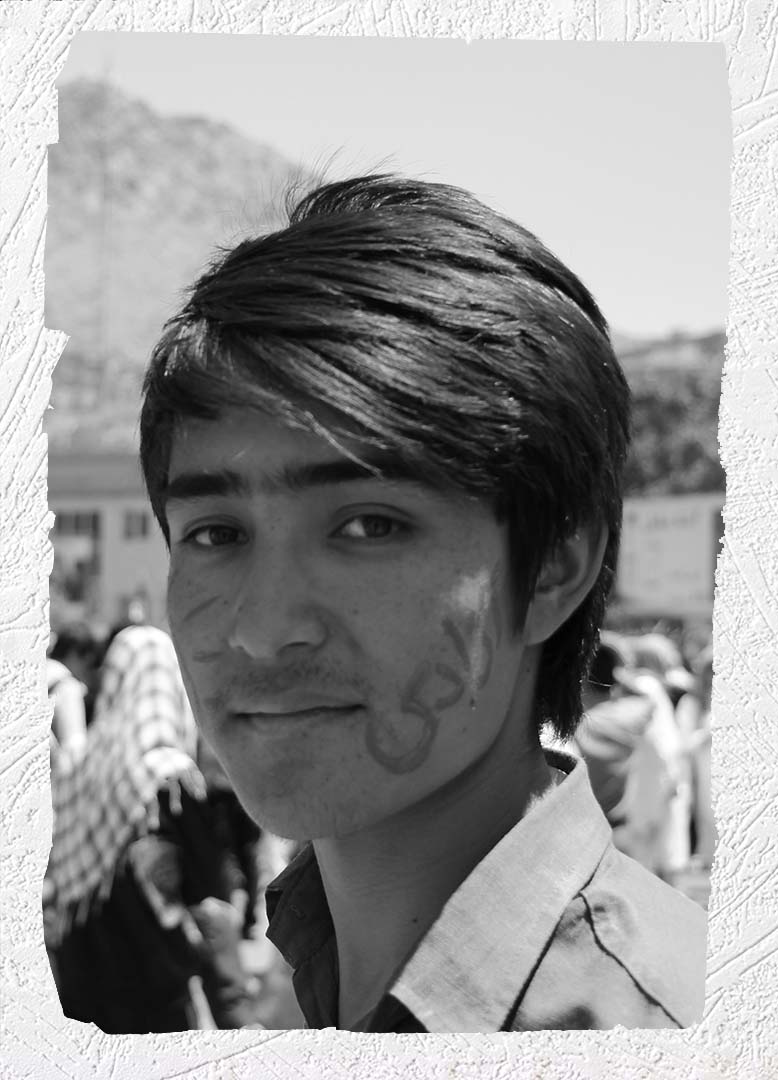
- Gender
- Male
- Ethnicity
- Hazara
- District geolocation of incident
- Kabul: 34° 31′ 1″ N, 69° 8′ 60″ E
- Description of incident
On July 23, 2016, two suicide bombers denoted their explosives among the protesters at Dehmazang Square in Kabul, the capital city of Afghanistan. The protesters, who were primarily Hazaras, were part of the Enlightenment Movement. They were protesting against the diversion of the TUTAP mega power project which would cause the project to bypass Hazara-dominated areas. At least 84 protesters lost their lives and 260-400 others were injured. The Islamic State of Khorasan Province (ISKP), the regional branch of ISIS, took credit for the attack. However, ISKP later refuted their involvement in the attack.
The Enlightenment Movement, also known as Junbesh-e Roshnayie, was a grassroots civil disobedience movement started by Hazaras in Afghanistan in response to a change in the Fichtner GmbH & Co. KG proposed Energy Supply Improvement Investment Program, unofficially called TUTAP project plans. The change in the project plans would cause it to bypass Hazara regions. The move was seen as perpetuating long-standing anti-Hazara discrimination. Throughout 2016 and 2017, the Enlightenment Movement coordinated large-scale demonstrations against discrimination both domestically in Afghanistan and abroad.
- Witness/Survivor Statement
Shrapnel Had Struck His Head
Narrator: Murtaza DarvishZada (brother)
Victim: Abdullah Forotan
Date of the incident: 23 July 2016
Location of the incident: Dehmazang, Kabul City
Abdullah Forotan was born in 1998 and turned 18 this year. He was the best tempered of all of us and the youngest in the family. My father loved him more than any of us and my mother even more so. He was superior to us all in terms of his facial features and talents. We are Hazaras, and Abdullah was very good-looking, which is why my mother gave him the title of ‘Sayyid’. At the age of six, he joined my parents on a five-month trip to Iran. He completed primary and secondary education at Ayatollah Modares High School in Jaghori. He graduated high school as the top student. Last year, he participated in the entrance exam and got the highest score in our school. He was admitted to his favorite field: the engineering faculty of the Polytechnic University in Kabul. He performed very successfully in the first semester.
The Dehmzang incident ended his opportunities. Last winter, a futsal [football] competition was held in Jaghori in which our team, too, participated. Abdullah and I were players on the same team. In total, there were 36 teams participating in the competition. At the end of two-weeks of matches, Abdullah’s performance was recognized with an Award of Ethics. He was very different from us and this makes it very difficult for our parents. The night before 23rd July, he was in the Polytechnic University dormitory. I called him and said he should not take part in the demonstration the next day. I told him I would not take part either because the security situation was not good. He said: “You and I are not the only ones who know about the pain of our people. I will participate in the demonstration”. I told him to focus on his exam. I even told him that, at school, anybody could get the first position; the real man is the one who gets the first position at university. He told me he had taken all the exams, received their results and had scored the highest, and had only one exam left. He said, “Don't worry, I will not embarrass you and the family”.
He always was a source of pride. On the day of the incident, 23rd July, we took a photo together. Abdullah was taller than me and more talented. At around two o'clock, I went to Pole-Sorkh to have lunch. While I was eating, I received a call that said there had been an explosion in Dehmazang. We, four brothers, were all in Dehmazang. I called my three brothers, but none of them answered their phones. I got very worried and rushed to Dehmazang. When I got there, the police wouldn't let me pass. I was very angry and became worried. One of them even said that they will shoot me if I didn’t turn back. Because I was apprehensive, I said, "Shoot me, my blood is not thicker than others, and I am not better than them." When I got close to the site of the explosion, the situation was really terrible. I witnessed very terrible moments with my own eyes, it was extremely painful and difficult for me. I was running around to find one of my brothers, but there was no sign of them. The only things I could see were the limbs on the ground.
At the same moment, one of my brothers, who is older than me, called me and asked where I was. I asked him where Abdullah was. Talking with a sad tone, he said I should go to Ibn-e Sina hospital. I ran, rushing to the hospital. When I got there, it was full of blood, in all the corridors. I searched all the rooms but did not find Abdullah. I called my brother and said I couldn't find him; he told me to go and see the martyrs. When I went there, my legs felt paralyzed. Among the martyrs, the only thing I recognized was his pants. I didn't dare to look at his face; I came out of the room. After I felt a little bit better, I was about to go back inside when my brother called me. I told him that he was not among the martyrs; he insisted that I should search thoroughly. Once again, I entered the room where the martyrs were laid. The faces of most of the martyrs were burnt. Those moments became the worst memory for me. I still did not find Abdullah. When I left the room, they called that there was a list in the other room, but Abdullah's name was not there. My other brother came and said that he was going inside, thinking that maybe Abdullah's name was not listed by mistake. When he wanted to enter, they did not allow him. But somehow he did manage to get into the hospital. A few minutes later, I also got inside. I looked around and I saw my brother wailing.
I realized Abdullah's condition was not good. He was struck by shrapnel in his head. We immediately transferred him to Wazir Mohammad Akbar Khan hospital. For a week, he was in a coma in the hospital. During this time, his condition did not change; in an entire week, he did not even open his eyes. The doctor said: "The brain has been hit by shrapnel and needs to be operated on; the brain is severely damaged." I begged the doctor who operated on Abdullah to help me talk to the head of the hospital. His doctor said that some pieces of shrapnel were left in his head which they could not remove. He said “You would need an air ambulance to take him abroad and it would cost you three hundred thousand dollars. If you have the money, transport him out of the country so that his condition can be dealt with quickly”. Some of my friends in India found out about the incident and immediately called me to say they would send an air ambulance from India to transport Abdullah. They wanted me to provide them with a general report about Abdullah's condition so that they could take action. I got a report about Abdullah's condition from the doctor and sent it to them. They said we had to wait for a few days.
Our teachers were informed about the incident before the government took care of our patients. They [the teachers] visited us and completed the passport application, but transporting him to India was postponed. Then some NATO troops came to the hospital and said they will transport the wounded who were in a coma outside for treatment. I went to the head of the hospital and asked for information about that. He said no one’s name was listed yet. I realized we will be in trouble if I failed to act. I could speak a little English, and so I met and talked to some NATO personnel. After our discussion, they said they wanted to take Abdullah to Bagram Hospital. Within a week, Abdullah's condition did not improve. When the test results came from abroad, they were negative. So, the NATO people announced that they could not take responsibility for Abdullah’s condition during transportation. We signed a paper, took all the responsibility, and transferred him to Bagram. On the way, the oxygen balloons used for Abdullah ran out. All the moments I remember were painful. Upon arrival in Bagram, Abdullah was received by the American forces. On behalf of my family, I was there to accompany Abdullah, but they would not allow me to enter the hospital because I did not have an identification card on me.
As I was waiting, in the afternoon I received a call. They said they wanted to transfer Abdullah to the 400-bed hospital. I asked them why, and they said that the doctors were disappointed with the treatment because Abdullah's body was not showing any reaction. I had gone to get an ID card and I was wondering what to do. They told me to come and pick up Abdullah if I could make it to Bagram before 7 pm. I asked them to communicate the matter so they can wait until tomorrow and then we could transport him directly out of the country. I departed immediately and arrived there at 8 o'clock. They escorted me inside Bagram airbase. By 10:30 pm, I made it to Abdullah, but it was too late; When I got there, he was already martyred. It was very difficult to go through those moments.
Prior to that, my parents were in Jaghuri. Following the incident on 23rd July, I got a call and they asked me if we all were okay. I assured them that we were fine. They asked me about Abdullah and where he was. My mother was very worried and kept asking about Abdullah. She called me again and asked about him; I told her he was in the university dorm. The day after the incident, she learned that Abdullah was injured. She called me again. My mother had already talked to my elder brother and asked him about Abdullah and why his phone was switched off. My brother came to me and asked me to talk to my mother. When I picked up the phone, my mother worriedly asked why Abdullah had turned off his mobile phone. In response, I hardly managed to say two sentences. I said his phone is not working and he is currently in the dormitory. She couldn't take it anymore and wanted me to go to the dormitory immediately and tell Abdullah to talk to her. “I won't rest so long as I don't hear his voice”, she said. I waited for a while and my brother came to me and gave me the phone and said: “Speak and pretend you are Abdullah so that mom calms down”. It tortures me to remember those moments; it was very difficult to speak with my mother pretending to be Abdullah. I took the phone from my brother. I was feeling terrible; I tried to sound like Abdullah. When I heard my mother, I acted like Abdullah and said: “Hi mom, are you worried for me? I am fine”. My mother said: “Are you Abdullah?”. I said yes. She asked: “Abdullah, when you were home on leave, what did you have for breakfast the day you left for Kabul?” When I heard my mother saying those words, I felt I could not take it anymore. I forgot what I had to say and hung up the phone.
That same day, my parents returned to Kabul. When my mother visited the hospital, she learned that Abdullah was wounded. We told my mother that his leg was slightly injured so that she would not lose her spirit and her condition would not get worse. The truth was that he had shrapnel in his brain. I asked the doctor to talk to my mother so that she could calm down a bit because she did not believe me. Abdullah was in the ICU at that time and no one was allowed to visit him. The doctor told my mother that she was not allowed to visit him that day. My mother and I left the hospital. Friends and close relatives had gathered outside the hospital. My mother's blood pressure went up and she fainted.
My mother was hospitalized on one side of the hospital and my brother on the other side. It is very difficult for me to recall and describe those moments. When my mother returned to Kabul, I went to my sister's house in Barchi that same day to see my mother. On my way to the hospital, from Zer Zamini to Golbahar Center, I gave 1500 Afs as charity so that God might give Abdullah back to us. If I gave charity to one person and forgot another, I would immediately give the other one money. I thought they they might feel something in their hearts. Everyone who received the money prayed for Abdullah, but God took this great gift from us and did not consider us worthy of him. All of us were grieved. Life is very hard. It is very difficult to endure this pain.
- Date added
- Jan 30, 2023
Ahmad Sharif Dawlat Shahi
- Photo of Victim

- Gender
- Male
- Ethnicity
- Hazara
- District geolocation of incident
- Kabul: 34° 31′ 1″ N, 69° 8′ 60″ E
- Description of incident
On July 23, 2016, two suicide bombers denoted their explosives among the protesters at Dehmazang Square in Kabul, the capital city of Afghanistan. The protesters, who were primarily Hazaras, were part of the Enlightenment Movement. They were protesting against the diversion of the TUTAP mega power project which would cause the project to bypass Hazara-dominated areas. At least 84 protesters lost their lives and 260-400 others were injured. The Islamic State of Khorasan Province (ISKP), the regional branch of ISIS, took credit for the attack. However, ISKP later refuted their involvement in the attack.
The Enlightenment Movement, also known as Junbesh-e Roshnayie, was a grassroots civil disobedience movement started by Hazaras in Afghanistan in response to a change in the Fichtner GmbH & Co. KG proposed Energy Supply Improvement Investment Program, unofficially called TUTAP project plans. The change in the project plans would cause it to bypass Hazara regions. The move was seen as perpetuating long-standing anti-Hazara discrimination. Throughout 2016 and 2017, the Enlightenment Movement coordinated large-scale demonstrations against discrimination both domestically in Afghanistan and abroad.
- Witness/Survivor Statement
I Wish the Light Movement Turns into An Influential Force
Narrator: Mohamad Yaseen Dawlat Shahi (uncle)
Victim: Ahmad Sharif DawlatShahi
Date of the incident: 23 July 2016
Location of the incident: Dehmazang, Kabul City
On 23rd July, I was preparing to take part in the demonstration. We live upstairs and Ahmad Sharif and his family lived downstairs; we all lived together. When I went downstairs, Ahmad Sharif was also ready. He had bathed, recited the Holy Quran, and offered prayers. We sat together at the table. My wife had prepared some french fries and we both ate a small amount. His mother put the remaining amount inside the bread and placed it in a plastic bag. She told Ahmed Sharif to take it with him because we would need it later. I put it in my bag, and he brought five bottles of frozen water. He joked with his mother, "Mom, do you think we are going to the desert that you put five bottles of water in the refrigerator for us?"
His mother said, “It is ok, you are not alone; others, too, may need water and drinking water may not be available at that time, so it is good to take these water bottles with you.” So, we put the water bottles in our bag and left the house. We had walked only a few steps away from the house when Ahmad Sharif looked back at me and said: "Uncle! The situation is not so good today. Try to stay close to us and not go far away." What I remember well is that he was talking like he had received information from someone indicating that the situation would turn bad that day. He even talked about death. I told him okay, Ahmad, do not worry, I will not leave your group today. We both arrived near Mosala. People had already gathered there. We were separated because someone from the People's Council of the Enlightenment Movement was looking for a person to oversee the generator they had set up for the stage.
No one accepted the responsibility Mr. Qalandari offered them, because everyone wanted to be actively involved in the demonstration. No one wanted to be inactive. I really felt sorry for him, so I went to him and said I would like to be in charge of the generator. I was stationed on the Kamaz truck from the beginning to the culmination of the demonstration, and up to the time of the explosion. It was parked close to the Dyna truck. The Kamaz truck moved two minutes after the explosion. During the demonstration, he would come to me, sometimes to drink water. Ahmad Sharif came to me about 15 or 20 minutes before the explosion and said, "Uncle, give me water." He even joked with his close friends and said, “We brought water for ourselves and we will not give it to you.” He and his friends drank the water. The event organizers were also sitting on the truck. He went towards them and said, “You sit here, all sides have been abandoned and the police have left. People are entering from every direction, and it is not clear who is who. The ice cream cart has entered the crowd. It's better that you get up and start enforcing order. God forbid, someone may get inside and decide to do something.” It was the last time I saw him. It was prayer time and Mr. Behzad passed by the Kamaz truck. Music was playing from inside the vehicle. He wanted them to stop the music and call people to gather for prayer.
Because it was very hot, there was not enough mineral water for everybody, and that's why the group suggested bringing a water tanker. They insisted that Ahmad Sharif should go for the water tanker, but he refused it because he didn't want to leave the impassioned stage of justice. Finally, they called someone else to deliver a tanker of drinking water. The water was not yet delivered when the incident happened; he was distributing food and water. When the explosion happened, some people were inside the truck. When they heard the explosion, they wanted to jump out. I told them to wait for a few minutes. God forbid, but another explosion could happen when they jumped out. People waited for a minute or two while others fled the scene. When we got out of the vehicle, an injured person near the vehicle was in critical condition. He said to me, “Please help me, I am dying.” I told him, God forbid, you won't die. I went to him, took him under his arm, and moved him to a different location, and helped him lean on something. I told him to wait there and that I would go get an ambulance for him.
I was helping the wounded and had no idea about the fate and condition of Ahmad Sharif. I was sure he had pulled himself out of that situation. After some time, I thought it would be good to call him to see how he was doing. I kept calling him, but the network said it was busy. Since he didn't answer my call, I got suspicious. I got a call from home. They said, “there was an explosion in Dehmezang, where are you?” I told them that I was helping the wounded at the site of the explosion. They asked about Ahmad Sharif. I told them I tried calling him, but he did not pick up his phone. After a while, the wounded and martyrs were picked up from the road and transferred to different hospitals. We went to Esteqlal Hospital. When I got there, I called his number again. Someone answered the phone, and I realized that it was one of the administrators of the hospital. He asked me how I was related to him. I told him that I am his uncle. He asked me to go meet him. When I went to see the person, he informed me of Ahmad Sharif's martyrdom.
Ahmad Sharif was a member and co-founder of the Afghanistan Victims’ Families Organization. He had lost his father for earning freedom. During the former Soviet reign, he graduated from one of the police academies as the top performer. Under Hafizullah Amin’s reign, he was pulled out of his house with his hands and feet tied and then killed. At that time, Ahmad Sharif was in his mother's womb and his older brother was just two-years-old. He had never met his father. The same thing happened to Ahmad Sharif’s daughter; she never got to see her father. Ahmad Sharif's 40th day of martyrdom had passed when his daughter was born. She did not get to see her father. He was the head of Afghanistan's Young Elite Generation. He was a sociable and friendly person. He was my main source of motivation in civic activities. To be honest, he would force me to attend meetings and encourage me to work for justice and peace.
Ahmad Sharif had obtained a master's degree. He studied at Ibn-e Sina and Kateb universities. It was almost three months since he had been appointed as a specialist in the Literacy Department of the Ministry of Education. After his martyrdom, all his colleagues shed tears for him even though he had just been appointed. This is the life of our people. But we are all proud, and even his mother is proud and says she is happy that Ahmad was martyred in the way of justice, freedom, and righteousness. He has two daughters named Setayesh and Parastesh. One of his friends showed me their private conversation in which Ahmad Sharif had told him, “I wish the Enlightenment Movement turns into an influential force in our society. Then, I won’t regret it if I am martyred or killed.”
- Date added
- Jan 30, 2023
Sarwar Hasani
- Photo of Victim
- Gender
- Male
- Ethnicity
- Hazara
- District geolocation of incident
- Kabul: 34° 31′ 1″ N, 69° 8′ 60″ E
- Description of incident
On July 23, 2016, two suicide bombers denoted their explosives among the protesters at Dehmazang Square in Kabul, the capital city of Afghanistan. The protesters, who were primarily Hazaras, were part of the Enlightenment Movement. They were protesting against the diversion of the TUTAP mega power project which would cause the project to bypass Hazara-dominated areas. At least 84 protesters lost their lives and 260-400 others were injured. The Islamic State of Khorasan Province (ISKP), the regional branch of ISIS, took credit for the attack. However, ISKP later refuted their involvement in the attack.
The Enlightenment Movement, also known as Junbesh-e Roshnayie, was a grassroots civil disobedience movement started by Hazaras in Afghanistan in response to a change in the Fichtner GmbH & Co. KG proposed Energy Supply Improvement Investment Program, unofficially called TUTAP project plans. The change in the project plans would cause it to bypass Hazara regions. The move was seen as perpetuating long-standing anti-Hazara discrimination. Throughout 2016 and 2017, the Enlightenment Movement coordinated large-scale demonstrations against discrimination both domestically in Afghanistan and abroad.
- Witness/Survivor Statement
We Found Him with His Limbs Cut Off
Narrator: Mohammad Hashim (brother)
Victim: Sarwar Hasani
Date of the incident: 23 July 2016
Location of the incident: Dehmazang, Kabul City
My brother was 22-years-old. Sarwar had many good qualities and always treated people with good manners. He continuously cared about his studies. When we lived in Ghazni, he lived in Kabul. He was in second grade. When we moved to Kabul, he enrolled at the Abdul Rahim Shahid School. In that school, he was always top student. Since our financial situation was not good, he also worked in addition to studying. He used to make bricks at night and go to school during the day. He attended both private and public schools and studied up to 9th grade. After that he went to Iran, where he started working in a plastering and sculpture factory. He lived there for almost three years and continued plastering work before returning to Afghanistan. He was able to resume his studies and graduated from a private school. When he was martyred, the Tajiks and Pashtuns also wept for him because he was kind to everyone, and his family and people were very appreciative of Sarwar. He worked in Shamali because our finances were bad. One day before the incident, he was in Shamali. At night, he learned through Facebook that there was a demonstration planned on Saturday. He told us he wanted to participate. We told him, "Why are you going to participate in this demonstration?" He said, “No, my friends called me to be with them tomorrow.” He didn't listen to us. The next day, he went to Dehmazang with his friends. We called him at lunchtime and told him to come home and have lunch. He said he was in Dehmazang and was not coming home. Then, his phone was switched off and we could not contact him anymore. When we learned about the incident, we searched all the hospitals. After four days and nights, we found him in the 400-bed hospital. We found him with his limbs cut off. What I remember about those moments is that he had suffered so much. He was martyred in a such a very sad way, and he left us alone.
- Date added
- Jan 30, 2023
Shah Wali Sharifi
- Photo of Victim
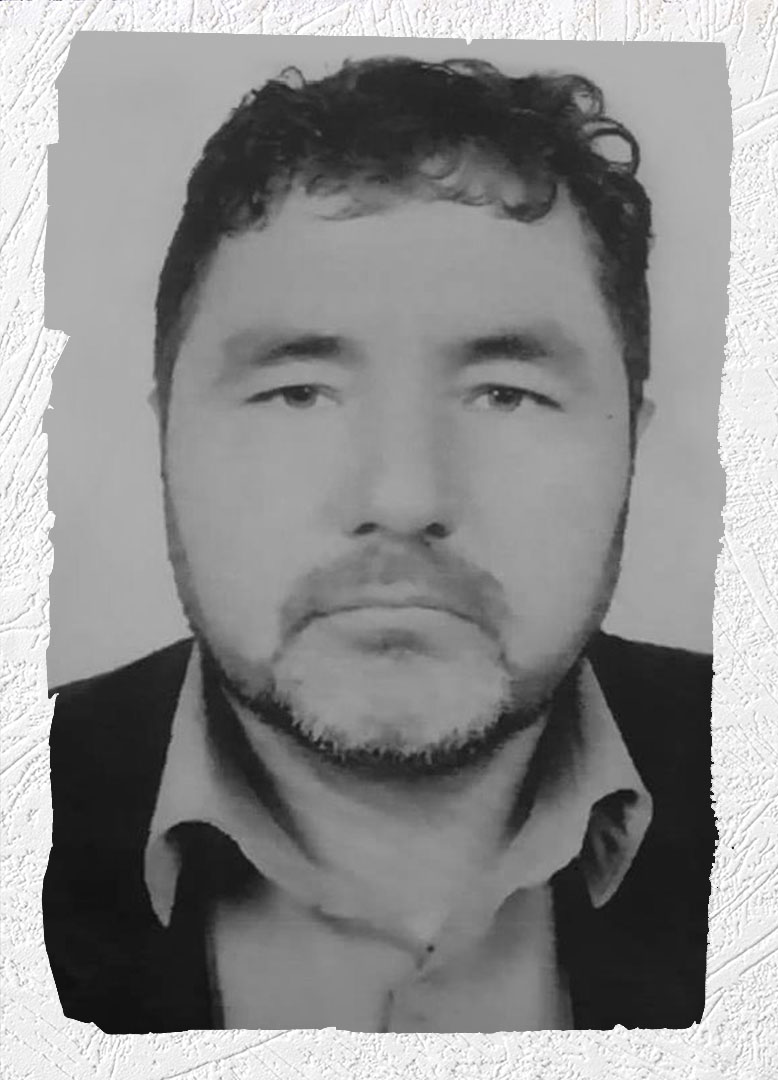
- Gender
- Male
- Ethnicity
- Hazara
- District geolocation of incident
- Kabul: 34° 31′ 1″ N, 69° 8′ 60″ E
- Description of incident
On July 23, 2016, two suicide bombers denoted their explosives among the protesters at Dehmazang Square in Kabul, the capital city of Afghanistan. The protesters, who were primarily Hazaras, were part of the Enlightenment Movement. They were protesting against the diversion of the TUTAP mega power project which would cause the project to bypass Hazara-dominated areas. At least 84 protesters lost their lives and 260-400 others were injured. The Islamic State of Khorasan Province (ISKP), the regional branch of ISIS, took credit for the attack. However, ISKP later refuted their involvement in the attack.
The Enlightenment Movement, also known as Junbesh-e Roshnayie, was a grassroots civil disobedience movement started by Hazaras in Afghanistan in response to a change in the Fichtner GmbH & Co. KG proposed Energy Supply Improvement Investment Program, unofficially called TUTAP project plans. The change in the project plans would cause it to bypass Hazara regions. The move was seen as perpetuating long-standing anti-Hazara discrimination. Throughout 2016 and 2017, the Enlightenment Movement coordinated large-scale demonstrations against discrimination both domestically in Afghanistan and abroad.
- Witness/Survivor Statement
Because of The Explosion, He Was Hit to The Curb
Narrator: Mohamad Naeem (brother)
Victim: Shah Wali Sharifi
Date of the incident: 23 July 2016
Location of the incident: Dehmazang, Kabul City
The Martyr was older than me. His job was welding, a trade he had learned in Iran. I don't remember anything about his childhood because he was older than me. During the reign of Dr. Najib, he used to work as a hawker in Halabi-Sazi alley. My late father had a bakery in Deh Naw, and my father had bought a vendor cart for my elder brother and Shah Wali, and they used to sell bread. The two of them studied up to 8th grade. The government at that time provided oil to the bakeries. When oil was no longer available, my father would go to Qourigh Mountains during his free time to collect bushes as fuel. One day, as he was in the mountains to collect bushes, he was martyred by a landmine. Back then, I was very young and I don't remember anything. Following that incident, none of my brothers could continue going to school. We were eight family members, and after my father's martyrdom, the expenses of the family fell on my elder brother’s shoulders. During the civil wars, our vendor cart caught fire and our life was ruined.
To provide for the family expenses, they used to dig flume which earned them 30,000 Afghanis in old currency. They sometimes sold beetroot and sometimes sold junk items until the Taliban entered Kabul. The situation was very bad, and that's why martyr Shah Wali then left for Iran, where he worked for three years. He was unemployed for a while until the Taliban government collapsed. Then he got a job at the American Embassy, where he received 18 hundred Pakistani Rupees a day. He worked there for almost 18 days. Back then, we had a shop in Goulai Dawa-Khana. Through work and struggle, our life gradually improved and he got married. He got a construction contract; he was very skilled in welding. Since he had seen tough times and poverty, he behaved well with the workers who worked for him and they all loved him.
When my father was martyred, Shah Wali was 16, or maybe 18-years-old. He saved some money by working in building construction. He used to buy land in District 13, build a house on the land, and sell it. His work did not go very well the past year and he became unemployed. He gave me some money he had saved and told me to go to Europe. I stayed in Austria for 10 months, but he kept calling me to come back. He said the economic situation of the family was not good and he could not provide for household expenses alone. I returned to Afghanistan eight days before Ramadan; he was very happy. When he saw me, he said, "Now that you are by my side, I have peace of mind." I told him, “you insisted on me going to Europe. I do not regret coming back, because you worked hard for all of us”. Before the incident and when he saw people’s enthusiasm, he encouraged me to participate in the 23rd July demonstration.
In our neighborhood, there was a real estate agency. He used to go there and encourage people to participate in the demonstration. He even argued with someone the day before the demonstration because the other party had told him that participating in the demonstration was useless and that something bad could happen. My brother told this man, “How longer should we stay silent? We must not remain silent when people do things against us. We should raise our voices.” His wife says, “On the day of the demonstration, he woke up early in the morning, took a bath, and asked me for his white clothes. I asked him whether he was going to a wedding wearing white clothes. I didn't give him the white clothes and even made a fuss and in the end, he didn't wear the white clothes. During the demonstration, we were together near Baba Mazari intersection. Near the flyover, they asked people through the loudspeaker to wait because some people had been left behind. After that announcement, he looked back and said to me, 'May God have mercy. This time, only the youth are here, few or no middle-aged or old people are here.' After that, we went separate ways."
It was very hot. I remained in Dehmazang until 12:30 but then moved closer to Cinema Barikot to sit in the shade. People were slowly dispersing. I came home at 1 o'clock. One of my brothers in-law had just come back from Austria and it had been a while since his mother had passed away. I called Shah Wali and said that it would be good if we went to our brother in-law’s house in the afternoon to offer Fatiha. He told me, "Right now, I am having lunch in an office near Dehmazang. Once the event is concluded, we will go there at 4 pm." I started going to my elder brother's house so we could go there together. At the same moment, my brother called me from Bamyan and said that there had been an explosion in Dehmzang. Before his call was disconnected, my elder brother called to say that Shah Wali was not picking up his phone. He called me a second time and said, “a criminal investigation officer answered his phone and said that Shah Wali was injured and they took him to Jumhuriyet Hospital by Kabul Ambulance.”
We immediately started moving; we drove up to Habibiya High School. One of my cousins said that they had taken Shah Wali to Ibn-e Sina Hospital, but he was not there. We walked to the Jumhuriyet Hospital. When we entered the building, looking through the building’s large windows, I saw Shah Wali on the hospital bed. He was not hit by shrapnel, but because of the explosion, he had been thrown to the curb. The moment we got to the hospital, they took him to the operating room. He was bleeding and needed blood. People were there for blood donation and gave him a bag of blood.
When I asked the doctor about his condition, he said, “Medically, he is not well. He needs a miracle and prayers, and there is nothing else we can do.” I called another doctor whom I knew and described Shah Wali's condition. He asked me if the wounded had vomited, and I said no. He said, “Thank God, don't worry, his condition will change.” As soon as I entered the room, I saw Shah Wali vomiting blood. I asked the doctor about it.
Although the doctor was not in a good condition and was worried, he said it was not a problem. Shah Wali's condition was still not good. At 4 am, I was sitting next to his bed in the hospital, and suddenly, I noticed that the monitor above his head started beeping and that the heart monitor graph turned off. That was when Shah Wali met martyrdom. He was 39-years-old at the time of his martyrdom. His eldest son is 13-years-old, and his other son is 1.5 years old. He also left behind a daughter.
- Date added
- Jan 30, 2023
Shah Hussain Haidari Hamdard
- Photo of Victim

- Gender
- Male
- Ethnicity
- Hazara
- District geolocation of incident
- Kabul: 34° 31′ 1″ N, 69° 8′ 60″ E
- Description of incident
On July 23, 2016, two suicide bombers denoted their explosives among the protesters at Dehmazang Square in Kabul, the capital city of Afghanistan. The protesters, who were primarily Hazaras, were part of the Enlightenment Movement. They were protesting against the diversion of the TUTAP mega power project which would cause the project to bypass Hazara-dominated areas. At least 84 protesters lost their lives and 260-400 others were injured. The Islamic State of Khorasan Province (ISKP), the regional branch of ISIS, took credit for the attack. However, ISKP later refuted their involvement in the attack.
The Enlightenment Movement, also known as Junbesh-e Roshnayie, was a grassroots civil disobedience movement started by Hazaras in Afghanistan in response to a change in the Fichtner GmbH & Co. KG proposed Energy Supply Improvement Investment Program, unofficially called TUTAP project plans. The change in the project plans would cause it to bypass Hazara regions. The move was seen as perpetuating long-standing anti-Hazara discrimination. Throughout 2016 and 2017, the Enlightenment Movement coordinated large-scale demonstrations against discrimination both domestically in Afghanistan and abroad.
- Witness/Survivor Statement
After The Mine Explosion, He Used to Draw with His Mouth
Narrator: Mohammad Ali (brother)
Victim: Shah Hussain Hamdard
Date of the incident: 23 July 2016
Location of the incident: Dehmazang, Kabul City
We come from Ghazni Province, in the district of Malestan. Martyr Shah Hossain was born in 1985. He was a shepherd until he was ten-years-old. Then his fingers were severely injured by a landmine explosion and, as he used to say, he became disappointed in life. He was working at Abdul Hamid's house as a child worker. The sheep had gone to the top of a mountain and they told him to bring the sheep down so that they don't get lost. According to him, he found an object like a round tin container. He tried to open it but he could not. So, he put it on a rock and as soon as he hit it with another rock, it exploded. The explosion cut off the fingers of both his hands, the shrapnel hit him in the eye, his clothes were completely burnt, and his toe was cut off. Despite the many problems he encountered in life, he was not the type of person to easily give up; he kept trying. He started school at the age of 11 and with endless efforts, he successfully completed it. He always tried to remain strong as a mountain in the face of adversity. With great effort, he entered university and got a scholarship in India. Once he did his bachelor’s degree, he decided to go to Germany to continue his education, but death took this opportunity from him; he was martyred during the 23rd July incident.
Following his accident with the landmine, he started attending school in the third grade in Shirdagh, in Malestan District. With great courage, he did not let himself be overwhelmed by despair, and continued his studies. He attended middle school in Shirdagh and high school in Jaghori. After that, he moved to Kabul. For a few years, he studied at the Abdul Ghafoor Soltani High School. He was recognized as a disabled person by the Ministry of Martyrs and Disabled. He received a scholarship to attend an Indian university to continue his education and studied Computer Science for four years. On the 27th of the holy month of Ramadan, he graduated from the university in India and returned to Kabul. He participated in the 23rd July demonstration and was killed there.
He was a very good-natured and kind person who socialized with everyone. He had a good sense of humor. He was a joyful person. He had many friends both in India and in Afghanistan. I can say that everyone who knew him holds onto fond memories of him. In 1996, when his hand was injured by a landmine, he did not lose his spirit and started painting using his mouth and two fingers. Even in India, he was painting at the same time as doing his studies. He sold his paintings and provided for the family's expenses in this way. He lived with my mother and four sisters. I was living separately. One of my sisters had three children from her marriage; her husband disappeared after he got addicted to drugs and we still do not know what happened to him. Despite all these problems, martyr Shah Hossain supported the family financially.
On the day of the incident, he went to Dehamzang with some of his friends. They had told him that it was good to go to a hotel to have lunch as they were all hungry and it was already 1 pm. Some of his friends even went back to their homes. But he told them that if they left, the protest would lose its momentum. He tried to get everyone to stay. He told them they could ignore lunch or keep fasting, but should not leave the protest area. His friends went to their homes but he stayed there. Then the incident happened at 2:34 pm and he was killed. I have his writings and I will read you a few lines.
Hand written notes of the martyr:
Greetings from Shah Hossain Hamdard, son of martyr Alireza Haidari. I was born in 1985 to an education-loving family, in the village of Maaka Shirdagh, Malestan District, Ghazni Province. In 1990, I lost my beloved father, the only hope of my heart, my protector and guardian, in an attack by the enemies of the homeland in the Kondolo area of Khas district in Uruzgan Province. The special love and affection that my father had for me will never be forgotten. On an unforgettable spring morning, he hugged me for the last time. It was breakfast time and he held me on his lap. We were eating dried lamb together. My father used to put food in my mouth with his loving hands. I will never forget him telling me, “My little son, beloved Shah Hossain will be a great character, a man of culture, a supporter of the poor, the weak, and a just person.” I will never forget it. Every moment that passed was a new memory for me and I learned new things. In 1995, my mother asked me to tend to the sheep and I became a shepherd. By 1996, I was incharge of the sheep of the entire village. In 1997, I worked at Sayyed Sadiq’s house as a child worker. In 1998, I worked at the house of Sadeq Karimi. In the spring of 1997, I worked at the house of Abdul Hamid, the son of Haji Mirza Hussain. In May 1999, a heartbreaking thing happened to me. The incident made me feel all my wishes, desires, and ambitions now lay in ruins. This incident put my life in danger and I was overwhelmed with despair for almost two years. Then God opened another door for me: education. In 2001, I entered the third grade at the Shirdagh High School.
On top of my studies, I worked as a health worker at CHW Institute for three years. I attended Ustad Ghafoor Soltani High School in beautiful and education-centered Jaghori. After graduation, I worked for two years and a few months with the Afghan election process in Jaghori, Malestan, and Nahor districts of Ghazni Province. After graduating from school in 2011, I passed the university entrance exam, scored 273 marks, and was admitted to study electromechanics in Balkh. But I gave it up because I was not interested in the subject. In 2010, I took part in the entrance exam at Goharshad University, scored 252 marks, and was admitted to study political science. I am currently doing my second semester at this university.
My martyred brother’s wishlist: I will do my master's degree in India and my doctorate in Germany. I wish to serve Afghanistan and its suffering, impoverished, and hardworking people with honesty, courage, and bravery. Throughout their life, people are indebted to their teachers, mother, homeland, and conscience. Thank you for your attention.
Respectfully, Shah Hussain Hamdard
- Date added
- Jan 30, 2023
Baqer Mohammadi
- Photo of Victim

- Gender
- Male
- Ethnicity
- Hazara
- District geolocation of incident
- Kabul: 34° 31′ 1″ N, 69° 8′ 60″ E
- Description of incident
On July 23, 2016, two suicide bombers denoted their explosives among the protesters at Dehmazang Square in Kabul, the capital city of Afghanistan. The protesters, who were primarily Hazaras, were part of the Enlightenment Movement. They were protesting against the diversion of the TUTAP mega power project which would cause the project to bypass Hazara-dominated areas. At least 84 protesters lost their lives and 260-400 others were injured. The Islamic State of Khorasan Province (ISKP), the regional branch of ISIS, took credit for the attack. However, ISKP later refuted their involvement in the attack.
The Enlightenment Movement, also known as Junbesh-e Roshnayie, was a grassroots civil disobedience movement started by Hazaras in Afghanistan in response to a change in the Fichtner GmbH & Co. KG proposed Energy Supply Improvement Investment Program, unofficially called TUTAP project plans. The change in the project plans would cause it to bypass Hazara regions. The move was seen as perpetuating long-standing anti-Hazara discrimination. Throughout 2016 and 2017, the Enlightenment Movement coordinated large-scale demonstrations against discrimination both domestically in Afghanistan and abroad.
- Witness/Survivor Statement
My Eyes Could Not See and My Ears Could Not Hear
Narrator: Mohamad Ali (father)
Victim: Baqer Mohammadi
Date of the incident: 23 July 2016
Location of the incident: Dehmazang, Kabul City
I am the father of martyr Baqir. We hail from Ghazni province, Malestan district, Qol Yakhi village, and belong to the Bassi tribe. Martyr Baqir attended Shindeh High School up to 9th grade. Since the quality of education was low, I advised him to go to Quetta in Pakistan and learn the English language. He agreed that he would go to Pakistan to learn English and Urdu. Pakistan is home to some of our relatives, including one of my sisters. I told him to go there; he could stay with them and carry on with his education. I even told him that when he went to my sister's house, “your food will be ready and your clothes will be washed.” He learned English and Urdu for two years. Another of my sons was in Iran. Baqir had spoken with him on the phone and he told Baqir that he could manage his life, and wanted to go to Iran. His brother agreed. The martyr moved to Iran and lived with his brother for a month. When his brother saw Baqir was not able to carry out heavy work, he felt sorry for him and suggested that he should continue his educational programs. He returned to Pakistan and called me to say he wanted to continue with his plans to study. I told him he had lost focus and would not be able to study well, and that it was better for him to come back to Kabul. He accepted my suggestion and returned home.
For six months, he helped me and his mother with work in farming and livestock. I called one of my friends and told him I wanted to send Baqir to work in Saudi Arabia, so could he lend me some money. They sent me the money and Baqir went to Pakistan, stayed there for a year, and prepared his visa and passport. He went to Saudi Arabia in 2009. In 2013, he performed the Hajj pilgrimage and lived in Saudi Arabia until 2014. Then he called me and said he wanted to come home. I agreed. Back then, we lived in Malestan. I bought a cow to sacrifice in honor of my son coming back home from Saudi Arabia. After the ceremony, I asked him if he would like to start a family. He said, “You can decide on my behalf.” I understood he approved the idea. I started looking for a good girl, and proposed a girl to him, who was from Kamrak in Jaghori district.
I asked him if he consented to choose the girl as his life partner. He went to the area by himself, met the girl, and approved her. We went there to the girl’s family to ask for her hand. After a while, they got engaged. The girl's father told me his daughter was in 9th grade and needed to complete her schooling. I told him we will talk about that at the right time. Twenty days later, I went and talked with my friend, my daughter in-law’s father. I told him, “My son has six months to stay here. He must use this time well, because then he is going back to Saudi Arabia for work.” I told him, “I will transfer my daughter in-law so that she can peacefully go to a school near our home.” Following the conversation, we reached an agreement. Within three months, I prepared all the wedding expenses and brought my son’s bride home.
My son, Haji Baqir, lived with his wife for two and a half months and subsequently returned to Saudi Arabia. In 2015, we moved to Kabul. Baqir traveled to Kabul again. We live in Barchi. He stayed home for six months. During this time, he didn't go out much; he was always at home. Later, he went back to Saudi Arabia. In 2016, Baqir came to Kabul for a six month vacation. He stayed in Kabul for twenty days. One day, he asked me if he and his wife could go on vacation to Malestan. I allowed them to go and they went to Ghazni in a friend's car. They stayed in Malestan for a month. They visited friends and relatives there. God had given him a one-year-old boy. I called him and said that I missed my grandson and it would be good if they returned to Kabul. He would always wake up during prayer time and then go back to sleep after prayer. His mother would wake him up for breakfast and we would have breakfast together. He got his ID card translated into English, verified in court, and submitted it to the Ministry of Foreign Affairs. On Wednesday, he handed over his ID card and passport to the Ministry of Foreign Affairs to be stamped.
After his martyrdom, I found out that he had told my niece, “Take a picture of me today, I want to post it on Facebook so that all my friends can see it.” He had seen my niece going to the educational center early in the morning. The martyr bid farewell to her and said, "This is our last meeting." My niece was with her friend and thought he said that because his vacation time was over, and maybe he would return to Saudi Arabia. We have a recitation ceremony of the Holy Quran on Fridays. After the ceremony, he went to the mosque to perform Friday prayers. He returned home at 2 pm and said, "Mother, I have not eaten." His mother went to the store, bought eggs, and cooked for him. An hour after lunch, he went to his uncle's house and returned home with his uncle an hour later. My niece had come from Quetta, so they went to my sister's house.
We used to have breakfast at 8:00 a.m. That day, he woke me up early in the morning. When I went to the table, everyone had already had breakfast. I asked how come they had woken up so early and had breakfast. He said he wanted to go out somewhere. His mother asked him whether he would like to have cheese or cream for breakfast. He told his mother that he wanted cheese. His mother was worried and asked him where he was going. He told his mother he wanted to participate in the demonstration, but his mother disagreed. She said he was here for just six more days; there was no need to go to the demonstration. But he did not listen to his mother and said, "Mother, I am not worth more than others and I am advocating for my rights."
Seeing that Baqir would not listen to her, his mother said she would go as well. I intervened and told his mother, "It is hot, you should not go." His mother listened to me and stayed at home. Baqir was with my niece. Before leaving the house, he was wearing a short-sleeved dress. His mother said it would be good for him to change his clothes because it was hot and sunny, and he might be troubled. Baqir went to his room, and after 15 minutes, came out wearing a long-sleeved dress. Before the 23rd July incident, whenever Baqir left the house, we would call him twice a day. He was going to the city, and we would call him once or twice. On the day of the demonstration, neither I nor his mother called him.
At 2 pm, a friend called me and asked about Baqir. He said there was an explosion in Dehmazang and told me to call him soon. I called him but he didn't answer his phone. I called my niece, she said, "uncle, there was an explosion. I got a slight wound, but Haji Baqir is seriously injured and is currently in the emergency room." Hearing that, the world became dark in front of my eyes. I stood up. His mother joined me, and we went out onto the road. It was hot, we got two bottles of mineral water. We got a taxi and I told the driver that my son took part in the demonstration and it is said that there was an explosion and he was injured, but I don't know which hospital he was in. The driver took us to Esteqlal Hospital. Baqir's name was not on the list in Esteqlal Hospital. They told us to go to Ibn-e Sina Hospital. The situation was horrible and the roads were closed. We got there, and the condition of the hospital was terrible. I searched the through list again and again, but I could not find Baqir’s name. My brother, too, searched the list. He may have seen Baqir’s name but he did not tell me.
Then, I saw that the martyrs were laid on the ground because the condition inside the hospital was awful. I went out of the building and I fainted in the yard. My eyes could not see and my ears could not hear. I gave the phone to my niece and told her to answer the phone calls. A few minutes later, she received a call that said Haji Baqir was injured and was in the emergency room. Then I knew for sure that my son Haji was martyred. Baqir's mother was in a terrible condition. My brother told me I should go home and they would find Haji Baqir. We got a taxi and somewhere close to the house, I saw people had gathered. At that moment, I understood that God had taken our son from us. I can't describe that situation; I can only pray to God to not let this happen to any other human being and that nobody may feel the pain of losing a young child. I am not being ungrateful. He came from God. God saw us worthy of this gift for a certain period, but then He took it back from us.
- Date added
- Jan 30, 2023
Asadullah Hussaini
- Photo of Victim
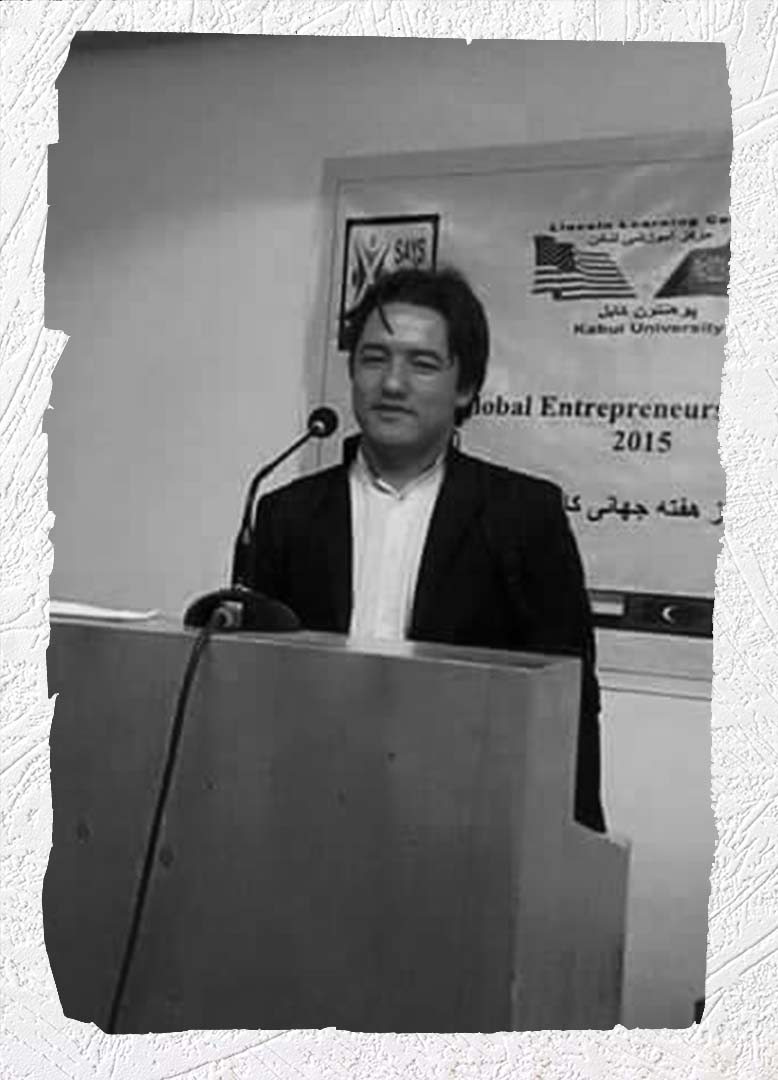
- Gender
- Male
- Ethnicity
- Hazara
- District geolocation of incident
- Kabul: 34° 31′ 1″ N, 69° 8′ 60″ E
- Description of incident
On July 23, 2016, two suicide bombers denoted their explosives among the protesters at Dehmazang Square in Kabul, the capital city of Afghanistan. The protesters, who were primarily Hazaras, were part of the Enlightenment Movement. They were protesting against the diversion of the TUTAP mega power project which would cause the project to bypass Hazara-dominated areas. At least 84 protesters lost their lives and 260-400 others were injured. The Islamic State of Khorasan Province (ISKP), the regional branch of ISIS, took credit for the attack. However, ISKP later refuted their involvement in the attack.
The Enlightenment Movement, also known as Junbesh-e Roshnayie, was a grassroots civil disobedience movement started by Hazaras in Afghanistan in response to a change in the Fichtner GmbH & Co. KG proposed Energy Supply Improvement Investment Program, unofficially called TUTAP project plans. The change in the project plans would cause it to bypass Hazara regions. The move was seen as perpetuating long-standing anti-Hazara discrimination. Throughout 2016 and 2017, the Enlightenment Movement coordinated large-scale demonstrations against discrimination both domestically in Afghanistan and abroad.
- Witness/Survivor Statement
He Consciously Participated with Interest and Great Passion
Narrator: Mohammad Reza Moballegh (Uncle)
Victim: Asadullah Hussaini
Date of the incident: 23 July 2016
Location of the incident: Dehmazang, Kabul City
Asadullah Hussaini was born to a scholarly and religious family in 1995. He was born in Ghazni Province, Nahor District, in the village of Jerghai Borjegai. Asadullah was the second child of the family. He had four sisters and an 11-year-old brother. He graduated from the Imam Hossein High School in our village. In addition to going to school, he also attended religious studies in the mosque. I hold many memories of him because we grew up together since childhood. With the establishment of the new government, after the collapse of the Taliban, our people showed great interest in education, and Asadullah, too, started getting an education. He was very talented.
He was a tolerant, very religious, committed, good-mannered and sociable boy whom people loved deeply. Despite having limited access to facilities, he continued his studies. When I would go home from Kabul, I was very happy with his remarkable progress and would encourage him. With all the many deprivations and limitations in our region, he was able to successfully complete the 11th grade at school. His father's poor financial situation did not allow him to come to Kabul and continue his studies. So, when I went to Ghazni, I told his father that it would be better for Asadullah to come to Kabul and start preparing for the university entrance exam.
I agreed to pay the costs for his first year. My financial situation was not good either because I was a student too, but by teaching in educational centers, I used to pay for both of our expenses. Asadullah studied hard in the first year. Despite the many problems, he spent the winter of that first year in Kabul and went to Ghazni in the spring. In the second year, when he returned to Kabul, his academic progress was very good. He got a mark of 315 in the entrance exam and was accepted into the Faculty of Computer Science at Kabul University. He also worked hard at university and took his studies seriously. He was diligent and flexible and could quickly adapt to any new environment. He could easily make new friends. Asadullah and I worked together on Thursdays and Fridays to pay for our education. I would always recall the memories of the holy month of Ramadan. Both of us worked under the hot sun on our holidays to be able to pay for our living costs. In addition to his studies, he worked and even provided for his father's expenses. His father was not in a good financial situation and could not provide for him. Instead, when Asadullah earned some money, he would send it to his father.
He was a kind and understanding person. He was pained by the poverty of his father and the deprivation of his people. That's why he studied hard and encouraged young people and children to study. Naturally, when a person learns and understands more about life, he does not stop trying. As he matured, and realised the reason for the difficulties he saw around him, he decided that he should not remain silent. The deprivation of his people pushed him to participate in social and justice seeking activities. The creation of the Enlightenment Movement paved the way for Asadullah to launch his advocacy activities. He always believed that a Hazara, too, is an Afghan and should enjoy equal citizenship rights. Others should respect them as human beings and not violate their human rights. He always said: “God has created man free and no one has the right to disrespect man and his dignity unjustly.” He was very motivated to fight against oppression and injustice. He attended the meetings of the Movement and always tried to raise the voice of the oppressed people on social media. The Enlightenment Movement itself was not the main purpose; what led us to this movement was the quest for justice and the pain of the Bamiyan cave dweller who has no food. The pain of the old man who works hard from dawn to dusk to get a piece of bread for his family, with no one else paying any attention to them.
The youth who were in Dehmazang Square on the 23rd of July lost their lives for a noble cause: justice for an oppressed people. On that day, Asadullah took his exam and then went to Dehmazang. The martyr had many dreams. He always said he should serve his parents, return to his village, and help the children and teenagers, serving his people with heart and soul to repay the debt he owed them. He consciously participated in the demonstration, with interest and great passion. Even though the night before they announced that the next day’s demonstration was cancelled. We all learned that our elders and leaders had let their people down. Our youth did not remain silent, but participated in the protest with more enthusiasm. But the government betrayed our people and our leaders also abandoned us.
On the day of the incident, it was announced that some people were planning to stay the night in Dehmazang Square. Asadullah went there to get the event organizer's ID badge when the explosion happened. As soon as the suicide attack happened, the situation changed. I immediately called his number, but he did not pick up. I was very worried, so I called him again. He finally answered his phone and with great difficulty, said that he was injured and that was in the hospital. He was transferred to the Ibn-e Sina Hospital where conditions were very bad. The rooms and hallways were full of the wounded and of martyrs. It was like doomsday. No one recognized anyone, and the hallways of the hospital were full of blood. When I got to the hospital, I first mistook someone else for my nephew. The doctor told me that he needed an IV injection. I quickly ran to get the injection but when I returned to the hospital, I realized that the injured person, who was in a very bad condition, was not Asadullah. I later found my nephew but he was taking his last breaths. His condition deteriorated and he passed away.
Losing a young person is painful. This incident was very difficult; it was excruciating for us. He was a special person to his family because he did not give up despite many problems and always tried his very best. That night, we could not take his body back to Ghazni because the roads were unsafe. The next day, we, friends and close relatives, took him to Nahor, to his parents and buried him there. Clearly, what made our youth seek justice was the suffering of a nation, not the pain of an individual. The suffering caused by the circumstances and the despots who always try to suppress and intimidate our people. This is the pain of the destitute and oppressed people of Afghanistan, who have always been dominated by force and coercion. The Martyr’s family worked hard to raise their children and make a meagre living and manage their affairs. His father is now the sole breadwinner of the family and his children are mostly girls. The family's hope was in Asadullah. His father sent him to Kabul to study and change their living condition, but the incompetent government took the life of our beloved Asadullah. I wish the living conditions of my brother's family would improve.
The emotional state of his family is not good. His mother is still restless and his father sheds tears as he remembers him. I still do not dare to pass through Dehmazang Square. When I think about Asadullah, I see him in my dreams at night and relive the incident as a nightmare. We will never forget this incident and our family will mourn forever. We had many memories together. At night, when I want to sleep, I unconsciously see his image and I struggle to go to sleep, and feel restless. Our life has fallen apart after Asadullah's martyrdom and we are unable to console his parents. The life they are living now is not life but pure pain and suffering - that's it. May God bless you for working hard to fulfill this human responsibility so that the martyrs of the Enlightement Movement who went to Dehmazang Square for justice, will not be forgotten.
Abdul Rauf Nouri, Asadullah Hossaini’s friend:
Asadullah and I had rented houses in the same neighborhood. We had a cultural association in Ghazni, in the district of Nahor. We used to go there every year during the university break to organize reading competitions, sports contests, and mock university entrance exams. The martyr was an active member of this association and he eagerly taught teenagers and children. What made him dear to everyone was that he talked to everyone with a smiling face. The night before the demonstration, the wife of the martyr’s uncle had asked them not to participate in the 23rd July demonstration because there were rumours among people that the security situation might be dangerous. On the day of the incident, he had not seriously decided to participate. He was at university for the exam. After the exam, he and his cousin went to work. Both were working in a tile factory to pay for their living expenses. Asadullah went to Khushal Khan and worked until noon. He had recently bought a mobile phone and had activated his mobile internet. During work, he talked to Ibrahim, his cousin, about people gathering in Dehmazang and the ongoing protest.
After the incident, Ibrahim Hossaini recounted the story: “Asadullah was regularly checking his Facebook page and reading the news about the demonstration to me. He said, ‘I wish I was there to actively take part in it.’ After we finished work, we departed for Kot-e-Sangi. Asadullah insisted that we should go to Dehmazang and participate in the demonstration. But I told him that I was tired and wanted to go home. My mother had sworn that she would not forgive him if he went to Dehmazang. On the other hand, Asadullah insisted that we should go there. Finally, I made an excuse and said that I didn't have any change, and I had to go home, but he said, ‘Don't worry, I have 50 Afghanis in my pocket.’ Because he insisted, we got into a minivan and went to Dehmazang. When we arrived there, some people had left for home and others were away to have lunch, so the morning crowd had dispersed.”
- Date added
- Jan 30, 2023
Jawad Qasimi
- Photo of Victim
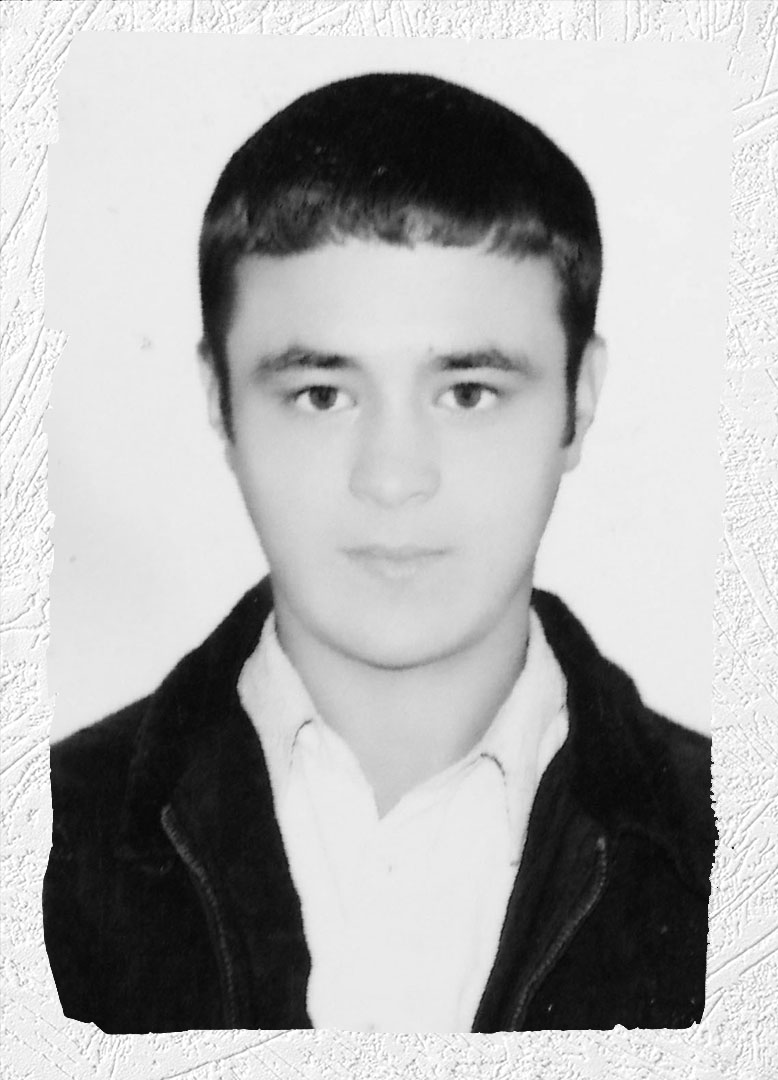
- Gender
- Male
- Ethnicity
- Hazara
- District geolocation of incident
- Kabul: 34° 31′ 1″ N, 69° 8′ 60″ E
- Description of incident
On July 23, 2016, two suicide bombers denoted their explosives among the protesters at Dehmazang Square in Kabul, the capital city of Afghanistan. The protesters, who were primarily Hazaras, were part of the Enlightenment Movement. They were protesting against the diversion of the TUTAP mega power project which would cause the project to bypass Hazara-dominated areas. At least 84 protesters lost their lives and 260-400 others were injured. The Islamic State of Khorasan Province (ISKP), the regional branch of ISIS, took credit for the attack. However, ISKP later refuted their involvement in the attack.
The Enlightenment Movement, also known as Junbesh-e Roshnayie, was a grassroots civil disobedience movement started by Hazaras in Afghanistan in response to a change in the Fichtner GmbH & Co. KG proposed Energy Supply Improvement Investment Program, unofficially called TUTAP project plans. The change in the project plans would cause it to bypass Hazara regions. The move was seen as perpetuating long-standing anti-Hazara discrimination. Throughout 2016 and 2017, the Enlightenment Movement coordinated large-scale demonstrations against discrimination both domestically in Afghanistan and abroad.
- Witness/Survivor Statement
My Heart Is Bleeding
Narrator: Mohammad Hasan Qasimi (father)
Victim: Jawad Qasimi
Date of the incident: 23 July 2016
Location of the incident: Dehmazang, Kabul City
In the name of God
My son's name is Jawad Qasemi. He attended the Asif Mayel school in Nazer Qala up to the fourth grade. My son the martyr served in the sixth police district for 6 years. He did not serve for robbery and looting, but for the safety of his countrymen. He and his commander and sixty of his colleagues were assigned to maintain security during the demonstration, but then the explosion happened. The soldier who stood next to my son told me the story: “Our commander was hit by shrapnel, then Jawad fell to the ground and was martyred a moment later.” Thus, he left me, his mother, and his wife all alone. It had been only three months since the wedding and his wife was pregnant.
He had asked us to choose a girl for him from among our relatives - we are from Daikundi. At his request, we chose a girl for him from there. After my son's martyrdom, I am careful to be considerate of his wife so she does not get upset and unhappy around us. Now we are awaiting his child’s birth, so that we can raise him into a good person. He will be the symbol of my martyred son.
I have faced many difficulties in my life. I would like to thank those who organized this workshop. Here we can open our hearts and get a little bit of relief from the pain. It is not only my son who was martyred in this incident; many young people sacrificed their precious lives in this way. After Jawad's martyrdom, many problems have arisen for me. Due to the sadness of missing him, I start shouting in the front yard at night and talking to myself. When I miss my son too much, I call him but I don't hear an answer, and this adds to my grief. A while before the demonstration, he came to me to get a haircut. When I was cutting his hair, my hands were shaking, that's why I told him, “I'm old now and I don't have the strength I used to have, what will I do if you're not there?” Javad replied, “I will take care of you as long as I am alive.”
His wife had gone to the countryside to visit her family. A week in her trip, the Dehmazang incident happened. I asked her to come back home because an incident had happened to my son. She came back to Kabul with her father. A week later, my daughter-in-law’s father returned to his home. His wife is currently living with us. May God never bring an incident like this to any other family. Ashraf Ghani is our president, but he is not competent. He has sold himself and his people to America.
When the incident happened, Jawad was transferred to the Qala-e Nazer Mosque. I went to the mosque, and asked Mohseni, the mosque Imam, if they had taken my son's body there. When I saw Jawad's dead body, I screamed and cursed Ashraf Ghani, Abdullah, Mohaqeq, Khalili, and Sarvar Danesh. I cried and said, “People's children are martyred, you are inconsiderate. Why did you not ensure the security of our people? Why did you leave our people alone? Aren't you the government? Is it not your duty to ensure the security of the country and its people? You are puppets and have committed great treason against your people.” We must unite; Pashtuns, Hazaras, Tajiks, and Uzbeks must unite and not allow the enemy to divide us. If our government is corrupt, we should not allow anyone to encroach on our land. We must protect our country, which is like our honor. We must be vigilant.
See what Mohaqeq and Khalili did to their people? They spilled the blood of our young people and abandoned us. If you are currently in power, it is only because of the people's support. Sarvar Danesh was our neighbor in Daikundi and Jawad had served him, but what did he do to my young boy? I have lost my senses. I hope my story and sharing my grief does not upset you. My heart is bleeding. I lost my young boy; his wife is pregnant and she has lost hope. She is enduring hardships because of us and because of losing her husband. After Jawad's martyrdom, the government told me to bring his documents from Daikundi. On the way there, a conflict was going on between two villains named Musa and supporters of Sheikh Anwar, and yet the government did not intervene. There is no proper government in Daikundi and there, everyone is his own master. In such conditions, poor and powerless people are being abused. Thank you again for tolerating my rambling speech.
- Date added
- Jan 30, 2023
Mohammad Naser Rezaie
- Photo of Victim
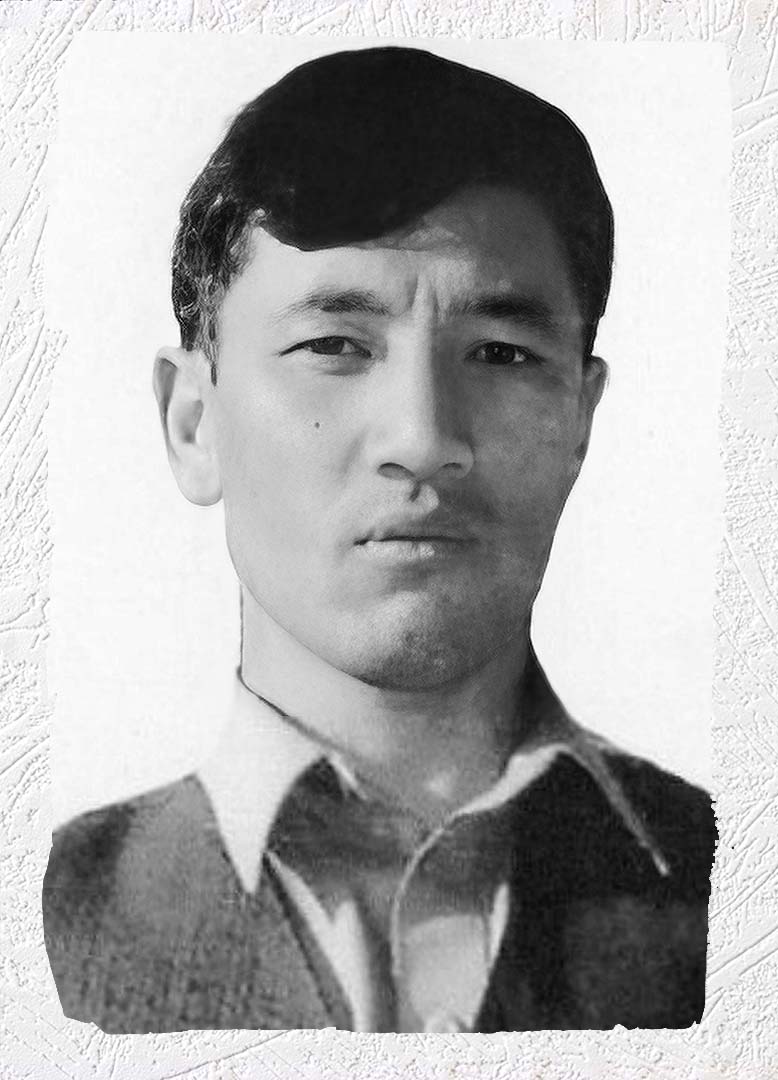
- Gender
- Male
- Ethnicity
- Hazara
- District geolocation of incident
- Kabul: 34° 31′ 1″ N, 69° 8′ 60″ E
- Description of incident
On July 23, 2016, two suicide bombers denoted their explosives among the protesters at Dehmazang Square in Kabul, the capital city of Afghanistan. The protesters, who were primarily Hazaras, were part of the Enlightenment Movement. They were protesting against the diversion of the TUTAP mega power project which would cause the project to bypass Hazara-dominated areas. At least 84 protesters lost their lives and 260-400 others were injured. The Islamic State of Khorasan Province (ISKP), the regional branch of ISIS, took credit for the attack. However, ISKP later refuted their involvement in the attack.
The Enlightenment Movement, also known as Junbesh-e Roshnayie, was a grassroots civil disobedience movement started by Hazaras in Afghanistan in response to a change in the Fichtner GmbH & Co. KG proposed Energy Supply Improvement Investment Program, unofficially called TUTAP project plans. The change in the project plans would cause it to bypass Hazara regions. The move was seen as perpetuating long-standing anti-Hazara discrimination. Throughout 2016 and 2017, the Enlightenment Movement coordinated large-scale demonstrations against discrimination both domestically in Afghanistan and abroad.
- Witness/Survivor Statement
He Had Passed Away in The Hospital
Narrator: Mohammad Juma Rezaie (father)
Victim: Mohammad Naser Rezaie
Date of the incident: 23 July 2016
Location of the incident: Dehmazang, Kabul City
I originally come from Maidan Wardak province, in Central Behsud District, and currently live in Dasht Barchi, in the town of Mahdia. My son, Mohammad Naser, was 28-years-old and was born in the Hesa-e 2 of Behsud District in the province of Maidan Wardak. I attended religious school and was a farmer. Because there was no public school in our district at that time, we enrolled my son in a religious school at the age of 7. He studied there until the age of 19 and then moved to Iran when he was 20. He lived in Iran for almost 4 years and then returned to Behsud. Because of the dire economic situation, he stopped studying and joined me in labouring and farming. In 2006, we settled in Kabul with our family. After that, he started working in Kabul and used to attract customers to hotels and restaurants to earn money. On the day of the incident, the 23rd July, he was working in a hotel in Kote Sangi. That day, in coordination with his friends, he stopped work and went to Dehmazang to attend the demonstration. Unfortunately, my son and many other young people were martyred there by evil terrorists.
A few days before the incident, I had traveled to Behsud. I have a religious school there and had to manage the students' activities. The day after the accident, I traveled back to Kabul. My other son searched all the hospitals for his brother's body and found him in the 400-Bed hospital. The moment I got home, I was told that they had found Mohammad Nasser's body. They had not told me that he was wounded or martyred. I had not even drunk a single cup of tea when I got home. A lot of people and relatives were gathered at our house, and his mother was behaving very strangely. When I asked the family members, they told me that Mohammad Nasser was wounded. Three or four minutes later, my other sons informed us that they had found Mohammad Nasser's body in the 400-Bed Hospital. He was not killed in the explosion. Then he was taken to the emergency hospital, and it is not known if it was due to the severity of his wounds or heavy bleeding, but he died the next day on Sunday night.
- Date added
- Jan 27, 2023
Zohair Nazari
- Photo of Victim

- Gender
- Male
- Ethnicity
- Hazara
- District geolocation of incident
- Kabul: 34° 31′ 1″ N, 69° 8′ 60″ E
- Description of incident
On July 23, 2016, two suicide bombers denoted their explosives among the protesters at Dehmazang Square in Kabul, the capital city of Afghanistan. The protesters, who were primarily Hazaras, were part of the Enlightenment Movement. They were protesting against the diversion of the TUTAP mega power project which would cause the project to bypass Hazara-dominated areas. At least 84 protesters lost their lives and 260-400 others were injured. The Islamic State of Khorasan Province (ISKP), the regional branch of ISIS, took credit for the attack. However, ISKP later refuted their involvement in the attack.
The Enlightenment Movement, also known as Junbesh-e Roshnayie, was a grassroots civil disobedience movement started by Hazaras in Afghanistan in response to a change in the Fichtner GmbH & Co. KG proposed Energy Supply Improvement Investment Program, unofficially called TUTAP project plans. The change in the project plans would cause it to bypass Hazara regions. The move was seen as perpetuating long-standing anti-Hazara discrimination. Throughout 2016 and 2017, the Enlightenment Movement coordinated large-scale demonstrations against discrimination both domestically in Afghanistan and abroad.
- Witness/Survivor Statement
My son had consciously participated…for the Sake of Justice
Narrator: Mohammad Anwar (father)
Victim: Zohair Nazari
Date of the incident: 23 July 2016
Location of the incident: Dehmazang, Kabul City
My son was born in 1992 in Maidan Wardak province, Hesa-e 2 of Behsud, in the Kajab region, in the village of Mirazar. He attended school there up to grade 6, after which we moved to Kabul. He attended the Ghazi High School in Karte Char for three years, then we moved to Barchi. After that, he attended the Homayoun Shahid High School where he graduated from grade 12. He got his diploma from the same school. He eagerly prepared for the university entrance exam at the Nazar Zalmai educational center. After passing the entrance exam, he was accepted at the University of Education, in the Faculty of Psychology. During his studies, he was teaching at the Ibn-e Sina University. My son had deliberately participated in the Light Movement demonstration for justice and was unfortunately martyred in the tragic incident on the 23rd of July. He was martyred at the age of 24 for the sake of justice and defending his rights.
- Date added
- Jan 27, 2023
Mohammad Hanif Mohammadi
- Photo of Victim

- Gender
- Male
- Ethnicity
- Hazara
- District geolocation of incident
- Kabul: 34° 31′ 1″ N, 69° 8′ 60″ E
- Description of incident
On July 23, 2016, two suicide bombers denoted their explosives among the protesters at Dehmazang Square in Kabul, the capital city of Afghanistan. The protesters, who were primarily Hazaras, were part of the Enlightenment Movement. They were protesting against the diversion of the TUTAP mega power project which would cause the project to bypass Hazara-dominated areas. At least 84 protesters lost their lives and 260-400 others were injured. The Islamic State of Khorasan Province (ISKP), the regional branch of ISIS, took credit for the attack. However, ISKP later refuted their involvement in the attack.
The Enlightenment Movement, also known as Junbesh-e Roshnayie, was a grassroots civil disobedience movement started by Hazaras in Afghanistan in response to a change in the Fichtner GmbH & Co. KG proposed Energy Supply Improvement Investment Program, unofficially called TUTAP project plans. The change in the project plans would cause it to bypass Hazara regions. The move was seen as perpetuating long-standing anti-Hazara discrimination. Throughout 2016 and 2017, the Enlightenment Movement coordinated large-scale demonstrations against discrimination both domestically in Afghanistan and abroad.
- Witness/Survivor Statement
He Was Hit by Two Bullets
Narrator: Mohammad Arif Mohammadi (brother)
Victim: Mohammad Hanif Mohammadi
Date of the incident: 23 July 2016
Location of the incident: Dehmazang, Kabul City
From his early childhood, Mohammad Hanif had been a very intelligent boy. My parents preferred him over us, his three brothers, because of his good manners and intelligence; they were more invested in him. He was two years older than me and the third son in the family.
We had studied a little in winter schools. In 2002, after the Taliban government fell, my father enrolled him in a high school. I don't remember exactly, but I think he was enrolled in the fourth grade. In 2004, he entered the sixth grade. At the beginning of the year, we both went to school together, but I was in the second grade.
When he graduated from elementary school, there was no middle school or high school. So, we both started studying in the same class at an institute called the Fast Training Institute, delivering fast-tracked courses. We did 6th grade and enrolled in a high school named Palej. Since it was far from our neighbourhood, we had to rent a room near the school and did the 7th grade there.
Then we returned to the countryside where there was a newly built high school an we were able to continue our studies. After his graduation, Mohammad Hanif Mohammadi taught grades 9 to 12. Because he was a very friendly and kind person, the local people and his students still remember him fondly and loved him very much. He greatly helped the students and was a capable person. This last winter, when I went home with martyr Hanif, a friend was sitting in his shop. When he saw us, he got up and invited us to have a cup of tea and called the martyr with the title teacher. I told my friend to call him an engineer because he was doing his third year in Engineering. My friend smiled and said, “He has taught our children for three years and deserves to be called a teacher.”
The martyr was very fond of sports and was a big football fan, and enjoyed playing football. When we moved to Kabul to prepare for the entrance exam, on top of his studies, he was practicing Muay Thai/Thai boxing. He continued this sport up to the time of his death. We participated in the first round of the Enlightenment Movement's demonstrations, and those days went without incident. When the Movement held meetings at night, we attended the meetings together. Both of us lived in the Polytechnic dormitory and our rooms were opposite each other. In the first year, we lived in the same room but in the second year, we lived in different rooms with our classmates. One night, the Movement organized the ‘Light Night’ event. He came to my room and wanted me to attend the event together. I agreed, and we both participated. It lasted until 10 pm and then we returned to the dormitory. Following that, we went home and returned to Kabul with our mother. One of our houses is in Daikun-di and the other house is in Kabul. We were four brothers and one sister; my two older brothers work and are responsible for the household income. The martyr, me and my sister all studied medicine; were were all students. By the grace of God, my parents are alive. That's how we all live together.
When the exams started, my mother wanted to return home. The night before the demonstration, my mother asked me to get a ticket for her so she could go back home. I called martyr Hanif and wanted us to accompany my mother back home for the night because she was traveling to Daikundi the next day and the exams were not too demanding. We both went to see my mother. The next day, when our exam was over, we returned to the dormitory and my mother returned to Daikundi. He then came to me and said, “I have a lot of work to do; I have a project and I still need to finish my typing work, so give me a hand.” That day, by chance, I had taken my exam and had free time in the afternoon. His typing work was about 200 or 300 pages. Then we both went to his room and jointly completed the work by 2 am. On the day of the demonstration, he had to take an exam and defend the project on which we had worked the night before. He departed from the Polytechnic University with the other students. I also joined a group of students and we arrived at Dehmazang Square at 11 o'clock. There, two more classmates joined us.
It was very hot. I told them we had an exam the next day, so it was better to go to the dormitory. They had had their lunch, but I hadn't. They went to their rooms and I went to the university cafeteria to have lunch. After lunch, I went back to my room, and not even 5 minutes had passed when my roommates suddenly learned through Facebook that there had been an explosion in Dehmazang. Because my brother had gone there without me, I didn't even realise that he would be there. My friends said he had had an exam and the project defence. His exam would have been over by 1 or 1:30pm. I really did not think my brother would be there. I instantly remembered that my cousin was there and I called him and asked where he was. He said that he was in the eye hospital in Afshar and next to him was so and so. I told him I would come there immediately. I called my brother's phone but he didn't answer. Since his room was opposite mine, I called him. One of his roommates said he was not in the room and that he had gone to the demonstration with his classmate Hassan.
I asked him when had he gone to the demonstration, he said, “He returned from the exam session, had his lunch, prayed, and, together with Hassan, they went to Dehmazang.” His classmates knew about the incident and took him to Aliabad Hospital. However many times I called my brother's number, he did not answer. I did not know why no was picking up the phone. At that moment, his other classmates tasked each of us to visit a different hospital. They asked me to go to the Aliabad Hospital because they knew my brother was martyred and might be there. I went to Karte Mamorin, took a taxi, and tried to get to the hospital. When I called his phone, he answered and told me to come to the hospital, but the roads near the university were closed, so I had to run to the hospital. When I got there, at first, they wouldn't let me in. I got very angry and got into a fight with a policeman, so then they allowed me to go into the hospital. I searched all the emergency rooms, but my brother was not there. We went straight to the morgue. It was full, and they had left 20 bodies on the wet dirty ground near the morgue. We searched there but did not find my brother. When I entered the morgue, my brother was on a bed. He was not hit by shrapnel but by two bullets. A bullet hit his right knee and another bullet hit the left side of his chest, exactly in his heart. They were three classmates, only one of whom survived. My brother and his other classmate were killed during shooting.
One of his classmates who survived explained: “We were not close to the vehicle or the explosion. When the explosion happened, all three of us ran to the back. We suddenly fell on the ground and then got up and started running again. I moved away from the area and did not see what happened to them next.” My brother was shot from the front, and another bullet hit his leg. His classmate was hit by a bullet in his leg and another in his back which penetrated through to his chest. Both were martyred.
- Date added
- Jan 27, 2023
Mohammad Jan Kazemi
- Photo of Victim
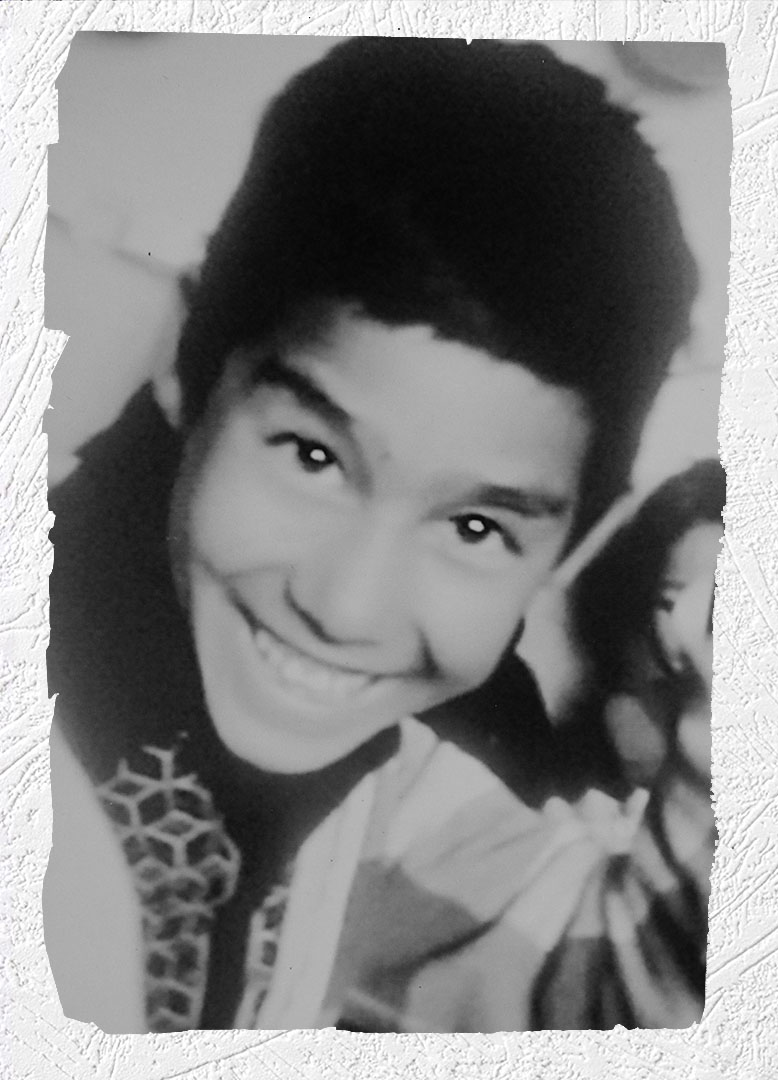
- Gender
- Male
- Ethnicity
- Hazara
- District geolocation of incident
- Kabul: 34° 31′ 1″ N, 69° 8′ 60″ E
- Description of incident
On July 23, 2016, two suicide bombers denoted their explosives among the protesters at Dehmazang Square in Kabul, the capital city of Afghanistan. The protesters, who were primarily Hazaras, were part of the Enlightenment Movement. They were protesting against the diversion of the TUTAP mega power project which would cause the project to bypass Hazara-dominated areas. At least 84 protesters lost their lives and 260-400 others were injured. The Islamic State of Khorasan Province (ISKP), the regional branch of ISIS, took credit for the attack. However, ISKP later refuted their involvement in the attack.
The Enlightenment Movement, also known as Junbesh-e Roshnayie, was a grassroots civil disobedience movement started by Hazaras in Afghanistan in response to a change in the Fichtner GmbH & Co. KG proposed Energy Supply Improvement Investment Program, unofficially called TUTAP project plans. The change in the project plans would cause it to bypass Hazara regions. The move was seen as perpetuating long-standing anti-Hazara discrimination. Throughout 2016 and 2017, the Enlightenment Movement coordinated large-scale demonstrations against discrimination both domestically in Afghanistan and abroad.
- Witness/Survivor Statement
Human Flesh Was Everywhere
Narrator: Laila Kazemi (mother)
Victim: Mohammad Jan Kazemi
Date of the incident: 23 July 2016
Location of the incident: Dehmazang, Kabul City
My son was 14-years-old. I raised him in poverty. In fact, he had just started working so we were all very happy, especially me and his father. His father used to say, “It's good that I have a big son and like a mountain, he has my back.” When his father would go to a party at night and would not return home or go on a trip, he was confident and would say, "Thankfully, my son has grown up and is there with his four sisters and his mother." For a while we lived in Taimani out of necessity. Poverty forced us to live in places where people consider my son alien. We were there for one year, and my son attended the first grade in one of the schools in Taimani. Then we moved to Guzargah, and I enrolled my son in the Abdul Ali Mostaghni school. His sisters attended the same school as it is for both girls and boys. One day in second grade, my son was walking to school alone and was brutally beaten on the street. Some people dragged him into an alleyway and beat him with an electrical cable. He was not someone who would usually complain. When he came home, he simply said to me, "Mother, I was beaten with electrical wires.” They had attacked him for being a Hazara.
I will never forget the moment he came home with bruises on his face and body, and refused to say who had hit him. After that incident, I transferred him to a different school. I enrolled him in a school near Guzargah where he studied up to the sixth grade. He tried very hard not to be a burden. I always said to myself, “Leila, look at how the difficulties of the world have affected a 14-year-old child!” When he was with us at home, he would empathise and say, “I must work to help my father. How long does he have to work? He gets work one day and has no work the next.”
To be honest, last year, Mohammad Jan had started to burn incense to earn money. He made holes in a can of paste and put esfand seeds in it. It was winter and he said he wanted to earn money by burning incense so he could get his younger sister a pen and notebook. He told us not to worry. I always told him he shouldn't do that as someone might not like incense smoke. I was afraid, God forbid, that people would beat him up again. He told me, “No, mother, I can get my sisters a notebook and pen with the ten Afghani I earn from the incense.” He used to get 20 or 30 Afghanis working and would put it in a piggy bank he had prepared. He kept the piggy bank until the new year. On New Year, when he broke it, he had saved almost two or three hundred Afghanis.
He used the money to buy a pen, a pack of notebooks, and school supplies for his sisters. The only thing he could not buy them was a bag. He reassured them that it was okay, they should not worry, he was going to keep going to school and working in incense smudging [spiritually purifying with incense smoke].
By spring, I would not allow him to continue with incense smudging any more. I told him, “My son, don't go to work. Go to school. You should study.” Just this year, when school started up again, he found a job in a tailoring shop. He came home and said that he found a job. He said he would be a tailor’s apprentice and that his salary would be 100 Afghanis a week. I was very happy and said it was better than being on the streets all day. It was good because it was fun for him and he could spend some of the money he earned on himself. With the money he had saved, he bought pens and notebooks for his little sister, whom he loved very much. He used the money he had earned to buy a birthday cake from Pole-Sorkh for his sister. With the help of his sister, he found a small table, spread a woven tablecloth on it, and celebrated his sister's birthday. Only one video of him is left on the mobile phone, in which he shouts he wants to eat the decorative flower of the cake. He repeats that, laughs, and waves. That beautiful day passed and spring arrived.
At at a young age and with very little money, he had fulfilled his sister's wish and bought her a pen and notebook. He would go to school at 6 am and would return at 10. After that, he would go to the agricultural fields. One day he came home and said, ”Mother, I have found a new job”. I asked what job. He said, “My chief is called Kaka Zalmai. I go to his lands and pick leeks. He gives it to me and wants me to take it to the back alleys to sell it and we will halve the money.” His income level varied. Sometimes he would earn ten or twenty or even fifty Afghanis. With his money, he would buy burgers or boiled eggs and bring them home and eat them together with his little sister. Ramadan passed like this. It must have been my negligence that I let him go. Then I told him not to go to the fields anymore, saying “You are still very young and not old enough to take responsibility for the household.” He was still trying to earn that little extra money. He would always do his work on time and was never lazy. He tried hard to earn even a small income to help his father, and did not stay idly at home. I did not have my dream come true. I have cursed this unjust world that has influenced a child in such a way that he felt he must work and thought about ways to earn some halal [legal] money. I always told him, “My son, pursue your studies so that you can achieve your dream.” He always said, "Mother, I am studying, then I want to join the National Army." I also encouraged him by saying that serving in the Army was good and it was an honorable decision that in the future he wanted to keep people safe and secure.
He had a pair of pants with camouflage patterns. He liked them very much, and would always wear them, and took good care of them. I still have many memories of him in my mind and heart. He was very fond of football. On the day before he was martyred, he slept from 10:00 am to 1:00 pm. When his sisters came home from school at 1 o'clock, I called him, “Mohammad Jan, wake up my son, your sisters are home”. On that day, he asked one of his sisters to cook rice for him, as he only wanted to eat rice. His sister cooked the rice, and I am happy my son did not leave home hungry or thirsty. That day, he ate two plates of rice and drank two glasses of water. Going out of the house, he had a green handkerchief around his neck. I did not see him but his sisters said he smiled when he left the house. Before he left the house, I had said to him, "Mohammed Jan, where are you going? The situation today is not good, and God forbid there could be a suicide attack.” I even locked the gate and put the key out of reach, fearing he might go outside to play football. He wanted to get out through the roof-top. Our roof is connected to the roof of the neighbor's house, and Mohammad Jan wanted to get out through their bathroom. The girls told me, “Mother, Mohammad Jan has put up the ladder and wants to leave the house through the roof.” That day, I was very sick and my blood pressure was high. That's why I was sleeping. I work as a janitor at the local mosque. Mohammad Jan took the key from where I had put it. I noticed him and said, “Where are you going, my son?” He said, “Mother, please let me go play football with my friends today.” I said “My son, your friends are not there today.” But he said, “If my friends are there, I will go and play football with them.” He even told me the names of his friends and said, “If they don't go to play football, we will just gather in the alleyway and talk together for a while.”
We live near a grassy field, and that’s where he went. Once there, he did not find his friends. Someone told him, “The Hazaras are demonstrating in Dehmazang. Aren't you a Hazara? Why are you walking around here?” He was a very daring boy, and on the suggestion of this person, he did go to Dehmazang. The moment he arrived there, the explosion happened. I felt like the glass of the room broke over my head. I quickly got up and ordered my daughters to go and see in the alley to find out where the boy was. The poor girls were afraid and checked the alley, but Mohammad Jan was not there. I put on my clothes and went to Dehmazang in a pair of flip-flops. No matter how much I looked for Mohammad Jan, I couldn't find him. It was horrible; human flesh was everywhere. I saw everything except the hands and feet. At that time, I could not understand anything because of fear, sorrow, and shock. I was just running here and there; I did not even notice a camera next to me. Later, my daughters said they had seen me on TV, running around like a crazy person who had lost her mind.
As I was searching desperately, I thought about the pieces of cloth thrown over the dead bodies. The tents of the demonstrators were lying on the street. I couldn't believe that these were pieces of human flesh, covered by a simple piece of cloth. I didn't even comprehend whether these were stones or lumps of flesh. When I passed by them, I wasn't in a normal state at all. I didn't know whether I was on the ground or in the sky. I was just running here and there, completely distraught. As I searched for my son, I started at the Esteqlal Hospital. I searched all the hospitals around Dehmazang, but I couldn’t find Mohammad Jan. I finally found him at the Wazir Mohammad Akbar Khan Hospital at 11:00 PM.
Martyrdom must have been his fate. I always thank God for trusting me with the gift of a son, and I gave the gift back to him. I say to my God that he made the son of a mosque janitor meet martyrdom. I am sure he has not forgotten us. As the mother of martyr Mehr Ali says, I thank God that my son was not killed on a bad path, God forbid, for theft or adultery. He was the son of a mosque janitor and a labourer. My son had not even reached the age of prayer and had never sinned. God accepted this gift from me. But I will never forget that day and night when I had only one thousand Afghanis. I took 500 and his father took another 500. I was tormented by the idea of burying my son in such poverty and neediness in front of other people. So I borrowed seven thousand Afghanis from someone to prepare my son's shroud and coffin. I went to someone and pleaded, “For the sake of God, give me a loan to bury my son. I will pay your loan back as soon as possible.” May God bless him, he gave me the money and I used it for my son’s burial.
I will never forget the ill treatment by the staff of Wazir Muhammad Akbar Khan Hospital during my visit there. As I went there to identify my son's body, the person in charge of the morgue was opening and closing the mortuary cabinets so angrily that I lost my strength. I was overwhelmed with sorrow and I asked him to stop that behavior. I told him, “Those are the pieces of bodies of the martyrs, why are you acting like that? They, too, are the children of Muslims. So, open and close the cabinets slowly and with respect. Imagine yourself as the parents and family member of one of these martyrs. Is it right that you are behaving like this?” He didn't say anything. I found my dear Mohammad there. I brought him home alone with great sadness and with the help of his father, we bathed him. No matter how much I washed his head, the blood would not go away. His head was so badly hurt. With tears, sighs, moans, and sadness, I covered his head with plastic to prevent blood from spilling. Then I put cotton on it to reduce the flow of blood. We buried him alone and in loneliness. Our government is responsible for this great crime.
Khalili and Mohaqeq, who shamelessly encouraged the people and the youth [to participate in this protest], are the main perpetrators of this crime. They traded the lives of our innocent and educated youth and should be punished for their conduct. They must know that the curse of all of us is upon them. Now, everyday when it is the end of the school day for Muhammad Jan, the only thing I can do out of sadness is to pray for him. Even my little daughter sometimes tells me how much Muhammad is missed everywhere, at eating time, at the table. My tears are flowing, but I talk of my son as a martyr and as eternal, so that my husband does not feel too sad and to boost his spirits. Physically, my son is no longer with us, but his memory will last forever and he sees us. We must pray for him to rest in peace.
But the one thing that always bothers me is that I had dreamed of buying Mohammad Jan new clothes, which would have made him happy. This dream of mine is shattered now, with Mohammad Jan gone. I will never forget that Mohammad Jan never once tried on new clothes. He always helped and supported us as if he were an adult. He was concerned about his family's difficult financial situation. He worked so that his little sister was able to study and has a pen and notebook for school.
- Date added
- Jan 27, 2023
Mohammad Juma Karbalaie
- Photo of Victim
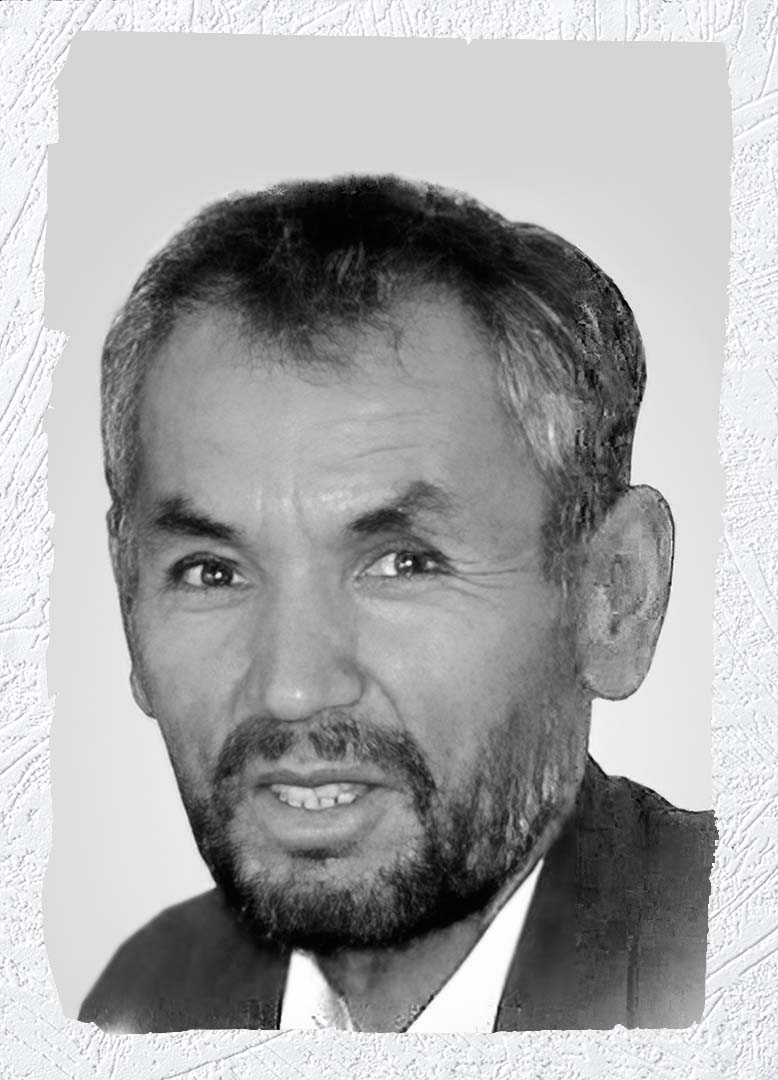
- Gender
- Male
- Ethnicity
- Hazara
- District geolocation of incident
- Kabul: 34° 31′ 1″ N, 69° 8′ 60″ E
- Description of incident
On July 23, 2016, two suicide bombers denoted their explosives among the protesters at Dehmazang Square in Kabul, the capital city of Afghanistan. The protesters, who were primarily Hazaras, were part of the Enlightenment Movement. They were protesting against the diversion of the TUTAP mega power project which would cause the project to bypass Hazara-dominated areas. At least 84 protesters lost their lives and 260-400 others were injured. The Islamic State of Khorasan Province (ISKP), the regional branch of ISIS, took credit for the attack. However, ISKP later refuted their involvement in the attack.
The Enlightenment Movement, also known as Junbesh-e Roshnayie, was a grassroots civil disobedience movement started by Hazaras in Afghanistan in response to a change in the Fichtner GmbH & Co. KG proposed Energy Supply Improvement Investment Program, unofficially called TUTAP project plans. The change in the project plans would cause it to bypass Hazara regions. The move was seen as perpetuating long-standing anti-Hazara discrimination. Throughout 2016 and 2017, the Enlightenment Movement coordinated large-scale demonstrations against discrimination both domestically in Afghanistan and abroad.
- Witness/Survivor Statement
My Father Became Interested in The Movement
Narrator: Qurban Ali (son)
Victim: Mohammad Juma Karbalaie
Date of the incident: 23 July 2016
Location of the incident: Dehmazang, Kabul City
My father, Mohammad Juma Karbalaie Mohammadi was born in 1957 in the village of Takhoi, in the Miramour District in Daikundi. At the age of 15 or 16, he migrated from Daikundi to Iran to escape poverty. My grandfather told me stories about the past. He recounted, “One night, I sent your father to a relative's house to do something, but he did not come back home that night. We searched everywhere, but there was no trace of him that night and the night after that. Then, I found out that your father had gone to Iran for work.” After my father returned from Iran, he explained how it had happened: “On a night, at the age of 16, I was sent to a relative's house to do something. From there, I got onto a truck with my friends and went to Ghazni; from there, a smuggler took us to Iran where we settled in Semnan.“ After some time, my grandfather had to travel to Iran with the rest of his family. There, my grandfather chose the daughter of one of his relatives as a wife for my father, which my father did not know about at the time.
My mother was his wife. Whenever my father talked about his happiest memories, he would recount this memory and I would listen to these stories with great enthusiasm. This is how it happened. One one day, my mother ran into my father and they both talked warmly because they knew each other and were related. During their conversation, my grandfather told my father, “This girl you are talking to is your fiancee and future wife.” My father used to tell me that he felt very shy when he heard that and that my mother’s face blushed. This meeting turned into a sweet memory. In Iran, my father first worked as a municipal employee. Later, he started working in building construction until he gradually gained credibility among people and became a skilled contractor.
My two sisters and I were born in Iran. We have both good and bad memories of living in that country. One of our worst memories of living in Iran was when my father fell from a building. It was a very serious accident and he was in a coma for a month. We prayed, cried, and lamented day and night. At that time, I was very young and I remember that every hospital we took my father to gave us a negative answer, and the doctors gave up hope of my father ever recovering. Three months after my father's injury, we got him dismissed from Imam Khomeini Hospital and took him to a relative’s house. That relative was a traditional bonesetter. When he checked my father’s head, he realised his head was injured, and told my grandfather that he would bind his son’s head. My father's condition had been very bad, but in a few days, his condition improved and God gifted my father to us once again. At that time, many of our relatives lived in Iran, and it was common that families visited Karbala. They all decided to wait until my father had recovered. After his recovery, my father was able to take us to Karbala.
I don't remember exactly, but I think it was in 2003 or 2004 when we returned to Afghanistan. I did not know anything about this place, none of our relatives and friends were there. We rented a house in the Kampany area and rented a grocery store which provided for the family's living expenses. My father worked as a supervisor in a company. Their job was to install telephone antennas in the central provinces. My father was a man of tact and foresight and he used to say that I should get a permanent job so that I don't have to worry about tomorrow. In 2010, when my sister graduated from the engineering faculty, they jointly established a construction company and were very successful in this venture. They worked with the Americans in Kandahar Province. They also had representatives in Herat and Balkh provinces. As his only son, we were very close and we always consulted each other on work issues. Then the issue of Tutap came up, when the Energy Supply Improvement Investment Program was rerouted to avoid the Bamiyan region and went through the Sailing Pass, which was seen as a discrimination against the Hazara people. My father participated in meetings of the Enlightenment Movement with great interest. He closely followed every issue related to the Movement as he sought justice for our oppressed people.
We both participated in the first demonstration of the Movement. When it was announced that there would be a demonstration on the 23rd of July, my father and I, along with a guest, were waiting for the 10:30 pm news hour on Negah TV channel. It was finally announced that the demonstration had been canceled. I was very busy in the office that day. I do clearly remember that my father went to a barber shop the night before the demonstration to get a haircut. The next morning, he woke me up early. He was wearing white clothes. I went to his office in Mosala, but I had butterflies in my stomach. That was why I would call his phone regularly and check how he was doing. At 7:30 in the morning, I called again and my father said, “There are very few participants at the demonstration. I will go back home to have breakfast, and then come back.” At 8:30, I left home and went to Mosala where I saw my father. I was keen to participate in the rally but since I had a huge workload, I could not. When he reached Dehmazang, I called him again and asked how he was. He said he was fine and I had to get him a tent, some water, and something to eat. I got a tent for him and took it to Dehmazang. He was near the hotel and was hungry. I asked him if he would like to have a kebab. He said that there were many people and it would be better to simply get him some biscuits. I bought water and biscuits for three people, gave it to them and went back to the office.
I did not hear the explosion. I was checking my phone when I saw that some of my friends had posted the news of an explosion in Dehmazang. I hurriedly called my father's number, but he didn't answer. I called one of my relatives and said there had been an explosion in Dehmazang. I said that my father was there, but he was not answering his phone. My relative said he would gather information. A few minutes later, he called and told me that my father was injured and that I had to get to Dehmazang quickly. I anxiously walked out of the office towards Dehmazang. All the roads were closed, and when I got there, I could not find my father. I called my relative again and he said they were in the Aliabad hospital and I had to go there. When I arrived at the hospital, I saw my father. A doctor was attending to him. My father was breathing through an oxygen mask. I was crying, and when the doctor noticed my distress, he said, “come and help me instead of crying.” I put my father on the bed with the help of the doctor, but the doctor's efforts were useless as my father was in a critical condition. He died a few minutes later. The hardest moment was when we took my father's body out of the hospital. We buried my father that night.
Injustice and ethnic prejudice were some of the reasons that pushed my father to get involved in the Enlightenment Movement. My father would always read books about discrimination and the monopoly of power and we enjoyed discussing these issues. I have so many memories of us. We would always try to go on business and family trips together, and more than being like father and son, we were like two companions or friends. We understood that our people’s problem is not only a lack of electricity, but discrimination against the minorities of this country and the concentration of political power. What our people demand is their inalienable right and an end to bullying. This is the starting point for a culture of equality. In this attack, we lost our loved ones, but we consider this struggle a starting point for mobilizing our people and our youth, and not a question of failure or despair.
My request to the government is that the power lines should pass through the route originally planned, because innocent people have died trying to defend their legal rights. As the son of a martyr who sacrificed his life for his people, I want us all to advocate, and in this way keep the names of the martyrs alive. As the son of a martyr, I face many difficulties. After the incident, I got into trouble with the bank. I went to the bank to get money, and they told me I should have an heirship affidavit to be able to withdraw any money from the bank. I could otherwise not withdraw money from my father's account.
The government and its bureaucracy gave us a hard time. I went to court, where they told me that I had to submit a letter to show whether the name of the martyr was registered with the relevant authority. I went to the office of the second vice president, got the list of martyrs that were registered there, and took it to them, but they refused to accept the list. Once again, I was sent back to the hospital to get a letter confirming my father's death.
Tell me, how can we trust the government and courts in this country, when they send us from one office to another for a signature and stamp, and still there is no result? When I completed all these steps, they told me I should go to the Martyrs and Disabled Department of Daikundi so that they could confirm that my father originated in that province, and so this could be registered officially. It takes time, and for me it is difficult to have time off work. Why did I have to travel this long and painful route, when it would have been possible simply to confirm my father's death in Kabul? Political leaders abused the trust of our people and abandoned us all to our fate. They are the accomplices of the massacre of our people. We will never forgive these crimes. My government and my leaders are all the traitors and murderers, of my father and of many other innocent people.
- Date added
- Jan 27, 2023
M. Hussain Mohammadi
- Photo of Victim

- Gender
- Male
- Ethnicity
- Hazara
- District geolocation of incident
- Kabul: 34° 31′ 1″ N, 69° 8′ 60″ E
- Description of incident
On July 23, 2016, two suicide bombers denoted their explosives among the protesters at Dehmazang Square in Kabul, the capital city of Afghanistan. The protesters, who were primarily Hazaras, were part of the Enlightenment Movement. They were protesting against the diversion of the TUTAP mega power project which would cause the project to bypass Hazara-dominated areas. At least 84 protesters lost their lives and 260-400 others were injured. The Islamic State of Khorasan Province (ISKP), the regional branch of ISIS, took credit for the attack. However, ISKP later refuted their involvement in the attack.
The Enlightenment Movement, also known as Junbesh-e Roshnayie, was a grassroots civil disobedience movement started by Hazaras in Afghanistan in response to a change in the Fichtner GmbH & Co. KG proposed Energy Supply Improvement Investment Program, unofficially called TUTAP project plans. The change in the project plans would cause it to bypass Hazara regions. The move was seen as perpetuating long-standing anti-Hazara discrimination. Throughout 2016 and 2017, the Enlightenment Movement coordinated large-scale demonstrations against discrimination both domestically in Afghanistan and abroad.
- Witness/Survivor Statement
He Was Hit by Three Bullets
Narrator: Qasim (friend)
Victim: M. Hussain Mohammadi
Date of the incident: 23 July 2016
Location of the incident: Dehmazang, Kabul City
In the name of God
I am a friend of martyred Mohammad Hussain Mohammadi. He was from Ghazni province, Qarabagh district, from the village of Zardsang, known as the Faiz Mohammad Kateb village. He was born there, lived there, and was taught in a religious school until he went to school.
When he enrolled in a public school, his family moved to the city of Ghazni. He completed his schooling at the Ghazni High School. When he graduated from 12th grade, he traveled to Iran, where he worked as a tailor. He lived there as a migrant worker for several years before returning to Kabul. He started a series of other activities in Kabul. He and his brother rented a building near the neighbourhood of Kote Sangi in Kabul and started working there. After a while, they got a cosmetic shop in Zadran Market and started working there. Sometime later, he resumed his studies and enrolled in journalism at Ibn-e Sina University. Besides studying and working with his brother, he also worked at Fars News. Six months later, he took a position at the Population Registration Department and also worked for them in Herat. He was a pious, friendly, and compassionate person. He never upset anyone; he always treated people well. When he moved to Herat, he promised me that he would help me find a good job after I graduated from university. He was caring and ready to help his friends and support young people. After a while, he called me and said that a suitable vacancy was advertised in Herat, and it was fit for me. When I arrived in Herat, I called him as soon as I got close to the terminal. He and his colleague came immediately and took me to their office. I worked there for some time. During that period, he paid for all my expenses.
When he finished his work in Herat and returned to Kabul, we were in touch once or twice a week. He believed that youth should play a role in politics; that is why he participated in the demonstration on the 23rd of July, despite having his final exam that day.
That fateful day, his brother received a call saying that Hussain had participated in the rally. They didn't know about what had happened to him, but there had been an explosion in Dehmazang. When we called Hussain, his number was not in service. We called him again, and someone else picked up the phone and said the phone's owner was injured and was in the Maula Ali hospital.
I sent one of his brothers home and told him that if they asked him about Hussain, no one should reveal anything before an update was available. I went to the hospital with his other brother, but Hussain was not there, and his brother said to go look in Barchi hospital. We went to Barchi hospital but his name was not listed there either. I called his brother again, but he didn't answer the phone. A few moments later, his brother-in-law answered the call and said Hussain was in the hospital. They had found him. When I reached the hospital and saw his brother crying, and I thought Hussain must be badly wounded, but as I got closer, I saw Mohammad Hussain's coffin beside the wall. I felt terrible when I realized that I would never see Mohammad Hussain alive again.
Three bullets had hit him, and one of his hands was broken by the gunshot. It was a difficult moment. We informed the elders of the martyr's family, and after half an hour, we moved the martyr's body to Barchi and then departed for Ghazni, where we buried him the next day. Mohammad Hussain Mohammadi always said he would like to be martyred; he wanted martyrdom. On the day of the incident, he had put on his new shirt, and before leaving the house, he had said to his wife, "I am leaving the house today, but you must remember to take care of my children and yourself." He has a four-year-old son and a one-and-a-half-year-old daughter. When he was martyred, he was nearly 30 years old. He was a kind and friendly person who always encouraged us to study and was an avid reader. I have good memories of him; all his friends and colleagues loved him dearly.
- Date added
- Jan 27, 2023
Enayatullah Hooman
- Photo of Victim

- Gender
- Male
- Ethnicity
- Hazara
- District geolocation of incident
- Kabul: 34° 31′ 1″ N, 69° 8′ 60″ E
- Description of incident
On July 23, 2016, two suicide bombers denoted their explosives among the protesters at Dehmazang Square in Kabul, the capital city of Afghanistan. The protesters, who were primarily Hazaras, were part of the Enlightenment Movement. They were protesting against the diversion of the TUTAP mega power project which would cause the project to bypass Hazara-dominated areas. At least 84 protesters lost their lives and 260-400 others were injured. The Islamic State of Khorasan Province (ISKP), the regional branch of ISIS, took credit for the attack. However, ISKP later refuted their involvement in the attack.
The Enlightenment Movement, also known as Junbesh-e Roshnayie, was a grassroots civil disobedience movement started by Hazaras in Afghanistan in response to a change in the Fichtner GmbH & Co. KG proposed Energy Supply Improvement Investment Program, unofficially called TUTAP project plans. The change in the project plans would cause it to bypass Hazara regions. The move was seen as perpetuating long-standing anti-Hazara discrimination. Throughout 2016 and 2017, the Enlightenment Movement coordinated large-scale demonstrations against discrimination both domestically in Afghanistan and abroad.
- Witness/Survivor Statement
Human flesh was everywhere, there was blood everywhere
Narrator: Rohullah Raha (brother)
Victim: Enayatullah Hooman
Date of the incident: 23 July 2016
Location of the incident: Dehmazang, Kabul City
My brother was 25 years old. We are four brothers and he was our third brother. He was born in Malestan, in the remote district of Ghazni province, and he completed high school in the same district. During his school years, the quality of schools and education was low. He completed his schooling with a lot of difficulties; there was no classroom or proper facilities they attended school under a tent, and, all the while, he had to work. Since he was young, he was very interested in theatre and writing; he always tried to write or even perform in theatres. He wrote several plays and performed many of them. I have them recorded.
He was very interested in Dari literature and was a very quiet and good-natured person. When someone spoke at home, he would actively listen. He had a good sense of humour. Even now, after his martyrdom/death, my grandmother remembers him and says: “whenever I was sad, he would sit next to me and say something to try to make me laugh.” My grandfather and parents, always reminisce about his kind personality and sometimes miss him very much.
We used to move back to our village in the winters when boys would come together. He was charismatic because you could see all the boys gather around him, and they were all talking happily. He would joke with some and have fun with others. In short, I could say that the people of the village were very fond of him and his kind manners and became very attached to him. After his martyrdom, an elderly man from our hometown would tear up every time he saw me or one of my brothers. With a lump in his throat, he would say that he remembered Inayatullah whom he loved more than his own son. The man recounts how he use to try to be the first one to visit Inayatullah every time he would come to the village.
My brother was fond of volleyball and was always eager to write. That is why he was admitted to the literature department of Herat University. As he studied at university in Herat, he also worked as a teacher in a private high school called Resalat. He would frequently mention his interest in studying and teaching literature. Sometimes he wrote poems and short stories. After he graduated, for he searched for a good job in Kabul for a few months, but unfortunately, he did not find a good position, so he returned to Ghazni and started teaching in a school near our hometown. After a year, my father insisted Inayatullah return to Ghazni. My father believed that he should study a more practical trade, as there was not a lot of demand for a Dari literature specialist. He was interested in studying dental prosthodontics and was interested in getting a scholarship to study abroad. Unfortunately, he did not achieve any of his goals.
He was not very interested in social issues, but when he moved to Kabul, he became more aware the cruelty and injustice inflicted on our people and the need for justice. So, he always tried to participate in the meetings of the Light Movement. He not only participated in the events organized by the Movement but also encouraged his friends to take part in them.
The night before the demonstration, he learned through Facebook that the demonstration of the 23rd of July might be canceled. He kept following the news until 1 or 2 am. I woke up at 12 am and noticed that he was awake. I asked him why he was not sleeping. He said he should find out whether there will be a demonstration the next day. He called me early in the morning and told me to get up, and have breakfast so that we all attend the demonstration. Looking at my busy schedule, I was not interested to participate in the demonstration but, because he insisted, I chose to participate.
He was very happy that day. When Martyr Inayatullah, my niece, and I arrived at the Mosala, he expressed his happiness even though there were few participants; he said we will remain at the protest until the very end. We had put on yellow hats with “Balanced Development and Justice” labeled on them. From the moment we moved from Mosala to Baba Mazari Square, he kept taking photos and posting them on his Facebook page. By the time we arrived at Dehmzang Square, it was very hot and most of the protestors were tired. I told my niece and Inayatullah that I wanted to go to my room to have lunch. I invited them to join me and said we would come back after lunch. No matter how much I insisted, Inayatullah refused and said that he would get a burger and stay with the protestors. When I got to my room, my friends learnt through Facebook that an explosion had happened in Dehmazang. I kept calling my brother but he did not pick up his phone. My friends called me when they heard the news, they were very worried. I started making my way back to Dehmazang. The worst memory I have from that day is that when I arrived there, human flesh was strewn everywhere although the wounded had already been transferred to hospitals. There was blood everywhere and pens stained with blood could be seen on the road.
This tragic incident took away an enlightened and educated generation. Someone called me from the hospital and said: “your wounded brother is in the hospital, get here immediately”. The situation was chaotic; cars were not moving, I had to run all the way to the hospital. When I got there, many people were standing behind the hospital gate and no one was allowed to enter. Some people started shouting and we forced our way into the hospital. The first thing I saw was the list of wounded people pinned on the hospital door. I read the list three or four times to see if Inayatullah’s name was there but I couldn't find it. With great difficulty, I entered the building and searched every single emergency room, but I could not find him. I don't remember exactly what was going on. I noticed they were transferred a body to another room, I followed them and found 16 bodies there. At this point, I had probably only seen a single dead body in my life, but there seeing 16 bodies was horrifying. I checked the bodies of the martyrs three or four times, but I could not seem to find my brother. Just as I was about to leave the room, I noticed his clothes; his phone and other belongings had been placed on his chest. It is hard to describe how I felt. I recognized his body by looking at a pack of chewing gum. He bought it in the morning, gave some of it to us, and kept the rest for himself. His face had not changed much; it had become paler. It was easy to notice that he had lost a lot of blood. After we received the body from the hospital, we transferred him to Ghazni province. We moved and buried him in Malestan district out of insistence by my grandparents.
- Date added
- Jan 27, 2023
Ali Ahmad Hamdard
- Photo of Victim

- Gender
- Male
- Ethnicity
- Hazara
- District geolocation of incident
- Kabul: 34° 31′ 1″ N, 69° 8′ 60″ E
- Description of incident
On July 23, 2016, two suicide bombers denoted their explosives among the protesters at Dehmazang Square in Kabul, the capital city of Afghanistan. The protesters, who were primarily Hazaras, were part of the Enlightenment Movement. They were protesting against the diversion of the TUTAP mega power project which would cause the project to bypass Hazara-dominated areas. At least 84 protesters lost their lives and 260-400 others were injured. The Islamic State of Khorasan Province (ISKP), the regional branch of ISIS, took credit for the attack. However, ISKP later refuted their involvement in the attack.
The Enlightenment Movement, also known as Junbesh-e Roshnayie, was a grassroots civil disobedience movement started by Hazaras in Afghanistan in response to a change in the Fichtner GmbH & Co. KG proposed Energy Supply Improvement Investment Program, unofficially called TUTAP project plans. The change in the project plans would cause it to bypass Hazara regions. The move was seen as perpetuating long-standing anti-Hazara discrimination. Throughout 2016 and 2017, the Enlightenment Movement coordinated large-scale demonstrations against discrimination both domestically in Afghanistan and abroad.
- Witness/Survivor Statement
That Afternoon, They Brought His Body Home
Narrator: Gholam Abbas (uncle-in-law)
Victim: Ali Ahmad Hamdard
Date of the incident: 23 July 2016
Location of the incident: Dehmazang, Kabul City
Martyr Ali Ahmad was a decent and well-mannered boy. He attended school up to 8th grade. Afterward, he served in the National Army for almost 12 years. He moved from Bamyan to Kabul nearly 13 years ago. He was from Bamyan province, Takht Varas region, and was nearly 23-years-old. He was a faithful boy and was martyred in the Dehmazang incident. A year had passed since his marriage, but he had no children. The living conditions of his wife are not good, but she has honored their ties and is still living in Kabul.
He has a brother who is in Iran. Everyone is busy with their own lives, and that's why his wife is living a difficult life with a salary of 5 thousand Afghanis and a rented house. However, because of the her husband’s kind treatment of her, she continues to endure all the problems on her own. We have lovely memories of the martyr. He kept everyone happy and satisfied by treating them well. He never spoke loudly or frowned at anyone. Even on the day of the demonstration, he left the house smiling and joking. But later that same day, in the afternoon, they brought his body home.
- Date added
- Jan 27, 2023
Abdul Rahim Alizada
- Photo of Victim
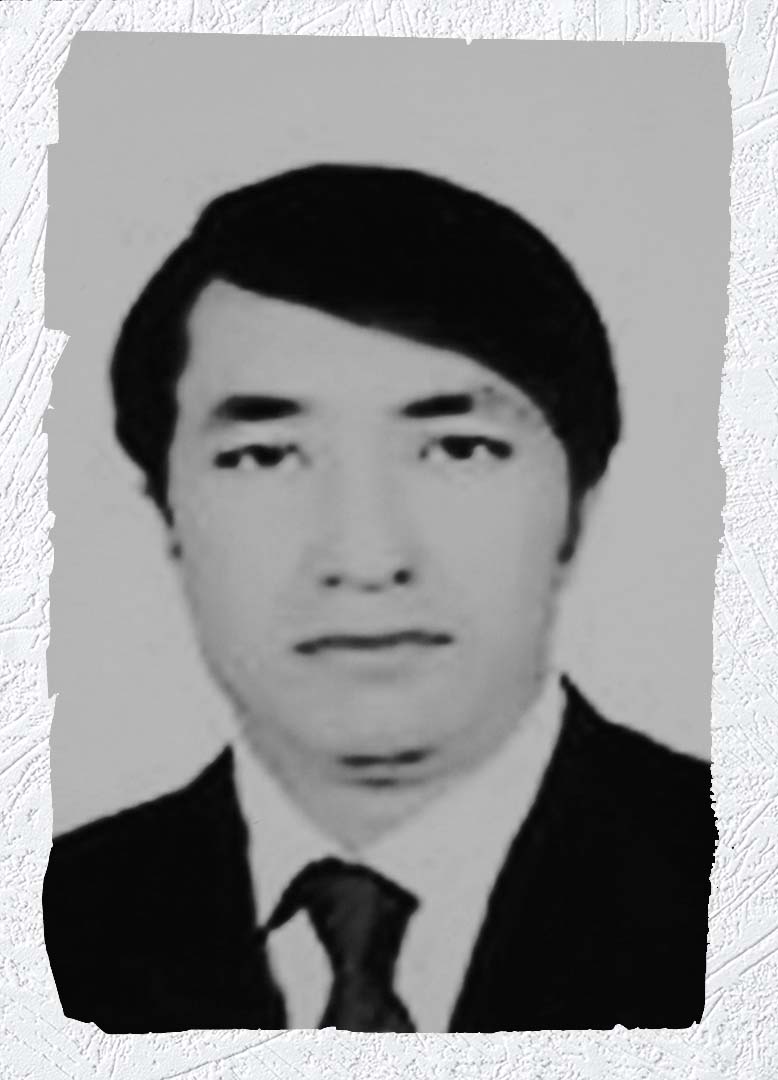
- Gender
- Male
- Ethnicity
- Hazara
- District geolocation of incident
- Kabul: 34° 31′ 1″ N, 69° 8′ 60″ E
- Description of incident
On July 23, 2016, two suicide bombers denoted their explosives among the protesters at Dehmazang Square in Kabul, the capital city of Afghanistan. The protesters, who were primarily Hazaras, were part of the Enlightenment Movement. They were protesting against the diversion of the TUTAP mega power project which would cause the project to bypass Hazara-dominated areas. At least 84 protesters lost their lives and 260-400 others were injured. The Islamic State of Khorasan Province (ISKP), the regional branch of ISIS, took credit for the attack. However, ISKP later refuted their involvement in the attack.
The Enlightenment Movement, also known as Junbesh-e Roshnayie, was a grassroots civil disobedience movement started by Hazaras in Afghanistan in response to a change in the Fichtner GmbH & Co. KG proposed Energy Supply Improvement Investment Program, unofficially called TUTAP project plans. The change in the project plans would cause it to bypass Hazara regions. The move was seen as perpetuating long-standing anti-Hazara discrimination. Throughout 2016 and 2017, the Enlightenment Movement coordinated large-scale demonstrations against discrimination both domestically in Afghanistan and abroad.
- Witness/Survivor Statement
The Martyrdom of Abdul Rahim Was a Horrible and Ominous Occurrence
Narrator: Mohammad Ali Alizada (brother)
Victim: Abdul Rahim Alizada
Date of the incident: 23 July 2016
Location of the incident: Dehmazang, Kabul City
I have three brothers. Unfortunately, we have lost Abdul Rahim and now I have two brothers. I am the eldest son of the family and the Martyr was our youngest brother. He attended school up to sixth grade in the Varas District, in the Province of Bamiyan. Back then, when we lived in Varas, the local school was not of a good standard as it lacked teachers. The martyr, Abdul Rahim, attended both modern and religious schools. His teachers were very happy with him because he was a good student in all areas. He would always get top grades at school. His hard work inspired our move to Kabul. Another reason for our move was that we did not own any agricultural land in the village and our financial situation was not very good. In Kabul, we rented a house in Chindawol, near the Ashiqan Arefan Mountain. Abdul Rahim attended the Ashiqan Arefan High School up to 8th grade. Later, he was transferred to the Abdul Rahim Shahid High School where he studied up to 12th grade. With the small amount of money we had saved through years of labor, we bought three Biswas of land (a traditional measure of land) in Dasht Barchi. Following his graduation from high school, he took the public university entrance exam and was admitted to the Law Department of Bamiyan University.
In Bamiyan, we lived together. He used to attend classes, but he was not satisfied with the classes or the teachers. One day, he told me that he wanted to return to Kabul to get a good quality education. In addition, he was worried about our parents. He was very fond of my parents and they, too, loved him very much because he always prayed on time. It may be hard to believe, but he was a young man who could complete the recitation of the Holy Quran within a week. When I discussed the matter with my parents, they agreed that we should return to Kabul.
My other brothers do not live with us; we live separately. One of my brothers has a good financial situation, and when he noticed that Abdul Rahim had talent, he enrolled him in Goharshad University, where that brother had studied Economics for four years. The martyr and I lived with my parents. Some nights, when I went out of my room, I noticed the light in Abdul Rahim's room was still turned on. When I would go to him, I could see him sitting with a blanket on his feet, reading a book. Some nights, he continued reading up until 1 or 2 am because he was very interested in education and reading. That's why we all made sure he had access to everything he needed so he could get on with his studies in peace. We all love and respect our parents, but the Martyr was very different from us. He would talk to them, listen to them, and had a very close relationship with them both.
He was a sociable and good-natured person who was loved by all his friends and acquaintances. After he completed his work and his studies, he would come to our room at night with a book in his hand. I have three children and he would help them with their school assignments, read books to them, and check their homework. He always advised them to study so they could have a better future. I have just a little education. I can only read and write. That's why he would use me as an example for them. My children attend both private and public schools. He always took time for each of them and asked them about their lessons. On the street where we live, he encouraged all the neighboring children to pursue their education.
During Nowruz this year, we suggested to him that he should get married and start a family. He refused and said, “I need to stand on my own two feet first, improve my financial situation, and find a good job. Only then could I think about choosing a wife. Furthermore, our parents have aged and need more care. I can't take care of them properly, let alone get a wife.” But our father insisted, saying, “I have lived for 93 years. I have lived my life and I wish to see you build a family and become the owner of your life. I owe you this and I want to get it off my shoulders. I have enough money to help you start a family and it would put my mind at ease.” He accepted my father’s wish and got engaged. He got married on the 15th of Sha’ban (22 May 2016). After his wedding, he tried hard to find a good job but did not find anything suitable. In the Tabassum Movement [the grassroots movement created after the execution of 9-year-old Shukria and 6 other Hazara in November 2015], he was the first person to encourage our people to come together. He said that it was our inalienable right to advocate for our innocent travelers. He started working, running a shop to provide for his family. He used to work in the shop until 9:00 PM and would come home late. After he was killed, when anyone knocks at our door at 9 o'clock in the evening, we automatically think he has come home.
Before the demonstration, Abdul Rahim had called his father in-law's house and said, "Your daughter has not visited your home since her marriage. I got a job and I'm going to Baghlan. If you are available today, come and collect your daughter." He was just kidding. His father in-law said, “Why didn't you tell me earlier, it is 12 o'clock at night, and it is not possible for me to come for my daughter today.” My brother insisted that they should come on that same night because he and his friends were planning to go to Baghlan for work the next day.
My wife recounted how he had performed ablution, prayed, read some verses of the Holy Quran, and had taken a piece of paper and written: “If I get martyred in tomorrow's demonstration, bury me on Haji Nabi Hill.” He had taken a photo of himself out of an album and had said, “print this photo on my tombstone.” He even pointed out that “Haji Hossain will not do this. When Muhammad Ali returns from Iran, give him my photo and tell him to engrave the photo on my tombstone.” He specifically asked my wife “not to tell my parents anything about this and ask my wife to live with my parents for a while and if I get a share of my father's inheritance, to give some to my wife.” My wife then got angry with him, and told him, “Have you gone crazy?” She even tore up the photo he had given her. Abdul Rahim Alizada got upset then, and said, “I am sure that, God willing, I will be martyred tomorrow.” My wife was angry and told him that instead of saying such nonsense, he should have been with his wife that night. She asked him to stop talking about such things. Abdul Rahim even told my son, “I am not crazy. Your mother is crazy; I gave her my photo to be engraved on my tombstone, and she tears up the photo. If your father calls, tell him ‘My uncle asks us to bury him in Haj Nabi Town and put his photo on his tombstone.’” My wife begged him not to join the demonstration.
I called him to tell him that there had been a failed coup in Turkiye some time ago. I told him the situation was not good, and that God forbid an incident might happen. On the day of the demonstration, Abdul Rahim left the house, pretending he was going to work at the shop. He told my father, “I am going to see my mother and nephew in the shop.” Once he was there, he asked my mother to go home and have her breakfast. When my mother was about to go home, he bade her farewell and held her hand, and told her, “Forgive my sin, my dear mother.” When my mother saw the tears in his eyes, she got angry and told him, "What is happening to you today, I won't forgive you. Go and drink tea and don't talk nonsense." When my mother moved away from him, he asked her again to forgive him. My mother said her heart was shaken. He went to my mother and she hugged him and kissed his face and said she forgave him and pardoned him as a mother. He then told my mother, “Now that you have forgiven me, I feel lighter.” Then, he and his friends went to join the demonstration.
Back then, I was in Iran. I was following the protests through Facebook. I called him at 9 am, and he answered my call. There was so much noise in the background, with people chanting slogans for justice. We were not able to talk for long, and he said, “I will call you later. I can't talk now.” We hung up the phone. I called him at 12:45 pm. He said that the weather was hot and they wanted to set up a tent. He said he was holding a tent pole in one hand and a phone in the other hand. He said his mobile phone battery was low and could be dead anytime. He said that if the demonstration continued, they would set up a tent. Otherwise, they would go home. I was working as a guard in Iran and I usually rested for a few hours during the day so that I would be fresh for the night. Just before I wanted to rest, my uncle called me and said that there had been an explosion in Kabul. I hurriedly turned on the TV, but the antenna was not working. In that moment, I sensed that I would never see Abdul Rahim alive again. I felt so helpless; I was running around speechless.
I had put my phone on charge in the room, and I was searching for it. My [maternal] cousin, who was working with me, noticed my bewilderment and asked, "What are you looking for?" I told him that I was looking for my phone as I wanted to make a call to Kabul. He told me that my phone was charging in the room. I had lost the ability to walk. I told him to bring it to me quickly. He brought my phone and I called both Abdul Rahim’s phone numbers but he didn't answer. I called my other brother but he didn't answer either. I called home but no one answered. I asked my cousin to call a travel agency and get a ticket for me. “I am going to Afghanistan tomorrow,” I said. When he saw my nervousness, he asked what had happened. He said, “You have only been here a month, why do you want to go back already?” But when he saw my distress, he called the travel agency to send me a ticket via their employee.
I was getting dressed when my [paternal] cousin called me. I was so distressed as I talked to him, he asked me what had happened. I told him there had been an explosion in Afghanistan. He said that explosions and suicides attacks were a daily occurrence in Kabul and Afghanistan. With difficulty, I managed to explain to him that there had been an explosion close to where the demonstrators were. When he heard that, he said, “I will be there in five minutes.” The employee of the travel agency brought me the ticket. My cousin arrived, took me to the terminal, and I travelled to Afghanistan.
When I reached my brother Hossain by phone, he explained that Abdul Rahim had been injured and was in the hospital. I opened my Facebook app, and noticed that one of my brother's classmates from Sarab (Ghazni), had posted a note on his Facebook page: “Abdul Rahim, one of my university classmates is injured and needs blood.” My eyes were full of tears. I could not see the mobile screen properly. My cousin took the phone off me, and when I got the phone back from him, I could no longer find that page. I asked him what he had done with that post. He said that the post itself had disappeared; he did not do anything.
I called my son. When he answered the phone, I could hear crying in the background and I knew then that Abdul Rahim was dead/martyred. After that, I don't remember how they took me to the terminal. Everything was incomprehensible to me. After some time, my cousin told me to get out of the car. When I regained my senses, I found myself in front of my brother's house. I went inside and saw a lot of shoes behind the door. I passed out then, and when I regained consciousness, I found myself in my uncle's arms. He was crying and comforting us at the same time.
The martyrdom of Abdul Rahim was a horrible and ominous occurrence for all of us because he was very dear to the whole family. My parents still cry so much when they remember him and I cannot console them. Some time ago, when I was reciting the Holy Qur'an, I found a hand-written piece of paper. I can’t read and I saw there were a few signatures on the paper. I called my son and told him, “Take this piece of paper to your uncle, Abdul Rahim, to read it. I don't know what is written on it.” My son cried out, telling me, “Dad, my uncle, Abdul Rahim, was killed and is no longer alive.” Our family will forever be in pain for losing Abdul Rahim. This pain will never leave our hearts.
- Date added
- Jan 26, 2023
Bostan Ali Haidari
- Photo of Victim

- Gender
- Male
- Ethnicity
- Hazara
- District geolocation of incident
- Kabul: 34° 31′ 1″ N, 69° 8′ 60″ E
- Description of incident
On July 23, 2016, two suicide bombers denoted their explosives among the protesters at Deh Mazang Square in Kabul, the capital city of Afghanistan. The protesters, who were primarily Hazaras, were part of the Enlightenment Movement and were protesting against the decision that diverted the TUTAP mega power project by bypassing the Hazara-dominated areas. According to multiple sources, nearly 260- 400 people were injured, and at least 97 protesters lost their lives. The Islamic State of Khorasan Province (ISKP), the regional branch of ISIS, took credit for the incident. However, the same organization later refuted their involvement in the incident. The Enlightenment Movement, also known as Junbesh-e Roshnayi-e, was a grassroots civil disobedience movement started by Hazaras in Afghanistan in response to a change in the Fichtner GmbH & Co. KG proposed Energy Supply Improvement Investment Program, unofficially called TUTAP project plans diverted through bypassing Hazara region. The move was seen as perpetuating long-standing anti-Hazara discrimination. Throughout 2016 and 2017, the group coordinated large-scale demonstrations against discrimination both domestically in Afghanistan and abroad.
- Witness/Survivor Statement
My Son Was Completely Burned and Killed in The First Explosion
Narrator: Khadim Ali (father)
Victim: Bostan Ali Haidari
Date of the incident: 23 July 2016
Location of the incident: Dehmazang, Kabul City
Martyr Bostan was born in Sorkh Parsa district of Parwan province. He was martyred at the age of 23. He finished school in Sorkh Parsa, graduating from Shahid Mortaza High School. He was a decent, friendly and sociable boy. It has been almost seven years since we moved to Kabul. We live in Barchi, Golai Mahtab Qala. Because there were no work opportunities in Parwan Province, he engaged in carpentry after graduating from school. Since the work did not turn out well, we then moved to Kabul. He was still single. Whenever I suggested that it was good to put his life in order and select a spouse, he said he was not ready to get married. He had a calm personality but had good relations with everyone.
His closest friends were martyr Mehr Ali and martyr Rahim, who were also martyred in the same incident. Before martyrdom, they worked in a market; our families used to visit each other. In addition to carpentry, he used to wrestle, and was very interested in athletics. He had been engaged in wrestling for several years. For a month prior to his death, he had participated in the meetings of the Movement. He always went to Mosala. The night before the incident, he cried when he returned home. I asked him why he was sad and crying. He said, “Our activities and efforts failed.” That night, my son and the martyr Mehr Ali went door-to-door to campaign for the July 23rd protest.
They distributed leaflets so people would go to Dehmazang on Saturday and stand up for their rights. The night before, he told us he would participate in the next day’s demonstration. I jokingly said he would do better not to participate, but he firmly stated that he had to be there.
On the day of the incident, he left the house early in the morning, and I followed him at 7 o'clock. He was near Mosala with a small number of people, 15 or 20. Dawood Naji was also there. Noticing me, he said, "Bostan’s dad, you are an elderly man. Please gather a few people to build a larger crowd.” I was holding a flag. By the time we arrived in Pol-e-Sokhta, more people had joined us. We all walked together to Dehmazang. Around noon prayer time, some people and I went to pray at Mohseni mosque, and it was then that the suicide attack happened. I was praying when an intense explosion rocked the seminary building. When I called him, Bostan’s phone was switched off. I believed something terrible must have happened.
One of his sisters lives in Barchi. She called me and said that Bostan was not answering her phone calls. When I returned home at night, I hid it from my family. I told them some protestors were arrested and taken away by security personnel. When I returned to Dehmazang, all the martyrs and wounded were picked up. My son was burned entirely and martyred in the first explosion.
There were a lot of wounded and martyrs. First we went to Esteqlal Hospital, but he was not there. We searched all the hospitals throughout the night but still did not find him. The next day, we went to Sardar Mohammad Dawood Khan Hospital. Two of his friends were there. They knew he was martyred, but they did not tell me anything. They were handing over the martyrs; two boys went in and said my son was there. I received his body at 9 o'clock. The government provided an ambulance. Many of our relatives were there, and with their help we took his body to the mosque. When we brought the martyr's body to the mosque, we showed it to his mother and sisters. I will follow the path and goal of the martyrs until the last drop of my blood. We will participate every time there is a demonstration. His brothers, too, believe that if we remain silent, the martyr’s blood will have been spilled in vain.
Unfortunately, I lost another son in the early days of Karzai's rule. It happened because my son had bought a Mazda vehicle from Herat. On his way to Kabul, robbers blocked his way in Helmand and killed him. After several days of searching, we found his body in a ruined building. Bostan, who was martyred, was my second son. My first son was married, and a year had passed since his wedding. Unfortunately, these days our leaders do not act to support their people; they have remained silent. They did not work on the Martyrs' Hill or pave it. The leaders of the Movement made these promises to the families of the martyrs. They have not done anything so far. Our only request to the Independent Human Rights Commission and the United Nations is to investigate this crime and not to ignore it. We have no expectations of the government because it placed suicide bombers among the demonstrators and killed our youth in order to scare our people and stop the protests. I went to take a lunch break and perform prayer, but did not tell him to take a break as well. Later, two doctors from our hometown said that my son and Mehr Ali had lost their lives in the blast wave, and their bodies were completely burned. He was wearing a camouflage pattern jacket. Only a tiny part was left unburnt. His face and stomach were severely burned.
- Date added
- Jan 26, 2023
Reza Akbari
- Photo of Victim

- Gender
- Male
- Ethnicity
- Hazara
- District geolocation of incident
- Kabul: 34° 31′ 1″ N, 69° 8′ 60″ E
- Description of incident
On July 23, 2016, two suicide bombers denoted their explosives among the protesters at Dehmazang Square in Kabul, the capital city of Afghanistan. The protesters, who were primarily Hazaras, were part of the Enlightenment Movement. They were protesting against the diversion of the TUTAP mega power project which would cause the project to bypass Hazara-dominated areas. At least 84 protesters lost their lives and 260-400 others were injured. The Islamic State of Khorasan Province (ISKP), the regional branch of ISIS, took credit for the attack. However, ISKP later refuted their involvement in the attack.
The Enlightenment Movement, also known as Junbesh-e Roshnayie, was a grassroots civil disobedience movement started by Hazaras in Afghanistan in response to a change in the Fichtner GmbH & Co. KG proposed Energy Supply Improvement Investment Program, unofficially called TUTAP project plans. The change in the project plans would cause it to bypass Hazara regions. The move was seen as perpetuating long-standing anti-Hazara discrimination. Throughout 2016 and 2017, the Enlightenment Movement coordinated large-scale demonstrations against discrimination both domestically in Afghanistan and abroad.
- Witness/Survivor Statement
His Clothes and Face Were Covered in Blood
Narrator: Zaher (uncle)
Victim: Reza Akbari
Date of the incident: 23 July 2016
Location of the incident: Dehmazang, Kabul City
I am Zaher, uncle of the martyred Reza. I was working in Iran and learned through the television that a suicide bomber had attacked protestors in Dehmazang.
My nephew Reza lived with his grandfather. We live separated from my father. When I watched the news, I became agitated. I quickly called my father and asked if anyone from our family, relatives, or friends had participated in the demonstration. My father said everyone was at home except Reza, who had come home but had gone out again around noon to join the demonstrators. “I tried to prevent him from going, but he forcefully left the house and would not listen to me." He added that before leaving the house, he told him, “I participated in the previous demonstration, and nothing happened; this time, too, God willing, nothing will happen.”
About eight months ago, my father assigned Reza to be an apprentice in a car repair shop so that he could stand on his own feet and not be dependent on anyone, learn a trade and provide for his expenses and not be a simple laborer like me. Reza had lost his father in a traffic accident at the age of 8 and had suffered a lot. When my father said that, I got even more worried, hung up the phone, and called my friends and acquaintances. I was apprehensive because Reza was the eldest son of his family. I did not get news until the following day. Finally, on Sunday, my cousin called me at 10:00 am and said, "We found someone in the 400-bed hospital, who looks a lot like Reza, but I don't recognise him. If you have a picture of Reza, send it to me so I can identify him.” I immediately shared his photo. Those were terrible moments. At 11 am, he called me again and said that the body was Reza’s and that he had been killed.
That same day, I went to my employer, got some money, left my following payments unsettled, and immediately left for Afghanistan. About eight months earlier, my brother and I had travelled to Iran for work. None of us have good living conditions. Since Reza's martyrdom, my father and his family's living conditions have deteriorated too. I am now unemployed and not in a good financial situation.
Reza had been born in the province of Bamyan Province, Varas District, Shui Qol Village by Payeen Aab. He had yet to start experiencing the taste of life when troubles afflicted him and his family. Reza lost his father in a car accident and was orphaned at the age of 8. At the time of the accident, his sister was two-years-old and his brother was still in his mother's womb. Following that incident, they lived with their grandfather. Reza studied in his village up to grade 7. He moved to Kabul in 2015, worked as a hawker for a while, and then became an apprentice at an automobile repair shop and learned the job well. Some time ago, he told me, “Uncle! If possible, please tell my grandfather to get me a shop so that I can work independently.” Since I noticed his hard work, I decided to get him a shop in autumn so his business would improve.
On the day of the demonstration, his workplace was closed and he had not gone to work. My father explained to me, “No matter how much I told Reza that he shouldn't participate in the demonstration, he wouldn’t listen to me and went to Dehmazang. When I called Reza, his phone was switched off, and the roads were closed. I kept waiting for him until the evening. After we heard about the suicide bombing, I went out with three other people to look for Reza; we searched everywhere until midnight, but we could not locate him. By early morning, after the prayer, we went out again to look for Reza. We finally found Reza at 10:00 am in the 400-Bed Hospital. He was unidentifiable; his clothes and face were covered in blood. Reza came home but with his eyes shut. He has grieved me, his mother, his little brother, and his sister.” My father now lives with my other brother's family. My brother's financial situation is terrible, and my parents are old. My father is 70.
On the 40th day after the death of the martyrs of the Light Movement, which included Reza, my father was seriously sick for almost a week. He was very distressed by Reza's death and would frequently pass out. I called Mr. Behzad to explain that our situation was not good, and he called Motahari, but my father was given no help. Now, my brother has to provide for nine people. I have been unemployed since I returned from Iran, and I cannot help them. I cannot even care for my own family properly. Losing Reza was painful for all of us. My father continues to shed tears and talk about him, may his memory be a blessing. I have asked Reza's heirs to follow in his footsteps so that his blood was not spilled in vain.
- Date added
- Jan 26, 2023
Khadim Hussain Hussaini
- Photo of Victim

- Gender
- Male
- Ethnicity
- Hazara
- District geolocation of incident
- Kabul: 34° 31′ 1″ N, 69° 8′ 60″ E
- Description of incident
On July 23, 2016, two suicide bombers denoted their explosives among the protesters at Dehmazang Square in Kabul, the capital city of Afghanistan. The protesters, who were primarily Hazaras, were part of the Enlightenment Movement. They were protesting against the diversion of the TUTAP mega power project which would cause the project to bypass Hazara-dominated areas. At least 84 protesters lost their lives and 260-400 others were injured. The Islamic State of Khorasan Province (ISKP), the regional branch of ISIS, took credit for the attack. However, ISKP later refuted their involvement in the attack.
The Enlightenment Movement, also known as Junbesh-e Roshnayie, was a grassroots civil disobedience movement started by Hazaras in Afghanistan in response to a change in the Fichtner GmbH & Co. KG proposed Energy Supply Improvement Investment Program, unofficially called TUTAP project plans. The change in the project plans would cause it to bypass Hazara regions. The move was seen as perpetuating long-standing anti-Hazara discrimination. Throughout 2016 and 2017, the Enlightenment Movement coordinated large-scale demonstrations against discrimination both domestically in Afghanistan and abroad.
- Witness/Survivor Statement
Now That He is Gone, My Sorrows Have Increased a Thousand Times
Narrator: Shirin Gul (aunt and godmother)
Victim: Khadim Hussain Hussaini
Date of the incident: 23 July 2016
Location of the incident: Dehmazang, Kabul City
Khadim Hossain was orphaned when he was six months old. Thenceforth, I assumed his guardianship. Years ago, Khadim’s father went out hunting with some other people and was buried by an avalanche. Only in autumn could they dig him out of the snow. His mother suffered from an anxiety induced mental breakdown triggered by her husband's death. Consequently, she also died. Since then, I had assumed guardianship of Khadim Hossain. I raised him until he was 20-years-old. He had just turned 21 this year.
Last year, his uncle [the narrator’s husband] was paralyzed due to high blood pressure. I went to all the hospitals in Kabul to find him a treatment and basically met every doctor. After we were disappointed with his treatment in Afghanistan, the doctors gave me a note to take him to Pakistan, where he could be treated. I borrowed money from my relatives and took him to Pakistan. Once Pakistani doctors examined him and conducted the initial treatment, they said he should be hospitalized for two months and would be fine after two months. He was hospitalized in Pakistan for almost 25 days. When calling home, Khadim Hussain would assure me that he, the house, and the children were all fine.
He said, “I am at work in the morning, return home in the evening, and all of us are together.” One evening, I called him, but his phone was off. I got worried and told his uncle that I had called Khadim Hossain, but his phone was off. His uncle told me, “It is okay. He is young; either his phone is dead, or he is at work and has turned it off, or maybe he has lost it.” I was still worried. I called my brother and asked him how he was. I told him I had heard there was a demonstration in Kabul. “Are you all well?” I asked. He said they were all fine. I asked him if he knew about Khadim Hossain and that his phone was switched off. He said, "Well, I don't know, sister." I asked him to call or find out why his phone was turned off. I explained that there are little children at home, it is not clear what has happened, and to let me know so that I could stop worrying. My brother said, “Okay. I will find out about him and let you know.” His own uncle was in the hospital.
During the day, I was taking care of my husband, and at night, I would stay at the house of my husband's cousin who lived in Pakistan with her family. That when, I saw on TV that smoke was rising from Dehmazang Square and numerous ambulances were carrying the wounded and dead. It was a terrible situation. Looking at that, I became apprehensive and said to myself, "God, what has happened?" From early evening, I continued calling Khadim until late at night, but he did not answer.
Early next morning, I called my brother and told him, “I tried calling Khadim Hossain's phone at night, but it was switched off. You told me you would find out about him and update me. You did not, so what happened?” He said, “Sister! Be patient. I will find out about him and call you.” Once again, I asked my brother, “Please go check the house, since there are only a few houses of our people there. There are one or two Hazara families, three Sayyid families, and the rest are all Pashtuns. Check on my children and see what has happened to them.” At around 11:00 or 12:00, my brother called back. When I picked up the phone, he said, "Sister, your son took part in the demonstration. We are looking for him but we cannot find him. It is up to you whether you come back or decide stay there." I went to talk to the head of the hospital. Although I didn't know their language, I managed to make them understand that there was a problem back at home. I said they had to dismiss my husband as we needed to return to Afghanistan. But they told me that I had to leave the patient there for two months and that I was not allowed to return to Afghanistan because the patient’s medication would not be sufficient. I went to my husband’s cousin's house and told him I had received a call from home, but the hospital won't dismiss his cousin. I asked him to go and talk to the hospital administrators to solve our problem.
He called my brother. My brother told him, “All I know is that he took part in the demonstration, but despite our endless searches after the incident, we have not been able to find him. My sister can either stay there with her husband or return.” We returned to the hospital, and my husband’s cousin pleaded with them until they allowed the patient to leave. We waited at the border crossing in Torkham for two days and then travelled to Kabul. When I arrived home, I asked my children where Khadim Hossain was and what had happened.
My eldest daughter, 13-years-old, said, “Mother! He came back from work in the evening and his employer called him to see if he had arrived home. Khadim Hossain said yes, he is at home. He woke up early in the morning and said that he was going to work. He went outside and came back.” Because he was working in a mosaic factory and his work clothes were very dusty, he had told my daughter, “Heat some water and wash my clothes, they are very dusty. I will not go to work today.”
He was having breakfast when somebody knocked on the door. Someone named Abbas, who was also later martyred in the demonstration, came to see him to ask him to go to the demonstration. Khadim asked for his clothes and got ready to participate in the rally. He said to my daughter, “Sister, if I am late, either go to your uncle’s house and tell him to come and stay with you at night, or call the lady who always visits us so that you are not alone before I arrive.” My daughter explained that they waited until evening but Khadim did not come home. “I went to my uncle’s house and said that Khadim Hossain had not come home yet. My uncle became angry with me and said, 'He will come home. There must either be a traffic jam, or he is just late from work.' I was still worried and went to the neighbours whose house is one or two buildings away, and told his wife that Khadim Hossain had not come home that night. We were all alone and, if possible, could she come and stay with us?" The neighbours knew that Abbas, the neighbour's son, had taken part in the demonstration too. Since Abbas had not returned, Khadim might not come back either.
At night, the neighbour lady stayed with my children until morning. In the morning, my brother went to our house and told my daughter to wake the children up and tidy up the house. He then went to look for Khadim Hossain. My daughter woke her siblings up and organized the house. After a while, a vehicle came to our alley, followed by a commotion. The body of Abbas, who took part in the demonstration alongside Khadim Hossain, had been found and brought to his home. Abbas's mother and wife were beating themselves, shocked by the sudden encounter with Abbas's body. My daughter explained, “I was looking at the crowd in the alley near Abbas's house when my uncle showed up and took us home, we hadn’t realized what had happened.”
When I arrived in Kabul, I met the community representative and asked the local people what had happened. They told me that Khadim Hussain and Abbas had been together, but they didn’t know if they had actually taken part in the demonstration or gone elsewhere. I called his employer who confirmed that Khadim had called to say he would not come to work that day as he planned to go to the demonstration. His employer had later tried to reach him but Khadim’s phone was turned off.
The next day, my brother and I searched the 400-bed Wazir Akbar Khan, the Aliabad, Esteqlal and Ibn-e Sina hospitals, and all the other hospitals in Kabul, but we could not find Khadim. Once I returned home, the community representative said I should consult with Motahari. When I met him, he assigned Jawhari and others to join me at the 400-bed Hospital. There was a burnt body there, but it could not be identified. There were several representatives with me. They asked me if I could recognize the body, but it was completely blackened. The only thing about the body that resembled Khadim Hossain was the height; it was not recognizable in any other respect. I told them that Khadim Hossain was heavy and fat, but this person was slim. Somebody, whom I thought was a doctor, said the body had become thin and black because it had been burned. Jawhari told them that there were pieces of the bodies that had not been identified so far. There were amputated hands, feet, heads, and other body parts. When we went there, there were just pieces of flesh. I told them that the only part of his body I would be able to recognize was his face; the rest of his body, including his hands, feet, flesh, and other parts, would be impossible for me to identify. We returned home.
When Khadim Hossain was still alive, life could go on somehow as normal. Sometimes it was good, and sometimes bad. But ever since Khadim Hossain sacrificed himself for the sake of more rights and justice, his uncle has been paralyzed, and the difficulties in my life have increased tenfold. My children have become like orphans with no caretaker because they are small and there is no one to look after them. Their faces are covered with dust. My husband waits for me to return home and give him a glass of water with a piece of bread. My children are small and have no clue. He cannot take care of his home and his children.
Most brothers and sisters who have lost their loved ones at least have the chance to visit their martyr's graves to calm their hearts. Where can we go? Should I go to Mosala or visit the Martyrs Hill, each of whom has a family and loved one who come to see them? They go through a single pain, whereas I suffer a thousand pains. In the evening, when someone knocks on our door, my heart trembles, and I tell my children to open the door. God is merciful, maybe it could be him, and we could see him again. When the phone rings, I quickly pick it up, hoping it is Khadim Hossain calling. I am stuck in aguish. I may find food for breakfast, but I might not get anything for dinner. And thus, I spend the night and day looking forward to seeing Khadim Hossain again. I am waiting for where God will lead us. Despite all the sorrows, I thank God that I have a healthy body and can work and take Halal food for my family, no matter how much or how little.
When Khadim Hossain was alive, I worked at home since he was working outside and providing for the household. He would help me move his uncle and take him to the doctor. If there was a fatiha and I couldn't attend, I could be confident that Khadim Hussain would attend in our place. He would also participate in other people's happy occasions, and so I felt reassured. Now that he is gone, my sorrows have increased a thousand times.
- Date added
- Jan 26, 2023
Abdul Shakoor Karimzada
- Photo of Victim

- Gender
- Male
- Ethnicity
- Hazara
- District geolocation of incident
- Kabul: 34° 31′ 1″ N, 69° 8′ 60″ E
- Description of incident
On July 23, 2016, two suicide bombers denoted their explosives among the protesters at Dehmazang Square in Kabul, the capital city of Afghanistan. The protesters, who were primarily Hazaras, were part of the Enlightenment Movement. They were protesting against the diversion of the TUTAP mega power project which would cause the project to bypass Hazara-dominated areas. At least 84 protesters lost their lives and 260-400 others were injured. The Islamic State of Khorasan Province (ISKP), the regional branch of ISIS, took credit for the attack. However, ISKP later refuted their involvement in the attack.
The Enlightenment Movement, also known as Junbesh-e Roshnayie, was a grassroots civil disobedience movement started by Hazaras in Afghanistan in response to a change in the Fichtner GmbH & Co. KG proposed Energy Supply Improvement Investment Program, unofficially called TUTAP project plans. The change in the project plans would cause it to bypass Hazara regions. The move was seen as perpetuating long-standing anti-Hazara discrimination. Throughout 2016 and 2017, the Enlightenment Movement coordinated large-scale demonstrations against discrimination both domestically in Afghanistan and abroad.
- Witness/Survivor Statement
The Third Body Was My Father
Narrator: Shafiqullah (Son)
Victim: Abdul Shakoor Karimzada
Date of the incident: 23 July 2016
Location of the incident: Dehmazang, Kabul City
My father was born in 1942 in Qoluj Village of Qarabagh District in the province of Ghazni. My father was martyred in Dehmazang at the age of 74. My father has four sons and two daughters. My brothers and sisters are married and all live separately. My father always encouraged me to get an education and improve my life. He encouraged my sisters to have good relations with people. To perform the prayer, he would always go to the mosque. My father had five brothers, one of whom was killed during the wars. He spent his childhood in the village. Almost 50 years have passed since my parents got married. Their eldest child is 34-years-old. My best memory of my father is related was when I managed to pass the university entrance exam. When I told him about it, he had tears in his eyes, hugged me, and was very happy. He had many dreams for his children and always said he wanted all of us to succeed. He even encouraged his daughters to get an education and said they should go to school, get good grades in university, and achieve their dreams. We moved to Kabul in 2009, following which he never returned to Ghazni. My father was a social and good-natured person who was very fond of his children and grandchildren.
My father and brothers, Najib and Zabihullah, worked for ten years in Iran. He had a cow, and he would always look after it. Later, he sold the cow and bought a cart to work as a vendor. Sometimes he would do construction work. He had become interested in the activities of the Enlightenment Movement and frequently attended their meetings. He believed that our people should stand up for justice and raise the voice of the oppressed.
On July 23rd, he left home at 9 am. I also went to Kot-e-Sangi. I did not know my father, too, would be taking part in the demonstration. When I got there, I felt that the security situation was not good, so I returned home. The university exams were coming up, so I was studying at home. The night before the incident, Negah TV announced that the next day’s demonstration had been cancelled. However, when my father heard from the Movement's announcement that the demonstration would happen anyway, he went to Dehmazang the next day.
At 2:30 pm, when I turned on the TV, news of the explosion in Dehmazang was being broadcast on the 1TV network. My mother was distraught. She came to me and wanted me to call my father immediately. She explained that he had gone to Dehmazang. When my father left the house in the morning, no one stopped him; he was participating in the demonstration of his own free will. I called his number, but he didn't answer. I called him again, and somebody else picked up his phone and said: “I am a doctor, the owner of the phone is seriously injured, come to Ibn-e Sina Hospital.” I didn't know what I was doing. I took a taxi and immediately went to Esteqlal Hospital. I called my father's number and said I had arrived at the hospital. The doctor again told me that I should come to Ibn-e Sina Hospital. The road was closed, and the police would not allow anyone to pass. With difficulty, I made it to the hospital. I searched everywhere, but I could not find my father. A doctor called me and told me to follow him. I was in a terrible mental state and told myself my father must be injured. The doctor would take me to him. Then I realized that he was taking me to the morgue. When I got there, there were other martyrs too. The third body was my father’s. My world fell apart. I broke down and felt lost and I didn't know what to do. It was a difficult moment.
My father was transferred to the Emergency Hospital. The next day, we brought his body home. After bathing him, we buried him in the cemetery of Nawabad in Deh Qabil.
I am not asking for anything from this government because this is the same government that killed our people. I am requesting human rights institutions not to let the blood of our martyrs be wasted in vain, since they gave their lives for justice. Our loved ones did not take part in the demonstration for electricity, but because the government discriminates against some of the people of Afghanistan. We must follow in their footsteps and not let their voices be silenced.
- Date added
- Jan 26, 2023
Mehr Ali Mohammadi
- Photo of Victim
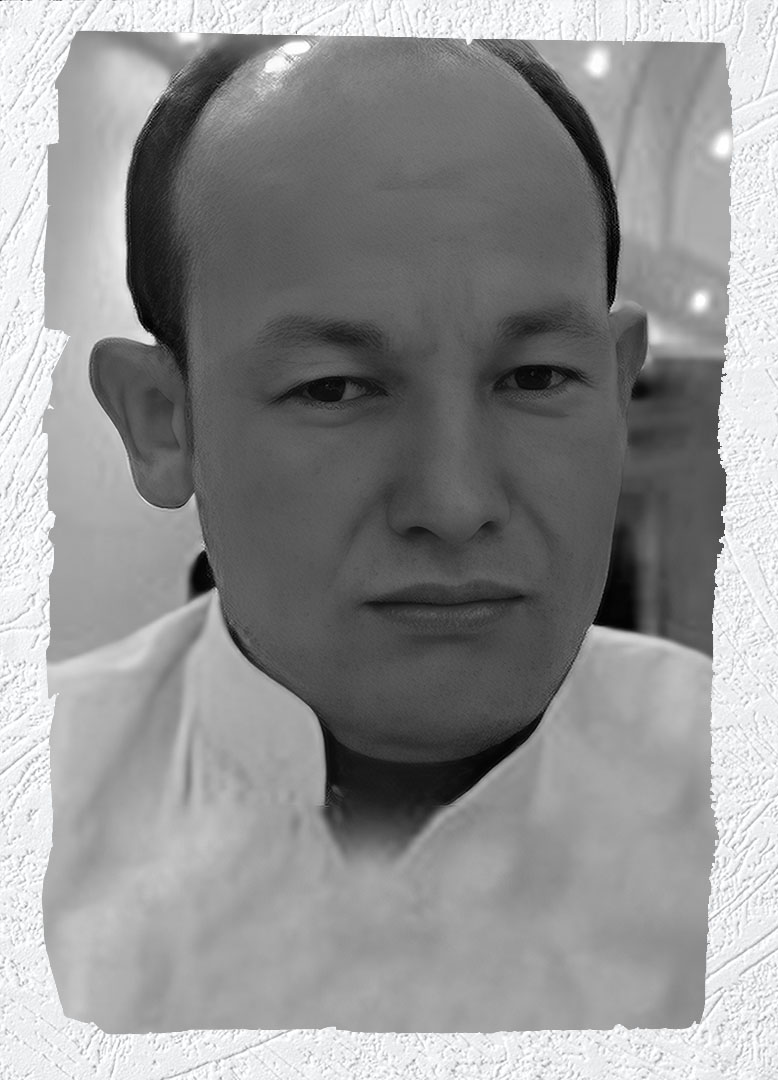
- Gender
- Male
- Ethnicity
- Hazara
- District geolocation of incident
- Kabul: 34° 31′ 1″ N, 69° 8′ 60″ E
- Description of incident
On July 23, 2016, two suicide bombers denoted their explosives among the protesters at Dehmazang Square in Kabul, the capital city of Afghanistan. The protesters, who were primarily Hazaras, were part of the Enlightenment Movement. They were protesting against the diversion of the TUTAP mega power project which would cause the project to bypass Hazara-dominated areas. At least 84 protesters lost their lives and 260-400 others were injured. The Islamic State of Khorasan Province (ISKP), the regional branch of ISIS, took credit for the attack. However, ISKP later refuted their involvement in the attack.
The Enlightenment Movement, also known as Junbesh-e Roshnayie, was a grassroots civil disobedience movement started by Hazaras in Afghanistan in response to a change in the Fichtner GmbH & Co. KG proposed Energy Supply Improvement Investment Program, unofficially called TUTAP project plans. The change in the project plans would cause it to bypass Hazara regions. The move was seen as perpetuating long-standing anti-Hazara discrimination. Throughout 2016 and 2017, the Enlightenment Movement coordinated large-scale demonstrations against discrimination both domestically in Afghanistan and abroad.
- Witness/Survivor Statement
Mother, I Will Sacrifice My Life for Justice
Narrator: Zakia (mother)
Victim: Mehr Ali Mohammadi
Date of the incident: 23 July 2016
Location of the incident: Dehmazang, Kabul City
I am mother of the martyr Mehr Ali. He was 33-years-old. He was very interested in community centred activities such as demonstrations and ceremonies of the month of Muharram. He always tried to treat people well. I told him not to participate in this demonstration because of the dire situation. He smiled and said there was no way for him not to go. “If I don't go, you don't go, and since so-and-so are afraid to go, who will defend our rights?” he said. I argued that he was a workman, a simple carpenter, and he did an excellent service by providing for his children.
Three days before the incident, both of us had travelled to Pakistan. He kept telling me he hoped he would be alive until Saturday so that he could participate in the demonstration. I even got mad at him and told him the demonstration was none of his business.
What have Khalili and Mohaqeq done for you, a simple worker, why support them? If only they had stood by, defended their people, and served the poor.
He told me again: “No, mother, I will sacrifice my life for justice. If I am killed, I am a martyr. If we succeed, we will be holy warriors.” He did not listen to me. I am very sad, but I say that maybe martyrdom was his fate, and I should not be ungrateful. We went to my eldest son's house in Haji Nabi town on Friday. They had organized a Holy Quran recitation ceremony. I told my eldest son to stop Mehr Ali from going because he is married and has several children, and God forbid something could happen. My eldest son said, “I will participate in the demonstration tomorrow and take my son with me. Don't worry, there will be no problem.” He had also participated in the protest for Tabassum. When I called him to ask where he was, he said, “Don't worry, mother, I'm near Fawara Aab.” In the second demonstration, when I called him to ask him where he was, he said he was at Pol-e-Artal. In the last demonstration, his fate was to meet martyrdom, but we cannot do anything against God’s will. This time, when he went to the demonstration, I didn't even remember to call him and ask where he was.
At 2 pm, I received a call from Mazar-e-Sharif. My eldest daughter called me and asked, “Are your sons at home?” At first, I was not paying attention, and I said yes, they were at home. I suddenly remembered and told her that her brothers were in the demonstration. “Zia and Mehr Ali are at the demonstration,” I said. She suddently said that a suicide attack had just happened in Dehmazang.
I left the house and called my eldest son. He said, “Mother, I am at home, but I don’t know where Mehr Ali is.” My sons lived in separate houses, that's why they didn't know about each other’s whereabouts. My eldest son had gone to his place in Haji Nabi township. When I called Mehr Ali, his phone rang several times, but no one picked it up. I told myself that he was not an inconsiderate boy. If he got the news, he would immediately call us to update us about his location and not let us worry. I instantly thought that my son was martyred. We went to Ibn-e Sina Hospital, I saw the corpses up close. Like the father of martyr Qasemi, I kept cursing Khalili and Mohaqeq out of excruciating grief. But it was useless because they had deserted their people, sacrificing innocent youths for their deal. We went to the NDS (National Directorate of Security) Hospital. They kept us busy for a couple of hours and said he was there, but we could not find Mehr Ali. They called us again from Esteqlal Hospital and wanted us to go there. Mehr Ali was there. By the time we arrived there, they had already handed over the bodies of the martyrs.
I noticed all our close relatives were there. This led me to believe my son had been killed, he had been martyred. All our close relatives gathered around me and took me home. The body was taken to Wazir Mohammad Akbar Khan Hospital. We brought my son's body from the hospital at ten o'clock the next morning. It may have been his fate to be martyred like this. He has four small children. I still praise God and pray for his sons to grow up and have a worthy future. The tremendous pain is that his young wife is pregnant and was widowed at a young age. May God give me the ability to support and serve them. He was 33-years-old when he was martyred. He was very sociable and kind, and all our relatives, neighbours, and friends loved him. He always treated people kindly. Whenever there was a happy or sad event, Mehr Ali would help the extended family. Whenever I called and asked him where he was, he would say, “Don't worry, mother, I am at the so and so event to serve people.” He was a very diligent boy. He had not been able finish school due to the insecurity created by the Taliban, so he learned carpentry and was highly skilled at it. Despite the grief of losing him, I am proud that he was not killed for an evil cause. He was martyred for the sake of justice, and I am proud of him. I loved him very much and will always love him.
- Date added
- Jan 26, 2023
Mohammad Joma Abdullahi Wafa
- Photo of Victim
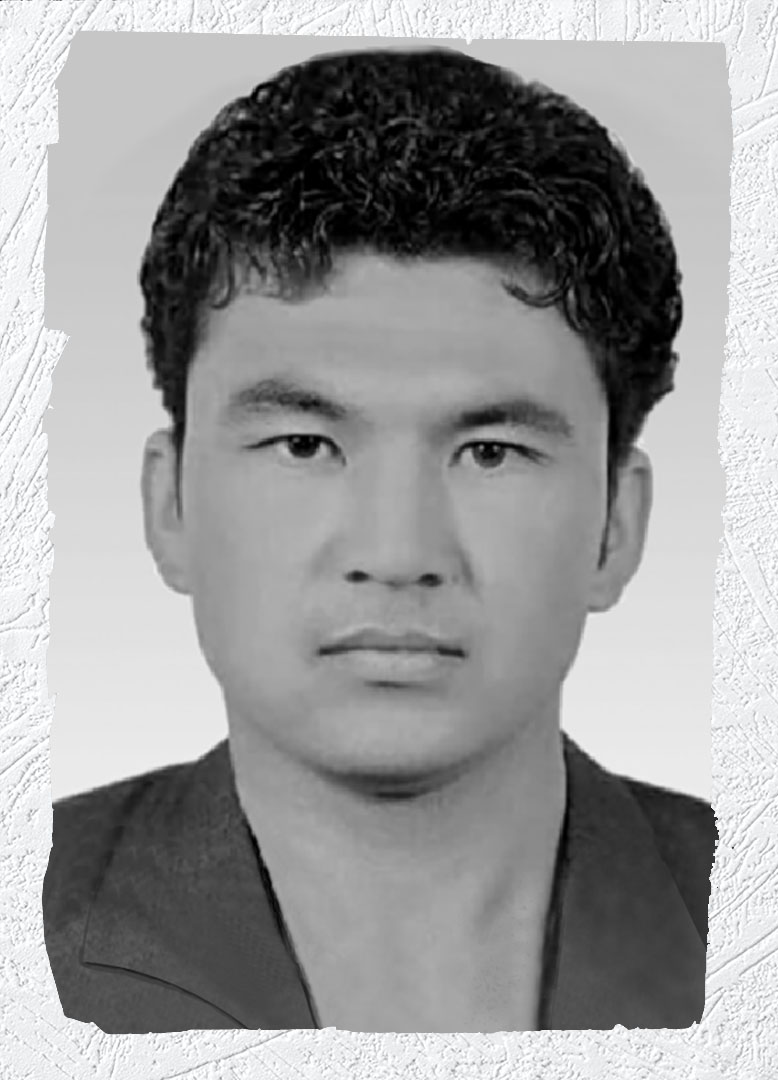
- Gender
- Male
- Ethnicity
- Hazara
- District geolocation of incident
- Kabul: 34° 31′ 1″ N, 69° 8′ 60″ E
- Description of incident
On July 23, 2016, two suicide bombers denoted their explosives among the protesters at Dehmazang Square in Kabul, the capital city of Afghanistan. The protesters, who were primarily Hazaras, were part of the Enlightenment Movement. They were protesting against the diversion of the TUTAP mega power project which would cause the project to bypass Hazara-dominated areas. At least 84 protesters lost their lives and 260-400 others were injured. The Islamic State of Khorasan Province (ISKP), the regional branch of ISIS, took credit for the attack. However, ISKP later refuted their involvement in the attack.
The Enlightenment Movement, also known as Junbesh-e Roshnayie, was a grassroots civil disobedience movement started by Hazaras in Afghanistan in response to a change in the Fichtner GmbH & Co. KG proposed Energy Supply Improvement Investment Program, unofficially called TUTAP project plans. The change in the project plans would cause it to bypass Hazara regions. The move was seen as perpetuating long-standing anti-Hazara discrimination. Throughout 2016 and 2017, the Enlightenment Movement coordinated large-scale demonstrations against discrimination both domestically in Afghanistan and abroad.
- Witness/Survivor Statement
This Incident Broke the Back of our People
Narrator: Khairun-Nesa (mother)
Victim: Mohammad Joma Abdullahi (Wafa)
Date of the incident: 23 July 2016
Location of the incident: Dehmazang, Kabul City
We are from the village of Sayed Ahmad in Ghazni Province, Jaghori District. For a while, my son attended the Kharbid School in our district. He graduated from Soltani High School in Sangmash. Then he came to Kabul, took the university entrance exam, and started studying at Gawharshad University. For almost five months, he went to Iran and worked and lived with his brother there. He then came back to Afghanistan. My son was highly active. He was a front-row activist of the "Tabassom Movement," and entered the Arg [the presidential palace in Kabul], staying with the people there until late into the night. When the Shah Shahid incident took place [7 August 2015], he had helped a lot of people. He would always read books and treated everyone well. He had friends from the Tajik, Pashtun, Uzbek, and Hazara communities.
The night before the demonstration, he gathered his friends at his brother's house and encouraged them to take part in the next day’s march. His brother's wife and I were in Jaghori. He had called his sister to go to his brother's house and prepare food for him and his friends. Given the hot weather, he had put water bottles in the refrigerator in preparation for the demonstration the next day.
On the day of the demonstration, he and his brother had left the house, putting the water in a bag. His brother recalled that the weather was hot and my son joked with his brother, saying that he would not give him any water from his pack; he should drink water from the well. When his friends told him they were not thirsty but hungry, he gave them money to buy food. His friends then told Mohammad Juma that they were being sarcastic and did not need his money. While talking with his friends, he received a call. He stood up and walked a few steps away from them, and that is when the explosion happened. When I heard about the explosion, I immediately called him. He had three phones. I called all three of his numbers but he didn't answer, and his phones were switched off. We immediately left for Kabul and arrived at 8 o’clock that night. I went through difficult moments. I can never erase his memory from my mind.
My son worked hard, but all his efforts produced no result, and God took him from me. He was 26-years-old, very young. Around Eid days, he would go to Jaghori. He would then visit Malistan in Ghazni Province with his friends. From there, he would go to Alawdal and take pictures in different places to keep as a memory of the past. Then he came to Kabul and told me: “My dear mother, now it's your turn to go to Jaghori, to rest and have some fun.” I travelled to Jaghori with his brother, but it was not long before we heard of his martyrdom. He had a factory. He paid for food for his workers, except during the month of Ramadan when they did not get food. His workers and friends loved him very much. He left me alone with my grief. Every moment I remember him, my heart breaks. I cry and wait patiently, wishing I was gone with him so I do not have to bear this pain alone.
The life story of Khairun Nesa, mother of martyr Juma
I suffered so much in my life. I tried hard to ensure my child could study. I worked on people's land and endured people's taunts for the betterment of my child's future, but, in the end, the government killed our youth and ruined our lives by not protecting people’s security. There have been ups and downs in my life, but this attack broke the back of our people. In our hometown, I used to go to the plains to collect grass for animals to enable my children to study. I sent my two sons to Iran but chose to send Mohammad Juma to school. For a while, I sent him off to Kharbed. He knew that all of us had the dream that he would build his future. That was why he worked so hard and always achieved success.
I sent him to Sangamasheh in Jaghori district for a while to get an education. For university, I sent him to Kabul. He studied at a government institute and completed his studies at Gawharshad University. On the day of the incident, I was in Jaghori. They informed me that my son was wounded in Dehmazang. By the time I arrived, he had met his death. I don't expect anything from the government because the government itself is the cause of ruining our families.
- Date added
- Jan 26, 2023
Abdul Aziz Rahimi
- Photo of Victim

- Gender
- Male
- Ethnicity
- Hazara
- District geolocation of incident
- Kabul: 34° 31′ 1″ N, 69° 8′ 60″ E
- Description of incident
On July 23, 2016, two suicide bombers denoted their explosives among the protesters at Dehmazang Square in Kabul, the capital city of Afghanistan. The protesters, who were primarily Hazaras, were part of the Enlightenment Movement. They were protesting against the diversion of the TUTAP mega power project which would cause the project to bypass Hazara-dominated areas. At least 84 protesters lost their lives and 260-400 others were injured. The Islamic State of Khorasan Province (ISKP), the regional branch of ISIS, took credit for the attack. However, ISKP later refuted their involvement in the attack.
The Enlightenment Movement, also known as Junbesh-e Roshnayie, was a grassroots civil disobedience movement started by Hazaras in Afghanistan in response to a change in the Fichtner GmbH & Co. KG proposed Energy Supply Improvement Investment Program, unofficially called TUTAP project plans. The change in the project plans would cause it to bypass Hazara regions. The move was seen as perpetuating long-standing anti-Hazara discrimination. Throughout 2016 and 2017, the Enlightenment Movement coordinated large-scale demonstrations against discrimination both domestically in Afghanistan and abroad.
- Witness/Survivor Statement
I Will Stay and Serve in Afghanistan as Long as I Am Alive
Narrator: Abdul Wahid (brother)
Victim: Abdul Aziz Rahimi
Date of the incident: 23 July 2016
Location of the incident: Dehmazang, Kabul City
I am going to share the story of my martyred brother with you. He was born on the 11th of March in 1990. In 1996, he was enrolled in school in Islam Qala in Pol-e Khomri. We lived in Baghlan Province for almost ten years, after which we moved to the centre of Bamiyan, where he completed his studies in under three years.
When he took the university entrance exam, he was admitted into the Faculty of Literature of Kabul University. He began his studies in the Spanish department. He graduated from university in 2012. After graduating from university, he spent two years trying to find a job. By late 2010, the Spanish forces asked the faculty to introduce to them a few students who knew the Spanish language in order to serve in the national army. The program, led by the faculty professors, lasted for six months. During this time, my brother served in provinces such as Kandahar, Farah, and Herat. By late 2011, he returned to the university to continue his studies. He graduated from the university in 2012.
Before he graduated from university, the Spanish Embassy suggested to ten individuals, including my brother, that they could take them to Spain, give them permanent residence, and pay their expenses for six months. A month later, I asked him what had happened to that process. I told him Spain would take him there for free, so he could improve his life there. He told me: “I have studied and worked hard for 16 years while my compatriots have served us. It is not fair to abandon our people and our country to work for other countries. I will stay and serve in Afghanistan as long as I am alive”.
They had given them some money. I asked him to give us some of it to buy tires for the truck we had and to service the vehicle. He said, "I'm sorry, I can't give you even one Afghani because I am planning to get my master's degree.” In 2016, he was close to completing his master's. His thesis was focused on the environment. His work has remained incomplete and is on his computer. He wanted to publish it as a book, but death did not give him time. He was martyred in the heartbreaking attack on July 23rd, 2016.
- Date added
- Jan 26, 2023
Mohammad Sadiq Haidari
- Photo of Victim
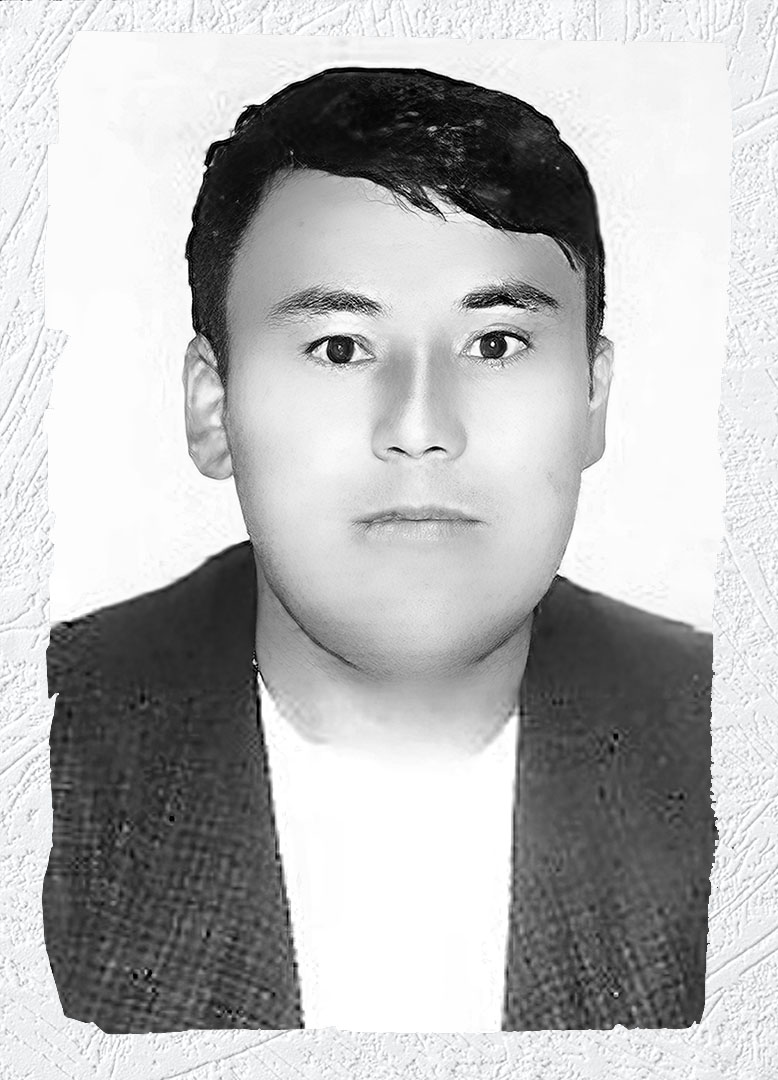
- Gender
- Male
- Ethnicity
- Hazara
- District geolocation of incident
- Kabul: 34° 31′ 1″ N, 69° 8′ 60″ E
- Description of incident
On July 23, 2016, two suicide bombers denoted their explosives among the protesters at Dehmazang Square in Kabul, the capital city of Afghanistan. The protesters, who were primarily Hazaras, were part of the Enlightenment Movement. They were protesting against the diversion of the TUTAP mega power project which would cause the project to bypass Hazara-dominated areas. At least 84 protesters lost their lives and 260-400 others were injured. The Islamic State of Khorasan Province (ISKP), the regional branch of ISIS, took credit for the attack. However, ISKP later refuted their involvement in the attack.
The Enlightenment Movement, also known as Junbesh-e Roshnayie, was a grassroots civil disobedience movement started by Hazaras in Afghanistan in response to a change in the Fichtner GmbH & Co. KG proposed Energy Supply Improvement Investment Program, unofficially called TUTAP project plans. The change in the project plans would cause it to bypass Hazara regions. The move was seen as perpetuating long-standing anti-Hazara discrimination. Throughout 2016 and 2017, the Enlightenment Movement coordinated large-scale demonstrations against discrimination both domestically in Afghanistan and abroad.
- Witness/Survivor Statement
He Laughed and Jokingly Said: “I Hope There Won’t Be a Suicide Attack Today.”
Narrator: Habibullah (brother)
Victim: Mohammad Sadiq Haidari
Date of the incident: 23 July 2016
Location of the incident: Dehmazang, Kabul City
Mohammad Sadiq was born in 1986 in the village of Daba, in the district of Yakavalang in Bamiyan Province. As a child, he was taught the Holy Quran by the Mullah in the village mosque; it was in the mosque that he learned to read and write. In 1995, he enrolled in the Deh Sorkh High School in Yakavalang District. He worked hard to become a successful student. Until Grade 9, he was top of his class. He graduated from school in 1997, and was fifth in his class. In 1999, after passing the national university entrance exam, he was accepted into Mining Geology at the Polytechnic University and completed his five-year study program. After graduating from university in 2013, he founded the Bamiyan Youth Cultural Association. He conducted literacy classes in most districts of Bamiyan, including Yakavalang and Varas.
Mohammad Sadiq was mobilized by the issue of the TUTAP project [this was a multimillion-dollar power project backed by the Asian Development Bank and World Bank to make electricity accessible to more people in Afghanistan]. People standing up for their rights motivated Mohammad Sadiq. He actively participated in programs of the Enlightenment Movement. He believed that the oppressed people of Bamiyan should were entitled to their rights, because people of the central provinces lived in poverty and darkness. Sadiq had a good relationship with people and was a socially-minded individual.
No matter how much I tell you about his good qualities, it cannot be enough. My brother was older than me and always encouraged me to study. I remember well that when I was younger, I used to wake up later than him because of the cold weather, and I was a bit lazy. He would pour water on me and make me go with him to gather grass and get used to waking up early. Because of Sadiq's continued encouragement, I graduated from school with top marks. Last year, I passed the university entrance exam, and with a high mark of 284, I was accepted into Mining Geology at the Polytechnic University. Since my first choice was medicine, I rejected that offer and plan to retake the university entrance exam [to get into Medicine].
I owe all my academic success to my brother Sadiq. I used to come to Kabul in the winter to prepare for the entrance exam and spent the winter in his room. After graduating from university, he worked for a year at the Central Statistics Office. For a while, he also worked with an NGO in Ghor Province. One of his wishes was for me to study in a good field and make him and my family proud. He was very interested in politics, so he studied Law and Political Science at Rabia Balkhi University, in addition to Geology. Unfortunately, we lost him in the July 23rd incident and he could not achieve his many dreams. He did a lot of work through the association to help youth. With assistance from Haji Mohaqeq’s party, he secured Iranian scholarships for students. He did this for almost two years. He got married this spring but had no children.
The night before the demonstration, when Khalili withdrew from the Enlightement Movement, Mohammad Sadiq cried because Khalili had abandoned his people at the last moment and made a deal with the government. People talked in the Musala, saying their leader motivated the youth and manipulated their emotions by withdrawing from the Movement. After the incident, people said that Khalili had probably compromised with the government and that the killing happened because of Khalili, Mohaqeq, and Danesh’s deal. Even on the day of the funeral of the dead, Khalili and Mohaqeq did not take part in the ceremony. Instead, they sent their representatives to the Musala. Because of people’s anger and resentment, those representatives were beaten and kicked out of the place. The poor, helpless local people were outraged. After the incident, they commented that they had not been fully aware of the TUTAP issue. Their leaders had manipulated them to mobilize, and in the end had turned their backs on their own people for self-interest. They don’t deserve the people’s respect or support.
It is a bitter and undeniable fact that because of the government's incompetence, people of the central regions do not have access to electricity and spend their evenings lit by simple oil lamps. Our youth got tired of injustice and discrimination and that's why they participated in this advocacy movement, which unfortunately ended in the death of so many of our educated and hardworking youth. I participated in the first demonstration, but Mohammad Sadiq said that the possibility of an incident was very high this time. In the morning, when he was leaving the house, he returned from the front yard and kissed the Holy Quran. Before going out, he laughed and jokingly said, “I hope there won’t be a suicide attack today.” He was joking with his mother-in-law. After leaving the house, he returned home and I noticed his nose was bleeding. He washed his face. Before he went out again, I went to him and said that I also wanted to participate in the demonstration. He said no and that I should stay home. He was very interested in civic activities and serving the people.
When the Movement was launched, he worked on the procurement committee of the Movement. Sadiq's friends later recounted that they didn't have water on the day of the incident, and Sadiq had a bottle of water. He gave it to them and went to look for water. That was when the explosion happened, and Sadiq got injured. His wounds were not serious, but he died due to lack of medical attention and severe bleeding as they could not get him to the hospital. When I came home from the educational centre, the electricity was out and I hadn’t heard about the explosion. My brother-in-law is a mining engineer in Dara Suf, Samangan Province. He called and asked if someone from our family had been at the demonstration. I said Sadiq was there. I felt the worry in his voice. He said there had been an explosion in Dehmazang. He was monitoring that day's demonstration via Facebook, through which he was informed of the attack.
I went out of the house immediately and when I got close to the main road, I saw ambulances. I went to Naser Khosrow and Watan hospitals where some of the wounded were being transferred. My brother's name was not among the list of those injured. I called my cousin, and he said, “I am going to the Esteqlal and Emergency Hospitals. Maybe I will find Sadiq there.” He thought he had seen him among the wounded, but was not sure if he had recognized Sadiq. When I went to the Esteqlal Hospital, I recognized him at once. His rosary was on his chest. I spent many years with my brother, and I recognized him from his clothes and his rosary. As soon as I saw his body, I could not move. It was unbearable to see his condition.
Some representatives of the Movement said that they wanted to bury the martyrs on a hilltop, but my family and some other families from Bamiyan Province took their dead to their own home district and buried them there. Sadiq was the family's breadwinner and carried most of the family responsibilities. Our financial situation is not too bad. My father is a shopkeeper, and he provides for our household needs. My brother Sadiq used to pay for my study expenses because he wanted me to study medicine. I gave up studying Mining Geology at his suggestion and started preparing to retake the university entrance exam to achieve his and my wish. But when he was martyred, he left me alone with my dreams. When I passed the mock entrance exam, I got a good grade. So as a young elite, they gave me a full scholarship. I only need to pay for my books, notebooks, and stationery.
After the incident, no one from the government visited our home to express sympathy. Only people from the Enlightenment Movement came, which helped relieve our pain and suffering a little. One of my dreams is to study Medicine and fulfill the wish of my brother, martyr Sadiq, because this is the only thing I can do to follow his pathway for the sake of justice.
- Date added
- Jan 26, 2023
Kazim Hakimi
- Photo of Victim

- Gender
- Male
- Ethnicity
- Hazara
- District geolocation of incident
- Kabul: 34° 31′ 1″ N, 69° 8′ 60″ E
- Description of incident
On July 23, 2016, two suicide bombers denoted their explosives among the protesters at Dehmazang Square in Kabul, the capital city of Afghanistan. The protesters, who were primarily Hazaras, were part of the Enlightenment Movement. They were protesting against the diversion of the TUTAP mega power project which would cause the project to bypass Hazara-dominated areas. At least 84 protesters lost their lives and 260-400 others were injured. The Islamic State of Khorasan Province (ISKP), the regional branch of ISIS, took credit for the attack. However, ISKP later refuted their involvement in the attack.
The Enlightenment Movement, also known as Junbesh-e Roshnayie, was a grassroots civil disobedience movement started by Hazaras in Afghanistan in response to a change in the Fichtner GmbH & Co. KG proposed Energy Supply Improvement Investment Program, unofficially called TUTAP project plans. The change in the project plans would cause it to bypass Hazara regions. The move was seen as perpetuating long-standing anti-Hazara discrimination. Throughout 2016 and 2017, the Enlightenment Movement coordinated large-scale demonstrations against discrimination both domestically in Afghanistan and abroad.
- Witness/Survivor Statement
His Mother Lost Her Sanity Balance After the Incident
Narrator: Hussain Ali (father)
Victim: Kazim Hakimi
Date of the incident: 23 July 2016
Location of the incident: Dehmazang, Kabul City
My son was born in 1988, in the Varas District. He was five years old when we migrated to the Kerman region, a part of Panjaw District in Bamiyan Province. He was very interested in school and we enrolled him in a local school, which he attended up to grade 7. But due to the lack of facilities and shortage of teachers in his school, he started to lose interest.
Subsequently, he voluntarily went to Iran, where he learned the trade of plastering. At 18, he returned to Afghanistan and married the daughter of one of our relatives. They were married for ten years. Almost a year ago, my son came to Kabul from Panjaw and rented a house in western Kabul. He has four little daughters, but life was not kind to him and his family. On the 23rd of July, he participated in the demonstration and lost his life in a brutal attack by some ungodly people.
After the accident and his martyrdom, his mother lost her sanity, her mental balance. According to the doctors, she has developed a neurological disorder. His wife and four kids live a hard life in the same rented house. I have become old and am also going through financial hardship. He was 28-years-old when he was martyred. Losing a young child breaks a person's back. We have all been downhearted since then.
- Date added
- Jan 26, 2023
Mohammad Azizullah Sabzo
- Photo of Victim

- Gender
- Male
- Ethnicity
- Tajik
- District geolocation of incident
- Kabul: 34° 31′ 1″ N, 69° 8′ 60″ E
- Description of incident
On July 23, 2016, two suicide bombers denoted their explosives among the protesters at Dehmazang Square in Kabul, the capital city of Afghanistan. The protesters, who were primarily Hazaras, were part of the Enlightenment Movement. They were protesting against the diversion of the TUTAP mega power project which would cause the project to bypass Hazara-dominated areas. At least 84 protesters lost their lives and 260-400 others were injured. The Islamic State of Khorasan Province (ISKP), the regional branch of ISIS, took credit for the attack. However, ISKP later refuted their involvement in the attack.
The Enlightenment Movement, also known as Junbesh-e Roshnayie, was a grassroots civil disobedience movement started by Hazaras in Afghanistan in response to a change in the Fichtner GmbH & Co. KG proposed Energy Supply Improvement Investment Program, unofficially called TUTAP project plans. The change in the project plans would cause it to bypass Hazara regions. The move was seen as perpetuating long-standing anti-Hazara discrimination. Throughout 2016 and 2017, the Enlightenment Movement coordinated large-scale demonstrations against discrimination both domestically in Afghanistan and abroad.
- Witness/Survivor Statement
He Would Always Tell Me He Would Go Overseas
Narrator: Rahmatullah (father)
Victim: Azizullah Sabzo
Date of the incident: 23 July 2016
Location of the incident: Dehmazang, Kabul City
Azizullah enrolled in Deh Dana School at the age of seven. He was attending twelfth grade at the Mehrabuddin School in Chehel-Soton. He always told me he was interested in going overseas after finishing school. I would tell him, “My son, what are you going to do overseas? Whatever you like to do, do it in Afghanistan and build your life here.” But he would always say that it was his dream to go abroad. On the day of the incident, his friends called him: “Azizullah, where are you, brother?” He told them that he was at home. They told him to come and join them in the demonstration. “What type of a friend you are, leaving us alone?” they said.
He joined his friends in Dehmazang. Around 2 p.m., the attack happened, and my son was killed at the age of 18. We were very satisfied and happy with him. He was a calm and well-mannered boy, and I can say he was fortunate. He was very social and respected everyone.
- Date added
- Jan 26, 2023
Sayed Mahdi Masoumizada
- Photo of Victim

- Gender
- Male
- Ethnicity
- Sadat
- District geolocation of incident
- Kabul: 34° 31′ 1″ N, 69° 8′ 60″ E
- Description of incident
On July 23, 2016, two suicide bombers denoted their explosives among the protesters at Dehmazang Square in Kabul, the capital city of Afghanistan. The protesters, who were primarily Hazaras, were part of the Enlightenment Movement. They were protesting against the diversion of the TUTAP mega power project which would cause the project to bypass Hazara-dominated areas. At least 84 protesters lost their lives and 260-400 others were injured. The Islamic State of Khorasan Province (ISKP), the regional branch of ISIS, took credit for the attack. However, ISKP later refuted their involvement in the attack.
The Enlightenment Movement, also known as Junbesh-e Roshnayie, was a grassroots civil disobedience movement started by Hazaras in Afghanistan in response to a change in the Fichtner GmbH & Co. KG proposed Energy Supply Improvement Investment Program, unofficially called TUTAP project plans. The change in the project plans would cause it to bypass Hazara regions. The move was seen as perpetuating long-standing anti-Hazara discrimination. Throughout 2016 and 2017, the Enlightenment Movement coordinated large-scale demonstrations against discrimination both domestically in Afghanistan and abroad.
- Witness/Survivor Statement
He Was Admitted to the Journalism Faculty at Kabul University
Narrator: Sayed Karim (Cousin (auntie’s son)
Victim: Sayed Mahdi Masoumzada
Date of the incident: 23 July 2016
Location of the incident: Dehmazang, Kabul City
Sayed Mahdi Masoumzada turned 20 this year [2016]. He was born in Varas District in Bamyan Province. He attended first to twelfth grade in Varas, and in 2012, graduated from twelfth grade. He sat the public university entrance exam but did not wait for the results. Instead, he secretly came to Kabul with some friends. One of his cousins called me and said, “Your auntie’s son has come to Kabul and is planning to go to Iran.” I quickly went to Kampany [in Kabul] and looked for him in all the vehicles there, but could not find him. I called his number, but his phone was turned off.
He called me at 10 o'clock and I told him not to go to Iran, but he refused. Since he was not listening to me, I followed him and brought him home. The next day, he travelled to Iran, but the border police harassed him. With difficulty he reached the city of Kerman but because workers’ conditions were not good there, he soon returned to Afghanistan. Later, he wanted to go to Iran for a second time, but we did not allow him to go. After some time, the entrance exam results were announced, and he learned that he had been successful and was admitted to the journalism faculty of Kabul University. He was in Bamyan and returned to Kabul after hearing the good news.
After enrolling at the university, he moved away from home to live in a dormitory. He visited our house once a month and at other times, he stayed in the dormitory. In the month of Ramadan, his father called him and told him to come home as it had been a long time since he visited. His father said it would be good for him to spend some time with the family during the days of Eid. Mahdi was not interested in going to Bamiyan, but he told me he wanted to go home because of his father's call. On the nights of Qadr, he would stay in the dormitory and rarely visited our house. I called him and asked him why he would not come to the house. He said, "I don't like to bother relatives while I'm away from home for my educational programs. I would rather stay in the dorm." He travelled to Bamiyan Province for just three days and then returned to Kabul. When he came, he took all his belongings back to the dormitory. A few days later, I called him, but his phone was switched off. I called him the next day and asked him to come back to our house. He said, “I will come to your house tomorrow night.” The day he came to our house, I was unfortunately not at home. Then the attack happened on July 23rd.
Before the incident, he had organized all his belongings in his dormitory and put them in his bag. He had bought white clothes and a white scarf specially for the July 23rd demonstration. The night before the rally, he told his friends that clothing was his shroud. He called me the night before the incident and wanted me to participate in the demonstration the next day. I called him in the morning and he said he would be coming by at 11 o’clock in the morning. But on the day of the protest, some of us who were planning to go eventually turned back at Qala-e Naw to go visit a sick family member.
It was only at 3:30 in the afternoon that we were informed there had been an explosion in Dehmazang. I called my cousin, but he didn't answer. I called his friends, and they said my cousin’s brother had already called Mahdi three times that day asking him not to take part in the demonstration. To put his brother’s mind at rest, Mahdi told him he wouldn't be joining in the march. When I called his brother, he didn't answer his phone either. Our own house is about 10 minutes from Qala-e Naw. But on that day, it took me half an hour to arrive home. It felt like ages. By the time I got home, I noticed my father and brother were not there. I asked about them and was told Mahdi was wounded, and they had gone to visit him in hospital.
When my father learned that Mahdi was injured, he walked on foot from Qala-e Maw to Dar al-Aman. Meanwhile, the wounded and martyrs had been transferred to various different hospitals. His friends searched several hospitals and could not find him. At 6:00 pm, his friends called to say that Mahdi was in Esteqlal Hospital, but they had not been allowed to go in and see him. We pretended not to know anything, because my mother was so restless. At 7:00 p.m., Mahdi's brother went to the hospital. When they allowed my brother to enter, he recognized Mahdi. According to my brother, when he entered the hospital, all the rooms, the corridor, and the morgue were full of corpses and the wounded. Part of Mahdi’s forehead had been cleaned, and that was how his brother recognized him. Several pieces of shrapnel had hit his body and he died before our family was able to arrive. They didn't hand over Mahdi's body that night, instead at 8:00 a.m. the next day because of the hot weather. The same day, we took the body and transferred it to Bamyan where we then buried him. Unfortunately, I don’t know the details since I was still in Kabul.
- Date added
- Jan 26, 2023
Abdul Latif Zahidi
- Photo of Victim
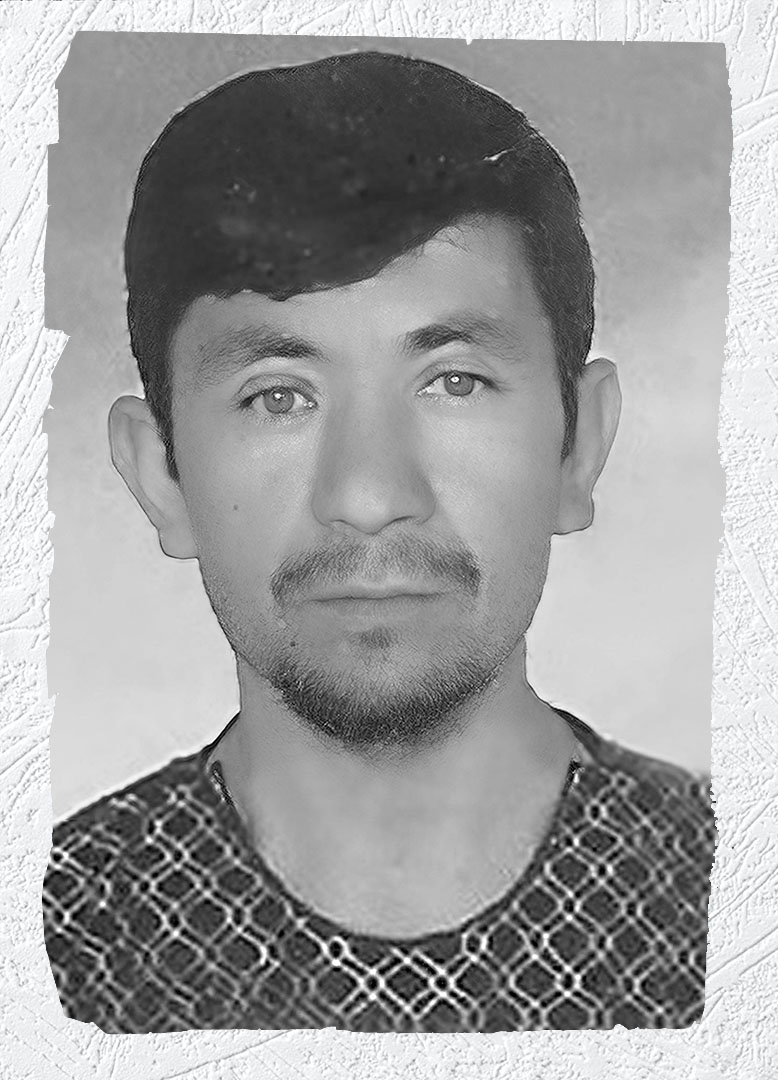
- Gender
- Male
- Ethnicity
- Hazara
- District geolocation of incident
- Kabul: 34° 31′ 1″ N, 69° 8′ 60″ E
- Description of incident
On July 23, 2016, two suicide bombers denoted their explosives among the protesters at Dehmazang Square in Kabul, the capital city of Afghanistan. The protesters, who were primarily Hazaras, were part of the Enlightenment Movement. They were protesting against the diversion of the TUTAP mega power project which would cause the project to bypass Hazara-dominated areas. At least 84 protesters lost their lives and 260-400 others were injured. The Islamic State of Khorasan Province (ISKP), the regional branch of ISIS, took credit for the attack. However, ISKP later refuted their involvement in the attack.
The Enlightenment Movement, also known as Junbesh-e Roshnayie, was a grassroots civil disobedience movement started by Hazaras in Afghanistan in response to a change in the Fichtner GmbH & Co. KG proposed Energy Supply Improvement Investment Program, unofficially called TUTAP project plans. The change in the project plans would cause it to bypass Hazara regions. The move was seen as perpetuating long-standing anti-Hazara discrimination. Throughout 2016 and 2017, the Enlightenment Movement coordinated large-scale demonstrations against discrimination both domestically in Afghanistan and abroad.
- Witness/Survivor Statement
He Used to Encourage His Friends to Stand Up for Their Rights
Narrator: Hazratullah Shirzad (brother)
Victim: Abdul Latif Zahidi
Date of the incident: 23 July 2016
Location of the incident: Dehmazang, Kabul City
Praise to the martyrs of the 23rd of July, and greetings to you. I am Hazratullah Shirzad, brother of the martyr Abdul Latif. We come from Ghazni Province, Qarabagh District. My brother graduated from Naiqala High School during the Taliban era. Because conditions were terrible in those years, he emigrated to Iran and lived and worked there for several years. After a few years, he returned to Afghanistan. He spent some time in Kandahar Province and then came to Kabul. After he came here, he worked with me in dentistry.
I went to Ghazni this year during Ramadan and remained there until the day of the incident. My brother always encouraged his friends and us to get an education. He advised all his friends to study hard, he was a keen reader. He was 28-years-old when he was killed, and left behind two daughters and two sons. After my brother's death, life has been difficult for the entire family and for me. He was not only a brother, but also a good friend and comrade to all of us.
As I said, when the incident happened, I was in Ghazni. Someone called me to say that a suicide attack had occurred in Dehmazang, and that unfortunately, Abdul Latif was injured. They wanted me to return to Kabul as soon as possible. I didn't even know how they took him to the hospital or how he had been martyred. By the time I arrived in Kabul, it was too late. I didn't know the details of the incident, but I arrived at his funeral. I couldn't believe it. I was in a terrible mental state; it is excruciating and almost impossible to describe those moments. He always encouraged his friends to stand up for their civil rights and not allow anyone to violate them. He believed everyone should have equal rights and access to social justice. To achieve that, they must fight.
- Date added
- Jan 26, 2023